
There are few places in Panama City that can make you feel as though you have stepped out of the modern capital and into an entirely different chapter of Panama’s history quite as quickly as Clayton. One moment you can be surrounded by the skyscrapers, traffic, shopping centers, and intense urban energy that characterize much of Panama City, and the next you are driving along broad, tree lined streets beneath an enormous tropical canopy, passing low rise buildings, old Canal Zone residences, former military facilities, schools, research organizations, and open green spaces. Clayton is fascinating precisely because it does not look like the Panama City that most visitors imagine. There are no walls of skyscrapers dominating the horizon. Instead, the neighborhood has a spacious, almost garden city atmosphere, and beneath that peaceful appearance is an extraordinary history. Clayton was once part of the former Panama Canal Zone and was home to Fort Clayton, an important United States military installation. After the transfer of the Canal Zone to Panama, the former military landscape underwent one of the most interesting transformations in the country: instead of remaining a military compound, much of the old base became Ciudad del Saber, or the City of Knowledge, turning barracks and military infrastructure into a center for education, research, international organizations, entrepreneurship, culture, and innovation. The official history of Ciudad del Saber records that 120 hectares of the former Fort Clayton were transferred to its foundation in 1998, and the complex was formally transferred to Panama in 1999.
The Strange Beauty of a Former American Military Town
To understand Clayton, you have to temporarily forget what Panama City looks like today. Clayton developed under the very unusual circumstances of the Panama Canal Zone, where the United States administered a large area surrounding the canal for much of the twentieth century. Fort Clayton became an important military installation and eventually served as the headquarters of U.S. Army South. The physical landscape created during that period still influences what you see today. The broad streets, spacious properties, mature trees, low density development, and relationship between buildings and landscape are dramatically different from the dense urban development found in neighborhoods such as El Cangrejo, San Francisco, Obarrio, or Punta Pacífica. La Prensa has described Fort Clayton as having been the headquarters of the U.S. Southern Command for decades, while also documenting the transition of the former Canal Zone back to Panama under the Torrijos Carter process. What makes Clayton especially interesting for a visitor is that the history is not locked away inside a museum. It is sitting around you. Old buildings remain part of the modern landscape. Former military spaces have acquired new purposes. Roads that once served a military community now carry residents, students, workers, visitors, and cyclists. The neighborhood therefore becomes a kind of outdoor historical document, where Panama's complicated twentieth century can be experienced simply by walking around and paying attention.
Ciudad del Saber: From Soldiers to Students
The most remarkable transformation in Clayton is Ciudad del Saber. The concept is almost poetic: a former military base was transformed into a place devoted to knowledge. The organization itself describes the transformation as changing “soldiers into students, barracks into classrooms and weapons into books.” That is an extraordinary evolution, because the physical infrastructure was not simply demolished and replaced with something completely new. Much of the character and architectural legacy of the former Canal Zone was retained while the purpose of the area changed dramatically. Today, Ciudad del Saber functions as a campus and community containing academic, scientific, technological, cultural, entrepreneurial, and international organizations. Its official visitor information emphasizes that the campus is open to the public and was deliberately transformed from a formerly closed military environment into a more accessible collaborative space. For a traveler, this creates an unusual experience. You can walk through a place that once existed for military purposes and now find people attending conferences, working on technology projects, participating in educational programs, enjoying green spaces, or simply spending time outdoors. The contrast is one of the most fascinating stories in Panama City.
Clayton Is One of Panama City's Great Green Areas
One of the first things visitors notice about Clayton is the sheer amount of vegetation. Panama City is famous for its skyline, but it is also an unusually green capital, and Clayton is one of the neighborhoods where that becomes especially obvious. Giant mature trees form corridors over roads and pathways, and the vegetation gives the area a cooler, quieter feeling than the heavily built parts of the city. The relationship between development and nature was actually part of the planning philosophy surrounding the former Canal Zone. Historical material about Clayton describes the value placed on landscaping, topography, drainage systems, environmental conservation, and green belts. This is one reason Clayton can feel almost surreal to first time visitors. You are still inside metropolitan Panama City, yet the environment can feel much more like a tropical forest community than a conventional capital city neighborhood. For anyone interested in urban design, Clayton is particularly fascinating because it demonstrates how planning decisions made many decades ago can still shape the experience of a city today.
The Wildlife Makes Clayton Even More Interesting
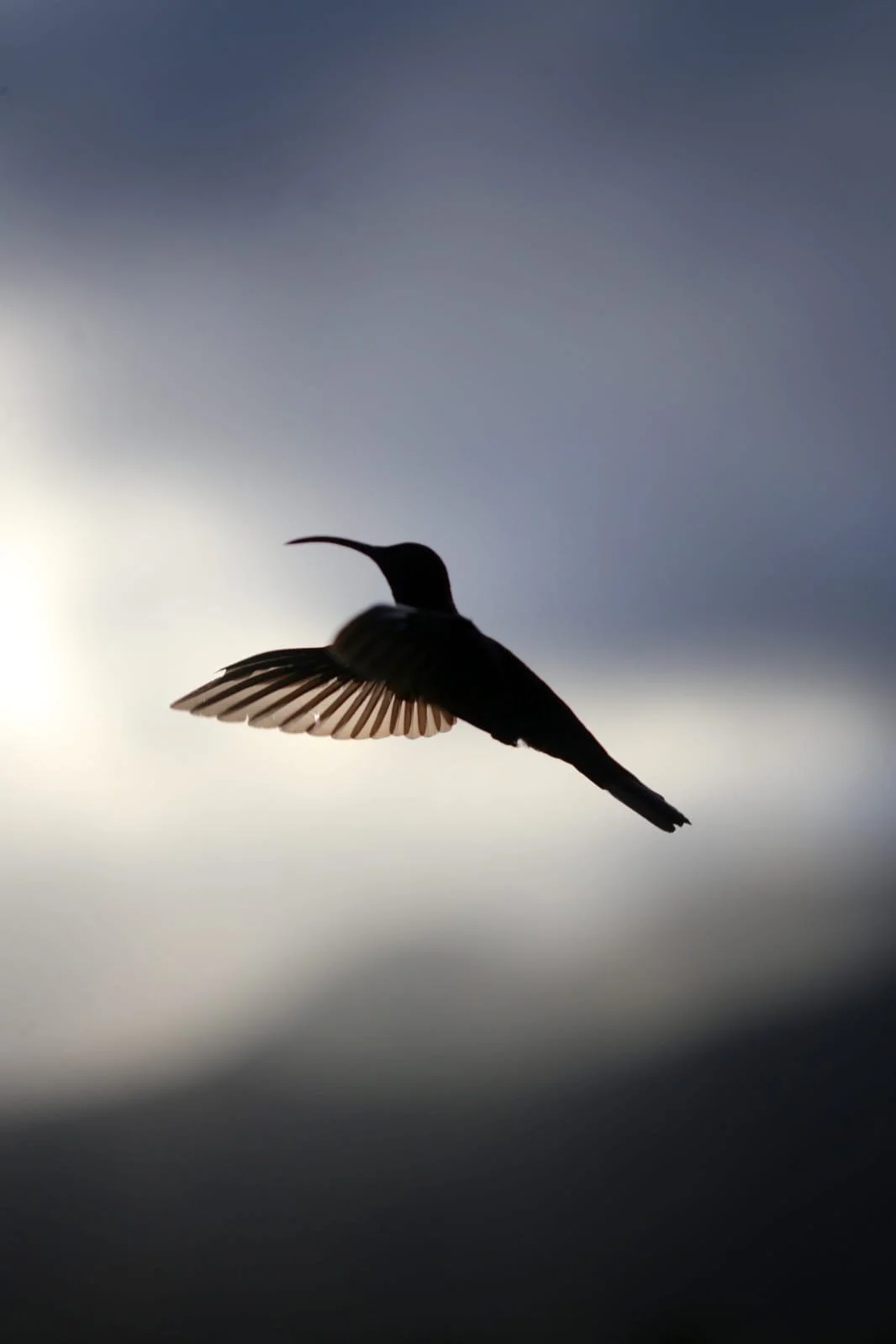
The vegetation is not simply decorative. It creates habitat, and Clayton sits within a remarkable ecological setting. This part of Panama City is close to major forested areas and the Panama Canal watershed, meaning that wildlife is not necessarily confined to distant national parks. Birds can be heard throughout the neighborhood, and visitors may encounter tropical species while simply walking along roads and paths. Squirrels, iguanas, butterflies, and other small animals are also part of the landscape, while monkeys and other forest wildlife can occur in the broader green areas around the district. This is one of the great pleasures of exploring Clayton slowly. You are not entering a zoo where someone guarantees that you will see a particular animal. You are entering a living tropical environment and paying attention to what happens around you. A sudden movement in the canopy, a strange bird call, or a large iguana crossing the road can turn an ordinary walk into a small wildlife adventure.
Clayton and the Canal
The Panama Canal is never far away conceptually or geographically. Clayton developed because of the Canal Zone, and the neighborhood's history is inseparable from the strategic importance of the waterway. The area lies near the Canal's Pacific side and is connected to the broader landscape of the canal watershed and former Canal Zone communities. This is important because it helps explain why the neighborhood looks so different from other parts of Panama City. The Canal Zone was designed around a very different system of administration and planning, with military installations, residential communities, schools, hospitals, recreational facilities, and extensive green areas supporting the canal enterprise. Clayton was one piece of that much larger world. Today, the old boundaries may no longer be visible in the same way, but the landscape still tells the story.
The “Clayton Ayer y Hoy” Story
For visitors fascinated by the history of the area, one particularly interesting feature is the outdoor exhibition “Clayton Ayer y Hoy,” which documents the area's past and transformation. The exhibition consists of interpretive panels placed outdoors within the former military complex, allowing visitors to encounter history while physically standing in the landscape being described. It was created through collaboration involving Ciudad del Saber, the Biomuseo, and the U.S. Embassy. This is a wonderful idea for a place like Clayton because the neighborhood itself is part of the exhibit. Instead of reading about a demolished military installation somewhere else, you can look around and see the streets, trees, buildings, and spaces connected to the story. For travelers interested in the history of the Canal Zone, this can make Clayton far more rewarding than simply driving through it.
The Architecture Is Part of the Adventure
Clayton's architecture deserves much more attention than it normally receives. Throughout the neighborhood, you encounter buildings and residential structures that reflect the distinctive planning traditions of the former Canal Zone. The architecture was influenced by the tropical climate, with an emphasis on ventilation, shade, practical layouts, greenery, and separation between buildings. This creates a visual atmosphere that is immediately different from the concrete towers elsewhere in Panama City. Some buildings have been adapted to new functions, while others retain architectural characteristics associated with the area's military and residential past. The result is a strange mixture of old and new: historic structures sitting beside contemporary institutions, former military buildings now serving civilian purposes, and mature vegetation tying the entire landscape together. Clayton therefore offers an interesting lesson in adaptive reuse. Instead of erasing the past, Panama has incorporated much of it into a new urban identity.
A Neighborhood That Doesn't Feel Like the Rest of Panama City
This may ultimately be Clayton's greatest attraction. Panama City can be overwhelming. It is busy, vertical, noisy, modern, and constantly changing. Clayton is almost the opposite. It is horizontal, leafy, spacious, and comparatively quiet. The absence of a huge skyline is itself striking. You can spend time here without feeling like you are surrounded by the intensity of a major capital. That makes Clayton particularly attractive to travelers who want to experience another side of Panama City. Instead of seeing the city exclusively through skyscrapers, shopping districts, nightlife, and historic Casco Viejo, you get to see a city where nature and institutional history remain deeply embedded in the urban landscape.
For Backpackers, Clayton Is an Unexpected Side of Panama City
Backpackers sometimes overlook Clayton because it does not have the immediate recognition of Casco Viejo or the obvious attraction of the Panama Canal locks. But that is exactly why it can be rewarding. It offers something different. A traveler can spend a morning exploring Ciudad del Saber, wandering through the green streets, looking at the old Canal Zone architecture, learning about Fort Clayton, and observing the tropical environment before moving onward to other parts of the capital. It is especially good for travelers who enjoy discovering how a city actually works rather than simply visiting its most famous attractions. Clayton demonstrates that Panama City is not just a collection of skyscrapers beside a canal. It is a city built from layers of Indigenous, Spanish, Caribbean, American, and modern Panamanian history, and Clayton represents one of the most fascinating of those layers.
The Connection With Ancón and Panama's Forests
Clayton also becomes more interesting when considered together with the surrounding green areas. Nearby Ancón contains some of the most important forested landscapes within Panama City, including the famous Cerro Ancón and the Parque Natural Metropolitano. This creates a remarkable ecological corridor in the middle of the capital. You can move from dense urban development into an environment where forest, birds, wildlife, and tropical vegetation become dominant surprisingly quickly. For someone interested in Panama's natural history, Clayton is therefore not simply an urban neighborhood. It is part of a much larger relationship between the city and the remaining forests surrounding the canal.
Why Clayton Matters to Panama's Modern Identity
The story of Clayton is ultimately a story about what Panama did with its inherited landscape. When the Canal Zone ceased to exist under the previous system and Panama assumed control of the territory, the country faced an enormous challenge: what should happen to all these military bases, residential communities, institutional buildings, roads, and enormous areas of strategically important land? Clayton provides one of the most interesting answers. A military installation was transformed into a knowledge center. The official history of Ciudad del Saber traces this process from the creation of its foundation in 1995 through the 1998 transfer of 120 hectares and the formal handover of the Clayton facilities in 1999. The symbolism is powerful. A landscape once associated with military power became associated with education, science, innovation, culture, and international cooperation. That transformation is part of modern Panama's story and one of the reasons Clayton deserves far more attention from visitors.
The Perfect Place to Slow Down in Panama City
Clayton is not necessarily somewhere you visit because you have a checklist of ten enormous attractions to conquer. Its appeal comes from wandering. Walk slowly. Look at the trees. Notice the architecture. Read the historical panels. Watch people using the public spaces. Pay attention to birds. Look at how old buildings have been incorporated into modern life. Think about what the same streets must have looked like decades ago. Then look around and realize that the place has undergone one of the most extraordinary transformations in Panama's history.
That is what makes Clayton fascinating. It is simultaneously a neighborhood, a former military base, a historical landscape, a knowledge campus, a residential community, and a green refuge inside one of Central America's fastest changing cities. It gives travelers a completely different perspective on Panama City. Instead of asking only where the skyscrapers are, Clayton encourages you to ask what was here before them, who lived and worked here, why the landscape was designed this way, and how Panama transformed a strategically important piece of the former Canal Zone into something entirely new.
And perhaps that is the best reason to visit. Clayton is a place where Panama's past has not disappeared; it has been repurposed. The military history is still visible, but the guns are gone. The old Canal Zone landscape remains, but the political system that created it has changed. The buildings survive, but their purposes have evolved. The forests remain, but they now exist alongside universities, organizations, businesses, and public spaces. It is a neighborhood where history is not trapped behind glass. You can walk through it, sit beneath its trees, hear birds above you, and watch modern Panama continue to develop around it.
For a backpacker trying to understand the real character of Panama City, that makes Clayton one of the capital's most rewarding places to explore.