
There are few places in the Americas that inspire as much curiosity among adventurous travelers as Yaviza. This small frontier town in Panama's Darién Province is famous around the world for one extraordinary reason: it marks the southern end of the Pan American Highway. After nearly 30,000 kilometers of roads stretching from the icy landscapes of Alaska through Canada, the United States, Mexico, Central America, and all the way across Panama, the pavement simply stops. Beyond Yaviza lies one of the wildest and least accessible regions in the Western Hemisphere, the legendary Darién Gap, a vast expanse of dense rainforest, swamps, rivers, and mountains where no road has ever successfully connected North and South America. Standing in Yaviza is like standing at the edge of two worlds. Behind you is an unbroken highway system linking almost an entire continent. Ahead lies one of the last great wildernesses on Earth, where nature still dictates the rules and rivers remain the primary highways through the forest.
For backpackers, overland explorers, wildlife enthusiasts, and travelers fascinated by remote places, Yaviza has become something of a legendary destination. It is not a place of luxury hotels or famous tourist attractions. Instead, its appeal lies in its unique geography, remarkable history, vibrant cultural diversity, and the overwhelming feeling that you have reached the edge of civilization. Every visitor who arrives here understands that this is not simply another town on a map. It is the beginning of one of the world's greatest natural frontiers.
The End of an Epic Highway
The Pan American Highway is often described as the world's longest road network. From the frozen north of Alaska, it winds through towering mountain ranges, deserts, tropical forests, sprawling cities, and countless small communities before finally reaching Yaviza in eastern Panama. For many overland travelers, motorcyclists, cyclists, and expedition teams, reaching this point is a major achievement. A simple road sign announcing the end of the highway has become one of Panama's most photographed landmarks because it symbolizes the end of a journey that may have covered thousands upon thousands of kilometers.
The obvious question immediately follows. Why does the road stop here?
The answer is the Darién Gap.
Beyond Yaviza stretches roughly one hundred kilometers of some of the most difficult terrain in the Americas. Dense rainforest blankets the landscape, enormous rivers cut through thick vegetation, extensive swamps make road construction incredibly difficult, and the region supports exceptional biodiversity that conservationists have worked hard to protect. For decades, engineers have proposed completing the missing section of highway, yet environmental concerns, the desire to protect Indigenous territories, the risk of spreading livestock diseases between continents, and the sheer engineering challenges have prevented the road from continuing. As a result, Yaviza remains the place where one of humanity's greatest road systems comes to an abrupt and fascinating end.
A Town Built Around Rivers
Long before roads reached the Darién, rivers served as the lifelines of the region, and they continue to play that role today. Yaviza sits near the confluence of important waterways that connect remote communities scattered throughout the rainforest. Boats regularly arrive carrying passengers, supplies, fresh produce, fish, and building materials, while others depart carrying people deeper into the jungle.
Watching the riverfront quickly reveals that boats are every bit as important here as trucks are elsewhere in Panama. Long dugout canoes fitted with outboard motors glide along muddy waters carrying families between villages that remain inaccessible by road. Cargo boats transport everything from groceries to construction supplies, while local fishermen return with the day's catch. Life in Yaviza continues to revolve around its rivers much as it has for generations.
Gateway to the Darién
Although Yaviza itself is relatively small, its importance comes from being the principal gateway into the vast Darién region. Beyond the town lies an immense landscape of tropical rainforest, winding rivers, isolated Indigenous communities, wetlands, and rugged mountains that together form one of Central America's largest remaining wilderness areas.
The Darién is one of the most biologically rich places on Earth. Towering rainforest trees form dense canopies beneath which countless species of mammals, birds, reptiles, amphibians, insects, and plants thrive. Jaguars still roam these forests alongside pumas, ocelots, tapirs, giant anteaters, white lipped peccaries, and several monkey species. Harpy eagles, Panama's national bird, occasionally soar above the canopy, while scarlet macaws add brilliant flashes of color to the green landscape.
Yaviza serves as the final staging point before entering this extraordinary wilderness.
A Meeting Place of Cultures
Yaviza is also remarkable because of the diversity of cultures that meet here. The town serves as an important commercial and transportation hub for nearby Indigenous communities, including the Emberá and Wounaan peoples, whose traditional territories extend throughout much of the Darién.
Visitors may encounter beautifully handcrafted woven baskets, intricate wood carvings, colorful tagua nut artwork, and traditional clothing reflecting generations of cultural heritage. Local markets sometimes display handmade crafts produced using techniques passed down through countless generations.
For respectful travelers, Yaviza offers an opportunity to appreciate the remarkable cultural diversity that has long characterized eastern Panama.
The Landscape Changes Dramatically
One of the most fascinating aspects of traveling toward Yaviza is watching Panama gradually transform.
Leaving Panama City, modern highways pass through farmland and rolling hills.
Farther east, forests become increasingly extensive.
Roadside development becomes less frequent.
The humidity rises.
Rivers become wider.
Wildlife becomes more abundant.
By the time you arrive in Yaviza, the rainforest dominates almost every direction. The feeling of remoteness grows stronger with every kilometer.
It becomes obvious that you have entered a completely different Panama.
Wildlife Around the Town
Although the deepest wildlife experiences occur farther into the Darién, even around Yaviza nature is never far away.
Colorful parrots frequently fly overhead.
Kingfishers patrol the rivers.
Herons stalk fish along muddy banks.
Howler monkeys may sometimes be heard from nearby forests.
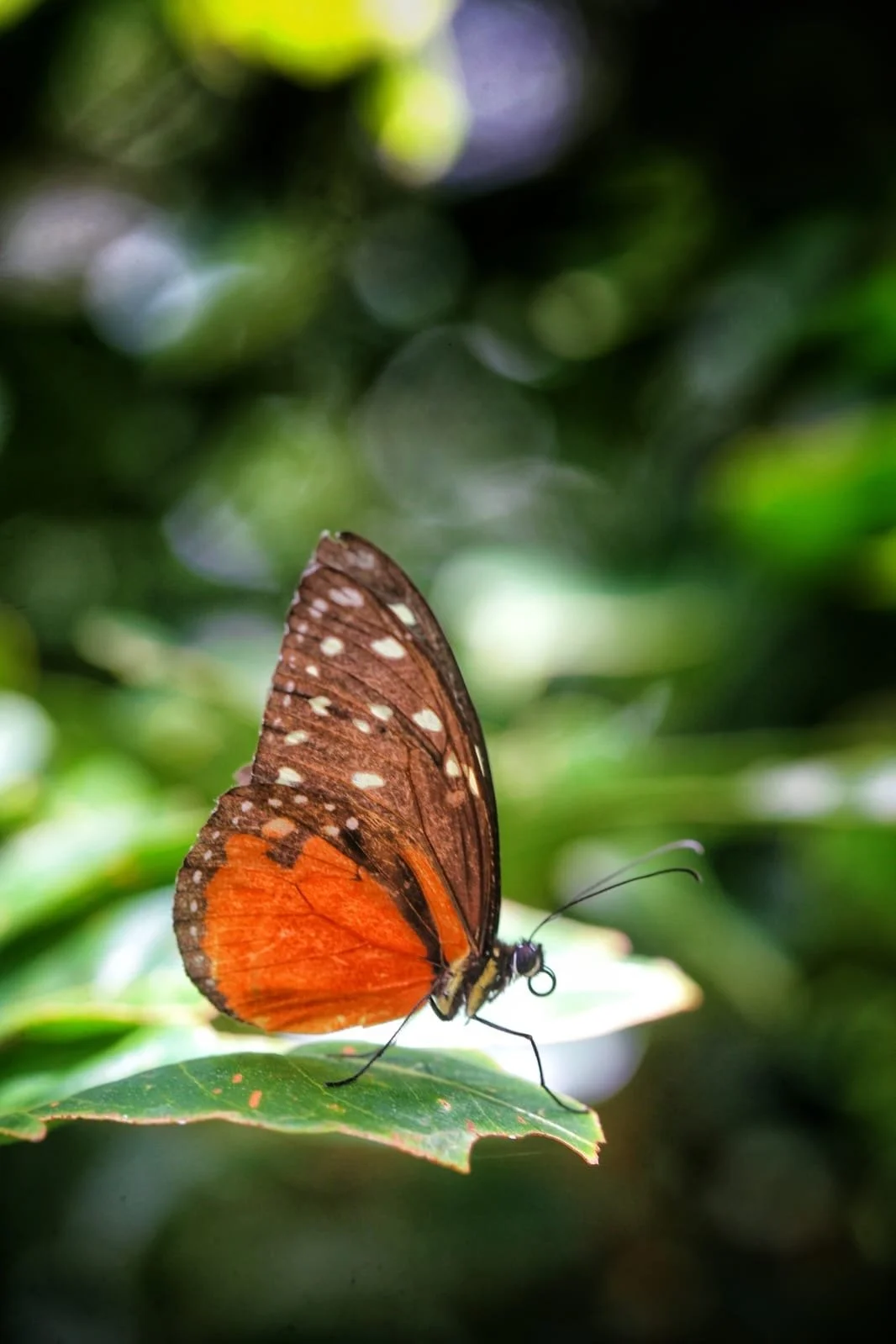
Butterflies drift through gardens while countless tropical insects emerge after rain.
The surrounding wetlands and forests support remarkable biodiversity that begins almost immediately beyond the town.
The Legendary Darién Gap
No discussion of Yaviza is complete without mentioning the Darién Gap itself.
For decades this stretch of wilderness has captured the imagination of explorers, scientists, adventurers, filmmakers, and historians.
Its reputation comes not only from its dense rainforest but also from its extraordinary ecological importance.
The forests connect Central and South America, allowing countless animal species to move between continents over evolutionary time. They also protect vital watersheds, store enormous amounts of carbon, and preserve habitats found nowhere else.
For this reason, much of the region enjoys protected status within Darién National Park, a UNESCO World Heritage Site and one of the largest national parks in Central America.
History on the Frontier
Yaviza has long served as a frontier settlement where transportation, trade, and government services converge. Throughout its history, the town has functioned as a bridge between Panama's more developed western regions and the vast wilderness of the Darién.
As roads gradually expanded eastward during the twentieth century, Yaviza became the final destination for highway construction.
Since then, its identity has remained closely linked to exploration, logistics, conservation, and the unique geography of the Darién Gap.
Visitors quickly recognize that this is not simply another rural town but an important crossroads between civilization and wilderness.
Adventure Begins Here
For many travelers, Yaviza is less about the town itself than about what it represents.
It symbolizes possibility.
It marks the edge of the known road.
It serves as the doorway to one of the planet's last great tropical frontiers.
Even standing beside the famous "End of the Pan American Highway" sign creates a sense of excitement because few places so clearly illustrate the transition between the developed world and untouched wilderness.
A Place Unlike Anywhere Else
Panama contains remarkable destinations ranging from cloud forests and volcanic peaks to tropical islands, colonial cities, coral reefs, and one of the world's greatest engineering achievements. Yet Yaviza occupies a category entirely its own. It is neither a beach destination nor a mountain retreat. Instead, it represents the frontier spirit that has defined exploration for centuries.
Here, roads surrender to rivers. Forest replaces pavement. Boats become more important than automobiles. The pace of life slows, while nature steadily becomes the dominant force. Every visitor senses that beyond the last buildings lies a landscape that remains among the wildest anywhere in the Americas.
For adventurous backpackers, photographers, naturalists, and anyone fascinated by geography and exploration, Yaviza offers one of Panama's most unforgettable experiences. It is a place where history, engineering, Indigenous cultures, tropical biodiversity, and one of the world's greatest wildernesses come together at the very end of the road. Standing in Yaviza, with the Pan American Highway behind you and the immense Darién stretching endlessly ahead, is a powerful reminder that even in the twenty first century, there are still places where nature has the final word.