
Few lakes anywhere on Earth have a story as extraordinary as Gatún Lake. Created in the early twentieth century during the construction of the Panama Canal, this immense artificial lake became one of the greatest engineering achievements in history. Yet over the decades it has evolved into something far greater than simply a reservoir for ships. Today, Gatún Lake is one of Panama's richest freshwater ecosystems, a paradise for anglers, wildlife enthusiasts, photographers, and nature lovers. Covering more than 400 square kilometers at its normal operating level, the lake winds through endless tropical rainforest, surrounds hundreds of forested islands, and supports an astonishing variety of fish and wildlife. It is one of the few places on Earth where an angler can cast a fishing line while watching giant container ships silently pass through one of humanity's greatest engineering marvels.
Fishing on Gatún Lake is unlike fishing almost anywhere else. Every trip combines sport, history, wildlife, and spectacular scenery into a single unforgettable experience. The water stretches into narrow channels lined with towering rainforest, flooded valleys hide countless submerged trees that provide ideal fish habitat, and quiet coves echo with the calls of monkeys, toucans, and kingfishers. It is a place where every cast carries excitement because beneath the calm surface swims one of Central America's most productive freshwater fish communities.
A Lake Born From One of History's Greatest Engineering Projects
Before the Panama Canal existed, the mighty Chagres River flowed through a broad tropical valley surrounded by dense rainforest. During construction of the canal, engineers built the massive Gatún Dam across the river, flooding enormous areas of forest and creating what was, at the time, one of the largest artificial lakes in the world.
The rising water submerged hills, valleys, streams, and forests, leaving only the highest ridges visible above the surface as islands. What initially appeared to be a dramatic transformation of the landscape gradually became an ecological success story. Flooded forests created exceptional fish habitat. Fallen trees provided shelter for young fish. Nutrients released from submerged vegetation supported aquatic food webs. Over time, the lake developed into one of the richest freshwater fisheries in the region.
Today, Gatún Lake remains absolutely essential to the operation of the Panama Canal. Every ship passing between the Atlantic and Pacific Oceans crosses its waters. Yet alongside this global shipping route exists a thriving natural ecosystem where fishing has become one of the lake's greatest recreational attractions.
An Extraordinary Variety of Fish
The diversity of fish found within Gatún Lake surprises many first time visitors.
The undisputed star of the lake is the peacock bass, a brilliantly colored predator originally introduced from South America during the 1960s to help control populations of another introduced fish, the invasive tilapia. The peacock bass adapted exceptionally well, becoming one of the lake's premier sport fish. Famous for its explosive strikes, powerful fights, and spectacular colors, it attracts anglers from around the world.
Unlike many freshwater fish that simply pull steadily against the line, peacock bass attack with astonishing aggression. They often explode from beneath submerged logs or aquatic vegetation, smashing surface lures with incredible force before making fast, determined runs through the flooded forest. Their golden green bodies, marked with dark vertical bars and distinctive eye spots near the tail, make them one of the most beautiful freshwater fish in the Americas.
Alongside peacock bass, anglers may encounter snook, tarpon in connected waterways, several species of catfish, mojarras, sardines, freshwater drum, and many native tropical fish. Scientists have recorded well over one hundred fish species within the Panama Canal watershed, making the lake one of Central America's most diverse freshwater systems.
Why Peacock Bass Became Legendary
For many visiting anglers, Gatún Lake means one thing above all else: peacock bass.
Although native to the Amazon Basin, these remarkable fish have transformed the lake into an internationally recognized sport fishing destination.
Their popularity comes from their behavior.
They are aggressive.
They are powerful.
They strike with astonishing speed.
They often leap from the water during the fight.
Even relatively small individuals provide exciting battles on light tackle.
Larger fish, sometimes weighing several kilograms, become unforgettable opponents capable of testing experienced anglers.
Many fishermen describe catching their first peacock bass as completely different from catching any other freshwater species.
Fishing Among Rainforest Islands
One of the most remarkable aspects of fishing on Gatún Lake is the scenery.
Unlike open reservoirs surrounded by farmland, Gatún remains almost entirely enclosed by tropical rainforest. Hundreds of islands rise from the water, each representing former hilltops left behind when the valley flooded more than a century ago.
Fishing boats quietly weave between these islands while towering trees reflect across calm water.
Monkeys frequently appear along the shoreline.
Sloths hang high above the water.
Toucans glide between giant trees.
Kingfishers patrol shallow coves searching for small fish.
Occasionally an osprey dives dramatically into the lake before emerging with its own catch.
Simply spending a day on the water becomes as much a wildlife safari as a fishing trip.
Wildlife Beyond the Fish
Gatún Lake supports one of Panama's richest concentrations of wildlife.
Mantled howler monkeys announce sunrise with booming calls that echo across the water.
White faced capuchin monkeys curiously watch passing boats.
Geoffroy's tamarins move energetically through the canopy.
Three toed sloths remain almost perfectly camouflaged among the branches.
Green iguanas bask beside the shoreline.
Spectacled caimans quietly patrol sheltered bays.
More than five hundred bird species have been recorded within the surrounding forests, making the lake equally famous among birdwatchers.
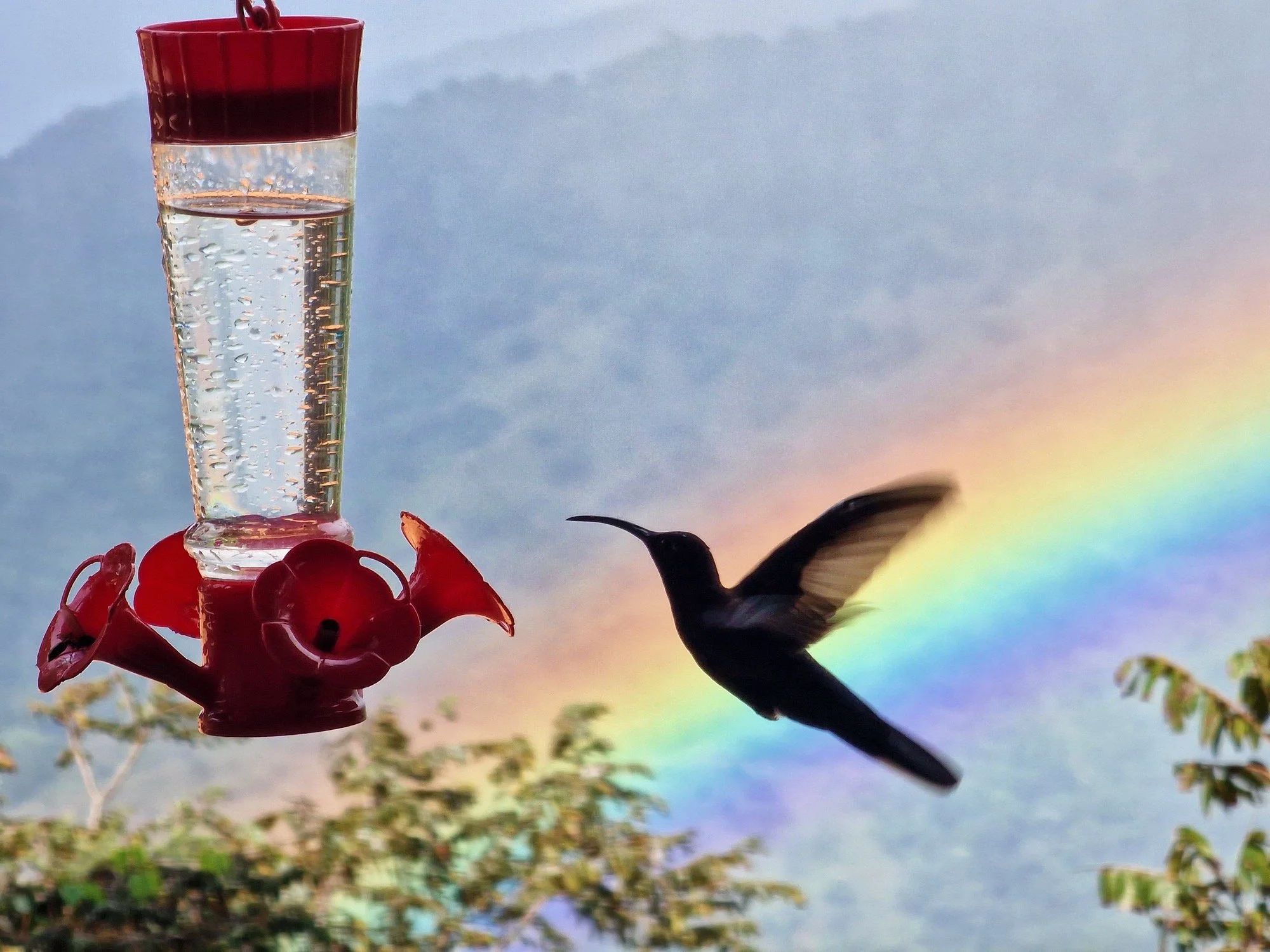
It is entirely possible to spend a day fishing while also observing monkeys, crocodilians, parrots, toucans, herons, kingfishers, hummingbirds, and soaring raptors.
Few freshwater fisheries anywhere in the world offer such extraordinary biodiversity.
Fishing Beside Giant Ships
Perhaps nowhere else on Earth allows anglers to experience such an extraordinary contrast.
One moment your boat drifts quietly beside untouched rainforest where monkeys call through ancient trees.
The next, an enormous container ship several hundred meters long glides silently past on its journey between two oceans.
These massive vessels seem almost surreal against the surrounding jungle.
Watching one of the world's largest cargo ships navigate the Panama Canal while casting toward peacock bass hiding beneath flooded trees creates an experience found nowhere else.
It perfectly symbolizes Panama itself, where engineering achievement and natural beauty exist side by side.
The Best Fishing Conditions
Fishing remains productive throughout much of the year, although seasonal rainfall influences water levels and fish behavior.
During certain periods, rising water floods additional vegetation, allowing fish to move deeper into shoreline habitat.
During drier months, fish often concentrate around submerged timber, rocky points, channels, and remaining vegetation.
Early mornings generally provide some of the most active fishing.
As mist rises from the lake and birds begin their morning chorus, peacock bass frequently hunt aggressively near the surface.
Late afternoon can also produce exciting action as temperatures gradually cool.
Techniques That Work
Peacock bass eagerly attack a wide variety of artificial lures.
Surface poppers create spectacular strikes as fish explode upward from beneath the water.
Walking baits imitate injured baitfish.
Spinnerbaits perform well around submerged timber.
Soft plastic lures allow anglers to explore deeper structure.
Crankbaits often prove effective along drop offs and flooded tree lines.
Some local guides also use live bait depending on conditions.
Because these fish fight so aggressively, medium to heavy spinning or baitcasting equipment is generally preferred.
Strong fishing line becomes especially important when battling fish around submerged trees capable of quickly breaking lighter tackle.
Local Knowledge Makes All the Difference
Although independent fishing is possible in some areas, local guides dramatically improve success.
Many have spent decades learning every corner of the lake.
They know seasonal fish movements.
They recognize productive submerged structure invisible to newcomers.
They understand changing weather patterns.
Perhaps most importantly, they safely navigate the complex network of islands, channels, submerged trees, and shipping lanes that make Gatún Lake unique.
Their knowledge transforms an enjoyable day into an exceptional one.
Conservation Matters
Healthy fisheries depend upon healthy ecosystems.
The forests surrounding Gatún Lake protect water quality while providing habitat for countless wildlife species.
Responsible fishing practices help ensure future generations continue enjoying this remarkable resource.
Many anglers voluntarily release larger peacock bass after photographing them, recognizing their importance as breeding fish.
Protecting shoreline vegetation, reducing pollution, respecting wildlife, and following fishing regulations all contribute to maintaining the lake's extraordinary biodiversity.
More Than a Fishing Destination
Even visitors who never cast a fishing line quickly appreciate the remarkable beauty of Gatún Lake.
Its calm waters reflect endless rainforest.
Its islands preserve fragments of ancient tropical forest.
Its wildlife rivals many national parks.
Its history connects directly with one of humanity's greatest engineering achievements.
Its scientific importance extends through places like nearby Barro Colorado Island, where tropical ecology has been studied for more than a century.
Fishing simply provides one of the finest ways to experience all these elements together.
An Experience Found Nowhere Else
Gatún Lake is far more than an artificial reservoir. Over more than one hundred years it has become a living ecosystem where engineering, history, wildlife, conservation, and recreation exist in extraordinary harmony. Every fishing trip offers much more than the possibility of catching remarkable freshwater fish. It offers the chance to witness monkeys swinging through rainforest beside the world's busiest interoceanic waterway, to watch tropical birds soar above quiet coves while giant ships cross between oceans, and to experience one of Panama's most remarkable natural landscapes from the water itself.
For anglers, Gatún Lake ranks among the world's great freshwater destinations because of its legendary peacock bass. For nature lovers, it is a sanctuary filled with astonishing biodiversity. For historians, it represents the remarkable transformation of a river valley into one of history's greatest engineering achievements. And for every visitor fortunate enough to spend a day upon its waters, Gatún Lake demonstrates why Panama continues to surprise even the most experienced travelers with landscapes and experiences that simply cannot be found anywhere else on Earth.