
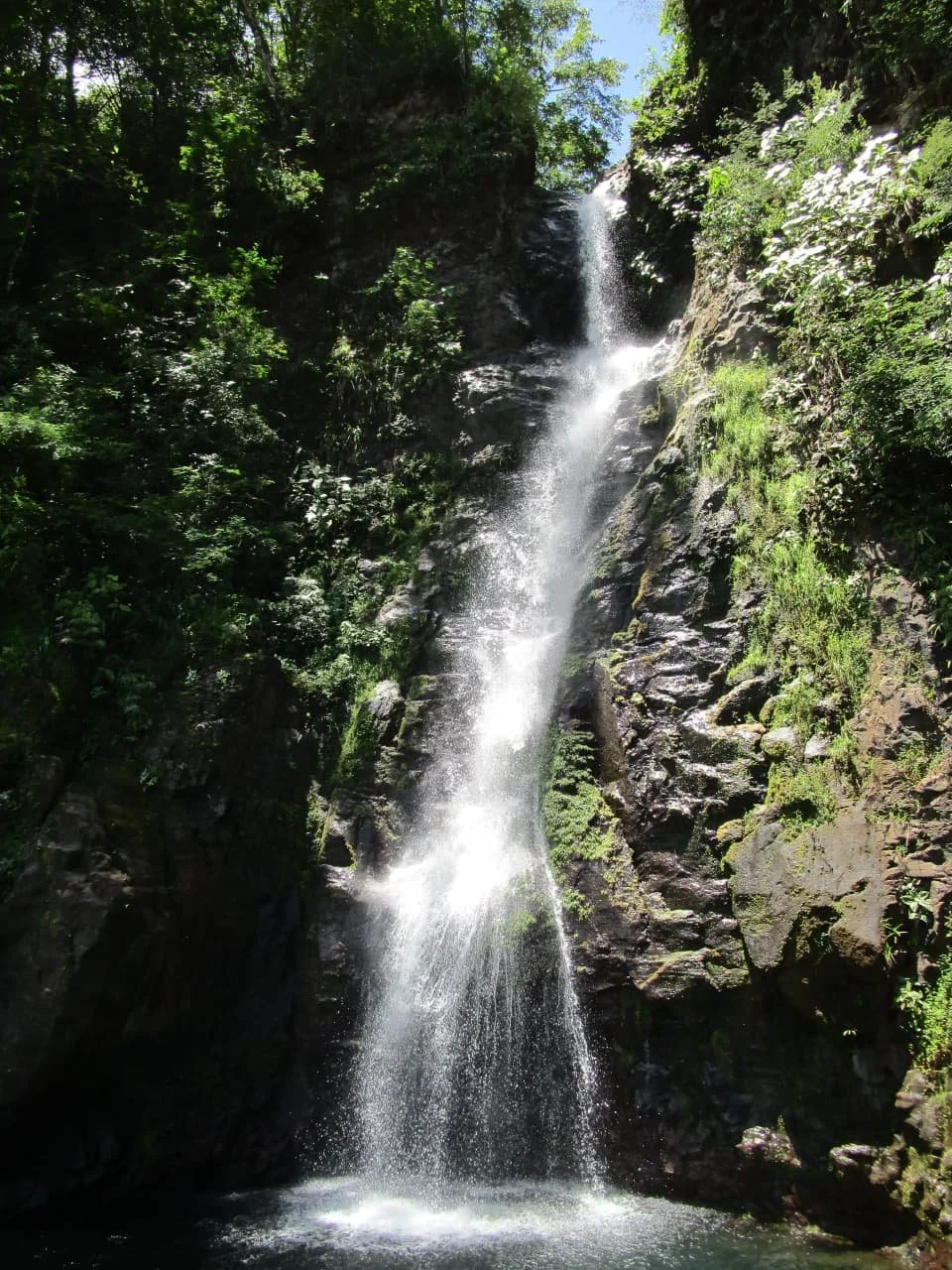
Panama is paradise for people who love nature.
It is also paradise for things that would quite happily use you as lunch.
While mosquitoes get most of the attention from travellers, Panama's tropical forests are also home to ticks and fleas, two tiny blood feeding creatures that are much less glamorous but definitely worth understanding before you disappear into the jungle.
The good news is that neither should stop you from hiking, camping, exploring waterfalls or wandering through Panama's forests. In fact, most travellers will never have a serious problem with them.
But if you're spending time in jungle trails, sleeping outdoors, travelling with animals or wandering through areas with lots of wildlife, knowing what you're looking for can make your trip considerably more comfortable.
The CDC specifically advises travellers to Panama to take precautions against ticks and fleas, along with other biting insects.
Panama Is Basically a Giant Bug Hotel
There is a simple reason ticks and fleas do well in Panama.
It is warm.
There is abundant vegetation.
There are enormous numbers of wild mammals, birds and other potential hosts.
And in much of the country, there is no freezing winter that comes along and wipes out the population.
That means the tropical environment provides excellent conditions for parasites that depend on animals for food.
Ticks are especially interesting because they aren't insects at all.
They're arachnids, meaning they are more closely related to spiders and scorpions than to mosquitoes.
A tick is essentially a tiny armoured blood feeding creature with eight legs when mature.
And it has an impressive survival strategy.
It can sit on vegetation and wait for an animal or person to brush past.
Then it climbs aboard.
It doesn't need to chase you.
It doesn't need to fly.
It simply waits.
The Famous Jungle Trick: "Questing"
Ticks have a particularly creepy technique called questing.
A tick climbs up vegetation and extends its legs, waiting for a passing animal.
It might grab onto a dog, deer, agouti, monkey, person or another suitable host.
You can therefore walk through a jungle trail completely unaware that you've just picked up a passenger.
This is one reason hiking through dense vegetation presents more exposure than staying on a cleared trail.
The CDC recommends checking your entire body for ticks after outdoor activities and using protective clothing and appropriate repellents.
Where Are You Most Likely to Encounter Ticks?
You don't need to be in the middle of Darién National Park to encounter a tick.
They can occur in forest, vegetation, grass and areas frequented by animals.
Your risk is generally more about what you're doing than whether you're visiting some particular famous tourist destination.
A traveller walking along a cleared urban sidewalk is obviously exposed to fewer ticks than someone crawling through dense vegetation looking for frogs.
Hiking trails, jungle edges, tall vegetation, farms and areas frequented by animals are the sorts of environments where it makes sense to be more vigilant.
And if you're staying somewhere surrounded by forest, don't be surprised if the occasional tick appears.
That's tropical nature doing what tropical nature does.
Ticks Don't Always Bite Immediately
This is another reason checking yourself after hiking is useful.
A tick can crawl around your clothing or body before settling down to feed.
That's why a quick inspection when you return from a hike is such a simple precaution.
Pay particular attention to places where ticks can hide, including around the legs, waist, armpits and other warm or concealed areas.
And don't forget your hair.
A tiny tick hiding in your hair is considerably harder to notice than one sitting on your arm.
What If You Find One Attached?
Don't panic.
Finding a tick attached to you doesn't automatically mean you are infected with anything.
The sensible response is to remove it properly.
The CDC recommends using fine tipped tweezers to grasp the tick as close to the skin as possible and remove it carefully. Afterwards, clean the bite area and your hands.
Avoid turning the experience into a jungle chemistry experiment.
You don't need to pour alcohol, gasoline, essential oils or mysterious hostel remedies onto the tick while it is attached.
The important thing is getting it off properly.
If you subsequently develop symptoms such as fever, headache, unusual fatigue, muscle or joint pain or a rash, tell a healthcare professional that you were travelling in Panama and mention the tick exposure.
Are Tick Bites Dangerous in Panama?
They can be, although this doesn't mean that every tick is carrying a disease.
Ticks can transmit various pathogens, and tick borne illnesses occur in Central and South America.
The CDC notes that Rocky Mountain spotted fever, caused by Rickettsia rickettsii, has been reported in Panama and several other countries in Central and South America.
The important thing for travellers is not to become obsessed with identifying every disease a tick could theoretically transmit.
Instead, think of it this way:
Avoid unnecessary bites, check yourself after hiking and pay attention to unusual illness afterwards.
That's a much more useful strategy.
Now Meet the Flea
Fleas are a completely different creature.
They are tiny insects rather than arachnids, and they are spectacular jumpers.
A flea can launch itself an astonishing distance relative to its tiny body.
Imagine being the size of a human and possessing the ability to jump across a football field.
That's essentially what a flea has going on.
Fleas are particularly associated with mammals, including dogs, cats, rodents and other animals.
And that means travellers aren't necessarily the main target.
Often, the bigger concern is your four legged travel companion.
Fleas and Dogs in Panama
If you're travelling around Panama with a dog, flea prevention becomes considerably more important.
Dogs wandering around tropical vegetation can pick up fleas from other animals or from contaminated environments.
And once fleas get into a house, hostel, cabin or vehicle, they can become extremely annoying.
The problem isn't just the adult fleas you can see.
Their eggs and immature stages can exist in the environment.
So you can have a situation where you remove the visible fleas from an animal and think you've won the war, only to discover that the next generation has already been preparing its counterattack.
This is why proper flea control for pets is much more effective than simply picking fleas off the animal.
Fleas Don't Just Live on Animals
This is one of the misconceptions travellers sometimes have.
Fleas spend part of their life cycle in the environment.
They can be found in places where animals rest or move around.
That means bedding, animal sleeping areas, carpets, cracks and other sheltered environments can become part of the flea life cycle.
In tropical environments where dogs, cats and wildlife are common, controlling fleas can therefore require treating both the animal and the environment.
Can Fleas Bite Humans?
Absolutely.
Fleas aren't particularly interested in whether you're a dog or a human.
They're interested in blood.
A flea bite often appears as a small itchy bump, sometimes with several bites grouped relatively close together.
And unfortunately, scratching makes everything worse.
If you start waking up with mysterious itchy bites around your ankles after staying somewhere with animals, fleas are one possibility.
That doesn't mean every itchy ankle in Panama is a flea bite.
Mosquitoes, biting flies, mites, bedbugs and other creatures can produce similar looking reactions.
But fleas are definitely part of the tropical pest lineup.
Fleas Can Carry Diseases Too
Fleas aren't simply an itchy nuisance.
Certain flea species can transmit infectious diseases.
One example is murine typhus, a flea borne rickettsial disease.
The CDC notes that rickettsial pathogens can be transmitted by fleas, ticks, lice and mites, and recommends minimizing exposure to these parasites and to animal hosts such as rodents, free roaming dogs and wildlife.
Again, this isn't a reason to walk around Panama terrified of every dog you see.
It's a reason to understand that tiny parasites are part of the ecosystem and that sensible precautions are worthwhile.
Ticks Versus Fleas
The easiest way to remember the difference is:
Ticks attach. Fleas jump.
Ticks are generally encountered when vegetation brushes against you or when you come into contact with an infested animal.
Fleas are more commonly associated with animals and the environments where those animals live or sleep.
Ticks are relatively slow moving.
Fleas are ridiculously athletic.
Ticks are arachnids.
Fleas are insects.
And both are capable of transmitting disease.
What About Hostel Travellers?
If you're backpacking around Panama and staying in hostels, don't become paranoid about fleas or ticks.
Most hostels are not crawling with either.
But the risk can increase in rural environments, particularly places surrounded by forest, farms or animals.
If you're staying somewhere deep in nature, especially after hiking, it's sensible to check your clothing and body before getting into bed.
And if you've been around dogs or cats, check your clothing and bags as well.
This isn't just about Panama.
It's simply good tropical travel hygiene.
Your Backpack Can Become the Taxi
Here's another reason to check yourself after hiking.
A tick doesn't necessarily know that it has accidentally boarded a backpacker rather than a deer.
If it gets onto your trousers, backpack or clothing, it can potentially be transported somewhere else.
So after hiking, don't immediately throw your backpack onto your bed and scatter your dirty clothes across the room.
Give yourself a quick inspection.
Shake out clothing.
Check your shoes and socks.
Look over your backpack.
Then shower if you've been hiking through dense vegetation.
It's five minutes of effort that can save you considerably more annoyance later.
How to Reduce Your Chances of Getting Bitten
You don't need to dress like an astronaut to hike in Panama.
A few basic habits go a long way.
Wear long trousers when hiking through dense vegetation.
Closed shoes are much better than sandals on jungle trails.
Consider using an appropriate insect repellent.
The CDC recommends repellents containing 20% or more DEET for protection against ticks and mosquitoes. Permethrin treated clothing and gear can also provide protection, although permethrin should not be applied directly to skin.
Staying on established trails also helps.
And after your hike, check yourself.
That's it.
Don't Forget the Animals
If you're travelling with a dog or cat, talk to a veterinarian about appropriate flea and tick prevention before travelling.
This is particularly important if you're going to be spending time in rural Panama, hiking, camping or staying around other animals.
Your pet may encounter things that you never do.
A dog enthusiastically charging through tropical vegetation is basically conducting a scientific experiment on how many parasites it can collect.
Don't let the dog be the scientist.
The Good News
For most visitors, ticks and fleas are not something to obsess over.
Millions of people travel through Panama every year without experiencing a significant problem with either.
The country is an extraordinary outdoor destination precisely because you can get into nature.
You should absolutely hike.
You should swim in waterfalls.
You should explore the jungle.
You should walk through forests.
You should look for monkeys, sloths, birds, frogs and all the other extraordinary wildlife Panama has to offer.
Just remember that the jungle is not a petting zoo.
There are creatures in it that want to eat you, creatures that want to bite you, creatures that want to sting you and creatures that would quite happily hitchhike home on your trousers.
Ticks and fleas are simply two of the smallest members of the club.
The Golden Rule of Jungle Travel
The best attitude toward Panama's bugs is respect rather than fear.
Put on some repellent.
Wear sensible clothing.
Stay aware when walking through dense vegetation.
Check yourself after hiking.
Check your pets.
And if you discover a tiny eight legged passenger attached to you, remove it properly rather than having a minor emotional breakdown.
Because that's the funny thing about travelling through tropical Panama.
You can spend an entire day searching for monkeys in the trees and never see one.
But the tiny tick you weren't looking for?
That one might find you.