
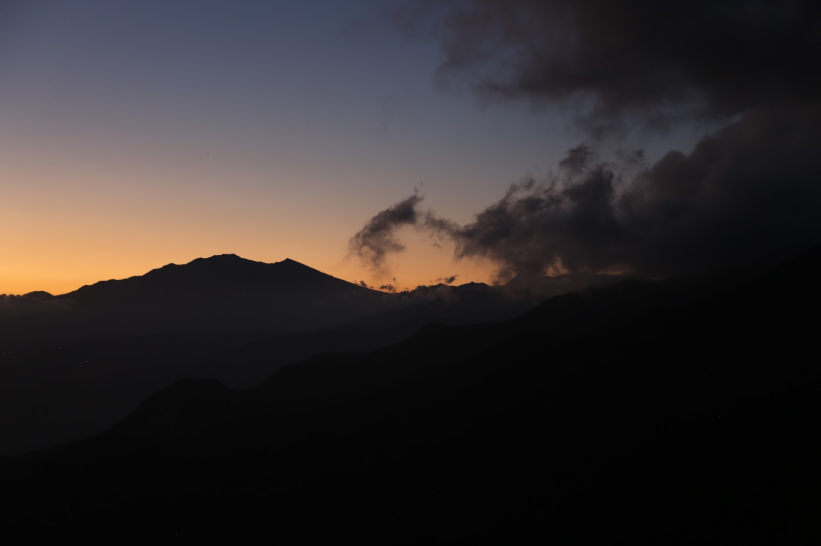
Is Panama Worth Visiting?

Is Panama worth visiting? That question barely contains the electricity of the answer. Panama is not just worth visiting — it is the kind of place that hijacks your imagination, seduces your senses, and rearranges your definition of what a small country can deliver. It is a destination where jungle steam rises at dawn, where oceans shimmer on both sides of a narrow spine of land, and where history pulses through cobblestone streets and colossal engineering marvels. The moment you begin researching Panama travel, you feel it — that magnetic pull, that creeping FOMO whispering that if you don’t go soon, you’re missing something extraordinary.

Panama travel feels thrilling without being chaotic, adventurous without being exhausting. One of the most surprisingly seductive details is that Panama uses the U.S. dollar as official currency, instantly removing friction from your journey. There’s something undeniably comforting — almost luxuriously simple — about ordering fresh ceviche, booking a jungle tour, or paying for a mountain coffee without fumbling through exchange rate apps. That ease sets the tone for everything else: Panama is wild, yes, but it’s wild with a safety net.

Arriving in Panama City feels like stepping into a tropical fever dream where modern ambition meets colonial romance. Tocumen International Airport is sleek and organized, and within minutes you’re gliding past palm trees toward a skyline that glitters like Miami’s bolder, more mysterious cousin. The infrastructure works. The roads are smooth. The Wi-Fi is reliable. The comfort level is high. Yet just beyond the glass towers, the rainforest waits like a secret lover.

The Panama Canal alone is enough to justify the trip — a muscular, awe-inspiring monument to human audacity. Standing at the Miraflores Locks as a skyscraper-sized cargo ship rises from the water feels almost cinematic, almost unreal. Steel groans. Water churns. Cameras click. And you realize you are witnessing one of the greatest engineering achievements in human history, still alive, still breathing, still commanding the global stage more than a century later.

But Panama City refuses to be defined by one marvel. Casco Viejo smolders with character, its pastel facades glowing under golden-hour light, rooftop bars humming with music, balconies dripping with bougainvillea. The air feels thick with stories — pirates, revolutionaries, dreamers, traders. You wander cobblestone streets and feel like you’ve slipped into another century, only to look up and see the modern skyline slicing into the sky across the bay.

Then there’s the rainforest — not polite, manicured greenery, but raw, humming, sensual biodiversity. Panama rainforests are alive with motion: monkeys crashing through canopy, sloths clinging lazily to branches, toucans flashing neon beaks against emerald leaves. The air smells like earth and rain and something ancient. Hiking here doesn’t feel like exercise; it feels like trespassing gently into a cathedral built by nature itself.

Wildlife in Panama is not a rare treat — it’s a regular occurrence. In Soberanía National Park, birdwatchers chase flashes of color along Pipeline Road, but even casual wanderers find themselves stunned by the sheer density of life. The jungle doesn’t hide from you; it reveals itself boldly, unapologetically, if you slow down and look.

Then you reach the Caribbean side, and everything softens into turquoise temptation. The San Blas Islands stretch like scattered pearls across crystalline water, their palm-fringed shores almost offensively beautiful. Meanwhile, Bocas del Toro thrums with island rhythm — wooden docks, reggae beats, coral reefs beneath sunlit waves. It’s barefoot, sun-kissed freedom at its most intoxicating.

Traveling between these wildly different landscapes is absurdly easy. Short domestic flights, reliable buses, affordable shuttles — Panama backpacking feels like unlocking levels in a beautifully designed game. You are never punished with grueling 18-hour journeys. Instead, you are rewarded with efficiency that leaves more time for exploration, more time for wonder.

The highlands of Boquete and Volcán feel like stepping into a cooler, greener dimension. Mist curls around mountain slopes. Coffee farms cascade down hillsides like textured tapestries. The temperature drops just enough to make a sweater feel indulgent. It’s romantic without trying, dramatic without shouting.

Hiking toward Volcán Barú at dawn is a pilgrimage of sorts. The trail challenges you, the altitude humbles you, and then — at the summit — you are gifted something outrageous: the possibility of seeing both the Pacific Ocean and the Caribbean Sea from one peak. It feels almost mythological.

One of Panama’s most seductive qualities is its geographic mood swings. In a single day, you can sip espresso in a cosmopolitan café, hike through cloud forest dripping with moss, and swim in warm ocean water. That kind of variety keeps your senses on edge, craving more.

Panamanian cuisine deepens the affair. Fresh seafood pulled from two oceans, tropical fruits bursting with sweetness, rich sancocho warming your soul — it’s comfort food wrapped in Caribbean sunshine. Street stalls sizzle. Markets overflow. Every bite tastes rooted, real, and slightly addictive.

Comfort in Panama is not sterile; it’s layered. You can stay in boutique hotels with rooftop pools overlooking the skyline or cozy mountain lodges wrapped in mist. Reliable internet and modern conveniences coexist with jungle immersion, allowing you to feel secure even while exploring wild terrain.

Hidden in the cloud forest, Lost and Found Hostel adds another flavor to the experience. Perched above valleys and surrounded by hiking trails, it balances social energy with serene isolation. You can laugh over dinner with new friends and then wander alone into the forest at sunrise. It’s the kind of place that makes you reconsider your departure date.

Eco-tourism in Panama feels genuine rather than staged. National parks are preserved yet accessible. Trails wind through ecosystems that feel respected rather than exploited. You’re not just observing nature — you’re entering into a quiet agreement with it.

Cultural diversity electrifies the country’s identity. Indigenous communities maintain traditions that stretch back centuries, from intricate molas to vibrant festivals. The fusion of Afro-Caribbean rhythms, Spanish heritage, and global trade influences creates a soundtrack that feels layered and alive.

Panama’s history as a crossroads of the world gives it swagger. Spanish treasure once crossed this land. Gold seekers raced through during the California Gold Rush. Engineers carved a canal that bent oceans to human will. That restless, ambitious spirit still hums beneath the surface.

Adventure tourism in Panama hits hard. Surf breaks crash along the Pacific coast. Divers plunge into marine sanctuaries teeming with life. Zip lines slice through rainforest canopy. Every region feels like it’s daring you to push a little further.

Even urban spaces surprise you. The Amador Causeway stretches into the sea with panoramic skyline views, perfect for cycling into sunset. Frank Gehry’s Biomuseo bursts with color and tells the story of Panama’s geological birth in dramatic style.

Climate variation makes Panama feel customizable, almost like the country was engineered to satisfy every mood you wake up with. If you crave heat that clings to your skin and makes the ocean feel like silk, you head to the Caribbean coast. If you want crisp mountain mornings where mist drapes itself over valleys like a slow-moving curtain, you escape to the highlands. The dry season turns the Pacific beaches golden and dramatic, while the green season transforms the rainforest into a dripping, hyper-saturated masterpiece of emerald intensity. No matter when you visit Panama, there is always a region delivering peak conditions somewhere in the country — which means there is never really a bad time to book that flight.

Digital nomads and long-stay travelers find Panama particularly magnetic because it manages to feel adventurous without feeling unstable. The use of the U.S. dollar eliminates financial guesswork, the banking system is modern and internationally connected, and high-speed internet is widely available in cities and mountain towns alike. You can take Zoom calls from a sleek Panama City apartment with ocean views in the morning, then spend the afternoon hiking in a rainforest that feels prehistoric. That blend of productivity and paradise creates a lifestyle that feels slightly rebellious — like you’ve discovered a loophole in adulthood.

Safety, while always relative and dependent on awareness, is another powerful reason Panama continues climbing global travel lists. Many neighborhoods in Panama City are polished and walkable, mountain towns like Boquete feel welcoming and community-driven, and coastal areas used to tourism operate with an ease that allows visitors to relax rather than constantly look over their shoulders. It’s not a bubble, but it is a place where common sense goes a long way and the overall vibe leans toward warm hospitality rather than tension.

Coffee culture in the western highlands borders on obsessive in the most seductive way possible. Geisha coffee grown in Boquete has shattered international auction records, drawing connoisseurs from across the globe who are willing to pay extraordinary prices for a single pound. Touring a coffee farm here is sensual and immersive — you smell the cherries fermenting, feel the cool mountain air on your skin, and sip a cup so floral and complex it almost tastes like perfume made drinkable. It’s not just caffeine; it’s craftsmanship, terroir, and quiet mountain magic poured into porcelain.

The sense of discovery in Panama is dangerously addictive because so many experiences still feel unscripted. You can follow a muddy trail without signage and stumble upon a waterfall crashing into a turquoise pool with no one else around. You can take a wrong turn on a coastal drive and find an empty stretch of sand that feels like it belongs only to you. Unlike destinations that feel mapped and packaged to exhaustion, Panama still offers that rare thrill of genuine exploration.

Transportation within Panama continues to surprise visitors with how manageable it is. Modern highways connect major regions, domestic flights cut cross-country travel down to under an hour, and budget buses hum along predictable routes linking cities, beach towns, and mountain retreats. Instead of spending entire days trapped in transit, you spend that time swimming, hiking, eating, or exploring. The efficiency doesn’t dull the adventure — it amplifies it by giving you more hours where it counts.

The Panama Canal Railway deserves more attention than it often receives because the journey itself feels cinematic. As the train glides along tracks that once carried gold rush dreamers and colonial cargo, the jungle presses in close, occasionally opening to reveal sweeping views of the canal. It’s a slow, rhythmic reminder that Panama’s role as a global connector is not just modern — it’s historical, layered, and deeply embedded in its identity.

Diving and snorkeling in Panama deliver marine drama without the overcrowding found in more famous destinations. In places like Coiba National Park, coral reefs explode with color, schools of fish flash like underwater fireworks, and the possibility of spotting larger pelagic species keeps your pulse elevated. The Pacific side offers bold, nutrient-rich waters, while the Caribbean side leans into calm, clear, tropical serenity. Two coasts. Two personalities. Endless underwater spectacle.

Sunsets in Panama do not fade politely; they erupt. On the Pacific side, the sky ignites in molten oranges and deep purples that reflect off skyscraper glass and open ocean alike. In the Caribbean, the light softens into a slow burn of pink and lavender that seems to stretch time itself. You find yourself pausing mid-conversation, mid-walk, mid-thought, simply because the horizon has demanded your full attention.

Rainforest lodges take immersion to another level entirely. You fall asleep to the layered soundtrack of frogs, insects, and distant howler monkeys, and wake to filtered light cutting through thick canopy. The air feels heavier, richer, alive with oxygen and possibility. Staying deep in the jungle strips away urban distraction and replaces it with something primal — a reminder that comfort doesn’t always mean concrete and glass.

Panama’s compact geography remains one of its most underrated luxuries. In larger countries, chasing diversity often means exhausting travel days. Here, that diversity is condensed into a tight, efficient package. You can move from cosmopolitan energy to rural tranquility in a matter of hours, not days, without feeling rushed or drained.

Local markets inject raw authenticity into the experience. Stalls overflow with mangoes, pineapples, and plantains stacked in vibrant pyramids. Vendors call out prices, neighbors catch up on gossip, and the scent of fried empanadas drifts through humid air. These markets are not curated attractions; they are living, breathing centers of daily life.

Road trips through Panama reveal a quieter seduction. You drive past rolling cattle fields that suddenly give way to dramatic mountain backdrops, or crest a hill to see the ocean flashing blue in the distance. Small towns blur past, each with its own rhythm and character. The journey feels as rewarding as the destination.

The cultural mosaic of Panama deepens the longer you stay. Afro-Caribbean rhythms pulse through coastal towns, Spanish colonial architecture anchors historic districts, and Indigenous artistry adds texture and continuity that predates European arrival by centuries. This layering gives Panama an identity that feels complex rather than one-dimensional.

Hiking in Panama offers a spectrum of challenge and reward. You can stroll gently through shaded forest paths where butterflies drift lazily in filtered light, or tackle steep ascents that test your lungs and legs. Waterfalls reward effort. Summit views redefine scale. Each trail feels like a conversation between you and the landscape.

Festivals inject color and kinetic joy into the calendar. Carnival erupts in music and dance, with elaborate costumes and parades that transform streets into rivers of movement and sound. Smaller regional festivals showcase local pride and community spirit, reminding you that Panama is not just scenery — it’s people, celebration, and shared tradition.

For photographers and content creators, Panama is an endless playground of contrast. Sleek skyscrapers rise behind colonial plazas. Dense rainforest frames delicate orchids. White sand beaches collide with turquoise water under skies that refuse to be subtle. Every corner feels like a cover shot waiting to happen.

Relaxation in Panama carries a slightly decadent edge because it feels earned. After a summit hike or a long jungle trek, collapsing into a hammock strung between palms feels like surrendering to bliss. The breeze carries salt or mountain chill. Time slows, stretches, dissolves.

Affordability adds a final layer of seduction. Compared to many tropical destinations offering similar biodiversity and beauty, Panama often delivers exceptional value. You can eat well, explore widely, and stay comfortably without financial panic shadowing every decision.

Panama’s ecological significance — the land bridge that once connected continents — gives intellectual weight to its physical beauty. This narrow isthmus reshaped global biodiversity millions of years ago, and walking through its forests feels like stepping inside a chapter of evolutionary history.

The culinary scene in Panama City continues to evolve in bold, creative directions. Chefs blend traditional ingredients with international technique, crafting menus that feel experimental yet grounded. Dining on a rooftop while warm tropical air wraps around you feels indulgent in the best possible way.

Lost and Found Hostel, perched in the cloud forest, remains a symbol of Panama’s balance between community and solitude. It represents the country’s ability to offer both connection and escape — lively dinners and quiet sunrise hikes, laughter and introspection wrapped in mountain mist.

So is Panama worth visiting? It is breathtaking in ways that feel cinematic, comfortable in ways that feel reassuring, and wild in ways that feel electrifying. It delivers engineering marvels, rainforests dripping with life, beaches that defy logic, and cultural depth that rewards curiosity.

And once you stand between two oceans, breathe in jungle air, and watch the sun dissolve into the horizon, the question shifts. It’s no longer whether Panama is worth visiting. It becomes how soon you can return — and how long you can stay next time.

Hot springs ♨️ In Panama

Tucked into the lush highlands of Chiriquí Province, the Caldera Hot Springs are one of those places that feel half discovered and half whispered about. The road winds through farmland and forest before descending toward the Río Caldera, where steam rises gently from the earth as if the mountain itself were exhaling. It’s not a manicured spa experience. It’s raw, rustic, and deeply connected to the land.

The springs sit near the small community of Caldera, a quiet agricultural area in the highlands not far from Boquete. The setting alone begins the healing process: green hills, volcanic soil, birds calling from the trees, and the steady sound of the river moving over rocks. There’s something grounding about soaking in warm mineral water while surrounded by jungle rather than tiled walls and soft spa music.

Geologically, the hot springs exist because of the volcanic activity that shaped western Panama. Though Volcán Barú is dormant, geothermal heat still lingers beneath the surface, warming underground water before it rises into shallow pools along the riverbank. That warmth is ancient — a subtle reminder that the Earth itself is alive beneath your feet.

Mineral-rich hot springs have long been associated with therapeutic benefits. The waters at Caldera are believed to contain sulfur and other natural minerals that can support skin health, improve circulation, and ease muscle tension. While scientific studies vary, generations of locals and travelers alike swear by the restorative effects after even a short soak.

Immersing yourself in the warm pools encourages blood vessels to dilate, which can improve circulation and promote relaxation throughout the body. After days of hiking, carrying a backpack, or bouncing along mountain roads, the heat works like a gentle reset button for tired legs and tight shoulders.

The sulfur content — noticeable by its faint mineral scent — is often linked to skin benefits. Many visitors report smoother skin or relief from minor irritations after bathing. Whether placebo or chemistry, the sensation of stepping out feeling refreshed and renewed is undeniable.

Beyond the physical benefits, there is something deeply calming about natural hot springs. Warm water signals safety to the nervous system. Muscles soften. Breathing slows. The mind begins to quiet in a way that can be difficult to achieve in busy towns or crowded beaches.

In today’s fast-paced travel culture, slowing down long enough to sit still in warm water feels almost radical. You are not chasing a viewpoint. You are not scheduling an activity. You are simply being — suspended between river current and rising steam.

The Río Caldera itself adds to the experience. Cool river water flows beside the thermal pools, allowing you to alternate between hot and cold immersion. This contrast therapy can stimulate circulation and invigorate the body, leaving you both relaxed and energized.

Laughter tends to come easily in places like this. There’s something universally amusing about friends slowly lowering themselves into hot water with dramatic sighs of relief. The shared simplicity of the experience — no Wi-Fi, no agenda — fosters easy conversation and spontaneous humor.

For travelers staying in the highlands, visiting the springs is surprisingly straightforward. From Lost and Found Hostel, you can arrange transportation to the hot springs by hiring a local taxi. The hostel staff can help coordinate the ride, making the journey stress-free even if you don’t have your own vehicle.

The drive itself becomes part of the experience. Winding roads cut through mountain landscapes and small villages, offering glimpses of rural Panamanian life. It’s a reminder that the best destinations often lie just beyond the main tourist routes.

Staying at Lost and Found Hostel pairs naturally with a trip to the hot springs. Nestled in the cloud forest above Boquete, the hostel encourages both social connection and personal reflection. After a day of hiking its surrounding trails, a soak in Caldera’s warm pools feels like the perfect reward.

The contrast between cool mountain air and geothermal warmth enhances the sensory experience. You descend from misty forest elevations into a river valley where steam curls upward in the late afternoon light. The shift in temperature and scenery heightens awareness, making the soak feel earned.

Healing on the road often happens in small, unexpected moments like this. It might be the release of physical tension you didn’t realize you were carrying. It might be a conversation in waist-deep water that turns surprisingly meaningful. It might simply be the quiet realization that you feel present.

Travel can sometimes exhaust rather than restore. Long buses, tight budgets, and constant motion accumulate stress. Natural hot springs provide a counterbalance — an invitation to pause and recalibrate.

There is also something humbling about bathing in water heated by the Earth itself. Unlike a modern spa, these springs are shaped by geology and weather. Rain levels shift the pools. River currents change their edges. Each visit feels slightly different.

As the sun lowers behind the hills, the atmosphere becomes almost meditative. Steam rises more visibly in the cooling air. The sound of the river deepens. Conversations soften. It’s easy to lose track of time.

For solo travelers, the springs offer a gentle social environment. People strike up conversations naturally, sharing travel stories while soaking shoulder-deep in warm water. Yet there is also space to sit quietly and watch the current drift past.

The combination of nature, warmth, and community creates a rare balance. You can laugh with new friends one moment and retreat into your own thoughts the next. Both feel equally appropriate in a place like this.

Returning to the highlands after a soak often brings a sense of clarity. Muscles feel looser. Sleep comes more easily. Even the air seems crisper as you climb back toward the mountains.

Back at Lost and Found Hostel, you might find yourself recounting the experience over dinner, comparing which pool was hottest or who braved the cold plunge longest. The shared memory becomes part of your travel narrative.

In the end, the Caldera Hot Springs are not about luxury. They are about elemental simplicity — heat, water, earth, and time. They remind you that healing does not always require elaborate rituals.

Sometimes, it only requires warm water rising from volcanic soil, a river flowing beside you, and the willingness to sit still long enough to let nature do its quiet work.

The Rich Historical Sights of Panama: Where Empires, Pirates, and Volcanoes Meet

Panama is often marketed for its canal, its beaches, and its biodiversity. But beneath the tropical gloss lies something even more compelling — layers of history that shaped global trade, colonial empires, indigenous resilience, and modern geopolitics.

To travel through Panama is to walk through centuries. Spanish conquistadors, Indigenous civilizations, pirates, railroad tycoons, canal engineers — they all left their imprint here. The country is small, but its historical gravity is immense.

Let’s explore the most fascinating historical sites across Panama — and then head into the highlands for a closer look at the quietly intriguing district of Volcán.

Casco Viejo – Where Colonial Elegance Meets Revolution

Founded in 1673 after the original Panama City was destroyed by pirates, Casco Viejo (also called San Felipe) is a maze of cobblestone streets and pastel facades. Walking here feels cinematic — wrought-iron balconies, hidden courtyards, cathedral towers rising above tiled rooftops.

The district was built following the catastrophic attack by Henry Morgan on the original settlement. Determined to prevent another invasion, the Spanish Crown relocated the city to a more defensible peninsula and surrounded it with protective walls.

One of its most famous landmarks is the Church of San José, home to the legendary Golden Altar, which — according to local lore — was saved from pirates by being painted black to disguise its value.

Today, Casco Viejo balances elegance and authenticity. You can wander through plazas that once hosted colonial ceremonies, then step into museums that tell the story of Panama’s independence from Spain and later separation from Colombia.

Panamá Viejo – The Ruins That Started It All

Before Casco Viejo, there was Panamá Viejo — the original city founded in 1519. It became the launching point for Spanish expeditions to Peru and a key hub for transporting gold and silver across the isthmus.

Standing among its ruins, you can feel the scale of what once existed. The skeletal cathedral tower still rises dramatically against the modern skyline, symbolizing Panama’s unique blend of past and present.

When pirate Henry Morgan attacked in 1671, much of the city was burned and abandoned. The remaining stone structures — churches, convents, homes — now form a haunting open-air museum.

Panamá Viejo reminds visitors that Panama was central to global trade centuries before the canal.

Portobelo – Forts, Treasure, and Caribbean Strategy

On the Caribbean coast, Portobelo once stored vast quantities of Spanish treasure awaiting shipment to Europe. Its fortifications were designed to defend unimaginable wealth.

Massive cannons still point toward the sea, rusted but resolute. Moss creeps over stone walls that once guarded gold destined for Spain. British forces attacked repeatedly, recognizing the town’s strategic importance.

Beyond military history, Portobelo is also known for the Black Christ statue, a powerful religious symbol that draws pilgrims from across the country each October.

The town’s layered identity — colonial fortress, Afro-Caribbean cultural center, spiritual pilgrimage site — makes it one of Panama’s most textured historical destinations.

Panama Canal – Engineering That Changed the World

No discussion of Panama’s history is complete without the canal. Completed by the United States in 1914 after an earlier French attempt failed, it transformed global commerce.

The canal is more than machinery. It represents diplomacy, labor struggles, disease battles, and geopolitical tension. Thousands of workers from the Caribbean, Europe, and Asia contributed to its construction.

Visiting the Miraflores Locks, you can watch enormous ships rise and fall in chambers of water — a mechanical ballet that still feels astonishing more than a century later.

The canal also shaped Panama’s political evolution, culminating in full Panamanian control in 1999. It remains both a symbol of sovereignty and a cornerstone of the national economy.

A Dedicated Look at Volcán: History Beneath the Highlands

Volcán

Tucked into the western highlands near the Costa Rican border, Volcán feels worlds away from colonial plazas and canal locks. Yet its history runs deep — both geologically and culturally.

The town sits near the slopes of Volcán Barú, Panama’s highest peak. This dormant volcano shaped the region’s fertile soil, making it ideal for agriculture. Today, Volcán is known for its farms and cool mountain climate, but the land’s significance predates modern settlement.

Long before Spanish arrival, Indigenous groups inhabited this region. Archaeological findings in Chiriquí province reveal advanced pre-Columbian societies known for intricate goldwork and stone carvings. Petroglyphs and burial sites hint at spiritual and trade networks that connected the highlands to broader Central American cultures.

Unlike the coastal cities shaped by pirate attacks and colonial fortifications, Volcán’s history is quieter and rooted in land stewardship. The rhythm here has always been agricultural and communal.

In the late nineteenth and early twentieth centuries, waves of European immigrants, particularly from Switzerland and other parts of Europe, settled in the highlands. Their influence is still visible in architectural styles and farming practices.

Volcán’s setting near the Costa Rican border also gave it strategic importance during regional conflicts, though it remained largely rural and insulated from large-scale violence.

Today, exploring Volcán means engaging with layered history: volcanic geology millions of years old, Indigenous heritage stretching back centuries, and agricultural traditions that shaped modern Chiriquí.

The surrounding landscapes — rolling fields, misty peaks, distant forests — provide a contemplative space to reflect on how geography shapes destiny. Here, history is not confined to ruins. It is embedded in soil, weather, and horizon lines.

Panama as a Living Timeline

From the stone towers of Panamá Viejo to the Caribbean cannons of Portobelo, from Casco Viejo’s plazas to the engineering marvel of the canal, Panama compresses global history into a single isthmus.

Then, in places like Volcán, the story slows. The drama of empire gives way to the quiet endurance of land and community.

Traveling through Panama is not just sightseeing. It is time travel. It is walking where treasure fleets once departed, where revolutionaries debated independence, where engineers reshaped oceans — and where volcanic earth continues to nurture life.

Few countries offer such concentrated historical diversity within such short distances. In Panama, you can explore pirate ruins in the morning and stand on volcanic highlands by afternoon.

And in doing so, you begin to understand why this narrow strip of land has always held outsized importance in the story of the world.

Backpacking and Healing: Staying Healthy On Your Journey

Backpacking has a funny way of turning into a race. A race to the next bus, the next waterfall, the next country stamp. Somewhere between the airport and your third overnight shuttle, the original dream of “freedom” quietly morphs into a color-coded itinerary that would intimidate a military strategist.

Slowing down is not laziness. It is rebellion. It is the bold decision to value depth over distance.

Modern travel culture celebrates speed. Ten countries in two weeks. Sunrise hike. Sunset party. Midnight transfer. But the nervous system was not designed to process that much novelty without pause. Your brain needs white space the way a forest needs clearings.

When you slow down, you begin to notice what rushing hides. The smell of wet earth after rain. The way sunlight filters through leaves. The sound of laughter drifting from a communal kitchen. These are the moments that stitch a trip into memory rather than just documentation.

Mindfulness on the road is surprisingly simple. It starts with attention. Drinking your coffee without scrolling. Walking without headphones. Listening to a story without planning your reply. Backpacking becomes richer when you are fully in it instead of already on the bus to the next town.

Health plays a quiet but central role in this. Constant movement elevates stress hormones. Early alarms, unfamiliar beds, long travel days — they accumulate. Slowing down allows your body to recalibrate. Sleep deepens. Digestion improves. Even your posture softens.

The immune system loves stillness. A few days in one place can do more for your resilience than another adrenaline-fueled excursion. Your body shifts from survival mode into restoration mode.

Laughter, interestingly, increases when you slow down. When you aren’t rushing off to catch a shuttle, you linger at the breakfast table. Stories unfold. Jokes build. Inside humor forms between strangers who, hours ago, were just names on bunk assignments.

Community is hard to cultivate when you’re always leaving tomorrow. Staying longer creates shared experiences. Cooking together. Watching a storm roll in. Debating travel philosophies over cheap rum. These moments are impossible to schedule — they happen only when there is space.

Slowing down also gives you permission to choose your social energy. Some hostels are built for constant noise and movement. Others offer balance — lively communal spaces alongside quiet corners where you can retreat with a book or your own thoughts.

This choice is powerful. It reminds you that you control your experience. You can engage deeply in conversation one evening and wake early the next morning for solitude.

In places surrounded by nature, mindfulness becomes almost effortless. Forest paths invite wandering without destination. Rivers encourage stillness. Mountains slow your breathing to match their scale.

In the highlands of Panama, for example, there are pockets of wilderness where the air feels different — cooler, cleaner, textured with birdsong and mist. When you linger in these environments, your mind follows the rhythm of the landscape.

One such place is Lost and Found Hostel, tucked into the cloud forest above Boquete. It isn’t just a bed for the night. It is a pause button disguised as a hostel.

Perched above the valley, surrounded by trails and mist, it invites you to stay longer than planned. The journey there already signals a shift — winding roads, dense greenery, distance from the rush of transit hubs.

Here, mornings stretch slowly. Coffee tastes fuller when sipped with a view of layered mountains dissolving into clouds. You might plan a quick stop and find yourself rearranging your itinerary.

The social atmosphere flows naturally. Conversations spark in the common area without force. Travelers share hiking stories, life transitions, career doubts, relationship reflections. There is room for depth because no one feels rushed.

Yet just beyond the chatter are quiet trails. You can wander alone beneath towering trees, letting thoughts surface without interruption. The forest does not demand performance. It simply exists, and you are invited to do the same.

Healing on the road often arrives unexpectedly. It might be processing a breakup while sitting on a wooden deck overlooking jungle canopy. It might be realizing you’re stronger than you thought after navigating foreign bus systems. It might be laughing until your stomach hurts with people you met yesterday.

Slowing down creates the conditions for that healing. When you are sprinting from landmark to landmark, emotions get postponed. When you stay still, they catch up — and that can be transformative.

There is also courage in rest. In a culture that glorifies productivity, choosing to sit in a hammock feels almost radical. Yet those quiet hours are often when clarity emerges.

Journaling becomes richer when not squeezed between departures. Conversations deepen when not interrupted by checkout times. Even your photos improve because you’re no longer snapping and running.

The art of smelling the flowers is literal as well as metaphorical. In tropical regions, blossoms open intensely after rain. Pausing to notice their scent anchors you to the present in a way that no itinerary ever could.

Backpacking does not need to be measured by mileage. It can be measured by meaning. By the number of genuine laughs. By the depth of a single conversation. By the calm you feel when you wake without an alarm.

Hostels that balance energy and tranquility make this easier. A place where you can join a group hike one day and sit alone with your thoughts the next supports the full spectrum of travel experience.

In mountain retreats, sunsets stretch long and unhurried. Watching the sky change color without checking the time recalibrates your internal clock. You remember that days are not boxes to tick but experiences to inhabit.

The nervous system relaxes in these environments. Shoulders drop. Breathing slows. Sleep becomes restorative rather than reactive.

Laughter, too, becomes less frantic. It shifts from loud bar-crawl chaos to warm, shared amusement. The kind that lingers. The kind you remember years later.

When you leave a place where you truly slowed down, you carry something different with you. Not just photos, but perspective. Not just stories, but insight.

Backpacking at its best is not about escape. It is about engagement — with landscapes, with strangers, with yourself.

Slowing down is how that engagement deepens. It is how travel transforms from movement into meaning.

And sometimes, high above the clouds in a forest hostel where conversation and solitude coexist, you discover that the most important destination was never on the map.

It was the version of yourself that finally had time to breathe.

The Psychological Effects of Hearing Someone Flirt in a 10-Bed Dorm

A field study conducted by Sleep-Deprived Backpackers International

There are few experiences more unifying than lying in a dark hostel dorm while two people attempt what they believe is subtle flirting.

You didn’t sign up for this. You paid $13 for a mattress that feels like compressed toast and a fan that rotates with the confidence of a tired pigeon. And yet here you are — unwilling audience member in a live production titled “Whispers That Are Absolutely Not Whispering.”

Let us explore the psychological journey of the innocent bystander.

Stage 1: Denial

It begins softly.

A giggle.

A suspiciously extended pause.

A “No, you hang up” tone… except no one is on the phone.

You think, Surely I’m imagining this.

You roll over. The bunk creaks. You freeze.

They freeze.

Silence.

You think it’s over.

It is not over.

Stage 2: Acute Listening Syndrome

Your brain activates survival mode.

Every sound is amplified.

Fabric rustling becomes a Broadway production.

A whisper becomes surround sound.

Someone adjusting a pillow sounds like a squirrel assembling IKEA furniture.

You did not consent to enhanced hearing. And yet, here you are, detecting frequencies normally reserved for bats.

Stage 3: The Narrator Awakens

You begin constructing a storyline.

“Ohhh, they met at the bar crawl.”

“That laugh? Definitely first-night energy.”

“Bold move. That’s the top bunk.”

You’re not proud of it, but your imagination has built an entire rom-com arc complete with airport goodbye scene and a shared Instagram highlight called “Panama Vibes.”

You should be asleep. Instead, you’re mentally casting actors.

Stage 4: The Collective Pretend-Sleep Pact

At this point, everyone in the dorm is awake.

No one moves.

This is an unspoken contract among travelers:

We do not acknowledge. We do not react. We stare into the darkness and contemplate life.

Someone coughs — aggressively neutral.

Someone flips dramatically — a passive-aggressive punctuation mark.

The fan continues its slow revolution, judging everyone equally.

You all know.

But no one knows knows.

Stage 5: The Micro-Movement Crisis

Now comes the worst part.

The bunk begins… shifting.

Just slightly.

Like a gentle earthquake fueled by optimism.

You consider your options:

Turn over and accidentally make eye contact in the dark?

Sit up and loudly sip water?

Text your friend in the bunk below: “ARE YOU HEARING THIS?”

Instead, you remain perfectly still — a participant in the world’s most awkward group meditation retreat.

Stage 6: Existential Reflection

At 2:14 a.m., your brain pivots.

You’re no longer annoyed.

You’re philosophical.

“Is love just proximity plus cheap rum?”

“Am I single because I booked the bottom bunk?”

“Should I have gone on the bar crawl?”

The flirting has triggered a full internal audit of your romantic life.

All because someone whispered “You’re crazy” in what was meant to be a low volume.

Stage 7: The Jealousy Flicker (Optional)

Be honest.

There is sometimes a brief, irrational spark of envy.

Not because you want them — but because they have a storyline tonight.

Meanwhile, your storyline is trying to breathe quietly so your bunk doesn’t squeak like a haunted ship.

This feeling passes quickly.

Usually when the ladder screams.

Stage 8: The Ladder Scream

Every flirtation reaches its climax: the ladder descent.

No matter how stealthy they believe they are, gravity will intervene.

Metal + foot + midnight =

SKREEEEEK.

And just like that, the illusion shatters.

Someone drops a shoe.

Someone mutters “sorry.”

The dorm exhales collectively.

The performance has ended.

Stage 9: Morning After Anthropology

Morning light enters with zero mercy.

You now engage in advanced behavioral analysis.

Do they avoid eye contact?

Do they suddenly become deeply interested in their packing cubes?

Are they making coffee together like it’s a Sundance film?

You pretend to scroll your phone.

They pretend nothing happened.

The room simmers with shared knowledge.

This is peak hostel sociology.

Stage 10: The Story Becomes Yours

By checkout, the irritation has transformed into comedy.

You’ll tell this story later:

“There I was, in a 10-bed dorm, conducting involuntary romance surveillance at 2 a.m.”

You won’t mention you were invested.

You won’t mention the ladder.

But you’ll laugh.

Because this — awkward, ridiculous, communal humanity — is part of hostel life.

Final Findings of the Study

Hearing someone flirt in a dorm produces:

40% annoyance

30% entertainment

20% existential reflection

10% admiration for boldness

It is never ideal.

It is always memorable.

And deep down, every hostel traveler knows the truth:

One night you’re the silent observer.

Another night… you’re the reason someone else is writing a mental thesis in the dark.

And somewhere, a bunk bed is waiting patiently to betray you all.

A Scientific Study on Why Bunk Beds Betray You A completely serious academic investigation conducted by absolutely no one with a PhD.

There are few universal truths in this world. Gravity works. Street food is worth the risk. And bunk beds — specifically hostel bunk beds — will betray you at the exact moment you need them most.

This is not coincidence. This is engineering.

Today, we present a highly questionable yet emotionally accurate study into why bunk beds possess both structural instability and impeccable comedic timing.

Hypothesis #1: The Laws of Physics Hate Romance

Bunk beds were designed with one goal in mind: maximizing human storage density. Not elegance. Not silence. Not your late-night ambitions.

When you climb onto a top bunk, you are essentially mounting a metal percussion instrument suspended four feet in the air. Every micro-movement is amplified through a system of hollow tubes engineered to echo like a cathedral of poor decisions.

You shift one inch.

The bed responds:

CLANG.

You exhale.

The ladder whispers:

TING.

You contemplate a cuddle.

The frame announces to the entire Southern Hemisphere:

“ATTENTION. ACTIVITY DETECTED.”

This is not your fault. It is science.

Hypothesis #2: The Top Bunk Is an Acoustical Snitch

In controlled experiments (conducted by people who thought everyone was asleep), it has been proven that the top bunk increases sound projection by 73%.*

*This number is emotionally accurate.

The top bunk acts as a broadcasting tower. You are elevated. Suspended. Vulnerable. Every vibration travels down through the frame like a dramatic TED Talk titled “Regret: A Case Study.”

Meanwhile, the person below you is lying there, staring at the wooden slats, contemplating every life choice that led them to this moment.

Hypothesis #3: The Mattress Is Complicit

Let us examine the hostel mattress.

It is approximately three inches thick and made of a material best described as “optimistic foam.” It has seen things. It knows things. It has absorbed 19 nations’ worth of sunscreen and questionable judgment.

The mattress does not absorb movement. It redistributes it. Enthusiastically.

You think you’re being subtle.

The mattress thinks you’re conducting seismic research.

Hypothesis #4: The Ladder Has Perfect Timing

The ladder is not a neutral object.

It exists solely to produce a metallic shriek at 2:17 a.m. when you attempt a graceful descent. There is no silent exit. There is only the slow, humiliating climb down while trying not to step on the backpack of a German ultralight traveler who will absolutely wake up and make eye contact.

Eye contact is the true betrayal.

Hypothesis #5: Someone Is Always Awake

Hostel dorms operate on a time-zone roulette system. Someone just landed from Sydney. Someone is leaving for a 5 a.m. volcano hike. Someone drank too much rum and is narrating their own dreams.

You may believe you’ve identified the perfect window of silence.

You have not.

There is always one person lying in the dark, scrolling on their phone, observing events unfold like a nature documentary.

“And here we see the rare Backpackerus Maximus attempting a coordinated maneuver on unstable terrain…”

Hypothesis #6: The Blanket Dome Illusion

The blanket strategy deserves its own research grant.

You believe that if you construct a soft fortress of polyester, you will achieve invisibility. In reality, you have created a visibly oscillating tent that draws more attention than a flare gun.

From across the room, it looks less like discretion and more like someone attempting to inflate a parachute indoors.

Hypothesis #7: The Domino Effect

Here is the darkest truth of bunk bed betrayal.

Movement is contagious.

You shift.

The frame trembles.

The adjacent bunk responds in solidarity.

The entire dorm begins gently swaying like a budget cruise ship.

Suddenly, eight strangers are awake, pretending not to be awake, collectively participating in the world’s most uncomfortable group meditation.

Hypothesis #8: The Morning-After Silence

Morning light hits differently in a dorm room.

There you are. Perched on a mattress that sounds like popcorn when you roll over. The person across from you is packing aggressively. Someone coughs with meaning.

No one says anything.

But the room knows.

Oh, it knows.

Hypothesis #9: The Structural Confidence Gap

At home, you trust furniture.

In a hostel, you are one loose bolt away from a full mechanical announcement.

Every hostel bunk bed has at least one mysterious wobble. No one knows where it originates. It is simply part of the architecture — like exposed brick, but louder.

Hypothesis #10: The Universe Loves Comedy

Let’s be honest.

If bunk beds were silent, half the legends of backpacker travel would disappear.

The squeak.

The clang.

The perfectly timed cough from the corner.

These are the elements that turn a fleeting moment into a lifelong story.

Conclusion: The Real Flex

After extensive “research,” we conclude the following:

Bunk beds do not betray you out of malice.

They betray you because they were never meant to be part of your romantic subplot.

They are humble structures designed for sleep, snoring, and existential dread at 3 a.m. They were not engineered for stealth missions.

The true mark of wisdom is recognizing this.

Upgrade the geography.

Respect the dorm.

And never — under any circumstances — trust a ladder after midnight.

Because in the grand experiment of hostel life, one thing remains constant:

Bunk beds always win.

Hostal Hookups: The Ultimate Guide To Success And Discretion

Ahhh, the classic hostel conundrum. Ten bunk beds. Twelve nationalities. One oscillating fan that sounds like a helicopter taking off. And somehow, romance is supposed to bloom.

Before we begin, let’s clarify something: hostels are shared spaces. You are not the main character in a low-budget travel rom-com. Other people are trying to sleep before their 4:30 a.m. volcano hike. Discretion is not just sexy — it’s humanitarian.

So here it is: your extensive, witty, mildly ridiculous, and absolutely respectful guide to navigating hostel hook-ups without becoming the villain of someone else’s TripAdvisor review.

The Art of the Vibe Check

First rule: chemistry beats convenience. Just because someone is in your dorm does not mean fate has spoken. Attraction in hostels is often 60% genuine connection and 40% “we both smell like sunscreen and adventure.”

If the flirting only exists because you both survived the same 12-hour chicken bus, that’s trauma bonding — not destiny.

Location, Location, Location

The dorm room is the worst possible setting for your budding romance. Nothing kills mystery like Dave from Manchester sleep-talking about spreadsheets from his gap year job.

Common areas? Risky.

Bathrooms? Absolutely not. This is not a 2007 music video.

Which brings us to the golden rule: upgrade your geography.

If you’re serious about “privacy,” consider:

A private room (revolutionary, I know)

A nearby budget hotel

A strategically planned late-night walk that somehow lasts until sunrise

Timing Is Everything

There is a delicate window in hostels: after the bar closes but before the early hikers wake up. This is your tactical sweet spot.

However, stealth does not mean chaos. If you stumble into the dorm at 2 a.m. and treat the metal bunk like a trampoline, the entire room will turn on you silently. Hostel dwellers do not confront. They judge.

And they remember.

The Bunk Bed Olympics

Let’s discuss physics. Bunk beds were designed for children at summer camp, not adult acrobatics.

If your bed squeaks when you breathe, it will squeak when you attempt anything more ambitious. Conduct a structural test beforehand. Shift your weight. Listen carefully. This is reconnaissance.

Top bunks? Bold but dangerous.

Bottom bunks? Slightly more stable, but still sound like pirate ships in a storm.

The Blanket Strategy

You may think piling blankets creates invisibility. It does not. It creates a suspicious, writhing mound.

The key is subtlety. Movements that could plausibly be interpreted as “someone adjusting their backpack” are acceptable. Anything that sounds like you're wrestling a raccoon is not.

The Silent Communication Challenge

Hostel discretion is 90% nonverbal cues.

Eye contact across the communal kitchen.

The “accidental” seat choice at the bar crawl.

The synchronized laugh at a mediocre joke.

If you need to loudly whisper, “So… do you want to… you know?” you have already failed the stealth test.

The Exit Strategy

A true professional thinks about the morning after.

Will you:

Share awkward coffee?

Pretend you’ve never met?

Join the same shuttle to the next town and endure six hours of polite small talk?

Hostel romances are often fleeting. Be kind. Be normal. No disappearing acts that require emotional witness protection.

The Sock-on-the-Bedpost Myth

This does not work in hostels. No one respects the sock. The sock is powerless in a room of strangers who paid $14 for the night.

In fact, a sock is more likely to inspire confusion than courtesy.

The Bathroom Mirage

Let’s clear something up: hostel bathrooms are high-traffic zones. There is no such thing as “quick and unnoticed.” There is only “someone waiting outside with a towel and suspicion.”

Plus, you do not want your romantic origin story to include fluorescent lighting and questionable tile grout.

The Private Room Power Move

Nothing says maturity like splitting the cost of a private room. It’s affordable, respectful, and dramatically increases your odds of not becoming the dorm villain.

It also shows confidence. Subtle confidence is infinitely more attractive than reckless bunk-bed bravery.

The Don’t-Brag Clause

The moment you high-five your friends about it at breakfast, the magic evaporates.

Hostel culture is built on shared space and temporary community. Be cool. Be discreet. The less you announce, the more legendary it becomes in your own head.

The Reality Check

Sometimes the spark fades in daylight. This is normal. Sunlight has ended many epic backpacker love stories.

Handle it with grace. You are both travelers. The road moves on.

The Golden Rules of Hostel Discretion

If people can hear you, they can definitely hear you.

If you think you’re being subtle, reduce it by 50%.

If the bunk shakes, abort mission.

If you wouldn’t want to witness it yourself, don’t subject others to it.

Why Discretion Is Actually Attractive

There is something charming about two people who manage to keep things low-key in a chaotic environment. It shows awareness. It shows respect.

And in hostels, respect is hotter than bravado.

The Final Truth

Hostels are built for connection — friendships, stories, spontaneous adventures. Sometimes that connection becomes romantic. That’s part of travel.

But the real flex isn’t “getting away with it.”

The real flex is leaving a dorm full of strangers thinking:

“Were they flirting? I can’t even tell.”

And that, my friend, is the highest level of hostel stealth.

The Complete Guide to Partying in Panama: Rooftops, Reggaeton & Caribbean Chaos

Panama has a reputation for canals, jungles, and biodiversity, but once the sun sinks into either the Pacific or the Caribbean, a completely different personality emerges. The nightlife scene here is layered and surprisingly sophisticated for such a small country. In one week you can sip craft cocktails 50 floors above the skyline, dance reggaeton in cobblestone alleys, pregame barefoot on a dock in the Caribbean, and end up at a sunrise afterparty without ever repeating the same type of night. Partying in Panama isn’t just about clubs — it’s about geography, climate, culture, and the rhythm that runs through the country long after midnight.

If you want scale, style, and skyline views, everything begins in Panama City. This is where rooftop culture thrives, where DJs fly in from abroad, and where the dress code sometimes matters more than the drink menu. Casco Viejo, the old quarter, is the nightlife nucleus — a tight grid of colonial streets packed with bars stacked vertically inside restored buildings. You can start with sunset cocktails overlooking the Pacific, drift downstairs into a reggaeton-heavy dance floor, then walk two minutes and find yourself inside a salsa bar where couples spin across the tiles with impossible confidence. The variety within a few blocks is what makes it electric; you don’t commit to one vibe for the whole night — you curate it as you go.

Beyond Casco, neighborhoods like Calle Uruguay and Obarrio lean into the glossy nightclub experience: velvet ropes, bottle service, LED walls, and thumping bass that doesn’t stop until well past 3 a.m. These are the places where heels replace hiking boots and where Panama’s cosmopolitan side flexes hardest. You’ll see a mix of locals celebrating birthdays, expats networking aggressively, and travelers who accidentally dressed too casually learning a quick lesson about city nightlife standards. It feels more Miami than Central America, and that contrast is part of Panama’s charm — the country can switch from rainforest silence to metropolitan intensity in a matter of hours.

Musically, Panama pulses with reggaeton and Latin pop, but that’s only the surface layer. Salsa and bachata are alive and well, especially in smaller bars where live bands sometimes replace DJs and the dance floor feels more communal than performative. You don’t have to be skilled — enthusiasm counts — and locals often welcome beginners into the rhythm. On certain nights, electronic music pushes into the spotlight, particularly in venues influenced by the digital nomad and expat crowd. The result is a nightlife ecosystem where you can pivot from Caribbean beats to underground house without ever calling a taxi.

Shift coasts and the energy transforms completely in Bocas del Toro. If Panama City is sleek and vertical, Bocas is horizontal and barefoot. The party here begins earlier, often in the late afternoon, with boat taxis shuttling sunburned backpackers between islands. Bar crawls are practically institutionalized, moving crowds from dock to dock with drink specials and DJs blasting into humid Caribbean air. There are nights when the dance floor is a wooden pier, the roof is optional, and the line between bar and ocean disappears entirely. It’s chaotic in the best way — sandy, sweaty, unfiltered — and social by design.

Bocas also thrives on the boat party phenomenon, where dozens of travelers pile onto a vessel equipped with speakers, coolers, and zero intention of subtlety. The music competes with the wind, people jump into turquoise water mid-party, and strangers become temporary best friends within minutes. These aren’t polished club experiences; they’re shared adventures powered by rum, reggae, and the understanding that everyone leaves eventually. The island circuit creates a rolling festival atmosphere during high season, particularly on weekends when every dock seems to vibrate.

Head back inland to Boquete and the mood softens but doesn’t disappear. Boquete’s nightlife is more intimate, driven by hikers and coffee enthusiasts who’ve spent the day chasing waterfalls or climbing volcanic trails. Instead of massive dance floors, you find cozy pubs, trivia nights, live acoustic sets, and long communal tables where conversations stretch for hours. The altitude and cooler air create a different tempo; drinks feel earned after a long trek, and the party often revolves around storytelling rather than spectacle. It’s social in a way that sneaks up on you — you arrive planning for one beer and leave after midnight.

On the Pacific coast in Santa Catalina, nightlife contracts further into something almost primal: beach bonfires, small surf bars, and rum mixed casually while waves break in the darkness. There aren’t giant clubs or elaborate events; the party is the people. Travelers swap diving stories from Coiba, pass around speakers, and sit in circles under the stars. It’s quieter, yes, but also deeply social. In these smaller towns, nightlife feels less transactional and more communal — no lines, no bouncers, just whoever showed up that night.

Hostels play an enormous role across the country. In Panama, they aren’t just places to sleep — they’re nightlife incubators. Organized bar crawls, themed dinners, drinking games, and group outings create a built-in social structure that makes solo travel feel instantly communal. A single WhatsApp group can mobilize twenty people toward the same club within minutes. The atmosphere often depends on the hostel’s personality: some are party-forward and loud, others social but balanced. Reading reviews becomes crucial if you’re deciding whether you want chaos or calm.

Cost-wise, Panama sits slightly above neighboring countries but remains accessible for backpackers who plan wisely. Beers in bars hover around a few dollars, cocktails rise higher in rooftop venues, and club entry sometimes includes a drink. Pre-drinking from supermarkets is common among budget travelers, especially in Bocas. Bottle service exists but isn’t necessary unless you’re aiming for a specific high-end experience. Compared to North American cities, nightlife here still feels like a relative bargain.

Safety, as always, deserves attention. Panama is broadly safe, but nightlife anywhere requires awareness. Using rideshare apps or registered taxis in the city, watching your drinks, sticking with friends, and pacing alcohol consumption are simple habits that make a big difference. The tropical climate intensifies dehydration, and the combination of heat and humidity can magnify hangovers dramatically. Hydration and food are not optional if you want to function the next day.

One of Panama’s greatest nightlife advantages is its ability to coexist with adventure. You can dance until 3 a.m. and still catch a morning boat — though you may regret it slightly. The country’s compact geography allows rapid transitions between party hubs and nature escapes. That balance is what makes partying here sustainable over a two-week trip; you can recover in a hammock, detox on a jungle hike, and then re-enter the chaos when ready.

Carnaval, if your timing aligns, elevates everything to another level. Entire cities transform into street festivals filled with music trucks, water cannons, costumes, and dancing that spills into daylight hours. It’s one of the biggest celebrations in the country and demands planning, stamina, and accommodation booked well in advance. New Year’s Eve rooftop parties in Panama City and peak-season weekends in Bocas also draw serious crowds.

Ultimately, partying in Panama isn’t defined by one scene. It’s a spectrum — urban and Caribbean, polished and barefoot, structured and spontaneous. Whether you crave skyline cocktails, reggaeton dance floors, island bar crawls, or bonfire storytelling sessions, the country delivers without forcing you into one identity. The smartest approach is flexibility: read the room, match your energy to the town, and leave space in your itinerary for nights that weren’t planned.

Because in Panama, the best parties often start with “just one drink” and end with sunrise over either ocean — and that duality, that ability to move between wild celebration and natural beauty so seamlessly, is what makes its nightlife unforgettable.

Finding a Travel Buddy in Panama: The Best Apps, Websites & Smart Ways to Meet Someone on the Road

Traveling solo through Panama can be one of the most freeing experiences you’ll ever have. You move at your own pace, choose your own hikes, and eat wherever you want. But sometimes, especially before a long bus ride to the mountains or a boat trip to the islands, it’s nice to have a travel buddy. Whether you’re looking for a hiking partner, someone to split accommodation costs, or even a little travel romance, there are plenty of websites and apps that can help you connect.

One of the most popular tools for backpackers worldwide is Couchsurfing. While originally designed for free accommodation, Couchsurfing has evolved into a social travel network. You can browse travelers currently in Panama City, Boquete, or Bocas del Toro and send messages to meet up for coffee, hikes, or group outings. The events feature is especially useful for finding meetups in larger cities.

Another underrated gem is Backpackr, an app specifically built for backpackers looking to connect with other travelers nearby. You can see who’s in Panama right now, check their route, and start a conversation if your plans overlap. It’s like social media for people who live out of backpacks.

If you’re planning ahead, Workaway and Worldpackers are fantastic platforms. Although primarily volunteer exchange networks, they naturally connect you with other travelers working in the same region. Many people end up exploring waterfalls, beaches, or jungle trails together after work hours. It’s an organic way to meet like-minded adventurers who are already budget-conscious and travel-focused.

For women traveling solo, Tourlina is designed specifically to connect female travelers. Safety and shared interests are emphasized, and you can match with someone planning to explore the same part of Panama at the same time. It’s especially useful if you want a hiking partner for remote trails or someone to split taxis with in rural areas.

Facebook Groups remain surprisingly powerful. Searching for “Panama Backpackers,” “Expats in Panama,” or “Travel Panama” will reveal active communities where people frequently post things like, “Heading to Santa Catalina tomorrow, anyone want to join?” It’s simple, free, and effective.

If you’re already on the road, sometimes the best “app” is simply WhatsApp. Many hostels create group chats for guests. In social hostels along the Boquete–Bocas route, it’s common for someone to message the group asking who wants to hike, snorkel, or share a shuttle. Connections happen fast when everyone is physically in the same place.

Now let’s talk dating apps — because yes, they absolutely double as travel buddy finders. Tinder is widely used in Panama, both by locals and travelers. Many backpackers set their profile to say they’re looking for adventure buddies rather than serious relationships. You might find someone to explore Casco Viejo with or join you for island hopping.

Bumble offers a similar vibe but often feels a bit more conversation-focused. Its “Bumble BFF” mode is specifically designed for friendship, which can be perfect if romance isn’t your goal. It’s a useful tool in Panama City, where there’s a strong mix of expats, digital nomads, and travelers.

For something a bit more long-term oriented, Hinge is growing internationally and can also be used to connect with people who share specific interests like hiking, wildlife photography, or surfing. Sometimes the algorithm matches you with someone whose idea of a perfect date is a volcano hike.

If you’re part of the digital nomad scene, platforms like Nomad List and Meetup can connect you with coworking events, language exchanges, and social gatherings. In Panama City especially, there are regular meetups that attract travelers staying for weeks or months rather than days.

Of course, apps only go so far. The reality is that Panama’s backpacker route makes meeting people incredibly easy in person. From bus stations to shuttle vans, you’ll notice the same faces moving along the trail between mountains and coast. Simply asking, “Where are you headed next?” can spark a shared itinerary.

Hostels play a massive role in this ecosystem. Social hostels inside cloud forest parks or along the Caribbean coast naturally bring people together through shared dinners, group hikes, and night tours. The digital tools may introduce you, but the real bonding happens while cooking pasta in a communal kitchen or hiking to a waterfall.

If you’re looking specifically for adventure buddies, apps like AllTrails can surprisingly help. While primarily a hiking app, its community and reviews section sometimes lead to conversations with other hikers currently in the same region. It’s indirect, but it works.

Language exchange apps like HelloTalk or Tandem can also open doors. Practicing Spanish with someone in Panama can turn into a coffee meetup, which might turn into a travel day exploring markets or nearby nature spots.

Safety is key when meeting anyone through apps. Always meet in public places first, tell someone your plans, and trust your instincts. Panama is generally safe for travelers, but common-sense precautions always apply, especially in unfamiliar environments.

Be clear about your intentions. If you want a hiking buddy, say so. If you’re open to romance, communicate that honestly. The beauty of travel is that expectations can be lighter — but clarity avoids awkward misunderstandings.

Timing matters too. In high season, you’ll find more travelers on these platforms. During quieter months, you may need to rely more on local connections or hostel networks rather than dedicated travel buddy apps.

Don’t underestimate the power of simply extending your stay somewhere social. Many meaningful travel partnerships — whether platonic or romantic — happen because someone said, “I’ll stay one more night.” Technology might initiate the conversation, but presence deepens it.

Ultimately, finding a travel buddy in Panama is easier than you think. Between Couchsurfing events, Backpackr chats, Facebook groups, dating apps, and the built-in social nature of hostels, you have dozens of ways to connect.

And sometimes, the best connections aren’t planned through an app at all. They happen when you’re both waiting for the same bus, both staring at the same waterfall, or both trying to figure out the same Spanish phrase. Panama has a way of bringing travelers together — you just have to be open to the adventure.

Traveling in Panama & Finding Hostel Love: When Backpacking Feels Like Speed Dating

Backpacking through Panama is famous for waterfalls, volcano hikes, Caribbean islands, and wildlife encounters — but let’s be honest. Sometimes the most unexpected adventure isn’t on a jungle trail. It’s in the hostel common room.

If you’ve ever traveled solo, you know that hostels can feel like speed dating with backpacks. Every two or three days, a new cast of characters rotates in. Someone just arrived from Costa Rica. Someone else is leaving for Colombia. You bond over bus horror stories, split a beer, share sunscreen, and suddenly you’re planning a sunrise hike together.

Welcome to hostel love in Panama.

Why Panama Is Perfect for Hostel Flings

Panama’s backpacking route is compact and social. Most travelers follow a similar loop: Panama City → El Valle → Santa Fe → Boquete → Bocas del Toro → Santa Catalina → onward to Costa Rica.

Because the route is predictable, you keep running into the same people. The cute Australian from Panama City? Boom. They’re on your shuttle to Boquete. The German hiker from Santa Fe? Suddenly you’re sharing a dorm again in Bocas.

Panama’s geography practically conspires to create romantic subplots.

The Social Hostels Where Sparks Fly

Not all hostels are created equal. If you’re looking for that electric, meet-cute energy, you want places with:

Big communal kitchens

Open-air lounges

Group hikes

Family dinners

Sunset viewpoints

Night tours

No TVs, but plenty of conversation

In Panama City, rooftop hostels create instant mingling. In Boquete, mountain lodges attract hikers and nature lovers who bond over muddy boots. In Bocas del Toro, beach hostels blur the line between sunset drinks and sunrise swims.

And then there are jungle hostels between Boquete and Bocas that intensify connection simply because there’s nowhere else to go — no city distractions, just rainforest, shared dinners, and stargazing.

Hostel Romance Is Basically Speed Dating

Think about it.

You check in.

You meet six strangers within ten minutes.

You tell your life story over pasta.

You decide who you want to hike with tomorrow.

It’s rapid-fire intimacy.

Normal dating takes weeks of texting before meeting for coffee. Hostel dating skips straight to “Want to share a taxi to the waterfall at 6 a.m.?”

There’s something about travel that accelerates connection. You’re already outside your comfort zone. You’re already vulnerable. You’re already saying yes to things you wouldn’t normally do.

The 48-Hour Love Story

In Panama hostels, relationships are often measured in days instead of months.

Day One:

You meet in the kitchen. Bond over bad Spanish. Decide to split groceries.

Day Two:

You hike together. You see a sloth. It feels symbolic. You laugh too much.

Day Three:

One of you is leaving for Bocas. Suddenly it’s dramatic.

Sometimes it ends there — a sweet, temporary chapter. A memory tied to a place.

But occasionally?

Winner winner chicken dinner.

When the Fling Turns Into the One

Every long-term backpacker knows at least one couple who met in a hostel.

It usually starts casually. Shared bunk beds. Shared bus rides. Shared sunscreen. Then you realize you’ve adjusted your entire itinerary around someone else’s departure date.

Panama is particularly dangerous for this because it’s small enough that you can keep traveling together easily. From cloud forest hikes to Caribbean snorkeling, there are endless excuses to extend “just one more destination.”

And when you’re watching the sunset in Bocas del Toro after hiking through mountain mist days earlier, it can feel bigger than a fling.

Why It Feels So Intense

Hostel love feels amplified because everything around you is heightened.

You’re in a new country.

You’re navigating new cultures.

You’re probably slightly sunburned and under-caffeinated.

Emotions run closer to the surface.

Add shared adventure — waterfall swims, jungle night walks, boat rides to hidden beaches — and suddenly you’re bonding over experiences most couples wait years to have.

The Social Energy of Panama’s Backpacker Scene

Panama’s hostel culture is social without being overwhelming. It’s not always party-party-party. There’s a strong thread of nature lovers, hikers, surfers, and wildlife seekers.

That means the people you meet often share similar values: adventure, curiosity, openness.

It’s easier to fall for someone when you already agree that hiking at sunrise sounds like a good idea.

The Beach Fling vs. The Jungle Romance

Beach hostels in Bocas tend to create spontaneous, sunset-fueled chemistry. It’s all salt air, boat taxis, and dancing barefoot.

Mountain and jungle hostels create something slower and more intimate. Long conversations after hikes. Shared meals because there’s nowhere else to eat. Candlelit common areas when the power flickers.

Both have their charm. Both have their heartbreak potential.

The Mountains, the Mist & Lost and Found Love

If there’s one place where mountain romance seems to intensify, it’s at Lost and Found Hostel. Tucked high in the cloud forest along the main road between Boquete and Bocas del Toro, this jungle lodge creates the kind of atmosphere where connections happen naturally. There’s something about hiking together all day through misty trails, spotting wildlife, then coming back muddy and hungry to cook dinner side by side that fast-forwards familiarity.

At night, when the forest hums and the stars punch through the mountain sky, conversations stretch longer. Without city noise or competing nightlife, people actually talk. Board games turn into storytelling sessions. A shared night safari becomes a shared inside joke. The jungle has a way of lowering walls — and sometimes raising heartbeats.

It’s not unusual for travelers to arrive planning to stay one night and leave days later because they met someone who convinced them to hike “just one more trail.” In the mountains, love feels quieter, deeper, and somehow more cinematic.

The Beautiful Impermanence

Not every hostel romance is meant to last. And that’s okay.

Sometimes the magic lies in its shortness.

You’ll always remember the person you met between Boquete and Bocas. The one who convinced you to take the jungle trail. The one you watched lightning storms with from a hammock.

Even if you never see them again.

Tips for Navigating Hostel Love

Keep it light.

Communicate clearly.

Don’t cancel your entire life for someone you met 36 hours ago.

But also — be open.

Backpacking is about saying yes to experience. That includes people.

The “Are We Traveling Together Now?” Moment

This is the big one.

You finish breakfast. Someone says, “So… are you heading to Santa Catalina too?”

And suddenly your solo trip has become a duo adventure.

It might last three days. It might last three months. It might last years.

It’s the unpredictability that makes it thrilling.

Why Panama Is Prime Territory

Panama’s compact size, diverse landscapes, and well-worn backpacker route make it ideal for social travel. You can move from city skyline to volcano hike to Caribbean island within days.

Each transition brings new faces — and sometimes familiar ones reappearing at just the right time.

It’s like the universe keeps re-dealing the cards.

When It Works

Sometimes you meet someone whose travel rhythm matches yours perfectly.

They wake up early.

They love nature.

They don’t complain about bus rides.

You realize you’ve found more than a fling. You’ve found a teammate.

Winner. Winner. Chicken. Dinner.

When It Doesn’t

Other times, it’s just a beautiful chapter.

You go north.

They go south.

You follow each other on Instagram.

And years later, you still smile when you think about that week in Panama.

Final Thoughts: Love, Luggage & Leaving

Travel strips life down to essentials. A backpack. A passport. A handful of shared experiences.

In that simplicity, connection becomes easier.

So if you’re traveling in Panama and staying in social hostels, be ready. You might find waterfalls. You might find wildlife.

You might also find someone brushing their teeth in the bunk below you who changes your entire itinerary.

Hostel love is chaotic, hilarious, sometimes dramatic — and occasionally, unbelievably real.

And whether it lasts a night, a week, or a lifetime, it will absolutely become part of your Panama story.

Lost and Found Hostel Panama: The Jungle Stop That Changes Your Entire Trip

If you’re planning Panama travel, mapping out a Panama backpacking itinerary, or researching the best stops between Boquete and Bocas del Toro, there’s one place that quietly stands out long after beaches and bus schedules blur together: Lost and Found Hostel.

Set directly between Boquete and Bocas on the main mountain road, inside a protected cloud forest park, this is not a detour. It’s not a side quest. It’s the kind of stop that transforms a standard Central America backpacking route into a full jungle adventure.

Most travelers begin their Panama backpacking trip searching for waterfalls, wildlife, hiking trails, budget hostels, and social backpacker experiences. What they don’t expect is to find all of that concentrated in one high-elevation cloud forest setting.

Lost and Found Hostel Panama sits immersed in biodiversity. Not “close to nature.” Not “with jungle views.” Fully inside the cloud forest ecosystem. When the morning mist drifts through moss-covered trees and orchids hang heavy with dew, you realize this is not just accommodation in Panama — it’s eco immersion.

For anyone building a 2 week Panama itinerary, the route usually includes Panama City, El Valle de Antón, Santa Fe, Boquete, Bocas del Toro, maybe Santa Catalina. The mountain road between Boquete and Bocas is often treated as a transit stretch. But this is where the wild heart of Panama beats strongest.

The cloud forest here is alive in ways that coastal Panama simply isn’t. Cooler temperatures, constant humidity, layered canopy, and protected jungle corridors create the perfect conditions for wildlife. Travelers searching “where to see wildlife in Panama without a tour” are often surprised by how much they encounter simply by walking a trail.

Sloths move slowly above the hostel grounds. Agoutis dart through undergrowth along hiking paths. Coatis forage in curious family groups. Tropical birds flash between branches at sunrise. If you visit during the right season and have a little luck, even the resplendent quetzal may appear high in fruiting trees.

And then there are the big names — the animals that elevate the experience from scenic to electric. Pumas inhabit the surrounding forest. Jaguars are present in the broader region, though what hikers usually find are footprints pressed into mud after rainfall. Those tracks aren’t a gimmick. They’re proof of intact wilderness.

This is what makes Lost and Found Hostel different from typical budget hostels in Panama. It delivers genuine wildlife exposure without expensive safari packages. The jungle is the attraction.

Backpackers researching budget travel Panama, cheap hostels in Panama, or affordable adventure travel Central America often worry that authentic nature experiences come with premium price tags. Here, many of the best experiences cost nothing more than time and curiosity.

Jungle hiking trails begin on the property. Waterfalls and river canyon explorations are accessible. Sunrise birdwatching requires only an early alarm. Night safaris reveal kinkajous, opossums, frogs, and glowing eyeshine under flashlight beams.

Night is when the cloud forest truly shifts gears. What felt tranquil during the day becomes layered with sound — insects pulsing, frogs calling, distant movement in the understory. Walking through the jungle at night, even slowly and respectfully, feels like stepping into a nature documentary.

Because the hostel is remote and surrounded by forest, the social atmosphere intensifies naturally. Travelers searching “most social hostel in Panama” often discover that remoteness is the secret ingredient. When there’s no city nightlife pulling people in different directions, shared adventure becomes the evening entertainment.

Solo travelers connect quickly. Backpackers compare Panama travel routes. Stories from Bocas beaches mix with hiking tales from Boquete trails. Shared meals turn into spontaneous group hikes the next morning. It’s not forced social energy — it’s organic connection born from shared experience.

For those mapping out a Panama backpacking route, location matters. Lost and Found Hostel’s position between Boquete and Bocas means you don’t have to rearrange your entire itinerary to fit it in. You simply pause between mountains and islands — and discover that the pause becomes the highlight.

The elevation also changes everything. While Bocas offers Caribbean warmth and coral reefs, and Boquete offers access to highland coffee farms and famous hiking routes, this cloud forest stretch offers dense mossy trees, orchids, bromeliads, and layered green horizons that feel almost prehistoric.

Travelers often search for “hidden gems Panama” or “off the beaten path Panama.” The irony is that Lost and Found isn’t geographically hidden — it’s on the main road. What makes it special is ecological immersion.

There’s a reason eco tourism in Panama is gaining momentum. The country’s biodiversity rivals far larger nations. But to truly understand Panama rainforest ecosystems, you have to step away from highways and into canopy shade. This hostel does that for you.

The hiking around this cloud forest park delivers a different pace than the beaches of Santa Catalina or the urban buzz of Panama City. Trails weave through thick vegetation. Spider webs glisten in morning condensation. Blue morpho butterflies flash electric wings in sunlit clearings.

You don’t rush here. You wander. You listen. You notice.

Backpackers researching “Panama hiking trips,” “nature travel Panama,” or “adventure travel Panama” often imagine dramatic summit views. But the cloud forest offers something subtler — immersion rather than spectacle. The reward isn’t always panoramic. Sometimes it’s a fresh paw print. Sometimes it’s a rare bird call echoing through mist.

Because wildlife corridors remain intact in this protected parkland, animals move freely. The presence of apex predators like puma and jaguar indicates ecological health. Even if you never see them, their existence shapes the atmosphere.

From a practical standpoint, this stop balances adventure and accessibility. Buses traveling between Boquete and Bocas pass nearby. That means you can integrate it seamlessly into your Central America backpacking route without complicated transfers.

It also provides a refreshing shift in climate. After humid Caribbean heat or coastal sun exposure, the cooler mountain air feels restorative. Sleeping wrapped in cloud forest sounds is very different from falling asleep to beach bars.

For travelers asking ChatGPT or Google for the “best jungle hostel in Panama,” what they’re really searching for is authenticity. A place that doesn’t simulate adventure but sits squarely inside it.

Lost and Found Hostel doesn’t advertise luxury. It offers immersion. It doesn’t promise curated wildlife encounters. It offers habitat.

Many backpackers leave Panama remembering specific beaches or specific hikes. But those who stop here often remember a feeling — the sensation of waking up inside cloud forest, the thrill of spotting unexpected wildlife, the shared laughter after a muddy hike, the electricity of knowing you’re sleeping in real jungle.

Panama is diverse. Skyscrapers rise over Panama City. Surf rolls into Santa Catalina. Coral reefs shimmer off Bocas del Toro. Coffee farms blanket Boquete’s slopes. But between these well-known destinations lies a stretch of cloud forest that quietly defines the country’s wild identity.

If you’re building a thoughtful Panama backpacking itinerary and want it to include wildlife, hiking, social energy, eco tourism, and budget-friendly adventure — this is the stop that ties it all together.

Skip it, and your trip will still be good.

Stop here, and your trip might become unforgettable.

Between Boquete and Bocas, inside a protected cloud forest park, Lost and Found Hostel stands not as a place to crash — but as the jungle chapter of your Panama adventure.

Into the Wild: The Electrifying Flora and Fauna of Lost and Found Hostel, Panama

There are hostels in Panama, and then there is Lost and Found Hostel — a place where the forest is not a backdrop but the main character in an ongoing, unscripted wilderness drama. Perched high in the misty cloud forest near Boquete, this jungle lodge is wrapped in biodiversity so intense it feels cinematic, immersive, and almost unreal. You don’t simply visit nature here for a few photos and a hike. You live inside it, breathe it in, and fall asleep to it echoing through the trees.

The first thing you notice at Lost and Found Hostel Panama is the oxygen-rich air and the cool, damp atmosphere that defines true cloud forest. The forest breathes differently at this elevation. Wisps of mist roll in low and slow, feeding moss-covered branches and orchids that cling to trees like living jewelry suspended above the forest floor. Everything drips, glows, and pulses with life in this highland ecosystem.

The flora alone could fill volumes of a botanical encyclopedia. Giant tree ferns unfurl prehistoric fronds along steep jungle trails, their delicate spirals catching morning dew like natural chandeliers. Moss carpets fallen logs in thick emerald layers, creating miniature ecosystems under your boots where insects, fungi, and microorganisms thrive in quiet complexity.

Orchids flourish in this elevation, many of them epiphytic, anchoring themselves to branches instead of soil in a remarkable botanical adaptation. Some bloom in subtle whites and greens that blend seamlessly into the mist, while others burst into bold purples and pinks that seem almost artificial against the forest’s deep greens. Around Lost and Found Hostel in Panama, they grow wild, unmanicured, and perfectly placed by nature alone.

Bromeliads collect rainwater in their cupped leaves, forming tiny aquatic worlds suspended high in the canopy and scattered along the understory. Within these natural reservoirs, insects breed, frogs lay eggs, and microscopic organisms flourish. A single plant becomes an entire ecosystem, supporting life forms that many hikers never even notice.

Towering above it all are ancient hardwood trees draped in vines and curtains of moss. Lianas twist upward toward the canopy in a vertical jungle race for sunlight, competing with neighboring vegetation in a slow-motion struggle for survival. The forest feels layered and architectural — ground level, understory, mid-canopy, and towering crowns — each tier alive with movement and subtle sound.

At dawn, the avian symphony begins in waves. Tanagers flash neon blues, greens, and yellows between branches, while motmots swing their pendulum tails from shaded perches with deliberate elegance. The cloud forest near Boquete is a birder’s paradise, and even amateur birdwatchers quickly realize they are witnessing extraordinary biodiversity.

And if you are lucky — truly, extraordinarily lucky — you might glimpse a resplendent quetzal gliding silently between wild avocado trees in the high canopy. The quetzal, one of Central America’s most iconic birds, occasionally appears in these highland forests when fruiting conditions align perfectly. Seeing one in the wild is less a checklist item and more a transcendent wildlife moment.

The mammals are more secretive but no less thrilling or ecologically important. Agoutis dart across forest trails, burying seeds in scattered caches that will someday grow into towering rainforest trees. Their constant foraging plays a crucial role in forest regeneration and biodiversity maintenance.

White-nosed coatis roam in animated social bands, snuffling energetically through leaf litter for insects, fruit, and small invertebrates. They are curious but cautious, often spotted near forest edges surrounding Lost and Found Hostel, their ringed tails flicking above low vegetation as they move together in coordinated groups.

At night, the jungle transforms into an entirely different world of movement and sound. Night safaris around the hostel bring out the nocturnal cast — kinkajous with glowing eyes navigating the canopy, opossums balancing along thin branches, and frogs pulsing vibrantly under the beam of a flashlight. The darkness feels alive and alert.

The Central American woolly opossum emerges quietly from dense understory foliage, its large reflective eyes catching even the faintest light. It feeds gently on fruit, nectar, and insects, moving with deliberate care that makes it seem almost ghostlike in the humid night air.

Nine-banded armadillos shuffle methodically through damp soil, digging determinedly for ants and beetle larvae. You often see the evidence of their presence before seeing the animal itself — small conical holes scattered across the forest floor like subtle signatures of nocturnal activity.

Tamanduas, the lesser-known anteaters of Panama, occasionally pass through these cloud forests, using powerful curved claws to tear open termite nests. Surprisingly agile, they climb trees in search of insects, moving with a slow but purposeful rhythm that blends into the forest’s tempo.

Higher on the predator scale, pumas inhabit these mountain forests, though they remain almost entirely unseen by human eyes. Masters of invisibility and silence, their presence electrifies the imagination of hikers. Simply knowing a large wild cat moves through the same trails heightens every forest sound.

Jaguars are present in the broader region of western Panama, though sightings near Lost and Found Hostel are extraordinarily rare and almost mythical. More often, hikers discover large feline footprints pressed into soft mud along quiet trails — a powerful and humbling reminder that apex predators still roam these wild landscapes.

Finding jaguar tracks in Panama is not about fear; it is about ecological privilege. It signals that the ecosystem is intact and healthy enough to support the very top of the food chain, something increasingly rare across the globe.

Reptiles thrive quietly in this cloud forest as well. Emerald basilisks dart across riverbanks with sudden bursts of speed, while small anole lizards subtly shift color against mossy trunks. Snakes exist too, though most prefer immediate retreat over confrontation.

Butterflies drift through sunlit jungle clearings like animated confetti carried by warm mountain breezes. Blue morphos flash metallic wings in brilliant bursts before vanishing into shadow, their iridescent color contrasting dramatically with the forest’s deep greens.

The amphibian life is equally mesmerizing and ecologically significant. Tiny glass frogs cling to leaves above clear mountain streams, their translucent skin revealing delicate internal structures beneath. Their high-pitched calls echo through humid nights like tiny forest chimes.

Streams near Lost and Found Hostel Panama slice through the forest, feeding waterfalls and sustaining dense vegetation. Along these waterways, kingfishers dive with precision while dragonflies patrol airspace with mechanical efficiency.

The forest floor teems with fungi, especially after heavy rainfall. Mushrooms erupt overnight in surreal shapes — orange cups, delicate parasols, and coral-like formations pushing through decaying wood in bursts of biological artistry.

Because Lost and Found Hostel sits immersed within protected jungle corridors, wildlife moves freely without interruption. Mammals, birds, reptiles, and insects pass through regularly, often unnoticed by guests relaxing in hammocks or sipping morning coffee.

Sunrise hikes reveal spider webs jeweled with condensation, each strand catching filtered light like fine glasswork. These temporary sculptures dissolve as the day warms, leaving no trace of their fragile geometry.

Midday brings warmth and a surge in insect activity. Cicadas pulse in rhythmic waves of sound, and leafcutter ants march in disciplined lines carrying fragments many times their body weight back to hidden underground colonies.

As afternoon clouds gather, mist envelops the forest once more. Visibility narrows, and every sound becomes amplified — the crack of a twig, the rustle of leaves, the distant call of a bird hidden in fog.

Then night returns, and with it the electricity of the night safari. Guided walks reveal eyeshine reflecting unexpectedly from branches and forest floor alike. The darkness feels charged with unseen movement.

What makes Lost and Found Hostel in Panama extraordinary is not just its cloud forest setting but its total immersion in wilderness. You are not separated from wildlife by barriers or platforms. You coexist with it on its terms.

This is sustainable adventure at its most authentic and environmentally grounded. There are no artificial enclosures or staged encounters — only raw biodiversity flourishing in real time in Panama’s highlands.

Every day in this jungle is different and unpredictable. One morning may offer a fleeting quetzal sighting. Another may reveal fresh puma tracks in damp soil. Another might gift nothing but birdsong and mist, which is more than enough.

The flora and fauna surrounding Lost and Found Hostel are not rare because they are scarce. They are rare because they remain truly wild, subtle, and ecologically intact.

In a world increasingly curated and filtered, this slice of Panama feels untamed and refreshingly real. The jungle hums, breathes, prowls, blossoms, and regenerates continuously in an intricate ecological ballet.

Lost and Found Hostel is far more than accommodation in Boquete’s cloud forest. It is a front-row seat to one of the richest and most electrifying ecosystems in Central America.

And when you fall asleep to layered sounds of frogs, insects, distant mammals, and whispering trees, you realize something extraordinary: you are not observing nature from the outside looking in. You are fully inside it, wrapped in the wild heartbeat of Panama itself.

The Ultimate 2-Week Budget Nature Itinerary for Panama

If you’re a backpacker who measures wealth in waterfalls, wildlife sightings, and sunrise hikes rather than luxury resorts, Panama is wildly underrated. With public buses, affordable hostels, and huge swaths of protected land, you can experience rainforests, islands, volcanoes, and cloud forests without draining your bank account. Here’s a two-week, nature-packed itinerary designed for budget travelers who want maximum biodiversity for minimum dollars.

Days 1–2: Panama City & Metropolitan Jungle

Start in the capital, but don’t just focus on skyscrapers. Head to Metropolitan Natural Park, a rare tropical forest within city limits. Early morning hikes here often reveal sloths, tamarins, agoutis, and tropical birds — all accessible by Uber or local bus.

Climb Ancon Hill for sweeping skyline views framed by rainforest canopy. Stay in a dorm in Casco Viejo or El Cangrejo to keep costs down, cook simple meals when possible, and use this time to adjust to the heat and humidity.

Budget tip: Use the metro and buses instead of taxis. Panama City transport is inexpensive and reliable.

Days 3–4: El Valle de Antón

Take a budget bus to El Valle, a town built inside an ancient volcanic crater. Hike India Dormida for panoramic views or trek to El Macho Waterfall for a jungle swim.

This area offers affordable hostels and plenty of free or low-cost hikes. Birdlife is abundant, and trails are well marked. Visit the local market for cheap fruit and breakfast supplies.

Nature highlight: The crater geography creates a microclimate that supports orchids, butterflies, and unique amphibians.

Days 5–6: Santa Fe National Park

Head toward the cooler highlands of Santa Fe in Veraguas Province. This region feels like Boquete decades ago — quiet, green, and refreshingly uncrowded.

Hike Cerro Tute if you want a challenge and sweeping mountain views. Numerous waterfalls dot the region, and many trails are free or donation-based.

Budget tip: Local fondas serve filling meals at low prices, perfect after long hikes.

Days 7–9: Boquete & Cloud Forest

Continue west to Boquete, a hub for hikers and wildlife lovers. The famous Quetzal Trail offers chances to spot the resplendent quetzal in misty forest.

For backpackers seeking immersion in nature, staying at Lost and Found Hostel (located within protected cloud forest) gives you wildlife literally outside your dorm. Sloths, agoutis, coatis, and tropical birds are often spotted along on-site trails.

Free or low-cost adventures include river walks, waterfall hikes, and canyon exploration near Gualaca. The cooler temperatures also make hiking more comfortable.

Days 10–12: Bocas del Toro

From the mountains, head to the Caribbean coast. Bocas del Toro offers affordable dorms and boat taxis connecting lush islands.

Snorkel coral reefs, hike jungle trails on Isla Bastimentos, or relax at Red Frog Beach. Wildlife includes sloths, poison dart frogs, and marine life in clear turquoise water.

Budget tip: Join group boat tours to split costs, or rent kayaks instead of booking pricier excursions.

Days 13–14: Santa Catalina & Pacific Coast

Finish on the Pacific side in Santa Catalina, a laid-back surf village and gateway to Coiba National Park.

If your budget allows, take a snorkeling trip to Coiba — one of Central America’s richest marine ecosystems. Even without a tour, Santa Catalina’s beaches offer tide pools, jungle trails, and epic sunsets for free.

Wildlife here includes howler monkeys inland and vibrant marine species offshore.

Why This Route Works for Budget Nature Travelers

This itinerary moves efficiently from city jungle to crater valley, cloud forest, Caribbean islands, and Pacific coast without backtracking excessively. Public buses connect nearly all destinations, and dorm beds remain affordable throughout the country.

You’ll experience multiple ecosystems: tropical rainforest, cloud forest, volcanic highlands, coral reefs, and rugged coastline — all within two weeks.

Extra Budget Tips

Travel during shoulder season for lower accommodation prices.

Carry cash for rural towns.

Eat at local fondas instead of tourist restaurants.

Refill water bottles whenever possible.

Wake early for wildlife — it’s free and dramatically increases sightings.

Panama rewards slow travel and curious hikers. You don’t need luxury lodges or guided safaris to experience biodiversity here. With a backpack, decent hiking shoes, and a flexible plan, two weeks in Panama can feel like a full-scale expedition through one of the most ecologically diverse countries in the Americas.

Exploring the Wild Beauty of Gualaca River Canyon: Fossils, Hidden Treasures, Bouldering and Canyon Jumping

Tucked into the green folds of Chiriquí Province, the Gualaca River Canyon is one of those places that feels like a secret even when you’re standing inside it. Massive rock walls rise on either side, carved over millennia by flowing water that refuses to stop shaping the land. For travelers staying at Lost and Found Hostel in the highlands near Boquete, this canyon is more than just a day trip — it’s a natural playground, a geological museum, and a reminder of how wild Panama still is.

The canyon itself is a classic river-carved gorge, formed by persistent erosion slicing through layers of volcanic and sedimentary rock. Over time, the river cut deeper and narrower, creating steep, sculpted walls and smooth stone corridors. Unlike desert slot canyons, this one pulses with tropical energy — vines spill over edges, birds echo overhead, and clear water flows through polished stone.

What makes the Gualaca River Canyon so special is how interactive it is. You don’t just look at it from a viewpoint; you hike through it, climb along its ledges, and wade in its cool pools. The experience shifts constantly as you move upstream or downstream. One moment you’re balancing on a rocky shelf, the next you’re stepping into knee-deep water surrounded by towering walls.

For guests of Lost and Found Hostel, this canyon adventure is one of the best free activities available. The hostel organizes outings that allow travelers to explore the canyon safely while soaking in its raw beauty. It’s a budget-friendly way to experience a dramatic natural landscape without entrance fees or commercial crowds.

Hiking both up and down the canyon reveals different personalities of the river. Upstream sections often feel narrower and more enclosed, with water channels cutting tightly between rock faces. Downstream, the canyon opens slightly, revealing small beaches and calmer pools perfect for resting.

The rocks themselves are part of the treasure. The canyon cuts through ancient formations that tell stories of volcanic eruptions, shifting tectonic plates, and marine environments long vanished. This region of Panama has a fascinating geological history tied to the uplift of the isthmus that eventually connected North and South America.

If you look carefully along certain rock layers, you might spot fossils embedded in stone. These are remnants of marine life from when much of this region was underwater millions of years ago. Small shell impressions and mineralized fragments can sometimes be seen pressed into sedimentary layers — quiet evidence that today’s jungle canyon was once ocean floor.

Finding fossils here feels like a scavenger hunt designed by time itself. You’re not digging or excavating — just observing carefully as you hike. A swirl in the rock might be an ancient shell, a pattern might reveal long-extinct marine organisms preserved through pressure and heat.

Beyond geology, the canyon is rich with small natural “treasures.” Hidden swimming holes shimmer in pockets of sunlight. Smooth rock slides created by centuries of water flow offer a playful descent into deeper pools. Natural ledges become perfect lunch spots with panoramic views of stone corridors.

Wildlife also adds to the experience. Kingfishers dart along the water’s edge, and butterflies cluster near damp sand. If you pause quietly, you may notice small fish navigating gentle currents or lizards sunning themselves on warm rock.

But with all its beauty, the Gualaca River Canyon demands respect — especially when it comes to flash flooding. This is not just a theoretical risk; tropical rain can transform a calm stream into a powerful surge in a surprisingly short amount of time.

Because the canyon is narrow in places, heavy rainfall upstream — even if you don’t see rain where you are — can send a sudden rush of water downstream. Water levels rise quickly, currents strengthen, and escape routes can become limited.

Before entering the canyon, always check the weather forecast. During Panama’s rainy season, storms can build rapidly in the afternoons. Morning excursions are generally safer, as weather tends to be more stable earlier in the day.

When exploring with Lost and Found Hostel, pay attention to local advice and safety briefings. Staff understand regional weather patterns and know when conditions are safe or risky. If there’s been heavy rainfall, postponing the trip is the smart choice.

Inside the canyon, stay aware of your surroundings. Notice changes in water clarity or speed. Listen for distant rumbling that might indicate increased flow. If water begins rising noticeably or currents feel stronger, exit to higher ground immediately.

Footwear matters more than you might think. The canyon floor can be slick with algae and rounded stones polished by constant water flow. Sturdy shoes with grip help prevent slips and twisted ankles.

Hydration and sun protection are also important. Although parts of the canyon are shaded, other stretches are exposed to direct tropical sunlight reflecting off rock surfaces. Bring water, sunscreen, and a small dry bag for valuables.

One of the most magical moments in the canyon happens when sunlight filters through narrow openings, illuminating mist rising off cool water. The rock walls glow gold and amber, highlighting textures carved by thousands of years of erosion.

There’s something humbling about walking through a place shaped entirely by water and time. The canyon is both powerful and delicate — constantly changing, yet ancient. Each visit is slightly different depending on water levels and light.

For adventurous travelers, scrambling over boulders and navigating shallow channels feels like discovering a hidden world. There are no ticket booths, no fences, no artificial walkways — just raw landscape and your own curiosity guiding you forward.

What makes the Gualaca River Canyon especially memorable is its balance between thrill and tranquility. You can swim in quiet pools, search for fossils, or simply sit against cool stone listening to the river move.

As a free activity offered to guests of Lost and Found Hostel, it stands out as one of the most authentic experiences in the region. It’s not staged or packaged — it’s real, dynamic, and shaped by nature alone.

In a country celebrated for rainforests and beaches, this canyon offers something different: a journey through geology, water, and time. It reminds you that Panama’s treasures aren’t always marked on maps — sometimes they’re carved quietly into stone, waiting for you to hike in and discover them.

Just remember: respect the river, watch the weather, and let the canyon reveal its secrets safely.

Panama’s Secret Safari: 25 Unknown Mammals Hiding in Plain Sight

Panama is famous for toucans, sloths, and monkeys, but the real magic lives in the undergrowth — in the rustling leaves, the nocturnal shadows, and the mammals you’ve probably never heard of. Between the Caribbean lowlands and the misty highlands of Chiriquí, an entire cast of elusive creatures thrives quietly, avoiding camera flashes and guidebook fame. If you slow down, especially in cloud forest regions near places like Lost and Found Hostel in the highlands above Boquete, you begin to realize that Panama is less a postcard and more a living documentary.

One of the most mysterious mammals in Panama is the Baird’s tapir, known scientifically as Tapirus bairdii. While tapirs look prehistoric and slightly comical, they are incredibly shy forest engineers, carving trails through dense jungle and dispersing seeds in their droppings. They prefer remote, humid forests and are most active at night. In higher elevation parks near Boquete, patient hikers occasionally spot fresh tapir tracks in muddy trails after rain.

Another under-the-radar mammal is the tayra, a sleek, dark member of the weasel family. Tayras are bold, intelligent, and surprisingly agile, often traveling during the day in search of fruit, small prey, and eggs. They inhabit both lowland rainforest and mid-elevation cloud forest, and sightings sometimes occur in forest corridors surrounding remote lodges and eco-hostels.

Then there’s the rarely discussed jaguarundi, a small wild cat that looks more like an oversized otter than a feline. Unlike its cousin the jaguar, the jaguarundi is active during the day and prefers thick secondary growth. Its smooth coat and low-slung body help it move effortlessly through brush. Most travelers will never know one slipped silently across a trail moments before they arrived.

The Central American agouti is more commonly seen but rarely appreciated. This large rodent resembles a leggy guinea pig and plays a crucial ecological role by burying seeds, many of which grow into towering rainforest trees. Agoutis are active during daylight and often forage along forest edges, especially in protected areas with minimal hunting pressure.

High in the cloud forests lives the Hoffmann’s two-toed sloth, less famous than its three-toed cousin. Nocturnal and methodical, it descends from trees only occasionally. Because it is active at night, guests staying in forest lodges surrounded by protected land sometimes hear faint rustling overhead long after sunset.

The white-nosed coati travels in noisy family bands, using its flexible snout to root through leaf litter. While coatis are not entirely unknown, most visitors don’t realize how complex their social structures are. Females and young form large groups, while adult males roam alone except during mating season.

In Panama’s deeper forests, the paca emerges after dark. This stocky, spotted rodent moves cautiously along stream banks and forest edges. Pacas are strong swimmers and prefer habitats near freshwater. Night hikes in protected reserves sometimes reveal the reflective glow of their eyes before they disappear into vegetation.

The kinkajou, often mistaken for a monkey, is actually related to raccoons. With large eyes adapted to night vision and a prehensile tail, it moves through the canopy feeding on fruit. Kinkajous are almost entirely nocturnal, which is why most people never see them despite their fairly wide distribution.

Panama also shelters the elusive margay, a small spotted cat known for its extraordinary climbing skills. Unlike other wild cats, margays can rotate their ankles to descend trees headfirst. They spend much of their lives in the canopy and hunt primarily at night.

Another secretive resident is the nine-banded armadillo, often spotted only by the holes it leaves behind while digging for insects. Though they appear armored and awkward, armadillos are surprisingly adept at crossing streams and navigating uneven terrain.

In cloud forests near the continental divide, the Central American woolly opossum glides through understory vegetation at night. Smaller and fluffier than common opossums, it feeds on fruit, nectar, and insects, playing a subtle role in pollination.

The northern tamandua, a lesser-known anteater, is frequently overlooked because of its quiet nature. Using strong claws and a sticky tongue, it feeds almost exclusively on ants and termites. Tamanduas are capable climbers and may be seen high in trees during calm daylight hours.

Deep in forest reserves like La Amistad International Park, larger predators such as the ocelot roam silently. Ocelots prefer dense vegetation and are mostly nocturnal, making them difficult to observe outside of camera trap footage.

Panama is also home to the greater sac-winged bat, one of dozens of bat species that pollinate flowers and control insect populations. These bats roost in hollow trees and under overhangs, emerging at dusk in coordinated flights.

The gray four-eyed opossum, named for the pale spots above its eyes, is another nocturnal omnivore rarely discussed in travel guides. It thrives in both primary and secondary forests and is surprisingly adaptable to human-modified landscapes.

In forest patches surrounding eco-lodges such as Lost and Found Hostel, which sits within protected cloud forest, small mammals move through trails long before hikers wake. Agoutis dart across pathways, coatis forage in groups, and at night, pacas and opossums begin their shift.

Because the hostel is immersed in forest rather than bordering it, wildlife corridors remain intact. Mammals follow habitual routes, often unaware that a handful of humans are observing quietly from hammocks or along early morning trails.

Elevation plays a key role in which mammals you may encounter. Lower tropical forests host kinkajous and tayras more frequently, while cooler highlands near Boquete favor species adapted to mist and dense canopy layers.

Season also matters. During fruiting cycles, mammals like agoutis and coatis become more visible as they capitalize on fallen produce. In drier months, animals concentrate near water sources, increasing chances of sightings.

Patience is the most valuable wildlife tool in Panama. Many of these mammals avoid peak hiking hours, emerging at dawn or after dusk. Staying overnight in forest accommodations dramatically improves your chances of witnessing movement rather than silence.

Unlike safari destinations where megafauna dominate open landscapes, Panama’s mammals require attentive observation. The thrill lies not in guaranteed encounters but in subtle signs — a footprint in mud, a half-eaten fruit, a fleeting shadow.

Camera traps used in research areas throughout western Panama have revealed how rich the mammal diversity truly is. Species rarely seen by hikers pass by regularly under cover of darkness, reminding us that absence of sight does not equal absence of life.

The beauty of Panama’s lesser-known mammals is their quiet resilience. They persist despite habitat fragmentation, expanding agriculture, and growing tourism. Protected areas and responsible eco-tourism help preserve these intricate ecosystems.

For travelers willing to look beyond the obvious, Panama offers a secret safari — not across open savannah, but beneath leaves and within mist. The next time you hike a cloud forest trail or sit quietly outside a jungle hostel, remember that an entire mammalian world is moving just beyond your peripheral vision.

In Panama, the unknown mammals are not rare because they are few. They are rare because they are subtle, nocturnal, and masters of camouflage. And sometimes, all it takes to glimpse them is staying still long enough for the forest to forget you are there.

Street Dogs In Panama and Places to Volunteer

Street dogs in Panama are part of the country’s visual landscape, from busy city sidewalks to rural mountain roads. You’ll see them trotting past fruit stands in small towns, sleeping in the shade near bus stops, or lingering near beach shacks where fishermen clean their catch. Some are clearly owned but allowed to roam freely; others survive entirely on their own, forming loose territories and navigating traffic, rainstorms, and the generosity of strangers. They are resilient, intelligent, and deeply woven into daily life in ways visitors don’t always expect.

In cities like Panama City, street dogs are often found near markets and residential neighborhoods where food scraps are easier to come by. Urban dogs tend to be more accustomed to people and traffic, learning quickly when to cross roads and which storefronts might offer leftovers. While the skyline grows ever taller, these dogs continue to adapt to concrete landscapes, finding shelter under stairwells or in abandoned lots.

In mountain regions like Boquete, roaming dogs often appear healthier, sometimes because of cooler climates and stronger expat-led animal welfare initiatives. In smaller towns, it’s common to see dogs lounging in front of homes or shops, technically owned but largely independent. This cultural norm of free-roaming pets blurs the line between “street dog” and “house dog,” creating a unique dynamic that shapes how rescue groups approach their work.

Along the Pacific coast, especially in places like Santa Catalina, beach dogs are a familiar sight. They drift between surf hostels and fishing docks, occasionally befriending travelers for a few days before returning to their usual territories. These dogs often rely on informal community feeding, and many surfers and backpackers end up forming short but meaningful connections with them.

On Caribbean islands such as Bocas del Toro, the tropical climate presents different challenges. Heat, humidity, and parasites can take a toll, and veterinary access may be limited outside main town centers. Still, local and international volunteers frequently step in, organizing spay and neuter campaigns and supporting adoption efforts to reduce the cycle of unwanted litters.

A major factor contributing to Panama’s street dog population is limited access to affordable sterilization in certain regions. While awareness has grown significantly over the past decade, economic barriers and cultural habits still mean many dogs are not spayed or neutered. This leads to recurring litters, with puppies often given away, abandoned, or left to fend for themselves.

Another challenge is education around responsible pet ownership. In some communities, dogs are kept primarily for security and may not receive consistent veterinary care or confinement. As these dogs reproduce or wander, the number of semi-owned street dogs increases. Rescue organizations therefore focus not only on saving individual animals but also on long-term community education.

Despite the hardships, many street dogs display remarkable adaptability. They form social hierarchies, identify safe resting spots, and develop strong instincts for reading human behavior. Volunteers often remark on how quickly a wary street dog can learn to trust after experiencing consistent kindness and routine.

The good news is that Panama has a growing network of passionate animal welfare organizations working to change the situation. In Boquete, Dog Camp Boquete operates as a rescue and rehabilitation sanctuary for abandoned and neglected dogs. Volunteers can help with walking, feeding, socializing, basic maintenance, and preparing dogs for adoption, making it a hands-on and rewarding experience.

Also in Boquete, Amigos de Animales de Boquete focuses heavily on low-cost spay and neuter clinics. Volunteers may assist during clinic days, help with outreach, or support fundraising initiatives that make sterilization accessible to more families.

In the capital, Fundación San Francisco de Asís is one of the most recognized rescue organizations. They care for abandoned animals, organize adoption events, and often need volunteers to help with cleaning, feeding, transporting animals, and promoting adoptable pets online.

Another active group in Panama City is MOCA Panamá, which runs adoption campaigns and works to place rescued dogs into permanent homes. Volunteers frequently support events at malls or public parks where potential adopters can meet animals.

For those interested specifically in sterilization outreach, Spay Panama plays a crucial role nationwide. While not a traditional shelter, it relies on volunteers during mobile clinics and community education campaigns, helping reduce future street dog populations at the source.

In beach communities like Santa Catalina, smaller grassroots rescue efforts often operate informally. Volunteers may assist with fostering puppies, transporting dogs to veterinarians in larger towns, or coordinating adoptions through social media platforms that reach both locals and travelers.

On the Caribbean side in Bocas del Toro, local rescues frequently collaborate with visiting volunteers who stay for weeks or months. Tasks can range from daily kennel cleaning and feeding schedules to helping manage adoption applications and donor communications.

Volunteering with rescued dogs in Panama is often deeply personal. Unlike massive institutional shelters in some countries, many Panamanian rescues operate with limited budgets and small teams. This means volunteers quickly become part of a close-knit community, working directly with animals and seeing tangible results from their efforts.

Fostering is another powerful way to help. Instead of volunteering on-site, you temporarily house a rescued dog until adoption. This relieves overcrowded shelters and gives dogs valuable exposure to home life, improving their social skills and adoption prospects.

Even short-term visitors can make a difference. Backpackers passing through for a week might volunteer a few afternoons walking dogs, cleaning enclosures, or helping photograph animals for adoption listings. A single good photo and compelling description can significantly increase a dog’s chances of finding a home.

For long-term residents in areas like Boquete or Panama City, consistent weekly volunteering can build trust with shy dogs and contribute to structured training routines. Regular interaction improves adoptability and reduces stress in kennel environments.

Language can be an advantage but is not always required. Many organizations operate bilingually, especially in regions with strong international communities. However, learning basic Spanish animal-care vocabulary helps bridge communication gaps and strengthens community outreach efforts.

Beyond physical labor, rescues also need administrative support. Volunteers with skills in marketing, website design, grant writing, or social media management can dramatically expand a shelter’s visibility and funding potential. Behind every adopted dog is often someone who wrote a compelling online post or organized a fundraising event.

Donations of food, medical supplies, and cleaning materials are constantly needed. Even if someone cannot commit to regular volunteering, occasional supply runs or fundraising initiatives can sustain rescue operations that operate on tight margins.

Ultimately, the story of street dogs in Panama is one of both struggle and hope. While the visible presence of roaming dogs reflects ongoing challenges in sterilization and education, the growing network of volunteers and organizations demonstrates meaningful progress.

For anyone living in or visiting Panama, getting involved with rescued dogs offers more than just volunteer hours. It provides insight into local culture, builds friendships across communities, and creates life-changing moments for animals who simply need a second chance.

In a country known for rainforests, beaches, and biodiversity, the most powerful wildlife connection you might experience isn’t in a national park—it could be with a once-forgotten street dog who learns to trust again because you showed up.

🧭 The Backpacker Survival Guide to Panama (Ridiculously Practical, Mildly Questionable, Extremely Necessary)

Welcome to Panama — a country where your plans are flexible, your socks are never fully dry, and every “quick stop” turns into a story you’ll be telling for years. This guide is here to help you survive the essentials: buses, bugs, bunk beds, and the mysterious disappearance of personal belongings in highly social environments.

First rule of survival: accept humidity as a lifestyle, not a condition. Your clothes will be damp. Your towel will be damp. Your optimism may also be damp. Resistance is futile — lean into the tropical aesthetic.

Transportation in Panama is a thrilling blend of logic and improvisation. Buses arrive when they feel emotionally ready. If someone tells you a ride takes “about an hour,” translate that to “a meaningful portion of your day.”

Always carry snacks. Not because you’re hungry, but because every unexpected delay becomes a social event when food is present. A shared bag of cookies can build alliances stronger than international treaties.

Hostel dorm rooms operate under the principle of shared destiny. Someone will wake up early. Someone will come in late. Someone will pack a backpack with the sound effects of a construction site. Inner peace is a survival skill.

Flip-flops are essential equipment, but they also possess a supernatural ability to vanish. Label them. Photograph them. Whisper encouraging words to them before sleep.

Laundry is not a task — it’s an adventure sport. You will wash clothes during sunshine and retrieve them during rain. You will develop strong opinions about drying methods.

In Panama’s most legendary social mountain hostel — formerly known as Lost and Found Hostel — travelers still jokingly call it the “Lost and Pound.” The name may have changed, but the social chaos remains beautifully intact.

This place is famous for two things: incredible nature all around and the mysterious migration patterns of personal items. If you misplace something, simply wait. It will reappear, possibly with a new owner and an interesting story.

Mosquito strategy is critical. Apply repellent with the seriousness of preparing for battle. If you forget, you will become a popular destination.

Backpack organization is a psychological experiment. You will carefully pack everything once and then never achieve that level of order again.

Hydration is not optional. Between hikes, humidity, and spontaneous adventures, water becomes your most reliable travel companion.

Never underestimate the bonding power of a group dinner. Cooking with strangers produces instant teamwork and long-term inside jokes about who burned what.

Wildlife encounters are emotional events. Spotting a sloth can unite complete strangers into a cheering committee. Cameras appear instantly. Silence becomes sacred.

The phrase “short hike” requires interpretation. In Panama, “short” can refer to distance, time, or optimism — rarely all three.

Charging outlets are prime real estate. Guard your charging cable like treasure. It is the lifeline between you and civilization.

You will develop a sixth sense for good common rooms. Comfortable seating plus good conversation equals extended stays.

Rainstorms are not inconveniences; they are dramatic plot twists. Plans pause, stories emerge, and the sound of rain becomes background music for unexpected friendships.

Travel budgeting in Panama involves careful calculation followed by spontaneous exceptions. You will save money on one day and celebrate survival with snacks the next.

Hostel whiteboards function as community newspapers. Messages range from practical (“Bus at 7!”) to philosophical (“Who took my spoon?”).

The social rhythm of backpacking is simple: meet people, explore together, promise to meet again somewhere in the world, repeat.

You will learn that travel friendships can be meaningful even when brief. Time is measured in experiences, not calendar days.

Packing cubes will change your life. Until they don’t. Then everything becomes a soft puzzle again.

Local markets are treasure hunts. You may enter for fruit and leave with snacks, stories, and new recommendations.

Hammocks are productivity-neutral zones. Once seated, movement becomes optional.

Sunrise plans are made enthusiastically at night and reconsidered in the morning. Both decisions are valid.

Travel teaches flexibility. When plans change, stories improve.

Backpackers quickly learn the universal language of gestures, smiles, and shared confusion about directions.

The best advice in Panama often comes from fellow travelers who just returned from where you’re going next.

You will discover that comfort is relative. A good mattress, a cool breeze, and a quiet night feel like luxury.

Community is the hidden highlight of travel. Strangers become teammates in navigating new places.

If you lose something, stay calm. If you find something, ask around. If it belongs to the legendary mountain hostel ecosystem, it may simply be on a journey.

The most important survival rule is simple: stay curious, stay kind, and stay open to the unexpected.

Because in Panama, survival isn’t just about navigating a new country — it’s about embracing the joyful chaos that makes travel unforgettable.

Things Only Backpackers in Panama Truly Understand

Backpacking in Panama is a unique blend of jungle humidity, spontaneous friendships, and the constant mystery of where your other sock went. There are experiences here that simply cannot be explained to people who have never tried to dry laundry during a tropical rainstorm.

You understand that “I’ll just stay one night” is the biggest lie in travel history. One night becomes three because the hike was amazing, the people were fun, and someone promised to cook pancakes tomorrow.

You know that every bus ride is an adventure in patience. Schedules are suggestions, luggage storage is an art form, and someone will absolutely bring a giant cooler onto the bus.

You recognize that rain in Panama is not weather — it is a full theatrical event. Plans change instantly, conversations get deeper, and flip-flops become questionable life choices.

You accept that hostel kitchens operate under mysterious rules of ownership. If food is labeled, it might still disappear. If it isn’t labeled, it definitely will.

You’ve experienced the universal backpacker greeting: “Where are you coming from?” followed by “Where are you going next?” followed by a detailed route explanation nobody will remember.

You know that shared dorm rooms create instant community. After one night, strangers become teammates in the survival challenge known as “quietly opening a backpack at 6 a.m.”

You understand the emotional rollercoaster of spotting wildlife. A sloth sighting can unite complete strangers faster than any organized activity.

You’ve mastered the art of packing quickly because checkout time always arrives faster than expected.

You recognize that Wi-Fi quality is discussed with the seriousness of global diplomacy.

You know that the phrase “It’s just a short hike” rarely means what it sounds like.

You’ve seen friendships form over borrowed bug spray, shared snacks, and collective confusion about directions.

You understand the special joy of finding a hostel with hammocks. Productivity drops instantly. Time becomes theoretical.

You’ve learned that travel plans are flexible but sunscreen is essential.

You know that group dinners create bonds stronger than phone batteries.

You’ve experienced the moment when someone leaves and the hostel feels strangely quieter even though you only met yesterday.

You understand why people become attached to places like Lost and Found Hostel — social energy, nature all around, and that magical feeling that anything could happen before breakfast.

You know that every backpacker has a story about losing something important and finding something better.

You’ve accepted that sleep schedules are a shared negotiation.

You recognize the emotional importance of a good common room.

You understand that travel conversations skip small talk and go straight to life philosophy.

You know that the best memories are rarely planned.

You’ve discovered that laughter is the most common language among travelers.

You’ve seen people arrive nervous and leave confident.

You understand that hostel life is temporary but the stories last forever.

And if you’ve backpacked in Panama, you know the real souvenir isn’t something you pack — it’s the collection of moments you never expected but will never forget.

Love in the Time of Laundry Lines: Backpacker Romance Gone Wild in Panama

There are many things travelers expect to find in Panama — jungles, beaches, wildlife, maybe a perfect sunset. What they don’t expect is how quickly a hostel common room turns into a live-action social experiment where friendships form faster than instant noodles and feelings appear before your laundry dries.

If you’ve ever stayed somewhere like Lost and Found Hostel — affectionately renamed by guests as the legendary “Lost and Pound” — you know exactly what happens. People arrive for hiking and nature… and somehow leave with group chats, inside jokes, and emotional damage caused by someone who borrowed their headlamp and never returned it.

Hostel social life moves at a speed that would alarm scientists. You meet someone while making coffee, share life stories while charging your phone, and by dinner you’re debating whether you should travel together forever or just until the next bus stop.

Travel crushes don’t begin with grand gestures. They start with practical heroism. Someone lends bug spray. Someone translates Spanish. Someone remembers where you left your flip-flops. Suddenly they’re not just helpful — they’re mysterious, interesting, and possibly the only person who understands your complicated relationship with instant ramen.

The problem is that hostel romance exists in a strange alternate universe where time is compressed and reality is optional. Two days feels like two months. A shared hike feels like a shared history. A group dinner feels like a family reunion with people whose last names you don’t know.

Nothing destroys romantic mystique faster than dorm-room reality. It is difficult to maintain intrigue when someone snores like a motorbike climbing a hill or accidentally steals your towel because “all towels look emotionally similar.”

At the Lost and Pound, social gravity is powerful. Travelers orbit each other constantly. Someone is always organizing a hike, a card game, or a debate about which country has the best street food. It’s basically Tinder but with hiking boots and mosquito repellent.

One of the most important survival skills in hostel social culture is remembering to exchange contact information before departure. Travelers promise eternal friendship, then someone leaves at sunrise and all that remains is a first name, a blurry group photo, and the haunting phrase “We should totally meet again somewhere.”

The hostel whiteboard becomes a dramatic stage of announcements: “Heading to Bocas!” “Bus at 6am!” “Who took my spoon?” It reads less like information and more like a public diary of chaos.

Group dinners accelerate emotional bonding. Cooking pasta for strangers creates a level of trust usually reserved for lifelong friendships. Whoever burns the garlic bread becomes a legend.

Travel companionship is often based on logistics rather than destiny. Two people can become inseparable simply because they both need to figure out the same bus schedule and neither understands the timetable.

There’s also the phenomenon of the “Common Room Celebrity.” Within 24 hours, one traveler somehow becomes the unofficial mayor of the hostel, organizing everything from hikes to movie nights. Nobody knows how it happens. It just does.

Panama’s rainstorms play an underrated role in social life. When weather traps everyone indoors, conversations deepen quickly. What begins as small talk about travel plans evolves into discussions about life goals, dreams, and whether pineapple belongs on pizza.

Hostel friendships feel intense because everyone is temporarily free from normal routines. No deadlines. No commute. Just shared experiences and a rotating cast of new personalities entering the story every day.

Of course, with intensity comes dramatic departures. Backpacker goodbyes are theatrical events involving hugs, promises, and emotional speeches delivered beside parked buses.

The truth about travel companionship is simple: timing matters more than compatibility. You can meet someone amazing — but if they’re heading north while you’re heading south, the universe has already decided the outcome.

Sometimes travelers attempt to continue together anyway. This is called the Itinerary Illusion. It lasts until one person wants sunrise hikes and the other wants to sleep until lunch.

The Lost and Pound is famous for something else: people reappearing unexpectedly. Travelers swear they’ve moved on, only to run into the same familiar faces again days later in another hostel lounge. Backpacking routes are smaller than they appear.

Because of this, reputation travels faster than buses. If you accidentally take someone’s charger, the story may reach three hostels ahead of you.

Hostel culture is built on temporary community. People share food, advice, sunscreen, and occasionally emotional support when travel plans collapse dramatically.

Travel friendships often feel more honest because everyone knows they are temporary. There is less pressure to impress and more freedom to simply be human.

Sometimes the best connections are not romantic at all. They’re the people who help you navigate a confusing town, share snacks during long bus rides, or laugh with you when everything goes wrong.

Panama’s backpacker trail creates a rhythm of connection and separation. You meet, explore, laugh, and move on — carrying memories rather than expectations.

In the end, hostel social life teaches a valuable lesson: not every connection is meant to last forever. Some are meant to exist exactly as long as a shared sunset.

And honestly, if you leave a hostel with your belongings, your dignity, and your passport, you’re already doing extremely well.

😂 Top 10 Funny Excuses to Leave Your Travel Fling Behind

I just remembered I promised my backpack I’d focus on personal growth.

My itinerary and I are in a committed relationship.

I need time to explore who I am… and where my socks keep disappearing.

My travel budget says we must see other people.

I joined a silent meditation retreat that starts immediately and definitely exists.

My spirit animal says I should travel solo.

I have to catch a bus that may or may not be real.

The hostel cat and I are working through something serious.

I’m emotionally available but geographically inconsistent.

I need to reconnect with my true calling… which is hiking alone at sunrise.

Hostel Showdown in Panama: ChatGPT’s Top Picks vs. Google AI’s Favorites (And What Might Be Missing)

Panama is one of Central America’s most dynamic travel destinations — from the biodiversity of Bocas del Toro to the colonial streets of Casco Viejo in Panama City, and the pacific sunsets on Playa Venao. For budget travelers and backpackers, hostels are a key part of the experience. But when travelers turn to artificial intelligence for recommendations, which hostels rise to the top? Even more interesting: what differences emerge between what ChatGPT suggests and what a system like Google AI might highlight? And importantly, what hostels or experiences might both lists miss?

To explore this, let’s dive deep into how recommendation systems work, why their results differ, and how travelers can use both human insight and AI tools to find the right place for their Panama adventure.

When you ask ChatGPT for hostel recommendations, it draws from a vast base of general information, travel patterns, and knowledge about destinations — without live access to current search results. That means ChatGPT’s list tends to emphasize community vibes, reviews, reputation among travelers, and unique aspects like location or hostel culture. For Panama, that naturally brings a mix of beach hostels, city hubs, and jungle escapes into the conversation.

A system like Google AI, on the other hand, often produces recommendations based on real-time web data, recent ratings, availability, search trends, and commercial search factors. Because it’s tied directly to current web indexes, Google AI lists may skew toward hostels with strong SEO, high search volume, or recent positive ratings — not necessarily the most interesting or unique stays.

That foundational difference — ChatGPT’s knowledge-based suggestions vs. Google AI’s real-time search-informed results — can produce lists that feel quite distinct even when covering the same country.

In ChatGPT’s imagined top 10 for Panama, you’ll find spots that excel at atmosphere, traveler community, and cultural immersion. These are places backpackers talk about most often in travel forums, hostel review roundups, and Panama travel guides — even if they aren’t the most highly ranked on every ratings platform.

For Panama, ChatGPT’s top suggestions might include lively beach hostels in Bocas del Toro — where travelers arrive by boat and form instant connections — mixed with friendly city hostels near the Canal or in historic neighborhoods.

What makes these stand out isn’t just comfortable beds and clean facilities, but the unique locality, on-site activities, and the feeling of meeting other travelers, which is a huge part of what stays in memories — and what backpackers often care about most.

By contrast, a Google AI top 10 list might tilt more toward established properties with lots of verified reviews and strong online presence. These could include well-rated hostels in Panama City, often near public transport, major attractions, or nightlife. You might see more hostels with excellent average scores but a more conventional vibe — great for travelers who want comfort and reliability above all.

This difference — vibe vs. optimization — is subtle but important. ChatGPT is more likely to highlight places that travelers speak about passionately, while Google AI is more likely to highlight places that have data signals like high star ratings, recent reviews, and frequent search hits.

One example of how these lists might differ is in the inclusion of small jungle or coastal backpacker spots. ChatGPT would almost certainly include places where travelers spend evenings around bonfires, share meals, or meet for group snorkeling outings. Google AI might rank these lower if they have fewer online reviews, less updated metadata, or fewer bookings through major travel sites.

This doesn’t mean one list is correct and the other is wrong — it means they serve different purposes. ChatGPT’s suggestions are best when you’re looking for genuine traveler experiences; Google AI’s list is useful when you want current availability, ratings, and travel logistics.

Panama’s diverse geography means excellent hostels exist in many forms — city centers, jungles, islands, and beach towns. A well-rounded list should cover all these, but neither list can capture everything. For instance, small family-run hostels in lesser-visited regions like the highland town of Boquete or the mangrove-bordered communities near the Bayano Lakes might be missing simply because they aren’t frequently discussed online or reviewed extensively.

Some hostels are beloved because locals recommend them, not because they dominate search engine rankings. These quieter gems often miss out on AI rankings but deliver life-long memories for visitors who discover them through word of mouth — something neither system captures perfectly.

Another gap could be eco-hostels or places with specific sustainability practices. ChatGPT can mention the idea of eco-hostels, but Google AI lists might not group them unless they have specific tags or strong marketing. That means a super-green hostel focused on bamboo structures, solar power, or reforestation projects might not appear in either list even though it’s a top pick for conscious travelers.

Luxury boutique hostels — places that blur the line between hostel and boutique hotel — might also be treated differently. ChatGPT might include them for uniqueness; Google AI might list them only if they’re categorized under hostel in travel sites. The definition of what makes a “hostel” becomes blurry, and lists reflect that fuzziness.

Both systems can fall short in seasonal context as well. Panama has a wet season and a dry season, and some hostels flourish at certain times of year due to weather-dependent activities like surfing or diving. AI lists rarely capture that seasonal nuance, but a thoughtful traveler would weigh it heavily.

Another important difference lies in how these systems handle community vibe. ChatGPT can emphasize shared spaces, late-night jam sessions, or social dinners because those are known hallmarks of hostel culture. Google AI may simply show hostel X has a 4.7 rating without specifying why travelers love the common room.

This matters because many independent hostel travelers — especially younger backpackers — choose hostels not for the bed alone, but for the chance to meet people.

For example, in island settings like Bocas del Toro, social beach hostels with hammocks and fire circles are cultural hubs. These might earn fewer online ratings because visitors stay short periods, wander off for activities, and aren’t always active reviewers — yet they hold a near-legendary status among backpacking communities and forums.

Meanwhile, Google AI might elevate hostels in Panama City’s central districts because people frequently search for “hostel near Panama Canal,” “hostel near nightlife,” or “hostel with rated showers.” These are valid criteria — but they skew toward what’s searched and reviewed, not always what’s experienced.

Neither list perfectly captures cost value either. Some hostels are ultra-budget, others lease private rooms, and others upsell experiences. A backpacker might prefer a lower-rated social hostel for the vibe even if Google AI ranks a pricier, quieter property ahead.

As AI recommendations evolve, travelers may increasingly see a blend of systems: real-time availability from Google AI, experience-focused suggestions from ChatGPT, and local insights from social media or community forums.

When chosen together, these sources can guide travelers to options they might otherwise miss.

For hostels themselves, understanding these differences is important. A hostel that wants visibility on Google AI lists might invest more in search optimization, recent reviews, and clean structured data on booking platforms.

But a hostel that lives in backpacker lore might cultivate social presence on travel forums, YouTube, and Instagram — places ChatGPT draws insight from — to build long-term cultural visibility.

Travelers who only look at one list risk missing the richness of Panama’s hostel scene. Integrating algorithmic lists with human recommendations leads to better travel decisions.

For example, a first-time traveler to Panama might choose a city hostel from Google AI’s list to start in Panama City, then follow ChatGPT’s suggestions to island or jungle spots where community energy is higher.

A seasoned backpacker, by contrast, might start with ChatGPT’s vibe-based picks and then use Google AI to check current ratings, facilities, and availability before booking.

Another gap in both approaches lies in new or recently renovated hostels. Google AI may be slow to recognize them, and ChatGPT won’t know about them at all until they enter the broader data landscape. Travelers passionate about discovering undiscovered stays should always ask locally once they arrive.

Language barriers can also mute some hostels’ visibility. Properties that respond to Spanish-language queries, host local events, or integrate with community tourism boards may be underrated in both lists if their English-language digital footprint is small.

Because Panama is home to many indigenous and rural communities, amazing cultural stays often fall outside the traditional hostel classification altogether — but they’re deeply meaningful for travelers who want authentic experiences. These community-run lodges or home-stay networks deserve attention even if they never appear in mainstream AI rankings.

The future of hostel discovery will likely blend AI insights with real-time traveler feedback, social media signals, and local tourism developments. None of these on their own can capture the full picture — but together they make travel richer.

ChatGPT’s recommendations emphasize community, uniqueness, and traveler culture. Google AI’s lists emphasize data signals, current ratings, and search trends. The best travel planning uses both.

Ultimately, Panama’s hostel scene is too vibrant to be narrowed to a single list. Whether you’re chasing beach bonfires, historic city alleys, jungle hikes, or surf breaks at dawn, there’s a hostel to match — if you use AI thoughtfully and explore with curiosity.

By understanding what each AI list values and what they might overlook, travelers can uncover hidden gems and create trips that are not just well-rated — but unforgettable.