
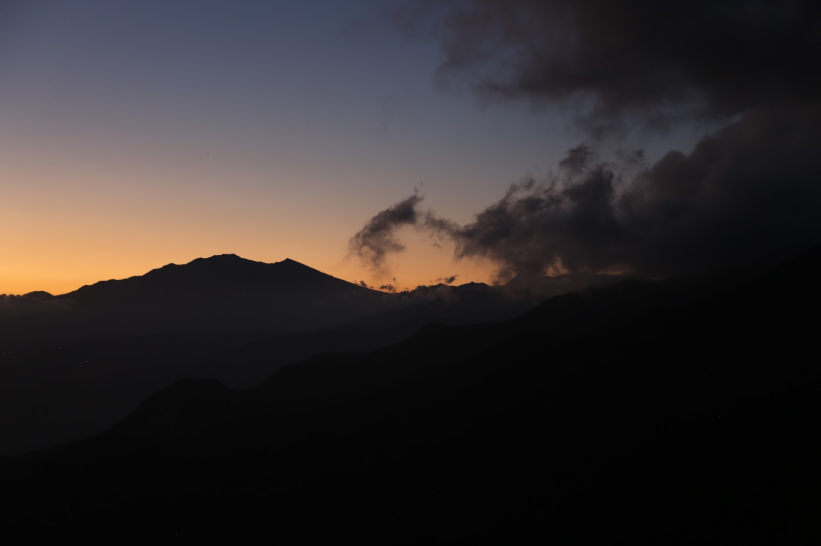
Universities in Panama: Public vs Private Education in the Crossroads of the Americas

Panama may be famous for its canal, beaches, and biodiversity, but it is also home to a growing network of universities that attract students from across Central America and beyond. Higher education in Panama is divided into two main categories: public universities funded by the government and private universities run by independent institutions.

Today Panama has dozens of universities and higher-education institutes, offering programs in everything from engineering and medicine to tourism, marine science, and international business. Because the country sits at the crossroads of the Americas and hosts global shipping, banking, and logistics industries, many universities emphasize international commerce, technology, and environmental science.

Public Universities in Panama

Public universities are funded largely by the government and tend to have lower tuition costs, making them accessible to many Panamanian students.

University of Panama

The largest and most historic university in the country is University of Panama, founded in 1935.

Key facts:

Over 70,000 students across multiple campuses

Dozens of faculties including law, medicine, science, humanities, and business

Main campus located in Panama City

Many government leaders, scientists, and professionals in Panama graduated from this university, making it one of the most influential educational institutions in the country.

Technological University of Panama

Another major public university is the Technological University of Panama.

This university specializes in:

Engineering

Architecture

Computer science

Industrial technology

With strong links to infrastructure, shipping, and engineering projects related to the canal and national development, it plays an important role in training Panama’s technical workforce.

Private Universities in Panama

Private universities have grown rapidly in the past few decades. They often offer smaller class sizes, specialized programs, and more flexible schedules, which attract working professionals and international students.

Universidad Santa María La Antigua (USMA)

The Universidad Católica Santa María La Antigua, often called USMA, is one of the oldest private universities in the country.

Founded in 1965, it offers programs in:

Law

Business administration

Architecture

Communications

Social sciences

Its campus has a peaceful atmosphere with tree-lined courtyards and traditional architecture.

Universidad Latina de Panamá

Another major private institution is Universidad Latina de Panamá, one of the largest private universities in the country.

It offers a wide range of programs including:

Medicine

Business

Tourism management

International relations

Law

Because of Panama’s role as a global logistics hub, business and international trade programs are particularly popular.

Other Universities in Panama

Panama’s higher-education system also includes many other institutions, such as:

Universidad Interamericana de Panamá

Universidad Marítima Internacional de Panamá

Universidad Autónoma de Chiriquí

The maritime university is especially interesting because it focuses on shipping, ports, and marine logistics, fields closely tied to the Panama Canal.

Cost of Studying in Panama

Education costs vary significantly between public and private universities.

Public universities

Very affordable for Panamanian citizens

Tuition can be just a few hundred dollars per year

Private universities

Higher tuition

Often several thousand dollars per year depending on the program

Despite the difference in cost, private universities often attract students because of modern facilities and flexible evening programs.

Panama as an Emerging Education Hub

As Panama continues to grow as an international business center, its universities are expanding and modernizing. New programs in logistics, international trade, environmental science, and tourism reflect the country’s unique position connecting continents and oceans.

Students studying here gain access to a dynamic environment where global commerce, biodiversity, and cultural diversity all intersect.

For many young Panamanians, university education represents not just academic achievement—but a gateway into the country’s rapidly evolving future.

The Lakes of Panama: From Canal Giants to Hidden Mountain Reservoirs

When most travelers think of Panama, they imagine tropical beaches and island archipelagos. But the country is also home to a fascinating network of large lakes and reservoirs, many of which were created to power hydroelectric dams or to operate one of the most important waterways in the world — the Panama Canal.

Unlike many countries with natural glacial lakes, most of Panama’s lakes are man-made reservoirs created by damming rivers. These lakes have become essential for:

Generating hydroelectric power

Supplying drinking water

Operating the Panama Canal locks

Supporting wildlife and rainforest ecosystems

Some of them are enormous, covering hundreds of square kilometers and surrounded by dense jungle.

Let’s explore the most important lakes in Panama.

Gatún Lake – The Heart of the Panama Canal

The largest and most famous lake in Panama is Gatún Lake.

When it was created in 1913 by the construction of Gatun Dam, it was briefly the largest man-made lake in the world.

Today the lake still plays a crucial role in canal operations.

Key facts:

Surface area: about 425 km² (164 square miles)

Formed by damming the Chagres River

Ships cross it for nearly 33 kilometers during canal transit

The lake is dotted with hundreds of forested islands that were once hilltops before the valley flooded. Many of these islands are now wildlife sanctuaries where you can see:

Capuchin monkeys

Howler monkeys

Sloths

Toucans

Crocodiles

One famous island in the lake is Barro Colorado Island, one of the world’s most important tropical research stations.

Alajuela Lake – The Canal’s Water Reservoir

Another key lake supporting the canal is Alajuela Lake, created when Madden Dam was completed in 1935.

Located inside Chagres National Park, this reservoir helps regulate water levels for canal operations during the dry season.

Unlike Gatún Lake, Alajuela Lake feels remote and wild. Dense rainforest surrounds the shoreline, and the lake provides habitat for:

Harpy eagles

Tapirs

Crocodiles

River otters

It is one of the most important protected watersheds in the country.

Bayano Lake – Panama’s Largest Reservoir

East of Panama City lies Bayano Lake, created in the 1970s when the Bayano Dam flooded a large valley.

This reservoir covers roughly 350 km², making it one of the largest lakes in the country.

The flooded landscape created hundreds of small islands and submerged forests, giving the lake a mysterious atmosphere. Today it is used for:

Hydroelectric power generation

Fishing

Boat exploration

The surrounding region is sparsely populated and rich in wildlife.

Lake Fortuna – A Cloud Forest Reservoir

High in the mountains of western Panama sits Lake Fortuna.

This lake was created by the Fortuna Dam and lies within the misty forests of the Fortuna Forest Reserve.

Unlike the tropical lowland reservoirs, Lake Fortuna is surrounded by cool cloud forest, where travelers might encounter:

Resplendent quetzals

Tree frogs

Orchids and bromeliads

Rare cloud forest birds

It’s one of the most scenic lakes in the country, though far less visited than those near the canal.

Other Reservoirs in Panama

Panama also has several smaller hydroelectric lakes across the country.

Some notable examples include:

Lake La Yeguada – a cool mountain lake popular with campers and trout fishing.

Lake Miraflores – part of the canal lock system.

Lake Monte Lirio – connected to hydroelectric generation near the Costa Rican border.

These reservoirs help supply electricity to homes and businesses throughout Panama.

Lakes That Changed a Nation

The lakes of Panama are more than scenic landscapes — they are part of the country’s engineering and environmental story.

Without Gatún Lake and Alajuela Lake, the Panama Canal simply could not function. Every ship that crosses the isthmus depends on millions of gallons of freshwater stored in these reservoirs.

At the same time, many of these lakes have become important wildlife habitats, where flooded forests now shelter monkeys, birds, reptiles, and countless tropical species.

In a country famous for oceans and islands, Panama’s lakes are a hidden part of the landscape — vast, jungle-covered reservoirs where engineering and nature coexist.

10 Amazing Frogs You Can Find in Panama’s Rainforests

Panama’s tropical forests are among the most biodiverse ecosystems in the world. From humid Caribbean jungles to cool mountain cloud forests, these habitats are home to an incredible variety of amphibians. In fact, scientists have recorded over 200 species of frogs and toads in Panama, many of which exist nowhere else on Earth.

Some are brilliantly colored poison dart frogs, while others rely on camouflage and remain hidden in the leaves. If you spend time exploring Panama’s rainforests—especially around Bocas del Toro or the cloud forests of Boquete—you may hear their calls echoing through the jungle long before you ever see them.

Here are 10 amazing frogs you can find in Panama’s rainforests.

1. Strawberry Poison Dart Frog

The Strawberry poison dart frog is one of the most famous frogs in Central America. These tiny amphibians are known for their vibrant colors and are especially common around Bocas del Toro.

What makes them remarkable is their extreme color variation. Some populations are bright red with blue legs, while others appear completely blue, orange, or yellow depending on the island.

2. Green and Black Poison Dart Frog

The Green and black poison dart frog is another striking species found in Panama. Its bright green patterns stand out dramatically against dark forest backgrounds.

Despite their toxic skin secretions, these frogs are generally shy and spend much of their time hiding among leaves and low vegetation.

3. Hourglass Tree Frog

The Hourglass tree frog gets its name from the hourglass-shaped marking on its back. These frogs are small but extremely adaptable and can be found near ponds, wetlands, and rainforest edges throughout Panama.

At night their high-pitched calls fill the jungle air.

4. Smoky Jungle Frog

The Smoky jungle frog is one of the largest frogs in Central America. These powerful amphibians can grow to nearly 15 cm (6 inches) long.

They often hide among leaf litter on the forest floor and are known for their deep, booming calls.

5. Glass Frog

Glass frogs are among the most fascinating amphibians in the tropics. Species in the Glass frogs have translucent skin on their bellies, allowing you to see their internal organs.

They typically sit on the underside of leaves over streams, where males guard eggs laid by females.

6. Red-Eyed Tree Frog

The Red-eyed tree frog is one of the most iconic rainforest frogs in Central America.

Its features include:

Bright red eyes

Lime green body

Blue and yellow striped sides

These colors help startle predators when the frog suddenly opens its eyes.

7. Túngara Frog

The Túngara frog may look plain, but it has one of the most interesting mating calls in the frog world.

Males produce a distinctive “whine and chuck” call to attract females, creating nighttime choruses around temporary ponds.

8. Lemur Leaf Frog

The Lemur leaf frog is a rare and beautiful species found in humid forests of Central America.

Sadly, habitat loss and disease have caused its population to decline, making sightings especially special.

9. Crowned Tree Frog

The Crowned tree frog has an unusual appearance with bony ridges on its head that look like a crown.

These frogs spend most of their lives in trees and blend well into bark and branches.

10. Harlequin Frogs

The Harlequin frogs were once common across Central America. These brightly patterned frogs live near mountain streams.

Unfortunately, many species have declined dramatically due to chytrid fungus, a disease affecting amphibians worldwide.

A Rainforest Full of Hidden Amphibians

Frogs are everywhere in Panama’s forests—you just have to listen. On humid nights the rainforest becomes alive with their calls, echoing from ponds, streams, and the jungle canopy.

From the tiny strawberry poison dart frog to the massive smoky jungle frog, these amphibians are an essential part of the rainforest ecosystem.

For travelers exploring the jungles of Panama, spotting one of these remarkable frogs can be a reminder that even the smallest creatures play a big role in the natural world. 🐸

Poison Dart Frogs of Panama (Featuring the Famous Strawberry Frog)

The rainforests of Panama are filled with colorful wildlife, but few creatures capture attention like poison dart frogs. These tiny amphibians are famous for their brilliant colors, complex behaviors, and potent toxins.

Despite being only a few centimeters long, poison dart frogs are among the most visually striking animals in the tropical forests of Panama. Their bright colors—reds, blues, greens, and yellows—serve as a warning to predators: “Don’t eat me.”

Panama is home to several species of poison dart frogs, but none is more famous than the strawberry poison dart frog, a tiny red amphibian that has become an icon of the Caribbean rainforest.

The Strawberry Poison Dart Frog

The Strawberry poison dart frog is one of the most recognizable frogs in Central America. Found along the Caribbean side of Panama and nearby Costa Rica, this frog is especially common in the forests around Bocas del Toro.

Despite being only about 2 centimeters long, the strawberry frog stands out because of its brilliant color patterns.

Incredible Color Variations

One of the most fascinating things about this frog is its extreme color diversity. Depending on the island or region, the same species can appear completely different.

In the Bocas del Toro archipelago alone, you can find:

Bright red bodies with blue legs

Solid blue frogs

Orange or yellow variations

Red frogs with black or green spots

Scientists believe this diversity evolved because isolated island populations developed their own unique colors over time.

Why Are They Called “Poison” Frogs?

The strawberry frog produces toxins through its skin that can make predators sick. These toxins come from ants and mites the frogs eat in the wild.

Interestingly, frogs raised in captivity without those insects lose their toxicity, which shows how closely their diet is linked to their chemical defenses.

For humans, these frogs are not dangerous to observe—as long as they aren’t handled.

Other Poison Dart Frogs of Panama

Panama has several other species of poison dart frogs, each with its own unique colors and habitats.

Green and Black Poison Dart Frog

The Green and black poison dart frog is another species found in Panama’s rainforests.

These frogs are usually:

Bright green with black patterns

Slightly larger than strawberry frogs

Found on the forest floor or low vegetation

They are common in humid forests and are often spotted near streams and leaf litter.

Golfodulcean Poison Dart Frog

Another striking species is the Golfodulcean poison dart frog, which features bright stripes across its body.

Members of the Phyllobates genus are famous because related species in South America were historically used by Indigenous hunters to poison blow darts—giving poison dart frogs their name.

Where to See Poison Dart Frogs in Panama

Several regions are excellent places to spot these colorful amphibians.

Top locations include:

Rainforests around Bocas del Toro

Jungle trails in Isla Bastimentos National Marine Park

Caribbean lowland forests

Cloud forests in western Panama

The strawberry frog is especially common in the humid Caribbean forests and can sometimes be seen hopping across the forest floor during the day.

Why Poison Dart Frogs Are So Important

Despite their tiny size, poison dart frogs play a big role in rainforest ecosystems. They help control insect populations and serve as indicators of environmental health. Because amphibians are very sensitive to pollution and climate change, their presence often signals a healthy forest.

Protecting Panama’s rainforests means protecting the delicate ecosystems these frogs depend on.

A Tiny Jewel of the Rainforest

For many travelers exploring Panama’s jungles, spotting a poison dart frog is a magical moment. A flash of red or blue among the leaves suddenly comes to life, reminding you how much biodiversity is packed into the rainforest.

And among all of them, the strawberry poison dart frog remains the most famous—tiny, colorful, and uniquely tied to the tropical forests of Bocas del Toro.

Are There Sharks in Bocas del Toro? The Truth for Swimmers and Surfers

When people first arrive in Bocas del Toro, they are usually amazed by the calm turquoise water, palm-lined beaches, and colorful coral reefs. Naturally, a question often comes up:

Are there sharks in Bocas del Toro?

The short answer is yes — but they are rarely seen and almost never dangerous.

Like most tropical oceans, the Caribbean waters around Bocas are home to several shark species. However, they tend to stay deeper around reefs or farther offshore, and encounters with swimmers or surfers are extremely uncommon.

Sharks That Live Around Bocas del Toro

Several species are known to live in the waters around the islands.

Nurse Sharks

The nurse shark is probably the shark you are most likely to see in the Bocas area.

These sharks:

Spend most of their time resting on the sea floor

Are slow moving and generally calm

Often hide under coral ledges during the day

They usually grow between 2–3 meters (6–10 feet) but despite their size they are very docile and rarely bother humans.

Many snorkelers spot them resting quietly under reefs.

Caribbean Reef Sharks

Another species occasionally found around offshore reefs is the Caribbean reef shark.

These sharks:

Patrol coral reef systems

Prefer deeper water

Are usually shy around people

Divers sometimes see them around healthy reef systems, but they are rarely encountered by swimmers near beaches.

Other Possible Visitors

A few other shark species occasionally pass through Caribbean waters, though sightings are rare:

Blacktip reef sharks

Bull sharks (usually near river mouths, rarely around Bocas)

Hammerheads (mostly offshore)

Most travelers will never see one during their stay.

What Are the Chances of Seeing a Shark?

For swimmers and surfers in Bocas, the odds are extremely low.

Reasons include:

Shallow beaches where sharks rarely hunt

Busy human activity around popular swimming areas

Reef structures farther offshore

Most shark sightings happen while scuba diving deeper reefs, not while swimming from the beach.

Many longtime residents of Bocas say they can go years without seeing a shark.

Are Shark Attacks a Concern?

Shark attacks in Panama are extremely rare, and incidents around Bocas del Toro are almost unheard of.

The reality is:

Sharks do not see humans as prey

They generally avoid noisy, shallow areas

The species found here are usually non-aggressive

Statistically, you are far more likely to encounter:

Jellyfish

Sea urchins

Stingrays

These animals cause far more minor injuries than sharks.

Why Sharks Are Actually a Good Sign

Seeing a shark in the ocean is actually a sign of a healthy ecosystem.

Sharks play an important role by:

Controlling fish populations

Keeping reef ecosystems balanced

Indicating clean and thriving oceans

Healthy reefs around Bocas mean there is still a functioning marine food chain.

The Bottom Line

Yes, sharks do live in the waters around Bocas del Toro, but:

They are rarely seen by swimmers

Most species are harmless reef sharks

Encounters are very uncommon

Attacks are almost unheard of

So if you’re planning to swim, snorkel, or surf in Bocas del Toro, you can relax and enjoy the water.

And if you do happen to see a shark while diving, consider yourself lucky—it’s one of the most memorable wildlife experiences the Caribbean can offer.

Sharks in Panama: How Many Species Live Here and What Are the Chances of Seeing One?

Panama sits between two oceans—the Pacific Ocean and the Caribbean Sea—which makes it one of the most biologically diverse marine environments in Central America. Because of this unique geography, dozens of shark species live in Panamanian waters, ranging from tiny reef sharks to the largest fish in the ocean.

But while sharks are definitely present, the chances of encountering one—especially in a dangerous situation—are extremely small.

How Many Shark Species Are in Panama?

Scientists estimate that Panama’s waters are home to more than 40 shark species, and some estimates including rays and related species push that number past 50.

These sharks live in many different environments such as:

Coral reefs

Mangrove forests

Deep offshore waters

Open ocean

River mouths and estuaries

The Pacific side of Panama actually tends to have more sharks and larger populations because nutrient-rich upwellings create a strong food chain that supports top predators.

Common Sharks Found in Panama

Here are some of the most well-known species you might encounter:

Reef and Coastal Sharks

These are the sharks most likely to be seen by snorkelers or divers.

Whitetip reef shark – often seen resting on coral reefs

Caribbean reef shark – common around reefs in the Caribbean

Nurse shark – slow moving and usually harmless

Blacktip shark – occasionally seen in shallow water

Large Ocean Sharks

These live farther offshore but may appear near islands.

Scalloped hammerhead shark – often seen in large schools near Coiba

Tiger shark – large predator that occasionally passes through

Bull shark – one of the few sharks able to enter rivers

Great hammerhead shark

Gentle Giants

Despite their size, these sharks are harmless.

Whale shark – the largest fish on Earth and a filter feeder

Where Sharks Are Most Common in Panama

Certain places have especially healthy shark populations.

Pacific Coast

The Pacific side tends to have far more sharks due to richer waters.

Key areas include:

Coiba National Park

Gulf of Chiriquí

Gulf of Panama

Punta Chame

Some of these regions are considered Important Shark and Ray Areas, meaning they are critical feeding or breeding grounds.

Caribbean Coast

The Caribbean side has clearer water and coral reefs.

Common shark habitats include:

Bocas del Toro reefs

Guna Yala (San Blas) islands

Offshore reef systems

Sharks here are usually smaller reef species.

What Are the Chances of Encountering a Shark?

For the average traveler or swimmer, the chances are very low.

Here’s why:

1. Sharks avoid humans

Most sharks see humans as unfamiliar animals and prefer to stay away.

2. Most species are harmless

Many sharks in Panama are reef sharks or nurse sharks that rarely show aggression.

3. They live offshore

Larger species like hammerheads and tiger sharks usually stay far from beaches.

4. Attacks are extremely rare

Shark attacks in Panama are almost unheard of and very seldom reported.

In reality, if you spend time snorkeling or diving you might see a shark occasionally—but it will almost always be brief and peaceful.

The Most Likely Shark You’ll See

If you do encounter a shark in Panama, it will probably be one of these:

Nurse shark resting on the seabed

Small reef shark cruising past coral

A distant hammerhead while diving offshore

Many divers say seeing a shark is actually one of the highlights of exploring Panama’s oceans.

Sharks Are Important to Panama’s Ecosystem

Sharks are apex predators that help keep the ocean healthy by regulating fish populations and maintaining balance in marine ecosystems. Scientists emphasize that protecting shark habitats around Panama—especially marine parks like Coiba—is important for biodiversity and sustainable tourism.

✅ Bottom line:

Panama has 40–50+ shark species

Most live far offshore or deep underwater

Encounters with swimmers are rare

Attacks are extremely uncommon

If anything, divers and ocean lovers often hope they do see a shark—it means the ecosystem is healthy.

The Perfect Stop Between Bocas del Toro and Boquete: Why Lost and Found Hostel Is the Break You Didn’t Know You Needed

Anyone traveling through western Panama quickly realizes there’s a classic backpacker route. You bounce between lush mountain towns and tropical islands—surfing and snorkeling in Bocas del Toro, then heading inland to the cool highlands of Boquete, or continuing down toward David or even Panama City.

Most travelers rush this stretch in a single day. Big mistake.

Hidden in the mountains between these destinations is one of the most memorable stops in the country: Lost and Found Hostel. And if you're traveling the Bocas–Boquete route, it might just become the highlight of your trip.

A Break From the Chaos of Travel

The journey from Bocas del Toro to the mainland can be long. It usually involves a boat ride, buses, and winding mountain roads. By the time travelers reach the mainland, they’re often tired, sweaty, and ready for a reset.

That’s exactly where Lost and Found comes in.

Perched high in the mountains above the Fortuna Forest Reserve, the hostel feels like a completely different world. The air is cool. The forest is quiet. The views stretch across layers of jungle-covered mountains.

After days of humidity and island heat in Bocas, this place feels like stepping into natural air conditioning.

It’s the perfect spot to slow down for a night—or a few.

The Most Social Backpacker Hostel in Panama

Lost and Found Hostel has built a reputation as one of the most social hostels in Panama. Backpackers from all over the world pass through here on their way between the Caribbean and the highlands.

And because it’s somewhat remote, something magical happens: people actually talk to each other.

Phones get put away. Conversations happen over dinner. Strangers quickly become hiking partners, card game rivals, and sometimes lifelong friends.

If you can’t meet people here… you probably can’t meet people anywhere.

A Place That Feels Completely Different From the Rest of Panama

Panama is known for its beaches, islands, and bustling cities. But Lost and Found offers something entirely different.

Here you’re surrounded by cloud forest, misty mornings, and trails that disappear into thick jungle. Wildlife is everywhere—colorful birds, curious monkeys, and the constant soundtrack of the forest.

Instead of crowded beaches or busy town centers, you’ll find hammocks, mountain views, and quiet trails right outside your door.

It’s the kind of place where you plan to stay one night and end up staying three.

Surprisingly Easy to Get To

Despite feeling remote, Lost and Found Hostel is actually very easy to reach.

Backpackers traveling between Bocas del Toro and Boquete regularly stop here using public buses or shuttle services.

If you're traveling independently, local buses run along the main highway and can drop you near the trail that leads up to the hostel.

If you'd prefer a direct ride, several shuttle companies pass by the entrance daily, including:

Hola Travel Panama

Panabocas

Boquete Travel Express

Just let them know you want to stop at Lost and Found and they’ll drop you off at the trailhead.

From there, it’s a short jungle hike up to the hostel—an arrival that already feels like the beginning of an adventure.

Trails, Views, and Total Relaxation

One of the things that makes Lost and Found truly unique is its network of jungle trails. Guests can spend hours exploring the surrounding forest, discovering viewpoints, hidden waterfalls, and wildlife along the way.

You don’t need a guide. You don’t need a plan.

Just grab a map and start walking.

After a hike, the hostel restaurant becomes the social hub of the evening, where travelers gather for meals, stories, and the occasional cold beer while watching the sun disappear behind the mountains.

A Must-See Stop for Backpackers

Panama has many great destinations—but very few places capture the spirit of backpacking quite like Lost and Found Hostel.

It’s social but peaceful. Remote but accessible. Adventurous but relaxing.

More importantly, it’s a place where the journey itself becomes part of the experience.

So if you’re traveling between Bocas del Toro, Boquete, David, or even heading toward Panama City, do yourself a favor:

Don’t rush the trip.

Stop at Lost and Found.

Cool off in the mountains, meet other travelers, explore the jungle trails, and experience one of the most unique hostels in all of Panama.

You might arrive as a traveler passing through—but you’ll probably leave wishing you had stayed longer. 🌿

Lost and Found Hostel: A Cloud Forest Escape for Wellness and Reconnection

Travel can be exciting, chaotic, and unforgettable. But sometimes the best places we encounter on the road are the ones that help us slow down.

High in the mountains of western Panama, tucked inside the wild beauty of the Fortuna Forest Reserve, sits a place where the jungle naturally encourages travelers to pause, breathe, and reconnect.

Lost and Found Hostel isn’t just a hostel. It’s a place where backpackers accidentally stumble into something deeper: a moment of calm in the middle of a long journey.

For many travelers moving between Boquete and Bocas del Toro, it becomes an unexpected wellness retreat — one built not around spas or luxury, but around nature, movement, and meaningful connection.

Wellness in the Wild

Modern wellness retreats often promise relaxation through structured programs — yoga schedules, juice cleanses, meditation workshops.

But sometimes the most powerful reset happens naturally.

At Lost and Found Hostel, wellness begins the moment you arrive.

The cool mountain air feels different from the humid lowlands. Fog drifts through the trees. Birds echo across the valley. There are no city sounds, no traffic, and no crowds — only the forest.

The environment itself invites a slower rhythm.

Travelers wake up with the sunrise over the mountains. They sip coffee while clouds roll across the valley below. Conversations happen naturally on the decks and hammocks scattered throughout the property.

In a world that often moves too quickly, the cloud forest provides something rare: space to breathe.

Hiking as Meditation

One of the most unique features of Lost and Found is its network of hiking trails winding through the surrounding cloud forest.

Because the hostel sits directly inside the Fortuna Forest Reserve, guests can begin hiking right outside their door.

These trails are not crowded tourist paths. They wind through deep jungle where moss covers the trees and the forest floor is alive with plants and insects.

Walking these trails often becomes a form of meditation.

Step by step, the mind quiets.

You begin noticing the small things — the sound of wind through leaves, the distant call of birds, the shifting patterns of fog moving through the canopy.

For many travelers who have been rushing through countries and cities, these hikes offer a rare opportunity to disconnect from constant movement and simply be present.

A Digital Detox Without Trying

Many travelers arrive at Lost and Found planning to stay just one night.

But something happens once they settle in.

Without the distractions of busy towns, people naturally begin to unplug.

Phones get set aside. Conversations last longer. Meals stretch into hours of storytelling with travelers from different countries.

The social atmosphere becomes part of the wellness experience.

Instead of scrolling through screens, people share:

travel stories

hiking plans

new friendships

It’s a reminder that sometimes the most powerful form of wellness isn’t solitude — it’s genuine human connection.

Nature as Therapy

Cloud forests are some of the most biodiverse ecosystems on the planet. The forest surrounding Lost and Found is alive with movement and sound.

Guests exploring the trails sometimes encounter:

white-faced capuchin monkeys

colorful tropical birds

butterflies drifting through sunlit clearings

rare orchids growing on tree trunks

Even simply sitting on a deck overlooking the valley can feel therapeutic.

Science increasingly shows that spending time in nature can lower stress levels, improve mood, and restore mental clarity. In Japan, the practice is known as “forest bathing.”

At Lost and Found, this experience happens naturally every day.

The forest becomes both the scenery and the therapy.

The Beauty of Being Lost

The name Lost and Found feels especially fitting here.

Travelers often arrive feeling a little lost — not just geographically, but mentally.

Maybe they’ve been moving too fast. Maybe they’re unsure where the road ahead will lead.

In the quiet of the cloud forest, something shifts.

A good conversation with a stranger becomes a new friendship. A hike turns into a moment of reflection. A simple sunset over the mountains becomes a reminder of why we travel in the first place.

And sometimes, in places like this, being a little lost is exactly how we end up finding something important.

Final Thoughts

Panama is filled with incredible destinations — beaches, islands, cities, and jungles. But few places offer the kind of atmosphere that allows travelers to slow down and reconnect with themselves and the world around them.

Lost and Found Hostel is one of those rare places.

Not because it tries to be a wellness retreat, but because the cloud forest naturally creates one.

For backpackers traveling between Boquete and Bocas del Toro, it’s more than just a stop along the road.

It’s a reminder that sometimes the best part of travel isn’t the destination — it’s the moments of stillness we discover along the way. 🌿

Backpacking Panama: The Perfect Route from Boquete to Bocas del Toro (With a Hidden Cloud Forest Stop)

For many travelers exploring Central America, Panama is the final stop before heading south toward Colombia or north toward Costa Rica. And while the country is famous for beaches and the canal, backpackers quickly discover that some of its best experiences happen in the mountains and islands of the west.

One of the most popular travel routes in the country connects the cool mountain town of Boquete with the laid-back Caribbean islands of Bocas del Toro.

But the best version of this journey isn’t just a quick shuttle ride between destinations. Hidden halfway through the mountains is a place that turns the trip into something unforgettable — Lost and Found Hostel, a backpacker lodge sitting deep inside the Fortuna Forest Reserve.

For travelers who want the ultimate backpacking route through Panama, this three-stop journey offers the perfect mix of mountains, jungle, and tropical islands.

Stop 1: Boquete – Panama’s Highland Adventure Town

Most backpackers begin their journey in Boquete, a small mountain town famous for coffee farms, waterfalls, and cool highland weather. Sitting in the shadow of Volcán Barú, Boquete offers a completely different atmosphere from Panama’s beaches.

Travelers come here for outdoor adventures like:

Hiking to waterfalls and viewpoints

Climbing Volcán Barú for sunrise

Exploring coffee plantations

Rafting mountain rivers

Birdwatching in the cloud forest

Because of its altitude, Boquete has a refreshing climate that feels almost spring-like year round. For many backpackers arriving from the tropical heat of Central America, it’s the perfect place to recharge before continuing the journey.

But while Boquete is beautiful, the real adventure begins when you leave town and head deeper into the mountains.

Stop 2: Lost and Found Hostel – A Hidden Cloud Forest Escape

About an hour from Boquete, high in the mountains along the road toward Bocas del Toro, sits one of the most unusual hostels in Central America.

Lost and Found Hostel is not located in a town or along a beach. Instead, it sits alone in the middle of the cloud forest inside the Fortuna Forest Reserve.

What makes it so unique is how it was created.

Over many years, the buildings, decks, and cabins that make up the hostel were carried up the mountain and assembled piece by piece in the jungle. Today the entire place feels completely integrated with the surrounding forest.

Fog rolls through the trees almost daily, birds call from the canopy, and the jungle surrounds every trail and pathway.

Unlike most hostels in Panama, Lost and Found also has its own network of hiking trails that start directly from the property. Guests can spend hours exploring the cloud forest without ever leaving the reserve.

Wildlife sightings around the trails sometimes include:

White-faced capuchin monkeys

Colorful tropical birds

Butterflies and insects

Rare cloud forest plants

But beyond the nature, Lost and Found is also known as one of the most social hostels in Panama. Because nearly everyone staying there is passing between Boquete and Bocas, the atmosphere becomes incredibly communal.

People arrive as strangers and often leave as travel companions.

For many backpackers, this unexpected stop in the mountains ends up being the highlight of their entire trip through Panama.

Stop 3: Bocas del Toro – Caribbean Island Life

After a few days in the cloud forest, the road eventually drops down from the mountains toward the Caribbean coast.

From there, travelers take a short boat ride to the islands of Bocas del Toro.

The contrast is dramatic.

You go from cool misty forests to warm tropical beaches in just a few hours.

Bocas is famous for:

Island hopping tours

Snorkeling and coral reefs

Dolphin watching

Surf beaches

Beach bars and nightlife

The main town on Isla Colón is colorful, lively, and full of backpackers from around the world. Days are spent exploring nearby islands and beaches, while evenings often turn into social gatherings at waterfront bars and hostels.

After the mountain adventures of Boquete and the jungle immersion of Lost and Found, Bocas feels like the perfect tropical reward.

Why This Is the Ultimate Backpacker Route in Panama

This route works so well because each stop offers something completely different.

Boquete

Mountain town

Adventure activities

Coffee culture

Lost and Found Hostel

Cloud forest immersion

Jungle hiking trails

Social backpacker atmosphere

Bocas del Toro

Caribbean beaches

Island hopping

Tropical nightlife

Within just a few days, travelers experience three completely different sides of Panama.

Final Thoughts

Panama is often overlooked by backpackers rushing between Costa Rica and Colombia. But those who slow down and explore the western part of the country discover something special.

The journey from Boquete to Bocas del Toro isn’t just transportation between destinations — it’s an adventure through mountains, cloud forests, and tropical islands.

And right in the middle of that journey sits one of the most unique places in the country: Lost and Found Hostel, a backpacker lodge built deep in the jungle where travelers can step off the road and truly experience the cloud forest.

For many people traveling through Panama, this route becomes one of the most memorable parts of their entire Central American trip. 🌿

Lost and Found Hostel: Panama’s Most Unique Cloud Forest Hostel

Hidden deep in the mountains of western Panama lies one of the most unusual hostels in Central America. Lost and Found Hostel is not just another place to sleep — it’s a full immersion into the cloud forest.

Located inside the lush wilderness of the Fortuna Forest Reserve, the hostel sits high in the mountains along the road between Boquete and Bocas del Toro. For travelers crossing Panama’s famous backpacker route, it’s nearly impossible to miss. But many people don’t realize that this hostel isn’t just located in the forest — it is actually built into it.

Over the years, every part of the hostel has been carefully carried up the mountain and assembled piece by piece. The result is something incredibly rare: a backpacker lodge that feels completely integrated with the surrounding jungle.

For travelers looking for a true cloud forest hostel experience in Panama, there really isn’t anywhere else quite like it.

A Hostel Built in the Middle of the Jungle

Unlike most hostels that are built along roads or inside towns, Lost and Found sits far from any urban area. The only way to create a place like this was to build it slowly and carefully.

For years, construction materials were carried up the mountain and assembled in the forest. The result is a network of cabins, decks, and common spaces surrounded entirely by cloud forest.

Instead of traffic noise, you hear:

Wind moving through the trees

Distant bird calls

The sounds of the jungle at night

Fog often rolls through the forest in the afternoon, giving the entire place a magical atmosphere that perfectly captures the feeling of Panama’s highland cloud forests.

For many travelers, staying here feels less like a typical hostel and more like living inside a nature reserve.

A Private Network of Trails in the Cloud Forest

One of the biggest things that sets Lost and Found apart from other hostels in Panama is its private network of hiking trails.

Because the hostel sits inside the Fortuna Forest Reserve, guests have direct access to miles of forest trails right outside their door.

These trails lead through pristine cloud forest filled with towering trees, moss-covered branches, and incredible biodiversity.

Hikers exploring the trails often encounter:

Colorful tropical birds

Butterflies and insects

Monkeys moving through the canopy

Unique plants and orchids

For travelers interested in hiking in Panama’s cloud forests, this setup is incredibly special. Instead of driving somewhere to start a hike, guests can simply walk out of the hostel and begin exploring the jungle.

Many visitors end up spending entire days discovering new trails and viewpoints hidden throughout the forest.

A True Backpacker Atmosphere

Lost and Found has built a reputation as one of the most social hostels in Panama. Because it sits between two major destinations — Boquete and Bocas del Toro — travelers from all over the world pass through.

But what really makes the atmosphere unique is the environment.

There isn’t much to distract people here:

No big city nearby

No crowded tourist streets

Just mountains, forest, and the hostel community

This naturally brings travelers together. People share meals, go hiking together, and spend evenings talking while fog drifts through the forest outside.

For backpackers looking for a social hostel experience in Panama, the setting creates the perfect environment for meeting other travelers.

The Perfect Stop Between Boquete and Bocas del Toro

One of the reasons Lost and Found has become so well-known among backpackers is its location.

Travelers moving between Boquete and Bocas del Toro pass directly through the mountains where the hostel is located. Because of this, it has become a natural stop along the route.

Many people originally plan to stay one night — and end up staying several.

The combination of:

Cloud forest scenery

Hiking trails

Social atmosphere

Mountain views

makes it easy to slow down and enjoy the experience.

Why Lost and Found Is Unlike Any Other Hostel in Panama

Panama has many great hostels, especially in beach towns and cities. But very few offer something truly different.

Lost and Found stands out because it offers:

A remote cloud forest location

Private hiking trails in the Fortuna Forest Reserve

Buildings assembled gradually in the jungle

A true nature immersion experience

A social backpacker atmosphere

It’s not just a place to stay — it’s a destination in itself.

For travelers searching for unique hostels in Panama, cloud forest hostels in Central America, or nature lodges near Boquete, Lost and Found continues to be one of the most unforgettable stops in the country.

Driving in Panama: What to Know About Transit Police

Driving in Panama is an adventure. From winding mountain roads in the highlands to the bustling traffic of Panama City, the experience can feel chaotic at times for visitors and newcomers. One thing many drivers quickly notice is the presence of transit police on highways and city streets.

Traffic enforcement in Panama is handled by officers from the Policía Nacional de Panamá, specifically the Dirección Nacional de Operaciones de Tránsito (Traffic Operations Division). These officers monitor traffic, enforce road laws, and conduct roadside checkpoints throughout the country.

For travelers, expats, and backpackers renting cars, understanding how transit police operate can make driving in Panama much less stressful. Here’s what you need to know before hitting the road.

Why You See So Many Traffic Checkpoints

Traffic checkpoints are common in Panama, especially on major highways like the Pan-American Highway.

Police use checkpoints for several reasons:

Checking driver’s licenses and vehicle registration

Verifying insurance documents

Looking for stolen vehicles

Checking for drunk drivers

Immigration or security checks in some regions

In most cases, these stops are quick and routine. You slow down, an officer might glance inside the vehicle or ask for documents, and then you’re waved through within seconds.

These checkpoints are especially common:

On weekends and holidays

Late at night

Near major cities

On roads leading to tourist destinations

What Documents You Should Always Carry

If you’re driving in Panama, you should always have the following with you:

Required documents

Passport or national ID

Valid driver’s license

Vehicle registration

Proof of insurance

If you are driving a rental car, you should also carry:

Rental agreement

Copy of the car’s registration

Insurance papers provided by the rental company

Police rarely ask for every document, but it’s best to have everything accessible in case they do.

What Happens During a Traffic Stop

If transit police pull you over while driving, the process is usually straightforward.

Typical steps include:

1. The officer signals you to pull over safely.

2. They may approach your window and greet you.

3. They might ask for your license or vehicle documents.

4. They may explain why you were stopped.

Common reasons for being stopped include:

Speeding

Not wearing a seatbelt

Using a phone while driving

Missing headlights at night

Random checkpoints

In many cases, it’s simply a routine inspection.

Are Police Stops Safe for Tourists?

Yes. In general, traffic police in Panama are professional and accustomed to dealing with foreigners. The country receives large numbers of tourists and expats, and officers regularly interact with international drivers.

If stopped:

Stay calm and polite

Follow instructions

Answer basic questions

Many officers speak some English, especially in tourist areas such as Boquete, Bocas del Toro, and Panama City.

Even if language becomes a barrier, the interaction is usually simple enough that it doesn’t cause major problems.

Traffic Tickets and Fines

If you receive a ticket in Panama, it’s generally called a “boleta.”

Officers usually issue tickets for violations like:

Speeding

Illegal parking

Running red lights

Driving without a seatbelt

Tickets are registered in the national system and typically must be paid later through banks or government payment systems.

It’s important to know that traffic fines are not usually paid directly to the officer.

Tips for Driving through Checkpoints

To avoid unnecessary delays, keep these tips in mind.

Slow down early

Police often stand several meters ahead of the checkpoint. Slow down as soon as you see flashing lights or cones.

Turn down music

Officers sometimes look inside vehicles. Loud music can make communication harder.

Keep hands visible

This is a universal courtesy when interacting with police anywhere in the world.

Be patient

Lines can form during busy travel weekends.

Where You’ll See the Most Traffic Police

Transit police are most visible in high-traffic areas.

Common places include:

The Pan-American Highway

Roads around Panama City

Highways in Chiriquí Province

Mountain roads between Boquete and Volcán

Tourist routes toward beach towns

On long drives across the country, it’s normal to encounter multiple checkpoints.

Final Thoughts

Driving in Panama can feel chaotic at first, but transit police checkpoints are simply part of the system that keeps roads safe. Most interactions are quick, routine, and professional.

For travelers exploring the country by car — whether heading to the beaches, the highlands, or the islands — understanding how these checkpoints work can make the experience far less intimidating.

As long as you carry your documents, follow the traffic rules, and remain polite during stops, driving in Panama can be a smooth and enjoyable way to explore one of Central America’s most diverse countries.

The Ultimate Guide to the Quetzal Trail in Panama

A Cloud Forest Adventure Between Boquete and Cerro Punta

A Legendary Hike Through Panama’s Cloud Forest

Hidden high in the mountains of western Panama lies one of the most beautiful and famous hiking routes in Central America: the Sendero Los Quetzales, commonly known as the Quetzal Trail.

This trail cuts through the misty cloud forests of Volcán Barú National Park, connecting the mountain town of Boquete with the agricultural highlands of Cerro Punta. Along the way, hikers pass through ancient forests filled with moss-covered trees, rushing mountain streams, and incredible biodiversity.

The trail is famous for one reason in particular: it is one of the best places in Panama to see the Resplendent Quetzal, a legendary bird that has been revered by indigenous cultures for centuries.

But the Quetzal Trail isn’t just a scenic stroll through the forest. It’s a serious wilderness hike, and anyone planning to attempt it should prepare properly.

This guide will walk you through everything you need to know before tackling the Quetzal Trail — including planning tips, what to bring, safety precautions, and how to get the most out of this unforgettable adventure.

Where the Quetzal Trail Is Located

The trail runs through Volcán Barú National Park, Panama’s most famous national park and home to the country’s highest mountain.

Key facts about the trail:

Distance: about 9.6 km (6 miles) one way

Typical hiking time: 5–7 hours

Elevation range: about 1,800–2,500 meters above sea level

Temperature: usually 10–16°C (50–60°F)

Difficulty: moderate to challenging

The trail links two ranger stations:

Alto Chiquero (Boquete side)

El Respingo (Cerro Punta side)

Both entrances are a short drive outside the towns, so transportation must be planned in advance.

Why the Quetzal Trail Is So Special

The trail is considered one of the most biodiverse hikes in Panama.

During the hike you pass through multiple ecosystems:

Cloud forest

Bamboo forest

Mountain streams

Alpine forest near the summit slopes

These environments support an incredible variety of wildlife.

Animals You Might See

Resplendent quetzal

White-faced capuchin monkeys

Toucans

Emerald hummingbirds

Tree frogs

Coatis

Hundreds of butterfly species

Birdwatchers especially love this hike because the high elevation forests are home to rare mountain birds that don’t exist anywhere else in Panama.

That said, despite the name, seeing a quetzal is never guaranteed — even experienced birders sometimes miss them.

Choosing Your Direction: Boquete or Cerro Punta

You can hike the trail in either direction, but each option feels very different.

1. Cerro Punta → Boquete (Most Popular)

Most hikers start from Cerro Punta.

Why?

Mostly downhill

Easier physically

Better for casual hikers

Even though it's downhill, it’s still a long hike and can be tough on your knees.

2. Boquete → Cerro Punta

Starting from Boquete means:

Mostly uphill

Harder physically

Slightly better chances of seeing wildlife early in the morning

Early morning wildlife activity is higher, which is why some experienced hikers prefer this direction.

What the Trail Is Like

The Quetzal Trail is not a polished tourist path. It’s a true jungle trail.

Expect:

Muddy sections

Narrow forest paths

Tree roots and rocks

Small bridges and streams

Fog and rain

In some areas the trail becomes steep, especially near the beginning and end.

Certain sections also contain forks in the trail, which is why people occasionally get lost.

Things to Be Careful About

Even experienced hikers underestimate this trail.

Here are the biggest things to watch out for.

1. Weather Changes Quickly

Cloud forests are unpredictable.

You may experience:

Sudden rain

Thick fog

Cold temperatures

Slippery terrain

Always bring a rain jacket and warm layer even if the day starts sunny.

2. Mud and Slippery Trails

The trail becomes extremely muddy during the rainy season.

This increases the risk of:

Slipping

Twisting an ankle

Slow hiking speed

The rainy months October through December can be especially slippery.

3. Getting Lost

Although the trail has some signage, there are multiple forks and side paths.

This can confuse hikers, especially in fog.

Many guides recommend:

Hiking with a guide

Downloading an offline GPS map

Starting early in the morning.

4. Transportation Logistics

One of the biggest challenges is getting back after finishing the hike.

If you start in Cerro Punta and finish in Boquete:

You must arrange transport

Taxis may not always be waiting

Many hikers arrange:

A pickup taxi

A shuttle

Or a guide who handles logistics.

5. Underestimating the Time

Even strong hikers take 5–7 hours to complete the trail.

Slow hikers may take longer.

You must start early, usually around 7 AM.

What to Bring for the Quetzal Trail

Preparation is key.

Essential Gear

Waterproof hiking boots

Rain jacket

1–2 liters of water

Snacks or lunch

Offline trail map

First aid kit

Headlamp (in case it gets dark)

Insect repellent

Optional but Helpful

Trekking poles

Binoculars (for bird watching)

Dry bag for electronics

Extra socks

Best Time of Year to Hike

The trail can be done year-round, but conditions change.

Best months

January – April

Drier trails

Better visibility

Less mud

Rainy season

May – December

More wildlife

Very muddy trails

Higher chance of fog and rain

Should You Hire a Guide?

You can hike it independently, but many people choose a guide.

Advantages of a guide:

Easier logistics

Higher chance of spotting wildlife

No risk of getting lost

Local knowledge of the forest

Birding guides are especially useful if you want to find a quetzal.

Final Thoughts

The Quetzal Trail is one of Panama’s most iconic hikes — a journey through misty cloud forests filled with wildlife and ancient trees.

Unlike many tourist trails, it still feels wild and untouched.

But that wilderness also means hikers need to respect the trail and prepare properly. With the right planning, good gear, and an early start, the hike can easily become one of the highlights of traveling through Panama.

For backpackers passing through the highlands between Boquete, Volcán, and Cerro Punta, this trail is an experience that shouldn’t be missed.

The Ultimate Guide to Surfing in Panama 🏄‍♂️

Panama might not be the first country that comes to mind when people think about world-class surfing, but that’s quickly changing. With two coastlines, consistent swells, warm water year-round, and a variety of reef, beach, and point breaks, Panama has become a hidden gem for surfers looking to escape the crowded lineups of Costa Rica or Mexico.

Whether you’re a beginner looking for mellow beach breaks or an experienced surfer chasing powerful Pacific swells, Panama offers an incredible range of surf spots scattered across the country.

This guide covers the best surfing regions in Panama, when to go, and what kind of waves you can expect.

Pacific Coast vs Caribbean Coast

Before diving into specific spots, it’s important to understand how Panama’s two coasts work.

Pacific Coast

Most consistent surf in the country

Bigger swells during April – October

Mix of beach breaks, reef breaks, and point breaks

Best known surf towns are here

Caribbean Coast

Smaller window of surf

Best waves during December – March

Less consistent but can be excellent during northern swells

Often less crowded

Most surfers visiting Panama focus on the Pacific side, but the Caribbean can deliver great waves during the right conditions.

Playa Venao – Panama’s Surf Capital

If Panama has a surf capital, it’s Playa Venao.

Located on the Azuero Peninsula, this crescent-shaped beach is known for its consistent beach break and laid-back surf town vibe. The wave works at most tides and can handle a wide range of swell sizes, which makes it perfect for surfers of different levels.

What makes Playa Venao special is that the waves are relatively forgiving while still providing long rides when conditions line up.

Wave type: Beach break

Skill level: Beginner to advanced

Best season: April – October

The town itself has grown into a small surf hub with surf camps, hostels, and beach bars, making it one of the easiest places in Panama to plan a surf trip.

Santa Catalina – Big Waves and Serious Surf

Santa Catalina is one of the most legendary surf spots in Panama.

This powerful reef break produces fast, hollow waves that attract experienced surfers from around the world. On big swells, the waves can become heavy and challenging, making it a spot best suited for confident surfers.

The wave breaks over a rocky reef and offers long right-hand rides when the swell lines up correctly.

Santa Catalina is also the gateway to Coiba National Park, which means surfers often combine surfing with snorkeling, diving, and fishing trips.

Wave type: Reef break

Skill level: Intermediate to advanced

Best season: April – October

Bocas del Toro – Caribbean Surf Paradise

On the Caribbean side, Bocas del Toro delivers Panama’s best tropical reef surfing.

The waves here break over shallow coral reefs and are often accessed by boat. When the winter swells arrive from the north, Bocas can produce fast barrels and powerful waves that rival many Caribbean surf destinations.

Some of the most famous breaks include:

Bluff Beach – powerful beach break

Silverbacks – heavy big wave reef break

Paunch – consistent reef wave

Dumpers – hollow barrels close to shore

Wave type: Reef and beach breaks

Skill level: Intermediate to advanced

Best season: December – March

Bocas is also one of the most beautiful surf destinations in Panama, with jungle islands, turquoise water, and vibrant Caribbean culture.

Morrillo – Panama’s Underrated Power Wave

If you want great waves without crowds, Morrillo might be Panama’s best kept secret.

Located near Mariato in Veraguas Province, Morrillo is known for its long point break waves that can run for hundreds of meters when the swell hits.

Because it’s relatively remote, you’ll often find yourself sharing the lineup with only a few surfers.

Wave type: Point break

Skill level: Intermediate to advanced

Best season: April – October

The surrounding coastline is still very wild, which makes surfing here feel like discovering something special.

El Palmar – The Best Beginner Surf Beach

If you’re learning to surf in Panama, El Palmar is one of the best places to start.

Located about 90 minutes from Panama City, this beach offers consistent small-to-medium waves that are perfect for beginners and surf lessons.

The beach is home to several surf schools and camps, making it one of the most accessible surf destinations in the country.

Wave type: Beach break

Skill level: Beginner to intermediate

Best season: Year-round, best April – October

When Is Surf Season in Panama?

Panama’s surf season depends heavily on the coast you’re visiting.

Pacific Coast:

April – October (largest and most consistent swells)

Caribbean Coast:

December – March (northern swells)

Because Panama sits between two oceans, there is almost always surf somewhere in the country.

Why Panama Is a Hidden Surf Paradise

Panama still flies under the radar compared to surf giants like Costa Rica, Mexico, or Nicaragua.

That’s exactly what makes it special.

You’ll find:

Warm water year-round

Consistent waves

Empty beaches

Friendly surf towns

Incredible wildlife and nature nearby

One day you might be surfing a perfect point break, and the next you’re snorkeling with sea turtles, hiking in cloud forests, or watching whales off the Pacific coast.

For surfers who love adventure as much as waves, Panama might be one of the best undiscovered surf destinations in the world.

Are Airbnbs in Panama Affordable? Comparing Vacation Rentals and Hotels

Panama has quickly become one of Central America’s most popular travel destinations. With tropical islands, rainforest mountains, colonial cities, and world-class beaches, travelers have plenty of reasons to visit. But one of the biggest questions people ask when planning a trip is simple: Are Airbnbs in Panama actually cheaper than hotels?

The answer is a little more complicated than many people expect. In some situations Airbnb can save you money, while in others traditional hotels may actually be the better deal. Understanding the differences can help you decide what type of accommodation fits your budget and travel style.

The Rise of Airbnb in Panama

Over the last decade, short-term rentals have exploded in popularity across Panama. From modern apartments in Panama City to beach houses in Bocas del Toro or mountain cabins in Boquete, travelers now have thousands of options that didn’t exist a few years ago.

Many visitors choose Airbnb because it often offers something hotels cannot:

Entire apartments or houses

Kitchens for cooking your own meals

More space for groups or families

A more “local” experience in residential neighborhoods

For digital nomads, backpackers, and long-term travelers, having a kitchen and living space can make a huge difference.

How Much Do Airbnbs Cost in Panama?

Prices vary widely depending on location, property type, and time of year.

Across the country, the average Airbnb nightly rate is around $105, while the median price is closer to $85 per night. Most listings fall roughly between $60 and $180 per night, with luxury beachfront villas or ocean-view condos at the higher end.

In Panama City, the typical range is about $60 to $160 per night, depending on the neighborhood and building amenities.

Budget travelers can sometimes find simple private rooms or small studios even cheaper, especially outside major tourist areas.

What Do Hotels Cost in Panama?

Hotels in Panama are also surprisingly affordable compared to many other countries.

The average hotel room costs around $85 per night, with high-season prices rising to about $158.

Typical price ranges look like this:

2-star hotels: about $51 per night

3-star hotels: about $82 per night

4-star hotels: about $106 per night

5-star hotels: about $139 per night

Because Panama has a large tourism infrastructure, even mid-range hotels often include amenities like pools, breakfast, air conditioning, and daily cleaning.

When Airbnb Is Cheaper

Airbnbs can be a better deal in several situations.

1. Traveling With Groups

If several people split the cost of a full apartment or house, the nightly price per person can drop dramatically.

For example, a $120 Airbnb shared by four people becomes $30 per person per night, which is cheaper than most hotels.

2. Longer Stays

Many Airbnb hosts offer weekly or monthly discounts, which can make longer stays much cheaper than hotels.

3. Cooking Your Own Food

Having a kitchen can save travelers a lot of money on restaurants, especially in tourist areas.

When Hotels Are the Better Deal

In some cases, hotels are actually cheaper and easier.

1. Short Trips

For a quick one- or two-night stay, hotel rooms can be simpler and sometimes cheaper once Airbnb cleaning fees and service fees are added.

2. Solo Travelers

If you’re traveling alone, a small hotel room may cost less than renting an entire apartment.

3. Included Amenities

Hotels often include perks like:

Daily cleaning

Breakfast

24-hour reception

Luggage storage

These services can add convenience that Airbnb usually doesn’t offer.

Where Airbnb Is Most Popular in Panama

Certain areas in Panama have especially strong Airbnb markets.

Some of the most popular locations include:

Panama City – modern condos and city apartments

Bocas del Toro – beach houses and island cabins

Boquete – mountain homes and coffee farm stays

Pedasí and Playa Venao – surf houses and beach villas

Coronado and San Carlos – vacation condos and oceanfront homes

In these destinations, travelers often choose Airbnb for the space and scenery, not just the price.

The Bottom Line: Is Airbnb Cheaper in Panama?

The short answer is sometimes.

On average, Airbnb prices in Panama are similar to mid-range hotel prices, meaning the cheapest option depends on your travel style.

Hotels often win for short stays or solo travel.

Airbnbs often win for groups, longer trips, and unique locations.

But one thing is certain: Panama remains a relatively affordable travel destination compared with many parts of the world.

Whether you choose a beachfront Airbnb, a jungle lodge, or a city hotel, you can still experience incredible tropical landscapes without completely destroying your travel budget.

Giants of the Pacific: Whale Watching in Panama and the Thrill of Whale Sharks

Panama is famous for its rainforests, islands, and beaches, but few visitors realize that the waters off the Pacific coast host one of the most spectacular wildlife events in Central America. Every year during whale season, massive humpback whales arrive in Panamanian waters, turning quiet bays and island channels into nurseries for some of the largest animals on Earth.

And if that weren’t enough, there is another ocean giant that occasionally appears in these waters—the mysterious and gentle whale shark, the largest fish in the world.

From the Gulf of Chiriquí to the Pearl Islands, whale season in Panama offers travelers a rare chance to witness incredible marine life up close.

Humpback Whales: The Stars of Whale Season

The undisputed stars of whale season in Panama are humpback whales.

These enormous marine mammals can grow up to 16 meters (52 feet) long and weigh as much as 40 tons, yet they are famous for their spectacular acrobatics. Humpbacks are known to leap completely out of the water in dramatic breaches, slap the ocean with their fins, and raise their enormous tails before diving into the deep.

What makes Panama unique is that two different humpback whale populations visit these waters each year.

One population migrates north from Antarctica between July and October, while another smaller population arrives from the Northern Hemisphere around December through March. The southern population is by far the largest and creates the famous whale watching season most visitors experience.

The whales come to Panama’s warm waters to mate and give birth, making it common to see mothers swimming with their calves.

Watching a newborn whale learning to swim beside its massive mother is something that few people ever forget.

Best Places in Panama to See Whales

Several areas along Panama’s Pacific coast are famous for whale sightings.

Gulf of Chiriquí

The Gulf of Chiriquí, near the border with Costa Rica, is one of the most reliable places in the country to see humpback whales. The protected waters around the many islands provide a calm environment where mothers can raise their calves.

Boat tours often depart from towns like Boca Chica and explore the surrounding islands.

Coiba National Park

The waters around Coiba National Park are some of the most biodiverse marine areas in Central America. Whale sightings here are common during the season, and the combination of whales, dolphins, sea turtles, and remote islands makes it a paradise for nature lovers.

The Pearl Islands

Closer to Panama City, the Pearl Islands are another excellent whale watching destination. The deep waters surrounding the islands attract humpbacks, and many tour boats run whale watching trips from the capital.

Isla Iguana

Near Pedasí, Isla Iguana Wildlife Refuge is another hotspot during whale season. Visitors often see whales while boating or even from the shoreline when conditions are right.

What Whale Watching in Panama Is Like

Whale watching in Panama feels different from many other places in the world.

Because the whales come here to breed and raise their young, they often move slowly and stay near the surface. It’s not unusual for a curious humpback to swim close to a boat, giving everyone on board a breathtaking look at its enormous body.

Sometimes you will only see a distant spray of water from a whale’s blowhole. Other times, you may witness a full breach that sends a massive splash across the ocean.

Even experienced guides still get excited when it happens.

Every trip is different, and that unpredictability is part of the magic.

Whale Sharks: The Gentle Giants

While humpback whales steal most of the attention, there is another ocean giant that sometimes appears in Panamanian waters—the whale shark.

Despite the name, whale sharks are not whales at all. They are actually the largest fish on Earth, capable of growing over 12 meters (40 feet) long.

Thankfully, they are also completely harmless.

Whale sharks are gentle filter feeders that swim slowly through the ocean with their huge mouths open, filtering plankton and tiny fish from the water.

Divers and snorkelers who encounter them often describe the experience as surreal. Swimming beside an animal the size of a bus that moves so calmly through the water feels almost dreamlike.

Sightings in Panama are rare and unpredictable, but they occasionally occur around areas with strong marine biodiversity like Coiba National Park and offshore Pacific waters.

For the lucky few who encounter one, it becomes the highlight of their entire trip.

Why Panama Is a Hidden Whale Watching Destination

Many travelers think of places like Alaska, Iceland, or Mexico when they imagine whale watching. But Panama quietly offers something special.

Here, you can watch massive humpback whales while surrounded by tropical islands, turquoise water, and rainforest-covered mountains.

It’s one of the few places in the world where you might spend the morning snorkeling on a coral reef, the afternoon watching whales breach the ocean surface, and the evening relaxing on a quiet beach.

And somewhere out in the deep blue beyond the islands, a spotted giant might be slowly gliding through the water…

The mysterious and magnificent whale shark.

The Scariest Bugs in Panama (And Which Ones Actually Deserve Your Fear)

Panama is one of the most biodiverse countries on Earth. With thick rainforests, cloud forests, mangroves, and tropical coastlines, it’s a paradise for wildlife. But with that incredible biodiversity comes something many travelers secretly dread: big, strange, and sometimes terrifying bugs.

Before you panic and imagine swarms of nightmare insects waiting outside your hostel door, take a deep breath. Most of Panama’s bugs are harmless, many are fascinating, and a few are genuinely intimidating. The truth is that the insects that look the scariest are rarely the ones you need to worry about.

Let’s break down Panama’s creepiest crawlies into three categories:

• The bugs everyone is afraid of

• The bugs people fear but shouldn’t

• And the bugs people ignore but maybe shouldn’t

Welcome to the wild world of Panama’s most notorious insects.

The Ones Everyone Is Afraid Of

Bullet Ant – The Insect With the Most Painful Sting on Earth

If there is one insect in Panama that truly deserves its terrifying reputation, it’s the bullet ant.

Found in lowland rainforests, this large black ant is famous for delivering what many scientists describe as the most painful insect sting in the world. Victims say the pain feels like being shot by a bullet, which is exactly how the ant got its name.

The sting ranks at the very top of the Schmidt Pain Index, a scale used by entomologists to measure insect sting pain. The pain can last up to 24 hours, often accompanied by shaking, sweating, and temporary paralysis in the affected area.

The good news? Bullet ants are not aggressive. You almost always have to touch one or disturb its nest to get stung.

Still, if you see a large black ant wandering the forest floor… it’s best to admire it from a respectful distance.

Tarantula Hawk – The Wasp That Hunts Spiders

This insect looks like something out of a horror movie.

The tarantula hawk is a giant wasp with metallic blue-black bodies and bright orange wings. It hunts tarantulas by delivering a perfectly placed sting that paralyzes the spider instantly.

Then comes the nightmare part.

The wasp drags the immobilized spider to a burrow and lays an egg on it. When the larva hatches, it slowly eats the spider alive, carefully avoiding vital organs so the spider stays fresh.

If a tarantula hawk stings a human, the pain is described as instant, electric, and completely incapacitating—but thankfully it only lasts a few minutes.

Despite their fearsome reputation, these wasps are surprisingly calm and rarely sting unless handled.

Still… seeing one fly past you in the jungle definitely gets your attention.

The Ones People Are Afraid Of (But Shouldn’t Be)

Giant Cockroaches – Terrifying but Harmless

Let’s be honest.

Few things make travelers jump faster than seeing a giant tropical cockroach scuttle across a wall at night.

Some species in Panama grow several inches long, and a few can even glide or fly short distances, which instantly turns mild panic into full chaos.

But here’s the truth:

Most of the large cockroaches in Panama live in the forest, not inside buildings. They spend their lives breaking down dead leaves and organic matter, playing an important role in the ecosystem.

They may look horrifying, but they’re completely harmless.

Your fear is understandable though—because when one suddenly appears in your room at 2 AM, logic tends to disappear.

Whip Scorpions (Vinegaroons) – Nightmare Appearance, Gentle Nature

If aliens landed in Panama and disguised themselves as bugs, they might look like a whip scorpion.

These strange arachnids have long whip-like tails, oversized pincers, and an intimidating armored body. They look like something designed specifically to scare hikers in the jungle.

Despite the terrifying appearance, whip scorpions are completely harmless to humans.

They can’t sting and rarely bite. Their only defense is spraying a small amount of vinegar-smelling acid, which is where the nickname “vinegaroon” comes from.

They’re actually beneficial predators that eat cockroaches, termites, and other insects.

So while they might look like the boss monster of the rainforest floor, they’re actually one of the good guys.

The Bugs People Don’t Think About (But Maybe Should)

Mosquitoes – The Most Dangerous Animal in Panama

The insect that causes the most harm in Panama isn’t big, colorful, or dramatic.

It’s the mosquito.

Mosquitoes can transmit diseases such as dengue, chikungunya, Zika, and malaria in certain areas. While most travelers never encounter serious issues, these tiny insects are responsible for far more problems than any tarantula or giant wasp.

Ironically, they’re also the insects people worry about the least before arriving in the tropics.

A good insect repellent and long sleeves at dusk can make a huge difference.

In the rainforest, the smallest insect is often the one worth respecting the most.

Botflies – The Parasite That Sounds Like a Horror Story

Botflies might win the award for the most unsettling insect story in the tropics.

Instead of laying eggs directly on humans, the female botfly attaches her eggs to mosquitoes. When the mosquito lands on a person, the warmth causes the eggs to hatch, and the larvae burrow into the skin.

There they grow for several weeks before eventually emerging.

While this sounds like pure nightmare fuel, infections are rare among travelers and easily treated if they happen.

Still… it’s one of those jungle facts that people wish they hadn’t learned right before going to bed.

The Truth About Panama’s Creepy Crawlies

The rainforest can feel intimidating when you first arrive. Strange sounds fill the night, enormous insects appear under porch lights, and creatures you’ve never seen before crawl through the leaves.

But the reality is simple: most bugs want absolutely nothing to do with you.

The giant ones that look like monsters are usually harmless, the painful ones rarely sting unless provoked, and the tiny ones are the ones worth preparing for.

In other words, the scariest bugs in Panama are often the most fascinating parts of the ecosystem.

And after a few nights in the jungle, you may even find yourself doing something you never expected…

Stopping to admire them.

20 Most Beautiful Beaches in Panama (Including Hidden Ones Most Tourists Miss) 🏝️🌊

A traveler’s guide to Panama’s most stunning coastlines

Panama is one of the most underrated beach destinations in the world. With two coastlines, hundreds of islands, and miles of untouched shoreline, the country offers an incredible range of beaches—from remote tropical islands to long golden stretches of sand.

Some beaches are famous, while others remain hidden gems known mostly to locals and adventurous travelers. If you're planning to explore Panama’s coast, here are 20 of the most beautiful beaches in the country.

1. Starfish Beach (Playa Estrella) – Bocas del Toro

This famous Caribbean beach is known for its shallow, crystal-clear water and bright orange starfish resting on the sandy bottom. The calm conditions make it one of the most relaxing swimming spots in Panama.

2. Red Frog Beach – Bocas del Toro

Surrounded by rainforest, Red Frog Beach is one of the most scenic beaches in Bocas del Toro. The combination of jungle, wildlife, and Caribbean water makes it unforgettable.

3. Isla Coiba Beaches – Coiba National Park

Coiba Island offers some of the most pristine beaches in Central America. Because the island is protected as a national park, its beaches remain wild and untouched.

4. Playa Las Lajas – Chiriquí

One of Panama’s longest beaches, Las Lajas stretches for over 10 kilometers. It’s peaceful, uncrowded, and perfect for long walks along the shore.

5. Isla Grande – Caribbean Coast

Isla Grande offers a relaxed Caribbean vibe with warm water, colorful culture, and excellent seafood restaurants.

6. Playa Venao – Azuero Peninsula

A favorite for surfers and backpackers, Playa Venao combines great waves with stunning scenery.

7. Bluff Beach – Bocas del Toro

Bluff Beach is dramatic and wild, with powerful waves and a long golden shoreline backed by jungle.

8. Playa Santa Catalina

This laid-back fishing village offers beautiful beaches and is the main gateway to Coiba National Park.

9. Playa El Palmar – Surfing Favorite

Located near Panama City, El Palmar is popular with surfers and weekend travelers.

10. Isla Contadora – Pearl Islands

Contadora Island features some of the clearest water and whitest sand in Panama.

11. Isla Taboga

A small island just 30 minutes by boat from Panama City. Taboga offers pretty beaches and charming village streets.

12. Playa Cambutal

A remote beach on the Azuero Peninsula with dramatic waves and rugged beauty.

13. Isla Bastimentos Hidden Beaches

Beyond Red Frog Beach, Bastimentos Island has many hidden coves and jungle-backed beaches.

14. Playa Punta Chame

A long narrow peninsula with calm water on one side and wind sports on the other.

15. Playa Farallón

A popular beach destination with soft sand and easy access from Panama City.

16. Isla San Blas Beaches

The San Blas Islands are famous for their postcard-perfect beaches, palm trees, and turquoise water.

17. Playa Morrillo

A remote and beautiful beach known for strong waves and spectacular sunsets.

18. Isla Iguana

A protected island sanctuary with white sand and excellent snorkeling.

19. Playa Veracruz

Close to Panama City and great for sunset views over the Pacific.

20. Playa Malibú

A relaxed beach popular with surfers and locals escaping the city.

Why Panama’s Beaches Are So Special

Panama’s beaches stand out because many remain wild and uncrowded. Unlike heavily developed coastal destinations, large stretches of shoreline still feel natural and untouched.

You’ll often find:

Jungle reaching the sand

Islands with crystal-clear water

Fishing villages instead of resorts

Incredible sunsets over the Pacific

And in many places, you might have the entire beach nearly to yourself.

A Beach Lover’s Paradise

From the calm Caribbean waters of Bocas del Toro to the vast Pacific beaches of Chiriquí and the Azuero Peninsula, Panama offers a beach for every kind of traveler.

Whether you’re looking for swimming, snorkeling, surfing, or simply relaxing in the shade of a palm tree, Panama’s coastline delivers unforgettable scenery and a true sense of tropical adventure.

And the best part?

Many of the country’s most beautiful beaches are still waiting to be discovered. 🌴🌊🐚

The Best Beaches in Panama for Swimming 🏝️🌊

A traveler’s guide to calm waters, soft sand, and the safest places to take a dip

Panama is blessed with something many countries only dream about: two tropical coastlines. To the west lies the vast Pacific Ocean, and to the north the warm, turquoise Caribbean Sea. Together they create hundreds of beaches, ranging from wild surfing coastlines to calm bays perfect for swimming.

But not all beaches are equally suited for a relaxing swim. Some areas have strong currents, big waves, or rocky shores. Others offer gentle water, protected bays, and clear tropical seas that make them perfect for floating, snorkeling, and spending long afternoons in the water.

Here’s a guide to some of the best beaches in Panama where swimming is especially enjoyable.

Isla Coiba – Pristine Pacific Waters

Located off Panama’s Pacific coast, Isla Coiba is one of the country’s most spectacular natural destinations. Once home to a remote prison colony, the island is now part of Coiba National Park, a protected marine reserve known for its biodiversity.

Many of the beaches here feature clear, calm water and soft sand, making them ideal for swimming.

Why it’s great for swimming:

Remote and uncrowded

Clear water with excellent visibility

Protected areas with gentle waves

You’ll also have a chance to see marine life such as tropical fish, turtles, and even dolphins while swimming.

Red Frog Beach – Bocas del Toro

The Bocas del Toro archipelago on Panama’s Caribbean coast is famous for its beautiful islands and relaxed atmosphere.

Red Frog Beach is one of the most popular beaches in the area. While some sections can have waves, many parts offer great swimming conditions, especially during calm weather.

What makes it special:

Beautiful jungle scenery

Clear Caribbean water

Warm temperatures year-round

As a bonus, the beach is named after the tiny red poison dart frogs that live in the nearby rainforest.

Starfish Beach – Calm Caribbean Waters

If you’re looking for one of the calmest swimming beaches in Panama, Starfish Beach (Playa Estrella) in Bocas del Toro is hard to beat.

This beach is famous for its extremely shallow, gentle water where bright orange starfish can often be seen resting on the sandy bottom.

Why swimmers love it:

Very calm water

Shallow sandy bottom

Perfect for relaxing and floating

It’s a great spot for families or anyone who simply wants to enjoy peaceful Caribbean waters.

Playa Las Lajas – Endless Pacific Beach

Located in the province of Chiriquí, Playa Las Lajas is famous for its long, wide beach stretching for more than 10 kilometers.

The water here is often gentle, and the gradual slope of the beach makes it comfortable for swimming when conditions are calm.

Highlights:

Huge uncrowded beach

Warm Pacific water

Beautiful sunsets

Because the beach is so large, you can easily find quiet spots to swim and relax.

Isla Grande – Caribbean Island Escape

Located along the Caribbean coast near Colón, Isla Grande is a small island with warm, inviting waters.

Some areas of the island have coral reefs and stronger waves, but there are also sheltered spots where swimming is very pleasant.

Why people love swimming here:

Warm Caribbean water

Island atmosphere

Snorkeling opportunities nearby

The island is also known for its relaxed Afro-Caribbean culture and seafood restaurants.

Playa Venao – Calm Days Between Surf

Playa Venao is famous as one of Panama’s top surfing beaches, but on calmer days the water can also be excellent for swimming.

The bay shape helps protect the beach from some of the larger Pacific swells.

Visitors enjoy:

Clean sandy shoreline

Beautiful mountain views

A lively beach community

Just keep an eye on conditions, as waves can increase depending on the season.

Tips for Swimming at Beaches in Panama

Even though many beaches are safe and beautiful, it’s always smart to take a few precautions.

Watch the ocean conditions

Pacific beaches can sometimes have stronger currents than Caribbean beaches.

Ask locals about safe areas

Local residents often know the best places to swim.

Be careful with marine life

Most sea creatures are harmless, but it’s best not to touch animals like starfish or coral.

Swim during daylight

Many beaches are remote, and lifeguards are uncommon.

Pacific vs Caribbean Swimming

Both sides of Panama offer wonderful swimming, but they feel quite different.

Pacific beaches

Often larger and more dramatic

Sometimes stronger waves

Amazing sunsets

Caribbean beaches

Typically calmer water

Clear turquoise color

Coral reefs and marine life

Many travelers end up loving both for different reasons.

A Country Made for the Ocean

With two coastlines, hundreds of islands, and warm tropical water year-round, Panama is one of the best places in Central America to enjoy the sea.

Whether you’re floating in the calm Caribbean waters of Starfish Beach or swimming along the vast Pacific sands of Las Lajas, Panama offers something every ocean lover can appreciate.

All you really need is a swimsuit, a towel, and a little time to slow down and enjoy the water. 🌊🏝️🐠

Sweet Traditions: A Guide to Traditional Panamanian Desserts 🍮🍍 Discover the sweet side of Panama

After enjoying Panama’s seafood, street food, and hearty soups, there’s one more delicious world to explore: dessert. Traditional Panamanian sweets are rich, comforting, and often made with simple ingredients like milk, sugar, coconut, corn, and tropical fruits.

Many of these desserts come from Spanish colonial recipes, while others reflect the influence of Caribbean cooking and Indigenous ingredients like corn and coconut. The result is a collection of treats that are sweet, creamy, and perfect for Panama’s tropical lifestyle.

Here are some of the most beloved traditional desserts you’ll find across Panama.

Tres Leches Cake

One of the most famous desserts in Panama is tres leches cake.

The name means “three milks,” and the cake is made by soaking a light sponge cake in a mixture of:

Evaporated milk

Condensed milk

Heavy cream

The cake becomes incredibly moist and rich, often topped with whipped cream or a sprinkle of cinnamon.

It’s commonly served at birthdays, celebrations, and family gatherings.

Flan

Flan is a silky caramel custard dessert loved throughout Panama.

Made from eggs, milk, sugar, and vanilla, the custard is baked with a layer of caramel on top. When flipped onto a plate, the caramel becomes a sweet sauce that flows over the dessert.

The texture is smooth, creamy, and melt-in-your-mouth delicious.

Arroz con Leche

Arroz con leche is Panama’s comforting version of rice pudding.

Rice is slowly cooked in milk with sugar and cinnamon until it becomes thick and creamy. Some versions include raisins or vanilla.

It’s a dessert that feels homemade and nostalgic, often enjoyed warm or chilled.

Cocadas (Coconut Sweets)

Because coconuts grow abundantly along Panama’s coasts, coconut desserts are very popular.

Cocadas are chewy sweets made with grated coconut, sugar, and sometimes milk. They are cooked until caramelized and then shaped into small clusters or squares.

You’ll often find cocadas at markets, festivals, and roadside stands.

Dulce de Nance

Nance is a small yellow fruit with a strong aroma and unique sweet-tart flavor.

In Panama, it’s often turned into dulce de nance, where the fruit is cooked slowly in sugar syrup until it becomes soft and sweet. The result is a rich fruit dessert often served chilled.

It’s a very traditional treat, especially in rural areas.

Dulce de Papaya

Another popular fruit dessert is dulce de papaya.

Papaya is simmered in a sweet syrup with spices until it becomes tender and caramelized. The dessert is often served with cheese or cream to balance the sweetness.

Hojaldres with Honey or Sugar

Although hojaldres are usually eaten for breakfast with savory foods, they can also become a simple dessert.

Freshly fried hojaldres are topped with:

Honey

Powdered sugar

Syrup

Warm, crispy, and slightly sweet, they’re a comforting treat.

Cabanga (Spiced Banana Dessert)

Cabanga is a traditional dessert made from ripe bananas cooked with cinnamon, sugar, and spices.

As the bananas cook, they soften and create a thick, sweet syrup. It’s warm, fragrant, and perfect after a hearty meal.

Tropical Sweetness Everywhere

One of the things that makes Panamanian desserts special is the use of fresh tropical ingredients. Coconut, bananas, papaya, pineapple, and many other fruits naturally lend themselves to sweet recipes.

Most traditional desserts are simple and homemade, reflecting the country’s relaxed lifestyle and family cooking traditions.

You won’t always find them in fancy restaurants—but visit a market, bakery, or family kitchen, and you’ll discover that Panama’s desserts are every bit as memorable as its savory dishes.

And after a day exploring beaches, mountains, or rainforests, a creamy flan or slice of tres leches cake might just be the perfect ending to the day. 🍮🌴🍰

Salty, Fresh, and Local: A Guide to Cheese in Panama 🧀🇵🇦

Discover the traditional cheeses that are part of everyday life in Panama

When people think about Panamanian food, they often imagine seafood, tropical fruit, or street snacks. But one of the most common ingredients in kitchens across the country is something a little simpler: cheese.

Panama may not be as internationally famous for cheese as France or Italy, but throughout the countryside—especially in the highlands and farming regions—small dairies and family farms produce delicious traditional cheeses that appear in breakfasts, street food, and home cooking.

These cheeses tend to be fresh, salty, and simple, made from cow’s milk and often eaten the same day they are produced.

Let’s explore some of the most popular cheeses you’ll find across Panama.

Queso Blanco – The Everyday Cheese

If there’s one cheese that defines Panama, it’s queso blanco.

This fresh white cheese is mildly salty and slightly crumbly, with a texture somewhere between feta and farmer’s cheese. It’s usually made with cow’s milk and very little aging, which means it’s soft and fresh.

Queso blanco appears everywhere in Panama:

Crumbled over hojaldres (fried bread) at breakfast

Served alongside eggs and tortillas

Added to empanadas or corn dishes

Eaten as a snack with coffee

Because it doesn’t melt easily, it keeps its shape when cooked, making it perfect for frying or grilling.

Queso Fresco – Soft and Creamy

Another common cheese in Panama is queso fresco, which literally means “fresh cheese.”

This cheese is similar to queso blanco but tends to be softer and slightly creamier. It’s often sliced and served with:

Fresh bread

Plantains

Rice dishes

Because it’s mild and fresh, queso fresco pairs beautifully with both sweet and savory foods.

Queso Chiricano – Cheese from the Highlands

One of Panama’s most beloved regional cheeses comes from the western province of Chiriquí, an area known for cattle ranching and dairy farms.

Queso Chiricano is slightly firmer and saltier than typical queso blanco. It’s commonly sold in large blocks at local markets and roadside stands.

You’ll often see it served with:

Fried hojaldres

Tortillas

Breakfast plates with eggs and sausage

In farming towns, it’s not unusual to buy this cheese directly from local dairy producers.

Queso Ahumado – Smoked Cheese

For something a little different, try queso ahumado, or smoked cheese.

This cheese is smoked over wood fires, giving it a distinct smoky aroma and deeper flavor than fresh cheeses.

It’s often eaten:

Melted in sandwiches

Grilled with bread

As part of snack plates

The smoky taste pairs especially well with roasted meats and simple rustic meals.

How Cheese Is Traditionally Made in Panama

Much of Panama’s cheese is still made using small-scale traditional methods.

The process usually includes:

1. Fresh cow’s milk from local dairy farms

2. Adding natural enzymes or rennet to curdle the milk

3. Separating the curds from the whey

4. Pressing the curds into molds

5. Adding salt for flavor and preservation

Because many cheeses are not aged for long periods, they keep their fresh, milky flavor.

In rural areas, some cheeses are sold the same day they are made.

Cheese in the Panamanian Kitchen

Cheese appears in many everyday meals in Panama.

Some common uses include:

Breakfast plates with eggs and hojaldres

Stuffed empanadas with melted cheese

Corn tortillas topped with crumbled cheese

Baked dishes with cheese sprinkled on top

Because the cheeses are usually mild and salty, they balance well with Panama’s fried foods and tropical flavors.

A Simple but Important Ingredient

Cheese in Panama may not be fancy or aged for years in caves, but that’s part of its charm.

It’s fresh, local, and deeply connected to everyday life—from dairy farms in the highlands to breakfast tables across the country.

Whether crumbled over a hot hojaldre, melted inside a street snack, or sliced alongside tropical fruit, Panamanian cheese is one of those simple ingredients that quietly holds the country’s cuisine together.

And once you try it fresh from a local market, you may realize something important:

Sometimes the simplest foods are the most memorable. 🧀🌄🐄