
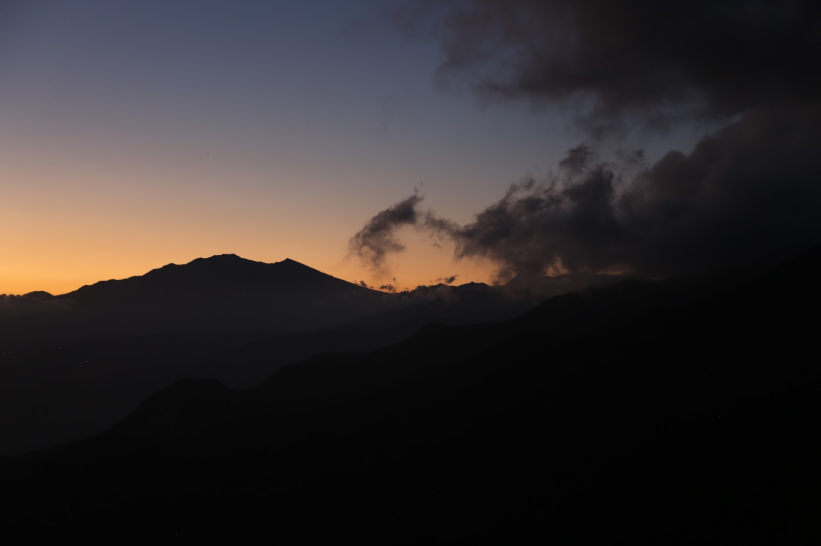
How Rainy Is the Rainy Season in Boquete, Panama?

If you’re planning a trip to the mountains of western Panama, you’ll probably hear a warning at some point: “But it’s the rainy season!”

That statement sounds dramatic, but the reality in Boquete is much more relaxed—and honestly, much nicer—than most people expect.

Rainy season here doesn’t usually mean days of endless rain. Instead, it follows a rhythm that locals know well and travelers quickly learn to appreciate.

Mornings Are Usually Beautiful

A typical rainy-season day in Boquete often begins with cool mountain air, scattered clouds, and sunshine spilling over the green hills.

The town sits high in the mountains of Chiriquí, surrounded by coffee farms and cloud forest. Because of the elevation, the mornings can feel almost perfect—cool enough for hiking, warm enough for coffee on a terrace overlooking the valley.

This is why locals and experienced travelers tend to plan their adventures early.

Morning is the time for things like:

Hiking forest trails

Visiting coffee farms

Exploring waterfalls

Walking around town

Then, sometime in the afternoon, the weather usually changes.

The Afternoon Rain Pattern

By early or mid-afternoon, clouds begin to gather over the mountains. Moist tropical air from both the Pacific and Caribbean sides rises into the highlands, forming the towering clouds that bring rain.

And when the rain comes, it often arrives fast and dramatic.

A heavy tropical downpour might last anywhere from 30 minutes to a couple of hours. Sometimes it’s just a passing shower. Other times it’s a powerful mountain storm with thunder echoing through the valleys.

But just as often as it starts, it stops.

Not long after the rain, the clouds lift and the air becomes cool and fresh again. Many evenings in Boquete end with mist drifting across the hills and a peaceful, quiet atmosphere in town.

The Famous Mountain Mist

One thing you’ll notice during rainy season is something locals call “bajareque.”

This isn’t a heavy storm at all—it’s more like a soft mountain drizzle or mist that floats through the valleys. The clouds move slowly through the forests, giving everything a magical, foggy atmosphere.

It’s the kind of weather that makes the mountains look mysterious and ancient. Photographers love it, and hikers often find it surprisingly peaceful.

It’s also one of the reasons the region stays so incredibly green.

Why Everything Is So Lush

The mountains around Boquete receive a lot of rainfall each year. That steady supply of water feeds rivers, waterfalls, and the dense cloud forests covering the hillsides.

During the rainy season, the landscape becomes even more alive:

Waterfalls roar down the mountains

Orchids bloom in the trees

Birds and wildlife become more active

The forest turns an almost unreal shade of green

For nature lovers, this is actually one of the best times of year to visit.

Similar Weather at Lost and Found Hostel

Not far away in the mountains sits one of Panama’s most unique jungle hideaways: Lost and Found Hostel.

Unlike Boquete, which is a lively mountain town, Lost and Found is tucked deep inside the Fortuna Forest Reserve, surrounded by dense rainforest and its own network of hiking trails.

Because it sits at a similar elevation in the cloud forest, the hostel experiences almost the same weather patterns as Boquete.

That means:

Cool mountain temperatures

Sunny or partly sunny mornings

Afternoon rain showers

Frequent mist drifting through the forest

But the experience feels even more immersive.

When rain falls in the Fortuna Forest Reserve, the jungle seems to come alive. You can hear frogs calling, insects buzzing, and rain tapping on giant leaves overhead. Clouds roll through the trees and sometimes the entire forest disappears into mist.

It’s the kind of place where rainy weather actually adds to the atmosphere.

The Secret About Rainy Season

Here’s something many travelers don’t realize until they arrive.

Rainy season in the mountains of western Panama is not a travel killer. It simply means adjusting your daily schedule a little.

Wake up early. Go hiking in the morning. Enjoy the views while the skies are clear.

Then when the rain comes in the afternoon, grab a coffee, relax in a hammock, or watch the clouds drift through the mountains.

Whether you’re wandering the coffee hills of Boquete or relaxing in the jungle at Lost and Found Hostel, you’ll quickly discover that the rain is simply part of the rhythm of life in Panama’s cloud forests.

And honestly, the mountains wouldn’t be nearly as magical without it. 🌿🌧️

How to Catch the Bus in David (and Get Off at Lost & Found Hostel) or Continue to Bocas Del Toro and Vice Versa. The Ultimate Guide

If you’re traveling through western Panama, chances are you’ll pass through David Bus Terminal. This busy hub is the gateway between the mountains of Boquete, the Caribbean islands of Bocas del Toro, and the jungle highlands of the Fortuna Forest Reserve. For backpackers heading into the cloud forest, it’s also the easiest way to reach Lost and Found Hostel.

The system might look chaotic at first, but once you know how it works, it’s actually one of the simplest and cheapest ways to travel across Panama.

Catching the Bus from David to Bocas del Toro

Half the travelers at the David terminal each morning are headed for the Caribbean. To reach Bocas by public transportation, the first step is taking the David–Almirante bus.

Head inside David Bus Terminal and look for the ticket windows or buses labeled David – (Changuinola)Almirante. Almirante is the mainland port town where boats depart for Bocas del Toro, so every traveler going to the islands passes through there.

These buses run frequently throughout the day.

First bus: around 4:00 AM

Last bus: around 7:00 PM

Frequency: roughly every 30 minutes

You usually buy your ticket directly from the driver or conductor. The ride across the mountains takes about 3.5 to 4 hours, climbing through jungle-covered hills and cloud forest along the Continental Divide before descending toward the Caribbean coast.

If you stay on the bus the whole way, you’ll arrive in Almirante where you can hop on a water taxi to the islands.

But many travelers make an unforgettable stop along the way.

Getting Off the Bus at Lost and Found Hostel

About halfway between David and Almirante is Lost and Found Hostel, hidden in the cloud forest.

If you want to get off here, tell the driver before the bus leaves David. Just say:

> “Por favor, me puede dejar en Lost and Found.”

Or even simpler just say Lost and Found Hostel. They all know the popular stop.

The drivers know the spot. The bus stops on the highway near the trail that leads up to the hostel.

The price is also a pleasant surprise.

A ticket from David to the hostel area is only about $4, making it one of the cheapest ways to reach a cloud forest lodge anywhere in Central America.

After you get off the bus, there’s a short trail that leads uphill through the forest to the hostel. Within minutes you’ll be surrounded by jungle, trails, and views across the mountains.

Taking the Bus From David Just to Lost & Found

If your only destination is Lost and Found Hostel, the process is even simpler.

1. Go to David Bus Terminal.

2. Look for the David–Almirante bus.

3. Tell the driver you want to get off at Lost and Found.

4. Pay roughly $4.

5. Ride about 1.5 hours into the mountains.

The most important step is simply remembering to tell the driver. Otherwise the bus will continue straight to the Caribbean.

Because buses run every 30 minutes from 4 AM to 7 PM, you rarely need to worry about exact departure times. Just show up at the terminal and catch the next one.

Getting Back on the Bus From Lost & Found to David

Leaving the hostel is just as easy.

Walk back down the same trail to the highway where the buses pass. Any (changuinola/Bocas) to David bus will take you back to the city.

Stand by the roadside and flag down the bus as it approaches. Let the driver know you’re going to David and hop aboard. They stop anywhere on the street.

Since the buses run about every 30 minutes, you usually won’t wait long. The ride back to David takes around 1.5 hours, descending from cool cloud forest into the warm lowlands of Chiriquí.

Coming From Bocas: Almirante to David (With a Stop at Lost & Found)

If you’re traveling in the opposite direction—from Bocas del Toro back toward the mainland—you’ll first take a boat to Almirante.

Right outside the docks you’ll find buses heading directly to David Bus Terminal. These are the same buses that passed Lost & Found on the way to the coast.

The schedule is simple:

First bus: around 5:00 AM

Last bus: around 7:00 PM

Frequency: about every 30 minutes

The road is the same highway connecting Changuinola/Almirante and David, so if you want to stop at Lost and Found Hostel, just tell the driver when you board.

The bus will drop you at the same roadside trail leading up to the hostel.

One of the Best Stops Between the Caribbean and the Pacific

The route between Bocas del Toro and David crosses the mountains of western Panama, and stopping halfway at Lost and Found Hostel turns a long travel day into part of the adventure.

Instead of rushing straight from coast to city, you can step off the bus for just $4, wander into the cloud forest, hike jungle trails, and then jump back on the same road when you’re ready to continue.

For backpackers exploring Panama, it’s one of the easiest—and most memorable—detours you can make.

Colombia vs Panama vs Costa Rica: Which Is Best for Your First Backpacking Trip? A Detailed Comparison

For many people planning their first backpacking adventure in Latin America, three destinations appear again and again during the research phase: Colombia, Panama, and Costa Rica. Each country offers tropical landscapes, friendly people, wildlife, beaches, and a well-established traveler scene. Yet despite these similarities, the experience of backpacking through each place can feel surprisingly different.

Some travelers are drawn to Costa Rica’s famous national parks and wildlife. Others are curious about Colombia’s vibrant cities and cultural energy. Panama often attracts travelers who want a mix of both—tropical islands, cloud forests, surf beaches, and a relaxed backpacker vibe without the crowds found in some neighboring destinations.

The truth is that all three countries are excellent choices for a first backpacking trip. However, they each shine in different areas. To make the comparison clearer, we’ll break things down into several categories that matter most to travelers: budget, ease of travel, nature, beaches, culture, backpacker atmosphere, food, safety, and overall adventure potential. Each country will receive a score out of ten in every category.

By the end, we’ll tally up the scores and crown a “winner.” But as you’ll see, these three destinations are all fantastic in their own ways.

Budget and Affordability

Budget is usually the first question people ask when choosing where to backpack. Some travelers are working with tight budgets and need to stretch every dollar, while others simply want to know how far their money will go.

Colombia is widely considered the most affordable of the three countries. Dorm beds in hostels often range from $8–$15, meals in local restaurants can cost as little as $3–$6, and long-distance buses are relatively inexpensive even for overnight trips. Backpackers can travel comfortably for $35–$60 per day, especially if they rely on public transportation and eat local food.

Panama falls somewhere in the middle in terms of cost. Hostel dorms typically cost $12–$20, meals at small restaurants range from $4–$10, and buses between cities are extremely cheap. However, some destinations—particularly island locations like Bocas del Toro—can push daily budgets slightly higher.

Costa Rica is significantly more expensive than the other two countries. Accommodation prices are higher, tours are often pricey, and even everyday meals can add up quickly. Backpackers usually spend $60–$120 per day depending on activities and location.

Budget Scores

Colombia: 9/10

Panama: 7/10

Costa Rica: 5/10

Ease of Travel and Transportation

Ease of travel is especially important for first-time backpackers who may be navigating unfamiliar transportation systems.

Costa Rica has one of the most developed tourism infrastructures in the region. Shuttle vans, organized tours, and clear bus routes connect most popular destinations. English is widely spoken in tourist areas, making logistics relatively simple.

Panama is also easy to navigate because of its geography. The country is long and narrow, with most major destinations connected by the Pan-American Highway. Travelers can move between places like Panama City, Boquete, and Caribbean destinations without overly complicated transportation.

Colombia can be slightly more challenging simply because it’s much larger. Mountains separate regions, and long bus journeys are common. However, the country has an excellent domestic flight network and a well-established backpacker trail.

Ease of Travel Scores

Costa Rica: 9/10

Panama: 8/10

Colombia: 7/10

Nature and Wildlife

Nature lovers will find incredible biodiversity in all three countries, but the experience differs depending on where you travel.

Costa Rica has built its global reputation around wildlife and conservation. Sloths, monkeys, toucans, sea turtles, and dense rainforest ecosystems are relatively easy to see within organized national parks.

Panama also has extraordinary biodiversity but feels less commercialized. Dense jungles, cloud forests, and marine ecosystems exist throughout the country, often with fewer crowds. Places like the mountains around Boquete or island chains off the coast offer incredible wildlife encounters.

Colombia has immense biodiversity as well, ranging from the Amazon to the Andes mountains. However, reaching some of the most pristine natural areas can require longer travel times.

Nature Scores

Costa Rica: 10/10

Panama: 9/10

Colombia: 8/10

Beaches and Islands

For many travelers, tropical beaches are a key part of the backpacking dream.

Costa Rica offers fantastic Pacific surf beaches, especially in areas like Tamarindo and Santa Teresa. However, some beaches have become quite developed due to tourism.

Panama offers something unique by having both Caribbean and Pacific coastlines within a relatively small country. Caribbean islands like Bocas del Toro provide turquoise water and coral reefs, while Pacific beaches are known for surf and wide open stretches of sand.

Colombia’s Caribbean coast features famous destinations like Cartagena and nearby tropical islands, though some beaches require boat trips to reach their most beautiful areas.

Beach Scores

Panama: 9/10

Costa Rica: 8/10

Colombia: 7/10

Culture and Local Experience

Travelers who want deep cultural experiences often gravitate toward Colombia.

Cities like Medellín offer incredible food, music, history, and nightlife. Travelers often feel immersed in Colombian culture while exploring vibrant neighborhoods and interacting with locals.

Panama offers interesting cultural influences as well, blending Afro-Caribbean, indigenous, and international elements. However, some parts of the country feel more tourism-focused.

Costa Rica has a friendly culture but tends to feel more tourist-oriented because of its heavy focus on international visitors.

Culture Scores

Colombia: 9/10

Panama: 7/10

Costa Rica: 7/10

Backpacker Scene and Social Atmosphere

The social atmosphere of a destination can make a huge difference for first-time travelers.

Colombia currently has one of the most energetic backpacker scenes in Latin America. Hostels are lively, social events are common, and travelers frequently meet others moving along the same route.

Costa Rica also has a strong backpacker network, particularly around surf towns and national parks. However, higher prices sometimes limit how long people stay.

Panama’s backpacker community is smaller but often feels more relaxed and tight-knit. Travelers tend to run into familiar faces throughout the country.

Backpacker Scene Scores

Colombia: 9/10

Panama: 8/10

Costa Rica: 8/10

Safety Perception

Safety is always an important factor when choosing a first destination.

Costa Rica is widely viewed as one of the safest countries in Latin America and is often recommended to first-time travelers.

Panama also enjoys a strong reputation for safety, particularly in major travel destinations.

Colombia’s reputation has improved dramatically over the past two decades, but some travelers still feel slightly cautious due to outdated perceptions.

Safety Scores

Costa Rica: 9/10

Panama: 8/10

Colombia: 7/10

Final Score Tally

Adding up the category scores gives us an overall comparison.

Colombia: 56 / 70

Panama: 56 / 70

Costa Rica: 56 / 70

Yes, seriously.

Despite their differences, these three countries end up scoring almost exactly the same overall.

Final Verdict

If you want the cheapest and most culturally immersive backpacking adventure, Colombia might be your best choice.

If you want the perfect balance of beaches, jungles, mountains, and relaxed travel, Panama is incredibly rewarding.

If you want the easiest trip with world-class wildlife and national parks, Costa Rica remains one of the best beginner-friendly destinations on earth.

But here’s the real takeaway: you can’t go wrong with any of them.

Each country offers its own version of tropical adventure, friendly people, and unforgettable travel moments. The most important thing isn’t which country you choose—it’s simply getting out there and starting the journey.

Birding in the Fortuna Forest Reserve: A Cloud Forest Adventure from Lost and Found Hostel

Birdwatching in Fortuna Forest Reserve is one of those experiences that quietly becomes the highlight of a trip to Panama. The reserve sits high in the mountains of western Panama where the Caribbean and Pacific weather systems collide, creating a cool, misty cloud forest packed with life. For birders, this combination of elevation, thick forest, and diverse habitats produces an astonishing variety of species. Trails wind through moss-covered trees, streams cut through the forest floor, and the canopy above seems constantly alive with motion and sound.

One of the most convenient ways to explore the reserve is by staying at Lost and Found Hostel, a small jungle retreat perched directly along the road between Boquete and Bocas del Toro. Because the hostel sits right at the edge of the Fortuna Forest Reserve, birders can walk straight from their room into cloud forest trails without needing to arrange complicated transportation.

The elevation around the hostel, roughly 1,200 to 1,300 meters above sea level, places it in a sweet spot for bird diversity. At this altitude you begin to see species associated with cooler mountain forests while still encountering birds that move up from lower tropical elevations. The result is a fascinating mix of species that change throughout the day depending on temperature, weather, and feeding activity.

Early morning is by far the best time for birdwatching in the reserve. As dawn begins to brighten the misty forest, the first calls echo from deep within the trees. Birders often step outside with a cup of coffee and immediately hear a chorus of whistles, trills, and chirps coming from all directions. Even before entering the forest trails, the area around the hostel itself can produce several exciting sightings.

One of the most sought-after birds in this region is the dazzling Resplendent Quetzal, a species that has fascinated birders and naturalists for centuries. Although the quetzal is famously associated with nearby highland forests, it occasionally moves through the Fortuna region following fruiting trees. Spotting one requires patience and a bit of luck, but the possibility alone keeps many birders scanning the canopy.

The forest surrounding the hostel is particularly rich in hummingbirds. Tiny flashes of green, purple, and bronze dart between flowering plants along the trails. Among the more common species is the brilliant Violet Sabrewing, one of the largest hummingbirds in Central America. When sunlight catches its deep violet feathers, the bird almost glows against the dark green forest background.

Another frequent visitor in the area is the striking Collared Trogon. These birds tend to perch quietly on branches while scanning the forest for insects and fruit. Their colorful plumage and calm demeanor make them a favorite among photographers.

Mixed-species feeding flocks are also common in the Fortuna Forest Reserve. These groups of birds move through the forest together, feeding on insects stirred up by each other’s activity. When one of these flocks passes through, birders can suddenly spot several species within a few minutes.

One particularly charismatic member of these flocks is the energetic Rufous-and-white Wren, known for its loud and musical calls. Wrens are rarely shy about announcing their presence, and their cheerful songs often echo along the trails.

Another forest resident that often surprises visitors is the colorful Golden-hooded Tanager. These birds are incredibly vibrant, with bright yellow heads contrasted against deep blues and greens on their bodies. When sunlight filters through the canopy, their colors seem almost unreal.

The trails around Lost and Found Hostel wind through a variety of habitats including dense cloud forest, open clearings, and mossy ridgelines. This variety increases the chances of encountering different bird species within a relatively small area.

One of the joys of birding in the Fortuna Forest Reserve is how immersive the environment feels. The forest is thick, alive, and constantly shifting with mist and light. Birds appear suddenly, sometimes just for a moment, before vanishing into the foliage again.

Because the hostel sits in such a remote location, human noise is minimal. This quiet environment allows bird calls to travel clearly through the forest, helping experienced birders identify species by sound long before they see them.

Afternoons in the reserve bring a slightly different birding experience. Activity slows during the warmest part of the day, but patient observers can still find species moving through shaded areas or feeding along forest edges.

Occasionally raptors circle above the forest canopy, riding thermals that rise from the valleys below. These birds of prey provide an entirely different perspective on the ecosystem, reminding observers of the complex food web supported by the forest.

One of the unique advantages of using Lost and Found Hostel as a birding base is the network of trails maintained around the property. Guests can explore multiple routes that lead through different sections of forest, each offering slightly different birding opportunities.

The social atmosphere of the hostel also makes birdwatching more enjoyable. Travelers from around the world often share sightings during breakfast or dinner, exchanging tips about where certain birds were seen earlier in the day.

Even casual nature lovers who aren’t dedicated birders often find themselves becoming fascinated by the diversity of species around the hostel. Once you begin noticing the colors, calls, and behaviors of these birds, the forest suddenly feels far more alive.

Evenings bring another shift in the soundscape as daytime birds quiet down and nocturnal wildlife begins to stir. While birdwatching typically ends at sunset, the forest remains active with frogs, insects, and other creatures beginning their nightly routines.

For anyone interested in birding, the combination of the Fortuna Forest Reserve’s biodiversity and the convenient location of Lost and Found Hostel creates a remarkable opportunity. Few places allow you to step out your door and immediately enter such a rich and vibrant ecosystem.

Whether you’re a dedicated birder carrying binoculars and field guides or simply someone who enjoys watching wildlife in beautiful surroundings, the cloud forests of Fortuna offer an unforgettable experience. In a country already famous for biodiversity, this corner of the mountains quietly proves just how extraordinary Panama’s birdlife can be.

Is Bocas del Toro Worth Visiting? The Honest Truth About Panama’s Caribbean Islands

Travelers planning a trip through Panama almost always encounter the same question at some point in their research: Is Bocas del Toro worth visiting? The short answer is yes—many travelers absolutely love it—but the more honest answer is that it depends entirely on what kind of experience you’re hoping to have. Bocas del Toro is one of those destinations that can feel like paradise to one person and slightly disappointing to another. Expectations, travel style, timing, and even your mood that week can shape how you experience these Caribbean islands.

Bocas del Toro sits off the Caribbean coast of Panama near the border with Costa Rica, and geographically it’s quite different from the rest of the country. Instead of volcanic mountains or Pacific surf beaches, the region is made up of lush tropical islands surrounded by turquoise water, coral reefs, mangroves, and palm-lined beaches. Getting there often feels like an adventure in itself, involving a bus ride across the mountains and a short water taxi ride across calm Caribbean waters.

One of the biggest reasons travelers fall in love with Bocas del Toro is simply the scenery. The islands are undeniably beautiful, with thick jungle dropping right down to the sea and small wooden houses perched over the water. On sunny days the water glows with shades of blue and green that look almost unreal. Even the journey between islands on small boats can feel like a mini adventure through tropical paradise.

The laid-back Caribbean atmosphere is another big part of the appeal. Life moves slowly here. People linger over breakfast, spend afternoons swimming or lounging in hammocks, and watch the sunset with a drink in hand. Compared to the faster pace of Panama City, Bocas feels relaxed, informal, and easygoing.

The islands also have a lively backpacker culture that makes them especially attractive to social travelers. Hostels, beach bars, and waterfront cafés create natural gathering places where people from all over the world end up talking late into the night about their travels. For many backpackers, the friendships formed here become one of the most memorable parts of their trip.

Another positive aspect is the variety of activities available. Travelers can spend their days snorkeling, diving, kayaking through mangroves, surfing nearby reefs, or hopping between islands on boat tours. Popular excursions often include visiting starfish-covered beaches, exploring coral reefs, and spotting dolphins swimming through the calm Caribbean waters.

The marine life around the islands can be impressive, particularly if you enjoy snorkeling or diving. Coral reefs, colorful fish, and occasional sea turtles make underwater exploration one of the highlights of visiting the region. Many tours include stops at several different snorkeling spots during the day.

Food is another area where Bocas shines. The islands have a unique culinary mix influenced by Caribbean culture, Afro-Caribbean traditions, and international travelers. Fresh seafood is widely available, and restaurants often serve dishes with coconut rice, plantains, and tropical flavors that feel distinctly Caribbean rather than mainland Panamanian.

Because Bocas has been a backpacker destination for decades, the infrastructure for travelers is surprisingly good. There are hostels, guesthouses, small hotels, restaurants, and tour operators all within walking distance in many areas. This makes it easy for travelers to settle in and start exploring without needing complicated logistics.

Island hopping is another reason many visitors love Bocas. Each island has a slightly different atmosphere. Some feel lively and social, while others are quiet, jungle-covered retreats where the only sounds are waves and birds. Being able to explore multiple islands during one stay adds variety to the experience.

However, the same qualities that attract travelers can also create some drawbacks. One of the most common complaints about Bocas del Toro is that certain areas—particularly the main town on Isla Colón—can feel busy, noisy, and somewhat chaotic. Bars, nightlife, and backpacker crowds sometimes create a party atmosphere that doesn’t appeal to everyone.

Travelers seeking peaceful tropical seclusion sometimes arrive expecting untouched paradise and are surprised to find busy streets, loud music, and late-night parties. For people hoping for a quiet nature retreat, the main town can occasionally feel overwhelming.

Another issue that some visitors notice is that parts of Bocas feel slightly overdeveloped compared to other regions of Panama. Tourism has grown steadily over the years, and with that growth has come more hotels, restaurants, and nightlife venues. While this development brings convenience, it can also reduce the sense of remote wilderness that some travelers seek.

Environmental concerns are also occasionally discussed among travelers and locals. Increased tourism puts pressure on waste management systems, coral reefs, and natural habitats. Some areas remain beautifully preserved, while others show signs of strain from heavy visitor traffic.

Weather is another factor that can shape your experience. The Caribbean side of Panama receives more rainfall than the Pacific coast, and while showers are often short, extended periods of cloudy or rainy weather can occur. Travelers expecting endless sunshine sometimes find themselves dealing with a few unexpectedly wet days.

Beaches themselves can be another mixed experience. While Bocas has several beautiful stretches of sand, many islands are surrounded by mangroves or rocky shorelines rather than long sandy beaches. Visitors expecting endless postcard-style beaches everywhere may need to take boat trips to find the best ones.

Cost can also be a surprise for some travelers. Because Bocas is an island destination with heavy tourism, prices for accommodation, tours, and meals can sometimes be higher than in mainland towns like Boquete or Santa Fe.

Transportation within the islands is usually done by water taxi, which is fun but adds up if you move around frequently. While individual rides are inexpensive, multiple trips per day can slowly increase your daily budget.

Another common criticism is that some travelers feel the islands cater heavily to short-term tourism rather than deeper cultural experiences. While local communities and traditions exist, the main traveler areas can sometimes feel dominated by international visitors.

That said, many people who initially feel unsure about Bocas eventually grow to appreciate it after a few days. Once they explore beyond the busiest areas and visit quieter islands or beaches, the charm becomes more apparent.

Timing also plays a big role. Visiting during a busy holiday period might produce a very different experience compared to arriving during a quieter week when the atmosphere feels more relaxed.

Travel style matters too. Party-loving backpackers may consider Bocas the highlight of their trip, while travelers seeking solitude might prefer quieter destinations elsewhere in Panama.

Interestingly, some travelers report that their favorite memories of Bocas have little to do with the islands themselves and more to do with the people they met there. Conversations in hostels, spontaneous boat trips with new friends, and long evenings watching the sunset together often become the moments that stand out most.

Travel is often shaped by intangible factors like mood, expectations, and timing. A destination can feel magical one week and ordinary the next depending on what you’re looking for in that moment.

Someone arriving after a stressful few months might find the laid-back Caribbean pace exactly what they need. Another traveler looking for rugged exploration might feel restless after a few days.

Ultimately, Bocas del Toro is neither universally perfect nor universally disappointing. It’s simply a place with its own personality—vibrant, tropical, social, sometimes messy, sometimes magical.

And like many places in the world, the experience you have there often depends less on the destination itself and more on the mindset you bring with you.

Sometimes the best travel memories aren’t defined by the scenery or the tours you take, but by the conversations, friendships, and unexpected moments that happen along the way.

Is Panama Expensive to Travel? A Fun Guide to Budgeting Your Adventure

Travelers often ask the same question when planning a trip to Panama: Is it expensive? The honest answer is… it depends on how you travel. Panama can be surprisingly affordable if you move around like a backpacker, eat where the locals eat, and use public transportation. At the same time, it can also become quite pricey if you stay in luxury resorts, book private tours every day, and hop on domestic flights. The beauty of Panama is that it works for almost every type of traveler. Whether you’re counting every dollar or enjoying a few luxuries along the way, the country can easily adapt to your budget.

One of the reasons Panama is so flexible price-wise is because of its mix of infrastructure and local culture. In places like Panama City, you’ll find sleek skyscrapers, rooftop restaurants, and high-end hotels that feel similar to major cities in North America. But travel just a few hours into the mountains or along the coast and you’ll discover simple guesthouses, cheap local restaurants, and transportation that costs just a few dollars.

Another big factor is transportation. Panama’s bus system is efficient and very affordable. For example, a long-distance bus ride between cities might cost anywhere from $8 to $20 depending on the route. Backpackers often rely heavily on buses and shared vans, which helps keep daily travel costs low.

Food also plays a big role in your daily spending. If you eat at small local restaurants known as fondas, you can often get a full meal of rice, beans, meat, and salad for just a few dollars. On the other hand, trendy restaurants in tourist areas can easily charge $15–$25 per meal. It all depends on where you choose to eat.

Accommodation prices vary just as widely. Dorm beds in hostels might cost around $12 to $20 per night, while mid-range hotels can range from $60 to $120. Luxury resorts and boutique hotels can climb well beyond $200 per night, especially on tropical islands.

Because Panama has such a range of options, it helps to think about travel budgets in tiers. Here’s a simple way to understand what your trip might cost depending on how you like to travel.

Budget Backpacker

Approximate daily budget: $35–$60

This is the classic backpacker style of travel, and Panama is a fantastic place to do it. If you’re staying in hostels, taking public buses, and eating local food, you can travel comfortably without spending a fortune.

Dorm beds usually fall between $12 and $20 per night, especially in backpacker hotspots like Boquete or the island paradise of Bocas del Toro. Many hostels also include communal kitchens, which means you can occasionally cook your own meals and save even more money.

Street food and local restaurants make eating cheap and delicious. A typical lunch might cost $3–$6, and breakfast can be even cheaper. Grab a fresh fruit smoothie or a plate of scrambled eggs with tortillas and you’ll be fueled for a day of adventure without draining your wallet.

Transportation is another area where backpackers save money. Public buses are extremely affordable and connect most towns across the country. A long bus ride might cost less than what you’d pay for a coffee in some countries.

Even activities can stay budget-friendly. Many of Panama’s best experiences—like hiking in the mountains, exploring beaches, or wandering through historic neighborhoods—are either free or very cheap.

Comfortable Traveler

Approximate daily budget: $80–$150

This level is where many travelers find the sweet spot between affordability and comfort. You’re not pinching every penny, but you’re also not splurging on luxury.

At this budget level, you’ll likely stay in private hostel rooms, guesthouses, or small boutique hotels. These accommodations typically cost between $40 and $90 per night depending on the destination.

You’ll probably mix local restaurants with the occasional nicer dinner. One night you might enjoy cheap street tacos, and the next night you might sit down at a seafood restaurant overlooking the ocean.

Transportation might include a mix of buses, shuttle vans, and the occasional taxi. Shuttle services between popular destinations cost more than buses but are still reasonably priced.

This budget also allows for some organized tours and activities. For example, you might book a snorkeling trip, a coffee tour, or a guided hike without worrying too much about the cost.

Destinations like Santa Fe or beach towns like Las Lajas are great places to enjoy this mid-range style of travel because you get beautiful surroundings without the heavy price tag of major tourist hubs.

Living the Good Life

Approximate daily budget: $200–$400+

If you want to experience Panama with a bit of luxury, the country delivers that too. High-end hotels, gourmet restaurants, private tours, and island resorts can quickly elevate your daily spending.

Luxury travelers often stay in boutique hotels in Panama City or beachfront resorts scattered along the coast. These accommodations can range from $200 to $500 per night depending on the location and level of comfort.

Private transportation becomes more common at this tier as well. Instead of buses, travelers might hire private drivers, book charter boats, or take domestic flights to remote destinations.

Dining also shifts into the upscale category. Panama City in particular has an excellent food scene with creative restaurants, rooftop bars, and international cuisine.

Tours can become more exclusive too. Instead of joining a group excursion, you might book a private island trip, guided wildlife tour, or personalized adventure experience.

The Real Secret to Traveling Cheap in Panama

The biggest secret to keeping costs low in Panama isn’t just choosing cheaper hotels or restaurants. It’s slowing down. When you stay longer in one place, you spend less on transportation and often discover cheaper local options that short-term visitors miss.

Travelers who rush through the country often spend more money simply because they’re constantly moving. Those who take their time tend to find hidden gems, local eateries, and relaxed towns where life moves a little slower.

Panama rewards curiosity. Wander into a local café instead of the tourist restaurant. Take the public bus instead of the shuttle. Talk to other travelers and see where they’ve been.

More often than not, the best experiences in Panama turn out to be the ones that cost almost nothing at all.

Planning a Trip to Panama: How to Research Smart and Still Leave Room for Adventure

Planning a trip to Panama can be an exciting process, but it can also feel overwhelming once you start digging into all the blogs, videos, and travel guides online. Panama may look small on the map, yet the country packs an incredible variety of landscapes into a relatively compact space. You’ll find tropical islands, surf beaches, cloud forests, volcano hikes, and lively cities all within a few hours of each other. Because there’s so much to see, doing a little research before arriving can make your trip smoother and help you decide where to spend your time.

Most travelers begin their planning the same way: opening a dozen tabs on their browser and typing “best places to visit in Panama.” Online travel blogs, YouTube videos, and forums are a great starting point because they give you a sense of the country’s geography and the different experiences available. Within a few hours you’ll probably have a rough idea of the most popular destinations, like Panama City, the mountain town of Boquete, or the tropical islands of Bocas del Toro.

Maps are one of the most useful research tools during this early stage. Panama’s road network is fairly straightforward, with the Pan-American Highway running across much of the country and a handful of mountain roads branching toward smaller towns. Looking at a map helps you understand which places are close together and which ones require longer travel days. For example, it becomes clear that the road connecting Boquete to Bocas de Toro passes through beautiful mountain territory that many travelers rush through without realizing how much there is to see along the way.

Online research is also great for learning the basics of transportation. Travelers quickly discover that buses are cheap and reliable throughout most of Panama, and that major hubs like Albrook Bus Terminal connect the capital to nearly every region of the country. Reading about bus routes, travel times, and shuttle services can help you sketch out a rough itinerary before you arrive.

Accommodation research is another area where the internet is incredibly useful. Hostel booking sites and travel platforms allow you to compare prices, see photos, and read reviews from other travelers. This helps you get a general sense of what each destination offers and whether it fits the kind of trip you’re hoping to have.

But here’s the thing many experienced travelers eventually learn: online research will only take you so far. The internet tends to highlight the same famous destinations again and again, while many smaller places barely get mentioned. Some of the most memorable spots in Panama are not the ones dominating travel blogs.

That’s where word of mouth becomes incredibly valuable.

Once you actually arrive in Panama and start meeting other travelers, your trip planning changes completely. Suddenly you’re sitting around a hostel table with people who just came from places you’ve never heard of. Someone mentions a tiny mountain town with waterfalls. Someone else talks about an incredible beach that never showed up in your Google search.

This is how travelers discover hidden gems like Santa Fe, a peaceful mountain town surrounded by waterfalls and hiking trails. It’s the kind of place that doesn’t always appear on standard itineraries, yet many backpackers end up calling it one of the highlights of their trip.

Word of mouth is also how people learn about unique places like Lost and Found Hostel, a social jungle retreat tucked into the mountains between Boquete and Bocas del Toro. Travelers hear about the hiking trails, the wildlife, and the legendary night walks, and suddenly they start rearranging their plans to make a stop there.

Sometimes it’s not even a town but a single stretch of coastline that gets recommended. A fellow traveler might mention Las Lajas, a long and peaceful Pacific beach where the sunsets stretch across miles of sand. It’s the kind of place that doesn’t always make the front page of travel websites but quickly earns a loyal following among those who stumble upon it.

The more people you talk to, the more your itinerary begins to evolve. A place you planned to stay one night might turn into three. A destination you never considered suddenly becomes the next stop on your journey.

This flexibility is one of the biggest advantages of slow travel.

If you’re visiting Panama for only ten days or so, making reservations ahead of time makes a lot of sense. With a short trip, every day counts, and you probably don’t want to spend valuable time searching for accommodation at the last minute. Booking your hostels, hotels, or tours in advance ensures that you’ll see the main places on your list without worrying about availability.

But if you’re traveling for several weeks or even a month, the strategy changes dramatically.

Locking in every reservation ahead of time can actually limit your experience. When every night is already booked, it becomes difficult to adjust your plans when someone tells you about an amazing place just down the road.

Experienced backpackers often recommend leaving plenty of “wiggle room” in your schedule. Book your first few nights somewhere comfortable so you can recover from travel, then allow the rest of your trip to unfold naturally.

Panama is an excellent country for this kind of flexible travel because transportation is relatively simple. Buses run regularly between major towns, and accommodations in many places can be booked the same day or even upon arrival.

Traveling this way also makes it easier to follow your instincts. If you fall in love with a place, you can stay longer. If a town doesn’t quite capture your interest, you can move on without feeling tied to a reservation you made weeks earlier.

Many travelers discover that the most memorable moments of their trip were completely unplanned. A spontaneous hike with new friends, a beach you hadn’t heard of before, or a hostel that ends up feeling like home for a few days.

Researching your trip online is a great way to start the journey. It gives you the basic framework and helps you understand what the country offers. But the real magic often happens after you arrive, when conversations with other travelers start shaping the next chapter of your adventure.

In the end, the best Panama itineraries are rarely the ones that were perfectly planned months in advance. They’re the ones that leave just enough space for curiosity, conversation, and the occasional unexpected detour.

Love, Laundry, and Jungle Nights: The Unexpected Romance of Backpacker Hostels

Backpacking is supposed to be about adventure. You picture yourself hiking volcanoes, swimming under waterfalls, and eating mysterious street food that costs less than a cup of coffee back home. What most people don’t expect is that somewhere along the journey, between bunk beds and bus rides, there’s a decent chance a little romance sneaks into the story. Hostels, it turns out, are not just places to sleep. They are social laboratories where strangers become friends in about twelve minutes, and occasionally something a bit more interesting starts to happen.

There is something about the backpacking world that naturally sets the stage for meeting people. Everyone is slightly out of their comfort zone, slightly sunburned, slightly confused about the next bus schedule, and usually eager to talk to whoever is sitting nearby. The walls between strangers drop quickly when everyone has just survived a nine-hour bus ride with questionable air conditioning and a driver who treated speed bumps like personal enemies.

Nowhere does this dynamic feel more real than in remote hostels tucked away in the jungle. One of those places sits quietly on the winding mountain road between Boquete and Bocas del Toro, a place known to travelers as Lost and Found Hostel. It’s the kind of place where people arrive planning to stay one night and mysteriously end up staying four. Part of the reason is the hiking trails and cloud forest views. The other part is that everyone seems to be talking to everyone.

When a group of travelers from five different countries ends up sharing one dinner table, the conversations get interesting very quickly. Someone is explaining how they accidentally hitchhiked across an entire country. Someone else is telling a story about a monkey stealing their breakfast. And somewhere in that mix two people realize they’ve been talking for an hour straight without noticing the time.

Hostel romance doesn’t start the way it does in normal life. There’s rarely a dramatic movie moment where two people lock eyes across a crowded room. Instead it begins with something far more backpacker-appropriate, like borrowing someone’s lighter, sharing a travel tip, or asking the most common hostel question in history: “Where are you headed next?”

The funny thing about travelers is that everyone arrives with stories. Backpackers are professional storytellers by necessity. When your day includes jungle hikes, ferry rides, and trying to communicate in three languages at once, interesting things tend to happen. Good stories make people laugh, and laughter is a powerful social currency in hostels.

One of the most effective ways to meet someone while traveling is simply to say yes to things. Yes to the group hike. Yes to the communal dinner. Yes to the slightly chaotic card game happening at the corner of the table. The more you join in, the more the hostel begins to feel less like a building and more like a temporary village.

Lost and Found Hostel in particular has a way of turning strangers into companions for the day. Guests wake up, grab coffee, and suddenly a plan appears. Someone suggests hiking a trail. Someone else suggests looking for monkeys. Before long a small expedition forms and disappears into the forest together.

Shared adventures do something magical to human conversation. Walking through jungle trails, pointing out birds and strange insects, people naturally start talking about their travels, their homes, and the strange winding paths that led them to this particular place in the mountains.

By late afternoon the group usually returns to the hostel tired, muddy, and hungry. This is when the social energy really begins to build. Backpacks are dropped in dorm rooms, hammocks start swaying gently, and travelers gather around the café or lounge area like they’ve known each other for years instead of hours.

Dinner time at a social hostel is its own kind of comedy. Backpackers attempt to cook complicated meals with minimal ingredients and questionable kitchen equipment. Someone burns garlic. Someone drops pasta on the floor. Someone claims they know how to cook and then immediately proves that they do not.

But the food almost doesn’t matter. The real highlight is the conversation. Plates are passed around, drinks appear, and the stories start flowing again. Travel mishaps, ridiculous bus rides, strange wildlife encounters — it all becomes material for laughter.

Somewhere in this chaos, two people might drift into their own conversation. Maybe they’re talking about the places they’ve loved most on the road. Maybe they’re comparing the worst dorm room snoring experiences they’ve endured. Whatever the topic, the rest of the room gradually fades into the background.

Nighttime in the jungle adds another layer to the atmosphere. The forest outside becomes alive with sound. Frogs begin their nightly orchestra, insects buzz through the air, and the sky fills with stars that city dwellers rarely get to see.

This is usually when someone suggests the famous hostel night walk. Flashlights appear, a small group gathers, and suddenly everyone is wandering through the forest looking for wildlife.

Night walks are strangely romantic adventures. Everyone moves slowly along the trail, whispering whenever someone spots a frog or a tarantula or something mysterious hiding in the leaves. There’s a shared sense of excitement, the kind that makes people laugh quietly and lean closer to each other while peering into the darkness.

At some point someone inevitably jumps at a rustling sound in the bushes, which sends the entire group into laughter. Fear and humor mix together perfectly in the jungle, and it’s surprisingly effective at breaking down social barriers.

Back at the hostel the night usually continues with music, drinks, and the occasional deep philosophical discussion about life, travel, and why every backpacker eventually loses at least one pair of socks somewhere along the journey.

What makes hostel romance unique is its sense of freedom. There are no complicated expectations. People are simply enjoying the moment, sharing a place, and seeing where conversations lead.

Sometimes nothing more happens than a great conversation and a long laugh under the stars. Other times two travelers decide to explore the next destination together, turning a solo trip into a temporary partnership on the road.

Backpacking teaches people to embrace these spontaneous connections. When you’re constantly moving, you learn to appreciate the brief but meaningful friendships that appear along the way.

Even when travelers part ways, the memory sticks around. Years later someone might remember a random jungle hostel, a night walk through the forest, and the person they shared that moment with.

The funny thing is that nobody really plans for romance while backpacking. It just quietly appears when people least expect it, somewhere between the shared dinners, the jungle hikes, and the laughter echoing through a hostel at night.

And if nothing else, the road guarantees one truth: somewhere in the world right now, two backpackers are falling in love while trying not to wake the entire dorm room climbing down from the top bunk.

From Jungle Pod to Chocolate Bar: The Ultimate Guide to Cacao and Chocolate in Panama

Chocolate lovers traveling through Panama often arrive expecting beaches, rainforest, and maybe a glimpse of the famous canal. What many don’t realize is that Panama is also quietly producing some of the finest cacao in the world. Hidden in humid tropical valleys and jungle-covered islands are small farms growing cacao varieties prized by craft chocolate makers across the globe. If you’re curious about where chocolate really comes from—or you simply want an excuse to eat a lot of it—Panama is an incredible place to explore the world of cacao from the tree all the way to the final bar.

Cacao has been growing in this region for centuries, long before Europeans ever arrived in the Americas. Indigenous communities in Central America and northern South America cultivated cacao trees and used the beans to make bitter ceremonial drinks. The word chocolate itself comes from ancient languages used in Mesoamerica, where cacao was valued not just as food but also as a symbol of wealth and culture. When Spanish explorers encountered cacao drinks in the 1500s, they quickly realized they had discovered something special.

Panama’s tropical climate happens to be almost perfect for growing cacao. The trees thrive in warm temperatures, high humidity, and areas with regular rainfall. Rather than growing in wide open fields, cacao prefers the shade of taller trees, which is why many cacao farms look more like jungle gardens than traditional agricultural plantations. The cacao pods grow directly from the trunk and branches of the tree, creating the unusual sight of bright yellow, red, or orange pods sticking out of the bark.

One of the most famous regions for cacao production in Panama is Bocas del Toro. This Caribbean archipelago is known for its beaches and backpacker scene, but it also has rich soil and a humid climate ideal for cacao cultivation. Several farms across the islands grow cacao organically and produce beans that are exported to craft chocolate makers around the world.

A well-known place to experience cacao farming firsthand is Green Acres Chocolate Farm. This small jungle farm offers immersive tours where visitors walk through cacao groves while learning about the entire chocolate-making process. Guides explain how cacao is grown, harvested, fermented, dried, roasted, and finally turned into chocolate. The best part, of course, is tasting chocolate at several different stages of the process.

During a cacao tour, the first thing visitors usually learn is how to identify a cacao tree. The trees themselves are relatively small and grow under the shade of larger tropical plants. What makes them distinctive are the colorful cacao pods, which grow directly from the trunk in a way that almost looks like the tree has grown strange tropical fruit right out of its bark.

When a cacao pod is ready for harvest, farmers cut it open using a machete. Inside are rows of cacao beans surrounded by a sweet white pulp. The pulp actually tastes surprisingly fruity—some people say it reminds them of lychee or mango. This fruity coating is essential for the next stage of chocolate production.

After the beans are removed from the pod, they are placed in wooden boxes to ferment for several days. Fermentation is one of the most important steps in developing chocolate flavor. During this process, natural yeasts and bacteria transform the beans chemically, creating the complex flavors that eventually appear in the finished chocolate.

Once fermentation is complete, the beans are spread out to dry in the sun. Farmers often turn them regularly to ensure they dry evenly. At this stage the beans begin to take on the familiar chocolate aroma, though they still look nothing like the chocolate bars you see in stores.

From there the beans are roasted, which deepens their flavor and makes it easier to remove the outer shell. Inside the roasted beans are cacao nibs, which are essentially pure chocolate in its most natural form. Nibs have an intense flavor—slightly bitter, earthy, and rich.

Many tours allow visitors to grind these nibs using traditional stone grinders. The grinding releases cacao butter and turns the nibs into a thick paste known as chocolate liquor. Despite the name, it contains no alcohol; it’s simply the base ingredient used to create chocolate.

Depending on the recipe, sugar, milk powder, or other ingredients may be added to the paste before it is refined and molded into bars. Craft chocolate makers often experiment with different roasting times and sugar levels to highlight the natural flavors of the cacao.

Beyond Bocas del Toro, cacao is also grown in parts of Chiriquí Province, particularly in tropical valleys where rainfall and shade conditions are ideal. Some small farms in the region supply beans to local chocolate producers and specialty markets.

Another area where cacao cultivation has been expanding is the Caribbean region near Colón Province. Farmers here have been working with agricultural organizations to revive cacao production and improve bean quality for international markets.

For travelers, joining a cacao tour is surprisingly easy. In Bocas del Toro, many hostels and tour operators can arrange farm visits that include transportation by boat to the farms on surrounding islands. Tours typically last two to four hours and cost between $25 and $50 depending on the farm and how extensive the experience is.

Some farms even offer chocolate-making workshops where visitors can create their own chocolate bar from roasted cacao beans. These hands-on experiences give travelers a deeper appreciation for how much work goes into producing even a small piece of chocolate.

One of the most fascinating things about Panamanian cacao is its reputation among craft chocolate makers. Some cacao varieties grown in the country are considered “fine flavor cacao,” a category representing only a small percentage of the world’s cacao production. These beans are valued for their complex flavor profiles that can include notes of fruit, nuts, or caramel.

Because of this reputation, Panamanian cacao is increasingly appearing in high-end chocolate bars produced by artisan chocolatiers around the world. Many chocolate enthusiasts now seek out bars specifically made with beans from Panama.

Visitors exploring local markets and cafés across the country can also find locally made chocolate products. These range from simple cacao nib snacks to handcrafted chocolate bars infused with tropical flavors like coconut, sea salt, or local coffee.

For travelers interested in food culture, cacao tours offer a completely different perspective on Panama. Instead of beaches and wildlife, they reveal an agricultural tradition that connects the rainforest to kitchens and chocolate shops across the globe.

By the end of a cacao farm visit, many travelers walk away with a new appreciation for chocolate. What started as a colorful pod growing quietly on a jungle tree eventually becomes one of the most beloved foods on earth.

And once you’ve tasted chocolate at its source—fresh, raw, and made by hand—it’s hard to look at an ordinary chocolate bar the same way again.

Surf’s Up in Panama: The Best Places to Learn Surfing in Central America

Panama might be famous for its canal, jungles, and tropical islands, but what many travelers don’t realize is that it’s also one of the best countries in Central America to learn how to surf. With coastlines on both the Pacific Ocean and the Caribbean Sea, the country offers a wide variety of waves, climates, and beach environments that make learning the sport surprisingly accessible. For beginners, the most important thing is finding consistent waves that aren’t too powerful, sandy bottoms instead of sharp reef breaks, and surf schools that know how to teach newcomers safely. Panama checks all those boxes, which is why more and more backpackers and adventure travelers are discovering that it’s a fantastic place to catch their very first wave.

One of the biggest reasons Panama is ideal for beginners is the consistency of its Pacific swells. The Pacific side of the country receives waves year-round, especially during the long surf season that stretches roughly from April through October when southern hemisphere swells roll steadily toward the coast. Even outside of peak months there are still surfable waves most days, meaning beginners don’t have to worry about showing up to flat water. Reliable waves give instructors plenty of opportunities to work with students and help them build confidence in the water.

Another advantage is that many of Panama’s beginner surf beaches have sandy bottoms rather than reefs. This makes learning far less intimidating and reduces the chance of injuries while falling off the board. Sandbar breaks also tend to create softer, more forgiving waves that are perfect for practicing balance, timing, and paddling techniques. For people trying surfing for the first time, these gentle waves are exactly what you want.

Private surf lessons in Panama are generally affordable compared to other well-known surf destinations around the world. In most surf towns, a private lesson typically costs somewhere between $40 and $70 per person for about 1.5 to 2 hours. These lessons usually include a surfboard rental, rash guard, and the guidance of an experienced instructor who knows the local conditions well. Some schools also include transportation to the beach if the waves are better at a nearby break.

One of the most famous places to learn surfing in Panama is Santa Catalina, a laid-back fishing village that has become a global surf destination. While experienced surfers travel here to ride powerful waves at nearby breaks, Santa Catalina also has gentler areas where beginners can safely learn. Surf schools in town often take students to nearby sandy beaches with mellow waves that are perfect for first-timers.

Santa Catalina has a relaxed surf culture that makes beginners feel welcome rather than intimidated. Many surf instructors grew up surfing these waters and have years of experience teaching travelers who have never touched a surfboard before. Because the town is small and quiet, students can focus on learning without the crowds found in bigger surf destinations.

Another excellent place for beginners is Playa Venao, a beautiful crescent-shaped beach on the Azuero Peninsula. Playa Venao is widely considered one of the best beginner surf spots in the country because of its consistent waves and sandy bottom. The bay shape helps organize the swell into smooth rolling waves that are easy to catch and forgiving when you fall.

Playa Venao also has a thriving surf school scene, which means there are plenty of instructors available to help new surfers progress quickly. Many schools here offer both private lessons and group classes, along with multi-day surf camps where students can improve their skills over several sessions. The beach itself is stunning, lined with palm trees and surrounded by jungle-covered hills.

For travelers heading toward the Caribbean side of Panama, the islands of Bocas del Toro offer another fantastic surfing environment. While some of the reef breaks here are better suited to experienced surfers, there are still beginner-friendly spots depending on the conditions. Local instructors know exactly which beaches are best for learning and can guide students to calmer areas when the swell is right.

Surf lessons in Bocas are particularly fun because of the tropical island setting. Students often paddle out surrounded by clear turquoise water, coral reefs, and lush jungle-covered islands in the distance. Even if you spend half the lesson falling off the board, the scenery alone makes the experience unforgettable.

Back on the Pacific side, Pedasí has become another popular place for beginners to learn surfing. The nearby beach of Playa El Toro often has gentle waves that are perfect for practicing basic surf skills. Because Pedasí is still relatively quiet compared to larger surf destinations, beginners can often enjoy long stretches of beach without heavy crowds.

Many instructors in Pedasí focus heavily on safety and ocean awareness, teaching students how to read waves, understand tides, and position themselves correctly in the water. These skills are just as important as standing up on the board and can make a huge difference in how quickly beginners improve.

Another advantage of learning to surf in Panama is the warm water. Unlike colder surf destinations that require thick wetsuits, Panama’s tropical temperatures mean you can surf comfortably wearing just a rash guard or swimsuit. The water temperature typically stays around 26–29°C (79–84°F), which makes long practice sessions far more enjoyable.

Warm water also makes falling off the board much less unpleasant. When beginners wipe out—which happens a lot while learning—they simply pop back up and paddle again without worrying about freezing temperatures or heavy wetsuits.

Surf instructors in Panama often emphasize fundamentals during lessons. Students usually begin by practicing paddling and standing up on the board while still on the sand. This dry-land practice helps beginners understand the motion before they try it in the water, which can make the learning process much smoother.

Once students enter the water, instructors typically position themselves nearby to help push beginners into small waves. This gives students the feeling of riding a wave without needing to master paddling and timing all at once. After a few attempts, most people manage to stand up for a brief moment—and that’s usually when the surfing addiction begins.

Another great aspect of Panama’s surf culture is how welcoming it tends to be. Many surf communities are built around a mix of locals, expats, and travelers, creating a relaxed and friendly atmosphere where beginners feel comfortable asking questions and improving their skills.

Because Panama is still less crowded than famous surf destinations like Costa Rica or Bali, beginners often have more space to practice without worrying about dozens of experienced surfers competing for the same wave.

For backpackers traveling through Central America, Panama also fits naturally into many travel routes. Surf towns are spread across the country, which means you can combine surfing with exploring islands, mountains, and national parks.

Many travelers end up taking a lesson just for fun and then realize they want to keep surfing. With consistent waves, warm water, and affordable instruction, Panama makes it easy to go from curious beginner to enthusiastic surfer in just a few days.

And who knows—by the end of your trip, you might find yourself planning your next adventure around chasing waves instead of just sightseeing.

Can You Drink the Tap Water in Panama? The Ultimate Backpacker’s Guide to Staying Hydrated

Travelers arriving in Panama often ask one question before anything else: “Can I drink the tap water here?” It’s a fair concern. Across much of the world, drinking straight from the faucet can be a gamble that ends with stomach trouble and a ruined travel day. The good news is that Panama is actually one of the safer countries in Latin America when it comes to tap water—at least in many of the places travelers spend their time. The slightly more complicated news is that the answer depends on exactly where you are. In some places, filling your bottle from the sink is perfectly normal. In others, it’s smarter to stick with filtered water. Understanding the difference can save you money, plastic waste, and a few unpleasant surprises.

Before diving into specific regions, it helps to understand how water works in Panama overall. Much of the country’s water supply is treated by the national water authority and originates from rivers and reservoirs in the surrounding mountains. Panama is extremely rainy and filled with freshwater sources, which means water scarcity is rarely the issue. Instead, the challenge is infrastructure. Cities tend to have reliable treatment systems and modern plumbing, while smaller rural areas sometimes rely on local systems that may not treat water to the same level. In other words, the quality of the water itself is often excellent—the delivery system is what can vary.

Let’s start in Panama City, where the answer is surprisingly simple: yes, the tap water is generally safe to drink. The capital city has modern water treatment facilities and one of the most reliable municipal water systems in Central America. Many locals drink straight from the tap without thinking twice about it. Hotels, apartments, and restaurants all operate under the assumption that the water is potable. For travelers arriving from countries with strict water standards, Panama City’s tap water usually tastes perfectly normal, though occasionally it may have a slight chlorine flavor depending on the neighborhood.

Because Panama City’s water supply comes largely from reservoirs connected to the Panama Canal watershed, it benefits from a very well-maintained system. In fact, the canal itself depends on clean freshwater to operate, so protecting the watershed is a national priority. That’s good news for travelers filling their reusable water bottles. Backpackers staying in hostels around Casco Viejo or El Cangrejo often refill directly from the sink rather than buying bottled water every day.

Moving west, the mountain town of Boquete is another place where tap water is widely considered safe to drink. The town sits high in the mountains near Volcán Barú, surrounded by rivers and springs that provide extremely fresh water sources. Many locals will proudly tell you that Boquete has some of the cleanest water in the country. Because the town is relatively small and sits near protected forest areas, the water supply tends to be both fresh and well managed.

In fact, many travelers say the water in Boquete tastes better than in large cities. The cooler mountain climate and natural springs give it a crisp quality that feels refreshing after a long hike or a hot day exploring coffee farms. Most hostels and guesthouses simply encourage guests to refill their bottles from the tap.

Nearby David, the largest city in western Panama, also has treated municipal water that is generally considered safe to drink. However, because the climate is hotter and the city is larger, some people prefer filtered water simply for taste reasons. It’s not unusual for homes or restaurants to use small filtration systems even though the water is technically potable.

On the Caribbean side, things become a little more nuanced. The islands of Bocas del Toro are one of Panama’s most popular backpacker destinations, but the water situation can vary depending on exactly which island you’re on. In the main town on Isla Colón, the municipal water system generally provides treated water that locals use daily. However, some travelers with sensitive stomachs prefer filtered water because island infrastructure can occasionally be inconsistent.

Many hostels and restaurants in Bocas solve this issue by providing large filtered water dispensers where guests can refill their bottles for free or for a small fee. This system has become very common in backpacker destinations because it reduces plastic waste and gives travelers peace of mind.

Another famous Caribbean region is the San Blas Islands, and here the answer changes completely. On these remote islands, fresh water is limited and often collected from rainwater systems or transported from the mainland. Because treatment systems are minimal, travelers are almost always advised to drink bottled or purified water instead of tap water.

This isn’t because the water is necessarily dangerous—it’s simply because the infrastructure isn’t designed for large numbers of visitors. When you’re staying on a tiny palm-covered island with only a handful of huts, it’s best to assume that filtered or bottled water is the safer option.

Back on the Pacific coast, the beach town of Santa Catalina presents another mixed situation. Some accommodations have excellent filtration systems, while others rely on local wells or smaller municipal supplies. Many travelers simply use filtered water stations provided by hostels and surf lodges.

In places like Pedasí, the water supply is typically treated and safe, though again many residents prefer filtered water for taste. Smaller coastal towns sometimes have pipes that are older than those in major cities, which can affect water clarity or flavor even if the water itself is safe.

The mountain town of El Valle de Antón is another traveler favorite where tap water is generally safe. Sitting inside an ancient volcanic crater, the town receives water from surrounding mountain sources. Most hotels and restaurants use tap water regularly, though you’ll still find filtered dispensers in many guesthouses simply because travelers expect them.

In the quiet highlands of Santa Fe, water often comes from nearby rivers and springs. While locals drink it without concern, travelers sometimes choose filtered water simply because rural plumbing systems may not be as modern as those in big cities.

Even in places where the tap water is safe, many travelers still carry reusable bottles with built-in filters. This isn’t strictly necessary in most urban areas of Panama, but it provides an extra layer of reassurance when visiting rural communities or remote beaches.

Another thing travelers notice is that Panamanians themselves often prefer bottled or filtered water even when tap water is safe. This habit is partly cultural and partly related to taste preferences. In hot tropical climates, people drink a lot of water, so having chilled purified water available at home is very common.

Fortunately, Panama is becoming more environmentally conscious about reducing plastic waste. Many hostels and cafés now encourage travelers to refill bottles instead of buying new plastic ones every day.

For backpackers exploring the country, the simplest rule is this: in major cities and developed towns, tap water is usually fine. In remote islands or rural villages, it’s better to stick with filtered or bottled water.

If you’re ever unsure, just ask locals or hostel staff. Panamanians are very open about the quality of their water supply and will happily tell you whether it’s safe to drink.

And honestly, asking about tap water is a great conversation starter. Locals often laugh because visitors worry far more about the water than they do.

By the end of a trip through Panama, many travelers realize something surprising: compared to much of the region, drinking tap water here is relatively easy and safe.

Which means one less thing to worry about while you’re busy exploring jungles, islands, mountains, and beaches.

Just remember to stay hydrated—because Panama’s tropical heat will remind you very quickly if you forget.

The Ultimate Backpacker’s Guide to the Panama Canal

The Panama Canal is one of those places that feels almost legendary long before you ever see it with your own eyes. For many travelers arriving in Panama City, the canal is the reason the city exists in its modern form, yet surprisingly few people fully understand what they’re looking at when they first see it. What appears to be a simple waterway slicing through the land is actually one of the greatest engineering accomplishments in human history. Giant cargo ships stacked with containers glide slowly through a carefully controlled system of locks, lakes, and channels that connect the Pacific Ocean to the Caribbean Sea. For backpackers, the good news is that you don’t need a big budget or expensive tours to appreciate it. With a little curiosity and a few local tricks, you can experience the canal up close while spending very little money.

To really appreciate the canal, it helps to imagine the world before it existed. For centuries, ships traveling between the Atlantic and Pacific oceans faced an incredibly long and dangerous journey around the southern tip of South America. The route around Cape Horn was famous for violent storms, freezing temperatures, and massive waves that regularly destroyed ships. Merchants and explorers dreamed of a shortcut across Central America that would dramatically reduce travel time and make global trade far more efficient. Panama quickly stood out as the most logical location because the distance between the two oceans is remarkably narrow compared to the rest of the continent.

The idea of creating a passage through Panama began gaining serious attention in the 1800s as global trade expanded and maritime technology improved. Explorers and engineers surveyed different routes across the region, trying to determine whether a canal could realistically be carved through the thick jungle and rugged terrain. At the time Panama was still part of Colombia, and the area was already known as a key crossing point thanks to the Panama Railroad, which transported goods across the isthmus long before the canal existed. The concept seemed possible, but it would require enormous resources and a level of engineering that had never been attempted before.

The first real attempt to build the canal came from France during the late 19th century. The project was led by Ferdinand de Lesseps, the famous engineer responsible for constructing the Suez Canal in Egypt. Confident after the success of that project, the French believed they could repeat the achievement in Panama by digging a sea-level canal straight through the land. Unfortunately, Panama presented far more challenges than Egypt ever had. The tropical climate brought relentless rain that turned excavation sites into mud pits, landslides constantly buried equipment, and tropical diseases spread rapidly among workers.

Malaria and yellow fever quickly became the biggest obstacles. At the time, the connection between mosquitoes and these diseases was not fully understood, and thousands of workers fell ill. Entire teams were wiped out by illness while others struggled under brutal working conditions in the jungle heat. The death toll climbed into the tens of thousands, finances collapsed, and the French project ultimately failed. By the late 1880s the partially dug canal sat abandoned, with rusting machinery scattered through the jungle and many people believing the project was simply impossible.

Everything changed in the early 1900s when the United States became involved. After Panama gained independence from Colombia in 1903, the U.S. negotiated control of the canal zone and restarted construction almost immediately. American engineers learned from the French failure and completely redesigned the project. Instead of digging a canal at sea level, they developed a system of locks that would lift ships up to a large artificial lake in the center of the country before lowering them back down on the other side.

Construction officially began in 1904, and it quickly became one of the largest infrastructure projects ever attempted. Massive steam shovels, railroads, and thousands of workers were brought in to reshape entire mountains. One of the most famous sections of the project was the Culebra Cut, where engineers carved a deep channel through the continental divide. The scale of the excavation was enormous, with entire hillsides removed and relocated to create the canal’s pathway.

A major breakthrough came when scientists confirmed that mosquitoes were responsible for spreading malaria and yellow fever. Health officials began draining standing water, installing screens on buildings, and spraying insecticides across the region. These measures dramatically reduced the spread of disease and allowed the workforce to operate much more effectively. With healthier workers and better engineering plans, the canal project finally began making real progress.

After a decade of construction, the canal officially opened in 1914. The completion of the project transformed global shipping almost overnight. Instead of sailing around South America, ships could now cross between the Atlantic and Pacific in a matter of hours. The impact on international trade was enormous, and Panama instantly became one of the most strategically important transportation hubs in the world.

Even today the canal remains a vital artery for global commerce. Thousands of ships pass through it every year, carrying everything from cars and oil to grain and electronics. Watching one of these enormous vessels move through the locks is a surprisingly mesmerizing experience. Container ships can be longer than several football fields, yet they move slowly and precisely through narrow chambers filled with water.

The most popular place to watch ships moving through the canal is Miraflores Locks, located just outside Panama City. This is the final set of locks on the Pacific side, where ships are lowered down to sea level before continuing into the ocean. The viewing platforms here give visitors an incredible vantage point to watch the entire process unfold.

Miraflores also has a large visitor center filled with exhibits explaining the canal’s history, engineering, and global impact. Interactive displays show how ships are lifted by massive chambers of water, while short documentaries explain the construction process and the workers who made it possible. For anyone interested in engineering or history, it’s a fascinating place to spend a few hours.

However, backpackers traveling on a tight budget might hesitate when they see the entrance fee. The ticket for foreigners is around $17, which can feel steep if you’re traveling long-term. Fortunately, there are several ways to enjoy the canal without spending that much money.

One simple trick is to visit the Miraflores Restaurant, located right next to the viewing area. If you buy a drink or a small meal, you can sit on the terrace and watch ships passing through the locks without paying the visitor center entrance fee. It’s a great option for budget travelers who still want a good view.

Another interesting viewpoint is Pedro Miguel Locks, which sits slightly further inland from Miraflores. This set of locks is smaller and less developed for tourism, which means it often has far fewer crowds. Watching ships pass through here feels a bit more raw and authentic.

Some backpackers simply stop along nearby roads where there are occasional viewpoints of the canal system. While these spots don’t have visitor facilities, they can still provide impressive glimpses of the massive ships traveling through the waterway.

If you want a completely different perspective of the canal, consider visiting the Bridge of the Americas. This huge bridge spans the canal near its Pacific entrance and offers sweeping views of ships entering or leaving the waterway. It’s especially beautiful in the late afternoon when the sun begins to drop toward the horizon.

Getting to these locations from Panama City is surprisingly easy and cheap. Public buses run frequently throughout the city, and the fare is only a few cents if you use a transit card. Many travelers take a bus toward Albrook and then continue to the canal area from there.

The central hub for transportation in the city is Albrook Bus Terminal, located next to a massive shopping mall and the city’s metro system. From here, taxis or ride-share services can take you to Miraflores Locks in about fifteen minutes.

Some travelers even rent bicycles and ride out to the canal themselves. While traffic can be busy, the distance from downtown Panama City to Miraflores is relatively short and manageable for confident cyclists.

Timing your visit can make a big difference in what you see. Ships move through the canal in scheduled convoys, so certain times of day tend to have more activity than others. Mid-morning and mid-afternoon are often the busiest periods when multiple vessels pass through the locks.

If you’re interested in seeing another part of the canal, consider traveling to the Caribbean side where Gatun Locks operate. These locks lift ships up into the enormous central reservoir known as Gatun Lake.

Gatun Lake itself is surprisingly beautiful. When the canal was built, entire valleys were flooded to create the lake, leaving only hilltops visible above the water. Today those hilltops form hundreds of small jungle-covered islands scattered across the lake.

Some tours allow visitors to explore sections of Gatun Lake by boat or kayak. Paddling through these waters while giant cargo ships glide past in the distance is a surreal experience that few travelers forget.

Another popular option is taking a partial canal transit tour, where you actually travel through one or two of the lock chambers on a boat. These tours can be expensive compared to simply viewing the canal, but they provide an unforgettable perspective on the engineering involved.

Even if you skip the tours, simply watching the lock system in action is incredibly impressive. Each chamber fills or empties with millions of liters of water using gravity alone, carefully raising or lowering ships between different water levels.

When the gates close behind a ship and the water begins to rise, it almost feels like watching a giant mechanical ballet performed by water, steel, and gravity.

For many backpackers, the canal ends up being far more interesting than they expected. What initially seems like a simple waterway reveals itself as a masterpiece of engineering and human determination.

And the best part is that experiencing it doesn’t require expensive tours or luxury travel.

With a cheap bus ride, a short taxi, or even a bicycle trip from Panama City, you can stand just meters away from the ships that connect two oceans and keep global trade moving.

Watching those enormous vessels glide slowly through the locks is a reminder that sometimes the most impressive travel experiences come from understanding the stories behind the places we visit.

How to Get to El Valle de Antón from Albrook Terminal in Panama City

Traveling from Panama City to El Valle de Antón is one of the easiest and cheapest day trips you can take in the country. The trip begins at Albrook Bus Terminal, the massive transportation hub next to Albrook Mall where buses leave for destinations all across Panama. Despite how big and busy the terminal looks at first, getting to El Valle is actually very straightforward once you know where to go.

When you arrive at Albrook Terminal, head inside the building and look for the ticket windows that list destinations. The window for El Valle will clearly say “El Valle de Antón.” This is where you purchase your ticket before boarding. The bus ride is very affordable, usually costing around $4–$5 for a one-way ticket, which makes it one of the cheapest travel routes in the country.

After buying your ticket, you will head to Platform 48, which is where the El Valle buses usually depart. The buses running this route are typically small air-conditioned coaster buses rather than the larger long-distance coaches you might see traveling across the country.

The buses run frequently throughout the day, which makes planning your trip easy. In general, buses depart every 30 minutes between roughly 6:30 AM and 6:30 PM, though schedules can vary slightly depending on the day. On Sundays the service may be a bit less frequent, sometimes about once an hour, but there are still plenty of departures to choose from.

Once the bus leaves Albrook, the journey takes you out of Panama City and onto the Pan-American Highway, heading west toward the interior of the country. The bus usually makes several stops along the way to pick up or drop off passengers, so it isn’t a nonstop ride. Because of these stops, the travel time typically ranges between about 1 hour 45 minutes and 2 hours, depending on traffic and how many stops the driver makes.

As you travel farther from the city, the scenery gradually changes. Urban neighborhoods slowly give way to farmland, rolling hills, and stretches of countryside. Eventually the bus reaches a junction along the highway near the small village of Las Uvas, where the road turns inland toward the mountains. From there, the bus climbs about 28 kilometers into the hills before finally arriving in El Valle itself.

The ride up into the valley is one of the most interesting parts of the trip. The road winds through green hills and forested slopes as you climb into the crater of an ancient volcano. El Valle is famous for being located inside this old volcanic crater, which gives the town its unique landscape of surrounding mountains and cool climate.

When the bus arrives in El Valle de Antón, it usually stops near the town center, close to the market area. From there, most places in town are easy to reach on foot because El Valle is relatively small and walkable. Many travelers simply step off the bus and begin exploring right away.

If you plan to return to Panama City the same day, it’s important to pay attention to the bus schedule. The last direct bus back to Albrook typically leaves El Valle around 3:30 PM, so day-trippers should plan their activities accordingly.

If you miss that direct bus, there is still a backup option. Local buses continue running later in the evening from El Valle down to the Pan-American Highway near Las Uvas or San Carlos. From there, you can simply flag down any bus heading toward Panama City and ride it back to Albrook.

Overall, the trip from Albrook to El Valle is one of the simplest public transportation journeys you can make in Panama. The buses are frequent, the fare is cheap, and the route is easy to follow. With a little planning, it’s a comfortable way to escape the city and spend a day exploring one of Panama’s most beautiful mountain towns.

Santa Fe, Panama: The Quiet Mountain Escape Most Travelers Miss

Tucked deep in the mountains of central Panama is a town that feels like it belongs to another era. Santa Fe is the kind of place travelers stumble upon rather than plan for, and once they arrive, many wonder how it stayed off the radar for so long. Surrounded by rolling green hills, thick forests, and rushing rivers, this small mountain town offers a slower, quieter side of Panama that feels worlds away from busy beaches and bustling cities.

Getting to Santa Fe is part of the adventure. The town sits in the highlands of Veraguas Province, about an hour from the larger town of Santiago. The road gradually climbs into the hills, passing cattle farms, small villages, and dense patches of forest. As the elevation rises, the air cools and the scenery becomes greener and wilder. By the time you reach Santa Fe, it feels like you’ve stepped into a quiet mountain refuge.

Unlike many destinations in Panama, Santa Fe isn’t built around big resorts or nightlife. The town itself is small and friendly, with a handful of restaurants, local shops, and guesthouses scattered along peaceful streets. Roosters crow in the morning, neighbors greet each other as they pass by, and life moves at a pace that encourages visitors to slow down.

What draws people here is the surrounding landscape. Santa Fe sits near the edge of Santa Fe National Park, one of the country’s least visited protected areas. The park protects large stretches of rainforest and cloud forest that spill across the mountains toward the Caribbean side of Panama. These forests are incredibly rich in wildlife, yet they remain largely unexplored compared to better-known parks elsewhere in the country.

Hiking is one of the best ways to experience the region. Trails wind through thick jungle where towering trees filter the sunlight and vines drape across the forest floor. The sounds of birds echo through the canopy, and colorful butterflies drift along the paths. Because the park sees relatively few visitors, many hikes feel wonderfully secluded.

Waterfalls are another highlight of the area. Hidden throughout the mountains are cascades that tumble over smooth rock into cool jungle pools. One of the most well-known nearby spots is Bermejo Waterfall, a beautiful cascade reached by a short forest walk. The trail passes through thick vegetation before opening to the waterfall, where travelers often cool off in the refreshing water.

The rivers around Santa Fe are equally inviting. Clear mountain streams weave through the valleys, creating natural swimming holes where locals gather on warm afternoons. Sitting beside these rivers with the sound of rushing water and birds overhead is one of the simplest pleasures of visiting the region.

The town is also known for its peaceful atmosphere, which has attracted a small community of artists, nature lovers, and travelers looking to disconnect for a while. Many visitors come intending to stay a night or two and end up lingering much longer.

Another interesting aspect of Santa Fe is its agricultural surroundings. The fertile mountain soil supports small farms growing vegetables, coffee, and tropical fruit. Fresh produce appears in local restaurants and markets, giving meals a farm-to-table feeling that travelers quickly appreciate.

Birdwatchers are particularly fond of the area. The mix of forest types and elevations attracts a wide variety of species, including colorful tanagers, hummingbirds, and toucans. Even casual visitors will notice how lively the forests are with bird calls and flashes of color moving through the trees.

One of the things that makes Santa Fe special is how authentic it feels. Tourism exists here, but it hasn’t overwhelmed the town. Visitors still get a genuine glimpse of daily life in rural Panama, where families run small businesses and the community feels close-knit.

Evenings in Santa Fe are wonderfully calm. As the sun dips behind the mountains, the air cools and the town settles into a quiet rhythm. You might hear music drifting from a nearby house or see locals gathering in the town square. It’s the kind of place where a simple dinner and conversation under the stars feels like the perfect way to end the day.

Because of its location, Santa Fe also works well as a stop for travelers exploring central Panama. It’s close enough to the Pan-American Highway to reach without too much effort, yet far enough into the mountains to feel completely removed from the rush of travel.

For those willing to venture off the typical tourist path, Santa Fe offers something increasingly rare: space, quiet, and nature that feels untouched. It’s a destination where the mountains, forests, and rivers take center stage, and where travelers can experience a peaceful side of Panama that many people never see.

In a country known for its tropical beaches and lively towns, Santa Fe stands out as a refreshing contrast. It’s not flashy, and that’s exactly the point. The beauty here is subtle, unfolding slowly as you explore the forests, wander the rivers, and settle into the rhythm of mountain life.

And that’s what makes Santa Fe memorable. It’s not a place you rush through. It’s a place where you breathe a little deeper, walk a little slower, and leave feeling like you’ve discovered one of Panama’s quiet treasures.

Comparing Panama's Beaches of the Pacific and Caribbean

Panama sits on a narrow stretch of land that somehow manages to touch two very different oceans. On one side is the Pacific, wide and restless, where long stretches of sand face powerful swells rolling in from across the world. On the other side is the Caribbean, calmer and more playful, where shallow turquoise water curls around islands and coral reefs. Travelers quickly realize that Panama isn’t just a country with beaches—it’s a country with two completely different coastal personalities, each with its own rhythm, scenery, and type of adventure.

The Pacific coast feels vast. When you stand on a beach there, the horizon looks enormous, and the tide moves like a slow breathing giant. In many places the water pulls far away from shore during low tide, exposing wide flats of wet sand that shimmer in the sun. Walk out at the right time and you might feel like you’re crossing a desert made of ocean floor. It’s a dramatic coastline that often feels untamed, and that wildness is part of its charm.

The Caribbean side, in contrast, feels intimate and colorful. The water is clearer, warmer, and often protected by reefs or island chains that soften the waves. Palm trees lean over pale sand and the sea changes color every few meters—from bright turquoise to deep sapphire. Instead of vast horizons and roaring surf, the Caribbean coast invites you to float, snorkel, and drift slowly through the day.

Along Panama’s Pacific coast, many beaches stretch for miles without interruption. They are enormous and often quiet, which makes them wonderful places for long walks or sunset watching. The sand can be darker and more volcanic in tone compared to the powdery whites of the Caribbean, but the scenery still feels striking, especially when cliffs or jungle hills drop down toward the ocean.

One place that consistently surprises travelers is Las Lajas, a beach that seems to go on forever. The sand is soft, the slope into the water is gentle, and the horizon glows with some of the most colorful sunsets in the country. It’s the sort of place where you can walk for an hour and barely see another person, a rarity in many coastal destinations.

Still, the Pacific coast of Panama isn’t always about postcard perfection. Many beaches are pleasant rather than jaw-dropping. The sand can be coarse in places, the waves energetic, and the water sometimes carries the earthy color of rivers flowing down from the mountains. But that same energy is exactly what draws surfers and water-sports lovers.

The Pacific is where Panama’s surf culture thrives. Long swells roll in from distant storms, shaping waves that break along points, reefs, and sandbars. Surfers chase those swells up and down the coast, looking for the next ride. Even beginners can find mellow breaks where the learning curve feels friendly instead of intimidating.

Wind sports also flourish along the Pacific. When the seasonal winds pick up, certain beaches turn into playgrounds for kite surfers and wind surfers skimming across the surface at incredible speed. Watching a line of colorful kites dancing against a blue sky while riders carve through the waves is one of those sights that makes you want to jump in yourself.

Yet the Pacific hides its most breathtaking beaches a little farther out to sea. Offshore islands scattered along the coast hold landscapes that feel much closer to the tropical daydream many travelers imagine when they first hear the word “Panama.”

One of the most spectacular of these places is Coiba Island, part of the protected Coiba National Park. Once a remote penal colony, the island is now a wildlife sanctuary surrounded by extraordinary marine life. Beaches here look untouched, framed by dense jungle and bright water so clear you can spot fish without even putting on a mask.

Further west, the islands scattered through the Gulf of Chiriquí feel like a hidden archipelago that many travelers overlook. Small jungle islands rise from calm blue water, each hiding quiet coves and stretches of sand where the only footprints might be your own. Dolphins and whales occasionally glide through the surrounding channels, adding a bit of magic to an already surreal setting.

Another Pacific gem is Isla Iguana, a small island reserve famous for its bright white sand and clear water. Compared to many mainland beaches on the Pacific, the water here suddenly turns luminous and inviting, almost Caribbean in color. It’s the sort of place where snorkeling feels effortless and the horizon seems painted in shades of blue.

These offshore islands remind travelers that the Pacific coast has layers. While some mainland beaches are more rugged and functional—perfect for surfing or fishing—the islands reveal another side entirely, one where tropical beauty takes center stage.

Travel across the country to the Caribbean and the mood shifts immediately. The water becomes gentler, the sand paler, and the atmosphere more relaxed. Many Caribbean beaches are sheltered by reefs or small islands, creating calm lagoons where the sea looks like liquid glass.

One of the most famous regions is the island chain known as San Blas Islands. Hundreds of tiny islands scatter across shallow turquoise water like stepping stones made of sand and palm trees. Some are barely larger than a football field, yet each one feels like its own miniature paradise.

Walking across a San Blas island often takes less than a minute. Coconut palms lean over the water, wooden boats rest along the shore, and the sea glows so vividly that photographs almost look exaggerated. But the colors are real, and they are unforgettable.

Another Caribbean destination that draws travelers from around the world is Bocas del Toro. Unlike the tiny islands of San Blas, Bocas offers a lively mix of beaches, jungle, villages, and nightlife. Each island within the archipelago has its own character, from calm swimming beaches to surf breaks hidden behind coral reefs.

Some beaches in Bocas feel playful and social, filled with travelers enjoying the water and music drifting from beach bars. Others are quieter, reached only by boat or jungle trail, where the sand feels untouched and the forest hums with wildlife.

One of the pleasures of the Caribbean coast is simply drifting from beach to beach. Because so many islands sit close together, it’s easy to hop on a boat and explore several in a single day. One moment you might be snorkeling over coral, the next lounging on a deserted strip of sand.

Accessibility is another interesting contrast between the two coasts. Many Pacific beaches are surprisingly easy to reach by road. You can simply drive out of a city like David or Panama City and arrive at a long quiet shoreline within a couple of hours.

The Caribbean side often requires a bit more creativity. Reaching places like Bocas usually involves a mix of buses, taxis, and boats. Visiting San Blas means traveling through jungle roads before jumping onto a small boat that carries you across turquoise water to a palm-covered island.

That extra effort can feel like part of the adventure. By the time you finally step onto the sand, you feel like you’ve earned the view.

Both coasts have their own daily rhythms. On the Pacific side, evenings are about sunsets. The sun drops directly into the ocean, painting the sky orange, pink, and purple while fishermen bring their boats back toward shore.

The Caribbean offers the opposite spectacle. Sunsets happen behind the islands, but mornings explode with color as the sun rises over the water and lights up the sea in shades of electric blue.

For travelers exploring Panama, experiencing both coasts is almost essential. Each one reveals a different personality of the country—one bold and energetic, the other calm and dreamy.

In the end, comparing the Pacific and Caribbean beaches of Panama isn’t really about deciding which one is better. It’s about appreciating the contrast. One side offers wide horizons, powerful waves, and adventure sports. The other invites you into warm water, coral reefs, and slow island days.

Together they create something rare: a country where two completely different beach worlds exist just a few hours apart.

The Most Unique Hostel in Panama: A Legendary Stop Between Boquete and Bocas del Toro

Tucked away in the misty mountains of western Panama is a place that travelers talk about long after their backpacks have moved on to the next country. Lost and Found Hostel has quietly built a reputation as one of the most unique and legendary hostels in Panama, and many backpackers say there is simply nothing else like it anywhere in the country. Sitting high in the cloud forest along the road that connects Boquete and Bocas del Toro, it has become the perfect stop for travelers moving between Panama’s famous mountain town and its Caribbean islands.

Most travelers race between Boquete and Bocas in a single day, but those who stop here quickly realize they’ve discovered something special. Instead of another hostel in a busy town or on a crowded beach, Lost and Found sits inside the lush jungle of the Fortuna Forest Reserve. To reach it, travelers leave the highway and follow a short jungle trail up into the mountains. Within minutes the sound of the road disappears, replaced by birds, wind in the trees, and the quiet rhythm of the cloud forest.

Why There Is No Hostel Like It in Panama

Panama has some great hostels, but almost all of them follow the same formula: they’re in a surf town, a city, or a beach destination. Lost and Found breaks that pattern completely. It’s built deep in the mountains with nothing around it except rainforest, hiking trails, and wildlife.

This isolation is exactly what makes it special. The hostel isn’t just somewhere to sleep — it’s the destination itself. Travelers wake up to clouds drifting through the forest, drink coffee while watching hummingbirds zip past the balcony, and spend their days exploring jungle trails that start right outside the door.

Because of its location along the highway between Boquete and Bocas del Toro, it has also become one of the most famous backpacker stops in Panama. People heading toward the Caribbean islands stop here to break up the journey, while others coming back from Bocas use it as a quiet jungle retreat before returning to the mountains.

Wildlife Encounters in the Cloud Forest

One of the biggest reasons travelers love staying here is the wildlife. The surrounding cloud forest is incredibly rich with animals, and many of them can be seen without ever leaving the property.

Capuchin monkeys sometimes move through the trees above the hostel, especially in the early morning hours when the forest is waking up. Bright hummingbirds dart between flowers around the terraces, while colorful tropical birds call from the canopy. Butterflies float through the clearings, and the forest constantly buzzes with life.

Because the hostel is surrounded by protected jungle, it feels less like a typical hostel stay and more like living inside a nature documentary.

Free Activities in the Jungle

Another reason Lost and Found stands out among hostels in Panama is the number of activities available to guests. Many travelers arrive planning to stay just one night, but quickly realize there is far more to do than expected.

Several jungle hiking trails wind through the forest around the hostel. Some lead to scenic viewpoints overlooking the green mountains of the Fortuna region, while others head down to hidden waterfalls where travelers can cool off after a hike.

Guests can also explore treasure hunts hidden along the trails, relax in hammocks overlooking the valley, or simply wander through the forest looking for wildlife. These shared adventures make it easy for travelers to meet each other, and the social atmosphere quickly turns strangers into hiking partners.

The Famous Night Walk

One of the most talked-about experiences at Lost and Found Hostel is the night walk. When darkness falls over the cloud forest, the jungle transforms into an entirely different world.

With flashlights in hand, guests follow guides along the forest trails searching for creatures that only appear after sunset. Tree frogs cling to leaves, strange insects glow under the beam of a flashlight, and occasionally mammals move quietly through the branches overhead.

Even travelers who have spent time in the jungle before are often surprised by how alive the forest becomes at night. For many people, the night walk ends up being one of the most memorable moments of their entire trip through Panama.

The Kindest Staff in Panama

Ask travelers what makes the hostel truly special and many will say the same thing: the people. The staff have built a reputation for being some of the friendliest and most welcoming in Panama.

The atmosphere feels less like checking into accommodation and more like joining a community. Travelers swap stories from the road, share meals together, and plan hikes for the next day. It’s the kind of place where it’s almost impossible not to meet people.

By the end of the evening, guests from different continents are laughing together as if they’ve been traveling as a group for weeks.

The Perfect Stop Between Boquete and Bocas

For backpackers traveling across western Panama, the route between Boquete and Bocas del Toro is one of the most common journeys in the country. Lost and Found Hostel sits directly along that path, making it the perfect place to break up the trip.

Instead of spending the entire day on buses and boats, travelers can stop in the mountains, explore the jungle, and experience a completely different side of Panama before continuing toward the Caribbean islands or the highlands.

This location has helped turn the hostel into something of a legend on the backpacker trail. Many people arrive because they heard about it from another traveler somewhere along the road.

A True Backpacker Legend

Panama is full of beautiful places, but very few hostels have become destinations in their own right. Lost and Found Hostel is one of them.

Between the jungle setting, wildlife encounters, free adventures, and welcoming social atmosphere, it offers something that simply doesn’t exist anywhere else in the country.

For travelers moving between Boquete and Bocas del Toro, stopping here isn’t just convenient — it’s an experience that often becomes the highlight of the journey. And that’s exactly why so many backpackers leave saying the same thing: this might just be the most unique hostel in Panama.

The Shuttle Route from Boquete to Bocas del Toro (With a Stop at Lost and Found Hostel)

Travelers moving between Boquete and the Caribbean islands of Bocas del Toro have a few different ways to make the journey. The most common option is to take public buses across the mountains to Almirante and then catch the boat to the islands. It’s cheap, reliable, and widely used by locals. But there’s another option many backpackers are discovering: organized shuttle services that run directly between the destinations, often with a stop at the well-known Lost and Found Hostel along the way.

The shuttle route is simple. Vehicles leave Boquete in the morning, climb up through the highlands toward the continental divide, stop at Lost and Found Hostel in the Fortuna Forest Reserve, and then continue down the Caribbean side toward Almirante where passengers transfer to a water taxi for the final leg to Bocas Town. It’s a smooth door-to-door style trip and removes the need to juggle multiple buses, taxis, and connections.

Several shuttle companies operate this route in 2026. One of the most commonly used services among travelers is Hola Travel Panama, which runs shared vans between Boquete and Bocas with scheduled pickups. Their vehicles typically leave Boquete in the morning, reach Lost and Found Hostel roughly an hour later, and then continue across the mountains toward the Caribbean coast. For backpackers who want to break up the journey, it’s easy to hop off at the hostel, spend a night or two hiking the cloud forest trails, and then catch another shuttle heading onward to Bocas.

Another reliable operator is Boquete Travel Express. They have been running transportation routes in western Panama for years and offer shared transfers that link Boquete with Bocas del Toro. These shuttles are popular with travelers who prefer a direct and organized ride rather than navigating multiple public buses. Drivers usually coordinate pickup times so passengers can step off at Lost and Found Hostel if they want to spend time in the mountains before continuing the trip.

Backpackers also frequently book rides with Panabocas Shuttle. As the name suggests, the company specializes in transportation between these two destinations. Their vans typically run daily during the high season and the drivers are used to making the short stop along the highway where the trail climbs up to Lost and Found Hostel. For many travelers, it’s an easy way to discover a place they might otherwise miss.

The shuttle journey itself is part of the experience. The road climbs steeply out of Boquete and winds through misty highland forests before reaching the continental divide near the Fortuna area. On clear days you can sometimes see both sides of the country from the mountains. The stop at Lost and Found Hostel is a welcome break in the drive. The hostel sits high above the highway in the cloud forest and has become a classic stop for backpackers traveling between the Pacific and Caribbean sides of Panama.

Of course, public buses remain the cheapest way to make the trip. From Boquete you can take a bus to David, connect to another bus heading toward Almirante, and then jump on a water taxi to Bocas Town. The entire trip costs far less than a shuttle and is perfectly doable. But it takes more time and involves several transfers along the way.

That’s where the shuttle services shine. They’re faster, more direct, and much easier to coordinate if you’re carrying luggage or traveling on a tight schedule. Instead of navigating bus terminals and waiting for connections, you simply climb into a van in Boquete and ride across the mountains. For travelers who want convenience without sacrificing the adventure of the route, the shuttle option strikes a nice balance.

Many people end up combining the two approaches during their time in Panama. They might take the public buses one direction to save money, then use a shuttle on the return trip to make things easier. Either way, the journey between Boquete and Bocas almost always passes the turnoff for Lost and Found Hostel. Whether you stop for a night in the cloud forest or just glimpse the trailhead from the highway, it’s a reminder that some of the most memorable places in Panama sit quietly between the big destinations.

The Ultimate Guide to the Albrook Bus Terminal (Panama’s Craziest Transport Hub)

If you plan to backpack across Panama, sooner or later you will end up at one place: the massive Albrook Bus Terminal.

Officially called the Gran Terminal Nacional de Transporte, this enormous station is the main transportation hub for the entire country. Nearly every long-distance bus route in Panama starts or ends here, making it the gateway to beaches, mountains, islands, and border crossings.

For backpackers, it can feel overwhelming at first. The terminal is huge, loud, and packed with travelers moving in every direction. But once you understand how it works, it becomes one of the easiest and cheapest ways to explore Panama.

This guide will explain exactly how to navigate Albrook, buy tickets, find buses, and travel across the country like a pro.

Where the Terminal Is Located

The bus terminal sits in western Panama City, right next to two major landmarks:

Albrook Mall

Albrook Station

This location makes it extremely convenient because you can reach the terminal by:

Metro

Taxi or Uber

Airport transfer

Local buses

If you arrive from Tocumen International Airport, the easiest way is usually:

1. Metro Line 2 from the airport

2. Transfer at San Miguelito

3. Take Line 1 to Albrook

Total cost: about $0.85.

Why Albrook Is So Important

Albrook is essentially the transportation heart of Panama.

From here you can travel to nearly every region in the country, including:

David

Santiago

Chitré

Bocas del Toro

Boquete

Thousands of passengers pass through the station every day, making it one of the busiest bus terminals in Central America.

What the Terminal Looks Like

Inside, the terminal is organized into several sections.

You’ll find:

Ticket counters for different bus companies

Departure gates and platforms

Food courts and restaurants

Convenience stores

ATMs and currency exchange

Luggage storage

It’s basically a giant transportation mall.

How to Buy Bus Tickets

Buying tickets is simple but works differently than many countries.

Each bus company sells its own tickets at its own counter.

Steps to buy a ticket

1. Find the counter for your destination.

2. Tell the staff where you want to go.

3. Choose the next available bus.

4. Pay and receive a ticket.

Tickets usually include:

Seat number

Departure time

Platform number

Most ticket counters accept cash and cards, but carrying cash is always smart.

Typical Bus Prices in Panama

One of the best things about traveling in Panama is that buses are very affordable.

Approximate prices from Albrook:

Destination Price

Santiago $10–13

David $15–20

Chitré $7–10

Penonomé $5–7

For backpackers traveling long distances, these prices make Panama surprisingly budget-friendly.

Types of Buses You’ll Encounter

Modern Long-Distance Coaches

Many routes use comfortable air-conditioned buses with:

Reclining seats

Assigned seating

Overhead luggage storage

These are common on routes like Panama City → David.

Local Intercity Buses

Some shorter routes use simpler buses.

They may stop frequently along the highway and feel more like public transportation.

“Diablo Rojo” Buses

Older travelers might remember the famous Diablo Rojo buses — brightly painted American school buses that once dominated Panama’s streets.

While they’ve mostly disappeared from the city, you can still occasionally see them on rural routes or outside the terminal.

They remain an iconic part of Panama’s transportation history.

Destinations Backpackers Love

Here are some of the most popular routes departing Albrook.

Boquete

A beautiful mountain town known for:

Coffee farms

Hiking

Cooler weather

Typical route:

Panama City → David → Boquete

Bocas del Toro

Caribbean islands famous for:

Surfing

Backpacker hostels

Beaches

Route:

Panama City → Almirante → boat to Bocas.

Pedasí

A laid-back beach town popular for surfing and whale watching.

Tips for Backpackers

Arrive early

The terminal is huge, so arriving 30 minutes before departure is smart.

Bring a jacket

Buses often blast air conditioning.

Many locals jokingly call them “mobile refrigerators.”

Watch your bags

The terminal is generally safe, but like any busy transport hub you should keep an eye on your belongings.

Use the food court

The terminal has a surprisingly good food area with:

Local Panamanian meals

Fast food chains

Coffee shops

Perfect if you’re waiting for a long ride.

The Connection to Albrook Mall

One of the weirdest and most convenient things about the terminal is that it connects directly to Albrook Mall, one of the largest shopping centers in Latin America.

If you have time before your bus, you can easily:

Grab food

Buy supplies

Escape the heat in air-conditioning

Backpackers often use the mall to stock up on snacks before long bus journeys.

Why Albrook Is an Experience

Albrook isn’t just a transportation hub — it’s a snapshot of Panama itself.

Here you’ll see:

Farmers traveling from rural provinces

Students heading back to university

Backpackers planning island adventures

Families visiting relatives across the country

The terminal is loud, busy, sometimes confusing, but also fascinating.

For many travelers, it becomes the starting point for exploring the entire country.

And once you figure it out, it’s one of the best tools for traveling Panama cheaply and efficiently.

How to Use the Panama Metro: The Complete Beginner Guide

When people first visit Panama City, they often imagine chaotic traffic, honking taxis, and crowded buses. And while the city certainly has those things, it also has something surprisingly modern and efficient: the Panama Metro.

Opened in 2014, the Panama Metro became Central America’s first subway system, and it instantly changed the way the city moves. Today, locals rely on it every day to avoid traffic jams and travel across the capital quickly and cheaply.

For travelers, it’s also one of the best transportation bargains in the world. You can cross the city for less than a dollar and ride clean, air-conditioned trains that feel more like Singapore or Madrid than Central America.

If you’ve never used the system before, don’t worry. This guide will walk you through exactly how to use the Panama Metro step by step, from buying a card to navigating the lines like a local.

First: Understanding the Metro System

The metro currently has two main lines, both connecting key parts of the city.

Line 1 – The Spine of the City

Line 1 runs north to south through the heart of the city. Think of it as the backbone of the entire metro network.

Important stops include:

Albrook Station – the city’s biggest bus terminal and shopping center

Santo Tomás Station

Iglesia del Carmen Station – perfect for travelers staying in hotels

San Miguelito Station

This line is especially useful if you are staying in neighborhoods like:

El Cangrejo

Obarrio

Bella Vista

Vía Argentina

In other words, many of the places tourists actually stay.

Line 2 – The Airport Line

Line 2 runs east to west and connects the eastern suburbs with the rest of the metro network.

Most importantly for travelers, it connects directly to Tocumen International Airport through the Aeropuerto Station.

To reach downtown from the airport you simply:

1. Take Line 2 from Aeropuerto station

2. Ride to San Miguelito

3. Transfer to Line 1

Total cost: about $0.85.

It’s honestly one of the cheapest airport connections anywhere in the world.

Buying Your Metro Card

Before you can ride the metro, you need a Metro card called a Tarjeta Metro.

Cost breakdown

Card price: $2

Minimum recharge: $1–$5

The machines are easy to use and available in Spanish and English.

You can buy cards at:

Station ticket machines

Station counters

Convenience kiosks inside stations

Many stations now also allow tap-to-pay with contactless credit cards, meaning you may not even need to buy a metro card if your card supports it.

Entering the System

Using the metro is incredibly simple.

1. Tap your card at the turnstile.

2. The gate opens.

3. Walk through and follow signs to your platform.

Every station has:

Clear directional signs

Security staff

Maps of the entire system

Even if you speak no Spanish, the system is very easy to navigate.

Riding the Train

Once on the platform, trains usually arrive within 3–7 minutes.

Inside the trains you’ll notice a few things immediately:

They are very clean

They are fully air-conditioned

They are quiet and modern

Compared with many big cities, the Panama Metro feels surprisingly relaxed.

Announcements are made in Spanish and English, and electronic displays show the next station.

How Much the Metro Costs

One of the most amazing things about the Panama Metro is the price.

Route Cost

Line 1 ride $0.35

Line 2 ride $0.50

Airport → downtown $0.85

You could ride across the entire city for less than the cost of a bottle of water.

Metro Hours

Typical operating hours:

Monday – Saturday

5:00 AM to 11:00 PM

Sunday

7:00 AM to 10:00 PM

Trains run slightly less frequently late at night, but the system is still reliable.

Rush Hour: When It Gets Busy

Like any metro system, trains get crowded during commuting hours.

Busy times include:

7:00 – 9:00 AM

5:00 – 7:30 PM

During these hours you might experience packed trains, especially around San Miguelito.

Outside rush hour, trains are usually very comfortable.

Safety in the Metro

The Panama Metro is considered very safe.

Stations include:

Security guards

Surveillance cameras

Police presence

Violent crime is extremely rare inside the system.

Just follow normal city precautions:

Keep an eye on bags

Avoid displaying expensive items

Fun Things You’ll Notice

One of the most interesting parts of riding the metro is simply watching Panama City life unfold.

You’ll see:

Office workers heading to the financial district

Students commuting to university

Families heading to the mall at Albrook

Unlike taxis or Uber, the metro gives you a real look at everyday life in Panama City.

Insider Tips From Locals

1. Stand on the right side of escalators

People walk on the left.

2. Let passengers exit first

This is taken surprisingly seriously.

3. Women-only cars

During rush hour some trains designate a section for women.

4. Use Google Maps

It works perfectly with the metro system.

The Future of the Metro

The metro network is expanding quickly.

The most exciting project is Line 3, which will cross the canal and connect Panama City to western suburbs like Arraiján and La Chorrera.

Once completed, millions more residents will have access to the metro.

Why the Panama Metro Is So Impressive

What makes the metro special is how unexpected it feels.

You arrive in a tropical city known for shipping and rainforests—and suddenly you’re riding a sleek modern subway system that feels like it belongs in Tokyo or Barcelona.

For travelers, it’s not just transportation.

It’s one of the easiest ways to experience the rhythm of Panama City while moving through it quickly and cheaply.

And for less than a dollar, that’s pretty hard to beat.

The Ultimate Guide to Getting From Tocumen Airport to Panama City (2026)

Landing at Tocumen International Airport is the first step into Panama. Located about 24 km (15 miles) east of downtown Panama City, the airport connects travelers to the city by highways, metro lines, buses, taxis, and ride-share apps.

Depending on your budget and comfort level, the trip into the city can cost anywhere from about $0.85 to $55, and take 30 minutes to over an hour depending on traffic and method of transport.

This guide breaks down every possible way to get from Tocumen to Panama City, including detailed instructions, costs, and insider tips.

First: Understanding the Geography

Tocumen Airport sits east of Panama City along the Via Tocumen corridor, a major highway connecting the airport with the city. The faster route into the city uses the Corredor Sur toll road, which dramatically reduces travel time during heavy traffic.

Typical travel times:

Destination area Distance Time

Costa del Este 10 km 15–20 min

San Francisco 18 km 25–35 min

El Cangrejo / Obarrio 22 km 30–45 min

Casco Viejo 25 km 35–50 min

Albrook Terminal 28 km 40–60 min

1. Uber / Ride-Share Apps (Best Overall Option)

For most travelers today, Uber is the easiest and most common way to get from Tocumen to the city.

How it works

1. Clear immigration and collect luggage.

2. Exit the terminal to arrivals.

3. Open the Uber, DiDi, or inDrive app.

4. Request a ride.

5. Walk to the designated pickup area outside arrivals.

Ride-share pickups usually happen in the parking or passenger pickup zones outside the terminal.

Reddit users familiar with the airport say drivers often meet passengers near pickup zones or parking rows, and messaging the driver with the zone number helps locate each other faster.

Cost

Typical fares:

$15 – $25 to downtown

$18 – $28 to Casco Viejo

$12 – $18 to Costa del Este

Prices vary depending on traffic and demand.

Travel time

30–40 minutes without heavy traffic.

Pros

Cheapest private transport

No need for cash

Clear price before starting

Cons

Requires internet or data

Pickup locations can be slightly confusing

2. Official Airport Taxi

Official taxis wait outside the arrivals hall.

These are white taxis licensed by the airport and operate with fixed fares.

How it works

1. Exit arrivals.

2. Approach the official taxi desk or drivers.

3. Confirm your destination.

4. Pay the fixed fare.

Cost

Typical rates:

$30 – $40 to central Panama City

$35–38 to Amador or Albrook areas.

Prices normally include two passengers.

Travel time

30–45 minutes.

Pros

Available immediately

No app required

Reliable

Cons

Usually more expensive than Uber

Drivers may not speak English

3. Panama Metro (Cheapest Method)

Panama’s metro now connects the airport to the city via Line 2.

The metro station is a short 5-minute walk from the terminal.

Step-by-step

1. Exit the airport.

2. Walk to Aeropuerto station.

3. Take Line 2 toward San Miguelito.

4. Transfer at San Miguelito to Line 1.

5. Continue toward downtown stations like:

Vía Argentina

Iglesia del Carmen

Santo Tomás

Albrook

Cost

Line 2: $0.50

Line 1 transfer: $0.35

Total cost: $0.85

You can pay by:

Metro card ($2)

Contactless credit card.

Travel time

About 45 minutes including transfer.

Hours

5:00 AM – 11:00 PM weekdays

Reduced hours Sundays.

Pros

Extremely cheap

Clean and modern

Safe

Cons

Requires transfer

Not ideal with heavy luggage

4. MetroBus (Cheapest but Complicated)

Panama’s MetroBus system connects the airport area to many parts of the city.

However, buses do not stop directly at the terminal, so you must walk outside the airport complex to reach the main road.

Steps

1. Exit airport.

2. Walk to the Corredor Sur bus stop outside the airport.

3. Board a MetroBus toward:

Vía España

Tumba Muerto

Transístmica

4. Transfer to the metro if needed.

Cost

$0.25 per bus ride.

Travel time

1 hour or more.

Pros

Cheapest option possible

Cons

Hard to navigate

Requires metro card

Not luggage friendly

5. Private Airport Transfers

Private transfers are common for:

Families

Groups

Late-night arrivals

These are usually booked online in advance.

Cost

Typical range:

$35 – $55 per vehicle.

Pros

Driver waiting with sign

Fixed price

Comfortable

Cons

More expensive

6. Shared Shuttle Services

Some shuttle vans run between the airport and hotels.

Typical costs:

$10 – $15 per person.

However they often stop at multiple hotels and can take longer.

7. Car Rental

Many travelers rent a car directly at the airport.

Major companies operate inside the arrivals hall.

Typical price:

$15–$30 per day

Driving tips:

Panama City traffic can be chaotic.

Toll roads like Corredor Sur require electronic payment or toll booths.

8. Free Airport Shuttle (Rare Option)

Occasionally the Panama Tourism Authority operates a free shuttle to Metromall, a shopping mall about 15 minutes away.

From there you can:

Take the metro

Grab an Uber

This option mainly helps travelers in transit.

What Locals Usually Do

In reality, locals tend to use just three options:

1. Uber / DiDi

2. Taxi

3. Metro

A common local strategy:

Metro to San Miguelito

Uber the final few kilometers.

Best Option Depending on Your Situation

Situation Best option

Backpacker Metro

Budget traveler Metro + Uber

First-time visitor Uber

Late night arrival Uber or taxi

Group of 3-4 Taxi or Uber

Heavy luggage Taxi or Uber

Pro Travel Tips

1. Avoid rush hour

Panama City traffic can be intense from:

6:30–9:00 AM

4:30–7:30 PM

Travel time can double.

2. Use the Corredor Sur

Ask drivers to take the toll road.

It can cut 20 minutes off the trip.

3. Download transport apps before arrival

Recommended apps:

Uber

DiDi

inDrive

Google Maps

4. Carry small cash

Even if using Uber, taxis and buses may require cash.

Final Thoughts

Getting from Tocumen International Airport into Panama City is easier than ever thanks to the metro connection and ride-share services.

Your travel cost can range dramatically:

$0.85 — Metro

$15–$25 — Uber

$30–$40 — Taxi

$35–$55 — Private transfer

For most travelers, Uber strikes the perfect balance of price, comfort, and simplicity.

But for adventurous backpackers, the metro offers one of the cheapest airport transfers anywhere in the world.