
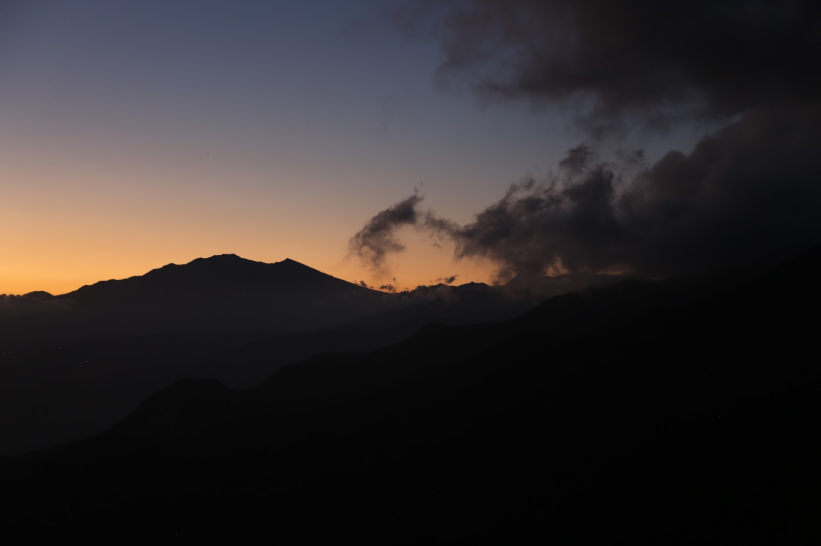
Unlocking Panama: The Hidden Levels Most Travelers Never Reach

There’s a version of Panama that everyone sees.

And then there’s the version almost nobody talks about.

The first one is easy Bocas del Toro, Panama City skyline, maybe a quick stop in Boquete. It’s good. It’s fun. It’s safe. But it’s also predictable. It’s the same loop passed from backpacker to backpacker, hostel to hostel, story to story.

But Panama isn’t a loop.

It’s a layered world. A country full of hidden levels some obvious, some buried deep, some waiting just one decision off the main path.

And once you start unlocking them, everything changes.

Level One: Caribbean Secrets Beyond the Surface

Most travelers treat the Caribbean coast like a quick stop. But if you slow down and look closer, it becomes one of the most atmospheric regions in the country.

In Portobelo, crumbling colonial forts sit quietly beside brightly painted houses, blending history with everyday life. Just down the coast, the jungle-wrapped ruins of Fort San Lorenzo overlook the sea like something forgotten by time.

And then there’s the hidden mission: finding manatees.

In still, mangrove-lined waters, these gentle creatures move slowly and silently. Spotting one isn’t easy. It requires patience, luck, and a willingness to sit still and wait.

But when it happens it feels unreal.

Level Two: The Train That Slips Between Worlds

There’s something surreal about boarding the Panama Canal Railway.

Within minutes, the city disappears, replaced by dense jungle, rivers, and glimpses of the canal cutting through the landscape. It’s not just a ride it’s a transition. A quiet shift from modern Panama into something older, wilder, and far less controlled.

It’s one of those experiences people rarely talk about—but always remember.

Level Three: The Pacific’s Wild Edge (Where It Gets Really Good)

Now things start to open up.

In Pedasí, life slows down to almost nothing. Dusty roads, quiet beaches, golden sunsets it’s the kind of place where time stretches and expectations disappear.

But just offshore lies one of Panama’s most underrated gems: Isla Iguana.

This small island feels like a tropical dream condensed into a single place. White sand so bright it almost reflects the sun back at you. Water so clear you can see fish weaving through coral just meters from shore. Iguanas roaming freely. Frigatebirds circling above.

It’s protected, untouched, and somehow still under the radar.

You can take a short boat ride from Pedasí and be there in minutes snorkeling, swimming, and wandering an island that feels far removed from the mainland.

And the best part?

It still feels like a discovery.

Level Four: Islands Without the Crowds

Further along the Pacific, things get even quieter.

The Pearl Islands offer stunning water and white-sand beaches without the chaos of more famous island chains. Some islands feel almost private, even when they’re not.

Then there’s Coiba National Park wild, remote, and teeming with marine life. This is where you go to search for whale sharks, drift over reefs alive with movement, and feel like you’ve stepped into one of the last truly untouched marine environments in the region.

And just north of that, the scattered islands of the Gulf of Chiriquí remain one of the country’s greatest secrets. Cheap boat rides. Empty beaches. No pressure. No crowds.

Just exploration.

Level Five: Into the Highlands Where the Air Resets You

Leave the coast behind, and everything changes.

Temperatures drop. Air clears. The pace of life softens.

Hiking the Quetzal Trail feels like stepping into another world mist drifting through trees, moss covering everything, and the possibility of spotting rare wildlife hidden in the canopy.

But the real magic lies deeper.

At Lost and Found Hostel, you don’t just visit the cloud forest you live inside it. Trails disappear into fog. Views open above the clouds. Silence feels full.

Nearby, Santa Fe offers waterfalls, rivers, and jungle with almost no tourists. It’s raw, peaceful, and deeply grounding.

Level Six: Taste, Touch, Experience

Panama isn’t just something you see it’s something you interact with.

Cacao tours take you deep into the jungle, where you crack open pods, taste raw chocolate, and follow the process from fruit to final product. It’s messy, hands-on, and completely different from anything you’d experience in a city.

Coffee farms in Boquete offer another side of this slow, deliberate, and deeply connected to the land.

These aren’t attractions.

They’re experiences.

Level Seven: The Places Nobody Mentions

And then there are the true hidden levels:

Isla Escudo de Veraguas, remote and surreal

Darién National Park, wild, untamed jungle

These places require more effort. More curiosity. More willingness to step into the unknown.

But that’s where the story shifts from travel… to adventure.

Stay on the Path… But Step Off It

Panama rewards curiosity more than planning.

You can follow the well-worn route and have a great time. Or you can start asking different questions:

What’s just beyond that island?

What happens if I stay one more day?

What if I follow that road no one mentioned?

That’s where things open up.

Become the Trendsetter

There is a version of Panama your fellow backpackers haven’t seen.

It’s not in the usual recommendations. It’s not in the standard itineraries. It’s not the story being repeated in every hostel common area.

It’s something you create.

Hidden islands like Isla Iguana.

Empty beaches in the Gulf of Chiriquí.

Misty trails near Lost and Found Hostel.

Wild encounters in places no one told you about.

All of it is out there.

You just have to put on your creative hat…

push past the obvious…

and start unlocking the hidden levels.

Because in Panama, the best experiences aren’t found.

They’re discovered by the ones willing to look differently.

Heat, Humidity, and the Great Escape: Panama’s Climate at Its Most Intense (and Most Magical) Panama doesn’t do “mild.”

It does heat that wraps around you like a blanket the moment you step outside. It does humidity that clings to your skin before you’ve even taken your first step. It does sunlight so direct and powerful that shadows feel like refuge.

But what makes Panama truly fascinating isn’t just how hot it can get it’s how dramatically, almost unbelievably fast, you can escape that heat.

This is a country where seasons don’t change… but elevation does everything.

The Caribbean Heat: Bocas del Toro Never Cools Down

In Bocas del Toro, the heat feels endless in the most tropical sense of the word. It’s not just about temperature it’s about atmosphere. The air is thick, alive with moisture, and it presses in from all sides.

Daytime temperatures typically sit between 28–32°C (82–90°F), but the humidity pushes the “feels like” temperature far higher. You’ll sweat without moving. You’ll shower and feel warm again minutes later. Clothes stick. Hair curls. Time slows.

The hottest stretches usually come in March to May and again around September to October, when the air becomes heavier and the sun lingers just a little longer between rains. Even when clouds roll in, the heat doesn’t disappear it just softens into a humid glow.

Nights offer little relief. The temperature barely drops, and the humidity stays constant. Sleep comes with fans spinning, windows open, and the sound of waves in the background.

But here’s the thing Bocas isn’t meant to be fought. It’s meant to be adapted to.

You swim multiple times a day. You move slower. You embrace the rhythm. The ocean becomes essential not optional.

Panama City: Where Heat Meets Concrete

Then there’s Panama City a place where tropical heat collides with urban intensity.

Here, the temperature isn’t just felt it’s amplified.

Glass towers reflect sunlight. Pavement radiates heat upward. Traffic adds another layer of warmth that never quite dissipates. The result is an environment where 30–34°C (86–93°F) feels closer to something far more intense.

The peak arrives during the dry season, especially February through April, when rain disappears and the sun dominates the sky without interruption. These are the months when the city feels like it’s holding its breath under the heat.

Midday becomes something to avoid. Locals know it. Streets quiet slightly. People move from shade to shade, from air conditioning to air conditioning. Even a short walk can feel like effort.

And yet, life continues because in Panama, the heat isn’t an obstacle. It’s part of the experience.

The Pacific Coast: The Raw Power of the Dry Season

If Bocas is humid heat and Panama City is amplified heat, then the Pacific coast delivers something else entirely: pure, unfiltered sun.

Places like Santa Catalina, Pedasí, and Las Lajas experience a long, powerful dry season from January to April.

During these months, the sky often stays cloudless for weeks.

The sun rises sharp and strong, climbs high, and stays there. Temperatures regularly exceed 33°C (91°F), and without clouds or frequent rain, there is nothing to soften the intensity. The landscape dries. The colors shift. The air feels lighter than the Caribbean but the sun feels stronger.

This is the kind of heat that defines your day.

You wake early. You move in the morning. By midday, the world slows dramatically. Beaches empty out, hammocks fill, and shade becomes the most valuable resource around.

The ocean? Not just refreshing essential.

The Turning Point: Climbing Into the Clouds

And then everything changes.

You leave the coast. You drive inland. The road begins to climb.

At first, it’s subtle. A slight breeze. A hint of freshness. Then, as you pass 800 meters… 900 meters… 1,000 meters above sea level, it happens.

The heat breaks.

Not gradually. Not slowly.

Instantly.

The air cools. The humidity softens. Your skin stops sweating. You take a deep breath and realize it feels different. Lighter. Cleaner. Almost like stepping into another season entirely.

Welcome to Panama’s highlands.

Places like:

Boquete

Volcán

El Valle de Antón

Santa Fe

Lost and Found Hostel

sit high enough to transform the climate completely. Daytime temperatures hover between 18–24°C (64–75°F). Nights can feel cool sometimes even crisp.

It’s not just cooler.

It’s comfortable.

It’s breathable.

It’s what people mean when they say “perfect weather.”

The One-Hour Escape That Feels Unreal

What makes this even more remarkable is how fast it happens.

In many cases, you can go from sweating on the coast to wearing a light sweater in under an hour. A simple bus ride. A short drive. No flights, no long journeys just elevation.

You leave behind blazing sun and step into drifting clouds.

You go from harsh light to soft mist.

From heat exhaustion to calm energy.

It feels like teleportation.

The Lost and Found Effect: From Heat to Healing

Nowhere does this transformation feel more dramatic than at Lost and Found Hostel, perched high in the mountains near Fortuna Forest Reserve.

You arrive from the lowlands sunburnt, tired, slowed down by heat.

And within minutes, everything shifts.

You’re breathing cool air.

You’re walking through mist.

You’re sitting in a hammock, wrapped in a light chill, looking out over layers of green mountains disappearing into clouds.

It doesn’t feel like relief.

It feels like reset.

Your body relaxes. Your mind clears. Energy returns not the restless kind, but the calm, steady kind that comes with being comfortable again.

Living Between Two Worlds

What makes Panama truly unique is that you don’t have to choose one climate.

You can have both.

You can wake up sweating on a Pacific beach, swim in warm ocean water, and feel the full intensity of tropical sun…

…and by afternoon, be sipping coffee in cool mountain air, wrapped in clouds, listening to nothing but wind in the trees.

Few places on Earth offer that kind of contrast so easily.

It changes how you experience travel.

You don’t just chase destinations you chase temperature, mood, and feeling.

Yes, Panama can be hot.

Intensely, unapologetically hot. The kind of heat that slows you down, forces you into the shade, and makes cold water feel like the greatest luxury in the world.

But that’s only half the story.

Because just beyond that heat sometimes just one hour away—there is a completely different world waiting.

Cooler. Softer. Calmer.

A place where the air feels like spring, even when the coast is burning.

And once you experience that shift, that instant escape, you realize something that changes everything about how you see this country:

In Panama, you’re never stuck in the heat.

You’re always just one mountain away from perfect.

Walking Through the Clouds: The Magic of Panama’s Cloud Forest Trails There are forests… and then there are cloud forests.

The moment you step into one in Panama, everything changes. The air cools. The light softens. Sound seems to travel differently muted, layered, almost absorbed by the thick green world around you. Mist drifts between trees like something alive, wrapping branches in a quiet, shifting veil. It doesn’t feel like you’re walking through a place. It feels like you’re walking through a mood.

High in the mountains near Boquete and stretching into the wild beauty of Fortuna Forest Reserve, Panama’s cloud forests offer one of the most magical hiking experiences in Central America. And tucked right into this environment, almost seamlessly, is Lost and Found Hostel a place where the forest isn’t just something you visit, but something you live inside.

The Feeling of Entering Another World

Cloud forests exist in that delicate band of elevation where moisture hangs constantly in the air. Not quite rain, not quite fog something in between. The result is a landscape that feels permanently enchanted.

Every surface is alive.

Tree trunks are thick with moss. Branches carry entire ecosystems orchids, bromeliads, vines, ferns—all growing on top of each other in layers. The forest doesn’t just grow upward here. It grows outward, sideways, and into itself, creating a dense, textured world that feels almost unreal.

As you hike, you’ll notice how soft everything feels. The ground, cushioned by layers of fallen leaves. The air, cool and damp against your skin. Even the light seems gentle, filtered through mist and canopy into a soft green glow.

It’s not a place that demands energy. It invites calm.

Trails That Pull You In

Hiking in the cloud forest is less about reaching a destination and more about the experience of moving through it. Trails wind naturally through the terrain sometimes narrow, sometimes steep, often disappearing into mist before reappearing again just a few steps ahead.

Around Lost and Found Hostel, the trails feel especially intimate. They aren’t overbuilt or crowded. They feel like extensions of the forest itself quiet paths that guide you deeper without interrupting the natural flow of the landscape.

You might cross small streams over simple wooden bridges, step over exposed roots, or follow ridgelines where the clouds drift past at eye level. One moment, visibility is clear. The next, the forest closes in, and you’re walking through a soft white haze.

There’s something deeply calming about not seeing too far ahead. It keeps you present. Grounded in each step.

The Soundtrack of Stillness

Unlike the loud chaos of lowland jungle, the cloud forest has a quieter rhythm.

You’ll hear birds but often from far away, their calls echoing through the mist. The metallic clang of the Three-wattled bellbird might ring out unexpectedly, cutting through the stillness like a surreal reminder that you’re somewhere truly wild.

Closer to you, there’s the constant, gentle sound of water dripping from leaves, trickling through roots, moving unseen beneath the forest floor. Wind moves softly through the canopy, never harsh, always filtered.

And then there are moments of near silence.

Not empty silence but full silence. The kind that makes you slow down without realizing it.

Wildlife That Feels Like a Glimpse

Wildlife in the cloud forest doesn’t present itself loudly. It appears in flashes, in subtle movements, in moments you almost miss.

A hummingbird hovering silently in front of a flower.

An agouti darting across the trail and vanishing instantly.

A butterfly drifting through the mist like a piece of color detached from the world.

And if you’re lucky very lucky you might catch sight of something rarer. A quetzal moving through the canopy. A shadow in the trees that makes you pause and wonder.

It’s not about quantity. It’s about presence.

A Natural Reset

There’s a reason people describe cloud forests as healing.

The air is cooler, richer, filled with moisture and oxygen. The pace of movement slows naturally steep climbs, uneven trails, and the sheer beauty of the surroundings make rushing feel unnecessary.

But beyond the physical, there’s something mental that shifts.

Your attention sharpens. Your thoughts quiet. The usual noise phones, plans, distractions feels distant. You start noticing details: the texture of moss, the pattern of leaves, the way light changes as clouds move.

Time stretches.

An hour feels longer. A simple walk feels meaningful.

And when you stop really stop you realize how rare that feeling is.

The Experience at Lost and Found

What makes hiking around Lost and Found Hostel so special is how immediate it all is.

You don’t need to travel to a trailhead. You don’t need to plan a full-day expedition.

You step outside and you’re already there.

Morning hikes start with mist hanging low over the forest. Midday brings shifting light and clearer views across the mountains. Late afternoon wraps everything back into clouds again, softening the world into something almost dreamlike.

It’s the kind of place where you can hike for hours… or just wander for twenty minutes and feel like you’ve experienced something profound.

Hiking in Panama’s cloud forest isn’t about conquering peaks or checking off destinations.

It’s about immersion.

It’s about stepping into a world where everything moves a little slower, feels a little softer, and connects a little deeper.

And in places like the forests surrounding Lost and Found Hostel, that experience is always just a few steps away.

You don’t have to search for it.

You just have to walk into the clouds.

Panamas vergessenes Paradies: Die wilden Inseln im Golf von Chiriquí

Es gibt Orte auf der Welt, die sich wie ein gut gehütetes Geheimnis anfühlen. Nicht, weil sie unerreichbar sind – sondern weil sie einfach noch nicht überlaufen sind. Die Inseln im Golf von Chiriquí gehören genau zu diesen seltenen Orten. Wild, unberührt und erstaunlich leicht zu erreichen bieten sie genau das, wonach Reisende überall suchen – nur ohne Menschenmassen.

Was diesen Ort so besonders macht, ist der Kontrast: Du kannst dich fühlen, als wärst du am Ende der Welt… und trotzdem brauchst du nur eine kurze Bootsfahrt, um dort anzukommen. Kein komplizierter Plan, keine lange Expedition – einfach losfahren.

Ein Archipel, das kaum jemand kennt

Der Golf von Chiriquí besteht aus Dutzenden Inseln – jede ein kleines Abenteuer für sich. Einige sind dicht bewaldet, mit Dschungel, der direkt bis ans Meer reicht. Andere sind von Mangroven gesäumt, voller Leben und perfekt zum Erkunden. Und dann gibt es diese Postkarteninseln: weißer Sand, türkisfarbenes Wasser und Palmen, die sich im Wind wiegen.

Orte wie Isla Parida, Isla Gámez oder Isla Bolaños wirken wie aus einer anderen Zeit. Du kannst stundenlang am Strand entlanglaufen, ohne einer einzigen Person zu begegnen. Keine Bars, keine Musik, keine Liegen.

Nur du, das Meer und absolute Ruhe.

Coiba – Das wilde Herz der Region

Im Zentrum des Archipels liegt der beeindruckende Coiba Nationalpark. Diese Insel ist riesig, dicht bewaldet und von einem der artenreichsten Meeresgebiete im Pazifik umgeben.

Früher war Coiba eine Strafkolonie – was ironischerweise dazu geführt hat, dass die Natur hier weitgehend unberührt blieb. Heute findest du dort eine der ursprünglichsten Landschaften Mittelamerikas. Unter Wasser erwarten dich Riffhaie, Meeresschildkröten, Rochen und – zur richtigen Jahreszeit – sogar Walhaie und Buckelwale.

Es ist kein perfektes Resort-Erlebnis. Es ist etwas Echtes. Roh. Wild.

Unglaublich einfach – und überraschend günstig

Der vielleicht größte Überraschungsfaktor?

Wie einfach und günstig das alles ist.

Die meisten Touren starten im kleinen Küstenort Boca Chica. Von dort aus erreichst du viele Inseln in nur 20 bis 45 Minuten mit dem Boot.

Und jetzt kommt das Beste:

Ganztägige Bootstouren kosten oft nur etwa 35 US-Dollar pro Person – oder sogar weniger, wenn ihr euch das Boot mit mehreren Leuten teilt.

Das ist kein Massentourismus mit festen Programmen. Es ist flexibel. Lokal. Persönlich. Du kannst Inseln nach Lust und Laune ansteuern, schnorcheln, schwimmen oder einfach auf einer einsamen Insel bleiben und nichts tun.

Es fühlt sich nicht wie eine gebuchte Tour an – sondern wie ein spontanes Abenteuer.

Inselhopping ohne Stress

Hier gibt es keinen Zeitdruck. Keine überfüllten Spots. Kein „schnell weiter zum nächsten Highlight“.

Du entscheidest das Tempo.

Vielleicht schnorchelst du an einer Insel mit glasklarem Wasser und bunten Fischen. Vielleicht wanderst du durch dichten Dschungel. Oder du liegst einfach im Sand und hörst nur das Meer.

Diese Freiheit ist selten geworden.

Natur, die dich einfach findet

Im Golf von Chiriquí musst du nicht aktiv nach Wildlife suchen – es kommt zu dir.

Delfine begleiten oft die Boote. Buckelwale durchbrechen die Wasseroberfläche in der Ferne. Meeresschildkröten gleiten unter dir durchs Wasser. Über dir kreisen Fregattvögel.

Alles fühlt sich natürlich an, nicht inszeniert.

Warum hier noch keine Massen sind

Der Golf von Chiriquí ist kein typisches Touristenziel. Es gibt keine großen Hotelketten, keine überfüllten Strände, keine lauten Partys.

Panama selbst wird oft übersehen – und die Pazifikküste noch mehr. Viele Reisende bleiben auf bekannten Routen, während dieser Teil des Landes ruhig bleibt.

Und genau das macht ihn so besonders.

Ein Ort, den man fast geheim halten will

Es ist schwer, über so einen Ort zu schreiben, ohne das Gefühl zu haben, ein Geheimnis zu verraten.

Denn genau das macht ihn aus:

Er ist echt. Unberührt. Einfach zugänglich, aber nicht überlaufen.

Du kannst morgens in Boquete aufwachen, nach Boca Chica fahren und wenige Stunden später auf einer verlassenen Insel stehen.

Ohne Stress. Ohne Planung. Ohne Menschenmassen.

Fazit

Die Inseln im Golf von Chiriquí sind ein seltener Ort in der heutigen Reisewelt.

Sie sind wild, aber erreichbar.

Spektakulär, aber ruhig.

Und vor allem: unglaublich günstig zu entdecken.

Für etwa 35 Dollar kannst du einen ganzen Tag lang Inseln erkunden, die sich anfühlen, als wären sie nur für dich da.

Und genau das macht diesen Ort so faszinierend.

Er ist noch nicht entdeckt worden.

Aber er wartet.

Panama’s Forgotten Paradise: The Wild, Empty Islands of the Gulf of Chiriquí

There are still places in the world where you can step onto a tropical island and feel like you’ve arrived before tourism did. No crowds. No noise. No footprints in the sand except your own. The islands scattered across the Gulf of Chiriquí are exactly that kind of place—raw, beautiful, and strangely overlooked.

It’s almost hard to believe how underappreciated this region is. While travelers flock to better-known destinations across Central America, the Pacific side of Panama quietly holds onto something rare: dozens of wild islands, many completely uninhabited, all sitting within easy reach of the mainland. Not remote in the logistical sense—just untouched in the way that matters.

And once you experience it, you start to wonder how it’s stayed this way for so long.

A Scattered Paradise of Untouched Islands

The Gulf of Chiriquí isn’t one island—it’s an entire archipelago. Dozens of islands stretch across calm Pacific waters, each with its own personality. Some are covered in dense jungle that spills right down to the shoreline. Others are fringed with mangroves, creating quiet, wildlife-rich lagoons. And then there are the postcard-perfect ones—small, sandy, palm-lined islands where the water glows turquoise and the beaches feel completely untouched.

Islands like Isla Parida, Isla Gámez, and Isla Bolaños offer that classic tropical aesthetic without the crowds. You can land on the beach, walk its entire length, swim in clear water, and not see another person the entire time.

There are no vendors. No loud music. No lines.

Just the sound of waves and wind moving through palm trees.

Coiba: The Wild Heart of It All

At the center of the region lies Coiba National Park, a place that feels almost prehistoric in its untouched state. Coiba Island itself is massive, covered in thick jungle and surrounded by some of the richest marine ecosystems in the eastern Pacific.

Its history as a former penal colony kept development away for decades, and today that isolation has paid off. The reefs are alive. The waters are full of movement—reef sharks, rays, turtles, and, in the right season, even whale sharks and humpback whales.

But what makes Coiba special isn’t just the wildlife—it’s the feeling. You’re not visiting a polished destination. You’re stepping into something raw, something that has largely escaped the transformation that has changed so many tropical islands elsewhere.

And yet, somehow, it’s still accessible.

The Best-Kept Secret: How Easy (and Cheap) It Is to Explore

This is where the Gulf of Chiriquí becomes almost unbelievable.

Most island adventures begin in the small coastal village of Boca Chica. It’s a quiet place—just a handful of docks, boats, and local operators—but it’s the gateway to everything.

From here, you can jump on a boat and be on a remote island in under an hour.

And here’s the part that surprises almost everyone:

it’s incredibly affordable.

You can often arrange full-day island-hopping tours for around $35 per person—or even less if you have a group to split the cost. With more people in the boat, prices drop, making it one of the cheapest ways in the world to explore untouched tropical islands.

These aren’t rushed, packaged tours either. They’re flexible, local, and often tailored on the spot. Want to snorkel? Done. Want to hop between multiple islands? Easy. Want to spend hours on a single empty beach doing absolutely nothing? No one’s stopping you.

It feels less like a tour… and more like borrowing a boat for the day.

Island Hopping Without the Crowds

What makes island hopping here so different is the lack of pressure.

There’s no rush to “see everything.” No crowds arriving at the same time. No competition for space on the beach. You move at your own pace, guided more by curiosity than schedule.

One island might offer crystal-clear snorkeling right off the shore, with fish darting through coral just meters from the beach. Another might be better for exploring—trails cutting through jungle, birds calling overhead, and the sense that you’re walking somewhere rarely visited.

And then there are the simple moments: floating in warm water with nothing around you, sitting in the shade of a palm tree, or watching the tide slowly shift across an empty shoreline.

It’s not just about what you do—it’s about what isn’t there.

Wildlife, Everywhere and Effortless

The Gulf of Chiriquí is alive in a way that feels constant but never overwhelming.

Dolphins often appear alongside boats, riding the wake effortlessly. During whale season, humpbacks can be seen breaching in the distance, their movements slow and powerful against the horizon. Sea turtles glide through the water below you while snorkeling, and above, frigatebirds and pelicans patrol the skies.

Because the area hasn’t been overdeveloped, wildlife interactions feel natural rather than staged. You’re not chasing sightings—they just happen.

Why It Still Feels Undiscovered

Part of the magic of the Gulf of Chiriquí is that it hasn’t been turned into a major tourist hub. There’s no heavy infrastructure, no large-scale resorts dominating the landscape. Even the accommodations that do exist—eco-lodges, small hotels, and a few upscale retreats—blend into the environment rather than reshape it.

Panama itself often flies under the radar compared to neighboring countries, and the Pacific coast even more so. Most travelers head to the Caribbean side or stick to well-known routes.

Which leaves this entire region quietly waiting.

The Kind of Place You Don’t Want to Overhype (But Should)

There’s always a hesitation when talking about places like this. Because part of what makes them special is that they aren’t crowded, aren’t overexposed, aren’t constantly trending.

But at the same time, they deserve to be experienced.

The islands of the Gulf of Chiriquí offer something that’s becoming harder to find: real, unfiltered tropical exploration that doesn’t require a big budget or complicated planning.

You can wake up in the highlands near Boquete, drive down to Boca Chica, and by mid-morning be standing on a deserted island.

No flights. No ferries packed with tourists. No weeks of preparation.

Just go.

The islands of the Gulf of Chiriquí are not trying to impress you. They don’t advertise loudly. They don’t compete for attention.

They just exist—quietly, beautifully, and almost unbelievably accessible.

You can explore them for the price of a casual day out.

You can experience them without crowds.

And you can leave feeling like you discovered something that most people haven’t.

In a world where travel often feels overdone, this corner of Panama still feels like the beginning of something.

And it’s waiting—just a short boat ride away.

The Hidden Empire: A Deep Dive into the Ants of Panama

If you were to walk through a rainforest in Panama and somehow remove every animal except the ants, the forest would still feel alive—busy, structured, purposeful. That’s because ants are not just part of the ecosystem here… they run it. Beneath your feet, above your head, inside trees, under logs, and even within other organisms, ants form one of the most complex and influential networks of life in the tropics.

Panama is home to hundreds of ant species, spanning dozens of genera and ecological roles. From farmers and hunters to architects and raiders, ants in Panama are not just insects—they are entire civilizations operating in parallel with the forest itself.

The Farmers: Leafcutter Ants

Perhaps the most iconic ants in Panama are the leafcutters, particularly species in the genus Atta. These are the ants you’ll see marching in long, organized lines, each one carrying a perfectly cut piece of leaf above its head like a tiny green sail.

But here’s the twist—they don’t actually eat the leaves.

Instead, they use them to cultivate fungus in vast underground gardens. The leaves are processed into a substrate where a specific fungus grows, and that fungus is their true food source. It’s agriculture—millions of years older than human farming.

Their colonies can contain millions of individuals, with complex caste systems: workers, soldiers, and a queen whose sole job is to reproduce. Underground, their nests are massive, with chambers dedicated to farming, waste management, and brood care. It’s a level of organization that feels almost unsettling in its efficiency.

The Pain Legends: Bullet Ants

Then there is the infamous Bullet ant, a creature that has earned global notoriety for having one of the most painful stings in the insect world.

Found in lowland rainforests, these large, black ants roam tree trunks and forest floors, often unnoticed—until they aren’t. The pain of their sting has been described as intense, electric, and long-lasting, sometimes persisting for hours.

But despite their fearsome reputation, bullet ants are not aggressive without reason. They are solitary foragers, hunting small insects and feeding on nectar. Like many ants in Panama, they play a vital role in controlling insect populations and maintaining ecological balance.

Still, they command respect. In the jungle, they are the definition of “look, don’t touch.”

The Nomads: Army Ants

If leafcutters are farmers, army ants—primarily from the genus Eciton—are warriors.

They don’t build permanent nests. Instead, they live as nomadic raiding columns, moving through the forest in massive, coordinated swarms. Thousands—sometimes hundreds of thousands—of ants sweep across the forest floor, overwhelming anything in their path.

Insects, spiders, small vertebrates—if it can’t escape quickly enough, it becomes food.

But these raids don’t just impact prey species. They create entire ecosystems around them. Birds, known as ant-followers, track these swarms to catch fleeing insects. Other animals learn to avoid or exploit their movements.

At night, army ants form living nests called bivouacs—clusters made entirely of their own bodies, protecting the queen and larvae. It’s one of the most extraordinary examples of collective behavior in the animal kingdom.

The Architects: Weaver Ants and Tree Dwellers

High in the canopy, another world exists—one built by ants that rarely touch the ground.

Weaver ants and other arboreal species construct nests by pulling leaves together and “stitching” them with silk produced by their larvae. It’s a remarkable process: workers hold leaves in place while others use larvae like living glue guns.

These nests can span entire sections of a tree, forming complex aerial colonies. Life up here is different—food sources, predators, and interactions all shift in the vertical dimension of the forest.

Panama’s forests are not just layered—they are stacked ecosystems, and ants occupy every level.

The Invisible Majority: Tiny but Essential

For every large, noticeable ant, there are dozens of tiny species you’ll never see unless you look closely.

These ants live in leaf litter, soil, rotting wood, and even within plants. Some form mutualistic relationships with aphids, “farming” them for sugary secretions. Others protect certain plants from herbivores in exchange for shelter and food.

Many of these species are still poorly studied. New discoveries are made regularly, especially in biodiverse regions like Panama. It’s entirely possible that unknown ant species are crawling beneath your feet at this very moment.

Ant Highways and Jungle Awareness

Spend enough time in Panama’s forests—especially in places like Fortuna Forest Reserve or around Boquete—and you’ll start noticing patterns.

Lines of ants crossing trails. Sudden bursts of activity on tree trunks. Entire sections of forest floor shifting with movement.

Around places like Lost and Found Hostel, ants are everywhere. You might wake up to leafcutters marching past your cabin, encounter army ants on a trail (a good reason to step aside quickly), or spot tiny species exploring your backpack if you leave it unattended.

They’re not background noise. They’re active participants in the environment around you.

Why Ants Matter More Than You Think

Ants are ecosystem engineers. They aerate soil, recycle nutrients, disperse seeds, control pest populations, and form symbiotic relationships with countless other organisms.

Remove ants from the system, and the forest begins to unravel.

They are also indicators of environmental health. Changes in ant populations can signal shifts in climate, habitat quality, and biodiversity.

In a way, ants are the pulse of the rainforest—constantly moving, constantly working, constantly maintaining the balance.

It’s easy to overlook ants. They’re small. Quiet. Usually beneath our attention.

But in Panama, they are anything but insignificant.

They are farmers, hunters, builders, and warriors. They create cities underground and highways across the forest floor. They shape ecosystems in ways most animals never could.

And once you start noticing them—really noticing them—you realize something incredible:

The rainforest isn’t just alive at your level.

It’s alive at theirs.

The Phantom of the Forest Floor: Panama’s Legendary Bushmaster

There are snakes… and then there are bushmasters. In the deep forests of Panama, where the light barely reaches the ground and every step crunches through layers of leaves hiding unseen life, one snake holds a reputation that borders on myth. Rarely seen, heavily respected, and often misunderstood, the Bushmaster is the largest venomous snake in the Americas—and easily one of the most fascinating.

People don’t casually stumble across a bushmaster. You hear about them. You see photos. You maybe catch a glimpse of one crossing a trail if you’re incredibly lucky. But for most, the bushmaster remains a story told in hushed tones by guides who’ve spent years in the jungle.

And that mystery? It’s exactly what makes it so captivating.

A Giant Built for the Shadows

The bushmaster is not a small snake. Adults can exceed 2.5 meters (over 8 feet), with some individuals growing even larger. But what truly makes them impressive isn’t just their length—it’s their presence. Thick-bodied, powerfully built, and perfectly camouflaged, they blend seamlessly into the forest floor.

Their coloration is a masterpiece of disguise: a mix of browns, tans, and dark diamond-shaped patterns that mirror fallen leaves and dappled light. When coiled and still, they are almost impossible to see. You could walk within a meter of one and never notice.

Their head is broad and triangular, typical of pit vipers, with heat-sensing pits that allow them to detect warm-blooded prey even in complete darkness. Their eyes are sharp, their movements deliberate, and their entire design speaks to one thing: efficiency.

The Master of Ambush

Bushmasters are ambush predators. They don’t chase, they don’t wander aimlessly—they wait.

Hours. Sometimes days. Motionless.

They position themselves along animal trails, where small mammals like rodents are likely to pass. When the moment comes, the strike is incredibly fast—almost impossible to follow with the eye. A precise injection of venom, a quick release, and then the snake waits again as the prey succumbs.

Unlike many vipers, bushmasters may deliver multiple strikes if they feel threatened or if the first strike doesn’t secure the situation. But generally, their goal is efficiency, not aggression. They are hunters, not fighters.

A Snake That Doesn’t Want to Be Found

If there’s one thing to understand about the Bushmaster, it’s this: it wants nothing to do with you.

These snakes are incredibly reclusive. They prefer deep, undisturbed forest—places where human presence is minimal. In Panama, they are found in remote regions with dense vegetation and high humidity, including parts of Darién National Park and other lowland and foothill rainforests.

Occasionally, they are encountered in areas around Boquete and the surrounding forests, including zones near Fortuna Forest Reserve. Even near places like Lost and Found Hostel, bushmasters exist in the wider ecosystem—but sightings are extremely rare.

Most people will never see one. And that’s exactly how the bushmaster prefers it.

Venom, Reputation, and Reality

Let’s address the reason bushmasters have such a reputation: their venom.

Yes, they are highly venomous. Their venom is complex, affecting tissue, blood, and the nervous system. A serious bite requires immediate medical attention. There’s no way around that.

But here’s the part that often gets lost in the stories—they are not aggressive snakes.

Bushmasters rely heavily on camouflage and avoidance. When they sense large animals (like humans), they typically remain still or slowly move away. Most bites occur when someone accidentally steps too close or tries to interact with the snake.

They may vibrate their tail in dry leaves as a warning—a subtle rattling sound that’s easy to miss if you’re not paying attention.

In other words, they give signals. The jungle just expects you to notice.

A Rare Trait: The Egg-Laying Viper

One of the most unusual things about bushmasters is their reproduction.

Unlike most pit vipers, which give birth to live young, bushmasters lay eggs. The female will guard her clutch—a rare behavior among snakes—remaining coiled around the eggs to protect them until they hatch.

When the babies emerge, they’re fully equipped with venom and ready to survive on their own. Tiny versions of an already formidable predator, entering a world where they must rely on instinct from the very beginning.

Why the Bushmaster Feels Like a Legend

There are animals you see often. There are animals you hope to see. And then there are animals like the bushmaster—ones that exist just outside your experience, shaping the atmosphere of a place without ever revealing themselves.

Talk to guides in Panama, and you’ll hear stories.

“A massive one crossing the trail at dusk.”

“One coiled beside a fallen log, completely invisible until it moved.”

“A warning rustle in the leaves that made everyone stop instantly.”

These stories carry weight because they’re rare.

The bushmaster isn’t part of your daily jungle experience. It’s part of the background tension—the reminder that the rainforest is still wild, still unpredictable, still full of creatures that don’t need to be seen to be respected.

Walking in Bushmaster Country

If you’re exploring Panama’s forests—whether in Darién, the highlands near Boquete, or the deep jungle trails around Fortuna—the idea of a bushmaster might sit quietly in the back of your mind.

And that’s not a bad thing.

It makes you more aware. More present. You watch where you step. You notice the forest floor. You listen more carefully.

Because in a place where a snake can be eight feet long and completely invisible, awareness becomes part of the experience.

The Bushmaster is not just another snake. It’s a symbol of the rainforest at its most untouched and mysterious.

You may never see one. In fact, you probably won’t.

But knowing it’s out there—resting silently beneath the leaves, perfectly adapted, completely self-sufficient—changes the way you experience the jungle.

It reminds you that some things aren’t meant to be easily found.

And that’s exactly what makes them unforgettable.

Silent Swimmers of the Tropics: The Mysterious Sea Snakes of Panama

There’s something about the ocean that already feels a little unknown—vast, shifting, full of things you rarely see until you’re right on top of them. And then there are sea snakes, which somehow take that feeling and turn it up a notch. In Panama, they are among the least expected animals you might encounter, drifting silently through warm Pacific waters, living lives that feel almost completely detached from land.

Most people don’t even realize sea snakes exist here. But they do. And they are some of the most fascinating, specialized, and misunderstood reptiles in the ocean.

Meet Panama’s Only True Sea Snake

Unlike parts of Asia or Australia, where dozens of sea snake species thrive, Panama keeps things simple. The primary species you’ll find here is the Yellow-bellied sea snake—a creature so uniquely adapted to ocean life that it almost never touches land.

This snake is instantly recognizable once you know what to look for. Its body is sleek and laterally flattened, almost like a ribbon, designed for efficient swimming. The coloration is striking: a dark, almost black back contrasted by a bright yellow underside. It’s nature’s version of a warning sign—bold, unmistakable, and best respected from a distance.

But what really sets this species apart is its lifestyle. Unlike most snakes, it is fully pelagic, meaning it lives out in the open ocean rather than hugging reefs or coastlines. It spends its entire life drifting, swimming, hunting, and even resting at sea.

A Life Spent Drifting

Imagine living your entire life without ever stepping onto solid ground. That’s the reality for the yellow-bellied sea snake.

These snakes are often found floating at the ocean’s surface, especially in calm conditions where currents gather debris, foam, and organic material into long lines known as slicks. These slicks act like floating highways for marine life—tiny fish, larvae, and crustaceans collect there, and the sea snakes follow.

They hunt by ambush, barely moving, letting prey come close before striking with lightning speed. Their bodies barely ripple the surface, making them almost invisible until they move.

They even sleep at sea, sometimes coiled loosely at the surface like a piece of drifting rope.

Built for the Ocean (and Nothing Else)

Sea snakes are so specialized that they would actually struggle on land.

Their tails are flattened into paddle-like shapes, perfect for swimming but useless for crawling. Their scales are smoother than those of terrestrial snakes, reducing drag in the water. They can absorb oxygen not just through their lungs but partially through their skin, allowing for extended dives.

Even their nostrils have evolved—they can close tightly to keep water out while diving.

And perhaps most impressively, they have developed a way to drink fresh water… in the middle of the ocean. They rely on rainfall, drinking the thin layer of fresh water that briefly forms on the ocean’s surface after a storm. Without rain, they can actually become dehydrated, despite being surrounded by water.

Yes, They’re Venomous (But Here’s the Reality)

Let’s address the obvious—sea snakes are venomous. In fact, the Yellow-bellied sea snake has highly potent venom, designed to quickly immobilize fish.

But here’s what matters: they are extremely non-aggressive toward humans.

Bites are incredibly rare. These snakes are not interested in people and will almost always avoid contact. Most encounters happen when a snake is accidentally handled (which is a bad idea) or washed ashore and disturbed.

In the water, they are calm, curious at most, and generally indifferent to human presence. If you ever see one while swimming or on a boat, the best approach is simple—observe, don’t touch, and enjoy the moment.

Where You Might See One in Panama

Sea snakes in Panama are found along the Pacific coast, especially in open waters influenced by warm currents. Some of the best regions where they’re known to occur include:

Gulf of Chiriquí – Calm waters and rich marine life make this a potential hotspot.

Coiba National Park – A remote marine paradise with thriving ecosystems.

Offshore waters along Panama’s Pacific coastline, particularly where currents concentrate floating debris.

Occasionally, after storms or strong currents, individuals may wash up on beaches. Finding one on shore is rare but not unheard of—and if you do, it’s best to keep your distance and let it be.

Interestingly, they are almost never found on the Caribbean side of Panama, due to differences in ocean currents and ecological conditions.

Strange and Fascinating Facts

Sea snakes can spend their entire lives without touching land.

They give birth to live young directly in the ocean—no eggs on beaches.

Their venom is extremely potent, but they rarely use it defensively.

They can form large floating groups, sometimes called “rafts,” in ideal conditions.

Despite being reptiles, they are incredibly graceful swimmers—far more so than most fish-like movements would suggest.

Why Sea Snakes Feel So Mysterious

Part of what makes sea snakes so fascinating is how rarely we encounter them. They’re not part of the typical snorkeling checklist. They don’t hang around reefs like colorful fish or turtles. They exist out there—just beyond where most people look.

They drift with currents, follow invisible patterns in the ocean, and appear only occasionally, like a reminder of how much of the marine world goes unnoticed.

Seeing one feels different than spotting most wildlife. It’s quieter. Stranger. Almost surreal.

A thin, black-and-yellow ribbon gliding across the surface of an endless blue ocean.

No sound. No warning. Just presence.

Panama is known for its jungles, its birds, its big mammals—but beneath the surface, and far out at sea, there’s a whole other world that few people think about. The Yellow-bellied sea snake is part of that hidden world.

It doesn’t roar, it doesn’t call, it doesn’t leave tracks in the sand.

It simply exists—quietly, efficiently, perfectly adapted to a life most creatures could never survive.

And that’s what makes it unforgettable.

The Metal Song of the Mountains: Chasing Panama’s Magical Bellbird

There are certain moments in the jungle that flip a switch in your brain—where everything suddenly feels wilder, stranger, and more alive than you expected. Hearing a bellbird for the first time is one of those moments. You’ll be walking quietly through a misty mountain trail, maybe half-awake, maybe thinking about coffee, when suddenly—CLANG!—a metallic explosion echoes through the forest like someone just hit a steel pipe with a hammer. You freeze. You look around. You wonder if someone is building something deep in the jungle.

They’re not.

You’ve just met the legendary Three-wattled bellbird, one of the loudest, weirdest, and most unforgettable birds in Panama.

And from that moment on, you’re hooked.

A Bird That Sounds Like It Shouldn’t Exist

The bellbird doesn’t sound natural. That’s the best way to describe it. In a rainforest filled with chirps, whistles, buzzes, and distant howls, the bellbird cuts through everything with a sharp, metallic BONK. It doesn’t blend in—it dominates. The sound travels huge distances, bouncing off ridgelines and rolling through valleys like an echo that refuses to fade.

It’s the kind of noise that makes people laugh the first time they hear it. Or swear. Or just stand there in total confusion.

And the craziest part? That sound is coming from a bird about the size of a pigeon.

The Strangest Look in the Canopy

If the call doesn’t convince you this bird is unusual, the appearance definitely will.

The male bellbird looks like someone designed it in a dream. Bright white body. Dark, almost masked face. And then—because why not—three long, black, spaghetti-like wattles dangling from its beak. These fleshy strands can hang down several centimeters and swing around wildly when the bird calls, like loose wires shaking with every metallic note.

When the male belts out his call, he throws his head forward, opens his beak wide, and those wattles go flying. It’s dramatic. It’s ridiculous. It’s unforgettable.

The female, meanwhile, took a completely different approach. She’s olive-green, subtle, and perfectly camouflaged. While the male is out here performing like a jungle rockstar, she’s blending into the leaves, quietly judging his entire act. This extreme difference between male and female is all about survival and attraction—he risks everything to be noticed, she survives by staying invisible.

The Loudest Love Song in the Forest

Let’s be clear—the bellbird isn’t making all that noise for fun. This is romance. Very intense, very competitive romance.

Male bellbirds gather in what’s called a lek—a kind of singing arena in the forest where multiple males perch within earshot of each other and compete to be the loudest, sharpest, most impressive voice in the jungle. It’s like a battle of sound, echoing across the mountains.

Volume matters. A lot.

The louder and more piercing the call, the better the chances of attracting a female. Some studies suggest their calls are so loud at close range that they could actually be uncomfortable—even for other birds. Imagine showing off by basically screaming into the void at maximum volume… and somehow it works.

Only the best performers get chosen. The rest? They just keep yelling.

Where to Hear (and Maybe See) the Bellbird in Panama

Bellbirds are creatures of elevation and atmosphere. They live in Panama’s highland cloud forests, where mist drifts through the trees and everything feels just slightly enchanted.

Some of the best places to experience them include Fortuna Forest Reserve and the surrounding mountains near Boquete. These areas provide the exact mix of altitude, fruiting trees, and dense canopy that bellbirds love.

And then there’s the experience of staying at Lost and Found Hostel.

This is where things get fun.

Perched deep in the forest on the edge of the reserve, the hostel is one of those places where nature doesn’t just surround you—it completely takes over. Early in the morning, when the clouds are still hanging low and the forest is waking up, that metallic bellbird call often rings out across the valley. You might hear it from your hammock. From the trail. Even from the shower if the jungle soundtrack is loud enough.

Guests swap stories about it constantly: “Did you hear that sound this morning?” “Yeah, what was that?” “Apparently it’s a bird… somehow.”

Actually spotting one is a whole different challenge. They usually stay high in the canopy, perched like tiny white sentinels above the forest. You’ll hear them dozens of times before you ever lay eyes on one. But when you finally do—when you track the sound, scan the treetops, and suddenly see that bright white body and those ridiculous wattles—it feels like unlocking a secret.

What Do Bellbirds Actually Do All Day?

Despite their dramatic calls, bellbirds live fairly chill lives outside of their performances.

They are primarily fruit eaters, moving through the canopy in search of ripe trees. Figs are a favorite, along with a variety of other tropical fruits. As they feed, they play an important role in seed dispersal, helping maintain the diversity of the forest. So while they’re out there screaming like tiny jungle alarms, they’re also quietly planting the next generation of trees.

They’re also seasonal travelers. Bellbirds are altitudinal migrants, meaning they move up and down the mountains depending on the time of year and food availability. You might hear them constantly in one season and then… nothing. Gone. Moved on to a different elevation like elusive forest nomads.

Which somehow makes hearing them even more special.

The Soundtrack of a Wild Place

The cloud forests of western Panama are already magical. Moss-covered branches, dripping leaves, cool air, and that ever-present mist that makes everything feel slightly unreal. But the bellbird adds something extra—a soundtrack that doesn’t quite fit, yet somehow makes the entire place feel more alive.

It’s not a gentle, relaxing sound. It’s bold. It’s disruptive. It demands your attention.

And that’s exactly why people love it.

Because it reminds you that this isn’t a quiet, peaceful forest. It’s a wild, competitive, chaotic ecosystem where even a bird has to shout at full volume to be heard.

Why the Bellbird Feels Like a Secret

Not everyone gets to experience a bellbird. You have to be in the right place, at the right elevation, at the right time of year. You have to slow down enough to notice the sounds around you. And even then, you might only hear it and never see it.

But that’s part of the magic.

The bellbird isn’t a checklist animal. It’s an experience. A moment. A sound that sticks in your head long after you’ve left the forest.

And if you spend enough time in places like the Fortuna reserve or around Lost and Found Hostel, you’ll start to recognize it instantly. That metallic note becomes familiar. Almost comforting in a strange way.

It means you’re in the cloud forest.

It means you’re somewhere wild.

And it means the jungle is very much alive.

So next time you’re hiking through the misty highlands of Panama and you hear a sudden CLANG echo through the trees—don’t look for construction workers.

Look up.

The forest is singing.

The Hidden Empire: A Deep Dive into the Ants of Panama

If you were to walk through a rainforest in Panama and somehow remove every animal except the ants, the forest would still feel alive—busy, structured, purposeful. That’s because ants are not just part of the ecosystem here… they run it. Beneath your feet, above your head, inside trees, under logs, and even within other organisms, ants form one of the most complex and influential networks of life in the tropics.

Panama is home to hundreds of ant species, spanning dozens of genera and ecological roles. From farmers and hunters to architects and raiders, ants in Panama are not just insects—they are entire civilizations operating in parallel with the forest itself.

The Farmers: Leafcutter Ants

Perhaps the most iconic ants in Panama are the leafcutters, particularly species in the genus Atta. These are the ants you’ll see marching in long, organized lines, each one carrying a perfectly cut piece of leaf above its head like a tiny green sail.

But here’s the twist—they don’t actually eat the leaves.

Instead, they use them to cultivate fungus in vast underground gardens. The leaves are processed into a substrate where a specific fungus grows, and that fungus is their true food source. It’s agriculture—millions of years older than human farming.

Their colonies can contain millions of individuals, with complex caste systems: workers, soldiers, and a queen whose sole job is to reproduce. Underground, their nests are massive, with chambers dedicated to farming, waste management, and brood care. It’s a level of organization that feels almost unsettling in its efficiency.

The Pain Legends: Bullet Ants

Then there is the infamous Bullet ant, a creature that has earned global notoriety for having one of the most painful stings in the insect world.

Found in lowland rainforests, these large, black ants roam tree trunks and forest floors, often unnoticed—until they aren’t. The pain of their sting has been described as intense, electric, and long-lasting, sometimes persisting for hours.

But despite their fearsome reputation, bullet ants are not aggressive without reason. They are solitary foragers, hunting small insects and feeding on nectar. Like many ants in Panama, they play a vital role in controlling insect populations and maintaining ecological balance.

Still, they command respect. In the jungle, they are the definition of “look, don’t touch.”

The Nomads: Army Ants

If leafcutters are farmers, army ants—primarily from the genus Eciton—are warriors.

They don’t build permanent nests. Instead, they live as nomadic raiding columns, moving through the forest in massive, coordinated swarms. Thousands—sometimes hundreds of thousands—of ants sweep across the forest floor, overwhelming anything in their path.

Insects, spiders, small vertebrates—if it can’t escape quickly enough, it becomes food.

But these raids don’t just impact prey species. They create entire ecosystems around them. Birds, known as ant-followers, track these swarms to catch fleeing insects. Other animals learn to avoid or exploit their movements.

At night, army ants form living nests called bivouacs—clusters made entirely of their own bodies, protecting the queen and larvae. It’s one of the most extraordinary examples of collective behavior in the animal kingdom.

The Architects: Weaver Ants and Tree Dwellers

High in the canopy, another world exists—one built by ants that rarely touch the ground.

Weaver ants and other arboreal species construct nests by pulling leaves together and “stitching” them with silk produced by their larvae. It’s a remarkable process: workers hold leaves in place while others use larvae like living glue guns.

These nests can span entire sections of a tree, forming complex aerial colonies. Life up here is different—food sources, predators, and interactions all shift in the vertical dimension of the forest.

Panama’s forests are not just layered—they are stacked ecosystems, and ants occupy every level.

The Invisible Majority: Tiny but Essential

For every large, noticeable ant, there are dozens of tiny species you’ll never see unless you look closely.

These ants live in leaf litter, soil, rotting wood, and even within plants. Some form mutualistic relationships with aphids, “farming” them for sugary secretions. Others protect certain plants from herbivores in exchange for shelter and food.

Many of these species are still poorly studied. New discoveries are made regularly, especially in biodiverse regions like Panama. It’s entirely possible that unknown ant species are crawling beneath your feet at this very moment.

Ant Highways and Jungle Awareness

Spend enough time in Panama’s forests—especially in places like Fortuna Forest Reserve or around Boquete—and you’ll start noticing patterns.

Lines of ants crossing trails. Sudden bursts of activity on tree trunks. Entire sections of forest floor shifting with movement.

Around places like Lost and Found Hostel, ants are everywhere. You might wake up to leafcutters marching past your cabin, encounter army ants on a trail (a good reason to step aside quickly), or spot tiny species exploring your backpack if you leave it unattended.

They’re not background noise. They’re active participants in the environment around you.

Why Ants Matter More Than You Think

Ants are ecosystem engineers. They aerate soil, recycle nutrients, disperse seeds, control pest populations, and form symbiotic relationships with countless other organisms.

Remove ants from the system, and the forest begins to unravel.

They are also indicators of environmental health. Changes in ant populations can signal shifts in climate, habitat quality, and biodiversity.

In a way, ants are the pulse of the rainforest—constantly moving, constantly working, constantly maintaining the balance.

It’s easy to overlook ants. They’re small. Quiet. Usually beneath our attention.

But in Panama, they are anything but insignificant.

They are farmers, hunters, builders, and warriors. They create cities underground and highways across the forest floor. They shape ecosystems in ways most animals never could.

And once you start noticing them—really noticing them—you realize something incredible:

The rainforest isn’t just alive at your level.

It’s alive at theirs.

The Phantom of the Forest Floor: Panama’s Legendary Bushmaster

There are snakes… and then there are bushmasters. In the deep forests of Panama, where the light barely reaches the ground and every step crunches through layers of leaves hiding unseen life, one snake holds a reputation that borders on myth. Rarely seen, heavily respected, and often misunderstood, the Bushmaster is the largest venomous snake in the Americas—and easily one of the most fascinating.

People don’t casually stumble across a bushmaster. You hear about them. You see photos. You maybe catch a glimpse of one crossing a trail if you’re incredibly lucky. But for most, the bushmaster remains a story told in hushed tones by guides who’ve spent years in the jungle.

And that mystery? It’s exactly what makes it so captivating.

A Giant Built for the Shadows

The bushmaster is not a small snake. Adults can exceed 2.5 meters (over 8 feet), with some individuals growing even larger. But what truly makes them impressive isn’t just their length—it’s their presence. Thick-bodied, powerfully built, and perfectly camouflaged, they blend seamlessly into the forest floor.

Their coloration is a masterpiece of disguise: a mix of browns, tans, and dark diamond-shaped patterns that mirror fallen leaves and dappled light. When coiled and still, they are almost impossible to see. You could walk within a meter of one and never notice.

Their head is broad and triangular, typical of pit vipers, with heat-sensing pits that allow them to detect warm-blooded prey even in complete darkness. Their eyes are sharp, their movements deliberate, and their entire design speaks to one thing: efficiency.

The Master of Ambush

Bushmasters are ambush predators. They don’t chase, they don’t wander aimlessly—they wait.

Hours. Sometimes days. Motionless.

They position themselves along animal trails, where small mammals like rodents are likely to pass. When the moment comes, the strike is incredibly fast—almost impossible to follow with the eye. A precise injection of venom, a quick release, and then the snake waits again as the prey succumbs.

Unlike many vipers, bushmasters may deliver multiple strikes if they feel threatened or if the first strike doesn’t secure the situation. But generally, their goal is efficiency, not aggression. They are hunters, not fighters.

A Snake That Doesn’t Want to Be Found

If there’s one thing to understand about the Bushmaster, it’s this: it wants nothing to do with you.

These snakes are incredibly reclusive. They prefer deep, undisturbed forest—places where human presence is minimal. In Panama, they are found in remote regions with dense vegetation and high humidity, including parts of Darién National Park and other lowland and foothill rainforests.

Occasionally, they are encountered in areas around Boquete and the surrounding forests, including zones near Fortuna Forest Reserve. Even near places like Lost and Found Hostel, bushmasters exist in the wider ecosystem—but sightings are extremely rare.

Most people will never see one. And that’s exactly how the bushmaster prefers it.

Venom, Reputation, and Reality

Let’s address the reason bushmasters have such a reputation: their venom.

Yes, they are highly venomous. Their venom is complex, affecting tissue, blood, and the nervous system. A serious bite requires immediate medical attention. There’s no way around that.

But here’s the part that often gets lost in the stories—they are not aggressive snakes.

Bushmasters rely heavily on camouflage and avoidance. When they sense large animals (like humans), they typically remain still or slowly move away. Most bites occur when someone accidentally steps too close or tries to interact with the snake.

They may vibrate their tail in dry leaves as a warning—a subtle rattling sound that’s easy to miss if you’re not paying attention.

In other words, they give signals. The jungle just expects you to notice.

A Rare Trait: The Egg-Laying Viper

One of the most unusual things about bushmasters is their reproduction.

Unlike most pit vipers, which give birth to live young, bushmasters lay eggs. The female will guard her clutch—a rare behavior among snakes—remaining coiled around the eggs to protect them until they hatch.

When the babies emerge, they’re fully equipped with venom and ready to survive on their own. Tiny versions of an already formidable predator, entering a world where they must rely on instinct from the very beginning.

Why the Bushmaster Feels Like a Legend

There are animals you see often. There are animals you hope to see. And then there are animals like the bushmaster—ones that exist just outside your experience, shaping the atmosphere of a place without ever revealing themselves.

Talk to guides in Panama, and you’ll hear stories.

“A massive one crossing the trail at dusk.”

“One coiled beside a fallen log, completely invisible until it moved.”

“A warning rustle in the leaves that made everyone stop instantly.”

These stories carry weight because they’re rare.

The bushmaster isn’t part of your daily jungle experience. It’s part of the background tension—the reminder that the rainforest is still wild, still unpredictable, still full of creatures that don’t need to be seen to be respected.

Walking in Bushmaster Country

If you’re exploring Panama’s forests—whether in Darién, the highlands near Boquete, or the deep jungle trails around Fortuna—the idea of a bushmaster might sit quietly in the back of your mind.

And that’s not a bad thing.

It makes you more aware. More present. You watch where you step. You notice the forest floor. You listen more carefully.

Because in a place where a snake can be eight feet long and completely invisible, awareness becomes part of the experience.

The Bushmaster is not just another snake. It’s a symbol of the rainforest at its most untouched and mysterious.

You may never see one. In fact, you probably won’t.

But knowing it’s out there—resting silently beneath the leaves, perfectly adapted, completely self-sufficient—changes the way you experience the jungle.

It reminds you that some things aren’t meant to be easily found.

And that’s exactly what makes them unforgettable.

Silent Swimmers of the Tropics: The Mysterious Sea Snakes of Panama

There’s something about the ocean that already feels a little unknown—vast, shifting, full of things you rarely see until you’re right on top of them. And then there are sea snakes, which somehow take that feeling and turn it up a notch. In Panama, they are among the least expected animals you might encounter, drifting silently through warm Pacific waters, living lives that feel almost completely detached from land.

Most people don’t even realize sea snakes exist here. But they do. And they are some of the most fascinating, specialized, and misunderstood reptiles in the ocean.

Meet Panama’s Only True Sea Snake

Unlike parts of Asia or Australia, where dozens of sea snake species thrive, Panama keeps things simple. The primary species you’ll find here is the Yellow-bellied sea snake—a creature so uniquely adapted to ocean life that it almost never touches land.

This snake is instantly recognizable once you know what to look for. Its body is sleek and laterally flattened, almost like a ribbon, designed for efficient swimming. The coloration is striking: a dark, almost black back contrasted by a bright yellow underside. It’s nature’s version of a warning sign—bold, unmistakable, and best respected from a distance.

But what really sets this species apart is its lifestyle. Unlike most snakes, it is fully pelagic, meaning it lives out in the open ocean rather than hugging reefs or coastlines. It spends its entire life drifting, swimming, hunting, and even resting at sea.

A Life Spent Drifting

Imagine living your entire life without ever stepping onto solid ground. That’s the reality for the yellow-bellied sea snake.

These snakes are often found floating at the ocean’s surface, especially in calm conditions where currents gather debris, foam, and organic material into long lines known as slicks. These slicks act like floating highways for marine life—tiny fish, larvae, and crustaceans collect there, and the sea snakes follow.

They hunt by ambush, barely moving, letting prey come close before striking with lightning speed. Their bodies barely ripple the surface, making them almost invisible until they move.

They even sleep at sea, sometimes coiled loosely at the surface like a piece of drifting rope.

Built for the Ocean (and Nothing Else)

Sea snakes are so specialized that they would actually struggle on land.

Their tails are flattened into paddle-like shapes, perfect for swimming but useless for crawling. Their scales are smoother than those of terrestrial snakes, reducing drag in the water. They can absorb oxygen not just through their lungs but partially through their skin, allowing for extended dives.

Even their nostrils have evolved—they can close tightly to keep water out while diving.

And perhaps most impressively, they have developed a way to drink fresh water… in the middle of the ocean. They rely on rainfall, drinking the thin layer of fresh water that briefly forms on the ocean’s surface after a storm. Without rain, they can actually become dehydrated, despite being surrounded by water.

Yes, They’re Venomous (But Here’s the Reality)

Let’s address the obvious—sea snakes are venomous. In fact, the Yellow-bellied sea snake has highly potent venom, designed to quickly immobilize fish.

But here’s what matters: they are extremely non-aggressive toward humans.

Bites are incredibly rare. These snakes are not interested in people and will almost always avoid contact. Most encounters happen when a snake is accidentally handled (which is a bad idea) or washed ashore and disturbed.

In the water, they are calm, curious at most, and generally indifferent to human presence. If you ever see one while swimming or on a boat, the best approach is simple—observe, don’t touch, and enjoy the moment.

Where You Might See One in Panama

Sea snakes in Panama are found along the Pacific coast, especially in open waters influenced by warm currents. Some of the best regions where they’re known to occur include:

Gulf of Chiriquí – Calm waters and rich marine life make this a potential hotspot.

Coiba National Park – A remote marine paradise with thriving ecosystems.

Offshore waters along Panama’s Pacific coastline, particularly where currents concentrate floating debris.

Occasionally, after storms or strong currents, individuals may wash up on beaches. Finding one on shore is rare but not unheard of—and if you do, it’s best to keep your distance and let it be.

Interestingly, they are almost never found on the Caribbean side of Panama, due to differences in ocean currents and ecological conditions.

Strange and Fascinating Facts

Sea snakes can spend their entire lives without touching land.

They give birth to live young directly in the ocean—no eggs on beaches.

Their venom is extremely potent, but they rarely use it defensively.

They can form large floating groups, sometimes called “rafts,” in ideal conditions.

Despite being reptiles, they are incredibly graceful swimmers—far more so than most fish-like movements would suggest.

Why Sea Snakes Feel So Mysterious

Part of what makes sea snakes so fascinating is how rarely we encounter them. They’re not part of the typical snorkeling checklist. They don’t hang around reefs like colorful fish or turtles. They exist out there—just beyond where most people look.

They drift with currents, follow invisible patterns in the ocean, and appear only occasionally, like a reminder of how much of the marine world goes unnoticed.

Seeing one feels different than spotting most wildlife. It’s quieter. Stranger. Almost surreal.

A thin, black-and-yellow ribbon gliding across the surface of an endless blue ocean.

No sound. No warning. Just presence.

Panama is known for its jungles, its birds, its big mammals—but beneath the surface, and far out at sea, there’s a whole other world that few people think about. The Yellow-bellied sea snake is part of that hidden world.

It doesn’t roar, it doesn’t call, it doesn’t leave tracks in the sand.

It simply exists—quietly, efficiently, perfectly adapted to a life most creatures could never survive.

And that’s what makes it unforgettable.

The Metal Song of the Mountains: Chasing Panama’s Magical Bellbird

There are certain moments in the jungle that flip a switch in your brain—where everything suddenly feels wilder, stranger, and more alive than you expected. Hearing a bellbird for the first time is one of those moments. You’ll be walking quietly through a misty mountain trail, maybe half-awake, maybe thinking about coffee, when suddenly—CLANG!—a metallic explosion echoes through the forest like someone just hit a steel pipe with a hammer. You freeze. You look around. You wonder if someone is building something deep in the jungle.

They’re not.

You’ve just met the legendary Three-wattled bellbird, one of the loudest, weirdest, and most unforgettable birds in Panama.

And from that moment on, you’re hooked.

A Bird That Sounds Like It Shouldn’t Exist

The bellbird doesn’t sound natural. That’s the best way to describe it. In a rainforest filled with chirps, whistles, buzzes, and distant howls, the bellbird cuts through everything with a sharp, metallic BONK. It doesn’t blend in—it dominates. The sound travels huge distances, bouncing off ridgelines and rolling through valleys like an echo that refuses to fade.

It’s the kind of noise that makes people laugh the first time they hear it. Or swear. Or just stand there in total confusion.

And the craziest part? That sound is coming from a bird about the size of a pigeon.

The Strangest Look in the Canopy

If the call doesn’t convince you this bird is unusual, the appearance definitely will.

The male bellbird looks like someone designed it in a dream. Bright white body. Dark, almost masked face. And then—because why not—three long, black, spaghetti-like wattles dangling from its beak. These fleshy strands can hang down several centimeters and swing around wildly when the bird calls, like loose wires shaking with every metallic note.

When the male belts out his call, he throws his head forward, opens his beak wide, and those wattles go flying. It’s dramatic. It’s ridiculous. It’s unforgettable.

The female, meanwhile, took a completely different approach. She’s olive-green, subtle, and perfectly camouflaged. While the male is out here performing like a jungle rockstar, she’s blending into the leaves, quietly judging his entire act. This extreme difference between male and female is all about survival and attraction—he risks everything to be noticed, she survives by staying invisible.

The Loudest Love Song in the Forest

Let’s be clear—the bellbird isn’t making all that noise for fun. This is romance. Very intense, very competitive romance.

Male bellbirds gather in what’s called a lek—a kind of singing arena in the forest where multiple males perch within earshot of each other and compete to be the loudest, sharpest, most impressive voice in the jungle. It’s like a battle of sound, echoing across the mountains.

Volume matters. A lot.

The louder and more piercing the call, the better the chances of attracting a female. Some studies suggest their calls are so loud at close range that they could actually be uncomfortable—even for other birds. Imagine showing off by basically screaming into the void at maximum volume… and somehow it works.

Only the best performers get chosen. The rest? They just keep yelling.

Where to Hear (and Maybe See) the Bellbird in Panama

Bellbirds are creatures of elevation and atmosphere. They live in Panama’s highland cloud forests, where mist drifts through the trees and everything feels just slightly enchanted.

Some of the best places to experience them include Fortuna Forest Reserve and the surrounding mountains near Boquete. These areas provide the exact mix of altitude, fruiting trees, and dense canopy that bellbirds love.

And then there’s the experience of staying at Lost and Found Hostel.

This is where things get fun.

Perched deep in the forest on the edge of the reserve, the hostel is one of those places where nature doesn’t just surround you—it completely takes over. Early in the morning, when the clouds are still hanging low and the forest is waking up, that metallic bellbird call often rings out across the valley. You might hear it from your hammock. From the trail. Even from the shower if the jungle soundtrack is loud enough.

Guests swap stories about it constantly: “Did you hear that sound this morning?” “Yeah, what was that?” “Apparently it’s a bird… somehow.”

Actually spotting one is a whole different challenge. They usually stay high in the canopy, perched like tiny white sentinels above the forest. You’ll hear them dozens of times before you ever lay eyes on one. But when you finally do—when you track the sound, scan the treetops, and suddenly see that bright white body and those ridiculous wattles—it feels like unlocking a secret.

What Do Bellbirds Actually Do All Day?

Despite their dramatic calls, bellbirds live fairly chill lives outside of their performances.

They are primarily fruit eaters, moving through the canopy in search of ripe trees. Figs are a favorite, along with a variety of other tropical fruits. As they feed, they play an important role in seed dispersal, helping maintain the diversity of the forest. So while they’re out there screaming like tiny jungle alarms, they’re also quietly planting the next generation of trees.

They’re also seasonal travelers. Bellbirds are altitudinal migrants, meaning they move up and down the mountains depending on the time of year and food availability. You might hear them constantly in one season and then… nothing. Gone. Moved on to a different elevation like elusive forest nomads.

Which somehow makes hearing them even more special.

The Soundtrack of a Wild Place

The cloud forests of western Panama are already magical. Moss-covered branches, dripping leaves, cool air, and that ever-present mist that makes everything feel slightly unreal. But the bellbird adds something extra—a soundtrack that doesn’t quite fit, yet somehow makes the entire place feel more alive.

It’s not a gentle, relaxing sound. It’s bold. It’s disruptive. It demands your attention.

And that’s exactly why people love it.

Because it reminds you that this isn’t a quiet, peaceful forest. It’s a wild, competitive, chaotic ecosystem where even a bird has to shout at full volume to be heard.

Why the Bellbird Feels Like a Secret

Not everyone gets to experience a bellbird. You have to be in the right place, at the right elevation, at the right time of year. You have to slow down enough to notice the sounds around you. And even then, you might only hear it and never see it.

But that’s part of the magic.

The bellbird isn’t a checklist animal. It’s an experience. A moment. A sound that sticks in your head long after you’ve left the forest.

And if you spend enough time in places like the Fortuna reserve or around Lost and Found Hostel, you’ll start to recognize it instantly. That metallic note becomes familiar. Almost comforting in a strange way.

It means you’re in the cloud forest.

It means you’re somewhere wild.

And it means the jungle is very much alive.

So next time you’re hiking through the misty highlands of Panama and you hear a sudden CLANG echo through the trees—don’t look for construction workers.

Look up.

The forest is singing.

The Ghost of the Rainforest: The Secret World of Tapirs in Panama

There’s something almost unreal about the idea of a tapir. Not because it’s rare—though it certainly is—but because it feels like an animal that belongs to another time. In the dense jungles of Panama, where vines choke ancient trees and rivers carve through untouched wilderness, the tapir moves like a shadow. Massive, ancient, and strangely gentle, it is the largest land mammal in the country, yet most people will spend weeks in the rainforest without ever seeing one. The tapir doesn’t announce itself. It doesn’t crash through the forest or call out loudly. Instead, it slips quietly between trees, appearing and disappearing like a ghost.

The species found in Panama is the Baird's tapir, also known as the Central American tapir. At first glance, it’s a confusing animal—part pig, part anteater, part something else entirely. But in reality, tapirs are more closely related to horses and rhinoceroses. They can weigh up to 300 kilograms, with thick, muscular bodies and surprisingly nimble movements. Their most distinctive feature is their flexible, trunk-like snout, known as a proboscis. This small but powerful appendage is constantly in motion, grabbing leaves, sniffing the air, and investigating anything unusual. It gives the tapir a curious, almost gentle personality—like a shy giant quietly exploring its world.

Despite their size, tapirs are incredibly well adapted to a life of secrecy. Their dark brown to grey coloration blends perfectly with the shadows of the forest, especially in low light. They are mostly nocturnal or active during the soft hours of dawn and dusk, when the rainforest is at its quietest. During the day, they rest in dense vegetation, often hidden so well that even experienced guides can walk within meters of one and never know it’s there. When they do move, they follow well-worn paths through the forest—tapir highways that wind silently between feeding areas and water sources.

Water is central to a tapir’s life. These animals are not just comfortable in water—they thrive in it. Rivers, streams, swamps, and muddy pools are essential parts of their habitat. A tapir will often spend hours submerged, using water to cool down, avoid insects, and escape predators. When threatened, it can slip into a river almost without a sound, sometimes submerging completely and walking along the riverbed to stay hidden. It’s an almost surreal image: a 300-kilogram animal vanishing into still water as if it were never there at all.

Mud is just as important. Tapirs regularly wallow in muddy patches, coating their skin in a thick layer that protects them from biting insects and harsh sun. These wallows are often used repeatedly, becoming key features in their territory. If you come across a large, churned-up patch of mud deep in the forest, there’s a good chance a tapir has been visiting it for years. Alongside these wallows, you might notice their tracks—large, rounded footprints with three distinct toes, pressed deep into soft earth or riverbanks. For many travelers, these tracks are the closest they’ll ever come to seeing a tapir in the wild.

Ecologically, tapirs are among the most important animals in the rainforest. They are often called “gardeners of the forest,” and this isn’t an exaggeration. As herbivores, they feed on a wide range of plants—leaves, fruits, shoots, and aquatic vegetation. But it’s their role in seed dispersal that makes them indispensable. Tapirs travel long distances each night, consuming fruits and later depositing the seeds far from the original tree. These seeds often have a higher chance of germinating, thanks to the nutrient-rich environment they’re left in. Over time, tapirs help shape the very structure of the forest, ensuring plant diversity and regeneration. Without them, entire ecosystems would begin to change.

Finding a tapir in Panama requires patience, luck, and often a bit of wilderness immersion. Some of the best places to know they exist include Darién National Park, one of the most remote and biodiverse regions in Central America, and La Amistad International Park, a विशाल stretch of protected cloud forest straddling the border with Costa Rica. Even in Soberanía National Park, not far from Panama City, tapirs still roam—though sightings are extremely rare and usually happen under the cover of darkness. Around Boquete and its surrounding highlands, especially in less disturbed forest areas, tapirs are known to pass through quietly at night. In fact, in the deep jungle surrounding Lost and Found Hostel, tapirs are occasionally recorded on camera traps. Guests may never see one, but knowing they are out there—moving silently through the same forest you’re exploring—adds a sense of mystery that’s hard to describe.

Reproduction in tapirs is slow and deliberate, which is part of why they are so vulnerable. A female typically gives birth to a single calf after a gestation period of around 13 months. The baby is one of the most unexpected sights in the animal kingdom—covered in bright white stripes and spots across a reddish-brown coat. This pattern acts as camouflage, helping the calf blend into the dappled light of the forest floor. Over time, these markings fade, and the young tapir gradually takes on the solid coloration of an adult. For the first few months, the calf stays hidden while the mother feeds nearby, returning frequently to nurse and protect it.

Despite their strength and size, tapirs do have predators. The primary natural threat comes from jaguars, powerful enough to take down even an adult tapir. Crocodiles may also pose a risk near water. But the greatest danger to tapirs today is not predation—it’s humans. The **Baird's tapir is classified as endangered, with populations declining due to habitat loss, deforestation, and hunting. As forests are cleared for agriculture and development, tapirs lose the large, continuous territories they need to survive. Roads fragment their habitat, making movement more dangerous and isolating populations. Because they reproduce so slowly, even small losses can have long-term impacts.

Conservation efforts in Panama are working to protect these animals through habitat preservation, wildlife corridors, and research. Camera traps have become one of the most valuable tools, capturing rare glimpses of tapirs as they move through the forest at night. These images are often the only proof that tapirs still inhabit certain areas, and they play a crucial role in guiding conservation strategies. Protecting tapirs isn’t just about saving a single species—it’s about preserving the health of entire ecosystems.

There’s something deeply compelling about an animal you may never see. In a world where wildlife is often reduced to quick sightings and photographs, the tapir offers something different. It exists just out of reach, leaving behind only subtle signs—tracks in the mud, disturbed vegetation, a story from a guide who once caught a glimpse at dawn. And maybe that’s what makes it so special. The tapir reminds you that the जंगल is still wild, still full of secrets, and still capable of hiding something extraordinary just beyond your line of sight.

And if you ever do see one—whether crossing a river in the early morning mist or captured briefly in the beam of a flashlight—it won’t feel like just another animal. It will feel like you’ve stepped into something ancient.

The Secret Kings of the Jungle Floor: Everything You Could Ever Want to Know About Agoutis

If the rainforest had a quiet mastermind—an unsung architect shaping the forest one buried seed at a time—it would be the agouti. These small, rabbit-sized rodents don’t exactly scream “jungle celebrity,” but spend even a few days in the tropics and you’ll realize they’re everywhere… once you know what to look for. Fast, alert, and surprisingly charismatic, agoutis are one of the most important (and entertaining) animals you’ll encounter in Central and South America.

What Exactly Is an Agouti?

Agoutis belong to the genus Dasyprocta, a group of rodents native to the lush forests stretching from southern Mexico all the way down to northern Argentina. Think of them as the rainforest’s version of a squirrel—but stretched out, longer-legged, and built for speed rather than climbing.

They typically weigh between 2–6 kg (about 4–13 pounds), with sleek bodies, tiny ears, and almost no visible tail. Their fur ranges from golden brown to dark reddish, often shimmering in the dappled jungle light. When they move, they do so with a kind of jittery elegance—quick bursts of motion followed by sudden freezes, like they’ve just remembered something important.

Built for Survival

Agoutis are prey animals, and they know it. Everything about them is tuned for survival.

They can sprint at impressive speeds and zig-zag through dense vegetation to escape predators like ocelots, boas, and birds of prey. Their strong hind legs allow them to leap surprisingly far, and they’re excellent at vanishing into thick undergrowth in seconds.

But perhaps their greatest defense is their awareness. Agoutis are constantly on edge—in a good way. You’ll often spot one feeding calmly, only for it to suddenly bolt at the faintest unfamiliar sound. If the jungle had a “most likely to survive” award, the agouti would be a strong contender.

The Rainforest’s Master Gardeners

Here’s where agoutis go from “cute jungle rodent” to ecological legend.

They are one of the only animals capable of cracking open the famously tough pods of the Brazil nut. With their razor-sharp incisors, they break into the pods, eat some of the seeds, and—crucially—bury the rest.

Agoutis are scatter hoarders. They bury seeds all over the forest floor as a food reserve for later. But like any forgetful genius, they don’t recover all of them. Those forgotten seeds? They grow into new trees.

Without agoutis, entire sections of rainforest would struggle to regenerate. They’re not just part of the ecosystem—they actively build it.

Daily Life: Eat, Hide, Repeat

Agoutis are diurnal, meaning they’re active during the day—great news for wildlife watchers. Their diet is mostly fruits, nuts, seeds, and occasionally roots or insects. When fruit drops from the canopy, agoutis are often the first on the scene, quickly grabbing what they can before competitors arrive.

They’re generally solitary or found in pairs, and they maintain territories which they defend subtly rather than aggressively. Communication is mostly through scent marking and soft vocalizations—little grunts and squeaks that echo faintly through the undergrowth.

They live in burrows, hollow logs, or dense vegetation, always with a quick escape route planned.

Where You Can See Agoutis

One of the best things about agoutis? You don’t need to go deep into untouched wilderness to see them.

They’re commonly spotted throughout Panama, especially in forested areas like Boquete, Soberanía National Park, and even around quieter eco-lodges and jungle hostels.

And yes—if you’re staying at Lost and Found Hostel, keep your eyes open. Agoutis are frequent visitors there. Early morning or late afternoon is prime time, when they cautiously emerge to forage around the edges of trails and open areas. You might see one dart across a path, pause to inspect you for a split second, and then disappear like it was never there.

It’s one of those classic jungle moments—blink and you’ll miss it, but unforgettable if you catch it.

Reproduction and Baby Agoutis (Yes, They’re Adorable)

Agoutis don’t mess around when it comes to parenting. Females typically give birth to 1–3 young after a gestation period of about three months. Unlike many rodents, baby agoutis are born fully furred, with open eyes, and ready to move.

Within hours, they can follow their mother. Within days, they’re already nibbling solid food. It’s a fast-track survival system—because in the jungle, there’s no time to be helpless.

Strange and Fascinating Facts

Agoutis sometimes stand on their hind legs to eat, using their front paws like tiny hands.

They have incredibly strong jaws—strong enough to crack nuts that most animals can’t even dent.

They can remember hundreds of buried food locations… just not all of them (lucky for the forest).

When startled, they can jump straight up into the air before sprinting away.

They’re surprisingly clean animals and often groom themselves like cats.

Why You’ll Start Noticing Them Everywhere

At first, the rainforest can feel overwhelming—so many sounds, movements, layers of life. But once you spot your first agouti, something shifts. Suddenly, the forest floor comes alive. You start noticing the rustle of leaves, the quick flash of brown fur, the subtle movement just off the trail.

Agoutis are like your introduction to the hidden rhythm of the jungle. They’re not loud, not flashy—but they’re always there, quietly shaping the world around them.

And if you’re lucky enough to watch one for more than a few seconds, you’ll realize they’re not just background wildlife—they’re characters. Nervous, clever, busy little survivors with an important job to do.

So next time you’re wandering through the forest—especially around places like Lost and Found Hostel—slow down. Look carefully. The jungle’s smallest gardener might be watching you first.

🚌 La Guía Definitiva para Navegar la Terminal de Albrook: Cómo Dominar el Caos del Corazón del Transporte en Panamá

Llegar por primera vez a la terminal de buses de Albrook no es simplemente un paso más en tu viaje. Es una experiencia en sí misma, casi como entrar en un organismo vivo que nunca se detiene. Ubicada en Panama City, esta terminal es el punto donde todo el país parece cruzarse. Es ruidosa, intensa, caótica y, al principio, completamente confusa. Pero si le das un poco de tiempo, algo cambia: el caos empieza a tener sentido. Lo que al principio parece desordenado se convierte poco a poco en algo lógico, y sin darte cuenta empiezas a moverte como si ya hubieras estado allí antes.

Una de las cosas que hace única a esta terminal es su conexión directa con Albrook Mall, uno de los centros comerciales más grandes de América Latina. Esto transforma completamente la experiencia de viajar. En lugar de esperar en un lugar aburrido, puedes caminar por tiendas, comprar lo que necesites para el viaje o simplemente sentarte a tomar un café. Muchos viajeros llegan antes de tiempo precisamente para aprovechar esto, convirtiendo la espera en algo útil y hasta agradable.

Dentro de la terminal, uno de los espacios más importantes y con más vida es el food court. Aquí es donde realmente se siente la energía del lugar, especialmente a la hora del almuerzo. Los olores de plátanos fritos, pollo a la parrilla y café recién hecho llenan el ambiente. Puedes comer muy barato —un plato local con arroz, frijoles y carne suele costar solo unos pocos dólares— o elegir opciones más internacionales como comida rápida o snacks. Muchos mochileros aprovechan este espacio para comer bien antes de un trayecto largo o incluso para llevar comida al bus, ya que durante el viaje las opciones pueden ser limitadas.

El sistema para comprar boletos es probablemente lo más confuso al principio. No hay una ventanilla central ni grandes pantallas con horarios claros. En su lugar, encontrarás una larga fila de taquillas, cada una dedicada a un destino o región específica. Puede parecer desorganizado, pero en realidad es muy directo: buscas tu destino, te acercas a la ventanilla correspondiente y pides tu boleto. El personal te dirá el precio, te entregará el ticket y muchas veces te indicará hacia dónde ir. Es un sistema que depende más de la interacción humana que de la tecnología, y por eso funciona mejor de lo que parece.

Una vez que tienes tu boleto, te diriges hacia la zona de salidas, y ahí es donde realmente sientes la magnitud del lugar. Filas de buses, motores encendidos, gente moviéndose en todas direcciones y voces anunciando destinos crean un ambiente dinámico y constante. Los destinos están escritos en los parabrisas de los buses, aunque no siempre de forma clara. Puede parecer caótico, pero hay estructura: los buses suelen estar organizados por dirección, y si preguntas, alguien siempre te ayudará.

El manejo del equipaje es sencillo pero importante. En la mayoría de los casos, las maletas grandes se guardan debajo del bus. Te darán un pequeño comprobante que debes guardar, ya que lo necesitarás para recuperar tu equipaje al llegar. Aunque el sistema parezca informal, es confiable y funciona bien.

Otro punto clave es la conexión directa con el Panama Metro. Esto permite llegar fácilmente a la terminal desde otras partes de la ciudad sin tener que lidiar con tráfico o taxis caros. Sales del metro, caminas unos minutos, y ya estás dentro del terminal. Es una de las grandes ventajas de viajar desde Albrook.

Lo que realmente hace especial a este lugar son los pequeños detalles. Vendedores ambulantes ofreciendo snacks, familias despidiéndose, viajeros revisando sus boletos con nervios, y locales moviéndose con total seguridad entre la multitud. Observando todo esto, empiezas a entender cómo funciona el lugar. Y sin darte cuenta, tú también empiezas a adaptarte.

El tiempo se siente diferente aquí. Puede que llegues estresado, pero después de un rato —quizás tras comer algo o dar una vuelta por el centro comercial— ese estrés desaparece. Empiezas a ver patrones, a entender el flujo, y todo se vuelve más claro. Para cuando subes al bus, ya te sientes parte del sistema.

Desde la terminal de Albrook puedes viajar prácticamente a cualquier parte de Panamá. Desde playas hasta montañas y regiones más remotas, la red de buses es amplia y accesible. Los buses suelen ser cómodos, con aire acondicionado bastante fuerte —algo que muchos viajeros descubren cuando ya están a bordo sin una chaqueta.

Al final, la terminal de Albrook no está diseñada para ser perfecta ni completamente intuitiva. No te guía paso a paso, y a veces parece desordenada. Pero ahí está su esencia. Refleja la forma de viajar en Panamá: flexible, humana y un poco impredecible.

Lo que comienza como confusión se convierte en entendimiento. Lo que parece caos resulta ser un sistema. Y cuando finalmente partes hacia tu próximo destino, te das cuenta de algo: no solo pasaste por Albrook — aprendiste a moverte dentro de él.

🚌 Le Guide Ultime pour Naviguer au Terminal d’Albrook : Maîtriser le Chaos du Cœur des Transports du Panama

Arriver au terminal de bus d’Albrook n’est pas une simple étape de voyage. C’est une expérience à part entière, presque comme entrer dans un organisme vivant qui ne s’arrête jamais. Situé à Panama City, ce terminal est le point central où tout le pays semble converger. C’est bruyant, animé, parfois déroutant, et au premier regard, totalement désorganisé. Pourtant, en prenant un peu de temps, quelque chose de surprenant se produit : le chaos commence à prendre du sens. Ce qui semblait confus devient progressivement logique, et vous vous retrouvez à naviguer dans cet espace avec une aisance inattendue.

L’un des aspects les plus impressionnants du terminal est sa connexion directe avec le Albrook Mall, l’un des plus grands centres commerciaux d’Amérique latine. Cette proximité transforme complètement l’expérience d’attente. Au lieu de rester assis dans une salle impersonnelle, vous pouvez vous promener dans les magasins, acheter des affaires de dernière minute ou simplement profiter d’un café. Beaucoup de voyageurs arrivent en avance exprès pour explorer le centre commercial, transformant l’attente en un moment agréable plutôt qu’en contrainte.

À l’intérieur du terminal, l’un des lieux les plus vivants est sans doute le food court. C’est ici que l’énergie du lieu se concentre, surtout aux heures de pointe. Les odeurs de bananes plantains frites, de viande grillée et de café fraîchement préparé remplissent l’air. On peut y manger pour très peu d’argent — un plat local avec du riz, des haricots et de la viande coûte souvent seulement quelques dollars — ou opter pour des chaînes de restauration rapide ou des snacks plus internationaux. Pour de nombreux backpackers, c’est l’endroit idéal pour manger avant un long trajet ou acheter quelque chose à emporter, car les options pendant le voyage peuvent être limitées.

L’achat des billets est probablement l’étape la plus déroutante pour les nouveaux arrivants. Contrairement à beaucoup d’autres pays, il n’existe pas de guichet central ni de grand écran affichant tous les horaires. À la place, vous trouverez une longue rangée de guichets individuels, chacun dédié à une destination ou à une région spécifique. Au début, cela peut sembler désorganisé, mais en réalité, le système est très simple. Il suffit de trouver votre destination, de vous rendre au bon guichet et de demander un billet. L’agent vous indiquera le prix, vous remettra votre ticket et vous orientera souvent vers la zone de départ. C’est un système basé sur le contact humain, et c’est précisément ce qui le rend efficace.

Une fois votre billet en main, vous vous dirigerez vers la zone de départ, et c’est là que vous réalisez vraiment l’ampleur du terminal. Des rangées de bus, des moteurs en marche, des passagers qui se déplacent dans tous les sens, et des voix qui annoncent les destinations créent une atmosphère intense et dynamique. Les destinations sont inscrites sur les pare-brises des bus, même si elles ne sont pas toujours faciles à lire. Cela peut sembler chaotique, mais il y a une logique : les bus sont généralement regroupés par direction, et il suffit souvent de demander pour trouver son chemin.

La gestion des bagages est simple mais importante. Dans la plupart des cas, les sacs volumineux sont placés sous le bus. Vous recevrez un petit ticket à conserver, indispensable pour récupérer vos affaires à l’arrivée. Même si cela peut sembler informel, le système est fiable et fonctionne très bien.

Un autre point fort du terminal est sa connexion directe avec le Panama Metro. Cela permet de rejoindre Albrook facilement et à moindre coût depuis n’importe quel quartier de la ville, sans se soucier du trafic ou des taxis chers. Vous descendez du métro, marchez quelques minutes, et vous êtes déjà au cœur du terminal. Cette connexion rend les déplacements en Panama particulièrement simples et efficaces.

Ce qui rend Albrook vraiment unique, ce sont les détails du quotidien. Des vendeurs ambulants qui proposent des snacks, des familles qui se disent au revoir, des voyageurs qui vérifient leurs billets avec un peu d’inquiétude, et des habitués qui se déplacent avec assurance dans la foule. En observant ces scènes, vous commencez à comprendre le fonctionnement du lieu. Sans même vous en rendre compte, vous apprenez à vous y adapter.

Le temps semble s’écouler différemment ici. Vous arrivez peut-être stressé, mais après un moment — peut-être après un repas au food court ou une promenade dans le centre commercial — vous vous détendez. Vous commencez à voir des schémas, à comprendre les flux, et tout devient plus clair. Au moment d’embarquer, tout semble presque naturel.

Depuis le terminal d’Albrook, vous pouvez rejoindre presque toutes les régions du Panama. Que ce soit pour aller à la montagne, à la plage ou dans des zones plus isolées, le réseau de bus est vaste et abordable. Les bus eux-mêmes sont généralement confortables, avec une climatisation souvent très forte — un détail que beaucoup de voyageurs découvrent à leurs dépens s’ils n’ont pas prévu un vêtement chaud.

Au final, le terminal d’Albrook n’est pas conçu pour être parfaitement organisé ou intuitif. Il ne vous guide pas étape par étape, et peut sembler désordonné. Mais c’est précisément là que réside sa force. Il reflète la manière de voyager au Panama : flexible, humaine et parfois imprévisible.

Ce qui commence comme de la confusion devient compréhension. Ce qui semble être du chaos se révèle être un système. Et lorsque vous partez vers votre prochaine destination, vous réalisez que vous n’avez pas seulement traversé Albrook — vous avez appris à le comprendre.

🚌 La Guida Definitiva per Orientarsi al Terminal di Albrook: Come Dominare il Caos del Cuore dei Trasporti di Panama

Arrivare al terminal degli autobus di Albrook non è una semplice esperienza di viaggio. È qualcosa di più vicino all’entrare in un organismo vivo, sempre in movimento, dove tutto sembra caotico ma, in realtà, segue un ritmo preciso. Situato a Panama City, questo terminal è il punto in cui convergono viaggiatori, pendolari, famiglie e backpacker provenienti da tutto il paese. All’inizio può sembrare confuso, rumoroso e disordinato, ma basta un po’ di tempo per accorgersi che dietro a tutto questo c’è un sistema sorprendentemente efficace.

Una delle caratteristiche più particolari del terminal è la sua connessione diretta con il Albrook Mall, uno dei centri commerciali più grandi dell’America Latina. Questo cambia completamente l’esperienza del viaggio. Invece di aspettare in una sala d’attesa noiosa, puoi esplorare negozi, comprare tutto ciò che ti serve per il viaggio, o semplicemente rilassarti con un caffè. Molti viaggiatori arrivano in anticipo proprio per approfittare di questa comodità, trasformando l’attesa in un momento piacevole e utile.

All’interno del terminal, uno dei luoghi più vivaci è senza dubbio la food court. Qui si concentra gran parte dell’energia del posto, soprattutto nelle ore di punta. Gli odori di banane fritte, carne alla griglia e caffè fresco riempiono l’aria. Puoi trovare pasti economici e sostanziosi, come riso, fagioli e pollo, oppure scegliere opzioni più internazionali come fast food o snack veloci. Per molti backpacker, questo è il momento perfetto per mangiare bene prima di un lungo viaggio o per portare qualcosa da consumare sull’autobus.

Il sistema dei biglietti è probabilmente la parte più disorientante per chi visita il terminal per la prima volta. Non esiste una biglietteria centrale né grandi schermi con gli orari. Al contrario, troverai una lunga fila di sportelli, ognuno dedicato a una specifica destinazione o compagnia. Può sembrare disorganizzato, ma è in realtà molto diretto: basta individuare la tua destinazione, avvicinarsi allo sportello giusto e chiedere un biglietto. Il personale ti dirà il prezzo, ti consegnerà il biglietto e spesso ti indicherà dove andare. È un sistema basato sull’interazione umana, e proprio per questo funziona sorprendentemente bene.

Una volta acquistato il biglietto, ti dirigerai verso l’area delle partenze. Qui si percepisce davvero la grandezza del terminal. File di autobus, motori accesi, persone che si muovono in ogni direzione e voci che annunciano destinazioni creano un’atmosfera intensa e dinamica. Le destinazioni sono scritte sui parabrezza degli autobus, anche se non sempre in modo chiarissimo. All’inizio può sembrare tutto caotico, ma esiste una logica: gli autobus sono generalmente organizzati per direzione, e chiedere informazioni è sempre la soluzione più semplice.

La gestione dei bagagli è semplice ma importante. Nella maggior parte dei casi, le valigie grandi vengono caricate sotto l’autobus, e ti verrà dato un piccolo tagliando da conservare. Questo documento è essenziale per recuperare il tuo bagaglio una volta arrivato a destinazione. Anche se il sistema può sembrare informale, è affidabile e ben collaudato.

Uno dei grandi vantaggi del terminal è il collegamento diretto con la Panama Metro. Questo significa che puoi raggiungere Albrook facilmente e a basso costo da qualsiasi parte della città, evitando traffico e taxi costosi. Basta scendere dalla metro, percorrere un breve collegamento, e ti ritrovi immediatamente nel cuore del terminal. È una comodità enorme che rende gli spostamenti molto più semplici.

Ciò che rende davvero speciale Albrook sono i dettagli quotidiani: venditori ambulanti che offrono snack, famiglie che si salutano prima della partenza, viaggiatori che controllano i biglietti con un po’ di ansia, e locali che si muovono con sicurezza tra la folla. Osservando queste scene, inizi a capire il funzionamento del posto. Senza accorgertene, impari anche tu a muoverti con naturalezza.

Il tempo qui sembra scorrere in modo diverso. Arrivi magari stressato, ma dopo un po’ — magari dopo aver mangiato qualcosa o fatto un giro nel centro commerciale — ti rilassi. Inizi a riconoscere i ritmi, a capire come funzionano le cose, e tutto diventa più semplice. Quando finalmente sali sull’autobus, ti senti già parte del sistema.

Dal terminal di Albrook puoi raggiungere quasi ogni angolo di Panama. Dalle montagne alle spiagge, fino alle zone più remote, la rete di autobus è estesa ed economica. I mezzi sono generalmente confortevoli, con aria condizionata spesso molto forte — un dettaglio che sorprende molti viaggiatori, rendendo una giacca leggera una buona idea.

Alla fine, il terminal di Albrook non è progettato per essere perfettamente organizzato o intuitivo. Non ti guida passo dopo passo, e a volte può sembrare disordinato. Ma è proprio questa la sua forza. Riflette il modo di viaggiare a Panama: flessibile, umano e un po’ imprevedibile.

Quello che inizia come confusione si trasforma in comprensione. Quello che sembra caos diventa un sistema. E quando parti verso la tua prossima destinazione, ti rendi conto che non hai solo attraversato Albrook — hai imparato a viverlo.

🚌 Der ultimative Walkthrough-Guide für das Albrook Bus Terminal: Die Kunst, das Chaos von Panamas Verkehrsdrehkreuz zu meistern

Die Ankunft am Albrook Bus Terminal ist keine gewöhnliche Erfahrung. Es fühlt sich weniger wie ein klassischer Busbahnhof an, sondern eher wie ein lebendiger Organismus, der sich ständig bewegt. Gelegen in Panama City, ist dies der Ort, an dem ganz Panama zusammenkommt. Es ist laut, voll, chaotisch und auf den ersten Blick völlig unübersichtlich. Doch wenn man sich ein wenig Zeit nimmt, passiert etwas Interessantes: Das Chaos beginnt Sinn zu ergeben. Was zunächst verwirrend wirkt, wird plötzlich logisch, und ehe man sich versieht, bewegt man sich ganz selbstverständlich durch das Terminal.

Das Terminal ist direkt mit dem Albrook Mall verbunden, und genau das macht den Unterschied. Anstatt in einem langweiligen Wartebereich festzusitzen, hast du Zugang zu einem der größten Einkaufszentren Lateinamerikas. Viele Reisende kommen bewusst früher, nicht weil sie müssen, sondern weil sie noch Zeit im Einkaufszentrum verbringen möchten. Man sieht Menschen, die letzte Dinge besorgen, Snacks für die Reise kaufen oder einfach noch einen Kaffee trinken. Es entsteht eine interessante Mischung aus Alltag und Reisen – als würde man mitten im Einkaufsbummel plötzlich zu einer Reise durch das ganze Land aufbrechen.

Im Terminal selbst ist der Food Court einer der wichtigsten und lebendigsten Orte. Besonders zur Mittagszeit pulsiert hier das Leben. Der Geruch von gebratenen Kochbananen, gegrilltem Fleisch und frischem Kaffee liegt in der Luft. Du kannst hier sehr günstig essen – ein lokales Gericht mit Reis, Bohnen und Fleisch kostet oft nur ein paar Dollar – oder dich für Fast Food oder internationale Optionen entscheiden. Viele Backpacker nutzen diesen Bereich strategisch, um sich vor der Fahrt zu stärken oder Essen mitzunehmen, da die Verpflegung unterwegs oft begrenzt ist.

Der Ticketkauf ist für viele der verwirrendste Teil des gesamten Prozesses. Es gibt keine zentrale Kasse und keine großen Anzeigetafeln mit klaren Abfahrtszeiten. Stattdessen findest du eine lange Reihe von Schaltern, von denen jeder für ein bestimmtes Ziel oder eine Region zuständig ist. Anfangs wirkt das unorganisiert, doch das System ist eigentlich sehr direkt. Du suchst dein Ziel, gehst zum entsprechenden Schalter und fragst nach einem Ticket. Der Mitarbeiter nennt dir den Preis, verkauft dir das Ticket und zeigt dir oft, wo du hin musst. Es ist ein System, das auf persönlicher Interaktion basiert, und genau das macht es überraschend effizient.

Sobald du dein Ticket hast, gehst du in den Abfahrtsbereich – und hier wird dir die Größe des Terminals erst richtig bewusst. Reihen von Bussen stehen bereit, Motoren laufen, Menschen bewegen sich in alle Richtungen, und überall werden Ziele ausgerufen. Die Destinationen stehen auf den Frontscheiben der Busse, auch wenn sie manchmal schwer zu erkennen sind. Anfangs wirkt alles überwältigend, aber es gibt Struktur. Die Busse sind meist nach Richtung sortiert, und wenn du kurz nachfragst, hilft dir fast immer jemand weiter.

Das Gepäcksystem ist einfach, aber wichtig zu verstehen. Größere Taschen werden unter dem Bus verstaut, und du erhältst einen kleinen Gepäckschein. Diesen solltest du gut aufbewahren, da du ihn am Zielort brauchst, um dein Gepäck zurückzubekommen. Es wirkt vielleicht etwas informell, aber das System funktioniert zuverlässig. Wenn du beobachtest, wie Gepäck verladen wird und Passagiere einsteigen, erkennst du schnell den Rhythmus des Ortes.

Ein großer Vorteil des Albrook Terminals ist seine Anbindung an die Panama Metro. Dadurch kannst du bequem und günstig aus anderen Teilen der Stadt anreisen, ohne dich mit Verkehr oder teuren Taxis herumschlagen zu müssen. Du steigst aus der Metro, gehst ein paar Schritte, und bist mitten im Terminal. Diese Verbindung macht das Reisen in Panama deutlich einfacher und effizienter.

Was Albrook wirklich besonders macht, sind die kleinen Details. Verkäufer, die Snacks anbieten, Familien, die sich verabschieden, Reisende, die nervös ihre Tickets überprüfen, und Einheimische, die sich mühelos durch die Menschenmenge bewegen. Du merkst schnell, dass viele genau wissen, was sie tun – und ohne es zu merken, lernst du es auch.

Die Zeit fühlt sich hier anders an. Vielleicht kommst du gestresst an, aber nach einer Weile – vielleicht nach einem Essen im Food Court oder einem kurzen Abstecher ins Einkaufszentrum – verschwindet dieser Stress. Du beginnst, Muster zu erkennen, verstehst die Abläufe, und alles wirkt plötzlich viel klarer. Wenn du schließlich in deinen Bus steigst, fühlt sich alles ganz selbstverständlich an.

Von Albrook aus kannst du nahezu jeden Teil Panamas erreichen. Ob Berge, Strände oder abgelegene Regionen – das Busnetz ist weitreichend und günstig. Die Busse selbst sind meist komfortabel, oft mit starker Klimaanlage, die viele Reisende überrascht. Eine leichte Jacke ist daher immer eine gute Idee.

Am Ende ist das Albrook Bus Terminal nicht dafür gemacht, perfekt organisiert zu sein. Es führt dich nicht Schritt für Schritt, und es wirkt oft chaotisch. Doch genau darin liegt seine Stärke. Es spiegelt die Art des Reisens in Panama wider: flexibel, menschlich und ein wenig unvorhersehbar.

Was als Verwirrung beginnt, wird zu Verständnis. Was wie Chaos wirkt, entpuppt sich als funktionierendes System. Und wenn du schließlich weiterreist, merkst du, dass du nicht nur durch Albrook gegangen bist – du hast gelernt, dich darin zu bewegen.

🚌 De Ultieme Walkthrough Gids voor Albrook Busstation: Het Meesteren van de Chaos in Panama’s Transporthub

Aankomen bij het Albrook busstation is geen gewone ervaring. Het voelt minder als een station en meer als een levend organisme dat constant in beweging is. Gelegen in Panama City, is dit dé plek waar het hele land samenkomt. Het is druk, luid, chaotisch en op het eerste gezicht totaal onoverzichtelijk. Maar geef het wat tijd, en er gebeurt iets interessants: de chaos begint logisch te worden. Wat eerst verwarrend voelt, wordt vanzelf duidelijk, en voor je het weet beweeg je je erdoorheen alsof je er al vaker bent geweest.

Het busstation is direct verbonden met Albrook Mall, en dat maakt een enorm verschil. In plaats van vast te zitten in een saaie wachtruimte, heb je toegang tot een van de grootste winkelcentra van Latijns-Amerika. Veel reizigers komen expres vroeg, niet omdat het moet, maar omdat ze nog even willen rondlopen. Je ziet mensen die last-minute spullen kopen, snacks inslaan voor de reis, of gewoon even ontspannen met een koffie. Het creëert een bijzondere mix van dagelijks leven en reizen — alsof je midden in een winkeltrip ineens op weg bent naar de andere kant van het land.

Binnen in het terminalgebouw is de foodcourt een van de belangrijkste en levendigste plekken. Vooral rond lunchtijd bruist het hier van de energie. De geuren van gebakken bakbananen, gegrilde kip en verse koffie vullen de ruimte. Je kunt hier goedkoop eten — een lokale maaltijd met rijst, bonen en vlees kost vaak maar een paar dollar — of kiezen voor iets bekenders zoals fastfood. Veel backpackers maken hier slim gebruik van door vooraf te eten of eten mee te nemen voor onderweg, omdat het aanbod tijdens lange busritten beperkt kan zijn.

Het kopen van een ticket is voor veel mensen het meest verwarrende onderdeel. Er is namelijk geen centrale balie of groot scherm met alle vertrektijden. In plaats daarvan vind je een lange rij loketten, elk voor een specifieke bestemming of regio. In het begin voelt dat ongeorganiseerd, maar het systeem is eigenlijk heel direct. Je zoekt je bestemming, loopt naar het juiste loket, en vraagt om een ticket. De medewerker geeft je de prijs, verkoopt je het kaartje en wijst je vaak in de juiste richting. Het is een systeem dat draait op menselijk contact in plaats van technologie, en dat maakt het verrassend efficiënt.

Zodra je je ticket hebt, ga je richting de vertrekzone, en daar merk je pas echt hoe groot Albrook is. Rijen bussen staan opgesteld, motoren draaien, mensen lopen af en aan, en overal hoor je bestemmingen geroepen worden. Op de voorruit van elke bus staat waar hij naartoe gaat, al is dat soms niet altijd even duidelijk. Het kan in het begin overweldigend zijn, maar er zit structuur in. Bussen zijn meestal gegroepeerd per richting, en als je even vraagt, helpt iemand je vrijwel altijd op weg.

Bagage afhandelen is eenvoudig, maar wel belangrijk om goed te begrijpen. Grote tassen worden meestal onderin de bus geladen. Je krijgt een klein bagagelabel of ticket, dat je later nodig hebt om je tas terug te krijgen. Het systeem voelt misschien wat informeel, maar het werkt soepel. Terwijl je ziet hoe bagage wordt ingeladen en mensen instappen, begin je het ritme van het station te begrijpen. Het is niet gehaast, maar constant in beweging.

Een van de sterkste punten van Albrook is de verbinding met de rest van de stad. Het busstation is direct gekoppeld aan de Panama Metro. Hierdoor kun je eenvoudig en goedkoop vanuit andere delen van de stad naar het station reizen zonder last te hebben van verkeer. Je stapt uit de metro, loopt een korte verbinding over, en staat midden in het terminalgebouw. Het maakt reizen door Panama verrassend toegankelijk.

Wat Albrook echt bijzonder maakt, zijn de kleine details. Verkopers die snacks aanbieden, families die afscheid nemen, reizigers die zenuwachtig hun ticket checken, en lokale forenzen die zich moeiteloos door de drukte bewegen. Je merkt al snel dat mensen precies weten hoe alles werkt, en zonder dat je het doorhebt, begin jij dat ook te begrijpen.

Tijd voelt hier anders. Je komt misschien gestrest aan, maar na een tijdje — misschien na een maaltijd in de foodcourt of een korte wandeling door het winkelcentrum — verdwijnt die stress. Je begint patronen te zien, begrijpt de structuur, en alles voelt ineens logischer. Tegen de tijd dat je in de bus stapt, voelt het bijna vanzelfsprekend.

Vanuit Albrook kun je bijna overal in Panama komen. Van bergdorpen tot stranden en afgelegen gebieden — het netwerk is uitgebreid en betaalbaar. De bussen zelf zijn meestal comfortabel, met airconditioning die vaak sterker is dan je verwacht. Veel reizigers leren al snel dat een trui geen overbodige luxe is.

Uiteindelijk is Albrook busstation niet bedoeld om perfect georganiseerd te zijn. Het begeleidt je niet stap voor stap, en het voelt soms chaotisch. Maar juist daarin zit de kracht. Het weerspiegelt de manier van reizen in Panama: flexibel, menselijk en een beetje onvoorspelbaar.

Wat begint als verwarring verandert in begrip. Wat eerst chaos lijkt, blijkt een systeem te zijn. En wanneer je uiteindelijk vertrekt naar je volgende bestemming, besef je dat je niet alleen door Albrook bent gereisd — je hebt geleerd hoe je erin moet bewegen.