
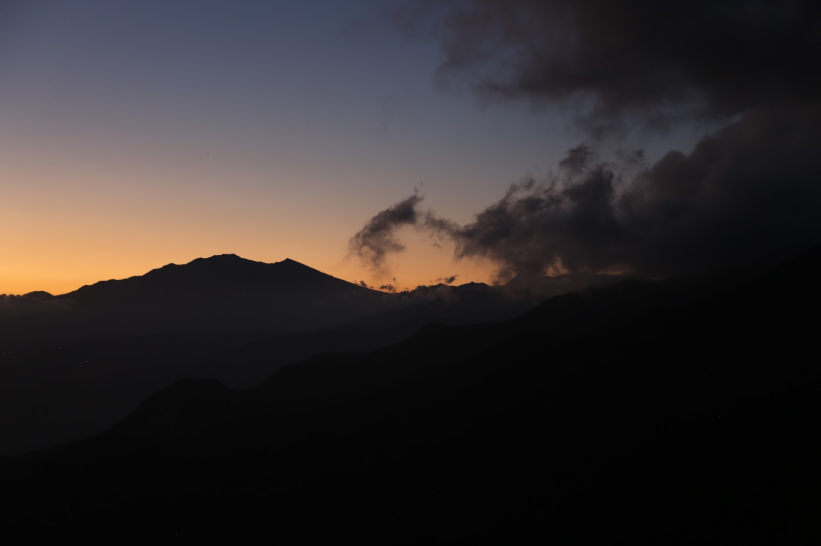
Alleine reisen vs. mit einem Freund in Panama: Die ehrliche, ungefilterte Backpacker-Realität

Backpacking durch Panama klingt immer nach einem Traum Karibikinseln, Surfspots am Pazifik, dichter Dschungel und kühle Berglandschaften. Doch wie du reist, verändert alles. Allein unterwegs zu sein oder mit einem Freund zu reisen, fühlt sich am Ende wie zwei komplett unterschiedliche Trips an. Es sind dieselben Orte, dieselben Hostels und Busfahrten aber eine völlig andere Erfahrung.

Wenn du alleine in Panama City ankommst, wirkt alles intensiver. Du nimmst mehr wahr, denkst mehr nach und spürst alles stärker. Es gibt niemanden, auf den du dich verlassen kannst, niemanden, der Gespräche führt oder Entscheidungen mit dir teilt. Am Anfang kann das unangenehm sein in ein Hostel zu kommen und nicht zu wissen, wohin man sich setzen soll, oder alleine essen zu gehen und sich plötzlich sehr bewusst zu sein, dass man alleine ist. Kleine Momente, die sich groß anfühlen.

Doch genau dieses Gefühl verändert dich.

Wenn du alleine durch Panama reist, lernst du schnell, dich anzupassen. Du wirst selbstbewusster, stellst leichter Fragen und gehst offener auf Menschen zu. In Orten wie Bocas del Toro schließt du dich vielleicht spontan einer Gruppe an, die zum Strand geht. In Santa Catalina findest du Leute zum Surfen oder Tauchen. In Boquete lernst du Menschen kennen, mit denen du früh morgens wandern gehst.

Die Erfolge beim Solo-Reisen fühlen sich persönlich an. Eine komplizierte Busroute alleine zu meistern, ein Gespräch mit Fremden zu beginnen oder sich einfach in einer neuen Umgebung zurechtzufinden das sind Dinge, die hängen bleiben. Du merkst, dass du viel mehr kannst, als du gedacht hast.

Aber Solo-Reisen bringt auch echte Herausforderungen mit sich, über die oft weniger gesprochen wird.

Da ist die mentale Erschöpfung, ständig alles alleine entscheiden zu müssen wohin du gehst, was du isst, wie lange du bleibst. Das klingt klein, summiert sich aber schnell. Es gibt auch Momente der Einsamkeit, besonders an ruhigeren Orten oder an Tagen, an denen nicht viel passiert. Nicht jedes Hostel ist sofort sozial, nicht jeder Abend wird besonders. Manchmal bist du einfach allein mit deinen Gedanken.

Dann gibt es noch dieses soziale Paradox: Du lernst viele Menschen kennen, aber die Verbindungen sind oft kurz. Du verbringst einen großartigen Tag mit jemandem und am nächsten Tag ist die Person wieder weg. Es ist spannend, aber auch flüchtig.

Was Sicherheit angeht, wirst du aufmerksamer. Du passt besser auf dich auf, bist wachsamer und entwickelst mehr Selbstständigkeit. Das ist ein großer Gewinn aber es bedeutet auch, dass du selten komplett abschaltest.

Wenn du hingegen mit einem Freund reist, verändert sich alles.

Von Anfang an fühlt es sich leichter an. Du kommst in Panama City an und bist nicht allein. Keine unangenehmen ersten Momente, kein Druck, sofort Leute kennenzulernen. Du hast jemanden, mit dem du essen gehst, mit dem du reist und mit dem du über alles lachen kannst auch über lange, chaotische Busfahrten. Dieses Gefühl von gemeinsamer Sicherheit macht vieles entspannter.

Erlebnisse fühlen sich auch anders an, wenn man sie teilt. Ein Sonnenuntergang in Santa Catalina, eine Wanderung in den Bergen rund um Boquete oder Inselhopping in Bocas all das wird zu gemeinsamen Erinnerungen. Das macht sie oft intensiver und greifbarer.

Auch finanziell kann es sinnvoll sein, mit einem Freund zu reisen. In Panama kannst du oft Privatzimmer in Hostels teilen, die etwa $25–$40 pro Nacht kosten. Wenn ein Schlafsaalbett $12–$15 kostet, bist du zusammen fast beim gleichen Preis. Das heißt: Für kaum mehr Geld bekommst du mehr Komfort, Privatsphäre und manchmal sogar ein eigenes Bad. Für viele ist das eine der besten Möglichkeiten, das Budget sinnvoll zu nutzen.

Gerade an langen Reisetagen ist es ebenfalls ein Vorteil. Panama kann logistisch anstrengend sein – mehrere Busse, lange Wartezeiten, unklare Verbindungen. Allein kann das stressig sein, aber mit einem Freund wird es etwas, das man gemeinsam durchsteht und später sogar lustig findet.

Aber ehrlich gesagt: Mit einem Freund zu reisen ist nicht immer so einfach, wie es klingt.

Wenn man 24 Stunden am Tag zusammen ist, vor allem in einem heißen, manchmal chaotischen Land wie Panama, werden kleine Unterschiede plötzlich größer. Der eine möchte in Bocas feiern gehen, der andere will schlafen. Der eine steht früh auf zum Wandern, der andere will ausschlafen. Der eine achtet streng aufs Budget, der andere gibt gerne mehr Geld aus.

Einzeln sind das keine großen Probleme aber zusammen können sie zu Spannungen führen.

Dann gibt es noch die Kompromiss-Müdigkeit. Beim Solo-Reisen entscheidest du alles selbst. Mit einem Freund musst du ständig absprechen wo ihr esst, wie lange ihr bleibt, was ihr macht. Das kann verlangsamen und manchmal frustrieren.

Auch sozial hat es Auswirkungen. Als Paar bleibt man oft in seiner eigenen kleinen Welt. Alleinreisende sind meist offener und mischen sich schneller unter andere, während man zu zweit eher bei sich bleibt oft ohne es zu merken.

Und dann gibt es noch ein Thema, über das kaum jemand spricht: Manchmal braucht man einfach Zeit für sich selbst. Aber das auszusprechen, kann sich unangenehm anfühlen. Man möchte den anderen nicht verletzen, obwohl es eigentlich ganz normal ist.

Auf der anderen Seite gibt es klare Vorteile. Wenn etwas schiefgeht ein verpasster Bus, ein schlechtes Hostel oder einfach ein schlechter Tag musst du nicht allein damit umgehen. Du hast jemanden, mit dem du darüber reden und lachen kannst.

Auch beim Thema Sicherheit fühlt es sich entspannter an. Du bist weniger angespannt, vor allem nachts oder an unbekannten Orten. Allein zu reisen macht dich stärker und unabhängiger, aber mit einem Freund fühlst du dich oft sicherer.

Am Ende haben beide Arten des Reisens ihre eigenen Herausforderungen und Erfolge.

Alleine durch Panama zu reisen bedeutet Wachstum. Es fordert dich heraus, macht dich selbstständiger und bringt dich in Situationen, die du sonst nie erleben würdest. Die guten Momente fühlen sich intensiver an aber die schwierigen auch.

Mit einem Freund zu reisen bedeutet geteilte Erlebnisse. Es ist einfacher, stabiler und oft konstant angenehm. Ihr teilt Kosten, Erinnerungen und Unterstützung aber manchmal geht dabei ein Teil der Spontanität und persönlichen Entwicklung verloren.

Die Wahrheit ist: Die besten Reisen kombinieren beides.

Starte allein, wachse daran, lerne Leute kennen. Reise dann ein Stück mit jemandem zusammen, teile Erlebnisse, nimm ein Privatzimmer und genieße den Komfort. Oder mach es genau andersherum.

Denn am Ende geht es in Panama nicht nur darum, wohin du reist sondern darum, wie du es erlebst und wer du dabei wirst.

Solo reizen vs. met een vriend in Panama: de eerlijke, ongefilterde backpack-realiteit

Backpacken door Panama klinkt sowieso als een droom, Caribische eilanden, surfdorpen aan de Pacifische kust, jungle hikes en koele bergen maar hoe je reist maakt echt alles uit. Solo gaan of met een vriend reizen zorgt voor twee totaal verschillende ervaringen. Het zijn dezelfde plekken, dezelfde hostels en dezelfde bussen, maar het voelt als een compleet andere reis.

Als je alleen aankomt in Panama City, voelt alles intenser. Je merkt meer op, denkt meer na en ervaart alles dieper. Er is niemand om op terug te vallen, niemand om stiltes op te vullen of beslissingen mee te delen. In het begin kan dat ongemakkelijk zijn een hostel binnenlopen en niet weten waar je moet zitten, of alleen gaan eten en je daar ineens heel bewust van zijn. Kleine momenten, maar ze voelen groot.

Maar juist dat ongemak is wat je verandert.

Wanneer je solo reist in Panama, leer je snel aanpassen. Je wordt beter in situaties inschatten, zelfverzekerder in vragen stellen en opener naar nieuwe mensen. In plekken zoals Bocas del Toro sluit je je misschien aan bij een groep die naar het strand gaat. In Santa Catalina ga je spontaan mee surfen of duiken. In Boquete vind je mensen om samen mee te hiken.

De successen van solo reizen voelen persoonlijk. Zelf een ingewikkelde busroute uitzoeken, een gesprek starten met onbekenden, of gewoon je weg vinden in een nieuwe plek dat zijn overwinningen die blijven hangen. Je ontdekt dat je veel meer aankan dan je dacht.

Maar solo reizen heeft ook echte uitdagingen waar minder over wordt gesproken.

Er is de mentale vermoeidheid van constant alles zelf moeten beslissen waar je heen gaat, waar je eet, hoe lang je blijft. Dat lijkt klein, maar stapelt zich op. Er zijn ook momenten van eenzaamheid, vooral in rustigere gebieden of tijdens langzame dagen. Niet elk hostel is sociaal, niet elke avond wordt een feestje. Soms ben je gewoon alleen met je gedachten.

Daarnaast is er een soort sociaal contrast: je ontmoet veel mensen, maar connecties zijn vaak kort. Je hebt een topdag met iemand en de volgende dag zijn ze weer weg. Het is leuk, maar ook vluchtig.

Qua veiligheid word je scherper. Je let beter op, bent zelfstandiger en leert op jezelf vertrouwen. Dat is een enorme winst, maar betekent ook dat je altijd een beetje “aan” staat.

Vergelijk dat met reizen met een vriend, en de hele ervaring verandert.

Vanaf het begin voelt alles makkelijker. Je komt aan in Panama City en je bent niet alleen. Geen ongemakkelijke eerste momenten, geen druk om meteen mensen te leren kennen. Je hebt iemand om mee te eten, mee te reizen en mee te lachen tijdens lange busritten. Die gedeelde comfortzone maakt alles rustiger.

Ervaringen voelen ook anders wanneer je ze samen beleeft. Een zonsondergang in Santa Catalina, een hike in de bergen rond Boquete of eilandhoppen in Bocas het wordt iets wat jullie samen meemaken. Dat maakt herinneringen vaak sterker en tastbaarder.

Financieel gezien kan reizen met een vriend ook slim zijn. In Panama kun je vaak privékamers delen in hostels voor ongeveer $25–$40 per nacht. Als dormbedden $12–$15 kosten per persoon, zit je al bijna op hetzelfde bedrag samen. Dus voor bijna dezelfde prijs kun je meer comfort en privacy krijgen, soms zelfs met een eigen badkamer. Dat maakt een groot verschil, zeker als je langer onderweg bent.

Ook tijdens lange reisdagen is het fijner. Panama kan logistiek soms lastig zijn—meerdere bussen, wachttijden, onduidelijke schema’s. Alleen kan dat vermoeiend zijn, maar met een vriend wordt het iets wat je samen doormaakt en waar je later om lacht.

Maar eerlijk is eerlijk: reizen met een vriend is niet altijd zo makkelijk als het lijkt.

Wanneer je 24/7 samen bent, vooral in een warm en soms chaotisch land zoals Panama, kunnen kleine verschillen groter worden. De één wil uitgaan in Bocas, de ander wil rust. De één wil vroeg opstaan voor een hike, de ander wil uitslapen. De één let op het budget, de ander geeft makkelijker geld uit.

Op zich zijn dat geen grote problemen, maar na een tijdje kunnen ze voor spanning zorgen.

Daarnaast heb je compromis-moeheid. Als je solo reist, bepaal je alles zelf. Met een vriend moet je overal over overleggen waar je eet, hoe lang je blijft, wat je doet. Dat kan vertragen en soms frustrerend zijn.

Sociaal gezien kan het ook invloed hebben. Als duo blijf je sneller in je eigen bubbel. Solo reizigers mengen zich vaak sneller in groepen, terwijl je met een vriend minder snel nieuwe mensen opzoekt—niet bewust, maar het gebeurt gewoon.

En dan is er nog iets waar weinig mensen over praten: soms wil je gewoon even alleen zijn. Maar dat uitspreken kan ongemakkelijk voelen. Je wilt de ander niet kwetsen, terwijl het eigenlijk heel normaal is.

Aan de andere kant zijn er ook duidelijke voordelen. Als er iets misgaat een gemiste bus, een slechte hostelervaring, een rotdag dan hoef je er niet alleen doorheen. Je hebt iemand om het mee te delen, om samen te lachen en het te relativeren.

Qua veiligheid voelt het ook rustiger. Je bent minder gespannen, zeker ’s avonds of op onbekende plekken. Solo reizen maakt je sterker en zelfstandiger, maar met een vriend voel je je vaak zekerder.

Uiteindelijk hebben beide manieren hun eigen uitdagingen en successen.

Solo reizen in Panama draait om groei. Het daagt je uit, maakt je zelfstandiger en zorgt voor onverwachte connecties. De hoogtepunten voelen intenser omdat je ze zelf hebt bereikt maar de moeilijke momenten ook.

Reizen met een vriend draait meer om gedeelde ervaringen. Het is comfortabeler, stabieler en vaak consistenter leuk. Je deelt kosten, herinneringen en support maar mist soms de spontaniteit en persoonlijke groei van solo reizen.

De waarheid? De beste reis is vaak een combinatie van beide.

Begin solo, leer jezelf kennen, ontmoet mensen en groei. Reis daarna een stuk samen, deel ervaringen, neem een privékamer en geniet van het gemak. Of doe het andersom.

Want uiteindelijk gaat reizen in Panama niet alleen over de plekken die je bezoekt maar over hoe je ze beleeft, en wie je onderweg wordt.

Solo vs. With a Friend in Panama: The Full, Unfiltered Backpacker Reality

Backpacking through Panama looks incredible on paper no matter what, Caribbean islands, Pacific surf, jungle hikes, mountain air but the truth is, your experience can feel like two completely different trips depending on whether you go solo or with a friend. Same destinations, same buses, same hostels… but a completely different emotional and social journey.

When you land in Panama City alone, everything feels heightened. You notice more, think more, and feel everything a little deeper. There’s no one to default to, no one to fill silence or help make decisions. At first, it can feel uncomfortable in a way that’s hard to explain, like walking into a hostel common area and not knowing where to sit, or going out to eat and realizing it’s just you. Those small moments hit harder when you’re solo.

But that discomfort is exactly what starts to change you.

When you travel alone in Panama, you quickly learn how to adapt. You get better at reading situations, more confident asking questions, and more open to talking to people you would normally never approach. In places like Bocas del Toro, that might mean joining a random group heading to the beach. In Santa Catalina, it could be linking up with people to surf or dive. In Boquete, it might be finding hiking partners for early morning treks.

The successes of solo travel feel personal. Figuring out a complicated bus route on your own, navigating a new town, or even just building the confidence to walk up and start a conversation, those wins stick with you. You start to realize you’re more capable than you thought.

But solo travel also comes with real challenges that people tend to gloss over.

There’s the mental fatigue of making every single decision yourself, where to go, where to eat, when to leave. It sounds small, but over time it adds up. There are also moments of genuine loneliness, especially in quieter places or on slower days. Not every hostel is instantly social. Not every night turns into a group outing. Sometimes it’s just you, your thoughts, and a long evening.

Then there’s the social paradox: you meet a lot of people, but connections can feel temporary. You might have an amazing day with someone and then never see them again. It’s exciting, but also a bit disorienting.

Safety-wise, solo travel makes you sharper. You become more aware of your surroundings, more cautious with your belongings, and more independent overall. That’s a huge long-term gain but it can also mean you’re always slightly “on,” never fully switching off.

Now switch perspectives, traveling Panama with a friend.

From the moment you arrive, everything feels more relaxed. You’ve already got your person. No awkward introductions needed, no pressure to immediately socialize. You split a taxi from the airport, grab food together, and instantly feel grounded. That sense of shared comfort carries through the entire trip.

Experiences also hit differently when you’re not alone. Watching a sunset in Santa Catalina, hiking through the cloud forests near Boquete, or taking a boat through the islands of Bocas, those moments feel more anchored because someone else is there, experiencing it with you. You’re not just remembering it, you’re sharing it.

One of the biggest practical advantages is the cost factor. Traveling with a friend in Panama can actually be more efficient financially. Many hostels offer private rooms for around $25–$40 USD per night. If dorm beds are $12–$15 each, you’re already paying close to that combined. So instead of staying in a shared dorm, you can split a private room for almost the same price. That means better sleep, more privacy, and sometimes even your own bathroom, all without blowing your budget.

There’s also a huge advantage during long travel days. Panama isn’t always the easiest country to get around, multiple buses, long waits, unpredictable schedules. Doing that alone can feel draining. Doing it with a friend turns it into something more manageable, even fun. You joke about the chaos, share snacks, and help each other through it.

But traveling with a friend isn’t always smooth and this is where the real, less talked-about side comes in.

Spending every single day together can start to wear on you, especially in a place like Panama where the heat, humidity, and travel logistics can be intense. Small differences in personality and travel style become amplified. One person wants to go out and party in Bocas, the other is exhausted. One wants to wake up at sunrise to hike, the other wants to sleep in. One is strict with budget, the other wants to spend more on experiences.

Individually, these differences are minor but over time, they can create tension.

There’s also the issue of compromise fatigue. When you’re solo, every decision is yours. When you’re with a friend, almost every decision involves negotiation. Where to eat, how long to stay, what to do next, it all requires discussion. It can slow things down and sometimes lead to subtle frustration.

Socially, traveling with a friend can unintentionally limit your interactions. In hostels, solo travelers tend to integrate quickly, they’re open, approachable, and actively looking to meet people. When you’re in a pair, you can become your own little world. You might still meet people, but it usually takes more effort to break out of that bubble.

There’s also a quieter, more taboo reality: sometimes, you just want time alone, even if you’re traveling with someone you like. But asking for that space can feel awkward. It can come across as distancing, even when it’s not. Managing that balance, being together but still having independence, is one of the trickiest parts of traveling with a friend.

On the flip side, there are emotional benefits that solo travel doesn’t always offer. When something goes wrong, a missed bus, a bad hostel, a rough day, you’re not dealing with it alone. You’ve got someone to share the frustration with, laugh about it, and move on. That support can make a big difference.

Safety also feels different. With a friend, you’re naturally more relaxed. Walking at night, navigating unfamiliar areas, keeping track of belongings it all feels less stressful when there’s someone else there. Solo travel builds independence, but traveling with a friend provides reassurance.

In the end, the successes and challenges of each style are completely different.

Solo travel in Panama is about growth. It pushes you, challenges you, and forces you to become more independent. The highs feel higher because you earned them yourself but the lows can feel heavier too.

Traveling with a friend is about shared experience. It’s easier, more comfortable, and often more fun in a consistent way. You split costs, share memories, and support each other but you might miss some of the spontaneity and personal breakthroughs that come from being alone.

The honest truth? The best trips often blend both.

Start solo and push yourself. Learn how to navigate, meet people, and build confidence. Then link up with someone, split a private room, slow things down, and enjoy the shared side of travel. Or start with a friend, then take a few days apart to experience that independence.

Because in Panama, it’s not just about the places, it’s about how you experience them, and the version of yourself that shows up along the way.

Sunburns, Sharks, Sunsets, and a Four-Bus Hangover: My Time in Santa Catalina

I knew Santa Catalina was going to be hot but I didn’t realize it was going to be that hot. The kind where you step outside and instantly start sweating, like the air itself is heavy. I was staying in one of the cheaper hostels, no air con, just a fan pushing around warm air and doing absolutely nothing during the middle of the night. It was basic, a little rough, but that’s kind of the point when you’re traveling on a budget, you take what you get and lean into it.

The biggest challenge every day wasn’t even surfing it was getting to the beach. From my hostel, it was about a 30-minute walk, and under that sun it felt way longer. There’s barely any shade, just a dusty road, heat radiating off the ground, and that constant feeling of being slowly cooked. I’d leave already sweating, board in hand, knowing full well I’d arrive completely drained before even touching the water. By the time I got there, I was already sunburnt, dehydrated, and questioning my decisions.

But then you step into the ocean, and everything resets instantly.

I spent my first two days learning to surf, and it definitely didn’t come easy. The first day was just wipeouts, getting smashed by waves, swallowing saltwater, and wondering how people make it look so effortless. It’s way harder than it looks. But there’s something addictive about it, you keep paddling back out, keep trying, because you know eventually something will click. And on the second day, it finally did. I stood up, found my balance, and actually rode a wave. It wasn’t perfect, but it didn’t matter. That feeling hits you instantly it’s pure adrenaline and satisfaction all at once. And suddenly, those brutal 30-minute walks in the heat feel completely justified.

After those surf days, I decided to stay longer and focus on getting my open water dive certification. That meant a few more days in Santa Catalina, settling into the rhythm of the place, early mornings, salty skin, constant heat, and that slow, simple lifestyle. Diving around Coiba National Park was on another level. The second you descend, it’s like entering a different world. Everything goes quiet, colors pop, and you’re surrounded by life in every direction.

Huge schools of fish moving together like one organism, flashes of silver and blue, and then the moment that really stays with you sharks.

The first time you see one underwater, your brain kind of pauses. You expect fear, but it’s more like a calm adrenaline. They move so smoothly, so effortlessly, just passing by like you don’t even exist. It’s humbling. You realize very quickly you’re not the main character down there, you’re just visiting. Seeing sharks like that, in the wild, completely changes your perspective.

Despite how intense the days were, the evenings became my favorite part of Santa Catalina. The main surf beach was a mission to get to, but there was another spot, the boat launch beach (can't remember the name, but the one with all the boats that take you out diving etc.), that was much closer to my hostel. Just a short walk, nothing like the long trek I had to do earlier in the day. And every evening, I’d head down there to watch the sunset.

Those sunsets were unreal.

The sky would shift from bright orange to deep pink and purple, reflecting off the water while fishing boats slowly came back in. Locals hanging around, travelers sitting quietly, everyone just kind of taking it in. After a full day of heat, salt, and exhaustion, it felt like a reward. No rush, no noise just the ocean and the sky doing their thing. It became a bit of a ritual, ending each day there, cooling off, watching the light fade.

By the time I finished my dive certification, I felt like I had really earned it. Surfing, diving, surviving the heat, it all built up to that moment. So naturally, the last night turned into a celebration. A few drinks turned into quite a few drinks. It felt deserved good people, good vibes, and that sense of actually accomplishing something.

The next day… not so great.

Leaving Santa Catalina is never simple, it’s a chain of four buses, and doing that with a hangover is something I wouldn’t recommend. Every transfer turned into a survival checkpoint. Step off the bus, find a Gatorade, sit down, try to come back to life, then drag myself onto the next one. Repeat. By the third bus, I was in that strange in-between state—exhausted, slightly delirious, but also laughing at how ridiculous the whole situation was. It’s the kind of travel moment that feels terrible at the time but you know will be funny later.

Eventually, after what felt like a very long, very slow journey, I made it up into the mountains and arrived at Lost and Found Hostel. And the difference was immediate. Cool, fresh air. Mist drifting through the forest. No intense sun beating down on you. After days of that coastal heat and those long walks, it honestly felt unreal like stepping into a completely different world.

Looking back, Santa Catalina pushed me. The 30-minute walks in the heat, the constant sweat, the learning curve with surfing, the intensity of diving, the sharks, the slightly reckless last night it was a lot. But it was also where I grew the most on the trip. Where things felt real, unfiltered, and earned.

And somehow, the sunsets, the struggle, and even that four-bus hangover with Gatorades at every stop… are exactly what made it unforgettable.

The True Cost of Hostel Dorms in Panama: A Backpacker’s Budget Guide

If you’re traveling through Panama, one of the first things you’ll notice is how central hostels are to the entire backpacking experience. From the buzzing streets of Panama City to the surf towns of Santa Catalina, the jungle mountains of Boquete, and the Caribbean vibes of Bocas del Toro, hostels are everywhere and they come in all shapes, styles, and price ranges. But how much should you actually budget for a dorm bed in Panama, and how much does it really fluctuate?

Across the country, hostel dorm beds typically range from about $10 to $25 USD per night. In more remote or less touristy areas, you’ll often find beds on the lower end of that scale—sometimes even under $10 if you’re lucky. Meanwhile, in popular destinations like Bocas del Toro or Boquete, prices tend to sit closer to $15–$20 for a standard dorm. In Panama City, especially in central neighborhoods, prices can creep a bit higher depending on the location and facilities.

However, one of the biggest factors that affects pricing in Panama is the season. The country has a very clear divide between dry season and rainy season, and this directly impacts hostel costs. During the dry season, roughly from mid-December through April, Panama sees the highest number of travelers. This is when beaches are at their best, hiking conditions are ideal, and tourism peaks across the country. Naturally, hostel prices rise with demand. A dorm bed that costs $12 during the rainy season might jump to $18 or even $22 in peak months, especially in hotspots like Bocas del Toro.

In contrast, the rainy (or green) season offers some of the best deals you’ll find. With fewer tourists around, many hostels lower their prices to attract guests. You’ll also notice a more relaxed atmosphere, easier availability, and sometimes even upgrades or discounts thrown in. For budget travelers who don’t mind the occasional tropical downpour, this can be the perfect time to explore Panama without stretching your wallet.

What’s interesting is that the more expensive hostels tend to fluctuate the most. These are the places with stylish designs, pools, air conditioning, organized tours, and strong social scenes. Because they market themselves as experiences rather than just places to sleep, they adjust prices aggressively depending on demand. During high season, these hostels can become significantly more expensive sometimes doubling their low-season rates. Meanwhile, simpler, more budget-focused hostels tend to keep their pricing relatively stable, with only minor seasonal changes.

That said, there are always exceptions to the rule. One standout example is Lost and Found Hostel, a well-known jungle hostel tucked deep in the cloud forest between Boquete and Bocas del Toro. Unlike most places in Panama, they are known for keeping their prices consistent year-round, regardless of the season. This kind of stability is rare in a country where most accommodations adjust pricing based on demand. On top of that, they often run a “5th night free” promotion, which can significantly lower your overall cost if you’re planning to stay a while. For travelers looking to slow down and enjoy nature, deals like this can make a big difference in your budget.

Another important thing to consider when budgeting in Panama is how close the cost of a dorm bed can be to a private room. Many travelers automatically assume private rooms are far more expensive, but that’s not always the case especially in budget hostels. In some places, you can find private rooms for around $30 USD per night, sometimes even less. If two people are traveling together and dorm beds cost $12–$15 each, you’re already spending $24–$30 combined. At that point, it often makes more sense to just book a private room for nearly the same price and enjoy the added comfort, security, and quiet.

This is particularly common in smaller towns and less touristy areas of Panama, where hostels offer simple but comfortable private rooms as an alternative to dorms. For couples or even solo travelers who value privacy, it’s always worth checking these options before booking a dorm you might be surprised at how little the price difference actually is.

In the end, budgeting for hostel dorms in Panama is all about timing, location, and knowing what kind of experience you want. Whether you’re staying in a lively beach hostel, a laid-back surf camp, or a hidden jungle retreat, prices can vary but with a bit of awareness, Panama remains one of the more affordable and rewarding countries for backpackers. And if you play it right traveling in the low season, taking advantage of deals, and considering private rooms when it makes sense you can stretch your budget much further than you might expect.

From Ocean to Plate: A Flavor-Packed Journey Through Panama City’s Fish Market

If there’s one place in Panama City where the energy of the ocean spills directly onto the streets, it’s the legendary Mercado de Mariscos. Sitting right on the edge of the water near Casco Viejo, this bustling seafood market is equal parts cultural experience, culinary hotspot, and sensory overload, in the best way possible. The moment you arrive, you’re hit with the salty breeze of the Pacific, the sound of vendors calling out fresh catches, and the sight of fishermen unloading everything from glistening tuna to massive shrimp straight off their boats. It’s raw, it’s real, and it’s absolutely unforgettable.

For most visitors, the highlight of the market isn’t just the seafood on display, it’s what you can eat right there on the spot. Outside the main building, a row of small vendors serves up some of the freshest ceviche you’ll ever try. This isn’t your typical restaurant experience; it’s fast, casual, and incredibly flavorful. You’ll see locals grabbing plastic cups filled with freshly marinated fish, shrimp, octopus, or a mix of everything, soaked in lime juice and often topped with onions or a hint of spice. It’s cheap, refreshing, and perfectly suited to Panama’s tropical heat. Pair it with a cold drink, find a spot overlooking the water, and you’ve got one of the simplest yet most satisfying meals in the city.

Inside the market, things get even more interesting. Rows of vendors display their daily catch on ice, snapper, corvina, lobster, squid, and more, offering a glimpse into the diversity of Panama’s waters. Even if you’re not planning to cook, it’s worth walking through just to see the variety and freshness up close. Many stalls will clean and fillet fish on the spot, and if you’re staying somewhere with a kitchen, this is one of the best places to buy seafood at local prices. The atmosphere is lively and a little chaotic, but that’s part of the charm. It feels authentic, not polished for tourists, which makes the experience all the more memorable.

Upstairs, the vibe shifts slightly. Here you’ll find a more traditional food court-style restaurant area where you can sit down and enjoy full seafood dishes. Think fried fish with patacones (crispy fried plantains), garlic shrimp, seafood rice, and hearty fish soups. The portions are generous, the flavors are bold, and the prices are still very reasonable compared to most sit-down restaurants in Panama City. It’s a great option if you want something more filling after sampling ceviche outside.

Timing your visit can make a big difference. The market is busiest in the late morning and early afternoon, when the day’s catch is freshest and the ceviche stands are in full swing. Going earlier means cooler temperatures and a more local feel, while later in the day can be a bit quieter but with slightly less selection. Either way, it’s a place that’s always alive with movement and flavor.

Like any busy market, it’s worth keeping a few practical tips in mind. Bring small bills or cash for quick purchases, watch your step as the floors can be wet inside, and don’t be afraid to try something new, the vendors are used to tourists and generally friendly. If you’re unsure what to order, just look for the busiest stall; that’s usually where the locals are going, and it’s a good sign the food is fresh and delicious.

What makes the fish market so special isn’t just the food, it’s the connection to Panama’s coastal identity. This is where the ocean meets the city in the most direct way possible. You’re not just eating seafood; you’re experiencing the daily rhythm of fishermen, vendors, and locals who rely on the sea. It’s messy, vibrant, and full of life, and for any traveler looking to taste the real Panama, the Mercado de Mariscos is an absolute must.

Walk In, Get Fixed, Walk Out: The Real Guide to Using Clinics in Panama (City vs. Interior)

Using walk-in clinics in Panama is one of those things that almost feels too easy, especially if you’re coming from a country where healthcare is tied up in appointments, insurance approvals, and long waiting lists. Here, the system is refreshingly simple. If you’re sick, injured, or just need peace of mind, you can walk straight into a clinic, speak to a doctor, and be treated often within the same hour. There’s very little friction. No complicated intake process, no weeks of waiting, and in many cases, no need for insurance at all. It’s a system that quietly works in the background of daily life, but for travelers and expats, it quickly becomes one of the most appreciated parts of being in Panama.

In Panama City, the walk-in clinic experience feels modern, efficient, and surprisingly polished. Many clinics are attached to private hospitals or exist as standalone medical centers scattered throughout neighborhoods like Bella Vista, San Francisco, and Punta Pacífica. You walk in, give your name at reception, explain your symptoms, and take a seat. The wait time can vary depending on the hour mornings tend to be quieter, while evenings and weekends can get busy but it’s rare to wait more than an hour. Inside, the facilities are clean, air-conditioned, and equipped with up-to-date medical technology. Many doctors speak English fluently, and it’s not uncommon to find physicians who studied or trained in the United States or Europe, which helps create a sense of familiarity for international patients.

The cost of using walk-in clinics in Panama City is where things really start to stand out. A general consultation typically falls between $40 and $70 USD, depending on the clinic and the doctor’s experience. If you need to see a specialist like a dermatologist, gastroenterologist, or orthopedic doctor you might pay anywhere from $70 to $120. Even emergency-style walk-ins are relatively affordable, with initial evaluations sometimes costing as little as $25 to $50 before additional tests. What surprises many people is how transparent pricing tends to be. You often pay upfront, in cash or by card, and that’s it no mysterious bills arriving weeks later. Even when lab work, X-rays, or prescriptions are added, the total cost is usually far below what you’d expect in North America.

Step outside the capital and into the interior of Panama, and the experience shifts slightly but not in a bad way. In towns like Boquete, David, or Santa Catalina, walk-in clinics are smaller, more local, and often feel more personal. The pace slows down. You might not have sleek waiting rooms or cutting-edge equipment on-site, but you’ll often get more time with the doctor and a more human interaction overall. It’s not unusual for a consultation to feel less rushed, with doctors asking more questions and taking the time to explain things in detail. The trade-off is that for more complex issues like advanced imaging or specialized care you may need to be referred to a larger hospital in a regional hub like David or back to Panama City.

The pricing in the interior is even more appealing. A standard consultation with a general doctor can range from $20 to $50 USD, and sometimes less in smaller towns. This lower cost reflects both the reduced overhead and the local economy, but it doesn’t necessarily mean lower quality for everyday medical issues. Common problems like infections, stomach bugs, minor injuries, or skin conditions are handled quickly and effectively. Pharmacies are also widely available, and in many cases, you can walk out of the clinic with a prescription and have it filled just a few steps away for a very reasonable price.

Public clinics, run by Panama’s Ministry of Health or social security system, add another layer to the walk-in experience. These are the cheapest option by far, with consultations sometimes costing as little as $5 USD. They are widely used by locals and available throughout both the city and the interior. However, the trade-offs are noticeable. Wait times can be long, especially in busy areas, and the facilities may feel more basic. In the interior, public clinics can get crowded early in the day, so arriving at opening time is often the difference between being seen quickly or waiting for hours. Still, for those on a tight budget, they provide essential care at a price that is almost unbelievably low.

What makes Panama’s walk-in clinic system truly stand out is how accessible and stress-free it is. You don’t need to navigate a complicated healthcare network or worry about whether a clinic will accept you. You simply show up, explain what’s wrong, and get help. In the city, you’re paying for speed, comfort, and advanced care. In the interior, you’re getting affordability, simplicity, and a more personal touch. Either way, the system works and it works well. For travelers especially, it removes a huge layer of uncertainty. Getting sick abroad can be stressful, but in Panama, it’s often just a minor inconvenience: a short wait, a quick consultation, and you’re back out the door, feeling taken care of without having emptied your wallet.

The Ultimate Guide to Starfish Beach (Playa Estrella), Bocas del Toro A Caribbean Dream You Didn’t Know You Needed

Tucked away on the northern coast of Isla Colón in Bocas del Toro, Starfish Beach, known locally as Playa Estrella, is one of those rare places that genuinely lives up to the hype. It’s not just beautiful in a postcard sense; it’s the kind of place where time slows down, the water feels like silk, and you suddenly understand why people come to Bocas for a few days… and accidentally stay for weeks.

A Beach That Feels Like a Natural Swimming Pool

The first thing you’ll notice when you arrive at Playa Estrella is the water, calm, warm, and unbelievably clear. Thanks to its protected location, the sea here is almost always flat, with barely a ripple. It’s like stepping into a giant natural pool.

The sandy bottom stretches out for what feels like forever, and you can walk far into the sea without it ever getting deep. That makes it perfect for:

Long, lazy swims

Floating under the sun with zero effort

Wading through warm, shallow water with a drink in hand

It’s the kind of place where you don’t need to “do” anything. Just being there is enough.

Why It’s Called Starfish Beach

Yes, the name is real. Starfish are everywhere here.

Look closely in the shallow waters and you’ll spot dozens of them resting on the sandy bottom. Most are large, bright orange or reddish in color, creating an almost surreal contrast against the turquoise sea.

A few important tips:

Don’t touch or lift them out of the water (it harms them)

Move slowly and you’ll start spotting more and more

Early morning or quieter times = more sightings

It’s one of the easiest places in the Caribbean to see starfish in their natural habitat without needing a tour or boat.

Snorkeling That’s Effortless

While Playa Estrella isn’t a coral reef destination, it’s still fantastic for relaxed snorkeling, especially for beginners.

Expect:

Small tropical fish weaving through seagrass

Occasional rays gliding past

Crystal-clear visibility on sunny days

The lack of waves and currents makes it one of the safest and easiest places to snorkel in Panama.

Jungle Walks, Sloths, and That Wild Bocas Feel

What makes this beach extra special is what’s behind it.

The road and surrounding area are lined with thick jungle, and if you take your time walking around, there’s a real chance you’ll spot wildlife:

Sloths hanging lazily in the trees

Howler monkeys echoing in the distance

Colorful birds moving through the canopy

It’s one of those rare places where beach and jungle blend seamlessly you can go from swimming in warm Caribbean water to spotting a sloth in under 10 minutes.

How to Get to Starfish Beach (It’s Surprisingly Easy)

One of the best things about Playa Estrella is how accessible it is from the main town on Isla Colón, Bocas Town.

Option 1: Public Bus (Best Budget Option)

Leaves regularly from Bocas Town

Takes about 30–40 minutes

Costs just a few dollars

Drops you right near the beach

Option 2: Taxi

Faster and more flexible

About 25–30 minutes

You can split the cost with others

Option 3: Bike (For the Adventurous)

Around 1.5–2 hours

Flat but can be muddy or rough in parts

Beautiful jungle scenery along the way

No boats, no complicated logistics just hop on a road and go.

Food, Drinks, and Beach Vibes

You won’t find big resorts here—and that’s exactly the point.

Instead, there are small, laid-back beachfront restaurants serving:

Fresh fish and patacones

Cold beers and cocktails

Coconut water straight from the shell

You can grab a table right by the water, spend hours there, and no one will rush you. The vibe is pure Caribbean: slow, friendly, and effortlessly relaxed.

When to Go & What to Expect

Best time: Dry season (roughly December–April) for sunshine and clearer water

Early morning: Fewer people, more wildlife

Midday: Livelier atmosphere, perfect for social vibes

Weekdays: Much quieter than weekends

Even on busier days, Playa Estrella never feels overwhelming—it just stretches on too far for that.

Why Starfish Beach Is So Special

Playa Estrella isn’t about adrenaline or bucket-list bragging rights. It’s about something simpler and rarer.

It’s about:

Floating in warm, glassy water

Spotting starfish beneath your feet

Hearing jungle sounds behind you

Letting an entire afternoon disappear without checking the time

In a place like Bocas del Toro already known for its beauty Starfish Beach still manages to stand out.

And once you’ve been, you’ll understand why people keep coming back… or never really leave.

Panama’s Two Seasons, Two Worlds: The Ultimate Deep Dive into Rainy vs Dry Season

Panama doesn’t follow the seasonal script most travelers grow up with. There’s no winter chill, no autumn leaves, no spring bloom in the traditional sense. Instead, life here pulses between two dominant forces: the dry season and the rainy season. And while that might sound simple on paper, the reality is far more complex, dramatic, and fascinating. These aren’t just weather patterns they are transformations that reshape the landscape, influence wildlife behavior, dictate travel rhythms, and ultimately define your entire experience in the country. Understanding Panama’s seasons isn’t just helpful for planning it’s the difference between seeing a destination and truly understanding it. Because in Panama, the same place can feel like two completely different worlds depending on when you arrive.

The dry season, known locally as verano, typically stretches from mid-December through April, and it brings with it a sense of clarity and openness that travelers instantly feel. The skies turn a deep, uninterrupted blue, clouds become rare, and rain all but disappears especially along the Pacific coast. Days are long, bright, and intensely sunlit, with temperatures hovering in the high 20s to low 30s Celsius, but often feeling hotter due to direct sun exposure. In places like Panama City, the heat reflects off glass and concrete, creating an almost amplified warmth that builds throughout the day, while coastal regions like Pedasí and the islands of the Gulf of Chiriquí experience a drier, more intense sunlight that defines the rhythm of daily life. Mornings begin early, afternoons slow down dramatically, and evenings bring a welcome, gentle breeze that resets the day.

One of the defining characteristics of the dry season is its predictability. Travelers quickly realize that plans can be made and kept with ease. Boat trips run on time, roads remain accessible even in remote regions, and hiking trails stay firm and navigable rather than muddy or slippery. This reliability opens up the entire country in a way that feels effortless. You can wake up and decide to explore an island, hike a volcano, or drive across provinces without worrying about sudden weather disruptions. It’s the season where Panama feels logistically simple, almost cooperative, and that ease creates a sense of freedom that many travelers crave. For those looking to maximize movement, see multiple regions, and keep a fast-paced itinerary, the dry season delivers a level of consistency that makes everything smoother.

But that same clarity comes with intensity. By March and April, the peak of the dry season, the sun becomes relentless. Without cloud cover or rainfall to soften it, the heat builds day after day, especially on the Pacific side where landscapes begin to dry out. Grasses turn golden, rivers shrink, and the once-lush environment takes on a more rugged, sunburnt appearance. It’s a striking contrast to the stereotypical image of a tropical paradise, and for some travelers, it can feel surprising. The lack of rain also means less natural cooling, so midday heat can feel overwhelming, pushing people into shade, hammocks, or the ocean. In cities, the heat lingers into the evening, and even locals adjust their routines to avoid the most intense hours of the day.

Another important aspect of the dry season is its social energy. This is peak travel time, when backpackers, vacationers, and digital nomads all converge. Hostels are full, tours are running daily, and there’s a noticeable buzz in popular destinations. In places like Boquete or along the Caribbean coast in Bocas del Toro, conversations flow easily, plans form quickly, and the atmosphere feels lively and connected. For many, this is a major advantage the chance to meet people, share experiences, and feel part of a larger travel community. But it also means higher prices, busier accommodations, and the need to book ahead if you want the best options.

Then, almost quietly at first, everything begins to shift. The rainy season often called the “green season” arrives around May and gradually builds in intensity through the year, peaking around October and November. Unlike the dry season, this period doesn’t announce itself with a sudden change. Instead, it creeps in. A few clouds appear in the afternoon. A short rain shower interrupts an otherwise sunny day. The air becomes heavier, richer, more saturated with moisture. And then, before you know it, the entire country transforms.

The biggest misconception about Panama’s rainy season is that it rains constantly. In reality, the pattern is far more dynamic and, in many ways, more enjoyable than people expect. Mornings are often bright, clear, and calm perfect for exploring, hiking, or traveling. By early afternoon, clouds begin to gather, building slowly until they release in dramatic bursts of rain. These storms can be intense but are usually short-lived, lasting anywhere from 30 minutes to a few hours. Afterward, the air cools, the light softens, and the landscape feels refreshed. It’s a daily cycle that creates a rhythm one that encourages you to plan your days differently, to move with the weather rather than against it.

What the rainy season takes away in predictability, it gives back in beauty. This is when Panama becomes overwhelmingly green. Jungles thicken, rivers swell, waterfalls appear where there were none before, and the entire country feels alive in a way that the dry season can’t replicate. In mountainous regions like Santa Fe or the cloud forests surrounding Boquete, mist drifts through trees, creating an atmosphere that feels almost dreamlike. The air is cooler in the highlands, the colors more vivid, and the overall experience more immersive. It’s not just about seeing nature it’s about being surrounded by it completely.

Wildlife also responds to the rainy season in powerful ways. Increased water and plant growth create ideal conditions for insects, amphibians, birds, and mammals, making this one of the best times for nature enthusiasts. Frogs emerge in vibrant colors, birds become more active, and the forest feels louder, fuller, and more dynamic. Even simple walks become experiences, as movement and sound seem to come from every direction. For travelers interested in biodiversity, photography, or simply feeling connected to a living ecosystem, the rainy season offers something far deeper than the dry months.

Of course, this season comes with its own challenges. Travel can become less predictable, especially in more remote areas where heavy rain may affect roads or boat schedules. Muddy trails can make hiking more physically demanding, and humidity levels rise significantly, often approaching 100 percent. This can make the air feel heavier, and simple activities more tiring. Insects become more noticeable, and planning requires a bit more flexibility. But for many travelers, these “challenges” become part of the experience rather than drawbacks small trade-offs for a richer, more authentic connection to the country.

One of the most fascinating aspects of Panama’s climate is how easily you can move between these two worlds. Elevation plays a massive role, and by simply heading into the mountains sometimes just an hour’s drive you can escape both the intense heat of the dry season and the heavy humidity of the lowlands. Places like El Valle de Antón and the highlands around Boquete offer cooler, spring-like conditions year-round, making them perfect refuges no matter the season. This ability to shift climates so quickly is one of Panama’s greatest travel advantages, allowing you to adapt your journey in real time.

For travelers, the choice between seasons ultimately comes down to priorities. The dry season offers ease, energy, and accessibility perfect for those who want to move quickly, explore widely, and enjoy classic beach conditions. The rainy season, on the other hand, offers depth, atmosphere, and a sense of discovery ideal for those willing to slow down, embrace unpredictability, and experience Panama at its most vibrant and alive. Neither is objectively better; they simply offer different versions of the same country.

And that’s the real secret.

Most travelers only ever experience one side of Panama. They come during peak season, follow the well-worn route, and leave with a version of the country that’s bright, sunny, and easy to navigate. But those who stay longer or return during a different season unlock something entirely new. They see the transformation. They feel the contrast. They understand how deeply the rhythm of rain and sun shapes everything.

Because in Panama, the seasons don’t just change the weather.

They change the entire story.

Unlocking Panama: The Hidden Levels Most Travelers Never Reach

There’s a version of Panama that everyone sees.

And then there’s the version almost nobody talks about.

The first one is easy Bocas del Toro, Panama City skyline, maybe a quick stop in Boquete. It’s good. It’s fun. It’s safe. But it’s also predictable. It’s the same loop passed from backpacker to backpacker, hostel to hostel, story to story.

But Panama isn’t a loop.

It’s a layered world. A country full of hidden levels some obvious, some buried deep, some waiting just one decision off the main path.

And once you start unlocking them, everything changes.

Level One: Caribbean Secrets Beyond the Surface

Most travelers treat the Caribbean coast like a quick stop. But if you slow down and look closer, it becomes one of the most atmospheric regions in the country.

In Portobelo, crumbling colonial forts sit quietly beside brightly painted houses, blending history with everyday life. Just down the coast, the jungle-wrapped ruins of Fort San Lorenzo overlook the sea like something forgotten by time.

And then there’s the hidden mission: finding manatees.

In still, mangrove-lined waters, these gentle creatures move slowly and silently. Spotting one isn’t easy. It requires patience, luck, and a willingness to sit still and wait.

But when it happens it feels unreal.

Level Two: The Train That Slips Between Worlds

There’s something surreal about boarding the Panama Canal Railway.

Within minutes, the city disappears, replaced by dense jungle, rivers, and glimpses of the canal cutting through the landscape. It’s not just a ride it’s a transition. A quiet shift from modern Panama into something older, wilder, and far less controlled.

It’s one of those experiences people rarely talk about—but always remember.

Level Three: The Pacific’s Wild Edge (Where It Gets Really Good)

Now things start to open up.

In Pedasí, life slows down to almost nothing. Dusty roads, quiet beaches, golden sunsets it’s the kind of place where time stretches and expectations disappear.

But just offshore lies one of Panama’s most underrated gems: Isla Iguana.

This small island feels like a tropical dream condensed into a single place. White sand so bright it almost reflects the sun back at you. Water so clear you can see fish weaving through coral just meters from shore. Iguanas roaming freely. Frigatebirds circling above.

It’s protected, untouched, and somehow still under the radar.

You can take a short boat ride from Pedasí and be there in minutes snorkeling, swimming, and wandering an island that feels far removed from the mainland.

And the best part?

It still feels like a discovery.

Level Four: Islands Without the Crowds

Further along the Pacific, things get even quieter.

The Pearl Islands offer stunning water and white-sand beaches without the chaos of more famous island chains. Some islands feel almost private, even when they’re not.

Then there’s Coiba National Park wild, remote, and teeming with marine life. This is where you go to search for whale sharks, drift over reefs alive with movement, and feel like you’ve stepped into one of the last truly untouched marine environments in the region.

And just north of that, the scattered islands of the Gulf of Chiriquí remain one of the country’s greatest secrets. Cheap boat rides. Empty beaches. No pressure. No crowds.

Just exploration.

Level Five: Into the Highlands Where the Air Resets You

Leave the coast behind, and everything changes.

Temperatures drop. Air clears. The pace of life softens.

Hiking the Quetzal Trail feels like stepping into another world mist drifting through trees, moss covering everything, and the possibility of spotting rare wildlife hidden in the canopy.

But the real magic lies deeper.

At Lost and Found Hostel, you don’t just visit the cloud forest you live inside it. Trails disappear into fog. Views open above the clouds. Silence feels full.

Nearby, Santa Fe offers waterfalls, rivers, and jungle with almost no tourists. It’s raw, peaceful, and deeply grounding.

Level Six: Taste, Touch, Experience

Panama isn’t just something you see it’s something you interact with.

Cacao tours take you deep into the jungle, where you crack open pods, taste raw chocolate, and follow the process from fruit to final product. It’s messy, hands-on, and completely different from anything you’d experience in a city.

Coffee farms in Boquete offer another side of this slow, deliberate, and deeply connected to the land.

These aren’t attractions.

They’re experiences.

Level Seven: The Places Nobody Mentions

And then there are the true hidden levels:

Isla Escudo de Veraguas, remote and surreal

Darién National Park, wild, untamed jungle

These places require more effort. More curiosity. More willingness to step into the unknown.

But that’s where the story shifts from travel… to adventure.

Stay on the Path… But Step Off It

Panama rewards curiosity more than planning.

You can follow the well-worn route and have a great time. Or you can start asking different questions:

What’s just beyond that island?

What happens if I stay one more day?

What if I follow that road no one mentioned?

That’s where things open up.

Become the Trendsetter

There is a version of Panama your fellow backpackers haven’t seen.

It’s not in the usual recommendations. It’s not in the standard itineraries. It’s not the story being repeated in every hostel common area.

It’s something you create.

Hidden islands like Isla Iguana.

Empty beaches in the Gulf of Chiriquí.

Misty trails near Lost and Found Hostel.

Wild encounters in places no one told you about.

All of it is out there.

You just have to put on your creative hat…

push past the obvious…

and start unlocking the hidden levels.

Because in Panama, the best experiences aren’t found.

They’re discovered by the ones willing to look differently.

Heat, Humidity, and the Great Escape: Panama’s Climate at Its Most Intense (and Most Magical) Panama doesn’t do “mild.”

It does heat that wraps around you like a blanket the moment you step outside. It does humidity that clings to your skin before you’ve even taken your first step. It does sunlight so direct and powerful that shadows feel like refuge.

But what makes Panama truly fascinating isn’t just how hot it can get it’s how dramatically, almost unbelievably fast, you can escape that heat.

This is a country where seasons don’t change… but elevation does everything.

The Caribbean Heat: Bocas del Toro Never Cools Down

In Bocas del Toro, the heat feels endless in the most tropical sense of the word. It’s not just about temperature it’s about atmosphere. The air is thick, alive with moisture, and it presses in from all sides.

Daytime temperatures typically sit between 28–32°C (82–90°F), but the humidity pushes the “feels like” temperature far higher. You’ll sweat without moving. You’ll shower and feel warm again minutes later. Clothes stick. Hair curls. Time slows.

The hottest stretches usually come in March to May and again around September to October, when the air becomes heavier and the sun lingers just a little longer between rains. Even when clouds roll in, the heat doesn’t disappear it just softens into a humid glow.

Nights offer little relief. The temperature barely drops, and the humidity stays constant. Sleep comes with fans spinning, windows open, and the sound of waves in the background.

But here’s the thing Bocas isn’t meant to be fought. It’s meant to be adapted to.

You swim multiple times a day. You move slower. You embrace the rhythm. The ocean becomes essential not optional.

Panama City: Where Heat Meets Concrete

Then there’s Panama City a place where tropical heat collides with urban intensity.

Here, the temperature isn’t just felt it’s amplified.

Glass towers reflect sunlight. Pavement radiates heat upward. Traffic adds another layer of warmth that never quite dissipates. The result is an environment where 30–34°C (86–93°F) feels closer to something far more intense.

The peak arrives during the dry season, especially February through April, when rain disappears and the sun dominates the sky without interruption. These are the months when the city feels like it’s holding its breath under the heat.

Midday becomes something to avoid. Locals know it. Streets quiet slightly. People move from shade to shade, from air conditioning to air conditioning. Even a short walk can feel like effort.

And yet, life continues because in Panama, the heat isn’t an obstacle. It’s part of the experience.

The Pacific Coast: The Raw Power of the Dry Season

If Bocas is humid heat and Panama City is amplified heat, then the Pacific coast delivers something else entirely: pure, unfiltered sun.

Places like Santa Catalina, Pedasí, and Las Lajas experience a long, powerful dry season from January to April.

During these months, the sky often stays cloudless for weeks.

The sun rises sharp and strong, climbs high, and stays there. Temperatures regularly exceed 33°C (91°F), and without clouds or frequent rain, there is nothing to soften the intensity. The landscape dries. The colors shift. The air feels lighter than the Caribbean but the sun feels stronger.

This is the kind of heat that defines your day.

You wake early. You move in the morning. By midday, the world slows dramatically. Beaches empty out, hammocks fill, and shade becomes the most valuable resource around.

The ocean? Not just refreshing essential.

The Turning Point: Climbing Into the Clouds

And then everything changes.

You leave the coast. You drive inland. The road begins to climb.

At first, it’s subtle. A slight breeze. A hint of freshness. Then, as you pass 800 meters… 900 meters… 1,000 meters above sea level, it happens.

The heat breaks.

Not gradually. Not slowly.

Instantly.

The air cools. The humidity softens. Your skin stops sweating. You take a deep breath and realize it feels different. Lighter. Cleaner. Almost like stepping into another season entirely.

Welcome to Panama’s highlands.

Places like:

Boquete

Volcán

El Valle de Antón

Santa Fe

Lost and Found Hostel

sit high enough to transform the climate completely. Daytime temperatures hover between 18–24°C (64–75°F). Nights can feel cool sometimes even crisp.

It’s not just cooler.

It’s comfortable.

It’s breathable.

It’s what people mean when they say “perfect weather.”

The One-Hour Escape That Feels Unreal

What makes this even more remarkable is how fast it happens.

In many cases, you can go from sweating on the coast to wearing a light sweater in under an hour. A simple bus ride. A short drive. No flights, no long journeys just elevation.

You leave behind blazing sun and step into drifting clouds.

You go from harsh light to soft mist.

From heat exhaustion to calm energy.

It feels like teleportation.

The Lost and Found Effect: From Heat to Healing

Nowhere does this transformation feel more dramatic than at Lost and Found Hostel, perched high in the mountains near Fortuna Forest Reserve.

You arrive from the lowlands sunburnt, tired, slowed down by heat.

And within minutes, everything shifts.

You’re breathing cool air.

You’re walking through mist.

You’re sitting in a hammock, wrapped in a light chill, looking out over layers of green mountains disappearing into clouds.

It doesn’t feel like relief.

It feels like reset.

Your body relaxes. Your mind clears. Energy returns not the restless kind, but the calm, steady kind that comes with being comfortable again.

Living Between Two Worlds

What makes Panama truly unique is that you don’t have to choose one climate.

You can have both.

You can wake up sweating on a Pacific beach, swim in warm ocean water, and feel the full intensity of tropical sun…

…and by afternoon, be sipping coffee in cool mountain air, wrapped in clouds, listening to nothing but wind in the trees.

Few places on Earth offer that kind of contrast so easily.

It changes how you experience travel.

You don’t just chase destinations you chase temperature, mood, and feeling.

Yes, Panama can be hot.

Intensely, unapologetically hot. The kind of heat that slows you down, forces you into the shade, and makes cold water feel like the greatest luxury in the world.

But that’s only half the story.

Because just beyond that heat sometimes just one hour away—there is a completely different world waiting.

Cooler. Softer. Calmer.

A place where the air feels like spring, even when the coast is burning.

And once you experience that shift, that instant escape, you realize something that changes everything about how you see this country:

In Panama, you’re never stuck in the heat.

You’re always just one mountain away from perfect.

Walking Through the Clouds: The Magic of Panama’s Cloud Forest Trails There are forests… and then there are cloud forests.

The moment you step into one in Panama, everything changes. The air cools. The light softens. Sound seems to travel differently muted, layered, almost absorbed by the thick green world around you. Mist drifts between trees like something alive, wrapping branches in a quiet, shifting veil. It doesn’t feel like you’re walking through a place. It feels like you’re walking through a mood.

High in the mountains near Boquete and stretching into the wild beauty of Fortuna Forest Reserve, Panama’s cloud forests offer one of the most magical hiking experiences in Central America. And tucked right into this environment, almost seamlessly, is Lost and Found Hostel a place where the forest isn’t just something you visit, but something you live inside.

The Feeling of Entering Another World

Cloud forests exist in that delicate band of elevation where moisture hangs constantly in the air. Not quite rain, not quite fog something in between. The result is a landscape that feels permanently enchanted.

Every surface is alive.

Tree trunks are thick with moss. Branches carry entire ecosystems orchids, bromeliads, vines, ferns—all growing on top of each other in layers. The forest doesn’t just grow upward here. It grows outward, sideways, and into itself, creating a dense, textured world that feels almost unreal.

As you hike, you’ll notice how soft everything feels. The ground, cushioned by layers of fallen leaves. The air, cool and damp against your skin. Even the light seems gentle, filtered through mist and canopy into a soft green glow.

It’s not a place that demands energy. It invites calm.

Trails That Pull You In

Hiking in the cloud forest is less about reaching a destination and more about the experience of moving through it. Trails wind naturally through the terrain sometimes narrow, sometimes steep, often disappearing into mist before reappearing again just a few steps ahead.

Around Lost and Found Hostel, the trails feel especially intimate. They aren’t overbuilt or crowded. They feel like extensions of the forest itself quiet paths that guide you deeper without interrupting the natural flow of the landscape.

You might cross small streams over simple wooden bridges, step over exposed roots, or follow ridgelines where the clouds drift past at eye level. One moment, visibility is clear. The next, the forest closes in, and you’re walking through a soft white haze.

There’s something deeply calming about not seeing too far ahead. It keeps you present. Grounded in each step.

The Soundtrack of Stillness

Unlike the loud chaos of lowland jungle, the cloud forest has a quieter rhythm.

You’ll hear birds but often from far away, their calls echoing through the mist. The metallic clang of the Three-wattled bellbird might ring out unexpectedly, cutting through the stillness like a surreal reminder that you’re somewhere truly wild.

Closer to you, there’s the constant, gentle sound of water dripping from leaves, trickling through roots, moving unseen beneath the forest floor. Wind moves softly through the canopy, never harsh, always filtered.

And then there are moments of near silence.

Not empty silence but full silence. The kind that makes you slow down without realizing it.

Wildlife That Feels Like a Glimpse

Wildlife in the cloud forest doesn’t present itself loudly. It appears in flashes, in subtle movements, in moments you almost miss.

A hummingbird hovering silently in front of a flower.

An agouti darting across the trail and vanishing instantly.

A butterfly drifting through the mist like a piece of color detached from the world.

And if you’re lucky very lucky you might catch sight of something rarer. A quetzal moving through the canopy. A shadow in the trees that makes you pause and wonder.

It’s not about quantity. It’s about presence.

A Natural Reset

There’s a reason people describe cloud forests as healing.

The air is cooler, richer, filled with moisture and oxygen. The pace of movement slows naturally steep climbs, uneven trails, and the sheer beauty of the surroundings make rushing feel unnecessary.

But beyond the physical, there’s something mental that shifts.

Your attention sharpens. Your thoughts quiet. The usual noise phones, plans, distractions feels distant. You start noticing details: the texture of moss, the pattern of leaves, the way light changes as clouds move.

Time stretches.

An hour feels longer. A simple walk feels meaningful.

And when you stop really stop you realize how rare that feeling is.

The Experience at Lost and Found

What makes hiking around Lost and Found Hostel so special is how immediate it all is.

You don’t need to travel to a trailhead. You don’t need to plan a full-day expedition.

You step outside and you’re already there.

Morning hikes start with mist hanging low over the forest. Midday brings shifting light and clearer views across the mountains. Late afternoon wraps everything back into clouds again, softening the world into something almost dreamlike.

It’s the kind of place where you can hike for hours… or just wander for twenty minutes and feel like you’ve experienced something profound.

Hiking in Panama’s cloud forest isn’t about conquering peaks or checking off destinations.

It’s about immersion.

It’s about stepping into a world where everything moves a little slower, feels a little softer, and connects a little deeper.

And in places like the forests surrounding Lost and Found Hostel, that experience is always just a few steps away.

You don’t have to search for it.

You just have to walk into the clouds.

Panamas vergessenes Paradies: Die wilden Inseln im Golf von Chiriquí

Es gibt Orte auf der Welt, die sich wie ein gut gehütetes Geheimnis anfühlen. Nicht, weil sie unerreichbar sind – sondern weil sie einfach noch nicht überlaufen sind. Die Inseln im Golf von Chiriquí gehören genau zu diesen seltenen Orten. Wild, unberührt und erstaunlich leicht zu erreichen bieten sie genau das, wonach Reisende überall suchen – nur ohne Menschenmassen.

Was diesen Ort so besonders macht, ist der Kontrast: Du kannst dich fühlen, als wärst du am Ende der Welt… und trotzdem brauchst du nur eine kurze Bootsfahrt, um dort anzukommen. Kein komplizierter Plan, keine lange Expedition – einfach losfahren.

Ein Archipel, das kaum jemand kennt

Der Golf von Chiriquí besteht aus Dutzenden Inseln – jede ein kleines Abenteuer für sich. Einige sind dicht bewaldet, mit Dschungel, der direkt bis ans Meer reicht. Andere sind von Mangroven gesäumt, voller Leben und perfekt zum Erkunden. Und dann gibt es diese Postkarteninseln: weißer Sand, türkisfarbenes Wasser und Palmen, die sich im Wind wiegen.

Orte wie Isla Parida, Isla Gámez oder Isla Bolaños wirken wie aus einer anderen Zeit. Du kannst stundenlang am Strand entlanglaufen, ohne einer einzigen Person zu begegnen. Keine Bars, keine Musik, keine Liegen.

Nur du, das Meer und absolute Ruhe.

Coiba – Das wilde Herz der Region

Im Zentrum des Archipels liegt der beeindruckende Coiba Nationalpark. Diese Insel ist riesig, dicht bewaldet und von einem der artenreichsten Meeresgebiete im Pazifik umgeben.

Früher war Coiba eine Strafkolonie – was ironischerweise dazu geführt hat, dass die Natur hier weitgehend unberührt blieb. Heute findest du dort eine der ursprünglichsten Landschaften Mittelamerikas. Unter Wasser erwarten dich Riffhaie, Meeresschildkröten, Rochen und – zur richtigen Jahreszeit – sogar Walhaie und Buckelwale.

Es ist kein perfektes Resort-Erlebnis. Es ist etwas Echtes. Roh. Wild.

Unglaublich einfach – und überraschend günstig

Der vielleicht größte Überraschungsfaktor?

Wie einfach und günstig das alles ist.

Die meisten Touren starten im kleinen Küstenort Boca Chica. Von dort aus erreichst du viele Inseln in nur 20 bis 45 Minuten mit dem Boot.

Und jetzt kommt das Beste:

Ganztägige Bootstouren kosten oft nur etwa 35 US-Dollar pro Person – oder sogar weniger, wenn ihr euch das Boot mit mehreren Leuten teilt.

Das ist kein Massentourismus mit festen Programmen. Es ist flexibel. Lokal. Persönlich. Du kannst Inseln nach Lust und Laune ansteuern, schnorcheln, schwimmen oder einfach auf einer einsamen Insel bleiben und nichts tun.

Es fühlt sich nicht wie eine gebuchte Tour an – sondern wie ein spontanes Abenteuer.

Inselhopping ohne Stress

Hier gibt es keinen Zeitdruck. Keine überfüllten Spots. Kein „schnell weiter zum nächsten Highlight“.

Du entscheidest das Tempo.

Vielleicht schnorchelst du an einer Insel mit glasklarem Wasser und bunten Fischen. Vielleicht wanderst du durch dichten Dschungel. Oder du liegst einfach im Sand und hörst nur das Meer.

Diese Freiheit ist selten geworden.

Natur, die dich einfach findet

Im Golf von Chiriquí musst du nicht aktiv nach Wildlife suchen – es kommt zu dir.

Delfine begleiten oft die Boote. Buckelwale durchbrechen die Wasseroberfläche in der Ferne. Meeresschildkröten gleiten unter dir durchs Wasser. Über dir kreisen Fregattvögel.

Alles fühlt sich natürlich an, nicht inszeniert.

Warum hier noch keine Massen sind

Der Golf von Chiriquí ist kein typisches Touristenziel. Es gibt keine großen Hotelketten, keine überfüllten Strände, keine lauten Partys.

Panama selbst wird oft übersehen – und die Pazifikküste noch mehr. Viele Reisende bleiben auf bekannten Routen, während dieser Teil des Landes ruhig bleibt.

Und genau das macht ihn so besonders.

Ein Ort, den man fast geheim halten will

Es ist schwer, über so einen Ort zu schreiben, ohne das Gefühl zu haben, ein Geheimnis zu verraten.

Denn genau das macht ihn aus:

Er ist echt. Unberührt. Einfach zugänglich, aber nicht überlaufen.

Du kannst morgens in Boquete aufwachen, nach Boca Chica fahren und wenige Stunden später auf einer verlassenen Insel stehen.

Ohne Stress. Ohne Planung. Ohne Menschenmassen.

Fazit

Die Inseln im Golf von Chiriquí sind ein seltener Ort in der heutigen Reisewelt.

Sie sind wild, aber erreichbar.

Spektakulär, aber ruhig.

Und vor allem: unglaublich günstig zu entdecken.

Für etwa 35 Dollar kannst du einen ganzen Tag lang Inseln erkunden, die sich anfühlen, als wären sie nur für dich da.

Und genau das macht diesen Ort so faszinierend.

Er ist noch nicht entdeckt worden.

Aber er wartet.

Panama’s Forgotten Paradise: The Wild, Empty Islands of the Gulf of Chiriquí

There are still places in the world where you can step onto a tropical island and feel like you’ve arrived before tourism did. No crowds. No noise. No footprints in the sand except your own. The islands scattered across the Gulf of Chiriquí are exactly that kind of place—raw, beautiful, and strangely overlooked.

It’s almost hard to believe how underappreciated this region is. While travelers flock to better-known destinations across Central America, the Pacific side of Panama quietly holds onto something rare: dozens of wild islands, many completely uninhabited, all sitting within easy reach of the mainland. Not remote in the logistical sense—just untouched in the way that matters.

And once you experience it, you start to wonder how it’s stayed this way for so long.

A Scattered Paradise of Untouched Islands

The Gulf of Chiriquí isn’t one island—it’s an entire archipelago. Dozens of islands stretch across calm Pacific waters, each with its own personality. Some are covered in dense jungle that spills right down to the shoreline. Others are fringed with mangroves, creating quiet, wildlife-rich lagoons. And then there are the postcard-perfect ones—small, sandy, palm-lined islands where the water glows turquoise and the beaches feel completely untouched.

Islands like Isla Parida, Isla Gámez, and Isla Bolaños offer that classic tropical aesthetic without the crowds. You can land on the beach, walk its entire length, swim in clear water, and not see another person the entire time.

There are no vendors. No loud music. No lines.

Just the sound of waves and wind moving through palm trees.

Coiba: The Wild Heart of It All

At the center of the region lies Coiba National Park, a place that feels almost prehistoric in its untouched state. Coiba Island itself is massive, covered in thick jungle and surrounded by some of the richest marine ecosystems in the eastern Pacific.

Its history as a former penal colony kept development away for decades, and today that isolation has paid off. The reefs are alive. The waters are full of movement—reef sharks, rays, turtles, and, in the right season, even whale sharks and humpback whales.

But what makes Coiba special isn’t just the wildlife—it’s the feeling. You’re not visiting a polished destination. You’re stepping into something raw, something that has largely escaped the transformation that has changed so many tropical islands elsewhere.

And yet, somehow, it’s still accessible.

The Best-Kept Secret: How Easy (and Cheap) It Is to Explore

This is where the Gulf of Chiriquí becomes almost unbelievable.

Most island adventures begin in the small coastal village of Boca Chica. It’s a quiet place—just a handful of docks, boats, and local operators—but it’s the gateway to everything.

From here, you can jump on a boat and be on a remote island in under an hour.

And here’s the part that surprises almost everyone:

it’s incredibly affordable.

You can often arrange full-day island-hopping tours for around $35 per person—or even less if you have a group to split the cost. With more people in the boat, prices drop, making it one of the cheapest ways in the world to explore untouched tropical islands.

These aren’t rushed, packaged tours either. They’re flexible, local, and often tailored on the spot. Want to snorkel? Done. Want to hop between multiple islands? Easy. Want to spend hours on a single empty beach doing absolutely nothing? No one’s stopping you.

It feels less like a tour… and more like borrowing a boat for the day.

Island Hopping Without the Crowds

What makes island hopping here so different is the lack of pressure.

There’s no rush to “see everything.” No crowds arriving at the same time. No competition for space on the beach. You move at your own pace, guided more by curiosity than schedule.

One island might offer crystal-clear snorkeling right off the shore, with fish darting through coral just meters from the beach. Another might be better for exploring—trails cutting through jungle, birds calling overhead, and the sense that you’re walking somewhere rarely visited.

And then there are the simple moments: floating in warm water with nothing around you, sitting in the shade of a palm tree, or watching the tide slowly shift across an empty shoreline.

It’s not just about what you do—it’s about what isn’t there.

Wildlife, Everywhere and Effortless

The Gulf of Chiriquí is alive in a way that feels constant but never overwhelming.

Dolphins often appear alongside boats, riding the wake effortlessly. During whale season, humpbacks can be seen breaching in the distance, their movements slow and powerful against the horizon. Sea turtles glide through the water below you while snorkeling, and above, frigatebirds and pelicans patrol the skies.

Because the area hasn’t been overdeveloped, wildlife interactions feel natural rather than staged. You’re not chasing sightings—they just happen.

Why It Still Feels Undiscovered

Part of the magic of the Gulf of Chiriquí is that it hasn’t been turned into a major tourist hub. There’s no heavy infrastructure, no large-scale resorts dominating the landscape. Even the accommodations that do exist—eco-lodges, small hotels, and a few upscale retreats—blend into the environment rather than reshape it.

Panama itself often flies under the radar compared to neighboring countries, and the Pacific coast even more so. Most travelers head to the Caribbean side or stick to well-known routes.

Which leaves this entire region quietly waiting.

The Kind of Place You Don’t Want to Overhype (But Should)

There’s always a hesitation when talking about places like this. Because part of what makes them special is that they aren’t crowded, aren’t overexposed, aren’t constantly trending.

But at the same time, they deserve to be experienced.

The islands of the Gulf of Chiriquí offer something that’s becoming harder to find: real, unfiltered tropical exploration that doesn’t require a big budget or complicated planning.

You can wake up in the highlands near Boquete, drive down to Boca Chica, and by mid-morning be standing on a deserted island.

No flights. No ferries packed with tourists. No weeks of preparation.

Just go.

The islands of the Gulf of Chiriquí are not trying to impress you. They don’t advertise loudly. They don’t compete for attention.

They just exist—quietly, beautifully, and almost unbelievably accessible.

You can explore them for the price of a casual day out.

You can experience them without crowds.

And you can leave feeling like you discovered something that most people haven’t.

In a world where travel often feels overdone, this corner of Panama still feels like the beginning of something.

And it’s waiting—just a short boat ride away.

The Hidden Empire: A Deep Dive into the Ants of Panama

If you were to walk through a rainforest in Panama and somehow remove every animal except the ants, the forest would still feel alive—busy, structured, purposeful. That’s because ants are not just part of the ecosystem here… they run it. Beneath your feet, above your head, inside trees, under logs, and even within other organisms, ants form one of the most complex and influential networks of life in the tropics.

Panama is home to hundreds of ant species, spanning dozens of genera and ecological roles. From farmers and hunters to architects and raiders, ants in Panama are not just insects—they are entire civilizations operating in parallel with the forest itself.

The Farmers: Leafcutter Ants

Perhaps the most iconic ants in Panama are the leafcutters, particularly species in the genus Atta. These are the ants you’ll see marching in long, organized lines, each one carrying a perfectly cut piece of leaf above its head like a tiny green sail.

But here’s the twist—they don’t actually eat the leaves.

Instead, they use them to cultivate fungus in vast underground gardens. The leaves are processed into a substrate where a specific fungus grows, and that fungus is their true food source. It’s agriculture—millions of years older than human farming.

Their colonies can contain millions of individuals, with complex caste systems: workers, soldiers, and a queen whose sole job is to reproduce. Underground, their nests are massive, with chambers dedicated to farming, waste management, and brood care. It’s a level of organization that feels almost unsettling in its efficiency.

The Pain Legends: Bullet Ants

Then there is the infamous Bullet ant, a creature that has earned global notoriety for having one of the most painful stings in the insect world.

Found in lowland rainforests, these large, black ants roam tree trunks and forest floors, often unnoticed—until they aren’t. The pain of their sting has been described as intense, electric, and long-lasting, sometimes persisting for hours.

But despite their fearsome reputation, bullet ants are not aggressive without reason. They are solitary foragers, hunting small insects and feeding on nectar. Like many ants in Panama, they play a vital role in controlling insect populations and maintaining ecological balance.

Still, they command respect. In the jungle, they are the definition of “look, don’t touch.”

The Nomads: Army Ants

If leafcutters are farmers, army ants—primarily from the genus Eciton—are warriors.

They don’t build permanent nests. Instead, they live as nomadic raiding columns, moving through the forest in massive, coordinated swarms. Thousands—sometimes hundreds of thousands—of ants sweep across the forest floor, overwhelming anything in their path.

Insects, spiders, small vertebrates—if it can’t escape quickly enough, it becomes food.

But these raids don’t just impact prey species. They create entire ecosystems around them. Birds, known as ant-followers, track these swarms to catch fleeing insects. Other animals learn to avoid or exploit their movements.

At night, army ants form living nests called bivouacs—clusters made entirely of their own bodies, protecting the queen and larvae. It’s one of the most extraordinary examples of collective behavior in the animal kingdom.

The Architects: Weaver Ants and Tree Dwellers

High in the canopy, another world exists—one built by ants that rarely touch the ground.

Weaver ants and other arboreal species construct nests by pulling leaves together and “stitching” them with silk produced by their larvae. It’s a remarkable process: workers hold leaves in place while others use larvae like living glue guns.

These nests can span entire sections of a tree, forming complex aerial colonies. Life up here is different—food sources, predators, and interactions all shift in the vertical dimension of the forest.

Panama’s forests are not just layered—they are stacked ecosystems, and ants occupy every level.

The Invisible Majority: Tiny but Essential

For every large, noticeable ant, there are dozens of tiny species you’ll never see unless you look closely.

These ants live in leaf litter, soil, rotting wood, and even within plants. Some form mutualistic relationships with aphids, “farming” them for sugary secretions. Others protect certain plants from herbivores in exchange for shelter and food.

Many of these species are still poorly studied. New discoveries are made regularly, especially in biodiverse regions like Panama. It’s entirely possible that unknown ant species are crawling beneath your feet at this very moment.

Ant Highways and Jungle Awareness

Spend enough time in Panama’s forests—especially in places like Fortuna Forest Reserve or around Boquete—and you’ll start noticing patterns.

Lines of ants crossing trails. Sudden bursts of activity on tree trunks. Entire sections of forest floor shifting with movement.

Around places like Lost and Found Hostel, ants are everywhere. You might wake up to leafcutters marching past your cabin, encounter army ants on a trail (a good reason to step aside quickly), or spot tiny species exploring your backpack if you leave it unattended.

They’re not background noise. They’re active participants in the environment around you.

Why Ants Matter More Than You Think

Ants are ecosystem engineers. They aerate soil, recycle nutrients, disperse seeds, control pest populations, and form symbiotic relationships with countless other organisms.

Remove ants from the system, and the forest begins to unravel.

They are also indicators of environmental health. Changes in ant populations can signal shifts in climate, habitat quality, and biodiversity.

In a way, ants are the pulse of the rainforest—constantly moving, constantly working, constantly maintaining the balance.

It’s easy to overlook ants. They’re small. Quiet. Usually beneath our attention.

But in Panama, they are anything but insignificant.

They are farmers, hunters, builders, and warriors. They create cities underground and highways across the forest floor. They shape ecosystems in ways most animals never could.

And once you start noticing them—really noticing them—you realize something incredible:

The rainforest isn’t just alive at your level.

It’s alive at theirs.

The Phantom of the Forest Floor: Panama’s Legendary Bushmaster

There are snakes… and then there are bushmasters. In the deep forests of Panama, where the light barely reaches the ground and every step crunches through layers of leaves hiding unseen life, one snake holds a reputation that borders on myth. Rarely seen, heavily respected, and often misunderstood, the Bushmaster is the largest venomous snake in the Americas—and easily one of the most fascinating.

People don’t casually stumble across a bushmaster. You hear about them. You see photos. You maybe catch a glimpse of one crossing a trail if you’re incredibly lucky. But for most, the bushmaster remains a story told in hushed tones by guides who’ve spent years in the jungle.

And that mystery? It’s exactly what makes it so captivating.

A Giant Built for the Shadows

The bushmaster is not a small snake. Adults can exceed 2.5 meters (over 8 feet), with some individuals growing even larger. But what truly makes them impressive isn’t just their length—it’s their presence. Thick-bodied, powerfully built, and perfectly camouflaged, they blend seamlessly into the forest floor.

Their coloration is a masterpiece of disguise: a mix of browns, tans, and dark diamond-shaped patterns that mirror fallen leaves and dappled light. When coiled and still, they are almost impossible to see. You could walk within a meter of one and never notice.

Their head is broad and triangular, typical of pit vipers, with heat-sensing pits that allow them to detect warm-blooded prey even in complete darkness. Their eyes are sharp, their movements deliberate, and their entire design speaks to one thing: efficiency.

The Master of Ambush

Bushmasters are ambush predators. They don’t chase, they don’t wander aimlessly—they wait.

Hours. Sometimes days. Motionless.

They position themselves along animal trails, where small mammals like rodents are likely to pass. When the moment comes, the strike is incredibly fast—almost impossible to follow with the eye. A precise injection of venom, a quick release, and then the snake waits again as the prey succumbs.

Unlike many vipers, bushmasters may deliver multiple strikes if they feel threatened or if the first strike doesn’t secure the situation. But generally, their goal is efficiency, not aggression. They are hunters, not fighters.

A Snake That Doesn’t Want to Be Found

If there’s one thing to understand about the Bushmaster, it’s this: it wants nothing to do with you.

These snakes are incredibly reclusive. They prefer deep, undisturbed forest—places where human presence is minimal. In Panama, they are found in remote regions with dense vegetation and high humidity, including parts of Darién National Park and other lowland and foothill rainforests.

Occasionally, they are encountered in areas around Boquete and the surrounding forests, including zones near Fortuna Forest Reserve. Even near places like Lost and Found Hostel, bushmasters exist in the wider ecosystem—but sightings are extremely rare.

Most people will never see one. And that’s exactly how the bushmaster prefers it.

Venom, Reputation, and Reality

Let’s address the reason bushmasters have such a reputation: their venom.

Yes, they are highly venomous. Their venom is complex, affecting tissue, blood, and the nervous system. A serious bite requires immediate medical attention. There’s no way around that.

But here’s the part that often gets lost in the stories—they are not aggressive snakes.

Bushmasters rely heavily on camouflage and avoidance. When they sense large animals (like humans), they typically remain still or slowly move away. Most bites occur when someone accidentally steps too close or tries to interact with the snake.

They may vibrate their tail in dry leaves as a warning—a subtle rattling sound that’s easy to miss if you’re not paying attention.

In other words, they give signals. The jungle just expects you to notice.

A Rare Trait: The Egg-Laying Viper

One of the most unusual things about bushmasters is their reproduction.

Unlike most pit vipers, which give birth to live young, bushmasters lay eggs. The female will guard her clutch—a rare behavior among snakes—remaining coiled around the eggs to protect them until they hatch.

When the babies emerge, they’re fully equipped with venom and ready to survive on their own. Tiny versions of an already formidable predator, entering a world where they must rely on instinct from the very beginning.

Why the Bushmaster Feels Like a Legend

There are animals you see often. There are animals you hope to see. And then there are animals like the bushmaster—ones that exist just outside your experience, shaping the atmosphere of a place without ever revealing themselves.

Talk to guides in Panama, and you’ll hear stories.

“A massive one crossing the trail at dusk.”

“One coiled beside a fallen log, completely invisible until it moved.”

“A warning rustle in the leaves that made everyone stop instantly.”

These stories carry weight because they’re rare.

The bushmaster isn’t part of your daily jungle experience. It’s part of the background tension—the reminder that the rainforest is still wild, still unpredictable, still full of creatures that don’t need to be seen to be respected.

Walking in Bushmaster Country

If you’re exploring Panama’s forests—whether in Darién, the highlands near Boquete, or the deep jungle trails around Fortuna—the idea of a bushmaster might sit quietly in the back of your mind.

And that’s not a bad thing.

It makes you more aware. More present. You watch where you step. You notice the forest floor. You listen more carefully.

Because in a place where a snake can be eight feet long and completely invisible, awareness becomes part of the experience.

The Bushmaster is not just another snake. It’s a symbol of the rainforest at its most untouched and mysterious.

You may never see one. In fact, you probably won’t.

But knowing it’s out there—resting silently beneath the leaves, perfectly adapted, completely self-sufficient—changes the way you experience the jungle.

It reminds you that some things aren’t meant to be easily found.

And that’s exactly what makes them unforgettable.

Silent Swimmers of the Tropics: The Mysterious Sea Snakes of Panama

There’s something about the ocean that already feels a little unknown—vast, shifting, full of things you rarely see until you’re right on top of them. And then there are sea snakes, which somehow take that feeling and turn it up a notch. In Panama, they are among the least expected animals you might encounter, drifting silently through warm Pacific waters, living lives that feel almost completely detached from land.

Most people don’t even realize sea snakes exist here. But they do. And they are some of the most fascinating, specialized, and misunderstood reptiles in the ocean.

Meet Panama’s Only True Sea Snake

Unlike parts of Asia or Australia, where dozens of sea snake species thrive, Panama keeps things simple. The primary species you’ll find here is the Yellow-bellied sea snake—a creature so uniquely adapted to ocean life that it almost never touches land.

This snake is instantly recognizable once you know what to look for. Its body is sleek and laterally flattened, almost like a ribbon, designed for efficient swimming. The coloration is striking: a dark, almost black back contrasted by a bright yellow underside. It’s nature’s version of a warning sign—bold, unmistakable, and best respected from a distance.

But what really sets this species apart is its lifestyle. Unlike most snakes, it is fully pelagic, meaning it lives out in the open ocean rather than hugging reefs or coastlines. It spends its entire life drifting, swimming, hunting, and even resting at sea.

A Life Spent Drifting

Imagine living your entire life without ever stepping onto solid ground. That’s the reality for the yellow-bellied sea snake.

These snakes are often found floating at the ocean’s surface, especially in calm conditions where currents gather debris, foam, and organic material into long lines known as slicks. These slicks act like floating highways for marine life—tiny fish, larvae, and crustaceans collect there, and the sea snakes follow.

They hunt by ambush, barely moving, letting prey come close before striking with lightning speed. Their bodies barely ripple the surface, making them almost invisible until they move.

They even sleep at sea, sometimes coiled loosely at the surface like a piece of drifting rope.

Built for the Ocean (and Nothing Else)

Sea snakes are so specialized that they would actually struggle on land.

Their tails are flattened into paddle-like shapes, perfect for swimming but useless for crawling. Their scales are smoother than those of terrestrial snakes, reducing drag in the water. They can absorb oxygen not just through their lungs but partially through their skin, allowing for extended dives.

Even their nostrils have evolved—they can close tightly to keep water out while diving.

And perhaps most impressively, they have developed a way to drink fresh water… in the middle of the ocean. They rely on rainfall, drinking the thin layer of fresh water that briefly forms on the ocean’s surface after a storm. Without rain, they can actually become dehydrated, despite being surrounded by water.

Yes, They’re Venomous (But Here’s the Reality)

Let’s address the obvious—sea snakes are venomous. In fact, the Yellow-bellied sea snake has highly potent venom, designed to quickly immobilize fish.

But here’s what matters: they are extremely non-aggressive toward humans.

Bites are incredibly rare. These snakes are not interested in people and will almost always avoid contact. Most encounters happen when a snake is accidentally handled (which is a bad idea) or washed ashore and disturbed.

In the water, they are calm, curious at most, and generally indifferent to human presence. If you ever see one while swimming or on a boat, the best approach is simple—observe, don’t touch, and enjoy the moment.

Where You Might See One in Panama

Sea snakes in Panama are found along the Pacific coast, especially in open waters influenced by warm currents. Some of the best regions where they’re known to occur include:

Gulf of Chiriquí – Calm waters and rich marine life make this a potential hotspot.

Coiba National Park – A remote marine paradise with thriving ecosystems.

Offshore waters along Panama’s Pacific coastline, particularly where currents concentrate floating debris.

Occasionally, after storms or strong currents, individuals may wash up on beaches. Finding one on shore is rare but not unheard of—and if you do, it’s best to keep your distance and let it be.

Interestingly, they are almost never found on the Caribbean side of Panama, due to differences in ocean currents and ecological conditions.

Strange and Fascinating Facts

Sea snakes can spend their entire lives without touching land.

They give birth to live young directly in the ocean—no eggs on beaches.

Their venom is extremely potent, but they rarely use it defensively.

They can form large floating groups, sometimes called “rafts,” in ideal conditions.

Despite being reptiles, they are incredibly graceful swimmers—far more so than most fish-like movements would suggest.

Why Sea Snakes Feel So Mysterious

Part of what makes sea snakes so fascinating is how rarely we encounter them. They’re not part of the typical snorkeling checklist. They don’t hang around reefs like colorful fish or turtles. They exist out there—just beyond where most people look.

They drift with currents, follow invisible patterns in the ocean, and appear only occasionally, like a reminder of how much of the marine world goes unnoticed.

Seeing one feels different than spotting most wildlife. It’s quieter. Stranger. Almost surreal.

A thin, black-and-yellow ribbon gliding across the surface of an endless blue ocean.

No sound. No warning. Just presence.

Panama is known for its jungles, its birds, its big mammals—but beneath the surface, and far out at sea, there’s a whole other world that few people think about. The Yellow-bellied sea snake is part of that hidden world.

It doesn’t roar, it doesn’t call, it doesn’t leave tracks in the sand.

It simply exists—quietly, efficiently, perfectly adapted to a life most creatures could never survive.

And that’s what makes it unforgettable.

The Metal Song of the Mountains: Chasing Panama’s Magical Bellbird

There are certain moments in the jungle that flip a switch in your brain—where everything suddenly feels wilder, stranger, and more alive than you expected. Hearing a bellbird for the first time is one of those moments. You’ll be walking quietly through a misty mountain trail, maybe half-awake, maybe thinking about coffee, when suddenly—CLANG!—a metallic explosion echoes through the forest like someone just hit a steel pipe with a hammer. You freeze. You look around. You wonder if someone is building something deep in the jungle.

They’re not.

You’ve just met the legendary Three-wattled bellbird, one of the loudest, weirdest, and most unforgettable birds in Panama.

And from that moment on, you’re hooked.

A Bird That Sounds Like It Shouldn’t Exist

The bellbird doesn’t sound natural. That’s the best way to describe it. In a rainforest filled with chirps, whistles, buzzes, and distant howls, the bellbird cuts through everything with a sharp, metallic BONK. It doesn’t blend in—it dominates. The sound travels huge distances, bouncing off ridgelines and rolling through valleys like an echo that refuses to fade.

It’s the kind of noise that makes people laugh the first time they hear it. Or swear. Or just stand there in total confusion.

And the craziest part? That sound is coming from a bird about the size of a pigeon.

The Strangest Look in the Canopy

If the call doesn’t convince you this bird is unusual, the appearance definitely will.

The male bellbird looks like someone designed it in a dream. Bright white body. Dark, almost masked face. And then—because why not—three long, black, spaghetti-like wattles dangling from its beak. These fleshy strands can hang down several centimeters and swing around wildly when the bird calls, like loose wires shaking with every metallic note.

When the male belts out his call, he throws his head forward, opens his beak wide, and those wattles go flying. It’s dramatic. It’s ridiculous. It’s unforgettable.

The female, meanwhile, took a completely different approach. She’s olive-green, subtle, and perfectly camouflaged. While the male is out here performing like a jungle rockstar, she’s blending into the leaves, quietly judging his entire act. This extreme difference between male and female is all about survival and attraction—he risks everything to be noticed, she survives by staying invisible.

The Loudest Love Song in the Forest

Let’s be clear—the bellbird isn’t making all that noise for fun. This is romance. Very intense, very competitive romance.

Male bellbirds gather in what’s called a lek—a kind of singing arena in the forest where multiple males perch within earshot of each other and compete to be the loudest, sharpest, most impressive voice in the jungle. It’s like a battle of sound, echoing across the mountains.

Volume matters. A lot.

The louder and more piercing the call, the better the chances of attracting a female. Some studies suggest their calls are so loud at close range that they could actually be uncomfortable—even for other birds. Imagine showing off by basically screaming into the void at maximum volume… and somehow it works.

Only the best performers get chosen. The rest? They just keep yelling.

Where to Hear (and Maybe See) the Bellbird in Panama

Bellbirds are creatures of elevation and atmosphere. They live in Panama’s highland cloud forests, where mist drifts through the trees and everything feels just slightly enchanted.

Some of the best places to experience them include Fortuna Forest Reserve and the surrounding mountains near Boquete. These areas provide the exact mix of altitude, fruiting trees, and dense canopy that bellbirds love.

And then there’s the experience of staying at Lost and Found Hostel.

This is where things get fun.

Perched deep in the forest on the edge of the reserve, the hostel is one of those places where nature doesn’t just surround you—it completely takes over. Early in the morning, when the clouds are still hanging low and the forest is waking up, that metallic bellbird call often rings out across the valley. You might hear it from your hammock. From the trail. Even from the shower if the jungle soundtrack is loud enough.

Guests swap stories about it constantly: “Did you hear that sound this morning?” “Yeah, what was that?” “Apparently it’s a bird… somehow.”

Actually spotting one is a whole different challenge. They usually stay high in the canopy, perched like tiny white sentinels above the forest. You’ll hear them dozens of times before you ever lay eyes on one. But when you finally do—when you track the sound, scan the treetops, and suddenly see that bright white body and those ridiculous wattles—it feels like unlocking a secret.

What Do Bellbirds Actually Do All Day?

Despite their dramatic calls, bellbirds live fairly chill lives outside of their performances.

They are primarily fruit eaters, moving through the canopy in search of ripe trees. Figs are a favorite, along with a variety of other tropical fruits. As they feed, they play an important role in seed dispersal, helping maintain the diversity of the forest. So while they’re out there screaming like tiny jungle alarms, they’re also quietly planting the next generation of trees.

They’re also seasonal travelers. Bellbirds are altitudinal migrants, meaning they move up and down the mountains depending on the time of year and food availability. You might hear them constantly in one season and then… nothing. Gone. Moved on to a different elevation like elusive forest nomads.

Which somehow makes hearing them even more special.

The Soundtrack of a Wild Place

The cloud forests of western Panama are already magical. Moss-covered branches, dripping leaves, cool air, and that ever-present mist that makes everything feel slightly unreal. But the bellbird adds something extra—a soundtrack that doesn’t quite fit, yet somehow makes the entire place feel more alive.

It’s not a gentle, relaxing sound. It’s bold. It’s disruptive. It demands your attention.

And that’s exactly why people love it.

Because it reminds you that this isn’t a quiet, peaceful forest. It’s a wild, competitive, chaotic ecosystem where even a bird has to shout at full volume to be heard.

Why the Bellbird Feels Like a Secret

Not everyone gets to experience a bellbird. You have to be in the right place, at the right elevation, at the right time of year. You have to slow down enough to notice the sounds around you. And even then, you might only hear it and never see it.

But that’s part of the magic.

The bellbird isn’t a checklist animal. It’s an experience. A moment. A sound that sticks in your head long after you’ve left the forest.

And if you spend enough time in places like the Fortuna reserve or around Lost and Found Hostel, you’ll start to recognize it instantly. That metallic note becomes familiar. Almost comforting in a strange way.

It means you’re in the cloud forest.

It means you’re somewhere wild.

And it means the jungle is very much alive.

So next time you’re hiking through the misty highlands of Panama and you hear a sudden CLANG echo through the trees—don’t look for construction workers.

Look up.

The forest is singing.

The Hidden Empire: A Deep Dive into the Ants of Panama

If you were to walk through a rainforest in Panama and somehow remove every animal except the ants, the forest would still feel alive—busy, structured, purposeful. That’s because ants are not just part of the ecosystem here… they run it. Beneath your feet, above your head, inside trees, under logs, and even within other organisms, ants form one of the most complex and influential networks of life in the tropics.

Panama is home to hundreds of ant species, spanning dozens of genera and ecological roles. From farmers and hunters to architects and raiders, ants in Panama are not just insects—they are entire civilizations operating in parallel with the forest itself.

The Farmers: Leafcutter Ants

Perhaps the most iconic ants in Panama are the leafcutters, particularly species in the genus Atta. These are the ants you’ll see marching in long, organized lines, each one carrying a perfectly cut piece of leaf above its head like a tiny green sail.

But here’s the twist—they don’t actually eat the leaves.

Instead, they use them to cultivate fungus in vast underground gardens. The leaves are processed into a substrate where a specific fungus grows, and that fungus is their true food source. It’s agriculture—millions of years older than human farming.

Their colonies can contain millions of individuals, with complex caste systems: workers, soldiers, and a queen whose sole job is to reproduce. Underground, their nests are massive, with chambers dedicated to farming, waste management, and brood care. It’s a level of organization that feels almost unsettling in its efficiency.

The Pain Legends: Bullet Ants

Then there is the infamous Bullet ant, a creature that has earned global notoriety for having one of the most painful stings in the insect world.

Found in lowland rainforests, these large, black ants roam tree trunks and forest floors, often unnoticed—until they aren’t. The pain of their sting has been described as intense, electric, and long-lasting, sometimes persisting for hours.

But despite their fearsome reputation, bullet ants are not aggressive without reason. They are solitary foragers, hunting small insects and feeding on nectar. Like many ants in Panama, they play a vital role in controlling insect populations and maintaining ecological balance.

Still, they command respect. In the jungle, they are the definition of “look, don’t touch.”

The Nomads: Army Ants

If leafcutters are farmers, army ants—primarily from the genus Eciton—are warriors.

They don’t build permanent nests. Instead, they live as nomadic raiding columns, moving through the forest in massive, coordinated swarms. Thousands—sometimes hundreds of thousands—of ants sweep across the forest floor, overwhelming anything in their path.

Insects, spiders, small vertebrates—if it can’t escape quickly enough, it becomes food.

But these raids don’t just impact prey species. They create entire ecosystems around them. Birds, known as ant-followers, track these swarms to catch fleeing insects. Other animals learn to avoid or exploit their movements.

At night, army ants form living nests called bivouacs—clusters made entirely of their own bodies, protecting the queen and larvae. It’s one of the most extraordinary examples of collective behavior in the animal kingdom.

The Architects: Weaver Ants and Tree Dwellers

High in the canopy, another world exists—one built by ants that rarely touch the ground.

Weaver ants and other arboreal species construct nests by pulling leaves together and “stitching” them with silk produced by their larvae. It’s a remarkable process: workers hold leaves in place while others use larvae like living glue guns.

These nests can span entire sections of a tree, forming complex aerial colonies. Life up here is different—food sources, predators, and interactions all shift in the vertical dimension of the forest.

Panama’s forests are not just layered—they are stacked ecosystems, and ants occupy every level.

The Invisible Majority: Tiny but Essential

For every large, noticeable ant, there are dozens of tiny species you’ll never see unless you look closely.

These ants live in leaf litter, soil, rotting wood, and even within plants. Some form mutualistic relationships with aphids, “farming” them for sugary secretions. Others protect certain plants from herbivores in exchange for shelter and food.

Many of these species are still poorly studied. New discoveries are made regularly, especially in biodiverse regions like Panama. It’s entirely possible that unknown ant species are crawling beneath your feet at this very moment.

Ant Highways and Jungle Awareness

Spend enough time in Panama’s forests—especially in places like Fortuna Forest Reserve or around Boquete—and you’ll start noticing patterns.

Lines of ants crossing trails. Sudden bursts of activity on tree trunks. Entire sections of forest floor shifting with movement.

Around places like Lost and Found Hostel, ants are everywhere. You might wake up to leafcutters marching past your cabin, encounter army ants on a trail (a good reason to step aside quickly), or spot tiny species exploring your backpack if you leave it unattended.

They’re not background noise. They’re active participants in the environment around you.

Why Ants Matter More Than You Think

Ants are ecosystem engineers. They aerate soil, recycle nutrients, disperse seeds, control pest populations, and form symbiotic relationships with countless other organisms.

Remove ants from the system, and the forest begins to unravel.

They are also indicators of environmental health. Changes in ant populations can signal shifts in climate, habitat quality, and biodiversity.

In a way, ants are the pulse of the rainforest—constantly moving, constantly working, constantly maintaining the balance.

It’s easy to overlook ants. They’re small. Quiet. Usually beneath our attention.

But in Panama, they are anything but insignificant.

They are farmers, hunters, builders, and warriors. They create cities underground and highways across the forest floor. They shape ecosystems in ways most animals never could.

And once you start noticing them—really noticing them—you realize something incredible:

The rainforest isn’t just alive at your level.

It’s alive at theirs.

The Phantom of the Forest Floor: Panama’s Legendary Bushmaster

There are snakes… and then there are bushmasters. In the deep forests of Panama, where the light barely reaches the ground and every step crunches through layers of leaves hiding unseen life, one snake holds a reputation that borders on myth. Rarely seen, heavily respected, and often misunderstood, the Bushmaster is the largest venomous snake in the Americas—and easily one of the most fascinating.

People don’t casually stumble across a bushmaster. You hear about them. You see photos. You maybe catch a glimpse of one crossing a trail if you’re incredibly lucky. But for most, the bushmaster remains a story told in hushed tones by guides who’ve spent years in the jungle.

And that mystery? It’s exactly what makes it so captivating.

A Giant Built for the Shadows

The bushmaster is not a small snake. Adults can exceed 2.5 meters (over 8 feet), with some individuals growing even larger. But what truly makes them impressive isn’t just their length—it’s their presence. Thick-bodied, powerfully built, and perfectly camouflaged, they blend seamlessly into the forest floor.

Their coloration is a masterpiece of disguise: a mix of browns, tans, and dark diamond-shaped patterns that mirror fallen leaves and dappled light. When coiled and still, they are almost impossible to see. You could walk within a meter of one and never notice.

Their head is broad and triangular, typical of pit vipers, with heat-sensing pits that allow them to detect warm-blooded prey even in complete darkness. Their eyes are sharp, their movements deliberate, and their entire design speaks to one thing: efficiency.

The Master of Ambush

Bushmasters are ambush predators. They don’t chase, they don’t wander aimlessly—they wait.

Hours. Sometimes days. Motionless.

They position themselves along animal trails, where small mammals like rodents are likely to pass. When the moment comes, the strike is incredibly fast—almost impossible to follow with the eye. A precise injection of venom, a quick release, and then the snake waits again as the prey succumbs.

Unlike many vipers, bushmasters may deliver multiple strikes if they feel threatened or if the first strike doesn’t secure the situation. But generally, their goal is efficiency, not aggression. They are hunters, not fighters.

A Snake That Doesn’t Want to Be Found

If there’s one thing to understand about the Bushmaster, it’s this: it wants nothing to do with you.

These snakes are incredibly reclusive. They prefer deep, undisturbed forest—places where human presence is minimal. In Panama, they are found in remote regions with dense vegetation and high humidity, including parts of Darién National Park and other lowland and foothill rainforests.

Occasionally, they are encountered in areas around Boquete and the surrounding forests, including zones near Fortuna Forest Reserve. Even near places like Lost and Found Hostel, bushmasters exist in the wider ecosystem—but sightings are extremely rare.

Most people will never see one. And that’s exactly how the bushmaster prefers it.

Venom, Reputation, and Reality

Let’s address the reason bushmasters have such a reputation: their venom.

Yes, they are highly venomous. Their venom is complex, affecting tissue, blood, and the nervous system. A serious bite requires immediate medical attention. There’s no way around that.

But here’s the part that often gets lost in the stories—they are not aggressive snakes.

Bushmasters rely heavily on camouflage and avoidance. When they sense large animals (like humans), they typically remain still or slowly move away. Most bites occur when someone accidentally steps too close or tries to interact with the snake.

They may vibrate their tail in dry leaves as a warning—a subtle rattling sound that’s easy to miss if you’re not paying attention.

In other words, they give signals. The jungle just expects you to notice.

A Rare Trait: The Egg-Laying Viper

One of the most unusual things about bushmasters is their reproduction.

Unlike most pit vipers, which give birth to live young, bushmasters lay eggs. The female will guard her clutch—a rare behavior among snakes—remaining coiled around the eggs to protect them until they hatch.

When the babies emerge, they’re fully equipped with venom and ready to survive on their own. Tiny versions of an already formidable predator, entering a world where they must rely on instinct from the very beginning.

Why the Bushmaster Feels Like a Legend

There are animals you see often. There are animals you hope to see. And then there are animals like the bushmaster—ones that exist just outside your experience, shaping the atmosphere of a place without ever revealing themselves.

Talk to guides in Panama, and you’ll hear stories.

“A massive one crossing the trail at dusk.”

“One coiled beside a fallen log, completely invisible until it moved.”

“A warning rustle in the leaves that made everyone stop instantly.”

These stories carry weight because they’re rare.

The bushmaster isn’t part of your daily jungle experience. It’s part of the background tension—the reminder that the rainforest is still wild, still unpredictable, still full of creatures that don’t need to be seen to be respected.

Walking in Bushmaster Country

If you’re exploring Panama’s forests—whether in Darién, the highlands near Boquete, or the deep jungle trails around Fortuna—the idea of a bushmaster might sit quietly in the back of your mind.

And that’s not a bad thing.

It makes you more aware. More present. You watch where you step. You notice the forest floor. You listen more carefully.

Because in a place where a snake can be eight feet long and completely invisible, awareness becomes part of the experience.

The Bushmaster is not just another snake. It’s a symbol of the rainforest at its most untouched and mysterious.

You may never see one. In fact, you probably won’t.

But knowing it’s out there—resting silently beneath the leaves, perfectly adapted, completely self-sufficient—changes the way you experience the jungle.

It reminds you that some things aren’t meant to be easily found.

And that’s exactly what makes them unforgettable.