
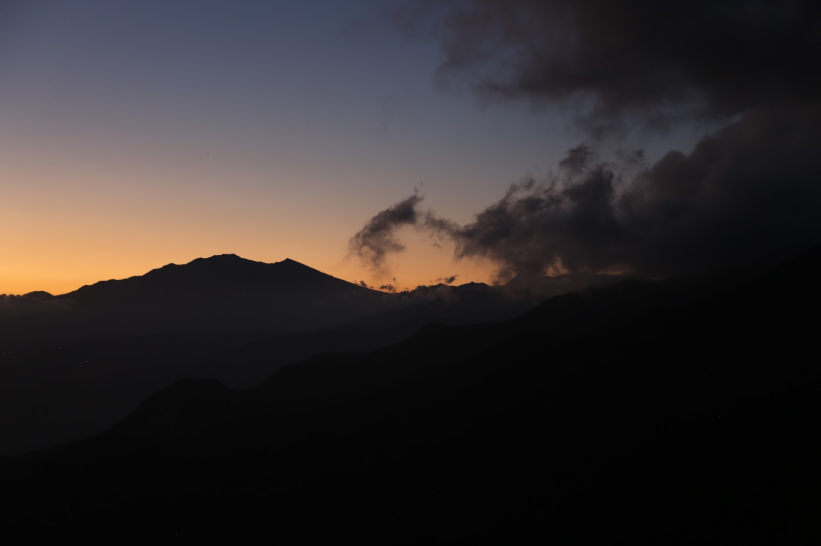
Learning to Surf in Panama: Wipeouts, Warm Water, and the Rhythm of the Pacific

There’s something about learning to surf that feels like stepping into a completely different way of experiencing the ocean. It’s no longer just something you swim in or look at, it becomes something you read, anticipate, and eventually, if you’re patient enough, move with. And in Panama, that learning process comes with warm water, uncrowded beaches, and a laid-back atmosphere that makes every small victory feel even bigger.

Panama isn’t the first place that comes to mind when people think of surfing. It doesn’t have the global hype of Bali or Costa Rica. But that’s exactly what makes it such a great place to learn. There’s less pressure, fewer crowds, and a sense that you’re discovering something a little under the radar.

Why Panama is Perfect for Beginners

One of the biggest advantages of learning to surf in Panama is the consistency of its Pacific coastline. Places like Santa Catalina are known for their reliable waves, and while they’re famous for more advanced breaks, there are plenty of nearby beaches with gentler conditions ideal for beginners.

The water is warm year-round, no wetsuit needed, which makes a huge difference when you’re spending hours falling off a board. And you will fall. A lot. But in Panama, those wipeouts don’t come with the shock of cold water, which makes it easier to stay relaxed and keep trying.

Then there’s the pace of life. Surf towns in Panama don’t feel rushed. You’re not competing with dozens of people for every wave. You can take your time, rest between sessions, and actually enjoy the process of learning rather than feeling overwhelmed by it.

The First Lesson: Humility

Your first surf lesson will likely be on the sand. Instructors will show you how to pop up, where to place your feet, and how to position yourself on the board. It all seems simple until you hit the water.

Suddenly, timing becomes everything. Waves that looked small from the beach feel powerful. Standing up feels impossible. And yet, after enough attempts, something clicks. For a brief moment, you’re upright, gliding forward, and it feels like you’ve unlocked a secret.

That first ride, no matter how short, is what hooks people.

Where to Learn

Panama has several spots that are particularly good for beginners, each with its own vibe.

Playa Venao

Probably the most beginner-friendly surf destination in Panama. The sandy bottom and consistent waves make it ideal for lessons. There’s also a strong surf community, with schools and rentals readily available.

Santa Catalina

Better known for advanced surfers, but nearby breaks offer good learning conditions. It’s also one of the most authentic surf towns in the country, quiet, raw, and deeply connected to the ocean.

Bocas del Toro

On the Caribbean side, surf is more seasonal, but when it’s on, there are beginner-friendly spots. The setting, turquoise water and jungle islands, makes the experience unforgettable.

Each place offers something slightly different, but they all share one thing: space to learn without feeling rushed.

The Mental Game

Surfing is as much mental as it is physical. You’ll spend a lot of time paddling, waiting, missing waves, and getting knocked around. Progress can feel slow. Some days, it might even feel like you’re getting worse.

But then, out of nowhere, you catch a wave cleanly. You stand up smoothly. You ride it longer than before. And suddenly, all the frustration makes sense.

Learning to surf teaches patience in a way few other activities do. You can’t force it. You have to adapt, observe, and try again.

The Lifestyle That Comes With It

One of the unexpected parts of learning to surf in Panama is how quickly you fall into a different routine. Mornings start early, chasing the best conditions. Afternoons are for rest, food, and swapping stories with other surfers. Evenings slow down, often ending with a sunset over the Pacific and the sound of waves in the background.

It’s a simple rhythm, but it’s addictive.

Surf towns here don’t revolve around luxury. They revolve around the ocean. You’ll meet travelers who came for a few days and stayed for weeks, sometimes months. Not because they mastered surfing but because they didn’t want to leave the feeling of learning it.

Learning to surf in Panama isn’t about becoming an expert overnight. It’s about the process, the wipeouts, the small wins, the moments where everything lines up and you feel, just briefly, in sync with the ocean.

Panama gives you the space to experience that without the noise. No massive crowds, no intense pressure, just warm water, rolling waves, and time to figure it out.

And somewhere between your first fall and your first real ride, you realize something:

You’re not just learning to surf.

You’re learning how to slow down, pay attention, and move with something bigger than yourself.

Two Backpacking Worlds: Southeast Asia vs. Central America. Which One Wins?

For decades, backpackers have faced a quiet, exciting dilemma: follow the well-worn, neon-lit trail through Southeast Asia, or dive into the wilder, less predictable rhythm of Central America. Both regions promise adventure, affordability, and unforgettable experiences but they deliver them in completely different ways. Choosing between them isn’t just about geography. It’s about the kind of journey you want to have.

The Classic vs. The Untamed

Southeast Asia, think Thailand, Vietnam, and Indonesia, is the ultimate backpacking machine. It’s been refined over decades into something almost effortless. Routes are clear, transport is cheap and frequent, and entire towns feel designed with travelers in mind. You can land in Bangkok or Hanoi with no plan and still glide smoothly from one destination to the next.

Central America, on the other hand, places like Panama, Guatemala, and Nicaragua, feels less polished, more raw. Travel here requires a bit more effort, a bit more patience, and often a bit more Spanish. Buses don’t always run on time, routes aren’t always obvious, and plans change quickly. But that unpredictability? That’s part of the appeal.

Cost: Cheap vs. Surprisingly Variable

Southeast Asia has long held the crown for budget travel. Street food in Thailand can cost just a couple of dollars, hostels are abundant and inexpensive, and long-distance buses or trains barely dent your wallet. Countries like Vietnam push it even further, where daily budgets can drop shockingly low without sacrificing comfort.

Central America can be cheap, but it’s less consistent. Guatemala and Nicaragua still offer strong value, but once you reach Costa Rica or Panama, prices climb fast. Accommodation, tours, and even groceries can rival parts of Europe or North America. A backpacker expecting Southeast Asia prices might be caught off guard.

But here’s the twist: in Central America, you’re often paying for access, to remote islands, dense jungles, and national parks that feel far less developed and far more exclusive.

Nature: Tropical Paradise vs. Wild Frontier

Both regions are rich in natural beauty, but they feel very different.

Southeast Asia offers postcard perfection. Limestone cliffs in southern Thailand, rice terraces in Vietnam, volcanoes in Indonesia, it’s stunning, but often accessible, curated, and busy. You’ll rarely feel completely alone, even in nature.

Central America, by contrast, feels wilder. Jungles are thicker, trails are muddier, and wildlife encounters feel less controlled. In places like Panama or Nicaragua, it’s entirely possible to hike for hours without seeing another person. National parks often feel less developed, more authentic, and occasionally more challenging.

It’s the difference between visiting paradise and exploring it.

Social Scene: Instant Community vs. Earned Connections

One of Southeast Asia’s biggest strengths is its social infrastructure. Hostels are designed to bring people together, with bars, events, and common areas that make meeting fellow travelers almost automatic. It’s easy to fall into a fast-moving social rhythm, meeting people, traveling together, saying goodbye, and repeating the cycle every few days.

Central America has a social scene too, but it’s more uneven. Some places, like Antigua in Guatemala or certain surf towns, have strong backpacker vibes. Others feel more local, quieter, or even isolating. Connections here often take more effort, but they can feel more genuine because of it.

You’re less likely to be swept into a crowd and more likely to have meaningful one-on-one encounters.

Culture: Ancient Depth vs. Living Layers

Both regions are culturally rich, but they express it differently.

Southeast Asia’s cultural landmarks are often grand and deeply rooted in visible history, temples, palaces, and ancient cities that dominate the landscape. Visiting Angkor Wat or exploring old imperial capitals gives you a sense of scale and continuity that’s hard to match.

Central America’s culture feels more layered and alive. Indigenous traditions blend with Spanish colonial influence and modern Latin identity. In countries like Guatemala, you’ll see traditional clothing worn daily, hear indigenous languages spoken in markets, and experience cultures that feel ongoing rather than preserved.

It’s less about monuments and more about people.

Food: Street Food Heaven vs. Comfort and Simplicity

Food is one of Southeast Asia’s undeniable highlights. Thailand, Vietnam, and Indonesia offer some of the best street food cultures in the world. Meals are fast, cheap, and incredibly flavorful often eaten on plastic stools at roadside stalls that become unforgettable experiences.

Central American cuisine is simpler, more repetitive—but also comforting. Staples like rice, beans, plantains, and fresh tortillas dominate. It’s not as globally celebrated, but it’s hearty, filling, and deeply tied to local life. And in places like Panama, fresh seafood and tropical fruit add their own magic.

You won’t chase meals in the same way but you’ll appreciate them differently.

Language and Ease

In Southeast Asia, you can travel for months with little more than English. Tourism infrastructure is so developed that communication rarely becomes a barrier.

In Central America, Spanish opens doors. While you can get by in tourist areas, knowing even basic Spanish transforms your experience, making travel smoother, interactions richer, and destinations more accessible.

It’s a region that rewards effort.

The Feeling

This is where the real difference lies.

Southeast Asia feels like a journey you’re guided through. It’s smooth, social, and endlessly rewarding but also predictable in its rhythm.

Central America feels like a journey you carve out yourself. It’s less certain, sometimes more challenging, but often more personal.

The Verdict

There’s no winner, only preference.

If you want ease, affordability, incredible food, and a built-in social scene, Southeast Asia is hard to beat.

If you want something a little less polished, a little more adventurous, and a little closer to the edge, Central America might stay with you longer.

Because in the end, it’s not just about where you go.

It’s about how much of the experience is waiting for you—and how much you have to go out and find.

Cerro Punta: Panama’s Hidden Highlands Where the Country Comes to Breathe

Tucked high in the mountains of Panama, near the border with Costa Rica, lies a place that feels like a different world entirely. Welcome to Cerro Punta, a cool, misty agricultural valley where sweaters replace tank tops, strawberries grow instead of coconuts, and the air carries the scent of earth rather than salt.

For many travelers rushing between beaches, islands, and nightlife, Cerro Punta barely registers on the map. But for Panamanians, it’s something else entirely. It’s a rite of passage. A place nearly everyone visits at least once, often on school trips, family getaways, or weekend escapes from the heat. It’s where people come to reconnect with nature, eat fresh food straight from the soil, and remember that Panama isn’t just tropical, it’s diverse in ways that surprise even locals.

A Climate That Feels Like Another Country

At over 2,000 meters above sea level, Cerro Punta is one of the coldest inhabited places in Panama. Temperatures can dip low enough in the early morning that you’ll see locals bundled up in jackets and wool hats, something almost unthinkable in most of the country. The landscape reflects this shift: rolling green hills, dense cloud forests, and neatly organized farms stretch across the valley, framed by the towering presence of the Volcán Barú nearby.

This climate isn’t just comfortable, it’s productive. Cerro Punta is often called the breadbasket of Panama. It supplies a huge portion of the country’s vegetables: lettuce, carrots, potatoes, onions, and strawberries thrive here. Driving through the area, you’ll pass endless fields and roadside stands where you can buy produce that was likely harvested just hours earlier. It’s simple, but it’s one of the most authentic experiences Panama has to offer.

The Gateway to Wild Panama

Beyond its farms, Cerro Punta serves as one of the main access points to La Amistad International Park, one of the largest and most biodiverse protected areas in Central America. This park spans the border between Panama and Costa Rica and remains largely untouched, with vast tracts of primary forest, rare wildlife, and remote trails that few tourists ever set foot on.

Entering La Amistad from Cerro Punta feels like stepping into true wilderness. The trails are less developed, the crowds almost nonexistent, and the sense of isolation profound. It’s not the kind of place you casually wander into, you come prepared, often with a guide, ready for mud, mist, and the possibility of seeing everything from tapirs to elusive big cats.

The Quetzal Trail: A Journey Between Worlds

Perhaps the most famous adventure starting near Cerro Punta is the legendary trek to Boquete via the Quetzal Trail. This hike is widely considered one of the best in Panama, and for good reason.

The trail cuts through dense cloud forest, crossing rivers, climbing ridgelines, and weaving through moss-draped trees that seem pulled from a fantasy novel. The air is thick with moisture, and every surface feels alive, ferns, orchids, and towering trees create a layered, almost prehistoric atmosphere.

And then there’s the bird that gives the trail its name: the resplendent quetzal. Spotting one is never guaranteed, but the possibility adds a quiet thrill to the journey. These birds, with their iridescent green bodies and impossibly long tail feathers, are among the most sought-after sightings in Central America.

The trek itself typically takes a full day, depending on your pace and starting point, and links two very different worlds: the rugged, agricultural calm of Cerro Punta and the more developed, traveler-friendly energy of Boquete. It’s not just a hike, it’s a transition between landscapes, climates, and cultures.

A Town That Moves at Its Own Pace

What makes Cerro Punta truly fascinating isn’t just what you can do there, it’s how it feels to be there. Life moves slower. Mornings are crisp and quiet, often wrapped in fog that slowly lifts to reveal the valley. Afternoons are filled with the hum of farm activity, and evenings settle in early, bringing a chill that invites hot coffee and warm meals.

There’s no party scene, no rush, no sense of urgency. And that’s exactly the point.

While tourists often flock to Boquete for its cafes and social atmosphere, Cerro Punta remains grounded, local, and largely untouched by the backpacker circuit. It’s the kind of place where you’re more likely to meet Panamanian families than international travelers, where conversations happen over fresh strawberries and roadside lunches rather than craft cocktails.

Why It Gets Overlooked, and Why It Shouldn’t

Cerro Punta’s biggest “problem” is that it doesn’t try to impress. It doesn’t market itself heavily, and it doesn’t offer the instant gratification of beaches or nightlife. It asks you to slow down, to look closer, to appreciate subtlety.

But that’s exactly why it leaves such a strong impression on those who make the journey.

Because here, Panama reveals a different identity, one of mountains instead of coastlines, sweaters instead of swimsuits, and quiet beauty instead of obvious spectacle.

Cerro Punta isn’t just a destination it’s a contrast.

It’s where Panama cools down, calms down, and opens up into something deeper. It’s a place every Panamanian seems to know, yet many travelers completely miss. And for those who do find it, it often becomes one of the most memorable parts of their journey.

Because sometimes, the most interesting places aren’t the ones everyone talks about.

They’re the ones a country quietly keeps for itself.

Smoke Signals: Cigars and Tobacco in Panama

At first glance, Panama might not strike you as a cigar powerhouse. It doesn’t have the global reputation of Cuba, Nicaragua, or the Dominican Republic. But look a little closer, and you’ll find a quiet, fascinating tobacco culture, one that blends history, local craftsmanship, and a surprising number of places to light up.

Does Panama Grow Tobacco?

Yes! And it always has.

Tobacco in Panama dates back to pre-Hispanic times, when indigenous people were already cultivating and rolling leaves by hand. By the colonial era, tobacco was being traded through ports like Portobelo, and it became part of everyday life.

Modern tobacco cultivation took a leap forward in the 1980s, when Cuban experts arrived and began planting high-quality Cuban seed tobacco in regions like Coclé. These areas especially around La Pintada, Sortová, and Sonadora have volcanic soils that give Panamanian tobacco a distinctive character: a blend of Nicaraguan strength and Dominican smoothness.

Today, Panama still grows tobacco, though on a smaller scale compared to its neighbors. It’s more of a niche, artisanal scene than a mass-production industry. You won’t find giant plantations dominating exports but you will find small producers making interesting, handcrafted cigars.

One standout example is Joyas de Panama, one of the country’s oldest and most important cigar makers. Founded in the 1980s, it still produces hand-rolled cigars using traditional Cuban techniques and locally grown tobacco.

Is Panama Known for Cigars?

Not really, and that’s part of the intrigue.

Unlike neighboring countries, Panama never became a major global exporter of cigars. In fact, even cigar enthusiasts often overlook it. But that doesn’t mean the cigars aren’t good, it just means they’re harder to find, more local, and often more authentic.

Panama is a place where cigars feel less like a polished export product and more like a hidden tradition.

Where to Buy Cigars in Panama

If you’re in Panama and want to buy cigars, you’ve got a few solid options, ranging from luxury lounges to local factories.

High-End Shops & Lounges (Panama City)

The best place to start is in Panama City, where most of the country’s cigar scene is concentrated.

Cigars Panama

A premium cigar boutique and lounge with a curated selection of international cigars (Cuban, Dominican, Nicaraguan) in a controlled humidor environment. It’s one of the more upscale places to buy and smoke in comfort.

La Casa del Habano Panama City

Part of the global Habano network, this is a go-to for authentic Cuban cigars, including limited editions and collector boxes.

Habanos Café

A long-standing name in Panama’s cigar scene, offering a mix of imported cigars and local blends, including its own line.

These places are your safest bet for quality. One important tip: avoid buying cigars from random street vendors counterfeits do exist.

Local Factories & Authentic Experiences

If you want something more unique than a polished lounge, head into the countryside.

Joyas de Panama Factory

This is where things get interesting. You can actually visit the factory, see cigars being rolled by hand, and buy directly from the source. It’s one of the few places in Panama where the cigar culture still feels raw and traditional.

Here, cigars aren’t luxury accessories, they’re part of everyday craftsmanship.

Duty-Free & Malls

You’ll also find cigars in:

Airport duty-free shops

High-end malls like Multiplaza or Albrook

Some hotels and bars

But these tend to focus on international brands rather than local Panamanian cigars.

What Are Panama Cigars Like?

Panamanian cigars are a bit of a hybrid. Thanks to Cuban influence and local growing conditions, they tend to have:

Medium to full body

Earthy, slightly volcanic flavor profiles

A balance between strength and smoothness

They’re not as famous but that also means you’re not paying for the name.

The Bottom Line

Panama is not a cigar giant but it’s a cigar underdog.

Yes, it grows tobacco. Yes, it produces cigars. And yes, you can find excellent smokes if you know where to look. But more importantly, the experience feels different here. Less commercial. Less polished. More real.

Whether you’re sitting in a leather chair in a Panama City lounge or standing in a small factory in Coclé watching someone roll a cigar by hand, you get the sense that tobacco in Panama isn’t about status it’s about tradition.

And like many things in Panama, the best parts aren’t always the easiest to find but they’re absolutely worth the effort.

The Chatter of the Tropics: Parakeets in Panama

If you spend even a few days in Panama, one sound will quickly become part of your daily soundtrack: the sharp, energetic chatter of parakeets slicing through the humid air. These small, vibrant parrots are everywhere, flashing green streaks above city streets, gathering noisily in rural trees, or darting across the skyline at sunset. They are not just birds here; they are part of the rhythm of life.

Panama’s parakeets belong primarily to the genus Brotogeris, a group of small, social parrots perfectly adapted to tropical environments. Among the most commonly seen species is the Orange-chinned Parakeet, a bright green bird with a subtle splash of orange tucked beneath its chin, easy to miss unless you get close. Another frequent visitor, especially in forested or semi-rural areas, is the Brown-hooded Parrot, slightly larger and more reserved, but equally captivating. Together, they form part of a broader parrot family that thrives in Panama’s warm climate and abundant vegetation.

What makes parakeets in Panama particularly fascinating is their adaptability. Unlike many wildlife species that retreat from human development, these birds seem to embrace it. In Panama City, it’s common to see flocks weaving between high-rise buildings, perching on power lines, or feeding in ornamental trees. They’ve learned to exploit urban food sources just as easily as forest fruits, making them one of the most visible wild animals in the country’s capital. Their presence blurs the line between jungle and city, reminding you how close nature always is here.

Step outside the urban core and into places like Boquete or Santa Catalina, and the experience shifts. Here, parakeets feel less like city survivors and more like integral threads in a vast ecological tapestry. They move in tight flocks, often dozens strong, communicating constantly with high-pitched calls that echo through the trees. These vocalizations aren’t random noise, they’re complex social signals used to coordinate movement, warn of predators, and maintain bonds within the group.

And if you find yourself in the highlands near Boquete, there’s a particularly special vantage point: Lost and Found Hostel. Perched deep in the cloud forest, this spot offers one of those rare, immersive wildlife experiences where nature doesn’t feel distant, it surrounds you. It’s incredibly common to see flocks of parakeets fly right overhead here, especially in the early morning and late afternoon. They sweep across the valley in fast-moving groups, their calls echoing through the mist, sometimes so close you can hear the rush of their wings. It’s the kind of everyday moment that sticks with travelers long after they leave.

Parakeets are deeply social creatures. They mate for life, groom each other, and often travel in family units within larger flocks. Watching them interact can feel almost human: pairs sit close together, gently preening feathers, while others squabble over fruit or jockey for position on a branch. Their intelligence is evident not just in their behavior, but in their problem-solving abilities, whether cracking seeds or navigating the ever-changing landscape of both forest and city.

Diet plays a huge role in their success. Panama’s biodiversity offers a constant buffet of fruits, seeds, and blossoms. Parakeets are particularly fond of mangoes, guavas, and palm fruits, and during feeding frenzies they can strip a tree with surprising speed. While this sometimes frustrates farmers, it also highlights their role as seed dispersers, helping maintain the health and diversity of tropical ecosystems.

One of the most magical moments to witness is the daily migration of parakeets at dusk. As the sun sinks and the air cools, flocks begin to gather, calling loudly as they converge on communal roosting sites. The sky fills with fast-moving green silhouettes, their calls overlapping into a kind of chaotic chorus. It’s a spectacle that repeats every evening, yet never feels routine, a reminder of the wild pulse still beating through Panama.

Despite their abundance, parakeets face challenges. Habitat loss, especially in lowland forests, continues to pressure many bird species. The illegal pet trade has also historically targeted parrots, including parakeets, due to their intelligence and ability to mimic sounds. However, Panama has made strides in conservation, and the resilience of these birds offers hope. Their ability to live alongside humans may ultimately be their greatest advantage.

For travelers, parakeets are often one of the first wild animals they truly notice, not because they are rare, but because they are so unapologetically present. You don’t need a guided tour or a remote jungle trek. Just step outside, look up, and listen. Somewhere overhead, a flock is passing by, loud and fast, as it has for generations.

In Panama, the wilderness doesn’t hide. Sometimes, it flies right over your head, especially if you’re lucky enough to be standing on a misty ridge, coffee in hand, as a flock of parakeets cuts across the sky above the Lost and Found.

Eggs and Milk in Panama, What’s the Deal? Is this normal!?

Walk into a supermarket anywhere in Panama and you might feel like reality has been quietly rearranged. The milk isn’t in the fridge. The eggs are sitting out on open shelves, warm to the touch. If you’ve come from places like Canada, United States, or United Kingdom, this can feel borderline alarming. Aren’t these foods supposed to be cold? Isn’t this… unsafe?

The short answer: no. The long answer is far more interesting, and says a lot about how food systems differ around the world.

The Milk Mystery: Why It’s Sitting on a Shelf

Most of the milk you see in Panama isn’t “fresh” milk in the North American sense. It’s UHT milk, short for ultra-high temperature processed milk. Brands like Estrella Azul dominate the shelves, and nearly all of their milk is treated this way.

UHT milk is heated to very high temperatures (around 135–150°C) for a few seconds, which kills off bacteria and microorganisms that cause spoilage. Then it’s sealed in sterile, airtight packaging, those cardboard cartons you see stacked unrefrigerated in stores. The result? Milk that can last for months without refrigeration.

That’s why you’ll find it casually sitting in the middle of an aisle instead of behind glass doors humming with cold air. It’s not that Panama forgot to refrigerate the milk, it’s that refrigeration isn’t necessary until you open it. Once opened, it goes in your fridge just like anywhere else.

This system has huge advantages in a tropical country. In a place where heat and humidity are constant, and where transportation and storage infrastructure may vary, UHT milk is incredibly practical. It reduces spoilage, cuts costs, and allows milk to be distributed widely, even to remote areas, without a constant cold chain.

Fresh, refrigerated milk does exist in Panama, but it’s less common, more expensive, and usually found in smaller quantities.

The Egg Enigma: Why They’re Not Chilled

Eggs are where things get even more surprising.

In countries like the United States, eggs are washed and sanitized before being sold. This process removes dirt but it also strips away a natural protective coating called the cuticle. Without that coating, eggs become porous and vulnerable to bacteria like Salmonella, so they must be refrigerated from that point onward.

Panama, and much of the world, does things differently.

Here, eggs are typically not washed in the same industrial way. That natural protective layer remains intact, sealing the shell and helping keep bacteria out. Because of this, eggs can safely be stored at room temperature for extended periods without spoiling.

So when you see trays of eggs stacked high in a Panamanian supermarket, it’s not neglect, it’s a different system based on preserving the egg’s natural defenses rather than removing them and relying on refrigeration.

Two Systems, Same Goal

What’s fascinating is that both approaches, refrigerated and unrefrigerated, are designed to achieve the same end: safe, long-lasting food. They just get there differently.

In places like United States: eggs are washed and protective layer removed and refrigeration required

In Panama: eggs are left natural and protective layer intact and refrigeration optional

Neither system is inherently “better”...they’re just adapted to different supply chains, regulations, and climates.

What Foreigners Should Know

If you’re new to Panama, here’s how to navigate it without overthinking:

Milk: If it’s in a carton on a shelf, it’s UHT. Totally fine. Refrigerate after opening.

Eggs: Safe at room temperature if unwashed, but once you refrigerate them, keep them refrigerated (don’t go back and forth).

Taste differences: UHT milk can taste slightly different, some say a bit “cooked” compared to fresh milk. Eggs are essentially the same.

Local habits: Many Panamanians still refrigerate eggs at home, especially in hotter regions, it’s optional, but common.

The Bigger Picture

This small cultural shock opens a window into something bigger: food isn’t universal. What feels “normal” in Canada or United Kingdom is just one version of a global system shaped by history, climate, economics, and regulation.

In Panama, the absence of a fridge doesn’t mean something is wrong. It often means the system has been designed so it doesn’t need one.

And once you understand that, those warm eggs and shelf-stable milk stop looking strange, and start looking pretty clever.

Work for Paradise: The Deep-Dive Guide to Using Workaway, HelpX, Worldpackers & YogaTrade in Panama

There is a version of Panama that most travelers never quite reach. It exists beyond the standard hostel circuits and packaged tours, hidden in jungle lodges above the clouds in Boquete, tucked into surf camps along the Pacific, or scattered across the Caribbean edges of Bocas del Toro. It’s a slower, more immersive way of traveling, where your days are shaped not by itineraries but by contribution. This is the world unlocked by Workaway, HelpX, Worldpackers, and YogaTrade, four platforms that quietly power a global network of volunteer exchange.

At first glance, they all seem identical: create a profile, pay a membership fee, connect with hosts, and exchange a few hours of work for accommodation. But once you start using them, especially in a place like Panama, you quickly realize each platform has its own personality, strengths, weaknesses, and unspoken culture. Choosing the right one can shape your entire experience.

The Landscape of Volunteering in Panama

Before diving into the platforms, it’s important to understand what volunteering in Panama actually looks like on the ground. This isn’t Europe, where farm stays dominate, or Australia, where massive properties need constant labor. Panama’s opportunities are more intimate and often more social.

Most volunteer roles fall into a few categories:

Hostels: reception, event organizing, bar work, social media, cleaning

Eco-lodges: maintenance, gardening, guest interaction

Farms (fincas): coffee, cacao, permaculture projects

Construction: building cabins, decks, or eco-structures

Specialized roles: photography, marketing, yoga instruction

Working hours typically range from 20–30 hours per week, often flexible, and the exchange usually includes a dorm bed, sometimes meals, sometimes not. Spanish is helpful but not always required, especially in tourist-heavy areas.

Workaway: The Giant with Endless Options

Workaway dominates the space simply because of its scale. It’s the platform most travelers have heard of, and in Panama, it offers the widest variety of listings.

Scrolling through Workaway in Panama feels like browsing an open marketplace. One day you’re looking at a jungle hostel needing help with reception, the next you’re reading about a remote finca growing cacao, followed by a beachfront surf lodge searching for content creators.

This variety is its greatest strength, and its biggest weakness.

Because anyone can list a project, quality varies. Some hosts are incredibly organized, offering structured schedules, meals, and a strong community vibe. Others are more informal, expecting flexibility and independence. Reviews help, but you still need to read between the lines.

What makes Workaway stand out:

Massive number of listings in Panama compared to competitors

Detailed host profiles and review systems

Flexibility to find unique, off-the-beaten-path opportunities

What to watch out for:

Less formal support if something goes wrong

Some listings can be outdated or vague

Competition for popular roles (especially in Bocas del Toro)

The $59/year membership is standard, but many travelers feel it pays for itself after just a few nights of free accommodation.

In Panama, Workaway is particularly strong in:

Boquete (coffee farms, eco-projects)

Bocas del Toro (hostels, surf lodges)

Santa Catalina (surf + hostel culture)

If you want maximum choice and independence, Workaway is still the heavyweight champion.

Worldpackers: The Polished Experience

Worldpackers feels like Workaway’s modern, refined cousin. It’s designed with today’s traveler in mind, clean interface, structured programs, and a stronger sense of community.

In Panama, this platform has quietly become one of the best options, especially for first-time volunteers.

Where Workaway can feel like the wild west, Worldpackers feels curated. Hosts often provide clearer expectations: exact working hours, specific tasks, and defined benefits. There’s also a stronger emphasis on safety, including support systems and, in some plans, guarantees if a placement doesn’t work out.

Key advantages:

Excellent in Latin America, including Panama

More transparency in host expectations

Educational content (courses, certifications, travel tips)

Better for beginners

Downsides:

Slightly fewer listings than Workaway

Can feel more “structured,” which some travelers don’t prefer

The membership fee is similar, around $59/year but the experience often feels more guided.

In Panama, Worldpackers excels in:

Social hostels with organized volunteer teams

Eco-tourism projects

Community-based tourism initiatives

If you’re new to volunteering or want a smoother, more predictable experience, Worldpackers is often the better choice.

HelpX: The Old-School Budget Option

HelpX is like stepping into a different era of the internet. The interface is basic, the listings are simpler, and the overall experience is less polished but it still works.

Its biggest appeal is obvious: price.

For roughly €20 (about $20–25 USD) for two years, it’s by far the cheapest platform available. For long-term travelers trying to stretch every dollar, this is a major advantage.

However, in Panama, HelpX has a noticeable limitation: fewer listings. You’ll still find opportunities, but not nearly as many as on Workaway or Worldpackers.

Strengths:

Extremely affordable

Straightforward, no-frills approach

Good for experienced travelers

Weaknesses:

Limited selection in Central America

Less detailed listings

Minimal support systems

HelpX tends to attract a slightly older or more independent crowd, people who don’t need guidance and are comfortable navigating informal arrangements.

If you’re already experienced with volunteering and just want a cheap way to find opportunities, HelpX can still be a solid choice but it’s rarely the first pick for Panama.

YogaTrade: A Different World Entirely

YogaTrade isn’t really a competitor to the others, it’s a niche ecosystem focused on wellness, yoga, and conscious living.

In Panama, this translates into a very specific type of opportunity:

Yoga retreats in Bocas del Toro

Wellness lodges in the mountains

Surf + yoga hybrid camps

The expectations here are different. Hosts are usually looking for people with actual skills, yoga teachers, massage therapists, wellness facilitators, or experienced retreat staff.

Membership cost: typically $24–$49/year

Strengths:

Unique, high-quality experiences

Strong community vibe

Opportunities not found on other platforms

Weaknesses:

Very limited unless you have relevant skills

Not ideal for general travelers

If Workaway is about access, YogaTrade is about alignment. It’s less about working for accommodation and more about being part of a specific lifestyle.

Comparing the Platforms: What Really Matters

When you strip everything down, the differences between these platforms come down to a few key factors:

1. Volume vs. Curation

Workaway = massive, open marketplace

Worldpackers = curated, structured experience

2. Cost

HelpX = cheapest by far

Workaway & Worldpackers = mid-range

YogaTrade = niche pricing

3. Regional Strength (Panama)

Strongest: Workaway & Worldpackers

Moderate: HelpX

Niche: YogaTrade

4. User Experience

Best interface/support: Worldpackers

Most raw freedom: Workaway

Simplest: HelpX

The Hidden Reality: It’s All About the Host

One of the biggest misconceptions is that the platform determines the experience. In reality, the host matters far more.

In Panama, many hosts actually list on multiple platforms. You might find the same jungle lodge on Workaway, Worldpackers, and HelpX simultaneously. The difference isn’t the job, it’s how the platform presents it and how you connect with the host.

That means your success depends on:

Writing a strong, personalized message

Reading reviews carefully

Asking clear questions before committing

Smart Strategy for Panama

If you’re serious about volunteering in Panama, the best approach isn’t blindly choosing one platform, it’s being strategic.

1. Browse all platforms first (without paying yet)

2. Identify where the best opportunities for you are

3. Choose the platform that has the highest concentration of appealing listings

In many cases,

You’ll choose Workaway for variety

Or Worldpackers for ease and reliability

Some travelers even switch platforms over time.

More Than Just Free Accommodation

At a glance, these platforms look like a way to save money and they are. But in Panama, they offer something deeper.

They take you off the tourist path and drop you into daily life. You’re not just visiting a place, you’re contributing to it, shaping it, and becoming part of its rhythm.

Whether you’re helping run a jungle hostel, building something in the mountains, or teaching yoga by the sea, the experience is rarely about the work itself. It’s about the people you meet, the stories you collect, and the unexpected ways Panama reveals itself when you stop being just a traveler.

And in that sense, choosing between Workaway, HelpX, Worldpackers, and YogaTrade isn’t just a logistical decision it’s the first step in defining what kind of journey you want to have.

Panama’s Hidden Civilizations: Unearthing the Secrets Beneath the Isthmus

Panama is so often defined by movement, the steady procession of ships through the Panama Canal, the migration of wildlife between continents, the flow of travelers chasing beaches and jungle adventures, that it is easy to overlook a deeper truth: this land has always been a place where worlds meet, not just geographically, but culturally and historically. Long before steel locks and global trade routes, Panama was a vibrant human crossroads, a place where ancient societies flourished, traded, buried their dead with astonishing ceremony, and left behind fragments of their lives scattered across the landscape. These archaeological sites, often hidden beneath dense rainforest or tucked into quiet valleys, are not grand stone cities like those of the Maya. Instead, they are subtler, more enigmatic, and in many ways more intriguing because they hint at civilizations that remain only partially understood.

In the western highlands, where cool mountain air replaces the heavy humidity of the lowlands, lies Sitio Barriles, one of the most atmospheric and mysterious archaeological sites in the country. Surrounded by fertile volcanic soil and looming peaks, Barriles feels like a place chosen with intention. Here, archaeologists have uncovered stone statues, carved metates, and petroglyphs that date back more than two millennia. Some of the sculptures depict human figures in poses that suggest ritual or authority, while others show humans interacting with animals, imagery that has sparked endless debate about belief systems and symbolism. Was this a ceremonial center? A political hub? Or something more spiritual, tied to forces of nature and the surrounding volcanic landscape? What is clear is that the people of Barriles were not isolated; they were connected through trade networks that stretched far beyond the highlands, linking them to broader cultural currents across Central and South America.

Moving southeast into the plains of Coclé, the narrative shifts from carved stone to gleaming gold. The El Caño Archaeological Site has become one of the most important archaeological discoveries in Panama, not because of monumental architecture, but because of what lies beneath the ground. Excavations here have revealed elaborate burial sites of high-ranking individuals, surrounded by extraordinary wealth: finely crafted gold breastplates, pendants, and ornaments, alongside ceramics of remarkable detail and precision. These were not simple graves; they were carefully orchestrated rituals, often involving multiple individuals buried together, sometimes in layers, suggesting complex beliefs about death, status, and the afterlife. The presence of sacrificed companions hints at a hierarchical society with powerful leaders whose influence extended far beyond their lifetimes. Discoveries at El Caño have forced historians to rethink Panama’s past, showing that sophisticated chiefdoms thrived here, with social structures and artistic achievements that rival those of better-known ancient cultures.

Adjacent to this site, the Parque Arqueológico El Caño provides a rare opportunity to step into the process of archaeological discovery itself. Rather than presenting a polished, finished narrative, the park reveals the layers,both literal and interpretive, that make up our understanding of the past. Visitors can see reconstructed burial arrangements and learn how archaeologists piece together stories from fragments: a shard of pottery, the placement of bones, the chemical traces left in soil. It becomes clear that archaeology in Panama is still very much an unfolding story, with each excavation adding new complexity rather than neat conclusions.

Further east, the dense and often impenetrable jungles of the Darién region hold what may be Panama’s greatest archaeological secrets. Unlike sites that have been partially excavated and interpreted, much of Darién remains a blank space on the archaeological map, not because it lacks history, but because that history is still hidden. This region has long been recognized as a vital corridor for human movement between North and South America, and it is almost certain that ancient settlements, trade routes, and ceremonial sites lie beneath the thick canopy. The challenge of accessing and preserving these areas means that discoveries come slowly, often by chance. Yet this very mystery adds to the allure: Darién represents the unknown, a reminder that Panama’s past is far from fully uncovered.

Along the Pacific and Caribbean coasts, the archaeological record takes on a different texture, less monumental, but no less revealing. Shell middens, ancient refuse heaps composed of shells, bones, and tools, dot the shoreline. Ats first glance, they may seem unremarkable, but these sites are treasure troves of information about daily life. They reveal what people ate, how they fished, how they adapted to seasonal changes, and how they interacted with marine ecosystems. These coastal communities were highly skilled, exploiting the rich biodiversity of Panama’s waters while maintaining connections to inland groups. Trade likely flowed in both directions: marine resources moving inland, and crafted goods traveling toward the sea.

No exploration of Panama’s archaeological landscape would be complete without stepping into the evocative ruins of Panamá Viejo. Although it belongs to a later chapter of history, founded in 1519 as the first Spanish settlement on the Pacific coast of the Americas, it carries forward the same themes of connection and exchange that defined earlier periods. Walking among its crumbling stone walls and the skeletal remains of its cathedral tower, one can sense the ambition of a city that quickly became a hub of empire, funnelling gold and silver from South America across the isthmus. Its dramatic destruction at the hands of Henry Morgan in 1671 adds a layer of legend to the site, but it also underscores a deeper continuity: Panama has always been a place of immense value, and therefore of conflict, desire, and transformation.

What makes Panama’s archaeological sites so compelling is not their scale, but their subtlety and diversity. There are no towering pyramids piercing the jungle canopy, no vast stone cities stretching across the horizon. Instead, there are fragments, carvings, graves, tools, and landscapes, that require interpretation and imagination. This absence of obvious grandeur invites a different kind of engagement. It encourages visitors to think like archaeologists, to piece together clues and consider possibilities, to appreciate the complexity of societies that thrived without leaving behind monumental architecture.

At the same time, these sites challenge long-held assumptions about the region. For many years, Panama was seen as a cultural backwater, a mere bridge between more “advanced” civilizations to the north and south. But discoveries at places like Sitio Barriles and El Caño have dismantled that narrative, revealing a region rich in innovation, artistry, and social complexity. Panama was not just a passageway; it was a destination, a place where ideas converged and new forms of culture emerged.

There is also a certain urgency to exploring and preserving these sites. The tropical environment that has kept them hidden for centuries is also what threatens them. Rain, vegetation, and time itself slowly erode what remains, while modern development adds new pressures. Archaeologists race not only to discover, but to document and protect, knowing that each site is a finite resource, a non-renewable window into human history.

And yet, despite these challenges, there is something profoundly exciting about Panama’s archaeological future. Unlike regions where most major discoveries have already been made, Panama still holds countless secrets. Every excavation has the potential to rewrite history, to reveal new connections, to deepen our understanding of how ancient peoples lived, traded, believed, and adapted.

To travel through Panama with this perspective is to see the landscape differently. The jungle is no longer just wilderness; it is a veil covering untold stories. The rivers are not just scenic routes; they are ancient highways of movement and exchange. Even the smallest artifact becomes significant, a tangible link to lives lived thousands of years ago.

In the end, Panama’s archaeological sites offer more than a glimpse into the past, they offer a sense of continuity. They remind us that this narrow strip of land, so often defined by its role in global movement, has always been a place of connection. Long before the Panama Canal reshaped the modern world, Panama was already a meeting point of cultures, ideas, and ambitions. Its ancient civilizations may not have left behind towering monuments, but they left something perhaps even more powerful: a legacy of mystery, resilience, and human ingenuity that continues to unfold with every discovery.

The Price of Paradise: Park Fees in Panama and What You Actually Pay to Explore It

One of the first things backpackers notice when traveling through Panama is that nature here is everywhere, jungles, islands, cloud forests, waterfalls, coral reefs. But unlike some countries where you can wander freely into most natural areas, Panama has a system: many of its best park attractions are protected, and that often means entrance fees. These fees help preserve the environment, support conservation, and maintain infrastructure, but they also add up quickly if you’re moving around a lot. Understanding what you’ll pay (and where you won’t) is key to planning your budget.

Let’s start with one of the most famous, and expensive, examples: Coiba National Park. Visiting Coiba isn’t just about the tour cost; there’s also a park entrance fee of around $20 per person. This is usually paid in cash and often not included in your tour price. Considering the park’s protected marine ecosystem and remote location, the fee makes sense but it’s one of the highest standard entry fees you’ll encounter in Panama.

On the Pacific side, another standout is Isla Iguana, often described as a snorkeling paradise. Here, you’ll typically pay around $10–$15 for park entry, again usually separate from your boat transport. The water is clear, the reefs are alive with fish, and the island is carefully managed, so while it’s not free, it feels like good value for what you get.

Head over to the Caribbean, and places like the islands around Bocas del Toro often have smaller, informal fees. Some snorkeling spots or protected cayes charge around $5–$10, sometimes collected by local communities or park rangers. These fees can feel less structured, but they still contribute to maintaining the environment and supporting local livelihoods.

Back on the mainland, jungle parks and hiking areas also come with entry costs. For example, Soberanía National Park, a favorite for birdwatching and rainforest hikes near Panama City, typically charges around $5–$10 for entry. Trails like Pipeline Road are world-famous among birders, and the fee helps protect one of the most biodiverse areas in Central America.

In the highlands, around Boquete, you’ll find a mix of public and privately managed trails. Some waterfalls and hiking routes charge $3–$10, depending on access and maintenance. If you’re tackling something like the Baru Volcano area, fees and permits may also apply depending on how and where you enter.

So when you zoom out, a pattern emerges:

Major national parks: ~$10–$20

Island reserves: ~$5–$15

Local trails/waterfalls: ~$3–$10

Individually, these fees don’t seem like much. But if you’re visiting multiple parks in a week, it can quietly add $30–$100+ to your travel budget.

Now here’s where things get interesting, and a bit ironic.

In a country where almost every trail, waterfall, or island seems to have a fee attached, there are very few places where you can just walk into nature without paying. And one of the rare exceptions? It’s not a national park. It’s not a government project.

It’s a hostel.

Lost and Found Hostel is one of the only places in Panama where you’ll find free hiking trails woven directly into the surrounding cloud forest. Guests can explore jungle paths, viewpoints, and hidden corners of nature without paying an entrance fee every time they step outside. In a country where even short walks to waterfalls often come with a small charge, this stands out in a big way.

It also highlights something important about Panama: access to nature here is often structured and managed, but when you do pay, you’re usually supporting conservation and preservation. These parks aren’t just tourist attractions, they’re protected ecosystems, many of them incredibly rich in biodiversity and still relatively untouched compared to other parts of the world.

That said, being aware of these fees helps you travel smarter. Carry small bills (many places are cash-only), ask what’s included before booking tours, and factor park fees into your daily budget. It’s easy to focus on transport and accommodation costs while forgetting that nature itself, arguably Panama’s biggest draw, often comes with a price tag.

In the end, park fees in Panama are part of the experience. You’re not just paying to enter, you’re contributing to the protection of places that still feel wild, real, and alive. And occasionally, if you know where to look, you might even find a rare trail where the only cost is the effort it takes to walk it.

Riding the Buses in Panama: Ultra-Cheap Travel, Long Scenic Journeys, and How It All Actually Works

If you’re backpacking through Panama, there’s a very good chance that buses will become your main way of getting around. And honestly, that’s a good thing. Panama’s bus system is one of the most underrated parts of traveling here, cheap, surprisingly comfortable on long routes, and extensive enough to take you almost anywhere you want to go. It might not always feel organized in a polished, tourist-friendly way, but once you understand the rhythm of it, you’ll realize just how efficient and budget-friendly it really is.

Let’s start with the most important part: the price. Buses in Panama are extremely affordable, especially compared to North America or Europe. In Panama City, local buses cost roughly $0.25 per ride, sometimes a bit more if you’re using highways or longer routes. You’ll need a prepaid transport card to use them, which you tap when boarding. Once you’ve got that card, getting around the city becomes incredibly cheap, even if you take multiple buses a day, you’re barely spending anything.

But the real value comes when you start traveling long distances across the country. For example, one of the most common backpacker routes is from Panama City all the way to David. This is a 7-hour journey, covering a huge stretch of the country, and it typically costs around $17. For that price, you’re not crammed into some uncomfortable seat, you’re often riding in a modern coach bus with air conditioning, reclining seats, onboard entertainment, and even a toilet. Many of these buses are double-decker, giving you a surprisingly comfortable experience for such a low cost. It’s the kind of value that feels almost unbelievable if you’re used to transport prices in places like Canada or Europe.

Once you reach David, which acts as a major transport hub in western Panama, you’ll find connections heading in all directions. If you’re continuing toward the Caribbean side and heading to Bocas del Toro, the journey breaks into two parts. First, you take a bus from David toward Almirante. This leg typically costs around $8–$10 and takes roughly 4 hours, winding through lush green landscapes and mountain roads. These buses are simpler than the long-distance coaches but still comfortable enough, and along the way, it’s common for the bus to stop for food, giving you a chance to stretch your legs and grab a quick local meal.

From Almirante, you then hop on a boat to reach the islands of Bocas del Toro. But even before that, there are shorter local bus rides around the David area that cost just a couple of dollars,for example, quick one-hour rides to nearby towns often fall in the $2–$3 range. David to Lost and Found Hostel is $3.50. It’s all part of a layered system where long routes are handled by larger, more comfortable buses, while shorter distances are covered by smaller, more flexible transport.

One thing you’ll quickly notice is that many long-distance buses in Panama include scheduled or semi-scheduled food stops. On a 6–8 hour journey, it’s very normal for the bus to pull into a roadside restaurant or service area where passengers can grab food, use the bathroom, and take a break. These stops are part of the culture of bus travel here and actually make long journeys much more manageable. You’re not just sitting for hours on end, you’re breaking up the trip, stretching, and experiencing a bit of local life along the way.

Now, let’s talk about luggage, because this is something every backpacker worries about. The good news is that Panama handles this quite well, especially on longer routes. On major intercity buses, your larger bags are typically stored underneath the bus, similar to how it works on coaches in other countries. You’ll get a tag or simply keep an eye on your bag when loading and unloading. Inside the bus, you just keep your smaller daypack with you.

On shorter or more local routes, things can be a bit more flexible. Sometimes bags go underneath, sometimes they’re placed in the back, and occasionally they might be secured on top depending on the vehicle. It’s not always standardized, but drivers and assistants are used to handling luggage, so it generally works smoothly. As long as you keep valuables with you, passport, money, electronics, you won’t have issues.

City buses, however, are a different story. In Panama City, buses are designed for daily commuters, not travelers with large backpacks or suitcases. There’s no dedicated luggage space, so you’ll need to carry everything with you. During busy hours, this can feel cramped, and maneuvering a large bag onto a packed bus isn’t exactly fun. If you’re traveling with a big load, many people choose to take the metro or a taxi just for that segment, then switch back to buses once they’re moving between cities.

Understanding how buses operate is just as important as knowing the prices. In Panama City, everything is structured, you use a card, routes are fixed, and stops are clearly defined. Outside the city, it becomes more relaxed. You often go to a terminal, find your destination, and take the next available bus rather than following a strict timetable. In smaller towns, you might even flag a bus down from the roadside. Want to get off? You let the driver know or signal, and they’ll stop.

It’s not chaotic—it’s just flexible. And once you adjust to that flexibility, it actually becomes very easy to navigate.

Another thing worth mentioning is that bus travel in Panama is not just about getting from point A to point B, it’s part of the experience. You’ll see the landscape change from city skyscrapers to rolling hills, from jungle to coastline. You’ll share rides with locals going about their daily lives, hear Spanish conversations around you, and get a much more authentic feel for the country than you would flying or rushing between destinations.

In the end, Panama’s bus system is one of the best tools a backpacker can have. It’s cheap enough to stretch your budget, comfortable enough for long journeys, and widespread enough to take you almost anywhere. You don’t need to overthink it or plan every detail, just show up, ask around, and go with the flow.

Because in Panama, the buses don’t just move you across the country, they pull you right into the rhythm of it.

Sticky Fingers in Paradise: Why Backpackers Steal (and How to Protect Yourself in Panama Hostels)

Backpacking through Panama is often painted as a carefree adventure filled with sunsets, new friendships, and shared stories over cheap beers. And for the most part, that image holds true. Hostels—whether in the buzzing heart of Panama City, the laid-back islands of Bocas del Toro, or the cool mountain air of Boquete, are built on trust. You sleep in the same room as strangers, leave your belongings nearby, and assume a kind of unspoken code: we’re all travelers, we look out for each other. But every now and then, reality nudges in, things go missing. A phone charger disappears, a bit of cash vanishes, or in rarer cases, something more valuable walks away. It’s not common, but it happens often enough that it’s worth understanding why.

The first thing to get straight is this: it’s usually not about hardened criminals lurking in bunk beds. More often, it’s a mix of opportunity, temptation, and circumstance. Hostels are one of the few environments where dozens of people cycle through shared spaces daily, often with minimal security and plenty of distractions. Bags are left open, valuables sit charging unattended, and dorm doors are propped open. For someone already feeling broke, impulsive, or careless, the temptation can be enough. It’s not always premeditated, it can be a bad decision made in a moment.

Another factor is the strange psychology of travel. Backpacking can be financially unpredictable. Someone who started their trip comfortably might suddenly find themselves low on funds after a few weeks of overspending or unexpected costs. Add in a bit of stress, maybe some partying, and a lapse in judgment becomes more likely. It doesn’t excuse the behavior, but it helps explain why it sometimes comes from fellow travelers rather than outsiders.

There’s also a subtle anonymity in hostel life. People come and go quickly. You might share a dorm with someone for one night and never see them again. That lack of long-term accountability can make it easier for someone to justify taking something, thinking they won’t face consequences. It’s not a reflection of the backpacker community as a whole, it’s just what can happen when trust meets opportunity in a transient environment.

That said, it’s important not to become paranoid. The vast majority of backpackers are honest, respectful, and just trying to enjoy their trip. Hostels in Panama are generally safe, and serious theft is relatively rare. But being relaxed doesn’t mean being careless, and this is where a bit of street-smart thinking goes a long way.

Use your locker. Always. It sounds obvious, but you’d be surprised how many travelers ignore this simple rule. Most hostels in Panama provide lockers in dorm rooms, but they often require you to bring your own padlock. If you don’t have one, buy one, it’s one of the cheapest and most effective forms of travel insurance you can get. Even if you’re just stepping out for a quick shower or heading to the common area, lock up your valuables. It takes seconds and removes the temptation entirely.

Think of lockers not as a sign of danger, but as part of the system. Just like you wouldn’t leave your wallet on a public table at home, you shouldn’t leave it sitting openly in a shared dorm. Phones, passports, cash, cameras, these should all have a secure place when you’re not using them. And if a hostel doesn’t provide lockers? That’s a red flag worth considering when choosing where to stay.

Another smart habit is keeping your setup low-key. Flashing large amounts of cash, leaving expensive gear out in the open, or casually mentioning how much money you’re carrying can unintentionally make you a target. You don’t need to hide everything, but a bit of discretion helps. Blend in, keep things simple, and avoid drawing unnecessary attention to your valuables.

It’s also worth paying attention to the environment. A well-run hostel with attentive staff, good lighting, and a solid reputation tends to discourage problems. Places with a strong social atmosphere often have an added layer of informal security, people notice what’s going on, and that awareness alone can deter bad behavior. On the flip side, if a place feels chaotic, poorly managed, or lacks basic security features, trust your instincts.

And don’t underestimate the power of community. Talk to other travelers. If something feels off, chances are someone else has noticed too. Word travels fast in hostels, and shared awareness can prevent small issues from becoming bigger ones.

In the end, theft in hostels isn’t about Panama being unsafe, it’s about the nature of shared spaces. Anywhere in the world where people from different backgrounds come together with their belongings in close quarters, there’s a small risk. But it’s a manageable one. With a bit of awareness, a simple padlock, and some common sense, you can reduce that risk to almost zero.

So enjoy the experience. Make friends, share stories, embrace the chaos of hostel life, but don’t forget the basics. Because in a place built on trust, protecting your own stuff is just part of being a smart traveler.

Lost in Translation? Backpacking Panama with Basic Spanish (And Why It’s Easier Than You Think)

Backpacking through Panama with only very basic Spanish might feel like stepping into the unknown, but the reality on the ground is far more welcoming, forgiving, and surprisingly easy to navigate. Panama is not one of those destinations where language becomes a constant barrier; instead, it’s a place where communication finds a way, through gestures, smiles, technology, and the remarkable patience of the people themselves. While you won’t glide through every interaction effortlessly, you also won’t feel stuck or isolated. In fact, traveling with limited Spanish here often turns into one of the most engaging and memorable parts of the journey.

A big reason for this is Panama’s unique global position. Thanks to the influence of the Panama Canal and decades of international business and tourism, English is far more present than many travelers expect. In major hubs like Panama City, it’s entirely possible to get by almost seamlessly. Hostel staff, tour operators, restaurant workers, and even taxi drivers often speak enough English to handle day-to-day interactions. You can check into your accommodation, organize trips, ask for recommendations, and sort out logistics without needing more than a handful of Spanish words.

The same is true in backpacker hotspots like Bocas del Toro and Boquete, where tourism has shaped a kind of informal bilingual environment. In Bocas, with its Caribbean energy and constant flow of international visitors, English is everywhere, you might even forget you’re in a Spanish-speaking country at times. In Boquete, where travelers come for hiking, coffee tours, and cooler mountain air, you’ll find a similar ease of communication. In these places, basic Spanish becomes more of a bonus than a necessity.

But what really defines the experience in Panama is what happens when you step slightly off that well-worn path. Head into smaller towns, local neighborhoods, or less touristy regions, and English begins to fade. This is where your basic Spanish starts to matter more but not in a stressful way. You don’t need perfect grammar or a big vocabulary. What you need is a willingness to try. Simple phrases like “¿Cuánto cuesta?”, “¿Dónde está…?”, or “Quiero esto” suddenly become powerful tools. Even if your pronunciation isn’t perfect, people will usually understand what you’re trying to say.

And here’s where Panama truly stands out: the patience of Panamanians is incredible. Locals are generally kind, relaxed, and very forgiving when it comes to language barriers. They don’t expect you to speak perfect Spanish, and they rarely show frustration if you struggle. Instead, they slow down, repeat themselves, use gestures, or find creative ways to help you understand. There’s a warmth in these interactions that makes even awkward moments feel comfortable rather than stressful. You’re not judged for trying, you’re appreciated for it.

Of course, misunderstandings will happen. You might order chicken and get fish. You might think you agreed on a price, only to realize you misheard. You might hop on a bus going almost where you intended, but not quite. These moments are part of the experience, and in Panama, they rarely turn into anything serious. More often, they become stories, those small, slightly chaotic travel memories that you end up laughing about later.

What makes all of this significantly easier today is technology. Traveling with basic Spanish in Panama in 2026 is a completely different experience than it was even a decade ago. Translation apps can instantly convert your words into Spanish and vice versa. Offline maps ensure you don’t get lost even without asking for directions. Messaging apps allow you to communicate with accommodations or tour operators in advance, often in English. If you’re stuck, you can type what you want to say, show your phone, and bridge the gap instantly. It’s not just helpful, it’s a safety net that removes much of the anxiety from traveling in a foreign language.

Even simple tools like Google Lens can translate menus in real time, turning a confusing list of unfamiliar dishes into something you can actually understand. Bus schedules, directions, and prices become easier to navigate when you have a digital assistant in your pocket. Technology doesn’t replace human interaction, but it supports it, giving you confidence when your language skills fall short.

Interestingly, having only basic Spanish can actually enhance your travel experience rather than limit it. It forces you to slow down and engage more deeply with your surroundings. You pay closer attention to tone, expressions, and context. You become more present in conversations, even simple ones. A quick exchange at a local food stall turns into a small but meaningful interaction. A confusing moment becomes an opportunity to connect rather than a problem to avoid.

There are, of course, situations where stronger Spanish would help, negotiating prices, understanding detailed instructions, or dealing with unexpected changes in plans. But even in these cases, patience and creativity usually win out. You ask someone else, you try again, you use your phone, or you piece together meaning bit by bit. Travel in Panama is flexible enough that these small hurdles rarely derail your journey.

Another important factor is the backpacker community itself. In popular areas, you’re rarely alone in navigating language challenges. Fellow travelers share tips, translate when needed, and pass along useful phrases or advice. You might arrive somewhere unsure, but within a day, you’ve picked up enough information from others to feel completely comfortable.

In the end, backpacking through Panama with basic Spanish is not just doable, it’s enjoyable. The country meets you halfway. English fills in many of the gaps, technology covers the rest, and the people provide the patience and kindness that make everything flow smoothly. You don’t need to be fluent, and you don’t need to be perfect. You just need to be open, adaptable, and willing to laugh when things don’t go exactly as planned.

Because in Panama, communication isn’t just about language, it’s about attitude. And if you bring a good one, you’ll find that even the simplest words can take you a very long way.

Snorkeling in Panama: The Ultimate Guide to Coral, Currents, and Caribbean-to-Pacific Magic

Snorkeling in Panama is one of those rare travel experiences that feels wildly underrated until you actually slip your face beneath the surface and realize just how much life is hiding there. Straddling both the Caribbean Sea and the Pacific Ocean, Panama offers two completely different underwater worlds within a relatively small distance. On one side, you have calm, turquoise waters, coral gardens, and playful reef fish; on the other, vast, wilder seas teeming with larger marine life and a sense of scale that feels almost cinematic. What makes Panama special isn’t just the snorkeling itself, it’s the variety, the accessibility, and the feeling that in many places, you’ve stumbled onto something still largely untouched.

Let’s begin in the Caribbean, in the dreamy archipelago of Bocas del Toro, where snorkeling is as much about the journey as it is about what’s under the water. Most travelers don’t just pick one beach and call it a day here, they jump on boat tours that weave between islands, each stop offering a different underwater scene. A typical day might include gliding over coral reefs, drifting through shallow seagrass beds, and floating above clusters of colorful fish that seem entirely unbothered by your presence. And then there’s the added magic: dolphin watching. It’s not unusual for boats to pause as pods of dolphins surface and arc gracefully through the water, turning a simple snorkeling trip into something that feels almost surreal. The rhythm of these tours, snorkel, boat ride, island stop, repeat, creates a kind of laid-back adventure that perfectly matches the Caribbean vibe.

The reefs around Bocas are generally beginner-friendly, with calm waters and good visibility, especially during the drier months. Places like Coral Cay and Zapatilla Islands are often included in tours, and while they can be popular, there are still moments when you find yourself floating quietly, watching parrotfish nibble at coral or spotting a shy ray gliding along the sandy bottom. It’s not about chasing adrenaline here, it’s about soaking in the gentle beauty of a thriving, colorful ecosystem.

Now shift your perspective entirely and head to the Pacific side, where snorkeling becomes something bigger, bolder, and in many ways more raw. A trip to Coiba National Park, often referred to simply as Isla Coiba, is one of the most extraordinary experiences you can have in Panama, full stop. It’s not cheap, and getting there requires effort, usually involving an early start and a long boat ride. But once you arrive, the cost and the journey fade into the background. Coiba is part of a protected marine park, and its isolation has allowed marine life to flourish on a scale that’s increasingly rare.

Snorkeling here feels different from the Caribbean. The water can be deeper, the currents stronger, and the sense of wilderness much more intense. You’re not just looking at small reef fish, you might encounter sea turtles cruising effortlessly through the water, schools of jacks moving like synchronized clouds, or even reef sharks patrolling the edges of visibility. The coral formations are expansive, and the biodiversity is staggering. It’s the kind of place where every time you put your face in the water, you see something new. Expensive? Yes. Worth it? Absolutely, without question.

Further along the Pacific coast, Isla Iguana offers a different but equally magical snorkeling experience. Often described as a hidden gem, Isla Iguana combines powdery white sand beaches with crystal-clear water and vibrant reefs just offshore. The snorkeling here is incredibly accessible, you can wade in from the beach and almost immediately find yourself surrounded by fish. The visibility is often excellent, and the reefs are alive with color and movement. It’s the kind of place where you can spend hours drifting lazily, letting the current guide you while you watch the underwater world unfold.

And then there’s the wild, lesser-known beauty of Golfo de Chiriquí. This region feels like a frontier, a place where tourism hasn’t quite caught up with the natural potential. Boat tours here take you out into a scattered collection of islands, each one offering a different slice of Pacific paradise. What stands out most is the sense of isolation. You might anchor near an island, slip into the water, and realize that there’s no one else around, just you, the ocean, and whatever happens to swim by. The snorkeling can vary depending on conditions, but when it’s good, it’s spectacular. Think rocky reefs, bursts of tropical fish, and the occasional larger visitor passing through.

What makes the Gulf of Chiriquí so special isn’t just the marine life, it’s the atmosphere. There’s a feeling of vastness here, of being a small part of a much larger ocean system. Unlike more crowded snorkeling destinations around the world, you’re not jostling for space or competing for views. It’s quiet, expansive, and deeply immersive.

Of course, snorkeling in Panama isn’t without its nuances. Conditions can change depending on the season, with visibility sometimes affected by rain or currents, particularly on the Pacific side. The Caribbean tends to offer more consistent clarity, while the Pacific rewards those willing to embrace a bit of unpredictability with encounters that can be far more dramatic. Choosing the right time and place can make a big difference, but even on a less-than-perfect day, Panama has a way of delivering moments that stick with you.

In the end, snorkeling in Panama is about contrast and discovery. It’s about drifting above gentle Caribbean reefs one day and exploring wild Pacific waters the next. It’s about dolphins surfacing beside your boat in Bocas, turtles gliding past you in Coiba, and the quiet thrill of feeling like you’ve found your own private stretch of ocean in the Gulf of Chiriquí. Whether you’re a first-time snorkeler or someone who’s explored reefs around the world, Panama offers something rare: a chance to experience the underwater world in a way that still feels authentic, varied, and just a little bit adventurous.

The Real Price of a Bed: Understanding Hostel Costs in Panama (and Why Timing, Kitchens, and Street Wisdom Matter More Than You Think)

At first glance, backpacking through Panama seems straightforward when it comes to accommodation. You open an app, scroll through a list of hostels, compare prices, read a handful of reviews, and book. Done. But anyone who has actually spent time on the ground, from the buzzing streets of Panama City to the misty hills of Boquete and the laid-back islands of Bocas del Toro, quickly realizes that hostel pricing here is far more dynamic, nuanced, and occasionally misleading than it first appears. In Panama, the price of a dorm bed isn’t just about the number you see online; it’s a living, breathing thing shaped by seasons, location, amenities, and the subtle art of not overplanning your trip.

Let’s start with the seasonal swings, because they are the backbone of everything. Panama operates on two main seasons: dry and rainy. The dry season, roughly from December to April, is peak travel time. Sunshine dominates, roads are easier to navigate, beaches are postcard-perfect, and naturally, prices climb. During this period, a dorm bed that might cost $10–$15 in the low season can easily jump to $18–$30 or more in popular areas. In hotspots like Bocas del Toro or Boquete, where demand surges with international travelers escaping winter back home, availability tightens and prices follow suit. Book too early, and you might lock yourself into a higher rate. Book too late, and you risk slim pickings.

Then comes the rainy season, often misunderstood and unfairly avoided. From May through November, Panama transforms. Yes, there are daily showers, but they’re often short, dramatic bursts rather than all-day washouts. The upside? Prices drop. Hostels that were bustling in high season suddenly become negotiable. Walk-in rates become a real thing again, and discounts quietly appear if you’re willing to ask. A dorm bed can dip back down to $8–$15, sometimes even less in quieter regions. For the flexible traveler, this is where Panama becomes a bargain.

But price is only half the story. What really impacts your budget is what your hostel includes, or doesn’t include. One of the most overlooked details when choosing a hostel in Panama is whether it has a kitchen. It sounds minor, but it can dramatically affect your daily spending. A hostel without a kitchen might seem cheap at $12 a night, but if you’re forced to eat every meal out, your daily costs can skyrocket. Panama isn’t the cheapest country for dining, especially in tourist-heavy zones. Suddenly, that “cheap” hostel is costing you an extra $15–$30 per day in food.

On the other hand, a slightly more expensive hostel with a well-equipped kitchen can be a budget traveler’s best friend. Being able to cook your own meals, even just breakfast and dinner, adds up quickly in savings. It also changes your travel rhythm. You’re not constantly chasing restaurants or settling for overpriced convenience food. You gain control over your spending, and that’s something no booking platform will calculate for you.

And this brings us to the limitations of online reviews. Reviews are helpful, but they are snapshots in time, often written by people with very different expectations than your own. A hostel that was “amazing” six months ago might have changed management, declined in cleanliness, or lost its social vibe. Conversely, a place with mediocre reviews might actually be a hidden gem that just doesn’t photograph well. In Panama especially, where smaller, independent hostels are common, the reality on the ground can differ wildly from what you see online.

This is where word of mouth becomes your secret weapon. Once you arrive, start asking other travelers. Not just “Where are you staying?” but “Would you stay there again?” and “What’s the real vibe like?” Backpackers are brutally honest in person in ways they often aren’t online. They’ll tell you if a place is dead, overpriced, noisy, or full of long-term residents who never leave the couch. They’ll also point you toward places that don’t show up at the top of search results, those smaller hostels with character, fair prices, and a genuinely good atmosphere.

Taxi drivers, café staff, and even hostel workers themselves can also be surprisingly useful sources of information. In a country like Panama, where tourism is important but still personal in many areas, local insight can lead you to better deals and better experiences than any algorithm.

Perhaps the biggest mistake travelers make, though, is overplanning. It feels safe to book your entire trip in advance, locking in accommodation for every night. But in Panama, this approach can quietly drain your budget. You lose flexibility, the ability to leave a place you don’t like, to stay longer somewhere you love, or to take advantage of a better deal you discover along the way. You also miss out on negotiating power. Walking into a hostel during low or shoulder season and asking for a rate can sometimes get you a better price than anything listed online.

Overplanning also disconnects you from the natural flow of travel. Panama is a country where plans change easily. You might hear about a hidden beach, a festival, or a great group heading somewhere new. If your accommodation is already locked in, you’re stuck choosing between losing money or missing out.

In the end, understanding hostel prices in Panama is less about memorizing numbers and more about learning how the system breathes. Prices rise and fall with the seasons, but your real expenses are shaped by daily choices, where you eat, how you book, and how open you are to changing plans. The smartest travelers here aren’t the ones with the most detailed itineraries; they’re the ones who stay flexible, talk to people, and understand that the best deals, and often the best experiences, are found not on a screen, but on the ground.

Sex Sex Sex: Backpacker Hostel Dorm Sex in Panama (A Survival Guide to Not Becoming “That Person”)

There are few places on earth where human behavior becomes as raw, unfiltered, and unintentionally hilarious as a backpacker hostel. You’ve got strangers from ten different countries, wildly different cultures, questionable sleep schedules, cheap rum, bunk beds that creak like haunted ships, and just enough privacy to convince people they’re being subtle when they absolutely are not. And somewhere in that beautiful chaos, the age-old reality emerges: yes, people hook up in hostels. Of course they do. But doing it well, or at least doing it without becoming the subject of breakfast gossip, is an art form.

Let’s start with a simple truth: you are not as quiet as you think you are. Not even close. That thin curtain around your bunk? Decorative. That mattress? A percussion instrument. That ladder you climbed up? A public announcement system. Hostels amplify sound in ways that defy physics. A whisper becomes a podcast, a giggle becomes a stand-up routine, and anything beyond that… well, let’s just say half the dorm is suddenly awake, staring at the ceiling, contemplating life choices.

And here’s the thing, people will talk. Not necessarily in a mean way, but in that amused, slightly horrified, “did you hear that last night?” kind of way. By morning, your “stealth mission” has turned into a full-blown narrative, complete with sound effects, timing analysis, and possibly even a nickname. Congratulations, you’re now part of hostel folklore.

Now, does that mean romance, or let’s call it what it is, hostel savagery, has no place? Not at all. It just means you’ve got to play the game smarter.

First rule of Hostel Savagery 101: location matters more than passion. The dorm room is basically the worst possible choice unless you’re aiming for an audience. Midday, as you cleverly mentioned, is the amateur’s loophole. People are out exploring, snorkeling, hiking, pretending to be cultured. The dorm empties out, and suddenly you’ve got a window of opportunity. But even then—plot twist, there’s always that one person who came back early for a nap, quietly scrolling their phone, now unintentionally cast as a background character in your life decisions.

Which brings us to the golden alternative: the shower strategy. Showers are the Switzerland of hostels—neutral territory, socially understood, and blessed with the magical power of running water to mask sound. But even here, subtlety is key. If the water has been running for 45 minutes and no one has emerged, people start doing mental math. Keep it efficient. This is not a spa day.

Then there’s the bold but practical option: the toilet cubicle double feature. Not glamorous, not romantic, but undeniably effective. It’s the kind of decision that says, “We are adults making questionable but efficient choices.” Again, timing and discretion are everything. Nobody wants to queue outside wondering why a simple bathroom visit has turned into a long-term lease.

But perhaps the most important rule of all: leave no trace. This is not just etiquette; it’s survival. Nothing unites a hostel faster than shared disgust. If you leave behind any kind of “evidence,” you’ve crossed from cheeky legend into public enemy territory. Clean up, be respectful, and remember that the next person using that space did not sign up for a forensic investigation.

Also worth noting: read the room, literally. Some hostels have a party vibe where people are more relaxed about these things, while others are quiet sanctuaries where even opening a zipper feels like a crime. If the dorm is full of exhausted hikers who passed out at 9 PM, maybe don’t test their patience. If it’s a lively social hostel, you might get away with more, but even then, there’s a line.

And finally, let’s talk about the underrated, often ignored option: just get a private room. Split between two people, it’s often cheaper than you think, and it comes with the revolutionary benefit of doors, walls, and not traumatizing strangers. It’s the luxury upgrade of hostel life, and honestly, sometimes it’s worth every cent just to avoid becoming “that bunk.”

In the end, hostel life is all about shared space, shared stories, and shared boundaries. A little awareness goes a long way. Be discreet, be respectful, keep your sense of humor, and remember, what feels like a secret in the moment is often tomorrow morning’s entertainment.

Because in a hostel, nothing stays private… except maybe your dignity, if you play your cards right.

Panama’s Coffee Kingdom: How Tiny Farms in the Highlands Produce Some of the World’s Most Extraordinary Beans

There is something quietly remarkable about coffee in Panama. It is not a country that dominates global production by sheer volume like Brazil or Vietnam, yet among coffee connoisseurs, Panama holds an almost mythical reputation. In the misty highlands near Boquete and Volcán, small farms produce beans that regularly break auction records, redefine flavor expectations, and attract buyers from across the globe. The secret is not one single factor, but rather a rare alignment of geography, climate, culture, and obsessive attention to detail that turns coffee growing here into something closer to an art form than an agricultural industry.

At the heart of Panama’s success is its geography, dominated in the west by the towering presence of Volcán Barú. This dormant volcano is more than just a dramatic backdrop, it is the engine behind the region’s fertility. Volcanic soil is rich in minerals, porous enough to drain well, yet capable of retaining just the right amount of moisture. Coffee plants thrive in this environment, developing complex sugars that later translate into the layered flavors found in the cup. The elevation is equally important. Many of Panama’s best coffees are grown at heights exceeding 1,500 meters, where cooler temperatures slow the maturation of coffee cherries. This extended growing period allows more time for flavor compounds to develop, resulting in beans with remarkable depth, brightness, and clarity.

Climate adds another crucial dimension. Panama sits in a narrow isthmus between two oceans, and in the highlands this creates a unique microclimate often referred to as “eternal spring.” Days are warm but not scorching, nights are cool, and frequent cloud cover protects plants from excessive sun exposure. Gentle mists roll in from the Caribbean side, while breezes from the Pacific keep humidity balanced. This combination reduces stress on the plants and creates consistent growing conditions year after year. Unlike regions that suffer from extreme droughts or unpredictable frosts, Panama offers a kind of stability that coffee plants reward with quality rather than sheer quantity.

But geography alone does not explain Panama’s rise to the top tier of coffee-producing nations. The human element is just as important. Coffee farming here is often carried out on small, family-run estates rather than vast industrial plantations. Generations of growers have refined their techniques, focusing intensely on quality control at every stage, from hand-picking only the ripest cherries to experimenting with processing methods that enhance flavor. In places like Boquete, it is common for farmers to walk their fields daily, inspecting plants with a level of care that would be impossible on a massive scale. This hands-on approach allows for precision, and precision is what separates good coffee from extraordinary coffee.

One cannot discuss Panamanian coffee without mentioning the legendary Geisha coffee (often spelled Gesha), a variety that has become synonymous with the country’s global prestige. Originally from Ethiopia, Geisha found an almost perfect home in Panama’s highlands. Here, it expresses a flavor profile unlike anything else in the coffee world, delicate floral aromas, jasmine-like fragrance, bright citrus notes, and a tea-like body that feels almost ethereal. When a Geisha lot from Panama appears at international auctions, it often commands staggering prices, sometimes hundreds or even thousands of dollars per pound. This is not just marketing hype; it is the result of a plant variety interacting with a near-ideal environment and meticulous cultivation.

Innovation also plays a surprisingly large role in Panama’s coffee success. Farmers are not content to rely solely on tradition; they constantly experiment with new processing techniques such as honey processing, natural drying, and anaerobic fermentation. These methods can dramatically alter the flavor profile of the beans, bringing out unexpected notes like tropical fruit, chocolate, or spice. In a global market where differentiation is key, Panama has positioned itself as a laboratory of coffee experimentation, attracting roasters and buyers who are eager to discover something new and distinctive.

Another often overlooked factor is Panama’s relatively small size and focused production. Because the country does not produce coffee on a massive scale, there is less pressure to prioritize volume over quality. Instead, the industry has leaned into the specialty market, where craftsmanship and uniqueness are valued far more than bulk output. This strategic positioning has allowed Panama to punch far above its weight, becoming a benchmark for excellence rather than a commodity supplier.

Cultural pride also runs deep. Coffee is not just an export; it is part of the identity of the highland communities. Festivals, farm tours, and tasting experiences draw visitors from around the world, turning coffee into a form of tourism as well as agriculture. Travelers who visit Boquete often leave with a newfound appreciation for the complexity behind a simple cup, having seen firsthand the care and precision involved in every step of the process.

In the end, Panama’s success in growing coffee comes down to a rare convergence of natural advantage and human dedication. Volcanic soil, high elevation, and a perfectly balanced climate create the foundation, but it is the farmers, their patience, experimentation, and relentless pursuit of quality, that elevate Panamanian coffee into something truly exceptional. In a world saturated with coffee, Panama stands apart not by producing more, but by producing better.

🍺 Ice-Cold or Overrated? The Truth About Beer in Panama (From Beaches to Backpackers)

So, is the beer in Panama actually good? The answer isn’t a simple yes or no, it’s something you feel more than analyze. Panama doesn’t try to compete with traditional beer powerhouses like Germany or the Netherlands, where brewing is almost an art form built on centuries of tradition. Instead, Panama plays a completely different game, one shaped by climate, culture, and lifestyle. Here, beer is not about complexity, bold flavors, or deep tasting notes, it’s about refreshment, simplicity, and the role it plays in daily life. Most Panamanian beers are light lagers, brewed specifically to be crisp, cold, and easy to drink under the weight of tropical heat and humidity. When you first arrive, whether in Panama City or somewhere more laid-back like Bocas del Toro, you’ll notice almost immediately that the beer just works. It’s not trying to impress you, it’s trying to cool you down, and in that sense, it succeeds almost perfectly.

Walk into any small shop, bar, or hostel and you’ll quickly become familiar with the country’s dominant trio: Balboa, Panama, and Atlas. Balboa is generally considered the most “serious” of the three, with a slightly deeper flavor, a bit more body, and a touch more alcohol, making it the go-to recommendation for travelers who want something that feels closer to what they’d recognize as a traditional beer. Panama Beer, despite sharing its name with the country, is lighter and smoother, designed almost entirely around drinkability, it’s the kind of beer you sip without thinking, especially when it’s ice cold and the sun is relentless. Then there’s Atlas, the cheapest and lightest of the group, often compared to American-style light beers from the United States or Canada, easy, accessible, but not particularly memorable. Together, these beers define the mainstream drinking experience in Panama, and while none of them are likely to win international awards, they’re deeply embedded in the rhythm of daily life.

What’s especially interesting is how consistent traveler opinions are when it comes to Panamanian beer. People rarely describe it as “amazing,” but they almost always describe it as perfect in the moment. There’s a kind of unspoken agreement among backpackers and long-term travelers that the beer shines brightest when it’s ice cold and you’re fully immersed in the environment, sitting on a beach, watching the sunset, or cooling off after a long hike. Many travelers say things like it’s “exactly what you want in the heat,” or that it’s “refreshing but simple,” and that’s really the essence of it. It’s not a beer you analyze, it’s a beer you experience. At the same time, the honesty comes through too: as soon as it warms up, the lack of depth becomes more noticeable, and comparisons to more robust beer cultures start to creep in. It’s often described as slightly watery, straightforward, and lacking complexity, especially by those coming from places with stronger brewing traditions.

However, this isn’t the whole story, because Panama’s beer scene is quietly evolving. In recent years, a growing craft beer movement has started to take shape, particularly in urban areas like Panama City. Breweries such as La Rana Dorada are introducing IPAs, pale ales, and more experimental styles that offer the kind of depth and variety that beer enthusiasts might be looking for. These craft options are where Panama begins to compete on a more global level, offering flavors and brewing techniques that feel much closer to what you’d find in North America or Europe. They’re more expensive than the standard lagers, but still relatively affordable compared to similar beers abroad, and they add a whole new dimension to the drinking experience for those who seek it out.

Price, in fact, is one area where Panama consistently wins people over. Beer here is cheap, often surprisingly so. You can find bottles in supermarkets for under a dollar, and even in bars, it’s common to pay just a few dollars for a cold one. Compared to countries like the United States, the United Kingdom, or much of Western Europe, where beer prices can quickly climb, Panama feels refreshingly affordable. Even when you step into the craft scene, prices remain reasonable, making it easy to explore without feeling like you’re overspending. This affordability, combined with the climate and social atmosphere, is a big part of why beer becomes such a central part of the travel experience.

When you compare Panama globally, the picture becomes clearer. Against Europe, Panama loses in terms of depth, variety, and brewing tradition, but wins in terms of refreshment and context. Against North America, it’s quite similar to light domestic beers, but often cheaper and arguably more enjoyable simply because of where you are when you’re drinking it. Within Latin America, Panama sits somewhere in the middle, neither the standout nor the weakest, but solidly positioned as a place where beer is more about lifestyle than craftsmanship. And that’s really the key to understanding it: Panamanian beer isn’t meant to stand alone as a product to be judged in isolation, it’s meant to complement a moment.

In the end, asking whether beer in Panama is “good” is almost the wrong question. The better question is whether it fits the experience, and the answer to that is overwhelmingly yes. It’s the cold bottle in your hand after a humid day, the shared drink with new friends at a hostel, the easy companion to a sunset by the water. It’s simple, it’s refreshing, and it rarely tries to be anything more than that. And somehow, in the right setting, that simplicity becomes exactly what you want.

💰 Is Panama Cheap? The Ultimate No-BS Guide to Prices, Reality, and What You’ll Actually Spend

If you’re trying to figure out whether Panama is cheap, the most honest answer is that it depends entirely on how you live, where you go, and what kind of traveler you are, and that’s not a vague cop-out, it’s the defining truth of the country. Panama is one of those rare places where two completely different economic realities exist side by side, and your experience will fall somewhere between them. On one hand, you have a very local version of Panama, where meals cost a few dollars, transportation is incredibly affordable, and life moves at a pace and price point that feels genuinely accessible. On the other hand, there’s the international, expat, and traveler-facing side of Panama, where imported goods, trendy neighborhoods, beach destinations, and modern comforts can push prices surprisingly close to what you might pay in parts of Europe or North America. This duality is what confuses so many people. A backpacker eating local food and staying in dorms might describe Panama as cheap, while a digital nomad renting a modern apartment and eating imported groceries might insist it’s expensive. Both are right, because Panama isn’t one fixed price point, it’s a spectrum, and understanding that spectrum is the key to answering the question properly.

When you start comparing Panama to countries like United States, Canada, United Kingdom, Germany, and Netherlands, the overall picture becomes clearer. In broad terms, Panama is significantly cheaper than all of them, often by somewhere between 30% and 50% depending on lifestyle. Rent is generally lower, eating out can be more affordable, and services like transportation cost a fraction of what you’d pay in those countries. However, the gap isn’t as dramatic as many people expect, especially if you try to maintain a Western lifestyle. Imported groceries, modern apartments in desirable neighborhoods, and frequent dining out at trendy restaurants can quickly narrow the difference. In fact, some everyday items, like certain packaged foods or electronics, can even be more expensive than in North America or Europe due to import costs. So while Panama is undeniably cheaper overall, it doesn’t always feel like a bargain unless you lean into the local way of living.

Housing is where this reality becomes most obvious, because rent is usually your biggest monthly expense and the strongest factor in determining whether Panama feels affordable. In Panama City, you can find a wide range of options, from basic apartments to high-rise buildings with pools and gyms. A simple one-bedroom apartment might cost anywhere from $800 to $1,500 per month depending on location, while something more modern or centrally located can easily climb above that. Compared to cities in the United States or Canada, this is cheaper, sometimes significantly so, but it’s not dramatically low. In Western Europe, especially in places like London or Amsterdam, rent is often much higher, so Panama feels like a relief in comparison. But if you move away from the capital into smaller towns or more rural areas, prices drop considerably, sometimes into the $400 to $800 range, and this is where Panama begins to feel genuinely affordable. The takeaway is simple: if you want a modern, urban lifestyle, you’ll pay for it, if you’re willing to go more local or remote, your costs can drop fast.

Food is another area where Panama’s split personality really shows. Eating local can be incredibly cheap and satisfying. Small restaurants serving traditional meals, rice, beans, chicken, and salad, often charge between $3 and $6, and street food can be even cheaper. Fresh fruit is abundant and inexpensive, and if you stick to local markets, your grocery bill can stay very low. But the moment you step into a more international or tourist-oriented setting, prices change. A casual restaurant meal might cost $10 to $20, and a nicer dinner can easily reach $30 or more. Groceries tell a similar story: local produce is affordable, but imported items like cheese, cereal, snacks, or specialty vegan products can be surprisingly expensive, sometimes even more than in the countries they’re imported from. Compared to Germany or the Netherlands, where supermarkets are highly efficient and competitive, Panama can actually feel pricier for certain goods. Compared to the United Kingdom, it’s a bit more balanced, and compared to the United States, it’s generally cheaper overall, but again, not by a massive margin unless you shop and eat locally.

Transportation, on the other hand, is one area where Panama consistently feels cheap no matter how you look at it. Public buses and the metro system in Panama City cost only a fraction of what you’d pay in Europe or North America, often just cents per ride. Taxis and short rides are also very affordable, making it easy to get around without spending much at all. This is one of the clear advantages of living or traveling in Panama, and it’s something that stands out immediately when compared to countries like Canada or the United States, where transportation costs can add up quickly. Even compared to parts of Europe, where public transport is efficient but not always cheap, Panama offers a level of affordability that’s hard to beat.

Utilities and everyday bills fall somewhere in the middle. Electricity, water, and internet are reasonably priced, but not exceptionally cheap, especially if you use air conditioning frequently, which, given Panama’s climate, many people do. Air conditioning can significantly increase your electricity bill, turning what might seem like a low monthly cost into something much higher. Compared to Europe, utilities might be slightly cheaper, while compared to North America, they’re often similar. It’s one of those areas where Panama doesn’t necessarily offer huge savings, but it doesn’t feel overly expensive either.

When you zoom out and compare Panama to the rest of Central and South America, the perspective shifts again. Panama is generally more expensive than countries like Nicaragua, Bolivia, or Colombia, where overall costs can be significantly lower. It’s often comparable to or slightly cheaper than Costa Rica, which is known for being one of the more expensive countries in the region. Compared to places like Peru or Ecuador, Panama tends to come out more expensive as well. This is largely due to its dollarized economy, reliance on imports, and relatively strong infrastructure. So while Panama may feel affordable if you’re coming from the United States or Europe, it doesn’t rank as a budget destination within Latin America itself.

When it comes to actual monthly living costs, the range is wide. A single person living very simply, renting a basic place, eating local food, and keeping expenses low, might get by on $700 to $1,200 per month. A more comfortable lifestyle, with a decent apartment, occasional dining out, and some entertainment, usually falls between $1,300 and $2,000. For those who want a higher-end lifestyle, including a modern apartment, frequent dining out, and regular activities, costs can easily reach $2,000 to $3,000 or more. For couples, these numbers scale up but also benefit from shared costs, meaning a comfortable lifestyle might range from $2,000 to $3,500 per month, with higher-end living going beyond that. Compared to Canada or the United States, where similar lifestyles often cost significantly more, Panama offers real savings, but again, not extreme ones unless you adjust your lifestyle accordingly.

For backpackers, Panama sits in an interesting middle ground. It’s not as cheap as classic budget destinations like Guatemala or Nicaragua, but it’s still manageable. A very tight budget might fall between $25 and $40 per day, covering dorm beds, local food, and minimal activities. A more typical backpacker budget, including social hostels, occasional tours, and eating out, ranges from $40 to $80 per day. If you’re more social, doing tours, and enjoying nightlife, you could easily spend $80 to $120 per day. Compared to other countries in the region, Panama is definitely not the cheapest stop on the backpacker trail, but it’s also far from the most expensive.

For young professionals or digital nomads, Panama can be particularly appealing because it offers a balance between cost and quality of life. A mid-range lifestyle, private apartment, regular dining out, some travel, might cost between $1,500 and $2,500 per month, which is significantly cheaper than maintaining the same lifestyle in the United States, Canada, or Western Europe. Higher-end living, with more comfort and convenience, can reach $2,500 to $4,000, still often below what you’d spend in cities like London, Amsterdam, or New York. This balance is one of Panama’s biggest strengths: it allows you to live well without the extreme costs of more developed countries, even if it’s not rock-bottom cheap.

In the end, the answer to whether Panama is cheap depends entirely on perspective. Compared to wealthier countries, it offers clear savings and a more affordable lifestyle. Compared to its neighbors in Central and South America, it’s relatively expensive. And within Panama itself, your costs can vary dramatically depending on your choices. If you embrace local food, simpler housing, and a more grounded way of living, Panama can feel genuinely affordable. If you chase imported goods, modern comforts, and a Western lifestyle, the savings shrink quickly. So the real conclusion isn’t just that Panama is cheap or expensive, it’s that Panama is flexible. It’s a country where you can shape your cost of living to match your priorities, and that flexibility is exactly what makes it so appealing to such a wide range of travelers and expats.

🌎 Solo, Strong, and Street-Smart: A Female Backpacker’s Guide to Traveling Panama Safely

Traveling alone as a woman through Panama is one of those experiences that can feel both exciting and intimidating before you arrive, but once you’re actually on the ground, the reality is often far more relaxed than expected. Panama has quietly built a reputation as one of the easier and safer countries in Central America for solo female travelers. It’s not perfect, and it’s not risk-free, but it strikes a balance that makes independent travel not only possible, but genuinely enjoyable. The key isn’t to be fearless, it’s to be aware, adaptable, and tuned into your surroundings.

In Panama City, the experience feels familiar if you’ve spent time in other major cities. There’s a mix of modern infrastructure, busy streets, and vibrant neighborhoods where locals and travelers move around comfortably. Areas like Casco Viejo are full of cafés, hostels, and nightlife, and during the day it’s completely normal to see solo women exploring, working remotely, or wandering with a camera in hand. You can sit at a café alone, walk along the waterfront, or browse shops without drawing attention. At night, things shift slightly, as they do in any city. It’s not about avoiding going out, but about being intentional. Using Ubers instead of walking long distances, sticking to well-lit and populated streets, and avoiding unfamiliar or quieter neighborhoods helps you stay in control of your environment. Places like El Chorrillo or certain parts of Calidonia are best avoided unless you know exactly where you’re going.

Where Panama really becomes a dream for solo female backpackers is outside the capital. In places like Bocas del Toro, Boquete, Santa Catalina, or El Valle, the pace slows down and the atmosphere becomes far more communal. Hostels play a huge role in this. They’re not just places to sleep, they’re social ecosystems. It’s incredibly easy to meet other travelers, join group activities, and quickly build a network of people you feel comfortable around. Many women arrive alone and within a day or two are making plans with others, heading to the beach, cooking dinner together, or organizing hikes. That sense of shared experience naturally increases your safety without you even having to think about it.

In the mountains, places like Lost and Found Hostel offer an especially strong sense of community. Tucked deep in the cloud forest, it’s the kind of environment where travelers connect easily, share meals, and look out for each other. For solo female travelers, spaces like this can feel particularly reassuring, remote, yes, but also structured, social, and supportive. You’re rarely truly alone unless you want to be.

That said, being a solo female traveler anywhere in the world comes with a certain layer of awareness, and Panama is no exception. Catcalling does happen occasionally, especially in urban areas, but it’s typically more of a nuisance than a threat. The best approach is usually to ignore it and continue confidently. More serious issues are uncommon, but your instincts are your best tool, if something feels off, trust that feeling immediately and remove yourself from the situation. Confidence, posture, and awareness go a long way in shaping how you’re perceived and treated.

Transportation is another important piece of the puzzle. Buses are widely used and generally safe, but timing matters. Arriving somewhere late at night when you don’t know the area can feel uncomfortable, especially if you’re alone. Whenever possible, aim to arrive during daylight hours or arrange transport in advance. In cities, ride apps are reliable and widely used, making it easy to get around without unnecessary stress.

And then there’s one very specific situation that’s worth highlighting, boats in Bocas del Toro at night. During the day, water taxis are a normal, safe, and essential part of life in Bocas del Toro. They connect islands, beaches, and hostels, and are used constantly by locals and travelers alike. But at night, especially late at night, things change. Taking a boat alone after dark, particularly if it’s not an official or clearly organized water taxi, is something best avoided. Visibility is low, safety standards can vary, and being alone in that setting removes a layer of security you’d otherwise have. If you do need to travel by boat at night, it’s much smarter to go with others, arrange it through a trusted hostel, or stick to well-known operators. It’s not about fear, it’s about reducing unnecessary risk in a situation where you have less control.

The same general principle applies across Panama: most things are safe, but context matters. Walking alone during the day in a busy area? Usually fine. Walking alone late at night in a quiet, unfamiliar neighborhood? Not the best idea. Wearing jewelry or using your phone? Totally normal, but avoid being distracted or flashing valuables unnecessarily. These are small adjustments, not restrictions, and they quickly become second nature.

One of the most important things to understand is that Panama is a country used to travelers. Tourism is well-established, especially along the backpacker route, and locals are generally friendly and helpful. If you ever feel unsure, asking for advice at your hostel or from other travelers is always a good move. Information flows easily in backpacker communities, and people are usually happy to share tips or even join you for part of your journey.

What makes Panama especially rewarding for solo female travelers is the balance it offers. You get independence, adventure, and the freedom to move at your own pace, but you’re never too far from a social environment if you want one. You can spend a morning hiking alone in the mountains, an afternoon chatting with new friends, and an evening sharing a meal with people from around the world. That combination builds confidence in a very natural way.

In the end, traveling solo as a woman in Panama isn’t about constantly thinking about safety, it’s about developing awareness without losing your sense of curiosity. Don’t stress too much, because most of your experience will feel easy and enjoyable. But stay aware, especially in situations where you’re alone, it’s late, or you’re unsure of your surroundings. Skip unnecessary risks, like taking late-night boats alone in Bocas, and lean into the parts of travel that connect you with others.

Do that, and you’ll likely find that Panama doesn’t just feel manageable, it feels empowering.

📱 Street Smart, Not Street Scared: Walking Around Panama with Your Phone, Watch, and Jewelry

Walking around Panama with your phone in your hand, a watch on your wrist, and maybe a bit of jewelry is one of those everyday travel questions that sits somewhere between caution and overthinking. The truth is, Panama is not an unusually dangerous country, but like most places in the world, especially in urban areas, it rewards travelers who are aware of their surroundings. The key is not to be paranoid, but to be smart.

In areas like Panama City, you’ll see plenty of locals and travelers using their phones openly, checking directions, taking photos, or messaging friends as they walk through neighborhoods like Casco Viejo or along the Cinta Costera. It’s normal. You won’t stand out just for having a smartphone or wearing a watch. That said, there’s a difference between casually using your phone and being completely absorbed in it. Walking down the street unaware, phone held loosely in your hand, can make you an easier target for opportunistic theft, something that can happen in almost any major city around the world.

Petty theft, like phone snatching, does occur in certain areas, particularly where there are crowds, traffic, or easy escape routes. It’s not constant, and it’s not something most travelers experience, but it’s common enough that it’s worth keeping in mind. The same goes for flashy jewelry or expensive-looking watches. Wearing them doesn’t automatically make you a target, but drawing attention, especially at night or in less busy areas, is never a great idea.

Outside the capital, in places like Bocas del Toro or Boquete, the atmosphere is generally more relaxed. Beach towns and mountain villages tend to feel safer and slower-paced, and you’ll see people walking around with phones, cameras, and casual accessories without much concern. Still, even in these laid-back environments, basic awareness goes a long way. Leaving your phone unattended on a table or getting too comfortable in unfamiliar surroundings can lead to avoidable problems.

What really matters in Panama is how you carry yourself. Confident but aware tends to be the sweet spot. If you need to check your phone, step slightly to the side, keep a firm grip, and stay aware of who’s around you. If you’re walking at night, especially in quieter or unfamiliar neighborhoods, it’s better to keep valuables out of sight. Simple habits, like not flashing expensive items, avoiding empty streets late at night, and using well-lit routes, make a big difference.

At the same time, it’s important not to overcorrect and become overly anxious. Panama is a country full of friendly people, vibrant street life, and incredible places to explore. Most days, nothing will happen. You’ll walk around, take photos, meet people, and enjoy the experience without any issues at all. Stressing constantly about your belongings can take away from the very thing you came for, the experience of being there.

So the balance is this: don’t stress too much, but stay switched on. Use your phone, wear your watch, enjoy your trip, but do it with a bit of awareness. Think of it less as a restriction and more as a travel instinct you develop over time. When you get it right, you move through Panama comfortably, confidently, and without drawing the kind of attention that leads to problems.

In the end, traveling smart in Panama isn’t about fear, it’s about reading the environment, trusting your instincts, and making small, sensible choices. Do that, and you’ll find that you can enjoy everything the country has to offer without constantly looking over your shoulder, and that’s exactly how travel should feel.