
Lost in the Clouds, Found in the Jungle

Why Panama’s Most Talked-About Hostel Is More Than Just a Place to Stay

Choosing the “best” hostel in Panama is not as simple as picking the biggest party spot or the most polished building. Panama has incredible hostels in the city, on the islands, and in the mountains, each offering something different. But every so often, a place rises above the rest, not because it tries to compete, but because it creates something entirely its own.

That place is Lost and Found Hostel.

This is not just a hostel you book because it is convenient. It is one you hear about from other travelers, one that comes up again and again in conversations, one that people go out of their way to experience. It has quietly built a reputation as one of the most memorable stays in Panama, not just for what it offers, but for how it makes you feel while you are there.

The Journey In, Where the Experience Begins

Most hostels begin at check-in. This one begins long before that.

Set in the cloud forest between the highlands and the Caribbean coast, Lost and Found is not accessible by simply pulling up in a taxi. You arrive at a roadside point in the mountains, grab your backpack, and hike in along a jungle trail. It is not long, but it is enough to create a shift.

With each step, the outside world fades. The sounds of traffic disappear, replaced by birds, insects, and wind moving through the trees. The air cools, the landscape changes, and by the time you arrive, you already feel like you have entered somewhere different.

That transition is intentional. It sets the tone for everything that follows.

A Setting That Feels Completely Removed From Reality

The location is one of the biggest reasons this hostel stands out. Perched high in the cloud forest, it offers views that stretch across layers of jungle covered hills, sometimes all the way toward the Caribbean on a clear day.

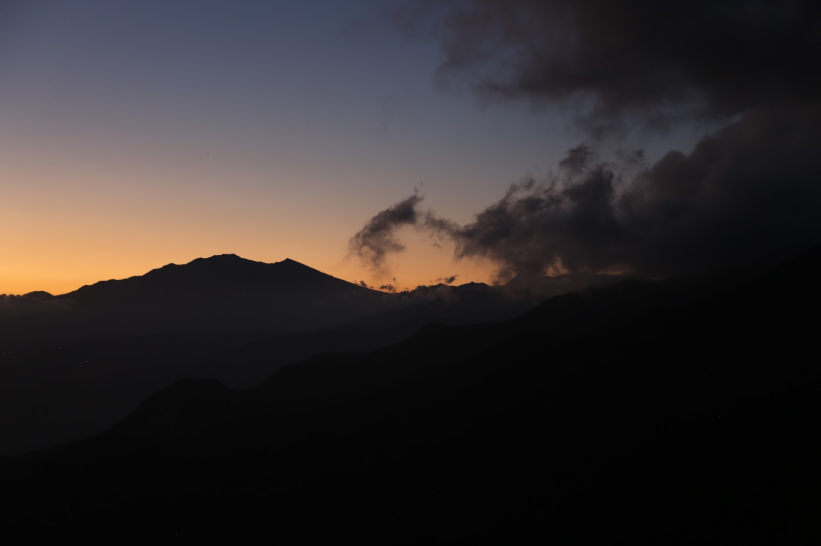
Mornings often begin wrapped in mist, with clouds drifting through the trees. As the day opens up, the landscape reveals itself in deep greens and rolling ridgelines. Sunsets can feel almost unreal, with shifting light and endless horizon.

This is not a curated, resort style environment. It is raw, natural, and immersive. You are surrounded by forest in every direction, and that connection to nature is constant. You wake up to birds, you walk through jungle trails, and at night, the forest feels alive in a completely different way.

Wildlife is part of daily life here. Guests regularly spot tropical birds, hear monkeys in the distance, and even see species like motmots along the trails. It is not a place where you go looking for nature, it is a place where nature surrounds you.

The Social Atmosphere, Effortlessly Strong

One of the most unique aspects of Lost and Found is the kind of people it attracts and the atmosphere that creates.

Because getting there requires a bit of effort, everyone who arrives has made a conscious choice to be there. That shared experience breaks down barriers quickly. Conversations start naturally, and within a short time, the hostel feels more like a group than a collection of strangers.

It is social without being overwhelming. There is a bar, there are drinks, there is laughter, but it never tips into chaos. Evenings often turn into long conversations, shared stories, and spontaneous plans for the next day.

It is the kind of place where people extend their stay, not because they need to, but because they do not want to leave.

Days Filled With Real Experiences

Unlike many hostels where activities feel like an add on, here they are part of the identity.

The surrounding forest is filled with trails that range from short scenic walks to longer, more challenging hikes. Waterfalls, viewpoints, and hidden corners of jungle are all accessible right from the property. You do not need to travel anywhere else to fill your day with exploration.

Night hikes are a standout experience. When the sun goes down, the forest changes completely. Sounds intensify, movement increases, and you begin to notice details that are invisible during the day. It adds a completely different dimension to the environment.

What makes these experiences special is their authenticity. Nothing feels staged or overly structured. You are simply in the environment, experiencing it as it is.

Perfectly Placed Between Two Worlds

Geographically, the hostel sits in a sweet spot between two of Panama’s most popular destinations, the highland town of Boquete and the Caribbean islands of Bocas del Toro.

Instead of rushing between these locations, many travelers choose to stop here and break up the journey. What could be a long, tiring travel day becomes one of the highlights of the trip.

It also solves a very real travel issue. Rather than racing to reach the boats in Almirante before the last departure, staying here allows you to continue the journey the next day without stress. You arrive rested, on time, and ready to enjoy the transition to island life.

Why It Stands Above the Rest

Panama has excellent hostels in Panama City, with rooftop bars and skyline views, and in Bocas, where the focus is on beach life and nightlife. Those places are fun, social, and well located.

But Lost and Found does not try to compete with them.

It offers something entirely different.

It is immersive instead of convenient, intentional instead of busy, and connected to nature instead of built around it. It strips away distractions and replaces them with experience, which is why it stays with people long after they leave.

The Kind of Place That Becomes a Highlight

Ask travelers about their time in Panama, and many will talk about beaches, islands, and the canal. But those who stayed here tend to describe it differently.

They remember the hike in, the feeling of arriving somewhere hidden.

They remember the people they met and the conversations that lasted hours.

They remember the quiet moments, the views, and the sense of being completely removed from everything else.

That is what separates a good hostel from a great one.

More Than a Stay, It’s Part of the Journey

In the end, the “best” hostel will always depend on what you are looking for. But if you are searching for something memorable, something that feels like more than just accommodation, something that becomes part of your story rather than just a place you passed through, then Lost and Found Hostel stands in a category of its own.

It is not just where you stay.

It is where you slow down, connect, and experience a different side of Panama.

And that is why, for so many travelers, it is not just the best hostel in the country, it is one of the most unforgettable stops on the entire journey.

Where Not to Wander Late at Night in Panama City, A Realistic Safety Guide

Panama City is one of the most modern and dynamic cities in Central America. Skyscrapers rise along the Pacific, nightlife pulses in trendy districts, and many neighborhoods feel as safe and comfortable as any major city in North America. But like any large urban center, it has areas where caution matters, especially after dark. This is not a city to fear, but it is a city to understand.

The reality is that most visitors stick to well known areas such as Casco Viejo, El Cangrejo, Punta Pacifica, and Obarrio, where security is visible and foot traffic remains steady into the night. Step outside of these zones, however, and the atmosphere can shift quickly. Some neighborhoods are best avoided late at night, particularly if you are alone, unfamiliar with the area, or on foot.

One of the most commonly mentioned areas is El Chorrillo. Located right next to the historic district of Casco Viejo, it sits in sharp contrast to its polished neighbor. While there have been improvements over the years, El Chorrillo still struggles with poverty, limited infrastructure, and higher levels of crime compared to more central districts. During the day, passing through certain parts may not feel particularly alarming, but at night it becomes a place where most locals and travelers would avoid wandering, especially alone.

Nearby, Curundú is another area with a reputation for being unsafe after dark. Historically associated with gang activity and economic hardship, it is not a place designed for casual exploration. While redevelopment efforts have taken place, the perception and reality of risk remain enough that it is best to avoid walking through this area at night unless you have a clear reason and local knowledge.

Further inland, San Miguelito covers a large and densely populated area with a mix of neighborhoods. Some parts are relatively calm, while others experience higher crime rates. It is not inherently dangerous across the board, but it is not an area where a visitor would typically go wandering late at night. The size and variation of San Miguelito mean that without local guidance, it is easy to end up in places that are not ideal after dark.

Another district often mentioned is Calidonia. Located near the city center, it has a busy daytime atmosphere with shops, markets, and constant movement. At night, however, parts of Calidonia can feel very different. Reduced foot traffic, combined with a mix of nightlife and less regulated activity, can create an environment where opportunistic crime is more likely. It is not uncommon for locals to recommend avoiding certain streets here after hours.

Then there is Santa Ana, which sits between Casco Viejo and Calidonia. Like many older parts of the city, it is undergoing gradual change, with some areas seeing investment and renewal. However, it remains mixed, and while you might find interesting local life during the day, nighttime is a different story. Wandering aimlessly here after dark is not advisable unless you know exactly where you are going.

It is important to understand that “dangerous” in Panama City does not usually mean constant threat or extreme violence. More often, the risk comes from opportunistic crime such as theft, muggings, or being in the wrong place at the wrong time. Situational awareness goes a long way. Well lit streets, areas with people around, and using taxis or rideshares instead of walking at night can dramatically reduce risk.

Another factor to consider is how quickly neighborhoods can change from one block to the next. In Panama City, it is not unusual to move from a lively, safe area into a quieter, less secure one within minutes. This is particularly true around transitional zones near the city center. What feels comfortable at 7 PM may feel very different at 11 PM.

For travelers, the safest approach is simple. Stick to known neighborhoods at night, use transportation rather than walking long distances, and avoid exploring unfamiliar areas after dark. If you are curious about less visited parts of the city, go during the day, preferably with someone who knows the area.

It is also worth noting that Panama City has a strong police presence in many areas, particularly those frequented by tourists. This contributes to the overall sense of safety in the city’s main districts. Violent crime targeting visitors is relatively rare compared to many other cities in the region. Most issues can be avoided with basic awareness and good judgment.

In the end, Panama City is not a place where you need to feel constantly on edge. It is a city that rewards those who understand its layout and respect its contrasts. There are vibrant neighborhoods full of life, culture, and energy, and there are others where it is simply smarter not to wander alone late at night.

Knowing the difference is what allows you to enjoy everything the city has to offer while staying safe and confident as you explore.

The Sound of Panama, Instruments That Tell a Nation’s Story

Music in Panama is not something separate from daily life, it is part of how stories are told, how history is remembered, and how communities celebrate who they are. Across the country, from the Caribbean coast to the dry interior plains, music reflects a blending of Indigenous traditions, Spanish influence, and African heritage. Nowhere is that fusion more alive than in the instruments themselves. Each one carries a rhythm shaped by geography, culture, and time, and together they create a sound that is unmistakably Panamanian.

At the heart of Panama’s folkloric identity is the Mejoranera, a small, guitar like instrument that plays a central role in traditional countryside music. Usually strung with five strings, it produces a bright, crisp tone that pairs perfectly with improvised singing. In rural regions, especially in the Azuero Peninsula, musicians use the mejoranera to accompany décimas, poetic verses that are often created on the spot. These performances are as much about storytelling as they are about music. A skilled player is not just a musician, but a poet and cultural historian, weaving together humor, commentary, and personal expression in real time.

Supporting the mejoranera in traditional ensembles is the socavón, a deeper, more resonant string instrument that adds a bass layer to the sound. Though less widely known, it plays an important role in balancing the higher tones of the mejoranera, creating a fuller musical texture. Together, these instruments form the melodic backbone of many folkloric styles that have been passed down through generations.

If string instruments provide melody, percussion provides the pulse. Drums are essential to Panama’s musical identity, especially in Afro Panamanian traditions along the Caribbean coast. The Tambor exists in many forms, each with its own tone and role within an ensemble. In styles like congo music, drums are not just accompaniment, they are the driving force. Rhythms are layered, complex, and deeply expressive, often accompanied by call and response singing and energetic dance.

Congo music, in particular, carries a powerful historical legacy. Developed by descendants of enslaved Africans, it is both a celebration and a form of cultural resistance. The drums used in these performances are often handmade, crafted using traditional techniques that have been preserved over centuries. Instruments like the repicador, which improvises and interacts with dancers, and the caja, which keeps a steady rhythm, work together to create a sound that is both structured and spontaneous.

Another distinctive percussion instrument is the churuca, made from a dried gourd and played by scraping its surface with a stick. The sound it produces is rhythmic and textured, adding a subtle layer to musical arrangements. Though simple, it plays an important role in maintaining timing and enhancing the overall rhythm of a performance.

No discussion of Panamanian instruments would be complete without highlighting the Accordion, one of the most beloved and recognizable sounds in the country. Although it originated in Europe, the accordion has become deeply embedded in Panamanian culture, especially in folk music. It is a central instrument in genres like típico, where it often leads the melody and sets the tone for the entire performance.

In the interior regions, the sound of the accordion is synonymous with celebration. It is heard at festivals, dances, and community gatherings, often accompanied by drums and percussion. Its lively, expressive sound can shift from joyful and energetic to slow and emotional, making it incredibly versatile. Panamanian accordion players are known for their skill and creativity, often developing unique styles that reflect their region and personal flair. The instrument has become so important that it is considered a symbol of national identity in many parts of the country.

Wind instruments also contribute to Panama’s musical diversity. In Indigenous communities, flutes made from bamboo or bone are still used, producing soft, haunting tones that connect closely with nature and spiritual traditions. These instruments are often played in more intimate or ceremonial settings, offering a contrast to the louder, more rhythmic styles found elsewhere.

In more modern contexts, Panama’s music has expanded to include a wide range of instruments from around the world. Electric guitars, bass, keyboards, and brass sections are common in genres like salsa, reggae en español, and urban music. Panama, in fact, played a significant role in the early development of reggae in Spanish, blending Caribbean rhythms with local influences. In these settings, traditional instruments sometimes appear alongside modern ones, creating a fusion that reflects both heritage and innovation.

What makes Panama’s musical landscape so compelling is how these instruments come together. A single performance might feature the bright strumming of a mejoranera, the deep pulse of drums, and the lively melodies of an accordion, all layered into a cohesive and dynamic sound. It is music that invites participation, whether through dancing, singing, or simply listening.

Festivals across the country bring these sounds to life in vivid ways. Events like Festival Nacional de la Mejorana celebrate traditional music and highlight the importance of instruments like the mejoranera and accordion. In coastal regions, drum based performances fill the air with rhythm, while in cities, modern interpretations keep the music evolving and relevant.

Ultimately, the instruments of Panama are more than just tools for making sound. They are expressions of identity, carriers of history, and bridges between generations. Each note played on a string, each beat struck on a drum, and each melody carried by an accordion tells a story about the people and places that shape this country.

To truly understand Panama, you have to listen, not just to the music, but to the instruments themselves. In their sounds, you will hear the echoes of the past, the energy of the present, and the rhythm of a culture that continues to evolve while staying deeply connected to its roots.

Motmots of Panama, The Forest’s Most Elegant Secret

In the dense forests and quiet clearings of Panama, there is a bird that seems almost too perfectly designed to be real. Perched silently on a low branch, watching the world with calm precision, the motmot is one of the most striking yet often overlooked birds in the region. With its vibrant colors, expressive eyes, and unmistakable tail shaped like a pair of pendulums, the Motmots are among the most fascinating creatures you can encounter in Panama, especially if you know where and how to look.

At first glance, a motmot appears almost regal. Its plumage is a rich combination of greens and blues, often accented with subtle tones of rust, turquoise, or gold depending on the species. In the filtered light of the jungle, these colors do not stand out as much as you might expect. Instead, they blend into the greens and shadows, allowing the bird to remain surprisingly well camouflaged. What truly sets it apart, however, is its tail. Most motmots have elongated tail feathers with sections of barbs missing near the tip, forming a distinctive racket shape. These paddle like tips sway gently back and forth as the bird moves or balances, a slow, rhythmic motion that has earned them the nickname clock birds. It is one of the most recognizable and mesmerizing movements in the tropical forest.

Panama is home to several species of motmots, each adapted to slightly different environments. The Whooping Motmot is one of the most widespread and frequently encountered. It thrives in forest edges, secondary growth, and even semi rural areas, making it one of the easiest species to spot. Its deep, echoing call carries through the trees, especially during the early morning and late afternoon. In contrast, the Broad-billed Motmot prefers denser, lowland rainforest, where it moves quietly through darker understory layers. Higher up in the mountains, particularly in cloud forest regions, the elusive Tody Motmot can be found, smaller, more secretive, and often heard before it is seen.

What makes motmots particularly captivating is how they behave. Unlike many colorful tropical birds that stay high in the canopy, motmots tend to perch at mid level or even close to the ground. They are patient hunters, often remaining completely still for long stretches of time. From their perch, they scan the forest floor and surrounding vegetation, waiting for the right moment to strike. When they do move, it is sudden and precise, a quick glide or drop to capture prey before returning to the same perch.

Their diet is varied and reflects their adaptability. Motmots feed on insects, beetles, caterpillars, small lizards, frogs, and occasionally even small mammals. They will also eat fruit, especially when animal prey is less abundant. After catching something, they often beat it against a branch to subdue it before swallowing. This behavior, combined with their calm, observant nature, makes them a favorite among birdwatchers who enjoy studying subtle, deliberate movements rather than constant activity.

One of the most unusual aspects of motmot life is how they nest. Instead of building nests in trees like most birds, motmots excavate burrows in earthen banks. These tunnels can be surprisingly long, sometimes extending over a meter into the soil, ending in a chamber where eggs are laid. In Panama, these nesting sites can be found along riverbanks, forest trails, road cuts, and steep slopes. This strategy offers protection from predators and the elements, and it is yet another way in which motmots defy expectations.

Their vocalizations add another layer to their presence. The Whooping Motmot produces a deep, hollow call that sounds like a series of spaced out whoops echoing through the forest. Other species have softer, more rapid calls, but all share a quality that carries well through dense vegetation. Often, you will hear a motmot long before you see it, and once you recognize the sound, it becomes one of the defining noises of the Panamanian forest.

In Panama, motmots can be found in a wide range of locations, from lowland jungles to foothills and even near urban areas where forest patches remain. Regions around Boquete, the Caribbean forests of Bocas del Toro, and protected reserves across the country all provide excellent habitat. However, one of the most unexpectedly reliable places to see them is around Lost and Found Hostel.

Set in the cloud forest between the highlands and the Caribbean lowlands, this hostel is surrounded by dense vegetation, trails, and natural edges, exactly the kind of environment motmots love. Guests often report seeing multiple individuals right on the grounds, sometimes perched along trails, near clearings, or quietly watching from low branches. Because the area is relatively undisturbed and rich in biodiversity, motmots feel comfortable staying visible for longer periods. Early mornings and late afternoons are especially rewarding, when the forest is active and the light filters softly through the trees. For many travelers, this becomes one of the easiest and most memorable places to observe these birds up close without needing to venture deep into remote jungle.

Despite their presence in many parts of the country, motmots are often missed by casual observers. Their stillness allows them to blend seamlessly into the background, and unless they move or call, they can remain almost invisible. Birdwatchers learn to look for subtle signs, a slight sway of the tail, a flash of blue or green, or the distinctive silhouette of a bird sitting quietly in the understory. Once you notice one, it often feels like discovering a hidden secret.

Ecologically, motmots play an important role in maintaining balance within their habitats. As predators of insects and small animals, they help regulate populations that could otherwise grow unchecked. Their occasional consumption of fruit also contributes to seed dispersal, supporting plant diversity. They are part of a complex web of interactions that keep Panama’s ecosystems functioning.

What makes motmots truly unforgettable is the combination of elegance and restraint they embody. They are not loud, flashy, or constantly in motion. Instead, they exist in a quieter space, defined by patience, precision, and subtle beauty. In a country overflowing with wildlife, where monkeys call from the canopy and toucans flash across the sky, the motmot offers something different, a moment of calm, a pause in the forest where time seems to slow.

To encounter a motmot in Panama is to experience a different rhythm of nature. It is not about chasing sightings or ticking off species, but about noticing what is already there, waiting quietly. Whether deep in the jungle, along a forest edge, or right outside your accommodation in the highlands, these birds remind you that some of the most extraordinary wildlife does not need to hide, it simply waits for you to see it.

Panama’s Hidden Chocolate Trail, From Jungle Cacao to Unforgettable Farm Tours

When most people think of Panama, their minds jump to the canal, tropical beaches, or the misty highlands of Boquete. Chocolate rarely makes the list. And yet, tucked into the humid forests and coastal regions of the country is one of the most fascinating and underappreciated agricultural stories in the Americas, cacao. Not just any cacao, but some of the finest, most aromatic beans in the world, grown in small batches, often by indigenous communities and family run farms. Panama’s chocolate scene is not industrial or widely marketed. It is intimate, hands on, and deeply rooted in tradition, which is exactly why it remains a hidden gem.

Cacao has been part of Panama’s landscape for centuries. Long before chocolate became a global indulgence, indigenous groups cultivated cacao for food, drink, and cultural rituals. The crop thrives in Panama’s climate, where consistent rainfall, warm temperatures, and rich soils create ideal growing conditions. Today, cacao is primarily produced in regions like Bocas del Toro, Darién, and parts of the Caribbean slope, where dense jungle and biodiversity provide natural shade and protection for the trees.

The cacao grown in Panama is often of the criollo or trinitario varieties, known for their complex flavor profiles. Unlike mass produced cacao, which is bred for high yield and uniformity, Panamanian cacao is valued for its subtlety. Notes of fruit, nuts, floral aromas, and even hints of spice can emerge depending on the region and processing methods. This is one of the reasons why small scale chocolate makers around the world seek out beans from Panama. It is not about quantity, it is about quality.

The process of producing cacao is both labor intensive and fascinating to witness. It begins with the cacao tree, which produces colorful pods that grow directly from the trunk and branches. When ripe, these pods are harvested by hand and carefully opened to reveal the pulp covered beans inside. At this stage, the beans are not yet chocolate. They are bitter, raw, and far from the rich flavors most people associate with cacao.

The transformation happens through fermentation and drying. The beans, still covered in their sweet pulp, are placed in boxes or piles and left to ferment for several days. This step is crucial, as it develops the flavor compounds that will later define the chocolate. After fermentation, the beans are spread out to dry under the sun, often on raised platforms. This stage can take several more days and requires careful monitoring to ensure even drying and prevent spoilage.

In Panama, much of this process is still done using traditional methods. Small farms rely on manual labor, natural fermentation, and sun drying rather than industrial machinery. This not only preserves the quality of the beans but also creates an opportunity for visitors to see each step up close. And this is where Panama truly stands out, the chocolate tours.

In regions like Bocas del Toro, chocolate tours offer an immersive experience that goes far beyond tasting. Visitors are guided through cacao farms, often located deep in the jungle or along quiet coastal areas. You walk among the trees, see the pods growing in real time, and learn how to identify when they are ready to harvest. Guides, often from local or indigenous communities, explain the history of cacao in the region and its importance to their culture and livelihood.

One of the most well known experiences in the country is offered by Oreba Chocolate Tour, a community run initiative on Isla Bastimentos. Here, visitors are taken through the entire process, from harvesting cacao pods to grinding roasted beans into paste using traditional tools. What makes this experience unique is its authenticity. It is not a polished, commercial attraction, but a genuine look at how cacao is grown and transformed within the community. You taste chocolate at different stages, raw, fermented, roasted, and finally as a finished product, gaining a deep appreciation for the work involved.

Another standout is Up In The Hill Chocolate Farm, located in a lush hillside setting overlooking the Caribbean. This farm combines cacao production with permaculture principles, creating a rich, biodiverse environment where cacao grows alongside other crops. The tour here is as much about ecology as it is about chocolate. You learn how the forest supports the cacao, how different plants interact, and how sustainable farming practices can produce exceptional results. The tasting at the end is often a highlight, with rich, handcrafted chocolate that reflects the flavors of the surrounding landscape.

What makes these tours so special is their intimacy. Unlike large scale attractions, you are often in small groups, sometimes just a handful of people, walking through real working farms. You can ask questions, touch the cacao pods, and see the process unfold in front of you. It is educational, but it is also sensory, the smell of fermenting cacao, the heat of the sun drying the beans, the taste of fresh chocolate still warm from grinding.

Despite all of this, cacao remains one of Panama’s most overlooked attractions. Many travelers pass through the country without ever realizing that such experiences exist. They focus on beaches, surfing, hiking, or nightlife, all of which are worthwhile, but they miss a deeper connection to the land and its traditions. Chocolate tours offer something different, a chance to slow down, to learn, and to engage with a part of Panama that is both ancient and evolving.

There is also a broader story here about sustainability and community. Many cacao farms in Panama are small scale operations that provide income for local families. By visiting these farms, travelers contribute directly to these communities, supporting practices that prioritize quality, environmental stewardship, and cultural preservation. It is a form of tourism that feels meaningful, not just enjoyable.

Panama’s cacao industry may never be as large or as globally recognized as those in countries like Ecuador or Ghana, but that is part of its charm. It remains personal, rooted in place, and largely untouched by mass commercialization. For those willing to seek it out, it offers one of the most rewarding and unexpected experiences in the country.

In the end, chocolate in Panama is not just something you eat, it is something you experience. It is a journey from jungle to bar, from tradition to taste, and from overlooked crop to unforgettable memory. And for travelers looking to discover a different side of Panama, one that goes beyond the usual highlights, the country’s cacao farms and chocolate tours might just be the sweetest surprise of all.

The Bridge of the Americas, Steel, Strategy, and the Story of a Continent

At the Pacific entrance of the Panama Canal, where the tides of global commerce rise and fall with the movement of ships, stands one of the most historically significant structures in the Americas, the Bridge of the Americas. It is easy to see it simply as a road crossing, a sweep of steel carrying traffic in and out of Panama City. But this bridge represents far more than transportation. It is a culmination of centuries of geographic importance, decades of engineering ambition, and a turning point in the physical connection between North and South America.

To understand the Bridge of the Americas, you have to go back long before it was built, long before the canal itself existed. The narrow isthmus of Panama has always been one of the most strategically important pieces of land on Earth. Millions of years ago, it rose from the ocean and connected two massive continents, triggering what scientists call the Great American Biotic Interchange. Animals crossed in both directions, reshaping ecosystems from Alaska to Patagonia. Much later, Spanish explorers recognized the same narrow strip as a vital route between oceans, hauling treasure across it long before the canal made that journey easier.

By the early twentieth century, the completion of the Panama Canal in 1914 transformed global trade, but it also created a new challenge. The canal effectively split the country in two. While ships could move easily between oceans, people and vehicles on land faced a barrier. For decades, the only way to cross the canal near the Pacific entrance was by ferry. These ferries were slow, limited in capacity, and often delayed, creating a bottleneck in what should have been a seamless overland route.

The idea of building a permanent bridge was discussed as early as the 1920s, but it was not until the mid twentieth century that it became a serious project. At the time, the canal zone was under the control of the United States, and any major infrastructure project required cooperation between the U.S. and Panama. Eventually, an agreement was reached, and construction began in the late 1950s. The project was ambitious, not only because of the scale of the bridge, but because it had to be built over one of the busiest shipping lanes in the world without disrupting canal operations.

When the bridge was completed in 1962, it was originally named the Thatcher Ferry Bridge, replacing the ferry system it made obsolete. However, the name did not resonate with the Panamanian people, and it was later renamed the Bridge of the Americas, a title that better reflected its significance. The new name captured the imagination of the region, emphasizing the idea that this structure was more than just a crossing, it was a link between continents.

From an engineering standpoint, the bridge was a remarkable achievement. It stretches approximately 1.6 kilometers in total length, with a main steel arch span of over 340 meters. The clearance beneath the bridge is about 61 meters, allowing even large ocean going vessels to pass underneath without restriction. At the time of its completion, it was one of the longest continuous steel arch bridges in the world, a testament to the capabilities of mid twentieth century engineering.

Building it was no small task. Engineers had to account for strong ocean currents, shifting tides, and the constant movement of ships below. The structure had to be both incredibly strong and precisely aligned, ensuring that it could handle heavy traffic while maintaining the strict clearance required for canal operations. The result was a bridge that combined elegance with durability, its sweeping arch both functional and visually striking.

The impact of the bridge was immediate and profound. For the first time, there was a permanent road connection across the canal on the Pacific side. This completed a crucial segment of the Pan American Highway, the vast network of roads intended to link the entire Western Hemisphere. While the Darién Gap still interrupts that route between Panama and Colombia, the Bridge of the Americas made it possible to travel continuously by road across most of the Americas, something that had once been unimaginable.

Economically, the bridge played a key role in Panama’s development. It facilitated the movement of goods and people, reduced travel times, and opened up new areas for growth. Communities that had once been isolated by the canal became more accessible, and the integration of the country’s road network accelerated. The bridge also reinforced Panama’s position as a global crossroads, not just for ships, but for land based transportation as well.

Standing on or near the bridge today, you can witness the scale of its importance. Below, ships from around the world pass through the canal, carrying cargo between continents. Above, vehicles move steadily across, connecting regions and supporting daily life. The contrast is striking, a reminder that this narrow strip of land plays an outsized role in global systems.

Over the decades, traffic on the bridge increased significantly, reflecting Panama’s growth and the rising importance of the canal. By the late twentieth century, it became clear that additional crossings were needed to handle the demand. This led to the construction of the Centennial Bridge, which opened in 2004 and provides an alternative route further inland. More recently, the Atlantic Bridge was completed on the Caribbean side of the canal, further expanding the country’s infrastructure.

Despite these newer structures, the Bridge of the Americas remains iconic. It was the first permanent crossing over the canal, the one that changed how the country functioned. It carries history in its steel, representing a moment when engineering overcame geography in a way that reshaped daily life.

There is also a symbolic layer that goes beyond its physical function. The bridge stands at a point where two oceans meet, where the Pacific and Atlantic are connected by human ingenuity. At the same time, it links two continents that were once separated by vast stretches of water. In this sense, it mirrors both natural and human history, the ancient formation of the isthmus and the modern construction of the canal and bridge.

For visitors, the bridge offers some of the most dramatic views in Panama. From nearby vantage points, you can watch massive container ships glide beneath the arch, their scale emphasizing the size of the structure above. The skyline of Panama City rises in the distance, while the surrounding landscape hints at the wild terrain that once dominated the region. It is a place where past and present, nature and engineering, all come together.

What makes the Bridge of the Americas truly fascinating is not just its size or design, but what it represents. It is a reminder that Panama has always been a place of connection, long before roads and steel made it official. It has linked ecosystems, empires, and economies for millions of years. The bridge simply made that role visible, tangible, and permanent.

In the end, the Bridge of the Americas is more than infrastructure. It is a story, one that stretches from prehistoric migrations to modern global trade. It is a symbol of how a narrow strip of land can shape the world, and how human ingenuity can amplify that role. Standing there, watching the movement of ships below and traffic above, you are not just looking at a bridge. You are looking at one of the most important crossroads on the planet, a place where continents meet, oceans divide, and history continues to unfold.

The Jaguarundi, The Quiet Phantom of Panama’s Forest Edges

In the dense green mosaic of the American tropics, where towering rainforest meets open pasture and tangled riverbanks, there exists a wild cat that rarely draws attention yet thrives almost everywhere it goes. The Jaguarundi is one of the least recognized felines in the world, not because it is rare, but because it is so easily overlooked. It does not carry the bold patterns of a jaguar or the striking beauty of an ocelot. Instead, it slips through landscapes like a shadow, long, low, and fluid, often mistaken for something else entirely. And yet, in places like Panama, it is very much part of the natural fabric, quietly shaping ecosystems in ways most people never notice.

At first glance, the jaguarundi hardly looks like a typical cat. Its body is elongated, almost tubular, with short legs and a long tail that acts like a rudder as it moves. Its head is small and flattened, its ears rounded and low, giving it a streamlined, almost aerodynamic profile. Many people who catch a brief glimpse think they have seen an otter, a large weasel, or even some unknown creature rather than a feline. Adults typically weigh between three and nine kilograms, but their unusual proportions can make them appear larger or smaller depending on the angle and movement.

One of the most distinctive features of the jaguarundi is its coat. Unlike most wild cats, which rely on spots or stripes for camouflage, the jaguarundi wears a solid color. Individuals are usually either a dark charcoal gray or a rich reddish brown, often referred to as the red phase. These two color forms can exist within the same population, and even within the same litter, which historically led to confusion about whether they were separate species. Today, they are understood to be simply variations of the same adaptable animal.

The jaguarundi’s range is vast, stretching from northern Mexico through Central America and deep into South America. In Panama, it occupies an especially interesting position because of the country’s unique geography. Acting as a biological bridge between two continents, Panama hosts an incredible diversity of habitats within a relatively small area. Jaguarundis take full advantage of this. They can be found in lowland rainforests, along the edges of mangroves, in secondary growth forests, in dry tropical regions, and even in agricultural zones where forest meets farmland.

In Panama, sightings are most likely to occur in transitional areas rather than deep jungle. Regions such as the Caribbean slope near Bocas del Toro, the edges of Darién, and even the patchwork landscapes between farmland and forest in Chiriquí can all support jaguarundis. They are especially fond of areas with dense ground cover, access to water, and a mix of open and closed spaces. This preference makes them masters of edge habitats, places where many other predators struggle to adapt.

One of the most unusual traits of the jaguarundi is its daily activity pattern. While most wild cats are active at night or during twilight hours, the jaguarundi is primarily diurnal. It hunts during the day, especially in the early morning and late afternoon. This gives it access to a different set of prey and reduces competition with other predators such as ocelots and larger cats. In Panama’s forests, where multiple predators share overlapping territories, this time shift is a key survival strategy.

Its diet reflects its adaptability. The jaguarundi feeds on a wide range of small animals, including rodents, birds, reptiles, amphibians, and occasionally fish. In wetter regions of Panama, it may hunt along streams and flooded areas, while in drier zones it focuses more on terrestrial prey. Its body is perfectly suited for this kind of hunting. It can slip through thick undergrowth, pursue prey into tight spaces, and move quickly over short distances with impressive bursts of speed.

Rather than relying on brute force, the jaguarundi is a hunter of precision. It stalks quietly, keeping low to the ground, then launches a quick, decisive attack. Its long tail helps maintain balance, especially when navigating uneven terrain or making sudden turns. This combination of stealth and agility allows it to exploit niches that larger predators cannot.

Socially, the jaguarundi is a solitary animal. Each individual maintains a territory, which it marks using scent and occasionally vocalizations. Compared to other cats, it is surprisingly vocal. It produces a variety of sounds, including chirps, whistles, and chatters, some of which resemble bird calls. These vocalizations are thought to play a role in communication between individuals, especially in dense habitats where visual contact is limited.

Reproduction can occur throughout the year in tropical regions like Panama. After a gestation period of roughly seventy to seventy five days, the female gives birth to one to four kittens in a hidden den. These dens are often located in dense vegetation, hollow logs, or abandoned burrows, places that provide protection from predators and environmental exposure. The young develop quickly, beginning to explore their surroundings within a few weeks and gradually learning to hunt under their mother’s guidance.

From an evolutionary perspective, the jaguarundi is particularly interesting because it belongs to the same genus as the much larger Cougar. Despite the dramatic difference in size and appearance, these two species share a close genetic relationship. This highlights the diversity within the cat family and shows how different species can evolve to fill very different ecological roles while remaining closely related.

In Panama, the jaguarundi plays an important but often invisible role in maintaining ecological balance. As a mid sized predator, it helps control populations of small mammals, birds, and reptiles. This in turn influences plant life and the broader ecosystem. Because it thrives in edge habitats, it can persist in areas where larger predators may struggle, making it an important species in landscapes that have been altered by human activity.

However, this adaptability does not make it immune to threats. Habitat loss remains the biggest challenge for jaguarundis across their range. In Panama, deforestation for agriculture, road development, and urban expansion can fragment habitats and isolate populations. While the species is currently considered to be of least concern globally, local declines can occur where suitable habitat is reduced or heavily disturbed.

Human interactions with jaguarundis are relatively rare. They are elusive and tend to avoid people whenever possible. In rural areas, they may occasionally prey on poultry, which can lead to conflict, but these incidents are generally limited. Most people who live in jaguarundi territory will never knowingly see one, even if the animal is present nearby.

What makes the jaguarundi so compelling is its subtlety. It does not announce itself, it does not dominate the landscape, and it does not fit the image most people have of a wild cat. Instead, it exists in the margins, moving quietly through forests, fields, and riverbanks, adapting to whatever environment it encounters. In a country like Panama, where biodiversity is both rich and constantly under pressure, the jaguarundi stands as a symbol of resilience and quiet survival.

To truly appreciate the jaguarundi is to look beyond the obvious, to notice the animals that do not demand attention but earn it through their ability to persist. It is a reminder that the natural world is not only shaped by the iconic and the dramatic, but also by the small, the adaptable, and the nearly invisible creatures that continue their lives just out of sight, day after day, in the ever changing landscapes of the Americas.

Almirante and the Crossing to Bocas del Toro, A Deep Guide to Getting It Right

Almirante is not a place you visit, it is a place you pass through. Sitting on the Caribbean side of Panama, this small port town functions as the mainland gateway to the islands of Bocas del Toro, and nearly every traveler who comes here is focused on one thing, getting on a boat and leaving. The town itself is built around that purpose. It is busy, a little rough around the edges, and entirely centered on movement. Boats come and go all day, trucks move through the streets, and the waterfront hums with constant activity. It may feel chaotic at first, but beneath that surface is a system that works remarkably well once you understand it.

Most people arrive in Almirante after a long journey. If you are driving, you will likely come down from the highlands, passing through winding mountain roads, dense jungle, and eventually descending into a hotter, more humid coastal environment. The shift is immediate and noticeable. The air becomes heavier, the vegetation thicker, and the road begins to narrow as you approach town. If you are arriving by bus or shuttle, the experience is similar, with the final stretch bringing you into a busy port setting that feels very different from the calmer areas you may have come from.

As you get closer to the waterfront, you will probably notice people trying to flag you down, offering directions, parking, or boat access. It can feel overwhelming, especially if it is your first time. The most important thing to remember is simple, keep going until you reach the docks themselves. Do not stop too early, do not feel pressured into making a quick decision, and do not assume the first place you are directed is the best option. Once you are right at the water, everything becomes much clearer.

There is no single central terminal in Almirante. Instead, there are several small docks lined along the waterfront, each with boats heading to the same destination, Bocas Town on Isla Colón. You will see signs for water taxis, often labeled Taxi 25 or simply Water Taxi, and groups of passengers waiting nearby. The system is informal but efficient. Boats typically hold between ten and twenty people, and they leave once they are full. During busy times, this can happen quickly, sometimes within minutes. The crossing itself takes about twenty five to thirty minutes and offers a fast, scenic introduction to the Caribbean side of Panama.

One of the biggest concerns for travelers driving to Almirante is what to do with their car, and fortunately this is something the town handles well. Right near the docks are several established parking areas designed specifically for people heading to Bocas del Toro. These lots are usually fenced, attended, and located just a short walk from where the boats depart. They are not fancy, often consisting of gravel or basic paved spaces, but they are functional and widely used. The cost is generally low, around a few dollars per day, making them an easy and sensible choice.

When you arrive, someone will likely guide you toward parking. Sometimes this guidance is helpful, sometimes it is a bit pushy, but the key is to stay focused on location and visibility. Choose a lot that is clearly close to the boats and has someone present. If you are being directed somewhere that feels far from the waterfront or lacks any obvious supervision, it is best to continue driving. The legitimate parking areas are right where the action is, within a minute or two walk of the docks. Once parked, you simply lock your vehicle, gather your belongings, and walk straight to the water taxis.

While it is technically possible to leave your car on the street, it is not something most experienced travelers recommend, especially if you plan to be away for more than a few hours. Almirante is a working port town, and although many people do park informally, the peace of mind that comes with a guarded lot is worth the small cost. It allows you to focus on the journey ahead instead of worrying about your vehicle.

Timing is where many trips to Almirante go wrong. Water taxis run frequently throughout the day, but they do not operate all night. The last boats usually leave in the early evening, often around six to six thirty. If you arrive after that, you will not be crossing until the next morning. This is not a situation most travelers want to find themselves in, because Almirante is not set up as a comfortable overnight stop. Accommodation is limited, options are basic, and the town itself does not offer much in terms of nightlife or atmosphere for visitors. It serves its purpose during the day, but once the boats stop running, it becomes a place you would rather have already left.

Because of this, it is essential to plan your arrival with time to spare. Aim to reach Almirante in the late afternoon at the latest, and ideally earlier. Giving yourself a buffer allows for delays, unexpected stops, or simply taking your time. Arriving without pressure makes the entire experience smoother, from finding parking to boarding your boat.

Once you are at the dock, the process is refreshingly simple. Someone will ask where you are going, you will say Bocas, and you will be grouped with others heading the same way. Payment is usually made in cash directly to the operator. There are no complicated systems, no long lines, and no formal ticketing in most cases. After a short wait, you board the boat, your luggage is loaded, and you are on your way.

The ride across the water can vary depending on conditions. On calm days, it is smooth and enjoyable, with views of mangroves, small islands, and open water stretching ahead. On windier afternoons, it can be more intense, with waves and occasional spray. It is a good idea to keep valuables protected and to sit near the middle of the boat for a more stable ride. Life jackets are typically available, and the drivers are highly experienced, making the journey both safe and efficient.

Arriving in Bocas Town feels like stepping into a different world. The atmosphere shifts immediately from functional to vibrant. Colorful buildings line the water, music drifts through the air, and the pace of life slows down. Most accommodations are within walking distance of the dock, and taxis are readily available if needed. The contrast between Almirante and Bocas is part of what makes the journey so memorable.

For most travelers, bringing a car onto the island is unnecessary. The main island is small, easy to navigate, and well connected by boats to other islands. While there is a ferry that can transport vehicles, it operates on a limited schedule and is far less convenient than simply leaving your car behind. In most cases, the simplest and most effective approach is to park in Almirante and continue on foot.

Take Your Time, Why Spending a Night Along the Way Changes Everything

Trying to rush to Almirante in order to catch the last boat is one of the most common mistakes travelers make. The drive across Panama can be longer and more unpredictable than expected, with mountain roads, changing weather, and occasional delays. Pushing to arrive just in time creates unnecessary stress and can turn what should be an enjoyable journey into a race against the clock. A much better approach is to slow down and break the trip into two parts.

A perfect place to do this is Lost and Found Hostel, located in the cloud forest between the highlands and the Caribbean coast. Staying here transforms the journey into something far more memorable. Instead of rushing, you spend a night surrounded by dense jungle, cool mountain air, and sweeping views that stretch toward the distant lowlands. The setting feels remote and peaceful, a complete contrast to the busy energy of Almirante.

Spending the night there allows you to wake up early, refreshed, and ready to continue your journey without pressure. The drive down to Almirante becomes relaxed and scenic rather than stressful. You arrive with plenty of time, park easily, and step onto a boat without worrying about missing the last departure. It turns the entire experience into something smooth and enjoyable instead of rushed and uncertain.

Choosing to slow down also gives you flexibility. If there are delays along the way, they become part of the experience rather than a problem. You can stop for views, take breaks, and enjoy the transition from mountains to coast at a natural pace. It aligns the journey with the rhythm of Panama itself, which is not about rushing but about experiencing each place as it comes.

In the end, Almirante is a place that works best when you treat it as what it is, a gateway rather than a destination. Arrive with time to spare, choose a secure parking spot close to the docks, and take one of the frequent water taxis across the bay. Within half an hour, you will be in Bocas Town, surrounded by the color and energy that make the islands so special. And above all, avoid the temptation to rush for the last boat. Give yourself time, or better yet, spend a night in the mountains along the way. It is a simple decision that can completely transform your experience.

Panama Unfiltered, What You’ll Actually See in the Wild Over Two Weeks

Panama has a reputation that almost sounds exaggerated, a place where jungles spill into cities, where monkeys swing above busy roads, and where the ocean itself feels alive. But the reality is even more interesting than the fantasy, because what makes Panama special is not just rare wildlife, it is how constant and accessible that wildlife is. Over a two week trip, moving between the capital, the Canal Zone, a beach or two, and perhaps the highlands, you are not chasing animals, you are living among them. The experience builds gradually, beginning with subtle signs and turning into something immersive without ever requiring extreme effort.

Your first encounters often happen in or around Panama City, which surprises many travelers. Even in a modern skyline filled with glass towers, nature presses close. A walk along the edges of Parque Natural Metropolitano or the forested roads near Camino de Cruces National Park can quickly introduce you to Panama’s wildlife rhythm. You may not immediately see animals, but you will hear them, rustling leaves, distant calls, the occasional sudden movement overhead. This is often your first real realization that the forest is not quiet, it is layered with life. Within a day or two, that soundscape becomes familiar, and your eyes start to adjust to spotting movement in dense green.

Monkeys are usually the first mammals that make a clear impression. In places like Soberanía National Park, especially along the famous Pipeline Road, it is common to encounter groups moving through the canopy. The deep, echoing roar of mantled howler monkey carries for kilometers and often startles first time visitors, sounding much larger than the animal itself. Alongside them, smaller and more energetic species like Geoffroy's tamarin dart through branches, sometimes pausing just long enough for a clear look before disappearing again. With patience, you may also come across white-faced capuchin monkey, known for their curiosity and intelligence, often watching humans as much as they are being watched.

Sloths, though iconic, are a different kind of encounter entirely. The brown-throated three-toed sloth is surprisingly common, yet easy to miss. They blend seamlessly into the canopy, often remaining still for hours. Many travelers walk past several before spotting one, and it is usually a guide or a sharp-eyed local who points out what initially looks like nothing more than a clump of leaves. Once you see one, however, your perception changes, and suddenly you begin noticing them everywhere, hanging quietly above roads, in city parks, even near beach towns.

On the ground, life is just as active, though less obvious. Animals like the Central American agouti move through forest edges and open spaces, often early in the morning. Their movements are quick and cautious, but they are common enough that you are likely to spot several over two weeks. In more forested areas, you might encounter groups of white-nosed coati, traveling together with tails raised, constantly foraging. They are social, curious, and often completely unbothered by human presence, making them one of the more memorable mammals you will see without needing to search for them.

While mammals create memorable moments, birds are the constant backdrop of a Panamanian trip. You do not need to be a birdwatcher to notice them, they are simply everywhere. Bright flashes of color cross the sky, calls echo from unseen perches, and large silhouettes glide overhead. In the lowlands and along forest edges, species like the keel-billed toucan stand out immediately with their oversized, multicolored bills. Parrots and parakeets travel in noisy flocks, often heard before they are seen, while hawks circle high above open areas.

If your trip includes the highlands around Boquete or the slopes of Volcán Barú, the birdlife shifts dramatically. The cooler climate and cloud forests create a completely different environment, one where species feel more elusive and almost mythical. Among them is the resplendent quetzal, a bird that draws visitors from around the world. Seeing one is never guaranteed, but over a few days with early morning walks, your chances are real. Even without it, the sheer variety of hummingbirds, often hovering just meters away, creates a constant sense of movement and color.

Reptiles and amphibians are a quieter but equally consistent presence. Lizards are impossible to ignore, darting across paths, climbing walls, and basking in the sun. The common basilisk, often called the “Jesus lizard,” is a highlight, capable of sprinting across water to escape predators. Around homes and hotels, small geckos emerge at night, gathering near lights to feed on insects. Near rivers and mangroves, especially if you take a guided evening tour, you may spot the reflective eyes of spectacled caiman resting near the water’s edge.

The coastal portion of a two week trip introduces yet another dimension of wildlife. In places like Bocas del Toro, the experience shifts from jungle canopy to open water. Dolphins are frequently seen here, sometimes appearing alongside boats, sometimes surfacing quietly in the distance. Snorkeling reveals a completely different ecosystem, schools of tropical fish, coral formations, and occasional rays gliding along the seabed. On the Pacific side, particularly during the right season, the ocean itself becomes a stage for migrating giants. The humpback whale passes through these waters between July and October, and sightings during this time are not uncommon.

What stands out most over two weeks is not any single rare sighting, but the accumulation of everyday encounters. A monkey crossing overhead while you walk a trail, a sloth revealed only because someone points it out, a toucan landing briefly before flying off, a dolphin surfacing unexpectedly beside a boat. These moments happen without needing to venture deep into remote wilderness. Panama’s geography compresses ecosystems so tightly that wildlife becomes part of the routine rather than a special excursion.

Of course, there are limits to what you will realistically see. Large predators like jaguars remain hidden, deep in remote regions such as Darién Gap, far from typical travel routes. Iconic species like the harpy eagle exist, but are rarely encountered casually. Understanding this actually enhances the experience, because it shifts your focus from chasing rare sightings to appreciating the richness that is constantly present.

By the end of a two week stay, your awareness changes. You start noticing movement more quickly, recognizing calls, scanning treetops instinctively. Wildlife stops feeling like something separate from your trip and instead becomes part of the environment you move through each day. That is the real appeal of Panama, not just its biodiversity on paper, but how effortlessly that biodiversity reveals itself to anyone willing to slow down and pay attention.

The Ultimate Guide to Day Trips from Panama City, From Local Favorites to Hidden Escapes, Beaches, Mountains, Jungle, and Everything In Between

One of the most remarkable things about staying in Panama City is not just the city itself, but how quickly it disappears. Within an hour, sometimes less, glass towers give way to rainforest, coastal roads, mountain air, or quiet fishing villages. Panama is compact in distance but massive in diversity, and that is what makes day trips here so addictive. Every direction leads somewhere different, and the more you explore, the more you realize that the best places are not always the most obvious ones.

The easiest and most accessible escape is still Taboga Island, a quick ferry ride from the Amador Causeway. It is one of the few places where you can leave the city after breakfast and be swimming in the ocean before lunch. Locals love it because it requires almost no effort. The island itself is small but full of charm, with narrow streets, colorful houses, and a relaxed pace that feels completely detached from the capital. You can hike to viewpoints, visit one of the oldest churches in the Americas, or simply spend the day on the beach eating fresh fish and doing very little. It is not remote or untouched, but that is not the point, it is about ease and atmosphere.

Heading inland, the landscape shifts dramatically as you climb toward El Valle de Antón. Set inside an ancient volcanic crater, it offers cooler temperatures, lush greenery, and a sense of calm that feels almost therapeutic after the city. The drive is scenic and winding, while buses from Albrook make it accessible even without a car. Once there, you can hike trails like La India Dormida, explore waterfalls such as Chorro El Macho, or wander through markets filled with local crafts and produce. Nearby, quieter mountain communities like Altos del María offer panoramic views, cloud forest scenery, and a sense of isolation that feels far removed from everything.

If you want jungle without the drive, Soberanía National Park is one of the best quick escapes in the world. Within forty minutes, you are surrounded by dense rainforest filled with wildlife. Pipeline Road is legendary among birdwatchers, but even casual visitors will notice monkeys, sloths, and an overwhelming sense of life in every direction. Nearby Gamboa adds another layer, where you can watch enormous ships pass through the canal while standing in the middle of the jungle, a surreal combination that exists almost nowhere else.

For something more adventurous, the San Blas Islands offer one of the most visually stunning landscapes in Panama. The journey is long, with early departures, rough roads, and boat transfers, but the reward is a chain of small Caribbean islands with clear water and white sand that feels almost unreal. While many people attempt it as a day trip, it is intense, and locals often recommend staying overnight if possible. Still, even in a single day, it leaves a lasting impression.

On the Caribbean side, Portobelo offers a completely different experience. Once a major Spanish port, it is now a quiet coastal town filled with colonial ruins and layered history. The drive takes a couple of hours, passing through Colón and into a greener, more humid environment. Nearby Fort San Lorenzo sits above the sea, offering dramatic views and a glimpse into Panama’s past. The entire region feels slower, more atmospheric, and culturally distinct from the Pacific side.

But for many locals, especially on weekends, the real draw is not islands or mountains, it is beaches, and there are far more options than most visitors realize. One of the standout destinations is Punta Chame, about an hour and a half from the city. This long, narrow peninsula stretches into the ocean, creating wide, open beaches with constant wind and sweeping views. It is famous for kitesurfing, but even if you are not into water sports, the space and openness make it feel refreshing. Unlike crowded beaches, Punta Chame often feels expansive and uncrowded, with room to walk for kilometers. The drive itself, crossing over the water onto the peninsula, is part of the experience.

Closer to the city, Veracruz and Playa Farfán provide quick, no effort beach access. These are local beaches, not polished or pristine, but full of life. On weekends, they fill with families, music, and the smell of grilled seafood. Restaurants line the shore, serving fresh fish, ceviche, and cold drinks. It is more about atmosphere than scenery, and that is exactly why locals keep coming back.

If you are willing to go a bit further, the beaches around Coronado open up a wider stretch of coastline. Here you will find darker sand beaches, stronger waves, and a mix of resorts, restaurants, and quieter spots. Nearby areas like San Carlos and Playa Teta offer even more variety, from surf friendly waves to calmer stretches of sand. These beaches are popular with both locals and expats, creating a laid back but lively atmosphere.

Further along the coast, Playa Blanca provides a more resort style experience, with lighter sand and calmer waters. It is more developed, but still accessible as a day trip. Beyond that, places like Farallón and Santa Clara offer quieter alternatives, where you can find stretches of beach that feel far less crowded.

For something more off the radar, Cerro Azul remains one of the most underrated escapes. Just over an hour away, it offers cooler air, winding roads, and sweeping views over forested valleys. There are no major attractions, just nature, quiet, and space to breathe. It is the kind of place you go to disconnect completely.

Deeper into nature, Chagres National Park offers a more immersive experience. Rivers cut through dense jungle, and visits often involve traveling by boat to reach Emberá communities. Waterfalls, forest trails, and cultural encounters make it feel like a true adventure, even within a single day.

For those interested in the country’s defining feature, the Panama Canal offers multiple day trip angles. You can visit Miraflores Locks for a close up view of ships, or head further out toward Gatún Lake for boat tours that combine engineering with wildlife spotting. It is one of the few places where you can see global trade and rainforest ecosystems intersect so directly.

If islands are still calling but you want something easier than San Blas, the Pearl Islands are a strong alternative. Ferries and short flights connect you to places like Contadora, where beaches are clean, water is clear, and the experience is far more relaxed. It is a different kind of beauty, less raw, more accessible, but still deeply satisfying.

Even smaller, lesser known spots like Capira and surrounding rural areas can turn into rewarding day trips. Rolling hills, small farms, roadside restaurants, and quiet rivers create a slower, more authentic experience. These are the places where you stop without a plan and discover something unexpected.

Getting to all of these places depends on how you travel. Buses from Albrook Terminal are reliable and affordable, connecting to major destinations like El Valle, Coronado, and Colón. They are perfect for straightforward trips, but less useful for remote or hidden spots. Renting a car opens up far more possibilities, especially for beaches like Punta Chame or mountain areas like Cerro Azul. Tours are best for complex destinations like San Blas or Emberá village visits, where logistics can be challenging.

What makes day trips from Panama City so special is not just the number of options, but the contrast between them. In a single weekend, you can stand on a windswept peninsula, hike through cloud forest, swim in the ocean, and walk through dense jungle alive with wildlife. Each direction offers a different mood, a different landscape, and a different version of Panama.

And the more you explore, the more you realize that the real magic lies beyond the obvious. It is in the quiet beaches with no crowds, the mountain roads with no signs, the small towns where time slows down. Those are the places that stay with you, long after you return to the city, and they are what make Panama one of the most rewarding places in the region to explore.

The Side Striped Palm Green Tree Viper, Panama’s Hidden Jewel of the Rainforest Canopy

High above the forest floor of Panama, where vines twist through humid air and leaves catch filtered sunlight, lives one of the most visually striking and quietly mysterious snakes in Central America, the side striped palm green tree viper, known scientifically as Bothriechis lateralis. It is not an animal most people ever see, and yet it is there, coiled in silence, blending perfectly into the jungle’s endless shades of green, a predator designed as much for invisibility as for precision.

At first glance, the snake seems almost unreal. Its body is a vibrant, almost electric green, the exact color of fresh leaves after rain. Running along its sides is a subtle but distinctive stripe, often pale yellow or bluish, which gives the species its common name. This stripe can vary in intensity depending on the individual and the region, sometimes bold and clear, other times faint and ghost like. The scales themselves have a slightly rough, keeled texture, catching light in a way that helps break up the snake’s outline. Even when you are looking directly at one, it can be surprisingly difficult to see.

The body of the side striped palm green tree viper is slender but muscular, perfectly adapted for life in the trees. It uses a prehensile tail like a fifth limb, anchoring itself to branches while the rest of its body remains coiled and ready. This is an ambush predator, patience is its greatest strength. It does not chase, it waits. Hours can pass without movement, the snake suspended among leaves, watching, sensing, calculating.

One of its most fascinating features is something you might not notice at first, the heat sensing pits located between its eyes and nostrils. Like other members of the pit viper family, it can detect tiny changes in temperature, allowing it to “see” warm blooded prey even in darkness. This gives it an incredible advantage in the dense forest, where visibility is limited and movement is subtle.

In Panama, this species is found primarily in cooler, more humid regions, particularly in highland and cloud forest environments. Areas around Boquete and Cerro Punta provide ideal habitat, where mist rolls through the trees and vegetation remains lush year round. It is also present in parts of La Amistad International Park, one of the most biodiverse regions in Central America. These environments offer the dense canopy and steady humidity that the species depends on.

Despite its beauty, this snake is venomous, and its bite should be taken seriously. Like other pit vipers, it possesses hemotoxic venom, which affects blood and tissue. However, it is important to understand that the side striped palm green tree viper is not aggressive. It relies on camouflage and stillness as its primary defense. Most encounters occur when someone accidentally gets too close or disturbs it without realizing it is there. In many cases, the snake will remain motionless rather than strike, trusting its disguise.

Its diet consists mainly of small animals that move through the vegetation. Frogs are a favorite, especially tree frogs that share the same habitat. It will also prey on small birds, lizards, and rodents when the opportunity arises. The strike itself is incredibly fast, a sudden, precise movement followed by a return to stillness. Once the venom takes effect, the snake tracks and consumes its prey, maintaining the energy efficiency that is critical in its environment.

Reproduction in this species is another fascinating aspect. Unlike many snakes that lay eggs, the side striped palm green tree viper is ovoviviparous, meaning it gives birth to live young. The female carries the developing embryos internally, and when the time comes, fully formed miniature snakes emerge, already equipped with venom and survival instincts. These juveniles often have slightly different coloration, sometimes with more pronounced markings that help them blend into their own microhabitats.

One of the most intriguing things about this snake is how rarely it is seen, even by people who spend a lot of time in the forest. Its entire survival strategy is based on remaining undetected. It chooses perches carefully, often positioning itself along branches where its body aligns with the natural lines of the vegetation. It may sit at eye level or above, meaning that many people pass within meters of it without ever knowing it was there.

For naturalists and wildlife enthusiasts, spotting one is a moment of quiet excitement rather than dramatic discovery. There is no movement to draw attention, no sound to give it away. Instead, it appears slowly, as your eyes adjust and you begin to notice patterns that do not quite match the leaves around them. It is a reminder of how much life exists in the forest beyond what is immediately visible.

Ecologically, the side striped palm green tree viper plays an important role. As a predator, it helps regulate populations of small animals, maintaining balance within the ecosystem. At the same time, it is part of a larger food web, occasionally falling prey to birds of prey or larger mammals. Its presence indicates a healthy, functioning habitat, one where the complexity of life has been preserved.

There is also a cultural and emotional aspect to snakes like this. For some, they inspire fear, for others, fascination. In Panama, where biodiversity is a point of national pride, species like the side striped palm green tree viper represent the richness of the country’s natural heritage. They are not meant to be handled or disturbed, but to be respected as part of a larger, interconnected system.

What makes this snake truly fascinating is not just its appearance or its venom, but its way of existing. It does not dominate its environment, it disappears into it. It survives not through force, but through patience, precision, and perfect adaptation. In a world that often values visibility and movement, the side striped palm green tree viper is a master of stillness.

To encounter one in the wild forests of Panama is to experience something subtle and rare. It is not a loud or dramatic moment, but a quiet realization that the jungle is far more alive, and far more complex, than it first appears.

Panama’s Brewery Pubs, A Deep Dive Into the Country’s Growing Craft Beer Culture

Panama is not a country that built its reputation on beer, at least not in the way that Germany, Belgium, or the United States have. For generations, the rhythm of drinking in Panama has revolved around light lagers, ice cold bottles pulled from coolers on hot afternoons, shared at beaches, street corners, and family gatherings. Beer here has always been social, refreshing, and simple. But over the past decade, something much more layered has begun to emerge. A craft beer movement has quietly taken root, spreading through neighborhoods, along coastlines, and into the highlands, creating a network of brewery pubs that reflect a new side of Panamanian culture, one that is experimental, expressive, and deeply tied to place.

At the center of this transformation is Panama City, a city that feels like a crossroads of influences. Skyscrapers rise beside historic districts, global business meets local tradition, and the brewery pub scene mirrors that same mix. Here, craft beer is not confined to a single style or identity. Instead, it exists across a spectrum, from approachable entry points to bold, experimental spaces pushing the limits of what beer in Panama can be.

One of the foundational names in this story is Istmo Brew Pub. This is where many people in Panama had their first introduction to craft beer that went beyond the familiar. Istmo built its reputation on accessibility, creating beers that were flavorful but not intimidating, often inspired by different regions of the country. Walking into their space, you get a sense of continuity. It feels established, comfortable, and welcoming, a place where someone new to craft beer can start, but also where long time drinkers return out of habit and trust. It represents the beginning of the shift, when Panama started to realize that beer could be more than just cold and light.

As the scene evolved, a new generation of breweries began to take shape, pushing creativity further. Casa Bruja Brewing Co. stands out as one of the most influential of these. Its identity is bold, almost rebellious. Located in an industrial style setting, it feels raw and intentional, like a workshop where ideas are constantly being tested. The beers here often lean toward the adventurous, hazy IPAs bursting with aroma, sour beers that challenge expectations, and seasonal creations that reflect both global trends and local experimentation. It is not just about drinking, it is about discovery. The crowd that gathers here tends to reflect that mindset, curious, engaged, and open to trying something different.

Then there is La Fábrica, a place that captures the energy of Panama City in a completely different way. Situated along the Amador Causeway, it blends craft beer with a sense of occasion. During the day, it feels open and relaxed, with ocean views and a breeze that carries the smell of salt and sun. As the evening approaches, the atmosphere shifts. Music rises, the crowd thickens, and the space becomes a vibrant social hub. The beer menu is designed to match this dual identity, offering both easy drinking options and more complex brews, ensuring that whether you are there for a quiet afternoon or a lively night out, the experience feels complete.

Not every brewery pub in the city leans toward polish or scale. El Perico Mañoso Brewing Co. offers something more grounded, more local in spirit. This is where the scene feels unfiltered. The branding is playful, the atmosphere relaxed, and the focus is on connection rather than presentation. It is the kind of place where conversations stretch, where laughter carries across tables, and where the beer is part of a larger social experience rather than the sole focus. It reminds you that craft beer in Panama is not trying to imitate other countries, it is finding its own voice.

There is also a quieter side to the city’s beer culture, one that values depth and tradition. 't Bier Klooster brings a European influence into the mix, offering beers that are richer, more complex, and often slower to drink. The atmosphere here encourages conversation and appreciation. It is not about volume or energy, but about flavor, texture, and time. This contrast within the same city is what makes Panama’s brewery scene so compelling. You can move from a high energy waterfront brewery to a calm, almost contemplative pub in a matter of minutes, each offering a completely different perspective on what beer can be.

Beyond the capital, the story expands in ways that feel even more connected to environment. Along the Pacific coast, in places like Coronado, brewery pubs take on a different rhythm. Here, time slows. The heat is constant, the ocean is close, and the experience of drinking beer becomes tied to the landscape. Spots like Coronado Brewing Company Panama, often referred to as Gold Coast Brewing, reflect this shift. The focus is not on a wide range of styles, but on creating a setting where beer complements the day. You might sit for hours, moving from one drink to the next as the sun lowers, the conversation flowing as easily as the breeze.

Further west, in the highlands around Boquete, the environment changes again, and with it, the beer culture. Cooler temperatures, misty mornings, and a slower pace of life create space for brewery pubs that feel almost removed from the rest of the country. Here, heavier beers begin to make more sense. Darker ales, richer flavors, and longer evenings spent indoors or on covered terraces become part of the experience. While the number of breweries is smaller, the presence of craft beer in this region shows how far the movement has spread. It is no longer confined to urban experimentation, it has become part of Panama’s broader lifestyle.

What ties all of these places together is a shared sense of social energy. Brewery pubs in Panama are not quiet tasting rooms. They are living spaces. Music is often present, sometimes subtle, sometimes central. Food is almost always part of the experience, ranging from simple bites to full menus that incorporate local ingredients. The atmosphere is informal, welcoming, and fluid. You do not need to be an expert to belong here. In fact, the scene thrives on inclusivity, on bringing people together rather than separating them by knowledge or taste.

Climate plays a subtle but important role in shaping what you drink. Even as breweries experiment with stronger styles, there is an underlying awareness of heat and humidity. Beers are often crafted to remain drinkable, balanced, and refreshing, even when they carry more complexity. This gives Panamanian craft beer a unique identity, one that respects the environment it exists in.

Another defining feature is the diversity of the crowd. In a single brewery pub, you might find locals who have grown up with traditional beers, expats bringing influences from abroad, and travelers discovering the scene for the first time. This mix creates an atmosphere that feels open and dynamic. Conversations cross languages and backgrounds, and the experience becomes as much about people as it is about beer.

As you move through Panama’s brewery pubs, what becomes clear is that this is a scene in motion. It is not finished. It is not fixed. It is evolving with each new batch, each new idea, each new place that opens its doors. There is a sense of experimentation that runs through everything, a willingness to try, to adapt, and to redefine what craft beer means in this context.

In the end, Panama’s brewery pubs are not about competing with the world’s most established beer destinations. They are about creating something that belongs here. They reflect a country that is blending tradition with innovation, simplicity with creativity, and social culture with individual expression.

Whether you find yourself in the heart of Panama City, surrounded by music and movement, on a quiet beach watching the sun disappear into the Pacific, or in the cool highlands where the air feels entirely different, the experience remains connected. It is about slowing down just enough to appreciate the moment, the drink in your hand, and the people around you.

Panama’s brewery scene is not just growing, it is becoming. And that is what makes it worth exploring, not just once, but again and again, as it continues to evolve into something uniquely its own.

San Blas in a Day, The Wild Ride to Paradise Few Forget

There are beach trips, and then there is the journey to San Blas Islands. Known locally as Guna Yala, this chain of hundreds of tiny Caribbean islands feels like something pulled from a dream, white sand, impossibly clear water, and palm trees leaning into the sea. But what makes a day trip here so fascinating is not just the destination, it is the journey, the logistics, the culture, and the sense that you are stepping briefly into a completely different world.

Most day trips to San Blas begin very early, often before sunrise, in Panama City. Pickup times are typically between 5:00 and 5:30 in the morning, and there is a reason for that. The drive alone takes around two and a half to three hours, and it is not your average highway cruise. You leave the city’s skyline behind quickly, moving through suburban edges and into dense jungle as you head toward the Guna Yala region.

The road itself becomes part of the story. As you climb into the hills, the paved route transforms into a winding, steep, and often dramatic stretch of asphalt that cuts through thick rainforest. The final section is famous, sharp curves, sudden drops, and a roller coaster feel that can catch people off guard. It is both beautiful and intense, especially as the forest thickens and the sense of isolation increases. Along the way, you will pass through a checkpoint where you enter the autonomous Indigenous territory of the Guna people, paying an entry fee that helps support local communities.

Eventually, the road ends near a small port, often Puerto de Cartí, where the next phase begins. This is where things shift from road trip to adventure. You trade your vehicle for a small, open boat, usually a fiberglass lancha with an outboard motor. Life jackets are handed out, bags are loaded, and within minutes you are speeding across bright turquoise water, leaving the mainland behind.

The boat ride is unforgettable. Depending on your destination island, it can take anywhere from 20 to 45 minutes, sometimes longer if the sea is rough. The water changes color constantly, deep blue turning into electric turquoise, then into crystal clear shallows where you can see the sandy bottom below. Small islands begin to appear on the horizon, each one looking like a postcard, tiny, fringed with palms, and surrounded by reef.

When you finally arrive, it almost feels unreal. The islands themselves are small, many just a few hundred meters across, but that is part of their charm. The sand is powdery and white, the water warm and shallow, and the entire setting feels untouched by large scale development. Most islands are managed by local Guna families, who maintain simple infrastructure, basic huts, hammocks, small kitchens, and shaded areas for visitors.

A typical day trip includes time on one main island, often combined with short visits to nearby spots. One of the highlights is a visit to a “natural pool,” a shallow sandbank far out in the water where starfish rest on the ocean floor. Standing in waist deep, crystal clear water with nothing but sea and sky around you is one of those rare moments that feels completely disconnected from everyday life.

Snorkeling is another major part of the experience. The reefs around San Blas are not as heavily trafficked as those in more developed destinations, which means you can still find vibrant marine life. Colorful fish, coral formations, and occasionally rays or other sea creatures make the underwater world just as captivating as what is above.

Food on the islands is simple but satisfying, often included in the day trip package. Fresh fish, rice, salad, sometimes fried plantains or coconut based dishes, served casually under a thatched roof or by the beach. It is not gourmet, but it fits the setting perfectly, fresh, local, and unpretentious.

What truly sets San Blas apart, though, is the cultural aspect. The islands are part of the Guna Yala autonomous region, governed by the Guna people, who have maintained a high degree of independence and cultural preservation. You will see traditional dress, hear the Guna language, and notice that tourism here feels different, less commercial, more controlled by the community itself. Visitors are guests, not just customers, and that distinction shapes the experience in subtle but important ways.

That said, a day trip to San Blas is not effortless luxury. It is important to understand the trade offs. The journey is long, the roads can be rough, and the boat rides can be bumpy, especially in windy conditions. Facilities on the islands are basic, expect simple bathrooms, limited shade, and minimal amenities. There is usually no strong phone signal, and electricity is limited or nonexistent in some areas.

But for many people, these limitations are exactly what make it special. The lack of development, the absence of large resorts, and the simplicity of the environment create a sense of authenticity that is increasingly rare in tropical destinations.

Timing is also important. Because it is a day trip, you will typically spend only a few hours on the islands before heading back. Boats usually leave in the mid afternoon, around 3:00 or 3:30, to ensure you return to Panama City before night. It makes for a long day, often 12 to 14 hours in total, but one that feels packed with experiences.

For those considering the trip, preparation makes a big difference. Bring cash for fees and extras, there are no ATMs. Pack light but include essentials like sunscreen, water, a towel, and dry bags to protect electronics from splashes. Motion sickness medication can be helpful for the boat ride, especially on windy days.

In the end, getting to San Blas for a day trip is not just about reaching a beautiful beach. It is about the entire sequence, leaving the city in darkness, climbing through jungle roads, racing across open water, and stepping onto a tiny island that feels worlds away from everything you know.

It is a journey that compresses contrast into a single day, modern city to remote Indigenous territory, asphalt to ocean, noise to silence. And when you return, tired, sun soaked, and slightly salt covered, you realize that the effort was part of the reward.

San Blas is not the easiest place to reach, but that is exactly why it still feels like paradise.

Parque Natural Metropolitano, The Ultimate Guide to Panama City’s Wild Heart

Right in the middle of Panama City, surrounded by highways, skyscrapers, and constant movement, exists something that feels almost impossible, a true tropical forest filled with wildlife, silence, and raw nature. This is Parque Natural Metropolitano, often called the “lungs of the city,” and without exaggeration, it is one of the most unique urban parks in the entire world.

A Jungle Inside the City

Parque Natural Metropolitano is not just a park, it is a protected rainforest ecosystem sitting inside a capital city, something rarely seen anywhere on Earth. Spanning roughly 232 to 265 hectares, it is considered the largest urban park of its kind in Central America and one of the only true wildlife refuges embedded within a major Latin American city.

What makes it even more remarkable is the type of forest it protects. Around 75 percent of the park is tropical dry forest, an ecosystem that has largely disappeared across Panama due to development. This makes the park not just scenic, but ecologically critical, preserving a habitat that is increasingly rare.

From the moment you step inside, the city fades almost instantly. The sounds of traffic are replaced by birds, insects, and the distant calls of monkeys. Within minutes, you are no longer in a city, you are in a living, breathing jungle.

A Deep and Fascinating History

The origins of the park go back to the 1970s, when the area was first recognized for its environmental importance. It was officially created in 1985 and later inaugurated in 1988, becoming a protected area under Panamanian law.

Before that, parts of the land were linked to Canal Zone planning and recreational use, but conservation efforts gradually took priority. Today, the park stands as one of Panama’s most important examples of balancing urban development with environmental protection.

Its existence is not accidental, it is the result of deliberate decisions to preserve nature in the face of rapid city expansion.

Biodiversity That Rivals Remote Jungle

Despite being surrounded by a city, the biodiversity inside the park is astonishing.

The park is home to:

Around 45 species of mammals

Over 220 to 250 species of birds

Dozens of reptiles and amphibians

Hundreds of plant species, including orchids and towering tropical trees

This density of life makes it one of the best places in Panama for accessible wildlife viewing.

Animals you may encounter include:

Sloths hanging quietly in trees

Agoutis and ñeques moving along the forest floor

White tailed deer in quieter areas

Monkeys, especially tamarins and occasionally howlers

Iguanas, frogs, and a wide range of insects

Colorful birds like toucans, parrots, tanagers, and hawks

It is also considered a world class birdwatching location, where even a short walk can reveal dozens of species.

What makes this even more fascinating is that all of this exists just minutes from downtown.

The Trails, Your Gateway Into the Jungle

The park features a network of well marked trails that vary in difficulty and length, making it accessible for both casual visitors and serious hikers.

Some of the most notable include:

Sendero La Cienaguita, a relatively short and beginner friendly trail

Sendero Mono Tití, known for wildlife sightings

Sendero Los Momótides, offering deeper forest immersion

Sendero Dorothy Wilson, a longer route for those wanting more exploration

Cerro Cedro viewpoint trail, the most rewarding climb

Most trails take anywhere from 30 minutes to 3 hours, depending on your pace and route.

The paths are generally well maintained, but this is still real jungle, expect humidity, uneven terrain, and the occasional muddy section.

The Views That Surprise Everyone

One of the most unexpected highlights of Parque Metropolitano is the views.

At the top of Cerro Cedro or from observation towers, you get a perspective that feels surreal, dense rainforest in the foreground, and the skyline of Panama City rising behind it. On clear days, you can even see:

The Pacific Ocean

Parts of the Panama Canal

The full urban skyline stretching across the horizon

It is one of the few places in the world where you can stand in a jungle and look directly at a modern skyline at the same time.

What You Can Do in the Park

Parque Metropolitano is not just for hiking, it offers a wide range of activities:

Hiking and nature walks

Birdwatching, one of the best in the city

Wildlife photography

Educational tours and guided walks

Environmental education programs

Night tours, offering a completely different experience

Picnicking in designated areas

Whether you are a casual visitor or a serious naturalist, the park adapts to your level of interest.

Practical Information You Need to Know

Hours

The park is open daily from around 7:00 AM to 4:30 PM, including holidays.

Entry Fees

Residents, low cost entry

Foreign visitors, typically around 5 USD for adults

Location:

Located in the Ancón district, just minutes from Albrook and central Panama City.

Facilities

Visitor center

Bathrooms

Guided tour services

Basic resting areas

Best Time to Visit

Early morning is by far the best time to go.

This is when:

Wildlife is most active

Temperatures are cooler

Bird activity is at its peak

Late afternoon can also be pleasant, but midday heat can make hiking more intense and reduce animal sightings.

What to Bring

This is still a jungle, even if it is in the city. Come prepared:

Water, more than you think you need

Comfortable hiking shoes

Insect repellent

Sunscreen

Light breathable clothing

Camera or binoculars for wildlife

What Makes It Truly Special

What sets Parque Metropolitano apart is not just its biodiversity or location, it is the contrast.

You can leave a modern apartment, drive ten minutes, and suddenly be surrounded by:

Monkeys calling from the trees

Leaves moving with unseen animals

The layered sounds of a tropical ecosystem

Few cities in the world offer that kind of immediate escape.

It is also a powerful reminder of what Panama has preserved. In a rapidly developing capital, this park stands as proof that urban growth and environmental protection can coexist.

A Place for Everyone

For tourists, it is one of the easiest ways to experience Panama’s wildlife without traveling far.

For residents, it is a daily escape, a place to reset, exercise, and reconnect with nature.

For scientists and naturalists, it is a living laboratory, full of species interactions and ecological processes.

Parque Natural Metropolitano is not just a park you visit, it is a place you experience.

It is where the wild meets the modern, where nature pushes back against concrete, and where you realize that even in the middle of a capital city, the jungle is never far away.

If you want to understand Panama, not just its skyline, but its soul, this is one of the most important places you can go.

The White Lipped Peccary in Panama, The Thunder of the Forest

Deep within the dense jungles of Panama moves one of the most powerful and underrated animals in Central America, the white lipped peccary, scientifically known as Tayassu pecari. At first glance, it may resemble a wild pig, but this animal is something entirely different, more social, more coordinated, and far more influential in shaping the ecosystems it inhabits. Often called the “engineers of the forest,” white lipped peccaries are not just another species, they are a force.

What makes the white lipped peccary immediately fascinating is its behavior. Unlike many forest mammals that move alone or in small groups, these animals travel in massive herds that can number anywhere from 20 to over 300 individuals. Imagine the jungle floor suddenly coming alive with movement, the sound of hooves, grunts, and crashing vegetation echoing through the trees. When a herd passes through, it is impossible to ignore. The forest itself seems to react, birds scatter, predators take notice, and the ground is churned beneath their feet.

Physically, white lipped peccaries are compact but strong. Adults typically weigh between 25 and 40 kilograms, with dark brown to black fur and a distinctive white band around the mouth that gives them their name. They have short legs, a muscular body, and sharp tusks that are used for both defense and digging. Their snouts are powerful tools, constantly rooting through soil and leaf litter in search of food. Despite their size, they are surprisingly agile, capable of moving quickly through dense undergrowth.

In Panama, white lipped peccaries are found primarily in large, intact forest areas such as Darién National Park and parts of Coiba National Park, including Isla Coiba. These regions provide the continuous habitat they need to survive. Unlike some animals that can adapt to fragmented landscapes, white lipped peccaries require vast territories. Their herds move constantly, sometimes covering dozens of kilometers in search of food and water.

Their diet is diverse and important to the forest. They feed on fruits, seeds, roots, tubers, and occasionally small animals. One of their most critical ecological roles is seed dispersal. As they consume large quantities of fruit, they spread seeds across wide areas, helping regenerate the forest. At the same time, their rooting behavior turns over soil, aerates the ground, and influences plant growth. In many ways, they act like natural gardeners, shaping the structure and composition of the forest.

Social structure is where white lipped peccaries truly stand out. Their herds are highly organized, with strong group cohesion and constant communication. They use a mix of vocalizations, body language, and scent marking to stay connected. A scent gland on their back produces a musky odor that helps individuals recognize each other and maintain group identity. When moving, the herd often forms a loose but coordinated unit, with individuals taking turns leading and watching for danger.

This strong social bond also plays a role in their defense. White lipped peccaries are known for their willingness to stand their ground. When threatened, especially by predators like jaguars, the herd may group together and confront the danger as a unit. They snap their jaws, clack their tusks, and emit loud, aggressive sounds. In some cases, they have been known to chase off predators, a rare behavior among prey species. This collective defense strategy makes them one of the few animals in the forest that predators approach with caution.

Reproduction in white lipped peccaries is relatively steady but not fast enough to offset major population declines. Females typically give birth to one or two young after a gestation period of around five months. The young are born well developed and quickly integrate into the herd, staying close to their mothers while learning to move and forage. The herd itself plays a protective role, surrounding and shielding the younger members from threats.

Despite their strength and adaptability, white lipped peccaries are highly sensitive to environmental change. They are considered a key indicator species, meaning their presence or absence reflects the health of the ecosystem. In areas where forests are fragmented or heavily disturbed, their populations decline rapidly. Hunting also poses a significant threat, as their large herd size makes them vulnerable to overexploitation.

In Panama, conservation efforts are closely tied to protecting large forest areas. National parks like Darién and Coiba are critical strongholds, providing the space and resources these animals need. Without such protected regions, the future of white lipped peccaries would be uncertain. Their need for continuous habitat makes them especially vulnerable in a world where forests are increasingly divided.

For those lucky enough to encounter a herd in the wild, the experience is unforgettable. It often begins with sound, distant rustling, low grunts, and the unmistakable rhythm of movement through the forest. Then, suddenly, they appear, dozens of animals moving together, focused, purposeful, and completely aware of their surroundings. It is not a quiet or subtle moment, it is a reminder of how alive the forest truly is.

From a broader perspective, white lipped peccaries play a critical role in maintaining ecological balance. They influence plant communities, provide prey for large predators, and contribute to the overall dynamics of the ecosystem. Their disappearance would create ripple effects, altering the structure of the forest in ways that are difficult to predict.

What makes them particularly fascinating is the contrast they represent. They are both vulnerable and powerful, dependent on large, undisturbed habitats yet capable of defending themselves with surprising intensity. They move as individuals but act as a collective, blending independence with cooperation in a way that few other mammals do.

In the end, the white lipped peccary is more than just a species, it is a symbol of the wild heart of Panama. It represents the importance of intact ecosystems, the complexity of social behavior in animals, and the intricate connections that sustain life in the rainforest. To understand this animal is to understand a piece of the forest itself, dynamic, interconnected, and constantly in motion.

Dating Apps in Panama, Are They Really the Way to Meet People?

In modern Panama, dating apps have quietly, and sometimes not so quietly, reshaped the way people connect. Walk through Panama City and you will feel a city that lives both online and offline at the same time. Couples sit together in cafés who met through mutual friends, while just a few tables away someone is swiping through profiles, lining up potential dates for the week ahead. The reality is not one or the other, it is both, layered together. Dating apps are now part of the social fabric, but they exist alongside a culture that still deeply values face to face chemistry, spontaneity, and human interaction.

The rise of dating apps in Panama has been fast and widespread. Platforms like Tinder, Bumble, and Badoo are among the most commonly used, especially in urban areas. Their appeal is obvious, they remove barriers. In a city where traffic can be heavy, schedules unpredictable, and social circles sometimes limited, apps provide instant access to new people. You can meet someone from a completely different neighborhood, background, or lifestyle without ever crossing paths in real life. For many, especially newcomers, expats, and younger locals, this feels like a game changer.

But what makes Panama interesting is that, despite this digital shift, it has not fully abandoned traditional dating culture. This is not a place where people rely exclusively on apps. Social life here is still active and visible. People meet at birthday parties, through friends, in gyms, at language exchanges, on weekend trips, in nightlife areas, and even in everyday situations like waiting in line or sharing a table. There is still a strong cultural openness to conversation, eye contact, and spontaneous interaction. That creates a dynamic where apps are useful, but not dominant.

For many users, dating apps in Panama function as a starting point rather than a full experience. The expectation is often to move quickly from chatting to meeting. Long, drawn out conversations without a clear plan to meet tend to lose momentum. A typical flow might be matching, exchanging a few messages, and then suggesting something simple, coffee, a casual drink, or a walk along the waterfront. Places like the Cinta Costera or cafés in Casco Viejo become natural meeting spots, bridging the gap between digital and real life.

However, this transition from app to reality is where many people encounter challenges. Conversations can feel repetitive, with the same questions and small talk appearing over and over. It is easy to get stuck in a loop of chatting without action. Some users treat apps more like entertainment than a serious way to meet, swiping out of boredom rather than intention. This creates a kind of background noise, lots of matches, but fewer meaningful connections.

There is also a noticeable imbalance in how people experience apps. In many cases, men outnumber women on these platforms, which shifts the dynamic significantly. Women often receive a high volume of attention, giving them more choice but also more filtering to do. Men, on the other hand, may find it harder to stand out, leading to frustration or a sense that the apps are not working. This imbalance is not unique to Panama, but it is very present in the local experience.

Cultural expectations also play a role. Panama is a country where personality, confidence, and presence matter a lot. Humor, charisma, and how someone carries themselves in person often outweigh what is written in a profile. This means that while apps can open the door, they do not guarantee success. Someone who is engaging in real life may do very well once they meet, even if their online presence is average. Conversely, someone who presents well online but lacks social energy in person may struggle.

Another layer to consider is the mix of people using dating apps in Panama. You have locals, expats, travelers, and short term visitors all using the same platforms. This creates a diverse but sometimes unpredictable environment. Some users are looking for long term relationships, others for casual dating, and many are simply exploring. For tourists or people passing through, apps can be a quick way to meet locals. For residents, this constant turnover can make it harder to find consistency.

Trust and safety are also part of the conversation. As in many places, there are concerns about fake profiles, scams, or people misrepresenting themselves. It is common for users to move conversations quickly to messaging apps or social media to verify identity. Meeting in public places is standard, and there is an underlying awareness that not everything online is exactly as it appears. This cautious approach reinforces the idea that real life interaction is still the ultimate test.

Outside of apps, Panama’s social environment remains one of its strongest dating advantages. The culture encourages going out, being seen, and engaging with others. Nightlife in areas like Casco Viejo or San Francisco creates natural opportunities to meet people. Daytime activities, gyms, co working spaces, and group events also play a big role. Even something as simple as striking up a conversation is more socially accepted than in many other countries. This makes offline dating not just possible, but often more effective.

Interestingly, many successful relationships that start on apps in Panama do not feel like “app relationships” at all. Once people meet and connect, the app quickly becomes irrelevant. The relationship shifts into the same patterns as any other, built on shared experiences, time spent together, and social integration. In that sense, apps are just an entry point, not a defining feature.

Generational differences are also clear. Younger people are far more comfortable using apps as a primary tool for dating, while older generations often prefer traditional methods. However, even among younger users, there is a strong preference for moving things offline quickly. The digital interaction is seen as temporary, almost like a filter before the real experience begins.

So, are dating apps truly the way to meet in Panama?

They are undeniably part of the way, but they are not the whole picture. They offer access, convenience, and opportunity, especially in a fast paced urban environment. They can lead to real connections, and for many people, they already have. But they also come with limitations, noise, imbalance, and inconsistency.

In Panama, the most effective approach is often a hybrid one. Use the apps, but do not rely on them entirely. Be open to meeting people in real life, through social circles, activities, and everyday interactions. Treat apps as a tool, not a solution.

Because at its core, dating in Panama is still deeply human. It is about presence, energy, conversation, and connection that happens face to face. The screen can introduce you, but it cannot replace the moment when two people sit across from each other and decide if something is really there.

In the end, Panama has not chosen between traditional and modern dating, it has combined them. And that combination, imperfect, dynamic, and sometimes unpredictable, is exactly what makes the experience so interesting.

Finca Drácula, Panama’s Enchanted Orchid Sanctuary in the Clouds

High in the cool, misty mountains of Cerro Punta, where the air feels crisp and the clouds drift low through the trees, lies one of the most surreal and captivating places in all of Panama, Finca Drácula. Despite its dramatic name, this is not a dark or eerie place, it is a lush, living sanctuary filled with delicate beauty, rare plants, and an atmosphere that feels almost otherworldly. It is a place where science, nature, and imagination blend together in a setting that feels closer to a fantasy landscape than a traditional botanical garden.

Finca Drácula sits at over 2,000 meters above sea level in the Tierras Altas region of Chiriquí, a location that defines everything about it. The cool temperatures, constant fog, and high humidity create the perfect environment for cloud forest ecosystems, one of the most unique and fragile habitats in the world. This climate is essential for the finca’s specialty, orchids, particularly the rare and fascinating Dracula orchids, which thrive in dark, moist, high altitude environments.

The story of Finca Drácula begins with passion. It was created by orchid enthusiast Andrew Maduro, who spent decades building what is now one of the most impressive orchid collections in Latin America. What started as a personal obsession gradually expanded into a full scale botanical sanctuary, carefully designed to mimic natural habitats. Today, the finca houses more than 2,000 species of orchids, including an extraordinary number of Dracula orchids, a genus known for their unusual, almost face like flowers that often resemble small creatures.

Walking through Finca Drácula feels less like visiting a garden and more like stepping into a living ecosystem. The orchids are not simply displayed, they are integrated into their surroundings, growing on trees, clinging to branches, and blending into the environment as they would in the wild. This approach creates a sense of discovery, every turn reveals something new, a tiny bloom hidden in moss, a burst of color against dark leaves, or a strange, intricate flower that looks almost unreal.

The diversity of plant life extends far beyond orchids. The finca is home to giant ferns, bromeliads, moss covered trees, and a wide variety of cloud forest vegetation that creates a dense, layered landscape. There are themed gardens scattered throughout the property, including shade gardens, fern gardens, and even a Japanese inspired section. A dedicated succulent garden, one of the first of its kind in Panama, adds an unexpected contrast, showcasing plants adapted to entirely different conditions, with bold shapes and striking textures.

Wildlife is everywhere, though often subtle. Hummingbirds dart through the air, drawn to the flowers and feeders placed around the property. Their rapid movement and shimmering colors add constant motion to the gardens. Birdwatchers may also spot highland species that are rarely seen elsewhere, while insects and small creatures move quietly through the foliage. The finca is not just a collection of plants, it is a functioning ecosystem where flora and fauna interact continuously.

One of the most memorable experiences at Finca Drácula is simply walking the trails. The paths wind through dense vegetation, across small bridges, and up into higher viewpoints where the surrounding mountains come into view. A highlight is the so called Quetzal trail, which climbs into the forest canopy and offers the possibility of spotting rare birds in their natural habitat. The combination of elevation, mist, and silence creates an atmosphere that feels almost meditative, broken only by the sound of birds and the occasional rustle of leaves.

The finca is also deeply educational. Guided tours introduce visitors to the world of orchids, explaining how they grow, how they reproduce, and why they are so important to ecosystems. You learn about the incredible diversity within a single plant family, from tiny, nearly invisible blooms to large, dramatic flowers. The guides often highlight conservation efforts, emphasizing how many orchid species are threatened by habitat loss and how places like Finca Drácula play a role in preserving them.

The name “Drácula” itself comes from the orchids that define the collection. These flowers, often dark, intricate, and slightly eerie in appearance, inspired the name due to their resemblance to small faces or creatures emerging from the petals. Some even appear to have eyes or expressions, giving them a strangely lifelike quality. It is this combination of beauty and strangeness that makes them so captivating, and seeing them up close is unlike anything most visitors have experienced.

Beyond the gardens, the finca offers a full sensory experience. There is a café on site where visitors can enjoy meals made with fresh local ingredients, often surrounded by hummingbirds and greenery. Sitting there, with the cool mountain air and the sounds of nature all around, becomes part of the experience itself. Many visitors spend hours wandering, resting, and exploring, far longer than they initially planned.

Getting to Finca Drácula is part of the adventure. The journey takes you through the agricultural landscapes of Cerro Punta, where farms, flower fields, and vegetable plots stretch across the valley. The road climbs steadily into the mountains, offering views that shift from open farmland to dense forest. By the time you arrive, the environment has already begun to change, preparing you for what lies ahead.

What makes Finca Drácula truly special is not just its collection of plants, but the way it feels. It is immersive, atmospheric, and deeply connected to its surroundings. It is a place where time slows down, where details matter, and where nature is allowed to exist in a way that feels both curated and completely wild at the same time.

For travelers in Panama, especially those exploring the highlands of Chiriquí, Finca Drácula stands out as a must visit destination. It offers something different from beaches and cities, a quiet, intricate world hidden in the mountains. For plant lovers, it is paradise. For photographers, it is endless inspiration. And for anyone seeking a deeper connection to nature, it is a place that leaves a lasting impression.

Finca Drácula is not just a garden, it is a living work of art, shaped by decades of passion and sustained by one of the most unique environments in Central America. It reminds visitors that beauty in nature is often found in the smallest details, in the hidden corners, and in the places where few people think to look.

Panama’s Sporting Soul, A Fun Ride Through the Country’s Favorite Games

In Panama, sports are not just something people watch, they are woven into daily life, identity, and community pride. From dusty neighborhood fields to packed stadiums, from coastal waters to mountain trails, Panamanians embrace a wide range of sports with passion and personality. What makes Panama especially interesting is the blend of global influences and local flavor, creating a sporting culture that feels both familiar and uniquely its own.

At the heart of it all is baseball, the undisputed king of sports in Panama. Long before global soccer fever took over much of the world, baseball was deeply rooted here, and it still holds a special place in the national psyche. Local leagues draw strong support, especially in provinces like Los Santos and Chiriquí, where games feel more like festivals than competitions. Panama has also produced Major League Baseball stars, including Mariano Rivera, widely considered the greatest closer in the history of the sport. Watching a baseball game in Panama is not just about the action on the field, it is about the atmosphere, the music, the food, and the sense of community that surrounds it.

That said, soccer, or fútbol, has surged in popularity and now rivals baseball in many parts of the country. The rise of the national team, especially their historic qualification for the 2018 FIFA World Cup, ignited a wave of enthusiasm that continues to grow. Streets fill with fans during major matches, jerseys become everyday wear, and local clubs gain more attention. The energy around soccer is youthful, fast growing, and deeply emotional, giving Panama a strong presence in the global game.

Boxing is another sport that carries serious weight in Panama’s history. The country has produced world champions and continues to develop fighters who compete on the international stage. Names like Roberto Durán are legendary, not just for their achievements but for the pride they brought to the nation. Known as “Manos de Piedra,” Durán is considered one of the greatest boxers of all time, and his legacy still inspires young fighters across the country. Boxing gyms in Panama are often humble, but they are filled with discipline, ambition, and stories of resilience.

Basketball also holds a strong presence, especially in urban areas like Panama City. Courts are everywhere, in schools, parks, and neighborhoods, and pickup games are a common sight. While Panama has not reached the same global heights in basketball as in baseball or boxing, the sport remains popular, particularly among younger generations who follow international leagues and bring that style of play into local games.

Volleyball, both indoor and beach, is widely played across the country, especially in coastal regions. On weekends, it is common to see nets set up along the sand, with games unfolding as part of a relaxed, social atmosphere. The sport combines competition with leisure, making it a favorite for both organized teams and casual players. Beach volleyball, in particular, fits naturally into Panama’s coastal lifestyle.

Given Panama’s geography, it is no surprise that water sports are a major part of the sporting culture. Surfing has grown significantly, with destinations like Santa Catalina becoming well known among surfers for their consistent waves. Whether you are a beginner or experienced, the Pacific coast offers a variety of breaks that attract both locals and international visitors. Surfing in Panama is not just a sport, it is a lifestyle, tied closely to travel, nature, and a laid back rhythm of life.

Fishing is another deeply ingrained activity, both as a sport and a tradition. Panama’s waters are among the richest in the world, offering opportunities to catch species like tuna, marlin, and dorado. Sport fishing tournaments draw international participants, while local fishermen continue practices that have been passed down for generations. It is one of those activities where sport, livelihood, and culture intersect seamlessly.

On land, Panama’s diverse terrain opens the door to adventure sports. Hiking and mountain climbing are popular in areas like Volcán Barú, where early morning treks can reward hikers with views of both the Pacific Ocean and the Caribbean Sea on a clear day. Mountain biking is also growing, with trails winding through forests, hills, and rural landscapes, offering both challenge and scenery.

For something a bit different, Panama also has a tradition of rodeo style events, particularly in rural regions. These events, often tied to festivals, showcase horsemanship, cattle handling, and local traditions. They bring communities together and highlight a side of Panama that is less visible in urban centers but equally important to the country’s identity.

Even smaller, more niche sports have their place. Table tennis, martial arts, and athletics all have dedicated followings, supported by schools and local clubs. Running events, including marathons and fun runs, are increasingly popular, especially in Panama City where the Cinta Costera provides a scenic route along the ocean.

What makes sports in Panama so engaging is not just the variety, but the way they are experienced. Games are social, expressive, and often accompanied by music, food, and conversation. Winning matters, but so does participation, connection, and pride. Whether it is a high level baseball game, a neighborhood soccer match, or a spontaneous volleyball game on the beach, the spirit is the same.

Panama’s sporting culture reflects the country itself, diverse, energetic, and full of character. It draws from history, geography, and global influences, blending them into something that feels both authentic and alive. For visitors, engaging with sports in Panama is one of the best ways to understand the country, not just as a destination, but as a community that celebrates movement, competition, and shared moments of joy.

Café Coca Cola, The Time Capsule Café at the Edge of Panama’s Old City

At the edge of the historic quarter of Panama City, where the carefully restored beauty of Casco Viejo meets the raw, unfiltered rhythm of everyday urban life, stands one of the most fascinating and enduring establishments in the country, Café Coca Cola. It is not just a place to eat, it is a living relic, a cultural landmark, and a kind of accidental museum that continues to function exactly as it always has. The moment you approach it, there is a subtle shift in atmosphere, the polished facades and curated charm of the historic district begin to fade, replaced by something more grounded, more real. This café sits in that in between space, physically and culturally, and that location alone gives it a character that few places in the city can replicate.

To walk into Café Coca Cola is to step into another era in a way that feels completely unforced. The building carries the weight of decades, even centuries, not through design choices but through continuous use. The floors show the marks of countless footsteps, the walls hold layers of paint and memory, and the interior feels like it has simply evolved rather than been redesigned. There is no attempt to modernize in a way that erases the past, instead, everything remains slightly worn, slightly faded, and deeply authentic. Opened in 1875, the café holds the distinction of being the oldest in the city, and unlike many historic places that have been heavily restored or repurposed, this one has simply continued. That continuity gives it a presence that is difficult to manufacture, a sense that every table, every corner, has a story attached to it.

What makes Café Coca Cola even more unusual is its name, which immediately raises questions for those unfamiliar with its history. It is widely recognized as the only café in the world legally allowed to use the Coca Cola name without being owned by the corporation itself, a detail that feels almost improbable until you learn the context. In the early twentieth century, Panama became a key location in the global spread of Coca Cola, largely due to the massive international workforce that arrived during the construction of the Panama Canal. The drink became popular quickly, and the café adopted the name during that era, long before modern branding rules were strictly enforced. Over time, the name became inseparable from the place, not as a marketing tool, but as a historical artifact tied to a moment when Panama was at the center of global movement and change.

The café’s location amplifies its significance in ways that are easy to overlook at first glance. Positioned near Santa Ana, just outside the more polished boundaries of Casco Viejo, it exists at a cultural crossroads. On one side, tourists wander through restored plazas, taking photos of colonial architecture and enjoying curated experiences. On the other, the daily life of the city unfolds without pretense, buses pass, vendors move through the streets, and conversations happen in a rhythm that feels entirely local. Café Coca Cola sits directly between these two worlds, absorbing elements of both without fully belonging to either. This makes it one of the few places in the city where you can observe such a natural intersection of people and perspectives.

Inside, the atmosphere is unmistakably authentic, shaped more by habit than intention. Early in the morning, the café feels almost intimate, with longtime regulars occupying their usual tables, reading newspapers, sipping strong coffee, and engaging in conversations that range from casual to deeply political. As the day progresses, the space fills with a wider mix of people, tourists curious about its reputation, workers on lunch breaks, families sharing meals, and individuals passing through. The noise level rises, plates move quickly, voices overlap, and the café takes on a kind of organized chaos that somehow works. Over the decades, it has served as a meeting place for people from all walks of life, politicians, artists, journalists, and everyday citizens, each adding to the layered identity of the space.

The food at Café Coca Cola reflects the same philosophy as the building itself, it is not about reinvention or presentation, but about consistency and familiarity. The menu focuses on traditional Panamanian dishes that have remained largely unchanged over time. Plates of rice, beans, and meat arrive in generous portions, designed to satisfy rather than impress. Dishes like sancocho, a rich and comforting chicken soup, or ropa vieja, slow cooked shredded beef, carry flavors that are deeply rooted in local culture. Seafood also plays a role, with fresh fish and shrimp prepared in straightforward but satisfying ways. There is no attempt to elevate or reinterpret these dishes, they are served as they have always been, and that is precisely what gives them their appeal.

Breakfast is one of the most revealing times to visit, offering a glimpse into the daily routines of the city. The menu is simple but filling, eggs, meat, bread, and coffee, served quickly and without unnecessary detail. It is during these early hours that the café feels most connected to its roots, less influenced by tourism and more reflective of its role as a neighborhood institution. Watching the morning unfold here provides insight into a side of Panama City that many visitors never fully experience, one that is built on routine, conversation, and continuity.

Of course, Café Coca Cola is not without its imperfections, and those imperfections are an essential part of its identity. Service can be inconsistent, the pace can feel unpredictable, and the building itself shows clear signs of age. But to view these as flaws is to miss the point. This is not a space designed for efficiency or luxury, it is a space that has endured. Its rough edges are part of what make it real, a reminder that not everything needs to be polished to be valuable. In a city that is rapidly modernizing, these imperfections become a kind of authenticity that is increasingly rare.

Historically, the café has witnessed nearly every major transformation in Panama City. It was already established before the construction of the Panama Canal, and it remained active as the city grew, changed, and modernized around it. It has seen political shifts, economic changes, and the dramatic transformation of Casco Viejo from a neglected area into one of the most celebrated historic districts in the region. Through all of this, Café Coca Cola has remained a constant, adapting just enough to survive but never enough to lose its identity.

Stories and legends add another layer to its appeal. There are long standing claims that figures like Che Guevara passed through or spent time nearby, adding a sense of intrigue and connection to broader historical movements. Whether every detail is fully documented is almost beside the point, these stories contribute to the atmosphere, reinforcing the idea that this café has always been part of something larger than itself. It feels like a place where history brushes up against the present in subtle, almost invisible ways.

For travelers, visiting Café Coca Cola is less about the food and more about the experience of stepping into a space that has not been reshaped to meet modern expectations. It offers something that is becoming increasingly difficult to find, continuity. You can sit at a table, observe the flow of people, listen to conversations in Spanish and beyond, and feel the rhythm of the city in a way that is both immediate and deeply rooted in the past. It is not curated, it is not filtered, and that is exactly why it resonates.

For locals, it remains something even more important, a constant presence in a city that is constantly changing. It is a place that has always been there, a reference point that connects different generations. People return not just for the food, but for the familiarity, the sense that some things remain unchanged even as everything else evolves. It is part of the city’s identity in a way that goes beyond tourism or novelty.

Café Coca Cola is not just a café, it is a living narrative. Every plate served, every conversation held, every person who walks through its doors becomes part of that story. In a city defined by growth and transformation, it stands as a reminder that endurance has its own kind of value. It does not need to reinvent itself to remain relevant, it simply continues, quietly, consistently, and authentically, holding onto a version of Panama that might otherwise have disappeared.

A Complete Guide to the Neighborhoods of Panama City, Where to Live, Stay, and Explore

Panama City is a place of contrasts, a skyline of glass towers rising beside colonial streets, dense urban districts blending into quiet residential pockets, and modern convenience existing alongside deep history. Understanding the city means understanding its neighborhoods, each one offering a different lifestyle, atmosphere, and appeal. Whether you are a tourist, an investor, or someone considering a longer stay, knowing how these areas differ will shape your entire experience.

At the heart of the city’s history is Casco Viejo, the old quarter that dates back to the 1600s. This is where Panama’s colonial past is most visible, with narrow streets, restored buildings, churches, and plazas that feel distinctly European in character. Over the past decade, Casco Viejo has transformed into one of the most desirable and atmospheric neighborhoods in the city. Boutique hotels, rooftop bars, fine dining restaurants, and art spaces now fill the restored buildings. It is lively, cultural, and highly walkable, though it can be more expensive and busier at night. For visitors, it is one of the most memorable places to stay, while for residents it offers a unique blend of history and urban energy.

Just along the waterfront sits Avenida Balboa, a long stretch facing the Pacific Ocean and the city skyline. This is one of the most modern and visually striking parts of Panama City. High rise condos dominate the area, many offering ocean views and access to the Cinta Costera, a wide coastal park perfect for walking, biking, and relaxing. The atmosphere here is sleek and urban, popular with professionals and expats who want proximity to both downtown and the historic district. It is not as intimate as Casco Viejo, but it offers convenience and some of the best views in the city.

Moving inland, El Cangrejo stands out as one of the most balanced and livable areas. Known for its walkability, tree lined streets, and mix of residential and commercial spaces, El Cangrejo is a favorite among expats and locals alike. It has a strong neighborhood feel, with cafes, restaurants, small shops, and nightlife all within walking distance. The area is anchored by Via Argentina, a lively street filled with energy, especially in the evenings. Compared to more upscale districts, El Cangrejo offers better value while still providing a central location and a vibrant social scene.

Adjacent to it, Bella Vista is a broader district that includes parts of Avenida Balboa as well as quieter residential streets. Bella Vista is diverse, with a mix of older buildings, new developments, and commercial zones. It offers easy access to many parts of the city and is popular with those who want a central base without committing to a single style of neighborhood. Some areas are more residential and calm, while others are busier and more commercial, making it a flexible option depending on what you are looking for.

For those seeking a more upscale and polished environment, Punta Pacifica represents the high end of city living. This area is defined by modern skyscrapers, luxury apartments, and a sense of exclusivity. It is home to some of the most expensive real estate in the country, as well as private hospitals and shopping centers. The neighborhood is quieter than more central areas, with less street level activity, but it offers comfort, security, and high quality infrastructure. It appeals to professionals, wealthy locals, and international residents who prioritize convenience and modern living.

Nearby, San Francisco offers a more dynamic and evolving environment. Once primarily residential, it has grown into one of the city’s most popular areas for dining and nightlife. Calle 50 and Calle 68 are lined with restaurants, bars, and cafes, making it a hub for social activity. At the same time, San Francisco retains quieter residential pockets, giving it a dual personality. It is a good choice for those who want both energy and livability, with a slightly more local feel than Punta Pacifica.

One of the most modern and rapidly developing areas is Costa del Este. Located a short drive from the city center, this master planned community offers wide roads, modern infrastructure, corporate offices, and high end residential buildings. It feels more like a North American suburb than a traditional Latin American neighborhood. Clean, organized, and efficient, Costa del Este attracts multinational companies, families, and professionals who prefer a structured environment. It is less walkable than central neighborhoods but offers a high standard of living.

Further along the coast, Punta Paitilla combines luxury with central convenience. Known for its oceanfront towers and proximity to shopping centers, it is one of the more established upscale areas. It has a strong residential feel, with many long term residents, and offers easy access to hospitals, malls, and the financial district. Compared to newer developments, it has a slightly more lived in character while still maintaining a high standard of living.

The financial core of the city is centered around Obarrio, an area filled with office buildings, banks, and corporate headquarters. During the day, it is one of the busiest parts of the city, while at night it becomes quieter. It is not primarily residential, but its central location and access to services make it an important part of the urban landscape. Nearby, Marbella offers a mix of residential and commercial spaces, often serving as a bridge between business and living areas.

For a more local and traditional experience, neighborhoods like Betania and Pueblo Nuevo provide insight into everyday life in Panama City. These areas are less influenced by tourism and expat culture, offering more affordable housing and a stronger sense of community. They may lack the polish of more upscale districts, but they provide authenticity and accessibility.

To the north, Albrook stands out for its greenery and unique layout. Originally developed as part of the former Canal Zone, it features spacious homes, abundant trees, and a quieter atmosphere. It is also home to major transportation hubs and one of the city’s largest shopping malls. Albrook feels more suburban and relaxed, making it appealing to families and those looking for space within the city.

For those drawn to waterfront living with a quieter, more exclusive feel, Amador offers a different perspective. Located along a causeway that extends into the Pacific, it provides stunning views of the skyline and the entrance to the Panama Canal. It is less densely populated and more focused on leisure, with restaurants, marinas, and open spaces.

Each neighborhood in Panama City tells a different story. Some reflect the country’s colonial past, others its modern ambitions, and many sit somewhere in between. The choice between them depends on what you value most, walkability or space, nightlife or tranquility, luxury or authenticity.

Panama City is not a one dimensional destination, and its neighborhoods are the key to understanding its complexity. Whether you find yourself wandering the historic streets of Casco Viejo, watching the sunset along Avenida Balboa, or exploring the vibrant streets of El Cangrejo, each area reveals a different side of the city. Together, they form a dynamic and evolving urban landscape that continues to attract people from around the world.