
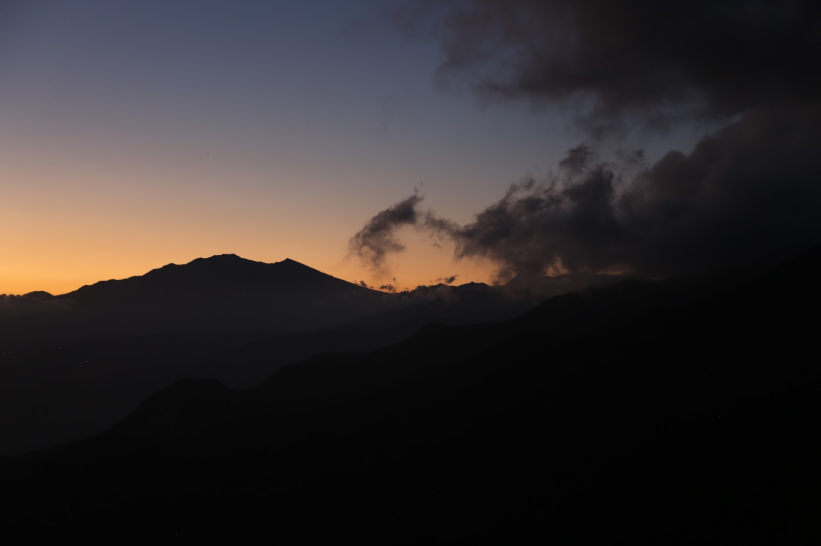
The Forgotten Edges of Panama, Exploring the Wild and Inaccessible Coasts Few People Ever See

Most people visiting Panama experience only a tiny fraction of its coastline.

Tourists relax on islands near Panama City, surf along sections of the Pacific, or travel to the Caribbean waters of Bocas del Toro. These places are beautiful, but they create a misleading impression that Panama’s coasts are mostly accessible tropical beaches connected by roads and tourism infrastructure.

In reality, enormous portions of Panama’s coastline remain remarkably isolated, difficult to reach, sparsely populated, and in some cases almost completely wild.

This surprises many foreigners because Panama looks small on a map. People assume a country of its size must be thoroughly connected by highways and development. But Panama’s geography tells a very different story. Dense jungle, mangrove swamps, mountains, heavy rainfall, rivers, and protected Indigenous territories have kept huge stretches of coastline surprisingly untouched.

Some coastal regions can only be reached by boat. Others require long muddy hikes, small aircraft, dugout canoes, or rough four wheel drive routes that become nearly impassable during rainy season. In certain areas, entire villages remain more connected to the sea than to the national road network.

And what exists along these inaccessible coasts is extraordinary.

The Caribbean side of Panama contains some of the most isolated coastal landscapes in Central America. East of the better known tourism areas, the coastline begins dissolving into rainforest, Indigenous territory, river mouths, coral reefs, and thick mangrove systems.

The Guna Yala region is one of the most famous examples. Thousands of tiny Caribbean islands stretch along the northeastern coast, many inhabited by the Indigenous Guna people. While some islands receive tourists, enormous sections remain quiet and difficult to access. Coconut palms lean over impossibly clear water while dugout canoes move between islands carrying supplies and families through turquoise seas.

But even Guna Yala becomes relatively accessible compared to what lies farther east.

Eventually the coastline approaches the Darién region, one of the most infamous wilderness areas on Earth. Here Panama begins feeling less like a small Central American country and more like an enormous untamed frontier.

The Caribbean coast of Darién is incredibly remote. Dense rainforest descends directly into the sea. Rivers cut through jungle valleys toward hidden beaches. Tiny villages cling to isolated stretches of coastline where boats remain the primary transportation. In some places, there are no roads at all connecting coastal communities to the rest of the country.

This isolation shapes life completely.

People fish constantly because the sea provides essential food and transportation. Supplies arrive by boat. Storms can cut communities off temporarily. Rivers become highways through the forest. The ocean is not simply scenery there, it is survival.

Wildlife thrives in these isolated regions.

Sea turtles nest on remote beaches largely untouched by mass tourism. Dolphins move through coastal waters. Crocodiles patrol mangrove systems. Tropical birds fill the forests while monkeys and sloths live in jungle canopy directly beside the sea.

The Pacific coast contains equally inaccessible areas, though with a completely different atmosphere.

Much of Panama’s Pacific side feels rougher, more dramatic, and more physically intense than the Caribbean. Stronger tides, heavier surf, massive mangrove systems, and rugged coastlines dominate many regions.

One of the most astonishing features of Panama’s Pacific coast is the sheer scale of the mangroves. In some places they stretch endlessly through muddy tidal channels where roots rise from the water like strange skeletal forests. These mangrove ecosystems are biologically rich beyond imagination. Fish breed there. Birds feed there. Crabs crawl through the mud. Crocodiles hide in the shadows.

To outsiders, mangroves can initially appear ugly or hostile compared to postcard beaches. But ecologically they are among the most important environments in Panama.

They also create extraordinary isolation.

Certain coastal areas become labyrinths of tidal creeks and muddy channels accessible only to people who know the waters intimately. Fishermen navigate these systems almost instinctively while outsiders could easily become lost.

Farther south, the Pacific coastline becomes increasingly wild in places like the Gulf of Montijo and remote sections of Veraguas Province. Entire stretches of coast contain almost no development. Beaches emerge from dense jungle with virtually no infrastructure nearby.

Then there is the Darién Pacific coast, perhaps the most inaccessible shoreline in all of Panama.

This region feels genuinely remote in a global sense. Dense rainforest, powerful rivers, extreme rainfall, and limited infrastructure combine to create one of the least accessible coastal environments in the Americas. Villages are sparse. Boats dominate transportation. Certain beaches may go days without seeing outsiders.

And what is there?

Jungle.

Immense jungle.

Rainforest presses against black sand beaches while enormous river systems empty into the Pacific Ocean. The air feels heavy with humidity and rain. Thunderstorms roll through constantly. The sea itself often appears darker and more powerful than the calm turquoise Caribbean imagery many tourists associate with Panama.

The Pacific tides also become astonishingly dramatic in certain areas. Some coastlines experience enormous tidal swings where the ocean retreats hundreds of meters, exposing mudflats, rocks, and mangrove roots before surging back again hours later.

This dynamic environment shapes everything.

Fishing communities adapt their schedules to tides. Boats may sit stranded temporarily on exposed mud during low water. Coastal movement depends on understanding the rhythms of the sea itself.

One reason Panama’s inaccessible coasts remain so wild is because development simply struggles against geography. Heavy rain destroys roads. Rivers flood. Mountains block infrastructure projects. Mangroves resist construction. Dense jungle constantly reclaims abandoned clearings.

Nature remains overwhelmingly powerful here.

That reality feels increasingly rare in the modern world.

Many coastlines globally have become heavily urbanized, industrialized, or transformed into tourist resorts. Panama certainly has developed areas too, but huge portions of its shoreline still resist complete human domination.

There are also places along Panama’s inaccessible coasts where outsiders are simply not encouraged to wander casually.

Certain Indigenous territories maintain strong autonomy and cultural protection. Some regions near the Colombian border have historically experienced smuggling, migration routes, or criminal activity linked to the remoteness of the terrain. Other areas remain difficult simply because transportation infrastructure barely exists.

And yet these inaccessible coasts often become the most fascinating parts of Panama precisely because they remain difficult.

They preserve ecosystems that have vanished elsewhere. Traditional fishing cultures survive. Wildlife populations remain healthier. Forest still reaches the ocean uninterrupted. Entire landscapes feel ancient and unconquered.

Travelers who reach these places often describe a strange sensation, the feeling that the modern world has partially fallen away.

There are stretches of Panama where cell service disappears entirely. Where rivers matter more than roads. Where villages rely on boats instead of cars. Where jungle sounds dominate the night and darkness feels genuinely dark again.

Even the beaches themselves feel different.

Many remote Panamanian beaches are not perfectly manicured tourist fantasies. They may be covered in driftwood, mangrove roots, volcanic stones, dense vegetation, crashing surf, or heavy rain. Some feel rugged and untamed rather than polished.

But that wildness is exactly what makes them unforgettable.

Ultimately, Panama’s inaccessible coasts reveal something important about the country itself.

Despite the skyscrapers, shipping lanes, and international banking towers, Panama still contains enormous spaces where nature remains firmly in control. Rainforest still swallows roads. Rivers still isolate communities. Mangroves still dominate coastlines. Entire stretches of shore remain known mainly to fishermen, Indigenous communities, scientists, and adventurous travelers willing to leave the comfortable tourist routes behind.

And along those forgotten edges of the country, Panama begins feeling less like a modern global crossroads and more like one of the last truly wild corners of the Americas.

How Big Is Panama Really? The Surprisingly Diverse Country That Feels Much Larger Than It Looks

At first glance on a world map, Panama looks tiny.

It appears as a narrow curve of land squeezed between Costa Rica and Colombia, a thin bridge connecting North and South America. Many people imagine it as little more than the Panama Canal surrounded by tropical jungle. Before visiting, foreigners often assume Panama must be small enough to cross casually in a few hours.

Then they actually arrive.

And suddenly Panama starts feeling much larger than expected.

Part of the confusion comes from the strange shape of the country itself. Panama is long and narrow rather than square or compact. The nation stretches across about 772 kilometers, or roughly 480 miles, from east to west, while remaining relatively thin north to south in many places. Because of this geography, traveling across Panama can take much longer than people imagine when simply glancing at a map.

In total, Panama covers about 75,400 square kilometers, or around 29,100 square miles.

To many foreigners, those numbers mean very little on their own. The comparisons are what make Panama’s size more understandable.

Panama is slightly smaller than the U.S. state of South Carolina. It is also a bit smaller than the Czech Republic. If compared to Canadian provinces, it is much smaller than Ontario or British Columbia but larger than Prince Edward Island many times over.

Compared to Central America, Panama sits somewhere in the middle. It is larger than El Salvador and Belize, but smaller than Nicaragua or Honduras.

Yet despite not being enormous geographically, Panama contains astonishing environmental diversity packed into that relatively compact space.

This is one reason the country feels bigger than it really is.

A traveler can wake up beside Caribbean islands in Bocas del Toro, spend the next day hiking cool cloud forests near Boquete, then finish the week exploring the futuristic skyline of Panama City or surfing along the Pacific coast.

The landscapes change constantly.

That geographical diversity creates the illusion of a much larger country because each region feels distinct from the others. In some places Panama resembles the Caribbean. In others it feels almost Andean. Certain jungle regions look more like the Amazon basin, while modern Panama City can feel strangely similar to Miami or parts of Singapore.

One of the most fascinating things about Panama’s size is how quickly climates shift.

Foreigners are often stunned that a country associated with tropical heat can contain cool mountain towns where sweaters become necessary at night. In the highlands around Volcán Barú, temperatures can drop dramatically compared to the coast. Meanwhile lowland jungle areas remain intensely hot and humid year round.

This environmental compression is extraordinary.

Countries much larger than Panama sometimes possess less biodiversity because ecosystems are spread farther apart. Panama instead crams enormous ecological variation into a narrow strip of land between two oceans.

And those two oceans matter enormously.

At its narrowest point, Panama is only about 65 kilometers, or 40 miles, wide between the Pacific Ocean and the Caribbean Sea. In theory, a person could drive from one ocean to the other surprisingly quickly in some parts of the country.

That fact amazes many visitors.

Very few places on Earth allow travelers to swim in two entirely different oceans on the same day without boarding a plane. Panama’s narrow geography creates experiences that feel geographically impossible elsewhere.

But traveling through Panama can still take longer than expected because mountains, jungle, and road conditions complicate movement.

The Darién region in eastern Panama demonstrates this perfectly. Although Panama looks geographically connected to South America, the dense jungle of the Darién Gap remains one of the most infamous wilderness regions on Earth. There is no highway connecting Panama to Colombia through this section. The Pan American Highway, which stretches from Alaska all the way down through the Americas, abruptly stops in the Darién jungle.

That alone surprises many foreigners.

In a world filled with modern infrastructure, Panama still contains a massive break in the continental road system because the terrain remains so difficult and wild.

The size of Panama also becomes psychologically distorted because of how concentrated the population is.

A huge percentage of the country’s people live around Panama City and surrounding urban areas. Outside the capital, population density drops quickly. Large sections of the country remain heavily forested, mountainous, agricultural, or sparsely populated.

This means that driving only a few hours from the capital can suddenly feel extremely remote.

Travelers often underestimate how wild parts of Panama still are. Even though the country itself is not physically enormous, dense rainforest and rugged terrain create a feeling of vastness in many regions.

Then there is the canal itself, which further changes perceptions of scale.

The Panama Canal cuts directly across the country, connecting the Atlantic and Pacific through one of humanity’s greatest engineering achievements. Watching gigantic cargo ships moving through tropical jungle landscapes creates an almost surreal understanding of Panama’s geography. The entire existence of the canal depends on the country being narrow enough for such a crossing to become possible.

And yet Panama’s strategic importance vastly exceeds its physical size.

This small country controls one of the most important maritime shortcuts on Earth. Global shipping, international finance, aviation routes, and trade networks all converge here. Panama’s influence on world commerce feels disproportionately large compared to its modest geographical footprint.

In many ways, Panama behaves like a much larger nation than it actually is.

Its cultural diversity reflects centuries of global movement through the isthmus. Indigenous communities, Afro Caribbean traditions, Chinese immigration, European influence, Latin American migration, and international business culture all coexist within this relatively compact territory.

That diversity adds another layer to the illusion of scale.

Traveling across Panama does not feel like moving through one single uniform culture. Regional identities shift noticeably between provinces, coastlines, mountain towns, and urban centers.

And perhaps that is the real secret behind Panama’s size.

On paper, it is not especially large. It is smaller than many American states and tiny compared to giants like Brazil, Canada, or the United States.

But in experience, Panama feels enormous.

Few countries pack so much environmental diversity, cultural complexity, economic importance, and geographical contrast into such a narrow piece of land. Mountains, islands, rainforests, skyscrapers, Indigenous territories, cattle ranches, shipping lanes, surf towns, and cloud forests all coexist within a country small enough to fit comfortably inside many larger nations several times over.

Panama may look tiny on the map.

But once you begin traveling through it, the country starts unfolding in ways that make it feel far larger than anyone expected.

The Unexpected Industries of Panama, Surprising Things Made in a Country Most Foreigners Misunderstand

Ask most foreigners what Panama produces, and the answers usually revolve around the same familiar ideas. The Panama Canal. Bananas. Coffee. Maybe rum. Perhaps some tropical fruit or seafood. Many people imagine Panama primarily as a transit country, a place ships pass through rather than a place where things are actually made.

But this assumption misses an enormous part of the story.

Panama is full of strange, surprising, and often overlooked industries that many visitors never expect to encounter. Hidden behind the skyscrapers of Panama City, tucked into mountain towns, scattered across industrial zones, and woven into rural communities are products and crafts that reveal a far more complex country than most outsiders realize.

Some are ancient traditions stretching back centuries. Others are modern industries connected to global trade and international business. Together they create a fascinating portrait of a country that constantly surprises people who assume they already understand it.

Perhaps the most famous example is also the most misunderstood, Panama hats.

Almost every foreigner is shocked to discover that Panama hats are not actually Panamanian in origin. The classic woven hats traditionally come from Ecuador. Yet the name “Panama hat” became attached to them because international travelers and workers passing through Panama during the canal era commonly bought and wore them there. Photographs of Theodore Roosevelt visiting the canal while wearing one helped cement the name permanently in global culture.

But while the famous hats may not originate in Panama, the country absolutely has its own rich weaving traditions.

In Indigenous communities, especially among the Guna people of the Caribbean islands and coast, artisans create molas, one of the most visually striking textile arts in the Americas. Molas are intricate layered fabric panels hand sewn with extraordinary detail and color. They feature geometric designs, animals, spiritual imagery, political commentary, and abstract patterns unlike almost anything else in the world.

To outsiders, they often look like modern art pieces.

Yet molas emerged from much older Indigenous body painting traditions before eventually evolving into textile designs after contact with Europeans introduced fabric and sewing techniques. Today they are sewn into traditional blouses worn by Guna women, but they are also collected internationally as art.

The amount of labor involved is astonishing. Some highly detailed molas can take weeks or even months to complete properly. Every layer is cut and stitched by hand with incredible precision.

Then there is coffee, but not just ordinary coffee.

Many foreigners are stunned to learn that some of the most expensive coffee on Earth comes from Panama’s mountains. The famous Geisha coffee grown around Boquete has transformed Panama into a global obsession among elite coffee enthusiasts.

A single pound of high end Panamanian Geisha coffee can sell for extraordinary prices internationally. Specialty coffee competitions have pushed certain lots into near legendary status within the coffee world. Wealthy collectors and cafés across Asia, Europe, and North America compete aggressively for tiny quantities of beans grown on volcanic slopes in western Panama.

The irony is remarkable. Many travelers arrive assuming Panama is too small to matter in global coffee culture, only to discover the country produces some of the most celebrated beans in existence.

But Panama’s agricultural surprises do not stop there.

The country also produces cacao, tropical fruit, sugar cane products, seafood, and increasingly sophisticated artisanal foods. In some mountain regions, small farms experiment with tea production, another fact that surprises many foreigners who never imagine tea growing in tropical Central America.

Sea salt production exists in coastal areas as well. Traditional salt harvesting methods continue in certain regions where evaporation ponds collect seawater under the intense tropical sun.

Then there is rum.

Panama quietly produces some remarkably respected rum, though it is often overshadowed internationally by Caribbean nations with stronger branding. Panamanian rum tends to be smooth, aged carefully, and increasingly appreciated among enthusiasts. Distilleries benefit from the tropical climate, where heat accelerates the aging process inside barrels.

One fascinating aspect of Panama is how much manufacturing exists quietly behind the scenes.

Because Panama functions as a logistics and trade hub, industrial activity often goes unnoticed by tourists focused on beaches and jungles. Yet industrial zones around the canal and Panama City contain factories producing pharmaceuticals, processed foods, plastics, beverages, packaging materials, cleaning products, and consumer goods distributed throughout Central America and beyond.

Foreigners often imagine Panama as purely service based, but manufacturing plays a larger role than many realize.

Then there is ship repair and maritime industry.

This surprises people enormously.

The Panama Canal transformed the country into one of the world’s most important maritime centers. Around ports and canal zones, specialized industries support global shipping. Ships are repaired, maintained, supplied, and serviced constantly. Panama’s maritime economy extends far beyond simply allowing ships to pass through the canal.

Meanwhile, in rural regions, traditional craftsmanship remains deeply alive.

Wood carving, basket weaving, pottery, leatherwork, and handmade furniture continue across the country. Indigenous groups create remarkable woven baskets using natural fibers dyed with plant materials. Emberá artisans carve cocobolo wood into intricate animal sculptures and masks. Handmade drums, jewelry, and musical instruments reflect Afro Caribbean and Indigenous cultural influences.

Many of these crafts remain underappreciated internationally because Panama’s tourism identity is still developing compared to neighboring countries.

Then there is something even stranger, Panama produces giant ships without most people realizing it.

The country has one of the world’s largest ship registries. Countless vessels sail globally under the Panamanian flag, even if they were built elsewhere. This legal and economic system makes Panama deeply connected to international maritime commerce in ways that most outsiders never fully understand.

Another surprising industry is cattle ranching.

Many foreigners imagine Panama entirely as rainforest and beaches. In reality, huge areas of the country consist of ranch land, rolling hills, and agricultural countryside. Beef production remains important, especially in provinces outside the capital. Cowboys known locally as sabaneros still exist, maintaining traditions that feel closer to old frontier ranch culture than many tourists expect to find in Panama.

Then there are cigars.

While Cuban cigars dominate global imagination, Panama also grows tobacco and produces cigars, particularly in regions with suitable climates and agricultural traditions. Though smaller in scale than famous cigar nations, Panama’s tobacco culture still surprises many visitors.

Fruit production creates another layer of unexpected abundance. Pineapples, mangoes, papayas, bananas, coconuts, passion fruit, dragon fruit, citrus, and dozens of lesser known tropical fruits grow throughout the country. Local markets overflow with produce many foreigners have never seen before.

Some fruits appear so strange that travelers initially assume they are decorative rather than edible.

And then there is perhaps the greatest surprise of all, Panama produces biodiversity itself.

The country’s forests function like living biological factories generating immense ecological richness. Scientists constantly discover species of frogs, insects, fungi, plants, and marine life throughout Panama’s ecosystems. In a sense, Panama continuously “produces” new scientific knowledge simply because its biodiversity remains so extraordinary and understudied.

Even the famous canal represents a kind of production many people misunderstand.

The canal does not merely move ships. It generates logistics expertise, engineering services, maritime management, international finance, insurance systems, and global trade infrastructure. Entire professional sectors exist because of Panama’s strategic geographical position.

Perhaps that is ultimately what surprises foreigners most about Panama.

People often arrive expecting a small tropical country surviving mainly on tourism and canal traffic. Instead they discover a place that manufactures luxury coffee, intricate textiles, pharmaceuticals, industrial products, artisanal crafts, rum, maritime services, agricultural exports, and cultural traditions shaped by centuries of global exchange.

Panama constantly defies simplistic expectations.

It is simultaneously modern and rural, industrial and wild, globalized and deeply traditional. Skyscrapers rise above fishing markets. Indigenous textile art exists beside international banking towers. Coffee farmers produce beans sold at astonishing prices to elite cafés across the world while cargo ships carrying global trade pass through the canal below.

And perhaps that contradiction is exactly what makes Panama so fascinating.

It is a country that most foreigners think they understand until they actually begin looking closely at what is truly being made there.

The Surprisingly Difficult Search for a Good Can Opener in Panama

There are certain problems travelers and expats expect when moving to Panama. People worry about rainy season flooding, tropical insects, language barriers, banking paperwork, or navigating the chaotic traffic of Panama City.

Very few people expect to become emotionally frustrated while searching for a decent can opener.

And yet, for many foreigners living in Panama long term, this oddly specific struggle becomes strangely familiar.

At first, it sounds ridiculous. How hard could it possibly be to buy a can opener? It is one of the simplest kitchen tools imaginable. But then reality slowly sets in. Someone buys a cheap one from a local store. It bends immediately. Another barely punctures cans properly. A third works once before the handle loosens permanently. Suddenly an ordinary kitchen task becomes an unexpectedly annoying tropical mystery.

Why is this such a common complaint among expats and travelers in Panama?

Part of the answer lies in the country’s shopping culture itself.

Panama imports enormous amounts of consumer goods, but the market behaves differently than many foreigners expect. In North America or Europe, people are accustomed to huge selections of specialized kitchenware with endless quality variations. In Panama, especially outside upscale districts, many household products prioritize affordability and practicality over durability or premium design.

This creates a strange phenomenon where stores may carry huge quantities of inexpensive kitchen tools that all appear nearly identical, while genuinely high quality versions become surprisingly difficult to find.

Can openers fall perfectly into this category.

Many inexpensive models sold throughout Panama are imported in bulk and designed primarily around low price rather than longevity. They often function adequately for light occasional use, but under regular daily cooking they may begin failing quickly. Handles loosen, gears slip, blades dull rapidly, and alignment becomes frustratingly inconsistent.

For foreigners used to durable kitchen tools lasting years, this can become unexpectedly maddening.

The tropical climate does not help either.

Humidity in Panama is relentless. Metal corrodes faster. Cheap steel rusts quickly. Kitchen drawers become hostile environments for low quality hardware. A poorly made can opener that might survive several years in a dry climate may begin deteriorating surprisingly fast in Panama’s heat and moisture.

Near coastal areas, the problem becomes even worse. Salt air accelerates corrosion dramatically. People living near beaches in places like Bocas del Toro or along the Pacific coast often discover metal kitchen tools aging at astonishing speed.

Then there is the issue of cooking culture itself.

Traditional Panamanian cooking historically relied less heavily on canned foods than many North American households do. Fresh produce, rice, beans, plantains, meats, soups, and local ingredients dominate daily cuisine. Although canned goods are certainly common today, the cultural obsession with heavily processed canned products never developed to quite the same degree as in some other countries.

As a result, demand for premium can openers simply may not be as intense.

Many households own basic models that work “well enough,” and stores respond accordingly. A slightly frustrating kitchen tool may not generate much concern if expectations are different to begin with.

Foreigners, however, often arrive with very specific standards shaped by their home countries. They want smooth turning handles, perfect cutting wheels, ergonomic grips, magnetic lid lifters, and sturdy construction. Suddenly the humble can opener transforms into a symbol of modern consumer expectations colliding with local retail realities.

This problem becomes especially noticeable outside Panama City.

In the capital, upscale malls and international stores sometimes carry better kitchenware. Areas like Costa del Este, Punta Pacifica, and Multiplaza contain stores catering to wealthier Panamanians and international residents. Here, someone might eventually locate a decent imported can opener after enough searching.

But in smaller towns, the options narrow dramatically.

A traveler living in Boquete or a remote beach community may discover that local hardware stores carry only a handful of basic models, many of them frustratingly flimsy. At that point, people begin developing elaborate strategies.

Some order can openers from abroad through Miami freight forwarding services. Others ask visiting friends to bring one from the United States or Canada. Some expats become oddly protective of durable old can openers they brought years earlier, treating them almost like treasured family heirlooms.

Conversations about can openers even become strangely passionate within expat circles.

Someone complains online about another broken opener and immediately recommendations begin pouring in. “Go to this hardware store.” “Avoid the plastic handled ones.” “Buy the heavy duty restaurant version.” “Get one from PriceSmart.” “Order from Amazon and ship it down.”

What sounds absurd initially slowly reveals something deeper about life in Panama.

The country is wonderfully international, modern, and connected globally in many ways. Luxury malls sell designer brands. International cuisine flourishes. Skyscrapers rise above the Pacific. Yet at the same time, certain mundane household items can become unexpectedly difficult to source at reliable quality.

This creates one of the defining experiences of expat life in Panama, learning which products are easy to find locally and which become strangely elusive.

Good kitchen knives can present similar challenges. Durable storage containers sometimes disappear mysteriously from shelves. Certain foreign food brands become impossible to locate for months at a time. Then suddenly they reappear again without explanation.

Panama’s supply chains feel dynamic, fluid, and occasionally unpredictable.

And somehow the can opener became one of the most iconic examples of this phenomenon.

There is also a deeper irony here. Panama is one of the world’s great logistics hubs. Massive cargo ships cross the Panama Canal carrying goods between continents every single day. International trade powers enormous sections of the economy. Global products move constantly through the country.

Yet somewhere within this immense network of world commerce, finding a truly excellent can opener can still become weirdly difficult.

Perhaps that contradiction perfectly captures Panama itself.

The country constantly balances modern globalization with local practicality, luxury alongside improvisation, international sophistication mixed with everyday unpredictability.

And eventually, most long term residents adapt.

They learn where to shop. They identify which brands survive tropical humidity. They stop trusting the cheapest options. They discover that sometimes spending slightly more saves enormous frustration later.

Or they simply guard their good can opener with remarkable intensity, fully aware that replacing it may become a far bigger adventure than anyone outside Panama would ever imagine.

Pampering in the Tropics, The World of Spas and Nail Salons in Panama

For many travelers arriving in Panama, the first impressions are usually heat, humidity, traffic, jungle, beaches, and movement. Panama often feels energetic and intense. Panama City rises from the Pacific with glass towers, crowded streets, rooftop bars, and constant activity, while beyond the capital lie mountains, islands, surf towns, and rainforests. It is a country that encourages exploration.

But eventually, many people discover another side of Panama entirely, one built around relaxation, beauty treatments, massage, self care, and wellness. Hidden inside luxury skyscrapers, shopping malls, beach resorts, neighborhood plazas, and mountain retreats is a surprisingly large spa and salon culture that has become deeply woven into everyday life.

And one thing quickly becomes obvious.

Panamanians love beauty culture.

Nail salons, hair salons, skincare clinics, massage centers, and spas are everywhere, especially in urban areas. In many neighborhoods, beauty businesses sit almost side by side, competing for customers with polished interiors, modern equipment, and aggressive promotions. Visitors from North America and Europe are often shocked by both the quality and affordability of many services.

One of the first things foreigners notice is how accessible beauty treatments can feel in Panama. In countries where manicures, massages, facials, or salon visits are considered occasional luxuries, Panama often makes these experiences feel far more routine and integrated into normal life.

Nail salons in particular are everywhere.

Walk through upscale areas like Punta Pacifica, Costa del Este, Obarrio, or San Francisco in Panama City and you begin seeing them constantly. Small boutique salons, luxury beauty lounges, quick walk in manicure shops, and full service wellness centers appear inside malls, office towers, and neighborhood plazas.

Many Panamanian women maintain extremely polished appearances, and nail care forms a major part of that culture. Long acrylic nails, gel manicures, detailed nail art, and perfectly maintained hands are common sights throughout the capital. Beauty standards in Panama tend to emphasize grooming and presentation strongly, especially in professional and social environments.

For travelers, this creates a wonderful side effect, competition keeps prices relatively reasonable.

Visitors frequently discover they can afford treatments in Panama that would cost dramatically more back home. Gel manicures, pedicures, massages, facials, eyelash treatments, and hair services are often significantly cheaper than in cities like Miami, Toronto, London, or New York.

And unlike some destinations where affordability comes with lower quality, many Panamanian salons feel impressively modern and professional.

Another fascinating aspect is how international Panama’s spa culture has become. Because Panama functions as a global crossroads, influences arrive from everywhere. American beauty trends mix with Latin American styles, Korean skincare, Colombian beauty culture, Caribbean wellness traditions, and European spa concepts.

As a result, Panama’s beauty industry feels surprisingly global.

Luxury hotels in Panama City contain sophisticated spas offering volcanic stone massages, aromatherapy, hydrotherapy circuits, and tropical ingredient treatments. Rooftop wellness centers overlook the skyline while massage therapists work beside infinity pools and panoramic ocean views.

At the same time, much smaller neighborhood salons may offer simple manicures and pedicures with an atmosphere that feels casual, social, and deeply local.

This contrast reflects Panama itself.

The country constantly shifts between luxury and everyday practicality, between polished skyscrapers and relaxed tropical informality.

One particularly interesting part of Panama’s spa culture is how connected it is to the climate. Tropical heat and humidity shape beauty routines dramatically. Hair reacts differently in humid air. Skin care changes. Nail products must withstand moisture and constant sun exposure. Salons often recommend treatments specifically adapted for tropical conditions.

Anti frizz hair treatments are especially popular because humidity in Panama City can become relentless. People stepping outside air conditioned buildings immediately feel moisture in the air affecting hair, makeup, and skin. Salons market smoothing treatments aggressively for this reason.

Massage culture is also widespread.

After long days navigating tropical heat, traffic, hiking trails, or travel stress, massages become extremely appealing. In tourist areas, visitors can find everything from luxury spa experiences to small massage businesses offering affordable relaxation treatments.

Beach towns add another dimension entirely.

In places like Bocas del Toro, wellness culture merges with Caribbean island life. Yoga classes, beach massages, holistic therapies, and laid back spa treatments attract backpackers, surfers, and long term travelers seeking slower lifestyles.

Meanwhile, in the mountains near Boquete, spas often focus on nature and relaxation. Cool mountain air, cloud forest scenery, coffee based scrubs, volcanic mud treatments, and hot spring excursions become part of the wellness experience.

The famous hot springs near Caldera even contribute to this broader relaxation culture. Travelers combine mountain hikes and waterfalls with geothermal soaking and spa visits, creating a version of wellness tourism that feels tied directly to Panama’s volcanic landscape.

Another striking thing about nail salons in Panama is how social they are.

People do not always rush in and out quickly. Friends gather together for appointments. Conversations flow constantly between staff and customers. Music plays. Phones ring. Television dramas run in the background. The atmosphere often feels lively and communal rather than silent or clinical.

For expats living in Panama long term, salon visits frequently become part of social routine and self care culture. Many people develop strong loyalty to particular nail technicians or hairstylists, returning regularly and building personal relationships over time.

Men also participate increasingly in Panama’s grooming culture. Barbershops have exploded in popularity, especially modern barber lounges offering detailed fades, beard treatments, skincare, and stylish interiors influenced by global grooming trends.

Luxury wellness tourism is growing too.

High end resorts along the Pacific coast and in mountain regions increasingly market spa experiences to international travelers seeking relaxation. Treatments often emphasize tropical ingredients like coconut, coffee, cacao, volcanic clay, and local herbs.

Yet despite this luxury expansion, Panama’s beauty culture still remains accessible in many ways. Someone staying in a modest apartment in Panama City can often afford regular salon visits far more easily than in many Western countries.

And perhaps that is part of why the industry feels so alive.

Beauty and wellness in Panama are not reserved only for the ultra wealthy. They are integrated into daily urban culture. Nail salons stay busy because people genuinely use them regularly. Hair appointments, manicures, massages, and facials become ordinary parts of life rather than rare splurges.

For travelers, this can feel wonderfully indulgent.

After days spent hiking rainforests, surviving tropical storms, navigating crowded buses, or exploring humid city streets, sitting inside a cool air conditioned salon while tropical rain pounds outside suddenly feels like one of life’s great pleasures.

In many ways, Panama’s spa and salon culture mirrors the country itself. It is stylish without being overly formal, international without losing local flavor, modern while still deeply social.

A place where jungle adventures and luxury manicures somehow coexist naturally under the same tropical sky.

The Secret Kingdom of Panama, Exploring the Extraordinary Mushrooms of the Tropical Forest

Most travelers walking through the jungles of Panama spend their time looking upward. They search the canopy for monkeys, sloths, toucans, and brilliantly colored birds hidden among the trees. But beneath their feet, clinging to rotting logs, erupting from moss covered branches, and glowing quietly from the forest floor after heavy rain, exists another world entirely.

It is the world of fungi.

Panama’s mushrooms are among the least appreciated yet most fascinating parts of the country’s biodiversity. In a nation famous for tropical birds, exotic mammals, and dense rainforest, fungi often go almost unnoticed. Yet Panama’s humid forests create nearly perfect conditions for mushrooms to thrive, and during rainy season the jungle suddenly explodes with strange, colorful, alien looking forms that appear almost overnight.

Some resemble coral growing from dead wood. Others look like delicate flowers, tiny umbrellas, or glowing jelly. Some are edible. Some are medicinal. Some are deadly toxic. And many remain poorly studied, hidden in forests where scientists are still discovering species unknown to science.

Panama’s climate is one reason fungi flourish so dramatically here. Heat, constant moisture, decaying vegetation, and dense forest ecosystems create ideal fungal conditions. During rainy season especially, mushrooms seem to emerge everywhere at once. A fallen tree that appeared lifeless one day may suddenly become covered in bright orange shelves, tiny translucent caps, or thick white fungal growth after a night of tropical rain.

Cloud forests near Boquete and the highlands surrounding Volcán Barú are particularly rich environments for fungi. The cool misty air, constant moisture, and dense vegetation create ecosystems where mushrooms thrive year round. Hikers wandering mountain trails during wet weather often discover entire miniature fungal landscapes growing from fallen branches and mossy roots.

One of the most visually striking groups found in Panama are bracket fungi, sometimes called shelf mushrooms. These grow outward from tree trunks like layered shelves or steps. Some are deep red or orange, while others display bands of brown, cream, yellow, or even iridescent colors. In tropical forests, old logs often become covered in these overlapping fungal structures, creating scenes that look almost artistic.

Many bracket fungi play critical ecological roles by breaking down dead wood. Without fungi, tropical forests would choke beneath mountains of undecomposed plant material. Mushrooms and fungal networks quietly recycle nutrients back into the ecosystem, making new life possible.

Then there are the jelly fungi, bizarre translucent mushrooms that look almost unreal. Some resemble pieces of orange gelatin stuck to tree branches. Others form trembling clear masses after rainfall. Their textures feel so strange that many travelers initially assume they are plants or slime rather than fungi.

Tiny umbrella shaped mushrooms are also common throughout Panama’s forests. After rain, entire colonies can suddenly appear across rotting wood and leaf litter. Some survive only a day or two before collapsing back into decay. Tropical fungi often live fast, emerging rapidly during ideal moisture conditions before disappearing again just as quickly.

One of the most fascinating aspects of Panama’s fungi is how little most people notice them. The tropical forest is so visually overwhelming that mushrooms can easily disappear into the background unless someone intentionally slows down and searches carefully.

But once you begin noticing fungi, the jungle transforms completely.

A simple trail walk suddenly reveals hundreds of tiny ecosystems hidden everywhere. Mushrooms sprout from vines, roots, dead insects, fallen fruit, and decomposing leaves. Entire worlds exist at ankle level that most travelers walk past without ever realizing.

Some of Panama’s strangest fungi belong to the stinkhorn family. These bizarre mushrooms emerge from egg like structures and develop tall, often grotesque forms covered in foul smelling slime designed to attract insects. Flies land on the slime and help disperse spores through the forest. Certain stinkhorns look almost extraterrestrial, with cage like structures, bright red colors, or tentacle shaped growths emerging from the jungle floor.

Then there are bioluminescent fungi.

Although rarely encountered casually, certain tropical mushrooms can glow faintly in darkness. Scientists believe the glow may attract insects that help spread spores. Imagine standing in a Panamanian rainforest at night during humid weather and noticing tiny greenish lights glowing softly from decaying wood. It sounds like fantasy, yet fungal bioluminescence is very real.

Panama’s Indigenous communities have long possessed knowledge about forest fungi, including medicinal uses and traditional ecological understanding passed down through generations. While mushroom use in Panama is less internationally famous than in places like Mexico, traditional relationships with forest plants and fungi remain deeply important in many rural and Indigenous communities.

Edible mushrooms also exist in Panama, though identifying them safely requires expertise. Some locally foraged mushrooms are consumed in certain regions, particularly mountain areas with cooler climates. However, tropical mushroom identification is extremely dangerous for amateurs because deadly poisonous species can closely resemble edible ones.

That danger adds another layer of fascination to Panama’s fungal world.

Some mushrooms contain toxins capable of causing severe illness or death. Others contain psychoactive compounds. Some are medicinally valuable. Many have barely been studied scientifically at all. Tropical fungi remain one of the least understood kingdoms of life despite their enormous ecological importance.

One particularly eerie group found in tropical forests are the cordyceps fungi, relatives of the infamous “zombie fungus.” These fungi infect insects, gradually taking over their bodies before sprouting strange fruiting structures outward from the host. Finding a dead insect attached to a leaf with fungal growth erupting from it feels like stumbling into science fiction.

Yet this process is entirely natural and plays an important role in regulating insect populations within rainforest ecosystems.

Rainy season transforms fungal activity across Panama dramatically. During dry months, mushrooms may seem relatively sparse in many forests. Then heavy rains arrive and suddenly fungi appear everywhere. Trails become living galleries of bizarre forms and colors. Orange cups emerge from fallen logs. Tiny white mushrooms cluster like miniature cities. Thick fungal mats spread across decaying vegetation.

Humidity is everything.

That is why places like cloud forests are especially magical for mushroom lovers. Around hostels and hiking areas near Boquete or remote jungle lodges, visitors sometimes wake after rainy nights to discover entirely new fungal growths that were not visible the evening before.

Photographers become obsessed with this world very quickly. Tropical mushrooms are endlessly photogenic because of their incredible textures, colors, and forms. Some appear almost sculptural. Others seem fragile enough to dissolve in rain. Macro photography reveals astonishing details invisible to the naked eye.

And scientists still do not fully understand how many fungal species exist in Panama.

New species continue to be discovered throughout tropical regions worldwide, especially in biodiverse rainforests. Fungi remain vastly understudied compared to mammals or birds. It is entirely possible that unknown fungal species still grow quietly in Panama’s forests waiting to be scientifically documented.

Perhaps that mystery is part of what makes fungi so captivating.

Mushrooms occupy a strange place between life and decay. They emerge suddenly from death, recycle forests invisibly, communicate through underground networks, infect insects, glow in darkness, heal through medicine, poison carelessly curious humans, and vanish almost as quickly as they appear.

In Panama’s rainforests, they form an entire hidden kingdom beneath the larger spectacle of tropical nature.

Most travelers come to Panama searching for monkeys, sloths, whales, coral reefs, and tropical birds. Few realize that one of the country’s most extraordinary worlds exists quietly below eye level, growing silently from the damp jungle floor after the rain begins to fall.

The Wild Hot Springs of Caldera, Panama’s Relaxed and Steamy Mountain Escape

Tucked into the green mountain landscapes of Caldera lies one of the most relaxing and surprisingly local experiences in western Panama, the hot springs of Caldera.

Unlike the polished geothermal resorts found in places like Iceland or Japan, the hot springs near Caldera feel far more natural, improvised, and distinctly Panamanian. There are no giant luxury spa complexes dominating the landscape. No futuristic architecture or expensive wellness retreats controlling access to the water. Instead, the experience feels simple, earthy, and connected directly to the surrounding mountains and rivers.

For many travelers, that is exactly what makes the place memorable.

The journey toward Caldera already begins changing the atmosphere. Leaving behind the cooler tourist cafés of Boquete, the road winds downward through green hills, forests, rivers, and small rural communities. The pace of life visibly slows. Horses graze beside roads. Roosters wander through yards. Mountain air mixes with the smell of wet earth and vegetation.

Then suddenly, hidden among the trees and rocky riverbanks, steam begins rising from the ground.

The Caldera hot springs are heated naturally by geothermal activity beneath the mountains. Hot mineral rich water emerges from underground and mixes with cooler river water, creating a series of warm pools that people have enjoyed for generations. The surrounding landscape gives the entire experience a wonderfully untamed atmosphere.

Part of what surprises many visitors is how social and local the springs feel. This is not only a tourist attraction. Families from nearby towns come to relax on weekends. Friends gather with coolers and food. Children splash between pools while older visitors sit quietly in the warm mineral water listening to the river flow nearby.

The environment feels communal rather than exclusive.

Some pools are hotter than others depending on rainfall and river conditions. During rainy season, cooler river water can dilute the heat slightly, while drier periods sometimes create surprisingly hot temperatures in certain sections. Visitors often move between pools searching for the perfect balance between warmth and comfort.

The contrast between the hot spring water and the cool mountain river becomes one of the best parts of the experience. Many people alternate between soaking in steaming pools and stepping into the cold flowing river nearby. The sensation feels intensely refreshing, especially after hiking or spending long days exploring the region.

And the scenery surrounding everything is spectacular.

Dense tropical greenery climbs the hillsides around the springs. Birds move through the trees overhead. Mist sometimes drifts through the valley during cooler mornings and evenings. The sound of rushing river water mixes with conversations, laughter, and the occasional hiss of steam rising from the rocks.

Unlike heavily commercialized hot spring destinations elsewhere in the world, Caldera still retains a rough and authentic charm. In some areas, rocks and pools appear almost naturally arranged rather than professionally constructed. The setting feels closer to discovering a hidden mountain swimming spot than visiting a formal spa.

That authenticity is part of the attraction.

Travelers looking for luxury wellness experiences may find the area rustic. But travelers seeking something more natural and local often end up loving it precisely because it has not been transformed into a polished international resort.

The mineral content of the water is also part of the appeal. Many people believe the hot springs help relax muscles, improve circulation, reduce stress, and soothe aches after long hikes or physical activity. Whether scientifically proven or not, there is no question that soaking in warm mineral water surrounded by mountain scenery feels deeply calming.

For backpackers and adventure travelers exploring western Panama, the springs often become part of a broader mountain itinerary. After hiking cloud forest trails, visiting waterfalls, or spending time around Boquete, Caldera provides the perfect slower paced recovery day.

One fascinating thing about the hot springs is how connected they feel to Panama’s volcanic geography. Many travelers forget that western Panama sits near volcanic highlands shaped by powerful geological forces. The nearby Volcán Barú, the highest mountain in Panama, dominates the region’s landscape and geological identity.

The same volcanic activity that created these mountains also contributes to the geothermal heat feeding the springs below.

The road to Caldera itself also reveals a quieter side of Panama that many visitors miss entirely. Outside major tourist hubs, the country becomes deeply rural very quickly. Small homes line the hillsides. Rivers cut through valleys filled with dense vegetation. Life moves slower, shaped more by agriculture, weather, and mountain rhythms than by urban schedules.

Food vendors sometimes appear near the springs selling snacks, drinks, or local meals. The atmosphere can feel almost festive on busy weekends, especially when families gather around the pools for entire afternoons. Yet despite the social energy, there are still moments of remarkable calm, especially during weekdays or quieter mornings.

Rain changes the entire mood of the springs.

During rainy season, steam rising through cool mist creates an almost dreamlike atmosphere. Tropical rain drums against leaves overhead while people sit submerged in naturally heated pools beside swollen rivers. The contrast between cold rain and hot water feels incredible.

And then there is the smell.

Hot springs around the world often carry the sulfur scent associated with geothermal activity, and Caldera is no exception. The mineral smell immediately signals that the water is emerging from deep underground. For some visitors it feels strange initially. For others, it becomes part of the authenticity of the experience.

Accessibility is another reason the springs remain popular. They are close enough to Boquete for a day trip, making them easy to combine with mountain tourism in the region. Travelers staying in Boquete frequently hear about the springs from hostel staff, taxi drivers, guides, or fellow backpackers looking for a relaxing afternoon outside town.

Yet despite their growing popularity, the springs still feel relatively understated compared to many famous geothermal destinations internationally.

That low key atmosphere is part of their charm.

There are no giant luxury hotels towering over the pools. No overwhelming commercialization. No carefully choreographed wellness branding. Just warm water, volcanic heat, river sounds, jungle vegetation, mountain air, and people relaxing together beneath the trees.

In many ways, the Caldera hot springs perfectly reflect Panama itself. Natural beauty without excessive polish. Relaxed, social, slightly chaotic in places, but deeply enjoyable if approached with the right mindset.

And for travelers who spend their days hiking cloud forests, chasing waterfalls, climbing mountains, or crossing the country between the Pacific and Caribbean, soaking in the warm volcanic water of Caldera often becomes one of the most comforting experiences of all.

The Ancient Stone Mysteries of Panama, The Fascinating World of Panamanian Petroglyphs

Long before the skyscrapers of Panama City rose beside the Pacific Ocean, before the Spanish arrived, before the Panama Canal transformed global trade, and even before written history existed in the region, people across Panama were carving strange symbols into stone.

Today, these carvings remain scattered throughout jungles, rivers, mountains, and rural landscapes across the country. Some are hidden beside waterfalls. Others lie half submerged in rivers during rainy season. Some sit quietly in cattle pastures or near Indigenous communities where locals have known about them for generations. These ancient carvings are Panama’s petroglyphs, mysterious messages from civilizations that vanished centuries before Europeans ever set foot in the Americas.

For many travelers, discovering that Panama even has petroglyphs comes as a surprise. The country is usually associated with beaches, tropical forests, islands, and the canal. Yet Panama possesses one of the richest archaeological landscapes in Central America, and its petroglyphs provide a fascinating glimpse into cultures that left almost no written records behind.

A petroglyph is an image carved directly into stone. Unlike paintings, petroglyphs are engraved by scratching, pecking, or chiseling the rock surface itself. Across the world, ancient civilizations created them for reasons that archaeologists still debate today. Some may have had spiritual meaning. Others may have marked territories, recorded events, represented cosmology, or served ceremonial purposes.

In Panama, many petroglyphs date back hundreds or even thousands of years.

One of the most famous locations is Sitio Barriles in the highlands near Volcán. Sitio Barriles is one of the country’s most important archaeological sites and contains carved stones, statues, burial remains, and artifacts connected to pre Columbian cultures that once thrived in western Panama.

The carvings there immediately stand out because they look so unusual. Human figures, animals, spirals, geometric patterns, and abstract symbols appear etched into volcanic stone. Some figures seem almost surreal or dreamlike. Others appear startlingly expressive despite their age. Archaeologists believe the region once supported complex societies long before European contact.

One of the most intriguing aspects of Panamanian petroglyphs is how little is truly known about them.

Unlike civilizations such as the Maya, whose writing systems have been partially deciphered, the cultures responsible for many Panamanian petroglyphs left no readable written language behind. The meanings of the carvings remain largely speculative. Researchers can study style, symbolism, location, and cultural context, but much of the deeper meaning has been lost to time.

That mystery gives Panama’s petroglyphs a haunting quality.

Standing before one deep in the jungle, you realize you are looking directly at a human message carved centuries ago by someone whose language, beliefs, and identity disappeared long ago. The stone remains, but the exact story behind it does not.

Western Panama contains some of the country’s richest petroglyph regions. Around Boquete and nearby mountain areas, petroglyphs occasionally appear beside rivers and hiking routes. Some are famous enough to appear on tours. Others remain known mainly by local communities.

One of the best known examples near Boquete is the Piedra de Lino petroglyph. Massive volcanic stones there display swirling carvings and strange figures worn smooth by centuries of rain and flowing water. During rainy season, parts of the stones may become partially submerged while jungle vegetation grows thick around them.

The setting itself often adds to the atmosphere. Many Panamanian petroglyphs are located in places that already feel spiritually powerful, beside rivers, waterfalls, mountain valleys, and ancient travel routes. It is easy to understand why earlier cultures may have considered such landscapes sacred.

Water appears repeatedly in the geography of Panama’s petroglyphs. Rivers were essential highways long before roads existed, and many carvings sit directly beside flowing water. Some archaeologists believe certain stones may have held ceremonial importance connected to fertility, rain, agriculture, or spiritual rituals.

Another fascinating aspect is the sheer diversity of styles found across the country.

Panama historically sat at the crossroads between North and South America. Different Indigenous groups moved through and settled the region over thousands of years. As a result, Panama became culturally diverse even in pre Columbian times. Archaeological evidence suggests influences flowed both northward and southward through the isthmus.

This diversity appears in the petroglyphs themselves. Some carvings emphasize spirals and geometric patterns. Others focus on animal imagery, human figures, or symbolic abstractions. Researchers believe multiple cultural traditions likely contributed to the country’s rock art heritage.

Animals appear frequently in Panamanian petroglyphs, and this is hardly surprising given the country’s extraordinary biodiversity. Jaguars, monkeys, snakes, birds, and other creatures carried enormous symbolic importance in many Indigenous cultures throughout the Americas. A jaguar, for example, often represented power, spiritual authority, or connection between worlds.

Certain symbols repeat across different sites, especially spirals. Archaeologists continue debating their exact meanings. Spirals may have represented water, life cycles, cosmology, movement, or spiritual transformation. Because no written explanations survive, interpretation remains uncertain.

This uncertainty sometimes encourages wild speculation.

Over the years, some visitors have claimed Panamanian petroglyphs depict extraterrestrials, lost civilizations, or mysterious ancient technologies. While such theories are popular in sensational documentaries and internet discussions, archaeologists generally view the carvings as products of human cultural and spiritual expression rather than evidence of supernatural intervention.

Still, there is no denying that some carvings look remarkably strange to modern eyes. Certain figures appear almost abstract or surreal. Others combine human and animal features in ways that feel mythological and symbolic.

Indigenous traditions also remain important when discussing Panama’s ancient stone carvings.

Modern Indigenous groups such as the Ngäbe, Buglé, Guna, Emberá, and others maintain deep historical connections to Panama’s landscapes. While not all petroglyphs can be directly linked to specific modern communities, the broader Indigenous heritage of the region remains central to understanding the country’s archaeological past.

Unfortunately, many petroglyph sites face threats today.

Weathering slowly erodes carvings over time. Tropical rain, flooding rivers, moss growth, and humidity gradually wear down the stone surfaces. Human activity creates additional dangers. Vandalism, construction, agriculture, and careless tourism have damaged some sites irreversibly.

In certain areas, petroglyphs remain poorly protected or barely documented. Some exist on private land where access may be difficult. Others are vulnerable simply because so few people know they are there.

Yet part of what makes Panama’s petroglyphs so captivating is precisely that sense of hidden discovery. Unlike famous archaeological destinations crowded with tour buses, many Panamanian petroglyph sites still feel quiet and mysterious. Reaching them may involve jungle hikes, muddy roads, river crossings, or conversations with locals who point visitors toward stones hidden beside streams or deep within forest.

The experience can feel remarkably intimate.

There are moments in Panama when a traveler stands alone before a carved stone surrounded only by jungle sounds, rainwater, and birdsong. No fences. No crowds. No massive tourist infrastructure. Just the lingering trace of ancient human presence embedded in volcanic rock.

And in those moments, Panama’s petroglyphs stop feeling like archaeological artifacts and begin feeling more like conversations across time.

They remind visitors that Panama’s history did not begin with the canal, colonialism, or modern cities. Long before all of that, complex societies lived here, traveled these rivers, climbed these mountains, worshipped in these forests, and carved symbols into stone hoping that somehow their presence would endure.

Centuries later, it still has.

The Ultimate Guide to Buying a Second Hand Car in Panama

For many foreigners arriving in Panama, there comes a moment when the idea of buying a car starts becoming very tempting. At first, most visitors assume they will not need one. Panama City has the Metro, buses are inexpensive, Uber is widely available, and taxis can usually be found almost anywhere. But then something happens. People start leaving the city. They visit mountain towns, hidden waterfalls, jungle lodges, remote beaches, surf villages, and countryside regions where transportation suddenly becomes slower, less predictable, and far more complicated.

That is usually the moment when people begin exploring the fascinating, complicated, and surprisingly massive world of Panama’s second hand car market.

The used car culture in Panama is enormous. Cars are constantly being bought, sold, traded, imported, repaired, and resold again. Families upgrade vehicles, taxi drivers replace aging sedans, expats leave the country and sell their SUVs, and travelers who planned to stay for a month suddenly decide they want the freedom of having their own transportation. Entire neighborhoods in Panama City are lined with used car dealerships packed tightly together under the tropical sun.

And unlike some countries where buying a used vehicle feels highly regulated and standardized, Panama’s car market often feels more personal, flexible, negotiable, and unpredictable.

The first thing many foreigners notice is that used cars in Panama can seem both affordable and expensive at exactly the same time.

Some older vehicles sell for prices that feel surprisingly reasonable compared to North America or Europe. Repairs are often cheaper because labor costs are lower. Smaller Korean and Japanese cars can sometimes be purchased at prices that make ownership accessible even for people on moderate budgets.

But then comes the shock.

Reliable brands, especially Toyota, hold their value almost unbelievably well in Panama. A ten year old Toyota may still cost far more than many foreigners expect. People who arrive assuming depreciation works the same way it does in the United States often become confused very quickly.

The reason is simple. Panamanians trust Toyota almost religiously.

Toyota dominates the roads of Panama in a way that becomes impossible not to notice. Toyota Hilux pickups climb mountain roads carrying construction materials and farm supplies. Toyota Corollas weave endlessly through city traffic. Toyota Prados sit outside shopping malls, beach homes, and office towers. Toyota Yaris taxis move constantly through crowded streets. In some parts of the country it almost feels as though every third vehicle carries a Toyota badge.

This reputation was built over decades. Panama’s roads can be extremely rough depending on where you are. One moment you may be driving on a smooth modern highway, the next moment you encounter potholes large enough to damage suspension systems, flooded roads during rainy season, broken pavement in rural areas, or steep mountain routes filled with mud and loose gravel. Panamanians value durability above almost everything else.

A vehicle that survives years of tropical humidity, flooding, brutal heat, terrible traffic, and rough roads earns loyalty very quickly.

That is why Toyota vehicles keep their resale value so aggressively. Buyers trust them. Mechanics understand them. Replacement parts are widely available. Even older models continue functioning reliably long after other brands begin developing expensive problems.

However, Toyota is not the only respected brand in Panama.

Hyundai and Kia are extremely popular, particularly among middle class buyers looking for affordability and practicality. One major reason for their success is the widespread availability of replacement parts. Mechanics throughout Panama are familiar with these vehicles, and repairs are generally affordable compared to luxury European brands.

Hyundai Accents and Kia Rios are especially common throughout the country. They are inexpensive to maintain, relatively fuel efficient, and well suited to city driving. For people who mainly stay around Panama City or major highways, these vehicles often represent some of the best value in the market.

Honda also maintains a very strong reputation. Honda Civics and CR Vs are frequently recommended for buyers seeking reliability while avoiding the high resale prices attached to Toyota. Hondas are often viewed as dependable, practical, and long lasting if maintained properly.

Nissan remains popular too, especially older models, although opinions about reliability vary more widely depending on the specific vehicle and year. Mitsubishi and Suzuki also maintain loyal followings, especially among people who regularly drive in mountainous or rural regions.

Then there are the rapidly growing Chinese brands.

Over the last several years, Chinese vehicles have exploded in popularity throughout Panama. Brands like Geely, Changan, Jetour, and others now appear everywhere, especially in Panama City. They attract buyers because they often include modern technology, large screens, luxury style interiors, and attractive financing at prices significantly lower than Japanese competitors.

But the second hand market for Chinese cars remains more uncertain.

Some owners are very happy with them. Others worry about long term durability, resale value, and future parts availability. Many experienced buyers in Panama still prefer established Japanese or Korean brands when purchasing used vehicles because the long term track record feels safer.

One of the most important things to understand about buying a used car in Panama is that appearances can be extremely misleading.

A shiny exterior means almost nothing.

Cars in Panama are often professionally cleaned, polished, and cosmetically improved before being listed for sale. Tropical sunlight can make paint shine beautifully, even when the mechanical condition underneath is questionable. Some vehicles may have hidden flood damage from rainy season flooding. Others may have poorly repaired accident history. Air conditioning systems may function poorly after years of heavy use in extreme heat.

That is why experienced buyers nearly always recommend paying for an independent mechanic inspection before purchasing anything.

This step is absolutely critical.

A trusted mechanic can identify suspension problems, transmission issues, hidden rust, flood damage, engine wear, and electrical problems that may not be visible during a casual inspection. Skipping this step can turn an apparently cheap vehicle into an expensive disaster very quickly.

Fortunately, mechanical labor in Panama is often far cheaper than in North America. Many foreigners are pleasantly surprised at how affordable routine repairs can be. Oil changes, brake jobs, suspension repairs, and general maintenance usually cost significantly less than in countries like Canada or the United States.

However, imported luxury brands are a completely different story.

Many expats eventually learn painful lessons after purchasing used BMWs, Mercedes, Audis, or Land Rovers. Parts can be difficult to source, repairs may require specialized mechanics, and waiting for imported components can leave vehicles unusable for long periods. For this reason, many long term residents strongly recommend sticking with brands commonly seen throughout Panama.

Practicality matters far more than prestige here.

The buying process itself is interesting because Panama combines modern systems with old fashioned bureaucracy.

Used cars are commonly found through online classified websites, Facebook Marketplace, local dealership lots, and word of mouth. Facebook Marketplace in particular has become absolutely massive for vehicle sales. Expats leaving Panama frequently advertise vehicles there, sometimes already equipped with roof racks, camping equipment, or beach accessories useful for adventure travel.

Negotiation is also common.

Unlike highly fixed pricing systems in some countries, many sellers in Panama expect negotiation. Cash buyers especially may obtain better prices. Some dealerships advertise financing options, while private sellers usually prefer direct bank transfers or certified payments.

Once both buyer and seller agree, the legal transfer process begins.

This process is called a traspaso vehicular, meaning vehicle transfer.

One detail that surprises many foreigners is that traffic fines and debts remain attached to the vehicle itself, not only the owner. That means buyers must carefully verify that the car has no outstanding tickets, municipal debts, or unpaid obligations before completing the purchase.

A vehicle should be paz y salvo, meaning financially clear.

The process normally involves identification documents, proof of insurance, vehicle registration papers, inspection certificates known as revisado, and signatures from both buyer and seller. Sometimes both parties must appear together physically. In other situations, notarized authorization documents may be used.

Compared to some countries, the bureaucracy can feel slightly chaotic, but most people still find it manageable once they understand the system.

Insurance in Panama is also relatively affordable compared to many Western countries. Basic mandatory coverage is inexpensive, while comprehensive insurance depends heavily on vehicle type, age, and driver history.

Then comes the experience of driving itself.

Driving in Panama City is an adventure unlike almost anywhere else.

Traffic can become absolutely legendary. Lanes sometimes seem optional. Motorcycles squeeze through tiny gaps between vehicles. Drivers merge aggressively. Turn signals are often ignored. Sudden braking is common. Visitors frequently describe their first experience driving in Panama City as mildly terrifying.

Yet over time many drivers adapt.

And outside the capital, driving becomes one of the greatest pleasures in Panama.

Road trips through the highlands near Boquete reveal cool mountain air, coffee farms, and cloud forests. Coastal highways lead toward Pacific surf towns and Caribbean islands. Jungle roads cut through remote landscapes filled with cattle ranches, forests, and rivers.

Owning a car changes how Panama feels entirely.

Suddenly weekend trips become easy. Hidden beaches become accessible. Waterfalls no longer require complicated bus connections. Grocery shopping becomes simpler. Exploring remote regions becomes possible without depending constantly on public transportation schedules.

For budget conscious buyers, smaller sedans often make the most sense. Older Hyundai Accents, Kia Rios, Toyota Yarises, and Nissan Versas are common choices. For people wanting more durability and adventure capability, SUVs and pickup trucks become extremely attractive, especially during rainy season when roads can deteriorate quickly.

And rainy season changes everything.

Flooded streets, landslides, potholes, and muddy roads all influence what kind of vehicle makes sense in Panama. Many people eventually realize why SUVs and pickups are so popular. Ground clearance becomes important surprisingly quickly once you leave major urban highways.

Ultimately, the second hand car market in Panama reflects the country itself.

It is practical, slightly chaotic, highly social, deeply negotiable, and shaped heavily by local conditions. Reliability matters more than luxury. Durability matters more than appearance. And a good vehicle in Panama is not merely transportation.

It is freedom.

Freedom to escape the city, explore the mountains, chase hidden beaches, survive tropical storms, and experience parts of the country most tourists never reach.

Seeing Clearly in Panama: Why Getting Prescription Glasses Here Is Surprisingly Easy and Affordable

One of the more unexpected discoveries many travelers and expats make in Panama is just how simple it can be to get prescription glasses. People arrive expecting complicated paperwork, expensive clinics, language barriers, or long waits, only to find an optical industry that is modern, fast-moving, and often dramatically cheaper than what they are used to back home.

For some visitors, the experience begins with a minor panic. Glasses break during a beach trip. A lens gets scratched in the humidity and salt air. Someone realizes halfway through a backpacking trip that they forgot their prescription entirely. In countries like the United States or Canada, replacing glasses quickly can sometimes become an expensive ordeal involving insurance companies, appointments booked weeks out, and prices that seem absurdly high for a pair of lenses and frames.

Panama often feels refreshingly different.

In Panama City especially, optical stores are everywhere. Shopping malls, neighborhood commercial centers, and even smaller local plazas are filled with optometrists and eyeglass shops. Chains sit beside independent family-owned businesses. Some look sleek and modern with designer frames displayed under bright lighting, while others feel more practical and neighborhood-oriented.

The first surprise for many foreigners is the price. Prescription glasses in Panama can cost far less than in North America, particularly for standard prescriptions. Basic eye exams are often affordable, and frame options range from budget-friendly to luxury brands. Even people who normally avoid replacing old glasses because of cost sometimes end up buying multiple pairs.

Part of this affordability comes from the structure of the market itself. Panama imports enormous amounts of consumer goods because of its role as a global trade and logistics hub. Competition among optical stores is intense, especially in Panama City. Businesses know customers can simply walk to another nearby shop if prices seem unreasonable.

The process itself is usually straightforward. A customer walks into an optical store and either brings an existing prescription or schedules an eye exam directly onsite. Many optical shops have optometrists working inside or connected to the business. In some cases, a person can have their vision tested and order glasses all within a single visit.

For travelers, this convenience feels almost shocking.

Instead of navigating layers of medical bureaucracy, the experience can feel closer to ordinary shopping. A staff member helps choose frames, an optometrist performs a vision test, measurements are taken, and then the glasses are ordered. Some stores even offer same-day or next-day service for simple prescriptions depending on lens availability.

Panama’s mall culture also changes the experience. In shopping centers like Multiplaza, Albrook Mall, or Altaplaza, getting glasses can feel strangely casual. Someone may arrive intending only to buy lunch or escape the tropical heat, then suddenly decide to replace their glasses while wandering through air-conditioned corridors lined with shops.

For expats living in Panama long term, optical care often becomes one of those quietly appreciated quality-of-life advantages. Many discover they can afford thinner lenses, backup pairs, prescription sunglasses, or upgraded coatings that would cost dramatically more elsewhere.

Prescription sunglasses are especially popular because of Panama’s intense tropical sun. The sunlight near the equator can feel brutally bright, particularly along beaches, coastal roads, and reflective city streets. Many optical stores therefore heavily promote polarized lenses and UV protection. Sunglasses in Panama are not only fashion accessories — they are practical survival equipment for daily life under powerful tropical light.

Another interesting aspect is how flexible many stores are. Independent optical shops sometimes negotiate prices, offer package deals, or adjust recommendations based on budget. A customer might walk in expecting only basic glasses and leave with upgraded lenses because the difference in price feels surprisingly manageable.

Tourists are often particularly impressed by the speed. In some countries, ordering prescription lenses can take weeks. In Panama, straightforward prescriptions may be completed much faster, especially in larger urban centers where optical labs operate efficiently. More complex lenses naturally take longer, but many visitors still find the turnaround remarkably quick.

The atmosphere inside optical stores also tends to feel more relaxed than in highly medicalized healthcare systems. Staff often interact casually with customers, switching between Spanish and English in tourist-heavy areas. In neighborhoods popular with expats, employees may already be accustomed to dealing with foreigners who arrive confused, stressed, or worried after losing their glasses during travel.

Of course, experiences vary depending on where you go. High-end optical boutiques in wealthy districts like Punta Pacifica or Costa del Este may sell luxury designer frames at prices similar to international markets. Meanwhile, smaller neighborhood shops can offer extremely affordable options aimed at local customers.

Outside Panama City, the process may become slightly slower or more limited depending on the town. In places like Boquete or beach communities, there are still optical stores and eye care services, but frame selection and lens availability may not match the capital. Some people in smaller towns travel into Panama City for more specialized prescriptions or premium options.

Humidity also becomes part of the eyeglass experience in Panama. Travelers quickly learn how aggressively tropical climates affect lenses. Moving from cold air-conditioned buildings into outdoor heat instantly fogs glasses. Salt air near beaches leaves residue. Sweat and humidity challenge coatings and cleaning routines. Optical shops often recommend anti-reflective coatings and durable materials specifically because of the climate.

There is also a fascinating social element to glasses shopping in Panama. Appearance matters in Panamanian urban culture, especially in Panama City. People often dress stylishly even for ordinary errands, and glasses are treated as part of personal presentation rather than purely medical devices. Modern frames, designer brands, and fashionable sunglasses are extremely popular.

Yet despite this fashion-conscious side, affordability still remains one of the defining features of the optical experience in Panama. Travelers who reluctantly enter a store expecting disaster often leave pleasantly surprised by both the service and the cost.

In many ways, getting glasses in Panama reflects the country itself. The process is efficient without feeling cold, modern without being overly rigid, international yet accessible. It combines professional healthcare with the flexibility and practicality that define so much of daily life in Panama.

And for countless travelers squinting nervously at a cracked lens or broken frame, Panama quietly becomes the place where seeing clearly again turns out to be much easier than expected.

The Flavor of Panama: The Seasonings and Spices That Define Panamanian Cooking

One of the biggest surprises for travelers eating in Panama is that Panamanian food is often far more subtle than they expected. People arriving from countries famous for intensely spicy cuisine sometimes assume Central America will be filled with fiery sauces and overwhelming heat. Instead, Panamanian cooking usually focuses on balance, freshness, herbs, slow-cooked flavors, and deeply comforting seasoning rather than extreme spice.

That does not mean the food is bland. Far from it. Panamanian cuisine has its own distinctive flavor profile shaped by Indigenous traditions, Spanish influence, Afro-Caribbean cooking, tropical agriculture, and centuries of migration. The seasonings used across the country create a taste that feels warm, earthy, herbal, and deeply tied to everyday life.

Perhaps the single most important flavor in Panamanian cooking is culantro. Visitors often confuse it with cilantro because the names are similar, but culantro is actually a different plant entirely. It has long jagged leaves and a much stronger, deeper flavor. In Panama, culantro appears everywhere. It is one of the defining aromas of traditional cooking.

Nothing demonstrates this more than sancocho, Panama’s famous chicken soup. Culantro gives the broth its unmistakable herbal scent. Without it, many Panamanians would argue it simply is not real sancocho. The smell of simmering culantro drifting from a kitchen is deeply associated with comfort, family meals, rainy days, and recovery from late nights out.

Garlic is another cornerstone of Panamanian cooking. It forms the base of countless dishes alongside onions and peppers. Many traditional meals begin with a sofrito-style mixture sautéed slowly in oil to create depth of flavor before meats, rice, or soups are added. The aroma of garlic frying with onions is one of the universal smells of Panamanian kitchens.

Onions themselves are absolutely essential. White onions especially appear constantly in soups, rice dishes, stews, ceviches, and meats. Panamanian cuisine often builds flavor gradually rather than relying on heavy spice mixtures. Onion sweetness becomes part of the foundation.

Bell peppers are also extremely common, particularly red and green peppers. Unlike some neighboring cuisines, Panama does not rely heavily on very hot chilies in everyday cooking. Instead, sweet peppers contribute freshness and aroma. In many households, onions, garlic, peppers, and culantro together form the holy trinity of flavor.

One fascinating aspect of Panamanian seasoning is the importance of achiote, also known as annatto. Achiote seeds produce a reddish-orange color and mild earthy flavor that appears in rice dishes, stews, and meats across Latin America. In Panama, achiote oil gives certain foods their rich golden color. Travelers sometimes assume the vibrant color means intense spice, only to discover the flavor is surprisingly mild.

Black pepper is widely used, though usually in moderation. Panamanian cooking tends not to overwhelm dishes with heavy pepper heat. Instead, pepper quietly enhances soups, meats, and sauces without dominating them.

Then there is oregano, one of the most important dried herbs in Panamanian kitchens. Oregano appears in marinades, meat dishes, beans, and tomato-based sauces. Panamanian oregano use reflects Spanish culinary influence that stretches back centuries.

Cumin also plays a major role, particularly in meat preparation. Ground beef, stewed chicken, beans, and rice dishes often carry the warm earthiness of cumin. It gives many Panamanian dishes their comforting “home-cooked” taste. For many travelers, cumin becomes one of the flavors they begin associating most strongly with traditional Panamanian meals.

Yet Panama’s seasoning culture changes dramatically depending on the region.

On the Caribbean side of the country, especially in places influenced by Afro-Caribbean communities like Bocas del Toro and Colón Province, cooking often becomes bolder and more tropical. Coconut milk enters the picture. Scotch bonnet peppers or spicy sauces may appear. Thyme becomes more common. Caribbean flavors bring greater heat and stronger spice combinations compared to the milder cuisine of the interior provinces.

Meanwhile, in the highlands near Boquete, seasoning sometimes reflects cooler mountain climates and agricultural abundance. Fresh herbs, vegetables, and sausages become more common. Highland cooking often feels hearty and rustic.

One thing many foreigners notice quickly is Panama’s relationship with hot sauce. Traditional Panamanian cooking itself is usually not extremely spicy, but hot sauce is often available on the side for those who want it. This allows individuals to adjust heat levels themselves.

Perhaps the most famous Panamanian condiment is ají chombo. This hot sauce has Afro-Caribbean roots and is made from fiery peppers often similar to habaneros or Scotch bonnets. Ají chombo can be genuinely intense. A few drops can completely transform a dish. Bottles of it appear in restaurants throughout the country, especially alongside fried foods, rice dishes, and seafood.

At the same time, many Panamanians prefer flavor over pure heat. Visitors expecting every dish to burn their mouth may instead discover food seasoned with herbs, garlic, onion, and slow-cooked richness rather than aggressive spice.

Another interesting feature of Panamanian cooking is the use of tropical ingredients as seasoning elements themselves. Coconut, lime, plantains, and local herbs all contribute flavor profiles unique to the country. Lime juice especially becomes essential in ceviche and seafood dishes, adding brightness in Panama’s humid tropical climate.

Bouillon cubes and seasoning powders are also surprisingly common in home cooking. Like many countries around the world, Panama mixes traditional cooking techniques with modern convenience products. Some households rely heavily on packaged seasonings alongside fresh herbs and vegetables. Travelers seeking “authenticity” are sometimes surprised to learn that real home cooking often includes both fresh ingredients and commercial flavor enhancers.

Food seasoning in Panama is also deeply connected to family tradition. Many cooks never measure ingredients precisely. Recipes are passed down through observation and instinct rather than exact instructions. One grandmother’s sancocho may taste completely different from another’s simply because of how much culantro or garlic she adds.

Even rice — seemingly simple rice — becomes an art form. Panamanians season rice with onions, garlic, peppers, culantro, and sometimes chicken stock or achiote. The result is rice that rarely feels plain even when served beside heavily flavored meats.

Ultimately, Panamanian seasoning reflects the country itself. It is not extreme or flashy. It does not try to overwhelm. Instead, it layers flavors gradually, shaped by tropical agriculture, migration, regional diversity, and centuries of cultural blending.

The taste of Panama is the smell of garlic frying in oil, culantro simmering in soup, onions softening in a pan, coconut milk bubbling beside seafood, and lime squeezed over fresh ceviche while tropical rain falls outside.

It is a cuisine built not around shock, but around comfort.

Where to Eat Real Panamanian Food: The Famous Restaurants Keeping Panama’s Traditional Cuisine Alive

A lot of travelers arrive in Panama City expecting a country dominated by ceviche and seafood, only to discover that Panamanian cuisine is something much broader, stranger, and more comforting than they imagined. Panama’s food reflects centuries of Indigenous traditions, Spanish colonial influence, Afro-Caribbean flavors, rural farming culture, and immigrant communities from China, the Middle East, and beyond. The result is one of the most underrated food scenes in Latin America.

Yet finding authentic Panamanian food is not always as easy as visitors expect. Panama City is full of sushi restaurants, rooftop bars, international fusion spots, and trendy cafés. Traditional cooking can sometimes feel hidden beneath the modern skyline. But certain restaurants have become famous precisely because they preserve and celebrate classic Panamanian dishes instead of replacing them.

One of the most iconic is El Trapiche. For many visitors, this becomes their first real introduction to Panamanian cuisine. The restaurant is famous for serving classic dishes in a setting that feels intentionally traditional, from folkloric decorations to old-style rural imagery on the walls. Tourists, business travelers, and locals all end up here sooner or later.

At El Trapiche, people come looking for staples like sancocho, Panama’s beloved chicken soup. Sancocho is more than soup in Panama — it is almost a national comfort food. Made with chicken, ñame root, cilantro, and slow-cooked broth, it appears everywhere from family kitchens to late-night recovery meals after parties. Panamanians talk about sancocho the way some cultures talk about grandmother’s cooking. Nearly everyone claims the best version comes from somewhere different.

Another essential dish served there is ropa vieja, shredded beef cooked slowly with tomatoes, onions, and spices. Alongside it often comes rice, fried plantains, and beans. Panamanian meals tend to feel hearty rather than delicate. They are designed to satisfy workers, farmers, families, and people escaping the tropical heat with large, filling lunches.

Breakfast may be the most fascinating part of traditional Panamanian cuisine. Restaurants like El Trapiche and others serve tortillas, but not the thin Mexican kind many foreigners expect. Panamanian tortillas are thick, fried corn cakes that are crunchy outside and soft inside. They often arrive beside hojaldres, deep-fried dough similar to fry bread, along with eggs, sausage, cheese, or stewed meats. Many travelers leave Panama shocked at how heavy and delicious Panamanian breakfasts can be.

Another famous traditional restaurant is Diablicos, which combines food with Panamanian folklore and dance performances. The restaurant’s name comes from the “Diablicos,” masked folkloric devils seen during traditional celebrations and festivals across the country. Eating there feels almost theatrical. Dancers in elaborate costumes sometimes perform traditional music while guests eat regional dishes from different parts of Panama.

Diablicos highlights how diverse Panamanian cuisine actually is. Coastal areas bring seafood-heavy dishes. The interior provinces contribute slow-cooked meats, corn-based foods, and soups. Afro-Caribbean communities on the Caribbean coast add coconut rice, spicy stews, and plantain-heavy cooking styles that feel entirely different from inland food traditions.

Then there is Fonda Lo Que Hay, which represents a newer movement in Panamanian cuisine. The name roughly translates to “The Diner Serving Whatever There Is,” and the restaurant became famous for reinventing traditional Panamanian dishes in more modern and creative ways. Instead of copying old recipes exactly, chefs reinterpret them while still keeping their Panamanian identity intact.

This reflects a broader cultural shift happening in Panama. For years, Panamanian cuisine was overshadowed internationally by places like Peru or Mexico. But recently, younger chefs have begun treating local ingredients and traditional recipes with new pride. Restaurants now experiment with elevating humble foods once associated mainly with rural cooking.

Seafood also plays a huge role in Panama’s culinary identity. At places like Mercado de Mariscos — the famous seafood market — visitors can experience one of the country’s most beloved foods: ceviche. Panamanian ceviche is often tangier and simpler than Peruvian ceviche, heavily emphasizing lime juice and freshness. People stand eating plastic cups filled with shrimp, octopus, or corvina ceviche while fishing boats and the skyline loom nearby.

But Panama’s food story is not only about restaurants. It is also about fondas, small, casual eateries serving homemade food at low prices. Some of the best Panamanian meals happen in humble roadside restaurants where truck drivers, construction workers, and families gather for lunch. Metal trays display stewed chicken, rice, beans, yucca, fried fish, and plantains. There is little decoration, little English, and often incredible food.

In many ways, these simple fondas preserve Panama’s culinary traditions more authentically than upscale restaurants do. Recipes are often passed down through generations. Portions are enormous. Flavors remain deeply local. A traveler willing to walk into a crowded roadside fonda may experience a more genuine taste of Panama than at any luxury restaurant.

Outside the capital, regional specialties become even stronger. In the province of Chiriquí Province, highland cooking includes fresh vegetables, sausages, and hearty soups influenced partly by cooler mountain climates. Along the Caribbean coast near Bocas del Toro, coconut milk, seafood, and Afro-Caribbean spices dominate menus. In the Azuero Peninsula, traditional rural cooking and corn-based dishes remain central to local identity.

One surprising thing many travelers notice is how emotionally attached Panamanians are to certain foods. Ask someone about their favorite sancocho or where to get the best hojaldres, and the conversation can become passionate very quickly. Food in Panama is tied deeply to family, province, and nostalgia.

Traditional restaurants therefore serve a bigger purpose than simply feeding customers. They preserve cultural identity in a rapidly modernizing country filled with skyscrapers, global businesses, and international influences. They keep alive flavors connected to villages, grandparents, festivals, and everyday Panamanian life.

And that may be why eating traditional food in Panama feels so memorable. It is not flashy cuisine built mainly for tourists. It is food shaped by tropical rain, farming culture, migration, fishing communities, and generations of daily life. Whether sitting in a folkloric dining room in Panama City or eating fried plantains from a roadside fonda in the countryside, travelers quickly realize that Panamanian cuisine is not trying to imitate anyone else.

It is entirely its own world.

The Forgotten Tea Country: Panama’s Quiet and Surprising Tea Culture

When most people think about Panama, tea is almost never the first thing that comes to mind. Coffee, yes. Rum, definitely. Tropical fruit juices sold from roadside stands, absolutely. But tea? That usually belongs in the misty hills of places like Sri Lanka, China, India, or perhaps the highlands of Colombia. Yet hidden in the mountains of western Panama is a small but fascinating tea culture that most travelers never discover.

Panama is not a major tea-producing nation by global standards, but tea does grow here — and in certain parts of the country, it grows surprisingly well. The cool volcanic highlands near places like Boquete and Cerro Punta create conditions that are almost completely different from the sweltering tropical coastlines most visitors imagine when they picture Panama. Up in the mountains, temperatures can become cool and misty, clouds drift low through forests, and the air carries the damp freshness that tea plants love.

Tea thrives in high elevations with frequent rainfall, cooler temperatures, and rich volcanic soil. Panama’s western highlands happen to provide exactly that combination. In some mountain areas, the environment can feel strangely similar to parts of Taiwan or the tea-growing hills of Central America’s volcanic belt. The result is a tiny but growing tea industry that feels almost secretive compared to Panama’s much more famous coffee world.

Coffee completely dominates the identity of the highlands. In towns like Boquete, nearly every tourist hears about Geisha coffee, one of the most expensive and celebrated coffee varieties on Earth. Entire tours revolve around coffee farms. Cafés proudly advertise award-winning beans. Baristas speak about tasting notes with near-religious seriousness. Tea exists quietly in the background, overshadowed by the global fame of Panamanian coffee.

But for those who look deeper, tea is there.

Some small farms in the highlands cultivate specialty teas on a limited scale, experimenting with green tea, black tea, white tea, and herbal infusions. The cool mountain climate allows delicate leaves to develop slowly, which can create nuanced flavors. Because Panama’s tea production remains small, it often feels artisanal rather than industrial. You are more likely to encounter tea grown on a small family property than on enormous plantation estates.

What makes tea in Panama particularly interesting is the country’s biodiversity. Panama sits at the narrow bridge between North and South America, and its mountains are packed with unique plants, herbs, flowers, and fruits. This means many local “teas” are not traditional tea made from the Camellia sinensis plant at all, but herbal infusions created from native plants and tropical ingredients.

Across Panama, people drink teas made from ginger, lemongrass, mint, chamomile, cinnamon, hibiscus, and local medicinal plants passed down through generations. In rural areas, herbal tea culture is deeply connected to traditional remedies and folk medicine. Someone with a stomachache may receive one type of tea. Trouble sleeping? Another tea appears. Cold symptoms? There is almost certainly an herbal infusion for that too.

Many Panamanians grow these plants directly in their gardens. In mountain towns especially, it is common to see herbs hanging to dry or growing beside homes. The line between “tea” and “medicine” often becomes blurred in traditional households.

One of the most fascinating aspects of Panama’s tea culture is how influenced it is by immigration. Panama has long been an international crossroads, and immigrant communities helped shape the country’s relationship with tea. Chinese immigrants in particular brought strong tea-drinking traditions with them. Today, Chinese-Panamanian culture is deeply woven into the country, especially in Panama City. In many Chinese restaurants and homes, tea remains an essential part of daily life.

This creates an interesting contrast. On one hand, Panama is culturally coffee-obsessed. On the other, tea quietly exists everywhere in different forms: mountain-grown specialty teas, herbal infusions, medicinal teas, imported Asian teas, and fruit-based tropical blends.

Travelers sometimes encounter tea unexpectedly in the highlands. A mountain eco-lodge may serve hot herbal tea during a cold rainy evening. A small café in Boquete might offer locally grown tea beside expensive coffee tastings. At a local market, dried herbs and homemade infusions may sit beside vegetables and tropical fruit. These experiences feel intimate and local rather than commercialized.

The climate itself shapes tea culture in interesting ways. Along Panama’s coasts and lowlands, the tropical heat makes iced drinks far more popular than steaming hot beverages. But in the mountains, especially during rainy season evenings, temperatures can drop enough that hot tea suddenly feels perfect. Sitting on a misty balcony in Boquete with clouds drifting through the hills while drinking tea feels almost surreal in a country associated with jungles and beaches.

Tea also reflects Panama’s strange geographical duality. The country is tropical, yet parts of it feel alpine. It is hot and humid, yet certain elevations become cool enough for strawberries, flowers, and tea cultivation. Visitors who only experience Panama City or the beaches often never realize how dramatically the landscape changes in the mountains.

In recent years, wellness tourism and eco-tourism have also increased interest in tea and herbal products. Travelers searching for natural remedies, organic farms, and sustainable agriculture are beginning to discover Panama’s lesser-known tea culture. Small producers sometimes experiment with organic growing methods and boutique blends aimed at visitors seeking something uniquely Panamanian.

Still, Panama remains a hidden tea country rather than a famous one. Nobody flies here specifically for tea in the way travelers visit Japan or India. There are no legendary tea ceremonies known worldwide. No vast colonial-era tea estates stretching across hillsides. Instead, Panama’s tea culture feels subtle, fragmented, and deeply connected to nature and local tradition.

And perhaps that is exactly what makes it interesting.

Tea in Panama is not about giant industries or global prestige. It is about mountain rain, herbal remedies, immigrant traditions, volcanic soil, misty forests, and quiet cups shared during cool highland evenings. It exists in the shadows of the country’s famous coffee culture, but for travelers paying attention, it reveals another side of Panama entirely — one that is calmer, slower, and surprisingly comforting.

The Apple World of Panama: Where to Find iPhones, MacBooks, and the Closest Thing to an Apple Store

A lot of travelers land in Panama City expecting to find the familiar glowing logo of an official Apple Store somewhere among the skyscrapers and tropical humidity. It seems like the kind of place that should have one. Panama is modern, wealthy by regional standards, packed with international business travelers, and obsessed with shopping malls. Yet many visitors are surprised to learn that there is currently no official Apple Store owned directly by Apple in Panama.

Instead, Panama has built something uniquely its own: an entire ecosystem of Apple Premium Resellers, repair centers, electronics importers, and Apple-focused stores that together create a kind of unofficial Apple universe spread across the country’s malls and commercial districts.

For most people, the closest experience to a true Apple Store is iShop. Walking into one feels remarkably familiar if you have ever visited an Apple location elsewhere in the world. The lighting is minimalist. MacBooks sit open on wooden tables. Employees wander around holding iPads. Customers test camera quality on new iPhones while teenagers compare AirPods and Apple Watches. The atmosphere is sleek and carefully designed to resemble the global Apple aesthetic.

One of the best-known branches is in Town Center Costa del Este, one of the most modern parts of Panama City. Costa del Este itself almost feels imported from somewhere else entirely. Glass towers rise over wide boulevards lined with luxury apartments, multinational offices, and polished shopping centers. It is exactly the kind of neighborhood where Apple products fit naturally into the landscape. Expats, remote workers, airline crews, and wealthy Panamanians browse the newest devices while sitting beside cafés blasting cold air-conditioning against the tropical heat outside.

Then there is Mac Store, which for many years became synonymous with Apple products in Panama. Long before Apple stores became common across Latin America, Panamanians already knew Mac Store as the place to buy MacBooks, iPhones, iPads, and accessories. The company expanded into several malls across the capital, including Multiplaza and Altaplaza. To many locals, these stores still feel like the “real” Apple stores of Panama even though they are technically authorized resellers rather than official Apple-owned locations.

What makes Panama especially interesting is how tied the Apple shopping experience is to mall culture. In many countries, people wander through downtown shopping streets. In Panama, people go to malls. And these malls are enormous social ecosystems. On weekends, families spend entire afternoons inside them escaping the tropical rainstorms and heat. Teenagers meet friends there. Couples eat dinner there. Businesspeople hold meetings there. So naturally, Apple stores in Panama are woven directly into that environment.

Multiplaza in particular almost feels like a luxury city within the city. Inside are designer stores, upscale restaurants, cafés, cinemas, and electronics retailers all clustered together under cold, polished air-conditioning. You can buy a MacBook Pro, eat sushi, watch a movie, and shop for designer clothes without ever stepping back into the tropical humidity outside. Panama’s Apple culture is deeply connected to this mall-centered lifestyle.

But the Apple story in Panama goes beyond shopping. It also includes a massive repair and resale economy. Because Panama serves as a regional business hub and international crossroads, there is constant demand for Apple repairs, refurbished products, unlocked phones, and imported electronics.

One of the best-known names in that world is Salva Mi Máquina, a repair-focused company that has built a strong reputation among locals. If someone spills coffee on a MacBook, destroys an iPhone screen, or needs a battery replacement, there is a good chance another Panamanian will immediately recommend them. Apple repair culture in Panama is surprisingly sophisticated because so many people depend on Apple devices for international business, remote work, and travel.

At the same time, Panama also has a thriving parallel electronics market. Wander through certain commercial districts and you will find smaller independent shops selling iPhones, imported accessories, and discounted Apple products. Some offer incredible deals. Others raise suspicions. Online discussions among Panamanians constantly debate whether buying from unofficial vendors is worth the risk. One person claims they saved hundreds of dollars on an iPhone. Another warns about fake AirPods, blocked phones, or warranty problems.

This uncertainty has created an entire culture around importing Apple products from the United States. Because electronics in Panama are often more expensive than in Miami, many residents use freight forwarding services known locally as “Miami boxes.” People order products online to warehouses in Florida, then have them flown into Panama. It is such a common practice that many Panamanians barely think twice about it anymore. Entire businesses exist just to help customers import electronics cheaply and quickly.

There is also something fascinating about how common Apple products have become in Panama despite their high price. Walk through upscale neighborhoods like Punta Pacifica or Costa del Este and nearly every café is filled with glowing Apple logos. Students type essays on MacBooks. Remote workers hold Zoom meetings from coffee shops overlooking the Pacific Ocean. Influencers film TikToks with iPhones while skyscrapers rise behind them.

And yet the Apple experience changes dramatically depending on where you are in the country. In Panama City, Apple feels polished and corporate. In mountain towns like Boquete, a cracked iPhone screen might become a week-long problem because specialized repairs are harder to find. In the San Blas Islands, your newest iPhone suddenly feels almost irrelevant compared to the turquoise Caribbean water around you. Panama creates strange contrasts like that.

Even the airport reflects the country’s connection to international electronics culture. Travelers passing through Tocumen International Airport sometimes encounter Apple products in duty-free shopping zones, reinforcing Panama’s role as a crossroads between North America, South America, Europe, and the Caribbean.

Perhaps that is ultimately what makes Apple in Panama so interesting. The country does not have the giant flagship stores found in New York, London, or Tokyo. There are no famous glass cubes or dramatic architectural showpieces. Instead, Panama has developed something more organic — a decentralized Apple ecosystem shaped by malls, international commerce, repair culture, imported electronics, and global travel.

It feels distinctly Panamanian. Modern but improvised. International yet local. Organized yet chaotic in places. A country where you can buy the newest iPhone in a luxury mall, repair your old MacBook in a hidden storefront downtown, and import accessories from Miami all within the same week.

And somehow, despite never having an official Apple Store, Panama still feels completely plugged into the Apple world.

🐛 A Deep Exploration of Bagworms in Panama and the Hidden Architecture Hanging Quietly in Plain Sight

In Panama’s dense humidity, where the air itself feels alive and everything from concrete walls to rainforest canopies becomes a surface for growth, there exists a group of insects that most people pass by without ever realizing they are looking at life. Bagworms are among the most quietly remarkable organisms in this environment, not because they are rare or spectacular in appearance, but because they are so effective at disappearing into the fabric of the world around them. What looks like a speck of dirt, a dried seed, or a small fragment of plant material suspended from a wall or branch is often not debris at all, but a living insect encased within a portable structure that it builds, carries, and enlarges throughout its entire larval life. In Panama, where humidity and vegetation create an almost continuous green backdrop across urban and wild spaces, these organisms become part of a hidden ecological layer that is constantly present but rarely noticed unless one learns how to see them.

Bagworms belong to a group of moths in the family Psychidae, and their defining characteristic is not just their camouflage, but their architectural behavior. From the moment they hatch, the larvae begin constructing a protective case made from silk and whatever material is immediately available in their surroundings. In Panama, that means the bag can be composed of fine dust from urban walls, fragments of leaves from ornamental plants, bits of bark from tropical trees, or even synthetic fibers from human environments. The result is a structure that is both biological and environmental at the same time, blurring the line between organism and habitat. Unlike most insects that construct nests or burrows separate from their bodies, the bagworm effectively integrates its shelter into its life, carrying it everywhere it goes and expanding it as it grows. The bag is not just protection; it is identity, mobility, and survival strategy combined into a single portable unit.

As the larva develops inside this case, it occasionally extends part of its body outward to feed, carefully anchoring itself while remaining mostly concealed. This behavior gives bagworms a peculiar rhythm of existence, one in which they are simultaneously hidden and exposed, present and absent. In Panama’s humid environment, where surfaces are often layered with organic matter and plant debris, the bagworm’s case becomes almost indistinguishable from its surroundings. A small larva hanging from a wall may look like a fragment of dried vegetation, while one on a tree may resemble nothing more than a seed pod caught in a spider’s web. This extreme camouflage is not accidental but the result of evolutionary pressure in environments filled with predators, from birds to parasitic insects, all of which are constantly searching for vulnerable prey. By becoming visually indistinguishable from inanimate matter, bagworms reduce their chances of detection to near zero.

The life cycle of these insects is built around concealment and transformation. After spending its larval stage entirely within the protective case, the bagworm eventually enters pupation without leaving its shelter. The bag itself becomes a sealed chamber where metamorphosis occurs, transforming the larva into an adult moth. This process is especially fascinating because the structure that once served as a mobile feeding shelter becomes a static cocoon, fixed in place on a surface in the environment. When adulthood is reached, the differences between males and females become striking. Male bagworm moths typically develop wings and emerge briefly to seek mates, while females in many species remain wingless and never leave their cases at all. In some instances, the female never even fully resembles a moth in the traditional sense, instead remaining soft-bodied and larviform, continuing to live within or adjacent to the protective bag that once served as her larval home.

In Panama, where tropical conditions support continuous biological activity, bagworms do not adhere to strict seasonal cycles in the way they might in temperate climates. Instead, their presence is distributed across the year, with fluctuations tied more closely to humidity and rainfall patterns than to temperature extremes. After heavy rains, when moisture levels rise and plant material becomes more pliable, bagworm activity often becomes more noticeable. This is partly because the larvae are more active in constructing and expanding their cases, and partly because wet surfaces make their silk structures more visible against darker backgrounds. In urban environments such as Panama City and surrounding districts, they are frequently observed on building exteriors, balconies, window frames, and garden walls, especially in areas where vegetation and human structures overlap.

Despite their sometimes unsettling appearance to those encountering them for the first time, bagworms are not dangerous to humans. They do not bite, sting, or transmit disease, and their ecological role is relatively balanced within natural systems. Outdoors, their populations are typically controlled by birds and parasitic wasps, which feed on the larvae or their pupae. In gardens, they may occasionally cause minor damage to ornamental plants if present in large numbers, but such outbreaks are uncommon and usually self-limiting. Indoors, certain related species, often called plaster bagworms, may be found on walls and ceilings, where they feed primarily on dust, lint, and organic debris rather than living plant tissue. In these cases, their presence is more indicative of environmental conditions such as humidity and dust accumulation than of any direct threat.

What makes bagworms particularly interesting in Panama is how seamlessly they integrate into both natural and human-made environments. The same organism that clings to a rainforest branch can also be found on the side of a concrete apartment building, adapting its camouflage to entirely different materials without changing its fundamental behavior. This adaptability reflects a broader theme in tropical ecology, where organisms often evolve not to specialize narrowly, but to exploit a wide range of available resources in highly variable environments. The bagworm embodies this flexibility in a physical form, turning whatever material is present into a functional extension of its body.

From an evolutionary perspective, the success of bagworms lies in their rejection of exposure as a survival strategy. Instead of relying on speed, strength, or chemical defense, they rely on invisibility achieved through environmental mimicry. Their case is not just camouflage but a dynamic interface between organism and habitat, constantly updated as the larva grows and changes its surroundings. In a place like Panama, where biodiversity is dense and visual complexity is high, this strategy becomes especially effective. Everything in the environment already looks textured, layered, and irregular, which allows bagworms to disappear into the background noise of nature itself.

Over time, learning to recognize bagworms changes the way one perceives the environment. What once looked like static debris begins to reveal subtle signs of life, and ordinary surfaces become populated with hidden movement. A wall is no longer just a wall, but a potential ecosystem. A branch is no longer just a branch, but a structure supporting multiple layers of life that are not immediately visible. In this sense, bagworms function almost like a gateway species for observation, training the eye to detect life where none was assumed to exist.

Ultimately, bagworms in Panama are not remarkable because they are dramatic or rare, but because they represent an extreme form of ecological integration. They are organisms that do not simply inhabit their environment but actively incorporate it into their biology. They blur the boundaries between self and surroundings, between object and organism, between camouflage and existence. In the humid stillness of tropical air, they hang quietly from walls and branches, living their entire lives inside structures that look like nothing more than forgotten fragments of the world, until one learns that those fragments are alive.

The Moss of the Cloud Forests: Panama’s Living Green Skin

In the high, mist-drenched mountains of Panama, especially in places like Boquete, the forest doesn’t just grow on the ground and into the sky, it grows sideways, downward, upward, and outward in every direction at once. One of the quiet forces holding this entire ecosystem together is something most people barely notice at first glance: moss.

At a distance, it looks like decoration. Up close, it is a living, breathing layer of the forest itself.

A forest that drinks from the air

Cloud forests are defined by one simple but extraordinary condition: they are often inside the clouds.

In these environments, moisture doesn’t just fall as rain. It moves through the air as mist, fog, and suspended droplets that constantly coat every surface. Trees, rocks, fallen logs, and even soil are almost always damp.

Moss thrives in this world because it does not need soil in the way most plants do. It absorbs water directly through its surface, pulling moisture straight from the air.

In the cloud forests of Panama, moss is not an accessory to the ecosystem. It is part of the infrastructure of moisture itself.

What moss actually does in the forest

Moss is often mistaken for something passive, but in reality it is highly active in shaping the environment around it.

It: Stores water like a sponge

Regulates humidity at micro levels

Helps prevent soil erosion on steep slopes

Creates habitat for insects and microorganisms

Slowly builds organic matter over time

In cloud forests near Boquete, moss acts like a living cushion that holds moisture in place, allowing entire ecosystems to function on steep, unstable terrain.

Without moss, much of the cloud forest would simply not retain enough water to sustain its complexity.

The feeling of walking through moss-covered forest

One of the most striking experiences in Panama’s highland forests is the sensation of being inside a completely soft environment.

Trees are wrapped in thick green layers. Branches disappear under velvet-like coatings. Fallen logs look like they are melting back into the earth, covered in dense mats of green growth.

Even rocks become unrecognizable, transformed into rounded, moss-covered forms that look almost organic.

In Panama, this creates a forest that feels less like a collection of objects and more like a continuous surface of living material.

Moss as a water system

Moss does not just exist in humid environments, it actively manages water.

Each tiny structure within moss acts like a micro reservoir. When fog passes through the forest, moss captures moisture and holds it in place. When rain falls, it slows water runoff, releasing it gradually into the soil.

This is especially important on steep mountain slopes, where uncontrolled water flow would otherwise lead to rapid erosion.

In cloud forest regions like Boquete, moss effectively becomes part of the forest’s water regulation system, controlling how moisture moves through the landscape.

A hidden world inside moss

If you look closely at moss in Panama’s cloud forests, you are not just looking at a plant, but an entire miniature ecosystem.

Within its dense structure live: Tiny insects

Micro worms

Fungal networks

Bacteria

Protozoa and microscopic life

To these organisms, moss is a forest within a forest. It provides shelter, moisture, and stable temperature conditions in an otherwise fluctuating environment.

This hidden layer of life is one of the least visible but most active parts of the ecosystem in Panama.

Moss and the trees: a symbiotic relationship

In cloud forests, moss often grows directly on trees, forming thick coatings on trunks, branches, and roots.

This is not harmful to the trees in most cases. Instead, it creates a layered relationship where moss benefits from elevation and moisture exposure, while trees benefit from moisture retention and temperature regulation.

Over time, moss layers can become so thick that they change the texture and appearance of entire trees, making them look ancient, soft-edged, and almost sculptural.

Why cloud forest moss feels different

Not all moss is the same. The moss in cloud forests has a unique character because of constant exposure to fog and low-level light.

It tends to be: Denser

More saturated in color

Thicker in growth layers

Constantly moist to the touch

Slow-growing but highly persistent

In places like Panama’s highland forests, this creates an environment where everything feels softened, as if the landscape itself has been filtered through water and time.

Moss as a time marker of the forest

Because moss grows slowly, its presence often reflects long-term environmental stability.

Thick moss coverage usually indicates: Consistent humidity over long periods

Minimal disturbance from human activity

Stable cloud cover patterns

Healthy forest ecosystems

In this sense, moss is not just decoration. It is a living record of environmental conditions over time.

The sound and silence of moss forests

One of the most unusual aspects of moss-covered cloud forests is how they affect sound.

Moss absorbs noise. It dampens echoes, softens footsteps, and reduces sharp acoustic reflections. The result is a forest that feels quieter than expected, even when full of life.

Walking through moss-heavy regions in Boquete, you often notice how sounds feel absorbed rather than reflected, creating an almost padded silence.

Final picture, the green skin of the mountains

In the cloud forests of Panama, moss is not just a plant layer. It is a living membrane that wraps the entire ecosystem in moisture, softness, and stability.

It holds water in the air and on the ground. It creates homes for microscopic life. It protects slopes from erosion. It transforms trees, rocks, and fallen logs into living surfaces.

And it turns the forest into something that feels less like a collection of separate objects and more like a single breathing organism.

In places like Boquete, you are not just walking through a forest.

You are walking across a living, green skin that has been quietly growing, absorbing, and reshaping the mountains for centuries.

Olingos vs Kinkajous in Panama: Nighttime Cousins of the Canopy

In Panama, the rainforest canopy hides a surprising cast of nocturnal mammals that most travelers never realize are there. Among the most fascinating are the olingos and kinkajous, two animals that often get confused with each other, yet are quite different once you look closely.

Both live high in the trees, both are active at night, and both move through the forest like quiet shadows. But they are not the same species, and their behavior, diet, and even personality in ecological terms differ in subtle but important ways.

If you spend time in a biodiverse region like Boquete, or in forest-edge environments across Panama, there is a real chance of encountering either of them in the wild. In more social wildlife observation settings, places like Lost and Found Hostel are often mentioned by travelers as a base where people share sightings and sometimes observe nocturnal wildlife activity in nearby forest areas.

Understanding the difference between these two animals makes nighttime jungle encounters far more meaningful.

First impressions: they look similar, but they are not the same

At a distance, olingos and kinkajous can look confusingly alike. Both are small to medium-sized mammals with long tails, soft fur, and arboreal lifestyles. Both move through the canopy at night and avoid open ground.

But the similarities are mostly superficial.

The kinkajou is larger, more robust, and has a distinctly rounder face. The olingo is slimmer, more elongated, and often appears more delicate in build.

In simple terms: The kinkajou feels like a slow, confident canopy traveler

The olingo feels lighter, quicker, and more elusive

Both are part of the rainforest nightlife in Panama, but they occupy slightly different ecological niches.

The kinkajou, the honey-loving canopy climber

The kinkajou is perhaps the more famous of the two. It is a nocturnal mammal with a strong association with fruit and nectar feeding. Its long prehensile tail acts almost like a fifth limb, allowing it to hang from branches while feeding or moving through trees.

Kinkajous are generally slow and deliberate in their movement. They are excellent climbers and spend almost their entire lives in the canopy, rarely descending to the ground.

Their diet is mostly fruit, nectar, and sometimes small insects. This makes them important pollinators and seed dispersers in tropical ecosystems.

One of their most distinctive traits is their tongue, which is long and highly specialized for reaching into flowers and fruit. This feeding style makes them important for plant reproduction in rainforest environments.

In regions like Boquete, kinkajous are part of the hidden nighttime ecosystem that supports forest regeneration.

The olingo, the more elusive canopy wanderer

Olingos are less well known, even though they share similar habitats with kinkajous in Panama.

They are smaller and more slender, with longer legs relative to body size. Their tails are not prehensile like the kinkajou’s, which is one of the easiest ways to tell them apart.

Olingos are also nocturnal and arboreal, but they are more agile and often move with quicker, lighter motions through the canopy.

Their diet includes fruit, nectar, and small animals, but they are generally considered more omnivorous and slightly more varied in feeding behavior than kinkajous.

Because they are more elusive and less commonly seen, olingos feel almost like a “ghost species” of the canopy compared to the more frequently observed kinkajou.

Key differences between olingos and kinkajous

Although they share habitat and lifestyle, the differences become clear when you break them down:

1. Body shape

Kinkajou, stocky, rounded, heavier build

Olingo, slim, elongated, lighter frame

2. Tail function

Kinkajou, fully prehensile tail used for gripping branches

Olingo, non-prehensile tail used mainly for balance

3. Movement style

Kinkajou, slow, deliberate, powerful climbing

Olingo, quick, agile, more horizontal movement across branches

4. Diet emphasis

Kinkajou, strongly fruit and nectar focused

Olingo, more mixed diet with broader foraging behavior

5. Visibility in the wild

Kinkajou, more commonly observed

Olingo, more secretive and less frequently seen

Both species are part of the same ecological world, but they occupy slightly different roles within it.

Where you might encounter them in Panama

Both animals live across suitable forested regions of Panama, especially in areas with continuous canopy cover and fruiting trees.

They are most likely to be found in: Rainforest edges

Cloud forest regions like Boquete

Protected forest reserves

Nighttime canopy corridors near rivers

Because they are nocturnal, sightings usually happen after dark, often with the help of guides or local knowledge rather than casual daytime observation.

Nighttime rainforest behavior

At night, both olingos and kinkajous become active as they move through the canopy in search of food.

Kinkajous tend to move slowly and methodically, often staying in one area for extended feeding periods. You might hear rustling overhead before seeing them.

Olingos move more quickly and may cross open canopy gaps more frequently. They are less likely to stay in one spot for long.

Their presence is usually detected through sound first, then movement, then brief visual confirmation in the canopy above.

Why they are important to the ecosystem

Both species play important ecological roles in Panama forests.

Kinkajous are major seed dispersers and pollinators, especially for fruiting trees and night blooming plants. Olingos also contribute to seed dispersal and help maintain biodiversity through their varied diet.

Together, they support forest regeneration by moving seeds across different parts of the canopy and between trees.

Without animals like these, tropical forest structure would be significantly less dynamic.

The human experience of seeing them

For travelers, spotting either of these animals is often a highlight of nighttime rainforest exploration.

In places like Lost and Found Hostel, travelers frequently share stories of nighttime wildlife encounters in nearby forest areas, where olingos or kinkajous may appear in canopy trees or along forest edges.

Seeing them in the wild is not guaranteed, but when it happens, it usually feels brief, unexpected, and almost dreamlike. A shape moving through branches, a flash of eyes in torchlight, or a slow glide of movement above the forest floor.

Olingos and kinkajous are both part of the same nocturnal world in Panama, but they represent two different expressions of canopy life.

The kinkajou is the heavier, more deliberate fruit eater, deeply tied to nectar and slow movement through trees. The olingo is lighter, faster, and more elusive, slipping through the canopy with less visibility and more mystery.

In forests around Boquete, they coexist quietly above human sight, shaping the ecosystem in ways that are easy to miss but ecologically essential.

And for those who do get a glimpse, whether on a guided night walk or shared traveler story near places like Lost and Found Hostel, they become unforgettable symbols of how alive the night canopy really is.

Two animals. Same forest. Very different lives above your head.

Bromeliads in Panama: The Living Cups of the Rainforest

In Panama, bromeliads are one of those plant groups that quietly shape the entire rainforest experience without most people ever realizing it. You might walk through dense jungle, hear dripping water, see orchids, vines, giant trees covered in moss, and completely miss the fact that many of the “green bowls” sitting in branches above your head are not decoration at all, but entire miniature ecosystems.

Bromeliads are not just plants in Panama, they are water collectors, insect shelters, amphibian nurseries, and micro-habitats that function like suspended ponds in the canopy. Once you notice them, you start seeing them everywhere, especially in humid forests, cloud forests, and even roadside vegetation in regions like Boquete.

What bromeliads actually are

Bromeliads are a family of tropical plants that often grow attached to trees rather than in soil. In Panama’s rainforests, many species live as epiphytes, meaning they use trees for support but do not take nutrients from them.

Their most recognizable feature is their rosette shape, a circular arrangement of leaves that forms a natural cup in the center. This cup collects rainwater, fallen leaves, pollen, and organic debris.

Over time, each bromeliad becomes a self-contained ecosystem suspended in the air.

In Panama, this adaptation is especially successful because of the high rainfall and constant humidity in many regions.

The hidden world inside a single plant

A single bromeliad can hold more life than you would expect from something small enough to sit in your hands.

Inside its central water pool, you can find: Mosquito larvae

Tiny aquatic insects

Micro crustaceans

Frog tadpoles in some species

Algae and bacteria

Fallen organic debris

In some cases, small frogs even spend their entire early life stages inside bromeliads, using them as safe nurseries away from predators on the forest floor.

What looks like a simple plant is actually a miniature ecosystem suspended above ground level.

Where bromeliads grow in Panama

Bromeliads are widespread across Panama, but they are especially abundant in humid tropical forests and elevation zones where moisture is constant.

You will commonly find them in: Lowland rainforests

Cloud forests in highland regions like Boquete

River valleys with dense canopy cover

Mangrove edges and transitional forest zones

Even roadside trees in humid regions

They are less visible in very dry areas, but in any environment with persistent humidity, they thrive.

How bromeliads survive without soil

One of the most fascinating aspects of bromeliads is how they survive without traditional roots in soil.

Instead of drawing nutrients from underground, they absorb water and minerals directly through their leaves. Rainwater, dust, decomposing leaves, and even animal waste collected in their central cups slowly break down into usable nutrients.

This makes each plant a self-sustaining system, independent of the forest floor.

In the rainforest canopy of Panama, this strategy is incredibly effective, especially in places where competition for ground space is intense.

Bromeliads and the water cycle of the forest

Bromeliads play a subtle but important role in regulating water within tropical ecosystems.

By collecting rainwater, they: Store moisture in the canopy

Slow water runoff during heavy rains

Create small humidity zones in the forest canopy

Support insects and amphibians that contribute to the food chain

In a rainforest, water does not just flow downward. It is stored, reused, and recycled in complex layers, and bromeliads are part of that vertical water system.

The relationship between bromeliads and animals

Many animals in Panama depend on bromeliads in ways that are easy to overlook.

Small frogs, especially in humid regions like Boquete, use them as breeding sites. Insects lay eggs in the water-filled cups. Birds sometimes feed on insects living inside them.

Even larger animals indirectly depend on bromeliads because they support the insect populations that form the base of many food chains.

In this way, bromeliads act as micro ecosystems that support biodiversity far beyond their size.

Bromeliads in cloud forests and misty mountains

In higher elevation regions of Panama, bromeliads become even more dramatic.

In cloud forests, moisture is not just from rain but from constant fog. This creates ideal conditions for bromeliads to grow in large clusters across branches, trunks, and even fallen logs.

Here, entire trees can appear covered in layered plant life, with bromeliads forming thick green structures that trap mist and drip water continuously.

Walking through these environments feels like entering a living sponge made of plants.

Human uses and cultural presence

While bromeliads are not a major agricultural crop, they do appear in human spaces in Panama.

Some species are collected for ornamental use because of their striking shapes and colors. They are popular in gardens and landscaping due to their ability to thrive in humid conditions with relatively low maintenance.

In urban areas like Panama City, they are sometimes used in decorative planting, especially in shaded or tropical garden designs.

However, their greatest importance remains ecological rather than commercial.

Why bromeliads matter more than they look like they do

At first glance, bromeliads may seem like simple decorative plants attached to trees. But in reality, they are structural components of tropical ecosystems in Panama.

They: Create habitats for small animals

Support insect life cycles

Contribute to nutrient recycling

Help regulate canopy moisture

Increase overall biodiversity

Without them, rainforest ecosystems would lose a layer of complexity that supports many interconnected species.

Bromeliads in Panama are best understood not as individual plants, but as suspended ecosystems.

In the forests around Panama, especially in humid highlands near Boquete, they form thousands of miniature water worlds living high in the trees. Each one is a small reservoir of life, quietly sustaining insects, amphibians, and microbial communities.

Most people walk past them without noticing.

But once you do notice them, the rainforest stops looking like a collection of trees and starts looking like a layered city of living systems, where even a single plant can hold an entire ecosystem in its leaves.

Coffee Plants and Coffee Plantations in Panama, What They Look Like and Where to Find Them

In Panama, coffee is not just a drink, it is part of the landscape, especially once you travel into the highlands of the west. Many visitors arrive expecting coffee plantations to look like endless rows of trees, similar to vineyards or cornfields, but coffee growing is far more subtle, layered, and surprisingly easy to miss if you do not know what you are looking for.

The most famous coffee region in Panama is the mountainous province of Boquete, where altitude, volcanic soil, and cool cloud forest conditions create some of the most highly regarded coffee in the world. But coffee is also grown in other highland areas of Chiriquí and parts of Veraguas, typically wherever elevation and climate combine in the right way.

Understanding what a coffee plant actually looks like is the first step to noticing plantations in the wild.

What a coffee plant actually looks like

A coffee plant does not look like most people expect at all.

It is not a tall tree with large visible fruit hanging everywhere, and it is not a crop that instantly stands out from a distance. Instead, coffee plants are usually small to medium sized shrubs or bushes, typically about one to three meters tall when cultivated.

The leaves are one of the most recognizable features. They are dark green, glossy, and slightly oval shaped, growing in opposite pairs along thin branches. In healthy plantations, the plants often form dense, layered rows of green foliage that can look almost like a natural hedge or forest understory.

The coffee “fruit” itself is called a cherry, and this is where things become more interesting. The cherries start out green, then turn bright red or deep purple when ripe. At that stage, a coffee plant can suddenly look much more visually striking, because the red cherries contrast sharply with the green leaves.

If you are walking through a plantation during harvest season, you might notice: Small red berries clustered along branches

Workers picking fruit by hand

Baskets or sacks filled with cherries

Plants arranged in shaded rows under taller trees

But outside harvest season, coffee plants can blend into the environment very easily.

This is why many travelers pass through coffee regions without realizing they are surrounded by plantations.

How to recognize a coffee plantation in Panama

Coffee plantations in Panama rarely look like open agricultural fields. Instead, they are usually integrated into the natural landscape, especially in high altitude regions.

There are a few key signs that you are entering coffee growing territory.

The first is altitude. Coffee in Panama is typically grown in highland areas, often above 800 to 1500 meters. As you travel upward toward Boquete or similar mountain regions, the air becomes cooler, more humid, and often misty. That climate shift alone is one of the strongest indicators.

The second sign is shade farming. Many coffee plantations in Panama are grown under taller shade trees rather than in direct sunlight. This creates a layered forest appearance, where coffee bushes grow underneath a canopy of larger trees. From a distance, this can look like a natural forest rather than agriculture.

The third sign is structured but irregular green patterns on hillsides. Coffee farms often follow the contours of mountains rather than forming straight industrial rows. You may notice organized patches of green that seem too uniform to be wild forest but too organic to be industrial farming.

The fourth sign is infrastructure and activity. You might see small processing buildings, drying patios where coffee beans are laid out in the sun, or signs advertising “finca de café” or coffee tours. In places like Boquete, many farms are open to visitors and clearly marked, but smaller farms along the roadside may be less obvious.

And finally, smell and atmosphere can also be clues. Coffee regions often have a distinct freshness in the air, especially in the early morning, with cool mist, damp earth, and a subtle plant richness that signals fertile highland agriculture.

Where coffee plantations are found in Panama

The most important coffee growing region is the western highlands of Chiriquí Province, especially around Boquete. This area is internationally recognized for producing high quality Arabica coffee due to its volcanic soil, cool temperatures, and consistent cloud cover.

In Boquete itself and surrounding areas, coffee farms are everywhere once you leave the town center. You can find small family run fincas, large export focused estates, and specialty farms producing high end microlot coffee for international markets.

Other nearby areas in Chiriquí also contribute to coffee production, including higher elevation zones around Volcán and Tierras Altas. These regions share similar conditions, with fertile soil and stable mountain climates.

Beyond Chiriquí, smaller coffee growing areas exist in parts of Veraguas and other elevated regions, but they are less concentrated and less internationally known compared to Boquete.

If you travel from coastal lowlands into these highland regions, you will notice a gradual transformation in vegetation. Palm trees and tropical heat give way to cooler air, pine-like vegetation in some zones, and eventually dense green hillsides filled with coffee farms.

What visiting a coffee plantation actually feels like

Visiting a coffee plantation in Panama is very different from industrial agriculture tourism. In many cases, it feels closer to walking through a managed forest than a traditional farm.

You might walk along dirt paths surrounded by shade trees, hear birds and insects, and suddenly notice clusters of coffee cherries growing quietly among the foliage. Many farms in Boquete offer guided tours where you can see the entire process, from plant to cup, including harvesting, drying, roasting, and tasting.

One of the most interesting parts for travelers is realizing how manual the process still is. Coffee cherries are often picked by hand because they do not all ripen at the same time. This means workers selectively harvest ripe fruit while leaving unripe cherries behind, which adds a layer of skill and labor intensity that is easy to overlook.

Drying patios are another visually striking feature. After harvesting, beans are spread out in the sun in large thin layers and constantly turned to ensure even drying. This creates wide open spaces covered in coffee beans that can look almost artistic when seen from above.

Why coffee thrives in Panama’s highlands

Coffee in Panama thrives because of very specific environmental conditions. The key factors are altitude, temperature, and soil.

In highland regions like Boquete, temperatures are cooler than the tropical lowlands, which slows the maturation of coffee cherries. This slower growth allows more complex flavors to develop in the beans. Volcanic soil in the region is also rich in minerals, which contributes to the quality of the crop.

Cloud cover plays an important role as well. Frequent mist and shade protect the plants from excessive direct sunlight, creating a more stable growing environment.

This combination of factors is why Panamanian coffee, especially from Boquete, has gained international recognition in specialty coffee markets.

Final picture, how to actually “see” coffee in Panama

If you are traveling through Panama and want to actually notice coffee plantations rather than just pass them by, the key is to slow down and look for patterns rather than obvious fields.

Watch for misty highland roads, layered green hillsides, shaded forest like farms, and small clusters of red coffee cherries during harvest season. In Boquete and surrounding mountain regions, coffee is everywhere, but it often blends into the natural environment rather than standing apart from it.

And that is part of what makes it special.

Coffee in Panama is not loud or industrial.

It is quiet, hidden, and woven into the mountains themselves.

Rabies in Panama: Does It Exist, Where Is It Found, and Should Travelers Worry?

In Panama, rabies is a real but very low-incidence disease, and for most travelers it is not something they will ever encounter in practice. It exists in the country in a controlled, monitored way, mainly in wildlife reservoirs, but it is not a common public health issue in everyday urban or tourist environments.

What makes rabies feel “taboo” is not its frequency, but its severity. It is a disease that is almost always fatal once symptoms appear, which gives it a strong psychological weight. However, in real-world terms, especially for the average traveler, the actual risk profile in Panama is quite low.

Does rabies exist in Panama?

Yes, rabies exists in Panama, but it is not widespread in the way it might be in some other parts of the world.

The disease is primarily maintained in wildlife populations rather than circulating broadly among domestic animals. Public health systems monitor and vaccinate domestic dogs and cats in most populated areas, which significantly reduces human exposure risk.

Because of these control efforts, human cases are extremely rare.

Where rabies is found

Rabies in Panama is mainly associated with certain wildlife reservoirs rather than everyday urban animals.

The most commonly discussed reservoirs include: Bats

Some wild mammals in remote areas

Occasionally unvaccinated domestic animals in rural settings

Among these, bats are the most ecologically important reservoir. Certain species can carry rabies without obvious signs of illness and may transmit it if there is direct contact.

However, it is important to understand that even in bat populations, not every bat carries rabies, and human contact is uncommon.

Urban vs rural risk

The risk of encountering rabies in Panama City is extremely low. Stray dog populations in urban areas are generally managed through vaccination programs, and public awareness around animal bites is relatively strong.

In contrast, rural or remote areas may carry slightly higher risk, particularly where contact with wildlife or unvaccinated animals is more likely. However, even in rural Panama, human rabies cases remain very uncommon.

The key distinction is exposure. Rabies is not a randomly airborne or environmental disease. It requires direct contact, typically through bites or saliva exposure to open wounds or mucous membranes.

Will the average tourist encounter rabies?

For the vast majority of travelers in Panama, the answer is no.

Typical tourist activities such as: Visiting beaches

Staying in hostels or hotels

Hiking well-traveled trails

Exploring cities or towns

Taking organized tours

do not involve meaningful rabies risk.

The scenarios where risk could theoretically increase involve: Handling or touching wild animals

Entering caves or enclosed spaces with bats without precautions

Stray animal bites in remote areas without medical access

Even then, actual incidents are rare.

The real focus of public health, prevention not fear

Rabies control in Panama is based on prevention strategies rather than crisis response. This includes: Routine vaccination of domestic animals

Public awareness campaigns about animal bites

Access to post-exposure medical treatment

Monitoring of wildlife reservoirs

If exposure does occur, treatment is highly effective when administered quickly. Post-exposure prophylaxis (PEP) is widely recognized as the key intervention that prevents disease development after potential exposure.

This is why medical guidance always emphasizes immediate care after any suspicious animal bite or scratch, regardless of location.

Why bats are often mentioned in rabies discussions

Bats are frequently associated with rabies in global health discussions, including in Panama, because they are natural reservoirs in many ecosystems.

In reality, bat encounters are usually minimal for travelers. Most bats in Panama are insectivorous or fruit-eating species that avoid human contact. They are more commonly seen flying overhead at night than interacting with people directly.

Risk arises only in cases of direct handling or accidental close contact, which is uncommon in normal travel behavior.

Common misconceptions about rabies in tropical countries

There is often an exaggerated perception that tropical destinations automatically imply high rabies risk. In practice, risk depends far more on animal control systems and human behavior than geography alone.

In Panama, several factors reduce risk: Vaccination programs for domestic animals

Urban veterinary infrastructure

Limited direct wildlife interaction for tourists

Relatively low incidence in humans

This makes rabies a monitored but not prominent health concern.

What travelers should realistically do

For the average traveler, the practical guidance is simple:

Avoid touching stray or wild animals

Do not handle bats or unknown wildlife

Seek medical attention immediately after any animal bite or scratch

Follow local health advice if exposure occurs

Beyond that, there is no need for heightened concern during normal travel activities.

Final picture, rare but serious, not common but respected

Rabies in Panama exists in a controlled ecological background, mainly within wildlife populations such as bats, but it is not a widespread threat to everyday life or tourism.

For most visitors moving through cities like Panama City or traveling through rural and coastal regions, the risk of encountering rabies is extremely low, provided basic precautions around animals are followed.

It remains a disease that is medically serious but practically rare in human exposure contexts.

And in that sense, rabies in Panama is less a visible danger and more a hidden ecological reality, carefully managed behind the scenes by public health systems and natural barriers between wildlife and human life.