
Santa Catalina: Panama’s Legendary Frontier for Backpackers, Surfers, and Nature Lovers

On the remote Pacific coast of Panama, far from the skyscrapers of Panama City and the polished resorts that dominate many tropical destinations, lies a small fishing village that has become one of the most beloved adventure travel destinations in Central America. Santa Catalina is the kind of place that travelers discover and then struggle to leave. What began as a quiet community of fishermen in the province of Veraguas has evolved into an international gathering point for backpackers, surfers, divers, marine wildlife enthusiasts, and travelers searching for a more authentic side of Panama. Unlike destinations that have been heavily developed and commercialized, Santa Catalina has managed to retain much of its rugged charm. Dusty roads, simple beachfront accommodations, local restaurants, and spectacular natural scenery create an atmosphere that feels refreshingly removed from the modern world. It is a place where days revolve around ocean tides, surf conditions, boat departures, and unforgettable sunsets rather than schedules and deadlines.

For backpackers traveling through Panama, Santa Catalina often becomes one of the most memorable stops on an entire Central American journey. Part of its appeal comes from the effort required to reach it. Although access has improved significantly over the years, arriving in Santa Catalina still feels like reaching the end of the road. Travelers leave behind major highways and cities before winding through cattle country, farmland, and small rural communities. The journey itself creates a sense of anticipation. As visitors approach the coast, the landscape becomes increasingly wild, and the feeling grows that they are entering a place where nature still dominates. This sense of remoteness is precisely what many backpackers are seeking. In an age when many destinations have become crowded and predictable, Santa Catalina still offers the feeling of genuine discovery.

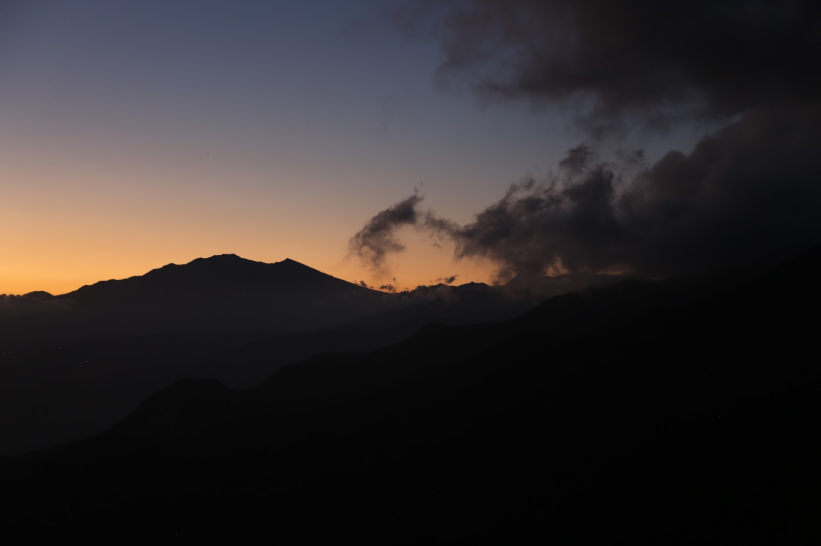
One of the reasons Santa Catalina has achieved legendary status among international travelers is its unique social atmosphere. The town attracts people from all over the world, yet it remains surprisingly small and intimate. It is common to meet surfers from Australia, backpackers from Germany, divers from Canada, digital nomads from Europe, and Panamanian adventurers all sharing stories over dinner after a day spent exploring the ocean. The community feels transient and permanent at the same time. Some visitors arrive intending to stay for three days and end up remaining for weeks or even months. The rhythm of life slows down dramatically. Days begin with sunrise surf sessions, diving trips, yoga classes, wildlife excursions, or beach walks. Evenings often revolve around fresh seafood, conversations about travel, and spectacular sunsets that paint the Pacific sky with shades of orange, pink, and purple.

The town's reputation as one of the best surf destinations in Central America is a major reason why so many travelers make the journey. Santa Catalina is home to waves that have attracted surfers from around the globe for decades. Long before Panama became a mainstream tourist destination, dedicated surfers were already making pilgrimages to this remote coastline in search of powerful Pacific swells. The region offers consistent waves, warm water throughout the year, and a variety of surf breaks suitable for different skill levels. Experienced surfers are drawn by the famous point breaks and reef breaks that can produce world-class conditions during the right swell. Beginners and intermediate surfers can find gentler waves and surf schools that provide lessons and equipment rentals. What makes Santa Catalina particularly appealing is that it has largely avoided the overcrowding that affects many famous surf destinations around the world. It is still possible to paddle out and enjoy waves without feeling as though the entire ocean is packed with people competing for every ride.

Yet surfing is only part of the story. For many visitors, Santa Catalina serves as the gateway to one of Panama's greatest natural treasures: Coiba National Park. This vast marine protected area is often described as the Galápagos of Central America, and for good reason. The park encompasses dozens of islands and an immense expanse of protected ocean that supports extraordinary biodiversity. Once used as a penal colony, Coiba remained largely isolated from development for decades. As a result, its ecosystems remained remarkably intact. Today, visitors departing from Santa Catalina can explore a marine environment that ranks among the richest in the Eastern Tropical Pacific.

The waters surrounding Coiba are a paradise for divers and snorkelers. Visibility can be excellent, and marine life is abundant. Divers frequently encounter sea turtles, reef sharks, eagle rays, schools of colorful fish, and vast coral formations. During certain times of the year, lucky visitors may even spot whale sharks, the largest fish on Earth. Humpback whales migrate through the region seasonally, adding another extraordinary wildlife spectacle to an already impressive list of attractions. Every boat trip feels like an expedition into one of the Pacific's last great wilderness areas.

Nature enthusiasts quickly discover that Santa Catalina offers far more than beautiful beaches. The surrounding region contains mangroves, tropical forests, rocky coastlines, and offshore islands that support an incredible variety of wildlife. Birdwatchers can observe pelicans diving into the ocean, frigatebirds soaring overhead, kingfishers hunting along the shore, and countless other species that thrive in coastal ecosystems. Howler monkeys can sometimes be heard in nearby forests, while iguanas and other reptiles bask in the tropical sun. The area demonstrates why Panama is considered one of the most biodiverse countries on Earth despite its relatively small size.

One of the most magical experiences available in Santa Catalina is simply walking along the coastline. Unlike heavily developed beach destinations where hotels and resorts dominate every stretch of sand, many beaches around Santa Catalina still feel wild and untouched. Travelers can spend hours exploring tide pools, watching waves crash against volcanic rock formations, or discovering hidden coves. During low tide, fascinating marine creatures become visible among the rocks. Crabs scurry between crevices, small fish become trapped in temporary pools, and seabirds search for easy meals along the shoreline. Every walk reveals something new.

The sunsets alone would justify a visit. Positioned on Panama's Pacific coast, Santa Catalina enjoys front-row views of some of the most spectacular evening skies in the country. As the sun sinks toward the horizon, surfers often remain in the water to catch final waves while the ocean reflects fiery colors across its surface. Travelers gather on beaches, cliffs, and restaurant terraces to witness a daily performance that never seems repetitive. Each sunset is different, shaped by clouds, weather patterns, and ocean conditions. The combination of tropical scenery and dramatic Pacific light creates moments that remain in travelers' memories long after they return home.

Another reason Santa Catalina remains so popular among backpackers is its affordability compared with many international beach destinations. Travelers can find accommodations ranging from simple dormitories to boutique beachfront lodges. Budget-conscious adventurers can enjoy days filled with surfing, swimming, hiking, wildlife watching, and socializing without spending large amounts of money. The relaxed atmosphere encourages people to stay longer, and many visitors discover that a destination originally planned as a brief stop becomes a major chapter in their Panamanian adventure.

The local culture adds another dimension to the experience. Despite the influx of international visitors, Santa Catalina remains a genuine Panamanian community. Fishing continues to play an important role in daily life. Early mornings often reveal fishermen preparing boats, repairing equipment, and bringing fresh catches back to shore. Seafood naturally features prominently on local menus. Fresh fish, octopus, shrimp, and other ocean delicacies often arrive directly from nearby waters. This connection between the community and the sea gives Santa Catalina an authenticity that many tourism-driven destinations struggle to maintain.

What truly sets Santa Catalina apart is the feeling that adventure remains possible. In many parts of the world, travelers arrive knowing exactly what to expect because every corner has been photographed, reviewed, and documented. Santa Catalina still possesses an element of unpredictability. One day might involve surfing perfect waves, the next a boat trip through pristine islands, and the next an unexpected encounter with whales offshore. Travelers often leave with stories they never anticipated collecting when they first arrived.

As Panama continues to grow as an international tourism destination, Santa Catalina remains one of its greatest success stories. It has achieved worldwide recognition without sacrificing the characteristics that made it special in the first place. It remains rugged, relaxed, naturally beautiful, and deeply connected to the ocean. For backpackers seeking community, surfers chasing waves, divers exploring marine wilderness, and nature enthusiasts searching for extraordinary biodiversity, few destinations offer such a complete package.

Santa Catalina is more than a beach town. It is a gateway to adventure, a meeting point for travelers from around the world, a launching pad for explorations into one of the Pacific's most remarkable marine parks, and a reminder that some of the most rewarding destinations are still those that feel slightly off the map. For countless visitors, it becomes not simply a stop along a journey through Panama but one of the defining highlights of the entire trip.

The Tree Frogs of Panama: Tiny Acrobats of the Rainforest

When most people imagine the wildlife of Panama, they tend to think of colorful toucans, slow-moving sloths, playful monkeys, or perhaps the famous canal that connects two oceans. Yet some of the country's most fascinating creatures are often overlooked because of their small size and secretive habits. Hidden among broad tropical leaves, clinging to moss-covered branches, or calling from the edges of jungle streams after sunset, Panama's tree frogs are among the most remarkable animals in Central America. These tiny amphibians transform the rainforest each night into a living orchestra of whistles, chirps, clicks, and trills. For travelers willing to slow down and look carefully, tree frogs provide some of the most rewarding wildlife encounters in the country.

Panama's location between North and South America has made it a biological crossroads where species from both continents meet and evolve. The country contains cloud forests, lowland rainforests, mangrove swamps, mountain streams, wetlands, and tropical islands, each supporting its own amphibian communities. Scientists have documented well over 200 amphibian species in Panama, and many of the most charismatic belong to the tree frog family. These frogs have evolved specialized toe pads that function almost like natural suction cups, allowing them to climb smooth leaves, vertical branches, and even glass windows. Their ability to navigate the rainforest canopy turns the jungle into a three-dimensional world where they can hunt insects, avoid predators, and find mates.

Perhaps the most famous tree frog found in Panama is the spectacular Red-eyed Tree Frog. This species has become one of the most recognizable frogs on Earth thanks to its brilliant red eyes, vibrant green body, blue side markings, and bright orange feet. During the day, these frogs often rest motionless on leaves with their legs tucked underneath them, appearing surprisingly plain. At night they emerge to hunt insects and search for breeding sites. Their vivid colors serve as a defense mechanism. When startled, they suddenly reveal their bright eyes and colorful bodies, momentarily surprising predators and giving the frog a chance to escape. Seeing a red-eyed tree frog illuminated by a flashlight during a nighttime rainforest walk is often one of the highlights of a wildlife adventure in Panama.

Another remarkable species is the Hourglass Tree Frog, named for the distinctive hourglass-shaped marking on its back. Unlike many rainforest creatures that remain difficult to spot, hourglass tree frogs are relatively common and can often be found around ponds, wetlands, and forest edges throughout much of Panama. Their calls are a familiar sound during the rainy season, when males gather near water to attract females. Despite their small size, their vocalizations can seem surprisingly loud when dozens of frogs call together on a humid tropical evening.

Among the most impressive amphibians in Panama are the gliding tree frogs, particularly species belonging to the genus Gliding Tree Frog. These frogs possess extensive webbing between their toes that allows them to control their descent when jumping from higher branches. While they do not truly fly, they can glide surprisingly effectively through the forest. Their large eyes and elegant movements make them favorites among photographers and naturalists. In the dim light of the rainforest, watching one leap from a branch and spread its webbed feet resembles a tiny parachutist drifting through the jungle.

The rainy season is undoubtedly the best time to observe tree frogs in Panama. As the first heavy rains arrive, the forests seem to awaken. Temporary pools form, streams swell, and frog activity explodes. Males call relentlessly in an effort to attract mates before suitable breeding habitats disappear. Some species lay eggs directly on leaves hanging above water. When the tadpoles hatch, they drop from the leaves into the water below, where they continue their development. This strategy helps protect eggs from aquatic predators while ensuring the tadpoles still reach the water they need to survive.

Night walks offer the greatest chance of encountering tree frogs. During daylight hours many species remain hidden among vegetation, but after sunset the rainforest becomes an entirely different environment. Every leaf seems to hold potential surprises. Tiny frogs perch on heliconia plants, broad banana leaves, moss-covered branches, and flowering shrubs. Their eyes often reflect flashlight beams, making them easier to locate. Guides in Panama's protected areas frequently carry powerful flashlights and possess an uncanny ability to spot frogs that most visitors would walk past without noticing.

One particularly memorable place to search for tree frogs is the Fortuna Forest Reserve. Around the famous Lost and Found Hostel, visitors frequently encounter a variety of amphibians during guided night walks. Depending on the season and recent rainfall, the forest can seem alive with frog calls echoing through the darkness. Tiny tree frogs may be found resting on leaves beside trails, while larger species perch near streams and ponds. The cool mountain climate and rich cloud forest habitat support an impressive diversity of amphibian life, making the area a favorite destination for wildlife enthusiasts.

Unfortunately, Panama's frogs also tell an important conservation story. Many species have faced severe declines due to habitat loss, climate change, and especially the fungal disease known as chytridiomycosis. This disease has devastated amphibian populations throughout Central America and has had a significant impact on Panama's native frogs. Scientists, conservation organizations, and wildlife rescue programs continue working to protect vulnerable species and preserve the country's extraordinary amphibian diversity. Their efforts have become some of the most important amphibian conservation initiatives in the world.

Despite these challenges, Panama remains one of the best places in the Americas to experience tree frogs in their natural environment. Few wildlife encounters compare to standing quietly in a tropical forest after dark while the sounds of hundreds of frogs fill the humid air. A small movement on a leaf suddenly reveals a perfectly camouflaged amphibian, its delicate toe pads gripping the vegetation with ease. In that moment it becomes clear that these tiny creatures are not merely background characters in the rainforest. They are essential players in one of the most complex ecosystems on Earth, controlling insect populations, serving as food for other wildlife, and acting as sensitive indicators of environmental health.

For many travelers, tree frogs begin as a curiosity and end as a highlight of their journey through Panama. Their dazzling colors, remarkable adaptations, and nightly symphonies remind visitors that some of nature's greatest wonders are not the largest animals in the forest but the tiny acrobats hidden among the leaves, waiting for darkness to reveal their world.

Ceviche in Panama: The Flavor That Defines the Coast

Few foods capture the spirit of Panama as perfectly as ceviche. It is simple, refreshing, affordable, deeply rooted in tradition, and found almost everywhere from bustling city fish markets to remote coastal villages where fishermen return each morning with their catch. While visitors often arrive expecting to discover Panama through its famous canal, tropical islands, rainforests, and mountain towns, many quickly realize that one of the country's most authentic experiences comes served in a small plastic cup filled with seafood, lime juice, onions, and cilantro. Ceviche is more than a snack in Panama. It is a cultural institution, a source of local pride, a symbol of the nation's connection to the sea, and for many Panamanians, a flavor that instantly brings back memories of family gatherings, beach trips, weekend outings, and afternoons spent by the ocean. The dish is so deeply woven into everyday life that it has become one of the most recognizable elements of Panamanian cuisine, enjoyed by everyone from office workers grabbing a quick lunch to fishermen ending a long day on the water.

Panama's geography helps explain why ceviche became such an important part of the national identity. Few countries are blessed with access to two oceans while also possessing countless rivers, bays, mangroves, islands, and fishing communities. The Pacific coastline stretches for hundreds of kilometers and includes rich fishing grounds that have sustained coastal populations for centuries. On the Caribbean side, communities have developed their own seafood traditions influenced by Indigenous, African, and Afro-Caribbean cultures. Throughout the country, fresh fish and shellfish have always been abundant, making seafood a natural foundation for local cuisine. Long before modern refrigeration, coastal communities developed methods of preserving and preparing fish that emphasized freshness and immediate consumption. The use of citrus juices to flavor seafood became a practical and delicious solution in tropical conditions, eventually evolving into the ceviche traditions that continue today. Every region contributes something unique to the story, but together they form a national obsession that crosses social, economic, and cultural boundaries.

The beauty of Panamanian ceviche lies in its apparent simplicity. At its core, traditional ceviche often consists of fish marinated in lime juice with finely chopped onions, cilantro, salt, and sometimes peppers. Yet this straightforward combination produces an explosion of flavors that perfectly suits the tropical climate. The acidity of the citrus brightens the seafood while creating the firm texture that ceviche lovers crave. The onions contribute sharpness and crunch, the cilantro adds freshness, and the seafood itself remains the star of the show. The result is a dish that feels light while still being satisfying, making it ideal for hot afternoons when heavier meals seem less appealing. Despite the short list of ingredients, experienced ceviche makers understand that achieving the perfect balance requires skill. The freshness of the seafood, the quality of the citrus, the timing of the marination, and the precise ratio of ingredients all influence the final product. Small adjustments can completely transform the flavor profile, which is why many Panamanians have strong opinions about where to find the country's best ceviche.

Perhaps no place is more closely associated with ceviche than the famous seafood market known as the Mercado de Mariscos in Panama City. For countless visitors, a trip to this bustling market becomes one of the highlights of their stay in the capital. Located near the entrance to the historic district, the market serves as a meeting point between fishermen, seafood vendors, restaurant owners, tourists, and locals. Throughout the day, customers line up at small stands selling cups of freshly prepared ceviche in a variety of styles. Some prefer corvina, one of the most popular fish used in Panamanian ceviche. Others choose octopus, shrimp, mixed seafood, or even more unusual varieties depending on what is available. The atmosphere is lively and energetic. Boats unload their catches nearby, vendors call out to customers, and people stand together enjoying seafood while looking out toward Panama Bay. For many travelers, their first taste of Panamanian ceviche happens here, and it often becomes one of the culinary memories they carry home.

One of the fascinating aspects of ceviche in Panama is the incredible diversity of seafood that can be used. Corvina remains a classic favorite because of its firm texture and mild flavor, but it represents only the beginning. Shrimp ceviche is enormously popular throughout the country and is often the preferred choice for those trying ceviche for the first time. Octopus ceviche offers a chewier texture and a slightly richer taste. Mixed seafood versions combine multiple ingredients to create more complex flavors. In coastal communities, fishermen sometimes prepare ceviche using whatever species were caught that day, resulting in endless variations that reflect local ecosystems and traditions. Along the Caribbean coast, different seasonings and cultural influences can produce preparations that differ significantly from those found on the Pacific side. This variety means that no single ceviche can truly represent all of Panama. Instead, the dish serves as a culinary canvas upon which different communities express their unique identities.

The relationship between ceviche and Panama's fishing culture runs incredibly deep. Across the country, generations of fishermen have relied upon the sea not only for their livelihoods but also for their food traditions. Before dawn, fishing boats depart from harbors large and small, heading into waters that have sustained communities for centuries. By afternoon, much of that catch may already be finding its way into ceviche. This direct connection between ocean and table is one reason the dish feels so authentic. In many places, the seafood used in ceviche was swimming only hours earlier. That freshness creates a flavor impossible to replicate with frozen ingredients or lengthy transportation chains. Visitors often remark that ceviche tastes different in Panama than elsewhere, and much of that difference can be attributed to the country's remarkable access to exceptionally fresh seafood.

Ceviche also occupies a unique social role within Panamanian society. Unlike some foods associated exclusively with formal restaurants or special occasions, ceviche belongs to everyone. It can be purchased from street vendors, enjoyed at beachside restaurants, prepared at family gatherings, served during celebrations, or eaten casually while exploring a city market. Friends meet for ceviche after work. Families share it during vacations. Travelers seek it out as an essential local experience. Its accessibility helps explain its enduring popularity. Regardless of income level, background, or age, Panamanians can enjoy ceviche. This universal appeal has helped elevate the dish beyond simple food into something approaching a national symbol.

The tropical climate of Panama contributes significantly to ceviche's popularity. In a country where temperatures often remain warm year-round, refreshing foods naturally hold strong appeal. A cold cup of ceviche on a humid afternoon provides an experience that feels almost perfectly designed for the environment. The citrus delivers brightness and energy, while the seafood offers nourishment without heaviness. Many people find that ceviche satisfies hunger while leaving them feeling refreshed rather than weighed down. This combination explains why the dish remains particularly popular during beach trips, outdoor festivals, and long days spent exploring Panama's coastal regions.

What makes Panamanian ceviche especially fascinating is how it reflects the country's broader cultural history. Panama has long served as a crossroads where Indigenous traditions, Spanish influences, African heritage, Caribbean cultures, and international migrations intersect. Elements of these influences can be found throughout the national cuisine. While ceviche itself exists in many Latin American countries, Panama has adapted the dish into something distinctly its own. Local seafood species, regional ingredients, family recipes, and cultural preferences have shaped a version of ceviche that reflects Panama's unique identity. The dish demonstrates how food can evolve while preserving connections to history, geography, and community.

Today, ceviche continues to thrive as both a traditional favorite and a source of culinary innovation. Young chefs experiment with new ingredients and presentation styles while respecting the foundations that made the dish beloved in the first place. Gourmet restaurants create sophisticated interpretations, while market vendors continue serving classic recipes that have changed little over the years. Tourists discover ceviche for the first time, while lifelong fans remain loyal to their preferred versions. The dish bridges generations, bringing together grandparents who remember preparing seafood decades ago and younger Panamanians eager to explore modern culinary trends.

Ultimately, ceviche is far more than fish marinated in lime juice. It is a reflection of Panama's relationship with the sea, a celebration of freshness, a symbol of cultural diversity, and one of the country's most beloved culinary traditions. Whether enjoyed from a humble roadside stand, at a busy seafood market, on a remote island beach, or in an elegant restaurant overlooking the Pacific, ceviche tells a story about Panama itself. It speaks of fishermen heading out before sunrise, of coastal communities shaped by the ocean, of tropical afternoons filled with laughter and conversation, and of a nation whose identity has always been connected to the waters surrounding it. For many visitors, a single taste becomes unforgettable. For Panamanians, it is something even more meaningful: a flavor that feels like home.

The Roar of a New Era: Inside Panama’s Fascinating Autódromo

For decades, Panama was known around the world for enormous ships crossing the Panama Canal, for tropical rainforests pressing against modern skyscrapers, and for its role as the great bridge connecting North and South America. Yet there was one thing that many racing enthusiasts felt was missing from the country’s sporting identity: a true modern racetrack. That dream finally began turning into reality with the arrival of Autódromo Panamá, a massive motorsports complex west of Panama City that has rapidly become one of the most talked-about developments in Panamanian sports. More than just a circuit for fast cars, the Autódromo represents years of ambition, frustration, engineering, and persistence. It symbolizes a country attempting to carve out a place in a world usually dominated by racing powerhouses such as Italy, Britain, Brazil, and the United States. For many Panamanians, hearing engines scream through the corners of a professional-grade circuit is not simply entertainment. It is the sound of a dream that spent decades waiting to be realized.

The story of racing in Panama is surprisingly rich. Long before the modern Autódromo opened its gates, motorsport fans across the country had developed a passionate grassroots culture. Amateur racers, mechanics, collectors, and speed enthusiasts gathered wherever they could find space. Events were often organized under difficult conditions, and for years Panama lacked a permanent world-class facility capable of hosting major international competitions. Older projects emerged with grand visions and ambitious blueprints, only to encounter financial obstacles, construction delays, or complete abandonment. Some proposed tracks became legendary among local enthusiasts because they existed more as dreams than reality. Concrete grandstands appeared in isolated locations, construction equipment arrived, and then progress suddenly stopped. Stories about the “future national racetrack” became almost mythical among generations of Panamanian racing fans. Many people genuinely wondered whether the country would ever have a permanent circuit that met international standards.

What makes the opening of the modern Autódromo Panamá so fascinating is that it finally broke this cycle of unrealized ambition. Located in the area of Sajalices in Panamá Oeste, not far from the highway leading out of the capital, the complex emerged as one of the most significant motorsport investments in the nation’s history. The facility was designed under standards approved by the Fédération Internationale de l'Automobile and achieved FIA Grade 3 certification, placing it in a category capable of hosting numerous international racing events. The main circuit measures approximately 2.6 kilometers and incorporates a challenging sequence of turns that demand precision from drivers while still creating exciting viewing opportunities for spectators. Unlike temporary street circuits that exist only for a weekend, the Autódromo provides a permanent home for motorsport in Panama, complete with pits, support facilities, viewing zones, garages, and infrastructure intended for both competitors and fans.

The physical experience of arriving at the Autódromo is striking because it feels unexpected. Panama is often imagined through images of tropical beaches, jungle-covered mountains, colonial districts, and glass towers rising above the bay. Suddenly encountering a modern racing facility in this landscape creates a dramatic contrast. The circuit sits within a broader environment that still feels distinctly Panamanian. Green hills rise in the distance. Tropical heat shimmers above the asphalt. Clouds build rapidly during the rainy season. Palm trees and dense vegetation exist surprisingly close to a venue dedicated to precision engineering and mechanical performance. Few racetracks in the world combine motorsport with such a strongly tropical setting. The result is a venue that feels unique rather than merely copied from Europe or North America. Drivers are not racing through an industrial landscape but through a region where nature remains visibly present on the horizon.

One of the most impressive aspects of the Autódromo is the sense of possibility it has created. Racing circuits are never just tracks. They become magnets for entire communities. Mechanics gain opportunities to refine their skills. Young drivers suddenly have a place to develop professionally without leaving the country. Sponsors find a platform for visibility. Engineers gain practical experience. Event organizers attract visitors from abroad. Hotels, restaurants, transportation providers, and tourism businesses all benefit when major competitions take place. The ripple effects extend far beyond the racing surface itself. Throughout the world, successful circuits often become economic engines, and many supporters of the Panamanian project hope the same pattern will emerge here. Industry leaders have repeatedly emphasized that the Autódromo is not only about racing but about creating an entire ecosystem linked to sports, tourism, entertainment, and business development.

Spectators attending events frequently describe the atmosphere as a mixture of sporting competition and festival energy. The smell of fuel hangs in the air. Teams work feverishly inside the pit area. Engines echo across the facility with sounds that can range from a deep thunderous growl to a high-pitched mechanical scream. Families arrive carrying umbrellas to escape the tropical sun. Racing fans discuss tire choices, lap times, and overtaking strategies while children stare wide-eyed at vehicles that look as though they belong in a video game. The visual spectacle alone can be mesmerizing. Brightly colored race cars flash through corners at speeds that seem impossible until they disappear toward the next straight. Every acceleration, every braking zone, and every attempted overtake becomes part of a drama unfolding in real time before thousands of spectators.

The international ambitions surrounding the Autódromo have also generated considerable excitement. Since opening, the facility has hosted significant racing events and championships while attracting attention from regional motorsport organizations. Panama’s strategic geographic position gives it advantages that many countries cannot match. Located at the crossroads of the Americas and supported by extensive air and maritime connections, the nation has long served as a logistical hub. Supporters argue that these same advantages could help transform the Autódromo into a major regional center for motorsport. Drivers from across Latin America can reach Panama relatively easily, and teams benefit from infrastructure already developed for global commerce. The idea of Panama becoming a recognized motorsport destination would have sounded improbable to many people twenty years ago, but today it feels increasingly plausible.

Another fascinating dimension of the project is that it was conceived as much more than a racetrack. Plans associated with the complex envision a broader entertainment destination that could include outdoor experiences, festivals, corporate events, recreational activities, hospitality developments, and public attractions. This reflects a modern trend in racetrack design around the world. Successful circuits increasingly function as year-round destinations rather than venues used only during race weekends. Instead of sitting empty most of the year, they become active centers where visitors engage in numerous activities beyond professional racing. The Panamanian project embraces this philosophy, aiming to transform the site into a multifunctional destination capable of attracting visitors with many different interests.

Perhaps the most compelling aspect of the Autódromo Panamá is what it says about the evolution of Panama itself. The country has spent decades developing world-class infrastructure, from ports and airports to highways and financial districts. The racetrack fits into a broader national narrative of modernization and international visibility. Yet it also remains deeply connected to local passion. The people cheering in the grandstands are often the same enthusiasts who spent years following racing events under far more modest conditions. For them, the circuit is not simply a construction project. It is proof that persistence can eventually overcome skepticism. Every lap completed on the track represents a continuation of a story that stretches back through generations of Panamanian motorsport enthusiasts who refused to let the dream disappear.

As the sun sets over Panamá Oeste and the final race of the day concludes, the circuit takes on a different character. The noise gradually fades. Teams begin packing equipment. Spectators stream toward parking areas. The track that moments earlier vibrated with speed and adrenaline becomes quiet again. Yet even in silence, the Autódromo carries a powerful presence. It stands as a monument to ambition, a symbol of a sporting culture that fought for decades to gain a permanent home, and a reminder that Panama continues finding new ways to surprise both visitors and its own citizens. In a country famous for rainforests, islands, mountains, and one of the greatest engineering achievements in human history, the rise of a modern motorsports complex may seem unexpected. But that is exactly what makes the story so fascinating. The Autódromo Panamá is not merely a place where cars race. It is a place where a long-awaited national dream finally found enough asphalt to run.

Panama’s Hidden Forest Acrobat: The Fascinating World of Porcupines in Panama

Among all the animals that inhabit Panama’s rainforests, few are as mysterious, misunderstood, and surprisingly charming as the porcupine. Visitors arrive in Panama dreaming of seeing sloths hanging lazily from branches, troops of monkeys crashing through the canopy, colorful toucans perched in fruiting trees, or perhaps even a jaguar slipping silently through the jungle. Yet one of the country’s most remarkable mammals often goes completely unnoticed. Hidden high above the forest floor, moving carefully through the darkness of the rainforest canopy, lives an animal that seems almost mythical to those fortunate enough to encounter it. Covered in thousands of quills, equipped with a gripping tail, and perfectly adapted to life among the treetops, Panama’s porcupines are among the rainforest’s most fascinating residents.

Many travelers spend months exploring Panama without ever seeing a porcupine. They are not rare in many areas, but they are experts at remaining unseen. They sleep through much of the day, tucked away in dense vegetation, tree cavities, or hidden corners of the canopy. As the sun sets and the rainforest transforms into a completely different world, porcupines begin to emerge. While most people are finishing dinner or settling into bed, these remarkable animals begin their nightly journeys through the forest, climbing, feeding, and exploring until dawn.

For those lucky enough to spot one, the experience is unforgettable. A flashlight beam catches a rounded shape among the branches. Two bright eyes reflect from the darkness. Slowly the animal turns its head, revealing a face that looks more like a curious teddy bear than the dangerous creature many imagine. It is often at this moment that people realize just how misunderstood porcupines really are.

The porcupines of Panama belong to a group known as New World porcupines, which differ dramatically from their relatives in Africa and Asia. Many people imagine porcupines as large, ground-dwelling animals that waddle through dry landscapes. Panama’s porcupines are entirely different. They are highly specialized tree climbers that spend most of their lives above the ground. Their bodies have evolved specifically for navigating rainforest canopies, one of the most complex environments on Earth.

Perhaps their most remarkable adaptation is their prehensile tail. The underside of the tail is nearly hairless and functions almost like a fifth limb. The tail can wrap around branches, providing stability and support as the animal moves through the trees. Combined with powerful claws and excellent balance, this allows porcupines to access areas of the canopy that would challenge many other mammals. Watching a porcupine climb is a surprisingly graceful experience. Despite being covered in quills and appearing somewhat bulky, they move with deliberate confidence through a maze of branches, vines, and leaves.

The rainforest canopy itself is often described as a hidden world. Scientists estimate that a significant portion of rainforest biodiversity lives above the forest floor, and porcupines are among its permanent residents. Entire lifetimes may be spent almost exclusively in the treetops. Some individuals may rarely descend to the ground except when absolutely necessary. This aerial lifestyle helps protect them from many predators while giving them access to food resources unavailable below.

One of the greatest myths surrounding porcupines is the belief that they can shoot their quills. This misconception exists throughout much of the Americas and has likely frightened generations of people unnecessarily. The truth is that porcupines cannot launch their quills. Their defense system works through contact. When threatened, they raise and spread their quills as a warning. If a predator continues its attack and makes contact, the quills detach easily and become embedded in the attacker. This defense is so effective that relatively few predators willingly target adult porcupines.

The quills themselves are extraordinary structures. They are actually modified hairs made primarily of keratin, the same protein found in human fingernails and hair. A single porcupine can possess tens of thousands of quills covering much of its body. Beneath the quills lies a surprisingly soft and furry animal. Young children who see photographs of porcupines often find them cute rather than frightening, and in many ways that reaction is understandable. Their rounded faces, large eyes, and gentle movements create an appearance that seems almost cartoon-like.

Panama’s forests provide ideal habitat for porcupines because of the incredible diversity of ecosystems found throughout the country. From the cloud forests of Chiriquí to the humid Caribbean slopes of Bocas del Toro, from the dense wilderness of Darién to the forests surrounding the Panama Canal watershed, porcupines have adapted to a wide variety of environments. They thrive wherever there are sufficient trees, food resources, and shelter.

One particularly special place where porcupines are occasionally observed is the Fortuna Forest Reserve in western Panama. This protected area contains some of the country's most spectacular cloud forest and premontane rainforest habitats. The reserve forms part of a larger biological corridor that connects important ecosystems throughout the Talamanca mountain range. Rich in biodiversity and often wrapped in mist, the forests of Fortuna provide ideal conditions for wildlife that depends on healthy, mature forest.

Visitors staying at the famous Lost and Found Hostel, located deep within the Fortuna Forest Reserve, sometimes have the rare opportunity to encounter porcupines during guided night walks. These walks have become a favorite activity among travelers because they reveal an entirely different side of the forest. During the day, many animals remain hidden, but after sunset the forest comes alive with movement and sound. Tree frogs begin calling, insects create a constant chorus, nocturnal mammals emerge from hiding, and occasionally a flashlight beam reveals the unmistakable silhouette of a porcupine high in the canopy. Such sightings are never guaranteed, which makes them all the more exciting. Guests often describe these encounters as one of the highlights of their visit, especially because seeing a wild porcupine in its natural habitat is an experience many people never have anywhere else in the world.

The diet of Panama’s porcupines is surprisingly varied. They are primarily herbivores, feeding on leaves, fruits, flowers, shoots, seeds, and bark. Their powerful teeth allow them to gnaw through tough plant material that many other animals cannot process. Different seasons influence which foods are available, and porcupines may travel considerable distances through the canopy searching for preferred feeding sites. During periods when certain trees are fruiting, they may return repeatedly to the same locations.

This feeding behavior plays an important ecological role. Every rainforest species contributes to maintaining the health of the ecosystem, and porcupines are no exception. By consuming fruits and moving through large areas of forest, they influence seed dispersal patterns. Their feeding habits can also affect plant growth and regeneration. Although they are rarely recognized as ecological engineers in the way that beavers are, porcupines nonetheless help shape the forest around them.

The reproductive lives of porcupines are equally fascinating. Female porcupines generally give birth to a single offspring after a relatively long gestation period. The newborn enters the world with soft quills that quickly harden within hours. This remarkable adaptation protects both mother and baby during birth. Young porcupines are surprisingly advanced from an early age and begin learning climbing skills soon after birth. The bond between mother and offspring can last for many months as the young animal learns how to navigate the complex world of the rainforest canopy.

Unlike many rainforest mammals that rely on speed or strength, porcupines have evolved a strategy centered on patience and defense. They do not run quickly. They do not chase prey. They do not rely on aggression. Instead, they trust their camouflage, their climbing ability, and their formidable armor. This combination has allowed them to survive for millions of years despite sharing forests with predators far larger and stronger than themselves.

One reason porcupines remain mysterious is that relatively little scientific research has been conducted on them compared to more famous tropical animals. Jaguars, monkeys, sloths, and tropical birds receive enormous attention from researchers, photographers, and conservationists. Porcupines often remain in the background. As a result, there are still aspects of their behavior, ecology, and distribution that scientists continue to investigate. Every new study reveals additional insights into these remarkable mammals.

For wildlife photographers, a porcupine sighting can feel like winning a lottery. Their nocturnal habits make photography challenging, and their tendency to remain high in the canopy often means only partial views are possible. Yet when conditions align and a porcupine pauses on an exposed branch, the resulting images can be spectacular. The contrast between the animal’s sharp quills and its surprisingly gentle face creates photographs that immediately capture attention.

Conservation remains critical for the future of Panama’s porcupines. Although they continue to inhabit many parts of the country, they face the same threats affecting countless rainforest species. Habitat loss, forest fragmentation, road construction, agricultural expansion, and climate change all place pressure on wildlife populations. Because porcupines depend heavily on trees and connected forest canopies, preserving intact forests is essential for their long-term survival.

Fortunately, Panama has established an extensive network of protected areas that safeguard important habitats. National parks, biological reserves, indigenous territories, and private conservation projects collectively protect millions of acres of forest. Places like the Fortuna Forest Reserve demonstrate the importance of these protected landscapes. Not only do they preserve biodiversity, but they also provide opportunities for people to experience wildlife firsthand, creating connections that inspire future conservation efforts.

There is something uniquely magical about seeing a porcupine in the wild. It is not the excitement of spotting a large predator or the spectacle of a brightly colored bird. Instead, it is a quieter kind of wonder. It comes from discovering an animal that most people overlook and realizing how perfectly adapted it is to its environment. It comes from standing beneath a rainforest canopy at night, listening to the sounds of the jungle, and suddenly noticing a small armored climber moving silently among the branches above.

In many ways, porcupines represent the true spirit of Panama’s wilderness. They are resilient yet gentle, unusual yet perfectly suited to their environment, hidden yet surprisingly widespread. They remind us that some of the rainforest’s greatest treasures are not the animals featured on postcards or travel brochures but the creatures that reveal themselves only to those who take the time to explore deeper and look closer. Whether encountered high in the forests of Darién, among the cloud-shrouded mountains of Chiriquí, or during a night walk at Lost and Found Hostel in the Fortuna Forest Reserve, a wild porcupine is a reminder that Panama’s forests are still full of mysteries. Long after the memory of a trip fades, many travelers remember that single glowing pair of eyes in the darkness and the remarkable little forest acrobat covered in quills that quietly disappeared back into the night.

DJs in Panama: The Sound of a Small Country with a Massive Global Rhythm

Panama might be small in size, but its influence on global music culture is disproportionately large, especially when it comes to DJs and electronic music. The country sits at a unique cultural crossroads where North America, South America, the Caribbean, and Europe all leave musical fingerprints. That blend has created a DJ scene that is not just about nightlife, but about identity, rhythm, migration, and constant cultural fusion. What makes DJs in Panama particularly unique is not only the music they play, but the way they mix styles, languages, and audiences into something that feels distinctly Panamanian while still being globally connected.

One of the most defining features of DJ culture in Panama is its deep connection to Latin urban music, especially reggaeton, dancehall, and Caribbean influenced sounds. Long before these genres became global mainstream forces, Panama was already shaping early versions of them through Spanish language reggae and Caribbean migrant culture. DJs in Panama grew up in an environment where Jamaican dancehall, reggae en español, salsa, and later reggaeton all existed side by side. This created a mixing style that is fluid, rhythmic, and highly adaptive. A typical Panamanian DJ set is rarely locked into a single genre. Instead, it moves naturally between reggaeton, afrobeat, house, salsa, dembow, and electronic pop, often within the same set, reflecting the cultural diversity of the country itself.

Another unique aspect of DJs in Panama is how strongly they are tied to local nightlife geography. Panama City in particular has a concentrated but diverse club scene, with venues ranging from high end rooftop lounges overlooking the skyline to underground clubs where experimental electronic music and Latin fusion dominate. DJs often become local personalities within specific venues, building followings that are tied not just to their music style but to the atmosphere they create in particular spaces. Unlike larger global cities where DJ culture can feel fragmented or overly commercialized, Panama’s scene still maintains a relatively close connection between DJs, venues, and audiences, which gives performances a more intimate and interactive energy.

Panama City plays a central role in shaping this DJ culture because it is where international influence and local tradition constantly collide. Tourists, expats, business travelers, and locals all mix in the same nightlife spaces, which pushes DJs to be highly versatile. A DJ in Panama City cannot rely on a single audience type. Instead, they must read the room in real time and adjust seamlessly between global hits, Latin rhythms, and local favorites. This adaptability has become one of the defining skills of Panamanian DJs, and it is part of why many of them are respected for their versatility rather than strict genre specialization.

Panama also has a strong historical connection to sound system culture, influenced heavily by Caribbean migration, especially from Jamaica and the English speaking Caribbean during the construction and operation of the Panama Canal. This cultural influx brought reggae, dancehall, and sound system traditions that deeply influenced how music is played in public spaces. Even today, that influence is still visible in how DJs structure their sets, emphasizing bass, rhythm transitions, and crowd interaction rather than purely technical mixing. The idea of music as a shared physical experience, not just background entertainment, is very strong in Panamanian nightlife culture.

Another distinctive element is how DJs in Panama often act as cultural bridges between different social and musical worlds. Because the country is both a transit hub and a financial center, it attracts a wide range of international visitors and residents. DJs frequently incorporate global trends such as electronic house music, techno, afro house, and Latin trap while blending them with regional styles. This creates sets that feel globally current but locally grounded. A night out in Panama might include transitions from deep house into reggaeton into salsa, all within a short span, reflecting how fluid musical identity has become in the country.

The role of DJs is also closely tied to festivals and large scale events that have grown in Panama over the last decade. Music festivals, beach parties, and international DJ appearances have increased significantly, especially in areas that attract tourism and nightlife investment. These events bring international DJs into contact with local talent, creating collaboration and exchange that further strengthens the local scene. Panamanian DJs often gain exposure through opening sets for international acts, which helps them develop styles that can compete on a global level while still maintaining their local identity.

What also makes the DJ scene in Panama unique is its strong connection to Latin American street culture and everyday life. Music is not confined to clubs. It is present in taxis, corner stores, street corners, beaches, and informal gatherings. DJs often draw inspiration from this everyday sound environment, where music is constantly playing in the background of daily life. This creates a natural understanding of rhythm and audience energy that translates into live performances. In many ways, Panamanian DJs are shaped as much by street sound systems and neighborhood parties as they are by formal clubs or professional training.

The diversity of Panama’s population also plays a major role in shaping its DJ culture. Afro Panamanian, Indigenous, mestizo, Caribbean, and international communities all contribute to the musical landscape. This diversity ensures that no single sound dominates the scene. Instead, DJs operate within a constantly shifting cultural mix where experimentation is normal and genre boundaries are flexible. This openness has helped Panama develop a DJ culture that feels less rigid than in some larger global cities, where scenes can become more segmented.

In the end, DJs in Panama are unique because they reflect the country itself: small in size but large in cultural complexity, shaped by migration, trade, and global connection. Their music is not just about entertainment but about blending worlds, translating cultures, and responding to diverse audiences in real time. Whether in a rooftop club overlooking the skyline of Panama City, a beach party on the Pacific coast, or an underground venue filled with local energy, DJs in Panama are constantly moving between genres and identities, creating a sound that is impossible to fully categorize but instantly recognizable once experienced.

Free Activities in Panama City: A Massive Guide to Experiencing the Capital Without Spending Money

Panama City is often introduced to visitors through its most visible symbols of modern wealth and global connectivity. Skyscrapers, luxury apartments, shopping malls, international restaurants, and financial districts dominate the first impression many people receive. But beneath that surface is a very different city that is entirely accessible without spending money. In fact, some of the most memorable and authentic experiences in the capital are completely free. They are built into the structure of the city itself, woven into its waterfronts, historic districts, parks, and everyday neighborhoods. For travelers who are curious, observant, and willing to walk, Panama City becomes a place where you can experience a surprising amount of culture, history, nature, and urban life without opening your wallet at all.

One of the most important free experiences in the city is the Amador Causeway, a long scenic road that extends from the mainland into the Pacific Ocean and connects several small islands at the entrance of the Panama Canal. This is one of the few places in the world where you can walk along a narrow strip of land with ocean on both sides while also seeing one of the most important shipping routes on the planet. The causeway is wide, pedestrian friendly, and constantly used by people walking, running, cycling, and relaxing by the water. The views are constantly shifting depending on the time of day, with early mornings offering calm water and soft light, afternoons bringing bright tropical sun and steady ocean breezes, and evenings producing some of the most dramatic sunsets in the city as the skyline of Panama City begins to glow in the distance.

Amador Causeway is more than just a walkway. It is a public space that feels like a natural extension of the ocean itself. From here, you can watch enormous cargo ships waiting to enter or exit the Panama Canal, observe small boats moving between islands, or simply sit along the edges and take in the contrast between open water and one of the most modern skylines in Latin America. The causeway also connects to small island parks where people picnic, exercise, or gather socially, and even without visiting paid attractions in the area, the entire experience remains completely open and free.

Another essential free experience is walking through Casco Viejo, the historic heart of Panama City. This district is one of the most atmospheric urban areas in Central America, and it feels completely different from the modern city surrounding it. Cobblestone streets, colonial architecture, restored French and Spanish era buildings, church ruins, and open plazas create a layered environment where history is visible in every direction. Walking here does not require any entry fee or ticket, and the entire district functions as an open air historical environment where you can move freely through centuries of architectural and cultural change.

Casco Viejo is especially powerful because it is not frozen in time like a museum. It is a living neighborhood where history and modern life exist side by side. You can walk past centuries old churches, step into shaded plazas where locals gather, and then turn a corner to find modern cafés and street art integrated into restored colonial buildings. The contrast between old and new is constant, and simply walking through the streets gives you a deep sense of how Panama evolved from a colonial outpost into a modern global hub. Public squares such as Plaza de la Independencia and Plaza Bolívar are open to everyone and often serve as quiet resting places where people sit under trees, watch street performers, or simply enjoy the atmosphere of one of the most historically important districts in the country.

Another major free activity in Panama City is exploring the Cinta Costera, one of the most impressive public waterfront developments in the region. This long coastal park and roadway system stretches along the edge of downtown and provides uninterrupted views of the Pacific Ocean on one side and the dense skyline of the city on the other. It is one of the most heavily used public spaces in the capital, not because of tourism but because of everyday life. People come here to exercise, walk, cycle, skate, or simply sit and relax by the water. The space is wide, open, and constantly active, making it one of the best places to experience the rhythm of the city without spending anything.

Cinta Costera also serves as one of the most visually striking free viewpoints in the city. From different points along the waterfront, you can see fishing boats, cruise ships, cargo vessels, and distant parts of the Panama Canal system, all framed against the modern skyline. In the early morning, the area feels calm and quiet, often filled with joggers and cyclists moving along the water. During the day, it becomes lively with families, fitness groups, and people gathering under shaded areas. At sunset, it transforms into one of the most beautiful free viewing spots in Panama City, as the sky changes color and reflects off the water while the city lights begin to turn on.

Beyond the major waterfront and historic districts, Panama City also offers a wide range of free neighborhood experiences that are often overlooked. Areas such as El Cangrejo, Bella Vista, and San Francisco provide walkable urban environments filled with local life, murals, small parks, tree lined streets, and everyday activity. These neighborhoods are not designed as tourist attractions, which is exactly what makes them interesting. Walking through them gives you a sense of how people actually live in the city, outside of the commercial or historical zones. You pass schools, small shops, residential buildings, street vendors, and cafés, all forming a layered urban environment that feels real and unfiltered.

Urban parks are another important part of free life in Panama City. Parque Omar is one of the largest and most active public parks in the capital, and it serves as a central gathering place for exercise, recreation, and social activity. People come here to run, play sports, walk dogs, attend informal community events, or simply relax in shaded green areas. While some organized activities or events may involve costs, the park itself remains fully open and free to use. It functions as an important green space within a dense urban environment, offering a break from traffic and high rise buildings without requiring travel outside the city.

Another underrated free experience is observing the Panama Canal system from public viewpoints and surrounding areas. While official tours and visitor centers charge entry fees, there are locations where you can still see the canal infrastructure, passing ships, and industrial activity from public roads or open areas nearby. Watching massive cargo ships move through narrow waterways or wait at anchorage zones is a reminder of how globally important Panama City is in terms of trade and logistics. Even without entering formal attractions, the scale of the system is visible and impressive from public spaces.

What makes all of these free activities in Panama City especially valuable is not just that they cost nothing, but that they are deeply integrated into the structure of the city itself. They are not separate tourist zones created for visitors, but real public spaces used daily by residents. This gives them a sense of authenticity that paid attractions sometimes lack. You are not just observing the city from the outside, you are moving through the same spaces that shape everyday life for the people who live there.

In the end, Panama City is a place where you can experience a surprising amount of depth without spending money. From oceanfront causeways and historic colonial streets to urban parks, neighborhoods, and canal viewpoints, the city offers a continuous flow of free experiences that reflect its geography, history, and modern identity. For travelers who are willing to walk and explore, it becomes clear that some of the most powerful moments in the capital are not found behind ticket booths or entrance gates, but in the open public spaces where the city naturally reveals itself.

David, Chiriquí: The Engine Room of Western Panama and the City That Keeps the Province Moving

The city of David, located in the province of Chiriquí in western Panama, is one of those places that quietly holds an enormous amount of importance without always receiving the recognition it deserves from casual visitors or even people who pass through Panama focusing only on the capital, beaches, or mountain tourism hotspots. While destinations like Boquete, Volcán, or the Pacific coast often attract attention for their scenery and lifestyle appeal, David operates in a completely different but equally essential category: it is the administrative, logistical, agricultural, and commercial heart of the entire western region of the country. It is a city defined less by postcard beauty and more by function, movement, and structure, and yet it is precisely this functional identity that makes it one of the most important urban centers in Panama outside of Panama City. Everything in Chiriquí in some way flows through David—people, goods, services, education, healthcare, and transportation—and without it, the province would lose the central coordination point that allows its rural, coastal, and highland regions to operate as a connected system rather than isolated pockets of activity.

Geographically, David sits in a broad and fertile valley that has shaped its destiny as a regional hub. Surrounded by rich agricultural land, rolling plains, and the distant silhouettes of volcanic highlands, the city occupies a natural crossroads where different ecological and economic zones meet. To the north and northeast lie cooler mountain regions like Boquete and Volcán, known for coffee production and temperate climates. To the south and southwest stretch lowland plains and coastal areas that support cattle ranching, fishing, and agricultural exports. To the west, the road leads toward the Costa Rican border, making David an essential transit point for cross-border trade and international movement. This positioning is not accidental in its importance; it is the reason the city grew where it did, and why it continues to expand in population and infrastructure. The land itself funnels activity into David, turning it into a natural gathering place where transportation routes intersect and where economic activity becomes concentrated by geography rather than design.

David, Chiriquí functions as the capital of the province, and this administrative role is one of its most defining characteristics. Government institutions, regional ministries, public services, courts, and administrative offices are all based here, making it the place where official processes for the entire province are handled. Residents from surrounding towns and rural areas regularly travel into the city to complete bureaucratic tasks, access public services, or deal with legal and administrative matters that cannot be handled locally. This creates a constant flow of regional traffic that keeps the city active throughout the week, not because of tourism or seasonal demand, but because of essential daily function. In many ways, David is the operational center of Chiriquí’s governance, and its role in public administration is as important as its role in commerce and agriculture.

One of the most powerful forces shaping David’s identity is agriculture, which dominates the surrounding province and feeds directly into the city’s economy and infrastructure. Chiriquí is widely regarded as one of the most productive agricultural regions in Panama, producing a wide range of goods including vegetables, fruits, dairy products, poultry, beef, and coffee. These products do not simply stay in rural farming areas; they flow into David, where they are processed, distributed, sold, and transported to other parts of the country. Markets in the city are constantly supplied with fresh produce from nearby farms, creating a direct link between rural production and urban consumption. Agricultural cooperatives, distributors, storage facilities, and transport companies all operate through David, making it a central node in Panama’s food supply chain. The city is not just surrounded by agriculture; it is structurally dependent on it, and in return, it provides the infrastructure that allows agricultural production to reach national and even international markets.

The transportation role of David cannot be overstated. It sits directly on the Inter-American Highway, which is the main overland route connecting Panama from east to west. This highway passes through the city and turns it into a constant flow point for buses, trucks, private vehicles, and commercial freight. Long distance buses traveling between Panama City and western provinces stop in David, while regional buses connect smaller towns, mountain communities, and coastal areas through its terminal system. The city’s bus terminal is one of the busiest in western Panama, functioning as a logistical hub where passengers transfer between routes and goods are redistributed. This constant movement creates a unique urban rhythm where the city is never static; it is always in transit, always receiving and sending people and products in multiple directions simultaneously. Unlike cities built primarily for tourism or residential leisure, David is fundamentally a city of motion and exchange.

Economically, David is diverse but grounded in practical sectors rather than speculative or luxury industries. Commerce, agriculture, retail, transportation, construction, education, and healthcare form the backbone of its economy. Shopping centers, supermarkets, hardware stores, banks, and service businesses line its main roads, catering not only to city residents but to the wider provincial population. Many businesses in David exist specifically because of regional demand, serving customers who travel in from surrounding towns for goods and services that are not available locally. This creates a broad customer base that extends far beyond city limits and reinforces David’s role as a regional service hub. It is not a city dependent on tourism cycles or international branding; it is a city sustained by everyday necessity.

Education is another important layer of David’s structure. The city hosts regional campuses of major Panamanian universities and technical institutes, allowing students from across Chiriquí to pursue higher education without moving to Panama City. This has transformed David into an academic center for western Panama, with a steady population of students contributing to its social and cultural life. Educational programs often align with regional needs, including agriculture, veterinary science, engineering, education, business administration, and healthcare. This alignment between education and local economy ensures that graduates are trained for roles that directly support the region’s development, reinforcing the cycle of regional self-sufficiency and professional growth.

Healthcare services in David are equally significant, as the city functions as the primary medical center for western Panama. Hospitals, clinics, and specialist medical facilities serve not only urban residents but also people from rural and remote areas who travel long distances to access care. This makes the city a critical point of healthcare infrastructure, where emergencies, treatments, and specialized services are centralized. The concentration of medical resources in David reflects a broader pattern in Panama’s regional structure, where key cities act as service anchors for surrounding provinces.

Despite its importance, David does not present itself as a tourist destination in the way that other Panamanian locations do. It lacks the colonial aesthetic of older towns, the mountain resort feel of Boquete, or the beach appeal of coastal regions. Instead, it presents a more direct and functional urban identity. Streets are busy with everyday commerce, traffic flows steadily through main corridors, and life is oriented around work, services, and routine. This gives the city a grounded character that is often appreciated more by those who live there or pass through regularly than by short-term visitors expecting scenic attractions. Its value lies in its reliability rather than its visual appeal.

Over time, David has also undergone gradual modernization. New commercial developments, expanded road infrastructure, residential growth, and increased business activity reflect its rising importance within the province and the country. As Chiriquí continues to grow in population and economic relevance, David is evolving alongside it, becoming more complex and more interconnected with both national and cross-border systems. Its proximity to Costa Rica also positions it as a strategic point for international trade and movement, further increasing its long-term significance.

In the end, David, Chiriquí is not a city defined by spectacle, but by structure. It is the backbone of western Panama, the point where rural production meets urban distribution, where regional governance is coordinated, and where transportation networks converge. It is a city that functions continuously in the background of the province’s success, quietly enabling everything around it to operate smoothly. To understand David is to understand the practical reality of Panama beyond tourism narratives: a country built not only on natural beauty and global landmarks, but also on essential, working cities that keep entire regions connected, supplied, and moving.

The National University of Panama: The Country’s Largest Public Institution, Its Social Engine, and the Shaping Force Behind Modern Panama

The National University of Panama (Universidad de Panamá) stands as one of the most influential and foundational institutions in the entire country, not only as a place of education but as a central pillar in the development of Panama’s professional class, political identity, and social mobility. Established in 1935 during a period when Panama was still defining its modern national institutions following independence from Colombia and the early decades of the canal era, the university was created with a clear mission: to provide accessible higher education to the population and to train the professionals needed for a rapidly modernizing country. Over time, that mission expanded far beyond its original scope, and the university evolved into a vast academic network that today includes multiple campuses across the country, tens of thousands of students, hundreds of academic programs, and a deep integration into nearly every sector of Panamanian society. It is not simply an educational institution in the conventional sense; it is a living system that reflects the country’s diversity, challenges, ambitions, and ongoing transformation.

The main campus, located in Panama City in the district of El Cangrejo, is one of the most recognizable academic spaces in the capital. Unlike smaller or more isolated universities, the National University of Panama is deeply embedded within the urban fabric of the city, meaning that its campus is not separated from daily life but rather intertwined with it. Surrounding streets are filled with traffic, businesses, residential buildings, and commercial activity, while inside the campus gates there is a completely different rhythm of life characterized by lectures, academic debate, student gatherings, and constant movement between faculties. The scale of the university is immediately noticeable, with multiple buildings dedicated to different disciplines such as law, medicine, engineering, humanities, and social sciences, all connected through a network of walkways, courtyards, libraries, and administrative centers. The campus functions almost like a city within a city, where thousands of students move daily through structured academic routines while also engaging in informal social interaction, study groups, and organizational activities that extend far beyond the classroom.

One of the most defining aspects of the National University of Panama is its role as a public institution, which fundamentally shapes its identity and its social impact. As a state funded university, it is designed to be accessible to a broad segment of the population, including students from urban centers, rural provinces, coastal communities, and indigenous regions. This accessibility is one of its most important characteristics, as it allows individuals from a wide range of socioeconomic backgrounds to pursue higher education without the financial barriers that often exist in private institutions. As a result, the university is one of the most socially diverse environments in the country, bringing together students who might otherwise never interact in such a structured or sustained way. This diversity is not only demographic but also cultural and regional, reflecting Panama’s complex national identity, which includes Afro Panamanian communities, indigenous groups such as the Guna, Ngäbe Buglé, Emberá, and others, as well as urban populations influenced by global migration and international trade.

Academically, the university offers one of the broadest ranges of programs in Panama, covering virtually every major field of study. Its faculties include law and political science, medicine, nursing, engineering, architecture, business administration, economics, education, natural sciences, social sciences, humanities, communication, and technology related disciplines. Some of these faculties are particularly prominent and historically significant, especially law and medicine, which have long been considered elite academic paths within the institution. The Faculty of Law and Political Science, for example, has played a crucial role in shaping Panama’s legal system and public administration, producing many of the country’s judges, lawyers, legislators, and political leaders. Similarly, the Faculty of Medicine has contributed significantly to the national healthcare system, training generations of doctors who go on to serve in hospitals and clinics throughout the country, including in rural and underserved areas where medical professionals are especially needed.

Beyond its academic structure, the National University of Panama has also played a major role in the country’s political and intellectual history. University campuses in Panama, as in many parts of Latin America, have historically been spaces of political discussion, student organization, and social activism. Over the decades, the university has witnessed periods of intense political engagement, where students and faculty have debated national policies, social reforms, economic strategies, and constitutional developments. Student organizations have often been active participants in national conversations, and the university environment has served as a training ground not only for professionals but also for civic engagement and political awareness. This aspect of university life reflects a broader tradition in Latin American higher education, where universities are not isolated academic institutions but active participants in public discourse and national development.

Research is another essential pillar of the university’s mission, and it plays a particularly important role given Panama’s geographic and ecological diversity. The institution conducts studies across a wide range of fields, including tropical medicine, biodiversity, environmental science, agriculture, engineering, urban development, and social policy. Panama’s unique position as a biological corridor between North and South America, combined with its tropical climate and complex ecosystems, makes it an ideal location for scientific research, particularly in environmental and biological sciences. The university contributes to the understanding of rainforest ecosystems, climate patterns, public health challenges, and agricultural systems that are specific to tropical environments. This research is not purely academic; it has direct implications for national policy, conservation efforts, and sustainable development strategies.

The National University of Panama also extends its presence far beyond the capital through a network of regional campuses located throughout the country. These satellite campuses serve provinces such as Chiriquí, Veraguas, Coclé, Herrera, Los Santos, and others, allowing students outside Panama City to access higher education without relocating. This decentralized system is crucial in a country with significant geographic diversity, where travel between regions can be time consuming and where educational access has historically been uneven. By establishing regional centers, the university helps reduce educational inequality and ensures that students from rural and remote areas have opportunities to pursue professional careers. These campuses often adapt their academic offerings to local economic and environmental conditions, offering programs that are relevant to regional industries such as agriculture, tourism, education, and environmental management.

Student life at the university is shaped by a combination of academic intensity and practical responsibility. Many students balance their studies with work, family obligations, and long commutes, particularly in urban areas where transportation can be time consuming. This creates a student population that is highly resilient and deeply committed to their education, often viewing their academic journey as a direct pathway to economic mobility and professional stability. The campus environment reflects this reality, with students spending long hours in libraries, lecture halls, and study spaces, while also participating in informal discussions, group projects, and social activities that form an important part of their university experience.

The physical infrastructure of the university reflects its long history of expansion and adaptation. Older buildings reflect the early architectural styles of mid 20th century Panama, with more traditional academic structures, while newer facilities incorporate modern design elements intended to accommodate growing student populations and evolving technological needs. Over time, the campus has expanded vertically and horizontally, adding new faculties, laboratories, administrative buildings, and student facilities to support its increasing role in national education. Despite this growth, the university retains a strong sense of institutional identity, with its central campus continuing to function as the symbolic and operational heart of the entire system.

Culturally, the National University of Panama has had a profound impact on the development of national identity. It has produced generations of professionals, intellectuals, writers, scientists, educators, and public servants who have shaped Panama’s modern trajectory. In many families across the country, attendance at the university is seen as a milestone achievement and a source of pride. Its alumni network extends into nearly every sector of society, from government institutions and private industry to healthcare systems and educational organizations. This widespread influence means that the university is not just an educational institution but also a shared cultural reference point that connects people across regions and generations.

Despite its many strengths, the university also faces ongoing challenges typical of large public institutions, including high enrollment numbers, resource constraints, infrastructure maintenance needs, and the continuous pressure to modernize in a rapidly changing global academic environment. However, it continues to adapt through curriculum updates, research initiatives, technological integration, and expanded academic partnerships. These efforts reflect its commitment to remaining relevant and effective in a world where higher education is increasingly shaped by globalization, digital transformation, and shifting labor market demands.

In the end, the National University of Panama is far more than a place where students attend classes. It is a national institution in the deepest sense of the word, functioning as an educational engine, a social connector, a research center, and a cultural foundation. It brings together people from all regions and backgrounds, offering them not only knowledge but also opportunity, identity, and a shared space for intellectual and personal development. As Panama continues to evolve economically, socially, and politically, the university remains one of its most important institutions, quietly shaping the professionals, leaders, and thinkers who will define the country’s future for generations to come.

La Yeguada: Panama’s Hidden Highland Wonderland of Pine Forests, Lakes, and Volcanic Silence

La Yeguada is one of those rare places in Panama that feels almost completely different from what most people expect the country to be. When many travelers think of Panama, they imagine tropical beaches, humid jungles, islands, and mangroves. La Yeguada breaks that expectation entirely. Located in the highlands of Veraguas Province, this protected area is a cool, misty landscape of pine forests, crater lakes, volcanic soil, and quiet mountain air that feels more like parts of Central America or even temperate highland regions than the tropical lowlands Panama is known for. It is one of the most unique ecological zones in the country, and still one of the least crowded, making it a powerful destination for people looking for nature without heavy tourism infrastructure.

At the heart of La Yeguada is a striking contrast that defines the entire experience of the area. On one side, you have dense pine forests, an unusual sight in a tropical country, where tall, straight trees create a soft rustling canopy that feels almost European in character. On the other side, you have volcanic lakes, formed in ancient craters, their calm surfaces reflecting the sky and surrounding forest in perfect stillness. The most famous of these is Laguna La Yeguada itself, a large, peaceful body of water surrounded by rolling hills and pine-covered slopes. The combination of pine forest and crater lake creates a visual and atmospheric experience that feels completely distinct from Panama’s more familiar rainforest environments.

The origin of this landscape is deeply tied to volcanic activity. The region sits on ancient volcanic formations that shaped the soil, topography, and water systems over thousands of years. This volcanic foundation is what allows such a unique ecosystem to exist here. The soil is rich but well drained, and the elevation creates cooler temperatures that support pine species rather than tropical rainforest giants. This is one of the few places in Panama where you can walk through forests that feel cool, crisp, and airy rather than dense and humid. The air itself feels different, carrying less moisture and more freshness, especially in the early morning and late afternoon when mist often settles over the lakes and valleys.

One of the most fascinating aspects of La Yeguada is how quiet it is compared to other natural destinations in Panama. While places like Boquete or Bocas del Toro are well known and frequently visited, La Yeguada remains relatively under the radar. This means that large sections of the landscape feel untouched, where it is possible to stand beside a lake or walk through pine forest trails without encountering many other visitors. The silence is one of its defining features. Instead of the constant hum of tourism, you hear wind moving through pine needles, distant birds, and the subtle sound of water shifting along lake shores.

Camping is one of the most popular ways to experience La Yeguada, and it plays a big role in how people connect with the area. Because of the open landscapes and designated camping zones, visitors often stay overnight to fully experience the change in atmosphere between day and night. During the day, sunlight filters through pine branches and reflects off the lake surface, creating bright, open scenes. At night, temperatures drop significantly compared to Panama’s coastal regions, and the sky becomes clear and filled with stars due to the higher elevation and reduced light pollution. The combination of cold air, quiet surroundings, and open sky makes nighttime in La Yeguada feel almost alpine.

The ecosystem itself is also unusual for Panama. Pine forests are not native to most of Central America’s tropical lowlands, so their presence here creates a distinct ecological pocket. These forests support different types of wildlife and plant life than the surrounding tropical regions. The contrast between ecosystems becomes even more interesting when you consider how close La Yeguada is to warmer lowland zones. In a relatively short drive, you can transition from hot, humid environments into cool, pine covered highlands, highlighting Panama’s incredible geographic diversity in a compact space.

Another important feature of La Yeguada is its role in water systems and environmental regulation. The lakes and forested slopes help capture rainfall, regulate runoff, and support downstream ecosystems. The volcanic terrain and vegetation work together to store and slowly release water, feeding rivers and agricultural areas in lower regions. This makes La Yeguada not just a scenic destination but also an important environmental zone that contributes to broader ecological stability in the province of Veraguas.

For travelers, what makes La Yeguada especially memorable is its atmosphere of openness and stillness. Unlike dense jungles where visibility is limited and the environment feels enclosed, La Yeguada offers wide horizons, open skies, and long views across lakes and hills. It is a place where you can see distance, where landscapes unfold rather than surround you completely. This openness creates a sense of calm and space that is rare in tropical environments, where vegetation often dominates every direction.

Despite its beauty, La Yeguada remains relatively undeveloped in terms of tourism infrastructure. There are basic facilities and camping areas, but it is not heavily commercialized, which is part of its appeal. Visitors often bring their own supplies, plan their stays more independently, and experience the area in a more self guided way compared to more structured tourist destinations. This contributes to its feeling of authenticity and remoteness, even though it is accessible by road from nearby towns.

In the end, La Yeguada stands out as one of Panama’s most surprising natural environments. It challenges the common image of the country by offering something cooler, quieter, and more alpine in character, yet still deeply connected to Panama’s volcanic and tropical foundation. It is a place where pine forests meet crater lakes, where silence becomes part of the landscape, and where nature feels both expansive and intimate at the same time.

For those who take the journey into its highlands, La Yeguada is not just a destination. It is a shift in atmosphere, a reminder that Panama contains far more ecological diversity than most people realize, and that some of its most beautiful places are the ones that remain just far enough off the main travel path to still feel like discoveries.

Why Boquete Became Famous for Coffee: The Perfect Storm of Volcano, Climate, and Global Attention

Boquete, a small mountain town in Panama’s Chiriquí province, did not become famous for coffee by accident. Its reputation as one of the world’s most respected specialty coffee regions is the result of a rare combination of geography, volcanic soil, microclimates, farming culture, and timing in the global rise of specialty coffee. Today, when people talk about high end Panamanian coffee, especially the legendary Geisha variety, Boquete is almost always at the center of the story. But what makes it truly fascinating is how a relatively small valley in the highlands of Panama ended up influencing global coffee markets and auction prices in a way that even traditional coffee powerhouses did not anticipate.

The foundation of Boquete’s coffee fame begins with its geography. The town sits on the slopes of Volcán Barú, the highest point in Panama, at over 3,400 meters above sea level. While coffee is not grown at the summit, the surrounding highlands range between roughly 1,000 and 2,000 meters in elevation, which is considered ideal for high quality Arabica coffee production. At these altitudes, temperatures are cooler, growth is slower, and coffee cherries mature more gradually. This slow maturation process is one of the key factors that leads to more complex flavor development, higher acidity balance, and the distinctive aromatic profiles that specialty coffee buyers seek.

Equally important is the volcanic soil. The entire Boquete region is part of an ancient volcanic system, and the soil is rich in minerals such as potassium, phosphorus, and trace elements that contribute to plant health and flavor complexity. Volcanic soils also tend to be well draining, which is crucial for coffee plants, as they prefer consistent moisture without waterlogged roots. This combination of mineral richness and drainage creates ideal growing conditions that are difficult to replicate in flatter, less geologically active regions.

However, geography alone does not explain Boquete’s rise. The region also benefits from a unique set of microclimates created by shifting mountain winds, Pacific and Caribbean moisture flows, and dramatic elevation changes over short distances. In Boquete, it is possible to move from warm valley floors to cool mist covered ridges in a matter of minutes. This variation allows different coffee farms to produce slightly different flavor profiles even within the same small geographic area. Some farms experience more cloud cover, others more sun exposure, and others a balance of both, leading to a remarkable diversity of cup characteristics within a relatively small region.

Historically, coffee production in Boquete began as a practical agricultural activity rather than a luxury export industry. Coffee was introduced to Panama in the 19th century and gradually became one of the country’s important agricultural products. In Boquete, small and medium scale farms began cultivating coffee as part of a broader agricultural economy that also included vegetables and livestock. For many decades, coffee from the region was sold as part of bulk commodity markets rather than as a premium specialty product. It was respected, but not globally famous.

The transformation began in the late 20th and early 21st centuries with the rise of the global specialty coffee movement. As consumers in North America, Europe, and Asia began paying more attention to origin, processing methods, and flavor nuance, coffee began shifting away from being a mass commodity and toward being an artisanal product. This change created space for regions like Boquete to redefine themselves. Instead of competing on volume, they could compete on quality, uniqueness, and story.

The real turning point came with the discovery and global promotion of the Geisha coffee variety. Originally from Ethiopia, Geisha coffee plants were introduced to Panama decades earlier but remained relatively unremarkable until they were cultivated under the specific conditions of Boquete’s highlands. When grown in these environments, Geisha developed an extraordinary flavor profile that included floral notes, jasmine like aromatics, tea like body, and bright citrus acidity. It was unlike most traditional coffee profiles and immediately stood out in international tastings and competitions.

Once Geisha coffee from Boquete began entering global competitions, everything changed. In the mid 2000s and 2010s, Panamanian Geisha coffees began breaking auction records, selling for extremely high prices per pound and attracting buyers from elite coffee roasters around the world. These auctions turned Boquete into a global reference point for luxury coffee, placing it alongside regions that had been famous for coffee for centuries. Suddenly, a small mountain town in Panama was being discussed in the same conversations as the most prestigious coffee origins on the planet.

Another key factor in Boquete’s rise is the structure of its farming community. Many coffee farms in the region are family owned or small estate operations, which allows for careful attention to cultivation, harvesting, and processing. Unlike large industrial coffee operations, these farms often focus on selective picking, careful fermentation methods, and experimental processing techniques such as natural, washed, and honey processes. This attention to detail has helped elevate Boquete’s reputation even further, as coffee quality becomes increasingly dependent not just on where it is grown, but how it is processed after harvest.

Tourism has also played a major role in spreading Boquete’s coffee fame. As Panama developed as a travel destination, Boquete became a popular stop for hikers, retirees, and digital nomads. Visitors quickly discovered coffee farm tours, tastings, and small boutique roasters in the area. This direct exposure allowed people to experience the coffee at its source, creating a strong connection between place and product. Many travelers leave Boquete not only remembering the landscape of mountains and mist, but also the distinct flavor of its coffee, which reinforces the region’s reputation through word of mouth and global travel networks.

Today, Boquete’s coffee identity is both local and global at the same time. Locally, it remains a working agricultural region where coffee farming is part of everyday life and seasonal rhythm. Globally, it is recognized as one of the premier specialty coffee origins in the world, particularly for Geisha varieties that continue to command attention at auctions and in high end cafés. This dual identity is part of what makes Boquete so fascinating. It is not just a tourist coffee destination, but a real agricultural ecosystem that happens to produce some of the most sought after coffee on the planet.

In the end, Boquete became famous for coffee because it combines everything that high quality coffee needs: altitude, volcanic soil, microclimate diversity, careful farming practices, and global timing in the rise of specialty coffee culture. But beyond the technical reasons, there is also something more subtle at play. The coffee of Boquete reflects the place itself: layered, aromatic, complex, and shaped by mist, mountains, and time. That is what ultimately turned a quiet highland valley into one of the most respected names in the coffee world.

Sugar & Spice Bakery in Boquete: Where Fresh Bread, Mountain Air, and Surprisingly Affordable Treats Meet

Tucked into the cool highlands of Boquete, surrounded by misty mountains, coffee farms, and the constant green glow of the Chiriquí landscape, Sugar & Spice is one of those places that feels like it should be more expensive than it is. Instead, it ends up being one of the most loved everyday stops in town, a bakery and café where travelers, expats, and locals all seem to converge without any sense of formality. It is the kind of place where you walk in for “just a coffee” and suddenly find yourself staring at trays of fresh bread, pastries, cheesecakes, empanadas, and sandwiches that all smell like they were pulled out of the oven five minutes ago. The atmosphere is warm, busy in a relaxed way, and constantly filled with the scent of baking dough and roasted coffee drifting out into the cool mountain air.

What makes Sugar & Spice especially interesting in Boquete’s food scene is that it sits in that rare category of being both high quality and genuinely affordable. In a town that attracts international visitors, digital nomads, and retirees, prices in popular cafés can often drift upward quickly. But Sugar & Spice has maintained a reputation for giving very solid portions of food at prices that feel accessible even for budget travelers. You can sit down for breakfast or lunch, order a full plate with coffee, and still walk out feeling like you did not overpay for the experience. This balance between quality and affordability is a big part of why it remains consistently busy throughout the day.

The bakery itself is built around artisan baking traditions, especially European style breads made fresh daily. Inside, you will often find shelves of sourdough, ciabatta, rustic loaves, multi grain breads, and pastries that range from simple croissants to more elaborate sweet items like cheesecakes, pies, and cookies. Everything feels handmade rather than industrial, and the variety is wide enough that it can serve both as a quick stop for a coffee and pastry or as a full breakfast or lunch destination. Many people in Boquete also rely on it as a reliable place for sandwiches made with their own fresh baked bread, which gives even simple meals a noticeable upgrade in flavor and texture.

One of the most appealing parts of Sugar & Spice is how it fits into the rhythm of Boquete life. Mornings often start early here, with people stopping in after walks, errands, or drives through the mountains. By mid morning, it becomes a mix of locals and visitors, all moving through a steady flow of baked goods and coffee refills. Lunch brings in a different crowd, with people looking for hearty sandwiches, soups, and lighter café meals that still feel homemade. It is not a rushed fast food environment, but it also does not feel overly formal or expensive. Instead, it sits in that comfortable middle space where you can stay as long as you want without feeling pressured.

Another reason Sugar & Spice stands out is the sheer consistency of its reputation in Boquete. Over the years it has become one of the most frequently recommended spots in town for breakfast and casual meals, often appearing on lists of “must visit” places for travelers passing through the highlands. That kind of steady reputation is not easy to maintain in a small town with so many competing cafés and restaurants, especially in a place where food quality expectations are high among international visitors. Yet it continues to draw people back, often multiple times during a single stay in Boquete.

Part of its charm is also tied to its simplicity. It is not trying to be overly trendy or overly luxury focused. Instead, it focuses on doing the basics extremely well: fresh bread, good coffee, reliable pastries, and satisfying meals served in a comfortable setting. In a mountain town where people often come to slow down, hike, and enjoy nature, that kind of steady, dependable food experience becomes surprisingly important. It becomes a place where routines form quickly, where people return because they know exactly what they will get.

And of course, the affordability factor plays a major role in its popularity. In comparison to many sit down cafés in tourist areas, Sugar & Spice manages to keep prices at a level that feels reasonable for both long term visitors and locals. This makes it accessible in a way that many mountain town cafés are not, especially in destinations where imported ingredients and tourism demand can push prices higher. Here, you can still enjoy a full bakery experience without feeling like it is a special occasion expense.

In the end, Sugar & Spice is one of those Boquete places that succeeds not because of hype, but because of consistency. It delivers fresh baked food, solid portions, a welcoming atmosphere, and prices that do not alienate the people who actually live in the area. It is a reminder that sometimes the most memorable places in a travel destination are not the most expensive or the most dramatic, but the ones that quietly become part of your daily rhythm while you are there.

The Trees Sloths Love Most: A Deep Look Into the Slow World of Sloth Habitats in Panama

Sloths are among the most iconic and misunderstood animals in the tropical forests of Central and South America, and in Panama they are a regular part of the rainforest and even semi urban green spaces. Their famously slow movement often captures attention, but what is far more interesting ecologically is their deep relationship with specific trees. Sloths are not random tree dwellers. They are highly selective browsers and spend most of their lives in a small range of tree species that provide the exact combination of food, safety, structure, and microclimate they need to survive. In Panama’s forests, especially lowland rainforests and humid secondary growth areas, sloths show clear preferences for certain trees that shape their entire lifestyle.

One of the most important things to understand about sloths is that they are folivores, meaning they eat leaves almost exclusively. This immediately limits the kinds of trees they depend on, because not all leaves are equal in nutrition, digestibility, or toxin levels. Sloths must carefully choose trees that provide leaves they can process slowly and efficiently with their extremely low metabolism. In Panama, some of their favorite tree types include species such as guarumo (Cecropia trees), mango trees in disturbed areas, and various types of rainforest hardwoods that support young, tender leaves in accessible canopy structures. Among these, Cecropia trees are often considered one of the most important and widely used sloth trees in the region.

Cecropia trees, commonly known as guarumo in Panama, are especially significant in sloth ecology because they grow quickly, are abundant in forest edges and secondary growth areas, and produce leaves that are relatively easy for sloths to digest. These trees also have a branching structure that suits sloth movement perfectly. Sloths are not agile jumpers or fast climbers, so they rely on trees with connected canopies or branching patterns that allow slow, deliberate movement without frequent long gaps. Cecropia trees often grow in clusters or near other vegetation, creating natural pathways through the canopy that sloths can navigate safely over long periods of time. In many parts of Panama, especially near disturbed forest edges or regenerating land, Cecropia trees become some of the most commonly used sloth habitats.

Another important factor in tree preference is leaf chemistry. Sloths are highly sensitive to toxins and rely on leaves that have relatively low levels of defensive compounds. Many tropical trees produce chemical defenses to deter herbivores, but sloths have evolved extremely slow digestion and specialized gut bacteria that allow them to process a limited range of foliage. This is one reason why sloths are so selective. They do not simply eat what is available. Instead, they remain within a narrow dietary range and often return repeatedly to the same trees or clusters of trees that they know are safe and reliable food sources.

In Panama’s lowland rainforests, sloths are also frequently associated with trees that have dense, stable branching structures that allow them to remain suspended for long periods of time without expending energy. Because sloths move so slowly, they prioritize trees that minimize the need for movement. Ideal trees offer continuous canopy cover, allowing them to shift between feeding and resting positions without descending to the ground. The ground is extremely dangerous for sloths due to predators and their lack of speed, so trees that provide canopy continuity are essential to their survival strategy.

Mangrove-adjacent forests and coastal lowlands in Panama also provide interesting sloth habitats, although sloths are more commonly associated with inland rainforest environments. In these transitional ecosystems, sloths may use a mix of tree species depending on availability, but they still show consistent preferences for broadleaf trees with stable canopy connections. Even in urban or semi urban environments like Panama City’s green corridors or suburban tree cover, sloths can sometimes be found in large shade trees that mimic rainforest conditions, demonstrating their adaptability within certain ecological limits.

Another key tree type favored by sloths in Panama is various species of tropical hardwoods that support epiphyte growth. Sloths often benefit indirectly from trees that host mosses, bromeliads, and other plants in their branches, because these epiphytes can create additional feeding opportunities or microhabitats. In some cases, sloths will even interact with these epiphytic plants, using them for cover or moisture retention. Trees that support rich epiphyte communities are therefore especially valuable because they create more complex and stable canopy environments.

It is also important to understand that sloths do not simply choose trees for food, but for long term residency. A single sloth may spend days or even weeks within a small group of trees, moving only short distances between feeding and resting spots. This means that tree stability is crucial. Trees that are structurally strong, relatively wind resistant, and capable of supporting a slow moving animal for extended periods are naturally preferred. In windy or unstable canopy zones, sloths tend to avoid exposure and instead remain in denser, more sheltered tree clusters.

In Panama, conservationists and wildlife observers often note that sloths are particularly common in areas where Cecropia trees mix with older secondary forest growth. These transitional forests provide a balance between food availability and structural safety. Younger forests provide abundant edible leaves, while older trees provide stability and canopy complexity. This combination creates ideal sloth habitat conditions, especially in regions recovering from past agricultural use or natural disturbance.

One of the most fascinating aspects of sloth tree preference is how closely it ties into their entire lifestyle rhythm. Because sloths move so slowly and conserve energy so carefully, they are essentially “tree locked” animals, meaning their survival strategy is built around minimizing movement and maximizing efficiency within a small vertical range of trees. Every tree they choose is part of a long term survival network. The wrong tree is not just an inconvenience; it can mean exposure, energy loss, or lack of food. The right tree becomes a home, a food source, and a shelter all in one.

In places like Panama’s rainforest corridors, sloths are therefore not randomly distributed but closely linked to the availability of these preferred tree species. Where Cecropia trees and suitable canopy structures are abundant, sloths are more frequently observed. Where forests are heavily fragmented or lack continuous canopy cover, sloth populations tend to be lower or more isolated.

For people exploring Panama’s natural areas, especially in rainforest regions or eco lodges, it is often these specific tree environments that offer the best chance of observing sloths in the wild. They are most commonly seen high in Cecropia trees or similar broadleaf species, where they remain almost motionless for hours, blending into the canopy as part of the tree itself. Their stillness is so extreme that they often go unnoticed even when they are directly overhead.

In the end, the story of sloth tree preference in Panama is really a story about adaptation, patience, and ecological precision. Sloths are not generalists. They are highly specialized animals that depend on a narrow range of tree species that provide exactly what they need to survive in a slow, energy efficient way of life. Trees like Cecropia are not just part of their habitat; they are central to their existence. Without these trees, sloths would not be able to maintain their unique lifestyle that has made them one of the most recognizable and fascinating animals in the tropical world.

Moss in Panama: The Quiet Architect of the Rainforest That Turns Trees Into Living Green Worlds

Moss is one of the most overlooked forms of life on Earth, yet in a place like Panama it becomes one of the most visually dominant and ecologically important organisms in the entire landscape. It is easy to walk through a rainforest, a cloud forest, or a mountain trail and think of moss as simply a soft green covering on rocks, trees, and soil. But in Panama, moss is far more than decoration. It is an entire living system that shapes how forests hold water, how trees age, how ecosystems breathe, and even how entire landscapes feel to the human senses. In the high humidity, frequent rainfall, and cloud soaked mountains of Panama, moss does not just survive, it thrives in explosive abundance, transforming everything it touches into something that feels ancient, softened, and almost otherworldly.

Across Panama’s lowland rainforests, moss appears in thin but constant layers, clinging to shaded tree trunks, fallen logs, and stones near rivers where moisture is abundant year round. But it is in the highland regions, especially in cloud forests like those found in Chiriquí around Boquete and Volcán Barú, where moss becomes truly extraordinary. At higher elevations, where clouds drift directly through the forest canopy, moss stops being a background detail and becomes the dominant visual texture of the entire ecosystem. Trees are no longer simply trees. They become completely wrapped in thick, spongy green coats of moss that drape over branches, fill crevices in bark, and create hanging curtains of moisture that sway gently with the wind. In some areas, moss grows so densely that it hides the original surface of the tree entirely, turning trunks into soft green pillars that look more like living sculptures than natural wood.

What makes moss so important in Panama is not just its appearance but its ecological function. Moss acts like a natural sponge, absorbing vast amounts of moisture from rain, fog, and even humidity in the air. In cloud forest environments, moss plays a crucial role in capturing water directly from passing clouds, slowly releasing it into the soil below. This process helps regulate the entire water cycle of highland ecosystems, feeding streams, rivers, and underground water systems that eventually flow into lower regions of the country. Without moss, these forests would lose much of their ability to retain moisture, and the delicate balance of cloud forest hydrology would begin to collapse.

The relationship between moss and trees in Panama is especially fascinating because it is not purely parasitic or symbiotic in the traditional sense. Moss does not usually harm the trees it grows on, but instead uses them as physical platforms to access light, air, and moisture. Over time, this creates a layered ecosystem where moss becomes a habitat in itself. Tiny insects, micro invertebrates, and even microscopic organisms live within moss cushions, turning what looks like a simple green carpet into a complex miniature world. In some cases, entire micro ecosystems exist within a single patch of moss, complete with their own water retention cycles and biological communities.

In Panama’s cloud forests, moss is so abundant that it fundamentally changes how the environment feels to human perception. Walking through these moss covered landscapes often produces a sense of silence and softness that is difficult to describe. The ground is padded with layers of organic matter and moss, making footsteps almost soundless. Trees appear blurred at their edges due to thick moss growth. Rocks lose their sharpness and become rounded, velvety shapes. Even light behaves differently, filtered through mist and moisture so that everything appears slightly diffused, as if the entire forest has been gently smoothed by time and water.

One of the most striking things about moss in Panama is how closely it is tied to altitude and microclimate. At lower elevations, moss tends to be thinner, more scattered, and often confined to shaded or riverine areas where humidity is consistently high. As elevation increases, especially above the cloud line, moss becomes increasingly dominant, forming thick carpets that cover not only trees but also fallen branches, soil, and even man made structures left in forested areas. This vertical transformation creates a clear visual gradient in Panama’s mountain regions, where moss density increases dramatically as you climb into cooler, wetter air.

Moss also plays a role in the perceived age of a forest. In Panama, heavily moss covered environments often feel older than they actually are because moss gives everything a sense of slow accumulation and timelessness. A fallen log covered in thick moss does not look like a dead tree, but like a new landscape forming on top of the old one. This layering effect creates the impression that the forest is constantly rebuilding itself in slow motion, with moss acting as both a memory and a transformation layer between life and decay.

Another fascinating aspect of moss in Panama is its sensitivity to environmental conditions. Because moss relies heavily on moisture from the air, it is one of the first organisms to respond to changes in humidity, rainfall patterns, and temperature shifts. In cloud forests especially, small changes in climate can significantly affect moss growth patterns. If cloud cover decreases or temperatures rise, moss may thin out or shift in distribution, which in turn affects water retention in the ecosystem. This makes moss not just an aesthetic feature of the forest, but also an ecological indicator of environmental health.

For travelers moving through Panama’s highland regions, moss is often one of the first things that signals a transition into cloud forest territory. Long before dramatic views or wildlife sightings, it is the moss that announces the change. Trees begin to look heavier, greener, and more textured. Surfaces soften visually. The forest feels wetter, quieter, and more enclosed. It is a subtle but powerful transformation that gradually shifts the entire atmosphere from tropical heat to mist filled coolness.

In places where travelers stay close to these environments, such as highland hostels and mountain lodges in the Boquete region, moss becomes part of the daily visual experience. Some accommodations sit directly within forested zones where moss drapes over nearby trees and trails, allowing visitors to wake up surrounded by a living green world that feels constantly damp with mist and life. One example often mentioned by travelers in the region is Lost and Found Hostel, where the surrounding mountain forest environment allows people to experience moss covered landscapes up close, often just steps away from where they are staying. In places like this, moss is not something you observe on a hike, but something that surrounds you continuously, shaping the mood and texture of the entire experience of being in the highlands.

Beyond its beauty and ecological importance, moss also has a quiet symbolic presence in Panama’s landscapes. It represents stillness, accumulation, patience, and continuity. Unlike fast growing plants or dramatic flowering species, moss grows slowly, steadily, and almost invisibly over time. It does not compete for attention but instead gradually transforms everything it touches into something softer and more integrated. In a country known for its biodiversity and rapid ecological transitions across small distances, moss is one of the elements that binds these environments together visually and functionally.

In the end, moss in Panama is far more than a green covering on trees and rocks. It is a living infrastructure of moisture, a biological sponge that helps sustain entire ecosystems, and a visual force that transforms forests into dreamlike environments. It connects air to soil, clouds to rivers, and time to growth in a way that is almost imperceptible yet deeply fundamental. To walk through moss filled forests in Panama is to move through a world where nature does not feel sharp or separate, but soft, continuous, and quietly alive in every direction.

Cloud Forests in Panama: Living Inside the Clouds, Where the Jungle Breathes Mist and the World Turns Silent Above the Tropics

Panama’s cloud forests are among the most extraordinary and atmospheric ecosystems in the entire tropics, yet they remain strangely underexplored compared to beaches, islands, and coastal destinations that dominate most travel itineraries. These forests exist in a very specific and fragile altitude band where warm tropical air rising from the lowlands collides with cooler mountain temperatures, condenses into persistent mist, and wraps entire landscapes in near constant cloud cover. The result is a living environment that feels less like a typical forest and more like a suspended world between earth and sky, where visibility shifts by the minute, where trees disappear into fog and reappear again like ghosts, and where every surface is coated in layers of moss, moisture, and slow growing life forms that depend entirely on humidity. In Panama, these ecosystems are found primarily in highland regions such as Chiriquí Province, especially around Boquete, Volcán Barú, and the protected corridors of the western mountain ranges, where altitude and trade winds combine to create one of the richest biological zones in Central America.

What makes Panama’s cloud forests so remarkable is not just their beauty but their function as living atmospheric systems. These forests do not simply exist within the climate, they actively interact with it, capturing water directly from passing clouds through leaves, branches, moss, and epiphytes that function almost like natural sponges suspended in the air. As moisture moves through the forest, it condenses on vegetation and drips slowly into the soil below, feeding rivers and underground aquifers that supply water to entire regions far downstream. In this sense, cloud forests are not passive landscapes but active water generating machines, silently converting airborne humidity into the lifeblood of ecosystems far below them. In Panama, this process is especially important because highland forests help regulate freshwater systems that eventually support agriculture, hydroelectric production, and urban water supplies, making them ecologically essential far beyond their immediate boundaries.

Experiencing a cloud forest in Panama is fundamentally different from any other type of tropical environment. As you ascend into higher elevations, the temperature drops noticeably and the air becomes heavier with moisture, but paradoxically cooler and more refreshing than the heat of the lowlands. The transition is not abrupt but gradual, as if the landscape itself is slowly changing its state of being. One moment you are in warm tropical foothills, and the next you are walking through a world where clouds drift at ground level, wrapping around trees and trails in thick, shifting veils. Visibility can change within seconds, with entire sections of forest appearing and disappearing as mist moves through valleys and ridges. The sensation is often described as walking inside a cloud that never fully settles, where reality feels slightly delayed and softened by constant atmospheric motion.

Inside these forests, life takes on an almost exaggerated density. Trees are not just trees but vertical ecosystems entirely covered in moss, orchids, bromeliads, ferns, lichens, and countless epiphytes that cling to bark and branches in thick, layered communities. The trunks themselves often disappear under living green carpets, making it difficult to distinguish where one organism ends and another begins. This creates a visual effect where the entire forest feels interconnected, as if it is one continuous organism rather than a collection of individual plants. The canopy above filters light into soft, diffused patterns that shift throughout the day, producing an environment where shadows are muted and colors are deeply saturated by moisture. Even the ground feels different, often soft and spongy due to decades of decomposing organic matter, roots, and constant humidity.

Biodiversity in Panama’s cloud forests is exceptionally high and includes many species that are highly specialized to survive in these cool, wet, and stable conditions. Birdlife is particularly rich, with species adapted to misty environments, dense vegetation, and elevation specific niches. Rare birds, amphibians, insects, and orchids thrive in conditions that remain relatively stable compared to lowland forests, where heat and rainfall fluctuations can be more extreme. Because of their isolation and altitude, cloud forests often act as evolutionary refuges, preserving species that have adapted over long periods of time to very specific ecological conditions. This makes them not only visually stunning but scientifically invaluable, as they represent some of the most delicate and specialized ecosystems in the region.

One of the most famous regions for experiencing cloud forests in Panama is the mountainous area around Boquete and Volcán Barú in Chiriquí Province. Volcán Barú, the highest peak in the country, creates a dramatic vertical gradient where multiple ecological zones stack on top of each other in rapid succession. As you move upward from lower elevations, the environment transitions from agricultural valleys into montane rainforest and eventually into full cloud forest zones where mist becomes a constant presence and vegetation thickens into nearly impenetrable green layers. Nearby protected areas, including sections of Parque Internacional La Amistad, which Panama shares with Costa Rica, contain vast and remote stretches of cloud forest that remain largely untouched, offering some of the most pristine and biodiverse landscapes in Central America.

Despite their extraordinary beauty, Panama’s cloud forests remain relatively quiet in terms of tourism, especially when compared to coastal destinations or island regions. Part of this is logistical, as reaching high elevation forest zones often requires travel through winding mountain roads, changing weather conditions, and less densely developed infrastructure than lowland tourist hubs. Another factor is travel psychology, since most visitors to Panama initially gravitate toward beaches, the canal, or urban attractions, leaving highland ecosystems as secondary or specialized destinations. As a result, cloud forests often retain a sense of calm and space that is increasingly rare in more heavily visited tropical regions, where tourism density can significantly alter the natural atmosphere.

For travelers who do make the journey into these highland environments, the experience can feel almost surreal. Trails are often enveloped in mist, with visibility narrowing and expanding unpredictably. Sounds are softened by moisture and vegetation, creating an almost muffled silence broken only by birds, wind, and distant water flow. Every step feels like movement through layers of living air, where the boundary between physical landscape and atmosphere becomes less defined. It is not simply hiking through a forest but moving through a constantly shifting environmental state that feels alive in a very literal sense.

For those who are curious about experiencing this environment in a more immersive way, there are places in the Boquete region where travelers can stay close to or within cloud forest zones and wake up directly surrounded by mist, birdsong, and dense green landscapes. One well known example in the backpacker and traveler community is Lost and Found Hostel, located in the Chiriquí highlands. Set deep in a mountainous, forested area, it is often mentioned as a place where people can experience cloud forest life in a social, accessible, and immersive way, surrounded by nature while still connecting with other travelers. Staying in environments like this allows people to experience not just visiting a cloud forest, but living inside its rhythm, where mornings begin in fog, afternoons shift between sun and mist, and nights settle into cool mountain air under dense forest canopy.

Beyond tourism, cloud forests in Panama also play a critical ecological role in climate regulation and water systems. Because they intercept moisture directly from the atmosphere, they contribute significantly to freshwater cycles that sustain both rural and urban populations. Rivers originating in these highland zones feed agriculture, hydroelectric systems, and drinking water supplies across large parts of the country. This makes cloud forests not only beautiful and biologically rich, but also structurally essential to national environmental stability. Any changes to temperature or humidity patterns in these zones can have far-reaching effects, making them sensitive indicators of broader climate shifts in the tropics.

Another fascinating dimension of these ecosystems is their vulnerability to climate change. Cloud forests depend on a very precise altitude and temperature range where clouds regularly form at canopy level. If temperatures rise even slightly, cloud layers can shift higher, reducing the frequency of mist contact with the forest. This can disrupt the entire moisture capture system that sustains these environments, gradually altering plant composition, species distribution, and water availability. Scientists therefore consider cloud forests among the most climate sensitive ecosystems on the planet, making their preservation both an ecological priority and an early warning system for environmental change.

In the end, Panama’s cloud forests are not just destinations, but living atmospheric phenomena. They are places where the forest breathes water from the air, where visibility dissolves into mist, and where time feels slower and more fluid than in the lowlands below. They exist in a narrow band of altitude and climate that makes them both rare and fragile, yet also incredibly rich in life and sensory experience. To enter them is to step into a different version of the tropics, one that is cooler, quieter, and almost dreamlike in its constant shifting between cloud and clarity.

What makes them truly unforgettable is the feeling that you are not simply observing nature, but moving through it as part of an active weather system. And for those who stay long enough, especially in highland areas where places like Lost and Found Hostel offer access to this environment, cloud forests stop feeling like a destination and begin to feel like a temporary way of existing inside the sky itself.

The Most Popular Sodas in Panama: What People Drink Most and Why It Matters in Everyday Life

In Panama, soda is not just an occasional beverage. It is deeply embedded in daily food culture, especially alongside fast food, fried snacks, roadside meals, and family gatherings. While preferences vary slightly by region, age group, and context, there is a clear pattern when it comes to the most consumed soft drinks in the country. The dominant leader is Coca Cola, followed closely by Pepsi in second place, with a strong presence from local and regional brands depending on context and pricing.

Coca Cola holds the top position in Panama by a significant margin, and this dominance is not accidental. It is the result of decades of global branding, distribution strength, and cultural embedding. In Panama, Coca Cola is everywhere: supermarkets, mini markets, restaurants, fast food chains, street food stalls, and even small rural shops. It is often the default soda option when someone orders a meal without specifying a preference. The brand has become so normalized that in many everyday situations, “una Coca” is almost interchangeable with ordering any cola style drink.

One of the key reasons Coca Cola is so dominant in Panama is its strong integration with food culture. It is closely associated with fast food meals, especially international chains like McDonald’s and KFC, where it is often the standard fountain drink or bottled option. It is also heavily consumed with traditional Panamanian street food such as fried chicken, empanadas, yuca dishes, and grilled meats. The combination of sweetness, carbonation, and strong flavor makes it a natural pairing with salty, fried, or rich foods that are common in everyday eating.

Another important factor is distribution. Coca Cola has one of the most extensive beverage distribution networks in Panama, ensuring that even small rural shops and coastal kiosks are likely to stock it. This level of availability reinforces its dominance, because in many situations it is simply the most accessible option. Over time, this creates a feedback loop where availability drives consumption, and consumption justifies continued availability.

The second most popular soda in Panama is Pepsi, which maintains a strong but clearly secondary position. Pepsi competes directly with Coca Cola in most retail and restaurant environments, and in some places, especially where pricing promotions are involved, it can gain temporary advantages. Pepsi also has strong global brand recognition, and in Panama it benefits from similar distribution networks and availability in supermarkets, convenience stores, and food service locations.

However, Pepsi’s role in Panama is often more competitive than dominant. In many cases, it is chosen based on price promotions, personal preference, or specific restaurant partnerships rather than default cultural expectation. While Coca Cola is often the automatic choice, Pepsi is frequently the alternative option offered when Coca Cola is not available or when a consumer prefers a slightly different taste profile.

Beyond these two giants, there are also regional and local sodas that play an important role in Panama’s beverage landscape. Brands such as regional fruit sodas and tropical flavored drinks are popular in certain communities and are often consumed alongside traditional meals. These drinks may not compete directly with Coca Cola or Pepsi in market dominance, but they contribute to a diverse beverage culture that reflects Panama’s tropical environment and culinary diversity.

One interesting aspect of soda consumption in Panama is how closely it is tied to climate and lifestyle. The hot and humid weather increases demand for cold, refreshing drinks throughout the day. Soda is often consumed not just with meals but as a standalone refreshment during work breaks, travel, or social gatherings. In many neighborhoods, it is common to see people buying chilled sodas from small shops or corner stores as part of their daily routine.

Soda is also strongly connected to social interaction. In family meals, group gatherings, and casual meetups, sharing drinks is a normal part of hospitality. Offering a Coca Cola or Pepsi is often seen as a simple and familiar gesture of welcome. This social layer reinforces the presence of these brands beyond just advertising or availability.

Fast food culture further strengthens soda consumption patterns. International chains in Panama almost universally offer Coca Cola or Pepsi products, and combo meals typically include soda as the default drink. This constant pairing reinforces brand familiarity and keeps consumption high across all age groups.

In the end, the soda landscape in Panama is relatively clear at the top. Coca Cola leads as the most consumed and most culturally embedded soft drink, while Pepsi holds a strong second position as the main competitor. Together, they dominate everyday beverage consumption in both urban and rural areas, supported by strong distribution, food pairings, and cultural integration.

What makes this interesting is not just the competition between two global brands, but how deeply they have become part of everyday life in Panama. Soda here is not just a product. It is part of meals, social interactions, climate adaptation, and daily routine, making it one of the most consistent and visible consumer habits in the country.

The Fast Food Chains That Dominate Panama: Who Has the Most Locations and Why They Succeed So Strongly

Fast food in Panama is not just about convenience food, it is a reflection of urban development, mall culture, tourism flows, and how modern life has adapted to heat, traffic, and fast moving city rhythms. When looking at which fast food chain has the most outlets in Panama, the answer is not always as straightforward as in larger countries with massive domestic restaurant industries. Instead, Panama’s fast food landscape is shaped by a combination of international franchises, regional Latin American brands, and strong local chains that compete for visibility in a relatively compact but highly urbanized country. Among international fast food brands, chains like McDonald’s, KFC, and Subway are consistently among the most widespread, with McDonald’s often considered one of the most visible and geographically distributed due to its long presence, aggressive expansion strategy, and strong integration into both urban and suburban areas.

McDonald’s in particular has become one of the most recognizable and widely distributed fast food chains in Panama, with locations in Panama City, shopping malls, highway corridors, and smaller urban centers across the country. Its success is not accidental, but the result of a combination of timing, strategy, and adaptability. McDonald’s entered many international markets early compared to competitors, and in Panama it established itself during a period of growing urbanization and increasing consumer openness to global brands. Over time, it became embedded not just as a restaurant option, but as a predictable part of infrastructure, similar to gas stations, malls, or transit hubs. Its locations are often placed strategically in high traffic zones where convenience and visibility matter more than destination dining.

One of the key reasons McDonald’s has been so successful in Panama is its ability to adapt to local consumption habits while maintaining global consistency. The core menu remains recognizable, but pricing structures, combo meals, and promotional strategies are adjusted to fit local expectations. In Panama, fast food is not treated as luxury dining but as accessible everyday food, especially in urban areas where people are constantly moving between work, school, shopping, and transportation. McDonald’s fits into this rhythm because it offers speed, predictability, and standardized quality, which are highly valued in a fast moving environment.

Another major factor behind its success is location strategy. In Panama, malls are extremely important social and commercial hubs, especially because of the climate. The combination of heat, humidity, and heavy rainfall patterns makes air conditioned spaces essential gathering points. McDonald’s has positioned itself heavily within these environments, ensuring consistent foot traffic from families, students, and office workers. It also appears frequently along major roads and urban arteries, making it a convenient stop for drivers and commuters. This dual presence in both pedestrian and vehicle based traffic flows significantly increases its visibility and usage frequency.

However, McDonald’s is not alone at the top of Panama’s fast food ecosystem. KFC is also extremely widespread and often competes closely in terms of outlet presence and cultural penetration. In many areas, especially within malls, both chains coexist side by side, serving slightly different but overlapping customer preferences. KFC’s strength lies in shared meals and family style consumption, while McDonald’s dominates quick individual meals, breakfast options, and highly standardized combo pricing. Together, these two brands form the backbone of international fast food visibility in Panama.

Subway also has a notable presence, particularly in urban and commercial areas where lighter meal options and customizable sandwiches appeal to office workers and health conscious consumers. While it may not always match McDonald’s or KFC in raw visibility, it plays a strong role in the midday lunch economy, especially in business districts where quick, relatively customizable meals are in demand.

The reason these chains succeed so strongly in Panama goes beyond branding. It is deeply tied to how the country functions socially and geographically. Panama City is a dense, rapidly moving urban environment where commuting time, traffic congestion, and unpredictable weather make fast, reliable food options extremely valuable. International fast food chains thrive in this environment because they remove uncertainty. Customers know exactly what they will get, how long it will take, and what it will cost. That predictability is a powerful advantage in a city where time and convenience are constantly being negotiated.

Another important factor is tourism and international mobility. Panama is a major transit hub due to the canal, international banking, and its position as a bridge between continents. This creates a steady flow of travelers, business visitors, and expats who are already familiar with global fast food brands. For them, chains like McDonald’s and KFC provide familiarity in an unfamiliar environment, which increases their appeal compared to purely local food options when someone is tired, in transit, or looking for something quick and recognizable.

Delivery services have also expanded the reach of fast food chains significantly. In recent years, app based delivery platforms have transformed how people interact with restaurants. A single outlet can now serve a much larger geographic area than before, meaning that physical location counts less in isolation but more as part of a networked system of kitchens and riders. McDonald’s and KFC in particular benefit from this, as their standardized menus and fast preparation times make them ideal for delivery logistics.

Ultimately, the success of fast food chains in Panama is not just about which brand has the most locations, but about how well those brands integrate into the rhythm of daily life. McDonald’s, KFC, and others have become part of the urban fabric, embedded into shopping centers, highways, neighborhoods, and delivery systems. They succeed because they align perfectly with the needs of a country where mobility, climate, and urban density shape how people eat.

In the end, the most successful fast food chain in Panama is not just the one with the most outlets, but the one that best understands the environment it operates in. In a place where people are constantly moving between work, home, traffic, and social spaces, success belongs to the brands that offer speed, consistency, and familiarity at every turn.

The History of Dominoes and Why It Is So Popular in Panama: Origins, Culture, and the Unique Panamanian Style of Play

Dominoes is one of those rare games that feels simple at first glance, just small rectangular tiles with dots, yet carries a deep and surprisingly global history that stretches across continents, empires, and centuries. While many people associate dominoes with Caribbean street corners, Latin American parks, or family gatherings, the game actually has a much older origin that begins far from the Americas. Most historians trace the modern version of dominoes back to 18th century China, where early forms of tile based games were already being played using rectangular pieces made from bone, ivory, or wood. These early Chinese domino sets were used in games that combined elements of chance and strategy, and they eventually evolved into different regional variations.

From China, the concept of domino style tile games gradually spread westward through trade routes, eventually reaching Europe by the 1700s. It was in Italy and France that the game began to resemble the modern version most people recognize today. European versions standardized the double six set, where tiles range from zero to six pips on each half, and simplified the rules into structured matching gameplay. From Europe, dominoes traveled across the Atlantic through colonization, trade, and migration, becoming embedded in Latin America and the Caribbean, where it evolved not just as a game but as a social tradition.

In Panama, dominoes is not just a pastime. It is a cultural institution. You will find it everywhere: in parks, outside shops, in neighborhood gatherings, in rural towns, in urban plazas, and especially in family settings. It is one of the most recognizable forms of social interaction between generations. Elderly players often sit for hours in shaded areas, playing with intense concentration, while conversations, laughter, arguments, and storytelling flow around the table. It is as much about social connection as it is about winning. In many ways, dominoes functions as a kind of informal social glue in Panamanian life, bridging age groups, neighborhoods, and social backgrounds.

One of the key reasons dominoes is so popular in Panama is its accessibility. It requires no expensive equipment, no complex setup, and no dedicated infrastructure. A simple set of tiles and a flat surface is enough. This makes it ideal for informal public spaces and spontaneous gatherings. In a country with strong outdoor social culture and warm climate, games naturally move outside into parks, sidewalks, and community spaces. Dominoes fits perfectly into that environment because it is portable, durable, and social by nature.

Another important factor is the competitive but communal style of play. In Panama, dominoes is usually played in pairs, meaning teamwork is essential. This creates a dynamic where communication between partners becomes part of the strategy. Players often develop unspoken signals, shared habits, and deep familiarity with each other’s style of play. The game becomes less about isolated thinking and more about reading patterns, predicting opponents, and working in sync with a partner. This team based structure adds a social layer that reinforces relationships and encourages repeated play within the same groups over time.

While the basic rules of dominoes in Panama are similar to international standards, there are some cultural variations in style and pace of play that make the experience feel distinct. In most traditional Panamanian games, the double six set is used, and players aim to match numbers in a chain formation, with points counted based on remaining tiles or blocked games depending on the variation being played. However, what often stands out is not a completely different rule system, but the intensity and rhythm of the game. Panamanian dominoes is often faster, louder, and more expressive than versions played in some other countries. Players frequently talk during the game, react openly to moves, and engage in a kind of verbal rhythm that blends strategy with personality.

One notable feature in Panama is the strong emphasis on blocking strategy and control of the board. Experienced players often focus not just on playing their own tiles but on limiting the options of their opponents, especially in competitive neighborhood or tournament style games. This makes memory and observation very important, as players track which tiles have already been played and try to predict what remains in their opponents’ hands. This strategic depth is part of what keeps the game engaging even for highly experienced players who have been playing for decades.

Another cultural element is how deeply intergenerational the game is. It is very common to see grandparents, parents, and younger family members all participating in or observing games together. Children often learn by watching long before they formally play. This creates a natural transmission of knowledge that is not structured or formal, but deeply embedded in daily life. Over time, this has helped dominoes remain relevant even as digital entertainment and modern games have become more widespread.

Dominoes in Panama also carries a strong social identity. It is often associated with friendship, neighborhood life, and informal community bonding. It is not uncommon for regular games to form in the same locations at the same times each day, creating a kind of informal schedule around the game. These gatherings can last for hours, blending competition with conversation, jokes, local news, and storytelling. In this way, dominoes becomes more than a game. It becomes a social ritual that structures parts of daily life in many communities.

The game’s popularity is also reinforced by its presence in public culture. It is common to see domino tables in parks and public spaces, and in many areas, the game is almost as recognizable as other cultural markers like music or food. It has a kind of symbolic presence that represents patience, strategy, and social connection. Even for people who do not play regularly, dominoes is widely understood and respected as part of cultural life.

In the end, the story of dominoes in Panama is a story of adaptation and cultural integration. A game that began in ancient China, evolved in Europe, and traveled through global trade routes eventually became something deeply rooted in Panamanian social life. What makes it special in Panama is not that the rules are entirely different, but that the culture around it is so alive. It is a game that brings people together in physical space, encourages interaction, and creates moments of shared focus in a world that is increasingly digital and fragmented.

Dominoes in Panama is not just played. It is lived, spoken, argued over, and enjoyed as part of everyday life, making it one of the most enduring and quietly important social traditions in the country.

Famous Bank Robberies in Panama: Real Heists, Big Scores, and the Stories Behind the Vault Doors

Yes, Panama has had its share of bank robberies and major financial heists over the years, and while it does not have one single globally famous “Hollywood style” bank robbery that defines its history, it does have a long record of carefully planned, sometimes very large scale crimes that have made headlines locally. Because Panama is a major financial hub in the region, with international banking, shipping wealth, and strong cash circulation in certain eras, it has also been a target for organized groups who understood that banks and armored transport systems represented high value opportunities. Over the decades, these incidents have ranged from small opportunistic robberies to coordinated operations that involved planning, inside information, or sophisticated timing, especially during periods when security systems were less advanced than they are today.

One of the most interesting things about bank robberies in Panama is that many of the more notable cases are not necessarily dramatic “masked bandit” stories in the cinematic sense, but rather organized crimes that were planned with surprising precision. In several reported cases over the years, groups targeted banks, financial institutions, or cash transport services and managed to escape with amounts that, at the time, were considered very significant. Some historical reports from past decades mention combined losses across multiple robberies reaching into the millions of dollars over time, especially during periods when banking security was still developing and surveillance systems were far less advanced than today.

Among the more widely referenced historical patterns in Panama’s crime reporting is the fact that bank robberies and armed thefts were more frequent in earlier decades, particularly in the 1990s and early 2000s, when a combination of urban expansion, economic transitions, and evolving security infrastructure created vulnerabilities. During those years, there were multiple incidents involving banks and financial institutions being targeted across different provinces, with most events concentrated in urban areas where cash flow and banking density were highest. In some cases, reports indicated that dozens of incidents occurred over extended periods, contributing to a cumulative total of millions of dollars in losses across the banking sector.

What makes these cases especially interesting is how the methods evolved over time. Early incidents tended to rely on direct entry and force or intimidation, often carried out quickly with minimal planning. But as banking security improved, the nature of these crimes shifted. By the 2000s and 2010s, many reported cases involved more strategic planning, including surveillance of bank routines, timing attacks during opening or closing hours, and in some cases exploiting weaknesses in physical infrastructure rather than engaging in prolonged confrontations. There are also documented cases of robberies involving more elaborate planning, such as accessing sensitive areas of bank buildings or coordinating inside access points, which reflects a broader global trend in how financial crimes adapted to modern security systems.

One of the most striking aspects of Panama’s bank robbery history is how quickly many of these incidents are resolved compared to the dramatic, prolonged standoffs often seen in movies or in other countries’ crime stories. In many reported cases, robberies inside bank branches are carried out in a matter of minutes, sometimes even under two minutes, with suspects relying on speed and surprise rather than long engagements. Security upgrades over time, including surveillance cameras, alarm systems, armored response units, and improved coordination with law enforcement, have significantly reduced the scale and success rate of such crimes inside formal banking institutions.

It is also important to understand that Panama’s role as a financial center adds a unique layer to how these crimes are perceived. Because the country is home to international banks, offshore financial services, and a high volume of cash-based transactions in certain sectors, even relatively small incidents can attract attention due to the symbolic importance of the banking system. A robbery in Panama is not just seen as a local crime event; it is often discussed in the context of financial security, international banking reputation, and systemic trust in institutions.

At the same time, modern Panama is very different from the environment in which many of the older incidents occurred. Today, banks operate with far more advanced security protocols, digital monitoring systems, and coordinated law enforcement response strategies. Physical cash handling has also decreased in many areas due to the rise of electronic banking and card based transactions, which changes the risk profile significantly compared to earlier decades when cash movement was more common and more visible.

If there is a broader takeaway from Panama’s history of bank robberies, it is that these events reflect the country’s evolution as much as they reflect crime itself. In earlier periods, they were a symptom of developing infrastructure and changing economic conditions. In more recent years, they have become far less common and more quickly contained, reflecting stronger institutions and improved security systems. Rather than being defined by dramatic singular heists, Panama’s story is more about a gradual shift from vulnerability to resilience in its financial sector.

In the end, Panama does have a real history of bank robberies, some of them large enough to be widely reported and remembered locally, but none that define the country in the way that famous international heist stories define certain other places. Instead, what stands out is the broader pattern: a financial hub that experienced more frequent banking crimes in earlier decades, and has since evolved into a far more secure environment where such incidents are increasingly rare, quickly addressed, and far less impactful than they once were.

The Pearl Islands of Panama: An Overlooked Archipelago, Why Backpackers Skip It, and Why That Might Be Changing

Just a short ferry ride from the bustling skyline of Panama City lies one of the most visually stunning and geographically interesting archipelagos in Central America, the Pearl Islands. This chain of islands scattered across the Gulf of Panama looks, at first glance, like it should be a major stop on every backpacker itinerary through the country. White sand beaches, turquoise water, dense tropical vegetation, remote coves, and an overall feeling of isolation that usually takes days or even flights to reach in other parts of the world are all concentrated surprisingly close to one of the region’s most modern capitals. Yet despite this almost surreal proximity and natural beauty, the Pearl Islands remain relatively quiet in terms of backpacker tourism, especially when compared to places like Bocas del Toro or the surf towns of the Pacific coast. The result is a destination that feels almost hidden in plain sight, known but not fully explored by the budget travel community that often defines the pulse of tropical tourism.

One of the most important reasons the Pearl Islands are not heavily traveled by backpackers is simple infrastructure economics. Unlike more established backpacker hubs, there is no dense network of cheap hostels, budget ferries, island hopping routes, or informal travel circuits designed around low cost movement between islands. Instead, the Pearl Islands have historically developed as a destination for private retreats, fishing lodges, mid range resorts, and luxury escapes. This has created a tourism structure that is fundamentally different from the backpacker model. In places like Bocas del Toro, you can move from island to island with relative ease, finding dorm beds, shared kitchens, and a constant flow of independent travelers. In the Pearl Islands, by contrast, accommodation tends to be more isolated, often requiring advance booking, private transport arrangements, or resort stays that sit outside the typical backpacker budget and spontaneity model. Even the logistics of simply moving between islands can require coordination rather than casual hopping, which immediately changes how accessible the archipelago feels to low budget travelers.

Another factor shaping the Pearl Islands’ low backpacker profile is the way tourism historically developed there. The islands became known internationally less through backpacker circuits and more through high visibility media exposure, including reality television shows and luxury tourism marketing. This positioned the archipelago in the global imagination as a place of exclusivity, private beaches, and curated escapes rather than communal travel and shared dorm culture. Once a destination becomes associated with high end retreats and private island experiences, it naturally filters the type of tourism it attracts. Backpackers tend to follow networks of affordability and social travel infrastructure, while the Pearl Islands developed along a parallel track that emphasized privacy, space, and exclusivity over density and social backpacker ecosystems.

There is also a geographic illusion at play that affects perception. Even though the islands are relatively close to Panama City in a straight line, they are not as seamlessly integrated into daily travel patterns as other destinations in the country. Reaching the islands requires planning around boat schedules or flights, and once there, movement between islands is not always simple or frequent. This creates a subtle barrier for spontaneous travel, which is a defining feature of backpacker culture. Backpackers tend to favor destinations where flexibility is high, where plans can shift day to day, and where transportation is frequent and inexpensive. The Pearl Islands, while not inaccessible, do not fully align with this model of fluid movement.

And yet, this is exactly what makes them so interesting as a potential backpacking destination that is currently under the radar. The same factors that limit mass backpacker tourism are also what preserve the islands’ sense of quiet, space, and natural openness. Beaches are less crowded, even during peak travel seasons. Wildlife is less disturbed. The feeling of having long stretches of coastline to yourself is more common than in heavily touristed regions. This creates a rare kind of travel environment in today’s world, where increasing global tourism often leads to saturation of popular coastal destinations. In the Pearl Islands, there are still moments where the landscape feels uninterrupted, where the horizon is dominated more by sea and sky than by human development.

From a backpacker perspective, this creates a paradox. On one hand, the islands are less convenient, less structured for budget travel, and less integrated into established backpacking routes. On the other hand, they offer exactly the kind of experience that many backpackers are seeking: natural beauty, isolation, authenticity, and a sense of discovery. The challenge is that accessing this experience requires more planning, slightly higher budgets, or creative travel logistics compared to more established backpacker hubs in Panama. In this sense, the Pearl Islands are not incompatible with backpacking, they are simply not yet fully adapted to it.

There is also an interesting timing element to their development. Panama as a whole has been growing rapidly in tourism infrastructure, especially around Panama City, Boquete, and Bocas del Toro. These regions became early entry points for international travelers, especially backpackers, digital nomads, and long term tourists. The Pearl Islands, however, remained somewhat peripheral to these main flows. As a result, they did not evolve into a backpacker ecosystem in the same way. But that does not mean they will remain that way indefinitely. As other destinations become more crowded and expensive, there is a natural tendency for backpacker networks to expand into nearby alternative regions that offer similar natural appeal but less saturation.

If the Pearl Islands were to become more prominent on the backpacker map, it would likely happen gradually rather than suddenly. It would require the growth of budget accommodations, more frequent inter island transport options, and increased visibility within travel communities. Even small changes, such as more affordable guesthouses on key islands or better ferry scheduling, could shift the accessibility balance significantly. What is already there is the raw material: clear water, coral reefs, fishing villages, empty beaches, and a tropical island environment that feels surprisingly untouched given its proximity to a major capital city.

There is also something culturally interesting about the current state of the islands. Because they are not heavily shaped by backpacker tourism, they have retained a different rhythm. Life is slower, more locally driven, and less influenced by the constant turnover of international travelers. This creates a different kind of travel experience, one that is less about social networks of travelers and more about direct engagement with place and environment. For some backpackers, this is exactly what makes a destination compelling, even if it requires more effort to reach and navigate.

In the end, the Pearl Islands occupy a kind of in between space in Panama’s tourism landscape. They are not unknown, but they are not fully integrated into the backpacker circuit either. They sit close to one of the most visited cities in the region, yet feel removed from its travel flows. This combination of proximity and separation is what makes them so intriguing. They are close enough to be accessible, but distant enough in structure and development to remain relatively quiet.

Whether they should be more heavily embraced by backpackers depends on what kind of travel future one imagines for them. Increased tourism would bring more infrastructure, affordability, and connectivity, but it would also inevitably change the atmosphere that currently defines them. For now, they remain one of those rare places where geography suggests popularity, but tourism reality has not yet fully caught up.