
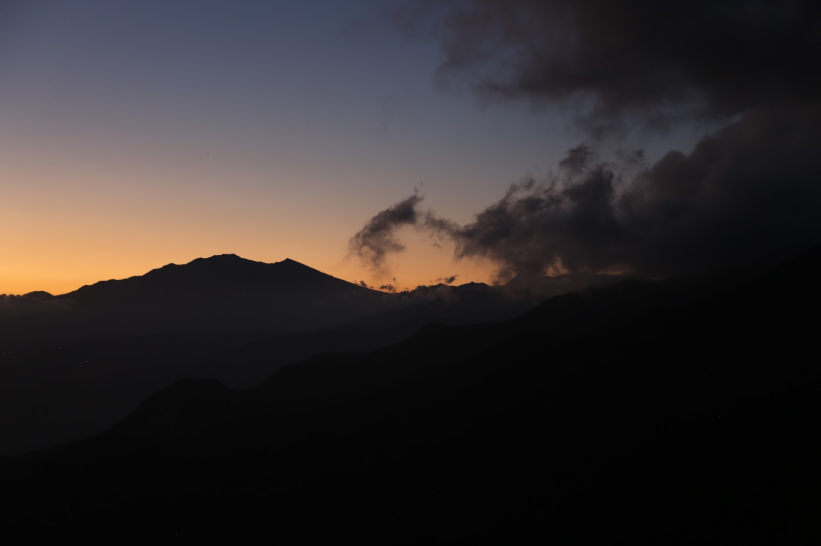
Chasing Your First Wave: The Ultimate Guide to Learning How to Surf in Panama

There are few travel experiences that compare to learning how to surf. It begins with excitement mixed with a little nervousness as you carry a surfboard toward the ocean, wondering if you will actually be able to stand up. The waves seem larger than they looked from the beach, your board feels much bigger than expected, and the sea has a way of making everyone feel both humbled and exhilarated. Then, after practicing on the sand and paddling into the warm tropical water, your instructor gives your board a gentle push into a small wave. For just a few magical seconds, you rise to your feet, the board glides effortlessly across the face of the water, and you suddenly understand why millions of people around the world dedicate their lives to surfing. Even if you fall moments later, those few seconds are unforgettable. They leave you wanting just one more wave, then another, until surfing becomes much more than a vacation activity. It becomes an obsession.

Panama has quietly earned a reputation as one of the finest places in the Americas for beginners to learn this incredible sport. Unlike many countries that only enjoy surf during certain seasons, Panama is blessed with warm tropical waters throughout the entire year and has the unique advantage of possessing coastlines on both the Pacific Ocean and the Caribbean Sea. These two coastlines receive swells generated by completely different weather systems, meaning there are excellent waves somewhere in the country during every month of the year. Add to that warm water that rarely requires a wetsuit, friendly surf instructors, relatively uncrowded beaches, affordable lessons, and breathtaking tropical scenery, and it quickly becomes clear why so many travelers discover surfing for the very first time in Panama. Whether you have never touched a surfboard before or you have managed to stand up only a handful of times, Panama offers the perfect classroom where the ocean itself becomes your teacher.

Why Panama Is One of the World's Best Places to Learn

One of the greatest advantages of learning to surf in Panama is that the country provides ideal conditions for beginners without sacrificing the excitement that makes surfing so addictive. The Pacific coastline stretches for well over 1,000 kilometers and features countless sandy beaches, gentle beach breaks, point breaks, and world famous reef breaks. Beginners can spend their mornings learning on forgiving waves while watching advanced surfers carving graceful turns farther out beyond the break. This creates an inspiring environment because students can literally watch what years of practice can achieve while taking their own first steps into the sport.

Unlike colder surfing destinations where students must wear thick wetsuits, gloves, and booties, Panama's tropical waters are comfortable throughout the year. You simply grab a surfboard, apply plenty of reef safe sunscreen, pull on a rash guard, and paddle into crystal clear water beneath bright blue skies. The experience feels less like participating in an extreme sport and more like playing in nature's largest swimming pool. Many surf schools also provide everything you need, including beginner foam boards, instruction, safety equipment, and patient coaching that allows complete beginners to progress surprisingly quickly. The atmosphere throughout Panama's surf towns is welcoming rather than intimidating, making it easy for first timers to feel comfortable even if they have never been near a surfboard before.

Playa Venao: The Ultimate Place to Learn

If there is one destination that has become synonymous with learning to surf in Panama, it is Playa Venao. Nestled along the Azuero Peninsula, this spectacular crescent shaped bay has transformed from a quiet stretch of coastline into one of Central America's premier surf destinations while somehow managing to retain its relaxed personality. The beach is long, wide, and backed by rolling green hills that seem to glow during sunrise and sunset. Palm trees sway in the breeze, colorful surfboards line the beachfront, and nearly every conversation in town eventually turns to the conditions in the water.

What makes Playa Venao so exceptional for beginners is the consistency of its waves and the forgiving nature of its sandy bottom. Unlike rocky reef breaks where mistakes can be intimidating, Playa Venao offers a soft sandy floor beneath the waves, giving beginners confidence to practice without worrying about sharp coral or rocks. Instructors can position students in small whitewater waves where learning feels manageable while more experienced surfers enjoy larger waves farther offshore. Entire days revolve around surfing here. Mornings begin with coffee and checking the ocean, afternoons are filled with surf lessons, beach volleyball, yoga classes, and fresh seafood lunches, while evenings often end with travelers gathering to watch one of Panama's spectacular Pacific sunsets. Many visitors arrive intending to stay for three days and find themselves extending their trip by another week because the combination of surfing, community, and tropical beauty is incredibly difficult to leave behind.

El Palmar: The Closest Surf Paradise to Panama City

For travelers who may not have enough time to reach the more remote surf towns, Playa El Palmar offers one of the easiest and most rewarding introductions to surfing in the country. Located roughly ninety minutes from Panama City, El Palmar has become the favorite training ground for many Panamanian surfers who escape the capital on weekends in search of waves. The drive itself is relatively easy, making it possible to leave the city after breakfast and be paddling into the Pacific Ocean before lunchtime.

The beach offers an excellent mixture of gentle beginner friendly waves and more challenging sections for experienced surfers. Numerous surf schools line the beach, and instructors are accustomed to teaching absolute beginners of every age. It is common to see entire families learning together, children catching their first waves, and adults proving that it is never too late to begin surfing. Because El Palmar remains less developed than some international surf destinations, visitors still experience an authentic Panamanian beach atmosphere where local restaurants serve fresh fish, ceviche, and tropical fruit smoothies just steps away from the sand. For anyone wanting to experience surfing without committing to a week long surf camp, El Palmar provides perhaps the perfect balance of convenience, affordability, and excellent beginner conditions.

Playa Guanico: Panama's Hidden Classroom

For travelers who dream of escaping crowds altogether, Playa Guanico may be one of Panama's greatest hidden treasures. This beautiful and relatively undeveloped beach stretches for kilometers along the Pacific coast and often feels wonderfully untouched. Instead of crowded lineups where dozens of surfers compete for the same wave, beginners frequently find themselves sharing the ocean with only a handful of other people. The peaceful surroundings create an environment where learning becomes less stressful and far more enjoyable.

Surf instructors often praise Guanico because its gentle beach break allows students to focus entirely on developing their skills without feeling rushed or intimidated. Long rolling waves provide beginners with extra time to stand, adjust their balance, and experience longer rides toward shore. Between surf sessions, visitors can enjoy quiet walks along nearly empty beaches, watch seabirds searching for fish, or simply relax beneath palm trees listening to the waves. Guanico reminds visitors that surfing is not only about athletic achievement but also about slowing down, appreciating nature, and enjoying a lifestyle centered around the ocean.

Santa Catalina: The Next Step

Eventually, many surfers begin hearing stories about Santa Catalina, a tiny fishing village that has become legendary throughout the surfing world. Powerful reef breaks, fast waves, and international surf competitions have given Santa Catalina an almost mythical reputation among experienced surfers. It is a destination where advanced riders travel from around the globe hoping to challenge themselves against some of Panama's most famous waves.

For complete beginners, however, Santa Catalina should be viewed as a future goal rather than a starting point. While nearby beaches and instructors can introduce newcomers to surfing in gentler conditions, the village's iconic breaks are designed by nature for surfers who already possess strong paddling skills, wave knowledge, and confidence. Many visitors wisely spend several days learning in Playa Venao or El Palmar before making the journey to Santa Catalina, where they can truly appreciate the power and beauty of these world renowned waves.

Bocas del Toro: Caribbean Surfing with Island Charm

When most people picture surfing, they immediately imagine the Pacific Ocean, but Panama's Caribbean coast offers an entirely different surfing experience. The islands of Bocas del Toro are famous for turquoise water, coral reefs, lush tropical forests, colorful wooden houses built over the sea, and an atmosphere unlike anywhere else in the country. During the Caribbean surf season, waves begin arriving from the north, transforming these peaceful islands into an exciting destination for surfers.

While some of Bocas del Toro's famous reef breaks are best left to experienced riders, beginners can still find suitable waves with the help of knowledgeable local instructors who understand how changing tides and swell directions affect each break. Surfing in Bocas often feels like stepping into a tropical postcard. Crystal clear water surrounds your board, brightly colored fish swim beneath you, palm covered islands frame the horizon, and after your lesson you can cool off with fresh coconut water while watching boats drift through the calm Caribbean channels. It is a completely different experience from the Pacific coast, yet equally unforgettable.

Your First Lesson

Most people imagine surfing as immediately paddling into large waves, but professional instructors know that success begins on the beach. Before entering the water, students learn about ocean safety, how waves form, how to position themselves on the board, proper paddling technique, and the famous pop up that allows surfers to rise from lying down to standing in one smooth motion. These dry land exercises build confidence and prepare students for what awaits in the water.

Once everyone feels comfortable, the lesson moves into shallow whitewater where small broken waves gently carry students toward shore. Instructors remain nearby, offering encouragement, correcting mistakes, and giving each student a push into the wave at just the right moment. Nearly everyone falls repeatedly during their first lesson, but falling quickly becomes part of the fun. Every wipeout is followed by laughter, another paddle back out, and another opportunity to improve. By the end of a typical lesson, many students are amazed to discover that they have successfully stood up several times and ridden waves all the way to the beach.

Surfing Becomes a Way of Seeing the Ocean

One of the greatest surprises about learning to surf is that it changes the way you experience the sea forever. Before surfing, the ocean is simply something beautiful to look at. After surfing, every beach tells a story. You begin noticing the direction of the wind, the size of incoming swells, the changing tides, the movement of clouds across the horizon, and the shape of waves as they approach the shore. You find yourself waking before sunrise because that is often when the water is calmest and the waves are at their best. Ocean forecasts suddenly become as interesting as the morning news, and every coastline you visit is quietly evaluated for its surfing potential.

In Panama, this connection feels especially powerful because nature surrounds you at every turn. Scarlet macaws may fly overhead as you paddle beyond the break. Sea turtles occasionally surface beside surfers. During certain months, humpback whales migrate along the Pacific coast, and lucky surfers sometimes hear their haunting songs echoing beneath the surface. Pelicans dive spectacularly into schools of fish while brilliant sunsets transform the sky into shades of gold, crimson, orange, and deep purple. Surfing becomes far more than learning to balance on a board. It becomes a way of understanding the ocean, appreciating its power, respecting its moods, and discovering that some of life's greatest adventures begin with simply paddling toward the horizon and waiting for the next wave.

Where the Waters Choose Their Destiny: The Fascinating Story of Panama's Continental Divide

Few travelers crossing Panama realize that at some point during their journey they pass over one of the most important invisible lines in the Americas. There are no towering walls or dramatic cliffs announcing its presence. In many places it is simply a gentle ridgeline hidden beneath thick rainforest. Yet this narrow spine of mountains quietly determines the fate of every raindrop that falls upon it. One side of the divide sends water rushing toward the Caribbean Sea. The other sends it flowing to the Pacific Ocean.

This is the Continental Divide of Panama, one of the country's most remarkable geographical features. While continental divides exist throughout North and South America, Panama's divide is unique in several extraordinary ways. Its unusual orientation, relatively low elevation, relationship with the famous Panama Canal, and incredible biodiversity make it unlike almost any other continental divide on Earth.

What Exactly Is a Continental Divide?

Imagine standing on the peak of a mountain during a tropical rainstorm. A single drop of rain lands directly at your feet. If that drop rolls just a few centimeters to your left, it may begin a journey through streams and rivers that eventually reaches the Caribbean Sea. If it rolls a few centimeters to your right, it could instead travel all the way to the Pacific Ocean.

That imaginary line separating the two drainage basins is called the continental divide.

Every continent has watersheds that determine where rivers ultimately empty. A continental divide marks the highest land separating those watersheds.

In Panama, this line stretches across much of the country's mountainous backbone, weaving through forests, volcanoes, cloud forests, and national parks.

A Very Different Continental Divide

Many people think of the Continental Divide as the towering peaks of the Rocky Mountains, where snow capped summits rise thousands of meters above sea level.

Panama's divide is completely different.

Instead of enormous alpine mountains, much of Panama's divide consists of lush tropical ridges. In many places elevations range from only a few hundred meters to around 1,500 meters, although higher mountains exist in western Panama.

This relatively low elevation is one reason why engineers were eventually able to build one of humanity's greatest engineering achievements across it.

The Canal Changed Everything

Perhaps nowhere else on Earth does a continental divide play such an important role in global transportation.

Before the Panama Canal existed, ships traveling between the Atlantic and Pacific Oceans had to sail nearly 13,000 kilometers around the southern tip of South America at Cape Horn.

The challenge facing canal builders was enormous.

They had to cut directly through the continental divide.

During construction, workers excavated millions of cubic meters of rock and earth through what became known as Culebra Cut, one of the most difficult sections of the entire canal. Massive landslides repeatedly slowed construction as tropical rains destabilized freshly exposed hillsides.

Today, ships crossing the canal actually travel through the continental divide itself. Rather than remaining at sea level, vessels are lifted by locks approximately 26 meters above sea level into Gatun Lake before descending back to sea level on the opposite coast.

It is one of the very few places in the world where ships literally cross a continental divide.

Rainfall Powers the Canal

One fascinating fact surprises many visitors.

The Panama Canal is powered almost entirely by freshwater.

Every ship passing through the locks uses millions of liters of water that flow from Gatun Lake into the oceans. That freshwater comes from the countless rivers and streams fed by Panama's tropical rainfall.

Without the forests covering the continental divide, this system would not function nearly as efficiently.

The divide is therefore much more than a geographic curiosity. It serves as the natural water tower that keeps one of the world's busiest shipping routes operating.

Mountains That Create Weather

The continental divide also shapes Panama's climate.

Moist air blowing in from both the Caribbean Sea and the Pacific Ocean rises as it encounters the mountains. As the air climbs higher, it cools, causing water vapor to condense into clouds and rain.

This process explains why many areas along the divide receive astonishing amounts of rainfall each year.

Some cloud forests remain shrouded in mist for much of the year, creating ideal conditions for mosses, orchids, bromeliads, tree ferns, and countless other plants.

These forests act like giant natural sponges, slowly releasing water into rivers throughout both dry and rainy seasons.

A Biodiversity Hotspot

Because the continental divide creates different climates on each side of the mountains, it has also helped shape Panama's incredible biodiversity.

Some species prefer the wetter Caribbean slopes.

Others thrive in the somewhat drier Pacific forests.

Cloud forests along the divide support animals found nowhere else in the country.

Among its famous residents are the magnificent Resplendent Quetzal, colorful toucans, dozens of hummingbird species, monkeys, sloths, jaguars, ocelots, tapirs, and hundreds of frog species.

Even insects vary between elevations. Butterflies, beetles, and countless other invertebrates occupy specialized habitats created by differences in rainfall, temperature, and vegetation.

Scientists continue discovering new species within these forests, demonstrating how much remains unknown about Panama's ecosystems.

The Great Divide Is Not Straight

Many imagine the continental divide as a perfectly straight mountain ridge stretching across the country.

In reality, it twists and turns dramatically.

As mountains rise and valleys descend, the divide snakes across Panama's rugged terrain, sometimes following narrow ridges only a few meters wide.

Standing on these ridges can be an unforgettable experience. Rain falling on opposite sides of the trail may ultimately reach completely different oceans.

Volcanoes Along the Divide

Western Panama contains the country's highest mountains, including Volcán Barú, the nation's tallest peak at 3,475 meters above sea level.

On exceptionally clear mornings, hikers reaching the summit before sunrise can witness one of the rarest geographical sights in the world. Because Panama is so narrow, both the Caribbean Sea and the Pacific Ocean may be visible from the same location at the same time.

Very few places on Earth offer such a remarkable panorama.

The Narrowest Bridge Between Oceans

Panama is often called the Bridge of the Americas because it connects North and South America.

At its narrowest points, only about 60 to 80 kilometers separate the Caribbean Sea from the Pacific Ocean.

This extraordinary geography means rivers are generally much shorter than those found elsewhere on the continents.

Many rivers descend rapidly from the continental divide to the sea, carving valleys through dense tropical forests.

Why It Matters Today

The continental divide continues to play a vital role in Panama's future.

Its forests protect drinking water supplies for millions of people.

They regulate river flows that sustain agriculture and hydroelectric power.

They provide habitat for thousands of plant and animal species.

Most importantly, they safeguard the watershed that keeps the Panama Canal operating, supporting global trade and Panama's economy.

Deforestation, climate change, and changing rainfall patterns all have the potential to affect these delicate systems, making conservation of the divide more important than ever.

An Invisible Line That Shapes a Nation

Unlike borders drawn on maps, Panama's continental divide is a natural boundary created over millions of years by geology, rainfall, and time. It quietly directs rivers, influences weather, supports extraordinary biodiversity, and makes possible one of the greatest engineering achievements in history.

For travelers hiking through cloud forests, driving across mountain roads, or watching a massive cargo ship glide through the Panama Canal, they may unknowingly cross this remarkable line several times. Yet beneath their feet lies one of the most fascinating geographic features in the Americas—a narrow ridge where every raindrop must make a choice.

Some begin a journey to the Caribbean. Others head for the Pacific. And together, they tell the remarkable story of a country where two oceans are separated not by vast distances, but by a thin green spine of mountains that has shaped Panama's landscapes, wildlife, history, and destiny for millions of years.

A Rainbow Across the Isthmus: Pride Month in Panama and the Journey Toward Equality

Every June, cities around the world are painted in brilliant shades of red, orange, yellow, green, blue, and violet as millions gather to celebrate Pride Month. It is a time of joy, remembrance, protest, and hope. In Panama, Pride Month has grown from a relatively small gathering of activists into one of the country's most colorful and visible annual celebrations. While Panama remains a socially conservative nation in many respects, especially outside its major urban centers, Pride Month has become an opportunity for thousands of people to celebrate diversity, advocate for equal rights, and build a more inclusive future.

Panama's LGBTQ+ community reflects the country's remarkable diversity. It includes people from every province, every economic background, every religion, and every ethnic group. Some openly celebrate their identities, while others continue to navigate lives shaped by family expectations, cultural traditions, or fear of discrimination. Pride Month acknowledges both realities. It is a celebration, but it is also a reminder that the journey toward equality continues.

The Meaning Behind Pride Month

Many people assume Pride Month is simply a festival filled with rainbow flags, music, and colorful parades. While those elements are certainly part of the celebration, Pride has much deeper roots. The modern LGBTQ+ rights movement traces much of its inspiration to the 1969 uprising at the Stonewall Inn in New York City, where members of the LGBTQ+ community resisted repeated police harassment. The events sparked a global movement advocating for dignity, equality, and civil rights.

Today, Pride Month serves several important purposes. It honors those who fought for equality, remembers those lost to discrimination and violence, celebrates the achievements of LGBTQ+ individuals, and raises awareness about challenges that still exist. Around the world, every country observes Pride differently depending on its culture, history, laws, and public attitudes.

Pride Comes to Panama

Panama's Pride movement developed gradually during the late twentieth and early twenty first centuries. Early advocacy groups often operated quietly, focusing on education, health initiatives, and combating discrimination rather than organizing massive public demonstrations.

As attitudes slowly evolved, Pride events became increasingly visible. Today, Panama City's annual Pride parade attracts thousands of participants including LGBTQ+ individuals, allies, families, tourists, artists, musicians, businesses, diplomats, and human rights organizations.

The celebration is often centered around the capital, where larger crowds and greater visibility provide a safer environment for participants. Rainbow flags wave beside Panamanian flags, music fills the streets, performers entertain the crowds, and community organizations provide information about health services, legal rights, and support networks.

While celebrations remain largest in Panama City, smaller Pride related events have gradually appeared in other parts of the country as awareness grows.

A Country of Contrasts

Panama presents an interesting contrast when discussing LGBTQ+ rights.

On one hand, it is an international crossroads. Millions of travelers pass through the country every year via the Panama Canal and Tocumen International Airport. Panama City hosts multinational corporations, international organizations, and visitors from around the world. Younger generations tend to have greater exposure to global perspectives through social media, travel, and education.

On the other hand, many rural communities remain deeply influenced by traditional family values and religious beliefs. Roman Catholicism has historically played a major role in Panamanian society, while evangelical Protestant churches have grown rapidly over recent decades. These religious traditions often shape public discussions surrounding marriage, family, and sexuality.

As a result, attitudes toward LGBTQ+ individuals can vary significantly depending on age, education, region, and personal beliefs.

Someone may experience widespread acceptance among friends in Panama City while facing considerably different attitudes in a small rural town.

The Pride Parade

Perhaps the most recognizable symbol of Pride Month in Panama is the annual Pride parade.

The atmosphere combines elements of a carnival, cultural festival, political demonstration, and community celebration.

Participants often wear brightly colored clothing, rainbow accessories, elaborate costumes, face paint, and creative artistic expressions. Music ranges from Latin pop and salsa to reggaeton and electronic dance music. Floats, dancers, drag performers, community groups, and supportive businesses all contribute to the festive atmosphere.

Families frequently attend with children, emphasizing that Pride is not simply a celebration of sexuality but also of diversity, inclusion, respect, and human rights.

Many participants describe the parade as one of the few days each year when they feel completely free to express themselves without fear.

More Than a Parade

Although the parade receives the greatest public attention, Pride Month includes many additional activities.

Throughout June, organizations may host educational workshops discussing human rights, legal issues, mental health, and healthcare. Universities often organize lectures exploring gender identity, discrimination, and social inclusion. Art galleries feature exhibitions by LGBTQ+ artists. Film screenings showcase stories from diverse perspectives. Community centers provide spaces where people can share experiences and connect with supportive networks.

Some businesses also participate by displaying rainbow decorations or hosting themed events, while restaurants, bars, and cultural venues organize special celebrations.

Legal Rights in Panama

Panama has made progress in some areas while remaining behind many neighboring countries in others.

Same sex sexual activity has been legal for decades, and LGBTQ+ individuals increasingly participate openly in many aspects of society.

However, same sex marriage is not legally recognized, despite years of legal challenges and public debate. Similarly, legal recognition for same sex couples remains limited compared with many other countries in the Americas.

Advocacy organizations continue working toward broader anti discrimination protections, legal recognition for families, and greater equality under Panamanian law.

Progress has often occurred gradually through court cases, public dialogue, and changing social attitudes rather than sudden legislative changes.

Young Generations Are Changing the Conversation

One noticeable trend in Panama is the growing acceptance among younger generations.

Many younger Panamanians have grown up in an interconnected world where they regularly encounter diverse communities through the internet, television, international travel, and social media. Schools and universities increasingly discuss topics involving diversity, bullying prevention, and respect for different identities.

While opinions still vary widely, surveys throughout Latin America often suggest younger adults tend to express greater acceptance of LGBTQ+ individuals than previous generations.

This generational shift may continue shaping Panama's future discussions about equality.

Tourism and Pride

Panama has become an increasingly attractive destination for LGBTQ+ travelers.

Visitors often appreciate Panama City's modern skyline, historic neighborhoods like Casco Viejo, beautiful beaches, rainforest adventures, and welcoming hospitality industry.

During Pride Month, hotels, restaurants, nightlife venues, and cultural organizations often welcome international visitors who come specifically to experience the celebrations.

Although Panama may not yet rival some of Latin America's largest Pride festivals in attendance, its events continue to grow in both size and visibility.

Challenges That Remain

Despite increasing visibility, challenges continue.

Some LGBTQ+ Panamanians report experiencing discrimination in employment, housing, education, or healthcare. Others describe difficulties coming out to family members due to cultural or religious expectations.

Transgender individuals often face additional barriers involving employment opportunities, healthcare access, and legal recognition.

Bullying and harassment also remain concerns, particularly among younger people.

Community organizations continue working to provide counseling, education, legal assistance, and safe spaces for individuals seeking support.

Allies Matter

One of the defining features of recent Pride celebrations in Panama has been the growing number of allies.

Parents march beside their children.

Friends support friends.

Coworkers celebrate together.

Businesses sponsor community events.

Embassies display rainbow flags.

Human rights organizations collaborate with local activists.

These allies play an important role because Pride is not only about LGBTQ+ people. It is also about creating communities where everyone can live safely, openly, and with dignity regardless of who they are.

Looking Ahead

The future of Pride in Panama will likely continue reflecting the country's broader social evolution.

Each year brings greater visibility, more public conversations, and increasing participation. While legal debates continue and differing opinions remain, Pride Month has firmly established itself as an annual part of Panama's cultural calendar.

For many participants, the rainbow flag represents far more than a symbol of celebration. It represents resilience after years of silence, hope for future generations, remembrance of those who came before, and the belief that every person deserves respect.

As music echoes through the streets of Panama City each June and rainbow colors brighten the skyline, Pride Month tells a uniquely Panamanian story. It is a story of courage meeting tradition, of diversity flourishing within a nation famous for connecting continents, and of people from many different backgrounds coming together to celebrate a simple but powerful idea: that every human being deserves the freedom to live authentically, safely, and with dignity.

Every Drop Counts: The Complete Guide to Drinking Water in Panama

Water is one of the first things travelers think about when visiting a new country. Can you drink it safely? Should you buy bottled water? Are mountain streams safe? What about the water at hostels, hotels, or remote villages? In Panama, the answer is surprisingly encouraging, but it also depends greatly on where you are. Unlike many countries in Latin America where travelers are routinely advised to avoid tap water entirely, much of Panama enjoys access to high quality treated drinking water, particularly in its cities and larger towns. At the same time, some remote rural communities still depend on untreated springs, rivers, rainwater collection systems, or small local aqueducts that may not always meet the same standards. Understanding where your water comes from is one of the easiest ways to stay healthy while exploring this incredibly diverse country.

Panama is fortunate to receive an abundance of fresh water. The country experiences one of the highest average rainfalls in Central America, with some regions receiving well over four meters of rain each year. Hundreds of rivers flow from the central mountain ranges toward both the Caribbean Sea and the Pacific Ocean, providing a dependable source of fresh water for communities across the country. The same tropical rains that feed Panama's lush rainforests also replenish reservoirs, streams, underground aquifers, and municipal water systems. This plentiful supply has allowed the country to develop extensive drinking water infrastructure while also supporting agriculture, hydroelectric power generation, and the operation of the world famous Panama Canal.

Most urban residents receive treated drinking water through municipal systems operated by Instituto de Acueductos y Alcantarillados Nacionales, commonly known simply as IDAAN. This government agency is responsible for producing, treating, and distributing drinking water to millions of Panamanians throughout much of the country. Water entering these systems undergoes multiple treatment processes designed to remove sediment, harmful microorganisms, and contaminants before being disinfected, usually through chlorination, and delivered to homes, businesses, schools, hospitals, and hotels. Regular monitoring helps ensure that the water meets national drinking water standards before it reaches consumers.

The treatment process itself is remarkably sophisticated. Raw water collected from rivers, lakes, or reservoirs first passes through screening systems that remove sticks, leaves, and larger debris. Chemicals are then added to encourage tiny suspended particles to clump together into larger masses that settle to the bottom during sedimentation. The partially clarified water next passes through layers of sand and other filtration media that remove even finer particles. Finally, disinfectants such as chlorine destroy bacteria, viruses, and many other microorganisms before the water enters storage tanks and distribution pipelines. Throughout this process technicians regularly test water quality to verify that it remains safe for human consumption.

In much of Panama City, David, Santiago, Chitré, Penonomé, Las Tablas, and many other larger communities served by municipal treatment plants, tap water is generally considered safe to drink. Most local residents drink directly from the tap every day without concern. Restaurants prepare food using municipal water, hotels provide tap water for brushing teeth and bathing, and visitors who stick to major urban areas can usually enjoy the convenience of refilling reusable water bottles rather than constantly purchasing bottled water. This not only saves money but also reduces plastic waste, an increasingly important consideration for environmentally conscious travelers.

However, Panama is a country of dramatic geographical contrasts. Beyond the cities lie remote mountain villages, indigenous territories, tiny Caribbean settlements, isolated Pacific islands, and deep rainforest communities where water systems vary enormously. In some locations, water comes from untreated mountain springs that may appear crystal clear but can still contain bacteria, parasites, or viruses invisible to the naked eye. Elsewhere, villages rely on gravity-fed systems that collect water directly from streams with minimal treatment. During the rainy season, heavy downpours can wash soil, animal waste, and organic material into these water sources, temporarily reducing water quality even if the water normally appears safe.

Travelers visiting remote areas such as sections of the Darién Province, parts of the Guna Yala region, isolated Caribbean villages, or small communities deep within the mountains should always ask local hosts whether the tap water is treated. Many eco lodges, hostels, and guesthouses in these regions either provide purified drinking water or clearly inform guests when bottled or filtered water is recommended. It is always worth asking rather than assuming.

One of the biggest misconceptions among travelers is that clear water is automatically safe water. In reality, dangerous microorganisms cannot be seen, smelled, or tasted. A sparkling mountain stream flowing through pristine rainforest may look cleaner than treated city water, yet wildlife living upstream can introduce parasites or bacteria. Even the clearest spring can become contaminated after heavy rains. Unless you know with certainty that a natural water source has been tested and approved for drinking, it is far safer to filter, boil, or disinfect it before consumption.

Fortunately, Panama's tourism industry has adapted well to the needs of international visitors. Hotels, hostels, restaurants, and tour operators routinely provide purified drinking water, either through large filtered dispensers or bottled supplies. Many backpacker hostels encourage guests to refill reusable bottles from purified water stations, helping reduce plastic waste while keeping travelers hydrated during Panama's warm tropical climate. On popular hiking routes and at many eco lodges, filtered water has become increasingly common as awareness of environmental sustainability continues to grow.

Boiling remains one of the simplest and most effective methods of making questionable water safe. Bringing water to a rolling boil for at least one minute kills virtually all disease-causing bacteria, viruses, and parasites. At higher elevations, where water boils at lower temperatures, allowing it to boil for a little longer provides an additional margin of safety. Travelers planning extended adventures into remote regions often carry portable water filters or ultraviolet purification devices that allow them to safely treat stream water while minimizing the need to carry heavy bottles.

Bottled water is widely available throughout Panama, from major supermarkets and convenience stores to tiny roadside shops and remote village kiosks. Popular local and international brands are sold almost everywhere tourists travel. While bottled water offers convenience, frequent purchases generate significant plastic waste, particularly in environmentally sensitive destinations such as beaches, rainforests, and islands. Many travelers therefore choose to carry insulated reusable bottles that can be filled whenever purified water is available.

Ice is another question that concerns many visitors. Fortunately, in cities and established tourist destinations, ice served in restaurants, hotels, and cafés is generally produced using treated or purified water and is considered safe. Small roadside vendors in remote locations may use locally sourced water, so travelers with sensitive stomachs sometimes choose to avoid ice outside major tourist areas, although problems are relatively uncommon.

Fresh fruits and vegetables deserve some attention as well. Produce served in reputable restaurants is typically washed using treated water. Fruits that can be peeled, such as bananas, oranges, pineapples, mangoes, and papayas, present very little risk because the edible portion never contacts the outside surface after peeling. Salads prepared in remote areas using untreated water may pose a slightly higher risk, although many tourism businesses now take careful precautions with food preparation.

Water quality can also change temporarily following major storms. Panama's intense rainy season occasionally overwhelms rivers with sediment, causing treatment plants to work harder than usual. In some communities, exceptionally heavy rainfall may result in temporary advisories to boil water until normal treatment conditions are restored. These situations are usually short lived, and local authorities communicate guidance when necessary.

An interesting aspect of Panama's drinking water is that many people notice a slight chlorine taste, especially in larger cities. While some visitors interpret this as a problem, it actually indicates that disinfectant remains present within the distribution system, helping protect the water from bacterial contamination as it travels through pipelines to homes and businesses. Those who dislike the taste often find that refrigerating tap water or using a simple activated carbon filter greatly improves its flavor.

Hydration is especially important in Panama's tropical climate. High humidity and temperatures frequently cause visitors to sweat more than they realize, particularly while hiking, exploring archaeological sites, walking through Panama City's neighborhoods, or relaxing on the country's beautiful beaches. Drinking plenty of safe water throughout the day helps prevent dehydration, heat exhaustion, and fatigue. Carrying a refillable bottle has become one of the smartest habits for anyone traveling through the country.

One of Panama's greatest strengths is the continual investment in expanding safe drinking water access. New treatment plants, upgraded pipelines, improved rural aqueducts, and enhanced monitoring programs continue to increase access to reliable drinking water throughout the country. While challenges remain in some remote regions, the overall quality of municipal drinking water compares favorably with many other countries in the region.

For most travelers, the practical advice is reassuringly simple. In Panama City and other major cities and towns with established municipal systems, tap water is generally safe to drink. In hotels, restaurants, and hostels in these areas, refilling your bottle from the tap or from purified dispensers is usually perfectly reasonable. In remote villages, indigenous communities, isolated islands, and backcountry destinations, ask local residents or your accommodation whether the water is treated. If there is any uncertainty, choose filtered, boiled, or bottled water.

Panama's abundant rivers, generous rainfall, modern treatment facilities, and growing commitment to public health have made clean drinking water one of the country's quiet success stories. Whether you are wandering the colonial streets of Casco Viejo, hiking through the cloud forests of Boquete, relaxing on Caribbean beaches, or exploring remote rainforest trails, understanding where your water comes from allows you to travel with confidence. In most of Panama, the simple act of filling a glass from the tap is something both residents and visitors can appreciate, a reminder that clean, safe water is one of the country's most valuable natural resources.

Giants of the Jungle: The Astonishing World of Panama's Largest Beetles

When most people think about the wildlife of Panama, their minds immediately drift toward colorful toucans soaring over the rainforest canopy, sleepy sloths hanging from towering cecropia trees, troops of monkeys calling through the jungle, or perhaps even the elusive jaguar silently patrolling the forest floor. Yet hidden beneath leaves, clinging to tree trunks, burrowing through fallen logs, and flying through the warm tropical night is another incredible cast of jungle giants that many visitors never notice. Panama is home to some of the largest, strongest, and most spectacular beetles anywhere in the Americas. These remarkable insects, many of which can easily fit across the palm of your hand, are masterpieces of evolution. Some carry enormous horns that resemble medieval weapons. Others possess jaws powerful enough to cut through wood, while still others display dazzling metallic colors that shimmer in the rainforest sunlight. Although they may look intimidating, almost all of these giant beetles are completely harmless to humans and spend their lives performing essential roles that keep Panama's forests healthy.

Panama is one of the world's great biodiversity hotspots, acting as a natural bridge between North and South America. As the narrow isthmus connecting two continents, it contains an extraordinary mixture of wildlife from both regions. Scientists have documented thousands of beetle species across the country, and many more almost certainly remain undiscovered in remote mountain forests, cloud forests, mangrove swamps, and lowland rainforests. Among this incredible diversity are some true giants, insects that have fascinated naturalists for centuries and continue to amaze anyone lucky enough to encounter one during a nighttime jungle walk.

Perhaps the undisputed king of Panama's beetles is the magnificent Hercules beetle. Named after the legendary Greek hero because of its incredible strength, the Hercules beetle is one of the largest insects on Earth. Males can reach lengths of nearly eighteen centimeters when their enormous horns are included, making them among the longest beetles in the world. Their glossy olive, green, or yellow wing covers are decorated with irregular black spots that change depending on humidity, creating the illusion that the beetle changes color as environmental conditions shift. The male's enormous upper and lower horns are used not for defense against predators but for wrestling rival males. During the breeding season, males grapple with one another using these impressive structures, attempting to lift and throw their opponents away from valuable feeding or mating sites. Despite their fearsome appearance, Hercules beetles feed primarily on soft, rotting fruit and tree sap, making them peaceful giants of the rainforest.

Equally impressive is the mighty Elephant beetle, another enormous rhinoceros beetle that inhabits Panama's tropical forests. The elephant beetle is one of the heaviest insects in the Americas, with some males weighing well over one hundred grams. Covered in a layer of fine, velvety hairs, these beetles often appear almost furry when viewed up close. Like the Hercules beetle, males possess massive horns used in battles against rivals. Their tremendous strength is legendary. Relative to body size, rhinoceros beetles rank among the strongest animals on Earth, capable of lifting many hundreds of times their own body weight. If humans possessed comparable strength, a single person could theoretically lift dozens of fully loaded trucks.

Panama is also home to several astonishing species of longhorn beetles, including relatives of the famous Titan beetle, one of the largest beetles ever discovered. Although the titan beetle is best known from the Amazon Basin, closely related giant longhorn beetles inhabit Panama's forests. These insects possess incredibly long antennae that often exceed the length of their bodies, allowing them to detect chemical signals and navigate through dense vegetation. Their jaws are exceptionally powerful, capable of biting through tough bark and even thin pieces of wood. Fortunately, they rarely use this strength except when threatened or handled. Adult longhorn beetles are often attracted to lights at night, making jungle lodges and research stations excellent places to observe these spectacular insects during the rainy season.

Another remarkable giant belongs to the stag beetle family. Stag beetle species found in Panama possess enormous mandibles that resemble the antlers of a deer. Male stag beetles use these oversized jaws to wrestle rivals from tree trunks and branches where females gather. Despite their intimidating appearance, the jaws are surprisingly poor at biting and instead function almost entirely as grappling tools. Watching two males battle can resemble a miniature wrestling match, with each competitor attempting to lift and toss the other from the tree.

Not all of Panama's large beetles rely on horns or jaws for survival. The beautiful Jewel beetle family includes species with metallic green, blue, bronze, purple, and golden colors that seem almost impossible to believe are natural. Sunlight striking their hardened wing covers creates dazzling iridescent reflections that rival precious gemstones. Unlike pigments that fade over time, these brilliant colors result from microscopic structures that bend and reflect light, meaning museum specimens can remain brilliantly colorful for decades or even centuries.

Beneath the forest floor, hidden from view, the larvae of these giant beetles quietly perform some of the rainforest's most important ecological work. Many spend several years developing inside rotting logs, slowly consuming decaying wood and helping recycle nutrients back into the soil. Without these wood-eating larvae, fallen trees would accumulate far more rapidly, slowing the natural recycling process that keeps tropical forests healthy. Their tunnels also create habitat for fungi, bacteria, smaller insects, and numerous other organisms that depend upon decomposing wood.

The life cycle of Panama's largest beetles is remarkably different from what many people expect. Adults often live only a few months, yet the larval stage may last two, three, or even four years depending on the species. Female beetles carefully deposit eggs inside rotting logs, composting vegetation, or decaying tree roots where the larvae will have abundant food. After hatching, the grubs begin feeding almost constantly, growing larger with each molt. These pale, C-shaped larvae can become surprisingly large, sometimes weighing considerably more than the adult beetles they eventually become. After completing their growth, they construct protective chambers within the wood or soil where they transform into pupae before finally emerging as fully developed adults.

Night is when Panama's giant beetles truly come alive. As darkness falls across the rainforest, temperatures cool slightly and humidity rises. One by one, enormous beetles begin leaving their hiding places. Some fly surprisingly long distances in search of fruiting trees, while others crawl slowly along branches searching for mates. Their heavy bodies produce a deep buzzing sound that can be startling when one suddenly flies past your head. Visitors staying at jungle lodges are often amazed to discover massive beetles gathering around porch lights after sunset. These lights unintentionally attract insects that navigate using the moon, providing photographers and naturalists with unforgettable opportunities to observe species that remain hidden during daylight hours.

The rainy season is generally the best time to encounter Panama's largest beetles. Increased moisture accelerates the decay of fallen wood, creating ideal conditions for developing larvae, while abundant fruit provides ample food for adults. Many species synchronize their emergence with seasonal rains, ensuring that mates are available and environmental conditions remain favorable for reproduction.

Large beetles also play an essential role in Panama's food web. Birds, mammals, reptiles, amphibians, spiders, and even some fish consume beetles during various stages of their life cycles. Toucans may seize adult beetles from tree branches, while coatis and peccaries dig through decaying logs searching for protein-rich larvae. Monkeys occasionally feed on beetles they discover while foraging, and nocturnal mammals such as kinkajous may encounter adult beetles visiting fruiting trees at night.

Despite their impressive size, these insects face growing challenges. Deforestation removes old trees and fallen logs that serve as essential breeding habitat. Modern agriculture often eliminates dead wood that many larvae require to complete their lengthy development. Climate change may alter rainfall patterns that influence beetle life cycles, while artificial lighting can disrupt normal navigation and breeding behavior. Because many giant beetles depend upon mature forests containing abundant dead wood, they often disappear long before the forest itself has been completely destroyed.

Fortunately, Panama continues to protect vast areas of tropical rainforest through an impressive network of national parks and reserves. Protected areas such as Soberanía National Park, La Amistad International Park, Coiba National Park, and Volcán Barú National Park preserve the ancient forests that these extraordinary beetles require. Researchers continue discovering new insect species within these protected landscapes, suggesting that Panama's true beetle diversity remains only partially understood.

For adventurous travelers, few experiences compare with joining a guided nighttime walk through a Panamanian rainforest. Armed with flashlights, visitors often discover giant rhinoceros beetles clinging to tree trunks, longhorn beetles resting on leaves, jewel beetles glimmering in the beam of a light, and countless other fascinating insects that remain hidden during the day. Each encounter reveals another piece of the rainforest's astonishing complexity and reminds us that even creatures many people overlook possess extraordinary stories.

The giant beetles of Panama are much more than curious insects. They are engineers of decomposition, recyclers of nutrients, food for countless animals, pollinators of certain plants, and living examples of evolution's extraordinary creativity. Their horns, brilliant colors, immense strength, and intricate life cycles make them among the most fascinating animals in the tropical rainforest. Although they rarely receive the same attention as Panama's monkeys, sloths, or colorful birds, these armored giants are every bit as remarkable. The next time you hear a loud buzzing sound in a Panamanian jungle after dark, look carefully. It may not be a bird or a bat passing overhead, but one of the rainforest's true giants beginning another night in one of the most spectacular insect kingdoms on Earth.

The Golden Treasure of Panama: The Extraordinary Story of the Panamanian Golden Frog

There are few animals in the world that capture the imagination quite like the Panamanian golden frog. Tiny enough to fit comfortably in the palm of your hand, yet famous enough to become one of an entire nation's symbols, this remarkable amphibian represents far more than just another rainforest creature. It is a symbol of hope, resilience, biodiversity, and the urgent need to protect Earth's most vulnerable wildlife. Although visitors may come to Panama hoping to spot jaguars, sloths, toucans, or colorful parrots, many soon discover that one of the country's greatest natural treasures is a frog no longer commonly found in the wild. Brilliantly colored with dazzling shades of gold, yellow, and black, the Panamanian golden frog has become one of the most recognizable amphibians anywhere on the planet. Its story is both inspiring and heartbreaking, reminding us how quickly nature can change and how determined people can be to save a species standing on the edge of extinction.

The golden frog evolved only in the mountain forests of central Panama, making it one of the country's true endemic species. Nowhere else on Earth did this remarkable amphibian naturally occur. For thousands of years it inhabited cool mountain streams flowing through lush forests around places such as El Valle de Antón and neighboring highlands. Crystal clear rivers cascaded over volcanic rocks while the frogs perched quietly on moss-covered boulders or nestled among leaves near the rushing water. Unlike many frogs that spend much of their lives hidden, golden frogs often rested in plain view, their brilliant coloration standing out vividly against the deep green rainforest. Scientists believe this bright coloration serves as a warning to predators that the frog's skin contains toxic chemicals. Rather than hiding, these frogs boldly advertised that they were not a good meal, a strategy known as warning coloration that has evolved in many poisonous animals around the world.

One of the most fascinating features of the Panamanian golden frog is its remarkable method of communication. Mountain streams are incredibly noisy environments. The constant roar of rushing water can make ordinary frog calls nearly impossible to hear. Instead of relying entirely on vocal sounds, male golden frogs developed an unusual behavior rarely seen among amphibians. They wave their front feet in the air to communicate with rivals and potential mates. This charming gesture almost looks as if the frog is greeting visitors with a friendly wave. Scientists studying the species have discovered that these visual signals help the frogs communicate effectively despite the deafening background noise created by waterfalls and fast-moving streams. It is one of nature's most delightful examples of behavioral adaptation.

Despite its small size, the golden frog plays an important ecological role within Panama's forests. As both predator and prey, it helps maintain the balance of rainforest ecosystems. It feeds primarily on ants, beetles, flies, mites, spiders, termites, and countless other tiny invertebrates. In turn, young frogs and tadpoles provide food for certain reptiles, birds, fish, and other forest creatures that have evolved alongside them. Amphibians are often considered environmental indicators because their thin, permeable skin makes them especially sensitive to pollution, habitat destruction, and disease. When frog populations begin to decline, scientists know that something is changing within the surrounding environment. In many ways, frogs act as the rainforest's early warning system.

The golden frog has long occupied a special place in Panamanian culture. According to local folklore, seeing one was believed to bring good luck, prosperity, and happiness. Some legends suggested that anyone fortunate enough to encounter a golden frog would receive wealth or blessings. While these stories were symbolic rather than literal, they helped elevate the frog into one of Panama's most beloved national icons. Today its image appears on souvenirs, artwork, educational materials, conservation campaigns, and even official celebrations. Every year Panama celebrates Golden Frog Day to raise awareness about amphibian conservation and remind citizens of the importance of protecting their natural heritage.

For centuries the golden frog thrived quietly in Panama's cloud forests. Then, during the late twentieth century, disaster struck with astonishing speed. A deadly fungal disease known as chytridiomycosis swept across Central America. The disease is caused by the fungus Batrachochytrium dendrobatidis, often abbreviated as Bd. The microscopic fungus attacks the skin of amphibians, interfering with their ability to regulate water and vital minerals. Because frogs breathe and absorb moisture through their skin, infection often proves fatal. Entire populations disappeared within only a few years. Streams that had once contained dozens or even hundreds of golden frogs suddenly became silent. Scientists watched helplessly as one amphibian species after another vanished throughout Central and South America.

The decline was breathtakingly rapid. By the early twenty-first century, the Panamanian golden frog had essentially disappeared from its natural habitat. Biologists searching streams that had once supported thriving populations often found none at all. The species was eventually classified as critically endangered, and today it is considered extinct in the wild by many conservation experts, surviving primarily through carefully managed conservation breeding programs. Few wildlife stories illustrate the devastating impact of emerging diseases as dramatically as that of the golden frog.

Fortunately, the story does not end there. Even before the fungus reached some mountain regions, scientists launched emergency rescue missions. Conservationists carefully collected healthy frogs from vulnerable populations before disease arrived, establishing assurance colonies that could preserve the species until better solutions became available. These rescue efforts required extraordinary coordination among Panamanian organizations, international zoos, universities, veterinarians, and amphibian specialists. Without these emergency collections, the Panamanian golden frog might have disappeared forever.

Today one of the most important centers protecting the species is the El Valle Amphibian Conservation Center. Located in the heart of the frog's historic range, the center houses breeding populations in carefully controlled environments where temperature, humidity, nutrition, and water quality are constantly monitored. Every frog receives meticulous care from trained professionals who work tirelessly to maintain healthy breeding colonies. Visitors can observe these remarkable animals while learning about amphibian conservation, rainforest ecology, and the global fight against wildlife diseases. The center serves not only as a sanctuary but also as a living classroom that inspires thousands of visitors each year.

Around the world, zoos also participate in international breeding programs for the Panamanian golden frog. These institutions exchange scientific knowledge, maintain genetic diversity, and help ensure that healthy populations survive even if individual facilities experience setbacks. Every tadpole that successfully develops into an adult frog represents another small victory in one of conservation's most difficult battles.

Although scientists dream of someday returning golden frogs to Panama's forests, accomplishing that goal remains incredibly challenging. The deadly chytrid fungus still persists in many wild environments. Releasing frogs without solving the disease problem would almost certainly result in renewed population crashes. Researchers are investigating possible solutions, including selective breeding for disease resistance, beneficial skin bacteria that may help protect frogs from infection, improved habitat management, and entirely new medical treatments. Progress is encouraging but slow, reflecting the complexity of balancing wildlife conservation with natural ecological processes.

The forests where golden frogs once flourished remain among Panama's richest ecosystems. Cool mountain streams wind through dense tropical vegetation filled with orchids, bromeliads, mosses, ferns, and towering trees draped in vines. Birds such as toucans, motmots, tanagers, and hummingbirds fill the canopy with brilliant colors and constant song. Mammals including monkeys, coatis, sloths, and countless smaller creatures roam these forests alongside reptiles, insects, butterflies, and other amphibians. The disappearance of even one species reminds us that every rainforest is an intricate web of life in which each organism contributes to the health of the whole ecosystem.

Climate change has introduced additional challenges for amphibian conservation. Changes in rainfall patterns, increasing temperatures, shifting cloud forest conditions, and altered stream flows may further stress already fragile populations. Habitat fragmentation caused by roads, agriculture, and development can isolate surviving wildlife populations, making recovery even more difficult. Protecting entire forest ecosystems therefore becomes just as important as protecting the frogs themselves.

For travelers visiting Panama, the golden frog has become one of the country's most meaningful wildlife experiences. While spotting one in the wild is now extraordinarily unlikely, visitors can still learn about this remarkable species at conservation facilities and nature centers. The experience often leaves a lasting impression because the frog represents both the incredible richness of Panama's biodiversity and the fragile nature of that diversity. Many visitors leave with a deeper appreciation for conservation and a greater understanding of how interconnected the natural world truly is.

Perhaps what makes the Panamanian golden frog so inspiring is that it represents hope despite overwhelming odds. Although wild populations have nearly vanished, dedicated scientists, conservationists, educators, veterinarians, volunteers, and local communities have refused to let the species disappear forever. Every healthy breeding colony, every successful tadpole, every scientific breakthrough, and every child who learns about conservation brings the world one small step closer to ensuring that this remarkable amphibian survives for generations yet to come.

The Panamanian golden frog is far more than a beautiful amphibian. It is the living symbol of Panama's extraordinary natural heritage, a tiny ambassador for one of the richest ecosystems on Earth, and a powerful reminder that even the smallest creatures can inspire enormous conservation efforts. Hidden within its bright golden skin is a story of evolution, survival, tragedy, scientific dedication, and hope. While its songs no longer echo through many of Panama's mountain streams, its legacy continues to inspire people around the globe. The dream remains that one day, as conservation science advances and rainforest habitats continue to be protected, future generations may once again encounter flashes of brilliant gold beside the rushing waters of Panama's forests, where this extraordinary little frog has always belonged.

El Valle: The Astonishing Story of Panama's Town Inside a Volcano

Hidden high in the cool mountains of central Panama is one of the country's most extraordinary places, a town unlike almost anywhere else in the world. The charming community of El Valle de Antón is famous today for its refreshing climate, colorful markets, waterfalls, hiking trails, and remarkable wildlife, but beneath the peaceful streets lies an incredible geological secret. The entire town sits inside the enormous crater of an ancient volcano that erupted millions of years ago. Every road, farm, forest, and neighborhood occupies what was once a landscape of molten rock and violent eruptions. Today it is difficult to imagine that such a tranquil destination was born from one of the greatest natural forces on Earth. Yet the history of El Valle stretches back millions of years, weaving together volcanic power, indigenous civilizations, Spanish colonization, agricultural traditions, scientific discovery, and modern ecotourism into one fascinating story.

Long before humans ever arrived in Panama, the region that would become El Valle was dramatically different. Millions of years ago, intense volcanic activity shaped much of central Panama as the small isthmus slowly rose from the sea. The volcano that eventually created El Valle grew larger through countless eruptions, building layer upon layer of lava, ash, and volcanic debris. Eventually, after a massive eruption emptied much of the underground magma chamber, the summit collapsed inward, forming an enormous caldera measuring several kilometers across. Over time the volcano became extinct. Rainwater carved streams through the old volcanic rock, fertile soils developed, and forests slowly reclaimed the landscape. What had once been an inferno gradually transformed into one of Panama's most fertile and beautiful mountain valleys.

The volcanic origins of El Valle explain many of the characteristics that visitors notice today. The surrounding mountains form a nearly complete circle because they are actually the rim of the ancient crater. Rich volcanic soils have allowed an astonishing diversity of plants to flourish. Rivers tumble down the crater walls, creating spectacular waterfalls that attract visitors from around the world. Even the cooler climate results partly from the valley's elevation of about 600 meters above sea level. While much of Panama experiences tropical heat year round, El Valle enjoys fresh mountain air that has made it a popular escape for centuries.

Thousands of years before the arrival of Europeans, indigenous peoples recognized the valley as an ideal place to live. Archaeological discoveries show that humans occupied the region for many centuries, taking advantage of its fertile farmland, abundant water, and mild temperatures. The ancestors of today's indigenous communities cultivated crops, hunted wildlife, gathered forest resources, and established trading networks that connected the Pacific coast with inland regions. Stone tools, pottery fragments, and burial sites reveal a sophisticated culture that adapted remarkably well to the unique volcanic landscape. The valley became not only a place to survive but also a place where communities could thrive.

Among the indigenous peoples associated with this region were ancestors of groups that later became part of Panama's rich cultural mosaic. They understood the rhythms of the forest, knew which plants possessed medicinal properties, and carefully managed agricultural fields that produced maize, cassava, beans, and tropical fruits. The surrounding forests supplied timber, fibers, medicinal herbs, and game animals. Rivers provided fish and fresh water, while the fertile volcanic earth yielded harvests that were often more productive than nearby lowland regions.

Everything changed dramatically during the early sixteenth century when Spanish explorers arrived in Panama. Following the founding of Panama City in 1519, Spanish influence gradually spread throughout the surrounding regions. European diseases devastated indigenous populations, causing immense demographic collapse across much of the isthmus. Traditional societies that had flourished for centuries were transformed within only a few generations. Spanish settlers introduced cattle, horses, pigs, and new agricultural practices that permanently altered the landscape. Forests were cleared for ranching and farming, while colonial authorities reorganized indigenous communities according to Spanish administrative systems.

Unlike Panama's major colonial centers, however, El Valle remained relatively isolated. Its mountain location protected it from becoming a major commercial hub, allowing it to preserve much of its rural character. Families relied primarily on agriculture, raising livestock and cultivating crops suited to the fertile volcanic soils. Coffee, vegetables, tropical fruits, sugarcane, and ornamental plants gradually became important components of the local economy. The valley's pleasant climate also made it attractive to wealthy families seeking relief from the intense coastal heat, a tradition that continues to this day.

Throughout the eighteenth and nineteenth centuries, El Valle remained a quiet agricultural community where life revolved around farming, family, and the changing seasons. Roads were primitive, transportation was slow, and travel to Panama City often required an entire day or more. Despite its isolation, the valley slowly gained a reputation for its healthy climate. Visitors suffering from illnesses frequently came to rest in the cool mountain air, believing that the fresh environment promoted healing and recovery. Although modern medicine has replaced many of these beliefs, the valley's reputation as a peaceful retreat has never disappeared.

Following Panama's independence from Spain through its union with Gran Colombia in 1821, and later its separation from Colombia in 1903, improvements in transportation gradually connected El Valle more closely with the rest of the country. Better roads made travel easier, allowing visitors from Panama City to spend weekends enjoying the cooler mountain weather. Wealthy Panamanians began building vacation homes throughout the valley, many surrounded by lush gardens filled with orchids, palms, and flowering tropical plants. These seasonal residents helped stimulate the local economy while preserving much of the town's peaceful atmosphere.

During the twentieth century, scientists became increasingly interested in studying El Valle's remarkable volcanic history. Geological research confirmed that the valley occupies the caldera of an ancient stratovolcano that became extinct hundreds of thousands of years ago after far older volcanic activity built the landscape over millions of years. These studies helped explain the region's fertile soils, unusual rock formations, mineral composition, and distinctive geography. Today the extinct volcano is considered dormant, with no evidence suggesting that it will erupt again, making the valley a safe and fascinating place to explore.

El Valle also emerged as one of Panama's most important centers for biodiversity. The surrounding cloud forests and tropical woodlands support hundreds of bird species, colorful butterflies, orchids, mammals, reptiles, and amphibians. Perhaps the valley's most famous resident is the critically endangered Panamanian golden frog, a brilliantly colored amphibian that has become one of Panama's national symbols. Once commonly seen in streams around El Valle, the species suffered catastrophic declines because of the deadly chytrid fungus. Conservation programs now work tirelessly to protect and breed these remarkable frogs, giving hope that one day they may again thrive in their natural habitat.

Tourism began expanding significantly during the second half of the twentieth century. Visitors were drawn by spectacular destinations such as Chorro El Macho, the mysterious La India Dormida mountain formation, natural hot springs, scenic hiking trails, butterfly gardens, orchid collections, and the famous Sunday artisan market. Unlike many tourist destinations that rely primarily on beaches, El Valle offers visitors a refreshing mountain experience where cool breezes replace tropical humidity and dense forests replace urban skylines.

The local market has become one of the cultural heartbeats of El Valle. Farmers arrive with baskets overflowing with fresh fruits, vegetables, herbs, flowers, and handmade goods. Indigenous artisans and local craftspeople sell woven baskets, carved wooden figures, colorful molas, ceramics, and traditional foods that reflect Panama's rich cultural heritage. Visitors can experience not only the valley's natural beauty but also its living traditions, many of which have been passed down through generations.

One of the most remarkable aspects of El Valle's history is how successfully it has balanced growth with conservation. While tourism has increased, much of the surrounding forest remains protected, allowing wildlife to continue flourishing. Hiking trails encourage visitors to appreciate nature without overwhelming it. Environmental education programs teach both residents and tourists about the importance of protecting forests, rivers, and endangered species. This balance has helped El Valle remain one of Panama's premier ecotourism destinations while preserving the peaceful character that has defined the valley for centuries.

Today El Valle de Antón stands as one of Panama's greatest natural and historical treasures. It is a place where ancient volcanic forces created the perfect foundation for fertile farms, thriving forests, vibrant communities, and extraordinary biodiversity. Every mountain surrounding the town tells the story of a vanished volcano. Every trail winds through landscapes shaped by millions of years of geological change. Every market stall reflects centuries of agricultural tradition, while every forest echoes with the sounds of wildlife that has survived since long before humans first settled the valley.

For travelers, El Valle offers far more than beautiful scenery. It provides a rare opportunity to walk through the heart of an extinct volcano while exploring one of the country's richest natural environments. It is a destination where geology, biology, archaeology, history, and culture all come together in one remarkable place. From its explosive volcanic birth to its peaceful modern identity as a haven for nature lovers, hikers, scientists, artists, and families, the history of El Valle is ultimately a story of transformation. Fire became fertile soil. Destruction gave way to life. Isolation became discovery. And an ancient volcano became one of the most enchanting towns in all of Panama.

Panama's Fer-de-Lance, the Snake Everyone Fears but Few Truly Understand

Deep within Panama's rainforests, hidden beneath fallen leaves, curled beside jungle trails, resting in banana plantations, or lying almost perfectly invisible among tangled roots, lives one of the most remarkable reptiles in the Americas. The fer-de-lance, scientifically known as Bothrops asper, has earned a reputation that borders on legendary. Mention its name to farmers, park rangers, Indigenous guides, or anyone who has spent years exploring Panama's forests, and chances are you will hear stories filled with respect. Not because the snake is aggressive or malicious, but because it is exceptionally well camouflaged, incredibly efficient at surviving, and equipped with one of the most medically significant venoms found anywhere in the New World. For many Panamanians, this snake is simply part of life in the tropics, a reminder that the rainforest remains truly wild.

Despite its fearsome reputation, the fer-de-lance is one of the most misunderstood animals in Panama. Movies and exaggerated stories often portray it as a snake that actively hunts people, but the reality is far different. Like almost every wild snake, its first instinct is to avoid conflict whenever possible. Most bites occur because someone accidentally steps on it, reaches beside a log without looking, or surprises one while working in fields or walking through dense vegetation. Its incredible camouflage makes it nearly disappear against the forest floor, meaning many people never even realize one is nearby until it moves.

One reason this snake has become so famous is that it is more common than many people realize. Unlike some rare snakes that spend their lives deep in untouched wilderness, the fer-de-lance adapts remarkably well to environments altered by humans. It can be found in primary rainforest, secondary forest, abandoned farmland, riverbanks, cattle pastures with nearby vegetation, cacao plantations, banana plantations, coffee farms, and sometimes even on the edges of rural communities. Because rodents thrive around farms and agricultural areas, these places often attract fer-de-lances looking for an easy meal. This adaptability is one reason it accounts for the majority of serious venomous snakebites across much of Central America, including Panama.

In Panama, people know this snake by many different names. International visitors usually call it the fer-de-lance, a French term meaning "spearhead." Scientists often refer to it as Bothrops asper. Many herpetologists actually prefer the common name terciopelo, which is widely used throughout Central America. In Panama, however, locals frequently call it equis, or "X snake," because the dark triangular markings along its back often meet to form striking X shaped patterns. Depending on where you travel, you may hear all three names used interchangeably: fer-de-lance, terciopelo, or equis.

An adult fer-de-lance is an impressive snake. Most individuals measure between 1.2 and 1.8 meters, or roughly four to six feet long, although exceptionally large females can exceed 2.5 meters, making them among the largest pit vipers in the Americas. Females are generally larger and heavier than males, an unusual feature that helps them produce remarkably large litters. Their broad triangular heads, muscular bodies, rough keeled scales, and distinctive markings immediately identify them as members of the pit viper family. Their coloration ranges from olive green and tan to gray, chocolate brown, or nearly black, depending on the habitat. Some individuals are so perfectly camouflaged that even experienced guides can walk within a meter of one without noticing it.

One of the snake's greatest weapons is not its venom but its invisibility. The repeating triangles and zigzags across its body perfectly imitate dead leaves scattered across the rainforest floor. During daylight hours it often remains motionless beneath leaf litter or beside fallen logs, trusting its camouflage rather than attempting to flee. This strategy has allowed the species to survive for millions of years. Unfortunately, it also explains why so many accidental encounters occur. People simply do not see the snake until they are dangerously close.

Like all pit vipers, the fer-de-lance possesses specialized heat sensing organs located between its eyes and nostrils. These remarkable pits detect tiny differences in temperature, allowing the snake to "see" warm blooded animals even in complete darkness. A rat hiding beneath leaves, a sleeping bird, or a passing opossum glows like a beacon to these thermal sensors. Combined with excellent eyesight and an extraordinary sense of smell through its constantly flicking tongue, the fer-de-lance is an exceptionally efficient nighttime hunter.

Unlike snakes that actively chase prey, the fer-de-lance is an ambush predator. It may remain perfectly still for hours beside a game trail, waiting for an unsuspecting rodent, frog, bird, or lizard to wander within striking distance. When the moment arrives, the attack happens so quickly that it is almost impossible for the prey to react. The snake strikes, injects venom through long folding fangs, releases its victim, and follows the scent trail until the venom has taken effect. This strategy protects the snake from being injured by struggling prey while conserving energy.

Its diet is surprisingly varied. Juveniles feed heavily on frogs, small lizards, insects, and tiny mammals, while adults consume rats, mice, squirrels, rabbits, opossums, birds, bats, and occasionally other reptiles. Around farms, they provide an important ecological service by helping control rodent populations that would otherwise damage crops or spread disease. In this sense, one of Panama's most feared snakes is also one of its most valuable natural pest controllers.

The venom of the fer-de-lance is extraordinarily complex. Rather than affecting only one part of the body, it contains dozens of different proteins and enzymes that damage tissues, interfere with blood clotting, and break down muscle. This makes it one of the most medically significant snake venoms in the Americas. Fortunately, modern antivenoms are highly effective when administered promptly in a medical setting, and treatment has improved dramatically over recent decades.

Panama records one of the highest snakebite incidences in Latin America, and Bothrops asper is responsible for the vast majority of venomous bites in the country. This is not because it is unusually aggressive but because it is widespread, abundant, well camouflaged, and frequently lives near areas where people work or travel. Farmers harvesting crops, hikers exploring rainforest trails, and rural residents are the people most likely to encounter one.

One astonishing fact about the fer-de-lance is its reproductive capacity. Unlike many snakes that lay eggs, this species gives birth to fully developed live young. A single large female may produce 50 to 90 babies in one litter, among the largest reproductive outputs of any venomous snake in the Americas. The newborn snakes are only about 30 centimeters long, but they are already fully venomous and capable hunters from the day they are born. Their bright yellow tail tips serve as natural fishing lures. By wiggling the tail like a worm, young snakes attract curious frogs and lizards into striking range. As they mature, the yellow tip gradually fades.

Although the fer-de-lance has developed a fearsome reputation, its behavior is usually defensive. When disturbed it often freezes, relying on camouflage. If the threat continues, it may coil tightly into an S shape, raise the front of its body slightly, and warn potential predators before striking if it feels cornered. This defensive behavior has been refined over millions of years against predators such as large birds, wild cats, and mammals, not humans.

Panama's rainforests are filled with wildlife, and the fer-de-lance plays an essential ecological role. It helps regulate rodent populations, which in turn affects seed dispersal, forest regeneration, and disease transmission. Young fer-de-lances provide food for hawks, larger snakes, mammals, and other predators. Every individual forms part of the intricate web of life that keeps Panama's ecosystems healthy.

One of the reasons hikers sometimes believe fer-de-lances are everywhere is because experienced guides know how to find them. Night walks through rainforest habitats often reveal individuals hunting beside trails or streams. During the day, however, dozens may remain completely unnoticed because their camouflage is so extraordinary. Many people hike through Panamanian forests for years without knowingly seeing one, even though they may have walked within a few meters of several.

The snake is especially associated with humid lowland forests. It thrives along both the Caribbean and Pacific slopes of Panama, particularly in warm, wet environments below about 1,500 meters in elevation. It is less common in very dry forests but may still occur along rivers and moist valleys. Because it tolerates disturbed habitats, it often survives surprisingly close to human activity.

Scientists continue studying the fer-de-lance for reasons that extend far beyond snakebite medicine. Components of its venom are helping researchers better understand blood clotting, tissue repair, inflammation, and cell biology. Some venom proteins have inspired medical research that could eventually contribute to new treatments for human diseases. Like many venomous animals, this feared predator may ultimately provide important benefits to medicine.

For anyone visiting Panama's jungles, the fer-de-lance is best viewed as a symbol of the rainforest's wild character rather than something to fear constantly. The overwhelming majority of visitors never encounter one, and those who do are usually rewarded with a brief glimpse of an extraordinarily beautiful reptile before it slips quietly back into the forest. Wearing sturdy footwear, staying on established trails, watching where you place your hands and feet, and giving any snake plenty of space are simple precautions that greatly reduce the chance of an unwanted encounter.

Perhaps the greatest lesson the fer-de-lance teaches is that nature deserves respect rather than fear. It is neither villain nor monster. It is simply one of Panama's most successful predators, perfectly adapted to its environment through millions of years of evolution. Its camouflage rivals the finest military concealment, its senses allow it to hunt in complete darkness, its role in controlling rodents benefits entire ecosystems, and its presence reminds us that Panama's forests remain among the richest and wildest on Earth.

The fer-de-lance is not merely Panama's most famous venomous snake. It is one of the defining creatures of the country's tropical wilderness, a master of stealth, patience, and survival. Hidden beneath leaves, silent beside jungle trails, and woven into countless stories told by farmers, guides, and Indigenous communities, it remains one of the rainforest's greatest mysteries. Feared by many, respected by all who know it well, and essential to the balance of nature, the fer-de-lance is one of Panama's most extraordinary wild animals.

Wrapped in Tradition: The Wonderful World of Panamanian Tamales

Few foods in Panama inspire as much excitement, nostalgia, and family pride as the humble tamal. Long before the first gift is opened at Christmas, before fireworks light up the night sky on New Year's Eve, and before relatives gather around crowded tables filled with food and laughter, kitchens across the country come alive with one very special tradition. Banana leaves are washed and softened over an open flame. Pots of seasoned chicken bubble gently on the stove. Corn dough is mixed by experienced hands that know the recipe by memory rather than measurement. Families gather around tables for hours, laughing, telling stories, folding leaves, tying bundles with string, and creating dozens, sometimes hundreds, of tamales that will feed relatives, neighbors, and friends. In Panama, tamales are much more than a meal. They are a symbol of family, celebration, generosity, and centuries of culinary history wrapped neatly inside a fragrant green banana leaf.

The story of the tamal stretches back thousands of years, making it one of the oldest prepared foods in the Americas. Long before Europeans arrived, Indigenous civilizations from present day Mexico through Central and South America were grinding maize into dough, filling it with meats, vegetables, herbs, and spices, then wrapping the mixture in leaves before steaming or boiling it. The name itself comes from the Nahuatl word tamalli, meaning "wrapped food." As cultures spread and interacted across the continent, every region developed its own version. Panama eventually created a tamal that reflects its unique blend of Indigenous traditions, Spanish influences, and tropical ingredients, resulting in a recipe unlike any other in Latin America.

At first glance, a Panamanian tamal may look simple, but every layer tells part of its story. The first thing you notice is the banana leaf. Unlike the corn husks commonly used in parts of Mexico, Panamanian tamales are traditionally wrapped in broad, glossy banana leaves. Before being used, the leaves are briefly passed over an open flame or dipped into hot water. This softens them, making them flexible enough to fold without tearing while also releasing their wonderful tropical aroma. During cooking, the banana leaf perfumes the tamal with a subtle earthy fragrance that becomes one of its most distinctive characteristics. Unwrapping a freshly cooked tamal is part of the experience itself, as warm steam escapes carrying the rich scent of corn, herbs, spices, and slow cooked meat.

The heart of every Panamanian tamal is the corn dough, known as masa. Traditionally, dried corn was soaked, cooked with lime, and ground by hand using stone tools. Today many families use mills that make the process easier, but the principle remains the same. The corn is transformed into a smooth, rich dough that serves as both the wrapper and the main body of the tamal. Unlike sweeter corn products, the masa is savory and deeply satisfying. It is carefully seasoned with broth, butter or oil, and one ingredient that gives Panamanian tamales their beautiful golden color: achiote, also known as annatto. Achiote does not contribute much heat, but it adds a mild earthy flavor and a vibrant orange yellow hue that has become characteristic of many traditional Panamanian dishes.

The filling is where every family begins to reveal its own personality. Chicken is by far the most common choice, although pork is also popular in some regions. The meat is slowly cooked until tender, then seasoned with garlic, onions, peppers, culantro, oregano, cumin, and other spices that vary from household to household. Some cooks prepare the chicken separately before assembling the tamales, while others partially cook it so that it finishes steaming inside the dough, allowing every bit of flavor to soak into the surrounding masa.

One of the most delightful surprises hidden inside many Panamanian tamales is the collection of ingredients tucked alongside the meat. A single olive might appear in the center, bringing a salty burst of flavor. Raisins add unexpected sweetness that contrasts beautifully with the savory dough. Slices of red bell pepper contribute color and freshness. Capers may provide a pleasant tang, while peas or strips of onion sometimes make an appearance. Every bite can be slightly different from the last, and every family insists that their particular combination is the best. These little additions may seem modest, but together they create the complex balance of flavors that makes Panamanian tamales so memorable.

Assembling tamales is an art that takes practice. A softened banana leaf is spread across the table, followed by a generous spoonful of masa that is gently flattened into a rectangle. The seasoned meat and accompanying ingredients are placed in the center before another layer of masa covers the filling. The leaf is folded carefully over the dough, creating a secure package that is then tied tightly with cooking string. An experienced cook can fold dozens of tamales with remarkable speed, while beginners often need a little coaching to prevent leaks during cooking.

Once assembled, the tamales are arranged in enormous pots filled with gently boiling water. They cook for several hours, allowing the masa to become firm while the flavors blend together into something greater than the sum of their parts. Throughout the house, the unmistakable aroma of steaming banana leaves fills every room, announcing that something special is happening in the kitchen. The waiting can feel endless, especially for children eagerly anticipating the first tamal of the season.

Although tamales can be enjoyed throughout the year, they are most closely associated with Christmas in Panama. During December, families gather specifically to prepare large batches that will be shared over the holiday season. It is not unusual for a household to make fifty, one hundred, or even several hundred tamales in a single day. Some are eaten immediately, while many are frozen for later, ensuring that the taste of Christmas can continue well into the new year. Preparing tamales is rarely a task for one person. It becomes a family event where grandparents, parents, children, cousins, aunts, uncles, and neighbors all participate. One person prepares the leaves, another mixes the masa, someone else seasons the chicken, while others expertly fold and tie each bundle. The process often lasts an entire day, accompanied by music, conversation, laughter, and plenty of tasting along the way.

Christmas Eve is perhaps the most famous occasion for eating tamales in Panama. As families gather to celebrate, tamales appear alongside roast pork, turkey, rice dishes, potato salad, fresh bread, and desserts. They are equally welcome at Christmas breakfast, where a reheated tamal paired with coffee creates one of the country's most comforting holiday traditions. During New Year's celebrations, tamales once again take center stage as families reflect on the year gone by while welcoming the next with good food and good company.

Outside the holiday season, tamales continue appearing during birthdays, baptisms, weddings, community festivals, patron saint celebrations, and family reunions. Because making tamales requires significant time and effort, serving them always communicates generosity and hospitality. Offering a guest a homemade tamal is more than providing food. It is offering hours of careful work wrapped in a banana leaf.

Regional differences make Panamanian tamales even more fascinating. In the central provinces, many families prepare traditional chicken tamales rich with olives and raisins. In western Panama, recipes may emphasize local herbs or different spice blends. Along the Caribbean coast, Afro Caribbean culinary influences sometimes introduce distinctive seasonings and ingredients. Rural communities often use freshly harvested banana leaves and home raised chickens, while urban cooks adapt recipes using ingredients available in city markets. Despite these variations, every tamal remains unmistakably Panamanian.

The banana leaf itself deserves special recognition. Beyond acting as a wrapper, it plays an essential role in the cooking process. The leaf protects the masa from direct contact with boiling water while allowing gentle steam to cook the tamal evenly. Its natural oils and aromas infuse the dough with subtle tropical notes impossible to recreate using foil or parchment paper. Opening a tamal is almost like unwrapping a carefully prepared gift, revealing the warm golden dough nestled inside fragrant green leaves.

Tamales are also wonderfully practical. Their tightly wrapped design made them ideal travel food long before refrigeration existed. Farmers carried them into the fields, fishermen packed them into boats, and travelers relied on them during long journeys. The protective banana leaf kept the contents moist and clean, while the hearty combination of corn and meat provided lasting energy. Even today, tamales are easy to transport, making them perfect for picnics, road trips, and celebrations far from home.

Every Panamanian family has strong opinions about what makes the perfect tamal. Some prefer a softer masa, while others like it firm enough to hold its shape. Some insist on generous amounts of chicken, while others believe the dough should always remain the star. Debates continue over raisins, olives, capers, spice levels, and cooking times. These friendly disagreements have become part of the country's culinary identity, ensuring that every Christmas includes lively discussions about whose grandmother still makes the finest tamales in Panama.

For visitors, tasting a Panamanian tamal offers much more than the chance to enjoy delicious food. It provides a window into the country's history, agriculture, family traditions, and cultural identity. Every ingredient tells part of Panama's story. The corn connects modern kitchens to ancient Indigenous civilizations. The banana leaves reflect the lush tropical landscape. The spices reveal centuries of cultural exchange. The hours of preparation demonstrate the importance of family cooperation, patience, and shared traditions.

In an age when fast food often dominates daily life, the Panamanian tamal stands as a reminder that some meals are worth slowing down for. It cannot be rushed, mass produced with the same care, or fully appreciated without understanding the people behind it. Each carefully wrapped bundle carries generations of knowledge, recipes passed from grandparents to grandchildren, and memories of holidays spent gathered around busy kitchen tables. It is food that nourishes not only the body but also the bonds between families and communities.

Perhaps that is why tamales continue to hold such a treasured place in Panamanian culture. They are not simply corn dough wrapped in banana leaves. They are Christmas mornings filled with excitement, kitchens alive with conversation, grandparents teaching ancient techniques, children eagerly waiting for the first bundle to emerge from the steaming pot, and families coming together to create something delicious with their own hands. Every tamal is a small package filled with history, tradition, and love. Long after the last bite is gone and the banana leaf has been unfolded and set aside, what remains is the memory of one of Panama's richest and most cherished culinary traditions.

Four Days of Color, Music, and Pure Joy: The Incredible World of Carnival in Panama

If there is one time of year when Panama transforms into one giant celebration, it is Carnival. For four unforgettable days and nights, cities, towns, and villages burst into an explosion of music, dancing, costumes, water fights, parades, fireworks, and nonstop festivities that bring together people of every age and background. Streets that are normally quiet become rivers of celebration. Brass bands compete with booming speakers. Food vendors line every corner. Giant floats roll through cheering crowds, and thousands of people dance beneath the tropical sun before cooling off under torrents of water sprayed from enormous tank trucks. Carnival is not simply Panama's biggest party. It is one of the country's oldest and most beloved cultural traditions, blending European customs, Indigenous influences, African heritage, and uniquely Panamanian creativity into an unforgettable celebration of life.

Carnival takes place during the four days immediately before the beginning of Lent, ending on the Tuesday before Ash Wednesday. Since the date of Easter changes every year, Carnival also falls on different dates, usually sometime in February or early March. Historically, Carnival developed as a final opportunity for celebration before the forty days of Lent, a season traditionally associated with reflection, prayer, and fasting in the Christian calendar. Spanish colonists brought Carnival traditions to Panama centuries ago, but over generations the celebration evolved into something entirely Panamanian. Indigenous customs, African rhythms, Caribbean influences, and local traditions all became woven into the festivities, creating one of the most exciting Carnivals in the Americas.

Preparations begin long before the first parade. Months in advance, artists construct elaborate floats decorated with dazzling lights, colorful sculptures, flowers, and glittering ornaments. Seamstresses spend countless hours sewing spectacular costumes covered with sequins, feathers, embroidery, and jewels. Musicians rehearse songs that will echo through the streets. Communities organize competitions, dances, concerts, and neighborhood celebrations. Families begin making travel plans, knowing that Carnival is one of the busiest times of the year as hundreds of thousands of people travel across the country to celebrate.

While Carnival is celebrated almost everywhere in Panama, the undisputed capital of the festivities is Las Tablas in the Azuero Peninsula. This small town hosts what many consider the country's most famous and spectacular Carnival. What makes Las Tablas truly unique is its legendary rivalry between two neighborhoods known as Calle Arriba and Calle Abajo, or Upper Street and Lower Street. This rivalry dates back generations and has become one of the defining features of Panamanian Carnival. Each side chooses its own Carnival queen, builds its own magnificent floats, designs its own costumes, hires its own musicians, and stages its own fireworks displays. Throughout Carnival the two groups compete to outdo one another in beauty, creativity, music, and spectacle. Although fiercely competitive, the rivalry remains largely friendly, with each year bringing even more elaborate displays than the last.

The Carnival queens are among the most important figures of the celebration. Young women chosen to represent their neighborhoods spend months preparing for their moment in the spotlight. During parades they ride atop enormous floats wearing breathtaking gowns covered in crystals, embroidery, feathers, and elaborate crowns that can weigh several kilograms. Every detail of their appearance is carefully planned, from their jewelry to their makeup and hairstyle. The unveiling of a queen's costume often becomes one of the most anticipated moments of the entire Carnival season, with thousands gathering simply to admire the craftsmanship and artistry.

One of the most refreshing and uniquely Panamanian traditions is the culecos. As the tropical sun climbs higher into the sky, giant tanker trucks equipped with powerful water cannons spray enormous crowds with cool water. Thousands of people gather in designated areas wearing swimsuits, shorts, or light clothing, dancing while waves of water drench everyone in sight. Music blasts from towering speakers while strangers laugh, jump, sing, and celebrate together beneath the refreshing spray. Given Panama's warm climate, the culecos are more than just entertainment. They are one of the highlights of Carnival, providing welcome relief from the midday heat while creating an atmosphere unlike any water park in the world.

As daylight fades, the celebrations shift into a completely different mood. Streets glow beneath colorful lights while elaborate nighttime parades begin winding through town. Giant illuminated floats move slowly past cheering spectators as Carnival queens wave gracefully from above. Brass bands perform energetic rhythms while dancers in spectacular costumes fill the streets with movement and color. Fireworks explode overhead, lighting the tropical sky in brilliant reds, greens, blues, and golds. The music continues long into the night as concerts, street dances, and celebrations stretch into the early morning hours.

Music is the heartbeat of Panamanian Carnival. Traditional folk music mixes effortlessly with salsa, merengue, bachata, reggae en español, típico, cumbia, reggaeton, and modern Latin pop. Live bands perform on outdoor stages while DJs keep enormous crowds dancing until sunrise. Accordion music, so closely associated with rural Panama, remains especially important in many towns where típico orchestras draw huge audiences eager to dance. Every region adds its own musical flavor, creating an incredible soundtrack that changes from one community to another.

Food is equally essential to the celebration. Carnival is a time for gathering with family and friends around generous meals before heading out into the festivities. Street vendors fill parks and sidewalks selling grilled meats, empanadas, carimañolas, hojaldres, tamales, fresh fruit, raspados topped with sweet syrups, and countless other treats. Many families prepare large pots of sancocho to help feed hungry relatives returning from hours of dancing and celebrating. Cold drinks, fresh coconut water, sugar cane juices, and tropical fruit beverages help people stay refreshed throughout the long, hot days.

Traditional clothing plays a starring role during Carnival, especially Panama's magnificent national dress, the pollera. Often considered one of the most beautiful traditional costumes in the world, the pollera is an extraordinary masterpiece of embroidery, lace, handcrafted jewelry, ribbons, and gold ornaments. Some of the finest polleras require months or even years to create by skilled artisans, and they can become treasured family heirlooms passed down through generations. During Carnival, women proudly wear these stunning dresses while participating in parades, dances, and cultural exhibitions. Men often wear the traditional montuno outfit consisting of white clothing, a woven hat, leather sandals, and colorful accessories that reflect Panama's rural heritage.

Carnival also showcases Panama's remarkable regional diversity. While Las Tablas may attract the largest crowds, every province celebrates in its own distinctive way. In Penonomé, Chitré, Santiago, David, and Panama City, local traditions combine with national customs to create unique celebrations. Coastal communities may feature seafood festivals, while mountain towns emphasize folk dancing and traditional music. Each region proudly displays its own identity while participating in the nationwide celebration.

One fascinating aspect of Panamanian Carnival is the playful use of satire and humor. Floats sometimes include humorous themes commenting on current events, politics, celebrities, or popular culture. Costumed performers may parody famous figures or invent amusing characters designed simply to entertain the crowd. Carnival has long served as a time when communities laugh together, temporarily setting aside everyday worries in favor of creativity and joy.

The celebration officially reaches its emotional conclusion on Carnival Tuesday. As midnight approaches, many festivities come to an end with fireworks displays, final dances, and emotional farewells. In some communities, symbolic ceremonies mark the closing of Carnival before the arrival of Ash Wednesday and the beginning of Lent. After four days of nearly nonstop excitement, music, dancing, and celebration, towns gradually return to their normal rhythms. Streets are cleaned, stages are dismantled, and people return home with tired feet, sore voices, countless photographs, and memories that will last until next year's festivities begin again.

For travelers, Carnival offers an unforgettable opportunity to experience Panama at its most energetic and welcoming. Hotels often fill months in advance, especially in Las Tablas, making early reservations essential. Comfortable clothing for daytime celebrations, waterproof bags for the culecos, sunscreen, hats, and plenty of water are necessities under the tropical sun. Visitors should expect large crowds, road closures, and heavy traffic as people travel throughout the country. Yet those willing to embrace the excitement quickly discover why Carnival has become one of Panama's greatest cultural treasures.

Beyond the dazzling costumes, spectacular floats, and nonstop music lies something even more meaningful. Carnival represents community. It brings together grandparents and grandchildren, lifelong friends and first time visitors, musicians and artisans, farmers and business owners, children and elders. It celebrates creativity, heritage, resilience, and the simple joy of sharing unforgettable moments with others. For four extraordinary days, Panama becomes a living festival where history, tradition, and celebration come together beneath tropical skies.

To witness Carnival in Panama is to experience far more than a party. It is to see centuries of history transformed into music, artistry, laughter, and color. It is to watch ancient traditions dance alongside modern celebrations, to feel the rhythm of a nation that loves life with remarkable enthusiasm, and to understand why so many Panamanians count down the days until Carnival returns each year. Whether you find yourself soaked during a joyful culeco, cheering as glittering floats roll past under fireworks, admiring the breathtaking elegance of a pollera, or dancing in the street beside complete strangers who instantly become friends, one thing quickly becomes clear. Carnival is not simply celebrated in Panama. It is lived with all the passion, warmth, and spirit that make the country one of the most vibrant places in the world.

A Bowl of Panama: The Rich Story of Sancocho, the Nation's Most Beloved Soup

There are few dishes that capture the heart of a country as perfectly as sancocho captures Panama. It is more than soup. It is comfort after a long day, medicine when you are feeling under the weather, the centerpiece of family gatherings, the reward after hours of hard work, and the first meal many Panamanians crave after a night of celebration. Ask ten Panamanians what the country's national dish is, and most will answer without hesitation: sancocho de gallina. It is a humble meal made from simple ingredients, yet it has become one of the strongest symbols of Panamanian identity. Rich without being heavy, flavorful without relying on complicated spices, and nourishing in every sense of the word, sancocho has earned a place at tables from the skyscrapers of Panama City to the most remote villages tucked into the mountains and rainforests.

Although versions of sancocho are found throughout Latin America, Panama has transformed it into something uniquely its own. The word "sancocho" comes from the Spanish verb sancochar, meaning "to parboil," reflecting the slow cooking process that allows every ingredient to release its flavor into the broth. Historians believe the dish evolved from Spanish stews brought during the colonial era, which were gradually blended with Indigenous ingredients such as ñame, yuca, and native herbs. By the mid nineteenth century, written accounts already described sancocho as a familiar and popular meal in Panama, showing that it had become deeply rooted in local culture long before the modern republic existed.

The secret to authentic Panamanian sancocho lies not in an endless list of ingredients but in choosing the right ones. Traditional recipes almost always begin with gallina de patio, a free ranging hen that develops firmer meat and a richer flavor than commercially raised chicken. The bird is slowly simmered for hours until every drop of the broth becomes infused with its deep, savory taste. The indispensable ingredient is ñame, a tropical yam that slowly breaks down while cooking. Rather than simply floating in the broth, the ñame gently dissolves, naturally thickening the soup and giving it the silky texture that Panamanians instantly recognize. Without ñame, many would argue that it simply is not real Panamanian sancocho. Another essential ingredient is culantro, often confused with cilantro but possessing a much stronger aroma and flavor. A handful of freshly chopped culantro added near the end transforms the broth into the unmistakable green tinged soup that has comforted generations of Panamanians.

One of the fascinating aspects of sancocho is that every family believes their recipe is the correct one. Some cooks insist the soup should contain nothing more than chicken, ñame, garlic, onions, oregano, and culantro. Others happily add yuca, otoe, corn on the cob, green plantains, squash, or even hot peppers. These friendly debates have become part of Panamanian food culture itself. In some regions, adding too many vegetables means the dish is no longer considered sancocho but simply chicken soup. Yet elsewhere, generous additions of local produce are celebrated as regional traditions. There is no universal recipe because sancocho reflects the landscapes, harvests, and family customs of every corner of Panama.

Regional variations make the dish even more fascinating. On the Azuero Peninsula, where many food historians believe the classic Panamanian version developed, the soup is traditionally simple, relying mainly on chicken, ñame, culantro, and a few seasonings. This minimalist style allows every ingredient to shine. In the provinces of Chiriquí and Veraguas, cooks often enrich the pot with yuca, corn, otoe, potatoes, squash, and other vegetables grown in the fertile highlands. Along the Caribbean coast in Bocas del Toro Province, some families prepare hearty versions that may include pork, beef, fish, or seafood alongside tropical root vegetables, reflecting the region's remarkable cultural diversity.

Sancocho is remarkable because it fits almost every occasion imaginable. It appears at birthday celebrations, weddings, village festivals, family reunions, and Sunday lunches. Construction workers enjoy steaming bowls after physically demanding mornings. Farmers gather around large pots prepared over wood fires after long days in the fields. Fishermen return from the sea to bowls that restore warmth and energy. During rainy afternoons, few meals seem more comforting. Yet surprisingly, Panamanians are just as likely to enjoy sancocho on the hottest days of the year. Many believe that eating a hot soup actually helps cool the body by encouraging perspiration, making it perfectly suited to the tropical climate. Others simply laugh and say that any day is a good day for sancocho.

Perhaps no food in Panama has earned a stronger reputation as a cure all. Feeling sick? Eat sancocho. Recovering from the flu? Sancocho. Exhausted after hiking through the rainforest? Sancocho. Celebrated a little too enthusiastically the night before? Almost every Panamanian knows someone who will insist that a hot bowl of sancocho is exactly what you need. While science may not support every claim, there is no denying the comfort provided by warm broth, nourishing vegetables, protein, and hydration. Like chicken soup in many parts of the world, Panamanian sancocho has become closely associated with healing both body and spirit.

Traditionally, sancocho is served with a generous helping of freshly cooked white rice placed either beside the bowl or directly into the broth. Many diners alternate spoonfuls of soup with bites of rice, while others stir everything together into one hearty meal. Fresh avocado often appears alongside the bowl when in season, while some people enjoy adding a squeeze of lime or a dash of hot sauce. There is no elegant way to eat sancocho, and nobody expects one. It is a meal designed for conversation, laughter, and taking your time.

Preparing sancocho has always been as much about community as cooking. Large pots simmer over open fires while family members peel vegetables, chop herbs, tell stories, and wait patiently for the broth to develop its full character. Grandparents teach grandchildren how to judge when the ñame has softened enough or when the culantro should be added. Recipes are rarely written down because they are carried in memory and passed from generation to generation. Every family quietly believes that their grandmother's version remains the greatest ever made.

One of the most extraordinary moments in the history of Panamanian sancocho came during the celebration of the country's centennial in 2003. To commemorate one hundred years of the republic, Panama prepared an enormous pot containing more than 2,500 gallons of sancocho, setting a world record for the largest chicken and yam soup ever cooked. Thousands of people gathered to enjoy the historic meal, proving once again that few foods unite Panamanians quite like their beloved national soup.

Today, whether you stop at a roadside fonda, a small mountain restaurant, a family kitchen, or an elegant dining room in Panama City, chances are good that sancocho will appear somewhere on the menu. Some chefs experiment with refined presentations, while others remain fiercely loyal to the traditional preparation that has nourished generations. Yet no matter where it is served, the essence remains the same. It is a dish built on patience rather than complexity, on quality ingredients rather than expensive ones, and on the simple belief that food tastes better when shared.

For travelers visiting Panama, tasting sancocho is not merely trying another local specialty. It is participating in one of the country's oldest and most cherished traditions. Every steaming bowl tells the story of Spanish culinary influences blending with Indigenous crops, of rural families gathering around wood fires, of hardworking people finding comfort after long days, and of a nation whose identity can be found in something as humble as chicken, ñame, culantro, and a carefully tended pot. Sancocho may look simple at first glance, but beneath its golden broth lies centuries of history, family traditions, regional pride, and the unmistakable warmth of Panamanian hospitality. It is not just the national dish of Panama. It is one of the country's greatest expressions of home.

Panama's Hidden Nations: An Incredible Journey Through the Comarcas

To many visitors, Panama is a country of skyscrapers, tropical beaches, rainforests, and the world famous canal. Yet hidden beyond the cities and highways lies another Panama that many travelers never truly discover. It is a Panama of ancient traditions, dozens of Indigenous languages and dialects, villages connected by rivers instead of roads, forests that have remained largely untouched for centuries, and communities that continue to govern themselves according to customs that existed long before Europeans first sailed across the Atlantic. These remarkable regions are known as comarcas, autonomous Indigenous territories that make Panama one of the world's most fascinating examples of cultural preservation. Rather than simply recognizing Indigenous peoples symbolically, Panama has granted many of its Indigenous nations legal authority over their ancestral lands, allowing them to maintain their identities while remaining an important part of the republic. The result is a country unlike almost any other in the Americas, where ancient cultures continue to flourish not as relics of the past but as vibrant, living societies shaping the future.

A comarca is much more than a province or district. It is an officially recognized Indigenous territory with varying degrees of political autonomy. Each comarca has its own traditional leadership, community congresses, local decision making processes, and cultural institutions. National laws still apply, but many local matters are governed according to Indigenous customs and traditions. Community leaders work alongside the Panamanian government while preserving systems of governance that have existed for generations. In many villages, important decisions are still discussed collectively during community meetings where elders, traditional authorities, and residents debate issues affecting everyone. This combination of ancient governance and modern administration has attracted attention from anthropologists, political scientists, and Indigenous rights advocates from around the world.

Panama currently has six officially recognized Indigenous comarcas. The best known is Guna Yala, stretching along the spectacular Caribbean coastline and including more than 360 tropical islands, many surrounded by brilliant coral reefs and white sand beaches. Only a fraction of these islands are permanently inhabited, while many remain untouched except for coconut palms, seabirds, and nesting sea turtles. The Guna people have become internationally famous for their colorful handcrafted molas, beautiful reverse appliqué textiles whose intricate geometric patterns and vibrant animal designs are considered among the finest examples of Indigenous textile art anywhere in the world. Visitors often arrive expecting paradise beaches but leave equally impressed by the strong cultural identity that has allowed the Guna to preserve their language, traditions, and political independence for generations.

The largest comarca by population is Ngäbe Buglé Comarca, located in the rugged mountains of western Panama. Home to the Ngäbe and Buglé peoples, this vast territory covers cloud forests, mountain ridges, deep valleys, rivers, and agricultural lands where families cultivate corn, beans, bananas, coffee, cacao, cassava, and countless other crops. Daily life often revolves around farming, community cooperation, and family networks that have remained remarkably resilient despite rapid modernization elsewhere in the country. Many villages can only be reached by rough mountain roads or long hikes, making this one of Panama's least explored yet most culturally rich regions. It is also home to breathtaking landscapes where cool mountain air replaces the tropical heat found along the coasts.

Far to the east lies Emberá Wounaan Comarca, one of the country's most forested regions. Here, rivers serve as highways. Long wooden dugout canoes powered by paddles or small outboard motors remain essential transportation for many communities. The Emberá and Wounaan peoples possess extraordinary knowledge of rainforest ecology, identifying hundreds of useful plant species for medicine, construction, food, dyes, and crafts. Their baskets, woven from palm fibers into incredibly detailed geometric designs, are regarded as masterpieces of Indigenous craftsmanship. Some are so finely woven that they appear almost waterproof, requiring months of patient work to complete.

Two smaller comarcas, Madugandí and Wargandí, are also home to Guna communities living inland rather than along the Caribbean islands. These territories demonstrate that Guna culture is remarkably diverse, adapting successfully to both coastal and rainforest environments. The newest comarca, Naso Tjër Di Comarca, protects the homeland of the Naso people near the Costa Rican border. The Naso are especially fascinating because they have traditionally maintained a hereditary king, making them one of the very few Indigenous societies in the Americas where a monarchy continues to exist as part of their cultural identity.

One of the most remarkable facts about Panama's comarcas is their contribution to biodiversity conservation. Satellite imagery consistently shows that Indigenous territories often retain significantly more intact forest than surrounding regions. These forests form part of the great biological corridor linking North and South America, allowing wildlife to move between habitats across the isthmus. Jaguars, pumas, ocelots, tapirs, harpy eagles, scarlet macaws, poison dart frogs, monkeys, sloths, anteaters, and thousands of insect species continue thriving within many comarca forests. Scientists increasingly recognize that Indigenous land management has played a crucial role in preserving these ecosystems for centuries. Long before the phrase environmental conservation existed, Indigenous communities practiced forms of sustainable living that balanced human needs with the health of the surrounding forest.

The languages spoken throughout the comarcas are just as fascinating as the landscapes themselves. Panama recognizes several Indigenous languages, including Guna, Ngäbere, Buglere, Emberá, Woun Meu, Naso, and Bri Bri. In many villages, children grow up speaking their Indigenous language at home before learning Spanish in school. This multilingual environment creates one of the richest linguistic landscapes in Central America. Every language carries unique knowledge about plants, animals, weather patterns, traditional medicine, and history that cannot always be translated perfectly into other languages.

Education has changed dramatically over the past several decades. Many schools now emphasize bilingual education, allowing students to learn reading, writing, mathematics, science, and history while preserving their ancestral language. This approach helps younger generations participate in modern Panama without losing the traditions that define their communities. Increasing numbers of Indigenous students attend universities, becoming doctors, teachers, engineers, environmental scientists, lawyers, entrepreneurs, and political leaders who return to strengthen their own communities.

The artistic traditions found throughout the comarcas are extraordinary. The Guna create molas famous across the globe. Emberá artisans weave intricate baskets from black chunga palm fibers dyed with natural pigments. Ngäbe women are recognized for brightly colored dresses decorated with geometric patterns, while beadwork, carvings, woven hats, musical instruments, and handcrafted jewelry reflect countless generations of accumulated skill. Much of this craftsmanship relies entirely upon natural materials gathered sustainably from surrounding forests.

Religion within the comarcas is equally diverse. Christianity is widespread, yet many Indigenous communities continue preserving traditional spiritual beliefs connected to rivers, mountains, forests, ancestors, and the natural world. Ceremonies often combine Indigenous traditions with Christian influences, creating unique cultural expressions found nowhere else. Traditional healers continue using medicinal plants whose effectiveness has increasingly attracted scientific interest. Some rainforest plants used for generations by Indigenous healers are now being studied by researchers investigating new pharmaceutical compounds.

Food across the comarcas varies according to geography but always reflects close relationships with local ecosystems. Fresh fish, bananas, plantains, cassava, corn, rice, yams, tropical fruits, cacao, wild herbs, and coconut appear frequently in traditional meals. Hunting and fishing continue providing important sources of protein in many areas, though communities generally maintain rules designed to prevent overharvesting wildlife. Seasonal availability influences diets far more than supermarket supply chains, creating menus that change naturally throughout the year.

Transportation differs dramatically from one comarca to another. In Guna Yala, boats connect hundreds of islands scattered across the Caribbean Sea. In the Emberá Wounaan Comarca, rivers remain the primary transportation routes through dense rainforest. In the Ngäbe Buglé mountains, steep footpaths often connect villages inaccessible by conventional vehicles. Some residents walk several hours simply to reach schools, markets, or neighboring communities, illustrating how geography continues shaping daily life in ways unfamiliar to most urban populations.

Tourism has become an increasingly important source of income in several comarcas, though development remains carefully controlled in many places. Visitors can experience traditional villages, observe artisans creating intricate handicrafts, paddle through rainforest rivers, explore coral reefs, or stay in locally operated accommodations. Unlike mass tourism destinations, many comarca communities intentionally limit visitor numbers to preserve both their environment and cultural traditions. Travelers are encouraged to respect local customs, ask permission before taking photographs, dress modestly where appropriate, and support community owned businesses that ensure tourism benefits local residents directly.

The comarcas also play an important role in Panama's national identity. Indigenous representatives participate in political discussions affecting environmental policy, education, healthcare, and land management. While challenges certainly remain, including economic development, healthcare access, infrastructure improvements, and climate change, the existence of autonomous Indigenous territories demonstrates Panama's recognition that cultural diversity strengthens rather than weakens the nation. Rising sea levels threaten some low lying Caribbean islands, while debates continue over mining, hydroelectric projects, and conservation, ensuring that the future of the comarcas remains an active national conversation.

Perhaps the most fascinating fact of all is that the comarcas preserve ways of seeing the world that have survived for thousands of years. Their oral histories describe ancient migrations, legendary heroes, sacred landscapes, and deep relationships with nature. Elders continue teaching knowledge passed from generation to generation without ever being written down. Children still learn which birds signal approaching rain, which plants heal illness, how rivers change during different seasons, where fish gather during spawning periods, and how forests can provide everything needed for life when treated with respect. This immense body of traditional knowledge has become increasingly valuable as scientists seek new insights into biodiversity, climate resilience, and sustainable resource management.

For visitors exploring Panama, the comarcas offer something far more meaningful than beautiful scenery. They reveal a country whose greatest treasure may not be its famous canal or modern skyline, but the remarkable survival of cultures that continue thriving after centuries of change. These territories are places where history is not confined to museums, where languages older than the republic itself are still spoken every day, where forests remain among the healthiest in the Americas, and where communities continue proving that tradition and progress can exist side by side. The comarcas are living reminders that Panama is not simply a bridge between two oceans or two continents. It is also a bridge between the ancient world and the modern one, a place where some of humanity's oldest traditions continue shaping one of Central America's most extraordinary nations.

Guardians of the Land: The Extraordinary History of Panama's Comarcas

Few countries in the Americas have embraced Indigenous autonomy as deeply and as visibly as Panama. While many nations recognize Indigenous peoples through cultural programs or constitutional language, Panama took a remarkable step by creating comarcas, vast autonomous territories where Indigenous communities govern themselves, preserve their traditions, manage their lands, and pass on cultures that have survived for thousands of years. These regions are far more than administrative divisions on a map. They are living homelands where ancient languages continue to be spoken, ceremonies remain part of daily life, forests are protected by traditional knowledge, and community decisions are often made according to customs that long predate the arrival of Europeans. Understanding the history of the comarcas is to understand one of the most fascinating stories in Panama's national identity, one in which resilience, negotiation, struggle, and cultural pride shaped the modern country.

Long before Panama existed as an independent republic, the isthmus was home to numerous Indigenous civilizations. Archaeological evidence shows that people lived throughout the region for thousands of years, adapting to tropical forests, mountain valleys, mangrove swamps, and coastlines on both the Caribbean and Pacific oceans. Different peoples developed unique cultures, languages, artistic traditions, farming techniques, and trading networks. They cultivated maize, cassava, cacao, beans, and tropical fruits while maintaining extensive knowledge of medicinal plants and wildlife. Rivers became highways linking communities, and trade routes crossed the narrow land bridge connecting North and South America. The ancestors of today's Indigenous nations including the Guna, Ngäbe, Buglé, Emberá, Wounaan, Naso, and Bri Bri built societies perfectly adapted to Panama's varied environments centuries before European ships appeared on the horizon.

Everything changed in the early sixteenth century when Spanish explorers reached the isthmus. Colonization brought violence, disease, forced labor, and enormous disruption to Indigenous societies. Entire communities disappeared from introduced illnesses against which they had no immunity. Spanish settlements expanded along important transportation routes, while missionaries attempted to convert Indigenous populations to Christianity. Yet Panama's geography offered an unexpected advantage to many Indigenous peoples. Dense rainforests, rugged mountain ranges, and remote river systems allowed numerous communities to retreat into difficult terrain where colonial control remained weak. Unlike some other parts of the Americas where Indigenous political structures were almost completely dismantled, many Panamanian peoples maintained significant independence simply because conquering their territories proved extraordinarily difficult.

Among the most remarkable stories of resistance belongs to the Guna people. Living along Panama's Caribbean coast and islands, they fiercely defended their independence throughout the colonial period. The Spanish never fully controlled Guna territory, and repeated attempts to dominate the region were met with determined resistance. The Guna also proved skilled diplomats and traders, forming relationships with European powers such as the British when it suited their interests. Their communities continued to flourish while maintaining traditional political systems, language, and spiritual beliefs despite centuries of outside pressure. This long tradition of independence would later become one of the most important foundations for the creation of Panama's first comarca.

When Panama separated from Colombia in 1903, the new republic inherited a country rich in Indigenous cultures but lacking clear policies regarding Indigenous rights. During the early decades of independence, government officials increasingly sought to integrate Indigenous communities into mainstream Panamanian society. Schools discouraged Indigenous languages, outside settlers entered traditional territories, and government authorities sometimes attempted to replace Indigenous leaders with appointed officials. These policies created growing frustration, particularly among the Guna people of the Caribbean coast, who saw their customs, dress, and political independence threatened.

The tension reached its dramatic climax in 1925 during the famous Guna Revolution. This extraordinary event remains one of the most significant Indigenous resistance movements in modern Latin American history. After years of conflict with Panamanian police and officials, Guna leaders organized an armed rebellion demanding respect for their culture and autonomy. Although the fighting lasted only a short time, its consequences echoed across the nation. Mediation eventually produced agreements recognizing many Guna rights and limiting government interference in their communities. Rather than being remembered simply as a rebellion, the Guna Revolution became a turning point demonstrating that Indigenous peoples would actively defend their traditions and lands if necessary.

The success of the Guna movement eventually led to the creation of Panama's first comarca, Guna Yala, originally known as San Blas. Established officially in 1938 and strengthened through later legislation, it became an internationally recognized example of Indigenous territorial autonomy. Stretching along hundreds of Caribbean islands and the adjacent mainland rainforest, Guna Yala developed a unique system of self government. Local communities continued selecting their own traditional leaders, known as sahilas, while regional congresses made decisions affecting the entire comarca. Traditional law remained deeply respected alongside national legislation, creating a system unlike almost anywhere else in the Western Hemisphere.

The success of Guna Yala inspired broader conversations about Indigenous rights throughout Panama. Other Indigenous nations also maintained strong cultural identities and desired greater control over their ancestral lands. The mountainous western highlands were home to the Ngäbe and Buglé peoples, who together represented the country's largest Indigenous population. In eastern Panama, the Emberá and Wounaan continued living along winding rainforest rivers, maintaining traditions centered around fishing, hunting, agriculture, basket weaving, and close relationships with the forest. Meanwhile, the Naso people preserved their own distinct political traditions, including one of the world's few surviving hereditary Indigenous monarchies.

Throughout the second half of the twentieth century, Indigenous organizations became increasingly active in advocating for legal recognition of their territories. Leaders argued that protecting land was essential for protecting language, religion, traditional ecological knowledge, and cultural survival itself. Without secure territory, communities faced deforestation, mining, logging, ranching, and settlement that threatened both their livelihoods and identities. These arguments gradually gained support within Panama, especially as global awareness of Indigenous rights expanded during the late twentieth century.

Today Panama contains several officially recognized comarcas, each reflecting the unique history and identity of its people. Guna Yala remains perhaps the best known, famous for its spectacular coral islands, traditional villages, and world renowned mola textiles. Ngäbe Buglé Comarca, created in 1997 after decades of advocacy, is the country's largest comarca by population and covers extensive mountain landscapes in western Panama. Emberá Wounaan Comarca protects important rainforest territories in eastern Panama where river travel continues to define everyday life. Madugandí and Wargandí provide additional autonomous territories for Guna communities living inland. The newest officially recognized comarca, Naso Tjër Di Comarca, represents an important milestone in recognizing the rights of the Naso people after many years of determined advocacy.

Each comarca operates according to its own traditions while remaining part of the Republic of Panama. Community congresses often play central roles in decision making, discussing everything from education and environmental management to infrastructure and cultural preservation. Traditional authorities continue working alongside national institutions, creating systems that blend Indigenous governance with the broader framework of the Panamanian state. This balance is not always simple, and disagreements sometimes arise over mining projects, hydroelectric dams, conservation policies, and land rights. Nevertheless, the comarca system demonstrates that multiple forms of governance can coexist within one nation.

One of the most remarkable contributions of the comarcas lies in environmental conservation. Many scientists have observed that Indigenous territories often contain some of the healthiest forests in the country. Traditional practices emphasize sustainable hunting, careful agriculture, respect for rivers, and long term stewardship rather than short term exploitation. As climate change and biodiversity loss become global concerns, these territories have gained increasing recognition as vital strongholds for tropical wildlife. Jaguars roam many comarca forests, alongside tapirs, harpy eagles, monkeys, poison dart frogs, and thousands of plant species. Protecting Indigenous land has therefore become inseparable from protecting Panama's extraordinary natural heritage.

The comarcas are equally important cultural treasures. Children continue learning Indigenous languages as their first language in many communities. Traditional music accompanies festivals and ceremonies. Skilled artisans create intricate baskets, wood carvings, beadwork, woven plant fibers, and colorful textiles that preserve techniques passed through countless generations. Oral histories, myths, and legends continue explaining the origins of rivers, mountains, stars, and animals, connecting each new generation to ancestors stretching back thousands of years. Visitors who respectfully explore these regions often discover that they are not museums preserving frozen traditions but vibrant societies constantly adapting while maintaining deep cultural roots.

Education within the comarcas has also evolved significantly. Bilingual education programs increasingly recognize the importance of teaching both Indigenous languages and Spanish. Schools often incorporate local history, environmental knowledge, and traditional customs alongside national curricula. This approach allows young people to participate fully in modern Panama while remaining connected to their own cultural heritage. Many Indigenous professionals today work as teachers, doctors, lawyers, scientists, environmental leaders, and government officials, demonstrating that preserving tradition and engaging with the modern world are not opposing goals but complementary ones.

Tourism has become another important aspect of several comarcas, particularly in Guna Yala and some Emberá communities. Carefully managed tourism provides income while allowing visitors to experience Indigenous cultures firsthand. Travelers may stay in traditional villages, learn about medicinal plants, observe artisanal craftsmanship, paddle dugout canoes through rainforest rivers, or enjoy breathtaking Caribbean islands where Indigenous stewardship has protected coral reefs and coastal ecosystems for generations. Responsible tourism depends upon respecting local customs, seeking permission before photographing people, supporting community owned businesses, and recognizing that visitors are entering living homelands rather than entertainment attractions.

Despite remarkable achievements, challenges remain. Population growth, climate change, illegal logging, infrastructure development, and economic pressures continue affecting many Indigenous territories. Rising sea levels threaten some low lying Caribbean islands in Guna Yala, forcing communities to consider difficult questions about future relocation while preserving cultural identity. Debates over mining and energy development sometimes place economic interests against Indigenous rights and environmental protection. These ongoing issues ensure that the history of the comarcas is still being written today.

The story of Panama's comarcas ultimately stands as one of the country's greatest accomplishments. Rather than allowing Indigenous cultures to disappear beneath the pressures of modernization, Panama created legal spaces where ancient traditions continue to thrive while participating in national life. Although no system is perfect, the comarcas represent an extraordinary recognition that cultural diversity is not a weakness but one of the nation's greatest strengths. They remind us that history is not only found in old ruins or dusty archives. It lives in the voices of elders speaking ancestral languages, in congress houses where community decisions are made, in rainforest trails known for centuries, and in children who inherit both modern opportunities and traditions reaching back to the earliest inhabitants of the isthmus.

To travel through Panama is to cross landscapes of astonishing beauty, but to understand Panama is to appreciate the remarkable endurance of its Indigenous peoples. The comarcas are far more than lines on a map. They are enduring symbols of resilience, self determination, cultural pride, and humanity's enduring relationship with the land. Their history is not simply an Indigenous history. It is an essential chapter in the story of Panama itself, and one that continues to inspire nations around the world searching for ways to honor both diversity and unity.

A Second Chance in the Rainforest: Inside the Panama Nature Center and Sloth Sanctuary in Clayton

Hidden among the towering trees of Clayton's City of Knowledge, only minutes from the famous Miraflores Locks of the Panama Canal, is one of the country's most inspiring conservation projects. The Panama Nature Center, operated by the Asociación Panamericana para la Conservación (APPC), is far more than a place where visitors can admire adorable sloths. It is a living wildlife hospital, an educational center, and a beacon of hope for hundreds of injured animals that arrive every year needing a second chance at life.

Many visitors arrive expecting little more than a chance to photograph Panama's most famous slow moving mammals. They leave with a completely different appreciation for the challenges these remarkable animals face every day. Behind every sloth resting peacefully on a branch is a remarkable rescue story that often begins with tragedy but, thanks to dedicated veterinarians, volunteers, and wildlife experts, frequently ends with a return to the rainforest.

The Panama Nature Center sits in a beautiful patch of tropical forest inside the City of Knowledge, where the sounds of traffic quickly disappear beneath birdsong and rustling leaves. Walking through the entrance, visitors immediately realize this is not a traditional zoo. Every exhibit has been designed around conservation, rehabilitation, and education rather than entertainment. Guides explain that the animals are not performers but patients, many of whom are preparing to return to the wild.

The APPC has spent more than twenty years rescuing wildlife throughout Panama. During that time the organization has rescued thousands of animals including monkeys, anteaters, porcupines, owls, parrots, reptiles, and countless sloths. More than 450 wild animals arrive at the center every year, and whenever possible they are rehabilitated and released back into their natural habitats.

Sloths make up many of the center's most famous patients. Although they appear perfectly adapted to life in the trees, modern Panama presents dangers their ancestors never faced. Expanding cities, highways, electrical cables, and habitat loss force sloths into increasingly risky situations. Many are struck by vehicles while attempting to cross roads. Others suffer severe burns from climbing onto power lines. Baby sloths are sometimes orphaned when their mothers are injured or killed. Every rescue requires patience, specialized veterinary care, and often months of rehabilitation.

Perhaps the most heartwarming residents are the orphaned baby sloths. These tiny animals require constant attention because, in the wild, they would spend nearly every moment clinging to their mothers. At the Panama Nature Center, trained caregivers carefully replicate this relationship, providing warmth, proper nutrition, medical treatment, and opportunities to develop natural climbing skills before eventual release whenever possible. Visitors often learn just how delicate these young animals are and how much work is required to prepare them for an independent life in the rainforest.

One of the most fascinating parts of the guided tour is learning about Panama's three species of sloths. Most visitors become familiar with the brown throated three toed sloth and Hoffmann's two toed sloth, both found across much of the country. Guides also introduce the remarkable pygmy three toed sloth, one of the world's rarest mammals, which exists only on the tiny Caribbean island of Escudo de Veraguas. This unique species has become an international conservation priority because nowhere else on Earth can it survive naturally.

The center teaches that sloths are anything but lazy. Their famously slow movements are actually the result of an incredibly efficient lifestyle. Living almost entirely on leaves, which provide very little energy, sloths have evolved one of the slowest metabolisms among mammals. Every movement is carefully calculated. By moving slowly, they conserve precious energy while also becoming less noticeable to predators in the forest canopy.

Visitors also discover one of nature's most remarkable partnerships. Tiny algae grow within a sloth's shaggy fur, giving it a greenish appearance that helps camouflage it among moss covered branches. Moths, beetles, mites, and microscopic organisms also live within the fur, transforming every sloth into a miniature ecosystem carrying dozens of species wherever it travels.

The guided tours are designed to educate rather than simply entertain. Staff members explain the rescue process, veterinary care, rehabilitation techniques, and the difficult decisions involved in determining whether an animal can safely return to the wild. Some animals recover completely and disappear back into Panama's forests. Others have permanent injuries that make survival impossible without lifelong care. These permanent residents become ambassadors, helping educate thousands of visitors about wildlife conservation every year.

Beyond sloths, the Panama Nature Center introduces visitors to many other fascinating species. Depending on which animals are undergoing rehabilitation, guests may see monkeys, colorful tropical birds, reptiles, porcupines, anteaters, or other rescued wildlife. Every visit is slightly different because the center constantly receives new rescue cases from across the country.

Education is one of the center's greatest strengths. School groups visit regularly, giving young Panamanians an opportunity to learn how forests function and why protecting native wildlife benefits everyone. Children discover that every forest animal plays an important ecological role. Sloths contribute to healthy forest ecosystems, forests protect water supplies, and healthy watersheds are essential for communities and even for the operation of the Panama Canal itself.

The location in Clayton also makes the Panama Nature Center an excellent addition to a day of sightseeing. Visitors often combine a trip to the Miraflores Visitor Center, nearby rainforest trails, and the Nature Center into one unforgettable day exploring the incredible biodiversity that exists just outside Panama City.

Perhaps the most remarkable aspect of the Panama Nature Center is the sense of optimism it creates. Every rescued sloth represents a life that might otherwise have been lost. Every successful rehabilitation demonstrates that dedicated conservation efforts truly make a difference. Every child who leaves inspired to protect wildlife becomes another ambassador for Panama's extraordinary natural heritage.

The Panama Nature Center reminds us that conservation is not simply about protecting animals living deep inside remote jungles. It is about creating a relationship between people and nature that allows both to thrive. By rescuing injured wildlife, educating the public, conducting scientific research, and inspiring future generations, the center has become one of Panama's most important conservation institutions.

For anyone visiting Panama who loves wildlife, the Panama Nature Center is far more than another tourist attraction. It is an opportunity to witness compassion in action, to understand the challenges facing one of the world's most iconic mammals, and to see firsthand how dedicated people are working every day to ensure that sloths continue to climb through Panama's rainforests for generations to come. In a fast moving world, this peaceful sanctuary in Clayton offers a powerful reminder that sometimes the greatest progress comes one careful, deliberate step at a time.

Panama in Your Backpack: The Ultimate Guide to Souvenir Shopping From Jungle Craft to Canal Metal and Everything In Between

Souvenir shopping in Panama is not a side activity or a quick airport decision, it is one of the clearest ways to understand how the country is structured culturally, economically, and geographically. Every object you bring home carries a trace of where it was made, whether that is a rainforest village deep in indigenous territory, a volcanic highland farm, a colonial street in Panama City, or a modern factory influenced by global trade routes that pass through the Panama Canal. The country is essentially layered into shopping ecosystems, each one producing different kinds of objects, materials, and meanings. To shop in Panama is to move through those layers, from organic goods that come directly from soil, plants, and ecosystems, to inorganic goods shaped by industry, commerce, and global design influence.

The most famous and culturally significant souvenir shopping experience begins in Panama City’s Casco Viejo, where restored colonial architecture houses a dense concentration of boutique shops, galleries, and artisan inspired stores. This is where Panama presents its most curated identity, blending heritage with modern aesthetics. The cobblestone streets and pastel buildings are filled with shops selling molas, which are hand sewn textile panels created by the Guna people. These are not simple decorations but complex layered fabric compositions that can take weeks to complete, often depicting animals, spiritual symbolism, geometric abstraction, or scenes from daily life interpreted through a deeply rooted visual language. In Casco Viejo, molas are often transformed into framed art, cushion covers, bags, and clothing elements, making them accessible to travelers while preserving their cultural essence. Alongside molas, you will find high quality Panamanian coffee from high altitude regions like Boquete, often packaged in elegant bags that emphasize origin, altitude, and flavor notes, as well as cacao based products that reflect both indigenous traditions and modern artisanal chocolate production. Jewelry made from seeds, shells, and polished natural materials is also common here, along with contemporary art that blends jungle imagery, canal symbolism, and abstract design influenced by Panama’s position as a crossroads of cultures.

Moving beyond the polished streets of Casco Viejo, the more grounded and direct shopping experience can be found in artisan markets such as the Mercado Nacional de Artesanías in Panama City. This is where the country’s craft identity becomes more immediate and less curated, and where many goods are brought directly from indigenous and rural communities. The atmosphere is denser, more chaotic, and more authentic in the sense that objects are displayed in large quantities rather than curated collections. Here you will find a wide variety of handcrafted goods including woven baskets made from palm fibers, carved wooden figures depicting rainforest animals, traditional masks used in cultural ceremonies, beadwork jewelry with symbolic patterns, and embroidered textiles that reflect regional identity. This is also one of the best places to see tagua nut carvings, which are made from the seed of a palm tree and often polished to resemble ivory or stone. These objects are small but highly detailed, often shaped into animals or abstract forms, and they represent one of the most environmentally interesting souvenir categories in Panama because they begin as a plant material before being transformed into something ornamental and durable.

Beyond the city, Panama’s souvenir landscape becomes increasingly organic, rooted directly in agricultural and ecological systems. In the highland regions of Chiriquí, especially around Boquete, souvenir shopping takes on the character of farm based production. Coffee is the dominant product here, grown in volcanic soil at high elevation where temperature variation and humidity create complex flavor profiles. Beans are often sold directly from farms or small cooperatives, allowing travelers to bring home a product that is tightly connected to a specific landscape. Alongside coffee, cacao is another major organic souvenir, appearing in the form of raw cacao beans, artisanal chocolate bars, cacao nibs, and traditional preparations that reflect both pre Columbian usage and modern craft chocolate movements. Honey, tropical fruit preserves, and herbal teas also appear in rural markets, often produced in small batches using local plant species that reflect Panama’s biodiversity. These items are not just consumables but direct representations of agricultural ecosystems, carrying the taste of specific regions and altitudes.

In indigenous territories such as Guna Yala and Emberá lands, souvenir shopping becomes deeply tied to cultural preservation and environmental context. Emberá communities are known for intricate wood carving and basketry, using rainforest materials such as palm fibers, hardwoods, and natural dyes derived from plants and minerals. Their carvings often depict animals such as jaguars, toucans, turtles, and river spirits, reflecting a worldview in which human life and natural ecosystems are not separate but interconnected. These items are typically handmade, with each piece slightly different depending on the artisan. Guna artisans, meanwhile, are globally recognized for molas but also produce beadwork jewelry, headbands, and clothing accessories that carry strong visual symbolism. These items are not mass produced in the conventional sense, and purchasing them often involves direct interaction with communities that maintain traditional craft systems as part of their cultural identity and economic survival.

Panama also offers a surprising range of inorganic souvenirs that reflect its role as a global logistics and trade hub. The Panama Canal is not just an engineering landmark but a symbol of international movement, and this is reflected in souvenir objects such as miniature cargo ships, canal themed metal sculptures, engineering models, compass inspired decorations, and industrial style replicas of locks and ships. These items often have a mechanical or architectural aesthetic, appealing to travelers interested in infrastructure, engineering, or maritime history. In urban shopping centers and tourist stores, you will also find ceramics, glass art, resin sculptures, and printed decorative objects that represent Panama in a more modern, stylized way. These items are typically produced for export or tourism markets and reflect a different layer of identity, one shaped by global commerce and contemporary design trends rather than local tradition.

Jewelry in Panama often exists at the intersection of organic and inorganic materials. Natural elements such as seeds, shells, wood, and plant fibers are combined with metals, wires, resins, and polished stones to create hybrid objects that reflect both ecological and industrial influences. Tagua nut jewelry is particularly notable because it begins as a fully organic material but is transformed through carving and polishing into something that resembles ivory or stone, making it both sustainable and visually refined. Shell based jewelry reflects coastal ecosystems, while metal and resin combinations reflect urban craft markets and contemporary design influence.

Large commercial centers such as Albrook Mall and Multiplaza represent another layer of souvenir shopping entirely, where convenience and variety take priority over cultural specificity. Here you will find mass produced souvenirs such as Panama branded clothing, keychains, mugs, magnets, hats, and generic craft replicas. While these items lack the depth of artisan or indigenous products, they reflect how Panama presents itself in a global retail context, where identity is simplified into recognizable symbols like the canal, toucans, flags, and rainforest imagery. These malls are especially useful for last minute shopping, offering a condensed version of national imagery that is easy to transport and widely accessible.

What makes souvenir shopping in Panama particularly rich is the constant overlap between organic and inorganic categories, and the way these categories often blur into one another. Coffee and cacao come directly from ecosystems but are packaged in modern branding systems. Wooden carvings begin in forests but end in global tourism markets. Tagua nut jewelry begins as a seed and becomes polished ornamentation. Metal canal replicas represent industrial infrastructure but are sold as cultural symbols. Even textiles like molas move between traditional handmade production and modern commercial adaptation depending on where they are purchased.

In the end, the best souvenir shopping in Panama is not about finding a single perfect item or location but about understanding how the country itself is distributed across environments. The rainforest produces wood, seeds, and natural dyes. The highlands produce coffee and cacao. The coast produces shells and marine inspired crafts. Indigenous territories produce textiles, carvings, and beadwork rooted in long cultural continuity. The city produces curated design, modern art, and globalized retail objects. Each layer contributes something different, and what you bring home depends on how deeply you move through those layers while you are there. A backpack filled with Panamanian souvenirs is never just a collection of objects, it is a compressed map of ecosystems, cultures, and economies that coexist in one of the most geographically and biologically dynamic countries in the world.

Panama Underfoot and Overhead: A Field Guide to the Invisible Crowd That Shares Every Step With You

Panama is not simply a place you travel through, it is a place that travels through you, in the sense that every environment you enter already has its own established population of life that does not pause, adjust, or simplify itself for human presence. The heat, humidity, rainfall patterns, dense vegetation, and coastal ecosystems combine into one of the most biologically active regions in the world, and that activity is most immediately felt not through grand animals or dramatic scenery, but through insects, arachnids, and small marine organisms that exist in constant density. From the moment you arrive, the air itself feels alive, not metaphorically but literally, because it is shared with mosquitoes, midges, and countless other small species that respond instantly to changes in light, movement, and moisture. Mosquitoes are the most universal of these encounters, found everywhere from urban neighborhoods after rain to deep jungle trails and riverside paths. They operate in predictable rhythms tied to dawn and dusk, when still air and lower light create ideal conditions for feeding, and while most encounters result only in irritation, their presence quickly becomes part of how people choose where to sit, when to move, and how long to stay in one place.

Along the coast and in humid sheltered environments, a second layer of almost invisible insect life emerges in the form of chitras, also known as biting midges or no see ums. These organisms are so small that they challenge perception itself, because they are often not seen at all, only felt after contact. They thrive in still, humid air near beaches, mangroves, and estuaries, particularly during sunset hours when temperature and wind conditions shift. Their bites are not individually significant, but their density can create a pattern of discomfort that feels strangely disproportionate to their size, reinforcing the idea that in tropical environments, scale is not a reliable indicator of impact. These coastal insect clouds are part of a broader ecological system that includes salt tolerant vegetation, tidal movement, and shifting humidity levels that create microenvironments within which different species dominate at different times of day.

Moving inland, the forest floor reveals one of the most complex insect societies on the planet, where ants form the backbone of constant movement and ecological processing. Leafcutter ants are among the most visually recognizable, forming long, uninterrupted trails that stretch across forest ground like living highways. Each individual carries a fragment of vegetation many times its own body size, not for direct consumption but to cultivate fungal gardens deep within their colonies, a form of agriculture that predates human farming by millions of years. Army ants, by contrast, operate less like organized workers and more like a moving ecological force, sweeping through sections of forest in coordinated swarms that temporarily displace nearly all other ground dwelling life. What appears chaotic at first is actually highly structured collective behavior, where survival depends on timing, density, and directional movement that reshapes the immediate environment as they pass through it. In rare encounters, bullet ants appear in lowland rainforest zones, moving slowly but deliberately along tree trunks and forest debris. Their presence is not common for most travelers, but their reputation comes from the intensity of their sting, which has made them one of the most discussed insects in tropical ecology, not because they are aggressive, but because accidental encounters are unforgettable.

Wasps introduce another layer of constant, often overlooked architectural activity in Panama’s ecosystems. Paper wasps and mud building species construct nests in locations that intersect directly with human environments, including roof edges, open air kitchens, forest shelters, and beachside structures. These nests are not static decorations but active, expanding colonies that respond quickly to environmental conditions. In the warmth and humidity of the tropics, construction can appear rapid, with new cells added regularly as colonies grow. Wasps themselves are not inherently confrontational, but they are extremely sensitive to disturbance near their nests, and their defensive responses can escalate quickly if boundaries are crossed unknowingly. Their ecological role is significant, particularly in regulating populations of other insects, but from a human perspective they represent one of the clearest examples of overlapping space, where shelter is never exclusively human and always shared with other active builders.

Spiders add yet another dimension to this layered environment, functioning as both predators and architectural engineers. Large orb weaving species construct intricate webs that span between trees, shrubs, and sometimes human made structures, creating geometric patterns that appear almost intentional in their symmetry. These webs are not static but are constantly repaired, adjusted, and rebuilt in response to wind, prey capture, and environmental disturbance. Ground dwelling spiders occupy leaf litter, soil crevices, and hidden spaces under logs and bark, contributing to insect population control and overall ecological balance. In rural or semi natural accommodations, it is not uncommon to encounter large spiders moving along walls or ceilings, not as intruders, but as participants in a shared space where boundaries between indoor and outdoor environments are naturally porous.

As daylight fades, a different set of organisms becomes active, and the perception of the environment shifts from visible movement to hidden presence. Scorpions emerge from concealed daytime shelters such as rocks, bark, and dry leaf litter, using the cover of darkness to hunt insects and other small prey. Their behavior is highly efficient rather than aggressive, and most human encounters occur accidentally when they are disturbed during rest periods in shoes, clothing, or ground level objects. While their sting can be painful, they are an essential part of nocturnal ecological balance, maintaining control over insect populations that would otherwise expand rapidly in tropical conditions. Alongside them, chiggers operate in a completely different register of invisibility, inhabiting grasses and low vegetation where they attach to passing hosts without immediate detection. Their impact is delayed rather than immediate, appearing later as intense localized irritation that reflects not the severity of the bite but the efficiency of their life cycle strategy.

The environment extends seamlessly into marine ecosystems, where visibility becomes even more deceptive. Jellyfish drift through coastal waters, their transparent bodies nearly indistinguishable from the surrounding sea until contact occurs. Their movements are governed entirely by currents, tides, and seasonal ocean shifts, meaning their presence is both unpredictable and geographically variable. Some periods bring them closer to shore, particularly after storms or changes in water temperature, while at other times they remain far offshore and largely unnoticed. Their ecological role is complex, functioning both as predators of smaller planktonic organisms and as prey for larger marine species, positioning them as a central but often invisible component of ocean food webs. Stingrays inhabit shallow sandy areas along both Pacific and Caribbean coasts, where they bury themselves just beneath the surface of the seabed. Their camouflage is highly effective, making them nearly invisible until movement disturbs the sand above them. They are not aggressive animals and generally avoid human contact, but accidental encounters are possible, especially in shallow water where visibility is reduced.

When all of these organisms are considered together, what emerges is not a list of threats or curiosities, but a continuous ecological presence that defines what Panama actually feels like to inhabit or travel through. Mosquitoes shape movement in both city and jungle. Chitras define the invisible boundaries of coastal air. Ants construct highways across forest floors that predate human paths. Wasps build expanding structures in shared architectural space. Spiders maintain constant tension across vertical and horizontal planes of vegetation and buildings. Scorpions and chiggers occupy hidden temporal zones of night and grassland. Jellyfish drift through coastal systems that appear still but are in constant motion beneath the surface. Each organism operates within its own rhythm, yet all of them overlap in space and time, creating an environment that is not passive scenery but active participation.

To move through Panama with awareness of this is to understand that stillness is never empty, silence is never inactive, and apparent simplicity is always supported by a dense, functioning system of life just beneath perception. The forest is not quiet, it is layered. The ocean is not calm, it is populated. Even urban edges are not separate from this system but are extensions of it, where human construction and tropical ecology continuously negotiate space. What remains most striking is not any single insect or encounter, but the sheer consistency of presence, the way life persists in every direction at once, forming an environment that is not visited so much as temporarily shared.

From Plane to Platform: The Complete Guide to Finding the Panama Metro from Tocumen Airport

Landing at Tocumen International Airport for the first time can feel slightly overwhelming. After hours on a plane, you suddenly find yourself in one of Central America's busiest airports, surrounded by fellow travelers excited to begin their vacations, families greeting loved ones, airport staff directing arriving passengers, and the unmistakable warmth of the tropical air waiting just outside the terminal. For many visitors, especially backpackers arriving with a single backpack and an adventurous spirit, one question quickly comes to mind.

How do I get into Panama City without spending a fortune on transportation?

The answer is surprisingly simple and one of the best travel bargains in the country.

Thanks to the expansion of the Panama Metro, getting from Tocumen Airport into the city has never been easier. Instead of paying for an expensive taxi or shuttle, you can ride one of Latin America's cleanest and most modern metro systems for a tiny fraction of the price. The trains are fast, air conditioned, safe, comfortable, and used every day by thousands of Panamanians commuting to work, school, shopping centers, and neighborhoods across the capital.

For budget travelers it is one of the smartest decisions you can make. For first time visitors it is also an introduction to modern Panama that often surprises people. Many travelers arrive expecting outdated public transportation, only to discover sleek stations, electronic signs, spotless trains, and an efficient network that rivals those found in much larger cities. Riding the metro also gives you something a taxi never can. It allows you to experience everyday Panama. Instead of simply watching skyscrapers flash past through a car window, you become part of the daily rhythm of the city, sharing the journey with students, office workers, families, and commuters who rely on the metro every day.

Step One: Leaving the Airport

After clearing immigration, collecting your luggage, and passing through customs, follow the airport signs toward the main exits. As you leave the arrivals area you will notice numerous taxi drivers offering rides into the city. While taxis certainly have their place, especially late at night or if you are carrying several heavy suitcases, there is no need to feel pressured into accepting one immediately.

Instead, continue following the clearly marked signs directing passengers toward the Metro. The airport connection has been designed specifically with travelers in mind, making it far easier than many people expect.

The walk from the terminal to the station generally takes between five and ten minutes depending on your pace and which terminal you arrive at. Much of the route is covered, allowing you to avoid the strongest tropical sunshine or an afternoon rain shower if one happens to pass through. You do not need to navigate confusing intersections or cross dangerous highways. Simply follow the signs and keep walking.

As the station comes into view you will immediately notice its modern design. Glass walls, escalators, elevators, electronic information boards, bright lighting, and excellent accessibility make it feel like a natural extension of the airport itself.

Buying Your Metro Card or Simply Using Your Bank Card

Before entering the station you have two easy options.

The traditional option is to purchase a rechargeable Metro card. These inexpensive plastic cards can be loaded with credit and used repeatedly throughout your stay. They also work on many of Panama City's buses, making them an excellent choice if you plan on using public transportation regularly during your visit.

Buying one is straightforward. Machines and staffed service counters inside the station allow you to purchase the card and add whatever amount of credit you think you will need. Reloading it later is quick and easy if your balance begins running low.

However, one of the biggest improvements for international visitors is that you may not need to buy a Metro card at all. The Panama Metro now accepts contactless credit and debit cards directly at the fare gates. If your Visa or Mastercard supports tap to pay, you can simply hold your card against the reader exactly as you would when paying at a supermarket or café. The fare is charged directly to your bank card, allowing you to begin your journey immediately without standing in line or worrying about loading credit first.

Even better, if you use a mobile wallet such as Apple Pay or Google Wallet linked to a compatible card, you can often use your phone in exactly the same way. Simply tap, wait for the confirmation, and walk through the gate.

For visitors staying only a day or two in Panama City, this convenience is fantastic. There is no need to purchase a separate transit card unless you prefer to have one. Travelers spending longer in the city or planning to combine metro travel with bus journeys may still appreciate having a rechargeable Metro card, but for many tourists the ability to arrive at the airport, tap their own bank card, and head straight into the city is one of the easiest introductions to Panama imaginable.

Don't Worry If You Don't Speak Spanish

Many travelers arrive feeling nervous because they speak little or no Spanish. Fortunately, the metro system is extremely user friendly.

Station names are displayed clearly on electronic boards. Every station is announced inside the train. Maps appear throughout the stations, and directional signs make transfers surprisingly straightforward.

Even if you know only a few words of Spanish, navigating the metro is rarely difficult.

Should you become uncertain, Panamanians are generally friendly and helpful. Asking "¿Albrook?" while pointing at the metro map is usually enough for someone to smile and point you in the correct direction.

Riding Line 2

The airport station is located on Metro Line 2.

Once the train arrives, simply board and enjoy the journey.

The trains are modern, clean, bright, air conditioned, and remarkably comfortable. Large windows provide your first real glimpse of Panama City beyond the airport. Residential neighborhoods, schools, local businesses, shopping centers, parks, apartment buildings, and everyday life gradually unfold outside.

For many visitors this becomes their first authentic experience of Panama beyond the tourist attractions.

Instead of seeing only hotels and famous landmarks, you witness the city exactly as local residents do every day.

Changing Trains

To reach central Panama City or the Albrook Terminal, you will need to transfer from Line 2 to Line 1 at San Miguelito Metro Station.

This sounds more intimidating than it actually is.

Thousands of commuters make this transfer every day, and the station has been designed to move people efficiently between the two lines.

Simply leave the train, follow the clearly marked signs directing passengers toward Line 1, and board the train heading toward Albrook.

Within only a few minutes you will be on your way again.

Riding Across the City

The ride across Panama City offers a fascinating perspective that many tourists never experience.

As the train moves westward the scenery gradually changes. Residential suburbs give way to busy commercial districts. Apartment towers become taller. Shopping centers appear alongside office buildings. Between stations you occasionally catch glimpses of distant skyscrapers rising above the city skyline.

It is an excellent reminder that Panama City is far more than Casco Viejo and the Panama Canal. Millions of people live and work throughout this vibrant capital, and the metro connects many of the neighborhoods that keep the city moving.

The Journey to Albrook

Remain aboard until the very last station.

That station is Albrook Metro Station.

You cannot accidentally travel beyond it because it is the western end of Line 1. When the train arrives, everyone leaves together, making it almost impossible to miss.

Congratulations.

For only a tiny fare you have crossed much of Panama City using one of the most efficient transportation systems in Latin America.

Why Albrook Is So Important

Many visitors assume Albrook is simply another metro station.

In reality, it is one of the most important transportation hubs in the entire country.

Directly connected to the metro is the enormous Albrook Bus Terminal, where comfortable long distance buses depart throughout the day to destinations across Panama.

If you are heading toward David, Boquete, Santiago, Penonomé, Chitré, Las Tablas, the Pacific beaches, the Azuero Peninsula, or countless other destinations, there is a very good chance your adventure will begin here.

The terminal itself is impressively organized and much larger than many travelers expect. Electronic departure boards display schedules, ticket counters line the concourse, and buses depart regularly throughout the day.

Attached to the terminal is Albrook Mall, one of the largest shopping malls in Latin America. If you need a SIM card, hiking supplies, toiletries, new clothing, snacks for the road, a pharmacy, banking services, or simply somewhere comfortable to enjoy a meal before catching your next bus, you will find almost everything you need under one roof.

Many backpackers spend an hour or two wandering the mall, organizing supplies, grabbing lunch, or relaxing before continuing deeper into Panama.

Helpful Apps

A few smartphone apps can make your time in Panama City significantly easier.

Google Maps is perhaps the most useful. It provides accurate walking directions, metro routes, transfer information, estimated journey times, and can usually tell you exactly which stations to use.

Google Translate is another excellent companion. Even downloading Spanish for offline use can make ordering food, asking for directions, or reading signs much easier.

Waze is extremely popular throughout Panama. Although mainly designed for drivers, it provides excellent traffic information and can help you estimate how long taxi or Uber journeys may take during rush hour.

For private transportation, Uber is widely used throughout Panama City and is often convenient, reliable, and reasonably priced when compared with airport taxis.

Downloading offline maps before boarding your flight is also an excellent idea, especially if you are unsure when you will purchase a local SIM card.

Helpful Tips for Riding the Metro

Travel outside rush hour whenever possible if you are carrying large backpacks or heavy luggage. Morning and evening commuter periods can become quite busy, whereas the middle of the day is generally much quieter.

Keep your passport safely stored inside your backpack or money belt and carry only what you need while riding. Panama's metro enjoys a good reputation, but the same common sense that applies in every major city should still be followed.

Have your Metro card or contactless bank card ready before reaching the fare gates. This keeps people moving smoothly and avoids holding up commuters behind you.

Stand on the right side of escalators and allow people in a hurry to pass on the left, a simple courtesy appreciated by local commuters.

Allow passengers to leave the train before boarding. This keeps stations flowing efficiently and is standard metro etiquette throughout much of the world.

If you are uncertain about anything, ask. Station staff are approachable, and local commuters are usually happy to point visitors toward the correct platform.

Why Every Visitor Should Ride the Metro at Least Once

Even if you normally rely on taxis or rental cars, the Panama Metro is an experience worth having. It offers far more than an inexpensive ride across the city. It offers a glimpse into everyday Panama.

You will see students chatting on their way to university, office workers beginning another day, grandparents traveling with grandchildren, shoppers carrying groceries home, and commuters quietly reading or scrolling through their phones. These ordinary moments reveal a side of Panama City that many visitors never experience.

The metro also highlights just how modern the capital has become. Clean stations, efficient trains, electronic information displays, accessible platforms, and affordable fares demonstrate the country's investment in improving daily life for its residents while making travel easier for visitors.

By the time you arrive at Albrook, ready to continue toward Boquete, Bocas del Toro, Santa Catalina, Pedasí, David, or countless other destinations across Panama, you will have done more than simply save money. You will have gained confidence, experienced local life, and discovered that one of the easiest, cheapest, and most enjoyable introductions to Panama begins not in the back seat of a taxi, but on board a quiet metro train gliding effortlessly across one of Latin America's most dynamic capitals.

Panama City vs Cartagena: Which City Should You Visit?

At first glance, Panama City and Cartagena appear remarkably similar. Both sit beside the sea. Both are filled with colonial architecture. Both enjoy warm tropical weather throughout the year. Both have vibrant nightlife, excellent seafood, and fascinating histories that stretch back hundreds of years. Cruise ships regularly visit both cities, backpackers frequently include them on their itineraries, and digital nomads have increasingly made each destination a temporary home.

Yet spend even a single day in each city and their personalities quickly begin to diverge. Panama City feels ambitious, modern, cosmopolitan, and constantly evolving. It is a city where enormous glass skyscrapers tower over colonial churches, where multinational corporations occupy some of the tallest buildings in Latin America, and where one of humanity's greatest engineering achievements, the Panama Canal, continues to shape global trade every single day. Cartagena, on the other hand, feels like stepping into a beautifully preserved Caribbean painting. Horse drawn carriages roll along cobblestone streets. Bright bougainvillea spills from wooden balconies. Salsa music echoes through narrow alleyways. Colorful colonial homes glow beneath the tropical sun while centuries of pirate history seem to linger around every corner.

The truth is that these cities are not really competitors. They offer completely different travel experiences despite sharing many similarities. Some travelers fall hopelessly in love with Cartagena's romantic colonial atmosphere. Others find Panama City's incredible diversity, modern comforts, and endless variety impossible to beat. Choosing between them depends less on which city is objectively better and more on what kind of adventure you hope to have.

First Impressions

Panama City immediately feels larger, wealthier, and more international. As your plane approaches, the skyline rises dramatically from the Pacific Ocean. Hundreds of skyscrapers create one of the most impressive cityscapes in the Americas. Wide highways connect modern neighborhoods while cargo ships wait offshore to transit the Panama Canal. Everything feels energetic and forward looking.

Cartagena offers almost the opposite first impression. Although the modern skyline is growing rapidly, it is the historic center that captures every visitor's imagination. Thick stone walls built centuries ago still surround much of the old city. Narrow streets twist between brightly painted buildings where balconies overflow with flowers. Every corner seems designed for photography.

Panama City says, "Look what we are becoming."

Cartagena says, "Remember what we once were."

Population and Size

Panama City is significantly larger.

The metropolitan area has well over 2 million residents, making it the political, financial, and economic heart of Panama. It stretches across numerous neighborhoods, suburbs, industrial areas, shopping districts, business centers, and residential communities. Exploring the entire city could easily occupy several weeks.

Cartagena is considerably smaller, with a metropolitan population of around 1.1 million people. Although modern suburbs continue expanding, the areas most visitors experience are relatively compact. The historic center, Getsemaní, Bocagrande, and nearby beaches can all be explored within a few days.

Because Panama City is larger, it also feels more varied. Every neighborhood possesses a different personality. In Cartagena, the tourist experience tends to revolve around the historic districts, nearby beaches, and island excursions.

The Weather

Surprisingly, both cities experience remarkably similar climates.

Panama City averages daytime temperatures between 30 and 33 degrees Celsius for much of the year, while nighttime temperatures usually remain between 24 and 26 degrees. Humidity is consistently high, especially during the rainy season.

Cartagena is slightly hotter on average. Daytime temperatures frequently reach 32 to 34 degrees Celsius, and humidity often feels even more intense because of its Caribbean location. Nights rarely become truly cool, often remaining around 25 to 27 degrees.

Visitors accustomed to temperate climates should prepare for tropical conditions in both cities. Lightweight clothing, sunscreen, hats, comfortable walking shoes, and plenty of water quickly become daily necessities.

Which City Has Better Traffic?

Traffic is one area where Panama City unfortunately earns a reputation.

Rush hour in Panama City can be extremely congested. Large numbers of commuters travel between residential neighborhoods and the financial district each morning and evening. Fortunately, the city also has one enormous advantage that many visitors underestimate: the Panama Metro. Clean, modern, inexpensive, and expanding every year, the metro allows visitors to bypass much of the worst traffic while connecting many major attractions.

Cartagena experiences heavy congestion as well, particularly around the historic center and beach districts. However, because the tourist areas are more compact, many visitors simply walk rather than relying on transportation. The old city itself is almost entirely experienced on foot.

For tourists, Cartagena generally feels easier to navigate because so much lies within walking distance. Panama City requires a little more planning, although the Metro dramatically improves mobility.

Cost Comparison

Budget travelers usually discover that Cartagena is slightly cheaper overall, although the difference is not dramatic.

Hostels in Cartagena often cost a little less than equivalent accommodation in Panama City, particularly outside peak holiday periods.

Street food is generally cheaper in Cartagena, where fresh arepas, empanadas, tropical juices, and seafood snacks can often be purchased for only a few dollars.

Restaurant prices remain competitive in both cities, although Panama City's international dining scene includes far more upscale options.

Taxi rides tend to be cheaper in Cartagena for short distances, while Panama City's Metro keeps transportation costs extremely low.

Supermarkets generally offer similar prices, although imported products can be expensive in both destinations.

If traveling on a strict backpacker budget, Cartagena usually stretches your money slightly further.

The Food

Food reflects the personalities of both cities.

Panama City has become one of Latin America's most exciting culinary destinations. Influences from China, Lebanon, Spain, the Caribbean, Colombia, Venezuela, North America, and indigenous Panama all merge into an astonishingly diverse restaurant scene. Fresh seafood, ceviche, tropical fruits, excellent coffee, international fine dining, and authentic neighborhood eateries coexist within only a few kilometers.

Cartagena embraces its Caribbean heritage. Coconut rice, fried fish, shrimp, lobster, octopus, plantains, tropical fruit juices, and rich seafood stews dominate local menus. Meals often feel slower, more relaxed, and deeply connected to the sea.

Food lovers cannot go wrong with either destination.

Beaches

This category surprises many visitors.

Cartagena wins.

While Panama City sits directly beside the Pacific Ocean, its urban beaches are generally not considered among the country's highlights. Most residents travel outside the city to enjoy Panama's finest beaches.

Cartagena offers beaches within the city itself, although many travelers choose to visit nearby islands for even clearer water and softer white sand. Day trips to the surrounding Caribbean islands are among the city's biggest attractions.

Panama counters with something different. Within only a few hours, visitors can reach world class Pacific and Caribbean beaches, cloud forests, mountain towns, indigenous communities, and tropical islands.

Cartagena's beaches are more immediately accessible.

Panama City's overall variety is much greater.

History

Cartagena probably wins if your primary interest is colonial history.

Founded in 1533, Cartagena became one of Spain's most important Caribbean ports. Its massive defensive walls, forts, churches, monasteries, and colorful colonial homes remain remarkably preserved. Walking through the old city genuinely feels like stepping back several centuries.

Panama City also possesses extraordinary history, particularly within Casco Viejo. However, much of the modern city reflects rapid twentieth and twenty first century development rather than colonial preservation.

Panama offers something Cartagena cannot.

The Panama Canal.

Watching enormous container ships rise and fall through the locks is an unforgettable experience that has no equivalent anywhere else in the world.

Nightlife

Both cities come alive after sunset.

Cartagena feels romantic. Rooftop bars overlook church towers while salsa music fills narrow colonial streets. Couples stroll beneath lanterns, horse drawn carriages pass through historic plazas, and live music seems to emerge from every direction.

Panama City feels bigger and more cosmopolitan. Rooftop bars occupy skyscrapers, casinos remain open late, breweries, cocktail lounges, rooftop terraces, jazz clubs, sports bars, and nightclubs cater to every taste imaginable.

If you enjoy dancing salsa in colonial plazas, Cartagena is magical.

If you enjoy variety, rooftop views, and modern nightlife, Panama City offers more options.

Shopping

Panama City wins comfortably.

Large modern shopping malls, luxury brands, electronics, outdoor equipment, supermarkets, and international retailers make Panama City one of Central America's premier shopping destinations.

Cartagena focuses more heavily on handicrafts, jewelry, clothing, art, souvenirs, leather goods, and local artisan products.

Safety

Both cities require normal travel awareness.

Avoid displaying expensive jewelry.

Use registered transportation at night.

Stay aware of your surroundings.

Keep valuables secure.

Neither city should be approached carelessly, but millions of visitors safely enjoy both every year.

Which City Is More Walkable?

Cartagena has one major advantage.

The historic center and Getsemaní are wonderfully compact. Most attractions can be reached simply by wandering through charming streets.

Panama City is much larger. Fortunately, neighborhoods like Casco Viejo, El Cangrejo, Bella Vista, and the Cinta Costera are all highly enjoyable on foot. The Metro connects many of these areas efficiently.

How Many Days?

Cartagena rewards visitors spending three to five days. That provides enough time to explore the historic center thoroughly, visit nearby beaches or islands, enjoy the nightlife, and relax.

Panama City deserves four to seven days, particularly if you plan to visit the Panama Canal, museums, Casco Viejo, the Cinta Costera, modern neighborhoods, markets, rooftop bars, nearby rainforest parks, and perhaps take a day trip beyond the city.

How to Get the Most Out of Panama City

Do not spend your entire trip in Casco Viejo.

Walk the Cinta Costera during sunrise and sunset.

Visit the Panama Canal early to watch ships transit the locks.

Ride the Metro simply to experience daily local life.

Spend time in neighborhoods like El Cangrejo, San Francisco, Bella Vista, and Obarrio rather than only visiting tourist attractions.

Eat at local fondas as well as modern restaurants.

Explore both the historic city and the futuristic skyline because together they tell Panama City's remarkable story.

How to Get the Most Out of Cartagena

Wake early before cruise passengers arrive.

Spend time simply getting lost inside the old city.

Visit Getsemaní during both the day and evening because its atmosphere changes dramatically.

Take a boat trip to the nearby Caribbean islands.

Try fresh tropical fruit from street vendors.

Watch sunset from the city walls.

Listen to live salsa rather than simply walking past it.

Slow down. Cartagena rewards travelers who linger rather than rush.

So Which City Is More Interesting?

That depends entirely on what fascinates you.

If you dream about colorful colonial streets, Caribbean culture, pirate history, flower covered balconies, salsa music, and a city that feels almost frozen in time, Cartagena is likely to steal your heart.

If you enjoy extraordinary variety, modern skylines, engineering marvels, international cuisine, museums, rooftop bars, diverse neighborhoods, tropical parks, world class shopping, and using one city as a base for exploring an entire country, Panama City is arguably the more rewarding destination.

For many travelers, Cartagena delivers a stronger first impression. It is visually stunning from the moment you arrive. But Panama City often grows on people the longer they stay. Every additional day reveals another side of the city, another fascinating neighborhood, another hidden restaurant, another spectacular viewpoint, and another reminder that this is far more than simply the gateway to the Panama Canal.

If you have the opportunity, the ideal solution is not to choose between them at all. Visit both. They complement one another beautifully. Cartagena offers romance, history, and Caribbean charm. Panama City offers diversity, energy, modern ambition, and remarkable depth. Together they provide two completely different perspectives on the rich cultural tapestry of Latin America, and experiencing both makes each city even more memorable.

Walking Panama City One Neighborhood at a Time

Panama City is often described as a city of contrasts, but that phrase barely scratches the surface of what makes it so memorable. It is a capital where centuries of history stand beside futuristic skyscrapers, where tropical rainforest exists only minutes from one of the busiest financial districts in Latin America, and where modern shopping malls are separated from colonial plazas by only a short taxi ride or a pleasant afternoon walk. For many first time visitors, the skyline immediately captures their attention. The towers rising above the Pacific Ocean resemble cities like Miami, Dubai, or Singapore. Yet once they begin exploring on foot, they quickly discover that Panama City's greatest charm is not found from behind the windshield of a car but at walking speed, where every block reveals another layer of personality, another architectural surprise, another neighborhood café, another hidden courtyard, and another reminder that this city has been shaped by hundreds of years of cultures arriving from every corner of the globe.

Walking allows you to notice the small details that disappear when driving. You hear parrots flying overhead while traffic hums in the distance. You smell freshly baked bread drifting from neighborhood bakeries before breakfast. You notice giant tropical trees somehow thriving between apartment buildings. You pass elderly Panamanians playing dominoes beneath shaded parks while office workers hurry toward glass skyscrapers carrying coffee in one hand and their phones in the other. Street vendors greet regular customers by name, fruit stands display brilliantly colored mangoes and pineapples, musicians play outside historic churches, and the Pacific Ocean occasionally appears between buildings as a reminder that this remarkable city has always been connected to the sea.

Unlike many large capitals where walking can feel exhausting or impractical, Panama City offers several distinct neighborhoods where strolling is not only possible but genuinely rewarding. Each district possesses its own atmosphere, rhythm, architecture, and personality. Exploring them one by one is like visiting several completely different cities that somehow grew together into one extraordinary metropolis.

Casco Viejo

There are very few neighborhoods anywhere in the Americas quite like Casco Viejo. Founded in the seventeenth century after the destruction of the original settlement, this UNESCO recognized historic district has transformed into the cultural heart of modern Panama City while preserving much of its colonial charm. Every street feels like an open air museum, yet unlike many historic districts around the world that exist almost entirely for tourism, Casco Viejo remains very much alive. Government offices continue operating inside centuries old buildings. Families still live above colorful storefronts. Children play soccer in quiet plazas. Churches continue holding services beneath towering bell towers that have watched over the city for generations.

The joy of walking through Casco Viejo comes from allowing yourself to wander without a destination. Tiny streets twist unexpectedly between restored mansions whose wrought iron balconies overflow with tropical flowers. Elegant hotels occupy former convents. Luxury restaurants stand beside tiny cafés serving local coffee and fresh pastries. Every few minutes another church appears, each with its own fascinating architectural style reflecting different periods of Spanish colonial history. Massive stone walls, weathered balconies, hidden courtyards, and beautifully restored facades create endless opportunities for photographers, historians, and anyone who simply appreciates beautiful cities.

One of the neighborhood's greatest pleasures is how dramatically its atmosphere changes throughout the day. Early mornings belong almost entirely to local residents, photographers, and people walking their dogs while the streets remain cool and peaceful. As the morning progresses cafés begin filling with visitors enjoying breakfast beneath shaded terraces. During the afternoon museums, galleries, and boutique shops become busy with travelers exploring every corner. Then as evening approaches, golden sunlight reflects from the pastel colored buildings before rooftop restaurants begin filling with diners watching spectacular sunsets over the Pacific Ocean. Live music drifts through narrow streets, outdoor tables become crowded, and the neighborhood transforms into one of the most vibrant nightlife districts in the country.

One of the greatest pleasures is simply sitting in one of the neighborhood plazas with no particular schedule. Watch children chase pigeons across ancient stone squares while tourists admire historic churches and local musicians provide the soundtrack. Every hour spent here reveals another fascinating detail that most visitors rushing through would never notice.

Cinta Costera and Avenida Balboa

If Casco Viejo tells the story of Panama's past, the Cinta Costera showcases the country's remarkable transformation during the twenty first century. Stretching for several kilometers along the Pacific coastline, this enormous waterfront park has become the city's outdoor living room. Wide walking paths, cycling lanes, basketball courts, football fields, playgrounds, outdoor gyms, gardens, and green spaces attract thousands of people every single day. Few urban projects have changed the character of Panama City as dramatically as this beautiful waterfront promenade.

Walking here is about much more than exercise. It is about observing the city itself. Office workers eat lunch overlooking the ocean. Families gather for picnics beneath palm trees. Joggers pass cyclists while fishermen cast their lines into the bay hoping for an evening catch. Children laugh as they race across playgrounds while couples quietly watch the sunset from benches facing the water. The atmosphere feels relaxed despite being surrounded by one of Latin America's busiest urban centers.

The skyline along Avenida Balboa is among the most impressive in the Western Hemisphere. Hundreds of residential and commercial towers rise dramatically above the coastline, their reflective glass surfaces constantly changing color depending on the weather and time of day. During sunny afternoons the buildings sparkle beneath tropical sunshine. During the rainy season dramatic storm clouds gather behind the skyline, creating unforgettable photographs. At sunset the towers glow orange before thousands of lights illuminate the city after dark.

The waterfront is also one of the best places to experience Panama City's famous street food culture. Vendors sell everything from grilled meats and fried empanadas to raspados covered in brightly colored syrups, fresh coconuts, fruit cups bursting with pineapple, watermelon, papaya, and mango, roasted corn, churros, and countless other snacks. The aromas of grilling food mix with salty ocean air while music from portable speakers fills the promenade. Walking here without stopping for something to eat requires considerable self control.

Wildlife also surprises many visitors. Pelicans regularly dive spectacularly into the ocean searching for fish. Frigate birds soar effortlessly overhead. During certain times of year schools of fish create sudden excitement as birds gather above the water. Despite standing beside modern skyscrapers, nature never feels very far away.

El Cangrejo

Among travelers, expatriates, digital nomads, and even many Panamanians, El Cangrejo has earned a reputation as perhaps the most comfortable neighborhood for daily life without a car. While it lacks the dramatic colonial architecture of Casco Viejo or the breathtaking waterfront scenery of Avenida Balboa, it excels at something equally valuable. It simply feels wonderfully livable.

The streets are lined with mature trees that provide welcome shade from the tropical sun. Sidewalk cafés encourage people to linger over coffee instead of rushing away. Independent bookstores sit beside artisan bakeries. Family owned restaurants share blocks with international cuisine representing nearly every continent. Grocery stores, pharmacies, banks, hostels, boutique hotels, language schools, gyms, parks, and convenience stores all fit comfortably within walking distance.

Unlike purely tourist focused neighborhoods, El Cangrejo possesses an authentic local rhythm. University students hurry between classes carrying backpacks. Elderly neighbors greet one another during morning walks. Office workers gather for lunch at inexpensive local restaurants before returning to work. In the evenings musicians perform inside cozy bars while visitors from dozens of countries share travel stories over dinner. The neighborhood constantly feels energetic without becoming overwhelming.

Architecture here is wonderfully eclectic. Mid century apartment buildings stand beside sleek modern towers. Tropical gardens soften residential streets while colorful murals add artistic character to otherwise ordinary walls. Every few blocks reveal another inviting coffee shop where it becomes very easy to lose track of time while watching neighborhood life unfold outside.

For long term travelers, El Cangrejo offers perhaps the ideal balance between convenience and character. Nearly everything needed for daily life can be reached on foot, making it possible to spend days exploring without ever needing transportation.

San Francisco

San Francisco provides a fascinating glimpse into everyday urban life in Panama City. Larger and more residential than some of the better known tourist districts, it offers visitors the opportunity to experience how many middle class Panamanians actually live. Quiet tree lined streets connect modern apartment buildings with neighborhood parks, excellent restaurants, supermarkets, specialty food shops, bakeries, and local businesses that have served the community for years.

Walking here feels noticeably different from Casco Viejo or Avenida Balboa. The pace slows. Conversations happen naturally outside cafés. Children play in neighborhood parks while parents socialize nearby. Delivery bicycles weave gently through traffic. Fresh bread emerges from ovens early each morning while flowering tropical trees provide bursts of brilliant color throughout residential streets.

Food lovers particularly appreciate San Francisco because of its remarkable restaurant scene. Excellent sushi, Italian cuisine, Middle Eastern food, traditional Panamanian cooking, seafood, bakeries, gourmet burgers, coffee shops, and dessert cafés can all be found within relatively short walking distances. Many establishments primarily serve local residents rather than tourists, giving visitors the chance to experience authentic neighborhood dining.

Despite its urban character, wildlife remains surprisingly common. Iguanas occasionally appear near parks. Hummingbirds dart between flowering plants. Butterflies flutter through gardens, reminding visitors that Panama's extraordinary biodiversity extends even into its capital city.

Obarrio

Obarrio serves as one of Panama City's financial and commercial centers, yet it remains surprisingly walkable. During weekdays the sidewalks fill with professionals moving between banks, corporate offices, cafés, and restaurants. Modern towers dominate the skyline while carefully maintained landscaping softens the streets below.

For visitors staying in nearby hotels, Obarrio functions as an excellent transportation hub. Several metro stations are nearby, while neighboring districts such as El Cangrejo, Bella Vista, and sections of Avenida Balboa can often be reached comfortably on foot. Shopping centers, supermarkets, pharmacies, gyms, and restaurants make everyday errands remarkably convenient.

Although quieter after office hours, Obarrio develops a pleasant evening atmosphere as workers gather for dinner or drinks before heading home. Outdoor seating becomes popular once temperatures cool, creating a relaxed environment where business conversations gradually give way to social gatherings.

Bella Vista

Bella Vista is one of those neighborhoods that visitors often experience without realizing just how much of the city they are covering. It connects several of Panama City's most famous districts while maintaining its own distinct personality. Here elegant residential towers, historic buildings, embassies, parks, restaurants, cafés, and oceanfront views combine into an exceptionally pleasant environment for walking.

The neighborhood constantly changes character from block to block. One street might feature towering luxury apartments with sweeping Pacific views. The next could be lined with mature tropical trees shading older homes that have somehow survived decades of rapid urban development. Around another corner appears a bustling café filled with remote workers typing away on laptops while locals enjoy leisurely breakfasts.

Bella Vista also provides some of the easiest access to the waterfront, allowing walkers to combine leafy residential streets with spectacular coastal scenery. As evening approaches, the neighborhood becomes one of the finest places in the city for an extended sunset stroll. The changing light reflects from hundreds of glass towers while ships wait patiently offshore, creating an unforgettable panorama that perfectly symbolizes Panama City's unique relationship with the sea.

Walking in a Tropical Capital

One aspect that makes walking in Panama City so memorable is the tropical climate itself. Unlike cities where weather changes dramatically from season to season, Panama experiences warmth throughout the year. Mornings often begin comfortably before temperatures rise toward midday. Afternoon rain showers during the rainy season may appear suddenly, drenching streets for thirty minutes before brilliant sunshine returns almost immediately. Locals simply wait beneath awnings, enjoy another coffee, and continue their day once the rain passes.

This rhythm shapes daily life. Many residents choose to walk during the cooler hours of early morning or after sunset. Parks fill with joggers before breakfast. Waterfront promenades become crowded during the evening as families, cyclists, rollerbladers, and walkers take advantage of refreshing ocean breezes.

The sounds of the city also become part of every walk. Tropical birds call from enormous trees. Church bells echo across historic plazas. Salsa, reggae, jazz, and traditional Panamanian music drift from restaurants and passing cars. Construction cranes continue building tomorrow's skyline while waves quietly lap against seawalls only blocks away. It is an endlessly fascinating soundtrack that changes with every neighborhood.

A City Designed for Exploration

Perhaps the greatest strength of Panama City's walkable neighborhoods is how different they feel from one another. In a single day you can begin among four hundred year old churches in Casco Viejo, enjoy lunch in the café culture of El Cangrejo, spend the afternoon shopping in Obarrio, stroll through the residential streets of San Francisco, and finish by watching the sun disappear behind the Pacific Ocean from the Cinta Costera. Each neighborhood tells a different chapter of Panama's remarkable story.

Walking also encourages countless unexpected discoveries. A tiny bakery serving exceptional pastries. A quiet plaza hidden behind busy streets. A mural celebrating Panamanian culture. A local market selling tropical fruits you've never seen before. An elderly resident eager to recommend their favorite restaurant. A musician performing beneath colonial balconies. These experiences rarely appear on maps or travel itineraries, yet they often become the moments visitors remember most vividly.

For travelers willing to slow down, Panama City reveals itself gradually rather than all at once. Every neighborhood offers a different perspective, every street hides another surprise, and every walk deepens your appreciation for a capital that refuses to fit neatly into a single description. It is modern without abandoning its past. It is cosmopolitan without losing its local identity. It is tropical without feeling isolated. Above all, it is a city best experienced one fascinating neighborhood, one shaded sidewalk, and one unforgettable walk at a time.

A Taste of Panama. The Wonderful World of Street Food and Park Vendors

One of the best ways to experience Panama has nothing to do with expensive restaurants or fine dining. It happens on sidewalks, along waterfront promenades, in bustling town squares, outside football fields, beside beaches, and under colorful umbrellas where families have been serving recipes passed down through generations. Street food is more than just a quick snack in Panama. It is part of everyday life, woven into the country's culture, traditions, and sense of community.

Whether you are walking along the famous Cinta Costera in the evening, exploring the parks of small mountain towns, or wandering through a sleepy coastal village, chances are you will smell something delicious long before you see it. The aroma of freshly fried dough, grilled meats, roasted corn, sweet desserts, and rich coffee drifts through the air, drawing locals and travelers alike toward small carts and family run stands that often produce some of the most memorable meals in the country.

Unlike many destinations where street food is aimed primarily at tourists, Panama's street food culture remains deeply local. Office workers stop for breakfast before work. Children gather after school for treats. Families enjoy evening strolls while sharing snacks. Elderly couples sit on park benches with cups of coffee while watching the world go by. Food becomes the excuse for conversation, relaxation, and spending time together.

Evening Comes Alive Along the Cinta Costera

As the tropical heat begins to fade and the sun starts dropping behind the Pacific Ocean, the Cinta Costera transforms into one of Panama City's busiest outdoor gathering places. Joggers finish their workouts, cyclists cruise along the waterfront, children race across playgrounds, and thousands of people simply come to enjoy the ocean breeze after work.

This is when many of the food vendors begin their busiest hours.

You may find carts selling freshly grilled corn brushed with butter, cups of sliced tropical fruit sprinkled with salt or chili, sweet pastries, popcorn, cotton candy, shaved ice covered in colorful syrups, hot dogs, hamburgers, fried snacks, churros, empanadas, and refreshing drinks that seem especially welcome after walking beneath the tropical sun.

The atmosphere feels almost like a nightly festival. Music drifts through the air, friends gather on the seawall to watch the skyline light up, and children excitedly convince their parents that one more snack is absolutely necessary before heading home.

Every Small Town Has Its Own Favorite Spot

Travel outside Panama City and you quickly discover that nearly every town has a central park where life unfolds throughout the day. These parks are much more than green spaces. They are meeting places, social centers, playgrounds, and gathering spots where people catch up with neighbors and enjoy simple pleasures.

As evening approaches, vendors begin setting up small carts and portable stands. Some have operated from the same corner for decades. Local residents know exactly which stand serves the best empanadas, whose homemade desserts sell out first, and where to find the freshest fruit juices.

These vendors often become local institutions. Children grow up buying treats from the same family, eventually bringing their own children years later.

Empanadas

Golden, crispy, and wonderfully satisfying, empanadas are one of Panama's most popular street foods. Filled with seasoned beef, chicken, cheese, or other ingredients, they are inexpensive, filling, and perfect for eating while walking through town or relaxing in the park.

Freshly fried empanadas often disappear almost as quickly as they leave the cooking oil, especially during busy evenings.

Carimañolas

Many visitors fall in love with carimañolas after their very first bite. Made from cassava dough and filled with seasoned meat or cheese before being deep fried, they develop a crisp exterior while remaining soft and flavorful inside.

They are especially popular as breakfast, but can be found throughout the day in many parts of the country.

Hojaldres

Although often enjoyed for breakfast, hojaldres appear throughout the day as well. These fluffy fried breads can be eaten plain or served alongside cheese, eggs, sausage, or other traditional Panamanian foods.

Fresh from the fryer, they are wonderfully light despite their golden appearance.

Grilled Corn

The smell of roasting corn is difficult to resist. Vendors carefully rotate ears over hot coals before serving them with butter and sometimes a sprinkle of salt or local seasonings. It is simple food prepared well, and often tastes far better than visitors expect.

Tropical Fruit

Panama's climate produces an astonishing variety of fruit. Street vendors frequently sell freshly cut pineapple, watermelon, papaya, mango, melon, and seasonal specialties served in cups ready to eat while strolling through a park or along the waterfront.

Depending on the season you may even discover fruits you have never seen before.

Churros and Sweet Treats

As darkness falls, dessert vendors become increasingly popular. Fresh churros dusted with sugar, homemade sweets, pastries, cookies, and candies tempt anyone trying to convince themselves they are already full.

Fortunately, vacations have a wonderful way of making room for dessert.

Raspados

No discussion of Panamanian street food would be complete without mentioning raspados. These refreshing treats consist of finely shaved ice covered with brightly colored fruit syrups and often topped with condensed milk. On a hot tropical afternoon, few things are more satisfying.

Children and adults line up together whenever the familiar raspado cart appears.

Meat on the Grill

In many towns the smell of grilled chicken, beef, pork, and sausages fills the evening air. Served with fresh bread, tortillas, or simple side dishes, these meals are affordable and deeply satisfying after a long day of exploring.

Watching your dinner being grilled just a few feet away somehow makes it taste even better.

Coffee and Fresh Juices

Panama produces some of the world's finest coffee, particularly from the highlands of Chiriquí. Even simple roadside vendors often prepare excellent cups using locally grown beans.

Fresh fruit juices are equally popular. Pineapple, passion fruit, watermelon, mango, tamarind, and countless other tropical fruits are blended into refreshing drinks that perfectly complement the warm climate.

Every Vendor Has a Story

Perhaps the most rewarding part of Panama's street food culture is meeting the people behind the carts. Many vendors are family businesses built over generations. Parents teach recipes to children. Grandparents still help prepare ingredients. Regular customers become close friends over the years.

Buying a simple snack often becomes an opportunity to practice Spanish, hear local stories, receive sightseeing recommendations, or simply enjoy a friendly conversation.

Street Food Is About Community

Street food in Panama is not simply about eating quickly before moving on. It encourages people to slow down. Friends meet after work. Families spend evenings together. Children play while parents chat on nearby benches. Travelers share tables with complete strangers who quickly become temporary companions.

Some of the country's happiest moments unfold around a plastic chair, a paper plate, and food prepared with pride by someone who has spent years perfecting a single recipe.

A Few Helpful Tips

Most street food in Panama is affordable, making it possible to sample many different dishes without spending very much. Choose vendors with a steady stream of customers, as this usually means ingredients are fresh and food is being prepared regularly. Carry small bills and cash, since many vendors do not accept cards, and do not be afraid to ask locals which stand they recommend. They almost always have a favorite.

More Than Just a Meal

Long after travelers forget the names of expensive restaurants, they often remember the little food cart beside the park where they shared an empanada while listening to children laugh, the grilled corn enjoyed while watching the sunset over the Pacific, or the cup of fresh fruit eaten on a warm evening beside the bay.

Panama's street food is more than a collection of delicious snacks. It is an invitation to become part of everyday life, even if only for a few moments. Every park, every waterfront promenade, every small town square, and every neighborhood corner offers the chance to discover another family recipe, another friendly smile, and another reason why some of the country's very best dining experiences never come with tablecloths or reservations.