
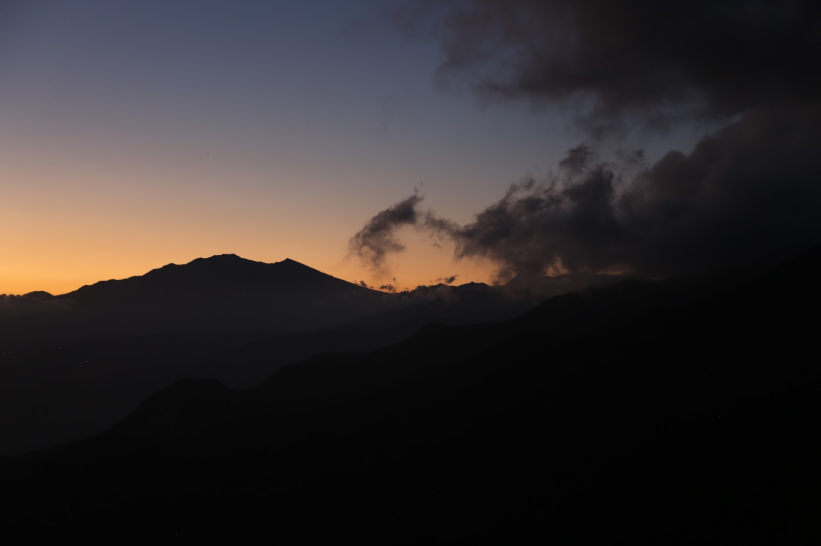
Sunrise and Sunset in Panama: Why Daylight Hardly Changes and Why Every Visitor Needs to Know

One of the most fascinating things about traveling in Panama is something that many visitors never think about until they arrive. It has nothing to do with beaches, wildlife, rainforests, or mountains. Instead, it is the clock. If you are visiting from Canada, Europe, Australia, or much of the United States, Panama's sunrise and sunset can feel surprisingly unusual. There are no long summer evenings where daylight stretches until nine or ten at night, and there are no short winter days where darkness arrives before dinner. Instead, Panama enjoys one of the most consistent daylight cycles anywhere in the world.

Because the country lies only a few degrees north of the equator, the length of the day barely changes throughout the year. Whether you visit in January, April, August, or November, the sun rises at roughly the same time and sets at nearly the same time. The difference between the longest and shortest days is only around forty five minutes. For people coming from countries with dramatic seasonal changes, this can be one of the biggest adjustments during their trip.

This consistency creates a completely different rhythm of life. The days begin early, people often wake with the sunrise, and by evening darkness arrives quickly. It is beautiful, predictable, and easy to enjoy once you understand it. However, if you are unprepared, it can also catch you completely by surprise.

The Sun Rises Early Every Morning

Throughout most of the year, sunrise in Panama occurs between about 5:45 in the morning and 6:35 in the morning. That means even if you are visiting during what feels like the middle of winter, you will still wake to daylight shortly after six o'clock.

The difference from month to month is surprisingly small.

In January, sunrise is usually just after six in the morning.

By March and April it begins creeping slightly earlier.

During June and July the sun often rises before six o'clock.

By December it shifts back toward six fifteen in the morning.

Unlike northern countries where sunrise can vary by several hours between summer and winter, Panama remains remarkably steady.

For photographers this is wonderful news. Every morning offers beautiful soft golden light without needing to wake up at four in the morning as you might in northern Europe during summer.

For bird watchers it is equally exciting. The rainforest comes alive at dawn. Howler monkeys begin calling through the valleys, tropical birds fill the forest with songs, hummingbirds become active, and many of the country's mammals return to the forest after a night of searching for food.

Many experienced travelers consider sunrise to be the most magical time of day in Panama.

Sunset Barely Changes Throughout the Year

Sunset follows the same pattern.

Instead of dramatic seasonal differences, the sun generally sets between 5:45 in the evening and 6:40 in the evening, depending on the time of year.

That means regardless of whether you visit in February, July, or October, you can usually expect darkness to arrive sometime around six in the evening.

The sun does not linger in the sky for hours as it does in northern countries. Once it begins dropping toward the horizon, everything happens surprisingly quickly.

Within thirty minutes the bright afternoon has transformed into dusk.

Another twenty or thirty minutes later it is fully dark.

For first time visitors this often feels astonishing.

The Biggest Mistake Many Visitors Make

Imagine you are visiting from Canada during July.

Back home, the sun may not set until nine thirty or even ten at night. You become used to thinking that six in the evening is still the middle of the afternoon.

You begin a hike at four o'clock, believing you have plenty of daylight remaining.

In Panama, that same decision can quickly become dangerous.

By six o'clock the forest is already becoming dark.

By six thirty many jungle trails are almost completely black beneath the rainforest canopy.

Unless you brought flashlights, you may suddenly find yourself trying to navigate roots, muddy trails, river crossings, and steep slopes with almost no natural light.

Every year travelers underestimate how early darkness arrives because they are still mentally living by the daylight hours of their home country.

Mountain Trails Become Dark Even Earlier

This is especially important for anyone planning to hike.

Places such as Volcán Barú, the cloud forests around Boquete, Santa Fe National Park, Omar Torrijos National Park, the trails around Lost and Found Hostel, and many other jungle destinations become darker well before official sunset.

Dense rainforest blocks much of the remaining sunlight long before the sun actually disappears below the horizon.

Cloud forests can become dim during the late afternoon even on sunny days because mist and heavy vegetation reduce the available light.

If your hike is expected to take six hours, always begin early.

Experienced guides across Panama almost always recommend starting hikes shortly after sunrise rather than waiting until late morning.

Not only is the weather cooler, but you have a generous safety margin before darkness arrives.

Driving After Dark Can Surprise Visitors

Another thing many tourists underestimate is driving.

If you leave a beach at five in the afternoon thinking you still have several hours of daylight ahead, you may discover that darkness arrives while you are still on unfamiliar roads.

Many rural roads in Panama have very little street lighting.

Mountain roads between Boquete, Volcán, Santa Fe, and other rural communities can become extremely dark once night falls.

Heavy rain during the wet season can reduce visibility even further.

For visitors unfamiliar with local roads, it is usually much more relaxing to finish longer drives before sunset whenever possible.

Beach Days Follow a Different Rhythm

The early sunset actually creates a wonderful atmosphere.

People naturally begin their beach days early.

Surfers paddle out shortly after sunrise.

Fishermen leave before dawn.

Divers board boats while the sea is calm.

Families often arrive at beaches during the morning instead of the afternoon.

As sunset approaches everyone seems to gather along the shoreline.

Restaurants begin filling with people ordering fresh seafood.

Beach bars become lively.

Photographers search for the perfect angle.

Then, within minutes of the sun disappearing below the horizon, the stars begin appearing overhead.

Because Panama has relatively little seasonal variation, this evening ritual repeats itself almost every day of the year.

Golden Hour Is Short but Spectacular

Photographers often fall in love with Panama's light.

The period just after sunrise and just before sunset produces beautiful golden colors across beaches, mountains, and rainforests.

Palm trees cast long shadows across the sand.

Cloud forests glow beneath soft morning light.

The Pacific Ocean turns brilliant orange during sunset while the Caribbean often reflects shades of pink, gold, and deep blue.

Since the sun rises and sets almost vertically near the equator, golden hour tends to be shorter than in countries farther north. That means photographers need to be ready because the perfect light does not last very long.

Night Falls Quickly

One characteristic that surprises nearly everyone is how quickly darkness arrives.

In countries farther from the equator, twilight can last for an hour or even longer.

In Panama the transition happens much faster.

One moment you are enjoying a colorful sunset.

Half an hour later the stars are shining brightly overhead.

This rapid change is one of the defining features of tropical life.

It also means restaurants, cafés, and town squares begin filling with people earlier in the evening than visitors might expect.

One Less Thing to Plan Around

Although the early sunsets surprise many first time visitors, they also make life wonderfully simple.

You never need to wonder what time the sun sets next month.

You do not have to adjust your schedule because winter days have become shorter.

You can confidently plan sunrise hikes, beach mornings, scuba diving trips, fishing charters, wildlife tours, or photography sessions knowing that daylight follows almost the same schedule every single month.

After a few days, most travelers stop checking sunset times altogether. They simply learn that the day begins around six in the morning and ends around six in the evening.

It becomes part of the rhythm of Panama itself.

For anyone exploring this remarkable country, remembering this simple fact may be one of the most valuable travel tips of all. If you are hiking through a cloud forest, exploring jungle trails, driving between mountain towns, or relaxing on a remote beach, always remember that darkness arrives much earlier than visitors from northern countries expect. Plan your adventures to finish well before sunset, carry a flashlight if there is any chance you may be delayed, and allow yourself enough time to enjoy one of Panama's greatest daily spectacles. Watching the tropical sun sink below the Pacific or disappear behind the Caribbean Sea is unforgettable, but once it is gone, night arrives quickly, and the jungle wastes no time reminding you that you are deep in the tropics.

The Heat at Sea Level in Panama: A Complete Guide to What Visitors Can Really Expect

For many first time visitors, one of the biggest surprises about Panama is not the beaches, the wildlife, or the rainforests. It is the heat. Within moments of stepping off the airplane in Panama City, David, Bocas del Toro, or Río Hato, you immediately feel that you have arrived in the tropics. The air is warm from the very beginning of the day, the sun climbs high into the sky with incredible intensity, and even a gentle walk can leave you searching for the nearest coconut stand or a shady hammock.

Yet describing Panama as simply "hot" does not tell the whole story. The country may be small, but its coastline stretches along two completely different oceans. The Pacific and the Caribbean each create their own weather patterns, sea breezes, humidity levels, and seasonal changes. Some places feel dry and sun soaked for months at a time, while others remain lush and green because brief tropical showers drift through regularly. Some afternoons feel almost oven like, while others are surprisingly comfortable because of cooling winds blowing in from the sea.

Understanding these differences can completely change how you experience Panama. Knowing where the breezes are strongest, when the rainy season provides natural cooling, and which beaches become blisteringly hot during the dry season will help you plan the perfect adventure.

Panama Is Warm Every Month of the Year

Unlike North America or Europe, Panama does not experience four distinct seasons. There is no autumn with colorful leaves, no freezing winter, and no spring where flowers suddenly begin blooming. Instead, Panama enjoys what many people dream about for their entire lives. Summer never really ends.

At sea level, daytime temperatures generally stay between 29 and 34 degrees Celsius throughout the entire year. Even at night the temperature usually remains between 23 and 26 degrees, meaning evenings are warm enough for outdoor dining, beach walks, and sitting under the stars without ever needing a jacket.

What changes throughout the year is not the temperature as much as the humidity, sunshine, rainfall, and wind. These factors have a huge influence on how hot the weather actually feels.

Many first time visitors quickly learn that thirty one degrees with a refreshing ocean breeze feels completely different from thirty one degrees on a still humid afternoon in the middle of a large city.

Panama City Feels Like a Giant Tropical Greenhouse

Panama City is one of the hottest places that most visitors experience during their trip. The skyline reflects the tropical sunshine while miles of concrete, glass, and pavement absorb heat throughout the day.

Morning usually begins pleasantly enough. Around sunrise the city feels alive with joggers along the Cinta Costera, cyclists enjoying the waterfront, and locals grabbing coffee before work. Temperatures are already warm, but the humidity has not yet reached its afternoon peak.

By late morning the tropical sun becomes intense. Around noon the city can feel almost overwhelming for visitors who have just arrived from cooler climates. Afternoon temperatures commonly reach between 31 and 34 degrees Celsius, but because humidity is often extremely high, it can easily feel several degrees warmer.

Fortunately the Pacific Ocean provides relief. During the late afternoon, sea breezes frequently move across the city, making evenings much more comfortable. As the sun begins to set, restaurants fill with people eating outside while families stroll along the waterfront.

From January until April, the dry season brings endless sunshine and lower humidity. Ironically these months often feel more pleasant despite stronger sunshine because the air contains less moisture. During the rainy season, from May until November, temperatures remain almost identical, but the heavier humidity makes the afternoons feel much warmer until dramatic thunderstorms cool everything down.

The Pacific Coast Lives Under Endless Blue Skies

The Pacific beaches are what many people imagine when they think about tropical Panama. Miles of golden sand, palm trees leaning toward the ocean, fishing boats resting on quiet beaches, and brilliant sunsets that seem almost too colorful to be real.

The dry season transforms much of the Pacific coast into one giant outdoor playground. Weeks can pass without significant rain. Blue skies dominate almost every day, and sunshine becomes part of daily life.

The beaches may appear inviting all day long, but experienced locals understand that the strongest sunshine arrives between late morning and early afternoon. Many people spend these hours swimming, relaxing beneath palm trees, or enjoying long seafood lunches before returning to the beach later in the afternoon.

Santa Catalina Has One of the Most Comfortable Climates on the Pacific Coast

Santa Catalina deserves special attention because it feels noticeably different from many other beach towns in Panama.

Although daytime temperatures usually reach between 30 and 32 degrees Celsius, Santa Catalina rarely feels as oppressive as inland areas. The reason is simple. The Pacific Ocean almost constantly sends cooling breezes across the peninsula.

Surfers are often the first people awake each morning. They paddle into warm water while the air is still fresh, the waves are glassy, and the sun slowly rises over the surrounding hills. Even by midday the breeze often continues blowing, helping take the edge off the tropical heat.

The dry season from December through April is spectacular. Brilliant sunshine, almost cloudless skies, calm evenings, and incredible sunsets make this one of Panama's finest beach destinations.

During the rainy season the landscape transforms completely. The surrounding hills become intensely green, tropical flowers explode with color, waterfalls begin flowing again, and afternoon rain showers cool the air before another beautiful evening arrives.

Santa Catalina is also the jumping off point for Coiba National Park, one of the greatest marine parks in the world. Visitors often spend entire days diving, snorkeling, whale watching, or exploring untouched islands. Being surrounded by the ocean means that even long days on the water usually feel cooler than staying inland.

Playa Venao Balances Sunshine With Fresh Ocean Air

Further south, Playa Venao has become one of Panama's most famous surf towns.

The beach faces directly toward the Pacific, allowing ocean winds to sweep across the shoreline almost every afternoon. While temperatures remain tropical throughout the year, the constant movement of air makes walking along the beach surprisingly comfortable.

The atmosphere is relaxed. Surfers, backpackers, digital nomads, and families all gather to enjoy warm ocean water, spectacular sunsets, and evenings that remain comfortable long after dark.

Pedasí Offers Tropical Warmth Without Feeling Overwhelming

The charming town of Pedasí enjoys similar temperatures to much of the Pacific coast, yet many visitors remark that it somehow feels easier to handle.

The combination of open countryside, nearby beaches, and regular breezes prevents the heat from becoming too oppressive. It remains warm enough for beach days every month of the year while still allowing comfortable evenings in outdoor restaurants and town squares.

Coronado and Playa Blanca Can Become Extremely Hot

Closer to Panama City, destinations such as Coronado, Playa Blanca, and Farallón often experience some of the hottest afternoons on the Pacific coast.

During the dry season temperatures can climb well above 33 degrees Celsius, and with very little cloud cover the tropical sun becomes relentless.

These are the months when visitors quickly understand why swimming pools, cold drinks, shaded beach umbrellas, and afternoon naps are such important parts of tropical life.

David Is Famous Throughout Panama for Its Heat

Although David sits relatively close to the Pacific Ocean, it does not enjoy the same cooling sea breezes as many coastal communities.

Instead, the city often becomes one of the hottest places in the country during the dry season.

Temperatures frequently reach 35 degrees Celsius, and occasionally even higher. Combined with strong sunshine, afternoons can feel exhausting for anyone spending long periods outdoors.

Locals often organize their days around the weather. Shopping, exercising, and errands happen early in the morning or later in the evening while the middle of the day becomes a time to slow down.

Bocas del Toro Feels Like a Different Kind of Tropical Heat

On the Caribbean side of Panama, Bocas del Toro offers a completely different experience.

The islands remain warm throughout the year, yet temperatures generally stay around 29 to 31 degrees Celsius, making them slightly cooler than parts of the Pacific coast.

The biggest difference is the breeze.

Trade winds constantly move across the islands, creating refreshing airflow almost every day. Sitting on a dock overlooking turquoise Caribbean water often feels wonderfully comfortable even during the afternoon.

Rain can fall during any month, but showers are often brief. They cool the islands, wash the tropical vegetation, and are frequently followed by brilliant sunshine only an hour later.

Many visitors find Bocas easier to tolerate than Panama City because moving air makes such a dramatic difference.

The Pearl Islands Enjoy Constant Ocean Breezes

Far out in the Gulf of Panama lie the Pearl Islands.

Here, temperatures remain beautifully tropical throughout the year, generally between 29 and 32 degrees Celsius. Because every island is surrounded by open ocean, fresh breezes arrive almost continuously.

The sea itself remains wonderfully warm, making swimming enjoyable every single month of the year.

Evenings are particularly memorable as the setting sun paints the Pacific with shades of orange, pink, and deep purple while temperatures slowly become more comfortable.

The Caribbean Coast Is Warm and Wonderfully Green

Along the mainland Caribbean coast near Portobelo and Colón, visitors experience a different version of tropical Panama.

Rain falls more regularly than on the Pacific side, allowing dense rainforest to reach almost to the edge of the sea.

Temperatures remain close to 30 degrees Celsius, but cloud cover and regular showers often soften the afternoon heat.

Instead of endless dry sunshine, visitors experience lush jungle landscapes, rivers flowing through the forest, and beaches backed by towering tropical vegetation.

Which Months Feel the Best?

Most experienced travelers consider January, February, March, and early April the most comfortable months for visiting sea level Panama.

These months offer endless sunshine, lower humidity, spectacular sunsets, and very little rain. Although the thermometer still shows tropical temperatures, the air feels noticeably fresher than during the wetter months.

From May until November, Panama enters the rainy season. This should not discourage visitors. Rain usually arrives during the afternoon rather than lasting all day. Mornings are often bright, sunny, and perfect for outdoor adventures. Then towering tropical clouds build over the mountains before dramatic afternoon downpours briefly cool the landscape.

Many travelers actually prefer this season because forests become intensely green, waterfalls flow at full strength, wildlife becomes easier to spot, and temperatures often feel more comfortable after rain.

Living With the Heat

One of the wonderful things about Panama is that people have learned to live in harmony with the tropical climate rather than fight against it.

The day naturally follows the weather. Early mornings are active and energetic. Beaches fill with walkers, fishermen head out before sunrise, surfers chase perfect waves, and cafés begin serving breakfast while the air is still relatively cool.

By midday life slows down. People enjoy long lunches, swim in the ocean, relax in hammocks, or find shade beneath enormous tropical trees. As the afternoon breeze arrives and the strongest sunshine begins to fade, towns come alive once again.

Restaurants open their terraces, beach bars fill with music, families gather in parks, and visitors discover one of the greatest pleasures of tropical living: warm evenings that seem to last forever.

For many travelers, Panama's heat becomes one of the country's greatest attractions rather than something to endure. It means never worrying about cold water when swimming, never packing heavy winter clothes, and always knowing that somewhere nearby there is a beach, a palm tree, and an ocean waiting to cool you down. Whether you find yourself watching giant waves roll into Santa Catalina, strolling through the colorful streets of Bocas del Toro, enjoying sunset drinks in Pedasí, exploring the skyscrapers of Panama City, or relaxing on the white sand beaches of the Pearl Islands, you quickly realize that Panama does not simply have warm weather. It offers a true tropical lifestyle, where every day feels like summer and the sea is never far away.

Riba Smith: Panama's Premium Supermarket Experience and Why Travellers Love Shopping There

If you ask long-term residents of Panama where they shop when they want the highest quality groceries, fresh produce, imported foods, and an enjoyable shopping experience, one name comes up again and again: Riba Smith. More than simply a supermarket, Riba Smith has built a reputation as one of the country's premier grocery chains, offering an impressive selection of local and international products in clean, spacious, and well-organized stores.

Whether you are a tourist staying in Panama City, an expat settling into your new home, or a backpacker looking to stock up before heading into the mountains or the islands, visiting a Riba Smith store offers an interesting glimpse into modern Panamanian life. It is one of those places where shopping becomes more than just filling a basket. It becomes an opportunity to discover the incredible variety of food available in one of Latin America's most internationally connected countries.

Walking through the front doors, the first thing many visitors notice is how bright, spacious, and organized everything feels. Wide aisles make browsing comfortable, products are neatly displayed, and the stores have an atmosphere that feels calm even during busy shopping hours. Compared with the crowded supermarkets many travellers are used to back home, Riba Smith often feels surprisingly relaxed.

One of the biggest attractions is the produce department. Panama is blessed with a tropical climate that allows an astonishing variety of fruits and vegetables to be grown throughout the year, and Riba Smith showcases this abundance beautifully. Colourful displays of pineapples, papayas, bananas, mangoes, avocados, melons, dragon fruit, citrus fruits, coconuts, and passion fruit fill the shelves. Depending on the season, shoppers may also discover lesser-known tropical fruits that many visitors have never tasted before.

Vegetables are equally impressive. Much of the country's finest produce comes from the fertile volcanic soils around Boquete, Volcán, and Cerro Punta in Chiriquí Province. Crisp lettuce, tomatoes, carrots, broccoli, cauliflower, herbs, peppers, onions, potatoes, strawberries, and leafy greens are displayed with care, reflecting Panama's strong agricultural tradition.

For travellers who have been eating simple meals while backpacking, the produce section alone can feel like paradise. Fresh ingredients make it easy to prepare healthy meals or enjoy tropical fruit that often tastes far sweeter than imported versions sold overseas.

One of Riba Smith's greatest strengths is its bakery. The aroma of freshly baked bread welcomes shoppers long before they reach the bakery counter. Warm rolls, crusty baguettes, soft sandwich loaves, croissants, pastries, cakes, cookies, and desserts tempt visitors throughout the day. Many locals stop specifically to pick up fresh bread for breakfast or dinner, while travellers often leave with enough pastries to enjoy on tomorrow's bus journey.

The deli section is equally impressive. Prepared salads, cheeses, sliced meats, roasted chicken, sandwiches, and ready-to-eat meals offer convenient options for busy shoppers. If you are planning a picnic beside the Panama Canal, at a Pacific beach, or during a mountain hike, the deli makes assembling a delicious lunch remarkably easy.

Seafood lovers quickly discover another highlight. With coastlines on both the Pacific Ocean and Caribbean Sea, Panama enjoys access to exceptionally fresh seafood. Depending on the season, Riba Smith stocks snapper, corvina, tuna, mahi mahi, shrimp, octopus, and other local catches. Many residents consider the seafood counters among the best in the country.

The meat department also reflects the supermarket's emphasis on quality. Fresh cuts of beef, pork, chicken, and specialty meats are carefully displayed, while knowledgeable staff can often assist with specific requests. Whether preparing a barbecue, a family dinner, or stocking up for a holiday, shoppers usually find an excellent selection.

Coffee enthusiasts often spend far longer than expected exploring the coffee aisle. Panama produces some of the world's finest coffee, including the legendary Geisha variety that regularly commands record-breaking prices at international auctions. While award-winning Geisha is available for those wishing to indulge, there is also an excellent selection of more affordable Panamanian coffees from Boquete, Volcán, Renacimiento, and other highland regions. For many visitors, taking home locally roasted coffee becomes one of the best souvenirs from their trip.

Perhaps what truly distinguishes Riba Smith from many other supermarkets is its enormous range of imported products. Panama has long served as an international crossroads thanks to the Panama Canal, and that global connection is reflected throughout the store. Shelves are filled with foods imported from the United States, Europe, South America, and Asia. Familiar breakfast cereals, chocolates, cheeses, sauces, olive oils, spices, snacks, frozen foods, pasta, international beverages, and specialty ingredients allow expatriates and visitors to find many of the brands they enjoy back home.

For newcomers moving to Panama, this can be reassuring. While adapting to local cuisine is part of the adventure, it is comforting to know that many favourite products remain available. The trade-off, of course, is price. Imported goods generally cost more than locally produced alternatives due to shipping, import duties, and transportation costs. Many long-term residents eventually discover that balancing local and imported products provides the best value.

International visitors are often impressed by the wine and beverage selection. Wines from Europe, South America, North America, Australia, and New Zealand line the shelves alongside craft beers, premium spirits, and non-alcoholic beverages from around the world. It is one of the broadest selections found in Panama, reflecting the country's diverse international community.

Health-conscious shoppers will also appreciate the growing range of organic foods, gluten-free products, plant-based milks, vegetarian ingredients, vegan alternatives, and specialty dietary products. As Panama has become increasingly cosmopolitan, supermarkets like Riba Smith have expanded their offerings to meet changing tastes and lifestyles.

Cleanliness and customer service are another reason the supermarket enjoys such a loyal following. Stores are generally well maintained, products are attractively displayed, and employees are known for being courteous and helpful. Shopping carts glide smoothly through wide aisles, checkout lines move efficiently, and the overall experience feels polished from beginning to end.

For tourists staying in Panama City, Riba Smith is also a wonderful place to experience everyday Panamanian life. While famous attractions like the Panama Canal and Casco Viejo reveal the country's history and landmarks, supermarkets reveal how people actually live. Families shop together for weekend meals, office workers stop in for lunch, children excitedly choose desserts, and locals browse the produce with the same familiarity seen in neighbourhood markets around the world.

Many travellers enjoy walking slowly through the aisles simply to discover products unique to Panama. Locally produced coffee, tropical fruit preserves, spicy sauces, fresh tortillas, Panamanian chocolates, regional snacks, and traditional ingredients provide a delicious introduction to the country's culinary culture.

Although Riba Smith is often considered a premium supermarket, many everyday items remain competitively priced, particularly locally grown fruits, vegetables, rice, beans, chicken, and other Panamanian staples. The higher prices are generally found in imported specialty goods rather than basic groceries.

If you are planning a beach picnic, a mountain road trip, a sailing adventure through the San Blas Islands, or a backpacking journey across Panama, Riba Smith is an excellent place to gather supplies. Fresh fruit, sandwiches, snacks, bottled water, coffee, bakery items, and ready-made meals make travelling both convenient and enjoyable.

In many ways, Riba Smith perfectly reflects modern Panama itself. It blends local traditions with international influences, offering fresh produce from the fertile highlands alongside products imported from every corner of the globe. It is sophisticated without feeling intimidating, modern without losing sight of Panama's agricultural roots, and practical while still offering little luxuries that make everyday life more enjoyable.

For first-time visitors, a trip to Riba Smith is about much more than buying groceries. It is a chance to discover the flavours of Panama, explore one of the country's best supermarkets, and see how a nation that connects two oceans has also become a meeting place for cuisines from around the world. Whether you leave with a bag full of tropical fruit, a loaf of warm bread, locally roasted coffee, or ingredients for a home-cooked meal, you will quickly understand why so many Panamanians consider Riba Smith one of the country's finest places to shop.

The Cost of Groceries in Panama: What Is Cheap, What Is Expensive, and How to Shop Like a Local

One of the first questions many travellers, backpackers, retirees, and people considering a move to Panama ask is surprisingly simple: How much do groceries cost? The answer is both encouraging and a little complicated. Panama can be an affordable place to buy food, but it all depends on what you eat and where you shop.

Unlike some countries where nearly everything is either cheap or expensive, Panama is a fascinating mix of both. Tropical fruit may cost next to nothing while imported cheese costs more than you would expect. Fresh fish can be an incredible bargain, yet a box of your favourite imported breakfast cereal might leave you wondering if it was flown in on a private jet.

Understanding how Panama's grocery system works can save you hundreds, even thousands, of dollars over the course of a year.

The biggest factor affecting prices is whether a product is grown in Panama or imported from overseas. Panama produces a tremendous amount of fresh food. Bananas, pineapples, papayas, watermelons, mangos, avocados, coffee, rice, sugar, root vegetables, plantains, and many other products are grown locally. Because these foods travel relatively short distances, they are often excellent value.

Walk through almost any supermarket or local produce market and you'll find mountains of colourful tropical fruit. During peak season, a juicy pineapple may cost only a few dollars, while bananas are often sold by the bunch for less than many visitors expect. Papayas are enormous, sweet, and inexpensive. Watermelons become especially affordable during the dry season, and mango season is something many residents eagerly anticipate each year. Some homeowners are even given free mangoes by neighbours simply because the trees produce far more fruit than one family can ever eat.

Vegetables are another pleasant surprise, especially if you buy produce grown in the cool highlands of Chiriquí around Boquete, Volcán, and Cerro Punta. These fertile volcanic soils produce some of the finest vegetables in Central America. Tomatoes, carrots, onions, lettuce, cabbage, broccoli, cauliflower, peppers, potatoes, strawberries, and herbs are all widely available, particularly during the main growing seasons.

Rice remains one of Panama's staple foods and is remarkably affordable. Beans are similarly inexpensive and form the backbone of countless traditional meals. If you enjoy cooking simple dishes using fresh ingredients, Panama can be an excellent place to keep grocery costs low.

Seafood is another highlight. With both the Pacific Ocean and Caribbean Sea bordering the country, fresh fish is often surprisingly affordable, particularly in coastal communities. Corvina, snapper, tuna, mahi mahi, and shrimp regularly appear in supermarkets and local fish markets. Prices vary by season and location, but seafood lovers are often delighted by both the quality and freshness.

Chicken is generally one of the most economical meats available and features heavily in Panamanian cuisine. Pork is also reasonably priced. Beef tends to cost more than chicken but is often still less expensive than in many North American cities, especially if you purchase local cuts.

Eggs are another grocery staple that remain fairly affordable and are available almost everywhere, from large supermarkets to small neighbourhood stores.

Where many newcomers receive a surprise is in the imported food section.

Panama imports a tremendous variety of products from the United States, Europe, and elsewhere. This means you can often find familiar brands of breakfast cereal, chocolate, sauces, snacks, frozen meals, cheeses, wines, speciality ingredients, and international foods. The downside is that imported products usually carry transport costs, import duties, and retailer markups.

A box of imported cereal that feels inexpensive back home may suddenly seem like a luxury purchase. European cheeses can be costly. Imported chocolates, speciality sauces, and favourite snack brands often command premium prices. If you insist on filling your shopping cart entirely with imported foods, your grocery bill may end up surprisingly similar to what you would spend in Canada or the United States.

Dairy products fall somewhere in the middle. Milk is widely available and reasonably priced, while local cheeses are often excellent value. Imported cheeses, however, can become expensive, particularly speciality varieties from Europe.

Bread is another interesting category. Fresh Panamanian bread from local bakeries is inexpensive and delicious. Large supermarket bakeries produce fresh rolls, pastries, and loaves throughout the day. Imported speciality breads and artisan products generally cost considerably more.

Coffee lovers are in for a treat. Panama produces some of the finest coffee in the world, including the legendary Geisha variety that has broken world auction records. Fortunately, you do not need to buy award-winning Geisha every morning. Excellent locally grown coffee is widely available at reasonable prices, offering exceptional quality compared with similarly priced coffee elsewhere.

One of the best ways to reduce grocery costs is to shop where locals shop. Panama has several excellent supermarket chains, each catering to slightly different customers. Some focus on premium imported products, while others offer more budget-friendly options. In addition, countless neighbourhood fruit stands, roadside markets, and farmers' markets sell fresh produce at prices that are often lower than the large supermarkets.

Visiting local produce markets is also one of the most enjoyable shopping experiences in Panama. Colourful displays of tropical fruit, vegetables, herbs, spices, and freshly harvested produce create an atmosphere that feels very different from shopping in a modern supermarket. Vendors are often friendly, prices are competitive, and the freshness is difficult to beat.

Seasonality also affects prices. Fruits and vegetables become cheapest when they are naturally abundant. Mango season, for example, brings an explosion of fruit throughout much of the country. Avocados may become plentiful for several months before becoming harder to find later in the year. Learning what is currently in season helps both your wallet and your taste buds.

Another pleasant surprise for many visitors is the abundance of fresh juices. Rather than buying expensive bottled drinks, many Panamanians simply blend fresh fruit into delicious juices at home using pineapple, passion fruit, papaya, watermelon, mango, or countless other tropical fruits. Not only is this healthier, but it is often significantly cheaper.

If you follow a vegetarian or vegan diet, Panama has become increasingly accommodating. Fresh fruits, vegetables, rice, beans, lentils, and tropical produce are widely available. Larger cities also stock plant-based milks, tofu, vegan cheeses, and meat alternatives, although these imported speciality products usually cost considerably more than locally produced foods.

So what does this mean for your overall grocery budget?

If you eat like many Panamanians, focusing on local produce, rice, beans, chicken, fresh seafood, tropical fruit, and seasonal vegetables, your grocery bill can be very reasonable. If your shopping basket is filled with imported breakfast cereals, European cheeses, foreign wines, speciality sauces, frozen dinners, and international snack foods, you may find yourself spending almost as much as you would in many developed countries.

Perhaps that is one of the most enjoyable aspects of grocery shopping in Panama. It gently encourages you to embrace the country itself. Instead of eating exactly as you did back home, you begin discovering sweet pineapples harvested only days earlier, locally roasted coffee, just-caught fish, fresh tortillas, ripe papayas, creamy avocados, and vegetables grown in the rich volcanic soils of Chiriquí. Before long, your shopping basket starts to reflect the country around you.

In the end, grocery shopping in Panama is less about finding the cheapest prices and more about discovering the incredible abundance that a tropical country can offer. By choosing local products, shopping seasonally, and exploring neighbourhood markets, you'll not only spend less but also experience Panama the way locals have for generations—through its fresh flavours, colourful produce, and remarkable agricultural richness.The Cost of Groceries in Panama: What Is Cheap, What Is Expensive, and How to Shop Like a Local

One of the first questions many travellers, backpackers, retirees, and people considering a move to Panama ask is surprisingly simple: How much do groceries cost? The answer is both encouraging and a little complicated. Panama can be an affordable place to buy food, but it all depends on what you eat and where you shop.

Unlike some countries where nearly everything is either cheap or expensive, Panama is a fascinating mix of both. Tropical fruit may cost next to nothing while imported cheese costs more than you would expect. Fresh fish can be an incredible bargain, yet a box of your favourite imported breakfast cereal might leave you wondering if it was flown in on a private jet.

Understanding how Panama's grocery system works can save you hundreds, even thousands, of dollars over the course of a year.

The biggest factor affecting prices is whether a product is grown in Panama or imported from overseas. Panama produces a tremendous amount of fresh food. Bananas, pineapples, papayas, watermelons, mangos, avocados, coffee, rice, sugar, root vegetables, plantains, and many other products are grown locally. Because these foods travel relatively short distances, they are often excellent value.

Walk through almost any supermarket or local produce market and you'll find mountains of colourful tropical fruit. During peak season, a juicy pineapple may cost only a few dollars, while bananas are often sold by the bunch for less than many visitors expect. Papayas are enormous, sweet, and inexpensive. Watermelons become especially affordable during the dry season, and mango season is something many residents eagerly anticipate each year. Some homeowners are even given free mangoes by neighbours simply because the trees produce far more fruit than one family can ever eat.

Vegetables are another pleasant surprise, especially if you buy produce grown in the cool highlands of Chiriquí around Boquete, Volcán, and Cerro Punta. These fertile volcanic soils produce some of the finest vegetables in Central America. Tomatoes, carrots, onions, lettuce, cabbage, broccoli, cauliflower, peppers, potatoes, strawberries, and herbs are all widely available, particularly during the main growing seasons.

Rice remains one of Panama's staple foods and is remarkably affordable. Beans are similarly inexpensive and form the backbone of countless traditional meals. If you enjoy cooking simple dishes using fresh ingredients, Panama can be an excellent place to keep grocery costs low.

Seafood is another highlight. With both the Pacific Ocean and Caribbean Sea bordering the country, fresh fish is often surprisingly affordable, particularly in coastal communities. Corvina, snapper, tuna, mahi mahi, and shrimp regularly appear in supermarkets and local fish markets. Prices vary by season and location, but seafood lovers are often delighted by both the quality and freshness.

Chicken is generally one of the most economical meats available and features heavily in Panamanian cuisine. Pork is also reasonably priced. Beef tends to cost more than chicken but is often still less expensive than in many North American cities, especially if you purchase local cuts.

Eggs are another grocery staple that remain fairly affordable and are available almost everywhere, from large supermarkets to small neighbourhood stores.

Where many newcomers receive a surprise is in the imported food section.

Panama imports a tremendous variety of products from the United States, Europe, and elsewhere. This means you can often find familiar brands of breakfast cereal, chocolate, sauces, snacks, frozen meals, cheeses, wines, speciality ingredients, and international foods. The downside is that imported products usually carry transport costs, import duties, and retailer markups.

A box of imported cereal that feels inexpensive back home may suddenly seem like a luxury purchase. European cheeses can be costly. Imported chocolates, speciality sauces, and favourite snack brands often command premium prices. If you insist on filling your shopping cart entirely with imported foods, your grocery bill may end up surprisingly similar to what you would spend in Canada or the United States.

Dairy products fall somewhere in the middle. Milk is widely available and reasonably priced, while local cheeses are often excellent value. Imported cheeses, however, can become expensive, particularly speciality varieties from Europe.

Bread is another interesting category. Fresh Panamanian bread from local bakeries is inexpensive and delicious. Large supermarket bakeries produce fresh rolls, pastries, and loaves throughout the day. Imported speciality breads and artisan products generally cost considerably more.

Coffee lovers are in for a treat. Panama produces some of the finest coffee in the world, including the legendary Geisha variety that has broken world auction records. Fortunately, you do not need to buy award-winning Geisha every morning. Excellent locally grown coffee is widely available at reasonable prices, offering exceptional quality compared with similarly priced coffee elsewhere.

One of the best ways to reduce grocery costs is to shop where locals shop. Panama has several excellent supermarket chains, each catering to slightly different customers. Some focus on premium imported products, while others offer more budget-friendly options. In addition, countless neighbourhood fruit stands, roadside markets, and farmers' markets sell fresh produce at prices that are often lower than the large supermarkets.

Visiting local produce markets is also one of the most enjoyable shopping experiences in Panama. Colourful displays of tropical fruit, vegetables, herbs, spices, and freshly harvested produce create an atmosphere that feels very different from shopping in a modern supermarket. Vendors are often friendly, prices are competitive, and the freshness is difficult to beat.

Seasonality also affects prices. Fruits and vegetables become cheapest when they are naturally abundant. Mango season, for example, brings an explosion of fruit throughout much of the country. Avocados may become plentiful for several months before becoming harder to find later in the year. Learning what is currently in season helps both your wallet and your taste buds.

Another pleasant surprise for many visitors is the abundance of fresh juices. Rather than buying expensive bottled drinks, many Panamanians simply blend fresh fruit into delicious juices at home using pineapple, passion fruit, papaya, watermelon, mango, or countless other tropical fruits. Not only is this healthier, but it is often significantly cheaper.

If you follow a vegetarian or vegan diet, Panama has become increasingly accommodating. Fresh fruits, vegetables, rice, beans, lentils, and tropical produce are widely available. Larger cities also stock plant-based milks, tofu, vegan cheeses, and meat alternatives, although these imported speciality products usually cost considerably more than locally produced foods.

So what does this mean for your overall grocery budget?

If you eat like many Panamanians, focusing on local produce, rice, beans, chicken, fresh seafood, tropical fruit, and seasonal vegetables, your grocery bill can be very reasonable. If your shopping basket is filled with imported breakfast cereals, European cheeses, foreign wines, speciality sauces, frozen dinners, and international snack foods, you may find yourself spending almost as much as you would in many developed countries.

Perhaps that is one of the most enjoyable aspects of grocery shopping in Panama. It gently encourages you to embrace the country itself. Instead of eating exactly as you did back home, you begin discovering sweet pineapples harvested only days earlier, locally roasted coffee, just-caught fish, fresh tortillas, ripe papayas, creamy avocados, and vegetables grown in the rich volcanic soils of Chiriquí. Before long, your shopping basket starts to reflect the country around you.

In the end, grocery shopping in Panama is less about finding the cheapest prices and more about discovering the incredible abundance that a tropical country can offer. By choosing local products, shopping seasonally, and exploring neighbourhood markets, you'll not only spend less but also experience Panama the way locals have for generations—through its fresh flavours, colourful produce, and remarkable agricultural richness.

Panama's Cloud Forests: The Mysterious World Above the Clouds

There are rainforests, and then there are cloud forests. While both are rich in life, cloud forests feel as though they belong to another world entirely. They are quieter, cooler, stranger, and infinitely more mysterious. Instead of towering jungle trees reaching into bright tropical sunshine, cloud forests exist in a realm where the forest itself disappears into swirling mist. Clouds drift silently through the branches rather than floating high above them. Moss hangs from every trunk like ancient green curtains. Orchids bloom from impossible places. Ferns the size of small trees blanket the hillsides. Every surface seems alive, covered with a thick carpet of moisture loving plants that have been quietly growing for centuries.

Panama is home to some of the finest cloud forests in all of Central America. Found mostly between 1,000 and 2,500 metres above sea level, these remarkable ecosystems cover the country's highest mountains, including the forests surrounding Volcán Barú, the Talamanca Mountains, Santa Fe National Park, La Amistad International Park, Cerro Hoya, and the spectacular Fortuna Forest Reserve. Together they protect some of the greatest concentrations of biodiversity anywhere on Earth.

The first thing visitors notice is the climate. As you climb into the mountains, the tropical heat slowly fades away. The air becomes cooler, fresher, and wonderfully crisp. Soon the road enters the clouds themselves. Wisps of mist drift across the highway, trees appear and disappear in the fog, and everything takes on an almost dreamlike quality. It is easy to understand why so many people describe their first visit to a cloud forest as magical. There is an atmosphere here that simply does not exist anywhere else.

Unlike ordinary forests that receive most of their water from rainfall, cloud forests have another remarkable source of moisture. The clouds themselves. As mist drifts through the trees, tiny droplets collect on every leaf, branch, vine, and moss covered trunk before slowly dripping onto the forest floor. Scientists call this process cloud stripping or fog interception. In many cloud forests, this hidden source of water is just as important as rainfall itself. It feeds rivers, replenishes underground springs, and allows an astonishing variety of plants to flourish even during relatively dry periods.

This constant moisture creates one of the richest plant communities on the planet. Instead of competing for space on the ground, many plants simply grow on other plants. Orchids cling to tree branches high above the forest floor. Bromeliads collect rainwater inside their leaves, creating miniature ponds where frogs, insects, and even tiny crabs may live. Mosses cover almost every surface in thick emerald blankets, while delicate ferns unfurl from fallen logs and rocky cliffs. Walking through a Panamanian cloud forest often feels like stepping into a living botanical garden created entirely by nature.

One of the most extraordinary features of cloud forests is that life exists in layers. Look down and you may see colourful fungi pushing through the leaf litter, salamanders hiding beneath fallen branches, and insects carrying leaves many times their own size. At eye level, butterflies flutter between wildflowers while hummingbirds dart from blossom to blossom with astonishing speed. Look upward and towering trees disappear into the mist, their branches supporting entire hanging gardens filled with orchids, vines, bromeliads, and mosses. Every few metres reveals another world waiting to be discovered.

Wildlife thrives in this cool, humid environment. Panama's cloud forests shelter hundreds of bird species, making them one of the finest birdwatching destinations anywhere in the Americas. The most famous resident is undoubtedly the resplendent quetzal, whose shimmering emerald and crimson feathers have inspired legends for centuries. Spotting one gliding silently through the mist is an unforgettable experience that attracts birdwatchers from around the world.

Yet birds are only part of the story. White faced capuchin monkeys sometimes wander the forest canopy. Agoutis quietly search the undergrowth for fallen fruit. Coatis investigate the trails with their constantly twitching noses. Kinkajous and olingos emerge after dark, while elusive ocelots and jaguarundis move almost invisibly through the dense vegetation. Hundreds of butterfly species, countless frogs, remarkable insects, tarantulas, and brilliantly coloured snakes all call these forests home.

Perhaps what makes cloud forests most fascinating is how little we still know about them. Although scientists have been studying Panama's mountains for decades, new discoveries continue to emerge with surprising regularity. Every year researchers identify plants, insects, fungi, amphibians, and reptiles that were previously unknown to science. These forests are not simply museums preserving ancient life. They remain active frontiers of scientific discovery.

A remarkable example comes from the forests surrounding Lost and Found Hostel in the Fortuna Forest Reserve. Researchers working in this region have discovered species completely new to science, including both a previously unknown lizard and a new species of snake. Think about that for a moment. In the twenty first century, in a country visited by millions of travellers, entirely new reptiles are still being found in the cloud forests. It is a powerful reminder that these mountains continue to guard secrets that have remained hidden for thousands, perhaps millions, of years.

Part of what makes cloud forests so mysterious is that they are naturally difficult to explore. Thick vegetation, steep slopes, swirling fog, and constantly changing weather create countless hidden valleys and isolated ridges. Some areas remain visited only by scientists or experienced researchers. Tiny streams disappear beneath tangled roots. Massive strangler figs conceal hollow chambers. Fallen trees become miniature ecosystems supporting hundreds of different species. Every step into the forest reveals another layer of complexity.

The weather itself becomes part of the experience. Sunshine may break through for only a few minutes before clouds roll back across the mountains. Light filters through the mist in brilliant rays that illuminate moss covered branches like spotlights on a theatre stage. Raindrops cling to spider webs, transforming them into sparkling works of art. Every photograph looks different because the forest never appears exactly the same twice.

Cloud forests also perform an essential role far beyond their beauty. They act as giant natural water towers for Panama. The moisture captured by the trees feeds countless rivers that provide drinking water, support agriculture, generate hydroelectric power, and ultimately help sustain millions of people. Protecting these forests is not simply about preserving wildlife. It is about protecting one of the country's most important natural resources.

For travellers, visiting a cloud forest offers something increasingly rare in today's world: genuine wonder. Unlike many destinations where every viewpoint has been photographed millions of times, cloud forests remain unpredictable. One visitor may spend an afternoon surrounded by butterflies while another watches monkeys leap overhead. Some are rewarded with sightings of the elusive quetzal. Others stumble upon luminous fungi glowing faintly beneath fallen logs after dark. Every visit tells a different story.

Perhaps the greatest gift of Panama's cloud forests is the feeling they leave behind. They slow you down. Conversations become quieter. Footsteps soften against thick carpets of moss. The constant movement of modern life fades into the background, replaced by birdsong, dripping water, rustling leaves, and drifting clouds. Time itself seems to move differently here.

Standing among ancient trees disappearing into the mist, it becomes easy to understand why cloud forests have inspired myths, legends, and scientific curiosity for generations. They are places where evolution continues to write new chapters, where species still wait to be discovered, and where nature reminds us that even in our modern world there are still landscapes filled with mystery.

Panama's cloud forests are far more than beautiful mountain scenery. They are living laboratories, vast reservoirs of biodiversity, and some of the most enchanting ecosystems on Earth. Whether you come to search for rare birds, hike through emerald forests, photograph orchids dripping with dew, or simply breathe the cool mountain air, you will quickly realise that these forests possess a quiet magic that is impossible to describe fully. They must be experienced. And even then, as the clouds close once more around the trees, you cannot help but wonder what secrets still remain hidden just beyond the mist.

Is It Safe to Drive at Night in Panama? Everything You Need to Know Before Hitting the Road

For many travellers renting a car in Panama, one question comes up again and again: Is it safe to drive at night? The simple answer is yes, it can be, but it requires more caution than driving after dark in many parts of North America or Europe. Thousands of Panamanians drive at night every single day, and visitors regularly travel between Panama City, Boquete, David, Bocas del Toro, and countless other destinations without problems. However, night driving in Panama presents a unique set of challenges that first-time visitors should understand before setting off.

The biggest issue usually is not crime. It is the road itself.

During daylight, Panama is a wonderful country to drive through. The scenery is spectacular, the distances are manageable, and the main highways are generally in good condition. Once darkness falls, however, many of the things that make daytime driving enjoyable become harder to see. Roads that seemed straightforward during the day can suddenly become much more demanding.

One of the first things visitors notice is that many roads have very limited street lighting. Outside Panama City and larger towns, highways are often completely dark. If you are driving through rural Chiriquí, Veraguas, Darién, or the Azuero Peninsula, your headlights may be the only source of light for many kilometres. This is perfectly normal in Panama, but it means you should slow down and avoid driving faster than your headlights allow you to safely see.

Another important consideration is wildlife. Panama is one of the most biodiverse countries in the world, and many animals become active after sunset. You may encounter frogs hopping across the road, armadillos, opossums, iguanas, snakes, coatis, or even deer crossing unexpectedly. In mountain and forested areas, especially around national parks and nature reserves, animals can appear with very little warning. Driving a little slower at night gives you more time to react and helps protect both wildlife and yourself.

Livestock is another surprisingly common hazard. In rural areas, it is not unusual to find cows, horses, dogs, chickens, or goats wandering close to the road. Occasionally they may even be standing directly on the highway. Because dark-coloured animals can be difficult to see at night, extra caution is essential, particularly outside cities.

The weather can also transform driving conditions very quickly. Tropical downpours often arrive suddenly, especially during the rainy season between May and November. Heavy rain dramatically reduces visibility, while water can pool on the road in low-lying areas. Mountain regions such as Boquete and the Fortuna Forest Reserve are also known for evening fog or low cloud, making winding roads more challenging. If visibility becomes poor, slow down, turn on your headlights, and don't hesitate to pull over somewhere safe until conditions improve.

One thing that surprises many visitors is that not every road hazard is clearly marked. While Panama's main highways are generally well maintained, rural roads may have speed bumps, potholes, drainage dips, or uneven pavement that are much easier to spot during daylight. Speed bumps, known locally as policías muertos or simply muertos, can appear at the entrance to villages and may not always be highly visible after dark. Hitting one at highway speed is an experience you definitely want to avoid.

Motorcycles are another reason to stay alert. While most riders use proper lighting, you may occasionally encounter motorcycles or bicycles that are less visible than expected. Pedestrians can also walk along road shoulders in rural communities where there are no sidewalks.

If you are driving in Panama City, the challenges are quite different. Roads are well lit, but traffic remains busy well into the evening. Navigation can become confusing because of one-way streets, flyovers, and complex intersections. Using a navigation app is highly recommended, especially if you are unfamiliar with the city.

When it comes to personal safety, Panama compares favourably with many countries in the region. Violent crime targeting tourists on major highways is uncommon, especially on well-travelled routes. Nevertheless, common sense goes a long way. Keep doors locked while driving, avoid leaving bags or valuables visible inside the vehicle, and if you stop for fuel or food, choose busy, well-lit service stations whenever possible.

Fuel planning is also important. Along the Pan American Highway, petrol stations are frequent, but in more remote areas they become farther apart. It is always wise to top up your tank before heading into less populated regions, particularly if you expect to be driving after sunset.

One practical tip many experienced travellers follow is to plan longer journeys during daylight whenever possible. Not because night driving is inherently dangerous, but because Panama is simply too beautiful to miss. Some of the country's finest scenery unfolds along the road itself. Coffee plantations around Boquete, mountain vistas through Chiriquí, rainforest near Soberanía National Park, and endless Pacific views approaching Las Lajas are all experiences best enjoyed under the sun.

If you do find yourself driving at night, keep these simple guidelines in mind:

Drive a little slower than you normally would.

Watch carefully for wildlife and livestock.

Be prepared for unmarked speed bumps and occasional potholes.

Use extra caution during heavy rain or mountain fog.

Stick to major highways whenever practical.

Fill your fuel tank before entering remote areas.

Avoid distractions and keep your full attention on the road.

If you become tired, stop and rest rather than pushing on.

For most travellers, driving in Panama is an enjoyable and rewarding experience. The country's road network allows you to discover hidden beaches, mountain villages, waterfalls, coffee farms, and national parks that many visitors never see. Night driving simply requires a little more awareness and patience than you may be accustomed to at home.

The best advice is simple: if you have a choice, enjoy Panama's roads during the day, when every mountain, rainforest, and coastline can be appreciated in all its beauty. But if your adventure continues after sunset, drive cautiously, stay alert, and take your time. Panama rewards those who travel at a relaxed pace, and arriving safely is always better than arriving quickly.

Panamanian Spanish vs. Spanish from Spain: Same Language, Completely Different ExperiencePanamanian Spanish vs. Spanish from Spain: Same Language, Completely Different Experience

For many first-time visitors, one of the biggest surprises about travelling to Panama is discovering that while everyone speaks Spanish, it often sounds very different from the Spanish they learned in school or heard while travelling through Spain. At first, you may recognize every word in a sentence yet still struggle to understand the conversation. The rhythm is different. The pronunciation is different. The slang is different. Even everyday expressions can leave visitors completely confused.

The good news is that Panamanians and Spaniards understand each other perfectly well. They are speaking the same language, but much like British English and Australian English or Canadian English and Irish English, each country has developed its own accent, vocabulary, expressions, and personality over hundreds of years. Learning these differences not only makes travelling easier, but it also opens the door to understanding Panama's unique culture.

One of the first things visitors notice is that Panamanian Spanish is generally much faster than the Spanish spoken in many parts of Spain. Conversations often flow at an incredible pace, with words blending together so smoothly that beginners wonder if entire syllables have simply disappeared. In reality, they often have. Panamanians frequently shorten words, soften certain consonants, and speak with a relaxed rhythm that reflects the country's easygoing lifestyle.

Perhaps the most famous difference is pronunciation. In most of Spain, particularly around Madrid and central regions, the letters z and c before e or i are pronounced with the familiar "th" sound. For example, gracias sounds something like "grathias," while cerveza becomes "therveza." This pronunciation, known as distinción, is one of the trademarks of Spanish from Spain.

In Panama, however, as in nearly all of Latin America, there is no "th" sound. Instead, both the z and soft c are pronounced like an s. Gracias sounds like "grasias," and cerveza sounds like "serbesa." For most visitors from North America, this pronunciation often feels easier because it matches the Spanish commonly taught throughout the Americas.

Another major difference is the use of vosotros. If you learned Spanish in Spain, you are probably familiar with this special word meaning "you all." Spaniards use it constantly in everyday conversation.

In Panama, however, vosotros simply doesn't exist in daily speech. Instead, everyone says ustedes whether speaking formally or informally to a group. This actually simplifies the language for learners because there is one less verb conjugation to memorize.

Vocabulary is where things become especially entertaining. Hundreds of common words differ between Spain and Panama. A car in Spain is often called a coche, while in Panama everyone says carro. A mobile phone is móvil in Spain but usually celular in Panama. Driving is conducir in Spain, but Panamanians are more likely to say manejar. A computer becomes ordenador in Spain but computadora in Panama.

Food also reveals fascinating differences. In Spain, ordering a tortilla brings you a thick potato and egg omelette. In Panama, asking for a tortilla usually gets you a delicious corn tortilla more closely resembling those found elsewhere in Central America. The same word means two completely different dishes.

Panamanians are also famous for their colourful slang. While Spaniards have expressions like vale for "okay" or guay for "cool," Panamanians have developed an entire vocabulary of their own.

You will quickly hear words such as chévere, meaning cool or awesome. Something that is fun or enjoyable is often described as priti, adapted from the English word "pretty." Friends are commonly called fren, derived from the English word "friend." If someone says ¿Qué sopa?, they are not asking about food at all. It is simply a friendly way of saying, "What's up?"

Then there is one word visitors hear almost everywhere: vaina. This remarkable expression can mean almost anything depending on the context. It might refer to an object, a problem, a situation, or simply "that thing." Mastering vaina is almost a rite of passage for anyone spending time in Panama.

Another interesting feature of Panamanian Spanish is the influence of English. Because of the long history of the Panama Canal, American military bases, and international trade, English has left a noticeable mark on everyday speech. Many English words have been adopted directly or slightly modified. Visitors may hear expressions that sound surprisingly familiar mixed naturally into Spanish conversations.

Panama's geography has also shaped its language. Indigenous languages such as Ngäbere, Guna, Emberá, and others have contributed words describing plants, animals, foods, and local traditions that have no direct equivalent in Spain. As a result, travelling through Panama introduces visitors to vocabulary found nowhere else in the Spanish-speaking world.

Regional accents within Panama add another layer of diversity. Someone from Panama City often speaks faster and uses more slang than someone living in the cool mountain communities around Boquete or Volcán. Along the Caribbean coast, speech patterns may be influenced by Afro-Caribbean English, while Indigenous regions preserve unique words and expressions passed down for generations.

One aspect many travellers appreciate is the warmth of Panamanian conversation. People often greet strangers with a smile, exchange friendly small talk in shops, and readily help visitors trying to practice Spanish. Even if your Spanish is limited, most Panamanians genuinely appreciate the effort and will often slow down or repeat themselves when they realize you are learning.

Interestingly, many Panamanians also understand at least some English, particularly in tourist areas, Panama City, Boquete, Bocas del Toro, and around the Panama Canal. However, learning even a handful of local expressions can completely change your travel experience. Ordering food, asking for directions, chatting with taxi drivers, or simply greeting people in Spanish often leads to warmer interactions and memorable conversations.

For travellers, the differences between Panamanian Spanish and Spanish from Spain are not obstacles. They are part of the adventure. Every country leaves its own fingerprint on the language, reflecting centuries of history, geography, migration, trade, and culture. Panama's version of Spanish is lively, expressive, relaxed, and full of personality. It captures the spirit of a nation that has always stood at the crossroads of the world, welcoming influences from every direction while creating something uniquely its own.

So if you arrive in Panama after studying Spanish in Madrid, don't be surprised if people seem to speak faster, use unfamiliar words, and smile when they hear your accent. And if you learned Latin American Spanish before visiting Spain, don't be surprised when someone offers you a coche, tells you vale, or thanks you with a cheerful grathias. They are all speaking Spanish, but each version tells the fascinating story of the place it calls home.

Las Lajas, Panama: The Endless Beach That Somehow Still Feels Like a Secret

There are beaches that are famous because they are crowded, lined with luxury hotels, buzzing with beach clubs, and packed with umbrellas from sunrise until sunset. Then there are places like Las Lajas, where the greatest luxury is not what has been built, but what has been left untouched. Located on Panama's Pacific coast in the province of Chiriquí, Las Lajas is one of those increasingly rare destinations where nature still dominates the landscape. It is a place where you can walk for hours without seeing more than a handful of people, where the loudest sounds are the crashing waves and the calls of seabirds, and where every sunset feels like it was created just for you.

Stretching for more than fourteen kilometres along Panama's Pacific coastline, Las Lajas is one of the longest continuous beaches in the country. Standing at one end and looking toward the horizon, the shoreline seems to disappear into infinity. Palm trees sway gently behind the sand, the surf rolls in with hypnotic regularity, and the ocean seems to blend seamlessly into the sky. It is difficult to believe that a beach of this size and beauty remains relatively undiscovered by international tourism. While many visitors rush between Boquete, Bocas del Toro, and Santa Catalina, they often drive right past one of Panama's finest coastal treasures without even realizing it.

One of the first things visitors notice is the incredible sense of space. Unlike many beaches around the world where finding a quiet spot can be a challenge, Las Lajas feels wonderfully open. Even during weekends and Panamanian holidays, there is usually enough room to spread out and enjoy a peaceful stretch of sand. During weekdays, you may find yourself walking for kilometres with only the occasional fisherman, horseback rider, or beachcomber sharing the shoreline. There is something deeply calming about standing on such a vast beach with nothing around you except ocean, sky, and the endless rhythm of the waves.

The sand itself is one of Las Lajas' greatest attractions. Wide, flat, and firm, it creates ideal conditions for long walks, jogging, beach games, or simply wandering without any destination at all. As the tide goes out, the beach becomes even broader, revealing a shimmering expanse of wet sand that perfectly reflects the sky. During sunset, these reflections transform the beach into a giant mirror, doubling the brilliant oranges, reds, and purples overhead. It is one of those places where photographers can spend hours chasing different angles while casual visitors simply stop walking and admire the view in silence.

The Pacific Ocean at Las Lajas has a personality of its own. Gentle waves often make it suitable for swimming, especially during calmer conditions, while at other times the surf becomes more energetic, attracting bodyboarders and surfers looking for uncrowded breaks. Like all ocean beaches, visitors should pay attention to changing tides and currents, but on many days the beach offers excellent opportunities for cooling off after hours under the tropical sun. Families appreciate the wide open shoreline where children have endless space to play, build sandcastles, and explore tidal pools that appear as the tide retreats.

Las Lajas is also a wonderful place for horseback riding. Local operators often lead rides along the shoreline, allowing visitors to experience the beach from a completely different perspective. There is something timeless about riding beneath swaying palms as waves crash beside you and seabirds circle overhead. Whether you are an experienced rider or trying horseback riding for the first time, the wide, flat beach provides an unforgettable setting.

Wildlife lovers will also find plenty to enjoy. Brown pelicans glide effortlessly just above the waves before plunging into the sea to catch fish. Magnificent frigatebirds soar high overhead, barely moving their wings as they ride warm air currents. Sandpipers race back and forth with the incoming tide, while herons patiently stalk the shallows. During certain times of the year, sea turtles come ashore under the cover of darkness to lay their eggs on sections of the beach. Depending on the season, lucky visitors may even spot dolphins offshore or humpback whales migrating through Panamanian waters.

Despite its peaceful atmosphere, Las Lajas makes an excellent base for exploring western Panama. The beach sits conveniently along the Pan American Highway, making it easy to reach from David, Boquete, or even Panama City. Many travellers stop for a night on their way to or from Bocas del Toro, only to wish they had planned a much longer stay. Its location also makes it an excellent destination for anyone wanting to combine mountain adventures with beach relaxation. After hiking through the cool cloud forests around Boquete or Lost and Found Hostel, spending a few days unwinding beside the Pacific feels like the perfect reward.

Food is another pleasant surprise. Small family-run restaurants and beachfront eateries serve fresh seafood, tropical fruit, ceviche, grilled fish, fried plantains, coconut rice, and refreshing fruit juices. The atmosphere is refreshingly authentic. Rather than international chains and expensive resorts, Las Lajas offers simple local hospitality where meals are prepared with fresh ingredients and served with genuine smiles. It is the kind of place where conversations with restaurant owners often become just as memorable as the food itself.

Perhaps the greatest spectacle arrives every evening. Because Las Lajas faces directly toward the Pacific Ocean, sunsets here are nothing short of extraordinary. As the afternoon heat begins to soften, the beach takes on an almost magical quality. The sky slowly transforms from brilliant blue into glowing shades of gold before erupting into fiery oranges, crimson reds, deep purples, and delicate pinks. The wet sand reflects every colour like polished glass, creating a breathtaking mirror effect that stretches for kilometres. Palm trees become dark silhouettes, fishing boats drift quietly toward shore, and the final rays of sunlight seem to linger forever above the horizon. It is no surprise that many visitors describe Las Lajas as one of the finest sunset beaches in all of Panama.

What makes Las Lajas even more special is what happens after the sun disappears. Unlike many popular tourist beaches overwhelmed by bright lights and nightlife, Las Lajas remains wonderfully peaceful. With relatively little light pollution, clear nights reveal spectacular views of the stars. The Milky Way often becomes visible, countless constellations shine brightly overhead, and shooting stars are not uncommon during meteor showers. Sitting quietly on the sand beneath a sky overflowing with stars while listening to the gentle rhythm of the Pacific is one of those simple travel experiences that stays with you long after you have returned home.

Las Lajas is also a reminder of what much of the tropical world once looked like before mass tourism arrived. There are no towering hotel blocks dominating the skyline, no crowded promenades, and no endless rows of souvenir shops. Instead, there is space to breathe, space to think, and space to reconnect with nature. It offers the increasingly rare opportunity to experience a beach on its own terms rather than one carefully designed for tourists.

For photographers, the possibilities seem endless. Sunrise bathes the beach in soft pastel light, while midday reveals brilliant tropical blues. Sunset delivers dramatic colours worthy of postcards, and nighttime offers opportunities to photograph the Milky Way above swaying palm trees. Every hour reveals a different personality, making Las Lajas one of Panama's most rewarding coastal destinations for landscape photography.

Whether you are a backpacker looking for a peaceful escape, a couple searching for a romantic beach, a family wanting safe open spaces to relax, or simply someone who loves walking along seemingly endless stretches of sand, Las Lajas delivers an experience that feels refreshingly genuine. It is not flashy, crowded, or overdeveloped. Instead, it offers something far more valuable: authenticity.

In a world where so many beautiful beaches have become victims of their own popularity, Las Lajas remains wonderfully wild. It is the kind of place where you lose track of time, where a simple walk can turn into several hours without you noticing, and where every evening reminds you why sunsets over the Pacific Ocean have captivated travellers for generations. For those willing to venture just a little off the well worn tourist trail, Las Lajas is not simply another beach in Panama. It is one of the country's greatest hidden treasures, a place where the Pacific still feels endless, the skies still belong to the stars, and nature continues to set the pace.Las Lajas, Panama: The Endless Beach That Somehow Still Feels Like a Secret

There are beaches that are famous because they are crowded, lined with luxury hotels, buzzing with beach clubs, and packed with umbrellas from sunrise until sunset. Then there are places like Las Lajas, where the greatest luxury is not what has been built, but what has been left untouched. Located on Panama's Pacific coast in the province of Chiriquí, Las Lajas is one of those increasingly rare destinations where nature still dominates the landscape. It is a place where you can walk for hours without seeing more than a handful of people, where the loudest sounds are the crashing waves and the calls of seabirds, and where every sunset feels like it was created just for you.

Stretching for more than fourteen kilometres along Panama's Pacific coastline, Las Lajas is one of the longest continuous beaches in the country. Standing at one end and looking toward the horizon, the shoreline seems to disappear into infinity. Palm trees sway gently behind the sand, the surf rolls in with hypnotic regularity, and the ocean seems to blend seamlessly into the sky. It is difficult to believe that a beach of this size and beauty remains relatively undiscovered by international tourism. While many visitors rush between Boquete, Bocas del Toro, and Santa Catalina, they often drive right past one of Panama's finest coastal treasures without even realizing it.

One of the first things visitors notice is the incredible sense of space. Unlike many beaches around the world where finding a quiet spot can be a challenge, Las Lajas feels wonderfully open. Even during weekends and Panamanian holidays, there is usually enough room to spread out and enjoy a peaceful stretch of sand. During weekdays, you may find yourself walking for kilometres with only the occasional fisherman, horseback rider, or beachcomber sharing the shoreline. There is something deeply calming about standing on such a vast beach with nothing around you except ocean, sky, and the endless rhythm of the waves.

The sand itself is one of Las Lajas' greatest attractions. Wide, flat, and firm, it creates ideal conditions for long walks, jogging, beach games, or simply wandering without any destination at all. As the tide goes out, the beach becomes even broader, revealing a shimmering expanse of wet sand that perfectly reflects the sky. During sunset, these reflections transform the beach into a giant mirror, doubling the brilliant oranges, reds, and purples overhead. It is one of those places where photographers can spend hours chasing different angles while casual visitors simply stop walking and admire the view in silence.

The Pacific Ocean at Las Lajas has a personality of its own. Gentle waves often make it suitable for swimming, especially during calmer conditions, while at other times the surf becomes more energetic, attracting bodyboarders and surfers looking for uncrowded breaks. Like all ocean beaches, visitors should pay attention to changing tides and currents, but on many days the beach offers excellent opportunities for cooling off after hours under the tropical sun. Families appreciate the wide open shoreline where children have endless space to play, build sandcastles, and explore tidal pools that appear as the tide retreats.

Las Lajas is also a wonderful place for horseback riding. Local operators often lead rides along the shoreline, allowing visitors to experience the beach from a completely different perspective. There is something timeless about riding beneath swaying palms as waves crash beside you and seabirds circle overhead. Whether you are an experienced rider or trying horseback riding for the first time, the wide, flat beach provides an unforgettable setting.

Wildlife lovers will also find plenty to enjoy. Brown pelicans glide effortlessly just above the waves before plunging into the sea to catch fish. Magnificent frigatebirds soar high overhead, barely moving their wings as they ride warm air currents. Sandpipers race back and forth with the incoming tide, while herons patiently stalk the shallows. During certain times of the year, sea turtles come ashore under the cover of darkness to lay their eggs on sections of the beach. Depending on the season, lucky visitors may even spot dolphins offshore or humpback whales migrating through Panamanian waters.

Despite its peaceful atmosphere, Las Lajas makes an excellent base for exploring western Panama. The beach sits conveniently along the Pan American Highway, making it easy to reach from David, Boquete, or even Panama City. Many travellers stop for a night on their way to or from Bocas del Toro, only to wish they had planned a much longer stay. Its location also makes it an excellent destination for anyone wanting to combine mountain adventures with beach relaxation. After hiking through the cool cloud forests around Boquete or Lost and Found Hostel, spending a few days unwinding beside the Pacific feels like the perfect reward.

Food is another pleasant surprise. Small family-run restaurants and beachfront eateries serve fresh seafood, tropical fruit, ceviche, grilled fish, fried plantains, coconut rice, and refreshing fruit juices. The atmosphere is refreshingly authentic. Rather than international chains and expensive resorts, Las Lajas offers simple local hospitality where meals are prepared with fresh ingredients and served with genuine smiles. It is the kind of place where conversations with restaurant owners often become just as memorable as the food itself.

Perhaps the greatest spectacle arrives every evening. Because Las Lajas faces directly toward the Pacific Ocean, sunsets here are nothing short of extraordinary. As the afternoon heat begins to soften, the beach takes on an almost magical quality. The sky slowly transforms from brilliant blue into glowing shades of gold before erupting into fiery oranges, crimson reds, deep purples, and delicate pinks. The wet sand reflects every colour like polished glass, creating a breathtaking mirror effect that stretches for kilometres. Palm trees become dark silhouettes, fishing boats drift quietly toward shore, and the final rays of sunlight seem to linger forever above the horizon. It is no surprise that many visitors describe Las Lajas as one of the finest sunset beaches in all of Panama.

What makes Las Lajas even more special is what happens after the sun disappears. Unlike many popular tourist beaches overwhelmed by bright lights and nightlife, Las Lajas remains wonderfully peaceful. With relatively little light pollution, clear nights reveal spectacular views of the stars. The Milky Way often becomes visible, countless constellations shine brightly overhead, and shooting stars are not uncommon during meteor showers. Sitting quietly on the sand beneath a sky overflowing with stars while listening to the gentle rhythm of the Pacific is one of those simple travel experiences that stays with you long after you have returned home.

Las Lajas is also a reminder of what much of the tropical world once looked like before mass tourism arrived. There are no towering hotel blocks dominating the skyline, no crowded promenades, and no endless rows of souvenir shops. Instead, there is space to breathe, space to think, and space to reconnect with nature. It offers the increasingly rare opportunity to experience a beach on its own terms rather than one carefully designed for tourists.

For photographers, the possibilities seem endless. Sunrise bathes the beach in soft pastel light, while midday reveals brilliant tropical blues. Sunset delivers dramatic colours worthy of postcards, and nighttime offers opportunities to photograph the Milky Way above swaying palm trees. Every hour reveals a different personality, making Las Lajas one of Panama's most rewarding coastal destinations for landscape photography.

Whether you are a backpacker looking for a peaceful escape, a couple searching for a romantic beach, a family wanting safe open spaces to relax, or simply someone who loves walking along seemingly endless stretches of sand, Las Lajas delivers an experience that feels refreshingly genuine. It is not flashy, crowded, or overdeveloped. Instead, it offers something far more valuable: authenticity.

In a world where so many beautiful beaches have become victims of their own popularity, Las Lajas remains wonderfully wild. It is the kind of place where you lose track of time, where a simple walk can turn into several hours without you noticing, and where every evening reminds you why sunsets over the Pacific Ocean have captivated travellers for generations. For those willing to venture just a little off the well worn tourist trail, Las Lajas is not simply another beach in Panama. It is one of the country's greatest hidden treasures, a place where the Pacific still feels endless, the skies still belong to the stars, and nature continues to set the pace.

Chasing the Perfect Sunset: The Most Spectacular Places to Watch the Sun Go Down in Panamahasing the Perfect Sunset: The Most Spectacular Places to Watch the Sun Go Down in Panama

There is something magical about sunset in Panama. Perhaps it is because the country is so narrow that two oceans influence its weather, or because towering mountains rise dramatically above tropical coastlines, creating skies unlike almost anywhere else on Earth. Every evening, as the tropical heat begins to fade, the clouds catch fire. Brilliant oranges melt into crimson reds before dissolving into deep purples and soft pinks. Palm trees become silhouettes, mountains fade into blue shadows, waves glow with golden reflections, and for a few unforgettable minutes the entire country seems to slow down.

For many travellers, sunsets become the defining memory of Panama. They are the reward after a long hike through the rainforest, a day surfing Pacific waves, exploring islands, diving coral reefs, or wandering colourful colonial streets. Whether you are sitting barefoot on an endless beach, perched high above the cloud forest, or watching the skyline of Panama City sparkle into life, every evening offers a completely different masterpiece. Even better, many of Panama's best sunset destinations are also among the country's finest places for clear night skies and unforgettable stargazing.

Santa Catalina: Where the Pacific Performs Every Evening

Few places rival Santa Catalina when it comes to unforgettable sunsets. This once sleepy fishing village has become famous for surfing, diving around Coiba National Park, and its wonderfully relaxed atmosphere, but as daylight fades it reveals another personality entirely.

Because Santa Catalina faces almost directly west across the Pacific Ocean, there is nothing between you and the horizon except thousands of kilometres of open water. As the sun sinks lower, fishing boats become tiny black silhouettes while the ocean changes colour minute by minute, shifting from bright blue to shimmering gold before finally turning molten orange. During the rainy season, towering tropical clouds often explode with incredible shades of red and purple, creating dramatic skies that photographers dream about.

Once darkness falls, Santa Catalina becomes remarkably peaceful. With very little artificial light outside the village, the stars begin to emerge in astonishing numbers. On clear nights the Milky Way stretches overhead, and shooting stars are common. Spend an evening lying on the beach after sunset and you may find yourself watching satellites glide silently overhead while waves gently break only metres away.

Las Lajas: Endless Beach, Endless Sky

If you are searching for one of the most relaxing sunset experiences in all of Panama, Las Lajas Beach deserves a place at the very top of your list.

Stretching for well over ten kilometres, this enormous Pacific beach feels almost endless. Even during busy holiday periods it is easy to find a quiet stretch of sand entirely to yourself. The beach faces west, making it one of the finest natural sunset theatres in the country. There are no cliffs blocking the horizon, no buildings crowding the shoreline, and no distractions. Just soft golden sand, gentle surf, and a spectacular sky.

As the sun lowers toward the Pacific, its reflection stretches across the wet sand like liquid gold. Every retreating wave mirrors the colours above, creating a constantly changing painting beneath your feet. Walking along the shoreline during this magical hour feels almost surreal. Pelicans skim low over the water, sandpipers chase the waves, and the entire coastline glows with warm tropical light.

Las Lajas is equally impressive after dark. Because there is relatively little development compared to Panama's larger beach towns, light pollution remains low. On moonless nights countless stars fill the sky, making it one of western Panama's best coastal locations for stargazing.

Lost and Found Hostel: Where Sunsets Meet the Cloud Forest

For mountain sunsets, few places in Panama compare with Lost and Found Hostel, hidden deep within the lush cloud forests of the Fortuna Forest Reserve. While Panama's beaches may be famous for watching the sun disappear into the Pacific, the sunsets here offer something completely different. They are layered, dramatic, and constantly changing, unfolding across an endless landscape of mountains, valleys, forests, and distant peaks.

From the hostel's famous lookout, visitors are treated to one of western Panama's most breathtaking panoramas. Endless mountain ridges stretch toward the horizon, while the majestic silhouette of the distant Volcán Barú, Panama's highest mountain, rises proudly above the landscape. As the afternoon slowly gives way to evening, the light transforms the scenery minute by minute. The slopes of Volcán Barú shift from lush green to deep blue, then to soft purple and charcoal as the sun begins its descent behind the mountain. Watching the sunset over the distant Volcán Barú is an unforgettable experience, with the changing colours spilling across the valleys below while wisps of cloud drift silently through the forest. On exceptionally clear evenings, the view seems to stretch forever, creating one of the most spectacular mountain sunsets anywhere in Central America.

What makes this viewpoint even more remarkable is the contrast between the cool mountain climate and the glowing western sky. Hummingbirds make their final visits to flowers before disappearing into the cloud forest, butterflies settle for the night, and the chorus of the rainforest begins to awaken as golden light washes across the landscape. Every sunset is different. Some evenings the sky erupts into fiery oranges, crimson reds, and brilliant pinks that seem almost impossible to believe, while on others the mountains fade gently into soft lavender and blue beneath delicate pastel clouds. It is a place where photographers return evening after evening because nature never repeats the same masterpiece twice.

As darkness arrives, the experience becomes even more extraordinary. Far from the lights of Panama's cities and surrounded by protected rainforest, Lost and Found Hostel transforms into one of the finest stargazing destinations in western Panama. With virtually no light pollution, the Milky Way often stretches in dazzling clarity from horizon to horizon, thousands upon thousands of stars emerge, satellites silently drift overhead, and shooting stars frequently streak across the sky on moonless nights. The cool mountain air, combined with the sounds of frogs, insects, owls, and countless other nocturnal creatures, creates an atmosphere that feels wonderfully wild and untouched. It is the kind of place where travellers gather at the lookout to watch the last rays of sunlight disappear behind the distant Volcán Barú, only to remain outside for hours afterwards as the stars slowly take over the sky. Few places in Panama offer such a seamless transition from an unforgettable sunset to an equally breathtaking night beneath the heavens.

Boca Chica: Islands Painted Gold

Boca Chica offers another spectacular Pacific sunset experience. Looking west across dozens of forested islands, every evening becomes a landscape photographer's dream. The islands gradually transform into dark silhouettes while the sea reflects brilliant streaks of orange and crimson. Boats returning from fishing appear against glowing horizons, creating classic tropical scenes that seem almost too perfect to be real.

After sunset, the quiet waters and limited coastal development provide wonderfully dark skies for stargazing.

Panama City: Urban Sunsets with a Tropical Twist

Many visitors are surprised to discover that Panama City also offers remarkable sunsets. From the Cinta Costera, the Amador Causeway, or the historic walls of Casco Viejo, the setting sun lights up one of Latin America's most dramatic skylines.

Glass skyscrapers reflect fiery colours while ships wait patiently to enter the Panama Canal. As darkness arrives, thousands of city lights replace the sunset, creating an entirely different kind of beauty. While light pollution limits stargazing here, the combination of tropical skies and modern architecture makes this one of the country's most unique sunset locations.

The Pearl Islands: Sunsets in Paradise

The Pearl Islands deliver sunsets worthy of postcards. Whether you are relaxing on Isla Contadora or exploring one of the many smaller islands, the Pacific provides uninterrupted western horizons. Palm trees sway gently while white sand beaches glow with warm evening colours. Dolphins occasionally appear offshore just before sunset, adding another layer of magic to an already unforgettable experience.

Because many islands have very little development, nighttime skies are exceptionally dark, making them wonderful destinations for both sunset lovers and amateur astronomers.

Why Panama Has Such Incredible Sunsets

Panama's geography plays a huge role in creating these unforgettable evenings. Tropical humidity scatters sunlight into vivid oranges and reds, while dramatic cloud formations often catch the final rays long after the sun has disappeared below the horizon. During the rainy season, afternoon thunderstorms frequently clear just before evening, leaving behind crystal clear air and towering clouds that explode with colour.

On the Pacific coast, west facing beaches provide uninterrupted views as the sun disappears directly into the ocean. In the mountains, multiple layers of ridges create stunning depth and endless shades of colour. Every location offers a different performance, ensuring no two sunsets are ever quite the same.

From Sunset to the Stars

One of the greatest pleasures of travelling through Panama is that the adventure rarely ends when the sun goes down. Some of the country's finest sunset destinations are also among its darkest places after nightfall.

Far from the bright lights of major cities, the stars become astonishingly vivid. The Milky Way stretches from horizon to horizon like a glowing river across the sky. Southern constellations unfamiliar to visitors from northern countries begin to appear. Planets shine with surprising brightness, meteor showers become unforgettable events, and even the faint glow of distant galaxies can sometimes be seen with the naked eye under perfect conditions.

Places such as Lost and Found Hostel, Las Lajas, Santa Catalina, Boca Chica, and the Pearl Islands offer not only unforgettable sunsets but also some of the clearest night skies in the country. Here, a perfect day does not end when the last rays disappear. Instead, it simply transforms into another spectacular show above your head.

In Panama, every evening feels like nature is putting on one final performance before night takes over. Whether you are watching the Pacific swallow the sun from an empty beach, standing high above the cloud forest as the last golden rays disappear behind the distant Volcán Barú, or lying beneath a sky overflowing with stars, you quickly realise that sunsets are not simply something you watch here. They are something you experience, remember, and quietly carry with you long after your journey through Panama has come to an end.

Panama: The Birdwatching Capital of the Americas

Imagine standing quietly on a misty mountain trail just before sunrise. The rainforest is still wrapped in darkness, and for a few moments the world seems completely silent. Then, almost imperceptibly at first, a single bird begins to sing. Another answers from somewhere deeper in the forest. Within minutes, the jungle erupts into one of nature's greatest concerts. Dozens of species call at once. Hummingbirds begin darting between flowers like tiny flying jewels. A toucan glides overhead with wings that barely make a sound. Somewhere high above the canopy, an eagle surveys an endless sea of green. This is not a scene from a wildlife documentary. It is an ordinary morning in Panama.

For birdwatchers, Panama is not simply another destination. It is one of the greatest birding countries on Earth.

Remarkably, this narrow strip of land, barely 772 kilometres from one end to the other, is home to more than 1,000 recorded bird species. That is more bird species than are found in all of Canada and the United States combined. It is more than most countries several times Panama's size. Whether you are an experienced ornithologist carrying a spotting scope and notebook or someone who simply enjoys watching colourful birds outside a cabin window, Panama offers experiences that remain unforgettable long after the trip ends.

The country's incredible diversity begins with its geography.

Panama forms the bridge between North and South America, creating one of the world's greatest biological crossroads. Millions of years ago, when the Isthmus of Panama emerged from the sea, it connected two continents that had evolved separately for tens of millions of years. Birds from the north began moving south. South American species expanded northward. Today, Panama sits directly where these two great faunas overlap, producing an astonishing variety found almost nowhere else.

Even more remarkable is the variety of habitats packed into such a small country.

Within a few hours' drive, you can travel from mangrove forests to cloud forests, from Caribbean coral islands to Pacific mudflats, from humid lowland rainforest to cool volcanic highlands. Each habitat supports its own unique birdlife, meaning every new destination feels like entering an entirely different world.

Perhaps no bird captures the imagination more than the Harpy Eagle, Panama's national bird and one of the largest and most powerful eagles on Earth. With talons larger than a grizzly bear's claws and the strength to capture monkeys and sloths from the forest canopy, the Harpy Eagle has become a symbol of Panama's wild forests. Although seeing one in the wild requires exceptional luck, simply knowing these magnificent predators still soar above Panama's rainforests adds an undeniable sense of excitement to every jungle hike.

For many birdwatchers, however, the ultimate prize is the Resplendent Quetzal.

High in Panama's cloud forests, particularly around Boquete, Cerro Punta, and the slopes of Volcán Barú, this legendary bird glows with emerald green feathers that shimmer almost impossibly in the mountain light. Males grow spectacular flowing tail feathers during the breeding season, making them one of the most beautiful birds anywhere in the world. Spotting a quetzal often becomes the defining moment of an entire journey.

Then there are the toucans.

Panama is blessed with several species, each more striking than the last. The familiar Keel-billed Toucan, with its enormous rainbow coloured bill, seems almost too colourful to be real. Chestnut-mandibled Toucans echo through the rainforest with deep croaking calls, while smaller aracaris add even more colour to the canopy.

Hummingbirds deserve an article of their own.

More than 50 species occur in Panama, ranging from tiny woodstars barely larger than a bumblebee to magnificent mountain gems flashing brilliant greens, blues, purples, and fiery oranges. Many lodges maintain flowering gardens where dozens of hummingbirds feed only metres away from visitors, creating unforgettable photographic opportunities.

One of Panama's greatest surprises is how easy birdwatching can be.

You do not always need to undertake exhausting expeditions into remote wilderness.

Some of the country's finest birding begins right outside your accommodation.

Enjoy breakfast on a terrace in Boquete, and colourful tanagers, honeycreepers, and hummingbirds may visit nearby flowers.

Relax at an eco lodge in the lowlands, and toucans, oropendolas, and parrots may fly overhead before you've finished your morning coffee.

Even Panama City has remarkable birding. Just minutes from the skyscrapers lies the famous Metropolitan Natural Park, where sloths climb trees beside hiking trails while trogons, motmots, woodpeckers, flycatchers, and dozens of tropical species live within sight of one of Latin America's most modern skylines. Very few capital cities on Earth can offer rainforest birdwatching during the morning and fine dining in the evening.

One of the country's greatest treasures is the legendary Pipeline Road inside Soberanía National Park.

Among birdwatchers, these names inspire almost mythical respect.

The road was originally built during construction of the Panama Canal but has since become one of the most celebrated birding locations on Earth. On a good morning, experienced guides regularly identify well over 150 species before lunchtime. Mixed feeding flocks move through the forest like travelling festivals of colour, with antbirds, woodcreepers, tanagers, flycatchers, and foliage gleaners all feeding together. Tinamous quietly walk across the trail, trogons perch motionless above the path, and if fortune smiles, even elusive forest raptors may appear overhead.

The highlands offer an entirely different experience.

Boquete, Cerro Punta, and Volcán Barú provide cool mountain air, moss-covered forests, orchids hanging from ancient trees, and birds found nowhere in Panama's lowlands. Here, birdwatchers search for quetzals, silky flycatchers, flame-throated warblers, black guans, and volcano hummingbirds while walking through forests often shrouded in drifting cloud.

The Caribbean side presents yet another world.

Bocas del Toro combines rainforest with mangroves, beaches, coral reefs, and islands where seabirds mix with tropical forest species. Green ibises stalk quiet streams, kingfishers patrol the mangroves, and colourful parrots cross the sky each morning.

On the Pacific coast, vast mudflats become one of the world's greatest staging grounds for migratory shorebirds. Every year, hundreds of thousands of sandpipers, plovers, whimbrels, dowitchers, and other migrants arrive after astonishing journeys from North America. Watching flocks rise together in perfect synchrony resembles witnessing a living cloud.

Migration itself transforms Panama.

Twice each year, the country becomes one of the planet's busiest aerial highways.

Perhaps the greatest spectacle occurs with raptors.

During autumn migration, hundreds of thousands of hawks, vultures, falcons, and kites stream southward through Panama. On exceptional days, observers have counted astonishing numbers of migrating birds of prey circling overhead in enormous spiralling columns before continuing south. It is one of the greatest wildlife migrations on Earth, yet surprisingly few travellers know it exists.

Photography enthusiasts quickly discover another reason Panama has become world famous.

Birds here are often remarkably approachable.

Many eco lodges maintain carefully designed feeding stations and flowering gardens that attract hummingbirds, tanagers, honeycreepers, and euphonias throughout the day. With patience, photographers can capture extraordinary images without disturbing wildlife.

But perhaps the greatest pleasure of birdwatching in Panama is that it slows you down.

Modern life encourages constant movement.

Birdwatching demands the opposite.

You begin noticing details that most people walk straight past.

The rustle of leaves revealing an antbird.

A distant whistle announcing a trogon.

The sudden flash of blue as a morpho butterfly drifts across the trail before disappearing into the forest.

The forest becomes less about reaching the destination and more about appreciating every moment along the journey.

One fascinating aspect of Panama is how quickly a simple interest can become an obsession.

Visitors often arrive claiming they know nothing about birds.

By the second morning, they are pointing excitedly at hummingbirds.

By the third day, they recognise toucan calls.

By the end of the week, they are carrying binoculars everywhere.

Panama has that effect.

It reveals just enough to leave you wanting more.

For beginners, this is one of the easiest countries on Earth to start birdwatching. Excellent guides, accessible trails, comfortable eco lodges, and incredible biodiversity mean remarkable sightings are possible even without previous experience.

For experts, the appeal is equally strong. Rare endemics, regional specialties, migration events, and over a thousand recorded species provide enough challenges to keep even the world's most experienced birders returning year after year.

Perhaps the greatest compliment that can be paid to Panama is this.

Birdwatching here is never just about birds.

While searching for a quetzal, you might encounter white-faced capuchin monkeys swinging through the canopy.

While watching hummingbirds, a sloth may quietly descend a nearby tree.

During an early morning walk, you may discover poison dart frogs, orchids, butterflies, coatis, agoutis, leaf-cutter ants carrying tiny green banners across the forest floor, or even the distant roar of howler monkeys echoing through the valley.

Every bird becomes part of a much larger story.

A story of rainforests that still breathe with life.

A story of migration routes that connect continents.

A story of mountains, rivers, coastlines, and islands where evolution has painted the skies with colours so vivid they seem almost impossible.

Panama is not simply a country with many birds.

It is a country where birds define the landscape itself.

Where dawn begins with a rainforest symphony.

Where emerald quetzals still glide through cloud forests.

Where toucans cross jungle clearings like flying works of art.

Where hummingbirds sparkle like living gemstones.

And where every walk into the forest carries the thrilling possibility that the next bird perched quietly in the trees could be one you have dreamed of seeing for your entire life.

For anyone who has ever lifted a pair of binoculars toward the treetops, Panama is more than a destination.

It is a pilgrimage.

And once you have heard the first chorus of a Panamanian dawn, watched mist lift from the rainforest canopy, and seen a flash of impossible colour disappear into the forest, you will understand why so many birdwatchers consider this extraordinary little country one of the finest places on Earth to look to the skies.

Backpacking the Pearl Islands on a Budget: How to Experience Panama's Tropical Paradise Without Spending a Fortune

When most people hear the words Pearl Islands, they immediately picture luxury villas, private yachts, celebrity hideaways, and exclusive beach resorts. It is an understandable image. The Pearl Islands, or Las Perlas, have long been associated with wealth, pristine white sand beaches, and some of the clearest turquoise water in all of Panama. This is the same archipelago where the television show Survivor filmed several seasons, where humpback whales visit every year, and where wealthy Panamanians escape for long weekends.

Because of that reputation, many backpackers simply assume the islands are beyond their budget.

The reality is far more interesting.

While it is certainly possible to spend hundreds or even thousands of dollars a night on luxury accommodation, independent travellers can also enjoy the Pearl Islands without emptying their wallets. It requires a little planning, realistic expectations, and choosing the right island, but backpackers willing to travel a little differently are rewarded with some of Panama's most beautiful beaches, warm Pacific waters, incredible wildlife, and an atmosphere that feels wonderfully untouched compared to many famous tropical destinations.

The Pearl Islands are an archipelago of more than 200 islands and islets scattered across the Gulf of Panama, roughly 50 kilometres from Panama City. Despite being so close to one of Latin America's most modern capitals, they feel completely different. Glass skyscrapers give way to coconut palms. Busy highways are replaced by sandy paths. The sounds of traffic disappear beneath waves, seabirds, and rustling palm leaves.

For backpackers, the biggest question is usually the same.

How do you actually get there?

Fortunately, reaching the Pearl Islands has become much easier than many people realise.

The most economical option is the passenger ferry that departs from the Amador Causeway near Panama City. The journey usually takes around two hours, depending on sea conditions and your destination. The ferry primarily serves Contadora Island and Saboga Island, the two most accessible islands for independent travellers.

Buying tickets in advance is strongly recommended, especially during weekends, holidays, and the busy dry season between December and April. Ferries can sell out surprisingly quickly as Panamanians head to the islands for weekend escapes.

The ferry ride itself is part of the adventure.

As Panama City's famous skyline gradually disappears behind you, the Pacific Ocean opens into a vast expanse of blue water. Flying fish occasionally skim across the waves, seabirds circle overhead, and if you're travelling between July and October, there is always the exciting possibility of spotting humpback whales during their annual migration. Dolphins are also regular companions on the journey, delighting passengers as they race alongside the boat.

Flying is another option.

Small aircraft operate scheduled flights from Panama City's domestic airport to Contadora Island. The journey takes only around twenty minutes, offering spectacular aerial views of the archipelago below.

However, for most backpackers, flying simply isn't necessary.

The ferry costs considerably less and offers a memorable introduction to island life.

Most independent travellers choose between Contadora and Saboga, each offering a slightly different experience.

Contadora is undoubtedly the better known of the two.

It has several small hotels, guesthouses, restaurants, grocery stores, cafés, bicycle rentals, and enough infrastructure to make travelling easy without sacrificing its island charm. The beaches are magnificent, with powdery white sand meeting crystal clear water that often resembles the Caribbean despite being on Panama's Pacific coast.

Many visitors spend entire afternoons simply walking from one beach to another because each cove has its own personality. Some are perfect for swimming. Others offer excellent snorkelling. A few remain so quiet that you may have the entire beach almost to yourself.

Despite its reputation for luxury, budget accommodation does exist on Contadora, particularly in simple guesthouses and smaller hotels. Booking well in advance usually provides the best prices, especially outside major holiday periods.

For travellers looking for an even more authentic experience, Saboga Island deserves serious consideration.

Saboga feels less developed, quieter, and significantly more traditional than Contadora. Small fishing boats still leave the harbour each morning, local children play football in the village square, and life moves at a noticeably slower pace.

Accommodation is generally simpler, but prices can also be friendlier for budget travellers. Instead of polished resorts, you'll find small locally operated guesthouses where hospitality often feels wonderfully personal.

Many backpackers actually prefer Saboga because it feels like discovering the Pearl Islands before luxury tourism arrived.

One pleasant surprise is that you don't need expensive tours to enjoy the islands.

Walking is one of the greatest pleasures.

Contadora's beaches are all connected by roads and walking paths, making it easy to spend an entire day exploring without spending a dollar.

Saboga offers hiking trails leading to viewpoints overlooking the Pacific Ocean, hidden beaches, and forested hills alive with tropical birds.

Snorkelling can often be enjoyed directly from the beaches when water conditions are calm.

Bringing your own snorkel mask can save money while allowing you to explore colourful fish, coral, and other marine life whenever you like.

If your budget allows for one organised activity, consider a boat tour.

Many operators offer trips visiting neighbouring islands, remote beaches, snorkelling spots, and occasionally opportunities to see dolphins or whales during migration season.

Splitting the cost among several travellers often makes these excursions surprisingly affordable.

Food is another area where backpackers can save money.

Restaurants on the islands naturally charge more than mainland Panama because almost everything arrives by boat.

Fresh seafood dominates many menus, with grilled fish, ceviche, octopus, shrimp, and lobster appearing regularly.

These meals are delicious but can quickly add up if eaten three times a day.

Many experienced backpackers instead buy groceries before leaving Panama City or purchase basic supplies from island stores. Preparing breakfast yourself and enjoying picnics on the beach can dramatically reduce daily expenses while creating unforgettable dining experiences.

Imagine sitting beneath a palm tree with fresh fruit, bread, local cheese, and the Pacific Ocean stretching endlessly before you.

Few restaurants can compete with that view.

Water is another important consideration.

Bring a reusable water bottle whenever possible. Not only does this reduce plastic waste, but it also saves money throughout your stay.

Island weather is typically hot, sunny, and humid throughout much of the year, making hydration essential.

Electricity, mobile phone coverage, and internet are generally available on the main islands, although connections can occasionally be slower than in Panama City.

Many backpackers actually welcome this.

The slower pace encourages people to spend less time looking at screens and more time watching sunsets, swimming, reading, or simply relaxing.

Packing wisely also helps.

Lightweight clothing, sandals, reef shoes, sunscreen, insect repellent, a dry bag for boat trips, and a snorkel mask are among the most useful items.

Cash is also important.

Although many businesses accept credit cards, smaller guesthouses, restaurants, and local shops sometimes prefer cash, and ATMs are limited.

The best time to visit depends on your priorities.

The dry season from December through April generally offers the sunniest weather, calmer seas, and excellent swimming conditions. It is also the busiest and most expensive period.

Travelling during the shoulder seasons often provides a wonderful balance of good weather, fewer visitors, and lower accommodation prices.

Even the rainy season has its charms. Tropical showers usually arrive for only part of the day, leaving plenty of sunshine before and after. The islands become even greener, and wildlife remains abundant.

One of the greatest luxuries of the Pearl Islands costs absolutely nothing.

The sunsets.

As evening approaches, the Pacific sky begins transforming into extraordinary shades of orange, pink, purple, and gold. The sea reflects every colour while fishing boats slowly return home and seabirds glide overhead.

Many backpackers quietly gather on the beach with nothing more than a cold drink, watching one of nature's finest daily performances.

There are no admission fees.

No queues.

No schedules.

Just one spectacular sunset after another.

Unlike many famous tropical islands elsewhere in the world, the Pearl Islands still retain a feeling of discovery.

You won't find endless rows of high-rise hotels or beaches packed shoulder to shoulder with tourists. Much of the archipelago remains wild, undeveloped, and wonderfully peaceful.

That sense of space is perhaps the islands' greatest treasure.

For backpackers exploring Panama, the Pearl Islands offer something unique.

They prove that paradise does not have to belong only to luxury travellers.

With careful planning, realistic expectations, and a spirit of adventure, it is entirely possible to swap crowded hostels for palm-fringed beaches, busy city streets for quiet island paths, and expensive resorts for simple guesthouses filled with local character.

The Pearl Islands may have earned their reputation as one of Panama's most exclusive destinations, but beneath that glamorous image lies another story waiting to be discovered. It is a story of backpackers watching whales from a ferry, sharing seafood dinners with local families, hiking to empty beaches, sleeping to the sound of gentle waves, and realising that some of the most beautiful islands in the Pacific can still be explored without spending a fortune.

For travellers willing to look beyond the luxury brochures, the Pearl Islands remain one of Panama's greatest budget adventures.

Recycling in Panama: What Everyday Life Really Looks Like in the City and the Countryside

For many visitors arriving in Panama, recycling is not something they immediately think about. Their attention is naturally drawn to the country's tropical rainforests, spectacular beaches, colourful wildlife, and the engineering marvel of the Panama Canal. Yet after spending a little time here, many travellers begin to wonder what happens to all the plastic bottles, aluminium cans, cardboard boxes, and glass containers that people use every day. Is recycling common? Does every household separate its rubbish? And is there a difference between life in Panama City and the country's rural communities?

The answer is both simple and surprisingly complex.

Panama is a country that has made significant progress in recycling over the past decade, particularly in its larger cities, but it is also a country where recycling opportunities vary enormously depending on where you live. While some neighbourhoods have dedicated recycling bins and collection points, others still send nearly everything to landfill. This means two families living only a few hours apart can have completely different experiences when it comes to managing household waste.

In Panama City, awareness of recycling has grown steadily. Shopping centres, office buildings, universities, international schools, and many larger apartment complexes now provide recycling bins for materials such as plastic, paper, cardboard, aluminium, and glass. Some supermarkets also encourage customers to recycle specific items, while environmental organisations regularly organise collection drives and educational campaigns. Younger Panamanians, particularly those living in urban areas, are generally far more familiar with recycling than previous generations, and many actively try to reduce the amount of waste they send to landfill.

However, recycling is still not as deeply woven into everyday life as it is in countries such as Canada, Germany, or Sweden. It is still common for many urban households to place all of their rubbish into a single garbage bag, especially if their neighbourhood does not have convenient recycling facilities. Convenience often determines whether people recycle. If a recycling point is nearby, many people happily use it. If the nearest collection point requires a lengthy drive, recycling rates naturally decline.

The situation changes quite noticeably once you leave Panama City and travel into the countryside.

Across much of rural Panama, including mountain villages, farming communities, and remote settlements, formal recycling services are often extremely limited or completely unavailable. Municipal garbage collection itself may only occur once or twice a week, and in some isolated communities households are responsible for transporting their own rubbish to designated collection areas.

For the average rural family, separating plastics, paper, and glass simply may not be practical because there is nowhere for those materials to go.

That does not necessarily mean rural Panamanians are wasteful.

In fact, many countryside families practise forms of recycling and reuse that have existed for generations, long before environmental movements became fashionable.

Glass jars become storage containers for rice, beans, screws, or homemade jams. Plastic buckets are reused repeatedly around farms. Old cooking oil containers become watering cans. Wooden pallets are transformed into fencing or furniture. Worn clothing often becomes cleaning rags. Plastic bottles may be used to grow seedlings or protect young plants from insects. Metal drums become barbecue grills or water storage tanks.

Necessity has always encouraged creativity.

Rather than purchasing new items, many rural households repair, adapt, and reuse what they already own for as long as possible.

Organic waste also follows a different path.

In many countryside homes, food scraps rarely end up in the garbage. Vegetable peelings may be fed to chickens or pigs. Fruit waste often goes into compost piles where it eventually becomes nutrient rich soil for vegetable gardens. Fallen leaves, branches, and grass clippings are commonly composted or left to naturally decompose.

This means that while formal recycling infrastructure may be less developed, rural households often generate surprisingly little unnecessary waste.

One noticeable challenge throughout Panama is plastic.

Like many tropical countries, bottled water, soft drinks, and packaged products are widely consumed, particularly because of the hot climate. Plastic bottles remain one of the most common forms of litter found along roadsides, beaches, and riverbanks, although community clean up events have become increasingly common in recent years.

Environmental groups, schools, diving organisations, and volunteer associations regularly organise beach cleanups, river cleanups, and recycling campaigns. These events often attract hundreds of volunteers who spend entire mornings collecting rubbish from coastlines, parks, and forests. For many Panamanians, especially younger generations, these events have become an important way of protecting the country's extraordinary biodiversity.

Tourism has also helped encourage better recycling practices.

Many eco lodges, hostels, national parks, and sustainable tourism businesses actively separate recyclable materials, reduce single use plastics, and educate visitors about responsible waste disposal. Because Panama markets itself as a nature destination, protecting that natural environment has become increasingly important to both businesses and local communities.

Visitors travelling through destinations such as Boquete, Santa Catalina, Bocas del Toro, Santa Fe, or the highlands of Chiriquí will often notice businesses encouraging guests to refill reusable water bottles rather than constantly purchasing disposable plastic bottles. Some accommodations even provide filtered drinking water specifically for this purpose.

Even so, challenges remain.

One of the biggest difficulties is transportation. Panama is a country of mountains, forests, islands, and widely scattered communities. Collecting recyclable materials from remote villages and transporting them economically to processing facilities is expensive and logistically difficult. A truck collecting recyclable plastic from a small mountain village may travel long distances for relatively little material, making the system costly to operate.

Public education continues to improve, but confusion still exists about what can and cannot be recycled. Some people unknowingly place contaminated food containers into recycling bins, while others throw recyclable materials into ordinary rubbish because they are unsure whether they are accepted.

Another encouraging trend is the growth of private recycling companies and community collection centres. In many parts of Panama, residents can now deliver separated cardboard, aluminium cans, plastic bottles, glass, and electronic waste to specialised recycling facilities. Although participation varies, these options continue expanding as environmental awareness increases.

Interestingly, one of the most environmentally friendly habits in Panama has nothing to do with official recycling programs at all.

People simply keep things.

It is remarkably common to find tools that have been used for decades, furniture repaired multiple times, appliances still operating after twenty years, and containers reused again and again. Rather than automatically replacing something because it is old, many Panamanians prefer fixing it first. This practical mindset reduces waste in ways that statistics do not always capture.

Travellers sometimes notice another difference compared to highly industrialised countries. In Panama, local repair shops remain common. Shoes are repaired instead of discarded. Electronics are fixed rather than immediately replaced. Tailors alter clothing instead of encouraging customers to buy new garments. Small workshops throughout the country quietly extend the lives of countless everyday items.

For visitors, recycling while travelling in Panama requires a little flexibility. In larger cities and some tourist destinations, recycling bins are increasingly available. In smaller towns, however, they may be difficult to find. Carrying a reusable shopping bag, refillable water bottle, and avoiding unnecessary single use plastics can often have a greater environmental impact than relying solely on local recycling infrastructure.

Ultimately, Panama is a country in transition when it comes to waste management. Urban recycling programs continue expanding, environmental awareness is steadily increasing, and younger generations are embracing more sustainable habits. At the same time, rural communities continue relying on a long tradition of repairing, reusing, composting, and making the most of the resources they already have.

The result is a fascinating blend of old and new. Modern recycling systems are gradually becoming more common, while traditional countryside practices continue demonstrating that sustainability is not always about sophisticated technology. Sometimes it is simply about wasting less, repairing more, and recognising the value in things that still have life left in them.

For travellers exploring Panama, understanding this balance offers another glimpse into the country's character. It is a nation that is modernising rapidly while still holding on to practical traditions that have served its people well for generations. Recycling in Panama may not look exactly like it does in other countries, but it is evolving every year, shaped by a growing appreciation for the extraordinary natural environment that makes this remarkable country so special.

The Ultimate Guide to Using Uber in Panama City: Prices, Tips, and Everything Every Traveler Should Know

Panama City is one of the easiest cities in Latin America to get around, and much of that is thanks to Uber. Ask almost any expat, backpacker, business traveler, or long term visitor how they travel around the city, and Uber will almost certainly be the first answer. It is inexpensive, widely available, generally reliable, and often costs less than many visitors expect. For first time travelers, it quickly becomes one of the best ways to explore the city without worrying about language barriers, complicated bus routes, or negotiating taxi fares.

One of the biggest reasons Uber has become so popular is the value. Compared to cities in North America or Europe, rides in Panama City are remarkably affordable. A journey that might cost US$30 or US$40 elsewhere may only cost a fraction of that in Panama. This means visitors often think nothing of taking several Uber rides each day, allowing them to comfortably explore neighbourhoods spread across the city.

For very short journeys of only a few kilometres, expect to pay somewhere between US$2.50 and US$5. These are the kinds of rides people take between nearby neighbourhoods like El Cangrejo, Obarrio, Bella Vista, Marbella, or along the Cinta Costera.

A medium length journey across central Panama City will usually cost between US$5 and US$10, making it one of the best bargains for tourists. This comfortably covers many of the trips visitors make most often, such as travelling between Casco Viejo and the modern banking district, visiting shopping malls, or heading to restaurants in different neighbourhoods.

Longer rides naturally cost more. Trips from central Panama City to Miraflores Visitor Center at the Panama Canal usually fall between US$8 and US$15, depending on demand and your pickup location.

One of the most common rides visitors take is between Tocumen International Airport and downtown Panama City. Under normal conditions, prices generally range from US$20 to US$35, although they can occasionally be higher during periods of exceptionally heavy demand or traffic.

Traffic plays a surprisingly large role in Uber pricing.

Panama City experiences significant rush hour congestion, particularly on weekday mornings between approximately 6:30 and 9:00, and again in the late afternoon between about 4:00 and 7:00. During these periods, not only can journeys take considerably longer, but prices often increase because more people are requesting rides at exactly the same time.

Fortunately, outside rush hour, traffic usually improves dramatically, especially during weekends and later in the evening.

Weather is another important factor.

Panama has a long rainy season, and tropical downpours can arrive with very little warning. The moment heavy rain begins, thousands of people often reach for their phones to order transportation instead of walking. Demand rises almost instantly, and Uber's dynamic pricing frequently responds by increasing fares. A ride that normally costs US$5 might suddenly jump to US$8 or even US$12 during a particularly intense rainstorm.

This is perfectly normal and usually temporary. Many experienced expats simply wait fifteen or twenty minutes until demand falls again before requesting another ride.

Time of day also affects prices.

Early morning airport journeys can occasionally be slightly more expensive due to fewer available drivers, while late Friday and Saturday nights often experience increased demand as people leave restaurants, bars, concerts, and nightlife districts. Holidays, festivals, New Year's Eve, Carnival, and major sporting events can also result in noticeably higher fares.

The type of vehicle you choose naturally affects the final price as well.

The standard Uber option is usually the most economical and is perfectly suitable for the vast majority of travellers. Larger vehicles capable of carrying more passengers or additional luggage generally cost more, while premium vehicles provide newer cars and extra comfort at higher prices.

For solo travellers or couples, the standard option is usually the best balance between price and convenience.

Visitors are often pleasantly surprised by the quality of vehicles.

Unlike some cities where budget ride sharing may involve older cars, many Uber drivers in Panama operate modern Japanese, Korean, or compact SUV models that are clean, air conditioned, and well maintained. Air conditioning quickly becomes something every visitor appreciates, particularly during Panama's hot and humid afternoons.

One of Uber's greatest advantages is removing the need to negotiate prices.

Traditional taxis in Panama generally do not use meters, meaning passengers often agree on a fare before beginning the journey. While many taxi drivers are completely honest, first time visitors sometimes worry about not knowing the appropriate price.

Uber removes that uncertainty.

The fare is shown before confirming your trip, allowing you to decide whether you wish to proceed.

Payment is equally convenient.

Most visitors simply connect a credit or debit card to their account and never have to worry about carrying exact change. Cash payments are also available in Panama for riders who prefer that option, although card payments remain the simplest choice for many international visitors.

Safety is another reason Uber has become the preferred transportation option for many foreigners.

The app provides driver names, vehicle details, licence plate numbers, estimated arrival times, live GPS tracking, and the ability to share your trip with friends or family. These features give many visitors additional peace of mind, particularly when travelling at night or visiting the city for the first time.

Drivers themselves are generally friendly and professional.

Many enjoy chatting with visitors about Panama, recommending restaurants, beaches, coffee shops, local festivals, or attractions that tourists often overlook. Others prefer a quiet ride, allowing passengers to simply relax while enjoying views of the city's impressive skyline.

Tipping is appreciated but not expected.

Most Panamanians do not routinely tip Uber drivers, although many visitors choose to round up the fare or leave a small gratuity through the app if the driver provided exceptional service.

One thing first time visitors should know is that pickup locations around Tocumen International Airport can occasionally be confusing. Because airport regulations occasionally change, drivers may ask passengers to meet at designated pickup areas rather than directly outside every terminal entrance. Following the driver's messages inside the app usually makes the process straightforward.

Experienced travellers quickly develop a few simple habits that save both time and money.

Many avoid requesting rides exactly when office workers leave work, knowing prices may briefly increase.

Some wait a few minutes after heavy rain stops before ordering.

Others simply walk one or two blocks away from major events where dozens of people are requesting rides simultaneously.

Small adjustments like these can noticeably reduce fares.

Uber also makes exploring Panama City much easier because the city's attractions are spread across several different neighbourhoods.

You might spend the morning exploring the colourful colonial streets of Casco Viejo, enjoy lunch in El Cangrejo, visit the Miraflores Locks during the afternoon, shop at Albrook Mall, and finish the evening watching the sunset along the Cinta Costera. Attempting that itinerary on foot would be impossible, while renting a car means dealing with unfamiliar roads, heavy traffic, and parking.

With Uber, each journey is usually inexpensive enough that transportation becomes one of the smallest expenses of the day.

Many expats actually choose not to own a car because ride sharing, the Metro, and occasional buses meet most of their transportation needs.

If your hotel is located near a Metro station, combining Uber with Panama City's modern Metro system can save even more money. Many visitors use the Metro for longer journeys and Uber for shorter trips or destinations farther from stations.

Perhaps the greatest compliment that can be given to Uber in Panama City is how quickly visitors stop thinking about transportation altogether.

Instead of worrying about directions, parking, taxi negotiations, or bus schedules, they simply open the app, request a ride, and continue enjoying their holiday.

In a city famous for its gleaming skyscrapers, fascinating history, tropical climate, and world renowned canal, Uber has quietly become one of the most valuable travel tools available. It offers convenience, affordability, safety, and flexibility, allowing visitors to experience far more of Panama City than they otherwise might.

For most travellers, transportation is something they hope not to think about.

In Panama City, thanks to Uber, that is exactly what happens. It quietly gets you where you want to go, often for just a few dollars, leaving you free to focus on the experiences that brought you to Panama in the first place.

The Best Budget Hotels in Panama City: Where Expats, Backpackers, and Experienced Travelers Actually Stay

For many travellers arriving in Panama City for the first time, there is one expectation that disappears almost immediately. They assume that because Panama City has one of the most modern skylines in Latin America, accommodation must also be expensive. After all, this is a capital filled with gleaming glass towers, luxury condominiums, international banks, rooftop infinity pools, and shopping malls packed with designer brands. It often reminds visitors of Miami, Dubai, or Singapore more than the traditional image many people have of Central America.

Then they begin looking for hotels.

Suddenly they discover something unexpected.

Panama City is one of the best value capital cities in the Americas.

While there are certainly spectacular five star hotels charging several hundred dollars per night, there are also dozens of excellent budget hotels where clean, comfortable, air conditioned rooms can often be found for between US$30 and US$70 a night. Even better, many of these hotels sit in some of the city's most desirable neighbourhoods, within walking distance of cafés, restaurants, supermarkets, Metro stations, parks, rooftop bars, and nightlife.

Ask people who know the city well where they stay, and the answers become remarkably consistent. Long term expats, digital nomads who spend months working remotely in Panama, retired snowbirds escaping northern winters, backpackers travelling through Central America, airline crews, business travellers, and repeat visitors all tend to recommend many of the same hotels. They value cleanliness, location, friendly service, strong Wi-Fi, reliable air conditioning, and safety far more than marble lobbies or gold-plated elevators.

The truth is that finding a good budget hotel in Panama City is not difficult.

Finding one in the right neighbourhood is what makes all the difference.

One mistake first time visitors often make is searching only by price. They find the cheapest room in the city and book it immediately, believing they have discovered an incredible bargain. Sometimes they have. Other times they discover they are staying in an area with very little atmosphere, few restaurants, limited public transport, or streets that feel deserted after dark.

Experienced travellers almost always approach it differently.

Instead of asking, "What is the cheapest hotel?" they ask, "Which neighbourhood will make my trip the most enjoyable?"

That simple question changes everything.

Most foreigners recommend focusing on a handful of central neighbourhoods that have earned excellent reputations among international visitors. El Cangrejo remains one of the favourites thanks to its leafy streets, cafés, restaurants, bookstores, bakeries, and relaxed atmosphere. It feels like a genuine neighbourhood rather than a tourist district. Via Argentina, which runs through El Cangrejo, has become one of the city's social centres where people gather in outdoor cafés long into the evening.

Bella Vista is another excellent choice. It sits close to the famous Cinta Costera waterfront promenade and offers easy access to the Metro, shopping centres, restaurants, and the banking district. Marbella and Obarrio appeal to travellers who like modern city life, while Casco Viejo offers a completely different experience with its restored colonial buildings, historic churches, plazas, boutique cafés, museums, and rooftop bars overlooking both the skyline and the Pacific Ocean.

One of the strongest recommendations among experienced travellers is Magnolia Inn, located inside the heart of Casco Viejo.

The moment you walk through its doors, you understand why it receives so much praise. Rather than feeling like a generic budget hotel, Magnolia Inn occupies a beautifully restored colonial mansion full of character. High ceilings, elegant wooden staircases, tiled floors, balconies overlooking historic streets, and airy common spaces create an atmosphere that feels far more expensive than the room rates suggest.

One reason backpackers and independent travellers love Magnolia Inn is its flexibility. Those travelling on extremely tight budgets can choose dormitory accommodation, while couples and travellers wanting more privacy can book attractive private rooms. The atmosphere strikes an excellent balance. It is social enough that solo travellers can easily meet people, yet it never feels like a loud party hostel where sleep becomes impossible.

Step outside the front door and one of Latin America's most beautiful historic districts unfolds around you. Coffee shops open early each morning, tiny bakeries fill the streets with the smell of fresh bread, museums invite exploration, and rooftop restaurants begin preparing for another evening overlooking Panama City's remarkable skyline.

Many guests admit they spend entire days simply wandering Casco Viejo's narrow streets before returning to Magnolia Inn to relax in the peaceful courtyard.

Another property that regularly appears on recommendation lists is Hostal Casa Areka Panama.

Despite its name, many guests describe it as feeling closer to a boutique guesthouse than a traditional hostel. Located in the San Francisco district, it offers something increasingly valuable in modern cities: tranquillity.

The property is surrounded by tropical plants, features a pleasant swimming pool, and maintains a calm atmosphere that appeals to travellers wanting genuine relaxation after busy days exploring Panama City.

Digital nomads particularly appreciate Casa Areka because it offers reliable internet, comfortable workspaces, and quiet surroundings that make remote work enjoyable rather than stressful. Couples frequently mention the welcoming staff, spotless facilities, and relaxed environment as reasons they return.

Instead of feeling anonymous, Casa Areka has the atmosphere of a family operated guesthouse where staff genuinely care about helping visitors enjoy the city.

For travellers whose priority is exceptional value, Metro Hotel Panamá has quietly built one of the most loyal followings in the city.

This is not a luxury hotel attempting to impress guests with extravagant decoration.

Instead, it focuses on doing the basics exceptionally well.

Rooms are consistently clean, beds are comfortable, air conditioning works reliably, Wi-Fi performs well, and the staff are known for being friendly and efficient. Located close to Vía España and several Metro stations, it allows visitors to move around the city easily while keeping accommodation costs surprisingly low.

Many repeat visitors mention that although they occasionally consider trying somewhere new, they often return to Metro Hotel simply because it has never disappointed them.

Consistency is one of its greatest strengths.

Another long standing favourite among foreign visitors is Hotel La Cresta Inn.

Located in Bella Vista, the hotel offers one of the best combinations of affordability, convenience, and comfort available in Panama City.

Unlike many budget hotels elsewhere in Latin America, La Cresta Inn includes facilities that many guests associate with much more expensive accommodation. The swimming pool provides welcome relief from Panama's tropical heat, while the spacious rooms, helpful reception staff, and central location make it popular with both leisure travellers and business visitors.

From here, supermarkets, cafés, pharmacies, restaurants, banks, and Metro stations are all within easy reach.

For visitors planning to spend several days exploring the city, this convenience quickly becomes invaluable.

Another property frequently recommended by experienced travellers is Hotel California Panamá.

Although it has a somewhat unusual name, it has earned an excellent reputation through years of reliable service.

Guests regularly praise its generous room sizes, dependable housekeeping, comfortable beds, and convenient location. While it may lack the trendy design of newer boutique hotels, many travellers actually appreciate its straightforward approach.

It offers exactly what it promises.

A comfortable place to sleep after a full day discovering Panama City.

One fascinating aspect of Panama City's accommodation scene is how transportation changes everything.

Unlike many major cities where staying slightly outside the centre creates endless inconvenience, Panama City's transportation system allows travellers to enjoy much greater flexibility.

Uber is inexpensive, widely available, and generally extremely reliable. A journey that might cost thirty or forty dollars in North America often costs only a few dollars here.

The Metro is equally impressive.

Modern, clean, air conditioned, efficient, and remarkably affordable, it allows visitors to travel quickly between many of the city's major neighbourhoods. Hotels located within walking distance of Metro stations become even better value because guests can explore large parts of the city without needing expensive taxis.

Experienced expats often smile when first time visitors insist on staying directly beside every attraction.

"You'll spend more time in an Uber than walking from your hotel anyway," they often say.

And they are usually right.

Another subject that repeatedly appears in foreign travel forums is breakfast.

Some budget hotels include surprisingly generous morning meals featuring scrambled eggs, tropical fruit, fresh coffee, toast, pancakes, juices, and occasionally local Panamanian specialties.

Others provide only coffee.

Some include nothing at all.

Long term travellers quickly discover that paying five dollars more for accommodation including breakfast often saves both time and money.

It also creates a far more relaxed start to each day.

Wi-Fi has become another deciding factor.

Panama City has quietly become one of Latin America's growing digital nomad destinations. Excellent internet infrastructure means many hotels now cater specifically to remote workers.

Reliable high speed internet, comfortable communal spaces, power outlets, and quiet environments matter just as much today as comfortable mattresses.

Many travellers now spend mornings working online before exploring the Panama Canal, Casco Viejo, or the city's waterfront during the afternoon.

Safety is another reason these hotels continue receiving excellent recommendations.

Twenty four hour reception, controlled entrances, secure luggage storage, helpful staff, and well maintained facilities provide reassurance for solo travellers arriving late at night or leaving early for flights.

Hotel employees often become unofficial tour guides, recommending neighbourhood restaurants, explaining public transportation, arranging airport transfers, and helping visitors discover places that rarely appear in guidebooks.

There are, however, certain areas that experienced travellers generally recommend approaching with caution.

Districts around Avenida Cuba, parts of Calidonia, and sections near 5 de Mayo certainly contain some of the city's cheapest hotels.

Some visitors stay there without any problems whatsoever.

Others feel the atmosphere is less pleasant, particularly after dark.

Most expats suggest that if your budget allows, spending an extra fifteen or twenty dollars per night usually results in a dramatically more enjoyable experience.

Better restaurants.

More pleasant streets.

Easier walking.

Greater peace of mind.

Often, it becomes the best money spent during the entire trip.

One wonderful characteristic of Panama City is that budget travellers never feel excluded from the city's best experiences.

Watching enormous container ships pass through the Panama Canal costs very little.

Walking along the Cinta Costera at sunset is free.

Exploring Casco Viejo's colourful streets can occupy an entire afternoon.

Browsing local markets, relaxing in neighbourhood cafés, discovering urban parks, and riding the Metro all cost very little compared to many international capitals.

This means visitors can comfortably spend less on accommodation while still enjoying world class experiences.

Another pleasant surprise is how international Panama City feels.

Within a few blocks you might find Venezuelan bakeries, Colombian coffee shops, Japanese restaurants, Lebanese cuisine, Italian pizzerias, Chinese noodle houses, and traditional Panamanian fondas serving hearty local meals.

Choosing a centrally located budget hotel places all of this incredible variety within easy walking distance.

It becomes possible to eat breakfast in a French café, enjoy lunch at a traditional Panamanian restaurant, and finish the evening with sushi overlooking one of Latin America's most spectacular skylines.

Perhaps that is why so many experienced travellers continue returning to these same hotels year after year.

They know that luxury is not always defined by thread count or marble bathrooms.

Sometimes luxury means waking up well rested in a clean room, enjoying excellent coffee nearby, catching the Metro without stress, walking safely back after dinner, chatting with friendly hotel staff who remember your name, and ending another fascinating day without worrying about your budget.

That is exactly what these hotels consistently provide.

They are not trying to compete with Panama City's glittering five star towers.

Instead, they offer something equally valuable.

Honest comfort.

Dependable service.

Excellent locations.

Fair prices.

And the freedom to spend your travel budget discovering one of the most exciting, modern, and underrated capitals anywhere in the Americas.

For backpackers upgrading to a private room, couples travelling on a budget, digital nomads staying for weeks, retirees escaping colder climates, or independent travellers exploring Central America, these hotels have earned their reputations through years of consistently satisfying guests rather than flashy advertising.

In a city where value and quality often go hand in hand, they remain some of the smartest places to stay, proving that in Panama City, you do not need to spend a fortune to enjoy an unforgettable visit.

Isla Carenero: The Tiny Caribbean Island That Backpackers Fall in Love With

If there is one place in Panama that perfectly captures the laid back Caribbean backpacker lifestyle, it is Isla Carenero. Tiny enough to walk around in just a couple of hours, yet packed with beaches, surf breaks, jungle trails, waterfront bars, colourful guesthouses, and some of the friendliest people in the Bocas del Toro archipelago, Carenero has quietly become one of the most popular places for independent travellers. It offers something that many destinations struggle to achieve. It feels peaceful without being isolated, social without being overwhelming, and adventurous without requiring complicated logistics.

Many backpackers arrive in Bocas Town expecting to stay there for several nights. Then someone mentions Carenero. Before long, they find themselves taking the two minute water taxi across the narrow channel, and suddenly their entire trip changes. What they discover is an island that feels worlds away from the busy streets of Bocas Town despite being only a few hundred metres offshore.

One of Carenero's greatest advantages is its location. It is the closest island to Bocas Town, making it incredibly easy to reach. Water taxis leave throughout the day and evening, and the ride is so short that you barely have time to enjoy the sea breeze before arriving. Depending on where you are going, expect the trip to cost around US$1.50 to US$5. Because the crossing is so quick, many visitors stay on Carenero while enjoying restaurants, tours and nightlife in Bocas Town before returning to the island to sleep in much quieter surroundings.

One thing surprises almost everyone who visits Carenero for the first time. There are no cars. No taxis. No motorcycles weaving through traffic. There are no paved streets filled with vehicles because there are essentially no roads. Instead, sandy paths, wooden boardwalks, jungle tracks, and beachfront trails connect the island. The absence of traffic changes everything. The atmosphere immediately feels slower. You hear birds instead of engines, waves instead of horns, and conversations drifting from beachfront cafés instead of traffic noise.

Although the island is small, it offers remarkable variety. Along one stretch of coastline you will find calm Caribbean water perfect for swimming or paddleboarding. Walk a little farther and the sound of breaking waves announces one of the area's famous surf breaks. Continue around the island and you pass colourful Caribbean homes built over the water, hidden beaches shaded by coconut palms, mangrove forests alive with birds, and quiet corners where it feels as though you have discovered your own private island.

For surfers, Carenero is one of the jewels of Bocas del Toro. The island is famous for Carenero Point, Black Rock, and nearby Old Man's, three surf breaks that attract everyone from experienced surfers to complete beginners taking their first lesson. Old Man's generally offers gentler waves over a sandy bottom, making it a favourite for learners, while Black Rock and Carenero Point provide more challenging reef breaks when conditions are right. Surf schools and board rentals are easy to find, so you do not need to travel with your own equipment.

Even if surfing is not your thing, the beaches themselves are enough reason to visit. Unlike some Caribbean islands where every beach looks identical, Carenero's shoreline changes constantly. Some beaches are perfect for relaxing beneath palm trees with a book, others are ideal for snorkelling, while several offer beautiful sunset views looking back toward Bocas Town. Walking the coastline often becomes one of the highlights of staying here because every few hundred metres reveals another completely different scene.

Backpackers particularly love the social atmosphere. One of the island's best known places is Aqua Lounge, built over the water with sun decks, swimming platforms, and a lively bar where travellers from around the world naturally meet each other. It has long been one of Bocas del Toro's classic backpacker hangouts, famous for afternoons spent jumping into the Caribbean Sea, sharing travel stories, and watching the sunset with new friends.

Food is another pleasant surprise. Considering the island's size, there is an impressive variety of restaurants. Bibi's on the Beach remains one of the best known, serving fresh seafood, ceviche, tropical cocktails and Caribbean favourites on a deck built directly over the water. Vegetarian and vegan travellers are also well looked after, with cafés such as Leaf Eaters Café earning a loyal following for fresh lunches and creative plant based dishes. Scattered across the island are relaxed beach bars where you can order grilled fish, coconut rice, tropical fruit smoothies or simply enjoy an ice cold Balboa while watching pelicans dive into the sea.

Accommodation suits almost every backpacker budget. There are classic social hostels, waterfront guesthouses, surf lodges, boutique hotels, and private cabins tucked among tropical gardens. Many places include docks where guests can swim directly into the Caribbean Sea, while others provide kayaks or paddleboards for exploring the surrounding coastline. Because the island is so compact, almost every accommodation feels close to the water.

One of Carenero's greatest pleasures costs absolutely nothing. Walk.

Many visitors spend an entire morning simply following the island's coastal trail. The complete circuit covers about eight kilometres and takes roughly two hours at an easy pace. Along the way you pass mangroves, beaches, jungle, surf breaks, small Caribbean communities, colourful wooden houses on stilts, and surprisingly quiet stretches where you may not see another person for twenty minutes. Keep your eyes open and you may spot sloths sleeping high in the trees, bright parrots flying overhead, tiny crabs scurrying through the mangroves, or leaf cutter ants carrying pieces of leaves many times their own size.

Life on Carenero follows a rhythm that many backpackers quickly grow to love. Sunrise brings surfers heading out before breakfast. Mid mornings are spent swimming, snorkelling or exploring the island. Afternoons often disappear in hammocks with a book or chatting over fresh fruit smoothies. As the sun begins to set, everyone seems to drift toward the waterfront. The sky turns orange, boats cross the channel toward Bocas Town, music starts playing softly from beach bars, and conversations continue long after darkness falls.

Nightlife is available if you want it, but unlike Bocas Town, it is not unavoidable. Some evenings are lively, especially around Aqua Lounge and waterfront bars, while other nights feel wonderfully peaceful. Many travellers enjoy spending the evening in Bocas Town before catching one final water taxi back across the channel to fall asleep listening only to waves and tree frogs.

If you are planning day trips, Carenero is an excellent base. Boat tours leave nearby for Dolphin Bay, Coral Cay, Zapatilla Islands, Bird Island, Bastimentos National Marine Park, snorkelling reefs, and indigenous Ngäbe communities. Because you are already within the Bocas archipelago, almost every major attraction is easily reached by boat.

There are a few things every backpacker should know before arriving. Bring cash, as not every small business accepts cards. Pack insect repellent for evenings, especially after rain. Reef shoes can be useful around coral areas and rocky shorelines. If you plan to snorkel, never stand on coral, as it is a living organism that is easily damaged. Likewise, be aware of currents around surf beaches, and always watch for passing boats when swimming between docks.

Perhaps the biggest reason travellers extend their stay on Carenero is because time seems to slow down here. There is no pressure to rush from attraction to attraction. Nobody seems concerned about tight schedules. Conversations last longer, sunsets become daily events rather than quick photographs, and it becomes surprisingly easy to lose track of what day it is.

That is the real magic of Isla Carenero.

It is not trying to compete with massive beach resorts or luxury private islands. Instead, it offers something increasingly rare in modern travel: simplicity. A place where you wake to the sound of waves, spend the day barefoot, meet travellers from every corner of the world, swim in warm Caribbean water, eat fresh seafood beside the ocean, and end the evening watching the stars appear over the archipelago.

For backpackers exploring Panama, there are certainly more famous islands. There are larger islands, quieter islands, and more luxurious islands. But few capture the carefree spirit of Caribbean travel quite like Carenero. Tiny, colourful, relaxed and endlessly welcoming, it is the sort of place where you arrive planning to stay two nights and leave wondering why you didn't make it a week.

The Biggest Music Stars in Panama Right Now

Panama has one of the richest musical histories in Latin America. It is a country that helped give birth to modern reggaeton through its pioneering reggae en español movement, produced one of the greatest salsa musicians of all time, and continues to launch artists whose songs are streamed hundreds of millions of times around the world. While international superstars like Bad Bunny, Karol G, Feid, and Beéle dominate playlists in Panama, homegrown artists remain enormously popular and continue to shape the country's musical identity.

Sech: Panama's Biggest Global Superstar

Today, Sech remains Panama's most internationally successful active recording artist. His unmistakable deep voice, emotional lyrics, and smooth blend of reggaeton, R&B, and romantic Latin pop have earned him fans across the Spanish speaking world. Songs such as Otro Trago launched him onto the global stage, and he continues to collaborate with many of Latin music's biggest names. Sech has become something of a national icon. Whenever he releases new music, Panamanians immediately begin sharing it across social media, and his concerts are major events. He remains one of the country's most streamed artists both at home and abroad.

Boza: The Voice of the New Generation

If Sech represents Panama's biggest international star, Boza represents the future. His music combines reggaeton, Afrobeat, dancehall, and melodic urban rhythms into a style that feels fresh and unmistakably Panamanian. His songs frequently appear near the top of Panama's streaming charts, and collaborations with artists from Colombia and Puerto Rico have expanded his audience across Latin America. Tracks like Hasta Abajo and Paris have become major hits, especially among younger listeners. Many people believe Boza will continue to grow into one of Latin music's defining artists over the next decade.

Dímelo Flow: The Producer Behind the Hits

Although he is not always the singer, Dímelo Flow is one of the most influential names in Panamanian music. As a producer and DJ, he has worked with some of the biggest artists in Latin urban music, creating chart topping songs that have reached audiences worldwide. His productions blend Caribbean rhythms with modern reggaeton and Latin trap, making him one of Panama's most respected figures behind the scenes. In many ways, he has helped shape the sound of today's Latin urban music.

Joey Montana

Joey Montana has remained a household name in Panama for years. His music leans more toward romantic Latin pop and reggae fusion than hard reggaeton, making him popular across several generations. Songs like Picky became international sensations, introducing millions of listeners to Panamanian music. Even as new artists emerge, Joey Montana continues to enjoy enormous respect within the country.

Rubén Blades: The Living Legend

Although he belongs to an earlier generation, it is impossible to discuss Panamanian music without mentioning Rubén Blades. He is regarded as one of the greatest salsa musicians in history, with a career spanning decades and numerous Grammy Awards. Even today, he continues to perform internationally and remains one of Panama's most admired cultural figures. Younger artists frequently cite him as an inspiration, and his influence extends far beyond salsa into Latin music as a whole.

The Legends Still Loved in Panama

Panamanians have enormous respect for the artists who helped build the country's musical identity. Although they may not dominate today's streaming charts, names such as El General, El Chombo, Eddy Lover, Flex (Nigga), Makano, Mach & Daddy, and La Factoria remain hugely popular. Songs like Perdóname continue to be played at parties, family gatherings, and festivals, while El Chombo's legendary production Dame Tu Cosita has enjoyed a remarkable global resurgence.

The New Wave

Beyond the internationally famous names, Panama's urban music scene continues producing exciting young talent. Artists such as BARBEL, Yemil, Valentino GRM, RD Maravilla, and BCA are attracting growing audiences, particularly among younger listeners who follow Panama's evolving urbano scene. Social media platforms and streaming services have made it easier than ever for emerging musicians to build loyal fan bases.

A Country That Punches Above Its Weight

What makes Panama's music scene so remarkable is not simply the number of successful artists, but the country's extraordinary influence on Latin music despite its relatively small population. Panama helped lay the foundations for modern reggaeton decades before it became a global phenomenon. Today, its artists continue to blend Caribbean rhythms, Latin melodies, dancehall, reggae en español, Afrobeat, and urban music into a sound that is instantly recognisable.

Whether you're relaxing on a beach in Bocas del Toro, driving through the highlands of Chiriquí, walking along the Cinta Costera in Panama City, or enjoying a weekend barbecue with friends, chances are you'll hear Sech, Boza, Joey Montana, or one of Panama's many legendary artists playing in the background. Music is woven into everyday life here, and it remains one of the country's proudest cultural exports.

Panama's Sporting Heroes: The Athletes Inspiring a New Generation

Panama has never been a country that measures its sporting success by its size. With a population of just over four million people, it continues to produce athletes capable of competing against the very best in the world. While the country may be better known internationally for the Panama Canal, tropical rainforests, and its strategic position linking two continents, sport has quietly become another source of enormous national pride. Whether it is football, baseball, boxing, athletics, or emerging sports, Panamanian athletes regularly prove that determination and talent can outweigh geography.

Across the country, sport is woven into daily life. In Panama City, children play football in neighbourhood parks until darkness falls. Along the Caribbean coast, baseball diamonds fill with families cheering on local teams. In mountain towns, young runners train on steep roads, while boxing gyms continue producing fighters with dreams of following in the footsteps of Panama's legendary champions. Sport is not simply entertainment. For many young Panamanians, it represents opportunity, identity, and the belief that someone from a small country can stand proudly on the world's biggest stages.

Perhaps no sport captures the imagination of modern Panama quite like football. The country's historic qualification for the 2018 FIFA World Cup transformed the sport forever, inspiring a generation of children who suddenly believed wearing the national jersey on the world's biggest stage was possible. Among today's stars, Ismael Díaz has become one of the nation's brightest talents. Blessed with speed, creativity, and an eye for goal, Díaz has become a key figure for the national team, carrying the hopes of supporters every time Panama competes in regional tournaments. His performances have made him one of the country's most recognisable sporting figures, and many young footballers now dream of following his path from local pitches to international stadiums.

Baseball, however, remains deeply rooted in Panama's sporting culture. Long before football surged in popularity, baseball was the national passion. Children still grow up swinging bats in neighbourhood fields, particularly in provinces such as Chiriquí, Los Santos, Herrera, and Colón. Panama has produced numerous Major League Baseball stars over the decades, including legends like Mariano Rivera and Rod Carew, whose achievements continue to inspire new generations. Today, younger professionals are carrying that tradition forward, reminding the world that Panama remains one of Latin America's most productive baseball nations.

If one athlete has captured the imagination of Panama in recent years, it is Atheyna Bylon. The talented boxer has become a symbol of determination and resilience, achieving remarkable success in international competition and bringing unprecedented attention to women's boxing in Panama. Her calm confidence inside the ring, combined with years of disciplined training, has earned admiration far beyond the boxing community. Every major victory reinforces the idea that Panamanian athletes can compete with anyone in the world, regardless of the sport.

Athletics has also experienced an exciting rise thanks to Gianna Woodruff, one of Panama's finest track and field competitors. Specialising in the 400 metre hurdles, Woodruff has consistently represented Panama at the highest level, competing against the world's fastest athletes at major international championships. Her performances have inspired countless young runners, particularly girls, showing that dedication and perseverance can open doors to global competition. Watching Woodruff race has become a source of national pride, with many Panamanians gathering around televisions whenever she competes in major events.

What makes Panama's sporting culture especially fascinating is its incredible diversity. Unlike countries dominated by a single sport, Panama celebrates excellence wherever it appears. On one weekend, the nation may be celebrating a football victory. The next, it could be following a boxing championship, cheering on a baseball player in North America, or watching one of its athletes compete in an international athletics meeting. This diversity reflects the country's multicultural heritage, where influences from North America, Latin America, and the Caribbean have all shaped sporting traditions.

Boxing deserves special mention because it occupies a unique place in Panama's history. Few countries of Panama's size have produced so many world champions. The greatest of them all remains Roberto Durán, whose legendary career made him one of the finest boxers in history. Although Durán belongs to an earlier generation, his influence remains everywhere. Young fighters entering gyms across Panama still dream of becoming the next Durán, and coaches continue telling stories of his relentless determination, courage, and unforgettable victories. His legacy has helped make boxing one of the country's proudest sporting traditions.

Sport also plays an important social role throughout Panama. Local leagues provide young people with structure, discipline, and community. Weekend football tournaments attract enormous crowds in neighbourhoods across the country. Provincial baseball championships generate fierce local rivalries, while boxing gyms often become second homes for teenagers seeking purpose and opportunity. Many successful athletes speak about coaches who became mentors and teammates who became lifelong friends.

Government investment and private sponsorship have gradually improved opportunities for elite athletes, although challenges remain. Many Panamanian competitors still train with fewer resources than rivals from larger countries. This makes their international success all the more remarkable. Time and again, Panamanian athletes demonstrate that determination, hard work, and resilience can compensate for limited budgets.

The growth of women's sport has been particularly encouraging. Athletes like Atheyna Bylon and Gianna Woodruff have inspired thousands of young girls to pursue competitive sport, breaking barriers and proving that international success is possible in disciplines that once received little attention. Their achievements have helped change perceptions and broaden opportunities for future generations.

Looking ahead, Panama's sporting future appears brighter than ever. Youth academies continue developing football talent, baseball remains deeply embedded in the national culture, boxing gyms remain full, and more young athletes are gaining access to international competitions than ever before. Every major success creates new role models, encouraging another generation to dream even bigger.

Perhaps that is what makes Panamanian sport so compelling. Victories are never taken for granted. Every medal, every championship, every international appearance feels significant because the country understands how much dedication lies behind each achievement. When a Panamanian athlete stands on a podium, scores a decisive goal, or wins a championship belt, the celebration extends far beyond the individual. It becomes a moment of national pride shared by millions.

Panama may be one of the smaller nations competing on the global sporting stage, but its athletes consistently remind the world that greatness is never determined by population size or geography. It is forged through countless early mornings, endless hours of training, unwavering resilience, and the belief that no dream is too ambitious. From football stadiums packed with cheering supporters to quiet boxing gyms where future champions first lace up their gloves, Panama continues to produce athletes who carry the nation's flag with pride.

As new stars emerge and today's champions inspire tomorrow's generation, one thing is certain. Panama's sporting story is still being written, and judging by the talent already rising through its ranks, its most exciting chapters may still lie ahead.

Panama's Most Famous All Inclusive Resorts: Which One Is Right for You?

For many travelers, Panama is associated with tropical rainforests, indigenous cultures, surfing, cloud forests, and the engineering marvel of the Panama Canal. Yet there is another side to the country that is often overlooked. Along the Pacific coast lie several impressive resort destinations where guests can spend days without ever needing to reach for their wallet. While Panama will never rival Mexico's Riviera Maya or the Dominican Republic for the sheer number of all inclusive resorts, what it lacks in quantity it often makes up for in diversity. Each resort offers a completely different experience, from lively family holidays and budget friendly beach escapes to refined luxury surrounded by golf courses and nature.

Unlike many Caribbean destinations where resorts line every stretch of coastline, Panama's all inclusive properties are spread across very different landscapes. Some are only minutes from Panama City, others sit along broad volcanic beaches, while a few are surrounded by tropical forests where monkeys and exotic birds are almost as common as sun loungers. Choosing the right resort depends less on star ratings and more on the type of holiday you are dreaming about.

Grand Decameron Panama

The Grand Decameron is probably the most famous all inclusive resort in Panama. For decades it has been one of the country's classic holiday destinations, welcoming both international tourists and thousands of Panamanians escaping the city during long weekends. Located near Farallón on the Pacific coast, roughly two hours from Panama City, the resort occupies an enormous piece of coastline with multiple swimming pools, restaurants, bars, sports facilities, entertainment stages, and hundreds of rooms spread across beautifully landscaped gardens.

Its greatest strength is its lively atmosphere. This is not a quiet hideaway where everyone whispers around the pool. It is a place filled with music, organized games, beach volleyball, dance lessons, children's activities, evening shows, and families making the most of their holidays. During Panamanian national holidays the resort almost becomes a small town, with generations of families gathering together for celebrations that continue late into the evening.

The beach itself features dark volcanic sand rather than white Caribbean sand, but it stretches for kilometres and offers magnificent Pacific sunsets. Guests who enjoy activity rarely become bored. One moment you might be joining an aerobics class by the pool, the next you could be kayaking, playing tennis, or watching live music after dinner. For travelers seeking value, variety, and constant entertainment, Grand Decameron remains one of Panama's strongest choices.

Riu Playa Blanca

Among international visitors, Riu Playa Blanca has become one of Panama's best known beachfront resorts. Part of the internationally recognized RIU hotel group, it delivers the familiar experience many travelers expect from a large all inclusive property. Modern rooms, several restaurants, multiple swimming pools, children's areas, organized entertainment, and direct beach access make it particularly popular with families and couples looking for an easy tropical holiday.

The atmosphere here feels slightly more polished than some of Panama's older resorts. The pools are expansive, the landscaping is immaculate, and the service follows the standardized approach for which RIU properties are known worldwide. Guests who have stayed at RIU resorts in Mexico, Jamaica, or Spain often feel immediately comfortable because many aspects of the experience are familiar.

Its location also places visitors close to other attractions along Panama's Pacific Riviera, allowing day trips if desired, although many guests happily spend their entire vacation inside the resort itself.

Dreams Playa Bonita

Perhaps the greatest surprise on this list is Dreams Playa Bonita. Instead of sitting hours away from the capital, this luxury resort lies just outside Panama City itself. Within about twenty minutes you can leave the financial district filled with skyscrapers and arrive at a tropical beachfront surrounded by rainforest. That unique location makes it unlike almost any other resort in Central America.

The experience is quieter, more refined, and more intimate than the larger beach resorts farther west. Couples celebrating anniversaries, honeymooners, and travelers combining city sightseeing with beach relaxation often find this resort especially appealing. One morning you can explore the Panama Canal or wander through Casco Viejo, while by afternoon you are relaxing beside an infinity pool overlooking the Pacific Ocean.

Wildlife is another unexpected highlight. Monkeys are occasionally spotted in nearby trees, tropical birds fly overhead, and lush rainforest surrounds much of the property, creating a feeling that nature has never been far away.

The Buenaventura Golf and Beach Resort

Technically, Buenaventura is not a traditional all inclusive resort in the same sense as the others, but it deserves mention because it represents Panama's highest level of beachfront luxury. This exclusive community combines elegant hotels, private villas, championship golf, gourmet restaurants, marinas, equestrian facilities, and beautifully landscaped grounds into one of the country's most prestigious resort destinations.

Everything about Buenaventura feels spacious and sophisticated. Instead of large crowds gathering around buffet restaurants, guests enjoy peaceful beaches, upscale dining, luxurious pools, and exceptional service. Tropical gardens filled with birds and flowering trees surround the accommodations, while rivers and lagoons weave through the property.

This is the place for travelers seeking tranquility rather than constant activity. Golfers, couples, and visitors looking for a luxury retreat often consider Buenaventura one of the finest resorts in all of Central America.

Which Resort Fits Your Style?

One of the most interesting things about Panama's resort scene is that each property attracts a different type of traveler.

If your dream holiday includes daily entertainment, lively pools, unlimited food and drinks, and a social atmosphere where something is always happening, Grand Decameron remains difficult to beat. It delivers excellent value and appeals to families, groups of friends, and domestic travelers who return year after year.

If you prefer a familiar international brand with modern facilities and reliable standards, Riu Playa Blanca offers exactly that. It balances relaxation with plenty of activities while maintaining the consistency many international travelers appreciate.

If your ideal vacation combines luxury with convenience, Dreams Playa Bonita stands almost alone. Nowhere else in Panama allows visitors to enjoy both a world-class capital city and a tropical beachfront resort during the same day. For travelers with limited time, that combination is incredibly attractive.

For those seeking elegance, privacy, golf, and upscale surroundings, Buenaventura occupies a category of its own. It is less about unlimited cocktails and buffet meals and more about refined luxury in one of Panama's most exclusive coastal communities.

Why Panama's Resorts Feel Different

One aspect that surprises many visitors is that Panama's all inclusive resorts feel more connected to the country itself than those found in some Caribbean destinations. Because there are fewer mega resorts, guests often venture beyond the property. They visit nearby fishing villages, explore local markets, discover waterfalls, or take coffee tours in the highlands before or after their beach stay.

This gives Panama a unique advantage. You can spend several days enjoying unlimited food, cocktails, and sunshine, then continue your journey into cloud forests, tropical islands, indigenous territories, or the engineering wonder of the Panama Canal. Very few countries offer such dramatic contrasts within only a few hours of driving.

That balance is perhaps Panama's greatest strength. The resorts are not the destination by themselves. Instead, they become one memorable chapter in a much larger adventure. Whether you choose the lively atmosphere of Grand Decameron, the international comfort of Riu Playa Blanca, the rainforest luxury of Dreams Playa Bonita, or the sophistication of Buenaventura, you are never far from discovering another side of Panama waiting just beyond the resort gates.

Coronado: The Weekend Beach Escape That Panama City Loves

Ask almost anyone living in Panama City where they are heading for a relaxing weekend, and one destination will come up again and again. Coronado. While Panama boasts hundreds of beautiful beaches stretching along both the Pacific and Caribbean coasts, no beach town has become as deeply woven into the lifestyle of Panama City's residents as Coronado. It is not necessarily the country's most spectacular beach. It does not have the clearest water, the whitest sand, or the most dramatic scenery. Yet year after year, weekend after weekend, thousands of Panamanians make the familiar drive west along the Pan American Highway. Coronado has become far more than a beach. It has become an extension of the capital itself.

The secret is simple. Coronado sits just over an hour from Panama City in ideal traffic conditions, making it close enough that people can leave after work on a Friday evening and still be enjoying dinner by the ocean before nightfall. Unlike destinations that require long drives into the interior or flights to distant islands, Coronado offers an instant escape. The skyscrapers disappear in the rear view mirror, the mountains begin to appear on the horizon, and before long the smell of salt air replaces the city's exhaust fumes. For many families, that short drive has become a cherished weekly ritual.

Coronado's popularity is also rooted in history. It was one of Panama's first master planned beach communities and, for decades, it has attracted wealthy Panamanians, retirees, professionals, and families looking for a second home by the sea. Over time, what began as a quiet beach development grew into a thriving coastal town with supermarkets, restaurants, medical clinics, banks, golf courses, shopping centres, cafés, hardware stores, and nearly every service someone might need. Today, many residents joke that you can forget half your luggage because Coronado has almost everything you could possibly buy once you arrive.

That convenience is one of its greatest strengths. Unlike more remote beaches where visitors must carefully stock up on food and supplies before arriving, a weekend in Coronado feels effortless. Families stop at the supermarket, buy fresh seafood, pick up meat for a barbecue, grab snacks for the children, and head to their beach house or rental apartment. There is very little planning involved. The town itself supports the holiday.

For many Panamanians, the beach is not about sightseeing. It is about spending time together. Weekends revolve around family lunches, swimming, football on the sand, children building castles, friends gathering under shade tents, and long conversations that stretch well into the evening. Music drifts from portable speakers while someone grills chicken or fish. Grandparents relax beneath umbrellas as younger relatives head into the surf. It is less about doing activities and more about simply enjoying each other's company. Coronado provides the perfect setting for that relaxed style of living.

The beach itself surprises many first time visitors. Instead of soft white Caribbean sand, Coronado has volcanic black and grey sand that becomes almost metallic under the tropical sun. At first, some international visitors are disappointed because it looks so different from the postcard beaches they imagined. Yet locals rarely seem to mind. The beach is enormous, stretching for kilometres, leaving plenty of space even during busy weekends. At low tide, the ocean retreats dramatically, exposing vast expanses of firm sand perfect for long walks, jogging, beach games, or simply watching the waves roll in.

One reason Panamanians love Coronado is that it feels familiar. Many people have childhood memories of family vacations there. Parents who visited as children now take their own children to the very same beaches. Grandparents own beach houses that have been passed through generations. The destination has become part of countless family traditions, creating an emotional attachment that goes far beyond the quality of the beach itself.

Accommodation reflects this family centred culture. While hotels certainly exist, many visitors stay in private homes, condominiums, or rented beach houses. Groups of relatives often share one property, making the trip affordable while creating a lively social atmosphere. Swimming pools are often just as important as the ocean itself, especially for children. A typical weekend may involve alternating between the beach and the pool, followed by an evening barbecue and conversations on the terrace long after sunset.

Coronado also appeals because it offers something for every generation. Teenagers can meet friends at cafés or restaurants. Adults can play golf, enjoy seafood restaurants, or simply relax with a drink overlooking the Pacific. Young children have wide beaches to explore, while retirees appreciate the slower pace and easy access to services. Few destinations in Panama manage to satisfy such a wide range of visitors simultaneously.

During national holidays the transformation is remarkable. The Pan American Highway fills with traffic as tens of thousands of people leave Panama City heading west. Coronado becomes one of the busiest places on the Pacific coast. Supermarkets overflow with shoppers buying ice, drinks, fresh fruit, and barbecue supplies. Restaurants fill with families celebrating birthdays and anniversaries. Beachfront condominiums light up as owners return for another long weekend by the sea. While visitors may complain about the traffic, many Panamanians simply accept it as part of the tradition. The journey itself signals that the weekend has begun.

Coronado's success has also influenced neighbouring communities. Places such as Gorgona, San Carlos, Punta Barco, Playa Blanca, Río Mar, and Buenaventura have all grown as people searched for nearby alternatives. Together they have transformed Panama's Pacific Riviera into one of the country's most important recreational regions. Yet Coronado remains the unofficial capital of weekend beach life.

Interestingly, international tourists often have very different priorities. Many seek secluded islands, untouched beaches, or remote surf towns. They dream of places where there are no crowds and few facilities. Panamanians, on the other hand, often value accessibility, convenience, safety, and familiarity. A beach with excellent supermarkets, good restaurants, reliable roads, and comfortable accommodation can be more attractive than a remote tropical paradise requiring hours of difficult travel.

This difference reveals something important about domestic tourism in Panama. For many residents, the beach is not an expedition. It is a second home. It is a place where routines simply continue with an ocean view. Friends gather, children play, families cook together, and life slows down just enough to recharge before Monday morning arrives.

Coronado may never claim to be the country's most beautiful beach, and many Panamanians would happily admit that islands in Bocas del Toro, the San Blas archipelago, or the Gulf of Chiriquí are more breathtaking. But beauty alone has never made a destination beloved. Coronado has earned its place through decades of memories, convenience, community, and tradition.

That is why, when Friday afternoon arrives and thousands of cars begin streaming west from Panama City, they are not simply driving to a beach. They are driving toward a familiar rhythm of life that generations of Panamanians have come to cherish. In many ways, Coronado is not just where Panama City goes for the weekend. It is where the city goes to breathe.

What Music Do Young People in Panama Listen to? The Sounds Defining 2026

If you spend a weekend with young Panamanians, one thing quickly becomes obvious. Music is everywhere. It pours from passing cars, echoes from corner stores, fills buses and beaches, and becomes the soundtrack to family barbecues, football matches, rooftop parties, and late nights in Panama City's clubs. Panama has always punched far above its weight musically, and today's youth are growing up in a country that helped shape modern Latin urban music while continuing to create exciting new sounds.

Reggaeton remains king. It is by far the most popular genre among teenagers and young adults. Whether you're walking through Casco Viejo, driving through David, relaxing on Isla Colón, or hanging out in a neighborhood park, chances are you'll hear reggaeton playing. Artists such as Sech and Boza are local heroes, while international stars like Bad Bunny, Feid, Karol G, and Myke Towers also dominate playlists. Panama's influence on reggaeton runs deep, thanks to pioneers of reggae en español such as El General, whose music helped lay the foundation for the global phenomenon.

One of the biggest changes in recent years is the rise of melodic urban music. Instead of the hard, aggressive beats that once dominated, younger listeners are embracing songs that blend singing, rap, Afrobeat, dancehall, and R&B. The result is music that feels smoother, more emotional, and perfect for both parties and long evening drives. This softer urban sound has become one of the defining trends among Panama's youth.

Afrobeat and Afro Caribbean fusion are growing rapidly. Panama's Caribbean heritage makes these rhythms feel completely natural, and artists are increasingly mixing African-inspired percussion with Latin urban music. This fusion creates danceable songs that feel both international and uniquely Panamanian. Many music observers see this as one of the country's fastest-growing musical movements.

TikTok has become one of the biggest influences on what young people listen to. Songs can explode overnight thanks to dance challenges, viral videos, or football celebrations. Because of this, music trends move incredibly quickly. A song might dominate clubs, school parties, and social media for several months before the next hit arrives.

Although urban music dominates everyday listening, Panama has never abandoned its older styles. Many young people who spend Friday night dancing to reggaeton will happily listen to salsa with their parents on Sunday afternoon. Legendary Panamanian artists like Rubén Blades remain hugely respected, and salsa is still heard at weddings, festivals, and family celebrations across the country.

Outside the cities, traditional típico music continues to thrive. Accordion-driven cumbia and pindín remain enormously popular in rural Panama, where festivals and dances regularly attract huge crowds. Many young Panamanians enjoy both modern urban music and traditional folk music, switching effortlessly depending on the occasion.

Another trend is the growing popularity of local urban festivals. Events like Urban Fest in Panama City showcase dance crews, rappers, DJs, graffiti artists, and emerging musicians, giving young performers a platform while celebrating Panama's vibrant street culture.

Streaming playlists reveal a blend of Panamanian talent and international stars. Alongside Sech and Boza, artists from Colombia, Puerto Rico, and beyond regularly top Panama's charts, creating a musical scene that feels both proudly local and globally connected.

Perhaps the most interesting thing about Panama's youth is that they don't see these genres as competing with one another. A single evening might begin with salsa at a family gathering, shift to típico at a local festival, move into reggaeton and Afrobeat at a club, and end with mellow Latin pop while driving home. Music isn't divided into strict categories. Instead, it reflects the country's diverse heritage, where Caribbean rhythms, Latin traditions, African influences, and modern global trends all come together.

That musical diversity is one of Panama's greatest strengths. It is a country where young people celebrate both innovation and tradition, proudly embracing new sounds while remembering that many of today's biggest Latin music movements have roots that stretch back to Panama itself.