
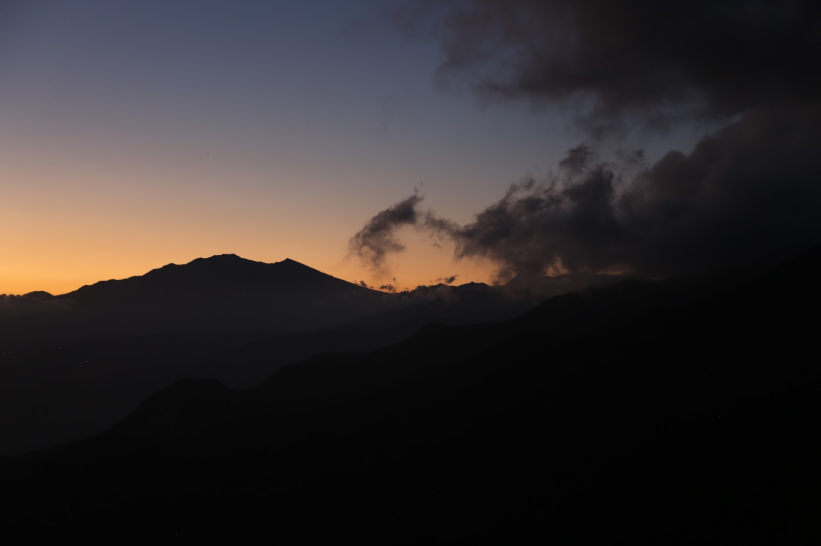
Traveling Panama in the Slow Season: The Hidden Magic, The Challenges, and Why the Quiet Months Can Be the Best Time to Explore

A massive guide to experiencing Panama when the crowds disappear

When many travelers imagine Panama, they picture endless sunshine, turquoise Caribbean water, crowded island boats, busy hostels full of backpackers, and streets filled with visitors exploring one of Central America’s most fascinating countries. They imagine Panama City glowing beneath skyscrapers, Bocas del Toro buzzing with island life, Boquete filled with hikers and coffee lovers, and beaches covered with travelers escaping colder countries.

But Panama has another personality that appears during the slow season.

The slow season is when the country becomes quieter. Hotels have empty rooms. Restaurants have more space. Trails become peaceful. Locals have more time to talk. Rainforests become greener. Waterfalls become more powerful. Beaches can feel almost private. The rhythm of travel changes completely.

For some travelers, this is the absolute best time to visit Panama.

For others, it can be challenging.

The slow season has two sides. It can provide some of the most authentic and memorable experiences in the country, but it also requires a different mindset. Travelers who expect perfect weather every day, nonstop nightlife, and a constant flow of tourists may become frustrated. Travelers who enjoy adventure, flexibility, nature, and discovering places before everyone else arrives may fall in love with Panama during these quieter months.

Understanding both sides is the key.

What Exactly Is Panama’s Slow Season?

Panama’s tourism seasons are different from many other countries because the climate does not follow the traditional four-season pattern. Panama is tropical, meaning the main distinction is usually between the dry season and the green season, also commonly called the rainy season.

The busiest tourism period is generally from December through April. During these months, many travelers from North America and Europe escape winter and arrive looking for tropical weather. Panama experiences more consistent sunshine, beaches are popular, and destinations like Bocas del Toro, Boquete, Santa Catalina, and the San Blas Islands become much busier.

The slower period generally arrives during the wetter months, especially from around May through November. However, calling this simply “the rainy season” can be misleading.

Panama does not mean constant rain.

The reality is much more interesting.

A typical tropical day might begin with bright sunshine, followed by clouds building over the mountains, a heavy afternoon shower, and then beautiful clear skies again. In the rainforest, rain is not a disruption; it is part of the experience. The entire country transforms.

The forests become brighter green. Rivers rise. Waterfalls become dramatic. Wildlife becomes more active. The air feels fresh and alive.

The slow season is not a lesser version of Panama.

It is a different version.

The Beautiful Side of Traveling Panama During Slow Season

1. You Experience the Real Panama Without the Crowds

One of the greatest advantages of slow-season travel is space.

Panama is a country where many of the best experiences involve nature. Hiking through a cloud forest, swimming in a waterfall, exploring an island, or sitting beside the ocean becomes completely different when you are not surrounded by large groups.

During high season, popular places can sometimes feel like attractions.

During slow season, they feel like discoveries.

A traveler hiking through the mountains near Boquete or the Fortuna Forest Reserve may spend hours surrounded only by birds, mist, and jungle sounds. A visit to a beach in Bocas del Toro can feel like finding a hidden paradise. A boat ride through mangroves can become a quiet wildlife experience instead of a busy excursion.

The country slows down.

And many travelers discover that this is exactly what they were searching for.

2. Nature Becomes More Powerful

Panama’s greatest treasure is its biodiversity, and slow season can be when nature truly comes alive.

The rain transforms the landscape.

The forests become intensely green. Streams that may be smaller during dry months become rushing rivers. Waterfalls become more impressive. The cloud forests develop a mystical atmosphere as clouds move through the mountains.

For nature lovers, photographers, hikers, and wildlife enthusiasts, this can be an incredible time.

Panama has one of the highest levels of biodiversity on Earth because it sits between North and South America and contains many different ecosystems. During the wetter months, the forests provide ideal conditions for countless species.

Travelers may encounter:

Tropical birds

Monkeys moving through the canopy

Sloths resting in trees

Frogs and amphibians

Butterflies

Reptiles

Thousands of plant species

The rainforest feels awake.

The rain is not ruining the experience.

The rain is creating it.

3. Prices Can Be Much Better

One of the biggest practical advantages of slow-season travel is cost.

When demand decreases, many businesses become more flexible.

Travelers may find:

Lower accommodation prices

Better deals on tours

More availability

More negotiating power

A hotel room that is expensive during Christmas or February may become much more affordable months later.

Tours that are full during high season may have smaller groups.

Restaurants may have more specials.

Transportation may feel less crowded.

For budget travelers, slow season can make Panama much easier to enjoy.

This is especially important because Panama is not always the cheapest country in Central America. While local transportation and some food options can be affordable, popular tourist areas can become expensive during peak periods.

Slow season allows travelers to experience more while spending less.

4. You Meet More Locals

One of the hidden benefits of traveling during quiet months is social connection.

When destinations are crowded, businesses are often focused on managing large numbers of customers. During slower periods, locals often have more time.

A conversation with a restaurant owner may turn into a fascinating story about the area.

A taxi driver may share hidden places tourists rarely visit.

A hostel worker may recommend an incredible waterfall or viewpoint.

The experience becomes less like passing through a tourist destination and more like being welcomed into a community.

Panama is a country where personal connections matter. Many of the best memories come from conversations, not attractions.

5. Hostels and Small Businesses Feel More Personal

For backpackers, slow season creates a very different atmosphere.

During busy months, hostels can feel like international parties. There are always new arrivals, constant activities, and people coming and going.

During slow season, hostels often become smaller communities.

A traveler may actually remember everyone staying there.

People cook together.

They share travel stories.

They organize spontaneous adventures.

A rainy evening can become one of the best nights of a trip because everyone gathers together.

Instead of meeting 50 people briefly, you might create deeper friendships with five people.

The Difficult Side of Traveling Panama During Slow Season

Of course, slow season is not perfect.

The same things that make it beautiful can also create challenges.

1. The Weather Requires Flexibility

The biggest concern travelers have is rain.

And it is a fair concern.

Panama’s tropical weather can change quickly during the wetter months.

A traveler who wants guaranteed sunshine every day may struggle.

Beach trips can be affected.

Boat tours may be delayed.

Hiking plans may need adjustments.

Photography conditions may change.

However, the biggest mistake is assuming rain means the whole day is lost.

Experienced Panama travelers understand that tropical weather works differently.

The rain often comes in bursts.

A morning can be perfect for hiking.

An afternoon storm can refresh the forest.

The evening can become beautiful again.

The key is flexibility.

2. Some Businesses Reduce Operations

During slower months, some tourism businesses adjust their schedules.

Certain tours may run less frequently.

Some restaurants may close extra days.

Some hotels may temporarily reduce services.

Small businesses depend heavily on tourism numbers, so slower periods naturally affect their operations.

This does not mean there is nothing happening.

It means travelers should research more carefully and avoid assuming everything operates exactly like high season.

3. Some Destinations Feel Very Quiet

For some travelers, quiet is paradise.

For others, it feels lonely.

A person who wants nightlife every evening may find certain destinations slower than expected.

Places like island communities or mountain towns can become extremely peaceful.

That is wonderful for someone seeking nature.

But someone expecting a constant party atmosphere may be disappointed.

The question is not:

“Is slow season good?”

The question is:

“Is slow season good for my personality?”

4. The Ocean Can Be More Unpredictable

Panama’s islands and beaches are incredible, but weather affects the ocean.

Boat trips can become more complicated.

Sea conditions can change.

Visibility for certain water activities may vary.

Experienced operators know how to manage conditions, but travelers need realistic expectations.

The ocean is nature.

Panama is not a theme park.

Who Will Love Panama During Slow Season?

Slow season is perfect for travelers who:

Love nature

Enjoy hiking

Like meeting locals

Prefer fewer crowds

Travel on a budget

Have flexible schedules

Enjoy authentic experiences

Want photography opportunities

Like discovering hidden places

These travelers often say slow season is their favorite time in Panama.

Who Might Prefer High Season?

High season may be better for travelers who:

Want guaranteed beach weather

Have limited vacation time

Want nonstop nightlife

Prefer busy social scenes

Need every tour to operate daily

Want maximum sunshine

There is nothing wrong with preferring the easier conditions of high season.

The Secret Truth About Panama’s Slow Season

Many experienced travelers eventually discover something surprising:

The slow season is often when a country reveals its personality.

High season shows the postcard version.

Slow season shows the living version.

You see locals going about their lives.

You experience landscapes without crowds.

You discover why people actually love the country.

The rain becomes part of the story.

The empty beaches become part of the memory.

The quiet evenings become part of the adventure.

Panama is not beautiful because the weather is always perfect.

Panama is beautiful because it is alive.

The Two Faces of Slow Season Panama

Traveling Panama during the slow season is a trade-off.

You exchange some certainty for authenticity.

You may lose guaranteed sunshine, but you gain greener forests.

You may lose crowds, but you gain space.

You may lose constant activity, but you gain deeper experiences.

You may need more flexibility, but you may also discover a side of Panama that many visitors never see.

The travelers who come during slow season often leave with the strongest memories. They remember the sound of rain hitting the jungle roof. They remember walking alone through cloud forests. They remember conversations with locals. They remember waterfalls at their most powerful and beaches that felt like their own private paradise.

Panama’s slow season is not the country shutting down.

It is Panama taking a slower breath.

And for the right traveler, that can be the most magical time of all.

Wingo vs Copa vs Avianca: The Ultimate Guide to Flying Between Panama and Colombia

Three airlines, three histories, three completely different ways to cross the Darién Gap

There are few international flight routes in Latin America that are as fascinating, important, and culturally connected as the route between Panama and Colombia. On a map, the two countries appear to almost touch — and technically they do — but the reality is far more complicated. Between them lies the legendary Darién Gap, one of the last great wilderness regions on Earth. There are no highways connecting Panama and Colombia through this region, meaning that for most travelers, flying is not just the easiest option; it is the only realistic way to cross between Central America and South America. Every day, this route carries thousands of passengers who are traveling for business, tourism, family visits, immigration, backpacking adventures, and international connections. The flight itself may only take around one and a half hours between Panama City and Bogotá, but the importance of this connection goes far beyond the distance.

For travelers planning a journey between these two countries, three airlines dominate the conversation: Wingo, Copa Airlines, and Avianca. Each airline represents a different philosophy of travel. Wingo represents the rise of affordable Latin American aviation and appeals strongly to backpackers, budget travelers, and people who prefer spending their money on experiences rather than transportation. Copa Airlines represents Panama’s role as a global aviation crossroads, built around its powerful Tocumen International Airport hub and designed for smooth connections throughout the Americas. Avianca represents Colombia’s aviation history and its enormous domestic network, making it a natural choice for travelers who want to explore deeper into Colombia after arriving. Choosing between them is not simply a matter of finding the cheapest ticket. The right airline depends on your luggage, your destination, your travel style, your schedule, and how much convenience matters to you.

Wingo: The New Face of Budget Travel Between Panama and Colombia

Wingo is the airline that most closely represents the modern backpacking movement in Latin America. The airline was created around a low-cost model, offering travelers the ability to purchase a basic ticket and add only the services they actually need. This approach has become increasingly popular around the world because many travelers, especially younger travelers, no longer want to pay for services they do not use. Someone carrying only a backpack, traveling between hostels, and exploring Colombia for several weeks may not care about a traditional airline experience. They care about arriving safely, saving money, and having more cash available for adventures.

This is where Wingo has found its market. It has become particularly attractive for travelers who see Panama and Colombia as part of a larger Latin American journey. Many backpackers travel through Central and South America on long trips, moving between countries such as Costa Rica, Panama, Colombia, Ecuador, Peru, and beyond. For these travelers, transportation costs matter enormously. Saving $50 or $100 on a flight can represent several nights in a hostel, multiple restaurant meals, a guided tour, a national park entrance fee, or an unforgettable experience. Wingo’s entire philosophy fits this type of traveler: keep transportation affordable so people can spend more on the destination.

One of Wingo’s biggest advantages is that it allows travelers to access Colombia at competitive prices. Colombia has become one of the most popular destinations in South America because of its incredible diversity. A visitor can experience the Caribbean beaches of Cartagena, the mountains and nightlife of Medellín, the historic neighborhoods of Bogotá, the coffee landscapes around Salento, and the Pacific coast’s wild nature. For a traveler based in Panama, a low-cost airline can make Colombia feel much closer and more accessible.

However, the low-cost model also requires travelers to understand the details. The initial advertised fare is not always the final price. Many budget airlines separate services that traditional airlines historically included automatically. Depending on the ticket purchased, travelers may need to pay additional fees for checked luggage, choosing a specific seat, or making changes. For a person traveling with a small backpack, this may not matter at all. For someone traveling with large suitcases, sports equipment, or a flexible schedule requirement, the difference between Wingo and a traditional airline may become much smaller after adding everything together.

Another important factor is flexibility. Low-cost airlines generally operate with tighter systems because keeping costs low requires efficiency. A traveler who has a simple trip from Panama City to Bogotá may find Wingo perfect. A traveler who has multiple connections, an important appointment, or complicated international plans may prefer an airline with a larger support network. Wingo is not designed to compete by offering every possible service. Its strength is giving travelers a cheaper way to fly.

Copa Airlines: The Airline That Made Panama a Continental Gateway

Copa Airlines is almost inseparable from the story of modern aviation in Panama. While Panama has always been strategically located because of the Panama Canal and its position between continents, Copa transformed that geography into an aviation advantage. Today, Tocumen International Airport in Panama City is one of the busiest and most important airports in Latin America, and much of that success is connected to Copa’s strategy of using Panama as a central connecting point.

The airline’s famous “Hub of the Americas” model changed the way people travel throughout the Western Hemisphere. Instead of every country needing direct flights to every other country, Copa created a system where passengers could connect through Panama City. A traveler from North America, Central America, the Caribbean, or South America can pass through Tocumen and continue to dozens of destinations. This makes Panama one of the most important aviation crossroads between the continents.

For travelers flying between Panama and Colombia, Copa’s biggest advantage is connectivity. Someone flying only Panama City to Bogotá may have several choices, but someone traveling from another part of Panama often sees the value of Copa immediately. A person living in David, Boquete, Bocas del Toro, or other parts of the country may already need to connect through Panama City before leaving internationally. Copa’s entire network is designed around making those connections easier.

This is why many residents of Panama choose Copa even when another airline offers a lower fare. The decision is not always about the cheapest seat. It is about reducing stress. Travel involves many unpredictable factors: weather delays, missed connections, schedule changes, and airport confusion. A well-established airline with a major hub can make these situations easier to manage.

Copa also appeals strongly to business travelers and families. Someone traveling for a business meeting does not necessarily want the absolute cheapest option if saving money creates more risk. A family traveling internationally may value convenience more than saving a small amount of money. Copa’s reputation has been built around reliability, efficiency, and a smoother overall travel experience.

The disadvantage of Copa is usually price. Compared with low-cost airlines, Copa often appears more expensive. A backpacker searching for the cheapest possible fare may immediately choose another option. But Copa supporters argue that the higher price reflects the value of the service, network, and convenience. The airline is not simply selling a seat from one city to another; it is selling access to one of the most efficient aviation systems in the Americas.

Avianca: Colombia’s Historic Airline and the Gateway to Exploring the Country

Avianca occupies a unique place in Latin American aviation history. Founded in 1919, it is one of the oldest continuously operating airlines in the world and has been a symbol of Colombian aviation for more than a century. Over the decades, the airline has played an enormous role in connecting Colombia’s cities, regions, and international communities.

The reason Avianca remains extremely important is because Colombia is not an easy country to travel across. Although Colombia may not look enormous on a world map, its geography creates major transportation challenges. The Andes Mountains divide regions, huge areas are covered by jungle, and many destinations are separated by difficult terrain. Flying is often the most practical way to move between major Colombian regions.

This gives Avianca a major advantage for travelers who want to explore beyond one destination. Someone flying from Panama to Colombia may not simply want to visit Bogotá. They may want to continue to Medellín, Cartagena, Santa Marta, Cali, Pereira, Armenia, or other destinations. Avianca’s strong domestic presence makes it an attractive option for travelers planning a more complete Colombian adventure.

Colombia is a country of remarkable contrasts. Bogotá sits high in the Andes and offers museums, history, and urban culture. Medellín combines mountain landscapes with modern city life. Cartagena provides Caribbean architecture and beaches. The Coffee Region offers green mountains and traditional farms. The Amazon and Pacific regions offer completely different ecosystems. Because Colombia contains so many different worlds, having access to a broad domestic network can be extremely valuable.

Like many major airlines, Avianca has evolved over time. Aviation has changed dramatically, with increasing competition from low-cost carriers and pressure to reduce prices. Some longtime travelers remember Avianca’s previous premium image, while newer travelers often focus more on its route network and competitive pricing. The airline today occupies a middle ground: larger and more connected than a pure budget airline, but operating in a much more competitive environment than traditional airlines of the past.

Comparing the Three Airlines: The Choice Depends on Your Travel Style

For a backpacker traveling through Latin America with only a small bag, Wingo is often the airline that makes the most sense. The traveler is usually more concerned about saving money than having extra services. They want to arrive in Colombia with enough money left over to enjoy the country. For this type of traveler, the airplane is simply a bridge between adventures.

For someone living in Panama, especially outside Panama City, Copa often becomes the logical choice. Panama’s geography means many international journeys naturally pass through Tocumen. Copa’s entire network is built around this reality. The extra cost may be worthwhile because the journey becomes simpler and more predictable.

For someone planning a serious exploration of Colombia, Avianca becomes very attractive. Colombia is a country where internal flights can save enormous amounts of time. A traveler who wants to experience multiple regions will appreciate an airline with a strong domestic network.

The interesting thing about this competition is that none of the airlines has completely defeated the others because they are serving different travelers. Wingo is not trying to become Copa. Copa is not trying to become Wingo. Avianca is not trying to copy either one. Each airline has developed its own identity based on a different understanding of what travelers need.

Three Airlines, Three Different Adventures

The best airline between Panama and Colombia depends entirely on the journey you are creating.

If your dream is backpacking through Colombia, sleeping in hostels, traveling light, and stretching every dollar as far as possible, Wingo may be your perfect match.

If your priority is reliability, easy connections, and the confidence of flying through one of Latin America’s greatest aviation hubs, Copa is difficult to beat.

If your goal is discovering the incredible diversity of Colombia and visiting multiple regions, Avianca’s network can make your adventure much easier.

The beauty of modern travel between Panama and Colombia is that the Darién Gap, once an enormous barrier between two worlds, has been transformed into a short flight connecting two of Latin America’s most fascinating countries. One day you can be exploring Panama’s rainforests, islands, and mountains, and the next day you can be drinking Colombian coffee in the Andes, walking through colonial streets, or discovering a completely different culture.

Three airlines. Three histories. Three different ways to cross one of the most fascinating borders in the Americas.

Witchcraft in Panama: Ancient Beliefs, Caribbean Mysticism, Indigenous Traditions, and Why Many People Still Believe Today

Panama is a country where modern life and ancient traditions exist side by side. In Panama City, people walk beneath towering skyscrapers, use the latest technology, and work in one of the world's most important financial centers. Yet only a few hours away, deep in mountains, forests, islands, and rural communities, there are stories of spirits, healing traditions, mysterious encounters, and beliefs that have existed for generations. Like much of Latin America and the Caribbean, Panama has a rich history of folklore, spirituality, and supernatural beliefs. The idea of witchcraft, or brujería, is one of the most fascinating parts of this cultural landscape.

For some people, witchcraft is viewed as something mysterious or frightening. For others, it is connected to traditional healing, ancestral knowledge, protection, spirituality, and understanding forces that cannot always be explained. Whether someone believes in it literally, sees it as cultural heritage, or considers it folklore, the belief in witchcraft reveals something important about human nature: people have always searched for answers to life's biggest mysteries.

In Panama, beliefs around witchcraft are not one single tradition. They are a mixture of Indigenous knowledge, African influences brought through history, Spanish Catholic traditions, Caribbean spirituality, and rural folklore. Over hundreds of years, these influences blended together, creating a unique collection of beliefs that continue to exist in different communities throughout the country.

The Roots of Panamanian Mysticism

To understand why some people in Panama believe in witchcraft, it is important to understand the history of the country itself. Panama has always been a crossroads. Long before the Panama Canal, it was already a meeting place between different peoples, cultures, and ideas.

Indigenous groups such as the Guna, Ngäbe, Emberá, and Wounaan have maintained spiritual traditions that view nature as something alive and deeply connected to human existence. Mountains, rivers, animals, plants, and forests are often seen as having importance beyond their physical appearance. Traditional knowledge about medicinal plants, ceremonies, dreams, and spiritual protection has been passed down through generations.

These traditions are not necessarily the same thing as what many people imagine when they hear the word "witchcraft." In many Indigenous cultures, spiritual practices are connected to balance, healing, respect for nature, and maintaining harmony between the visible and invisible worlds.

Later, African influences became deeply woven into Panamanian culture. During the colonial period, enslaved Africans brought their own spiritual beliefs, stories, and traditions. Across the Caribbean and Latin America, these influences mixed with European beliefs and Catholic practices, creating new forms of spirituality and folklore.

The result is a country where stories of spirits, healers, curses, blessings, and supernatural events have remained part of cultural conversations.

Brujas, Curanderos, and Traditional Healers

When people talk about witchcraft in Panama, they are often referring to a wide variety of figures and beliefs. Some people talk about brujas or witches, while others speak about curanderos, traditional healers who use plants, prayers, rituals, and ancestral knowledge.

Traditional healers have existed throughout Latin America for centuries. Many communities historically depended on people who understood local plants and natural remedies. Before modern hospitals and pharmacies became widely available, these individuals often played an important role in rural communities.

A healer might know which plants were traditionally used for stomach problems, skin issues, pain, or other common ailments. They might also provide spiritual support through prayers or rituals. For many people, the physical and spiritual worlds are connected, so healing is not only about the body but also about emotions, energy, and relationships.

Even today, some Panamanians, especially in rural areas, maintain respect for these traditions. Someone may visit a doctor for one problem but still seek traditional advice from an elder, healer, or spiritual practitioner for another.

Why Do People Believe in Witchcraft?

One of the most fascinating questions is why people continue to believe in witchcraft in an age of science, technology, and modern medicine.

The answer is complex because belief is rarely based on only one thing.

For many people, belief comes from family and culture. If someone grows up hearing stories from grandparents about strange experiences, protective rituals, spirits, or unexplained events, those ideas become part of their understanding of the world. Traditions are powerful because they connect people with their ancestors and their community.

Another reason is that humans naturally search for explanations when something unexpected happens. Throughout history, people have tried to understand illness, bad luck, sudden changes, dreams, accidents, and events that seem impossible to explain. In places where traditional beliefs are strong, witchcraft may become one way people interpret these experiences.

Belief can also provide a sense of control. When life feels unpredictable, rituals and spiritual practices can give people comfort. They may feel protected, guided, or connected to something larger than themselves.

For others, belief is not about proving whether something supernatural exists. It is about identity, culture, and respect for traditions passed down through generations.

Stories of Spirits and the Unknown

Panama has countless legends involving mysterious places, spirits, and supernatural encounters. Like many countries with deep forests and rural landscapes, stories often develop around places that feel powerful or unexplained.

Remote mountains, abandoned buildings, old roads, rivers, and forests frequently become the settings for legends. Panama's geography naturally encourages these stories. A country covered with dense rainforest, isolated communities, and areas that remain difficult to access creates the perfect environment for folklore.

Travelers hiking through Panama's mountains or spending nights in jungle areas often hear local stories about strange sounds, unusual experiences, or mysterious places. Whether these stories are believed literally or enjoyed as folklore, they add another layer of fascination to exploring the country.

The Role of Catholicism and Spiritual Beliefs

Another important part of understanding witchcraft beliefs in Panama is recognizing the influence of Catholicism. Many Latin American spiritual traditions combine Catholic beliefs with older Indigenous and African traditions.

Some people may attend church while also believing in spiritual protection, traditional remedies, or ancestral practices. To outsiders this may seem contradictory, but in many cultures these ideas exist together naturally.

Human spirituality is often complicated. People can hold multiple beliefs at the same time, especially when those beliefs have been inherited through family and community.

The Fear of Witchcraft

Not everyone views witchcraft positively. In some communities, stories of curses, spells, or harmful supernatural practices create fear. People may believe that someone can cause misfortune through spiritual means.

These beliefs can influence how people interpret conflicts, illnesses, or bad events. Sometimes, when something goes wrong without an obvious explanation, people search for a cause, and supernatural explanations may become part of that search.

It is important to understand these beliefs from a cultural perspective. What may seem unusual to one person can be deeply meaningful within another person's worldview.

Modern Panama and Ancient Beliefs Living Together

One of the most interesting things about Panama is how quickly the country can change from modern to traditional. A person can spend the morning walking through Panama City's financial district and, by the afternoon, be surrounded by rainforest, Indigenous communities, and stories that have existed for centuries.

This contrast is part of what makes Panama so fascinating.

The country is not simply a modern nation or an ancient one. It is both. Technology and tradition exist together. Global influences and local beliefs continue to interact.

Many younger Panamanians may not personally believe in witchcraft, but they still know the stories. They have heard them from grandparents, family members, or people in their communities. Folklore remains alive because stories survive even when beliefs change.

The Fascination for Travelers

For visitors, the topic of witchcraft in Panama is fascinating because it reveals a hidden layer of the country. Tourists often come for beaches, wildlife, hiking, and the Panama Canal, but the cultural world behind those landscapes is equally interesting.

Learning about traditional beliefs allows travelers to understand Panama beyond the surface. It shows how people have tried to explain the mysteries of life, nature, and the unknown for generations.

The goal is not to decide whether every story is true or false. The value comes from understanding why these stories exist and what they reveal about human imagination, history, and culture.

The Mystery That Remains

Perhaps the most fascinating part of witchcraft beliefs in Panama is that they exist in the space between history, culture, spirituality, and mystery. The rainforest itself feels ancient. The mountains hold stories. The islands carry legends. Communities preserve traditions that connect the present with the past.

Whether someone sees witchcraft as spiritual reality, folklore, or simply a fascinating part of cultural history, it remains an important thread in Panama's identity.

In a country filled with hidden waterfalls, untouched forests, Indigenous traditions, and places where nature still dominates, it is easy to understand why stories of the unseen world continue to survive. Panama is a place where the known and unknown often seem to exist very close together, and that sense of mystery is part of what makes the country so captivating.

The Complete Guide to Starfish Beach: The Magical Journey From Bocas Town Through the Mangroves and Jungle Coast of Isla Colón

When people imagine the perfect Caribbean beach, they often picture exactly what they find at Starfish Beach (Playa Estrella) in Bocas del Toro. Calm turquoise water, soft sand, swaying palm trees, colorful marine life, and a peaceful island atmosphere all come together to create one of Panama's most unforgettable beach experiences. But what makes Starfish Beach truly special is not only the destination itself. The journey to get there is an adventure through the quieter and more natural side of Isla Colón, taking travelers away from the lively streets of Bocas Town and into a world of tropical forests, hidden coastline, mangroves, and traditional island life. Many visitors make the mistake of thinking of Starfish Beach as simply a place to arrive, take a photo, and leave. In reality, the trip is an entire experience that allows you to discover a side of Bocas del Toro that many visitors never see.

Unlike some Caribbean destinations where the best beaches require expensive tours or complicated transportation, Starfish Beach is one of the easiest and most rewarding adventures for independent travelers. It is affordable, accessible, and gives you the freedom to explore at your own pace. The classic route begins in Bocas Town, the colorful island capital filled with restaurants, wooden Caribbean houses, hostels, water taxis, and travelers from around the world. From there, you take local transportation across Isla Colón toward Boca del Drago, the northern part of the island. The journey itself becomes part of the attraction because it slowly reveals how diverse Isla Colón really is. Within a short distance, you move from the busy energy of Bocas Town into quiet jungle roads, peaceful communities, tropical vegetation, and a coastline where nature still dominates.

Starting the Journey at Parque Simón Bolívar in Bocas Town

The adventure begins at Parque Simón Bolívar, the main park in the center of Bocas Town. This is the natural meeting point of the island, a place where locals, travelers, musicians, families, and fishermen all pass through during the day. Around this area you will find the small local buses that travel toward Boca del Drago, making it one of the easiest places to begin your journey.

These buses are not luxury tourist vehicles. They are simple local minibuses that are part of everyday island life. This is one of the things that makes the experience so enjoyable because you are not just being transported to a tourist attraction. You are traveling the same way many local residents travel around Isla Colón. You may find yourself sitting beside island residents going to work, families heading home, or other travelers carrying beach bags and cameras ready for a day of exploring.

The schedule can change slightly depending on the season, holidays, and local conditions, but buses generally leave regularly throughout the daytime. Many travelers choose to leave in the morning because this gives them the most time to enjoy Starfish Beach without feeling rushed. Starting earlier also means enjoying the cooler temperatures, better lighting for photography, and a quieter experience before the busiest hours arrive.

The ride from Bocas Town toward Boca del Drago usually takes around 30 to 45 minutes. During that short journey, you begin to understand that Isla Colón is much more than the colorful streets and nightlife of Bocas Town. The road takes you through a greener, more peaceful landscape where tropical plants surround the route and the rhythm of island life slows down. You pass small houses, jungle areas, farms, and sections of the island where nature feels much closer. It is a reminder that Bocas del Toro is not just about beaches and parties. It is an incredible natural environment where forests and oceans exist side by side.

Arriving at Boca del Drago: The Gateway to the Adventure

When the bus reaches Boca del Drago, many travelers immediately think about getting to Starfish Beach as quickly as possible. However, this area deserves attention because it is already a beautiful destination on its own. Boca del Drago has a wild, untouched Caribbean feeling that contrasts with the more developed areas of Bocas Town. The coastline is lined with tropical vegetation, palm trees, rocky sections, and beautiful views over the Caribbean Sea.

This is where you have two choices. If you are in a hurry, carrying lots of belongings, or simply want to reach the beach quickly, you can arrange a small boat ride that will take you directly toward Starfish Beach. The boat option is convenient and gives you a wonderful perspective of the island from the water. Seeing Isla Colón from the ocean reveals the incredible relationship between the jungle and the Caribbean Sea, with green forests meeting clear blue water and hidden sections of coastline appearing around every corner.

However, for travelers who have the time, the walk from Boca del Drago to Starfish Beach is one of the best parts of the entire experience. Many people who take this route say the walk itself becomes one of their favorite memories from Bocas del Toro because it feels like discovering a hidden paradise step by step.

The Beautiful Coastal Walk Through Jungle and Mangroves

The walk from Boca del Drago to Starfish Beach is not a difficult hike. It is a relaxed coastal trail that most visitors can enjoy comfortably. Depending on your pace and how many times you stop to take photos, admire the views, or explore along the way, the walk usually takes around 15 to 30 minutes.

What makes this walk so special is the incredible variety of landscapes you experience in such a short distance. One moment you are walking beside the Caribbean Sea, watching waves gently touch the shore. The next moment you are surrounded by tropical vegetation, hearing birds in the trees and seeing the dense greenery that makes Bocas del Toro famous.

One of the highlights many visitors miss is the opportunity to see the mangrove ecosystems along the route. The mangroves are one of Panama's most important coastal environments and are a fascinating part of the island landscape. These unique forests grow where land and sea meet, creating a natural barrier that protects coastlines while providing shelter for countless species of fish, birds, crabs, and other wildlife.

Walking beside the mangroves gives travelers a completely different perspective of Bocas. Many people only think of the islands as beaches and palm trees, but the mangroves reveal the hidden ecological world that keeps the Caribbean ecosystem alive. The twisted roots reaching into the shallow water create a mysterious landscape that feels almost like entering another world. Depending on the tide and conditions, you may see small fish moving through the roots, birds searching for food, crabs hiding among the branches, and countless signs of life that are easy to miss if you rush.

This is also a fantastic area for photography. The contrast between the dark green mangrove forests, bright Caribbean water, and tropical sunlight creates incredible scenery. The trail offers moments where you can stop, look around, and appreciate how untouched much of Isla Colón still remains.

The walk is especially magical because there is always a feeling of anticipation. You know that Starfish Beach is ahead, but the journey keeps surprising you with beautiful views, quiet beaches, and hidden corners. Instead of instantly arriving at the destination, you earn the experience by following the coastline.

Finally Arriving at Starfish Beach

When you finally reach Playa Estrella, you immediately understand why this beach has become one of the most famous places in Bocas del Toro. The atmosphere is completely different from the busy areas around Bocas Town. The water is calm, shallow, and incredibly clear, creating the feeling of a natural swimming pool surrounded by Caribbean beauty.

The beach is famous because of the starfish that can often be seen resting in the shallow water. These beautiful marine animals have made Playa Estrella internationally known, but visitors should remember that they are living creatures and must be treated with respect. They should never be touched, removed from the water, or disturbed. Simply observing them in their natural environment is part of the magic.

The shallow water makes the beach ideal for swimming, relaxing, and enjoying the peaceful Caribbean atmosphere. Families, couples, solo travelers, photographers, and backpackers all find something special here. Some people spend the entire day floating in the warm water, while others walk along the beach, enjoy a meal, read a book under the trees, or simply disconnect from the outside world.

There are small restaurants and beachside businesses where visitors can buy food, drinks, and fresh seafood. This is a perfect place to slow down and embrace island time. The experience is not about rushing from one attraction to another. It is about sitting by the ocean, feeling the tropical breeze, and enjoying one of the most beautiful environments in Panama.

Planning Your Return to Bocas Town

Eventually, every visitor has to make the journey back. The easiest option is to return toward Boca del Drago and catch the local bus back to Bocas Town. It is always a good idea to confirm the latest schedule locally because times can vary depending on the season and demand.

Many travelers prefer to leave Starfish Beach with enough daylight remaining so they can enjoy the walk back and avoid feeling rushed. The return journey can actually be just as beautiful as the way there because the afternoon light changes the colors of the coastline and creates a completely different atmosphere.

If you prefer a quicker or more relaxing return, you can also arrange transportation by boat. This gives you one final chance to experience the beauty of Bocas from the water and see the coastline from a completely different perspective.

Why Starfish Beach Is One of the Best Experiences in Bocas del Toro

The reason Starfish Beach remains such a beloved destination is because it offers much more than a beautiful beach. It combines everything travelers hope to find in the Caribbean: adventure, nature, wildlife, peaceful scenery, and the feeling of discovering somewhere special.

The journey begins in the colorful streets of Bocas Town, continues through the local island roads, reaches the peaceful area of Boca del Drago, follows a beautiful coastal trail through jungle and mangroves, and finally arrives at a Caribbean paradise where starfish rest beneath crystal clear water.

It is affordable, easy to organize, and provides a genuine connection with the natural beauty of Bocas del Toro. For many travelers, the day they spend traveling to Starfish Beach becomes one of the highlights of their entire Panama adventure.

It is not just a beach trip. It is a reminder of why people fall in love with islands like Bocas del Toro. The magic is not only where you arrive. The magic is everything you discover along the way.

Tica Bus: The Legendary Central American Journey Connecting Panama With the Heart of Central America

For generations of backpackers, explorers, expats, and independent travelers, few names represent the spirit of Central American travel quite like Tica Bus. More than just a transportation company, Tica Bus has become a symbol of adventure, connection, and the freedom to explore an entire region by road. Central America is a place where every border crossing feels like entering a new world. Within a relatively small geographic area, travelers can experience Caribbean islands, ancient indigenous cultures, misty cloud forests, towering volcanoes, colonial cities, world famous beaches, tropical jungles, and some of the richest biodiversity on Earth. Tica Bus has helped make these experiences accessible by creating a network that connects countries across the region, allowing travelers to move between Panama, Costa Rica, Nicaragua, Honduras, El Salvador, and Guatemala without relying on expensive flights or complicated transportation arrangements. For many people, the journey itself becomes one of the greatest memories of their trip. Sitting beside the window, watching landscapes transform, meeting fellow travelers, and slowly crossing from one culture into another is an experience that simply cannot be replicated from an airplane.

The importance of Tica Bus becomes especially clear when looking at how people traveled through Central America before reliable international bus networks became widely available. Moving between countries could be challenging, requiring multiple local buses, taxis, uncertain schedules, and a lot of patience. While many adventurous travelers still enjoy that style of travel, Tica Bus created an option for those who wanted more comfort, organization, and reliability while still experiencing the adventure of overland exploration. The company helped transform Central America into one of the world's great backpacking routes by making it easier for travelers to move north and south through the region. A person could begin in Panama, explore the country's beaches, mountains, and rainforests, and then continue all the way toward Mexico while staying connected by a network of established routes. This ability to travel slowly through multiple countries is one of the reasons Central America has become such a legendary destination among long term travelers.

For visitors beginning their journey in Panama, Tica Bus provides a natural connection toward Costa Rica and the rest of Central America. Panama is often considered the southern gateway to the region, and many travelers begin their adventures exploring Panama City, the Panama Canal, the islands of Bocas del Toro, the mountains of Boquete, the surf beaches of the Pacific coast, or the incredible rainforests hidden throughout the country. Eventually, many continue north, and Tica Bus offers a practical way to make that transition. Instead of returning to airports and dealing with expensive flights, travelers can continue their journey overland, watching Panama slowly change as they move toward the border with Costa Rica. This route has become a classic backpacking path because every country afterward offers a completely different experience. Panama brings Caribbean culture, tropical wilderness, and modern cities. Costa Rica introduces volcanoes, wildlife reserves, and famous national parks. Nicaragua offers colonial towns, dramatic landscapes, and a more traditional Central American atmosphere. Guatemala brings ancient Maya history, spectacular mountains, and some of the most breathtaking scenery in the region. Tica Bus becomes the thread connecting all of these unforgettable experiences.

One of the most memorable parts of traveling from Panama with Tica Bus is the border crossing into Costa Rica. For many first time travelers, international borders can seem intimidating, but they quickly become one of the most interesting parts of the adventure. The Paso Canoas border crossing between Panama and Costa Rica is a busy, energetic place where two countries meet. Unlike the quiet image some people imagine when they think of borders, Paso Canoas feels alive with activity. There are shops, restaurants, currency exchange services, local businesses, travelers with backpacks, families crossing between countries, and truck drivers moving goods throughout the region. The process involves leaving one country officially, completing immigration procedures, and entering another. While it can take patience, especially during holidays or busy travel periods, many travelers remember the border crossing as one of the moments that made their journey feel real. Suddenly the trip changes. The currency, scenery, accents, food, and atmosphere begin to shift, and the excitement of discovering a new country begins.

The experience of traveling by Tica Bus is also about slowing down and appreciating the journey. In a world where many people rush from destination to destination, overland travel offers something different. A flight can move you quickly from one city to another, but a bus journey allows you to see the places in between. Through the windows, travelers watch rural communities, farms, rivers, mountains, forests, and small towns appear and disappear. They see everyday life happening outside the tourist centers. They witness farmers working the land, children walking to school, roadside restaurants serving local food, and landscapes that change gradually rather than instantly. This connection with the land is one of the reasons many experienced travelers continue choosing buses even when flights are available. The road tells a story that the airplane skips.

Comfort is another reason Tica Bus remains popular. Long distance travel through Central America can involve many hours on the road, so having a reliable and comfortable option makes a huge difference. Tica Bus coaches are designed for extended journeys with comfortable seating, air conditioning, luggage storage, and professional drivers familiar with international routes. For travelers who have experienced crowded local buses, changing vehicles multiple times, and carrying luggage through busy terminals, Tica Bus offers a much easier experience. The buses allow passengers to relax during the journey instead of constantly worrying about connections. Travelers should remember that air conditioning on Central American buses can sometimes be surprisingly cold, especially after spending days in tropical climates, so carrying a sweater or light jacket is always a good idea. Having water, snacks, headphones, and entertainment also makes longer trips much more enjoyable.

Among backpackers, Tica Bus has developed almost a legendary reputation because it fits perfectly with the style of travel that attracts people to Central America. Many backpackers arrive with a simple plan: explore, meet people, stay flexible, and follow opportunities as they appear. They may spend a few days in Panama City, hike through cloud forests, relax on Caribbean islands, surf Pacific beaches, and then decide to continue north. On these routes, transportation becomes part of the social experience. Travelers often meet strangers on buses who later become friends in hostels, travel companions for future destinations, or people they remember years later. Long bus rides create conversations. People share stories, recommendations, and travel plans. The journey becomes a moving community of explorers all heading toward their next adventure.

Tica Bus is not only valuable for tourists. It also plays an important role for expats and long term residents living throughout Central America. People who live in Panama, Costa Rica, or other countries in the region often need reliable ways to travel between nations for shopping, tourism, visiting friends and family, medical appointments, immigration matters, or simply exploring neighboring countries. For someone living in western Panama, for example, having a comfortable connection toward Costa Rica opens up an entirely new world of possibilities. Central America becomes less like a collection of separate countries and more like one large region waiting to be explored. A resident of Panama can wake up surrounded by tropical mountains and, with the right planning, find themselves exploring Costa Rican beaches, volcanoes, or national parks shortly afterward.

One of the greatest advantages of Tica Bus is that it allows travelers to experience the true diversity of Central America. The region is famous for its natural beauty, but that beauty is not limited to famous attractions. Some of the most memorable moments happen between destinations. A sunrise over distant mountains, a conversation with a local passenger, a roadside meal, a glimpse of wildlife near the highway, or the first view of a new country's landscape can become lasting memories. These are the moments that often disappear when traveling only by plane. Overland travel creates a deeper understanding of how countries connect, how people live, and how geography shapes culture.

For travelers considering Tica Bus, a few simple preparations make the experience much smoother. Arriving early at the terminal is recommended, especially during busy seasons. Passports, money, electronics, and important documents should always remain with the traveler rather than stored away with larger luggage. It is wise to carry snacks and water, especially for longer routes. A flexible attitude is important because border crossings and road conditions can sometimes create delays. The travelers who enjoy these journeys the most are usually the ones who embrace the unexpected and understand that a little uncertainty is part of the adventure.

Choosing Tica Bus over flying is ultimately a choice about the kind of experience you want. Flying is about efficiency. The bus is about discovery. An airplane shows you where you are going. A bus shows you how you got there. It reveals the landscapes, communities, and cultures that connect one destination to another. For travelers who want more than simply arriving, the road becomes part of the story. The hours spent watching Central America unfold outside the window become memories just as valuable as the destinations themselves.

Tica Bus represents the spirit of Central America because the region itself has always been about connections. Ancient cultures traveled through these lands long before modern borders existed. Communities have shared languages, traditions, and histories across boundaries for centuries. Today, travelers continue that tradition by moving through the region and discovering what makes each country unique. Tica Bus provides the bridge between those experiences, carrying people from one adventure to the next.

For someone sitting on a Tica Bus leaving Panama, looking out at the tropical landscape and knowing a new country lies ahead, there is a special feeling that only overland travel creates. There is excitement, curiosity, and the sense that anything could happen. A new city, a new beach, a new friendship, or a completely unexpected experience could be waiting around the next corner. That is the magic of traveling through Central America by road. It is not only about the places you visit. It is about the people you meet, the landscapes you cross, and the stories you collect along the way. Tica Bus has spent decades helping travelers create those stories, one unforgettable journey at a time.

Tracopa Bus: The Legendary Overland Journey Connecting David, Panama With Costa Rica

For travelers exploring Central America, few journeys capture the spirit of adventure quite like traveling overland from David, Panama to Costa Rica. While modern travel often focuses on getting from one destination to another as quickly as possible, many experienced travelers understand that some of the greatest memories are created along the road itself. The journey between western Panama and Costa Rica is not simply a transfer between countries. It is a transition between landscapes, cultures, and experiences. It takes travelers from the tropical valleys and mountains of Chiriquí Province, across one of Central America's busiest borders, and onward into the forests, volcanoes, beaches, and cities of Costa Rica. One of the most trusted names making this journey possible is Tracopa, a Costa Rican bus company that has become an essential connection for backpackers, expats, locals, and independent travelers moving between these two incredible countries. For anyone staying in David, Boquete, Volcán, or anywhere in western Panama, Tracopa offers a practical, affordable, and memorable way to continue north into Costa Rica without the expense of flying or the complications of renting a vehicle and crossing an international border.

One of the greatest advantages of Tracopa is the simplicity it provides. International border crossings can sometimes feel intimidating, especially for first time visitors who are carrying backpacks, large suitcases, surf equipment, or traveling through unfamiliar countries. The idea of leaving Panama and entering Costa Rica may seem complicated at first, but thousands of travelers successfully complete this journey every year. Tracopa provides a structured route, experienced drivers, and a transportation system that has become familiar to generations of Central American travelers. Instead of trying to organize multiple buses, taxis, and connections, passengers can begin their journey in David and focus on enjoying the experience. This reliability is one of the reasons Tracopa has become especially popular among backpackers following the classic Central America route that stretches from Panama north through Costa Rica, Nicaragua, Guatemala, and eventually Mexico. Rather than wasting valuable travel time returning all the way to Panama City, visitors can continue their adventure naturally from western Panama into the next chapter of their journey.

The adventure begins in David, the capital of Chiriquí Province and one of the most important transportation hubs in Panama. Many travelers arriving in David have already experienced some of the country's greatest highlights. They may have hiked through the cloud forests near Boquete, visited coffee farms surrounded by mountains, climbed volcano trails, explored waterfalls, relaxed on Pacific beaches, or discovered the incredible biodiversity of western Panama. David itself is a fascinating city because it represents a different side of the country from Panama City. It is more relaxed, surrounded by agriculture, mountains, and rural communities, yet still provides all the services travelers need. When the Tracopa bus leaves David and begins heading west toward the Costa Rican border, passengers immediately begin experiencing the changing landscapes of this beautiful region. The city slowly disappears behind them and is replaced by green fields, cattle ranches, tropical vegetation, small towns, rivers, and distant mountains. The road provides a glimpse into everyday life in western Panama that many visitors would never experience if they simply flew over the country.

The highlight and most memorable part of the journey for many travelers is crossing the Paso Canoas border between Panama and Costa Rica. This border crossing is one of the busiest in Central America and serves as an important connection point between two neighboring countries that share deep cultural and economic ties. Unlike some borders where travelers arrive at isolated immigration buildings surrounded by empty landscapes, Paso Canoas feels alive and energetic. Shops, restaurants, currency exchange businesses, and local merchants operate on both sides of the border, creating a unique atmosphere where two countries meet almost in the same neighborhood. One moment you are officially in Panama, and after completing the immigration process, you are standing in Costa Rica. For first time visitors, the experience can feel chaotic at first, but many travelers later describe it as one of the most interesting parts of their Central American adventure. You see families traveling between countries, backpackers from around the world continuing their journeys, truck drivers transporting goods, and locals who cross this border regularly as part of everyday life.

The total journey from David to San José usually takes around eight to nine hours, although the exact time depends on traffic, weather, road conditions, and especially the time spent at the border. Some days the crossing is quick and efficient, while during holidays, weekends, or especially busy travel periods, it can take longer. Experienced travelers understand that border crossings are simply part of traveling through Central America. The best approach is not to rush but to accept the experience as part of the adventure. Having a flexible schedule makes the journey much more enjoyable. Instead of worrying about every minute, travelers can relax, meet other passengers, enjoy the scenery, and appreciate the unique experience of moving between two countries by land.

The comfort of the Tracopa buses is another reason they are popular. Long distance travel requires a certain level of comfort, and Tracopa provides passengers with a much more relaxing experience than many travelers expect from regional buses. The coaches are designed for extended journeys with comfortable seating, air conditioning, and storage space for luggage. The cool interior is especially welcome after spending time in Panama's tropical heat. Travelers should remember that air conditioning on Central American buses can sometimes feel very cold, so bringing a light sweater or jacket is always a good idea. Passengers should also prepare with snacks, water, headphones, books, or entertainment for the longer sections of the journey. The bus ride becomes a perfect opportunity to slow down, look out the window, and watch the landscape transform as Panama gradually gives way to Costa Rica.

One of the most beautiful aspects of traveling by bus is seeing the scenery that would otherwise be missed. Flying may save time, but it removes the connection with the land. From the window of a Tracopa bus, travelers witness the transition between two unique environments. The green agricultural lands of Chiriquí slowly lead toward the border region, and after entering Costa Rica the landscape begins to change again with different mountains, forests, communities, and architecture. The journey reveals how diverse this small corner of the world truly is. Central America is not simply a collection of famous destinations separated by empty space. The roads between those destinations are filled with life, history, and natural beauty.

For backpackers, Tracopa has become almost a traditional part of the Central American experience. Many travelers arrive in Panama with backpacks, limited budgets, and a desire for adventure. They explore Panama City, discover hidden beaches, hike through jungles, stay in hostels, and eventually continue north. The David to Costa Rica connection fits perfectly into this style of travel because it is affordable, practical, and allows travelers to maintain flexibility. It is common to meet people on these routes who are following similar journeys, exchanging recommendations about places to visit, hostels to stay at, hiking trails, beaches, and hidden gems. A simple bus ride can become the beginning of new friendships and shared travel stories.

Tracopa is also extremely valuable for expats living in western Panama. Many residents of David, Boquete, Volcán, and surrounding communities use Costa Rica almost like an extension of their own region. People travel across the border for shopping, medical appointments, visiting friends and family, tourism, and international connections. Living in western Panama provides access to two fascinating countries, and reliable transportation between them makes that lifestyle much easier. For expats who prefer not to drive long distances or deal with vehicle border procedures, Tracopa offers a comfortable alternative.

For travelers preparing for the border crossing, a little organization makes the entire experience smoother. Keep your passport easily accessible, have your travel documents organized, and allow extra time. Immigration officials are simply following standard procedures, and patience goes a long way. It is also important to keep valuable items such as electronics, money, and important documents with you rather than stored underneath the bus. Like any international journey, preparation creates peace of mind.

Choosing Tracopa instead of flying is ultimately about more than saving money. It is about experiencing travel in a deeper way. A plane can move you quickly between two points, but a bus journey allows you to understand the geography and culture connecting those points. You see towns you would never visit, landscapes you would never notice from the air, and communities that reveal the everyday life of Central America. For travelers who value authentic experiences, this slower pace is often what makes the journey unforgettable.

The connection between David and Costa Rica represents everything that makes Central America such a special region. Two countries with different identities, landscapes, and cultures are connected by roads, people, and stories. Panama offers Caribbean islands, tropical rainforests, the Panama Canal, and spectacular mountain regions. Costa Rica offers volcanoes, wildlife reserves, famous beaches, and some of the world's most celebrated national parks. Tracopa provides the bridge between these two worlds.

For many travelers, the memory of this journey lasts long after the bus arrives. It is the excitement of leaving Panama, the conversations with strangers who become friends, the feeling of crossing an international border, the changing scenery outside the window, and the anticipation of discovering somewhere new. In an age when travel is often rushed and focused only on arrival, Tracopa reminds people that the journey itself can be one of the greatest parts of the adventure. The road from David to Costa Rica is not just transportation. It is a story, an experience, and a beautiful introduction to everything that makes Central America unforgettable.

Air Panama: The Airline That Connects a Nation of Rainforests, Islands, Mountains, and Remote Communities

When most people think about flying in Panama, their minds immediately turn to the country's large international airport and the major airlines that connect Panama City with the rest of the world. However, ask Panamanians, expats, business travelers, or adventurous backpackers how they reach some of the country's most beautiful and remote destinations, and one airline is mentioned time and time again: Air Panama.

While it may not be a giant international carrier with hundreds of aircraft, Air Panama plays an enormously important role within the country. It serves as a lifeline connecting Panama City with destinations that would otherwise require long drives, multiple bus journeys, or even boat travel. In many ways, Air Panama allows visitors to experience parts of the country that remain beyond the reach of the average tourist, opening the door to islands, beaches, rainforests, and regional cities that showcase Panama's incredible diversity.

For travelers who only know Panama from photographs of the Panama Canal or the skyline of Panama City, Air Panama reveals another side of the country entirely. Instead of skyscrapers and highways, passengers soon find themselves flying over untouched rainforests, winding rivers, isolated mountain ranges, emerald green islands, coral reefs, and coastlines that seem to stretch endlessly into the distance. Even before the aircraft lands, the journey itself becomes part of the adventure.

Unlike the massive jets used on international routes, Air Panama primarily operates smaller turboprop aircraft. These airplanes are perfectly suited for domestic travel, allowing them to land at airports with shorter runways while offering spectacular views throughout the flight. Because they fly at lower altitudes than many large commercial jets, passengers often enjoy breathtaking scenery from their windows. On a clear day, you may watch the Panama Canal snake across the landscape, see cargo ships waiting their turn to transit between oceans, admire cloud forests covering the highlands, or spot countless islands scattered across turquoise waters.

One of Air Panama's greatest strengths is its ability to dramatically reduce travel time. Panama may appear small on a map, but mountains, winding roads, and remote geography can make overland travel surprisingly time consuming. A journey that might require six, eight, or even ten hours by road can often be completed in well under an hour by air. For business travelers, families, and vacationers hoping to maximize their time, this convenience is invaluable.

Among the airline's best known destinations is Bocas del Toro, one of Panama's most beloved island archipelagos. Located on the Caribbean coast near the Costa Rican border, Bocas del Toro has become famous for its crystal clear water, colorful Caribbean culture, beautiful beaches, surfing, snorkeling, diving, and laid back atmosphere. While many backpackers arrive by bus and boat, flying directly into Bocas saves considerable time and offers magnificent aerial views of the islands before landing.

Another important destination is David, the capital of Chiriquí Province. David serves as the gateway to the western highlands, including Boquete, Volcán, Cerro Punta, and many of Panama's finest coffee farms. It is also an important commercial center where many residents of western Panama travel for shopping, medical appointments, and business. Flying between Panama City and David allows visitors to spend far more time enjoying the region rather than sitting on a bus crossing the country.

The airline also connects Panama City with several other destinations that many international visitors might otherwise overlook. Some routes provide access to remote communities, beautiful beaches, or regions where road travel is limited. For local residents, these flights are far more than a convenience. They provide essential transportation for work, education, family visits, medical care, and commerce.

One aspect many passengers appreciate is the atmosphere onboard. Domestic flights are generally relaxed, friendly, and informal compared with the experience of passing through huge international terminals. Airports serving Air Panama routes are much smaller, meaning check in, security, and boarding are often quicker and less stressful than travelers may be accustomed to at major international hubs. Instead of navigating endless terminals, passengers often move from check in to the departure lounge within a relatively short time.

Flying on a smaller aircraft also creates a unique travel experience. Every seat feels close to the action, and window views are exceptional. During takeoff, passengers quickly leave Panama City's skyline behind before crossing tropical forests, farmland, rivers, and coastlines that reveal just how geographically diverse the country really is. Many visitors say their domestic flight becomes one of the highlights of the entire trip because it offers perspectives impossible to appreciate from the ground.

Weather occasionally influences operations, particularly during Panama's rainy season. Tropical downpours, low cloud, or mountain fog can sometimes delay flights, especially when flying into regions surrounded by challenging terrain. Safety always comes first, and experienced crews are accustomed to operating within Panama's tropical climate. Most weather delays are temporary, but travelers with tight international connections should always allow a comfortable margin of time.

Because Air Panama specializes in domestic routes, baggage allowances may differ from those offered by large international airlines. Travelers planning extended stays or carrying sports equipment should check baggage policies before arriving at the airport. Many visitors, especially backpackers, find the standard allowance more than sufficient for exploring the country.

Business travelers make up an important part of Air Panama's customer base. Instead of spending an entire day driving across the country, professionals can attend meetings in another region and return home the same evening. This efficiency has helped strengthen economic ties between Panama City and other parts of the country while making domestic business travel much more practical.

Tourists also benefit enormously from these connections. Imagine spending a few days exploring the Panama Canal and the historic streets of Casco Viejo before boarding a short flight that lands among the Caribbean islands of Bocas del Toro. Or enjoying Panama City's vibrant restaurants one evening before waking the next morning in the cool mountain air near Boquete. Air Panama makes these combinations possible, allowing visitors to experience dramatically different landscapes within a single vacation.

For photographers, the flights provide unforgettable opportunities. Depending on the route, passengers may see both the Pacific Ocean and the Caribbean Sea, dense jungle stretching toward the horizon, volcanic highlands, coastal mangroves, offshore islands, and colorful patchworks of farmland. Window seats are particularly popular among those hoping to capture Panama from above.

The airline also plays an important social role within Panama. Families separated by distance can visit each other more easily. Medical patients reach specialist appointments more quickly. Students travel between home and university. Communities that might otherwise feel isolated remain connected to the rest of the country. While tourists often view Air Panama simply as another airline, many Panamanians see it as an essential part of everyday life.

One of the greatest advantages of traveling within Panama by air is the ability to experience more of the country during a limited vacation. Rather than spending entire days in transit, visitors can devote their time to hiking cloud forests, relaxing on tropical beaches, exploring indigenous culture, birdwatching, surfing, diving, fishing, or discovering Panama's remarkable wildlife. Every hour saved traveling is another hour available for adventure.

Perhaps what makes Air Panama truly special is that it reflects the character of the country it serves. Panama is a nation of extraordinary contrasts. Modern skyscrapers stand only hours away from untouched rainforest. Remote indigenous villages exist alongside world class financial districts. Caribbean coral reefs lie within easy reach of volcanic mountains and cool cloud forests. Air Panama helps bridge these worlds, allowing travelers to appreciate the incredible variety packed into one relatively small nation.

For many visitors, their first domestic flight becomes an unforgettable memory. As the aircraft climbs into the tropical sky, the Panama Canal glimmers below, forests stretch toward distant mountains, and countless rivers wind through landscapes filled with wildlife. Soon another destination appears on the horizon, promising a completely different experience from the one left behind. It is a reminder that Panama is far more than a stopover between continents. It is a country filled with hidden treasures, and Air Panama has spent decades helping people discover them one flight at a time.

Public vs Private Hospitals in Panama: A Complete Guide for Travelers, Expats, and Visitors Without Travel Insurance

One of the greatest concerns for anyone planning a trip to Panama is the question, "What happens if I get sick?" Whether you develop a stomach illness, sprain your ankle while hiking, need stitches after a surfing accident, or wake up with a painful ear infection, understanding Panama's healthcare system before you need it can save you a great deal of stress. The good news is that Panama has one of the strongest healthcare systems in Central America. Modern private hospitals, experienced doctors, and relatively affordable medical care have even helped turn the country into a popular destination for medical tourism. At the same time, there are important differences between the public and private healthcare systems, and choosing the right one depends on your circumstances, budget, and the urgency of your medical problem.

Panama operates two main healthcare systems. The first is the public system, which includes facilities run by the Ministry of Health, known as MINSA, and the Social Security Fund, called Caja de Seguro Social or CSS. These hospitals primarily serve Panamanian citizens and legal residents who contribute to the social security system. The second is the private healthcare system, which consists of independently operated hospitals, specialist clinics, urgent care centers, laboratories, and medical offices. This private network is often the first choice for tourists, expats, retirees, and international visitors.

For travelers without travel insurance, the biggest surprise is often the cost. Compared with Canada or the United States, private healthcare in Panama is usually much more affordable. While nobody wants an unexpected medical bill during a vacation, many routine treatments cost only a fraction of what they might elsewhere. This affordability has made Panama increasingly attractive not only for retirees but also for people seeking quality healthcare at reasonable prices.

Public hospitals provide an essential service throughout the country. They are staffed by qualified doctors and nurses who work hard under demanding conditions, and they are capable of treating everything from broken bones to serious illnesses and major emergencies. However, because they serve such a large population, waiting times can sometimes be long, particularly for non urgent problems. Emergency departments naturally prioritize the most serious cases first, meaning someone with a minor injury may wait several hours before being seen. Language can also be a consideration. Although some doctors speak English, especially in larger cities, Spanish is the primary language used throughout most public hospitals.

Private hospitals offer a noticeably different experience. Facilities are generally newer, waiting times are often much shorter, appointments can frequently be arranged on the same day, and many doctors have trained internationally or speak fluent English. The atmosphere often feels more like a modern hotel than a traditional hospital, with comfortable waiting rooms, private patient rooms, advanced diagnostic equipment, and personalized care. For many travelers, particularly those unfamiliar with Spanish, this additional comfort provides enormous peace of mind.

Panama City is home to several outstanding private hospitals that have earned excellent reputations throughout Latin America. Many specialists have received training in the United States, Canada, or Europe before returning to practice in Panama. Advanced surgery, cardiology, oncology, orthopedics, pediatrics, and emergency medicine are all available at internationally respected standards.

Outside the capital, cities such as David also offer modern private hospitals capable of handling most medical situations. This is particularly reassuring for visitors exploring western Panama, including Boquete, Volcán, Santa Catalina, and the Chiriquí Highlands. Even smaller towns often have private medical clinics where doctors can diagnose common illnesses, prescribe medication, and treat minor injuries without requiring a hospital visit.

One question many travelers ask is whether they really need travel insurance. While medical costs in Panama are generally lower than in North America, serious illnesses or accidents can still become expensive. A broken leg requiring surgery, several days in hospital, or emergency evacuation could easily cost thousands of dollars. Travel insurance remains strongly recommended because it protects against those unexpected major expenses rather than routine doctor visits.

However, if you do not have travel insurance, routine medical care is often still surprisingly affordable. A consultation with a general practitioner at a private clinic commonly costs between 30 and 70 US dollars, depending on the doctor and location. A consultation with a specialist may range from 60 to 150 dollars. These prices are often significantly lower than similar private consultations in many developed countries.

If you require stitches after a minor accident, you might expect to pay approximately 75 to 250 dollars, depending on the complexity of the wound and whether additional treatment is needed. Treatment for minor burns, simple fractures, or cuts usually remains relatively affordable.

An X-ray often costs between 30 and 100 dollars, while a standard ultrasound may range from 50 to 150 dollars. More advanced imaging, such as a CT scan, typically falls between 250 and 600 dollars, depending on the body part being examined and the hospital performing the scan. An MRI generally ranges from 400 to 900 dollars.

Laboratory tests are another area where Panama remains relatively affordable. Basic blood work frequently costs between 20 and 80 dollars, while more comprehensive testing naturally increases the overall price. Many private clinics can perform common laboratory tests within a few hours or by the following day.

Minor outpatient procedures are also reasonably priced compared with many countries. Removing a small cyst, draining an abscess, treating an ingrown toenail, or performing a skin biopsy often costs somewhere between 150 and 600 dollars, depending on the procedure and whether local anesthesia or laboratory analysis is required. These are broad estimates, and prices can vary by hospital and physician.

Prescription medications are often less expensive than many visitors expect. Pharmacies are common throughout Panama, and many medications are available at lower prices than in North America. Some medicines that require prescriptions elsewhere may still require a doctor's prescription in Panama, while others are more easily obtained following a consultation.

One advantage of Panama's healthcare system is the relatively short waiting times in the private sector. If you develop an ear infection while vacationing in Boquete, a stomach illness in Bocas del Toro, or a fever while visiting Panama City, it is often possible to see a doctor on the same day. This rapid access provides considerable reassurance for travelers with limited vacation time.

Dental care deserves special mention because Panama has become a destination for dental tourism. Routine cleanings, fillings, crowns, root canals, implants, and cosmetic dentistry generally cost substantially less than similar procedures in Canada or the United States while maintaining excellent standards of care.

Expats living in Panama often develop long term relationships with private family physicians. Many appreciate the personalized care, the ability to communicate directly with specialists, and the comparatively affordable pricing. Some retirees purchase local private health insurance plans after establishing residency, while others simply pay directly for routine appointments because the costs remain manageable.

In emergencies, both public and private hospitals are capable of providing life saving treatment. If you experience a heart attack, serious traffic accident, or other major emergency, the nearest hospital is always the right choice regardless of whether it is public or private. Emergency care comes first. Administrative questions about payment can usually be addressed once the immediate medical situation has been stabilized.

For visitors exploring remote regions such as the Darién, Coiba National Park, the San Blas Islands, or isolated sections of the Chiriquí Highlands, it is important to remember that advanced medical facilities may be several hours away. Basic health centers exist in many rural communities, but more complicated cases are often transferred to larger regional hospitals.

Many travelers are pleasantly surprised by the professionalism of Panama's doctors. Physicians often spend considerable time explaining diagnoses, discussing treatment options, and answering questions. English speaking doctors are especially common in private hospitals serving international patients, making communication much easier for foreign visitors.

Ultimately, deciding between public and private healthcare depends on your situation. If your condition is minor and you are paying out of pocket, many visitors choose a private clinic because consultations are relatively affordable, waiting times are shorter, and English speaking staff are often available. If you face a major emergency, both systems are equipped to provide critical treatment, although travel insurance remains invaluable for covering potentially expensive hospital stays.

Panama has earned its reputation as one of the best healthcare destinations in Central America for good reason. Modern hospitals, experienced physicians, advanced technology, and costs that are often considerably lower than those in North America combine to create a healthcare system that inspires confidence among travelers and residents alike. While no one hopes to need medical treatment during a vacation, knowing that high quality care is readily available allows visitors to relax and fully enjoy everything Panama has to offer, from its cloud forests and beaches to its vibrant cities and unforgettable adventures.

Alcohol in Panama: A Complete Guide to Drinking Laws, Customs, Dry Holidays, and What Every Visitor Should Know

One of the things many visitors notice after arriving in Panama is that alcohol is widely available and generally forms a relaxed part of everyday life. Whether you are enjoying a cold local beer while watching the sunset over the Pacific, sipping a cocktail in Casco Viejo, or sharing drinks with friends in Bocas del Toro, alcohol is a common part of the country's social culture. Panamanians enjoy gathering with family and friends, celebrating birthdays, holidays, festivals, and sporting events, and alcoholic beverages often accompany these occasions. At the same time, Panama has a number of laws and customs that visitors should understand. Knowing them will help ensure your trip remains enjoyable and trouble free.

One question many tourists ask is whether you can legally drink alcohol in public. The answer is that it depends on where you are. Unlike some countries where drinking outdoors is broadly permitted, Panama has local regulations that vary between municipalities and specific locations. While you may see people drinking at beach bars, outdoor restaurants, festivals, or organized events, openly walking down city streets carrying alcohol or drinking in public parks may not be allowed. Some municipalities actively enforce these rules while others are more relaxed. Even where enforcement is less strict, it is generally wiser to drink in licensed establishments, private homes, or places where alcohol consumption is clearly accepted.

Beach destinations often create confusion for visitors. It is not unusual to see people enjoying a beer while spending the day at popular beaches. However, local regulations can differ from one beach to another, and authorities may occasionally increase enforcement during busy holiday weekends. If you are unsure, it is always safest to observe what local families are doing or ask before opening alcoholic beverages in public areas.

Panama has a vibrant nightlife, especially in Panama City. Neighborhoods such as Casco Viejo, Calle Uruguay, and parts of Obarrio and San Francisco offer everything from relaxed rooftop lounges to energetic dance clubs that stay busy well into the early morning hours. Bocas del Toro has earned an international reputation among backpackers for its lively nightlife, while beach towns such as Santa Catalina and Playa Venao offer a more relaxed atmosphere where sunset drinks often lead into evenings filled with live music and conversation. Boquete, by contrast, has a quieter social scene centered around craft breweries, wine bars, and restaurants.

One important aspect of Panama's alcohol laws involves dry days, known locally as ley seca. During certain national events, especially elections, the government temporarily bans the sale of alcoholic beverages. These restrictions are intended to promote public order during important civic occasions. During election periods, supermarkets, convenience stores, bars, restaurants, liquor stores, and nightclubs are generally prohibited from selling alcohol for a limited period before and after voting. Visitors are often surprised to find shelves covered or alcohol removed from sale until the restriction ends.

Some municipalities may also impose temporary alcohol restrictions during local events or emergencies. These are not everyday occurrences, but they are worth being aware of if your visit coincides with an election or another special event.

Panama also celebrates several major national holidays each year, including Carnival, Independence celebrations in November, Christmas, and New Year's. Contrary to what some visitors assume, alcohol is generally available during most festive holidays unless specific government restrictions are announced. Carnival, in particular, is famous for music, dancing, parades, and lively celebrations where many adults choose to drink responsibly. However, individual businesses may adjust their hours during public holidays, so availability can vary.

The legal drinking age in Panama is 18 years old. Licensed bars, restaurants, and stores are expected to follow this law, and visitors should carry identification if they appear young. While enforcement varies, businesses can face penalties for selling alcohol to minors.

Public intoxication is another issue visitors should understand. Panama is generally tolerant of people enjoying themselves responsibly, but becoming severely intoxicated in public can attract police attention, especially if it leads to disruptive behavior, arguments, property damage, or safety concerns. Someone quietly enjoying a drink with friends is very different from someone shouting in the street or disturbing others. As in many countries, respectful behavior goes a long way.

Drunk driving is treated very seriously in Panama. Police conduct roadside checks, especially during holidays and weekends, and penalties for driving under the influence can include heavy fines, license suspension, vehicle impoundment, and even criminal charges depending on the circumstances. For visitors, taxis and ride sharing services are inexpensive and widely available in many areas, making them a much safer option after drinking.

Alcohol is also readily available in supermarkets throughout Panama. Large grocery chains such as Riba Smith, Super 99, Romero, El Rey, and PriceSmart typically carry extensive selections of local and imported beer, wine, and spirits. Convenience stores and liquor stores also offer a wide range of products, although sales hours may vary depending on local regulations.

Panama produces several well known alcoholic beverages of its own. The country's most famous spirit is rum, with Panamanian rum earning international recognition for its quality. Local beers such as Balboa, Atlas, and Panama remain popular choices among both residents and visitors because they pair perfectly with the country's warm tropical climate. Craft breweries have also become increasingly common, particularly in Panama City and Boquete, offering locally brewed IPAs, lagers, stouts, and seasonal beers.

Wine has also grown in popularity over the past decade. Although Panama's tropical climate is not well suited to large scale grape cultivation, imported wines from Chile, Argentina, Spain, France, Italy, and the United States are widely available in restaurants and supermarkets. Many upscale restaurants now feature extensive wine lists that complement both international cuisine and fresh Panamanian seafood.

Cultural etiquette surrounding alcohol is generally relaxed. Friends commonly toast before taking the first sip of a drink, birthdays and celebrations often include shared beverages, and refusing a drink politely is perfectly acceptable. Panamanians are generally welcoming and do not usually pressure visitors to drink if they choose not to.

Visitors should also remember that Panama's tropical climate can make alcohol feel stronger than expected. High temperatures, humidity, and long days spent at the beach or hiking can contribute to dehydration. Drinking plenty of water, especially when enjoying alcohol outdoors, is one of the simplest ways to stay comfortable and safe.

For backpackers traveling through Panama, social hostels often organize happy hours, themed parties, or group dinners where alcohol is available. These gatherings provide excellent opportunities to meet fellow travelers from around the world. As always, enjoying alcohol responsibly and looking out for your friends helps ensure everyone has a positive experience.

Ultimately, Panama strikes a balance between enjoying alcohol as part of its social culture and maintaining laws designed to protect public safety. Most visitors will have no problems at all if they drink responsibly, respect local customs, avoid excessive intoxication, and pay attention to temporary restrictions such as election related dry days. Whether you are raising a glass while watching the sunset over the Pacific, enjoying a locally brewed beer in Boquete after a mountain hike, sampling fine rum in Panama City, or celebrating Carnival with new friends, alcohol can certainly be part of an enjoyable visit.

The key is simple: know the local rules, respect the people around you, and remember that while Panama welcomes visitors from all over the world, it also expects everyone to enjoy its hospitality responsibly. By doing so, you will discover that Panama is not only a country of spectacular landscapes and warm tropical weather, but also one where good food, good company, and a shared drink are often at the heart of unforgettable memories.

Spiders in Panama: What Every Traveler Should Know and How to Enjoy the Country Even if You Have Arachnophobia

For some people, spiders are nothing more than fascinating little creatures that quietly go about their lives unnoticed. For others, simply seeing a photograph of one is enough to make their heart race. If you suffer from arachnophobia, the fear of spiders, you may wonder whether Panama is the right destination for you. After all, it is one of the most biodiverse countries on Earth, covered in lush rainforests, cloud forests, mangroves, islands, and tropical jungles. Surely there must be spiders everywhere.

The truth is both reassuring and fascinating.

Yes, Panama has an incredible variety of spiders. Scientists have identified hundreds of species, and many more likely remain undiscovered in remote forests. Yet despite this astonishing diversity, the overwhelming majority of visitors spend weeks traveling through Panama without ever encountering anything that causes concern. Even people who spend time hiking in the rainforest, staying at jungle lodges, or exploring national parks are often surprised by how rarely they actually notice spiders.

The first thing to understand is that spiders are not actively looking for people. Quite the opposite. Nearly every spider's first instinct is to avoid anything as enormous as a human being. To a spider, you are not prey. You are a giant, potentially dangerous animal that could accidentally crush it with a single step. Given the choice, almost every spider in Panama would rather hide than confront you.

One reason spiders seem less noticeable than many people expect is because Panama's forests are incredibly rich ecosystems. There are thousands upon thousands of insects available for spiders to eat. They have little reason to venture into houses, restaurants, hotel rooms, or areas filled with people when nature provides everything they need. While some species occasionally wander indoors, particularly during rainy weather, they are usually passing through rather than trying to share your accommodation.

Many first time visitors imagine tropical jungles crawling with giant spiders waiting around every corner. In reality, hiking through Panama's forests often involves seeing far more butterflies, birds, frogs, monkeys, and colorful insects than spiders. Bird watchers may spend hours scanning trees for quetzals or toucans without noticing a single spider. Wildlife photographers sometimes search specifically for spiders because they can actually be surprisingly difficult to find.

Perhaps the most famous spiders in Panama are the tarantulas. These large, hairy spiders have gained an almost mythical reputation thanks to movies and television. Seeing one for the first time can certainly be startling because of its size. Some species have bodies that can reach several centimeters across, with long legs making them appear even larger. Yet despite their intimidating appearance, tarantulas are generally calm, slow moving animals that spend much of their lives hiding in burrows or beneath logs. They are primarily nocturnal, becoming active after dark when they search for insects, frogs, and other small prey. During the day, they usually remain hidden from view.

For many visitors, seeing a tarantula in the wild becomes one of the highlights of their trip rather than something frightening. Guided night walks through cloud forests occasionally reveal these remarkable animals sitting quietly beside trails or emerging cautiously from their burrows. Experienced guides know how to observe them respectfully without disturbing them, allowing guests to appreciate these misunderstood creatures from a safe distance.

Another group of spiders that frequently catches people's attention are the beautiful orb weavers. These spiders build the large circular webs that glisten with morning dew between trees and shrubs. Many have brightly colored bodies with striking yellow, orange, silver, or black markings. Their webs are engineering masterpieces, capable of catching flying insects with astonishing efficiency. During the day the spider usually sits patiently in the center of its web waiting for prey. If you accidentally walk into one of these webs while hiking, the experience can certainly be startling, but the spider itself almost always drops away or retreats rather than remaining on the web.

Jumping spiders are among Panama's most charming residents. Unlike web building species, these tiny hunters actively stalk insects using excellent eyesight before making surprisingly accurate leaps. Many have curious personalities and will actually turn to watch people approaching. Their large forward facing eyes give them an almost cartoon like appearance, and many people who normally dislike spiders find jumping spiders unexpectedly adorable.

Wolf spiders are another common group. Instead of building webs, they hunt on the ground, using speed and camouflage to capture insects. Although they look intimidating because of their long legs and rapid movement, they are generally shy and quickly disappear when disturbed.

The vast majority of Panama's spiders are completely harmless to humans. Like spiders everywhere in the world, they perform an enormously important ecological role by controlling insect populations. Every night they consume countless mosquitoes, flies, moths, cockroaches, beetles, and agricultural pests. Without spiders, tropical environments would contain far greater numbers of insects. In many ways, spiders are among nature's most effective forms of natural pest control.

Of course, Panama does have a few medically significant species, just as most countries do. Certain recluse spiders and widow spiders occur in parts of the country, although encounters are uncommon. Serious bites are rare because these spiders generally avoid people and only bite when trapped or accidentally pressed against the skin. Millions of Panamanians live their entire lives without ever experiencing a significant spider bite. For travelers, the risk is extremely low.

One of the best ways to reduce anxiety is simply understanding how uncommon meaningful encounters actually are. Consider the average tourist visiting Panama. They spend time exploring Casco Viejo, ride boats through the Panama Canal, relax on Caribbean beaches, snorkel among coral reefs, hike cloud forests near Boquete, visit coffee farms, enjoy restaurants, and perhaps stay in a jungle lodge for a few nights. Throughout this entire journey they may see only a handful of spiders, and many see none at all.

If you suffer from arachnophobia, there are several practical strategies that can help you feel more comfortable without limiting your adventure. The first is to remember that accommodation throughout Panama is designed to keep guests comfortable. Hotels, hostels, cabins, and guesthouses are regularly cleaned. Even eco lodges located deep within forests make considerable efforts to ensure rooms remain welcoming and pleasant. You are far more likely to spend your evenings listening to frogs, insects, and distant owl calls than worrying about spiders.

When hiking, simply pay attention to the trail ahead. Looking where you are walking helps you avoid brushing through large orb webs stretched between vegetation. Many experienced hikers naturally carry a walking stick, which gently clears vegetation along narrower trails. Guides also usually walk at the front, unknowingly removing any webs before the group arrives.

Keeping shoes inside rather than outside overnight is another simple habit, particularly in rural areas. While it is uncommon for spiders to crawl into footwear, this practice also prevents insects, frogs, or other curious creatures from investigating your boots.

Clothing left hanging outdoors for extended periods can be given a quick shake before putting it on. Again, this is more of a sensible outdoor habit than something specific to spiders. Tropical environments contain countless harmless insects that occasionally explore hanging clothing.

One fascinating aspect of overcoming spider fears in Panama is that many people actually leave with a new appreciation for them. Guided nature walks often transform fear into curiosity. A knowledgeable naturalist explains how each species lives, hunts, raises its young, and contributes to the ecosystem. Suddenly the spider changes from a frightening mystery into an extraordinary animal with a fascinating role in the forest. While this does not eliminate arachnophobia overnight, many visitors find their fear becomes much more manageable after learning about the creatures they once dreaded.

Panama's cloud forests are particularly good places for this transformation. Around areas such as Boquete and the Fortuna Forest Reserve, guides sometimes introduce visitors to harmless orb weavers, tiny jumping spiders, and even large tarantulas from a respectful distance. Because everything happens calmly and safely, many guests discover that reality is far less frightening than their imagination had suggested.

Ironically, many travelers spend far more time worrying about spiders before arriving than while actually traveling through Panama. Once immersed in the country's spectacular landscapes, wildlife, waterfalls, beaches, coffee farms, islands, and vibrant culture, spiders quickly become only a tiny part of the overall experience. Most visitors leave talking about monkeys swinging through the trees, sloths sleeping overhead, toucans flying across the canopy, humpback whales breaching offshore, or unforgettable hikes through misty cloud forests rather than any spider they happened to see.

Ultimately, spiders are simply another thread in Panama's extraordinary web of biodiversity. They quietly help maintain healthy ecosystems, control insect populations, and contribute to the incredible balance that makes Panama one of the richest natural environments on Earth. They are neither villains nor monsters. They are shy, highly specialized animals that have been living in these forests for millions of years, usually without people ever noticing them.

So if you have a fear of spiders, do not let it prevent you from discovering one of the world's most beautiful countries. Be sensible, stay aware while hiking, trust your guides, and remember that spiders are almost always trying to avoid you just as much as you are trying to avoid them. Before long, you may find yourself standing beneath towering rainforest trees, listening to howler monkeys echo through the jungle, watching hummingbirds dart between tropical flowers, and realizing that the fear you carried with you was far greater than the reality. Panama has a remarkable way of replacing anxiety with wonder, and for many visitors, even those with arachnophobia, that becomes one of the greatest surprises of all.

Public Displays of Affection in Panama: What Visitors Should Know

Panama is generally a warm, friendly, and affectionate country, but attitudes toward public displays of affection (often called PDA) tend to be somewhat more conservative than in parts of North America or Western Europe. Most visitors quickly find that ordinary expressions of affection are perfectly acceptable, while more intimate behavior is usually best kept private.

Holding hands is extremely common throughout Panama. Couples of all ages can be seen walking through shopping malls, parks, Casco Viejo, the Cinta Costera, beach towns, and neighborhood streets hand in hand. No one is likely to think twice about it.

A brief hug or a quick kiss is also widely accepted. It is common to see couples greet each other with a kiss, embrace before saying goodbye, or share a brief kiss while enjoying a walk. These gestures are considered completely normal and rarely attract attention.

Where Panamanians tend to draw the line is with prolonged or very intimate displays of affection. Long make out sessions, excessive touching, or behavior that would be considered highly romantic in public may be viewed as inappropriate, especially in family oriented places such as shopping centers, public parks, churches, bus terminals, or government buildings. While people will usually not confront you, they may quietly disapprove or simply find it disrespectful.

Age and location also influence attitudes. Panama City is the country's most cosmopolitan area and generally the most relaxed. In neighborhoods filled with young professionals, international residents, and tourists, couples have a great deal of freedom to express affection naturally. Tourist destinations such as Bocas del Toro, Boquete, Santa Catalina, Playa Venao, and the San Blas Islands also tend to be more relaxed because locals are accustomed to visitors from around the world.

In smaller towns and rural communities, however, people often hold more traditional values. Residents are generally very welcoming, but modesty and respect are appreciated. Couples who behave discreetly usually blend in without any issues.

Religion has also shaped social attitudes. Panama has historically been a predominantly Christian country, with Catholicism playing an important role alongside many Protestant churches. Although society has become increasingly modern over the years, these cultural influences still encourage modest public behavior.

Visitors often notice another interesting difference. Panamanians themselves can be very physically expressive with friends and family. Friends may greet each other with hugs, women commonly exchange a kiss on the cheek, and relatives often show affection openly. This warmth is part of the culture and should not be confused with romantic affection.

For LGBTQ+ couples, the situation has gradually become more accepting, particularly in Panama City and popular tourist areas. However, attitudes can still vary depending on the location and the people around you. In cosmopolitan neighborhoods and tourist destinations, many same sex couples feel comfortable holding hands or sharing a brief kiss. In more conservative rural areas, some couples choose to be more discreet simply to avoid unwanted attention.

If you are visiting Panama, the simplest guideline is to follow the behavior of local couples around you. Holding hands while walking along the waterfront in Panama City, sharing a brief kiss at sunset on a beach in Bocas del Toro, or hugging while exploring Boquete's mountain trails will generally feel perfectly natural. On the other hand, prolonged or highly intimate displays are uncommon and are best reserved for private settings.

Ultimately, Panamanians tend to value respect more than strict rules. They are known throughout Latin America for being friendly, welcoming, and tolerant of visitors. As long as your behavior is considerate of those around you, especially in family oriented or traditional settings, you are unlikely to encounter any problems. Most travelers find Panama to be a comfortable and easy country where couples can naturally enjoy each other's company while respecting the local culture.Public Displays of Affection in Panama: What Visitors Should Know

Panama is generally a warm, friendly, and affectionate country, but attitudes toward public displays of affection (often called PDA) tend to be somewhat more conservative than in parts of North America or Western Europe. Most visitors quickly find that ordinary expressions of affection are perfectly acceptable, while more intimate behavior is usually best kept private.

Holding hands is extremely common throughout Panama. Couples of all ages can be seen walking through shopping malls, parks, Casco Viejo, the Cinta Costera, beach towns, and neighborhood streets hand in hand. No one is likely to think twice about it.

A brief hug or a quick kiss is also widely accepted. It is common to see couples greet each other with a kiss, embrace before saying goodbye, or share a brief kiss while enjoying a walk. These gestures are considered completely normal and rarely attract attention.

Where Panamanians tend to draw the line is with prolonged or very intimate displays of affection. Long make out sessions, excessive touching, or behavior that would be considered highly romantic in public may be viewed as inappropriate, especially in family oriented places such as shopping centers, public parks, churches, bus terminals, or government buildings. While people will usually not confront you, they may quietly disapprove or simply find it disrespectful.

Age and location also influence attitudes. Panama City is the country's most cosmopolitan area and generally the most relaxed. In neighborhoods filled with young professionals, international residents, and tourists, couples have a great deal of freedom to express affection naturally. Tourist destinations such as Bocas del Toro, Boquete, Santa Catalina, Playa Venao, and the San Blas Islands also tend to be more relaxed because locals are accustomed to visitors from around the world.

In smaller towns and rural communities, however, people often hold more traditional values. Residents are generally very welcoming, but modesty and respect are appreciated. Couples who behave discreetly usually blend in without any issues.

Religion has also shaped social attitudes. Panama has historically been a predominantly Christian country, with Catholicism playing an important role alongside many Protestant churches. Although society has become increasingly modern over the years, these cultural influences still encourage modest public behavior.

Visitors often notice another interesting difference. Panamanians themselves can be very physically expressive with friends and family. Friends may greet each other with hugs, women commonly exchange a kiss on the cheek, and relatives often show affection openly. This warmth is part of the culture and should not be confused with romantic affection.

For LGBTQ+ couples, the situation has gradually become more accepting, particularly in Panama City and popular tourist areas. However, attitudes can still vary depending on the location and the people around you. In cosmopolitan neighborhoods and tourist destinations, many same sex couples feel comfortable holding hands or sharing a brief kiss. In more conservative rural areas, some couples choose to be more discreet simply to avoid unwanted attention.

If you are visiting Panama, the simplest guideline is to follow the behavior of local couples around you. Holding hands while walking along the waterfront in Panama City, sharing a brief kiss at sunset on a beach in Bocas del Toro, or hugging while exploring Boquete's mountain trails will generally feel perfectly natural. On the other hand, prolonged or highly intimate displays are uncommon and are best reserved for private settings.

Ultimately, Panamanians tend to value respect more than strict rules. They are known throughout Latin America for being friendly, welcoming, and tolerant of visitors. As long as your behavior is considerate of those around you, especially in family oriented or traditional settings, you are unlikely to encounter any problems. Most travelers find Panama to be a comfortable and easy country where couples can naturally enjoy each other's company while respecting the local culture.

PriceSmart vs Costco: How Similar Are They Really? A Complete Guide for Shoppers Moving to Panama

For many Canadians and Americans relocating to Panama, one question comes up almost immediately after arriving. Is PriceSmart basically the same as Costco? The short answer is yes, but with some important differences. Walking into a PriceSmart for the first time feels remarkably familiar to anyone who has shopped at Costco. The giant warehouse, towering shelves stacked with products, oversized shopping carts, pallets filled with bulk groceries, televisions displayed near the entrance, giant bags of coffee, fresh bakery items, and the excitement of discovering unexpected bargains all create an atmosphere that instantly reminds visitors of Costco.

Yet after spending more time exploring the aisles, shoppers begin to notice that PriceSmart has developed its own identity. It combines many of the best aspects of Costco with products specifically chosen for life in Central America and the Caribbean. Rather than trying to copy Costco exactly, PriceSmart has created a shopping experience perfectly suited to countries like Panama while still feeling comfortably familiar to North American shoppers.

One of the first similarities people notice is the warehouse format. Like Costco, PriceSmart sells many products in bulk. Instead of purchasing one bottle of shampoo, you might buy a package containing several bottles. Paper towels, toilet paper, laundry detergent, bottled water, canned food, frozen products, and household cleaning supplies are all sold in larger quantities that help lower the price per unit. This makes PriceSmart especially popular with large families, restaurants, hotels, hostels, and anyone who prefers fewer shopping trips throughout the month.

Membership works in much the same way. Both stores require customers to purchase an annual membership before shopping. Once you have your membership card, you can enter the warehouse, browse the aisles, and enjoy member pricing. For people who shop regularly, the membership often pays for itself surprisingly quickly through the savings on groceries, household products, and imported goods.

Walking through the food section reveals even more similarities. Both stores offer huge selections of fresh meat, seafood, frozen foods, bakery products, dairy items, snacks, beverages, and pantry staples. Large packages of steaks, chicken, frozen vegetables, breakfast cereals, cooking oils, coffee, and pasta line the shelves exactly as many Costco shoppers would expect. Families often buy enough food for several weeks during a single visit.

However, this is where the differences begin to appear.

Unlike Costco, PriceSmart is designed specifically for Latin America and the Caribbean. That means the product selection reflects local tastes alongside imported North American favorites. Shoppers may find tropical fruit juices, locally produced coffee, Panamanian snacks, regional sauces, Latin American seasonings, and products imported from neighboring countries sitting beside familiar American and Canadian brands. The result is a fascinating combination of local culture and international shopping.

Another noticeable difference is the overall size. Most Costco warehouses are enormous, often carrying several thousand different products across vast floor spaces. PriceSmart stores are generally somewhat smaller. While they still feel spacious compared to ordinary supermarkets, shoppers should expect a more carefully selected inventory rather than the overwhelming variety found in many Costco locations. For most everyday shopping this makes very little difference, but customers accustomed to Costco's almost endless selection may notice that certain specialized products simply are not available.

Electronics are another area where similarities and differences become clear. Like Costco, PriceSmart carries televisions, laptops, printers, kitchen appliances, speakers, headphones, and other consumer electronics. The selection, however, tends to be more limited than a typical Costco in Canada or the United States. Rather than dozens of television models, there may be a carefully chosen selection representing the most popular sizes and brands. For many shoppers this actually simplifies the buying process because there are fewer choices to compare.

The bakery at PriceSmart immediately reminds many visitors of Costco. Fresh breads, muffins, pastries, cakes, cookies, and desserts are displayed in generous portions designed for families or gatherings. Birthday cakes remain particularly popular because they offer excellent value while maintaining consistent quality. While Costco may offer a wider bakery selection overall, many shoppers find PriceSmart's bakery more than satisfies their needs.

One area where PriceSmart truly shines is imported products. Living in Panama means embracing excellent local food, but everyone occasionally misses favorite products from home. PriceSmart fills that gap remarkably well. Canadian maple syrup, American breakfast cereals, imported cheeses, premium chocolates, vitamins, protein powders, peanut butter, international coffee brands, and specialty snacks often appear throughout the warehouse. For many expats, discovering familiar products after moving abroad provides an unexpected sense of comfort.

There are also products unique to Panama that Costco shoppers may never have encountered before. Tropical fruits, regional beverages, locally roasted coffee, Panamanian sauces, and Latin American specialty foods give PriceSmart its own distinctive personality. Shopping becomes part grocery trip and part cultural experience as customers discover products they might never have tried otherwise.

Fresh produce represents another interesting comparison. Costco often carries an enormous variety of fruits and vegetables sourced from across North America and around the world. PriceSmart also offers excellent produce, but the selection frequently reflects Panama's tropical agriculture. Pineapples, papayas, bananas, melons, avocados, and other tropical fruits are often exceptionally fresh because they are grown relatively close to the stores. Many newcomers quickly discover that tropical fruit in Panama tastes noticeably sweeter and fresher than what they were accustomed to back home.

The meat department receives praise from many expats. Panama already has an excellent reputation for beef production, and PriceSmart frequently stocks premium cuts suitable for grilling, roasting, or entertaining. Combined with imported meats and seafood, the selection satisfies both local cooking styles and North American tastes.

One significant difference involves food courts. Costco's food court has become famous around the world for inexpensive hot dogs, pizza, chicken bakes, and other quick meals. While some PriceSmart locations include snack areas or cafés, they generally do not offer the same iconic food court experience that many Costco members know and love. If you are expecting to finish your shopping trip with a legendary Costco hot dog and drink, you may be disappointed. PriceSmart places greater emphasis on the shopping experience itself rather than on dining.

Another difference is regional inventory. Costco stores in Canada might carry snow shovels, winter clothing, heating equipment, and holiday products designed for cold climates. Naturally, these items have little relevance in tropical Panama. Instead, PriceSmart devotes more space to outdoor furniture, barbecues, beach accessories, fans, coolers, air conditioners, tropical clothing, and products suited to year round warm weather.

Seasonal merchandise also reflects life in Panama. Christmas decorations remain hugely popular, but they often appear alongside tropical outdoor entertaining products rather than winter themed merchandise. During the dry season, shoppers may find large displays of patio furniture and barbecue equipment as families prepare to enjoy Panama's sunny weather.

One aspect many expats appreciate is that PriceSmart feels less overwhelming than Costco. Because the warehouses are somewhat smaller and inventory more focused, shopping can often be quicker and easier. Instead of wandering enormous aisles searching for products, customers frequently complete their shopping more efficiently while still finding nearly everything they need.

For newcomers moving to Panama, PriceSmart also serves another important purpose. It eases the transition to a new country. Relocating internationally always involves adapting to unfamiliar customs, foods, and shopping habits. Walking into PriceSmart provides a reassuring sense of familiarity. The layout feels recognizable. Many favorite brands remain available. Household essentials are easy to find. It becomes a comforting bridge between life back home and the excitement of building a new life in Panama.

At the same time, PriceSmart encourages shoppers to embrace their new surroundings. Alongside imported products are local specialties waiting to be discovered. Fresh Panamanian coffee, tropical fruit, regional sauces, and locally produced foods gradually become part of many expats' weekly shopping routine. Over time, many people discover that their shopping carts become a blend of familiar comforts and exciting new flavors.

Perhaps the best way to describe PriceSmart is this: imagine Costco relocating to Panama, shrinking slightly in size, filling its shelves with tropical products alongside North American favorites, adapting to the local climate, and creating a shopping experience designed specifically for life in Central America. The familiar warehouse atmosphere remains, but it has been carefully reshaped to meet the needs of Panamanian families, local businesses, retirees, digital nomads, and international residents from around the world.

For most Canadians and Americans, the verdict is overwhelmingly positive. While PriceSmart may not offer every single product available at Costco, it delivers the experience that people value most: quality merchandise, bulk savings, reliable imported brands, excellent fresh food, and tremendous convenience. After a few visits, many expats stop comparing the two stores altogether. Instead, they simply appreciate PriceSmart for what it has become: one of the most useful, dependable, and enjoyable places to shop in Panama, offering the perfect balance between the comforts of home and the unique character of life in the tropics.

PriceSmart in Panama: The Ultimate Guide for Expats, Travelers, and Residents

For anyone moving to Panama, planning an extended stay, retiring in the country, or simply spending several months exploring Central America, there is one store that almost everyone eventually discovers. Ask longtime expats where they buy imported groceries, bulk household supplies, electronics, quality meats, vitamins, appliances, or even a new television, and one name comes up again and again: PriceSmart.

To many newcomers, PriceSmart quickly becomes much more than just another supermarket. It becomes part of their weekly routine. It is where families stock up for the month, restaurant owners purchase supplies, Airbnb hosts buy towels and kitchen equipment, backpacker hostels purchase cleaning products and pantry items, and expats satisfy cravings for products from Canada and the United States that can be difficult to find elsewhere in Panama. For thousands of people living in the country, their monthly trip to PriceSmart is almost a tradition.

At first glance, visitors from North America often smile because the experience feels surprisingly familiar. Walking through the entrance immediately brings back memories of Costco or Sam's Club. Wide aisles stretch into the distance. Towering shelves stacked several meters high hold everything from giant bags of rice to televisions, bicycles, coffee makers, furniture, camping equipment, and industrial sized containers of cleaning supplies. Shopping carts fill quickly because nearly everything is sold in larger quantities than traditional supermarkets. Instead of buying one bottle of shampoo, you might purchase a pack of three. Instead of a small bag of coffee, you may leave with enough to last for months. For families, businesses, and anyone living in Panama long term, the savings can be substantial.

Unlike a traditional grocery store, PriceSmart operates as a membership warehouse club. Customers purchase an annual membership that allows them to shop at any PriceSmart location throughout the region. This membership is often considered excellent value because many shoppers recover the cost after only a few visits, particularly if they regularly purchase imported products or buy household essentials in bulk. Members can also use their cards in PriceSmart locations across other countries where the company operates, making it especially convenient for frequent travelers throughout Central America and the Caribbean.

One of PriceSmart's greatest attractions is the incredible range of imported products. While Panama has many excellent local supermarkets such as Riba Smith, Super 99, El Rey, Machetazo, and Romero, certain international brands can sometimes be difficult to find or may cost considerably more. PriceSmart bridges that gap by importing a huge variety of products from North America and elsewhere. Canadian maple syrup, American breakfast cereals, gourmet cheeses, premium olive oils, international chocolates, specialty coffee, imported wines, frozen seafood, organic snacks, protein powders, vitamins, pet food, and countless other products line the shelves. For many expats, walking through PriceSmart feels like taking a brief trip home.

The fresh food department is one of the highlights for many shoppers. Large selections of beef, pork, chicken, seafood, and frozen products are displayed in spacious refrigerated sections. Panama already produces excellent beef, and PriceSmart often offers premium cuts that appeal to barbecue enthusiasts and serious home cooks. Large packages of steaks, ribs, ground beef, chicken breasts, and seafood are especially popular among families and restaurant owners. Many shoppers divide the larger packages into smaller portions after returning home and freeze them for future meals.

Fresh produce varies throughout the year but often includes both imported and locally grown fruits and vegetables. Bananas, pineapples, papayas, melons, avocados, lettuce, tomatoes, onions, potatoes, berries, grapes, apples, and citrus fruits frequently appear depending on seasonal availability. Because Panama enjoys a tropical climate, many fruits are harvested locally and arrive exceptionally fresh. Visitors new to the country are often amazed by the sweetness of Panamanian pineapples and the rich flavor of locally grown tropical fruit.

The bakery is another department that attracts loyal customers. Freshly baked breads, croissants, muffins, pastries, cakes, cookies, and desserts tempt shoppers throughout the day. Large celebration cakes have become especially popular for birthdays, weddings, graduations, and family gatherings because they offer excellent value while maintaining consistent quality. Many people stop by PriceSmart specifically to purchase baked goods before attending social events.

The frozen food aisles seem almost endless. Here shoppers find pizzas, vegetables, berries, ice cream, seafood, ready made meals, frozen appetizers, breakfast foods, desserts, and countless other products. For busy families or people living far from major cities, keeping a freezer well stocked with convenient meals becomes especially practical.

One area that surprises many newcomers is the impressive selection of health and wellness products. Vitamins, nutritional supplements, protein powders, first aid supplies, over the counter medications, personal care items, toothpaste, shampoo, skincare products, and hygiene essentials are all available in bulk quantities. Many expats find that purchasing these items at PriceSmart significantly reduces their monthly expenses compared with buying them individually elsewhere.

Pet owners quickly learn that PriceSmart can also be one of the country's best places to purchase dog and cat food, treats, toys, pet beds, and other animal supplies. Buying larger bags often provides excellent value, particularly for households with multiple pets.

Beyond groceries, PriceSmart functions almost like a department store. Televisions, laptops, printers, headphones, kitchen appliances, cookware, luggage, furniture, mattresses, office chairs, bicycles, camping equipment, outdoor furniture, tools, and seasonal products appear throughout the warehouse. Inventory changes regularly, meaning each visit often brings something completely unexpected. Many shoppers describe wandering through PriceSmart simply to see what new products have arrived.

For families moving into a new home, PriceSmart can be especially valuable. Towels, bedding, cookware, dishes, glasses, storage containers, cleaning equipment, laundry supplies, small appliances, and basic furniture can often be purchased during a single shopping trip. Rather than visiting multiple stores around the city, many newcomers furnish much of their home in one afternoon.

Small businesses rely heavily on PriceSmart as well. Restaurants purchase ingredients in bulk. Coffee shops stock beverages and disposable supplies. Hotels and hostels buy towels, bedding, toiletries, and cleaning products. Catering companies purchase food for large events. Offices regularly stock kitchens with coffee, bottled water, snacks, and paper products. The warehouse has become an essential supplier for thousands of businesses throughout Panama.

One of the interesting aspects of shopping at PriceSmart is the constant rotation of merchandise. Unlike many supermarkets where products remain largely unchanged, PriceSmart regularly introduces new imported foods, seasonal decorations, outdoor equipment, kitchen gadgets, electronics, clothing, and specialty items. Many loyal shoppers enjoy visiting simply to browse because there is always the possibility of discovering something unexpected.

Panama currently has several PriceSmart warehouse locations serving different parts of the country. The best known stores are found in Via Brasil, Brisas del Golf, and Costa Verde in the Panama City metropolitan area, making them convenient for residents throughout the capital and surrounding suburbs. Another important location serves David, the largest city in Chiriquí Province, providing an invaluable resource for residents of western Panama, including those living in Boquete, Volcán, Bugaba, and the Pacific coast. For many people in western Panama, a monthly trip to the David PriceSmart has become part of everyday life, combining grocery shopping with other errands in the city.

Each location follows the same basic warehouse concept, although product selection may vary slightly depending on local demand and seasonal inventory. During holidays such as Christmas, Easter, and Carnival, shoppers can expect larger selections of seasonal foods, decorations, gifts, outdoor furniture, and entertaining supplies.

Expats often compare PriceSmart with Costco because the business model is similar, although there are important differences. PriceSmart focuses specifically on Latin America and the Caribbean, tailoring its inventory to local tastes while still carrying many international brands. This means shoppers can often find both imported North American favorites and popular Panamanian products under one roof. It creates a shopping experience that feels familiar yet uniquely adapted to life in Panama.

Planning your visit can make the experience more enjoyable. Weekends, especially Saturday mornings, tend to be the busiest as families complete their weekly shopping. Weekday mornings are generally quieter, allowing more relaxed browsing and shorter checkout lines. Bringing insulated bags or coolers can be helpful if you have a long drive home, particularly when purchasing frozen foods or fresh meat.

For visitors considering relocating to Panama, PriceSmart often provides reassurance that many familiar comforts remain easily available. While embracing local markets, neighborhood bakeries, fresh produce stands, and traditional Panamanian supermarkets is one of the great pleasures of living in the country, it is comforting to know that favorite breakfast cereals, quality coffee, imported cheeses, vitamins, electronics, and household essentials can still be found without much difficulty.

Ultimately, PriceSmart represents far more than a warehouse store. It reflects Panama's position as one of Latin America's most modern and internationally connected nations. It serves local families, multinational professionals, retirees, entrepreneurs, digital nomads, restaurant owners, and travelers from around the world, all shopping under the same roof. Whether you are stocking a backpacker hostel with cleaning supplies, furnishing a new apartment in Panama City, buying groceries for a family barbecue in David, or simply searching for a taste of home after months abroad, PriceSmart has become one of the country's most trusted shopping destinations.

For many expats, the first visit to PriceSmart marks a turning point. It is the moment when Panama begins to feel less like a temporary destination and more like home. As you push your cart through the enormous aisles filled with familiar brands, local specialties, and unexpected discoveries, you realize that living in Panama does not mean giving up the conveniences you enjoyed before. Instead, it means combining those comforts with a tropical lifestyle, friendly communities, beautiful scenery, and one of the most enjoyable places in the Americas to call home.

The Tattoo Scene in Panama: A Thriving Culture of Art, Identity, and Self Expression

For many years, tattoos in Panama were often misunderstood. Like in many countries across Latin America, they were sometimes unfairly associated with rebellion, criminal activity, or people living outside the social mainstream. It was not uncommon for older generations to view tattoos with suspicion, and many people who wanted body art chose to keep it hidden beneath their clothing, particularly in professional workplaces. However, over the past two decades, Panama has experienced a remarkable cultural shift. Today, tattoos have become one of the country's fastest growing forms of artistic expression, embraced by people from virtually every walk of life. Walk through the streets of Panama City, Boquete, Bocas del Toro, David, or even many smaller towns, and you will quickly notice beautifully crafted tattoos adorning teachers, entrepreneurs, doctors, musicians, chefs, surfers, office workers, backpackers, and business owners alike. Tattoos are no longer unusual. They have become part of modern Panama's identity, reflecting a society that is becoming increasingly creative, international, and accepting of personal expression.

One of the biggest reasons for this transformation has been Panama's unique position as an international crossroads. Every year, millions of visitors pass through the country. Backpackers from Europe, surfers from Australia, digital nomads from North America, sailors crossing the Pacific, business travelers from Asia, and tourists from every continent bring with them different artistic styles and cultural influences. Tattoo artists in Panama have absorbed these influences, creating studios capable of producing work that rivals artists in cities like Miami, Los Angeles, Madrid, or São Paulo. The result is an exciting blend of artistic traditions where Japanese inspired sleeves, American traditional designs, fine line realism, Polynesian patterns, geometric artwork, blackwork, watercolor tattoos, minimalist pieces, and highly detailed portraits all exist side by side. Panama's tattoo culture has become incredibly diverse because the country itself is incredibly diverse.

Panama City sits firmly at the center of this creative movement. As the country's largest city and economic powerhouse, it has become home to many of the nation's most respected tattoo studios. Modern, professional tattoo shops equipped with high quality equipment, strict hygiene standards, and internationally trained artists can now be found throughout the capital. Many artists regularly travel abroad to attend tattoo conventions, participate in competitions, and learn new techniques from some of the world's leading professionals. Others welcome international guest artists into their studios, allowing Panamanian clients access to an astonishing variety of artistic styles without ever leaving the country. Walking into one of Panama City's better known studios today feels very different from the old stereotypes people once imagined. Bright, clean, welcoming environments have replaced the dark, intimidating image tattoo studios once carried. Walls are decorated with stunning artwork, portfolios display breathtaking examples of craftsmanship, and conversations revolve around creativity rather than simply choosing a design from a catalogue.

The artistic quality found within Panama's tattoo community has improved dramatically over the last decade. Many artists now specialize in particular styles rather than attempting to tattoo everything. Some have become masters of hyper realistic portraits that appear almost photographic when viewed from a distance. Others focus exclusively on delicate fine line tattoos, creating elegant botanical designs, tiny animals, meaningful words, or subtle geometric patterns. Black and grey realism has become especially popular, with artists producing detailed religious imagery, wildlife, historical figures, and emotional family portraits that demonstrate remarkable technical skill. Meanwhile, lovers of bold color can find artists capable of creating vibrant Japanese dragons, tropical birds, flowers, marine life, and fantasy scenes bursting with life and movement.

Panama's extraordinary biodiversity has also found its way into local tattoo culture. It is common to see tattoos inspired by the country's incredible wildlife. Scarlet macaws spreading their brilliant wings across shoulders. Harpy eagles, Panama's national bird, appearing in magnificent black and grey detail. Sloths hanging peacefully from jungle branches. Poison dart frogs displaying their vivid colors. Sea turtles gliding gracefully through coral reefs. Humpback whales breaching from Pacific waters. Tropical flowers, orchids, palm leaves, and rainforest landscapes all appear frequently in tattoo designs, reflecting the deep connection many Panamanians feel toward their country's natural beauty. Some clients choose tattoos representing the Panama Canal, historic Casco Viejo, indigenous patterns, or maps of the isthmus itself, creating artwork that celebrates national identity alongside personal stories.

The beach towns of Panama have developed their own unique tattoo culture. Places such as Bocas del Toro, Santa Catalina, Playa Venao, and El Palmar attract surfers, divers, backpackers, and travelers from around the world. Here, tattoos often reflect the adventurous lifestyles of the people who visit. Palm trees, ocean waves, surfboards, sea turtles, octopuses, sailing boats, mountains, compass roses, and meaningful travel quotes are especially common. Many travelers arrive planning only to spend a few days by the beach before deciding to commemorate their journey with a tattoo that forever reminds them of Panama. It is not unusual for someone to arrive from Germany, Canada, Australia, Argentina, or France and leave carrying a permanent memory inspired by the country they unexpectedly fell in love with.

Boquete has also quietly developed a growing tattoo scene. Surrounded by cool mountain air, coffee farms, waterfalls, and cloud forests, the town attracts artists, retirees, backpackers, and adventure travelers looking for something different from Panama's beaches. Tattoo styles here often reflect nature and spirituality, with designs inspired by mountains, rivers, birds, flowers, and the peaceful atmosphere of the highlands. Clients frequently request artwork symbolizing personal growth, new beginnings, or important life experiences discovered while traveling through Panama's interior.

Tattoo conventions have become another important part of Panama's growing body art culture. These events bring together artists from across the country and often from abroad, allowing visitors to witness incredible tattooing live while meeting some of the industry's most talented professionals. Competitions showcase outstanding craftsmanship across multiple categories, from realistic portraits and blackwork to traditional tattoos and large scale back pieces. Vendors sell artwork, clothing, jewelry, and tattoo related equipment while musicians and performers contribute to an energetic festival atmosphere. These conventions have helped elevate tattooing from a misunderstood profession into a respected artistic discipline.

One of the most interesting aspects of Panama's tattoo community is how welcoming it has become. Many studios place enormous emphasis on making first time clients feel comfortable. Artists understand that getting a first tattoo can be intimidating, so consultations often focus on helping clients develop designs that carry genuine personal meaning rather than simply following trends. Discussions revolve around placement, symbolism, artistic style, healing, and long term satisfaction. The experience has become highly collaborative, with many tattoos being custom designed specifically for the individual rather than copied from existing images.

Social media has played a tremendous role in the growth of tattoo culture throughout Panama. Artists now share their latest work with audiences around the world, attracting international recognition that would have been impossible only a generation ago. Stunning photographs of completed sleeves, intricate chest pieces, colorful floral designs, and delicate minimalist tattoos appear daily across online platforms, inspiring both local residents and travelers. Many tourists now plan appointments with Panamanian tattoo artists weeks or months before arriving, having discovered their work online long before booking flights to the country.

Like many countries, Panama still has certain professions where visible tattoos may be viewed more conservatively, particularly in some corporate or formal environments. However, attitudes continue changing rapidly. Younger generations generally view tattoos as a normal form of personal expression rather than something controversial. It has become increasingly common to see professionals proudly displaying tasteful tattoos without attracting unwanted attention. This gradual cultural acceptance reflects broader changes taking place throughout Panamanian society as creativity and individuality become more widely celebrated.

Perhaps what makes Panama's tattoo scene particularly fascinating is the stories hidden beneath the ink. Every tattoo represents a memory, a personal milestone, a tribute to a loved one, an unforgettable journey, or a dream finally achieved. A backpacker who crossed the Darién by boat may choose a tropical map. A diver might commemorate encounters with whale sharks or sea turtles. A surfer may immortalize the perfect Pacific wave. A wildlife enthusiast may forever carry the image of a resplendent quetzal or a harpy eagle seen deep within the rainforest. For many people, their tattoo becomes more than artwork. It becomes a permanent reminder of a chapter in their lives that Panama helped create.

The future of tattooing in Panama appears brighter than ever. As more talented artists emerge, international recognition grows, conventions expand, and artistic standards continue rising, Panama is steadily establishing itself as one of Central America's most exciting destinations for body art. Visitors who arrive expecting only tropical beaches, lush jungles, and the Panama Canal are often surprised to discover a thriving creative community producing work of exceptional quality. Modern tattoo studios stand alongside coffee shops, art galleries, surf schools, and music venues, reflecting a country that continues to evolve while embracing both tradition and innovation.

Ultimately, the tattoo scene in Panama tells a much larger story than ink on skin. It tells the story of a nation becoming increasingly connected to the wider world while celebrating its own identity. It reflects creativity born from cultural diversity, artistic excellence inspired by international influences, and a growing appreciation for self expression in all its forms. Whether you are a serious tattoo collector searching for your next masterpiece, a traveler considering your very first tattoo as a reminder of an unforgettable adventure, or simply someone fascinated by contemporary art, Panama offers a vibrant and welcoming tattoo culture that continues to surprise, inspire, and evolve with every passing year. Here, tattoos have become far more than decoration. They have become living works of art that carry the stories of the people, landscapes, cultures, and adventures that make Panama such an extraordinary place.

Santa María Golf Club: Why It Is Considered Panama's Premier Golf Course

Panama has become known around the world for its tropical rainforests, spectacular beaches, world famous canal, and remarkable biodiversity, but many visitors are surprised to discover that it is also home to outstanding golf. Warm temperatures throughout the year, lush green landscapes, and modern facilities make Panama an increasingly attractive destination for golfers looking to combine championship courses with tropical scenery. While there are several excellent places to play across the country, one course consistently stands above the rest in the eyes of many golfers: Santa María Golf Club in Panama City.

Regularly ranked among the finest golf courses in Panama, Santa María Golf Club has earned a reputation for immaculate course conditions, challenging design, luxurious surroundings, and an unforgettable golfing experience. It attracts local players, international visitors, business travelers, and even touring professionals who appreciate a course that rewards precision just as much as power.

Designed by the legendary golfer and course architect Jack Nicklaus, Santa María reflects the philosophy that made his golf courses famous around the world. Rather than relying simply on length, the course challenges players to think strategically. Every shot requires careful planning. Fairways appear inviting, but well positioned bunkers, lakes, and carefully shaped greens reward thoughtful decision making over raw distance. Whether you are an experienced golfer or someone simply hoping to enjoy a memorable round during a vacation, Santa María provides a layout that remains enjoyable while still offering plenty of challenge.

One of the first things golfers notice is the remarkable condition of the course. The fairways are beautifully maintained throughout the year, creating lush carpets of emerald green that contrast beautifully against the tropical landscape. The greens are known for being fast, smooth, and exceptionally well cared for, rewarding confident putting while punishing hesitation. Every bunker is meticulously maintained, every tee box is neatly presented, and every hole reflects the high standards expected from one of the country's premier golfing destinations.

The scenery adds another dimension to the experience. Unlike mountain golf courses surrounded by forests, Santa María offers a unique combination of tropical vegetation, elegant residential architecture, sparkling lakes, palm trees, and wide open fairways beneath Panama's bright blue skies. The skyline of Panama City rises in the distance, reminding golfers that they are playing only minutes from one of Latin America's most modern capitals while still enjoying a peaceful environment that feels far removed from busy city life.

Water plays a major role throughout the course and becomes both a beautiful feature and a strategic obstacle. Several holes require players to decide whether to play conservatively or attempt more aggressive shots over lakes and wetlands. These moments often become the most memorable parts of the round. Standing on the tee with water shimmering in the tropical sunshine, every golfer must decide how much risk they are willing to accept in pursuit of a lower score.

Although Santa María is undoubtedly challenging, it remains fair. Better players can test every aspect of their game, while higher handicap golfers can still enjoy themselves by choosing appropriate tees and focusing on course management. This balance is one reason why the course receives praise from such a wide variety of golfers.

Another reason Santa María enjoys such a strong reputation is its practice facilities. Golfers can warm up on an excellent driving range before their round, work on short game techniques around practice greens, or fine tune their putting before stepping onto the first tee. These facilities allow players to prepare properly while also making the club attractive for lessons, coaching, and regular practice.

The clubhouse reflects the same attention to quality found throughout the course. Comfortable, elegant, and welcoming, it provides the perfect place to relax before or after a round. Many golfers choose to enjoy a meal or a refreshing drink while overlooking sections of the course, sharing stories about memorable shots, near misses, and dramatic recoveries from the bunkers or water hazards. The atmosphere is refined without feeling intimidating, making both visitors and members feel welcome.

One of the greatest advantages of golfing in Panama is the climate. Unlike countries where winter snow closes courses for months, golf in Panama can be enjoyed throughout the year. Temperatures remain warm in every season, allowing golfers to play twelve months a year. Morning tee times are especially popular, offering cooler conditions and calm air before the tropical afternoon heat builds. Even during the rainy season, showers are often brief, and many days still provide excellent golfing conditions.

For international visitors, Santa María is remarkably convenient. Located only a short drive from downtown Panama City and Tocumen International Airport, it is easily accessible for travelers with limited time. Business visitors often fit in a round before meetings, while tourists combine golf with visits to the Panama Canal, Casco Viejo, or the city's outstanding restaurants and shopping districts. Few championship courses offer such easy access to a major international city while maintaining such a peaceful atmosphere.

Santa María has also become an important venue for prestigious tournaments and corporate events. Hosting high level competitions has further strengthened its reputation as Panama's flagship golf course. Tournament conditions showcase the course at its very best, while spectators enjoy watching skilled golfers navigate its carefully designed hazards and challenging greens.

Beyond the golf itself, playing Santa María offers visitors a chance to experience another side of Panama. Many travelers arrive expecting only beaches and jungles but leave impressed by the country's modern infrastructure, luxury developments, and growing reputation as a destination for international sports and recreation. The course reflects Panama's remarkable transformation over recent decades into one of Latin America's most dynamic and cosmopolitan nations.

Of course, Santa María is not Panama's only excellent golf course. Golfers can also enjoy beautiful rounds at courses such as Buenaventura Golf Club on the Pacific coast, Mantarraya Golf Club near Playa Blanca, and the scenic mountain course at Lucero Golf and Country Club in Boquete. Each offers its own unique character, scenery, and challenges. Yet when golfers discuss the country's most prestigious and consistently acclaimed course, Santa María almost always leads the conversation.

Ultimately, what makes Santa María Golf Club so highly regarded is not simply its championship design or immaculate conditioning. It is the complete experience. Every element has been thoughtfully created to provide golfers with a memorable day, from the welcoming clubhouse and outstanding practice facilities to the beautifully maintained fairways, strategic layout, and tropical scenery. Whether you shoot under par or spend the afternoon searching for golf balls in the rough, the course leaves a lasting impression.

For anyone planning a golf vacation in Central America, Santa María deserves a place near the top of the list. It represents the very best of golf in Panama, combining world class design with tropical beauty, modern luxury, and year round playing conditions. It is a course that challenges skilled golfers, welcomes newcomers, and demonstrates that Panama is far more than a destination for beaches and biodiversity. It is also home to one of the finest golfing experiences in all of Latin America

Shore Fishing in Panama: One of the World's Greatest Destinations for Fishing Without a Boat

When people dream about fishing in Panama, they often imagine powerful sport fishing boats racing across the Pacific Ocean toward giant tuna and marlin. While offshore fishing has certainly made Panama famous, there is another side to the country's fishing scene that is just as exciting and, for many travelers, much more accessible. You do not need an expensive charter boat, sophisticated electronics, or years of experience to enjoy incredible fishing here. Simply walk onto a beach, climb onto a rocky point, cast into the surf, or stand beside a mangrove lined river mouth, and you may find yourself connected to some of the hardest fighting fish in tropical waters.

Panama is one of the few countries in the world where world class shore fishing exists along thousands of kilometers of coastline. The nation is blessed with two oceans, countless beaches, remote islands, mangrove estuaries, rocky headlands, river mouths, docks, jetties, and coral shorelines that provide endless opportunities for anglers willing to explore. From the crashing Pacific surf to the calm turquoise waters of the Caribbean, almost every stretch of coastline offers the possibility of an unforgettable catch. Whether you are an experienced angler carrying a collection of expensive lures or a backpacker traveling with nothing more than a simple spinning rod, Panama has the ability to surprise you with fish that most people only expect to catch from boats.

One of the greatest pleasures of shore fishing in Panama is the adventure itself. There is something deeply satisfying about discovering a quiet beach where no footprints mark the sand, hearing nothing except waves rolling onto the shore and tropical birds calling from nearby palm trees, and realizing that beneath the surface swims an incredible variety of fish. Every cast carries a sense of anticipation because you never truly know what might strike next. It could be a fast moving jack exploding through a school of baitfish. It could be a powerful snook hiding beneath mangrove roots. It might even be a roosterfish charging through the surf with its spectacular comb like dorsal fin slicing through the water.

The Pacific coast is widely regarded as one of the finest shore fishing destinations in Central America. Powerful ocean currents carry nutrients toward the coastline, supporting enormous populations of baitfish that in turn attract predators of every size. Rocky shorelines, sandy beaches, river mouths, and tidal estuaries all become hunting grounds where game fish patrol throughout the day. Walking these beaches at sunrise often reveals schools of fish chasing bait into the shallows, creating spectacular feeding frenzies only a few meters from the sand. Anglers standing in the surf can experience moments that seem almost unbelievable as fish erupt from the water in every direction.

Among the most sought after species from shore is the magnificent roosterfish. Famous throughout the sport fishing world, the roosterfish is one of Panama's greatest treasures. Unlike many large saltwater fish that remain far offshore, roosterfish frequently patrol beaches and rocky coastlines searching for sardines, mullet, and other baitfish. Early in the morning, when the ocean is calm and the sunlight begins illuminating the water, observant anglers sometimes see the unmistakable black dorsal fins cutting through the surface as roosterfish cruise only a short casting distance from shore. Hooking one is an unforgettable experience. The fish accelerates with astonishing speed, peeling line from the reel while powerful waves crash around your feet. Every fight becomes a test of endurance, patience, and skill.

Jack crevalle are another favorite among shore anglers. Aggressive, fearless, and incredibly strong, they strike almost anything that resembles an injured baitfish. Once hooked, they charge away with tremendous force, making even medium sized fish feel much larger than they really are. Many experienced anglers believe that few fish fight harder pound for pound than a jack crevalle. Their willingness to attack lures and bait from beaches, jetties, and rocky shorelines makes them one of the most exciting species available to shore fishermen.

Snook are perhaps the masters of Panama's mangrove forests. These sleek predators wait patiently beneath overhanging branches, beside fallen logs, and along shaded riverbanks before launching lightning fast attacks on passing prey. River mouths where fresh water mixes with salt water are especially productive. During changing tides, baitfish gather in these areas, attracting hungry snook that often feed aggressively during the early morning and late afternoon. For many local anglers, few experiences compare to watching a snook explode from beneath a mangrove root to crush a lure only meters away.

Panama's beaches also provide opportunities to catch species that many visitors never expect. Blue runners, ladyfish, barracuda, needlefish, pompano, mackerel, snapper, and various species of small grouper can all be encountered depending on the location and conditions. On some beaches schools of baitfish suddenly appear close to shore, followed almost immediately by predators attacking from every direction. Birds begin diving into the water, fish leap clear of the surface, and the entire ocean seems to come alive. Anglers fortunate enough to witness one of these feeding frenzies often enjoy some of the most exciting fishing of their lives.

The Gulf of Chiriquí, along Panama's western Pacific coast, has become legendary among shore anglers willing to explore. Beaches near Boca Chica, rocky coastlines surrounding small fishing villages, and remote stretches of coastline provide exceptional fishing opportunities. Here, the combination of rich marine life and relatively light fishing pressure creates outstanding conditions throughout much of the year. The nearby islands help concentrate baitfish while the surrounding waters support countless predators.

Santa Catalina has also earned a reputation among adventurous shore fishermen. Famous worldwide for surfing and access to Coiba National Park, the town offers excellent fishing from beaches, rocky points, and nearby shoreline. Early mornings are especially magical as the Pacific Ocean glows beneath the rising sun and schools of fish begin feeding close to shore. Many anglers spend the first few hours of daylight casting into the surf before enjoying breakfast overlooking the sea. Even when the fish are not cooperating, the scenery alone makes every outing worthwhile.

Along the Azuero Peninsula, places such as Pedasí, Playa Venao, and Cambutal combine beautiful coastal landscapes with exciting fishing opportunities. Rocky points extending into the Pacific create natural ambush locations where predators wait for passing baitfish. During favorable tides these areas can produce excellent action, particularly around sunrise and sunset when fish become more active.

The Caribbean coast presents an entirely different style of shore fishing. Calm turquoise water, coral reefs, seagrass beds, and mangrove lined lagoons create habitats unlike anything found on the Pacific side. Around Bocas del Toro, anglers regularly pursue tarpon, snook, barracuda, jacks, and numerous reef species from docks, beaches, bridges, and river mouths. The warm Caribbean Sea often remains remarkably clear, allowing fishermen to watch fish following their lures before striking with explosive speed.

One of the greatest advantages of shore fishing in Panama is how little equipment is actually required. A medium spinning rod, a reliable reel, braided fishing line, a small selection of lures, and a few basic tools are enough to begin exploring. Soft plastic paddle tails, metal spoons, surface poppers, stick baits, and diving plugs all produce fish under the right conditions. Many local anglers also fish successfully using fresh bait such as shrimp, squid, sardines, or small baitfish purchased directly from local fishermen returning to shore.

Understanding the tides is often far more important than owning expensive fishing gear. Panama's Pacific coast experiences dramatic tidal changes, sometimes exceeding five meters. As the tide rises, fish move toward beaches and flooded mangroves searching for food. As it falls, they concentrate around deeper channels, river mouths, and rocky drop offs. Learning these tidal rhythms dramatically improves success and soon becomes second nature for experienced anglers.

The best time to fish is usually around sunrise and sunset. During these cooler hours predators become far more active while the tropical heat remains comfortable. Standing on a deserted beach as the first rays of sunlight illuminate the Pacific Ocean is one of the simple pleasures that makes fishing in Panama so rewarding. Pelicans dive dramatically into schools of baitfish. Frigatebirds circle high above the coastline. Dolphins sometimes appear beyond the breakers. Even before making the first cast, the morning already feels unforgettable.

Wildlife adds another remarkable dimension to every fishing trip. It is common to see monkeys moving through coastal forests, iguanas basking on rocks, sea turtles surfacing offshore, or scarlet macaws flying overhead while casting from the beach. Crocodiles inhabit some estuaries and mangrove systems, reminding anglers to remain alert and respectful of their surroundings. During certain months humpback whales migrate along Panama's Pacific coast, occasionally breaching in the distance while fishermen continue casting from shore. Very few places in the world offer such extraordinary wildlife encounters during an ordinary morning of fishing.

Many visitors discover that shore fishing also provides a deeper connection with Panama itself. Walking through small fishing villages at dawn, watching local fishermen launch colorful boats, buying fresh bait directly from families who have worked these waters for generations, and exchanging stories despite language barriers all become part of the experience. Fishing is woven deeply into the culture of many coastal communities, and visitors are often welcomed with genuine warmth and helpful advice about local conditions.

Conservation has become increasingly important throughout Panama. Responsible anglers practice catch and release for many sport fish, handle fish carefully, respect local regulations, remove litter, and help protect the fragile coastal ecosystems that make this incredible fishing possible. Healthy mangroves, clean beaches, coral reefs, and estuaries are essential nurseries for countless marine species, ensuring that future generations can continue enjoying Panama's remarkable fishing opportunities.

Perhaps the greatest beauty of shore fishing in Panama is its simplicity. There are no engines to start, no long runs offshore, and no complicated schedules. Adventure begins the moment your feet touch the sand. Every beach becomes a potential fishing spot. Every rocky point hides new possibilities. Every incoming wave could carry the fish you have always dreamed about catching.

For travelers exploring Panama, shore fishing offers much more than simply catching fish. It offers peaceful sunrises, breathtaking tropical scenery, exciting wildlife encounters, conversations with local fishermen, and the constant thrill of never knowing what the next cast might bring. Whether you are standing on a remote Pacific beach at first light, casting beside mangroves in Bocas del Toro, exploring the rocky shores of Santa Catalina, or watching the sunset from the Azuero Peninsula with a fishing rod in your hands, you quickly discover why Panama has quietly earned a reputation as one of the finest shore fishing destinations anywhere in the tropical world. Here, you do not need a luxury boat or expensive charter to experience world class fishing. All you need is a rod, a sense of adventure, and the willingness to cast into waters where almost anything is possible.

Panama's Two Greatest Bridges: Engineering Marvels That Unite a Nation

Panama is famous throughout the world for one of humanity's greatest engineering achievements, the Panama Canal. Every year thousands of enormous ships carrying everything from automobiles and grain to electronics and fuel pass through the narrow strip of land that connects North and South America. Yet while the canal connects two oceans, it also creates one enormous obstacle. Every time a ship crosses the country, it effectively cuts Panama in two. Without bridges, moving from one side of the nation to the other would be slow, difficult, and dependent on ferries.

Today, two spectacular bridges span the Panama Canal, allowing millions of people to cross every year. These are not simply roads suspended above water. They are symbols of Panama's growth, engineering ambition, and strategic importance to global transportation. The Bridge of the Americas and the Centennial Bridge have become some of the country's most recognizable landmarks, each representing a different chapter in Panama's modern history.

Together they connect cities, transport goods, support tourism, and allow the daily movement of thousands of commuters while towering above some of the world's largest cargo ships. Watching a massive container vessel pass beneath one of these bridges while traffic flows overhead is one of those uniquely Panamanian experiences that reminds visitors they are standing at one of the world's most important crossroads.

Before the Bridges

It is difficult to imagine today, but for decades there was no permanent road crossing over the Panama Canal.

People relied on ferries to transport vehicles from one side to the other. Whenever shipping traffic increased, delays became common because enormous vessels moving through the canal always had priority.

As Panama grew, these delays became a serious obstacle. Businesses needed faster transportation. Families wanted easier travel. Military planners recognized the importance of maintaining uninterrupted road access across the country.

The solution required an engineering project unlike anything Panama had attempted before.

The Bridge of the Americas

Completed in 1962, the Bridge of the Americas became the first permanent bridge to cross the Panama Canal.

Its opening completely transformed transportation throughout the country.

For the first time, drivers could travel continuously from North America into South America without waiting for ferries at the canal.

When it opened, it was considered one of the greatest engineering achievements in the Americas.

The bridge stretches gracefully across the Pacific entrance of the canal, standing high enough for many of the world's largest ships to pass safely beneath it. At its highest point, the roadway rises more than 60 meters above the water, offering spectacular panoramic views of Panama City, the canal, and the Pacific Ocean.

Its distinctive steel arch quickly became one of Panama's defining images. Even today, more than sixty years later, it remains one of the country's most photographed landmarks.

Standing beneath the bridge as a massive container ship slowly glides underneath is an unforgettable experience. The scale is almost impossible to appreciate until you witness it in person. Ships that seem enormous from the shoreline suddenly appear surprisingly small compared to the immense steel structure towering overhead.

For decades the Bridge of the Americas carried nearly all road traffic crossing the canal. As Panama's economy expanded and vehicle ownership increased, traffic volumes grew dramatically.

Eventually another crossing became necessary.

The Centennial Bridge

Opened in 2004, the Centennial Bridge represents a new generation of engineering.

Unlike the steel arch of the Bridge of the Americas, the Centennial Bridge is a stunning cable stayed structure. Elegant towers rise high above the canal while dozens of steel cables support the roadway in a graceful fan shaped design.

Many visitors consider it one of the most beautiful bridges in Central America.

The bridge was built approximately fifteen kilometers north of the Bridge of the Americas to relieve increasing congestion and to provide an alternative crossing for the rapidly expanding highway network.

Its opening dramatically improved traffic flow throughout Panama.

Heavy trucks traveling across the country could bypass Panama City's busiest areas, reducing congestion while improving transportation efficiency.

The bridge stands even higher above the canal than its older sibling, allowing the largest modern ships to pass comfortably beneath.

Driving across the Centennial Bridge provides breathtaking views in every direction.

To one side lies the winding Panama Canal disappearing into dense tropical forest.

To the other stands the growing skyline of Panama City in the distance.

Far below, enormous ships move slowly through the water while tiny tugboats guide them with remarkable precision.

It is one of the few places in the world where drivers can simultaneously observe world class engineering, tropical rainforest, and one of the busiest shipping routes on Earth.

Different Designs for Different Eras

Although both bridges perform the same basic function, they represent completely different engineering philosophies.

The Bridge of the Americas relies on its massive steel arch to carry the weight of the roadway.

Its appearance feels bold, industrial, and timeless.

The Centennial Bridge, meanwhile, reflects modern engineering. Its graceful cables distribute enormous forces while creating an elegant silhouette that almost seems to float above the canal.

Together the two bridges tell the story of how engineering evolved over more than four decades.

The Views Are Extraordinary

Few bridges anywhere in the world offer scenery quite like these.

Standing on either side, visitors may witness giant container ships, luxury cruise liners, naval vessels, bulk carriers loaded with grain, liquefied natural gas tankers, and vehicle transport ships from every corner of the globe.

Every vessel represents another international journey connecting continents through Panama.

Meanwhile tropical forests surround much of the canal.

Monkeys, sloths, toucans, parrots, crocodiles, and countless other animals live only a short distance from one of the busiest shipping lanes on Earth.

The contrast between untouched rainforest and advanced engineering is one of the things that makes Panama so remarkable.

Engineering Against Nature

Constructing bridges across the Panama Canal presented extraordinary challenges.

Engineers had to ensure the structures were tall enough for large ships while remaining strong enough to withstand tropical heat, heavy rainfall, earthquakes, powerful winds, and decades of continuous traffic.

Construction also had to avoid disrupting canal operations, since thousands of ships depend on the waterway every year.

Every decision required careful planning.

Even today, regular maintenance ensures these bridges continue serving millions of vehicles safely.

A Symbol of Modern Panama

Beyond their engineering importance, both bridges have become symbols of Panama itself.

They appear in countless travel photographs, documentaries, advertisements, and postcards.

Visitors crossing either bridge often pause to admire the incredible view, realizing they are looking at one of the world's most strategically important waterways.

For Panamanians, the bridges represent national progress.

For engineers, they demonstrate remarkable technical achievement.

For travelers, they become unforgettable landmarks.

An Experience Every Visitor Should Have

Whether driving across them, photographing them from nearby viewpoints, or watching ships glide silently beneath them, Panama's two great bridges leave a lasting impression.

The Bridge of the Americas tells the story of a nation entering a new era during the twentieth century.

The Centennial Bridge tells the story of a modern Panama preparing for the future.

Together they span far more than a canal. They connect communities, economies, cultures, and continents. Every day they carry commuters heading to work, tourists beginning adventures, truck drivers transporting goods across the country, and families traveling between provinces. At the very same moment, some of the largest ships on Earth pass silently beneath them, linking the Atlantic and Pacific Oceans just as they have for more than a century.

In few places anywhere in the world can you stand on a bridge and watch global trade unfold beneath your feet while surrounded by lush tropical rainforest and the skyline of one of Latin America's fastest growing cities. Panama's two great bridges are not merely transportation infrastructure. They are monuments to human ingenuity, enduring symbols of a nation built on connection, and among the most fascinating engineering landmarks in the entire Americas.Panama's Two Greatest Bridges: Engineering Marvels That Unite a Nation

Panama is famous throughout the world for one of humanity's greatest engineering achievements, the Panama Canal. Every year thousands of enormous ships carrying everything from automobiles and grain to electronics and fuel pass through the narrow strip of land that connects North and South America. Yet while the canal connects two oceans, it also creates one enormous obstacle. Every time a ship crosses the country, it effectively cuts Panama in two. Without bridges, moving from one side of the nation to the other would be slow, difficult, and dependent on ferries.

Today, two spectacular bridges span the Panama Canal, allowing millions of people to cross every year. These are not simply roads suspended above water. They are symbols of Panama's growth, engineering ambition, and strategic importance to global transportation. The Bridge of the Americas and the Centennial Bridge have become some of the country's most recognizable landmarks, each representing a different chapter in Panama's modern history.

Together they connect cities, transport goods, support tourism, and allow the daily movement of thousands of commuters while towering above some of the world's largest cargo ships. Watching a massive container vessel pass beneath one of these bridges while traffic flows overhead is one of those uniquely Panamanian experiences that reminds visitors they are standing at one of the world's most important crossroads.

Before the Bridges

It is difficult to imagine today, but for decades there was no permanent road crossing over the Panama Canal.

People relied on ferries to transport vehicles from one side to the other. Whenever shipping traffic increased, delays became common because enormous vessels moving through the canal always had priority.

As Panama grew, these delays became a serious obstacle. Businesses needed faster transportation. Families wanted easier travel. Military planners recognized the importance of maintaining uninterrupted road access across the country.

The solution required an engineering project unlike anything Panama had attempted before.

The Bridge of the Americas

Completed in 1962, the Bridge of the Americas became the first permanent bridge to cross the Panama Canal.

Its opening completely transformed transportation throughout the country.

For the first time, drivers could travel continuously from North America into South America without waiting for ferries at the canal.

When it opened, it was considered one of the greatest engineering achievements in the Americas.

The bridge stretches gracefully across the Pacific entrance of the canal, standing high enough for many of the world's largest ships to pass safely beneath it. At its highest point, the roadway rises more than 60 meters above the water, offering spectacular panoramic views of Panama City, the canal, and the Pacific Ocean.

Its distinctive steel arch quickly became one of Panama's defining images. Even today, more than sixty years later, it remains one of the country's most photographed landmarks.

Standing beneath the bridge as a massive container ship slowly glides underneath is an unforgettable experience. The scale is almost impossible to appreciate until you witness it in person. Ships that seem enormous from the shoreline suddenly appear surprisingly small compared to the immense steel structure towering overhead.

For decades the Bridge of the Americas carried nearly all road traffic crossing the canal. As Panama's economy expanded and vehicle ownership increased, traffic volumes grew dramatically.

Eventually another crossing became necessary.

The Centennial Bridge

Opened in 2004, the Centennial Bridge represents a new generation of engineering.

Unlike the steel arch of the Bridge of the Americas, the Centennial Bridge is a stunning cable stayed structure. Elegant towers rise high above the canal while dozens of steel cables support the roadway in a graceful fan shaped design.

Many visitors consider it one of the most beautiful bridges in Central America.

The bridge was built approximately fifteen kilometers north of the Bridge of the Americas to relieve increasing congestion and to provide an alternative crossing for the rapidly expanding highway network.

Its opening dramatically improved traffic flow throughout Panama.

Heavy trucks traveling across the country could bypass Panama City's busiest areas, reducing congestion while improving transportation efficiency.

The bridge stands even higher above the canal than its older sibling, allowing the largest modern ships to pass comfortably beneath.

Driving across the Centennial Bridge provides breathtaking views in every direction.

To one side lies the winding Panama Canal disappearing into dense tropical forest.

To the other stands the growing skyline of Panama City in the distance.

Far below, enormous ships move slowly through the water while tiny tugboats guide them with remarkable precision.

It is one of the few places in the world where drivers can simultaneously observe world class engineering, tropical rainforest, and one of the busiest shipping routes on Earth.

Different Designs for Different Eras

Although both bridges perform the same basic function, they represent completely different engineering philosophies.

The Bridge of the Americas relies on its massive steel arch to carry the weight of the roadway.

Its appearance feels bold, industrial, and timeless.

The Centennial Bridge, meanwhile, reflects modern engineering. Its graceful cables distribute enormous forces while creating an elegant silhouette that almost seems to float above the canal.

Together the two bridges tell the story of how engineering evolved over more than four decades.

The Views Are Extraordinary

Few bridges anywhere in the world offer scenery quite like these.

Standing on either side, visitors may witness giant container ships, luxury cruise liners, naval vessels, bulk carriers loaded with grain, liquefied natural gas tankers, and vehicle transport ships from every corner of the globe.

Every vessel represents another international journey connecting continents through Panama.

Meanwhile tropical forests surround much of the canal.

Monkeys, sloths, toucans, parrots, crocodiles, and countless other animals live only a short distance from one of the busiest shipping lanes on Earth.

The contrast between untouched rainforest and advanced engineering is one of the things that makes Panama so remarkable.

Engineering Against Nature

Constructing bridges across the Panama Canal presented extraordinary challenges.

Engineers had to ensure the structures were tall enough for large ships while remaining strong enough to withstand tropical heat, heavy rainfall, earthquakes, powerful winds, and decades of continuous traffic.

Construction also had to avoid disrupting canal operations, since thousands of ships depend on the waterway every year.

Every decision required careful planning.

Even today, regular maintenance ensures these bridges continue serving millions of vehicles safely.

A Symbol of Modern Panama

Beyond their engineering importance, both bridges have become symbols of Panama itself.

They appear in countless travel photographs, documentaries, advertisements, and postcards.

Visitors crossing either bridge often pause to admire the incredible view, realizing they are looking at one of the world's most strategically important waterways.

For Panamanians, the bridges represent national progress.

For engineers, they demonstrate remarkable technical achievement.

For travelers, they become unforgettable landmarks.

An Experience Every Visitor Should Have

Whether driving across them, photographing them from nearby viewpoints, or watching ships glide silently beneath them, Panama's two great bridges leave a lasting impression.

The Bridge of the Americas tells the story of a nation entering a new era during the twentieth century.

The Centennial Bridge tells the story of a modern Panama preparing for the future.

Together they span far more than a canal. They connect communities, economies, cultures, and continents. Every day they carry commuters heading to work, tourists beginning adventures, truck drivers transporting goods across the country, and families traveling between provinces. At the very same moment, some of the largest ships on Earth pass silently beneath them, linking the Atlantic and Pacific Oceans just as they have for more than a century.

In few places anywhere in the world can you stand on a bridge and watch global trade unfold beneath your feet while surrounded by lush tropical rainforest and the skyline of one of Latin America's fastest growing cities. Panama's two great bridges are not merely transportation infrastructure. They are monuments to human ingenuity, enduring symbols of a nation built on connection, and among the most fascinating engineering landmarks in the entire Americas.

Chinese New Year in Panama: One of the Biggest Lunar New Year Celebrations in Latin America

Many visitors are surprised to learn that one of the largest and most vibrant Chinese New Year celebrations in Latin America takes place not in a massive Asian city, but in the heart of Panama. Every year, as the Lunar New Year approaches, Panama City transforms into a spectacular celebration of Chinese culture, with colorful dragon dances, booming drums, dazzling lion performances, fireworks, traditional music, martial arts demonstrations, delicious food, and thousands of people filling the streets. It is one of the country's most exciting cultural festivals and a wonderful reminder that Panama has been shaped by people and traditions from all over the world.

Chinese New Year, also known as the Lunar New Year or the Spring Festival, marks the beginning of a new year according to the traditional Chinese lunar calendar. Unlike January 1, which always falls on the same date, Chinese New Year changes every year and usually takes place sometime between late January and the middle of February. Each year is represented by one of the twelve animals of the Chinese zodiac, including the Dragon, Snake, Horse, Goat, Monkey, Rooster, Dog, Pig, Rat, Ox, Tiger, and Rabbit. Millions of people around the world celebrate the holiday, but few visitors expect to find such a lively celebration in Panama.

The connection between Panama and China stretches back more than 170 years. The first large groups of Chinese immigrants arrived during the mid nineteenth century to help build the Panama Railroad, one of the greatest engineering projects of its time. Later generations contributed to the construction of the Panama Canal, established businesses throughout the country, and became an important part of Panamanian society. Today, Panama is home to one of the largest Chinese communities in Central America, and Chinese influence can be seen in restaurants, grocery stores, businesses, cultural organizations, schools, and family owned shops across the nation.

For many Panamanians, Chinese New Year is no longer viewed as simply a celebration for the Chinese community. It has become a celebration shared by everyone. Families from every background gather to enjoy the festivities, and tourists often discover that they have arrived during one of the most colorful weekends of the year.

The heart of the celebration takes place in Panama City's Chinatown, known locally as El Barrio Chino, located near Santa Ana. Days before the festival begins, colorful red lanterns appear overhead, streets become decorated with banners carrying messages of good fortune, storefronts display lucky symbols, and the entire neighborhood begins preparing for the arrival of thousands of visitors. The atmosphere becomes electric with anticipation as performers rehearse their routines and food vendors prepare enormous quantities of traditional dishes.

When the celebrations begin, the streets come alive with sound. The steady beat of large ceremonial drums echoes between the buildings while cymbals crash rhythmically as brightly colored lion dancers leap, spin, and dance through the crowds. These lion dances are among the most recognizable traditions of Chinese New Year. According to tradition, the lions chase away bad luck while welcoming prosperity, happiness, and success for the coming year. Watching the performers is remarkable because their movements require extraordinary athleticism, balance, and teamwork. Two performers work together inside each lion costume, creating movements so lifelike that the lions appear almost real as they blink, jump, bow, and interact playfully with the audience.

Towering dragon dances are equally breathtaking. Long dragons carried by teams of dancers weave through the streets in graceful waves while following the rhythm of drums and music. The dragon symbolizes strength, wisdom, protection, and good fortune, and seeing one move through Panama City's streets creates a fascinating blend of Asian tradition and Latin American energy.

The celebration is also a feast for the senses. Everywhere you look, food vendors prepare delicious Chinese specialties alongside Panamanian favorites. The aroma of freshly cooked dumplings mixes with roasted duck, steamed buns, noodles, stir fried vegetables, spring rolls, sweet pastries, bubble tea, and countless other dishes. Many visitors spend hours simply sampling different foods while exploring the festival. It is one of the best opportunities all year to experience authentic Chinese cuisine prepared by families who have preserved recipes passed down through generations.

Throughout the day, cultural performances continue almost without pause. Martial arts schools demonstrate traditional kung fu techniques with incredible speed and precision. Musicians perform on traditional Chinese instruments that many visitors have never seen before. Children perform dances wearing beautifully embroidered silk costumes, while cultural groups explain the history behind many of the customs associated with the Lunar New Year. These performances transform the festival into both a celebration and a living cultural classroom.

One of the most beautiful aspects of Chinese New Year in Panama is its emphasis on family. Families gather for large meals where multiple generations share food together, exchange gifts, and wish each other health, happiness, and prosperity. Children often receive bright red envelopes containing money, known as hongbao, which symbolize good luck and blessings for the coming year. Although this tradition originated in China centuries ago, it continues to be cherished by Chinese Panamanian families today.

The color red dominates nearly every decoration. Red lanterns, red banners, red clothing, and red envelopes fill the streets because the color is traditionally associated with happiness, prosperity, and protection from bad fortune. Gold is equally important, representing wealth, success, and abundance. Combined together, the brilliant red and gold decorations create an atmosphere unlike any other celebration in Panama.

The fireworks that often accompany Chinese New Year add another unforgettable dimension to the festival. Brilliant bursts of color illuminate the tropical night sky while families gather to welcome the beginning of another lunar year. Traditionally, loud sounds are believed to frighten away evil spirits and negative energy, leaving room for good fortune and fresh beginnings. Whether or not one believes the legend, the spectacle is unforgettable as thousands of people celebrate together beneath showers of light.

Chinese New Year also provides an opportunity to reflect on the remarkable cultural diversity that defines modern Panama. Throughout its history, the country has welcomed people from around the world. Indigenous cultures, Spanish traditions, Afro Caribbean heritage, European influences, Middle Eastern communities, and Chinese immigrants have all helped shape the nation that exists today. Walking through the Lunar New Year celebrations, it is common to hear Spanish, Cantonese, Mandarin, and English spoken within the same crowd, reflecting Panama's unique role as a crossroads of cultures.

Visitors who happen to be traveling through Panama during Chinese New Year often describe it as one of the highlights of their entire trip. It offers something completely unexpected. A traveler may spend the morning exploring the colonial streets of Casco Viejo, the afternoon visiting the Panama Canal, and the evening standing beneath hundreds of glowing lanterns while watching dragons dance through the streets to the rhythm of ancient drums. Few destinations in the world offer such an extraordinary blend of cultures within a single day.

Chinese New Year in Panama is far more than a festival. It is a celebration of history, immigration, family, resilience, and cultural exchange. It honors the generations of Chinese Panamanians who helped build the country while inviting everyone to participate in traditions that have been celebrated for thousands of years. Whether you come for the spectacular lion dances, the unforgettable food, the dazzling colors, the martial arts, the music, or simply the incredible atmosphere, you quickly discover why this annual celebration has become one of Panama's most beloved cultural events. It is a joyful reminder that Panama is much more than a bridge between oceans. It is also a bridge between cultures, where traditions from opposite sides of the world come together to create something truly unforgettable.

Cosplay in Panama: A Colorful World Where Imagination Comes to Life

When most people imagine Panama, they picture giant cargo ships crossing the Panama Canal, tropical islands surrounded by turquoise water, lush rainforests filled with monkeys and sloths, surfers riding Pacific waves, or backpackers hiking through misty cloud forests. It is a country famous for wildlife, adventure, biodiversity, and natural beauty. Very few people realize that hidden within this tropical nation is a thriving and rapidly growing community built around creativity, craftsmanship, and imagination. Across Panama, thousands of people spend months creating elaborate costumes, transforming themselves into heroes, villains, warriors, magical creatures, and iconic characters from anime, films, television, comics, and video games. Cosplay has quietly become one of the country's most fascinating subcultures, bringing together people from every background who share one thing in common: a love for storytelling and the joy of becoming someone else, even if only for a day.

For many people outside the cosplay world, it can be difficult to understand why someone would spend hundreds of hours building a costume that they may wear only a few times each year. The answer becomes obvious the moment you attend your first convention in Panama. The excitement is contagious. Long before the doors even open, groups of friends gather outside dressed as characters from every imaginable universe. Inside, colorful costumes fill every corner of the convention halls. Superheroes walk beside medieval knights. Jedi casually chat with anime characters. Giant robots pose for photographs beside Disney princesses. Pirates, witches, vampires, video game legends, comic book icons, and mythical creatures all seem to exist in the same place. For one extraordinary weekend, reality takes a step aside and imagination becomes the new normal.

The remarkable thing about cosplay in Panama is how quickly it has evolved. Years ago the community was relatively small, consisting mostly of dedicated anime fans who met occasionally to celebrate Japanese animation and manga. Today it has grown into something far larger. Cosplay now embraces every corner of popular culture. Fans celebrate Marvel, DC Comics, Star Wars, Harry Potter, Pokémon, The Legend of Zelda, Final Fantasy, One Piece, Naruto, Demon Slayer, League of Legends, Genshin Impact, Disney, horror films, science fiction classics, and countless other fictional worlds. Every convention becomes a celebration of creativity where no two costumes are ever exactly alike. Even when two people choose the same character, they often add their own artistic interpretation, proving that cosplay is not simply about copying a costume but about expressing personal creativity.

What surprises many newcomers is the astonishing level of craftsmanship behind every costume. The average visitor may only see someone posing confidently for photographs, but hidden behind every finished creation are weeks or even months of dedication. Some costumes require hundreds of individual pieces that must be designed, measured, cut, glued, sanded, painted, assembled, and tested. Foam sheets are transformed into elaborate armor. Ordinary fabric becomes royal gowns worthy of fantasy kingdoms. Plastic tubing becomes futuristic weapons. Wigs are carefully cut, styled, colored, and reshaped until they perfectly resemble fictional hairstyles that often seem impossible in real life. Tiny details that most spectators never notice may represent dozens of additional hours of work because perfection matters to the artist who created them.

Many Panamanian cosplayers proudly teach themselves these remarkable skills. Some learn to sew despite never touching a sewing machine before discovering cosplay. Others master painting techniques, sculpting, mold making, electronics, LED lighting systems, woodworking, leather crafting, makeup artistry, prosthetics, or even three dimensional printing. Each new costume becomes an opportunity to learn another skill, solve another creative challenge, and improve upon previous projects. Over time many hobbyists become true artisans whose work rivals professional costume designers working in film and television.

Panama's tropical climate presents unique challenges that cosplayers in cooler countries rarely experience. Thick armor that might be comfortable in Europe during autumn can become incredibly hot under Panama's tropical sunshine. Heavy fabrics trap heat while high humidity tests every layer of makeup, adhesive, and paint. Large wigs become warm after only a short time outdoors, and costumes designed for fictional frozen kingdoms suddenly have to survive temperatures above thirty degrees Celsius. Rather than seeing these conditions as obstacles, Panamanian cosplayers have become incredibly resourceful. Hidden cooling fans are built into helmets. Lightweight materials replace heavier alternatives. Breathable fabrics are carefully selected without sacrificing appearance. Small ventilation systems disappear inside armor where spectators never notice them. These creative adaptations have become another example of the ingenuity found throughout Panama's cosplay community.

Photography has become inseparable from cosplay, and Panama offers some of the most spectacular natural backdrops imaginable. Rather than limiting photographs to convention halls, many photographers organize elaborate outdoor sessions throughout the country. The colorful colonial streets of Casco Viejo become medieval fantasy villages or magical kingdoms. Modern skyscrapers in Panama City create futuristic landscapes perfect for science fiction heroes. Tropical beaches transform into pirate hideouts or tropical islands from animated films. Dense rainforests become enchanted forests where elves, wizards, and mythical creatures appear completely at home. Mist covered cloud forests provide hauntingly beautiful settings that seem almost designed for fantasy photography. Waterfalls become dramatic backdrops for warriors and magical characters, while abandoned buildings offer post apocalyptic scenery for survival themed costumes. The extraordinary variety of landscapes within such a small country allows photographers and cosplayers to create images that appear to have been taken across multiple continents.

Perhaps the greatest strength of Panama's cosplay scene has nothing to do with costumes at all. It is the community itself. Nearly everyone remembers attending their very first convention feeling nervous. They worried that their costume was not good enough or that experienced cosplayers might criticize their work. Instead, they discovered an environment built around encouragement and shared enthusiasm. Experienced artists gladly explain techniques to complete beginners. Friends help each other repair damaged costumes only minutes before competitions begin. Strangers compliment each other's work, exchange social media accounts, and quickly become friends simply because they recognize the same favorite character. Many people who once struggled with shyness say cosplay helped them build confidence by giving them a creative way to express themselves without fear of judgment.

Parents are often surprised when they discover how educational cosplay can become. At first glance it may simply appear to be dressing up as fictional characters. Looking deeper reveals something very different. Young people learn sewing, engineering, sculpture, painting, budgeting, time management, photography, graphic design, public speaking, teamwork, and performance. They research historical clothing styles, experiment with materials, solve engineering problems, and develop patience through projects that may take months to complete. Many professional artists, architects, designers, filmmakers, photographers, makeup artists, and costume creators trace the beginning of their careers back to a simple cosplay project completed purely for fun.

Social media has helped the Panamanian cosplay community grow at an incredible pace. Instead of gathering only during conventions, artists now remain connected throughout the year. Progress photographs show costumes gradually coming together piece by piece. Live broadcasts demonstrate painting techniques and armor construction. Tutorials introduce beginners to sewing, wig styling, and prop building. Photographers publish breathtaking outdoor sessions while convention organizers announce future events that attract even larger audiences each year. What was once a small local hobby has become a vibrant nationwide creative network that continues expanding with every passing season.

The atmosphere inside Panama's conventions is unlike almost any other event. Everywhere you look there is excitement. Cameras flash continuously as photographers search for the perfect angle. Friends cheer during cosplay competitions where participants perform dramatic scenes inspired by their favorite characters. Music echoes throughout the halls while artists display paintings, handmade crafts, collectible figures, comics, and illustrations. Visitors line up to meet special guests, voice actors, and talented creators while gaming tournaments attract enthusiastic crowds. Every corner offers something new to discover, whether it is a beautifully crafted costume, an incredible piece of artwork, or simply a fascinating conversation with someone who shares the same passion.

Cosplay in Panama also reflects the country's incredible diversity. People from every profession and every age participate. Students spend weekends building armor after finishing homework. Office workers transform into superheroes once the workweek ends. Engineers, teachers, doctors, graphic designers, chefs, photographers, mechanics, and entrepreneurs all leave their everyday lives behind for a weekend to celebrate the fictional worlds they love. Children proudly wear simple homemade costumes while experienced veterans unveil creations that rival professional movie productions. Families often attend together, with parents and children coordinating costumes based on the same film or animated series, creating unforgettable memories that last far beyond the convention itself.

As the community continues to grow, so does the quality of the costumes. Three dimensional printing allows artists to create incredibly detailed armor pieces. Programmable LED lighting brings futuristic suits to life. Advanced painting techniques create realistic weathering effects that make props appear ancient, battle worn, or magical. Foam crafting continues becoming more sophisticated, allowing lightweight materials to imitate steel, leather, stone, and even dragon scales with astonishing realism. Every year new creators emerge whose work pushes the boundaries of what seemed possible only a few years earlier.

For visitors traveling through Panama, discovering a cosplay convention can be an unexpected highlight of their journey. It reveals a completely different side of the country, one rarely mentioned in traditional travel guides. Beneath the tropical sunshine and famous tourist attractions lies a thriving artistic community filled with imagination, generosity, and extraordinary talent. It reminds visitors that Panama is not only a place of remarkable natural beauty but also a nation of passionate creators who celebrate art, storytelling, craftsmanship, and friendship with endless enthusiasm.

Ultimately, cosplay in Panama is about far more than wearing costumes. It is about bringing dreams into reality. It is about transforming imagination into something tangible through patience, creativity, and determination. It is about finding a community where differences are celebrated rather than judged. It is about discovering confidence, building lifelong friendships, and expressing yourself in ways that everyday life rarely allows. As conventions continue growing larger, costumes become more spectacular, and new generations of artists join the community, Panama is quietly establishing itself as one of Central America's most exciting destinations for cosplay. For anyone willing to step inside this colorful world, it quickly becomes clear that cosplay is not simply a hobby. It is a celebration of creativity itself, and in Panama that celebration becomes brighter, more welcoming, and more inspiring with every passing year.

Lost and Found Hostel: The Place That Travelers Never Really Leave

There are thousands of hostels around the world. Some have beautiful beaches. Others have rooftop bars, swimming pools, or stylish dormitories. Many promise adventure, great parties, or comfortable beds. But every once in a while, a place appears that becomes something much bigger than a hostel. It becomes part of people's lives. It becomes a chapter in their personal story. Lost and Found Hostel, hidden deep inside Panama's mystical cloud forest, is one of those rare places.

People often arrive expecting to spend one or two nights. They are simply traveling between Boquete and Bocas del Toro, and the hostel seems like an interesting place to break up the journey. Then something unexpected happens. One extra night turns into three. Three nights become a week. Some guests cancel their future reservations because they simply are not ready to leave. It is a pattern repeated year after year and reflected in countless guest reviews describing the atmosphere, nature, and friendships they found there.

Unlike many hostels where everyone comes and goes without speaking to each other, Lost and Found almost forces strangers to become friends. There are no busy streets outside. No shopping malls around the corner. No crowds rushing through the lobby. Instead, there is only the cloud forest. People hike together. They search for hidden waterfalls together. They join night safaris together. They play games in the evening, cook together, laugh together, and gather around long communal dinners where conversations stretch late into the night. Before long, people who met only hours earlier are planning the next day's adventure as if they have known each other for years. Reviews frequently mention this unusually social atmosphere and the feeling of instantly belonging.

There is something about being completely surrounded by nature that changes people. Phones spend more time in backpacks. Conversations become longer. Instead of staring at screens, people watch hummingbirds feeding outside the restaurant. They lie in hammocks while clouds drift through the valley. They listen to howler monkeys echo across the forest at sunrise. They walk beneath enormous strangler figs that have stood for centuries. Without even realizing it, travelers begin slowing down. Modern life fades into the background.

Perhaps that is why friendships form so easily here.

Backpackers often describe hostels as temporary homes, but Lost and Found feels different. It resembles an adult summer camp hidden inside one of the most beautiful forests in Central America. Every day brings a new shared experience. A morning yoga session overlooking mist covered mountains. An afternoon spent swimming beneath waterfalls. A treasure hunt through the jungle. A spontaneous card game that somehow lasts until midnight. These are not activities people simply participate in. They become memories people continue talking about years later.

Some travelers jokingly refer to it as "Lost and Found Love Hostel."

It is not because people come looking for romance. Quite the opposite. Most arrive focused on traveling, hiking, exploring Panama, or simply taking a break from busy lives back home. Yet when people from dozens of countries spend several days sharing adventures in such an extraordinary setting, unexpected things sometimes happen.

Travel stories passed between guests speak of couples who first met over communal dinners. Others met while hiking through the cloud forest or searching for waterfalls. Some exchanged travel tips before deciding to continue exploring Panama together. Others stayed in touch after returning home and eventually built relationships across continents.

Over the years, staff and returning guests have heard countless stories of people who first met at Lost and Found before later becoming engaged or married. While every love story is unique and impossible to count or verify individually, the hostel has earned a reputation among many travelers as a place where lifelong friendships and lasting relationships often begin. That reputation has become part of its folklore, passed from one backpacker to another. It is one of the reasons the playful nickname "Lost and Found Love Hostel" continues to appear in conversations among returning guests.

Even those who never fall in love with another traveler often discover something else.

They fall in love with travel again.

Many guests arrive exhausted after months of moving quickly from destination to destination. City after city. Bus after bus. Hostel after hostel. Lost and Found interrupts that rhythm. Instead of encouraging people to keep moving, it quietly invites them to stop for a while.

The cloud forest helps.

Mist rolls across the mountains every afternoon. Hundreds of shades of green surround every trail. At night the forest fills with frogs, insects, and mysterious sounds that remind you just how wild Panama still is. During clear evenings the stars appear brilliant above the jungle canopy. It is the kind of place where time seems to slow down.

Unlike luxury resorts that try to entertain guests with endless facilities, Lost and Found offers something much rarer.

Authenticity.

Nothing feels manufactured. The hike into the hostel makes arriving feel like discovering a hidden village. The wildlife is real. The forest is real. The friendships are real. Even the challenges become part of the adventure. If it rains, everyone laughs while running between buildings. If clouds roll across the lookout, people simply wait together until the view suddenly opens again.

These shared moments create stories that become part of every guest's journey.

Years later, travelers may forget the exact price of a hostel bed or what they ordered for dinner in another country. But they remember watching the sunset above the cloud forest. They remember the international dinner table filled with laughter and accents from every corner of the world. They remember hiking with strangers who somehow became lifelong friends. They remember leaving with phone numbers from five different countries and promises to meet again somewhere else on the backpacking trail.

Perhaps that is the greatest difference between Lost and Found Hostel and almost every other hostel in Panama.

People do not simply remember staying there.

They remember who they became while they were there.

Some discover new confidence. Some discover a passion for nature. Some discover lifelong friends. A lucky few discover the person they will eventually marry. Almost everyone discovers that the best part of travel is rarely the destination itself. It is the people you meet along the way.

That is why so many backpackers insist Lost and Found is not just another stop between Boquete and Bocas del Toro. It is the destination they never expected, the place that changes their journey, and the hostel that quietly earns a permanent place in their memories. In a world full of accommodation that is quickly forgotten, Lost and Found stands apart because it offers something no amount of luxury can guarantee: genuine human connection, unforgettable adventures, and stories that travelers will still be telling decades after they first climbed that trail into the clouds.