
In Panama, superstition is not something hidden in the margins of society, it often sits right alongside modern life, business, religion, and daily routine. Even in a country with skyscrapers, global banking, and one of the world’s most important shipping routes through the Panama Canal, many people still carry small, inherited beliefs about luck, protection, energy, and unseen forces that influence everyday events. These beliefs are not always taken literally by everyone, but they are widely understood, culturally shared, and often respected “just in case.”
Panamanian superstition is a mixture of Indigenous traditions, African heritage, Spanish Catholic influence, Caribbean folklore, and modern urban myth. Over centuries, these layers blended into a kind of practical spirituality, where religion, folklore, and intuition overlap. In everyday life, this shows up in small habits, warnings, rituals, and sayings that people may follow without even thinking deeply about why they exist.
Why superstition is so deeply rooted in Panama
One reason superstition remains strong is Panama’s cultural diversity. Indigenous groups such as the Guna, Ngäbe, and Emberá maintained spiritual systems long before colonial influence, systems that often emphasized nature spirits, dreams, and symbolic interpretation of the natural world. Later, Spanish colonization introduced Catholic saints, prayers, and moral symbolism, while African traditions brought through the colonial era added beliefs about energy, protection, spiritual cleansing, and ancestral presence.
Because Panama developed as a crossroads of migration and trade, especially after the construction of the Construction of the Panama Canal, these belief systems did not disappear, they layered on top of each other. In many families, Catholic prayer and folk belief coexist without contradiction. A person might go to church on Sunday, avoid certain actions on specific days, and still believe in signs, dreams, or spiritual warnings.
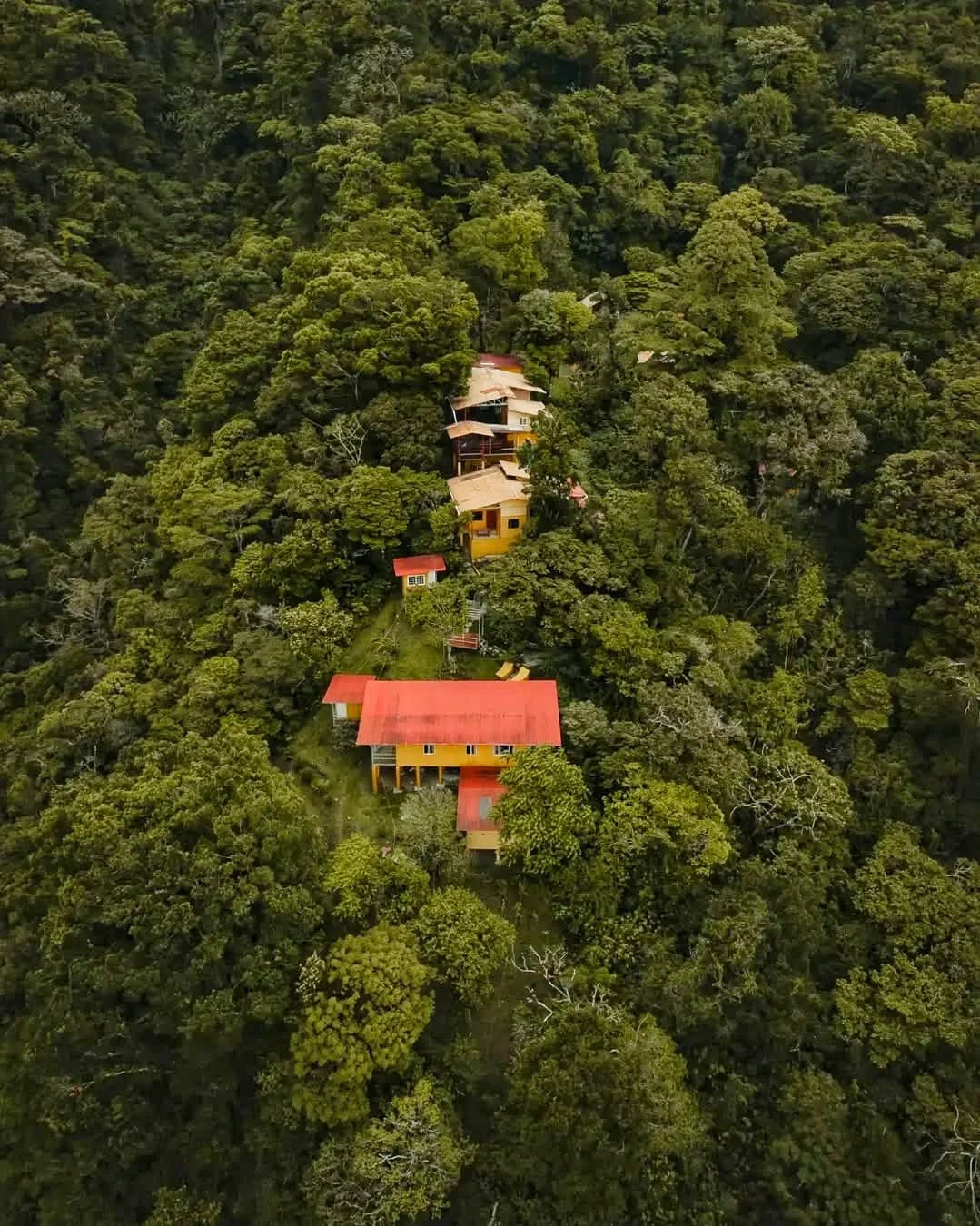
Another reason superstition persists is the geography itself. Panama’s dense rainforests, sudden weather changes, isolated rural regions, and long history of travel between coasts create an environment where people historically depended on interpretation, intuition, and oral tradition. In places like rural Darién, where modern infrastructure is limited, belief systems often serve as informal guides for understanding uncertainty.
Everyday superstitions you might hear in Panama
Some of the most common beliefs are not dramatic or mystical, but subtle habits that influence daily decisions.
One widely shared idea is the belief in “bad luck energy” carried by envy or jealousy. People may avoid openly boasting about success, money, or relationships too directly, especially in new social settings. This is not universal, but it reflects a cultural awareness that words and attention can attract unwanted energy.
Another common belief is related to the “evil eye,” a concept found across Latin America. Some people believe that excessive admiration or jealousy can unintentionally bring misfortune, especially to children. Because of this, compliments may sometimes be softened or followed by phrases that neutralize envy.
Dreams are also often taken seriously. In many households, dreams are not just random thoughts but possible symbolic messages. A dream about water, animals, or death may be interpreted as a warning, a change coming, or a reflection of emotional imbalance.
Animal signs, omens, and nature-based beliefs
In rural and coastal areas, animals are often linked to symbolic meaning. Certain birds appearing near a home, especially at unusual times, may be interpreted as a sign of change or news. In some traditions, nocturnal animals like owls are associated with warnings or transitions, although interpretations vary widely depending on region and family background.
Rain itself can carry symbolic meaning. Sudden rain during important events, weddings, or travel plans may be interpreted in different ways, sometimes as cleansing, sometimes as delay, sometimes simply as nature responding to human activity.
In jungle regions near places like Fortuna Forest Reserve, nature is often seen as active and communicative rather than passive. People who spend time in rural environments sometimes develop strong intuitive interpretations of weather, animal behavior, and environmental changes that go beyond scientific explanation.
Catholic influence and spiritual blending
Catholicism plays a major role in shaping Panamanian belief systems, but it often blends with older or parallel traditions. Saints are widely respected, and many people pray for protection, health, or guidance. However, the way saints are approached can sometimes resemble older folk traditions, where spiritual figures are seen as active forces in daily life rather than distant religious symbols.
It is also common for people to carry religious objects for protection, such as medals, rosaries, or small images of saints. These are often used alongside non religious beliefs in luck, energy, or intuition, forming a blended spiritual framework rather than a strict doctrinal system.
Urban superstitions in Panama City
Even in modern urban environments like Panama City, superstition still appears in subtle forms. In business settings, people may avoid making certain declarations too early, especially about contracts or financial success, preferring to wait until things are “secure.”
Some individuals also pay attention to timing, such as choosing certain days for travel or important decisions based on personal belief systems rather than strict calendars. While this is not universal, it reflects a broader cultural comfort with combining logic and intuition.
Even in fast developing districts with high rise buildings and international corporations, it is not unusual for people to carry small personal rituals, such as touching wood, making a quick prayer, or mentally “resetting” after a perceived negative interaction.
Folklore, stories, and inherited warnings
Many Panamanian superstitions are passed down as stories rather than formal beliefs. Children often grow up hearing cautionary tales about places, times, or behaviors associated with bad luck or spiritual risk. These stories are not always meant to be taken literally, but they shape behavior through caution and respect for the unknown.
In some rural narratives, rivers, forests, or isolated roads may be described as places where unusual encounters happen, not necessarily in a frightening sense, but as reminders that nature and human life are interconnected in unpredictable ways.
The Darién Gap in particular is often surrounded by storytelling, not because of superstition alone, but because of its remoteness, biodiversity, and historical reputation as one of the most difficult regions to traverse in the Americas. In such places, storytelling naturally becomes a way of organizing experience.
Modern skepticism and changing beliefs
It is important to note that Panama is not uniformly superstitious. Many people, especially in urban and educated environments, view these beliefs as cultural tradition rather than literal truth. Younger generations often blend skepticism with respect, treating superstitions as part of identity rather than strict rules.
At the same time, even skeptical individuals may still follow certain practices “just in case,” especially in emotionally charged situations such as illness, travel, or major life decisions. This coexistence of logic and tradition is one of the defining features of modern Panamanian culture.
Superstition as cultural memory
Superstition in Panama is not simply about fear or irrational belief. It is a living archive of cultural memory, shaped by Indigenous worldviews, colonial history, African diaspora traditions, Catholic symbolism, and everyday experience in a country defined by nature and global movement.
From the dense forests near Fortuna Forest Reserve to the high rise skyline of Panama City, these beliefs continue to exist not as strict systems, but as soft cultural patterns that influence how people interpret the world.
And in a country where ships pass through oceans via gravity and rainforests grow beside global finance hubs, it is not surprising that many people still believe the world is full of invisible connections, signs, and meanings waiting to be noticed.