
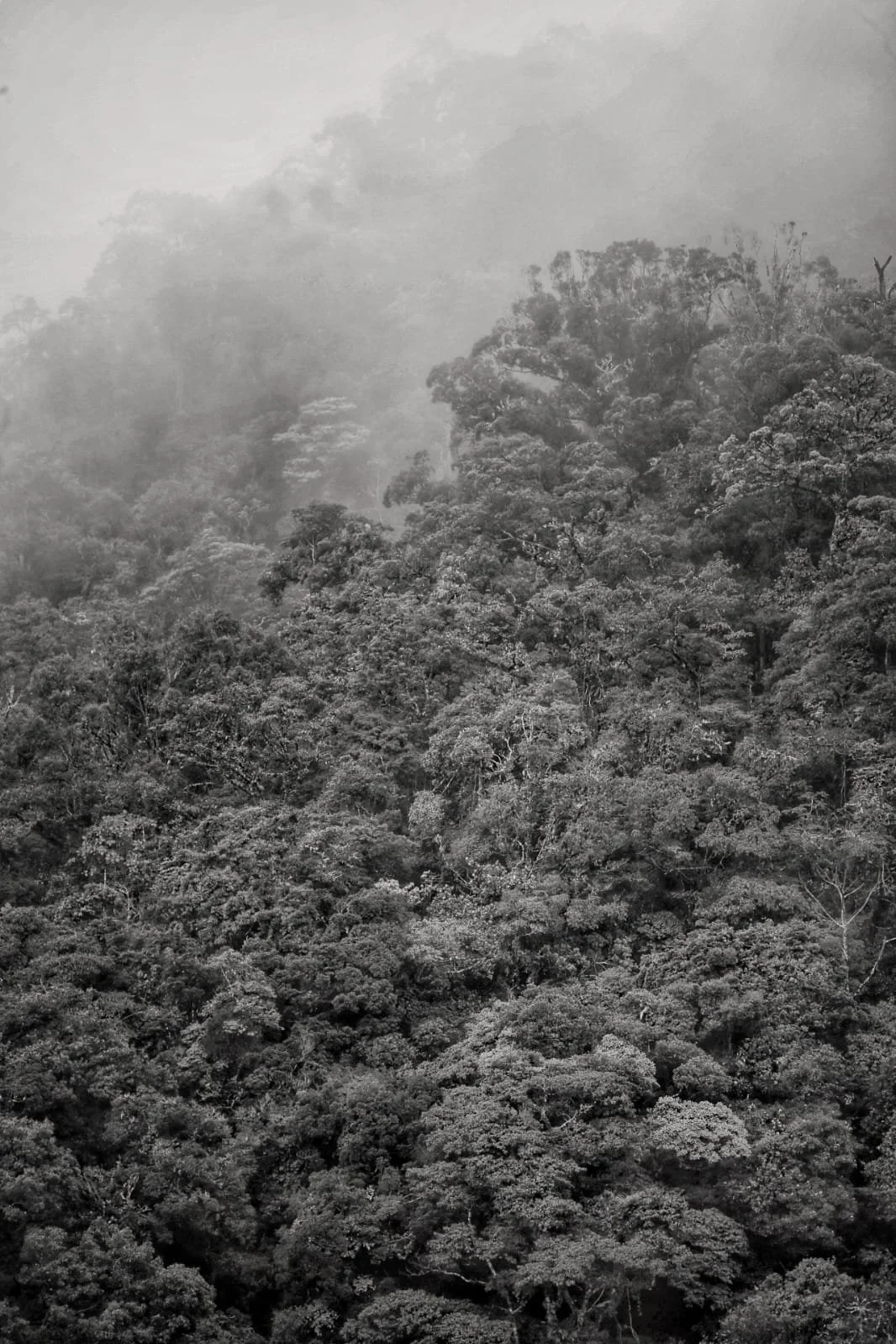
At the extreme western edge of Panama, far beyond the famous beaches, beyond the surf towns, and beyond the routes followed by most backpackers, there is a remote peninsula that feels almost detached from the rest of the country. It is a place of isolation, jungle, cattle pastures, rough roads, volcanic geology, enormous waves, and biological richness so intense that it can feel prehistoric. This is Punta Burica, one of the least explored and most geographically fascinating regions in Central America.
For travelers, Punta Burica can feel like the end of the world. For geographers, it is a remarkable natural laboratory shaped by tectonic violence, tropical weather systems, ocean currents, and ecological isolation. The peninsula extends into the Pacific near the border between Panama and Costa Rica, creating a wild and sparsely populated finger of land where nature still dominates daily life. Very few international tourists ever make it there, which only adds to the region’s mysterious reputation.
Even many Panamanians have never visited Punta Burica. The journey itself is part of what makes the region legendary. Reaching the peninsula often involves long drives through the western reaches of Chiriquí Province, passing cattle ranches, banana plantations, muddy roads, rivers, isolated villages, and stretches of untouched coastline. During the rainy season, certain roads can become nearly impassable. Some routes turn into rivers of mud. Bridges flood. Trucks slide through deep ruts while clouds gather over dark green hills. The remoteness is real, and that remoteness has protected much of Punta Burica from the intense tourism development seen elsewhere in Central America.
Geographically, Punta Burica is extraordinary because it sits within one of the most tectonically active parts of the entire region. The peninsula exists near the interaction zone of several major tectonic plates, including the Cocos Plate and the Caribbean Plate. This collision of geological forces has shaped not only the mountains and coastlines of western Panama, but also the earthquakes, uplifted marine terraces, and rugged terrain found throughout the region.
The landscape of Punta Burica feels raw and unfinished in the best possible way. Unlike heavily developed coastlines with manicured resorts and paved waterfronts, this peninsula remains dominated by cliffs, dense vegetation, rocky beaches, estuaries, and long stretches of isolated shoreline. Huge Pacific swells crash into black rocks while frigatebirds circle overhead. In some places the jungle seems to crawl directly into the ocean.
The Pacific waters surrounding Punta Burica are especially dramatic. The ocean here can appear darker and more powerful than the calm turquoise imagery many travelers associate with tropical destinations. The Pacific off western Panama is influenced by seasonal upwellings, shifting currents, and weather systems that create dynamic marine conditions. During storms the coastline can become violent, with enormous surf pounding against cliffs beneath skies filled with fast moving clouds.
This part of Panama is also deeply connected to the geological history of the entire isthmus. Millions of years ago, the rise of the Isthmus of Panama changed global ocean circulation and transformed the evolution of life on Earth. Punta Burica sits within this broader geological story. The uplift of land in this region helped separate the Atlantic and Pacific Oceans and created the land bridge that eventually allowed animals from North and South America to migrate between continents. Scientists often describe Panama as one of the most biologically important pieces of land on the planet because of this event.
That biological richness is everywhere on the peninsula. Punta Burica contains ecosystems that range from coastal mangroves to humid tropical forest and agricultural grasslands. The biodiversity is immense. Scarlet macaws sometimes fly above forest edges. Howler monkeys roar from distant trees at dawn. Iguanas bask beside dirt roads. Snakes move through wet grass after rainstorms. The sheer density of insect life can be astonishing, especially at night when moths, beetles, katydids, and frogs emerge in overwhelming numbers.
Birdlife in Punta Burica is one of the region’s greatest treasures. Because the peninsula lies along migration routes and contains varied habitats, it attracts an enormous range of species. Shorebirds feed along mudflats while pelicans glide over crashing surf. Hawks circle above cattle pastures. In forest patches, trogons, parrots, and hummingbirds flash through the canopy. The combination of marine and tropical inland ecosystems creates ideal conditions for avian diversity.
Marine life offshore is equally fascinating. The waters around western Panama support dolphins, sea turtles, rays, and seasonal whale migrations. Humpback whales move through Pacific waters near Panama during migration seasons, and although Punta Burica is not widely known as a whale tourism destination, the surrounding ocean belongs to one of the most biologically active marine regions in the eastern Pacific.
One of the most fascinating aspects of Punta Burica is how untouched it still feels in an era when many tropical coastlines have become dominated by hotels and real estate development. There are areas where travelers can stand on the beach and see almost no signs of large scale tourism infrastructure. Instead there are fishing boats, palms bent by ocean winds, distant cattle fields, and dense walls of green vegetation.
Life on the peninsula moves slowly. Fishing remains central to many communities. The Pacific provides snapper, tuna, shellfish, and countless other marine resources that sustain local livelihoods. Early mornings often begin with fishermen heading out onto rough water while mist still hangs low over the coast. In smaller settlements, daily life is shaped more by weather and tides than by tourism schedules.
The weather itself is one of the defining characteristics of Punta Burica. The peninsula receives heavy tropical rainfall, particularly during the wet season. Storm clouds gather dramatically over the Pacific and unleash torrential downpours that can last for hours. Rivers swell rapidly. Hillsides become slippery and intensely green. Everything feels alive. During the dry season, however, certain areas become sun blasted and dusty, especially where forests have been cleared for cattle grazing.
Travelers expecting luxury tourism often misunderstand Punta Burica completely. This is not a destination built around comfort or convenience. It is a destination for people who are fascinated by wild geography, difficult roads, isolated coastlines, and landscapes that still feel genuinely untamed. It appeals to geographers, naturalists, birdwatchers, overlanders, motorcyclists, surfers, and travelers who enjoy the sensation of reaching places that feel disconnected from modern tourism circuits.
The surfing potential around the peninsula is intriguing, although conditions can be unpredictable and certain breaks remain relatively undocumented compared to famous surf regions elsewhere in Panama and Costa Rica. The powerful Pacific energy reaching this coastline means waves can become large and heavy, especially during certain swells. Remote beaches and point breaks may go empty for long periods simply because so few surfers make the journey.
Culturally, Punta Burica reflects a blend of Panamanian rural traditions and frontier style isolation. Communities here are shaped by cattle ranching, fishing, subsistence agriculture, and strong family ties. The atmosphere is very different from cosmopolitan Panama City. There is a rugged practicality to life on the peninsula. Roads, weather, distance, and the ocean itself all influence daily routines.
One of the most remarkable experiences in Punta Burica is nighttime. In heavily urbanized parts of the world, darkness barely exists anymore. But on this peninsula the night can become incredibly deep and atmospheric. The sounds are overwhelming. Waves crash continuously against the coast while insects pulse from every direction. Frogs call from flooded ditches and forest edges. In areas with little artificial lighting, the stars can appear astonishingly bright.
The peninsula also serves as an important reminder of how much wilderness still survives in parts of Central America. While deforestation and development have transformed many regions, Punta Burica still contains landscapes where ecological processes continue relatively uninterrupted. Rivers flood naturally. Mangroves protect coastlines. Forest fragments shelter wildlife. Ocean swells shape beaches without seawalls or resorts interrupting the rhythms of nature.
For geographers, Punta Burica offers a rare combination of tectonic significance, coastal geomorphology, tropical ecology, climatic variation, and human adaptation to isolation. Few places in Panama combine so many physical geography themes within a single region. The peninsula demonstrates how geology, climate, biology, and human settlement interact over time to create a truly distinctive landscape.
For travelers, the magic of Punta Burica lies partly in its difficulty. Places that are easy to reach often lose some of their mystery. Punta Burica still feels mysterious. The roads are rough, the weather unpredictable, the infrastructure limited, and the landscapes immense. It is a place where travelers feel the scale and power of the natural world more intensely than they might in polished tourist destinations.
Standing at the edge of Punta Burica, with the Pacific roaring beside volcanic cliffs and jungle hills disappearing inland beneath tropical clouds, it becomes clear why the peninsula leaves such a strong impression on the people who reach it. This is not just another beach destination. It is one of the last truly wild frontiers of Panama, a forgotten edge of the isthmus where geology, ocean, climate, and biodiversity collide with extraordinary force.