
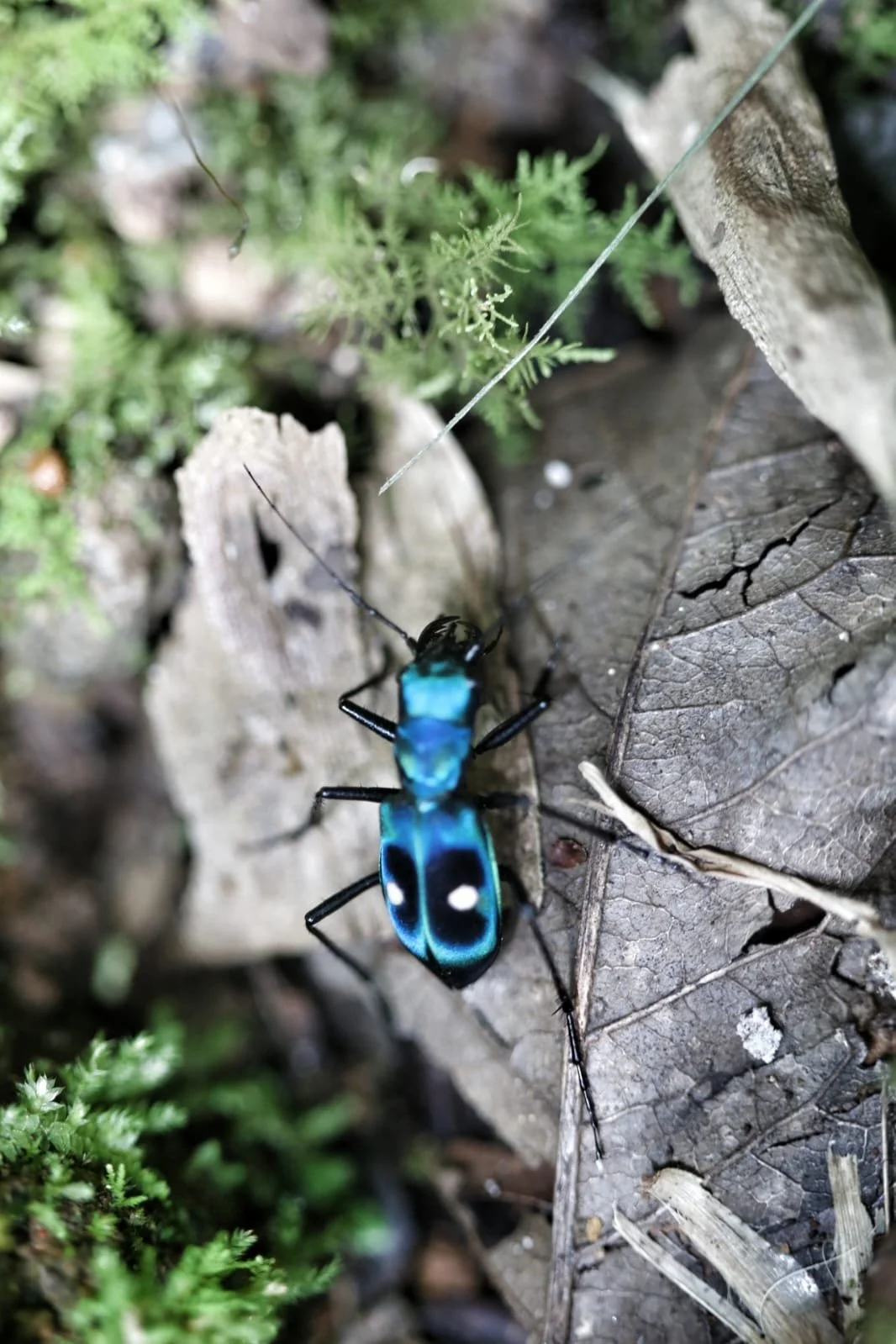
Many travelers spend months planning a trip to Panama only to ask the same question: "When is the best time to visit?" The answers usually focus on sunshine, beaches, and the dry season. Travel brochures often celebrate cloudless skies and predictable weather. Yet there is another side of Panama that receives far less attention, despite being one of the most dramatic and important natural events in the entire country. Every year, for months at a time, Panama undergoes a transformation so profound that it almost becomes a different nation. Rivers swell, forests explode with life, waterfalls appear where none existed before, mountains disappear behind curtains of mist, and the landscape shifts from green to an almost impossible shade of emerald. This is the rainy season, and understanding it is essential to understanding the real Panama.
For those unfamiliar with the tropics, the concept can be difficult to grasp. In many parts of North America and Europe, rain is simply another type of weather. It might last an hour, a day, or perhaps several days. In Panama, the rainy season is something much larger. It is a vast annual cycle that shapes ecosystems, agriculture, wildlife, rivers, forests, and daily life across the entire country. It is not merely a season. It is one of the great natural engines that keeps Panama alive.
The arrival of the rainy season is often subtle at first. The landscape may still appear dry from previous months. Dust clings to roads. Grasses lose some of their vibrant color. Streams shrink. Then the first substantial rains arrive. The transformation begins almost immediately. Within days, vegetation responds. Within weeks, hillsides become greener. Forests begin producing new growth. Rivers gain strength. Life returns to places that seemed dormant only a short time before.
One of the most astonishing aspects of Panama's rainy season is the sheer amount of water involved. Certain regions receive several meters of rainfall annually. In some mountainous areas, clouds and rain seem almost permanent during parts of the year. Moisture arrives from the Caribbean, the Pacific, and atmospheric systems that interact with Panama's unique geography. Mountains force humid air upward. Clouds form. Rain falls. Rivers carry water toward the sea. The cycle repeats endlessly.
To witness a Panamanian rainforest during the rainy season is to see nature operating at full power. Every leaf appears freshly washed. Mosses spread across branches. Ferns unfurl new growth. Orchids bloom. Vines climb toward sunlight. The forest becomes almost overwhelmingly alive. Insects multiply. Frogs begin calling from puddles and streams. Birds take advantage of increased food availability. Countless biological processes accelerate simultaneously.
The sounds alone can be remarkable. During a heavy tropical downpour, rain striking leaves creates a roar that can overwhelm conversation. Water cascades from the canopy. Small streams suddenly become rushing torrents. Thunder echoes through valleys. Then, as quickly as it began, the storm may pass, leaving behind sunlight sparkling on wet vegetation and steam rising from the forest floor.
One of the greatest beneficiaries of the rainy season is Panama's network of rivers. During the dry months, many rivers become manageable, predictable waterways. During the rainy season, they can transform dramatically. Water levels rise. Currents strengthen. Tributaries awaken. Floodplains absorb excess water. Entire landscapes become linked through moving water. Rivers that appear modest during one part of the year can become powerful forces during another.
The importance of this water cannot be overstated. Panama's rivers provide drinking water, support agriculture, sustain wildlife, generate hydroelectric power, and help operate one of the world's most important engineering achievements: the Panama Canal. Every ship passing through the canal depends upon freshwater stored in reservoirs replenished by rainfall. Without the rainy season, the canal as we know it could not function.
The mountains undergo some of the most dramatic transformations. In regions such as Boquete, Cerro Punta, and the slopes of Volcán Barú, clouds become frequent companions. Entire ridges disappear into mist. Valleys emerge and vanish as weather shifts throughout the day. Waterfalls grow larger and more numerous. Small trickles flowing down cliffs can become impressive cascades. The scenery often feels almost cinematic in its intensity.
Cloud forests reach their peak during these wetter periods. Mosses covering tree trunks become lush and vibrant. Epiphytes flourish. The air feels saturated with moisture. Every surface seems alive. These ecosystems depend upon abundant rainfall and cloud cover, making the wet season one of the most important times of year for maintaining their ecological health.
Wildlife responds dramatically as well. Amphibians are perhaps the most obvious example. Frogs emerge in extraordinary numbers. Their calls create nighttime choruses that can seem endless. Temporary pools provide breeding opportunities. Insects increase in abundance, creating food sources for birds, reptiles, bats, and countless other animals. The rainy season effectively triggers a chain reaction throughout the food web.
For farmers, the rainy season has always been a period of tremendous importance. Across Panama, agricultural calendars are closely linked to rainfall patterns. Crops depend upon water. Pastures become greener. Livestock benefit from improved forage. Rural communities have spent generations learning how to work with seasonal cycles rather than against them. Traditional knowledge regarding weather patterns remains valuable even in an era of modern forecasting.
Yet the rainy season is not always gentle. Heavy rains can create challenges. Roads may become difficult to navigate. Landslides occasionally occur in mountainous areas. Rivers can flood. Infrastructure must be designed with tropical rainfall in mind. Panamanians understand these realities and have adapted accordingly. The same rains that sustain life can also remind people of nature's power.
Perhaps nowhere is the rainy season more visually impressive than in Panama's waterfalls. During the dry season, some waterfalls may be modest streams flowing over rock faces. After sustained rains, they can become roaring torrents. Hidden cascades emerge from forests. Temporary waterfalls appear on mountain slopes. Areas that seemed relatively dry suddenly overflow with moving water.
Visitors who experience Panama during the rainy season often discover something unexpected. Instead of viewing the rain as an inconvenience, they begin to appreciate it as part of the country's identity. The dramatic afternoon storms, the lush vegetation, the misty mountains, and the vibrant wildlife are not separate from Panama. They are Panama.
The contrast becomes especially clear when comparing the wet and dry seasons. During the dry months, landscapes can appear more open. Beaches attract larger numbers of visitors. Travel is often easier. Yet during the rainy season, nature reveals another side of itself. Forests become richer. Rivers become more dynamic. Waterfalls become more spectacular. Wildlife becomes more active. The country feels intensely alive.
Perhaps the most remarkable thing about Panama's rainy season is how completely it connects everything. The rain falling on a mountain slope may eventually enter a stream. That stream joins a river. The river supports wildlife, agriculture, and communities. Some water reaches reservoirs that help operate the canal. Some reaches mangrove forests along the coast. Some enters the sea, where it influences marine ecosystems. Every drop becomes part of a larger story.
For centuries, travelers, farmers, indigenous communities, fishermen, and explorers have lived according to these rhythms. The rainy season is not simply weather. It is one of the fundamental forces that shaped the country. It created forests, carved valleys, filled rivers, nourished wildlife, and made possible the incredible biodiversity for which Panama is famous.
When viewed from this perspective, the rainy season becomes more than a period on a calendar. It is the annual renewal of an entire nation. It is the force that turns hillsides emerald green, awakens forests, powers rivers, and sustains countless forms of life. It transforms Panama from beautiful to extraordinary.
And when the clouds gather over the mountains, when thunder rolls across the landscape, and when warm tropical rain begins falling through the canopy, one is witnessing not merely a storm but one of the most important natural events in the life of the country itself.