
When people think about Panama, they often picture the Panama Canal, Caribbean islands, tropical beaches, lush mountains, coffee plantations and colorful towns. But Panama also has a long and fascinating tradition of producing rum. At the heart of that tradition is Carta Vieja, one of the country's oldest and most recognizable rum brands.
Carta Vieja has been part of Panama's history since 1915, giving the brand more than a century of connection with the country's sugar cane industry and agricultural traditions. Its home is in Alanje, in the province of Chiriquí, an area surrounded by farmland and sugar cane fields. The story of Carta Vieja is therefore not simply the story of a bottle of rum. It is also a story about the development of western Panama, agriculture, family businesses, craftsmanship and the changing world of spirits.
The mysterious old letter
The name Carta Vieja literally means "Old Letter", and the story behind the name is one of the most charming legends in Panamanian rum history.
According to the historical story associated with the brand, Guillermo Tribaldos was experimenting with the production of spirits made from sugar cane when an old document was discovered in a trunk. The document supposedly contained a recipe or formula connected with the production of rum.
The age of the document inspired the name Carta Vieja.
Whether every detail of this story can be proven today is difficult to establish, but the legend became an important part of the identity of the brand. It is easy to understand why. A bottle called Carta Vieja, supposedly inspired by an old forgotten letter containing the secrets of rum production, sounds like something from a novel.
The official history of the company dates its tradition to 1915, making Carta Vieja one of the oldest rum producers in Panama.
A rum born in Chiriquí
One of the most interesting things about Carta Vieja is that its identity is closely connected to Chiriquí.
The distillery is located in El Tejar, Alanje, in an area where agriculture has always been an important part of local life. Chiriquí is famous for its fertile soils, coffee plantations, cattle ranches, vegetables, tropical agriculture and sugar cane.
This is very different from the modern image of Panama City, with its skyscrapers and international financial district.
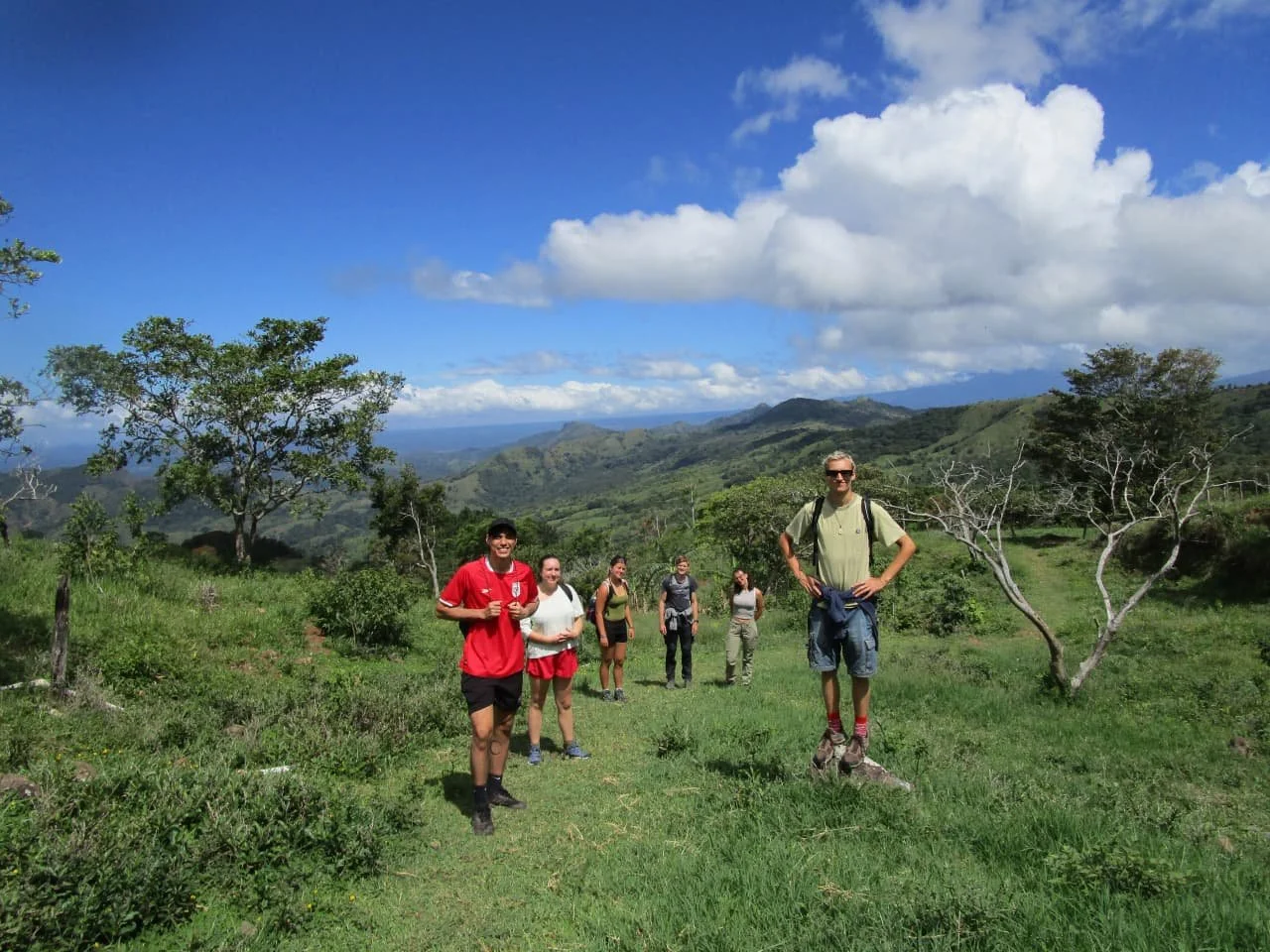
In Chiriquí, the landscape tells a different story. Roads pass through fields, farms and plantations, while the mountains create an enormous green backdrop in the distance. It is in this agricultural environment that Carta Vieja developed its tradition.
Sugar cane is the essential starting point for rum, and the relationship between the crop and the distillery gives Carta Vieja a particularly strong connection to the Panamanian countryside.
From sugar cane to rum
Making rum is a fascinating transformation.
Sugar cane contains enormous amounts of energy in the form of sugar. The cane can be processed to obtain a sugary liquid, and depending on the particular rum being produced, cane juice, syrup or molasses can become the starting material.
That material is fermented. Yeast converts sugars into alcohol, creating a fermented liquid that can then be distilled.
Distillation concentrates the alcohol and separates different compounds, allowing the producer to create a spirit with a particular character.
But distillation is only part of the story.
For aged rum, the next stage can be even more important.
The spirit is placed into wooden barrels and left to mature. Over time, the alcohol interacts with the wood, extracting compounds that contribute flavors and aromas such as vanilla, caramel, toasted wood, spices and dried fruit.
This is where rum begins to develop its personality.
Panama's tropical climate makes a difference
There is another fascinating factor in Panamanian rum production: the climate.
Panama is hot and tropical, and temperature has a major influence on what happens inside an aging barrel.
In a cooler climate, spirits can mature relatively slowly. In a tropical environment, higher temperatures encourage greater interaction between the spirit and the wood. Evaporation can also be significant.
This means that aging rum in Panama is not exactly the same experience as aging a spirit in Scotland, France or another cooler region.
Time behaves differently in the barrel.
The result is one of the most interesting characteristics of tropical rum. A spirit does not simply become older because a certain number of years have passed. The environment in which those years occur also matters.
Carta Vieja's different expressions
Carta Vieja has produced a variety of rums designed for different occasions and different types of drinkers.
Some expressions are intended for cocktails and mixed drinks, while others are more appropriate for drinking slowly and appreciating the influence of aging.
Among the more interesting bottles is Carta Vieja 8 Años Double Cask, an aged expression associated with a two wood maturation process. It has been described with characteristics including vanilla and dried fruit, along with a soft beginning and a persistent finish.
The double cask approach is particularly interesting because different types of wood can contribute different characteristics to the final spirit.
One barrel may contribute vanilla and toasted notes, while another can add additional fruit, spice or tannin characteristics.
For someone who normally drinks rum with cola or fruit juice, tasting an aged Carta Vieja neat can be a completely different experience.
The pleasure of drinking it slowly
A young or lighter rum is often at its best in a refreshing drink.
A glass filled with ice, rum, lime and a little sparkling water can be wonderfully simple. Rum also works naturally with tropical fruit juices, ginger ale, cola and other mixers.
But older rum deserves a little more attention.
Pour a small amount into a glass and let it sit for a few moments. Swirl it gently and smell it before taking a sip.
You may notice sweet aromas first. Vanilla, caramel and dried fruit can appear, followed by oak, spice or toasted notes.
Then take a small sip.
Instead of drinking it quickly, allow it to move across the palate. The flavors can change as the rum warms slightly and the aromas become more pronounced.
This is where the difference between a simple mixed drink and an aged sipping rum becomes obvious.
Carta Vieja and Panama's cultural history
Carta Vieja has also become connected with other aspects of Panamanian culture.
One of the most unusual examples is baseball.
During the golden period of professional baseball in Panama, there was a famous team called the Carta Vieja Yankees. The team was associated with the Carta Vieja brand and became one of the most successful teams in the history of Panamanian professional baseball.
The team won several championships and became part of the country's sporting history.
It is an unusual connection between rum and baseball, but it shows how deeply the Carta Vieja name became established in Panama.
The brand was not simply something sitting behind a bar. Its name became part of everyday Panamanian culture.
The old and the new
There is something particularly interesting about Carta Vieja because the brand represents two different eras of Panama.
On one side is the old agricultural Panama.
There are sugar cane fields, traditional production, wooden barrels, old buildings and stories passed down through generations.
On the other side is modern Panama.
There are modern production methods, international distribution, sophisticated barrel programs and consumers around the world who are increasingly interested in premium rum.
Carta Vieja has existed through enormous changes in Panama.
When the company began its rum tradition in 1915, Panama was a dramatically different country. The Panama Canal had only recently opened. Automobiles were still relatively new. Commercial aviation was in its infancy. Much of the country was rural.
Carta Vieja has therefore existed through more than a century of technological, economic and cultural transformation.
A taste of western Panama
For visitors exploring Chiriquí, Carta Vieja is particularly interesting because it provides another way of understanding the region.
People often visit Chiriquí for the mountains of Boquete, the cool climate, coffee, hiking, beaches around the Gulf of Chiriquí and the spectacular landscapes surrounding Volcán.
But agriculture is just as important to the identity of the province.
The sugar cane fields around Alanje are part of that story, and Carta Vieja represents the transformation of an agricultural product into something that has become part of Panama's national culture.
A bottle of Carta Vieja can therefore be viewed almost as a miniature journey through Panama.
It begins with sugar cane growing under the tropical sun. It continues through fermentation and distillation. Then comes the slow passage of time inside wooden barrels. Finally, the finished rum arrives at a restaurant, bar or home somewhere in Panama.
More than a bottle of rum
Perhaps that is what makes Carta Vieja so interesting.
There are countless spirits produced around the world, but not all of them have a story that connects so strongly with a particular place.
Carta Vieja belongs to Panama.
Its history is connected to Chiriquí, to sugar cane, to agriculture, to the development of local industry and even to Panamanian baseball. Its name carries an old story about a mysterious letter, while its modern bottles represent more than a century of experience.
For visitors who want to experience Panama beyond the obvious attractions, tasting a Panamanian rum can be a surprisingly enjoyable way to discover another side of the country.
The Panama Canal tells the story of Panama's importance to international transportation. Coffee tells the story of the country's mountains and highlands. Tropical fruit and seafood tell the story of its climate and two oceans.
And Carta Vieja tells another story.
It is the story of sugar cane, barrels, craftsmanship, tradition and time.
More than a century after its origins, Carta Vieja remains a distinctly Panamanian rum, carrying a little piece of the country's history in every bottle.