An In-depth Look At Copa Airlines

Copa Airlines has built one of the most geographically strategic route networks in the Western Hemisphere, and understanding its destinations reveals why Panama has become such a powerful aviation crossroads. From its base at Tocumen International Airport, the airline links North America, Central America, South America, and the Caribbean through a tightly coordinated system of arrivals and departures that function less like isolated flights and more like a continuous flow of movement across the Americas.

The airline’s network is anchored around Panama City, but its reach extends far beyond the role of a national carrier. Copa functions as a connector airline. Passengers often arrive in Panama not as a final destination but as part of a seamless transition between regions. That design is intentional, and it’s what differentiates Copa from most airlines flying into the country.

In North America, Copa connects Panama directly with major U.S. cities that function as global entry points. Miami is one of the busiest routes, serving as a bridge between Latin America and the United States. New York connects financial and cultural travel flows, while Los Angeles links the Pacific coast with Central and South America. Chicago and Washington, D.C. bring governmental and business travel into the network, while Orlando, Tampa, and Fort Lauderdale support heavy leisure demand.

The airline also maintains strong service into Texas, with Houston and Austin acting as key connection hubs for energy sector travel and onward domestic routes within the United States. These routes are not simply about tourism; they reflect economic relationships that shape the aviation network itself.

Mexico is another critical component of Copa’s international reach. Flights connect Panama with Mexico City, Guadalajara, Monterrey, and Cancún, forming a north–south corridor that mirrors trade and travel patterns throughout the region. These routes help unify two of the most significant Spanish-speaking travel markets in the hemisphere.

Across Central America, Copa’s presence becomes even denser. San José in Costa Rica, Guatemala City, San Salvador, Managua, Tegucigalpa, and Belize City all sit within relatively short flight times from Panama. These routes support regional mobility and position Panama as a transfer hub for travelers moving between neighboring countries without relying on overland travel.

South America is where the airline’s network reveals its full strategic ambition. Copa serves Bogotá, Medellín, and Cali in Colombia, a country with strong cultural and economic ties to Panama. Lima in Peru functions as a major gateway to the Andean region, while Santiago connects to the southern cone.

Brazil is particularly important in the network’s southern reach. São Paulo and Rio de Janeiro anchor Copa’s Brazilian service, connecting one of the world’s largest economies directly with Central America and the Caribbean. Additional Brazilian destinations such as Brasília and Belo Horizonte expand this footprint further into the country’s interior.

Argentina and Uruguay represent the southern edge of the airline’s network. Buenos Aires and Montevideo are key long-haul destinations that demonstrate how Copa stretches its narrow-body fleet to link distant parts of the continent through Panama’s central position.

The Caribbean network is equally robust. Copa serves Punta Cana, Santo Domingo, and Santiago de los Caballeros in the Dominican Republic, as well as San Juan in Puerto Rico. Aruba and Curaçao extend coverage into the southern Caribbean, while Nassau and other island destinations connect tourism markets with mainland travel corridors.

Unlike some carriers that treat Caribbean routes primarily as seasonal leisure services, Copa integrates them fully into its hub structure. A traveler arriving from Chicago can continue to a Caribbean island with minimal delay, often on the same day and ticket.

Domestically within Panama, Copa’s role is more limited but still significant. The airline connects Panama City with David in the province of Chiriquí, providing fast access between the capital and the western highlands. However, domestic aviation in Panama is comparatively small, and other carriers play a larger role in local air travel.

The importance of Copa’s domestic service is not volume but connectivity. A traveler arriving from New York can land in Panama City and reach western Panama within hours, linking international and domestic movement into one coherent system.

When compared to major North American airlines such as American Airlines, Delta Air Lines, and United Airlines, Copa’s difference becomes clear. U.S. carriers generally operate point-to-point service between Panama and their domestic hubs. Their objective is to bring passengers into the United States rather than redistribute them across Latin America.

American Airlines has historically maintained strong Panama connections through Miami, but onward travel deeper into South America often requires separate routing or alliances. Delta emphasizes connections through Atlanta, while United routes travelers through Houston or Newark. These airlines serve Panama effectively but do not structure their networks around it.

European airlines present a different comparison. Carriers like Air France, KLM, Iberia, Lufthansa, and Air Europa connect Panama with major European hubs such as Paris, Amsterdam, Madrid, and Frankfurt. These flights are long-haul operations using wide-body aircraft designed for intercontinental travel.

European carriers excel at transatlantic connectivity and onboard long-haul comfort. However, once passengers arrive in Panama, those airlines rely heavily on partners for onward travel within the Americas. Copa fills that role naturally through its own network rather than through separate alliances alone.

The result is a complementary relationship rather than direct competition. European airlines bring passengers across oceans, while Copa distributes them throughout the hemisphere. This layered structure strengthens Panama’s role as a global aviation crossroads.

From a traveler’s perspective, the experience of flying Copa differs from flying transatlantic carriers. Aircraft are typically Boeing 737 variants configured for medium-haul routes. Flights emphasize efficiency, frequency, and punctual connections rather than long-haul luxury features.

This design supports Copa’s core philosophy: connectivity over spectacle. The airline prioritizes schedule coordination so that arrivals and departures cluster in synchronized waves. Passengers arriving from one region can transfer quickly to another without long layovers.

That operational precision has shaped Panama’s identity as more than a destination. It has become a transition point between continents, climates, and cultures. Travelers moving between North and South America often pass through Panama even if they never leave the airport.

Copa’s partnership network further extends its reach beyond its own aircraft. Codeshare agreements allow passengers to travel on a single ticket across multiple airlines while maintaining coordinated schedules. This integration strengthens Panama’s function as a hub within the global aviation system.

For travelers exploring Panama itself — including those passing through the highlands near places like the Lost and Found Hostel — Copa’s network often defines how they arrive and depart the country. Routes from the United States, Canada, and Europe frequently funnel through Panama City before dispersing outward.

Compared with other airlines entering Panama, Copa stands out not because it serves the most continents but because it serves the most connections within a single hemisphere. It has built density rather than distance, frequency rather than prestige routes.

That strategy reflects geography. Panama sits at a natural crossroads of the Americas, and Copa has built an airline around that fact. Rather than competing directly with long-haul giants, it complements them by completing the journey.

The airline’s success ultimately rests on alignment between location and design. Its destinations form a network that mirrors the flow of trade, tourism, and migration across the Americas. Routes are not random expansions but deliberate connections between regions that already interact.

For travelers moving between North America, the Caribbean, Central America, and South America, Copa often becomes the invisible thread tying the journey together. Its network transforms Panama from a waypoint into a gateway.

In that sense, Copa Airlines is less a national carrier and more a hemispheric bridge — an airline defined not only by where it flies, but by how it connects entire regions into a single continuous map of movement.

Over The Counter Medications In Panama

Travelers often notice quickly that pharmacies in Panama operate a bit differently from those in North America or much of Europe. Medications that typically require a prescription elsewhere are sometimes available directly from a pharmacist here. It’s not a loophole or a gray market situation — it’s simply a different regulatory framework paired with a strong tradition of pharmacist consultation.

One of the most commonly mentioned surprises is access to certain antibiotics. While many countries strictly control them through prescriptions only, some Panamanian pharmacies may dispense specific antibiotics after a brief discussion about symptoms. Pharmacists often ask questions about duration of illness, allergies, and previous use before deciding whether to provide them.

Anti-inflammatory medications are another category that stands out. Stronger doses of ibuprofen or diclofenac, which might require a prescription elsewhere, can sometimes be purchased directly. These are typically provided with usage guidance rather than formal medical paperwork.

Topical medications also appear in broader variety. Creams that combine antifungal, antibacterial, and anti-inflammatory components are widely available. Travelers often find treatments for skin infections or irritations easier to obtain compared to stricter pharmacy systems abroad.

Some gastrointestinal medications fall into the same pattern. Treatments for stomach infections, parasites, or severe digestive upset may be accessible after describing symptoms. In a tropical environment where digestive issues are not uncommon, pharmacies are accustomed to these requests.

Allergy and respiratory medications can also be more accessible. Certain stronger antihistamines and inhalation treatments that might be tightly regulated elsewhere are frequently stocked behind the counter. Pharmacists often guide customers through options based on symptom severity.

Hormonal medications are another area where travelers notice differences. Certain formulations that require prescriptions in other countries may be available after consultation. Policies can vary between pharmacies, but access is generally more direct.

Pain relief medications represent a noticeable contrast as well. Some combination pain treatments or muscle relaxants that require doctor authorization in other systems may be obtainable through pharmacy consultation in Panama. This convenience is often appreciated by travelers dealing with strains from hiking or long transit days.

Cold and flu treatments tend to be stronger than those commonly sold in basic retail stores elsewhere. Decongestants and combination remedies are often available in formulations designed for rapid symptom relief. Pharmacists typically explain dosing carefully, especially for visitors unfamiliar with local brands.

Another difference travelers mention is the level of pharmacist involvement. Rather than simply processing transactions, pharmacists often function as first-line health advisors. They ask practical questions and suggest options based on experience with common regional conditions.

Cost also contributes to the sense of surprise. Many medications are less expensive than in countries with more complex insurance systems. Even without formal coverage, travelers can often obtain treatment affordably and quickly.

Availability, however, does not mean casual use is encouraged. Responsible pharmacies emphasize appropriate dosing and duration. The expectation is that customers will follow guidance carefully and seek medical care when necessary.

Travelers should also remember that medication names and formulations may differ from those they recognize at home. Reading labels and asking clarifying questions is essential. Language differences can sometimes obscure important details about strength or active ingredients.

For people passing through Panama’s varied landscapes — from cities to highlands to coastal regions — this pharmacy accessibility can be reassuring. It allows prompt treatment of common travel-related conditions without complicated logistics.

Ultimately, the experience reflects a broader cultural approach to healthcare access. Pharmacies function as accessible community resources rather than strictly controlled dispensing points. For visitors, the system can feel surprisingly flexible, efficient, and practical when approached thoughtfully and responsibly.

The Mangroves Of Panama

Mangroves in Panama are more than coastal trees — they are living infrastructure. They stabilize shorelines, filter water, protect communities from storm surge, and create nurseries for marine life. Standing at the edge of a mangrove forest, you can watch an entire ecosystem functioning in layers: roots gripping sediment, fish weaving through submerged branches, birds hunting from above. These environments quietly support both biodiversity and human livelihoods across the country.

One of the most striking characteristics of mangroves is their root structure. Red mangroves send arching roots down into the water, forming dense lattices that slow waves and trap sediment. This process gradually builds land while protecting existing coastlines from erosion. In a country like Panama, where coastal communities depend on stable shorelines, that natural engineering is invaluable.

Mangroves also function as biological filters. Water moving from rivers to the sea passes through these forests, where sediments and pollutants settle. The result is clearer coastal water and healthier coral and seagrass systems beyond the mangrove fringe. Without this filtration, offshore ecosystems would be far more vulnerable.

The biodiversity inside mangroves is astonishingly dense. Juvenile fish use the root systems as shelter from predators. Crabs climb exposed roots during low tide, and mollusks attach to submerged surfaces. The environment looks quiet at first glance, but close observation reveals constant movement.

Birdlife thrives in these habitats. Herons, egrets, and kingfishers hunt along the channels, while pelicans patrol nearby waters. Mangroves provide both feeding grounds and nesting sites. For birdwatchers, these forests are among the most productive ecosystems in Panama.

Reptiles and amphibians also rely on mangrove environments. Iguanas rest on sunlit branches, while smaller creatures hide in the shaded understory. The mix of fresh and salt water creates conditions that support species adapted to changing salinity.

Beyond wildlife, mangroves play a crucial role in climate regulation. Their dense root systems trap carbon-rich sediments, storing carbon at rates higher than many terrestrial forests. Protecting mangroves is therefore not only about biodiversity but also about mitigating climate change.

Panama has recognized this importance and established several protected mangrove areas. Conservation efforts focus on preventing deforestation, regulating coastal development, and promoting sustainable tourism. These measures help maintain ecological balance while allowing people to experience the environment responsibly.

Where to experience mangroves in Panama

One of the most accessible and rewarding places to explore mangroves is Isla Bastimentos National Marine Park near Bocas del Toro. Here, mangrove channels wind between islands, creating calm waterways ideal for kayaking. The still water reflects roots and canopy, making wildlife easier to spot.

Another remarkable region is Gulf of Chiriquí National Marine Park on the Pacific coast. This protected area combines mangroves, islands, and open ocean habitats. Dolphins and seabirds are often seen near the mangrove edges, and the scenery shifts constantly with tides.

Closer to Panama City, Panama Bay contains extensive mangrove wetlands that host migratory birds. While more urban in context, the ecological importance remains immense. It demonstrates how mangroves coexist alongside major population centers.

Each region offers a different perspective. Caribbean mangroves tend to feel enclosed and labyrinth-like, while Pacific mangroves often open into wide coastal expanses. Experiencing both reveals the ecological diversity within the same country.

Wildlife commonly observed in mangrove ecosystems

Fish nurseries are perhaps the most important ecological function. Many reef species begin life sheltered among mangrove roots before migrating to open waters. Without these protected early stages, reef populations would decline sharply.

Crabs are among the most visible inhabitants. They scuttle across exposed roots, climb trunks, and vanish into burrows with surprising speed. Their activity helps recycle organic material within the ecosystem.

Birds add constant motion overhead. Wading birds step carefully through shallow channels, while kingfishers dive with precision. The diversity of feeding strategies reflects the richness of the habitat.

Reptiles and small mammals also utilize mangrove environments. Iguanas bask where sunlight penetrates the canopy. Other creatures move through branches and waterways largely unseen, contributing to the ecosystem’s hidden complexity.

How to reach mangroves from Lost and Found Hostel

Travelers staying at Lost and Found Hostel are well positioned to visit both Caribbean and Pacific mangrove systems. For a Caribbean experience, travel toward Almirante and take a boat into the Bocas del Toro archipelago. Many routes from the highlands naturally connect to this corridor, making the journey practical as well as scenic.

The route typically begins with transportation from the highlands down to the Caribbean side. From Almirante, water taxis run regularly into Bocas del Toro, where guided tours or independent kayak rentals provide direct access to mangrove channels. The journey transitions from mountains to coast in a single travel day.

For a Pacific mangrove experience, head south toward David and continue to coastal access points for the Gulf of Chiriquí region. Boat excursions from coastal towns explore mangrove-lined islands and estuaries. This route offers a different ecological perspective compared to the Caribbean side.

Travelers often combine mangrove visits with broader coastal exploration. Because the hostel sits between major travel routes, it naturally connects inland forest experiences with coastal ecosystems. That geographical positioning makes ecological diversity easy to experience within a single journey.

Mangroves are not dramatic in the way mountains or beaches are. Their importance reveals itself through observation rather than spectacle. Yet once you understand their role, they become one of the most impressive natural systems in Panama.

Protecting mangroves means protecting fisheries, coastlines, and biodiversity simultaneously. Conservation here is not abstract — it directly affects communities and ecosystems. Every preserved mangrove forest supports life far beyond its boundaries.

For travelers moving through Panama, witnessing mangroves offers a deeper understanding of how landscapes connect. From cloud forest to coastline, ecosystems form a continuous chain. Experiencing that connection transforms travel into awareness.

Standing quietly beside a mangrove channel, watching water move through roots, it becomes clear that these forests are not just habitats but processes in motion. Their value lies in what they sustain, protect, and quietly build over time.

Night skies over Panama’s coasts and highland forest

On clear nights in Panama, the sky feels unusually close. Whether you’re stretched out on a quiet beach or standing above the cloud forest near Lost and Found Hostel, the darkness has depth rather than emptiness. With little light pollution in many areas, stars don’t just appear — they gather.

One of the first constellations most travelers recognize is Orion. Near the equator, Orion climbs high and bright, its three-star belt unmistakable. The surrounding stars form a shape that even casual stargazers can identify within seconds.

Close by in the sky, you’ll often notice Taurus and the Pleiades star cluster. The Pleiades look like a small, tight sprinkle of light, delicate but distinct. On especially clear nights, more stars become visible within the cluster than people expect.

When the seasons shift, Scorpius takes over the southern sky with a dramatic curve of stars. Its long tail arcs low across the horizon, often appearing brighter from coastal viewpoints where the horizon is unobstructed. Nearby lies Sagittarius, the direction where the densest part of the Milky Way becomes visible.

The Milky Way itself is one of the defining features of tropical night skies. It doesn’t appear as a sharp band but as a luminous river of light stretching overhead. From dark beaches or mountain viewpoints, its structure becomes surprisingly textured.

Looking farther south, observers sometimes glimpse the Southern Cross low on the horizon. It sits closer to the edge of visibility from Panama, but under clear conditions it can be recognized. Its presence gives the sky a distinctly southern-hemisphere character.

Centaurus appears nearby, anchoring the region of sky around the Southern Cross. Together they form a part of the sky many northern travelers rarely see clearly. That unfamiliarity makes spotting them especially satisfying.

On beaches, the sky often feels expansive and open. The absence of surrounding mountains or tall trees creates an uninterrupted horizon. Stargazing becomes a panoramic experience rather than a vertical one.

In contrast, the highland forest near the hostel frames the sky in a different way. Stars appear between silhouettes of trees and ridgelines. The effect feels intimate, as if the sky is being revealed in sections rather than all at once.

Humidity and mist can soften the view in the mountains, but when the air clears, visibility can be exceptional. The combination of elevation and low artificial light creates surprisingly sharp star fields. Many travelers say they notice fainter stars they’ve never seen before.

Sound changes the experience too. On beaches, waves create a steady rhythm beneath the sky. In the forest, night insects and distant calls replace the ocean’s pulse, giving stargazing a more immersive atmosphere.

Another striking feature of Panama’s sky is how quickly it changes. Constellations rise steeply and move rapidly compared to higher latitudes. If you watch for an hour, you can actually feel the motion of the heavens.

Planets frequently add bright points that outshine surrounding stars. When visible, they draw attention immediately because they don’t twinkle the way stars do. Many travelers end up learning the difference simply by observing.

The equatorial position of Panama allows both northern and southern constellations to share the sky. That overlap creates a richness rarely experienced farther from the equator. It’s a meeting place of celestial hemispheres.

By the end of a clear night, most people realize the experience wasn’t just about identifying constellations. It was about scale — feeling small beneath something vast and quietly active. Whether seen from a beach or a mountain clearing, the sky above Panama leaves a lasting impression.

Lost And Found Hostel: More Animals Than Backpackers

For travelers moving through western Panama, wildlife sightings often become the stories that outlast the itinerary itself. At Lost and Found Hostel, that storytelling starts almost immediately. The hostel sits within a living cloud-forest corridor, so encounters don’t feel staged or scheduled. Animals appear in the margins of everyday moments — on a trail to breakfast, during a slow afternoon walk, or while leaning on a railing watching mist slide through the valley. It’s the kind of place where observation becomes instinctive rather than intentional.

What distinguishes the experience here is proximity. In many parts of Panama, wildlife viewing requires early departures, guides, or long excursions into protected areas. Here, the forest overlaps with where you sleep, eat, and wander. Guests often realize they’re paying more attention — listening for movement, scanning branches, noticing color — simply because the environment encourages it. Even travelers who didn’t come specifically for nature leave talking about what they saw.

Daytime encounters in the canopy and along the trails

Sloths are among the most quietly celebrated sightings. They rarely draw attention to themselves, so spotting one feels like a small triumph of patience. Their slow, deliberate movement through the canopy gives visitors a sense of the forest’s unhurried rhythm. White-faced monkeys — often called white-faced capuchins — bring the opposite energy. They move in coordinated groups, alert and curious, sometimes pausing to observe observers. Their expressive faces and agile movement make them one of the most memorable daytime encounters.

Lower to the ground, the forest reveals different personalities. Armadillos occasionally appear along paths or near the edges of clearings, their armor catching faint light as they move methodically through leaf litter. Butterflies contribute flashes of color that feel almost theatrical. The big blue morpho is especially striking; its wings appear intensely blue in flight, then almost vanish when closed. In the world of insects, few creatures generate more excitement than the golden beetle. Its metallic shell reflects light like polished metal, giving it an almost jewel-like presence.

Birdlife adds constant background activity. Even when individual species remain unseen, movement in the canopy keeps attention upward. The combination of birds, insects, and mammals creates a layered environment where something is always happening if you slow down enough to notice.

Night safari discoveries and nocturnal specialists

After sunset, the forest transitions into a different world. Guided night walks reveal creatures that remain hidden during daylight hours. Tarantulas are among the most frequently spotted, often seen positioned along trunks or near burrow entrances. Snakes emerge under cooler nighttime conditions, their movement more fluid and visible in the subdued light of headlamps.

The canopy becomes especially active after dark. Kinkajous, olingos, and cacomistles — all nocturnal tree-dwellers — sometimes appear as shadowy shapes moving through branches. Their presence reinforces how vertical the ecosystem truly is. Owls add an auditory dimension to the experience. Their calls carry across the valley before a careful beam of light reveals their outline perched among leaves.

These night safaris don’t feel like performances; they feel like brief glimpses into a system that continues whether humans are present or not. That authenticity is part of what travelers remember most.

Rare sightings and the sense of a living forest

Some encounters fall into the realm of travel folklore — not guaranteed, but credible enough to circulate among guests. A number of visitors over the years have reported spotting ocelots moving quietly through dense vegetation. Even more rarely, there have been accounts of pumas passing through the broader area. These sightings are uncommon, yet their possibility changes how people perceive the landscape. The forest feels less like scenery and more like habitat in the fullest sense.

That perception shapes how guests move through the environment. Awareness increases. Steps become quieter. Attention widens. Wildlife viewing becomes less about finding specific animals and more about recognizing signs of presence — tracks, sounds, movement, subtle shifts in behavior among other species.

Why wildlife feels especially accessible here

Part of what makes the hostel stand out for wildlife observation is how seamlessly it fits into travel routes. Backpackers moving between Bocas del Toro and Boquete often break their journey here, and many arrive expecting only a restful pause. Instead, they find themselves in one of the most active ecological corridors they’ll experience in Panama. Because the environment is intact and lightly developed, animals move naturally through it rather than around it.

Another factor is pace. Without the distractions of urban environments or crowded attractions, attention naturally redirects outward. People walk slower. They linger longer. That change alone dramatically increases the likelihood of noticing wildlife.

Social dynamics also play a role. Guests share sightings, point things out, and compare experiences. One person’s observation often becomes a group experience. Over time, those shared moments build a collective awareness that enhances everyone’s chances of seeing something remarkable.

A reputation shaped by experience rather than promotion

Among travelers who compare wildlife encounters across Panama, this location repeatedly comes up as the place where biodiversity felt most immediate. Not necessarily because it guarantees rare species, but because encounters happen in ordinary moments. The forest doesn’t wait for scheduled viewing times; it overlaps with daily life.

That overlap explains why stories from here tend to be vivid and specific. Someone remembers a sloth shifting position at sunrise. Another recalls watching white-faced monkeys navigate branches with precise coordination. Someone else describes the reflective shimmer of a golden beetle in filtered light. These are not curated experiences; they are remembered observations.

For travelers crossing between the Caribbean and Pacific sides of Panama, the hostel becomes more than a convenient midpoint. It becomes the place where the country’s wildlife feels tangible, immediate, and undeniably present. The memory of that presence often lingers long after the journey continues.

Lost And Found Hostel: Between Bocas And Boquete. A Highlight Stop

There’s a certain kind of place travelers talk about in hushed, knowing tones, like they’ve stumbled onto something that doesn’t want too much attention. Lost and Found Hostel fits that description perfectly. It’s not flashy, not aggressively advertised, and not trying to be a brand. Yet it shows up again and again in conversations between backpackers moving through Panama. People mention it the way hikers talk about a favorite viewpoint — not because it’s famous, but because it genuinely left an impression.

What makes it unusual right away is how it exists between destinations rather than inside one. Most places you stay are anchored to a town, a beach, or a landmark. This one sits in the highland forest corridor that travelers naturally cross when moving between Panama’s Caribbean and Pacific sides. It’s less of a stop and more of a hinge point in the journey.

If you’re traveling between Bocas del Toro and Boquete — which a huge percentage of backpackers do — the route essentially runs past the area. Boats out of the islands drop you on the mainland, transport climbs into the mountains, and somewhere along that ascent sits a quiet detour into the forest. The reverse journey works the same way. You don’t bend your plans to fit the hostel; it slides neatly into the path you’re already taking.

That positioning gives it a strange advantage. Travelers arrive with the mindset of transit but leave feeling like they discovered a destination. It breaks the rhythm of moving from one busy place to another. Instead of just changing locations, you change tempo.

The physical setting does a lot of heavy lifting. The cloud forest doesn’t simply surround the hostel — it presses in close. You wake up to filtered light, moving mist, and layers of green that seem to absorb noise. It’s not dramatic in a cinematic way; it’s immersive in a quiet, persistent way.

There’s also a strong sense that the place wasn’t imposed on the landscape but negotiated with it. Paths follow natural contours. Structures feel tucked rather than planted. Even the views feel earned rather than staged.

The social atmosphere develops differently here than in coastal party towns. Instead of meeting people over loud music or bar crawls, you meet them mid-hike, over shared meals, or during slow mornings with coffee and fog drifting through the valley. Conversations feel less performative and more accidental.

Another thing backpackers pick up on quickly is the kind of crowd it attracts. People who come here tend to enjoy long walks, early mornings, and conversation that wanders. It’s not exclusionary — just self-selecting. The environment filters for curiosity.

Online reviews for the hostel tend to read less like ratings and more like recollections. Travelers describe moments: a view after a climb, a conversation at dinner, a morning where everything felt unusually still. That style of feedback says a lot about the experience.

A big reason people remember it so clearly is the transition involved in getting there. You leave roads, towns, and familiar travel infrastructure behind step by step. By the time you arrive, you’ve mentally crossed into a different pace.

Because of its location between major destinations, the hostel often becomes a place where travel routes intersect. Someone coming from the Caribbean islands might share a table with someone heading there the next day. Advice, stories, and warnings flow naturally.

Compared with urban hostels in Panama City, the contrast feels almost philosophical. City stops are about momentum and movement. This place is about pause and observation. Neither is better — but they serve completely different needs.

Compared with beach towns, the difference is even more noticeable. Coastal travel tends to revolve around weather windows and activity schedules. In the mountains, changing conditions are part of the experience rather than an interruption to it.

One of the most practical advantages is trail access. You don’t need a shuttle, a tour, or complicated planning. Walking becomes the default activity. Exploration is built into staying there.

Shared meals are another cornerstone of the experience. Dinner doesn’t feel like a service transaction; it feels like a gathering. Travelers swap routes, trade tips, and compare impressions of places they’ve passed through.

Many people arrive planning to stay one night as a rest between Bocas and Boquete. A surprising number adjust those plans. The environment encourages lingering without making it feel like you’re wasting time.

There’s also an understated sense of self-sufficiency in the setting. You become more aware of daylight, weather shifts, and small rhythms. That awareness changes how you experience a day.

Because it sits on a common backpacker route, word of mouth travels efficiently. Someone leaving Bocas hears about it from another traveler. A few days later they pass the recommendation forward in Boquete. The cycle repeats.

Another thing that sets the place apart is how it accommodates different energy levels. Some guests head out for long hikes at sunrise. Others spend hours reading, watching clouds drift across the valley. Both approaches feel equally appropriate.

The design encourages interaction without forcing it. Shared spaces are welcoming but not overwhelming. Solitude is available without isolation. It’s a thoughtful balance.

Backpackers often describe the hostel as a reset point. After crowded transport, busy docks, or loud towns, the forest environment recalibrates attention. You start noticing details again.

Its role on the Bocas–Boquete route gives it logistical elegance. Instead of enduring a long travel day in one push, you break the journey in a place worth remembering. Practicality meets experience.

Another frequently mentioned quality is sound — or the absence of certain sounds. Instead of traffic or nightlife, you notice wind in trees, distant birds, and the subtle acoustics of the valley.

The place also seems to encourage reflection in a way many travel stops don’t. When movement slows, people think differently about where they’ve been and where they’re heading next.

Compared to resorts, the value here isn’t measured in amenities but in atmosphere. Comfort exists, but it doesn’t overshadow environment. The setting remains the main feature.

Many travelers appreciate that activities feel self-directed. You’re not consuming a packaged experience. You’re engaging with a landscape at your own pace.

Because the hostel connects two major backpacker hubs, it also becomes a natural information exchange. You hear firsthand updates about transport routes, weather conditions, and local tips.

Another standout feature is how the place changes character throughout the day. Morning mist, afternoon clarity, and evening quiet create distinct moods. It feels like multiple locations layered into one.

The surrounding forest gives a sense of scale that photographs rarely capture well. Distance compresses and expands depending on light and cloud cover. It keeps the environment visually dynamic.

Guests often mention the mix of nationalities and travel styles that converge there. Long-term travelers, short-term visitors, and volunteers share space easily. Diversity feels organic rather than curated.

Its reputation has grown steadily without heavy promotion. That slow growth reinforces authenticity. Recommendations feel earned.

Another reason people value the stop is psychological pacing. Travel through Panama can involve quick transitions between very different environments. This place smooths those transitions.

Because it sits off the main road yet near a common route, it maintains a sense of discovery without becoming inaccessible. That balance is rare.

Backpackers frequently compare notes about where they felt most present during their trip. This hostel appears often in those discussions. Presence is difficult to engineer; here it seems to emerge naturally.

Even practical details contribute to its appeal. Breaking the Bocas–Boquete journey here reduces travel fatigue and replaces it with experience. Efficiency and enjoyment align.

Another reason seasoned travelers quietly rate Lost and Found Hostel so highly is the wildlife. You don’t need a guidebook checklist or a multi-day expedition to see something memorable here. The cloud forest functions like a living corridor, and the hostel sits right inside it. Birds move through the canopy at eye level, monkeys announce themselves before you ever see them, and small, brilliantly colored creatures appear along trails if you slow down enough. It feels less like wildlife watching and more like wildlife happening around you.

What makes the experience stand out isn’t just biodiversity — it’s proximity. Many places in Panama promise wildlife, but you usually have to go looking for it with effort and timing. Here, sightings are woven into daily routine. Morning coffee comes with birdsong layered in the background. A short walk can turn into an impromptu observation session. Even people who aren’t particularly focused on nature find themselves noticing patterns, movements, and details they would normally miss. Among backpackers comparing notes across the country, this spot consistently comes up as the place where they saw the most — and saw it naturally, without chasing it.

Another difference from typical hostels is how memory accumulates through atmosphere rather than events. You don’t recall a single highlight — you recall a feeling that persisted.

The social environment tends to deepen quickly. Shared surroundings and slower pace create space for meaningful conversation. Connections form without effort.

Its position within Panama’s varied geography also gives it narrative importance. Travelers experience coast, islands, and highlands in one journey. The hostel represents the mountain chapter vividly.

Many people describe leaving with a slightly altered perception of time. Days feel substantial without feeling busy. That sensation stays with them.

Because so many routes funnel nearby, the hostel has become a quiet landmark in backpacker culture within Panama. Not famous in a mainstream sense, but widely recognized among those moving through the country.

Ultimately, what sets it apart isn’t a single feature but a convergence of location, atmosphere, and community. It works as a bridge between Bocas and Boquete, between movement and pause, between expectation and discovery. That convergence is why it keeps appearing on itineraries — and why so many travelers pass the recommendation forward.

The Darien Gap

The Darien Gap is one of the most remote and mysterious regions in the Americas. Stretching along the border between Panama and Colombia, it is a dense swath of rainforest, swamps, and rivers that has long resisted human settlement.

Geographically, the Darien Gap connects Central and South America. It marks the break in the Pan-American Highway, a road network that spans from Alaska to Argentina. This interruption has earned it a reputation as an impassable barrier.

The Gap covers roughly 10,000 square kilometers of rugged terrain. Its swamps, rivers, and dense jungle create extremely challenging conditions for travelers, settlers, and infrastructure projects alike.

Historically, the region was home to indigenous peoples, including the Emberá, Wounaan, and Kuna, who adapted to its harsh environment. They hunted, fished, and farmed in small, sustainable communities.

During the Spanish colonial era, the Darien Gap was largely avoided by explorers and settlers. Its challenging terrain and tropical diseases made it nearly impossible to traverse safely.

In the early 16th century, the Darien Scheme, a failed Scottish colonization attempt, highlighted the region’s difficulties. Hundreds of settlers perished due to disease, hunger, and conflicts with indigenous groups, leaving the project a historical cautionary tale.

For centuries, the Darien Gap remained largely untouched by modern development. Its dense rainforest and extensive wetlands made building roads or settlements extremely difficult.

The region is home to rich biodiversity. Jaguars, tapirs, giant anteaters, and countless bird species thrive in the Darien Gap, along with unique plant species found nowhere else. Its ecological significance is immense.

Several rivers, including the Tuira and Chucunaque, crisscross the Darien, serving as transportation routes for local communities but presenting hazards for outsiders attempting to traverse the area.

The Darien Gap has long served as a natural barrier to migration and trade between Central and South America. Its lack of roads has preserved both its ecosystems and the cultural traditions of its indigenous peoples.

In modern times, the Darien Gap has drawn attention for more troubling reasons. Migrants traveling from South America to North America often attempt the crossing, facing extreme dangers along the way.

Humanitarian organizations report that migrants navigating the Gap face threats from wildlife, treacherous terrain, flooding, disease, and criminal groups, making it one of the most dangerous land routes in the world.

The Pan-American Highway abruptly stops at the town of Yaviza in Panama, leaving the Gap impassable by conventional vehicles. On the Colombian side, the highway resumes near Turbo, but the 100+ kilometer jungle in between remains roadless.

Efforts to build roads through the Darien Gap have been met with ecological concerns. Constructing highways could disrupt habitats, threaten biodiversity, and harm indigenous communities. As a result, governments have largely avoided such projects.

The Gap also acts as a natural buffer against illegal activity, including drug trafficking. Its remote terrain makes law enforcement difficult but also protects Panama and Colombia from easy access by outsiders.

Tourists rarely venture into the Darien Gap, though eco-adventurers and researchers occasionally explore the area with local guides. Travel requires careful planning, respect for indigenous territories, and awareness of natural hazards.

Conservation efforts in the Darien Gap focus on protecting its forests, rivers, and wildlife. National parks and indigenous reserves help maintain the balance between human activity and environmental preservation.

Climate change and deforestation pose threats to the Darien Gap. While relatively intact compared to other rainforests, illegal logging and agricultural expansion could disrupt the region’s ecosystems over time.

The Darien Gap represents a unique convergence of history, culture, and nature. From its indigenous heritage to failed colonial expeditions, it has remained a region of mystery and danger for centuries.

Today, the Gap remains both a natural barrier and a symbol of Panama’s wilderness. Its dense jungles, rich biodiversity, and historical significance make it one of the most fascinating and challenging landscapes in the Americas.

For travelers and scholars, the Darien Gap is a reminder of nature’s power, human limitations, and the delicate balance required to preserve one of the last true wild regions of Central America.

Scorpions In Panama 🦂

Panama’s lush rainforests and tropical climate provide the perfect environment for a variety of wildlife, including scorpions. Though small, these arachnids can be intimidating and deserve respect.

Scorpions are found throughout Panama, from dense jungles to urban areas, and even near homes and hostels. They typically hide in dark, sheltered places during the day.

Most scorpions in Panama are nocturnal hunters. They emerge at night to feed on insects, spiders, and other small invertebrates, using their venom primarily to immobilize prey.

The most common scorpion in Panama belongs to the genus Tityus, which includes species with medically significant venom. Their sting can cause pain, swelling, and, in rare cases, systemic reactions.

Tityus scorpions are usually brown or reddish-brown, with slender bodies and long, curved tails tipped with a stinger. They are small to medium in size but pack a powerful sting relative to their size.

Another notable genus found in Panama is Centruroides. These scorpions are often more slender and agile, with lighter-colored exoskeletons, and they prefer forested areas and human-modified habitats.

Centruroides species are also venomous but less aggressive. Their sting is painful and may cause local swelling, but fatalities are extremely rare. Nonetheless, prompt medical attention is recommended.

Scorpions in Panama favor humid environments. They are often found under rocks, fallen logs, leaf litter, or inside the crevices of buildings and homes, especially in rural areas.

During the rainy season, scorpions become more active. Increased moisture brings insects and other prey, which attracts scorpions closer to human settlements in search of food.

Scorpion stings are most common when people accidentally disturb their hiding places. Simple precautions, like shaking out shoes, checking bedding, and avoiding bare-handed contact with debris, can prevent bites.

The smaller, non-lethal species are abundant in Panama. They may cause a painful sting similar to a bee or wasp, but they are not considered dangerous to healthy adults.

Some species exhibit defensive behaviors rather than aggression. They raise their tails and adopt a warning posture when threatened, giving humans a chance to avoid them.

Scorpions have an incredible ability to survive in Panama’s variable climate. They can tolerate both high humidity in the lowlands and cooler temperatures in the highlands.

In Panama, scorpions play an important ecological role. They help control insect populations, including mosquitoes, cockroaches, and other pests, maintaining balance in the ecosystem.

Despite their fearsome reputation, fatalities from scorpion stings in Panama are extremely rare, especially with access to medical care in cities and towns. Awareness and caution are key to safety.

Scorpions can be spotted by their glow under ultraviolet light at night. This feature, caused by chemicals in their exoskeleton, allows scientists and enthusiasts to study them safely in the wild.

Many Panamanians learn early to coexist with scorpions. Homes often have measures in place, such as sealing cracks and careful inspection of shoes, clothes, and bedding.

For travelers, staying in accommodations with well-maintained floors, screened windows, and secure bedding reduces the chance of encounters with scorpions.

In addition to Tityus and Centruroides, Panama has several other small, harmless species that remain mostly hidden in the undergrowth. They are fascinating to observe but rarely pose a threat.

In conclusion, Panama’s scorpions are diverse and ecologically important. From the medically significant Tityus to the less dangerous Centruroides and other species, they are part of the country’s rich tropical biodiversity, offering both a thrill and a reminder of nature’s complexity.

Poisonous Spiders Of Panama

Panama is a land of lush rainforests, hidden rivers, and tropical islands. Amid this beauty lurk creatures that can send shivers down your spine — including poisonous spiders.

The rainforests and jungles of Panama are home to a variety of spider species, many of which are harmless, but a few are venomous enough to cause concern for humans.

One of the most notorious is the brown recluse spider. Small and elusive, it hides in dark corners, shoes, or clothing left on the floor. Its bite can cause painful sores and, in rare cases, severe medical complications.

Another dangerous inhabitant is the black widow spider, recognizable by its shiny black body and distinctive red hourglass mark on its abdomen. Its venom affects the nervous system and can be life-threatening if untreated.

These spiders prefer dark, secluded areas. In Panama, you might find them under furniture, inside boxes, in storage rooms, or among piles of leaves in the forest.

While black widows and brown recluses are feared, wandering spiders, like the Phoneutria species, are even more notorious. Found in tropical forests, banana plantations, and sometimes urban areas, they are large and highly venomous.

Wandering spiders are aggressive when threatened. Their bite can cause intense pain, muscle cramps, and in extreme cases, systemic symptoms that require immediate medical attention.

Tarantulas, though large and imposing, are mostly harmless to humans. Their bite is painful but rarely dangerous. However, their sheer size and hairy legs can startle unsuspecting hikers in Panama’s forests.

Many tourists encounter spiders in eco-lodges, hostels, or jungle accommodations. Spiders often hide in corners, ceilings, or outdoor shaded areas, blending perfectly with Panama’s lush environment.

The rainy season brings increased spider activity. As water collects in the forest, insects proliferate, attracting spiders that are hungry and highly active. Nighttime is when many venomous species hunt, so evening walks in the jungle require caution.

Spiders play an important ecological role. They help control insect populations and maintain balance in Panama’s ecosystems. Still, encounters with venomous species can be unsettling.

If you encounter a potentially dangerous spider, do not attempt to handle it. In Panama, many travelers carry basic insect repellent and keep clothing and shoes off the floor to reduce risk.

Medical facilities in Panama can treat venomous spider bites, but remote areas may be far from help. Awareness, caution, and basic knowledge about local species are key to staying safe.

Some species, like the brown recluse, are nocturnal hunters. They remain hidden during the day and emerge at night, so campers and hikers should inspect bedding, hammocks, and tents carefully.

The black widow is less aggressive but will bite if provoked. Its venom can cause severe muscle pain, abdominal cramps, and sweating. Anti-venom is available in major hospitals, including Panama City.

Wandering spiders are sometimes encountered in banana groves or agricultural areas. Farmers in Panama are well aware of these spiders and take precautions, but tourists may stumble across them while hiking or exploring.

Spider webs in Panama can be large and intricate. Some tropical orb-weaver species build huge circular webs that glisten with morning dew, creating a magical but slightly eerie jungle atmosphere.

The sheer size and color of some spiders, particularly wandering and tarantula species, can make even seasoned hikers pause. Their presence is a reminder of the jungle’s wild, untamed character.

Children and inexperienced hikers should be taught to respect spiders rather than fear them. Most bites occur when humans disturb the spiders or attempt to handle them.

In conclusion, Panama’s poisonous spiders are a thrilling part of its wildlife. While encounters can be scary, knowledge, caution, and respect for these creatures allow travelers to explore rainforests, jungles, and rural areas safely. Their presence adds a darkly fascinating dimension to the tropical adventure.

Dominoes and Lottery Tickets: 2 Popular Games

Dominoes in Panama are more than just a game — they are a cultural institution. Across the country, from Panama City to remote villages, dominoes bring people together, serving as both entertainment and social ritual.

The game has deep roots in Panamanian society, with origins that trace back to the Caribbean and Latin America. It is especially popular in Afro-Caribbean communities, where it was historically played at family gatherings and social events.

Dominoes in Panama are usually played in the traditional style, with double-six or double-nine sets. The game combines luck and strategy, making it accessible to beginners but engaging for experienced players.

Panamanians often play dominoes at home, in community centers, and in public spaces. Parks, cafés, and even street corners become temporary hubs for spirited matches, particularly on weekends.

One reason dominoes are so popular is their social aspect. Playing a round often involves laughter, conversation, and friendly competition, reinforcing community bonds and family connections.

The game is played by all age groups. Elders enjoy mentoring younger players, passing down strategies and traditions. Teens and young adults play for fun or casual wagers, often learning from family or friends.

Domino tournaments are common in Panama, particularly during holidays or festivals. These events bring together local players, highlighting the competitive side of the game while maintaining a festive atmosphere.

Dominoes are also a staple at parties and social gatherings. Whether in a neighborhood bar, at a family barbecue, or a beachside shack, a game of dominoes often accompanies food, drinks, and music.

For many Panamanians, dominoes are an everyday pastime. It’s not unusual to see intense games taking place on sidewalks or at small tables in local cantinas, with onlookers cheering and offering advice.

Beyond entertainment, dominoes are associated with cultural identity, particularly in Afro-Caribbean and indigenous communities, where it represents resilience, creativity, and tradition.

Parallel to the domino craze, Panama has a strong fascination with lottery tickets. The national lottery is popular across all demographics and is part of daily life for many citizens.

Lottery tickets are sold at kiosks, shops, and street corners. The games range from traditional number draws to scratch-off tickets, offering different prize amounts and frequencies.

Many Panamanians see the lottery as a chance to improve their financial situation, however modestly, or simply as a form of entertainment and daily excitement.

Similar to dominoes, the lottery has a social component. Friends, families, and coworkers often buy tickets together, discuss numbers, and celebrate wins as a community.

Lottery culture is especially vibrant during holidays or large jackpot draws. Temporary crowds form at ticket stands, and the anticipation creates a festive atmosphere reminiscent of domino matches.

For older generations, the lottery is a long-standing habit, sometimes linked to superstitions, lucky numbers, or personal rituals. Children growing up in Panama often observe adults engaging with both dominoes and lottery games.

In some areas, lottery winnings are celebrated publicly, further fueling interest and participation. Stories of big wins circulate quickly, encouraging others to try their luck.

The lottery also intersects with domino culture in social spaces. It’s common to see players checking lottery results during a game, adding another layer of excitement and conversation.

Both dominoes and lottery tickets highlight Panama’s appreciation for community, chance, and celebration. While dominoes emphasize skill and social interaction, lottery tickets offer the thrill of luck and possibility.

In summary, dominoes remain a beloved pastime in Panama for their social, cultural, and recreational value, while lottery tickets captivate the imagination with the hope of winning. Together, they showcase the country’s rich traditions and love for games of chance, strategy, and shared experience.

Using Waze App Can Make Your Driving Experience In Panama Great: Don't Leave Home Without It

Driving in Panama can be an adventure. From the crowded streets of Panama City to rural jungle highways and coastal roads, navigating the country safely requires preparation. Using a GPS app like Waze can make the experience smoother and stress-free.

Panama has a unique traffic culture compared to the U.S. Drivers may change lanes unexpectedly, honk frequently, and pass in areas that would seem unsafe to American drivers. Waze helps by giving real-time alerts and guidance.

Traffic congestion in Panama City is a common challenge. Rush hours in the mornings and evenings can create long delays, particularly along main arteries like Avenida Balboa or Corredor Sur. Waze suggests alternative routes to avoid getting stuck.

Construction projects are ongoing in urban and rural areas. Waze allows drivers to avoid active construction zones by rerouting in real time, saving both time and frustration.

Speed limits in Panama are posted in kilometers per hour, unlike miles per hour in the U.S. Waze displays speed limits on your route and alerts you if you exceed them, helping tourists avoid fines.

Police checkpoints are common, particularly for DUI enforcement. Waze can alert drivers to checkpoints ahead, allowing for safe and legal compliance.

Accidents can happen anywhere. Waze users can report accidents, helping other drivers avoid delays and choose the fastest route around blocked roads.

Rural roads often lack clear signage, and some roads may be poorly maintained with potholes or uneven surfaces. Waze’s turn-by-turn GPS navigation ensures travelers don’t get lost or take dangerous turns.

Many Panamanian roads, especially in Bocas del Toro or Darien, are narrow and winding. Waze prepares drivers for upcoming curves, intersections, and lane merges, which can be unfamiliar to visitors.

Using Waze helps tourists estimate travel time accurately. With real-time traffic conditions, arrival times are more reliable than standard maps, which may not account for congestion or delays.

Parking in Panama City can be challenging. Waze can guide drivers to nearby public lots or garages, helping avoid circling aimlessly in congested areas.

Toll roads are prevalent, especially near Panama City. Waze identifies tolls along your route and provides options for alternative free roads if you wish to avoid extra costs.

For visitors renting cars, Waze reduces stress. Turn-by-turn directions, hazard alerts, and real-time traffic updates allow tourists to focus on the road instead of constantly checking maps.

Rental car companies often provide basic GPS units, but Waze is preferred because it updates dynamically, unlike static navigation systems.

Panama’s highways may have unexpected animals on the road, especially in rural regions. Waze doesn’t detect animals directly, but community alerts can warn of wildlife sightings or road hazards.

During the rainy season, landslides and flooded roads are more common. Waze reroutes drivers around areas where other users have reported closures or dangerous conditions.

The app is community-driven, meaning local drivers contribute information about traffic jams, hazards, and accidents. This feature is invaluable for visitors unfamiliar with local driving patterns.

Waze alerts for upcoming speed cameras and enforcement zones. Panama uses radar in various areas, particularly around schools and urban intersections, and Waze helps tourists avoid unintentional fines.

Drivers can input destinations directly into Waze, including hotels, hostels, restaurants, and tourist attractions. This is convenient for visitors staying at places like Lost and Found Hostel in Bocas del Toro.

Waze supports multiple languages, including Spanish and English, making it accessible for international travelers who may not understand local road signs.

Tourists traveling to Bocas del Toro or the highlands can use Waze to navigate ferry connections or winding mountain roads, where signage is often minimal.

Using Waze, drivers can find shortcuts or scenic routes that aren’t obvious on standard maps, enhancing the travel experience and sometimes saving significant time.

The app’s real-time updates help avoid traffic jams caused by buses and delivery trucks, which can block narrow Panamanian roads unexpectedly.

For U.S. drivers, Waze helps manage the switch from miles per hour to kilometers per hour by displaying speed in local units and warning when limits are exceeded.

Night driving in Panama can be challenging due to poorly lit roads. Waze provides visual and voice guidance, reducing the stress of navigating in darkness.

Tourists renting vehicles should also consider road conditions. Many rural roads are gravel or dirt. Waze helps plan safer, faster routes on paved roads whenever possible.

Motorcycles are common in Panama, often weaving through traffic. Waze alerts help drivers anticipate slowdowns or crowded intersections, reducing the chance of accidents.

Waze is especially useful for avoiding downtown congestion in Panama City’s financial district or the popular areas of Casco Viejo, where one-way streets can be confusing for foreigners.

Travelers can use Waze to locate gas stations along highways, which is important because some rural areas have limited fuel access. The app also shows station operating hours.

In emergencies, Waze can help drivers find hospitals, police stations, or other essential services quickly, which is especially helpful in unfamiliar parts of the country.

Tourists using Waze report higher confidence and reduced anxiety when navigating Panama’s diverse roads, from city streets to jungle highways.

For eco-tourists visiting hostels or lodges like Lost and Found Hostel, Waze ensures a smoother journey through Bocas del Toro, helping drivers find trails, beaches, and other attractions nearby.

Community reporting also includes road conditions after rainstorms, alerting drivers to puddles, mud, or temporary closures in real time.

Waze can be integrated with other apps or your calendar, allowing travelers to schedule departures and get automatic directions to planned activities, restaurants, or excursions.

Even experienced drivers in Panama benefit from Waze because local driving habits differ from the U.S., and real-time guidance helps anticipate unexpected situations.

Ultimately, using Waze in Panama is about safety, efficiency, and convenience. It combines GPS navigation, community reporting, and hazard alerts to help travelers move confidently across cities, highways, and remote areas.

Whether you’re exploring Panama City, the highlands near Boquete, or island-hopping in Bocas del Toro, Waze can save time, prevent fines, and provide peace of mind, making it an indispensable travel companion.

Driving Rules That May Differ In Panama

Driving in Panama can be an exciting way to explore the country, from coastal highways to mountain roads. However, visitors coming from the United States should be aware of some key differences in driving rules and road culture.

One of the most notable differences is the use of seat belts. In Panama, front-seat passengers are legally required to wear seat belts, but enforcement for backseat passengers is often inconsistent compared to the strict rules in the U.S.

Speed limits in Panama are posted in kilometers per hour, not miles per hour. This means travelers must adjust their sense of speed when transitioning from U.S. roads, where miles per hour are used.

Speeding tickets in Panama can be issued on the spot. Police may stop drivers for minor infractions, and fines are typically paid immediately. This differs from the U.S., where most tickets are mailed or handled through traffic courts.

Roundabouts are common in Panamanian cities and towns. While the concept exists in the U.S., Panamanian drivers may use them differently, sometimes entering without yielding, so foreign drivers must approach cautiously.

Traffic signals are sometimes treated more as suggestions than strict rules, particularly in smaller towns. Drivers from the U.S. may notice that local drivers occasionally run yellow or even red lights, though major city intersections are better enforced.

Passing lanes can be less regulated. On Panamanian two-lane highways, drivers may pass on curves or in areas where visibility is limited, which would be illegal and highly dangerous in the U.S. Drivers should exercise caution.

It is common to see motorcycles and scooters weaving through traffic in Panama. Drivers need to be alert at all times, as these vehicles do not always follow lane rules as strictly as in the United States.

Panama does not always have strict lane markings, especially on rural roads. Potholes, uneven surfaces, and informal lane shifts are common, so maintaining a defensive driving style is important.

Pedestrian behavior is another difference. While U.S. drivers are legally obligated to yield to pedestrians in crosswalks, in Panama pedestrians may cross streets unpredictably, often relying on eye contact rather than formal signals.

Traffic signs may also differ. Some signs in Panama are in Spanish only, including warnings, speed limits, and stop signs, so understanding basic Spanish road vocabulary is helpful.

Alcohol laws are enforced, but checkpoints are frequent. The legal blood alcohol limit in Panama is lower than in many U.S. states — 0.05% — and random roadside checks are common.

Seat belt rules also extend to children. Children under 12 should ride in the backseat, and car seats are recommended, though enforcement is less strict than in the U.S. Travelers should bring their own if needed.

Using a horn is culturally different. In Panama, honking is more common and used to signal turns, passing, or awareness, whereas in the U.S. honking is reserved mostly for emergencies.

Toll roads are prevalent, especially around Panama City and the Interamericana highway. Unlike most U.S. states, Panama still uses a mix of cash tolls and electronic systems, so drivers should carry small bills.

Parking regulations can be flexible. In many towns, street parking is informal, and drivers may park in spots that seem unconventional to U.S. drivers. Still, avoiding restricted zones is important to prevent fines or towing.

Drivers must carry official documents at all times: a valid license, vehicle registration, and insurance proof. Foreigners should have an international driving permit or a valid license from their home country.

Right-of-way rules can be different. For example, at uncontrolled intersections, Panamanian drivers may yield based on negotiation and eye contact rather than strictly following U.S. right-of-way laws.

School zones in Panama often have lower speed limits during certain hours, but enforcement may be inconsistent. Drivers must be alert to flashing signs or the presence of children.

Finally, driving in rural Panama can involve unexpected obstacles such as farm animals, potholes, or narrow bridges. Unlike the controlled highways in the U.S., these roads require patience, careful attention, and local knowledge.

Driving in Panama can be rewarding, offering access to beaches, mountains, and remote villages. By understanding these differences and exercising caution, visitors from the U.S. can enjoy safe and memorable road adventures throughout the country.

Leaf-cutter Ants In Panama

Panama is a haven for biodiversity, offering lush rainforests, tropical islands, and a variety of fascinating wildlife. Among the most intriguing creatures are leaf-cutter ants, which can be seen working tirelessly in forests and even around eco-hostels like Lost and Found Hostel.

Leaf-cutter ants are tiny but mighty. They live in large colonies that can contain millions of individuals, each performing specific roles to ensure the survival of the group.

These ants are famous for cutting leaves and carrying them back to their nests, forming long, organized trails often seen along jungle paths or near accommodations in Bocas del Toro.

Interestingly, leaf-cutter ants do not eat the leaves themselves. They use the foliage to cultivate fungus, which serves as their primary food source — a fascinating example of insect agriculture.

Colonies are structured with different castes. Minor workers care for the fungus, medium-sized workers cut and carry leaves, and large soldiers protect the colony from predators.

The queen is the heart of the colony. She can live over a decade, continuously laying eggs to maintain the massive population of ants in the nest.

Leaf-cutter ants communicate through pheromones. Chemical trails guide workers to the best leaves and back to the nest, creating the mesmerizing “ant highways” that visitors often observe.

These trails can stretch for meters, giving the impression of moving rivers of green as thousands of ants transport leaf fragments through the forest.

In Bocas del Toro, the combination of rainforest and tropical climate creates perfect conditions for leaf-cutter ant colonies. Guests at Lost and Found Hostel frequently spot ants foraging near walking paths and gardens.

Observers often marvel at how much weight these tiny ants can carry — sometimes up to 50 times their own body weight — moving leaf pieces with incredible coordination.

The ecological role of leaf-cutter ants is critical. By cutting leaves, they help recycle nutrients into the soil, aerate the ground, and maintain healthy forest ecosystems.

Leaf-cutter ants are also part of the food web. Birds, lizards, and even certain mammals feed on them, which adds to the vibrant biodiversity of places like Bocas del Toro.

For travelers staying at eco-hostels, seeing leaf-cutter ants up close is a highlight. The ants’ organized work and constant movement make them surprisingly photogenic and captivating to watch.

Tours in Bocas often highlight leaf-cutter ants as an example of the rainforest’s complex ecosystem. Guides explain their behavior, fungus cultivation, and role in maintaining forest health.

In some areas near Lost and Found Hostel, ants form trails right along walking paths, offering a front-row view of their industrious behavior without needing to hike deep into the jungle.

Observing leaf-cutter ants teaches visitors patience. Unlike birds or monkeys, they move slowly but with relentless purpose, reminding travelers of the hidden processes that sustain tropical environments.

These ants are most active during warm, humid parts of the day, making early mornings or late afternoons ideal for watching their foraging lines in Bocas del Toro.

Leaf-cutter ants in Panama are an excellent example of cooperative behavior in nature. Each ant’s contribution supports the colony, demonstrating teamwork and efficiency on a miniature scale.

Seeing them at Lost and Found Hostel adds a unique wildlife experience to a stay. Guests often describe walking near the trees and spotting ants carrying leaves just a few meters away, highlighting the close connection between humans and nature in eco-lodges.

In summary, leaf-cutter ants are a small but remarkable feature of Panama’s rainforest. Observing them in Bocas del Toro, especially around areas like Lost and Found Hostel, allows travelers to appreciate the intricate workings of tropical ecosystems firsthand.

Whether you’re a casual visitor, wildlife enthusiast, or photographer, spotting these industrious ants offers insight into Panama’s biodiversity and adds a memorable moment to any adventure in the rainforest.

Sloths In Panama 🦥

Panama is famous for its rich biodiversity, and among its most beloved animals are sloths — slow‑moving, tree‑dwelling mammals that have become a symbol of the country’s lush rainforests.

There are two main types of sloths in Panama: two‑toed sloths and three‑toed sloths. Both are found throughout the country, from dense jungles to coastal forests.

Sloths spend most of their lives hanging upside down in trees, using their long claws to grip branches. Their slow pace helps them conserve energy in tropical environments.

The most recognizable species is the three‑toed sloth, known for its gentle face and round head. This species is more common in Panama’s Caribbean and Pacific lowlands.

The two‑toed sloth has slightly shorter fur and is usually a bit larger. It’s named for having two long claws on its front limbs rather than three. Both species are gentle and largely herbivorous.

In recent years, scientists studying mammals in Panama made exciting discoveries around the Bocas del Toro archipelago. Researchers identified what appears to be a genetically distinct sloth population, suggesting a new or unique variation closely connected to the region’s ecosystems.

This discovery is important because Bocas del Toro’s environment — a mix of rainforests, mangroves, and islands — offers unique habitats that differ from the mainland. Animals here sometimes adapt in special ways.

Sloths are especially well adapted to these environments. Their fur often hosts algae, which gives them a greenish tint and helps them blend into the leaves and branches where they live. This natural camouflage protects them from predators such as eagles and big cats.

Tourists who visit Panama, especially wildlife lovers and nature photographers, are often thrilled to see sloths in the wild. These slow‑paced creatures have become a must‑see species for eco‑tourism.

One place where travelers sometimes spot sloths up close is around Lost and Found Hostel in Bocas del Toro. Set in a lush, shaded area near the water, the hostel environment — with lots of trees and quiet spaces — attracts wildlife.

Guests at Lost and Found Hostel have reported seeing sloths hanging in nearby trees, moving slowly through the canopy, or even lounging in the shade. These gentle sightings add a memorable wildlife experience to stays in Bocas.

Unlike fast‑moving animals, sloths don’t seem bothered by human presence as long as visitors keep a respectful distance. Observing them quietly allows travelers to see natural behaviors without causing stress to the animals.

Sloths eat mainly leaves, buds, and tender shoots. Their slow digestion and low‑energy diet contribute to their famously slow movements. They can sleep up to 15–20 hours a day, making them masters of rest.

Because sloths move slowly, they are often most active at night or during cooler parts of the day. Early mornings and late afternoons are good times for sloth sightings in Panama’s forests.

Researchers studying sloths in Bocas del Toro are gathering more information about the local population’s genetics and behavior. This research helps scientists understand how island environments influence animal adaptation.

Conservation efforts in Panama focus on protecting forest habitats, which are critical for sloths and many other species. Preserving large, connected areas of trees ensures sloths have space to move — even if that movement is slow!

Local guides and tour operators often include sloth‑watching in jungle or canopy tours. These guided excursions are educational and help travelers learn about sloth biology, ecology, and how to observe them responsibly.

For visitors staying at hostels like Lost and Found, simple walks along shaded paths or quiet evenings near tree lines often turn up wildlife sightings — sometimes even of mother sloths and their young.

Photographers visiting Panama often seek out sloths because their predictable, slow behavior makes capturing images easier than with more skittish animals. Still, patience and respect are key.

Not only are sloths fascinating, but they also help draw attention to Panama’s broader biodiversity. Seeing these animals in their natural habitat inspires many travelers to care more about conservation and wildlife protection.

Whether you’re exploring Bocas del Toro or trekking through the rainforest near Panama City or Boquete, sloths are part of the vibrant tapestry of life that makes Panama an unforgettable destination.

From the discovery of unique populations in Bocas to the everyday sightings around places like Lost and Found Hostel, sloths remind us that slow moments in nature can be among the most remarkable.

Tigerduck The Trip To Panama

One of the most iconic children’s books linked to Panama — at least in theme and title — is The Trip to Panama by the German author Janosch.

First published in 1978 under the title Oh, wie schön ist Panama, it became a beloved classic in children’s literature in many countries, especially Germany.

The story follows two best friends, a little bear and a little tiger, who live happily by a riverbank until a mysterious crate floats by.

When they discover the box has the word “Panama” printed on it and smells like ripe bananas, they become convinced that Panama must be a magical place — even the “land of their dreams.”

Along for their journey is a small wooden toy with black‑and‑yellow stripes, affectionately called the tiger duck in English translations.

In the German original, this character is known as the Tigerente, a striped toy duck on wheels that doesn’t speak but becomes a symbol of playfulness and imagination.

Despite its simple appearance, the tiger‑duck has become one of the most recognized figures from Janosch’s works, thanks to its repeated appearances and charming friendship with the tiger and the bear.

The Trip to Panama tells of the pair’s adventure as they travel through forests, rivers, and fields, meeting different animals and learning about friendship along the way.

Each encounter teaches them something new, and the narrative builds a sense of wonder and curiosity that appeals strongly to young readers.

Although the characters think they’ll find Panama as something bigger, better, or more exciting, their journey teaches them that what truly matters is the bond they share and the experiences along the way.

In many ways, the story reflects key themes of childhood storytelling — adventure, friendship, aspirations, and the idea that “home” can be found within familiar places or loved ones.

While the story is not strictly about the country Panama itself, it has helped introduce young readers around the world to the concept of distant lands and travel through imagination.

Because of this, The Trip to Panama has been translated into many languages and remains a staple in libraries and classrooms for young readers learning about adventure, geography, and narrative structure.

The illustrations throughout the book are playful and expressive, giving life to the little bear, the little tiger, and their cheerful toy duck companion.

Parents and educators often recommend this book for early readers because it’s both entertaining and easy to follow, with messages about joy, friendship, and self‑discovery woven throughout.

Some editions of the story — like bilingual or translated versions — are used to teach languages to children, including German and English learners, making it a versatile educational tool.

Beyond the story itself, the image of the tiger‑duck has become a cultural icon in Germany and parts of Europe, appearing on merchandise, clothing, and children’s toys inspired by the book.

This character’s appeal lies in its constant presence alongside the tiger and bear, symbolizing imaginative play and steadfast companionship.

For families exploring literature themed around Panama — whether in school or at home — The Trip to Panama is a delightful way for children to connect with global geography and storytelling.

In summary, the book featuring the tiger‑duck character invites children on a whimsical journey that starts with a message in a bottle‑like box labeled “Panama” and ends with meaningful lessons about friendship, place, and perspective — making it a timeless tale loved by generations.

Panama Tidbits

Panama is a country full of vibrant experiences, from its bustling capital city to remote beaches, tropical jungles, and picturesque highlands. Travelers flock to Panama for adventure, culture, and natural beauty.

Panama City, the capital, is a hub for international flights and offers a mix of modern skyscrapers and historic charm. Casco Viejo, the old quarter, is a UNESCO World Heritage site with colorful colonial buildings, cafes, and lively nightlife.

The Panama Canal is one of the country’s most iconic attractions. Visitors can watch massive ships pass through the locks at Miraflores or explore nearby museums to learn about its history and construction.

For nature enthusiasts, Panama offers dozens of national parks, including Soberanía National Park, which is perfect for hiking and birdwatching. Monkey watching and canopy tours are popular activities here.

Boquete, in the highlands, is famous for its coffee plantations, waterfalls, and cooler mountain air. Hiking Cerro Punta or the Baru Volcano provides breathtaking views of the Chiriquí highlands.

Bocas del Toro is an archipelago in the Caribbean, renowned for turquoise waters, coral reefs, and vibrant marine life. Surfing, snorkeling, and island hopping are top activities for visitors here.

Santa Catalina, on the Pacific coast, is a paradise for surfers and divers. Nearby Coiba Island offers incredible biodiversity, including whale watching, snorkeling, and jungle exploration.

Panama’s beaches are diverse. Playa Venao, on the Azuero Peninsula, is popular with surfers and has affordable beachfront accommodations. Playa Blanca offers luxury resorts and calm waters for swimming.

Isla Taboga, close to Panama City, is a great day-trip destination. Visitors can enjoy hiking, beaches, and small villages. Ferry access makes it easy to explore.

San Blas Islands, home to the Guna Yala indigenous people, offer pristine beaches, clear waters, and cultural immersion. Many travelers choose guided tours for overnight stays on traditional islands.

Adventure travel in Panama is abundant. White-water rafting, ziplining, and jungle treks are available near Boquete, El Valle, and other highland regions.

Hiking trails in Panama range from easy nature walks to challenging volcano climbs. Online tools like AllTrails and Wikiloc help travelers plan routes safely.

Eco-tourism is growing, with many lodges and hostels offering sustainable accommodations. Travelers can stay in eco-lodges near rainforests, rivers, or mangroves.

For wildlife watching, Panama is rich in diversity. Sloths, toucans, capuchin monkeys, and colorful frogs are common sights in national parks. Marine wildlife includes dolphins, sea turtles, and migrating humpback whales.

Yoga retreats and wellness centers are increasingly popular in Panama. Places like Boquete and Bocas del Toro host retreats, and some hostels, including Lost and Found Hostel, offer affordable yoga classes.

The food scene in Panama reflects its cultural diversity. Traditional dishes like sancocho, ceviche, and arroz con pollo are must-tries, while fresh seafood is abundant on both coasts.

Street food is also a popular way to sample Panamanian flavors. Empanadas, pastelitos, and fresh fruit from markets provide affordable options for travelers.

Panama has a growing craft coffee culture, particularly in the highlands. Coffee tours near Boquete allow visitors to see plantations, sample beans, and learn about the production process.

Nightlife in Panama City is vibrant, especially in Casco Viejo. Rooftop bars, live music venues, and clubs offer a mix of Latin rhythms and international beats.

Public transportation in Panama is efficient. Buses, taxis, and the Metro in Panama City provide affordable options, while domestic flights and ferries connect islands and distant provinces.

Traveling by bus is economical and allows exploration of remote towns. Many buses travel from Panama City to Boquete, David, and coastal regions.

Panama offers cultural festivals throughout the year. Carnival is a major celebration with parades, music, and traditional dances, attracting visitors nationwide.

The country’s history is visible in its museums, churches, and old forts. Panama Viejo, the ruins of the original Panama City, provide insight into colonial life and pirate attacks.

Shopping in Panama City ranges from modern malls like Multiplaza to artisanal markets in Casco Viejo, where travelers can buy handmade crafts and local souvenirs.

Scuba diving in Panama is world-class. Coiba Island, Bocas del Toro, and Pearl Islands provide clear waters, coral reefs, and abundant marine life.

Surfing destinations include Playa Venao, Santa Catalina, and the Pacific coast beaches near Pedasí. Both beginners and experienced surfers find ideal conditions throughout the year.

Birdwatching is exceptional. Panama hosts over 900 species, including toucans, quetzals, and hummingbirds, with the best spots in Soberanía and Darién National Park.

For adventure and luxury combined, eco-resorts in Panama provide jungle lodges, spa treatments, and guided excursions, ideal for those wanting comfort and immersion.

Panama’s islands are diverse. The Pearl Islands are famous for whale watching, snorkeling, and luxury stays, while San Blas Islands focus on cultural experiences and pristine beaches.

Fishing trips are popular along both coasts. Offshore fishing in the Pacific targets tuna, marlin, and dorado, while coastal fishing in the Caribbean offers snappers and groupers.

Cultural immersion is possible through local markets, indigenous communities, and workshops in arts, dance, and cooking. Guna and Emberá villages offer authentic experiences for curious travelers.

The weather in Panama varies by region. Coastal areas are tropical and humid, while the highlands enjoy cooler temperatures. The dry season, from December to April, is ideal for most travel activities.

Boat tours are essential for island exploration. From Bocas del Toro to the Pearl Islands, guided tours provide transportation, snorkeling gear, and local insights.

Volunteering opportunities are available for those wishing to combine travel with service. Programs often focus on conservation, education, or wellness, including yoga teaching and marine protection.

Adventure seekers can explore caves, waterfalls, and rivers in the highlands. Locations like El Valle de Anton provide zipline tours, waterfall hikes, and natural hot springs.

Travel blogs and community websites like Nomadic Matt, TripAdvisor forums, and Lonely Planet Thorn Tree offer practical insights, hidden gems, and updated advice for Panama travelers.

Road trips in Panama are popular. Renting a car allows exploration of remote beaches, mountains, and towns, though travelers should be aware of road conditions and local driving norms.

Panama offers unique wildlife encounters. Sloths, capuchin monkeys, and colorful birds are common in rainforests, while marine wildlife includes dolphins, whales, and sea turtles.

Panama’s Caribbean coast offers unique travel experiences. Towns like Portobelo and Colón provide rich history, fort ruins, and cultural insights into colonial and indigenous life.

Portobelo is famous for its historic forts, churches, and vibrant festivals. Visitors can explore cobblestone streets, local markets, and scenic bays while learning about Panama’s maritime history.

Colón, a gateway to the Caribbean, offers access to the Panama Canal’s Atlantic entrance. Travelers often combine visits with excursions to nearby rainforests and wildlife reserves.

San Blas Islands, home to the Guna Yala indigenous people, remain among Panama’s most pristine destinations. Travelers can experience traditional culture while enjoying white-sand beaches and turquoise waters.

The Pearl Islands in the Gulf of Panama provide luxury resorts, whale watching, and scuba diving opportunities. Isla Contadora and Isla del Rey are popular for snorkeling and day trips.

Whale watching tours along the Pacific coast, especially in the Gulf of Chiriquí, allow visitors to see humpback whales and occasionally dolphins. July to October is peak season for sightings.

Adventure tourism in Panama is booming. Ziplining, canopy tours, and waterfall hikes in El Valle de Anton, Boquete, and Chiriquí offer adrenaline-packed experiences for travelers.

Hiking trails throughout Panama range from easy jungle walks to challenging volcanic climbs. Trails in Soberanía, Darién, and Baru Volcano are ideal for both beginners and experienced hikers.

Birdwatching in Panama is exceptional. The country hosts over 900 species, including quetzals, toucans, and hummingbirds, attracting birders from around the world.

Diving in Coiba Island and Bocas del Toro provides encounters with colorful coral reefs, tropical fish, and manta rays. Coiba’s protected waters are UNESCO-recognized for biodiversity.

Surfing is a major draw. Playa Venao and Santa Catalina offer consistent waves suitable for beginners and advanced surfers, with surf schools and rental shops available.

Yoga retreats and wellness centers are abundant. Boquete and Bocas del Toro host multi-day retreats, meditation workshops, and holistic wellness programs. Hostels like Lost and Found offer affordable daily yoga classes for travelers.

Eco-tourism lodges in Panama focus on sustainability and nature immersion. Visitors can stay in treehouses, jungle cabins, or beachfront bungalows while engaging in conservation projects.

Coffee tours in Boquete showcase Panama’s famous Arabica beans. Visitors learn about cultivation, harvesting, and roasting processes, often followed by tastings of high-quality coffee.

Nightlife in Panama City is vibrant. Rooftop bars in Casco Viejo offer cocktails with panoramic city views, while local clubs provide Latin beats, live music, and dancing.

Street food is accessible throughout Panama. Empanadas, ceviche, pastelitos, and tropical fruit juices offer affordable and delicious options for travelers on a budget.

Local markets provide authentic cultural experiences. Mercado de Mariscos in Panama City is ideal for fresh seafood, while artisanal markets offer handmade crafts and souvenirs.

Transportation options are varied. Public buses connect major cities and towns, ferries service islands, and domestic flights link distant provinces efficiently.

Car rentals allow for independent exploration of remote beaches, highland towns, and national parks. Roads are generally well-maintained, though some rural routes may be challenging.

Travel blogs, online forums, and social media groups provide up-to-date advice, hidden gems, and practical tips for navigating Panama safely and affordably.

Volunteer and work-exchange opportunities are plentiful. Platforms like Workaway, HelpX, and Worldpackers connect travelers with hostels, eco-projects, and yoga retreats in exchange for lodging.

Panama’s culinary scene is diverse. In addition to traditional dishes, international cuisine is available in Panama City, Boquete, and tourist hubs, reflecting the country’s cosmopolitan influences.

Island hopping tours allow visitors to explore San Blas, Bocas del Toro, and Pearl Islands efficiently, with day trips or multi-day excursions including snorkeling, kayaking, and cultural experiences.

Wildlife experiences include sloths, capuchin monkeys, and colorful frogs in rainforests, while coastal waters host dolphins, sea turtles, and migrating humpback whales.

Historical sites like Panama Viejo, Casco Viejo, and Portobelo Forts provide insight into colonial history, pirate activity, and early city settlements.

National parks across Panama protect biodiversity and provide opportunities for hiking, photography, and wildlife observation. Darién National Park is particularly rich in flora and fauna.

Cultural immersion can include Guna Yala visits, Emberá village experiences, and attending local festivals with traditional music, dance, and crafts.

Boating and kayaking trips are popular in Bocas del Toro, San Blas, and coastal estuaries. Guided tours provide safety, equipment, and local knowledge of marine ecosystems.

Panama’s highlands provide a cooler climate ideal for hiking, birdwatching, and wellness retreats. Boquete, Cerro Punta, and Volcán Baru attract eco-tourists and adventure travelers alike.

Surf schools along Playa Venao and Santa Catalina cater to beginners, while advanced surfers seek offshore reef breaks for more challenging waves.

For wellness travelers, spa services, meditation workshops, and holistic nutrition programs complement yoga retreats across the country.

Cultural festivals like Carnival, the Festival of the Black Christ, and local harvest celebrations offer travelers insight into Panamanian traditions, music, and cuisine.

Affordable hostels, boutique hotels, and luxury resorts provide diverse lodging options. Travelers can choose accommodations that fit budgets, comfort preferences, and proximity to activities.

Panama’s Caribbean coast offers snorkeling and diving with vibrant coral reefs, tropical fish, and occasional encounters with manta rays or whale sharks.

Travel insurance and safety precautions are advised for adventure activities, including rafting, ziplining, and diving, to ensure a secure and enjoyable experience.

Volunteer opportunities in marine conservation, wildlife protection, and eco-tourism are available through local NGOs and international organizations.

Public transportation in Panama is reliable for most urban routes. Long-distance buses connect major cities, while ferries provide access to remote islands and archipelagos.

Panama City’s Casco Viejo district is ideal for walking tours, architectural photography, and experiencing local restaurants and bars.

Panama Canal tours, including Miraflores Visitor Center, offer detailed insights into engineering, logistics, and the canal’s historical significance.

Food markets throughout Panama, such as Mercado de Mariscos and local farmers’ markets, allow travelers to taste fresh seafood, tropical fruits, and traditional Panamanian dishes.

Hiking trails in Soberanía National Park and El Valle de Anton provide access to waterfalls, wildlife, and scenic viewpoints suitable for all skill levels.

Eco-lodges near rainforests and rivers emphasize sustainability, offering solar-powered accommodations, organic meals, and opportunities for wildlife observation.

Yoga and wellness retreats offer programs ranging from daily classes to multi-week immersive experiences, often including meditation, nutrition workshops, and nature excursions.

Adventure travel in Panama includes canyoning, waterfall rappelling, mountain biking, and jungle treks, particularly around highland towns like Boquete and El Valle.

The Pearl Islands offer opportunities for whale watching, snorkeling, and exploring remote beaches with small boutique accommodations.

Scuba diving destinations include Coiba Island, Bocas del Toro, and Isla Secas, known for rich marine life, coral reefs, and clear tropical waters.

Panama’s food scene blends indigenous, Spanish, and Caribbean influences, with dishes like sancocho, ceviche, and tamales commonly found throughout the country.

Local guides provide valuable insight into hidden beaches, jungle trails, and authentic culinary experiences. Hiring guides supports local communities and enriches the travel experience.

Panama offers a variety of shopping experiences, from upscale malls to artisanal markets, providing souvenirs, crafts, and local specialties.

Nightlife in Panama ranges from rooftop bars and cocktail lounges to dance clubs featuring salsa, reggaeton, and international music.

Island tours in San Blas and Bocas del Toro often include snorkeling, kayaking, beachcombing, and interactions with local communities.

Panama’s national parks, including Darién and Soberanía, provide habitat for jaguars, monkeys, exotic birds, and a wide range of tropical flora.

Travelers should plan according to Panama’s weather. The dry season, from December to April, is ideal for beaches, island hopping, and hiking in the highlands. The rainy season, May to November, brings lush landscapes but can affect road conditions and outdoor activities.

Visa requirements vary depending on nationality. Many travelers can enter Panama visa-free for 90 days, while others must obtain a tourist visa. Checking official government sites ensures compliance and smooth entry.

Health and safety are important when traveling in Panama. Vaccinations, mosquito protection, and safe water practices help prevent common tropical illnesses, while travel insurance is recommended for adventure activities.

Transportation options in Panama include buses, taxis, domestic flights, ferries, and car rentals. Each provides access to urban centers, remote beaches, islands, and highland towns, supporting diverse travel itineraries.

Panama offers a variety of wellness opportunities. Yoga retreats, meditation workshops, and holistic wellness programs are available in Boquete, Bocas del Toro, and even some hostels in Panama City, allowing travelers to focus on health and relaxation.

Cultural immersion is rich in Panama. Travelers can experience local music, dance, traditional crafts, and festivals, gaining insight into Guna, Emberá, and mestizo traditions while exploring both rural and urban areas.

Food tourism is rewarding. Sampling ceviche, fresh seafood, empanadas, tropical fruits, and local coffee enhances the travel experience, while cooking classes and food tours provide hands-on cultural connection.

Adventure tourism thrives in Panama. Surfing, ziplining, hiking, white-water rafting, and scuba diving are widely available, making the country ideal for travelers seeking active experiences across both coasts and highlands.

Panama’s diverse islands, from San Blas to the Pearl Islands and Bocas del Toro, offer snorkeling, kayaking, wildlife watching, and cultural experiences. Each archipelago provides unique accommodations, from budget hostels to boutique eco-lodges.

Overall, Panama is a multifaceted travel destination. From urban exploration in Panama City and historic Casco Viejo to highland retreats, tropical beaches, lush rainforests, and vibrant cultural experiences, the country offers something for every type of traveler. Using online resources, travel guides, and local recommendations ensures a safe, affordable, and unforgettable adventure.

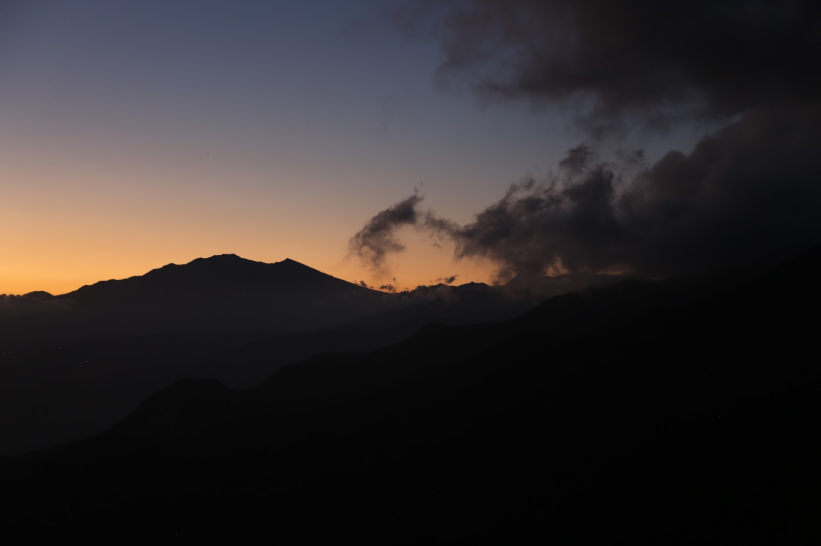
YogaTrade Website For Panama

YogaTrade is an online platform that connects yoga teachers, wellness professionals, and travelers with work exchange opportunities around the world. It is designed to help individuals find placements where they can teach yoga, work in retreats, or contribute to wellness centers in exchange for accommodation, meals, or payment. For anyone looking to combine travel with yoga, it serves as a bridge between skills and opportunity.

One of the main benefits of YogaTrade is its focus on global placements. Panama, with its growing wellness tourism industry, is an ideal destination for yoga professionals. Whether you are looking to teach on a tropical beach, a jungle retreat, or in a bustling city like Panama City, YogaTrade allows you to browse opportunities suited to your experience level.

The platform emphasizes transparency in listings. Each opportunity on YogaTrade provides details such as the type of work, expected hours, accommodations, and any compensation offered. This makes it easier for travelers to plan financially and ensure that they find placements that match their lifestyle and professional goals.

YogaTrade is not limited to professional instructors. The website also lists opportunities for individuals with skills in wellness, mindfulness, eco-tourism, or hospitality. This inclusivity allows people of different backgrounds to contribute meaningfully to retreats and wellness centers in Panama.

For yoga teachers, YogaTrade can serve as a portfolio-building tool. Completing placements in different environments allows teachers to gain experience, diversify their teaching styles, and connect with other instructors and retreat owners. Panama’s diverse landscapes—from beaches to mountains—offer unique settings that enrich this experience.

Another advantage of YogaTrade is the community aspect. Users can connect with past participants, read reviews, and share experiences. This creates a network of support and advice for anyone considering teaching in Panama, which can be especially valuable for first-time travelers navigating a new country.

Many opportunities in Panama listed on YogaTrade are hosted by boutique retreats or eco-lodges that emphasize sustainable tourism. This aligns with the broader wellness ethos, providing teachers and staff with meaningful experiences while contributing to environmentally conscious businesses.

The platform also allows users to filter placements by location, type of work, duration, and level of compensation. For those specifically looking for short-term engagements or seasonal work, YogaTrade makes it easy to find placements that fit within Panama’s busy tourist periods, particularly during the dry season when retreats are at their peak.

YogaTrade encourages a skill exchange model. This is particularly useful in Panama, where many retreats operate on a tight budget and value contributors who can teach yoga, lead workshops, or assist with daily operations. In return, participants often receive free accommodation, meals, and sometimes additional perks like surf lessons or spa access.

For those new to teaching or leading wellness programs, YogaTrade can serve as a stepping stone. Placements in Panama often welcome beginners, providing mentorship and training opportunities. This allows individuals to build confidence, learn about cultural adaptation, and develop professional networks in the international wellness community.

YogaTrade also lists opportunities for digital contributions. Retreats in Panama increasingly seek assistance with social media, photography, and marketing. By combining yoga teaching with digital skills, participants can maximize their experience and help retreats attract more visitors.

In addition to traditional yoga classes, many Panama retreats integrate other wellness practices, such as meditation, sound healing, or holistic nutrition workshops. YogaTrade highlights these opportunities, allowing participants to expand their skill set and diversify their experience.

The website provides guidance on visa requirements, health considerations, and cultural etiquette. This is particularly helpful for those planning to work in Panama, ensuring that participants understand legal and practical aspects of living and working abroad.

YogaTrade also fosters flexibility. Users can find placements ranging from a few days to several months, which is ideal for travelers exploring Panama while balancing work commitments. This flexibility allows teachers to tailor their experience to personal goals and travel plans.

Financially, using YogaTrade can be a cost-effective way to spend time in Panama. Instead of paying for accommodations and meals while traveling, participants can offset expenses through work exchange placements, making wellness travel accessible to a wider audience.

The platform’s search functionality is intuitive. Users can quickly identify placements near Panama City, Bocas del Toro, Boquete, or other wellness hubs. This makes planning logistics easier, allowing participants to choose locations based on transportation, nearby activities, or scenic preferences.

Networking is another significant benefit. By working through YogaTrade placements, participants meet other international teachers, retreat owners, and local staff. These connections can lead to future work opportunities or collaborative projects within Panama or elsewhere.

YogaTrade also emphasizes personal growth. Participants often report increased confidence, cultural awareness, and professional development. Panama’s diverse environments—from jungle retreats to oceanfront studios—enhance these experiences, making them memorable and impactful.

For long-term career planning, YogaTrade allows users to document completed placements and gain references from host retreats. This credibility is valuable for teachers seeking future positions in wellness tourism or international yoga communities.

Finally, YogaTrade embodies the ethos of mindful travel. By connecting yoga practitioners with meaningful work, it encourages responsible tourism, cultural exchange, and sustainability. For anyone looking to explore Panama while teaching or practicing yoga, the platform provides an organized, reliable, and enriching pathway to do so.

Whale Watching In Panama

Panama, with its position between the Pacific Ocean and the Caribbean Sea, offers an incredible opportunity to witness some of the ocean’s most magnificent creatures: whales. Whale watching has become a popular activity for travelers seeking wildlife experiences combined with the natural beauty of Panama’s coastal regions. The country’s warm waters and strategic location make it a seasonal hotspot for several whale species.

The primary whale-watching season in Panama is during the dry season, from July to October, when humpback whales migrate from colder feeding grounds to warmer tropical waters for breeding and calving. During these months, tours along the Pacific coast can bring visitors close to pods of whales in their natural habitat, often accompanied by playful calves and spectacular breaching displays.

One of the most famous regions for whale watching is the Gulf of Chiriquí, located near the town of Boca Chica. This area is known for its calm, clear waters and proximity to the Gulf of Chiriquí National Marine Park, which protects marine life and provides an excellent environment for whale activity. Local operators offer guided tours that include observation from boats, along with insights into whale behavior.

The Pearl Islands in the Gulf of Panama are another excellent location for spotting whales. Tours depart from Panama City and nearby towns, allowing visitors to experience the beauty of the archipelago while keeping an eye out for humpback whales. The waters here are deep, sheltered, and ideal for whales to migrate through, providing excellent photo opportunities.

Humpback whales are the most commonly spotted species during Panama’s whale-watching season. These whales are famous for their acrobatic breaches, tail slaps, and long, haunting songs. Observers can often see mothers and calves swimming together, making for unforgettable wildlife encounters.

In addition to humpbacks, Panama’s Pacific waters sometimes host pilot whales and orca sightings, though these are less common. Rarely, travelers might spot other species, such as Bryde’s whales or even sperm whales farther offshore. Experienced guides can help identify whales and provide context about their behavior and migratory patterns.

Whale-watching tours vary in duration, but most last between 3 to 6 hours, depending on the departure point and the distance to whale activity areas. Tours are often conducted in small boats to minimize disturbance to the animals and provide a more intimate experience. Many operators include snorkeling, island stops, or other marine wildlife sightings as part of the trip.

Boca Chica tours often offer combined experiences of whale watching and exploring nearby islands. Travelers can see not only whales but also dolphins, sea turtles, and a variety of seabirds. This makes the experience appealing not just for whale enthusiasts but also for nature lovers in general.

Tours departing from Panama City to the Pearl Islands are ideal for those staying in the capital. Early-morning departures increase the chances of calm seas and better whale encounters. These tours are typically guided by experienced naturalists who share information about marine ecosystems, whale migration, and conservation efforts.

For travelers who want a more immersive experience, some tours offer multi-day trips with overnight stays on islands or aboard small boats. These expeditions provide opportunities to see whales over multiple days and explore remote areas of Panama’s Pacific coast. Staying closer to whale habitats also increases the likelihood of spotting calves and observing social behavior.

Whale watching in Panama is not just about sightseeing—it’s also about supporting conservation. Many tour operators adhere to strict guidelines to protect whales, such as maintaining safe distances, limiting noise, and avoiding disruption of natural behaviors. Participating in guided tours helps promote sustainable tourism and raises awareness of marine conservation in the region.

The ideal viewing conditions occur during calm seas, usually in the early morning, when water visibility is best, and whales are most active near the surface. Humpback whales are known for their playful behavior, including breaching, tail slapping, and spy-hopping, which makes early sightings particularly rewarding for photographers and wildlife enthusiasts.

Safety and comfort are also important considerations. Many tours provide life jackets, water, and light snacks. Binoculars and cameras with zoom lenses are recommended for capturing moments without disturbing the animals. Guides often share tips on spotting whales, including watching for blow spouts and surface activity.

In addition to Pacific whale-watching, Panama’s Caribbean coast occasionally hosts migratory whales, though sightings are less predictable. The Caribbean is more popular for dolphin watching, manatees, and snorkeling, but adventurous travelers sometimes combine trips to both coasts for a more diverse marine experience.

Overall, whale watching in Panama is a magical experience that combines adventure, education, and a connection to nature. Whether observing a mother humpback and her calf in the Gulf of Chiriquí or catching a breaching whale near the Pearl Islands, visitors are treated to one of the most remarkable wildlife spectacles in Central America. With knowledgeable guides, careful tourism practices, and the stunning Panamanian seascape, whale watching here is both thrilling and deeply rewarding.

Yoga In Panama

Panama is not just a land of tropical beaches, mountains, and jungles—it’s also becoming a hub for wellness and yoga enthusiasts. From serene beachfront studios to jungle hideaways, yoga retreats in Panama offer a unique combination of natural beauty, cultural immersion, and physical and mental renewal. The country’s diverse landscapes make it a perfect backdrop for practicing mindfulness and deepening your yoga practice.

Yoga retreats in Panama vary widely, catering to different budgets and experience levels. Some offer luxurious accommodations, organic meals, and multiple classes per day, while others focus on simplicity and accessibility, making wellness available to travelers on a budget. Many retreats are set in locations that naturally support relaxation, such as coastal towns like Venao, the islands of Bocas del Toro, or the highlands near Boquete.

One advantage of choosing a retreat in Panama is the diversity of practice options. Visitors can engage in traditional Hatha or Vinyasa classes, participate in restorative or yin sessions, or explore more specialized workshops such as aerial yoga, meditation, or pranayama. The tropical environment enhances the experience, with fresh ocean breezes or jungle sounds adding a natural soundtrack to each session.

Some travelers might assume that yoga in Panama requires a hefty investment, but that isn’t always the case. Many hostels, such as Lost and Found Hostel, offer affordable yoga classes for guests. These sessions are often taught by local instructors or visiting professionals and provide a convenient way to practice daily without the cost of full-scale retreats.

The accessibility of yoga in hostels allows travelers to combine wellness with social experiences. While practicing on a mat surrounded by fellow adventurers, guests often form friendships and connections that extend beyond the yoga studio. These affordable options make it possible to maintain a consistent yoga practice even while traveling on a budget.

Beach towns are a natural draw for yoga retreats in Panama. In places like Santa Catalina or Venao, morning sessions often take place at sunrise on the sand, offering panoramic views of the ocean while listening to the sound of waves. This connection to nature enhances mindfulness and helps deepen meditation and movement practices.

Retreats in the highlands provide a different kind of experience. Areas near Boquete, for instance, feature classes overlooking mountains, rivers, and cloud forests. The cooler climate and fresh mountain air create a calm, meditative environment, ideal for restorative yoga or longer workshops that focus on breathing and alignment.

A significant aspect of many yoga retreats in Panama is the combination of yoga with other wellness activities. Guests can often engage in guided hikes, waterfall excursions, or kayaking trips, making physical activity an extension of the yoga practice. Nutrition is also emphasized, with many retreats offering fresh, plant-based meals prepared with local ingredients.

Some retreats in Panama specialize in immersive experiences that last several days or weeks. These programs often include daily yoga, meditation, and workshops on holistic living. For those who want a more flexible or affordable approach, day classes or short retreats hosted by local studios and hostels provide the same benefits without a long-term commitment.

Meditation and mindfulness are frequently incorporated into these retreats. Practitioners often start the day with quiet meditation sessions followed by gentle yoga sequences, allowing them to align body, breath, and mind. The calm, natural settings in Panama help support these practices, fostering a deeper sense of awareness and relaxation.

For those seeking to combine social travel with wellness, hostel-based yoga offers a unique blend. Lost and Found Hostel, for example, hosts daily yoga classes that are accessible to guests of all levels. These classes are affordable, often costing just a few dollars, making them ideal for travelers who want regular practice without paying for a luxury retreat.

Another benefit of smaller, hostel-based yoga programs is flexibility. Unlike structured retreats, which may require registration for a set number of days, hostel classes allow guests to drop in as their schedule permits. This means travelers can mix yoga with surfing, hiking, or sightseeing, creating a personalized wellness itinerary.

Yoga retreats in Panama also attract a wide range of instructors. International teachers often visit, bringing diverse styles and approaches. Local instructors provide insights into cultural connections with wellness, often including techniques adapted to the tropical climate, such as morning stretches to energize for outdoor activities.

Many retreats focus not only on physical practice but also on self-discovery. Workshops may include journaling, mindfulness exercises, or group discussions that encourage reflection. Being in Panama, surrounded by lush nature, reinforces these experiences, making it easier to disconnect from daily stress and technology.

For those on a budget, combining hostel stays with occasional full-day retreat workshops can provide the best of both worlds. Guests can enjoy the community atmosphere and affordability of a hostel while accessing professional instruction and guided sessions when they wish to deepen their practice.

The social aspect of hostel yoga is another draw. Guests often practice together in communal spaces or outdoor decks, creating a supportive environment. Shared experiences, such as watching the sunrise during early sessions, foster a sense of connection that complements the physical and mental benefits of yoga.

Yoga retreats in Panama are not limited to adults or experienced practitioners. Many programs welcome beginners, children, and even families, offering sessions designed to be inclusive and approachable. This flexibility makes wellness travel in Panama accessible to a wide audience.

Several retreats and hostels also integrate cultural experiences alongside yoga. Guests might participate in traditional cooking classes, local art workshops, or guided nature walks, enhancing the holistic nature of the retreat. This combination of yoga, culture, and nature makes Panama a rich and fulfilling destination for wellness travelers.

Whether on a luxury retreat or practicing at a hostel like Lost and Found, yoga in Panama encourages connection—to the self, to the environment, and to a broader community of travelers. The diversity of landscapes, affordability of classes, and abundance of options make it easy for anyone to find a practice that suits their needs.

In conclusion, Panama offers an array of yoga experiences, from high-end retreats to hostel-based classes, that cater to all budgets and skill levels. Whether practicing on a sunlit beach, in a misty cloud forest, or on a hostel rooftop, yoga in Panama provides a chance to relax, recharge, and explore the country in a mindful and intentional way. Affordable hostel classes, combined with full retreats or workshops, make it possible to maintain a consistent practice while enjoying the beauty and adventure of this tropical destination.

Comparing Hiking Apps For Use In Panama

Hiking in Panama is an adventure that combines lush rainforests, cloud-covered mountains, and hidden waterfalls. To make the most of these trails, hikers often rely on apps that guide them through terrain, help with navigation, and enhance the outdoor experience. One of the most popular options worldwide is AllTrails. It provides detailed trail maps, elevation information, photos, and reviews from other hikers, allowing users to filter trails based on difficulty or length, which is especially useful when exploring Panama’s diverse landscapes.

Wikiloc has gained a strong following in Latin America, offering thousands of user-uploaded routes for hiking, biking, and trail running. In Panama, hikers can download GPS tracks for offline use, making it possible to explore remote regions without worrying about cellular signal. Gaia GPS caters to more advanced hikers who want high-resolution topographic maps. In mountainous areas like Boquete or El Valle, Gaia GPS allows users to study contour lines and terrain features, making it easier to plan safe and efficient routes.

AllTrails also offers a premium version, AllTrails+, which includes offline maps, real-time overlays, and lifetime trail downloads. This becomes particularly helpful in Panama’s remote parks, where mobile coverage and Wi-Fi can be inconsistent. Komoot is another excellent choice, allowing hikers to customize routes according to surface type and difficulty. For Panama’s varied terrain, this makes it easier to match hikes to weather conditions and fitness levels.

ViewRanger combines detailed trail guides with the ability to create custom GPS routes. Its augmented reality feature identifies peaks and landmarks, giving hikers a unique perspective on Panama’s volcanoes, hills, and forested landscapes. Strava is often used to track hikes, monitor pace and elevation gain, and share accomplishments with friends. In Panama, it provides motivation while also connecting hikers with a broader community.

Trailforks focuses on multi-use trails and includes up-to-date information about trail conditions and closures. For those exploring Panama’s trails, it’s a reliable way to know what to expect before setting out. PeakFinder shows a 360° panoramic view of visible mountain peaks, which is helpful for understanding the surrounding terrain in hilly regions. Outdooractive combines trail maps with nature guides, photos, and accommodation tips, which is especially valuable when planning multi-day hikes across Panama’s varied regions.

Gaia GPS Adventure is an extension that integrates weather data with route planning. In Panama, where weather can change rapidly, it helps hikers avoid storms and plan safer trips. Map My Hike provides a simple interface for tracking time, steps, calories, and elevation, allowing hikers to monitor progress and stay motivated while discovering new trails. Avenza Maps allows users to download official park maps for offline use, an essential feature when navigating remote areas like the Darién.

Even Google Maps can be helpful for hiking in Panama, as it often identifies trailheads and park entrances. When combined with dedicated hiking maps, it helps hikers plan their starting points efficiently. GPS Tracks is a precise tool for recording routes, which is particularly useful for explorers venturing into lesser-known trails. Trails.com offers expert-reviewed trail information, providing beginners with an understanding of trail length, difficulty, and scenic highlights before venturing out.

PeakVisor provides 3D terrain visualization and mountain identification, adding an extra layer of insight for photographers and nature enthusiasts exploring Panama’s volcanic and mountainous regions. Outdoors GPS allows for offline map downloads and customizable layers, ensuring hikers remain oriented even in cloud forests or dense jungle. BackCountry Navigator is designed for off-trail navigation, offering advanced hikers the confidence to explore remote areas safely.

Hiking Project crowdsources trail information, including elevation profiles and user photos, giving Panama hikers community-verified insights. MotionX GPS combines maps, track recording, and waypoints, which is useful for multi-day hikes where cellular signal is limited. Trail Ap connects hikers with local groups, challenges, and meetups, allowing explorers in Panama to find organized activities and discover new routes safely.

Kompass provides topographic maps and guidebooks, catering to hikers who enjoy a traditional planning approach while still benefiting from digital navigation tools. Hike & Bike GPS is designed for multi-use trail planning, ideal for hikers and bikers who want to share routes and ensure safety in Panama’s popular outdoor spots. Gaia GPS Weather provides real-time weather alerts, which is critical in tropical climates where sudden storms can appear without warning.

Hiking apps in Panama are more than tools; they are companions. They ensure hikers have accurate navigation, help avoid potential dangers, and allow for the sharing of knowledge within a community. These apps give adventurers the confidence to explore both popular trails and hidden gems safely.

Many trails in Panama are not clearly marked, making offline maps and GPS tracking essential. With the right app, hikers can approach remote jungles, cloud forests, and volcanic regions with the peace of mind that they can navigate efficiently. Weather alerts integrated into apps provide an additional layer of safety, helping hikers avoid dangerous conditions.

Trail reviews, photos, and difficulty ratings empower hikers to make informed decisions about which trails suit their fitness level, time availability, and desired adventure type. Apps also encourage social interaction, allowing hikers to share experiences, tips, and even organize group hikes. In Panama, where outdoor activities are a major attraction, having access to these tools greatly enhances the hiking experience.

Hiking apps also serve as educational tools. By identifying peaks, tracking wildlife sightings, or pointing out unique plants, they deepen a hiker’s connection with the natural environment. Advanced features such as augmented reality or 3D terrain visualization make exploring mountains and forests even more immersive.

In addition to safety and navigation, these apps inspire exploration. Hikers can venture further afield, discover new trails, and challenge themselves in ways that might not have been possible without technological support. They open up access to regions of Panama that are otherwise difficult to navigate, making adventure more accessible for all experience levels.

For those planning extended trips, apps that combine trail maps with accommodation and transportation tips allow for seamless multi-day hiking experiences. This is particularly useful for areas like Boquete, El Valle, and other highland destinations in Panama. Apps that track elevation gain, distance, and progress motivate hikers to challenge themselves while appreciating the stunning landscapes around them.

Many hikers in Panama also use apps to log their journeys, creating a digital diary of trails conquered, scenic spots visited, and memories made. This personal archive becomes a resource for future trips, allowing hikers to revisit favorite routes or explore new variations with confidence.

By integrating weather alerts, offline maps, GPS tracking, and community knowledge, hiking apps turn any hike into a safer, more informed, and enjoyable adventure. Whether exploring dense jungle, cloud forests, or mountainous highlands, these tools equip hikers with the information needed to make every journey memorable.

In regions where cell coverage is spotty, the ability to download maps offline is invaluable. Hikers can rely on GPS and pre-loaded maps to navigate safely through the Panamanian wilderness without worrying about losing their way.

Community-driven apps also foster a sense of connection. Sharing trail photos, route conditions, and safety tips builds a network of hikers who contribute to a safer and richer hiking culture across Panama.

Ultimately, hiking apps are tools that bridge the gap between technology and nature. They empower hikers to explore confidently, safely, and with greater enjoyment. In Panama, where the diversity of terrain and climate presents both opportunities and challenges, these apps become essential companions for any adventurer.

With accurate maps, real-time information, and community insights, hikers can plan routes that match their abilities, discover hidden gems, and adapt to changing conditions with ease. Whether a beginner seeking safe trails or an experienced explorer venturing off the beaten path, these apps enhance every step of the journey.

By leveraging the right combination of apps, hikers can experience Panama’s forests, mountains, and coasts with confidence. Navigation, safety, education, and social connection come together to transform outdoor adventures into fully immersive experiences. The Panamanian wilderness, with its richness and unpredictability, becomes a playground where technology and nature harmoniously intersect.