Using Uber In Panama City: A Comprehensive Guide For Tourists

Using Uber in Panama’s capital is one of the easiest ways to get around, especially if you’re staying centrally in Bella Vista where pickups are quick and routes are short. The service operates widely across the metro area and is popular with locals, expats, and travelers.

Setting up your account works exactly like anywhere else. Download the Uber app, confirm your phone number, and connect a payment method before you request your first ride. Having it ready before you land saves time and stress.

Pickup coverage is strongest in central districts like Bella Vista, Obarrio, San Francisco, and Punta Paitilla. Wait times in these areas are typically just a few minutes during the day.

At Tocumen International Airport, Uber is commonly used, but you’ll usually meet your driver at a designated pickup area outside arrivals rather than curbside directly in front of the doors. Follow the in-app directions and airport signage.

Airport trips with Uber are often cheaper than traditional taxis, especially during non-peak hours. That said, prices can rise when many flights arrive at once.

Cashless payment is standard and convenient. Cards work smoothly, and you can also see the fare estimate before requesting a ride, which helps with budgeting.

Communication with drivers is generally straightforward. Many drivers speak basic English, but a simple Spanish phrase or two helps — especially for confirming the pickup spot.

GPS works well in the city grid, but in dense areas or near large buildings the pin can drift. Double-check your pickup point and use the in-app chat if needed.

Traffic is the biggest factor affecting travel time. Rush hour along Avenida Balboa and major corridors can slow rides significantly, even for short distances.

Pricing varies by demand. Expect surge pricing during rainstorms, Friday evenings, and major events. If the price looks high, waiting ten minutes often helps.

Short urban rides with Uber are typically affordable. Trips between neighborhoods like Bella Vista and San Francisco are usually quick and budget-friendly.

Safety features include driver identification, license plate details, and route tracking. Share your trip with a friend if you want an extra layer of reassurance.

If you’re heading to historic areas like Casco Viejo, note that narrow streets and pedestrian zones can affect where your driver stops. Walking the final block is normal.

For groceries or errands, Uber is handy because parking can be limited in busy districts. Door-to-door service saves time.

Rain changes everything in Panama City. When showers start, demand spikes quickly and wait times increase, so plan a little buffer time.

Drivers often prefer clear, well-lit pickup points. Hotel entrances, convenience stores, and major intersections are ideal.

If you’re staying in Bella Vista, you’ll notice that most Uber rides arrive quickly due to the neighborhood’s central location and dense driver availability.

Tipping isn’t mandatory but is appreciated for helpful service or difficult traffic conditions. You can tip directly in the app.

For early morning departures to the airport, schedule your Uber in advance. This reduces uncertainty and helps you leave on time.

If you lose an item, report it through the app immediately. The system connects you with the driver to arrange recovery.

Uber offers multiple ride options ranging from budget to more comfortable vehicles. Choose based on group size, luggage, and preference.

When exploring the city at night, Uber is often the simplest way to move between neighborhoods without worrying about parking or navigation.

Travelers arriving from the highlands — especially from Lost and Found Hostel — often find Uber the easiest way to navigate the capital once they reach Panama City. It removes the stress of unfamiliar routes and urban traffic.

Uber drivers in Panama City are accustomed to tourists and expats. Most are used to helping riders find entrances, hotels, and apartment towers.

If you’re traveling with luggage, choose a larger vehicle category. Compact cars are common and trunk space can vary.

Peak commute times usually occur early morning and late afternoon on weekdays. Planning around these windows can significantly shorten travel time.

Uber also helps visitors avoid negotiating taxi fares. The upfront pricing model is one of the biggest advantages for travelers.

Service availability extends well beyond the city center, including residential areas and major shopping districts.

Overall, using Uber in Panama City is reliable, widely available, and cost-effective — especially for travelers based in central areas like Bella Vista who want easy access to the city without renting a car.

Nature Lover's Guide To Wildlife Spotting In Panama

Here’s a nature-lover’s guide you can use around Panama, especially in the cloud forests near Boquete and the trails around Volcán Barú National Park — basically your backyard if you’re exploring from Lost and Found Hostel. It’s written so you can print and take it with you.

Panama is one of the most biodiverse countries on Earth for its size. Mountains, cloud forests, jungles, and coastal zones all stack together in a small area, which means you can see an incredible variety of animals in just a few days. The highlands of Chiriquí are especially rewarding because elevation changes create multiple habitats within a short hiking distance.

Wildlife spotting here isn’t about safaris — it’s about patience, quiet walking, and looking closely. Many animals blend into the forest. The reward is that every hike feels like a treasure hunt.

The checklist below is designed for travelers and volunteers exploring trails, farms, and forest edges. It focuses on species you actually have a realistic chance of seeing.

Birds of the Panamanian Highlands

Panama is a world hotspot for birdwatching. Even beginners spot colorful species within minutes on a forest trail.

The most famous bird of the highlands is the resplendent quetzal. Seeing one feels like spotting something mythical.

Toucans are easier to see than people expect. Their calls often give them away before their bright beaks do.

Hummingbirds are everywhere in Boquete’s cooler climate. Coffee farms are especially good places to watch them.

Hawks and other raptors glide above open valleys on warm mornings.

Large forest birds like guans and chachalacas move noisily through treetops.

Printable Bird Checklist

☐ Resplendent quetzal

☐ Keel-billed toucan

☐ White hawk

☐ Rufous-tailed hummingbird

☐ Volcano hummingbird

☐ Black guan

☐ Orange-bellied trogon

☐ Collared redstart

☐ Mountain thrush

☐ Chachalaca

Lizards and Reptiles

Reptiles are a constant presence in warm and humid environments. Many are small and harmless.

Green iguanas are among the most recognizable reptiles. They often rest in trees near water.

Basilisk lizards are famous for running across water surfaces. Locals call them “Jesus Christ lizards.”

Anoles are small color-changing lizards commonly seen on tree trunks and walls.

Geckos often appear around lights at night, hunting insects.

Large snakes exist but are rarely encountered by hikers who stay on trails.

Printable Reptile Checklist

☐ Green iguana

☐ Basilisk lizard

☐ Anole lizard

☐ Leaf-toed gecko

☐ Boa constrictor

☐ Forest skink

☐ Glass lizard

☐ Tree boa

Mammals of the Cloud Forest

Mammals are harder to see but incredibly rewarding. Many are active at dawn or dusk.

Coatis are among the most commonly seen mammals. They travel in groups and forage on the forest floor.

Sloths move slowly but are surprisingly common once you learn to spot them in treetops.

Howler monkeys are often heard long before they are seen. Their calls echo across valleys.

Agoutis resemble large forest rodents and are frequently seen along trails.

Kinkajous are nocturnal and rarely seen, but they inhabit the same forests.

Printable Mammal Checklist

☐ White-nosed coati

☐ Three-toed sloth

☐ Howler monkey

☐ Spider monkey

☐ Agouti

☐ Kinkajou

☐ Opossum

☐ Nine-banded armadillo

Popular Insects You’ll Notice First

Insects are the most visible wildlife in Panama. They are essential to the ecosystem and often surprisingly beautiful.

Blue morpho butterflies flash bright blue wings as they glide through forest light.

Leafcutter ants form organized highways across trails, carrying pieces of leaves above their heads.

Stick insects are masters of camouflage and often mistaken for twigs.

Heliconia butterflies gather around tropical flowers.

Some species like bullet ants exist but should simply be observed from a distance.

Printable Insect Checklist

☐ Blue morpho butterfly

☐ Leafcutter ants

☐ Heliconia butterfly

☐ Stick insect

☐ Rhinoceros beetle

☐ Fireflies

☐ Orchid bee

☐ Bullet ant

Tips for Wildlife Spotting in the Highlands

Early morning is the best time for animals. Forests are quieter and cooler.

Move slowly and pause often. Wildlife appears when you stop rushing.

Listen more than you look. Many species reveal themselves through sound.

Cloud forest edges — like trails around your area near Lost and Found — are especially productive because habitats overlap.

Bring binoculars if you have them. Even simple ones change the experience completely.

Discovering Volcán Barú: Panama’s Majestic Peak

Volcán Barú is the highest point in Panama, standing tall at 3,474 meters (11,398 feet) above sea level. It is located in the western province of Chiriquí and dominates the landscape around Boquete, a small town renowned for its coffee plantations and cooler climate.

Unlike many volcanoes around the world, Volcán Barú is considered dormant, not extinct. It last erupted approximately 500 years ago. Its dormant status has allowed lush forests and agricultural lands to thrive on its slopes.

The volcano is a stratovolcano, characterized by steep sides and multiple layers of hardened lava, volcanic ash, and rock. These layers tell the story of its fiery past and its role in shaping the region’s geology.

Volcán Barú offers a unique opportunity: on clear days, from its summit, you can see both the Pacific Ocean and the Caribbean Sea simultaneously. This rare geographical phenomenon makes it a bucket-list destination for hikers and photographers alike.

The surrounding area is home to an incredible variety of ecosystems. From tropical forests at its base to cloud forests closer to the summit, Volcán Barú supports a wide array of plant and animal life.

Birdwatchers often visit the area because it hosts several species endemic to Panama. Quetzals, toucans, and hawks are common sights in the forested regions of the volcano.

The town of Boquete, nestled at the base of Volcán Barú, serves as the primary gateway for visitors. Boquete is famous for its coffee, cooler climate, and outdoor adventure culture, which makes it an ideal base for exploring the volcano.

Hiking Volcán Barú is one of the most popular activities for tourists. The standard trail, known as the Sendero Los Quetzales, takes most hikers 6–10 hours to complete round-trip, depending on fitness and weather conditions.

The hike can be physically demanding. Elevation gain is significant, and temperatures drop considerably as you ascend. Many hikers start in the early hours to reach the summit for sunrise.

During the ascent, hikers move through various climate zones. Lower elevations are warm and humid, while higher elevations can be cold and windy, especially near the peak.

Camping near the summit is an option for those who want to catch the sunrise without hiking in the middle of the night. However, campers must prepare for cold temperatures and rapidly changing weather.

The summit offers panoramic views that are breathtaking. On exceptionally clear days, one can see both oceans, distant mountains, and even the surrounding volcanic peaks in Costa Rica.

Sunrise hikes are particularly popular. Watching the sun rise over Panama from the top of Volcán Barú is an unforgettable experience that draws photographers from around the world.

The volcanic soil in the area is highly fertile, making it perfect for agriculture. Coffee, vegetables, and flowers are commonly grown on the lower slopes of the volcano.

Boquete’s coffee plantations have gained international recognition, and many tours offer visitors the chance to see the entire coffee-growing process, from bean to cup.

The cloud forests near the volcano are rich in biodiversity. Rare orchids, bromeliads, and ferns are abundant, creating a lush, vibrant ecosystem that changes with the altitude.

Volcán Barú is also part of a protected area, the Volcán Barú National Park. This designation helps preserve its ecosystems, wildlife, and unique geological features.

The park covers around 13,000 hectares and includes several trails, viewpoints, and natural attractions. Rangers monitor the area to ensure conservation and visitor safety.

Due to its elevation and ecological diversity, Volcán Barú plays a significant role in local climate patterns. It affects rainfall distribution and creates microclimates that are vital for agriculture and biodiversity.

The volcano is composed of layers of andesite and dacite lava, which are typical of stratovolcanoes. These rocks provide insight into the region’s volcanic activity over centuries.

Several rivers originate from Volcán Barú, providing fresh water to nearby towns and supporting both human and ecological communities.

In addition to hiking, Volcán Barú attracts adventurers for mountain biking, birdwatching, and nature photography. Its steep slopes and scenic vistas make it a versatile destination.

Volcán Barú is culturally significant to the people of Chiriquí. It is featured in local folklore and often symbolizes strength and resilience.

Local guides offer tours of the volcano, sharing insights about the geology, flora, fauna, and history. Hiring a guide enhances the hiking experience and increases safety.

Wildlife is abundant. Besides birds, hikers may encounter agoutis, armadillos, and even spectacled bears in remote areas, although sightings are rare.

The hike’s difficulty can be affected by weather. Heavy rains can make trails slippery and fog can reduce visibility, so preparation is key for anyone attempting the summit.

Acclimatization is important. Even though the volcano isn’t extremely high compared to peaks elsewhere, the rapid altitude gain can cause shortness of breath and fatigue for some hikers.

Sun protection is essential. High elevations expose hikers to stronger UV rays, and cloud cover can be deceiving. Sunscreen, hats, and sunglasses are recommended.

Volcán Barú has also been the focus of scientific study. Geologists study its soil, lava flows, and historical eruptions to understand regional volcanic activity and hazards.

The volcano contributes to Panama’s tourism economy. Hikers, birdwatchers, and coffee enthusiasts visiting Volcán Barú support local businesses, lodges, and restaurants.

Conservation efforts continue to be important. Protecting the natural environment around Volcán Barú ensures that future generations can enjoy its unique landscapes and biodiversity.

For those unable to hike to the summit, several viewpoints along the lower slopes offer spectacular views of the surrounding valley, coffee plantations, and cloud forests.

Volcán Barú is a year-round destination. The dry season, from December to April, is generally considered the best time to hike, as trails are less slippery and skies are clearer.

The volcano remains a symbol of natural beauty, adventure, and ecological diversity in Panama. It draws both domestic and international visitors seeking to experience its unique landscapes.

Whether you are a seasoned hiker, a nature enthusiast, or a photographer, Volcán Barú offers experiences that are both challenging and rewarding, showcasing the natural wonders of Panama.

Its combination of geological history, biodiversity, panoramic vistas, and cultural significance make Volcán Barú a must-visit destination for anyone exploring the Chiriquí region.

From its fertile slopes producing world-class coffee to its cloud forests teeming with life, Volcán Barú stands as a majestic monument to Panama’s natural heritage.

Ultimately, visiting Volcán Barú is more than a hike; it is an immersion into the heart of Panama’s mountainous landscapes, a chance to connect with nature, and a testament to the country’s diverse ecosystems.

Driving in Panama with a Foreign License: What You Need to Know

Driving in Panama can be an adventure, whether you’re cruising along coastal highways, exploring mountain roads near Chiriquí, or navigating the streets of Panama City. For travelers with a foreign license, understanding the rules is essential to stay safe and legal.

Your foreign driver’s license can often be used in Panama for a limited time, depending on your country of origin. Most tourists are allowed to drive with a valid license for up to three months.

The license must be valid and legible, and it’s a good idea to carry it along with your passport whenever you’re behind the wheel. Authorities may ask for both if you’re stopped.

Many travelers choose to carry an International Driving Permit (IDP) alongside their regular license. The IDP translates your license into multiple languages, including Spanish, which is the official language in Panama.

An IDP is not a replacement for your license. It works only when presented together with your original license. Without the original license, an IDP alone is not valid.

You can obtain an IDP in your home country before arriving in Panama. For example, U.S. residents get theirs through AAA or the American Automobile Association, while Canadians get theirs through provincial automobile associations.

The IDP is valid for one year and recognized in most countries, making it a useful document for travelers who drive internationally.

Driving in Panama requires you to understand local traffic rules, which may differ from your home country. Speed limits are posted in kilometers per hour, and traffic fines can be enforced strictly.

Seat belts are required for all passengers, and children under a certain age must use approved car seats. These rules apply to both city and rural driving.

Drinking and driving laws are strict. Panama has legal limits for blood alcohol content, and roadside checks are common, especially around nightlife areas.

Rental cars are widely available in Panama City, David, and beach towns. Most rental companies require a valid foreign license and may request an IDP, depending on the rental location.

If you plan to rent a car in Panama, check with the agency about their documentation requirements. Some companies require an international credit card and proof of insurance.

Driving on Panamanian highways can be straightforward, but rural roads may be narrow, unpaved, or poorly marked. Coastal and highland areas, including routes near Lost and Found Hostel, require extra caution.

Insurance is essential. Basic coverage is often included in rentals, but additional insurance can protect against theft, accidents, and damage. Always confirm the details before signing any contract.

For long-term residents or expats, Panama allows obtaining a local driver’s license after establishing residency. This involves passing a theory and practical exam at the local traffic office.

Foreign licenses from some countries may qualify for direct exchange without a test, but rules vary. It’s important to check with Panama’s traffic authority, Autoridad de Tránsito y Transporte Terrestre (ATTT).

If you are staying short-term, driving with a foreign license plus an IDP is generally sufficient. Keep copies of all documents in the car as a precaution.

Road conditions vary widely. Major highways are generally well-maintained, but secondary roads may have potholes, sudden curves, or livestock. Drive defensively and stay alert.

Traffic signs are in Spanish. Knowing basic terms like “pare” for stop and “desvío” for detour can help avoid confusion, especially on rural routes.

Finally, always respect local drivers’ habits. Panamanians may drive aggressively or use horn signals differently than you’re used to. Observing and adapting will make your driving experience smoother.

Driving in Panama with a foreign license is convenient and doable with preparation. Carry your license, consider an IDP, understand the rules, and always prioritize safety — and you’ll have the freedom to explore beaches, mountains, and cities at your own pace.

A Snack Lover’s Guide to Panama

Panama’s snack culture is a mix of street food comfort, Caribbean sweetness, and highland heartiness. Whether you’re in the capital, a beach town, or the mountains near Lost and Found Hostel, there’s always something small and satisfying within reach.

Snacks here are often simple, filling, and made from familiar ingredients like corn, plantain, cheese, and coconut. The flavors lean warm and comforting rather than flashy.

Many Panamanian treats are sold from small counters, bakeries, or roadside stands. Grabbing a bite is part of daily life, not just a tourist experience.

Travelers who’ve been hiking in Chiriquí or bouncing between beaches quickly learn that snacks are essential fuel for long bus rides and jungle trails.

Empanadas and Savory Handheld Favorites

Empanadas are everywhere in Panama, and each region has its own twist. They’re typically filled with cheese, chicken, or ground beef and fried until crisp.

Corn-based empanadas are especially popular in rural areas, where they feel more rustic and filling.

Carimañolas are another beloved snack, made from yuca dough stuffed with meat and deep-fried. They’re crunchy outside and soft inside.

Salchipapas — sliced hot dogs and fries topped with sauces — are a late-night favorite across the country.

For travelers arriving from mountain hostels or long shuttle rides, these savory snacks often become the first stop in town.

Plantain Snacks — Sweet and Salty Classics

Plantains are a cornerstone of Panamanian snacking. Patacones, made from twice-fried green plantains, are salty, crispy, and addictive.

Tajadas, sliced ripe plantains fried until golden, offer a sweeter contrast and often appear beside meals or as snacks on their own.

Packaged plantain chips are sold everywhere and make perfect bus snacks when traveling between places like Santa Catalina and Bocas del Toro.

Plantains reflect Panama’s Caribbean influence and agricultural traditions at the same time.

After a long hike near Lost and Found Hostel, something salty and fried hits exactly right.

Breads and Bakery Treats

Hojaldres are fluffy fried breads often eaten for breakfast but just as popular as snacks. They’re warm, soft, and slightly crisp on the outside.

Pan dulce, or sweet bread, comes in many forms — glazed, filled, or dusted with sugar.

Small bakeries across Panama sell simple pastries filled with cheese or fruit.

These bakery snacks are especially common in towns where travelers stop during long journeys across the country.

A morning hojaldre before heading to the coast is practically a travel ritual.

Caribbean-Inspired Sweets

Coconut plays a big role in Panamanian sweets, especially along the Caribbean side. Cocadas are chewy coconut candies rich with flavor.

Raspao is Panama’s version of shaved ice, topped with syrup and sometimes condensed milk. It’s a heat-beating classic in cities and beach towns.

Tres leches cake is widely loved for its soft texture and creamy sweetness.

Dulce de leche appears in many desserts, adding a caramel richness that pairs perfectly with coffee.

After days in the mountains, many travelers crave something cold and sweet when they reach the coast.

Market Snacks and Everyday Treats

Fresh fruit is one of Panama’s simplest and best snacks. Mango, pineapple, and papaya are often sold ready to eat.

Cheese is commonly paired with bread or fried dough, creating quick, filling bites sold at market stalls.

Peanuts, roasted corn, and simple packaged snacks are easy to find for road trips across the country.

Street vendors often adapt to what’s in season, so snack options shift slightly throughout the year.

Trying snacks from local markets gives a glimpse into everyday Panamanian life beyond tourist areas.

Snacks and Travel in Panama

For travelers moving between the highlands, the capital, and the coast, snacks become part of the rhythm of travel.

Long-distance buses, shared shuttles, and boat rides all come with snack breaks along the way.

Panamanian snacks are practical — portable, filling, and affordable.

They’re also social. Sharing food is part of conversation and hospitality.

Visitors staying at Lost and Found Hostel often bring back treats from town to share after a day of hiking.

Why Panamanian Snacks Stand Out

Panamanian snacks reflect the country’s geography — tropical ingredients, agricultural traditions, and coastal influences.

They’re not overly complicated, but they’re deeply satisfying.

Food here is tied to daily life rather than special occasions.

Trying local snacks helps travelers understand Panama beyond beaches and landscapes.

From mountain mornings to ocean sunsets, Panamanian snacks quietly fuel the journey across the country.

The Ngäbe-Buglé People of Panama

The Ngäbe-Buglé are one of the largest Indigenous groups in Panama, with communities spread across the western highlands and parts of Bocas del Toro and Veraguas. Their presence shapes the cultural landscape of the country in ways many travelers notice even before they learn the name.

Historically, the Ngäbe and the Buglé were distinct peoples who lived in neighboring regions with their own languages and traditions. Over time, shared geography and political organization brought them together under one recognized territory.

That territory is known as the Comarca Ngäbe‑Buglé, an autonomous region created to protect land rights, culture, and self-governance. The comarca stretches across mountainous terrain where daily life remains closely tied to the environment.

Life in these highlands is shaped by elevation, weather, and agriculture. Communities often live in rural areas where farming, family, and tradition define the rhythm of everyday life.

Many Ngäbe-Buglé families cultivate crops such as corn, beans, plantains, and cacao. Agriculture is not just an economic activity but a cultural practice passed down through generations.

Language plays a central role in identity. Ngäbere and Buglere are still spoken widely within communities, preserving knowledge, history, and worldview through oral tradition.

Clothing is one of the most visible expressions of culture. Women often wear the brightly patterned nagua dress, a flowing garment with geometric designs that reflect both tradition and adaptation.

Handcrafted jewelry made from colorful beads is another important cultural element. These pieces often carry symbolic meaning and represent both artistry and heritage.

Community structure tends to emphasize family networks and shared responsibility. Decisions are often made collectively, reflecting long traditions of communal life.

Spiritual beliefs blend ancestral traditions with influences that arrived through contact with the outside world. Ceremonies and rituals remain an important part of cultural continuity.

For travelers exploring western Panama, encounters with Ngäbe-Buglé culture often happen naturally. Markets, roadside stands, and rural communities reveal glimpses of everyday life.

In the Chiriquí highlands near Lost and Found Hostel, many local workers, farmers, and families come from Ngäbe-Buglé communities. Their presence shapes the cultural atmosphere of the region in quiet but meaningful ways.

Visitors hiking mountain trails or traveling between towns often pass through areas where Ngäbe-Buglé families live and work. These encounters offer a reminder that Panama’s landscapes are also cultural spaces.

Education and economic opportunities vary widely across the comarca. Some families maintain traditional livelihoods while others travel seasonally for work in agriculture or tourism.

Migration between rural and urban areas is common, especially among younger generations seeking employment or schooling. Even so, cultural ties to ancestral lands remain strong.

Traditional knowledge about plants, weather, and land use continues to be valued within communities. This knowledge reflects generations of living closely with the natural environment.

Artisan crafts provide both cultural expression and economic support. Handmade items are often sold in markets across western Panama, allowing traditions to remain visible beyond the comarca.

Music and storytelling remain important forms of cultural expression. Songs, narratives, and oral histories pass knowledge from elders to younger generations.

Community celebrations bring families together for shared meals, dance, and ceremony. These gatherings reinforce identity and social bonds.

Travelers who spend time in western Panama often notice the resilience of Ngäbe-Buglé communities. Despite modern challenges, cultural continuity remains strong.

Respectful tourism plays a role in cultural preservation when visitors approach communities with curiosity and awareness rather than expectation.

Understanding the Ngäbe-Buglé experience helps travelers see Panama beyond beaches and cities. The country’s identity is deeply connected to Indigenous heritage.

For people moving between coastal destinations like Santa Catalina and mountain regions such as Chiriquí, the cultural landscape shifts alongside the geography.

The Ngäbe-Buglé story is one of adaptation, continuity, and connection to land. Their presence in Panama is not just historical but living and evolving.

Learning about Indigenous cultures adds depth to travel experiences, especially in regions where communities remain closely tied to traditional ways of life.

For visitors staying in the highlands around Lost and Found Hostel, awareness of Ngäbe-Buglé culture offers a deeper understanding of the people who have shaped the region for generations.

Whale Sharks of Santa Catalina

Santa Catalina is famous for surf and sunsets, but every so often the ocean delivers something much bigger — the gentle giant known as the whale shark.

Whale sharks are the largest fish in the world, yet they move with a calm, slow grace that makes encounters feel surreal rather than intimidating.

These massive animals are filter feeders. They glide through the water collecting plankton and tiny organisms, not hunting large prey.

Because of that feeding style, they are safe to observe respectfully from a distance, which is why they’ve become a dream sighting for ocean travelers.

In the waters off Santa Catalina, sightings are never guaranteed, but when conditions align, the experience becomes one of the most memorable wildlife encounters in Panama.

Many travelers exploring Panama’s beaches after time in the Chiriquí highlands — especially those coming down from Lost and Found Hostel — plan their coastal days around the possibility of spotting one.

Where Whale Sharks Are Usually Seen

Most whale shark sightings near Santa Catalina occur around Coiba National Park, a protected marine reserve known for extraordinary biodiversity.

Coiba’s nutrient-rich waters attract plankton blooms, which in turn attract large filter feeders like whale sharks.

The area’s relative isolation and protected status help create the kind of ecosystem where big marine species can still thrive.

Boat tours from Santa Catalina head into the park for snorkeling, diving, and wildlife observation — and whale shark sightings happen during these excursions when conditions are right.

Even when whale sharks don’t appear, the journey through Coiba’s islands, reefs, and open ocean feels like a true marine expedition.

Whale Shark Season in the Santa Catalina Region

Sightings are most likely during Panama’s dry season months when ocean conditions are calmer and visibility improves.

The best window generally falls between mid-winter and late spring, though ocean life doesn’t follow calendars perfectly.

Some years produce multiple sightings, while others are quieter. Marine wildlife always keeps its own schedule.

Local guides track recent sightings and plankton conditions, which helps improve chances when planning a trip.

Travelers staying in Santa Catalina for a few days instead of a quick stop have a much higher chance of being out on the water when sightings occur.

Many backpackers moving between Bocas del Toro and the highlands plan a flexible Santa Catalina stay specifically for this reason.

What Whale Sharks Are Like to See

Seeing a whale shark in open water is different from seeing large animals on land. There’s a sense of scale that’s hard to process.

Their spotted patterns create a star-like appearance across their bodies, which is why encounters feel almost otherworldly.

They move slowly and steadily, often just below the surface, allowing boats to observe without chasing or disturbing them.

The experience is quiet. No splashing, no drama — just a massive presence gliding through blue water.

For many travelers, this moment becomes one of those travel memories that feels bigger than a photo.

How to Go See Whale Sharks from Santa Catalina

The most common way to look for whale sharks is by joining a guided boat tour heading to Coiba National Park.

Tours usually depart in the morning when sea conditions are calmer and wildlife activity is higher.

Operators combine snorkeling stops, island visits, and wildlife watching into a full-day trip.

If whale sharks are spotted, guides follow observation rules that prioritize safety for both people and animals.

Many tour companies coordinate between boats, sharing recent sightings to improve everyone’s chances.

Booking a tour through your accommodation in Santa Catalina is often the simplest way to arrange a spot.

What to Expect on the Water

Boat trips to Coiba typically include multiple stops, so the day remains worthwhile even without a whale shark sighting.

Clear water, reef fish, sea turtles, and dolphins are commonly seen during excursions.

The Pacific Ocean here can change quickly, so trips depend on weather and sea conditions.

Guides usually brief visitors on respectful wildlife observation before entering the water.

The overall pace is relaxed — the focus is on observation, not pursuit.

Planning Tips for Travelers

Staying several nights in Santa Catalina increases the chance of favorable conditions for wildlife tours.

Flexible scheduling helps, since ocean conditions determine when boats depart.

Travelers coming from Panama City often arrive by shuttle or bus, while those in western Panama frequently route through David.

For people based in the mountains near Lost and Found Hostel, Santa Catalina offers a complete contrast — jungle trails traded for open ocean horizons.

Combining highland hiking with marine wildlife experiences creates one of Panama’s most varied travel routes.

Why Whale Sharks Matter

Whale sharks are considered vulnerable globally, making responsible tourism important.

Protected areas like Coiba National Park play a crucial role in preserving their habitat.

Guided observation helps support conservation by funding marine protection and research.

Seeing one in the wild creates a powerful reminder of how vast and interconnected ocean ecosystems are.

For young travelers especially, encounters with giant yet gentle wildlife often become the moment that sparks lifelong interest in the natural world.

The Experience Beyond the Sighting

Even without a whale shark, Santa Catalina’s waters offer rich marine life and dramatic coastal scenery.

Boat rides across open Pacific waters bring a sense of scale that’s hard to find elsewhere in Panama.

Returning to shore after a full day at sea feels like stepping back into a slower rhythm of travel.

Sunsets over Santa Catalina often close the day with warm colors and quiet reflection.

In a country known for rainforests and mountains, the whale shark season adds a powerful ocean chapter to Panama’s story.

For travelers making their way across the country — from cloud forest hostels to Caribbean islands to Pacific surf towns — Santa Catalina offers the possibility of meeting the ocean’s largest traveler face to face.

And sometimes, that possibility is enough reason to go.

Beach Hopping by Bus on Isla Colón

Isla Colón is one of those rare places where beach exploration doesn’t require a car, a tour, or a complicated plan. A simple local bus can take you from the colorful streets of Bocas Town to some of the island’s best stretches of sand.

For travelers used to long travel days across Panama, the island feels refreshingly compact. After the mountains around Lost and Found Hostel, the idea of reaching multiple beaches in a single afternoon by bus feels almost luxurious.

The buses themselves are part of the experience. They’re small, informal, and full of locals heading to work, school, or the coast. You just flag one down and hop on.

Most beach routes run along the same coastal road that cuts through jungle, small communities, and glimpses of turquoise water. The journey is short but scenic enough to feel like a tour.

The most famous beach you can reach this way is Bluff Beach, located at the far end of the island’s main road.

Bluff Beach

Bluff Beach is known for its long, dramatic stretch of golden sand and powerful waves. It feels wild compared to the calm Caribbean images most people expect.

The bus ride to Bluff Beach takes you through jungle corridors and small roadside homes before the landscape suddenly opens to ocean views. It’s one of the most beautiful short rides in Panama.

This beach is ideal for long walks rather than swimming. The waves are strong and the currents can be unpredictable, so visitors usually stay near shore.

There are a few small restaurants and cafes scattered along the road, making it possible to spend several relaxed hours without planning much.

Bluff Beach has a sense of space that many beaches in Panama don’t. Even during busy travel seasons, it rarely feels crowded.

After days of hiking cloud forests around Chiriquí, travelers often say Bluff Beach feels like a complete shift in atmosphere — open sky, endless sand, and ocean energy.

Paunch Beach

Closer to town along the same route is Paunch Beach, a favorite stop for surfers and people who enjoy lively coastal scenery.

The bus drops you near access paths that lead directly to the water. It’s one of the easiest beaches to reach quickly if you don’t want a long ride.

Paunch Beach has stronger waves than calmer Caribbean spots, which makes it popular with surfers but still enjoyable for beach walking and relaxing.

The atmosphere here is social without being busy. You’ll often see travelers, locals, and surfboards leaning against palm trees.

Food spots near the road make Paunch an easy half-day stop. You can arrive, swim cautiously near shore, eat, and head back whenever a bus passes.

For backpackers moving between Panama’s highlands and the coast, Paunch feels like a gentle introduction to island life before venturing farther.

Boca del Drago

On the opposite side of the island, the bus route to Boca del Drago offers a completely different beach experience. The water here is typically calm and clear.

The ride crosses interior parts of the island before arriving at a quiet coastal zone known for relaxed swimming conditions.

Small restaurants line the beachfront, serving fresh seafood with ocean views. Many visitors stay for lunch and spend the afternoon in the water.

Boca del Drago is especially popular with travelers who want a calmer environment than Bluff Beach’s powerful surf.

From here, some visitors continue walking along the coast toward other scenic areas, though many simply enjoy the peaceful setting.

For people who have been exploring rugged terrain around Lost and Found Hostel, Boca del Drago often feels like a well-earned reward day.

Starfish Beach Area

Near Boca del Drago, travelers often continue toward the area commonly known as Starfish Beach, accessible by short local transport or a coastal walk after the bus ride.

The defining feature here is shallow, calm water and sandy bottom conditions that create a very different mood from the surf beaches.

The shoreline is lined with simple beach bars and shaded seating areas, making it easy to spend a full afternoon without moving much.

This area is one of the most relaxed beach environments reachable after a straightforward bus journey from town.

Many travelers combine Boca del Drago and the Starfish Beach area in a single outing since they’re part of the same side of the island.

Why Bus Travel Works So Well Here

Public buses on Isla Colón run frequently enough that beach hopping doesn’t require strict timing. You explore at your own pace and return when ready.

The affordability is part of the charm. Compared with transport costs across mainland Panama, island buses feel refreshingly simple and inexpensive.

Because the island is compact, rides are short and never feel like full travel days. You spend more time at the beach than getting there.

For backpackers crossing the country, this ease contrasts strongly with longer shuttle routes used elsewhere — especially the kinds of journeys many travelers take when heading to or from Lost and Found Hostel.

There’s also something uniquely social about bus travel here. Conversations start easily, directions are shared casually, and beach plans evolve naturally.

Isla Colón proves that exploring multiple beaches doesn’t have to be complicated. With a few coins, a flexible mindset, and a seat by the window, the island reveals itself one shoreline at a time.

Getting Your iPhone Repaired in Panama City

Travelers and expats in Panama eventually face the same tiny tragedy: a cracked screen, a battery that fades too fast, or a phone that suddenly refuses to charge. In a country where WhatsApp is basically oxygen, a broken iPhone can feel like losing your map, wallet, and social life at the same time.

Panama City is the easiest place in the country to get an iPhone fixed. The capital has the highest concentration of technicians, parts suppliers, and shopping centers with electronics kiosks that specialize in fast repairs.

If you’re used to North American or European repair prices, you’ll likely find Panama City refreshing. Screen replacements and battery swaps typically cost noticeably less, especially when compared to official service providers in Western countries.

One of the most common repairs in the city is screen replacement. With humidity, heat, and travel wear, phones take a beating here. A typical screen repair can often be done the same day, sometimes in under an hour.

Battery replacements are another frequent fix. Many travelers arrive in Panama with phones already a few years old, and the tropical climate doesn’t help battery health. Swapping a battery is quick and usually affordable.

Charging port issues are extremely common in Panama. Dust from travel, beach sand, and humidity buildup can cause charging failures. Technicians in Panama City deal with this daily and often clean or replace ports quickly.

If your phone gets water damage, time matters. Panama’s rainy season and beach trips make moisture exposure common. Many repair shops offer diagnostics to check corrosion and internal damage before suggesting a full repair.

Major shopping hubs like Albrook Mall are packed with repair kiosks. You can compare prices easily by walking a single corridor and asking a few technicians for quotes.

Independent repair shops are everywhere in central districts. Some are small family-run businesses that have been fixing phones for years and rely heavily on word-of-mouth reputation.

Official authorized repair providers do exist, but they are usually more expensive and may take longer because of parts ordering. Many travelers prefer independent shops for speed and cost.

Data privacy is something people worry about everywhere, and Panama is no different. Most reputable technicians will fix your device in front of you or allow you to watch the process.

For travelers staying in hostels, quick turnaround matters. When guests at Lost and Found Hostel head to the city for errands, phone repair is often high on the list because being offline in the mountains is… not ideal.

Another advantage of Panama City is parts availability. Because of shipping routes and the canal economy, replacement components are widely stocked.

Language is rarely a barrier. Even if a technician speaks limited English, the universal language of cracked screens and battery percentages makes communication simple.

The biggest tip in Panama City is to shop around. Prices can vary significantly between shops even within the same mall.

Getting Your iPhone Repaired in David

David is smaller than the capital but still very capable when it comes to iPhone repairs. For travelers based in the highlands or around Boquete, this is the practical repair hub.

Many people staying around Lost and Found Hostel end up going to David for errands, banking, and supplies. Phone repair naturally becomes part of that same trip.

Repair shops in David tend to be more personal. You’re more likely to deal directly with the technician who will actually fix your device.

Turnaround times in David can be very fast for common issues. Screens, batteries, and charging ports are routine jobs for local technicians.

For more complex problems, parts might need to be ordered from Panama City. This can add a few days, so planning ahead helps.

Pricing in David is often similar or slightly cheaper than the capital. Overhead costs are lower, and competition still exists.

A major benefit of repairing your phone in David is convenience if you’re already in the Chiriquí highlands. Traveling all the way to the capital just for a repair isn’t always necessary.

Technicians in David are used to helping travelers. Backpackers, volunteers, and digital nomads regularly pass through, so quick fixes are part of daily business.

Humidity and mountain weather create their own repair patterns. Moisture-related issues and battery wear are common complaints in this region.

Shops are usually clustered in commercial zones, making it easy to visit several locations and compare service options.

Many repair technicians in David rely heavily on reputation. Locals recommend shops through word-of-mouth, which is often the best guide.

For simple fixes like screen protectors, cables, or cases, David has plenty of accessory shops that can help extend your phone’s life.

If your phone fails completely, technicians can often recover data even when the device won’t power on, depending on the issue.

Payment is typically straightforward. Cash is widely accepted, and many shops also take cards, though small fees may apply.

Whether you choose Panama City or David, the biggest takeaway is that getting an iPhone repaired in Panama is usually fast, affordable, and far less stressful than many travelers expect.

For guests and volunteers connected to Lost and Found Hostel, knowing you can fix your phone in David without a full capital-city trip is a small but powerful comfort.

In a country where navigation apps guide jungle hikes and WhatsApp organizes everything from shuttle rides to domino games, a working phone isn’t a luxury — it’s survival gear.

The good news is simple: wherever you are in Panama, from the skyline of Panama City to the green hills of Chiriquí, help for your broken iPhone is never very far away.

Snake Antivenom in Panama — How It Works and How Travelers Access Treatment

Antivenom is the cornerstone of treatment for serious snake envenomations, and in Panama it is part of the public health system’s emergency response. For backpackers moving between coasts and highlands, understanding how treatment works can replace fear with clarity.

Panama maintains a national network of hospitals and clinics that can provide care for venomous snakebites. The key principle is rapid transport to medical professionals rather than self-treatment.

Most antivenom used in the country is distributed through the public healthcare system overseen by Ministerio de Salud de Panamá. Regional hospitals keep supplies for emergencies in areas where bites are more likely.

If a person is bitten, they are taken to the nearest medical facility capable of managing envenomation. Healthcare staff assess symptoms first before deciding whether antivenom is needed.

Antivenom is not given automatically. Doctors evaluate clinical signs such as swelling progression, bleeding abnormalities, and systemic symptoms to determine severity.

The reason for this careful approach is that antivenom is a powerful biological treatment designed to neutralize venom circulating in the body.

Modern antivenom is produced by exposing animals—commonly horses—to small, controlled amounts of snake venom. The animal’s immune system creates antibodies against the toxins.

Those antibodies are purified and processed into a medical product that can bind to venom molecules in a human patient.

Once administered intravenously in a clinical setting, the antibodies attach to venom components and help prevent them from damaging tissues and organs.

In simple terms, antivenom does not “undo” damage already done. It stops venom from continuing to spread and cause further harm.

That is why early treatment is important. The sooner venom is neutralized, the less injury occurs.

Panama’s research and surveillance on venomous animals is supported by institutions such as Instituto Conmemorativo Gorgas de Estudios de la Salud, which contributes to national understanding of envenomations.

For travelers exploring remote regions or highland trails, access to antivenom depends on reaching professional medical care rather than carrying medication themselves.

Antivenom is not sold over the counter and is not something individuals should attempt to store or use independently.

Medical teams monitor patients closely during treatment because, like many biological therapies, antivenom can occasionally trigger allergic reactions that require supervision.

Healthcare providers manage dosing, monitoring, and supportive care such as fluids or pain management in a controlled environment.

In rural areas, smaller clinics stabilize patients and arrange transfer to hospitals if advanced treatment is needed.

Backpackers moving through mountain regions, including areas near Lost and Found Hostel, are typically within reach of medical services via road transport.

Travelers often imagine antivenom as rare or inaccessible, but Panama’s system is designed specifically because snakebites occur in agricultural regions.

This means the treatment pathway is established, practiced, and familiar to healthcare providers.

The most important action after a suspected venomous bite is seeking medical care promptly. Time matters more than location.

Antivenom effectiveness depends on venom type, dose, and how quickly treatment begins, but outcomes are generally favorable with timely care.

For backpackers, prevention remains simpler than treatment. Awareness of surroundings, proper footwear on trails, and avoiding handling wildlife reduce risk significantly.

Understanding how the system works can ease anxiety about traveling in biodiverse environments.

Panama’s combination of accessible healthcare, established treatment protocols, and public health oversight makes antivenom a structured part of emergency care rather than an uncertain resource.

Most travelers never need to think about it beyond basic awareness.

But knowing that treatment exists, how it functions biologically, and how it is delivered medically provides reassurance for anyone exploring the country’s forests, mountains, and rural landscapes.

Death By Snakes In Panama

Here’s what the data show about snakebite deaths in Panama — based on health and epidemiology reports:

🐍 How Many People Die from Snakebites in Panama Each Year

Panama records around 1,800–2,300 snakebite incidents annually according to health data, which makes it one of the higher-incidence countries in Latin America.

Based on health ministry figures, about 2–3 % of these bites result in death.

That works out to roughly 15–20 fatalities per year on average from venomous snakebites.

This isn’t an exact number each year because reporting varies (especially in rural areas), but multiple studies and statistics point to teens of deaths annually, not hundreds.

🩺 What This Means for People Traveling in Panama

Most bites don’t occur in tourists — they tend to happen to people working in rural, agricultural, or forested areas where snake exposure is higher.

With prompt medical care (antivenom and hospital treatment), the likelihood of death from a venomous bite goes down significantly.

🐾 So How Dangerous Is It?

Compared to many other risks travelers face (traffic accidents, falls on wet trails, dehydration), snakebite deaths in Panama are rare overall. Even though the number of bites annually may be relatively high, fatalities are a small fraction of those incidents.

If you’re hiking, staying on trails, watching where you place your feet and hands, and getting prompt medical help if a bite does occur, the risk of death from a venomous snakebite remains very low.

What It’s Really Like to Backpack in Panama — Safety, Scams, and the Reality on the Ground

Backpacking through Panama feels easier than many travelers expect. The country is compact, transport is frequent, and locals are generally helpful toward visitors trying to figure things out.

The experience is less about survival and more about awareness. Most days are simple — moving between towns, finding cheap food, and discovering landscapes that change quickly across short distances.

Panama has a reputation for stability in the region, and backpackers usually notice that immediately. Infrastructure works, roads are good, and you rarely feel cut off from basic services.

Still, like anywhere with tourism, there are small things to watch for. None of them define the trip, but knowing them makes travel smoother and more confident.

Panama City is often the first adjustment. The size, traffic, and pace can feel intense at first, especially around transport hubs and busy neighborhoods.

In Panama City, the main safety rule is simple: stay aware of surroundings and avoid wandering into unfamiliar areas late at night. This is standard city travel behavior rather than something unique to Panama.

Petty theft exists, but it is not constant. Most issues happen when travelers leave bags unattended or become distracted in crowded spaces.

Public transportation is widely used by locals and backpackers alike. Buses run frequently between major towns, and shared vans fill gaps between routes.

One of the most common frustrations travelers mention is being overcharged on buses. It doesn’t happen everywhere, but it can happen if drivers assume you don’t know the normal price.

The best approach is calm confidence. Ask another passenger what they paid, carry small bills, and pay attention to what locals are doing.

Once drivers realize you understand the system, prices usually return to normal immediately. It’s less a scam and more a quick test of awareness.

Taxi pricing can also vary if you don’t confirm the fare before getting in. Always agree on the cost first when no meter is used.

Ride apps in larger cities remove that uncertainty entirely, which is why many backpackers prefer them for short distances.

Markets and small shops occasionally quote higher prices to visitors. This is common worldwide and usually not aggressive.

A relaxed smile and polite negotiation often resolves it. In many cases, simply asking the price again clarifies everything.

Travelers who remain focused and observant rarely experience serious problems. Confidence communicates that you understand where you are.

Panama is not a place where danger defines daily travel. Most challenges are small misunderstandings rather than real threats.

Women traveling alone commonly report feeling comfortable throughout the country. Hostels, transport, and tourist areas are accustomed to solo travelers.

At places like Lost and Found Hostel, the social environment makes it easy to meet people and share plans for hikes or transport.

That sense of community is one reason many solo travelers feel secure moving around Panama.

However, cultural differences do appear in public spaces. Catcalling happens in some towns and cities, especially in busy areas.

It is usually verbal and brief rather than persistent. Ignoring it is the most common and effective response.

Walking confidently and without engagement typically ends interactions quickly.

Women backpackers generally find that daytime travel feels normal and manageable throughout most regions.

Night travel alone in unfamiliar areas is less recommended, which mirrors general travel advice worldwide.

Hitchhiking is uncommon among backpackers in Panama. For women traveling alone, it is better avoided entirely.

Public transport is inexpensive and widely available, making hitchhiking unnecessary in most cases.

Rural areas feel different from cities but are not inherently unsafe. Communities are small, and visitors are noticeable but often greeted with curiosity.

Language can shape experiences. Basic Spanish helps avoid confusion with prices, directions, and expectations.

Even simple phrases communicate effort and often change how interactions unfold.

Nature travel introduces different considerations. Trails can be remote, weather shifts quickly, and preparation matters.

Let someone know where you are going if hiking in less trafficked areas. This is a practical habit rather than a reaction to danger.

Wildlife exists, but encounters are rare and usually harmless when travelers respect the environment.

The biggest risk many backpackers face is overconfidence in unfamiliar terrain rather than other people.

Coastal regions vary in atmosphere. Some beaches feel social and busy, while others feel isolated and quiet.

Choosing accommodations with good reviews and visible activity reduces uncertainty in less populated areas.

Money handling is straightforward. Carrying small bills prevents pricing confusion and simplifies daily purchases.

ATM use is common, but using machines in visible, well-lit locations is the standard precaution.

Travelers often notice how quickly Panama shifts from urban to natural environments. That diversity is part of its appeal.

It also means awareness should shift with environment — city awareness in cities, trail awareness in nature.

Most backpackers leave Panama describing it as manageable rather than challenging.

The country rewards calm attention more than constant vigilance.

Problems tend to be minor and temporary. Confidence and observation prevent most of them.

Travelers who stay present, informed, and respectful usually find Panama welcoming and navigable.

Women traveling alone are part of the normal travel landscape here, not an exception.

Panama is not defined by risks but by contrasts — ocean and mountains, quiet and social, developed and remote.

Backpacking through the country feels less like overcoming obstacles and more like learning how each place moves.

Those who keep focused, trust their instincts, and adapt to the rhythm of each region almost always travel without serious issues.

And by the time the journey ends, the common realization is simple: Panama feels easier than expected, and awareness — not worry — is the skill that matters most.

If I Only Had Four Weeks Backpacking Panama — A Route That Covers the Entire Country

Panama rewards travelers who give it time. A month allows the country to unfold gradually, revealing how dramatically landscapes and lifestyles change across short distances. This route moves with intention, connecting coastlines, highlands, and cultural regions into one continuous experience.

The journey begins in the capital, but it does not stay urban for long. The goal is contrast — modern city to remote islands, cool mountains to tropical coasts, structured towns to places that feel discovered rather than visited.

Traveling slowly changes how Panama feels. Instead of checking off destinations, each region becomes an environment you live in for a while. That shift is what makes a four-week itinerary meaningful rather than rushed.

Arrival in Panama City

Panama City introduces the country through scale and motion. Skyscrapers frame the coastline, and ships glide through the Panama Canal as a constant reminder of global trade.

Casco Viejo offers a slower first experience. Walking its narrow streets reveals how history and modern life overlap. Rooftop views connect colonial architecture with the modern skyline across the bay.

Most backpackers only need a couple of days here. The city is impressive, but Panama’s deeper character lives outside it. Leaving early makes the rest of the journey feel more immersive.

Caribbean Introduction — San Blas Islands

San Blas shifts travel into simplicity. The islands, managed by the Guna people, offer minimal infrastructure and maximum atmosphere.

Days revolve around water, sand, and conversation. Without modern distractions, attention naturally slows. Travelers begin to feel distance from the pace they arrived with.

This early reset changes how the rest of Panama is experienced. It becomes easier to appreciate small details in the landscapes ahead.

Inland Mountains — Santa Fe

Santa Fe introduces the mountain interior gently. The town sits among green hills where waterfalls and trails shape daily life.

It feels removed from heavy tourism. Walking through farmland and forest becomes part of the rhythm rather than an organized activity.

Cool air and quiet evenings prepare travelers for deeper highland immersion later in the journey.

Pacific Energy — Playa Venao

Playa Venao reintroduces the ocean with a social atmosphere. The Pacific coast feels broader and wilder than the Caribbean.

Days stretch between surf, shade, and long sunsets. Evenings gather travelers naturally along the curve of the bay.

After Santa Fe’s quiet, the energy here creates balance without overwhelming the pace of the trip.

Deep Highlands — Lost and Found Hostel

Moving west, the highlands become immersive. Lost and Found offers direct connection to the cloud forest environment.

Trails begin at the doorstep. Mist moves through trees at dawn. Wildlife and waterfalls become part of daily life rather than planned excursions.

Shared meals and conversations define evenings. Many travelers extend their stay here because the environment naturally slows time.

This stop becomes the emotional center of the route — something you’ve been showing through your Panama content around the highlands experience.

Structured Highlands — Boquete

Boquete presents a different interpretation of mountain travel. Coffee farms, restaurants, and guided activities create an accessible environment.

The contrast with Lost and Found reveals two sides of the same region — immersion and infrastructure.

Spending time in both offers a fuller understanding of Panama’s western highlands.

Agricultural Highlands — Volcán

Volcán introduces the agricultural heart of the region. The landscape opens into farms and fertile valleys shaped by volcanic soil.

The town feels practical and grounded. Markets, produce, and rural life define the atmosphere more than tourism.

Travelers see how mountain environments support communities, not just visitors.

Highland Plateau — Cerro Punta

Cerro Punta sits higher and cooler, surrounded by fields and forested ridges. The air feels sharper, the views wider.

It is a place of quiet observation. Hiking, walking, and simply watching the landscape become the main activities.

The progression from Boquete to Volcán to Cerro Punta shows how varied one mountain region can be.

Caribbean Movement — Bocas del Toro

After extended time in the mountains, Bocas del Toro feels vibrant and fluid. Water taxis replace roads and islands define daily routes.

Beaches, reefs, and social energy create contrast with the stillness of the highlands.

Travelers often stay longer than planned here because movement feels effortless.

Pacific Reflection — Santa Catalina

Santa Catalina offers a quieter Pacific experience. The village faces open ocean with little separation between land and water.

Days become simple again — ocean, wildlife, long light in the evening.

It functions as a reset before the final coastal stretch of the journey.

Wide Pacific Shore — Las Lajas

Las Lajas reveals a different kind of beach — long, open, and uncrowded. The coastline stretches for kilometers, creating a sense of space rare in Central America.

The atmosphere is calm and restorative. Walking the shoreline becomes the main activity.

As one of the final stops, it gives the journey a gentle closing rhythm.

Returning to the Capital

Returning to Panama City after a month changes perspective. The skyline that once defined the country now feels like only one chapter.

Travelers recognize the transitions they moved through — indigenous islands, mountain agriculture, cloud forest immersion, Caribbean movement, and Pacific stillness.

A four-week journey reveals Panama not as a single destination but as a sequence of environments connected by short distances and strong contrasts.

What makes this route memorable is how each region prepares you for the next. The country becomes a progression of atmospheres rather than a list of places.

And placing the highlands experience around Lost and Found creates a center point in the story — a place where travelers pause, connect, and experience Panama beyond observation.

By the time the journey ends, Panama feels less like somewhere visited and more like somewhere briefly lived.

If I Only Had Three Weeks Backpacking Panama — A Journey Through Every Landscape

Panama rewards travelers who move slowly enough to notice change. In just a few hours, the country can shift from dense skyline to jungle mountains, from Caribbean calm to Pacific surf. A three-week journey gives space for those transitions to feel meaningful rather than rushed.

This route is not built around famous stops alone. It’s built around contrast — modern city to indigenous islands, quiet mountains to social coastlines, cloud forest immersion to classic highland town life.

The experience becomes a progression rather than a checklist.

Arrival in Panama City — A Global Gateway

Panama City introduces the country through contrast. Glass towers stand beside colonial plazas, and the movement of ships through the Panama Canal hints at Panama’s role in global history.

Casco Viejo offers a walkable beginning. Streets feel layered with time, and rooftops frame views of both the old quarter and the modern skyline. It’s an easy place to adjust to climate, culture, and pace.

The canal visit leaves a strong impression, but most travelers quickly realize the city is only an introduction. Panama’s personality lives beyond it.

Into Simplicity — The San Blas Islands

The San Blas Islands remove noise from travel. Managed by the Guna people, the experience centers on environment rather than infrastructure.

Days become minimal — swimming, walking sand paths, watching light move across shallow water. The absence of modern distractions reshapes attention. Conversations become longer, and time feels slower.

As a second stop in the journey, San Blas creates distance from city life without requiring effort. It sets a tone of observation that carries forward into the mountains.

Moving Inland — Santa Fe and the Quiet Highlands

Santa Fe feels like a hidden chapter of Panama. The town rests in green hills where waterfalls are part of daily geography rather than destinations.

Travel here becomes local. Walks lead through farmland and forest, and the cooler air shifts energy after the coast. Tourism exists but does not dominate the rhythm of life.

Santa Fe introduces the mountain environment gently. It prepares travelers for deeper immersion later in the journey.

Pacific Light — Playa Venao

Playa Venao reintroduces the ocean with a different mood than the Caribbean. The Pacific feels expansive and untamed. The curve of the bay gathers surfers, travelers, and long sunsets into a shared space.

The social atmosphere contrasts with Santa Fe’s quiet. Evenings are communal, and days move between ocean and shade. It is not a place that demands activity. Presence is enough.

By this point in the journey, travelers begin to recognize Panama’s pattern — each region offering a distinct tempo.

Deep Highlands Experience — Lost and Found Hostel

In the western highlands, the environment becomes immersive. Lost and Found sits where cloud forest shapes daily life rather than surrounding it.

Mornings begin with mist and birdsong. Trails connect directly to the landscape. Waterfalls, viewpoints, and forest corridors are not excursions but extensions of where travelers are staying.

The experience naturally slows people down. Shared meals and conversations replace schedules. Many arrive for a short stay and leave with a different relationship to time.

For travelers exploring Panama beyond guidebooks, this stop often becomes the most memorable. It captures the highlands as an environment rather than an attraction.

It also connects to forest reserves and ecosystems that most visitors overlook — something increasingly valued by travelers seeking less structured experiences.

A Different Highlands Perspective — Boquete

Boquete provides contrast within the same region. Where Lost and Found emphasizes immersion, Boquete emphasizes access.

Coffee farms, restaurants, and organized excursions create a structured mountain experience. Infrastructure makes exploration easy, and the town offers comfort without losing its natural surroundings.

Visiting both locations reveals two interpretations of the highlands — one centered on environment, the other on community and convenience. Together they present a fuller understanding of western Panama.

Caribbean Motion — Bocas del Toro

Bocas del Toro reintroduces movement. Water taxis replace roads, and islands create constant variation. Beaches, reefs, and jungle edges shape each day differently.

The social atmosphere contrasts with the mountains. Travelers gather easily, and experiences are shared. Music, color, and water define the environment.

Bocas does not replace San Blas — it expands the Caribbean story. One is minimal and quiet, the other dynamic and social.

A Final Pause — Santa Catalina

Santa Catalina closes the journey with stillness. The village faces the Pacific with little separation between land and ocean.

Travelers come for wildlife, water, and space. The pace encourages reflection. After weeks of movement, the quiet feels earned.

It is a place that does not try to impress. It simply exists, and that simplicity often becomes its strongest memory.

Returning to the Beginning

When travelers return to Panama City, the skyline feels different. It is no longer the entire story but one chapter among many.

Three weeks reveal a country defined by transition — between oceans, climates, and rhythms of life. The journey moves from global infrastructure to indigenous islands, from hidden mountain villages to social coastlines, from immersive forest to accessible town.

What makes this route compelling is not only where it goes but how each stop changes perception of the next.

If I Only Had 2 Weeks In Panama

Two Weeks Backpacking Panama — The Route That Actually Feels Like Panama

Panama is one of those rare countries where you can move through completely different worlds in a single trip. Skyscrapers and colonial plazas, Caribbean islands with no roads, misty cloud forests, and raw Pacific coastlines all sit within a surprisingly small map. The key isn’t trying to see everything — it’s choosing stops that feel different from each other. This route does exactly that.

It begins where almost everyone starts, but quickly moves into places that feel less packaged and more real.

Panama City — Where the Journey Begins

Arriving in Panama City is a bit surreal. Glass towers rise behind Spanish colonial streets, and container ships slide through the famous Panama Canal like moving cities. It’s an easy place to adjust to the country — good transport, great food, and neighborhoods made for wandering.

Casco Viejo is where most backpackers orbit. Cafés spill into narrow streets, rooftop bars frame the skyline, and history is layered into every block. The canal visit is worth doing once — impressive engineering, huge ships, global trade in motion. But you don’t need a full day. Panama reveals itself more deeply once you leave the capital.

San Blas Islands — The Caribbean Without Filters

After the city, the San Blas Islands feel like stepping out of time. There are no big hotels, no polished resorts, and very little infrastructure. What you get instead is clear water, tiny palm islands, and the living culture of the Guna people.

Days are simple — swim, walk the sand, watch boats drift across water that looks unreal. Electricity is limited, Wi-Fi is rare, and conversations replace screens. It’s not luxury, and that’s exactly why people remember it.

Highlands Base — Lost and Found Hostel

Instead of staying in Boquete town, this route shifts into the cloud forest itself. Lost and Found sits between ecosystems, and that location changes everything about the highlands experience.

You wake to mist in the trees, not traffic. Trails begin where you’re staying. Waterfalls aren’t excursions — they’re part of daily life. Backpackers gather around shared meals and trade travel stories while the jungle settles into night around them.

It’s the kind of place that creates connection — with nature, with other travelers, and honestly with Panama itself. For anyone building stories about travel in the country, this stop becomes the emotional center of the trip.

The surrounding area gives access to forest reserves and wildlife corridors that most visitors never see. It feels discovered rather than visited.

Bocas del Toro — Social Caribbean Energy

After the cool mountain air, the Caribbean warmth of Bocas del Toro feels alive. Water taxis move between islands, music drifts from wooden decks, and the rhythm is relaxed but social.

Days revolve around movement — boat rides, beach stops, snorkeling, wandering small island towns. It’s easy to meet other travelers here, which makes it a natural midpoint in the journey. Compared to San Blas, Bocas has more energy, more variety, and a bit more comfort without losing its laid-back character.

Santa Catalina — The Pacific Reset

The Pacific side of Panama feels different — quieter, rawer, less developed. Santa Catalina is a small coastal village where travel slows down again.

Surf breaks define the landscape, but even non-surfers come for the atmosphere. Boats leave from here toward Coiba National Park, where marine life thrives in protected waters. It’s the kind of place where time stretches and days feel long in the best way.

After the social energy of Bocas, Santa Catalina provides balance.

The Return — Seeing the Country as a Whole

Returning to Panama City at the end feels different than arriving. By then, you’ve seen how many climates, cultures, and landscapes exist inside one country. You’ve moved from global shipping routes to indigenous islands, from cloud forest trails to coral Caribbean waters and Pacific surf.

That contrast is what makes Panama such a strong backpacking destination. Distances are short, but experiences feel far apart.

The World's Canals: Panama Canal

The Panama Canal is the rainforest shortcut that rewired global trade and turned a thin strip of land into one of the most strategically important corridors on Earth. Ships don’t simply pass through — they are lifted, carried, and lowered like giant floating elevators moving through the mountains.

Its history reads like an epic of ambition, failure, reinvention, and persistence. Early efforts collapsed under disease and engineering limits, but the final lock-based design transformed the impossible into routine daily choreography.

Water is the secret character here. Rainfall feeds lakes that power the entire system, making climate and infrastructure inseparable. In a place you’re already exploring daily in Panama, you can literally watch geography working as machinery.

The canal feels alive — gates open, chambers fill, ships rise. It’s engineering that performs.

Compared to other canals, Panama is less a trench and more a controlled environment. It doesn’t just cut through land — it reshapes elevation itself.

Suez Canal

The Suez Canal is the minimalist masterpiece of global shipping. No locks, no elevation shifts — just a direct sea-level path linking continents.

Where Panama curves through jungle, Suez slices across desert. The setting is stark and geometric, a ruler-straight line through sand and history.

Its opening instantly shortened trade routes between Europe and Asia. Few infrastructure projects have changed global economics so quickly or so dramatically.

Control of the canal has shaped geopolitics for generations. It is proof that a narrow passage can hold enormous influence.

Suez is unique because its power comes from simplicity. Sometimes the boldest engineering move is simply to keep digging straight.

Kiel Canal

The Kiel Canal feels almost calm compared to its global cousins. It connects two seas while passing quietly through farmland and towns.

Built partly for naval strategy, it became a major commercial artery that saves ships from rough ocean routes.

Locks at each end regulate water levels, creating a sheltered inland passage where ships glide rather than battle waves.

Its uniqueness lies in efficiency. It is a canal designed for consistency rather than spectacle.

Kiel proves that sometimes the most important infrastructure works quietly in the background.

Corinth Canal

The Corinth Canal is the dramatic one — tall rock walls plunging down to a narrow ribbon of water.

Ancient civilizations imagined it long before modern engineering made it possible. When it was finally completed, it symbolized persistence across millennia.

Today it’s too narrow for most large ships, but its visual impact is unforgettable.

Its uniqueness is emotional rather than economic. It feels like a scar carved deliberately into the Earth.

Corinth reminds us canals are as much about human determination as practical transport.

Welland Canal

The Welland Canal connects massive inland lakes by lifting ships past Niagara Falls through a series of locks.

It transformed continental trade by allowing ocean-going vessels to travel deep into North America.

Unlike ocean canals, this one operates entirely in freshwater, linking natural inland seas formed by glaciers.

Its uniqueness lies in vertical navigation. Ships climb like mechanical mountaineers.

The Welland Canal proves canals are not only shortcuts — they are solutions to terrain itself.

The Birth Canal (Yes, That One)

If global canals connect oceans, the birth canal connects worlds. It is humanity’s original transit route, the first passage every person takes without a ticket, reservation, or luggage allowance.

Unlike engineered canals, this one wasn’t designed by committees, financed by investors, or debated in parliaments. It came standard with the human blueprint — the most universal infrastructure project in history.

There are no tolls, though the “construction process” requires extraordinary effort. Timing is unpredictable, traffic control is intense, and the arrival schedule is famously non-negotiable.

Compared to Panama’s locks or Suez’s straight passage, this canal is remarkable for adaptability. It accommodates exactly one passenger at a time, yet has handled billions of successful transits.

It also wins the award for most dramatic debut. Ships enter Panama quietly. People enter the world loudly, usually announcing their arrival at full volume.

Every other canal moves goods. This one delivers humans — which, if we’re being honest, explains why the global system sometimes feels a bit chaotic afterward.

And unlike every other canal on Earth, no traveler remembers the journey but everyone talks about the destination.

From rainforest waterways you can visit on a day trip from Panama City to the deeply personal passage that begins every life, canals share a single idea: movement from one place to another when no easy path exists.

Some connect oceans. One connects generations.

Engineering built the rest. Nature built the original.

And that’s the only canal in the world where absolutely everyone has already completed one successful crossing.

The Panama Canal As Seen Through A Backpacker's Eyes

You know that famous phrase “A man, a plan, a canal: Panama”? It’s a palindrome — it reads the same forward and backward. People love it because it sounds clever, but it also accidentally captures the vibe of the canal itself: simple idea, massive execution.

The basic concept is wild when you think about it. Instead of ships sailing all the way around South America, they cut straight through the middle of Panama. That shortcut saves ships thousands of kilometers and a lot of time.

Here’s the part most people don’t realize: ships don’t go through at sea level. The canal actually lifts giant ships up into a man-made lake in the mountains and then lowers them back down on the other side. It’s basically a water elevator for ships.

Those giant “steps” are called locks. A ship enters a chamber, the gates close, water fills in, and the ship rises. Then the process repeats until it reaches the lake. Watching that system work is oddly hypnotic.

If you visit the viewing platforms (like the famous Miraflores area), you’ll see ships that look enormous from afar — then realize they’re still carefully squeezed into tight concrete walls. The scale hits differently in person.

Young travelers usually find one detail especially cool: the canal uses gravity, not pumps, to move most of the water. The whole system relies on elevation and engineering rather than brute force machinery.

Another fun fact: pilots actually board each ship to guide it through. Captains don’t steer their vessels alone in the canal — local experts take over for that section.

The canal also shapes everyday life in Panama. It’s not just a tourist site — it’s one of the country’s biggest economic engines. Every ship pays a fee to cross, and some tolls are huge.

If you like global trivia, here’s a good one: container ships, cruise ships, and even military vessels all use the same route. One minute you might see a massive cargo ship, the next a cruise liner full of vacationers.

Now for the honest traveler perspective… you don’t need all day there. Watching one or two ships pass through gives you the full experience. After that, the process repeats — slowly.

And yes… it really can feel like watching paint dry. Big gates close. Water rises. Ship moves a few meters. Pause. Repeat. It’s fascinating, but definitely not fast-paced entertainment.

The trick is mindset. If you treat it like a giant real-world engineering demonstration, it becomes impressive instead of boring. It’s like seeing a science video — but life-size.

Most visitors stay about one to two hours, which is honestly the sweet spot. You get the “wow, humans built this” moment without drifting into “okay… next ship please.”

If you’re traveling around Panama — especially moving between the city and the highlands — it works best as a short stop rather than a full-day destination.

One cool angle for younger visitors is thinking about how global trade works. Stuff you buy — clothes, electronics, even snacks — may have passed through this canal on the way to a store.

Another thing that surprises people is how green the area is. The canal is surrounded by rainforest, and sometimes you’ll spot birds or wildlife while waiting for ships.

You also don’t need to be an engineering nerd to appreciate it. The idea that humans reshaped geography to connect two oceans is just inherently dramatic.

Still, it’s totally okay if you feel like “Yep, I’ve seen it.” Most travelers only go once — and that’s enough. It’s one of those places that’s more about understanding than lingering.

The canal is less about thrill and more about perspective. It makes you realize how much planning, patience, and problem-solving went into something that now feels ordinary.

So yes — it can be slow. Yes — you probably won’t stay all day. But once you see a ship rise out of the water like a floating building in an elevator, it sticks in your memory.

And honestly, that balance sums it up perfectly: a little bit boring, a lot impressive, and definitely worth seeing at least once while you’re in Panama.

Making Your Way Too The Hostel Lost and Found: There Is No Excuse To Miss It

Set between Boquete and Bocas del Toro, the Lost and Found Hostel occupies a geographic sweet spot that quietly reshapes how you experience Panama. It isn’t a detour — it’s a pause built directly into one of the country’s most traveled backpacker corridors.

Travelers often think in straight lines: Panama City to the islands, or Panama City to the highlands. But the mountain ridge between Boquete and Bocas hides a different climate zone entirely, and the hostel sits right where that transition happens.

This placement means you don’t need complicated logistics to visit. The same buses that connect Boquete and Bocas pass through the nearby road corridor. You simply hop off, spend a few days immersed in the cloud forest, then hop back on the same route when you continue your journey.

It’s the rare place that feels off the beaten path while physically sitting on it. You’re not rerouting your trip — you’re deepening it.

The microclimate here is the real draw. Moist Caribbean air rises over the mountains, cools, and condenses into drifting cloud cover. The result is a constantly shifting atmosphere that feels more like a living ecosystem than a fixed environment.

Mornings often begin with filtered sunlight pushing through mist. By midday, clouds gather and soften the landscape. Evenings settle into cool, damp calm. It’s a rhythm you don’t find on Panama’s coasts or in its cities.

Boquete offers manicured trails, coffee farms, and a polished mountain town experience. Bocas delivers warm water, beach energy, and island culture. The cloud forest between them is something else entirely — raw, quiet, and immersive.

Spending a few days here resets your sense of pace. You stop measuring travel in destinations and start noticing elevation, humidity, and sound.

One of the most practical advantages of the hostel’s position is accessibility. From almost anywhere in Panama, you can reach this mountain corridor within a day’s travel using public transportation.

Coming from Panama City, buses to the western provinces funnel through the same regional routes that serve Boquete and Bocas connections. The country’s geography naturally channels travelers through this region.

That makes the hostel not just convenient, but logical. Instead of racing from one major destination to the next, you experience the transition between ecosystems that most itineraries rush past.

The idea of a “stopover” here doesn’t feel like a compromise. It feels like discovering the missing chapter between two well-known stories.

The landscape reinforces this sense of in-between space. Slopes descend toward both Caribbean and Pacific watersheds. Vegetation shifts subtly with elevation. Weather changes in minutes.

For travelers moving between climates, the stop provides physical acclimatization as well. After hot lowlands or humid islands, the cool mountain air feels restorative.

There’s also a psychological effect. The stillness of cloud forest environments naturally slows movement and conversation. Even short stays tend to stretch into longer ones.

Unlike many remote-feeling places, you don’t sacrifice connection to reach it. Transportation routes remain straightforward, predictable, and affordable.

That balance — remoteness without isolation — is rare in Central American travel. Many hidden spots require complex transfers or private vehicles. Here, public transit does the work.

The phrase “on the way” undersells what’s happening geographically. The hostel sits within the spine of western Panama’s ecosystems, not beside them.

This centrality is why the experience complements both Boquete and Bocas rather than competing with them. It provides contrast — cooler temperatures, thicker forest, quieter nights.

Travelers who skip the stop often describe their route as efficient. Those who stay tend to describe it as complete.

Another reason the location matters is continuity. When you leave, you rejoin the same travel current that brought you there. No backtracking, no complicated route changes.

That continuity makes short stays viable. Even two nights offer enough time to absorb the atmosphere without disrupting your broader itinerary.

In practical terms, it functions like a natural midpoint. In experiential terms, it feels like a different country hidden within Panama’s borders.

The microclimate creates a sensory shift — cooler air, muted light, constant birdsong. After busy transit days, the environment itself becomes the main activity.

Because the stop fits so seamlessly between Boquete and Bocas, travelers often discover it through word of mouth. Someone mentions a place in the mountains where clouds move through the forest, and curiosity does the rest.

What begins as a logistical convenience often becomes one of the most memorable segments of the journey.

Panama offers beaches, islands, cities, and highlands. Few places reveal how those environments connect. This mountain corridor does exactly that.

And that’s ultimately why the hostel’s position matters. It isn’t just located between destinations — it reveals the geography that links them, making the journey across Panama feel continuous rather than fragmented.

When you step back onto the same bus route and continue on, the landscapes ahead make more sense. You’ve experienced the transition, not just passed through it.

The Most Comprehensive Guide To Get From Tocumen to Albrook

Here’s the most comprehensive guide to getting from Tocumen International Airport (PTY) into Panama City and to Albrook, with a strong focus on Panama’s metro system — the fastest and cheapest way to make the journey — plus details on buses, taxis, ride-shares, and shuttles. Wherever possible I’ll include links to official or reliable resources where you can check maps, timetables, and fares.

Metro: The Most Efficient Connection from Tocumen to Panama City

Panama’s public transport system has undergone a major upgrade in recent years. One of the biggest changes is the Metro Line 2 extension to Tocumen Airport. This means you can now take a direct metro train from the airport into the city, avoiding road traffic and saving money.

The Metro at the airport runs almost like a subway: air-conditioned, frequent, and reliable. The Aeropuerto Metro Station is located right near the terminal, and the system runs roughly from 5 a.m. to 11 p.m. (hours can vary on weekends and holidays).

You start by boarding Line 2 at Aeropuerto Station. This train first takes you to Corredor Sur Station, then continues westward to the main part of Line 2, serving many important areas before reaching San Miguelito Station — the key transfer point.

At San Miguelito, you get off Line 2 and switch to Line 1. Line 1 runs west toward Albrook, passing through many dense urban districts and arriving at the Albrook Bus Terminal and Albrook Mall area, which is one of the main public transport hubs in the city.

Once you arrive at Albrook Station on Line 1, the metro will deposit you right next to the Gran Terminal de Transporte de Albrook — Panama City’s largest intercity bus terminal — and within walking distance of Albrook Mall, one of the city’s major shopping centers.

Metro fares are incredibly affordable compared to taxis or shuttles. If you use both Line 2 and Line 1 on the same journey, the total is about $0.85 USD using a prepaid metro card, or you can pay with contactless debit/credit cards at the station turnstiles.

This integrated metro trip avoids road congestion, which can be significant on the Corredor Sur expressway during morning and evening rush hours.

How to Ride the Metro From the Airport

Once you’ve gone through customs and collected your luggage:

Follow airport signage or ask staff for directions to the Metro Aeropuerto Station — located at the edge of the airport complex.

You’ll enter Line 2 on the Aeropuerto branch and ride toward San Miguelito.

At San Miguelito, follow signs to transfer to Line 1 westbound toward Albrook.

Stay on Line 1 until you reach Albrook Station.

The entire metro journey normally takes about 30–40 minutes under regular conditions — much faster than public buses stuck in traffic.

A great reference for schedules, fares, and station maps is the official Metro de Panamá website or apps associated with the system (search terms like Metro de Panamá can help you find current maps and schedules).

Buses From the Airport and MetroBus Options

If you prefer to start with a bus rather than the metro:

The MiBus E489 route connects the airport with Metro Pedregal, where you can then transfer to the metro network.

Buses leave from near Gate 2 (Terminal 1) and Gate 18 (Terminal 2).

The bus fare is around $0.25 USD, but you need a MiBus prepaid card to pay for it.

Routes operate roughly from early morning until late night (4:45 a.m.–11:35 p.m.), but schedules can vary by day.

Once you’re on a bus to Metro Pedregal, you simply board Line 2 of the metro there and follow the metro directions above to San Miguelito and Albrook.

There are also other MiBus routes that pass near the airport and serve different parts of the city if you have a particular destination in mind, but the E489 + Metro combo is usually the most efficient for downtown and Albrook connections.

Taxis and Ride-Hailing: Faster but Costlier

If comfort and speed are priorities over cost — or if your flight arrives outside metro operating hours — taxis and ride-hailing are very viable:

Uber and Cabify both operate from the airport, typically between $15–$25 USD to central locations.

Official airport taxis are available for fixed rates (about $30–$35 USD to central Panama City and to Albrook).

Ride-hailing apps are often less expensive and allow you to track the driver and price before you board.

Rideshares and taxis usually take 30–45 minutes to reach the city center or Albrook, depending on traffic.

While taxis are more direct than buses, they may cost 40–50× more than the metro — so if you’re focused on economy, the metro is hard to beat.

Night and Early Morning Travel Considerations

Metro service typically stops around 10 – 11 p.m. and starts again the next morning — so if your flight arrives very late or very early, you might need to rely on a taxi or ride-hail for the first stretch until the metro opens.

If you have an extended layover and want to explore downtown Panama City or the Albrook area (including Albrook Mall), the metro offers an easy way to do so without spending much.

Practical Tips and Money Savers

You don’t need a separate ticket for Line 2 and Line 1 — paying with a prepaid metro card or contactless bank card covers both transfers cheaply.

Metro cards cost around $2 USD initially and can be topped up at station booths or machines.

If you prefer to avoid extra complexity, paying with a contactless Visa/Mastercard means you don’t have to think about metro cards at all.

Metro trains can get busy in peak hours, so travel with luggage might be easier during off-peak periods.

Final Words

The expansion of Line 2 to Tocumen Airport has transformed travel in Panama. At a fraction of a taxi’s cost and often with greater speed during rush hour, the metro offers a reliable, comfortable, and modern way to reach Panama City and Albrook. Using it with the Line 1 connection brings the heart of the city — including major transport hubs — within easy reach.

Nice — here are clear, step-by-step public transit routes from Tocumen International Airport using the Metro de Panamá as the backbone. These are the routes most backpackers use when they land and want to move fast and cheap.

Everything below assumes you start at Aeropuerto Station (Line 2).

---

🌆 Route to Casco Viejo

This is the most common route travelers take their first day in Panama.

Take Line 2 from Aeropuerto toward San Miguelito. Stay on until the final transfer station.

Transfer at San Miguelito to Line 1 toward Albrook.

Ride Line 1 to 5 de Mayo Station. This is the closest metro stop to Casco Viejo.

Exit the station and walk about 12–15 minutes south toward the waterfront. You’ll pass busy local streets before entering the restored historic district.

If you prefer not to walk, take a short Uber or taxi from 5 de Mayo. It’s a quick ride and inexpensive.

Travel time from the airport is usually about 45 minutes total depending on transfer wait time.

Why this route works well: it avoids traffic entirely and drops you near the historic center without needing buses.

---

🌊 Route to Cinta Costera

This is the scenic waterfront promenade that connects downtown with Casco Viejo.

Take Line 2 from Aeropuerto to San Miguelito.

Transfer to Line 1 toward Albrook.

Exit at Iglesia del Carmen Station if you want the central skyline section of the waterfront.

Exit at Santo Tomás Station if you want the stretch closest to Casco Viejo.

Walk west toward the ocean — you’ll see the coastal path within minutes.

This route is popular if you’re staying in El Cangrejo, Marbella, or Bella Vista (you mentioned you’re in Bella Vista, so this is basically your home stop zone).

Total travel time from the airport is about 35–40 minutes.

---

🛍 Route to Multiplaza Pacific Mall

This one is slightly trickier because no metro stop sits directly beside the mall.

Take Line 2 from Aeropuerto to San Miguelito.

Transfer to Line 1 toward Albrook.

Exit at Vía Argentina Station.

From there you have three options:

Walk about 35 minutes (not ideal with luggage).

Take a short Uber ride — usually inexpensive and fast.

Use a local bus heading toward Punta Pacífica if you want the cheapest option.

Many travelers combine metro + Uber for this destination because it balances price and convenience.

🚌 Route to Albrook Bus Terminal

This is the key connection if you’re continuing to Boquete, David, Bocas del Toro, or eventually heading toward the Lost and Found route.

Take Line 2 from Aeropuerto to San Miguelito.

Transfer to Line 1 toward Albrook.

Stay on the train until the final stop: Albrook.

Exit directly into the bus terminal complex. You do not need a taxi.

Total travel time is usually 40 minutes or less.

This is one of the easiest airport-to-bus-terminal connections in Central America.

💡 Practical tips that make the trip smoother

Use contactless card payment if you don’t want to buy a metro card.

Keep luggage close — trains can get busy during rush hour.

Midday arrivals are the smoothest travel window.

If you land late at night, use Uber to the city first, then metro the next day.

For your typical travel style — moving between regions like Bocas, Boquete, and the highlands — the airport → metro → Albrook route is the one you’ll probably use most.

Here’s a clear, real-world step-by-step guide to getting a metro card when you land at Tocumen International Airport so you can ride the Metro de Panamá into the city or to Albrook without confusion.

This is exactly what most budget travelers do when heading toward the highlands, Bocas routes, or back to Bella Vista.

---

First, finish immigration and collect your luggage. Don’t look for metro signs inside the baggage hall — the station is outside the main terminal area.

After exiting arrivals, follow the overhead signs that say Metro or Tren. If signs feel unclear, airport staff immediately know what you mean if you say “Metro estación.”

Walk toward the airport transport zone. The metro station is connected to the airport complex but sits slightly apart from the terminal building.

You’ll follow a pedestrian walkway toward a modern elevated station structure. It’s well marked and safe at all hours the metro is running.

Once you arrive at the Aeropuerto Metro Station entrance, go upstairs using escalators or elevators.

Inside the station, you’ll see ticket machines and a staffed service window. Both can issue metro cards.

If this is your first ride in Panama, ask for a Tarjeta Metro. Staff are used to travelers and the process is quick.

Tell the attendant how much credit you want to load. A common starter amount is around $3–$5, which easily covers multiple rides across the system.

Pay in cash or card depending on the window. Smaller bills help if you pay cash.

You’ll receive a reusable plastic metro card. Keep it — you can reload it anywhere in the metro network later.

If you prefer skipping the card entirely, you can tap a contactless credit or debit card directly at the turnstile. But many travelers still prefer a metro card because it works on both metro and buses seamlessly.

Before entering the platform, tap your metro card at the gate. The screen will show your remaining balance.

Follow signs for Line 2 toward San Miguelito. That’s the direction that takes you into Panama City and toward Albrook connections.

If you ever need to reload the card, every metro station has recharge machines or service counters. It’s a system built for daily commuters, so topping up is never complicated.

For your usual travel pattern — airport to city, then onward to Albrook for buses or flights toward David and the Lost and Found route — getting the metro card at the airport saves time and money immediately.

One small tip experienced travelers use: keep the card accessible in your pocket rather than your bag. You’ll tap it entering and exiting certain parts of the system.

Another practical detail: the metro is air-conditioned and luggage-friendly, so even with a backpack it’s far more comfortable than starting with buses.

If you land late and the metro is closed, you can still get a card the next day at any metro station in the city. But if the system is open when you land, getting the card at the airport is the smoothest start.

Once you’ve got the card and passed the gate, you’re fully set to ride Line 2 into Panama City, transfer at San Miguelito, and continue anywhere on Line 1 — including Albrook.

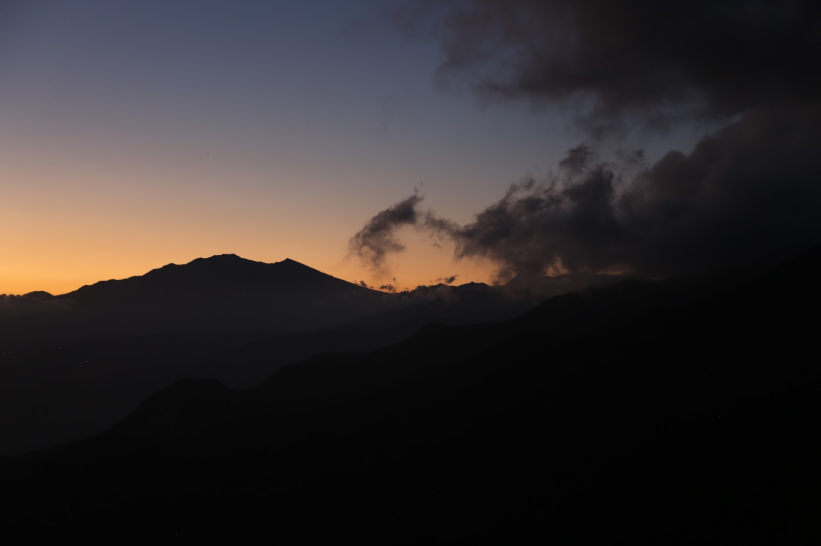
Countless Hummingbirds In Panama

Panama is one of the best places in the world to fall into a hummingbird trance. With more than fifty recorded species across the country, the diversity packed into such a small geographic area feels almost unreal. From coastal mangroves to cloud forest ridgelines, these birds occupy nearly every ecological niche where flowers bloom.

What makes the highlands of Chiriquí especially magical is how many species overlap in a relatively small area. The elevation gradients compress habitats, which means birds typically separated by hundreds of kilometers elsewhere can appear within the same valley. That’s exactly why travelers staying in the mountains often see multiple species in a single morning.

At the Lost and Found Hostel, hummingbirds are not an occasional sight — they are daily companions. Feeders around the property attract a rotating cast of species that zip, hover, and occasionally perch long enough for a clear look. The surrounding forest provides natural nectar sources, so the birds behave naturally rather than simply queuing at feeders.

One of the most frequently seen visitors is the Violet-crowned Woodnymph. Males flash a luminous violet cap and emerald body that looks almost electric when sunlight hits. Females are subtler but equally elegant, with muted greens and soft gray tones.

Another regular at feeders in the Chiriquí highlands is the Rufous-tailed Hummingbird. It’s one of the most widespread species in Panama and often one of the boldest. Its warm copper tail glows in motion, and it tends to defend feeders with surprising intensity for such a tiny creature.

The White-necked Jacobin is another showstopper that sometimes drops in. Males wear crisp white underparts contrasted with deep blue and green upper plumage, giving them a sharp, almost formal appearance. Their flight style is fast and purposeful, often slicing through the air rather than hovering long.

In higher elevations around the hostel, you may also encounter mountain-adapted species that prefer cooler climates. These birds often have thicker plumage and slightly slower, more deliberate movements compared to their lowland relatives.

One particularly striking possibility is the Fiery-throated Hummingbird, famous for its iridescent throat that flashes orange, gold, and green depending on the angle of light. When it hovers at a feeder, the color shifts look almost unreal, like a tiny prism suspended in air.

The forest edges around the property also host species that prefer more natural feeding patterns but still investigate artificial nectar sources. Some individuals arrive cautiously, retreat, and then return once they decide the space is safe.

Hummingbirds in Panama are not only diverse in color but also in behavior. Some defend feeding territory aggressively, while others slip in quietly when dominant birds are distracted. Watching the social dynamics around a feeder can feel like observing a miniature aerial drama.

Their ecological importance is immense. Hummingbirds are primary pollinators for many tropical flowers, especially those with tubular shapes designed specifically for their beaks. In cloud forest ecosystems, they are key connectors between plant reproduction and forest regeneration.

Panama’s geography helps explain this richness. The country forms a biological bridge between North and South America, allowing species from both continents to coexist. This overlap produces an unusually dense hummingbird population compared to many other regions.

At Lost and Found, the setting amplifies the experience. The feeders sit against a backdrop of forested slopes, drifting mist, and constant bird activity. It’s common for guests to pause mid-conversation simply to watch a new arrival.

Early morning tends to be the most active period. As temperatures rise and flowers open, hummingbirds become energetic, darting between natural blooms and feeders. The cooler mountain air keeps them active longer into the day than in hotter lowland environments.

Late afternoon brings a different mood. Light softens, colors deepen, and birds feed intensely before nightfall. This is often when patient observers get their best photos.

Unlike many wildlife encounters that require long hikes, these hummingbird sightings happen right where people relax, drink coffee, or read. The accessibility is part of what makes the experience memorable — wildlife and daily life blend seamlessly.

Even experienced birders find the setting rewarding because species composition can change with season, weather, and flowering cycles. Each visit feels slightly different, with new individuals appearing unexpectedly.

For travelers moving between Boquete and Bocas del Toro, stopping at the hostel offers more than a convenient break — it provides one of the easiest opportunities in Panama to observe multiple hummingbird species without specialized equipment or guides.

What stays with many visitors isn’t just the colors or species count, but the rhythm of motion — wings humming like tiny engines, bodies hovering with impossible precision, then vanishing into forest green.

Panama offers countless wildlife experiences, but hummingbirds capture something uniquely tropical: intensity compressed into miniature form. And in the quiet highlands, with clouds drifting through the trees, watching them feels less like observation and more like immersion.

For anyone traveling through the country’s mountain corridor, the feeders at Lost and Found Hostel quietly deliver one of the richest and most effortless hummingbird encounters you can have anywhere in Central America.