
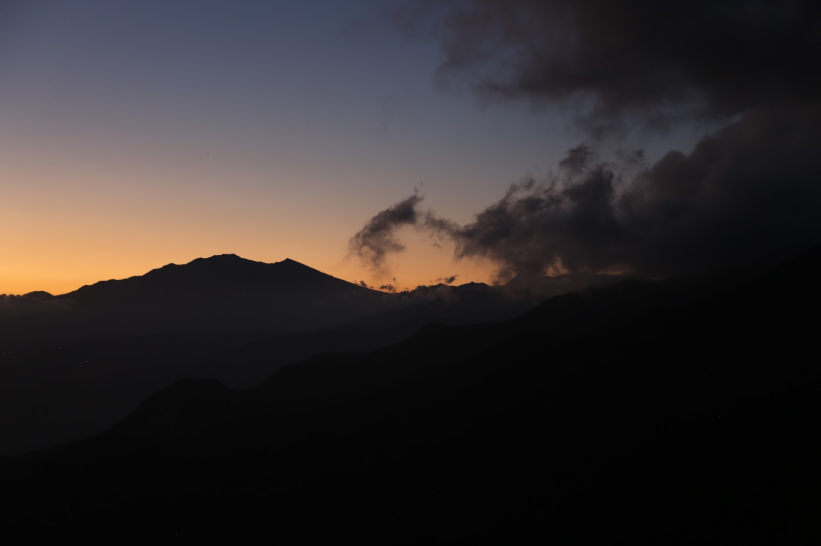
Panama is often imagined as a land of tropical heat, dense humidity, and sun soaked coastlines, but that image only tells half the story. Rising above the lowlands is a network of highland regions where elevation reshapes the climate entirely, creating pockets of cool, breathable air that feel closer to spring than the tropics. In these mountain towns of Panama, the oppressive heat fades, replaced by mild afternoons, crisp mornings, and evenings that invite you to open the windows instead of turning on a fan. This phenomenon is not seasonal but constant, which is why so many people describe these areas as having an “eternal spring” climate.
The science behind this transformation is simple but powerful. As you climb in elevation, temperatures drop roughly 6 to 7 degrees Celsius for every 1,000 meters gained. In Panama, where mountains rise quickly from sea level, this means you can drive from sweltering coastal heat into cool, refreshing air in just a couple of hours. Moisture from the Caribbean and Pacific is lifted into the mountains, creating lush forests, misty mornings, and vibrant green landscapes that thrive year round. The result is a series of microclimates, each shaped by altitude, wind patterns, and geography, offering different versions of what “perfect weather” means.
The most iconic example of this climate is Boquete, a highland town tucked into a fertile valley near the base of Volcán Barú, the highest peak in the country. Boquete has become internationally known for its near ideal weather conditions, where temperatures typically range between 15 and 24 degrees Celsius. The rhythm of the day is predictable yet endlessly enjoyable. Early mornings often begin with a cool, almost brisk air that encourages a hot cup of locally grown coffee. As the sun rises, the temperature warms gently without ever becoming uncomfortable, and by evening, the air cools again, creating the kind of natural balance that makes air conditioning unnecessary. This consistency is a major reason why Boquete has attracted a large international community, along with retirees, remote workers, and nature lovers who value both comfort and scenery.
Not all springlike climates in Panama are found at the same elevation, however. El Valle de Antón offers a slightly warmer but equally pleasant version of this environment. Located inside the crater of an ancient volcano, El Valle sits at a moderate elevation that allows it to maintain temperatures in the low 20s Celsius throughout the year. Its geography plays a unique role in shaping its climate, as the surrounding crater walls help regulate airflow and trap cooler mountain breezes. The result is a gentle, balanced atmosphere that feels neither too hot nor too cool. El Valle is known for its waterfalls, flower filled gardens, and relaxed pace of life, making it a favorite weekend escape for residents of Panama City who want relief from the coastal heat without traveling too far.
For those seeking an even cooler climate, Cerro Punta offers a noticeably different experience. Situated at one of the highest elevations in the country, Cerro Punta brings temperatures down to a level that can feel almost alpine compared to the rest of Panama. Days are cool and often breezy, while nights can become genuinely chilly, especially when clouds roll in over the surrounding mountains. The landscape here shifts as well, from tropical forests to agricultural valleys where crops like strawberries, vegetables, and flowers thrive in the cooler conditions. This region is less developed and more rural than Boquete, but for those who want to fully escape the heat, it provides one of the most refreshing climates in the country.
Beyond these well known destinations lies Santa Fe, a quieter and more remote mountain town that captures the essence of Panama’s highlands before large scale development arrived. Santa Fe is surrounded by cloud forests, rivers, and rolling hills, and its climate reflects the same cooling effect of elevation, with mild days and cooler nights that make it comfortable year round. The air feels clean, the pace of life is slow, and the connection to nature is immediate. Unlike Boquete, which has evolved into an international hub, Santa Fe remains largely untouched, offering a more authentic and less commercialized version of mountain living.
Another take on the highland lifestyle can be found in Altos del María, a gated residential community built high in the mountains west of Panama City. While not a traditional town, it still benefits from the same climate advantages as other highland areas. Elevated above the surrounding lowlands, it enjoys cooler temperatures, fresh breezes, and a noticeable drop in humidity. Its appeal lies in combining natural beauty with modern infrastructure, attracting those who want a controlled, residential environment while still enjoying the benefits of mountain weather.
Despite their differences, all of these locations share a common thread. They offer relief from extremes. In the mountains of Panama, there is no harsh winter, no scorching summer, and no need to constantly adjust to seasonal swings. Instead, life settles into a comfortable rhythm where the weather supports outdoor living year round. People spend more time walking, gardening, hiking, and simply enjoying the environment because the climate allows it. The trade off is increased rainfall, particularly during the green season, and occasional cloud cover that can roll in and out throughout the day. Yet for many, these are small prices to pay for a lifestyle defined by comfort rather than endurance.
What makes Panama truly special is not just the existence of these springlike climates, but how accessible they are. Within a few hours, you can travel from the humid coast to a cool mountain valley, experiencing a dramatic shift in temperature, scenery, and atmosphere. It is this contrast that gives Panama its unique appeal. Whether in the well known valleys of Boquete, the volcanic basin of El Valle, the cool heights of Cerro Punta, the untouched forests of Santa Fe, or the elevated communities of Altos del María, the country offers a rare opportunity to choose your climate without ever leaving its borders.
More Than Just a Hostel, How Traditions Turn Strangers into Friends at Lost and Found
Tucked into the cloud forest highlands of Panama, the experience at Lost and Found Hostel is shaped by more than just its location. While the jungle views, hiking trails, and cool mountain air draw people in, it’s the social atmosphere that keeps them there longer than planned. At the center of that atmosphere are two simple but powerful traditions, daily happy hour and the promise of a free night for those who stay longer. Together, they create something far more meaningful than just a place to sleep.
Happy hour at Lost and Found is not just about discounted drinks. It is a ritual. As the afternoon fades into evening and the light softens over the mountains, travelers begin to gather. Some arrive fresh from hikes, still covered in mud and stories, while others drift in from hammocks or quiet corners with books. What starts as a few people ordering drinks quickly grows into a shared space filled with conversation, laughter, and energy.
There is something about a set time each day that brings people together naturally. No planning is required, no invitations need to be sent. Everyone knows where to be, and that consistency removes the awkwardness that can sometimes come with meeting new people. Conversations begin easily, often with simple questions about where someone has come from or where they are heading next. Within minutes, strangers become familiar.
The setting plays a role as well. Removed from cities and distractions, the hostel creates an environment where people are more present. There are no competing nightlife options, no rush to move on to the next venue. The social experience is concentrated in one place, and that intensifies connections. People stay longer at the table, conversations go deeper, and the sense of community builds quickly.
Then there is the second tradition, the free night offered to guests who extend their stay. On the surface, it might seem like a simple incentive, but its impact goes much deeper. By encouraging people to stay an extra night or two, the hostel subtly shifts the rhythm of travel. Instead of constant movement, there is a pause. People settle in, routines form, and relationships have time to grow.
This extended time is where real bonding happens. It is one thing to meet someone over a drink, it is another to share multiple days of experiences, hiking together, cooking meals, exploring trails, or simply relaxing in the same space. The free night removes a bit of the financial pressure that often pushes backpackers to keep moving, allowing them to choose connection over itinerary.
Over time, a kind of temporary community forms. New arrivals are welcomed into a group that already exists, and within a day or two, they become part of it as well. Stories are retold, inside jokes develop, and plans are made together. Some travelers even change their routes to continue traveling with people they met here.
What makes these traditions so effective is how natural they feel. There is no forced socializing, no organized icebreakers or structured events. Instead, the environment is designed in a way that makes interaction inevitable but comfortable. People can join in as much or as little as they want, but the opportunity to connect is always there.
In a world where travel can sometimes feel rushed and transactional, places like Lost and Found stand out by creating space for something deeper. The combination of daily shared moments and incentives to stay longer transforms the experience from a series of brief encounters into something more lasting.
By the time people leave, they are often not just departing a hostel, but saying goodbye to a group of friends they didn’t expect to make. And that is the real success of these traditions. They turn a remote lodge in the mountains into a place where connection is not just possible, but almost unavoidable.
Armadillos of Panama, The Ultimate Guide to the Country’s Armored Mammals
Hidden in the forests, grasslands, and even near rural homes across Panama lives one of the most unusual groups of mammals in the Americas, the armadillos. With their armored shells, digging claws, and mostly nocturnal habits, they are far more common than most people realize, yet rarely seen clearly. Panama, sitting at the biological crossroads between North and South America, hosts several species, each with its own behavior, habitat preferences, and ecological role.
This is your deep dive into the armadillos of Panama, what species exist, how they live, and why they matter.
What Exactly Is an Armadillo?
Armadillos belong to the order Cingulata, a group of mammals known for their bony plates covered in tough keratin skin, essentially natural armor. Their name comes from Spanish, meaning “little armored one,” which perfectly describes their appearance.
They are expert diggers, using powerful claws to burrow into the ground in search of food or to create shelter. Most are solitary, shy, and primarily active at night, which is one reason they are so rarely encountered despite being widespread.
Species of Armadillos in Panama
Panama is home to at least four species of armadillos, each adapted to different environments.
Nine-banded Armadillo (Dasypus novemcinctus)
This is by far the most common and widely distributed species in Panama.
Found in forests, grasslands, farmland, and even near towns
Recognizable by its segmented armor bands (usually 8–9)
Known for its surprising ability to jump straight up when startled, which often leads to road accidents
Behavior
Nine-banded armadillos are nocturnal and solitary. They spend their nights foraging for insects, grubs, worms, and small invertebrates. Their sense of smell is extremely strong, far more important than their eyesight.
One fascinating trait is reproduction. They almost always give birth to four identical offspring, clones from a single fertilized egg, a rare phenomenon among mammals.
Northern Naked-tailed Armadillo (Cabassous centralis)
This species is less commonly seen but widely distributed in Panama’s forests.
Prefers dense forest habitats
Has a more flexible, less rigid tail compared to other armadillos
Smaller and more specialized than the nine-banded
Behavior
This armadillo is a specialist feeder, focusing heavily on ants and termites. It uses its strong claws to break into nests and a long sticky tongue to extract insects.
It is even more secretive than the nine-banded armadillo and spends a lot of time underground, making sightings quite rare.
Greater Long-nosed Armadillo (Dasypus kappleri)
A larger and more robust species found in lowland forests.
Prefers humid tropical environments
Less tolerant of disturbed habitats
Larger body and longer snout than the common nine-banded
Behavior
This species is a powerful digger and tends to inhabit more remote areas. It feeds on insects but may also consume small vertebrates and carrion.
Because it prefers undisturbed forest, it is an important indicator of ecosystem health.
Southern Long-nosed Armadillo (Dasypus sabanicola) (possible range overlap)
While more common in northern South America, there is some overlap into eastern Panama, particularly near the Darién region.
Associated with savannas and open habitats
Similar in appearance to the nine-banded, but slightly different in proportions
Where You Can Find Them
Armadillos are incredibly adaptable and can be found in:
Tropical rainforests
Around Lost and Found Hostel at night!
Secondary growth jungle
Grasslands and savannas
Agricultural areas
Forest edges and rural zones
Places like Soberanía National Park and the wild landscapes of Darién are prime habitats, but they can also be surprisingly close to human settlements.
Life Underground, Burrows and Territory
Armadillos are master diggers. Their burrows:
Can be several meters long
Often have multiple entrances
Provide protection from predators and heat
A single armadillo may maintain several burrows within its territory. These burrows also benefit other animals, snakes, rodents, and even reptiles often move into abandoned burrows.
Behavior and Daily Life
Most armadillos in Panama are:
Nocturnal (active at night)
Solitary
Territorial but not highly aggressive
They spend much of their time:
Foraging slowly with their nose close to the ground
Digging constantly for insects
Avoiding predators like jaguars, ocelots, and large birds of prey
When threatened, some species will:
Run
Dig rapidly to escape
Or press themselves flat against the ground
Diet and Ecological Role
Armadillos are primarily insectivores, but their diet can include:
Ants and termites
Beetles and larvae
Worms
Small reptiles or amphibians
Occasionally fruit or carrion
Their constant digging plays a huge ecological role:
Aerates soil
Helps nutrient cycling
Controls insect populations
They are essentially natural pest controllers and soil engineers.
Unique and Surprising Facts
They can hold their breath for several minutes and even walk along the bottom of shallow water
Their armor is made of bone, not just tough skin
They have low body temperatures compared to most mammals
They are one of the few animals that can carry leprosy bacteria, though transmission to humans is rare
Threats and Conservation
While not all species are endangered, armadillos face increasing pressure:
Habitat loss from deforestation
Hunting in rural areas
Road mortality (very common)
Species that rely on deep forest, like the greater long-nosed armadillo, are especially vulnerable as development expands.
Why You Rarely See Them
Even though they are common, armadillos are:
Nocturnal
Quiet and low to the ground
Well camouflaged
Quick to hide
Most sightings happen at night, or unfortunately, on roads.
Armadillos in Panama are a perfect example of how much life exists just out of sight. They are ancient, highly specialized animals that have adapted to a wide range of environments, from deep jungles to farmland edges.
They dig, forage, and move through the night largely unnoticed, playing an essential role in maintaining the balance of the ecosystems around them. Once you understand their habits, you begin to realize they are everywhere, just hidden beneath the surface.
The next time you walk through a forest trail or even a quiet rural road at night, there’s a good chance one of these armored mammals is nearby, quietly doing its work, unseen but essential.
The Panamanian Work Week, Long Hours, Daily Rhythms, and How It Compares Across Central America
If you spend time working or observing daily life in Panama, one thing quickly becomes clear, the work week is structured a bit differently than what many visitors expect. It is not unusual to hear that people work six days a week, or that hours feel longer than in North America or Europe. But behind this structure is a mix of history, economics, and cultural rhythm that explains why things are the way they are.
At its core, the standard work week in Panama is 48 hours for daytime jobs. This is typically spread across six days, often Monday through Saturday, with Sunday as the main rest day. A common schedule might be eight hours per day, though in practice, some days may run longer depending on the job. Night shifts usually have a slightly shorter total, often around 42 hours per week, reflecting the added strain of working overnight.
This 48 hour structure has deep roots in labor systems that developed across Latin America during the 20th century. Many countries in the region adopted similar frameworks influenced by European labor models but adapted to local economic realities. In Panama, the system stuck, partly because it aligns with the needs of a service driven economy and partly because it reflects longstanding norms about productivity and availability.
One of the reasons the work week feels long is that Saturday is often still a working day. While some offices and higher end businesses may close or operate half days, many sectors, especially retail, construction, hospitality, and small businesses, remain open. For workers in these fields, the idea of a five day work week is not always standard.
Economics plays a major role in this. Panama has a growing economy, but wages in many sectors are still relatively modest. Working longer hours helps businesses stay competitive and allows workers to earn more, especially when overtime is available. In industries like tourism, restaurants, and transportation, extended hours are simply part of meeting demand.
Another factor is the climate and daily rhythm. In a tropical country, the day often starts early. People may begin work in the morning to take advantage of cooler temperatures and continue through the afternoon. While there is not always a formal “siesta” culture like in some countries, breaks during the hottest part of the day are common in certain jobs, especially outdoor labor.
Culturally, there is also a strong emphasis on consistency and presence. Being at work, showing reliability, and maintaining a routine are highly valued. This can translate into longer schedules, especially in traditional or family run businesses where closing early is not always seen as ideal.
Despite the longer week, there are some trade offs. Public holidays are numerous, especially in November, when national celebrations can interrupt the normal schedule. Additionally, many workers do get time off through vacation days, though the structure and availability can vary depending on the job and employer.
When you compare Panama to its neighbors in Central America, you start to see a pattern. Countries like Costa Rica, Nicaragua, Honduras, and Guatemala often follow similar 44 to 48 hour work weeks, with six day schedules still common in many sectors. The idea of working Monday through Saturday is not unique to Panama, it is a regional norm, especially outside of corporate or international business environments.
That said, there are differences. Costa Rica, for example, has a slightly stronger push toward five day work weeks in certain industries, particularly in office and tech sectors. In contrast, countries with more informal economies may have even less structured schedules, where work hours vary widely depending on opportunity and necessity.
Another interesting comparison is how overtime is handled. Across Central America, overtime is generally paid at higher rates, similar to Panama, which can encourage longer working hours when available. For many workers, overtime is not just extra, it is an important part of their income.
For travelers or newcomers, the Panamanian work week can feel intense at first. Businesses may be open longer, services may operate six days a week, and the pace can seem steady without the long weekends that people from other regions are used to. But over time, it becomes clear that this structure supports a certain flow of life, one where work is balanced with social time, family gatherings, and community events, often concentrated on Sundays or evenings.
In the end, the Panamanian work week is a reflection of both necessity and tradition. It is shaped by economic realities, climate, and cultural expectations, and it fits into a broader regional pattern across Central America. While it may seem long from the outside, for many people in Panama, it is simply the normal rhythm of life.
Understanding that rhythm helps explain not just how people work, but how they live, plan their time, and connect with those around them.
Two Independence Days, One Country: Why Panama Celebrates Twice (and Then Some)
If you spend any time in Panama during the month of November, you might start to wonder if the country just really, really loves celebrating independence. Flags appear everywhere, marching bands take over the streets, schoolchildren rehearse for weeks, and entire towns seem to shut down for parades. Then you realize something even more surprising, Panama doesn’t just celebrate independence once. It celebrates it multiple times, with two major independence dates that often confuse visitors at first.
To understand why, you have to go back into history, and like many good stories in Latin America, it involves empires, shifting alliances, and a bit of strategic timing.
The first key date is November 28, 1821, when Panama declared independence from the Spanish Empire. At the time, Panama was part of Spain’s vast colonial holdings in the Americas. But by the early 1800s, independence movements were sweeping across the region. Inspired by revolutions elsewhere and driven by local frustrations, Panama’s leaders made a relatively peaceful decision to break away from Spain. Unlike some other countries that fought long and bloody wars, Panama’s separation was surprisingly calm. Local elites and officials essentially agreed it was time to move on, and Spain, already stretched thin, didn’t put up much resistance.
But here’s where it gets interesting. Instead of becoming a fully independent nation right away, Panama chose to join a larger political project, Gran Colombia, a union that included present day Colombia, Venezuela, and Ecuador. The idea was to create a powerful, unified republic in northern South America. It was ambitious, idealistic, and ultimately short lived.
Fast forward a few decades, and Gran Colombia had dissolved. Panama remained tied to what is now Colombia, but the relationship was complicated. Distance, politics, and economic differences created tension. Panama, with its strategic position as a narrow land bridge between oceans, had its own priorities, especially when it came to trade and transit.
That brings us to the second major date, November 3, 1903, when Panama declared independence from Colombia. This moment is far more dramatic and geopolitically charged. By this time, global powers had their eyes on Panama because of its potential for a canal connecting the Atlantic and Pacific Oceans. The United States, eager to build the Panama Canal, supported Panama’s separation from Colombia.
The separation itself was swift. With U.S. naval presence discouraging Colombian intervention, Panama declared independence and quickly became its own nation. Within days, the new country was recognized, and agreements were in place that would lead to the construction of the canal, one of the most significant engineering projects in history.
So, in a sense, Panama has two “independence” stories. One is freedom from Spain in 1821, and the other is separation from Colombia in 1903. Both are foundational moments, and rather than choosing one over the other, Panama celebrates both.
But November doesn’t stop there. The entire month turns into what locals call “Fiestas Patrias,” a sequence of national holidays that also includes November 4 (Flag Day) and November 5, which commemorates the consolidation of independence, particularly in cities like Colón. By the time the month is over, Panama has essentially turned history into a multi week celebration.
What are these celebrations actually like? Imagine entire cities transformed into open air festivals. Streets are lined with Panamanian flags, red, white, and blue everywhere you look. Schools play a central role, with marching bands that are taken very seriously. These are not casual performances. Students practice for weeks or even months, perfecting synchronized routines, drumlines, and musical pieces.
Parades are the highlight. In places like Panama City, the celebrations can draw huge crowds, but smaller towns often have even more charm. Marching bands, dancers in traditional dress, and community groups fill the streets from morning until afternoon. The energy is constant, loud, and full of pride.
Traditional clothing makes a big appearance, especially the famous pollera, an elaborate and beautifully embroidered dress worn by women, often accompanied by gold jewelry. Men may wear traditional outfits as well, creating a vivid display of cultural identity alongside the historical celebrations.
Food is everywhere. Street vendors set up along parade routes, selling everything from fried snacks to full meals. It’s a time when people gather, eat, and socialize as much as they celebrate history. Music, both traditional and modern, fills the air, adding to the festive atmosphere.
For travelers, there are a few things to expect. First, things slow down. Many businesses close on major holiday dates, and transportation can be busier than usual. Planning ahead becomes important, especially if you need to move between cities. At the same time, this is one of the best times to experience Panama’s culture at its most visible and energetic.
Second, expect crowds and noise. Parades can start early, and streets may be blocked off. But that’s part of the experience. It’s not just something to watch, it’s something you feel as you move through the city.
Finally, expect a strong sense of pride. These celebrations are not just for show. They are deeply meaningful, tied to identity, history, and the idea of Panama as a nation that has shaped its own path, twice.
In the end, Panama’s two independence celebrations are not redundant, they tell a layered story. One marks the end of colonial rule, and the other marks the birth of the modern nation. Together, they explain why November feels less like a single holiday and more like an entire season of history coming to life.
And for anyone lucky enough to be there during that time, it becomes clear that in Panama, independence isn’t just remembered, it’s lived, loudly, proudly, and for weeks on end.
Shocking Facts About Panama That Most Tourists Don’t Expect
Panama often flies under the radar compared to other destinations in Central America, yet those who visit quickly realize it’s full of contradictions, surprises, and moments that challenge expectations. On the surface, it’s known for the canal and tropical scenery, but beneath that lies a country that feels far more complex, modern, and unpredictable than most travelers imagine. Here are some of the most fascinating and sometimes shocking realities about Panama that many visitors only discover once they arrive.
You Can Cross the Entire Country Faster Than You Think
Panama looks small on a map, but what surprises people is just how quickly you can experience completely different environments. In a single day, you can leave the Pacific coast, drive through mountains and jungle, and arrive at the Caribbean. In some areas, the country is only about 60–80 kilometers wide. This creates a unique travel experience where dramatic changes in climate, culture, and landscape happen in just a few hours.
Even more surprising is that from the summit of Volcán Barú, you can sometimes see both the Pacific Ocean and the Caribbean Sea at the same time. It’s one of the only places in the world where that’s possible, and it gives a real sense of how geographically unique Panama is.
The Panama Canal Is Still a Living, Breathing System
Most people think of the Panama Canal as a historic landmark, but it’s actually one of the busiest and most important trade routes in the world today. Massive ships pass through constantly, and the canal directly influences daily life in the country.
Entire lakes, like Gatún Lake, were created to support it. Some roads and travel routes even depend on canal operations. It’s not uncommon to plan your day around canal traffic if you’re near certain crossings. The idea that global shipping routes are actively shaping your surroundings is something many tourists don’t expect.
It Uses the U.S. Dollar But Feels Different
Panama’s currency system surprises almost everyone. The country uses the U.S. dollar for paper money, but also mints its own coins called balboas. These coins look different but have the same value as U.S. coins, which can be confusing at first.
Even more interesting is how this affects the economy. Prices can feel similar to the U.S. in some areas, especially in cities, but much cheaper in others. This mix creates a strange balance where Panama can feel both affordable and expensive depending on where you are and how you live.
Panama City Feels Like a Global Hub
Many travelers arrive expecting a laid back tropical capital and are shocked to find a skyline full of glass towers and modern infrastructure. Panama City is one of the most developed cities in Central America, with financial districts, luxury condos, and international businesses.
In some neighborhoods, it feels closer to Miami than what people typically imagine for the region. Yet just minutes away, you can find historic colonial streets or dense rainforest. This contrast between ultra modern and deeply traditional is one of the most striking aspects of the country.
Wildlife Is Closer Than You Think
Panama is one of the most biodiverse countries in the world, and what shocks visitors is how accessible that wildlife is. You don’t need to travel far into remote jungle to see animals. In places like Soberanía National Park, just outside the capital, you can encounter monkeys, toucans, sloths, and countless bird species.
Even in semi urban areas, it’s not unusual to hear howler monkeys or see exotic birds flying overhead. The boundary between city and jungle is much thinner than most people expect.
Rain Doesn’t Stop Life
The rainy season can sound intimidating, but the reality is very different. Rain often comes in intense, short bursts rather than lasting all day. You might get a heavy downpour for an hour, followed by sunshine again.
Locals don’t cancel plans because of rain. Life continues as normal, and people simply adapt. For travelers, this can be surprising because what looks like a storm on the forecast rarely ruins the day.
Some Places Still Feel Untouched
Despite its accessibility, Panama still has regions that feel wild and remote. Areas like Darién remain largely undeveloped, with dense jungle and limited infrastructure.
Even in more visited regions, you can find beaches and islands with very few people. This balance between accessibility and untouched nature is becoming rare in the world, which makes Panama feel like a place where exploration is still possible.
Infrastructure Is Inconsistent
One of the more surprising realities is how quickly infrastructure can change. You might be driving on a modern highway one moment and suddenly hit rough roads or potholes the next. This unpredictability is why durable vehicles are so common and valued in the country.
It’s More Culturally Diverse Than Expected
Panama has a deeply mixed cultural identity shaped by Indigenous groups, Spanish influence, Afro Caribbean communities, and global migration. Because of the canal, people from all over the world have passed through or settled here.
This creates a unique blend of languages, food, music, and traditions. In some areas, English is widely spoken, especially in business or tourism, which surprises many visitors.
People Dress Better Than You’d Expect in the Heat
One of the most unexpected cultural observations is how well dressed people are. Even in hot, humid weather, many Panamanians wear fitted, clean, and stylish clothing. Wrinkled or overly casual outfits stand out more than being slightly overdressed.
This reflects a cultural emphasis on presentation and respect. Looking put together is seen as important, regardless of the climate.
Local Food Is Filling and Affordable
In small local eateries, meals are often large and inexpensive. Plates are typically built around rice, beans, meat, and fried sides. Portions can be surprisingly big, and the food is designed to be filling rather than light.
For travelers, this can be both a pleasant surprise and a shock, especially if they are used to smaller portions or more expensive meals.
Time Works Differently
Time in Panama can feel more flexible than in North America or Europe. Buses might leave when full, services might take longer than expected, and schedules are sometimes treated as guidelines rather than strict rules.
While this can be frustrating at first, many travelers eventually adapt and even come to appreciate the slower pace.
The Heat Is Intense But People Adapt
The tropical climate is not just hot, it’s humid, which can feel overwhelming at first. Yet locals seem completely unfazed, going about their day in fitted clothing and maintaining their routines.
This contrast between how visitors experience the heat and how locals handle it is something many people notice immediately.
What shocks people most about Panama isn’t just one thing, it’s the constant contrast. Modern cities next to jungle, global influences mixed with local traditions, and a pace of life that can feel both fast and slow at the same time.
Panama doesn’t fit neatly into expectations. It’s a place where things are more connected, more diverse, and often more surprising than they first appear. And that’s exactly what makes it such a fascinating country to explore.
Public Buses vs Tourist Shuttles in Panama, Do You Need to Reserve?
Traveling around Panama is surprisingly straightforward, but one of the biggest questions travelers have is whether they need to reserve transportation in advance. The answer depends entirely on what kind of transport you are using, because Panama operates on two very different systems, public buses and tourist shuttles.
Understanding the difference between these two will shape your entire travel experience.
When it comes to public buses, the system is refreshingly simple and flexible. In most cases, you do not need to reserve anything. You simply show up at the terminal, buy your ticket, and get on the next available bus. Major routes run frequently, especially between popular destinations like Panama City, David, and Santiago. Buses are generally modern, air conditioned coaches, far more comfortable than many travelers expect.
At large terminals such as Albrook Bus Terminal, the process is organized but still informal compared to airline style travel. You walk up to the counter for your destination, purchase a ticket, and board when your bus is ready. There are no online booking systems for most routes, and even if there are, they are not commonly used by locals.
For shorter or more rural routes, the system becomes even more casual. “Diablos rojos” style buses and minibuses operate on a fill and go basis. You wait, the bus fills up, and then it leaves. There is no concept of reservation here at all. It is first come, first served.
That said, there are a few situations where arriving early is a good idea. Holiday periods, weekends, and busy travel days can mean fuller buses, especially on popular routes. In those cases, showing up an hour or two early is usually enough to secure a seat. Even then, you are still buying your ticket on the spot, not reserving days in advance.
Tourist shuttles, on the other hand, operate very differently. These are private or semi private vans that cater specifically to travelers moving between destinations like Bocas del Toro, Boquete, and Santa Catalina. Unlike public buses, these do require advance booking. Seats are limited, schedules are fixed, and companies often coordinate pickups from hostels or hotels.
Because of their convenience, especially door to door service and faster travel times, tourist shuttles can fill up quickly. During high season or on popular routes, it is very common for them to be fully booked a day or two in advance. This is why reserving is considered essential if you plan to use them.
The trade off between the two options comes down to flexibility versus convenience. Public buses are cheaper, more frequent, and do not require planning. You can change your plans at the last minute and still get where you need to go. Tourist shuttles are more expensive but save time, reduce transfers, and simplify logistics, especially for more remote destinations.
Another difference is the experience itself. Public buses give you a more local feel, traveling alongside Panamanians and seeing how the country moves day to day. Tourist shuttles are more insulated, designed for ease rather than immersion.
For most backpackers and independent travelers, a mix of both systems works best. Use public buses for major routes and when you want flexibility, and reserve shuttles for harder to reach places or when timing is important.
In the end, the good news is that Panama does not require heavy planning for transportation. You can often decide where you want to go the same day and make it happen. Just remember the simple rule, no reservations for public buses, but always book ahead for tourist shuttles.
That balance is part of what makes traveling in Panama so enjoyable, it is structured enough to be easy, but flexible enough to keep your journey spontaneous.
Sharp in the Tropics, Understanding Appearance and Style in Panama
At first glance, one of the most surprising things about life in Panama is how put together people look, even in intense tropical heat. Shirts are fitted, jeans are snug, dresses are form fitting, and somehow everything appears clean, crisp, and wrinkle free. For many visitors, it raises an immediate question, how do people dress like this in such a hot, humid climate?
The answer lies in a mix of cultural values, climate adaptation, and social expectations that shape how Panamanians present themselves in public.
One of the most important factors is pride in appearance. In Panama, looking presentable is not just about fashion, it is about respect. How you dress reflects how seriously you take yourself and how you show respect to others. Even for everyday activities, people often make an effort to look neat and intentional. This is especially noticeable in cities like Panama City, where modern urban culture blends with traditional values around presentation.
Fitted clothing is a big part of that. Tight or well tailored outfits are common because they are seen as more polished and stylish than loose or baggy clothing. This applies to both men and women. A fitted shirt or pair of jeans gives a cleaner silhouette, which many people associate with looking “arreglado,” meaning put together. It is less about discomfort and more about maintaining a certain standard of appearance.
Another reason clothing looks so “perfect” is fabric choice and routine. Many people choose lightweight materials that breathe well and hold their shape, even in humidity. Clothes are often washed frequently, sometimes daily, and ironing is still very common in many households. Wrinkles are generally avoided, especially in public facing situations like work or social outings. What might seem like extra effort to a traveler is simply part of the daily routine for many Panamanians.
There is also a strong influence from Latin American and Caribbean style culture, where bold, confident presentation is valued. Looking good is tied to confidence, social identity, and even opportunity. Whether going to work, meeting friends, or just running errands, there is often an unspoken expectation to maintain a certain level of style.
Interestingly, the heat is something people adapt to rather than fight against. While visitors might prioritize loose, airy clothing, locals often rely on acclimatization. Growing up in the climate means the body adjusts, and what feels unbearably hot to a newcomer can feel normal to someone who has lived there for years. In addition, many indoor spaces, shops, offices, malls, and transportation, are air conditioned, which allows for more fitted clothing without constant discomfort.
Another factor is occasion awareness. Panamanians tend to dress according to where they are going. Beachwear is for the beach, gym clothes are for the gym, and casual still means presentable. Walking around town in overly relaxed or sloppy clothing can stand out more than being slightly overdressed.
There is also a noticeable emphasis on grooming. Hair is styled, shoes are clean, and accessories are chosen carefully. Even small details contribute to the overall impression. This attention to detail reinforces the idea that appearance is something to be maintained, not left to chance.
Of course, not everyone dresses the same way. In rural areas, styles are often more practical, and in certain communities, traditional clothing may be more common. But even there, the idea of looking clean and intentional still holds strong.
For travelers, the key takeaway is not that you need to completely change your wardrobe, but that appearance carries more social weight than you might expect. Dressing a bit more fitted, clean, and intentional will help you blend in and be perceived more positively.
In the end, the polished look you see in Panama is not about ignoring the heat, it is about adapting to it while maintaining a cultural standard of presentation. It reflects a broader mindset, that how you show up in the world matters, even under the tropical sun.
Cultural Faux Pas in Panama, What Not to Do When You Travel
Traveling in Panama is generally easy and welcoming, but like anywhere, there are unspoken rules that can shape how locals perceive you. Panamanians are friendly, relaxed, and proud of their culture, but certain behaviors can come across as disrespectful or out of touch. Knowing the “don’ts” can make a big difference in how you’re received.
One of the biggest mistakes travelers make is being overly loud or confrontational. Panamanian culture tends to value calm, respectful interaction. Raising your voice, arguing aggressively, or showing frustration publicly can be seen as rude. Even in disagreements, people usually keep things relatively composed. Staying polite and patient goes a long way.
Another common faux pas is disrespecting personal greetings. In Panama, greetings matter. Walking into a small shop, a restaurant, or even passing someone in a rural area without saying “buenos días” or “buenas” can come off as cold or impolite. It’s a small gesture, but it carries weight.
Dress matters more than many travelers expect. While beachwear is fine at the beach, wearing tank tops, shirtless outfits, or very revealing clothing in towns or cities, especially in places like Panama City, can be frowned upon. Panamanians generally take pride in looking presentable, even casually. Walking around barefoot or in swimwear away from the coast is a definite no.
A subtle but important one is pointing or gesturing carelessly. Pointing directly at people can be considered rude. It’s better to gesture more subtly. Also, using overly animated or aggressive hand gestures can sometimes be misinterpreted.
Another thing to avoid is assuming everyone speaks English. While English is widely understood in tourist areas, especially around the canal and business districts, many people primarily speak Spanish. Jumping straight into English without at least trying a few words in Spanish can come across as dismissive. Even a simple “hola” or “gracias” makes a positive impression.
Talking negatively about the country is also something to avoid. Panamanians are proud of their country, its growth, and its culture. Complaining loudly about infrastructure, prices, or comparing it unfavorably to other countries can feel disrespectful. If you have concerns, it’s better to express them thoughtfully and privately.
When it comes to money, being careless with small change or tipping expectations can stand out. While tipping is appreciated, it’s not always as formalized as in places like the U.S. Throwing money around or acting entitled in service situations can create a bad impression. Respect and courtesy matter more than the tip itself.
Another important cultural point is respect for authority and rules, even if they seem loosely enforced at times. This includes things like traffic laws, police interactions, or rules in public spaces. Being dismissive or sarcastic with authorities is a quick way to get into trouble.
In more rural or Indigenous areas, such as the comarcas, there are additional sensitivities. Taking photos of people without permission, entering communities without proper respect, or treating the area like a tourist attraction rather than someone’s home can be deeply offensive. These areas have their own customs and governance, and visitors are expected to respect them.
Public behavior is also important. Excessive public intoxication or inappropriate behavior can be frowned upon, especially outside of party zones. While Panama certainly has nightlife, there is a line between enjoying yourself and losing control in public.
Finally, one of the most overlooked faux pas is impatience. Things in Panama don’t always move at the same pace as in North America or Europe. Services may take longer, processes may feel slower, and schedules can be flexible. Showing frustration or entitlement over this can come across poorly. Adapting to the local rhythm is part of the experience.
In the end, avoiding cultural missteps in Panama comes down to a few simple principles, be polite, be patient, and show respect for people and their way of life. Do that, and you’ll find that Panama opens up in a much warmer and more welcoming way.
The Most Popular Cars in Panama, Why Certain Brands Dominate the Roads
Walk through the streets of Panama and one thing becomes immediately clear, certain car brands appear again and again. From city traffic in Panama City to rural highways and mountain roads, a few names dominate the landscape. Among them, one brand consistently stands above the rest in popularity, Toyota.
The dominance of Toyota in Panama is not accidental. It is the result of a long-standing reputation built on reliability, durability, and practicality. In a country where road conditions can vary dramatically, from smooth highways to pothole filled backroads and muddy rural paths, vehicles need to be tough. Toyota has earned a reputation for building cars and trucks that can handle these conditions without constant breakdowns, and that reputation has spread through word of mouth over generations.
One of the biggest reasons Toyota leads the market is trust. In Panama, buying a car is often seen as a long term investment, not something you replace every few years. People want vehicles that will last, sometimes well beyond 200,000 kilometers, with minimal issues. Models like the Toyota Hilux and the Toyota Land Cruiser are especially popular because they are known for surviving rough use, heavy loads, and difficult terrain. These are vehicles you will see in construction sites, farms, and even deep in the countryside where roads barely exist.
Another key factor is parts availability and mechanics. In Panama, it is extremely important that spare parts are easy to find and that local mechanics know how to work on the vehicle. Toyota excels in both areas. Parts are widely available, often at reasonable prices, and almost every mechanic in the country is familiar with Toyota engines and systems. This reduces repair costs and downtime, making ownership far less stressful.
Fuel efficiency also plays a role. While larger vehicles like the Hilux are common, many Panamanians also drive smaller Toyota models such as the Toyota Corolla and the Toyota Yaris. These cars are known for being economical and dependable, making them ideal for daily commuting in urban areas. With fluctuating fuel prices, efficiency is always a major consideration.
Resale value is another huge advantage. Toyotas tend to hold their value better than most other brands in Panama. This means that even after years of use, owners can sell their vehicles for a relatively good price. In a market where people are careful with money, this makes a big difference. A car is not just transportation, it is also an asset.
While Toyota leads, it is not alone. Brands like Hyundai, Kia, Nissan, and Mitsubishi Motors are also very common. These brands are often slightly cheaper to purchase and offer good value, which appeals to budget conscious buyers. Vehicles like the Nissan Frontier, Hyundai Accent, and Mitsubishi L200 are frequently seen on the roads.
In recent years, Chinese brands have also started gaining ground. Companies like Changan Automobile and Geely are becoming more visible, offering lower prices and modern features. However, they are still building long term trust, which is something brands like Toyota have had decades to establish.
Another reason certain brands thrive in Panama is the diversity of driving environments. In one country, you have dense city traffic, steep mountain roads, coastal highways, and rural dirt tracks. A popular car brand needs to perform well in all these conditions. Toyota, along with a few others, has proven that it can handle this variety, which reinforces its dominance.
Cultural factors also play a role. In Panama, recommendations from family and friends carry a lot of weight. If someone has had a good experience with a Toyota, they are likely to recommend it to others. Over time, this creates a cycle where certain brands become deeply embedded in the market.
In the end, the most popular car brand in Panama is not just about marketing or price. It is about reliability, practicality, and trust built over time. Toyota leads because it consistently meets the needs of Panamanian drivers, from city commuters to rural workers.
That is why, whether you are driving through Panama City traffic or heading into the countryside, you will keep seeing the same badge again and again. It is not just a coincidence, it is a reflection of what drivers in Panama value most in a vehicle.
The Backpacker Scene in Panama, Why Travelers Keep Coming Back
Backpacking through Panama is one of those experiences that tends to surprise people. It is not always the first country that comes to mind in Central America, yet those who go often end up staying longer than planned. The reason lies in a unique combination of ease, diversity, and atmosphere that creates a backpacker scene that feels both social and adventurous at the same time.
One of the biggest reasons Panama works so well for backpackers is how compact and varied it is. Within just a few hours of travel, you can go from modern city streets to jungle trails, from mountain cloud forests to Caribbean islands. Travelers often mention that the country feels like multiple destinations in one, with skyscrapers, beaches, rainforests, and volcanoes all packed into a narrow strip of land.
This naturally shapes the backpacker route. A typical journey might begin in Panama City, where colonial streets meet a skyline that feels closer to Miami than Central America. From there, many head to the islands of Bocas del Toro, known for laid back beach life, nightlife, and a constant flow of international travelers. It is a place where days are spent swimming and nights often turn into social gatherings that last until sunrise.
From the coast, the route often shifts inland to the mountains. Stops like Boquete offer cooler weather, coffee farms, and access to hikes like Volcán Barú. Along the way, places like Lost and Found Hostel have become legendary among backpackers, not just for their location in the jungle, but for the atmosphere. These kinds of hostels are more than accommodation, they are social hubs where travelers meet, share stories, and often change their plans entirely.
This social element is a huge part of what defines the backpacker scene. Panama sits on what is often called the “Gringo Trail,” meaning you will almost always find other travelers moving in the same direction. Hostels are easy to find, and there is a strong culture of communal living, shared meals, and group activities. Even in more remote places, it is rarely difficult to meet people, which makes solo travel feel less isolating.
Another major factor is how easy it is to get around. Panama’s use of the U.S. dollar removes the hassle of currency exchange, and transportation is relatively straightforward. Buses, shuttles, and even the metro system make moving between destinations affordable and simple, allowing backpackers to explore without complicated logistics.
Cost also plays a role. While Panama is sometimes considered slightly more expensive than its neighbors, it is still very manageable on a backpacker budget. Many travelers report daily costs around $35 to $45 if they stick to hostels, local food, and public transport. The presence of fondas, small local eateries serving inexpensive meals, helps keep costs down while also offering a more authentic experience.
But what truly makes Panama enjoyable is the balance between adventure and comfort. You can spend one day hiking through dense jungle filled with wildlife and the next relaxing on a quiet beach with almost no crowds. You can climb a volcano at sunrise and then return to a town with good coffee, reliable WiFi, and a comfortable hostel. This mix is rare and gives Panama an edge over destinations that lean too heavily toward either rugged travel or developed tourism.
Nature is another defining part of the experience. Panama’s geography acts as a bridge between continents, creating an incredible diversity of ecosystems. Backpackers can move between mangroves, cloud forests, coral reefs, and tropical islands in a matter of days. Wildlife is abundant, and even casual travelers often encounter monkeys, sloths, and exotic birds without needing a formal expedition.
At the same time, Panama offers something many backpackers quietly appreciate, a sense of ease and safety compared to some other regions. Infrastructure is relatively developed, English is widely understood in tourist areas, and the country feels accessible even for less experienced travelers. This makes it a popular choice for first time backpackers as well as seasoned ones looking for a smoother journey.
There is also a certain unpredictability to the experience. Panama is still developing as a backpacker destination, which means it has not been completely overrun. You can still find places that feel undiscovered, where the tourism is light and the experience feels personal. Some areas feel lively and social, while others feel almost untouched, giving travelers the freedom to shape their trip however they want.
In the end, the backpacker scene in Panama is not defined by one place or one vibe. It is the combination of everything, the ease of travel, the variety of landscapes, the social hostel culture, and the balance between adventure and comfort. It is a country where plans often change, where people stay longer than expected, and where the journey itself becomes the highlight.
That is what makes Panama enjoyable. Not just what you see, but how effortlessly it all connects, creating a travel experience that feels both exciting and easy at the same time.
Refreshing Flavors, Fruits in Panama Used for Natural Drinks
In Panama, one of the simplest and most refreshing pleasures is a cold glass of “jugo natural,” fresh fruit blended with water or ice. These drinks are everywhere, from roadside fondas to family kitchens, and they reflect the country’s incredible biodiversity. Thanks to the tropical climate, Panama has access to a wide variety of fruits year round, many of which are perfectly suited for hydrating, flavorful drinks.
One of the most common and beloved fruits is pineapple. Known locally as piña, it produces a bright, sweet, and slightly tangy juice that is incredibly refreshing when blended with cold water and ice. Pineapple juice is often served at breakfast or alongside lunch, cutting through heavier foods with its acidity.
Papaya is another staple. Its soft texture makes it easy to blend into a smooth, creamy drink. Papaya juice is mild, slightly sweet, and often mixed with milk instead of water, though many people still enjoy it as a lighter, water based drink. It is also known for its digestive benefits, making it a popular morning choice.
Perhaps one of the most iconic tropical drinks comes from passionfruit, called maracuyá in Panama. This fruit creates a bold, tangy juice that is both sweet and sour at the same time. Because of its intensity, it is almost always diluted with water and sweetened with sugar. Served ice cold, maracuyá juice is one of the most refreshing drinks you can have on a hot day.
Tamarind is another classic. The pulp of the tamarind pod is soaked and strained to create a deep, rich drink with a unique sweet and sour flavor. Tamarindo juice has a slightly earthy taste and is often served chilled, making it a favorite in both homes and local eateries.
Watermelon is widely used for natural drinks as well. Its high water content makes it perfect for blending with ice, creating a light, refreshing juice that requires little to no added sugar. It is especially popular during the hotter months, when hydration is key.
In many households, you will also find drinks made from mango. Depending on the variety, mango juice can range from very sweet to slightly fibrous and tangy. It is often blended with water and strained to remove fibers, resulting in a smooth and flavorful drink.
Another fruit commonly used is guava, or guayaba. Guava juice has a strong aroma and a sweet, slightly musky flavor. It is usually strained to remove seeds and served cold. While not everyone loves its intensity, it is a traditional favorite in many Panamanian homes.
A lesser known but widely enjoyed fruit is soursop, known locally as guanábana. This fruit produces a creamy, almost milky drink when blended with water. Its flavor is a mix of sweet and tart, often described as a combination of pineapple and strawberry. It is one of the more unique juices you will find and is especially popular when served very cold.
Citrus fruits also play an important role. Fresh lime juice mixed with water and sugar creates a simple but incredibly refreshing drink similar to lemonade. Orange juice is also common, though it is more often consumed freshly squeezed rather than heavily diluted.
In coastal and Afro Caribbean influenced areas, coconut water is a natural drink in its purest form. Fresh green coconuts are cut open and served with a straw, offering a lightly sweet and highly refreshing drink straight from the source.
What makes these drinks special is not just the fruit itself, but the way they are prepared. Most are made fresh, often on demand, using simple ingredients, fruit, water, ice, and sometimes sugar. There are no preservatives or artificial flavors, just the natural taste of the fruit.
These juices are more than just beverages. They are part of daily life in Panama, served with meals, shared with guests, and enjoyed as a way to cool down in the tropical heat. Whether it is a tangy glass of maracuyá or a smooth guanábana blend, each drink offers a taste of the country’s rich natural abundance.
In Panama, staying refreshed is not complicated. All it takes is fresh fruit, cold water, and a bit of ice, blended into something simple, natural, and deeply satisfying.
Ocelots and Margays in Panama
In the forests of Panama, two small wild cats live secretive lives that most people never get to witness. The Ocelot and the Margay are both spotted, both nocturnal, and both incredibly well adapted to the dense jungles and mountains of the country. While they are often overshadowed by larger predators like jaguars, these two cats are actually far more widespread and play an important role in Panama’s ecosystems.
The ocelot is the more commonly encountered of the two, although “common” is still relative when dealing with such a shy animal. It typically weighs between 8 and 15 kilograms and has a sleek but muscular body built for strength and stealth. Its coat is one of the most striking in the animal world, covered in chain like rosettes and bold black markings that help it blend perfectly into the forest floor. Each ocelot has a unique pattern, almost like a fingerprint.
Ocelots are extremely adaptable and can live in a wide variety of environments. In Panama, they are found in tropical rainforests, dry forests, mangroves, and even near farmland and rural communities. This flexibility is one of the reasons they are more widespread than many other wild cats. They are solitary animals, each individual maintaining its own territory, which it marks with scent. Males tend to have larger territories that may overlap with those of several females.
When it comes to hunting, ocelots are opportunistic and highly skilled. They rely on slow, silent movement followed by a quick burst of speed to capture prey. Their diet is surprisingly varied, including rodents, birds, reptiles, amphibians, and occasionally larger animals like young deer or iguanas. They are mostly active at night, but in quieter areas they may also hunt during the early morning or late afternoon.
The margay, while similar in appearance, is a very different animal in behavior and specialization. It is smaller, usually weighing between 3 and 5 kilograms, with a lighter and more delicate frame. Its eyes are noticeably larger, an adaptation for seeing in the dark forest canopy. The margay’s most remarkable feature is its flexibility. Its ankle joints can rotate to an extraordinary degree, allowing it to climb down trees headfirst and move along branches with the ease of a monkey.
Unlike the ocelot, the margay spends most of its life in the trees. It is one of the most arboreal cats in the world. It can leap several meters between branches, hang from limbs, and even hunt while suspended above the ground. Its diet reflects this lifestyle, often consisting of birds, tree dwelling rodents, lizards, and sometimes small monkeys. There have even been observations suggesting that margays may mimic the calls of their prey to lure them closer, an unusual behavior for a cat.
Because of its strict reliance on forest canopy, the margay is more sensitive to habitat loss than the ocelot. It depends on continuous forest cover to move and hunt, and fragmented landscapes can make survival much more difficult. This makes intact जंगल ecosystems especially important for its long term survival.
Both species are primarily nocturnal and extremely elusive. They rest during the day in dense vegetation or high branches and become active after sunset. Their large eyes, sensitive hearing, and soft padded paws make them perfectly suited for moving silently through the forest at night. Even in areas where they are relatively abundant, seeing one in the wild is rare.
In Panama, these cats are found across a wide range of locations. They inhabit protected areas like Soberanía National Park, the remote wilderness of Darién, and the cooler cloud forests of the Chiriquí Highlands. They also move through smaller forest patches and biological corridors that connect larger habitats, showing just how adaptable, especially the ocelot, can be.
Interestingly, their presence extends into areas that people visit more often than they realize. Around Lost and Found Hostel, both ocelots and margays are known to exist in the surrounding forest. The mix of cloud forest, secondary growth, and relatively low nighttime disturbance creates suitable habitat for these animals. Camera traps and occasional sightings have confirmed that they pass through the area, usually under the cover of darkness. Guests hiking the trails during the day might never see them, but at night, these cats may be moving quietly just out of sight.
Reproduction in both species is slow compared to many smaller animals. Females usually give birth to one or two kittens after a gestation period of a little over two months. The young stay with their mother for several months, learning how to hunt and survive before becoming independent. This low reproductive rate means that populations can take time to recover if they decline.
Despite their adaptability, both ocelots and margays face threats. Habitat loss is the biggest issue, as forests are cleared for agriculture, cattle ranching, and development. Roads can also be dangerous, as these cats often travel across large areas and may be hit by vehicles. While hunting for fur is no longer as widespread as it once was, it historically had a significant impact on their populations.
Ecologically, these cats are important predators. They help control populations of small animals, which in turn affects plant life and overall forest health. Without predators like ocelots and margays, ecosystems can become unbalanced.
For travelers and nature enthusiasts, the idea that such animals live so close, even near places like Lost and Found Hostel, adds a sense of mystery to the landscape. You may not see them, but knowing they are there changes how you experience the forest. Every rustle in the leaves, every distant sound at night, carries a bit more meaning.
Ocelots and margays are a reminder that Panama’s जंगलs are still full of hidden life. They are not easy to find, and that is part of what makes them so special. Quiet, adaptable, and perfectly designed for their environment, these cats continue to survive in the shadows, living their lives just beyond human sight.
Do You Really Need to Book Ahead? Traveling Panama in the Slow Season
Panama has a reputation for being easygoing, flexible, and refreshingly unstructured, and during the slow season, that feeling becomes even more pronounced. The crowds thin out, the pace slows down, and the country feels more like it belongs to you than to tourism. But that raises a very real question for travelers: do you actually need to reserve ahead, or can you just show up and figure it out as you go?
The answer, like most things in Panama, is: it depends but probably less than you think.
The slow season, which roughly overlaps with the rainy months from May through November, changes the entire dynamic of travel. In popular places like Boquete or the islands of Bocas del Toro, the intense pressure on accommodation disappears. Hostels that are fully booked weeks in advance during the dry season suddenly have open beds. Hotels that once had waiting lists now have vacancies. You can often walk in, ask for a room, and get one without much trouble.
This creates a kind of freedom that’s increasingly rare in modern travel. You don’t have to lock yourself into rigid plans. You can stay longer somewhere you like, leave early if you don’t, and follow recommendations from other travelers without worrying that everything is already booked out. For backpackers especially, this flexibility is one of the biggest advantages of traveling Panama in the slow season.
But and this is where experience matters, it’s not quite as simple as “never book ahead.”
Even in the slow season, there are pockets of demand. Certain well-known or unique places can still fill up, especially on weekends or when small waves of travelers pass through. A place like Lost and Found Hostel, for example, often attracts travelers specifically seeking its remote jungle setting. Even when the country is quiet overall, places with a strong reputation or limited capacity can still book out, particularly if groups arrive or weather shifts travel patterns.
Weather itself plays a subtle role in availability. During rainy season, movement slows. Buses get delayed, plans change, and people often stay longer in one place than they intended. That means beds don’t turn over as quickly as they do in peak season. So while fewer people are traveling, those who are may linger, unexpectedly tightening availability in certain spots.
There’s also the weekend factor. Domestic tourism doesn’t disappear just because it’s the rainy season. Panamanians still travel, especially for short getaways. Places that feel empty midweek can suddenly fill up from Friday to Sunday. If your plans land on a weekend in a popular destination, having a reservation can save you from scrambling.
Another thing to consider is your travel style. If you’re easygoing, traveling solo, and open to different accommodation options, you can usually get away without booking ahead most of the time. There will almost always be something available. But if you’re traveling in a group, have a specific place in mind, or want a private room rather than a dorm, your margin for flexibility shrinks. In those cases, reserving ahead, even in slow season, is simply a safer move.
There’s also a psychological side to it. Not having a booking gives you freedom, but it also means uncertainty at the end of a long travel day. Arriving in the rain, tired, with a backpack, and then having to search for a place isn’t always fun, especially in smaller towns where options are limited or spread out.
So what’s the smartest approach?
Think of it as selective booking. You don’t need to reserve your entire trip in advance, but it helps to book:
Your first night in a new destination
Weekends in popular spots
Any place you really don’t want to miss
Everything else can stay flexible.
Because that’s the real advantage of traveling Panama in the slow season: the ability to move with the country instead of against it. You can follow the weather, stay longer in places you connect with, and avoid the rigid structure that peak season demands.
In the end, no, you don’t need to reserve everything ahead in Panama’s slow season.
But knowing when to book, and when not to, is what turns a good trip into a great one.
Two Currencies, One Story: How Panama Ended Up with the Dollar and the Balboa
At first, Panama feels financially effortless. You land, pull out a US dollar, and everything just works. Prices are listed in dollars, ATMs dispense dollars, and nobody hesitates when you pay with American cash. There’s no exchange rate to calculate, no confusion, no adjustment period. But then, after a day or two, something subtle starts to stand out. The coins in your pocket don’t all look the same. Some feel familiar, quarters, dimes, pennies, but others carry different designs, different symbols, even a different language. They say Panamá. They feature historical figures you may not recognize. And yet, they spend exactly the same. That’s when it clicks: Panama is quietly operating with two currencies at once, and somehow, it works seamlessly.
To understand how this unusual system came to be, you have to go back to a very specific moment in history, 1903, when Panama separated from Colombia. This wasn’t a slow, organic independence movement. It was fast, strategic, and heavily influenced by the interests of the United States, which was determined to build a canal connecting the Atlantic and Pacific Oceans. The location was perfect, but the political situation under Colombia made construction difficult. So when Panama declared independence, the United States quickly supported the new nation, and in return secured rights to build what would become the Panama Canal. It was one of the most consequential engineering and geopolitical projects in history, and it shaped nearly every aspect of Panama’s early development, including its economy.
As a brand-new country, Panama faced a critical challenge: it needed a stable financial system immediately. Creating a new national currency from scratch is risky even under ideal conditions. It requires trust, infrastructure, reserves, and time, none of which Panama had in abundance in 1903. Many young nations that attempted this path struggled with inflation, instability, and lack of international confidence. Panama took a different route. Instead of trying to build a currency and hope it gained credibility, it decided to borrow credibility from the strongest source available at the time. It adopted the US dollar outright.
This wasn’t a loose peg or a temporary measure. Panama made the US dollar legal tender from the very beginning. Salaries, trade, banking, everything operated in dollars. It was a bold move, but also a practical one. By aligning itself with the United States financially, Panama instantly gained stability and trust in international markets. Investors were more comfortable. Trade became easier. The economy had a solid foundation from day one. But at the same time, Panama didn’t want to completely abandon its national identity especially something as symbolic as its own currency.
So it created one.
Panama introduced the Balboa, named after Vasco Núñez de Balboa, the first European to see the Pacific Ocean from the Americas. The Balboa was designed to exist alongside the US dollar, but with one critical condition: it would always be equal in value. One Balboa would always equal one US dollar. No fluctuations, no exchange rates, no speculation. A perfect one-to-one relationship. But then Panama made an even more unusual decision it chose not to print paper Balboa bills at all. Instead, it only minted coins.
This is why today, Panama’s monetary system feels so unique. In your wallet, you’ll carry US dollar bills $1s, $5s, $20s but your coins may be a mix of American and Panamanian currency. A quarter might feature George Washington, or it might carry a Panamanian design. A dollar coin might show a local historical figure instead of a US president. But in practice, there is no difference. Every coin, every bill, is accepted at the same value everywhere in the country. There’s no conversion, no distinction in daily use. It’s one of the rare systems in the world where two currencies coexist so completely that they become almost invisible to the user.
What makes this system even more fascinating is what Panama chose not to have: a traditional central bank. Most countries rely on a central bank to control money supply, set interest rates, and manage inflation. Panama, by using the US dollar, effectively outsourced those responsibilities. It doesn’t print its own paper money, it doesn’t manipulate monetary policy in the same way, and it doesn’t face the same inflationary pressures that many countries do. Instead, it “imports” monetary stability from the United States. This has helped Panama maintain relatively low inflation, a strong banking sector, and a reputation as a financial hub in Latin America.
Of course, there’s a trade-off. By tying itself to the US dollar, Panama gives up control over its own monetary policy. It can’t devalue its currency to make exports more competitive. It can’t print money during economic downturns. It can’t adjust interest rates independently to respond to local conditions. In essence, it gains stability but sacrifices flexibility. For a small, globally connected country, that trade-off has largely worked but it’s a deliberate choice with real consequences.
In everyday life, though, none of this feels complicated. It feels easy. You pay with dollars, receive change in a mix of coins, and move on without thinking about it. There’s no stress about exchange rates, no hidden fees, no mental calculations. It’s one of the few places in the world where money just flows without friction for both locals and visitors. And yet, beneath that simplicity lies a deeply layered story, one shaped by geopolitics, engineering ambition, and economic pragmatism.
Because Panama didn’t just adopt a foreign currency. It built a hybrid system that reflects its history. A system born from independence, shaped by the influence of the United States, and anchored by the global importance of the Panama Canal. It’s a quiet reminder that even something as ordinary as the coins in your pocket can carry the weight of history.
And once you notice it, you realize, Panama’s currency isn’t just practical.
It’s a story you can hold in your hand.
The Jungle Shadow: The Secret Life of the Tayra in Panama
There’s a moment in the Panamanian jungle when everything feels still, until it doesn’t. A rustle in the undergrowth, a flash of dark fur, a long tail disappearing between the trees. You catch only a glimpse, and then it’s gone.
That fleeting shadow might just be one of Central America’s most underrated wild predators: the Tayra.
Sleek, intelligent, and endlessly curious, the tayra is a creature that feels half-cat, half-weasel, and entirely wild. And if you’re lucky, or observant, you might spot one in the forests of Panama.
What Is a Tayra?
The tayra (Eira barbara) is part of the mustelid family, the same group that includes otters, ferrets, and wolverines. But unlike many of its relatives, the tayra is built for versatility.
It has:
A long, slender body
Short, powerful legs
A thick, expressive tail
Dark brown to black fur, often with a lighter patch on the chest
At first glance, it looks like a cross between a large ferret and a small jungle predator, and in many ways, that’s exactly what it is.
But what really sets the tayra apart isn’t just how it looks, it’s how it moves.
A Master of All Terrain
Tayras are incredibly agile. They can run, climb, swim, and even leap between branches with surprising speed.
They’re just as comfortable:
On the forest floor
High in the canopy
Crossing rivers or streams
This adaptability makes them one of the most efficient hunters in Panama’s forests. Unlike more specialized predators, tayras don’t rely on one environment, they use all of them.
Behavior: Curious, Bold, and Always Moving
If there’s one word that defines a tayra, it’s active.
Unlike many jungle animals that are nocturnal and elusive, tayras are diurnal, meaning they’re active during the day. This already makes them more likely to be seen than many other mammals.
But they’re also:
Incredibly curious. They investigate sounds, smells, and movement
Highly intelligent. Known to solve simple problems and remember locations
Restless and rarely staying still for long
They move with purpose, covering large areas in search of food. When you see one, it’s often in motion, trotting, climbing, or scanning its surroundings.
What Do Tayras Eat?
Tayras are opportunistic omnivores, which means they eat just about anything they can find.
Their diet includes:
Small mammals and rodents
Birds and eggs
Reptiles and amphibians
Insects
Fruit (especially when abundant)
This flexibility gives them a major advantage. When one food source is scarce, they simply switch to another.
They’ve even been observed storing unripe fruit and returning later when it’s ready, an unusual level of planning for a wild animal.
Where to See Tayras in Panama
Tayras are widespread across Panama, but seeing one requires being in the right place at the right time.
Your best chances are in:
Dense forests and jungle edges
National parks and protected areas
Quiet trails near water sources
In and around Boquete, sightings do happen, especially in more remote, forested areas.
And one place where they’ve been spotted more than you might expect?
The trails behind Lost and Found Hostel.
Guests have reported seeing tayras moving along the river that winds through the jungle below the hostel. It makes sense: water sources attract prey, and the mix of forest and open space creates ideal hunting conditions.
You won’t see them every day but when you do, it’s unforgettable.
Why They’re So Hard to Spot
Even though tayras are active during the day, they’re still elusive.
They move quickly, avoid humans when possible, and blend surprisingly well into the forest. Most sightings are brief, a few seconds at most.
You might notice:
A sudden movement in the trees
A dark shape crossing a trail
Ripples in a river followed by something slipping away
And then it’s gone.
The Role of the Tayra in the Ecosystem
Tayras play an important role in maintaining balance in the ecosystem.
As both predator and scavenger, they help:
Control populations of small animals
Spread seeds through fruit consumption
Keep ecosystems dynamic and healthy
They’re not apex predators, but they’re highly effective mid-level hunters, fast, adaptable, and always on the move.
A Moment You Don’t Forget
Seeing a tayra isn’t like spotting a monkey swinging through trees or a bird perched in plain sight. It’s more subtle. More fleeting.
It’s a moment where the jungle reveals something to you, briefly, and then takes it back.
Whether it’s crossing a trail in front of you, slipping along a riverbank, or darting through the undergrowth behind Lost and Found Hostel, it leaves an impression that sticks.
Because the tayra isn’t just another animal in Panama.
It’s a reminder that the jungle is always alive,
even when you can’t see it.
Bajareque: Panama’s Invisible Rain (and Why You’ll Feel It Everywhere in Boquete)
There’s a kind of rain in Panama that doesn’t announce itself. No thunder, no dramatic downpour, no pounding on rooftops. You step outside, and within minutes your skin feels damp, your clothes feel heavier, and the mountains seem to disappear into a soft, shifting fog.
This is bajareque, a word you’ll hear often in the highlands around Boquete, and one that doesn’t quite translate cleanly into English. It’s not really rain, not quite mist, and not exactly fog. It’s something in between, a fine, suspended drizzle that floats in the air rather than falling from the sky.
What Exactly Is Bajareque? (A Bit of Science)
At its core, bajareque is a form of orographic mist precipitation. In simple terms, it happens because of Boquete’s geography.
Moist air rises from the Pacific side of Panama and is forced upward by the mountains of the Cordillera Central. As the air rises, it cools, and its ability to hold moisture decreases. Instead of forming large raindrops that fall quickly, the moisture condenses into tiny suspended droplets, almost like a cloud that has dropped to ground level.
These droplets are so small and light that they don’t fall like rain. They hang in the air, drift with the wind, and settle slowly on everything they touch, plants, rooftops, your skin, your backpack.
That’s bajareque.
It’s the reason Boquete is so green, so fertile, and so consistently lush. It’s also why you can get soaked without ever seeing “rain.”
What Bajareque Feels Like
Experiencing bajareque for the first time is confusing. You might walk outside thinking it’s just cloudy, only to realize ten minutes later that you’re damp from head to toe.
It feels like:
Walking through a cool, invisible drizzle
Being inside a cloud that gently clings to everything
A constant light moisture that never quite turns into rain
There’s no urgency to it. No need to run for cover. But if you stay in it long enough, you’ll get just as wet as you would in a proper shower, only more slowly.
Bajareque in Boquete
In Boquete, bajareque is part of daily life, especially during the rainy season. It often shows up in the afternoons and evenings, when clouds roll in and settle over the valley.
One moment you have clear mountain views, and the next, everything is gone, covered in a soft, moving white haze. The temperature drops slightly, the air feels cooler, and the entire town takes on a quiet, almost cinematic atmosphere.
It’s also incredibly deceptive. Because it doesn’t look intense, people underestimate it. They go out without rain gear, thinking it’s nothing, and come back damp, sometimes chilled, wondering what just happened.
But for many, this is exactly what makes Boquete special. Bajareque softens the landscape, deepens the greens, and gives the town that signature cloud-forest feel.
Bajareque at Lost and Found Hostel
If you really want to understand bajareque, you feel it most intensely somewhere elevated and immersed in nature, like Lost and Found Hostel.
Perched high in the mountains between Boquete and Bocas, Lost and Found sits right in the zone where clouds form and move. Here, bajareque isn’t just something you pass through, it’s something that surrounds you.
Clouds don’t just hang above you, they roll through the property itself.
You can be sitting on the deck with a clear view of jungle-covered valleys, and within minutes, a wave of mist drifts in, wrapping everything in white. The air cools, visibility drops, and suddenly you’re inside the weather rather than looking at it.
At night, it becomes even more noticeable. The silence, the moisture in the air, the way everything feels slightly damp, it creates a unique atmosphere that’s hard to describe unless you’ve experienced it.
And by morning? It might be gone completely. Clear skies, bright sun, and no sign of the mist that covered everything just hours before.
Why Bajareque Matters
Bajareque isn’t just a weather quirk, it’s a defining feature of the region.
It:
Keeps vegetation lush and constantly hydrated
Supports the cloud forest ecosystem
Regulates temperature, keeping Boquete cooler than lowland Panama
Creates the moody, misty landscapes the area is known for
It’s also part of the rhythm of life. Locals plan around it. Hikers learn to expect it. Travelers eventually adapt to it.
The Hidden Lesson of Bajareque
At first, bajareque can feel inconvenient. It dampens your clothes, limits visibility, and interrupts plans. But over time, it becomes something else entirely.
You start to appreciate the way it transforms the landscape. The way it slows everything down. The way it reminds you that in places like Boquete, nature isn’t something you control, it’s something you move with.
Because in the end, bajareque isn’t just invisible rain.
It’s the feeling of being inside the cloud itself.
Boquete in the Rain: Understanding the Wet Season in Panama’s Mountain Paradise
Perched high in the cloud forests of western Panama, Boquete is famous for its cool climate, lush greenery, and year-round spring-like temperatures. But what really defines this place, more than anything, is rain. Not just occasional showers, but a complex, layered, almost living weather system that shapes everything from the landscape to daily life.
To understand Boquete, you have to understand its rainy season.
When Is Rainy Season in Boquete?
Boquete doesn’t have four seasons, it has two: dry and wet. The rainy season typically runs from mid-April to mid-December, lasting roughly 7–8 months of the year.
The transition usually begins subtly in April, then ramps up quickly into May, which is when the rainy season truly “arrives.” From there, rain becomes a regular part of daily life through November, before tapering off in December.
The driest window, often considered “summer” in Panama, runs from December through March, with February and March typically seeing the least rainfall.
The Rainiest Months (And What They Feel Like)
While rain is common for most of the year, certain months stand out:
May – The official start of heavy rains, with around 250 mm (10 inches) of precipitation
September–October – Peak rainy season, with October often the wettest month, sometimes exceeding 450–500 mm (18–20 inches)
November – Still very wet, but slightly tapering
In fact, Boquete receives anywhere from ~1,300 mm to over 3,800 mm (50–150 inches) of rain annually, depending on elevation and data source.
That’s a huge range, and it hints at something important: Boquete’s microclimates vary dramatically even within short distances.
Why Boquete Gets So Much Rain (The Science Bit)
Boquete sits in the highlands along the Cordillera Central mountain range. This geography plays a major role in its weather.
Here’s the key process:
Moist air blows in from the Pacific Ocean
As it rises over the mountains, it cools
Cooler air holds less moisture and condensation occurs
Clouds form and rain falls
This is known as orographic rainfall, and it’s the reason Boquete is so green, so fertile, and so consistently wet.
Add in tropical humidity (often 70–85%+) and you get a climate that feels like a mix between rainforest and springtime highlands.
What the Rain Actually Feels Like Day-to-Day
Here’s where most people misunderstand Boquete: it doesn’t usually rain all day.
Instead, the pattern is often:
Mornings: Clear, cool, sometimes sunny
Midday: Clouds build
Afternoon: Rain showers or steady drizzle
Evening: Fog, mist, or light rain
This is why you’ll hear locals talk about bajareque, a fine, misty rain that can last minutes or hours and feels more like walking through a cloud than a storm.
According to long-term data, Boquete experiences rain on over 220 days per year, meaning rain is common but not constant.
The Pros of Rainy Season
Rainy season in Boquete isn’t a downside, it’s part of its magic.
1. Everything is incredibly green
The forests, hills, and coffee farms come alive. This is when Boquete looks its most lush and vibrant.
2. Cooler, more comfortable temperatures
Rain cools the air, keeping daytime temperatures around 26–28°C (79–83°F) and nights refreshingly cool.
3. Fewer tourists
The dry season gets crowded. Rainy season is quieter, more relaxed, and often cheaper.
4. Waterfalls and rivers are at their best
Trails, rivers, and waterfalls become more dramatic and photogenic.
5. Cloud forest at its peak
This is when Boquete truly feels like a mystical mountain environment, fog rolling through, clouds drifting across valleys.
The Cons of Rainy Season
But it’s not all romantic mist and greenery.
1. Mud and slippery trails
Hiking can become difficult or dangerous. Trails get slick, especially in jungle areas.
2. Limited visibility
Cloud cover can block views, especially if you’re hoping to see from high points like Volcán Barú.
3. Mold and humidity
Constant moisture means clothes, walls, and gear can develop mold quickly if not managed.
4. Afternoon plans get interrupted
Outdoor activities are best done early. Afternoons are often unreliable.
5. Transport delays
Heavy rain can slow buses, affect road conditions, and occasionally cause landslides in mountain areas.
A More Subtle Truth: It’s Not Just Rain, It’s Variation
One of the most important things to understand is that Boquete’s weather is not consistent, even within the same season.
In fact, the last decade has shown increasing variability. Some years have heavier rains, others lighter. Dry seasons sometimes start late or end early. Certain months that “should” be wet might be unexpectedly dry, and vice versa.
Even locals will tell you:
“Every year is different now.”
This variability is influenced by broader climate systems like:
El Niño / La Niña cycles (which affect rainfall patterns across Central America)
Changes in ocean temperatures
Regional atmospheric shifts
In practical terms, this means you can’t rely too heavily on averages. They give you a general idea but not a guarantee.
So… Should You Visit During Rainy Season?
Honestly, yes, if you understand what you’re signing up for.
If you expect perfect blue skies every day, you’ll be disappointed. But if you’re open to misty mornings, dramatic skies, and the rhythm of tropical mountain weather, you might find it’s the best time to experience Boquete.
Because in the end, Boquete isn’t just a place where it rains.
It’s a place that exists because it rains.
Panama Unfiltered: 100 Survival Secrets for the Curious Traveler
Panama is one of those places that feels simple at first glance but reveals its complexity the longer you stay. From the polished skyline of Panama City to the laid-back island rhythm of Bocas del Toro, success here isn’t about strict planning, it’s about understanding how things really work. The small details matter, and once you grasp them, everything becomes smoother, easier, and far more enjoyable.
Start with the basics that quickly become non-negotiable. Always carry toilet paper or wet wipes, because most public bathrooms simply won’t have any. And when you do use the bathroom, check for a garbage bin, if it’s there, that’s where your paper goes. Plumbing systems in many parts of Panama can’t handle it, and ignoring that rule causes real problems. Water is another thing you can’t assume about: in Panama City, tap water is generally safe, but once you leave the capital, especially to beach towns or islands, it’s smarter to stick with bottled or filtered water. While the heat might tempt you, walking around shirtless outside of beaches is frowned upon; wearing a t-shirt shows respect and helps you blend in. When traveling between towns, always keep your passport, or at least a copy, on you, because police checkpoints are common and routine. And if you’re taking a long-distance bus, know the unspoken rules: the toilet is for peeing only, not for anything more, and night buses are notoriously cold thanks to blasting air conditioning, so bringing extra layers is essential if you want to sleep.
Getting around Panama requires a flexible mindset. Time isn’t rigid here, buses may leave late, arrive late, or stop frequently along the way, so always build buffer time into your plans. Cash is still king, especially outside cities, and carrying small bills makes life much easier since change isn’t always available. Taxis are informal in many areas, meaning you should always agree on the price before getting in to avoid confusion. Ride-hailing apps like Uber work well in Panama City but quickly disappear in rural areas, so don’t rely on them everywhere. The heat and humidity are intense, and dehydration can creep up on you without warning, so drinking water consistently is key. Rain can arrive suddenly and heavily, especially during the wet season, making a compact rain jacket one of the smartest things you can carry. Footwear matters more than you might expect, uneven sidewalks, muddy paths, and flooded streets mean flip-flops aren’t always enough. Mosquitoes are part of daily life in many regions, so using repellent regularly is essential unless you want constant bites.
Food and daily living in Panama come with their own set of realities. Local eateries, known as fondas, often serve the best meals, simple, affordable, and authentic, so don’t judge a place by how it looks. That said, it’s wise to ease into street food until your stomach adjusts. Fresh fruit is abundant and cheap, and natural juices are widely available and worth trying. Ice is generally safe in cities but less reliable in remote areas, and carrying snacks is a good idea since long bus rides don’t always include stops. Laundry services are inexpensive but usually take a day or more, especially since clothes are often air-dried in humid conditions. Sunscreen is surprisingly expensive locally, so bringing your own is a smart move, and a reusable water bottle becomes useful when you have access to filtered water.
Culturally, a little awareness goes a long way. Learning basic Spanish, even just greetings and simple phrases, can dramatically improve your experience and how locals respond to you. Politeness and patience are valued, and things often run on what people casually call “Panama time,” meaning schedules are flexible and delays are normal. Dress becomes especially important in certain situations: if you visit a government office, you’ll need to wear proper, presentable clothing, as showing up in shorts or beachwear can result in being turned away or taken less seriously. Similarly, when entering a bank, you’ll be expected to remove sunglasses and hats for security reasons so your face is clearly visible. Tipping isn’t mandatory but is appreciated, and small gestures are always welcomed. Religion still plays a role in daily life, so dressing modestly when visiting churches is important, and while Panama is relaxed overall, public drunkenness isn’t accepted everywhere, context matters.
When it comes to safety, Panama is generally one of the safer countries in the region, but awareness is still essential. Petty theft can happen, particularly in busy or tourist-heavy areas like Casco Viejo, so keeping your belongings secure and not flashing valuables is a smart habit. Avoid isolated areas at night, stick to well-lit streets, and use ATMs in secure locations like banks or malls. Keeping digital and physical copies of your documents can save you stress if anything is lost. Police checkpoints are a normal part of travel, stay calm, be respectful, and have your ID ready. Noise levels vary widely depending on where you are, so something as simple as earplugs can make a big difference in your comfort. Power outages can happen, especially outside cities, and humidity can affect electronics over time, so protecting your devices is worth thinking about.
Beyond all the practical advice, the biggest lesson in Panama is about mindset. Overplanning usually leads to frustration, because things will change, transport will be delayed, weather will shift, and schedules won’t always hold. Talking to locals often gives you better information than any app, and supporting small, local businesses directly benefits the communities you’re visiting. Staying curious, respectful, and adaptable will take you much further than trying to control every detail. Distances can be deceptive, travel times longer than expected, and plans may shift, but those moments often lead to the most memorable experiences. Panama is a place of contrasts, modern and wild, organized and chaotic, and learning to move with that rhythm is the key to enjoying it.
In the end, all 100 of these tips point toward one truth: Panama isn’t a place you master instantly. It’s a place you adjust to. Once you stop expecting it to work like home and start understanding how it actually works, everything opens up, and the country becomes not just easier to navigate, but far more rewarding to experience.
Beauty with Venom: The Lionfish Invasion of Panama’s Caribbean
Drifting through the warm, clear waters of Panama’s Caribbean coast feels like entering another world, coral gardens, swaying sea fans, flashes of tropical fish in every direction. And then you see it. Hovering almost motionless, fins spread wide like a living crown, striped in bold reds and whites, moving with slow, deliberate elegance. It looks too perfect to be dangerous. But this is the invader everyone’s talking about, the Lionfish, and in Panama, it has completely changed the underwater story.
Lionfish are not native to the Caribbean. They belong to the Indo-Pacific, a completely different ocean half a world away. Somehow, most likely through aquarium releases in the 1980s and 1990s off the coast of Florida, they escaped into Atlantic waters. What followed is now one of the most dramatic marine invasions in modern history. With no natural predators in the Caribbean and a biology perfectly suited for survival, lionfish spread rapidly. Ocean currents carried their larvae across vast distances, and within a few decades, they had established themselves throughout the Caribbean, including the reefs of Panama.
Locally, they go by a few different names. You might hear “pez león” in Spanish, or sometimes references to “firefish” or “turkeyfish,” names inspired by their dramatic fins and fiery appearance. Whatever you call them, one thing is clear they don’t belong here. And yet, they’ve thrived in a way that almost seems inevitable.
Part of what makes lionfish so successful is their hunting strategy. Unlike many reef predators that rely on speed or ambush, lionfish are methodical. They corner small fish and crustaceans, using their wide fins to herd prey into tight spaces. Then, with a sudden gulp, they strike. They can consume huge numbers of juvenile fish, species that would normally grow into key parts of the reef ecosystem. Over time, this predation can reduce fish populations and disrupt the delicate balance of the reef.
And they reproduce at an astonishing rate. A single female can release tens of thousands of eggs every few days. There’s no real “off season.” They reproduce year-round, flooding the ocean with larvae that drift and settle across new areas. This is how they’ve spread so quickly and so effectively along Panama’s Caribbean coast.
But for all their impact, lionfish are undeniably beautiful. Their long, flowing fins ripple like fabric underwater. Their striped patterns are bold and hypnotic. They move with a kind of slow confidence, almost as if they know they don’t have to rush. For divers and snorkelers, spotting one is unforgettable. It’s a strange contradiction, you’re looking at something invasive and destructive, but also something undeniably mesmerizing.
That beauty hides a serious defense mechanism. Lionfish are equipped with venomous spines along their dorsal, pelvic, and anal fins. These spines are not for hunting they’re purely defensive. If threatened, the fish will orient itself so the spines face the danger. A sting from a lionfish is extremely painful, often described as intense, burning, and immediate. While rarely life-threatening, it can cause swelling, nausea, and significant discomfort. This is why divers are trained not to touch or get too close, no matter how calm or slow-moving the fish appears.
So here’s where things get interesting because in Panama, you may notice something unusual on your dive or snorkel trip. Your guide, instead of just pointing out marine life, might be carrying a spear. And if they spot a lionfish, they may go after it.
This isn’t reckless behavior, it’s conservation in action.
Because lionfish have no natural predators in the Caribbean, humans have effectively stepped into that role. Across Panama and much of the Caribbean, divers, fishermen, and even tour guides actively hunt lionfish to control their population. It’s not uncommon to see organized culling efforts, where divers specifically target lionfish on reefs to reduce their numbers and protect native species.
And yes,you can eat them.
Despite their venomous spines, lionfish are completely safe to eat once properly handled. The venom is in the spines, not the meat. Once those spines are removed, the fish is not only safe, it’s delicious. White, flaky, and mild, lionfish has become something of a sustainable seafood option in the region. Restaurants in places like Bocas del Toro sometimes serve it grilled, fried, or in ceviche. In a strange twist, the solution to the invasion has become culinary: if you can’t eliminate them entirely, you can at least eat them.
But the story isn’t entirely black and white.
On one hand, lionfish are undeniably harmful to Caribbean ecosystems. Their presence reduces biodiversity, impacts reef health, and threatens the balance that many other species depend on. From this perspective, hunting them makes sense. It’s a way to protect what’s native, to restore some level of balance in an ecosystem that didn’t evolve to handle such an efficient predator.
On the other hand, lionfish are not villains by choice. They didn’t swim across oceans with a plan to invade. Their success is simply the result of being perfectly adapted to survive, and being placed, by human action, into an environment where nothing stops them. In their native Indo-Pacific waters, they are just another part of the ecosystem, kept in check by predators and competition. In the Caribbean, they are a reflection of imbalance, not the cause of it.
This creates a fascinating ethical tension. Is it right to kill them? Or is it simply necessary? Most conservationists lean toward action, removal is currently one of the only effective ways to reduce their impact. But there’s also a growing awareness that this is a human-created problem, and that the lionfish itself is not to blame.