
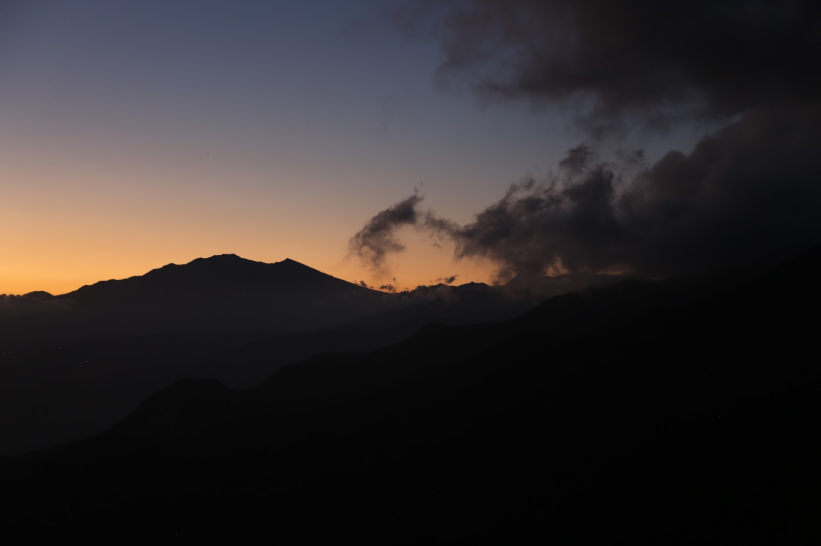
The Wild Frontier: Inside Darién, the Most Mysterious Region of Panama

There are few places left in the Americas that can genuinely be described as frontiers. Highways crisscross continents, satellite imagery reveals remote landscapes, and modern technology reaches even many isolated communities. Yet in eastern Panama there remains a vast region that continues to inspire fascination, respect, and curiosity. It is a place of immense rainforests, powerful rivers, hidden mountains, extraordinary wildlife, indigenous cultures, and some of the least explored landscapes in Central America. This is Darién, a region so wild and formidable that it has shaped the geography, history, and identity of Panama for centuries.

For many people, the name Darién immediately brings to mind the famous gap in the Pan-American Highway. From Alaska to southern South America, roads connect much of the Western Hemisphere. Then, in eastern Panama, the highway stops. Beyond lies a stretch of dense wilderness known as the Darién Gap. It is one of the most famous breaks in a continental road system anywhere in the world. Yet the story of Darién is far bigger than a missing highway. The region is one of the last great wilderness areas of the Americas.

To appreciate Darién, one must first understand its scale. Looking at a map, it may appear as just another province. In reality, it contains enormous tracts of rainforest, wetlands, rivers, mountains, and remote valleys. Some areas remain so difficult to access that reaching them requires combinations of boats, aircraft, hiking, and river travel. Distances that appear short on a map can require days to traverse. Heavy rainfall, rugged terrain, and dense vegetation have long made movement challenging.

The rainforest itself is astonishing. Giant trees rise toward the canopy. Vines drape through the forest. Orchids cling to branches high above the ground. The air is thick with humidity, insects, and the sounds of wildlife. Monkeys move through the treetops. Toucans fly overhead. Frogs call from hidden pools. Countless insects carry out lives largely unnoticed by humans. The sheer abundance of life is difficult to describe until one experiences it firsthand.

Darién is home to some of the most important wildlife populations in Panama. Species that have disappeared from many other regions continue to survive here because of the vastness of the habitat. Jaguars still roam parts of the forest. Harpy eagles, among the most powerful birds of prey in the world and Panama's national bird, nest in remote areas. Tapirs move through river valleys. Crocodiles inhabit waterways. Hundreds of bird species fill the forests with color and sound.

The region's biological importance extends far beyond Panama. Scientists consider Darién one of the most significant conservation areas in the Americas. Its forests form part of a larger ecological corridor connecting Central and South America. Animals moving between continents often depend upon habitats like those found in Darién. The region serves as a refuge for biodiversity on a continental scale.

Yet wildlife is only one part of the story. Human history in Darién stretches back thousands of years. Indigenous peoples inhabited these forests long before Europeans arrived. Today communities including the Emberá People and the Wounaan People maintain cultural traditions deeply connected to the rivers and forests around them. Canoes remain important forms of transportation. Knowledge of plants, animals, and waterways continues to be passed between generations. Visitors fortunate enough to experience these cultures often gain insights into ways of life closely tied to the natural world.

European explorers quickly learned that Darién was unlike other regions they encountered. The forests were difficult to navigate. Rivers changed character with the seasons. Tropical diseases challenged expeditions. Supplies were hard to transport. Despite these obstacles, the region played a surprisingly important role during the colonial era. Explorers crossed parts of Darién searching for routes, resources, and opportunities. Some of the earliest European expeditions into the Pacific side of the Americas passed through this general region.

One of the most remarkable chapters in Darién's history involves a Scottish colonial venture that ended in disaster. In the late seventeenth century, Scotland attempted to establish a colony in Darién through what became known as the Darien Scheme. Investors hoped to create a trading center connecting oceans and continents. The reality proved far harsher than expected. Disease, difficult conditions, supply problems, and geopolitical tensions doomed the project. The financial losses were so severe that some historians argue they contributed to Scotland's eventual union with England. Few places in Panama can claim to have influenced the history of Europe itself.

The rivers of Darién deserve special attention because they function as the region's highways. In many areas, boats remain more practical than roads. Long dugout canoes and motorized vessels carry people, supplies, and information through the rainforest. Villages often face rivers rather than roads. Life revolves around waterways in a manner that feels increasingly rare in the modern world. Traveling along these rivers offers a glimpse into a side of Panama that remains largely invisible to most tourists.

The region's weather adds another layer of drama. Rainfall can be extraordinary. Storms transform trails into mud. Rivers rise rapidly. Forests seem to absorb and release water endlessly. During heavy rains, the landscape feels almost aquatic, with water shaping every aspect of life. It is this abundance of moisture that helps sustain the region's incredible biodiversity.

For adventurers, Darién occupies a unique place in the imagination. It represents one of the last regions in the Americas where wilderness still dominates. Modern conveniences become less important. Nature sets the rules. Rivers determine routes. Weather influences plans. Wildlife remains abundant. The experience is less about conquering nature and more about adapting to it.

Despite its reputation for remoteness, Darién is not merely an isolated wilderness. It is also a living region with communities, traditions, aspirations, and challenges. People build homes, raise families, attend schools, fish rivers, cultivate crops, and maintain cultural practices. The human story is inseparable from the natural one.

Perhaps the most fascinating thing about Darién is that it reminds us how much of the world once looked. Before highways, before large cities, before industrial development, vast landscapes like this covered enormous portions of the Americas. Today relatively few remain. Darién offers a rare opportunity to glimpse something closer to that older world.

Standing on a riverbank at dawn, listening to the sounds of the rainforest awakening, it becomes clear why Darién continues to capture imaginations. Mist rises from the water. Birds call from distant trees. The forest stretches toward horizons that remain largely unchanged by modern development. In that moment, one realizes that Darién is more than a place on a map. It is one of the last great wild frontiers of the Americas, a region where nature still holds the upper hand and where the spirit of exploration remains very much alive.

Panama's Hidden Kingdom of Islands: The Astonishing Story of the Country's Forgotten Archipelagos

When people imagine Panama, they usually think of the canal, the skyline of Panama City, tropical rainforests, or perhaps the beaches that stretch along the Caribbean and Pacific coasts. Yet one of the country's most remarkable features is often overlooked. Panama is not just a nation of mainland landscapes. It is also a nation of islands. Hundreds upon hundreds of islands are scattered across its waters, ranging from tiny uninhabited rocks visited only by seabirds to large tropical islands containing entire communities, forests, and ecosystems. Together they form one of the most fascinating and least appreciated aspects of the country.

Most visitors are surprised to learn just how many islands Panama possesses. Depending on how they are counted, the number exceeds a thousand. Some lie only a short boat ride from major cities. Others sit far offshore and feel completely removed from modern civilization. Many Panamanians themselves will never visit the majority of these islands. Some have no permanent residents. Others remain known mainly to fishermen, researchers, and adventurous travelers.

What makes Panama's islands so fascinating is that they are not all alike. Each archipelago has its own personality, its own history, and its own relationship with the sea. Traveling between them can feel like traveling between entirely different countries.

Perhaps the most famous island region is the spectacular San Blas Islands. Stretching along the Caribbean coast, these islands are famous for white sand beaches, turquoise waters, coconut palms, and the culture of the Guna people. Photographs of San Blas often look almost unreal. Tiny islands seem to float in brilliant blue water. Palm trees lean toward the sea. Traditional dugout canoes move quietly across lagoons. Yet what makes the region truly special is not only its beauty but its cultural significance. The islands remain deeply connected to indigenous traditions that have survived despite centuries of outside influence.

For many travelers, arriving in San Blas feels like stepping into another era. There are places where there are no large hotels, no skyscrapers, and no crowded highways. Life follows rhythms shaped by fishing, family, community, and the sea itself. The islands offer a glimpse into a side of Panama that contrasts sharply with the modern skyline of the capital.

On the Pacific side lies a completely different island world. The magnificent Pearl Islands archipelago has long captured imaginations. These islands earned their name during the colonial era when Spanish explorers discovered valuable pearl beds in surrounding waters. The pearls harvested here became famous throughout the Spanish Empire. Some eventually found their way into royal collections in Europe. For centuries, the islands were associated with wealth, maritime exploration, and adventure.

Today the Pearl Islands remain among the most beautiful destinations in Panama. Yet unlike San Blas, they possess a different atmosphere. The Pacific Ocean shapes both the landscape and lifestyle. The tides can be dramatic. Wildlife differs from that found on the Caribbean side. During certain seasons, humpback whales migrate through nearby waters, creating some of the most spectacular wildlife viewing opportunities in the country.

Many visitors do not realize that Panama's islands played important roles during the age of pirates. Throughout the colonial period, islands served as hiding places, lookout points, supply stations, and occasionally refuges for sailors seeking shelter from storms. The waters surrounding Panama became some of the most contested maritime regions in the Americas. Treasure fleets crossed nearby seas. Privateers hunted valuable cargoes. Explorers mapped coastlines and searched for new routes. Countless stories emerged from these waters, blending documented history with enduring legends.

Some islands possess histories that are stranger still. During different periods, islands were used as agricultural settlements, military outposts, prisons, quarantine stations, and scientific research sites. A traveler landing on a seemingly peaceful beach today may have no idea that the same island once hosted dramatically different chapters of human history.

Beyond their human stories, Panama's islands are biological treasures. Isolation has allowed unique ecosystems to develop. Some islands support species rarely seen elsewhere. Birds nest on remote cliffs and beaches. Sea turtles come ashore to lay eggs. Coral reefs support vibrant marine communities. In certain areas, forests descend almost directly to the shoreline, creating striking landscapes where jungle meets ocean.

One of the most fascinating aspects of island ecology is how isolation changes wildlife. On islands separated from the mainland, species may evolve differently over time. Researchers studying Panama's islands have gained valuable insights into evolution, adaptation, and ecological relationships. Some islands have become natural laboratories helping scientists understand how ecosystems function.

The waters surrounding many islands are equally remarkable. Coral reefs, seagrass beds, mangroves, and deep marine environments create habitats supporting extraordinary biodiversity. Snorkelers and divers often encounter colorful fish, rays, sea turtles, dolphins, and occasionally larger marine visitors. The meeting of tropical conditions and varied underwater geography creates some of the richest marine ecosystems in the region.

Yet despite all their beauty, many of Panama's islands remain surprisingly unknown internationally. Travelers often focus on better known destinations elsewhere in the Caribbean or Pacific without realizing that Panama offers island experiences every bit as impressive. In some cases, the relative lack of attention has actually helped preserve their character. Visitors can still find islands where development remains limited, beaches remain uncrowded, and nature continues to dominate the landscape.

Perhaps the most extraordinary thing about Panama's islands is their sheer diversity. Within a single country, one can explore indigenous island communities in the Caribbean, historic pearl producing islands in the Pacific, remote wildlife refuges, tropical beach destinations, mangrove covered islets, volcanic islands, and tiny specks of land barely rising above the sea. Few nations offer such variety concentrated within a relatively small geographic area.

Standing on one of these islands at sunset, watching the ocean stretch toward the horizon, it becomes easy to understand why they have inspired explorers, traders, pirates, scientists, fishermen, and travelers for centuries. Each island feels like its own small world. Each possesses stories waiting to be discovered.

While the canal may connect oceans and the cities may drive the economy, Panama's islands reveal another side of the nation entirely. They are places where history, culture, wildlife, and natural beauty come together in extraordinary ways. They remind us that Panama is not merely a bridge between continents. It is also a kingdom of islands, scattered across two oceans, filled with wonders that many people never realize exist.

The Panama That Never Happened: Forgotten Dreams, Lost Megaprojects, and Alternate Futures of the Isthmus

Modern Panama is a nation defined by one of the most important waterways on Earth. Every day, ships carrying cars, grain, fuel, electronics, clothing, machinery, and countless other products pass through the Panama Canal, linking oceans and helping drive the global economy. Yet what many people do not realize is that the Panama we know today could have looked radically different. Throughout its history, Panama has been the focus of ambitious plans, grand visions, failed schemes, and alternate futures that never came to pass. Some were practical. Others were wildly ambitious. A few bordered on science fiction. Together they tell a fascinating story about how different the country might have become.

When people think about the construction of the canal, they often imagine it as an inevitable project. Looking at a map, the narrow shape of Panama makes the idea seem obvious. But for centuries, creating a passage between oceans was little more than a dream. Long before engineers arrived with excavators and dynamite, explorers, kings, merchants, and visionaries imagined ways to connect the Atlantic and Pacific. Some proposed river routes. Others envisioned networks of roads and ports. A few suggested entirely different locations. At various points in history, it was far from certain that Panama would become the chosen site.

In fact, one of the greatest alternate histories involves the possibility that the world's most famous canal might never have been built in Panama at all. During the nineteenth century, serious consideration was given to constructing an interoceanic canal through neighboring countries. Nicaragua was one of the strongest competitors. Many engineers believed its large lakes and river systems might make construction easier. Political debates raged for years. Investors weighed costs and risks. Governments studied maps and reports. Had a few decisions gone differently, global shipping routes today might pass through Nicaragua rather than Panama. Panama City might have remained a relatively modest regional center instead of becoming one of Latin America's most important business hubs.

Even after Panama was selected, the canal itself almost became something completely different. Early planners proposed sea level designs that would have eliminated the need for locks. Such a canal would have resembled a giant artificial strait connecting two oceans. The engineering challenges, however, were staggering. Mountains had to be cut through. Rivers had to be controlled. Tropical rainfall complicated everything. Eventually the lock based system was chosen. Yet one cannot help but wonder how different the landscape would look today if engineers had somehow succeeded in carving a sea level passage across the isthmus.

The canal was not the only transportation dream. During various periods, planners imagined enormous railway expansions stretching across the country. Some proposals envisioned Panama becoming the transportation capital of the Americas, with multiple rail corridors connecting ports, industrial zones, and inland regions. Certain plans were highly detailed and attracted serious investment. Others remained drawings on paper. While Panama did develop important rail infrastructure, many of the grandest concepts never moved beyond the planning stage.

The aviation age produced its own extraordinary visions. During the mid twentieth century, some observers believed Panama's strategic location would eventually make it one of the world's dominant air transportation hubs. The country's position between North and South America seemed ideal. Airports expanded. International connections multiplied. Although Panama certainly became an important aviation center, some forecasts imagined growth on an even larger scale. Urban planners speculated about airport cities, vast logistics zones, and sprawling developments extending far beyond what ultimately materialized.

Perhaps the most intriguing unrealized projects involved the country's geography itself. Over the decades, engineers and economists proposed countless schemes to take advantage of Panama's narrow shape. There were discussions about additional canal routes. Some envisioned entirely new shipping corridors. Others proposed massive pipelines carrying oil from one coast to another. Industrial zones, free trade regions, artificial islands, and giant port complexes were all imagined at various times. A surprising number of these ideas were studied seriously before economic realities, environmental concerns, political changes, or shifting global conditions caused them to fade away.

One of the most fascinating aspects of Panama's history is how often outsiders viewed the country as a blank canvas for grand ambitions. Investors, governments, entrepreneurs, and dreamers repeatedly looked at the map and saw possibilities. The narrowness of the isthmus inspired endless speculation. If one canal could transform world trade, why not two? If one railway proved successful, why not several? If Panama connected continents, why not make it the ultimate center for transportation, finance, manufacturing, and commerce?

Not all unrealized dreams involved infrastructure. Some focused on tourism. During different periods, ambitious plans were proposed for coastal regions, islands, and mountain areas. Massive resort developments were envisioned. Entire communities were designed on paper. Some projects broke ground before stalling. Others remained little more than architectural renderings. Travelers visiting certain areas today occasionally encounter roads leading nowhere, abandoned foundations, or traces of developments that were expected to become major destinations but never fulfilled their original promise.

Nature has also played a role in shaping Panama's alternate futures. The country's volcanoes, rivers, mountains, and coastlines create both opportunities and obstacles. Some proposed projects proved technically possible but environmentally challenging. Others became victims of economic downturns or changing priorities. In many cases, what was not built may be just as interesting as what was.

Perhaps the most dramatic alternate future of all concerns the canal itself. Throughout history, there have been discussions about whether advances in technology might someday reduce the canal's importance. Larger ships, new transportation methods, shifting trade patterns, and emerging technologies have all led some observers to predict the canal's decline. Yet time and again, Panama adapted. The canal expanded. Ports modernized. Logistics industries evolved. Rather than becoming less important, the country's strategic location continued to prove valuable in new ways.

Looking back, it becomes clear that modern Panama is only one version of many possible Panamas. There is an alternate reality where the canal was built elsewhere. Another where a sea level canal replaced the lock system. Another where multiple transportation corridors crisscrossed the isthmus. Another where vast tourism developments transformed remote coastlines. Another where ambitious megaprojects reshaped entire regions of the country.

What makes Panama so fascinating is that its geography constantly invites imagination. The narrow land bridge between oceans seems to encourage big ideas. For centuries, people have looked at the map and wondered what could be built, connected, transported, or transformed. Some dreams became reality. Others disappeared into archives, forgotten reports, and dusty planning documents.

Yet even today, new visions continue to emerge. Ports expand. Cities grow. Infrastructure evolves. The next generation of ambitious ideas is already taking shape. And somewhere among those proposals may be projects that future historians will discuss as either transformative successes or fascinating alternate futures that never happened.

In that sense, Panama remains what it has always been: a place where geography inspires imagination, where the possible often seems just within reach, and where the line between visionary ambition and reality has shaped the nation for centuries.

The Secret Panama Most Travelers Never See: Life Along the Country's Forgotten Rivers

Ask a visitor to name the most important feature of Panama, and the answer will almost always be the Panama Canal. It is understandable. The canal is one of the greatest engineering achievements in human history and the reason many people first learn about the country. Yet long before locks, container ships, and global trade routes transformed Panama, another network connected the nation: its rivers.

Across Panama, hundreds of rivers descend from mountains, volcanoes, cloud forests, and rainforests before eventually reaching the Caribbean Sea or the Pacific Ocean. Some are broad and powerful. Others are narrow jungle streams hidden beneath dense forest canopies. Together they form one of the country's least appreciated treasures. These waterways have shaped human settlement, wildlife migration, agriculture, exploration, and culture for thousands of years. They remain vital today, even if many travelers never notice them.

To truly understand Panama, one must understand its rivers.

Unlike many countries where rivers flow for thousands of kilometers across vast plains, Panama's rivers are generally shorter and steeper. The country is narrow, meaning that water falling in the mountains often reaches the ocean surprisingly quickly. During the rainy season, these rivers can become powerful torrents, carrying enormous volumes of water through valleys and forests. In the dry season, some shrink dramatically, revealing gravel bars, rocky channels, and hidden pools.

For indigenous peoples, rivers were highways long before roads existed. Canoes moved people, goods, food, and information through regions where dense rainforest made overland travel difficult. Entire communities developed along waterways. Villages depended upon rivers for fishing, transportation, drinking water, and agriculture. In some parts of eastern Panama, rivers remain among the most practical routes for reaching remote settlements even today.

Travel through the forests of eastern Panama and it becomes obvious how important rivers remain. Long wooden boats equipped with outboard motors glide through muddy waters bordered by walls of green vegetation. Children swim near riverbanks. Fishermen cast nets into deeper channels. Farmers transport supplies by boat. Life continues according to rhythms that would be familiar to people living centuries ago.

One of the most fascinating aspects of Panama's rivers is the wildlife they support. A single river can serve as a lifeline for countless species. Along the banks, monkeys move through trees searching for fruit. Sloths cling to branches overhanging the water. Brightly colored kingfishers dive after fish. Crocodiles and caimans patrol quiet sections of river. Turtles bask on logs exposed to sunlight. Hundreds of species depend on these waterways either directly or indirectly.

The rivers also create some of Panama's most spectacular scenery. In the highlands, streams tumble down volcanic slopes and plunge over cliffs, forming waterfalls hidden within cloud forests. Many of these waterfalls remain unknown to international tourism. Reaching them often requires hikes through forests rich with orchids, ferns, and mosses. The reward is often a cascade emerging from seemingly untouched wilderness.

As rivers descend toward lower elevations, they carve valleys that become centers of agriculture. Fertile soils deposited by water support crops ranging from rice and sugar cane to fruits and vegetables. Entire communities owe their existence to the productivity of river valleys. Without these waterways, much of Panama's agricultural landscape would look very different.

The importance of rivers extends beyond farming. Panama's rivers are among the country's most important sources of hydroelectric power. Dams and reservoirs generate significant amounts of electricity, helping support homes, businesses, and industries across the nation. Water flowing down mountain slopes is transformed into energy that powers modern life.

Yet rivers are not merely practical resources. They also inspire stories.

Across Panama, rivers appear in legends, folklore, and local traditions. Some are associated with tales of hidden treasure left behind by pirates or colonial traders. Others are linked to stories of strange lights, mysterious sounds, or unexplained events. Whether these tales contain historical truth or simply reflect the imagination of generations living close to nature, they contribute to the cultural richness of river communities.

Perhaps nowhere is the connection between rivers and history more apparent than in the story of exploration. Long before highways crossed the country, explorers relied on waterways to penetrate the interior. Rivers guided expeditions into unknown territory. They provided routes through otherwise impenetrable jungle. In many cases, the earliest maps of Panama were created by following river systems inland.

Even today, some of Panama's most remote regions remain closely tied to rivers. Roads may be limited or nonexistent. Boats continue serving as the primary means of transportation. Supplies arrive by water. Medical services often travel by river. Schoolchildren commute by boat. These realities remind visitors that despite modern development, parts of Panama still maintain strong connections to traditional ways of life.

One of the most remarkable characteristics of Panama's rivers is their diversity. A river flowing through the dry forests of the Azuero Peninsula feels entirely different from one winding through the rainforests of Darién. Highland rivers are cool and fast moving. Lowland rivers may be broad, muddy, and slow. Caribbean watersheds differ from Pacific watersheds. Each river develops its own character shaped by geography, climate, and surrounding ecosystems.

For travelers seeking authentic experiences, rivers often provide access to a side of Panama rarely featured in guidebooks. A journey by boat through a jungle river reveals a world impossible to appreciate from highways or city streets. The sounds change. The pace changes. Wildlife appears unexpectedly. The landscape unfolds gradually, bend by bend, creating a sense of exploration that has become increasingly rare in the modern world.

What makes Panama's rivers especially fascinating is that they quietly support so much of the country's identity while receiving relatively little attention. Beaches attract tourists. Mountains attract hikers. The canal attracts global admiration. Meanwhile, rivers continue performing the essential work they have done for thousands of years. They nourish forests. Sustain wildlife. Support communities. Generate power. Provide transportation. Shape landscapes. And connect people to places that would otherwise remain isolated.

In many ways, Panama's rivers are the country's hidden circulatory system. They carry life through mountains, forests, valleys, and plains. They link ecosystems together. They connect past and present. They remind us that beneath the modern image of skyscrapers and international commerce lies a much older Panama, one defined not by concrete and steel but by flowing water carving its path toward the sea.

For those willing to venture beyond the usual attractions, the rivers reveal one of the most authentic and enduring faces of the country. They tell the story of Panama not as a crossroads of ships, but as a living landscape where water continues to shape everything it touches.

The Kingdom Above the Clouds: Panama's Forgotten World of Mountain Mysteries

When most people think of Panama, they imagine tropical beaches, coral reefs, rainforests filled with monkeys, and the bustling skyline of Panama City. Few realize that some of the most extraordinary landscapes in the country are hidden high above the jungles, in places where clouds drift through forests like rivers and temperatures can feel more like springtime than the tropics. These highlands form a completely different Panama, one that many tourists never experience and many locals outside the region rarely visit.

The mountains of Panama are not merely higher versions of the lowland rainforest. They are entirely different worlds with their own climates, wildlife, ecosystems, legends, and history. Rising from the humid tropical lowlands, these peaks create islands in the sky where species evolved in isolation and where weather can change dramatically within minutes. In some places, thick fog blankets the landscape for days at a time. Trees become covered in moss, orchids, and bromeliads. Streams emerge from hidden springs and tumble down steep slopes toward distant rivers. Standing in these cloud forests can feel less like Central America and more like stepping into an ancient fantasy landscape.

The most famous of these regions surrounds Volcán Barú and the nearby highlands of western Panama. Here elevations climb high enough to create climates rarely associated with the tropics. While coastal areas may be experiencing temperatures above 30 degrees Celsius, mountain communities can be cool enough to require jackets and sweaters. Visitors are often astonished to discover pine trees growing in certain areas and mornings so crisp that their breath becomes visible.

What makes these mountains truly remarkable is their biological diversity. Because Panama serves as a bridge between North and South America, species from both continents meet here. Add the effects of altitude and isolation, and the result is one of the richest mountain ecosystems in the Americas. Hundreds of bird species inhabit these forests. Brilliant hummingbirds dart among flowers. Resplendent quetzals, among the most beautiful birds in the world, glide through cloud forest canopies. Rare salamanders hide beneath moss-covered logs. Tiny frogs occupy habitats found nowhere else on Earth.

For scientists, Panama's cloud forests are biological treasure chests. New species continue to be discovered. Researchers regularly find insects, plants, fungi, and other organisms that have never been scientifically described. In many respects, these mountains remain only partially understood. There are valleys that few people visit and remote ridges where wildlife continues its ancient routines largely undisturbed.

The cloud forests are also masters of creating water. Unlike ordinary forests, they do not depend solely on rainfall. Moisture from passing clouds condenses directly onto leaves, branches, and mosses. Entire ecosystems effectively harvest water from the sky. This process helps supply rivers that support agriculture, hydroelectric power, wildlife, and human communities throughout Panama. Many of the country's most important watersheds begin in these misty mountains.

Yet beyond their ecological importance lies another dimension that has fascinated generations of Panamanians: mystery.

Mountain landscapes naturally inspire stories. Clouds conceal distant ridges. Fog transforms familiar paths into unfamiliar terrain. Strange sounds echo through forests. Weather changes suddenly. In Panama's highlands, legends have flourished for centuries. Indigenous communities developed stories connected to mountain spirits, sacred places, and hidden valleys. Later settlers added their own tales of unexplained lights, mysterious sounds, and forgotten trails leading into remote wilderness.

Even today, hikers occasionally describe moments when the cloud forest seems almost unreal. A trail may disappear into thick fog. Visibility can shrink to only a few meters. Giant trees draped in moss emerge like natural monuments. Sunlight suddenly breaks through the mist, illuminating entire hillsides before vanishing again. The constantly changing atmosphere gives the landscape an almost dreamlike quality.

One of the most remarkable experiences available in Panama is watching sunrise from the summit of Volcán Barú. After climbing through darkness, hikers reach the peak before dawn. As the sky begins to brighten, clouds often fill the valleys below like oceans of white. Mountain peaks emerge from the cloud layer like islands. On exceptionally clear mornings, it is possible to see both the Caribbean Sea and the Pacific Ocean. Few places in the world offer such a view.

Yet the mountains are not frozen in time. They have played an important role in Panama's development. Fertile volcanic soils support agriculture, including some of the world's most highly regarded coffee. The highlands around Boquete have become famous internationally for producing exceptional coffee beans that command astonishing prices at auction. Farmers have spent generations learning how altitude, rainfall, soil composition, and temperature influence flavor. The result is a coffee culture unlike any other in Central America.

The mountains also attract a growing number of residents seeking cooler climates. While much of Panama experiences tropical heat year-round, highland communities offer relief from the humidity. Gardens flourish. Flowers bloom in abundance. Retirement communities, eco-lodges, and tourism businesses have developed throughout the region. Yet despite this growth, vast areas remain wonderfully wild.

Perhaps the most fascinating thing about Panama's mountains is how effectively they hide their secrets. Millions of travelers pass through the country every year, yet relatively few venture deep into the cloud forests. Most visitors focus on beaches, the canal, or Panama City. Meanwhile, high above the lowlands, an entirely different Panama continues to exist. It is a place of mist-covered forests, rare wildlife, hidden waterfalls, volcanic landscapes, and ecosystems that seem almost untouched by time.

In a country famous for connecting oceans and continents, the mountains offer a reminder that some of Panama's greatest wonders are found not along its coasts but in the cool, cloud-covered heights above them. There, among forests suspended between earth and sky, survives one of the most magical and least appreciated landscapes in the Americas. The mountains may not receive the same attention as the canal or the beaches, but for those who explore them, they reveal a side of Panama that feels ancient, mysterious, and unforgettable.

The Lost River of Gold: How Panama Became One of the Richest Crossroads in Human History

There is a common misconception that Panama became important only after the construction of the Panama Canal. In reality, Panama has been one of the world's most valuable pieces of real estate for centuries. Long before container ships crossed the isthmus, before skyscrapers rose above Panama Bay, and before modern banks established headquarters in Panama City, the country served as one of the greatest treasure highways on Earth. For nearly three hundred years, enormous quantities of gold and silver from the New World passed through Panama on their way to Europe. Entire fortunes crossed its jungles, rivers, roads, and ports. Pirates hunted its treasure fleets. Kings depended upon its wealth. Empires fought over its trade routes. And hidden beneath modern streets and forests are still traces of that astonishing era.

To understand the scale of Panama's importance, imagine the sixteenth century. The Spanish Empire had discovered vast riches in the Americas. Silver mines in what is now Peru and Bolivia were producing staggering amounts of precious metal. Gold flowed from numerous regions throughout Spanish America. The challenge was not finding treasure. The challenge was transporting it safely to Europe. At first glance, Panama seemed like an unlikely solution. It was covered in dense jungle, steep hills, swamps, insects, tropical diseases, and powerful rivers. Yet it possessed one advantage that no other place in the Americas could match. It was narrow. Very narrow. Goods arriving from the Pacific side could be moved across the isthmus and loaded onto ships in the Caribbean, dramatically reducing travel time compared with alternative routes around South America.

This realization transformed Panama into one of the most strategically important locations in the Spanish Empire. The city of Panama Viejo became a vital collection point for treasure arriving from the Pacific. Mule trains loaded with silver, gold, jewels, and luxury goods crossed the isthmus along routes that eventually became famous throughout the world. Imagine hundreds of mules moving through tropical forests carrying chests filled with silver coins. Armed guards accompanied the caravans. Merchants, soldiers, slaves, indigenous laborers, priests, adventurers, and officials all participated in this immense logistical operation. Every shipment represented wealth on a scale almost impossible to comprehend.

The amount of treasure that moved through Panama was staggering. Historians estimate that over the centuries, thousands upon thousands of tons of precious metals crossed the isthmus. Silver from the legendary mines of South America flowed through Panama in quantities that helped finance wars, build palaces, support royal dynasties, and reshape global economies. European markets became flooded with New World silver. Entire financial systems evolved because of wealth passing through this narrow tropical corridor.

Where there is treasure, however, there are always those eager to steal it.

As word spread about Panama's role in transporting immense riches, pirates, privateers, and raiders began targeting the region. Some of the most famous names in maritime history became linked to Panama. Among them was Henry Morgan, whose attack on Panama became one of the most infamous pirate operations ever conducted in the Americas. In 1671, Morgan's forces crossed the isthmus and attacked Panama City. The city was devastated. Fires consumed much of the settlement. Treasure disappeared amid the chaos. The attack shocked the Spanish Empire and demonstrated that even one of its most valuable possessions was vulnerable.

The destruction of the original city led to one of the most important decisions in Panama's history. Spanish authorities relocated the settlement to a more defensible location. This new city would become what we now know as Casco Viejo. Surrounded by defensive walls and positioned for better protection, the new settlement became the heart of colonial Panama. Today, visitors stroll along its picturesque streets, dine in rooftop restaurants, and admire restored colonial architecture. Few realize they are walking through a district built largely because pirates once threatened the flow of global treasure.

Yet perhaps the most fascinating aspect of Panama's treasure era is the possibility that not all of the wealth reached its destination.

Throughout the colonial period, storms sank ships. Pirates captured cargoes. Mule trains were attacked. Merchants hid valuables during emergencies. Smugglers concealed goods from authorities. Entire shipments occasionally vanished. As a result, stories of lost treasure became woven into Panama's folklore. Across the country, tales persist of buried gold hidden in caves, forgotten caches concealed in forests, and sunken ships resting beneath coastal waters. Some stories are undoubtedly myths. Others may contain grains of truth. Even today, treasure hunters continue searching for clues linked to Panama's extraordinary past.

The jungles of eastern Panama are particularly rich in legends. Remote valleys, abandoned colonial routes, and little explored river systems have inspired countless stories about missing treasure. Whether these stories are factual or not, they reveal how deeply the treasure era influenced the country's identity. Few places in the Americas possess such a direct connection to centuries of global wealth.

What makes Panama's story especially remarkable is that its strategic importance never disappeared. The same geographic advantage that attracted Spanish treasure fleets eventually attracted railroad builders, canal engineers, global shipping companies, bankers, and international businesses. The route that once carried mule trains loaded with silver now carries container ships transporting goods from around the world. The technology has changed, but the fundamental reality remains exactly the same. Panama sits at one of the most important crossroads on Earth.

In many ways, modern Panama is the direct descendant of the treasure route. The skyscrapers of Panama City, the bustling ports, the logistics centers, and the international businesses all exist because geography continues to reward the same advantage recognized by Spanish explorers centuries ago. Panama became wealthy not because it possessed the largest gold mines or the richest silver deposits. It became important because it connected worlds.

That may be the most fascinating lesson of all. The greatest treasure of Panama was never the gold or silver that crossed its forests. The greatest treasure was the land itself. A narrow bridge between oceans. A crossroads between continents. A place where geography altered the course of history and continues to shape the future of global trade to this day.

Fire Beneath Paradise: The Epic Volcanic and Earthquake History of Panama

When most people imagine Panama, they picture tropical beaches lined with palm trees, emerald rainforests echoing with the calls of monkeys and toucans, gleaming skyscrapers rising beside the Pacific Ocean, and of course the engineering marvel of the Panama Canal. It is easy to see Panama as a peaceful tropical nation defined by water, forests, and commerce. Yet hidden beneath this beautiful landscape lies an astonishing story of fire, destruction, mountain building, and geological violence. The truth is that Panama exists only because of immense forces deep within the Earth. Every mountain, every valley, every cloud forest, every fertile coffee farm, and even the narrow strip of land that joins North and South America owes its existence to volcanic eruptions, tectonic collisions, and earthquakes that have shaped the region for tens of millions of years. If we could travel backward through time, the Panama we know today would completely disappear. There would be no Panama City, no Chiriquí Highlands, no Caribbean coast connected to a Pacific coast, and certainly no canal. Instead, we would find a world of volcanic islands emerging from a tropical sea, with lava pouring from vents, ash clouds darkening the sky, earthquakes shaking the seabed, and powerful geological forces slowly constructing one of the most important pieces of land on the entire planet. The story of Panama's volcanic history is not merely the story of a country. It is a story that altered global climate, redirected ocean currents, transformed ecosystems across two continents, and changed the course of evolution itself.

A Time When Panama Did Not Exist

Imagine standing somewhere above the Earth approximately twenty million years ago and looking down at the region where Panama sits today. You would not see a narrow land bridge connecting two continents. Instead, you would see a broad marine passage separating North America from South America. The Atlantic Ocean and Pacific Ocean flowed directly into one another through a vast seaway filled with marine life. Ancient sharks hunted in these waters. Giant sea turtles cruised through warm currents. Whales migrated through passages that no longer exist. The continents were isolated from each other, each evolving its own unique collection of animals and plants. North America had its own predators and grazing mammals, while South America remained a biological island populated by strange creatures unlike anything found elsewhere. The landscape that would eventually become Panama consisted primarily of volcanic islands rising from the ocean, similar in some ways to modern island chains found throughout the Pacific. These islands were unstable, constantly changing, growing through volcanic eruptions and shrinking through erosion. Powerful earthquakes regularly shook the region. Volcanoes erupted repeatedly, building new land while destroying old landscapes. Nobody looking at that ancient world would have guessed that it would eventually become one of the most strategically important locations on Earth.

The Geological Forces That Built a Nation

The reason Panama exists at all can be traced to the movement of enormous tectonic plates. These plates are gigantic sections of the Earth's crust that slowly move over the semi molten layers beneath them. Their movements are usually measured in centimeters per year, but over millions of years these tiny motions produce continent sized consequences. Panama occupies one of the most geologically complex regions on Earth. Here several major tectonic plates interact in a complicated geological dance. The Caribbean Plate, the Cocos Plate, the Nazca Plate, and the South American Plate have spent millions of years colliding, sliding past one another, and diving beneath each other. Whenever one tectonic plate is forced downward beneath another, immense pressure and heat are generated deep underground. Rocks melt. Magma forms. Volcanoes begin to develop. Over time, repeated volcanic activity created chains of islands that gradually accumulated into larger land masses. Layer upon layer of lava, volcanic ash, and other eruptive material built upward from the ocean floor. Earthquakes continuously uplifted portions of the landscape while other areas sank beneath the sea. The result was a long and complicated process of construction that ultimately gave birth to the land that would become Panama. Every mountain visible in western Panama today is a reminder of these ancient tectonic battles.

The Formation of the Isthmus That Changed the World

Few geological events in Earth's recent history have been as important as the formation of the Isthmus of Panama. This narrow strip of land eventually connected North and South America, but its significance extends far beyond geography. When the land bridge finally rose high enough to block the marine passage between the Atlantic and Pacific Oceans, the consequences were felt across the entire globe. Ocean currents that had flowed freely for millions of years were suddenly interrupted. The redirection of these currents helped strengthen the Gulf Stream, which carries warm water toward Europe and influences climate patterns across the North Atlantic. Some scientists believe the emergence of Panama even contributed to climatic changes that played a role in later ice ages. At the same time, the new land bridge allowed animals to migrate between continents for the first time in millions of years. This event, known as the Great American Biotic Interchange, transformed ecosystems forever. Ancestors of armadillos, opossums, porcupines, and giant ground sloths moved northward. Bears, wolves, horses, cats, and many other northern species traveled south. Entire ecosystems were reshaped. Extinctions occurred. New species evolved. The simple fact that Panama rose from the sea ultimately altered the biological destiny of two continents. Very few places on Earth can claim to have had such an influence on global history.

Volcán Barú: The Sleeping Giant of Panama

Towering above western Panama is the country's highest peak, the magnificent Volcán Barú. Today, tourists climb its slopes to witness breathtaking sunrises and, on exceptionally clear days, views of both the Caribbean Sea and the Pacific Ocean from a single location. The mountain appears peaceful and majestic. Coffee farms spread across its lower slopes. Forests teem with wildlife. Small towns thrive in its shadow. Yet this tranquility hides an explosive past. Volcán Barú is not merely a mountain. It is a volcano built through countless eruptions over hundreds of thousands of years. Massive quantities of lava, ash, volcanic rock, and pyroclastic material accumulated to create the giant structure visible today. Ancient eruptions would have transformed entire landscapes. Rivers would have been buried beneath volcanic debris. Forests would have disappeared under blankets of ash. Explosive blasts may have sent towering columns of volcanic material high into the atmosphere. Although Barú is considered dormant rather than extinct, there is currently no indication that it is preparing to erupt. Nevertheless, the volcano remains one of the most powerful reminders that Panama's geological story is far from over. The fertile soils that make the Chiriquí Highlands famous for agriculture and world class coffee owe much of their richness to volcanic deposits left behind by eruptions long ago.

A Landscape Sculpted by Volcanoes

Many visitors associate volcanoes only with dramatic eruptions, but their influence extends far beyond moments of destruction. Much of western Panama has been shaped by volcanic activity. The mountains surrounding Boquete, Cerro Punta, Volcán, and other highland communities exist because of volcanic processes. The valleys, ridges, and dramatic slopes visible today are the result of countless eruptions followed by millions of years of erosion. Rain, rivers, landslides, and weather gradually carved the volcanic landscape into the spectacular scenery now enjoyed by residents and tourists alike. Even the cloud forests owe their existence in part to volcanic topography. High elevations intercept moisture laden air masses, creating unique environments where orchids, mosses, tree ferns, and rare wildlife flourish. Without ancient volcanoes, much of Panama's biodiversity would look completely different. The landscapes that now attract hikers, birdwatchers, photographers, and nature lovers are essentially masterpieces sculpted from volcanic rock.

Earthquakes: The Ongoing Reminder of a Restless Earth

Although volcanoes capture the imagination, earthquakes are perhaps the most direct reminder that Panama remains geologically active. Deep beneath the country, tectonic forces continue to operate exactly as they have for millions of years. The Earth's crust is not stable. Plates continue moving. Stress accumulates along faults. Eventually that stress is released in the form of earthquakes. Most earthquakes in Panama are relatively small. Thousands occur every year without causing significant damage. Many are so minor that only scientific instruments detect them. Yet larger earthquakes occasionally remind Panamanians that the ground beneath their feet is still in motion. Unlike volcanic eruptions, which often provide warning signs, earthquakes can occur suddenly and without notice. A fault may remain quiet for decades or centuries before abruptly releasing energy accumulated over generations. For this reason, seismic monitoring remains an important part of scientific research throughout the region.

The Powerful Earthquake of 1991

Among modern earthquakes affecting Panama, few are remembered more vividly than the major event that struck near the Panama and Costa Rica border in April 1991. This earthquake exceeded magnitude 7 and caused significant destruction across parts of both countries. Buildings suffered damage. Roads were disrupted. Landslides occurred in mountainous regions. Communities experienced power outages and infrastructure failures. For many residents who lived through it, the earthquake remains one of the most dramatic natural events of their lives. The quake demonstrated that while Panama does not experience catastrophic earthquakes as frequently as nations like Japan, Chile, or Indonesia, significant seismic events remain possible. It also highlighted the importance of earthquake resistant construction and preparedness in vulnerable areas.

The Hidden Earthquakes Beneath the Sea

Many of Panama's most significant earthquakes do not occur beneath cities or mountain ranges. Instead, they happen beneath the ocean floor. Offshore seismic activity is common because of interactions between tectonic plates in the Pacific region. These underwater earthquakes often pass unnoticed by the general population, yet they are closely monitored by scientists because large offshore events can potentially generate tsunamis. The majority of undersea earthquakes never produce dangerous waves, but the possibility exists whenever powerful seismic activity occurs beneath large bodies of water. Panama's coastlines, particularly along the Pacific side, are therefore part of broader regional monitoring systems designed to detect and respond to potential tsunami threats.

The Country Forged by Fire

The most remarkable thing about Panama's geological history is how completely it shaped the nation. The mountains of Chiriquí, the fertile valleys that support agriculture, the cloud forests rich with wildlife, the rivers flowing from highland regions, and even the existence of the land bridge itself all owe their origins to volcanic and tectonic forces. Without volcanoes, there would be no Volcán Barú. Without tectonic uplift, there would be no Isthmus of Panama. Without the formation of the isthmus, North and South America would have remained isolated from one another for much longer. Ocean currents would be different. Climate patterns might be different. The distribution of countless animal species would certainly be different. Panama's geological history is therefore not merely a local story. It is a chapter in the history of the entire planet.

Today, travelers standing atop Volcán Barú often admire the spectacular scenery without realizing they are standing on the product of immense geological forces. The forests seem timeless. The valleys appear peaceful. The landscape feels permanent. Yet every mountain ridge, every volcanic rock, every earthquake fault, and every fertile field tells a different story. It is the story of a land forged by fire, lifted from the sea through unimaginable power, and continuously shaped by the restless forces still operating deep beneath the Earth's surface. Panama may look tranquil today, but its foundations were built in one of the most dramatic geological sagas in the Americas, a saga that continues, slowly but relentlessly, even now.

Panama's Venomous Wilderness: An Enormous Journey Through the Most Dangerous Snakes, Spiders, Frogs, Insects, and Sea Creatures of the Isthmus

Panama is often described as a bridge between two continents, but from a biological perspective it is something even more extraordinary. This narrow strip of land connecting North and South America contains one of the highest concentrations of wildlife on Earth. Within a country smaller than many U.S. states lives an astonishing variety of mammals, birds, reptiles, amphibians, fish, and insects. Scientists have recorded thousands upon thousands of species, and every year new discoveries continue to emerge from remote forests, mountain valleys, rivers, and reefs.

For many visitors, Panama is a paradise of toucans, sloths, monkeys, butterflies, and tropical flowers. Yet hidden among this beauty is another side of nature. Panama is home to some of the most venomous snakes in the Americas, highly toxic frogs, painful insects, dangerous marine creatures, and a collection of animals that command both caution and respect.

The fascinating truth is that these creatures are not villains. They are not waiting to attack people. Most spend their lives trying to avoid human contact entirely. Their venom, toxins, stingers, and defensive adaptations evolved to catch prey or protect themselves from predators. Humans are usually accidental participants in encounters that these animals never wanted in the first place.

Still, for anyone fascinated by wildlife, few places in the world offer such an impressive collection of dangerous creatures as Panama.

---

The Fer-de-Lance: The Snake That Rules the Lowlands

If there is one snake that dominates discussions of dangerous wildlife in Panama, it is the feared and respected Fer-de-Lance.

This species is responsible for more serious snakebite incidents than any other snake in Central America. Unlike some venomous species that live only in isolated habitats, the fer-de-lance has adapted remarkably well to a variety of environments. It can be found in rainforests, secondary forests, agricultural areas, plantations, riverbanks, and forest edges.

Large specimens may exceed two meters in length. Their bodies are thick, muscular, and beautifully patterned with intricate diamonds, triangles, and zigzags that blend perfectly into the forest floor. A person could walk within a meter of one without noticing it.

This camouflage is what makes the snake so effective. It does not usually chase or hunt humans. Instead, most bites occur when someone accidentally steps near it or startles it.

The venom is exceptionally powerful. It contains compounds that can damage tissue, affect blood clotting, and cause severe swelling. Before modern medicine, bites from large fer-de-lances were among the most feared medical emergencies in rural Panama.

Despite this reputation, fer-de-lances are ecologically important. They consume huge numbers of rats, mice, and other small animals. In doing so, they help control pests that damage crops and spread disease.

A rainforest without fer-de-lances would actually be less healthy.

---

The Bushmaster: The Giant of the Deep Forest

Among snake enthusiasts, few animals inspire more fascination than the enormous Bushmaster.

This is the largest venomous snake in the Americas and one of the largest vipers on Earth. A mature bushmaster can grow longer than many people are tall.

Unlike fer-de-lances, bushmasters prefer remote wilderness. They inhabit some of Panama's least disturbed forests, especially regions associated with Darién National Park and other large rainforest systems.

The bushmaster's appearance is magnificent. Its body is covered in beautiful geometric patterns that disappear into fallen leaves. Its head is broad and triangular. Its eyes seem constantly alert.

Finding one in the wild is considered a major achievement among wildlife photographers and herpetologists. Some researchers spend years searching before finally encountering one.

Their venom is extremely potent, and they can inject substantial amounts during a bite. Yet because they live in remote areas and avoid people whenever possible, encounters remain relatively uncommon.

Many rural stories describe giant bushmasters encountered deep in forests far from roads and settlements. These accounts have helped build the snake's legendary status throughout Panama.

---

Coral Snakes: Tiny Bands of Danger

The coral snakes of Panama are among the country's most beautiful reptiles.

Their vivid rings of red, yellow, black, and orange appear almost artificial in their brilliance. These colors serve as a warning to predators that the snake possesses a powerful neurotoxic venom.

Coral snakes generally spend much of their time hidden beneath logs, underground, or beneath leaf litter. Their secretive nature means they are encountered far less frequently than people imagine.

Unlike vipers, coral snakes belong to the same broader family as cobras and mambas. Their venom primarily attacks the nervous system.

Fortunately, they are usually shy and reluctant to bite. Most incidents occur when people attempt to pick them up or handle them.

---

The Eyelash Viper: A Living Jewel

Perhaps no venomous snake in Panama receives more admiration from photographers than the Eyelash Viper.

These remarkable snakes live among branches and vegetation. Some are bright yellow. Others are green, orange, red, pinkish, or combinations of multiple colors.

The scales above their eyes resemble eyelashes, creating one of the most distinctive appearances in the reptile world.

An eyelash viper resting on a tropical flower looks less like a dangerous predator and more like a piece of living art.

Yet appearances can be deceiving. These snakes possess venom capable of causing serious injury. Their arboreal lifestyle means hikers occasionally encounter them resting on low branches along rainforest trails.

---

The Rainforest Floor Is Alive

One of the most surprising experiences for visitors entering Panama's forests is realizing that every square meter seems occupied by life.

The leaf litter covering the ground is not simply dead vegetation. It is a bustling ecosystem filled with insects, spiders, centipedes, frogs, snakes, scorpions, beetles, and countless other organisms.

A single fallen log may shelter dozens of species.

Every step reveals another hidden world.

This abundance of life is what makes Panama such a biological treasure.

---

Poison Dart Frogs: Tiny Creatures With Powerful Defenses

Panama hosts several species of poison dart frogs, some among the most colorful amphibians on Earth.

The tiny frogs display colors that seem almost impossible. Brilliant blues. Bright yellows. Intense reds. Metallic greens. Orange patterns that glow against dark rainforest backgrounds.

These colors serve as warnings.

Many poison dart frogs contain toxins in their skin that make them unpalatable or dangerous to predators. Birds, snakes, and mammals quickly learn to avoid them.

Interestingly, the frogs do not manufacture all these chemicals themselves. Scientists believe much of their toxicity comes from compounds found in their natural diet of ants, mites, and other tiny invertebrates.

Captive frogs often lose much of their toxicity because their diet changes.

---

Bullet Ants: The Sting That Few Forget

The rainforest is not only home to venomous reptiles. It also contains insects capable of delivering unforgettable experiences.

Among them is the legendary Bullet Ant.

The bullet ant is enormous compared to most ants. Some workers exceed an inch in length.

Its sting has achieved near-mythical status among naturalists. Victims often describe hours of intense pain, trembling, sweating, and discomfort.

Many people who have experienced both bullet ant stings and other painful insect encounters rank the bullet ant at the very top.

Fortunately, these ants are not aggressive unless disturbed.

---

Scorpions Beneath Rocks and Roofs

Panama contains numerous scorpion species.

Most remain hidden during the day beneath stones, fallen wood, roof tiles, and debris. After sunset they emerge to hunt insects and other small prey.

Many species produce painful but manageable stings. However, certain species deserve greater caution, particularly where children are involved.

In rural communities, people learn simple habits early in life.

Always shake out boots.

Check clothing left on the floor.

Look carefully before reaching into wood piles.

These precautions dramatically reduce the chance of unpleasant surprises.

---

Giant Centipedes: Nature's Armored Hunters

Among the most startling creatures in Panama are giant tropical centipedes.

Some species can exceed twenty centimeters in length.

Armed with venomous claws near their heads, these predators hunt insects, spiders, frogs, lizards, and even small mammals.

Their speed is astonishing.

A giant centipede moving across the forest floor can cover ground far faster than many people expect.

Their bites are extremely painful and may produce swelling, fever, and significant discomfort.

Fortunately, they usually prefer escape over confrontation.

---

Spiders of the Rainforest

Panama contains hundreds of spider species.

Many are harmless.

Some are breathtakingly beautiful.

Others are impressively large.

Tarantulas deserve special mention. These giant spiders often inspire fear because of their size. A large tarantula crossing a trail at night can stop hikers in their tracks.

Yet tarantulas are generally far less dangerous than their appearance suggests.

More concerning are certain wandering spiders and other venomous species capable of medically significant bites.

Still, serious spider incidents remain relatively rare.

Most spiders would rather disappear into vegetation than confront a human many thousands of times their size.

---

The Waters Hold Their Own Surprises

Dangerous wildlife is not limited to forests.

Panama's Caribbean reefs and Pacific waters contain their own collection of venomous creatures.

The invasive Lionfish carries venomous spines capable of causing intense pain.

Stingrays rest beneath sand in shallow water.

Certain sea urchins possess sharp venomous spines.

Some catfish species can inflict painful wounds.

Fortunately, most marine injuries occur because animals are stepped on accidentally.

Simple awareness prevents the vast majority of incidents.

---

Crocodiles: The Largest Predator Most People Never See

Although not venomous, crocodiles deserve mention because of their sheer power.

Panama supports populations of the impressive American Crocodile as well as spectacled caimans.

Large crocodiles inhabit rivers, estuaries, mangroves, and coastal environments.

A mature crocodile represents one of the most powerful predators in the Americas.

Most remain wary of humans, but they deserve tremendous respect.

Their presence serves as a reminder that Panama still contains truly wild places.

---

Why Panama's Dangerous Creatures Matter

It may be tempting to view venomous snakes, toxic frogs, giant centipedes, and painful insects as nuisances or threats.

In reality, they are essential pieces of ecological machinery.

Snakes control rodents.

Spiders control insects.

Scorpions remove pests.

Poison frogs indicate healthy forests.

Predators help maintain balance throughout ecosystems.

The disappearance of these species would trigger consequences throughout food webs that scientists are still working to fully understand.

---

The Greatest Treasure of All

The remarkable thing about Panama is not that dangerous creatures live there.

The remarkable thing is that so many still survive.

In many parts of the world, large predators, specialized amphibians, and rare reptiles have disappeared under pressure from development and habitat loss. Panama remains one of the last places where a person can walk through rainforest and know that somewhere nearby may be a bushmaster beneath leaves, an eyelash viper coiled on a branch, a poison dart frog hidden beside a stream, a bullet ant colony marching across the forest floor, and countless other extraordinary creatures carrying on ancient lives that began long before humans arrived.

That is what makes Panama special. It is not simply a country of beaches, skyscrapers, and canals. It is one of the great wildlife strongholds of the Western Hemisphere, a place where nature remains powerful, unpredictable, and astonishingly alive.

Sugar Cane Juice in Panama: The Sweet Drink of the Countryside

Few drinks are as deeply connected to rural Panama as fresh sugar cane juice. Long before energy drinks, bottled sodas, sports beverages, and gourmet coffee became common, generations of Panamanians working under the tropical sun relied on the sweet, refreshing liquid extracted from freshly cut sugar cane. Known in many parts of Latin America as "jugo de caña" or "guarapo," sugar cane juice remains one of the most authentic tastes of the Panamanian countryside. It is more than simply a drink. It is a symbol of agricultural life, family traditions, community gatherings, and a way of life that has endured for centuries.

Travel through the rural provinces of Panama, especially in areas of the Azuero Peninsula, the interior regions of Coclé, Veraguas, Herrera, Los Santos, and parts of Chiriquí, and you will eventually encounter fields of towering sugar cane swaying in the breeze. These green stalks may appear simple, but they have played an important role in the country's history for hundreds of years. Sugar cane was introduced during the colonial era and quickly became one of the most important crops in the region. While much of the harvest was processed into sugar, rum, and other products, country families developed their own traditions around the fresh juice itself.

The first thing many visitors notice about sugar cane juice is how different it tastes from ordinary sugar. Most people expect something overwhelmingly sweet. Instead, fresh cane juice has a surprisingly complex flavor. It is sweet, certainly, but it also carries grassy notes, hints of minerals from the soil, and subtle flavors that vary depending on the variety of cane and the season. When served cold on a hot Panamanian afternoon, it can feel remarkably refreshing. Farmers often describe it as nature's sports drink because it contains water, natural sugars, and trace minerals that provide a quick burst of energy.

The Traditional Trapiche

To truly understand sugar cane juice in Panama, one must understand the trapiche. The trapiche is the traditional sugar cane mill that has been a fixture of rural life for generations. In the old days, many trapiches were powered by oxen. Massive wooden beams extended from the crushing mechanism, and patient oxen would walk in circles for hours, turning the rollers that crushed the cane.

The sight was unforgettable. A farmer would feed long stalks of freshly harvested cane into the rollers. The machine would groan and creak as tremendous pressure squeezed the stalks flat. On one side emerged the crushed fibrous remains known as bagazo. On the other side flowed streams of pale green juice into waiting buckets below.

The entire process was wonderfully simple yet remarkably effective. There were no electric motors, computerized systems, or stainless steel factories. Just human labor, animal power, and machinery that often looked as though it belonged in another century.

For many rural children growing up in Panama, a visit to the local trapiche was a special event. The smell of fresh cane filled the air. The sweet scent mixed with the earthy aroma of wet soil, livestock, wood smoke, and tropical vegetation. Watching the rollers crush the cane was mesmerizing, and the reward at the end was often a freshly filled cup of juice served moments after extraction.

A Social Event in Rural Communities

What outsiders sometimes fail to realize is that sugar cane processing was historically a social activity. During harvest season, families and neighbors frequently gathered to help one another. The work was demanding, but it was also an opportunity to share stories, exchange news, and strengthen community bonds.

The trapiche became a gathering place. Elderly residents discussed local history. Farmers compared crops and weather conditions. Children ran through the fields while adults worked. Meals were shared. Music often played nearby. The production of sugar cane juice was not simply an agricultural task but an important social tradition that connected entire communities.

Even today, many rural festivals and cultural events feature demonstrations of traditional cane crushing. Visitors are often fascinated by the old machinery and the chance to taste juice prepared exactly as it was generations ago.

From Juice to Molasses and Beyond

Fresh sugar cane juice rarely existed in isolation. Once extracted, it often became the starting point for numerous other traditional products.

The juice could be boiled in large metal vats over wood fires for hours. As water evaporated, the liquid thickened into rich molasses. Continued cooking eventually produced blocks of unrefined cane sugar known in various parts of Latin America as panela. These products became valuable ingredients in countless traditional recipes.

The bagazo left behind after crushing the cane was not wasted either. Resourceful farmers used it as fuel for cooking fires, livestock bedding, compost, or agricultural mulch. In the countryside, almost every part of the sugar cane plant found a purpose.

This efficient use of resources reflected a broader philosophy of rural life. Long before sustainability became a popular modern concept, Panamanian farming communities practiced it out of necessity.

The Taste of a Panamanian Summer

Ask someone who grew up in rural Panama about sugar cane juice, and many will immediately associate it with the dry season. During the hottest months of the year, temperatures can become intense, especially in the central provinces.

Imagine working in a field under a brilliant tropical sun. The air shimmers above the ground. Dust rises with every step. Sweat pours from your brow. Then imagine drinking a cup of freshly pressed sugar cane juice chilled with ice. The sweetness arrives first, followed by a refreshing sensation that seems perfectly suited to the climate.

Many older Panamanians remember stopping at roadside stands where fresh cane juice was prepared while customers watched. There was no need for elaborate marketing. The product sold itself through freshness and tradition.

Modern Changes and Old Traditions

Today, modern equipment has replaced many of the old ox-powered trapiches. Electric motors now do much of the work that animals once performed. Processing has become faster and more efficient. Yet despite these technological changes, the essential process remains remarkably similar.

Fresh cane is harvested. The stalks are crushed. The juice is collected. The drink is served.

What has changed is the world around it. Younger generations have access to countless beverage options that their grandparents never imagined. International soft drink brands dominate store shelves. Coffee culture continues to grow. Imported products arrive from around the globe.

Yet sugar cane juice survives because it offers something those products cannot: authenticity. It provides a direct connection to the land and to centuries of rural tradition.

Why Visitors Should Try It

Tourists often seek authentic experiences when visiting Panama. They explore beaches, rainforests, mountains, and historic districts. Yet some of the country's most memorable experiences can be surprisingly simple.

Drinking freshly pressed sugar cane juice at a traditional countryside trapiche offers a glimpse into a side of Panama that many visitors never see. It reveals the rhythms of agricultural life, the ingenuity of rural communities, and the enduring importance of farming traditions.

The experience is not merely about taste. It is about hearing the machinery turn, watching the cane disappear into the rollers, smelling the sweet fragrance of freshly crushed stalks, and understanding how generations of Panamanians lived and worked.

A Living Piece of Panama's Heritage

In a rapidly changing world, sugar cane juice remains one of Panama's most enduring rural traditions. It links modern Panamanians to colonial history, agricultural heritage, and the hardworking farming communities that helped shape the nation.

The humble cup of cane juice tells a much larger story. It speaks of oxen walking endless circles around wooden mills. It speaks of families gathering during harvest season. It speaks of children discovering the sweetness of freshly crushed cane for the first time. It speaks of long days in the fields and the simple pleasures that followed.

For many Panamanians, sugar cane juice is not merely a beverage. It is a taste of home, a reminder of the countryside, and a living connection to generations past. Long after trendy drinks have come and gone, the sweet green juice flowing from the trapiche will likely continue to refresh farmers, travelers, and curious visitors, preserving one of the most cherished traditions of rural Panama.

Panama's Curious Legal Contradiction: Why Prostitution Is Legal but Pornography Is Not

Among the many surprises that visitors discover when learning about Panama, one of the most intriguing is a legal contradiction that seems almost impossible at first glance. In a country known for its modern skyline, international banking sector, global shipping routes, and reputation as one of Latin America's most business-friendly destinations, prostitution has historically been legal and regulated under certain conditions, while the production and distribution of pornography have faced significant legal restrictions. To many outsiders, this appears contradictory. How can one activity be permitted while another, seemingly related activity, is prohibited?

The answer lies in a complex mix of history, public morality, religion, public health concerns, and legal tradition. Like many aspects of Panama, the reality is more nuanced than it initially appears.

A Legacy of Regulation Rather Than Prohibition

Panama inherited many legal traditions from continental Europe and Latin America. Throughout much of its history, lawmakers viewed prostitution less as a moral issue to be eradicated and more as a social reality that needed regulation. The logic was practical rather than ideological. Authorities reasoned that if prostitution existed regardless of legal status, it would be safer to regulate it, conduct health inspections, and monitor establishments than to drive the industry completely underground.

This approach was not unique to Panama. Various countries in Europe and Latin America adopted similar systems during the nineteenth and twentieth centuries. Governments often considered regulated prostitution a public health matter. The objective was to reduce the spread of sexually transmitted diseases and maintain oversight over activities that authorities believed would continue regardless of legal restrictions.

As a result, Panama developed a framework in which prostitution itself was generally tolerated under specific regulations. This does not mean that all activities connected to the sex trade are legal. Exploitation, trafficking, coercion, and the involvement of minors remain serious criminal offenses. The legal acceptance traditionally focused on consensual adult activity within regulated environments.

The Different Legal Treatment of Pornography

Pornography, however, developed along a completely different legal path. While prostitution was often viewed through the lens of regulation and public health, pornography became associated with concerns about public morality, obscenity, and the mass distribution of sexual content.

The key distinction is that prostitution involves private transactions between consenting adults, while pornography involves the creation and distribution of media that can potentially reach unlimited audiences. Historically, lawmakers in many countries viewed mass dissemination of explicit material as presenting broader social concerns than private adult behavior.

In Panama, as in much of Latin America, legal systems were heavily influenced by conservative social values and the cultural influence of the Catholic Church. While many citizens may have privately tolerated certain behaviors, governments often maintained stricter rules regarding materials considered offensive to public decency. Explicit publications, films, and recordings were therefore treated differently under the law than private consensual conduct.

The Influence of Religion

To understand this legal distinction, one must appreciate the role religion has played in Panamanian society. For centuries, Catholicism was a dominant cultural force throughout the country. Even as Panama modernized and became increasingly cosmopolitan, many social attitudes continued to reflect traditional religious values.

Religious institutions often focused particular attention on the public visibility of sexual content. Explicit magazines, films, and broadcasts were viewed as having the potential to affect society as a whole. Concerns were frequently raised about impacts on families, children, and public morality.

As a result, lawmakers often found themselves balancing competing realities. On one hand, prostitution was recognized as an activity that existed regardless of legal restrictions. On the other hand, pornography represented a visible industry producing content specifically intended for public consumption. This distinction helped shape different legal responses.

A Reflection of Broader Global Patterns

Although Panama's situation may seem unusual, it is far from unique. Around the world, many countries have maintained legal frameworks that appear contradictory to outsiders.

Some nations permit gambling but ban alcohol. Others permit alcohol but prohibit gambling. Certain countries allow prostitution while restricting pornography. Others permit pornography while criminalizing prostitution. These differences often emerge not from strict philosophical consistency but from historical circumstances, political compromises, and cultural values that evolved over generations.

Legal systems rarely develop according to perfectly logical blueprints. Instead, they reflect decades or centuries of social debate, religious influence, economic realities, and changing public attitudes. Panama's approach is best understood within this broader context.

The Impact of the Internet Era

The arrival of the internet has further complicated the issue. In previous decades, regulating pornography largely meant regulating physical magazines, movie theaters, videotapes, or television broadcasts. Today, explicit content can be accessed from virtually anywhere in the world through online platforms.

This technological shift has made traditional legal distinctions increasingly difficult to enforce. Countries that once maintained strict controls over physical media now face the reality that digital content crosses borders instantly. As a result, debates about pornography laws have become far more complicated than they were in the twentieth century.

Panama, like many nations, has had to navigate the tension between older legal frameworks and modern digital realities. The result is a legal landscape that often appears more complicated in practice than simple descriptions suggest.

A Window Into Panamanian Society

Ultimately, the apparent contradiction between legal prostitution and restrictions on pornography reveals something interesting about Panama itself. The country often balances pragmatism with conservatism. It is a nation that embraces international business, welcomes global influences, and adapts to economic realities, yet also maintains strong cultural traditions and social values.

The coexistence of these influences can produce legal arrangements that seem unusual to outsiders but make sense within the country's own historical development. What appears contradictory on the surface is often the result of decades of compromise between competing priorities: public health, economic realities, religious traditions, social norms, and evolving attitudes toward personal freedom.

For travelers, historians, and anyone interested in comparative law, Panama offers a fascinating example of how legal systems evolve. The country's approach demonstrates that laws are not always built around strict consistency. More often, they are reflections of a society's history, culture, and the unique path it has taken through time.

Anime Creation in Panama: A New Artistic Frontier in Central America

For decades, when people thought about animation and anime, their minds naturally drifted toward Japan, South Korea, or perhaps the massive animation industries of the United States. Panama rarely entered the conversation. Yet beneath the surface, something fascinating has been happening. A small but passionate community of artists, animators, digital illustrators, voice actors, and storytellers has been quietly building a creative ecosystem that is increasingly influenced by anime culture. While Panama may not yet have a major anime production studio capable of competing with giants such as Studio Ghibli, Toei Animation, or MAPPA, the country is witnessing the emergence of a generation that grew up on anime and now dreams of creating its own.

The rise of anime creation in Panama is closely connected to the country's expanding access to technology. Twenty years ago, aspiring animators needed expensive equipment, specialized training, and access to professional studios. Today, a teenager in Panama City, David, Santiago, Chitré, or even a remote mountain town can download professional-grade software, watch tutorials from artists around the world, and begin creating animations from a laptop. This democratization of animation tools has transformed anime from something merely consumed into something that can be created locally. Young Panamanians are increasingly experimenting with character design, manga illustration, digital painting, motion graphics, and short animated films inspired by Japanese storytelling traditions.

One of the most interesting aspects of Panama's anime movement is its fusion of cultures. Unlike artists in Japan, Panamanian creators are surrounded by tropical forests, Caribbean traditions, indigenous cultures, colonial history, and the engineering marvel of the Panama Canal. These influences provide unique storytelling opportunities. Imagine an anime series set in the cloud forests of western Panama where mysterious spirits protect ancient mountain ecosystems. Picture a supernatural thriller unfolding in the historic streets of Casco Viejo, where centuries-old legends emerge from hidden tunnels beneath colonial buildings. Envision a fantasy epic inspired by the traditions of the Guna, Emberá, and Ngäbe peoples. These stories would feel distinctly Panamanian while embracing the visual language and emotional storytelling techniques that make anime so beloved worldwide.

Anime conventions have also played a major role in developing local talent. Events held throughout Panama attract thousands of fans who gather to celebrate Japanese culture, cosplay, gaming, manga, and animation. While many attendees arrive dressed as characters from famous series, these gatherings are increasingly becoming networking opportunities for local creators. Artists showcase original illustrations, independent comic books, animation projects, and merchandise. Friendships formed at these conventions often evolve into collaborative creative teams, with writers, artists, musicians, and voice actors joining forces to pursue ambitious projects.

The internet has further accelerated this development. Panamanian artists no longer need to rely solely on local audiences. Through platforms such as YouTube, social media, and online art communities, creators can instantly share their work with viewers around the world. A talented animator working from an apartment in Panama City can gain followers in Mexico, Argentina, Spain, the United States, or Japan. This global reach has encouraged many Panamanians to take animation more seriously, viewing it not only as a hobby but also as a potential career path. Freelance opportunities now exist for illustrators, animators, storyboard artists, character designers, and digital content creators serving international clients.

Education remains one of the biggest challenges. Panama has talented artists, but the country still lacks the extensive animation training infrastructure found in major animation-producing nations. Many aspiring creators are self-taught, learning through online courses, tutorials, and experimentation. This creates obstacles but also fosters remarkable creativity. Without rigid industry traditions, Panamanian artists often develop distinctive styles that blend anime influences with local artistic traditions. Some create manga-inspired stories set in tropical environments. Others combine anime aesthetics with Latin American folklore, urban life, or environmental themes.

A particularly exciting possibility lies in wildlife-inspired storytelling. Panama possesses extraordinary biodiversity. Sloths, jaguars, harpy eagles, poison dart frogs, agoutis, sea turtles, and hundreds of other species inhabit the country's forests and coastlines. These animals could easily become the foundation for uniquely Panamanian anime worlds. While Japan has drawn inspiration from its own natural landscapes for generations, Panama offers an entirely different visual and ecological canvas. The dense rainforests of Darién National Park, the misty mountains of Volcán Barú, and the pristine islands of the Caribbean and Pacific could provide breathtaking settings unlike anything commonly seen in mainstream anime.

The growth of remote work may also transform the future of anime creation in Panama. Increasingly, animation studios around the world hire artists regardless of where they live. A Panamanian animator with a strong portfolio can contribute to international projects without leaving the country. This means that local talent can gain professional experience while remaining connected to Panama's culture and creative community. Over time, these artists may bring valuable skills back to local productions, helping establish a stronger domestic animation industry.

Perhaps the most exciting aspect of anime creation in Panama is that the story is still being written. The country's anime scene remains young, experimental, and full of potential. There are no established formulas. No one knows exactly what the first internationally successful Panamanian anime series will look like. It may be a fantasy inspired by indigenous legends, a science fiction story set around the canal, a supernatural mystery in Casco Viejo, or an environmental adventure deep within the rainforest. Whatever form it takes, it will likely reflect both the global influence of anime and the unique character of Panama itself.

The dream of creating anime in Panama is no longer a distant fantasy. Every day, young artists sketch characters in notebooks, animate scenes on computers, write scripts, record voices, and share their creations online. Most projects remain small, but every creative industry begins with passionate individuals willing to experiment. Just as Panama transformed itself into a global crossroads through trade, transportation, and international connections, it may one day become a surprising creative crossroads where Latin American stories and anime-inspired artistry meet. The foundations are already being laid, and the next generation of Panamanian creators may ultimately prove that great anime does not need to come only from Japan. It can emerge from the tropical heart of Central America as well.

Modern Treasure Discoveries in Panama: Gold, Shipwrecks, Lost Chiefs, and Secrets Emerging From the Earth

For centuries, Panama has been associated with treasure. Pirates hunted it, empires fought over it, and countless legends claimed that vast fortunes remained hidden somewhere in the country's jungles, rivers, mountains, and coastal waters. Most people imagine treasure as something that belongs to the past, buried forever beneath the rainforest or resting undisturbed on the ocean floor.

Yet what makes Panama remarkable is that genuine treasure discoveries are still happening today.

Not the kind of treasure found in Hollywood movies, where adventurers stumble across chests overflowing with gold coins. Instead, modern treasure discoveries in Panama are often even more fascinating. Archaeologists, historians, and marine researchers continue to uncover extraordinary artifacts that reveal forgotten civilizations, lost trade routes, and hidden chapters of human history.

Some of the most important discoveries have occurred within the last two decades, transforming what we know about Panama's past.

The Golden Kingdom Hidden in Plain Sight

The greatest modern treasure story in Panama is undoubtedly the ongoing discoveries at El Caño Archaeological Park.

For generations, historians knew that sophisticated pre-Columbian societies existed in Panama, but many details remained mysterious. Then archaeologists began uncovering a series of astonishing tombs filled with gold artifacts, ceremonial objects, jewelry, and human remains.

The discoveries were so spectacular that researchers compared them to some of the greatest archaeological finds in the Americas. Gold breastplates, pendants, bracelets, belts, earrings, and ceremonial objects emerged from the ground in quantities that stunned experts. Archaeologists described the discoveries as among the most significant ever made relating to Panama's ancient cultures.

What makes these discoveries especially fascinating is that they reveal the existence of powerful societies that left no written records. These ancient rulers governed wealthy and sophisticated communities, yet their names have been lost to history.

In some tombs, elite leaders were buried surrounded by enormous quantities of gold and accompanied by elaborate ceremonial offerings. The discoveries have fundamentally changed our understanding of pre-Hispanic Panama.

The 1,200-Year-Old Tomb That Shocked Archaeologists

As remarkable as the earlier discoveries were, the surprises did not stop.

In 2024 archaeologists announced the discovery of another extraordinary elite tomb at El Caño. The burial contained gold ornaments, ceramic offerings, musical instruments, jewelry, and the remains of a high-ranking ruler from roughly 1,200 years ago. Researchers believe the tomb belonged to an important Coclé lord who lived between approximately 750 and 800 AD.

Then in 2026, excavations revealed additional richly furnished burials containing more gold artifacts and ceremonial offerings, further expanding our understanding of this forgotten civilization.

Each new excavation seems to answer one question while creating ten new mysteries.

Who exactly were these rulers?

How extensive was their political power?

How did their society become so wealthy?

And why did such a sophisticated civilization disappear without leaving written histories behind?

Treasure Beneath the Caribbean Sea

While gold was emerging from Panama's soil, another form of treasure was being discovered underwater.

Near the mouth of the Chagres River, marine archaeologists identified the remains of the Spanish merchant ship Encarnación, which sank in 1681 during a storm. Amazingly, much of the vessel remained preserved beneath the seafloor. Wooden structures, cargo containers, and artifacts survived centuries underwater.

This discovery was important not because of enormous quantities of gold, but because it provided a remarkably intact time capsule from the Spanish colonial era.

The ship formed part of the treasure fleet system that connected the Americas to Europe. Every recovered artifact helps historians reconstruct how these fleets operated during one of the most important periods in global trade.

The Hidden Treasures of Panamá Viejo

Many visitors walk through the ruins of Panamá Viejo without realizing that treasure discoveries continue beneath their feet.

Archaeological investigations over recent decades have uncovered colonial foundations, household goods, ceramics, workshops, and infrastructure dating back to the original Spanish city founded in 1519. Researchers have even discovered colonial ceramic kilns that reveal how goods were manufactured and distributed across the Spanish Empire.

These discoveries may not glitter like gold, but they are treasures in another sense. They allow historians to reconstruct everyday life in one of the most important cities of the Spanish Pacific world before its destruction by Henry Morgan in 1671.

Every excavation adds another piece to the puzzle of what life was like during Panama's earliest colonial centuries.

Why the Greatest Treasure Is Knowledge

When most people hear the word treasure, they imagine wealth.

Archaeologists think differently.

A gold pendant can be melted down. A gold coin can be spent. But once the historical context of an artifact is destroyed, that information is lost forever.

The discoveries at El Caño are a perfect example. The value of the gold itself is significant, but the real treasure lies in what it teaches us about ancient Panama. The tombs reveal social hierarchies, religious beliefs, artistic traditions, trade networks, and political structures that would otherwise remain unknown.

Each discovery helps illuminate a civilization that vanished centuries before Europeans arrived.

The Treasure Hunters of Today

Modern treasure hunters rarely resemble the adventurers portrayed in films.

Today's explorers are archaeologists using ground-penetrating radar, marine scientists operating underwater survey equipment, conservation experts preserving fragile artifacts, and researchers carefully documenting every object they recover.

Instead of digging randomly in search of gold, they spend years analyzing landscapes, historical records, and scientific data before excavating a single site.

The result is that Panama continues to reveal treasures in a way that protects history rather than destroying it.

What Might Still Be Waiting?

This is perhaps the most exciting question of all.

Panama remains one of the least archaeologically explored countries in the Americas. Vast areas of rainforest, mountain ranges, wetlands, and remote coastlines have never been systematically surveyed.

The Darién alone contains enormous regions where archaeological work has barely begun. Ancient trade routes crossed the isthmus for thousands of years. Colonial treasure fleets sailed along both coasts. Indigenous societies flourished throughout the country long before European arrival.

Many experts believe that some of Panama's greatest discoveries have yet to be made.

Future excavations may uncover entirely new ceremonial centers, forgotten settlements, additional royal tombs, or shipwrecks hidden beneath Caribbean and Pacific waters.

That possibility is what makes Panama so fascinating. Unlike many places where the major discoveries happened generations ago, Panama remains a country where history is still emerging from the ground.

Even today, somewhere beneath a rainforest hillside, beneath a colonial ruin, or beneath the sands of the Caribbean seabed, the next great treasure discovery may already be waiting. And if recent discoveries are any indication, it may reveal a chapter of Panama's story that nobody even knew existed.

Treasure Hunts in Panama: Pirates, Gold, Lost Cities, and Legends Hidden in the Jungle

Panama is a country that seems almost designed for treasure stories. Long before the Panama Canal transformed global trade, the narrow isthmus served as one of the most important transportation routes in the Spanish Empire. Gold and silver from Peru crossed the jungles of Panama on mule trains before being loaded onto ships bound for Europe. The immense wealth flowing through the country attracted pirates, privateers, smugglers, adventurers, and fortune hunters from around the world. As a result, Panama has become one of the most treasure-filled places in the imagination of historians and explorers alike.

Even today, stories of hidden gold, pirate loot, sunken ships, and forgotten caches continue to circulate throughout the country. Some tales are rooted firmly in history while others have grown into legends passed from generation to generation. Together they create one of the most fascinating treasure-hunting landscapes in the Americas.

The Pirate Gold of Portobelo

No place in Panama is more closely associated with treasure than Portobelo.

During the colonial era, Portobelo was one of Spain's most important treasure ports. Vast quantities of gold and silver from South America passed through its warehouses before being shipped across the Atlantic. The wealth was so immense that the city became a favorite target for some of history's most famous pirates, including Henry Morgan and Francis Drake.

The repeated attacks gave rise to countless legends. Local stories speak of treasure hidden in caves, buried near fortifications, or lost during desperate attempts to keep wealth out of pirate hands. While most of these tales remain unproven, they continue to attract amateur treasure hunters and history enthusiasts.

Walking through the ruins of the old Spanish forts, it is easy to understand how such legends developed. Massive stone walls overlook bays that once held treasure fleets carrying fortunes beyond imagination.

Henry Morgan's Missing Treasure

Few figures loom larger in Panama's treasure legends than Henry Morgan.

In 1671 Morgan launched his famous attack on Panama City, crossing the isthmus from the Caribbean and capturing one of the richest cities in the Americas. The attack devastated the original settlement now known as Panama Viejo.

Yet one mystery has persisted for centuries.

Many historical accounts suggest that not all of the treasure taken during the raid was ever accounted for. Stories emerged that portions of Morgan's loot disappeared before it could be divided among his men. This has led generations of treasure hunters to speculate that hidden caches may still exist somewhere in Panama or along Morgan's route back to the Caribbean.

Whether the missing treasure actually exists remains unknown, but the legend remains one of Panama's greatest unsolved historical mysteries.

The Sunken Fleet of the Chagres River

Near the mouth of the Chagres River lies another treasure story.

Archaeologists searching for evidence of Morgan's fleet have discovered cannons, shipwreck remains, and historical artifacts connected to seventeenth-century maritime activity. Researchers have spent years investigating wrecks believed to be linked to Morgan's expedition.

The waters around the Caribbean coast contain centuries of shipwreck history. Hurricanes, reefs, battles, and accidents claimed countless vessels. Some undoubtedly carried valuable cargo.

While professional archaeological work is carefully regulated and protected, the possibility of undiscovered shipwrecks continues to fuel treasure legends throughout the region.

The Camino Real and Lost Mule Trains

Long before railroads and canals existed, Spanish treasure crossed Panama along routes known as the Camino Real and Camino de Cruces.

These jungle trails connected the Pacific and Caribbean coasts and were used to transport gold, silver, emeralds, and other valuables across the isthmus. Thousands of mules carried cargo through dense rainforest.

Legends tell of mule trains attacked by bandits, cargo lost in floods, and treasure hidden during emergencies. Over centuries the jungle reclaimed much of the original routes.

Today hikers exploring sections of these ancient roads sometimes encounter old stone paving, colonial ruins, and reminders of a time when Panama was one of the richest transportation corridors in the world.

Many treasure stories center around these forgotten trails.

The Pearl Islands Mysteries

The Pearl Islands have long inspired treasure legends.

For centuries the islands were famous for producing some of the world's finest pearls. Spanish ships carrying valuable cargo regularly visited the archipelago. Pirates knew this and often targeted vessels moving through the region.

Stories persist about hidden pirate caches buried on isolated beaches or concealed within rocky coves. While evidence remains scarce, the islands' history of wealth, piracy, and maritime trade makes them fertile ground for treasure folklore.

Their remote nature only adds to the mystery.

Francis Drake's Lost Riches

Another famous figure associated with Panama is Francis Drake.

Drake conducted raids throughout the region and died near Portobelo in 1596. According to tradition, he was buried at sea in a lead coffin somewhere off the coast.

Over the centuries, stories emerged suggesting that valuables associated with Drake's expeditions may still lie hidden beneath Caribbean waters. Numerous searches have attempted to locate traces of Drake's final resting place, but the exact location remains uncertain.

Like many great treasure legends, the mystery has proven far more durable than any confirmed discovery.

The Real Treasure Hunt

What makes Panama special is that the greatest treasure hunt is often not about finding gold at all.

The country's jungles conceal ancient trails, forgotten settlements, colonial ruins, abandoned military structures, shipwreck sites, and archaeological mysteries. Exploring places like San Lorenzo Fort, Portobelo Fortifications, and Panama Viejo offers a glimpse into the era when treasure fleets, pirates, and imperial rivalries shaped world history.

Every ruined wall, every jungle path, and every old cannon tells part of the story.

Why Panama Inspires Treasure Dreams

Few countries possess all the ingredients necessary for legendary treasure tales.

Panama had vast amounts of colonial wealth moving through it. It attracted notorious pirates. It contains dense jungles capable of hiding secrets for centuries. It possesses remote islands, forgotten coastlines, mountain valleys, and countless shipwrecks.

Even if most buried treasure stories are little more than legends, they capture something real about Panama's history. This was once one of the richest crossroads on Earth. Fortunes passed through its forests and ports. Empires fought over it. Pirates risked their lives to raid it.

That combination of history and mystery ensures that Panama remains one of the world's great treasure-hunting destinations, not because people are still finding chests full of gold every day, but because the country itself feels like an unfinished treasure map, with new stories waiting around every corner.

Panama's Forgotten Wilderness: The Least Visited National Parks and Forest Reserves in the Land of Rainforests

When most travelers think about Panama's protected areas, a handful of famous names immediately come to mind. The lush cloud forests of Volcán Barú National Park, the wildlife-rich islands of Coiba National Park, and the monkey-filled forests of Soberanía National Park attract the majority of nature enthusiasts. These parks have become staples of travel guides and wildlife documentaries. Yet beyond the famous destinations lies another Panama, one that few visitors ever experience.

This hidden Panama consists of remote national parks, little-known forest reserves, forgotten mountain ranges, and enormous wilderness areas that receive only a tiny fraction of the visitors found in the country's tourism hotspots. Some see only a handful of foreign travelers each year. Others are so remote that even many Panamanians have never heard of them. Together they protect some of the most pristine ecosystems in Central America and offer a glimpse into what Panama looked like long before highways, cities, and canals transformed the landscape.

Cerro Hoya National Park: Panama's Lost Peninsula Wilderness

Perhaps no national park better represents Panama's forgotten wild side than Cerro Hoya National Park.

Located at the southern tip of the Azuero Peninsula, Cerro Hoya feels almost disconnected from the rest of the country. While much of the peninsula has been converted into cattle pasture and farmland over centuries, Cerro Hoya protects one of the last great remnants of the original forests that once covered the region.

The park contains a remarkable combination of ecosystems. Dense tropical rainforest rises from isolated Pacific beaches toward mist-covered mountains. Rivers tumble through deep valleys where jaguars, pumas, ocelots, and countless bird species still survive. The mountains create their own weather systems, generating clouds and moisture that support forests unlike anything else in the surrounding dry landscapes.

Getting there is not easy. Rough roads, river crossings, and long travel times discourage most visitors. Those who make the journey often find themselves completely alone in wilderness that feels untouched by modern tourism. In some areas it is possible to hike all day without encountering another person.

The isolation has helped preserve an atmosphere that is increasingly rare in the modern world. At night there are no city lights, no traffic noise, and no crowds. Only the sounds of insects, frogs, and distant waves breaking along the Pacific coast.

Darién National Park: The Wilderness That Few Dare Explore

When discussing remote protected areas in Panama, it is impossible not to mention Darién National Park.

Although it is internationally famous among conservationists, very few tourists ever visit. The park is immense, covering more than half a million hectares of rainforest, mountains, rivers, and swamps. It forms part of the legendary Darién Gap, the only break in the Pan-American Highway between Alaska and Argentina.

This is one of the wildest places in the Western Hemisphere. Jaguars roam vast territories. Harpy eagles soar above the canopy. Tapirs move through muddy forest trails. Indigenous communities including the Emberá and Wounaan maintain cultural traditions that stretch back centuries.

The park's reputation for remoteness is well deserved. Reaching many parts requires boats, local guides, and substantial planning. The result is that enormous areas remain virtually untouched by tourism.

For wildlife enthusiasts, however, the rewards can be extraordinary. Few places in Central America offer such an authentic rainforest experience. Here the forest still dominates the landscape rather than existing as isolated fragments.

Santa Fe National Park: The Cloud Forest Nobody Talks About

Many travelers visit Chiriquí's cloud forests but overlook the equally beautiful forests of Santa Fe National Park.

Located in the mountains of Veraguas Province, this park protects cool forests filled with orchids, moss-covered trees, waterfalls, and crystal-clear streams. The region experiences a completely different climate from Panama's coastal lowlands.

The nearby town of Santa Fe has become popular with a small community of hikers, birdwatchers, and nature lovers, yet the national park itself remains remarkably quiet. Trails often pass through forests where the only sounds are birdsong and rushing water.

Wildlife includes sloths, monkeys, agoutis, toucans, and hundreds of bird species. The cool temperatures make hiking especially pleasant compared with the humid lowland jungles found elsewhere in the country.

Many visitors who discover Santa Fe leave wondering why it remains so overlooked when compared with better-known destinations.

La Amistad International Park: The Endless Mountains

Shared between Panama and Costa Rica, La Amistad International Park is one of the largest protected areas in Central America.

Despite its global significance, relatively few people ever venture deep into its Panamanian side. The park encompasses enormous mountain ranges, cloud forests, alpine grasslands, rivers, and valleys.

The terrain is rugged beyond imagination. Some valleys remain so difficult to access that biological discoveries continue to occur. Scientists regularly find species that are rare, poorly understood, or completely new to science.

The forests are among the most biodiverse on Earth. Resplendent quetzals, harpy eagles, jaguars, and countless amphibians inhabit these mountains.

For adventurous hikers, La Amistad offers perhaps the closest thing to true wilderness trekking in Panama. Multi-day journeys can traverse landscapes that appear almost unchanged since pre-Columbian times.

Fortuna Forest Reserve: The Secret Behind Panama's Electricity

Not far from popular mountain destinations lies the lesser-known Fortuna Forest Reserve.

Most people pass nearby without realizing they are entering one of the country's most important ecological areas. The reserve protects cloud forests that capture enormous quantities of moisture from passing clouds.

These forests function like giant natural water towers. The water they collect helps feed hydroelectric systems that provide energy across Panama. Without these forests, the country's water resources would be significantly diminished.

Fortuna is also a paradise for birdwatchers. Rare highland species thrive in the cool, wet conditions. The scenery often alternates between sunshine and swirling fog within minutes.

Because the reserve lacks the name recognition of neighboring attractions, visitor numbers remain relatively low despite its ecological importance.

San San Pond Sak Wetlands: The Forgotten Caribbean Treasure

Protected areas are not always forests. One of Panama's least appreciated reserves is San San Pond Sak Wetland.

Located near the border with Costa Rica, this complex of wetlands, mangroves, beaches, and lagoons supports extraordinary biodiversity. Sea turtles nest along its beaches. Manatees swim through sheltered waters. Countless migratory birds depend on its habitats.

The reserve receives far fewer visitors than nearby Caribbean destinations. Most travelers head directly to island beaches, bypassing one of the country's most important wildlife areas.

For nature photographers and birdwatchers, however, the wetlands provide opportunities that rival some of the best wildlife destinations in Central America.

The Forest Reserves Nobody Visits

Beyond the national parks lies an entire network of forest reserves that rarely appear in tourism brochures.

Areas such as Majé Forest Reserve, Chepigana Forest Reserve, and La Yeguada Forest Reserve quietly protect watersheds, wildlife corridors, and remaining tracts of native forest.

These reserves may not have visitor centers, souvenir shops, or organized tours. In many cases they exist primarily for conservation rather than recreation. Yet they often preserve habitats every bit as valuable as those found inside national parks.

Scientists, birdwatchers, and conservationists frequently know these places far better than ordinary tourists.

Why These Places Matter

The least visited protected areas often play the most important ecological roles.

Popular parks receive attention, funding, and visitors. Remote reserves frequently operate in relative obscurity. Yet they protect critical habitats for endangered species, maintain water supplies, stabilize local climates, and preserve genetic diversity.

Some serve as wildlife corridors connecting larger protected areas. Others contain the last remaining examples of ecosystems that have disappeared elsewhere.

In an increasingly developed world, these forgotten landscapes act as reservoirs of wildness.

The Future of Panama's Hidden Parks

Panama has become one of the global leaders in conservation. Roughly a third of the country remains under some form of environmental protection. Yet the future of many lesser-known reserves depends on continued support and effective management.

Climate change, illegal logging, agricultural expansion, and infrastructure development create ongoing challenges. Protecting remote parks often requires significant resources despite their low visitor numbers.

Ironically, their lack of fame may be one of their greatest strengths. While popular destinations struggle with increasing tourism pressure, these hidden reserves remain quiet sanctuaries where ecosystems continue functioning much as they have for centuries.

For travelers willing to venture beyond the famous attractions, Panama's least visited national parks offer something increasingly difficult to find in the modern world: genuine wilderness. These are places where forests stretch to the horizon, where rivers still follow ancient courses, where wildlife remains abundant, and where silence itself becomes a rare and unforgettable experience.

In a country famous for connecting oceans and continents, these forgotten parks remind us that Panama's greatest treasure may not be its canal, its skyline, or even its beaches. It may be the vast, wild landscapes that most people never see.

Rollerblading in Panama City: One of Latin America's Most Underrated Urban Adventures

Panama City is known for its towering skyline, the famous canal, tropical weather, and a unique blend of old and new neighborhoods. What many visitors do not realize, however, is that the city has quietly become one of the best places in Central America for rollerblading. While Panama may never be mentioned in the same breath as Miami Beach, Venice Beach, or Barcelona when it comes to skating culture, the reality on the ground tells a different story. For those who enjoy gliding along smooth pavement with ocean views on one side and skyscrapers on the other, Panama City offers a surprisingly enjoyable experience.

The heart of rollerblading in the city is undoubtedly the Cinta Costera, a massive waterfront recreational corridor stretching roughly seven kilometers along Panama Bay. Originally designed as a public space to reconnect residents with the waterfront, it has become one of the city's most important outdoor recreation areas. Wide paths, smooth pavement, bike lanes, sports facilities, and uninterrupted views make it a natural paradise for rollerbladers. Tourism Panama specifically highlights the area as a place for skating, cycling, and other recreational activities, while multiple travel guides describe it as one of the finest urban waterfront routes in Latin America.

What makes rollerblading here special is the scenery. Few cities in the world allow you to skate beneath a skyline filled with gleaming towers while overlooking the Pacific Ocean. As you roll along Avenida Balboa, the city's modern financial district rises behind you while the open waters of the bay stretch out ahead. During sunset, the reflections of the skyscrapers and the changing colors of the sky create an atmosphere that feels more like a movie set than a public exercise path.

Unlike many North American cities where skaters constantly stop for road crossings, Panama City's waterfront route is relatively continuous. Long stretches allow skaters to maintain momentum for kilometers at a time. The terrain is mostly flat, making it accessible to beginners while still providing enough distance for experienced skaters looking for endurance training. The path includes recreational zones, viewpoints, sports courts, and numerous places to stop and enjoy the scenery.

One of the greatest pleasures of skating here is exploring the different sections of the waterfront. The eastern end near Paitilla offers spectacular views of Panama City's famous skyscrapers. As you continue westward, you pass parks, outdoor exercise stations, and food vendors. Around the midpoint, the skyline becomes even more dramatic, especially near the Mirador del Pacífico viewpoint where photographers often gather to capture some of the city's best urban panoramas. Further west, the route approaches Casco Viejo, the historic colonial district that contrasts sharply with the modern towers visible in the distance.

For rollerbladers who enjoy long-distance skating, the route becomes even more appealing when combined with the paths around Cinta Costera 3 and the connections toward the Amador area. Recent infrastructure improvements have made it possible to travel much farther than many visitors realize. Ambitious skaters can spend hours exploring connected waterfront routes while rarely encountering vehicle traffic.

Perhaps the best time for rollerblading in Panama City is early in the morning. The tropical climate means temperatures rise quickly after sunrise, and the intense midday sun can be exhausting. Experienced locals often begin their sessions shortly after dawn when the air is cooler and the bay breeze is strongest. During these hours, the city feels peaceful. Fishermen prepare their boats, joggers begin their workouts, and the skyline slowly emerges from the morning haze.

Evenings provide a completely different experience. As office workers finish their day, the waterfront comes alive. Families stroll along the paths, cyclists gather in groups, runners begin training sessions, and rollerbladers weave through the crowds. The illuminated skyline creates a stunning backdrop. The tropical heat softens, making the conditions far more comfortable than during the afternoon hours. The atmosphere becomes social and energetic, turning a simple skating session into an urban event.

Sunday mornings deserve special mention. Portions of the road network surrounding the waterfront are often closed to regular vehicle traffic during recreational programs, creating a huge open space for cyclists, runners, walkers, and skaters. This is when Panama City's rollerblading scene is most visible. Beginners, families, fitness enthusiasts, and experienced skaters all share the route. The atmosphere resembles a giant outdoor festival dedicated to movement and recreation. Travel and running guides frequently note the festive Sunday environment and the popularity of the route during these closures.

Rollerblading in Panama City is not without challenges. The climate is perhaps the biggest obstacle. Panama's tropical environment means heat and humidity remain constant throughout much of the year. Hydration is essential, and many experienced skaters carry water even on relatively short outings. The rainy season, generally from May through December, can bring sudden downpours that quickly transform perfect skating conditions into slippery surfaces. Fortunately, storms often pass as quickly as they arrive.

Another consideration is crowd density. The popularity of the waterfront means that weekends and holidays can become extremely busy. Runners, cyclists, families, tourists, food vendors, and photographers all share the same public space. Experienced skaters generally adapt without difficulty, but beginners may prefer quieter weekday mornings when the paths are less crowded. Local discussions also note that awareness and courtesy between different users of the trail are important because the route accommodates many activities simultaneously.

The skating community itself has gradually grown over the years. While Panama City is not home to the massive rollerblading culture found in some North American or European cities, there are dedicated groups that organize sessions, fitness skates, and social gatherings. The city's improving network of recreational infrastructure has encouraged more residents to use skates as both exercise equipment and a recreational activity.

What surprises many visitors is how well rollerblading complements a trip to Panama City. In most destinations, sightseeing and exercise are separate activities. Here they blend together. A single skating session can take you past modern skyscrapers, ocean viewpoints, public art, historic neighborhoods, outdoor fitness parks, seafood markets, and some of the most photographed urban scenery in the country. Few cities offer so much visual variety within such a compact route.

In many ways, rollerblading captures the essence of modern Panama City. The city is energetic, constantly moving, connected to the sea, and proud of its public spaces. The smooth paths of the waterfront symbolize a city that has increasingly embraced outdoor recreation and urban renewal. Whether you are a dedicated fitness skater looking for a long training route or simply a traveler wanting to experience Panama from a different perspective, lacing up a pair of skates and heading to the Cinta Costera may reveal a side of the city that many tourists never discover.

As the Pacific breeze blows across the bay and the skyscrapers reflect the tropical sunlight, it becomes clear why so many locals consider the waterfront one of the city's greatest achievements. For rollerbladers, it is more than a path. It is a front row seat to one of the most dramatic urban landscapes in the Americas, experienced not through the window of a taxi or a tour bus, but one smooth glide at a time.

Rooftops Above the Tropics: The Ultimate Guide to Panama City's Most Popular Rooftop Bars, Restaurants, Lounges, and Nightlife Venues

One of the greatest surprises awaiting visitors to Panama City is that it possesses one of the most exciting rooftop cultures in all of Latin America. While many travelers arrive expecting the Panama Canal, tropical weather, beaches, and rainforests, they often leave talking about something completely different: the city's incredible rooftops.

Over the past two decades, Panama City has transformed into one of the most recognizable skylines in the Americas. Towering skyscrapers line the waterfront, luxury hotels rise above the bay, and historic colonial buildings have been restored throughout Casco Viejo. This combination of old and new has created the perfect environment for rooftop restaurants, bars, lounges, and clubs.

Unlike many cities where rooftop venues are concentrated in one district, Panama City's rooftop scene stretches across multiple neighborhoods. Some offer views of colonial churches and cobblestone streets. Others place you high above modern skyscrapers with the Pacific Ocean stretching toward the horizon. Together, they create one of the most fascinating urban experiences in Central America.

Why Panama City Is Built for Rooftops

The geography of Panama City gives rooftop venues a major advantage.

The city sits along the Pacific coastline and combines ocean views with one of the densest collections of skyscrapers in Latin America. During daylight hours, visitors enjoy panoramic vistas of Panama Bay, distant ships waiting offshore, and the ever-growing skyline. At night, thousands of lights transform the city into a glittering urban landscape.

The tropical climate also helps. Warm evenings are the norm throughout most of the year. Instead of being confined indoors, people naturally gravitate toward open-air spaces where they can enjoy fresh breezes and spectacular views.

As a result, rooftops have become an essential part of the city's social life.

Casco Viejo: The Heart of Rooftop Culture

No neighborhood has contributed more to Panama City's rooftop scene than Casco Viejo.

This UNESCO-protected historic district combines colonial architecture, narrow streets, churches, plazas, boutique hotels, and vibrant nightlife. While the streets themselves are beautiful, some of the most memorable experiences happen several stories above them.

Casco Viejo rooftops offer a unique visual contrast. Looking one direction, you see centuries-old architecture that dates back hundreds of years. Looking another, you see a futuristic skyline of modern towers rising across the bay.

Few cities in the world provide such a dramatic juxtaposition.

Tantalo Rooftop

Among the city's rooftop pioneers, Tantalo Rooftop remains one of the most famous.

For years, Tantalo has been a gathering place for travelers, locals, artists, entrepreneurs, and visitors from around the world. The rooftop's popularity comes from its balance of atmosphere, location, and views.

From the terrace, guests can admire the rooftops of Casco Viejo while also taking in the distant skyline of modern Panama City. The setting feels energetic without becoming overwhelming.

As sunset approaches, the venue often fills with people hoping to watch the city transition from daylight into evening.

Many arrive planning to stay for one drink and end up remaining for hours.

Lazotea

Another standout venue is Lazotea.

Located within the historic district, Lazotea offers one of the most refined rooftop experiences in Casco Viejo. The atmosphere combines contemporary design with a distinctly Panamanian setting.

Its elevated position provides excellent views over the surrounding neighborhood, allowing visitors to appreciate both the architecture and the skyline beyond.

As darkness falls and the city lights begin to illuminate the bay, Lazotea becomes one of the most photogenic spots in the district.

CasaCasco

Few venues in Panama City are as ambitious as CasaCasco.

Rather than being a simple rooftop bar, CasaCasco occupies an entire historic building with multiple levels dedicated to dining, socializing, and nightlife.

Visitors often spend an entire evening moving between different floors and experiences before eventually ending up on the rooftop.

The rooftop itself offers remarkable views across the historic district and toward the modern skyline. The combination of architecture, atmosphere, and scenery has helped make CasaCasco one of the most recognizable nightlife destinations in Panama.

American Trade Hotel Rooftop

The rooftop at the American Trade Hotel provides a completely different experience.

Where some rooftops focus on nightlife and energy, this space emphasizes elegance and sophistication. Visitors enjoy panoramic views while surrounded by one of the most beautifully restored properties in the country.

The rooftop pool has become particularly famous among photographers and travel enthusiasts.

Many guests consider it one of the most beautiful elevated spaces in all of Panama City.

Modern Panama City's Skyline Venues

While Casco Viejo dominates discussions about rooftops, modern Panama City offers an entirely different perspective.

Districts such as Bella Vista, Obarrio, Punta Pacífica, and Avenida Balboa feature venues located high above the city's famous skyscrapers.

These rooftops exchange colonial charm for dramatic urban scenery.

Instead of looking down on historic streets, visitors find themselves surrounded by towers of glass and steel.

The experience feels almost futuristic.

Salvaje

Salvaje has become one of the city's most talked-about dining destinations.

Known for its impressive design, vibrant atmosphere, and elevated setting, Salvaje combines dining, nightlife, and skyline views into a single experience.

The venue attracts both locals and international visitors seeking one of the more upscale evenings available in Panama City.

Its popularity reflects the growing sophistication of the city's culinary and nightlife scene.

Rooftops and Sunset: A Perfect Combination

If there is one secret that experienced visitors know, it is this: arrive before sunset.

Panama City sunsets are often spectacular.

As the sun lowers over the Pacific Ocean, golden light reflects off hundreds of skyscraper windows. The bay begins to glow. Historic buildings in Casco Viejo take on warm colors.

Then, almost suddenly, the city begins to light up.

The skyline transforms into a sea of illuminated towers stretching across the horizon.

For many travelers, this moment becomes one of their favorite memories of Panama.

Rooftop Dining

The rooftop experience is not only about nightlife.

Many venues have developed impressive culinary programs that rival the views themselves.

Visitors can enjoy everything from seafood and Panamanian cuisine to international fusion dishes while overlooking the city.

The combination of food, scenery, and atmosphere creates experiences that feel special even before the first bite arrives.

Many travelers who originally visit for the view end up returning specifically for the food.

Rooftop Clubs and Late Night Energy

As evening progresses, some rooftops transition from relaxed dining spaces into energetic nightlife venues.

Music becomes louder. Dance floors become busier. Crowds become more animated.

Unlike enclosed clubs, rooftop nightlife benefits from open air environments and unforgettable scenery.

Dancing beneath the tropical sky while surrounded by skyscrapers is an experience few cities can match.

This is one reason Panama City has become increasingly popular among visitors looking for nightlife that feels both international and distinctly local.

A Meeting Place for the World

One fascinating aspect of Panama City's rooftops is the diversity of people who gather there.

Panama has long served as a crossroads between continents, and that reality becomes visible every evening on the city's rooftops.

Business travelers, backpackers, expats, cruise passengers, digital nomads, local professionals, and tourists frequently share the same spaces.

Conversations flow in Spanish, English, French, German, Portuguese, Italian, and many other languages.

The city's international character becomes impossible to miss.

Panama City's rooftop scene is one of the most underrated urban attractions in the Americas. Whether you are admiring the skyline from Tantalo, enjoying the atmosphere at Lazotea, exploring the multiple levels of CasaCasco, relaxing above the city at the American Trade Hotel, or experiencing the modern sophistication of Salvaje, each rooftop offers a unique perspective on the city.

Together, these venues reveal a Panama that many visitors never expected to find. They showcase a city that is simultaneously historic and futuristic, tropical and cosmopolitan, relaxed and energetic. They provide front-row seats to one of Latin America's most impressive skylines and create unforgettable memories long after the trip ends.

For anyone spending time in Panama City, a rooftop visit is not simply another activity. It is one of the best ways to understand the city itself. From above, the full story of modern Panama comes into view: the ocean, the old city, the skyscrapers, the lights, and the remarkable energy that makes Panama City one of the most fascinating capitals in the region.

Flying Above the Skyline: The Complete Guide to POIN Panama and Urban Ziplining in Panama City

When people dream about adventure activities in Panama, their minds usually go straight to the rainforest. They imagine soaring above jungle canopies, spotting monkeys swinging through trees, hearing tropical birds calling from the forest below, and crossing rivers hidden deep within remote wilderness. Panama certainly offers those experiences in abundance. It is one of the most biodiverse countries in the Americas and has some of the finest rainforest adventures in the region.

Yet there is another adventure that is so unusual that many visitors do not even realize it exists until they arrive in Panama City. It is an experience that combines height, speed, modern architecture, incredible photography opportunities, and enough adrenaline to leave your heart racing long after it is over. It is urban ziplining, and nowhere represents this experience better than POIN Panama.

At first glance, the idea sounds almost impossible. Panama City is famous for its skyline, not for outdoor adventure sports. This is a city of glass towers, financial institutions, luxury apartments, rooftop restaurants, and some of the tallest buildings in Latin America. Yet somehow, hidden among this vertical landscape, visitors have the opportunity to launch themselves into the air and experience the city from an entirely different perspective.

The result is one of the most unique attractions not only in Panama but arguably in all of Central America.

A Skyline That Surprises Almost Everyone

One of the most common reactions from first time visitors to Panama City is simple shock. Many arrive expecting a relatively modest tropical capital. Instead, they encounter a skyline that stretches for kilometers along the Pacific coast.

The concentration of skyscrapers is extraordinary. Tower after tower rises above the waterfront, creating a cityscape that many travelers compare to much larger and more famous cities. Glass reflects sunlight from every direction. Modern apartment towers stand beside luxury hotels and office buildings. Construction cranes continue reshaping the skyline year after year.

Viewed from street level, the city feels impressive.

Viewed from above, it becomes something entirely different.

That is where POIN enters the story.

What Makes POIN Different

Most zipline attractions around the world focus on nature. They use mountains, forests, valleys, rivers, and canyons as their backdrop.

POIN takes a completely different approach.

Instead of flying over trees, visitors fly above one of the most modern urban environments in the Americas. Instead of looking down on jungle trails, they look down on roads, parks, towers, and city neighborhoods. Instead of hearing the sounds of a rainforest, they find themselves surrounded by the energy of a major international city.

The contrast is what makes the experience so memorable.

One moment you are standing in the middle of Panama City, surrounded by modern development. The next moment you are suspended high above the urban landscape with panoramic views stretching across the skyline and out toward the Pacific Ocean.

Many travelers describe the experience as something that feels more like a movie than a traditional zipline.

The Feeling of Standing Above the City

Before riders even leave the platform, the views alone are enough to justify the visit.

From the elevated observation areas, Panama City unfolds in every direction. The famous towers of Avenida Balboa rise toward the sky. The waters of Panama Bay shimmer beyond the skyline. The green spaces of the city create surprising pockets of nature among the dense urban development.

On clear days, visibility can be remarkable.

You begin to appreciate just how large and dynamic Panama City has become. Neighborhoods that seemed distant from ground level suddenly appear connected. Landmarks become easier to identify. The scale of the city reveals itself in a way that is impossible to appreciate from a car window or a sidewalk.

Many visitors spend significant time simply admiring the view before ever stepping onto the zipline.

The Launch

For first time riders, the launch is often the most intimidating moment.

Standing high above the city, securely attached to the system, you know intellectually that everything has been designed for safety. Yet your instincts still remind you that you are about to step into open air.

That brief moment creates a rush of anticipation unlike almost anything else.

Then gravity takes over.

Suddenly the platform disappears behind you and the city opens up beneath your feet.

What follows is difficult to describe adequately. There is speed, certainly. There is excitement. There is adrenaline. But there is also an overwhelming sense of perspective. The city that seemed enormous from the ground now appears almost miniature. Cars move below like toys. Buildings take on entirely different proportions.

For a few unforgettable moments, you become part of the skyline itself.

Photography and Social Media Gold

It is impossible to discuss POIN without mentioning photography.

Panama City is already one of the most photogenic cities in Latin America. The combination of tropical light, modern architecture, ocean views, and dramatic sunsets creates endless opportunities for memorable images.

POIN elevates those opportunities literally and figuratively.

The viewpoints provide angles that few visitors ever experience. Photographs taken from these heights capture the city in a way that immediately stands out. Friends scrolling through social media often stop and ask the same question:

"Where was that taken?"

The answer frequently surprises them.

Many people simply do not expect a city known for the Panama Canal and tropical rainforests to offer urban adventure experiences on this scale.

Sunset: The Magical Hour

While the attraction is impressive throughout the day, sunset deserves special mention.

As afternoon transitions into evening, Panama City undergoes a transformation.

The intense tropical sunlight softens. The glass facades of the skyscrapers begin reflecting shades of gold, orange, and pink. Long shadows stretch across the city. The waters of the bay catch the changing colors of the sky.

From the heights of POIN, the view becomes extraordinary.

As darkness gradually arrives, thousands of lights begin illuminating the skyline. Buildings that looked impressive during daylight suddenly become even more dramatic.

Visitors often find themselves lingering long after their ride is complete simply to watch the city change from day to night.

More Than an Attraction

One of the reasons POIN has become increasingly popular is that it offers something deeper than a simple thrill ride.

Many attractions provide excitement.

POIN provides perspective.

Visitors leave with a new understanding of Panama City itself. They gain a greater appreciation for how modern the city has become, how rapidly it has developed, and how dramatically its skyline dominates the landscape.

For many travelers, the experience completely changes their perception of Panama.

The country is often associated internationally with beaches, biodiversity, and the Panama Canal. While those attractions remain important, POIN reminds visitors that Panama is also a modern urban nation with ambitions, architecture, and infrastructure that rival much larger countries.

Why It Belongs on Your Panama City Itinerary

Travelers often struggle with how to spend their limited time in Panama City.

Should they visit Casco Viejo?

Explore the Panama Canal?

Walk the Cinta Costera?

Visit museums?

Take a day trip into nature?

The beauty of POIN is that it complements these experiences rather than competing with them.

It offers something entirely different. It provides a perspective that cannot be replicated from the ground. It adds adventure to a city itinerary. It creates memories that remain vivid long after a trip ends.

Years later, visitors may forget exactly what they ate for lunch or which souvenir they purchased. But they rarely forget the feeling of launching into open air with Panama City's skyline spread out beneath them.

Final Thoughts

POIN represents one of the most unexpected attractions in Panama. It takes a city already famous for its skyline and allows visitors to experience that skyline from a perspective few people ever see. The combination of urban scenery, ocean views, height, speed, and adrenaline creates an experience unlike traditional ziplining adventures.

In a region known for jungles and beaches, POIN proves that Panama City can deliver thrills of a completely different kind. It is modern, surprising, visually spectacular, and uniquely Panamanian.

For travelers seeking something beyond the ordinary tourist checklist, something that combines excitement with unforgettable views, POIN offers one of the most distinctive adventures in all of Central America. It is not just a zipline. It is an opportunity to fly through the heart of one of the most remarkable skylines in the Americas and see Panama City from a perspective that few people will ever forget.

The Great Central American McDonald's Price Tour: Where Is the Cheapest Hamburger?

One of the strangest and most entertaining ways to compare countries is by looking at the price of a simple hamburger. Economists have famously used fast food prices for decades as a rough way to compare local purchasing power, living costs, wages, taxes, and economic conditions. While no serious traveler should judge a country solely by the cost of a burger, there is something fascinating about crossing a border and discovering that the exact same meal can cost noticeably more or less than it did the day before.

Across Central America, McDonald's has become more than just an American fast food chain. In many cities it is a familiar landmark, a meeting place, a source of air conditioning on a hot afternoon, a reliable stop for Wi Fi, and occasionally a comfort food destination for travelers who have been living on rice, beans, and local specialties for weeks. Yet despite the golden arches looking nearly identical from country to country, prices can vary significantly.

Why McDonald's Prices Differ

Many travelers assume a hamburger should cost roughly the same everywhere. In reality, prices depend on a wide range of factors. Local wages, commercial rents, import costs, electricity prices, taxes, competition, and currency values all play a role.

A McDonald's restaurant in downtown Panama City faces different operating costs than one in Managua or San José. Even within the same country, airport locations can be substantially more expensive than neighborhood restaurants.

As a result, the humble hamburger becomes an unexpected economic indicator.

Nicaragua: Often the Budget Champion

Nicaragua is frequently regarded as one of the least expensive countries in Central America for everyday living costs, and that reality often extends to fast food.

Travelers arriving from Costa Rica or Panama are often surprised by how much further their money stretches. Basic hamburgers and value meals tend to be among the most affordable in the region. While prices change over time and vary by location, Nicaragua consistently ranks near the lower end of the Central American fast food spectrum.

For backpackers traveling on tight budgets, it is one of the few places where international fast food can sometimes feel almost reasonably priced compared to local restaurant options.

Honduras and El Salvador: Close Competitors

Honduras and El Salvador are often close behind Nicaragua in terms of affordability.

McDonald's locations in these countries typically serve large urban populations where competition among fast food chains remains strong. Value menus and promotional deals are common, and basic burgers often cost less than they do in the region's wealthier economies.

Visitors from North America may find prices somewhat lower than at home, although not dramatically so.

Guatemala: The Middle Ground

Guatemala occupies an interesting position. The country has one of the largest economies in Central America and one of the region's largest populations.

McDonald's has a particularly strong presence in Guatemala and enjoys a loyal customer base. In fact, some travelers argue that Guatemala has some of the nicest McDonald's locations in Latin America, with large dining areas, attractive architecture, and extensive menus.

Prices generally fall somewhere in the middle of the regional range. They are not the cheapest, but they are often lower than what visitors encounter in Costa Rica or Panama.

Panama: Higher Incomes, Higher Prices

Panama is one of the wealthiest countries in Latin America on a per capita basis, and McDonald's pricing tends to reflect that reality.

The country uses the U.S. dollar, wages are relatively high by regional standards, and commercial real estate costs in urban areas can be significant. These factors contribute to menu prices that are often above the Central American average.

That said, Panama still offers regular promotions that can make meals surprisingly affordable. Many residents know exactly which specials provide the best value, and savvy customers rarely pay full menu prices.

One advantage of McDonald's in Panama is consistency. Whether you visit a restaurant in Panama City, David, or a major shopping mall, you generally know what to expect.

Costa Rica: Frequently the Most Expensive

Costa Rica often emerges as the most expensive country in Central America for fast food.

This should not surprise anyone familiar with the country's broader cost structure. Costa Rica has higher wages, higher real estate costs, stronger consumer purchasing power, and a reputation as one of the most expensive destinations in the region.

Many travelers experience mild sticker shock when ordering familiar fast food meals after spending time elsewhere in Central America. The same burger meal that felt inexpensive in Nicaragua may suddenly seem considerably less budget friendly.

Of course, Costa Rica also tends to have higher average incomes than many neighboring countries, so locals may view the pricing differently than backpackers.

The Hidden Truth About Fast Food in Central America

One of the funniest discoveries many travelers make is that McDonald's is not always the budget option they expected. In some countries, a traditional local lunch can actually cost less than a fast food meal.

A traveler might spend less money on a generous plate of rice, beans, salad, plantains, and chicken at a local restaurant than on a burger combo from a multinational chain.

This leads to a common backpacker experience. After weeks of craving McDonald's, they finally walk into a restaurant, look at the menu board, do a quick mental calculation, and realize they could buy an enormous local meal for the same amount of money.

Many then proceed to order McDonald's anyway because travel is not always about economics. Sometimes you simply want fries.

The Airport Effect

No discussion of McDonald's prices is complete without mentioning airports. Across Central America, airport locations often seem to operate under a special economic theory that suggests exhausted travelers will pay almost anything for a burger.

A meal that feels reasonably priced downtown can suddenly become noticeably more expensive once it passes through airport security.

Experienced travelers learn quickly: if you want a McDonald's meal, buy it before heading to the airport whenever possible.

So Which Country Has the Cheapest Hamburger?

While exact prices change frequently due to inflation, exchange rates, promotions, and local economic conditions, the broad pattern is usually:

1. Nicaragua — often among the cheapest.

2. Honduras and El Salvador — generally affordable.

3. Guatemala — middle of the pack.

4. Panama — somewhat higher.

5. Costa Rica — often the most expensive.

Of course, prices change over time, and promotions can completely reverse the ranking on any given day.

The price of a McDonald's hamburger may seem like a trivial detail, but it offers a surprisingly entertaining window into the economies of Central America. The same burger travels across borders, yet its price tells a story about wages, taxes, consumer spending, and local living costs.

For travelers crossing the region from country to country, paying attention to these small differences becomes part of the adventure. One day you're enjoying a budget burger in Nicaragua, the next you're marveling at a luxurious McDonald's in Guatemala, and a week later you're wondering how a fast food meal in Costa Rica became a significant line item in your travel budget.

In the end, the cheapest hamburger may be found in Nicaragua, but the real winner is the traveler who discovers that comparing McDonald's prices is one of the most unexpectedly fun ways to understand Central America.

The Backpacker's Guide to Doing Laundry in Panama: What It Costs, Where to Do It, and Why Some Travelers Carry Their Dirty Clothes Across Provinces

Laundry is not usually the first thing people think about when planning a trip to Panama. Most travelers spend their time researching beaches, island hopping, cloud forests, surfing, wildlife, and nightlife. Yet after a week or two of living out of a backpack in a tropical country, laundry suddenly becomes one of the most important parts of daily travel. Panama's heat, humidity, rain, mud, and active outdoor lifestyle mean that even minimalist travelers often go through clothing far faster than expected.

The good news is that Panama is one of the easiest countries in Central America for backpackers to stay on top of their laundry. Whether you are staying in hostels, guesthouses, eco lodges, surf camps, or hotels, there is usually a laundry solution available. Services are generally affordable by international standards, and in many destinations your clothes can be washed, dried, folded, and ready for pickup within 24 hours.

For long term travelers, digital nomads, and backpackers making their way through destinations such as Panama City, Boquete, Santa Catalina, Bocas del Toro, and the mountain communities of western Panama, understanding the local laundry landscape can save both money and time.

Why You End Up Doing More Laundry Than Expected

Many first time visitors underestimate just how quickly clothing gets dirty in Panama. The tropical climate means temperatures often hover around 30 degrees Celsius, while humidity can make even a short walk feel like exercise. A shirt worn all day in Panama City may need washing immediately afterward. Hiking in the mountains around Boquete, exploring jungle trails, surfing on the Pacific coast, or taking boat trips through island archipelagos can result in clothes piling up rapidly.

Rainy season adds another challenge. Travelers who attempt to wash clothes by hand frequently discover that drying them completely can be surprisingly difficult. In humid environments, clothing sometimes remains damp for days. Nothing is more unpleasant than putting on a shirt that still feels slightly wet from yesterday's washing.

Because of this, many backpackers quickly discover that paying for professional laundry service is one of the best travel investments they can make.

The Typical Cost of Laundry in Panama

Throughout most of Panama, local laundries known as lavanderías offer wash, dry, and fold services at reasonable prices. A small to medium load generally costs somewhere between $3 and $8, while larger loads often fall between $8 and $15 depending on weight and location.

In larger cities such as Panama City, competition keeps prices relatively affordable. Neighborhood laundries are common and often provide next day or even same day service.

In tourist destinations, prices can be slightly higher. Backpackers often accept the extra cost because the convenience is worth it, especially after spending days hiking, diving, surfing, or island hopping.

Panama City: Easy and Convenient

In Panama City, laundry is rarely a problem. Travelers can find laundries in neighborhoods such as Bella Vista, El Cangrejo, Obarrio, and San Francisco. Most services are straightforward. You drop off a bag of dirty clothes, receive a ticket, and return later to collect neatly folded clothing.

Many travelers are surprised by how affordable the service remains compared with major cities in North America and Europe. A week's worth of clothing can often be cleaned for less than the price of a casual restaurant meal.

Boquete and the Highlands

Boquete has excellent laundry options thanks to its popularity with tourists, hikers, retirees, and digital nomads. Numerous businesses cater specifically to travelers.

The cooler mountain climate helps somewhat with drying clothes, but frequent afternoon showers mean that professional laundry services remain popular. Many visitors simply drop off a bag before breakfast and pick up clean clothes later in the day or the following morning.

Bocas del Toro: Where Laundry Gets Interesting

Bocas del Toro is one of Panama's most beloved backpacker destinations, but it is also one of the more expensive places to do laundry. Island logistics increase costs for almost everything, including washing clothes.

It is not unusual for travelers to find that laundry costs noticeably more in Bocas than on the mainland. Combined with the area's constant humidity, many backpackers begin looking for alternatives.

An interesting travel tradition has developed among some budget conscious backpackers. Rather than paying island prices, many travelers simply accumulate a bag of dirty clothes and bring it with them when they leave Bocas. Some continue on toward Chiriquí and eventually arrive at Lost and Found Hostel, where laundry service has become popular among travelers passing through the region.

The hostel offers wash and dry service for $9.50, and many guests arriving from Bocas happily hand over a large bag of clothing that has accumulated during days or even weeks of island living. After spending time surrounded by beaches, boats, and humid Caribbean air, there is something deeply satisfying about finally receiving a stack of clean, dry, folded clothes before continuing a journey through Panama.

For some travelers, the laundry stop becomes almost a ritual. They leave Bocas with a backpack full of dirty shirts, swimwear, and hiking clothes and arrive at Lost and Found ready for a complete reset.

Hostel Laundry Services

Many hostels throughout Panama provide laundry services directly or coordinate with local laundries. The convenience is hard to beat. Guests simply leave their clothes at reception and collect them later.

While hostel services may sometimes cost slightly more than using a neighborhood laundry directly, many travelers happily pay the difference. When you are only staying one or two nights, convenience often matters more than saving a dollar or two.

The Hidden Economics of Backpacker Laundry

One thing many experienced backpackers learn is that laundry is not just about cleaning clothes. It is also about packing strategy. Travelers carrying quick dry clothing can often go longer between washes. Those carrying heavy cotton clothing frequently find themselves paying for laundry more often.

Some backpackers even coordinate loads with friends they meet on the road. Since many laundries charge by weight, combining laundry can sometimes reduce costs.

Others develop a simple rule: whenever they find reasonably priced laundry, they wash everything. This prevents the situation familiar to many long term travelers where every clean item disappears at the same time.

Final Thoughts

Laundry may not be the most exciting topic in travel, but in Panama it quickly becomes an important part of backpacking life. The country's climate guarantees that clothing gets dirty faster than many visitors expect, yet affordable laundry services are available almost everywhere. In most destinations, travelers can expect to pay between $5 and $10 for a typical load, while larger or heavier bags may cost more.

Whether you are dropping off clothes in Panama City, collecting freshly folded laundry in Boquete, searching for a service in Santa Catalina, or carrying a growing bag of dirty clothes from Bocas to Lost and Found Hostel for a $9.50 wash and dry, one thing becomes clear: clean clothes are one of the greatest luxuries a backpacker can enjoy. After days of tropical adventures, there are few better feelings than opening a laundry bag and finding everything fresh, dry, and ready for the next stage of the journey.

Starlink in Panama: The Technology That Is Changing Life in the Country's Most Remote Places

For decades, internet access in Panama followed a familiar pattern. If you lived in Panama City, David, Santiago, Chitré, or another major population center, you could usually choose between cable internet, fiber optic service, or mobile data networks. But once you traveled beyond those urban centers into mountain valleys, remote beaches, island communities, indigenous territories, cattle ranches, or jungle settlements, reliable internet often became slow, expensive, unreliable, or completely unavailable.

Then Starlink arrived.

Developed by SpaceX and backed by entrepreneur Elon Musk, Starlink officially became available in Panama in May 2023. The service uses thousands of low Earth orbit satellites to provide internet access directly from space, allowing users to connect from locations where traditional infrastructure may never reach. The launch represented one of the most significant changes in telecommunications in Panama in decades.

Why Panama Is Perfect for Starlink

Few countries illustrate the challenge of internet connectivity quite like Panama.

On a map, Panama appears relatively small. Yet the country's geography is incredibly diverse. Towering mountain ranges run through the western provinces. Vast cattle ranches occupy parts of the Azuero Peninsula. Dense rainforest covers large sections of Darién. Thousands of islands dot both Caribbean and Pacific coastlines. Indigenous communities live in regions that can require hours of travel by boat, truck, or footpath to reach.

Building fiber optic networks into these areas is expensive. Extending cable infrastructure through mountains, rivers, and jungle often makes little economic sense for traditional providers.

Starlink changes that equation completely.

Instead of requiring miles of underground cables, the system simply needs a Starlink dish, electrical power, and an unobstructed view of the sky. This means internet service can be established almost anywhere in Panama, whether it is a coffee farm above Boquete, a fishing village in Bocas del Toro, a beachfront hostel on the Pacific coast, or a research station deep in the rainforest.

How Starlink Actually Works

Traditional satellite internet has existed for years, but it often suffered from a major problem: latency.

Older satellite systems relied on satellites positioned approximately 36,000 kilometers above Earth. Every request had to travel enormous distances into space and back. The result was noticeable delays during video calls, gaming, online meetings, and many other activities.

Starlink uses a different approach.

Its satellites orbit at roughly 550 kilometers above Earth, dramatically reducing the distance data must travel. Because the satellites are much closer, users experience lower latency and significantly better responsiveness than traditional satellite systems. This allows activities such as video conferencing, streaming, cloud computing, remote work, and online education to function much more smoothly.

When a user turns on a Starlink dish in Panama, the equipment automatically communicates with satellites passing overhead. These satellites then relay data through Starlink's network, connecting the user to the broader internet.

The process is largely automatic. Many users can be online within minutes of unpacking their equipment.

The Real World Impact on Rural Panama

The greatest significance of Starlink is not the technology itself. It is the opportunities the technology creates.

Imagine a family living in a mountain community in Chiriquí. Before Starlink, children might struggle to access online educational resources. Students could have difficulty attending virtual classes. Businesses might rely on weak cellular signals. Telemedicine options would be limited.

With reliable broadband internet, many of those barriers begin to disappear.

Students gain access to online learning platforms. Farmers can monitor market prices. Tourism operators can process reservations in real time. Small businesses can accept digital payments. Families can communicate with relatives overseas through high quality video calls.

The technology is particularly valuable in Panama because so much of the country's economic activity occurs outside major cities. Eco lodges, farms, dive operations, hostels, indigenous tourism projects, and conservation organizations often operate in places where connectivity was previously a major challenge.

Starlink and Panama's Tourism Industry

Few sectors have benefited more immediately than tourism.

Panama's tourism appeal often depends on its remote destinations. Travelers come to surf isolated beaches, hike cloud forests, explore tropical islands, observe wildlife, and visit remote indigenous communities.

Yet modern travelers increasingly expect internet access, especially digital nomads and remote workers.

A decade ago, many beautiful destinations faced a difficult choice. They could remain remote and disconnected or invest heavily in telecommunications infrastructure that might never be economically feasible.

Starlink created a third option.

Today, lodges, hostels, eco resorts, and remote accommodations can offer high speed internet while remaining far from urban infrastructure. Guests can upload photos, conduct video meetings, stream content, and stay connected without sacrificing the wilderness experiences that attracted them in the first place.

Digital Nomads and Remote Workers

Panama has increasingly become a destination for digital nomads.

Many remote workers dream of spending months near the beaches of Bocas del Toro, the mountains of Boquete, or the islands of the Caribbean coast. However, dependable internet has traditionally been one of the biggest concerns.

Starlink has dramatically expanded the number of locations where remote work is practical.

People are no longer restricted to areas served by fiber optic networks. A remote worker can potentially establish a workspace on a farm, in a mountain cabin, on an island property, or in a beach community that previously lacked dependable broadband access.

This flexibility has contributed to a growing trend of location independent professionals exploring parts of Panama that were previously difficult to consider for long term stays.

Is Starlink Better Than Fiber?

The answer depends entirely on location.

For someone living in central Panama City with access to modern fiber optic service, Starlink may not be the ideal primary internet connection. Fiber generally offers greater consistency, lower latency, and often lower costs in urban environments.

This perspective is frequently echoed by Panamanian users discussing the service online. Many point out that Starlink's greatest advantage is not replacing excellent urban fiber networks but providing high quality internet where fiber does not exist.

However, the situation changes dramatically in rural areas.

When the alternative is unreliable mobile data, slow wireless service, or no internet at all, Starlink can be transformative. For many households and businesses outside major urban centers, it may be the first truly broadband internet service they have ever experienced.

Weather and Performance in Tropical Panama

One question frequently asked by potential users concerns Panama's climate.

Panama experiences intense tropical rainfall, especially during the wet season. Heavy downpours can be among the strongest in the world.

Modern Starlink equipment is designed to operate through challenging weather conditions and maintains high overall uptime globally. While extremely severe weather can temporarily affect performance, many users report satisfactory service even during rainy conditions.

This resilience is particularly important in Panama, where sudden storms are a routine part of daily life for much of the year.

The Arrival of Starlink Mini

One of the most interesting developments has been the introduction of the compact Starlink Mini system.

The smaller unit is designed to be portable and easier to deploy. It includes integrated WiFi capabilities and can be set up quickly in many environments. This makes it attractive for travelers, boat owners, researchers, field teams, photographers, and people who frequently move between locations.

In a country filled with islands, mountains, beaches, and wilderness areas, portable satellite internet opens possibilities that would have seemed almost impossible only a few years ago.

The Future of Starlink in Panama

The story is still evolving.

One of the most significant recent developments is the announced partnership between Starlink and Panama's mobile telecommunications sector to introduce satellite enabled mobile connectivity. The goal is to extend communication capabilities into areas beyond traditional cellular coverage. This could eventually help connect parts of the country where mobile towers are impractical or uneconomical to build.

For a nation with remote islands, extensive coastlines, mountainous regions, and large wilderness areas, the implications could be enormous.

Fishermen operating offshore, travelers crossing isolated regions, researchers working in national parks, and residents of remote communities could all benefit from expanded connectivity options.

A Technology That Fits Panama

Some technologies arrive and make only a modest difference. Others fundamentally change what is possible.

Starlink belongs in the second category.

Panama's geography has always been both a blessing and a challenge. The same mountains, forests, coastlines, and islands that make the country spectacular also make traditional infrastructure difficult and expensive to build.

By delivering internet directly from space, Starlink effectively bypasses many of those obstacles. It gives rural communities new opportunities, supports tourism businesses in remote destinations, expands possibilities for digital nomads, and helps bridge long standing connectivity gaps across the country.

For residents of Panama City with access to excellent fiber connections, Starlink may simply be an interesting technology. But for a farmer in the highlands, a family on an island, an eco lodge in the rainforest, or a small business operating far from traditional networks, it can represent something much more significant: access to the modern digital world from places where that access once seemed impossible.