
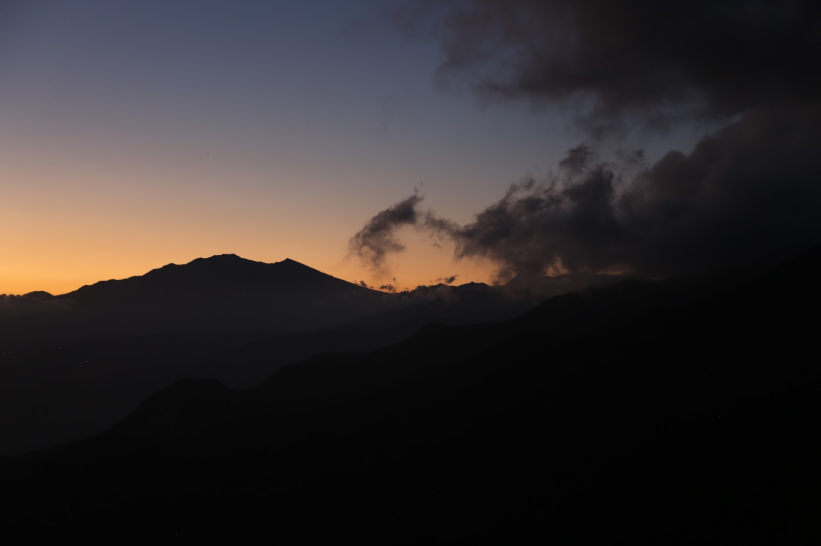
Panama's Closest Twin: Which Country Is Most Similar and Why?

If someone asked a geographer, a backpacker, an economist and a local Panamanian the question, "What country is most similar to Panama?" they might all give slightly different answers. Costa Rica is the answer most tourists immediately think of. Colombia shares a deep historical connection. Belize has similar tropical coastlines. Singapore is sometimes compared because of its canal and financial importance.

Yet if you consider geography, biodiversity, culture, economy, lifestyle, climate, tourism and the overall feeling of daily life together, Costa Rica is generally the country that most closely resembles Panama.

That does not mean they are identical. In fact, the differences between them are just as fascinating as the similarities. They are like siblings who grew up in the same family but developed different personalities. Understanding these similarities helps explain why Panama feels so familiar to many travellers who have explored Costa Rica, while still offering its own unique character.

Two Nations Created by Geography

The similarity begins with the land itself.

Both Panama and Costa Rica sit on the narrow Central American isthmus that connects North and South America. This thin strip of land became one of the world's greatest biological crossroads millions of years ago. Animals from both continents crossed through these countries, creating an extraordinary mixture of wildlife found almost nowhere else.

Both countries are relatively small, yet both contain astonishing geographical diversity. Within just a few hours you can drive from humid Caribbean beaches to cool mountain forests before descending again toward the sunny Pacific coastline. Few countries on Earth pack so many different ecosystems into such a compact area.

The mountain ranges running through both countries create countless microclimates. One valley may be sunny and warm while another, only a short drive away, sits beneath cool mist and cloud forest. This constantly changing scenery gives travellers the feeling that they are visiting several countries rather than one.

A Paradise for Nature Lovers

Perhaps nowhere are the similarities stronger than in nature.

Both countries are global biodiversity hotspots. Dense rainforests shelter monkeys, sloths, toucans, macaws, hummingbirds, frogs, snakes, butterflies and thousands upon thousands of plant species. Rivers tumble from volcanic mountains, creating spectacular waterfalls hidden within lush jungle.

Cloud forests rank among the greatest natural treasures in both countries. Moss covered trees drip with orchids while cool mist moves silently between ancient branches. These magical forests support incredible birdlife, including the brilliantly coloured resplendent quetzal, one of Central America's most sought after birds.

Marine life is equally impressive. Both Panama and Costa Rica offer sea turtles, dolphins, whales, coral reefs and world class diving. Visitors can spend one day hiking through rainforest and the next snorkeling in crystal clear tropical waters.

Volcanoes Shape Both Countries

Another remarkable similarity is their volcanic backbone.

Costa Rica is famous for volcanoes such as Arenal and Poás, while Panama is crowned by Volcán Barú, the country's highest mountain. These volcanoes created fertile soils that support rich agriculture and coffee plantations.

The volcanic landscape also explains why both countries enjoy cool mountain towns that offer welcome relief from tropical heat. Boquete in Panama and Monteverde or the Central Valley in Costa Rica attract visitors searching for cooler temperatures, beautiful scenery and outdoor adventures.

Coffee Culture Runs Deep

Coffee is woven into everyday life in both nations.

The volcanic soils and cool elevations produce exceptional beans. Costa Rica has built an international reputation for specialty coffee, while Panama has become famous for producing Geisha coffee, widely regarded as one of the finest and most expensive coffees in the world.

Visitors in either country can tour plantations, meet coffee growers and learn how tiny changes in elevation, rainfall and processing methods create dramatically different flavours.

Coffee is not simply an export. It is part of daily conversation, hospitality and tradition.

Outdoor Adventure Is a Way of Life

Adventure tourism defines both countries.

Ziplining through cloud forests, rafting down mountain rivers, hiking volcanoes, surfing Pacific waves, snorkeling coral reefs, horseback riding through valleys and spotting wildlife on jungle trails all form part of the normal travel experience.

Neither country relies heavily on giant theme parks or artificial attractions. Instead, nature itself provides endless entertainment.

This appeals especially to backpackers, photographers and travellers who enjoy active holidays rather than simply relaxing on beaches.

Similar Climate

Panama and Costa Rica experience very similar tropical climates.

Both have distinct dry and rainy seasons rather than four traditional seasons. Temperatures remain warm year round at lower elevations while mountain towns stay pleasantly cool.

Rainfall patterns are surprisingly similar. The rainy season transforms forests into lush green landscapes with swollen rivers and dramatic waterfalls, while the dry season brings endless blue skies perfect for hiking and beach holidays.

Travellers quickly learn that rain is simply part of life. Afternoon showers often become welcome opportunities to relax with coffee before the sunshine returns.

Friendly People

One of the strongest similarities is the warmth of the people.

Both Panamanians and Costa Ricans have reputations for welcoming visitors with genuine friendliness. Hospitality comes naturally, especially outside the larger cities.

Small conversations at bus stations, markets or restaurants often develop into recommendations for hidden beaches, local festivals or family run cafés.

Visitors frequently remark that they feel comfortable almost immediately.

Spanish With Familiar Rhythms

Spanish dominates daily life in both countries.

Although each nation has its own accent and local expressions, travellers who learn Spanish in one country generally communicate easily in the other.

Many words, traditions and customs overlap because of centuries of shared Central American history.

Backpacking Culture

Backpackers often combine Panama and Costa Rica into a single journey because the experience feels remarkably connected.

Hostels, shuttle services, surf towns and mountain villages all cater to independent travellers. It is common to meet the same backpackers multiple times as everyone slowly moves south toward Panama or north toward Guatemala.

This creates one of the friendliest backpacking communities in the Americas.

The Biggest Difference: Development

Despite their similarities, Panama and Costa Rica developed in very different directions.

Costa Rica invested heavily in environmental protection and ecotourism. Today it is famous worldwide for national parks and sustainability.

Panama, meanwhile, became an international financial centre thanks largely to the Panama Canal. Panama City feels far more like a modern global metropolis than San José.

Glass skyscrapers dominate the skyline. International banks, multinational companies and shipping businesses give Panama an economic energy that few Central American countries can match.

This creates a fascinating contrast. Panama combines untouched rainforest with one of Latin America's most modern cities.

Panama Feels More Diverse

Panama also has a stronger Caribbean influence than Costa Rica.

Its history as a crossroads for global trade brought together Indigenous peoples, Afro Caribbean communities, Europeans, Chinese immigrants, Middle Eastern merchants and people from virtually every corner of the world.

The result is an unusually diverse society reflected in its food, architecture, music and culture.

Panama Is More International

Few countries see as many nationalities passing through as Panama.

The canal transformed the country into one of the world's great transportation hubs. Airlines connect Panama City with destinations across North and South America, while cargo ships from every continent transit the canal.

This international atmosphere makes Panama feel surprisingly cosmopolitan despite its relatively small population.

Costa Rica Feels More Tourism Focused

Costa Rica often feels like it was designed with ecotourism in mind.

National parks are exceptionally well developed, wildlife viewing is highly organized and tourism infrastructure reaches even relatively remote destinations.

Panama remains a little more under the radar. Many places still feel wonderfully authentic and less commercialized. Hidden waterfalls, quiet beaches and traditional villages can often be explored without encountering large crowds.

For many travellers, this sense of discovery becomes one of Panama's greatest strengths.

Other Countries That Share Similarities

Although Costa Rica is generally the closest overall match, several other countries resemble Panama in specific ways.

Colombia shares language, cuisine, tropical climate and a deep historical connection. In fact, Panama was part of Colombia until 1903, and many cultural traditions remain closely linked.

Belize resembles Panama through its Caribbean islands, coral reefs and multicultural population.

Singapore is sometimes called the "Panama of Asia" because both nations owe much of their prosperity to strategically important waterways that connect world trade.

Ecuador shares similar biodiversity, cloud forests and remarkable ecological diversity within a compact territory.

Each comparison highlights one aspect of Panama's identity, but none capture the whole picture quite like Costa Rica.

Why Panama Still Feels Unique

Ultimately, Panama cannot truly be copied.

Few countries combine a world famous canal, two oceans, modern skyscrapers, Indigenous cultures, cloud forests, Caribbean islands, Pacific surf beaches, volcanic mountains and extraordinary biodiversity within such a small area.

You can begin your morning drinking coffee in cool mountain air, spend the afternoon watching giant container ships cross one of humanity's greatest engineering achievements, and finish the evening on a tropical beach watching the sunset over the Pacific Ocean.

That remarkable variety is Panama's greatest strength.

If you are searching for the country most similar to Panama, Costa Rica is the closest overall comparison. Both nations share tropical climates, breathtaking biodiversity, volcanic landscapes, friendly people, excellent coffee, rich wildlife, adventurous outdoor activities and a relaxed Central American spirit. It is no surprise that travellers often visit both on the same journey.

Yet Panama has carved out a personality all its own. It is a place where untamed wilderness meets global commerce, where Indigenous traditions coexist with gleaming financial towers, and where travellers can still find hidden corners that feel wonderfully undiscovered. Costa Rica may be Panama's closest sibling, but Panama remains one of the most distinctive and fascinating countries in the Americas.

Should You Book Your Backpacking Trip Around Panama in Advance? The Ultimate Guide to Finding the Perfect Balance

Panama is one of those magical countries that rewards both careful planners and adventurous backpackers. It is a place where gleaming skyscrapers stand only a few hours from untouched rainforest, where world famous islands can be reached by boat and where sleepy mountain villages still move at their own relaxed pace. Because of this incredible variety, one of the biggest questions travellers ask before arriving is whether they should reserve everything in advance or simply arrive and see where the journey takes them.

The answer is surprisingly nuanced. Panama is flexible enough that you can successfully backpack without a strict itinerary, but there are also times of the year and certain destinations where booking ahead can save you money, stress and disappointment. Understanding when to reserve and when to leave your plans open can make the difference between an unforgettable adventure and a frustrating one.

The Beauty of Travelling Without Reservations

Many experienced backpackers deliberately avoid making too many reservations before arriving in Panama. The freedom this creates is one of the country's greatest pleasures.

Imagine arriving in Boquete expecting to stay three nights, only to discover incredible hiking trails, coffee farms and waterfalls that convince you to stay a week. Perhaps you reach Santa Catalina and immediately fall in love with the surfing atmosphere and decide to spend several extra days watching spectacular Pacific sunsets. Maybe Bocas del Toro becomes your favourite destination and you simply cannot bring yourself to leave.

When your schedule is flexible, these decisions become easy. You are not racing to catch buses because another hostel has already been paid for. Instead, you can allow Panama itself to decide your itinerary.

Travelling without reservations also lets you meet other backpackers and make spontaneous plans together. It is incredibly common for people to change destinations after hearing recommendations from fellow travellers. Someone may tell you about an amazing hidden waterfall, an incredible jungle hostel or an island you had never even heard about. Those unexpected conversations often become the highlights of an entire trip.

The Downsides of Leaving Everything Until the Last Minute

Freedom does come with risks.

Some of Panama's most popular hostels are relatively small. During busy periods they can fill completely, especially around Christmas, New Year, Carnival and Easter. Walking into town late in the afternoon expecting to find a dorm bed can occasionally end in disappointment.

You may also find yourself paying higher prices because only premium rooms remain available. Instead of choosing from ten hostels, you may have only one or two options left.

Tours can also sell out. Whale watching trips, scuba diving excursions, island hopping adventures and trips into national parks sometimes have limited capacity. Waiting until the morning you want to go is not always the best strategy.

High Season in Panama

Panama's busiest travel season generally runs during the dry season from about December through April.

This is when blue skies become common, hiking trails dry out and beach destinations look absolutely spectacular. It is also when thousands of international visitors arrive from North America and Europe to escape winter.

Accommodation demand rises significantly in destinations such as Boquete, Bocas del Toro, Santa Catalina, El Valle de Antón and Panama City.

Christmas and New Year are particularly busy. Many Panamanians also travel domestically during this period, meaning hotels, buses and attractions can become crowded.

Carnival, which usually falls in February or early March, creates another huge surge in travel. Beaches, mountain towns and party destinations fill with visitors. Accommodation that normally has availability can become fully booked weeks or even months ahead.

During Holy Week, known as Semana Santa, travel demand again becomes extremely high as many Panamanians take holidays. Popular destinations can become packed.

If you are visiting during any of these periods, reserving accommodation at least a few weeks ahead is highly recommended. For especially popular places, booking even earlier is a wise decision.

Low Season in Panama

The rainy season, generally from May through November, tells a completely different story.

While many people imagine constant heavy rain, the reality is often far more pleasant. In many parts of Panama the mornings remain sunny before afternoon showers arrive. The forests become brilliantly green, rivers fill with water and waterfalls become more spectacular than at any other time of year.

For backpackers, this season offers enormous advantages.

Hostels are usually quieter, giving you a better chance to meet staff and other travellers. Prices may be lower, and there is often little need to reserve accommodation very far ahead.

You can wake up in one town, decide you love it, and simply stay another night without much difficulty.

Even during the rainy season, however, weekends and national holidays can still become busy.

Transportation Considerations

Unlike some countries where trains and buses sell out weeks ahead, Panama's public transportation system is generally very flexible.

Long distance buses operate frequently between major destinations such as Panama City, David and Santiago. Tickets are usually purchased on the day of travel.

Local buses rarely require advance booking.

Tourist shuttle companies sometimes sell out during high season, particularly for routes connecting Boquete, Bocas del Toro, Santa Catalina and Panama City. If you have your heart set on a specific departure time, booking several days ahead can be worthwhile.

Domestic flights, especially to places like Bocas del Toro, become more expensive as departure dates approach. If you know you will be flying, reserving earlier often saves money.

Activities Worth Booking Early

Although accommodation can often remain flexible, several activities deserve advance planning.

Scuba diving courses often have limited instructor availability.

Whale watching tours during migration season can fill quickly.

Popular coffee farm tours in Boquete sometimes have limited daily capacity.

Boat trips to remote islands may depend on weather and passenger numbers.

Guided hikes, particularly overnight treks, also benefit from advance reservations.

Fortunately, most of these only require booking a few days in advance rather than months.

The Middle Ground: The Smart Backpacker's Strategy

Many experienced travellers use a simple approach that combines flexibility with security.

Reserve only the first few nights after arriving in Panama. This gives you time to recover from your flight and settle into the country.

After that, book only two or three destinations ahead while leaving the remainder of your trip open.

As you travel, continue making reservations several days in advance rather than trying to plan the entire journey months beforehand.

This approach offers tremendous flexibility while greatly reducing the risk of arriving somewhere with nowhere to sleep.

Who Should Book Everything?

Complete advance reservations make sense for certain travellers.

Families travelling with children usually benefit from having guaranteed accommodation.

Anyone travelling during Christmas, Carnival or Easter should strongly consider booking early.

Travellers with limited vacation time often prefer knowing exactly where they will be each night.

Those visiting Panama specifically for diving, whale watching or special festivals may also appreciate having confirmed reservations.

Who Can Travel Without Many Reservations?

Solo backpackers are generally in the best position to travel spontaneously.

Couples with flexible schedules also find Panama very accommodating.

Anyone visiting during the quieter months will usually enjoy the freedom of making decisions day by day.

Travellers who enjoy meeting people and changing plans based on recommendations often discover that Panama rewards flexibility more than rigid itineraries.

The Hidden Joy of Slow Travel

Perhaps the greatest mistake many visitors make is trying to see all of Panama in two weeks.

The country looks small on a map, but every region has its own personality. Boquete deserves time. Santa Catalina deserves time. Bocas del Toro deserves time. The cloud forests, indigenous communities, beaches, coffee farms and rainforests all reveal themselves slowly.

By avoiding an overbooked itinerary, you give yourself permission to experience Panama rather than simply checking destinations off a list.

Sometimes your favourite memory will not be the famous attraction you planned months ago. It may be the unexpected afternoon spent swimming beneath a hidden waterfall, joining new friends for dinner at a hostel, or extending your stay because a place simply felt like home.

For most backpackers, the ideal strategy is somewhere between planning everything and planning nothing. Reserve your first accommodation, book early if you are travelling during the busy dry season or major holidays, and secure any special tours that are important to you. Beyond that, leave plenty of room for spontaneity.

Panama is one of the easiest countries in Central America for flexible travel. Its reliable bus network, welcoming hostels, friendly atmosphere and relatively compact size make it perfect for travellers who enjoy letting the journey unfold naturally. Whether you carefully organise every detail or wander from one destination to the next, Panama has a remarkable way of rewarding curiosity, slowing your pace and reminding you that the best adventures are often the ones you never planned.

Is the Food Safe in Panama? A Complete Guide to Eating with Confidence

For many people planning a trip to Panama, one question comes up time and time again: Is the food safe to eat? It is a reasonable concern. Travellers often worry about food poisoning, unfamiliar ingredients, street food, seafood, drinking water and hygiene standards. The good news is that, for the overwhelming majority of visitors, Panama is considered one of the safest countries in Central America when it comes to food safety. Modern supermarkets, well regulated restaurants, reliable supply chains and high food hygiene standards mean that millions of tourists enjoy the country's cuisine every year without experiencing any serious problems.

Like any destination in the world, occasional cases of foodborne illness can occur, but they are usually linked to poor food handling practices at individual establishments rather than being a widespread national issue. With a little common sense, visitors can eat confidently throughout most of the country while enjoying everything from fresh tropical fruit and seafood to traditional Panamanian dishes.

One reason Panama performs well is its relatively developed infrastructure. The country has one of the strongest economies in Latin America, and this is reflected in its food industry. Major cities such as Panama City, David and Santiago have supermarkets comparable to those found in North America and Europe. Refrigeration systems are modern, imported products are widely available and restaurants generally follow recognised food safety practices.

Perhaps the biggest surprise for first time visitors is the quality of Panama's supermarkets. Stores such as Riba Smith, Rey, Super 99, El Machetazo and Romero offer fresh produce, meat, dairy products and imported foods that meet high standards. Refrigerated products are properly stored, packaged goods are clearly labelled and shoppers will find many of the same international brands they recognise from home.

Fresh fruit is one of Panama's greatest culinary pleasures. Mangoes, pineapples, papayas, watermelons, bananas, passion fruit, guanábana and dozens of other tropical fruits are sold throughout the country. Because much of the produce is grown locally, it often reaches markets within a day or two of being harvested, making it exceptionally fresh and flavourful. Washing fruit before eating is always sensible, particularly if you buy it from roadside vendors or local markets.

Seafood is another highlight. With coastlines on both the Pacific Ocean and the Caribbean Sea, Panama enjoys access to some remarkably fresh fish and shellfish. Corvina, tuna, mahi mahi, snapper, octopus, shrimp and lobster appear regularly on restaurant menus. In coastal communities, many restaurants serve fish caught the very same morning. Choosing busy establishments with a good reputation helps ensure seafood has been handled and refrigerated properly.

One of Panama's most famous dishes is ceviche, made from fresh raw fish cured in citrus juice. It is delicious, refreshing and widely enjoyed by both locals and visitors. As with raw seafood anywhere in the world, it is best eaten from reputable restaurants or established seafood markets where freshness is carefully maintained.

Street food often raises questions among travellers, yet much of Panama's street food is perfectly safe when purchased wisely. Busy stalls with long lines of local customers usually indicate freshly prepared food and rapid turnover of ingredients. Empanadas, carimañolas, hojaldres, grilled meats and freshly fried snacks are generally cooked at high temperatures, reducing the risk of harmful bacteria. The old travel rule still applies: if locals are enthusiastically eating there and the food is cooked fresh in front of you, it is often an encouraging sign.

Rice forms the foundation of many Panamanian meals, accompanied by beans, chicken, beef or pork. These dishes are usually cooked thoroughly and served hot, making them relatively low risk. Traditional fondas, the small family run restaurants found across the country, are often excellent places to enjoy authentic Panamanian food at affordable prices. Many have loyal local customers who return every day, providing another good indication of consistent quality.

One concern many visitors have is drinking water. In most of Panama City, as well as in many other urban areas, tap water is generally considered safe to drink. This surprises many travellers because such advice does not apply everywhere in Latin America. However, in more remote rural communities, on some islands or in areas with less developed infrastructure, many visitors prefer bottled or filtered water as an extra precaution. Hotels and hostels can usually advise guests about the local water supply.

Ice is another frequent concern. Fortunately, ice served in restaurants, hotels and bars is typically made using treated water, especially in tourist areas. It is rarely a source of illness in established businesses.

Food poisoning can happen anywhere in the world, including wealthy countries. In Panama, when it does occur, it is most often related to food being left unrefrigerated for too long, cross contamination during preparation or poor personal hygiene by food handlers. These risks are not unique to Panama and are the same precautions travellers should take virtually anywhere.

The tropical climate creates its own challenges. Heat and humidity encourage bacteria to multiply more quickly than in cooler climates. Foods such as mayonnaise based salads, dairy products and cooked meats should not be left sitting in the sun for extended periods. Restaurants are well aware of this and generally take refrigeration seriously, but travellers should be cautious with food that appears to have been sitting out for a long time.

Buffets deserve a little extra attention. Most hotel buffets maintain food at safe temperatures using warming trays and refrigeration. However, if food appears lukewarm or has clearly been sitting for many hours, choosing freshly prepared alternatives is usually the wiser option.

Travellers with sensitive stomachs sometimes mistake digestive adjustments for food poisoning. A sudden increase in tropical fruits, spicy sauces, rich meals or unfamiliar ingredients can temporarily upset digestion without indicating unsafe food. Combined with changes in routine, travel fatigue and the tropical climate, mild stomach discomfort is relatively common during the first few days of any international trip.

Vegetarians and vegans will find an increasing number of safe dining options throughout Panama. Panama City has developed an impressive selection of vegetarian and vegan restaurants, while tourist destinations such as Boquete and Bocas del Toro also offer many plant based meals prepared with fresh local ingredients. Even traditional restaurants are often happy to adapt dishes when asked.

One delightful aspect of eating in Panama is how local the food often is. Coffee from Boquete, vegetables from Chiriquí, seafood from both coasts and tropical fruits from across the country travel relatively short distances before reaching restaurants. This freshness contributes not only to flavour but also to food quality.

Food safety inspections and public health regulations exist throughout Panama, particularly for licensed restaurants, supermarkets and food manufacturers. Larger hotels, international restaurant chains and established businesses generally follow rigorous hygiene procedures that would be familiar to visitors from North America or Europe.

Simple precautions can reduce the already low risk of food related illness even further. Wash your hands before eating whenever possible. Choose restaurants that appear clean and busy. Drink plenty of water, particularly in the tropical heat. Eat seafood from reputable establishments. Wash fresh produce if preparing it yourself. If something smells or looks questionable, trust your instincts and choose somewhere else.

Perhaps the greatest compliment to Panama's food safety comes from the millions of international visitors who travel through the country every year. Backpackers, cruise passengers, retirees, business travellers and families routinely enjoy everything from elegant fine dining restaurants to roadside eateries with few problems. For many, the biggest surprise is not worrying about food safety but discovering just how delicious Panamanian cuisine can be.

Ultimately, Panama is a country where food should be embraced rather than feared. Fresh seafood, tropical fruits, hearty traditional dishes, excellent coffee and warm hospitality are all part of the travel experience. By following the same sensible precautions you would use almost anywhere in the world, you can enjoy Panama's rich culinary traditions with confidence.

For most visitors, the memories they take home are not of upset stomachs but of sweet pineapples bought from roadside stalls, perfectly grilled fish overlooking the Pacific, rich Boquete coffee enjoyed in the mountains and unforgettable meals shared with new friends. Panama's food is not only generally safe, it is one of the country's greatest pleasures and an essential part of discovering the culture, history and warmth of this remarkable nation.

Panama: One of the Most Beautiful Countries on Earth

Beauty is a subjective thing. One person may fall in love with snow covered mountains, another with endless deserts or rolling vineyards. Yet there are a handful of countries whose beauty is so varied and so spectacular that they leave almost every visitor astonished. Panama is one of those rare places. Although it occupies only a tiny corner of the world map, this slender nation contains an extraordinary collection of landscapes that would normally require travelling across several different countries to experience. Towering volcanoes, pristine tropical islands, ancient rainforests, misty cloud forests, rushing waterfalls, two magnificent coastlines and one of the richest collections of wildlife in the Americas combine to make Panama one of the most naturally beautiful destinations on Earth.

Perhaps the first thing that surprises visitors is just how green Panama is. Throughout much of the year the countryside seems to glow with life. Mountains are carpeted in emerald forests, rivers wind through dense jungle and enormous tropical trees dominate the landscape. During the rainy season, the entire country becomes even more vibrant. Hillsides burst with fresh growth, waterfalls thunder down cliffs and the forests become so intensely green that photographs often struggle to capture their true colour.

One of Panama's greatest strengths is its incredible diversity. Unlike countries where a single landscape dominates, Panama constantly changes. In the morning you might be standing on a white sand Caribbean beach where crystal clear water gently laps against palm trees. By lunchtime you could be hiking through cool cloud forests filled with orchids and hummingbirds. That evening you might watch the sun disappear into the Pacific Ocean while whales breach offshore. Few places in the world offer such astonishing variety within just a few hours of driving.

The country's beaches alone would be enough to make it famous. Along the Caribbean coast, islands in Bocas del Toro seem almost impossibly beautiful. Water glows in shades of turquoise and aquamarine while coral reefs teem with colourful fish beneath the surface. Coconut palms lean over quiet beaches where the only sounds are gentle waves and tropical birds. The San Blas Islands, home to the Guna people, offer an even more dreamlike setting. Hundreds of tiny coral islands are scattered across brilliant blue seas, many so small they contain little more than a handful of palm trees surrounded by dazzling white sand.

The Pacific coast possesses an entirely different personality. Here dramatic cliffs overlook wild beaches where powerful waves attract surfers from around the world. Santa Catalina combines rugged coastline with unforgettable sunsets and serves as the gateway to Coiba National Park, one of the world's great marine wildernesses. During whale watching season, humpback whales leap from the ocean while dolphins race alongside boats, creating scenes few visitors ever forget.

Panama's mountains are equally breathtaking. Volcán Barú rises high above the surrounding countryside, often wrapped in drifting clouds. Standing on its summit at sunrise, visitors may be fortunate enough to see both the Pacific Ocean and the Caribbean Sea shimmering on opposite horizons. The journey to the top passes through cloud forests so enchanting they seem almost prehistoric, where ancient trees disappear beneath blankets of moss and orchids bloom from every branch.

Boquete has become one of Panama's most beloved destinations because of its mountain beauty. Coffee farms cover rolling hills, rivers tumble through deep valleys and colourful flowers bloom throughout the year. The cool climate offers a refreshing contrast to the tropical lowlands, while the surrounding cloud forests shelter one of the richest collections of birdlife in Central America. Morning mist drifting through the valleys gives the region an almost magical atmosphere.

Even more remarkable are Panama's rainforests. Few countries protect such extensive tracts of tropical wilderness. The forests of Darién remain among the most untouched on the continent, while places such as Soberanía National Park allow visitors to experience extraordinary biodiversity only a short drive from Panama City. Walking beneath towering rainforest trees is an unforgettable experience. Sunlight filters through layers of leaves, monkeys call from high above, butterflies drift through shafts of light and every step reveals another astonishing plant or insect that seems unlike anything seen before.

Panama is also one of the world's finest destinations for wildlife lovers. More than one thousand bird species have been recorded here, making it one of the greatest birdwatching countries anywhere on Earth. Scarlet macaws fly over rainforest canopies, toucans perch among fruiting trees and tiny hummingbirds glitter like living jewels. Lucky visitors may encounter sloths, monkeys, coatimundis, armadillos, agoutis, kinkajous, anteaters or even the elusive jaguar in the country's larger protected forests.

The country's waterfalls add yet another layer of beauty. Hidden deep within rainforests or cascading from volcanic mountainsides, they range from gentle forest streams to spectacular plunges that disappear into emerald pools. Reaching many of these waterfalls requires hiking through pristine jungle, making the journey almost as memorable as the destination itself.

Then there is Panama City, one of Latin America's most visually striking capitals. Modern skyscrapers rise beside the Pacific Ocean, creating a skyline often compared with cities many times its size. Yet only minutes away lies Casco Viejo, where colourful colonial buildings, flower filled balconies and centuries old churches transport visitors back through history. The contrast between gleaming glass towers and beautifully restored colonial architecture perfectly reflects Panama's unique character.

Perhaps nowhere illustrates Panama's beauty more dramatically than the Panama Canal. Watching enormous ships slowly rise and fall through the locks while tropical forests surround this extraordinary engineering achievement is a reminder that human ingenuity and natural beauty can exist side by side. Few places combine world changing history with lush rainforest quite so effortlessly.

One of Panama's greatest luxuries is the absence of crowds in many of its most beautiful places. Unlike some tropical destinations where famous beaches and national parks overflow with visitors, Panama still offers countless opportunities to experience extraordinary landscapes in peaceful solitude. It is entirely possible to hike through rainforest for hours without meeting another person or to discover a deserted beach where your footprints are the only ones in the sand.

The changing weather also adds to the country's beauty. Tropical rain showers sweep across the landscape before giving way to brilliant sunshine that makes every leaf sparkle. Early mornings often begin with mist hanging in mountain valleys, while evenings end with spectacular sunsets painting the Pacific sky in shades of orange, crimson and gold. During the rainy season dramatic clouds tower high into the atmosphere, creating some of the most spectacular skies imaginable.

What truly makes Panama beautiful, however, is not simply its scenery but the way all of its landscapes connect together. Rivers flowing from volcanic mountains nourish vast rainforests. Rainforests shelter wildlife that depends upon mangroves before reaching coral reefs along the coast. Coffee farms occupy cool highlands while tropical fruit grows in the lowlands. Two oceans shape entirely different ecosystems separated by only a few hours of driving. Every landscape forms part of a larger natural masterpiece.

There is also a beauty that cannot easily be photographed. It is found in the sounds of howler monkeys echoing through the forest at dawn, the scent of rain falling on tropical leaves, the cool breeze that greets hikers emerging onto the summit of Volcán Barú, the sight of a humpback whale breaching against a golden sunset and the feeling of floating in warm Caribbean waters while colourful fish swim beneath you. These experiences stay with travellers long after they return home.

Many countries possess famous mountains. Others boast magnificent beaches or remarkable wildlife. Some have beautiful rainforests or spectacular islands. Panama possesses all of these, packed into one of the smallest countries in the Americas. It is a place where nature constantly surprises you, where every journey reveals another breathtaking landscape and where beauty appears around almost every corner.

For those willing to look beyond the country's reputation as the home of the Panama Canal, a far richer treasure awaits. Panama is not simply beautiful. It is astonishingly, wonderfully and endlessly beautiful. It is a country where two oceans embrace ancient forests, where volcanoes rise above coffee plantations, where untouched islands scatter across turquoise seas and where every sunrise promises another unforgettable adventure. Once you have experienced Panama's extraordinary landscapes, it becomes easy to understand why so many visitors arrive expecting only a canal and leave believing they have discovered one of the world's most spectacular hidden gems.

Drink Driving in Panama: Understanding the Law, the Limits and Why It Matters

For most visitors, Panama is a country of road trips, mountain adventures and spectacular coastal drives. Whether you are exploring the coffee farms around Boquete, driving to Santa Catalina for world class diving, heading across the Azuero Peninsula or simply travelling between Panama City and the Caribbean coast, renting a car is a popular way to experience the country. However, before getting behind the wheel, it is important to understand Panama's drink driving laws. The country takes impaired driving seriously, and the consequences can include heavy fines, licence suspension and even criminal charges depending on the circumstances.

Unlike many travellers who assume the rules are similar everywhere, Panama has its own legal blood alcohol concentration limits and a system of escalating penalties designed to discourage drivers from taking risks. Understanding these rules is not only important for staying on the right side of the law but also for protecting yourself, your passengers and everyone else sharing the road.

The legal measurement used is blood alcohol concentration, often abbreviated as BAC. This measures the amount of alcohol in a person's bloodstream and is usually expressed as a percentage or grams of alcohol per litre of blood. Police typically assess this using breathalyser tests at roadside checkpoints or following traffic incidents.

For most private drivers in Panama, the legal limit is 0.05% BAC, which is equivalent to 0.5 grams of alcohol per litre of blood. Once a driver's blood alcohol level reaches or exceeds this limit, they are considered legally impaired and may face penalties under Panamanian law.

Although 0.05 percent may sound like a generous allowance, in reality it does not necessarily take much alcohol to reach it. A person's size, age, sex, metabolism, whether they have eaten recently and even how quickly they consume drinks all affect blood alcohol concentration. Two people drinking the same amount may record very different BAC readings. This unpredictability is one of the reasons safety experts consistently recommend avoiding alcohol altogether if you plan to drive.

Panama's authorities regularly conduct roadside sobriety checkpoints, particularly during public holidays, Carnival, Christmas, New Year, Easter and other periods when traffic volumes increase dramatically. Drivers may be stopped and required to provide a breath sample. These operations are highly visible and form part of national campaigns aimed at reducing alcohol related collisions.

The penalties become more severe as alcohol levels increase. Drivers who exceed the legal limit can face substantial fines, temporary suspension of their driving licence, mandatory educational programmes and, in more serious situations, criminal prosecution. If impaired driving causes injuries or fatalities, the legal consequences become much more severe and may include imprisonment.

Visitors should also remember that rental cars offer no exemption from these laws. Foreign tourists driving with international licences or licences from their home countries remain fully subject to Panamanian traffic legislation. Rental companies may also impose additional charges or terminate rental agreements if drivers are found to be driving under the influence.

One common misconception among tourists is that a beer with lunch is always safe before driving. Unfortunately, there is no simple answer. One drink may leave one person below the legal limit while pushing another surprisingly close to it. Factors such as body weight, hydration, fatigue, medication and even the tropical climate can all influence how alcohol affects an individual.

Panama's warm weather can sometimes increase the effects people feel after drinking. Spending long hours in the tropical sun, becoming dehydrated or participating in physically demanding activities such as hiking or diving may cause alcohol to affect judgment more quickly than expected. Travellers who are on holiday may also underestimate how much they have consumed while relaxing at beaches, bars or restaurants.

Fortunately, avoiding drink driving in Panama is relatively easy. In Panama City, taxis and ride hailing services are widely available. In tourist destinations such as Boquete, Bocas del Toro and Santa Catalina, many visitors simply walk to restaurants and bars or arrange transportation through their accommodation. If travelling with friends, choosing one designated driver for the evening is always the safest option.

Panama's roads themselves also deserve respect. While the country's major highways are generally in good condition, mountain roads may feature steep gradients, sharp bends, heavy rain, occasional fog and wildlife crossings. Rural roads may have livestock, cyclists or pedestrians sharing the roadway. Even without alcohol, these conditions require full concentration and careful driving.

Another reason the government places strong emphasis on impaired driving is that road safety has become an increasingly important national priority. Campaigns regularly remind drivers that alcohol slows reaction times, reduces coordination, narrows peripheral vision and impairs judgment. These effects increase the likelihood of collisions, especially at night or during heavy tropical rainstorms when visibility is already reduced.

For travellers enjoying Panama's excellent food and drink culture, there is good news. The country offers plenty of opportunities to sample local beverages responsibly without needing to drive afterwards. Visitors can enjoy a glass of wine with dinner in Panama City, try the famous Ron Abuelo at a distillery tour, or relax with a cold local beer while staying within walking distance of their hotel or hostel.

Ultimately, the safest approach is also the simplest: if you plan to drive, don't drink alcohol beforehand. Even if you believe you are below the legal limit, alcohol affects everyone differently, and there is no reliable way to judge your blood alcohol concentration based solely on how you feel.

Panama rewards travellers with spectacular roads that wind through cloud forests, coffee plantations, tropical beaches and vibrant cities. By understanding and respecting the country's drink driving laws, visitors can enjoy these unforgettable journeys safely while helping keep Panama's roads safe for everyone.

Standing on the Roof of Panama: The Magical Experience of Reaching the Summit of Volcán Barú

There are mountains that offer beautiful views, and then there is Volcán Barú. Rising 3,475 metres (11,401 feet) above sea level, this extinct volcano is not only the highest point in Panama but also one of the most unforgettable places in all of Central America. Reaching the summit is far more than simply ticking off the country's highest peak. It is an experience that begins in darkness, tests your determination, rewards your patience and, if nature smiles upon you, ends with one of the most extraordinary panoramas on the continent.

Whether you hike through the night from Boquete, make the challenging ascent from Volcán, or arrive by four wheel drive before dawn, the final moments before reaching the summit are filled with anticipation. The air becomes noticeably colder with every step. The vegetation changes dramatically as tropical forests give way to hardy mountain shrubs and windswept grasslands. Breathing becomes more difficult in the thin mountain air, and the silence is broken only by the wind and the footsteps of fellow climbers who share the same goal. Then, almost suddenly, you arrive at the summit. After hours of climbing through darkness, the world opens up around you.

One of the first surprises for many visitors is just how cold it can be. Panama is famous for tropical beaches, humid jungles and year round warmth, but the summit of Volcán Barú often feels like another country entirely. Temperatures before sunrise frequently hover close to freezing, and powerful winds can make it feel even colder. Many first time visitors underestimate the conditions, arriving in light clothing only to discover that gloves, hats, jackets and warm layers are essential. Watching people wrapped in blankets while sipping hot coffee at the highest point in Panama is a sight few expect in a tropical nation.

The summit itself is rocky and surprisingly spacious. Communication towers stand on the highest point, reminding visitors that this mountain also plays an important role in Panama's telecommunications network. Around them, dozens or even hundreds of hikers gather quietly before sunrise, waiting for the first light of day. Despite the number of visitors, an atmosphere of shared excitement fills the mountaintop. Complete strangers smile at one another, exchange stories about the climb and help each other stay warm as everyone stares toward the eastern horizon.

Then the magic begins.

Long before the sun actually appears, the sky slowly transforms. Deep black fades into dark blue, then purple, crimson, orange and finally brilliant gold. Clouds below the summit begin glowing from beneath as if illuminated by hidden fire. The surrounding mountain ranges gradually emerge from the darkness, their ridges stretching endlessly toward both coasts. Every minute the landscape changes, and cameras click constantly as visitors struggle to capture colours that never quite look as spectacular in photographs as they do with the naked eye.

On an exceptionally clear morning, Volcán Barú reveals its greatest secret. It is one of the very few places in the world where it is possible to see both the Pacific Ocean and the Caribbean Sea from the same location. To the west and north, the Caribbean glimmers faintly beyond layers of distant mountains. To the south, the Pacific stretches toward the horizon, dotted with islands shimmering in the morning sunlight. Standing between two oceans at the highest point in Panama creates an almost surreal feeling. You begin to appreciate just how narrow this remarkable country really is.

The views extend far beyond the oceans. Looking west, the mountains of Costa Rica rise in the distance. On particularly clear days, the outlines of neighbouring volcanoes become visible across the border. Looking east, endless mountain ranges disappear into blue haze toward central Panama. Below lies an intricate patchwork of forests, farms, rivers, valleys and tiny towns that appear miniature from such an incredible height.

Boquete is easily visible beneath the mountain, its coffee farms and neat streets tucked into a fertile valley surrounded by green hills. The contrast between the cool mountain summit and the lush tropical landscapes below is striking. You can actually trace the roads winding through the countryside, watching tiny vehicles inch along highways that from above resemble ribbons crossing the landscape.

The Pacific side reveals another spectacular panorama. The Gulf of Chiriquí sparkles beneath the rising sun, while dozens of islands appear scattered across the ocean like emerald jewels. On exceptionally clear days, islands such as Boca Brava, Isla Parida and even the distant Coiba region seem to float upon the horizon. The morning light reflects off the calm sea, creating dazzling flashes of silver and gold.

The Caribbean side offers a completely different personality. Thick clouds frequently blanket the lower slopes, creating what photographers call a cloud inversion. Instead of looking down on valleys, visitors sometimes find themselves standing above an endless white ocean of clouds stretching all the way toward the Caribbean coast. Mountain peaks emerge like islands from this soft white blanket, producing scenes that seem almost dreamlike.

Not every visitor receives crystal clear weather, and surprisingly, many hikers discover that cloudy conditions possess their own unique beauty. On misty mornings, the summit feels mysterious and almost otherworldly. Clouds race across the rocky landscape, sometimes reducing visibility to only a few metres before suddenly parting to reveal breathtaking glimpses of distant valleys. Every few moments the scenery changes completely, making the experience wonderfully unpredictable.

Occasionally the clouds drift below the summit while the peak itself remains in brilliant sunshine. Looking down upon rolling white cloud banks that slowly swirl around the mountain creates the illusion of standing above the sky itself. Sunbeams pierce the mist in dramatic columns of light, illuminating patches of rainforest thousands of metres below before disappearing once again beneath moving clouds.

Even on days when thick fog completely hides the famous two ocean view, the summit retains a special atmosphere. The silence becomes deeper, the wind louder and the landscape more mysterious. Many hikers say these moody conditions make the volcano feel ancient and alive, reminding visitors that mountains do not perform on demand. Every ascent is different, and every climber experiences a unique version of Barú.

Wildlife enthusiasts also appreciate the summit's remarkable birdlife. High above the forests, birds ride powerful mountain updrafts while hummingbirds occasionally dart between alpine flowers. During the climb through the cloud forest below, lucky hikers may encounter quetzals, emerald toucanets, mountain tanagers and countless other species that make western Panama one of the finest birdwatching destinations in the Americas.

Perhaps the greatest surprise is the sheer scale of the landscape. Maps simply cannot prepare you for the immense distances visible from the summit. The mountains seem endless. Forests stretch uninterrupted toward the horizon. Rivers sparkle like threads of silver. Tiny villages become almost invisible among the greenery, emphasising just how vast Panama's natural landscapes truly are.

As the morning progresses and the sun climbs higher, temperatures begin to rise surprisingly quickly. Jackets come off, hikers relax, conversations become livelier and people linger to absorb the extraordinary surroundings. Many sit quietly on the rocks eating breakfast while gazing across two oceans, reflecting on the journey that brought them here.

The descent offers an entirely new perspective. Trails climbed in darkness are suddenly revealed in daylight. Dense cloud forests burst with life, orchids cling to moss covered trees, waterfalls trickle through ravines and colourful birds fill the forest with song. Many hikers are astonished by how different the route appears after sunrise, discovering landscapes they had unknowingly passed only hours earlier beneath the stars.

One of the reasons Volcán Barú has become such an iconic destination is that success is never guaranteed. Weather changes rapidly in the mountains. Some visitors are rewarded with perfectly clear skies, others with magical cloud inversions, dramatic mist or spectacular sunrises bursting through storm clouds. No two visits are ever identical. The mountain decides what it wishes to reveal each day, and that unpredictability only adds to its mystique.

Standing on the summit also brings a profound sense of accomplishment. Whether you have completed the demanding overnight hike or reached the top by four wheel drive before dawn, simply being at the highest point in Panama creates a feeling of perspective. Below lies an entire nation of rainforests, beaches, coffee farms, islands and bustling cities. Beyond stretch two great oceans linking continents. Around you rises the cool mountain air, carrying the scent of alpine grasses and the sound of the ever present wind.

Volcán Barú is more than just the highest mountain in Panama. It is a place where tropical landscapes meet alpine conditions, where clouds drift beneath your feet, where two oceans can share the same horizon and where every sunrise feels like a once in a lifetime event. Whether nature rewards you with crystal clear views stretching to both coasts or wraps the summit in mysterious swirling mist, the experience remains unforgettable. It is a place that reminds every visitor just how astonishingly diverse Panama truly is, and why so many people leave the summit believing they have stood upon one of the most magical mountaintops in the Americas.

The Interamericana Highway in Panama: The Road That Connects a Nation

Few roads have shaped the history, economy and daily life of Panama as profoundly as the Interamericana Highway, better known in English as the Pan American Highway. Stretching across the entire country from the Costa Rican border in the west to the edge of the Darién Gap in the east, this remarkable highway is much more than a strip of asphalt. It is the backbone of Panama's transportation network, the country's busiest commercial corridor, and the route that countless tourists follow as they discover volcanoes, cloud forests, beaches, national parks and vibrant cities. Whether you are a truck driver hauling goods across Central America, a backpacker crossing the continent by bus, or a family embarking on a road trip, sooner or later your journey will almost certainly take you onto the Interamericana.

The highway forms part of the legendary Pan American Highway, often described as the world's longest road system. Beginning in Alaska and running south through Canada, the United States, Mexico and every mainland country in Central America before reaching South America, it would theoretically allow someone to drive nearly the entire length of the Americas. The only interruption is the famous Darién Gap between Panama and Colombia, where approximately 100 kilometres of dense rainforest remain roadless. This wild region, protected by rugged terrain, national parks and Indigenous territories, has resisted every serious attempt to complete the highway. As a result, Panama occupies a unique position as the southern end of the drivable road network in North America.

Entering Panama from Costa Rica at Paso Canoas, the Interamericana immediately becomes one of the country's most important transportation arteries. Trucks carrying fruit, coffee, electronics, manufactured goods and agricultural products cross the border every day, while thousands of travellers begin or end their Panamanian adventure here. The border itself is lively, filled with customs offices, money changers, roadside restaurants and shops catering to the constant stream of international traffic.

Almost immediately after crossing into Panama, the highway enters the fertile province of Chiriquí, often called the country's agricultural heartland. This region supplies much of Panama's vegetables, dairy products, beef and coffee. The scenery changes constantly as the road passes cattle ranches, rice fields, banana plantations and sugar cane farms. On clear mornings, the magnificent silhouette of Volcán Barú dominates the horizon. Rising to 3,475 metres, it is the highest mountain in Panama and the only place in Central America where, under perfect conditions, both the Pacific Ocean and Caribbean Sea can sometimes be seen from the summit.

The city of David is the first major urban centre encountered along the highway and serves as western Panama's commercial capital. Here the Interamericana becomes particularly busy, with traffic flowing between supermarkets, shopping centres, universities and industrial districts. David is also an important gateway. Travellers leave the highway here to visit Boquete, famous for its cool mountain climate, coffee farms and cloud forests, or head south to the Pacific beaches of Las Lajas and Boca Chica.

Continuing eastward, the landscape becomes increasingly varied. Rolling green hills gradually replace the broad plains, while occasional roadside fruit stalls tempt motorists with fresh pineapples, watermelons, mangoes and coconuts. Small villages appear every few kilometres, each with its own churches, schools, football fields and local restaurants serving traditional Panamanian meals. The rhythm of life slows noticeably compared with the capital, and the highway provides a fascinating window into rural Panama.

The province of Veraguas occupies a special place along the route because it is the only Panamanian province with coastlines on both the Caribbean and Pacific Oceans. The Interamericana passes through the provincial capital of Santiago, one of the country's most important crossroads. Here travellers heading to Santa Catalina leave the highway and continue southwest toward one of Panama's most celebrated surfing destinations and the jumping off point for Coiba National Park. Every year thousands of divers and whale watchers make this detour before returning to the Interamericana to continue their journey.

East of Santiago the road traverses extensive cattle country and gently undulating farmland. This section offers a glimpse into Panama's agricultural economy, with vast ranches stretching toward distant hills. During the rainy season the countryside turns an almost impossibly vivid green, while the dry season paints the landscape in golden tones that contrast beautifully with scattered tropical trees.

The provinces of Coclé and Herrera introduce visitors to another side of Panama. Sugar cane fields become increasingly common, feeding the country's rum industry, including the famous Ron Abuelo distillery in Pesé. Nearby towns celebrate traditional Panamanian festivals, folklore and handicrafts that preserve customs dating back centuries. Although many tourists speed through this region on their way to beaches or mountains, those who stop often discover charming colonial towns and warm local hospitality.

As the highway approaches El Valle de Antón, one of Panama's most famous mountain destinations lies only a short detour away. Hidden inside the crater of an extinct volcano, El Valle enjoys a cooler climate than the surrounding lowlands and attracts visitors with waterfalls, hiking trails, hot springs and one of the country's best artisan markets. The easy access provided by the Interamericana has helped transform El Valle into one of Panama's favourite weekend escapes.

Eventually the highway reaches the outskirts of Panama City, where quiet rural scenery gives way to multilane expressways, towering skyscrapers and heavy traffic. Here the Interamericana merges into the capital's complex road network, connecting with the Corredor Sur, Corredor Norte and other major arteries that carry commuters across one of Latin America's most modern cities. The contrast between rural cattle ranches in western Panama and the glittering skyline of Panama City perfectly illustrates the country's extraordinary diversity.

For many travellers, Panama City marks the end of the journey. Yet the Interamericana continues eastward through Panamá Este toward Chepo and eventually Yaviza. Beyond Chepo the scenery begins changing once again. Population density decreases, forests become denser and rivers more frequent. Indigenous communities become increasingly common, while wildlife sightings become more likely.

Finally the highway reaches Yaviza, the end of the paved road. Here one of the world's greatest road journeys comes to an abrupt halt. Beyond lies the legendary Darién Gap, a wilderness of dense rainforest, rivers, mountains and swamps that has prevented the completion of the Pan American Highway for decades. There are no roads leading into Colombia. Instead, travellers wishing to continue south must transport themselves by boat or airplane. This unique ending gives the Interamericana in Panama an almost mythical quality. After thousands of kilometres of uninterrupted driving across continents, civilisation simply gives way to one of Earth's last great wildernesses.

Driving the Interamericana is also an opportunity to experience Panama's astonishing biodiversity. Depending on the season and location, travellers may see white egrets feeding beside flooded rice fields, hawks circling overhead, troops of monkeys near forested stretches, colourful butterflies crossing the road, or even sloths in roadside trees. During the rainy season, flowering trees burst into brilliant colours while countless rivers swell beneath the highway's bridges.

The road also serves as an economic lifeline. Virtually every major product moving across Panama spends time on the Interamericana. Fresh vegetables from Chiriquí, coffee from Boquete, cattle from Veraguas, seafood from both coasts, manufactured goods arriving from Panama City and imported products crossing from Costa Rica all travel this route. Without the highway, Panama's economy would function very differently.

For tourists, the Interamericana offers extraordinary flexibility. Renting a car allows travellers to create their own itinerary, stopping whenever a scenic viewpoint, roadside café or hidden attraction catches their eye. Modern service stations, restaurants and supermarkets appear regularly, making long distance driving relatively straightforward. Comfortable long distance buses also use the highway, linking nearly every major city and town with reliable daily services. Shuttle companies connect many tourist destinations using the same route, while truck stops and roadside diners offer authentic glimpses into everyday Panamanian life.

One of the highway's greatest pleasures is the ever changing scenery. Within a single day a traveller might drive past cloud shrouded volcanoes, fertile farmlands, cattle ranches, tropical forests, sugar cane fields, bustling market towns, gleaming skyscrapers and dense jungle. Few countries offer such dramatic geographical variety along one continuous road.

Sunrise along the Interamericana often reveals mist rising from valleys while distant mountains glow in soft morning light. By afternoon tropical rain showers may briefly transform the landscape before brilliant sunshine returns. At sunset the Pacific sky frequently erupts in spectacular shades of orange, pink and crimson, creating unforgettable scenes for those still on the road.

For adventurous overlanders travelling from Alaska toward the southern tip of South America, Panama represents both a milestone and a challenge. Reaching Yaviza means completing the drivable section of one of the greatest road journeys on Earth. From there, vehicles must be shipped around the Darién Gap before continuing through Colombia and onward toward Patagonia. Thousands of motorcyclists, cyclists and four wheel drive enthusiasts have celebrated reaching this symbolic endpoint.

The Interamericana Highway is far more than a means of getting from one destination to another. It tells the story of modern Panama itself. It links Indigenous communities with modern cities, connects farmers with international markets, carries tourists to world famous attractions and serves as the thread binding together one of Latin America's most geographically diverse countries. Every kilometre offers new landscapes, new cultures and new discoveries.

Whether you travel its entire length or only a short section, the Interamericana is one of Panama's greatest journeys. It is a road where volcanoes rise above coffee plantations, tropical forests meet cattle ranches, colonial traditions coexist with modern skyscrapers and every bend promises another glimpse into the remarkable country that lies between two oceans. Few highways anywhere in the world offer such an unforgettable combination of history, scenery, culture and adventure.

Ron Abuelo: The Spirit of Panama in a Bottle

For many visitors to Panama, there is one name that appears almost everywhere they travel. It sits behind the bars of elegant hotels in Panama City, fills the shelves of neighbourhood supermarkets, is poured in beachside restaurants overlooking the Pacific, and is proudly offered by Panamanians to friends and family celebrating special occasions. That name is Ron Abuelo, a rum that has grown from a local favourite into one of the most respected premium rums in the world.

Although Panama is famous for the Panama Canal, tropical rainforests and idyllic islands, the country has quietly built an international reputation for producing exceptional rum. At the heart of that reputation stands Ron Abuelo, a brand that combines rich volcanic soils, tropical ageing conditions and generations of family expertise to create a spirit that consistently wins awards against some of the biggest names in the Caribbean.

The story begins in the province of Herrera, one of Panama's most important agricultural regions. The warm climate, fertile land and long sunny days make this area ideal for growing sugar cane, the essential ingredient in traditional rum. Unlike many rum brands that purchase molasses from outside suppliers, Ron Abuelo controls much of its own production, growing sugar cane on its own plantations before transforming it into molasses and eventually into rum. This level of control allows the company to maintain exceptional quality throughout every stage of production.

The company behind Ron Abuelo traces its roots back to 1908 when Spanish immigrant Don José Varela Blanco established Panama's first sugar mill in the town of Pesé. His vision was not only to grow sugar but to build an industry that would become an important part of Panama's economy. Over the decades the family business expanded, modernised and eventually began producing rum that would become known around the world.

The name "Abuelo" means "grandfather" in Spanish, and the choice perfectly captures the image the brand wishes to convey. Rather than chasing passing trends, Ron Abuelo celebrates family traditions, patience, craftsmanship and the passing of knowledge from one generation to the next. The image of the wise grandfather represents years of experience, careful ageing and respect for tradition.

One of the secrets behind Ron Abuelo's distinctive flavour is Panama's tropical climate. Rum matures inside oak barrels, gradually absorbing flavours from the wood while developing increasing complexity over time. In Panama's warm temperatures this ageing process occurs more rapidly than in cooler countries. The rum interacts continuously with the barrels, extracting notes of vanilla, caramel, toasted coconut, chocolate, dried fruit and gentle spices while becoming smoother with each passing year.

The Angel's Share also plays a significant role. Every year, some of the rum naturally evaporates through the wood of the barrel. In Panama's tropical heat this evaporation can be considerable, meaning older rums become increasingly concentrated and complex. The remaining liquid is richer, deeper and more refined than when it first entered the cask.

Ron Abuelo produces an impressive range of expressions suited to every kind of drinker. Abuelo Añejo is the everyday classic found in homes and restaurants throughout Panama. Smooth and approachable, it works beautifully in cocktails such as rum and cola, mojitos or daiquiris while remaining enjoyable served neat.

As the age statements increase, so too does the complexity. Abuelo 7 Años introduces richer notes of vanilla and toasted oak. Abuelo 12 Años is perhaps the brand's best known premium offering, delivering layers of caramel, cocoa, roasted nuts and baking spices balanced by remarkable smoothness. Many rum enthusiasts consider it one of the finest value premium rums available anywhere.

For collectors and connoisseurs, the premium finishes become even more intriguing. Certain expressions spend additional time in whisky, sherry, port or cognac casks after their initial ageing. These finishing barrels contribute entirely new dimensions to the rum, adding flavours ranging from dried fruits and raisins to dark chocolate, espresso and subtle wine characteristics. These limited releases have earned enthusiastic praise from international spirits competitions and specialist reviewers.

Visiting the distillery in Pesé offers a fascinating glimpse into the production process. Guests can follow the journey from sugar cane fields through fermentation, distillation, ageing warehouses and bottling lines before finishing with guided tastings that demonstrate how different barrels and ageing periods transform the final spirit. The experience reveals that making premium rum is both an art and a science requiring patience, precision and decades of accumulated expertise.

Ron Abuelo has also become deeply woven into Panamanian culture. It appears during Christmas celebrations, family reunions, weddings, birthdays and national holidays. A bottle of Abuelo is a common gift when visiting friends, and many families have their favourite expression reserved for life's most important milestones. Bartenders across Panama have also embraced the brand, using it to create both classic cocktails and innovative modern creations inspired by tropical fruits, coffee and local ingredients.

International recognition has followed. Ron Abuelo regularly earns medals at prestigious spirits competitions, competing successfully against famous rums from countries with much longer rum making traditions. Judges consistently praise its balance, smoothness and remarkable value, helping introduce Panamanian rum to enthusiasts around the globe.

Perhaps one of the most fascinating aspects of Ron Abuelo is how it reflects Panama itself. Like the country, it combines influences from many different cultures. Spanish heritage, tropical agriculture, modern production methods and an openness to international markets all come together in a single bottle. Just as the Panama Canal connects oceans, Ron Abuelo connects tradition with innovation, local craftsmanship with global recognition.

For travellers exploring Panama, tasting Ron Abuelo offers more than simply enjoying an excellent rum. It provides a connection to over a century of Panamanian history, family enterprise and agricultural tradition. Whether sipped slowly while watching the sunset over the Pacific, enjoyed after a day hiking through cloud forests, or shared among new friends in a lively hostel, each glass tells part of the story of a country that has quietly become one of the world's finest producers of premium rum.

Today, Ron Abuelo stands not only as one of Panama's most famous exports but also as a symbol of national pride. It represents craftsmanship, patience and the belief that exceptional quality cannot be rushed. In every carefully aged barrel and every carefully poured glass lives a small piece of Panama itself, making Ron Abuelo far more than just a drink. It is a taste of the country's history, its people and its enduring tradition of excellence.

Panama's Rainforests: A Journey Through Every Great Forest of the Land Bridge of the Americas

Few countries on Earth pack as much rainforest diversity into such a small area as Panama. Stretching barely 770 kilometres from east to west, this slender nation is a biological bridge between North and South America, where countless species of plants and animals have mingled for millions of years. Although most visitors simply refer to Panama as "a tropical rainforest country," the truth is far more fascinating. Panama is home to an astonishing variety of rainforest ecosystems, each with its own climate, wildlife, appearance and personality. There are steamy Caribbean lowland rainforests, misty cloud forests high in the mountains, flooded swamp forests, untouched wilderness in Darién, lush Pacific rainforests, mangrove forests hugging the coasts and even transitional forests that blur the boundary between rainforest and tropical dry forest. Together they create one of the richest natural landscapes in the Western Hemisphere.

Rainforests dominate much of Panama because of the country's tropical climate and abundant rainfall. Moisture carried by trade winds from the Caribbean rises over the country's mountains, cooling into clouds and producing rain that can fall for much of the year. Some regions receive over six metres of rainfall annually, creating ideal conditions for enormous trees, thick vines, giant ferns, orchids, bromeliads and a staggering diversity of wildlife. Scientists estimate that Panama contains more than 10,000 species of plants, around 1,000 species of birds, over 250 species of mammals, hundreds of reptiles and amphibians and countless millions of insects, many still waiting to be discovered.

The Caribbean Lowland Rainforests

The lush Caribbean side of Panama is perhaps the classic image most people imagine when they think of a tropical rainforest. Warm, humid and drenched in rain for much of the year, these forests rarely experience a true dry season. Massive buttressed trees rise more than fifty metres above the forest floor, while vines hang from the canopy like giant ropes. Every available surface seems covered with mosses, fungi, orchids or bromeliads. Rivers snake through the forest, creating countless habitats for fish, reptiles and amphibians.

This ecosystem extends across much of Bocas del Toro, the Caribbean slopes of Chiriquí, Colón Province and parts of the San Blas region. Wildlife thrives here. Three species of monkeys leap through the canopy, sloths spend their lives suspended upside down from branches, poison dart frogs display brilliant colours on the forest floor, while toucans, trogons and hummingbirds fill the air with colour and sound. Jaguars still roam some of the larger protected forests, although they remain extremely elusive.

The Cloud Forests

Perhaps Panama's most magical forests are its cloud forests. Unlike lowland rainforest, cloud forests occur at higher elevations where cool temperatures cause moisture to condense into near constant mist. Instead of towering trees with open trunks, cloud forests feel almost enchanted. Every branch is draped in moss, every tree trunk covered with ferns, and orchids bloom directly from the bark. The air is cool, damp and wonderfully fresh.

The best known cloud forests are found around Boquete, Cerro Punta, Volcán Barú, Santa Fe National Park and the Fortuna Forest Reserve, home to places like Lost and Found Hostel. Here visitors often hike through forests where the clouds drift between the trees, visibility changes by the minute and every turn reveals another spectacular vista. Birdwatchers travel from around the world hoping to see the resplendent quetzal, one of the most beautiful birds in the Americas. Hundreds of orchid species grow naturally here, alongside tree ferns that have survived since the age of dinosaurs.

Cloud forests may appear peaceful, but they are among the most biologically productive ecosystems on Earth. Because moisture comes not only from rainfall but also directly from passing clouds, these forests remain lush even during relatively dry periods. The mosses covering branches act like giant sponges, slowly releasing water into rivers and streams, making cloud forests incredibly important for Panama's freshwater supply.

The Pacific Rainforests

The Pacific side of Panama experiences a more pronounced dry season than the Caribbean, yet many areas still support magnificent rainforest. The forests surrounding Coiba National Park, the Azuero Peninsula's remaining protected areas and much of Veraguas demonstrate how Pacific rainforest adapts to seasonal rainfall while maintaining extraordinary biodiversity.

During the rainy season these forests explode with new growth. Rivers swell, waterfalls thunder through valleys and flowering trees attract countless birds and insects. During the dry season some tree species shed their leaves, allowing sunlight to reach the forest floor where new seedlings quickly emerge. This seasonal rhythm creates a constantly changing environment that supports an incredible variety of wildlife.

The Darién Rainforest

No rainforest in Panama inspires more awe than the legendary Darién. Covering southeastern Panama and extending into Colombia, the Darién Gap represents one of the largest remaining wilderness areas in the Americas. This vast rainforest is so rugged and remote that it famously interrupts the Pan American Highway, creating the only break in the road stretching from Alaska to Argentina.

The Darién is home to some of the greatest concentrations of wildlife in Central America. Jaguars, pumas, tapirs, giant anteaters, harpy eagles, scarlet macaws, crocodiles and countless monkey species inhabit its forests. Indigenous Emberá and Wounaan communities have lived within these forests for generations, maintaining deep knowledge of medicinal plants, hunting traditions and sustainable forest management.

Scientists continue discovering new species in Darién because so much of the region remains unexplored. Towering emergent trees rise above an almost impenetrable canopy, while countless rivers provide transportation through terrain that remains inaccessible by road.

The Mangrove Forests

Although many people overlook them, mangrove forests are a remarkable form of tropical rainforest. Found along both the Pacific and Caribbean coasts, these salt tolerant forests thrive where land meets the sea. Their tangled root systems stabilise coastlines, filter sediments and create nurseries for countless marine species.

Walking through a mangrove forest feels entirely different from hiking inland rainforest. Instead of towering mountain trees, twisted roots arch above muddy tidal flats. Crabs scurry between exposed roots, fish swim through flooded channels and countless birds feed in the shallow water. Crocodiles, caimans and even manatees occasionally inhabit these coastal ecosystems.

Panama possesses some of the largest mangrove forests in Central America, especially around the Gulf of Montijo, the Gulf of Chiriquí and Panama Bay. These forests play a crucial role in protecting coastal communities from storms while storing enormous amounts of carbon.

Swamp Forests and Flooded Rainforests

In some parts of Panama, rainforests spend weeks or even months partially underwater. These flooded forests have evolved remarkable adaptations. Trees develop specialised root systems capable of surviving saturated soils, while fish enter flooded forests during the rainy season to feed among submerged vegetation.

These ecosystems support species rarely encountered elsewhere, including river turtles, caimans, herons, kingfishers and countless amphibians. During the wet season, the boundary between river and forest almost disappears, creating one enormous aquatic landscape.

Transitional Rainforests

One of Panama's most fascinating forest types is the transitional rainforest. These forests occur where wet rainforest gradually changes into tropical dry forest. Instead of an abrupt change, nature creates a gradual blend in which species from both ecosystems coexist.

The result is an extraordinary diversity of plants. Massive rainforest trees may stand beside species normally associated with much drier climates. Wildlife also overlaps, allowing visitors to encounter animals typical of both environments within the same hike.

The Highland Oak Forests

Above the cloud forests lie Panama's unique high elevation oak forests. These cool forests are dominated by ancient oak species unlike those found in North America or Europe. They grow in the highest mountains, particularly around Volcán Barú.

Temperatures here can become surprisingly cool, especially at night. Moss blankets the ground, lichens coat every branch and many bird species occur nowhere else in the country. These forests form the transition between cloud forest and alpine grasslands near Panama's highest summit.

The Incredible Layers of a Rainforest

Every Panamanian rainforest shares a remarkable vertical structure. At the top stand the emergent trees, giants reaching sixty metres or more into the sky. Below lies the dense canopy where most rainforest animals spend their lives. Beneath that sits the understory, filled with smaller trees adapted to low light conditions. Finally comes the forest floor, surprisingly open but constantly enriched by fallen leaves that decompose with astonishing speed.

Each layer supports different communities of wildlife. Monkeys, toucans and sloths dominate the canopy. Snakes, frogs and insects occupy the understory. Armadillos, peccaries, agoutis and leaf cutter ants roam the forest floor. Above everything soar harpy eagles searching for prey among the treetops.

Rainforests as Living Water Factories

Panama's rainforests do far more than shelter wildlife. They are essential to the country's water supply. Trees capture rainfall, roots stabilise soil and the forest gradually releases water into rivers throughout the year. This process supplies drinking water for cities, irrigates agriculture and even helps operate the Panama Canal, whose locks require enormous quantities of freshwater every day.

Cloud forests are especially important because they harvest moisture directly from passing clouds. Even when rainfall decreases, water droplets condense on moss covered branches before dripping into streams below.

Where Visitors Can Experience Panama's Rainforests

Travelers can experience Panama's rainforests in many different ways. Soberanía National Park offers some of the world's finest birdwatching only a short distance from Panama City. Bocas del Toro combines rainforest with Caribbean beaches and mangrove islands. Boquete and the Fortuna Forest Reserve showcase cool cloud forests rich in orchids and quetzals. Coiba National Park protects Pacific rainforest alongside spectacular marine ecosystems. Santa Fe National Park remains one of Panama's least visited wilderness areas, while the legendary Darién rewards adventurous travelers with one of the last great rainforests in the Americas.

Perhaps the most remarkable aspect of Panama is that within a single week a traveler can explore steamy Caribbean jungle, hike through mist covered cloud forests, paddle through mangrove channels, visit flooded swamp forests, climb ancient oak forests near Volcán Barú and stand at the edge of one of the greatest wildernesses on Earth in the Darién. Few countries offer such extraordinary rainforest diversity in such a compact area.

Panama's rainforests are far more than collections of trees. They are ancient living worlds where evolution has been unfolding for millions of years. They regulate climate, protect rivers, sustain Indigenous cultures, support incredible wildlife and inspire everyone fortunate enough to walk beneath their towering green canopies. Whether you come for birdwatching, hiking, wildlife photography, scientific discovery or simply the unforgettable experience of standing in a cathedral of giant trees alive with the sounds of tropical nature, Panama's many rainforests reveal why this small nation ranks among the world's greatest biodiversity hotspots.

Marriage in Panama: A Complete Guide to Love, Weddings, Traditions, Family Life, and Why Panamanians Are Marrying Later Than Ever Before

Marriage has always occupied a special place in Panamanian society. Long before Panama became a global centre for shipping, banking, tourism, and international business, family stood at the heart of everyday life. Across the country's tropical islands, mountain villages, farming communities, bustling provincial towns, and modern skyline of Panama City, marriage has traditionally represented far more than a legal agreement between two people. It has symbolized commitment, stability, the joining of two families, and the beginning of a new generation. Even today, despite enormous social and economic changes, marriage continues to be celebrated with enormous joy and remains one of the most important milestones in the lives of many Panamanians.

Anyone fortunate enough to attend a Panamanian wedding quickly discovers that these are not quiet affairs. Weddings are major celebrations that often involve hundreds of guests, lively music, spectacular food, elegant clothing, emotional speeches, religious traditions, and dancing that continues well into the early hours of the morning. Entire families travel from different provinces to attend, and in many communities weddings become important social events remembered for years afterward.

For centuries, Panama's understanding of marriage has been shaped by a mixture of Indigenous customs, Spanish colonial traditions, Catholic beliefs, and later cultural influences from around the world. These different traditions have blended together to create a uniquely Panamanian approach to marriage that values loyalty, hospitality, family unity, and celebration.

The Roman Catholic Church has historically played an enormous role in marriage throughout Panama. Since Spanish colonization began more than five hundred years ago, church weddings have represented the ideal for many couples. Beautiful colonial churches, mountain chapels, and modern cathedrals continue hosting wedding ceremonies every weekend. Walking into one of these ceremonies reveals traditions that have remained remarkably consistent through generations. Family members dress elegantly, flowers decorate the altar, music fills the church, and the bride slowly walks toward her future husband surrounded by friends and relatives who have gathered to witness one of life's most important moments.

Although Catholic weddings remain popular, Panama has become increasingly diverse. Protestant churches, Evangelical congregations, civil ceremonies, and non religious weddings have all become more common. Some couples choose intimate ceremonies attended only by close family, while others organize enormous celebrations with several hundred guests. Modern Panama embraces a wide variety of wedding styles while preserving the importance of commitment and family.

One of the most remarkable things about Panamanian weddings is the incredible emphasis placed on hospitality. Guests rarely attend simply for a short ceremony before returning home. Weddings often become all day and all night celebrations featuring multiple courses of food, live bands, traditional music, dancing, elaborate decorations, professional photography, and joyful reunions between relatives who may not have seen each other for months or even years.

Food occupies a central role in every celebration. Depending upon the family and region, guests may enjoy roast pork, grilled beef, chicken, seafood, rice dishes, fresh salads, tamales, yuca, plantains, tropical fruits, cakes, pastries, and countless desserts. Every family adds its own traditions, and recipes are often passed down through generations. For many guests, the wedding meal becomes almost as memorable as the ceremony itself.

Music is equally important. Panama possesses one of the richest musical cultures in Latin America, and weddings often feature everything from salsa and merengue to típico Panameño, cumbia, reggae en español, bachata, and modern international hits. Young and old alike fill the dance floor, creating an atmosphere that perfectly reflects the warmth and energy of Panamanian culture.

Marriage itself remains highly respected throughout the country. Many Panamanians continue viewing marriage as the ideal environment for raising children and building a stable family. Parents often hope their sons and daughters will eventually marry, while grandparents proudly celebrate every new wedding as another chapter in the family's history.

Yet modern Panama is very different from the country that existed only a few decades ago. Education, urbanization, economic growth, globalization, technology, and changing social attitudes have transformed when and how people choose to marry. Perhaps the most significant change has been the gradual increase in the average age at first marriage.

Today, the average Panamanian man marries at approximately thirty years of age, while women typically marry around twenty eight. These averages are considerably higher than they were during the middle of the twentieth century, when marrying in the early twenties was far more common. The increase reflects broader changes taking place not only in Panama but throughout much of Latin America and the world.

Education has become one of the strongest influences on marriage patterns. More Panamanians than ever attend universities, technical institutes, and professional training programmes. Young adults frequently spend much of their twenties studying, gaining qualifications, travelling, and establishing careers before considering marriage. Rather than rushing into family life immediately after school, many now prioritize building a stable future.

Panama's impressive economic growth has also played an important role. The Panama Canal, international banking sector, logistics industry, tourism, aviation, construction, and multinational corporations have created enormous employment opportunities. Young professionals often devote several years to developing their careers before deciding they are financially prepared for marriage.

Women have experienced especially dramatic changes over recent generations. In earlier decades many women married relatively young and frequently left the workforce after having children. Today Panamanian women excel as doctors, lawyers, engineers, entrepreneurs, scientists, teachers, architects, business executives, airline pilots, government officials, and university professors. Financial independence has provided women with greater freedom to choose when they wish to marry, contributing significantly to the rising average age.

Urban life has also transformed relationships. Panama City has become one of Latin America's most modern capitals, filled with skyscrapers, international businesses, universities, shopping centres, and cultural opportunities. Young adults living in the capital often delay marriage while pursuing careers, purchasing homes, or enjoying greater personal independence. In contrast, some rural communities continue following more traditional patterns, although even there the average age of marriage has gradually increased.

Interestingly, marrying later does not necessarily mean delaying serious relationships. Cohabitation has become increasingly common throughout Panama. Many couples choose to live together for several years before deciding whether to marry. Others have children before their wedding ceremony. Society has become considerably more accepting of these arrangements than previous generations, reflecting changing attitudes toward family life.

Economic considerations also influence marriage decisions. Weddings can be expensive occasions involving venue rentals, catering, music, photography, decorations, clothing, flowers, transportation, and accommodation for guests. Many couples prefer saving money for several years before organizing the celebration they have always dreamed about. Others choose smaller ceremonies so they can instead invest in purchasing a home or beginning married life with greater financial security.

Housing represents another major factor. Property values in Panama City and other growing urban areas have risen steadily over recent decades. Young couples often spend years saving for a down payment or building financial stability before feeling ready to marry.

Despite these changing patterns, family remains the foundation of Panamanian society. Sundays continue revolving around large family lunches. Christmas, Easter, Mother's Day, Father's Day, Carnival, Independence celebrations, birthdays, baptisms, and weddings bring together several generations under one roof. Grandparents frequently play active roles in raising grandchildren, while cousins often grow up with relationships resembling siblings.

One fascinating characteristic of Panama is the strength of extended family networks. Newly married couples often receive tremendous support from parents, grandparents, siblings, aunts, uncles, and cousins. Whether providing childcare, sharing meals, offering financial advice, or simply being present during difficult times, these family bonds remain one of Panama's defining cultural strengths.

Religion continues influencing marriage, although in changing ways. While Catholicism remains the largest religion, Protestant and Evangelical churches have grown considerably. Many couples seek blessings from their faith communities regardless of whether they choose religious or civil ceremonies. Marriage preparation courses offered by churches remain popular among engaged couples.

Legally, marriage in Panama can take place through either civil or religious ceremonies. Civil marriages are conducted by government officials and provide full legal recognition. Religious ceremonies often follow or accompany the civil process, depending upon the couple's preferences. Foreign citizens may also marry in Panama provided they meet the country's legal requirements and present the necessary documentation.

International marriages have become increasingly common. Panama's position as a global crossroads attracts people from every continent. Many Panamanians marry partners from North America, Europe, South America, Asia, and elsewhere in Central America. These multicultural marriages enrich the country's already diverse cultural landscape and create families that blend traditions from multiple nations.

Wedding destinations have also diversified dramatically. While elegant churches remain popular, many couples now exchange vows overlooking the Pacific Ocean, on Caribbean islands, inside mountain lodges, within rainforest eco resorts, beside waterfalls, or in luxury hotels overlooking Panama City's skyline. Panama's extraordinary landscapes provide endless possibilities for unforgettable ceremonies.

The wedding industry itself has become an important part of the economy. Professional wedding planners, photographers, florists, musicians, bakers, decorators, caterers, makeup artists, videographers, and event coordinators help create celebrations ranging from intimate family gatherings to lavish events worthy of international magazines.

Marriage customs continue evolving with each generation. Modern couples often write their own vows, incorporate multiple cultural traditions, or personalize ceremonies in creative ways while still honouring important family customs. Social media has also transformed weddings, allowing friends and relatives across the world to participate virtually in celebrations.

Like marriages everywhere, Panamanian marriages experience challenges. Financial pressures, career demands, raising children, communication difficulties, and balancing work with family responsibilities all test relationships. However, many couples also benefit from strong support networks provided by extended family, close friendships, and community connections.

Although divorce has become more common than it was several decades ago, marriage remains a cherished institution. Most Panamanians continue viewing marriage as an important life goal rather than an outdated tradition. The increasing age of marriage reflects thoughtful planning rather than declining interest. Many young adults simply wish to complete their education, establish careers, achieve financial stability, and find the right partner before making a lifelong commitment.

Researchers often note that later marriages may bring certain advantages. Individuals who marry after gaining life experience frequently possess greater emotional maturity, clearer communication skills, realistic expectations, and stronger financial foundations. While every relationship is unique, these factors can contribute to long lasting partnerships.

Marriage in Panama ultimately reflects the country's remarkable balance between tradition and modernity. Ancient customs coexist comfortably alongside contemporary lifestyles. Grandparents who married at twenty celebrate grandchildren marrying at thirty. Traditional church ceremonies stand alongside intimate beach weddings. Rural farming communities preserve customs passed down for generations while Panama City's young professionals build new traditions of their own.

Throughout every province, from Bocas del Toro and Chiriquí to Veraguas, Los Santos, Coclé, Colón, Darién, and Panama City itself, weddings continue marking one of life's greatest celebrations. They remain occasions filled with hope, optimism, laughter, music, family, and dreams for the future.

As Panama continues developing into one of Latin America's most dynamic nations, marriage evolves alongside it. Couples are marrying later than ever before, but they continue valuing love, commitment, partnership, and family just as deeply as previous generations. The ceremonies may become more diverse, the average age may continue rising, and traditions may gradually adapt to modern life, but the essential meaning of marriage remains unchanged.

In Panama, marriage is far more than signing a legal document or hosting a celebration. It is the beginning of a shared journey supported by family, strengthened by friendship, enriched by culture, and surrounded by the extraordinary warmth that defines Panamanian society. Whether celebrated in a centuries old cathedral, a quiet country church, a luxury hotel overlooking the Pacific, or beneath swaying palm trees beside the Caribbean Sea, marriage remains one of the country's most treasured traditions and one of the clearest expressions of the enduring importance of family in the Republic of Panama.

Divorce in Panama: Understanding the Process, the Culture, and How Modern Panamanian Society Views the End of a Marriage

Marriage has long been one of the cornerstones of Panamanian society. For generations, families have celebrated weddings with enormous enthusiasm, seeing marriage as not only a commitment between two people but also the joining of two families. Influenced by centuries of Catholic tradition, strong family values, and close-knit communities, marriage has historically occupied a special place in Panamanian culture. Yet, like many countries around the world, Panama has experienced significant social changes over the past few decades. Today, while marriage remains highly valued, divorce has become an accepted legal reality for many couples whose relationships no longer work.

Although divorce is never an easy decision, Panama has developed a modern legal framework that allows couples to end a marriage through established court procedures or, in many cases, by mutual agreement. The country continues to balance traditional family values with the recognition that remaining in an unhappy or unhealthy marriage is not always the best outcome for either spouse or their children.

Compared with many countries in Latin America, Panama's divorce rate is considered moderate. While the number of divorces has gradually increased over recent decades, marriage remains a highly respected institution throughout the country. Urban areas such as Panama City generally see more divorces than smaller rural communities, reflecting changing lifestyles, economic independence, and evolving attitudes toward relationships.

Like much of Latin America, Panama experienced enormous social changes during the twentieth century. Increased education, greater workforce participation by women, economic development, urbanization, and changing cultural attitudes all influenced family life. Couples today often marry later than previous generations, and both partners are more likely to pursue careers and financial independence. These changes have provided greater freedom for individuals to leave marriages that are no longer successful.

Despite these changes, family remains at the centre of Panamanian society. Large family gatherings, holiday celebrations, birthdays, religious festivals, and Sunday meals continue to play an important role in everyday life. Even after divorce, many extended families remain closely connected, particularly when children are involved.

Panamanian law recognizes several legal grounds for divorce. One of the most common is mutual consent, where both spouses agree that the marriage should end. This is generally the simplest and least confrontational approach, allowing couples to resolve issues such as property division, finances, and child custody through agreement rather than lengthy court disputes.

Divorce may also be granted under other legal circumstances established by Panamanian family law. Depending on the situation, these may involve prolonged separation or other legally recognized grounds. Each case is unique, and the courts consider the specific facts presented.

The divorce process begins by filing the appropriate legal documents through the Panamanian court system. When both spouses agree on the terms, the procedure is often considerably faster and less expensive than contested divorces. If disagreements arise over assets, custody, or financial support, the process may require additional hearings and legal representation before a judge reaches a final decision.

One of the most important aspects of any divorce involving children is determining custody and parental responsibilities. Panamanian courts place the best interests of the child above all other considerations. Judges seek arrangements that allow children to maintain healthy relationships with both parents whenever possible while ensuring their safety, stability, education, and emotional well-being.

Financial matters also receive careful attention during divorce proceedings. Depending on the circumstances, property acquired during the marriage may need to be divided according to Panamanian law and the couple's marital property regime. Factors such as jointly owned homes, savings, businesses, vehicles, and other assets may all be considered during the legal process.

The length of a divorce varies considerably. An uncontested divorce where both spouses cooperate can often be completed much more quickly than one involving significant disputes. Cases involving disagreements over property or child custody naturally require more time because the courts must carefully evaluate evidence and ensure fair outcomes.

Religion continues to influence attitudes toward divorce in Panama. As a predominantly Catholic country, many Panamanians were traditionally taught that marriage is a lifelong commitment. Older generations may therefore view divorce with greater hesitation than younger adults. However, modern Panamanian society has become increasingly accepting that some marriages simply cannot be repaired, and many religious communities now focus on supporting families rather than condemning those who divorce.

Social attitudes have changed dramatically over the last several decades. While divorce once carried considerable stigma, especially in smaller towns, today it is generally viewed with greater understanding. Friends, family members, and employers are less likely to judge someone solely because they are divorced. Instead, people often recognize that every relationship is different and that ending a difficult marriage may sometimes be the healthiest decision for everyone involved.

Women in particular have experienced changing opportunities that have influenced family dynamics. Greater access to education, professional careers, and financial independence has allowed many women to make decisions based on their long-term well-being rather than economic necessity. This shift has been one of the major social transformations affecting marriage throughout Panama and much of Latin America.

Economic pressures can also contribute to marital challenges. Like couples everywhere, Panamanians may experience stress related to employment, housing costs, raising children, financial obligations, or balancing work and family life. Living in rapidly growing urban centres such as Panama City brings both opportunities and pressures that can affect relationships.

Despite increasing acceptance, divorce can still be emotionally difficult. Feelings of sadness, uncertainty, disappointment, and anxiety are common. Couples may also face practical challenges involving finances, parenting, or adjusting to new routines. Support from family, friends, counsellors, or trusted community members can play an important role during this transition.

For children, divorce represents a significant life change. Research around the world suggests that children generally adapt best when parents minimize conflict, communicate respectfully, and continue providing consistent love and support. In Panama, as elsewhere, many divorced parents work hard to maintain positive co-parenting relationships that prioritize their children's needs.

Panama's legal system continues evolving to address modern family issues. Family courts increasingly emphasize mediation and negotiated agreements whenever appropriate, helping reduce conflict while encouraging practical solutions that benefit everyone involved. These approaches often save time, reduce legal expenses, and allow families greater control over important decisions.

Foreign residents living in Panama sometimes wonder whether they may obtain a divorce within the country. The answer depends upon several factors, including residency status, where the marriage was performed, and which country's laws apply. Because international family law can be complex, individuals in this situation often seek advice from a qualified attorney familiar with both Panamanian law and cross-border legal issues.

Interestingly, while divorce has become more common, marriage itself remains extremely popular in Panama. Weddings continue to be joyful celebrations filled with music, dancing, elaborate meals, and the gathering of extended families from across the country. The increasing number of divorces has not diminished the importance Panamanians place on love, family, and lifelong partnerships.

The changing attitudes toward divorce also reflect Panama's broader transformation into a modern, globally connected nation. Economic growth, international business, tourism, higher education, and greater cultural exchange have all contributed to evolving views about relationships and personal choice while preserving the country's strong sense of family and community.

Ultimately, divorce in Panama is neither celebrated nor heavily condemned by most people today. Instead, it is generally understood as one possible outcome when a marriage has broken down beyond repair. The legal system provides a structured process, society has become more understanding, and many families successfully adapt while continuing to maintain strong relationships with children and extended relatives.

Panama remains a country where family is deeply valued, where marriage continues to be an important milestone, and where communities often rally around loved ones during life's most challenging moments. Divorce may mark the end of one chapter, but for many Panamanians it also represents the beginning of another, allowing individuals and families to move forward with dignity, stability, and hope for the future.

The Mysterious Anteaters of Panama: The Strange and Wonderful Mammals That Roam the Tropical Forests

Deep inside the rainforests of Panama, where giant trees rise above tangled vines and the sounds of insects, frogs, and tropical birds fill the air, lives one of the country's most unusual and fascinating animals. It has a long nose, powerful claws, a strangely shaped body, and one of the most specialized diets in the animal kingdom. It moves quietly through the forest, often unnoticed, searching beneath fallen logs and inside termite mounds for its favourite meal. This is the anteater, one of Panama's most remarkable mammals and a creature that seems almost perfectly designed for life in the tropical wilderness.

Many visitors come to Panama hoping to see monkeys, sloths, toucans, whales, or colourful frogs, but encountering an anteater can be one of the most memorable wildlife experiences in the country. These animals are secretive, unusual, and surprisingly important to the health of tropical ecosystems. They represent an ancient branch of mammals that evolved millions of years ago, long before many of the animals familiar today appeared. Watching one slowly move through the forest feels like witnessing a living piece of prehistoric history.

Panama is home to three species of anteaters, each with its own unique lifestyle and appearance. The most famous is the giant anteater, the largest member of the family, although it is much less commonly seen in Panama than in parts of South America. The two species most frequently associated with Panama are the northern tamandua, sometimes called the lesser anteater, and the silky anteater, one of the smallest and most adorable mammals in the rainforest.

Despite their name, anteaters are not closely related to pigs, bears, or other animals with similar appearances. They belong to a unique group of mammals called xenarthrans, which also includes sloths and armadillos. These animals evolved in isolation in the Americas and developed some of the strangest adaptations found anywhere in nature. Their unusual anatomy is the result of millions of years of evolution dedicated to surviving in specialized ecological roles.

The northern tamandua is perhaps Panama's most recognizable anteater. About the size of a small dog, it has a long snout, small eyes, rounded ears, and powerful front claws. Its fur is usually pale yellow or cream coloured with a dark "vest" pattern across the shoulders and back, giving it the appearance of wearing a little black jacket. This distinctive marking makes it one of the easiest anteaters to identify.

Northern tamanduas are mostly arboreal, meaning they spend much of their lives in trees. Unlike many rainforest mammals that move quickly through the canopy, tamanduas travel slowly and carefully, using their strong limbs and prehensile tails to balance among branches. Their tails act almost like a fifth limb, wrapping around branches and helping them climb safely through the forest.

Their entire body is designed for eating ants and termites. Their front claws are extremely powerful, allowing them to tear open termite nests and rotting wood where insects hide. Once the nest is exposed, the anteater uses its remarkably long tongue to collect its meal. The tongue can extend far beyond the mouth and moves rapidly, sometimes entering and leaving an insect colony many times in a short period.

Unlike humans, anteaters do not chew their food because they have no teeth. Instead, they swallow ants and termites whole. Their stomach contains specialized muscles and digestive structures that help break down their insect diet. Small amounts of soil and sand accidentally swallowed during feeding may also help process the food, acting somewhat like the grit used by some birds.

One of the most fascinating facts about anteaters is that they do not destroy every insect colony they visit. They usually feed for a short period before moving on, allowing the colony time to recover. This behaviour is important because it helps maintain balance within rainforest ecosystems. By controlling ant and termite populations without eliminating them, anteaters contribute to the natural cycle of decomposition and nutrient movement throughout the forest.

Termites and ants are among the most important organisms in tropical forests. They break down dead wood, recycle nutrients, improve soil quality, and help maintain healthy ecosystems. Anteaters play a role in keeping these insect populations balanced, making them an important part of Panama's rainforest web of life.

The smaller silky anteater is one of Panama's most charming and mysterious creatures. Weighing less than a kilogram, it is among the smallest anteaters in the world. Its soft golden fur, tiny face, and slow movements make it resemble a living stuffed animal. However, this adorable appearance hides a highly specialized rainforest predator perfectly adapted to life among the branches.

Silky anteaters spend almost their entire lives high in the forest canopy, where they are extremely difficult to spot. During the day, they often curl into a ball among tree branches, using their fur colour and posture as camouflage. At night, they become more active, moving slowly through vegetation while searching for ants and termites.

Because they are small and well camouflaged, silky anteaters are among the least observed mammals in Panama. Many researchers who spend years studying tropical forests may only see them occasionally. Finding one in the wild is considered a special privilege, a rare glimpse into the hidden world of Panama's rainforest.

The giant anteater, while less commonly encountered in Panama, is perhaps the most famous member of the family. It can reach more than two metres in length when including its enormous bushy tail. Unlike tamanduas and silky anteaters, giant anteaters spend more time on the ground, walking across grasslands, forests, and open areas in search of enormous quantities of ants and termites.

The giant anteater has one of the most impressive defensive behaviours among mammals. When threatened, it rises onto its hind legs and uses its powerful front claws as weapons. This unusual posture makes it appear much larger and allows it to defend itself against predators. Even animals much larger than itself think twice before confronting a giant anteater.

Panama's forests provide excellent habitat for anteaters because of the country's incredible diversity of ecosystems. They can be found in tropical rainforests, secondary forests, mangrove edges, agricultural landscapes with nearby vegetation, and protected areas throughout the country. National parks such as Soberanía National Park, Darién National Park, Coiba National Park, and many private forest reserves provide important habitat for these unusual mammals.

The cloud forests of western Panama, including areas around Boquete, Chiriquí, and the Fortuna Forest Reserve, also provide opportunities for wildlife enthusiasts hoping to discover secretive mammals. Although anteaters are not as commonly seen as sloths or monkeys, they inhabit many of the same forests and occasionally appear along quiet trails.

One of the most interesting aspects of anteaters is their relationship with other rainforest animals. Their presence tells scientists a lot about forest health. Because they depend on abundant insect populations and intact habitat, healthy anteater populations often indicate ecosystems where natural processes are still functioning properly.

Unfortunately, anteaters face several challenges throughout their range. Habitat loss caused by deforestation, roads, and expanding agriculture can reduce the forests they depend upon. Because they move slowly and often cross open areas searching for food, they are also vulnerable to vehicle collisions. Some populations have declined in areas where natural habitats have become fragmented.

Conservation efforts in Panama have helped protect many important anteater habitats. The country's extensive national park system, biological reserves, and private conservation projects provide valuable protection for the forests where these animals live. Protecting large connected areas of rainforest is especially important because anteaters require enough space to find food and maintain healthy populations.

One reason anteaters capture people's imagination is their incredible uniqueness. Almost every part of their appearance seems unusual. Their long nose, tiny mouth, enormous claws, strange walking style, and specialized diet make them unlike almost any other mammal on Earth. Yet behind this strange appearance is an animal perfectly adapted to its environment.

For visitors exploring Panama, seeing an anteater is often a moment of pure luck. Unlike monkeys that announce their presence with loud calls or colourful birds that stand out in the canopy, anteaters are quiet and secretive. They may be discovered slowly climbing a tree trunk, crossing a forest path, or resting among branches. Many experienced wildlife guides consider an anteater sighting one of the most rewarding encounters possible because it requires patience and a little bit of rainforest magic.

Night walks in Panama's forests can sometimes reveal these incredible creatures. As the rainforest changes after sunset, nocturnal animals become active, and guides equipped with flashlights carefully scan the vegetation. A silky anteater curled around a branch or a tamandua moving through the trees can become the highlight of an entire expedition.

Anteaters also have an important cultural connection throughout Latin America. Indigenous communities have long recognized these animals as unique inhabitants of the forest, with knowledge passed down through generations about their behaviour and importance. Their unusual appearance has inspired stories, artwork, and traditional beliefs across many regions.

Modern science continues discovering new information about anteaters. Researchers study their genetics, behaviour, movements, and role in ecosystems. Camera traps placed in remote forests have helped scientists understand where they travel and how they interact with changing environments. Every new observation contributes to a better understanding of these mysterious mammals.

Perhaps the most remarkable thing about Panama's anteaters is how perfectly they represent the country's wild character. Panama is famous for being a bridge between continents, a place where countless species from North and South America meet. In its forests live animals that seem almost impossible: colourful frogs, enormous harpy eagles, sleepy sloths, intelligent monkeys, and ancient looking creatures like anteaters that have survived for millions of years.

The next time someone walks through a Panamanian rainforest and sees a strange shape moving slowly among the trees, it may not be a sloth or a monkey. It could be one of Panama's incredible anteaters, quietly performing its ancient role as a guardian of the forest. These remarkable animals may not be the most famous residents of Panama's wilderness, but they are among the most fascinating.

Hidden among the leaves and shadows of the tropical forest, the anteater continues its timeless search for ants and termites, carrying on a way of life that began millions of years ago. In a country famous for biodiversity, these unusual mammals stand as a reminder that some of nature's greatest wonders are not always the loudest or most colourful. Sometimes they are the quiet creatures moving slowly through the forest, leaving behind only footprints and the memory of an unforgettable encounter.

From Panama City to Santa Catalina: The Complete Guide to Reaching One of Panama's Most Beautiful Coastal Destinations

Tucked away on Panama's Pacific coast in the province of Veraguas, Santa Catalina has evolved from a quiet fishing village into one of the country's most exciting travel destinations. Known for its legendary surfing, spectacular sunsets, relaxed atmosphere, and as the main gateway to the world famous Coiba National Park, Santa Catalina attracts everyone from backpackers and divers to families, photographers, and nature lovers. Although it feels wonderfully remote, reaching Santa Catalina from Panama City is surprisingly straightforward. Whether you prefer driving yourself, taking a comfortable shuttle, riding the public bus system, or hiring private transportation, there are options for almost every budget and travel style.

The journey covers approximately 370 kilometres and usually takes between five and seven hours, depending on traffic, your choice of transport, and the number of stops you make along the way. While it is a fairly long trip, many travellers consider the drive part of the adventure as the scenery changes dramatically from Panama City's modern skyline to rolling farmland, small villages, tropical forests, rivers, and eventually the beautiful Pacific coastline.

The fastest and most flexible way to reach Santa Catalina is by rental car. Leaving Panama City, drivers join the Pan American Highway, one of the most important roads in the Americas. The highway is modern, well maintained, and easy to navigate for most of the journey. Traffic can be heavy when leaving the capital, especially during weekday mornings and Friday afternoons, so an early departure is highly recommended. Once outside the metropolitan area, traffic becomes lighter and the drive settles into a comfortable rhythm through the countryside.

As you head west, the landscape begins to change. High rise buildings gradually disappear and are replaced by green hills, cattle ranches, sugar cane fields, rice farms, and small roadside communities. The Pan American Highway passes through several important cities including La Chorrera, Capira, Chame, San Carlos, Antón, Penonomé, Aguadulce, Santiago, and Soná. Each offers opportunities to stop for fuel, food, coffee, or supplies before continuing toward the coast.

Santiago is generally considered the last major city before Santa Catalina and is an excellent place to fill your fuel tank, withdraw cash from an ATM, buy groceries, or enjoy a meal. Although Santa Catalina has restaurants, small grocery stores, and accommodation, services are much more limited than in Santiago. Many experienced travellers use Santiago as their final preparation stop before continuing to the coast.

Shortly after passing Santiago, drivers continue west before turning toward Soná, a small agricultural town that serves as the gateway to Santa Catalina and several nearby Pacific communities. The road from Soná to Santa Catalina is fully paved today, a dramatic improvement over previous decades when rough roads made access considerably more challenging. The final stretch winds through rolling countryside, cattle farms, tropical vegetation, and quiet villages before finally reaching the ocean.

One of the pleasures of driving yourself is the freedom to stop whenever something catches your eye. Roadside fruit stands sell fresh pineapples, mangoes, papayas, watermelons, coconuts, and seasonal tropical fruits. Small restaurants known as fondas serve hearty Panamanian meals including grilled chicken, fresh fish, rice, beans, fried plantains, and the country's famous sancocho. Scenic viewpoints provide wonderful opportunities to stretch your legs while appreciating the beauty of rural Panama.

Hiring a rental car also allows visitors to explore surrounding attractions once they arrive. Beautiful beaches, quiet villages, hiking trails, and nearby coastal viewpoints become much easier to access without depending on taxis or tour operators. Many travellers combine Santa Catalina with destinations such as Playa Morrillo, Mariato, or other parts of Veraguas Province.

For travellers who prefer not to drive, shared shuttle services have become one of the most popular options. Several transportation companies operate daily services connecting Panama City directly with Santa Catalina. Most collect passengers from hotels or central meeting points before travelling directly to the village in comfortable air conditioned vans. The journey typically takes around six hours depending on passenger pickups and road conditions.

Shuttles are especially popular among international visitors because they eliminate the need to navigate unfamiliar roads while providing a relaxed, comfortable experience. Many travellers also appreciate meeting fellow backpackers, surfers, and divers during the journey, often making new friends before even arriving at their destination.

Budget travellers often choose Panama's excellent public bus system. Although the journey takes a little longer, it remains one of the most affordable ways to reach Santa Catalina while offering an authentic glimpse into everyday life in Panama.

The trip begins at the Albrook Bus Terminal in Panama City, the country's largest transportation hub located beside Albrook Mall. Frequent buses depart throughout the day for Soná, usually via Santiago. The buses are modern, comfortable, and air conditioned, making long distance travel surprisingly pleasant.

Upon arriving in Soná, passengers transfer to a smaller local bus that continues directly to Santa Catalina. These local buses operate several times each day and serve residents travelling between surrounding communities and the coast. While less luxurious than the long distance coaches, they provide an enjoyable opportunity to experience rural Panama and interact with local people.

Travellers using public buses should pay attention to the departure schedule, particularly for the final bus between Soná and Santa Catalina. Arriving in Soná too late in the afternoon may require spending the night before continuing the following morning. Leaving Panama City early greatly reduces this risk and allows a more relaxed journey.

Private transfers represent the most comfortable but also the most expensive option. Families, groups of friends, photographers carrying valuable equipment, or travellers with limited time often choose this alternative. Professional drivers collect passengers directly from hotels or the airport before travelling non stop to Santa Catalina. Although significantly more expensive than buses or shuttles, private transfers provide maximum convenience, flexible departure times, and door to door service.

Some adventurous travellers even choose to divide the journey into two parts by spending a night in Santiago. This approach allows time to explore Panama's interior, enjoy local restaurants, visit parks or museums, and continue to Santa Catalina the following morning without feeling rushed. It also creates opportunities to discover another side of Panama that many international visitors overlook.

Regardless of how you travel, one thing quickly becomes apparent as you approach Santa Catalina. The pace of life changes dramatically. Busy highways give way to quiet country roads. Traffic lights disappear. Small wooden houses, grazing cattle, and tropical forests become the dominant scenery. By the time you arrive, it feels as though you have entered an entirely different world from Panama City.

Most visitors are immediately struck by Santa Catalina's relaxed atmosphere. The village remains refreshingly small despite its international reputation. Dirt and paved roads wind between boutique hotels, hostels, surf shops, cafés, dive centres, and seafood restaurants. Instead of traffic noise, visitors hear waves breaking along the coast, seabirds overhead, and fishermen preparing their boats for another day at sea.

The journey from Panama City is more than simply travelling between two places. It is a journey across the incredible diversity of Panama itself. In just a few hours, travellers pass from one of Latin America's most modern skylines through fertile agricultural valleys, traditional rural communities, and eventually to one of the Pacific coast's most beautiful and peaceful destinations. Few countries offer such dramatic changes in scenery over a relatively short distance.

Before departing, it is wise to carry enough cash, particularly if travelling by bus or planning to visit smaller businesses. Although many hotels and restaurants accept credit cards, cash remains useful throughout the region. Bringing sunscreen, drinking water, insect repellent, and comfortable clothing is also recommended, as the Pacific coast can be hot and sunny throughout much of the year.

The best time to leave Panama City is early in the morning. Doing so helps avoid urban traffic while ensuring arrival in Santa Catalina during daylight hours. Arriving before sunset also allows visitors to settle into their accommodation and perhaps enjoy one of the village's famous Pacific sunsets on their very first evening.

Santa Catalina's popularity continues growing every year, yet it still feels wonderfully authentic compared with many heavily developed beach destinations elsewhere in the world. Its combination of surfing, diving, wildlife, spectacular scenery, fresh seafood, and easy access to Coiba National Park makes the journey more than worthwhile. Whether you travel by rental car, shuttle, public bus, or private transfer, the road from Panama City eventually leads to one of Panama's true coastal treasures.

By the time the Pacific Ocean finally appears on the horizon and the peaceful streets of Santa Catalina come into view, most travellers agree that every kilometre of the journey was worth it. The village rewards those willing to venture beyond Panama City with unforgettable scenery, genuine hospitality, and access to one of the country's most remarkable natural regions. Reaching Santa Catalina is not simply about getting from one place to another. It is the beginning of an adventure on one of Panama's most beautiful coastlines.

Isla Santa Catalina: The Small Island That Watches Over One of Panama's Most Beautiful Coastal Villages

Just off the coast of the famous surfing village of Santa Catalina in Panama's Veraguas Province sits a small, forested island that has become one of the area's most recognizable landmarks. Isla Santa Catalina may not be large, but it is an iconic part of the landscape, creating the stunning backdrop that visitors admire as they arrive in one of Panama's most beloved beach destinations. Covered in tropical vegetation and surrounded by the vast Pacific Ocean, the island adds an unmistakable sense of beauty and mystery to the coastline while reminding visitors that Panama still possesses countless places that feel wonderfully untouched.

Most travelers know Santa Catalina as the gateway to Coiba National Park, one of the finest marine parks in the eastern Pacific, or as one of Central America's legendary surfing destinations. Yet before they even book a dive trip or paddle out to catch a wave, many find themselves gazing toward the small green island resting peacefully just offshore. It is a feature that gives Santa Catalina its distinctive character, appearing in countless photographs, postcards, drone images, and travel videos. While Coiba often steals the headlines, Isla Santa Catalina quietly provides the picture perfect foreground that completes one of Panama's most beautiful coastal scenes.

The island's location could hardly be more spectacular. Positioned only a short distance from the mainland, it rises gently from the Pacific, blanketed in tropical forest that remains green throughout the year. From almost every point along Santa Catalina Beach, the island dominates the horizon. During sunrise, the first rays of light illuminate its forest canopy while fishing boats begin heading out to sea. By afternoon, the tropical sun casts rich emerald colours across the vegetation, and in the evening the island becomes a dramatic silhouette against some of the most spectacular sunsets found anywhere in Panama.

Its beauty changes constantly with the weather and the seasons. On calm mornings the island seems to float effortlessly above the glassy ocean, reflected in the still water like a painting. During the rainy season, dramatic clouds gather overhead, creating unforgettable landscapes as shafts of sunlight break through the sky. During the dry season, brilliant blue skies provide an almost perfect contrast against the lush green vegetation and the deep blue Pacific beyond.

Although relatively small, Isla Santa Catalina supports a surprisingly rich natural environment. Native trees cover much of the island, providing habitat for tropical birds, insects, reptiles, and countless smaller creatures that thrive within this protected patch of forest. Coconut palms lean toward the shoreline, vines weave through the canopy, and dense vegetation gives the island an appearance that has likely changed very little over generations.

Birdlife is one of the island's greatest attractions. Brown pelicans glide low across the water before plunging dramatically after fish, while magnificent frigatebirds soar high overhead using warm air currents with barely a single wingbeat. Ospreys occasionally patrol the coastline searching for prey, while herons and egrets can often be seen near quieter stretches of shore. Depending on the season, migrating birds also pass through the region, adding even more diversity to an already impressive list of species.

The island also serves as an important visual reminder of Panama's extraordinary biodiversity. Although small in size, it represents one tiny piece of the much larger network of coastal ecosystems that stretches along the country's Pacific shoreline. Mangrove forests, offshore islands, rocky headlands, beaches, estuaries, and tropical forests all combine to support an astonishing variety of wildlife. Isla Santa Catalina forms part of this larger ecological picture, contributing to the natural richness that has made the surrounding region internationally famous.

For photographers, the island offers endless inspiration. Few coastal scenes in Panama are as instantly recognizable as Santa Catalina with the island resting just offshore. Whether captured from the beach, nearby hills, boats, or drones, the island creates a striking focal point that gives every landscape photograph a sense of balance and depth. Professional photographers often visit repeatedly because no two sunsets, cloud formations, or lighting conditions are ever exactly the same.

Perhaps the finest time to appreciate Isla Santa Catalina is during sunset. As the day begins to cool, visitors gather along the beach to watch the Pacific sky explode into brilliant shades of orange, crimson, pink, gold, and purple. The island becomes a dark silhouette framed by glowing colours that reflect across the ocean's surface. It is a peaceful daily ritual that has become one of Santa Catalina's defining experiences. Many visitors describe these sunsets as among the finest they have witnessed anywhere in Central America.

The history of the island is closely tied to that of Santa Catalina itself. Long before international surfers and nature lovers discovered the village, local fishing families depended upon the surrounding waters for their livelihoods. For generations, Isla Santa Catalina has served as a familiar landmark for fishermen navigating the coastline. It has silently watched the community grow from a quiet fishing village into one of Panama's most popular eco tourism destinations while still retaining much of its authentic charm.

Santa Catalina's transformation over recent decades has been remarkable. Once accessible only by rough roads and visited by very few outsiders, the village gradually earned an international reputation after surfers discovered its powerful Pacific waves. Soon divers arrived to explore nearby Coiba National Park, followed by wildlife enthusiasts hoping to see humpback whales, sea turtles, tropical birds, and dolphins. Despite its growing popularity, Santa Catalina has managed to avoid the large scale development seen in many coastal destinations, preserving its relaxed atmosphere and close connection with nature.

Today the island forms an essential part of that identity. It is impossible to imagine Santa Catalina without it. Visitors enjoy breakfast while looking toward its forested slopes, photographers include it in nearly every landscape image, and travellers often find themselves returning to the beach repeatedly simply to admire how differently the island appears as the light changes throughout the day.

The surrounding region has become one of Panama's greatest adventure destinations. Coiba National Park, recognized as a UNESCO World Heritage Site, lies offshore and attracts divers from around the globe because of its extraordinary marine biodiversity. Whale watching excursions operate during migration season, sport fishing draws anglers pursuing world class catches, and surfing continues attracting experienced wave riders seeking Santa Catalina's legendary breaks. Through all of this activity, Isla Santa Catalina remains the quiet guardian of the bay, providing a constant natural presence that connects visitors to the landscape.

One of the most appealing qualities of the island is its sense of permanence. While tourism, technology, and travel trends continue changing, the island remains much as it has for centuries. It stands as a reminder of Panama's wild Pacific coastline before modern development, offering visitors a glimpse of the natural beauty that has always defined this part of the country.

Environmental conservation is becoming increasingly important throughout Panama, and places like Isla Santa Catalina demonstrate why protecting natural landscapes matters. Healthy coastal forests provide habitat for wildlife, help stabilize shorelines, and contribute to the scenic beauty that attracts visitors from around the world. Preserving these places ensures future generations will continue enjoying the same remarkable views that travellers experience today.

For those exploring Panama beyond the Panama Canal and its famous beaches, Santa Catalina represents one of the country's greatest success stories in sustainable tourism. It has grown steadily while largely preserving the qualities that first made it special: spectacular scenery, friendly local people, extraordinary wildlife, and a relaxed pace of life. Isla Santa Catalina perfectly symbolizes that balance between tourism and nature.

The island may not be the largest in Panama, nor the most famous, but it is undoubtedly one of the country's most picturesque. It adds character to every sunrise, drama to every sunset, and beauty to every photograph. Whether viewed from the beach, a hillside lookout, or while enjoying a meal overlooking the Pacific, it quietly reminds visitors why Panama's coastline continues to captivate travellers from every corner of the globe.

Sometimes a destination's greatest attraction is not a grand monument or a bustling city but a simple forested island rising peacefully from the sea. Isla Santa Catalina has become exactly that. It is a symbol of Panama's natural beauty, a treasured landmark for the local community, and one of the defining images of the country's spectacular Pacific coast. Anyone who visits Santa Catalina will almost certainly leave with photographs of the island, but more importantly, they will leave with memories of one of Panama's most peaceful and beautiful coastal landscapes.

Dolphins of Panama: Exploring the Magical World of One of the Country's Most Beloved Marine Animals

There are few wildlife encounters that leave a lasting impression quite like seeing wild dolphins swimming freely through the warm tropical waters of Panama. Whether they are riding the bow wave of a boat, leaping effortlessly into the air, hunting schools of fish, or playfully surfacing beside kayakers, dolphins have an almost magical ability to capture the imagination of everyone who sees them. Intelligent, highly social, and endlessly curious, they have become one of Panama's most treasured marine animals and are among the highlights of countless visits to the country's Pacific and Caribbean coastlines.

Blessed with coastlines on both the Pacific Ocean and the Caribbean Sea, Panama enjoys some of the richest marine biodiversity in the Americas. The country's thousands of kilometres of coastline, countless islands, mangrove forests, coral reefs, bays, estuaries, and deep offshore waters create ideal habitats for several species of dolphins. Some are residents that spend their entire lives in Panamanian waters, while others travel great distances through the region. Together they form an essential part of Panama's remarkable marine ecosystems.

Perhaps the most frequently encountered species is the bottlenose dolphin. Famous around the world for its friendly appearance and remarkable intelligence, the bottlenose dolphin is commonly seen throughout both the Pacific and Caribbean coasts of Panama. These sleek grey mammals usually measure between two and four metres in length and can weigh more than 500 kilograms. Their distinctive curved mouths often give the impression that they are smiling, helping make them one of the world's most recognizable marine animals.

Bottlenose dolphins are incredibly social creatures. They usually travel in groups known as pods, which may contain anywhere from just a few individuals to several dozen animals. Members of a pod cooperate while hunting, protect one another from danger, help care for young calves, and communicate using an astonishing variety of whistles, clicks, squeaks, and body movements. Scientists have discovered that every bottlenose dolphin develops its own unique signature whistle, functioning much like a personal name that allows individuals to recognize each other even when separated.

One of the most extraordinary abilities possessed by dolphins is echolocation. Like bats flying through the rainforest at night, dolphins produce high frequency clicks that bounce off fish, reefs, boats, and even the seafloor before returning as echoes. Their highly developed brains interpret these echoes to create an incredibly detailed picture of their surroundings. Even in murky water where visibility is poor, dolphins can locate fish, avoid obstacles, and identify other dolphins with astonishing accuracy.

Panama's dolphins can be found in many different environments. Some prefer calm bays protected by mangroves, while others patrol coral reefs searching for fish. Offshore groups roam the open ocean, following schools of tuna, sardines, and other prey. The country's incredible variety of marine habitats allows different dolphin species to thrive throughout the year.

One of the finest places to observe dolphins is the beautiful Gulf of Chiriquí on Panama's Pacific coast. This spectacular region contains dozens of tropical islands, calm bays, mangrove forests, and rich marine waters that provide excellent habitat for bottlenose dolphins. Boat tours departing from Boca Chica frequently encounter pods swimming between islands, particularly during calm mornings. Dolphins often approach boats out of curiosity and may spend several minutes surfing in the waves created by the bow.

Another famous dolphin destination is the Gulf of Panama, where dolphins are regularly seen against the remarkable backdrop of Panama City's modern skyline. It is one of the few places in the world where visitors can watch wild dolphins with towering skyscrapers visible in the distance, highlighting Panama's unique combination of urban development and thriving wildlife.

The Pearl Islands archipelago is another outstanding location for dolphin watching. These idyllic islands, famous for white sand beaches and crystal clear water, are visited by bottlenose dolphins throughout the year. During whale watching season, fortunate visitors sometimes encounter dolphins and humpback whales during the same boat trip, creating an unforgettable marine adventure.

Along the Caribbean coast, Bocas del Toro has become particularly famous for dolphin watching. The calm waters around Dolphin Bay have earned their name for good reason, as resident bottlenose dolphins are frequently seen throughout the area. Boat tours often include opportunities to observe dolphins before continuing to coral reefs for snorkeling or visiting nearby islands. Although the dolphins are accustomed to boats, responsible tour operators maintain respectful distances to avoid disturbing their natural behaviour.

The beautiful islands of Guna Yala, formerly known as the San Blas Islands, also provide excellent dolphin habitat. The archipelago consists of hundreds of coral islands surrounded by clear Caribbean waters rich in fish and marine life. Dolphins occasionally accompany sailing boats travelling between islands, delighting visitors exploring one of Panama's most beautiful coastal regions.

While bottlenose dolphins receive most of the attention, Panama is home to several other fascinating species. Spinner dolphins are perhaps the most acrobatic. These smaller dolphins earned their name from their spectacular habit of launching themselves high above the water before spinning several times in mid air. Scientists believe these aerial displays may serve purposes ranging from communication and social interaction to removing parasites or simply play. Watching a pod of spinner dolphins perform synchronized leaps is one of the ocean's most breathtaking spectacles.

Spotted dolphins are another species occasionally encountered in Panamanian waters. Young individuals are born without spots, gradually developing the beautiful patterns that give the species its name as they mature. These dolphins are energetic swimmers and often travel in large groups that can number into the hundreds.

Offshore waters may also host rough toothed dolphins, Fraser's dolphins, Risso's dolphins, and several less commonly observed species. Because Panama lies along important marine migration routes connecting much of the eastern Pacific and Caribbean, researchers continue documenting occasional sightings of species rarely seen elsewhere in Central America.

One of the reasons dolphins fascinate people so deeply is their extraordinary intelligence. Their brains are among the largest relative to body size of any animal. They demonstrate problem solving abilities, recognize themselves in mirrors, cooperate while hunting, teach skills to younger dolphins, and even use simple tools in certain parts of the world. Some populations have been observed placing marine sponges over their snouts while searching the seafloor, protecting themselves from sharp rocks and sea urchins. Such behaviours are passed from one generation to the next, demonstrating a form of culture that was once believed unique to humans.

Dolphins are also remarkable communicators. Scientists estimate they possess one of the most complex communication systems in the animal kingdom. Their whistles convey information between pod members, while clicking sounds assist with echolocation. Body language plays an equally important role. Tail slaps, leaps, head movements, and synchronized swimming all communicate information about hunting, danger, excitement, or social bonding.

The bond between mothers and calves is especially touching. Female dolphins usually give birth to a single calf after a pregnancy lasting approximately one year. Newborn calves remain close to their mothers for several years, learning where to find food, how to avoid predators, and how to interact with other dolphins. During this time the entire pod often helps protect the youngster, creating a strong sense of community rarely seen among marine animals.

Dolphins play a vital ecological role within Panama's marine ecosystems. As top predators they help maintain balanced fish populations and healthy marine food webs. Their presence often indicates productive, healthy oceans rich in marine life. Areas supporting stable dolphin populations frequently also support sea turtles, sharks, rays, whales, seabirds, and thriving coral reefs.

Panama's waters become even more extraordinary between July and October when thousands of humpback whales migrate to the Pacific coast to breed and give birth. During this period dolphins and whales are often seen sharing the same waters. Visitors may witness dolphins swimming alongside gigantic humpback whales, an unforgettable reminder of the astonishing diversity found in Panama's oceans.

Despite their success, dolphins face increasing challenges throughout the world. Fishing gear can accidentally entangle individuals, marine pollution affects water quality, underwater noise from ships interferes with communication, and habitat degradation threatens important feeding grounds. Climate change also alters ocean temperatures and fish distributions, potentially affecting dolphin populations over the coming decades.

Fortunately, Panama has established numerous marine protected areas that help safeguard dolphin habitat. National parks such as Coiba National Park, Gulf of Chiriquí National Marine Park, and Bastimentos Island National Marine Park protect important coastal ecosystems including coral reefs, mangrove forests, seagrass beds, and offshore waters. These protected areas benefit not only dolphins but countless other marine species.

Responsible dolphin watching has become increasingly important. Ethical tour operators never chase dolphins, block their path, or separate mothers from calves. Instead, they reduce speed, maintain appropriate distances, and allow the dolphins to decide whether to approach. Ironically, dolphins often become more curious when boats behave respectfully, leading to longer and more natural encounters.

Photographing dolphins can be challenging because of their unpredictable movements, but patience is often rewarded. Early morning usually offers the calmest seas and best lighting. Watching a pod surface repeatedly against the backdrop of a tropical sunrise or sunset creates memories that last a lifetime.

For many visitors, the emotional connection formed during a dolphin encounter is difficult to explain. There is something deeply moving about making eye contact with a wild dolphin as it surfaces nearby before disappearing beneath the waves once again. Their intelligence seems almost tangible, creating a feeling that another highly aware being is sharing the moment.

Throughout history dolphins have appeared in myths, legends, and maritime folklore around the world. Sailors often considered them symbols of good luck, while many ancient cultures viewed them as protectors of people at sea. Stories of dolphins helping lost swimmers, guiding boats through dangerous waters, or rescuing people from sharks have circulated for centuries. While some stories have undoubtedly grown through retelling, dolphins have repeatedly demonstrated remarkable curiosity and occasional interactions with humans that continue to fascinate scientists today.

For travelers exploring Panama, dolphin watching is far more than another tourist activity. It is an opportunity to witness one of nature's greatest success stories in one of the world's richest marine environments. Whether cruising through the island filled waters of the Gulf of Chiriquí, exploring the turquoise bays of Bocas del Toro, sailing among the islands of Guna Yala, or venturing into the Pacific in search of whales and dolphins together, every encounter offers a reminder of the extraordinary natural wealth that surrounds this remarkable country.

Panama is rightly famous for its rainforests, tropical birds, monkeys, sloths, sea turtles, and engineering marvels like the Panama Canal. Yet beneath the sparkling blue waters of both its coastlines lives another world just as captivating. Dolphins represent intelligence, freedom, cooperation, and the incredible richness of tropical marine life. Their graceful movements, playful behaviour, and close family bonds have inspired admiration for thousands of years, and they continue to enchant everyone fortunate enough to see them in the wild.

As the sun sets over the Pacific or rises above the Caribbean, the sight of a pod of dolphins breaking the calm surface of the sea remains one of Panama's most unforgettable wildlife experiences. They are ambassadors of healthy oceans, symbols of the country's extraordinary biodiversity, and living reminders that some of nature's greatest wonders are found not on land, but in the warm tropical waters that surround the beautiful Isthmus of Panama.

Panama in Style: The Glamour, Elegance, and Growing Global Influence of Miss Panama and Panama Fashion Week

Panama is often celebrated for its engineering marvels, tropical rainforests, world famous canal, pristine islands, and remarkable biodiversity, but another side of the country has quietly earned international recognition over the past several decades. Beneath the skyline of modern Panama City lies a thriving world of fashion, creativity, beauty, and design that continues to grow every year. Through prestigious events such as Miss Panama and Panama Fashion Week, the country has become a showcase for talented designers, models, makeup artists, photographers, and entrepreneurs who are helping position Panama as one of Latin America's rising fashion capitals.

These two institutions represent very different worlds, yet they complement each other beautifully. Miss Panama celebrates confidence, intelligence, culture, and national pride through one of the country's most prestigious beauty competitions, while Panama Fashion Week highlights artistic expression, innovation, and the extraordinary talent of designers creating collections inspired by both local traditions and global fashion trends. Together they reveal a modern Panama that is sophisticated, creative, and increasingly influential on the international stage.

The story of beauty pageants in Panama stretches back many decades. Like many countries throughout Latin America, Panama embraced pageantry as a celebration of elegance, poise, and national identity. Over the years the Miss Panama competition has evolved dramatically. What began primarily as a beauty contest has become a platform where contestants are expected to demonstrate intelligence, public speaking ability, cultural awareness, confidence, leadership, and a commitment to charitable causes. Today's contestants spend months preparing, refining not only their appearance but also their communication skills, fitness, stage presence, and understanding of national and international issues.

Winning the title of Miss Panama is considered one of the highest honours in the country's pageant world. The winner becomes an ambassador for Panama, representing the nation at prestigious international competitions such as Miss Universe or Miss World while also participating in charitable events, tourism campaigns, educational initiatives, and cultural celebrations throughout the year. She becomes one of the country's most recognizable public figures, carrying the responsibility of representing millions of Panamanians with grace and professionalism.

Preparing for Miss Panama requires an extraordinary level of dedication. Contestants often spend months working with professional coaches, nutritionists, fitness trainers, hairstylists, public speaking experts, choreographers, and fashion consultants. Every aspect of the competition is carefully considered, from interview preparation and stage presence to evening gowns, national costumes, and personal branding. Success depends upon far more than physical beauty. Judges increasingly value intelligence, authenticity, confidence, and the ability to connect naturally with audiences.

One of the most spectacular moments of every Miss Panama competition is the presentation of the national costume. Rather than simply wearing beautiful dresses, contestants showcase elaborate creations inspired by Panama's history, biodiversity, Indigenous cultures, folklore, architecture, wildlife, and national traditions. Designers may spend hundreds of hours crafting costumes decorated with feathers, embroidery, crystals, metallic artwork, and intricate hand sewn details. Some costumes celebrate Panama's famous harpy eagle, while others pay tribute to the Panama Canal, tropical rainforests, Indigenous communities, marine life, or the colourful traditions of Carnival. These extraordinary creations often become works of wearable art that capture worldwide attention during international competitions.

No discussion of Panamanian fashion would be complete without mentioning the country's most iconic traditional garment, the pollera. Widely regarded as one of the most beautiful national dresses in the world, the pollera represents centuries of craftsmanship passed from generation to generation. Handmade using fine white fabric decorated with intricate embroidery, lace, delicate needlework, and elaborate accessories, a complete pollera can require months or even years to produce. The accompanying jewellery, known as tembleques, gently trembles with movement, adding elegance and sparkle as the wearer walks. Some of the finest polleras are valued at tens of thousands of dollars because of the extraordinary amount of skilled handwork involved in their creation. Miss Panama contestants proudly wear these magnificent dresses during cultural presentations, demonstrating that traditional craftsmanship remains an essential part of the country's identity even within the world of modern fashion.

While pageantry celebrates individual ambassadors, Panama Fashion Week celebrates the collective creativity of an entire industry. Since its founding, the event has steadily grown into one of Central America's premier fashion showcases, attracting designers, buyers, photographers, media representatives, influencers, celebrities, students, and fashion enthusiasts from across Latin America and beyond. Every year, Panama City transforms into a vibrant runway where creativity takes centre stage and new collections are revealed to eager audiences.

For emerging designers, Panama Fashion Week provides an invaluable opportunity to introduce their work to international buyers, fashion editors, boutique owners, and potential clients. Months of preparation culminate in just a few unforgettable minutes on the runway, where every detail matters. Lighting, music, choreography, makeup, hairstyles, accessories, and model selection all work together to present a designer's artistic vision.

The collections displayed during Panama Fashion Week reflect the country's extraordinary diversity. Some designers embrace sleek contemporary elegance inspired by international fashion capitals such as Paris, Milan, New York, or Madrid. Others draw inspiration from Panama's spectacular natural beauty, incorporating tropical colours reminiscent of coral reefs, rainforest flowers, butterflies, macaws, hummingbirds, sunsets over the Pacific Ocean, and the turquoise waters of the Caribbean. Flowing fabrics may evoke ocean waves, while intricate embroidery reflects Indigenous artistic traditions that have been preserved for centuries.

One of the defining characteristics of Panama Fashion Week is its celebration of local craftsmanship. Designers frequently collaborate with artisans from Indigenous communities such as the Guna, Emberá, Wounaan, Ngäbe Buglé, and other cultural groups whose traditional textile techniques continue to inspire contemporary fashion. The famous molas created by Guna women are particularly admired. These colourful reverse appliqué textiles, featuring geometric patterns, animals, birds, sea creatures, and abstract designs, have become internationally recognized works of textile art. Modern designers increasingly incorporate mola inspired patterns into jackets, handbags, dresses, scarves, and accessories, blending ancient craftsmanship with contemporary fashion.

Sustainability has also become an increasingly important theme within Panama's fashion industry. Around the world consumers are demanding environmentally responsible clothing, and Panamanian designers have responded by exploring recycled materials, natural fibres, ethical production methods, and locally sourced textiles. Many collections now emphasize quality over quantity, encouraging timeless designs that remain fashionable for many years rather than following short lived trends.

Behind every successful runway show stands an enormous team of professionals whose work often goes unnoticed by the audience. Makeup artists begin preparing models hours before the show starts. Hair stylists carefully create looks that complement each designer's vision. Seamstresses make last minute adjustments moments before models step onto the runway. Lighting technicians, photographers, stage managers, choreographers, sound engineers, and production crews coordinate every second of the event with remarkable precision. What appears effortless to spectators is actually the result of months of planning and countless hours of teamwork.

Panama's strategic location has also contributed to the growth of its fashion industry. Sitting at the crossroads of North and South America, the country has long served as an international centre for commerce, logistics, and business. This cosmopolitan atmosphere exposes designers to global influences while allowing them to maintain a distinctly Panamanian identity. Visitors attending Panama Fashion Week often discover collections that successfully blend European elegance, Latin American vibrancy, Caribbean colour, and Indigenous artistry into uniquely original creations.

The event also provides valuable educational opportunities. Workshops, seminars, networking sessions, and panel discussions allow young designers and fashion students to learn directly from experienced professionals. Topics often include textile innovation, branding, digital marketing, sustainable production, photography, fashion journalism, and international business development. These educational programs help strengthen Panama's growing reputation as a regional centre for fashion education and entrepreneurship.

Miss Panama and Panama Fashion Week also contribute significantly to tourism. International visitors frequently travel to Panama specifically to attend these prestigious events, filling hotels, restaurants, cafés, and cultural venues throughout Panama City. Journalists, photographers, influencers, and fashion buyers share images across social media, introducing global audiences to Panama's creativity, architecture, culture, and hospitality. This international exposure extends far beyond fashion, helping promote Panama as a modern destination rich in art, culture, gastronomy, and innovation.

Perhaps the greatest strength of both Miss Panama and Panama Fashion Week lies in their ability to celebrate the country's remarkable diversity. Panama is a nation where Indigenous traditions, African heritage, Spanish influences, Caribbean culture, Asian communities, and international business all coexist within a vibrant multicultural society. This diversity is reflected in the faces, fabrics, colours, music, and artistic inspiration seen throughout both events. They remind audiences that beauty comes in many forms and that fashion is not simply about clothing but about identity, creativity, storytelling, and cultural expression.

For young Panamanians dreaming of careers in fashion, modelling, design, photography, event production, or media, these events provide inspiration as well as opportunity. Many successful designers, models, stylists, and entrepreneurs began their careers by attending or participating in these showcases. What starts as a local runway presentation can eventually lead to international recognition, collaborations with global brands, or invitations to fashion events throughout Latin America and beyond.

As Panama continues to grow as one of the most dynamic countries in the region, its fashion industry is evolving alongside it. New designers emerge every year, technology continues to transform the creative process, and international attention steadily increases. Yet despite this modernization, the country's strongest designers never forget their roots. Whether inspired by the shimmering embroidery of a pollera, the vibrant colours of a Guna mola, the lush rainforests of Darién, or the sophisticated skyline of Panama City, they create collections that are unmistakably Panamanian.

Miss Panama and Panama Fashion Week are far more than glamorous evenings filled with dazzling gowns and flashing cameras. They represent the confidence of a nation embracing its future while honouring its past. They celebrate craftsmanship, creativity, ambition, and cultural pride. Together they demonstrate that Panama is not only a crossroads of oceans and continents but also a crossroads of ideas, artistic talent, and fashion innovation. In every carefully stitched garment, every confident walk down the runway, and every beautifully crafted national costume, Panama tells its story to the world with elegance, imagination, and unmistakable style.

Bats of Panama: The Extraordinary Night Life of One of the World's Greatest Wildlife Destinations

As the tropical sun disappears behind Panama's mountains and rainforests, another world begins to awaken. While most visitors are returning to their hotels after a day of exploring beaches, waterfalls, or the Panama Canal, thousands upon thousands of silent wings suddenly fill the evening sky. Tiny shadows dart between giant rainforest trees, sweep across rivers, skim over jungle streams, and disappear into the darkness. These are Panama's bats, some of the most fascinating, misunderstood, and ecologically important animals in the Americas.

For many people, bats inspire mystery. Legends, myths, and movies have often portrayed them as frightening creatures, yet the reality could not be more different. In Panama, bats are among nature's greatest allies. They pollinate flowers, spread the seeds that regenerate forests, consume enormous numbers of insects, help farmers protect crops, and play a vital role in maintaining the health of tropical ecosystems. Without bats, Panama's rainforests would look very different, and many of the fruits enjoyed throughout the country might become far less abundant.

Panama is one of the greatest places on Earth to study bats. Although the country occupies only a tiny fraction of the world's land area, it is home to well over 110 species of bats, representing one of the highest concentrations of bat diversity anywhere in the Americas. Scientists continue discovering new information about these remarkable mammals, and the Smithsonian Tropical Research Institute has made Panama one of the world's leading centers for bat research. Few countries allow visitors to encounter such an astonishing variety of bats within such a small area.

Panama's unique geography explains much of this incredible diversity. The narrow isthmus connects North and South America while separating the Pacific Ocean from the Caribbean Sea. Over millions of years, animals from both continents migrated across this natural bridge, creating one of the richest collections of wildlife on Earth. Tropical rainforests, cloud forests, mangrove swamps, dry forests, caves, rivers, islands, and mountain valleys all provide different habitats where bats have evolved to occupy almost every ecological niche imaginable.

Contrary to popular belief, bats are not birds. They are mammals, making them much more closely related to humans than to any feathered creature. Like all mammals, they have fur rather than feathers, give birth to live young, and nurse their babies with milk. They are also the only mammals capable of true powered flight. Flying squirrels merely glide from tree to tree, but bats actively flap their wings, allowing them to perform astonishing aerial maneuvers that no bird can match.

A bat's wing is one of nature's engineering masterpieces. Instead of feathers, the wing consists of an extremely thin membrane of skin stretched across elongated fingers. If you could look closely at a bat's skeleton, you would immediately recognize bones remarkably similar to those in a human hand. Evolution simply transformed those fingers into the framework supporting an incredibly flexible wing capable of rapid turns, hovering, sudden dives, and precise landings.

Perhaps the most famous feature of bats is echolocation, one of the most sophisticated navigation systems in the animal kingdom. As bats fly through complete darkness, they constantly emit bursts of high frequency sound that humans cannot hear. These sound waves bounce off leaves, insects, tree trunks, cave walls, and even tiny branches before returning as echoes. By analyzing these echoes, the bat creates an extraordinarily detailed three dimensional picture of its surroundings. It can detect insects no larger than a mosquito, avoid obstacles while flying at high speed, and navigate dense rainforest without ever relying on sight alone. Modern sonar systems were inspired in part by studying this remarkable natural technology.

Panama's bats have evolved into an astonishing variety of lifestyles. The majority feed on insects, making them invaluable natural pest controllers. Every night, millions of insects disappear into hungry bat mouths. A single small insect eating bat may consume hundreds or even thousands of mosquitoes, moths, beetles, flies, and other insects during one night's hunting. Collectively, Panama's bats remove enormous numbers of agricultural pests, reducing damage to crops while helping control mosquito populations naturally.

Fruit eating bats are among the rainforest's greatest gardeners. Every evening they travel long distances searching for ripe figs, guavas, bananas, wild cherries, and dozens of other tropical fruits. After eating, they carry seeds away from the parent tree before depositing them throughout the forest in their droppings. These seeds often germinate successfully, allowing new trees to colonize forest clearings created by storms or fallen giants. Scientists estimate that fruit bats disperse millions of seeds every year, making them essential for rainforest regeneration. In areas damaged by logging or agriculture, bats often become the first animals helping forests recover naturally.

Flower feeding bats perform another remarkable service by acting as nighttime pollinators. While hummingbirds dominate daytime pollination, bats take over after sunset. Their long tongues and specially adapted snouts allow them to reach deep inside tropical flowers rich in nectar. As they feed, pollen sticks to their fur before being transferred to the next flower they visit. Many tropical plants depend almost entirely upon bats for successful reproduction. Some species of cactus, agave, balsa trees, and countless rainforest plants would struggle to survive without these nocturnal pollinators.

One of the world's most famous commercial crops also owes much to bats. Wild bananas, mangoes, and several tropical fruits benefit directly or indirectly from bat pollination or seed dispersal. Healthy bat populations therefore contribute not only to biodiversity but also to agriculture and local economies.

Panama is also home to several remarkable fishing bats. These species skim low over rivers, lakes, and mangrove lagoons using enormous feet equipped with sharp claws. By detecting ripples on the water's surface, they snatch small fish directly from the water while remaining airborne. Watching one of these bats hunt under moonlight is one of the rainforest's most spectacular nighttime displays.

Among Panama's most unusual bats are the white tent making bats. Barely larger than a golf ball, these beautiful animals possess snowy white fur, bright yellow ears, and orange noses. Rather than living inside caves, they construct daytime shelters by chewing along the veins of large tropical leaves. As the leaf folds downward, it forms a natural tent beneath which several bats roost together. These delicate shelters protect them from rain and predators while allowing excellent ventilation in the tropical heat. Visitors fortunate enough to discover one of these leafy tents often consider it among the highlights of their rainforest adventures.

The famous Jamaican fruit bat is another common resident of Panama's forests. These medium sized bats are among the country's most important seed dispersers and play a crucial role in maintaining healthy tropical ecosystems. Their nightly movements spread seeds across enormous areas, ensuring continual forest renewal.

No discussion of bats would be complete without mentioning the vampire bats, perhaps the most misunderstood mammals on Earth. Panama is home to three species of vampire bats, but together they represent only a tiny fraction of the country's bat diversity. Unlike the terrifying creatures portrayed in horror films, vampire bats are relatively small animals that usually feed on livestock or wild mammals by making tiny, shallow cuts in the skin and licking a very small amount of blood. Attacks on humans are extremely rare, and the overwhelming majority of Panama's bat species never consume blood at all. Allowing vampire bats to define public opinion of all bats would be like judging all birds by vultures alone.

Panama's caves provide some of the country's most impressive wildlife spectacles. Deep inside limestone caverns, abandoned tunnels, and rocky crevices, thousands or even hundreds of thousands of bats gather in vast colonies. At sunset these colonies erupt into the evening sky like living rivers of wings. The sound of thousands of bats leaving a cave simultaneously is unforgettable, creating one of the most dramatic wildlife experiences in Central America.

Some of the country's finest bat watching opportunities occur in places such as Soberanía National Park, Barro Colorado Island, Metropolitan Natural Park, Pipeline Road, Coiba National Park, the cloud forests around Boquete, and the forests surrounding Lost and Found Hostel in Chiriquí. Evening walks through these forests often reveal bats feeding on flowering trees, darting over rivers, or hunting insects attracted by lights. Many guided night tours include ultrasonic bat detectors that convert echolocation calls into audible sounds, allowing visitors to hear species that would otherwise remain completely silent.

The Smithsonian Tropical Research Institute has transformed Panama into one of the world's leading centers for bat science. For decades researchers have investigated bat communication, navigation, social behaviour, disease ecology, genetics, pollination, migration, and forest restoration. Their discoveries have fundamentally changed scientific understanding of tropical ecosystems and highlighted just how essential bats are for maintaining healthy forests.

One fascinating discovery involves the social intelligence of bats. Far from being solitary creatures, many species live in complex family groups. Mothers recognize the calls of their own babies among thousands of individuals crowded inside dark caves. Some species groom one another, share food, cooperate in raising young, and maintain long term social relationships lasting many years. Vampire bats have even been observed sharing meals with unrelated individuals that failed to feed, demonstrating surprising levels of cooperation.

Bats also possess remarkably long lifespans compared with other mammals of similar size. While a mouse may survive only a year or two in the wild, some bats have been documented living for more than thirty years. Scientists continue studying how bats achieve such exceptional longevity despite their extremely active lifestyles.

Conservation has become increasingly important for Panama's bats. Although many populations remain healthy, habitat loss, cave disturbance, pesticide use, and deforestation threaten certain species. Fortunately, Panama's extensive network of national parks and protected forests provides critical refuge for bat populations. Preserving old growth forests, protecting caves, and maintaining healthy mangrove ecosystems all contribute to safeguarding these remarkable mammals for future generations.

Perhaps the greatest challenge bats face is not habitat destruction but misunderstanding. For centuries myths have portrayed them as dangerous, dirty, or aggressive. In reality, bats are shy animals that prefer avoiding humans whenever possible. They provide billions of dollars worth of ecological services worldwide through pollination, seed dispersal, and insect control. Entire tropical forests depend upon their nightly work, yet most people never even notice them flying silently overhead.

For visitors exploring Panama, learning about bats offers a completely new perspective on the rainforest. As darkness falls and the daytime chorus of birds gives way to the sounds of frogs, insects, and nocturnal wildlife, the forest begins another shift of activity. Bats emerge from hollow trees, caves, abandoned buildings, and leafy shelters to begin one of nature's greatest night shifts. Every hour they pollinate flowers, plant future forests, control insect populations, and keep tropical ecosystems functioning exactly as they have for millions of years.

Panama's incredible biodiversity is often celebrated through its monkeys, sloths, whales, sea turtles, colourful birds, and magnificent rainforests. Yet hidden within the darkness is another world every bit as extraordinary. With more than 110 species filling nearly every ecological role imaginable, bats are among the country's greatest wildlife treasures. They are master navigators, tireless pollinators, forest gardeners, natural pest controllers, devoted mothers, remarkable fliers, and some of the most successful mammals ever to evolve.

The next time you stand beneath Panama's rainforest canopy at sunset and see tiny silhouettes dancing across the evening sky, remember that you are witnessing one of nature's greatest spectacles. Every silent wingbeat helps sustain one of the richest ecosystems on Earth. Far from being creatures to fear, Panama's bats are among the nation's most valuable and fascinating inhabitants, quietly working every night to keep the forests alive for generations to come.

A Bowl of Panama: Why Sancocho Is the Country's Most Beloved Culinary Tradition

Ask a hundred Panamanians to name the one dish that best represents their country and the overwhelming majority will give exactly the same answer: sancocho. While Panama is famous for fresh seafood, tropical fruits, hearty rice dishes, tamales, and Caribbean cuisine, nothing comes close to the cultural importance of this humble chicken soup. Sancocho is much more than a recipe. It is comfort, family, history, hospitality, and tradition served in a bowl. It is the meal that welcomes visitors into homes, brings families together every Sunday afternoon, appears at birthdays and holidays, and even has a legendary reputation for curing everything from the common cold to a late night hangover. It is one of those rare dishes that every Panamanian knows, every Panamanian has eaten countless times, and every Panamanian has an opinion about.

To many foreigners, sancocho may seem like a simple chicken soup at first glance. The ingredients are uncomplicated, the broth is clear rather than creamy, and there are no expensive spices or elaborate garnishes. Yet that simplicity is exactly what makes it so extraordinary. Every ingredient has a purpose, every flavour is allowed to shine, and every spoonful reflects generations of culinary tradition. Unlike many famous international dishes that rely on complexity or rich sauces, Panamanian sancocho celebrates freshness, patience, and balance. It proves that the finest meals are often created with ordinary ingredients treated with extraordinary care.

The history of sancocho stretches back hundreds of years and tells the story of Panama itself. Long before Europeans arrived, Indigenous peoples living throughout the isthmus cooked stews using native root vegetables, herbs, and locally hunted meat. Spanish settlers introduced chickens, onions, garlic, oregano, and their own traditions of slow cooked soups. Later, African communities brought their own cooking techniques, emphasizing nourishing one pot meals capable of feeding large families using simple ingredients. Over generations these culinary influences blended together into what would become the distinctly Panamanian version of sancocho. Today, while versions of sancocho exist throughout much of Latin America, Panama's recipe stands apart because of its remarkable simplicity, crystal clear broth, and dependence on one incredibly important ingredient that gives the soup its unmistakable identity.

That ingredient is culantro. Visitors often mistake it for cilantro because of the similar name, but the two herbs are entirely different. Culantro has long, narrow, serrated leaves and a much more powerful aroma. Many Panamanians consider it impossible to make authentic sancocho without fresh culantro. As the leaves slowly simmer with the chicken, they release an earthy, citrus like fragrance that fills the kitchen and creates the distinctive flavour people immediately recognize. The aroma of fresh culantro cooking in a large pot is enough to transport many Panamanians back to childhood Sunday lunches at their grandparents' homes.

The second ingredient that defines authentic Panamanian sancocho is ñame, or white yam. This root vegetable has been cultivated throughout tropical America for centuries and remains a staple ingredient in Panamanian kitchens. Large chunks of peeled yam slowly soften as they cook, gradually releasing starch into the broth. Unlike potatoes, which often become fluffy, white yam develops a wonderfully creamy texture while still holding its shape. It gently thickens the soup without making it heavy, creating the silky consistency that distinguishes a well prepared sancocho from ordinary chicken soup.

Perhaps even more important than the vegetables is the chicken itself. Traditional cooks almost always prefer gallina de patio, literally meaning a backyard or free range chicken. These birds roam outdoors, forage naturally, and develop firmer muscles than commercially raised chickens. As a result, they require longer cooking but reward the patient cook with incredibly rich flavour and a broth that develops remarkable depth. Many experienced Panamanian cooks insist that a true country chicken is the single biggest difference between an average sancocho and an unforgettable one. If such a bird is unavailable, using a whole chicken with bones and skin still attached will still produce excellent results because the bones release collagen and flavour throughout the long simmer.

Onions and garlic provide the aromatic foundation of the broth. Fresh oregano adds subtle herbal notes that perfectly complement the culantro. Salt and black pepper are used carefully because they should never overpower the delicate balance of flavours. Some cooks include celery or green onions, while others add sweet peppers for additional sweetness. Corn cut into thick rounds is another popular ingredient in many regions, adding bursts of natural sweetness and making the soup even more filling. Every family proudly defends its own version, yet nearly all agree that the broth itself should remain clear, fragrant, and deeply comforting.

Preparing authentic sancocho requires surprisingly little technical skill but demands patience. A whole chicken is placed into a large pot with water, onions, garlic, oregano, culantro, and salt before being brought to a gentle simmer. There is no rushing this process. The soup should never boil violently because that clouds the broth and toughens the meat. Instead, it quietly simmers for well over an hour as the flavours slowly develop. Only later are the chunks of yam and corn added, allowing them to soften without falling apart. Shortly before serving, another handful of freshly chopped culantro is stirred into the soup to provide one final burst of fresh herbal aroma. The result is a broth that is clear enough to see through, yet rich enough to satisfy even the heartiest appetite.

One of the pleasures of eating sancocho is deciding how to enjoy it. Throughout Panama, steaming white rice almost always accompanies the soup. Some diners place a generous scoop directly into the bowl, allowing the grains to soak up the golden broth until every bite is bursting with flavour. Others keep the rice on a separate plate, alternating spoonfuls of soup with forkfuls of rice. Neither approach is considered more correct than the other, and lively debates about the proper method have entertained Panamanian families for generations.

Many people are surprised by just how nourishing sancocho is. Chicken provides lean protein while the bones enrich the broth with collagen and minerals. White yam supplies slow releasing carbohydrates, potassium, fibre, and vitamin C. Garlic and onions contain antioxidants, while fresh herbs contribute additional vitamins and minerals. Because the soup contains relatively little fat and relies almost entirely on fresh ingredients, it manages to feel hearty without ever becoming overly heavy. It is the sort of meal that leaves people feeling comfortably full rather than weighed down.

Throughout Panama, sancocho has developed an almost legendary reputation as a cure for nearly every ailment imaginable. Feeling sick with a cold? Make a pot of sancocho. Recovering from surgery? Family members often arrive carrying containers of fresh sancocho. Exhausted after working outdoors all day? A steaming bowl of sancocho is waiting. Celebrated a little too enthusiastically the night before? Countless Panamanians insist there is no better remedy than this famous soup. Whether the healing powers come from science, tradition, or simple comfort hardly matters. The belief is deeply rooted throughout the country.

Visitors travelling through Panama will encounter sancocho almost everywhere. Tiny roadside fondas prepare enormous pots every morning before the lunch rush begins. Elegant restaurants in Panama City proudly feature refined versions alongside international cuisine. Rural villages often serve recipes unchanged for generations, while beach towns and mountain communities each add their own subtle regional touches. Some restaurants specialize almost entirely in traditional Panamanian cooking, where sancocho remains one of the most frequently ordered dishes on the menu. Despite Panama's rapidly modernizing culinary scene, this centuries old soup has never fallen out of favour.

One of the reasons sancocho has survived unchanged for so long is its remarkable affordability. Every ingredient is relatively inexpensive and widely available throughout Panama. Chickens are raised across the country, white yam grows well in the tropical climate, onions and garlic are kitchen staples, and culantro thrives in home gardens. A large pot can easily feed an extended family while costing far less than many other meals. This practicality helped establish sancocho as the everyday comfort food of generations of Panamanians.

For travelers hoping to recreate the authentic experience at home, the shopping list is refreshingly simple. You will need one whole chicken, preferably free range, several large pieces of white yam, one large onion, several cloves of garlic, a generous handful of fresh culantro, fresh oregano, salt, black pepper, several ears of fresh corn if desired, and plenty of water. White rice should also be prepared separately to accompany the soup. While these ingredients may appear ordinary, finding genuine culantro is often the greatest challenge outside Latin America. Fortunately, many international and Latin American grocery stores now carry it fresh or frozen.

The most important ingredient, however, cannot be purchased in any supermarket. It is time. Good sancocho cannot be rushed. The chicken must slowly surrender its flavour to the broth. The herbs need time to perfume the soup. The yam gradually thickens the liquid until everything reaches perfect harmony. Like many of the world's greatest traditional dishes, patience transforms a handful of humble ingredients into something truly unforgettable.

For visitors to Panama, eating sancocho offers something much deeper than simply trying another national specialty. It provides a direct connection to the country's history, agriculture, family traditions, and cultural identity. Every bowl represents centuries of Indigenous knowledge, Spanish culinary influence, African heritage, and generations of Panamanian families gathering around the dinner table. It is one of the few dishes capable of telling the story of an entire nation without saying a single word.

Perhaps that is why sancocho continues to occupy such a special place in the hearts of Panamanians. In an age when international fast food chains, trendy restaurants, and global cuisines are available almost everywhere, this humble chicken soup remains the country's undisputed comfort food. It is the dish served when someone comes home after years abroad. It is the meal prepared for loved ones who are feeling ill. It is the recipe handed down from grandparents to grandchildren, often without written measurements, relying instead on experience, instinct, and memory. It is the taste of childhood for millions of Panamanians.

For anyone exploring Panama, skipping sancocho would mean missing one of the country's greatest cultural experiences. Long after memories of beaches, rainforests, and canal locks begin to fade, many travelers remember that first spoonful of fragrant golden broth, tender chicken falling effortlessly from the bone, creamy pieces of white yam, sweet corn, and the unmistakable aroma of fresh culantro. It is a meal that nourishes both body and soul, a recipe perfected through generations, and a delicious reminder that sometimes the simplest dishes become the most treasured.

Sancocho is not merely Panama's national soup. It is the country's history, hospitality, and heart served one steaming bowl at a time.

Portuguese Man of War in Panama: The Beautiful but Dangerous Drifter of Tropical Seas

Few marine creatures inspire as much fascination and caution as the Portuguese man of war. With its brilliant blue and purple floating sail, shimmering tentacles that can stretch for astonishing distances, and powerful sting, this remarkable animal is one of the most recognizable inhabitants of tropical and subtropical oceans. Despite often being called a jellyfish, the Portuguese man of war is not actually a true jellyfish at all. Instead, it is a siphonophore, a colony made up of hundreds or even thousands of genetically identical organisms called zooids, each performing a different job. Some are responsible for feeding, others for reproduction, while others specialize in defense or keeping the colony afloat. Together they function as what appears to be a single animal, making the Portuguese man of war one of the most extraordinary examples of cooperation in the natural world.

Panama's location between the Caribbean Sea and the Pacific Ocean means that the country occasionally experiences Portuguese man of war sightings on both coastlines. They are far more commonly encountered along the Caribbean coast, where ocean currents and seasonal winds can carry large numbers toward beaches. Strong onshore winds, particularly during certain weather conditions, may result in dozens or even hundreds washing ashore at once. Although they are less common on the Pacific coast, isolated sightings do occur, especially after storms or unusual ocean current patterns.

One of the reasons Portuguese man of war appear so suddenly is that they are not strong swimmers. Unlike fish, dolphins, or sea turtles, they have almost no control over where they travel. Their gas filled float acts like a tiny sail, catching the wind and allowing ocean currents to determine their direction. This means large groups may drift together across enormous distances before arriving unexpectedly on a beach. One day a beach may be completely clear, while the next morning dozens of these striking blue creatures may cover the shoreline.

The inflatable float, often mistaken for the body of the animal, is perhaps its most distinctive feature. Rising several centimetres above the water, it resembles a translucent balloon with shades of blue, purple, pink, and sometimes turquoise. Sunlight passing through the float creates beautiful iridescent colours that make the Portuguese man of war one of the ocean's most visually stunning creatures. Beneath the surface, however, hangs an entirely different story. Long, threadlike tentacles trail behind the colony, waiting to capture prey.

These tentacles are equipped with thousands of microscopic stinging capsules called nematocysts. Each capsule functions like a tiny harpoon loaded with venom. When touched by a fish, the harpoon fires almost instantly, injecting venom that quickly paralyzes the prey. The immobilized animal is then transported upward to feeding zooids that slowly digest it. Their diet consists mainly of small fish, fish larvae, shrimp, and plankton, making the Portuguese man of war an important predator in tropical marine ecosystems.

The length of the tentacles often surprises people. While many floating specimens have tentacles measuring only a few metres, fully developed colonies can possess tentacles extending more than thirty metres under ideal conditions. This makes them among the longest animals in the ocean. Because the tentacles are almost transparent underwater, swimmers frequently fail to notice them until they are accidentally touched.

For humans, encounters are rarely life threatening but can be extremely painful. Contact usually causes an immediate burning sensation followed by red, raised welts that resemble whip marks across the skin. The pain may last from several hours to several days depending on the severity of the sting and the individual's sensitivity. Some people also experience swelling, muscle cramps, nausea, headaches, or allergic reactions. Serious complications are uncommon but can occur, particularly in individuals with allergies, young children, or people who receive extensive stings over large areas of the body.

One important fact many visitors do not realize is that Portuguese man of war remain capable of stinging even after they die. Specimens washed onto the beach may appear harmless, but their tentacles can continue releasing venom for many hours and sometimes even longer. Children are often tempted to pick them up because of their beautiful colours, making education especially important at beaches where they are occasionally found.

If someone is stung, the first priority is to leave the water safely, as severe pain can make swimming difficult. Any visible tentacles should be carefully removed without using bare hands. Tweezers, gloves, or another object should be used whenever possible. Rinsing the affected area with seawater is generally recommended, while fresh water should be avoided immediately after the sting because it may trigger additional undischarged stinging cells to fire. Applying heat, such as immersing the affected area in hot but not scalding water if available, can help reduce pain because the venom contains heat sensitive proteins. Anyone experiencing difficulty breathing, chest pain, severe allergic symptoms, or extensive stings should seek medical attention immediately.

Panama's Caribbean beaches occasionally experience temporary increases in Portuguese man of war during the windy season. Popular destinations such as Bocas del Toro, Colón Province, Portobelo, Isla Grande, and parts of the Guna Yala archipelago have all reported periodic strandings over the years. Local authorities sometimes raise warning flags or advise swimmers to avoid entering the water until conditions improve. Fortunately, these events usually last only a few days before changing winds and currents carry the colonies elsewhere.

Although they are feared by swimmers, Portuguese man of war play an important ecological role. They help regulate populations of small fish and plankton while also serving as food for several remarkable predators. Loggerhead sea turtles, leatherback turtles, and especially olive ridley turtles are known to consume them despite their venom. The endangered loggerhead turtle has developed a thick lining inside its mouth and digestive tract that protects it from the stings. Certain species of sea slugs can even consume the stinging cells and store them within their own bodies for use as defensive weapons against predators.

One particularly fascinating relationship involves the tiny man of war fish. This small fish spends much of its life swimming among the dangerous tentacles, somehow avoiding the powerful sting that would kill most other fish. It gains protection from predators while feeding on scraps left behind after the Portuguese man of war captures prey. Scientists continue studying how these fish tolerate such a dangerous environment.

Climate and weather strongly influence Portuguese man of war numbers around Panama. Seasonal wind patterns, changing ocean temperatures, storms, and major climate events such as El Niño and La Niña can all affect where colonies drift. Because they depend almost entirely on winds and currents, predicting exactly when they will arrive at a particular beach remains difficult. Some years bring only occasional sightings, while others see much larger strandings.

For photographers and nature enthusiasts, the Portuguese man of war presents an interesting challenge. Floating peacefully on calm blue water, it appears almost jewel like, with colours that rival the finest tropical corals. Yet this beauty hides one of the ocean's most effective defensive systems. Many experienced beachcombers admire them from a safe distance, using telephoto lenses or zoom cameras rather than approaching too closely.

The Portuguese man of war also appears throughout maritime folklore. Sailors have long recognized its distinctive sail rising above the waves and named it after eighteenth century Portuguese warships, whose colourful sails supposedly resembled the floating bladder. For centuries these drifting colonies have been both admired for their beauty and respected for their painful sting.

Perhaps the greatest lesson offered by the Portuguese man of war is that nature often combines beauty with caution. Its brilliant colours attract attention, but they also serve as a warning that not everything beautiful should be touched. This striking marine drifter reminds us that the tropical seas surrounding Panama are filled with extraordinary creatures, each playing an important role in maintaining healthy ocean ecosystems.

For visitors exploring Panama's spectacular Caribbean beaches or Pacific coastline, there is no reason to fear the ocean because of the Portuguese man of war. Sightings are generally occasional rather than constant, and local residents are quick to warn visitors whenever strandings occur. By respecting beach warnings, avoiding contact with stranded specimens, and appreciating these remarkable siphonophores from a safe distance, travelers can safely enjoy Panama's warm tropical waters while gaining a deeper appreciation for one of the ocean's most unusual and fascinating inhabitants. The Portuguese man of war is not merely a dangerous curiosity. It is a masterpiece of evolution, an elegant drifter carried by the winds, and one of the most captivating marine creatures that occasionally visits the shores of Panama.

Manta Rays in Panama: Gentle Giants of the Tropical Pacific

Few marine animals inspire as much wonder as the manta ray. With wingspans that can exceed seven metres, graceful underwater flight, and an intelligence that continues to surprise scientists, manta rays are among the most extraordinary creatures in the ocean. Seeing one in the wild is often described as a life changing experience. They seem to glide effortlessly through the water, appearing almost to float through the sea rather than swim. In Panama, these magnificent animals have found one of the richest marine environments in the Eastern Tropical Pacific, making the country one of the best places in Central America to encounter them.

Unlike many large marine animals, manta rays are completely harmless to humans. Despite their enormous size, they possess no teeth capable of biting people, no venomous tail like stingrays, and no aggressive tendencies. Instead, they spend their lives feeding on some of the smallest organisms in the ocean. Tiny plankton, fish eggs, and microscopic crustaceans are filtered from the water as mantas swim with their mouths open. This gentle feeding strategy allows these giants to grow to incredible sizes while remaining peaceful ambassadors of the sea.

Panama's location makes it a natural gathering place for manta rays. Sitting between the Pacific Ocean and the Caribbean Sea, the country benefits from nutrient rich waters carried by powerful ocean currents. Along the Pacific coast, seasonal upwellings bring cooler water from the deep ocean to the surface. These waters are packed with nutrients that fuel enormous blooms of plankton, attracting everything from tiny fish to whale sharks, dolphins, sea turtles, humpback whales, and, of course, manta rays. This abundance of food is one of the reasons Panama has become internationally respected as one of the premier diving destinations in the Americas.

The undisputed capital of manta ray encounters in Panama is Coiba National Park. Located off the Pacific coast in the Gulf of Chiriquí, Coiba is often called the Galápagos of Central America because of its astonishing biodiversity. Once used as a penal colony, the island remained largely untouched for much of the twentieth century, allowing its forests, coral reefs, and marine ecosystems to remain remarkably intact. Today, the park protects Coiba Island, dozens of smaller islands, and an enormous marine reserve that serves as a sanctuary for countless species. Divers visiting Coiba regularly encounter giant manta rays cruising through the blue water alongside schools of fish, sea turtles, sharks, and occasionally whale sharks. The park also protects one of the largest coral reef systems in the Eastern Tropical Pacific, making it one of the richest marine habitats on the continent.

One of the reasons Coiba attracts so many large marine animals is its position along the Eastern Tropical Pacific Marine Corridor. This vast underwater highway connects marine protected areas in Panama with the Galápagos Islands of Ecuador, Cocos Island in Costa Rica, and Malpelo Island in Colombia. Many large ocean animals, including sharks, whales, turtles, and manta rays, migrate through this corridor as they search for food, breeding grounds, and cleaning stations where smaller fish remove parasites from their bodies. Scientists believe these international marine corridors are among the most important migration routes in the world.

Although Coiba receives much of the attention, it is not the only place where manta rays can be found in Panama. The Pearl Islands, located in the Gulf of Panama, also offer excellent opportunities to see these graceful giants. Consisting of more than 200 islands and islets, much of the archipelago remains sparsely populated, creating ideal conditions for marine life. Divers and snorkelers occasionally encounter manta rays gliding through the clear waters around islands such as Pacheca and Pachequilla. On calm days, lucky snorkelers have even spotted mantas from the surface without needing scuba equipment.

The best time to see manta rays varies depending on ocean conditions, but many divers consider the period from late January through April to be particularly productive. During these months, seasonal upwellings increase plankton concentrations, drawing mantas and other pelagic species closer to the islands. However, sightings are possible throughout much of the year because Coiba's marine ecosystem supports abundant wildlife in every season. Unlike some destinations where mantas appear only briefly, Panama offers the possibility of encounters during many months of the year.

Watching a manta ray swim is unlike observing almost any other fish. Rather than moving with rapid side to side tail movements, mantas propel themselves by slowly flapping their enormous pectoral fins, giving the appearance of birds flying underwater. Their movements are smooth, elegant, and almost hypnotic. Divers often find themselves forgetting to breathe normally as these silent giants glide effortlessly past.

Many people are surprised to learn that manta rays possess one of the largest brains of any fish. Researchers have discovered evidence of advanced learning, problem solving, and social behaviour. Individual mantas can recognize specific cleaning stations, return to favourite feeding grounds year after year, and may even recognize individual members of their own species. Scientists have also documented behaviours suggesting curiosity toward divers, with some manta rays circling swimmers several times before gracefully disappearing into the blue.

Another fascinating feature is that every manta ray has a unique pattern of black spots on its white underside. These markings function much like human fingerprints, allowing researchers to identify individual animals throughout their lives. Photographs taken by divers contribute to international research projects that track migrations, estimate population sizes, and better understand manta behaviour. Citizen science has therefore become an important tool in protecting these magnificent creatures.

Despite their size and popularity, manta rays face significant conservation challenges worldwide. They reproduce extremely slowly, with females typically giving birth to only a single pup after a pregnancy lasting about a year. They may then wait several years before reproducing again. This slow reproductive rate means populations recover very slowly if numbers decline. Around the world, accidental capture in fishing gear, habitat degradation, boat strikes, and pollution continue to threaten manta populations, making marine protected areas increasingly important.

Fortunately, Panama has become a regional leader in marine conservation. Coiba National Park received UNESCO World Heritage status because of its extraordinary biodiversity and its importance as a refuge for migratory marine species. Strict protections help preserve critical habitats not only for manta rays but also for whale sharks, humpback whales, sea turtles, hammerhead sharks, dolphins, and hundreds of reef fish species. These conservation efforts ensure that future generations will continue to experience one of the richest marine ecosystems in the Eastern Tropical Pacific.

For divers, encountering a giant manta ray often becomes the highlight of an entire lifetime underwater. Stories are common of mantas approaching divers out of curiosity, circling gracefully overhead, or hovering almost motionless at cleaning stations while tiny fish remove parasites from their skin. Many experienced divers rank Coiba among the finest places in the world for encounters with large pelagic animals because every dive carries the possibility of an unforgettable surprise. Community reports from visiting divers frequently describe close encounters with giant mantas alongside sharks, dolphins, turtles, and enormous schools of fish.

Perhaps what makes manta rays so captivating is the contrast between their immense size and their peaceful nature. Animals with wings wider than many cars move through the water with effortless grace, feeding on microscopic plankton and showing little fear of respectful human observers. They remind us that the ocean still holds creatures capable of inspiring genuine awe.

For anyone visiting Panama with a love of nature, few experiences compare with watching a giant manta ray glide silently through the warm blue waters of the Pacific. Whether diving in the world famous waters of Coiba National Park or exploring the beautiful Pearl Islands, an encounter with one of these gentle giants is the kind of memory that lasts forever. In a country already famous for rainforests, tropical beaches, and the Panama Canal, manta rays provide yet another reminder that Panama is one of the most biologically rich and spectacular destinations on Earth.