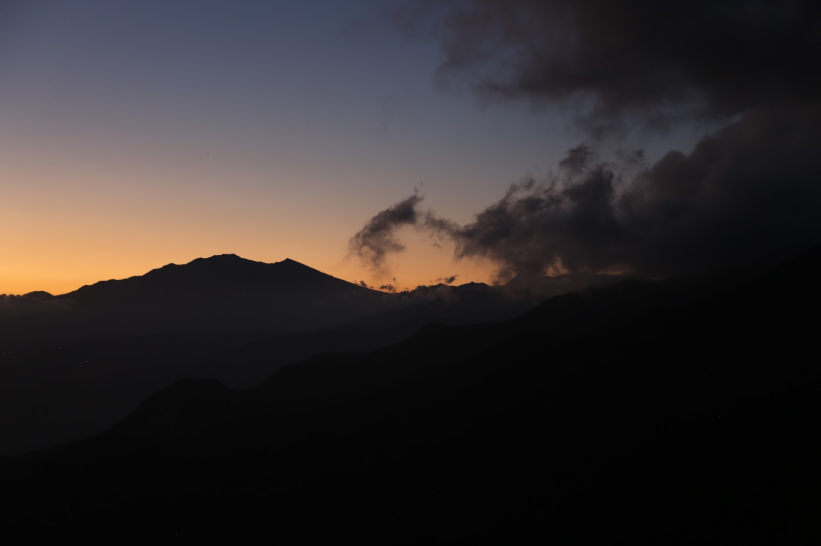
Boquete: Ein kleines Bergstädtchen mit einer erstaunlich vielfältigen Restaurantszene

Eine der schönsten Überraschungen für Besucher von Boquete ist, dass man eigentlich wegen der Berge, Wasserfälle, Kaffeeplantagen und des angenehm kühlen Klimas kommt und dann vielleicht wegen des Essens länger bleibt.

Boquete ist zwar ein kleines Bergstädtchen, aber die Auswahl an Restaurants ist erstaunlich groß. Hier findet man traditionelle panamaische Küche ebenso wie italienische, französische, deutsche, schweizerische, mediterrane, asiatische, karibische und nordamerikanische Einflüsse.

Ein kulinarischer Schmelztiegel in den Bergen

Die Restaurantszene von Boquete spiegelt die besondere Geschichte und Atmosphäre der Region wider.

Im Laufe der Jahre haben sich Menschen aus vielen verschiedenen Ländern in Boquete niedergelassen und ihre kulinarischen Traditionen mitgebracht. Dadurch ist eine erstaunlich internationale Gastronomieszene entstanden.

Man kann mittags typisch panamaisch essen, abends italienische Pasta genießen, am nächsten Tag Sushi probieren und am Nachmittag in einem Café hausgemachte Kuchen und hervorragenden Kaffee entdecken.

Und das Besondere daran: Viele Restaurants profitieren von den landwirtschaftlichen Produkten, die direkt in der Umgebung von Boquete angebaut werden.

🇵🇦 Panamaische Küche entdecken

Bei all den internationalen Möglichkeiten sollte man die traditionelle panamaische Küche keinesfalls vergessen.

In Boquete findet man Gerichte mit frischem Gemüse, Kräutern, tropischen Früchten, Fleisch und vielen anderen Produkten aus der Region.

Die Umgebung ist ausgesprochen fruchtbar und landwirtschaftlich geprägt. Dadurch können manche Zutaten tatsächlich fast vom Feld direkt auf den Teller gelangen.

Das verleiht der Küche einen ganz eigenen Charakter.

🇮🇹 Italien mitten in den Bergen

Eine der überraschendsten Entdeckungen in Boquete ist die Auswahl an italienischen Restaurants.

Es gibt mehrere Möglichkeiten für Pasta, Pizza und andere italienische Spezialitäten.

Und ja, Boquete hat sogar eine erstaunlich lebendige Pizzakultur.

Für Reisende, die schon länger durch Mittelamerika unterwegs sind, kann eine richtig gute Pizza oder ein Teller frischer Pasta eine willkommene Abwechslung sein.

🥩 Steaks, Meeresfrüchte und internationale Küche

Auch Liebhaber von Fleisch und Meeresfrüchten kommen auf ihre Kosten.

Es gibt Restaurants mit Steaks und Grillgerichten, Fisch und Meeresfrüchten sowie internationale Küche.

Dabei reicht die Auswahl von einfachen, ungezwungenen Lokalen bis hin zu Restaurants, die sich perfekt für einen besonderen Abend eignen.

Da Boquete Besucher aus aller Welt anzieht, haben sich viele Restaurants darauf eingestellt, ganz unterschiedliche Geschmäcker anzusprechen.

🍣 Sogar Sushi in den Bergen

Für ein kleines Bergstädtchen bietet Boquete sogar japanische und andere asiatische Küche.

Sushi in den Bergen Panamas zu finden, mag zunächst überraschend sein. Genau das macht die Gastronomieszene von Boquete aber so interessant.

Heute kann man Sushi essen und morgen wieder ein traditionelles panamaisches Gericht ausprobieren.

Die Auswahl sorgt dafür, dass es auch bei einem längeren Aufenthalt nicht langweilig wird.

☕ Kaffee gehört einfach dazu

Man kann nicht über Boquete sprechen, ohne über Kaffee zu sprechen.

Die Region gehört zu den bekanntesten Kaffeeanbaugebieten Panamas und ist besonders für außergewöhnliche Kaffeesorten bekannt, darunter der weltberühmte Geisha Kaffee.

Hier ist Kaffee mehr als nur ein Getränk nach dem Essen.

Er kann zu einem eigenen Erlebnis werden.

Besucher können Kaffeeplantagen besichtigen, erfahren, wie die Kaffeekirschen angebaut und verarbeitet werden, und anschließend verschiedene Sorten probieren.

Natürlich gehört danach meistens noch eine weitere Tasse Kaffee in einem der gemütlichen Cafés dazu.

🍓 Erdbeeren und süße Versuchungen

Boquete hat auch eine ausgesprochen süße Seite.

Die Region ist für ihre Erdbeeren bekannt und bietet zahlreiche Desserts, Kuchen, Eis und andere süße Spezialitäten.

Besonders beliebt sind Erdbeeren mit Sahne.

Ein Tag in Boquete kann deshalb leicht zu einer kleinen kulinarischen Reise werden:

Kaffee am Morgen.

Eine Bäckerei oder ein Café am Nachmittag.

Ein Mittagessen mit regionalen Zutaten.

Und am Abend ein internationales Dinner.

🌱 Auch für Vegetarier interessant

Die internationale Bevölkerung von Boquete spiegelt sich auch in der Auswahl für Vegetarier wider.

Es gibt Restaurants mit vegetarischen Gerichten, frischen Salaten, Gemüse, internationalen Speisen und leichteren Mahlzeiten.

Für Reisende, die schon länger durch Mittelamerika unterwegs sind und manchmal Schwierigkeiten haben, ausreichend Abwechslung beim Essen zu finden, kann Boquete deshalb eine angenehme Überraschung sein.

🍷 Vom einfachen Essen bis zum besonderen Abend

Die Restaurantszene von Boquete deckt viele verschiedene Bedürfnisse ab.

Man kann schnell und unkompliziert essen, einen Kaffee trinken, auf einer Terrasse mit Blick auf die Berge zu Mittag essen oder einen Tisch für einen besonderen Abend reservieren.

Gerade für Besucher, die mehrere Tage bleiben, ist diese Vielfalt ein großer Vorteil.

Man muss nicht jeden Tag dasselbe essen.

Jeder Abend kann zu einer neuen kulinarischen Entdeckung werden.

🌄 Und dann sind da natürlich die Berge

Es gibt allerdings eine Zutat, die kein Restaurant in Boquete bestellen kann:

die Landschaft.

Ein Essen in Boquete bedeutet oft, von grünen Bergen, tropischen Gärten, Kaffeeplantagen und Flüssen umgeben zu sein.

Das angenehm kühle Klima sorgt zusätzlich für eine Atmosphäre, die sich deutlich von Panama City oder den tropischen Küstenregionen unterscheidet.

Nach einer Wanderung auf einer Terrasse zu sitzen, ein gutes Essen zu bestellen und dabei in die grünen Berge zu schauen, gehört einfach zum Boquete Erlebnis.

Eine kleine Stadt mit der Gastronomie einer großen Stadt

Vielleicht ist genau das die größte Überraschung.

Boquete ist keine riesige Metropole mit Tausenden von Restaurants. Trotzdem hat sich hier eine außergewöhnlich vielfältige und internationale Gastronomieszene entwickelt.

Man kann traditionelle panamaische Gerichte probieren, außergewöhnlichen Kaffee trinken, Pizza essen, Sushi bestellen, frische Backwaren genießen, vegetarische Gerichte finden und den Tag mit einem eleganten Abendessen beenden.

Man kommt wegen der Berge.

Man entdeckt den Kaffee.

Und irgendwann stellt man vielleicht fest, dass die Restaurants selbst zu einem der schönsten Gründe geworden sind, immer wieder nach Boquete zurückzukehren.

Boquete : un petit village de montagne avec une incroyable scène gastronomique

L’une des grandes surprises pour les visiteurs de Boquete est de découvrir qu’on peut venir ici pour les montagnes, les cascades, les plantations de café et le climat frais, puis finalement rester en partie… pour la nourriture.

Boquete est peut-être une petite ville de montagne, mais son choix de restaurants est étonnamment vaste et varié. On y trouve une cuisine panaméenne traditionnelle, mais aussi des influences italiennes, françaises, allemandes, suisses, méditerranéennes, asiatiques, nord américaines et caribéennes.

Une véritable mosaïque culinaire

La cuisine de Boquete reflète parfaitement le caractère particulier de cette région.

Au fil des années, des personnes venues de différents pays se sont installées dans la région et ont apporté avec elles leurs traditions culinaires. Le résultat est une scène gastronomique étonnamment internationale pour une ville de cette taille.

On peut manger panaméen le midi, italien le soir, déguster des sushis le lendemain et terminer l’après midi dans un café avec une pâtisserie artisanale.

Et le plus intéressant est que beaucoup de restaurants utilisent des produits cultivés directement dans la région.

🇵🇦 Découvrir la cuisine panaméenne

Malgré toutes ces influences internationales, il ne faut surtout pas oublier la cuisine locale.

Boquete permet de découvrir des plats panaméens préparés avec des produits provenant de la région : légumes frais, herbes aromatiques, fruits tropicaux, viandes et produits agricoles locaux.

La situation de Boquete est exceptionnelle pour la gastronomie. La région est entourée de terres agricoles particulièrement fertiles.

Cela signifie que certains produits peuvent presque passer du champ à l’assiette.

🇮🇹 De l’Italie au cœur des montagnes

L’une des choses les plus amusantes lorsqu’on découvre Boquete est de constater la qualité et la diversité de ses restaurants italiens.

On trouve plusieurs établissements spécialisés dans les pâtes, les pizzas et la cuisine italienne.

Et oui, Boquete possède même une véritable culture de la pizza.

Après plusieurs semaines à voyager en Amérique centrale, pouvoir s’asseoir devant une bonne pizza ou une assiette de pâtes fraîches peut être un plaisir inattendu.

🥩 Viande, poisson et cuisine internationale

La diversité continue avec les restaurants spécialisés dans les steaks, les grillades, les fruits de mer et la cuisine internationale.

Vous pouvez facilement passer d’un restaurant décontracté à un établissement plus élégant pour une soirée spéciale.

Et comme Boquete accueille des visiteurs du monde entier, les restaurants ont développé des menus capables de répondre à des goûts très différents.

🍣 Même des sushis !

Pour une petite ville de montagne, Boquete propose également des options japonaises et asiatiques.

Trouver des sushis dans les montagnes du Panama peut sembler surprenant, mais c’est précisément ce qui rend la scène gastronomique de Boquete si intéressante.

Le lendemain, vous pouvez revenir à quelque chose de totalement traditionnel.

C’est cette variété qui permet de manger différemment chaque jour.

☕ Le café : une partie essentielle de l'expérience

Impossible de parler de Boquete sans parler de café.

La région est l’une des grandes zones productrices de café du Panama et elle est mondialement connue pour certains cafés exceptionnels, notamment le fameux Geisha.

Le café ne se limite donc pas à une boisson que l’on commande après le repas.

À Boquete, il peut devenir une véritable expérience.

Vous pouvez visiter une plantation, découvrir comment les grains sont cultivés et transformés, puis terminer par une dégustation.

Et ensuite, bien sûr, retourner dans un café pour boire une autre tasse.

🍓 Fraises, pâtisseries et desserts

Boquete possède également un côté très gourmand.

La région est connue pour ses fraises, et les visiteurs peuvent trouver des desserts, des pâtisseries, des glaces et différentes préparations à base de fruits locaux.

Les fraises à la crème sont particulièrement populaires.

Une journée à Boquete peut donc facilement devenir une succession de petites expériences culinaires :

Un café le matin.

Une pâtisserie dans l’après midi.

Un déjeuner avec des produits locaux.

Et un dîner dans un restaurant international.

🌱 Une destination intéressante pour les végétariens

La diversité culturelle de Boquete se retrouve également dans les possibilités offertes aux végétariens et aux personnes ayant des préférences alimentaires particulières.

On trouve des restaurants proposant des plats végétariens, des salades, des légumes frais, des options internationales et des repas plus légers.

Pour les voyageurs qui parcourent l’Amérique centrale et qui trouvent parfois difficile de varier leur alimentation, Boquete peut être une agréable surprise.

🍷 Du repas simple au dîner élégant

La scène gastronomique de Boquete couvre pratiquement toutes les situations.

Vous pouvez manger rapidement dans un petit établissement, prendre un café au bord de la route, déjeuner dans un restaurant avec vue sur les montagnes ou réserver une table pour une soirée romantique.

Cette variété est particulièrement appréciable pour les voyageurs qui restent plusieurs jours.

Vous n'avez pas besoin de manger au même endroit ou de répéter les mêmes plats.

Chaque repas peut devenir une nouvelle découverte.

🌄 Et puis il y a le paysage

Il existe cependant un ingrédient que les restaurants de Boquete ne peuvent pas commander à un fournisseur :

les montagnes.

Manger à Boquete signifie souvent profiter d’un paysage de collines verdoyantes, de jardins tropicaux, de plantations de café, de rivières et de montagnes.

L’air frais de la région donne également une atmosphère complètement différente de celle de Panama City ou des régions côtières.

S'asseoir à une terrasse après une randonnée, commander un repas et regarder les montagnes autour de soi fait partie intégrante de l'expérience.

Une petite ville qui mange comme une grande

C’est probablement ce qui rend Boquete si fascinant.

Ce n’est pas une grande métropole avec des milliers de restaurants.

C’est une petite communauté de montagne qui a développé, au fil du temps, une scène gastronomique étonnamment internationale.

On peut y découvrir la cuisine panaméenne, goûter un café parmi les meilleurs du monde, manger une pizza, essayer des sushis, déguster des pâtisseries, trouver des options végétariennes et terminer la journée avec un dîner élégant.

Venez pour les montagnes.

Restez pour le café.

Et ne soyez pas surpris si, après quelques jours, vous réalisez que les restaurants sont devenus l’une des meilleures raisons de revenir à Boquete.

Boquete: The Little Mountain Town With a Surprisingly Great Restaurant Scene

One of the great surprises for visitors to Boquete is that you can come for the mountains, waterfalls, coffee plantations and cool springlike climate and end up staying because of the food.

Boquete may look like a small mountain town, but its restaurant scene is remarkably diverse. Panama's tourism authority specifically highlights the area's mix of local ingredients and international influences, including French, Swiss, Italian and German culinary traditions.

And the selection goes far beyond what you might expect from a town of its size.

A culinary melting pot in the mountains

Boquete's food scene reflects the unusual character of the community itself.

Over the years, people from many different countries have settled in the area, bringing their cooking traditions with them. The result is a fascinating combination of Panamanian, Italian, French, German, Swiss, Mediterranean, Asian, Caribbean and North American influences.

You can have a traditional Panamanian meal one night, handmade Italian pasta the next, sushi after that, and then spend an afternoon drinking exceptional coffee with homemade pastries.

That diversity is one of Boquete's greatest attractions.

🇵🇦 Start with Panamanian food

Despite all the international influences, visitors shouldn't overlook the local cuisine.

Places such as Ngädri Gastronomía Panameña offer an opportunity to explore Panamanian cooking in a more dedicated setting.

Look for dishes featuring ingredients from the surrounding region, including fresh vegetables, herbs, tropical fruits, meats and locally produced ingredients.

Boquete's agricultural environment gives restaurants access to something that many cities simply cannot reproduce: fresh food grown practically in their backyard.

🇮🇹 Italian food in the mountains?

One of the most entertaining things about eating in Boquete is discovering just how good the Italian options can be.

RetroGusto Restaurant & Bar has become one of the recognizable Italian choices in town, while Otto Gastronomia Italiana and Restaurante Al Punto Cucina Italiana give visitors additional options for pasta and Italian-inspired meals.

And then there is pizza.

For a mountain town in Panama, Boquete has an unexpectedly serious pizza culture.

🥩 Steak, seafood and international cuisine

If you're looking for something substantial, the choices continue.

The Rock is one of Boquete's better-known restaurants, with a distinctive setting and an international menu.

Christopher's Steakhouse offers another option for people looking for steaks and hearty meals.

And if seafood is what you're craving, restaurants such as Big Daddy's Grill provide a more casual option.

The great thing about Boquete is that dinner doesn't have to mean one particular style of food.

🍣 Even Japanese food

Boquete even has Japanese cuisine.

Bluefin Japanese Cuisine is an example of how surprisingly international the town's restaurant selection has become.

For travelers who have been eating rice and beans, grilled meats and local dishes throughout Central America, finding good sushi in a small mountain community can be a very welcome change.

☕ And then there is the coffee

You can't really discuss Boquete's food without discussing coffee.

This is one of Panama's most famous coffee-growing regions, and the area's restaurants and cafés benefit enormously from that agricultural heritage.

Boquete is particularly famous for Geisha coffee, which has become one of Panama's most celebrated agricultural products. The national tourism authority specifically recommends coffee plantation visits and tastings as part of the area's culinary experience.

So breakfast in Boquete can become its own little adventure.

Fresh coffee.

Fresh bread.

Local fruit.

Pastries.

Maybe strawberries and cream.

And mountains outside the window.

🍓 Don't forget dessert

Boquete also has a sweet side.

The region is known for strawberries and cream, homemade desserts, gelato, pastries and other treats.

A particularly enjoyable way to experience Boquete is therefore not to think only about breakfast, lunch and dinner.

Think about coffee stops.

Think about bakeries.

Think about afternoon desserts.

Think about stopping somewhere simply because you smell something wonderful coming from the kitchen.

🌱 Vegetarian and specialty food

Another advantage of Boquete's international population is the variety of dietary choices.

The area's tourism information specifically highlights vegetarian restaurants and international food options.

That makes Boquete particularly comfortable for travelers who might struggle to find variety in smaller Central American destinations.

You can find lighter meals, vegetarian dishes, international comfort food and plenty of fresh produce.

🍷 From casual to special occasions

Boquete's restaurant scene also covers a surprisingly broad range of experiences.

You can grab something inexpensive and casual, sit beside the river with a meal, have coffee in the afternoon, or dress up for a more sophisticated dinner.

For a special evening, Nomad Restaurant & Lounge is one of the contemporary options currently attracting attention, while the historic The Rock and other established restaurants provide more traditional special-occasion choices.

Current restaurant listings show dozens of establishments across Boquete, while local guides describe an even broader culinary ecosystem that includes cafés, bakeries, chocolateries, food trucks, breweries and bars.

🌄 The scenery makes the food taste better

There is another ingredient in Boquete's restaurant scene that you simply can't put on a menu.

The mountains.

Eating in Boquete is often accompanied by views of green hills, coffee plantations, tropical gardens, rivers and the slopes of Volcán Barú.

A restaurant that might be perfectly pleasant in a city can feel completely different when you're sitting outside in Boquete's cool mountain air, surrounded by vegetation and listening to a river nearby.

That atmosphere is part of the experience.

The real surprise

Perhaps the best thing about Boquete's restaurant scene is that you don't have to choose between Panamanian culture and international food.

You can experience both.

You can spend the morning walking through a coffee plantation, have lunch featuring local ingredients, stop for a Panamanian dessert and then have an Italian dinner in the evening.

And tomorrow you can do something completely different.

That's what makes Boquete such an interesting culinary destination. It isn't a huge city pretending to have a diverse food scene. It's a small mountain community that somehow managed to develop one naturally.

For travelers exploring Panama, Boquete therefore offers something particularly special: spectacular nature during the day and an unexpectedly sophisticated choice of food when the sun goes down.

Come for the mountains.

Stay for the coffee.

But don't be surprised if you eventually realize that the restaurants are one of the reasons you keep coming back.

Ceviche in Panama: A Delicious Journey Through the Country’s Seafood Culture

If you want to understand Panama through food, start with ceviche.

It is fresh, inexpensive, tropical and deeply connected to the country's relationship with the sea. In Panama, ceviche isn't reserved for fancy restaurants. It can be eaten as a quick afternoon snack, shared with friends over a cold beer, served at a family gathering, or enjoyed at a tiny counter where fishermen's catch has made its way from the Pacific to your plate.

And there is perhaps no better place to begin your culinary adventure than the Mercado De Mariscos Cinta Costera in Panama City.

Located beside Avenida Balboa and at the entrance to Casco Viejo, the market is one of the city's great seafood institutions. The municipality describes it as Panama's principal point of sale for fresh fish and seafood, including corvina, pargo, shrimp, lobster and octopus. It also has restaurants and fondas where ceviche is prepared on the spot.

🐟 Corvina: the classic place to start

The most iconic Panamanian ceviche is probably ceviche de corvina.

Corvina is a mild, firm white fish associated particularly with Panama's Pacific coast. Cut into small pieces, it is combined with lime or lemon juice, onion, salt and herbs and allowed to marinate.

Panamanian versions can also include culantro, parsley and ají chombo, giving the ceviche a distinctly local character.

The result is wonderfully refreshing.

The citrus provides acidity. The onion adds crunch. The herbs provide fragrance. The chile adds heat. And the corvina provides a clean, delicate base that lets everything else shine.

If you have never tried Panamanian ceviche, corvina is the one to order first.

🍤 Ceviche de camarón

Next comes shrimp ceviche.

Shrimp gives ceviche a completely different personality. Instead of the delicate texture of raw marinated fish, you get the firmer, slightly sweet character of shrimp.

It is one of the most popular choices at cevicherías and seafood markets throughout Panama.

At the Mercado de Mariscos, you will often see people ordering a small cup of shrimp ceviche as a quick snack before moving on to something else.

That is one of the wonderful things about the Panamanian ceviche culture: you don't necessarily have to commit to a giant meal.

You can simply order a cup and keep exploring.

🐙 Pulpo ceviche

If you love seafood, ceviche de pulpo is another one to try.

Octopus has a completely different texture from fish or shrimp. When properly prepared, it is pleasantly firm and chewy without being tough.

The citrus, onion and herbs cut through the richness of the octopus beautifully.

It is one of those ceviches that can make you realize just how many different personalities the same basic dish can have.

🦑 Calamari ceviche

Calamari ceviche is another option found in Panama.

Like octopus, calamari brings a firmer texture to the dish. It works particularly well with strong citrus, onion and spicy flavors.

Some cevicherías offer several seafood choices side by side, making it possible to create your own little ceviche tasting.

🦀 Ceviche de cangrejo

Crab provides a sweeter, more delicate seafood flavor.

It isn't necessarily the first ceviche visitors think of, but it demonstrates how creative Panama's ceviche culture can be. Seafood doesn't simply mean fish and shrimp here. Local cevicherías can turn a surprisingly wide range of marine ingredients into variations of the dish.

🐚 Concha negra

For something more adventurous, look for ceviche de concha negra, made with black clams.

This is particularly interesting because the flavor is considerably more intense than a mild fish ceviche.

It has a briny, mineral character that tastes unmistakably like the sea.

It is one of the varieties worth seeking out if you want to move beyond the standard corvina and shrimp.

🦐 The famous mixto or "combinación"

Then there is the ceviche mixto, sometimes called a combinación.

This is where things get fun.

Instead of choosing one seafood, you get several together. Depending on the establishment, a combination might include fish, shrimp, octopus, squid, clams or other seafood.

Panamanian sources describe combinations ranging from fish and shrimp to much more elaborate mixtures. One traditional seafood guide from La Prensa lists combinations involving fish, shrimp, octopus, squid, crab and black clams among the varieties found around the Mercado de Mariscos.

For a first visit, this can be an excellent choice because you get to experience several textures and flavors in one serving.

🌶️ And then there are the creative ceviches

Panama's ceviche culture doesn't stop with traditional recipes.

Cevicherías have developed their own sauces and combinations, including tropical, Caribbean and spicy versions. Some establishments offer ceviches with fruit based sauces, creamy sauces or more elaborate combinations.

There are even places where you can order multiple small ceviches and essentially create your own tasting menu.

That is part of what makes Panama's ceviche culture so entertaining.

There is a traditional foundation, but cooks aren't afraid to experiment.

🥨 Don't forget the crackers

One of the charming details of Panamanian ceviche is how it is served.

Instead of automatically arriving with the corn and sweet potato that you might associate with Peruvian ceviche, Panamanian ceviche is commonly accompanied by saltine crackers or little pastry shells known as canastitas.

The crackers are perfect for scooping up the fish, onion and citrusy liquid.

Simple, cheap and addictive.

🏪 Why the Mercado de Mariscos is such a great starting point

The Mercado de Mariscos isn't simply somewhere to eat.

It is a place where you can see Panama's seafood culture happening around you.

On the lower level, vendors sell fresh seafood, including corvina, snapper, shrimp, lobster and octopus. Above and around the market are places serving prepared seafood and ceviche.

The market is located right beside the water, at the edge of the city and close to Casco Viejo.

That makes it an almost perfect starting point for a culinary exploration of Panama City.

You can begin with ceviche, walk through the seafood stalls, watch the activity around the market, and then continue toward Casco Viejo to explore another side of Panamanian food and history.

🌅 Make it part of your Panama City adventure

A great way to experience it is to go in the morning or around lunchtime, when the market is active. The official municipal market information currently lists hours of 5:00 a.m. to 4:00 p.m. daily, although individual stalls and restaurants may have different schedules.

Order a small ceviche rather than immediately choosing one giant plate.

Start with corvina.

Then try shrimp.

If you're feeling adventurous, order pulpo or concha negra.

Finally, try a mixto and see how many different flavors you can identify.

Suddenly, ceviche becomes more than an appetizer.

It becomes a tasting tour of Panama's Pacific waters.

🇵🇦 Ceviche is Panama on a plate

There is something wonderfully appropriate about beginning a culinary journey through Panama with ceviche.

The fish comes from the Pacific.

The lime brings acidity.

The onion brings crunch.

The culantro brings the unmistakable aroma of Panama.

The ají chombo brings heat.

And the crackers make it wonderfully casual.

It doesn't need to be served on fine china.

In fact, part of the charm is eating it from a little cup while standing at a busy market, surrounded by the smell of the ocean and the sounds of Panama City.

That is the magic of Panamanian ceviche.

It is sophisticated enough to become a restaurant specialty, but humble enough to be enjoyed from a small plastic cup for just a few dollars.

And if you're looking for the perfect place to begin discovering Panama's food culture, the Mercado de Mariscos is about as good a starting point as you could ask for.

Corvina in Panama: The Fish That Tastes Like the Pacific

There are fish that are famous because they are enormous, fish that are famous because they are rare, and fish that become famous simply because an entire country grows up eating them.

In Panama, corvina belongs to the third category.

For many Panamanians, corvina is practically synonymous with fresh Pacific seafood. You can find it on restaurant menus, in seafood markets, in ceviche, in fried fish dishes and on family tables. It is one of those foods that connects Panama's enormous Pacific coastline with everyday life.

And there is something particularly fitting about it: Panama is a country where two oceans meet, yet when people talk about one of the country's classic fish dishes, corvina from the Pacific is often the star.

What exactly is corvina?

The name corvina can refer to several related fish in the drum and croaker family. In Panama, the word is commonly used for various marine fish prized for their firm, mild flesh.

This is important because "corvina" isn't necessarily one single species everywhere in Latin America. The name can describe different members of the family depending on the country and region.

What they have in common is a type of flesh that makes them excellent for cooking.

The meat is generally white, firm, mild and slightly sweet, without the intensely oily flavor associated with some other fish.

That makes corvina incredibly versatile.

A Pacific fish with a Panamanian identity

Panama has more than 2,800 kilometers of coastline when its mainland and islands are considered, with the Pacific and Caribbean offering dramatically different marine environments.

The Pacific side is particularly important for corvina.

From the waters around the Gulf of Panama to the fishing communities farther west, corvina has become part of the culinary culture surrounding Panama's Pacific coast.

For visitors, this means that ordering corvina isn't simply ordering "fish."

You are ordering something closely connected to Panama's relationship with the ocean.

Ceviche: where corvina becomes something magical

One of the best ways to experience corvina in Panama is ceviche.

Fresh pieces of fish are combined with ingredients such as lime juice, onion, salt and other seasonings. The acidity changes the texture of the raw fish, giving it a firm, delicate bite and a bright flavor.

Corvina is particularly well suited to ceviche because its flesh is firm enough to hold together while remaining delicate.

Walk into a Panamanian seafood restaurant and you may encounter ceviche served in a glass, a cup or a small bowl, often accompanied by crackers or other simple accompaniments.

It is deceptively simple food.

Fresh fish.

Acid.

Onion.

Seasoning.

Yet when the fish is genuinely fresh, the result can be extraordinary.

Fried corvina: simple and unforgettable

Another classic preparation is fried corvina.

This is where the mild flavor of the fish becomes an advantage. The outside can become crisp and golden while the inside remains tender and moist.

It may be served with rice, salad, plantains, yuca, French fries or other traditional accompaniments.

For a traveler, fried corvina can be one of the easiest ways to experience Panamanian seafood because there is nothing complicated hiding the flavor of the fish.

The quality of the fish does the work.

The famous fish and plantain combination

Panamanian cooking has a special relationship with plantains, and seafood is no exception.

Crispy patacones, made from green plantains, are a natural companion to fried fish.

The combination is almost perfect: crunchy plantain, tender fish, lime, salt and perhaps a fresh salad or sauce.

It is the kind of meal that makes sense geographically as well as gastronomically.

The fish comes from the sea.

The plantain comes from the tropical landscape.

Together they create a distinctly Panamanian plate.

Corvina and the fishing culture

Behind the restaurant plate is a much larger story.

Panama's fishing culture stretches from small coastal communities where fishermen leave before sunrise to commercial fisheries supplying seafood markets and restaurants.

For generations, coastal communities have depended on the sea for food and income.

Fishing also connects Panama's urban population with the country's enormous marine environment. Even in Panama City, far from the small fishing villages of the Pacific coast, seafood restaurants provide a daily reminder that the ocean is never very far away.

Why corvina is so popular with visitors

Corvina is an excellent introduction to Panamanian seafood because its flavor isn't intimidating.

Some tropical fish have strong flavors that can surprise people who aren't accustomed to them.

Corvina is different.

Its mild flavor makes it approachable, while its firm texture gives it enough character to work beautifully in ceviche, fried preparations, grilled dishes and soups.

For someone visiting Panama who wants to try local seafood without choosing something particularly adventurous, corvina is an excellent place to begin.

From fishing boat to dinner table

One of the most enjoyable things about eating corvina in Panama is thinking about the journey behind the plate.

Imagine a fishing boat leaving the Pacific coast before sunrise.

The water is still.

The coastline is barely visible.

As the sun rises, the sea changes from dark blue to silver and eventually to brilliant tropical blue.

Hours later, fish arrive at a local market.

Eventually, one becomes a ceviche served in a small restaurant.

That journey can take a food that looks incredibly ordinary on a plate and make it part of a much larger story about Panama's geography and people.

Don't confuse every "corvina" with the same fish

One interesting detail for seafood lovers is that corvina is a common name rather than a universal species name.

The exact fish being sold as corvina can vary by country, region and fishery.

This is common throughout Latin America. Local names for fish don't always correspond neatly to scientific classifications.

So when you encounter corvina in Panama, you're experiencing a local culinary category as much as a particular species.

A fish that represents Panama

Perhaps the greatest appeal of corvina is its simplicity.

Panama doesn't need to turn it into something complicated.

Fresh corvina, lime, onion, plantain, rice and a cold drink can make an extraordinary meal.

It is food that reflects the country itself: tropical, coastal, diverse and uncomplicated at heart.

And that is why corvina deserves a special place in any exploration of Panamanian cuisine.

You can hike through a cloud forest in the morning, swim in the Pacific in the afternoon and sit down to a plate of freshly caught corvina in the evening.

Few foods capture that connection between Panama's landscape and its people quite as beautifully as this humble Pacific fish.

Culantro vs. Cilantro in Panama: Two Herbs, Two Very Different Roles

If you are visiting Panama and see culantro and cilantro at a market, it is easy to assume they are basically the same herb. Their names are almost identical, and both have a fresh, green, citrusy aroma. But in Panamanian cooking, they are quite different, and knowing the difference can completely change the flavor of a dish.

🌿 Culantro: the powerhouse of Panamanian cooking

Culantro is the long leafed herb with jagged edges that you will frequently encounter in traditional Panamanian cooking. Its flavor is much stronger and more concentrated than cilantro.

It is particularly important in dishes that need to develop flavor slowly.

The classic example is sancocho, Panama's famous chicken soup. Culantro is one of the ingredients that gives the broth its characteristic aroma and deep herbal flavor.

Culantro is also commonly used in:

Soups and stews

Beans

Rice dishes

Chicken

Meat

Fish and seafood

Sofritos and seasoning mixtures

Because it is so powerful, you generally don't need a huge amount. A few leaves can perfume an entire pot of soup.

Its flavor is earthier, stronger, more savory and more persistent than cilantro.

🌱 Cilantro: the fresher, lighter herb

Cilantro is the familiar herb with delicate, rounded leaves that is used around the world.

Its flavor is generally lighter and fresher, with the characteristic citrusy and slightly peppery flavor that people associate with Mexican, Central American and Caribbean cuisine.

In Panama, cilantro can be used in many of the same types of foods as culantro, but it often works particularly well as a fresh finishing herb.

You might find it chopped over food shortly before serving, mixed into sauces, added to salads, or used to give a fresh aroma to soups and other dishes.

🍲 The difference becomes obvious in sancocho

Sancocho is probably the best place to understand the difference.

If you make a traditional Panamanian sancocho with culantro, the herb becomes part of the identity of the broth. It provides a powerful savory and herbal aroma that survives the cooking process.

If you substitute cilantro, you will still have a delicious soup, but it will taste different. Cilantro tends to provide a brighter, fresher flavor rather than the deeper herbal character associated with culantro.

This is why a Panamanian cook may insist that culantro belongs in sancocho.

👃 The smell is the giveaway

If you have both herbs in front of you, simply crush a leaf between your fingers.

Cilantro will give you a familiar fresh, citrusy aroma.

Culantro will smell much stronger and more intense.

That difference becomes even more noticeable when the herbs are cooked.

🌎 Why does Panama use both?

Panamanian cuisine is a meeting point of Indigenous, Spanish, Afro Caribbean, Afro Panamanian and other culinary traditions.

Both herbs fit naturally into this cuisine, but they have developed somewhat different roles.

Culantro is strongly associated with traditional Panamanian cooking, especially soups, stews, beans and savory dishes.

Cilantro is more universal, appearing in both traditional recipes and dishes influenced by other Latin American cuisines.

🇵🇦 The easiest way to remember

Think of it this way:

Culantro = deep, powerful, traditional flavor

Cilantro = fresh, bright, finishing flavor

They can sometimes be substituted for one another, but they are not interchangeable if you are trying to reproduce the exact flavor of a traditional Panamanian recipe.

And if you want to understand Panamanian food, learning to recognize culantro is a great place to start. It is one of those seemingly simple ingredients that can tell you a surprising amount about the country's history, climate and culinary traditions.Culantro vs. Cilantro in Panama: Two Herbs, Two Very Different Roles

If you are visiting Panama and see culantro and cilantro at a market, it is easy to assume they are basically the same herb. Their names are almost identical, and both have a fresh, green, citrusy aroma. But in Panamanian cooking, they are quite different, and knowing the difference can completely change the flavor of a dish.

🌿 Culantro: the powerhouse of Panamanian cooking

Culantro is the long leafed herb with jagged edges that you will frequently encounter in traditional Panamanian cooking. Its flavor is much stronger and more concentrated than cilantro.

It is particularly important in dishes that need to develop flavor slowly.

The classic example is sancocho, Panama's famous chicken soup. Culantro is one of the ingredients that gives the broth its characteristic aroma and deep herbal flavor.

Culantro is also commonly used in:

Soups and stews

Beans

Rice dishes

Chicken

Meat

Fish and seafood

Sofritos and seasoning mixtures

Because it is so powerful, you generally don't need a huge amount. A few leaves can perfume an entire pot of soup.

Its flavor is earthier, stronger, more savory and more persistent than cilantro.

🌱 Cilantro: the fresher, lighter herb

Cilantro is the familiar herb with delicate, rounded leaves that is used around the world.

Its flavor is generally lighter and fresher, with the characteristic citrusy and slightly peppery flavor that people associate with Mexican, Central American and Caribbean cuisine.

In Panama, cilantro can be used in many of the same types of foods as culantro, but it often works particularly well as a fresh finishing herb.

You might find it chopped over food shortly before serving, mixed into sauces, added to salads, or used to give a fresh aroma to soups and other dishes.

🍲 The difference becomes obvious in sancocho

Sancocho is probably the best place to understand the difference.

If you make a traditional Panamanian sancocho with culantro, the herb becomes part of the identity of the broth. It provides a powerful savory and herbal aroma that survives the cooking process.

If you substitute cilantro, you will still have a delicious soup, but it will taste different. Cilantro tends to provide a brighter, fresher flavor rather than the deeper herbal character associated with culantro.

This is why a Panamanian cook may insist that culantro belongs in sancocho.

👃 The smell is the giveaway

If you have both herbs in front of you, simply crush a leaf between your fingers.

Cilantro will give you a familiar fresh, citrusy aroma.

Culantro will smell much stronger and more intense.

That difference becomes even more noticeable when the herbs are cooked.

🌎 Why does Panama use both?

Panamanian cuisine is a meeting point of Indigenous, Spanish, Afro Caribbean, Afro Panamanian and other culinary traditions.

Both herbs fit naturally into this cuisine, but they have developed somewhat different roles.

Culantro is strongly associated with traditional Panamanian cooking, especially soups, stews, beans and savory dishes.

Cilantro is more universal, appearing in both traditional recipes and dishes influenced by other Latin American cuisines.

🇵🇦 The easiest way to remember

Think of it this way:

Culantro = deep, powerful, traditional flavor

Cilantro = fresh, bright, finishing flavor

They can sometimes be substituted for one another, but they are not interchangeable if you are trying to reproduce the exact flavor of a traditional Panamanian recipe.

And if you want to understand Panamanian food, learning to recognize culantro is a great place to start. It is one of those seemingly simple ingredients that can tell you a surprising amount about the country's history, climate and culinary traditions.

Culantro: The Powerful Herb That Gives Panamanian Food Its Soul

Walk into a Panamanian kitchen and there is a good chance you will encounter an herb that looks nothing like the delicate bunches of cilantro found in many North American kitchens. Its leaves are long, narrow, and jagged around the edges, almost like the leaves of a small tropical plant. Its name is culantro, and despite the similar name, it is a completely different plant from ordinary cilantro.

Culantro is one of those ingredients that may seem humble, but it has an enormous influence on the flavor of Panamanian cooking. It is earthy, intensely aromatic, slightly peppery, and unmistakably tropical. For many Panamanians, the smell of freshly chopped culantro immediately brings memories of home cooking, family kitchens, soups simmering on the stove, and traditional dishes shared around the table.

Culantro is not cilantro

Despite their names, culantro and cilantro are different plants.

Cilantro has delicate, rounded leaves and a relatively mild flavor. Culantro has long, tough-looking leaves with serrated edges and a much more concentrated aroma.

Its scientific name is Eryngium foetidum, and it is native to tropical regions of the Americas. It thrives in warm, humid climates, making Panama an ideal environment for growing it.

The intensity of culantro is one reason cooks love it. A relatively small amount can give an entire pot of food a distinctive aroma.

And unlike cilantro, which can lose much of its fragrance when cooked for a long time, culantro is particularly useful in dishes that simmer for hours.

The secret behind Panamanian sancocho

Perhaps nowhere is culantro more important than in Panamanian sancocho.

Sancocho is one of Panama's most beloved traditional dishes. It is a hearty soup traditionally prepared with chicken, herbs and spices, and root vegetables such as ñame.

But ask many Panamanians what makes a good sancocho taste like real sancocho, and culantro will almost certainly be part of the answer.

The herb is added to the broth to create an aroma that is difficult to replicate with anything else. As the soup simmers, the culantro releases its powerful flavor into the broth.

The result is a soup that tastes simultaneously earthy, herbal, savory, and deeply comforting.

For many Panamanians, sancocho isn't simply food. It is associated with family, celebrations, weekends, rainy days, and recovering after a long night out.

And culantro is one of the ingredients that gives that bowl of soup its unmistakable Panamanian identity.

A little herb with a huge personality

Culantro doesn't politely sit in the background.

It announces itself.

When freshly chopped, its aroma can fill a kitchen. When added to soups, stews, rice dishes, beans, and sauces, it creates a distinctive flavor that immediately makes the food taste more tropical and more traditionally Central American.

This intensity means that culantro is often used strategically rather than in enormous quantities.

A cook might add several leaves to a simmering pot and allow the herb to slowly release its flavor. Fresh leaves can also be chopped and added toward the end of cooking when a stronger herbal aroma is desired.

Culantro in everyday Panamanian cooking

Although sancocho may be its most famous destination, culantro is much more versatile.

It can appear in:

Soups and stews

Culantro is excellent in broths and slow-cooked dishes because its strong flavor holds up well during cooking.

Rice dishes

Panamanian cooks may use culantro as part of the seasoning base for rice, adding another layer of flavor.

Beans

Culantro pairs beautifully with beans, particularly when combined with onion, garlic, peppers, and other traditional seasonings.

Meat and chicken

It can be incorporated into marinades, sauces, and seasoning mixtures.

Fish and seafood

Its fresh, green aroma works especially well with tropical seafood dishes.

Sauces and sofritos

Culantro can become part of the aromatic foundation from which an entire dish is built.

The Panamanian "sofrito" connection

One of the fascinating things about Latin American cooking is how much flavor comes from the combination of aromatic ingredients cooked together at the beginning of a dish.

Panamanian cooks frequently combine ingredients such as onion, garlic, sweet peppers, herbs, and culantro to create a flavorful base.

This is where culantro becomes more than just a garnish. It becomes part of the architecture of the dish.

The flavor develops gradually as the ingredients cook together, creating a foundation that can transform something as simple as beans, rice, chicken, or soup.

Why does culantro grow so well in Panama?

Panama's climate is almost perfect for culantro.

The plant enjoys warm temperatures, humidity, and moisture, conditions found throughout much of the country.

You may even find culantro growing in home gardens, small farms, and around rural houses. It doesn't require the same kind of attention that many delicate culinary herbs require, making it particularly useful for home cooks.

This connection between the tropical environment and the kitchen is one of the most beautiful aspects of Panamanian cuisine.

The herb doesn't have to travel halfway around the world to reach the dinner table.

It can grow right outside the kitchen.

Culantro and the indigenous roots of Panamanian food

Panamanian cuisine is a fascinating mixture of influences. Indigenous peoples, Spanish colonists, Afro Caribbean communities, Afro Panamanian traditions, Caribbean immigrants, and other cultures have all contributed to the country's food.

Culantro belongs to the broader culinary history of tropical Latin America and the Caribbean, where strong aromatic herbs have long been important in cooking.

It is particularly interesting because the plant itself is native to the Americas rather than being an herb introduced from Europe.

That makes culantro part of the botanical story of the region as well as its culinary story.

Why visitors sometimes confuse it with cilantro

Travelers visiting Panama often see the word culantro and assume they are buying cilantro.

That can lead to a surprise.

The two herbs share a similar general flavor profile, but culantro is much stronger. If you are accustomed to cilantro, biting into a large piece of raw culantro can be an intense experience!

This is precisely why Panamanian cooks often use it differently.

Instead of treating it simply as a delicate finishing herb, they can use it as a powerful seasoning ingredient that becomes integrated into the entire dish.

The smell of Panama

Perhaps the most fascinating thing about culantro isn't its appearance or even its flavor.

It is its memory.

Food is strongly connected to smell, and herbs can be incredibly powerful triggers for memories. For someone who grew up eating Panamanian food, the aroma of culantro cooking in a pot can instantly evoke a grandmother's kitchen, a Sunday lunch, a family gathering, or a bowl of sancocho shared with friends.

That is why ingredients like culantro are so important to understanding a country's cuisine.

You can reproduce a recipe.

You can measure the ingredients.

You can follow every instruction.

But sometimes the thing that makes food taste like home is one humble herb growing in the tropical soil outside the kitchen.

In Panama, that herb is often culantro.

And once you recognize its unmistakable aroma, you may start noticing it everywhere, quietly giving Panama's soups, rice, beans, stews and sauces that distinctive flavor that is difficult to describe but impossible to forget.Culantro: The Powerful Herb That Gives Panamanian Food Its Soul

Walk into a Panamanian kitchen and there is a good chance you will encounter an herb that looks nothing like the delicate bunches of cilantro found in many North American kitchens. Its leaves are long, narrow, and jagged around the edges, almost like the leaves of a small tropical plant. Its name is culantro, and despite the similar name, it is a completely different plant from ordinary cilantro.

Culantro is one of those ingredients that may seem humble, but it has an enormous influence on the flavor of Panamanian cooking. It is earthy, intensely aromatic, slightly peppery, and unmistakably tropical. For many Panamanians, the smell of freshly chopped culantro immediately brings memories of home cooking, family kitchens, soups simmering on the stove, and traditional dishes shared around the table.

Culantro is not cilantro

Despite their names, culantro and cilantro are different plants.

Cilantro has delicate, rounded leaves and a relatively mild flavor. Culantro has long, tough-looking leaves with serrated edges and a much more concentrated aroma.

Its scientific name is Eryngium foetidum, and it is native to tropical regions of the Americas. It thrives in warm, humid climates, making Panama an ideal environment for growing it.

The intensity of culantro is one reason cooks love it. A relatively small amount can give an entire pot of food a distinctive aroma.

And unlike cilantro, which can lose much of its fragrance when cooked for a long time, culantro is particularly useful in dishes that simmer for hours.

The secret behind Panamanian sancocho

Perhaps nowhere is culantro more important than in Panamanian sancocho.

Sancocho is one of Panama's most beloved traditional dishes. It is a hearty soup traditionally prepared with chicken, herbs and spices, and root vegetables such as ñame.

But ask many Panamanians what makes a good sancocho taste like real sancocho, and culantro will almost certainly be part of the answer.

The herb is added to the broth to create an aroma that is difficult to replicate with anything else. As the soup simmers, the culantro releases its powerful flavor into the broth.

The result is a soup that tastes simultaneously earthy, herbal, savory, and deeply comforting.

For many Panamanians, sancocho isn't simply food. It is associated with family, celebrations, weekends, rainy days, and recovering after a long night out.

And culantro is one of the ingredients that gives that bowl of soup its unmistakable Panamanian identity.

A little herb with a huge personality

Culantro doesn't politely sit in the background.

It announces itself.

When freshly chopped, its aroma can fill a kitchen. When added to soups, stews, rice dishes, beans, and sauces, it creates a distinctive flavor that immediately makes the food taste more tropical and more traditionally Central American.

This intensity means that culantro is often used strategically rather than in enormous quantities.

A cook might add several leaves to a simmering pot and allow the herb to slowly release its flavor. Fresh leaves can also be chopped and added toward the end of cooking when a stronger herbal aroma is desired.

Culantro in everyday Panamanian cooking

Although sancocho may be its most famous destination, culantro is much more versatile.

It can appear in:

Soups and stews

Culantro is excellent in broths and slow-cooked dishes because its strong flavor holds up well during cooking.

Rice dishes

Panamanian cooks may use culantro as part of the seasoning base for rice, adding another layer of flavor.

Beans

Culantro pairs beautifully with beans, particularly when combined with onion, garlic, peppers, and other traditional seasonings.

Meat and chicken

It can be incorporated into marinades, sauces, and seasoning mixtures.

Fish and seafood

Its fresh, green aroma works especially well with tropical seafood dishes.

Sauces and sofritos

Culantro can become part of the aromatic foundation from which an entire dish is built.

The Panamanian "sofrito" connection

One of the fascinating things about Latin American cooking is how much flavor comes from the combination of aromatic ingredients cooked together at the beginning of a dish.

Panamanian cooks frequently combine ingredients such as onion, garlic, sweet peppers, herbs, and culantro to create a flavorful base.

This is where culantro becomes more than just a garnish. It becomes part of the architecture of the dish.

The flavor develops gradually as the ingredients cook together, creating a foundation that can transform something as simple as beans, rice, chicken, or soup.

Why does culantro grow so well in Panama?

Panama's climate is almost perfect for culantro.

The plant enjoys warm temperatures, humidity, and moisture, conditions found throughout much of the country.

You may even find culantro growing in home gardens, small farms, and around rural houses. It doesn't require the same kind of attention that many delicate culinary herbs require, making it particularly useful for home cooks.

This connection between the tropical environment and the kitchen is one of the most beautiful aspects of Panamanian cuisine.

The herb doesn't have to travel halfway around the world to reach the dinner table.

It can grow right outside the kitchen.

Culantro and the indigenous roots of Panamanian food

Panamanian cuisine is a fascinating mixture of influences. Indigenous peoples, Spanish colonists, Afro Caribbean communities, Afro Panamanian traditions, Caribbean immigrants, and other cultures have all contributed to the country's food.

Culantro belongs to the broader culinary history of tropical Latin America and the Caribbean, where strong aromatic herbs have long been important in cooking.

It is particularly interesting because the plant itself is native to the Americas rather than being an herb introduced from Europe.

That makes culantro part of the botanical story of the region as well as its culinary story.

Why visitors sometimes confuse it with cilantro

Travelers visiting Panama often see the word culantro and assume they are buying cilantro.

That can lead to a surprise.

The two herbs share a similar general flavor profile, but culantro is much stronger. If you are accustomed to cilantro, biting into a large piece of raw culantro can be an intense experience!

This is precisely why Panamanian cooks often use it differently.

Instead of treating it simply as a delicate finishing herb, they can use it as a powerful seasoning ingredient that becomes integrated into the entire dish.

The smell of Panama

Perhaps the most fascinating thing about culantro isn't its appearance or even its flavor.

It is its memory.

Food is strongly connected to smell, and herbs can be incredibly powerful triggers for memories. For someone who grew up eating Panamanian food, the aroma of culantro cooking in a pot can instantly evoke a grandmother's kitchen, a Sunday lunch, a family gathering, or a bowl of sancocho shared with friends.

That is why ingredients like culantro are so important to understanding a country's cuisine.

You can reproduce a recipe.

You can measure the ingredients.

You can follow every instruction.

But sometimes the thing that makes food taste like home is one humble herb growing in the tropical soil outside the kitchen.

In Panama, that herb is often culantro.

And once you recognize its unmistakable aroma, you may start noticing it everywhere, quietly giving Panama's soups, rice, beans, stews and sauces that distinctive flavor that is difficult to describe but impossible to forget.

The Tradition of a Girl’s 15th Birthday in Panama

In Panama, turning 15 can be much more than an ordinary birthday. For many families, a girl’s fifteenth birthday, known as her quince años or quinceañera, is a major milestone. It celebrates her transition from childhood into a new stage of life and brings together family and friends for a celebration filled with music, dancing, beautiful clothing, food, and meaningful family traditions.

The Beautiful Dress

One of the most recognizable parts of a quinceañera celebration is the dress. Traditionally, the birthday girl wears an elegant, elaborate gown, often resembling a princess dress. It may have a large skirt, sparkling details, embroidery, flowers, or other decorations.

Choosing the dress can become an important family event. The quinceañera usually has a major say in the color and style, along with her hairstyle, shoes, jewelry, and other accessories.

The Crown or Tiara

The crown or tiara symbolizes the importance of the young woman on her special day. In some families, her mother or another close family member places the crown on her during the celebration.

It is a beautiful symbolic moment, representing the beginning of a new chapter in her life.

The Change of Shoes

One of the most symbolic traditions is the change from flat shoes to high heels.

The girl may begin the celebration wearing flats or even sneakers. During the ceremony, her father, brother, or another important family member replaces them with elegant high heels.

The change represents her transition from childhood into young adulthood.

Afterward, she may share her first formal dance with her father, creating one of the most emotional moments of the evening.

The Father Daughter Dance

The father daughter dance is one of the most memorable traditions.

The quinceañera and her father traditionally dance together while family and friends watch. In some celebrations, she then dances with other important people in her life, including her grandfather, brothers, godfather, or close friends.

Modern quinceañeras may also turn this into an elaborate choreographed performance, mixing a traditional waltz with salsa, reggaeton, pop, or other music.

Fifteen Roses

Another beautiful tradition is the presentation of 15 roses, representing each year of the girl's life.

The roses may be presented by family members, friends, or members of her court. In some families, the roses are eventually given to the mother as a gesture of appreciation for everything she has done for her daughter.

Fifteen Candles

The 15 candles are another deeply meaningful part of the celebration.

The quinceañera chooses 15 people who have played an important role in her life. They may be parents, grandparents, siblings, relatives, or close friends.

Each person receives a candle, and sometimes they are invited to say a few words to the birthday girl. This can become an incredibly emotional part of the evening because it gives the people closest to her an opportunity to share memories, love, and advice.

The Last Doll

One of the most symbolic traditions is the last doll.

The father may give his daughter a doll during the celebration. Traditionally, it represents her final childhood toy and symbolizes leaving one stage of life behind.

Sometimes the quinceañera gives the doll to a younger sister, cousin, or another child, representing the passing of childhood to the next generation.

A Special Ring or Piece of Jewelry

Parents may also give their daughter a ring, necklace, bracelet, medal, or another special piece of jewelry.

The jewelry serves as a lasting reminder of her fifteenth birthday and the love and support of her family.

A Religious Celebration

For Catholic families, the quinceañera may begin with a special Mass or religious blessing.

The family gives thanks for the girl's first 15 years and asks for blessings for the years ahead. Not every family includes this part, however, as modern Panamanian families celebrate their quinceañeras in many different ways.

Speeches From the Family

During the party, parents and other relatives often have an opportunity to speak.

The father or mother might tell stories about their daughter growing up, remember funny or touching moments, and offer advice for the future.

The quinceañera may also give a speech thanking her parents, grandparents, relatives, and friends.

For many families, this is the moment when the celebration becomes much more than a party. It becomes a celebration of the family's journey together.

Then Comes the Party!

After the formal traditions, the celebration really gets going.

There may be a DJ, live music, dancing, elaborate decorations, professional photography, videos, special lighting, enormous cakes, desserts, and plenty of food.

Some quinceañeras spend months practicing special dance routines with their friends. Others choose a particular theme based on their personality, favorite colors, hobbies, travel dreams, or interests.

And in Panama, where dancing and music are such an important part of social life, the party can continue well into the night.

The Modern Panamanian Quinceañera

What makes quinceañeras in Panama particularly interesting is that there is no single way to celebrate them.

Some families follow nearly every traditional ritual. Others keep only the dress, family ceremony, and party. Younger generations may completely reinvent the celebration.

Some girls prefer a huge formal event in a hotel or event center. Others choose a smaller gathering at home, in the countryside, or even by the beach.

Some families also choose a quinceañera trip instead of a large party, using the money for travel and creating memories somewhere special.

Ultimately, the quinceañera is about much more than a beautiful dress or an extravagant party. It is a moment when a Panamanian family gathers around a young woman and celebrates her childhood, her family, her friendships, and the beginning of a new chapter in her life.

That combination of family, tradition, music, dancing, emotion, and celebration makes the quinceañera one of the most fascinating coming of age traditions in Panama.

Los 15 años en Panamá: una tradición llena de emoción y significado

En Panamá, cumplir 15 años puede ser mucho más que celebrar un cumpleaños. Para muchas familias, la quinceañera representa un momento simbólico en el que una niña deja atrás parte de su infancia y es presentada ante familiares y amigos como una joven que comienza una nueva etapa de su vida. La tradición tiene raíces en distintas culturas latinoamericanas y, aunque cada familia panameña la adapta a su manera, los quince años siguen siendo una de las celebraciones más especiales para muchas jóvenes.

👗 El vestido de princesa

Uno de los elementos más llamativos es el vestido. Tradicionalmente, la quinceañera lleva un vestido elegante y espectacular, muchas veces inspirado en los vestidos de princesa, con una falda amplia, detalles brillantes y una corona o tiara.

La elección del vestido puede convertirse en todo un acontecimiento familiar. La joven suele participar activamente en la elección del color, el estilo, el peinado y los accesorios. Hoy existen celebraciones mucho más modernas, pero el vestido sigue siendo uno de los grandes protagonistas.

👑 La corona o tiara

La corona simboliza que la joven es la protagonista de la celebración. En algunas familias, la madre coloca la tiara a la quinceañera antes de la fiesta o durante una ceremonia especial. Es una forma simbólica de reconocerla y celebrar la nueva etapa que está comenzando.

👠 El famoso cambio de zapatos

Uno de los momentos más emocionantes es el cambio de zapatillas por zapatos de tacón.

La quinceañera comienza utilizando zapatos planos o zapatillas. Durante la ceremonia, su padre, hermano u otro familiar cercano le cambia los zapatos por unos tacones. El gesto representa simbólicamente la transición de niña a joven mujer. Después suele venir uno de los momentos más esperados: el primer baile con su padre.

Es un momento especialmente emotivo porque suele representar también el paso del tiempo para los padres. La niña que alguna vez necesitaba que su padre la llevara de la mano ahora aparece frente a toda la familia como una joven.

💃 El vals con el padre

El vals es prácticamente uno de los grandes símbolos de los quince años.

La quinceañera suele bailar primero con su padre y después puede hacerlo con otros familiares, padrinos, amigos o miembros de su corte. En Panamá, como en otros países latinoamericanos, el vals continúa siendo una parte muy reconocible de la celebración.

Y aunque el vals tradicional sigue siendo popular, las celebraciones modernas pueden transformarlo completamente. Algunas quinceañeras preparan coreografías con sus amigos y combinan el vals con música pop, urbana, salsa, reguetón u otros ritmos.

🌹 Las 15 rosas

Otra tradición consiste en entregar 15 rosas, una por cada año de vida.

Las flores pueden ser entregadas por familiares, amigos o miembros de la corte de la quinceañera. En algunas versiones, las rosas posteriormente se entregan a la madre como símbolo de agradecimiento por los cuidados, amor y protección recibidos durante esos 15 años.

🕯️ Las 15 velas

Las 15 velas tienen un significado todavía más personal.

La quinceañera puede elegir a 15 personas importantes en su vida: padres, abuelos, hermanos, familiares o amigos. Cada persona recibe una vela y, en algunas versiones de la ceremonia, dice unas palabras para la joven.

El resultado puede ser uno de los momentos más emotivos de toda la noche porque permite a las personas más importantes expresar públicamente cuánto significa la quinceañera para ellas.

🎁 La última muñeca

Una tradición particularmente simbólica es la última muñeca.

El padre entrega una muñeca a su hija durante el vals. La muñeca representa el último juguete de su infancia y simboliza el paso hacia una nueva etapa.

En algunas celebraciones, después de recibirla, la quinceañera se la entrega a una hermana menor, prima o amiga. Es una manera muy bonita de representar que está dejando atrás una parte de su niñez.

💍 El anillo o la medalla

También puede existir una ceremonia en la que los padres entregan a la joven un anillo, medalla u otra joya especial.

No es simplemente un regalo. La joya funciona como recuerdo permanente de sus 15 años y como símbolo del amor y apoyo de su familia.

⛪ La misa de quince años

En familias católicas, los quince años pueden comenzar con una misa de acción de gracias.

La joven recibe una bendición y la familia agradece por sus primeros 15 años de vida. Después de la ceremonia religiosa, los invitados se trasladan al lugar donde tendrá lugar la fiesta. Esta parte religiosa es opcional y depende de las creencias de cada familia.

🥂 El brindis y las palabras de los padres

Durante la fiesta suele haber un momento para que los padres, padrinos o familiares cercanos hablen.

El padre y la madre pueden contar historias sobre cuando la joven era pequeña, recordar momentos familiares y darle consejos para la nueva etapa que comienza. La quinceañera también puede agradecer a sus padres y a los invitados.

Para muchas familias, este es el momento en que la celebración deja de ser simplemente una gran fiesta y se convierte en una verdadera ceremonia familiar.

🎶 Después comienza la fiesta

Y aquí aparece la parte más divertida.

Después de los momentos ceremoniales llega la música, la comida y el baile. Una quinceañera panameña moderna puede tener DJ, grupos musicales, coreografías preparadas durante meses, efectos de luces, fotografías profesionales, videos, mesas de dulces y diferentes tipos de entretenimiento.

Las celebraciones pueden ser enormes y muy elaboradas, aunque también existen familias que prefieren una reunión mucho más sencilla.

Incluso en Panamá existe desde hace tiempo otra alternativa: el viaje de quince años. Algunas jóvenes prefieren utilizar el dinero que se habría gastado en una gran fiesta para viajar con familiares o amigas.

🇵🇦 Una tradición que está cambiando

Lo interesante de los quince años en Panamá es que no existe una única manera de celebrarlos.

Algunas familias mantienen prácticamente todos los rituales tradicionales. Otras eliminan algunos y conservan solamente el vestido, el vals y la fiesta. Y las generaciones más jóvenes pueden transformar completamente la celebración.

Hay quinceañeras que prefieren una fiesta elegante en un hotel, otras una celebración en casa, en la playa o en el campo. Incluso las propias empresas de eventos panameñas reconocen que las jóvenes cada vez buscan temas más personalizados relacionados con sus intereses y personalidad.

En definitiva, los quince años panameños son una mezcla fascinante de familia, música, religión, tradición y modernidad. El vestido, las flores, las velas, los zapatos, el vals y la fiesta son solamente la parte visible. En el fondo, la celebración trata de algo mucho más profundo: reunir a las personas que han acompañado a una niña durante sus primeros 15 años y celebrar con ella el comienzo de una nueva etapa de su vida.

Panama: The Country Where North and South Get Confused

One of the funniest things about Panama is that your internal compass can get completely confused.

Look at most maps of the Americas and your brain automatically builds a simple picture. North is up, South is down, the Caribbean is on one side, and the Pacific is on the other.

Then you arrive in Panama.

Suddenly, everything feels wrong.

Panama is technically part of Central America and forms the narrow land bridge connecting North and South America. But unlike the straight north south orientation many people imagine, Panama stretches predominantly from west to east, with Costa Rica on the western end and Colombia on the eastern end.

And this creates one of the most fascinating geographical tricks in the entire country.

Panama is basically lying sideways

If you imagine Central America as a vertical bridge between North and South America, Panama seems like it should run north to south.

It doesn't.

Panama's famous isthmus bends and twists into an elongated S shape, with its overall length running much more from west to east than north to south. The country is roughly 772 kilometers long while varying between about 60 and 177 kilometers wide.

In other words, Panama has considerably more east west spread than north south spread.

This is why someone traveling across Panama can be moving generally east or west even though they may feel as though they are traveling "up" or "down" Central America.

It is one of those geographical details that sounds simple when explained but becomes surprisingly confusing when you're actually standing there.

The Pacific is not really "west" of Panama

Here's where things get particularly strange.

In most people's mental map of the world, the Pacific Ocean is associated with the west and the Atlantic with the east.

That works beautifully for much of North and South America.

But Panama breaks the pattern.

In Panama, the Caribbean Sea is generally to the north and the Pacific Ocean to the south, while Costa Rica is west and Colombia is east.

That means you can stand on a Pacific beach in Panama and look toward the ocean while facing approximately south.

Drive toward Colombia and you're heading east.

Drive toward Costa Rica and you're heading west.

And travel toward the Caribbean from parts of the Pacific side and you may actually be traveling north.

Your brain starts recalculating.

Panama City makes the confusion even better

Panama City is a perfect example.

The city sits on the Pacific side of the country, but the Panama Canal crosses the isthmus toward the Caribbean coast.

The canal is often visually imagined as running straight from north to south.

But the actual geography is considerably more complicated.

The canal crosses the narrowest portion of the isthmus, connecting the Pacific side around Panama City and Balboa with the Caribbean side around Colón.

And here's the fascinating part.

A ship traveling from the Pacific to the Caribbean through the Panama Canal is not simply traveling east.

Because of Panama's strange shape, the voyage involves significant movement toward the northwest.

So a ship can enter the Pacific side, travel through the canal, and eventually emerge into the Caribbean while its overall journey doesn't behave like the neat east west line you might expect.

Panama essentially forces geography to play by its own rules.

Even the sunrise can mess with your head

There is another wonderful consequence.

Because Panama's Pacific coastline is generally south facing, the sun rises over the Pacific side of the country.

For someone accustomed to thinking of the Pacific as "the western ocean," this can feel completely backward.

Imagine sitting on a Pacific beach in Panama early in the morning.

The sun appears over the ocean.

That immediately feels wrong if your brain has spent a lifetime associating sunrise with the eastern side of a country and the Pacific with the west.

But nothing is wrong.

Panama is simply oriented differently.

The Pacific is south.

The Caribbean is north.

Colombia is east.

Costa Rica is west.

And suddenly your mental map starts making sense.

Why is Panama shaped this way?

The answer lies in the extraordinary geological history of the isthmus.

Panama wasn't designed as a convenient straight bridge between two continents. Its landscape was created through immense geological forces, volcanic activity, uplift and the gradual formation of the land bridge connecting North and South America.

The result is an S shaped isthmus with mountains forming a central spine and coastlines that curve dramatically around the country.

The famous Azuero Peninsula, for example, sticks dramatically southward from central Panama, adding another huge bend to the country's already unusual shape.

Then, toward the east, Panama becomes increasingly wild and mountainous as you approach Darién and the Colombian border.

So Panama isn't simply a long rectangle.

It's more like a giant geographical snake stretched between two continents.

This explains some of Panama's strangest travel directions

Once you understand the orientation, a lot of Panama suddenly makes more sense.

David to Panama City?

Generally east.

David to Costa Rica?

Generally west.

Panama City to Colombia?

Generally east.

Panama City to the Caribbean coast around Colón?

Generally north, although the country's curves make the exact direction more complicated.

Pacific coast to Caribbean coast?

Generally north, but depending on where you start and finish, the route can involve substantial east or west movement too.

And this is why locals can sometimes give directions that initially seem strange to foreigners.

They are navigating a country where north and south don't necessarily correspond to the way your brain expects Central America to work.

Panama is more east west than people realize

The best way to think about Panama is not as a vertical country.

Think of it as a long, twisting horizontal bridge.

Costa Rica sits at one end.

Colombia sits at the other.

The Caribbean is along the northern side.

The Pacific stretches along the southern side.

And in the middle, mountains, forests, rivers, peninsulas and the Panama Canal create an incredibly complicated landscape.

The country is only about 60 to 177 kilometers wide in places, but it stretches approximately 772 kilometers from end to end.

That makes its east west dimension dramatically more important than many first time visitors realize.

And then there is Chiriquí

For anyone exploring western Panama, this becomes especially obvious.

Chiriquí is in western Panama.

David is much closer to Costa Rica than to Colombia.

Boquete, Volcán and the highlands are all part of the western end of this enormous east west country.

Yet someone looking at a conventional map of Central America may instinctively think they're simply traveling "down Central America."

You're not.

You're traveling east or west across the isthmus.

This is one reason Panama can feel geographically much larger than it looks on a map. The country is relatively narrow, but its length, curves and dramatic changes in terrain make traveling across it feel like crossing several different worlds.

The ultimate Panama geography trick

Perhaps the best way to remember it is this.

Panama connects North America and South America, but the country itself is oriented largely east to west.

That creates the strange situation where:

North America is generally west

South America is generally east

Caribbean is generally north

Pacific is generally south

And the Panama Canal connects the Caribbean and Pacific even though the route between them isn't a simple straight line.

It is one of the many reasons Panama is so geographically fascinating.

The country isn't just the place where two oceans almost touch.

It is the place where the entire concept of direction starts playing tricks on you.

And once you've lived or traveled here long enough, you eventually stop thinking, "Wait, which way is north?"

You simply look at the mountains, the ocean, the sun, and let Panama tell you.

Islas Secas: Panama’s Secret Archipelago Where the Ocean Takes Center Stage

Far out in the Pacific waters of Panama’s Gulf of Chiriquí, there is a place that feels almost too untouched to belong to the modern world. The Islas Secas are a small volcanic archipelago of forested islands, rocky islets and extraordinarily productive surrounding waters, located roughly 20 kilometers off Panama’s western Pacific coast. The main group includes five larger islands—Pargo, Cavada, Barracuda, Coco and Canales—along with numerous smaller islands and rocks.

For most travelers, Islas Secas remains almost completely unknown. And that is part of its magic.

There are no crowded beach towns, no rows of souvenir shops and no line of hotels stretching along the shore. Instead, you find jungle-covered islands rising dramatically from blue Pacific water, beaches that can feel completely deserted, seabirds circling overhead and an ocean rich enough to attract some of the most spectacular marine animals in Panama.

An archipelago shaped by the Ice Age

One of the most fascinating things about Islas Secas is that its story began long before there was an ocean between the islands and the mainland.

During periods of lower sea levels, the islands were connected to the mainland. As the great ice sheets melted and sea levels rose, the land gradually became isolated. Researchers estimate that the Islas Secas became separated from the mainland approximately 9,000 years ago.

That isolation helped create an unusual natural laboratory.

Island ecosystems evolve differently from those on the mainland. Animals and plants become separated from their mainland relatives, populations change and species find new ways to survive. This is one reason why Panama's Pacific islands are so important to scientists studying biodiversity and island evolution.

The human story is just as intriguing. Archaeological evidence indicates that Cavada Island was inhabited by pre-Columbian people between approximately AD 1100 and 1500. These communities hunted, fished, collected shellfish and cultivated portions of the island. By the time a Spanish expedition visited the islands around 1631, however, they were apparently forested and uninhabited.

So when you walk through the forest of Islas Secas today, you are walking through an ecosystem that has been changing for thousands of years.

A tiny archipelago with an enormous ocean

The real attraction of Islas Secas isn't simply the islands themselves.

It is the ocean surrounding them.

The Gulf of Chiriquí is one of Panama's great marine wildernesses. Warm tropical waters, underwater structures and seasonal oceanographic changes create conditions capable of supporting enormous concentrations of marine life.

This is why the area attracts divers, snorkelers, fishermen, marine researchers and, during the right season, whales.

Recent scientific monitoring has also documented fish spawning aggregations around Islas Secas, including several species of snapper, grouper, jack and wrasse. Researchers have identified Bajo Rizo in the Islas Secas area as a spawning location for multiple species.

That might sound technical, but underwater it translates into something extraordinary: there are places around these islands where the ocean becomes a gathering point for entire populations of fish.

Whales passing through paradise

Perhaps the most spectacular visitors to Islas Secas are the humpback whales.

Every year, Panama's Pacific coast becomes part of an extraordinary migration route. Humpback whales travel enormous distances to reach tropical waters where they can mate and give birth.

The Gulf of Chiriquí is particularly famous for whale encounters, and Islas Secas offers an unusual advantage: instead of traveling through a crowded coastal environment, boats can head into a vast Pacific landscape where islands, deep water and open ocean meet.

Imagine sitting in a small boat with nothing around you except volcanic islands and the Pacific Ocean when a humpback suddenly surfaces nearby.

The sound of the whale breathing may be the first thing you hear.

Then the enormous back appears.

And if you're incredibly lucky, the whale may breach completely out of the water.

That is the kind of wildlife encounter that makes Islas Secas unforgettable.

A paradise for birds

The islands may be small, but they are remarkably important for birds.

A systematic survey of Islas Secas recorded 66 bird species, including 10 seabird species, eight species associated with coastal or freshwater habitats and 48 land birds. Researchers also documented breeding by Magnificent Frigatebirds and Brown Boobies.

The Brown Booby is particularly spectacular. These seabirds plunge dramatically into the ocean to catch fish, disappearing beneath the surface before emerging again.

Above the islands, frigatebirds glide almost effortlessly on the wind.

They are one of the classic sights of tropical Pacific islands, with enormous wings and the males' remarkable red throat pouches.

The islands are also interesting from an evolutionary perspective because of their proximity to Coiba, one of Panama's great centers of endemism. Coiba itself has numerous endemic bird forms, and scientists have been interested in determining whether some of these island-specific populations also occur in the Secas.

The jungle is just as interesting as the ocean

It would be easy to think of Islas Secas as simply a marine destination, but the islands themselves are covered in tropical vegetation.

The larger islands are predominantly forested with moderately tall deciduous vegetation.

Walking through this environment creates an unusual experience because the landscape constantly changes.

One moment you're looking across an almost completely empty Pacific bay.

A few minutes later you're underneath a canopy listening to birds.

Then you emerge from the vegetation onto a rocky coastline where waves crash against volcanic formations.

This combination of jungle, beaches, cliffs and open ocean is what gives the archipelago such a distinctive character.

Snorkeling and diving

For anyone who loves underwater exploration, Islas Secas is particularly appealing.

The surrounding waters support a tremendous variety of tropical fish and larger marine animals, and the Gulf of Chiriquí is renowned for its marine biodiversity. The region also connects ecologically with the much larger marine environment surrounding Coiba.

Snorkeling can reveal colorful reef fish, rays and sea turtles, while diving allows visitors to explore deeper underwater terrain and encounter larger species.

And then there is the possibility of seeing something much bigger.

Dolphins can move through the waters around the islands, while rays, turtles, tuna and other pelagic species can appear unexpectedly.

The important thing about Islas Secas is that you never quite know what the Pacific is going to put in front of you.

A place where conservation matters

Islas Secas is also an interesting example of how luxury tourism and conservation can intersect.

The privately operated eco-resort occupies only a small portion of the archipelago, while much of the island environment remains relatively undisturbed. The resort has promoted a model based on low-impact tourism and environmental management.

That philosophy is particularly important in a place like this.

The attraction of Islas Secas is precisely its wildness.

If too much infrastructure were built, if too many boats arrived or if the surrounding waters were heavily exploited, the very thing that makes the islands special would disappear.

In 2023, Panama established a sustainable fishing reserve around the Islas Secas archipelago covering approximately 201.8 square kilometers. The regulations restrict fishing methods in the area and prohibit other forms of exploitation of aquatic resources, providing an additional layer of protection for the marine environment.

The incredible geography of the Gulf of Chiriquí

One reason Islas Secas feels so remote is the geography of western Panama's Pacific coast.

The Gulf of Chiriquí isn't simply a coastline with a few islands. It is a huge mosaic of islands, reefs, channels, seamounts and deep Pacific waters.

Further offshore lies Hannibal Bank, a famous underwater seamount where oceanographic conditions create an abundance of fish and marine life. It is roughly 60 kilometers south of Islas Secas and demonstrates just how productive the waters of this part of Panama can be.

Nearby is also Coiba National Park, one of Panama's most important protected natural areas and a UNESCO World Heritage Site. Coiba protects the enormous island of Coiba, dozens of smaller islands and surrounding marine habitats that form part of the Tropical Eastern Pacific Marine Corridor.

Together, these places make the Gulf of Chiriquí one of the most extraordinary marine regions in Central America.

Islas Secas isn't really about beaches

That may be the most important thing to understand.

If you're looking for a place to simply lie on a beach surrounded by restaurants and nightlife, Islas Secas isn't that.

Its appeal is much more elemental.

It is about waking up surrounded by Pacific water.

It is about hearing frigatebirds overhead.

It is about getting into a boat and searching the horizon for whales.

It is about snorkeling over tropical marine life.

It is about walking through a forest on an island that was once connected to mainland Panama thousands of years ago.

And it is about realizing that just beyond the tourist version of Panama lies an enormous natural world that most visitors never see.

A different side of Panama

Most travelers discover Panama through Panama City, the Canal, Bocas del Toro, Boquete, the San Blas Islands or the beaches of the Caribbean.

Islas Secas offers something completely different.

It represents Panama at its most remote and wild: the Pacific side of the country, where volcanic islands disappear into the horizon and the ocean is still the dominant force.

It is also a reminder that Panama's greatest natural treasures aren't always the places with the biggest signs or the most visitors.

Sometimes they are the places you can barely find on a map.

And somewhere beyond the Pacific coastline of Chiriquí, surrounded by thousands of years of geological history, tropical forest and an extraordinary living ocean, Islas Secas remains one of Panama's most fascinating hidden worlds.

The Traditions of the Wounaan: Panama's People of the Forest, Rivers and Extraordinary Handcrafts

Deep in eastern Panama, particularly in the Darién and along the rivers that flow through its enormous tropical forests, live the Wounaan, one of Panama's Indigenous peoples. Their culture has been shaped by an intimate relationship with rivers, rainforest, plants, animals and community life.

For a traveler, the Wounaan may first be recognized through their spectacular woven baskets and intricate carvings. But these crafts are only the visible part of a much larger cultural tradition. Behind every basket, necklace, carving, song and ceremony is generations of knowledge about the natural world and the identity of the Wounaan people.

Their traditions have changed over time, as all living cultures do, but many remain an important part of community life.

A Culture Shaped by the Rainforest

The traditional Wounaan homeland is closely associated with the rivers and forests of the Darién region.

This geography has influenced almost every aspect of traditional life.

Rivers provide transportation and food. The rainforest provides construction materials, fibers, fruits, medicinal plants and inspiration for artwork. Animals provide food and appear repeatedly in traditional artistic designs and stories.

For generations, knowing the forest was not an academic exercise. It was essential knowledge.

A person needed to know which plants could be eaten, which materials could be harvested, how to travel along rivers and where different resources could be found.

This intimate relationship with the environment remains one of the most important characteristics of Wounaan culture.

The Extraordinary Art of Wounaan Weaving

If there is one Wounaan tradition that has gained international recognition, it is basket weaving.

Wounaan baskets can be astonishingly intricate.

At first glance, you might think you're looking at a simple woven basket. Look closer, however, and you discover extraordinarily fine patterns created from plant fibers and natural dyes.

Some baskets are so tightly woven that they have an almost fabric-like appearance.

Others contain elaborate representations of birds, frogs, butterflies, flowers, jaguars and other elements of the natural world.

The craftsmanship can be extraordinary.

A large basket can require many hours of work, and particularly detailed pieces can take considerably longer.

The knowledge involved is also extensive.

An artisan must understand the plants used for fibers, know when and how to harvest them, prepare and dry the material, produce colors from natural sources and then weave the fibers into precise patterns.

The finished basket therefore represents much more than artistic ability.

It represents botanical knowledge, patience, memory and cultural tradition.

Plants Become Colors

One of the most fascinating elements of Wounaan weaving is the use of natural materials to create color.

Plant fibers can be dyed using materials obtained from the rainforest, producing different shades that are then combined to create elaborate patterns.

This is another example of how closely traditional Wounaan art is connected to the environment.

A forest that might look like an endless wall of green to a visitor contains an enormous palette of potential colors to someone who knows which plants to use.

The forest is therefore both the artist's workshop and the source of the materials.

Patterns Inspired by Nature

Look carefully at Wounaan baskets and you'll often find the rainforest represented in extraordinary detail.

Birds are particularly common subjects, as are frogs, insects, flowers and other animals.

These aren't simply random decorative choices.

The natural world is deeply embedded in Wounaan cultural knowledge, and the animals surrounding communities provide an enormous source of artistic inspiration.

A basket might appear to be a beautiful abstract design from a distance. Up close, you may suddenly realize that the pattern represents a bird or another creature.

This is one reason Wounaan baskets are so fascinating for visitors who love Panama's wildlife.

The same forest that you explore looking for toucans, monkeys and frogs is being represented through the hands of Indigenous artists.

Carving Wood Into Animals

Wounaan artisans are also renowned for wood carving.

Small sculptures can depict birds, frogs, turtles, jaguars, monkeys and other animals.

The choice of subject often reflects the biodiversity of the surrounding rainforest.

A beautifully carved bird can therefore have an immediate connection to the landscape around the artist.

Traditional carving also demonstrates another form of forest knowledge: understanding wood.

Different species have different qualities, colors, hardness and textures. An artisan needs to know how a particular piece of wood will behave when cut and shaped.

Women and the Transmission of Craft Knowledge

Women have traditionally played an especially important role in the production and transmission of Wounaan weaving.

Young girls can learn by watching older women work, gradually developing the skills needed to prepare fibers, create designs and weave.

This kind of teaching is very different from sitting in a classroom.

The knowledge is passed through observation, repetition and practice.

A grandmother may teach a daughter.

A mother teaches her daughter.

And eventually a new generation becomes capable of producing the intricate work associated with Wounaan communities.

In this way, a basket can carry knowledge across generations.

Men and Woodworking

Traditional divisions of work have also historically given men an important role in activities such as wood carving, hunting, fishing and other tasks associated with life in the forest.

Of course, modern Wounaan communities are not frozen in traditional roles. Education, wage employment, migration, tourism and modern technology have all changed daily life.

But traditional skills remain an important part of cultural identity.

Traditional Body Adornment

Traditional Wounaan culture also includes distinctive forms of body adornment and decoration.

Historically, women have used jagua, a natural dye obtained from a tropical fruit, to create dark designs on the skin.

The temporary markings can be decorative while also carrying cultural meaning.

Jagua is particularly interesting because the practice connects the human body directly with the rainforest.

A fruit from a forest tree becomes a temporary form of art.

The designs eventually disappear, but the knowledge of how to create them remains.

The Importance of the River

The river is one of the defining features of traditional Wounaan life.

In the dense forests of Darién, rivers function as natural highways.

Canoes allow people to travel between settlements, fishing areas, agricultural plots and other parts of the territory.

This means that traditional knowledge of water is just as important as knowledge of the forest.

Knowing how the river behaves, where to fish and how to navigate it becomes part of everyday survival.

For a visitor, traveling by boat through Darién can provide a small glimpse into why rivers have such enormous importance in Indigenous cultures of eastern Panama.

Fishing and Hunting

Traditional Wounaan communities have historically relied on a combination of agriculture, fishing, hunting and gathering.

The rainforest and rivers provide an enormous variety of resources.

Fishing can provide an important source of protein, while hunting traditionally supplied animals from the forest.

Agriculture has also been fundamental, with crops such as plantains, bananas, cassava and other tropical foods.

The important point is that these activities were interconnected.

The forest wasn't divided into separate categories such as "food," "building material," "medicine" and "wildlife."

It was a single living environment from which many different necessities were obtained.

Traditional Knowledge of Plants

One of the most remarkable aspects of Wounaan culture is the knowledge accumulated about plants.

A tropical rainforest contains thousands of species, and distinguishing useful plants from dangerous or irrelevant ones requires generations of observation.

Traditional knowledge can include plants used for food, construction, dyes, crafts and medicine.

This knowledge is especially valuable today because tropical forests contain enormous biological diversity that remains poorly understood by modern science.

For the Wounaan, however, many useful species have been known through experience for generations.

Spirituality and the Natural World

Wounaan traditions have traditionally included a strong spiritual relationship with the natural world.

The forest is not simply a collection of trees and animals.

It is a world containing forces and beings that form part of traditional beliefs.

Traditional spiritual specialists have historically played important roles in community life, particularly concerning health, spirituality and relationships with the unseen world.

This helps explain why animals and plants appear so prominently in Wounaan artistic traditions.

The boundary between nature, culture and spirituality can be much less rigid than it is in modern urban societies.

Stories and Oral Tradition

Like many Indigenous cultures, Wounaan knowledge has traditionally been transmitted through oral tradition.

Stories preserve history, explain cultural values and teach younger generations about the world around them.

A story can entertain a child while simultaneously teaching something about appropriate behavior, animals, nature or the relationship between people and the community.

This makes storytelling an important cultural technology.

Instead of relying entirely on books, generations of knowledge can be stored in people's memories and transmitted through speech.

Language and Identity

The Wounaan language is an essential part of cultural identity.

Language doesn't simply provide a way to communicate.

It contains concepts, names, stories and ways of understanding the world that may not have direct equivalents in Spanish or English.

For Indigenous communities, maintaining the language can therefore be an important part of maintaining cultural continuity.

At the same time, many Wounaan today also speak Spanish and participate fully in modern Panamanian society.

Being Wounaan and being modern are not contradictory.

Community Life

Traditional Wounaan communities have strong systems of cooperation.

Life in a rainforest environment has historically required people to depend upon one another.

Building houses, producing food, traveling, raising children and dealing with major challenges are not necessarily individual activities.

Community relationships are therefore central to cultural survival.

This communal dimension can be particularly noticeable to visitors. A village isn't simply a collection of individual households; it is a social network in which knowledge and responsibilities are shared.

Wounaan Culture and Modern Life

Perhaps the most important thing to understand about the Wounaan is that they are not a people frozen in the past.

Wounaan communities today use modern technology, communicate with the outside world, educate their children in formal schools and participate in the broader Panamanian economy.

Some people live in cities or travel regularly between communities and urban areas.

Tourism and the sale of traditional crafts can also provide income.

The challenge is finding ways to participate in the modern economy without losing cultural knowledge.

For many communities, traditional crafts are one answer.

A young person who learns to weave an intricate basket isn't simply learning an old-fashioned skill.

They are learning something that can provide income while keeping an important part of their culture alive.

Buying Wounaan Crafts

For travelers, purchasing authentic Wounaan crafts can be a meaningful way to support Indigenous artisans.

But it is worth taking time to understand what you're buying.

A finely woven basket may represent many hours of work.

The materials may have required careful harvesting and preparation.

The pattern may have cultural significance.

And the money goes directly toward supporting the person who possesses the skill to create it.

Instead of thinking of a basket as a cheap souvenir, think of it as a piece of rainforest knowledge transformed into art.

Why Wounaan Culture Is So Fascinating

The Wounaan offer one of the clearest examples of how deeply human culture can become connected to a particular ecosystem.

The rainforest provides the materials.

The river provides transportation.

Animals provide food and artistic inspiration.

Plants provide fibers, dyes and medicines.

Stories preserve knowledge.

Crafts transmit skills.

And community life keeps the culture alive.

This is why a Wounaan basket can be so much more interesting than it first appears.

Inside those incredibly fine patterns is a relationship with the forest that has developed over generations.

And that may be the most fascinating tradition of all: knowing the rainforest not as a distant wilderness, but as a living environment filled with resources, stories, responsibilities and meaning.

For travelers exploring Panama, especially those interested in wildlife, rainforest and Indigenous cultures, learning about the Wounaan provides another way of seeing the country. The Darién isn't only one of the wildest places in Panama. It is also a cultural landscape, shaped by people whose knowledge of the forest is itself part of Panama's extraordinary natural heritage.

The Traditions of Guna Yala: A Culture Shaped by the Sea, the Islands and an Extraordinary Indigenous Heritage

Off Panama's Caribbean coast lies one of the country's most extraordinary cultural landscapes: Guna Yala, the ancestral territory of the Guna people. With hundreds of small islands scattered across turquoise Caribbean waters and rainforest-covered mainland mountains behind them, Guna Yala is famous for its beaches and palm trees. But the real treasure of the region is its people and the traditions that have survived for generations.

The Guna, sometimes historically called Kuna, have maintained a remarkably strong cultural identity despite centuries of outside influence. Their language, traditional clothing, music, oral history, ceremonies, crafts and system of community governance remain important parts of everyday life.

What makes Guna Yala particularly fascinating is that its traditions are not simply things preserved for tourists. They are part of a living culture.

The Mola: Perhaps Panama's Most Famous Indigenous Art

Nothing is more immediately associated with Guna culture than the mola.

A mola is a highly detailed textile panel traditionally incorporated into women's clothing. It is made by layering brightly colored fabrics and carefully cutting and stitching them to reveal intricate patterns underneath. The technique is extraordinarily labor intensive, and experienced artisans can create incredibly complex designs.

But the mola is much more than a beautiful piece of clothing.

The designs can represent animals, plants, geometric forms, spiritual concepts, elements of daily life and aspects of Guna cosmology. Panama's Ministry of Culture describes the designs as reflecting relationships between humans, nature, the cosmos and the spiritual world.

Traditionally, knowledge of making molas is passed from older women to younger generations. Girls can begin learning basic design, cutting and sewing at a very young age, gradually developing the skill and eventually learning the deeper meanings associated with the designs.

This makes every traditional mola more than a souvenir. It can be a piece of cultural knowledge sewn into fabric.

Traditional Guna Clothing

Traditional women's clothing is one of the most recognizable expressions of Guna identity.

A traditional outfit can include the brightly colored mola blouse, a wrap skirt, beadwork and other distinctive forms of adornment. Women may also wear wini, colorful bead bracelets and leg ornaments, as well as traditional head coverings and other accessories.

The clothing has cultural meaning beyond appearance.

For many Guna women, traditional clothing represents belonging, history and pride in their identity. The fact that women continue to make and wear molas is one of the reasons the tradition remains so visible today.

The Famous Beadwork

Look closely at traditional Guna clothing and you will notice another remarkable art form: beadwork.

Colorful beads are arranged into intricate patterns on the arms and legs, creating bracelets and bands known as wini.

The work requires patience and precision, and the patterns contribute to the distinctive visual identity of Guna women.

Together, the mola, beadwork, skirts, head coverings and other elements create one of the most recognizable traditional forms of dress anywhere in Panama.

Stories Instead of Books

One of the most important Guna traditions is something you cannot buy in a souvenir shop.

It is oral tradition.

For generations, history, values, knowledge and beliefs have been transmitted through stories, songs and spoken teachings.

Traditional specialists known as sailas have an important role in community life, while silamar are described by Panama's tourism authority as guides and historians who transmit history and cultural values through songs and oral narratives.

This means that knowledge is not necessarily something written down in a book.

It can be something remembered.

Something sung.

Something repeated to children.

Something taught by an elder.

And something that exists in the collective memory of the community.

The Guna Gathering House

In many Guna communities, the congreso or community gathering is central to social and cultural life.

The traditional meeting house is a place where people gather to discuss community matters, hear stories and songs, and maintain cultural knowledge.

The system is particularly interesting because Guna society has developed its own structures of community governance rather than simply relying on outside political institutions.

The General Congresses of Guna Yala continue to maintain institutions dealing with culture, language, education, tourism, transportation, agriculture and other areas of community life.

The Congress of Guna Culture specifically identifies the preservation of religion, cultural heritage, oral and written history, language, literature, music, dance and traditional medicine among its objectives.

The Saila: Keeper of Knowledge

The saila occupies a special position within traditional Guna society.

The saila is not simply a political leader. Traditional knowledge, stories, songs and cultural teachings are part of the role.

The oral tradition can include long narratives concerning the origins of the Guna people, their relationship with the natural world and their understanding of proper behavior.

For visitors, it can be difficult to appreciate how significant this tradition is because modern societies often separate history, religion, politics and education into completely different institutions.

In traditional Guna culture, these areas can be much more interconnected.

A Deep Spiritual Connection With Nature

The spectacular environment of Guna Yala is not simply scenery.

The Guna worldview places enormous importance on the relationship between people and the natural world. Panama's tourism authority describes Guna cosmology as centered on the relationship between the Great Father, Great Mother, humanity and the wider natural and cosmic world.

This helps explain why nature appears so frequently in Guna art and storytelling.

Animals, plants, the ocean, rivers, mountains and the sky are not merely background scenery. They can carry cultural and spiritual significance.

The relationship is also practical.

The sea provides fish and other marine resources.

The islands provide places to live.

The mainland provides agricultural land and forest resources.

The mangroves and reefs support the marine ecosystem.

For generations, Guna life has been closely connected to this environment.

Fishing and Life With the Sea

The Caribbean is at the heart of Guna Yala.

Fishing has traditionally been an important part of life, and the sea has provided both food and transportation.

Traditional canoes, including dugout cayucos, remain an important symbol of the region.

Traveling between islands by boat isn't simply a tourist activity. For communities spread across an enormous maritime landscape, the ocean has traditionally functioned as a highway.

This is one reason Guna Yala feels so different from much of mainland Panama.

Here, the geography itself has shaped the culture.

Agriculture on the Mainland

Although visitors tend to associate the Guna with tiny Caribbean islands, the Guna territory also includes extensive mainland rainforest.

Traditional agriculture has been important, with crops such as plantains, bananas, cassava and other foods cultivated in mainland areas and transported to island communities.

The connection between the islands and mainland is therefore essential.

The islands may be where people live, but the mainland forest and agricultural areas provide many of the resources necessary for life.

Ceremonies Marking Important Stages of Life

Guna traditions include ceremonies connected to major stages of life.

One particularly important tradition is the puberty ceremony, traditionally associated with a girl's transition into womanhood.

The ceremony is known as ico-inna, and it has historically been associated with a girl's first menstruation. It can involve music, dancing, community participation and other ceremonial practices.

Another ceremony, inna-suit, is traditionally associated with childhood and includes a first haircut and the giving of a Guna name.

These ceremonies demonstrate something important about Guna culture: community life is not only about geography or clothing. It is also about marking important moments in a person's life collectively.

Music, Singing and Dance

Music is deeply connected with Guna storytelling and community life.

Traditional songs can preserve history, teach cultural values and transmit knowledge from one generation to another.

The Congress of Guna Culture explicitly includes music and dance among the cultural traditions it seeks to protect and develop.

For visitors, traditional dancing can sometimes be encountered during cultural events or community celebrations.

But again, it is important to remember that these performances are expressions of a living culture, not simply entertainment created for tourists.

The Language: Guna

Language is one of the strongest ways a culture maintains its identity.

The Guna language, commonly referred to as Guna or Dulegaya, remains an important part of cultural life.

It carries concepts, stories and meanings that cannot always be translated perfectly into Spanish or English.

The preservation of the language is therefore closely connected with the preservation of Guna history and worldview.

The General Congress of Guna Culture specifically identifies language and literature as important areas of cultural work.

The Revolution That Protected Guna Traditions

One of the most important chapters in modern Guna history occurred in 1925.

The Guna Revolution arose from increasing pressure on Guna communities and attempts to suppress traditional customs and impose outside control. The uprising, associated with leaders including Nele Kantule and Simral Colman, eventually resulted in negotiations with the Panamanian government and became a crucial moment in the development of Guna autonomy.

This history is essential to understanding why cultural traditions remain so important today.

For the Guna, maintaining traditional clothing, language, ceremonies and community institutions isn't simply about preserving something old.

It is connected to the struggle to maintain their identity and control over their own territory.

The Mola as a Symbol of Resistance and Identity

This is why the mola has such enormous cultural significance.

To a tourist, it may look like a colorful piece of handmade art.

To the Guna, it can represent history, identity and cultural survival.

Panama's cultural heritage authorities describe the mola as a form of "writing" through which Guna women communicate elements of their history, identity and relationship with the natural world.

The tradition has also evolved.

Modern mola designs can incorporate new subjects and outside influences while retaining traditional techniques and cultural meaning. UNESCO notes that Guna women have incorporated external influences into mola designs while maintaining their connection to traditional motifs, rituals, nature and spiritual ideas.

That adaptability is one of the reasons the tradition has survived.

The Importance of Women

Women occupy an especially visible role in the preservation of Guna cultural identity.

They are the primary makers and wearers of traditional molas, and the knowledge is transmitted through generations of women and girls.

The traditional clothing worn by Guna women has therefore become much more than fashion.

It is a daily declaration of identity.

A woman wearing a traditional mola is visibly communicating her connection to her culture.

And when a grandmother teaches a young girl how to make one, she is passing on much more than sewing.

She is passing on history.

Guna Yala and Tourism

Today, tourism is an important part of the economy in Guna Yala.

Travelers come for the impossibly clear Caribbean water, coral reefs, white sand and tiny islands. Many stay in small family-run accommodations rather than conventional large resorts.

Tourism creates economic opportunities, but it also creates challenges.

Visitors are entering Indigenous communities with their own rules, traditions and expectations. Respect is therefore particularly important.

Ask before photographing people.

Don't assume that every ceremony is open to visitors.

Don't touch someone's traditional clothing or jewelry without permission.

When buying a mola, ask about the artisan and appreciate the work involved.

And remember that the islands aren't simply a tropical playground.

They are someone's home.

Why Guna Yala Is So Special

Guna Yala is often photographed as a paradise of palm trees, tiny islands and turquoise water.

And it certainly is beautiful.

But beneath the postcard image is something much more interesting.

There is a people whose identity has been shaped by the sea and rainforest.

There are women who transform layers of fabric into incredibly intricate works of art.

There are elders who preserve history through songs and stories.

There are community gatherings where decisions are discussed collectively.

There are ceremonies marking childhood and adulthood.

There is a language that continues to carry generations of knowledge.

And there is a remarkable determination to protect a cultural identity that has survived enormous outside pressure.

Perhaps the best way to experience Guna Yala, therefore, is to look beyond the beaches.

The turquoise water may be what brings you there, but the Guna culture is what makes the place unforgettable.

The Traditions of the Emberá: A Living Culture of Rivers, Forests, Art and Ancient Knowledge in Panama

Deep in the forests of eastern Panama, where rivers wind through some of the country's wildest landscapes, the Emberá have maintained a culture profoundly connected to the natural world. For the Emberá, the rainforest is not simply a place where people happen to live. It is a source of food, materials, medicine, stories, spirituality and identity.

Today, Emberá communities can be found particularly in the Darién and around the Chagres River watershed, including communities that are accessible from Panama City by boat. While modern life has inevitably influenced Emberá communities, many traditional practices remain important, including language, music, body painting, crafts, traditional houses, canoe travel, storytelling and knowledge of the forest.

A Culture Shaped by Rivers

One of the best ways to understand the Emberá is to understand their relationship with water.

Rivers have traditionally been central to transportation, fishing, daily life and the location of communities. Traditional Emberá settlements are often built along rivers, allowing canoes to become an important means of transportation through the rainforest.

For visitors, arriving at an Emberá community by traditional dugout canoe can be a remarkable experience. The journey itself becomes part of the cultural encounter: instead of approaching a village by road, you travel through the same type of landscape that has shaped Emberá life for generations.

The connection goes deeper than transportation. Emberá cosmology includes stories explaining the origins and spiritual significance of water and rivers, reflecting a worldview in which nature and the spiritual world are closely connected.

Traditional Houses Designed for the Tropical Climate

Traditional Emberá houses are beautifully adapted to Panama's tropical environment.

Rather than sealed concrete buildings, traditional houses can be open-sided structures elevated above the ground, with roofs made from palm thatch. The design allows air to circulate through the house while the elevated floor provides protection from moisture and the ground.

The materials themselves come from the surrounding forest.

This creates an interesting example of traditional architecture being simultaneously practical and sustainable. The forest provides the materials, local knowledge explains how to use them, and the resulting structure is naturally suited to the heat and humidity of Panama.

In some communities, however, traditional construction has become more difficult as access to the palms and other materials has declined. Research and community projects have helped some communities cultivate palms such as chunga, wagara, giwa and sabal so traditional construction and crafts can continue.

The Art of Jagua Body Painting

Perhaps the most recognizable Emberá tradition to visitors is jagua body painting.

The dark blue-black designs are created using dye derived from the fruit of the jagua tree. The patterns are temporary, gradually fading as the skin naturally sheds.

But jagua is much more than decoration.

The designs are connected to cultural expression and tradition, and the knowledge surrounding the plant and the meaning of the designs has been passed between generations. Emberá communities have also used the practice as part of efforts to preserve cultural identity.

For visitors, receiving a small jagua design can be a memorable experience, but it is important to understand that this is not simply a tropical version of a souvenir tattoo. It comes from a living cultural tradition.

Chunga: Turning Palm Fibers Into Art

One of the most extraordinary Emberá crafts is the production of baskets from chunga, a spiny palm.

The leaves and fibers can be carefully prepared and woven into intricate baskets, often featuring geometric patterns and images inspired by the natural world.

What makes the tradition particularly interesting is how much knowledge is contained in something that might initially look like a simple basket.

There is knowledge about finding the plant, harvesting it, preparing the fibers, coloring them and weaving them into finished objects.

The popularity of these baskets among visitors created a conservation problem in some areas because wild chunga could be overharvested. Community efforts to cultivate the palm have helped provide a more sustainable source of material.

So when you see a beautifully woven Emberá basket, you're looking at much more than handicraft.

You're looking at botanical knowledge, artistic skill and cultural history woven together.

Tagua and Cocobolo Carving

Another important tradition is carving.

Emberá artisans create small representations of animals and other forms using materials including tagua, a hard palm seed sometimes called vegetable ivory, as well as wood such as cocobolo.

The animals depicted often reflect the extraordinary biodiversity surrounding Emberá communities: frogs, birds, jaguars, monkeys and other rainforest creatures.

There is something particularly appropriate about this art. The forest provides not only the inspiration but also the materials.

A carved jaguar is therefore both a piece of art and a reflection of the ecosystem that surrounds the community.

Music and Dance

Music has an important place in Emberá cultural life.

Traditional instruments include flutes made from bamboo and other percussion instruments, and traditional dances can accompany community gatherings and celebrations.

Music is not simply entertainment. It forms part of the transmission of cultural knowledge and identity.

In some communities, traditional music had declined as outside influences became stronger. In Ipetí, for example, community members worked to revive traditional music and body painting as part of a broader cultural revitalization effort.

When visitors see an Emberá dance today, therefore, they are sometimes witnessing not only an old tradition but also a culture actively keeping that tradition alive.

Stories Passed From Generation to Generation

Long before written records were common, knowledge was transmitted through storytelling.

Stories explain the origins of the natural world, teach cultural values and preserve knowledge about the relationship between humans, animals, rivers and forests.

This oral tradition is particularly important because the rainforest itself becomes part of the story.

A river isn't simply water.

A particular animal isn't simply wildlife.

A plant isn't merely vegetation.

Each can have cultural, practical or spiritual significance.

This way of understanding the environment creates a very different relationship with nature from the modern idea of wilderness as something separate from human life.

Traditional Knowledge of the Forest

The Emberá have accumulated generations of knowledge about their environment.

They have traditionally depended on the forest for food, materials, medicine and other necessities, developing an intimate understanding of plants and animals.

This knowledge can include recognizing useful plants, understanding seasonal changes, navigating rivers and forests, and knowing where different resources can be found.

The importance of this knowledge becomes particularly obvious when you enter the rainforest with people who have grown up there.

A visitor may see an endless wall of green.

Someone with deep local knowledge can see dozens of useful plants, animal tracks, edible resources and signs of wildlife.

Traditional Medicine

Plants have also played an important role in Emberá traditional medicine.

UNESCO documentation concerning Emberá communities in Panama describes the continued use of traditional medicine and medicinal plants alongside cultural practices and spiritual understandings of the natural world.

This does not mean that traditional medicine should replace modern medical care. Rather, it demonstrates the enormous body of botanical knowledge that Indigenous communities have developed through generations of living closely with their environment.

Canoes: The Roads of the Rainforest

In a place dominated by rivers and dense rainforest, a road isn't always the most useful way to travel.

The traditional dugout canoe has therefore been an important part of Emberá life.

A canoe allows people to move between communities, transport supplies and travel through waterways that would otherwise be extremely difficult to navigate on foot.

For travelers visiting an Emberá community, the canoe journey is often one of the most memorable parts of the experience.

You leave the modern world behind and enter a landscape where the river becomes the highway.

Clothing and Personal Adornment

Traditional Emberá clothing and adornment are another visible expression of identity.

Visitors may see women wearing colorful skirts and elaborate jewelry, while traditional body painting can add striking geometric or symbolic designs.

However, it is important to remember that Emberá communities are not frozen in the past.

People wear modern clothing, use smartphones, speak Spanish and participate in the modern economy just like other Panamanians.

Traditional clothing and practices coexist with contemporary life.

That combination is an important part of understanding Indigenous cultures today.

A Culture That Has Had to Adapt

Perhaps the most fascinating part of the Emberá story is that their traditions have not survived because the outside world simply left them alone.

They have survived through adaptation.

Communities have faced pressure from deforestation, land changes, migration, economic challenges and cultural assimilation. In some communities, Spanish began replacing Emberá as the everyday language, while traditional music and body painting declined.

At the same time, communities have demonstrated that traditions can be revived.

Growing traditional palms can help preserve basket weaving and house construction.

Cultivating bamboo can support traditional music.

Teaching children the meaning of jagua painting helps transmit cultural knowledge.

Traditional crafts can provide an economic opportunity while keeping artistic skills alive.

Visiting an Emberá Community

For travelers, visiting an Emberá community can be one of Panama's most meaningful cultural experiences.

The best approach is to arrive with curiosity rather than treating the community as a living museum.

Ask questions.

Listen to the stories.

Learn what the crafts mean.

Respect photography preferences.

If you purchase a basket, carving or other artwork, understand that you are supporting an artisan and a tradition rather than simply buying a souvenir.

And remember that different Emberá communities can have different experiences, customs and approaches to tourism. There isn't one single "Emberá village" that represents everyone.

More Than a Traditional Experience

What makes the Emberá culture so fascinating is the connection between virtually everything.

The river connects the village to the outside world.

The forest provides materials.

The palm becomes a basket.

The jagua fruit becomes body art.

Bamboo becomes music.

The canoe becomes transportation.

Animals become inspiration for carvings.

Stories explain the relationship between people and nature.

And knowledge passes from one generation to the next.

The result is a culture deeply rooted in the particular environment of Panama's rainforest.

For visitors, perhaps the most important lesson is that the Emberá are not simply representatives of Panama's past. They are a living Indigenous people whose traditions continue to evolve while communities work to preserve the knowledge, language, art and relationship with nature that make their culture unique.

Panama’s Incredible Insects: Beautiful, Bizarre, and Sometimes Terrifying Creatures You Probably Won’t See at Home

One of the great surprises of traveling through Panama is discovering that the jungle is not just filled with monkeys, sloths, toucans, frogs, and colorful birds. Look a little closer, especially after sunset, and an entirely different world appears. Leaves begin moving when there is no wind, enormous moths land beside the trail, jewel like beetles crawl through the vegetation, stick insects become almost impossible to see, and strange creatures with spectacular colors emerge from the darkness.

For anyone accustomed to the insects of Canada, northern Europe, or other temperate parts of the world, Panama can feel like stepping into another planet. The tropical climate allows insects to live year round, and the incredible diversity of rainforest plants provides food and shelter for an enormous variety of species. Some are breathtakingly beautiful. Others look like something from a science fiction movie.

And yes, a few are definitely the kind of creatures that might make you stop walking.

Butterflies That Look Painted

Butterflies are among the easiest tropical insects to appreciate, and Panama has an extraordinary variety.

The famous blue morpho is one of the most spectacular. When it opens its wings, the brilliant blue can seem almost metallic, but when it closes them, the underside is brown and camouflaged. Seeing one suddenly appear from the darkness of the forest and flash electric blue as it flies away is one of those small jungle experiences that is difficult to forget.

Then there are glasswing butterflies, whose wings contain large transparent areas that make them look almost invisible as they move through the vegetation. Their delicate appearance is completely different from the powerful blue flash of a morpho.

Panama also has owl butterflies, swallowtails, sulphurs, heliconids and countless smaller species. Some have brilliant orange and red wings, while others are covered in patterns that look remarkably like eyes, leaves or pieces of bark.

The important thing is to slow down. Many butterflies are only visible for a few seconds before disappearing into the vegetation.

Moths That Are Almost Too Beautiful to Be Real

Most people think of moths as small, dull insects that occasionally fly around a porch light.

Panama completely changes that impression.

Tropical moths can be enormous, brightly colored and astonishingly patterned. Some have wings several inches across, while others have elaborate tails, false eyes, metallic markings or camouflage so convincing that you can stare directly at one without realizing it is there.

Night walks are particularly good for discovering them. A flashlight sweeping across vegetation can suddenly reveal a gigantic moth sitting motionless on a leaf.

Some species look like dried leaves. Others resemble snakes or birds. Some have patterns that make predators hesitate, while others simply rely on being incredibly difficult to see.

For anyone who thinks insects are boring, a nighttime rainforest in Panama is a very effective way to change their mind.

Jewel Beetles That Look Like Tiny Pieces of Metal

Beetles are another category where Panama becomes spectacular.

Jewel beetles can have metallic green, blue, bronze and gold bodies that almost look polished. Under sunlight, their shells can appear to glow.

Some beetles are tiny enough to overlook completely, while others are surprisingly large. Rhinoceros beetles, longhorn beetles, weevils and scarabs can all turn up in the rainforest.

And beetles aren't simply pretty. They are fundamental to the ecosystem, helping break down dead wood, recycle nutrients, pollinate plants and provide food for birds, reptiles and mammals.

Once you start looking for them, almost every rotting log becomes interesting.

Walking Sticks That Can Completely Disappear

Perhaps one of the best examples of tropical insect camouflage is the walking stick.

You can be standing beside one and have absolutely no idea it is there.

Walking sticks have evolved bodies that resemble branches, twigs and stems. Some are several inches long. Others are almost impossibly thin.

The trick is not simply looking at the vegetation. Watch for something that moves when everything else is still.

A walking stick slowly climbing a branch can suddenly reveal itself as an insect rather than a piece of the plant.

Leaf Insects: Nature’s Masters of Disguise

Leaf insects take camouflage even further.

They don't merely resemble a stick. Their bodies can look remarkably like actual leaves, complete with leaf shaped wings and irregular edges.

Some even have markings that resemble damaged or aging foliage.

This is one reason rainforest insect watching is so different from looking for animals in a zoo. The creature is often right in front of you. You just haven't learned how to see it yet.

Praying Mantises That Look Like Aliens

Praying mantises are common enough that most people recognize them, but tropical species can be much stranger than the mantises many people encounter at home.

Some are green and perfectly camouflaged among leaves. Others have brown bodies that resemble dried vegetation.

Their enormous front legs are designed for grabbing prey, and their ability to rotate their heads makes them look almost unnervingly intelligent.

Finding one staring directly at you on a night walk can be an unforgettable experience.

The Orchid Mantis: A Living Flower

Some tropical mantises take camouflage in an entirely different direction.

Instead of pretending to be a leaf, they can resemble a flower.

Orchid mantises are famous for their remarkable appearance, using their coloration and body shape to blend into flowers while waiting for insects to approach.

It is one of the most fascinating examples of mimicry in the insect world.

Giant Stick Insects and Other Creatures That Look Impossible

Panama's forests also contain insects that seem ridiculously oversized compared with what many visitors are used to seeing at home.

Large stick insects, enormous beetles, giant cicadas and huge moths can all appear unexpectedly.

A cicada hidden somewhere in the canopy can produce a sound so loud that you might initially wonder what animal is making it.

Then there are insects whose sheer size creates an instinctive reaction:

"What is that?"

That's often the correct first question.

Tarantulas: The Jungle’s Most Famous Nightmare

Not all of Panama's impressive arthropods are insects, of course.

And then there are the spiders.

Tarantulas are among the creatures most likely to make visitors suddenly reconsider the idea of a relaxing night walk.

They can be large, hairy and intimidating, particularly when illuminated by a flashlight.

But their appearance is considerably scarier than their reputation. They generally prefer to avoid humans, and seeing one is usually a much more interesting wildlife encounter than a dangerous one.

Still, when a large hairy spider emerges beside the trail at night, your brain doesn't necessarily care about the scientific explanation.

It simply says:

SPIDER.

Golden Silk Orb Weavers

These spiders can be considerably more visually impressive than frightening.

Their enormous webs can stretch between trees and vegetation across surprisingly large distances. The silk can have a distinctive golden appearance when sunlight hits it.

The spiders themselves can be large, colorful and dramatically patterned.

And if you walk into one of their webs unexpectedly, you may discover that your reaction is considerably faster than your ability to identify the spider.

The Leafcutter Ant Highway

One of Panama's most fascinating insect encounters doesn't require finding a rare species.

Just look down.

Leafcutter ants can create miniature highways through the forest. Workers march in organized lines carrying pieces of leaves many times larger than their bodies.

They aren't actually eating the leaves. They use them to cultivate fungus inside their underground colonies, effectively farming their own food.

Watching an enormous procession of leafcutter ants crossing a jungle trail is like watching a tiny civilization at work.

Bullet Ants: The Ones You Don't Want to Touch

Now we reach the insects that deserve a little more respect.

The bullet ant is famous for having an exceptionally painful sting. It is large, powerful and capable of delivering a memorable warning to anything that bothers it.

The good news for visitors is that you don't need to be afraid of every ant you see. The key is simple:

Don't handle wild insects.

Most insect encounters in Panama are completely uneventful when you give the animals space.

Army Ants: The Moving Jungle

Army ants are another unforgettable rainforest experience.

Instead of maintaining a conventional nest in one permanent location, some species move through the forest in enormous hunting columns.

When you encounter a column crossing a trail, it can look like the ground itself is moving.

They are highly coordinated predators, overwhelming smaller creatures through sheer numbers.

For hikers, the best strategy is simply to avoid standing directly in their path.

Cockroaches... Except Not the Ones You're Thinking Of

Panama has cockroaches, and some tropical species are substantially larger than the little insects people are accustomed to seeing indoors in temperate countries.

But many rainforest cockroaches are actually fascinating animals that spend their lives among leaf litter, rotting wood and vegetation.

Some are beautifully patterned. Others are surprisingly large.

And encountering one in the forest is very different from finding one in your kitchen.

That distinction becomes important in the tropics.

Katydids That Look Like Leaves

Katydids are masters of camouflage.

Some are bright green and look exactly like leaves. Others resemble dried foliage.

At night, their calls become part of the soundtrack of the rainforest.

You may hear dozens of them around you without seeing a single one.

Then your flashlight catches one sitting perfectly still on a leaf.

Fireflies: The Forest Full of Stars

Few insects are more magical than fireflies.

In Panama, warm tropical nights can turn forests into fields of tiny lights.

The flashes aren't random. They are part of the insects' communication system, particularly in their search for mates.

Walking through the forest while tiny points of light appear and disappear around you can feel almost surreal.

It's one of those moments when an insect stops being something creepy and becomes something beautiful.

The Huge Cicadas You Hear Before You See

Cicadas are among the loudest insects in the rainforest.

Their calls can become astonishingly powerful, especially when many individuals are calling simultaneously.

Visitors sometimes hear the noise and assume they are listening to birds, frogs or some unknown jungle animal.

Then they discover that the sound is coming from insects.

Tropical cicadas can also be considerably larger and more dramatic looking than the small cicadas people may know from home.

Dragonflies Like Flying Jewels

Around rivers, streams and ponds, dragonflies provide another spectacular group of insects.

Some have brilliant blue bodies. Others are red, green, black or metallic.

They are incredibly fast aerial predators, hunting mosquitoes and other flying insects.

If you spend time near Panama's rivers, watching dragonflies patrol the water can be just as rewarding as watching the larger wildlife.

The Best Place to Find the Weird Ones: At Night

If you really want to see Panama's unusual insects, night walks are one of the best experiences you can have.

During the day, many insects remain hidden or rely on camouflage.

At night, the forest changes completely.

Spiders become active. Moths arrive at flowers and lights. Stick insects move through vegetation. Katydids begin calling. Beetles appear. Praying mantises hunt.

A flashlight suddenly transforms an ordinary trail into a completely different ecosystem.

Look carefully at leaves, tree trunks, fallen logs and the underside of vegetation.

And don't just look at eye level.

Some of the most interesting creatures are only a few inches above the ground.

Why Panama Has So Many Incredible Insects

Panama sits between North and South America and contains an extraordinary range of habitats, from lowland tropical rainforest to cloud forests, mangroves, wetlands and coastal ecosystems.

The combination of warm temperatures, abundant rainfall and year round plant growth creates ideal conditions for insects.

And insects are the foundation of much of the tropical food chain.

They pollinate plants, recycle nutrients, break down dead material and feed an enormous number of birds, frogs, reptiles and mammals.

Without the insects, the spectacular wildlife that attracts people to Panama couldn't exist.

Beautiful, Creepy, Fascinating: That's the Point

Perhaps the best way to experience Panama's insects is not to decide beforehand which ones are beautiful and which ones are scary.

A blue morpho may be beautiful.

A giant moth may be strange.

A walking stick may be almost invisible.

A tarantula may look terrifying.

A leafcutter ant may be fascinating.

A bullet ant deserves your respect.

But all of them are part of the same incredible tropical ecosystem.

And that's one of the great things about exploring Panama: you don't have to travel far to encounter a world of wildlife that would be almost impossible to experience in many people's backyards at home.

Sometimes you simply have to stop walking, shine a flashlight into the leaves, and look closely.

The jungle is moving.

Der beste Zeitpunkt, um Quetzale auf Panamas Nebelwaldwegen zu sehen

Es gibt nur wenige Begegnungen mit Wildtieren in Panama, die so magisch wirken wie die Sichtung eines Quetzals. Tief in den kühlen Nebelwäldern von Chiriquí, wo Moos die alten Bäume bedeckt und Wolken langsam durch den Wald ziehen, lebt einer der spektakulärsten Vögel Mittelamerikas. Besonders das Männchen mit seinem leuchtend grünen und türkisfarbenen Gefieder, der roten Brust und den außergewöhnlich langen Schwanzfedern wirkt fast unwirklich, wenn es plötzlich zwischen den Blättern auftaucht. Für viele Vogelbeobachter ist der Quetzal deshalb nicht einfach nur ein weiterer Vogel auf einer Liste, sondern einer der großen Gründe, überhaupt in Panamas Hochland zu wandern.

Die beste Zeit, um gezielt nach Quetzalen zu suchen, liegt in Panama normalerweise zwischen Ende Februar und April, wobei März besonders interessant sein kann. Diese Zeit fällt mit der Brutperiode zusammen, in der die Vögel aktiver werden und ihre Reviere und Nahrungsgebiete intensiver nutzen. Auch die panamaische Tourismusbehörde empfiehlt für die Umgebung von Boquete insbesondere die Zeit von Ende Februar bis April für die Vogelbeobachtung. Natürlich gibt es in der Natur keine Garantie. Quetzale verschwinden nicht einfach nach April, und auch außerhalb dieser Monate können hervorragende Beobachtungen möglich sein.

Warum die Brutzeit so interessant ist

Der wichtigste Grund für die gute Beobachtungszeit ist das Verhalten der Vögel. Während der Brutzeit sind die Männchen häufig aktiver. Sie bewegen sich durch ihr Revier, rufen, suchen nach Nahrung und zeigen sich mit etwas Glück häufiger in den Baumkronen.

Für Vogelbeobachter verändert das die gesamte Erfahrung. Ein Quetzal kann zu anderen Jahreszeiten irgendwo still in einem riesigen Waldgebiet sitzen. Während der Brutzeit bestehen dagegen bessere Chancen, einen Vogel bei seinen täglichen Aktivitäten zu beobachten.

Besonders spektakulär sind die Männchen. Ihre langen Schwanzfedern können zwischen den Ästen herunterhängen und verraten manchmal überhaupt erst, dass sich hoch über dem Wanderweg ein Quetzal befindet. Manchmal sieht man zuerst nur einen grünen Schatten. Dann bewegt sich der Vogel, und plötzlich erkennt man den roten Bauch und die leuchtenden Farben.

Warum Panamas Nebelwälder ideal sind

Die Hochlandregionen im Westen Panamas bieten genau die Lebensräume, die Quetzale benötigen. Besonders die Gebiete rund um Boquete, Cerro Punta, Volcán Barú und die Wälder von La Amistad sind für die Art interessant.

Hier findet man feuchte Bergwälder mit alten Bäumen, dichtem Unterwuchs, Moosen, Bromelien und zahlreichen anderen Aufsitzerpflanzen. Die Temperaturen sind deutlich niedriger als im tropischen Tiefland, und die Wolken sorgen für eine dauerhaft feuchte Atmosphäre.

Der Nebelwald ist dabei mehr als nur eine schöne Kulisse. Er ist ein komplexes Ökosystem, in dem unzählige Pflanzen und Tiere miteinander verbunden sind. Quetzale finden hier Nahrung, Nistmöglichkeiten und Schutz.

Genau deshalb ist eine Quetzalwanderung etwas anderes als ein gewöhnlicher Spaziergang. Man läuft nicht einfach durch einen Wald und wartet darauf, einen schönen Vogel zu sehen. Man betritt einen Lebensraum, der über Jahrtausende entstanden ist und in dem der Quetzal perfekt an das Leben in den Baumkronen angepasst ist.

Der berühmte Sendero Los Quetzales

Einer der bekanntesten Orte für die Suche nach Quetzalen ist der Sendero Los Quetzales, ein berühmter Nebelwaldweg zwischen der Region Boquete und Cerro Punta. Schon der Name verrät, wofür der Weg bekannt ist.

Der Wanderweg führt durch eine beeindruckende Berglandschaft mit dichter Vegetation, alten Bäumen und ständig wechselnden Lichtverhältnissen. An manchen Stellen kann die Landschaft hell und sonnig sein, während wenige Minuten später Wolken zwischen den Bäumen hängen.

Das macht die Suche besonders spannend.

Man hört vielleicht einen Vogel, sieht aber nichts. Dann bewegt sich etwas hoch oben in einem Baum. Ein anderer Vogel fliegt über den Weg. Wieder einige Minuten später entdeckt man eine kleine Bewegung zwischen den Blättern.

Und plötzlich kann der Quetzal auftauchen.

Warum der frühe Morgen so wichtig ist

Wer einen Quetzal sehen möchte, sollte möglichst früh am Morgen auf dem Wanderweg sein.

In den frühen Stunden ist der Wald ruhiger und viele Vögel beginnen ihren täglichen Aktivitäten nachzugehen. Die Temperaturen sind angenehm, und die Bedingungen für Vogelbeobachtung sind häufig besser.

Der wichtigste Unterschied besteht allerdings darin, dass man morgens viel bewusster beobachten kann.

Eine Quetzalwanderung sollte nicht wie eine normale Wanderung behandelt werden. Wenn man einfach schnell mehrere Kilometer zurücklegt, kann man problemlos direkt unter einem Quetzal vorbeilaufen, ohne ihn zu bemerken.

Besser ist es, langsam zu gehen, regelmäßig stehen zu bleiben und nach oben zu schauen.

Lausche auf Vogelrufe.

Beobachte die Baumkronen.

Schau auf Bewegungen zwischen den Blättern.

Und dann warte.

Manchmal sitzt der Quetzal nur wenige Meter vom Wanderweg entfernt und bleibt trotzdem erstaunlich schwer zu entdecken.

Die Bedeutung von Früchten

Ein besonders faszinierender Aspekt des Quetzallebens ist seine Beziehung zu fruchttragenden Bäumen.

Quetzale ernähren sich zu einem großen Teil von Früchten und nutzen insbesondere bestimmte Bäume aus der Familie der Lorbeergewächse. Wo Nahrung vorhanden ist, können sich die Bewegungen der Vögel konzentrieren.

Das ist einer der Gründe, warum ein guter lokaler Vogelbeobachter einen enormen Vorteil haben kann.

Ein erfahrener Guide sucht nicht einfach nach einem grünen Vogel.

Er kennt möglicherweise die Bäume, die gerade Früchte tragen, weiß, wo Quetzale in den vergangenen Tagen beobachtet wurden und kennt bestimmte Stellen, an denen die Vögel regelmäßig auftauchen.

Dadurch wird die Suche viel gezielter.

Ende Februar: Der Beginn der besten Phase

Ende Februar kann bereits eine ausgezeichnete Zeit sein, um in Panamas Hochland nach Quetzalen zu suchen.

Die Brutzeit beginnt, und die Aktivität der Vögel kann zunehmen. Gleichzeitig sind die Bedingungen für Wanderungen häufig angenehmer als während der stärkeren Regenperioden.

Für Reisende, die Wandern und Vogelbeobachtung miteinander verbinden möchten, ist diese Zeit besonders attraktiv.

Man kann morgens nach Quetzalen suchen und anschließend die Berglandschaft, Wasserfälle und anderen Wanderwege rund um Boquete und Cerro Punta erkunden.

März: Eine besonders interessante Zeit

März ist wahrscheinlich einer der attraktivsten Monate für eine gezielte Quetzalreise nach Panama.

Die Brutzeit ist in vollem Gange, die Männchen können besonders aktiv sein und die Bedingungen in den Hochlandwäldern sind oft hervorragend für Wanderungen.

Das bedeutet nicht, dass jeder Besucher automatisch einen Quetzal sieht. Es bedeutet vielmehr, dass mehrere günstige Faktoren gleichzeitig zusammenkommen.

Und selbst wenn der Quetzal sich versteckt, gibt es im Nebelwald unzählige andere Dinge zu entdecken. Kolibris, Tangaren, Trogone, Motmots und viele andere Vogelarten machen jeden Morgen zu einem Erlebnis.

April: Ebenfalls sehr gut

Auch April kann eine hervorragende Zeit sein.

Die Brutaktivität ist weiterhin interessant, und die Region rund um Boquete bleibt ein wichtiges Ziel für Vogelbeobachter.

Gegen Ende dieser Periode kann das Wetter zunehmend feuchter werden. Regenschauer sind häufiger möglich, besonders am Nachmittag.

Für die Vogelbeobachtung bedeutet das nicht automatisch schlechte Bedingungen.

Im Gegenteil: Ein feuchter Nebelwald kann spektakulär sein.

Die Blätter glänzen, das Moos wird intensiv grün, kleine Bäche werden voller und Wolken ziehen durch die Bäume.

Und wenn dann plötzlich ein Quetzal durch den Nebel fliegt, kann die Szene fast surreal wirken.

Was ist mit Mai und den übrigen Monaten?

Quetzale verschwinden natürlich nicht nach April.

Auch in den folgenden Monaten können sie beobachtet werden. Die Vögel bleiben Teil des Hochlandökosystems, aber ihre Bewegungen und ihre Aktivität können sich verändern.

Quetzale können sich je nach Jahreszeit zwischen verschiedenen Höhenlagen bewegen. Deshalb ist die Suche außerhalb der Hauptbrutzeit teilweise eine andere Herausforderung.

Für allgemeine Vogelbeobachtung sind die panamaischen Hochlandwälder jedoch das ganze Jahr über interessant.

Wenn der Quetzal dein einziger Grund für die Reise ist, würde ich Ende Februar bis April bevorzugen. Wenn du dagegen einfach ein außergewöhnliches Nebelwalderlebnis mit der Möglichkeit auf einen Quetzal möchtest, sind auch andere Monate interessant.

Warum Quetzale so schwer zu finden sind

Das Faszinierende ist, dass Quetzale trotz ihrer unglaublichen Farben überraschend schwer zu entdecken sind.

Sie verbringen viel Zeit hoch oben in den Baumkronen. Ein Wanderer schaut normalerweise nach vorne oder auf den Weg. Der Quetzal befindet sich dagegen möglicherweise 20 oder 30 Meter über dem Boden.

Und dort oben gibt es Tausende Blätter, Äste, Bromelien und Schatten.

Selbst ein leuchtend grüner Vogel kann dadurch erstaunlich gut verborgen bleiben.

Deshalb ist Geduld entscheidend.

Manchmal kann man eine halbe Stunde lang suchen, ohne etwas zu sehen.

Dann bewegt sich plötzlich ein Ast.

Und dort sitzt er.

Warum ein guter Guide einen großen Unterschied machen kann

Man kann die Wanderwege natürlich selbst erkunden. Wenn der Quetzal jedoch eines deiner wichtigsten Reiseziele ist, kann ein erfahrener Vogelbeobachtungsführer einen enormen Unterschied machen.

Ein guter Guide erkennt Vogelrufe, kennt die typischen Futterbäume und weiß, in welchen Bereichen Quetzale in letzter Zeit gesehen wurden.

Noch wichtiger ist seine Fähigkeit, kleine Bewegungen in den Baumkronen zu erkennen.

Manchmal bleibt der Guide plötzlich stehen und schaut minutenlang nach oben.

Du siehst nichts.

Dann zeigt er auf einen bestimmten Ast.

Zuerst sieht man nur Blätter.

Dann bewegt sich etwas.

Und plötzlich steht ein Quetzal mitten im Sichtfeld.

Genau solche Momente machen Vogelbeobachtung süchtig.

Was du für eine Quetzalwanderung mitnehmen solltest

Ein gutes Fernglas ist wahrscheinlich das wichtigste Ausrüstungsstück.

Eine Kamera mit einem langen Teleobjektiv kann fantastische Fotos machen, aber ein Fernglas ist häufig viel praktischer, um den Vogel überhaupt zu finden.

Trage Wanderschuhe mit gutem Profil, denn die Wege im Nebelwald können rutschig werden. Eine leichte Regenjacke gehört ebenfalls in den Rucksack, selbst wenn der Morgen sonnig beginnt.

Das Wetter in den Bergen kann sich schnell verändern.

Und das Wichtigste ist Geduld.

Ein Quetzal ist kein Tier, das nach einem festen Fahrplan erscheint.

Der eigentliche Trick: Nicht nur wegen des Quetzals kommen

Vielleicht ist der wichtigste Tipp, die gesamte Reise nicht davon abhängig zu machen, ob du einen Quetzal siehst.

Panamas Nebelwälder sind auch ohne Quetzal außergewöhnlich.

Du kannst Kolibris beobachten, die scheinbar still in der Luft schweben. Du kannst farbenprächtige Tangaren zwischen den Bäumen entdecken. Vielleicht hörst du einen Glockenvogel tief im Wald. Frösche verstecken sich unter Blättern, während Wolken durch die Baumkronen ziehen.

Und irgendwo dort oben befindet sich vielleicht ein Quetzal.

Genau diese Möglichkeit verändert die gesamte Wanderung.

Jede Bewegung im Blätterdach wird plötzlich interessant.

Jeder unbekannte Ruf lässt dich stehen bleiben.

Jeder außergewöhnliche Baum verdient einen zweiten Blick.

Das ist es, was die Suche nach Quetzalen so faszinierend macht.

Die perfekte Quetzalreise

Wenn der Quetzal ganz oben auf deiner Wunschliste steht, solltest du idealerweise mehrere Morgen für die Suche einplanen.

Erkunde die Gegend um den Sendero Los Quetzales und andere Hochlandwege rund um Boquete und Cerro Punta. Auch private Naturreservate und Vogelbeobachtungsgebiete können interessant sein.

Gib dir mehrere Chancen.

Wildtierbeobachtung ist letztlich ein Wahrscheinlichkeitsgeschäft.

Ein einziger Spaziergang bedeutet eine einzige Gelegenheit.

Mehrere Morgen in verschiedenen Lebensräumen erhöhen deine Chancen erheblich.

Und selbst wenn der Quetzal nicht auftaucht, befindest du dich in einem der faszinierendsten Ökosysteme Panamas.

Die beste Zeit kurz zusammengefasst

Wenn du speziell wegen der Quetzale nach Panama reist, solltest du Ende Februar bis April anpeilen, wobei März besonders interessant ist. Geh möglichst früh am Morgen auf die Wanderwege und nimm dir ausreichend Zeit für die Beobachtung.

Aber erwarte keine Garantie.

Die Natur funktioniert nicht nach einem Kalender, und selbst in der besten Jahreszeit kann ein Quetzal beschließen, unsichtbar zu bleiben.

Vielleicht ist genau das ein Teil seines Zaubers.

Du wanderst durch einen kühlen Nebelwald in den Bergen von Chiriquí. Überall hängen Moose und Bromelien an den Bäumen. Nebel bewegt sich langsam zwischen den Ästen. Ein Guide bleibt plötzlich stehen.

Alle werden still.

Du schaust nach oben.

Zuerst siehst du nichts.

Dann bewegt sich etwas zwischen den Blättern.

Ein leuchtend grüner Körper.

Eine rote Brust.

Und schließlich die langen, eleganten Schwanzfedern eines männlichen Quetzals.

Für einige Sekunden sitzt einer der berühmtesten Vögel Amerikas direkt über dir.

Und genau deshalb lohnt es sich, Panamas Nebelwälder auf der Suche nach Quetzalen zu erkunden.

The Best Time of Year to See Resplendent Quetzals on Panama’s Cloud Forest Trails

There are few wildlife encounters in Panama that feel quite as mythical as seeing a resplendent quetzal in the wild. Deep in the cool cloud forests of Chiriquí, where moss covers ancient trees and clouds drift through the branches, one of Central America’s most spectacular birds moves almost silently through the canopy. The male, with his brilliant emerald and turquoise plumage, crimson breast and extraordinarily long tail coverts, can seem almost unreal when he suddenly appears between the leaves. Panama is one of the best places to search for this extraordinary bird, particularly in the highlands around Boquete, Cerro Punta, Volcán Barú and the forests bordering La Amistad International Park.

For travelers specifically planning a trip around quetzal watching, late February through April is generally the most exciting period to target in Panama’s highlands, with March often being an especially attractive month. Panama’s official tourism information specifically recommends the forests around Boquete from late February through April because the quetzal becomes easier to see and the period coincides with the breeding season of many local birds. The exact timing can vary from year to year and between locations, however, so it is better to think of this as a prime window rather than a guaranteed season.

Why the breeding season is so special

The reason this period can be so productive is that the quetzals become much more active. During the breeding season, males are not simply sitting quietly somewhere high in the forest. They are establishing territories, calling, displaying and making repeated trips in search of food.

This changes the entire experience for someone walking a cloud forest trail.

Instead of having to stumble upon a completely stationary bird somewhere in the enormous canopy, a birder may encounter a bird repeatedly moving through a particular section of forest. Local guides can take advantage of this behavior because they know which areas and fruiting trees have recently been productive.

The male's spectacular tail also makes this season particularly memorable. His long ornamental tail coverts are one of the defining characteristics that have made the resplendent quetzal legendary throughout Central America. Watching those feathers move through the cloud forest canopy is very different from seeing a photograph. Sometimes the first thing you notice is simply an impossibly bright flash of green.

Why Panama’s cloud forests are perfect

The highlands of western Panama contain exactly the kind of habitat these birds need. Resplendent quetzals are strongly associated with mature, high elevation cloud forests, and western Panama represents the southern end of their Central American distribution.

The forests around Volcán Barú, Boquete, Cerro Punta and La Amistad are particularly important. Panama’s environmental authority describes Volcán Barú National Park as an important quetzal habitat, with dense vegetation, mature trees containing natural cavities and the humid high mountain ecosystems the species depends upon.

This is what makes walking these trails so fascinating. You are not simply visiting a place where someone has put up a bird feeder. You are entering a genuine mountain ecosystem where quetzals have evolved to live among towering trees, epiphytes, mosses, bromeliads and constantly moving clouds.

The legendary Los Quetzales Trail

One of the most famous places to look is the Sendero Los Quetzales, which crosses the cloud forests of Volcán Barú National Park between the Boquete and Cerro Punta areas. Panama’s tourism authorities specifically identify it as one of the country's premier places to look for the species.

The trail itself is part of the experience. Instead of simply driving to a viewpoint and waiting for a bird to appear, you walk through a living cloud forest. The temperature is cooler than in the lowlands, the vegetation is incredibly dense, and the forest floor can be covered with moss, roots and fallen leaves.

Every few minutes something changes. You might hear a hummingbird before seeing it. A small bird moves through the understory. A distant call comes from somewhere above. Then, suddenly, a splash of emerald appears high in the canopy.

That uncertainty is part of what makes quetzal hunting so addictive.

Why early morning matters

Even during the best season, quetzals are not birds that you should expect to see simply by walking into the forest at noon.

Early morning is usually the time to take birdwatching most seriously.

The forest is cooler and quieter, and birds are beginning their daily activities. Experienced birders and guides know that being in the right area early can dramatically improve the experience.

The goal is not necessarily to walk as quickly as possible. It is to slow down.

Stop.

Listen.

Look into the canopy.

Listen again.

A quetzal may be perched somewhere above you, completely silent and almost invisible despite its extraordinary colors.

This is why a cloud forest birding walk can feel completely different from ordinary hiking. A hiker may walk several kilometers and remember the waterfall, the mountains and the scenery. A birder may spend ten minutes looking at the same tree and suddenly discover one of Panama's most spectacular animals.

The importance of fruit

One of the most fascinating things about quetzals is their relationship with fruiting trees.

Quetzals are strongly associated with fruit, particularly fruits produced by members of the laurel family. Their movements through the mountains are influenced by where food is available.

This is one reason experienced guides can be so valuable.

They are not simply looking for a green bird.

They are thinking about what the bird is eating, where those trees are, what time the birds have been visiting them and whether the trees are currently producing fruit.

At some locations, this can transform quetzal watching from a seemingly impossible search into a much more targeted experience.

A bird that is almost impossible to find in several square kilometers of forest becomes much easier to locate if you know that a particular fruiting tree is attracting it every morning.

February: the beginning of the great window

February can be an excellent time to visit the highlands.

The breeding season is getting underway, and males may become increasingly active. The weather can also be relatively favorable compared with the wetter months later in the year.

For travelers who want a combination of hiking, mountain scenery and birdwatching, February can be a wonderful compromise.

The forest is still lush, the temperatures are comfortable at higher elevations and the trails can be easier to walk than during the wettest part of the year.

You should not think of February as a guaranteed quetzal month, however. Wildlife does not follow a calendar with perfect precision. Some years and some locations will produce better sightings than others.

March: an exceptional month

March is arguably one of the most attractive months for a quetzal focused trip to Panama.

The breeding season is underway, male birds can be particularly spectacular and cloud forest trails can still have relatively favorable conditions.

This is when the famous combination of bird behavior and beautiful mountain weather can come together.

You can spend the morning searching for quetzals and then continue hiking through the cloud forest, looking for hummingbirds, tanagers, trogons, bellbirds and other highland species.

And even if the quetzal refuses to cooperate, the forest itself is an extraordinary destination.

April: another excellent opportunity

April can also be exceptional.

The breeding activity continues, and Panama's tourism authorities specifically identify the period through April as one of the better times for birdwatching in the Boquete highlands.

This is also when the character of the forest can begin changing as the wetter season develops. Afternoon rain becomes increasingly possible, but that does not necessarily ruin a morning birding trip.

In fact, the first rains can make the cloud forest feel even more alive.

Everything becomes intensely green. Mosses shine. Streams become louder. The air becomes heavy with moisture.

And then, if you are lucky, a brilliant green quetzal appears through the mist.

May: still worth going

May should not be dismissed.

Quetzals can still be present and active, and the breeding period can extend beyond the traditional February to April peak depending on the location and year. Panama's cloud forests remain productive bird habitat throughout the year.

The major difference is that weather becomes more of a consideration.

Rain can make trails muddy and slippery, and clouds can reduce visibility.

For a traveler whose entire trip depends on seeing a quetzal, the earlier peak period may be preferable. For someone who wants an overall cloud forest adventure with a chance of seeing one, May can still be very rewarding.

What about the rest of the year?

This is where things become more complicated.

Quetzals do not simply disappear after April. They remain part of the mountain ecosystem, but their movements and distribution change.

The species is an altitudinal migrant, meaning that it can move between elevations at different times of the year. This means that looking for quetzals outside the prime breeding period can require a different strategy.

The official Panama tourism information also emphasizes that the highlands are excellent for birdwatching throughout the year. September through November is particularly interesting for migrants, while February through April is especially important for local breeding birds.

So if your goal is simply to see as many different bird species as possible, you do not necessarily need to travel specifically during quetzal season.

But if the quetzal is the bird you came to Panama to see, late February through April is the period I would prioritize.

Why the quetzal is so difficult to see

The strange thing about quetzals is that they are spectacularly colored but surprisingly difficult to find.

They spend much of their time high in the forest canopy and rarely descend to the ground.

Imagine standing beneath a forest that is tens of meters high and trying to locate a green bird somewhere among thousands of leaves.

Even a brilliant male can disappear against the vegetation.

This is why quetzal watching requires patience. It is also why someone with binoculars and a knowledgeable local guide can have a dramatically better experience than someone simply walking the trail and hoping for luck.

Why a guide can make such a difference

You do not necessarily need a guide to walk Panama's cloud forest trails.

But if seeing a quetzal is one of your main goals, a knowledgeable birding guide can be enormously valuable.

A guide can recognize calls, identify feeding trees, understand recent bird activity and notice movement in the canopy that an inexperienced visitor would completely miss.

Sometimes the guide will stop, raise binoculars and say nothing for several seconds.

Then they point.

And suddenly you see it.

At first you might see only leaves.

Then the bird moves.

A turquoise head.

A green body.

A red breast.

And finally those extraordinary tail feathers.

That moment is often why people become obsessed with birdwatching.

What makes the encounter so special

Seeing a quetzal is not like seeing a toucan sitting beside a road.

There is usually an element of discovery.

You may hear the bird before you see it. You may spend twenty minutes searching one section of forest. You may think the guide is pointing at an ordinary branch.

Then the bird moves.

Suddenly the entire forest seems to disappear and there is only the quetzal.

For a few seconds, you understand why this bird became so important to the cultures of Mesoamerica and why it has become one of the great symbols of Central American wildlife.

The best strategy for a quetzal trip

If seeing a quetzal is one of your major goals, a smart strategy is to spend several mornings in the highlands rather than relying on one single hike.

Try the Los Quetzales area and other high elevation forest trails around Boquete and Cerro Punta. Consider visiting private reserves or birding properties in the region as well.

Give yourself multiple opportunities.

Wildlife watching is a probability game.

If you walk one trail once, you have one opportunity.

If you spend three mornings exploring different cloud forest habitats, you dramatically increase your chances.

And if you don't see a quetzal on the first morning, you still have the extraordinary biodiversity of Panama's highlands around you.

What to bring

For a serious quetzal hike, binoculars are probably the single most valuable piece of equipment you can bring.

A camera with a long lens can produce spectacular photographs, but binoculars are often more useful for actually finding the bird.

Wear comfortable hiking shoes with good traction. Cloud forest trails can become slippery, particularly as the wetter season progresses.

Bring a light rain jacket even if the morning begins beautifully.

The weather in the mountains can change rapidly.

And bring patience.

A quetzal is not a vending machine.

You cannot insert a few hours of hiking and guarantee a bird.

The real secret: go for the forest, not just the bird

Perhaps the most important advice is not to make the mistake of judging the entire trip by whether you see a quetzal.

Panama's cloud forests are spectacular even when the quetzals remain hidden.

You might encounter hummingbirds hovering beside flowers, a brilliant tanager moving through the canopy, a bellbird calling from somewhere deep in the forest, frogs hiding beneath leaves or clouds flowing through ancient trees.

Then there is the possibility of the quetzal.

That possibility changes the entire hike.

Every flash of green becomes interesting.

Every strange call makes you stop.

Every high branch deserves another look.

And that is what makes quetzal hunting so fascinating.

The ideal period in one sentence

If you are planning a trip specifically to search for resplendent quetzals in Panama's cloud forests, aim for late February through April, with March being an especially attractive choice, and get onto the trails early in the morning. Panama's own tourism information highlights late February through April around Boquete, while current local birding information also identifies February through April as the peak nesting period in the region.

But remember that conditions vary between years and locations, and there is never a guaranteed sighting.

The reward, however, can be extraordinary.

You are walking through one of Panama's mysterious high elevation forests when your guide suddenly stops.

Everyone becomes silent.

You look up.

At first there is nothing.

Then something moves behind the leaves.

A flash of emerald.

A crimson breast.

And finally the impossibly long tail feathers of a male resplendent quetzal hanging through the cloud forest.

For a few seconds, one of the most legendary birds in the Americas is right there above you.

That is why people come to Panama's cloud forests looking for quetzals.

Tocumen International Airport: De praktische gids om goed aan te komen in Panama

Voor veel reizigers is Tocumen International Airport het eerste echte contact met Panama. En hoewel de luchthaven modern en redelijk overzichtelijk is, kan aankomen er in het begin toch wat overweldigend uitzien. Er zijn twee terminals, verschillende niveaus, immigratie, bagagebanden, douane, taxi’s, Uber, de metro, bussen, huurauto’s en privétransfers. Na een lange vlucht, gecombineerd met de tropische warmte en Spaanstalige borden, is het gemakkelijk om even niet te weten waar je naartoe moet.

Het goede nieuws is dat je helemaal niet de hele luchthaven hoeft te begrijpen. Je hoeft alleen maar te weten wat je volgende stap is. Denk bij aankomst eenvoudig aan vier stappen: immigratie, bagage, douane en vervoer. Zodra je dat systeem begrijpt, wordt Tocumen een stuk eenvoudiger.

Bereid je al voor voordat je uit het vliegtuig stapt

Een beetje voorbereiding voordat je landt kan je verrassend veel stress besparen. Houd je paspoort binnen handbereik en stop het niet helemaal onder in je rugzak. Sla de naam en het volledige adres van je hotel, hostel of appartement op je telefoon op. Maak er ook een screenshot van, want je kunt er niet altijd van uitgaan dat je mobiele internetverbinding meteen werkt na de landing.

Heb je een aansluitende vlucht, controleer dan vooraf vanaf welke terminal deze vertrekt en hoeveel tijd je hebt voor de overstap. Als je daarna verder reist naar Bocas del Toro, Boquete, David, Santa Catalina, El Valle of een andere regio van Panama, is het verstandig om alvast te weten waar je volgende vervoermiddel vertrekt.

Zorg er ook voor dat je telefoon voldoende is opgeladen. Tijdens een reis door Panama wordt je telefoon al snel een belangrijk hulpmiddel voor kaarten, vertalingen, reserveringen, vervoer en communicatie. Een kleine powerbank kan daarom bijzonder handig zijn.

Stap één: volg de borden naar Migración

Wanneer je uit het vliegtuig komt, volg je gewoon de borden met “Migración”.

Maak je op dat moment nog geen zorgen over je taxi, Uber of de metro. Je eerste taak is simpelweg om door de immigratiecontrole te gaan.

Volg de borden en de stroom van passagiers. Als je niet weet welke kant je op moet, kun je een medewerker vragen:

“¿Dónde está Migración?”

Dat betekent: “Waar is immigratie?”

Houd bij de immigratiecontrole je paspoort klaar. Afhankelijk van je nationaliteit en situatie kan de immigratiebeambte vragen waar je verblijft, hoe lang je in Panama blijft en eventueel waar je retour of volgende vlucht naartoe gaat. Daarom is het erg handig om het adres van je accommodatie meteen op je telefoon te kunnen laten zien.

Als je een vraag niet begrijpt, vraag dan gewoon of ze hem opnieuw kunnen stellen. Het is altijd beter om iets te vragen dan zomaar te antwoorden.

Zodra je door de immigratie bent, ben je officieel Panama binnengekomen.

Stap twee: je bagage ophalen

Daarna volg je de borden “Equipaje”, wat bagage betekent.

Op de elektronische schermen staat je vluchtnummer en het bijbehorende bagagebandnummer. Zoek je eigen vluchtnummer op de schermen in plaats van simpelweg de menigte te volgen.

Tocumen is groot en meerdere internationale vluchten kunnen bijna tegelijkertijd aankomen. Controleer daarom zelf de informatie op de schermen.

Wanneer je koffer arriveert, neem dan even de tijd om te controleren of je alles hebt. Paspoort, portemonnee, telefoon, handbagage, rugzak en koffer.

Het klinkt vanzelfsprekend, maar na een lange vlucht is het verrassend gemakkelijk om iets in het vliegtuig of naast de bagageband te laten liggen.

Stap drie: de douane

Nadat je je bagage hebt opgehaald, ga je door de douane.

Als je niets hoeft aan te geven, volg je gewoon de normale procedure. Als je een grote hoeveelheid contant geld of goederen bij je hebt waarvan je niet zeker weet of ze aangegeven moeten worden, vraag het dan aan een douanebeambte in plaats van te gokken.

Daarna kom je in het openbare gedeelte van de aankomsthal.

Dit is een goed moment om even rustig te stoppen.

Het officiële aankomstproces is nu achter de rug. Je hoeft niet onmiddellijk met de eerste persoon mee te gaan die je vervoer aanbiedt.

De belangrijkste regel in de aankomsthal

Bij het verlaten van de aankomsthal kunnen mensen je vragen of je een taxi of vervoer nodig hebt.

Je hoeft niet in te stemmen.

Een eenvoudig “No, gracias” is voldoende.

Als je een privétransfer hebt geboekt, zoek dan het afgesproken ontmoetingspunt volgens de instructies van je reservering. Als je een taxi wilt nemen, gebruik dan het officiële taxigedeelte.

Laat je bagage niet zomaar door iemand meenemen die je niet bewust als chauffeur of hulp hebt gekozen.

Als iemand zegt: “Je hotel is heel ver weg, ik kan je brengen”, hoef je het aanbod niet te accepteren.

Je hebt verschillende mogelijkheden.

Uber: een zeer praktische extra optie

Uber kan bij Tocumen een uitstekende optie zijn, vooral als je de app al gebruikt en vooraf wilt weten wat je rit ongeveer kost.

Het belangrijkste is echter dat je weet waar je chauffeur je moet ophalen.

Luchthavens hebben specifieke ophaalzones en de instructies kunnen afhankelijk zijn van de terminal en de actuele regels. Bestel daarom niet simpelweg een Uber en wacht ergens willekeurig buiten de terminal.

Volg de aanwijzingen die in de Uber app verschijnen.

Wanneer de auto aankomt, controleer altijd de naam van de chauffeur, het voertuig en het kenteken en vergelijk deze met de gegevens in de app.

Stap niet zomaar in een auto omdat iemand zegt: “Uber”.

Als je chauffeur vraagt om naar een andere ontmoetingsplaats te lopen, zorg er dan voor dat je precies weet waar je heen moet. Als iets vreemd aanvoelt, kun je beter annuleren en een nieuwe rit aanvragen.

Voor veel reizigers is Uber vooral handig omdat je rechtstreeks het adres van je hotel kunt invoeren en na een lange vlucht niet over de prijs hoeft te onderhandelen.

Officiële taxi’s op de luchthaven

Een taxi kan de eenvoudigste oplossing zijn als je meerdere koffers hebt, met kinderen reist, laat in de avond aankomt of gewoon zonder gedoe naar je hotel wilt.

Tocumen heeft officiële taxi’s. Gebruik de daarvoor bestemde taxizone en accepteer niet zomaar het aanbod van een onbekende persoon in de terminal.

Het grote voordeel is de eenvoud. Je haalt je bagage op, loopt naar de officiële taxizone, geeft je bestemming door en vertrekt.

Na een lange reis kan dat gemak belangrijker zijn dan proberen een paar dollar te besparen.

De Metro: ideaal voor budgetreizigers

Voor backpackers en reizigers die hun budget in de gaten willen houden, is de Metro van Panama een bijzonder interessante mogelijkheid.

Tocumen heeft een metroverbinding via Terminal 2, en de twee terminals zijn met elkaar verbonden. Als je met een rugzak of beperkte bagage reist en je bestemming goed bereikbaar is met de metro, kun je geld besparen en tegelijkertijd een deel van het drukke verkeer van Panama City vermijden.

Als je in Terminal 1 aankomt en de metro wilt nemen, vraag dan simpelweg:

“¿Dónde está el Metro?”

Een medewerker kan je de juiste richting wijzen.

Je hoeft niet de hele luchthavenkaart te begrijpen. Je hoeft alleen te weten wat de volgende stap is.

Vooral tijdens de spits kan de metro erg interessant zijn. Een taxi lijkt op de kaart misschien veel sneller, maar de verkeersdrukte in Panama City kan de reistijd enorm verlengen.

Metro of Uber?

Dit is een van de handigste keuzes die je na aankomst moet maken.

Als je met een rugzak reist, alleen bent, geld wilt besparen en je bestemming goed bereikbaar is met de metro, is de metro een uitstekende keuze.

Heb je meerdere grote koffers, reis je met kinderen, kom je laat aan of ligt je hotel ver van een metrostation, dan kan Uber veel gemakkelijker zijn.

Bij zware verkeersdrukte kan de metro een groot voordeel hebben.

Maar als je na een lange vlucht volledig uitgeput bent en meerdere koffers bij je hebt, kan comfort belangrijker zijn dan een paar dollar besparen.

Er is dus niet één juiste oplossing voor iedereen.

De MetroBus

De MetroBus is een andere mogelijkheid en kan interessant zijn voor reizigers die al vertrouwd zijn met het openbaar vervoer in Panama.

Voor een eerste bezoek kan hij echter minder gemakkelijk te begrijpen zijn dan de metro, Uber of een taxi, vooral wanneer je veel bagage hebt.

Als je graag reist zoals de lokale bevolking en het openbaar vervoer wilt ontdekken, kan het een leuke ervaring zijn. Als je net een lange internationale vlucht achter de rug hebt en gewoon naar je hotel wilt, is een andere optie waarschijnlijk comfortabeler.

Terminal 1 en Terminal 2

Dat Tocumen twee terminals heeft, zorgt bij veel reizigers voor onnodige verwarring.

Je moet ze niet zien als twee volledig aparte luchthavens. Ze maken deel uit van hetzelfde luchthavencomplex en zijn met elkaar verbonden.

Als je volgende vlucht vanaf de andere terminal vertrekt, vraag dan aan een medewerker waar de verbinding tussen de terminals is.

Heb je een aansluitende vlucht, plan dan toch voldoende tijd in. Zelfs als de verbinding tussen de terminals relatief snel is, moet je mogelijk een flink stuk lopen en afhankelijk van je reisroute opnieuw door een veiligheidscontrole.

Als je een binnenlandse vlucht hebt

Dit is vooral belangrijk als je daarna naar Bocas del Toro vliegt.

Ga er niet automatisch van uit dat je internationale aankomst direct verbonden is met je volgende binnenlandse vlucht. Controleer je luchtvaartmaatschappij, terminal en de instructies voor je overstap.

Als je je internationale en binnenlandse vluchten afzonderlijk hebt geboekt, plan dan extra tijd in. Een vertraging van je eerste vlucht kan ertoe leiden dat je je tweede ticket mist.

Plan je reis niet rond een extreem korte overstap.

Als je een auto huurt

Bij Tocumen zijn verschillende autoverhuurbedrijven en een auto huren op de luchthaven kan erg handig zijn als je direct verder het land in wilt.

Voor veel gebieden in Panama geeft een huurauto je een enorme vrijheid. Je kunt stoppen bij kleine dorpen, stranden ontdekken en de bergen op je eigen tempo verkennen.

Maar als je eerst een paar dagen in Panama City wilt blijven, is het verstandig om te overwegen of je de auto echt meteen nodig hebt.

Het verkeer kan druk zijn, parkeren kan lastig zijn en rijden in een onbekende grote stad direct na een lange vlucht kan vermoeiend zijn.

Voor veel reizigers is het gemakkelijker om eerst met Uber, taxi of metro naar de stad te gaan en pas later een auto te huren.

Als je naar Bocas del Toro gaat

Als je rechtstreeks naar Bocas del Toro reist, ga er dan niet automatisch van uit dat een taxi vanaf de luchthaven de beste keuze is.

Afhankelijk van je budget en planning kun je kiezen voor een binnenlandse vlucht, shuttle, bus of een combinatie van verschillende vervoermiddelen.

Vergeet ook niet dat Bocas del Toro een eilandengebied is. Zelfs nadat je de regio hebt bereikt, moet je mogelijk nog een laatste stuk per boot afleggen om Bocas Town of je accommodatie te bereiken.

Denk daarom altijd aan de volledige reis tot aan de deur van je accommodatie, en niet alleen aan het eerste deel van de route.

Als je naar Boquete of David gaat

Om naar Chiriquí te reizen kun je eveneens een binnenlandse vlucht of langeafstandstransport gebruiken, afhankelijk van je budget en planning.

Onderschat de afstanden in Panama niet. Het land lijkt op de kaart relatief klein, maar de reis tussen Panama City en David of Boquete kan meerdere uren duren.

Daarom is je aankomsttijd belangrijk.

Een aankomst in de ochtend geeft je veel meer mogelijkheden dan een landing laat in de avond.

Een belangrijk punt: het verkeer

Een van de belangrijkste regels voor Panama City is:

Afstand en reistijd zijn twee totaal verschillende dingen.

Je hotel kan op de kaart relatief dicht bij Tocumen liggen en toch veel langer duren dan je verwacht.

Tijdens de spits kan het verkeer de reistijd aanzienlijk verlengen.

Dat is een van de redenen waarom de metro zo interessant kan zijn.

Als je Uber of een taxi gebruikt, raak dan niet meteen in paniek als de chauffeur een route neemt die je vreemd lijkt. Het wegennet van Panama City kan ingewikkeld zijn en chauffeurs passen hun route vaak aan op basis van de verkeerssituatie.

Geld en betalen

Panama gebruikt voornamelijk de Amerikaanse dollar in het dagelijks leven, naast de balboa.

Je hoeft je daarom niet direct na aankomst druk te maken over het wisselen van geld.

Er zijn geldautomaten op de luchthaven en in Panama City worden bankkaarten op veel plaatsen geaccepteerd.

Toch is het handig om wat contant geld bij je te hebben, vooral voor kleine uitgaven en bepaalde vervoersmogelijkheden.

Je hoeft echter niet meteen een enorm bedrag op te nemen. Neem een redelijk bedrag op om je reis te beginnen en bepaal later hoeveel je werkelijk nodig hebt.

Als je telefoon niet werkt

Dat kan stressvol zijn, maar het is geen ramp.

Gebruik het WiFi netwerk van de luchthaven als dat beschikbaar is.

Gebruik de screenshots die je vóór je reis hebt gemaakt.

Vraag een luchthavenmedewerker om hulp.

En vooral: zorg dat het adres van je accommodatie al op je telefoon staat voordat je vertrekt.

Als je een lokale simkaart wilt kopen, kun je dat later rustig regelen. Je hoeft niet binnen de eerste tien minuten na landing al je telefoonproblemen op te lossen.

Als je met kinderen reist

Voor gezinnen is het meestal verstandiger om gemak belangrijker te maken dan iedere laatste dollar te besparen.

De metro is goedkoop, maar meerdere koffers, vermoeide kinderen en een hotel dat ver van een station ligt, kunnen Uber of een taxi veel aantrekkelijker maken.

Houd de paspoorten bij elkaar en laat kinderen niet ver voor je uitlopen in de luchthaven.

Het is ook handig als iedereen ten minste de naam van het hotel kent.

Een beetje voorbereiding kan de aankomst voor het hele gezin veel rustiger maken.

Voor backpackers

Backpackers hebben één groot voordeel: ze reizen licht.

Met één rugzak wordt de metro veel gemakkelijker. Je kunt geld besparen, naar Panama City reizen en meteen beginnen het land zelfstandig te ontdekken.

En juist dat maakt de ervaring interessant.

Je wordt niet simpelweg van een luchthaven naar een hotel gebracht. Vanaf de eerste dag begin je te begrijpen hoe Panama werkt.

De drie belangrijkste dingen die je moet voorbereiden

Bereid vóór je vlucht minstens drie dingen voor.

Ten eerste: het exacte adres van je accommodatie.

Ten tweede: je vervoersplan vanaf Tocumen.

Ten derde: een voldoende opgeladen telefoon.

Met deze drie dingen voorkom je al een groot deel van de problemen die reizigers bij aankomst kunnen hebben.

De eenvoudige Tocumen formule

Wanneer je landt, probeer dan niet alles tegelijkertijd te begrijpen.

Denk simpelweg:

Vliegtuig → Migración → Bagage → Douane → Aankomst → Vervoer.

Kies daarna tussen:

metro, Uber, officiële taxi, bus, huurauto of privétransfer.

Ben je verdwaald, stop dan even en vraag het.

Zet iemand je onder druk, loop dan gewoon verder.

Is je telefoon bijna leeg, laad hem op.

Weet je niet waar je hotel is, laat het adres zien.

Weet je niet welke terminal je nodig hebt, controleer dan je reisdocumenten.

En als je na een lange vlucht volledig uitgeput bent, probeer dan niet per se een paar dollar te besparen als dat je aankomst veel ingewikkelder maakt.

En hier begint Panama echt

Er is een bijzonder moment wanneer je Tocumen uiteindelijk verlaat.

De gecontroleerde sfeer van de luchthaven verdwijnt.

De tropische warmte komt je tegemoet.

Je hoort overal Spaans.

Je ziet palmbomen en tropische vegetatie.

Auto's, bussen en taxi's rijden om je heen.

En ergens voor je ligt Panama City.

Voor sommige reizigers is de volgende stop een modern hotel tussen de wolkenkrabbers. Voor anderen is het een bus richting de bergen, een vlucht naar Bocas del Toro of een lange reis richting de stranden van de Pacifische kust.

Waar je ook naartoe gaat, Tocumen is slechts de toegangspoort tot je echte Panama avontuur.

Je hoeft niet elke hoek van de luchthaven te kennen.

Je hoeft alleen maar te weten wat de volgende stap is.

Stap uit het vliegtuig. Volg Migración. Haal je bagage op. Ga door de douane. Verlaat de aankomsthal. Kies je vervoer.

Zodra je dit eenvoudige systeem begrijpt, lijkt Tocumen ineens helemaal niet meer zo ingewikkeld.

En een paar uur later zit je misschien in een café in Panama City, drink je je eerste Panamese koffie, kijk je naar de skyline en vraag je je af waarom je ooit dacht dat het zo moeilijk zou zijn om de luchthaven te begrijpen.

Aeropuerto Internacional de Tocumen: La guía práctica para llegar a Panamá sin perderse

Para muchos viajeros, el Aeropuerto Internacional de Tocumen es el primer contacto con Panamá. Y aunque es un aeropuerto moderno y bastante bien organizado, la llegada puede parecer un poco abrumadora. Hay dos terminales, diferentes niveles, migración, recogida de equipaje, aduanas, taxis, Uber, Metro, autobuses, alquiler de autos y transportes privados. Después de muchas horas de vuelo, con el calor tropical y los letreros en español, es fácil sentirse un poco perdido.

La buena noticia es que no necesitas conocer todo el aeropuerto. Solo necesitas saber cuál es el siguiente paso. Para simplificarlo, piensa en tu llegada en cuatro etapas: migración, equipaje, aduanas y transporte. Una vez que entiendes este sistema, Tocumen se vuelve mucho más fácil de manejar.

Antes de bajar del avión

Una pequeña preparación antes de aterrizar puede ahorrarte mucho estrés. Ten tu pasaporte a mano y no enterrado en el fondo de tu mochila. Guarda en tu teléfono el nombre y la dirección completa de tu hotel, hostal o apartamento. También es recomendable hacer una captura de pantalla de esa información, porque no debes asumir que tus datos móviles funcionarán inmediatamente al aterrizar.

Si tienes un vuelo de conexión, comprueba de antemano desde qué terminal sale y cuánto tiempo tienes para hacer la conexión. Si después vas a continuar hacia Bocas del Toro, Boquete, David, Santa Catalina, El Valle u otra región de Panamá, conviene saber dónde comienza tu siguiente transporte.

También asegúrate de que tu teléfono tenga suficiente batería. En Panamá, tu teléfono se convertirá rápidamente en una herramienta esencial para mapas, traducción, reservas, transporte y comunicación. Una pequeña batería portátil puede resultar extremadamente útil.

Primer paso: sigue los letreros de «Migración»

Cuando bajes del avión, simplemente sigue los letreros que dicen «Migración».

En este momento no te preocupes todavía por el taxi, Uber o el Metro. Tu primera misión es pasar por el control migratorio.

Sigue los letreros y el flujo de pasajeros. Si no sabes hacia dónde ir, puedes preguntarle a un empleado del aeropuerto: «¿Dónde está Migración?»

En el control migratorio, ten tu pasaporte preparado. Dependiendo de tu nacionalidad y situación, el agente puede preguntarte dónde te vas a hospedar, cuánto tiempo permanecerás en Panamá y posiblemente dónde está tu boleto de regreso o continuación. Por eso es muy conveniente tener la dirección de tu alojamiento disponible inmediatamente en tu teléfono.

Si no entiendes una pregunta, simplemente pide que la repitan. Siempre es mejor preguntar que responder algo incorrectamente.

Una vez terminado el control migratorio, ya has entrado oficialmente a Panamá.

Segundo paso: recoger el equipaje

Después sigue los letreros que dicen «Equipaje».

Las pantallas electrónicas muestran tu número de vuelo y la cinta correspondiente. Busca tu número de vuelo en las pantallas en lugar de simplemente seguir a la multitud.

Tocumen es grande y varios vuelos internacionales pueden llegar casi al mismo tiempo, por lo que vale la pena comprobar personalmente la pantalla.

Cuando llegue tu maleta, tómate unos segundos para asegurarte de que tienes todo. Pasaporte, billetera, teléfono, equipaje de mano, mochila y maleta.

Puede parecer obvio, pero después de un vuelo largo es sorprendentemente fácil dejar algo en el avión o junto a la cinta de equipaje.

Tercer paso: Aduanas

Después de recoger tu equipaje, pasarás por aduanas.

Si no tienes nada que declarar, simplemente sigue el procedimiento normal. Si llevas una cantidad importante de dinero en efectivo o mercancías que no sabes si deben declararse, pregunta a un funcionario de aduanas en lugar de intentar adivinar.

Después de pasar aduanas llegarás a la zona pública de llegadas.

Este es un buen momento para detenerte unos segundos.

Ya terminaste la parte oficial de tu llegada. No tienes ninguna razón para correr hacia la primera persona que te ofrezca transporte.

La regla más importante en la zona de llegadas

Al salir, algunas personas pueden preguntarte si necesitas un taxi o transporte.

No tienes que aceptar.

Un simple «No, gracias» es suficiente.

Si reservaste un traslado privado, busca el punto de encuentro indicado en las instrucciones de tu reserva. Si quieres tomar un taxi, utiliza la zona oficial destinada a los taxis.

No permitas que alguien tome tus maletas y empiece a llevarte hacia un vehículo si tú no has elegido voluntariamente ese servicio.

Si alguien te dice: «Tu hotel está muy lejos, yo te puedo llevar», simplemente puedes rechazar la oferta.

Tienes varias opciones.

Uber: una opción adicional muy práctica

Uber puede ser una excelente opción en Tocumen, especialmente si ya utilizas la aplicación y quieres conocer el precio de tu viaje antes de aceptarlo.

Sin embargo, lo importante es saber dónde debes encontrarte con el conductor.

Los aeropuertos tienen zonas específicas para recoger pasajeros y las instrucciones pueden variar dependiendo de la terminal y de las reglas vigentes. Por eso, no pidas simplemente un Uber y esperes en cualquier lugar frente al aeropuerto.

Sigue las instrucciones que aparecen en la aplicación.

Cuando llegue el vehículo, comprueba siempre el nombre del conductor, el vehículo y la matrícula y compáralos con la información que aparece en la aplicación.

No te subas simplemente a un automóvil porque alguien diga: «Uber».

Si el conductor te pide caminar hasta otro punto de encuentro, asegúrate de saber exactamente hacia dónde vas. Si algo te parece extraño, es mejor cancelar y solicitar otro vehículo.

Para muchos viajeros, Uber resulta especialmente conveniente porque puedes introducir directamente la dirección de tu hotel y evitar negociaciones después de un vuelo largo.

Los taxis oficiales del aeropuerto

El taxi puede ser la opción más sencilla si llevas varias maletas, viajas con niños, llegas tarde por la noche o simplemente quieres llegar al hotel sin preocuparte por el transporte público.

Tocumen cuenta con taxis oficiales. Utiliza la zona destinada a estos taxis y evita aceptar espontáneamente la oferta de una persona desconocida dentro de la terminal.

La ventaja es la sencillez: recoges tus maletas, vas a la zona oficial, indicas tu destino y sales.

Después de un viaje largo, esa comodidad puede valer mucho más que intentar ahorrar unos pocos dólares.

El Metro: una excelente opción para viajeros con presupuesto limitado

Para mochileros y viajeros que quieren controlar sus gastos, el Metro de Panamá es una opción especialmente interesante.

Tocumen cuenta con conexión al Metro a través de la Terminal 2, y las dos terminales están conectadas. Si viajas con una mochila o con equipaje manejable y tu destino está bien conectado con el Metro, puedes ahorrar dinero y evitar parte del tráfico de la Ciudad de Panamá.

Si llegas a la Terminal 1 y quieres utilizar el Metro, simplemente pregunta:

«¿Dónde está el Metro?»

Un empleado puede indicarte el camino.

No necesitas entender todo el mapa del aeropuerto. Solo necesitas saber cuál es el siguiente paso.

El Metro resulta especialmente interesante durante las horas de mayor tráfico. Un taxi puede parecer mucho más rápido en el mapa, pero los tranques de la Ciudad de Panamá pueden aumentar considerablemente el tiempo del viaje.

¿Metro o Uber?

Esta es una de las decisiones más útiles después de aterrizar.

Si viajas con una mochila, estás solo, quieres ahorrar dinero y tu destino está bien comunicado por Metro, el Metro es una excelente opción.

Si llevas varias maletas grandes, viajas con niños, llegas tarde o tu hotel está lejos de una estación, Uber puede ser mucho más cómodo.

Cuando hay mucho tráfico, el Metro puede tener una gran ventaja.

Pero si estás completamente agotado después de un vuelo largo y llevas varias maletas, la comodidad puede ser más importante que ahorrar unos cuantos dólares.

No existe una única respuesta correcta.

El MetroBus

El MetroBus es otra posibilidad y puede ser interesante para viajeros que ya conocen el sistema de transporte público panameño.

Para un visitante que llega por primera vez, sin embargo, puede ser menos intuitivo que el Metro, Uber o un taxi, especialmente si llevas mucho equipaje.

Si te gusta viajar como los locales y experimentar el transporte público, puede ser una experiencia interesante. Si acabas de pasar muchas horas en un avión y simplemente quieres llegar a tu hotel, probablemente otra opción será más cómoda.

Terminal 1 y Terminal 2

El hecho de que Tocumen tenga dos terminales preocupa innecesariamente a muchos viajeros.

No debes considerarlas como dos aeropuertos completamente separados. Forman parte del mismo complejo y están conectadas.

Si tu próximo vuelo sale desde la otra terminal, pregunta a un empleado dónde está el servicio de conexión entre terminales.

Si tienes una conexión, de todas maneras debes dejar suficiente tiempo. Aunque el traslado entre terminales pueda ser relativamente rápido, tendrás que caminar bastante y, dependiendo de tu itinerario, posiblemente pasar nuevamente por controles de seguridad u otros procedimientos.

Si tienes un vuelo doméstico

Esto es especialmente importante si después vas a viajar hacia Bocas del Toro.

No supongas que tu llegada internacional está automáticamente conectada con tu próximo vuelo doméstico. Comprueba la aerolínea, la terminal y las instrucciones de conexión.

Si compraste los vuelos internacionales y domésticos por separado, deja bastante tiempo entre ellos. Un retraso en el primer vuelo podría hacerte perder el segundo boleto.

No planifiques tu viaje alrededor de una conexión extremadamente corta.

Si vas a alquilar un auto

Hay empresas de alquiler de autos en Tocumen, y alquilar directamente en el aeropuerto puede ser muy conveniente si vas a salir inmediatamente a explorar el país.

Para muchas regiones de Panamá, tener tu propio vehículo ofrece una enorme libertad. Puedes detenerte en pequeños pueblos, descubrir playas y explorar las montañas a tu propio ritmo.

Pero si piensas pasar varios días en la Ciudad de Panamá, considera si realmente necesitas el auto inmediatamente.

El tráfico puede ser intenso, estacionar puede resultar complicado y conducir en una ciudad desconocida justo después de un vuelo largo puede ser agotador.

Para muchos viajeros, es más fácil llegar primero a la ciudad en Uber, taxi o Metro y alquilar el auto más adelante.

Si tu destino es Bocas del Toro

Si vas directamente a Bocas del Toro, no supongas automáticamente que un taxi desde el aeropuerto será la mejor opción.

Dependiendo de tu presupuesto y horario, puedes considerar un vuelo doméstico, una lanzadera, un autobús o una combinación de diferentes medios de transporte.

También recuerda que Bocas del Toro es un archipiélago. Incluso después de llegar a la región, posiblemente tendrás que realizar el último tramo del viaje en bote para llegar a Bocas Town o a tu alojamiento.

Por eso, piensa siempre en el viaje completo hasta la puerta de tu alojamiento, no solamente en la primera parte del trayecto.

Si vas a Boquete o David

Para llegar a Chiriquí también puedes utilizar un vuelo doméstico o transporte de larga distancia, dependiendo de tu presupuesto y horario.

No subestimes las distancias en Panamá. El país parece relativamente pequeño en el mapa, pero el viaje entre la Ciudad de Panamá y David o Boquete puede tomar varias horas.

Por eso, la hora de llegada a Tocumen es importante.

Llegar por la mañana te da muchas más posibilidades que aterrizar tarde por la noche.

Una cosa fundamental: el tráfico

Una de las reglas más importantes para la Ciudad de Panamá es:

La distancia y el tiempo de viaje son dos cosas completamente diferentes.

Tu hotel puede parecer relativamente cerca de Tocumen en el mapa y, sin embargo, el trayecto puede tardar mucho más de lo que esperas.

Durante las horas pico, el tráfico puede aumentar considerablemente el tiempo de viaje.

Esta es una de las razones por las que el Metro puede ser tan interesante.

Si utilizas Uber o taxi, no te preocupes demasiado si el conductor toma una ruta que te parece extraña. La red vial de la Ciudad de Panamá puede ser complicada y los conductores suelen cambiar de ruta dependiendo del tráfico.

Dinero y pagos

Panamá utiliza principalmente el dólar estadounidense en la vida cotidiana, junto con el balboa.

Por eso no necesitas preocuparte por cambiar dinero inmediatamente después de aterrizar.

Hay cajeros automáticos en el aeropuerto y las tarjetas son ampliamente aceptadas en la Ciudad de Panamá.

Aun así, es útil tener algo de efectivo, especialmente para pequeños gastos y ciertos tipos de transporte.

No es necesario retirar una cantidad enorme apenas llegues. Puedes sacar una cantidad razonable para comenzar tu viaje y decidir después cuánto necesitas.

Si tu teléfono no funciona

Esto puede resultar estresante, pero no es una emergencia.

Utiliza el WiFi del aeropuerto si está disponible.

Utiliza las capturas de pantalla que preparaste antes del viaje.

Pregunta a un empleado si necesitas ayuda.

Y, sobre todo, ten guardada la dirección de tu alojamiento antes de salir de casa.

Si quieres comprar una tarjeta SIM local, puedes hacerlo tranquilamente más adelante. No necesitas resolver todos tus problemas de telefonía durante los primeros diez minutos después de aterrizar.

Si viajas con niños

Para una familia, normalmente vale la pena priorizar la comodidad en lugar de intentar ahorrar cada dólar.

El Metro es económico, pero varias maletas, niños cansados y un hotel ubicado lejos de una estación pueden hacer que Uber o un taxi sean mucho más cómodos.

Mantén los pasaportes juntos y evita que los niños se alejen demasiado dentro del aeropuerto.

También es útil que todos conozcan al menos el nombre del hotel.

Una pequeña preparación puede hacer que la llegada sea mucho más tranquila para toda la familia.

Para los mochileros

Los mochileros tienen una enorme ventaja: viajan ligero.

Con una sola mochila, el Metro resulta mucho más fácil. Puedes ahorrar dinero, llegar a la Ciudad de Panamá y comenzar inmediatamente a descubrir el país por tu cuenta.

Y precisamente eso es parte de la experiencia.

No estás simplemente siendo transportado desde un aeropuerto hasta un hotel. Desde el primer día comienzas a entender cómo funciona Panamá.

Las tres cosas que debes preparar

Antes de tomar tu avión, prepara al menos tres cosas.

Primero: la dirección exacta de tu alojamiento.

Segundo: tu plan de transporte desde Tocumen.

Tercero: un teléfono suficientemente cargado.

Con estas tres cosas eliminas gran parte de los problemas habituales de una llegada internacional.

La fórmula sencilla de Tocumen

Cuando aterrices, no intentes entender todo al mismo tiempo.

Piensa simplemente:

Avión → Migración → Equipaje → Aduanas → Llegadas → Transporte.

Después elige entre:

Metro, Uber, taxi oficial, autobús, auto de alquiler o traslado privado.

Si estás perdido, detente y pregunta.

Si alguien te presiona, continúa caminando.

Si tu teléfono tiene poca batería, cárgalo.

Si no sabes dónde está tu hotel, muestra la dirección.

Si no sabes qué terminal necesitas, revisa tus documentos de viaje.

Y si estás completamente agotado después de un vuelo largo, no intentes necesariamente ahorrar unos cuantos dólares a costa de hacer que tu llegada sea mucho más complicada.

Y aquí comienza realmente Panamá

Hay un momento especial cuando finalmente sales de Tocumen.

La atmósfera controlada del aeropuerto desaparece.

El calor tropical te golpea.

Escuchas español por todas partes.

Ves palmeras y vegetación tropical.

Los autos, buses y taxis circulan a tu alrededor.

Y en algún lugar frente a ti está la Ciudad de Panamá.

Para algunos viajeros, el siguiente paso será un hotel moderno rodeado de rascacielos. Para otros, será un autobús hacia las montañas, un vuelo a Bocas del Toro o un largo viaje hacia las playas del Pacífico.

Sea cual sea tu destino, Tocumen es simplemente la puerta de entrada a tu verdadera aventura panameña.

No necesitas conocer cada rincón del aeropuerto.

Solo necesitas saber cuál es el siguiente paso.

Baja del avión. Sigue Migración. Recoge tu equipaje. Pasa Aduanas. Sal a la zona de llegadas. Elige tu transporte.

Una vez que entiendes este sencillo sistema, Tocumen deja de parecer tan complicado.

Y unas horas después podrías estar sentado en un café de la Ciudad de Panamá, tomando tu primer café panameño, contemplando los rascacielos y preguntándote por qué alguna vez pensaste que llegar al aeropuerto iba a ser difícil.

Aéroport international de Tocumen : le guide pratique pour bien arriver au Panama

Pour beaucoup de voyageurs, l’aéroport international de Tocumen est le tout premier contact avec le Panama. Et même si l’aéroport est moderne et relativement bien organisé, l’arrivée peut sembler un peu intimidante. Il y a deux terminaux, plusieurs niveaux, l’immigration, la récupération des bagages, les douanes, les taxis, Uber, le métro, les bus, les voitures de location et les transferts privés. Après plusieurs heures de vol, avec la chaleur tropicale et les panneaux en espagnol, il est facile de se sentir un peu perdu.

La bonne nouvelle, c’est que vous n’avez absolument pas besoin de connaître tout l’aéroport. Il suffit de savoir quelle est la prochaine étape. Pour simplifier, pensez à votre arrivée en quatre étapes : immigration, bagages, douanes, transport. Une fois cette logique comprise, Tocumen devient beaucoup plus facile à gérer.

Avant même de descendre de l’avion

Une petite préparation avant l’atterrissage peut vous éviter beaucoup de stress. Gardez votre passeport facilement accessible et non enfoui au fond de votre sac. Enregistrez sur votre téléphone le nom et l’adresse complète de votre hôtel, auberge ou appartement. Faites également une capture d’écran de ces informations, car il ne faut pas supposer que votre connexion mobile fonctionnera immédiatement après l’atterrissage.

Si vous avez un vol de correspondance, vérifiez déjà votre terminal et le temps dont vous disposez. Si vous continuez ensuite vers Bocas del Toro, Boquete, David, Santa Catalina, El Valle ou une autre région du Panama, sachez au moins où part votre prochain moyen de transport.

Assurez vous également que votre téléphone est suffisamment chargé. Au Panama, votre téléphone deviendra rapidement un outil essentiel pour les cartes, la traduction, les réservations, les transports et la communication. Une petite batterie externe peut donc être extrêmement utile.

Première étape : suivre les panneaux « Migración »

Lorsque vous descendez de l’avion, suivez simplement les panneaux indiquant « Migración » ou « Immigration ».

À ce moment là, ne vous préoccupez pas encore de votre taxi, de votre hôtel ou du métro. Votre première mission est simplement de passer le contrôle de l’immigration.

Suivez les panneaux et le flux des passagers. Si vous ne savez pas où aller, demandez à un employé de l’aéroport : « ¿Dónde está Migración ? », ce qui signifie « Où se trouve l’immigration ? ».

Au contrôle, gardez votre passeport à portée de main. Selon votre nationalité et votre situation, l’agent peut vous demander où vous séjournez, combien de temps vous comptez rester au Panama et éventuellement votre billet de retour ou de continuation. Il est donc très pratique d’avoir immédiatement l’adresse de votre hébergement sur votre téléphone.

Si vous ne comprenez pas une question, demandez simplement à l’agent de la répéter. Il vaut toujours mieux demander que de répondre au hasard.

Une fois le contrôle terminé, vous êtes officiellement entré au Panama.

Deuxième étape : récupérer vos bagages

Ensuite, suivez les panneaux « Equipaje », qui signifie bagages.

Les écrans indiquent votre numéro de vol et le tapis roulant correspondant. Cherchez votre numéro de vol plutôt que de suivre simplement la foule.

Tocumen est grand et plusieurs vols internationaux peuvent arriver presque en même temps. Vérifiez donc vous même l’écran.

Lorsque votre valise arrive, prenez quelques secondes pour vérifier que tout est bien là. Passeport, portefeuille, téléphone, bagage à main, sac à dos et valise.

Cela peut sembler évident, mais après un long vol, il est étonnamment facile de laisser quelque chose dans l’avion ou près du tapis à bagages.

Troisième étape : les douanes

Après avoir récupéré vos bagages, vous vous dirigez vers les douanes.

Si vous n’avez rien à déclarer, vous suivez simplement la procédure normale. Si vous transportez une quantité importante d’argent liquide ou des marchandises dont vous ne savez pas si elles doivent être déclarées, demandez à un agent des douanes plutôt que de prendre le risque de deviner.

Une fois les douanes passées, vous arrivez dans la zone publique des arrivées.

C’est le moment idéal pour vous arrêter quelques secondes.

Vous avez terminé la partie officielle de votre arrivée. Vous n’avez aucune raison de vous précipiter vers la première personne qui vous propose un transport.

La règle la plus importante dans la zone des arrivées

En sortant, des personnes peuvent vous demander si vous avez besoin d’un taxi ou d’un transport.

Vous n’êtes pas obligé d’accepter.

Un simple « No, gracias » suffit.

Si vous avez réservé un transfert privé, cherchez le point de rendez vous indiqué dans les instructions de votre réservation. Si vous voulez prendre un taxi, utilisez la zone officielle prévue à cet effet.

Ne laissez pas quelqu’un prendre vos bagages et commencer à vous entraîner vers une voiture si vous n’avez pas volontairement choisi ce service.

Si quelqu’un vous dit : « Votre hôtel est très loin, je peux vous y emmener », vous pouvez simplement refuser.

Vous avez plusieurs possibilités.

Uber : une option supplémentaire très pratique

Uber peut être une excellente solution à Tocumen, particulièrement si vous utilisez déjà l’application et souhaitez connaître le prix de la course avant de l’accepter.

Le point important est cependant de comprendre où votre chauffeur doit vous retrouver.

Les aéroports disposent de zones de prise en charge spécifiques et les instructions peuvent varier selon le terminal et les règles en vigueur. Ne commandez donc pas simplement votre Uber puis attendez n’importe où devant l’aéroport.

Suivez les indications données par l’application.

Lorsque le véhicule arrive, vérifiez toujours le nom du chauffeur, le véhicule et la plaque d’immatriculation et comparez les informations avec celles affichées dans l’application.

Ne montez jamais simplement dans une voiture parce que quelqu’un vous dit : « Uber ».

Si votre chauffeur vous demande de vous déplacer vers un autre endroit, assurez vous de savoir exactement où vous allez. Si quelque chose vous paraît étrange, mieux vaut annuler et commander une autre voiture.

Pour de nombreux voyageurs, Uber est particulièrement intéressant parce que vous pouvez entrer directement l’adresse de votre hôtel et éviter les négociations après un long vol.

Les taxis officiels de l’aéroport

Le taxi peut être la solution la plus simple si vous avez plusieurs valises, voyagez avec des enfants, arrivez tard le soir ou souhaitez simplement rejoindre votre hôtel sans vous occuper des transports publics.

Tocumen dispose de taxis officiels. Utilisez la zone prévue pour ces taxis et évitez d’accepter spontanément l’offre d’une personne inconnue à l’intérieur du terminal.

L’avantage est la simplicité : vous récupérez vos bagages, vous allez à la zone officielle, vous indiquez votre destination et vous partez.

Après un long voyage, cette simplicité peut être beaucoup plus agréable que d'essayer d'économiser quelques dollars à tout prix.

Le métro : une excellente option pour les voyageurs à petit budget

Pour les backpackers et les voyageurs qui veulent limiter leurs dépenses, le métro de Panama est une option particulièrement intéressante.

Tocumen possède une connexion au métro par le Terminal 2, et les deux terminaux sont reliés entre eux. Si vous voyagez avec un sac à dos ou des bagages raisonnables et que votre destination est bien desservie par le métro, vous pouvez économiser de l’argent tout en évitant une partie des embouteillages de Panama City.

Si vous arrivez au Terminal 1 et souhaitez prendre le métro, demandez simplement :

« ¿Dónde está el Metro ? »

Un employé pourra vous indiquer la direction.

Vous n’avez pas besoin de comprendre le plan complet de l’aéroport. Il suffit de demander la prochaine étape.

Le métro est particulièrement intéressant aux heures de pointe. Un taxi peut sembler beaucoup plus rapide sur une carte, mais les embouteillages de Panama City peuvent considérablement rallonger le trajet.

Métro ou Uber ?

C’est l’une des décisions les plus utiles à prendre après l’atterrissage.

Si vous voyagez avec un sac à dos, êtes seul, souhaitez économiser de l’argent et que votre destination est facilement accessible en métro, choisissez le métro.

Si vous avez plusieurs grosses valises, voyagez avec des enfants, arrivez tard ou séjournez dans un quartier mal desservi par le métro, Uber peut être beaucoup plus pratique.

En cas de circulation importante, le métro peut avoir un énorme avantage.

Mais si vous êtes épuisé après un long vol et que vous transportez plusieurs valises, le confort peut être plus important que l’économie réalisée.

Il n’existe donc pas une seule bonne réponse.

Le MetroBus

Le MetroBus constitue une autre possibilité et peut être intéressant pour les voyageurs habitués aux transports publics panaméens.

Pour un premier séjour, cependant, il est généralement moins intuitif que le métro, Uber ou un taxi, surtout avec plusieurs bagages.

Si vous aimez voyager comme les habitants et découvrir les transports locaux, cela peut être une expérience intéressante. Si vous venez de passer dix heures dans un avion et souhaitez simplement arriver à votre hôtel, une autre option sera probablement plus confortable.

Terminal 1 et Terminal 2

Le fait que Tocumen possède deux terminaux inquiète inutilement beaucoup de voyageurs.

Il ne faut pas les considérer comme deux aéroports complètement séparés. Ils font partie du même complexe et sont reliés entre eux.

Si votre prochain vol part de l’autre terminal, demandez à un employé où se trouve la navette entre les terminaux.

Si vous avez une correspondance, prévoyez néanmoins suffisamment de temps. Même si le trajet entre les terminaux est relativement court, vous devrez peut être marcher beaucoup, passer un nouveau contrôle de sécurité ou effectuer d’autres formalités selon votre itinéraire.

Si vous avez un vol intérieur

C’est particulièrement important si vous continuez vers Bocas del Toro.

Ne supposez pas que votre arrivée internationale est automatiquement connectée à votre prochain vol intérieur. Vérifiez votre compagnie aérienne, votre terminal et les modalités de votre correspondance.

Si vous avez acheté vos billets internationaux et domestiques séparément, prévoyez une marge beaucoup plus importante. Un retard du premier vol pourrait vous faire manquer le second billet.

Ne construisez pas votre voyage autour d’une correspondance extrêmement courte.

Si vous louez une voiture

Il existe des agences de location de voitures à Tocumen, et louer directement à l’aéroport peut être très pratique si vous partez immédiatement explorer le pays.

Pour certaines régions du Panama, avoir une voiture offre une grande liberté. Vous pouvez vous arrêter dans les petits villages, découvrir des plages isolées et explorer les montagnes à votre rythme.

Mais si vous comptez passer quelques jours à Panama City, réfléchissez avant de louer immédiatement.

La circulation peut être intense, le stationnement parfois compliqué et conduire dans une grande ville inconnue juste après un long vol peut être fatigant.

Pour beaucoup de voyageurs, il est plus simple de rejoindre d’abord la ville en Uber, taxi ou métro, puis de louer une voiture plus tard.

Si votre destination est Bocas del Toro

Si vous partez directement vers Bocas del Toro, ne supposez pas automatiquement qu’un taxi depuis l’aéroport est la meilleure solution.

Selon votre budget et votre horaire, vous pouvez envisager un vol intérieur, une navette, un bus ou une combinaison de plusieurs moyens de transport.

N’oubliez pas non plus que Bocas del Toro est un archipel. Même après avoir atteint la région, vous devrez éventuellement effectuer la dernière partie du trajet en bateau pour rejoindre Bocas Town ou votre hébergement.

Pensez donc toujours à la totalité du trajet jusqu’à votre hôtel, et pas seulement à la première étape.

Si vous allez à Boquete ou David

Pour rejoindre Chiriquí, vous pouvez également utiliser un vol intérieur ou les transports longue distance selon votre budget et votre programme.

Ne sous estimez pas les distances au Panama. Le pays paraît relativement petit sur une carte, mais le trajet entre Panama City et David ou Boquete peut prendre plusieurs heures.

Votre heure d’arrivée à Tocumen est donc importante.

Une arrivée le matin vous donne beaucoup plus de possibilités qu’un atterrissage tard dans la soirée.

Une chose essentielle à comprendre : les embouteillages

L’une des règles les plus importantes pour Panama City est la suivante :

La distance et le temps de trajet sont deux choses complètement différentes.

Votre hôtel peut sembler relativement proche de Tocumen sur une carte et pourtant nécessiter beaucoup plus de temps que prévu.

Aux heures de pointe, la circulation peut considérablement ralentir votre trajet.

C’est l’une des raisons pour lesquelles le métro peut être aussi intéressant.

Si vous prenez Uber ou un taxi, ne paniquez pas si le chauffeur emprunte une route qui vous semble étrange. Le réseau routier de Panama City peut être compliqué et les chauffeurs adaptent souvent leur itinéraire en fonction de la circulation.

Argent et paiements

Le Panama utilise principalement le dollar américain dans la vie quotidienne, en parallèle du balboa.

Vous n’avez donc pas besoin de vous précipiter pour changer de l’argent dès votre arrivée.

Il y a des distributeurs à l’aéroport et les cartes bancaires sont largement acceptées à Panama City.

Il reste néanmoins utile d’avoir un peu d’argent liquide, notamment pour les petites dépenses et certains transports.

Il n’est cependant pas nécessaire de retirer une énorme somme dès votre arrivée. Prenez simplement ce dont vous avez besoin pour commencer votre voyage.

Si votre téléphone ne fonctionne pas

Cela peut être stressant, mais ce n’est pas une catastrophe.

Utilisez le WiFi de l’aéroport s’il est disponible.

Utilisez les captures d’écran que vous avez préparées avant votre départ.

Demandez de l’aide à un employé.

Et surtout, ayez déjà l’adresse de votre hébergement enregistrée sur votre téléphone.

Si vous souhaitez acheter une carte SIM locale, vous pourrez vous en occuper tranquillement plus tard. Vous n’avez pas besoin de résoudre tous vos problèmes de télécommunication dans les dix premières minutes suivant votre atterrissage.

Si vous voyagez avec des enfants

Pour une famille, il vaut souvent mieux privilégier la simplicité plutôt que d’économiser quelques dollars.

Le métro est économique, mais plusieurs valises, des enfants fatigués et un hôtel situé loin d’une station peuvent rendre Uber ou un taxi beaucoup plus pratique.

Gardez les passeports ensemble et évitez de laisser les enfants partir seuls devant vous dans l’aéroport.

Il est également utile que tout le monde connaisse au moins le nom de l’hôtel.

Une petite préparation peut rendre l’arrivée beaucoup plus agréable.

Pour les backpackers

Les backpackers ont un avantage énorme : ils voyagent léger.

Avec un seul sac à dos, le métro devient beaucoup plus facile. Vous pouvez économiser de l’argent, rejoindre Panama City et commencer immédiatement à découvrir le pays de manière indépendante.

Et c’est justement ce qui rend le voyage intéressant.

Vous n’êtes pas simplement transporté d’un aéroport à un hôtel. Dès votre arrivée, vous commencez à comprendre comment fonctionne le Panama.

Les trois choses à préparer absolument

Avant de prendre votre avion, préparez au minimum trois choses.

Premièrement : l’adresse exacte de votre hébergement.

Deuxièmement : votre plan de transport depuis Tocumen.

Troisièmement : un téléphone suffisamment chargé.

Avec ces trois éléments, vous éliminez déjà une grande partie des problèmes habituels.

La formule simple pour Tocumen

Lorsque vous atterrissez, n’essayez pas de tout comprendre en même temps.

Pensez simplement :

Avion → Migración → Bagages → Douanes → Arrivées → Transport.

Puis choisissez entre :

métro, Uber, taxi officiel, bus, voiture de location ou transfert privé.

Si vous êtes perdu, arrêtez vous et demandez.

Si quelqu’un vous met la pression, continuez votre chemin.

Si votre téléphone est presque déchargé, rechargez le.

Si vous ne connaissez pas l’adresse de votre hôtel, affichez la réservation.

Si vous ne savez pas quel terminal utiliser, vérifiez vos documents de voyage.

Et si vous êtes complètement épuisé après votre vol, ne cherchez pas absolument à économiser quelques dollars au prix d’une arrivée compliquée.

Et c’est là que Panama commence vraiment

Il y a un moment particulier lorsque vous quittez enfin Tocumen.

L’atmosphère contrôlée de l’aéroport disparaît.

La chaleur tropicale vous frappe.

Vous entendez l’espagnol partout.

Vous voyez les palmiers et la végétation tropicale.

Les voitures, les bus et les motos circulent autour de vous.

Et quelque part devant vous se trouve Panama City.

Pour certains voyageurs, la prochaine étape sera un hôtel moderne au milieu des gratte ciel. Pour d’autres, ce sera un bus vers les montagnes, un vol vers Bocas del Toro ou un long voyage vers les plages du Pacifique.

Quelle que soit votre destination, Tocumen n’est que la porte d’entrée vers votre véritable aventure panaméenne.

Vous n’avez pas besoin de connaître chaque recoin de l’aéroport.

Vous devez simplement savoir quelle est la prochaine étape.

Descendez de l’avion. Suivez Migración. Récupérez vos bagages. Passez les douanes. Sortez dans la zone des arrivées. Choisissez votre moyen de transport.

Une fois que vous connaissez ce système simple, Tocumen paraît soudain beaucoup moins compliqué.

Et quelques heures plus tard, vous pourriez très bien être assis dans un café de Panama City, boire votre premier café panaméen, regarder les gratte ciel et vous demander pourquoi vous aviez imaginé que l’aéroport serait si difficile à comprendre.