
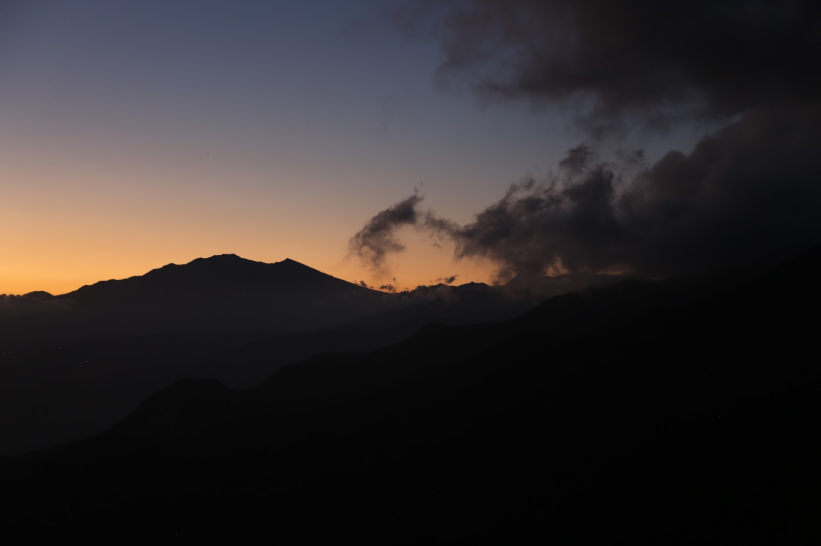
Finding Peace at the Lost and Found Jungle Hostel

Tucked high in the cloud forest of Panama, Lost and Found Hostel offers something many travelers don’t realize they need until they arrive: permission to slow down. The journey there already begins the transition, as roads climb through misty mountains and signal fades, gently separating visitors from constant digital noise and daily urgency.

Peace here begins with environment. The surrounding forest is alive with subtle sound — wind through leaves, distant birds, shifting fog — creating a natural rhythm that replaces artificial stimulation. Without crowded streets or urban intensity, attention gradually turns outward, then inward.

Many guests discover that slowing down is not an activity but a process of subtraction. Without constant schedules, entertainment, or obligations, time opens into unstructured space where rest no longer feels unproductive but necessary.

Morning at the hostel introduces a different relationship with time. Sunlight filters through clouds rather than flooding the landscape, encouraging gentle wakefulness rather than abrupt beginnings. Coffee becomes an experience rather than a routine, something to be savored while mist drifts across the mountains.

One of the simplest ways to find peace here is through observation. Watching fog lift from the valley or listening to the layered sounds of the forest encourages presence without effort. Attention naturally settles when there is nothing competing for it.

Physical movement also supports mental calm. Walking forest paths without rushing allows the body to match the environment’s pace. Each step becomes deliberate, grounding awareness in sensation rather than thought.

The hostel’s design encourages communal calm rather than social pressure. Shared spaces invite conversation but never demand it. Silence feels comfortable rather than awkward, allowing connection to arise naturally and gently.

Travelers often arrive carrying momentum from fast-paced itineraries. At first, slowing down may feel unfamiliar, even uncomfortable. Gradually, the absence of urgency reveals a different quality of experience that feels deeper and more intentional.

Peace here is not dramatic; it is cumulative. Small moments — warm light, fresh air, quiet conversation, distant bird calls — gather into a steady sense of ease that deepens over time.

Many guests notice how quickly attention shifts away from devices. Without strong signal or constant updates, the mind stops scanning for information and begins noticing surroundings instead.

Nature provides structure without pressure. Weather patterns, changing light, and daily cycles guide activity without imposing strict plans. This gentle structure supports relaxation without boredom or restlessness.

Meals at the hostel contribute to this slower rhythm. Eating becomes a shared pause rather than a rushed necessity, reinforcing connection between people, place, and time.

Silence is not empty here; it is textured. Subtle sound layers replace the constant background noise common in busy environments, creating a sensory space that supports reflection and mental clarity.

Peace often emerges when expectations dissolve. Without the need to achieve or document every moment, experience becomes sufficient in itself, and presence replaces performance.

Even simple activities — reading, resting, watching clouds, or listening to rain — take on depth when distraction fades. Time feels fuller not because more happens, but because attention remains steady.

Many visitors describe a gradual internal quieting that mirrors the external environment. Thoughts slow, breathing deepens, and awareness stabilizes in a way that feels both natural and restorative.

Connection with others also changes in this setting. Conversations tend to be slower, more present, and less performative than in fast-moving environments, often shaped by shared appreciation of surroundings.

The forest itself seems to encourage reflection. Shifting light, moving mist, and living textures create a sense that time is unfolding rather than passing.

Leaving the hostel often reveals how much pace influences perception. Travelers return to movement carrying a memory of stillness that remains accessible even in busier settings.

Finding peace at Lost and Found is not about escape but about recalibration. By slowing down enough to notice the world clearly, visitors rediscover a rhythm that was never truly lost — only forgotten.

Pedasí: The Quiet Surf Town You’ll Never Want to Leave

Pedasí feels like a place that quietly wins people over rather than trying to impress them. Located at the tip of the Azuero Peninsula in Panama, this small coastal town blends traditional Panamanian life with a relaxed surf culture that moves at an unhurried pace. The streets are tidy, the air smells faintly of salt, and the rhythm of daily life is shaped more by tides and sunlight than by schedules or crowds.

Getting to Pedasí requires intention, and that journey is part of its charm. Travelers typically take a bus or drive from Panama City toward the town of Las Tablas, then continue south across wide cattle pastures and open countryside. As the landscape shifts from urban density to rural calm, visitors often notice a sense of mental quiet settling in, as though the road itself prepares you for the slower pace waiting ahead.

Unlike larger beach destinations, Pedasí does not rely on dramatic development or nightlife to create appeal. Instead, it offers something rarer: consistency. Mornings unfold gently with coffee and ocean air, afternoons bring warm breezes and long stretches of beach, and evenings close with sunsets that feel personal rather than performative. It is a place where routine becomes restorative rather than repetitive.

Surf culture plays an important role in shaping the town’s atmosphere. Nearby breaks attract beginners and experienced surfers alike, yet the vibe remains welcoming rather than competitive. Conversations often revolve around conditions, tides, and shared experiences in the water, creating an easy sense of community among visitors and locals.

Beaches near Pedasí vary from wide sandy stretches to more rugged shorelines where waves meet rock formations. Each offers a different mood depending on the hour of the day. Early morning light softens the landscape, while late afternoon creates dramatic color across the horizon. Walking these beaches often feels more like wandering through a living painting than visiting a typical tourist destination.

The town itself is small enough that familiar faces quickly become part of the experience. Shopkeepers greet visitors with relaxed friendliness, and local eateries maintain a strong connection to traditional cooking. Meals often emphasize freshness and simplicity rather than elaborate presentation, reinforcing the authenticity that defines Pedasí.

Wildlife is another quiet highlight of the region. Seasonal whale sightings, seabirds overhead, and marine life along the coast remind visitors that the environment remains largely intact. Nature is not packaged here — it is simply present.

Travelers arriving from mountain stays such as Lost and Found Hostel often find Pedasí offers a different kind of immersion. Where cloud forests surround you with dense green textures, Pedasí opens outward toward horizon lines and expansive skies.

Evenings in Pedasí are marked by subtlety rather than spectacle. Soft conversation, distant waves, and warm air create a calm that lingers long after sunset. For many visitors, this understated atmosphere becomes the town’s most memorable quality.

Local festivals and traditions occasionally bring bursts of energy to the quiet setting. Music, food, and community gatherings offer glimpses into cultural continuity that has shaped the region for generations. These moments feel participatory rather than staged, reinforcing Pedasí’s sense of authenticity.

Accommodations range from simple guesthouses to small boutique lodges, each reflecting the town’s emphasis on comfort over excess. Hospitality here feels personal, with hosts often sharing local knowledge about beaches, fishing spots, and seasonal changes.

Fishing traditions remain central to daily life along the coast. Boats depart early, returning with the day’s catch that later appears on local menus. This connection between environment and cuisine is direct and visible.

Pedasí also appeals to travelers seeking reflection and creative inspiration. Writers, photographers, and artists often describe the town as a place where attention naturally sharpens. Without constant distraction, small details become more noticeable.

Transportation within the area is simple and informal, reinforcing the sense that nothing here requires urgency. Bicycles, short drives, and walks replace the need for complex logistics.

Visitors often discover that time feels different in Pedasí. Days stretch gently, defined by natural light rather than clocks. Many arrive planning a short stay and quietly extend their visit.

The surrounding countryside adds another layer of appeal. Rolling hills, farms, and small communities frame the coastal experience, offering insight into rural Panamanian life that contrasts with urban environments.

Pedasí’s charm ultimately lies in balance. It offers comfort without excess, beauty without spectacle, and community without crowding.

---

Isla Iguana: A Natural Sanctuary Just Offshore

A short boat ride from Pedasí leads to one of the region’s most treasured natural sites: Isla Iguana. This protected island offers a striking contrast to mainland beaches through its brilliant white sand and exceptionally clear water.

The journey across open water builds anticipation as the coastline recedes and the island’s bright shoreline comes into view. Visitors often notice how the surrounding sea changes color, shifting from deep blue to vibrant turquoise.

Isla Iguana is recognized as a wildlife refuge, preserving delicate ecosystems both on land and underwater. The island’s name reflects the presence of numerous iguanas that inhabit its dry forest environment.

Unlike more developed beach destinations, infrastructure here remains intentionally minimal. The focus is protection rather than convenience, allowing visitors to experience nature with limited interference.

Snorkeling around the island reveals a vibrant marine environment shaped by protected waters. Fish, coral formations, and clear visibility create conditions that feel immersive rather than observational.

The island’s beach is often described as one of the most beautiful in the region. Soft sand and gentle waves create a setting that feels both pristine and welcoming.

Visitors typically spend several hours exploring, swimming, and resting beneath the sun. The absence of large crowds enhances the sense of discovery.

Birdlife also contributes to the island’s appeal. Seabirds nest and circle overhead, reinforcing the sense that the island belongs primarily to nature.

Returning to Pedasí after visiting Isla Iguana often deepens appreciation for both places. The town offers comfort and community, while the island provides raw natural beauty.

Together, Pedasí and Isla Iguana create a coastal experience defined not by intensity but by harmony. One offers daily rhythm; the other offers untouched landscape.

Travelers who visit frequently describe a subtle transformation in perception. Noise feels distant, pace slows naturally, and attention shifts toward simple details.

What makes Pedasí especially memorable is not a single landmark but an accumulation of impressions — quiet streets, open skies, and steady ocean presence.

Isla Iguana adds a sense of wonder to that experience, reminding visitors of the region’s ecological richness.

For those seeking a destination that combines authenticity, natural beauty, and lasting calm, Pedasí quietly delivers what many travelers hope to find but rarely do.

Isla Contadora: Luxury Vibes on a Backpacker Budget

Isla Contadora is one of those rare destinations that looks exclusive but can be surprisingly accessible for budget travelers.

Located in the Pearl Islands archipelago off the Pacific coast of Panama, the island is known for clear water, soft sand, and relaxed elegance.

Despite its reputation for luxury homes and celebrity visits, Contadora welcomes day-trippers and backpackers looking for a quick island escape.

Getting there is straightforward, which is part of its appeal.

Most travelers depart from Panama City by ferry, a scenic ride that takes roughly two hours across open water.

The ferry journey itself is part of the experience, with skyline views fading into island horizons.

Small planes also connect the island to the city, offering a faster but more expensive option.

Many visitors choose a day trip, especially those based in neighborhoods like Bella Vista who want a beach break without complicated logistics.

Arriving at the island immediately feels different from mainland Panama.

There is no dense urban development, only low buildings, palm trees, and quiet streets.

Transportation on the island is simple, with walking, bicycles, and golf carts as common options.

Beaches are the main attraction, and several are within easy reach of the arrival point.

Playa Ejecutiva is often the first stop, known for calm water and postcard scenery.

The sand is bright and clean, and the water is typically gentle enough for relaxed swimming.

Even on busy days, the atmosphere remains peaceful compared to mainland beaches.

Visitors expecting nightlife will find something different — Contadora is about quiet enjoyment rather than constant activity.

Restaurants range from casual beachfront spots to more refined dining options.

Prices can be higher than on the mainland, but simple meals remain affordable with careful choices.

Budget travelers often balance one nice meal with cheaper snacks or groceries.

For those staying overnight, accommodations vary from guesthouses to boutique hotels.

Spending a night allows visitors to experience the island after day-trippers leave.

Sunsets are a highlight, with open ocean views and minimal noise.

Mornings feel especially tranquil, with nearly empty beaches and soft light.

Activities are simple: swimming, snorkeling, walking, and relaxing.

The island’s size makes exploration easy without structured tours.

Many travelers combine Contadora with a broader Panama itinerary, especially after mountain stays near Lost and Found Hostel for a coast-to-cloud-forest contrast.

Packing light is recommended, as island infrastructure is small and informal.

Cash is useful for small purchases and local services.

Weather is typically warm and sunny, though shade is limited on some beaches.

A day trip provides a refreshing escape, while an overnight stay offers deeper relaxation.

Contadora’s appeal lies in its balance — upscale scenery without mandatory upscale spending.

For travelers seeking calm water, open views, and a taste of island luxury on a practical budget, Isla Contadora delivers exactly that experience.

Café Coca-Cola: Dining in Panama City’s Oldest Diner — Deeper Stories, Hidden Details, Living History

Café Coca-Cola is more than a place to eat — it is a living timeline of urban Panama.

Located in the historic district of Santa Ana, the diner reflects a version of the capital that predates modern skyscrapers.

Its name dates back to an era when bottled Coca-Cola was a novelty in the region, and serving it became part of the café’s identity.

Long before chain restaurants arrived, this café served as a neighborhood anchor where daily life unfolded.

The building itself has endured multiple waves of city transformation without losing its original purpose.

Unlike curated heritage sites, the café’s history is experienced through routine rather than preservation signage.

Generations of families have eaten here, often bringing children who later return as adults.

Some customers recall grandparents describing meals here during the mid-twentieth century.

The café’s interior layout emphasizes function — a counter, simple tables, and constant movement.

There is a rhythm to the place, shaped by breakfast rushes, lunch crowds, and slower afternoon conversations.

Early mornings often begin with strong coffee and tortillas prepared in quick succession.

Regulars know exactly where to sit, creating an informal map of loyalty inside the room.

The menu is rooted in everyday Panamanian cooking rather than regional specialties designed for tourists.

Breakfast frequently includes eggs, fried tortillas, and savory accompaniments that prioritize energy over presentation.

Lunch offerings typically center on rice and beans, a cornerstone of daily nutrition in Panama.

Soups are a defining feature, often prepared in large batches that carry subtle variations from day to day.

One interesting detail is how portion size reflects a working-class tradition of hearty midday meals.

The café historically served laborers connected to commerce and transportation networks nearby.

Its location once placed it within reach of dockworkers, market vendors, and transport employees.

Because of this, meals were designed to be filling, affordable, and quick.

Despite decades of urban change, affordability remains a defining characteristic.

Conversations at neighboring tables often flow naturally between strangers.

Visitors quickly notice that social boundaries are softer here than in many modern eateries.

The café’s reputation grew partly through word of mouth rather than formal promotion.

Writers and journalists have occasionally referenced it as a meeting point for discussion and observation.

Its endurance has made it a symbol of continuity in a city known for rapid development.

Unlike restored districts nearby, Santa Ana reveals a more everyday rhythm of life.

Street sounds drift inside — vendors, buses, footsteps, and conversation.

This constant interaction between interior and exterior space adds to the authenticity of the experience.

Travelers arriving from nature-focused stays like Lost and Found Hostel often find the café grounding and real.

It represents the social heart of the city rather than its scenic side.

Historically, diners like this served as informal information hubs long before digital communication.

News, opinions, and community updates circulated across tables alongside meals.

The café’s persistence also reflects cultural resilience — maintaining tradition amid modernization.

Even the pace of service tells a story about efficiency shaped by necessity.

Orders are simple, expectations are clear, and the focus remains on nourishment.

Another interesting aspect is the blend of generations sharing space simultaneously.

Young customers, longtime regulars, and curious visitors coexist without hierarchy.

The café demonstrates how food spaces preserve identity beyond architecture.

It offers a sensory experience of history — sound, smell, taste, and routine.

Many visitors describe feeling as though they are observing a slice of uninterrupted daily life.

The surrounding neighborhood continues to evolve, but the café anchors memory to place.

It provides contrast to more polished historic areas by emphasizing continuity over restoration.

The absence of theatrical presentation is part of its cultural significance.

In a world of curated experiences, authenticity becomes its defining feature.

Photographs capture the space, but they rarely capture its atmosphere fully.

That atmosphere is created by repetition — meals served, conversations repeated, days unfolding.

The café’s endurance invites reflection on how ordinary spaces shape collective memory.

It reminds visitors that history survives not only in monuments but in habits.

Dining here becomes an act of participation rather than observation.

A meal is not simply consumed; it is experienced within a living social environment.

For those exploring Panama City beyond landmarks, the café provides perspective.

It reveals how tradition persists quietly within daily routine.

The most interesting fact about Café Coca-Cola may be that it continues unchanged in purpose.

It feeds people, hosts conversation, and witnesses time passing.

That simplicity is precisely what makes it extraordinary.

In a rapidly evolving capital, its greatest achievement is continuity.

A visit here does not feel staged — it feels ongoing.

Café Coca-Cola remains a place where the city’s past and present sit at the same table.

Eating for $3: A Guide to Panama’s Fondas

In Panama, few experiences feel more authentic than eating at a fonda. These small, local eateries serve homemade-style meals at prices that surprise most visitors.

A fonda is typically a simple restaurant offering daily prepared food behind a counter. Customers point, order, and receive a hearty plate within minutes.

For budget travelers, fondas are the secret to eating well without spending much. Meals often cost around three dollars, sometimes even less.

Unlike tourist-oriented restaurants, fondas focus on feeding locals. Portions are generous, flavors are familiar, and menus reflect everyday Panamanian cooking.

Most fondas serve a rotating “plato del día,” or plate of the day. This usually includes rice, beans, a protein, and a small salad.

Common proteins include stewed chicken, fried fish, or pork cooked in rich sauces. Each dish reflects regional cooking traditions.

Rice is a central part of the meal, often paired with lentils, black beans, or pigeon peas.

Simple salads typically include cabbage, tomatoes, or potato mixtures that balance the heavier components.

Fondas are everywhere, from busy city streets to small towns. In neighborhoods like Bella Vista, they serve office workers, taxi drivers, and students.

Ordering is straightforward. You point to what you want and say how much — no complicated menu needed.

Spanish helps, but gestures work just fine. A smile and “Gracias” go a long way.

Meals are served quickly because food is prepared in advance and kept warm for lunchtime crowds.

Many fondas operate primarily during midday hours when locals eat their main meal.

For travelers coming down from mountain stays like Lost and Found Hostel, fondas offer a budget-friendly way to eat well in the city.

The experience is as cultural as it is culinary. You eat what locals eat, in the way locals eat it.

Dining spaces are simple, often with plastic chairs and open-air seating.

Despite modest surroundings, food quality is usually excellent and freshly prepared.

Fondas also reveal regional diversity through variations in seasoning and ingredients.

Some specialize in seafood near coastal areas, while others focus on traditional stews inland.

Portion sizes are large enough that many travelers find one plate filling for hours.

For anyone exploring Panama on a budget, fondas are not just cheap — they are essential.

They offer a taste of daily life, a break from tourist pricing, and a reminder that great food doesn’t have to be expensive.

Eating at a fonda transforms a simple meal into a cultural experience rooted in community and tradition.

The Story Behind the Biomuseo: Architecture Meets Biodiversity

The Biomuseo stands at the entrance of the Pacific side of the Panama Canal, instantly recognizable for its bold shapes and bright colors.

Located on the Amador Causeway in Panama City, the museum explores one of the most important ecological stories on Earth: how Panama changed the planet.

The building itself is a work of art designed by world-renowned architect Frank Gehry, marking his first project in Latin America.

Gehry’s design breaks away from traditional museum architecture. Instead of symmetry and calm lines, the structure bursts with angular roofs and vibrant color panels.

These bold forms symbolize tectonic movement, geological change, and the dynamic forces that shaped the isthmus.

The museum tells the story of how Panama rose from the sea millions of years ago, connecting North and South America.

This land bridge dramatically altered global ocean currents and allowed species to migrate between continents.

Scientists consider this event one of the most significant ecological turning points in Earth’s recent geological history.

Inside, exhibits combine science, art, and immersive storytelling to explain biodiversity in accessible ways.

Large-scale displays showcase Panama’s extraordinary range of ecosystems, from mangroves and rainforests to coral reefs and cloud forests.

Interactive exhibits invite visitors to experience how geography shapes life.

The museum emphasizes that Panama contains an astonishing concentration of species for its size.

This richness is why the country is considered a global biodiversity hotspot.

The design of the building itself mirrors this theme of diversity, with overlapping forms and unexpected perspectives.

Natural light enters through carefully placed openings, creating changing interior atmospheres throughout the day.

Visitors often notice how the architecture feels alive rather than static.

The location overlooking the canal entrance reinforces the theme of connection — between oceans, continents, and ecosystems.

The museum also highlights Panama’s role as a biological crossroads where species from different regions coexist.

Educational spaces focus on conservation and environmental awareness, especially for younger generations.

Many travelers visiting urban Panama after mountain stays near Lost and Found Hostel find the museum adds scientific context to the nature they’ve experienced firsthand.

The surrounding outdoor areas offer views of the water, skyline, and passing ships.

This setting reminds visitors that Panama’s geography continues to shape global movement and trade.

The Biomuseo is not just about the past; it explores the future of biodiversity and conservation.

It encourages visitors to see Panama not only as a travel destination but as a living ecological system.

By combining striking architecture with powerful scientific storytelling, the Biomuseo transforms complex ideas into engaging experiences.

It stands as a cultural landmark where design and nature meet.

For anyone curious about why Panama is so biologically unique, the Biomuseo provides a vivid and unforgettable explanation.

Casco Viejo vs. Panama Viejo: Which Historic Site Should You Visit?

Casco Viejo

Casco Viejo is the historic district most visitors picture when they think of old Panama. Restored colonial buildings, lively plazas, and ocean views create a vibrant atmosphere that blends history with modern culture.

Founded in the late seventeenth century, Casco Viejo became the new city center after the original settlement was destroyed. Its streets reflect Spanish colonial design mixed with French and Caribbean influences.

Today, the district is fully integrated into modern life. Boutique hotels, cafes, museums, and rooftop viewpoints sit within centuries-old architecture.

Visitors staying in central neighborhoods like Bella Vista often find Casco Viejo the easiest historic site to reach for a half-day visit.

The area is walkable and compact, making it ideal for relaxed exploration without needing a guide.

Plaza-centered urban design means you naturally move from landmark to landmark without planning a strict route.

Casco Viejo is also known for its social energy. Street performers, small galleries, and open-air dining create a lively environment throughout the day.

The district is especially beautiful in the evening, when warm lighting highlights balconies and stone facades.

For travelers coming down from mountain stays like Lost and Found Hostel, Casco Viejo offers a dramatic contrast to cloud forest landscapes.

Photographers often prefer Casco Viejo because the architecture is preserved, colorful, and accessible from many angles.

Museums in the area help visitors understand Panama’s independence movements and maritime history.

Casco Viejo also provides panoramic views of the modern skyline, blending old and new in a single frame.

Food options are abundant, ranging from traditional Panamanian dishes to international cuisine.

Because of restoration efforts, the district feels safe, polished, and welcoming for first-time visitors.

Casco Viejo is ideal for travelers seeking a cultural experience that includes history, architecture, and atmosphere in one place.

---

Panama Viejo

Panama Viejo offers a very different historical experience. Instead of restored buildings, visitors explore the original ruins of the first European settlement on the Pacific coast.

Founded in the early sixteenth century, Panama Viejo represents the birthplace of modern Panama City.

The site preserves stone remains of churches, convents, and civic structures destroyed centuries ago.

Walking through Panama Viejo feels more like visiting an archaeological landscape than an urban neighborhood.

Wide open spaces and preserved foundations help visitors visualize how the early city once functioned.

The iconic stone tower is one of the most recognizable landmarks in Panamanian history.

Climbing the tower provides sweeping views of the surrounding landscape and coastline.

Unlike Casco Viejo, Panama Viejo is quieter and more contemplative, offering space to reflect on historical events.

Interpretive displays explain trade routes, colonial life, and the significance of the original settlement.

The environment is less commercialized, with fewer restaurants and shops inside the site itself.

Visitors often spend time imagining daily life during the early colonial period.

Panama Viejo emphasizes historical authenticity over restoration.

It appeals especially to travelers interested in archaeology and early colonial history.

Because the ruins are spread out, walking distances are greater than in Casco Viejo.

The site offers a stronger sense of time passage, where nature and history intersect.

---

Direct Comparison

Casco Viejo feels alive and integrated into modern Panama City, while Panama Viejo feels preserved and reflective.

One is a living historic district; the other is an archaeological memory of the original city.

Casco Viejo offers architecture you can enter and interact with. Panama Viejo offers ruins you observe and interpret.

Visitors seeking atmosphere, dining, and culture tend to prefer Casco Viejo.

Travelers focused on historical origins and early settlement history often prefer Panama Viejo.

Casco Viejo works well for casual exploration without preparation.

Panama Viejo rewards visitors who enjoy reading exhibits and imagining historical reconstruction.

Time commitment also differs. Casco Viejo can fill a full day easily, while Panama Viejo is often explored in a few hours.

Accessibility favors Casco Viejo for travelers using taxis or urban transport.

Panama Viejo offers more open space and fewer crowds, especially on weekdays.

Photographic styles differ too — Casco Viejo offers colorful architecture, while Panama Viejo offers dramatic ruins.

Both sites complement each other rather than compete.

Many travelers visit both to understand Panama’s historical timeline from origin to transformation.

If you must choose only one, the decision depends on whether you want a lively historic neighborhood or a preserved archaeological site.

Casco Viejo provides immersive culture and social energy.

Panama Viejo provides historical depth and perspective.

Together, they tell the full story of Panama City’s past and present.

The Pipeline Road: Why It’s a Birdwatcher’s Paradise

Pipeline Road is widely considered one of the best birdwatching locations in the world, drawing enthusiasts to Soberanía National Park year-round.

Located just outside Panama City in Panama, this legendary road cuts through pristine tropical rainforest rich in biodiversity.

Originally built for maintenance access, Pipeline Road has evolved into a global hotspot for wildlife observation.

Birdwatchers visit because the density of species here is extraordinary, with hundreds of bird species recorded along a single route.

The habitat diversity along the road plays a major role in this richness. Forest canopy, understory, wetlands, and open clearings all exist within walking distance.

These layered ecosystems support everything from tiny hummingbirds to large raptors soaring overhead.

One of the biggest advantages of Pipeline Road is accessibility. Unlike remote jungle locations, visitors can explore deep rainforest environments without difficult travel.

The road is mostly flat, making it ideal for slow, quiet walking — a key advantage for birdwatching success.

Early mornings are especially magical. Dawn brings an explosion of sound as birds begin their daily activity.

Experienced observers often pause frequently, listening before scanning the canopy for movement.

Mixed-species feeding flocks are a highlight of the experience. Dozens of birds can appear together, moving through the forest in coordinated waves.

Because the forest is protected, wildlife encounters extend beyond birds. Monkeys, sloths, and other mammals are frequently seen.

The relatively undisturbed environment allows birds to behave naturally, making sightings more predictable.

Pipeline Road’s reputation grew when record-setting bird counts were documented here during single-day observations.

Guides and researchers from around the world continue to study species distribution and behavior in this unique corridor.

The surrounding rainforest also creates excellent lighting conditions for photography, especially during early hours.

Even beginners quickly appreciate how different this environment feels compared to urban parks or open habitats.

Travelers coming down from mountain stays or places like Lost and Found Hostel often find Pipeline Road a completely different ecological experience.

Another advantage is the sense of immersion. The road feels less like a trail and more like a journey into untouched nature.

Birdwatching here is not rushed. Patience, quiet movement, and observation are rewarded again and again.

Seasonal variations add excitement, with migratory species appearing at different times of year.

Pipeline Road remains a symbol of Panama’s ecological richness — a place where biodiversity is not abstract but vividly experienced.

For anyone curious about tropical wildlife, it offers one of the most accessible and rewarding birdwatching environments on Earth.

The Lost Waterfall Trail in Boquete: A Step-by-Step Guide

The Lost Waterfall Trail is one of the most rewarding hikes in Boquete, combining cloud forest scenery, suspension bridges, and multiple waterfalls in a single outing.

Located in the highlands of Panama, the trail offers cooler temperatures and lush greenery that feel worlds away from the coast.

Many travelers heading down from Lost and Found Hostel add this hike to their Boquete visit because it’s accessible, scenic, and adventure-packed without requiring technical skills.

The trail is privately managed, and there is a small entrance fee that helps maintain paths, bridges, and facilities.

Hikers should plan for a half-day experience, though strong hikers often complete it faster.

The starting point is clearly marked along the road outside town, and taxis in Boquete know the trailhead well.

Step one is preparing properly. Wear sturdy shoes with good grip because sections of the trail can be muddy and steep.

Bring water, light snacks, and a rain layer. Even on sunny mornings, cloud forest weather can change quickly.

After entering, the trail begins with a gentle climb through dense vegetation filled with birds, insects, and the sounds of flowing water.

Step two is the steady ascent. The path winds upward with roots, rocks, and occasional wooden steps helping with traction.

You’ll quickly notice the temperature drop as elevation increases and the forest canopy thickens.

Step three is crossing the suspension bridges. These narrow crossings add excitement and provide beautiful views of the forest below.

Bridges also mark progress along the route and offer perfect photo opportunities.

Step four leads to the first waterfall viewpoint. It’s a scenic stop where many hikers pause to rest and take in the sound of rushing water.

The trail then becomes steeper and more rugged, rewarding persistence with increasingly dramatic scenery.

Step five is reaching the second waterfall. This section requires careful footing, especially if the ground is wet.

Adventurous hikers often continue to the third waterfall, which involves the most challenging climb of the hike.

The final approach includes steeper terrain and exposed roots, but the payoff is a powerful waterfall hidden deep in the forest.

Reaching the top waterfall feels like discovering a secret place, surrounded by mist, moss, and towering trees.

After enjoying the view, hikers retrace their steps down the same trail.

Descending requires patience and balance, as downhill sections can be slippery.

Wildlife sightings are common throughout the hike, including colorful birds and tropical plants unique to cloud forest ecosystems.

Early morning starts increase chances of wildlife encounters and offer cooler hiking conditions.

Many hikers combine the trail with other Boquete activities like coffee farm visits or exploring town afterward.

Transportation is simple, with taxis available for return trips if you prefer not to walk back to town.

The trail is suitable for reasonably fit beginners, though the elevation gain makes it moderately challenging.

Respect for nature is important. Staying on the path protects both the environment and your safety.

The Lost Waterfall Trail captures what makes Boquete special — cool air, dramatic landscapes, and accessible adventure.

For travelers seeking a memorable hike that balances effort with reward, this trail stands out as one of Boquete’s essential experiences.

Travel Insurance For Panama: To Pay Or Not

Travel insurance is one of those things travelers debate endlessly before coming to Panama. Some swear by it, others skip it entirely, and many don’t fully understand what it actually covers.

The truth is that Panama is generally a safe and modern destination, especially in major areas like Panama City. Hospitals, clinics, and pharmacies are widely available, and basic care is often affordable compared to many Western countries.

Because of this, some travelers assume insurance is unnecessary. For minor illnesses or small accidents, paying out of pocket can indeed be manageable.

However, travel insurance becomes important when situations move beyond routine care. Serious injuries, emergency evacuation, or unexpected hospitalization can become extremely expensive very quickly.

Many travelers underestimate the cost of medical evacuation. Transport from a remote area to a major hospital — or internationally — can cost thousands of dollars.

This is particularly relevant for visitors spending time in remote regions, mountains, or coastal areas where advanced medical facilities are limited.

Travelers exploring highland regions near Lost and Found Hostel or venturing deep into nature should understand that access to emergency services can involve long transport times.

Another common misconception is that all travel insurance plans are the same. Coverage varies widely depending on the provider, plan level, and fine print.

Basic plans typically cover emergency medical care and trip interruptions. More comprehensive plans include evacuation, theft protection, and extended delays.

Some insurance policies exclude adventure activities unless you purchase additional coverage. This matters for hiking, snorkeling, scuba diving, or other outdoor activities common in Panama.

Travelers should also understand that pre-existing medical conditions are often excluded unless specifically declared and approved.

Weather-related disruptions are another reality in Panama’s tropical climate. Heavy rain can delay travel plans, but not all policies compensate for weather disruptions.

Lost luggage is one of the most advertised benefits of travel insurance, yet reimbursement limits are often lower than people expect.

Another important truth is that many claims are denied due to documentation issues. Travelers must keep receipts, medical reports, and proof of events to file successfully.

Many experienced travelers choose flexible digital insurers such as SafetyWing because policies can be extended while abroad.

Others prefer established providers like Allianz Travel, which offer traditional trip-based coverage with broader protection packages.

Budget backpackers often consider World Nomads because of its focus on adventure activities and long-term travel.

The truth most travelers discover is that insurance is less about everyday issues and more about rare but expensive emergencies.

For short stays in urban areas, the financial risk of going uninsured may be relatively low. For longer stays or remote travel, risk increases significantly.

Travel insurance also provides peace of mind, which has value beyond direct financial protection.

Another overlooked aspect is that some immigration or airline requirements may recommend or require proof of coverage in certain situations.

Travelers should carefully read policy details rather than relying on marketing summaries. Understanding exclusions is just as important as knowing what is covered.

It’s also wise to compare coverage limits, especially for medical care and evacuation services.

Ultimately, the truth about travel insurance in Panama is that it is neither essential for everyone nor useless for everyone.

Its value depends entirely on travel style, risk tolerance, health history, and itinerary.

For many visitors, insurance functions as a safety net — rarely used but deeply appreciated if needed.

Making an informed decision requires balancing realistic risks with personal comfort levels.

The smartest approach is not blindly buying insurance or rejecting it outright, but understanding exactly what protection you want while exploring Panama.

Necessary Apps For Travel In Panama: The Ultimate Guide To Download Onto Your Cellphone

Traveling around Panama is much easier when you have the right apps on your phone. From transportation and navigation to communication and nature exploration, a small digital toolkit can save time, money, and confusion.

Whether you’re arriving in the capital or heading into the mountains, connectivity and planning tools make a noticeable difference. Travelers moving between regions — especially those coming down from Lost and Found Hostel — quickly notice how helpful a few key apps become in city environments.

One of the most essential apps is Uber. It is widely used in Panama City and provides reliable transportation without needing to negotiate fares.

Uber is particularly useful in central districts like Bella Vista, where traffic patterns and one-way streets can be confusing for visitors.

For navigation, Google Maps remains indispensable. It provides walking directions, estimated travel times, and business information across the country.

Google Maps is especially helpful for locating restaurants, pharmacies, and transit stations in unfamiliar neighborhoods.

Another navigation favorite among locals is Waze. It offers real-time traffic updates and route adjustments based on road conditions.

Because traffic congestion is common in Panama City, Waze can often suggest faster routes than traditional navigation tools.

Communication in Panama heavily relies on WhatsApp. Businesses, tour operators, and accommodations frequently use it for reservations and coordination.

Travelers quickly discover that contacting drivers, guides, or lodging hosts is easiest through WhatsApp rather than phone calls.

For public transportation users, Panama Metro provides an official app with route maps, station details, and system updates.

This is especially helpful when navigating metro lines or planning transfers from major transit hubs.

Another transit planning tool is Moovit, which helps users understand bus and metro connections within Panama City.

Moovit simplifies route planning for travelers unfamiliar with local transportation networks.

For planning long-distance travel between provinces, Rome2Rio helps compare transportation options and routes across the country.

This app is useful when planning journeys between mountain towns, coastal areas, and the capital.

Travelers who enjoy hiking and nature exploration benefit from AllTrails, which provides trail information and user reviews.

In highland regions and forest reserves, AllTrails helps identify routes and difficulty levels before heading out.

Wildlife enthusiasts often use iNaturalist to identify plants and animals encountered during hikes.

This app transforms nature walks into interactive learning experiences by helping identify species in real time.

Offline navigation is important in remote areas. MAPS.ME allows travelers to download maps and use them without internet access.

This is especially valuable in mountainous or rural regions where mobile signal can be limited.

For accommodations, Booking.com provides a wide range of hotels, hostels, and guesthouses across Panama.

Many travelers compare listings using Airbnb to find apartments or unique stays in both urban and rural areas.

Digital payments are becoming more common, and Yappy is widely used locally for quick transfers and purchases.

While visitors may not always use Yappy, understanding its role helps explain how locals handle everyday payments.

Weather awareness is important in a tropical climate. Standard weather apps help track rain patterns and plan activities accordingly.

Translation apps can also be helpful for travelers who do not speak Spanish fluently, especially outside tourist zones.

Using multiple apps together creates a smooth travel experience. Navigation, transportation, and communication tools complement each other.

Battery life becomes important when relying on mobile tools throughout the day. Portable chargers are highly recommended.

Internet access is widely available in cities but less consistent in remote areas, making offline features especially valuable.

Most essential travel tasks in Panama — transportation, booking, navigation, and communication — can now be handled digitally.

For travelers moving between regions, these apps reduce uncertainty and increase independence.

They also help visitors adapt quickly to local systems, whether navigating public transit or coordinating travel plans.

Ultimately, the right apps transform travel in Panama from complex to effortless, allowing visitors to focus more on exploration and less on logistics.

Rare Orchids of the Cloud Forests of Panama

Panama’s cloud forests are among the richest orchid habitats in the world. Constant moisture, cool temperatures, and filtered light create ideal conditions for these delicate plants to thrive.

Unlike lowland tropical forests, cloud forests exist at higher elevations where mist and clouds regularly envelop the trees. This environment supports thousands of orchid species, many of which grow nowhere else on Earth.

The western highlands around Boquete are particularly famous for orchid diversity. Elevation gradients there produce a wide range of microhabitats within short distances.

Nearby slopes of Volcán Barú host some of the most remarkable orchid populations in Central America. Moss-covered branches and shaded trunks provide perfect growing surfaces.

Most cloud forest orchids are epiphytes, meaning they grow on trees rather than in soil. They draw moisture and nutrients from the humid air and organic debris.

Miniature orchids are especially common. Many species are so small they are easily overlooked unless examined closely.

One striking group is the genus Epidendrum, known for bright clusters of flowers that contrast with deep green forest foliage.

Another remarkable group is Pleurothallis, which includes hundreds of tiny species adapted to cool, misty conditions.

Some orchids produce flowers only a few millimeters wide. Their intricate shapes and patterns are visible only at close range.

Cloud forest orchids often bloom unpredictably, responding to subtle changes in moisture and temperature rather than fixed seasons.

Among the most fascinating orchids are those in the genus Dracula, named for their dramatic, bat-like flower shapes. These species prefer cool, shaded environments with constant humidity.

Masdevallia orchids are also common in high elevations. Their triangular blooms often appear translucent in diffused forest light.

The famous “dancing lady” orchids of the Oncidium genus bring bursts of yellow and gold to the forest canopy.

Many cloud forest orchids rely on specific pollinators such as tiny flies, bees, or hummingbirds. These relationships are highly specialized.

Because of this specialization, orchids are sensitive indicators of environmental health. Changes in climate or habitat can quickly affect populations.

Conservation areas in western Panama help protect these fragile ecosystems and their botanical treasures.

Visitors hiking forest trails near Lost and Found Hostel often pass orchids without realizing it. Many species blend seamlessly into moss and bark.

The best time to observe orchids is during slow, careful walks rather than fast hikes. Patience reveals hidden details.

Photography enthusiasts find cloud forest orchids especially rewarding. Mist and filtered light create dramatic natural backdrops.

Local guides can help identify species that would otherwise be overlooked by untrained eyes.

Orchids play an important ecological role beyond beauty. They provide nectar sources and habitat structure within the forest ecosystem.

Many species are highly localized, existing only within narrow elevation ranges.

This limited distribution makes them vulnerable but also scientifically valuable for studying evolution and adaptation.

Cloud forest orchids symbolize the delicate balance of Panama’s highland ecosystems — complex, specialized, and deeply interconnected.

For nature lovers exploring the highlands, discovering these orchids transforms a simple forest walk into a botanical treasure hunt.

Ultimately, the cloud forests of Panama are living galleries of orchid diversity, where mist, moss, and mountain air sustain some of the most extraordinary flowers in the tropical world.

The Power of the Sun in Panama — Understanding UV Strength and Skin Safety

Panama sits just north of the equator, which means sunlight reaches the ground at a more direct angle than in most temperate countries. This positioning creates consistently strong ultraviolet (UV) radiation throughout the year.

Unlike places with large seasonal changes, UV levels in Panama remain high even on days that feel mild or cloudy. The intensity surprises many visitors arriving from North America or Europe.

UV radiation is the part of sunlight that affects skin health. It is responsible for tanning, sunburn, and long-term skin damage when exposure is excessive.

In tropical regions like Panama, the UV Index frequently reaches very high or extreme levels. These categories indicate that unprotected skin can burn quickly.

Midday sun is particularly intense. The hours between late morning and early afternoon bring the highest UV exposure of the day.

Many people assume clouds reduce risk, but UV rays penetrate cloud cover. Overcast skies can still deliver strong exposure.

Urban environments do not reduce UV intensity significantly. Even in dense districts of Panama City, reflected light from buildings and pavement can increase exposure.

Coastal and beach areas intensify UV effects further. Water and sand reflect sunlight upward, increasing the amount of radiation reaching the skin.

Higher elevations can also increase exposure. Travelers coming from cooler highland areas near Boquete or hiking around Volcán Barú may feel cooler temperatures but still experience strong UV radiation.

Humidity can make sun exposure feel less harsh, which sometimes leads people to underestimate how quickly skin can burn.

Skin safety in Panama is less about avoiding the sun entirely and more about managing exposure wisely. The sun is a normal and enjoyable part of daily life.

Protective habits make a significant difference. Wearing a hat, sunglasses, and lightweight long sleeves helps reduce direct exposure.

Sunscreen is one of the most effective protections when used properly. It should be applied before going outside and reapplied regularly during extended exposure.

Hydration is also important. Strong sun and tropical heat can increase fluid loss through sweating.

Short, repeated exposures are generally safer than long periods in direct midday sun. Seeking shade during peak hours helps protect skin.

Different skin types react differently to UV radiation. People with lighter skin may burn faster, while darker skin still requires protection from long-term damage.

Children and visitors new to tropical climates often need extra caution because their skin may not be accustomed to intense sunlight.

The idea that a base tan protects skin is misleading. Any change in skin color indicates UV exposure has already affected the skin.

Long-term overexposure to strong UV radiation can contribute to premature skin aging and other health risks.

Local residents often structure outdoor activities around the sun’s intensity, choosing early morning or late afternoon for extended time outside.

Travelers who adapt to this rhythm usually find the climate comfortable and manageable.

Panama’s strong sun is not dangerous when respected, but it demands awareness. The intensity is part of the environment, much like humidity or rainfall.

Understanding UV strength helps visitors enjoy outdoor activities safely, whether exploring cities, beaches, or mountain trails.

Ultimately, the tropical sun in Panama is powerful but predictable. With simple protective habits, most people can enjoy the country’s bright climate comfortably and safely.

The Heartbeat of Sport in Panama: Baseball First, Soccer Rising

Baseball has long been woven into the cultural fabric of Panama. Across cities, small towns, and rural communities, the sport is more than entertainment — it is identity.

From childhood, many Panamanians grow up playing baseball in streets, schoolyards, and neighborhood fields. Informal games are a common sight, especially in coastal and provincial regions.

The country’s connection to baseball is deeply historical. The sport arrived through Caribbean influence and the construction era of the Panama Canal, when international workers brought their traditions with them.

Over generations, baseball became a symbol of national pride. Major tournaments draw passionate support from fans across the country.

Panama has produced world-class professional players who have achieved international recognition. Among the most celebrated is Mariano Rivera, widely regarded as one of the greatest relief pitchers in baseball history.

Another iconic figure is Rod Carew, whose achievements helped cement Panama’s reputation in the sport.

These athletes are not just sports stars; they are national heroes whose success inspires new generations of players.

Youth leagues are extremely active. Organized baseball provides structure, discipline, and community engagement for young people.

Local championships create strong regional rivalries. Provincial pride plays a major role in the intensity of competition.

Even those who do not play often follow the sport closely. Conversations about teams and players are common in daily life.

Baseball stadiums across the country serve as gathering places for families and communities. Games are social events as much as athletic contests.

The sport also represents opportunity. For many young players, baseball is seen as a pathway to international careers and economic mobility.

However, Panama’s sporting landscape is evolving. Soccer has grown rapidly in popularity over recent decades.

Soccer’s rise is fueled by global influence, media exposure, and international competition. Young fans now follow both local and international leagues.

The success of the Panama national football team on the international stage significantly boosted the sport’s profile nationwide.

Public viewings of major matches bring communities together in a way once reserved primarily for baseball.

Urban areas especially show strong enthusiasm for soccer. Fields and small pitches are increasingly common in neighborhoods.

Youth participation in soccer programs continues to grow, reflecting shifting interests among younger generations.

While baseball remains deeply rooted in tradition, soccer represents modern global connection.

Many families now support both sports simultaneously. It is common for one child to play baseball and another to play soccer.

Sports media coverage reflects this balance, giving increasing attention to soccer events and athletes.

Schools often promote multiple sports programs, allowing students to explore different athletic paths.

Economic factors also influence soccer’s growth. The sport requires less equipment and infrastructure than baseball.

International tournaments have heightened national pride and visibility for Panamanian soccer.

Despite soccer’s rapid rise, baseball still holds symbolic cultural importance unmatched by any other sport.

Rather than replacing baseball, soccer is expanding Panama’s athletic identity.

Together, the two sports reflect the country’s blend of tradition and globalization.

Visitors traveling through regions from Panama City to the interior provinces often notice baseball fields and soccer pitches side by side.

For travelers coming down from the highlands — including those staying at Lost and Found Hostel — this dual sporting culture becomes visible almost immediately in everyday life.

Ultimately, Panama’s passion for sport tells a broader story about community, aspiration, and national pride.

Baseball remains the historic heartbeat of Panama, while soccer rises steadily beside it, shaping the future of the nation’s sporting spirit.

Riding the Panama Canal Railway to Colón — A Scenic Journey for Travelers

The train between Panama City and Colón is widely considered one of the most scenic rail journeys in Central America. For tourists, it offers a relaxed and memorable way to cross the country alongside the Panama Canal.

Operated by the Panama Canal Railway Company, the route connects the Pacific and Caribbean coasts in roughly one hour. The experience is designed as much for sightseeing as for transportation.

The train departs from Corozal Passenger Station, located near the Albrook transportation area. The departure point is easy to reach by taxi or Uber from central neighborhoods like Bella Vista.

The arrival station in Colón sits close to the cruise port and commercial areas. From there, travelers can explore the Caribbean coast or continue to nearby attractions.

One of the highlights of the journey is traveling parallel to the Panama Canal. Passengers often see massive cargo ships moving through the waterway.

Large viewing windows allow unobstructed views of jungle, lakes, and canal infrastructure. Even short sections of the ride feel cinematic.

The train includes comfortable seating and air-conditioned cars. Some carriages feature panoramic windows or observation areas.

For photographers, the route offers constant visual interest. Dense rainforest, open water, and industrial canal scenes appear in sequence.

Wildlife sightings are possible along the route. Birds, monkeys, and tropical vegetation are often visible near the tracks.

The ride is smooth and quiet, making it easy to relax and simply enjoy the scenery passing by.

Schedules are designed primarily for weekday commuters, but tourists are welcome. Typically, one train runs toward Colón in the morning and returns to Panama City in the late afternoon.

Because of the limited schedule, planning is important. Many visitors treat the train as a day trip rather than flexible transportation.

Travel time is approximately one hour each way. This makes it one of the fastest ways to cross the country.

Ticket prices are higher than bus fares but reflect the scenic and comfortable experience. Fares are generally considered moderate for a tourist attraction.

Seating is assigned, and advance purchase is recommended, especially during high travel seasons.

Passengers are advised to arrive early for boarding. Security and check-in procedures are simple but organized.

Luggage space is available, but most tourists travel with small bags for day trips.

The journey appeals to travelers interested in engineering, nature, and history all at once.

Compared to highway travel, the train provides a calmer and more immersive experience of Panama’s landscape.

Many travelers combine the ride with visits to Caribbean destinations after arriving in Colón.

For visitors arriving from the highlands — especially those coming down from Lost and Found Hostel — the train offers a dramatic contrast to mountain scenery.

The route showcases Panama’s geographic diversity in a short timeframe, moving from urban skyline to tropical jungle to coastal port.

While buses are cheaper and more frequent, the train experience is unique and memorable.

The limited schedule means it works best for planned excursions rather than spontaneous travel.

Overall, the Panama Canal Railway provides more than transportation. It delivers a scenic, comfortable, and distinctly Panamanian experience linking two coasts in a single hour.

Exploring Portobelo and the Caribbean Islands Nearby

Portobelo is one of Panama’s most historic coastal towns, located along the Caribbean side of the country in Colón Province. Despite its small size, it carries enormous cultural and historical significance.

Founded by the Spanish in the late 1500s, Portobelo was once a major port for shipping treasure from the Americas to Europe. Its protected bay made it strategically important during colonial times.

The town is famous for its preserved Spanish fortifications. These stone structures once defended valuable cargo from pirates and rival powers.

Visitors walking through Portobelo quickly notice the mix of quiet daily life and powerful historical atmosphere. It feels less commercial than many coastal destinations.

One of the most important landmarks is the Church of San Felipe, home to the famous Black Christ statue. This religious icon draws thousands of pilgrims each year.

The surrounding bay offers scenic views of calm Caribbean waters framed by green hills. The natural setting is as memorable as the history.

Portobelo is also a gateway to nearby islands with clear water and relaxed beach culture. These islands are a major reason travelers visit the area.

Reaching Portobelo from Panama City is relatively straightforward. The journey typically takes about two hours by road.

Travelers without a car can take a bus from Gran Terminal Nacional de Transporte de Albrook toward Colón and then transfer to a bus bound for Portobelo.

Driving is also simple. The route follows the highway toward Colón before turning onto a scenic coastal road that hugs the Caribbean shoreline.

Many visitors choose to leave early in the morning to avoid traffic and maximize time at the beach.

Once in Portobelo, small boats and water taxis provide access to nearby islands and beaches.

Visiting Isla Mamey

Isla Mamey is one of the closest and easiest islands to reach from Portobelo. The boat ride typically takes around ten minutes.

The island is known for soft sand, shallow water, and a relaxed atmosphere. It is popular for day trips and casual beach outings.

Water clarity is often excellent, making it a good place for swimming and simple snorkeling near shore.

Facilities on the island are basic but sufficient. Visitors can usually find food, drinks, and shaded seating areas.

Because it is close to the mainland, Isla Mamey can be busy on weekends and holidays. Weekdays are quieter and more peaceful.

The calm environment makes it suitable for travelers who want an easy Caribbean beach experience without long travel times.

Discovering Isla Grande

Isla Grande offers a more developed island experience compared to Isla Mamey. It has a small village, guesthouses, and restaurants.

The island’s Afro-Caribbean culture shapes its music, food, and relaxed pace of life. It feels lively yet unhurried.

Travelers often explore the island on foot, discovering beaches, viewpoints, and small local businesses.

Boat access to Isla Grande is typically arranged from the mainland dock near La Guaira, a short drive from Portobelo.

The island is known for scenic coastal views and inviting turquoise water. It is popular for swimming and photography.

Some visitors choose to stay overnight to enjoy sunsets and early morning calm before day-trippers arrive.

Practical Travel Tips

Portobelo and the nearby islands are best visited during the dry season when seas are calmer and travel conditions are easier.

Bring cash, as card payments are not always available in smaller coastal communities.

Light clothing, sun protection, and water are essential due to heat and humidity along the Caribbean coast.

Boat schedules may vary depending on weather and demand, so flexibility helps when planning island visits.

Travelers coming from cooler mountain regions like Boquete or from stays at Lost and Found Hostel often notice the warmer, more humid Caribbean climate immediately.

Portobelo offers a powerful combination of history and nature, while Isla Mamey and Isla Grande provide easy access to Panama’s Caribbean beauty.

Together, they create one of the most rewarding coastal experiences in the country — a place where colonial history meets tropical island life just a short journey from the capital.

Using the Metro Card in Panama City — The Essential Transit Guide

The Metro Card is the key to using public transportation in Panama City. Without it, you cannot access the metro system or pass through the controlled boarding gates at major bus terminals.

This rechargeable card works for both the metro trains and the modern city bus system. It is designed to streamline transit and reduce the need for cash payments.

One of the most important places where the card is required is Gran Terminal Nacional de Transporte de Albrook. At this terminal, passengers must tap a Metro Card to pass through the entry gates that lead to city bus platforms.

Travelers arriving from other provinces often discover this requirement immediately after stepping off an intercity bus. You cannot board local city buses from Albrook without tapping a valid card.

The card is also required to enter all stations of the Panama Metro. Simply tap the card on the reader at the turnstile to enter and exit.

Obtaining a Metro Card is simple and inexpensive. Cards are sold at metro stations throughout the city, including the large transit hub next to Albrook Mall.

At Tocumen International Airport, travelers can purchase a Metro Card at transportation kiosks and vending machines located in the arrivals area or near transit connections. Availability can vary slightly, but the airport is one of the easiest places for visitors to get started.

Metro stations themselves are the most reliable purchase points. Look for ticket counters or automated machines labeled for card sales.

After purchasing the card, you must add credit before using it. This process is known locally as “recargar.”

Money can be added at metro station ticket windows, self-service machines, and authorized retail shops around the city.

At Albrook, multiple recharge points exist both inside the metro station and within the mall complex, making it convenient to top up before continuing your journey.

The recharge process is quick. Hand the card to the cashier or place it on the machine reader, choose the amount, and pay.

Fares are deducted automatically each time you tap through a gate. The system calculates the cost and subtracts it from your balance.

The card stores value electronically, so there is no need for paper tickets. This makes travel faster and more efficient during busy hours.

Metro Card credit does not expire quickly. As long as the card remains active and functional, the stored balance typically remains available for extended periods.

However, unused cards over very long periods may become inactive depending on system updates or physical wear. Regular users rarely encounter this issue.

The card can be reused indefinitely until physically damaged. Many residents keep the same card for years.

For travelers arriving from mountain regions like Boquete or from stays at Lost and Found Hostel, the Metro Card is often the first essential purchase after reaching the capital.

Using the card saves time, eliminates fare confusion, and allows seamless transfers between metro lines and city buses.

Because Panama City traffic can be heavy, public transit is often one of the fastest ways to move between districts once you understand the system.

In practical terms, if you plan to use buses, metro trains, or pass through controlled transit gates at Albrook, the Metro Card is not optional — it is essential.

For visitors and residents alike, this small card unlocks the city’s transportation network and makes navigating Panama’s capital far easier and more affordable.

Albrook Mall & Gran Terminal Nacional de Transporte de Albrook — The Heart of Movement in Panama

Albrook is one of the most important transportation and commercial hubs in Panama City. The bus terminal and the massive shopping complex next door function together as a gateway connecting the capital with the entire country.

For travelers arriving from the highlands or heading back toward Chiriquí, this is often the first major stop in the city. Many guests coming down from Lost and Found Hostel pass through Albrook before continuing to central neighborhoods like Bella Vista.

The bus terminal, officially called the Gran Terminal Nacional de Transporte, is Panama’s primary intercity transportation center. Nearly every long-distance bus route in the country begins or ends here.

Buses depart daily to destinations across Panama, including David, Santiago, Chitré, Penonomé, and Bocas del Toro connections. The terminal makes nationwide travel possible without needing a car.

The facility is large but organized. Ticket counters are grouped by region, making it easier to find your route once you understand the layout.

Digital departure boards display times and platform numbers. Travelers should still confirm details at ticket windows because schedules can change.

The terminal operates from early morning until late evening, though exact hours vary by route. Peak activity typically occurs in the morning and late afternoon.

Inside the terminal you’ll find food stands, convenience shops, pharmacies, and small restaurants. It functions almost like a compact travel marketplace.

Security is visible throughout the station. Police presence and controlled entrances help maintain order in this busy transit environment.

Next door sits Albrook Mall, the largest shopping mall in Central America. Its size alone makes it a destination, even for people not traveling by bus.

The mall is divided into themed sections named after animals, which helps visitors navigate the enormous complex. Maps are posted throughout, and you’ll need them.

Shopping options range from international brands to local boutiques. Clothing, electronics, souvenirs, and travel essentials are all easy to find.

For backpackers arriving from rural areas, Albrook Mall often feels overwhelming at first. After quiet mountain towns, the scale and energy are striking.

The food court is one of the most popular features. It offers a wide mix of Panamanian dishes, international chains, and quick snacks.

Air conditioning throughout the mall provides relief from Panama City’s heat. Many travelers treat it as a comfortable rest stop between journeys.

Currency exchange services and ATMs are widely available. This makes Albrook a practical place to handle finances after arriving in the city.

The mall also includes a cinema, supermarkets, and services like mobile phone shops and pharmacies. It functions as a full-service commercial center.

Transportation connections extend beyond buses. The nearby metro station links Albrook with other parts of Panama City quickly and affordably.

Taxis and Uber pickups are easy to arrange outside the complex. This makes reaching Bella Vista or the waterfront straightforward after arrival.

For first-time visitors, orientation takes time. The scale of the mall and terminal combined can feel like navigating a small city.

Despite its size, signage is clear and staff are accustomed to assisting travelers. Asking for directions is common and expected.

Travelers should allow extra time before bus departures. Lines for tickets, food, or restrooms can be longer during busy travel periods.

Luggage storage services are available for those wanting to explore the mall before continuing their journey.

The area surrounding Albrook also includes government buildings, transportation offices, and access routes toward the Panama Canal zone.

Compared to historic districts like Casco Viejo, Albrook represents modern infrastructure and daily urban life rather than tourism-focused charm.

For travelers arriving from cooler climates near Volcán Barú, the heat and humidity in Albrook can be noticeable. Lightweight clothing and hydration help.

The complex plays a crucial economic role by connecting producers, workers, students, and travelers across Panama.

Local families use the mall as a social gathering space just as much as a shopping destination.

For budget travelers, Albrook is often where urban exploration begins — transportation, food, supplies, and city access in one location.

Understanding Albrook makes navigating Panama far easier. Once you know how the terminal and mall connect, the country opens up.

More than just a transit point, Albrook represents movement, commerce, and daily life in modern Panama — a place where journeys begin, end, and intersect.

Parque Metropolitano In Panama City: A Huge And Surprising Natural Wonderland Inside An Urban Center

Parque Metropolitano, officially known as Parque Natural Metropolitano, is one of the most unique urban parks in Latin America. It sits right inside the capital, offering rainforest biodiversity just minutes from skyscrapers.

Located near central districts like Bella Vista, the park provides a quick escape from city noise without requiring a long journey. For travelers used to mountain forests around Chiriquí, this is the closest thing to wilderness in the capital.

The park covers roughly 265 hectares of protected tropical forest. Despite its relatively small size, it supports a surprising variety of wildlife.

It is considered one of the best places in Panama City to see animals in a natural setting. Early morning visits dramatically increase the chances of sightings.

One of the park’s biggest appeals is accessibility. Visitors can reach the entrance easily by taxi or Uber, making it perfect for short visits between other city activities.

Parque Metropolitano protects one of the last remaining patches of tropical dry forest within Panama City. This ecosystem differs from the cooler cloud forests near Volcán Barú.

The park was established to conserve biodiversity and provide environmental education. It serves as a living classroom for students, researchers, and visitors.

Trails are well marked and range from easy to moderately challenging. Most paths are manageable for visitors with basic fitness levels.

The most famous viewpoint is Cerro Cedro. From the top, visitors can see a dramatic contrast between dense forest and Panama City’s skyline.

On clear days, the view stretches toward the Panama Canal and the Pacific coastline. It is one of the best panoramic perspectives in the city.

Wildlife is the park’s biggest highlight. Monkeys are among the most exciting animals visitors may encounter.

White-faced capuchin monkeys are often seen moving through treetops. Their curiosity sometimes brings them close to trails.

Howler monkeys live in the park as well. Visitors frequently hear their deep calls echoing across the forest before seeing them.

Sloths inhabit the trees, though spotting one requires patience and careful observation.

Birdwatching opportunities are excellent. Toucans, hawks, and colorful tropical birds are regularly seen throughout the park.

Reptiles are also present, including iguanas and small lizards that bask along sunny trail sections.

The park’s vegetation is dense and diverse. Tall trees, vines, and tropical plants create a layered forest structure.

Because of the humid climate, visitors should bring water and wear light clothing. Heat and humidity can be intense even on short hikes.

The best time to visit is early morning when temperatures are cooler and wildlife is most active.

Entrance fees are modest and help support conservation and maintenance efforts within the park.

Educational exhibits near the entrance explain local ecosystems, wildlife behavior, and conservation challenges.

For travelers arriving from mountain regions like Boquete or from stays at Lost and Found Hostel, Parque Metropolitano offers a fascinating comparison between cloud forest and lowland tropical environments.

Unlike remote national parks, this one requires minimal planning. Visitors can explore meaningful rainforest habitat within just a few hours.

Photography is especially rewarding here because wildlife appears against the backdrop of an urban skyline — a rare combination.

The park also plays an important ecological role by protecting green space within a rapidly growing city.

For anyone spending time in Panama City, Parque Metropolitano is more than a park. It is proof that wild nature still exists at the heart of a modern capital, offering a quick, immersive introduction to Panama’s biodiversity without ever leaving the city.

Recycling In Panama: The Ugly Truth

Recycling in Panama is a story of good intentions, visible effort, and complicated realities. Visitors often arrive expecting a tropical paradise and quickly notice that waste management is uneven, especially outside major urban areas.

In Panama City, recycling programs exist but participation varies widely by neighborhood. Some apartment buildings separate waste, while others send everything to the same collection stream.

Public awareness about recycling has grown significantly in recent years. Environmental campaigns, school programs, and volunteer beach cleanups have helped shift attitudes.

However, infrastructure has not always kept pace with awareness. The ability to recycle often depends more on where you live than on your personal commitment.

Many residents separate plastics, glass, and aluminum at home, but the final destination of those materials is not always transparent.

One of the central challenges is logistics. Transporting recyclable materials across mountainous terrain and sparsely populated regions is expensive and complex.

In interior provinces like Chiriquí, Veraguas, and Los Santos, recycling options can be limited or inconsistent. Collection schedules may be irregular, and facilities may be far apart.

In rural communities, waste separation is often informal. Families reuse materials creatively or burn waste when collection services are unavailable.

Tourism hubs in the highlands, including areas around Boquete, have seen growing interest in sustainability. Eco-lodges, farms, and hostels encourage guests to reduce plastic use.

Travelers staying at places like Lost and Found Hostel often notice an effort to minimize waste through reuse, composting, and conscious purchasing.

Grassroots organizations play a major role in recycling efforts. Community groups organize collection drives and educational workshops where formal services are limited.

Plastic is the most visible waste issue. Single-use packaging is common due to climate, cost, and convenience.

Glass recycling exists but is constrained by transportation costs and limited processing facilities.

Aluminum has higher recycling value, which makes it one of the most consistently collected materials.

Organic waste is rarely composted on a large scale, even though the climate is ideal for decomposition.

One of the most significant waste destinations in the country is Cerro Patacón Landfill, which receives a large portion of urban waste.

Landfills illustrate the gap between recycling goals and waste reality. Even when materials are separated, contamination and handling challenges reduce what can actually be recycled.

The “ugly truth” is that some materials placed in recycling bins still end up in landfills due to sorting limitations or market demand.

Global recycling markets also affect outcomes. When international buyers reduce purchases of recyclable materials, local processing declines.

Another challenge is packaging design. Many imported products use mixed materials that are difficult to separate and recycle.

Public recycling bins exist in some shopping centers and urban areas, but consistent nationwide infrastructure is still developing.

Environmental volunteers frequently organize beach and river cleanups, revealing the scale of plastic pollution in waterways.

In coastal areas, waste management directly impacts marine ecosystems. Improper disposal contributes to ocean pollution that affects wildlife and tourism.

Economic inequality also shapes recycling outcomes. Waste pickers informally recover valuable materials, forming an essential but often overlooked part of the recycling system.

Education continues to be one of the strongest tools for change. Younger generations show increasing awareness of environmental responsibility.

Government policies have begun to address plastic reduction, but enforcement and implementation vary across regions.

Businesses are slowly adopting sustainable practices, especially those serving international travelers and eco-conscious customers.

The reality is complex: recycling in Panama is neither absent nor fully effective. It exists in pockets of success alongside systemic limitations.

Progress is visible, but it is uneven. Urban centers advance faster than rural regions, and private initiatives often move quicker than public systems.

For residents and visitors alike, the most effective approach is reducing waste before it exists. Reusable bottles, bags, and containers make a tangible difference.

Recycling in Panama is ultimately a work in progress shaped by geography, economics, infrastructure, and culture.

Understanding both the effort and the shortcomings offers a clearer picture of environmental stewardship in the country — a mix of hopeful change and difficult truths.