
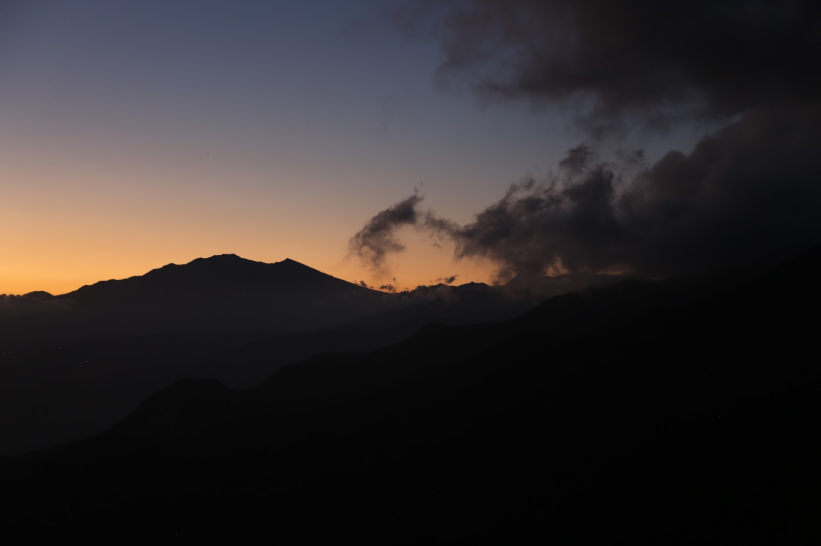
Bocas by Boat: The Ultimate Guide to Snorkeling Trips and Dolphin Watching in Bocas del Toro

If you travel to Bocas del Toro and do not get out on a boat at least once, you are missing the entire point. The magic of this Caribbean archipelago is not just in the colorful wooden houses of Bocas Town or the laid-back island rhythm. It is in the turquoise water, the coral reefs, the hidden beaches, and the dolphins cutting through the waves beside your boat. Snorkeling trips and dolphin-watching tours are the heartbeat of a Bocas itinerary, and fortunately, they are easy to arrange and accessible to almost everyone.

Bocas del Toro is not just one island but a cluster of islands scattered across calm Caribbean waters. The shallow reefs, protected bays, and mangrove-lined channels create ideal conditions for half-day and full-day boat tours. Unlike destinations where wildlife tours feel rare or exclusive, in Bocas they are part of everyday life. Boats leave daily, often multiple times per day, carrying travelers out to the most photogenic corners of the archipelago.

One of the most popular starting points for these tours is Bocas Town on Isla Colón. The waterfront is lined with small operators offering nearly identical packages. You will see handwritten signs advertising dolphin tours, snorkeling, Coral Cay lunches, and visits to Red Frog Beach. At first glance, it may look overwhelming, but the simplicity is actually reassuring. Most operators run very similar routes.

Dolphin watching is typically the first stop on the standard tour. Boats head toward Dolphin Bay, a calm inlet where bottlenose dolphins are frequently seen swimming and playing. Sightings are common enough that many travelers consider them almost guaranteed, though of course wildlife is never 100 percent predictable. Dolphins often approach boats, riding alongside the bow waves and surfacing in small groups.

Watching dolphins in the wild is very different from seeing them in captivity. There are no staged tricks, no performances—just sleek bodies gliding effortlessly through open water. The boats generally slow down and give them space, allowing passengers to observe without disturbing their natural behavior. It is an early highlight that sets the tone for the rest of the day.

After dolphin watching, the tour usually continues toward snorkeling spots around coral reefs near islands like Bastimentos or smaller surrounding cays. The water in Bocas is typically warm, clear, and calm, making it ideal even for beginner snorkelers. You do not need to be an advanced swimmer to enjoy it, but basic comfort in the water helps you relax and truly take in the experience.

Snorkeling in Bocas often includes vibrant coral formations, schools of tropical fish, starfish, and occasionally rays gliding along the sandy bottom. While this is not the Great Barrier Reef, it is colorful, accessible, and rewarding. The proximity of the reefs to shore means boat rides between stops are short, maximizing your time in the water.

Many tours include a stop at Coral Cay for lunch. This tiny island features rustic overwater restaurants serving fresh seafood, rice and beans, and cold drinks. The setting alone—wooden tables suspended above crystal-clear water—makes the stop worthwhile. Some tours allow you to choose your meal upon arrival, while others leave lunch separate from the base tour price.

Another common stop is Red Frog Beach on Isla Bastimentos. Here, you can relax on soft sand, walk jungle trails, or take a swim in the open Caribbean. Depending on the operator, you may have one to two hours to explore. The mix of wildlife, beach time, and snorkeling creates a well-rounded day without feeling rushed.

One important thing to understand is that most snorkeling and dolphin tours follow nearly the same route. The differences are usually minor: the length of time at each stop, whether lunch is included, and the size of the boat. This is why asking around and comparing prices is essential. There is no reason to book the first offer you see without checking a few others.

Walk along the waterfront and speak to at least three different operators. Ask what stops are included, how long the trip lasts, whether snorkel gear is provided, and whether park entrance fees are included in the advertised price. Sometimes a slightly cheaper tour excludes small fees that you will pay later in cash.

Boat size also matters. Some travelers prefer smaller boats for a more intimate experience, while others enjoy larger groups for social energy. Smaller boats can feel more personal and may maneuver closer to reefs, while larger boats can feel more stable if the water gets choppy.

Weather conditions in Bocas can change quickly. Mornings are typically calmer, which is why many tours depart before 10 a.m. Booking a morning tour often means smoother water and better visibility for snorkeling. Afternoon rain showers are common in the tropics, especially during rainy season.

If you are traveling during high season, booking a day in advance is usually wise. In lower season, you can often arrange a tour the same morning. Flexibility works in your favor because you can choose the clearest weather day rather than locking yourself into a date too early.

Private boat rentals are also an option. If you are traveling with a group, splitting the cost of a private captain can be surprisingly affordable. This allows you to customize the schedule, spend more time at favorite stops, or skip places that do not interest you.

When comparing prices, remember that the cheapest option is not always the best value. Safety equipment, life jackets, quality snorkel gear, and experienced captains matter. Ask questions about how long the operator has been running tours and whether they follow responsible wildlife guidelines.

Responsible dolphin watching is especially important. Boats should avoid chasing dolphins or cutting directly across their path. Ethical operators maintain respectful distances and allow dolphins to approach naturally if they choose. Supporting operators who follow these practices helps protect Bocas’ marine ecosystem.

Bring essentials with you: sunscreen, a reusable water bottle, cash for lunch or fees, and a dry bag if you have electronics. Most boats do not have secure storage, and splashes are common. Travel light but prepared.

It is also helpful to manage expectations. Some days the dolphins are more active than others. Some days the water clarity is perfect, and other days it may be slightly cloudy due to tides or rain. The beauty of Bocas lies in its unpredictability.

Snorkeling tours in Bocas are less about ticking off a checklist and more about immersing yourself in the rhythm of island life. The boat ride itself—wind in your hair, reggae drifting from nearby docks, emerald islands passing by—is part of the experience.

Many travelers say their boat day becomes the highlight of their entire Panama trip. The combination of wildlife, reef exploration, beach time, and fresh seafood in a single day captures what makes Bocas special.

In the end, booking a snorkeling and dolphin tour in Bocas del Toro is simple. Ask around. Compare prices. Confirm what is included. Most tours visit the same iconic spots, so your decision often comes down to comfort level and vibe.

Once you are out on the water, though, the details of price comparison fade away. What remains is the flash of a dolphin fin, the shimmer of tropical fish beneath you, and the feeling of floating in warm Caribbean water surrounded by islands that seem almost unreal. That is Bocas by boat—and it is an experience worth planning carefully, but not overcomplicating.

Panama’s Wild Side: The Realistic Wildlife Guide to Animals You Can Actually See (Without Turning Into a Jungle Survival Expert)

When people imagine wildlife in Panama, they picture dense emerald rainforest, misty cloud forest ridgelines, and rare animals appearing magically through the fog. The truth is even better. You don’t need to be a biologist, a hardcore trekker, or someone willing to bushwhack for days to see iconic animals here. Panama is one of the most biodiverse countries on Earth, but what makes it special for travelers is how accessible much of that wildlife actually is. With a little awareness, decent timing, and a willingness to look up from your phone, you can see some of the country’s most famous creatures with surprisingly minimal effort.

The key to realistic wildlife spotting in Panama is understanding where forest meets accessibility. You do not need to disappear into untouched jungle for a week. Many of the animals people dream of seeing live in national parks, forest reserves, and even near eco-lodges and rural towns. Trails that are well-maintained and easy to access often double as wildlife corridors. In other words, if you are already hiking, you are already in the right place.

One of the most famous and realistically easy animals to see in Panama is the white-faced capuchin monkey. These clever, social primates are curious, expressive, and often completely unbothered by humans at a reasonable distance. They move in troops and are active during the day, which makes them far more likely to be seen compared to more elusive, nocturnal species.

White-faced capuchins tend to travel through mid-level and upper canopy zones, so the trick is simple: look up and listen. If you hear branches shaking or leaves rustling overhead, pause and scan the treetops. Often you will see a flash of white fur and a long tail swinging from branch to branch. They are playful and sometimes mischievous, so observing their social interactions is half the fun.

In the highlands near Santa Fe, sightings are surprisingly common along forest trails and around jungle accommodations. Around Lost and Found Hostel, which is built into a steep jungle-covered slope, the surrounding canopy often comes alive in the early mornings. Because the property is immersed in forest rather than separated from it, you do not need to “go on a wildlife tour” to see them. Simply walking up the hillside paths or sitting quietly on a balcony can turn into an impromptu monkey encounter.

Another monkey you are almost guaranteed to experience—at least audibly—is the howler monkey. You may not always see them clearly, but you will definitely hear them. Their deep, resonating calls can travel for miles and often echo through the forest at sunrise. The first time you hear it, it sounds like something prehistoric. Even if you never get a perfect visual, that sound alone makes you feel like you are deep in wild Central America.

Sloths are high on everyone’s wish list, and yes, they are realistically possible to see. Both two-toed and three-toed sloths live in Panama. They spend most of their lives in trees and move slowly, which ironically makes them easier to spot if you are patient. The key is scanning treetops carefully for what looks like a furry lump draped over a branch. Early morning and late afternoon are your best windows.

Coatis are another accessible wildlife highlight. They look like a cross between a raccoon and a small jungle explorer with a long striped tail. They often travel in groups and are active during the day, making them much easier to encounter than nocturnal mammals. In national parks and protected forests, they are comfortable enough to forage near trails while keeping a cautious distance.

If you enjoy birdwatching—even casually—Panama delivers in a big way. Toucans are one of the most visually striking birds you can realistically hope to see. Their oversized colorful bills make them unmistakable. Early mornings near forest edges or fruiting trees offer the best chance. Even if you are not actively searching, their unique croaking calls often give away their location.

The resplendent quetzal deserves mention, even though it requires slightly more effort. Found in cooler highland cloud forests near Boquete and Volcán Barú, this iridescent green and red bird feels mythical. While not effortless, guided hikes or early-morning self-guided walks in the right habitat give you a legitimate chance. It is not guaranteed, but it is absolutely realistic for motivated travelers.

Agoutis are often overlooked, but they are among the easiest mammals to see. These large rodents resemble small deer without antlers and are commonly spotted in parks and forest clearings. They are active during the day and frequently seen foraging calmly along trail edges. Many visitors see them without even realizing they are looking at one of Panama’s signature forest animals.

Iguanas are practically guaranteed in warmer, lower-elevation regions. Large green iguanas can be seen basking in trees, perched on rocks, or lounging near water. They can grow impressively large, and spotting one high in a tree often surprises people who expect them to stay close to the ground.

If you find yourself near rivers or wetlands, keep an eye out for caimans. These smaller relatives of crocodiles are commonly seen resting along riverbanks, especially at dusk. In some regions, boat tours make sightings almost routine, but even from shore you may see their eyes reflecting light near the water’s surface.

Panama’s rainforest floor hides smaller but equally fascinating creatures. Poison dart frogs, though tiny, are brightly colored and easier to see than you might expect in humid forest environments. With careful steps and a bit of patience, you might notice one near leaf litter or along damp stream edges.

The blue morpho butterfly is another unforgettable sight. When its wings are open, they flash a bright electric blue that seems almost unreal. They drift along forest trails and clearings, often appearing in sudden bursts of color before vanishing just as quickly.

Marine life is equally accessible along Panama’s coasts. Dolphins are frequently spotted in both Caribbean and Pacific waters. In places like Bocas del Toro, boat tours regularly encounter pods riding alongside waves. These are not rare, once-in-a-lifetime moments—they are common enough to feel attainable.

Sea turtles are seasonal but realistic if you plan accordingly. Certain beaches serve as nesting grounds during specific months. Guided nighttime walks, conducted responsibly, allow you to witness nesting or hatchlings heading toward the sea. Timing is everything, but it does not require extreme effort beyond being in the right place during the right season.

Scarlet macaws are another iconic species found in certain protected coastal areas. Their vibrant red, blue, and yellow feathers make them unmistakable as they fly overhead in pairs. Seeing them in the wild is a reminder of how intact many of Panama’s ecosystems still are.

The beauty of wildlife spotting in Panama is that effort scales naturally with reward. You can see incredible animals simply by hiking popular trails, staying in forest-based accommodations, or waking up early. You do not need extreme survival skills—just awareness, patience, and respect for the environment.

Minimal effort does not mean zero effort. Wildlife rarely appears on command. Slow down your pace. Pause often. Listen carefully. Many travelers walk straight past incredible sightings because they are focused only on reaching a viewpoint rather than experiencing the journey.

Early mornings and late afternoons consistently offer the best opportunities. The jungle is most active when temperatures are cooler. If you are willing to wake up a little earlier than usual, your chances improve dramatically.

It is equally important to manage expectations. You may not see everything on your list, and that is part of what makes wildlife special. The unpredictability is what keeps each hike exciting.

Bring binoculars if you have them. Even inexpensive ones make a huge difference when scanning treetops. A simple pair turns distant shapes into identifiable animals.

Keep your distance from all wildlife. Observing respectfully ensures animals remain comfortable and continue behaving naturally. Feeding or approaching animals too closely disrupts their behavior and can create long-term problems.

Wear neutral colors when hiking. Bright neon outfits are fantastic for visibility but not ideal for blending into forest surroundings. Earth tones increase your chances of animals remaining calm in your presence.

Hydration and patience go hand in hand. If you are uncomfortable, overheated, or rushing, you will miss things. Staying physically comfortable improves your observational awareness.

Some of the best wildlife moments happen unexpectedly. A monkey crossing overhead while you drink coffee. A sloth revealed while you are adjusting your backpack. A toucan landing nearby just as you consider turning back.

Panama’s accessibility is what makes it unique. The country’s compact geography means you can move from beach to cloud forest in a matter of hours. That variety increases your chances of seeing multiple species in a single trip.

You do not need an extreme expedition itinerary to experience Panama’s wild side. Realistic wildlife encounters are woven into everyday travel here—along hiking trails, near rivers, around forest lodges, and even beside quiet mountain hostels.

The secret is simple: choose locations immersed in nature, wake up early, move slowly, and look up. The rainforest is alive above you more often than you think.

In Panama, wildlife is not hidden behind impossible barriers. It is present, active, and often surprisingly close. The animals you dream of seeing are not just reserved for experts—they are waiting in the canopy, the underbrush, and along the shoreline, ready to reward travelers who pay attention.

How Not to Argue With Your Travel Partner in Panama: 45 Ways to Protect the Magic

Traveling through Panama with your partner sounds like a dream — rainforest hikes, Caribbean sunsets, mountain air in Boquete, island hopping in Bocas del Toro — but even paradise can turn tense if you’re not intentional about how you travel together. Long bus rides, heat, hunger, money stress, and different expectations can quietly turn magical moments into unnecessary arguments. The good news? Most travel fights are preventable.

First, understand that travel magnifies everything. If you’re patient at home but slightly stubborn, that stubbornness might double when you’re tired and sweaty. If your partner needs structure and you thrive in spontaneity, those differences will show up fast. Panama’s beauty doesn’t erase personality differences — it just gives them a tropical backdrop.

One of the biggest causes of travel arguments is mismatched expectations. Before you even land, talk about what this trip means to each of you. Is this a relaxation trip? An adventure challenge? A social backpacker experience? If one of you wants sunrise volcano hikes and the other wants slow coffee mornings, that needs to be acknowledged early.

Take Volcán Barú as an example. One partner may see it as a must-do bucket list challenge. The other may see it as a freezing, exhausting 3 a.m. mistake. Instead of arguing on the trail, discuss it days before. Decide together. Compromise if needed.

Another silent argument starter? Hunger. Panama’s heat drains energy quickly. Skipped meals turn into short tempers. Carry snacks. Hydrate constantly. Many “relationship problems” while traveling are just low blood sugar wearing a disguise.

Money is another tension trigger. Backpacking Panama can be affordable, but tours, transport, and island excursions add up. Decide in advance how you’ll split costs. Are you sharing everything evenly? Taking turns paying? Setting a daily budget? Clarity prevents resentment.

Transportation days require patience. Long bus rides across the country, delays, or missed connections can test anyone’s mood. Instead of blaming each other when plans shift, treat disruptions as part of the adventure. A missed bus isn’t a betrayal — it’s a story you’ll laugh about later.

Heat also plays a role. Tropical humidity is relentless. When you’re sticky, sunburned, and carrying a heavy backpack, small irritations feel bigger. Recognize when your frustration is environmental, not relational.

Create space when needed. Being together 24/7 sounds romantic until day six. Even in a place as stunning as Santa Fe, you may need solo time. One person can hike while the other reads in a hammock. Independence strengthens connection.

Don’t compete. Travel isn’t a contest about who’s tougher, better at directions, or more culturally savvy. If your partner struggles on a steep jungle climb, encourage instead of criticize. Panama’s trails are challenging enough without ego layered on top.

Decide who navigates and who manages logistics. When roles are clear, you avoid both partners trying to control the same task. One handles maps, the other books accommodations. Shared responsibility reduces blame.

Respect different energy levels. One of you might wake up excited for sunrise swims; the other might need coffee and silence. Allow rhythms to coexist.

Social dynamics can also create friction. Backpacker towns encourage meeting new people. One partner may love socializing; the other may prefer quiet evenings. Discuss boundaries. Balance social time with couple time.

Avoid “I told you so.” If your partner suggested leaving earlier and you didn’t, resist rubbing it in. Pride prolongs arguments. Choose connection over being right.

Celebrate small wins. Reaching a waterfall after a muddy hike deserves acknowledgment. Positive reinforcement builds momentum for the next adventure.

Plan rest days. Not every day in Panama needs to be epic. A slow beach afternoon can prevent burnout and unnecessary tension.

Communicate discomfort early. Blisters, dehydration, homesickness — these build silently. Speak up before discomfort becomes irritation.

Share decision-making. Even small choices like where to eat matter. Taking turns choosing restaurants keeps things balanced.

Laugh at mistakes. Getting caught in a sudden tropical downpour can either spark frustration or become a cinematic memory. Choose the latter.

Be flexible with plans. Weather in Panama changes quickly. If a boat tour gets canceled, pivot instead of arguing about “what should have happened.”

Recognize stress signals. When voices rise, pause. Suggest a short walk or water break before continuing the conversation.

Express appreciation often. A simple “thanks for carrying the extra water” or “I’m glad we’re doing this together” goes far.

Avoid solving old relationship issues mid-trip. Panama is for making memories, not rehashing unresolved home conflicts.

Protect sleep. Earplugs in hostels can save relationships.

Don’t compare your trip to social media. Every couple argues sometimes. Focus on your experience, not curated feeds.

Share goals. Create a short list of “must-do” experiences together so you feel aligned.

Apologize quickly. Pride wastes precious sunset time.

Respect personal fears. If one partner fears heights, don’t pressure them onto a zipline.

Hydrate before discussing serious topics.

Turn challenges into teamwork moments. Getting lost becomes a joint mission, not a blame game.

Balance adventure with romance. A quiet sunset matters as much as a summit.

Encourage vulnerability. Travel can feel overwhelming. Emotional honesty deepens connection.

Avoid sarcasm in tense moments. Tone matters.

Remember why you chose each other.

Practice gratitude daily.

Disconnect from phones occasionally.

Create rituals — morning coffee together, evening recap walks.

Celebrate spontaneity.

Protect each other’s dignity in public.

Choose empathy over efficiency.

See setbacks as shared experiences.

End each day with something positive.

In the end, Panama is just the stage. The real journey is how you treat each other while exploring it. Rainforests, beaches, mountains — they’re beautiful. But the memories that last aren’t about perfect logistics. They’re about how you laughed through the rain, encouraged each other uphill, and chose kindness over conflict. If you can do that, you won’t just leave Panama with photos — you’ll leave stronger together.

How to Keep Your Hiking Boots Dry in Panama: A Survival Guide for the Tropics

Hiking in Panama is magical — misty cloud forests, jungle trails dripping in green, waterfalls crashing into clear pools, and mountains that seem to rise straight out of the rainforest. But there’s one unavoidable truth about trekking in the tropics: at some point, your boots are going to get wet. Whether it’s a sudden downpour, a muddy trail, a river crossing, or simply the humidity that never quite leaves the air, moisture is part of the adventure. The trick isn’t avoiding water entirely — it’s knowing how to manage it.

Panama’s climate works against you in subtle ways. Even in dry season, the humidity can hover high enough that boots never fully air-dry overnight. In rainy season, afternoon downpours are almost guaranteed. Trails around Boquete, the slopes of Volcán Barú, and jungle routes near Santa Fe can quickly turn into mud corridors. Keeping your boots dry isn’t about comfort alone — it prevents blisters, fungal infections, odor buildup, and material breakdown.

The first and most important technique is prevention: start with the right boots. Waterproof boots with breathable membranes (like Gore-Tex style linings) offer protection against rain and shallow puddles. However, waterproof doesn’t mean invincible. In heavy tropical rain, water can still enter from the top. That’s why pairing boots with gaiters — fabric covers that wrap around your ankle and lower leg — can make a major difference. Gaiters prevent water, mud, and debris from slipping in through the collar.

Another essential prevention strategy is proper waterproofing treatment. Even factory-waterproof boots benefit from periodic reapplication of waterproofing sprays or waxes. In Panama’s humid climate, materials break down faster. Applying a waterproofing product before your trip — and again halfway through if you’re backpacking long-term — reinforces the outer layer and helps water bead off instead of soaking in.

But let’s be realistic: your boots will get wet eventually. When that happens, your response time matters. The moment you return from a hike, remove the insoles and loosen the laces completely. Airflow is everything. A tightly laced boot traps moisture inside, creating the perfect environment for bacteria and mildew. Open them up fully so the interior can breathe.

Stuffing your boots with absorbent material is one of the oldest and most effective drying tricks. Newspaper works exceptionally well because it pulls moisture out quickly. In Panama, where newspapers may not always be available, paper towels, cardboard scraps, or even dry cloth can help. Replace the stuffing every few hours if possible. You’ll be surprised how much water it absorbs.

Never place boots directly over intense heat sources like open flames or very high heat dryers. While it might seem like a shortcut, extreme heat can warp the sole, crack leather, and damage waterproof membranes. Instead, place boots in a well-ventilated area with indirect sunlight. Morning sun is ideal. Strong midday sun can over-dry leather and cause stiffness.

If you’re staying at hostels, look for breezy areas like balconies or near windows. Elevate your boots off the ground rather than leaving them on damp floors. Even placing them upside down on a railing can improve airflow dramatically.

One underrated technique in tropical climates is using silica gel packets or moisture absorbers inside your boots overnight. If you carry electronics or buy products packaged with silica packs, save them. Toss a few into each boot at night to help draw out residual moisture.

Another powerful method is rotating footwear. If you’re backpacking for an extended period, consider carrying lightweight trail runners as a secondary pair. If your boots get soaked, wear the trail runners the next day while your boots dry. Trail runners also dry much faster than heavy boots and are surprisingly effective on many Panamanian trails.

Sock strategy matters more than most hikers realize. Wearing moisture-wicking socks — preferably merino wool or synthetic blends — keeps sweat from accumulating inside your boots. Change into dry socks immediately after a hike. Even if your boots are slightly damp, dry socks dramatically reduce blister risk.

For serious river crossings or guaranteed-soak conditions, some hikers embrace the wet and focus on fast drying instead. In these cases, non-waterproof trail runners combined with quick-dry socks can be smarter than waterproof boots that trap water once submerged. In Panama’s warm climate, quick-dry systems can sometimes outperform waterproof systems.

In jungle-heavy regions, mud is often a bigger issue than rain. Caked mud holds moisture against your boots and slows drying. Before attempting to dry your boots, knock off as much mud as possible. Use a stick or rinse them briefly if water is available. Clean boots dry faster than muddy ones.

If you’re hiking multi-day routes or camping, suspend your boots upside down inside your tent vestibule or under a tarp at night. Even slight airflow makes a difference. If you have access to a small portable fan, that airflow can cut drying time significantly.

In places like Panama City, you may find laundromats or hostels with drying areas. While dryers aren’t ideal for boots, some facilities allow low-heat air cycles. Always remove insoles first and avoid high temperatures.

Odor prevention ties closely to dryness. Sprinkle a small amount of baking soda inside boots overnight to absorb moisture and neutralize smell. Shake it out before wearing. In humid climates, odor builds quickly, and managing moisture prevents the problem before it starts.

Another trick seasoned tropical hikers use is timing. Plan your hikes early in the morning whenever possible. Afternoon thunderstorms are common in Panama, especially during rainy season. Starting early often means finishing before the skies open.

Storage is equally important. Don’t seal damp boots inside plastic bags or airtight compartments. That traps moisture and accelerates mold growth. Let them breathe whenever possible, even during bus rides.

Finally, accept that perfectly dry boots every single day in Panama may not be realistic. The goal isn’t perfection — it’s minimizing saturation time and protecting your feet. A slightly damp boot is manageable. A soaked boot left untreated becomes a problem.

Keeping your hiking boots dry in Panama is part preparation, part quick action, and part tropical wisdom. Waterproof wisely, dry strategically, rotate when possible, and embrace airflow at every opportunity. Do that, and your boots — and your feet — will carry you comfortably through cloud forests, jungle ridges, muddy switchbacks, and volcanic summits without missing a step.

How to Stay in Shape While Backpacking in Panama (Without Missing the Fun)

Backpacking through Panama is one of the most freeing experiences you can have. Between rainforest trails, Caribbean beaches, mountain towns, and vibrant city life, it’s easy to fall into a rhythm of exploration during the day and indulgence at night. But let’s be honest — between fried empanadas, patacones, cervezas, and late hostel nights, it’s also very easy to drift out of shape without even noticing. The good news? Panama is basically a natural gym if you use it right.

One of the biggest mistakes backpackers make is treating every meal like a vacation splurge. Yes, Panamanian fried food is delicious. Yes, patacones are addictive. Yes, that second plate of carimañolas feels justified after a long bus ride. But when every single meal becomes deep-fried and every night turns into a beer-fueled social event, your energy drops fast. Staying in shape while backpacking doesn’t mean cutting out fun — it means being intentional.

The key mindset shift is this: you’re not on vacation from your health — you’re traveling. And traveling well requires energy, stamina, and strength. Panama’s heat and humidity alone demand a higher level of hydration and physical awareness. If you want to hike waterfalls, climb mountains, swim in strong surf, and explore long city streets without feeling wrecked, you need to fuel yourself properly.

Let’s start with food. You don’t need to avoid local cuisine, but balance is everything. If you have fried chicken and fries for lunch, maybe opt for grilled fish, rice, and salad for dinner. Panama has incredible fresh fruit everywhere — mango, papaya, pineapple, watermelon — and they’re cheap. Use that to your advantage. Grab fruit at markets instead of packaged snacks. Your body will thank you on that next steep jungle hike.

Alcohol is another sneaky saboteur. Backpacker culture in Panama — whether in beach towns or mountain hostels — can revolve around happy hours and drinking games. A few beers with new friends? Totally fine. But multiple nights in a row of heavy drinking drains your hydration, ruins your sleep, and slows recovery from hikes. Moderation keeps you strong. Alternate beers with water. Skip the shots. Choose nights to go big and nights to go easy.

Hydration is especially important in Panama’s tropical climate. Even when you’re not actively working out, the humidity pulls water from you constantly. Carry a refillable bottle. Add electrolytes if you’ve been sweating heavily. Being properly hydrated improves everything from mood to muscle recovery.

Now here’s the fun part: Panama’s hiking trails are world-class natural gyms. You don’t need a treadmill when you have rainforest elevation gain. Trails in Boquete, the slopes of Volcán Barú, and jungle paths around Santa Fe offer built-in cardio and strength training. Steep climbs activate glutes and quads. Uneven terrain strengthens stabilizer muscles. Long descents challenge endurance and balance.

Instead of viewing hikes as “just sightseeing,” treat them like workouts. Push your pace occasionally. Carry your own pack instead of handing it off. Take the stairs when you see them. Turn waterfalls into recovery sessions by swimming against the current. Nature provides resistance training if you choose to engage with it.

And then there’s Lost and Found Hostel, which might secretly be one of the most fitness-friendly hostels in the country without even trying to be. Built like a small village on a rainforest slope, every cabin, dorm, and common area is connected by stairs. There is no such thing as a “quick walk” to reception or the bar — you’re either climbing up or heading down. Over the course of a day, those repeated stair climbs add up to a serious leg workout. Staying there naturally keeps you active because the design forces movement. You don’t need a StairMaster when your accommodation is one.

Beach towns offer another training opportunity. Soft sand walking is far harder than pavement walking. A casual beach stroll becomes a lower-body workout without you even realizing it. Swimming in the ocean builds full-body strength while keeping impact low. If there are waves, body surfing is a serious core workout disguised as fun.

Many hostels across Panama understand that travelers care about fitness. Some have small workout areas with free weights, pull-up bars, or open decks perfect for bodyweight training. Even if a hostel doesn’t have equipment, you can do push-ups, squats, lunges, planks, and burpees anywhere. A 20-minute bodyweight circuit in the morning keeps your metabolism firing all day.

In Panama City, you’ll find public parks with outdoor gyms. Along the Cinta Costera, for example, there are free exercise stations with pull-up bars, parallel bars, and cardio machines. These outdoor setups are common in urban areas and perfect for a quick strength session while enjoying ocean views.

Several cities and towns also have traditional gyms that offer day passes. If you’re staying somewhere for a few days, paying a small fee for a proper workout can reset your routine. It’s a great way to break up long bus travel days and keep consistency in your strength training.

Consistency is what matters most. You don’t need to train like an athlete while backpacking. You just need to move regularly and avoid the daily overindulgence trap. Three solid hikes a week plus light bodyweight workouts can maintain — and even improve — your fitness.

Sleep is another overlooked factor. Hostel life can mean late nights and early departures. Protect your rest when possible. Bring earplugs. Skip one party night per week. Your muscles recover during sleep, and without recovery, your performance suffers.

If you’re someone who enjoys structure, create a loose weekly rhythm. For example: one big hike, one beach swim session, two short bodyweight workouts, and one mobility/stretching day. Stretching is especially important after long bus rides and uphill treks. Tight hips and calves are common travel complaints.

Travel days don’t have to be sedentary disasters. If you know you’ll be sitting for hours on a bus, do a short workout beforehand. Walk around during stops. Do calf raises or light stretching while waiting at terminals. Small actions compound over weeks of travel.

Mindset matters, too. Backpacking often comes with a “YOLO” mentality. But staying fit enhances your experience. You’ll feel more confident, less sluggish, and more capable of saying yes to spontaneous adventures — whether that’s a sunrise volcano hike or a last-minute waterfall trek.

Balance indulgence with movement. If you have a big night out, schedule a morning hike. If you eat heavy food one day, focus on lighter meals the next. It’s not about perfection — it’s about awareness.

Panama’s landscapes make fitness enjoyable rather than forced. You’re not staring at gym walls — you’re climbing mountains, walking beaches, and exploring rainforests. That’s the beauty of staying in shape here: it blends seamlessly with adventure.

Ultimately, backpacking Panama doesn’t have to mean losing your fitness progress. With moderate alcohol consumption, smarter food choices, consistent movement, and creative use of trails, hostels, outdoor gyms, and even hillside staircases, you can return home stronger than when you arrived.

And the best part? You won’t feel like you sacrificed anything. You’ll still enjoy the patacones — just not every single meal. You’ll still share beers — just not every single night. You’ll still socialize — but with the energy to keep exploring.

Panama rewards the prepared traveler. Stay active, fuel wisely, hydrate constantly, and treat this country like the giant open-air training ground it truly is.

The Ultimate Guide to Hiking Volcán Barú: History, Preparation, Routes, 4x4 Access & What to Expect at Panama’s Highest Peak

Hiking Volcán Barú is not just another outdoor activity in Panama — it is a rite of passage for adventurers, backpackers, mountaineers, and anyone who wants to stand on the highest point in the country and look out over two oceans at once. Rising to 3,475 meters (11,401 feet) above sea level, this dormant stratovolcano dominates the western highlands of Chiriquí and defines the skyline above both Boquete and the town of Volcán. The climb is long, physically demanding, often cold, and sometimes muddy — but it is also one of the most rewarding and unforgettable experiences in Central America.

Volcán Barú is part of the Central American Volcanic Arc, formed by tectonic activity along the Pacific Ring of Fire. Although considered dormant today, geological studies suggest its last eruption occurred roughly 400–500 years ago. The volcano’s massive structure was built over thousands of years through explosive eruptions and lava flows, and while it shows no immediate signs of activity, it remains technically classified as potentially active. Standing on its summit, you are literally standing on the geological force that shaped much of western Panama’s fertile soil and mountainous terrain.

The volcano sits inside Parque Nacional Volcán Barú, a protected area established in 1976 that spans more than 14,000 hectares of diverse ecosystems. This national park preserves an extraordinary range of habitats, from humid tropical rainforest at lower elevations to misty cloud forest and windswept alpine grasslands near the summit. The altitude gradient creates distinct microclimates, meaning that during a single hike you may experience several ecological zones that feel like entirely different worlds.

One of the most fascinating geographical facts about Volcán Barú is Panama’s narrow width at this latitude. On exceptionally clear mornings, hikers at the summit can see both the Pacific Ocean and the Caribbean Sea simultaneously. Few mountains in the world offer this rare visual phenomenon. It is not guaranteed — clouds often roll in quickly — but when conditions align, the view is nothing short of surreal, and it’s one of the main reasons hikers begin their ascent in the dark hours of the night.

There are two primary routes to reach the summit. The most popular begins on the Boquete side and follows a rugged 4x4 access road that steadily climbs the mountain over approximately 13.5 kilometers to the top. This route is physically grueling due to its continuous incline, but navigation is straightforward because the path is wide and clearly defined. The second route begins near the town of Volcán, often referred to as the Paso Ancho or Los Llanos trail. This “opposite side” ascent is steeper, more remote, and less traveled, offering a more wilderness-focused experience with fewer hikers and more varied terrain.

The Boquete route is favored by many because of its accessibility and the option of vehicle support. Although it follows a dirt road rather than a narrow forest trail, the incline is relentless. There are few flat sections, and the climb gains roughly 1,700 meters (5,500 feet) in elevation. Many hikers underestimate the physical toll of this steady upward march. It is not technical, but it demands endurance, leg strength, and mental resilience.

By contrast, the Volcán-side route feels more adventurous and wild. The trail winds through farmland, forest, and rugged terrain, and it can be more difficult to navigate without a guide or GPS. Because it is less commercialized, hikers seeking solitude often prefer this side. However, it requires stronger route-finding skills and preparation, as services and assistance are less readily available compared to the Boquete entrance.

Most hikers aiming for the classic sunrise experience begin their climb between midnight and 2:00 a.m. Hiking at night allows you to reach the summit around dawn, when the skies are most likely to be clear. The early start also helps avoid hiking the steepest sections under the intense midday sun. Night hiking requires proper equipment — especially a reliable headlamp with extra batteries — and careful pacing to conserve energy for the summit push.

Weather conditions on Volcán Barú can change dramatically and without warning. At the base, temperatures may feel mild and comfortable, but at the summit it can drop to near freezing, especially before sunrise. Wind chill makes it feel even colder. Many hikers are surprised by how frigid it becomes at 3,475 meters. Even during Panama’s dry season, frost and strong winds are possible, making layered clothing absolutely essential.

The best time to hike Volcán Barú is typically during Panama’s dry season from December through April. During these months, rainfall is less frequent and visibility tends to be better. However, “dry season” does not mean guaranteed sunshine. Mountain weather operates on its own rules, and clouds frequently roll over the summit regardless of the season. Planning flexibility into your itinerary improves your chances of clear views.

Preparation is key to a successful hike. Cardiovascular training such as uphill walking, stair climbing, and long-distance hiking in the weeks before your climb can dramatically improve your experience. Strengthening your legs and core will help manage the long ascent and especially the descent, which can be equally punishing. Many hikers report that going down is harder on the knees than going up.

Hydration and nutrition play a critical role. There are no reliable water sources along the upper sections of the trail, so hikers should carry at least 3–4 liters of water per person. High-energy foods such as nuts, chocolate, sandwiches, and electrolyte drinks are highly recommended. Because the hike can take anywhere from 10 to 14 hours round trip, calorie intake should be planned carefully.

Altitude can affect hikers differently. Although Boquete sits at around 1,200 meters above sea level, climbing to nearly 3,500 meters represents a significant elevation gain in one push. Some people experience mild symptoms such as headaches or fatigue. Spending a day or two in Boquete before your hike helps your body acclimatize gradually.

For those who want to reduce the physical strain, 4x4 tours offer an alternative. Several local operators provide rugged vehicle transport partway or nearly to the summit via the Boquete route. These vehicles navigate the steep dirt road, allowing passengers to hike only the final stretch or sometimes simply walk around the summit area at sunrise. This option makes the experience accessible to travelers who may not be able to complete the full hike on foot.

The 4x4 experience is not a luxury ride. The road is extremely rough, steep, and often muddy, especially in the rainy season. The ride can be bumpy and intense, but it dramatically reduces hiking time and physical exhaustion. Many tours depart around 3:30 or 4:00 a.m. and return mid-morning after sunrise.

For purists, however, hiking the entire route on foot remains the most satisfying way to experience Volcán Barú. There is a powerful sense of accomplishment in reaching the summit under your own strength. The gradual transition through ecological zones, the quiet rhythm of night hiking, and the first light breaking over the clouds create a deeply immersive experience.

Wildlife enthusiasts may encounter hummingbirds, small mammals, and — with luck — the resplendent quetzal in the lower cloud forest sections. The park protects over 250 species of birds, making it a destination not only for hikers but also for birdwatchers. The dense moss-covered trees, orchids, and ferns create a mystical landscape in the mid-elevation zones.

Camping is permitted in designated areas for those who want to break the hike into two days. Carrying camping gear adds weight but allows you to experience both sunset and sunrise at high altitude. The night sky, when clear, can be extraordinary due to minimal light pollution.

Safety should never be overlooked. Inform someone of your plans, register at the ranger station, and consider hiking with a partner or group. While the Boquete route is straightforward, fatigue can impair judgment. Trekking poles are highly recommended to protect your knees during descent.

The descent often surprises hikers with its difficulty. After hours of climbing, tired legs must control each step downward. Slips are common, especially if the ground is wet. Maintaining a steady pace and taking breaks helps prevent injury.

Beyond the physical challenge, Volcán Barú offers perspective. From the summit, the patchwork of farmland, forest, and distant coastline illustrates Panama’s geographic diversity. Coffee plantations below benefit from the volcanic soil enriched by ancient eruptions. The volcano quite literally nourishes the region.

Boquete serves as the main base town for hikers. It offers accommodations, restaurants, tour agencies, and outdoor outfitters. Many travelers spend several days here enjoying waterfalls, coffee tours, and hot springs before or after their ascent.

Ultimately, hiking Volcán Barú is a test of preparation, endurance, and patience with unpredictable mountain weather. It is not technically complex, but it is long and physically demanding. With proper training, adequate gear, and realistic expectations, the journey becomes deeply rewarding.

Standing at 3,475 meters as the sun rises over Panama, watching light spill across two oceans and clouds drift below your feet, you understand why Volcán Barú is more than just a hike. It is a pilgrimage to the roof of Panama — a place where geology, climate, biodiversity, and human determination intersect.

If you prepare thoroughly, respect the mountain, and choose the route that matches your ability — whether the full hike from Boquete, the wilder ascent from Volcán, or the 4x4-supported option — Volcán Barú will reward you with one of the most powerful outdoor experiences in the country.

The Wealth of Panama: Where the Money Flows and Why Wages Change From Jungle to Skyline

Panama is one of the most fascinating economic stories in Latin America. Small in size but massive in global importance, the country has built a reputation as a regional powerhouse thanks to its strategic location, service-driven economy, and financial sophistication. Yet beneath the gleaming skyline of Panama City lies a complex economic reality—one where wealth, wages, and opportunity fluctuate dramatically from province to province.

To understand the wealth of Panama, you must first understand geography. The country sits at the narrowest point of the Americas, connecting two oceans and two continents. That geographic advantage is not just poetic—it is the foundation of its economy.

At the center of it all is the Panama Canal. This engineering marvel generates billions in revenue by facilitating global trade between the Atlantic and Pacific Oceans. Every year, thousands of ships pass through, paying tolls that contribute significantly to national income. The Canal is not just infrastructure—it is economic oxygen.

The Canal expansion in 2016 increased capacity, allowing larger vessels to transit and boosting revenue even further. Panama’s GDP growth over the past two decades has often outpaced much of the region, and the Canal remains one of the most powerful engines driving that growth.

But Panama’s wealth doesn’t stop at shipping lanes.

Panama City has become a financial and banking hub for Latin America. International banks, insurance firms, and multinational corporations operate within the country’s stable dollarized economy. The use of the U.S. dollar eliminates currency volatility, making Panama attractive to foreign investors and regional businesses.

The Colón Free Trade Zone, located near the Caribbean entrance of the Canal, is one of the largest free trade zones in the world. It serves as a distribution center for goods moving throughout Central and South America. Wholesale trade, re-exporting, and logistics all generate substantial income.

Real estate and construction have also fueled economic expansion. The skyline of Panama City—lined with high-rise condominiums and luxury apartments—reflects years of investment from both local elites and international buyers. Construction jobs, engineering services, and property development have contributed heavily to GDP growth.

Tourism is another pillar. Visitors arrive for beaches, rainforests, surfing, business conferences, and retirement living. Regions like Boquete, Bocas del Toro, and Pedasí have seen tourism-driven development, bringing money into hotels, restaurants, tour companies, and transport services.

Agriculture, while smaller in GDP contribution compared to services, remains vital in rural provinces. Coffee from the highlands, bananas from Bocas del Toro, rice, cattle, and sugarcane production all support local economies and export revenue.

Mining has emerged as a controversial but financially significant industry. Large-scale copper mining projects have contributed export income and jobs, though debates over environmental impact continue to shape national conversations.

So where does all this wealth go?

That’s where Panama’s economic story becomes layered.

Panama City and the surrounding province generate a significant portion of national income. Salaries in finance, logistics, technology, and multinational corporations can rival those in developed economies. Professionals in these sectors often earn several times the national minimum wage.

In contrast, wages in rural provinces can be dramatically lower.

In some agricultural and rural communities, wages can start around $2.25 per hour, especially in manual labor or farming roles. These regions often rely on seasonal work, subsistence agriculture, or small-scale commerce. The cost of living may be lower than in the capital, but income levels are also far more modest.

Minimum wage in Panama is structured by region and sector. Urban areas like Panama City have higher minimum wage standards compared to rural provinces. Service workers, retail employees, and entry-level city jobs typically earn more than their counterparts inland.

This wage fluctuation reflects economic concentration. The majority of high-paying jobs are clustered around the capital, the Canal, major ports, and financial institutions. Rural provinces rely more heavily on agriculture and informal labor markets.

Indigenous regions (comarcas) often experience the greatest economic disparities. Access to infrastructure, education, and formal employment opportunities can be limited, contributing to lower average income levels.

At the same time, Panama’s GDP per capita is among the highest in Central America. On paper, the country appears prosperous. In reality, wealth distribution is uneven.

Urban professionals working in multinational corporations, logistics management, banking, or legal services may earn salaries comparable to North American standards. Meanwhile, agricultural workers or rural laborers may earn a fraction of that.

Education plays a key role in this divide. Higher-paying sectors typically require bilingual skills, university degrees, and technical training. Rural education gaps can limit access to those industries.

Another factor influencing wages is foreign investment. International companies operating in Panama often pay higher wages than small domestic businesses. As foreign direct investment increases, so does wage competition in urban centers.

The service economy dominates Panama’s GDP. Transportation, logistics, banking, tourism, and commerce generate most national revenue. Manufacturing plays a smaller role compared to neighboring countries.

Interestingly, Panama does not rely heavily on income tax revenue compared to many nations. Instead, the government benefits significantly from Canal revenue, trade, and service-based economic activity.

The presence of multinational headquarters and regional offices continues to expand Panama’s middle and upper classes, particularly in Panama City and surrounding areas.

Meanwhile, rural provinces often depend on remittances from family members working in urban centers or abroad. This internal migration contributes to urban growth while leaving rural communities with slower economic expansion.

Infrastructure investment has helped bridge some gaps. Roads, airports, ports, and public transport projects create jobs and connect provinces more efficiently to commercial hubs.

Still, economic opportunity remains geographically concentrated.

Panama’s future growth may depend on diversification—expanding technology sectors, renewable energy, value-added agriculture, and sustainable tourism to spread wealth more evenly across provinces.

The contrast between $2.25 per hour rural wages and higher urban minimum standards highlights the economic duality within the country. It’s not just a difference in pay—it’s a reflection of industry concentration, access to education, and geographic advantage.

And yet, despite disparities, Panama remains one of the fastest-growing economies in the region. Its stability, strategic location, and service-driven model continue to attract investment.

The wealth of Panama flows through ships crossing oceans, financial transactions in glass towers, cargo containers stacked in ports, coffee farms in mountain valleys, and tourism dollars spent in beach towns.

It is a country where global commerce meets rural tradition.

Where skyscrapers rise above colonial streets.

Where the same nation contains both billion-dollar shipping lanes and $2.25-per-hour farmland wages.

Understanding Panama’s economy means understanding both sides of that story—the skyline and the countryside, the Canal and the coffee farm, the banker and the banana worker.

That duality is not a contradiction.

It is the reality of modern Panama.

The Ultimate Guide to Never Sleeping Again: Dangerous Animals in Panama That Will Haunt Your Hiking Dreams

If you’re planning on travel in Panama, dreaming about misty mountains, lush jungles, and remote cabins deep in the rainforest, you might want to read this first. Because while nature in Panama is breathtaking, biodiverse, and wildly beautiful… it is also very much alive. And by alive, we mean crawling, slithering, buzzing, stinging, biting, and occasionally sipping.

This is your ultimate tongue-in-cheek survival guide to the small but terrifying creatures you might encounter while hiking in Panama, exploring inland rainforests, or sleeping in rustic jungle lodges. These aren’t safari-sized beasts. These are the quiet ones. The tiny specialists. The creatures that operate 24 hours a day while you’re admiring waterfalls and posting sunset photos.

Let’s begin with one of the most unsettling insects in Central America: the kissing bug. It sounds romantic. It is not. This nocturnal blood-feeder hides in cracks of wooden walls and thatched roofs in rural areas. When the lights go out, it may emerge—attracted to warmth and carbon dioxide—to feed on exposed skin.

Some kissing bugs can carry Chagas disease. You may never feel the bite. You may wake up with swelling near the eye or mouth and the uncomfortable realization that something stood inches from your face in the dark while you were asleep. Welcome to rural nature in Panama, where even the insects have night shifts.

But that’s only the opening act.

Tarantulas and Wandering Spiders in Panama

When people think about dangerous animals in Panama, spiders quickly make the list. Inland forests are home to large tarantulas—hairy, slow-moving, and dramatic in appearance. They roam the forest floor at night or live in burrows along hiking trails.

While tarantulas are not aggressive toward humans, stumbling upon one during late-night bathroom walks in a jungle lodge can instantly accelerate your heart rate. Their size alone is enough to make you reconsider minimalist footwear choices while hiking in Panama.

Then there are wandering spiders. Unlike polite web-builders, these spiders roam freely through forest undergrowth. They explore. They hide beneath leaves, inside boots left outside, and occasionally in backpacks resting on cabin floors. They move quickly. Which is somehow worse.

Giant Centipedes and Scorpions: Small but Mighty

Few things test your composure like a tropical giant centipede. Glossy, muscular, and equipped with far too many legs, these arthropods can deliver a painful venomous bite if handled or stepped on. They hide under rocks, logs, and damp leaf litter—exactly the kinds of places you’ll encounter while exploring nature in Panama.

Flip a log during a jungle hike and you may find one coiled beneath, glistening like something from a prehistoric nightmare. They move with confidence. You do not.

Scorpions, meanwhile, prefer discretion. They hide beneath stones, inside woodpiles, and occasionally in shoes left outside overnight. Their sting is typically painful rather than life-threatening, but “painful” in the tropics can feel impressively theatrical.

Snakes in Panama: The Ones You Really Don’t Want to Surprise

No article about snakes in Panama would be complete without mentioning the fer-de-lance. Camouflaged perfectly among fallen leaves, it blends seamlessly into jungle trails. Step too close, and you may have a very bad day.

Coral snakes advertise themselves with bright warning colors, while the elusive bushmaster inhabits dense rainforest regions inland. Most snakes prefer to avoid humans entirely, but surprise encounters while hiking in Panama can happen if you wander off trail or reach blindly into vegetation.

The key theme? Watch where you step. Always.

Tarantula Hawks and Vampire Bats

If spiders and snakes weren’t enough, inland Panama is also home to the tarantula hawk—a large wasp known for delivering one of the most painful insect stings recorded. It hunts tarantulas, paralyzing them before dragging them to underground burrows.

It is not aggressive toward humans, but seeing one glide past on a jungle trail can make you question your commitment to outdoor adventure.

And yes, vampire bats exist in rural areas. They primarily feed on livestock, but the knowledge that a small, silent mammal can make a tiny incision and sip blood while its host sleeps is enough to inspire dramatic bedtime paranoia during travel in Panama.

The Real Villain: Mosquitoes in Panama

All of these creatures combined cannot compete with the true ruler of tropical discomfort: the mosquito.

Tiny. Persistent. Relentless.

Mosquitoes in Panama can transmit dengue and malaria, particularly in certain regions. Sandflies can transmit leishmaniasis, which can cause skin lesions sometimes described as “flesh-eating” in appearance because the sores can slowly erode tissue if untreated. It is not literally devouring you—but the imagery alone is enough to send you into a late-night spiral.

You will encounter mosquitoes while relaxing near rivers, trekking through humid rainforest, or enjoying sunsets in remote villages. They operate at dawn, dusk, and whenever you forget repellent.

Hiking in Panama: Should You Be Terrified?

After reading about kissing bugs, tarantulas, wandering spiders, giant centipedes, scorpions, snakes in Panama, tarantula hawks, vampire bats, dengue, malaria, and leishmaniasis, you might be reconsidering travel in Panama entirely.

But here’s the twist.

Millions of people live safely in Panama. Thousands go hiking in Panama every single day. Encounters with dangerous animals in Panama are statistically rare, and most wildlife actively avoids human interaction. Simple precautions—wearing proper footwear, using insect repellent, shaking out boots, sleeping under nets in rural areas—dramatically reduce risk.

In fact, statistically speaking, you’re more likely to be struck by lightning in Panama than seriously harmed by most of these creatures.

And lightning? People get struck every day.

Okay, not literally every day. But enough to remind us that fear is often louder than reality.

Because the truth about nature in Panama is this: it is wild, vibrant, biodiverse, and astonishingly beautiful. The same forests that host tarantulas and snakes also shelter orchids, waterfalls, toucans, monkeys, and cloud forests that look like something out of a dream.

Yes, things crawl. Yes, something might slither across a trail. Yes, you may hear unfamiliar sounds at night.

But the real danger of travel in Panama?

You might fall in love with the adventure.

And then no amount of creepy crawlies will keep you away.

The Ultimate Guide to Entering Panama Without a Return Ticket (Better Safe Than Sorry)

There is a certain romantic confidence that comes with one-way travel. You buy the ticket, land somewhere tropical, and tell yourself you’ll “figure it out later.” Panama, with its islands, jungles, mountain towns, and Caribbean crossings, attracts exactly that kind of traveler. But before you glide through immigration imagining sunset beers and boat rides, there’s one practical question that deserves serious attention: Do you need a return ticket to enter Panama? The short answer is that you usually need proof of onward travel — but how that plays out in real life depends on whether you’re flying or crossing by land, which airline you’re using, and which immigration officer you happen to meet. This guide breaks it all down thoroughly, realistically, and with one central philosophy: when it comes to borders, it’s always better to be safe than sorry.

To understand the return ticket issue, you first need to understand the reasoning behind it. Panama, like many countries, grants tourists entry for a limited period, often up to 90 or 180 days depending on nationality. Immigration authorities want reassurance that visitors intend to leave within that timeframe rather than overstay. A return or onward ticket serves as practical evidence of departure plans. It is less about distrust and more about enforcement. Immigration systems operate on predictability. If you can show when and how you’re leaving, you are far less likely to raise concerns. If you cannot, you introduce uncertainty — and uncertainty at borders rarely works in your favor.

Here’s where things become nuanced. Officially, Panama generally requires proof of onward travel, not necessarily a round-trip ticket back to your home country. That proof could be a flight to another country, a bus ticket crossing into Costa Rica, or another confirmed means of departure. However, while immigration law may allow flexibility, airlines often operate under stricter standards. Airlines can be fined for transporting passengers who are denied entry at their destination, so they frequently err on the side of caution. This means that even if Panamanian immigration would accept a bus ticket as proof, an airline check-in agent might refuse to board you without a confirmed onward flight reservation. That distinction — airline policy versus immigration policy — is where many travelers get caught off guard.

If you are flying into Panama, the first checkpoint isn’t immigration — it’s the airline counter at your departure airport. Airline staff may ask to see proof of onward travel before issuing your boarding pass. If you cannot provide it, they have the authority to deny boarding. This is not theoretical; it happens. And it happens more often at busy international airports where staff follow strict protocol. If you make it onto the plane without being asked, you may still be questioned upon arrival in Panama. Immigration officers can request proof of onward travel, proof of accommodation, and occasionally proof of sufficient funds. Some travelers are waved through with barely a glance. Others are asked several direct questions. Enforcement varies, but preparation should not.

Entering Panama by land — for example, crossing from Costa Rica at Sixaola — feels more relaxed, but the underlying requirements are similar. Immigration officers on the Panamanian side may ask how long you plan to stay, where you’re staying, and when you plan to leave. At land borders, a bus ticket out of Panama is commonly accepted as onward proof. Many backpackers successfully use a Panama-to-Costa-Rica bus reservation as evidence of departure. However, land crossings still operate on officer discretion. A credible onward plan is usually sufficient. No plan at all increases your risk of delay or refusal.

So what are your options if you don’t want to commit to a fixed return flight? Many long-term travelers, digital nomads, and flexible adventurers prefer open itineraries. One reliable option is purchasing a fully refundable airline ticket. These tickets cost more upfront but can be canceled within the refund window, often within 24 hours or according to fare rules. This approach is strong proof for both airlines and immigration officers. The downside is that it temporarily ties up a larger amount of money, and refunds may take time to process.

Another option is purchasing a low-cost international bus ticket leaving Panama. This can be an economical solution, particularly for land crossings. It demonstrates intent to depart and is often accepted at immigration. However, airlines sometimes insist specifically on air travel proof before boarding. If you are flying into Panama, relying solely on a bus ticket may not satisfy airline staff.

Then there are onward ticket “rental” services — websites that provide legitimate, temporary flight reservations for a small fee, typically between $10 and $20. These reservations generate a real booking reference that appears in airline systems and automatically cancels after a set period, often 24 to 48 hours. Many backpackers use these services successfully. They are not fake tickets; they are short-term reservations. However, there are risks. Some airlines require fully paid tickets rather than reservations. If immigration checks your booking after it has expired, you will no longer have valid proof. Not all ticket rental services are reputable. Policies can change without notice. While widely used, this method exists in a gray area of enforcement interpretation. If you use it, you are accepting calculated risk.

What are the actual chances of being denied entry without onward proof? There is no published statistic, but patterns are clear. Travelers with strong onward documentation almost always enter smoothly. Travelers with partial or questionable proof may face additional questioning. Travelers with no proof at all face higher risk of delay, being required to purchase a ticket on the spot, or in rare cases, refusal of entry. Most problems occur at airline check-in rather than at the immigration desk in Panama. That is an important distinction.

You should also understand that immigration policies are not static. Enforcement intensity can shift. Airline policies evolve. Border officers apply discretion differently depending on circumstances and internal directives. What worked seamlessly for one traveler last month may not work next month. This is why it is critical to verify information from multiple sources before traveling. Check official Panamanian immigration websites. Review your airline’s conditions of carriage. Look at recent traveler reports. Confirm close to your departure date. Borders reward up-to-date preparation, not outdated assumptions.

When you arrive at immigration, expect straightforward questions. Officers may ask how long you plan to stay, where you will be staying, and how you plan to leave. Calm, confident, consistent answers matter. Immigration officers assess credibility as much as documentation. A traveler who appears organized and prepared typically encounters fewer complications than someone searching frantically through emails for proof.

The smartest strategy — especially if you value a stress-free experience — is to secure strong onward documentation before departure. A refundable ticket or verifiable onward reservation is usually sufficient. If crossing by land, carry a printed bus or flight ticket showing departure from Panama. Keep copies of accommodation bookings and have access to funds in case you need to make a last-minute purchase. Preparation costs far less than being denied boarding.

Ultimately, entering Panama without a traditional return ticket is possible, and many travelers do it successfully every year. But possibility is not the same as certainty. Borders operate on rules, interpretation, and discretion. Airlines operate on liability avoidance. Policies change. Enforcement varies. That is why the title of this guide says what it says: better safe than sorry. A small amount of preparation eliminates unnecessary risk and keeps your focus where it belongs — on the adventure waiting for you beyond the immigration stamp.

The Ultimate Border-Hop Guide: How to Travel from Bocas del Toro to Puerto Viejo (Every Route, Price & Insider Tip)

If you’re backpacking Central America’s Caribbean coast, few routes are as iconic — or as misunderstood — as the journey from Bocas del Toro in Panama to Puerto Viejo de Talamanca in Costa Rica. On the map, it looks simple. They’re close. They’re both beach towns. They share that laid-back Afro-Caribbean rhythm. But in reality, this trip involves boats, buses, a border crossing on foot, and a bit of patience. The good news? It’s completely doable — and often one of the most scenic, memorable travel days of your entire trip.

This comprehensive guide covers every realistic way to get from Bocas del Toro to Puerto Viejo, including shared shuttles, public transport, private transfers, approximate prices, travel times, border tips, what to expect, and how to avoid common mistakes. Whether you’re a budget backpacker or someone who prefers stress-free logistics, this guide will help you plan the perfect crossing.

Understanding the Route: Why It’s Not a Straight Shot

Bocas del Toro sits on islands off Panama’s Caribbean coast, meaning your journey always begins with a boat ride to the mainland. From there, you travel by road to the Panama–Costa Rica border at Sixaola. After crossing on foot, you continue by road again to Puerto Viejo.

Total travel time ranges from about 4 hours (on a smooth shuttle day) to 9+ hours (if using public buses and unlucky connections). The distance isn’t huge — but the transfers add time. Knowing what to expect makes all the difference.

Option 1: Shared Shuttle (Most Popular & Easiest Option)

For most travelers, the shared shuttle is the best balance between price and convenience. It combines the boat ride, ground transport, and border assistance into one organized transfer.

How It Works

Your journey typically begins in Bocas Town on Isla Colón. You’ll take a water taxi (usually included in the shuttle price) across the bay to Almirante on the mainland. From there, you board an air-conditioned van that drives you toward the Sixaola border.

At the border, you exit the vehicle, go through Panamanian immigration, walk across the bridge into Costa Rica, clear Costa Rican immigration, and then board a connecting van on the other side that continues to Puerto Viejo.

Total travel time: 4–5 hours on average.

Typical price range: $35–$55 USD per person.

Some services offer hotel pickup in Bocas and drop-off in Puerto Viejo, Cocles, or Punta Uva. That door-to-door convenience is often worth the extra cost.

What You Can Expect

The boat ride from Bocas to Almirante takes about 30 minutes. It’s usually smooth but can be wet if winds pick up. Keep electronics protected.

The van ride from Almirante to the border takes around 1.5 to 2 hours. You’ll pass banana plantations, small towns, and dense tropical vegetation.

At the border, expect 30–60 minutes depending on crowds. Shuttle drivers typically guide you through the process, which removes stress if you’ve never crossed this border before.

Pros

• Minimal hassle

• Assistance with border logistics

• Comfortable and efficient

• Predictable timing

Cons

• Costs more than DIY transport

• Fixed departure times

• Possible luggage or surfboard fees

If you’re short on time, traveling with heavy bags, or simply want an easy day, this is the best route.

Option 2: Public Transportation (Cheapest but Longest)

If you’re traveling on a strict budget or enjoy local transport adventures, the public route is absolutely doable. It just requires patience and flexibility.

Total cost: roughly $15–$30 USD depending on taxis and connections.

Total time: 7–10 hours or more.

Step 1: Boat from Bocas to Almirante

Water taxis run regularly between Bocas Town and Almirante.

Price: around $6–$10 USD.

Duration: 30 minutes.

Arrive early to maximize your chances of making onward buses.

Step 2: Almirante to Changuinola

From Almirante, catch a public bus or shared taxi to Changuinola.

Cost: $2–$6 USD.

Time: 30–60 minutes.

Buses may not run on tight schedules, so expect waiting time.

Step 3: Changuinola to Guabito (Panama Side of Border)

From Changuinola, take another local bus or taxi to Guabito near the Sixaola border.

Cost: $1–$3 USD.

Step 4: Cross the Border on Foot

At the Sixaola border, you’ll exit Panama (exit tax is sometimes charged, around $4 USD). Then you walk across the bridge into Costa Rica.

Costa Rica may request:

• Passport with adequate validity

• Proof of onward travel

• Evidence of funds (rare but possible)

Border processing can take anywhere from 20 minutes to over an hour.

Step 5: Bus from Sixaola to Puerto Viejo

On the Costa Rican side, take the MEPE bus to Puerto Viejo.

Cost: about $3–$4 USD.

Time: 1 to 1.5 hours.

The bus ride winds along the Caribbean coast and gives you your first taste of Costa Rica’s laid-back vibe.

Pros

• Cheapest option

• Full cultural immersion

• Flexible timing

Cons

• Multiple transfers

• Heavy luggage can be exhausting

• Longer and less predictable

This option is perfect if you’re backpacking long-term and not in a rush.

Option 3: Private Transfer or Taxi

If you’re traveling in a group, a private transfer can sometimes make financial sense. Private transfers from Bocas to Puerto Viejo typically cost $140–$200+ total (not per person), depending on group size and negotiation.

You still must cross the border on foot, as vehicles cannot simply pass through without special permissions. Rental cars are complicated due to international insurance rules and are generally not recommended for this short crossing.

Private transport is best for families, surfers with boards, or travelers who value privacy and flexibility.

What to Expect at the Sixaola Border

The Sixaola border crossing is rustic but functional. Don’t expect modern airport facilities. Bring:

• Small USD bills for fees

• A pen for forms

• Printed or digital proof of onward travel

• Patience

The pedestrian bridge itself feels iconic — a literal crossing from Panama’s jungle energy into Costa Rica’s pura vida rhythm.

Border hours generally follow daylight schedules, so avoid late-day arrivals.

Approximate Total Travel Comparison

Shared Shuttle:

$35–$55 USD | 4–5 hours | Most convenient

Public Transport:

$15–$30 USD | 7–10+ hours | Budget adventure

Private Transfer:

$140–$200+ total | 4–6 hours | Best for groups

When to Travel

Morning departures are strongly recommended. Leaving Bocas before 8:00 AM gives you buffer time for connections and border lines.

Rainy season (May–November) can slow road conditions, so allow extra time if traveling then.

Arrival in Puerto Viejo

Most shuttles and buses drop you in central Puerto Viejo. From there, you can walk to many hostels and hotels or take a short taxi ride to Cocles, Punta Uva, or Manzanillo.

You’ll immediately notice the vibe shift — reggae beats, bikes cruising dirt roads, surfers heading to Salsa Brava, and the scent of rice and beans simmering in coconut milk.

The Reverse Journey: How to Travel from Puerto Viejo to Bocas del Toro

If you’re heading south from Costa Rica back into Panama, the route is essentially reversed — but there are a few small differences worth noting.

Traveling from Puerto Viejo de Talamanca to Bocas del Toro follows the same Sixaola border crossing, but timing and onward travel connections can feel slightly different depending on bus schedules in Costa Rica.

Option 1: Shared Shuttle (Smoothest Return Option)

Just like the northbound trip, shared shuttles operate daily between Puerto Viejo and Bocas.

Typical price: $35–$55 USD

Duration: 4–5 hours

How It Works in Reverse

• Hotel pickup in Puerto Viejo

• Van ride to Sixaola border

• Exit Costa Rica immigration

• Walk across bridge

• Enter Panama immigration

• Van transfer to Almirante

• Water taxi to Bocas Town

The final boat ride across the bay into Bocas often feels like a grand arrival — especially if you’re returning to island life after time in Costa Rica.

Border officials in Panama may ask about onward travel plans, though it’s less common than in Costa Rica. Always carry proof just in case.

Option 2: Public Transportation (Budget Return Route)

If going DIY from Puerto Viejo:

Step 1: MEPE Bus to Sixaola

Buses leave from central Puerto Viejo heading toward the border.

Cost: about $3–$4 USD

Duration: 1–1.5 hours

Step 2: Exit Costa Rica & Cross Border

Walk across the bridge and complete Panamanian entry procedures.

Step 3: Guabito to Changuinola

Take a local bus or taxi from the Panama side of the border.

Cost: around $1–$3 USD

Step 4: Changuinola to Almirante

Another short bus ride.

Cost: $2–$4 USD

Step 5: Water Taxi to Bocas Town

Final boat ride.

Cost: $6–$10 USD

Total time: 7–10+ hours

Total cost: roughly $15–$30 USD

Key Differences When Traveling Southbound

• Costa Rica exit is usually straightforward and quick.

• Panama immigration can sometimes ask additional questions about your stay.

• Boat schedules in the afternoon can be more limited — aim to reach Almirante before 4:30 PM.

Final Tips for Either Direction

• Always travel earlier rather than later.

• Bring small bills in both USD and Costa Rican colones if possible.

• Keep luggage manageable — you’ll carry it across the border bridge yourself.

• Allow flexibility in your itinerary.

The journey between Puerto Viejo and Bocas del Toro isn’t just a border crossing — it’s a transition between two cultures, two rhythms, and two versions of Caribbean life. Whether you’re heading north or south, understanding your options ensures the experience feels like part of the adventure rather than an obstacle.

Remote, Remarkable, and Within Reach: How to Choose the Perfect Budget Hostel Without Paying Luxury Prices

Choosing the best hostel or eco-lodge for your trip is one of the most important travel decisions you will make, especially in a destination as geographically diverse as Panama. Whether you are backpacking through Central America, planning a long-term digital nomad stay, or organizing a short eco-adventure, your accommodation shapes your experience. The right hostel or jungle lodge can elevate your trip into something transformative, while the wrong choice can drain both your budget and your energy. For budget travelers searching for affordable hostels in Panama, remote jungle lodges, or unique backpacker accommodation in Chiriquí, understanding how pricing, location, and design intersect is essential.

When travelers search for the “best hostel in Panama” or the “best budget lodge in Central America,” they often focus first on price. But budget travel is not just about finding the cheapest bed. It is about value for money. A $10 dorm bed in a noisy city with no atmosphere may not deliver the same value as a $20 bed in a remote cloud forest with hiking trails, wildlife, and unforgettable sunsets. Smart backpackers look beyond price tags and consider what they are actually getting for their money.

Remote hostels and jungle lodges naturally cost more to operate. This is something many travelers do not initially consider when comparing accommodation prices online. If a lodge is located deep in the mountains, inside a forest reserve, or accessible only by boat, the cost of transporting building materials, food supplies, fuel, and staff increases significantly. Electricity infrastructure, water systems, and waste management in remote areas also require additional investment. When you stay at an eco-lodge in a cloud forest or an island hostel in the Pacific, you are paying not just for a bed but for logistics.

In destinations like Chiriquí, where the landscape ranges from highland volcanoes to Pacific islands, remoteness adds both magic and cost. A hostel perched near a continental divide with panoramic views and private hiking trails cannot operate with the same overhead as a city property connected to municipal utilities. Solar systems, gravity-fed water systems, backup generators, and satellite internet all require maintenance. These costs are reflected in room rates, and understandably so.

Unique places often require higher prices because they offer something that cannot be replicated. A hostel in a downtown grid of concrete buildings competes primarily on convenience. A remote eco-hostel competes on experience. Travelers are not just booking accommodation; they are booking access to hiking trails, waterfalls, wildlife sightings, star-filled skies, and silence. In SEO terms, these are experiential keywords: eco-tourism Panama, jungle hostel Panama, cloud forest accommodation Chiriquí, sustainable backpacker lodge Central America.

Many high-end eco-lodges position themselves in the luxury market precisely because remoteness and uniqueness justify premium pricing. Private cabins, chef-prepared meals, guided tours, and personalized service add value, but they also raise costs. For some travelers, this is ideal. For budget backpackers, however, these price points can push remote nature experiences out of reach.

This is where design philosophy becomes crucial. If a property is originally conceptualized as a luxury retreat, costs will scale accordingly. But if a place is designed from the beginning with budget travelers in mind, it can maintain lower rates while still offering a remote and immersive experience. Thoughtful infrastructure, shared spaces, dorm-style accommodation, and community-driven activities allow unique locations to remain affordable.

In Panama’s highlands, Lost and Found Hostel is an example of this alternative model. Instead of building a high-end boutique lodge and retrofitting it for budget travelers, the property was designed from day one to fit the backpacker and budget travel market. That intentional design makes a significant difference in pricing and accessibility.

Remote hostels in Panama often struggle with the balance between sustainability and affordability. Solar power systems, composting toilets, rainwater collection, and off-grid infrastructure are environmentally responsible but expensive to install. When these systems are implemented at scale for luxury properties, the cost is absorbed into premium nightly rates. However, when infrastructure is simplified and built for shared use, costs can be distributed across many guests.

Budget backpackers searching for cheap hostels in Panama, affordable eco-lodges in Chiriquí, or remote jungle stays under $30 a night often assume such places do not exist. In reality, they do exist, but they require creative planning and operational efficiency. Shared dormitories, communal kitchens, and self-guided hiking trails are examples of how costs can be controlled without sacrificing experience.

Location also influences how travelers perceive value. If a hostel is located directly in a city center, its value proposition is convenience. If it is located deep in nature, its value proposition is immersion. In remote areas, you are paying for silence, fresh air, and biodiversity. The absence of traffic noise and urban congestion becomes part of the product.

Many travelers underestimate the cost of transportation when choosing accommodation. A cheap city hostel may require daily taxis or tours to reach nature attractions. A slightly more expensive but remote hostel may eliminate those transportation costs entirely because trails, waterfalls, and viewpoints are onsite. When calculating budget travel in Panama, factoring in transportation expenses is critical.

Another major factor in pricing is staffing. Remote lodges often need to house staff onsite, provide meals, and transport supplies regularly. This adds operational cost. A well-designed backpacker hostel can minimize overhead by encouraging community participation, self-service kitchens, and limited but meaningful guided activities.

Lost and Found Hostel, for example, integrates hiking trails directly into its property. Instead of outsourcing daily tours that require vehicles and fuel, the experience is embedded into the landscape. Guests can hike directly from their dorms into cloud forest trails. This reduces operational costs while enhancing the guest experience.

The psychology of budget travel also matters. Backpackers are not only looking for low prices; they are looking for social environments. A hostel that fosters communal dinners, group hikes, and shared sunset viewpoints delivers intangible value. These experiences create memories that rival or exceed those offered by expensive resorts.

Search engine optimization in the travel industry revolves around keywords like “best budget hostel in Panama,” “affordable jungle lodge,” “backpacker accommodation Chiriquí,” and “cheap eco-hostel Central America.” Properties that successfully align their pricing with these search intentions capture a powerful audience: independent travelers seeking authenticity without luxury markups.

Remote accommodation pricing often includes hidden factors such as food transportation. When a hostel is located high in the mountains, every tomato, bag of rice, and propane tank must be transported uphill. This logistical reality explains why many mountain lodges charge premium rates for meals.

One strategy for maintaining affordability is offering optional meal packages rather than mandatory ones. Budget travelers appreciate flexibility. If they want to cook their own food, they can save money. If they want convenience, they can pay for it. This modular pricing structure supports diverse budgets.

Energy systems also influence costs. Off-grid solar installations reduce long-term electricity bills but require significant upfront investment. A hostel designed around low energy consumption—limited air conditioning, natural ventilation, and shared lighting—can keep operating expenses manageable.

Water management in remote areas adds complexity. Gravity-fed systems, rainwater collection, and filtration systems must be installed and maintained. Again, when these systems are built for community use rather than private luxury villas, per-guest costs decrease.

Another reason unique places are often more expensive is limited capacity. A ten-room boutique lodge must distribute fixed costs across fewer guests than a 40-bed hostel. Higher nightly rates are often the only way to remain financially sustainable.

Backpacker hostels benefit from dormitory models. Multiple guests share infrastructure, reducing per-person costs. While private cabins offer privacy, dorm beds offer affordability and social interaction.

Marketing also impacts pricing. Luxury eco-lodges invest heavily in high-end branding, professional photography, and international advertising. Budget hostels often rely more on word-of-mouth, travel blogs, and online booking platforms, reducing marketing overhead.

The rise of digital nomadism has increased demand for remote but connected accommodation. Travelers search for “remote hostel with WiFi in Panama” or “jungle lodge with internet.” Balancing connectivity and remoteness adds another layer of infrastructure cost.

Lost and Found Hostel’s ability to maintain affordable pricing stems from its original blueprint. It was not retrofitted to chase a market trend. It was conceived as a backpacker-friendly cloud forest hostel from the beginning, aligning infrastructure, layout, and amenities with budget expectations.

Community atmosphere replaces luxury amenities. Instead of private plunge pools, there are shared viewpoints. Instead of spa services, there are guided night walks and communal dinners. These choices keep prices aligned with backpacker budgets.

When selecting the best hostel in Panama, travelers should evaluate total experience cost, not just nightly rate. Ask what is included: hiking access, guided tours, community events, transportation options.

Remote does not automatically mean luxury. It means logistical complexity. A well-designed budget hostel proves that remoteness and affordability can coexist with thoughtful planning.

In the broader context of sustainable tourism in Panama, affordable remote hostels play a crucial role. They democratize access to nature, allowing students, gap-year travelers, and long-term backpackers to experience cloud forests and wildlife without luxury price barriers.

Ultimately, choosing the best hostel or lodge for your budget means understanding how geography, infrastructure, and design influence pricing. Unique places often cost more because they are harder to build and maintain. But when a property is intentionally created for budget travel from day one, it can break that pattern.

For travelers searching online for affordable eco-lodge Panama, best backpacker hostel Chiriquí, or budget jungle stay Central America, the key is recognizing value beyond amenities. Look for properties where experience replaces excess, where community replaces exclusivity, and where design aligns with the needs of independent travelers.

In the end, the best hostel is not necessarily the cheapest or the most luxurious. It is the one that fits your budget while delivering the kind of experience you came to Panama to find: mountains, rainforest, connection, and adventure without financial strain.

Beyond the Canal: Unique Tours You Can Only Experience in Panama

Panama is far more than a stopover country or a quick photo in front of a ship crossing the canal. It is one of the most ecologically and culturally diverse destinations in Central America, offering rainforest adventures, indigenous encounters, marine wildlife, volcanic hikes, and nighttime jungle explorations that feel straight out of a nature documentary. If you’re looking for unique tours in Panama that go beyond the typical sightseeing checklist, this guide will introduce you to experiences that define the country’s wild and wonderful spirit.

No visit to Panama would be complete without experiencing the engineering marvel of the Panama Canal, but instead of simply observing it from a viewing deck, you can take a partial or full transit boat tour. These tours allow you to pass through the same locks as massive cargo ships, feeling the water rise beneath you as the gates close and open. It’s one thing to watch the canal from land, but being inside the lock system gives you a visceral understanding of how this world-famous passage functions.

For wildlife lovers, a boat safari on Gatun Lake offers an entirely different side of the canal zone. As you cruise through forested islands created when the canal was flooded, you may encounter capuchin monkeys, howler monkeys, iguanas, crocodiles, and tropical birds. It’s a surreal contrast: dense jungle teeming with wildlife alongside one of the busiest shipping routes in the world.

On the Caribbean side, tours to the San Blas Islands provide a culturally immersive island-hopping experience. Operated in partnership with the Guna Yala indigenous communities, these tours take you to white-sand islands with swaying palm trees and shallow turquoise water. Many trips include snorkeling coral reefs, visiting traditional villages, and learning about Guna culture. The remoteness and authenticity of San Blas make it one of the most unique beach experiences in Panama.

For adventurers drawn to the highlands, hiking tours around Volcán Barú offer one of the most dramatic landscapes in the country. Guided summit hikes, often starting before midnight, take you to the top of Panama’s highest peak. On clear mornings, you can see both the Pacific Ocean and the Caribbean Sea from the summit. The climb is challenging, but the sunrise above the clouds makes it unforgettable.

Coffee tours in the highland town of Boquete are another unique Panamanian experience. Boquete is world-famous for its Geisha coffee, one of the most prized and expensive coffee varieties globally. Guided tours take you through plantations, explain the cultivation and processing methods, and end with tastings that reveal subtle floral and citrus notes. It’s a sensory journey that highlights Panama’s role in the specialty coffee world.

On the Pacific coast, whale-watching tours in the Golfo de Chiriquí are a seasonal highlight. Between roughly July and October, humpback whales migrate through these warm waters. Boat tours departing from coastal towns allow visitors to witness breaching whales, playful calves, and dolphins riding the bow waves. The relative lack of heavy tourism in this region makes the encounters feel intimate and uncrowded.

Island-hopping and snorkeling tours within the Parque Nacional Marino Golfo de Chiriquí showcase Panama’s protected marine ecosystems. These trips often include stops at uninhabited islands with soft sand beaches, vibrant coral reefs, and crystal-clear water. Snorkelers may spot colorful reef fish, rays, and occasionally sea turtles gliding beneath the surface.

In Panama City, a guided food tour through the historic district of Casco Viejo blends culture and cuisine. Walking tours weave through colonial plazas and narrow cobblestone streets while introducing travelers to ceviche, local rum, Panamanian chocolate, and fusion cuisine that reflects Afro-Caribbean, Spanish, and indigenous influences. It’s an ideal way to understand the country through its flavors.

For something truly immersive in nature, the night walk tour at Lost and Found Hostel in the Chiriquí highlands stands out as one of the most unique tours in Panama. Tucked deep in cloud forest near the continental divide, this hostel offers guided nocturnal hikes that reveal an entirely different jungle world after dark. Armed with flashlights, participants venture into the forest to search for tree frogs, insects, sleeping birds, and other nighttime wildlife that remain hidden during the day.

The Lost and Found Hostel night walk is not a zoo-like experience but a raw, real exploration of cloud forest biodiversity. Guides explain the behaviors of nocturnal creatures, demonstrate how to spot eye shine in the darkness, and share insights about the fragile ecosystem surrounding the property. Because the hostel is surrounded by protected forest, wildlife sightings can happen just steps from your cabin.

What makes this night tour especially memorable is the atmosphere. The forest feels alive with sound — chirping insects, rustling leaves, distant frog calls — and the limited light heightens your senses. It’s an educational, slightly thrilling, and deeply immersive experience that highlights Panama’s extraordinary biodiversity in a way daytime tours simply cannot.

For adrenaline seekers, whitewater rafting tours on rivers like the Chiriquí Viejo offer another unique adventure. Surrounded by jungle scenery and mountain backdrops, rafting trips range from beginner-friendly rapids to more intense stretches. The combination of tropical heat and cold mountain-fed water creates a refreshing, high-energy experience.

Caving tours in areas like Bayano provide an underground adventure. Guided excursions lead participants through limestone caves filled with stalactites, stalagmites, and even underground rivers. Often accessed by boat across a reservoir, these tours combine jungle trekking with spelunking, making them one of the more unusual excursions in Panama.

Surf tours on the Pacific coast, particularly near Santa Catalina, offer a chance to ride consistent waves with fewer crowds than more famous global surf destinations. Guided surf lessons and boat trips to offshore breaks make it accessible for both beginners and experienced surfers.

Cultural tours to Emberá indigenous communities along the Chagres River allow visitors to travel by dugout canoe into rainforest villages. These tours often include traditional music, dance, crafts, and discussions about daily life. They offer a respectful way to learn about indigenous heritage while supporting local communities.

Birdwatching tours across Panama are world-renowned due to the country’s position as a biological bridge between North and South America. Guided tours in cloud forests and lowland jungles frequently spot toucans, motmots, trogons, and even the elusive resplendent quetzal. Panama is considered one of the best birdwatching destinations in the Americas.

For scuba divers, trips to Coiba Island National Park reveal some of the most pristine underwater ecosystems in the eastern Pacific. Hammerhead sharks, large schools of fish, and vibrant coral formations make this UNESCO-listed site a bucket-list dive destination.

Even urban experiences can feel unique in Panama. Rooftop tours in Panama City combine skyline views with historical storytelling, highlighting the rapid modernization that has transformed the capital into a hub of finance and architecture.

Ultimately, what makes tours in Panama so distinctive is the country’s compact diversity. Within a few hours, you can move from skyscrapers to rainforest, from volcanic highlands to tropical islands, and from daylight adventures to nocturnal jungle walks. Whether you’re transiting the canal, hiking Volcán Barú, island-hopping in the Gulf of Chiriquí, or exploring the forest after dark at Lost and Found Hostel, Panama offers experiences that feel both intimate and extraordinary.

Inside Panama’s Pharmacies: Where to Go, How Prescriptions Work, and What You Can Buy Over the Counter

If you’ve ever stepped into a farmacia in Panama, you’ve probably noticed right away that it feels a little different from pharmacies in North America or Europe. In Panama, pharmacies are everywhere — in city centers, shopping malls, rural towns, and even small roadside plazas — and they play a major role in everyday healthcare. From large national chains to tiny neighborhood counters, farmacias in Panama are often the first stop when someone feels sick, needs advice, or wants quick access to medication.

One of the most recognizable pharmacy chains in the country is Farmacias Arrocha. With locations across Panama City and throughout the provinces, Arrocha is more than just a pharmacy — it’s a retail store selling cosmetics, school supplies, small electronics, and health products alongside prescription medications. Many travelers and expats appreciate Arrocha because it feels organized and familiar, and staff are usually accustomed to dealing with international customers.

Another major player is Metro Plus, a modern pharmacy chain with sleek storefronts, online ordering options, and multiple city locations. Metro Plus tends to focus more strictly on pharmaceutical and health-related items, and it is popular for its efficiency and wide medication selection. In larger cities like Panama City and David, Metro Plus locations are easy to find.

Farmacias Revilla is another well-known national chain. Revilla often competes on price and has a strong presence in urban neighborhoods. Like many Panamanian pharmacies, it offers both prescription medications and a surprising range of over-the-counter drugs that might require a doctor’s visit in other countries.

Beyond the big chains, Panama is filled with independent neighborhood pharmacies. These smaller farmacias are especially common in rural areas and small towns. They may not have flashy branding, but they often provide personalized service. In many cases, the pharmacist will answer basic health questions, suggest medications, and explain dosages in detail. In smaller communities, the pharmacist is sometimes viewed almost like a frontline healthcare provider.

Understanding how prescriptions work in Panama is important for both residents and visitors. Technically, many medications require a receta médica (doctor’s prescription), especially antibiotics, controlled substances, and certain chronic-condition drugs. However, enforcement can vary depending on the medication and the pharmacy. In larger chain pharmacies, staff are more likely to strictly request a prescription for regulated medications.

To get a prescription in Panama, you can visit either a public clinic or a private doctor. Public healthcare is available through government institutions, but wait times can be long. Many expats and travelers prefer private clinics, where appointments are usually quick and affordable compared to North American standards. A short consultation often results in a handwritten or printed prescription that you can immediately take to a nearby pharmacy.

For travelers staying in places like Boquete, David, or Panama City, finding a private doctor is relatively easy. Many doctors speak at least some English, particularly in areas with large expat populations. Consultation fees are often modest, and in many cases, you can walk into a clinic without a long wait.

One thing that surprises many visitors is the range of medications available over the counter in Panama. Certain antibiotics, for example, may sometimes be dispensed more easily than in countries where regulations are stricter. While rules exist, enforcement can differ depending on the specific drug and pharmacy policies. This is why it’s always best to consult a doctor rather than self-medicating.

Stronger pain medications can also be more accessible in Panama compared to some countries, though controlled substances still require proper documentation. Anti-inflammatory drugs, muscle relaxants, and certain migraine medications are often easier to obtain. Travelers dealing with minor injuries or chronic pain are often surprised by how straightforward the process can be.

Another surprising category is hormonal medications. Birth control pills are widely available and often do not require a prescription, making them easy to purchase at most pharmacies. Emergency contraception is also commonly available over the counter in major pharmacy chains.

Allergy medications and asthma inhalers may also be easier to obtain than in some countries. While severe asthma treatments typically require prescriptions, certain inhalers or related medications may be dispensed with fewer bureaucratic hurdles. Again, policies vary by pharmacy and medication type.

Dermatological products are another area where Panamanian pharmacies stand out. Strong acne treatments, medicated creams, antifungal medications, and even some steroid creams may be available with minimal paperwork. This accessibility makes pharmacies a convenient stop for skin issues that might otherwise require a specialist appointment elsewhere.

Pharmacies in Panama also stock a wide range of natural remedies and herbal supplements. Traditional remedies coexist alongside modern pharmaceuticals, reflecting Panama’s blend of indigenous, Latin American, and global medical influences. It’s common to see vitamin injections, herbal teas for digestion, and plant-based cough syrups sold next to brand-name medications.

Pricing can vary significantly between pharmacies. Large chains may offer loyalty programs and periodic discounts, while smaller neighborhood pharmacies may negotiate slightly on price, especially with regular customers. Generic medications are widely available and often much cheaper than brand-name equivalents.

For controlled substances such as strong opioids, benzodiazepines, or ADHD medications, prescriptions are required and regulations are more strictly enforced. Pharmacies will retain copies of prescriptions for certain medications, and identification may be required. It’s important not to assume that everything is freely available; Panama still maintains regulatory oversight, especially for drugs with abuse potential.

If you are bringing prescription medication into Panama, it’s wise to carry it in its original packaging along with a copy of your prescription. While personal-use quantities are generally allowed, customs officials may question large amounts without documentation. Having paperwork can prevent misunderstandings.

Online pharmacy services are becoming more common in Panama, particularly in major cities. Some large chains offer delivery services, allowing customers to upload prescriptions and receive medications at home. This convenience has grown in popularity in recent years.

Overall, Panama’s pharmacy system is accessible, flexible, and often more relaxed than in many Western countries. From large chains like Farmacias Arrocha and Metro Plus to small independent neighborhood shops, farmacias play a vital role in everyday healthcare. While certain medications still require proper prescriptions, many products are available over the counter that might surprise visitors. As always, even with easy access, responsible use and consultation with a qualified doctor remain the safest approach.

How Panama Powers Itself: A Deep Dive into the Country’s Energy and Electricity Production

Panama may be famous for its canal, its tropical rainforests, and its strategic position connecting two continents, but behind the scenes, the country has quietly built one of the most diverse and renewable-heavy energy systems in Central America. When you flip on a light switch in Panama City or power a mountain lodge in Chiriquí, you are tapping into a national grid that blends hydroelectric dams, wind farms, solar parks, thermal plants, and even regional energy interconnections. Understanding how Panama produces electricity reveals not only how the country functions day to day, but also how it balances development with sustainability.

At the center of Panama’s electricity system is the Autoridad Nacional de los Servicios Públicos (ASEP), the regulatory body that oversees electricity generation, transmission, and distribution. This institution ensures that power plants operate under national guidelines, that rates are regulated, and that the electrical grid remains stable. Meanwhile, electricity generation itself is handled by a mix of private and public companies, reflecting Panama’s liberalized energy market.

Hydroelectric power is the backbone of Panama’s electricity production. Thanks to the country’s mountainous terrain and abundant rainfall, rivers descending from the highlands provide ideal conditions for dam-based generation. In many years, hydroelectric plants supply the majority of the country’s electricity, especially during the rainy season. This makes Panama one of the greener energy producers in the region, as hydropower generates electricity without burning fossil fuels.

One of the most important hydroelectric projects in the country is the Fortuna Dam in Chiriquí Province. Located in the highlands, this dam harnesses the power of mountain rivers to generate significant electricity for the national grid. Facilities like Fortuna illustrate how Panama leverages its geography to reduce dependence on imported fuel.

Hydropower plants work by capturing flowing water behind a dam, releasing it through turbines, and converting the movement into electrical energy. Because Panama has both large dams and smaller “run-of-river” projects, the country benefits from a mix of large-scale and distributed hydro generation. However, hydropower output can drop during drought years, making diversification essential.

Thermal energy is the second major component of Panama’s electricity mix. Thermal plants generate electricity by burning fuels such as bunker fuel, diesel, or natural gas. These plants are especially important during dry seasons when hydro reservoirs are low. While thermal generation is more expensive and produces greenhouse gases, it provides reliability and backup capacity when renewable sources fluctuate.

In recent years, natural gas has become increasingly important. The development of liquefied natural gas (LNG) infrastructure has allowed Panama to operate cleaner and more efficient thermal plants compared to older oil-based facilities. Natural gas emits fewer pollutants and carbon dioxide than heavy fuel oil, helping Panama modernize its energy system while maintaining grid stability.

Wind energy has also grown steadily in Panama’s energy portfolio. In provinces like Coclé and parts of western Panama, wind farms capture strong and consistent trade winds. These wind turbines convert kinetic energy from wind into electricity and feed it into the national grid. Wind power is especially valuable during dry months, when wind speeds are often strongest and hydropower production may be lower.

Solar energy is another fast-growing sector. Panama’s tropical location provides high levels of solar radiation year-round, making photovoltaic solar farms an attractive investment. Large-scale solar parks have been built in various provinces, and smaller distributed rooftop systems are increasingly common on homes, businesses, and even rural properties. Solar energy production tends to peak during sunny dry-season months, complementing other sources.

Biomass energy contributes a smaller but meaningful share of electricity. In agricultural areas, particularly where sugarcane is processed, plant waste such as bagasse can be burned to generate electricity. This form of energy production recycles agricultural byproducts and reduces waste while contributing to the grid.

A crucial element of Panama’s electricity system is the national transmission network, which carries power from generation sites to cities and towns. This high-voltage grid allows electricity produced in remote hydroelectric plants in Chiriquí or wind farms in central Panama to reach urban centers like Panama City and Colón. The interconnected system ensures that supply and demand can be balanced across regions.

Panama is also part of a larger regional energy network known as the Central American Electrical Interconnection System (SIEPAC). Through this interconnection, Panama can trade electricity with neighboring countries in Central America. This means the country can import electricity during shortages or export surplus energy during periods of high generation, improving overall energy security.

Seasonality plays a major role in how Panama generates electricity. During the rainy season, reservoirs fill and hydropower output increases, often reducing the need for thermal generation. During the dry season, when rainfall declines and water levels drop, thermal plants and wind farms help fill the gap. This seasonal balancing act is essential for maintaining reliability.

Electricity demand in Panama has grown steadily due to population growth, urban development, and economic expansion. Large infrastructure projects, commercial centers, and residential developments all increase demand on the grid. To keep pace, the government and private investors continue to expand generation capacity and modernize infrastructure.

One challenge Panama faces is vulnerability to climate variability. Extended droughts linked to climate patterns can reduce hydroelectric output significantly. This risk has pushed policymakers to diversify the energy mix, increasing investment in solar, wind, and natural gas to reduce overreliance on hydropower.

At the same time, Panama has positioned itself as a regional leader in renewable energy. In many years, renewables—primarily hydropower but also wind and solar—account for a substantial share of total electricity generation. This reduces dependence on imported fossil fuels and supports the country’s broader environmental goals.

Rural electrification has also been a priority. While urban areas enjoy near-universal access to electricity, remote indigenous and rural communities historically faced limited access. Expansion of transmission lines, distributed solar systems, and off-grid solutions have improved energy access in more isolated regions.

Energy pricing in Panama reflects a mix of generation costs, transmission fees, and distribution charges. Because hydroelectric power is relatively inexpensive once infrastructure is built, electricity prices can be competitive compared to some neighboring countries. However, fluctuations in global fuel prices can affect costs when thermal plants are heavily used.

Looking toward the future, Panama is exploring further expansion of renewable energy, battery storage technologies, and grid modernization. Energy storage could help balance intermittent sources like wind and solar, while smart grid technologies may improve efficiency and reliability.

In summary, Panama produces its electricity through a diversified mix of hydroelectric dams, thermal plants fueled by oil and natural gas, wind farms, solar parks, and smaller biomass projects. This combination allows the country to adapt to seasonal changes, manage climate risks, and continue growing its economy. By blending natural resources with modern infrastructure, Panama has built an energy system that is both resilient and increasingly sustainable.

Untamed Pacific: The Ultimate Guide to the Beaches of Chiriquí and the Gulf of Chiriquí, Panama

The beaches of Chiriquí and the Golfo de Chiriquí are among Panama’s most breathtaking coastal treasures, yet they remain surprisingly under-the-radar compared to the Caribbean side of the country. Stretching along the Pacific coastline in western Panama, Chiriquí Province offers an extraordinary mix of long sandy mainland beaches, remote fishing villages, untouched islands, and a protected marine park bursting with wildlife. If you are searching for the best beaches in Chiriquí, quiet beaches in Panama, or where to stay in the Gulf of Chiriquí, this complete guide will take you through every major coastal gem, explaining how to get there, what makes each beach unique, and which ones offer the most accommodations versus the most solitude.

Chiriquí’s Pacific coastline feels dramatically different from Panama’s more developed beach zones. Here, wide tidal flats meet golden sand, fishing boats dot the horizon, and the sunsets melt into the ocean in fiery shades of orange and pink. The region’s appeal lies in its diversity: you can spend one day walking for miles on an empty mainland beach and the next snorkeling over coral reefs in the protected waters of the Gulf. For travelers based in Boquete or David, these beaches provide the perfect contrast to the cool mountain air and coffee farms of the highlands.

At the heart of this coastal paradise lies the Golfo de Chiriquí, a vast Pacific inlet scattered with islands, mangroves, and pristine beaches. The gulf is part of a protected marine ecosystem, which means its waters remain rich with biodiversity. Dolphins frequently accompany boats, sea turtles glide through the currents, and during whale season, humpbacks migrate through these warm Pacific waters. For anyone researching snorkeling in Chiriquí, island hopping in Panama, or eco-tourism on the Pacific coast, the Gulf of Chiriquí is the centerpiece.

Protecting much of this area is the Parque Nacional Marino Golfo de Chiriquí, a marine national park that safeguards coral reefs, mangrove forests, and dozens of islands. Because of its protected status, development is limited, which keeps many of the beaches wild and undeveloped. This is excellent news for travelers looking for quiet beaches in Panama where nature dominates the landscape and crowds are minimal.

One of the main gateways to exploring the gulf is Boca Chica, a small coastal village that has become the jumping-off point for island adventures. Located about 45 minutes by car from David, Boca Chica is accessible via the Pan-American Highway and a paved road that winds toward the coast. The town itself is modest but charming, with fishing boats lining the shore and small hotels perched above the water.

Boca Chica is not known for a long swimmable beach in town, but it excels as a base for boat tours, sport fishing, kayaking, and island hopping. This is one of the best areas in Chiriquí for accommodations if your goal is to explore the Gulf of Chiriquí’s islands. Boutique hotels and eco-lodges offer ocean views, infinity pools, and organized tours, making Boca Chica one of the top places to stay on the Pacific coast of western Panama.

Just offshore from Boca Chica lies Isla Boca Brava, one of the most accessible and beautiful islands in the gulf. Reached by a short water taxi ride, Isla Boca Brava offers sandy coves framed by dense tropical forest. The beaches here feel secluded and cinematic, often empty except for the sound of waves and birds calling from the canopy.

Isla Boca Brava is especially popular for travelers seeking eco-lodges and island accommodations in the Gulf of Chiriquí. Unlike many of the smaller islands that are visited only on day trips, Boca Brava has a handful of lodges where you can sleep surrounded by jungle and wake up steps from the ocean. For couples, honeymooners, or anyone craving privacy, it offers one of the best combinations of comfort and seclusion in the region.

Further into the gulf are the spectacular Islas Paridas, a cluster of small islands known for white sand beaches and turquoise water. These islands are typically visited by boat tour from Boca Chica and are considered some of the most beautiful beaches in the Gulf of Chiriquí. The sand here is lighter and softer than many mainland beaches, and the water is often calmer, making it ideal for snorkeling.

The Islas Paridas are among the quietest beaches in Chiriquí because they are only accessible by boat and have little to no development. On many days, you may share the beach with just a few other visitors or have an entire stretch of sand to yourself. There are limited lodging options here compared to Boca Chica or Las Lajas, so most people visit as part of an island-hopping tour.

Another gem in the gulf is Isla Bolaños, a small island known for its crescent-shaped beaches and vibrant marine life. Snorkelers love this island because coral formations and schools of fish are often visible just offshore. Like most islands within the marine park, it remains largely undeveloped, adding to its untouched charm.

Equally captivating is Isla Gámez, where dense jungle meets quiet sandy beaches. The island feels remote and wild, offering visitors a true castaway experience. These smaller islands in the Gulf of Chiriquí are ideal for those prioritizing natural beauty and tranquility over restaurants and nightlife.

Moving back to the mainland, Playa Las Lajas is arguably the most famous beach in Chiriquí. Stretching for more than 10 kilometers, Las Lajas is a vast expanse of golden sand that seems to go on forever. Located about an hour east of David, it is easily reached by car and is one of the most accessible beaches in the province.

Playa Las Lajas stands out for having some of the most accommodations on the Chiriquí coast. Beachfront hotels, small hostels, vacation rentals, and local restaurants line certain sections of the shore. If you are searching for where to stay in Chiriquí with direct beach access, Las Lajas offers the widest range of options.

Despite its popularity, Las Lajas rarely feels crowded because of its sheer size. You can walk away from the main hotel zone and quickly find stretches of sand that feel almost empty. This balance between accessibility and solitude makes it one of the best beaches in western Panama for both families and independent travelers.

Closer to David lies Playa La Barqueta, a wide, dramatic Pacific beach known for its powerful waves and open landscapes. About 30 to 40 minutes from David, La Barqueta is an easy day trip for anyone staying in the city or the highlands of Boquete.

Playa La Barqueta is one of the quietest mainland beaches in Chiriquí. There are fewer hotels here compared to Las Lajas, and development is minimal. The expansive shoreline, dark volcanic sand, and strong surf create a rugged beauty that appeals to travelers seeking peace and raw Pacific scenery.

While La Barqueta does have some accommodation options nearby, it is not as built-up as Las Lajas or Boca Chica. This makes it perfect for long contemplative walks, birdwatching, and photography, but less ideal if you want a wide selection of restaurants within walking distance.

Another lesser-known coastal area is Playa Hermosa, which lives up to its name with scenic views and a relaxed atmosphere. It is quieter than Las Lajas and offers a more local beach experience, often frequented by residents rather than international tourists.

Playa Estero Rico is known for its proximity to mangroves and birdlife, making it a favorite among nature enthusiasts. The surrounding ecosystem adds depth to the beach experience, blending coastal and wetland habitats in one visit.

Playa Christina remains one of the more secluded and lesser-visited beaches in the province. With limited facilities and minimal infrastructure, it is ideal for travelers intentionally seeking off-the-beaten-path beaches in Panama.

For those flying into the region, most visitors arrive via Enrique Malek International Airport in David. From there, rental cars are the most convenient way to explore the coast, though buses connect David to Las Lajas and other nearby towns.

In terms of accommodations, Las Lajas clearly offers the highest concentration of beachfront hotels and rentals, making it the best choice for travelers who prioritize comfort and convenience. Boca Chica comes in second, particularly for boutique eco-lodges and island excursions.

If your priority is absolute quiet and raw nature, the islands within the Gulf of Chiriquí, Playa La Barqueta, and more remote beaches like Playa Christina are your best options. These locations offer fewer services but reward visitors with solitude and untouched beauty.

Ultimately, the beaches of Chiriquí and the Gulf of Chiriquí represent one of Panama’s most diverse coastal regions. Whether you are searching for luxury eco-lodges, long empty beaches for sunset walks, snorkeling adventures in a marine park, or peaceful Pacific hideaways, western Panama delivers an unforgettable experience.

For travelers planning a beach vacation in Chiriquí, the key is deciding what kind of coastal experience you want: lively and convenient, or remote and wild. The beauty of this region is that you can experience both in a single trip, moving from the comfort of Las Lajas to the untouched islands of the Golfo de Chiriquí in just a few hours.

Cultural Don’ts in Panama: What You Shouldn’t Do When Backpacking Panama

Backpacking in Panama is an unforgettable mix of tropical beaches, rainforest hikes, vibrant nightlife, and warm, welcoming people. But if you really want your Panama travel experience to go smoothly, respectfully, and authentically, understanding a few cultural “don’ts” is essential.

Panama is friendly, relaxed, and open — but it is not a free-for-all. Cultural awareness goes a long way, especially when you’re traveling through local neighborhoods, rural towns, Indigenous regions, or even social backpacker hubs like Bocas del Toro or the highlands near Boquete.

Here’s your complete guide to what not to do when backpacking Panama.

1. Don’t Assume Everyone Speaks English

In tourist-heavy areas like Panama City or Casco Viejo, English is common. But outside those zones, especially in rural areas and small towns, Spanish is the dominant language.

Even if your Spanish is basic, making the effort matters. Simple phrases like:

“Buenos días”

“Por favor”

“Gracias”

…will earn you far more respect than immediately defaulting to English.

2. Don’t Disrespect Indigenous Communities

Panama is home to several Indigenous groups, including the Guna (Kuna), Ngäbe-Buglé, and Emberá peoples. Some regions, like the San Blas Islands (Guna Yala), operate semi-autonomously.

Do not:

Take photos of people without permission

Enter villages uninvited

Bargain aggressively for handcrafted goods

Respect local customs and leadership structures. You are a guest.

3. Don’t Walk Around Shirtless Outside the Beach

Yes, Panama is tropical. Yes, it’s hot. But walking around town shirtless (for men) or in just a bikini (for women) away from the beach is considered disrespectful in most areas.

Even in relaxed backpacker zones, locals appreciate basic modesty outside beach areas. Throw on a tank top or light shirt when walking through town.

4. Don’t Flash Your Valuables

Backpacking in Panama is generally safe, but common sense applies.

Avoid:

Wearing expensive jewelry

Waving around large amounts of cash

Leaving phones unattended in busy places

Petty theft can happen, especially in crowded areas of Panama City or transit hubs.

5. Don’t Assume Panama Is “Just Like Costa Rica”

Travelers sometimes compare Panama constantly to Costa Rica. While both are beautiful, Panamanians are proud of their country’s unique culture, history, and identity.

Instead of comparing, ask questions and show curiosity about what makes Panama distinct — from the Panama Canal to Afro-Caribbean influences in Bocas del Toro.

6. Don’t Be Loud and Disruptive in Quiet Areas

Panama has vibrant nightlife, but many towns are peaceful and community-focused.

If you’re staying in a mountain lodge or cloud forest hostel — for example near Lost and Found Hostel in the highlands — late-night screaming or blasting music can disrupt both locals and wildlife.

Know your environment. Party in party zones. Respect quiet zones.

7. Don’t Ignore Greetings

Panamanians value politeness. Walking into a small shop or restaurant without greeting the staff can be seen as rude.

Always say:

“Buenos” (short for Buenos días/tardes)

“Buenas”

A simple greeting sets a positive tone instantly.

8. Don’t Get Impatient with “Panama Time”

Things move a bit slower here. Buses may not run on rigid schedules. Service may take longer than you expect. Government offices definitely operate at their own rhythm.

Getting frustrated or snapping at someone won’t speed things up. Relax into it. You’re backpacking in Panama — not racing a clock.

9. Don’t Disrespect the Environment

Panama’s rainforests, beaches, and coral reefs are some of the most biodiverse ecosystems in the world.

Do not:

Leave trash on beaches

Touch coral while snorkeling

Feed wildlife

Remove shells or plants from protected areas

National parks like Coiba National Park are protected for a reason.

10. Don’t Skip Travel Insurance or Safety Awareness

While Panama is one of the safer countries in Central America, accidents can happen — especially if you’re ziplining, diving, hiking, or taking boat transfers.

Be responsible. Adventure is encouraged. Recklessness is not.

11. Don’t Over-Negotiate Taxi Fares Aggressively

It’s fine to confirm a price before entering a taxi. In fact, it’s smart.

But arguing aggressively over small amounts can come across as disrespectful. Agree clearly on the price beforehand and keep interactions calm and friendly.

12. Don’t Criticize the Country Openly

Every country has flaws — infrastructure issues, political debates, economic challenges. But loudly criticizing Panama in public spaces can offend locals.

If you’re confused about something, ask questions instead of making assumptions.

13. Don’t Assume Everyone Parties

Yes, backpacker hotspots like Bocas del Toro have nightlife scenes. But Panama is also deeply family-oriented and community-driven.

Not everyone you meet is on a two-week party circuit. Be mindful of different travel styles and lifestyles.

14. Don’t Dress Inappropriately in Churches

Panama is predominantly Catholic, and churches are important community spaces.

If visiting historic churches in Casco Viejo or small-town cathedrals:

Avoid super short shorts

Cover shoulders when possible

Remove hats inside

Simple respect goes far.

15. Don’t Trespass on Private Land

Rural Panama is full of farms and private property that may not be clearly marked.

If you’re hiking or exploring:

Stick to marked trails

Ask locals if unsure

Avoid assuming open land is public

16. Don’t Expect Ultra-Fast Internet Everywhere

In cities, internet is solid. In remote mountain or island locations, it may be slower or intermittent.

Instead of complaining, embrace the digital detox. That’s part of backpacking Panama’s magic.

17. Don’t Underestimate the Sun

This is cultural and practical. Tropical sun is intense.

Avoid:

Skipping sunscreen

Hiking midday without water

Ignoring hydration

Respect the climate.

18. Don’t Forget Cash in Rural Areas

While cities accept cards, smaller towns and islands often rely on cash.

Don’t assume every place has a card machine or ATM nearby.

19. Don’t Rush Your Experience

This is perhaps the biggest cultural “don’t.”

Panama rewards slow travel. Rushing through your itinerary without absorbing local rhythms, conversations, and scenery means missing what makes the country special.

The Golden Rule of Backpacking Panama

Be curious. Be humble. Be adaptable.

Panamanians are generally warm, welcoming, and patient with travelers who show effort and respect. If you greet people, respect the land, try a little Spanish, and stay aware of your surroundings, your backpacking Panama experience will feel effortless and authentic.

Travel in Panama is not just about beaches and jungle hikes — it’s about connection. And cultural awareness is what turns a good trip into a great one.

The Ultimate Guide: Best Blogs to Read Before Traveling to Panama

Planning a trip to Panama is thrilling — gorgeous rainforests, world-famous beaches, cloud forests, vibrant cities, epic wildlife, and some of the friendliest travel communities you’ll find anywhere. But before you set your arrival date at Tocumen International Airport, there’s one step that can make your adventure infinitely smoother, more fun, and more immersive: reading the right blogs.

Travel blogs give you real-world, boots-on-the-ground wisdom that guidebooks and social media can’t match. They share personal tips, budget breakdowns, packing lists, hostel reviews (shout out to Lost and Found Hostel in the cloud forest), cultural insights, hidden cafes, bus routes, and passionate narratives that get you hypnotically excited about Panama.

Here’s a curated list of the best blogs to prepare for your Panama trip — from backpacking tips and budget travel guides to food explorations and eco-tourism adventures.

1. Nomadic Matt — Panama Travel Guide

Best for: Practical budget travel tips & itinerary planning

Nomadic Matt is one of the most respected voices in budget travel blogging — and his Panama guides are excellent for backpackers. His tips on where to stay, how to save money, transportation hacks, and suggested travel routes are detailed, honest, and easy to follow.

His practical breakdowns of regional costs, cheap eats, and low-budget hostel options give you confidence to plan a Panama trip without guesswork. Whether you want to explore Casco Viejo or venture into Bocas del Toro, Matt’s insights help you stretch your travel budget.

🔑 Useful for: cost comparisons, itinerary templates, safety tips

2. The Blonde Abroad — Panama Through a Female Traveler’s Lens

Best for: Inspirational stories + culture + photography

The Blonde Abroad is an incredibly polished blog that blends practical travel information with irresistible visual inspiration. Her Panama posts capture the beauty of the rainforest, the energy of Panama City, and the serenity of island life along the Caribbean.

Expect gorgeous photos, immersive storytelling, and advice on activities like eco-tours, nightlife, and cultural experiences. Her reflections on local interactions and female-friendly travel tips are especially helpful.

🔑 Useful for: culture tips, photo spots, narrative inspiration

3. Dan Flying Solo — Panama Travel Tips & Adventures

Best for: Backpacker adventures + lesser-known destinations

Dan’s blog focuses on active travel and adventure exploration — perfect if your Panama itinerary includes jungle hikes, waterfall chases, or cloud forest trekking near places like Lost and Found Hostel. His guides dive deep into How to get there, What it costs, and What to expect — the kind of stuff that travel agencies often leave out.

His posts often include up-to-date info on local transport, road conditions, and budget logistics, which is gold for independent backpackers.

🔑 Useful for: off-beat adventure guides, transport logistics

4. Hey Ciara — Panama Wanderlust & Playlists

Best for: Fun travel stories + playlists + local experiences

If you want a Panama travel blog that feels like a conversation with a friend, Hey Ciara is a must-read. Her posts mix laid-back personal narrative with practical advice, written in a tone that’s easy to absorb and super engaging.

Expect quirky stories, spontaneous recommendations, and unique takes on local food, nightlife, and beach days. Her Panama playlists are a fun bonus for getting into the travel vibe before you leave.

🔑 Useful for: fun reads, travel mood inspiration, local quirks

5. The Poor Traveler — Panama Budget Guides

Best for: Extremely detailed cost breakdowns

Appropriately named, The Poor Traveler specializes in thorough cost comparisons, itinerary budgeting, and trip planning tools designed for travelers who want maximum adventure without overspending. Their Panama content includes step-by-step breakdowns of transport costs, hostel prices, food budgets, and activity expenses in major destinations.

This is the blog to study if you want a realistic view of how much your Panama trip might cost — alarmingly helpful when budgeting two-week or three-week itineraries.

🔑 Useful for: precise budget planning and expense tracking

6. Indie Traveller — Raw Panama Insights

Best for: Independent travel advice & off-grid experiences

Indie Traveller does what its name suggests: it profiles independent, flexible travel experiences that evolve in real time. Their Panama content goes beyond “top tourist spots” and focuses on immersive travel pursuits — think interacting with local communities, exploring hidden nature trails, and discovering quieter corners of the country.

This is a great resource if you want to dig deeper into Panama’s culture and landscapes beyond the usual guidebook recommendations.

🔑 Useful for: deep-dive, alternative travel experiences

7. Migrationology — Panama Food & Culture

Best for: Food lovers + cultural context

Panama’s culinary scene is delightfully diverse, blending Indigenous, Afro-Caribbean, Spanish, and global influences. If you want to understand not just where to eat, but what the food means, Migrationology (Michael Turtle’s blog) has delicious insights.

From street food tips to traditional Panamanian delicacies like sancocho and patacones, this blog feeds your wanderlust with flavor.

🔑 Useful for: food guides and cultural context

8. Uncornered Market — Panama Stories with Soul

Best for: Narrative travel writing and ethical tourism

Uncornered Market blends travel with perspective, focusing on respectful, meaningful exploration. Their Panama posts highlight ethical tourism practices, conversation with local communities, and how to experience Panama in ways that feel grounded and compassionate.

This is the blog to read if you want your Panama trip to be experiential rather than just check-the-box sightseeing.

🔑 Useful for: ethical tips, cultural sensitivity, reflective travel writing

9. Two Wandering Soles — Panama Itineraries & Sustainability

Best for: Eco-tourism + longer Guatemala-Panama planning

This blog is especially useful if your backpacking route extends beyond Panama or if sustainability is a priority. Their Panama content includes natural park guides, hiking routes, volunteer opportunities, and ways to travel responsibly.

If you care about preserving rainforests, supporting local economies, and leaving positive impact footprints, their insights are invaluable.

🔑 Useful for: sustainability travel + nature itineraries

10. Brooke vs World — Backpacking Panama Tips

Best for: Story-driven guides from a millennial traveler

Brooke’s blog mixes playful, intimate writing with thoughtful guidance on where to stay, what to see, and how to travel safely. Her Panama posts include reflections on hostel culture, nightlife, and the kind of personal transformation that comes from backpacking.

If you want your pre-trip reading to feel thoughtful and relatable — like hearing wisdom from someone who’s just come back — this blog delivers.

🔑 Useful for: personal experience, hostel culture, trip inspiration

How to Use These Blogs for Your Panama Trip

Reading multiple blogs gives you layers of insight:

✈️ Planning Phase

Start with:

Nomadic Matt

The Poor Traveler

Two Wandering Soles

These help you map routes, estimate budgets, and understand travel costs.

🧭 Destination Exploration

For deeper on-the-ground knowledge:

Dan Flying Solo

Indie Traveller

Migrationology

These dig into lesser-known spots, food culture, and real-world travel scenarios.

🎒 Lifestyle & Culture

To absorb vibe and emotional prep:

The Blonde Abroad

Hey Ciara

Brooke vs World

Uncornered Market

These make you excited about the people, stories, and human connections you’ll encounter.

Bonus: Follow Panama Travel Bloggers on Social

Most of these blogs have active Instagram pages, TikTok channels, or YouTube travel diaries — perfect for visual inspiration before departure. Seeing real people explore jungle trails, rooftop bars in Panama City, whale shark dives, and sunsets over the San Blas Islands will get your travel itch at maximum intensity.

Final Tip: Start a Travel Pack List Based on Real Blogs

As you read: ✔ save packing tips

✔ note transport hacks

✔ bookmark hostel reviews

✔ highlight food stalls and local markets

✔ jot down affordable boat and bus routes

✔ list unexpected experiences

Your Panama travel preparation then becomes both fun and deeply practical — instead of overwhelming.

Ready to Go?

Reading these blogs is like assembling a travel map with feelings, stories, logistics, mutual excitement, and honest advice. That combination is exactly what every backpacker needs before heading to Panama.

So open a few tabs, let your curiosity wander, and start planning the kind of trip that stories get written about back home.

Panama is waiting — and now you’ll be ready.

What NOT to Pack for Two Weeks in Panama: A Smart Backpacker’s Guide

Packing for two weeks in Panama sounds easy — until you’re sitting on your bed surrounded by “just in case” outfits, three pairs of shoes, and a travel hairdryer you will absolutely regret bringing. The truth about backpacking in Panama is simple: less is more. Panama travel is humid, adventurous, spontaneous, and wonderfully low-maintenance. If you overpack, you’ll feel it in your shoulders, your bus transfers, and every hostel staircase you climb.

Let’s break down exactly what not to pack for a two-week Panama itinerary — whether you’re exploring Panama City, hiking cloud forests, island hopping in Bocas del Toro, or trekking the highlands near Boquete.

1. Heavy Jeans

Jeans in tropical humidity are a rookie mistake. Panama’s climate is warm year-round, and many regions — especially along the coast and in the rainforest — are hot and humid. Denim traps heat, dries slowly, and becomes wildly uncomfortable if you get caught in a downpour. Lightweight quick-dry travel pants or breathable shorts are far more practical for backpacking in Panama.

2. High Heels or Fancy Shoes

Even if you plan to enjoy nightlife in Panama City, you do not need stilettos. Between cobblestone streets in Casco Viejo, sandy beaches, jungle trails, and hostel stairs, practical footwear wins every time. Comfortable sandals or clean sneakers will serve you better than anything fancy.

3. A Hair Dryer

Panama’s humidity will undo your styling efforts in approximately four minutes. Most hostels don’t provide hair dryers anyway, and voltage differences can be annoying. Embrace the beachy, natural look. Backpacking in Panama is about salt air and loose hair — not salon finishes.

4. Excess Makeup

This is tropical travel, not fashion week. Heat, sweat, ocean swims, and waterfall hikes will naturally simplify your routine. A small, minimal kit is fine, but hauling a full cosmetic arsenal through Central America is unnecessary weight.

5. Too Many Clothes

For two weeks in Panama, you realistically need:

4–5 lightweight tops

2–3 shorts

1–2 swimsuits

1 light long-sleeve layer

1 rain jacket

That’s it. Laundry services are cheap and widely available. Overpacking clothing is the most common backpacking mistake.

6. Thick Jackets or Heavy Sweaters

Even in the highlands near Boquete, temperatures are mild rather than cold. A light hoodie or thin fleece is more than enough. You do not need winter gear for a Panama travel itinerary.

7. Full-Size Toiletries

Two weeks is short. Bring travel-sized basics. Shampoo, sunscreen, and soap are easy to buy locally in Panama City, Boquete, and Bocas del Toro. Full bottles add unnecessary weight and increase spill risk.

8. Expensive Jewelry

Backpacking in Panama is generally safe, but flashy valuables are unnecessary. Hostels, beaches, and jungle hikes are not places where you need statement jewelry. Keep it simple and low-profile.

9. Multiple Guidebooks

Everything you need for Panama backpacking routes, bus schedules, and national park info is online. Carrying three thick guidebooks is outdated and heavy. Download what you need digitally.

10. Hard-Shell Suitcases

You will encounter dirt roads, boat docks, small buses, and uneven sidewalks. A flexible backpack is ideal for Panama travel. A rigid suitcase will frustrate you quickly, especially when navigating boat transfers in places like Bocas del Toro.

11. Too Many Shoes

Two pairs is enough:

One comfortable walking shoe or sneaker

One sandal or flip-flop

If you plan to do serious hiking, add lightweight trail shoes — but leave the rest at home.

12. Heavy Towels

Most hostels provide towels for a small rental fee. A compact microfiber travel towel is fine, but bulky bath towels take up valuable space.

13. Excess Electronics

You don’t need a laptop, tablet, drone, DSLR, backup camera, and three lenses unless you are working professionally. Panama backpacking is about freedom. A smartphone and small power bank are sufficient for most travelers.

14. Too Many “Just in Case” Items

The “what if” packing spiral is dangerous. What if there’s a formal dinner? What if it’s freezing? What if I need six outfits? Panama is relaxed and casual. If you truly need something, you can buy it locally.

15. Thick Books

Paperbacks are heavy and humidity can warp them. Bring one book max or use an e-reader.

16. Hair Straighteners or Curling Irons

Again, humidity wins. Save space and time by embracing the natural look. Beach waves are basically the official hairstyle of backpacking in Panama.

17. Bulky Mosquito Devices

A small repellent spray is enough. You do not need large electric bug zappers or oversized mosquito nets — most accommodations already manage this.

18. Too Many Bags

Avoid packing separate day bags, evening purses, and backup totes. One backpack and a small daypack are ideal.

19. Camping Gear

Unless you are planning a specific camping trek, you won’t need tents or sleeping pads. Panama hostels and guesthouses are affordable and plentiful.

20. Overly Formal Clothing

Even in Panama City’s best restaurants, smart-casual works perfectly. Leave suits, cocktail dresses, and stiff outfits at home.

What You Actually Need for Two Weeks in Panama

Panama travel is about flexibility, simplicity, and comfort. Breathable fabrics, light layers, swimwear, sandals, sunscreen, and a good attitude will carry you far. From urban exploring in Panama City to hiking near Boquete to island adventures in Bocas del Toro, minimal packing keeps your trip smooth.

When you pack lighter, you move easier. You catch buses without stress. You hop on spontaneous boat rides. You climb hostel stairs without resentment. You feel mobile and free — which is exactly what backpacking in Panama should feel like.

Two weeks in Panama is not about outfits. It’s about waterfalls, rainforest trails, Caribbean sunsets, and spontaneous conversations in hostel common rooms. Leave the excess behind. Bring curiosity instead.

Make The Most Of Your Youth, Go Backpacking!

Backpacking is one of the rare windows in life when responsibility loosens its grip and possibility rushes in like warm tropical air. Before careers harden schedules, before mortgages anchor geography, before routines calcify spontaneity, there exists this electric season where your calendar is wide open and your backpack is your only real commitment. That is precisely why it is so important to have as much fun backpacking as possible. You are not just traveling; you are inhabiting a fleeting era of radical freedom that deserves to be lived loudly, deeply, and unapologetically.

When you think about backpacking in Panama, you begin to understand what that freedom actually feels like in your bones. Travel in Panama is not stiff or overly curated; it is lush, wild, affordable, and alive with opportunity. You wake up in a hostel dorm with sunlight pouring through wooden shutters, and your biggest decision of the day is whether to chase waterfalls, explore a tropical island, or linger over coffee with someone you met the night before. That lightness of decision-making is rare in adult life, and it is intoxicating.

There are not many times in your life when you can wake up without an alarm and choose adventure over obligation. Backpacker life strips away titles and expectations. Nobody cares what your job is back home or whether you were popular in high school. In a hostel common room in Panama City or a jungle lodge in the highlands, you are simply another curious soul with a story to tell. That equality is liberating and deeply empowering.

Panama travel makes embracing that liberation effortless. You can start your week exploring the engineering marvel of the Panama Canal and end it snorkeling in turquoise Caribbean waters. The diversity of experiences is so concentrated that you feel like you are living multiple lifetimes in a single month. That constant stimulation keeps your spirit sharp and your sense of wonder wide open.

Trying new things is at the core of why backpacking in Panama is unforgettable. Maybe you have never strapped into a harness before, but suddenly you are ziplining above a rainforest canopy, heart pounding, laughing uncontrollably as you glide through mist and sunlight. The fear lasts seconds; the exhilaration lasts forever. Those are the kinds of moments that recalibrate your confidence and remind you that you are braver than you thought.

Then there is diving in Panama, which might begin as a casual curiosity and evolve into a full-blown obsession. Imagine descending into clear Pacific waters and encountering whale sharks moving with slow, majestic grace. Diving with whale sharks is not just a bucket-list activity; it is a perspective shift. When you share water with creatures that large and gentle, your everyday anxieties shrink to almost nothing.

Cloud forest trekking in Panama is another gateway to transformation. Up in the highlands, the air cools, the trees drip with moss, and the pace of life slows in the most seductive way. At Lost and Found Hostel, tucked into a cloud forest setting, you can hike directly into misty trails where hummingbirds dart and waterfalls echo in the distance. It is the kind of place where you can be social one hour and completely alone with your thoughts the next, choosing your own rhythm without explanation.

The beauty of backpacker hostels in Panama is that they offer both community and solitude. You can join a group heading out for waterfall hikes, or you can grab a hammock and disappear into a book while jungle sounds surround you. That balance allows you to experiment with who you are socially. Are you the life of the party, the deep conversationalist, the quiet observer? On the road, you can try on all of it.

Meeting people from different countries is one of the most thrilling aspects of backpacking Central America. One night you are sharing beers with someone from Germany, the next you are cooking pasta with a traveler from Australia, and the next morning you are swapping travel tips with someone from Brazil. Those cross-cultural conversations expand your worldview faster than any classroom ever could. They make you realize how beautifully varied human experience truly is.

Travel in Panama is especially electric because the backpacker scene is still authentic and approachable. You are not swallowed by massive tour groups. You actually talk to people. You actually connect. You form spontaneous hiking crews and last-minute island trips, and sometimes those friendships burn bright and brief, while other times they stretch across continents and years.

One of the most underrated freedoms of backpacking is the absence of your usual social circle’s expectations. Back home, people may unconsciously keep you in a fixed identity. On the road, nobody has a reference point for who you “used to be.” You are free to reshape yourself in real time. You can be bolder, softer, more adventurous, more introspective — whatever feels authentic in the moment.

Backpacking Panama invites reinvention because the environment itself feels untamed. You move from bustling Panama City nightlife to quiet mountain villages to Caribbean beach towns where the days melt into sunset. Each setting gives you permission to explore a different facet of your personality. The city sharpens you. The jungle softens you. The ocean steadies you.

The affordability of Panama travel makes this experimentation sustainable. Budget backpacking in Panama means dorm beds, cheap local meals, affordable buses, and reasonably priced tours. You are not constantly stressed about money draining away. Instead, you can focus on saying yes to experiences — yes to that spontaneous boat trip, yes to that extra diving day, yes to the zipline you were nervous about yesterday.

There is something undeniably magnetic about tropical adventure. Hiking through rainforest trails, feeling humidity cling to your skin, hearing howler monkeys roar in the distance — it awakens something primal and playful inside you. You stop overthinking and start feeling. That shift from analytical to instinctual living is part of what makes backpacking so addictive.

Backpacking in Panama also teaches resilience in subtle ways. Missed buses, sudden rainstorms, language mix-ups — they become stories instead of crises. You adapt. You laugh. You learn. That flexibility bleeds into the rest of your life long after the trip ends, making you calmer and more resourceful in situations that once would have rattled you.

When you spend extended time traveling in Panama, you start noticing how light you feel without constant digital noise. Even if you still check your phone, it no longer dictates your day. Your schedule is shaped by tides, bus departures, and the mood of the group heading to the beach. That organic pacing feels wildly refreshing.

Backpacking also heightens your senses. Food tastes brighter when you are hungry from hiking. Music feels deeper when you are dancing under open skies. Conversations feel more meaningful when you know you may part ways in a few days. The temporary nature of travel intensifies everything, making moments shimmer.

The idea that you should maximize fun while backpacking is not about recklessness; it is about presence. It is about recognizing that this period of minimal responsibility is temporary and precious. One day you may look back and realize how rare it was to have weeks or months where your only real task was to explore.

Panama is the perfect playground for that philosophy. You can surf on the Pacific coast, snorkel in the Caribbean, hike volcanoes, wander colonial streets, and sip coffee grown on nearby hillsides. The sheer variety ensures that boredom never stands a chance. Every few days, the landscape shifts and reinvigorates you.

In the highlands, especially around cloud forest hostels like Lost and Found, there is a different kind of fun — slower, more introspective, but equally electric. You sit around communal tables sharing travel stories while mist curls around the mountains. You laugh at inside jokes formed just hours earlier. You feel both grounded and wildly untethered at the same time.

Adventure activities like ziplining in Panama are more than Instagram moments. They are micro-rites of passage. Each leap into space, each descent into the ocean, each long jungle trek becomes proof that you are capable of more than you assumed. That confidence radiates outward into your conversations and relationships.

The romance of backpacking is not necessarily about romance itself, though that can happen. It is about falling in love with possibility. It is about realizing that you can navigate foreign cities, communicate across language barriers, and build friendships from scratch. That awareness is deeply attractive and empowering.

When you are surrounded by other travelers chasing similar dreams, the collective energy is contagious. Someone suggests a sunrise hike, and suddenly you are setting alarms at 4 a.m. Someone mentions whale shark diving, and you find yourself booking it before doubt creeps in. That shared momentum pushes you toward experiences you might never have pursued alone.

There is also a subtle sensuality to tropical travel — warm nights, ocean air, music drifting from beach bars, stars unfiltered by city lights. Backpacking in Panama engages your body as much as your mind. You move more, sweat more, swim more, dance more. You feel vividly alive.

The absence of family judgment during travel can be freeing in profound ways. Without constant commentary from your usual environment, you are free to experiment with new ideas, new clothing styles, new habits, new perspectives. You can question assumptions you grew up with and decide which ones still fit.

Backpacking in Panama becomes a laboratory for identity. Maybe you discover a passion for marine biology after diving. Maybe you realize you crave mountain air more than city skylines. Maybe you learn that you thrive in community kitchens and shared dorm rooms. Each realization nudges you closer to a life that feels intentional.

The friendships forged on the road often carry a special intensity. You compress months of bonding into days because you share experiences so vividly. Watching sunsets together, navigating border crossings, cooking communal dinners — these moments glue people together in surprising ways.

And when you finally leave Panama, sun-kissed and slightly scruffy, you carry more than souvenirs. You carry expanded courage, softened judgments, broader empathy, and a memory bank bursting with laughter. You return home altered in subtle but undeniable ways.

That is why it is essential to have as much fun backpacking as possible. Not reckless fun, but wholehearted, engaged, immersive fun. Because there are not many seasons in life where you can wander through cloud forests in the morning, dive with whale sharks in the afternoon, and debate philosophy with strangers at night — all while answering to no one but your own curiosity.

Backpacking in Panama is not just a trip; it is a rehearsal for a braver, freer version of yourself. And when the responsibilities eventually return, as they always do, you will remember that once upon a time you lived lightly, laughed loudly, and chased adventure without apology — and that memory will continue to shape who you are long after the backpack is stored away.

Panama vs Costa Rica Travel Costs: The Ultimate Backpacker Budget Showdown

If you’re planning a Central America backpacking adventure and torn between Panama and Costa Rica, you’re not alone. These two tropical powerhouses offer rainforests, beaches, wildlife, volcanoes, and epic hostel culture. But when it comes to travel costs for the average backpacker, the differences can seriously impact how long you stay, how comfortably you travel, and how many waterfall beers you can afford. Let’s break down Panama vs Costa Rica travel costs in real, practical, backpacker terms — and have a little fun while we do it.

First, let’s address the headline fact: Panama is generally cheaper than Costa Rica for backpackers. Not dramatically cheaper in every single category, but consistently more budget-friendly across accommodation, transportation, food, and activities. Costa Rica has built a reputation as Central America’s eco-luxury destination, and prices often reflect that.

Accommodation is usually the biggest daily expense for backpackers, so let’s start there. In Panama City — especially around Casco Viejo — you can find dorm beds ranging from $12 to $20 per night. In contrast, in popular Costa Rican hotspots like Tamarindo, dorm beds often run between $18 and $30. During high season, Costa Rica prices can climb even higher.

Private rooms show an even bigger difference. In Panama, a basic private room in a hostel or guesthouse can cost $30–$50 per night in many areas. In Costa Rica, similar rooms often start at $50–$80. Multiply that over a two-week trip and you’ll feel it in your budget.

When it comes to food, Panama wins again for affordability. Local fondas (small eateries) serve hearty plates of rice, beans, plantains, and protein for $4–$6. In Costa Rica, even local sodas (small restaurants) usually charge $6–$9 for comparable meals. It may not sound huge, but daily food costs add up quickly.

Groceries also tend to be cheaper in Panama. Backpackers who cook in hostel kitchens will notice that produce, eggs, and basic staples often cost less. Costa Rica imports a lot and has higher taxes on certain goods, which trickles down to shelf prices.

Alcohol is another big backpacker expense — especially in social hostels. In Panama, local beers often cost $1–$2 in shops. In Costa Rica, you’re more likely to pay $2–$3.50. In tourist beach towns, that Costa Rican beer might hit $4 or more.

Transportation is where Panama really shines for budget travelers. Public buses in Panama are extremely cheap and widely available. You can cross significant distances for just a few dollars. In Costa Rica, bus travel is reliable but generally costs more for similar distances.

For example, traveling between major towns in Panama might cost $5–$10. In Costa Rica, comparable routes often cost $10–$20. Shuttle vans in Costa Rica, which many backpackers rely on, frequently cost $40–$60 per leg — far higher than Panama’s shared transport options.

Domestic flights? Both countries have them, but Panama’s central hub — Panama City — offers strong connectivity and competitive pricing due to its international airline traffic. Costa Rica’s airports are good too, but flights between regions can be pricey.

Now let’s talk about national park entry fees. Costa Rica is famous for its protected areas, but foreigners often pay $15–$20 per park. In Panama, many parks charge lower entry fees, sometimes $5–$10, and some hiking areas are free or minimally regulated.

Adventure tours tell a similar story. Ziplining in Costa Rica can easily cost $50–$70. In Panama, similar canopy tours may run $30–$50. Surf lessons, snorkeling trips, and waterfall tours generally lean cheaper in Panama as well.

Island hopping is iconic in both countries. Panama’s Bocas del Toro offers affordable boat taxis and budget-friendly island stays. In Costa Rica’s Santa Teresa area, transportation and accommodation often come with a premium price tag.

Currency plays a subtle but important role. Panama uses the U.S. dollar, which simplifies budgeting for American travelers and eliminates exchange rate surprises. Costa Rica uses the colón, and while exchange is easy, fluctuating rates can slightly impact your daily calculations.

ATMs and card payments are common in both countries, but Panama’s use of the dollar often feels psychologically simpler and more transparent for many backpackers tracking expenses.

Let’s talk about visas and entry costs. Many nationalities receive similar tourist allowances in both countries, typically 90 days. However, Costa Rica sometimes enforces stricter proof-of-exit requirements, which can mean extra bus ticket purchases for onward travel.

In terms of backpacker infrastructure, Costa Rica is highly developed and polished. This is wonderful for comfort but often means higher pricing. Panama feels slightly more raw and less commercialized in many regions — which often translates into better deals.

Beach destinations in Costa Rica like Manuel Antonio National Park are stunning but can be expensive due to entrance fees and accommodation demand. Panama’s beaches — from the Pacific to the Caribbean — often offer equally beautiful landscapes with fewer crowds and lower overall costs.

Mountain destinations follow a similar trend. In Panama’s highlands, including areas near Boquete, you can find budget-friendly hikes, affordable coffee tours, and lower-cost hostels. Costa Rica’s Monteverde region, while spectacular, tends to price activities at a premium.

Transportation to remote jungle lodges in Costa Rica often requires 4x4 vehicles or organized transfers, adding hidden costs. In Panama, many nature areas are accessible via affordable public transport combined with short taxi rides.

Wildlife tours in Costa Rica are world-class but often structured and guided — which means paying guide fees. In Panama, you can often experience wildlife more casually, whether hiking independently or staying in hostels surrounded by rainforest.

Surf towns in Costa Rica have become globally famous, and prices reflect that fame. Panama’s surf spots remain more under-the-radar, often meaning cheaper boards, lessons, and accommodation.

Healthcare access is good in both countries, but Panama’s private clinics are generally more affordable for travelers paying out of pocket.

Long-term backpackers will especially notice rent differences. Monthly stays in Panama can be significantly cheaper than comparable long-term rentals in Costa Rica.

Internet and coworking spaces are widely available in both countries, though Costa Rica’s digital nomad popularity sometimes inflates coworking prices.

Taxi fares in Costa Rica can surprise travelers, especially in tourist zones. Panama’s taxi culture — while requiring some negotiation — is often cheaper overall.

Street food culture is stronger and more budget-friendly in Panama, offering quick, satisfying meals for low prices.

Costa Rica does offer incredibly strong environmental protections and infrastructure, which partly explains its higher costs. You are paying for a highly developed eco-tourism system.

However, Panama delivers a powerful combination of affordability and diversity. You can explore the engineering marvel of the Panama Canal one week, hike cloud forests the next, and relax on Caribbean islands without demolishing your savings.

Backpacker party culture exists in both places, but Panama often feels more flexible and less commercialized, which can mean fewer overpriced bar crawls and more organic social experiences.

Travel insurance costs are similar for both destinations, though Costa Rica’s activity-heavy reputation sometimes increases premiums slightly.

Ultimately, if your goal is stretching your backpacker budget as far as possible, Panama typically wins. If your goal is ultra-polished eco-tourism with structured experiences, Costa Rica may justify its higher price tag.

Both countries are safe, beautiful, and packed with biodiversity. But from a purely financial perspective — daily budget, food, transport, accommodation, tours — Panama consistently offers better value for money.

That doesn’t mean Costa Rica isn’t worth it. It absolutely is. But if you’re comparing dollars, dorm beds, beers, buses, and budget adrenaline, Panama quietly comes out ahead.

For backpackers chasing jungles, beaches, volcanoes, and unforgettable experiences without watching their wallet evaporate, Panama often delivers the better bang for your buck.

In the end, your travel style matters most. But if affordability is your compass, Panama lets you stay longer, explore deeper, and order that extra sunset beer — and that’s a powerful advantage in the backpacker budget showdown.