
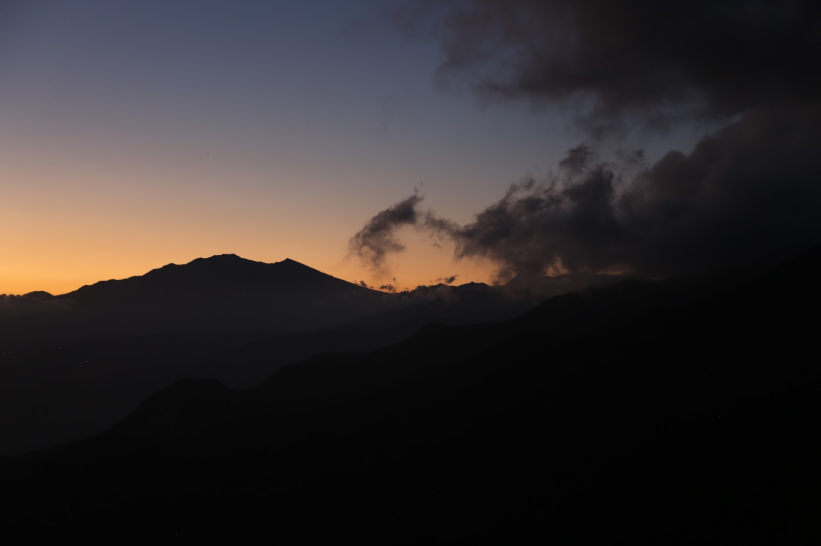
Das versteckte Juwel zwischen Bocas und David: Wo Backpacker den Weg verlassen – und etwas Echtes finden

Es gibt eine Strecke zwischen Bocas del Toro und David, die die meisten Reisenden einfach nur hinter sich bringen wollen. Ein Abschnitt, den man überbrückt. Ein Zwischenraum. Ein Teil der Reise, bei dem man aus dem Fenster schaut, Musik hört oder einfach nur darauf wartet, anzukommen. Doch genau hier, verborgen und gleichzeitig direkt vor aller Augen, liegt eines der außergewöhnlichsten Backpacker-Erlebnisse in ganz Panama. Kein Ort, der laut Aufmerksamkeit verlangt. Kein Spot, der auf jeder Liste ganz oben steht. Sondern etwas viel Besseres: ein Ort, den man entdeckt, weil man bereit ist, vom Weg abzuweichen und dem Unbekannten eine Chance zu geben.

Denn das hier ist nicht einfach nur ein Zwischenstopp – es ist ein Perspektivwechsel. In dem Moment, in dem du die Hauptroute verlässt, verändert sich alles. Die Hitze lässt nach, die Luft wird frisch und klar, und der Lärm der Bewegung verschwindet. Die Straße windet sich höher in die Berge, der Dschungel wird dichter, und plötzlich befindest du dich in einer völlig anderen Welt. Genau hier liegt Lost and Found Hostel – eingebettet in den Nebelwald, als wäre es schon immer ein Teil davon gewesen. Es wirkt nicht gebaut, sondern gewachsen. Und sobald du ankommst, merkst du: Das ist kein Ort, an dem man einfach nur übernachtet. Das ist ein Ort, an dem man ankommt – wirklich ankommt.

Was diesen Ort so besonders macht, ist die Tatsache, dass du hier nicht nur in der Nähe von Natur bist – du bist mittendrin. Anders als in Boquete, wo es eine Stadt gibt, mit Cafés, Straßen und einem klaren „Zurückkehren“ nach einem Ausflug in die Natur. Dort ist die Natur ein Ziel. Hier ist sie dein Alltag. Es gibt kein „rausgehen“ in die Natur – du wachst in ihr auf, bewegst dich durch sie und schläfst mit ihren Geräuschen ein. Du bist komplett drin. Kein Abstand, kein Rückzugsort in eine urbane Umgebung. Du bist „all in“. Und genau das macht den Unterschied – es ist intensiver, echter, unmittelbarer.

Genauso unterscheidet sich dieser Ort komplett von den Küstenorten wie Bocas del Toro oder Santa Catalina. Dort dreht sich alles um Sonne, Meer, Surfen, Bars und Bewegung. Es ist lebendig, laut, nach außen gerichtet. Hier hingegen verändert sich die Energie. Sie wird ruhiger, tiefer, geerdeter. Es ist kühl – nicht nur im Sinne der frischen Bergluft, die dich sofort aufatmen lässt, sondern auch im Gefühl. Cool im besten Sinne des Wortes. Unangestrengt. Natürlich. Ein Ort, an dem nichts erzwungen wird und trotzdem alles passiert.

Und genau hier kommt der vielleicht überraschendste Teil: Trotz dieser abgeschiedenen Lage ist es einer der sozialsten Orte auf der gesamten Backpacker-Route. Was zuerst wie ein Widerspruch klingt, ergibt plötzlich vollkommen Sinn. Es gibt keine Ablenkungen, keine großen Städte, keine unzähligen Optionen – und genau deshalb kommen Menschen zusammen. Gespräche entstehen mühelos. Ein einfaches „Willst du mitkommen?“ wird zum Startpunkt für gemeinsame Erlebnisse. Innerhalb kürzester Zeit bist du nicht mehr allein unterwegs, sondern Teil einer Gruppe, die sich genauso spontan gebildet hat wie sie sich anfühlt.

Die Tage entwickeln hier ihren ganz eigenen Rhythmus. Jemand schlägt eine Wanderung vor, und plötzlich zieht eine kleine Gruppe gemeinsam durch den Dschungel. Wege führen zu Aussichtspunkten, versteckten Wasserfällen und Orten, die sich anfühlen, als wären sie nur für euch da. Alles passiert ohne Druck, ohne festen Plan – einfach aus dem Moment heraus. Und genau dieses Gefühl des gemeinsamen Entdeckens schafft Verbindungen, die intensiver sind als in vielen anderen Reisesituationen.

Wenn der Tag langsam in den Abend übergeht, verändert sich die Stimmung erneut – aber sie wird nicht ruhiger, sondern tiefer. Menschen kommen zusammen, setzen sich an einen Tisch, teilen Essen, Geschichten, Gedanken. Aus Gesprächen wird Lachen, aus Lachen entstehen Erinnerungen. Die Nächte hier sind nicht laut oder chaotisch wie in typischen Party-Destinationen – sie sind echt. Organisch. Sie entwickeln sich von selbst. Vielleicht entsteht ein Spiel, vielleicht läuft Musik im Hintergrund, vielleicht sitzt man einfach zusammen und redet stundenlang. Zeit verliert an Bedeutung. Und genau das macht diese Abende so besonders.

Das Schönste daran ist, dass jeder hier seinen Platz findet. Du musst nicht extrovertiert sein, um Teil davon zu werden. Du musst nichts beweisen. Egal ob du viel redest oder lieber beobachtest – du wirst einbezogen, ohne dass es sich jemals gezwungen anfühlt. Diese Offenheit ist es, die den Ort so besonders macht, vor allem für echte Backpacker, die nicht nur Orte sehen, sondern Erfahrungen fühlen wollen.

Für Reisende zwischen Bocas del Toro und David ist es leicht, einfach weiterzufahren. Den Plan einzuhalten. Nichts zu hinterfragen. Doch diejenigen, die anhalten, die neugierig genug sind, den kleinen Umweg zu nehmen, entdecken etwas, das ihre Reise verändert. Aus einer Nacht werden mehrere. Pläne verschieben sich. Routen ändern sich. Denn wenn du einmal erlebt hast, wie es ist, wirklich in der Natur zu leben und gleichzeitig Teil einer echten Gemeinschaft zu sein, fällt es schwer, einfach weiterzugehen.

Und genau das ist es, was dieses versteckte Juwel so besonders macht. Es ist nicht nur der Ort. Es ist nicht nur die kühle Luft oder der Dschungel. Es ist das Zusammenspiel aus allem – das Gefühl von Verbundenheit, von Echtheit, von Präsenz. Es ist die Erinnerung daran, dass die besten Erlebnisse oft die sind, die man nicht geplant hat. Die, die man fast verpasst hätte.

Also, wenn du das nächste Mal zwischen Bocas del Toro und David unterwegs bist, dann fahr nicht einfach weiter. Steig aus. Geh in den Wald. Lass dich darauf ein. Denn genau dort, verborgen entlang dieser Straße, wartet etwas, das nicht nur deine Reise ergänzt – sondern sie definiert.

The Hidden Gem Between Bocas and David: Where Backpackers Step Off the Route—and Into Something Real

There’s a stretch of road between Bocas del Toro and David that most travelers treat like a gap to cross. It’s the in-between, the connector, the part of the journey where you’re thinking about where you’ve been or where you’re going next—but not where you are. And yet, right there, hidden in plain sight along that winding mountain route, is one of the most unforgettable experiences in all of Panama. Not a highlight that screams for attention. Not a place plastered across every itinerary. But something far better—a place you discover, not because it was obvious, but because you were curious enough to step off the beaten track and see what was waiting.

Because this isn’t just a stop—it’s a shift in mindset. The moment you leave the main route, something changes. The heat fades, the air sharpens, and the noise of constant movement disappears behind you. The road climbs, the jungle thickens, and suddenly you’re stepping into a completely different world. This is where you find Lost and Found Hostel, tucked into the cloud forest as if it grew there naturally. It doesn’t feel constructed or separate from its surroundings—it feels embedded, like it belongs to the land itself. And the moment you arrive, you realize this isn’t a place where you simply stay for the night. It’s a place where you settle in, where you slow down, and where you become part of something that’s already in motion.

What makes it so different—so memorable—is that here, you’re not near nature. You’re in it. Not like in Boquete, where you have a charming town with cafés, shops, and streets that lead out toward nature. Boquete is beautiful, but it still gives you that separation—you return to town at the end of the day. Here, there is no separation. There is no “going back.” You wake up inside the forest, you spend your day moving through it, and you fall asleep with it all around you. The sounds, the air, the feeling—it never switches off. You’re in it to win it. Fully immersed. Fully present. And that creates a kind of connection that’s hard to replicate anywhere else.

It’s also completely different from the coastal energy of places like Bocas del Toro or Santa Catalina. Those places are incredible in their own way—sun, surf, beach bars, movement, music—but they come with a certain rhythm. A flow that leans toward the ocean, toward the party, toward the outward energy of travel. Here, the energy turns inward and deeper. It’s cooler—not just in temperature, though the fresh mountain air is a welcome reset—but in every sense of the word. Cool as in calm, grounded, effortless. Cool as in the kind of place where you don’t need to try to have a good time—it just happens. The jungle replaces the ocean, the mist replaces the heat, and instead of beach hopping, you’re hiking through dense forest, discovering hidden corners that feel like they belong only to those who made the effort to find them.

And yet, despite being tucked away in this raw, natural environment, it’s one of the most social places you’ll find anywhere on the backpacker route. That’s the part that surprises people. You expect isolation—you get connection. You expect quiet—you get energy. But it’s not loud, chaotic, or forced. It’s organic. It builds naturally because of where you are. There’s nowhere else to go, nothing else to distract you, so people come together in a way that feels genuine and immediate. It starts with small moments—a conversation when you arrive, someone asking if you want to join a hike, a shared table at dinner—and then suddenly, you’re part of something. A group that didn’t exist yesterday but feels like it’s been there all along.

Days here are shaped by that energy. Someone suggests a hike, and within minutes a group forms. You head out together into the jungle, moving through trails that twist and climb, discovering viewpoints, waterfalls, and quiet corners that feel untouched. The experience is shared, but never crowded. It feels like you’re all in on something special, something that isn’t available to everyone—only to those who chose to step off the main route. And that sense of shared discovery strengthens the connections, turning simple activities into lasting memories.

As the sun begins to fade, the atmosphere shifts again, but the energy doesn’t drop—it deepens. Evenings become a central part of the experience. People gather naturally, drawn together by the same instinct to connect. Meals turn into long conversations. Conversations turn into stories. Stories turn into laughter that echoes out into the forest. There’s a rhythm to it, but it’s never forced. No big party agenda, no pressure to keep up—just a group of people who are present, open, and ready to enjoy whatever the night becomes. Games appear, music drifts through the air, and time stretches in that rare way where you forget to check it. These are the nights you don’t plan, but end up remembering the most.

And what makes it even more powerful is how inclusive it all feels. You don’t have to be the loudest person in the room to belong here. You don’t have to perform or prove anything. Whether you’re outgoing or quiet, traveling solo or with friends, there’s a space for you. You can jump fully into the social flow or ease into it at your own pace, knowing that it will meet you where you are. That’s what makes it so special, especially for true backpackers—the ones who aren’t just chasing destinations, but experiences that feel real, unfiltered, and lasting.

For travelers moving between Bocas del Toro and David, it would be easy to miss. Easy to stay on the path, to follow the plan, to keep moving. But the ones who stop—the ones who are willing to take that small detour—are the ones who find it. And when they do, everything changes. One night turns into several. Plans get pushed. Routes get rewritten. Because once you’ve experienced a place where you’re not just near nature but fully inside it, where you’re not just passing through but actively part of a community, it becomes hard to go back to anything else.

And that’s what makes this hidden gem so powerful. It’s not just the location. It’s not just the cool air, the jungle, or the social vibe. It’s the combination of all of it—the feeling of being immersed, connected, and present in a way that most travel rarely allows. It’s a reminder that the best experiences aren’t always the most obvious ones. That sometimes, the most unforgettable places are the ones you almost missed.

So the next time you find yourself traveling between Bocas del Toro and David, don’t just pass through. Don’t treat it like a gap. Get off the bus. Step into the forest. Because hidden in plain sight, right there along that road, is something rare—a place where you’re not just visiting nature, you’re living in it, where you’re not just meeting people, you’re becoming part of something, and where the experience doesn’t just add to your trip—it quietly becomes the part that defines it.

Santa Fe, Panama: A Mountain Escape of Waterfalls, Cloud Forests, and Authentic Village Life

Tucked into the mountains of the province of Veraguas, the town of Santa Fe offers a completely different experience from the coastal heat of Panama City. Known for its cooler climate, misty cloud forests, and laid-back atmosphere, Santa Fe has become a favorite destination for travelers seeking nature, adventure, and a glimpse into authentic rural life in Panama. It’s a place where time slows down, where the air is fresh and crisp, and where every path seems to lead to a waterfall, a viewpoint, or a friendly local encounter.

What Santa Fe Is Like

Santa Fe is a small mountain town with a peaceful, almost sleepy energy. Unlike more tourist-heavy destinations, it has retained a strong sense of local culture and simplicity. The streets are quiet, lined with modest homes, small shops, and family-run eateries. You won’t find large resorts or busy nightlife here—instead, you’ll find community, nature, and authenticity.

The town sits at a higher elevation, which gives it a refreshing, cooler climate compared to the rest of Panama. Mornings often start with mist rolling over the hills, and afternoons are pleasantly cool, making it ideal for hiking and outdoor exploration. This environment supports lush vegetation, dense cloud forests, and abundant wildlife, including colorful birds and butterflies.

Santa Fe is also known for its strong sense of sustainability and eco-tourism. Many local initiatives focus on protecting the environment while supporting the community. As a result, travelers often stay in eco-lodges, guesthouses, or small hostels run by locals or long-term residents who are passionate about preserving the area’s natural beauty.

Top Activities in Santa Fe

Santa Fe is an outdoor lover’s paradise, with a wide range of activities centered around its natural surroundings.

1. Hiking and Cloud Forest Exploration

One of the most popular activities is hiking through the surrounding cloud forests. Trails vary from easy walks to more challenging hikes, many of which lead to breathtaking viewpoints or hidden waterfalls. The forests are rich with biodiversity, featuring moss-covered trees, orchids, and a variety of bird species. The misty atmosphere gives the entire landscape a magical, almost otherworldly feel.

2. Waterfall Adventures

Santa Fe is famous for its waterfalls, many of which are accessible via short hikes or guided tours. Some are tucked deep within the jungle, requiring a bit of trekking, while others are more easily reached. Swimming in these natural pools is a highlight for many visitors, offering a refreshing break after hiking through the humid forest. The waterfalls are not just beautiful—they’re also a central part of the region’s ecosystem, feeding rivers and supporting wildlife.

3. Birdwatching

Birdwatching is a major attraction in Santa Fe, thanks to its rich cloud forest habitat. The area is home to a wide variety of bird species, including hummingbirds, toucans, and sometimes even the elusive Resplendent Quetzal, one of the most sought-after birds in Central America. Early mornings are the best time to spot these colorful species, especially along quiet forest trails.

4. Coffee Farm Visits

The mountainous region around Santa Fe is ideal for coffee cultivation, and visitors can tour local coffee farms to learn about the production process. These tours often include walking through coffee plantations, learning how beans are grown and harvested, and tasting freshly brewed coffee. It’s a great way to understand one of Panama’s most important agricultural products while supporting local farmers.

5. River Swimming and Nature Relaxation

Beyond waterfalls, Santa Fe has several rivers and natural pools where visitors can swim, relax, and enjoy the peaceful surroundings. These spots are often less crowded than waterfalls and provide a quiet escape into nature. The clear, cool water and shaded riverbanks make for a perfect place to unwind after a hike.

6. Community and Cultural Experiences

One of the most rewarding aspects of visiting Santa Fe is interacting with the local community. Visitors can explore the town’s small markets, try traditional Panamanian food, and learn about local life in the mountains. There is a strong sense of community here, and many locals are welcoming and open to sharing their culture with visitors.

How to Get to Santa Fe from Panama City

Getting to Santa Fe from Panama City is an adventure in itself, but the journey is straightforward and well worth the effort.

Step 1: Travel to Santiago

First, you’ll need to travel to Santiago de Veraguas, the capital of the Veraguas province. You can take a bus from the Albrook Bus Terminal, which is Panama’s main transportation hub. Buses to Santiago are frequent, affordable, and comfortable, with the journey typically taking around 4–5 hours.

Step 2: Santiago to Santa Fe

From Santiago, you can catch a smaller bus or shared taxi heading toward Santa Fe. This leg of the journey takes about 1.5 to 2 hours, as the road winds into the mountains. The ride is scenic, with views of rolling hills, forests, and rural landscapes. Buses to Santa Fe are usually available throughout the day, but schedules can be less rigid than in larger cities, so it’s best to plan ahead.

Alternative: Renting a Car

For more flexibility, you can rent a car and drive from Panama City to Santa Fe. The total drive takes approximately 5–6 hours depending on stops and traffic. The road conditions are generally good, though the final stretch into the mountains is winding and requires careful driving. Having a car allows you to explore surrounding waterfalls and trails at your own pace.

Why Santa Fe Is Worth Visiting

Santa Fe stands out as one of Panama’s most peaceful and authentic destinations. It offers a perfect blend of nature, adventure, and cultural immersion without the crowds of more touristy areas. Whether you’re hiking through cloud forests, swimming under waterfalls, sipping locally grown coffee, or simply enjoying the cool mountain air, Santa Fe invites you to slow down and reconnect with nature.

For travelers exploring Panama, Santa Fe provides a refreshing contrast to beaches and cities. It’s a place where the journey is just as rewarding as the destination, and where every experience feels genuine and unfiltered. If you’re looking for a destination that combines natural beauty, adventure, and authentic Panamanian culture, Santa Fe is one of the country’s true hidden gems.

Summit Zoo: A Lush Wildlife Escape on the Edge of the Panama Canal

Just a short drive from the heart of Panama City lies one of the country’s most underrated yet captivating wildlife destinations—the Summit Municipal Park and Zoo. Often simply called Summit Zoo, this expansive green sanctuary blends a traditional zoo with a botanical park, creating a unique experience where conservation, education, and adventure come together. Nestled near the historic Panama Canal within Panama, Summit Zoo offers visitors the rare opportunity to explore tropical forest landscapes while encountering some of the country’s most iconic wildlife. It’s not just a zoo—it’s an immersive journey into Panama’s natural heritage, making it a must-visit for travelers seeking both accessibility and authenticity.

What immediately sets Summit apart is its setting. Instead of concrete pathways and artificial enclosures, the zoo is surrounded by lush forest, rolling hills, and shaded trails that make you feel as if you’ve stepped into a living ecosystem. As you walk through the park, you’ll hear the calls of tropical birds, the rustling of leaves, and the distant sounds of animals moving through their habitats. The layout encourages exploration, with winding paths leading to different exhibits and lookout points. It feels less like a structured attraction and more like an adventure through the jungle, yet it remains very accessible and easy to navigate.

The wildlife at Summit Zoo is one of its biggest draws. Among its most celebrated residents is the majestic Harpy Eagle, one of the most powerful and awe-inspiring raptors in the world. Seeing this incredible bird up close is a highlight for many visitors, as it represents the strength and biodiversity of Panama itself. In addition to the Harpy Eagle, the zoo is home to jaguars, pumas, tapirs, sloths, monkeys, and crocodiles. There are also vibrant tropical birds, including toucans and macaws, as well as reptiles and amphibians that showcase the rich diversity of Central American ecosystems.

What makes Summit especially meaningful is its strong focus on conservation and rehabilitation. Many of the animals here are not just exhibits—they are part of ongoing efforts to protect and preserve Panama’s wildlife. Some have been rescued from illegal trafficking or injury, while others are part of breeding programs aimed at sustaining endangered species populations. This gives the zoo a deeper sense of purpose, allowing visitors to learn about the challenges facing wildlife and the importance of conservation in a rapidly developing world. It’s an experience that blends education with emotional connection, leaving visitors with a greater appreciation for the natural world.

Beyond the animal exhibits, Summit Zoo is also a botanical paradise. The surrounding park features native trees, flowering plants, and carefully maintained green spaces that highlight Panama’s incredible plant diversity. Walking through these areas feels calming and refreshing, offering plenty of shaded spots to rest, take photos, or simply enjoy the tropical atmosphere. The combination of flora and fauna creates a complete ecosystem experience, making it a perfect destination for nature lovers, photographers, and anyone looking to escape the urban energy of the city.

Opening Hours and Best Time to Visit

Summit Zoo generally follows this schedule:

Opening hours: 8:30 AM

Closing hours: 4:30 PM

Last entry: Around 3:30 PM

Best time to visit: Early morning (8:30 AM–11:00 AM), when animals are most active and temperatures are cooler

Arriving early not only allows you to enjoy more active wildlife but also gives you the chance to explore the park before it becomes busier. Weekdays tend to be quieter, while weekends can attract local families and groups, adding a lively but more crowded atmosphere.

Entrance Fees and Value

Summit Zoo remains one of the more affordable attractions in Panama:

Panamanian residents: Discounted rates

Foreign visitors: Typically around $5–$10 USD

Given the size of the park, the number of animals, and the conservation work being done, the entrance fee offers excellent value. It’s an accessible way to experience Panama’s wildlife without needing to travel deep into remote national parks or reserves.

How to Get There

Summit Zoo is conveniently located just outside Panama City, making it easy to reach through several transportation options:

By Car or Taxi

The most straightforward way to get there is by car or taxi. The drive from downtown typically takes about 25–35 minutes, depending on traffic. Ride-hailing services like Uber and InDrive are widely available in Panama City and offer a comfortable and direct route to the entrance.

By Public Bus

For a more local and budget-friendly experience, you can take a bus from the main terminal at Albrook Bus Terminal. From there, you can catch a bus heading toward the Summit or Gamboa area. Panama’s buses are frequent, inexpensive, and generally reliable, though they may require asking locals for directions or a bit of navigation. Once near the park, a short walk or taxi ride may be needed to reach the entrance.

By Guided Tour

Some tours include Summit Zoo as part of a broader itinerary, often combined with visits to the Panama Canal, rainforest areas, or nearby attractions like Gamboa. This is a great option if you prefer a guided experience with transportation included.

Tips to Make the Most of Your Visit

Wear comfortable shoes—the park is large and best explored on foot.

Bring water and sunscreen, as some areas are exposed to direct sunlight.

Take your time—the experience is about enjoying nature, not rushing through it.

Bring a camera—wildlife encounters and scenic views are abundant.

Combine your visit with other nearby attractions for a full day of exploration.

Why Summit Zoo Is a Must-Visit

Summit Zoo offers a rare combination of accessibility, biodiversity, and conservation all in one place. It’s one of the few destinations where you can encounter iconic wildlife like the Harpy Eagle while also walking through shaded jungle paths just minutes from Panama City. The park provides a deeper understanding of Panama’s ecosystems while offering a peaceful, immersive escape from urban life.

For travelers exploring Panama, Summit Zoo is more than just a stop—it’s an experience that connects you to the country’s natural identity. Whether you’re an animal lover, a nature enthusiast, or simply looking for a unique and relaxing outing, Summit delivers an unforgettable blend of education, adventure, and tropical beauty.

Panama’s Smallest Protected Areas: From Urban Forests to Rare Dry Ecosystems and Hidden Coastal Sanctuaries

In Panama, protected areas are not always vast jungles stretching for hundreds of kilometers—some of the country’s most ecologically important spaces are surprisingly small, yet incredibly rich in biodiversity and cultural value. These compact reserves, parks, and conservation zones play a crucial role in preserving fragile ecosystems, protecting endangered species, and offering accessible ways for people to connect with nature. From dense urban forests to rare dry landscapes and coastal sanctuaries, Panama’s smaller protected areas reveal just how diverse and layered this country truly is.

One of the most well-known examples is Metropolitan Natural Park, located within Panama City. Despite its relatively small size, this park is an ecological gem, preserving tropical dry forest within a bustling metropolitan area. It is one of the few places in the world where you can walk through lush jungle and spot wildlife like sloths, monkeys, toucans, and coatis just minutes from skyscrapers. The park’s well-maintained trails lead to elevated viewpoints overlooking the city skyline and the Panama Canal, creating a striking contrast between urban development and natural wilderness. Its importance lies not only in conservation, but also in environmental education and providing city residents with access to green space.

Another highly significant area is Soberanía National Park, which, while not the smallest in absolute terms, contains some of the most compact and accessible rainforest ecosystems in the country. Located along the Panama Canal, it serves as a vital biological corridor connecting different habitats. Trails like Pipeline Road are world-renowned among birdwatchers, offering the chance to see hundreds of species in a single day. This park demonstrates how even relatively small stretches of protected forest can support enormous biodiversity and contribute to scientific research and conservation efforts.

On the Pacific side, Cerra Hoya National Park stands out as one of Panama’s smallest national parks. Located on the Azuero Peninsula, it protects dry tropical forest—a rare and increasingly threatened ecosystem. Unlike the lush, humid jungles commonly associated with Panama, this region experiences a much drier climate, especially during the dry season when vegetation becomes sparse and golden. This “dry forest” environment supports specialized plants and animals that are adapted to lower rainfall, making it an ecological treasure despite its limited size. Its conservation is essential to maintaining ecological diversity within the country.

Further adding to Panama’s network of small but significant protected areas is El Nispero Zoo and Botanical Garden, located in the scenic crater town of El Valle de Antón. While not a traditional national park, it functions as a compact conservation and education center, protecting native species and showcasing Panama’s wildlife in a controlled environment. Visitors can encounter animals such as jaguars, monkeys, and exotic birds, while also learning about local flora. Its smaller footprint allows it to serve as both a sanctuary and a bridge between humans and nature.

Another important mention is the coastal and wetland-focused conservation efforts like Punta Patiño Nature Reserve, a protected area in the remote Darién region. While it includes larger wilderness zones, many of its most critical habitats—such as mangroves and nesting sites—exist in relatively small, concentrated spaces. These ecosystems are vital for marine life, migratory birds, and coastal stability. The reserve highlights how even small, delicate ecosystems can have global ecological importance, particularly in supporting biodiversity along migratory routes.

One of the most fascinating and often overlooked protected environments in Panama is the so-called “manatee park,” referring to areas where manatees are protected and studied, particularly within or near wetland systems like those in the Caribbean lowlands and coastal lagoons. A key species here is the West Indian manatee, scientifically known as West Indian Manatee. These gentle marine mammals inhabit slow-moving rivers, estuaries, and coastal waters, feeding on seagrass and aquatic vegetation. While there is no single massive “manatee national park,” there are designated protected zones and conservation efforts aimed at safeguarding these animals, especially in regions near the Caribbean coast.

These manatee habitats are often small, sensitive areas where human activity is carefully managed to prevent disturbance. They are incredibly important because manatees are vulnerable to threats such as boat collisions, habitat loss, and water pollution. Conservation programs in Panama focus on monitoring populations, educating the public, and protecting the calm waters where manatees feed and breed. Observing a manatee in the wild is a rare and special experience, as they are shy, slow-moving, and tend to surface quietly for air.

Panama also has unique semi-arid or “desert-like” environments, particularly in the Azuero Peninsula, where dry tropical conditions create landscapes that resemble arid regions during the dry season. While Panama does not have a true desert, these areas experience significantly less rainfall than the rest of the country. Vegetation becomes sparse, and the land takes on a more open, sun-exposed character. These ecosystems are extremely important because they represent one of the few dry forest environments in Central America, and they require protection to prevent degradation from agriculture and development.

What makes all these smaller protected areas so important is their strategic role in conservation. Many are located near urban centers, coastal regions, or agricultural zones, acting as buffers that protect biodiversity while allowing people to interact with nature. They serve as biological corridors, educational spaces, and refuges for endangered species. Despite their size, they often support a disproportionate amount of biodiversity relative to their footprint.

For travelers exploring Panama, these smaller parks and reserves offer some of the most accessible and rewarding nature experiences. Whether you are walking through the forest in Metropolitan Natural Park, birdwatching in Soberanía, exploring dry landscapes in Cerra Hoya, or learning about wildlife in El Valle de Antón, each destination reveals a different side of Panama’s ecological identity. Even coastal areas where manatees live provide a glimpse into the delicate balance between marine and terrestrial ecosystems.

In the end, Panama’s smallest protected areas prove that conservation is not about size—it’s about impact. These compact yet vital spaces protect unique habitats, preserve endangered species, and provide a bridge between humans and the natural world. Together, they form a mosaic of ecosystems that make Panama one of the most biodiverse and ecologically fascinating countries in the world.

The Tiny Treasures of the Jungle: The Smallest Monkeys in Panama

The smallest monkeys you can find in Panama are among the most fascinating and charming creatures in the rainforest, often capturing the attention of travelers, photographers, and wildlife enthusiasts alike. The main species that holds this distinction is the pygmy marmoset, known scientifically as Pygmy Marmoset, which is widely recognized as the smallest monkey in the world. Although sightings in Panama are rare compared to other countries in South America, related small primates such as tamarins can occasionally be encountered in certain forested regions, especially in remote, undisturbed habitats.

The pygmy marmoset is incredibly small—typically weighing only around 100 grams and measuring just a few inches long, not including its tail. Despite its size, it is perfectly adapted to life in the treetops. Its sharp claws (rather than flat fingernails like larger monkeys) allow it to cling tightly to tree bark, enabling it to move quickly and efficiently through dense vegetation. Its diet is highly specialized, consisting mainly of tree sap, gum, and small insects, which it extracts using its strong, chisel-like teeth to create holes in tree bark. This feeding behavior plays a unique ecological role, as the marmoset helps stimulate tree health and sap flow, contributing to the broader ecosystem.

In Panama, however, the more commonly observed small monkeys are species like tamarins, particularly those from the genus Tamarin. One example is the Panamanian tamarin, also known as the Geoffroy’s tamarin (Saguinus geoffroyi), which is native to the region and can sometimes be spotted in forested areas, including national parks and protected reserves. These monkeys are small, typically weighing around 500 to 700 grams, and are easily recognized by their expressive faces, long tails, and active, social behavior. They often move in small family groups, leaping gracefully from branch to branch in search of fruit, insects, and small invertebrates.

Tamarins are highly social and communicate through a variety of vocalizations, facial expressions, and body language. Their cooperative behavior extends to raising young, where not only the mother but also other group members help carry and care for infants. This social structure increases their survival chances and is one of the reasons they thrive in the wild. Unlike some larger primates, tamarins are extremely agile and spend almost all of their time in the trees, rarely descending to the ground.

In Panama, spotting these small monkeys requires patience and a bit of luck, as they are naturally elusive and tend to stay hidden in the dense canopy. Areas with healthy forest ecosystems—such as protected parks, reserves, and remote jungle regions—offer the best chances. Locations like the cloud forests and tropical lowlands can sometimes yield sightings if you are quiet, observant, and guided by local knowledge. Early mornings are often the best time to look, as monkeys tend to be more active during cooler parts of the day when they forage and travel.

What makes these small monkeys so special is not just their size, but their incredible adaptation to life in the jungle. Their survival depends on intricate relationships with their environment, from the trees they feed on to the social bonds within their groups. They are a reminder of the complexity and richness of Panama’s biodiversity, and how even the smallest creatures play a vital role in maintaining the balance of nature.

For travelers exploring Panama’s rainforests, encountering these tiny monkeys—whether a rare glimpse of a pygmy marmoset in theory or a lively group of tamarins in the wild—is an unforgettable experience. Their quick movements, curious nature, and playful interactions bring the jungle to life in a way that is both magical and deeply connected to the natural world.

Understanding the Lottery System in Panama: How It Works, What to Know, and How to Play Responsibly

The lottery system in Panama is one of the most established and culturally significant forms of legal gambling in the country. It is operated and regulated by the government through the National Lottery of Panama (Lotería Nacional de Beneficencia), which ensures that games are conducted fairly and that a portion of proceeds goes toward social programs, public welfare, and charitable causes. For many Panamanians, buying a lottery ticket is not just about the chance to win—it’s a long-standing tradition deeply embedded in everyday life.

🎟️ The Main Lottery System

The core of the Panamanian lottery revolves around printed lottery tickets, commonly known as “billetes.” These are sold by authorized vendors across the country, often on street corners, markets, and small kiosks. Each ticket features a unique number and is part of a specific draw.

Unlike many countries where lottery tickets are quick scratch-offs or digital entries, Panama’s system is more traditional. You are essentially purchasing a specific number, and your fate depends on whether that number is drawn.

There are two main types of tickets:

Full tickets: More expensive but offer higher prize potential

Fractional tickets (decimos): Cheaper portions of a full ticket, allowing multiple people to share a prize

This system makes the lottery accessible to a wide range of people, as you can participate with a small investment.

Lottery Draws and Schedule

The Panamanian lottery has a structured schedule, typically including multiple weekly draws. These draws are broadcast live on television and sometimes in public spaces.

The most notable draws are:

Wednesday draw

Sunday draw (often considered the most important)

Each draw consists of multiple prize tiers, with different winning numbers assigned to different prize amounts. The top prizes are called “premios mayores,” while smaller prizes are also distributed throughout the number combinations.

Prizes and How You Win

Winning in the lottery depends on matching your ticket number exactly with one of the winning numbers drawn.

There are multiple prize categories:

First prize (Primer Premio): The largest payout

Second and third prizes

Smaller consolation prizes

Matching certain digits or combinations

If you win, you must present your physical ticket to claim your prize. This is crucial—the physical ticket is the only proof of ownership. If you lose it, you cannot claim your winnings.

Where to Buy Tickets

Lottery tickets are widely available across Panama. You can buy them from:

Street vendors (very common)

Official lottery booths

Small shops and kiosks

Vendors often display tickets pinned to boards, making it easy to browse numbers visually.

Prices are regulated and standardized, so you won’t find significant variation in cost from one seller to another.

Rules and Regulations

The lottery system in Panama is strictly regulated by the government to ensure fairness and prevent fraud. Here are some important rules:

Only authorized vendors can sell lottery tickets

Tickets must be original and in good condition to be valid

Winning tickets must be presented physically to claim prizes

There are deadlines for claiming winnings—don’t wait too long

Lottery operations are overseen by government authorities to ensure transparency

Odds and Realities

Like all lotteries, the odds of winning major prizes are extremely low. However, smaller prizes are more attainable and still offer the excitement of potential winnings.

The lottery in Panama is often seen less as a financial investment and more as:

A form of entertainment

A cultural tradition

A small chance to dream big

Many locals buy tickets regularly, sometimes even as part of a weekly routine.

Cultural Importance

The lottery plays a meaningful role in Panamanian culture. It is common to see people purchasing tickets for special numbers, birthdays, or lucky combinations. Some people even follow specific rituals or preferences when choosing numbers.

Additionally, because the lottery is state-run, proceeds help fund social initiatives. This means that even when you don’t win, your purchase contributes to public programs and services.

Important Tips for Visitors

If you’re a traveler or newcomer to Panama, here are a few important things to keep in mind:

Always buy from official vendors

Keep your ticket safe—treat it like cash

Be aware of the draw schedule if you plan to participate

Don’t fall for scams or “guaranteed win” schemes—there is no such thing

Understand that gambling should always be done responsibly

🧭 Final Thoughts

The lottery in Panama is more than just a game—it’s a cultural institution woven into daily life. Operated by the National Lottery of Panama, it offers a regulated, widely accessible way for people to try their luck while also contributing to national programs.

Whether you’re observing from the sidelines or deciding to buy a ticket yourself, the experience provides a small but interesting glimpse into local life. It’s simple, traditional, and full of anticipation—one number at a time.

And while the odds may be long, for many in Panama, the dream is always worth a ticket.

The Magnificent Quetzal in Panama: A Complete Guide to One of the World’s Most Stunning Birds

The resplendent quetzal, scientifically known as Resplendent Quetzal, is one of the most iconic and breathtaking birds in all of Central America—and spotting one in the wild is considered a once-in-a-lifetime experience for many travelers. With its vibrant emerald-green plumage, deep crimson chest, and long flowing tail feathers, the quetzal looks almost mythical, as if it belongs more to legend than to the natural world. Revered by ancient civilizations like the Maya and Aztec, this bird symbolizes freedom and beauty, partly because it is believed to die in captivity, making it impossible to truly tame.

In Panama, the quetzal is a rare but rewarding sight. Unlike more common birds, quetzals require very specific habitats—cool, high-elevation cloud forests with dense canopy cover and an abundance of fruiting trees. Panama provides ideal conditions for them, particularly in the western highlands near the border with Costa Rica. The most well-known region for spotting quetzals is the cloud forest area around Boquete, as well as in protected areas like Volcán Barú National Park.

🌿 Habitat and Behavior

Quetzals thrive in cloud forests at elevations typically between 1,200 and 3,000 meters. These forests are cool, misty, and rich in biodiversity, filled with moss-covered trees and abundant fruit-bearing plants—especially wild avocados, which are a favorite food of the quetzal.

They are primarily frugivorous, meaning their diet consists mostly of fruit, although they occasionally eat insects and small creatures. Because they rely heavily on specific trees for food, their presence is closely tied to the health of the forest ecosystem.

Quetzals are also known for their elusive nature. They are quiet, shy, and tend to stay high in the canopy, making them difficult to spot. Their bright colors blend surprisingly well with the lush green forest, which adds to the challenge.

When to Spot a Quetzal

Timing plays a crucial role in increasing your chances of seeing a quetzal. While they are present year-round, certain times are more favorable:

Breeding season (roughly March to June):

This is the best time to see quetzals in Panama. During this period, males display their long tail feathers and become more active, especially in mating displays.

Early morning (6:00 AM – 9:00 AM):

Quetzals are most active shortly after sunrise when they feed. This is the prime window for sightings.

Late afternoon (3:30 PM – 5:30 PM):

Another active feeding period before they settle in for the night.

Cloudy or misty days:

Overcast conditions often improve your chances because quetzals feel more secure leaving cover.

📍 Best Places to See Quetzals in Panama

In Panama, there are a few standout locations where quetzal sightings are more common:

1. Boquete Region

The forests around Boquete are among the most reliable places in the country. Guided birding tours are highly recommended, as local guides know the trees where quetzals frequently feed or nest.

2. Volcán Barú Area

The slopes of Volcán Barú National Park provide ideal habitat. The higher you go, the better your chances.

3. Fortuna Forest Reserve (Near Lost and Found Hostel)

The forests surrounding the Fortuna region, including trails near Lost and Found Hostel, are excellent spots for wildlife lovers. This area is part of a lush, protected cloud forest ecosystem, making it one of the more underrated but highly rewarding places to look for quetzals.

Many travelers staying at Lost and Found report early morning hikes along the nearby trails as a great opportunity for birdwatching. Around 6:00–8:30 AM, when the forest is still quiet and the light is soft, quetzals are most likely to be active—especially if there are fruiting trees nearby. Guides and locals in the area sometimes know specific trees where quetzals have been seen feeding or nesting.

Tips for Spotting a Quetzal

Because quetzals are elusive, spotting one requires patience, awareness, and sometimes a bit of luck:

Hire a local guide: Guides in Boquete or the Fortuna area know exactly where to look and can recognize subtle signs like calls or movement.

Look for movement, not just color: Their bright plumage can blend into the forest canopy, so focus on subtle motion in the trees.

Listen carefully: Quetzals have soft, whistling calls that can help locate them.

Bring binoculars: Essential for viewing high in the canopy.

Be patient and quiet: Sudden movement or loud noise will scare them away.

Life Cycle and Nesting

Quetzals have a fascinating life cycle. They typically nest in natural tree cavities, often using holes left by woodpeckers. The female lays 1–2 eggs, and both parents take turns caring for the young.

One of the most interesting aspects of their nesting behavior is that they will often reuse the same nesting sites if conditions are favorable. However, habitat destruction can severely impact their breeding success, making conservation efforts critical.

Cultural Significance

The quetzal has deep cultural roots in Central America. In ancient civilizations, the bird was associated with freedom and wealth. In fact, the currency of neighboring Guatemala is named after the bird, reflecting its symbolic importance.

Conservation Status

The quetzal is considered a species of concern due to habitat loss. Deforestation and climate change threaten its cloud forest habitat. Conservation areas like national parks and reserves in Panama play a vital role in protecting these birds and their environment.

Spotting a quetzal in Panama is not guaranteed—but that’s exactly what makes it so special. It’s a bird that rewards patience, respect for nature, and a sense of adventure. Whether you’re hiking through the cloud forests of Boquete, exploring Volcán Barú National Park, or wandering the trails near Lost and Found Hostel, the possibility of seeing this legendary bird adds a sense of magic to the journey.

In the end, the quetzal isn’t just something you see—it’s something you experience.

Driving in Panama City: A Complete Guide for Foreigners Renting a Car

Driving in Panama City can feel like stepping into a fast-moving, loosely choreographed dance—one where the rules exist, but flexibility and awareness matter just as much as road signs. For many travelers arriving in Panama, the idea of renting a car right in the capital can be intimidating. Traffic is dense, lanes can feel fluid, and driving styles are more assertive than what you might be used to. But with the right approach—and a bit of strategy—you can make the experience not only manageable, but enjoyable.

Let’s start with the honest reality: Panama City is the most challenging place in the country to drive. Expect heavy traffic, especially during rush hours (roughly 7–9 AM and 4–7 PM), sudden lane changes, and drivers who rely more on instinct than strict adherence to rules. GPS apps like Google Maps or Waze are essential—they’ll guide you through traffic and help you avoid the worst congestion. Parking can also be tricky in busy areas, though malls and larger hotels usually have secure options.

Because of this, many experienced travelers recommend a simple strategy: don’t start your journey by driving in the city. Instead, take a bus or shuttle out of Panama City—toward places like David or the highlands—and rent your car there. Not only does this reduce stress, but it also lets you ease into driving in calmer, less chaotic environments. Once you’re outside the capital, driving becomes significantly more relaxed, with open roads, lighter traffic, and scenic routes.

🚐 Renting a Car in Panama: Step-by-Step

Renting a car in Panama is straightforward, but there are a few key things to know:

1. Choose Your Location Carefully

Renting in Panama City is convenient, but renting outside (like in David or Boquete) can make your first driving experience much easier.

2. Bring the Right Documents

Valid passport

Driver’s license from your home country

Credit card (for deposit)

3. Understand the License Rule

You can legally drive in Panama with a foreign license for up to 90 days (3 months). After that, you’d need a Panamanian license.

4. Pick the Right Vehicle

Small cars are fine for cities and highways

SUVs are better if you plan to explore rural or mountainous areas

5. Inspect the Car

Take photos or videos before driving off—document any scratches or dents.

6. Confirm the Return Policy

This is important: most rentals must be returned to the same location. Dropping the car in a different city often comes with a large fee, sometimes hundreds of dollars.

💰 Costs & Insurance: What to Expect

Car rental prices in Panama are relatively affordable at first glance—but insurance is where costs add up.

Base rental price:

$20–$40 per day (small car)

Mandatory insurance (basic liability):

Often adds $10–$20 per day

Full coverage insurance (recommended):

Can bring the total to $40–$70 per day

Many rental companies will strongly push insurance—and in Panama, it’s usually worth taking. Roads can be unpredictable, and coverage gives peace of mind.

Fuel is reasonably priced compared to many countries, and distances are relatively short, so gas costs stay manageable.

🚦 What Driving Is Really Like

Once you’re on the road, you’ll quickly notice that driving in Panama is more about awareness than strict rule-following. Here are some key things to expect:

1. Assertive Driving Culture

Drivers don’t hesitate. If you wait too long, you won’t move. You need to be confident but not aggressive.

2. Honking Is Communication

In Panama, honking isn’t rude—it’s normal. Drivers often honk lightly before overtaking or to signal presence. It’s more like a “heads up” than a complaint.

3. Lane Flexibility

Lanes are sometimes treated as suggestions. Always check mirrors and blind spots carefully.

4. Speed Bumps Everywhere

Known locally as “policías acostados,” these can appear suddenly—even on highways. Slow down in towns and villages.

⚖️ Unique Rules (and Unwritten Ones)

Panama has a few rules that might surprise you:

You must wear a shirt while driving

Driving shirtless is actually illegal.

Seatbelts are mandatory

For both driver and passengers (but often the backseat passengers get away without seatbelts).

No phone use while driving

Hands-free only.

Right of way is… flexible

Technically defined, but in practice, assertiveness often wins.

Use of hazard lights

Drivers sometimes use hazard lights to indicate sudden stops or slowdowns—pay attention.

🚔 Police Checkpoints & Fines

Police checkpoints are common throughout Panama, especially on highways between regions. Don’t worry—these are routine.

What to do:

Slow down and follow instructions

Have your license, passport copy, and rental papers ready

Be polite and calm

Most interactions are quick and professional.

⚠️ Important tip:

If you receive a traffic ticket during your trip, make sure it is paid before you leave the country. Unpaid fines can cause problems at the airport or with future visits.

🚌 Why Starting with a Bus Might Be Smarter

For many travelers, the best approach is:

Take a comfortable long-distance bus out of Panama City

Arrive in a calmer destination (like the highlands)

Rent your car there

This reduces anxiety, avoids city traffic, and lets you enjoy driving from the start instead of feeling overwhelmed. Panama’s bus system is reliable, affordable, and a great way to bridge that first stretch.

🌄 The Reward: Freedom to Explore

Once you’re outside the city, driving in Panama becomes one of the best ways to experience the country. You’ll have the freedom to stop at viewpoints, explore hidden գյուղներ, and reach places that buses don’t go. Roads between major destinations are generally in good condition, and the scenery—mountains, jungle, coastline—is constantly changing.

🧭 Final Thoughts

Driving in Panama City might not be the easiest introduction to the country—but it doesn’t have to be your starting point. With a bit of planning, you can avoid the stress, ease into the experience, and enjoy the freedom that comes with having your own vehicle.

Remember:

You can drive with your foreign license for 3 months

Insurance is essential and adds to the cost

Return your car to the same location to avoid big fees

Expect a different driving culture—adapt and stay alert

And most importantly—once you find your rhythm, driving in Panama becomes less about rules and more about flow.

So take it slow, stay aware, and enjoy the ride. Because some of the best parts of Panama aren’t just destinations—they’re the roads that take you there.

Faut-il parler espagnol pour voyager au Panama ? La réalité pour les voyageurs

Si vous préparez un voyage au Panama, vous vous posez sûrement la question : faut-il parler espagnol ? La réponse honnête est : pas forcément—mais cela dépend beaucoup de votre manière de voyager, des endroits que vous visitez et du type d’expérience que vous recherchez. Il est tout à fait possible de parcourir le Panama sans parler espagnol et de vivre une expérience incroyable. Cependant, comprendre où la langue peut devenir un obstacle—et où elle ne l’est pas—rendra votre voyage beaucoup plus fluide et enrichissant.

Commençons par les endroits les plus faciles. Dans des destinations comme Bocas del Toro, l’anglais est omniprésent. Cet archipel caribéen attire depuis longtemps des voyageurs internationaux, des expatriés et des backpackers, ce qui fait que l’anglais est largement parlé dans les auberges, restaurants, bars et agences d’excursions. Vous pouvez commander à manger, réserver des activités et rencontrer des gens sans parler un mot d’espagnol. Il en va de même dans des lieux comme Lost and Found Hostel, où toute l’ambiance est pensée pour des voyageurs du monde entier. L’anglais y est la langue principale, et la communication y est simple et naturelle. Ici, la langue ne représente absolument pas un frein.

À Panama City, la situation est un peu plus nuancée, mais reste tout à fait gérable. Dans les quartiers touristiques comme Casco Viejo, dans les grands hôtels et les restaurants plus haut de gamme, beaucoup de personnes parlent anglais. Vous n’aurez donc généralement pas de difficultés. En revanche, dès que vous sortez de ces zones—dans les quartiers plus locaux, les petits restaurants ou les situations du quotidien—l’espagnol devient beaucoup plus présent. Les chauffeurs de taxi, les vendeurs de rue ou les petits commerçants parlent souvent peu ou pas du tout anglais. Cela ne veut pas dire que vous serez bloqué, mais vous devrez davantage utiliser des gestes, des mots simples ou des applications de traduction. Panama City est une ville moderne et internationale, mais elle reste profondément hispanophone dans la vie de tous les jours.

Pour les déplacements du quotidien, notamment en transports publics, parler un peu espagnol devient plus utile. Le système de bus au Panama est économique, fiable et largement utilisé par les locaux, mais il fonctionne presque entièrement en espagnol. Si vous prenez des bus, demandez des arrêts ou vérifiez des itinéraires, quelques bases peuvent vraiment aider. Cela dit, même sans espagnol, c’est faisable. Montrer votre destination sur votre téléphone, dire simplement le nom de l’endroit ou observer attentivement suffit souvent. Les gens sont généralement serviables, et avec un peu de patience, vous arriverez presque toujours à destination.

Les restaurants suivent la même logique. Dans les zones touristiques, les menus sont souvent bilingues et le personnel parle anglais. Mais dans les petits restaurants locaux—les fameuses fondas où l’on mange souvent le mieux et le moins cher—tout est en espagnol. Cela peut sembler intimidant au début, mais cela fait aussi partie de l’expérience. Avec quelques mots de base ou une application de traduction, cela devient rapidement simple et même amusant, et vous découvrirez souvent les plats les plus authentiques.

Dans les régions plus rurales ou isolées, l’espagnol devient clairement plus important. Dans les petits villages et en dehors des circuits touristiques, l’anglais est rare. Ici, l’espagnol est la langue du quotidien, et communiquer est plus facile si vous en connaissez quelques bases. Mais ce sont aussi souvent les endroits les plus authentiques et les plus marquants. Les échanges y sont peut-être plus simples et plus lents, mais aussi plus sincères. Un sourire, quelques mots d’espagnol et une attitude ouverte suffisent souvent à créer une vraie connexion.

La réalité, c’est donc que voyager au Panama sans parler espagnol est totalement possible—mais il faut être flexible. Vous ne comprendrez pas toujours tout, et ce n’est pas grave. Ce sont souvent ces petits moments d’incertitude qui deviennent les meilleurs souvenirs. Vous apprenez à vous adapter, à communiquer autrement et à vous ouvrir davantage à ce qui vous entoure.

La technologie facilite énormément les choses. Des applications comme Google Translate peuvent traduire des menus, aider à tenir une conversation ou vous permettre de vous faire comprendre rapidement. Les cartes hors ligne, les captures d’écran et les phrases enregistrées rendent le voyage beaucoup plus simple. Avec ces outils, la barrière de la langue devient beaucoup moins intimidante.

Cela dit, apprendre quelques mots d’espagnol peut vraiment transformer votre expérience. Des expressions simples comme « hola », « gracias », « por favor » ou « ¿cuánto cuesta? » font toute la différence. Elles montrent du respect pour la culture locale et sont toujours appréciées. Les échanges deviennent plus chaleureux, les interactions plus fluides, et vous vous sentez davantage connecté au pays.

Alors, quelle est la réalité ? Le Panama se situe entre deux mondes. Il est suffisamment international pour être exploré sans parler espagnol—surtout dans des endroits comme Bocas del Toro ou dans des auberges internationales comme Lost and Found. Mais il reste profondément ancré dans sa culture hispanophone, notamment dans la vie quotidienne et en dehors des zones touristiques. Et c’est justement cet équilibre qui rend le voyage si intéressant.

En fin de compte, vous n’avez pas besoin de parler espagnol pour voyager au Panama—mais cela enrichira votre expérience. Sans espagnol, vous passerez un excellent séjour. Avec un peu d’espagnol, vous vivrez quelque chose de encore plus profond.

Alors ne vous inquiétez pas si votre espagnol est limité. Apprenez quelques mots, utilisez une application de traduction et restez ouvert. Car au Panama, la communication ne dépend pas seulement de la langue—mais aussi de votre attitude, de votre curiosité et de votre envie de découvrir.

Heb je Spaans nodig om door Panama te reizen? De eerlijke realiteit voor reizigers

Als je een reis plant naar Panama, vraag je je waarschijnlijk af: moet ik Spaans spreken? Het eerlijke antwoord is: niet per se—maar het hangt sterk af van hoe je reist, waar je naartoe gaat en hoe diep je het land wilt ervaren. Je kunt absoluut door Panama reizen zonder Spaans te spreken en toch een geweldige tijd hebben. Maar begrijpen waar taal een rol speelt en waar niet, maakt je reis een stuk makkelijker en vaak ook rijker.

Laten we beginnen met de makkelijkste plekken. In bestemmingen zoals Bocas del Toro is Engels bijna overal aanwezig. Deze Caribische eilandengroep trekt al jaren backpackers, expats en internationale reizigers aan, waardoor Engels veel wordt gesproken in hostels, restaurants, bars en bij touraanbieders. Je kunt hier eten bestellen, activiteiten boeken en nieuwe mensen ontmoeten zonder een woord Spaans te spreken. Hetzelfde geldt voor plekken zoals Lost and Found Hostel, waar de hele sfeer gericht is op internationale reizigers. Engels is hier de standaardtaal en communiceren gaat moeiteloos. Taal voelt hier nooit als een barrière.

In Panama City ligt het iets genuanceerder, maar het blijft goed te doen. In toeristische gebieden zoals Casco Viejo, in grotere hotels en in duurdere restaurants spreken veel mensen Engels. Daar zul je weinig problemen ondervinden. Maar zodra je buiten deze zones komt—bijvoorbeeld in lokale wijken, kleinere eetgelegenheden of dagelijkse situaties—wordt Spaans belangrijker. Taxichauffeurs, straatverkopers en kleine winkeliers spreken vaak weinig tot geen Engels. Dat betekent niet dat je vastloopt, maar je zult vaker moeten vertrouwen op gebaren, simpele woorden of vertaalapps. Panama-Stad is modern en internationaal, maar in het dagelijks leven nog steeds duidelijk Spaanssprekend.

Bij normaal reizen, vooral met het openbaar vervoer, wordt Spaans nog handiger. Het bussysteem in Panama is goedkoop, betrouwbaar en wordt vooral door locals gebruikt—en functioneert vrijwel volledig in het Spaans. Als je bussen neemt, naar haltes vraagt of routes bevestigt, kunnen een paar basiswoorden echt helpen. Toch is het ook zonder Spaans goed te doen. Vaak is het genoeg om je bestemming te noemen, het op je telefoon te laten zien of gewoon goed op te letten. Mensen zijn over het algemeen behulpzaam, en met een beetje geduld kom je bijna altijd waar je moet zijn.

Restaurants vormen een vergelijkbaar verhaal. In toeristische gebieden zijn menu’s vaak tweetalig en spreekt het personeel Engels. Maar in lokale eetplekken—vooral in eenvoudige fonda’s waar je vaak het lekkerst en goedkoopst eet—is alles in het Spaans. Dat kan in het begin wat uitdagend zijn, maar het maakt de ervaring juist authentiek. Met een paar basiswoorden of een vertaalapp wordt het al snel leuk en toegankelijk, en vaak ontdek je daar juist de beste gerechten.

Zodra je naar meer afgelegen of landelijke gebieden reist, wordt Spaans duidelijk belangrijker. In kleinere dorpen en buiten de gebruikelijke toeristische routes wordt Engels zelden gesproken. Hier is Spaans de dagelijkse taal, en communiceren gaat makkelijker als je een paar woorden kent. Tegelijkertijd zijn dit vaak de meest authentieke en bijzondere plekken. Gesprekken zijn misschien eenvoudiger en trager, maar vaak ook oprechter. Een glimlach, een paar woorden Spaans en een open houding brengen je al heel ver.

De realiteit is dus: je kunt zonder Spaans door Panama reizen—maar je moet flexibel zijn. Je zult niet alles begrijpen, en dat is helemaal oké. Vaak zijn het juist deze momenten die je reis memorabel maken. Je leert improviseren, anders communiceren en meer openstaan voor nieuwe situaties.

Technologie helpt enorm. Apps zoals Google Translate kunnen menu’s vertalen, gesprekken ondersteunen en je helpen jezelf verstaanbaar te maken. Offline kaarten, opgeslagen locaties en simpele zinnen op je telefoon maken reizen veel makkelijker. Met deze tools wordt de taalbarrière een stuk kleiner.

Toch kan zelfs een beetje Spaans je reis enorm verrijken. Simpele woorden zoals “hola”, “gracias”, “por favor” en “¿cuánto cuesta?” maken een groot verschil. Het toont respect en wordt bijna altijd gewaardeerd. Mensen reageren vriendelijker, gesprekken verlopen soepeler en je krijgt vaak een betere connectie met de lokale cultuur.

Wat is dus de echte situatie? Panama zit er een beetje tussenin. Het is internationaal genoeg om zonder Spaans te reizen—vooral op plekken zoals Bocas del Toro en in hostels zoals Lost and Found—maar het blijft diep geworteld in de Spaanstalige cultuur, vooral in het dagelijks leven en buiten toeristische gebieden. Juist die mix maakt het reizen er zo interessant.

Uiteindelijk heb je geen Spaans nodig om Panama te ervaren—maar het maakt alles rijker. Zonder Spaans kom je er prima. Met Spaans haal je er meer uit.

Dus maak je geen zorgen als je Spaans beperkt is. Leer een paar basiswoorden, download een vertaalapp en sta open voor de ervaring. Want in Panama draait communicatie niet alleen om taal—maar om houding, nieuwsgierigheid en de bereidheid om je onder te dompelen in iets nieuws.

Braucht man Spanisch, um durch Panama zu reisen? Die ehrliche Realität für Reisende

Wenn du eine Reise nach Panama planst, stellst du dir wahrscheinlich die Frage: Muss ich Spanisch sprechen? Die ehrliche Antwort lautet: nicht unbedingt—aber es hängt stark davon ab, wie du reist, wohin du gehst und wie tief du in das Land eintauchen möchtest. Du kannst Panama problemlos bereisen, ohne Spanisch zu sprechen, und trotzdem eine unglaubliche Zeit haben. Aber zu verstehen, wann Sprache eine Rolle spielt und wann nicht, macht deine Reise deutlich einfacher und oft auch intensiver.

Beginnen wir mit den einfachsten Orten. In Reisezielen wie Bocas del Toro ist Englisch fast überall präsent. Diese karibische Inselgruppe zieht seit Jahren Backpacker, Auswanderer und internationale Reisende an, weshalb Englisch in Hostels, Restaurants, Bars und bei Touranbietern weit verbreitet ist. Du kannst problemlos Essen bestellen, Touren buchen und neue Leute kennenlernen, ohne ein Wort Spanisch zu sprechen. Ähnlich ist es an Orten wie Lost and Found Hostel, wo die gesamte Atmosphäre auf internationale Gäste ausgerichtet ist. Englisch ist hier die Standardsprache, und Kommunikation funktioniert mühelos. Du wirst schnell merken, dass Sprache hier kein Hindernis ist, sondern eher nebensächlich.

In Panama City sieht es etwas gemischter aus, aber immer noch gut machbar. In touristischen Vierteln wie Casco Viejo, in großen Hotels und gehobenen Restaurants sprechen viele Menschen Englisch. Dort bist du als Reisender gut aufgehoben. Sobald du dich jedoch aus diesen Bereichen herausbewegst—zum Beispiel in lokale Viertel, kleinere Restaurants oder alltägliche Situationen—wird Spanisch deutlich wichtiger. Taxifahrer, Straßenverkäufer oder kleine Ladenbesitzer sprechen oft wenig oder gar kein Englisch. Das bedeutet nicht, dass du nicht zurechtkommst, aber du wirst dich mehr auf Gesten, einfache Wörter oder Übersetzungs-Apps verlassen. Panama City ist modern und international, bleibt aber im Alltag eine spanischsprachige Stadt.

Beim normalen Reisen im Land, besonders mit öffentlichen Verkehrsmitteln, wird Spanisch ebenfalls hilfreicher. Das Bussystem in Panama ist günstig, zuverlässig und wird hauptsächlich von Einheimischen genutzt—und funktioniert fast ausschließlich auf Spanisch. Wenn du Busse nimmst, nach Haltestellen fragst oder Routen bestätigst, können ein paar Grundkenntnisse sehr nützlich sein. Trotzdem ist es auch ohne Spanisch machbar. Oft reicht es, dein Ziel zu nennen, es auf deinem Handy zu zeigen oder einfach aufmerksam zu beobachten. Die Menschen sind in der Regel hilfsbereit, und mit ein wenig Geduld kommst du fast immer ans Ziel.

Ähnlich ist es in Restaurants. In touristischen Gegenden findest du häufig zweisprachige Speisekarten und Personal, das Englisch spricht. In lokalen Restaurants—besonders in einfachen Fondas, wo du oft am günstigsten und authentischsten isst—ist alles auf Spanisch. Hier kann es anfangs etwas herausfordernd wirken, aber genau das macht auch den Reiz aus. Mit ein paar Grundbegriffen oder einer Übersetzungs-App wird daraus schnell eine spannende Erfahrung, und oft entdeckst du genau dort die besten Gerichte.

Sobald du dich in ländlichere oder abgelegenere Regionen bewegst, wird Spanisch deutlich wichtiger. In kleineren Orten und außerhalb der typischen Reiserouten ist Englisch selten. Hier ist Spanisch die Alltagssprache, und Kommunikation funktioniert einfacher, wenn du zumindest ein paar Wörter kennst. Gleichzeitig sind genau diese Orte oft die authentischsten und eindrucksvollsten. Gespräche sind vielleicht einfacher und langsamer, aber oft auch herzlicher. Ein Lächeln, ein paar Worte Spanisch und eine offene Haltung reichen oft aus, um sich zu verständigen.

Die Realität ist also: Du kannst ohne Spanisch durch Panama reisen—aber du wirst flexibler sein müssen. Du wirst nicht alles verstehen, und das ist völlig in Ordnung. Oft sind es gerade diese kleinen Unsicherheiten, die zu den besten Geschichten werden. Du lernst, anders zu kommunizieren, spontaner zu sein und dich auf neue Situationen einzulassen.

Technologie hilft dabei enorm. Apps wie Google Translate können Menüs übersetzen, Gespräche erleichtern und dir helfen, dich verständlich zu machen. Offline-Karten, gespeicherte Orte und einfache Phrasen auf deinem Handy machen vieles einfacher. Mit diesen Tools wird die Sprachbarriere deutlich kleiner.

Trotzdem kann schon ein kleines bisschen Spanisch deine Reise stark verbessern. Ein einfaches „Hola“, „Gracias“, „Por favor“ oder „¿Cuánto cuesta?“ macht einen großen Unterschied. Es zeigt Respekt und wird fast immer positiv aufgenommen. Die Menschen reagieren offener, Gespräche werden freundlicher, und du bekommst oft eine ganz andere Verbindung zum Land.

Was also ist die Wahrheit? Panama befindet sich irgendwo dazwischen. Es ist ein Land, das international genug ist, um ohne Spanisch bereist zu werden—besonders an Orten wie Bocas del Toro oder in internationalen Hostels wie Lost and Found. Gleichzeitig ist es tief in seiner spanischsprachigen Kultur verwurzelt, besonders im Alltag und außerhalb touristischer Zentren. Genau diese Mischung macht das Reisen dort so interessant.

Am Ende brauchst du kein Spanisch, um Panama zu erleben—aber es bereichert deine Reise enorm. Ohne Spanisch wirst du klarkommen. Mit Spanisch wirst du tiefer eintauchen.

Also keine Sorge, wenn deine Sprachkenntnisse begrenzt sind. Nimm ein paar Wörter mit, lade dir eine Übersetzungs-App herunter und geh offen in die Erfahrung. Denn in Panama geht es nicht nur darum, was du sagst—sondern darum, wie du dich auf das Land einlässt.

Do You Need Spanish to Travel in Panama? The Real Story for Backpackers and Travelers

If you’re planning a trip to Panama, one of the most common questions is: Do I need to speak Spanish? The honest answer is—not necessarily, but it depends on how you travel, where you go, and what kind of experience you want. You can absolutely travel through Panama with little to no Spanish and still have an incredible time. But understanding where language becomes a barrier—and where it doesn’t—can make your trip smoother, richer, and far more enjoyable.

Let’s start with the easiest places. In destinations like Bocas del Toro, English is everywhere. This Caribbean hotspot has long been a magnet for international travelers, expats, and backpackers, and as a result, English is widely spoken in hostels, restaurants, bars, and tour companies. You can order food, book activities, and socialize without needing a single word of Spanish. It’s one of the most beginner-friendly places in Central America for English-speaking travelers. The same goes for places like Lost and Found Hostel, where the entire atmosphere is built around international travelers. Here, English is the default language, and communication is effortless. You’ll meet people from all over the world, and language is never a barrier to connection.

Now shift to Panama City, and things become a bit more mixed—but still manageable. In tourist areas like Casco Viejo, major hotels, and upscale restaurants, English is commonly spoken. Staff in these places are used to international visitors and can usually communicate well. However, once you step outside those zones—into local neighborhoods, smaller eateries, or everyday situations—Spanish becomes much more important. Taxi drivers, small shop owners, and street vendors may speak little to no English. That doesn’t mean you’ll struggle, but it does mean you’ll rely more on gestures, basic phrases, or translation apps. Panama City is modern and global, but it’s still very much a Spanish-speaking city at its core.

When it comes to regular, day-to-day travel—especially using public transportation—Spanish becomes more useful. Panama’s bus system is affordable, reliable, and widely used by locals, but it operates almost entirely in Spanish. If you’re catching local buses, asking for stops, or confirming routes, knowing a few key phrases can make a big difference. That said, even without Spanish, it’s still doable. Routes are often straightforward, and people are generally helpful. A simple “¿Boquete?” or showing your destination on your phone can get you where you need to go. You don’t need fluency—you just need a bit of confidence and patience.

Restaurants are another area where the experience varies. In tourist-heavy areas, menus are often bilingual, and staff may speak English. But in more local spots—especially the best-value places like fondas—everything will likely be in Spanish. This is where a little preparation goes a long way. Learning basic food words or using Google Translate can turn what might feel intimidating into a fun and authentic experience. And honestly, these local spots often offer some of the best food you’ll find in Panama.

Where Spanish really becomes important is in more remote or rural areas. As you move away from tourist hubs and into smaller towns or countryside regions, English becomes less common. Here, Spanish is the primary—and often only—language. But this is also where some of the most rewarding travel experiences happen. Interactions may be simpler, slower, and more based on gestures and smiles, but they often feel more genuine. People in Panama are generally friendly and patient, and even if communication isn’t perfect, there’s a willingness to help that goes a long way.

The reality is that traveling without Spanish in Panama is completely possible—it just requires a flexible mindset. You won’t always understand everything, and that’s okay. In fact, those moments of uncertainty often turn into the most memorable parts of the trip. You’ll learn to adapt, to communicate in different ways, and to engage more directly with the world around you.

Technology also makes a huge difference. Apps like Google Translate can instantly bridge language gaps, whether you’re reading a menu, asking for directions, or having a basic conversation. Offline maps, screenshots, and saved phrases can all help you navigate situations with ease. With these tools, the language barrier becomes much less intimidating.

That said, learning even a small amount of Spanish can transform your experience. Simple phrases like “hola,” “gracias,” “por favor,” and “cuánto cuesta” go a long way. Not only do they help practically, but they also show respect for the local culture. People appreciate the effort, and it often leads to warmer interactions and better service.

So what’s really going on? Panama sits in a unique position. It’s developed, connected, and heavily influenced by tourism—especially in places like Bocas del Toro and hostels like Lost and Found—where English is widely spoken. At the same time, it remains deeply rooted in its Spanish-speaking culture, particularly in everyday life and local communities. This creates a balance where you can travel comfortably without Spanish, but you’ll always benefit from knowing at least a little.

In the end, you don’t need Spanish to travel in Panama—but it helps. It smooths the edges, opens doors, and deepens your connection to the country. Without it, you’ll still have an amazing trip. With it, you’ll have an even richer one.

So don’t stress if your Spanish is limited. Bring a few key phrases, download a translation app, and embrace the experience. Because in Panama, communication isn’t just about language—it’s about attitude, openness, and a willingness to engage with the world around you.

Masters of the Canopy: The Ultimate Guide to Spider Monkeys in Panama

Deep within the rainforests of Panama, high above the forest floor where sunlight filters through layers of green, lives one of the most agile and captivating animals in the Neotropics—the Spider monkey. Rarely still, constantly moving, and almost always out of reach, spider monkeys are the acrobats of the jungle canopy. Spotting one in the wild is not just a wildlife encounter—it’s a moment of connection with one of the most intelligent and energetic creatures in Central America.

Spider monkeys are instantly recognizable by their long limbs and even longer prehensile tails, which act like a fifth arm. In fact, their tails are so strong and flexible that they can hang their entire body weight from them while reaching for fruit or swinging between branches. Their movement is what gives them their name—they seem to stretch and leap like spiders across the trees, covering large distances with ease. Watching a group of spider monkeys move through the canopy feels like witnessing a perfectly choreographed performance: fluid, fast, and completely effortless.

In Panama, the most commonly found species is the Geoffroy’s spider monkey, known scientifically as Geoffroy’s spider monkey. These monkeys typically have slender black or brown bodies, expressive faces, and a level of curiosity that makes them both elusive and engaging. They are highly social animals, usually traveling in groups that can range from a few individuals to larger, loosely connected communities. However, unlike some other monkey species, they often split into smaller subgroups while foraging, which can make them harder to spot all at once.

Their intelligence is one of their most fascinating traits. Spider monkeys are considered among the smartest New World monkeys, with complex social structures and strong memory skills. They rely heavily on their knowledge of the forest—remembering where fruiting trees are located and when they are likely to produce food. Their diet is primarily fruit-based, which makes them important seed dispersers in the ecosystem. As they move through the forest, they help regenerate plant life, playing a crucial role in maintaining the health of the rainforest.

So where can you find them? Spider monkeys prefer dense, undisturbed forests, especially areas with tall trees and continuous canopy cover. In Panama, some of the best places to spot them include Soberanía National Park near Panama City, the remote wilderness of Darién National Park, and the lush Caribbean forests around Bocas del Toro. In the highlands, areas surrounding Boquete and the jungle corridors between Boquete and Bocas also offer opportunities, especially in more remote, forested zones.

One particularly unique place to encounter wildlife, including the occasional spider monkey sighting, is Lost and Found Hostel. Nestled deep in the jungle, this off-the-grid hostel sits within a rich ecosystem where animals move freely through the surrounding forest. While spider monkeys are not guaranteed sightings here—no wild animal ever is—the untouched nature of the area creates the right conditions for encounters. Guests often report hearing movement in the canopy or catching glimpses of monkeys traveling through the treetops, adding to the sense of immersion and adventure.

Timing and awareness are key when searching for spider monkeys. They are most active during the early morning and late afternoon, when temperatures are cooler and feeding activity is higher. Unlike howler monkeys, which can often be heard from miles away, spider monkeys are relatively quiet. This means you’ll need to rely more on visual cues—rustling leaves, shaking branches, or sudden movement high above. A good strategy is to stop frequently, look up, and listen carefully. Guided tours with experienced naturalists can significantly increase your chances, as they know how to read the subtle signs of wildlife activity.

It’s also important to understand that spider monkeys are sensitive to human disturbance. Habitat loss and hunting have impacted their populations in certain areas, making conservation efforts critical. National parks and protected areas play a vital role in preserving their habitats, and responsible tourism can help support these efforts. When observing spider monkeys, it’s essential to keep a respectful distance, avoid making loud noises, and never attempt to feed or approach them.

What makes seeing a spider monkey so special isn’t just the rarity—it’s the experience itself. You’re looking up into a world that most people rarely notice, a hidden layer of the forest where life unfolds in a completely different way. There’s a sense of humility in it, realizing how much exists beyond eye level, how complex and interconnected the ecosystem truly is.

For photographers and wildlife enthusiasts, capturing spider monkeys can be both challenging and rewarding. Their constant movement and high position in the canopy require patience, quick reflexes, and often a bit of luck. But even without a camera, the memory of watching them swing effortlessly through the trees is something that stays with you.

In the end, spider monkeys represent the wild heart of Panama’s jungle. They are a reminder that the forest is alive in every direction—not just around you, but above you as well. Whether you’re trekking through a national park, exploring remote jungle trails, or simply sitting quietly in a place like Lost and Found Hostel, the possibility of encountering these incredible animals adds a layer of magic to the experience.

Because in Panama, sometimes the most unforgettable moments aren’t on the ground—they’re happening high in the trees, just waiting for you to look up.

The Flash of Blue: Discovering Morpho Butterflies in Panama’s Jungles

There’s a moment in the forests of Panama that feels almost unreal—a sudden flicker of electric blue slicing through the green, catching your eye for just a second before vanishing again into the jungle. You stop walking. You look again. And then, like a living piece of sky, it reappears—gliding, flashing, dancing through shafts of sunlight. This is the magic of the Morpho butterfly, one of the most iconic and mesmerizing creatures you can encounter in Panama. It’s not just a butterfly; it’s a moment, an experience, something that lingers in your memory long after it disappears into the forest.

What makes Morpho butterflies so extraordinary is their color—an intense, iridescent blue that almost seems to glow from within. But what many people don’t realize is that this color isn’t created by pigment at all. Instead, it comes from microscopic structures on their wings that reflect and refract light, producing that shimmering, metallic brilliance. As the butterfly flaps its wings, the blue appears and disappears in flashes, creating a hypnotic effect that feels almost like a visual illusion. One second it’s there, vibrant and impossible to ignore—and the next, it’s gone. When the wings close, the underside reveals a completely different look: muted browns with eye-like patterns that act as camouflage, helping protect it from predators. This dual identity—bright and bold in motion, subtle and hidden at rest—is part of what makes the Morpho so fascinating.

Panama’s diverse landscapes create the perfect environment for these butterflies to thrive. In regions like Boquete, where cloud forests meet open trails and sunlight filters through dense vegetation, Morphos are a common yet always magical sight. They tend to favor areas where forest edges meet light—riverbanks, jungle clearings, and garden spaces where the sun breaks through the canopy. Their flight pattern is slow and deliberate, almost floating, which gives you just enough time to catch that signature flash of blue. But despite their size and color, they can be surprisingly elusive. Spotting one often comes down to awareness—watching for movement rather than color, and letting the forest reveal its secrets on its own terms.

One of the most special places to experience this is Lost and Found Hostel, a hidden gem tucked deep in the jungle between Boquete and Bocas del Toro. Surrounded by lush gardens, dense forest, and open spaces that attract wildlife, this hostel has become something of a sanctuary for Morpho butterflies. Here, they don’t just pass through—they linger. It’s not uncommon to see them drifting through the garden paths, catching the sunlight as they move between trees, or hovering briefly as if suspended in time. There’s a certain stillness in these moments, a quiet connection between you and the natural world that feels rare and unfiltered. Watching a Morpho dance through the gardens at Lost and Found isn’t just a sighting—it’s an experience that feels almost personal.

Timing plays a crucial role in encountering these butterflies. Morphos are most active during the warmer, sunnier parts of the day, typically from late morning to early afternoon. They rely on the warmth of the sun to power their flight, so bright days offer the best chances for sightings. After a rain shower, when the forest feels fresh and alive, they often emerge again, taking advantage of the returning light. Walking slowly along trails, pausing often, and simply observing your surroundings increases your chances dramatically. These aren’t creatures you chase—they’re ones you notice, often when you least expect it.

Beyond their visual beauty, the lifecycle of the Morpho butterfly adds another layer of wonder. Like all butterflies, they undergo a complete metamorphosis—a process that feels almost mythical in its transformation. It begins with tiny eggs laid on specific host plants. These hatch into caterpillars, which are often reddish-brown and covered in fine hairs. At this stage, their sole purpose is to eat and grow, storing energy for what comes next. After reaching a certain size, the caterpillar forms a chrysalis, hanging quietly while one of nature’s most remarkable transformations takes place inside. Within this protective shell, the caterpillar breaks down and reorganizes into a completely new form. When it finally emerges as a butterfly, the change is nothing short of extraordinary. Yet this final stage—the one we admire so much—is fleeting. Adult Morphos typically live only a few weeks, dedicating that time to feeding, mating, and continuing the cycle.

Their role in the ecosystem is just as important as their beauty. Morphos contribute to pollination and serve as part of the food web, supporting birds, reptiles, and other species. Their presence is often a sign of a healthy, thriving environment. In places where Morphos are abundant, it usually means the forest is intact, diverse, and functioning as it should. In this way, seeing one is not just a visual treat—it’s a subtle indicator that you’re in a place where nature is still balanced.

For photographers, capturing a Morpho butterfly is both a challenge and a reward. Their unpredictable flight, combined with the way their color shifts in light, makes them a difficult subject. But when you get it right—a frame where the wings are open, glowing blue against the green of the jungle—it’s unforgettable. Even without a camera, though, the experience stays with you. There’s something about that flash of color, that brief moment of connection, that feels deeply human. It reminds you to slow down, to look closer, to appreciate the details that are so often missed.

There’s also something symbolic about Morpho butterflies. They represent transformation, change, and the fleeting nature of beauty. You can’t hold onto the moment—you can only experience it as it happens. And maybe that’s what makes it so powerful. In a world where so much is planned and controlled, the Morpho exists entirely in the present. It appears, it dazzles, and it disappears, leaving behind nothing but memory.

In the end, encountering a Morpho butterfly in Panama is one of those rare travel experiences that feels almost magical. You can increase your chances by being in the right place—like the forests around Boquete or the gardens of Lost and Found Hostel—but the moment itself is never guaranteed. And that’s part of the beauty. It’s spontaneous, unpredictable, and completely real.

A flash of blue in a sea of green. A moment of stillness in the middle of the jungle. And then it’s gone.

But somehow, that fleeting encounter becomes one of the most vivid memories of your journey—one that stays with you long after you’ve left the forest behind.

Riding the Wild Rivers: The Ultimate Guide to White Water Rafting in Panama

When most travelers think of Panama, their minds go straight to palm-lined beaches, Caribbean islands, and the engineering marvel of the canal. But beyond the coastlines and city skylines lies a wilder, more untamed side of the country—one defined by rushing rivers, dense jungle, and adrenaline-fueled adventure. White water rafting in Panama is one of the most exhilarating and underrated experiences you can have, offering a perfect blend of raw, powerful currents, and immersive exploration. It’s where the calm beauty of the rainforest suddenly transforms into a surging, unpredictable force, and where every bend in the river brings both excitement and discovery.

At the heart of Panama’s rafting scene is the highland region around Boquete, a destination already famous for its outdoor activities and dramatic landscapes. Surrounded by mountains and fed by consistent rainfall, this region produces some of the best rafting conditions in Central America. The rivers here, particularly the Chiriquí Viejo, offer a dynamic mix of rapids ranging from Class II to Class IV, depending on the season and water levels. This range makes the experience accessible to beginners while still delivering enough intensity to satisfy seasoned adventurers. It’s not just about surviving the rapids—it’s about learning to read the river, working with your team, and finding rhythm in the chaos.

A typical rafting journey begins in relatively calm water, giving you time to get comfortable with your paddle, your teammates, and your guide’s instructions. There’s a moment of quiet anticipation as the raft drifts forward, surrounded by thick jungle and the distant sound of rushing water ahead. Then, gradually, the river begins to change. The current strengthens, the channel narrows, and the sound grows louder. Suddenly, you’re dropped into your first rapid—waves crashing, water splashing over the raft, and your guide calling out commands as your group paddles in unison. It’s fast, intense, and completely immersive. Every rapid feels different—some require careful navigation and teamwork, while others are about holding on and riding the surge.

Between these bursts of adrenaline, the river offers moments of calm that are just as memorable. You float through stretches of still water, surrounded by towering trees, thick vegetation, and the sounds of the jungle. These quieter sections allow you to fully absorb the environment—something that sets rafting in Panama apart from more commercialized destinations. You’re not just on a ride; you’re deep in a living ecosystem. Tropical birds glide overhead, monkeys call from the treetops, and the forest feels alive in every direction. It’s a powerful contrast—the intensity of the rapids balanced by the serenity of untouched nature.

What truly makes white water rafting in Panama unique is this deep connection to the environment. Many of the rivers flow through remote, undeveloped areas where access is limited and nature remains largely untouched. You’re traveling through landscapes that few people ever see, guided only by the river’s path. It’s an experience that feels raw and authentic, far removed from the polished, controlled settings of larger tourism hubs. Every trip is slightly different, shaped by weather, water levels, and the natural rhythm of the river itself.

Despite the wild nature of the experience, rafting in Panama is highly accessible and safe when done with professional operators. Before entering the water, guides provide a thorough safety briefing, covering everything from paddling techniques to what to do if you fall out of the raft. You’re equipped with a helmet, life jacket, and a sturdy raft designed to handle the conditions. Throughout the journey, experienced guides remain in control, reading the river and making quick decisions to navigate safely. Even if you’ve never rafted before, the combination of preparation and guidance allows you to feel confident and fully enjoy the experience.

Seasonality plays a significant role in shaping the adventure. During the rainy season, rivers swell with increased water flow, creating faster, more powerful rapids that are ideal for thrill-seekers. The ride becomes more intense, with bigger waves and more technical sections. In contrast, the dry season offers slightly lower water levels, resulting in a more manageable and beginner-friendly experience. This variation means that rafting in Panama can be tailored to different levels of comfort and experience, making it appealing to a wide range of travelers.

Beyond Boquete, Panama offers other rafting opportunities in different regions, each with its own unique character. Some rivers wind through dense lowland rainforest, where the air is warmer and the vegetation feels even more tropical. Others cut through rugged terrain, offering steeper drops and faster flows. No matter the location, the essence of rafting remains the same: navigating natural forces, working as a team, and embracing the unpredictability of the journey.

One of the most rewarding aspects of white water rafting is the sense of teamwork it creates. Everyone in the raft plays a role, and success depends on coordination and communication. As you move through the river, a rhythm develops—paddles hitting the water in sync, voices responding to commands, and a shared focus on what’s ahead. By the end of the trip, there’s a strong sense of connection among the group, whether you arrived together or met just hours before. It’s a shared accomplishment that often becomes one of the highlights of the entire trip.

There’s also something deeply grounding about the experience. In a world filled with constant distractions, rafting forces you to be present. You’re fully engaged—physically, mentally, and emotionally. The cold splash of water, the pull of the current, the sound of the river—it all brings you into the moment. There’s no room for anything else. It’s both energizing and refreshing, leaving you with a sense of clarity and accomplishment that lingers long after the trip ends.

For photographers and content creators, rafting in Panama offers incredible opportunities. The contrast of bright rafts against deep green jungle, the movement of water, and the raw expressions of excitement all create dynamic visuals. Whether you’re capturing action shots in the rapids or quiet moments drifting through the forest, the setting provides a constant stream of inspiration. It’s an adventure that looks as good as it feels.

In the end, white water rafting in Panama is more than just an activity—it’s an experience that combines adrenaline, nature, and human connection into something unforgettable. It’s about stepping into the unknown, trusting the process, and embracing the ride. Whether you’re chasing excitement, seeking a deeper connection with nature, or simply looking to try something new, rafting offers a perspective on Panama that few other activities can match.

So if you’re planning a trip to Panama, go beyond the beaches and city streets. Head into the mountains, follow the rivers, and take on the current. Grab a paddle, listen to the roar of the water, and prepare yourself for one of the most thrilling and immersive adventures the country has to offer.

Flying Through the Jungle: The Ultimate Guide to Zip Lining in Panama

If there’s one experience that captures the raw, untamed beauty of Panama in a single, unforgettable rush, it’s zip lining. Suspended high above the jungle canopy, gliding at speed from one platform to the next, you don’t just observe Panama—you become part of it. This is a country defined by its wild landscapes: thick rainforests, volcanic mountains, deep valleys, and cloud forests that seem to float between worlds. And zip lining is one of the few activities that allows you to experience all of that from a completely different perspective—one where the ground disappears, and the horizon opens wide.

Among the top destinations for zip lining is the highland region of Boquete, a place where adventure and nature exist in perfect balance. Nestled in the mountains, Boquete offers cooler temperatures, lush vegetation, and dramatic terrain that is ideal for building world-class zip line courses. Here, the lines aren’t short or simple—they are long, sweeping cables that stretch across valleys, rivers, and forested ridges. Some runs feel like flying across an entire landscape, with nothing beneath you but layers of green and the distant sound of rushing water. Others take you through tighter sections of forest, where you move between trees and feel completely immersed in the jungle. Each line offers something different—speed, height, scenery—and together they create a full experience that builds from anticipation to pure adrenaline.

What makes zip lining in Panama truly special is how deeply it’s connected to the environment. This isn’t a manufactured thrill ride—it’s an adventure shaped by nature itself. The platforms are often built into the forest, sometimes high in the trees, sometimes perched on the edge of cliffs. As you move from one point to the next, you’re not just riding a cable—you’re traveling through ecosystems. You might glide over a river cutting through the jungle, pass above a waterfall hidden below the canopy, or catch a glimpse of birds darting through the trees. In quieter moments, when you pause on a platform waiting for your turn, you can hear the forest breathing around you—the wind in the leaves, distant animal calls, the hum of life that defines Panama’s biodiversity.

That biodiversity is part of what makes the experience so powerful. Panama is one of the most ecologically rich countries in the world, acting as a natural bridge between North and South America. From above, you begin to understand the scale of that richness. The forest isn’t just a collection of trees—it’s a layered, living system, full of movement and detail. Guides often take time to explain what you’re seeing, pointing out native plants, bird species, and unique features of the landscape. This turns the experience into more than just an adrenaline activity—it becomes a window into the natural world. You leave not only with a rush of excitement, but with a deeper appreciation for the environment you’ve just flown through.

For many travelers, zip lining also becomes a personal challenge. There’s always that moment at the start—the first platform, the first clip-in, the first step toward the edge—where hesitation creeps in. Your heart beats a little faster, your mind runs through “what ifs,” and then suddenly, you’re off. The fear disappears almost instantly, replaced by exhilaration. The wind rushes past, the landscape opens beneath you, and for a few seconds, you’re completely free. It’s a powerful shift, and one that makes the experience as much about mindset as it is about movement. By the end of the course, most people aren’t just comfortable—they’re eager for the next line, chasing that feeling again and again.

Safety is, of course, a crucial part of the experience, and in Panama, established zip line operators maintain high standards. Equipment is modern and regularly inspected, guides are trained and attentive, and safety briefings are thorough and clear. Every step—from harnessing in to landing on the next platform—is carefully managed. Even if you’ve never zip lined before, you’re guided through the process in a way that builds confidence quickly. That balance between safety and excitement is what allows you to fully enjoy the experience without hesitation.

Another aspect that makes zip lining in Panama so memorable is the social side of it. You’re rarely doing it alone. Groups of travelers from all over the world come together for these tours, and there’s a shared energy that builds as you move through the course. People laugh, encourage each other, and celebrate after each line. By the end, it often feels like a team experience—one where strangers become temporary companions, connected by a shared adventure. It’s the kind of activity that creates stories, the kind you retell long after the trip is over.

While Boquete is one of the most well-known locations, zip lining can be found in other regions of Panama as well, each offering a slightly different environment. Some courses take you through lower, denser rainforest, where the air is warmer and the vegetation feels more tropical and wild. Others are set in more rugged terrain, where the focus is on height and distance. No matter where you go, the core experience remains the same: stepping off a platform, trusting the system, and letting the landscape carry you forward.

There’s also something uniquely freeing about the simplicity of zip lining. You don’t need advanced skills, expensive gear, or extensive preparation. Once you’re harnessed in, it’s just you, the cable, and the space in front of you. It strips adventure down to its core elements—movement, trust, and sensation. And in a place like Panama, where the natural world feels so immediate and alive, that simplicity becomes even more powerful.

In the end, zip lining in Panama is more than just a thrill—it’s a perspective shift. It allows you to see the country from above, to understand its scale, its beauty, and its complexity in a way that’s impossible from the ground. It’s fast, it’s immersive, and it’s unforgettable. But more than anything, it’s a reminder of what travel can be when you step outside your comfort zone and into something new.

So if you find yourself in Panama, don’t just admire the jungle from a distance. Step into it. Clip in, take a breath, and launch yourself into the open air. Because sometimes, the best way to understand a place like Panama… is to fly right through it.

Geisha Coffee in Panama: The Legendary Bean That Redefined Luxury Coffee

High in the cloud-kissed mountains of Panama, where cool air rolls through valleys layered with rainforest and volcanic soil nourishes every root, a quiet transformation reshaped the global coffee world. This is the home of Geisha coffee—a bean so refined, so complex, and so rare that it has come to symbolize the absolute peak of specialty coffee. What began as a little-known varietal has evolved into one of the most coveted agricultural products on Earth, commanding record-breaking prices and drawing coffee enthusiasts from every corner of the globe. But beyond the headlines and luxury status lies a deeper story—one of environment, precision, patience, and a near-perfect alignment between nature and human craft.

Although Geisha coffee traces its origins back to Ethiopia, it was in the highlands of Panama where it truly found its identity. Regions like Boquete and nearby Volcán offer ideal growing conditions that are almost impossible to replicate elsewhere. Elevations often exceed 1,500 meters, and at these heights, coffee plants grow more slowly due to cooler temperatures. This extended maturation period allows sugars and compounds within the coffee cherry to develop more fully, resulting in extraordinary complexity. Add to this the rich volcanic soil, consistent rainfall, and the unique microclimates created by surrounding cloud forests, and you have a natural environment that seems designed specifically for producing exceptional coffee. The balance of sunlight, shade, altitude, and moisture gives Geisha beans their signature clarity and vibrancy—qualities that are incredibly difficult to achieve elsewhere in the world.

What truly sets Geisha coffee apart is its flavor profile—something that consistently surprises even seasoned coffee drinkers. This is not the heavy, bitter coffee many people are used to. Instead, Geisha offers a delicate, tea-like body with explosive aromatics. Notes of jasmine, bergamot, tropical fruits, citrus, and honey are commonly found, often layered in a way that evolves as the coffee cools. The aroma alone can be intoxicating, filling the air with floral and fruity scents that feel closer to fine perfume than a morning brew. Each cup becomes an experience, not just a drink. It’s a coffee that invites you to slow down, to pay attention, to taste intentionally. For many, their first encounter with Geisha is transformative—it completely redefines what coffee can be.

The turning point for Geisha coffee came in 2004 at the prestigious Best of Panama competition. When Panamanian producers submitted Geisha beans, the results stunned judges and buyers alike. The coffee scored at unprecedented levels and fetched prices that shattered previous records. Overnight, the global coffee industry took notice. What had once been a niche varietal became the most sought-after coffee in the world. Auctions began to see Geisha lots selling for hundreds—and eventually thousands—of dollars per pound. The name “Geisha” became synonymous with luxury, quality, and rarity, and Panama found itself at the center of a global coffee movement.

But behind the prestige lies an enormous amount of work and risk. Geisha plants are notoriously difficult to cultivate. They are more fragile than other coffee varieties, more susceptible to disease, and they produce lower yields. Farmers must invest significant time and resources into maintaining these plants, often with no guarantee of success. Harvesting is done by hand, with workers carefully selecting only the ripest cherries at the perfect moment. Even after harvesting, the process is far from over. The beans must be processed with extreme precision—whether through washed, natural, or honey methods—to bring out their full potential. Each decision along the way affects the final flavor, and even small mistakes can compromise the quality. This level of care is one of the reasons Geisha coffee is so rare—and why it commands such high prices.

In regions like Boquete, coffee farms have become destinations for travelers seeking to understand this process firsthand. Visiting a Geisha-producing farm is unlike a typical coffee experience. Guests can walk through plantations set against dramatic mountain backdrops, learn about cultivation techniques, and witness the intricate steps that go into producing each batch. Tastings are conducted with the same level of detail as wine tastings, often using precise brewing methods like pour-over or siphon to highlight the coffee’s delicate characteristics. These experiences offer a deeper appreciation not only for the coffee itself, but for the people and environments that make it possible.

Geisha coffee has also had a profound impact on Panama as a whole. It has elevated the country’s reputation on the global stage, turning it into a destination for coffee connoisseurs and industry professionals alike. It has encouraged innovation among farmers, who continue to experiment with new processing techniques and push the boundaries of what coffee can achieve. At the same time, it has created economic opportunities, allowing producers to earn higher returns for their work and invest further in quality and sustainability. In many ways, Geisha has become a symbol of national pride—a reflection of what Panama can produce when everything comes together at the highest level.

Despite its luxury status, Geisha coffee remains deeply connected to the land. It is still grown in remote, mountainous regions, still dependent on natural conditions, and still shaped by the hands of those who cultivate it. Every cup represents not just a product, but a process—one that involves patience, skill, and respect for nature. It’s a reminder that even in a world driven by speed and scale, true excellence often comes from slowing down and focusing on the details.

There’s also an emotional element to Geisha coffee that’s hard to quantify. Drinking it is not just about taste—it’s about connection. Connection to a place, to a craft, and to a moment. Whether you’re sipping it in a small café in Boquete, enjoying it at a tasting session on a mountainside farm, or brewing it carefully at home, there’s a sense that you’re part of something rare and special. It’s not a daily coffee for most people—it’s an experience reserved for when you want to truly appreciate what coffee can be.

In the end, Geisha coffee is more than just a beverage—it’s a story in a cup. A story of origin, discovery, innovation, and dedication. It represents the meeting point of nature and human effort at its highest level. And in the highlands of Panama, where clouds drift through coffee trees and time seems to slow just enough for perfection to take shape, that story continues to evolve with every harvest.

Wat kost eten echt in Panama’s hotspots? Een uitgebreide gids voor restaurantprijzen in Boquete & Bocas del Toro

Wanneer je door Panama reist, is eten een van de belangrijkste onderdelen van je budget—en tegelijkertijd een van de meest onderschatte. Veel reizigers gaan ervan uit dat Panama automatisch goedkoop is, maar dat hangt sterk af van waar je bent. Twee van de populairste bestemmingen—Boquete in de bergen en Bocas del Toro aan de Caribische kust—laten perfect zien hoe verschillend prijzen kunnen zijn. Beide plekken bieden geweldige eetervaringen, maar op totaal andere manieren. Als je deze verschillen begrijpt, kun je slimmer budgetteren én meer uit je reis halen.

Laten we beginnen met Boquete, een groene bergplaats die bekend staat om zijn frisse klimaat, koffie en relaxte sfeer. Een van de grootste voordelen van Boquete is de combinatie van variatie en betaalbaarheid. Hier kun je op bijna elk budget goed eten. In lokale fonda’s (kleine eetgelegenheden) krijg je complete maaltijden—rijst, bonen, vlees en bijgerechten—voor ongeveer $3 tot $6. Simpel, maar voedzaam en authentiek. In cafés en middenklasse restaurants liggen de prijzen meestal tussen $7 en $15. Denk aan ontbijtgerechten, sandwiches, pasta’s en internationale maaltijden, vaak met grote porties en goede kwaliteit. Aan de hogere kant vind je ook in Boquete verrassend goede restaurants: steaks, fine dining en speciale concepten variëren van $15 tot $30 of meer, vooral met drankjes erbij. Toch voelt het zelfs dan nog redelijk geprijsd in vergelijking met Europa of Noord-Amerika. Boquete biedt een zeldzame balans—je kunt goedkoop eten of jezelf verwennen zonder je budget te breken.

In Bocas del Toro verandert het plaatje compleet. Als eilandbestemming heeft Bocas te maken met hogere logistieke kosten, en dat zie je terug op de menukaart. Hoewel je nog steeds goedkope opties kunt vinden rond de $5 tot $8, zijn die minder talrijk dan in Boquete. De meeste restaurants zitten in de range van $10 tot $18 voor een hoofdgerecht—vaak zeevruchten, tacos, burgers en Caribisch geïnspireerde gerechten. Ga je naar populaire plekken of restaurants aan het water, dan stijgen de prijzen snel naar $15 tot $25 of meer. Tel daar cocktails of geïmporteerde drank bij op en je rekening loopt snel op. In Bocas betaal je niet alleen voor het eten, maar ook voor de locatie: uitzicht op zee, zonsondergangen en de sfeer maken deel uit van de ervaring.

Wat Bocas echt uniek maakt, is de sociale eetcultuur. Uit eten gaan is hier meer dan alleen eten—het is een belevenis. Mensen blijven langer zitten, drinken meer, en combineren diner met muziek en nightlife. Dat maakt het leuk, maar ook makkelijker om meer uit te geven dan gepland. In Boquete is het allemaal wat rustiger en praktischer. De focus ligt meer op het eten zelf dan op de hele ervaring eromheen. Dit verschil kan een grote impact hebben op je dagelijkse uitgaven.

Maar hier wordt Panama pas echt interessant. Zodra je een beetje buiten de gebaande paden gaat, kun je verrassend betaalbare en unieke eetervaringen vinden. Een perfect voorbeeld is Lost and Found Hostel, een bijzondere plek midden in de jungle tussen Boquete en Bocas del Toro. Hier vind je een volledig vegan restaurant waar alle maaltijden slechts $6,50 kosten. In een wereld waar speciale diëten vaak duurder zijn, is dit opvallend betaalbaar. Het laat ook zien dat “off the beaten track” eten juist goedkoper kan zijn. Jungle eats—eten midden in de natuur, met andere reizigers om je heen—zijn niet alleen budgetvriendelijk, maar ook onvergetelijk. Het zijn precies dit soort plekken die je reis extra bijzonder maken.

Een ander verschil is prijsconsistentie. In Boquete zijn prijzen over het algemeen stabiel en voorspelbaar, wat het makkelijk maakt om je budget te plannen. In Bocas kunnen prijzen meer schommelen afhankelijk van locatie, populariteit en tijdstip. Een lunch kan redelijk zijn, terwijl dezelfde plek ’s avonds ineens duur aanvoelt. Door hier slim mee om te gaan, kun je ook in Bocas goed eten zonder te veel uit te geven.

Dus wat is de conclusie? Als je zo goedkoop mogelijk wilt eten met goede kwaliteit, is Boquete de beste keuze. Het biedt meer budgetopties en een betere prijs-kwaliteitverhouding. In Bocas del Toro moet je iets meer uitgeven, maar daar krijg je een totaal andere ervaring voor terug—eten aan het water, een sociale sfeer en tropische vibes. En als je echt slim reist, combineer je dit met plekken zoals Lost and Found Hostel, waar je voor een vaste prijs heerlijk kunt eten in een unieke setting.

Uiteindelijk gaat eten in Panama niet alleen over prijs, maar over beleving. De ene dag eet je een maaltijd van een paar dollar in de bergen, de volgende dag dineer je met uitzicht op zee, en ergens daartussen zit je in de jungle met een vegan maaltijd van $6,50. Verschillende plekken, verschillende prijzen—en juist dat maakt reizen door Panama zo bijzonder.

Was kostet Essen in Panamas Hotspots wirklich? Ein ausführlicher Guide zu Restaurantpreisen in Boquete & Bocas del Toro

Wenn man durch Panama reist, gehört Essen zu den wichtigsten Faktoren im Budget—und gleichzeitig zu den am meisten unterschätzten. Viele gehen davon aus, dass Panama generell günstig ist und dass das automatisch auch für Restaurants gilt. Doch die Realität ist differenzierter. Je nachdem, wo du dich befindest, können sich die Preise deutlich unterscheiden. Zwei der beliebtesten Reiseziele—Boquete in den Bergen und Bocas del Toro an der Karibikküste—zeigen diesen Unterschied besonders deutlich. Beide Orte bieten großartige kulinarische Erlebnisse, aber auf ganz unterschiedliche Weise. Wenn du diese Unterschiede verstehst, kannst du nicht nur besser planen, sondern auch bewusster genießen.

Beginnen wir mit Boquete, einer grünen Bergstadt, die für ihr angenehmes Klima, ihren Kaffee und ihre entspannte Atmosphäre bekannt ist. Einer der größten Vorteile von Boquete ist die Kombination aus Vielfalt und Preis-Leistungs-Verhältnis. Hier kannst du auf nahezu jedem Budget gut essen. In einfachen lokalen „Fondas“ bekommst du vollständige Mahlzeiten—meist Reis, Bohnen, Fleisch und Beilagen—für etwa 3 bis 6 Dollar. Diese Gerichte sind simpel, aber sättigend und authentisch. In Cafés und mittelklassigen Restaurants liegen die Preise meist zwischen 7 und 15 Dollar. Hier findest du Frühstücksgerichte, Sandwiches, Pasta, Burger und internationale Küche, oft in guter Qualität und mit großzügigen Portionen. Im gehobenen Bereich bietet Boquete ebenfalls einiges: Restaurants mit Steak, feiner Küche oder besonderen Konzepten verlangen etwa 15 bis 30 Dollar oder mehr pro Gericht, besonders mit Getränken. Trotzdem wirken selbst diese Preise im internationalen Vergleich oft fair. Boquete bietet eine seltene Balance—du kannst günstig essen oder dich etwas gönnen, ohne dein Budget zu sprengen.

Ganz anders sieht es in Bocas del Toro aus. Als Inselgruppe hat Bocas del Toro eine andere wirtschaftliche Realität. Viele Lebensmittel müssen transportiert werden, was sich direkt auf die Preise auswirkt. Zwar findest du auch hier günstige Optionen um die 5 bis 8 Dollar, aber sie sind seltener als in Boquete. Die meisten Restaurants bewegen sich im Bereich von 10 bis 18 Dollar für ein Hauptgericht—typisch sind Meeresfrüchte, Tacos, Burger und karibisch inspirierte Küche. In beliebten oder direkt am Wasser gelegenen Restaurants steigen die Preise schnell auf 15 bis 25 Dollar oder mehr. Dazu kommen Getränke, die in Bocas oft teuer sind, besonders Cocktails oder importierter Alkohol. In vielen Fällen zahlst du nicht nur für das Essen, sondern auch für die Lage, den Ausblick und die Atmosphäre.

Ein großer Unterschied liegt auch in der Esskultur. In Bocas ist Essen oft ein soziales Ereignis. Man geht nicht nur zum Essen aus, sondern bleibt länger, trinkt, hört Musik und genießt die Stimmung. Das kann schnell dazu führen, dass man mehr ausgibt, als geplant. In Boquete ist alles etwas ruhiger und bodenständiger. Der Fokus liegt stärker auf dem Essen selbst und weniger auf dem Erlebnis drum herum. Diese Unterschiede wirken sich direkt auf dein Budget aus, auch wenn du es vielleicht zunächst gar nicht merkst.

Doch genau hier zeigt Panama seine Vielseitigkeit. Wenn du dich etwas abseits der typischen Routen bewegst, kannst du überraschend günstige und gleichzeitig besondere kulinarische Erlebnisse finden. Ein perfektes Beispiel ist Lost and Found Hostel, ein einzigartiges Hostel mitten im Dschungel zwischen Boquete und Bocas del Toro. Dort gibt es ein komplett veganes Restaurant, in dem alle Gerichte nur 6,50 Dollar kosten. In einer Zeit, in der spezielle Ernährungsformen oft teurer sind, ist das bemerkenswert. Gleichzeitig zeigt es, dass abgelegene Orte nicht unbedingt teuer sein müssen—im Gegenteil. „Dschungel-Essen“ kann nicht nur erschwinglich sein, sondern auch zu den unvergesslichsten Erfahrungen deiner Reise gehören. Du sitzt mitten in der Natur, triffst andere Reisende und genießt gutes Essen zu einem fairen Preis.

Ein weiterer Punkt ist die Preisstabilität. In Boquete sind die Preise relativ konstant und vorhersehbar, was die Planung erleichtert. In Bocas hingegen können die Preise stärker schwanken—je nach Lage, Tageszeit oder Beliebtheit eines Restaurants. Ein Mittagessen kann günstig sein, während das gleiche Restaurant am Abend deutlich teurer wirkt. Wer darauf achtet, kann jedoch auch in Bocas sparen, ohne auf gute Erlebnisse zu verzichten.

Was bedeutet das also für dich als Reisenden? Wenn du möglichst günstig essen und trotzdem Qualität genießen willst, ist Boquete die bessere Wahl. Hier bekommst du viel für dein Geld und kannst flexibel entscheiden, wie viel du ausgeben möchtest. In Bocas del Toro solltest du etwas mehr Budget einplanen, bekommst dafür aber ein ganz anderes Erlebnis—Essen mit Meerblick, entspannte Abende und eine lebendige Atmosphäre. Und wenn du wirklich clever reist, kombinierst du beides mit Orten wie Lost and Found Hostel, wo du günstig, gut und in einzigartiger Umgebung essen kannst.

Am Ende geht es beim Essen in Panama nicht nur um Preise, sondern um Erlebnisse. An einem Tag isst du für ein paar Dollar in den Bergen, am nächsten genießt du ein Dinner am Meer, und irgendwo dazwischen sitzt du im Dschungel bei einer veganen Mahlzeit für 6,50 Dollar. Unterschiedliche Orte, unterschiedliche Preise—aber genau das macht das Reisen durch Panama so besonders.