
There is something quietly remarkable about coffee in Panama. It is not a country that dominates global production by sheer volume like Brazil or Vietnam, yet among coffee connoisseurs, Panama holds an almost mythical reputation. In the misty highlands near Boquete and Volcán, small farms produce beans that regularly break auction records, redefine flavor expectations, and attract buyers from across the globe. The secret is not one single factor, but rather a rare alignment of geography, climate, culture, and obsessive attention to detail that turns coffee growing here into something closer to an art form than an agricultural industry.
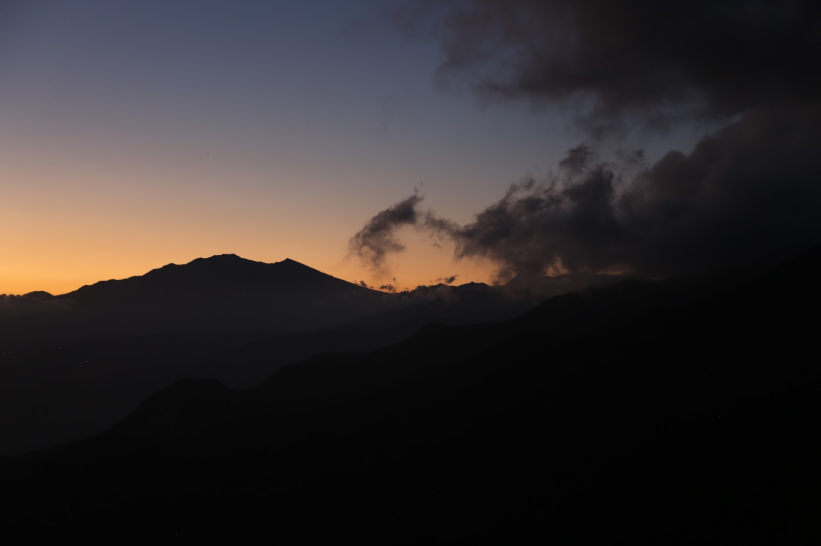
At the heart of Panama’s success is its geography, dominated in the west by the towering presence of Volcán Barú. This dormant volcano is more than just a dramatic backdrop, it is the engine behind the region’s fertility. Volcanic soil is rich in minerals, porous enough to drain well, yet capable of retaining just the right amount of moisture. Coffee plants thrive in this environment, developing complex sugars that later translate into the layered flavors found in the cup. The elevation is equally important. Many of Panama’s best coffees are grown at heights exceeding 1,500 meters, where cooler temperatures slow the maturation of coffee cherries. This extended growing period allows more time for flavor compounds to develop, resulting in beans with remarkable depth, brightness, and clarity.
Climate adds another crucial dimension. Panama sits in a narrow isthmus between two oceans, and in the highlands this creates a unique microclimate often referred to as “eternal spring.” Days are warm but not scorching, nights are cool, and frequent cloud cover protects plants from excessive sun exposure. Gentle mists roll in from the Caribbean side, while breezes from the Pacific keep humidity balanced. This combination reduces stress on the plants and creates consistent growing conditions year after year. Unlike regions that suffer from extreme droughts or unpredictable frosts, Panama offers a kind of stability that coffee plants reward with quality rather than sheer quantity.
But geography alone does not explain Panama’s rise to the top tier of coffee-producing nations. The human element is just as important. Coffee farming here is often carried out on small, family-run estates rather than vast industrial plantations. Generations of growers have refined their techniques, focusing intensely on quality control at every stage, from hand-picking only the ripest cherries to experimenting with processing methods that enhance flavor. In places like Boquete, it is common for farmers to walk their fields daily, inspecting plants with a level of care that would be impossible on a massive scale. This hands-on approach allows for precision, and precision is what separates good coffee from extraordinary coffee.
One cannot discuss Panamanian coffee without mentioning the legendary Geisha coffee (often spelled Gesha), a variety that has become synonymous with the country’s global prestige. Originally from Ethiopia, Geisha found an almost perfect home in Panama’s highlands. Here, it expresses a flavor profile unlike anything else in the coffee world, delicate floral aromas, jasmine-like fragrance, bright citrus notes, and a tea-like body that feels almost ethereal. When a Geisha lot from Panama appears at international auctions, it often commands staggering prices, sometimes hundreds or even thousands of dollars per pound. This is not just marketing hype; it is the result of a plant variety interacting with a near-ideal environment and meticulous cultivation.
Innovation also plays a surprisingly large role in Panama’s coffee success. Farmers are not content to rely solely on tradition; they constantly experiment with new processing techniques such as honey processing, natural drying, and anaerobic fermentation. These methods can dramatically alter the flavor profile of the beans, bringing out unexpected notes like tropical fruit, chocolate, or spice. In a global market where differentiation is key, Panama has positioned itself as a laboratory of coffee experimentation, attracting roasters and buyers who are eager to discover something new and distinctive.
Another often overlooked factor is Panama’s relatively small size and focused production. Because the country does not produce coffee on a massive scale, there is less pressure to prioritize volume over quality. Instead, the industry has leaned into the specialty market, where craftsmanship and uniqueness are valued far more than bulk output. This strategic positioning has allowed Panama to punch far above its weight, becoming a benchmark for excellence rather than a commodity supplier.
Cultural pride also runs deep. Coffee is not just an export; it is part of the identity of the highland communities. Festivals, farm tours, and tasting experiences draw visitors from around the world, turning coffee into a form of tourism as well as agriculture. Travelers who visit Boquete often leave with a newfound appreciation for the complexity behind a simple cup, having seen firsthand the care and precision involved in every step of the process.
In the end, Panama’s success in growing coffee comes down to a rare convergence of natural advantage and human dedication. Volcanic soil, high elevation, and a perfectly balanced climate create the foundation, but it is the farmers, their patience, experimentation, and relentless pursuit of quality, that elevate Panamanian coffee into something truly exceptional. In a world saturated with coffee, Panama stands apart not by producing more, but by producing better.