
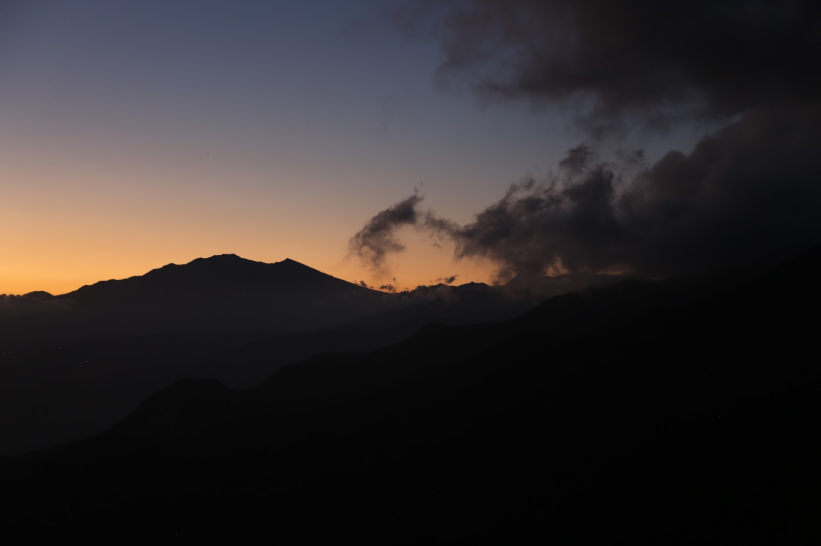
Panama vs Costa Rica for Backpackers, The Giant Detailed Comparison Nobody Gives You Before You Go

For years, Costa Rica has dominated backpacker conversations about Central America. Mention tropical backpacking and people immediately imagine surfboards strapped to hostel walls, yoga retreats in jungle towns, sloths hanging from trees, volcanoes surrounded by cloud forest, and expensive smoothie bowls served to digital nomads with laptops. Costa Rica became one of the world’s most recognizable eco tourism destinations long before most travelers seriously considered neighboring Panama.

Yet something interesting happens when backpackers actually visit both countries.

A surprising number quietly leave Panama saying the same thing: “Why does nobody talk about this place more?”

Panama often feels like the less famous sibling standing beside a celebrity brother. Costa Rica gets the magazine covers, the influencer attention, the endless travel documentaries, and the international eco tourism branding. Panama quietly sits next door with rainforests, islands, cloud forests, surfing, wildlife, mountains, indigenous cultures, scuba diving, Caribbean beaches, Pacific beaches, tropical islands, and jungle hostels that sometimes feel far more raw and authentic than their Costa Rican equivalents.

And then there is the biggest factor for backpackers: money.

Costa Rica has become expensive. Not just slightly expensive for Central America, but in some regions genuinely comparable to parts of the United States or Western Europe. Backpackers arrive expecting low prices because they are in Central America, then suddenly find themselves paying fifteen dollars for brunch, sixty dollars for shuttle buses, and hostel prices that feel more like boutique hotels.

Panama, meanwhile, still often feels financially manageable.

This does not mean Panama is dirt cheap. Those days are mostly gone across much of Central America. But Panama generally gives backpackers significantly more breathing room. The difference becomes more noticeable the longer you travel.

A week in Costa Rica may not feel dramatically more expensive. A month absolutely will.

The fascinating part is that the two countries share many similarities geographically. Both contain lush tropical ecosystems packed with wildlife. Both have coastlines on the Caribbean and Pacific. Both offer volcanoes, waterfalls, surfing, diving, snorkeling, jungle hikes, and incredible biodiversity. Both are considered relatively safe by regional standards. Yet the experience of traveling through them feels completely different once you begin dealing with transportation, accommodation, food prices, tourism culture, and daily logistics.

Costa Rica feels polished. Panama feels more flexible.

Costa Rica often feels curated for international tourism. Panama still frequently feels like a country that happens to contain incredible travel experiences rather than a country designed entirely around tourism itself.

That distinction changes almost everything.

One of the first things backpackers notice is accommodation pricing. Costa Rica’s popularity has pushed hostel prices steadily upward over the years. In famous destinations like Santa Teresa, Tamarindo, La Fortuna, Monteverde, or Manuel Antonio, dorm beds regularly cost prices that shock travelers expecting “budget Central America.” During high season, some hostel dorms begin approaching hotel prices in neighboring countries.

The atmosphere in these places can feel highly internationalized. Smoothie cafes, coworking spaces, surf camps, vegan restaurants, boutique coffee shops, yoga retreats, and luxury eco lodges dominate many tourist areas. In some Costa Rican beach towns, you hear more English than Spanish.

Panama’s hostel scene feels different. There are certainly touristy places, especially around Bocas del Toro and sections of Panama City, but much of the country still retains a more locally integrated atmosphere. Backpacker infrastructure exists without feeling completely overwhelming.

This becomes especially obvious in mountain and jungle destinations. Around places like Lost and Found Hostel, the experience often feels more connected to the surrounding environment rather than carefully engineered tourism. Travelers stay deep in cloud forest surrounded by wildlife, mist, and jungle sounds rather than giant tourism ecosystems built around package activities.

Accommodation in Panama generally gives better value overall. Hostel dorms commonly range from roughly ten to twenty dollars depending on location and season. Private rooms can still remain surprisingly affordable in many regions. In Costa Rica, especially in highly developed tourist destinations, prices climb quickly.

The problem is not only accommodation itself. It is how quickly small daily costs compound in Costa Rica.

Food becomes one of the biggest budget drains.

Costa Rica absolutely has good food, but many backpackers arrive expecting ultra cheap meals and quickly realize tourist regions operate on very different pricing systems. In popular beach towns, breakfast alone can easily cost what an entire day of meals might cost elsewhere in Central America.

Costa Rican local restaurants called sodas still provide affordable meals compared to tourist restaurants, but even these often cost noticeably more than equivalent meals in Panama. A backpacker eating casually in Costa Rica can slowly burn through money without even realizing it because individual purchases do not initially seem outrageous. Then suddenly the weekly budget has disappeared.

Panama tends to feel more forgiving financially. Local fondas serve large portions of rice, beans, chicken, fish, plantains, salad, and soup at prices that still feel genuinely reasonable. Street food remains common and accessible. Grocery shopping also tends to feel cheaper.

One underrated advantage is Panama’s use of the US dollar. Backpackers often underestimate how psychologically helpful this becomes. There is no constant currency conversion happening mentally every time you buy something. Budgeting becomes simpler and more transparent.

Transportation reveals another enormous difference between the countries.

Panama’s transportation system works surprisingly well for backpackers. Long distance buses are cheap, frequent, and relatively straightforward. It is entirely possible to travel across major sections of the country for remarkably little money. Local buses, though sometimes chaotic, remain extremely affordable.

Costa Rica’s transportation network is functional but can feel frustratingly inefficient depending on your route. Distances that appear short on maps often become long exhausting travel days due to mountain roads and indirect routes. Backpackers frequently end up relying on tourist shuttle systems instead of public buses simply to save time.

Those shuttle prices add up brutally.

A traveler moving repeatedly between Costa Rican tourist hotspots can spend enormous amounts purely on transportation. In Panama, transportation rarely feels like the main financial enemy.

This difference becomes even more dramatic for travelers considering rental cars. Costa Rica’s rental car situation has developed a near legendary reputation among backpackers and tourists. Initial online prices may appear affordable, but mandatory insurance and hidden fees frequently explode the final cost far beyond expectations.

Panama generally feels less punishing in this regard.

Activities create another major divide.

Costa Rica has perfected eco tourism. The country deserves enormous credit for this. National parks are well maintained, guides are excellent, conservation systems are sophisticated, and wildlife tourism infrastructure is world class. You can zipline through cloud forests, raft jungle rivers, hike volcanoes, watch sea turtles nest, surf famous waves, and spot sloths with highly organized efficiency.

But every activity carries a price tag.

And often not a small one.

In Costa Rica, nature sometimes begins feeling monetized. Waterfalls require entrance fees. National parks require entrance fees. Guided hikes require entrance fees. Parking requires fees. Wildlife tours require fees. Even beaches occasionally feel surrounded by tourism businesses charging for every layer of the experience.

Panama often feels less commercialized. Many beaches remain relatively undeveloped. Hiking opportunities frequently feel more open ended. Nature experiences can happen spontaneously without needing structured packages.

This does not necessarily mean Panama’s tourism infrastructure is “better.” In fact, Costa Rica is objectively easier for first time travelers wanting convenience and organization. But Panama often creates stronger feelings of discovery because not every experience feels packaged.

Wildlife experiences illustrate this perfectly.

Costa Rica’s wildlife tourism machine is incredibly polished. Guides carrying spotting scopes help tourists photograph sloths, frogs, snakes, toucans, and monkeys with astonishing efficiency. It works extremely well.

Panama’s wildlife experiences often feel less predictable and therefore more adventurous. You may spend a night in cloud forest hearing howler monkeys roar through misty mountains while spotting bioluminescent fungi and nocturnal mammals almost by accident. Encounters feel more organic and less scheduled.

For backpackers seeking rawness and unpredictability, Panama can feel deeply rewarding.

The social atmosphere differs enormously too.

Costa Rica has one of the strongest backpacker circuits in the Americas. Travelers constantly move between identical famous destinations, creating highly social hostel environments where meeting people becomes effortless. Surf towns, yoga communities, party hostels, and digital nomad hubs generate nonstop social opportunities.

This is fantastic for many travelers. Solo backpackers often find Costa Rica incredibly easy socially.

Panama feels quieter. Backpackers still connect easily, but the country lacks the same nonstop conveyor belt of international travelers. Some people love this because interactions feel more genuine and less transient. Others find it less exciting.

Interestingly, Panama also attracts a slightly different type of traveler in many regions. Costa Rica often draws first time backpackers seeking comfortable adventure. Panama frequently attracts travelers specifically trying to avoid overtourism.

Even the landscapes somehow feel psychologically different despite geographic similarities.

Costa Rica often feels intensely green, polished, and organized. Panama can feel wilder, moodier, and more mysterious. Dense cloud forests, isolated mountain roads, hidden Caribbean islands, and remote jungle regions create a stronger sense that unexplored corners still exist.

This becomes especially obvious outside major destinations. Much of Panama still feels largely untouched by mass tourism. Entire regions remain barely discussed internationally despite extraordinary biodiversity and scenery.

Then there is the matter of cities.

San José, Costa Rica’s capital, is often treated mainly as a transportation hub by travelers. Many backpackers leave immediately after arrival.

Panama City surprises people.

Panama City feels modern, energetic, and oddly futuristic compared to expectations many travelers carry about Central America. Massive skyscrapers rise beside colonial neighborhoods while tropical rainforest exists astonishingly close to urban areas. The city’s metro system feels more advanced than what many travelers expect even in wealthier countries.

This creates another subtle difference between the countries. Costa Rica’s tourism identity revolves heavily around nature while urban areas often feel secondary. Panama offers both strong nature travel and a genuinely interesting capital city experience.

Internet and infrastructure also matter increasingly for modern backpackers.

Costa Rica’s digital nomad culture is extremely developed. Coworking cafes, remote work communities, and internet focused hostels are widespread.

Panama quietly competes very well here too, particularly in Panama City and many established traveler destinations. In some ways Panama’s overall infrastructure actually feels more developed than Costa Rica’s, particularly regarding roads, banking, and telecommunications.

Safety comparisons become interesting as well.

Both countries are generally considered among the safer destinations in Latin America for travelers. Petty theft exists in both, especially in tourist areas, but violent crime against tourists remains relatively uncommon compared to parts of the region.

Costa Rica has cultivated a particularly strong international image of peaceful eco paradise. Panama receives less international attention despite often feeling equally manageable for travelers.

Many backpackers also underestimate Panama’s diversity. Indigenous regions, Afro Caribbean culture, modern urban districts, remote mountain villages, island communities, and dense rainforest all coexist within a relatively compact country.

Costa Rica’s tourism infrastructure sometimes creates a smoother experience. Panama’s diversity often creates a more surprising one.

The strangest part of comparing the two countries is realizing how many travelers arrive expecting Costa Rica to obviously dominate, only to leave deeply impressed by Panama instead.

Costa Rica absolutely deserves its reputation. It remains one of the world’s great eco tourism destinations for good reason. The country invested heavily in conservation long before many others took environmental tourism seriously. Its national parks and wildlife protections are genuinely admirable.

But popularity changes places.

As tourism grows, prices rise. Infrastructure expands. Crowds increase. Hidden places become famous. Backpacker towns evolve into international tourism economies.

Panama still feels earlier in that process.

There are still moments in Panama where travelers genuinely feel they stumbled onto something rather than followed a well worn tourism blueprint. Empty beaches, cloud forest hostels, jungle waterfalls, roadside wildlife encounters, and remote islands often retain a sense of unpredictability increasingly rare in heavily developed destinations.

For budget backpackers, this matters enormously.

Travel becomes psychologically different when you are not constantly calculating every purchase. Panama allows many travelers to relax financially in ways Costa Rica sometimes does not.

In Costa Rica, backpackers often budget carefully just to maintain momentum.

In Panama, they more often feel free to stay longer.

The Secret Kingdom Above the Trees, A Deep Dive Into Every Monkey Species in Panama

Most people exploring the rainforests of Panama spend far too much time looking at the ground. They watch for snakes crossing trails, colorful frogs clinging to leaves, or army ants marching across the forest floor. Meanwhile, an entirely different world exists high above their heads. Hidden in the canopy is a civilization of thieves, acrobats, screamers, strategists, and tiny jungle geniuses. Panama’s monkeys are not just background wildlife. They are among the most intelligent, social, and fascinating animals in the country.

For many travelers, their first monkey encounter in Panama is unforgettable. Perhaps it begins with an eerie roar exploding through the jungle before sunrise. Maybe branches begin shaking violently overhead while unseen animals crash through the trees. Sometimes a white faced monkey suddenly appears near a trail, staring directly at humans with disturbingly intelligent eyes, clearly evaluating whether they might have food worth stealing.

Panama is one of the best places in Central America to see monkeys because the country still contains large stretches of tropical forest connecting North and South American ecosystems. The nation acts as a biological bridge, allowing species from both continents to thrive. Dense rainforests, mangroves, cloud forests, islands, lowland jungle, and mountain habitats all support different primate populations.

The fascinating thing about Panama’s monkeys is how dramatically different they are from one another. Some are loud enough to sound like monsters from a dinosaur movie. Others are so silent and hidden that even experienced wildlife guides rarely see them. Some spend most of their lives eating leaves and sleeping. Others behave like hyper intelligent gangs constantly plotting theft and chaos.

Scientists often describe monkeys as ecosystem engineers because they shape the rainforest itself. Every fruit eaten, every seed dropped, and every movement through the canopy influences how the forest grows. In many ways, Panama’s forests exist partly because monkeys help maintain them.

The Mantled Howler Monkey, The Jungle’s Living Alarm System

Mantled Howler Monkey are the undisputed kings of jungle noise. Their roar is one of the most extraordinary sounds in nature and often becomes one of the defining memories travelers take home from Panama.

The first time people hear howler monkeys in the wild, they rarely guess correctly what they are hearing. Visitors imagine giant predators, wild pigs, or even machinery echoing through the forest. The sound is deep, guttural, and shockingly loud. In still jungle air, the calls can carry several kilometers.

What makes this even more astonishing is that howler monkeys are not particularly aggressive or energetic animals. They are actually among the laziest monkeys in Panama.

Their leaf heavy diet explains much of this behavior. Leaves contain relatively little energy compared to fruit, forcing howlers to conserve calories. Instead of constant movement, they spend enormous amounts of time resting, digesting, and lounging in trees. A troop may remain in roughly the same area for hours while occasionally feeding and calling.

To compensate for their low energy lifestyle, evolution gave them specialized vocal anatomy. Enlarged throat bones act like natural amplifiers, creating the booming roar that makes them famous. Their calls help establish territory and avoid direct fights with neighboring groups. Instead of wasting energy battling, rival troops essentially yell at one another from long distances.

Interestingly, howler monkeys are among the few New World monkeys with fully prehensile tails. Their tails are so strong they can support the monkey’s entire body weight. Watching one hang effortlessly from a branch by its tail while lazily eating leaves looks almost unreal.

Despite their size and loudness, howlers are surprisingly peaceful. They often tolerate close observation and may simply stare calmly at humans from the canopy. Their facial expressions sometimes appear oddly thoughtful, almost philosophical.

Many Panamanians living near forests grow so accustomed to howler calls that they use them almost like natural clocks. In some rural regions, the jungle literally wakes people up before sunrise.

Howler monkeys are excellent swimmers compared to many primates. On islands and river systems, they occasionally cross water surprisingly well. Scientists believe some island populations may have originally arrived by swimming or rafting naturally across flooded areas.

Another fascinating fact is that howler monkeys possess color vision similar to humans in some populations. This helps them distinguish young nutritious leaves from older tougher ones.

The best places to see howlers in Panama include Soberanía National Park, Bocas del Toro, and many Pacific coastal forests where their calls echo through the trees every morning.

The White Faced Capuchin, The Criminal Mastermind of the Rainforest

White Faced Capuchin are arguably the smartest monkeys in Panama and possibly the most entertaining wildlife travelers encounter.

Everything about capuchins feels intense. They move constantly, investigate everything, and display endless curiosity. Unlike slow moving howlers, capuchins rarely seem relaxed. Their entire existence appears powered by caffeine and criminal ambition.

These are the monkeys most likely to rob tourists.

Throughout Central America, capuchins have developed legendary reputations for stealing food, opening bags, snatching sunglasses, and causing general chaos around humans. In some tourist areas they have become astonishingly bold. Experienced guides often warn visitors to guard their belongings carefully because capuchins quickly learn which humans are careless.

Part of this behavior comes from their incredible intelligence. Scientists studying capuchins have discovered advanced problem solving skills, tool use, social learning, and even evidence of cultural traditions passed between generations. Some populations use rocks to crack nuts or manipulate objects in surprisingly sophisticated ways.

Capuchins possess large brains relative to body size, and their social systems are extremely complex. Troops contain intricate hierarchies, alliances, and rivalries. Individual monkeys remember relationships and social status within the group.

Watching a troop move through the canopy feels almost military. Scouts search ahead while others forage, groom, or play. Young monkeys wrestle constantly while adults remain alert for predators and opportunities.

Capuchins are omnivorous opportunists. Fruit forms much of their diet, but they also consume insects, frogs, crabs, bird eggs, lizards, and small mammals. Some even wash food in water before eating it, a behavior once thought unique to humans and a few other species.

One of the strangest facts about capuchins is their fascination with strong smelling substances. Researchers have observed them rubbing crushed insects, citrus, and plants into their fur, possibly as insect repellent or social bonding behavior.

Capuchins are also notorious pranksters within their own troops. Young individuals steal food from each other constantly and test social boundaries through play fighting and teasing.

In Panama, they thrive in a wide variety of habitats from coastal forests to islands and mainland jungle. Around places like Coiba National Park, capuchins are often among the easiest monkeys to observe.

Yet despite their adaptability, capuchins can become dangerously aggressive when tourists feed them. Human food alters their behavior and increases conflict. A monkey that begins as cute and curious can quickly become territorial and unpredictable.

Geoffroy’s Spider Monkey, The Olympic Athlete of the Jungle

Geoffroy's Spider Monkey are perhaps the most visually impressive monkeys in Panama. Watching spider monkeys move through trees can feel almost impossible from a physics perspective.

They are built for speed, balance, and aerial movement. Long limbs stretch dramatically between branches while powerful tails function almost like extra arms. Unlike most monkeys, spider monkeys have reduced thumbs, allowing hook like hands perfectly adapted for swinging through the canopy.

Their tails are extraordinary. The underside near the tip is hairless and packed with nerve endings, creating an incredibly sensitive gripping surface. Spider monkeys can hang entirely by their tails while reaching for fruit with both hands.

Among Panama’s monkeys, spider monkeys are probably the most graceful. They glide through the forest canopy with fluid elegance while other species crash, leap, or stumble comparatively clumsily.

Spider monkeys also possess some of the most advanced social systems among New World monkeys. Troops frequently split into smaller temporary groups depending on food availability. This flexible structure helps reduce competition while foraging.

Unlike noisy howlers, spider monkeys often communicate with surprisingly subtle vocalizations including whinnies, barks, and squeals. However, when alarmed they can become extremely loud and chaotic.

One fascinating detail is that spider monkeys are obsessive fruit specialists. They rely heavily on ripe fruit and travel enormous distances searching for it. Because of this, they play a critical role in rainforest seed dispersal. Some tropical tree species depend almost entirely on large animals like spider monkeys to spread seeds effectively.

Spider monkeys are also among the most emotionally expressive primates in Panama. Their facial expressions and body language often appear startlingly human. Mothers form particularly strong bonds with offspring, and juveniles remain dependent for long periods.

Unfortunately, spider monkeys are also among the most vulnerable monkeys in Panama. Because they require large areas of healthy forest and reproduce relatively slowly, habitat destruction impacts them severely. Hunting pressure in some regions has also reduced populations.

Remote forests like Darién National Park remain some of the best places to encounter them.

Geoffroy’s Tamarin, The Tiny Hyperactive Survival Expert

Geoffroy's Tamarin are among the smallest monkeys in Panama, but what they lack in size they compensate for with speed, intelligence, and pure nervous energy.

Tamarians seem permanently caffeinated. They dart through vegetation with frantic movements, constantly searching bark, vines, and leaves for insects and food. Unlike larger monkeys dominating the upper canopy, tamarins often occupy lower forest levels and edge habitats.

Their small size creates enormous challenges. Virtually everything in the rainforest wants to eat them. Snakes, hawks, cats, and larger mammals all view tamarins as potential prey.

As a result, tamarins evolved extraordinary vigilance. Troops maintain constant communication through chirps, whistles, and squeaks. A single sign of danger can send the entire group exploding into dense vegetation instantly.

One fascinating fact is that tamarins frequently give birth to twins, unusual among primates. Carrying and caring for twins requires significant cooperation within the troop. Fathers and siblings often help transport infants, creating strong family dynamics.

Their agility allows them to access branches too thin for heavier monkeys, opening feeding opportunities unavailable to larger species. They consume insects, fruit, nectar, tree sap, and small vertebrates.

Tamarians are also surprisingly adaptable to human altered landscapes. Some populations survive near towns and disturbed forests better than larger primates.

Despite their tiny size, tamarins are fearless mobbers of predators. Groups sometimes harass snakes or birds of prey collectively to drive them away.

The Mysterious Night Monkey, Panama’s Hidden Nocturnal Primate

Night Monkey may be the least known monkey in Panama and certainly among the hardest to see.

Unlike most monkeys, night monkeys are primarily nocturnal. They emerge after sunset with enormous eyes adapted for low light conditions. Their soft gray fur and quiet movements allow them to disappear almost completely into darkness.

Night monkeys live secretive lives hidden from both predators and humans. Many people spend years exploring Panama’s forests without ever encountering one.

Their calls are soft and haunting compared to the explosive sounds of howlers. During nighttime forest walks, guides sometimes identify them first by subtle movement or reflected eyeshine high in the canopy.

One especially unusual feature of night monkeys is their strong family bonds. Males participate heavily in infant care, carrying babies for much of the time while mothers mainly nurse.

Because they remain so poorly studied compared to other monkeys, much about their behavior remains mysterious.

Monkey Intelligence, How Smart Are Panama’s Primates?

Many travelers underestimate how intelligent monkeys truly are. Capuchins especially demonstrate problem solving abilities comparable to some great apes in certain tasks.

Studies suggest monkeys understand social relationships, recognize individuals, remember past interactions, and adapt strategies depending on circumstances.

Some species even display personality differences. Certain monkeys are bold, others shy. Some are highly social while others remain solitary or aggressive.

There is growing evidence that monkey societies contain traditions passed culturally between generations rather than purely through instinct.

The Dangerous Relationship Between Monkeys and Humans

Although monkeys appear playful and approachable, human interaction often harms them.

Feeding monkeys creates dependency, aggression, and disease transmission risks. Capuchins that associate humans with food may become increasingly bold and dangerous.

Habitat destruction remains the greatest threat overall. Roads, agriculture, logging, and development fragment forests, isolating monkey populations and reducing genetic diversity.

Yet ecotourism also provides hope. Protected areas and wildlife tourism generate incentives for conservation across Panama.

The Best Places in Panama for Monkey Watching

Panama offers extraordinary monkey viewing opportunities.

Soberanía National Park is one of the easiest accessible wildlife areas near Panama City, famous for monkeys and birdlife.

Bocas del Toro offers island forests filled with howlers and capuchins.

The misty cloud forests around Lost and Found Hostel occasionally produce unforgettable monkey encounters echoing through the foggy canopy.

And deep within Darién National Park, some of the wildest monkey populations in Central America still survive in ancient rainforest largely unchanged for centuries.

The Jungle Would Feel Empty Without Them

Monkeys give Panama’s forests personality. They provide noise, movement, unpredictability, and intelligence to the canopy. Without them, the rainforest would still be beautiful, but strangely silent and lifeless.

Every crashing branch overhead, every distant roar before dawn, and every sudden glimpse of eyes peering through leaves reminds travelers that the forest is not just scenery. It is an active society unfolding constantly above the trails.

And somewhere high in the canopy, hidden by vines and mist, Panama’s monkeys continue their endless dramas of survival, theft, family, conflict, and curiosity, mostly unseen by the humans passing quietly below.

The Rare Cacomistle of the Panamanian Cloud Forest

Most travelers who visit the cloud forests of Panama hope to see the obvious stars of the jungle. They dream about toucans gliding overhead, sloths hanging lazily from Cecropia trees, or troops of monkeys crashing noisily through the canopy. Few people arrive searching for the cacomistle, partly because many have never even heard of it. Yet among serious wildlife enthusiasts and dedicated night hikers, the cacomistle has quietly become one of the most exciting and elusive mammals to spot in Panama.

The cacomistle feels almost mythical. It looks like someone combined a raccoon, a cat, a lemur, and a fox into one strange nocturnal creature. With its enormous dark eyes, pointed face, ringed tail, and astonishing agility, the animal seems designed specifically for life in the shadows of the cloud forest. Even experienced naturalists can spend years exploring Central American forests without ever seeing one.

That rarity is exactly what makes sightings so thrilling around Lost and Found Hostel. Deep within the misty mountains of western Panama, surrounded by dense cloud forest dripping with moss and bromeliads, the hostel has developed a reputation among backpackers and wildlife lovers as one of the few places where a lucky visitor might actually encounter a cacomistle. The keyword, however, is lucky.

Unlike animals that actively seek attention, cacomistles seem built to avoid it entirely. They are mostly nocturnal, intensely cautious, and extraordinarily quiet. During the day they disappear into tree cavities, dense vegetation, or hidden branches high above the forest floor. At night they emerge like ghosts, slipping silently through the canopy with movements so smooth they barely disturb the leaves around them.

Many people confuse cacomistles with kinkajous or olingos, two other mysterious rainforest mammals found in Panama. At a quick glance in flashlight beams, all three can appear similar. But the cacomistle has a distinct elegance that sets it apart. Its body is slender and catlike, yet it belongs to the raccoon family. Its long tail, decorated with pale rings, acts almost like a balancing pole as it navigates narrow branches in darkness. Watching one move through the trees is like watching liquid shadow flow through the forest.

One reason cacomistles are so rarely seen is that they are masters of vertical living. While many mammals move visibly across the forest floor, cacomistles spend much of their lives above human eye level. Even when one is nearby, you may never know it. They can move through the canopy with astonishing stealth while hikers walk directly underneath.

The cloud forests surrounding Lost and Found Hostel provide ideal habitat for these elusive creatures. The dense vegetation, cooler mountain temperatures, abundant epiphytes, and rich biodiversity create a hidden world perfectly suited to nocturnal mammals. At night the forest transforms completely. Fog drifts between the trees, insects scream from the darkness, and strange eyeshine occasionally reflects back from branches. It is during these nighttime hours that cacomistles sometimes reveal themselves.

Guests at the hostel occasionally report sudden sightings during guided night hikes or even while walking between cabins after dark. Often the encounter lasts only seconds. Someone notices movement overhead, a flashlight catches the striped tail, and then the animal vanishes into foliage almost instantly. These brief encounters tend to become legendary stories repeated among travelers for years afterward.

Part of what makes cacomistles so fascinating is how little most people know about them. Unlike jaguars, sloths, or monkeys, cacomistles rarely appear in documentaries or tourism campaigns. They exist in a strange hidden category of rainforest life that only dedicated wildlife watchers eventually discover. Spotting one feels less like seeing a tourist attraction and more like stumbling upon a secret.

Their large eyes are specially adapted for nighttime activity, allowing them to navigate almost complete darkness. Their hearing is incredibly sharp, helping them detect insects, small vertebrates, and movement among branches. Cacomistles are omnivores and surprisingly adaptable feeders. They eat fruits, insects, rodents, eggs, birds, and small reptiles depending on what is available. In many ways they are opportunistic survival experts of the cloud forest.

Despite their raccoon ancestry, cacomistles are far more graceful climbers than the clumsy trash raiding raccoons many people imagine. Their ankles can rotate in ways that allow them to descend trees headfirst, similar to squirrels. Combined with their balance and agility, this makes them astonishingly capable canopy acrobats.

The forests of Panama are filled with animals that remain hidden from casual visitors. That is one reason the country feels so biologically alive. A forest may appear quiet on the surface while containing an entire invisible world overhead. Cacomistles are perfect examples of this hidden rainforest dimension. They remind travelers that the jungle still contains mystery.

For wildlife photographers, the cacomistle represents a dream sighting. Even professionals working in tropical forests may never capture a clear image. Their nocturnal behavior, rapid movements, and preference for dense canopy make photography extremely difficult. Most sightings happen too quickly for cameras anyway. Usually all that remains afterward is excitement, disbelief, and perhaps one blurry photo that somehow makes the encounter feel even more mysterious.

Interestingly, cacomistles are not necessarily critically endangered in Panama, but they are naturally uncommon and difficult to observe. Habitat destruction poses a long term threat, especially as forests become fragmented. Animals that depend heavily on connected canopy systems can struggle when development cuts gaps into the forest. Protected cloud forests therefore become increasingly important refuges for elusive species like these.

What makes Lost and Found Hostel especially interesting for wildlife enthusiasts is that the surrounding environment remains remarkably intact. The isolation of the forest creates opportunities for encounters with species that disappear quickly from more disturbed areas. Travelers there often come hoping to disconnect from civilization, but many leave talking about unexpected encounters with wildlife instead.

The atmosphere itself adds to the legend of the cacomistle. Cloud forests already feel dreamlike during the day, with drifting fog, moss covered branches, and constant moisture hanging in the air. At night the environment becomes almost surreal. Every sound feels amplified. Every movement in the trees sparks curiosity. Under those conditions, seeing a cacomistle can feel less like ordinary wildlife observation and more like encountering a creature from folklore.

For many nature lovers, rarity adds value to an experience. Seeing ten monkeys may be exciting, but glimpsing an animal that most visitors never even hear about creates a completely different feeling. The cacomistle occupies that category of wildlife that serious travelers quietly hope for while understanding it may never happen.

And perhaps that is exactly why the animal remains so captivating. The cacomistle is not guaranteed. There are no scheduled feeding times, no fenced viewing areas, and no promises. It appears only on its own terms, hidden deep within Panama’s misty forests. For a few lucky travelers staying at Lost and Found Hostel, however, the phantom sometimes steps briefly out of the darkness, reminding everyone that the rainforest still holds secrets waiting high in the canopy.

Toucans in Panama, The Loud Beaked Celebrities of the Rainforest

Few animals capture the imagination of travelers in Panama quite like the toucan. With their oversized rainbow colored beaks, cartoonish appearance, and strange croaking calls echoing through the jungle canopy, toucans feel almost unreal when you first see one in the wild. For many visitors, spotting a toucan becomes one of the defining moments of their trip to Panama. You can spend days hiking through rainforest listening to insects, frogs, and distant monkeys, then suddenly a toucan glides overhead looking like a flying piece of tropical artwork.

Panama is one of the best countries in the world to see toucans. The country's position as a biological bridge between North and South America means it contains an incredible variety of habitats packed into a relatively small area. Cloud forests, Caribbean lowlands, Pacific rainforest, and mountain jungle all support different species of toucans and toucanets. In some parts of Panama, locals barely notice them anymore because they are so common, while travelers may stand frozen in awe staring upward with binoculars for half an hour.

The most famous species in Panama is the Keel billed Toucan, often considered the classic “fruit loop toucan” because of its enormous green, orange, blue, and red beak. This is the species most often used in advertisements, cartoons, and tropical imagery. Seeing one in real life is even more impressive because the colors are shockingly bright against the deep jungle greens. Their bodies are mostly black with bright yellow chests and flashes of red under the tail. Despite the massive beak, they are surprisingly graceful flyers, gliding between trees with slow wingbeats.

Another spectacular species is the Chestnut mandibled Toucan, also known as the Yellow throated Toucan. This species is larger and has a more dramatic booming croak that can sound almost prehistoric. Their calls often echo through the forest before you ever see them. Many travelers hear toucans long before they manage to spot them because these birds tend to stay high in the canopy.

Panama is also home to smaller relatives called toucanets. These birds are more compact, often bright green, and can be even harder to spot because they blend perfectly into the foliage. The Emerald Toucanet is especially beautiful in the cloud forests around Boquete and Chiriquí Highlands. In misty mountain forests filled with moss and orchids, seeing a glowing green toucanet perched quietly among bromeliads feels almost magical.

One surprising fact about toucans is that their giant beaks are incredibly lightweight. The beak looks heavy enough to topple the bird over, but it is made of a honeycomb like structure filled mostly with air pockets. Scientists believe the beak helps regulate body temperature, almost like a built in cooling system. In the tropical heat of Panama, this adaptation is extremely useful. The beak also helps toucans reach fruit on thin branches that would not support their body weight.

Toucans are primarily fruit eaters, which makes them extremely important to Panama’s forests. They swallow fruits whole and later spread seeds throughout the jungle. In many ways, toucans help plant the rainforest itself. Without birds like toucans moving seeds across long distances, many tropical tree species would struggle to spread. They are essentially flying gardeners of the rainforest.

That said, toucans are not strict vegetarians. They are opportunistic feeders and sometimes eat insects, frogs, lizards, eggs, and even baby birds. This surprises many people who imagine them as gentle fruit lovers. In reality, toucans are intelligent and adaptable survivors. Nature in Panama is rarely as cute and innocent as it first appears.

One of the best places in Panama to see toucans is the cloud forest region around Boquete. The forests here are cooler, mistier, and filled with fruiting trees that attract numerous bird species. Early morning is the best time to search. As the jungle wakes up, toucans begin moving through the canopy feeding and calling to one another. Their croaks, yelps, and rattling sounds can travel surprisingly far through mountain valleys.

Another outstanding area is the forests surrounding Lost and Found Hostel. This famous jungle hostel sits within cloud forest habitat where travelers frequently encounter toucans, especially during early morning hikes. The combination of dense forest, fruiting trees, and relative quiet creates excellent birdwatching conditions. Even people with no birding experience often manage to spot toucans there because the calls are so loud and distinctive. Watching mist roll through the trees while toucans call overhead is one of those experiences that stays in your memory long after leaving Panama.

The Caribbean side of Panama is another fantastic region for toucans. Around Bocas del Toro, toucans are regularly spotted in forest edges and secondary jungle. The humid lowland rainforest here supports abundant fruit trees, and toucans often move between jungle patches near lodges and roadsides. Sometimes the easiest sightings happen while simply eating breakfast outdoors.

In Soberanía National Park near Panama City, birdwatchers from around the world come searching for toucans along Pipeline Road, one of the most famous birdwatching roads on Earth. This area contains astonishing biodiversity. A single morning walk can reveal monkeys, sloths, trogons, motmots, and several species of toucans if conditions are right.

The best time of day to see toucans is almost always early morning. Around sunrise the forest becomes active with feeding activity and vocalizations. Midday heat often quiets the jungle considerably. Late afternoon can also be productive, especially before sunset when birds begin moving again.

One mistake many travelers make is constantly scanning the forest floor. Toucans spend most of their time high in the canopy. Instead of looking down the trail, look upward toward fruiting trees and gaps in the canopy. Often you first notice movement, then the unmistakable shape of a huge colorful beak emerges from the leaves.

Listening is just as important as looking. Toucans are noisy birds. Some calls sound like frogs croaking through a megaphone. Others resemble barking, rattling, or yelping. Experienced guides often identify toucans purely by sound long before anyone else notices them.

Hiring a local guide dramatically increases your chances of seeing toucans and other wildlife in Panama. Guides know which trees are fruiting, where birds have been nesting, and how to distinguish calls hidden within the overwhelming noise of the rainforest. Many visitors are shocked when guides point out birds sitting in plain sight that they somehow completely missed.

Weather also matters. Cloudy mornings can actually improve sightings because birds may remain active longer before the heat builds. Heavy rain, however, often reduces activity temporarily. Panama’s rainy season transforms forests into lush green worlds overflowing with life, though trails can become muddy and visibility more difficult.

Photographing toucans can be surprisingly challenging. They often perch in deep shade high above the ground while moving constantly between branches. A zoom lens helps enormously, but patience matters more than expensive equipment. Sometimes the best strategy is simply waiting quietly near a fruiting tree.

Despite their beauty, toucans face threats from habitat destruction and illegal wildlife trade. Deforestation remains one of the biggest dangers to tropical bird populations across Central America. Fortunately, Panama still retains significant forest cover compared to many neighboring countries, and ecotourism has helped create economic incentives for conservation. National parks and private reserves protect large areas of toucan habitat.

Toucans also hold an important place in tropical culture and tourism. Their image appears on souvenirs, murals, advertisements, and logos throughout Panama. They have become symbols of wild tropical nature itself. Yet seeing a real toucan in the wild is completely different from seeing one printed on a coffee mug. The movement, the sound, the ridiculous size of the beak, and the sudden burst of color against jungle leaves make the experience unforgettable.

One fascinating detail many people do not realize is how social toucans can be. They are often seen in pairs or small groups hopping awkwardly through branches. Despite their graceful flight, they can look almost clumsy while climbing around trees. They sometimes toss fruit into the air before swallowing it whole.

Their nesting habits are also unusual. Toucans often nest in tree cavities, including abandoned woodpecker holes. The female lays eggs inside the hollow trunk, and both parents help feed the chicks. Baby toucans hatch with much smaller beaks that gradually grow into the oversized structures adults are famous for.

If you truly want the best chance of seeing toucans in Panama, slow down. Many travelers rush between destinations, but wildlife experiences often reward patience more than movement. Sit quietly with coffee at sunrise overlooking the forest canopy. Listen carefully. Watch the treetops instead of your phone. Eventually the jungle begins revealing itself.

And when you finally see that giant colorful beak emerging from the rainforest mist, you suddenly understand why toucans have become one of the defining symbols of tropical America. They are loud, strange, beautiful, and completely unforgettable, much like Panama itself.

Is It Safe to Travel Panama by Motorcycle? How It Compares to Costa Rica

Traveling through Panama on a motorcycle can be an incredible experience. In many ways, it is one of the best ways to see the country. You can ride from modern skyscrapers in Panama City to cool cloud forests, empty beaches, cattle country, and jungle covered mountains in a matter of hours. But the question almost every rider asks before arriving is simple: is it actually safe?

The short answer is yes. For most travelers, riding a motorcycle through Panama is reasonably safe if you use common sense, avoid riding at night, and stay alert in traffic. In fact, many long distance overlanders riding from Alaska to Argentina regularly describe Panama as one of the easier and more modern countries to ride in throughout Central America.

When people compare Panama to Costa Rica, the answer becomes more interesting because the two countries feel surprisingly different once you are actually on the road.

Costa Rica is often seen internationally as the safer and more famous tourism destination. It has a polished eco tourism reputation, a huge backpacker scene, and well established adventure routes. But many motorcycle travelers are surprised to discover that Panama often feels calmer, less hectic, and in some ways easier to ride through. Panama also tends to have better highways and more modern infrastructure overall.

One major difference is the roads. Panama’s Pan American Highway is generally smoother and more modern than many roads in Costa Rica. Long stretches between cities are straightforward and relatively comfortable for motorcycles. Costa Rica, on the other hand, has a reputation for rougher mountain roads, potholes, narrow bridges, sharp blind corners, and heavy rain damage during the wet season. Government travel advisories regularly warn about poor road conditions and high accident rates in Costa Rica.

That does not mean Panama is perfect. Drivers in both countries can be aggressive and unpredictable. Buses sometimes overtake dangerously, taxis may stop suddenly, and traffic in Panama City can feel chaotic. But outside the capital, Panama’s roads are often surprisingly relaxed. Many riders describe the experience as easier than expected, especially in provinces like Chiriquí, Veraguas, and Los Santos.

Costa Rica is more physically demanding for riders. The scenery is breathtaking, but the roads twist constantly through mountains and forests. Rain can appear out of nowhere, especially on the Caribbean side or around Monteverde and the southern Pacific coast. Riding there feels more adventurous and technical. Some riders love that. Others find it exhausting after several days.

Crime is another concern travelers often ask about. Neither country is exceptionally dangerous for tourists, but petty theft is more common than violent crime in the areas most travelers visit. Panama generally scores slightly better than Costa Rica in some international safety comparisons, especially regarding robbery and theft concerns.

Still, motorcycle travelers in both countries follow similar rules. Do not leave helmets unattended. Do not strap expensive bags visibly to your bike overnight. Avoid isolated urban neighborhoods after dark. And do not ride long distances at night. Night riding is probably the biggest danger in both countries, not because of crime, but because of road hazards. Cows wander onto highways, potholes become invisible, rain reduces visibility instantly, and many vehicles drive without proper lighting.

Ironically, many riders say the roads themselves are more dangerous than criminals. Costa Rica especially has a reputation for difficult driving conditions and high accident rates.

One thing Panama has going for it is lower tourism density. Outside of hotspots like Boquete, Bocas del Toro, and Panama City, the country often feels uncrowded. You can ride through entire stretches of countryside without seeing heavy traffic. Costa Rica, meanwhile, can feel packed during high season, especially around places like Tamarindo, Jacó, and La Fortuna.

The riding culture also feels different. Panama has a strong practical motorcycle culture. Small motorcycles are everywhere, especially in rural towns. Locals use them for commuting, farming, deliveries, and daily transportation. In Costa Rica, motorcycles are common too, but tourism oriented rental bikes and adventure motorcycles are more noticeable.

Weather matters a lot in both countries. During rainy season, landslides and flooding can affect roads in Costa Rica more dramatically because of the mountainous terrain. Panama also gets intense rain, especially on the Caribbean side, but the Pan American Highway is usually reliable year round. Riders heading toward remote jungle areas should always check conditions beforehand.

There is one area of Panama that travelers absolutely should not attempt to cross by motorcycle: the Darién Gap near the Colombian border. There is no road connecting Panama to South America through the jungle, and the area is considered dangerous because of organized crime, smuggling routes, and extreme wilderness conditions. Overlanders normally ship their motorcycles from Panama to Colombia instead.

Border crossings between Costa Rica and Panama are usually straightforward for riders. Paso Canoas and Sixaola are the most commonly used crossings. Experienced overlanders frequently describe them as manageable and far less intimidating than many people expect.

In terms of cost, Panama often wins. Fuel is usually cheaper, accommodations outside Panama City can be very affordable, and food prices are often lower than Costa Rica’s increasingly expensive tourist economy. Costa Rica is beautiful, but many travelers are shocked by how expensive it has become compared to neighboring countries.

So which country is safer and better for motorcycle travel?

If you want smoother highways, less traffic, cheaper costs, and a more relaxed riding experience, Panama probably comes out ahead.

If you want intense scenery, twisty mountain roads, eco lodges, waterfalls, volcanoes, and a more adventurous riding environment, Costa Rica may be more exciting.

Most riders who visit both end up loving them for completely different reasons. Costa Rica feels like a giant outdoor adventure park. Panama feels more raw, more varied, and often more authentic.

For experienced motorcycle travelers, neither country is considered especially dangerous by Latin American standards. The biggest risks are weather, road conditions, fatigue, and careless driving from other motorists rather than targeted crime. Travelers who ride during daylight, stay aware of their surroundings, and avoid reckless behavior generally have very positive experiences in both countries.

How Friendly Panamanians Are, and Why It Feels That Way

One of the first things many travelers notice in Panama, often before the landscapes or the food, is the people. In conversations across cities, beaches, mountain towns, and rural villages, there is a recurring impression: Panamanians tend to be unusually warm, approachable, and willing to help. This isn’t a superficial friendliness either, it often shows up in everyday interactions, from directions on the street to long conversations with strangers on buses.

But that friendliness doesn’t come from a single cause. It is shaped by geography, culture, history, and daily life patterns that make social connection more natural and less transactional.

A Country Built on Connection, Not Isolation

Panama has always been a crossroads. The isthmus connects North and South America, and for centuries people, goods, and cultures have passed through it. That movement created a society that is naturally exposed to diversity.

In places like Panama City, people encounter a constant mix of backgrounds, from rural migrants to international workers connected to the canal and finance sectors. In smaller towns, there is still frequent movement between regions due to trade, agriculture, and family ties.

This long history of interaction has created a social environment where communication with outsiders is normal rather than unusual. Strangers are not always seen as threats or interruptions, but as part of everyday life.

Strong Community Culture in Smaller Towns

Outside the capital, especially in provinces like Los Santos and Veraguas, community life is tightly woven. Many towns are small enough that people recognize each other regularly, and social networks overlap heavily through family, school, and work.

In these environments, hospitality is not a performance, it is part of daily routine. Offering help, sharing food, or engaging in conversation with visitors is often instinctive rather than deliberate.

If you ask for directions in a small town, it is common for someone not just to explain but to walk part of the way with you. That sense of personal involvement is one of the most noticeable cultural traits.

Climate and Lifestyle Encourage Social Interaction

Panama’s tropical climate also plays a subtle role in shaping friendliness. In hot and humid environments, life often happens outside the home. People gather on porches, in small shops, under trees, or in public spaces to catch breezes and socialize.

This creates more opportunities for casual interaction. Unlike colder climates where people stay indoors for long periods, Panama’s environment encourages visible, everyday community presence.

Over time, this increases comfort with spontaneous conversation and reduces the barrier between strangers.

Culture of Celebration and Shared Identity

Panama also has a strong tradition of festivals, music, and public celebration. Events like Carnival in Las Tablas or regional festivals across the country are deeply communal experiences.

During these events, social boundaries soften. Entire towns participate in music, dance, food sharing, and public gatherings. People are accustomed to being in crowded, interactive environments where expression is normal and expected.

This cultural rhythm carries into everyday life, making people generally more open and expressive in social settings.

Communication Style: Direct, Warm, and Expressive

Panamanian communication often blends directness with warmth. Conversations may feel animated, with expressive tone, gestures, and humor. Even brief interactions, like buying something at a store or asking for help, can turn into short conversations.

There is often less emotional distance in everyday exchanges compared to more reserved cultures. Smiling, joking, and casual personal questions are common even with people you just met.

For many visitors, this can feel surprisingly familiar or comforting, especially in rural areas where social interaction is less formal.

Hospitality as a Social Norm, Not a Performance

In many parts of Panama, hospitality is not reserved for guests in a formal sense, it is extended broadly. This can include offering food, sharing drinks, or simply making space for someone in conversation or seating.

In rural areas and smaller communities, it is especially common for strangers to be treated with a level of trust that feels immediate. While caution still exists like anywhere, the default social stance is often openness rather than suspicion.

This is particularly noticeable in inland regions where tourism is less dominant and interactions feel more local and organic.

Slower Rhythms Create More Time for People

Outside of major urban centers, life in Panama often moves at a slower pace. Work schedules, transportation, and daily routines are less rushed than in highly industrialized countries.

This slower rhythm creates space for conversation and social interaction. People are less likely to rush through exchanges, and more likely to pause, acknowledge others, and engage.

That sense of time availability contributes heavily to the perception of friendliness.

Regional Differences Still Exist

It is important to note that friendliness in Panama is not identical everywhere. In Panama City, interactions can sometimes be more fast paced and business oriented due to urban density and international influence.

However, even in the capital, casual friendliness is still common in neighborhoods, markets, and informal settings. The difference is more about speed of life than absence of warmth.

In contrast, rural provinces and smaller towns tend to amplify social openness and community interaction.

Why It Feels Genuinely Human

The friendliness of Panamanians is not a single trait, it is the result of layered influences, geography that encourages interaction, a culture of celebration, strong community structures, and a lifestyle that keeps people socially connected.

In places like Los Santos, Veraguas, and even the edges of urban Panama, friendliness is often less about intention and more about habit. It is how people grow up interacting with each other.

For visitors, this creates an experience that feels immediate and human. You are not just observing a place, you are often drawn into conversations, interactions, and moments that feel spontaneous and unforced.

And that is what makes it memorable.

Not just that people are friendly, but that friendliness is woven into the everyday fabric of life.

Why Toyota Rules Panama, Reliability, Terrain, and a Perfect Match for the Country’s Reality

Walk through almost any town in Panama, from Panama City’s traffic clogged avenues to remote dirt roads in the interior provinces, and one brand shows up with almost surreal consistency, Toyota. Whether it is battered pickups hauling cattle, white taxis weaving through traffic, or 4x4 SUVs climbing muddy mountain roads, Toyota has become the unofficial backbone of transportation in the country.

This dominance is not accidental. It is the result of geography, economics, maintenance realities, and decades of cultural trust built through sheer survival in tough conditions. In Panama, where roads can shift from highway to jungle track in a matter of kilometers, vehicles are judged less by luxury and more by endurance. And in that category, Toyota has effectively won.

Geography That Demands Tough Vehicles

Panama is not an easy country for cars. The terrain changes constantly. In one region you might have smooth highways and urban infrastructure, and in the next you are dealing with steep mountain roads, flooding rainstorms, rural dirt tracks, or coastal salt exposure.

In provinces like Veraguas or Chiriquí, roads often climb into highlands where fog, mud, and sharp elevation changes are common. In regions like the Azuero Peninsula, dust, heat, and long rural stretches dominate driving conditions. Meanwhile, the capital, Panama City, brings constant traffic, potholes, and aggressive stop and go driving.

This diversity of conditions means vehicles must be extremely versatile. A car that performs well in one environment but fails in another simply does not survive in Panama’s national ecosystem of driving.

Toyota vehicles, especially models like the Hilux, Prado, Land Cruiser, and Corolla, have built a reputation for handling all of these environments without requiring constant repair.

Reliability Above Everything Else

One of the most important reasons Toyota dominates Panama is simple, they break less often.

In a country where not every town has specialized mechanics or easy access to parts, reliability is not a luxury, it is survival. Vehicles are often used for both personal transport and commercial work, meaning downtime can directly affect income.

Toyota engines are known for being tolerant of poor road conditions, inconsistent fuel quality, and long term wear. Even when maintenance is delayed, they tend to keep running. This creates a powerful reputation loop, people buy Toyota because their neighbors’ Toyotas still work after years of abuse.

In rural Panama, this reputation is often more important than advertising.

Easy Repairs and Widespread Parts Availability

Another major advantage is how easy Toyota vehicles are to maintain.

Because so many Toyota models are in circulation across Panama, spare parts are widely available and mechanics are highly familiar with them. In almost every town, from small interior communities to major urban centers, you will find workshops that specialize in Toyota repairs.

This creates a self reinforcing system, more Toyotas on the road, more mechanics trained on Toyotas, more spare parts imported for Toyotas, lower repair risk for owners.

Even older Toyota models remain valuable because they can still be repaired quickly and cheaply compared to more niche brands.

The Perfect Fit for Work Culture and Rural Life

In many parts of Panama, vehicles are not just transportation, they are work tools. Farmers, traders, construction workers, and rural transport operators rely on pickups and SUVs that can handle heavy loads and rough terrain.

The Toyota Hilux, in particular, has become almost symbolic in this context. It is widely used for transporting goods, livestock, equipment, and passengers in rural areas. Its durability under load makes it ideal for Panama’s agricultural economy.

In regions like Los Santos, where agriculture and cattle ranching dominate, Toyota pickups are a common sight on rural roads and farms.

Built for Rain, Heat, and Chaos

Panama’s climate is another reason Toyota thrives. Heavy rainfall, humidity, flooding, and heat create conditions that can damage less durable vehicles quickly.

Toyota vehicles tend to perform well in flooded streets in Panama City, muddy rural roads during rainy season, high humidity that accelerates corrosion, and long distance highway travel in extreme heat.

Their reputation for durability in tropical climates has been reinforced over decades of real world use rather than marketing claims.

Resale Value and Economic Logic

In Panama, buying a car is also an economic decision about future resale value. Toyota vehicles consistently hold their value better than many competitors.

Because demand remains high and trust is strong, used Toyotas can often be resold quickly without significant price drops. This makes them safer investments for individuals and businesses alike.

Even older models remain desirable, especially in rural areas where durability matters more than aesthetics.

Dominance in Taxis and Public Transport

In Panama City, Toyota sedans are extremely common in the taxi industry. Models like the Corolla have become standard due to their fuel efficiency, low maintenance costs, and reliability under constant use.

Taxi drivers often prioritize vehicles that can withstand high mileage and daily stop and go traffic. Toyota fits this profile perfectly, making it the default choice for much of the urban transport sector.

Cultural Trust Built Over Time

Beyond mechanics and economics, there is also a cultural layer to Toyota’s dominance.

In Panama, many people grow up seeing Toyota as the safe choice. It becomes a generational decision, parents buy Toyota, children learn to trust Toyota, and mechanics specialize in Toyota.

Over time, this creates a cultural default where choosing another brand often feels like taking unnecessary risk unless there is a specific reason not to.

Final Thought, Why Toyota Is Not Just Popular, It Is Practical

Toyota does not rule Panama because of branding or luxury appeal. It dominates because it matches reality.

Panama is a country of mixed terrain, unpredictable weather, long rural distances, and limited mechanical redundancy outside major cities. In that environment, the most valuable trait a vehicle can have is not speed, comfort, or style, it is survival.

And that is where Toyota consistently wins.

From the highways of Panama City to the farms of Veraguas and the rural roads of Los Santos, Toyota has become less of a brand and more of a default assumption.

It is not just what people prefer.

It is what works.

Ten Weird and Mind-Bending Things About Panama That Most People Don’t Expect

Panama looks simple on the surface: a narrow strip of land connecting two continents, famous for its canal and tropical weather. But the further you dig into it, the more it starts to feel like a country built out of contradictions, geographical tricks, cultural overlaps, and biological extremes. It’s one of those places where you can drive for a few hours and feel like you’ve crossed multiple countries without ever leaving the same nation.

Here are ten genuinely strange, surprising, and sometimes mind-bending things about Panama that tend to blow people’s expectations apart once they actually spend time here.

1. You can be surrounded by rainforest inside a capital city

Most capitals separate themselves from nature. Panama City does the opposite. Within minutes of leaving downtown skyscrapers, you can be deep inside dense jungle where the soundscape shifts from traffic horns to howler monkeys and tropical birds.

Places like Soberanía National Park are practically embedded into the city’s edge. In some areas, the jungle is so close that fog rolls over highways in the morning and monkeys can be heard from suburban neighborhoods. It creates a strange dual reality where ultra-modern finance districts coexist with ancient rainforest ecosystems.

2. The country is so narrow you can cross it in a few hours but it feels like multiple worlds

Panama is famously narrow, but what surprises people is not the distance, it’s the diversity compressed into it. In a single day, you can go from Caribbean-style islands, to cloud forests, to Pacific beaches, to dry savannas.

This extreme variation is one reason Panama has such high biodiversity, but it also creates cultural fragmentation. Coastal Caribbean communities, highland Indigenous villages, and urban metro areas can feel like entirely different countries.

3. The sun can behave strangely depending on where you are

Because of Panama’s position near the equator and its unusual coastline curves, sunrise and sunset don’t always behave the way people expect. In some coastal regions, especially near curved shorelines, the sun appears to rise and set over the same ocean depending on angle and geography.

It’s not magic, but it feels like it when you experience it without expecting it.

4. There are Indigenous island nations inside Panama with their own laws and identity

One of the most surprising realities is that Panama contains semi-autonomous Indigenous territories where governance, culture, and daily life operate differently from the rest of the country.

In regions like Guna Yala, island communities maintain their own traditions, language structures, and governance systems. Some islands feel more culturally aligned with Caribbean island nations than mainland Central America.

Visitors often describe it as stepping into a parallel version of Panama that follows its own rules and rhythm.

5. A major ocean shipping route cuts through a rainforest continent

The Panama Canal is one of the most surreal engineering environments in the world. Massive cargo ships from Asia, Europe, and the Americas pass through a narrow tropical isthmus where monkeys, crocodiles, and toucans live just meters away.

It’s one of the few places where global trade physically intersects with untouched rainforest ecosystems in real time.

6. Some churches still in use are older than most countries in the Americas

In towns like Natá and Panama Viejo, there are churches that date back to the early 1500s. Many of them are still active religious spaces rather than just historical ruins.

That means you can attend a modern service inside a building that has existed since the earliest period of European colonization in the Americas. It creates a strange layering of time where colonial history is not distant, it is still functioning.

7. Panama has more bird species than the United States and Canada combined

Despite its size, Panama sits at a biological intersection between North and South America. This creates one of the richest bird populations on the planet.

The country has hundreds of bird species packed into relatively small ecosystems, from coastal wetlands to mountain cloud forests. Birdwatchers often describe it as one of the most intense biodiversity experiences anywhere in the Western Hemisphere.

8. There is a mountain range where you can feel like you’ve entered another climate zone entirely

In western Panama, especially in the highlands of Chiriquí, temperatures drop dramatically compared to the rest of the country. In places like Boquete, you can go from tropical heat to cool, misty mountain air in a matter of hours.

Coffee grows in cloud forests, fog rolls through valleys daily, and the ecosystem feels closer to temperate regions than tropical ones, even though you’re still in Central America.

9. Hammocks are not a lifestyle trend, they are real infrastructure

In many rural parts of Panama, hammocks are not decorative or recreational. They are functional sleeping systems designed for heat, humidity, and airflow.

In some homes, hammocks are preferred over beds because they stay cooler, are easier to maintain in humid climates, and can be moved or adjusted depending on weather conditions. In traditional settings, multiple hammocks may hang in a single open-air space like normal furniture.

10. Carnival rivalries are so intense they operate like year-round cultural organizations

In towns like Las Tablas, Carnival is not just a festival, it is a structured, long-term cultural competition.

Two main groups prepare all year, designing costumes, planning floats, and organizing music performances in secrecy. The rivalry is so embedded that it influences community identity, social networks, and even local pride.

During Carnival, the entire town becomes a staged performance space where music, color, and spectacle dominate every street for days.

Panama is not just a bridge between continents. It is a bridge between ecosystems, cultures, climates, and time periods. It compresses extremes into a small geographic space, which is why it often feels larger and stranger than it appears on a map.

One moment you’re in a modern financial district. A short drive later, you’re in ancient rainforest, Indigenous island territory, or colonial architecture still in use. The transitions are abrupt, and that is exactly what makes it unforgettable.

Panama doesn’t just connect places.

It stacks them on top of each other.

Hammock Culture in Panama: The Art of Living Slow Under the Tropical Sun

In Panama, hammocks are not just a piece of furniture, they are a way of life. Across coastal villages, rural farms, Indigenous communities, and even urban homes, the hammock represents rest, climate adaptation, craftsmanship, and cultural identity. In a country where heat and humidity shape daily routines, the hammock becomes more than comfort, it becomes practical design. From the Caribbean side to the Pacific lowlands, many Panamanians grow up seeing hammocks hanging on porches, under mango trees, or inside open-air homes where the breeze is part of daily living.

Unlike in many places where hammocks are associated with camping or tourism, in Panama they are deeply embedded in everyday life. In rural areas especially, they are used for sleeping, relaxing after work, caring for babies, and socializing. Their design allows airflow underneath the body, which is essential in the tropical climate where nights can remain warm and still. In many traditional homes, hammocks coexist with beds, and in some households they are preferred for sleeping altogether because they stay cooler and more breathable than mattresses.

This culture is especially strong in regions with long-standing rural and Indigenous traditions. In coastal communities and farming areas, hammocks are often handmade or locally sourced, and their styles vary depending on region. Some are tightly woven cotton hammocks designed for sleeping, while others are lighter, decorative, or made for short rest periods during the day. In Indigenous communities, especially among groups like the Guna and Emberá, weaving traditions influence hammock design, with patterns, colors, and techniques reflecting cultural identity.

The hammock also plays a social role. It is not unusual in Panama to see multiple hammocks strung in a shaded outdoor space where families gather, talk, and rest together. In rural daily life, hammocks are often part of the rhythm of work and rest, especially for agricultural workers who return home during the hottest hours of the day. Children are commonly rocked to sleep in hammocks, and visitors are often offered one as a sign of hospitality.

In urban Panama, especially in Panama City, hammocks are less central to daily living but still present in homes, balconies, and weekend spaces. They are also popular in beach houses and countryside retreats, where people escape the city heat. Even in modern apartments, compact fabric hammocks are sometimes used as relaxation furniture, showing how the tradition adapts to contemporary living.

🌿 Why Hammocks Fit Panama So Well

The widespread use of hammocks in Panama is not accidental. It is closely tied to climate, architecture, and lifestyle. Traditional Panamanian homes in rural areas are often open-air or semi-open structures, allowing wind to pass through. Hammocks fit perfectly into this environment because they allow airflow on all sides, making them cooler than enclosed beds.

The tropical heat and humidity also mean that lightweight sleeping arrangements are more practical. Hammocks can be easily moved, stored, or hung outdoors depending on weather conditions. In flood-prone or humid regions, they are also practical because they keep sleepers elevated from damp ground or insects.

There is also a cultural rhythm of rest built into daily life in many parts of the country. While not always formalized as a “siesta,” many rural workers naturally rest during midday heat, and hammocks become the ideal tool for this pause in the day.

🧵 Craftsmanship: The Tradition of Handmade Hammocks

Hammock-making in Panama is closely tied to broader textile and craft traditions. While not every hammock is handmade today, artisanal production remains important, especially in rural areas and Indigenous communities.

Materials vary, but cotton is one of the most common traditional fibers used for comfort and breathability. In some regions, synthetic fibers are also used because they dry faster and resist humidity and rain. Weaving techniques range from tight knot patterns to looser net styles, each affecting comfort, durability, and airflow.

In certain artisan markets, hammocks are sold alongside other traditional crafts like woven bags, embroidered textiles, and carved wooden objects. These markets often represent a mix of Indigenous, rural, and urban artisan traditions.

🛍️ Best Places to Buy Hammocks in Panama

If you are in Panama and want to buy a hammock, there are several good options depending on whether you want something artisanal, affordable, or decorative.

One of the best places to start is artisan markets in Panama City. These markets bring together crafts from across the country, including hammocks from rural communities. For example, in areas like Casco Viejo and surrounding craft zones, you can find hammocks alongside molas, baskets, and other handmade items. These places are ideal if you want variety and cultural authenticity in one location.

Another strong option is Indigenous craft galleries and shops, particularly in Casco Viejo. These stores often feature higher-quality handmade goods from different Indigenous groups across Panama. Hammocks sold in these places are often part of a broader collection of traditional crafts, including baskets, carvings, and textiles. While prices can be higher, the craftsmanship and authenticity are usually stronger.

For more budget-friendly and direct-from-maker experiences, some artisan container markets and local craft centers in Panama City offer hammocks at lower prices, sometimes directly from producers or small-scale artisans. These places are especially good if you want a functional hammock rather than a decorative one.

Outside the capital, hammocks are also commonly found in rural roadside stalls, especially in agricultural regions like Coclé, Veraguas, and Azuero. In these areas, hammocks are often sold alongside everyday goods and may be locally made. These versions tend to be more practical than decorative and are often designed for daily use.

You may also find hammocks in general artisan shops and home goods stores in larger towns, where they are sold alongside furniture and handcrafted items. These are typically more standardized but still reflect regional styles.

In rural coastal communities and Indigenous areas, the most authentic option is often to buy directly from makers. In these contexts, hammocks are not souvenirs but functional household items, and purchasing directly supports local craftsmanship.

🌴 Hammocks as a Symbol of Panamanian Life

Beyond their practical use, hammocks in Panama represent something deeper: a cultural attitude toward time, rest, and environment. In a country where tropical heat encourages slower rhythms, the hammock becomes a physical expression of relaxation and adaptation.

It is also a symbol of continuity. While Panama is rapidly modernizing, hammocks remain present in both rural tradition and modern leisure spaces. They connect past and present, Indigenous craftsmanship and contemporary design, rural necessity and urban comfort.

Whether hanging between palm trees on a remote farm, on a balcony in Panama City, or in a beach house on the Pacific coast, the hammock remains one of the simplest and most enduring symbols of how people in Panama live with their environment rather than against it.

In the end, hammock culture in Panama is not just about where to sit or sleep. It is about a lifestyle shaped by climate, history, and a quiet understanding that sometimes the best way to live in the tropics is to slow down, stretch out, and let the air move around you.

Natá, Panama: One of the Oldest Living Towns in the Americas Hidden in Coclé

In the central lowlands of Panama, along the main highway that crosses the country, lies a small town that carries an outsized weight of history. This is Natá, a quiet settlement in the province of Coclé that is often passed by travelers on their way between Panama City and the western provinces, yet it is one of the most historically significant towns in the entire country and indeed all of the Americas.

At first glance, Natá does not appear extraordinary. It is small, warm, and rural, with modest streets, a central square, and a slow inland rhythm of life. But beneath this simplicity lies a deep historical foundation that dates back to the earliest period of Spanish colonization in the Pacific world. Natá is widely recognized as one of the oldest continuously inhabited European-founded towns on the Pacific coast of the Americas, and its legacy stretches back more than 500 years.

🏛️ A Foundation in the Early Colonial Era (1522)

Natá was founded in the early Spanish colonial period, specifically in 1522, during the era of conquest led by Spanish expeditions moving through the Isthmus of Panama. It was established under the authority of Pedrarias Dávila, one of the key colonial governors in the region.

What makes Natá especially important is its age. It is considered the second oldest surviving European-founded town on the Pacific side of the Americas after Panama City.

The town was established not randomly, but strategically. It served as a forward settlement to support Spanish expansion into the interior regions of what is now Panama. At the time, the area was already inhabited by Indigenous groups, particularly under the leadership of local chiefs such as the cacique Natá (Anatá), from whom the town’s name is derived.

The full historical name, “Natá de los Caballeros,” reflects both Indigenous and Spanish influences. “Natá” honors the original Indigenous leader of the area, while “de los Caballeros” refers to the group of Spanish knights or “caballeros” who were stationed there during early colonization.

From its earliest days, Natá functioned as a colonial agricultural and administrative center, supplying food and resources to other early Spanish settlements in the isthmus.

⛪ The Church of Natá: One of the Oldest in the Americas

One of the most remarkable surviving elements of Natá’s early history is its church, the Iglesia de Santiago Apóstol de Natá. This structure is often described as one of the oldest churches still standing and in use in the Americas.

Built in the 16th century, the church has survived centuries of earthquakes, tropical climate, and political change. Despite its age, it remains active today, still used for daily Catholic services and local religious celebrations.

The church is not just a religious building; it is a historical monument. Its architecture reflects early colonial design, with thick white walls, a bell tower, and a simple but powerful structure meant to endure time and weather. Inside, wooden details and restored elements preserve its colonial character.

In many ways, the church is the symbolic center of Natá. It anchors the town physically in its central plaza and culturally in its historical identity.

🌍 Geography and Setting: The Inland Plains of Coclé

Natá is located in the lowland interior of Coclé Province, not far from other important towns such as Penonomé and Aguadulce. It sits along the Pan-American Highway, which makes it easily accessible despite its small size.

The surrounding landscape is typical of central Panama’s inland plains: warm, open, and agricultural. The terrain is relatively flat compared to the mountainous western regions or the dense rainforest zones of eastern Panama. Instead, the environment around Natá is shaped by farmland, small rivers, and patches of tropical vegetation.

The climate is hot and humid, with a clear division between dry and rainy seasons. During the rainy season, the surrounding fields become green and productive, while the dry season brings brighter skies and more arid conditions.

This geography has historically made Natá suitable for agriculture, which remains an important part of its identity.

🌾 Economy: Agriculture and Small Town Life

Natá’s economy is deeply tied to agriculture and rural production. Surrounding lands are used for farming crops such as rice, corn, and vegetables, as well as cattle ranching.

The town itself functions as a service and commercial center for nearby rural communities. Small businesses, local markets, schools, pharmacies, and basic services form the core of its economy.

While it is not an industrial hub or a tourism-heavy destination, Natá plays an important regional role in supporting surrounding agricultural zones. Many residents are connected directly or indirectly to farming, food production, or local trade.

This agricultural foundation reinforces the town’s traditional structure and helps preserve its slower rural rhythm.

🏙️ Town Structure and Daily Life

Natá is a small town in terms of population and physical size, but it has a strong sense of structure centered around its main square and church.

Daily life moves at a calm pace. People often know each other, and routines revolve around work, family, local commerce, and community events. The town has basic infrastructure including schools, small shops, government offices, and essential services.

Unlike rapidly growing urban centers, Natá has not experienced intense vertical expansion or industrial transformation. Instead, it has maintained a consistent small-town layout that reflects its historical origins.

🧭 Historical Importance in Panama’s Development

Beyond its local role, Natá has had broader historical importance in the development of Panama and early Spanish America.

During the colonial period, Natá functioned as a key agricultural and logistical hub, supplying food and supporting expansion into western regions of the isthmus. It was also part of early administrative systems that helped organize Spanish control over the territory.

In later centuries, Natá even served as a temporary administrative center in regional political divisions during the 19th century, reflecting its continued importance in inland governance.

Although its political influence declined over time as other cities grew, its historical significance remained.

🧱 Archaeology and Pre-Columbian Heritage

The Natá region is also important from an archaeological perspective. Nearby areas in Coclé Province contain pre-Columbian sites that reveal advanced Indigenous cultures that existed long before European arrival.

One notable site in the broader region is El Caño Archaeological Park, which contains artifacts, tombs, and ceremonial structures linked to ancient societies that thrived in central Panama.

This means Natá sits within a landscape that has been continuously inhabited for centuries, if not millennia, with layers of Indigenous and colonial history overlapping in the same geographic space.

🧑‍🤝‍🧑 Population and Community Identity

Today, Natá remains a small town with a modest population, forming part of a larger district structure within Coclé Province.

Despite its size, the town maintains a strong sense of identity rooted in history and tradition. Local pride is closely tied to its colonial heritage, its church, and its role as one of the oldest towns in the country.

Community life is closely connected, with festivals, religious events, and local gatherings playing an important role in maintaining social bonds.

🧭 Modern Role: A Quiet Stop on a Major Route

In modern Panama, Natá is often seen by travelers as a brief stop along the Pan-American Highway. It lies between larger and more commercially active towns, which means many people pass through without fully exploring it.

However, for those who stop, it offers a glimpse into a very different side of Panama, one that is less about rapid development and more about historical continuity and rural stability.

Its central square, colonial church, and quiet streets make it feel like a place slightly outside of modern acceleration, even though it is physically connected to the country’s main transportation artery.

Natá is one of those rare places where size and importance do not match in obvious ways. It is small in population, modest in appearance, and easy to overlook when traveling through central Panama.

But historically, it is one of the foundational towns of the entire Pacific side of the Americas. It represents the early colonial expansion of Spain, the persistence of Indigenous identity in place names, and the long agricultural history of central Panama.

It is a town where centuries are still visible in the architecture, where history is not distant but embedded in the central plaza, and where the modern world continues to pass through without fully replacing what has always been there.

Natá is not just an old town.

It is one of the original building blocks of Panama’s history, still standing quietly in the center of the country.

Los Santos Province: The Cultural Backbone of Panama’s Azuero Peninsula

On the southern Pacific side of Panama lies a region that, despite its relatively small size, carries an outsized cultural weight in the identity of the country. This is Los Santos, one of the most historically and culturally significant provinces in Panama, located on the Azuero Peninsula. While Panama City is the political and financial center of the nation, Los Santos is often considered the cultural heart, a place where traditions have been preserved, refined, and passed down with unusual continuity.

To understand Los Santos is to understand a different rhythm of Panama, one that is slower, more rural, deeply community-oriented, and strongly tied to land, agriculture, music, and celebration. It is a province that does not define itself through skyscrapers or global commerce, but through memory, identity, and cultural expression that is lived every day rather than performed for visitors.

🌍 Geography: A Dry, Sunlit Peninsula with a Strong Personality

Los Santos occupies the southern portion of the Azuero Peninsula, extending toward the Pacific Ocean. Unlike much of Panama, which is dominated by dense rainforest and high rainfall ecosystems, Los Santos is notably drier. The landscape is defined by a tropical dry forest climate, open plains, rolling hills, and extensive agricultural land.

This environmental difference is not subtle. It shapes everything from settlement patterns to agriculture to cultural development. Long dry seasons mean water management has historically been important, and communities have adapted to a landscape that is more seasonal and exposed than the humid rainforest regions of central and eastern Panama.

The terrain is generally not mountainous in the dramatic sense found in western Panama, nor is it coastal in the tropical island sense. Instead, it sits in a transitional zone where inland agricultural land gradually meets the Pacific coast. This combination produces a distinctive visual identity: open skies, sun-bleached fields, scattered forests, and rural roads connecting small towns and villages.

Because of this geography, Los Santos has historically developed as an agricultural and livestock region rather than an industrial or maritime one. The land itself encourages cattle ranching, crop cultivation, and small-scale farming, all of which remain central to the province today.

🏛️ Historical Foundations: Indigenous Roots and Colonial Transformation

The history of Los Santos is deeply layered, beginning long before Spanish colonization. The broader Azuero region was home to Indigenous cultures that developed complex societies, particularly known for ceramics, metallurgy, and trade networks. Archaeological evidence from the Coclé cultural sphere suggests that this area was part of one of the most advanced pre-Columbian civilizations in the region.

With the arrival of the Spanish, the region underwent significant transformation. Colonial settlement patterns introduced new agricultural systems, religion, language, and governance structures. Over time, the Indigenous and Spanish influences blended with African cultural elements brought through the transatlantic slave trade, producing a uniquely Panamanian cultural synthesis that is especially visible in the Azuero Peninsula.

Unlike coastal regions that became more heavily influenced by international trade and later urbanization, Los Santos retained a more rural colonial structure. Towns developed around churches, central plazas, and agricultural hinterlands. This pattern remains visible today in the layout of many towns across the province.

Over centuries, this relative geographic and economic isolation allowed cultural traditions to persist with unusual strength. As Panama modernized in other regions, Los Santos became one of the primary repositories of traditional Panamanian identity.

🎭 Culture: The Living Fabric of Identity in Daily Life

Culture in Los Santos is not something separated from daily life. It is embedded in how people speak, dress, celebrate, and interact with their communities. The province is widely recognized as the epicenter of Panamanian folkloric culture, and many of the country’s most iconic traditions are either preserved or most strongly expressed here.

Music is one of the most important cultural pillars. Traditional forms such as tamborito, mejorana, and other folk styles remain deeply embedded in social life. The tamborito, in particular, is a rhythmic blend of African drumming, Spanish melodic structure, and Indigenous influence. It is not just performed on stage but at weddings, festivals, religious celebrations, and community events.

Dance is inseparable from music. Traditional choreography often involves call-and-response structures between singers and dancers, with rhythmic movement guided by percussion. These performances are both artistic and social, reinforcing community bonds and shared identity.

Traditional dress, especially the pollera, is another defining cultural element. The pollera is one of the most intricate national costumes in Latin America, often handmade over months or years, featuring embroidery, lacework, and detailed ornamentation. In Los Santos, wearing traditional dress is not limited to performance; it is a matter of cultural pride during important celebrations and events.

Craftsmanship also plays a major role in cultural life. Embroidery, wood carving, hat weaving, and musical instrument making are all part of a living artisanal tradition. These crafts are often passed through generations, maintaining continuity between past and present.

🎉 Carnival: The Cultural Epicenter of National Attention

While Los Santos maintains cultural traditions year-round, it becomes nationally and internationally famous during Carnival season, particularly in Las Tablas.

Carnival in this region is not simply a festival; it is a structured cultural rivalry that involves entire communities. The most famous expression of this is the division between Calle Arriba and Calle Abajo, two competing groups or “tunas” that organize elaborate celebrations.

Months before Carnival begins, preparations start in secret and in public. Costumes are designed with extraordinary detail, floats are constructed, choreography is rehearsed, and music is composed or arranged specifically for the event. Entire neighborhoods become involved in preparation, turning the festival into a collective project rather than an individual performance.

At the center of this celebration are the Carnival queens. Each side selects a queen who becomes the symbolic representation of their group. These queens are presented with elaborate floats, costumes, and performances that often represent themes ranging from historical narratives to abstract artistic concepts. Their arrival during parades is one of the most visually dramatic moments of the entire festival, accompanied by music, fireworks, and choreographed displays.

What makes Carnival in Los Santos unique is its intensity and structure. It is not random street celebration but a highly organized cultural competition. The rivalry between groups is playful but deeply meaningful, reflecting local identity, pride, and artistic expression.

During these days, the entire town transforms. Streets become stages, music is constant, and the normal rhythm of life is replaced by continuous celebration. For many Panamanians, this is the most iconic expression of national culture.

🌾 Economy: Agriculture, Livestock, and Rural Continuity

The economy of Los Santos is primarily based on agriculture and livestock production. The dry climate and open terrain make it particularly suitable for cattle ranching, which has long been one of the region’s most important economic activities.

Crops such as corn, rice, sugarcane, and various vegetables are cultivated across the province, often on small to medium-sized farms. These agricultural systems are deeply integrated into family life, with knowledge and land use practices often passed down through generations.

Unlike provinces driven by industrial manufacturing or international services, Los Santos maintains a largely rural economic structure. This contributes to its slower pace of development and helps preserve traditional ways of life.

Small businesses, local markets, and regional trade support daily economic activity. In towns and villages, commerce is often closely tied to agricultural cycles and community relationships.

🏙️ Towns and Local Structure: Small, Connected Communities

The capital of the province, Las Tablas, serves as the administrative and cultural center. However, the province is composed of many smaller towns and districts, each with its own local identity.

Towns such as Guararé, Pedasí, Tonosí, and others contribute to the province’s cultural diversity. While these towns are relatively small, they are socially active and closely connected through family networks, festivals, and regional events.

Urban development in Los Santos remains low-rise and horizontal. Instead of dense city centers, there are open streets, central plazas, churches, schools, and residential neighborhoods that blend into surrounding agricultural land.

This structure reinforces the province’s rural character and strengthens the connection between urban life and the surrounding countryside.

🏖️ Coastline and Natural Diversity

Although Los Santos is often associated with inland rural culture, it also includes access to Pacific coastline. Coastal areas, especially near towns like Pedasí and Tonosí, offer beaches, fishing communities, and marine ecosystems.

These coastal zones are less developed than major resort regions in Panama, which has helped preserve their natural character. Beaches are often quiet, with open stretches of sand and relatively low levels of tourism infrastructure.

Inland, the landscape transitions into dry forest and farmland, while further north it connects to more humid ecosystems. This ecological diversity makes the province one of the most varied in terms of environmental conditions within a relatively small area.

🧭 Identity: Why Los Santos Feels Like the Cultural Core of Panama

What distinguishes Los Santos from other provinces is not just geography or economy, but cultural depth. The province has maintained a remarkably strong continuity of tradition despite national modernization.

Language, music, dress, festivals, and community structures all reflect a strong sense of identity rooted in history. Many Panamanians consider Los Santos the symbolic heart of national folklore because so many of the country’s cultural expressions are preserved or most prominently displayed here.

This cultural continuity is not accidental. It is the result of geographic factors, historical development, and strong community transmission of tradition.

Final Thought: A Province That Preserves the Cultural Memory of a Nation

Los Santos is more than just a province on a map. It is one of the foundational cultural regions of Panama, where tradition is not archived but actively lived. From rural agricultural landscapes to elaborate Carnival celebrations, from folk music to artisanal crafts, from small towns to coastal villages, the province embodies a continuity of identity that connects modern Panama to its historical roots.

In a country that is rapidly modernizing and globally connected, Los Santos remains a reminder that cultural identity is not only something that evolves, but something that can also endure, deepen, and remain central to how a region understands itself.

It is, in many ways, the living memory of Panama’s cultural soul.

Las Tablas: The Cultural Heartbeat of Panama’s Azuero Peninsula

In the dry, sun-soaked south of Panama lies a town that feels like it was built around tradition itself. That town is Las Tablas, the capital of Los Santos, and one of the most culturally influential places in the country. While it may appear small and quiet for most of the year, Las Tablas transforms into the epicenter of Panamanian identity during festival season, especially Carnival, when its streets become the stage for one of the most elaborate cultural rivalries in Latin America.

Las Tablas is located on the Azuero Peninsula, a region often referred to as the “cradle of Panamanian folklore.” This peninsula is known for preserving traditional music, dance, dress, and rural customs more strongly than almost anywhere else in the country. Unlike Panama City, which is shaped by international commerce and modern infrastructure, Las Tablas is deeply rooted in historical continuity. Its identity is shaped by generations of cultural transmission, where festivals, family traditions, and local pride play an outsized role in daily life.

The town itself is relatively compact and walkable, with a central park, colonial-era churches, municipal buildings, and residential streets radiating outward. Life in Las Tablas follows a slower rhythm for much of the year. People know their neighbors, local businesses dominate commerce, and community events are central to social life. Agriculture and livestock farming in surrounding areas contribute to the local economy, but it is culture, not industry, that defines the town’s identity.

However, what truly sets Las Tablas apart is its world-famous Carnival tradition. During the days leading up to Ash Wednesday, the town becomes one of the most intensely festive places in Panama. Carnival in Las Tablas is not just a celebration; it is a structured cultural competition between two major groups known as “tunas,” typically divided into Calle Arriba and Calle Abajo. Each group represents different social and historical lineages within the town, and both compete to outdo the other in terms of costumes, floats, music, decorations, and overall spectacle.

Months of preparation go into this event. Elaborate costumes are designed, often featuring intricate beadwork, feathers, sequins, and themes that can range from historical references to abstract artistic concepts. Floats are constructed in secret, rehearsed performances are choreographed, and entire neighborhoods become involved in the preparation process. When Carnival begins, Las Tablas transforms into a continuous parade of color, music, and performance that lasts day and night.

One of the most striking elements of Las Tablas Carnival is the presence of queens. Each tuna selects a Carnival queen who becomes the symbolic figurehead of their group. These queens are not simply ceremonial; they represent months of preparation, design, and community pride. Their arrival during parades is accompanied by elaborate floats, music, fireworks, and choreographed performances that turn the streets into theatrical stages. The competition between queens is intense but culturally significant, reflecting deeper traditions of identity, artistry, and local pride.

Music is another central component of life in Las Tablas. The region is known for traditional Panamanian folk music such as “tamborito,” which blends African, Indigenous, and Spanish influences. Drumming, singing, and dance are deeply embedded in both daily life and festival culture. During Carnival, music becomes constant, echoing through the streets at all hours.

Outside of Carnival season, Las Tablas returns to a quieter rhythm, but cultural expression remains strong year-round. Religious festivals, local fairs, and community events continue to bring people together. The town also has a strong connection to traditional dress, especially the “pollera,” which is considered one of the most beautiful and intricate national costumes in Panama. Women in Las Tablas and the broader Azuero region often take great pride in preserving and wearing traditional clothing during important events.

The surrounding landscape of Las Tablas reflects the broader environment of the Azuero Peninsula. The region is generally drier than much of Panama, with open plains, rolling hills, and agricultural land dominating the scenery. Cattle ranching is common, and the countryside has a rural, sun-baked quality that contrasts with the dense rainforests found elsewhere in the country. This drier climate has also influenced cultural development, as communities historically adapted to more seasonal rainfall patterns.

Despite its cultural importance, Las Tablas is not a major international tourist destination in the conventional sense. It does not rely on resorts or large-scale tourism infrastructure. Instead, it attracts visitors primarily during Carnival or for cultural tourism focused on Panamanian traditions. This has helped preserve its authenticity, as local life is not heavily shaped by external tourism pressures for most of the year.

Economically, Las Tablas functions as a regional administrative and service center for southern Los Santos. Government services, education, healthcare, and commerce all play important roles in supporting surrounding rural communities. However, the cultural economy is equally important. Festivals, crafts, music, and traditional events contribute significantly to the town’s identity and seasonal economic activity.

Education and community structure in Las Tablas also reinforce its cultural continuity. Schools often incorporate local traditions into celebrations, and young people grow up deeply aware of Carnival traditions and regional identity. This generational transmission is one of the reasons why Las Tablas maintains such a strong cultural identity compared to more urbanized parts of Panama.

The town’s layout reflects its historical development, with a central civic core and surrounding residential neighborhoods. Streets are typically organized in a simple grid, making the town easy to navigate. The central park and church area serve as focal points for both daily life and major events.

Transportation links connect Las Tablas to other parts of the Azuero Peninsula and to Panama City, but it remains somewhat removed from the country’s main urban corridors. This relative isolation has helped preserve its cultural distinctiveness while still allowing access for visitors and trade.

In many ways, Las Tablas represents a living archive of Panamanian identity. While the rest of the country continues to modernize rapidly, Las Tablas maintains a strong connection to traditional cultural forms, especially in music, dance, costume, and festival organization. It is a place where heritage is not just remembered but actively performed and reinvented every year.

Ultimately, Las Tablas is far more than a provincial capital. It is one of the cultural capitals of Panama, a place where identity is expressed through celebration, competition, and community participation. Its fame during Carnival may bring it international attention, but its deeper significance lies in the everyday preservation of traditions that continue to define the cultural soul of the Azuero Peninsula.

And that is what makes Las Tablas so important. It is not a city that changes its identity for visitors. It is a city that invites visitors into an identity that has been carefully preserved, passionately defended, and continuously celebrated for generations.

La Amistad International Park: Panama’s Wildest Frontier of Cloud Forests, Jaguars, and Ancient Mountains

Deep in the far western edge of Panama, where roads thin out into dirt tracks and human presence becomes increasingly rare, lies one of the most biologically important protected areas in all of Central America: La Amistad International Park, known in Spanish as Parque Internacional La Amistad (often shortened to PILA).

This is not a typical national park. It is not a day trip destination, nor a place where you casually drive in for a picnic or quick hike. Instead, La Amistad is a massive transboundary wilderness that Panama shares with Costa Rica, forming one of the largest continuous stretches of protected tropical forest in the region. It is so vast, remote, and ecologically complex that large portions of it remain scientifically unexplored even today.

The park spans more than 400,000 hectares and protects a dramatic section of the Cordillera de Talamanca, a mountain range that rises from lowland rainforest all the way to cloud forests and even high-altitude páramo ecosystems in nearby zones. This vertical range of ecosystems stacked on top of each other is one of the key reasons La Amistad holds extraordinary biodiversity.

🌎 Geography and Scale: A Mountain Spine Between Two Oceans

La Amistad sits on the mountainous backbone of southern Central America, straddling the border between Panama and Costa Rica. On the Panamanian side, it extends mainly through the provinces of Chiriquí and Bocas del Toro, as well as Indigenous territories. The terrain is extremely rugged, which is one reason why so much of it remains remote and lightly studied.

The park is part of the larger Talamanca range, one of the most geologically ancient and stable mountain systems in Central America. These mountains are not volcanic like many others in the region; instead, they were formed by tectonic uplift over millions of years. This stability allowed ecosystems to evolve in isolation, producing extremely high levels of endemism, meaning many species exist only here and nowhere else on Earth.

Because of its elevation range, La Amistad contains multiple “life zones,” from humid tropical rainforest at lower elevations to cool cloud forests and even alpine-like environments at higher elevations. In practical terms, this means that within a single continuous protected area, you can move through radically different ecosystems just by changing altitude.

🏛️ History and Protection: From Indigenous Land to UNESCO World Heritage

Long before it became a protected area, the region of La Amistad was home to Indigenous communities who lived in harmony with the mountains and forests. Today, several Indigenous groups still inhabit buffer zones and surrounding territories, including the Naso, Ngäbe-Buglé, and Bribri peoples. Their presence is not symbolic; it is ongoing and deeply connected to the landscape, agriculture, and cultural identity of the region.

The modern conservation history of La Amistad began in the late 20th century as both Panama and Costa Rica recognized the ecological importance of preserving the Talamanca range. In 1983, the park was designated a UNESCO World Heritage Site due to its exceptional biodiversity and ecological value. Later, it was also recognized as a biosphere reserve and an international peace park, reflecting its cross-border management and cooperative conservation approach.

What makes La Amistad especially unique is that it is jointly managed by two countries. This means conservation policies, scientific research, and park protection efforts require international coordination. It is one of the few places in the world where environmental protection itself becomes a diplomatic collaboration.

🌿 Ecosystems: One Park, Multiple Worlds

La Amistad is often described as a “living vertical continent” because of how many ecosystems are compressed into its mountain structure. It includes tropical lowland rainforest, montane cloud forest, and high-elevation ecosystems that resemble tundra-like environments in some sections.

At lower elevations, the forest is dense, hot, and humid, with towering trees, thick understory vegetation, and constant biological activity. As you move upward, the air becomes cooler and mist begins to dominate the landscape. Cloud forests form where moisture condenses at high elevations, creating environments where mosses, orchids, and epiphytes grow directly on tree branches.

In the highest zones, vegetation becomes shorter and more specialized, adapted to colder temperatures and wind exposure. This extreme ecological layering is one of the reasons scientists consider La Amistad one of the most important biodiversity reservoirs in the Western Hemisphere.

🐆 Wildlife: Jaguars, Tapirs, and a Hidden World of Life

La Amistad is one of the most biodiverse protected areas in the world. It is home to an extraordinary range of wildlife, including many endangered and elusive species.

Large mammals still roam freely through its forests, including jaguars, pumas, ocelots, margays, and jaguarundis. The presence of multiple big cat species in one protected area is a sign of how intact and functional the ecosystem remains.

One of the most iconic species is the Baird’s tapir, a large, endangered herbivore that plays a key role in seed dispersal and forest regeneration. These animals are rarely seen but are essential to the ecological balance of the park.

Primates are also present, including howler monkeys, spider monkeys, and capuchins. Birdlife is even more diverse, with hundreds of species recorded across the park. Estimates suggest around 600 bird species inhabit the region, including iconic tropical species such as the resplendent quetzal, harpy eagle, and various rare forest birds.

Reptiles, amphibians, insects, and freshwater fish also contribute to the park’s enormous biodiversity, with hundreds of species adapted to highly specific microhabitats within the forest system.

What makes La Amistad particularly remarkable is not just the number of species, but the number of rare, endemic, and threatened species that depend on it for survival.

🌺 Flora: One of the Richest Plant Regions on Earth

Plant diversity in La Amistad is equally extraordinary. More than 3,000 plant species have been recorded in the park, including a vast number of orchids, ferns, and flowering plants.

Orchids are especially abundant, with hundreds of species growing in different ecological zones. Many plants exist only in specific elevation bands, meaning a plant found in cloud forest may never naturally occur just a few hundred meters lower.

The forest structure is complex and layered, with giant canopy trees forming the upper layer, understory plants adapted to low light, and ground-level vegetation thriving in constant humidity. This structure creates countless microhabitats, which is one of the reasons biodiversity is so high.

🔬 Scientific Importance: One of the Least Explored Forests in the Region

Despite its global importance, large sections of La Amistad remain difficult to access and poorly studied. The rugged terrain, dense vegetation, and lack of infrastructure mean that some areas have rarely, if ever, been visited by scientists.

This has led to ongoing discoveries of new species, especially in remote sections of the park. Scientific expeditions have documented previously unknown plants, amphibians, and insects, showing that the ecosystem is still actively revealing its biological secrets.

In many ways, La Amistad is not a fully “known” ecosystem. It is still being mapped, studied, and understood.

🧭 Access: One of the Most Remote Parks in Panama

Accessing La Amistad is one of the biggest challenges for visitors. There is no simple direct route into the deep interior of the park, and most entry points are located in remote mountain regions.

On the Panamanian side, the most common access corridor is through the highlands of Chiriquí Province, particularly near agricultural communities and mountainous towns. From there, reaching the park often requires a combination of paved roads, rough mountain roads, and guided hiking routes.

Even in accessible entry zones, visitors are strongly advised to use local guides due to the complexity of terrain and rapidly changing weather conditions. Trails can be steep, muddy, and difficult to navigate without experience.

Because of its size and conservation status, much of La Amistad is not open to casual tourism. Instead, it is primarily visited by researchers, experienced hikers, and eco-tourism groups working with local communities.

🌧️ Climate: Rain, Cloud, and Constant Growth

The climate of La Amistad varies dramatically with elevation, but overall it is defined by high rainfall, persistent humidity, and rapid ecological growth.

Rain is frequent, especially in cloud forest zones where moisture from the atmosphere condenses daily. This constant humidity supports the dense vegetation and creates the iconic misty landscapes associated with the park.

Weather conditions can change quickly, especially in mountainous regions, making preparation essential for anyone entering the park.

🧭 Indigenous Presence and Cultural Landscape

Unlike many protected areas that exclude human presence, La Amistad exists alongside Indigenous territories where communities maintain traditional lifestyles connected to the land.

These communities practice agriculture, forest stewardship, and cultural traditions that are deeply tied to the surrounding environment. Their presence adds an additional layer of cultural importance to the park, making it not just an ecological reserve but also a living cultural landscape.

La Amistad International Park is not simply a protected area. It is one of the last great continuous wilderness systems in Central America, a place where ecological complexity, geological history, and human culture intersect across a vast mountainous spine.

It is a forest that climbs from tropical heat into cloud-covered peaks, a refuge for jaguars and tapirs, a sanctuary for hundreds of bird species, and a living laboratory for science. It is also a shared responsibility between nations, Indigenous communities, and conservation systems that recognize its global importance.

Most importantly, it is still not fully known. Large parts remain unexplored, meaning that even today, La Amistad continues to reveal new layers of life hidden within its mountains.

It is not a park you simply visit.

It is a world you slowly begin to understand.

Penonomé: The Quiet Engine of Central Panama Between Mountains, Rivers, and the Pacific Coast

In the heart of central Panama sits a city that often passes under the radar of international travelers, yet plays a deeply important role in the country’s geography, history, and internal movement. That city is Penonomé, the capital of Coclé, and one of the most strategically located inland cities between Panama City and the central Pacific coast.

Penonomé is not a coastal resort town, nor is it a high-altitude mountain retreat. Instead, it occupies a transitional zone where lowlands, hills, rivers, agriculture, and expanding urban life blend together. It is a place shaped more by function than by tourism, more by movement than by spectacle, and more by regional importance than international attention. Yet beneath its quiet exterior lies a city that connects multiple ecosystems, economies, and cultural identities across Panama.

Geographically, Penonomé sits in one of the most important corridors of the country. It lies along the Inter-American Highway, the main road artery that connects Panama City with the western provinces. This position makes it a natural midpoint between the capital and regions like Veraguas and Chiriquí. Because of this, Penonomé is constantly influenced by transit. Buses pass through regularly, cargo vehicles move agricultural goods, and travelers heading toward beaches or inland destinations often cross through without realizing how central the city actually is to the national network.

The surrounding landscape of Penonomé is diverse and dynamic. Unlike purely coastal or mountainous cities, it sits in a zone where multiple environments overlap. To one side are rolling agricultural plains, to another are river valleys and forested hills, and not far away lie the Pacific coastal plains that eventually lead toward popular beach destinations like Playa Blanca and Santa Clara. This makes Penonomé part of a broader ecological transition zone where inland Panama slowly gives way to coastal ecosystems.

The climate in Penonomé reflects its inland tropical position. It is generally hot and humid throughout the year, with a strong rainy season that transforms the surrounding landscape into a deep green environment. Rivers swell, vegetation becomes dense, and agricultural land becomes especially productive. During the dry season, the environment shifts to a brighter, dustier tone, with more exposed soil and clearer skies. This cyclical rhythm of wet and dry seasons strongly influences agriculture and daily life in the region.

Historically, Penonomé has long been an important settlement in central Panama. Its name is believed to originate from indigenous languages, reflecting the deep pre-colonial history of the Coclé region, which was home to advanced indigenous cultures known for ceramics, metallurgy, and trade networks long before European arrival. This historical layer still influences the cultural identity of the region today, even if modern urban development has transformed much of the landscape.

Economically, Penonomé functions as a regional hub for commerce, agriculture, and services. The surrounding areas of Coclé Province are heavily involved in farming and livestock production, including rice, sugarcane, corn, and cattle ranching. These agricultural activities form the backbone of the regional economy, and Penonomé serves as the central point for processing, distribution, and trade. Markets in the city receive goods from rural communities, while businesses in Penonomé connect agricultural producers to larger national supply chains.

In addition to agriculture, the city has developed a growing commercial and service sector. Retail stores, financial institutions, educational centers, and healthcare facilities serve not only residents of Penonomé but also surrounding towns and rural districts. This makes the city an essential service hub for a large inland population that depends on it for administrative and economic access.

Transportation is one of the defining features of Penonomé’s identity. Because it sits on the main highway corridor, it is deeply integrated into Panama’s national movement system. Long-distance buses frequently stop in the city, connecting it to Panama City to the east and western provinces to the west. This constant flow of transit gives Penonomé a sense of quiet activity, where the city is never completely still but is also not overwhelmed by the density of a capital city.

Culturally, Penonomé reflects a strong sense of regional identity rooted in Coclé traditions. Community life is important, with local festivals, religious events, and civic celebrations playing a major role in the social calendar. The most well-known of these is Carnival season, which in Penonomé is celebrated with enthusiasm, music, parades, and local participation. While not as large as the famous celebrations in Las Tablas, the Carnival in Penonomé still reflects Panama’s broader cultural emphasis on collective celebration, music, and regional pride.

Food culture in Penonomé is typical of inland Panama, with a focus on rice-based dishes, beans, plantains, meats, and locally grown produce. Street food and small restaurants are common, offering everyday meals that reflect agricultural availability and traditional cooking methods. Local markets also play a key role in daily life, acting as both economic centers and social gathering points.

One of the most interesting aspects of Penonomé is its proximity to some of central Panama’s most visited natural and recreational destinations. Within a relatively short distance lies the famous mountain town of El Valle de Antón, located in an extinct volcanic crater and known for its cooler climate, hiking trails, and biodiversity. Toward the coast, beach areas such as Playa Blanca and Santa Clara attract both domestic and international tourism, especially from Panama City residents looking for weekend escapes. This means Penonomé sits between inland highland nature and coastal recreation zones, making it a natural passage point for tourism even if it is not itself a major tourist destination.

Over time, Penonomé has experienced gradual urban growth, with new residential areas, commercial development, and infrastructure expansion reflecting its increasing importance within the region. However, it has maintained a relatively balanced urban scale compared to larger cities, avoiding the vertical density and congestion of Panama City. This has helped preserve a sense of space and regional calm, even as its role in national connectivity has grown.

What makes Penonomé particularly significant is not any single landmark or attraction, but its role in Panama’s internal structure. It is a connector city, linking rural agricultural zones with coastal tourism regions, linking smaller towns with national highways, and linking historical inland communities with modern economic systems. It operates as part of the country’s internal circulation system, quietly enabling movement, trade, and access across central Panama.

In this sense, Penonomé represents a different kind of importance. It is not defined by global recognition or dramatic scenery, but by continuity, function, and position. It is one of those places that reveals its value not immediately, but gradually, as you begin to understand how Panama’s geography and infrastructure fit together.

And that is what makes Penonomé fascinating. It is not a city that demands attention, but one that quietly supports the movement of an entire region, standing at the intersection of land, people, and flow across central Panama.

Santiago de Veraguas: The Quiet Crossroads of Panama Between Mountains, Farms, and Two Oceans

In the center of Panama, far from the skyscraper skyline and coastal resort zones, sits a city that quietly holds together much of the country’s internal movement and regional life. That city is Santiago, the capital of Veraguas, and one of the most important inland urban centers in Panama even if it rarely appears on tourist highlight lists.

Santiago is not a city that tries to impress at first glance. It does not rely on dramatic scenery like beach towns, nor does it have the global financial identity of Panama City. Instead, it functions as something more subtle but essential: a regional hub where agriculture, transportation, education, commerce, and rural life all intersect. It is the kind of place that you might pass through on a long bus ride across the country, but if you stop and spend time there, you begin to understand how much of Panama’s “in-between” life actually flows through it.

Geographically, Santiago sits in a central inland position that connects eastern and western Panama. It lies along the Inter-American Highway, making it a natural stopping point for travelers moving between Panama City and the western provinces such as Chiriquí. Because of this location, Santiago functions less as a destination and more as a connector. It is a place where buses pause, where goods are redistributed, where students travel in and out for education, and where rural populations interact with more urban services.

The surrounding landscape of Santiago is very different from Panama’s coastal imagery. Instead of beaches or ocean horizons, you see rolling farmland, cattle pastures, small rivers, and green hills that stretch into the distance. The province of Veraguas is unique in Panama because it spans both coasts, meaning its inland capital sits in a kind of geographic middle zone between the Pacific and Caribbean influences. This gives Santiago a distinct identity, neither coastal nor mountainous highland, but something in between, shaped by land, agriculture, and regional movement.

The climate in Santiago is typically hot and humid, as is common in much of Panama, but it lacks the constant ocean breeze of coastal cities. This creates a different kind of heat, one that feels more settled and inland. During the rainy season, the surrounding countryside becomes intensely green, with vegetation growing quickly and rivers swelling as rainfall moves through the region. The dry season brings brighter skies and more dust in rural areas, especially where agricultural activity is strongest.

Urban life in Santiago is structured but relatively calm compared to Panama City. The city center contains government offices, banks, shops, hospitals, schools, and service-based businesses that support the wider province. Streets are generally more open and less congested, and the pace of daily life is noticeably slower. Instead of dense vertical development, Santiago expands horizontally, with neighborhoods spreading outward in low-rise residential patterns. This creates a sense of space that many residents appreciate, especially compared to the intensity of larger metropolitan areas.

Despite its calm appearance, Santiago plays a crucial administrative and economic role. As the capital of Veraguas, it is home to provincial government institutions that coordinate education, healthcare, infrastructure, and agricultural support for the entire region. Many people from surrounding rural towns travel to Santiago for services they cannot access locally, which means the city functions as a central support hub for a large geographic area.

Agriculture remains one of the most important pillars of the regional economy. Outside the city, cattle ranching is widespread, along with farming of rice, corn, sugarcane, and various fruits. These activities are not just economic but cultural, deeply tied to rural identity in Veraguas. Santiago acts as the collection and distribution point for much of this production, linking small farmers and rural producers to national markets. Trucks, buses, and transport routes regularly move agricultural goods through the city toward other parts of the country.

Inside Santiago itself, the economy is more service-oriented. Retail, education, healthcare, and administrative work dominate the urban core. Local markets play an important role in daily life, where fresh produce from surrounding farms arrives regularly. These markets are not just places of commerce but also social spaces where people connect, exchange news, and maintain community ties.

Education is another important dimension of Santiago’s identity. Students from smaller towns across Veraguas often move to the city for secondary education or higher studies. This creates a seasonal flow of young people into the city, giving it a more dynamic atmosphere during academic periods. Schools, technical institutes, and regional educational centers contribute to Santiago’s role as a learning hub for inland Panama.

Transportation is one of Santiago’s defining functions. Because it sits on the main highway connecting the capital to western Panama, it is constantly part of national movement patterns. Long-distance buses pass through Santiago regularly, connecting Panama City with destinations like David and other towns in the west. This makes the city feel like a midpoint in a much larger system of national travel. It is not unusual for travelers to stop here briefly, either to change transportation, rest, or break up long journeys across the country.

Culturally, Santiago reflects a more traditional and inland Panamanian identity. Life is influenced by rural customs, regional festivals, religious celebrations, and strong community relationships. While it is not isolated from modern influences, it retains a sense of local continuity that feels different from the fast-changing urban culture of the capital. People tend to know their neighbors, social life is more community-based, and events often center around local traditions rather than global trends.

Food culture in Santiago is also rooted in inland Panamanian cuisine. Meals are typically based on rice, beans, meats, plantains, and fresh local produce. Street food and small restaurants serve everyday dishes that reflect rural and provincial tastes rather than international fusion cuisine. Bakeries, small eateries, and market stalls are important parts of the food ecosystem, and eating habits are often tied to daily routines rather than dining out as an event.

Beyond the city, Veraguas offers access to a wide range of natural environments. Although Santiago itself is not a tourism hotspot, it sits within reach of mountains, rivers, waterfalls, and coastal zones on both sides of the province. This makes it a potential base for exploring inland Panama, even if it is not widely marketed in that way. The province’s unique geography, stretching from one ocean to the other, gives Santiago a symbolic centrality within the country’s natural structure.

Over time, Santiago has grown steadily but without the dramatic expansion seen in Panama City. New neighborhoods, infrastructure projects, and commercial areas have developed gradually, reflecting long-term regional growth rather than rapid urban transformation. This slow expansion contributes to its stability as a provincial capital, where change is present but not overwhelming.

What makes Santiago particularly interesting is not any single landmark or attraction, but its role in the larger system of Panama. It is a place of movement, connection, and balance. It links rural communities with national infrastructure, agricultural production with urban consumption, and inland geography with coastal regions.

In many ways, Santiago represents a version of Panama that is often overlooked. It is not designed for tourism spectacle or international branding. Instead, it exists as a functional, lived-in, and deeply regional city that quietly supports the structure of the country.

And that is its real importance. Santiago is not a place people usually travel to for excitement. It is a place that explains how Panama actually works once you move beyond the coastline, beyond the skyline, and into the interior spaces where most of the country’s everyday life continues uninterrupted.

Where the Jungle Breathes Beside the Canal: The Fascinating World of Gamboa Resort

Just a short drive from the dense modern skyline of Panama City lies one of the most unusual and atmospheric places in all of Panama, Gamboa Rainforest Reserve. It is a destination that does not behave like a typical resort, nor does it fully feel like a lodge, a park, or a tourist attraction. Instead, it exists as a hybrid space where rainforest, river systems, and one of the most important engineering projects in human history all intersect in a single geographic pocket.

To understand Gamboa is to understand that it sits in a very specific ecological and historical corridor. It is positioned along the Chagres River where it feeds into Gatun Lake, a vast artificial lake that forms a critical part of the Panama Canal system. This is not just scenic water. It is water that helps power one of the most important trade routes in the world. Every ship that passes through the canal depends on this freshwater system, and Gamboa sits directly at the edge of that living infrastructure.

Surrounding the resort is dense tropical rainforest, much of it protected as part of Soberanía National Park. This park is one of the richest biodiversity zones in Central America, and its presence around Gamboa means the resort is not simply “near nature,” but fully embedded within it. There are no gradual transitions here from urban to rural to wild. Instead, the shift happens abruptly. One moment you are in a modern road network coming from the city, and shortly after you are surrounded by thick green forest that feels untouched and ancient.

What makes Gamboa particularly fascinating is the layering of environments that exist within a very small radius. On one hand, there is the engineered world of the Panama Canal system, where massive cargo ships from across the globe pass through carefully controlled water locks and channels. These ships are often so large they appear almost unreal when seen from a jungle shoreline. On the other hand, there is the rainforest itself, filled with monkeys, birds, insects, and plants that have evolved over millions of years with very little human interference. And then, between these two worlds, sits the resort, acting almost like a viewing station into both nature and global commerce at once.

The experience of staying at Gamboa is shaped heavily by this contrast. Guests often describe waking up to the sound of howler monkeys echoing through the canopy, a deep and resonant sound that carries across the forest at dawn. As the day begins, tropical birds fill the air with calls, while mist rises off the river and filters through the trees. From balconies or open walkways, it is common to see wildlife moving through the vegetation without any effort to avoid human presence. Monkeys may cross treetops in small groups, iguanas may rest in warm patches of sunlight, and brightly colored birds may appear briefly before disappearing back into dense foliage.

At the same time, just beyond the forest edge, the canal system is active. Large vessels move slowly through waterways that appear impossibly narrow compared to their size. The visual contradiction is striking. Steel ships carrying global cargo passing through a landscape that feels completely wild creates a sense that two different worlds are occupying the same space without interfering with each other. This proximity between global infrastructure and untouched rainforest is one of the defining features of the Gamboa experience.

One of the most distinctive aspects of the resort is its emphasis on immersion rather than separation. Unlike coastal resorts that often isolate guests from their surroundings, Gamboa integrates itself into the environment. Structures are designed to blend into the forest rather than dominate it. Open-air elements, wooden architecture, and large viewing spaces encourage constant awareness of the surrounding ecosystem. Even simple activities like walking between areas of the property can feel like short journeys through a living jungle.

The surrounding rainforest is not just visually impressive but ecologically active at every level. The canopy layer above is filled with birds, insects, and primates. The understory is dense with plant life adapted to low light conditions. The forest floor is humid, textured, and constantly shifting with movement from small animals and decomposing organic matter. Everything feels in motion, even when nothing appears to be moving immediately.

Because of its location, Gamboa is also one of the best entry points for exploring Panama’s canal ecosystem. Boat excursions from the area often travel into sections of the canal watershed, where visitors can see how human engineering and natural water systems have been merged into a functioning global trade route. The scale of the canal becomes more meaningful when viewed from within the surrounding jungle rather than from urban observation points. It becomes clear that the canal is not simply a line on a map but a fully integrated system carved into a living rainforest.

Another defining feature of Gamboa is its connection to wildlife observation. The region is widely recognized as one of the best birdwatching zones in Central America. Early mornings are particularly active, as birds move through different layers of the forest in search of food. The diversity is partly due to the overlap of ecosystems in the area, where river, lake, and rainforest environments intersect. This creates a dense concentration of species within a relatively small geographic area, making it attractive to researchers, photographers, and nature enthusiasts.

The climate plays an important role in shaping the experience as well. Gamboa exists in a true tropical rainforest environment, meaning humidity is consistently high, rainfall is frequent, and vegetation remains lush throughout the year. Rain is not disruptive in the same way it might be in urban settings. Instead, it is part of the rhythm of the ecosystem. After a heavy rainfall, the forest becomes even more active, with intensified sounds, richer smells, and increased animal movement.

Despite being surrounded by wilderness, Gamboa remains surprisingly close to urban life. The distance to Panama City is short enough that visitors can move between skyscrapers and jungle within the same hour. This creates one of the most unusual contrasts in the region. It is possible to spend the morning in a modern financial district filled with traffic, glass towers, and urban noise, and by midday be sitting beside a river in complete natural silence, watching monkeys move through trees while ships pass in the distance.

This proximity makes Gamboa especially unique as a destination. It is not remote in the traditional sense, yet it feels completely removed from the pace and structure of the city. The psychological transition is often more dramatic than the physical one. Urban awareness gives way to environmental awareness. Time feels less structured. Sound becomes more natural and layered. Even simple observations, like light filtering through leaves or the movement of water along the riverbank, become more noticeable.

Gamboa also appeals to a very specific type of traveler. It is not designed for nightlife, shopping, or fast-paced tourism. Instead, it attracts people who are interested in nature immersion, ecological observation, quiet retreat, and proximity to one of the most important engineering systems in the world. It is equally appealing to birdwatchers, researchers, photographers, and travelers seeking a slower and more reflective experience.

Ultimately, Gamboa Rainforest Reserve is not defined by a single feature. It is defined by overlap. It exists where rainforest meets river, where river meets canal, and where canal meets global commerce. It is a place where nature and human engineering do not replace each other, but instead coexist in a constant state of visible interaction.

And that is what makes Gamboa so fascinating. It is not simply a destination to visit, but a place that reveals how many different worlds can exist in the same physical space, layered together without fully merging, each continuing its own rhythm side by side.

Punta Chame: The Windy Peninsula Escape Near Panama City

Just over an hour from Panama City, there is a long, thin stretch of land that feels like a different world entirely. It juts out into the Pacific Ocean like a finger pointing toward open water, exposed to constant wind, wide skies, and long empty beaches. This is Punta Chame, one of the most distinctive coastal escapes in the country and one of the easiest places to feel “far away” without actually leaving central Panama.

Punta Chame is not a polished resort destination. It is not a dense town. It is not a nightlife hub. Instead, it is space, wind, sand, and ocean. And that simplicity is exactly what makes it so popular with surfers, kiteboarders, weekend travelers, and anyone looking to disconnect from the intensity of city life.

🌊 Geography: A Peninsula Built for Wind

Punta Chame is a narrow peninsula that extends into the Pacific, creating long beaches on both sides depending on the tide and section of coastline. This geography matters because it produces one of the most reliable wind corridors in the region.

Unlike many beach destinations in Panama where conditions can be calm or variable, Punta Chame is known for one constant: wind.

This wind is what defines everything about the area, from sports to lifestyle to the types of visitors it attracts.

On one side you get stronger ocean exposure and waves. On the other side, more protected waters ideal for flat-water sports. The result is a naturally divided playground for water-based activities.

🪁 Kitesurfing Capital of the Pacific Coast

If Punta Chame has a signature identity, it is kitesurfing.

Thanks to consistent wind conditions, especially during the dry season, it has become one of the most important kitesurfing destinations in Panama and a training hub for beginners as well as advanced riders.

You will regularly see:

Kites lining the horizon like colorful birds

Riders gliding across flat water at high speed

Schools offering lessons for beginners

Expats and travelers staying for weeks or months just to practice

The learning curve is real, but the conditions are considered ideal because the wind is often steady rather than gusty, and there is ample space with fewer obstacles than crowded beaches.

Even if you do not participate, watching the kites fill the sky is part of the Punta Chame experience.

🏖️ Beaches: Long, Quiet, and Undeveloped

The beaches in Punta Chame are not built up like resort zones such as Playa Blanca or hotel-heavy coastal areas. Instead, they feel open and natural.

You will find:

Long stretches of sand with very few people

Minimal commercial development in many sections

Calm walking areas during low tide

Strong sun exposure with little shade in open zones

This lack of development is a key reason people come here. It feels raw compared to more structured tourist beaches.

However, it also means visitors need to be self-sufficient: bring water, sun protection, and anything you expect to need for a beach day.

🌅 The Atmosphere: Slow, Windy, and Minimal

Life in Punta Chame moves at a very different pace than the capital.

There is no urban rush, no skyscraper backdrop, no dense traffic. Instead, the dominant sensations are:

Wind constantly moving through palm trees

Wide open skies that feel unusually large

Heat balanced by ocean breeze

Occasional quiet villages and scattered houses

It is the kind of place where time feels less structured. Many visitors come for a day trip but end up staying longer simply because there is nothing forcing urgency.

🏡 Accommodation: From Rustic to Comfortable

Accommodation in Punta Chame ranges from simple beach cabins to more modern villas and small boutique stays.

You will typically find:

Surf lodges and kiteboarding hostels

Airbnb-style beach houses

Small eco-lodges

Private vacation homes

This is not a large-scale hotel destination. Instead, lodging tends to blend into the environment rather than dominate it.

Many visitors choose to stay directly on or very close to the beach, which enhances the sense of isolation and immersion in nature.

🍽️ Food and Daily Life

Food options in Punta Chame are limited compared to urban or resort areas. There are small local restaurants and beachside eateries, often serving simple Panamanian coastal food such as seafood, fried fish, rice dishes, and cold drinks.

Most people staying longer:

Cook at their accommodation

Drive to nearby towns for supplies

Or rely on a few local spots for meals

This simplicity is part of the experience. Punta Chame is not about culinary variety, it is about slowing down and adapting to a more minimal coastal lifestyle.

🚗 Getting There: One of the Easiest Escapes from Panama City

One of the biggest advantages of Punta Chame is accessibility.

From Panama City, the drive is usually between 1 to 1.5 hours depending on traffic and exact starting point. The route is straightforward via the Pan-American Highway, followed by a turn toward the peninsula.

This makes it ideal for:

Weekend trips

Day escapes

Kitesurfing training sessions

Short beach resets from city life

Despite its “remote feeling,” it is actually one of the closest true open-beach environments to the capital.

🌤️ Best Time to Visit

The best conditions depend on what you want to do.

Wind sports (kitesurfing, windsurfing)

Best during the dry season, when trade winds are strongest and most consistent.

Beach relaxation

Year-round, but dry season offers more predictable sun and less rain interruption.

Quiet travel

Weekdays tend to be significantly calmer than weekends, when visitors from Panama City arrive in larger numbers.

🐚 Nature and Surroundings

While Punta Chame is primarily known for wind and beach, the surrounding area includes mangroves, wetlands, and coastal ecosystems that support birds and marine life.

It is not a dense wildlife tourism zone like rainforest parks, but you may still see:

Shorebirds along the flats

Occasional marine activity offshore

Mangrove ecosystems nearby

The emphasis is more on ocean and wind than jungle biodiversity.

⚠️ What to Know Before You Go

Punta Chame is beautiful, but it is also simple and exposed. Visitors should be aware of:

Strong sun with minimal natural shade

Wind that can be intense at times

Limited nightlife or entertainment

Few commercial services compared to tourist resorts

Need for transportation if staying overnight

It rewards preparation rather than spontaneity.

🧭 Who Punta Chame Is For

Punta Chame tends to attract a specific type of traveler:

Kitesurfers and wind sports enthusiasts

Weekend travelers from Panama City

People seeking quiet beach time without crowds

Digital nomads looking for temporary coastal stays

Travelers who prefer nature over infrastructure

It is not a luxury resort experience, and it is not a party destination.

It is a wind-driven escape.

Punta Chame is one of those places that does not try to impress you with complexity.

Instead, it removes complexity.

No dense cityscape. No overwhelming resort infrastructure. No long list of attractions.

Just wind, sand, ocean, and space.

And in a country as dynamic and fast-growing as Panama, that simplicity is exactly why it stands out.

It is the kind of place where you do not come to do many things.

You come to do very little.

And that is the entire point.

Playa Blanca vs Decameron Panama: The Real All-Inclusive Showdown on the Pacific Coast

Just a couple of hours from Panama City, the Pacific coast becomes one of the country’s main all-inclusive resort zones. This is where most travelers end up when they want “sun, pool, beach, and unlimited food” without planning every detail themselves. The two names that come up most often are Playa Blanca Resort and the Grand Decameron Panama in Farallón, and although they sit in the same general region, the experience they offer is noticeably different.

Both are large-scale beach resorts designed for mass tourism, both sit along long stretches of Pacific coastline, and both operate on an all-inclusive model. But once you go deeper into layout, atmosphere, food, crowd style, and overall vibe, the differences become much clearer.

🌴 The Setting: Same Coast, Different Feel

Both resorts are located in the Río Hato / Farallón area, roughly 90 minutes to 2.5 hours from Panama City depending on traffic and route.

The entire region is part of Panama’s main resort strip, where wide beaches, hot sun, and seasonal tourism define the landscape.

However:

Playa Blanca is more modern in appearance in certain sections and includes residential-style developments alongside resort areas

Decameron is larger, older, and feels more like a self-contained resort town spread across a wide beachfront property

The coastline itself is similar, long Pacific beaches with warm water, strong sun, and sometimes a bit of Pacific haze depending on season.

But what you feel once inside the gates is very different.

🏝️ Playa Blanca Resort: Spacious, Mixed, and Split in Character

Playa Blanca is often described as having a split personality.

It is not a single uniform hotel experience, but rather a mix of resort areas, residential units, pools, and shared beachfront spaces.

The atmosphere tends to feel:

More spread out

Less centralized

Quieter in some sections, busier in others

More “condo-resort hybrid” than pure hotel resort

The property is large, and depending on where you stay, you may be walking long distances or relying on internal transport systems.

🏊 Pools and beach

One of Playa Blanca’s biggest strengths is space. Pools tend to feel less congested in certain zones, and the beach area is wide and open. The ocean itself is the Pacific, so waves and water conditions vary, but the beach is long and walkable.

🍽️ Food and dining

Dining is generally buffet-based with some themed restaurant options. The quality is considered decent but inconsistent depending on peak occupancy. Like many large resorts, variety is the focus rather than gourmet dining.

🎭 Atmosphere

Playa Blanca tends to attract a mixed crowd: families, domestic tourists, weekend groups, and international visitors. The vibe can shift significantly depending on season, holidays, and occupancy levels.

Some visitors describe it as relaxing and spacious, others note inconsistency in service or maintenance depending on area.

🏨 Grand Decameron Panama: The Mega-Resort Experience

The Grand Decameron is one of the largest all-inclusive resorts in Central America, and that scale defines everything about it.

It is essentially a resort complex made up of dozens of low-rise buildings, multiple pools, long beach frontage, restaurants, bars, and activity zones spread across a very large area.

According to guest breakdowns, it includes:

Over 800 rooms

Multiple pools (including several themed or segmented areas)

Around 10+ restaurants and numerous bars

A casino, spa, and entertainment facilities

Long beachfront access with multiple entry points

🏝️ Layout and scale

The Decameron feels like a small village rather than a hotel. Walking distances can be significant, and internal shuttles or strategic planning become part of the experience.

This size is both its biggest advantage and its biggest drawback:

Advantage: endless space, variety, activities

Drawback: crowds, noise, and logistical complexity

🍽️ Food experience

Food is one of the most debated aspects. Buffets offer variety and volume, while themed restaurants exist but can be inconsistent or difficult to reserve depending on occupancy.

The focus here is quantity and access rather than fine dining.

🎉 Entertainment and energy

Decameron is significantly more “active” in atmosphere. There are daily activities, group entertainment, music, and nightlife elements built into the resort system.

For some people this feels lively and fun. For others, especially those seeking quiet relaxation, it can feel busy or overstimulated.

⚖️ Playa Blanca vs Decameron: Key Differences

Even though both are all-inclusive beach resorts in the same region, the experience changes in subtle but important ways.

🧭 1. Size and layout

Playa Blanca: large but more segmented and mixed-use

Decameron: extremely large, fully integrated resort system

🏖️ 2. Beach experience

Playa Blanca: open, wide, varied access points

Decameron: long beachfront with multiple activity zones

🍽️ 3. Food and dining style

Playa Blanca: simpler buffet experience, variable quality

Decameron: more variety, more restaurants, but still inconsistent at times

🎭 4. Atmosphere

Playa Blanca: more mixed energy, sometimes quieter, sometimes busy depending on section

Decameron: consistently lively, social, and activity-heavy

👨‍👩‍👧 5. Crowd type

Both attract families and groups, but:

Decameron tends to feel more social and high-activity

Playa Blanca can feel slightly more spread out and less centralized

💰 6. Value perception

Both are positioned as mid-range all-inclusive resorts rather than luxury properties. Pricing and value depend heavily on season, promotions, and occupancy levels.

🧠 What Real Travelers Tend to Notice

Based on common guest experiences and comparisons, a pattern emerges:

At the Decameron, people often highlight:

Huge scale

Lots of pools and activities

Fun atmosphere

But also crowds and inconsistent food/service experience

At Playa Blanca, people often highlight:

Spacious layout

Relaxed beach access

Mixed maintenance or service consistency depending on area

A more residential resort feel in parts

Neither is universally “better,” they simply prioritize different types of vacation experiences.

🌞 Which One Should You Choose?

It depends entirely on what kind of trip you want:

Choose Playa Blanca if you want:

More space and less resort density

A slightly quieter or more relaxed environment

A mix of resort + residential feel

Choose Decameron if you want:

Maximum activities and entertainment

A very social, energetic resort atmosphere

Endless pools, bars, and restaurant variety

Final Thought: Two Versions of the Same Coastline

In reality, Playa Blanca and the Decameron are not competing luxury resorts, they are two different interpretations of the same idea: large-scale Pacific beach all-inclusives designed for convenience, sun, and escape from city life.

Both sit within easy reach of Panama City, both offer warm ocean water and long beaches, and both reflect a very specific kind of Caribbean-Pacific hybrid tourism model that has developed along Panama’s central coast.

But the experience inside each one is shaped less by geography and more by design philosophy:

One leans toward space and variation.

The other leans toward energy and scale.

And choosing between them is really just choosing what kind of tropical rhythm you want for a few days away from the city.

Escape the Skyline: The Best Day Trips from Panama City

Living in or visiting Panama City comes with a strange contradiction. On one hand, you have a fast-growing skyline, modern malls, traffic-filled highways, and a buzzing financial hub. On the other, you are only a short drive away from islands, rainforest, mountain towns, Indigenous territories, colonial ruins, and some of the most biodiverse landscapes in Central America.

This is what makes Panama City such a unique base for travel: within 1 to 3 hours, you can completely change worlds.

One morning you can be in a glass tower café drinking espresso, and by afternoon you can be swimming in the Pacific, hiking through cloud forest, or watching monkeys cross a jungle canopy.

Here are the best day trips that show the real diversity of Panama beyond the capital.

🏝️ Isla Taboga: The Closest Island Escape

Just about an hour from the city by ferry, Isla Taboga is often the easiest full escape from urban life.

Known as the “Island of Flowers,” Taboga has a long history dating back to colonial times, making it one of the oldest European settlements on the Pacific coast of the Americas. Today, it is a relaxed island with colorful houses, small beaches, and a slow pace that feels completely disconnected from city life.

The ferry ride itself is part of the experience. As you leave the bay of Panama City, skyscrapers slowly shrink behind you while open ocean expands ahead.

On the island, there are no cars in the same way as the city. Instead, you walk between beaches, small restaurants, and viewpoints. It is not a wild tropical island, but it is incredibly accessible and ideal for swimming, sunbathing, or a lazy seafood lunch.

Taboga is the simplest reminder that paradise can sit just an hour away from a capital city.

🌿 Soberanía National Park: Jungle Within Reach

If you want rainforest without a long journey, Soberanía National Park is one of the most important nature escapes near Panama City.

Located less than an hour from the center, this protected rainforest is part of the watershed that feeds the Panama Canal. That alone makes it one of the most strategically important ecosystems in the world.

But for visitors, it feels like stepping into another planet.

The park is famous for birdwatching, especially at Pipeline Road, where hundreds of bird species have been recorded. Early morning hikes often reveal toucans, monkeys, sloths, and dense layers of jungle life that feel far removed from the city skyline just kilometers away.

What makes Soberanía special is contrast. You can leave a traffic jam and be surrounded by rainforest silence in under an hour.

🚢 The Panama Canal: Engineering You Can Visit

One of the most iconic day trips is the world-famous Panama Canal.

The Miraflores Locks Visitor Center is the most accessible place to see it in action, located just outside Panama City. Here, massive cargo ships pass through engineered water chambers that connect the Atlantic and Pacific Oceans.

Watching a ship rise or descend through the locks feels surreal. These are not small vessels, they are enormous steel giants moving through a system that looks almost too precise to be real.

The canal is not just a tourist attraction, it is the economic heartbeat of Panama and one of the most important engineering projects ever built.

A visit here is one of the easiest ways to understand why Panama exists as a global crossroads.

🌄 El Valle de Antón: The Crater Town in the Clouds

About two to three hours from the city lies one of Panama’s most unusual destinations: El Valle de Antón.

This town sits inside the crater of an extinct volcano, making it one of the few inhabited volcanic calderas in the world. The climate is cooler than the coast, the air feels fresher, and the landscape shifts into rolling green mountains, waterfalls, and misty forest trails.

El Valle is popular for hiking, hot springs, and weekend relaxation. Trails lead to viewpoints like La India Dormida, where you can see the entire valley spread below like a natural bowl.

There is also a famous local market, small animal rescue centers, and hidden waterfalls accessible by short hikes.

It is one of the most comfortable nature escapes from the city because it combines altitude, greenery, and a slower rural rhythm.

🐒 Gamboa and the Gatún Lake Zone: Wildlife and Canal Waters

Just along the canal corridor lies the Gamboa region, where rainforest and water systems collide.

Here you can explore parts of Gatun Lake, a massive artificial lake created during the construction of the canal. It is now a full ecosystem filled with islands, monkeys, birds, and crocodiles.

Boat tours are the highlight. You glide through narrow jungle channels while howler monkeys call from trees above. The lake feels like a flooded rainforest because, in a sense, that is exactly what it is.

This area is one of the best places to understand how human engineering and nature have merged in Panama.

🏖️ Playa Blanca and the Pacific Resort Coast

If your idea of a day trip is sand, sun, and resort comfort, the Pacific coast around Playa Blanca is one of the easiest escapes.

Located a couple of hours from Panama City, this stretch of coastline is known for calm beaches, resorts, and warm Pacific waters.

Unlike the wilder beaches on other parts of the coast, this area is designed for relaxation. It is popular with families, couples, and weekend travelers looking for comfort over adventure.

It is also one of the easiest beach destinations if you want minimal planning and maximum convenience.

🐠 Isla Grande and the Caribbean Contrast

On the opposite side of the country, the Caribbean coast offers a completely different energy.

Isla Grande is a small island known for clearer Caribbean waters, laid-back atmosphere, and a more rustic island vibe compared to Pacific resorts.

Reaching it requires a longer drive toward Colón Province, but the reward is a shift in both scenery and cultural atmosphere. The Caribbean side of Panama often feels more relaxed, colorful, and less urbanized.

Here, time slows down noticeably.

🌊 Playa Venao: Surf Culture and Bohemian Energy

For surf lovers or anyone wanting a longer but rewarding day trip (or overnight extension), Playa Venao on the Azuero Peninsula is one of the most famous surf beaches in the country.

It has strong waves, a young international crowd, eco-lodges, and a growing bohemian vibe. It is farther from Panama City than other day trips, but still reachable in a long drive.

This is where Panama’s surf culture really comes alive.

🐢 Punta Chame: Winds, Beaches, and Wide Open Space

Closer to the city, Punta Chame is known for its long sandy peninsula, strong winds, and wide-open beaches.

It is popular for kitesurfing, beach walks, and escaping crowds. Unlike more developed beach zones, Punta Chame feels spacious and raw, with long stretches of coastline and very few buildings.

It is one of the easiest “reset buttons” near the city.

🧭 Why Panama Is Perfect for Day Trips

What makes Panama City such a powerful travel base is geography.

In many countries, you need to travel half a day or more to change environments. In Panama, distance collapses.

Rainforest, ocean, mountains, islands, and engineered waterways all sit within a small country that is incredibly narrow but ecologically dense.

You can leave a modern financial district in the morning and experience:

jungle canopy by noon

volcanic mountains in the afternoon

or an island sunset by evening

Few capitals in the world offer that level of contrast within such short travel times.

Day trips from Panama City are not just weekend activities, they are a reminder of how compressed and diverse the country really is.

One city gives you access to oceans, rainforests, volcanoes, canals, wildlife reserves, islands, and surf beaches without ever needing a plane.

And that is the real magic of Panama:

You are never far from something completely different.

When Hunger Meets Traffic: The Real Battle of Food Delivery Apps in Panama City

In Panama City, ordering food is no longer just about convenience, it has become a direct response to the city itself. Between unpredictable traffic, tropical rainstorms that appear out of nowhere, intense humidity, and long work commutes, food delivery apps are now woven into daily survival routines. What used to be a luxury is now a normal part of urban life, whether you live in a high-rise apartment overlooking the Pacific or a quieter residential neighborhood further inland.

At the center of this system sits one dominant platform: PedidosYa, which has effectively become the backbone of food delivery in Panama City. Its strength comes from reach rather than novelty. It covers a wide range of neighborhoods, from central districts like Obarrio and San Francisco to expanding residential zones and commercial corridors. The key reason it dominates is simple: restaurant density. If a restaurant in Panama City offers delivery, there is a high chance it is on PedidosYa first, often exclusively or with priority. The app has become deeply integrated into everyday habits, especially for locals who use it not just for restaurants but also for pharmacies, bakeries, fast food chains, and late night orders when going out feels inconvenient or impossible due to rain or traffic.

The experience of using PedidosYa in Panama City also reflects the city’s rhythm. During lunch hours, especially on weekdays, orders spike from office districts where people prefer not to leave air conditioned buildings. In the evenings, usage surges again as commuters get stuck in traffic and decide to order food instead of cooking. During heavy rain, the entire system slows, but it still remains the most reliable option because of its sheer network size. It has become less of an app and more of an infrastructure layer for urban life.

The strongest competitor is Uber Eats, which plays a more selective but polished role in the market. While it does not always match PedidosYa in restaurant quantity, it performs strongly in specific areas of Panama City, particularly upscale and international neighborhoods like Costa del Este, Punta Pacífica, and parts of San Francisco. It is especially popular among expats, business professionals, and tourists who already use Uber for transportation and prefer staying within a single ecosystem.

Uber Eats tends to feel more refined in user experience. The interface is clean, tracking is precise, and the integration with courier logistics is generally smooth. Many high-end restaurants, boutique cafés, and international chains are more prominently featured here, which gives Uber Eats a slightly more curated feel compared to the broader, more chaotic variety of PedidosYa. However, its reach can be inconsistent depending on location, which is why many residents treat it as a secondary or complementary app rather than their primary one.

Beyond these two major players, the food delivery landscape becomes more fragmented and localized. Smaller apps and regional platforms exist, often competing in niche categories such as grocery delivery, express courier services, or specific restaurant partnerships. These apps can be useful but tend to lack the scale and reliability of the two dominant platforms.

At the same time, one of the most important “delivery systems” in Panama City is not an app at all, but direct ordering through WhatsApp. Many restaurants, especially smaller local businesses, bakeries, and family run kitchens, still take orders directly through messaging. This method remains extremely common because it avoids platform fees, allows customization, and often leads to cheaper prices. In practice, many long term residents eventually build a personal network of restaurants they order from directly, bypassing apps altogether when possible.

What makes food delivery in Panama City unique is how deeply it is shaped by external conditions. Traffic is the most obvious factor. A restaurant that appears close on a map may take significantly longer to deliver during peak hours because of congestion on major roads. The city’s layout means that distance is often deceptive; crossing certain districts can take far longer than expected depending on time of day.

Rain is another major force. Panama’s tropical climate means that sudden downpours can appear without warning, instantly slowing delivery drivers and creating unpredictable delays. Roads can flood temporarily, visibility drops, and traffic slows across entire districts. During these moments, delivery apps become less about speed and more about resilience, simply trying to maintain functionality under difficult conditions.

Neighborhood structure also plays a major role. Coverage is strongest in central urban areas where restaurant density is high and drivers are constantly active. In newer or more distant suburbs, delivery options may be more limited, and wait times longer. This uneven geography means that food delivery experience in Panama City is not uniform, it varies significantly depending on where you live.

Another interesting aspect is pricing behavior. Both PedidosYa and Uber Eats frequently use promotions, discounts, and dynamic delivery fees. This creates a culture where users often compare apps before ordering, switching between them depending on which offers the better deal at that moment. Loyalty exists, but it is flexible. People are more loyal to discounts than to platforms.

Over time, food delivery has also changed eating habits in the city. Late night ordering has become more common, especially among younger professionals and students. Office workers increasingly rely on delivery during weekdays. Families use it during busy evenings when commuting makes cooking less appealing. Even social gatherings sometimes revolve around group orders instead of dining out.

Despite all of this digital convenience, Panama City still retains a strong culture of eating out and social dining. Restaurants remain busy, cafés are full, and weekend brunch culture continues to grow. Delivery apps have not replaced social food culture, they have expanded it, offering an alternative layer that adapts to modern urban pressure.

Ultimately, the food delivery ecosystem in Panama City reflects the city itself: fast growing, weather sensitive, traffic heavy, highly digital, and constantly adapting. PedidosYa leads due to scale and integration, Uber Eats provides a polished international alternative, and WhatsApp ordering quietly sustains the traditional backbone of local restaurants.

Together, they form a system that is less about competition and more about adaptation, a network built to keep a city fed in the middle of heat, rain, traffic, and constant movement.