
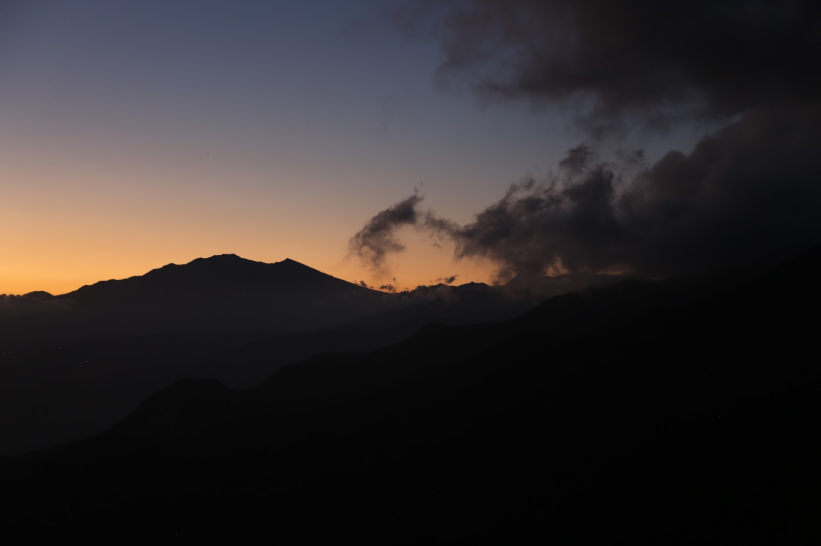
The Quetzal Trail, Panama’s Legendary Cloud Forest Trek Between Boquete and Volcán

Hidden high in the mountains of western Panama lies one of the most famous hiking routes in Central America, the Quetzal Trail. Known in Spanish as Sendero Los Quetzales, this misty mountain path cuts through the dense cloud forests of Volcán Barú National Park, connecting the cool mountain town of Boquete with the quieter agricultural region around Volcán. For many travelers, hiking this trail becomes one of the unforgettable highlights of visiting Panama because it feels completely different from the tropical beaches and hot lowlands that most people associate with the country.

The Quetzal Trail is not simply a walk through the forest. It is a journey into one of the most biologically rich mountain ecosystems in Central America. The trail winds through dripping moss covered trees, giant ferns, hidden streams, hanging vines, bamboo groves, and dense fog that can transform the forest into something that feels almost prehistoric. Every few minutes the atmosphere changes. One moment sunlight breaks through the mist and lights up the green canopy, and the next moment thick clouds roll through the forest so heavily that visibility drops to only a few meters.

The trail gets its name from the resplendent quetzal, one of the most legendary birds in the Americas. The quetzal is famous for its shimmering green feathers, bright red chest, and long flowing tail feathers on the males. Birdwatchers travel from all over the world hoping to see one here. The cloud forests around Boquete and Volcán are considered some of the best places in Panama to spot quetzals, especially during breeding season when the birds are more active near wild avocado trees. Even hikers who know little about birds quickly understand why the quetzal became so culturally important throughout Central America. Seeing one glide silently through the misty forest can feel almost unreal.

One of the reasons the Quetzal Trail is so famous is because it offers an unusual backpacking experience in Panama. Most travel in the country revolves around buses, islands, beaches, surf towns, and jungle lodges. The Quetzal Trail instead feels like a true mountain crossing. You are literally hiking from one side of the continental divide to the other through a remote protected forest at elevations often above 2000 meters. The air is cool, wet, and fresh. At times it hardly feels like tropical Central America at all.

The trail itself is usually considered moderately difficult, though conditions can quickly make it much harder. In perfect weather, experienced hikers often complete the route in around four to six hours. But weather in the cloud forest changes constantly, and mud is one of the defining characteristics of the trail. During the rainy season the path can become extremely slippery, deeply muddy, and physically exhausting. Some sections turn into near swamps where boots sink deep into thick mud. Fallen trees, wet roots, and steep inclines can slow hikers dramatically. Travelers expecting a smooth easy forest walk are often surprised by how rugged the route can become.

The total distance varies slightly depending on the starting point and route conditions, but most hikers cover around 9 to 15 kilometers. What makes the hike feel harder than the distance suggests is the terrain itself. The trail is rarely flat. Instead it constantly climbs, descends, twists through roots, crosses streams, and navigates uneven muddy ground. Good hiking shoes are almost essential. Many travelers underestimate how wet the trail can be and regret attempting it in ordinary sneakers.

One of the most common questions travelers ask is which direction is easier, hiking from Boquete to Volcán or from Volcán to Boquete. This topic is debated constantly among backpackers and guides, but most experienced hikers agree that hiking from Boquete toward Volcán is generally easier overall.

The Boquete side begins at a higher elevation, usually near the ranger station area around Bajo Mono or Pipeline Road access points, depending on the exact route being used. From there much of the trail trends gradually downhill toward the Volcán side. There are still climbs and difficult muddy sections, but the overall descent makes the trek physically less punishing for most people.

Starting from Volcán and hiking toward Boquete is generally considered more difficult because you spend more time climbing uphill through muddy terrain at high altitude. The elevation gain becomes much more noticeable, especially in wet conditions. Hikers coming from Volcán often finish the trek far more exhausted than those hiking the opposite direction.

Because of this, many travelers choose a practical strategy. They stay in Boquete, arrange transportation to the trailhead, hike toward Volcán, and then take transport back afterward. Some hostels and tour companies even help organize luggage transfers or shuttle pickups on the opposite side.

Despite being famous, the Quetzal Trail is not a wilderness expedition in the extreme sense. Plenty of travelers hike it independently without guides, especially during the dry season. The path is reasonably well known, and there is regular foot traffic. However, conditions can still become serious if weather deteriorates. Dense fog sometimes reduces visibility dramatically, and heavy rain can transform the trail into a difficult muddy obstacle course. Independent hikers should ideally download offline maps beforehand because trail intersections and alternate routes can occasionally create confusion.

Hiring a guide remains popular for several reasons. Guides know where quetzals are nesting, understand changing weather patterns, help with navigation, and can explain the incredible biodiversity of the cloud forest. Travelers interested in birds, orchids, frogs, and ecology often get much more out of the experience with a knowledgeable local guide. Some guides carry spotting scopes, allowing hikers to see distant quetzals perched high in the canopy.

The beauty of the Quetzal Trail is not dramatic in the same way as towering mountains or giant waterfalls. Instead its beauty feels immersive and atmospheric. Everything is alive with moisture and texture. Moss grows over nearly every surface. Tiny streams appear from nowhere and disappear back into the forest. Strange fungi grow from fallen trees. The air smells earthy and cold. Birds call invisibly from deep in the fog. Sometimes clouds drift through the trees so slowly that the forest appears to breathe.

Many travelers say the trail feels ancient. The cloud forest environment creates an almost dreamlike mood because visibility constantly changes. One moment you can see deep green valleys below, and the next moment the entire world disappears into white mist. This shifting atmosphere is one reason photographers love the hike so much. Every hour the trail looks completely different.

Wildlife is another major attraction. Besides quetzals, hikers may encounter toucanets, hummingbirds, black faced solitaires, monkeys, coatis, and countless species of insects and amphibians. The forests of Volcán Barú National Park contain some of the richest biodiversity in Panama. Even people who are not dedicated birdwatchers often become fascinated because the environment feels so alive.

Weather plays a huge role in the experience. During the dry season, usually from around December through April, the trail is generally easier and safer. Conditions are still muddy in places because cloud forests remain wet year round, but the route becomes far more manageable. During the rainy season, however, hikers should expect serious mud, slippery descents, and heavy rainfall. Some sections can become surprisingly difficult even for experienced hikers.

Travelers often underestimate the temperature as well. Boquete and Volcán sit at much higher elevations than most of Panama, and the cloud forest can feel genuinely cold, especially with wind and rain. A lightweight rain jacket is almost mandatory, and many hikers appreciate having an extra dry layer packed away in waterproof bags.

Food and water preparation are important because there are no shops or facilities along most of the trail itself. Most people carry several liters of water, snacks, and a basic lunch. Energy disappears quickly while hiking through mud at altitude. Trekking poles are also very useful, especially during wet conditions, because they help stabilize hikers on slippery descents.

The trail attracts a fascinating mix of people. Hardcore birdwatchers walk slowly and quietly searching the canopy for quetzals. Backpackers tackle it as an adventure challenge between destinations. Nature photographers spend hours capturing misty forest scenes. Some hikers train for bigger mountain treks elsewhere in Latin America. Others simply want to experience one of Panama’s most legendary natural areas.

One reason the Quetzal Trail remains so memorable is because it feels genuinely wild without being inaccessible. You do not need advanced mountaineering skills or expensive equipment, but you still experience the excitement of crossing a remote mountain forest under your own power. In a world where many famous hiking routes have become crowded or commercialized, the Quetzal Trail still feels relatively raw and authentic.

For many travelers, the hike changes their perception of Panama completely. Before arriving, they imagine canals, skyscrapers, beaches, and tropical heat. Then suddenly they find themselves deep inside a cold misty cloud forest surrounded by moss covered trees while searching for one of the world’s most beautiful birds. That contrast is part of what makes the country so fascinating.

And when hikers finally emerge from the forest after hours of mud, mist, and mountain air, they often feel the same thing: exhaustion mixed with amazement. The Quetzal Trail is not just a path between Boquete and Volcán. It is one of those rare hikes where the journey itself becomes the destination.

Backpacking Panama as a Couple Versus Traveling Solo

There is something about Panama that makes backpackers stay longer than they planned. Maybe it is the mix of Caribbean islands, Pacific surf towns, cloud forests, volcanoes, wildlife, and modern cities packed into a relatively small country. Maybe it is the easy transportation, the warm climate, or the feeling that adventure is always one bus ride away. But one of the most interesting things about traveling through Panama is how completely different the country can feel depending on whether you are backpacking alone or with a boyfriend or girlfriend.

The same beach can feel romantic or lonely. The same jungle hike can feel peaceful or intimidating. The same overnight bus ride can either become a shared memory you laugh about for years or a long quiet journey where you wonder what kind of people you will meet next. Panama has a strange ability to amplify whatever kind of trip you are already having, and that is why the country creates such different experiences for couples and solo travelers.

For couples, Panama can feel like one giant tropical road trip designed for shared adventure. There are endless moments where the country almost seems built for two people traveling together. Watching the sunrise over the Caribbean in Bocas del Toro, riding in the back of a pickup truck through the mountains near Santa Fe, sharing cheap street food in Panama City, or waking up to howler monkeys screaming outside your hostel in the jungle can create a powerful sense of shared experience. Backpacking as a couple in Panama often feels less like a vacation and more like building a collection of stories together.

One of the biggest advantages couples have in Panama is emotional comfort. Backpacking can be exhausting. Long bus rides, tropical heat, rainstorms, missed connections, mosquito bites, and budget travel stress can wear people down. Having someone beside you changes everything. When one person is tired, the other can take over navigation. When one person feels overwhelmed in a crowded bus terminal, the other can stay calm. Even small things become easier. Finding accommodation, watching bags during bathroom breaks, splitting taxi costs, and navigating Spanish conversations all become less stressful with two people.

Safety also feels different. Panama is generally considered one of the safer countries in Central America for travelers, but solo backpackers still experience moments of vulnerability, especially at night or in unfamiliar urban areas. Couples often move through the country with more confidence because they are not alone. Walking through neighborhoods after dark, taking late buses, or arriving in a small town after sunset tends to feel less intimidating when you have a travel partner beside you.

At the same time, traveling as a couple in Panama can intensify emotions in ways many people do not expect. Backpacking strips away routine and comfort. Suddenly you are spending nearly every hour together, making constant decisions, navigating stress, dealing with weather, transportation, money, and exhaustion all at once. Panama’s unpredictable nature can test relationships quickly. A missed boat connection in Bocas del Toro, days of rain in the highlands around Boquete, or getting stuck on a crowded chicken bus in the middle of nowhere can either strengthen a relationship or expose cracks that normal life hides.

Many backpacking couples discover things about each other they never would have learned at home. You learn how your partner reacts when exhausted, hungry, lost, sunburned, or stressed. You discover whether they are spontaneous or controlling, patient or impulsive, adventurous or cautious. Some couples come out of Panama feeling closer than ever because shared challenge often builds deep connection. Others realize that they travel completely differently and struggle to compromise.

Solo travel in Panama creates a completely different kind of adventure. Alone, the country often feels bigger, more mysterious, and more unpredictable. Solo backpackers tend to interact more deeply with strangers because they have no built in companion. They talk to hostel staff longer, join group tours more often, make friends on buses, and connect with other travelers quickly. In many ways, solo travelers experience more social openness because they are constantly reaching outward instead of inward toward a partner.

A solo backpacker arriving at a hostel in Lost and Found Hostel may instantly become part of a temporary travel family. People invite each other on hikes, waterfall trips, and night walks because almost everyone is looking for connection. Couples sometimes stay more isolated without realizing it because they already have companionship built into the trip. Solo travelers often form stronger short term friendships simply because they need to.

There is also a level of freedom in solo travel that couples rarely experience. A solo backpacker can wake up and completely change plans in seconds. Maybe they planned to stay two nights in Cambutal but end up staying two weeks because the surf is good and the atmosphere feels perfect. Maybe they meet other travelers heading to Santa Catalina and decide to join them immediately. Solo travel allows constant reinvention. Every day can become something entirely new.

That freedom, however, comes with emotional highs and lows. Solo backpacking in Panama can be incredibly empowering because you learn to solve problems independently. You navigate unfamiliar transportation systems, communicate across language barriers, and build confidence through uncertainty. But solo travel can also become lonely, especially in quieter parts of the country. Watching couples laugh together on the beach or seeing groups of friends share dinners can sometimes intensify feelings of isolation.

Panama’s geography affects solo and couple travel differently too. The country is surprisingly diverse. Caribbean islands like Isla Colón feel social, youthful, and easy for meeting travelers. Mountain towns like Boquete can feel peaceful and romantic for couples but also reflective and introspective for solo travelers. Remote places like Santa Fe or Guna Yala often create deeper emotional experiences because the isolation heightens whatever emotional state you already carry.

Budgeting also changes dramatically depending on how you travel. Couples can split private rooms, taxis, rental cars, and meals, making some parts of Panama surprisingly affordable. A beachfront cabana that feels expensive for one backpacker suddenly becomes reasonable when split between two people. Solo travelers spend less overall in some ways, but they usually cannot divide transportation and accommodation costs. This is one reason couples sometimes travel more comfortably on similar budgets.

Romance itself changes while backpacking. At home, relationships often revolve around routine. In Panama, relationships revolve around experiences. You remember snorkeling together in clear Caribbean water, seeing sloths in the jungle, surviving tropical storms, crossing suspension bridges in cloud forests, or watching lightning over the Pacific Ocean. Shared adventure creates intense memories because your brains are constantly processing novelty and emotion. Many couples later realize they remember backpacking moments in Panama more vividly than entire years spent at home.

Yet solo travel can create equally powerful memories of self discovery. Many solo travelers leave Panama with stronger confidence, independence, and resilience. They remember moments where they realized they could navigate the world alone. That feeling can become addictive. The country’s combination of accessibility and adventure makes it one of the easier places in Latin America for people to test themselves as independent travelers.

Perhaps the most fascinating thing is that neither style of travel is necessarily better. They are simply different experiences. Backpacking Panama with a boyfriend or girlfriend often creates comfort, intimacy, shared stories, and emotional support. Solo backpacking creates freedom, unpredictability, self reliance, and deeper interaction with strangers. The same sunset in Panama can either become a romantic memory shared between two people or a quiet personal moment of reflection experienced alone.

And maybe that is why Panama stays in people’s memories so strongly. The country does not just show you beaches, jungles, islands, and mountains. It reflects your emotional state back at you. If you arrive in love, Panama can feel deeply romantic. If you arrive searching for independence, Panama can feel liberating. If you arrive uncertain about life, the country can feel like an open ended adventure waiting to reshape you.

The Giant Wind Farms of Panama, The Enormous Turbines Rising Above the Tropical Landscape

There is something surreal about seeing giant wind turbines rising above the hills of Panama for the first time.

At a distance, they almost look unreal.

Massive white towers stand against the tropical sky while enormous blades rotate slowly above cattle fields, dry grasslands, mountains, and coastal hills. They are so large that cars passing beneath them seem tiny by comparison. Each rotation feels strangely calm and powerful at the same time, like giant mechanical trees harvesting invisible energy from the atmosphere itself.

For many people, Panama is associated with jungles, rainforests, beaches, and the Panama Canal, not giant wind farms. Yet over the last two decades, enormous wind energy projects have become one of the most fascinating transformations occurring in the Panamanian landscape.

These towering turbines now form part of the country’s growing renewable energy network, helping power homes, industries, businesses, and cities using nothing but tropical wind.

And some of the wind farms are absolutely enormous.

Why Wind Energy Works in Panama

At first glance, Panama may not seem like an obvious place for wind farms.

The country is tropical, humid, and heavily forested in many areas. But geography creates important regional differences. Certain parts of Panama, especially along the Pacific side, experience strong and highly reliable winds during much of the year.

The key lies in Panama’s narrow shape and seasonal weather patterns.

Trade winds moving across the isthmus accelerate through mountain gaps and coastal regions, especially during the dry season. Areas with open hills and fewer forests can experience surprisingly powerful wind currents almost daily.

One region became especially famous for this:

Penonomé and the surrounding areas in Coclé Province.

There, conditions proved ideal for large scale wind energy generation.

The Penonomé Wind Farm

The most famous wind energy project in Panama is the enormous Penonomé Wind Farm, one of the largest wind farms in Central America.

Driving through the region can feel almost shocking the first time you see it.

Suddenly, enormous turbines appear stretching across hillsides and open countryside in every direction. The towers rise far above the landscape while giant blades sweep slowly through the air with hypnotic rhythm.

Each turbine is massive.

Standing beneath one completely changes your sense of scale. The blades alone can be longer than airplane wings, and the full structures tower high above nearby roads, trees, and buildings.

From a distance, they appear graceful.

Up close, they feel industrial, mechanical, and almost alien.

Yet despite their size, the turbines move with eerie quietness compared to traditional power plants.

A Different Kind of Power Plant

One fascinating thing about wind farms is how different they feel compared to conventional energy infrastructure.

Traditional power plants often involve smoke, fire, fuel storage, noise, and heavy industrial activity. Wind farms instead feel strangely minimalist. The turbines simply stand in the landscape harvesting moving air.

There are no giant smokestacks.

No burning coal.

No roaring furnaces.

Just wind.

The atmosphere around wind farms can feel surprisingly peaceful. Grass moves beneath the towers while cattle graze nearby and clouds drift across huge open skies. The blades rotate steadily above everything, converting invisible atmospheric motion into electricity.

The visual contrast becomes especially dramatic in Panama because the turbines rise from tropical landscapes rather than barren industrial zones.

Palm trees, hills, cattle ranches, tropical birds, and distant mountains surround structures that look almost futuristic.

The Dry Season Winds

Panama’s wind farms benefit heavily from the dry season.

During these months, especially from roughly December through April, strong trade winds sweep across parts of the country with remarkable consistency. The Pacific side often becomes hot, dusty, and windy as vegetation dries beneath intense sunlight.

These conditions create ideal periods for wind energy production.

Ironically, the dry season is also when hydroelectric dams may face lower water levels due to reduced rainfall. Wind energy therefore complements Panama’s hydroelectric system surprisingly well.

When rain decreases, winds often strengthen.

This balance helps stabilize the country’s renewable energy production across different seasons.

The Giant Machines Themselves

Modern wind turbines are astonishing engineering structures.

Many people underestimate their size until standing near one directly. The towers can rise hundreds of feet into the air while the rotating blades sweep circles larger than football fields.

The amount of energy captured is enormous.

Each blade rotates relatively slowly, but because of its immense length, the blade tips can move incredibly fast through the air. Inside the nacelle, the housing at the top of the tower, generators convert rotational energy into electricity transmitted into the national grid.

At night, blinking red lights appear across the hills marking the turbines for aircraft.

Seen from a distance after dark, entire ridgelines glow with synchronized lights above the tropical countryside.

Wind Farms and the Landscape

Not everyone loves the appearance of wind farms.

Some people consider them beautiful symbols of renewable energy and technological progress. Others feel they disrupt natural scenery or rural landscapes.

In Panama, this debate became especially interesting because the country’s identity is strongly tied to natural beauty and biodiversity. Seeing giant industrial turbines rising above tropical hills creates a strange emotional contrast.

The structures feel both futuristic and oddly elegant at the same time.

During sunrise or sunset, the scene can become spectacular. Giant white blades rotate slowly against orange skies while long shadows stretch across the countryside.

Storms create another dramatic atmosphere entirely. Dark tropical clouds roll across the hills while turbines continue spinning beneath lightning filled skies.

Renewable Energy and Panama’s Future

Wind energy became increasingly important as Panama sought to diversify beyond hydroelectric dams and imported fossil fuels.

Historically, hydroelectricity dominated Panama’s renewable energy system because the country possesses abundant rivers and rainfall. Massive projects like Gatun Dam and Fortuna Dam helped power the nation for decades.

But climate variability introduced concerns.

Strong droughts and El Niño events occasionally reduce reservoir levels, threatening hydroelectric generation and even canal water supplies. Renewable diversification became increasingly important.

Solar farms began expanding.

Wind projects followed.

Together, these technologies are reshaping Panama’s energy landscape.

The Wildlife Question

Like all major infrastructure, wind farms also raise environmental questions.

Some conservationists worry about bird collisions, habitat fragmentation, or impacts on local ecosystems. Panama sits along important migratory bird routes connecting North and South America, making wildlife considerations especially important.

Engineers and environmental planners therefore study turbine placement carefully to reduce ecological impact where possible.

Compared to fossil fuel extraction and air pollution, many experts still view wind energy as significantly cleaner overall. Yet the balance between renewable energy development and conservation remains an ongoing challenge in environmentally rich countries like Panama.

The Feeling of Standing Beneath One

Perhaps the most unforgettable thing about Panama’s wind farms is the experience of standing directly beneath a turbine.

The scale feels almost difficult for the brain to process.

The blades move overhead with deep rhythmic whooshing sounds while the tower rises impossibly high into the sky. Wind rushes constantly across the hills. The machinery seems alive in a strange way, silently interacting with invisible forces moving through the atmosphere.

You suddenly realize humans have learned how to harvest the motion of air itself.

And somehow, out in the tropical countryside of Panama, giant white machines now stand capturing energy from the wind that has crossed oceans, mountains, forests, and seas.

The New Energy Landscape of Panama

For centuries, Panama’s landscapes were shaped mainly by forests, rivers, agriculture, and the canal. Now new artificial landscapes are emerging across the country:

Hydroelectric reservoirs

Solar fields

Wind farms

Transmission networks

These systems are gradually transforming how Panama produces energy and how parts of the countryside look and function.

What makes the wind farms especially fascinating is how futuristic they appear against such a tropical backdrop.

Massive turbines spinning above cattle pastures, dry tropical hills, and distant palm trees feel like scenes from another era arriving unexpectedly inside Central America.

And somewhere tonight in the windy hills near Penonomé, enormous blades are still turning slowly beneath the stars, quietly helping power an entire nation using nothing but the invisible force of moving air.

The Solar Fields of Panama, How Giant Seas of Panels Are Changing the Country’s Energy Future

When most people imagine Panama, they picture tropical rainforests, Caribbean islands, the gleaming skyline of Panama City, and the world famous Panama Canal. Panama is usually associated with water, not sunlight. The country’s identity has long revolved around rivers, rain, and the canal system that connects two oceans.

But quietly, another transformation has been unfolding across the country.

Huge solar panel fields are beginning to appear across Panama’s landscapes, especially in the hotter and drier Pacific regions where sunlight pounds the ground for much of the year. Thousands of dark blue and black panels now stretch across open land in geometric patterns, silently converting tropical sunlight into electricity.

To many travelers driving through rural Panama, these solar farms can feel surprising and almost futuristic. One moment you are passing cattle fields, dry hills, or tropical countryside, and suddenly an enormous artificial landscape appears, rows upon rows of reflective panels shimmering beneath the intense tropical sun.

It feels like seeing the future arrive in the middle of the tropics.

Why Solar Energy Makes Sense in Panama

Although Panama is famous for heavy rain and dense rainforest, large portions of the country actually receive intense sunlight for much of the year, especially along the Pacific side. Provinces such as Coclé Province, Herrera Province, Los Santos Province, and parts of Chiriquí Province experience long dry seasons where the sun becomes relentless.

During the dry season, some regions can go for months beneath clear skies with intense solar radiation nearly every day. Temperatures rise sharply while grass turns yellow and dust blows across the landscape. Under those conditions, solar energy becomes incredibly attractive.

Unlike countries farther from the equator, Panama receives relatively consistent sunlight throughout the year because of its tropical location. The sun climbs high overhead almost daily, delivering huge amounts of energy directly onto the land.

For decades, Panama relied heavily on hydroelectric dams for renewable energy. Massive projects such as Gatun Dam, Bayano Dam, and Fortuna Dam helped power the country using rivers descending from rainy mountain regions.

But hydroelectricity has one major weakness:

It depends on rain.

During strong droughts or El Niño years, reservoir levels can fall dangerously low, threatening electricity production and even the water supply needed for the Panama Canal itself. Climate variability made Panama realize it needed additional energy sources beyond hydropower alone.

Solar energy offered an obvious solution.

The First Large Solar Farms

Panama began expanding solar infrastructure more seriously during the 2010s as technology became cheaper and global interest in renewable energy accelerated.

Several major solar projects emerged across the country, particularly in open rural areas where land and sunlight were abundant. Some of the largest developments appeared in central Panama and western provinces where dry season conditions create excellent solar generation potential.

The visual impact of these projects surprised many people.

Traditional Panamanian landscapes often involve cattle ranches, tropical farms, rolling hills, or scattered forest patches. Solar farms introduced something entirely different: vast geometric grids of reflective technology sitting beneath blazing tropical skies.

Seen from above, some solar fields resemble giant dark lakes or metallic carpets spread across the countryside.

Thousands of panels tilt carefully toward the sun while electrical infrastructure hums quietly around them.

A Strange New Tropical Landscape

There is something fascinating about how solar fields look in Panama specifically.

In desert countries, solar farms often appear stark and industrial against barren landscapes. In Panama, the contrast feels stranger because tropical vegetation surrounds the installations constantly. Palm trees, jungle patches, distant mountains, and tropical birds coexist beside highly modern energy infrastructure.

Heavy rainstorms roll over the panels during wet season while intense sunlight returns hours later. Iguanas crawl beneath the structures. Vultures circle overhead. Grass grows rapidly around the rows.

Nature and technology exist side by side in a uniquely tropical way.

Sometimes the contrast becomes dramatic. Dark storm clouds gather over distant hills while sunlight blasts directly onto thousands of solar panels in the foreground, creating scenes that feel almost cinematic.

The Heat Problem

One interesting challenge for solar energy in Panama is heat itself.

People often assume hotter weather automatically means better solar panel performance, but extreme heat can actually reduce efficiency. Solar panels work best with strong sunlight combined with moderate temperatures. Panama’s tropical heat sometimes pushes panels into very high temperature ranges, slightly lowering performance during the hottest parts of the day.

Engineers must design systems capable of surviving:

Extreme humidity

Torrential rain

Tropical storms

Corrosion from salty coastal air

Intense heat

Rapid vegetation growth

Maintaining solar fields in tropical climates can therefore become more demanding than in dry desert regions.

Panels require cleaning because dust, pollen, bird droppings, and tropical debris accumulate quickly. Grass and plants grow aggressively around installations during rainy season. Electrical systems must withstand lightning and heavy moisture.

The tropics are beautiful, but they are hard on infrastructure.

Solar Energy and the Panama Canal

One reason renewable energy matters so much in Panama is the canal itself.

The Panama Canal consumes enormous amounts of energy and water during operations. As global shipping traffic increased and canal expansion projects advanced, pressure on the national energy system also grew.

At the same time, climate change introduced concerns about rainfall patterns and water availability. Lower reservoir levels threaten not only electricity generation from dams but also canal operations themselves.

Solar energy therefore became part of a larger national strategy to strengthen energy security while reducing dependence on rainfall alone.

In a sense, Panama is attempting to balance two natural forces:

Water

Sunlight

For most of its modern history, water dominated Panama’s energy identity. Now sunlight is beginning to claim a larger role.

Rural Panama and Solar Development

Some solar farms now occupy land previously used mainly for cattle ranching or agriculture. In dry regions of the Pacific side, large open areas with strong sun exposure became ideal for photovoltaic development.

This transformation reflects broader changes occurring in rural Panama.

Certain regions once associated primarily with farming are now becoming energy landscapes as well. Transmission lines, substations, and modern infrastructure increasingly appear beside traditional rural communities.

For some people, solar projects represent progress and economic opportunity.

For others, they symbolize industrialization changing the countryside.

As with hydroelectric dams, renewable energy projects often create debates involving land use, environmental impact, and development priorities.

The Environmental Side

Compared to fossil fuel power plants, solar farms produce electricity with far lower carbon emissions and no direct air pollution during operation. That makes them attractive in a world increasingly concerned about climate change and environmental sustainability.

However, solar fields are not completely impact free.

Large installations require significant land area, and construction may alter habitats or landscapes. Manufacturing panels also requires mining and industrial processes elsewhere in the global supply chain.

Still, many environmental experts view solar energy as one of the cleaner long term options available, especially in sunny countries like Panama where natural conditions strongly support renewable generation.

The Future of Solar in Panama

Most experts believe solar energy will continue expanding across Panama over coming decades.

Technology keeps improving. Panels become more efficient and cheaper. Battery storage systems are advancing rapidly, allowing solar electricity to be stored for nighttime use more effectively than before.

Panama’s strategic location and growing economy mean energy demand will likely continue rising. At the same time, pressure to reduce fossil fuel dependence and diversify beyond hydropower will probably accelerate additional solar investment.

Future solar projects may appear not only on open land but also on rooftops, parking structures, industrial facilities, and possibly even floating systems on reservoirs.

The tropical sun that once simply baked roads and fields may increasingly become one of Panama’s most valuable energy resources.

The Silent Power Fields of the Tropics

What makes Panama’s solar fields fascinating is the contrast they represent.

This is a country historically shaped by rivers, rainforests, ships, and water engineering. Yet now enormous artificial landscapes built entirely around sunlight are quietly spreading across the countryside.

The panels sit silently beneath tropical skies while clouds drift overhead and heat shimmers across the land. There is no dramatic noise, no giant smokestacks, no flames.

Just sunlight.

Every morning the tropical sun rises over Panama, floods the land with energy, and thousands of silent panels begin converting light itself into electricity that powers homes, businesses, roads, and cities.

And somewhere out in the dry Pacific countryside tonight, beneath warm air and distant stars, vast dark solar fields are still sitting quietly in the tropical darkness, waiting for sunrise to power the country once again.

The Great Dams of Panama, The Hidden Machines Powering a Tropical Nation

Most people think of Panama as a land of rainforests, beaches, islands, and the legendary Panama Canal. Visitors arrive imagining tropical adventures, cloud forests, coral reefs, and jungle wildlife. Few realize that hidden behind mountains, deep valleys, and enormous artificial lakes lies one of the most important systems holding modern Panama together:

Its dams.

These massive structures quietly shape daily life across the country. They generate electricity, control water supplies, support the canal, reduce flooding, create reservoirs, and transform entire landscapes. Some are enormous engineering achievements hidden within dense rainforest. Others created giant lakes so large they now look natural from the air. Entire ecosystems, communities, and transportation systems evolved around them.

Without dams, modern Panama would look completely different.

The country’s rapid economic growth, urban expansion, canal operations, and modern electrical system depend heavily on hydroelectric power generated by rivers descending from Panama’s wet tropical mountains.

And because Panama receives extraordinary rainfall compared to many countries, its geography became almost perfectly suited for hydroelectric development.

Why Panama Built So Many Dams

Panama’s climate and geography make the country ideal for hydroelectric energy.

Moist air from both the Caribbean and Pacific collides with mountain ranges running through the country, producing enormous rainfall, especially in western provinces and central highlands. Rivers descend steeply from mountains toward both coasts, creating powerful flows capable of generating electricity efficiently.

In many parts of Panama, rivers swell dramatically during rainy season. Instead of allowing all that energy to flow unused into the sea, engineers realized the country could harness it through dams and hydroelectric facilities.

This became especially important during the twentieth century as Panama modernized rapidly. Cities expanded, industries grew, and electricity demand increased dramatically. Hydroelectric dams offered a way to produce large amounts of domestic energy using Panama’s natural geography.

Today, hydroelectricity supplies a significant portion of the nation’s electricity.

Many travelers driving through Panama never realize how much of the country’s modern infrastructure depends on giant hidden reservoirs tucked deep within tropical valleys.

Gatun Dam, The Structure That Helped Change the World

The most historically important dam in Panama is undoubtedly Gatun Dam.

This colossal structure played a central role in construction of the Panama Canal itself and remains one of the most significant engineering achievements in the country’s history.

When the canal was being built in the early twentieth century, engineers faced an enormous problem. Panama’s terrain was not flat. Rivers flooded violently during rainy season, especially the mighty Chagres River, which repeatedly threatened construction efforts with catastrophic flooding.

The solution was revolutionary for its time.

Engineers constructed Gatun Dam across the Chagres River, creating the vast Gatun Lake. At the time of its creation, Gatun Lake became one of the largest artificial lakes on Earth.

The dam transformed the geography of central Panama completely.

Instead of ships needing to cut entirely through mountainous jungle terrain at sea level, vessels could cross much of the country through the enormous artificial lake created behind the dam. The lake also provided essential water for operating the canal’s lock system.

Without Gatun Dam, the Panama Canal likely could not have functioned in the way it does today.

The project flooded huge areas of rainforest, permanently altering ecosystems and creating thousands of islands from former hilltops rising above the new lake. Some of those forest islands still exist today, creating strange fragmented jungle habitats surrounded by water.

Travelers crossing the canal often do not realize they are moving through a massive artificial environment created by one of the most important dams in modern history.

Madden Dam and Alajuela Lake

Another crucial canal related structure is Madden Dam, now commonly associated with Alajuela Lake.

Built further upstream on the Chagres River, Madden Dam helped regulate water flow and provided additional water storage essential for canal operations and hydroelectric generation.

The canal requires astonishing amounts of freshwater to operate because each ship passing through the locks uses millions of liters of water. During dry seasons, maintaining reliable water levels becomes critical.

Madden Dam helped stabilize this system by controlling seasonal flow fluctuations.

Like Gatun Lake, Alajuela Lake flooded vast tropical valleys and transformed surrounding ecosystems. Today, the region surrounding the reservoir feels incredibly wild despite its importance to national infrastructure. Dense rainforest surrounds the lake while wildlife thrives in the protected watershed areas.

The strange thing about Panama’s canal dams is how nature and engineering merged together over time. Massive industrial infrastructure now sits hidden within landscapes that appear overwhelmingly natural.

The Chiriquí Hydroelectric Region

Western Panama contains some of the country’s most important hydroelectric dams because the mountains of Chiriquí Province receive enormous rainfall and contain fast moving rivers descending from high elevations.

The region near Boquete and the slopes surrounding Volcán Barú became ideal for hydroelectric projects.

Numerous dams and generating facilities now operate throughout western Panama, capturing energy from rivers flowing through steep mountain valleys.

These projects helped fuel Panama’s modern economy but also sparked controversy. Environmental groups, Indigenous communities, and conservationists sometimes opposed certain hydroelectric developments because dams alter river ecosystems, affect fish migration, flood land, and transform natural landscapes.

The debates surrounding dams in Chiriquí reflect larger global tensions between economic development and environmental protection.

Hydroelectricity is renewable compared to fossil fuels, but large dams still dramatically reshape ecosystems.

Fortuna Dam and Lake Fortuna

One of the most famous hydroelectric projects in western Panama is Fortuna Dam and Lake Fortuna.

Located high within Panama’s cloud forest mountains, the Fortuna project feels almost surreal because of its setting. Mist drifts constantly through the surrounding forests while heavy rainfall feeds rivers descending through steep valleys.

The region around Fortuna remains astonishingly beautiful despite the engineering infrastructure hidden there. Cloud forests rich in biodiversity surround the reservoir while cool mountain temperatures contrast sharply with the tropical lowlands below.

Driving through the area, travelers may encounter dense fog, moss covered trees, waterfalls, and dramatic mountain scenery while passing near one of the country’s major hydroelectric systems without fully realizing it.

Fortuna became a symbol of Panama’s push toward energy independence and modernization during the late twentieth century.

Bayano Dam and the Flooded Forest

Another enormous hydroelectric project is Bayano Dam in eastern Panama.

Constructed on the Bayano River, the dam created the massive Bayano Lake by flooding extensive rainforest areas. Entire valleys disappeared beneath water while forests transformed into vast reservoir landscapes.

Even today, dead tree trunks still rise from portions of the lake, creating haunting scenery where remnants of drowned forest emerge above the water’s surface.

The project generated electricity but also displaced Indigenous communities and altered ecosystems significantly. Bayano became one of the clearest examples of how dam construction can produce both national benefits and profound local consequences.

The surrounding landscape still feels remote and mysterious. Dense jungle stretches around the reservoir while caves, rivers, and forested hills remain scattered throughout the region.

The Environmental Debate

Dams in Panama inspire strong opinions because their impact extends far beyond electricity generation.

Supporters argue hydroelectric projects provide cleaner domestic energy, reduce dependence on imported fuels, stabilize the electrical grid, and support economic growth. In a tropical country with abundant rainfall, hydroelectricity seems like an obvious resource to utilize.

Critics point out the environmental and social costs.

Large dams flood forests, disrupt river ecosystems, block fish migration, alter sediment flow, and sometimes displace communities. Tropical reservoirs can also create ecological changes difficult to predict fully.

In Indigenous regions especially, hydroelectric projects occasionally became politically controversial because communities feared losing land, water access, fishing resources, or cultural heritage tied to rivers.

These debates continue today as Panama balances development, conservation, tourism, Indigenous rights, and growing energy demand.

Lakes That Became Part of Panama Itself

One fascinating aspect of Panama’s dams is how completely their reservoirs integrated into the country’s identity.

Gatun Lake, Alajuela Lake, Fortuna, and Bayano no longer feel like temporary engineering projects. They feel permanent, almost natural.

Wildlife adapted around them. Forest islands formed. Fishing communities emerged. Tourism developed. Boat traffic became normal. Birds, crocodiles, monkeys, and tropical fish now inhabit environments created artificially by humans.

Some lakes became so visually integrated into the landscape that visitors assume they always existed.

But beneath those calm waters lie drowned valleys, forests, roads, and landscapes permanently transformed by human engineering.

Engineering Hidden Inside the Jungle

Perhaps the most fascinating thing about Panama’s dams is how hidden they often feel.

Unlike giant dams in dry deserts where concrete dominates barren landscapes dramatically, Panama’s dams frequently disappear beneath rainforest and tropical vegetation. Mist, jungle, rivers, and mountains soften the industrial appearance of the structures themselves.

Nature partially conceals the engineering.

That blending creates a uniquely Panamanian atmosphere where some of the country’s most important infrastructure sits quietly within landscapes still dominated by tropical wilderness.

The dams power cities, industries, homes, airports, and canal operations while hidden behind forests alive with monkeys, toucans, orchids, and rainstorms.

The Quiet Giants of Panama

In the end, Panama’s dams represent something larger than engineering alone.

They symbolize the country’s relationship with water itself.

Panama is a nation shaped by rain, rivers, oceans, and tropical geography. The canal exists because of water. The forests thrive because of water. The hydroelectric system functions because of water. Even Panama’s mysteries and wilderness feel tied to rivers, storms, and rainfall.

The dams harness that immense natural force and redirect it into modern civilization.

And somewhere deep in the mountains of Panama tonight, rain is falling through cloud forests into reservoirs hidden beneath jungle mist, feeding the giant silent machines that help power an entire nation.

The Unsolved Mysteries of Panama, Lost Worlds, Jungle Legends, Vanishing People, Hidden Treasure, and the Strange Unknown Beneath the Tropics

There are certain countries in the world that seem naturally designed for mystery, and Panama may be one of them.

At first glance, Panama appears easy to understand. Most outsiders know it as the land of the Panama Canal, tropical beaches, rainforests, islands, and modern skyscrapers rising above the Pacific coast. Travelers arrive expecting adventure, biodiversity, surfing, cloud forests, and Caribbean water glowing turquoise beneath palm trees.

But beneath that beautiful surface lies something far stranger.

Panama is filled with mysteries.

Some involve lost pirate treasure hidden centuries ago beneath jungle ruins or coastal caves. Others center on disappearances in remote forests where people entered the wilderness and never returned. There are stories about haunted colonial buildings, forgotten settlements swallowed by rainforest, strange creatures seen at night in isolated regions, mysterious lights moving over mountains, and Indigenous legends tied to rivers, caves, and the jungle itself.

What makes Panama especially fascinating is that the country’s geography almost seems engineered specifically for secrets. Thick rainforest covers enormous areas. Rivers cut through inaccessible wilderness. Mountains disappear into cloud forests and fog. Islands vanish behind storms. Tropical vegetation grows so aggressively that entire ruins can disappear beneath jungle within decades. Heavy rain washes away tracks and evidence. Remote coastlines stretch for hundreds of kilometers.

It is a landscape where mysteries survive naturally.

In Panama, it often feels entirely possible that something forgotten could still be hiding deep within the forest.

One of the oldest and most famous mysteries in Panamanian history involves the pirate and privateer Henry Morgan. In 1671, Morgan led one of the most infamous attacks in colonial Latin American history when his forces crossed the Isthmus of Panama and sacked the wealthy Spanish city now known as Panamá Viejo. At the time, Panama served as one of Spain’s most important transit points for gold and silver flowing from South America toward Europe. Enormous wealth passed through the city.

When Morgan’s forces attacked, chaos erupted. Fires consumed large parts of the settlement while desperate residents fled. According to legends that emerged afterward, huge amounts of treasure mysteriously vanished before Morgan could fully seize it. Some stories claimed Spanish officials hid gold and jewels somewhere along the coast or within the jungle before the city fell. Other rumors suggested Morgan himself secretly concealed portions of stolen treasure before leaving Panama.

For centuries afterward, treasure hunters searched remote islands, caves, rivers, and jungle ruins hoping to uncover hidden pirate wealth. Stories spread of buried chests, lost church artifacts, and sunken ships carrying unimaginable riches somewhere beneath Panama’s waters or forests. Despite endless speculation, no definitive treasure connected to Morgan was ever found.

And that uncertainty keeps the legend alive.

Panama’s coastlines make the stories feel plausible. The country contains endless hidden coves, mangroves, islands, reefs, and jungle rivers where treasure could theoretically remain undiscovered even today. Some stretches of coastline still feel remarkably isolated despite modern technology. Looking across those remote shores beneath dark tropical clouds, it becomes surprisingly easy to believe that secrets from the pirate era might still exist out there somewhere.

If any place in Panama truly embodies mystery, however, it is the Darién Gap. The Darién is one of the most feared and inaccessible jungle regions on Earth. Dense rainforest, swamps, mountains, rivers, disease, dangerous wildlife, criminal activity, and extreme isolation combine to create a landscape that still resists human control even in the modern age.

The Darién famously interrupts the Pan American Highway, creating the only major break in the road system stretching across the Americas. For decades, explorers, smugglers, migrants, scientists, journalists, and adventurers entered the region underestimating how unforgiving it could become.

The jungle there feels ancient.

Huge trees block sunlight while thick vegetation tangles everything beneath it. Rivers shift unpredictably during storms. Entire areas become mud and swamp during rainy season. Sounds echo constantly through the forest, insects scream at night, unseen animals move through darkness, and heavy humidity creates a suffocating atmosphere that can feel psychologically overwhelming after enough time.

Within such an environment, mysteries thrive naturally.

Stories emerged over decades involving lost expeditions, abandoned camps discovered deep in the jungle, hidden airstrips, missing smugglers, strange lights seen through the trees at night, and people who simply vanished without explanation. Some disappearances almost certainly resulted from accidents, disease, exhaustion, drowning, or exposure. Others became tangled with criminal networks or violence tied to the region’s history of guerrilla activity and smuggling routes.

But because the Darién remains so vast and difficult to explore, certainty often disappears along with the people themselves.

A person can vanish there and leave almost no trace.

That reality gives the region an almost mythological reputation both inside and outside Panama.

Panama’s jungles have also long inspired stories about lost cities hidden beneath vegetation. Part of this comes from historical reality. Throughout Central America, archaeologists continue discovering ancient settlements reclaimed entirely by rainforest. In tropical climates, the jungle moves quickly. Stone structures disappear beneath vines, roots crack walls apart, and entire villages become invisible beneath layers of vegetation surprisingly fast.

Over the years, explorers and locals reported finding strange stone pathways, carvings, mounds, or ruins deep within remote forests. Stories spread about forgotten settlements hidden somewhere in Panama’s mountains and jungles, abandoned long ago and consumed by nature. Most claims remain unverified or exaggerated, but the possibility continues fascinating people because so much of Panama remains heavily forested and difficult to survey thoroughly.

Even small abandoned structures can become almost impossible to relocate once vegetation takes over.

The jungle seems to erase human presence deliberately.

Then there are the creatures.

Like much of Latin America, Panama developed its own stories involving the legendary Chupacabra. Reports periodically emerged from rural areas describing strange attacks on livestock, mysterious nighttime creatures, or animals found dead under bizarre circumstances. Witnesses described glowing eyes, hairless skin, unnatural screams, or creatures moving strangely through darkness.

Scientists generally believe such sightings involve ordinary animals suffering from disease, especially mange, combined with fear, exaggeration, and folklore. But in isolated regions surrounded by dense forest, the stories persist because the environment itself encourages mystery.

Tropical nights in Panama can feel intensely primal.

In remote villages, darkness falls quickly and completely. Strange animal calls echo through the jungle while fog drifts across hillsides and insects scream loudly enough to fill the air with constant noise. Under those conditions, even experienced people sometimes feel deeply unsettled.

Panama’s cloud forests create a different kind of mystery altogether. In places near Boquete and other mountain regions, thick mist regularly engulfs entire landscapes. Forests vanish into white fog while rain drips endlessly from moss covered trees. Visibility changes suddenly. Trails disappear into cloud. Temperatures shift rapidly compared to the tropical lowlands below.

These atmospheric landscapes became central to one of Panama’s most internationally famous modern mysteries, the disappearance of Dutch tourists Kris Kremers and Lisanne Froon in 2014.

The two women disappeared while hiking near Boquete. Weeks later, investigators discovered personal belongings and partial remains in remote jungle areas. Phone records, nighttime photographs, difficult terrain, and fragmented evidence fueled enormous speculation worldwide. Some believe the women simply became lost in dangerous wilderness conditions where injury, exhaustion, weather, and rivers created a tragic survival situation. Others suspect something darker occurred.

The mystery became internationally famous partly because the surrounding environment feels so hauntingly atmospheric. Dense cloud forest, deep ravines, constant moisture, roaring rivers, and shifting fog create conditions where fear and confusion could escalate rapidly.

The case permanently changed how many travelers view Panama’s wilderness.

Even urban Panama contains mysteries. Parts of old Casco Viejo inspire endless ghost stories connected to colonial violence, piracy, disease outbreaks, fires, and centuries of turbulent history. Ancient buildings with hidden rooms, underground passages, collapsing walls, and dark courtyards naturally encourage legends involving spirits or unexplained events.

Some locals speak about hearing footsteps inside empty colonial buildings late at night. Others tell stories involving ghostly figures near old churches or ruins. Whether supernatural or not, Casco Viejo possesses an atmosphere that feels genuinely eerie after dark. Tropical humidity hangs in the air while dim yellow lights illuminate narrow streets lined with centuries old architecture. Rain echoes through abandoned courtyards while church bells ring in the distance.

The city’s history feels physically present there.

Another place surrounded by dark stories is Coiba National Park. Today Coiba is celebrated for incredible marine biodiversity, whale sharks, coral reefs, and isolation. But for decades, the island functioned as one of Panama’s most feared penal colonies. Prisoners were sent there because escape seemed nearly impossible. Dense jungle, sharks, rough seas, disease, and isolation trapped inmates effectively.

Over time, rumors emerged involving brutality, disappearances, hidden graves, escaped prisoners lost in the jungle, and abandoned prison ruins slowly consumed by vegetation. Even now, parts of Coiba feel hauntingly isolated despite their beauty. Old prison structures sit surrounded by tropical forest while waves crash endlessly against remote beaches.

The island carries a strange emotional atmosphere shaped by both natural beauty and human suffering.

Then there are the lights.

Across rural Panama, stories occasionally emerge involving strange glowing objects moving over mountains, forests, or coastlines at night. Fishermen sometimes describe unusual lights offshore. Villagers report silent objects hovering above jungle ridges or disappearing suddenly into cloud cover.

Most sightings likely involve aircraft, atmospheric effects, satellites, military activity, storms, or simple misidentifications. Yet isolated tropical landscapes naturally amplify mystery. In areas with very little light pollution, the night sky appears astonishingly vivid. Lightning flashes across distant storms. Fog reflects strange colors. Stars seem impossibly bright.

Under those conditions, ordinary events can feel extraordinary.

Ultimately, what makes Panama such fertile ground for mystery is not simply folklore or superstition.

It is the environment itself.

Panama remains a country where nature still dominates enormous portions of the landscape. Rainforest swallows roads. Mountains disappear into mist. Islands remain isolated. Rivers become deadly during storms. The jungle reclaims abandoned places with shocking speed.

And because of that, uncertainty survives.

In many modern countries, mystery feels increasingly impossible. Surveillance cameras, roads, satellites, and constant connectivity reduce the unknown. But parts of Panama still resist complete explanation. There are still places where people can disappear, where old stories survive because nobody can fully prove or disprove them, and where the rainforest continues hiding secrets beneath endless green canopy.

That lingering uncertainty may be one of the most fascinating things about Panama itself.

Because despite globalization, skyscrapers, technology, and tourism, the country still contains genuine mystery.

And somewhere deep beneath the tropical rain, jungle mist, pirate legends, abandoned ruins, and dark rivers of Panama, there may still be secrets waiting to be discovered.

Faith in Panama, The Spiritual Heartbeat of a Tropical Crossroads

When people picture Panama, they usually imagine the engineering marvel of the Panama Canal, the modern skyline of Panama City, Caribbean islands glowing beneath turquoise water, misty cloud forests near Boquete, or dense jungles filled with monkeys, toucans, and tropical rain. Religion is often not the first thing outsiders think about. Yet beneath all the skyscrapers, beaches, rainforests, and modern development lies something ancient and deeply woven into the country’s identity: faith.

Religion in Panama is not confined to church buildings or reserved for special holidays. It flows quietly through everyday life in ways many visitors do not immediately notice. It appears in the crosses hanging from rearview mirrors, in roadside shrines glowing with candles during tropical rainstorms, in elderly women praying quietly before sunrise, in crowded churches during Holy Week, in emotional gospel music echoing through urban neighborhoods, and in Indigenous communities where ancient spiritual traditions still survive alongside Christianity. Panama’s religious culture is fascinating because it mirrors the country itself, layered, blended, multicultural, emotional, historical, and constantly evolving.

Panama has always been a crossroads nation. Long before the canal existed, the narrow strip of land connecting North and South America served as a passageway for people, trade, migration, and empire. Over centuries, that movement brought together Indigenous spiritual traditions, Spanish Catholicism, Afro Caribbean religious culture, Protestant Christianity, Judaism, Islam, and countless smaller belief systems that all left their mark on the country. The result is a spiritual landscape far more complex and interesting than many outsiders realize.

Long before Europeans arrived, Panama was already spiritually alive. Indigenous peoples such as the Guna people, the Ngäbe-Buglé people, the Emberá, and the Wounaan possessed rich cosmologies deeply connected to nature and the landscape around them. Rivers, forests, mountains, animals, weather, and ancestral spirits all carried meaning. Spirituality was not viewed as something separate from life. Nature itself was sacred. The rainforest was not simply wilderness. It was alive with spiritual presence, stories, warnings, and knowledge passed through generations by oral tradition.

In many Indigenous traditions, shamans or spiritual healers acted as intermediaries between physical and spiritual worlds. Medicinal plants, chants, rituals, visions, and ceremonies all played roles in maintaining harmony between communities and the natural environment. Certain animals carried symbolic power. Rivers could possess spiritual significance. Mountains often inspired awe and mystery. Even today, in some remote regions of Panama, traces of these ancient worldviews remain deeply embedded within community life despite centuries of outside influence.

Then came the Spanish.

When Spanish colonizers arrived in the early sixteenth century, they brought Roman Catholicism with them, and over time Catholicism became the dominant religion across Panama. The Spanish Empire viewed Catholicism not only as a religion but as an essential tool of governance, identity, and social order. Churches were constructed throughout colonial settlements, missionaries spread Christian teachings into Indigenous territories, and Catholic traditions gradually became intertwined with nearly every aspect of life.

The impact of Catholicism transformed Panama physically as well as spiritually. Many towns were designed around central plazas dominated by churches or cathedrals. Church bells regulated daily rhythms. Religious holidays structured the calendar year. Patron saints became symbolic protectors of communities. Colonial architecture still visible today in places like Casco Viejo reflects how central religion once was to public life.

Walking through Casco Viejo today feels like stepping into layers of spiritual history. Massive churches rise above narrow streets lined with old colonial buildings while humid tropical air drifts through stone corridors built centuries ago. During rainstorms, the atmosphere becomes especially dramatic. Bells echo through the old quarter while dark clouds gather above cathedrals that survived piracy, fires, political upheaval, and centuries of tropical weather. Religion there does not feel abstract. It feels physically rooted in the city itself.

Over generations, Catholicism became deeply woven into Panamanian identity. Even many people who are not highly religious still participate culturally in Catholic traditions because they are connected to family, heritage, and community memory. Baptisms, weddings, funerals, first communions, and saint festivals remain important milestones across much of the country. Religious imagery appears everywhere. Crosses hang in homes. Virgin Mary statues decorate gardens and businesses. Candles flicker before small altars. Taxi drivers may keep rosaries hanging from mirrors while quietly playing religious radio stations during long drives through the city.

One of the most powerful religious periods in Panama occurs during Holy Week, known locally as Semana Santa. During this time, the atmosphere across the country changes noticeably. Schools close, businesses reduce activity, and families gather together or travel. In many towns, especially smaller communities, religious processions move slowly through the streets carrying statues representing scenes from the life and death of Jesus. Participants walk solemnly beneath warm tropical nights while candles flicker in humid air and church bells echo through the darkness.

Semana Santa in Panama possesses a unique atmosphere because of the country’s climate and culture. Tropical heat mixes with solemn religious rituals in ways that feel distinctly Latin American. Palm trees sway beside old churches while crowds dressed in black follow candlelit processions through narrow streets. Even many younger Panamanians who rarely attend church throughout the year still participate in Holy Week because it remains emotionally and culturally important.

Yet Panama’s religious identity has changed dramatically over recent decades. While Catholicism remains the largest religion in the country, Evangelical Christianity has grown rapidly across urban and rural areas alike. Evangelical churches now exist almost everywhere in Panama. Some are humble buildings in remote villages while others are enormous modern congregations filled with giant screens, sound systems, and thousands of worshippers.

The atmosphere inside evangelical churches often differs greatly from traditional Catholic services. Worship tends to be more energetic, emotional, and expressive. Music plays a central role. Congregations sing passionately while pastors deliver powerful sermons focused on personal transformation, faith, morality, healing, and family life. Some churches hold services lasting for hours filled with music, prayer, testimonies, and emotional moments.

The rapid growth of evangelical Christianity reflects broader changes occurring throughout Latin America during the last several decades. In many communities, evangelical churches became important social support systems offering emotional guidance, youth programs, addiction recovery, counseling, and strong community networks. In poorer neighborhoods especially, churches sometimes function as stabilizing social institutions during difficult economic periods.

One fascinating aspect of religion in Panama is how belief systems blend together rather than remaining completely separate. In many Indigenous communities, Christianity merged with older spiritual traditions rather than replacing them entirely. Catholic saints may coexist alongside ancient beliefs tied to rivers, forests, healing plants, or ancestral spirits. Religion becomes layered rather than purely one thing or another.

Panama’s spiritual diversity expanded even further during construction of the Panama Canal. Workers arrived from across the Caribbean, especially Jamaica and other islands, bringing Protestant traditions, gospel music, and Afro Caribbean religious culture with them. This influence remains especially visible in places like Colón and parts of Bocas del Toro, where church services may feel highly musical, rhythmic, and emotionally expressive.

The canal era also increased Panama’s international diversity more broadly. Because Panama became such an important global transit point, immigrant communities from around the world established themselves in the country. Judaism developed a significant presence in Panama City, where Jewish families contributed greatly to commerce, business, and urban development. Synagogues, schools, and Jewish cultural institutions remain active today. Islam also established roots in Panama through immigration from the Middle East and South Asia. Mosques and Muslim communities now form part of the country’s multicultural urban landscape.

What surprises many visitors is how naturally these different religious traditions coexist. Panama generally remains relatively tolerant and pragmatic compared to societies marked by intense sectarian conflict. Religion in Panama often feels less ideological and more woven into social identity, family life, and cultural tradition.

Modern Panama continues changing rapidly. Glass skyscrapers rise constantly in Panama City while globalization, tourism, technology, and international business reshape the country. Younger generations spend more time online and are increasingly influenced by global culture. Yet religion remains remarkably resilient despite modernization. Churches continue filling during major holidays. Religious music still echoes through neighborhoods. Faith remains deeply important for many families navigating the uncertainties of modern life.

Ultimately, religion in Panama is about far more than doctrine or institutional belief. It is about belonging, memory, identity, and emotional connection. Churches become places where grief is shared, families reunite, celebrations occur, and communities support each other during difficult times. Religion helps anchor people within a rapidly changing society.

And perhaps that is why faith remains so powerful in Panama. The country itself has always existed in motion, shaped by migration, trade, empire, globalization, and constant transformation. Religion offers continuity beneath all that movement. It ties people to ancestors, traditions, and community even as the world around them changes.

In the end, Panama’s religious landscape perfectly reflects the country itself. Indigenous spirituality survives beside Catholic cathedrals. Evangelical megachurches rise near colonial plazas. Jewish synagogues, Muslim mosques, and Caribbean Protestant churches all exist within the same tropical nation. Ancient traditions mix with modern influences. Everything overlaps.

And somewhere beneath the tropical rain, church bells, jungle mist, gospel music, and candlelight, Panama continues existing as one of the most fascinating spiritual crossroads in the Americas.

Panama and the Horse Fly, Why the Jungle’s Most Annoying Insect Always Finds Your Back

There is a moment many travelers experience in Panama that feels strangely universal.

You are hiking through tropical heat somewhere near Boquete, walking a jungle trail in Bocas del Toro, or sweating beside a remote Pacific beach when suddenly you feel it:

A sharp, slicing bite directly on your shoulder blade.

You spin around wildly.

Nothing.

Then comes the buzzing.

A large fly circles behind your head with terrifying determination before vanishing again somewhere just outside your vision. Moments later, another painful bite lands squarely on your back.

At this point many travelers begin asking the same question:

How do horse flies always know where your back is?

The answer turns out to be one of the most fascinating little examples of tropical evolution hiding inside Panama’s rainforests.

The Jungle’s Tiny Fighter Jets

Horse flies in Panama are not ordinary flies.

They are large, aggressive, heat seeking blood hunters perfectly adapted for life in tropical ecosystems. Some species look almost prehistoric, with giant eyes, thick armored bodies, and loud buzzing wings that sound disturbingly powerful as they circle through humid air.

Unlike mosquitoes, horse flies do not sneak quietly onto your skin with delicate needle like mouthparts.

They attack violently.

Their mouths actually cut the skin open like tiny blades, creating a painful wound from which they drink blood. That is why horse fly bites feel shockingly intense compared to mosquito bites. Many travelers in Panama describe the sensation as feeling like being stabbed with a hot needle or sliced by a miniature razor.

And the worst part is their intelligence.

Horse flies do not simply land randomly.

They hunt strategically.

Why Panama Creates Perfect Horse Fly Territory

Panama is almost absurdly ideal for horse flies.

The country contains endless humid forests, rivers, swamps, beaches, cattle fields, mangroves, and tropical wetlands, exactly the kind of environments horse flies evolved to dominate. Heat and moisture allow insect populations to explode year round, especially during rainy season.

Places like Soberanía National Park, remote beaches in Bocas del Toro, or jungle trails near rivers often become prime horse fly territory.

And unfortunately for humans, sweaty tourists hiking through tropical forests resemble ideal prey.

The moment you begin moving through Panama’s heat, your body starts broadcasting signals:

Heat

Sweat

Carbon dioxide

Motion

Scent

Dark moving shapes

To a horse fly, this combination essentially screams: “Large mammal detected.”

Why They Always Attack Your Back

The truly fascinating part is that horse flies specifically evolved to attack areas animals struggle to defend.

For millions of years, horse flies fed primarily on large mammals like horses, cattle, deer, and wild tropical animals. These creatures can defend their faces and sides relatively well. They kick, bite, twitch, swat with tails, or shake their heads aggressively.

But the back?

That area is harder to protect.

A horse fly attacking the upper back or shoulders has a better chance of feeding successfully before being crushed or swatted.

Humans inherited the exact same weakness.

Your back is one of the few places you cannot see directly, and horse flies know this instinctively. When you hike through Panama carrying a backpack, sweating heavily beneath jungle humidity, you become almost comically vulnerable.

Your backpack traps heat and sweat against your shoulders and back, creating a warm cloud of scent horse flies can track easily.

To them, you basically resemble a giant tropical mammal wandering defenseless through the forest.

The Horror of the Buzzing

Part of what makes horse flies psychologically terrifying is how they behave.

Mosquitoes often go unnoticed until after they bite. Horse flies feel deliberate and aggressive. You hear them approaching. The buzzing grows louder. They circle your head like tiny helicopters studying attack angles.

Then they disappear behind you.

That disappearance creates immediate tension because your brain realizes something disturbing: You cannot see where the fly went.

Some travelers in Panama describe horse flies as feeling almost tactical. The insects seem to understand exactly where human vision and reaction times are weakest.

And in a sense, they do.

Horse flies are visual hunters. Unlike mosquitoes, which rely heavily on scent, horse flies actively track movement during daylight. They watch you moving through the environment and often approach from behind where detection becomes hardest.

The result feels weirdly personal.

The Beaches Are Sometimes Worse

One of the great tropical betrayals in Panama is discovering that horse flies are not limited to jungles.

Certain beaches can become absolute war zones.

Remote Pacific beaches near mangroves or wetlands often produce huge horse fly populations. Travelers arrive imagining paradise: palm trees, warm surf, golden sand, tropical silence.

Then suddenly giant flies begin dive bombing everyone carrying towels or backpacks.

The flies especially love attacking people walking slowly across hot sand because exposed skin, sweat, and movement create perfect targeting conditions.

There is something darkly funny about sprinting through paradise while swatting giant biting flies from your shoulders.

Tropical Evolution at Full Intensity

Horse flies perfectly represent something important about Panama itself.

Panama’s ecosystems are not gentle.

Everything feels intensified here:

The rainstorms

The jungle growth

The humidity

The wildlife

The insects

Tropical ecosystems operate year round without winter slowing biological activity. That constant competition creates highly specialized creatures evolved with astonishing efficiency.

Horse flies became masters of finding vulnerable spots on large mammals because survival demanded it.

And modern humans wandering through Panama’s forests unknowingly step directly into that ancient evolutionary relationship.

Why Travelers Never Forget Them

People often forget hotel rooms, restaurants, or even entire towns after traveling.

But they remember horse flies.

Years later, travelers can still recall the exact feeling of standing beneath Panama’s tropical heat while hearing the deep buzzing of a large fly circling invisibly behind them. They remember spinning around trying to locate it. They remember the sudden painful bite directly between the shoulders.

And strangely, those moments become part of the magic of Panama itself.

Because the country still feels genuinely alive.

Not curated. Not fully controlled. Alive.

The horse flies are annoying, painful, and occasionally infuriating, but they also remind travelers that Panama’s jungles and coastlines remain real ecosystems shaped by millions of years of evolution rather than sanitized tourist playgrounds.

And somewhere right now in the humid forests of Panama, a horse fly is almost certainly circling patiently behind another unsuspecting hiker, already knowing exactly where their back is.

Horse Flies in Panama, The Jungle’s Tiny Flying Vampires

Few creatures in Panama inspire such immediate hatred from travelers as horse flies.

Not snakes. Not crocodiles. Not even giant spiders.

Horse flies.

People arrive in Panama dreaming about tropical beaches, cloud forests, waterfalls, monkeys, and exotic wildlife. Then somewhere along a jungle trail, beside a river, or on a remote beach, they suddenly feel it:

A sharp, slicing bite that feels strangely violent for such a small insect.

They slap their arm and discover a large fly circling them with terrifying persistence.

Welcome to the world of Panamanian horse flies.

These insects are among the rainforest’s most irritating and surprisingly intimidating creatures, and once travelers encounter them, they tend to remember the experience for a very long time.

Not Ordinary Flies

One of the first shocking things about horse flies is their size.

Many people expect something small and mosquito like. Instead, horse flies often appear large, loud, and aggressive. Some species in Panama can look almost prehistoric, with huge eyes, thick bodies, and powerful wings that buzz audibly as they circle potential targets.

Unlike harmless house flies, horse flies feel purposeful.

They do not casually land and wander around. They attack.

And unlike mosquitoes, which pierce the skin delicately with needle like mouthparts, horse flies use cutting mouthparts that literally slice the skin open to feed on blood.

That is why the bites hurt immediately.

Many travelers describe the sensation as feeling like being stabbed by a tiny hot knife.

Why They Love Panama

Panama provides ideal conditions for horse flies.

The country’s heat, humidity, wetlands, rivers, forests, beaches, and cattle areas create perfect breeding environments. Horse flies thrive especially near water and rural landscapes where large mammals are abundant.

Cattle ranches, jungle rivers, mangrove zones, and coastal regions often become horse fly territory.

Unfortunately for hikers and travelers, humans also make excellent targets.

Sweat, body heat, movement, and carbon dioxide attract the flies from surprising distances. Once they lock onto someone, they can become astonishingly persistent.

People hiking through humid tropical forests often discover this quickly. The more you sweat, the more interesting you become to horse flies.

The Psychological Horror of the Attack

Part of what makes horse flies so memorable is psychological.

Mosquitoes are annoying, but they usually feel small and manageable. Horse flies feel aggressive in a way that catches people off guard. You hear them approaching. You see them circling. Then suddenly comes the painful bite.

And they often return repeatedly.

Some species seem almost fearless, continuing to attack despite swatting, running, or frantic waving of arms. Travelers kayaking, hiking, horseback riding, or sitting beside rivers sometimes find themselves under siege by determined flies that refuse to give up.

The buzzing alone becomes stressful after a while.

In tropical heat, with sweat running down your face and jungle humidity pressing from every direction, the sound of a large horse fly circling your head can feel maddening.

Jungle Trails and Riverbanks

Horse flies become especially notorious in Panama’s more remote natural areas.

Places near rivers, muddy trails, wetlands, and beaches often produce the worst encounters. Areas surrounding Soberanía National Park, jungle trails in Bocas del Toro, or remote Pacific coastlines can all contain horse flies depending on weather and season.

One reason riverbanks attract them is because many horse fly species breed in wet environments. Swamps, muddy pools, marshes, and standing water create ideal larval habitat.

The adults then patrol nearby areas searching for blood meals.

And tropical Panama provides endless opportunities.

Why the Bites Hurt So Much

The science behind horse fly bites is fascinating and horrifying at the same time.

Mosquitoes use tiny needle like structures to pierce skin carefully and drink blood discreetly. Horse flies do something much more brutal. Their mouthparts work more like microscopic blades, cutting the skin open so blood pools on the surface.

Then they drink from the wound.

This method causes immediate pain because the skin is literally being sliced.

The flies also inject anticoagulants that prevent blood from clotting while they feed. Afterwards, bites may remain swollen, itchy, red, or painful for hours or even days.

Some people react strongly with significant swelling, especially after multiple bites.

The Beaches Are Not Always Safe

One thing that surprises tourists is that horse flies are not confined to deep jungle.

Certain beaches in Panama can have terrible horse fly problems, especially isolated beaches near mangroves or wetlands. Travelers arrive expecting peaceful tropical relaxation and instead find themselves sprinting across the sand while giant flies chase them aggressively.

The contrast feels almost comical.

Beautiful turquoise water, palm trees, crashing waves, and a furious cloud of biting insects pursuing you through the heat.

Some remote beaches become nearly unbearable during certain conditions because of horse flies.

Locals often know which places experience seasonal outbreaks and plan accordingly.

Horse Flies and Livestock

Historically, horse flies became infamous because of their impact on animals.

Cattle and horses suffer heavily from repeated bites, which explains the name. In rural Panama, ranch animals constantly flick tails, twitch muscles, and move nervously to avoid attacking flies.

Large horse fly populations can seriously stress livestock.

This connection to cattle culture makes horse flies especially common in rural ranching areas across Panama’s interior provinces.

Tropical Evolution at Work

Like many irritating rainforest creatures, horse flies represent the incredible intensity of tropical ecosystems.

Panama’s environment supports astonishing biodiversity because warm temperatures allow life to flourish year round. Insects evolve rapidly in these conditions, filling every imaginable ecological niche.

Horse flies evolved into highly effective blood feeders because large mammals remain abundant in tropical landscapes.

And unfortunately for travelers, sweaty humans wandering through jungles fit perfectly into that ecological system.

The Strange Respect They Earn

As hated as horse flies are, they also earn a strange respect from people who spend time in Panama’s wilderness.

The flies become part of the authentic tropical experience.

They remind travelers that Panama’s forests and coastlines are not controlled theme parks designed purely for comfort. They are living ecosystems filled with creatures evolved for survival over millions of years.

That realism becomes part of the adventure.

After enough time in the tropics, travelers stop romanticizing nature as entirely peaceful and begin appreciating it as something far more dynamic and alive.

The Tiny Monsters of the Tropics

In the end, horse flies symbolize a truth about Panama many travelers eventually discover.

The country’s beauty comes with intensity.

The forests are richer. The rainstorms are stronger. The humidity is heavier. The wildlife is wilder. And yes, even the biting insects seem more aggressive than expected.

But strangely, those extremes are part of what makes Panama unforgettable.

Years later, travelers may forget specific hotel rooms or restaurant meals. But they will absolutely remember the moment a giant horse fly emerged from the jungle heat, buzzed around their head like a tiny helicopter, and bit them hard enough to make them jump in shock beneath the tropical sun.

Panama’s Great Beer Debate, Ranking Balboa, Panamá, Atlas, Cristal, and Soberana

Few topics in Panama create such casual but passionate debate as beer.

Ask a group of Panamanians which national beer is best and you will quickly discover something fascinating: everyone has an opinion, everyone believes they are correct, and the argument may continue for hours beneath tropical heat, loud music, and a table full of icy bottles sweating in the humidity.

Unlike countries dominated by one overwhelmingly famous national beer, Panama developed a whole family of iconic lagers that each carry their own identity, social image, and loyal following. Some are seen as traditional working class classics. Others feel lighter and more refreshing for the climate. Some are associated with beach trips, while others are linked to barbecues, baseball games, Carnival, or long nights in the city.

The great Panamanian beer lineup includes Balboa Beer, Cerveza Panamá, Atlas Beer, Cristal Beer, and Soberana Beer.

Each tells a story about Panama itself.

Why Beer Matters So Much in Panama

Before ranking the beers, you have to understand why beer became such an important part of Panamanian culture.

Panama’s climate plays a huge role. The country is hot, humid, and tropical for most of the year. Cold beer is not just enjoyable here, it feels essential. Few things satisfy in the middle of a humid afternoon quite like opening an ice cold lager while sitting near the beach, beneath a shaded porch, or beside loud music during a festival.

Beer also fits Panama’s deeply social culture.

People gather constantly. Family events, beach trips, baseball games, Carnival celebrations, barbecues, and weekend parties all revolve around food, music, and cold drinks. Unlike stronger liquors that dominate later in the night, beer often becomes the all day social companion.

The best Panamanian beers understand this perfectly.

Most are not designed to be heavy, bitter, or overly complicated. They are built for tropical weather and long conversations.

Number 1, Balboa, The Bold National Classic

If Panama had a beer with swagger, it would be Balboa.

Among local lagers, Balboa often carries the reputation of being stronger, bolder, and more flavorful than its competitors. It feels like the beer people choose when they want something with slightly more character and body while still remaining highly drinkable in tropical heat.

Balboa has become deeply tied to Panamanian identity over generations. The name itself references European exploration of the Pacific Ocean through Vasco Núñez de Balboa, the explorer historically associated with Panama’s colonial history.

There is something distinctly confident about Balboa’s image.

At beach gatherings or outdoor parties, ordering Balboa can feel like declaring loyalty to a more classic, robust version of Panamanian beer culture. Compared to lighter lagers, Balboa has slightly more malt presence and depth while still maintaining the crispness necessary for Panama’s climate.

Many locals consider it the most balanced overall beer in the country.

Not too light. Not too heavy. Just enough flavor to stand out.

For many beer drinkers in Panama, Balboa sits at the top because it feels authentic and dependable without trying too hard.

Number 2, Panamá, The Crisp Tropical Icon

If Balboa represents boldness, Panamá beer represents pure refreshment.

Panamá is the beer of heat, beaches, and easy drinking afternoons. It is lighter, smoother, and incredibly approachable. Some visitors initially dismiss it as simple, but that simplicity is exactly why it works so perfectly in Panama.

On an extremely humid day, Panamá beer suddenly makes complete sense.

Its crispness fits the environment almost scientifically. The beer goes down easily beside ceviche, fried fish, or salty snacks while ocean air moves through palm trees nearby.

Panamá beer also carries strong nostalgic power. For many people, it represents family gatherings, coastal trips, baseball games, and relaxed social moments. It does not demand attention aggressively. Instead, it becomes part of the background atmosphere of everyday Panamanian life.

The branding and national recognition helped make it one of the most internationally recognized Panamanian beers as well.

Some locals rank Panamá above Balboa specifically because of its easy drinkability in tropical weather. Others find it slightly too light compared to Balboa’s stronger personality.

That argument may never end.

Number 3, Atlas, The Beer of Parties and Volume

Atlas occupies an interesting place in Panamanian beer culture.

For many people, Atlas is strongly associated with parties, gatherings, music, and large social events. It developed a reputation as a highly accessible, affordable beer built for long nights and big groups.

There is something unapologetically social about Atlas.

It feels less concerned with refinement and more focused on participation. Coolers full of Atlas appear at beach trips, outdoor parties, Carnival events, and neighborhood celebrations throughout the country.

Flavor wise, Atlas tends toward the lighter lager side, though many drinkers find it slightly fuller than Panamá while still extremely easy to drink. It performs best ice cold beneath tropical heat where crispness matters more than complexity.

Part of Atlas’s identity comes from sheer familiarity. Generations of Panamanians have encountered it constantly throughout their lives.

It is not trying to become a craft beer.

It is trying to be Panama.

Number 4, Cristal, The Understated Survivor

Cristal often exists slightly quieter in the national conversation, but it still holds a loyal following.

Compared to the bigger personalities of Balboa or Panamá, Cristal feels more understated. Some drinkers describe it as smooth and straightforward without aggressively standing out in any particular category.

That subtlety can actually become an advantage.

In tropical climates, extremely heavy or intense beers often become exhausting quickly. Cristal instead leans into clean drinkability and familiarity.

For many Panamanians, Cristal carries strong nostalgic value tied to older generations and long established drinking traditions. Like several classic local beers, it survived enormous changes in Panama’s economy and culture over the decades.

It may not dominate beer discussions internationally, but within Panama it remains part of the country’s brewing identity.

Number 5, Soberana, The Budget Legend

Soberana occupies a fascinating cultural niche in Panama.

Historically known as one of the more budget friendly beers, Soberana became deeply associated with working class social culture and everyday accessibility. In many ways, it represents the democratic side of beer in Panama: affordable, cold, and always present.

That affordability gave Soberana personality.

Some drinkers joke about it affectionately. Others defend it passionately. Many people have stories involving Soberana at beaches, festivals, family parties, or neighborhood gatherings.

No one pretends Soberana is a luxury beer.

That is not the point.

Its importance comes from being woven into ordinary life for decades. The beer became part of social rituals accessible to nearly everyone.

And honestly, in Panama’s heat, even a simple beer can taste fantastic when served ice cold beside the ocean.

The Tropical Beer Philosophy

What outsiders sometimes misunderstand about Panamanian beer culture is that these beers were not designed primarily for tasting competitions or craft beer analysis.

They were designed for climate and community.

In cold countries, people may appreciate heavy stouts, intense IPAs, or high alcohol winter beers. Panama’s beer philosophy evolved differently because the environment demanded refreshment.

The best Panamanian beers succeed because they complement heat, humidity, beaches, music, fried food, and long social gatherings.

That is why locals judge them partly by feeling as much as flavor.

The Final Ranking

After considering flavor, cultural impact, drinkability, and identity, the ranking looks like this:

1. Balboa

2. Panamá

3. Atlas

4. Cristal

5. Soberana

But the fascinating truth is that many Panamanians would completely disagree.

And that disagreement is part of what makes the country’s beer culture so enjoyable.

Because in Panama, beer is not just about alcohol.

It is about climate, memory, music, beaches, friendship, and the feeling of tropical nights that seem to last forever.

Champion Gin, The Legendary Green Bottle Found Everywhere in Panama

There are certain products in Panama that become more than just products. They turn into symbols of everyday life, woven into memories, celebrations, late nights, and local culture. One of the most fascinating examples is Champion Gin, the famous green bottled gin that has existed in Panama for generations.

To foreigners, Champion Gin can feel almost mysterious at first.

Tourists wandering through small supermarkets, corner stores, or roadside shops often notice the distinctive green bottle sitting behind counters throughout the country. It appears everywhere, from urban neighborhoods in Panama City to tiny villages deep in the countryside.

And the longer travelers stay in Panama, the more they realize something important:

Champion Gin is not just another imported liquor brand.

It is part of Panamanian culture itself.

The Bottle Everyone Recognizes

One reason Champion Gin became iconic is simple visual familiarity.

The green bottle stands out immediately. Over decades, generations of Panamanians grew up seeing it at family gatherings, fiestas, beach trips, neighborhood stores, and celebrations. Even people who rarely drink recognize it instantly.

That familiarity created nostalgia around the brand.

For many Panamanians, Champion Gin carries memories connected to music, parties, Carnival, holidays, and long tropical nights spent with family or friends. Certain products achieve legendary status not because they are luxurious, but because they become deeply tied to ordinary life.

Champion Gin occupies that role in Panama.

What Kind of Gin Is It?

Champion Gin is technically gin, meaning it belongs to the family of spirits flavored primarily with juniper berries and botanical ingredients. But like many long established regional alcohol brands around the world, it developed its own distinct personality shaped by local drinking culture.

Unlike some modern craft gins emphasizing exotic botanicals and sophisticated tasting notes, Champion Gin traditionally became known more for accessibility, familiarity, and social use.

In Panama, it is often mixed simply rather than analyzed like a luxury spirit.

People combine it with tonic, soda, citrus juices, or other mixers suited to Panama’s tropical climate. Its popularity came less from elite cocktail culture and more from being dependable, affordable, and widely available for decades.

That practicality helped it spread across every level of society.

Tropical Drinking Culture

To understand Champion Gin, you have to understand Panama’s climate and social atmosphere.

Panama is hot and humid for much of the year. Nights remain warm. Beaches, outdoor gatherings, and street celebrations are common. In these conditions, lighter mixed drinks often become more appealing than heavy dark liquors.

Gin works well in tropical environments because it mixes cleanly with citrus and cold beverages.

A simple gin and tonic in Panama feels different than one served in colder countries. Here, drinks become part of surviving and enjoying the tropical heat itself. Ice matters. Citrus matters. Refreshment matters.

Champion Gin became woven into that tropical rhythm.

The Liquor of Everyday Panama

One fascinating aspect of Champion Gin is how unpretentious it feels.

In many countries, gin became associated with upscale cocktail bars, expensive imported brands, or carefully curated mixology culture. Champion Gin followed a different path. It embedded itself in ordinary daily life across Panama.

It appears at neighborhood gatherings, roadside stores, beach coolers, music filled family parties, and celebrations where people dance beneath humid night air while speakers blast salsa, típico, reggae, or reggaetón.

That accessibility gave it authenticity.

For decades, people did not drink Champion Gin because marketing campaigns convinced them it was fashionable. They drank it because it was simply part of life.

Carnival, Music, and Long Nights

Like many iconic Panamanian drinks, Champion Gin developed strong associations with celebrations.

During Carnival of Panama and other major fiestas, bottles of local liquor become part of the atmosphere itself. Music echoes through streets. People gather outside homes and bars. Dancing continues late into the night while tropical heat lingers even after midnight.

Champion Gin often appears in these settings because it is practical, familiar, and social.

In Panama, alcohol culture historically centered less around formal cocktail presentation and more around communal enjoyment. Drinks circulate among groups. Ice coolers sit outside during gatherings. Conversations stretch for hours.

The atmosphere surrounding Champion Gin reflects that social tradition.

The Nostalgia Factor

Perhaps the most fascinating thing about Champion Gin today is the nostalgia surrounding it.

As Panama modernized rapidly over recent decades, many imported brands entered the market. Upscale cocktail culture expanded in Panama City. Craft spirits and international liquors became more visible.

Yet Champion Gin survived.

Part of the reason is emotional connection. Older generations associate it with memories of simpler times, neighborhood parties, beach trips, and family celebrations. Younger people often encounter it through those traditions.

The brand became linked not just to drinking, but to memory itself.

That emotional attachment gives old local brands remarkable staying power.

The Green Bottle in Rural Panama

Travel through rural Panama and you begin noticing how deeply local alcohol brands penetrate everyday life.

Tiny stores in remote towns may stock surprisingly little variety, yet bottles of local liquor like Champion Gin still appear consistently. The brand’s reach across the country reflects decades of integration into Panamanian commerce and culture.

In small villages, roadside bars, or local tiendas, the green bottle becomes part of the visual landscape itself.

That ubiquity says something important about the brand’s history.

More Than Just Gin

To outsiders, Champion Gin may appear to be simply another regional liquor brand.

But inside Panama, it represents something larger.

It reflects a version of the country connected to neighborhood life, family gatherings, beach trips, Carnival celebrations, tropical nights, and everyday social traditions that existed long before Panama became internationally fashionable or heavily touristic.

The drink carries cultural memory.

And in a rapidly changing world where global brands increasingly dominate everything, local icons like Champion Gin become strangely important. They remind people of place, identity, and shared experience.

The Taste of Old Panama

In many ways, Champion Gin feels tied to an older Panama still visible beneath the country’s modern skyscrapers and expanding tourism industry.

A Panama of roadside stores, open air parties, tropical music drifting through warm nights, and conversations stretching beneath porches while rain falls somewhere in the darkness.

The green bottle remains part of that atmosphere.

And for many Panamanians, seeing it instantly brings back the feeling of home.

Seco, Panama’s Mysterious National Liquor That Smells Like Sugarcane and Celebration

Every country seems to have one drink woven deeply into its identity. In Panama, that drink is not tequila, rum, or whiskey.

It is seco.

To many foreigners visiting Panama for the first time, seco can seem confusing at first. The bottle often looks simple and unassuming. Some tourists assume it is just another version of rum or vodka. Then they try it during a party, carnival, family gathering, or late night celebration and realize something important:

Seco is deeply Panamanian.

It appears everywhere, from city bars in Panama City to tiny rural villages hidden in the mountains or along the Pacific coast. It is poured during festivals, mixed into cocktails, shared during holidays, carried to beaches, and consumed at parties that continue long into humid tropical nights.

For many Panamanians, seco is not simply alcohol.

It is culture.

What Exactly Is Seco?

The full name most people know is Seco Herrerano, the iconic clear liquor considered Panama’s national spirit.

Seco is distilled primarily from sugarcane, which immediately causes confusion among visitors because sugarcane is also used to make rum. But seco is different.

Rum is usually aged, darker, sweeter, and heavily influenced by barrels. Seco, on the other hand, is generally clear, lighter, and cleaner tasting. Many people compare it loosely to vodka because of its appearance and versatility, but the flavor profile remains distinct because of the sugarcane base.

The production process involves fermenting sugarcane derivatives and distilling them into a high proof spirit. The resulting liquor is relatively neutral compared to aged rum but still carries subtle grassy, sweet, and earthy notes connected to sugarcane.

The word “seco” itself means “dry” in Spanish, which fits the spirit’s cleaner, less sweet character.

The Drink of Carnivals and Celebrations

If you truly want to understand seco, you have to understand Panamanian celebrations.

During major festivals like Carnival of Panama, seco becomes almost unavoidable. Music blasts through streets while people dance beneath tropical heat and water trucks spray crowds during daytime festivities. Somewhere in that chaos, bottles of seco are constantly circulating.

It is often mixed simply with milk, juice, soda, or fruit punch. In rural areas, people may drink it more directly or create homemade mixtures passed between friends and family.

Seco has a reputation for fueling long nights.

Part of its cultural importance comes from accessibility. Compared to imported liquors, seco has historically remained relatively affordable and widely available throughout the country. That made it the drink of ordinary people as much as anyone else.

Over time, it became embedded in the social fabric of Panama itself.

Sugarcane and the Tropical Landscape

To understand why Panama developed a liquor like seco, you have to look at sugarcane.

Sugarcane thrives in tropical climates, and parts of Panama possess ideal growing conditions. Tall green cane fields waving beneath the tropical sun became part of the agricultural landscape for generations.

There is something deeply tropical about sugarcane itself.

The plants grow aggressively tall and dense, forming green walls across the countryside. During harvest periods, trucks loaded with cane move through rural roads while the smell of cut vegetation hangs in the humid air.

Sugarcane has shaped economies and cultures across the Caribbean and Latin America for centuries, influencing everything from food to music to alcohol traditions.

Seco emerged naturally from that environment.

Why Seco Feels Different From Rum

Visitors often expect seco to taste like rum and are surprised when it does not.

The difference comes partly from aging.

Traditional rum spends time in barrels, developing caramel, vanilla, spice, and molasses flavors. Seco usually avoids extensive aging, preserving a cleaner and sharper profile.

That makes seco extremely versatile.

In Panama, people mix it with nearly everything: grapefruit juice, lemonade, coconut water, soda, tropical fruit blends, or energy drinks. Some cocktails become deceptively strong because the liquor blends smoothly into sweet mixers beneath the tropical heat.

One famous local combination involves milk and seco, a mixture that sounds strange to outsiders but remains surprisingly popular in certain settings.

The Rural Identity of Seco

Although seco appears in modern bars and clubs, its soul still feels connected to rural Panama.

In small towns and countryside gatherings, seco often becomes part of communal social life. Music plays loudly. Plastic chairs gather beneath porches or trees. Conversations stretch late into the night while bottles pass around among family and friends.

The atmosphere surrounding seco is rarely formal.

It belongs more to fiestas, beach trips, rodeos, carnivals, and spontaneous gatherings than elegant cocktail lounges.

That gives it authenticity.

Even in cities, seco retains traces of its rural roots and national identity. Ordering it connects people to something specifically Panamanian rather than globally standardized.

Seco and the Heat of Panama

Climate also shapes how seco is consumed.

Panama’s tropical heat encourages lighter, colder drinks rather than heavy dark liquors. Ice, citrus, fruit juice, and refreshing mixers dominate many local drinking traditions. Seco works perfectly in that environment because its cleaner flavor adapts well to tropical cocktails.

Drinking cold seco mixed with citrus beside the ocean after hours beneath tropical heat simply feels appropriate in Panama.

The liquor seems designed for humidity, music, beaches, and warm nights.

A Drink Tourists Often Underestimate

Many travelers arrive in Panama focused entirely on rum because of the Caribbean associations of the region.

Then they discover seco.

At first, some underestimate it because the bottle can appear simple or inexpensive compared to heavily marketed international brands. But after spending time with locals, many realize seco carries cultural significance far beyond branding.

It is the drink people actually grew up with.

That authenticity matters.

In many countries, traditional local drinks slowly disappear beneath imported global brands. Seco survived because Panamanians kept embracing it as part of their identity.

The Taste of Panama Itself

What makes seco fascinating is that it captures something essential about Panama’s character.

Like the country itself, it blends influences from different worlds. It shares roots with Caribbean sugarcane traditions, yet developed its own distinctly Panamanian personality. It exists simultaneously in rural villages and modern cities. It can feel humble, chaotic, festive, strong, and unexpectedly memorable all at once.

And much like Panama itself, seco often surprises people who initially underestimate it.

Spend enough time in Panama and eventually you will hear music drifting through warm night air while someone pours clear liquor into plastic cups surrounded by laughter, dancing, humidity, and the smell of the tropics.

That moment is seco.

And in many ways, it is also Panama.

Panama’s Most Expensive National Parks, Why Some Wild Places Cost So Much to Visit

One of the first things travelers notice in Panama is that many national parks are surprisingly affordable. In some places, entrance fees are only a few dollars. You can wander through rainforests filled with monkeys, tropical birds, waterfalls, and ancient trees for less than the cost of lunch in many countries.

Then suddenly you encounter a park that costs dramatically more.

Sometimes the price jumps from a few dollars to dozens, or even hundreds, once transportation, guides, permits, boats, and logistics are included. Travelers often react with shock. How can entering nature become so expensive in a country where so many parks remain relatively accessible?

The answer reveals something fascinating about Panama itself.

The country’s most expensive national parks are usually not expensive because someone built luxury tourism around them. They cost more because they are remote, biologically unique, difficult to protect, or incredibly complicated to access. In many cases, the expense is actually part of what preserved these places from being destroyed.

And some of these parks feel so wild and isolated that visiting them resembles a small expedition more than ordinary tourism.

Coiba National Park, Panama’s Jurassic World

Without question, Coiba National Park is one of the most expensive national park experiences in Panama for travelers.

At first glance, the fees can surprise people. Boat transportation alone may cost significant amounts depending on the departure point, weather, and type of trip. Multi day diving excursions can become extremely expensive. Even standard day tours often cost far more than visitors expect compared to other parks in Panama.

But Coiba is not an ordinary national park.

The island of Coiba itself remained isolated from mainland Panama for thousands of years, allowing wildlife to evolve separately. Scientists sometimes compare it to a miniature Galápagos because of its unique species and ecosystems. The surrounding marine reserve protects one of the richest ocean environments in the eastern Pacific.

Reaching Coiba requires crossing open ocean waters, often from places like Santa Catalina. Boats burn large amounts of fuel, weather conditions change rapidly, and the distances involved are substantial. The park’s remoteness alone drives costs upward.

Then there is the biodiversity.

Whale sharks, dolphins, sea turtles, sharks, massive schools of fish, crocodiles, monkeys, scarlet macaws, and pristine coral systems all exist within the protected area. Divers from around the world travel to Coiba because the marine life can be extraordinary.

In many ways, visitors are not paying simply for park access. They are paying to reach one of the wildest and most biologically important marine ecosystems in Central America.

Darién National Park, The Jungle That Resists Humans

Darién National Park is another place where costs can rise quickly, though for very different reasons.

The Darién is legendary.

This enormous wilderness near the border with Colombia contains some of the most remote jungle in the Americas. It is one of the least accessible national parks in Panama and one of the most intimidating.

There are few roads. Rivers become transportation routes. Dense rainforest dominates the landscape. Humidity is relentless. Wildlife remains abundant partly because humans struggle to move through the terrain itself.

Visiting Darién safely usually requires guides, local transportation, river travel, logistics planning, and sometimes special coordination depending on the region. Suddenly a simple “park visit” becomes something far more complicated.

The cost reflects difficulty.

Fuel for riverboats, experienced guides familiar with the jungle, remote community support, and long travel times all add up rapidly. In some cases, organized expeditions into parts of Darién become very expensive simply because infrastructure barely exists.

But that lack of infrastructure is exactly why the wilderness survives.

Darién still contains jaguars, harpy eagles, massive old growth rainforest, Indigenous territories, and ecosystems that feel almost prehistoric. The jungle here remains powerful enough to dictate human movement rather than the other way around.

In an age where roads reach almost everywhere, the Darién still resists complete access.

Isla Bastimentos Marine Park, The Hidden Cost of Paradise

At first glance, Bastimentos Island National Marine Park in Bocas del Toro may not seem particularly expensive compared to giant expedition style parks.

But travelers often underestimate how quickly costs accumulate in island based protected areas.

Water taxis become necessary constantly. Beaches, snorkeling sites, and remote accommodations often require separate boat trips. Weather can influence transportation prices dramatically. Eco lodges inside or near protected areas may cost more due to supply challenges and environmental regulations.

Many of the most beautiful places inside the marine park feel isolated precisely because infrastructure remains limited. Transporting food, fuel, building materials, and supplies through Caribbean waters raises costs for everyone.

There is also another factor: maintaining fragile tropical marine ecosystems is expensive.

Coral reefs, mangroves, turtle nesting beaches, and rainforest coastlines are vulnerable to overdevelopment and pollution. Conservation efforts in marine parks require ongoing management, monitoring, and regulation.

Visitors may not see these invisible conservation costs directly, but they are part of why protected island ecosystems often become expensive to experience responsibly.

Volcán Barú National Park, The Price of Altitude

Compared to remote jungle parks, Volcán Barú National Park may seem affordable initially. Entrance fees themselves are not extreme.

But many travelers discover that climbing Panama’s highest mountain can still become surprisingly expensive.

Why?

Because the volcano destroys people physically.

The famous overnight hike to the summit is brutally steep and demanding. Many visitors hire guides or use expensive 4x4 transportation services to reach the top more easily. Warm clothing, transportation logistics, accommodations in Boquete, and specialized tours quickly increase the overall cost.

Weather also complicates things. Temperatures near the summit can feel shockingly cold compared to tropical lowlands. Rain, mud, wind, and exhaustion all create risks for unprepared hikers.

What visitors are really paying for is access to an extreme environment unlike most of Panama.

Standing above the clouds at sunrise while seeing both the Pacific Ocean and Caribbean Sea feels almost surreal. That rare experience creates demand strong enough to support expensive transport and guided services.

Why Protected Wilderness Costs Money

Many travelers assume national parks should always be cheap because nature itself is “free.” But protecting wilderness is incredibly expensive.

Panama’s most remote parks require patrols against illegal logging, poaching, overfishing, mining, and land invasion. Rangers must operate in difficult environments involving boats, mountains, rivers, and dense jungle. Scientific research, biodiversity monitoring, trail maintenance, and conservation programs all require funding.

Ironically, the parks that remain most pristine are often the hardest and most expensive to protect.

Accessibility also changes everything.

A small urban park beside a highway costs little to manage compared to a giant marine reserve requiring fuel intensive ocean transport or a rainforest wilderness accessible only by river.

The Strange Psychology of Expensive Wilderness

There is also a fascinating psychological aspect to expensive national parks.

The harder and more expensive a place becomes to reach, the more mythological it often feels.

Travelers returning from Coiba, Darién, or remote sections of Panama’s protected wilderness often speak about them differently than ordinary tourist destinations. The difficulty itself becomes part of the story.

People remember the rough ocean crossings, muddy jungle trails, endless rain, dangerous roads, remote camps, and exhausting hikes almost as vividly as the scenery itself.

And perhaps that struggle changes the experience emotionally.

Easy access can make nature feel consumable. Difficult access reminds people how enormous and untamed wilderness still is.

The Real Luxury

In the end, Panama’s most expensive national parks reveal something profound about the modern world.

The true luxury is no longer marble hotels or infinity pools.

It is intact wilderness.

It is coral reefs still full of sharks.

It is rainforest so dense roads cannot conquer it completely.

It is mountains wrapped in cloud forest where wildlife still rules the landscape.

The farther humanity develops the planet, the more valuable genuinely wild places become.

And Panama, despite its size, still contains some of the wildest places left in the Americas.

Bajo Mono and the Misty World Beneath Volcán Barú, One of Boquete’s Most Beautiful Hidden Areas

There are places in Panama that immediately feel tropical and dramatic. The Caribbean islands of Bocas del Toro, the skyline of Panama City, or the crashing Pacific beaches of the Azuero Peninsula all make powerful first impressions.

But the area known as Bajo Mono creates a different kind of fascination.

It pulls people in slowly through cool mountain air, rainforest mist, rivers hidden beneath giant trees, coffee farms clinging to steep hillsides, and the constant looming presence of Volcán Barú, the tallest mountain in Panama.

For many travelers staying near Boquete, Bajo Mono becomes one of the most memorable parts of the entire region because it feels deeply alive. Rain drifts through forests unexpectedly. Streams roar through ravines. Hummingbirds flash through gardens. Moss covers rocks and tree trunks. At night, frogs and insects fill the darkness with sound while clouds wrap around the mountain slopes.

Bajo Mono is not simply a neighborhood outside Boquete.

It is an atmosphere.

What Exactly Is Bajo Mono?

Bajo Mono is a lush mountain area located just outside central Boquete in Chiriquí Province. The name roughly translates to “lower monkey,” a fitting title considering the dense forests and wildlife that historically filled the surrounding hillsides.

The region sits along the slopes beneath Volcán Barú, surrounded by cloud forest, rivers, waterfalls, and some of the richest agricultural land in Panama.

Unlike the more built up center of Boquete town, Bajo Mono feels greener, quieter, and more connected to the natural environment. Roads wind through forests and coffee farms while cool mountain air replaces the heavier tropical heat found elsewhere in Panama.

Many travelers stay in Bajo Mono specifically because of this atmosphere. It feels close enough to Boquete for convenience but far enough away to feel immersed in nature.

The Climate That Makes Everything Feel Magical

One of the first things people notice in Bajo Mono is the weather.

Panama is famous for heat and humidity, but Boquete and the surrounding highlands sit at a much higher elevation than most of the country. The result is a climate that often feels almost springlike.

Mornings can begin cool and misty. Afternoons may become sunny and warm before rain clouds suddenly roll over the mountains. Evenings often cool down enough for sweaters, blankets, and hot coffee.

The weather changes constantly here because the mountains create their own microclimates. One hillside may sit under bright sunlight while another disappears into thick fog.

That unpredictability gives Bajo Mono much of its beauty.

The forests never look exactly the same twice.

Coffee Farms Everywhere

One of the defining features of Bajo Mono is coffee.

The volcanic soils, mountain elevations, cool nights, and regular rainfall create ideal conditions for growing high quality coffee beans. Some of Panama’s most famous coffee farms lie in the hills around Boquete, including farms producing the legendary Geisha coffee, one of the most expensive and celebrated coffees in the world.

Driving through Bajo Mono, you constantly see coffee plants covering steep hillsides beneath shade trees.

During harvest seasons, workers move through the farms collecting ripe coffee cherries by hand. Processing stations dry beans beneath the mountain air while the smell of fresh coffee drifts through parts of the valley.

For travelers, this creates an atmosphere unlike most mountain towns. Coffee culture becomes woven into daily life. Cafés serve locally grown beans only minutes or hours removed from nearby farms.

Some mornings in Bajo Mono feel almost unreal: cool mist, birds singing, volcanic mountains overhead, and fresh coffee grown practically outside your window.

The Forests and Wildlife

Bajo Mono sits beside some of the richest ecosystems in Panama.

Cloud forests cover the surrounding mountains, filled with mosses, orchids, bromeliads, ferns, and enormous trees dripping with life. These forests feel ancient and mysterious, especially during foggy weather when visibility fades between the trees.

Wildlife thrives here.

Hummingbirds flash through gardens constantly, sometimes appearing like tiny flying jewels. Quetzals inhabit nearby higher elevation forests around Volcán Barú. Toucans, tanagers, frogs, butterflies, and countless insect species all exist within the surrounding ecosystems.

At night, the atmosphere changes completely.

Rainforest sounds rise from the darkness while mist drifts through the trees. Rain often arrives suddenly, hammering rooftops before fading again into silence except for rivers and insects.

The combination of mountain weather and tropical biodiversity makes Bajo Mono feel almost enchanted at times.

Rivers, Waterfalls, and Hidden Trails

Water shapes the entire landscape around Bajo Mono.

The mountains collect enormous amounts of rainfall, feeding rivers and streams that cut through forests and ravines everywhere. Small waterfalls appear unexpectedly beside roads or hidden along hiking trails.

The nearby Lost Waterfalls Trail has become famous among hikers because it captures the essence of the region perfectly: muddy trails disappearing into dense cloud forest, hanging vines, rushing rivers, and waterfalls crashing through jungle covered cliffs.

Hiking here feels immersive rather than manicured.

Trails can become slippery and muddy during rainy periods. Mist rolls through the forest suddenly. The jungle constantly drips with moisture.

That wildness is part of the appeal.

The Shadow of Volcán Barú

Everything around Bajo Mono exists beneath the influence of Volcán Barú.

At over 11,000 feet tall, the volcano dominates the landscape and weather of the entire region. On clear mornings, its massive slopes rise dramatically above Boquete like a sleeping giant.

Many travelers use Bajo Mono as a base for exploring the volcano itself. The famous hike to the summit of Volcán Barú is one of the most challenging and rewarding adventures in Panama.

From the top, hikers can sometimes see both the Pacific Ocean and Caribbean Sea at the same time on clear days.

But even for people who never climb it, the volcano shapes daily life in subtle ways. The mountain influences rainfall, temperature, cloud formation, and the rich volcanic soils that support the area’s agriculture.

Living beneath an enormous volcano gives the entire region a certain energy and identity.

A Place That Feels Slower

One reason travelers become attached to Bajo Mono is because life slows down there naturally.

The climate encourages lingering mornings and long afternoons. Rainstorms interrupt schedules. Coffee shops invite people to stay longer than planned. Nature constantly pulls attention away from phones and screens.

Instead of rushing between attractions, people often spend time simply experiencing the atmosphere itself.

Watching clouds drift through forests becomes entertainment. Listening to rain on rooftops feels comforting. Sitting beside rivers or drinking coffee while wrapped in cool mountain air becomes strangely memorable.

Many visitors arrive expecting adventure tourism and end up falling in love with the quiet moments instead.

The Feeling of Bajo Mono

What ultimately makes Bajo Mono fascinating is difficult to explain fully because it is more emotional than visual.

It is the feeling of waking up surrounded by misty mountains.

It is the smell of coffee and rain in cool air.

It is hearing rivers in the darkness beneath cloud forests alive with insects and frogs.

It is the realization that tropical Panama is not only beaches and heat, but also mountains, fog, waterfalls, and volcanic forests.

Bajo Mono feels like a hidden green world suspended beneath the slopes of Volcán Barú, where nature still dominates the rhythm of life and where even ordinary mornings can feel quietly extraordinary.

Orange Orchards in Panama, The Sweet Smell of Citrus Beneath Tropical Mountains

When people imagine Panama, they usually picture rainforests, beaches, islands, monkeys, and the famous Panama Canal. Few travelers realize that scattered across Panama’s hills, valleys, and rural landscapes are beautiful orange orchards glowing beneath the tropical sun.

Driving through certain agricultural regions of Panama, you suddenly notice flashes of orange among deep green leaves. Citrus trees spread across rolling hillsides while mountain air carries the faint sweet smell of fruit and blossoms. In some places, roadside stands overflow with freshly picked oranges stacked in huge piles beside coconuts, pineapples, and watermelons.

Orange orchards are part of a quieter, more rural side of Panama that many tourists never see.

A Tropical Country Perfect for Citrus

Panama’s climate creates surprisingly good conditions for growing citrus fruits. Warm temperatures, abundant rainfall, volcanic soils in some regions, and long growing seasons allow oranges to thrive across many parts of the country.

Unlike colder countries with dramatic winters, Panama’s tropical environment keeps vegetation active year round. Trees remain green constantly. Flowers bloom while fruit ripens at different times depending on elevation and rainfall patterns.

This creates orchards that feel incredibly lush compared to citrus groves in drier climates.

Instead of dusty rows of trees beneath dry skies, Panamanian orange orchards often sit surrounded by jungle covered mountains, misty hills, tropical birds, and dense vegetation. Ferns grow along the edges. Banana plants may appear nearby. Mango and avocado trees often mix into the landscape naturally.

The result feels almost chaotic compared to highly industrial agricultural regions elsewhere.

The Highlands and Mountain Valleys

Some of the most beautiful citrus growing regions lie near Panama’s cooler highlands and interior valleys.

Around areas of Boquete, El Valle de Antón, and parts of Chiriquí Province, citrus trees flourish in rich mountain soils. The slightly cooler temperatures at elevation can help produce flavorful fruit while the surrounding scenery becomes spectacular.

Driving rural roads in these areas often reveals small family orchards tucked between hills and forests. Morning mist drifts through the valleys while oranges glow brightly against dark green foliage.

During harvest seasons, the smell becomes unforgettable.

Fresh citrus carried through humid tropical air creates an almost electric scent, sharp, sweet, and refreshing at the same time.

Roadside Fruit Culture in Panama

One of the great pleasures of traveling through Panama is the roadside fruit culture.

Throughout the countryside, small stands appear along highways selling whatever is currently abundant: mangoes, papayas, pineapples, watermelons, and of course oranges. Many of these fruits come directly from nearby farms and orchards.

Stopping at these roadside stands feels like experiencing a more authentic side of Panama. Farmers sit beneath simple roofs or shaded trees selling bags of freshly picked citrus often far sweeter and juicier than supermarket fruit elsewhere.

Sometimes the oranges are enormous.

Other times they are smaller but intensely flavorful with deep tropical sweetness balanced by acidity. Fresh squeezed orange juice sold roadside in Panama can taste shockingly vibrant compared to processed juice from cartons.

Part of that difference comes from freshness. The fruit may have been picked hours earlier rather than shipped long distances through industrial supply chains.

Orange Blossoms and the Smell of the Countryside

One of the most magical moments in citrus growing regions occurs when the trees bloom.

Orange blossoms release a powerful fragrance that drifts through the countryside, especially during warm mornings or after rain. The scent is delicate yet intense, floral but also distinctly citrusy.

Walking through an orchard in bloom feels almost dreamlike.

Bees move constantly between flowers while sunlight filters through glossy green leaves. Tropical birds call from nearby trees. The air itself smells alive.

In Panama’s mountain regions, these orchards often sit surrounded by forests and rolling hills, making the experience feel far removed from industrial agriculture.

The Human Side of the Orchards

Many orange orchards in Panama remain relatively small family operations rather than enormous corporate plantations.

Families have cultivated citrus for generations in some rural communities. The orchards become part of local identity and daily life. Harvest seasons bring work, roadside sales, fresh juices, and community activity tied directly to the fruit.

Unlike heavily mechanized farming regions in wealthier countries, much of Panama’s agriculture still feels personal and hands on. Fruit may be picked manually, transported in small trucks, and sold directly to local markets.

That human scale gives the orchards character.

Travelers passing through rural Panama often encounter farmers willing to talk casually about crops, weather, and harvests while standing beside piles of oranges beneath the tropical heat.

Rainstorms in the Orchards

Like everything in Panama, the rainy season transforms the atmosphere completely.

Storms sweep dramatically across orchards while thunder echoes through the hills. Rain pounds leaves and soaks the rich soil beneath the trees. Afterwards, everything smells stronger, citrus, wet earth, leaves, and flowers mixing together in the humid air.

The trees themselves seem almost explosively alive during the wet season.

Bright green growth appears everywhere while fruit ripens beneath heavy tropical skies. In some regions, the contrast between dark storm clouds and glowing orange fruit creates astonishing scenery.

Wildlife Among the Citrus Trees

Panama’s orchards are rarely isolated from nature.

Birds feed among the branches. Iguanas sometimes climb through the trees. Butterflies drift across the groves. In more rural areas near forests, monkeys or tropical mammals may occasionally appear nearby.

This blending of agriculture and wilderness gives Panamanian orchards a unique atmosphere. The boundary between cultivated land and rainforest often feels blurred.

You can stand in an orange orchard while hearing howler monkeys roaring from distant jungle hillsides.

More Than Just Fruit

What makes orange orchards in Panama fascinating is not simply the fruit itself, but the landscapes and lifestyles surrounding them.

They represent a quieter Panama beyond tourism brochures and city skylines. A Panama of mountain roads, misty valleys, roadside fruit stands, tropical rains, and rural communities connected deeply to the land.

Travelers rushing between beaches and islands often miss this entirely.

Yet some of the most memorable moments in Panama happen unexpectedly on long drives through the countryside, when the road curves around a green hillside and suddenly reveals rows of citrus trees glowing beneath the tropical sun.

Bullet Ants in Panama, The Giant Jungle Ant That Feels Like a Gunshot

Deep in the rainforests of Panama lives one of the most intimidating insects in the Americas, an ant so infamous that hikers, guides, and biologists speak about it with a mixture of fascination and respect.

The bullet ant.

Its name alone sounds exaggerated, like something invented for a nature documentary trying too hard to sound dramatic. But once you learn about these ants, the reputation suddenly feels justified. The sting of a bullet ant is often described as one of the most painful insect stings on Earth. People who have experienced it compare the sensation to being shot, electrocuted, burned, or smashed with a hammer all at once.

And these ants exist in Panama’s forests right beside hiking trails, jungle lodges, and rainforest paths.

Most travelers never notice them.

Until they do.

The Giant Ant of the Rainforest

Bullet ants are impossible to forget once you see one closely. Unlike tiny household ants that scurry unnoticed across kitchen counters, these insects are enormous by ant standards, sometimes reaching around an inch in length.

In the forests of Panama, encountering one for the first time can feel genuinely shocking.

They move slowly and deliberately compared to smaller ants, almost with confidence. Their dark bodies and large jaws give them a prehistoric appearance. Some hikers initially mistake them for wingless wasps because of their size.

The scientific name of the bullet ant is Paraponera clavata, and it inhabits humid tropical forests across parts of Central and South America. Panama’s rainforests provide ideal habitat for them, especially in lower elevation jungle regions with heavy humidity and dense vegetation.

Places near Bocas del Toro, the Soberanía National Park area, and other tropical forests may all contain bullet ants.

The terrifying thing is that they often go unnoticed because they blend perfectly into the forest environment.

A Sting With Legendary Status

What transformed bullet ants from obscure rainforest insects into legends is the sting.

The pain index created by entomologist Justin Schmidt, famous for ranking insect stings, placed the bullet ant at the absolute top of the scale. According to Schmidt, the pain is “pure, intense, brilliant pain” comparable to “walking over flaming charcoal with a three inch nail in your heel.”

That description alone has helped make bullet ants almost mythical among nature enthusiasts.

Unlike bee stings that create sharp but usually manageable pain, bullet ant stings can produce agony lasting for hours. Victims may experience intense throbbing, shaking, sweating, nausea, swelling, and temporary muscle effects.

The pain radiates through the body in waves.

And the ants do not sting casually.

Bullet ants evolved this powerful defense because they live in dangerous rainforest environments filled with predators. Their venom acts as a serious deterrent. Once an animal experiences that sting, it is unlikely to attack another bullet ant colony anytime soon.

The Jungle’s Invisible Threat

What makes bullet ants especially unsettling for hikers is how easily accidental encounters can happen.

The ants commonly nest around the bases of trees. Sometimes trails pass directly beside colonies without visitors realizing it. If someone leans against the wrong tree trunk, grabs a branch carelessly, or steps too close to a nest, the ants may respond aggressively.

Some colonies create visible foraging trails through the forest floor, streams of giant ants moving with eerie coordination beneath the jungle canopy.

Guides familiar with Panama’s forests often notice these trails instantly.

Tourists usually do not.

One reason bullet ants inspire such fascination is because they embody the feeling of the rainforest itself: beautiful, mysterious, and slightly dangerous in ways outsiders do not fully understand.

The Psychological Terror of Seeing One

Many dangerous creatures in Panama remain hidden most of the time. Snakes disappear into leaves. Jaguars avoid humans almost entirely.

Bullet ants are different.

They are right there in plain sight.

Seeing a giant ant crawling slowly across a jungle tree while knowing its sting has legendary status creates a surprisingly primal reaction in many people. Even travelers normally comfortable around insects often step backward instinctively.

Part of this fear comes from the ant’s appearance. Bullet ants do not look delicate. They look armored and purposeful, like tiny black machines built for survival.

Their movements feel calm and confident rather than frantic.

That somehow makes them more intimidating.

Indigenous Traditions and the Bullet Ant

Throughout parts of the Amazon basin farther south, bullet ants became famous internationally because of Indigenous initiation rituals involving the ants.

Certain tribes traditionally incorporated bullet ant stings into ceremonies meant to test endurance and courage. Young initiates endured repeated stings while wearing gloves woven with live ants facing inward.

The ritual gained worldwide attention because of the extreme pain involved.

While Panama’s Indigenous cultures have their own distinct traditions and histories, the existence of bullet ants throughout tropical forests contributes to their broader reputation as one of the rainforest’s most formidable insects.

Even people who never encounter one directly often hear stories from guides, locals, or fellow travelers.

Why the Rainforest Produces Such Creatures

Bullet ants feel like something from another era because tropical rainforests operate under intense evolutionary pressure.

In Panama’s jungles, insects compete constantly. Predators hunt relentlessly. Survival depends on chemical weapons, camouflage, speed, venom, or defensive structures.

The bullet ant evolved one of the most powerful deterrents imaginable: unforgettable pain.

Unlike animals that rely mainly on killing predators, bullet ants specialize in teaching lessons. Their venom does not usually kill humans, but it creates such overwhelming pain that almost any predator quickly learns avoidance.

This strategy works remarkably well in the rainforest.

Night in Bullet Ant Country

The forests of Panama become even more intense after dark.

Night hikes reveal giant insects, glowing eyeshine, frogs, bats, spiders, and countless creatures hidden during the day. In these conditions, bullet ants feel even more intimidating because visibility drops while the jungle comes alive.

Many hikers suddenly become very careful about where they place their hands.

Leaning casually against a tree at night no longer seems wise once you know bullet ants may be climbing across the bark.

Experienced jungle guides often move through the rainforest with a kind of quiet awareness that tourists slowly learn to imitate. Every branch, vine, and tree trunk deserves attention.

Respect Rather Than Fear

Despite their terrifying reputation, bullet ants are not aggressive monsters hunting humans through the jungle.

Most of the time they simply go about their lives unnoticed in the forest ecosystem. Problems occur mainly when nests are disturbed or ants feel threatened.

In fact, many travelers visit Panama’s rainforests for years without ever being stung.

Still, knowing these ants exist changes how people experience the jungle psychologically. The rainforest stops feeling like a harmless tropical garden and starts feeling like a deeply alive ecosystem filled with creatures evolved for survival.

That realization is part of what makes Panama’s forests so fascinating.

The Rainforest’s Tiny Legend

In the end, bullet ants represent something larger than just pain.

They symbolize the raw intensity of tropical nature itself.

Panama’s jungles are not empty scenery. They are worlds filled with astonishing organisms carrying defenses, toxins, strategies, and behaviors shaped by millions of years of evolution. The bullet ant simply happens to be one of the most unforgettable examples.

And somewhere tonight beneath the rainforest canopy in Panama, giant ants are still moving silently across tree trunks in the darkness, completely unnoticed by most of the humans passing nearby.

Beautiful but Dangerous, Poisonous Plants Hikers Should Watch Out for in Panama

Hiking in Panama can feel like stepping into another world. Trails disappear into cloud forests dripping with moss, jungle vines twist around giant trees, and enormous tropical leaves create green tunnels alive with insects and bird calls. The forests of Panama are among the richest ecosystems in the Americas, packed with astonishing biodiversity.

But hidden among all that beauty are plants that can sting, burn, poison, blister, irritate, or seriously ruin a hiking trip if you touch them carelessly.

Many travelers worry about snakes or crocodiles in Panama, yet plants actually cause far more unpleasant encounters for hikers. Unlike animals, dangerous plants do not run away. They sit silently beside trails waiting for accidental contact. A simple brush of the hand against the wrong leaf can produce hours or even days of pain.

The fascinating thing is that many of these plants look harmless or even beautiful.

The Infamous Panama “Pringamoza”

One of the most feared plants among locals in parts of Panama is often called pringamoza, a general term used for several species of stinging plants found throughout tropical Central America.

These plants are the rainforest equivalent of electrified barbed wire.

At first glance, they may appear ordinary, covered in soft looking hairs. But those hairs are actually tiny needle like structures filled with irritating chemicals. Brushing against them can produce intense burning sensations, rashes, swelling, and pain that sometimes lasts for hours.

Many hikers describe the feeling as similar to being stung repeatedly by insects or shocked by nettles on steroids.

The danger is especially high on narrow jungle trails where vegetation crowds closely against the path. During rainy season, overgrown trails may force hikers to push through thick vegetation, increasing the chances of accidental contact.

Locals familiar with the forest often identify pringamoza instantly and avoid it automatically. Tourists, unfortunately, tend to learn the hard way.

Poisonwood and Skin Reactions

Another major plant hikers should know about is poisonwood, a tropical relative of poison ivy and poison oak.

Several plants in Panama contain irritating oils capable of causing severe skin reactions. Contact may produce itching, redness, blistering, and painful rashes that can worsen dramatically in humid tropical conditions.

One frustrating aspect of these plants is that you do not always realize immediately that you touched them. Hours later, after a hike, skin suddenly begins burning or itching intensely.

In some cases, even smoke from burning toxic plants can irritate the lungs or skin.

This becomes especially important in rural areas where people sometimes clear vegetation by burning it. Hikers and campers unfamiliar with local plants may unknowingly expose themselves to airborne irritants.

The Manchineel, One of the World’s Most Dangerous Trees

Among the most infamous poisonous plants in tropical America is the manchineel tree, sometimes considered one of the most dangerous trees on Earth.

While more common along certain coastal regions of the Caribbean and tropical Americas, manchineel trees can occur in parts of Panama, especially near beaches and coastal ecosystems.

Everything about the tree is dangerous.

Its sap can cause severe skin blistering. Touching the tree during rain is risky because water dripping from leaves may carry irritating toxins. Burning the wood can release toxic smoke capable of damaging the eyes and lungs. Even the small green apple like fruits are poisonous.

The frightening part is that the tree often looks completely innocent.

Travelers resting beneath a beachside tree during rain may unknowingly place themselves directly beneath one. Historically, some Caribbean cultures reportedly used manchineel toxins on arrow tips because of their potency.

Fortunately, manchineel trees are often marked or recognized by locals in areas where they occur, but tourists unfamiliar with them should remain cautious about touching unknown coastal trees or eating mysterious tropical fruits.

Dangerous Beauty in the Cloud Forest

The cloud forests of Panama, especially around places like Boquete and El Valle de Antón, contain countless fascinating plants, many covered in moss, orchids, and strange growths.

Most are harmless.

But the sheer density of tropical vegetation means hikers frequently brush against unfamiliar species without thinking. Certain vines, sap producing shrubs, and hairy plants may trigger mild to moderate skin irritation.

One problem in tropical forests is that moisture intensifies everything. Sweat, humidity, and constant dampness can make skin reactions feel worse than they might in drier climates.

Tiny cuts or scratches from vegetation also become irritated more easily in jungle conditions.

Even non poisonous plants can create problems through sharp thorns, microscopic hairs, or irritating sap.

Giant Tropical Plants That Fight Back

Some tropical plants defend themselves aggressively because herbivores constantly attack them in the rainforest.

Palm species are a perfect example.

Many palms in Panama possess incredibly sharp spines capable of puncturing skin deeply. Certain jungle palms look almost armored with black needle like spikes along their trunks or fronds. Accidentally grabbing one while hiking steep terrain can produce nasty puncture wounds.

Some vines and shrubs also develop hooked thorns that seem designed specifically to grab clothing and skin.

Hikers quickly discover that tropical forests are not passive environments. Plants compete intensely for survival, and many evolved serious defenses.

Why Tropical Plants Are So Chemically Intense

One fascinating reason poisonous and irritating plants are common in Panama is because tropical ecosystems create enormous evolutionary pressure.

Insects, mammals, fungi, and other organisms constantly attack plants in rainforests. Unlike temperate climates with cold winters slowing biological activity, tropical ecosystems remain active year round.

Plants respond by evolving powerful chemical defenses.

Some produce toxins. Others create irritating hairs, spines, or defensive sap. Many tropical plants are engaged in constant biological warfare invisible to humans walking through the forest.

That chemical complexity is one reason tropical rainforests have become so important for medicine and scientific research. Compounds evolved for plant defense sometimes become valuable pharmaceuticals when studied by scientists.

But in the forest, those same chemicals can make careless hiking unpleasant very quickly.

The Hidden Danger of “Touching Everything”

Many travelers in Panama become excited by the jungle and start interacting with nature constantly. They touch giant leaves, lean against trees, grab vines for balance, or pick up strange fruits and flowers.

Experienced guides often do the opposite.

Local guides tend to touch surprisingly little unless they know exactly what something is. This cautious behavior comes from experience. In tropical forests, uncertainty alone is reason enough to avoid contact.

The safest hiking rule in Panama is remarkably simple: do not touch unfamiliar plants unnecessarily.

That advice becomes even more important at night when visibility drops and hikers may accidentally brush against irritating vegetation along narrow trails.

The Psychological Effect of the Jungle

One reason poisonous plants fascinate travelers is because they change how people perceive the rainforest itself.

At first, the jungle looks overwhelmingly beautiful and inviting. Huge green leaves, flowers, vines, and towering trees create scenes that feel almost magical.

Then you learn some plants sting. Others blister skin. Some hide razor sharp spines. A few are genuinely toxic.

Suddenly the forest feels more alive and complex.

Panama’s rainforests are not decorative landscapes built for human comfort. They are ancient ecosystems filled with survival strategies developed over millions of years. Every thorn, toxin, and irritating hair exists for a reason.

And that realization makes hiking in Panama even more fascinating.

The jungle is beautiful, but it demands respect.

Cerro Hoya, Panama’s Lost Mountain Wilderness at the End of the Peninsula

There are places in Panama that feel almost mythical once you begin reading about them. Regions so remote and rarely visited that even many Panamanians know little about what exists there. One of the greatest examples is Cerro Hoya National Park, a wild mountainous region hidden at the far southwestern edge of the Azuero Peninsula.

Cerro Hoya feels less like a tourist destination and more like a forgotten fragment of ancient Panama.

It is a place where rainforest covered mountains rise abruptly from isolated Pacific coastlines, where rivers cut through untouched jungle, and where some of the rarest wildlife in the country still survives because humans have struggled to reach it for centuries.

Even today, getting there remains difficult enough that many travelers never attempt it.

That isolation is exactly what makes Cerro Hoya extraordinary.

The Mountain Nobody Sees

The name Cerro Hoya refers both to the national park and the mountain itself, one of the highest peaks on the Azuero Peninsula. Rising dramatically above the Pacific side of the peninsula, the mountain creates its own isolated world of cloud forest, rivers, waterfalls, and dense jungle ecosystems.

What makes Cerro Hoya especially fascinating is its geographical isolation.

The Azuero Peninsula is already somewhat separated from the rest of Panama culturally and geographically. But the southwestern tip of the peninsula becomes even more remote. Roads thin out. Villages grow smaller. Infrastructure fades. Eventually the mountains and forests begin dominating everything.

Cerro Hoya exists at the very end of that progression.

For decades, the difficulty of reaching the region helped preserve enormous areas of forest while much of the surrounding peninsula was transformed into cattle pasture and farmland. From above, Cerro Hoya appears like a surviving green fortress of wilderness surrounded by more heavily altered landscapes.

Scientists consider the area extremely important biologically because it protects ecosystems found nowhere else on Earth.

A Different Kind of Panama

Many travelers imagine Panama as beaches, islands, and the famous canal. Cerro Hoya reveals another side entirely.

This is rugged frontier Panama.

The forests here are dense, humid, and alive with wildlife. Rivers tumble through steep valleys. Mountain ridges disappear into clouds. In some areas, the jungle still feels genuinely primeval, as if it belongs to another era.

The isolation creates an atmosphere unlike more accessible parks in Panama. There are few developed trails, few tourism services, and very little infrastructure compared to national parks near major tourist routes. Visiting Cerro Hoya often feels more like an expedition than a vacation.

That difficulty shapes the experience psychologically.

When travelers finally arrive after long drives, rough roads, boat rides, or hikes through remote countryside, the wilderness feels earned. The landscape carries a sense of mystery precisely because so few people ever see it.

The Cloud Forests Above the Pacific

One of the most remarkable aspects of Cerro Hoya is the transition between ecosystems.

Near the coast, the environment feels hot and tropical. Dry forests and rugged Pacific beaches dominate lower elevations. But as the mountains rise, moisture from the Pacific condenses against the slopes, creating lush cloud forests higher up.

These cloud forests feel magical.

Mist drifts continuously through moss covered trees. Ferns cover branches. Orchids cling to trunks. The air cools dramatically. Every surface seems wet and alive. Insects hum through the fog while birds call invisibly from the canopy.

Because of the park’s isolation, some scientists believe certain species evolved here independently for long periods. Cerro Hoya became a refuge for plants and animals while surrounding landscapes changed dramatically over time.

The result is a region with astonishing biodiversity.

Wildlife Hidden in the Mountains

Cerro Hoya is one of the last strongholds for several rare species in Panama.

Jaguars still move through these forests, although they are rarely seen. Puma, ocelots, monkeys, deer, reptiles, and countless bird species inhabit the region. The isolation has allowed wildlife populations to survive that disappeared elsewhere on the peninsula decades ago.

Birdlife here is especially remarkable.

The mountains and forests support toucans, parrots, hawks, hummingbirds, and many species associated with both Central and South American ecosystems. Because Panama acts as a biological bridge between continents, places like Cerro Hoya contain fascinating overlaps of wildlife from both directions.

At night, the forests become even more mysterious.

Frogs erupt into sound after rainstorms. Insects pulse through the darkness. Strange calls echo through valleys beneath the clouds. In truly remote areas, the jungle can feel almost overwhelming in its intensity.

Unlike highly touristic parks where wildlife becomes accustomed to constant human presence, animals in Cerro Hoya often remain elusive and deeply wild.

That makes every encounter feel more significant.

The Human Isolation of the Region

Part of what makes Cerro Hoya fascinating is how sparsely populated the surrounding region remains.

Small rural communities exist around parts of the park, many historically connected to fishing, farming, or cattle ranching. Life here has traditionally been difficult due to the remoteness and limited transportation infrastructure.

Roads into the area can become challenging, especially during rainy season. Rivers swell rapidly. Mudslides and washouts are not uncommon. In some places, access may involve boats or horseback travel.

This isolation preserved the park but also shaped the culture surrounding it. The southwestern Azuero Peninsula retains a frontier atmosphere that feels increasingly rare in modern Panama.

Travelers quickly realize they are far from the polished tourism infrastructure of better known destinations.

The Pacific Coastline of Cerro Hoya

Another reason Cerro Hoya feels unique is the dramatic meeting of mountains and ocean.

Along parts of the coastline near the park, jungle covered mountains plunge toward isolated Pacific beaches battered by surf and storms. Some beaches remain almost completely empty except for fishermen, seabirds, and occasional travelers willing to make the difficult journey.

The Pacific here feels powerful and untamed.

Unlike the calm turquoise Caribbean associated with tropical postcards, this coastline often feels rugged and moody. Waves crash against rocky shores while dark clouds gather over the mountains behind them.

Sunsets can become astonishing.

The combination of isolated beaches, giant skies, and mountains wrapped in jungle creates scenes that feel cinematic in scale.

Rain and the Feeling of Another World

Rain defines Cerro Hoya.

During wet season, storms move through the mountains with incredible force. Rivers roar through valleys. Forests drip continuously. Clouds swallow entire ridges. Trails transform into muddy rivers winding through dense vegetation.

Yet these conditions are also what keep the region so alive.

The moisture feeds enormous biodiversity and gives the forests their almost overwhelming lushness. Everything grows aggressively here. Moss, vines, ferns, orchids, and giant tropical trees compete for space beneath constant humidity.

Travelers who experience Cerro Hoya during misty weather often describe it as feeling prehistoric.

There is something ancient about cloud forest landscapes where visibility fades into fog and every surface pulses with life.

Why Cerro Hoya Feels So Different

What ultimately separates Cerro Hoya from many destinations is not just beauty, but remoteness.

Modern tourism often removes difficulty from travel. Roads improve. Resorts appear. Adventure becomes curated and predictable. Cerro Hoya resists that transformation simply because geography still dominates human convenience.

The park remains physically demanding to access, biologically rich, and psychologically wild.

That combination is becoming rare.

When people speak about “undiscovered” places today, they are often describing destinations already flooded with social media exposure. Cerro Hoya is different. Large parts of the region still feel genuinely isolated from mainstream tourism.

And because of that, the wilderness retains power.

Standing in the forests of Cerro Hoya, hearing nothing but insects, rain, and distant rivers beneath mountains wrapped in clouds, it becomes easy to understand how Panama once looked before roads, cities, and development transformed the landscape.

Cerro Hoya is not simply a national park.

It is a surviving fragment of ancient tropical wilderness at the edge of the peninsula, where the roads end and the forests still rule.

Torio and Mariato, Panama’s Forgotten Pacific Coast Where the Roads End and the Wild Begins

There are still places in Panama that feel genuinely undiscovered. Not “hidden gems” filled with influencers and boutique cafés pretending to be remote, but actual isolated regions where the roads become rough, the forests grow thick, and life moves according to tides, rain, fishing boats, and cattle rather than tourism schedules.

The Mariato District and the small coastal settlement of Torio belong to that version of Panama.

For many travelers, simply reaching this region already feels like an adventure. The farther west you travel along the Pacific coast of the Azuero Peninsula, the more Panama begins to change. Traffic disappears. Towns become smaller and quieter. Mountains rise behind cattle pastures. Cell service weakens. The atmosphere grows increasingly rural and untamed.

Eventually, you arrive in a world that feels astonishingly far away from the skyline of Panama City.

This is Mariato.

The Edge of the Azuero Peninsula

Mariato sits on the remote southwestern side of the Azuero Peninsula in Veraguas Province, facing the open Pacific Ocean. It is one of the least visited coastal regions in Panama despite possessing extraordinary natural beauty.

Part of the reason is geography.

The roads leading here are long, winding, and in some sections rough enough to discourage casual tourism. For years, isolation protected the region from heavy development. Even today, getting here feels like leaving modern Panama behind piece by piece.

That remoteness defines the experience.

Unlike better known Pacific beach destinations in Panama, Mariato and Torio do not revolve around nightlife, beach clubs, or polished tourism infrastructure. Instead, the region feels deeply connected to fishing, farming, jungle, and ocean rhythms. Villages are small. Beaches are enormous and often empty. Rainforest spills down mountainsides almost directly into the sea.

For travelers seeking quiet and authenticity, this isolation becomes addictive.

Torio, The Tiny Surf and Nature Escape

Torio itself is little more than a tiny coastal settlement hidden between jungle covered hills and the Pacific Ocean. But what it lacks in size, it makes up for in atmosphere.

The first thing many visitors notice is the sound.

Waves crash continuously against the coastline while insects pulse through the humid tropical air. Birds call from the trees. At night, frogs erupt into noise after rainstorms. There are very few artificial sounds compared to more developed destinations.

The village feels deeply relaxed.

Small guesthouses and eco lodges are scattered among tropical vegetation. Dirt roads wind past palms and gardens. Locals move slowly through the heat. Time itself seems to stretch out in Torio. Travelers often arrive planning to stay two nights and end up staying far longer simply because the atmosphere becomes hypnotic.

The beach at Torio is not the classic Caribbean turquoise postcard beach many tourists imagine when thinking about Panama. Instead, it feels dramatic and raw. Dark volcanic sand, rocky coastline sections, crashing Pacific surf, and thick jungle create a landscape that feels rugged and untamed.

The Pacific Ocean here has power.

During certain tides and seasons, enormous waves pound the shore while offshore rock formations rise from the sea beneath dramatic sunsets. The coastline feels alive in a constantly shifting way. Fishing boats leave early in the morning while pelicans glide low above the water searching for fish.

Surfing has slowly become part of Torio’s identity. The waves are not as internationally famous as places like Santa Catalina, but experienced surfers appreciate the uncrowded breaks and wild setting. Some days there may be only a handful of people in the water.

That emptiness is becoming increasingly rare in tropical surf destinations.

A Landscape of Jungle and Ocean

What makes the Mariato region so visually striking is the collision between rainforest and Pacific coastline. Mountains covered in dense green vegetation rise behind beaches and small villages. Rivers cut through jungle valleys before emptying into the sea.

During the rainy season, the region becomes intensely green.

Heavy tropical storms roll in from the Pacific, soaking forests and transforming the landscape into a world of mist, mud, overflowing rivers, and roaring vegetation. Roads can become difficult. Streams swell rapidly. Clouds cling to the hillsides.

For some travelers, these conditions feel inconvenient.

For others, they are exactly what make Mariato fascinating.

This is not sanitized tropical tourism. Nature still dominates here.

One moment the ocean may appear calm and glowing beneath orange sunset light. Hours later, lightning storms crash over the coast while rain hammers rooftops through the night.

Isolation as Part of the Experience

Perhaps the defining characteristic of Torio and Mariato is the feeling of being disconnected.

There are fewer restaurants, fewer tourists, fewer schedules, and fewer distractions. Many accommodations focus heavily on nature, surfing, fishing, or simple relaxation rather than entertainment.

That changes the psychology of travel itself.

People begin waking with the sunrise because there is little reason not to. Afternoons revolve around swimming, reading, fishing, exploring, or simply watching storms move across the Pacific. Nights become quiet except for jungle sounds and crashing surf.

In many ways, Mariato represents a version of Panama that is disappearing elsewhere.

There are still stretches of coastline where development remains minimal. There are still villages where tourism feels secondary to local life. There are still beaches where you may walk for long periods without seeing another person.

That sense of emptiness can feel shocking to travelers accustomed to crowded destinations.

Fishing and the Ocean Culture

The Pacific Ocean shapes life throughout Mariato.

Fishing remains central to the local culture and economy. Small boats launch from beaches while fishermen work waters rich with marine life. The surrounding Pacific is known for tuna, snapper, roosterfish, and other species that attract sport fishermen from around the world.

Seafood here often feels incredibly fresh because it genuinely is. Fish caught the same morning may appear on dinner plates that evening.

This connection between community and ocean gives the region authenticity many travelers crave. Life here still depends heavily on tides, weather, and the sea itself.

Sunsets and the Feeling of the Pacific

The sunsets along this coast deserve special mention.

Because the beaches face west over the Pacific Ocean, evenings often become spectacular. The sky explodes into orange, red, purple, and gold while offshore islands and rocky formations turn into dark silhouettes against the horizon.

Unlike crowded tourist beaches elsewhere, these sunsets often unfold in near silence.

A few fishermen may stand near boats. A handful of surfers may emerge from the water. Palm trees move in the evening wind while waves continue rolling onto shore beneath fading light.

The atmosphere feels almost meditative.

Why Travelers Fall in Love With Mariato

Mariato and Torio are not destinations for everyone.

Travelers seeking luxury shopping, nightlife, perfect infrastructure, and constant entertainment may find the region too quiet or remote. The roads are long. Rain can be intense. Internet may be unreliable. The Pacific beaches are powerful and rugged rather than calm and manicured.

But for certain travelers, these exact qualities become irresistible.

Mariato offers something increasingly rare in the modern world: space. Space to think, to disconnect, to hear nature again, to experience a coastline that still feels larger than human development.

There is also something deeply satisfying about reaching a place that feels genuinely remote. When you finally arrive in Torio after hours of travel through the peninsula, the isolation itself becomes part of the reward.

You realize you are standing at one of the quieter edges of Panama, where jungle hills meet the Pacific and tourism still whispers rather than shouts.

And in a world where so many destinations have become overcrowded and overexposed, that silence can feel extraordinary.

El Valle de Antón, What It Feels Like to Live Inside a Volcano

There are places in Panama that impress you immediately with drama. Towering skyscrapers in Panama City. Wild Caribbean islands in Bocas del Toro. The misty mountains around Boquete. But El Valle de Antón creates a different feeling entirely.

El Valle does not overwhelm you at first.

Instead, it slowly pulls you in.

At first glance, it appears to be a peaceful mountain town surrounded by green hills and forests. The air is cooler than the lowlands. Flowers bloom beside quiet streets. Birds call from the trees. Weekend visitors stroll through markets buying fruit, coffee, and handmade crafts. It feels calm, almost sleepy.

Then you realize something astonishing.

You are standing inside the crater of an ancient volcano.

Not beside it. Not near it. Inside it.

El Valle de Antón sits within the massive crater of a long extinct volcano, one so enormous that an entire town exists where the center of the volcano once collapsed thousands of years ago. The surrounding mountains that frame the valley are actually the broken circular walls of the crater itself. Once you understand this, the landscape begins feeling almost surreal.

The valley suddenly feels enclosed in a mysterious way, like nature has wrapped giant green walls around the town.

And that atmosphere changes everything.

The Strange Calm of El Valle

One of the first things visitors notice about El Valle is the temperature. Panama is famous for tropical heat and humidity, but El Valle exists at a higher elevation, giving it a permanently spring like climate. The difference feels dramatic, especially for travelers arriving from the hot Pacific coast or Panama City.

The air feels softer here.

Mornings can be cool enough for coffee and light jackets. Mist sometimes drifts through the hills early in the day before sunlight burns through the clouds. At night, insects hum loudly in the darkness while cool mountain air moves through open windows.

For many Panamanians, El Valle has long been an escape from the heat. Families from the city come here on weekends seeking fresh air, quiet, and nature. That tradition gives the town an interesting atmosphere. It feels both local and strangely timeless.

Unlike heavily touristic mountain towns elsewhere, El Valle still functions as a real Panamanian community rather than just a tourism machine. Farmers, gardeners, artisans, retirees, hikers, and weekend visitors all blend together beneath the volcano walls.

Living Inside Nature

What makes El Valle fascinating is how deeply nature shapes everyday life there.

The valley is incredibly green. Tropical plants grow everywhere with almost aggressive intensity. Flowers spill over fences. Ferns and moss cover rocks and tree trunks. Streams cut through forests. Birds move constantly through the canopy.

Because of the elevation and humidity, the environment often feels almost enchanted.

Tiny orchids grow beside roads. Butterflies drift through gardens. Rain arrives suddenly and transforms the entire valley into a misty world of dripping leaves and fog covered hills. During certain mornings, clouds hang low enough that the mountains disappear entirely.

The result is an atmosphere that feels far removed from the modern world despite being only a few hours from Panama City.

One of the most unforgettable aspects of El Valle is simply waking up there. The mornings feel alive in a completely different way than cities or beaches. Roosters call in the distance. Cool air enters through windows. Birds begin singing before sunrise. The surrounding mountains hold the morning mist inside the crater like a bowl.

It can feel strangely peaceful in a way many travelers are not used to anymore.

The Mountains Around the Crater

The crater walls surrounding El Valle are not just scenery. They define the experience.

Everywhere you look, steep green mountains rise dramatically around the valley floor. Hiking trails disappear into cloud forest. Waterfalls crash through jungle ravines. Some hills are covered in dense tropical forest while others reveal panoramic views over the entire crater.

One of the most famous viewpoints is La India Dormida, a mountain ridge whose shape resembles a sleeping woman when viewed from certain angles. Hiking it is one of the classic El Valle experiences.

The trail climbs through forests, open hillsides, and rocky viewpoints overlooking the valley. From above, you can truly appreciate the volcanic scale of El Valle. The town below appears tiny inside the enormous crater walls. The surrounding jungle stretches endlessly toward the horizon.

There is something deeply satisfying about realizing you are hiking on the rim of an ancient volcano while tropical birds circle below.

Rain, Mist, and the Feeling of Isolation

El Valle becomes especially magical during rain.

Heavy tropical storms roll across the mountains with astonishing speed. One moment sunlight pours into the valley. The next, thunder echoes off the crater walls while rain crashes onto rooftops and jungle leaves.

Because the valley is enclosed by mountains, storms can feel immersive and dramatic. Fog drifts through forests. Mist rises from the roads after rainfall. The entire town takes on a quiet, almost cinematic atmosphere.

Travelers often describe feeling strangely detached from normal life while staying in El Valle. The outside world begins fading away. Time slows down. Long breakfasts become normal. Afternoon coffee during rainstorms feels essential. People start spending hours simply listening to nature.

In a world built around constant movement and noise, El Valle offers something increasingly rare: stillness.

Wildlife and Strange Creatures

El Valle is also famous for wildlife.

The surrounding forests contain a huge variety of birds, insects, frogs, butterflies, and reptiles. The region became internationally known because of the famous golden frog, once one of Panama’s most iconic amphibians. Though critically endangered in the wild today due to fungal disease, the golden frog remains deeply connected to El Valle’s identity and conservation efforts.

At night, the forests come alive with sound. Frogs call from streams. Crickets pulse through the darkness. Strange insects gather around lights. The tropical ecosystem never truly goes quiet.

For travelers interested in nature, El Valle feels endlessly explorable. Every trail seems to hide another waterfall, another bird species, another moss covered corner of forest.

The Market and the Human Side of El Valle

Despite all the surrounding wilderness, El Valle is not just about forests and volcanoes. The town itself has personality.

The local market is one of the social centers of the valley. Vendors sell tropical fruit, handmade crafts, flowers, plants, and traditional foods. The atmosphere feels relaxed and distinctly Panamanian. Unlike markets built purely for tourists, this one still serves the local community heavily.

There is also something charming about the architecture and rhythm of the town itself. Small restaurants, roadside fruit stands, garden cafes, and cabins sit beneath the mountains in a way that feels unhurried. Dogs nap outside shops. People greet each other casually. Travelers move slower here almost automatically.

Why El Valle Feels Different

What ultimately makes El Valle unforgettable is not one attraction. It is the emotional atmosphere created by the entire environment.

Being inside a volcanic crater surrounded by tropical mountains creates a strange psychological feeling. The valley feels protected, enclosed, separated from the chaos of the outside world. Nature dominates everything, yet the town remains warm and human.

El Valle is not dramatic in the obvious way beaches or skyscrapers are dramatic. Its power is quieter.

It sneaks up on people.

Many travelers arrive expecting a simple mountain town and leave feeling deeply attached to the place without fully understanding why. Perhaps it is the cool air after Panama’s heat. Perhaps it is the mist rolling through the crater walls. Perhaps it is the sound of rain echoing across the valley at night.

Or perhaps there is simply something ancient and calming about living, even temporarily, inside the remains of a volcano that once reshaped the earth itself.