Why Are Supermarket Fruit Juices in Panama So Sweet?

One of the first things many travelers notice when they start shopping in supermarkets in Panama is just how sweet the fruit juices taste. Someone arrives expecting something refreshing and tropical, pours a glass of mango or guava juice, takes one sip, and suddenly feels like they are drinking melted candy. It surprises a lot of visitors, especially people coming from countries where supermarket juice is often marketed as more natural or lightly sweetened. In Panama, though, there are several reasons why shelf juices tend to lean heavily toward the sugary side.

Part of the reason is that many products sold as “juice” are not actually pure fruit juice at all. A large number are technically juice drinks, nectars, or fruit beverages that contain added sugar, water, concentrates, preservatives, and flavorings. The packaging often shows giant tropical fruits and bright colors, so travelers naturally expect something closer to freshly squeezed juice. But when you read the labels more carefully, many contain surprisingly low percentages of actual fruit. Mango nectar, pear nectar, guava drinks, and passionfruit beverages are especially famous for being sweetened heavily.

Another reason comes down to local taste preferences. In Panama and much of Latin America, sweet drinks are deeply woven into everyday life. Many people grow up drinking sweet coffee, sweet fruit drinks, sodas, chichas, and desserts made with condensed milk or sugar syrup. Because companies design products around local consumer preferences, sweeter beverages simply sell better. A juice that tastes overpoweringly sugary to a traveler from northern Europe or Canada may taste completely normal to someone raised with sweeter flavors. The same thing happens in many tropical countries where sweet drinks are culturally associated with refreshment and energy in hot weather.

The climate itself also influences the kinds of drinks that become popular. Panama is hot and humid year round in many regions, and cold sugary beverages are everywhere. People often crave strong flavors that stand out against the heat. Tropical fruits like maracuyá, tamarind, guava, and guanábana can naturally taste very tart, earthy, acidic, or intense without sweetening. Manufacturers often add large amounts of sugar to make these flavors smoother and more universally appealing. Passionfruit without sugar, for example, can shock people who are expecting something naturally sweet.

Another important factor is shelf stability. The juices lining supermarket shelves in Panama are often designed to survive long transportation routes, warehouse storage, tropical temperatures, and weeks or months unrefrigerated. To make this possible, companies process the juice heavily through pasteurization and concentration methods. Unfortunately, this processing can reduce some of the fresh flavor, so sugar is added to compensate and create a richer taste. The result is a drink that is stable and cheap to distribute but often far sweeter than fresh juice.

Ironically, many travelers discover during their time in Panama that the country actually has incredible fresh juice culture outside supermarkets. Fresh juice stands, fondas, local cafés, and markets often serve blended fruit drinks called batidos made from real tropical fruit. These taste completely different from boxed supermarket juices. A fresh pineapple juice or watermelon batido in Panama can feel light, refreshing, and natural compared to the heavy sweetness of packaged versions. Many places will also let customers ask for little or no sugar by saying “sin azúcar” or “poca azúcar.”

This contrast between supermarket juice and fresh juice becomes one of those funny little cultural discoveries travelers remember about Panama. The country grows amazing tropical fruit, yet the shelf drinks often taste far sweeter and more processed than people expect. Eventually many backpackers stop buying boxed juice altogether and start hunting for fresh fruit stalls instead, where the flavors taste brighter, colder, fresher, and much closer to the actual fruit growing all around the country.

Backpacking Panama for a Month: The Realistic Budget Guide Nobody Sugarcoats

A lot of travelers start planning a trip through Panama thinking one of two things.

Either: “Central America is cheap. I can survive on almost nothing.”

Or: “Panama uses U.S. dollars so it must be insanely expensive.”

The truth sits somewhere in the middle.

Panama is not dirt cheap like some backpackers expect. But it is also nowhere near as financially brutal as people make it sound online. In reality, Panama can be a fantastic backpacker destination if you understand where money disappears and how experienced travelers keep costs under control.

The country gives you a weird mix of:

Cheap local buses

Affordable street food

Expensive tourist restaurants

Budget hostels beside luxury hotels

Five dollar meals beside twenty dollar brunches

Islands where beer costs more than dinner inland

You can absolutely backpack Panama for a month without going broke. But the style of traveler you are makes a massive difference.

Someone taking local buses, sleeping in dorms, cooking occasionally, and limiting nightlife may spend less than half of someone constantly partying, taking shuttles, and booking beachfront private rooms.

This guide breaks down what backpacking Panama really costs over one month and what kind of lifestyle those budgets actually give you.

First: Why Panama Feels More Expensive Than Other Backpacker Countries

Compared to places like Nicaragua or Guatemala, Panama can surprise budget travelers at first.

There are several reasons for this:

Panama uses the U.S. dollar

Imported products are common

Tourist infrastructure is more developed

Some areas attract wealthier tourists and expats

Beach towns and islands often have “vacation pricing”

In places like Panama City, you can find:

Three dollar local lunches

Fifteen dollar cocktails

Twelve dollar dorm beds

Two hundred dollar hotel rooms

all within a few blocks of each other.

That range is what confuses people.

Panama is not automatically expensive. It becomes expensive when travelers start choosing convenience over local style travel.

The biggest money traps are usually:

Drinking heavily

Constant tours

Imported supermarket food

Tourist restaurants

Private transportation

Domestic flights

Last minute island bookings

Air conditioned private rooms every night

Backpackers who travel locally usually spend dramatically less.

The Realistic Shoestring Backpacker Budget

Around $1,000 to $1,500 USD for One Month

Yes, this is genuinely possible.

But this is not luxury travel disguised as “budget travel.” This is real backpacker mode.

It means:

Dorm beds

Public buses

Local food

Watching alcohol spending

Fewer paid tours

Some sweaty nights without air conditioning

Choosing experiences carefully

Still, many travelers end up loving this style because it creates more interaction with locals and other backpackers.

Accommodation Costs on a Shoestring Budget

Accommodation is usually the largest expense over a month.

Dorm beds in Panama generally cost:

$10 to $18 in quieter inland towns

$15 to $30 in tourist hotspots like Bocas del Toro and Playa Venao

The smartest budget travelers look for one thing above almost everything else:

Hostels with kitchens

This honestly makes a huge difference.

A hostel kitchen lets you:

Buy groceries

Split meals with other travelers

Cook breakfast

Store leftovers

Avoid eating every single meal at tourist restaurants

Even making simple things like:

Eggs

Pasta

Rice

Sandwiches

Oatmeal

Tuna wraps

Fruit smoothies

can save hundreds over a month.

Experienced backpackers often choose a slightly more expensive hostel with a kitchen because they actually save money overall. Some travel guides even specifically recommend booking hostels with kitchens because you are essentially “buying meal infrastructure” along with your bed.

Another trick: Stay longer in places.

Many hostels quietly offer:

Weekly discounts

Free nights

Stay 4 nights get 1 free deals

Especially in backpacker heavy areas.

Typical monthly accommodation cost on a shoestring budget:

$450 to $700 total

Food Costs: The Difference Between Cheap Panama and Expensive Panama

Food is where Panama can either feel incredibly affordable or weirdly expensive.

The secret is simple:

Eat where locals eat.

Local restaurants called “fondas” are the backbone of budget travel in Panama.

Typical meals include:

Rice

Beans

Chicken or fish

Plantains

Salad

Usually costing:

$3 to $6

Street food is even cheaper:

Empanadas

Tamales

Fried snacks

Fruit cups

often cost only a couple dollars.

Meanwhile, tourist cafés can charge:

$12 smoothie bowls

$18 burgers

$5 coffee drinks

$20 seafood dinners

especially in:

Bocas del Toro

Playa Venao

parts of Panama City

A realistic shoestring food budget looks like:

Cheap breakfast or hostel cooking

Local lunch

Simple dinner

Occasional splurges

Monthly estimate:

$350 to $500

Grocery Shopping: The Hidden Backpacker Strategy

Many long term travelers end up shopping strategically instead of fully relying on restaurants.

Local markets are often far cheaper than mini markets in tourist zones.

Imported products destroy budgets quickly.

Things that become surprisingly expensive:

Peanut butter

Imported cereal

Protein bars

Almond milk

Fancy coffee

Imported snacks

Western comfort food

Meanwhile:

Rice

Eggs

Bananas

Plantains

Local vegetables

Bread

Chicken

remain pretty affordable.

Backpackers who cook breakfast and a few dinners every week save enormous amounts over a month.

And honestly, after weeks of restaurants, cooking your own food can feel comforting.

Transportation: One of Panama’s Biggest Advantages

Transportation in Panama is actually much better than many travelers expect.

Public buses are:

Cheap

Fairly comfortable

Reliable

Extensive

Using public transport instead of tourist shuttles can save hundreds over a month.

Examples:

Panama City to Santiago: roughly $10

Panama City to El Valle: around $5 to $6

Long cross country rides: often under $20 total

Inside Panama City, the metro is extremely cheap compared to many major cities.

Budget travelers usually rely heavily on:

Chicken buses

Long distance coaches

Shared rides

Boat taxis

Walking

The people spending huge transportation money are usually:

Taking private shuttles constantly

Flying domestically

Using taxis daily

Realistic transportation budget:

$80 to $180 for the month

Activities and Tours: Where Budgets Get Destroyed

This is where many travelers accidentally double their budget.

Panama has incredible experiences:

Diving

Surfing

Island hopping

Whale watching

Scuba certification

Boat tours

Fishing trips

Guided hikes

But activities add up fast.

One tour here. One surf lesson there. A snorkeling trip. A party boat.

Suddenly hundreds disappear.

Budget backpackers usually survive by mixing:

Free activities

Hiking

Beaches

Cheap self guided adventures

A few major tours

instead of paying for something every day.

A realistic shoestring traveler might:

Do one Coiba National Park trip

One boat tour in Bocas

A volcano hike

A surf lesson or two

without trying to do every expensive activity available.

Monthly estimate:

$150 to $350

The Biggest Budget Killer: Alcohol and Nightlife

Nobody likes admitting this part.

But nightlife absolutely wrecks backpacker budgets in Panama.

In places like:

Bocas del Toro

Playa Venao

Casco Viejo in Panama City

you can easily spend:

$40

$60

even $100+

in one night without realizing it.

Cocktails, bar food, cover charges, boat parties, and late night taxis add up frighteningly fast.

This is honestly the dividing line between: “I backpacked Panama cheaply”

and

“Why did I spend three thousand dollars?”

The backpackers who stay near the lower budget range usually:

Drink local beer

Buy alcohol from stores

Limit big nights out

Mix party nights with quiet nights

The Slightly Comfier Backpacker Budget

Around $1,800 to $3,000 USD for One Month

This is where Panama becomes very comfortable without becoming luxury travel.

You are still backpacking, but now:

You sleep better

You stress less

You eat better food

You can afford tours comfortably

You occasionally use private transport

You are not counting every dollar constantly

For many travelers, this becomes the perfect balance.

Accommodation on a More Comfortable Budget

Instead of only dorms, you can now mix in:

Private hostel rooms

Boutique hostels

Air conditioning

Better mattresses

Quiet rooms

Jungle lodges

Beach cabins

Typical prices:

$30 to $70 per night

Monthly estimate:

$900 to $1,500

This makes a massive difference in humid areas.

After a few weeks of backpacking, many travelers discover how magical:

privacy

air conditioning

quiet sleep

can suddenly feel.

Food on a Comfier Budget

Now you can enjoy:

Cafés regularly

Seafood dinners

Cocktails sometimes

Sushi in Panama City

Coffee culture in Boquete

Beachfront restaurants

Fancy breakfasts

without constantly worrying.

Daily food budget:

$20 to $45 per day

Monthly estimate:

$600 to $1,100

You still probably eat local food sometimes because honestly it is delicious and cheap.

But now you have flexibility.

Transportation on a More Comfortable Budget

At this level, many travelers mix:

Public buses

Tourist shuttles

The occasional domestic flight

More taxis or Ubers

Convenience starts replacing patience.

Instead of:

waiting around bus terminals

making multiple transfers

carrying backpacks through towns

you sometimes pay more to save energy.

And after a month of travel, that can feel worth it.

Panama Compared to Costa Rica

Costa Rica gets compared to Panama constantly because many backpackers travel through both countries on the same trip.

Generally:

Panama is cheaper than Costa Rica

Especially for transportation and accommodation

Many travelers online mention that Costa Rica’s biggest expenses come from:

tours

car rentals

tourist transportation

activities

while Panama still offers more affordable local infrastructure.

That said, Panama still costs more than some backpackers expect if they arrive assuming everything will be ultra cheap.

A Realistic Daily Budget Breakdown

Ultra Tight Backpacker

Dorm beds

Mostly public buses

Local meals

Limited nightlife

Minimal tours

$35 to $50 per day

Comfortable Backpacker

Mix of dorms and privates

Better restaurants

More tours

Some nightlife

More convenience

$60 to $100 per day

Is Panama Worth the Money?

Absolutely.

What makes Panama special is the sheer variety packed into one relatively small country.

In one month you can:

Explore skyscrapers

Hike volcanoes

Stay in jungle hostels

Surf Pacific waves

Snorkel Caribbean reefs

Ride boats through islands

Watch giant canal ships

Sleep in cloud forests

Eat fresh tropical fruit daily

And unlike some countries where transportation becomes exhausting, Panama’s compact geography actually makes a one month backpacking route very manageable.

The travelers who enjoy Panama the most financially are usually not the absolute cheapest travelers or the biggest spenders.

They are the people who balance things.

Cook sometimes. Take local buses. Splurge occasionally. Choose hostels with kitchens. Avoid partying every single night. Stay longer in places instead of constantly moving.

Do that, and Panama becomes one of the most rewarding backpacker destinations in the Americas without completely destroying your bank account.

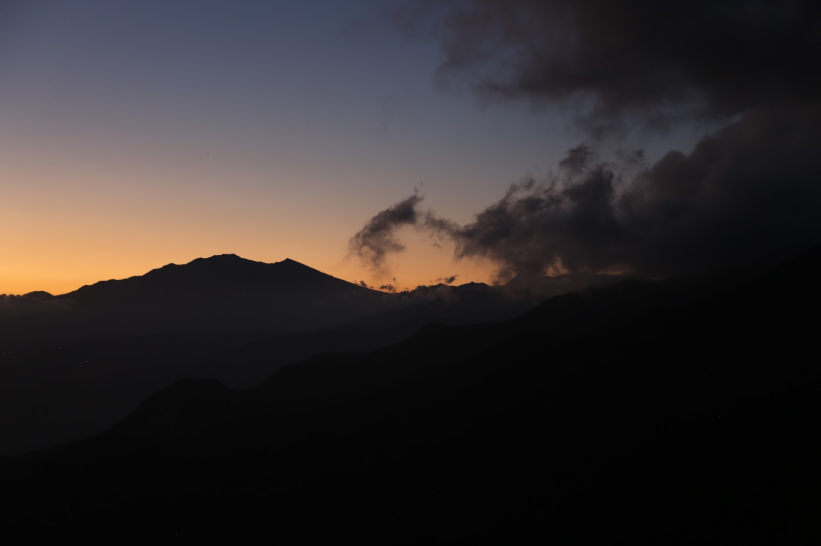
One Month in Panama: The Ultimate Backpacker Route from Skyscrapers to Jungle Trails

There are countries that you visit for beaches. Others for mountains. Others for nightlife or wildlife or culture. Panama is one of the rare places where you can cram all of those into a single month without spending your entire trip sitting on buses.

This route takes you in order from the modern energy of Panama City to crater valleys, surf towns, remote islands, cloud forests, jungle lodges, and finally the Caribbean paradise of Bocas del Toro. It is a backpacker route that somehow manages to feel both adventurous and easy at the same time.

You will see indigenous culture, wildlife, volcanoes, waterfalls, two oceans, island life, mountain life, party life, and jungle life all in one country that is surprisingly compact.

And best of all, the route flows naturally westward across Panama without too much backtracking.

Stop 1: Panama City

Recommended time: 4 days

Most backpackers arrive expecting a chaotic tropical capital and instead find one of the most futuristic skylines in Latin America. Panama City feels like Miami collided with Latin America and then added rainforest and canal ships.

Start in Casco Viejo, where old colonial buildings mix with rooftop bars, coffee shops, churches, live music, and backpackers from everywhere. During the day, wander narrow streets full of crumbling charm and colorful balconies. At night, the neighborhood transforms into one of the liveliest nightlife areas in Central America.

Then there is the famous Panama Canal. Seeing giant cargo ships squeeze through the locks feels strangely mesmerizing, especially when you realize how important this tiny country is to world trade.

Other highlights include:

Walking or biking along the Cinta Costera

Cheap ceviche at the fish market

Day trips to islands or rainforest parks

Rooftop sunsets over the skyline

Meeting travelers before heading deeper into the country

Panama City introduces you to modern Panama, but the real magic starts once you leave the skyscrapers behind.

Stop 2: El Valle de Antón

Recommended time: 3 days

A few hours from the city, everything changes.

El Valle de Antón sits inside the crater of an ancient volcano surrounded by green mountains and cooler air. Backpackers often fall in love with this place because it feels peaceful without being boring.

You wake up to birds instead of traffic. The evenings are cool enough for a sweater. And the entire town feels surrounded by jungle.

Highlights include:

Hiking to viewpoints above the valley

Swimming beneath waterfalls

Visiting the hot springs

Exploring the local artisan market

Spotting sloths and tropical birds

Renting a bike to cruise around town

El Valle is where your trip slows down for the first time. After the intensity of Panama City, it feels refreshing to breathe mountain air and remember that Panama is far more than a canal.

Stop 3: Playa Venao

Recommended time: 4 days

Then comes surf life.

Playa Venao is dusty, sunny, social, and dangerously easy to stay in longer than planned. Backpackers arrive for a few nights and suddenly realize they have spent over a week surfing, partying, and eating smoothie bowls.

Even if you have never touched a surfboard before, this is one of the best places in Panama to learn. The beach is long, beautiful, and full of beginner friendly waves mixed with more advanced surf further out.

But Playa Venao is not just about surfing.

It is about:

Beach bonfires

Jungle roads

Open air bars

Cheap beers after sunset

Random volleyball games

Watching lightning storms over the Pacific

Meeting travelers who somehow never left

The surrounding Azuero Peninsula also gives you a look at traditional Panamanian culture that many tourists miss. Small cattle towns, cowboy culture, and local festivals still shape life here.

This stop adds beach culture and backpacker energy to your trip before you head into more remote territory.

*Side day trip to Pedasi and the beautiful Isla Iguana

Stop 4: Santa Catalina

Recommended time: 4 to 5 days

Santa Catalina feels like the edge of the world.

The roads get rougher. The town gets quieter. The ocean gets wilder.

What used to be a sleepy fishing village is now one of Panama’s most legendary surf and diving destinations. Backpackers love Santa Catalina because it still feels remote compared to heavily developed beach towns elsewhere in Central America.

The biggest highlight is visiting Coiba National Park, often called the “Galápagos of Central America.”

Trips there can include:

Snorkeling with sea turtles

Seeing reef sharks

Spotting dolphins

Tropical fish everywhere

Empty white sand beaches

Whale sightings during season

Even if you do not dive, the boat trips alone are unforgettable.

Back in town, life is slow. Dirt roads, sleepy afternoons, and incredible sunsets define the rhythm here. Santa Catalina gives the itinerary a wilder feeling and shows a more isolated side of Panama.

Stop 5: Boquete

Recommended time: 4 days

From the Pacific coast you climb into the mountains again.

Boquete is green, cool, adventurous, and famous for coffee. Surrounded by cloud forest and sitting near the slopes of Volcán Barú, it feels completely different from the beach towns you just left behind.

This is one of the best places in Panama for outdoor adventures.

Highlights include:

Hiking through cloud forests

Coffee farm tours

Waterfalls and hot springs

White water rafting

Ziplining

Wildlife spotting

Climbing Volcán Barú

The Volcán Barú sunrise hike is legendary among backpackers. On clear mornings, you can sometimes see both the Pacific Ocean and Caribbean Sea from the summit.

Boquete also has a surprisingly international atmosphere with cafés, breweries, and travelers from all over the world.

It adds mountain adventure and cooler weather to the route just when you need a break from the tropical heat.

Stop 6: Lost and Found Hostel

Recommended time: 3 to 4 days

Some places become stories that travelers keep talking about long after the trip ends.

Lost and Found Hostel is one of those places.

Hidden in the mountains between Boquete and Bocas, this jungle hostel feels like a backpacker treehouse world floating above the clouds. Getting there already feels like an adventure.

The hostel is surrounded by jungle trails, hanging bridges, waterfalls, rivers, and endless greenery. Days are spent hiking, swimming, relaxing in hammocks, or meeting travelers from everywhere around the world.

At night:

The jungle becomes loud with insects and frogs

People gather for family dinners

Stories flow late into the evening

The stars can look unreal on clear nights

This stop is important because it breaks up the journey to Bocas while giving you one of the most unique hostel experiences in Panama.

It combines:

Nature

Community

Adventure

Isolation

Backpacker culture

Many travelers say this becomes their favorite stop in the entire country.

Stop 7: Bocas del Toro

Recommended time: 6 to 7 days

Finally, you arrive in the Caribbean.

Bocas del Toro feels completely different from the Pacific side of Panama. The water changes color. The music changes rhythm. The atmosphere becomes slower, more tropical, and more Caribbean.

Bocas is not just one island. It is a whole chain of islands connected by boat taxis.

One day you might:

Swim in crystal clear water

Visit tiny beach bars

Spot sloths in mangroves

Surf Caribbean waves

Snorkel coral reefs

Explore hidden beaches

Dance until sunrise

Popular highlights include:

Red Frog Beach

Starfish Beach

Bluff Beach

Boat tours through island channels

Nightlife in Bocas Town

After the mountain forests and remote hostels, Bocas feels like the reward at the end of the route.

It is the perfect final chapter because it mixes relaxation, nightlife, island adventure, and backpacker culture all together.

Why This Route Works So Well

What makes this itinerary special is not just the destinations themselves. It is the balance.

In one month you experience:

Modern city life

Colonial history

Volcano valleys

Pacific surf towns

Remote fishing villages

Cloud forests

Jungle hostels

Caribbean islands

You see both sides of Panama geographically and culturally.

The Pacific coast feels different from the Caribbean. Mountain towns feel different from beach villages. Indigenous influences blend with Latin American, Caribbean, and international backpacker culture.

And because Panama is relatively narrow, you can experience all these dramatic changes without endless travel days.

It feels like traveling through several countries packed into one.

The Ending: Return to Panama City or Continue to Costa Rica

After Bocas, many backpackers take the direct overnight bus back to Panama City, which saves time and avoids retracing the whole route manually.

Others continue onward into Costa Rica through the nearby border at Sixaola, continuing deeper into Central America.

Either way, by the end of this month long Panama route, you will probably understand why so many travelers arrive for a short trip and end up staying far longer than expected.

The Truth About Night Driving in Panama: Why Daylight Is Sometimes the Smartest Decision

Driving through Panama during the daytime can already feel adventurous. The roads twist through mountains, pass dense jungle, cross tiny villages, and suddenly shift from smooth highways to rough uneven pavement with very little warning. Add darkness into the equation and the entire experience changes completely.

Many travelers arrive in Panama assuming night driving will feel roughly similar to driving back home. After all, how different could it really be?

Then they find themselves on a rural highway at 10 PM during heavy rain while fog rolls across the mountains, motorcycles appear without headlights, dogs wander onto the road, potholes emerge like craters from another planet, and an oncoming truck blinds them with high beams powerful enough to briefly erase reality itself.

At that moment, people quickly realize something important.

Night driving in Panama is not necessarily impossible or extraordinarily dangerous everywhere, but it absolutely requires more caution, awareness, patience, and realism than many visitors initially expect. In some regions, driving after dark is perfectly manageable. In others, especially remote rural or mountain areas, daylight driving is often simply the smarter decision.

The biggest mistake travelers make is assuming the roads themselves are the only challenge. In reality, night driving in Panama becomes difficult because multiple factors combine together at once. Darkness amplifies every existing road issue while adding entirely new complications of its own.

One of the most obvious dangers is visibility.

Many roads in Panama have very limited lighting outside urban areas. Once you leave cities and larger towns, darkness can become incredibly intense, especially in rural regions surrounded by jungle or mountains. Drivers accustomed to heavily illuminated highways in North America or Europe are often surprised by how black rural roads can feel in Panama. Sometimes there are long stretches with almost no artificial light whatsoever.

This becomes especially challenging during rain.

And Panama gets a lot of rain.

Tropical rain at night creates a completely different driving environment than ordinary rain in many temperate countries. Sudden downpours can become so heavy that visibility nearly disappears. Headlights reflect off sheets of water while road markings vanish beneath wet pavement. Windshield wipers struggle desperately as rain crashes against the glass with incredible force.

In some areas, drivers essentially slow to survival speed because seeing properly becomes nearly impossible.

Fog creates another major problem, especially in mountain regions like Boquete, Cerro Punta, or routes near the highlands of Chiriquí Province. Tropical mountain fog can appear suddenly and become extremely dense. One moment visibility is normal. Ten minutes later the road ahead disappears almost completely into white mist.

This becomes particularly dangerous on narrow winding roads with steep drops and limited shoulders.

And shoulders themselves are another issue many foreigners underestimate.

In numerous parts of Panama, roads either have very small shoulders or none at all. Sometimes the pavement ends abruptly beside drainage ditches, jungle vegetation, cliffs, or rough gravel edges. This means drivers have far less room for error than they may be accustomed to elsewhere. Swerving suddenly to avoid something can easily create an even more dangerous situation.

Road markings are also inconsistent in some areas. Certain rural roads have faded center lines or no visible lines at all, especially after heavy rain or years of wear. At night this becomes surprisingly stressful because drivers lose visual guidance that helps maintain orientation and lane positioning.

During rainstorms, the situation worsens dramatically because reflections from wet pavement can make remaining markings almost invisible.

Then there are the potholes.

Panamanian potholes deserve respect.

Some are minor annoyances. Others feel large enough to contain their own ecosystems. During daylight, careful drivers can usually spot and avoid many of them. At night, especially during rain, potholes become much harder to detect until the last second.

In rural areas, potholes sometimes appear unexpectedly after landslides, flooding, or road deterioration. A perfectly normal stretch of road may suddenly contain a massive crater capable of damaging tires, suspension, or worse. Locals often memorize dangerous sections over time, but visitors driving unfamiliar roads at night face a much greater challenge.

Animals create another major risk factor.

Dogs are everywhere in Panama. Most are harmless and accustomed to traffic, but many wander freely near roads, villages, and highways. At night they become far harder to see, especially black dogs against dark pavement. Some freeze in headlights while others unpredictably dart across roads.

Cows and horses are even more dangerous in rural regions.

Yes, actual cows.

In some agricultural areas, livestock occasionally wander onto roads after dark. Hitting a cow at highway speed is not merely a traffic inconvenience. It can become catastrophic. Travelers unfamiliar with rural Panama are often shocked by how casually livestock may appear near highways in certain regions.

Cats, opossums, iguanas, and other animals also cross roads regularly at night. In jungle regions, wildlife movement increases significantly after sunset because many tropical species are nocturnal.

Motorcycles deserve special mention because they can be surprisingly difficult to spot at night. Some riders use minimal lighting or poorly functioning headlights. Others wear dark clothing and weave through traffic aggressively. In urban areas, motorcycles often appear suddenly between lanes with little warning.

Pedestrians create another challenge that foreigners frequently underestimate.

In many parts of Panama, people walk along roadsides at night without reflective clothing, flashlights, or visible lighting. This is especially common in rural areas and smaller towns. Drivers may suddenly notice people walking dangerously close to traffic only seconds before passing them.

Sometimes entire groups walk beside highways in near darkness.

Bus stops also become complicated because people may stand directly beside roads with minimal visibility. Combined with rain, fog, or glare from oncoming headlights, spotting pedestrians early enough requires constant attention.

Drunk driving unfortunately remains another reality.

Like many countries, Panama has nightlife, parties, festivals, bars, and social drinking culture. While police checkpoints and enforcement efforts exist, impaired driving still occurs, particularly late at night and during holidays or weekends.

One thing experienced drivers in Panama often notice is the unpredictability of other vehicles after dark. Cars may drift across lanes, overtake dangerously, drive without proper lights, or suddenly stop without warning. Defensive driving becomes essential because assuming everyone else is driving responsibly can become dangerous quickly.

High beams also become part of the nightly experience.

Many drivers use extremely bright lights, sometimes excessively. On narrow roads, being temporarily blinded by approaching vehicles becomes common. Combined with rain and reflective pavement, this can create moments where visibility disappears almost entirely for several seconds.

And those few seconds matter.

One particularly challenging aspect of night driving in Panama is the mental fatigue. Constantly scanning for potholes, animals, pedestrians, motorcycles, flooded sections, and unpredictable drivers becomes exhausting over long distances. What might feel manageable during the first hour gradually becomes mentally draining after several hours of intense concentration.

This is why many experienced locals and long term travelers intentionally avoid driving certain routes at night whenever possible.

It is not necessarily about fear. It is about reducing unnecessary risk.

For example, mountain routes during heavy rain and fog can become significantly safer during daylight simply because visibility improves so much. Rural highways with livestock or pedestrians are easier to navigate when you can actually see farther ahead. Potholes become less dangerous when visible. Navigation errors decrease. Fatigue often decreases too.

Some routes in Panama are perfectly fine after dark, especially modern highways near major urban centers. Parts of the Pan American Highway, city roads, and heavily trafficked regions may feel relatively straightforward compared to remote areas.

But other roads become dramatically more difficult at night.

The route conditions themselves can also change unpredictably due to weather. Landslides, flooding, fallen trees, and washed out sections occasionally occur during rainy season, especially in mountainous areas. During daylight, drivers can usually react more effectively to these obstacles. At night, surprises become far more dangerous.

There is also a psychological aspect many travelers underestimate.

Driving through remote Panama at night can feel intensely isolated. Long stretches of jungle highway with little traffic, no lighting, and endless darkness surrounding the road create an atmosphere very different from driving in densely populated regions. Some people love the adventure. Others quickly realize it is more stressful than enjoyable.

And honestly, there is no shame in deciding daylight driving is simply preferable.

Many experienced travelers eventually adopt a simple strategy in Panama: move during the day whenever practical. Leave early. Arrive before dark. Avoid unnecessary nighttime mountain driving during rainy season. Plan routes realistically rather than overestimating distances and road conditions.

This approach usually leads to a far more relaxed and enjoyable experience overall.

It also allows travelers to appreciate the scenery properly. Panama’s landscapes are stunning during daylight. Mountain valleys, jungle roads, coastal stretches, small villages, rivers, and forests become part of the experience rather than hidden behind darkness.

Of course, not all night driving in Panama is terrible. Plenty of people do it regularly without problems. Locals navigate these roads constantly. Buses run overnight. Truck drivers cross the country at all hours. Many travelers complete nighttime drives safely.

The key is understanding reality instead of romanticizing or underestimating conditions.

Panama is not a perfectly controlled driving environment designed around maximum predictability. It is a tropical country with evolving infrastructure, intense weather, wildlife, mountain terrain, and highly varied road conditions.

That unpredictability is part of both its beauty and its challenge.

Ultimately, the smartest mindset for driving in Panama is not fear but humility. Conditions can change quickly. Visibility matters enormously. Fatigue matters. Weather matters. Common sense matters.

And sometimes the wisest travel decision is very simple:

Wait until morning.

The Horn Language of Panama: How Honking Became an Entire Driving Culture

If you are new to driving in Panama, one of the first things you may notice is that the car horn is not treated like an emergency device.

It is treated like a language.

In many countries, the horn is reserved for dramatic situations. Maybe somebody is about to reverse into your car. Maybe another driver is drifting into your lane while texting. Maybe a goat is standing in the middle of the highway contemplating existence. The horn gets used sparingly, almost ceremonially.

Not in Panama.

In Panama, the horn is a communication system so advanced it practically deserves its own university course. Drivers use it for greetings, warnings, negotiations, insults, celebrations, confusion, flirting, impatience, gratitude, spiritual release, and occasionally what seems like pure emotional self expression.

At first, foreigners are shocked.

You will be sitting peacefully in traffic in Panama City when suddenly somebody behind you unleashes a horn blast approximately 0.0003 seconds after the traffic light turns green. You have not even had time to move your foot from the brake pedal. The universe itself has barely processed the color change. Yet somehow the driver behind you has already decided civilization is collapsing because you delayed forward movement by half a heartbeat.

Welcome to Panama.

But after a while, you begin realizing something important. Panamanians are not necessarily angry every time they honk. In fact, the horn often functions less like aggression and more like ongoing conversational commentary during the driving experience.

The horn says things words cannot.

For example, there is the classic tiny “beep beep” used to notify someone standing beside the road that their ride has arrived. This is one of the friendliest horn uses in Panama. Somewhere in every neighborhood, a taxi driver or relative is gently tapping the horn outside a house while somebody frantically searches for their sandals inside.

Then there is the “light turned green three nanoseconds ago” honk. This is perhaps the national anthem of Panamanian driving. The timing is extraordinary. Experienced drivers seem capable of sensing green lights on a molecular level before ordinary humans even perceive them visually.

Some drivers honk before the light changes almost out of optimism.

Another famous category is the “I am coming around this blind mountain corner so please do not accidentally kill us both” horn. In rural Panama, especially in mountain regions with narrow winding roads, honking before curves actually makes practical sense. Drivers announce their presence around blind corners like jungle whales communicating across the forest.

The road says: “Dangerous corner ahead.”

The driver replies: “HOOOOONK.”

And somehow everyone understands.

Then there is the gentle social horn used between friends. Panamanians often recognize each other’s vehicles instantly. A quick honk passing through town basically means: “Hey! I saw you! I acknowledge your existence! Continue surviving!”

Entire friendships are maintained through drive by honking.

You also encounter the highly emotional “traffic frustration symphony” in Panama City rush hour. This is where the horn stops being language and starts becoming performance art. Hundreds of drivers trapped in impossible traffic jams begin expressing despair through synchronized honking. Nobody is moving. Nobody can physically move. There is clearly nowhere to go.

Yet the horns continue.

It becomes less about changing traffic conditions and more about participating in a collective emotional experience.

At some intersections, especially chaotic ones, the horn becomes a negotiation tool. Drivers communicate things like: “I am entering this space whether physics agrees or not.”

Or: “I respect your existence but my turn is happening now.”

Panamanian merging techniques often rely heavily on confidence, timing, eye contact, and strategic horn deployment. Hesitation is dangerous. If you drive too politely, traffic may simply absorb you forever like a confused turtle trying to cross a river.

The horn becomes your voice in the ecosystem.

One particularly funny situation occurs with buses. Public buses in Panama, especially smaller regional buses, operate with a level of road confidence that borders on spiritual enlightenment. Bus drivers do not ask permission from traffic.

They announce destiny.

A rapid horn burst from a bus often translates roughly to: “This enormous vehicle is now entering your lane. Adapt accordingly.”

And somehow everybody does.

Taxi drivers also possess advanced horn fluency. Some can communicate entire emotional arcs using only honk variations. There is the casual customer pickup honk, the irritated traffic honk, the “brother what are you doing” honk, and the deeply philosophical late night honk that seems directed more toward existence itself than any specific driver.

Motorcycles add another layer to the chaos. In Panama traffic, motorcycles often appear seemingly from alternate dimensions, squeezing through microscopic gaps between vehicles. Tiny horns chirp constantly as riders weave through traffic like caffeinated hummingbirds.

Pedestrians learn quickly that crossing streets in Panama requires interpreting horn psychology almost like an anthropologist studying an ancient civilization.

Sometimes the horn means: “Careful.”

Sometimes it means: “Move.”

Sometimes it means: “I believe in both of us.”

And occasionally it seems to mean: “I have no idea what is happening anymore.”

Interestingly, despite all the honking, Panamanian driving culture is often less openly aggressive than foreigners initially assume. In some countries, every horn blast feels deeply personal and hostile. In Panama, many honks are surprisingly casual. Drivers honk because that is simply part of communication.

Of course, genuine angry honks absolutely exist too.

You can usually identify these because they contain enough emotional force to temporarily alter weather patterns.

But much of the time, honking is simply woven into the rhythm of driving itself.

Another fascinating aspect is how quickly foreigners adapt. People arrive complaining constantly about the noise. Then six months later they find themselves honking automatically at every imaginable situation.

You slowly evolve.

One day you casually honk at a friend walking beside the road and suddenly realize: “My God. I have become part of the system.”

There is also something strangely efficient about it all. The horn creates constant low level communication between drivers in situations where verbal conversation is impossible. It becomes traffic echolocation. Drivers announce presence, intentions, warnings, impatience, and awareness through sound.

In chaotic urban environments, this actually helps traffic flow more than outsiders initially realize.

Of course, there are moments when the sheer quantity of honking becomes objectively ridiculous.

For example, there is always at least one person honking furiously at traffic completely blocked by an obvious immovable cause. Maybe there is construction. Maybe flooding. Maybe a truck is stuck sideways across three lanes. Maybe civilization itself has collapsed temporarily.

Still: “HOOOOOOONK.”

As if sound alone might somehow reopen the road through sheer determination.

Then there are the optimistic honkers during torrential rainstorms. Visibility is zero. Roads resemble rivers. Everyone is terrified. Yet somebody behind you is still honking because apparently hydroplaning into the next dimension is taking slightly too long.

Panamanian horns also function socially outside normal driving. Wedding caravans honk endlessly through towns. Soccer victories trigger nationwide horn concerts. Political caravans transform roads into rolling symphonies of patriotic chaos.

During major football matches, entire cities suddenly begin sounding like excited geese.

One particularly amusing thing foreigners notice is how impossible it becomes to interpret the emotional meaning of honks initially. In quieter countries, a horn usually means anger.

In Panama, it could mean literally anything.

A short beep might mean: “Thanks.”

A longer beep: “Pay attention.”

Several rapid beeps: “The laws of traffic are now theoretical.”

A random distant honk at 2 AM: “Life continues.”

And somehow locals understand this instinctively.

Driving in Panama ultimately teaches an important lesson about culture itself. Behaviors that initially seem chaotic often contain hidden logic once you live inside the system long enough. The horn is not merely noise. It is participation. It is communication adapted to dense traffic, fast reactions, narrow streets, unpredictable driving patterns, and highly social road culture.

Does it occasionally become absurd?

Absolutely.

Will it drive some foreigners insane?

Without question.

But after enough time in Panama, silence while driving almost starts feeling suspicious.

Because in Panama, the road is never truly quiet.

Somewhere nearby, somebody is always honking about something.

Why So Many Panamanians Hang Their Clothes to Dry Instead of Using Dryers

One of the first things many foreigners notice in Panama is the endless sea of hanging laundry. Clothes sway from balconies in Panama City apartment buildings, stretch across fences in rural villages, hang beneath tin roofs in mountain towns, and flutter between palm trees near Caribbean beaches. T shirts, jeans, towels, school uniforms, bedsheets, socks, and work clothes seem to appear everywhere, moving gently in the tropical air.

For visitors coming from countries where electric dryers are considered standard household appliances, this can feel surprising at first. Many travelers assume dryers must simply be uncommon because of economics or infrastructure. Others wonder if Panamanians dislike dryers entirely. But the reality is more interesting. The widespread habit of hanging clothes to dry in Panama comes from a combination of climate, culture, practicality, economics, architecture, and simple common sense developed over generations of tropical living.

In Panama, the environment itself acts like a giant natural dryer.

The country is hot for much of the year. In many regions, temperatures remain warm from morning until night with strong sun, moving air, and intense tropical heat. Under those conditions, hanging clothes outside often works remarkably well. A shirt placed beneath the midday sun can dry astonishingly fast during dry periods. Even towels and heavier fabrics can become completely dry within hours if the weather cooperates.

Because of this, many Panamanians simply never developed the same dependence on electric dryers that became normal in colder countries.

In places with freezing winters, snow, constant rain, or limited sunlight, dryers become almost essential. Hanging clothes outdoors during winter in Canada, northern Europe, or parts of the United States is often impractical or impossible for large portions of the year. Panama does not face those same environmental conditions. Nature already provides much of the drying power for free.

Electricity costs are another major factor.

Running a dryer consumes a significant amount of electricity, and many Panamanians prefer avoiding unnecessary energy expenses whenever possible. Even middle class families that could technically afford dryers often choose not to use them regularly because hanging clothes simply makes more economic sense. Why spend extra money drying clothes artificially when tropical heat and airflow can do much of the job naturally?

This practical mindset shapes many aspects of life in Panama.

Panamanians often develop habits based on adapting efficiently to the tropical environment rather than trying to forcefully recreate North American or European lifestyles in a completely different climate. Hanging laundry becomes part of that adaptation. It is normal, logical, and deeply integrated into everyday routines.

There is also a widespread belief that air drying preserves clothing better.

Dryers can be harsh on fabrics. Heat and constant tumbling slowly damage elastic materials, fade colors, shrink clothing, and wear down fibers over time. Many Panamanians believe hanging clothes helps garments last longer, especially in a country where replacing clothing regularly may not always feel financially sensible. Delicate fabrics, uniforms, jeans, and certain materials simply survive better when dried naturally.

This becomes especially noticeable with jeans and heavier clothes. Many people in Panama strongly dislike the feeling of overly heat dried fabric and prefer the texture of naturally dried clothing instead.

Architecture also plays an important role.

Many Panamanian homes and apartments are designed with open air living in mind. Balconies, patios, fences, rooftop areas, laundry lines, and covered outdoor spaces are common. In tropical climates, people historically built homes expecting airflow, outdoor utility spaces, and natural ventilation. Hanging laundry fits naturally into that architectural style.

Walk through neighborhoods in Panama and you quickly notice that laundry is almost part of the visual landscape itself. Colorful clothing hanging outside becomes woven into the atmosphere of daily life. It gives neighborhoods a lived in feeling that many travelers actually find charming and authentic.

In rural areas especially, hanging clothes outdoors is simply the unquestioned norm. Entire families may share large outdoor lines where laundry dries beneath the sun and wind. Children grow up seeing this as completely ordinary, so the habit continues naturally across generations.

But Panama’s tropical climate also creates challenges for air drying that outsiders often underestimate.

The same humidity that makes the country lush and green can sometimes turn laundry into a frustrating battle. During rainy season, especially on the Caribbean side in places like Bocas del Toro, clothing may take far longer to dry than expected. Towels can remain damp for days. Bedsheets feel humid. Shoes develop strange smells. Mold and mildew become constant enemies.

Many foreigners arrive assuming tropical heat automatically means clothes always dry quickly, only to discover that humidity changes everything.

In heavily humid conditions, especially during extended rainy periods, clothing sometimes dries halfway and then simply stays slightly damp forever. Backpackers traveling through Panama often become familiar with the smell of semi damp laundry hanging around hostels during rainy season.

This is one reason why laundromats with dryers do exist in Panama, especially in cities and tourist areas. Some families also own dryers but use them selectively rather than constantly. During prolonged rain or emergencies, dryers become useful backup tools rather than everyday necessities.

Another fascinating aspect is how timing affects laundry routines in Panama.

People often learn to read the weather almost instinctively before washing clothes. A sunny morning may trigger immediate household laundry activity because everyone knows tropical rainstorms can suddenly appear by afternoon. During dry season, laundry lines fill quickly once sunshine appears. During rainy season, people constantly move clothes inside and outside depending on changing skies.

This creates a strange relationship with weather that people from colder countries sometimes never develop. Laundry becomes directly connected to climate awareness.

There is also a social and cultural dimension to hanging laundry that outsiders may overlook. In some countries, visible laundry is considered unattractive or something to hide. In Panama, there is generally far less stigma around it. Hanging clothes outside is viewed as practical, ordinary, and normal rather than embarrassing.

The sight of clothes drying in the breeze becomes associated with home life itself.

Tourists sometimes romanticize this image because it feels visually tied to tropical living. Bright shirts and towels hanging beside palm trees, balconies full of drying laundry in old neighborhoods, or colorful clotheslines near jungle homes all contribute to the sensory atmosphere of Panama.

At the same time, there is also class complexity surrounding dryers.

In some wealthier urban households, owning modern washer and dryer machines can represent convenience, status, or modernity. Luxury apartments in Panama City often include dryers, especially those catering to expatriates or upper income residents. Yet even among wealthier Panamanians, many still prefer line drying at least part of the time because of habit, climate suitability, or concerns about damaging clothing.

This creates an interesting contrast where dryers exist but do not necessarily dominate daily life the way they do in some countries.

Environmental considerations also matter more today than in previous generations. Hanging clothes naturally uses almost no energy compared to machine drying. As conversations about sustainability and electricity consumption grow globally, some foreigners actually arrive in Panama and realize the local habit of air drying may be smarter and more environmentally friendly than their own routines back home.

The tropical climate itself encourages a different philosophy toward daily life overall. In many parts of Panama, people spend more time interacting directly with outdoor conditions. Windows stay open. Fans run constantly. Outdoor patios function like living rooms. Rainstorms interrupt plans. Heat shapes schedules. Hanging clothes outside feels consistent with this broader way of living alongside the environment rather than isolating oneself completely from it.

Travelers staying in hostels throughout Panama quickly experience this culture personally. Laundry hangs everywhere. Wet swimsuits drip from balconies. Hiking clothes dry beside hammocks. Towels sway in jungle breezes. In remote hostels, especially eco lodges or mountain properties, dryers may not even exist.

Instead, travelers learn patience.

You begin checking the sky anxiously after washing clothes. You celebrate sudden bursts of sunshine. You rotate damp socks strategically. You become irrationally happy when towels finally dry completely after two rainy days.

Laundry turns into part of tropical survival itself.

One particularly funny reality is that foreigners often arrive judging the lack of dryers, only to slowly adapt themselves. After enough time in Panama, many people start hanging their own clothes automatically without thinking much about it. The rhythm begins to make sense. Why use expensive electricity if the sun can handle the job?

Of course, this adaptation is easier during dry season than rainy season. During the wettest Caribbean months, even locals sometimes become frustrated with endless damp clothing and mysterious mildew smells.

Still, the overall system persists because it works well enough most of the time.

Ultimately, the reason so many Panamanians hang clothes to dry is not because the country lacks dryers entirely. It is because tropical life shaped different habits, priorities, and practical solutions over generations. The climate allows it, economics encourage it, architecture supports it, and culture normalizes it.

What initially surprises many foreigners eventually starts feeling perfectly logical.

In a country filled with sun, heat, moving air, and open living spaces, hanging laundry outside is not an inconvenience. It is simply part of the rhythm of life.

Sandía: Why Watermelon Is One of Panama’s Most Refreshing and Beloved Tropical Fruits

Few things feel more satisfying in the tropical heat of Panama than biting into a cold slice of watermelon. The moment your teeth break through the crisp red flesh and sweet juice starts running down your hands, you immediately understand why this fruit is so loved across the country. In Panama, watermelon is more than just a refreshing snack. It is part of daily life, part of the climate, and part of the entire tropical experience.

The Spanish word for watermelon is sandía, and travelers quickly begin hearing it everywhere once they arrive in Panama. It appears painted on roadside fruit stands, written on juice menus in small fondas, stacked high in local markets, and shouted by street vendors selling fresh slices on hot afternoons. Before long, even visitors who know almost no Spanish often learn the word “sandía” simply because the fruit becomes impossible to ignore.

And honestly, it deserves the attention.

Panama’s climate is almost perfectly designed for watermelon. The country’s tropical heat, strong sun, seasonal rains, and fertile agricultural regions allow the fruit to grow beautifully in many parts of the country. Large green striped melons appear constantly in markets and roadside stands, especially during hotter months when people crave anything cold, sweet, and hydrating.

What makes watermelon feel especially important in Panama is the climate itself. Much of the country is hot and humid year round. Even simple daily activities like walking through town, riding buses, hiking, or sitting at the beach can leave people drenched in sweat. The body constantly loses water in the tropical heat, which is one reason watermelon feels almost medicinal after a long day outdoors.

Sandía is made mostly of water, which gives it its famous refreshing quality. But it is not just water alone. Watermelon also contains vitamins, minerals, antioxidants, and natural sugars that help restore energy quickly in hot weather. In Panama, where the sun can feel relentless by midday, cold watermelon becomes one of the simplest and most effective ways to cool down naturally.

One of the best parts about watermelon in Panama is how accessible it is. You do not need to visit expensive restaurants or health food stores to enjoy it. Fresh watermelon is sold almost everywhere. Tiny roadside stalls display giant cut melons beside pineapples, papayas, mangoes, and coconuts. Local markets overflow with fruit vendors cutting fresh slices for customers. Beach towns often have coolers filled with chilled watermelon ready for overheated travelers.

Even gas stations and small convenience stores sometimes sell pre sliced sandía in plastic containers because demand is so constant.

The fruit also plays a major role in Panama’s juice culture. Fresh fruit juices are deeply woven into everyday life throughout the country, and sandía juice is one of the most popular. Cold watermelon juice blended with ice creates one of the simplest yet most satisfying drinks imaginable. It feels incredibly light, refreshing, and hydrating compared to heavy sodas or sugary processed drinks.

In many local restaurants, ordering a “jugo de sandía” becomes almost automatic during hot afternoons. The bright pink juice arrives icy cold in tall glasses covered in condensation while ceiling fans spin slowly overhead. After long tropical bus rides or sweaty walks through humid streets, that first sip can feel unbelievably refreshing.

What makes Panamanian watermelon especially enjoyable is that many fruits in the country are allowed to ripen naturally under strong tropical conditions. The flavor often feels sweeter, juicier, and more intense than the watery supermarket melons many people grow accustomed to elsewhere. Tropical fruit culture in Panama still remains relatively connected to local agriculture rather than purely industrial supply chains.

Watermelon also fits perfectly into Panama’s relaxed outdoor lifestyle. Families bring sandía slices to beaches, rivers, picnics, and weekend gatherings. Children eat sticky red wedges while running around parks and sidewalks. Vendors sell cold watermelon near bus stations and sports fields. The fruit somehow feels deeply tied to sunshine, heat, and everyday tropical life itself.

There is also something visually beautiful about watermelon in Panama. Against the backdrop of green jungle, blue ocean, colorful markets, and bright tropical sunlight, the vivid red flesh almost seems to glow. Fruit stands stacked with giant melons become part of the scenery in rural areas and highways across the country.

Travelers often notice how much importance Panamanians place on fruit in general. In many countries fruit becomes treated almost like a luxury health product sold in expensive grocery stores. In Panama, fruit still feels normal, abundant, and deeply integrated into ordinary daily routines. Watermelon sits alongside papayas, pineapples, bananas, guanábanas, mangos, maracuyá, and coconuts as part of the tropical abundance that defines the country.

Another reason sandía feels so special in Panama is psychological. Tropical heat changes the way people experience food and drink. Heavy meals often feel exhausting in extreme humidity, while cold fruit feels energizing and restorative. Watermelon satisfies thirst in a way many other foods simply cannot. After spending hours in the sun, eating cold sandía can genuinely improve your mood almost instantly.

Many backpackers and travelers eventually become strangely attached to simple tropical routines involving fruit. Sitting at a roadside stand eating watermelon while buses roar past, drinking sandía juice during rainstorms, or buying giant slices after beach days becomes part of the rhythm of life in Panama.

The fruit also carries a social quality. Watermelon is rarely eaten delicately. It is messy, juicy, sticky, and casual. People laugh while eating it. Juice drips down hands. Seeds get spit onto the ground. Children make a mess. Friends share giant slices at the beach. It creates moments that feel relaxed and unpretentious.

Even the word itself sounds beautiful in Spanish. Sandía somehow captures the tropical softness of the fruit better than the English word “watermelon.” Travelers often enjoy learning simple food words like this because they become connected to sensory memories. Years later, hearing the word sandía can instantly bring back memories of Caribbean humidity, noisy fruit markets, hot bus rides, beach sunsets, and cold juice on tropical afternoons.

In some ways, watermelon perfectly represents Panama itself.

It is simple but deeply satisfying. It is colorful, tropical, refreshing, and strongly connected to climate and geography. It thrives under heat and sun. It appears everywhere from cities to tiny villages. Rich or poor, local or foreign, almost everyone appreciates cold watermelon in the middle of a hot Panamanian afternoon.

And perhaps that is part of what makes it so memorable.

Travelers often arrive in Panama expecting canals, skyscrapers, beaches, jungles, and islands. They leave remembering smaller sensory details too. The smell of rain on hot pavement. The sound of jungle insects at night. The taste of fresh fruit bought beside the road.

And very often, somewhere in those memories, there is a cold slice of sandía dripping sweet juice beneath the tropical sun.

Rabies in Panama: The Real Risks, the Animals Involved, and Why Most People Are Far More Afraid Than They Need to Be

Rabies is one of the oldest and most feared diseases in human history. Long before modern medicine existed, people told terrifying stories about animals suddenly becoming aggressive, foaming at the mouth, acting strangely, and spreading an illness that seemed mysterious, unstoppable, and horrifying. Even today, the word “rabies” instantly triggers fear in many people’s minds in a way few other diseases do. The mere possibility of it can make travelers anxious, especially when visiting tropical countries filled with wildlife, jungle environments, stray animals, and unfamiliar ecosystems.

Panama is no exception.

People planning trips to Panama often start imagining rabid bats swarming through the jungle, dangerous stray dogs roaming the streets, or wild animals lurking in forests waiting to infect unsuspecting tourists. Internet searches do not help much either. One dramatic story or alarming headline can suddenly convince someone that tropical travel is full of invisible dangers hiding everywhere.

But the reality of rabies in Panama is far more complicated and far less terrifying than many people imagine.

Rabies does exist in Panama. It is a real disease, and like any country with wildlife populations, there are occasional cases involving animals. However, the level of fear many travelers carry about rabies is usually wildly disproportionate to the actual risk they face. Most people traveling through Panama will never encounter a rabid animal, never need rabies treatment, and never come remotely close to danger. In fact, travelers are statistically far more likely to deal with sunburn, dehydration, mosquito bites, stomach problems, motorcycle accidents, slipping on wet sidewalks, or simple exhaustion than anything involving rabies.

Understanding the reality behind the fear is important because fear itself can distort the way people experience Panama’s extraordinary wildlife and natural beauty. Instead of appreciating the jungle, some travelers become paranoid about every animal they see. Instead of enjoying tropical nature, they begin viewing everything through a lens of danger and anxiety.

In truth, Panama’s wildlife is far more fascinating than frightening.

Rabies is a viral disease that affects the nervous system of mammals. It spreads primarily through saliva, usually via bites, though scratches contaminated with saliva can sometimes present risk as well. Once symptoms appear in humans, rabies is almost always fatal, which is the main reason the disease inspires such deep fear. Historically, untreated rabies had an almost mythical horror attached to it because of the severe neurological symptoms it causes.

However, modern medicine changed the picture dramatically.

Today, rabies exposure is highly treatable if addressed promptly. Post exposure treatment, commonly called PEP, is extremely effective at preventing illness when administered before symptoms develop. Vaccines and immune therapies have transformed rabies from an ancient death sentence into a preventable disease in countries with functioning healthcare systems.

That distinction matters enormously.

Many people hear that rabies is “almost always fatal” and assume any possible exposure means certain death. That is simply not how modern rabies prevention works. The danger comes from untreated infection after symptoms begin, not from exposure itself when managed correctly.

In Panama, human rabies cases are rare. The country has vaccination programs, veterinary monitoring, public health systems, and increasing awareness regarding animal health. Most Panamanians go their entire lives without personally encountering rabies. Most tourists never even think about it while traveling through the country.

Still, rabies does circulate within some wildlife populations, and understanding which animals are actually associated with risk helps replace irrational fear with realistic awareness.

The animal most strongly associated with rabies in Panama today is probably the bat, particularly vampire bats in rural areas. Panama is home to an astonishing number of bat species because tropical ecosystems are ideal bat habitat. In fact, bats are among the most important and beneficial animals in the entire rainforest ecosystem. They pollinate plants, spread seeds, control insect populations, and play enormous ecological roles that most people never think about.

Every evening throughout Panama, bats emerge into the sky by the thousands. Travelers see them constantly without even realizing it. Tiny dark shapes dart through sunset skies above beaches, cities, rivers, forests, villages, and islands. In most cases, these bats are completely harmless insect eaters or fruit eaters going about their nightly routines.

But because bats are associated with rabies, people often panic the moment they see them.

This fear is largely psychological rather than rational. Most bats have absolutely no interest in humans whatsoever. They are shy, fast moving, and focused on feeding. A bat flying near someone is almost never “attacking.” Usually it is chasing insects or navigating naturally through the environment.

Vampire bats are different, though they are still deeply misunderstood.

Vampire bats do exist in Panama, mainly in rural livestock regions. Unlike most bats, they feed on blood, usually from animals like cattle or horses. They make tiny bites and lap blood rather than dramatically “sucking” blood the way movies portray. Occasionally these bats may carry rabies and transmit it to livestock. In isolated rural situations, especially where people sleep in open structures without protective barriers, humans can also be bitten.

These cases are uncommon but receive significant attention whenever they occur because the disease itself is so feared.

As a result, many travelers develop exaggerated fear toward all bats even though most bats are ecologically beneficial and harmless. Some tourists even panic when bats fly near hostel lights at night despite the fact the bats are simply feeding on insects attracted by the bulbs.

Ironically, bats are actually helping reduce mosquito populations while people fear them.

Skunks are another animal capable of carrying rabies in Panama. Skunks exist in several rural and forested regions of the country, although many tourists never even realize Panama has skunks at all. Most skunks are shy nocturnal creatures that actively avoid humans whenever possible. Like skunks elsewhere in the Americas, they can potentially carry rabies, but actual encounters with rabid skunks are rare.

The same pattern applies to raccoons and foxes. These animals can theoretically transmit rabies, but they are not roaming around tourist towns attacking people. Most wildlife avoids humans naturally. In fact, one of the biggest misconceptions travelers have about tropical wildlife is assuming animals are constantly aggressive or dangerous. Most creatures in Panama spend enormous energy trying to avoid conflict with humans entirely.

Monkeys create another interesting area of confusion.

Panama’s forests are full of monkeys including howler monkeys, capuchins, spider monkeys, and tamarins. Travelers absolutely love seeing them. Many people specifically travel to Panama hoping for monkey encounters. Yet because monkeys are mammals, some tourists begin worrying excessively about rabies risk.

Technically monkeys can carry rabies, but they are not considered major rabies reservoirs in Panama. The larger issue with monkeys is usually bites, scratches, or disease transmission through direct contact rather than rabies specifically. Problems generally occur when tourists ignore boundaries.

One of the most frustrating things guides and locals witness repeatedly is tourists trying to feed, touch, or take selfies with wild animals. People lose common sense around cute creatures. A monkey showing teeth may actually be stressed or warning someone to back away, but tourists sometimes interpret this as friendliness or playfulness.

Wild animals should simply be admired from a respectful distance.

Dogs are still the animal travelers think about most when rabies comes up. Panama has many stray or semi stray dogs, especially in towns, villages, beaches, and urban neighborhoods. Most are harmless and surprisingly calm. Many are informally cared for by communities, restaurants, shops, or neighborhoods. Visitors often notice street dogs sleeping peacefully beneath tables, wandering beaches lazily, or relaxing beside stores.

Still, unfamiliar dogs should never be approached carelessly.

Historically, dog rabies was a major issue throughout Latin America. However, vaccination campaigns across many countries dramatically reduced canine rabies over recent decades. Panama has made significant progress in this area as well.

The average street dog in Panama is not rabid.

In fact, many travelers become far more anxious about dogs than the situation realistically justifies. A barking dog behind a fence or a nervous street dog growling defensively does not automatically indicate rabies. Dogs bark for countless reasons including territorial behavior, fear, excitement, stress, or protection.

Rabies symptoms in animals are generally much more severe and abnormal than ordinary aggression.

Signs that may potentially indicate rabies can include extreme disorientation, unusual fearlessness, difficulty walking, paralysis, excessive drooling, seizures, aggression without obvious cause, or bizarre neurological behavior. Even then, many other illnesses or injuries can mimic some of these symptoms.

One of the fascinating things about rabies fear is how much it taps into deep human psychological instincts.

Humans evolved to fear unpredictable behavior in animals because historically it could signal disease or danger. Rabies specifically became deeply embedded in cultural memory because its symptoms are so dramatic and disturbing. Stories about “mad dogs” and dangerous animals have existed for centuries across nearly every culture on Earth.

Modern media amplifies these fears even further.

Horror movies portray infected animals as monstrous killers. Internet forums contain dramatic stories. Sensational news headlines focus on worst case scenarios. Travelers researching tropical diseases at 2 AM before a trip often spiral into irrational anxiety after reading isolated incidents completely detached from statistical reality.

Meanwhile, millions of people travel through Panama every year without any rabies related problems whatsoever.

The fear also becomes intensified by the jungle itself.

Panama feels wild compared to many heavily urbanized countries. The forests are loud, dense, humid, and alive with creatures. At night the jungle sounds almost alien to people unfamiliar with tropical ecosystems. Insects scream. Frogs call from ponds. Unknown creatures rustle through leaves. Bats emerge at dusk while monkeys roar from treetops.

For some travelers, this sensory overload activates ancient instincts that interpret unfamiliar nature as dangerous.

But nature in Panama is usually far more interested in surviving than attacking anyone.

The howler monkeys screaming at dawn are defending territory, not threatening humans. The bats overhead are hunting insects. The skunk crossing a jungle trail at night is trying desperately to avoid confrontation. The stray dog sleeping beneath a bench mostly wants shade and food scraps.

Most animals want distance from humans, not conflict.

This is one reason why respect matters far more than fear.

Simple precautions dramatically reduce rabies risk. Avoid touching unfamiliar animals. Do not feed wildlife. Stay away from animals behaving strangely. Use caution around bats in caves or isolated areas. Seek medical advice after bites or scratches from mammals.

These are practical precautions, not reasons to panic constantly.

One major mistake anxious travelers make is assuming every scratch, every mosquito bite, every random animal encounter somehow involves rabies. This mindset can become psychologically exhausting and ruin the experience of travel itself.

People begin obsessively scanning every animal for signs of illness instead of appreciating the environment around them.

Ironically, this excessive fear often disconnects travelers from one of Panama’s greatest strengths: its biodiversity.

Panama is one of the most biologically rich countries on Earth relative to its size. Forests contain extraordinary ecosystems filled with wildlife that most people only ever see in documentaries. Bats pollinate tropical plants. Monkeys disperse seeds. Birds control insects. Forest mammals maintain ecological balance.

Fear can blind people to this complexity and beauty.

Another important reality is that modern healthcare has fundamentally changed the rabies conversation. Travelers often imagine exposure automatically leading to death because they focus on the fatality rate after symptoms appear. But post exposure treatment is highly effective when administered properly.

Medical professionals evaluate situations based on actual risk factors. Not every animal bite requires full rabies treatment. Doctors consider the species involved, local rabies prevalence, behavior of the animal, severity of exposure, vaccination history if known, and other factors.

Most travelers never come close to needing such treatment anyway.

For people spending extensive time in remote wilderness areas, working with animals, exploring caves frequently, or living long term in isolated regions, pre exposure vaccination may be recommended. But for ordinary tourists visiting beaches, hostels, surf towns, mountain villages, and common backpacker routes, obsessive fear about rabies is usually unnecessary.

The deeper lesson here may actually be about travel itself.

Travel exposes people to unfamiliar environments, unfamiliar animals, unfamiliar sounds, and unfamiliar risks. Human imagination naturally exaggerates unknown dangers. The jungle at night feels more threatening than a city street because humans evolved to fear what they cannot fully see or understand.

But unfamiliar does not automatically mean dangerous.

Panama’s forests, beaches, mountains, and islands are filled with life, not hidden horror. Millions of locals coexist with these ecosystems daily. Travelers hike jungle trails, surf remote beaches, visit indigenous communities, explore islands, and stay in forest hostels every year without incident.

The rainforest is not plotting against anyone.

Ultimately, rabies in Panama is best understood with balance and perspective. The disease is real. Awareness matters. Respect for wildlife matters. Medical attention after genuine exposure matters enormously.

But panic does not help anyone.

Most fear surrounding rabies comes not from realistic risk but from mythology, imagination, and misunderstanding. Travelers who learn the actual realities usually discover something liberating: Panama’s wildlife is far more beautiful than dangerous.

And once that fear fades, the country becomes much easier to fully appreciate.

Surviving Rainy Season in Bocas del Toro: The Ultimate Guide to Caribbean Downpours, Jungle Storms, and Tropical Chaos

Rain in Bocas del Toro is not ordinary rain.

People who have never experienced the Caribbean side of Panama often imagine rainy season as a few gentle afternoon showers followed by sunshine and rainbows. That illusion usually lasts until the first truly massive tropical storm arrives. Then reality hits all at once. The sky darkens almost unnaturally fast, the wind begins moving through the palms, humidity thickens into something you can practically feel pressing against your skin, and suddenly the heavens open with a level of force that feels almost prehistoric.

The rain does not merely fall in Bocas del Toro during peak rainy periods. It crashes. It roars. It pounds rooftops so loudly conversations become impossible. Streets flood within minutes. Wooden docks become slick and shining. Jungle trails transform into mud rivers. Thunder shakes entire buildings while lightning flashes over the Caribbean Sea in dramatic bursts of white and violet.

And strangely enough, many travelers end up loving it.

Rainy season in Bocas del Toro is one of the most misunderstood experiences in Panama. Some travelers avoid it completely because they fear nonstop misery and canceled adventures. Others arrive completely unprepared, imagining tropical rain will be mild and charming. The truth lies somewhere in between. Rainy season in Bocas is intense, unpredictable, humid, beautiful, inconvenient, atmospheric, exhausting, and unforgettable all at once.

Understanding how the weather actually works is the first step to surviving it.

Unlike the Pacific side of Panama, which usually has a more defined dry season from roughly December through April, the Caribbean coast behaves differently. Bocas del Toro receives substantial rainfall throughout much of the year because moist Caribbean air constantly collides with jungle covered islands and mountains. Even during relatively drier months, rain is still common. Some periods are simply wetter than others.

The heaviest rainy periods often occur around July, November, and December, although weather patterns can shift unpredictably from year to year. During these wetter stretches, it may rain heavily for hours or even days at a time. However, rainy season rarely means endless nonstop darkness every single day. Instead, Bocas weather tends to move in cycles. A morning may begin sunny and beautiful before enormous clouds suddenly build over the jungle by afternoon. Other times heavy rain falls overnight while mornings remain surprisingly clear.

One of the strangest things about Bocas weather is how localized it can be. One island may be getting absolutely hammered by rain while another nearby area stays relatively calm. Boat captains and locals become surprisingly skilled at reading cloud patterns and predicting approaching storms based purely on the look of the sky and movement of the wind.

The humidity during rainy season deserves special attention because it affects nearly everything. Bocas is humid year round, but during wetter periods the air can feel almost liquid. Clothing rarely dries fully. Towels stay damp for days. Backpacks slowly absorb moisture. Bedsheets may feel slightly humid at night. Electronics fog up. Shoes develop mysterious smells. Paper curls. Mold becomes an almost supernatural force constantly attempting to reclaim civilization.

Backpackers quickly learn that surviving rainy season in Bocas is less about avoiding rain entirely and more about adapting psychologically and physically to constant moisture.

The first and most important survival rule is accepting that you will probably get wet no matter how hard you try.

This realization is strangely liberating.

Tourists who spend every day desperately hiding from rain often become miserable because tropical weather simply does not cooperate with rigid plans. Experienced travelers in Bocas eventually adopt a different mindset. Instead of treating rain as a disaster, they begin treating it as part of the environment itself. Once you stop fighting the weather emotionally, rainy season becomes far more enjoyable.

That said, preparation still matters enormously.

One of the greatest mistakes travelers make is bringing the wrong gear. Cheap umbrellas are nearly useless during serious Caribbean storms because wind blows rain sideways anyway. Heavy cotton clothing becomes uncomfortable fast because it absorbs moisture and dries painfully slowly. Waterproof shoes sound smart initially until they fill with water and stay soaked for two days.

Veteran travelers in Bocas often survive rainy season best with surprisingly simple strategies. Lightweight quick drying clothing becomes essential. Sandals are often more practical than sneakers because they dry quickly and tolerate mud better. Dry bags or waterproof backpack covers become lifesavers during boat rides and sudden downpours. Electronics should always have extra protection because moisture in Bocas seems capable of infiltrating almost anything eventually.

One particularly important lesson involves laundry.

Nothing dries quickly during rainy season unless direct sunlight appears. Travelers who casually wash all their clothes at once sometimes discover forty eight hours later that everything is still damp. Hostels become decorated with clothing hanging from every possible surface while travelers collectively pray for occasional bursts of sunshine.

Hostel selection during rainy season matters far more than many backpackers initially realize. A beautiful beachfront hostel may sound romantic until torrential rain starts leaking through poorly sealed roofs at 2 AM while mosquitoes invade through broken screens. During wet season, certain practical details suddenly become extremely important.

Good covered common areas become essential because rainy days force people indoors for long periods. Hostels with social atmospheres often become much more enjoyable during storms because travelers naturally gather together playing cards, drinking beer, reading books, cooking, or sharing stories while rain pounds outside. Some of the strongest backpacker friendships in Bocas probably began during storms that trapped everyone together for hours.

Noise is another surprising factor.

Heavy Caribbean rain on metal roofs can become astonishingly loud. First time visitors are often shocked by the sheer violence of tropical downpours at night. The sound can resemble giant drums, waterfalls, and machine gun fire combined together. Some people love it instantly and sleep better than ever. Others spend the first few nights wondering if the building might collapse.

One thing nobody warns travelers about is how emotionally atmospheric rainy season in Bocas can feel. The islands take on an entirely different personality during storms. Jungle vegetation becomes impossibly green. Mist drifts through palm trees. Water droplets collect on massive tropical leaves. The Caribbean Sea darkens dramatically beneath storm clouds while thunder rolls across the islands.

There is something deeply cinematic about it all.

The weather creates moods that sunny tropical postcards never capture. Sitting beneath a wooden roof while lightning flashes over the ocean and rain crashes into the jungle can feel strangely peaceful despite the chaos happening outside.

Of course, rainy season also creates real logistical challenges.

Boat transportation becomes more unpredictable during storms. Rough water occasionally delays routes between islands. Some tours cancel entirely when weather conditions become unsafe. Snorkeling visibility may worsen after heavy rainfall because runoff affects water clarity. Certain jungle trails become muddy obstacle courses where falling becomes almost inevitable.

Yet even these inconveniences often become memorable adventures later.

Many travelers eventually realize that rainy season forces them to slow down in ways they did not initially expect. Instead of rushing nonstop between activities, people spend more time reading in hammocks, talking with other travelers, listening to storms, drinking coffee while watching rain over the ocean, or simply existing quietly for a while.

Rainy season changes the rhythm of life in Bocas.

Food also becomes strangely important during storms. Few things feel more comforting than hot Caribbean rice and beans, fresh fish, soup, coffee, or fried plantains while heavy rain crashes outside. Local restaurants and small cafés become refuges during bad weather. The smell of coffee, garlic, coconut rice, and frying food mixing with humid storm air somehow becomes deeply associated with Caribbean rainy season itself.

Mosquitoes deserve their own warning section because heavy rainfall creates ideal breeding conditions. During wetter months mosquito populations can become intense, especially near mangroves and standing water. Good insect repellent becomes absolutely essential, particularly around dawn and dusk. Many travelers underestimate this and spend nights scratching dozens of bites while listening to rain hammer the roof.

Another major rainy season challenge involves mold and mildew. In Bocas, mold is not just an occasional annoyance. It feels like an unstoppable natural force constantly trying to consume clothing, backpacks, books, and shoes. Travelers staying for extended periods quickly learn to air things out constantly whenever sunshine briefly appears. Even then, some degree of damp tropical smell becomes almost unavoidable.

Power outages occasionally happen during stronger storms as well. Most are temporary, but they contribute to the feeling that nature still dominates life in Bocas far more than modern infrastructure does. During nighttime outages, the islands become incredibly dark except for lightning flashes and distant boat lights reflecting on the water.

Yet despite all this chaos, many experienced travelers actually prefer Bocas during rainy season.

Why?

Because the rain strips away certain illusions and reveals the islands more honestly. The Caribbean becomes wilder, moodier, more dramatic, and somehow more real. Tourist crowds are often smaller. Prices can be lower. The jungle feels fully alive. Waterfalls surge with power. Stormy sunsets create incredible colors. The islands feel less polished and more authentic.

Rain also intensifies the feeling of tropical isolation that makes Bocas so unique in the first place. During major storms, the outside world almost disappears entirely behind curtains of rain and fog. Time slows down. Plans become irrelevant. Nature takes control.

And there is something strangely freeing about that.

One of the ultimate secrets to surviving rainy season in Bocas is psychological flexibility. Travelers who require perfect weather every day often become frustrated. Those willing to embrace unpredictability usually end up having incredible experiences. Tropical travel is rarely about controlling conditions completely. It is about adapting to them.

And honestly, some of the best memories in Bocas happen during storms anyway.

People remember dancing barefoot during warm tropical rain, watching lightning over the Caribbean from hostel docks, sharing rum while thunder shakes the building, swimming during downpours because they are already soaked anyway, or lying in hammocks listening to jungle rain late into the night.

The storms become part of the story.

In the end, rainy season in Bocas del Toro is not something you simply survive. If you approach it correctly, it becomes something you experience fully. Messy, humid, loud, muddy, beautiful, chaotic, exhausting, unforgettable tropical weather that reminds you nature still has the power to completely reshape daily life.

And once you have experienced a true Caribbean downpour in Bocas, ordinary rain never quite feels the same again.

Backpacking Through Panama: The Wild, Beautiful, Chaotic Adventure Nobody Warns You About

Backpacking through Panama is one of the strangest and most underrated travel experiences in the Americas because almost nobody arrives with accurate expectations. Many travelers picture Panama as little more than the Panama Canal, a banking hub, or a quick stop between Costa Rica and Colombia. Others imagine endless tropical heat, beaches, and skyscrapers without realizing how geographically and culturally diverse the country truly is. What backpackers eventually discover is something far more fascinating. Panama is a country where modern cities collide with jungle wilderness, where cloud forests sit only hours from tropical islands, where indigenous cultures still preserve ancient traditions, and where travelers can move from cool mountain air to Caribbean humidity in a single day.

The country feels like several completely different nations compressed together into one narrow strip of land. That alone makes backpacking here deeply addictive.

What surprises many people first is how manageable Panama actually is for independent travel. Compared to what outsiders sometimes assume about Central America, getting around Panama is relatively straightforward. The transportation system is imperfect, sometimes chaotic, occasionally slow, but generally reliable enough that backpackers can move across huge portions of the country using only public buses, boats, and shared transportation. You do not need expensive tours or private shuttles to experience most of the country. In fact, many of the best moments happen specifically because you are traveling locally.

The backbone of backpacker transportation in Panama is the bus system. Large coach buses connect major cities while smaller buses known locally as “coasters” handle shorter regional routes. These coasters become part of the entire experience. They are often colorful, loud, packed with people, and filled with personality. Music plays from speakers while vendors climb aboard selling empanadas, fruit, soda, water, tamales, or fried snacks. The air conditioning sometimes works aggressively well or not at all. Chickens, backpacks, surfboards, grocery bags, and random cargo all somehow coexist together. Long rides become social experiences rather than just transportation.

And the scenery during those rides can be extraordinary.

One of the reasons Panama feels so rewarding for backpackers is because the landscape changes constantly. You can leave the dense urban skyline of Panama City in the morning and by afternoon find yourself winding through mountain roads surrounded by misty forests and coffee farms. The country’s geography is narrow but incredibly dramatic. Tropical rainforests, dry Pacific regions, cloud forests, Caribbean coastlines, volcanic highlands, and agricultural valleys all exist within relatively short distances of one another.

Panama City itself is often the first great shock for backpackers. Many arrive expecting a gritty developing world capital and instead encounter a skyline filled with glass skyscrapers towering over the Pacific Ocean. Parts of the city look astonishingly modern, almost futuristic. Luxury malls, rooftop bars, modern highways, casinos, and financial towers dominate certain neighborhoods. The metro system is clean, inexpensive, and surprisingly efficient compared to public transportation systems in many other countries in the region.

But the city becomes much more interesting once you look past the financial district. Backpackers quickly discover the historic district of Casco Viejo, where colonial architecture, rooftop hostels, cafés, churches, crumbling facades, street musicians, and old plazas create an atmosphere completely different from the skyscrapers nearby. Casco Viejo feels alive at almost every hour. During the day travelers wander narrow streets eating ceviche or drinking coffee while at night the rooftops fill with music, lights, and travelers from all over the world.

Panama City also introduces travelers to one of the country’s defining characteristics: contrast. Wealth and poverty exist side by side. Luxury towers rise above neighborhoods struggling economically. Expensive restaurants operate only blocks from street vendors selling inexpensive local meals. This contrast shapes much of the Panamanian experience and gives the country a more complex personality than many visitors initially expect.

One of the reasons Panama is considered relatively easy for backpacking is safety. While every traveler should remain cautious and use common sense, Panama is generally viewed as one of the safer countries in Latin America for tourists. Violent crime against travelers is relatively uncommon in most destinations backpackers actually visit. Public transportation is widely used by locals and foreigners alike. People often travel independently without major issues.

Of course, there are exceptions. Some neighborhoods in Panama City are best avoided, especially at night, and the Darién Gap region near Colombia remains extremely dangerous and inaccessible for ordinary tourism. But most popular backpacker routes throughout the country are considered manageable and relatively low stress compared to certain neighboring regions.

Another huge advantage for backpackers is currency simplicity. Panama uses the US dollar alongside the Panamanian balboa, which is pegged directly to the dollar. This eliminates exchange rate confusion for many travelers and makes budgeting easier overall. ATMs are common in populated areas, and cards are increasingly accepted in cities and tourist regions, although cash remains essential in more rural places.

Still, backpacking Panama is not always as cheap as people expect. Compared to countries like Nicaragua or Guatemala, Panama can feel noticeably more expensive. Accommodation in popular areas, transportation to islands, organized tours, and food in tourist zones add up quickly. Some backpackers arrive assuming Central America automatically means ultra low budgets and are surprised by the costs.

However, Panama becomes much more affordable once travelers adapt to local systems. Eating in fondas, using public buses instead of tourist shuttles, shopping at local stores, and staying in hostels rather than hotels dramatically reduces expenses. Many backpackers also discover that some of the best experiences cost almost nothing. Watching sunset on a deserted beach, hiking mountain trails, swimming in rivers, or sitting beneath jungle rainstorms can become the highlights of entire trips.

The western highlands of Panama are where many backpackers truly fall in love with the country. After the heat and intensity of Panama City, arriving in places like Boquete feels almost surreal. Suddenly the climate becomes cool and fresh. Mountains covered in green forests rise in every direction. Coffee farms stretch across valleys while mist drifts through hillsides in the early mornings.

Boquete has become one of the country’s most famous backpacker destinations for good reason. Hiking, rafting, birdwatching, ziplining, waterfalls, coffee tours, and mountain scenery attract travelers from around the world. The atmosphere is relaxed but social. Backpackers spend days exploring nature and nights trading stories in hostels, cafés, and bars.

The nearby volcano, Volcán Barú, holds legendary status among many travelers. Hiking to the summit overnight to watch sunrise above both the Pacific Ocean and Caribbean Sea is considered almost a rite of passage among backpackers in Panama. The hike is physically demanding and often brutally cold near the summit, which surprises many people expecting tropical weather. But standing above the clouds at sunrise creates one of those unforgettable travel moments people remember for years.

Beyond Boquete, the surrounding mountains reveal another hidden side of Panama. Towns like Cerro Punta, Volcán, and Río Sereno feel more agricultural and rural than tourist oriented. Farms, dairy production, strawberries, vegetables, coffee plantations, and rolling green hills dominate the scenery. The cool weather alone feels shocking in a country internationally associated with tropical heat.

Then there is the jungle.

Panama’s biodiversity is astonishing. Backpackers constantly encounter wildlife even without trying. Howler monkeys scream from forests at dawn with sounds resembling distant dinosaurs. Sloths hang lazily above roadsides. Toucans fly overhead. Hummingbirds dart through flowers while iguanas lounge near rivers and beaches. In some places the wildlife feels almost absurdly abundant.

Rainforests cover huge portions of the country, especially outside urban areas. The humidity can feel overwhelming at first, particularly during rainy season, but travelers eventually adapt. Tropical storms become part of daily rhythm. One moment the sky is clear and blazing hot. An hour later rain crashes through the jungle so intensely conversations become impossible beneath metal roofs.

Many backpackers eventually realize the rainy season is actually one of the most beautiful times to explore Panama. Everything becomes intensely green. Rivers swell. Waterfalls explode with power. Mist hangs over forests and mountains. Afternoon storms create dramatic skies and unforgettable atmospheres. While constant sunshine might sound appealing initially, the tropical rain often becomes one of the defining emotional memories of traveling here.

The Caribbean side of Panama offers yet another completely different atmosphere. Bocas del Toro has become legendary among backpackers because it combines beaches, nightlife, island culture, surfing, and Caribbean energy into one chaotic tropical paradise. Boats replace buses as transportation between islands. Wooden buildings painted bright colors sit above the water while reggae music drifts through the streets.

Bocas has a reputation for partying, and parts of that reputation are absolutely deserved. Hostels, bars, boat parties, and nightlife attract young travelers from all over the world. But there is another side to Bocas too. Quiet beaches, jungle trails, cacao farms, coral reefs, dolphins, and indigenous communities exist only short distances away from the louder tourist zones.

The Caribbean weather feels different from the Pacific side as well. The humidity often feels even more intense, and the rain patterns can be unpredictable. But somehow this adds to the atmosphere rather than ruining it. Tropical downpours, warm ocean water, and thick jungle vegetation make the entire region feel deeply alive.

For backpackers seeking quieter coastal experiences, Panama’s Pacific side offers incredible alternatives. Santa Catalina has evolved from a tiny fishing village into one of the country’s most beloved surf destinations. Unlike heavily commercialized surf towns elsewhere, Santa Catalina still feels raw and somewhat remote. Dirt roads, simple hostels, surfboards leaning against walls, and fishing boats define the atmosphere.

The town also serves as the gateway to Coiba National Park, one of the most extraordinary marine environments in the Americas. Diving and snorkeling around Coiba often include sea turtles, reef sharks, rays, dolphins, and enormous schools of fish. Some divers compare the biodiversity to the Galápagos Islands. Even travelers who are not divers often become fascinated by the marine life surrounding the area.

One of the most interesting things about backpacking Panama is how much the journey itself shapes the experience. This is not a country where travelers simply teleport between attractions. The long bus rides, boat journeys, muddy roads, border crossings, and unexpected delays become deeply intertwined with the memories themselves.

For example, many travelers remember the overnight ferry to the San Blas Islands, the terrifying mountain roads in old buses, or the chaotic border crossings near Costa Rica just as vividly as the destinations. Backpacking Panama requires flexibility. Schedules change. Weather interferes. Boats run late. Roads flood. But that unpredictability creates a sense of adventure that highly organized tourism often lacks.

Hostel culture also plays a major role in the Panamanian backpacking experience. Panama has developed an excellent network of hostels ranging from party hostels to remote jungle eco lodges. Some places become legendary within the backpacker world because of their atmosphere and location.

One especially memorable example is Lost and Found Hostel, hidden deep in the cloud forests of Chiriquí Province. Reaching it already feels like an adventure. Travelers leave the main road and descend into lush jungle mountains where mist, rivers, and dense vegetation surround the property completely. The hostel has become famous among backpackers because it combines incredible scenery with social energy. Days are spent hiking jungle trails, swimming in waterfalls, spotting wildlife, or simply relaxing in hammocks while clouds drift through the mountains. At night travelers gather for family dinners, games, music, and conversations that often continue late into the evening. For many backpackers, places like Lost and Found become emotional highlights of their entire trip through Central America because they capture the feeling of adventure, connection, and escape that backpacking is supposed to create.

Another fascinating aspect of Panama is how culturally layered the country feels. Indigenous communities such as the Guna, Ngäbe Buglé, Emberá, and others continue preserving traditions, languages, crafts, and identities despite centuries of outside influence. Afro Caribbean culture strongly shapes regions like Bocas del Toro and Colón. American influence connected to the Panama Canal remains visible throughout the country. Spanish colonial history mixes with global finance, tropical agriculture, and indigenous heritage to create a national identity that feels unusually complex.

Food also becomes part of the backpacking adventure. Panamanian cuisine may not have the international reputation of Mexican or Peruvian food, but travelers often grow deeply attached to local meals. Rice, beans, plantains, fried fish, ceviche, soups, coconut rice, stewed chicken, yuca, tamales, tropical fruit, and fresh juices become staples of daily life. Eating at local fondas often costs very little while offering some of the most authentic experiences possible.

And then there are the tiny details travelers remember unexpectedly years later. The smell of wet jungle after rain. Howler monkeys waking everyone before sunrise. The shock of cold mountain air in Boquete after weeks on the coast. Long conversations with strangers during bus rides. The sound of rain hitting hostel roofs at night. Tiny convenience stores selling empanadas and cold drinks beside remote highways. Dogs sleeping beneath tables in beach towns. The constant sweating near the Caribbean. The unbelievable sunsets over the Pacific.

Panama leaves strong sensory memories behind.

Perhaps what makes backpacking through Panama so special is that the country still feels slightly under the radar. It has enough infrastructure to be manageable without losing its sense of unpredictability and discovery. Travelers can still stumble upon hidden beaches, quiet mountain villages, empty jungle trails, or small local festivals without massive tourist crowds surrounding everything.

In a world where many famous backpacking routes have become heavily commercialized and predictable, Panama still offers moments that feel genuinely adventurous.

And for many backpackers, that feeling becomes impossible to forget.

Panama’s Most Refreshing Natural Drinks: Healthy Tropical Favorites That Cool You Down Fast

One of the greatest pleasures of living in or traveling through Panama is discovering how many refreshing natural drinks are available almost everywhere. In a country where the heat and humidity can feel intense for much of the year, cold natural beverages are not just enjoyable, they are practically part of daily survival. Walk through a roadside fonda, a city market, a mountain café, a beach town, or a small village shop and you will quickly notice that Panamanians love fresh drinks made from fruits, plants, seeds, and natural ingredients.

Unlike heavily processed soft drinks loaded with artificial coloring and huge amounts of sugar, many traditional Panamanian drinks are rooted in tropical agriculture and local ingredients. Some are centuries old and connected to indigenous or rural traditions. Others are simple homemade refreshments people prepare daily without even thinking about them as “health drinks.” Yet many of these beverages are naturally rich in vitamins, minerals, antioxidants, electrolytes, fiber, and hydration.

In a tropical country like Panama, where sweating is unavoidable and temperatures can stay high even at night, the body constantly loses water and minerals. That is why cold fruit juices, coconut water, herbal drinks, and seed based beverages feel so deeply satisfying here. They are not only refreshing but genuinely restorative.

Perhaps the king of natural hydration in Panama is fresh coconut water. Nothing feels more tropical and revitalizing than drinking directly from a cold green coconut on a hot afternoon near the Pacific or Caribbean coast. Vendors often slice the top open with a machete right in front of you, handing over the coconut with a straw inserted into the fresh water inside. Coconut water is naturally rich in potassium, magnesium, and electrolytes, making it incredibly effective for hydration. Unlike sugary sports drinks, fresh coconut water contains no artificial ingredients and feels remarkably clean and light. In beach towns across Panama, especially on the Caribbean side or along rural Pacific coasts, coconuts are abundant and inexpensive. After long bus rides, hikes, surf sessions, or humid afternoons, many travelers discover that coconut water feels almost medicinal in how quickly it revives the body.

Another beloved drink throughout Panama is chicha de maracuyá, or passion fruit juice. Passion fruit grows extremely well in Panama’s tropical climate and has one of the most refreshing flavors imaginable. The juice strikes a perfect balance between sweet and tart, with a sharp tropical acidity that somehow feels especially cooling in hot weather. Fresh maracuyá juice mixed with cold water and ice is incredibly common in restaurants and homes throughout the country. Beyond its refreshing taste, passion fruit contains vitamin C, antioxidants, and fiber. Many people also believe it has calming properties that help reduce stress and promote relaxation.

Watermelon juice is another tropical favorite that becomes especially popular during Panama’s hotter months. Sandía, as it is called locally, is naturally loaded with water, making it ideal for hydration. Fresh watermelon juice blended with ice creates one of the simplest yet most satisfying drinks imaginable. Because watermelon contains potassium and other minerals, it also helps replenish what the body loses through sweat. In many roadside restaurants and local eateries, cold watermelon juice arrives in huge frosty glasses that disappear almost instantly in the tropical heat.

One drink that surprises many foreigners is chicha de raspadura. This traditional Panamanian beverage is made using unrefined cane sugar known as raspadura or panela dissolved in water, often with lime added for balance. While technically sweetened, it feels far more natural and less processed than industrial sodas. In rural Panama, raspadura drinks have long been valued as quick energy sources for people working outdoors in intense heat. When served ice cold with lime, the flavor becomes earthy, refreshing, and deeply connected to Panama’s agricultural traditions. Some versions also include ginger, creating an especially invigorating combination.

Another healthy and refreshing classic is tamarindo juice. Tamarind has a deep sweet sour flavor that many people either instantly love or need time to appreciate. In Panama, tamarind juice is often served cold and slightly sweetened, producing a rich and tangy drink unlike almost anything else. Tamarind contains antioxidants, magnesium, and compounds traditionally associated with digestion and hydration. On extremely hot afternoons, the sharp tartness of tamarind juice somehow feels uniquely thirst quenching.

Perhaps one of the healthiest traditional drinks in Panama is chicha de avena, an oat based beverage that is especially common for breakfast or afternoon snacks. Oats are blended with milk or water, cinnamon, vanilla, and sometimes a small amount of sugar to create a creamy drink that is surprisingly filling and nutritious. Chilled oat drinks are common throughout Latin America, but Panama has its own variations. Oats provide fiber, slow release energy, and nutrients that help sustain people through long hot days. When served cold, avena feels comforting while still refreshing.

Fresh fruit juices in general are deeply woven into daily life in Panama. Papaya juice is common and highly nutritious, rich in vitamins A and C while also aiding digestion. Pineapple juice is another favorite because of its intensely tropical sweetness and natural enzymes that may help digestion and reduce inflammation. Mango juice appears frequently during mango season, when ripe fruit becomes almost impossible to avoid throughout the country. Guava juice, though sometimes overlooked by tourists, contains enormous amounts of vitamin C and has a distinct tropical aroma that many Panamanians grow up loving.

One particularly interesting traditional drink is saril, especially popular during the Christmas season but enjoyed year round by some communities. Saril comes from hibiscus flowers and is usually prepared with ginger, cloves, cinnamon, and sugar. Served ice cold, it becomes one of the most refreshing beverages imaginable. The deep red color alone makes it visually striking. Hibiscus drinks are naturally rich in antioxidants and are often associated with benefits related to blood pressure and circulation. The ginger adds warmth and spice while simultaneously making the drink feel energizing and cooling at the same time.

In indigenous and rural communities, herbal teas and plant based drinks also play an important role. Some are consumed warm while others are cooled and served throughout the day. Lemongrass, mint, ginger, and other local herbs are commonly used for digestion, relaxation, hydration, and overall wellness. These drinks may not appear on tourist menus very often, but they remain quietly important within local traditions.

Sugar cane juice, known in some places as guarapo, is another fascinating drink occasionally found in Panama. Fresh sugar cane is crushed to extract its juice, producing an intensely sweet yet surprisingly refreshing beverage. While it contains natural sugars, it also delivers minerals and rapid energy, which historically made it valuable for laborers working under the tropical sun. Some vendors add lime to cut the sweetness and create a more balanced flavor.

One of the simplest yet most underrated refreshing drinks in Panama is plain cold lime juice mixed with water and a little salt or sugar. In extreme heat, citrus drinks feel especially effective because they stimulate thirst satisfaction so strongly. Fresh limes are abundant throughout Panama, and many small restaurants prepare quick homemade lime drinks that taste far superior to anything bottled.

What makes Panama’s drink culture so special is that natural beverages are still genuinely accessible. In many countries, healthy drinks are treated like luxury wellness products sold in expensive cafés. In Panama, fresh juice can still often be purchased cheaply at roadside eateries, local fondas, markets, bus terminals, beach shacks, and family restaurants. It remains part of ordinary daily life rather than a niche health trend.

Climate plays a huge role in this culture. The tropical environment practically encourages constant hydration, and fresh fruit grows abundantly throughout the country. Panama’s biodiversity and agricultural richness make natural drinks both affordable and deeply tied to local identity. Many fruits used in these beverages grow seasonally in backyard gardens, rural farms, or roadside trees.

Another reason these drinks feel so satisfying is psychological as much as physical. Tropical heat creates a kind of exhaustion that cold natural beverages seem uniquely capable of relieving. After a long humid bus ride, a sweaty hike, or an afternoon walking through Panama City, that first sip of an ice cold natural juice can feel almost euphoric. The body instantly reacts to the cold temperature, hydration, minerals, and sugars.

Travelers in Panama often arrive expecting beer, rum, and cocktails to dominate the drink scene. Those certainly exist, especially in nightlife and beach towns. But many people eventually realize that some of the country’s best drinks are actually the simplest and healthiest ones. Fresh fruit juices, coconut water, herbal drinks, and traditional refreshments become part of the daily rhythm of life.

In many ways, these beverages capture the essence of Panama itself. They are colorful, tropical, practical, refreshing, and deeply connected to the land. They reflect a country where nature still strongly shapes everyday life, where fruit grows abundantly, and where people understand that sometimes the greatest luxury is simply a cold natural drink on a hot tropical afternoon.

Río Sereno: Panama’s Forgotten Mountain Frontier

Hidden deep within the cool green highlands of western Chiriquí Province, almost pressed against the border with Costa Rica, lies one of the most overlooked and fascinating regions in all of Panama: Río Sereno. Most tourists rushing through Panama have never even heard of it. Backpackers heading toward beaches and islands often pass far away from it entirely. Even many Panamanians from the capital know surprisingly little about this quiet mountain town hidden among forests, farms, valleys, rivers, mist, and rolling green hills.

And yet Río Sereno feels like a completely different side of Panama.

This is not the tropical Panama of skyscrapers, beaches, and blazing heat that many foreigners imagine. Río Sereno belongs to another Panama altogether. It is a land of cool mountain air, dairy farms, coffee plantations, fog drifting across hillsides, cows grazing beside volcanic soil, and winding roads that disappear into forests near the Costa Rican frontier. Life moves slowly here. People wake up early. The mornings are cold enough for jackets. The landscape often feels more like parts of rural Costa Rica or even the highlands of Colombia than the humid tropical lowlands many associate with Panama.

The town sits within the district of Renacimiento in northwestern Chiriquí Province near the Costa Rican border and at elevations that range roughly between 900 and 1500 meters above sea level. Because of this altitude, Río Sereno enjoys one of the mildest climates in Panama, with temperatures often hovering between 15 and 26 degrees Celsius. In a country known for tropical heat and heavy humidity, Río Sereno feels refreshingly cool and calm.

The name itself almost perfectly captures the atmosphere. “Río Sereno” translates roughly to “Serene River,” and serenity truly defines the region. The moment travelers arrive, they notice the difference. The air smells cleaner and fresher. The forests seem thicker. The roads become quieter. Instead of traffic and city noise, the soundtrack becomes birds, wind through trees, distant cows, rain falling on metal roofs, and rivers moving through valleys below.

The geography surrounding Río Sereno is one of the main reasons the area feels so unique. The town sits within the mountainous frontier region near the Talamanca mountain range, one of the most ecologically rich areas in Central America. The landscape rises and falls constantly, creating valleys, ridges, rivers, and cloud forest environments that support incredible biodiversity. From certain viewpoints, people can even see distant panoramas toward the great Volcán Barú, Panama’s highest volcano.

Clouds and mist are deeply connected to the identity of Río Sereno. Unlike the dry Pacific coast or the steaming Caribbean lowlands, this is a place where weather changes rapidly. Mornings may begin bright and sunny before fog slowly drifts across the mountains by afternoon. Rainstorms arrive dramatically during the wet season, covering the hills in deep green vegetation. During cooler evenings, low clouds sometimes settle across the roads and valleys, giving the entire region a mysterious and almost cinematic atmosphere.

Agriculture defines everyday life in Río Sereno more than tourism does. This is fundamentally a working rural region where farming remains central to the economy and culture. The fertile volcanic soil and cool temperatures make the area ideal for agriculture. Coffee is especially important. Traditional coffee farms and gourmet coffee production are deeply woven into the landscape and identity of the region.

Driving through the countryside around Río Sereno reveals endless farmland stretching across the hills. Locals cultivate tomatoes, peppers, beans, corn, bananas, yuca, chayote, and strawberries, while cattle ranches and dairy farms dominate many of the valleys. The smell of fresh earth, wet grass, wood smoke, and livestock becomes part of the experience. Unlike heavily tourism focused towns, Río Sereno still feels genuinely rooted in agricultural life rather than built around visitors.

One of the most fascinating aspects of Río Sereno is its relationship with the border itself. The town serves as one of the crossing points between Panama and Costa Rica. Borders in Central America often feel very different from the heavily militarized frontiers people imagine elsewhere in the world. Around Río Sereno, the border sometimes feels surprisingly informal and deeply intertwined with daily life. Families, commerce, farming, and transportation all interact across this frontier zone.

Historically, frontier regions like Río Sereno developed unique identities because they existed slightly apart from the political and cultural centers of both countries. People in these mountain communities often share customs, accents, foods, and economic relationships that transcend national boundaries. In many ways, Río Sereno feels less isolated from nearby Costa Rican communities than from distant Panama City itself.

The border has occasionally generated disputes and tension throughout history. Boundary demarcations between Panama and Costa Rica in the Río Sereno area required official commissions and marker placements to clarify territorial lines. Yet today the atmosphere is generally peaceful, and the border mainly contributes to the area’s interesting cultural blend and strategic importance.

Nature around Río Sereno is extraordinary but understated. This is not a place with giant tourist attractions or heavily marketed eco tours. Instead, the beauty feels quieter and more authentic. Forests surround much of the region. Birdwatching opportunities are excellent because the surrounding highlands support many species associated with cloud forest ecosystems. Travelers may encounter hummingbirds, toucans, hawks, parrots, and countless smaller tropical birds hidden among the trees.

The forests themselves feel ancient in certain areas. Moss covers rocks and tree trunks. Ferns spill across hillsides. Rivers cut through dense vegetation. During rainy periods the entire landscape seems alive with moisture and growth. Insects sing loudly at night while fog drifts between mountain ridges. The atmosphere often feels deeply peaceful yet slightly wild at the same time.

One of the reasons Río Sereno remains relatively unknown internationally is that it lacks the polished tourism infrastructure found in places like Boquete. There are fewer luxury hotels, fewer organized tours, and fewer backpacker crowds. For some travelers this might sound like a disadvantage, but for others it is exactly what makes Río Sereno special. The region still feels authentic and uncommercialized. Visitors experience ordinary life rather than a heavily curated tourist version of Panama.

The roads leading into Río Sereno contribute strongly to the feeling of remoteness. The drive through the Renacimiento district winds through mountain landscapes filled with farms, forests, rivers, and scattered villages. At times the scenery becomes breathtaking. Rolling hills covered in green pasture stretch endlessly beneath low hanging clouds. Small houses appear beside steep slopes. Horses graze quietly near roadside fences. It feels like the kind of place where life remains closely tied to weather, land, and seasons.

Rainy season in Río Sereno is especially memorable. While much of Panama becomes intensely wet during these months, the highland environment transforms into something almost dreamlike. Mist settles over the mountains for hours. Rivers swell with rainwater. The forests become impossibly green. Water drips continuously from leaves and rooftops. Sometimes entire hillsides disappear behind clouds. Travelers who enjoy moody weather, mountain scenery, and dramatic landscapes often fall in love with the atmosphere during this time of year.

At night Río Sereno feels profoundly quiet compared to Panama’s urban areas. Temperatures drop noticeably after sunset. The darkness becomes deep and complete outside the town center. Crickets, frogs, and distant dogs create the nighttime soundtrack. On clear evenings the stars can appear remarkably bright because there is relatively little light pollution. During foggy nights, however, visibility shrinks dramatically and the mountains feel mysterious and isolated.

The people of Río Sereno reflect the hardworking agricultural identity of the region. Communities throughout the Renacimiento district are known for farming traditions, strong family ties, and quieter rural lifestyles. Life here often revolves around agriculture, local schools, churches, markets, and family networks rather than tourism or international business. Visitors frequently notice how different the pace of life feels compared to Panama City.

Food in Río Sereno reflects the agricultural richness of the area. Fresh dairy products, vegetables, beans, corn, and locally grown produce play major roles in regional cuisine. The cooler climate also allows crops uncommon in hotter parts of Panama to thrive more successfully. Meals often feel hearty, simple, and closely connected to the surrounding farmland.

Coffee culture deserves special attention because the surrounding highlands produce excellent beans. While nearby Boquete receives most international recognition for coffee tourism, Río Sereno and the greater Renacimiento region quietly produce high quality coffee as well. The cool temperatures, elevation, rainfall, and volcanic soil create favorable conditions for cultivation. Coffee farms scattered across misty hillsides contribute heavily to the region’s character and economy.

One of the most intriguing aspects of Río Sereno is how it challenges stereotypes about Panama itself. Many foreigners imagine Panama primarily as a tropical canal nation filled with beaches, humidity, and skyscrapers. Río Sereno reveals an entirely different identity hidden within the same country. Here Panama becomes mountainous, cold, agricultural, and deeply rural. The climate, scenery, and atmosphere surprise many people who never imagined Central America could feel this way.

There is also a strong emotional quality to places like Río Sereno that is difficult to fully explain. Remote mountain towns often create a sense of calm and introspection. The combination of cool air, fog, forests, rivers, and slower daily rhythms affects people psychologically. Travelers sometimes describe feeling unusually relaxed there, almost disconnected from modern stress and noise.

In an increasingly connected and commercialized world, Río Sereno remains refreshingly quiet. It is not trying to become the next giant tourist hotspot. It is simply existing as a beautiful highland frontier community surrounded by nature, agriculture, and mountains. That authenticity is becoming increasingly rare not only in Panama but across the world.

For travelers willing to leave behind beaches and resorts, Río Sereno offers something far more subtle and memorable. It offers a glimpse into a cooler, greener, quieter Panama that many people never realize exists at all.

Mariato: Panama’s Wild Pacific Paradise That Almost Nobody Talks About

There are still places in Panama that feel wonderfully undiscovered. Places where roads become quieter, beaches stretch for miles without crowds, sunsets seem impossibly large, and the rhythm of life slows down so much that even time itself feels different. Mariato is one of those places.

Located on the remote Pacific coast of the province of Veraguas, Mariato is one of the least explored yet most fascinating regions in the country. It is a land of rugged coastline, fishing villages, jungle covered hills, endless beaches, sea turtles, powerful surf, and dramatic sunsets that paint the entire horizon orange and purple every evening. Unlike more famous destinations in Panama, Mariato has managed to preserve a sense of authenticity that is becoming increasingly rare in modern tourism.

Traveling to Mariato does not feel like arriving at a polished tourist resort. It feels like entering another version of Panama entirely. The roads become smaller, the towns more relaxed, and nature begins to dominate everything around you. Cows graze beside palm trees, fishermen repair nets near the shoreline, scarlet sunsets fall into the Pacific Ocean, and the soundtrack becomes waves, birds, insects, and wind instead of traffic and construction.

One of the things that makes Mariato so special is its isolation. For many years, the region remained relatively difficult to access, which unintentionally protected it from mass tourism and large scale development. Even today, despite improving roads and growing interest from travelers, Mariato still feels refreshingly untouched compared to many coastal destinations around the world.

Mariato sits along what many people call the “Sunset Coast” of Panama because it is one of the rare places in the country where you can watch the sun sink directly into the Pacific Ocean. The sunsets here are legendary. Every evening the coastline transforms into a giant panoramic painting as the sky explodes with red, pink, gold, and deep violet colors reflected across the water. It is the kind of sunset that makes people stop talking entirely.

The beaches are one of Mariato’s greatest treasures. The district is home to a huge collection of coastal landscapes, each with its own personality. Beaches such as Playa Reina, Playa Malena, Playa Torio, Morrillo, and Mata Oscura have become increasingly known among surfers, backpackers, nature lovers, and Panamanians looking to escape crowded destinations.

Some beaches are long and wide with soft sand and calm scenery perfect for walking and relaxing. Others are wild and powerful, with crashing surf and rocky points that attract experienced surfers searching for uncrowded waves. Playa Morrillo in particular has quietly developed a reputation among surfers for its strong Pacific swells and raw beauty. Unlike heavily commercialized surf towns elsewhere in the world, the surf culture here still feels natural and low key.

The ocean defines life in Mariato. Fishing remains deeply connected to the identity of many local communities. Small fishing boats head out at dawn while pelicans dive dramatically into the water searching for fish. Seafood is central to the local cuisine, and many visitors quickly notice how fresh everything tastes. Life near the coast moves according to tides, weather, seasons, and the rhythms of the sea itself.

Wildlife is another reason Mariato feels so magical. The region sits near incredibly important ecosystems including mangroves, wetlands, forests, and marine habitats that support enormous biodiversity. The nearby Gulf of Montijo is internationally recognized as a vital wetland ecosystem and an important refuge for marine species and migratory wildlife.

Sea turtles are especially important in the region. Several beaches around Mariato serve as nesting sites for endangered sea turtles, and local conservation projects have become a source of pride for many communities. During nesting season, visitors may witness female turtles emerging from the ocean at night to lay eggs in the sand, followed later by tiny hatchlings making their dangerous journey back toward the sea. Community based conservation programs have helped protect nests and educate both locals and visitors about the importance of preserving these fragile species.

The landscapes around Mariato are surprisingly diverse. Beyond the beaches lie rivers, rolling hills, forests, mangroves, and remote mountain areas connected to the legendary Cerro Hoya National Park. This national park protects one of the oldest mountain formations in Panama and contains some of the last remaining untouched rainforest in the Azuero region. Jaguars, pumas, macaws, and many endemic species still survive there, hidden within forests that remain difficult to access even today.

The remoteness of Cerro Hoya adds to its mystique. It feels like a forgotten corner of the country where nature still dominates completely. Scientists continue discovering rare species in the area, and conservationists consider it one of Panama’s most ecologically important regions. For adventurous travelers, the idea that such wilderness still exists relatively unnoticed is incredibly exciting.

One of the most fascinating communities in the Mariato district is Torio. Once a tiny fishing settlement connected mainly by trails, Torio has slowly evolved into a small but growing destination for people seeking a quieter and more sustainable lifestyle. The area has attracted a mix of locals, expatriates, surfers, artists, remote workers, and nature lovers who appreciate its peaceful atmosphere and extraordinary scenery.

Despite gradual tourism growth, Mariato still feels wonderfully slow. This is not a destination built around nightlife, giant hotels, cruise ships, or shopping malls. The appeal lies in simplicity. Days are often spent surfing, swimming, fishing, hiking, watching birds, exploring rivers, or simply sitting by the ocean doing absolutely nothing. In many ways, Mariato represents the opposite of modern hyper connected tourism. It encourages people to slow down instead of rushing from attraction to attraction.

This slower atmosphere has become increasingly attractive in a world where many travelers feel exhausted by overcrowded destinations and nonstop stimulation. People come to Mariato to disconnect from stress and reconnect with nature. There is a feeling here that life does not need to be overly complicated.

At the same time, the region stands at an interesting crossroads. Tourism is growing steadily, and local authorities have begun investing more in infrastructure and visitor facilities. Roads have improved, small hotels and eco lodges are appearing, and the area is gaining recognition both nationally and internationally as an emerging tourism destination.

This growth creates both opportunity and concern. Many locals hope tourism will bring jobs, investment, and economic development while preserving the natural beauty that makes Mariato special in the first place. Others worry about overdevelopment, environmental damage, and the loss of local identity. These tensions are common in many beautiful places around the world, but in Mariato the conversation still feels very current because the region remains relatively undeveloped compared to Panama’s more famous destinations.

Environmental preservation is especially important here because the ecosystems are so fragile and valuable. Mangroves protect marine life, forests regulate water systems, and beaches support turtle nesting cycles. Local conservation efforts increasingly emphasize sustainable tourism rather than mass tourism. The hope is that Mariato can grow economically without losing the raw beauty and tranquility that define it.

For travelers, part of Mariato’s charm is precisely that it still feels a little difficult to reach and slightly disconnected from the rest of the world. Getting there becomes part of the adventure. The journey through rural Panama reveals landscapes and communities many tourists never experience. As you travel farther south toward the Pacific coast, the country gradually changes character. The traffic disappears, forests thicken, villages become quieter, and eventually the ocean appears stretching endlessly toward the horizon.

Mariato is not the kind of place that overwhelms visitors with attractions every minute. Instead, it slowly gets under your skin. It is the sound of waves at night, the sight of fishermen returning at sunset, the empty beaches that seem to belong entirely to you, the jungle meeting the sea, and the feeling that you have stumbled into a side of Panama that still remains beautifully wild.

For many people, that feeling becomes unforgettable.

Panama Between Tradition and Transformation: The Deep Reality of Gender Equality and Inequality

Panama is one of the most fascinating countries in Latin America when it comes to gender equality because it exists in a strange space between tradition and rapid modernization. It is a country where women can be seen running businesses, leading government departments, graduating from universities in huge numbers, and participating in international commerce while, at the very same time, many deeply rooted cultural expectations about masculinity and femininity still shape everyday life. To outsiders, especially travelers who spend time in the modern districts of Panama City, Panama can appear highly progressive. The skyline is filled with glass towers, luxury apartments, financial institutions, and multinational corporations. Women work in offices, hospitals, airports, tourism companies, schools, and law firms. They drive, travel independently, study abroad, and increasingly pursue careers that previous generations may never have imagined possible. Yet underneath this image of modernity lies a more complicated social reality where inequality still exists in subtle and obvious ways alike.

Panama is a country of contradictions, and nowhere is that more visible than in the relationship between gender, culture, and social expectations. A woman from a wealthy urban family in Panama City may experience life very differently from a woman living in a rural farming community in Veraguas, the mountains of Chiriquí, or within an indigenous territory such as Guna Yala. Access to education, economic opportunities, transportation, healthcare, political influence, and personal freedom can vary dramatically depending on geography and social class. In urban areas, especially among younger generations, ideas about equality and independence have evolved rapidly over the last two decades. Many young Panamanian women today grow up with ambitions to become doctors, lawyers, architects, engineers, entrepreneurs, or business owners. Higher education has become increasingly important, and women have achieved remarkable success academically. In many universities throughout the country, female students now make up a large share of enrollment, and in some careers they significantly outnumber men.

Education has transformed opportunities for women in Panama in profound ways. Previous generations often faced stronger pressure to prioritize marriage and domestic life over professional aspirations. While those expectations have not disappeared entirely, modern Panamanian women increasingly pursue economic independence and personal goals with confidence. This has changed family structures, workplace dynamics, and social attitudes throughout the country. Women now occupy positions across nearly every professional field imaginable. They work in aviation, medicine, law, hospitality, international banking, journalism, public administration, technology, and education. Panama’s role as an international transportation and financial hub has exposed the country to global influences that have accelerated social change. The presence of multinational corporations, foreign investment, tourism, and international media has contributed to evolving attitudes about gender roles, particularly among urban youth.

At the same time, however, Panama still carries the cultural influence of machismo, a deeply rooted system of traditional masculinity that has shaped much of Latin America for generations. Machismo is not always easy to define because it appears in different forms depending on the individual and the environment. Sometimes it appears harmless or subtle, while other times it contributes to more serious inequality. In Panama, machismo can influence expectations about relationships, family responsibilities, emotional expression, and authority within the household. Men are often raised with social pressure to appear tough, dominant, and emotionally restrained. Vulnerability may be interpreted as weakness, and there can still be strong expectations for men to act as financial providers and authority figures. Women, meanwhile, are often expected to balance professional ambition with traditional caregiving responsibilities. Even in households where both partners work full time, domestic labor frequently falls disproportionately on women.

One of the most interesting aspects of gender dynamics in Panama is how rapidly attitudes are changing among younger generations. Social media, international travel, streaming platforms, online education, and global cultural exchange have dramatically influenced how young Panamanians think about equality, relationships, and identity. Topics that older generations may have rarely discussed openly are now part of everyday conversation among many young people. Feminism, mental health, consent, emotional intelligence, toxic masculinity, and equal parenting responsibilities are increasingly debated in schools, universities, workplaces, and online communities. Younger women often expect far greater independence than their mothers or grandmothers did. Many delay marriage, focus on career development, or choose different lifestyles entirely. Young men as well are beginning to question older expectations surrounding masculinity. More are becoming comfortable discussing emotions, participating actively in parenting, and rejecting the idea that manhood must always involve dominance or emotional suppression.

Still, cultural change is rarely smooth or uniform. Panama often feels like several different societies existing simultaneously within one country. In highly urbanized areas, progressive attitudes may dominate certain social circles, while conservative values remain extremely influential elsewhere. Religion also plays an important role in shaping gender expectations. Catholicism has historically had enormous influence in Panama, and evangelical Christianity has also grown significantly in recent decades. Religious beliefs can strongly affect opinions surrounding marriage, sexuality, reproductive rights, divorce, and family structure. For some people, traditional gender roles are seen not only as cultural norms but as moral values tied to faith and family identity. This creates ongoing tension between modernization and conservatism throughout Panamanian society.

Women in politics have made important advances in Panama, although representation still remains unequal overall. The election of Mireya Moscoso as the country’s first female president was a landmark moment that symbolized changing possibilities for women in leadership. Her presidency demonstrated that women could hold the highest office in the country, and it inspired broader conversations about political participation. Since then, more women have entered government, activism, law, and public administration. Gender quota laws have attempted to improve representation in political parties and elections, but challenges remain significant. Female politicians often face harsher criticism than men, and women in public life may experience stronger scrutiny regarding appearance, personality, family choices, and leadership style. These double standards continue to shape the political environment in subtle but powerful ways.

Economic inequality between genders also remains a major issue despite educational gains. Women participate heavily in Panama’s workforce, especially in tourism, retail, hospitality, education, and office administration, but wage gaps and leadership disparities persist. Men still dominate many executive positions, construction industries, transportation sectors, and higher levels of political and corporate power. Women are often expected to juggle professional work alongside unpaid domestic responsibilities such as childcare, cleaning, cooking, and caring for elderly relatives. This unpaid labor is one of the most overlooked aspects of gender inequality not only in Panama but around the world. A woman may work a full day in an office and still return home to perform the majority of household tasks. These expectations create invisible burdens that shape career advancement, stress levels, and economic independence.

Tourism adds another fascinating layer to Panama’s gender dynamics. Millions of travelers pass through the country every year, bringing outside perspectives and cultural influences. Foreign visitors often arrive with simplified ideas about Latin American gender culture. Some assume Panama is highly conservative and patriarchal, while others imagine that modernization has erased traditional attitudes entirely. The truth is far more nuanced. Panama can feel extremely modern in some ways while remaining culturally traditional in others. A successful female entrepreneur may still face pressure from relatives about marriage or motherhood. A man who supports women’s rights politically may still unconsciously expect traditional household dynamics at home. These contradictions are not unique to Panama, but the country’s rapid development has made them especially visible.

Indigenous communities across Panama reveal additional complexities regarding gender roles and equality. Each indigenous group has its own traditions, social structures, and expectations. In some communities, women play highly important economic and cultural roles. Among the Guna people, for example, women are central to preserving traditional mola textile art, which has become internationally recognized as an important symbol of Panamanian identity. At the same time, many indigenous women throughout Panama continue to face serious barriers involving healthcare access, education, transportation, and economic opportunity. Geographic isolation and poverty often intensify inequality in these regions. The experiences of indigenous women therefore cannot be understood separately from larger issues involving infrastructure, development, and historical marginalization.

Violence against women remains one of the most serious and painful aspects of gender inequality in Panama. Domestic violence, harassment, and femicide continue to generate public concern and activism. In recent years there has been growing pressure for stronger legal protections, improved law enforcement responses, and greater support services for victims. Public awareness campaigns and feminist movements have become increasingly visible, especially among younger generations. Social media has amplified conversations that previous generations may have kept private or ignored altogether. More women are speaking openly about abuse, inequality, and discrimination, and these discussions are slowly changing public attitudes. However, legal reforms alone cannot instantly transform cultural behaviors that have existed for generations. Real social change tends to happen gradually through education, generational turnover, and evolving expectations.

One of the most powerful forces shaping gender equality in Panama today is economic change itself. As living costs rise and economic pressures increase, traditional family structures are evolving out of necessity as much as ideology. Dual income households have become increasingly common, and many families depend on women’s earnings as much as men’s. This economic reality naturally shifts power dynamics within relationships and households. Women who achieve financial independence often gain greater autonomy over personal decisions, career paths, and life choices. At the same time, economic hardship can also intensify stress within families and expose deeper inequalities regarding unpaid labor and caregiving expectations.

Despite all the challenges and contradictions, there is no question that Panama has undergone enormous transformation regarding gender over the past several decades. The country today would look dramatically different to earlier generations. Women have more visibility, more educational opportunities, more professional influence, and more social independence than ever before in Panamanian history. Yet the pace of cultural change remains uneven, and many traditional expectations continue to shape daily life in visible and invisible ways alike.

Perhaps what makes Panama so fascinating is precisely this unfinished transformation. It is a country still negotiating the balance between old traditions and modern ambitions. In the same neighborhood you may encounter highly conservative family values alongside progressive ideas about equality and identity. You may meet women leading major companies while also hearing lingering stereotypes about gender roles. Panama is not simply traditional or modern. It is both simultaneously. It is a society evolving in real time, shaped by globalization, education, religion, economics, family culture, and generational change all at once.

In many ways, the story of gender equality in Panama is really the story of Panama itself. It is a nation constantly balancing history with modernization, local traditions with international influence, and deeply rooted cultural identities with rapidly changing social realities. The conversation about equality is still unfolding there every single day, not only in politics or workplaces, but around dinner tables, classrooms, villages, offices, buses, universities, and homes throughout the country.

The Secretive Skunks of Panama

When people imagine wildlife in Panama, they usually think about monkeys swinging through the jungle canopy, sloths hanging lazily from trees, colorful toucans gliding overhead, or poison dart frogs hiding in the rainforest. Very few travelers arrive in Panama wondering about skunks. In fact, many people are surprised to even learn that skunks exist in Central America at all.

But they do.

Hidden in forests, farmland, mountains, grasslands, and even near rural villages, Panama’s skunks quietly roam the night while most people are asleep. They are shy, intelligent, surprisingly useful animals that play an important role in the ecosystem. Most visitors to Panama will never see one, which only adds to their mysterious reputation.

Skunks in Panama are not just copies of the North American skunks people recognize from cartoons and road signs. The species found here are adapted to tropical environments and behave differently than many people expect. They are survivors of the night, moving silently through the undergrowth in search of insects, fruit, eggs, and small prey while avoiding jaguars, owls, and humans alike.

For backpackers and nature lovers exploring rural Panama, especially in mountainous or forested regions, spotting a skunk can become one of those unforgettable moments that feels strangely magical.

Do Skunks Actually Live in Panama?

Yes, absolutely. Panama is home primarily to the hog nosed skunk, scientifically known as Conepatus semistriatus. This species ranges from southern Mexico all the way into northern South America. In Panama, it can be found in surprisingly diverse habitats.

Unlike the striped skunks common in the United States and Canada, Panama’s hog nosed skunks have a somewhat different appearance. They are usually stockier, with a longer snout designed for digging. Their markings vary, but most have dark fur with white stripes or patches along the back and tail.

The long nose is one of their most distinctive features. It helps them root around in soil and leaf litter searching for insects, grubs, worms, and other hidden food sources. Watching one forage is almost like watching a tiny furry bulldozer carefully inspecting the forest floor.

Where Skunks Live in Panama

Skunks are surprisingly adaptable animals. In Panama they may be found in:

Mountain forests

Rural farmland

Coffee growing regions

Dry forest environments

Forest edges

Grasslands

Remote villages

Secondary jungle

They are especially associated with quieter rural areas where there is enough cover and food available. Places with fewer cars and less human disturbance are ideal.

Many people living in the countryside of provinces like Chiriquí or Veraguas know skunks well, although sightings are still uncommon because the animals are mostly nocturnal.

Travelers hiking around remote trails at night sometimes encounter them unexpectedly. This can happen in mountainous jungle regions where wildlife becomes more active after dark. Occasionally they wander near cabins or hostels searching for insects attracted to lights or leftover food scraps.

Why Most People Never See Them

Skunks are masters of staying unnoticed.

They are nocturnal, meaning they become active mainly at night. During the day they hide inside burrows, hollow logs, dense vegetation, or abandoned animal dens. Their excellent sense of smell and hearing help them detect danger long before humans notice them.

Unlike monkeys or birds that loudly announce their presence, skunks prefer stealth. They move carefully and quietly. Even if one is nearby, you may never realize it.

Ironically, people often know a skunk was around not because they saw it, but because they smelled it.

The Famous Spray

Of course, skunks are most famous for their defensive spray. This powerful liquid comes from specialized glands near the tail and contains sulfur based compounds with an incredibly strong odor.

The smell is difficult to describe unless you have experienced it firsthand. It is sharp, oily, musky, and lingers stubbornly in clothing, hair, vehicles, and buildings.

But despite the reputation, skunks do not actually want to spray people.

Their spray is a last resort defense mechanism. Producing it takes energy, and they only use it when they feel seriously threatened. Before spraying, skunks usually give several warning signs.

These may include:

Stomping their feet

Raising the tail

Turning their back toward the threat

Puffing up their fur

Hissing or making short warning noises

If a person calmly backs away, the skunk will almost always choose escape over confrontation.

Skunks Are Surprisingly Helpful Animals

Many farmers quietly appreciate skunks because they eat huge numbers of pests.

A large portion of their diet includes insects and larvae that damage crops or gardens. They also consume rodents, small snakes, scorpions, spiders, and carrion. In this sense they help clean the environment naturally.

Their diet may include:

Beetles

Crickets

Grasshoppers

Cockroaches

Worms

Mice

Fruit

Bird eggs

Fallen organic matter

Because of this varied diet, skunks are considered opportunistic omnivores. They adapt easily depending on what food is available seasonally.

In rural Panama where insect populations explode during rainy periods, skunks become especially active hunters.

Skunks and Rainy Season in Panama

The rainy season transforms the forests of Panama. Insects emerge in enormous numbers. Frogs begin calling loudly at night. Worms surface from wet soil. The jungle becomes intensely alive.

This is prime time for skunks.

Warm wet nights provide perfect feeding conditions. Travelers walking jungle paths after dark may occasionally catch the reflective glow of skunk eyes in flashlight beams before the animal disappears back into the vegetation.

The sounds of the rainforest at night can be overwhelming during these months. Crickets, frogs, dripping leaves, distant owls, and rustling branches create an atmosphere that feels ancient and wild. Seeing a skunk wandering through this environment somehow fits perfectly into the experience.

Are Skunks Dangerous?

Generally, no.

Skunks are not aggressive animals. They prefer avoiding conflict and are usually harmless if left alone. Problems mostly occur when people corner them, attempt to touch them, or allow dogs to chase them.

The biggest risk is obviously getting sprayed.

Like many wild mammals, skunks can also potentially carry diseases such as rabies, though cases are relatively uncommon. It is always important to avoid handling wildlife.

For travelers and hikers, basic common sense is enough:

Do not approach skunks

Do not feed them

Keep dogs under control

Give them space if encountered

Stay calm and back away slowly

Most encounters end peacefully.

Skunks in Local Folklore and Rural Life

Across Latin America, skunks have developed a strange cultural reputation. Some people see them as symbols of bad luck because of the smell. Others consider them clever survivors that mind their own business unless provoked.

In rural Panama, older generations often have stories about nighttime encounters with skunks near farms or chicken coops. Dogs sprayed by skunks become legendary household disasters that families remember for years.

People who grow up in the countryside usually learn quickly how to recognize the warning signs of a nervous skunk.

There is also a certain respect for them. Rural communities understand that skunks are part of the ecosystem and generally not worth bothering.

Why Skunks Matter Ecologically

Skunks are part of Panama’s intricate ecological web.

By controlling insect and rodent populations, they help maintain balance in the environment. They also serve as prey for larger predators including big cats and large birds of prey.

Every animal in a rainforest system has a role, even the less glamorous ones.

Tourists often focus only on charismatic animals like sloths or monkeys, but ecosystems depend equally on quieter creatures working behind the scenes. Skunks help recycle nutrients, disperse seeds through consumed fruits, and regulate populations of smaller organisms.

Without animals like skunks, ecosystems become less stable.

Seeing a Skunk in Panama

Spotting a skunk in the wild can actually feel special because it is so unexpected.

Unlike zoo animals or heavily photographed species, skunks retain a certain mystery. You usually encounter them accidentally, often late at night, in places where the jungle feels truly alive.

The experience tends to stick in people’s memories precisely because it feels unscripted.

Maybe you are walking along a mountain trail after dinner. Maybe the forest is covered in mist. Maybe insects are buzzing around the lights while frogs scream from the darkness. Then suddenly you notice movement beside the path. A black and white shape slowly waddles through the leaves, snout to the ground, completely absorbed in its nighttime search for food.

For a moment you freeze.

The skunk pauses too.

Then, deciding you are not worth the trouble, it quietly disappears into the jungle as if it was never there at all.

That is often how wildlife works in Panama. Brief, unpredictable, and unforgettable.

🚗🔥 Rush Hour in Panama: The Daily Battle That Turns Roads Into Slow Moving Chaos

If you ever try driving in Panama during rush hour, you will quickly understand one simple truth:

> It is not a commute. It is a negotiation with time, patience, and everyone else on the road.

Whether you are in Panama City or moving between suburbs and major roads, rush hour is less about getting somewhere quickly and more about surviving the rhythm of thousands of people all trying to move at once through a system that was not designed for this level of pressure.

It is loud, slow, unpredictable, and at times genuinely frustrating. But it is also a daily reality for a huge part of the country.

🌆 The center of the madness: Panama City traffic

Panama City is where rush hour reaches its full intensity. The city is the financial and business hub of the country, which means every morning and evening, huge waves of people move in and out of the same concentrated areas.

The main issue is not just the number of cars. It is the timing. Most jobs, schools, and services operate on similar schedules, so everyone hits the road at once.

In the morning, traffic flows toward business districts, schools, and commercial centers. In the evening, it reverses, and the entire system collapses into a slow moving return journey home.

What looks like a simple drive on a map becomes something completely different in reality.

🕰️ Morning rush hour: slow starts and long lines

Morning traffic in Panama usually begins building before sunrise and peaks between roughly 6:30 and 9:00.

At this time, highways leading into the city become packed. Cars form long lines that move forward in bursts. You might travel smoothly for a few minutes, only to stop again without warning.

Drivers quickly learn that distance means nothing in the morning. A short route can take three or four times longer than expected. Everyone is trying to be on time for work or school, which creates a quiet tension on the roads.

Motorcycles weave through gaps, buses stop frequently, and traffic lights feel like they take forever. Even experienced drivers plan their mornings around delay rather than speed.

🌇 Evening rush hour: the real test of patience

If morning traffic is frustrating, evening traffic is where patience goes to die.

From about 4:30 to 7:30 in the evening, the entire city begins moving outward at the same time. Offices close, schools release students, and highways fill almost instantly.

This is when the roads feel most chaotic. Cars inch forward in dense clusters. Brake lights stretch as far as you can see. Intersections become crowded with vehicles trying to squeeze through before the light changes.

What should be a straightforward drive home often becomes a slow crawl filled with constant stopping and starting. People listen to music, take calls, or simply sit in silence waiting for movement.

Even short trips can feel exhausting because of the stop and go rhythm that never fully settles.

🚦 Why traffic gets so bad in Panama

There are several reasons why rush hour feels especially intense in Panama.

First, the road network in many areas was not originally designed for the current population density of vehicles. As car ownership has increased, infrastructure has struggled to keep up.

Second, key routes funnel large numbers of vehicles into limited corridors. This creates bottlenecks where traffic naturally slows down.

Third, public transport and private vehicles often share the same roads, which increases congestion during peak times.

Finally, driving culture itself plays a role. People are often assertive in traffic, which can help movement in some situations but also contributes to unpredictable flow patterns.

🚍 The role of buses, taxis, and the metro

Public transport plays a major role in shaping rush hour dynamics.

Buses frequently stop to pick up passengers, sometimes slowing traffic behind them. Shared taxis and ride services also add to road volume.

However, the introduction of Panama Metro has helped reduce pressure on some major routes. The metro offers a faster and more predictable alternative for parts of the city, especially for commuters who want to avoid driving altogether.

Even so, many people still rely on cars, which means roads remain heavily used during peak hours.

🧠 What it feels like to actually drive in it

Driving in Panama rush hour is not just about movement. It is about constant adjustment.

You are always watching:

The car in front of you

The gap that might close at any moment

Motorcycles appearing from nowhere

Intersections that may or may not clear in time

There is a kind of mental fatigue that builds up. It is not dangerous in most cases, but it is draining. You arrive at your destination already feeling like you have done something difficult, even if you only drove a few kilometers.

People often describe it as “slow chaos.” Nothing is fully out of control, but nothing feels smooth either.

🧭 Survival strategies locals use

Over time, people develop their own ways of dealing with rush hour.

Some leave earlier than necessary just to avoid peak traffic. Others adjust their routes daily depending on accidents or congestion reports. Many simply accept that delay is part of life and plan accordingly.

Music, podcasts, and phone calls become part of the commute experience. For many drivers, the car turns into a small personal space where they mentally prepare for or recover from the day.

Motorcycle riders often have an easier time moving through traffic, which is why they are a common sight weaving through slow lines of cars.

🌧️ When rain makes everything worse

If rush hour is already slow, rain can turn it into something else entirely.

Heavy tropical rain reduces visibility, slows driving speeds, and increases accidents and delays. Water pooling on roads can also make certain sections even more congested.

In these moments, patience becomes the only real strategy. Everyone moves slower, and the city feels like it has temporarily paused its normal rhythm.

🧭 Final thoughts: frustrating but familiar

Rush hour in Panama is one of those experiences that almost every resident shares, regardless of income or neighborhood. It is a daily equalizer in a way, where everyone sits in the same traffic, hearing the same horns, watching the same brake lights, and waiting for the same slow progress forward.

Yes, it can absolutely feel like a pain in the butt. It is slow, repetitive, and sometimes exhausting.

But it is also part of the rhythm of modern Panama. A shared experience that, over time, becomes just another background layer of daily life in a fast growing country learning how to move more people through its roads every year.

🇵🇦🏡 What It Is Like Growing Up Middle Income in Panama: Everyday Life Between Stability, Family, Ambition, and Quiet Progress

Middle income life in Panama exists in a space that is often overlooked because it is neither extreme nor dramatic. It is not the high visibility lifestyle of luxury towers in Panama City’s banking district, private schools with international tuition fees, or gated communities with full time staff. It is also not the more fragile reality of households where income is inconsistent or where access to services is limited. Instead it sits in a wide and very common middle layer of society where most people are focused on stability, gradual improvement, and maintaining a balanced life.

This middle space is important because it represents a large part of the population, yet it is rarely described in detail. Life here is shaped by routines that feel familiar across the country, even though geography changes everything. A child growing up in a middle income home in Panama City may experience traffic, apartments, malls, and more exposure to global culture, while a child in the interior provinces may grow up with more open land, stronger agricultural influence, and closer relationships with neighbors. Despite these differences, the structure of daily life, family expectations, and social values remain remarkably consistent.

Home life in middle income households is usually grounded in practicality. Most families live in concrete homes or modest apartments built for durability in a tropical climate. The architecture is not focused on luxury or aesthetics but on function. Walls are designed to handle heat and humidity, roofs are built for heavy rain, and spaces are organized around daily living rather than decoration. Air conditioning may exist in certain rooms, but it is not always used constantly due to electricity costs. Fans, ventilation, and shaded outdoor spaces are part of everyday comfort management.

Inside these homes, life is active and social. It is rare for households to feel silent or empty. There is often conversation between family members, television playing in the background, cooking happening in the kitchen, and relatives or neighbors passing through. Privacy exists but is balanced with openness. Doors are often open during the day, especially in neighborhoods where people know each other well.

Family structure plays a central role in shaping everyday life. In many middle income households, extended family is not just something you visit on holidays but something that is actively part of your weekly or even daily routine. Grandparents frequently live nearby or within the same home or property. They often contribute significantly to childcare, guidance, and household stability. Aunts, uncles, and cousins are important social connections and often form a parallel support system outside of immediate parents.

Weekends are particularly important in this family structure. Sunday lunches are a cultural anchor in many households. These meals are rarely rushed. They involve rice, meat, salads, plantains, and traditional dishes that vary by region, but the real importance is not the food itself. It is the gathering. People talk, share updates, discuss family matters, and maintain emotional connections that might be difficult to sustain during the busy week. These gatherings reinforce a sense of continuity and belonging.

Education is one of the strongest priorities in middle income families across Panama. It is widely understood as the most reliable path toward upward mobility. Parents often make significant sacrifices to ensure children can attend better schools, whether public or private depending on the household situation. Even when resources are limited, education is rarely treated as optional.

School life is structured and disciplined. Uniforms are standard, attendance is expected, and respect for teachers is culturally emphasized. The school day often begins early, sometimes requiring long commutes depending on where a student lives. In cities, students may travel by bus, metro, or car, while in smaller towns walking or informal transport is more common.

The quality of education varies widely between regions and between schools, which creates awareness among families about differences in opportunity. This awareness shapes long term thinking. Many parents encourage children to focus on subjects like mathematics, science, and especially English, which is increasingly seen as a key skill for access to better jobs in tourism, logistics, banking, and international business.

School is also the primary place where social identity forms. Friendships built during childhood often last for many years because they are reinforced by shared environments. Children grow up seeing the same group of classmates every day, often living in nearby neighborhoods. This creates strong social continuity. Even as people grow older, they often maintain contact with school friends and community peers.

Transportation is another major factor shaping daily life. In middle income households, having a car is considered a significant milestone because it represents both financial stability and convenience. However, many families rely on public transportation. In Panama City, the metro system and bus network are widely used, although traffic congestion is a constant part of life. Commute times can be long and unpredictable, which affects how people plan their days.

In smaller towns and rural areas, transportation is more informal. People walk more often, use shared rides, or depend on family networks for mobility. This creates a strong sense of independence from a young age. Children and teenagers often learn how to navigate their surroundings early, which builds confidence and adaptability.

Food is one of the most consistent and culturally unifying parts of middle income life. Meals are simple, filling, and based on a relatively stable set of ingredients. Rice is the foundation of almost every meal, accompanied by chicken, beef, pork, or eggs. Beans, lentils, plantains, yuca, and seasonal vegetables are common additions. The structure of meals is familiar and repetitive, not because of lack of creativity, but because consistency is valued.

Breakfast is usually light and practical, often consisting of eggs, bread, tortillas, or leftovers. Lunch is the main meal of the day and is typically the most substantial. Dinner is lighter but still structured around familiar combinations. Home cooking is extremely common, and recipes are often passed down through family rather than taken from formal cookbooks.

Eating outside the home is usually done at small local restaurants known as fondas. These establishments serve affordable meals that closely resemble home cooking. They are important social spaces where people from the same neighborhood or workplace gather regularly. Fast food is available, especially in cities, but it is not typically part of daily routine for most middle income families.

Technology has become increasingly integrated into daily life over the last decade. Smartphones are now common across most households, and social media plays a major role in communication and entertainment. WhatsApp is essential for family coordination, school communication, and work related messaging. Instagram, TikTok, and Facebook are widely used for social interaction and content consumption.

However, access to technology is not completely uniform. While most young people are connected, the quality of devices, internet speed, and access to digital learning resources can vary depending on income level and location. In rural areas, connectivity may be less stable, which affects how people engage with digital platforms.

Social life in middle income Panama is highly active and community oriented. Weekends are often filled with a mix of family visits, beach trips, local festivals, sporting events, and informal gatherings. Football is especially important and is played everywhere from schoolyards to empty lots. It is one of the most common forms of recreation and social bonding across the country.

Community relationships are strong. Neighbors often know each other well, and social interaction is not limited to formal occasions. People visit each other’s homes, share meals, and maintain long term relationships that extend across generations. This creates a sense of social closeness that is deeply embedded in everyday life.

Financial awareness is a quiet but constant presence in middle income households. Families are usually stable but must plan carefully for expenses. School costs, transportation, food, utilities, healthcare, and housing repairs are all part of monthly budgeting. There is often little room for unnecessary spending, so financial decisions are made with long term planning in mind.

At the same time, there is often a strong sense of ambition. Parents and children alike tend to focus on education, career development, and the possibility of improving living conditions over time. Even when resources are limited, there is usually a belief that life can progress through effort and opportunity.

There is also a clear contrast between urban and interior life. In Panama City, middle income life is shaped by speed, infrastructure, and exposure to international business and culture. Jobs are more diverse, but competition and cost of living are higher. In interior provinces, life is slower and more community oriented. People may rely more on agriculture, small businesses, and local trade. The social fabric is tighter and more traditional, but opportunities may be fewer or more localized.

Despite these differences, the underlying structure of middle income life remains consistent. It is a life built on routine, family, education, and gradual progress. It is not defined by sudden change or extreme conditions but by steady movement forward over time.

Ultimately, growing up middle income in Panama is about learning to navigate balance. It is about understanding both limitation and opportunity, tradition and modernity, stability and aspiration. It is a lifestyle that teaches adaptability from an early age because individuals are constantly exposed to different realities within the same country.

What defines this experience most is not wealth or material possession, but rhythm. Daily life follows patterns that are familiar, predictable, and deeply social. People grow up learning how to move between different environments, how to manage resources carefully, and how to maintain strong family and community ties while pursuing personal progress.

In the end, middle income life in Panama is not defined by what is spectacular or extreme. It is defined by what is steady, shared, and continuously evolving in quiet but meaningful ways across generations.

🐄🔥 From Pasture to Plate: The Ultimate Beefy Guide to Recognizing Cattle Across Panama’s Wild Landscapes

Panama is a country where cattle are part of the scenery as much as mountains, rivers, and jungle. As you travel from province to province, especially through Chiriquí’s green highlands, Veraguas’ rolling hills, Los Santos’ dry savannas, and the remote edges of Darién, you’ll constantly see herds grazing beside roads, climbing steep pastures, or resting under scattered trees.

At first glance, many cows might look similar. But once you know what to look for, Panama’s cattle become surprisingly easy to “read” like a landscape language, each breed shaped by climate, history, and agricultural purpose.

This guide will help you recognize the main cattle types you’ll see while traveling, understand why they look the way they do, and know what role they play in Panama’s beef and dairy economy.

🌿 Cattle in Panama: Why They Look So Different Here

Before identifying breeds, it helps to understand one key fact: Panama is not an easy place to farm European-style cattle.

The country’s climate creates three major challenges:

Heat and humidity year-round

Heavy parasite pressure (ticks, flies, disease)

Long dry seasons in many regions (especially Azuero)

Because of this, Panamanian cattle farming evolved around one principle:

> “Survive first, produce second."

That’s why most cattle here are either:

Heat-resistant tropical breeds (like Brahman)

Crossbreeds combining toughness + better meat or milk

Or small pockets of dairy-focused European breeds in cooler highlands

🐂 1. Brahman Cattle — The Backbone of Panama’s Beef Industry

If Panama had an official cow, it would be the Brahman.

Originally developed from Indian zebu cattle, Brahmans are now the most widespread beef breed in Panama.

👀 How to recognize them:

A distinct shoulder hump (very noticeable)

Long, drooping ears that swing as they walk

Loose skin under the neck (dewlap)

Usually light gray, silver, or reddish in color

A slightly “angular,” muscular frame

From a distance, they often look like they’re wearing a natural armor suit.

🥩 What they’re used for:

Primarily beef production

Foundation breed for most crossbreeding systems

🌞 Why they dominate Panama:

Brahmans thrive where other cattle struggle:

They resist heat extremely well

They handle parasites better than European breeds

They survive on lower-quality pasture during dry months

Without Brahman genetics, much of Panama’s cattle industry simply wouldn’t function.

🥩 2. Crossbred Beef Cattle — The “Modern Panamanian Cow”

Most cattle you actually see from highways are not pure Brahman, they are crossbred beef cattle.

These are the result of mixing Brahman with European beef breeds like Angus or Hereford.

👀 How to recognize them:

Less pronounced hump (sometimes barely visible)

Darker coats (black, deep red, or mixed)

More compact, muscular bodies

Cleaner lines and more uniform appearance than pure Brahman

They often look like a “refined” version of Brahman cattle.

🥩 What they’re used for:

Higher-quality beef production

Better meat tenderness and marbling

Still hardy enough for tropical conditions

🌱 Why farmers love them:

They offer the perfect compromise:

Brahman = survival

Angus/European breeds = meat quality

This balance defines modern cattle farming in Panama.

🥛 3. Holstein Cattle — The Classic Dairy Breed

If you picture a traditional milk cow, you’re thinking of the Holstein.

These black-and-white cattle dominate global dairy production, and they appear in Panama mostly in cooler, higher elevation areas.

👀 How to recognize them:

Distinct black-and-white patchwork coat

Lean, angular body

Visible udder in adult females

Taller and more “fragile-looking” than beef cattle

They look almost like walking abstract art patterns in a pasture.

🥛 What they’re used for:

Milk production

🌡️ Their challenge in Panama:

Holsteins are not naturally suited to tropical heat, so in Panama they are often:

Raised in cooler highland regions (like Chiriquí)

Crossbred with tropical breeds for resilience

🥛🐄 4. Jersey Cattle — Small Cow, Big Milk Energy

Jerseys are the smaller, more delicate-looking dairy cows you might spot in certain farms.

👀 How to recognize them:

Smaller body size than Holsteins

Light brown, tan, or golden coat

Large, expressive eyes

Slim and elegant frame

They often look more “gentle” and less industrial than Holsteins.

🥛 What they’re used for:

Milk production with high butterfat content (excellent for cream and cheese)

🌿 Why they’re useful in Panama:

More heat-tolerant than Holsteins

Often used in crossbreeding programs for dairy improvement

🐃 5. Criollo Cattle — The Old Blood of the Land

Before modern commercial breeds arrived, Panama already had criollo cattle, descended from early Spanish introductions centuries ago.

👀 How to recognize them:

Smaller, more rugged build

Mixed coat colors (red, brown, blond, patchy)

Less uniform appearance than commercial breeds

Sometimes slightly longer horns

They look like they belong to the landscape rather than being engineered for it.

🥩 What they’re used for:

Small-scale beef production

Traditional rural farming systems

Some conservation and heritage breeding programs

🌱 Why they matter:

Criollo cattle are incredibly hardy and well-adapted to local conditions, even if they are less productive commercially.

They are, in many ways, the “original Panamanian cow.”

🐂 6. Other Breeds You’ll Occasionally Spot

Panama also uses several specialized breeds, mostly in crossbreeding programs:

Angus – prized for high-quality beef

Charolais – large white cattle for meat yield

Simmental – dual-purpose (beef and milk)

Senepol – famous tropical breed, naturally hornless and heat-tolerant

You usually won’t see pure herds of these, but their genetics are widespread in crossbred cattle.

🧭 Roadside Cow Identification Cheat Sheet

As you travel, here’s a quick way to decode what you’re seeing:

🐂 Big hump + floppy ears → Brahman

🥩 Dark, muscular, no obvious hump → Beef crossbreed

🥛 Black-and-white → Holstein dairy farm

🐄 Small golden-brown cows → Jersey dairy cattle

🌾 Mixed, rustic, uneven herd → Criollo or local cattle

🌎 Why Panama’s Cows Matter More Than You Think

Cattle are not just agriculture here—they are part of Panama’s rural identity.

They influence:

Local diets (beef and dairy are staples)

Land use (huge stretches of pasture land)

Rural economies (especially in interior provinces)

Even landscape appearance (open hills are often cattle-driven ecosystems)

And because Panama is a bridge between North and South America, its cattle genetics are also a “mixing zone” of global livestock systems.

🐄 Final Thought: A Moving Landscape of Cows

Once you start recognizing cattle types in Panama, driving through the countryside changes. Hills are no longer just green shapes—they become living maps of agricultural history: survival breeds, imported genetics, and centuries-old adaptations all sharing the same pastures.

So next time you’re on a bus heading through the interior and you see a herd by the roadside, you’ll know whether you’re looking at: a heat-resistant survivor, a carefully engineered beef machine, or a tropical dairy producer quietly working under the Panamanian sun.

Panama Unfolded: The Provinces That Act Like Separate Countries in One Very Confident Little Nation

If you zoom out on Panama, it looks small, almost deceptively simple. A narrow bridge of land connecting two continents, surrounded by ocean on both sides. But the moment you zoom in and start moving province by province, the illusion collapses completely.

Panama is not one landscape. It is many. It is a rainforest metropolis, a Caribbean archipelago, a volcanic coffee kingdom, a colonial coastline, an agricultural time capsule, and a jungle frontier that still feels like it is actively resisting the idea of roads.

This second deeper journey goes further into each province, adding more layers, more strange details, and more of the surprising reality that even many Panamanians do not fully appreciate about their own country.

Panama Province The Capital That Accidentally Grew Into a Jungle Experiment

Panama is often reduced to Panama City, but that is like describing a forest as just trees. It is the political, financial, and cultural core of the country, yet it is also one of the most ecologically unusual capital regions in the world.

One of the most surprising realities is that the capital sits directly on a major biological corridor. This means that large mammals like sloths, coatimundis, and monkeys can and do move through areas surprisingly close to dense urban development.

There are neighborhoods where you can hear howler monkeys in the morning while traffic builds up on multilane highways a few kilometers away. The city does not fully dominate the environment. It coexists with it in a way that feels almost improvised.

The Panama Canal remains the province’s most globally significant feature. It is not just a shipping route but a hydraulic system that literally reshaped the planet’s trade patterns. Entire ecosystems were flooded and recreated to build it, meaning parts of the province are artificially engineered landscapes that still function as natural habitats.

Another lesser known fact is that Panama Province contains historical layers of three different capital cities: the original Panama Viejo, the colonial Casco Viejo, and the modern skyline city. It is rare for one province to contain so many eras of itself stacked within a few kilometers.

Colón Province The Loud Caribbean Gateway With a Forgotten Golden Age

Colón has one of the most misunderstood reputations in Panama. It is often associated with port infrastructure and economic inequality today, but historically it was one of the most strategically important cities in the Americas.

During the construction and early operation of the Panama Railroad and later the Canal, Colón was a global commercial hotspot. Ships, goods, and people from Europe, the Caribbean, Asia, and the United States passed through constantly. At its peak, it was one of the busiest port cities in the hemisphere.

A surprising historical fact is that Colón was one of the earliest multicultural urban centers in the region, long before globalization became a modern concept. Entire neighborhoods formed based on migration waves, creating layered cultural zones that still influence identity today.

Nearby lies Portobelo, once a major Spanish treasure port. Its forts were built to defend against pirates, and remnants of these structures still stand facing the Caribbean Sea, slowly being reclaimed by tropical vegetation.

Colón is also culturally essential to Panama’s Afro Caribbean identity. Music styles, festivals, and spiritual traditions here have deep roots in Caribbean migration and resilience.

Coclé Province Where Ancient Gold Civilization Meets Quiet Farmland Reality

Coclé looks peaceful on the surface, with rolling agricultural landscapes and small towns. But underneath that calm exterior is one of the most significant archaeological regions in Central America.

The El Caño archaeological site has revealed elite burial complexes filled with gold artifacts, ceremonial weapons, and intricate objects that suggest a highly stratified ancient society with advanced metallurgy and ritual systems.

One of the most fascinating discoveries is that Coclé’s ancient cultures developed gold working techniques independently, producing designs that rival those of larger pre Columbian civilizations. These were not isolated hunter gatherer groups. They were complex societies with political and spiritual structures.

Modern Coclé is a contrast to this ancient intensity. It is one of the main food producing regions in Panama, supplying rice, sugar, vegetables, and livestock. In many ways, it feeds the modern nation while sitting on top of the remnants of a far older one.

Chiriquí Province The Cool Highlands That Feel Like Another Country Entirely

Chiriquí is often described as the “cool escape” of Panama, but that understatement barely captures how different it feels from the rest of the country.

Temperatures here can drop significantly compared to the rest of Panama, especially in high elevation towns like Boquete. Mist rolls through cloud forests in the morning, coffee plantations stretch across volcanic slopes, and the air feels noticeably lighter and fresher.

One of the most astonishing geographical facts is that from the summit of Volcán Barú, Panama’s highest point, it is sometimes possible to see both the Pacific Ocean and the Caribbean Sea simultaneously. This rare dual ocean visibility is a result of Panama’s extremely narrow geography combined with elevation.

Chiriquí is also a global coffee powerhouse. Its high altitude volcanic soil produces beans considered among the best in the specialty coffee world. Entire microclimates exist within short distances, meaning farms only a few kilometers apart can produce dramatically different flavor profiles.

Wildlife is another highlight. The province is one of the last strongholds of the resplendent quetzal, a bird deeply associated with ancient Mesoamerican symbolism.

Veraguas Province The Only Province That Touches Two Oceans and Refuses to Make a Big Deal About It

Veraguas is geographically one of the most unique provinces in the world. It is the only province in Panama that reaches both the Pacific Ocean and the Caribbean Sea.

Despite this rare distinction, Veraguas remains surprisingly quiet and underdeveloped in large areas, giving it a feeling of vast untouched space.

The province contains one of Panama’s most important ecological treasures: Coiba National Park. Once used as a penal colony, Coiba is now a protected marine and terrestrial reserve and a UNESCO World Heritage Site. It is often compared to the Galápagos for its biodiversity and isolation.

Coiba’s waters are home to whales, sharks, turtles, and countless fish species, while its islands preserve dense tropical forest that was largely untouched during its time as a prison zone.

Veraguas as a whole feels like a province where nature still holds the upper hand.

Herrera Province The Smallest Stage for the Loudest Traditions

Herrera is small, quiet, and agricultural, but culturally it plays an outsized role in Panama’s identity.

One of its most important contributions is the preservation of traditional crafts, especially pollera dressmaking. The pollera is one of the most elaborate national dresses in Latin America, requiring months of embroidery and craftsmanship.

Herrera is also known for its strong festival culture. During celebrations, towns transform into highly organized displays of music, dance, and traditional performance, where entire communities participate.

Despite its size, Herrera acts as a cultural preservation zone for many of Panama’s most iconic traditions.

Los Santos Province The Cultural Heart That Treats Tradition Like Law

Los Santos is often described as the most culturally traditional province in Panama. Located on the Azuero Peninsula, it is a stronghold of folkloric identity.

One surprising aspect is how consistent cultural preservation is here. Traditional music styles, clothing, architecture, and festivals are maintained with remarkable continuity across generations.

Los Santos is also known for its dry tropical climate, which creates landscapes very different from Panama’s rainforest regions. This environment shaped its agricultural practices and settlement patterns over centuries.

The province is deeply associated with national identity festivals, where pollera dresses, drums, and traditional dances are not performances but living cultural expressions.

Darién Province The Jungle Frontier That Still Resists Modern Connectivity

Darién is one of the most remote and biologically intense regions in the entire Americas.

It contains the famous Darién Gap, the only break in the Pan American Highway, where dense rainforest and challenging terrain prevent road construction between Panama and Colombia.

One of the most striking facts is that Darién remains one of the least accessible and most biodiverse rainforest regions in the Western Hemisphere. Jaguars, harpy eagles, and countless rare species live here in ecosystems that remain largely intact.

It is also home to Indigenous groups such as the Emberá and Wounaan, whose river based settlements rely heavily on canoes and waterways for transportation.

Darién feels less like a province and more like a self contained ecological world.

Bocas del Toro Province The Caribbean Archipelago That Never Chooses One Identity

Bocas del Toro is a cluster of islands and coastal areas that blends Caribbean culture, Indigenous heritage, and international tourism.

One surprising fact is how linguistically and culturally diverse it is for its size. Afro Caribbean English influenced dialects coexist with Spanish and Indigenous languages, creating a layered communication landscape.

The province is also one of Panama’s most important marine biodiversity zones. Coral reefs, mangroves, and seagrass ecosystems support dolphins, starfish, tropical fish, and sea turtles.

At the same time, Bocas has become a major backpacker and surf destination, creating a unique mix of local life and global travel culture. In some towns, fishing boats and tourist hostels share the same shoreline in direct contrast.

What becomes clear when you explore every province in Panama is that the country is not unified by sameness but by contrast.

One province builds skyscrapers next to rainforest. Another preserves ancient gold civilizations under farmland. Another touches two oceans without making noise about it. Another refuses to connect itself to the rest of the continent by road.

Together they form a country that behaves less like a small nation and more like a compressed continent of environments and identities.

Panama is not just diverse. It is densely diverse. And that density is what makes every province feel like its own world waiting to be explored.

Clouds in the Tropics Understanding Vaping in Panama What Travelers Should Know

Vaping in Panama sits in a legal and cultural gray zone that often surprises visitors. On the surface, it may look like a relaxed tropical country where modern habits blend easily into daily life. In reality, vaping is regulated, socially inconsistent, and sometimes misunderstood even by locals and enforcement authorities.

If you are traveling, living, or simply curious about nicotine culture in Panama, it helps to understand not only the rules but also how vaping fits into broader public health policy, social attitudes, and enforcement practices.

Is vaping legal in Panama

Vaping is not treated the same way as traditional tobacco products in Panama. The country has taken a relatively strict stance on electronic nicotine products compared to some other parts of Latin America.

Over the past several years, regulations have moved toward restricting the importation, sale, and distribution of vaping devices and liquids containing nicotine. In practice, this means that while you may still see vaping in some contexts, the commercial market is heavily controlled and not as openly developed as in countries where vape shops are common.

Public policy has generally leaned toward discouraging vaping rather than normalizing it as an alternative to smoking.

Why Panama regulates vaping more strictly than expected

There are a few key reasons behind Panama’s cautious approach:

1. Public health concerns

Health authorities have expressed concern about nicotine addiction, especially among young people. Like many countries, Panama is trying to prevent vaping from becoming a gateway habit for teenagers and young adults.

Nicotine products are treated seriously because of their addictive nature and long term health impacts.

2. Regulatory clarity and control

Traditional tobacco products are easier to regulate because they are long established and clearly defined. Vaping products are newer, more varied, and harder to classify consistently.

This has led to stricter control measures aimed at limiting uncertainty in the market.

3. Youth protection priorities

As with many countries in the region, protecting youth from nicotine exposure is a central policy goal. This is especially relevant in urban areas where social media trends and global influence make vaping more visible.

Where vaping is allowed and where it is not

Even when vaping is present in Panama, it is generally subject to similar social restrictions as smoking.

You should expect that vaping is not welcome in:

Indoor public spaces

Government buildings

Public transport

Many restaurants and bars

Health and educational facilities

Outdoor use may be tolerated in some informal settings, but this is not universal and can vary depending on location and local enforcement.

In cities like Panama City, rules tend to be more strictly observed than in rural or coastal areas.

Social perception of vaping in Panama

Beyond legal considerations, social attitudes also play a major role in how vaping is viewed.

In general, vaping is not as normalized or culturally embedded as it is in some North American or European countries. Many people still associate it with smoking behavior and may view it as inappropriate in certain public or family oriented spaces.

Among younger people, especially in urban areas, vaping is more visible due to global social media influence. However, this does not always translate into full social acceptance.

In more traditional settings, discretion is expected.

Availability and market reality

Unlike countries with widespread vape shops and open retail networks, Panama has a more limited and inconsistent market for vaping products.

Availability can vary significantly depending on enforcement cycles, import rules, and commercial regulation. This means products are not always easy to find in legal retail environments, and the market does not function as openly as mainstream consumer goods.

As a result, vaping is less integrated into everyday commercial life compared to countries where it is widely marketed.

Comparison with traditional smoking culture

Traditional cigarette smoking is still more established and recognizable in Panama than vaping. While smoking is also regulated in public spaces, it has a longer cultural history and clearer regulatory framework.

Vaping, by contrast, sits in an evolving category where rules, enforcement, and social attitudes are still adapting.

This creates a situation where smoking feels familiar and structured, while vaping feels newer and less clearly defined.

What travelers should be aware of

If you are visiting Panama and use vaping products, the key thing to understand is context and discretion.

Enforcement and acceptance can vary depending on:

Urban versus rural environments

Indoor versus outdoor spaces

Private versus public settings

Local attitudes and management policies

In practice, misunderstandings are more likely in formal or regulated spaces such as airports, government areas, and indoor venues.

Health context and public messaging

Public health messaging in Panama generally emphasizes caution around all nicotine products. While vaping is sometimes marketed globally as a less harmful alternative to smoking, health authorities remain focused on long term uncertainty and addiction risks.

The overall tone of policy is preventative rather than promotional.

Conclusion: a habit in transition

Vaping in Panama exists in a transitional space. It is neither fully mainstream nor completely absent. Instead, it sits within a shifting regulatory and cultural environment where rules are tightening and social expectations are still forming.

In Panama, this means vaping is best understood not as a normal everyday habit like in some countries, but as a controlled and context dependent behavior shaped by public health priorities and evolving law.

For visitors and residents alike, awareness of local norms is more important than assumption.