
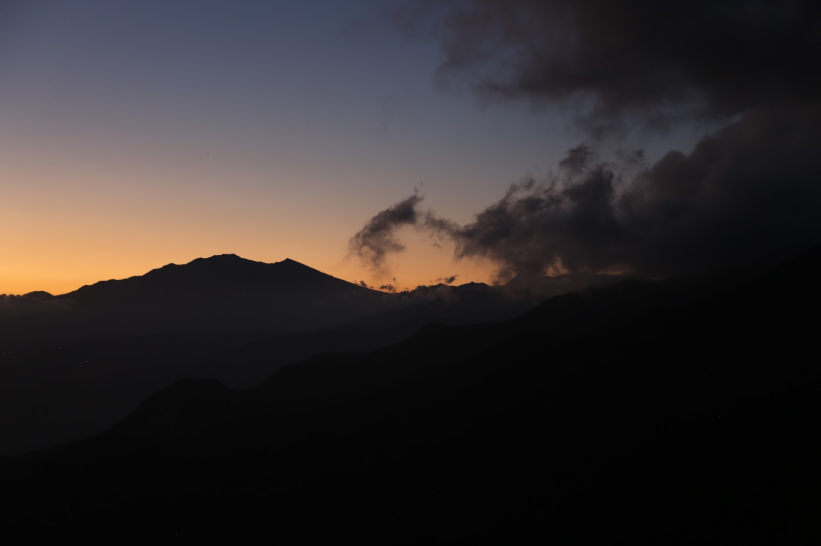
Coclé: Panama's Province of Hidden Wonders, Ancient Cultures, Mountains, Beaches, and Endless Surprises

If Panama were a miniature version of all the landscapes, cultures, and experiences that make Central America fascinating, then the province of Coclé would be its perfect center. Sitting almost exactly in the heart of the country, Coclé is one of those places that many travelers pass through without realizing how much they are missing. It is a province of dramatic mountains and sun baked plains, cloud forests and Pacific beaches, archaeological mysteries and agricultural traditions, sleepy villages and booming resort developments. It is a place where indigenous history stretches back thousands of years and where modern Panama continues to evolve at a remarkable pace.

For many Panamanians, Coclé represents the crossroads of the nation. Almost everyone traveling west from Panama City toward the interior passes through the province. The Pan American Highway cuts directly through its heart, carrying tourists, truckers, families, commuters, and adventurers. Yet while countless people drive through Coclé, far fewer take the time to truly explore it. Those who do often discover that it may be one of the most underrated provinces in the entire country.

One of the first things that makes Coclé fascinating is its geography. Unlike provinces that are dominated by a single landscape, Coclé contains an astonishing variety of environments. Along the Pacific coast, warm beaches stretch toward the horizon. Inland, rolling agricultural lands support ranches and farms. Farther north, mountains rise dramatically into cloud covered highlands. Rivers carve through valleys. Forests cling to steep slopes. In some areas, temperatures can feel tropical and hot. A short drive later, cool mountain breezes may require a light jacket. Few provinces in Panama pack so much environmental diversity into such a compact area.

The provincial capital, Penonomé, serves as the cultural and commercial heart of Coclé. Unlike the frenetic pace of Panama City, Penonomé possesses a relaxed atmosphere that reflects its role as a traditional provincial center. Its streets reveal a blend of history and modern development. Government offices, schools, markets, churches, restaurants, and businesses all contribute to a city that feels authentically Panamanian. While tourists often hurry through on their way to beaches or mountain destinations, Penonomé offers a glimpse into everyday life in the country's interior.

Perhaps nowhere is Coclé's diversity more apparent than in its famous beaches. Along the Pacific coast lie some of Panama's best known seaside communities. Areas such as Playa Blanca, Farallón, Santa Clara, and nearby coastal zones have become major destinations for both domestic and international tourism. White and golden sands meet warm Pacific waters. Resorts rise near fishing villages. Weekend visitors from Panama City arrive in large numbers seeking sunshine and relaxation. These beaches have helped transform parts of Coclé into one of the country's most important tourism corridors.

Yet to focus only on the beaches would be to miss one of the province's greatest treasures: its mountains.

The northern portion of Coclé rises into some of Panama's most spectacular highland scenery. Forested slopes, waterfalls, rivers, and cooler climates create environments completely different from the coast. Perhaps the most famous destination is El Valle de Antón, one of the most extraordinary communities in Central America. Located inside the crater of an extinct volcano, El Valle combines natural beauty, biodiversity, and a pleasant climate that has attracted visitors for generations.

El Valle often feels like a different world from the lowlands below. Mist drifts through the hills. Flower gardens flourish. Hiking trails lead to waterfalls and viewpoints. Birdsong fills the forests. The surrounding mountains create a sense of enclosure and tranquility that is rare in modern life. It has become a favorite destination for nature lovers, retirees, artists, and anyone seeking relief from the heat of the coast.

What many visitors do not realize is that the volcanic history that created El Valle helped shape much of the surrounding region. Coclé's geology is complex and fascinating. Ancient volcanic activity contributed to fertile soils that continue to support agriculture today. These soils have allowed generations of farmers to cultivate crops that help feed the nation.

Agriculture remains one of the defining features of Coclé. Driving through the province reveals vast fields, cattle pastures, fruit plantations, and agricultural communities. Farmers produce rice, corn, sugarcane, vegetables, fruits, and livestock. Rural life remains deeply important despite increasing development. Agricultural traditions connect modern residents with generations of people who worked the same landscapes long before highways and resorts arrived.

The province's connection to corn is particularly noteworthy. Some of Panama's most beloved traditional foods trace their roots to agricultural communities in Coclé. Corn based dishes, drinks, and recipes remain important parts of local culture. Perhaps the most famous example is chicheme, the sweet corn based beverage that has become synonymous with Coclé. Travelers stopping at roadside stands often encounter vendors selling this creamy drink flavored with cinnamon, vanilla, milk, and sugar. For many Panamanians, a journey through Coclé feels incomplete without a cup of chicheme.

History lovers find Coclé equally rewarding. Long before Europeans arrived, sophisticated indigenous cultures flourished throughout the region. Archaeological discoveries have revealed evidence of advanced societies that developed rich artistic traditions, complex trade networks, and impressive craftsmanship. Some of the most important archaeological sites in Panama are located in Coclé.

The ancient culture associated with the region became famous for its remarkable goldwork, pottery, and burial practices. Archaeologists have uncovered extraordinary artifacts that demonstrate the skill and sophistication of the people who once lived here. These discoveries transformed understanding of pre Columbian Panama and revealed that the isthmus played a much more important role in regional history than many had previously realized.

Among the most famous archaeological discoveries is the site of Sitio Conte. Excavations revealed elaborate burials containing gold ornaments, jewelry, ceramics, and other artifacts that rank among the most important archaeological finds in Central America. The discoveries provided valuable insights into the social structure, beliefs, and artistic achievements of ancient Panamanian cultures.

Nature enthusiasts often discover that Coclé is one of the country's best birdwatching provinces. The combination of forests, mountains, rivers, agricultural lands, and coastal habitats supports an extraordinary variety of birdlife. Toucans, parrots, motmots, hawks, hummingbirds, tanagers, and many other species can be found throughout the province. The highlands around El Valle are particularly popular among birdwatchers seeking some of Panama's most beautiful avian residents.

Wildlife extends beyond birds. Forests shelter monkeys, sloths, reptiles, amphibians, and countless insects. Rivers support freshwater ecosystems. The province's environmental diversity creates habitats for an impressive range of species. For many visitors, one of the greatest pleasures of Coclé is simply experiencing how quickly landscapes and ecosystems change as one moves from coast to mountains.

In recent decades, Coclé has also become a symbol of Panama's economic transformation. Resort developments, residential communities, infrastructure projects, and commercial investments have reshaped portions of the province. Areas once known primarily for agriculture now attract retirees, second home owners, and international investors. The growth has brought opportunities, jobs, and development while also raising important questions about balancing progress with environmental and cultural preservation.

Despite these changes, much of Coclé retains a deeply authentic character. Traditional festivals continue to fill town squares with music and celebration. Agricultural fairs showcase local products and livestock. Family businesses operate alongside newer enterprises. Community ties remain strong. Visitors often find that beyond the beaches and tourist attractions lies a province where local traditions continue to thrive.

Perhaps what makes Coclé truly special is its balance. It is developed but not overwhelmed by development. It is accessible but still contains places that feel remote. It welcomes tourists without losing its identity. It offers beaches, mountains, history, agriculture, wildlife, and culture within a relatively small area. Few provinces in Panama provide such a complete picture of the country itself.

For travelers seeking to understand Panama beyond its canal and capital city, Coclé offers an ideal introduction. It is a province where ancient civilizations, farming traditions, volcanic landscapes, tropical beaches, and modern ambitions all coexist. Every road seems to lead toward another discovery. Every valley hides a story. Every mountain reveals another view.

In many ways, Coclé is not just the geographical heart of Panama. It is one of the best places to experience the country's soul.

The Mosquito Coast of Panama: One of the Last Great Wildernesses in the Americas

There are still places on Earth where maps feel incomplete. Places where rivers remain the primary highways, where villages are separated by days of travel rather than minutes, where dense rainforest stretches uninterrupted to the horizon, and where the modern world seems distant despite existing only a few hundred kilometers away. The Mosquito Coast of Panama is one of those places.

Mention Panama to most travelers and they immediately think of the canal, gleaming skyscrapers, tropical islands, surf towns, or mountain coffee farms. Few realize that along the country's remote Caribbean frontier lies one of the wildest and least developed regions in all of Central America. Here, near the border with Colombia, the landscape becomes something extraordinary. Roads disappear. Rivers dominate. Rainforests thicken. Human settlements become scarce. The natural world begins to reclaim its role as the primary force shaping daily life.

The Panamanian section of what is often referred to as the Mosquito Coast is not a sharply defined geographical area but rather part of a vast Caribbean wilderness extending across portions of eastern Central America. In Panama, the term evokes the remote Caribbean coastline and jungles associated with the province of Darién Province and parts of the indigenous territory of Guna Yala. It is a place where nature remains overwhelmingly dominant and where the sense of isolation can be unlike anywhere else in the Americas.

To understand the fascination of this region, one must first understand its geography. Eastern Panama is not merely rural. It is genuinely wild. Vast rainforests cover mountains, river valleys, swamps, and coastal plains. The famous Darién Gap forms part of this wilderness, representing one of the most formidable stretches of jungle on Earth. This region famously interrupts the otherwise continuous Pan American Highway, creating a natural barrier between Central and South America. While roads connect Alaska to much of the Western Hemisphere, the Darién remains one of the last great interruptions, a place where jungle still dictates the limits of human infrastructure.

The first thing that strikes visitors is the scale of the rainforest. In many tropical destinations, forests exist as protected parks surrounded by roads, farms, and towns. In the Mosquito Coast region, the rainforest feels endless. Rivers snake through canopies that stretch for kilometers. Massive trees rise above the forest floor. Lianas hang from branches. Orchids cling to trunks. The jungle possesses a depth and complexity that can be difficult to comprehend until experienced firsthand. Looking across the landscape, one realizes that the forest extends far beyond what the eye can see.

The wildlife is equally remarkable. This is one of the most biologically rich regions in the Western Hemisphere. Jaguars still roam these forests, though they are rarely seen. Tapirs move through dense vegetation. White lipped peccaries travel in noisy groups. Monkeys swing through the canopy. Harpy eagles, among the most powerful birds of prey on Earth and the national bird of Panama, patrol the skies. Poison dart frogs inhabit the understory. Hundreds of bird species fill the forest with calls and colors. The region serves as a critical bridge connecting the ecosystems of North and South America, allowing species from both continents to coexist.

Birdwatchers often speak of eastern Panama with a kind of reverence. For them, the forests represent one of the greatest avian treasures in the world. Scarlet macaws flash through the canopy like living fireworks. Toucans perch among fruiting trees. Antbirds, trogons, motmots, manakins, and countless other species occupy specialized ecological niches. A single morning in the forest can reveal more bird diversity than many countries contain in their entirety.

The rivers are perhaps even more important than the forests themselves. In much of the Mosquito Coast region, rivers function as roads, marketplaces, communication networks, and lifelines. Long dugout canoes equipped with outboard motors glide through brown waters carrying families, supplies, fishermen, and travelers. Communities that appear isolated on maps may actually be closely connected by waterways. Life follows the rhythm of the rivers. Water levels, rainfall, and currents influence everything from transportation to trade.

The Caribbean coastline itself possesses a beauty that feels almost prehistoric. Mangrove forests line estuaries. Empty beaches stretch for kilometers. Coconut palms lean toward turquoise waters. Offshore reefs shelter marine life while river mouths pour tannin stained freshwater into the sea. Unlike more developed beach destinations, many sections of this coastline remain largely untouched. There are places where one can walk for hours without encountering another person.

Human history here is every bit as fascinating as the natural environment. Long before Europeans arrived, indigenous peoples navigated these rivers and forests. Today, indigenous communities remain central to the region's identity. The Guna People maintain vibrant traditions, distinctive cultural practices, and a strong connection to their ancestral lands. Their communities preserve languages, crafts, governance systems, and knowledge that have evolved over centuries. Visitors often discover that understanding the region means understanding the indigenous cultures that continue to shape it.

Life along the Mosquito Coast has never been easy. The environment is extraordinarily productive biologically, but it can be challenging for human settlement. Heavy rainfall is constant. Flooding occurs. Transportation can be difficult. Tropical diseases historically influenced settlement patterns. Infrastructure development remains expensive and logistically complex. These challenges help explain why the region has remained relatively undeveloped compared to other parts of Panama.

Ironically, many of the factors that once limited development are now among the region's greatest assets. Around the world, truly wild places are becoming increasingly rare. Forests are fragmented. Wildlife populations decline. Remote landscapes disappear beneath roads and development. Yet large portions of eastern Panama remain astonishingly intact. Conservationists increasingly view the region as one of the most important ecological strongholds in the Americas.

Rain itself deserves special mention. The Mosquito Coast is not simply wet. It is one of the rainiest environments many visitors will ever experience. Clouds build over the Caribbean and release torrents of water onto the forests below. Rivers swell. Mist rises from the canopy. Vegetation grows at extraordinary speed. The constant presence of water shapes every aspect of the ecosystem. It is impossible to understand the region without understanding rain. Water is the architect that built the landscape.

The name "Mosquito Coast" often sparks curiosity. Contrary to what many assume, the term does not primarily refer to insects. Rather, it is historically associated with the Miskito people of Central America, although the modern use of the term varies depending on geography and historical context. Nevertheless, visitors quickly learn that mosquitoes are indeed plentiful in many parts of the region. They are simply another component of an ecosystem that remains remarkably complete. In a wilderness where birds, frogs, fish, reptiles, mammals, and insects thrive in enormous numbers, mosquitoes are part of the package.

Travel in this region feels different from travel elsewhere. There are fewer schedules, fewer conveniences, and fewer certainties. Journeys depend on weather, river conditions, boats, and local knowledge. A map may show a destination, but reaching it can become an adventure. For some travelers, this unpredictability is frustrating. For others, it is exactly what makes the region magical.

Perhaps the most remarkable quality of the Mosquito Coast is the sense of perspective it provides. In modern cities, humans dominate the landscape. Buildings define horizons. Roads dictate movement. Technology shapes experience. Along Panama's remote Caribbean frontier, the balance shifts. Nature resumes its role as the primary force. Forests determine where people live. Rivers dictate transportation routes. Rainfall influences daily life. Wildlife remains abundant. The landscape reminds visitors that there are still places where humanity is not entirely in charge.

For adventurers, naturalists, conservationists, photographers, and dreamers, the Mosquito Coast represents something increasingly rare: a glimpse of the Americas before highways, shopping centers, and urban expansion transformed so much of the continent. It is a place of immense forests, powerful rivers, vibrant cultures, and staggering biodiversity. It is a region where the wilderness still feels larger than civilization.

In an age when satellite imagery can reveal nearly every corner of the planet, the Mosquito Coast of Panama retains a sense of mystery. The rainforest still hides secrets. Rivers still lead to places few outsiders visit. Wildlife still moves through landscapes largely unchanged for centuries. It remains one of the last great frontiers of tropical America, a place where the natural world continues to reign with astonishing power and beauty.

Capira: Panama's Underrated Crossroads of Mountains, Farms, Pineapples, and Possibility

Ask most visitors to Panama about the country's most famous destinations and they will likely mention Panama City, Boquete, Bocas del Toro, Santa Catalina, or the beaches of Coronado. Mention Capira, however, and many may simply remember driving through it on the way somewhere else. Yet that would be a mistake. Capira is one of the most fascinating and important districts in Panama, a place that serves as a bridge between urban Panama and the rural heart of the country. It is a district where mountains meet farmland, where commuters share roads with cattle ranchers, where tropical forests still thrive, and where some of Panama's most productive agricultural lands help feed the nation.

Located in the province of Panamá Oeste, just west of Panama City, Capira occupies a strategic position along the Pan American Highway. For countless travelers, it marks the point where the dense urban sprawl of the capital region finally begins to give way to greener landscapes, rolling hills, and a slower pace of life. To many Panamanians, Capira represents the gateway to the country's interior. It is a place that thousands of people pass through every week, yet relatively few stop long enough to appreciate what makes it special.

One of the most remarkable aspects of Capira is its size. The district covers a vast area stretching from developed highway corridors to remote mountain regions where nature still dominates the landscape. This diversity means that there are actually many different Capiras. There is the Capira visible from the highway, with shops, gas stations, restaurants, and busy commercial activity. Then there is the agricultural Capira, where farmers cultivate crops and raise livestock across fertile lands. Beyond that lies the mountainous Capira, where forests, rivers, and cool highland environments offer an entirely different experience. The district contains such varied terrain that it can feel like multiple regions combined into one.

Agriculture has long been one of Capira's defining characteristics. The district is often associated with some of Panama's most productive farming areas. Pineapples are perhaps the most famous agricultural product linked to Capira. Travelers driving through the district frequently encounter roadside fruit vendors selling freshly harvested pineapples that are renowned throughout Panama for their sweetness and quality. During harvest periods, entire stretches of countryside may be devoted to pineapple production, creating a landscape unlike anything found in the country's more urbanized regions.

The reputation of Capira pineapples has become so strong that many Panamanians will specifically seek them out. Vendors proudly advertise their fruit as coming from Capira, knowing that customers associate the district with excellent quality. The combination of fertile soils, favorable climate, and agricultural expertise has helped make pineapple farming one of the area's agricultural success stories. For many visitors, their first memorable encounter with Capira is stopping at a roadside stand and tasting a freshly cut pineapple that seems impossibly sweet.

Yet pineapples represent only a small part of the agricultural picture. The district also supports cattle ranching, vegetable production, fruit cultivation, poultry operations, and a wide variety of other agricultural activities. Farms range from small family operations to larger commercial enterprises. The landscape reflects generations of agricultural development that have helped shape both the local economy and the character of the region.

One reason agriculture thrives here is the district's remarkable geography. Capira benefits from a variety of elevations and microclimates. Lower areas tend to be warmer and suitable for tropical crops, while higher elevations can offer cooler temperatures and different growing conditions. This environmental diversity allows farmers to produce a wide range of agricultural products. It also contributes to the district's scenic beauty. Travelers moving through Capira may pass open pastureland, fruit plantations, forested hillsides, river valleys, and mountain ridges all within a relatively short distance.

The mountains themselves are among Capira's least appreciated treasures. While Panama's famous highland destinations often receive most of the attention, Capira contains beautiful upland regions that remain relatively undiscovered by international tourism. These areas offer cooler temperatures, lush vegetation, and impressive views stretching toward both the Pacific side and the interior of the country. In some locations, morning fog drifts through the hills, creating landscapes that feel surprisingly distant from the nearby metropolis of Panama City.

Nature lovers often find Capira particularly rewarding because it sits near important forested areas and watersheds. The district plays an important role in protecting water resources that support both local communities and broader regional needs. Forests within and around Capira provide habitat for birds, mammals, reptiles, and countless other species. Birdwatchers frequently encounter toucans, parrots, hawks, and numerous tropical species. The biodiversity reflects Panama's unique position as a biological bridge connecting North and South America.

One of the most fascinating aspects of Capira is how it has changed over the past several decades. Historically, the district was considered relatively rural and somewhat distant from Panama City. Today, improved transportation and rapid growth in the western region have brought major changes. Many people now view Capira as part of the expanding orbit of the capital. Improved roads have made commuting more feasible. Residential developments have appeared in some areas. Land that once seemed extremely remote is now attracting attention from investors, retirees, and families seeking more space than they can find closer to the city.

This growth has transformed Capira into one of the most interesting transition zones in the country. It remains deeply agricultural and rural in many respects, yet it is increasingly influenced by urban expansion. The result is a district that often feels caught between two worlds. On one hand, cattle graze in open fields and farmers tend crops much as they have for generations. On the other hand, new residential projects, commercial development, and transportation improvements signal a rapidly changing future.

The district's location along the Pan American Highway further enhances its importance. Nearly everyone traveling west from Panama City toward the interior passes through Capira. Whether heading to the beaches of the Pacific coast, the mountains of Chiriquí, the agricultural heartland of the Azuero Peninsula, or destinations farther west, travelers encounter Capira along the way. This constant flow of people contributes to the district's commercial vitality. Restaurants, roadside vendors, repair shops, fuel stations, and other businesses benefit from the endless stream of vehicles moving through the region.

Traffic, however, has become one of Capira's defining modern challenges. As Panama Oeste continues to grow, congestion along portions of the highway can be significant. What was once a relatively quiet rural corridor now carries enormous volumes of commuters, freight vehicles, buses, and travelers. Discussions about infrastructure improvements, bypass routes, and transportation upgrades frequently include Capira because of its crucial role within the national transportation network.

Despite these challenges, many residents see enormous potential in the district's future. Land remains more affordable than in many areas closer to Panama City. Agricultural opportunities continue to exist. Tourism remains relatively underdeveloped, leaving room for growth. Eco tourism, agritourism, mountain retreats, and nature based attractions all have significant potential. Some observers believe Capira could eventually emerge as one of Panama's most attractive regions for sustainable development if growth is managed carefully.

Another reason people are increasingly drawn to Capira is lifestyle. For those seeking a balance between accessibility and tranquility, the district occupies an appealing middle ground. Residents can enjoy larger properties, greener surroundings, and a stronger connection to nature while still maintaining access to the services and opportunities of Panama City. This combination has become increasingly attractive as urban congestion and property prices continue rising.

Community life in Capira also retains many traditional Panamanian characteristics. Festivals, agricultural fairs, religious celebrations, and local gatherings remain important parts of the social fabric. Family ties are strong. Agricultural traditions remain visible. The pace of life often feels more relaxed than in the capital. Visitors who spend time in local communities frequently encounter the warmth and hospitality for which rural Panama is known.

Perhaps what makes Capira most fascinating is that it embodies many of the forces currently shaping modern Panama. It is agricultural yet increasingly suburban. Traditional yet changing rapidly. Rural yet closely connected to the nation's largest city. It sits at the intersection of development, conservation, agriculture, transportation, and population growth. Few places illustrate Panama's ongoing transformation as clearly as this district.

For travelers rushing westward, Capira may appear to be just another stop along the highway. For those who take the time to explore, however, it reveals itself as something much more interesting: a district of fertile fields, hidden mountains, hardworking farming communities, expanding opportunities, and landscapes that help tell the story of Panama itself. It is a place where the country's past, present, and future seem to meet. And that may be exactly what makes Capira one of Panama's most underrated destinations.

Golden Grain of the Isthmus: The Story of Corn in Panama

If rice is the king of the Panamanian table, then corn is undoubtedly one of its oldest and most beloved companions. Long before the arrival of Europeans, before the construction of the Panama Canal, and before modern cities rose along the Pacific coast, corn was already feeding the people who lived on the isthmus. For thousands of years, maize has been cultivated, harvested, ground, cooked, and celebrated throughout what is now Panama. Today it remains deeply embedded in the country's culture, appearing in everything from humble breakfasts and roadside snacks to holiday feasts and indigenous traditions. To understand Panamanian food, one must first understand corn.

Corn's history in Panama stretches back into pre Columbian times when indigenous peoples cultivated maize alongside crops such as cassava, beans, squash, and cacao. The fertile valleys, tropical lowlands, and mountain regions of the country provided excellent conditions for agriculture. Corn quickly became one of the foundational crops of indigenous societies because it could be stored, transported, and transformed into countless different foods. Long before wheat arrived from Europe, corn flour was already the basis for breads, porridges, beverages, and ceremonial dishes.

Today, corn continues to grow across much of Panama. Fields can be found in provinces such as Los Santos, Herrera, Coclé, Veraguas, and Chiriquí. During the growing season, vast stretches of countryside are covered in rows of green corn plants swaying beneath the tropical sun. Although Panama imports some corn, particularly for animal feed, local production remains an important part of rural agriculture and food security.

One of the most fascinating aspects of corn in Panama is the sheer variety of ways it is used. In some countries corn may appear primarily as sweet corn on the cob or as an ingredient in processed foods. In Panama, it takes on dozens of identities. A single kernel can eventually become a breakfast, a dessert, a drink, a tamale, a fritter, or a holiday specialty. Corn is not merely an ingredient. It is an entire culinary universe.

Perhaps the most iconic Panamanian corn dish is the humble tortilla. Unlike the thin Mexican tortillas that many foreigners expect, Panamanian tortillas are thick, hearty, and often fried until golden brown. Made from corn dough, they are commonly eaten for breakfast alongside eggs, cheese, sausage, or stewed meats. A fresh tortilla from a roadside fonda can be surprisingly satisfying. Crispy on the outside and soft on the inside, it serves as one of the country's most beloved comfort foods. For many Panamanians, the smell of tortillas frying in the morning is as familiar as the smell of coffee.

Another classic is the empanada de maíz. These corn based pastries are often filled with meat, cheese, chicken, or other savory ingredients before being fried. Found everywhere from city cafés to roadside food stalls, they demonstrate how corn remains at the heart of everyday eating. Their crispy exterior and rich fillings make them a favorite snack for travelers and locals alike.

No discussion of Panamanian corn would be complete without mentioning tamales. During the Christmas season, entire families gather to prepare these beloved bundles of corn dough wrapped in banana leaves. The process can take hours and often becomes a social event involving multiple generations. Inside each package may be chicken, pork, vegetables, olives, raisins, or seasonings depending on family tradition. Every household seems convinced that its own recipe is the best. The preparation of tamales is as much about family and culture as it is about food.

One of the most distinctive corn creations in Panama is bollo. This traditional food consists of corn dough wrapped in husks or leaves and boiled until firm. Bollos can be eaten plain, served alongside meals, or used to accompany soups and stews. In many rural areas they remain a staple food. Travelers exploring the countryside often encounter roadside vendors selling fresh bollos prepared using recipes that have changed little over generations.

Then there are the drinks. Corn is not limited to solid foods in Panama. Chicheme, one of the country's most famous beverages, transforms corn into a sweet and creamy drink flavored with milk, cinnamon, vanilla, and sugar. Particularly associated with the province of Coclé, chicheme occupies a special place in Panamanian culinary culture. Visitors are often surprised by how rich and satisfying it can be. Somewhere between a drink and a dessert, it demonstrates the remarkable versatility of corn.

Corn also appears in soups and stews throughout the country. Sancocho, Panama's famous chicken soup, is often served with pieces of corn on the cob. The sweetness of the corn complements the rich broth, creating one of the country's most comforting meals. In rural communities, freshly harvested corn frequently finds its way into countless homemade dishes where it adds both flavor and texture.

The importance of corn becomes even more apparent when exploring indigenous cultures. Groups such as the Guna People, Ngäbe-Buglé, and other indigenous communities have long traditions involving maize cultivation and consumption. Corn has historically provided nourishment, economic value, and cultural significance. Traditional agricultural practices often revolve around crops such as maize, reflecting centuries of accumulated knowledge about tropical farming.

Agriculturally, corn remains an important crop despite competition from imports and changing economic conditions. Farmers across Panama continue planting maize both for human consumption and livestock feed. However, like many agricultural sectors, corn production faces challenges. Rising input costs, changing weather patterns, imported grain competition, and labor shortages all affect local producers. Yet despite these pressures, corn continues to occupy a vital role within the nation's agricultural landscape.

One reason corn has endured for so long is its remarkable adaptability. It can be grown in different regions, harvested relatively quickly, stored efficiently, and transformed into an enormous variety of products. Few crops offer such versatility. This adaptability helped maize become one of humanity's most important foods, and Panama is no exception.

For travelers, corn often provides some of the most authentic culinary experiences available. A roadside tortilla stand in the interior. A family preparing Christmas tamales. A cup of cold chicheme on a hot afternoon. A freshly made bollo purchased from a market vendor. These are not merely meals. They are connections to centuries of history, tradition, and rural life.

In many ways, corn tells the story of Panama itself. It bridges indigenous heritage and modern cuisine. It connects urban and rural communities. It appears at celebrations, family gatherings, everyday breakfasts, and festive holidays. It feeds rich and poor alike. It has survived colonization, globalization, economic change, and shifting food trends.

While visitors often associate Panama with seafood, tropical fruit, coffee, and rice, corn quietly remains one of the country's most enduring culinary foundations. It may not always receive the attention it deserves, but it continues to nourish the nation much as it has for generations. From golden tortillas sizzling in a pan to carefully wrapped tamales shared at Christmas, the story of corn in Panama is ultimately a story of resilience, tradition, and the simple power of a grain that helped build a country.

Coffee Dreams in the Highlands: Is Becoming a Coffee Farmer in Panama a Real Business or Just an Expensive Hobby?

Few ideas capture the imagination of foreigners moving to Panama quite like becoming a coffee farmer. The dream is easy to understand. You picture a beautiful mountain property somewhere in the cool highlands of Chiriquí. Mist drifts across the hills each morning. Hummingbirds dart between flowering plants. The temperatures are pleasant year round. Rows of coffee trees cover the slopes. In the distance, volcanic peaks rise above the clouds. Your mornings begin with a cup of coffee grown on your own land. Tourists stop by to admire the view. Life slows down. The farm produces income. The lifestyle seems perfect.

Then reality arrives.

The truth is that coffee farming in Panama can be one of the most rewarding agricultural businesses in the country. It can also be one of the most frustrating, risky, labor intensive, and financially unpredictable ventures a person can undertake. Whether it becomes a viable business or an expensive hobby depends on several factors, including scale, location, knowledge, capital, expectations, and perhaps most importantly, what kind of coffee you intend to produce.

The first thing that surprises many newcomers is that Panama occupies a very unusual position in the global coffee world. Panama is not a major coffee producer by volume. Countries such as Brazil, Vietnam, Colombia, Honduras, and Ethiopia produce vastly larger quantities. Panama's annual production is tiny by comparison. Yet despite its small size, Panama has achieved something remarkable. It produces some of the most valuable coffee on Earth.

This is where the story becomes fascinating.

In most countries, coffee is largely a commodity. Farmers sell beans into massive global markets where prices rise and fall according to worldwide supply and demand. Profit margins can be razor thin. A farmer may work incredibly hard only to discover that market prices have collapsed. In many coffee producing countries, surviving as a coffee farmer can be extremely difficult.

Panama changed the game.

Particularly in regions such as Boquete, Volcán, Renacimiento, and parts of Tierras Altas, farmers began focusing on quality rather than quantity. The most famous example is the legendary Geisha Coffee variety. Once a relatively obscure coffee plant, Geisha found ideal growing conditions in Panama's volcanic soils and high elevations. When carefully cultivated and processed, the resulting coffee astonished the specialty coffee world. International buyers began paying extraordinary prices. Auction records were repeatedly shattered. Small quantities of Panamanian coffee began selling for hundreds or even thousands of dollars per pound.

These headline grabbing stories create both inspiration and misunderstanding.

Many newcomers hear about Geisha and assume coffee farming in Panama is a path to easy wealth.

It is not.

Those famous auction prices represent a tiny fraction of production from a small number of exceptional farms producing extraordinary coffee under ideal conditions. The average coffee farmer in Panama does not become a millionaire selling beans at international auctions.

In fact, many coffee farmers work extremely hard for relatively modest returns.

Coffee farming is agriculture, and agriculture rarely follows predictable financial models.

One of the biggest realities facing prospective coffee farmers is time. Coffee trees are not like vegetables that can be planted and harvested within months. Coffee is a long term investment. Newly planted coffee trees often require three to five years before meaningful production begins. Peak production may take even longer. This means that someone purchasing land and planting coffee today may spend years investing money before receiving significant income.

Many foreigners underestimate this timeline.

They buy a farm imagining immediate production.

Instead they discover they are entering a long relationship with patience.

The next surprise is labor.

Coffee is surprisingly labor intensive.

The romantic image often involves strolling through coffee fields and occasionally checking on the trees.

The reality includes pruning, fertilizing, weed management, disease monitoring, harvesting, processing, drying, storage, transportation, and marketing.

Harvest season can become particularly demanding because ripe coffee cherries must often be picked by hand. This requires workers. Reliable labor availability becomes one of the most important concerns for many coffee farms.

Then there is the challenge of elevation.

Not all land in Panama is suitable for premium coffee.

This is perhaps one of the most important lessons for newcomers.

A beautiful property may have stunning views and cool weather, yet still lack the elevation needed to produce the highest value specialty coffee.

Generally speaking, the world's most celebrated Panamanian coffees tend to come from higher elevations where cooler temperatures slow cherry development and concentrate flavors. A difference of several hundred meters in elevation can significantly influence coffee quality and market value.

This means that when evaluating coffee land, scenery alone is not enough.

The mountain matters.

The altitude matters.

The microclimate matters.

The rainfall matters.

The soil matters.

The slope matters.

Everything matters.

Climate change has added another layer of complexity. Coffee is famously sensitive to environmental conditions. Rising temperatures, changing rainfall patterns, stronger weather events, and shifting disease pressures create challenges for farmers worldwide. Panama's higher elevations may offer some protection compared to lower growing regions, but climate uncertainty is increasingly part of the coffee business.

One of the pleasant surprises, however, is how much support and knowledge exist within Panama's coffee community. Chiriquí is home to generations of experienced coffee producers. Knowledge about cultivation, processing, varieties, and export markets runs deep. A newcomer willing to learn can benefit enormously from local expertise. Some of the world's most respected coffee professionals operate in Panama, and the region's reputation attracts international buyers, researchers, and specialty coffee enthusiasts from around the world.

Another pleasant surprise is diversification.

The smartest coffee farms often do not rely entirely on coffee.

Many combine coffee with tourism.

Farm tours.

Coffee tastings.

Restaurants.

Cabins.

Guesthouses.

Educational experiences.

Events.

Some farms discover that tourists can generate income almost as valuable as the coffee itself.

Visitors love seeing the production process. They enjoy walking among coffee trees, learning about cultivation, and tasting freshly roasted beans. For small farms, agritourism can become a major financial advantage.

There is also the lifestyle component.

This is where the dream often survives even when the economics become challenging.

The highlands of Chiriquí are among the most beautiful agricultural regions in Central America. Cool temperatures, spectacular scenery, fertile volcanic soils, abundant wildlife, and a strong farming culture create an environment that many people genuinely love. Even farmers who admit coffee is not making them rich often say they would not trade the lifestyle.

This raises an important distinction.

If your goal is maximizing financial returns, there may be easier businesses.

Coffee farming involves risk.

Crop diseases occur.

Markets fluctuate.

Weather changes.

Labor costs rise.

Equipment breaks.

Harvests vary.

Profits can be inconsistent.

However, if your goal combines income with lifestyle, connection to the land, and participation in one of Panama's most respected agricultural traditions, coffee becomes much more attractive.

Perhaps the biggest surprise for newcomers is that coffee farming often transforms from a business into a passion. People arrive thinking they are investing in agriculture. Before long they are discussing fermentation techniques, varietals, roasting profiles, cupping scores, shade management, and harvest timing with an enthusiasm that borders on obsession. Coffee has a way of doing that.

The final answer, then, is that becoming a coffee farmer in Panama can absolutely be viable. There are successful coffee farms generating substantial income and exporting world class products. There are also hobby farms where owners spend far more money than they earn. Most operations exist somewhere between those extremes.

The people who struggle most are often those who view coffee as easy money. The people who succeed tend to understand that coffee is agriculture, hospitality, science, marketing, craftsmanship, and patience all rolled into one. They respect the complexity. They learn continuously. They adapt.

In the end, coffee farming in Panama is neither purely a business nor purely a hobby. It is something far more interesting. It is a long term relationship with one of the world's most fascinating crops, set against some of the most beautiful landscapes in the Americas. For some people it becomes a profitable enterprise. For others it becomes a lifestyle. And for many, it becomes both.

Chasing the Sun: The Fascinating Reality of Starting Your Own Solar Farm in Panama

Few business ideas seem as perfectly suited to Panama as solar energy. This is a country blessed with intense tropical sunshine, a growing economy, increasing electricity demand, and a strategic location that sits just a few degrees north of the equator. Spend enough time driving through the interior provinces and you may notice something that was rare only a decade ago: fields of solar panels quietly turning sunlight into electricity. What was once considered an experimental industry has become one of the fastest growing parts of Panama's energy sector. For entrepreneurs, investors, farmers, and landowners, the idea of starting a solar farm has become increasingly attractive. Yet while the concept sounds simple, the journey from empty field to producing electricity is one of the most fascinating business adventures in modern Panama.

The first thing that surprises many people is just how much sunshine Panama receives. Although the country has a rainy season, most regions enjoy abundant solar radiation throughout the year. Unlike northern countries where winter can dramatically reduce solar production for months at a time, Panama benefits from relatively stable daylight hours year round. The sun rises and sets at nearly the same times every day. There are no long dark winters. There is no snow accumulation covering panels. There are no months where sunlight nearly disappears. This consistency is one of Panama's greatest natural advantages when it comes to solar energy.

For someone dreaming about building a solar farm, the first challenge is land. Surprisingly, not all land is equally valuable for solar production. The ideal solar property is relatively flat, receives unobstructed sunlight, has good road access, and most importantly, sits reasonably close to existing electrical infrastructure. This last factor often surprises newcomers. A piece of land may look perfect on paper, but if transmission lines are far away, connecting a solar farm to the electrical grid can become enormously expensive. In many cases, proximity to transmission infrastructure matters just as much as the quality of the sunlight itself.

Large areas of Panama's interior offer particularly interesting possibilities. Provinces such as Coclé, Herrera, Los Santos, and parts of Veraguas often receive excellent sunlight while offering relatively affordable land compared to rapidly developing urban areas. Some former cattle pastures have become especially attractive because they provide large open spaces with minimal tree cover. Land that once supported grazing livestock may suddenly become valuable for energy production.

One of the most fascinating aspects of solar farming is how differently people think about land once electricity enters the equation. A traditional farmer may measure productivity in cattle, rice, corn, sugarcane, or other crops. A solar developer begins measuring productivity in megawatts. Suddenly, sunlight itself becomes the harvest. Instead of worrying about droughts affecting crops, the focus shifts toward panel efficiency, inverter performance, and electrical output. The farm still produces something valuable, but what it harvests is invisible energy rather than food.

Many people are surprised to learn that solar farms often require less day to day labor than traditional agricultural operations. Once constructed, a solar facility may operate with only a small maintenance team. Panels require periodic cleaning. Vegetation must be controlled. Electrical systems need monitoring and inspection. Security remains important. But compared to managing large agricultural operations, labor requirements are often relatively modest. This is one reason some landowners find solar projects attractive. The land continues generating income without the constant demands associated with many traditional farming activities.

Of course, the biggest challenge is the initial investment. Solar farms are capital intensive. Panels, mounting structures, inverters, transformers, transmission connections, engineering studies, permits, environmental assessments, and construction costs add up quickly. Even a relatively modest solar project can involve millions of dollars. This reality often surprises people who have seen solar panels become cheaper over the years and assume large scale projects are now inexpensive. While costs have declined dramatically compared to the early days of solar energy, building utility scale generation remains a significant financial undertaking.

Financing therefore becomes one of the most important parts of the entire process. Successful developers often spend as much time securing investors, negotiating financing, and structuring contracts as they do thinking about solar technology itself. Banks want confidence that a project will generate stable revenue. Investors want predictable returns. Power purchasers want reliable electricity. The technical side of solar may be relatively straightforward, but the financial side can be remarkably complex.

Another fascinating aspect is the relationship between solar farms and the national electrical grid. Unlike a small rooftop system that simply reduces a homeowner's electricity bill, a utility scale solar farm becomes part of the country's broader energy network. Electricity generated in one region may ultimately power homes, businesses, factories, shopping centers, and offices many kilometers away. A successful solar farm becomes a tiny piece of Panama's national energy puzzle.

Panama's energy sector is particularly interesting because the country already relies heavily on renewable energy. Hydroelectric power has historically played a major role in electricity generation. During years of strong rainfall, hydroelectric facilities can produce enormous amounts of power. However, droughts and changing weather patterns have highlighted the importance of diversification. Solar energy helps balance the system because it generates electricity during daylight hours when demand is often high. As Panama continues expanding renewable energy sources, solar has become an increasingly important complement to existing hydroelectric generation.

One challenge unique to Panama is the tropical environment itself. While sunshine is abundant, so is humidity. Solar panels must withstand intense rainfall, high temperatures, strong ultraviolet exposure, occasional storms, and years of tropical weather. Equipment selection becomes extremely important. Developers must choose components capable of surviving decades under challenging environmental conditions. Corrosion protection, drainage design, and maintenance planning all become critical considerations.

Then there is the question of public perception. Solar farms generally enjoy a much more favorable reputation than many other forms of large infrastructure. Most people appreciate clean energy. Panels produce no smoke. They operate quietly. They require relatively little water. They create no towering smokestacks or industrial emissions. Yet local communities may still have concerns about land use, visual impacts, wildlife considerations, or development changes. Successful projects often involve significant community engagement and communication long before construction begins.

Perhaps the most exciting aspect of solar development in Panama is that the industry still feels young. There is a sense that the country is only beginning to explore its full solar potential. Every year brings improvements in panel efficiency, battery technology, energy storage systems, and grid integration techniques. What seems economically challenging today may become much more attractive within a few years. The rapid pace of innovation keeps the industry dynamic and full of opportunity.

For many entrepreneurs, the appeal goes beyond financial returns. There is something uniquely satisfying about creating a business that transforms sunlight into usable energy. Every morning the sun rises over the hills, valleys, plains, and coastlines of Panama, delivering vast amounts of energy free of charge. A solar farm simply captures a small fraction of that abundance and puts it to work. In a country blessed with sunshine, growing demand, and a strategic position in the Americas, the idea of harvesting sunlight as a crop feels remarkably fitting.

Starting a solar farm in Panama is not easy. It requires capital, expertise, patience, permits, engineering, and careful planning. Yet for those willing to navigate the challenges, it offers the opportunity to participate in one of the most exciting transformations taking place in the country's economy. Long after the construction crews leave and the final panel is installed, the farm continues doing something remarkable every day: quietly converting tropical sunshine into the electricity that powers modern life. In many ways, it may be one of the most Panamanian businesses imaginable, built upon one of the country's most abundant natural resources and fueled by a future that grows brighter with every sunrise.

Where Does It All Go? A Deep Dive Into Sewage, Septic Systems, and Wastewater Treatment in Panama

For most people, sewage is one of those things they rarely think about. You flush a toilet, water disappears down a drain, and life goes on. Yet behind every modern city, every apartment tower, every beach resort, every mountain village, and every jungle lodge lies an enormous hidden infrastructure responsible for handling wastewater. In Panama, what happens after you flush depends heavily on where you are. The answer can be very different in downtown Panama City, a beach town on the Pacific coast, a mountain community in Chiriquí, a Caribbean island, a rural village, or a remote jungle property. Understanding sewage in Panama provides a fascinating glimpse into the country's geography, development patterns, environmental challenges, and infrastructure evolution.

The first thing that surprises many newcomers is that Panama does not operate under a single nationwide sewage model. Unlike some highly urbanized countries where nearly every home is connected to centralized sewer systems, Panama uses a mix of municipal sewer networks, treatment plants, septic systems, biodigesters, and, in some remote areas, more basic solutions. This diversity reflects the country's unique geography. Panama contains dense modern cities, sprawling suburbs, isolated islands, mountain communities, indigenous territories, agricultural regions, and rainforest settlements. A wastewater solution that works perfectly in a downtown skyscraper would make little sense for a mountain cabin surrounded by coffee farms or a remote jungle lodge accessible only by dirt road.

In Panama City, the country's largest urban area, sewage generally enters municipal sewer systems. For decades, this was actually one of the capital's biggest environmental challenges. Historically, large quantities of untreated wastewater flowed into rivers and eventually into Panama Bay. Residents became accustomed to polluted waterways and unpleasant odors in certain areas. As the city grew rapidly during the late twentieth century, sewage infrastructure struggled to keep pace. The result was contamination of rivers, coastal waters, and parts of the bay. Over time, however, one of the largest public infrastructure projects in Panama's history sought to change that reality.

The massive Panama City sanitation project transformed how wastewater is handled in the capital. Today, much of the city's sewage is collected through extensive sewer networks and transported to large treatment facilities, most notably the wastewater treatment plant near Juan Díaz. Instead of flowing directly into rivers and the bay, wastewater undergoes treatment processes designed to remove solids, organic material, and contaminants before water is discharged back into the environment. The improvements have been substantial. Water quality in many areas has improved, odors have decreased, and environmental conditions have become significantly better than they were several decades ago. While challenges remain and expansion continues as the city grows, Panama City today has a far more sophisticated wastewater system than many visitors realize.

Once you leave the capital, however, the picture changes dramatically. In many suburban communities, smaller towns, and rural areas, septic systems remain the dominant method of wastewater treatment. For many homeowners throughout Panama, particularly outside major urban centers, sewage never enters a municipal sewer line at all. Instead, wastewater flows into a septic tank buried underground on the property. Inside the tank, solids settle to the bottom while liquids gradually move through additional filtration and absorption processes. Properly designed septic systems can function effectively for many years with relatively little maintenance. In fact, many Panamanians live their entire lives using septic systems without ever being connected to a municipal sewer network.

For foreigners moving to Panama, especially those building homes in mountain regions or beach communities, septic systems often become a new part of life. Many arrive expecting city style sewage infrastructure everywhere and are surprised to discover that septic tanks are perfectly normal, even in desirable residential areas. In places such as Boquete, Volcán, Cerro Punta, Santa Fe, and numerous coastal developments, septic systems remain common. The key is proper design. A well built septic system can work efficiently and safely. A poorly designed one can create odors, backups, contamination issues, and expensive repairs.

The tropical environment adds another layer of complexity. Panama receives tremendous amounts of rainfall. In some regions, annual rainfall can exceed several meters. During the rainy season, groundwater levels rise and soils become saturated. This can affect how septic systems function. Drain fields must be carefully designed. Water movement through soil must be understood. Poor drainage planning can overwhelm systems during heavy rains. This is one reason why experienced local engineers often place tremendous emphasis on water management when designing homes and infrastructure. In Panama, water is not merely an occasional consideration. It is a dominant force shaping construction decisions.

Beach communities face their own unique challenges. Along both the Pacific and Caribbean coasts, protecting marine ecosystems is critically important. Tourism depends on clean beaches, healthy reefs, and attractive coastal environments. Yet coastal development creates pressure on wastewater systems. Hotels, vacation rentals, restaurants, and residential developments all generate sewage that must be handled responsibly. In some areas, centralized treatment systems serve larger developments. In others, individual septic systems remain the norm. Environmental authorities increasingly scrutinize coastal wastewater management because poorly treated sewage can damage coral reefs, harm fisheries, and reduce water quality.

The islands of Panama present perhaps some of the most interesting wastewater situations. Places such as the Bocas del Toro archipelago, islands in the Gulf of Chiriquí, and smaller inhabited islands often face unique infrastructure challenges. Limited space, high groundwater levels, environmental sensitivity, and transportation difficulties can complicate sewage treatment. Some properties rely on advanced septic systems. Others use biodigesters. Some larger developments incorporate dedicated treatment systems. Because islands are surrounded by the very ecosystems that attract visitors, wastewater management becomes especially important.

Biodigesters have become increasingly popular throughout parts of Panama in recent years. These systems function somewhat differently from traditional septic tanks by using biological processes to break down waste more efficiently. They can reduce odors, require less space, and sometimes provide environmental benefits compared to older septic designs. Many newer developments, eco lodges, and environmentally conscious property owners have adopted biodigester technology as an alternative wastewater solution. As sustainability becomes a greater focus, these systems are becoming more common throughout the country.

Remote jungle lodges and eco tourism properties often employ some of the most innovative wastewater approaches. In places where conventional sewer systems are impossible and environmental protection is paramount, operators frequently invest in specialized treatment systems designed to minimize ecological impact. Constructed wetlands, advanced biodigesters, filtration systems, and natural treatment approaches can all play a role. Some facilities effectively use plants, microbes, and carefully engineered environments to assist in wastewater treatment before discharge. These systems demonstrate how sewage management can be adapted to challenging environments while protecting surrounding ecosystems.

One issue that occasionally surprises foreigners is septic tank maintenance. In countries with municipal sewer systems, many homeowners never think about sewage beyond paying a utility bill. In Panama, septic tank owners must occasionally have tanks pumped and inspected. The frequency depends on tank size, household usage, system design, and occupancy levels. A properly maintained septic system may require attention only every few years, but neglect can eventually lead to costly problems. This is one reason why experienced property owners often recommend understanding wastewater systems before purchasing land or building a home.

Environmental concerns surrounding sewage continue to evolve throughout Panama. Rapid development, population growth, tourism expansion, and increasing environmental awareness have all brought greater attention to wastewater treatment. Government agencies, municipalities, developers, and environmental groups increasingly recognize the importance of protecting rivers, beaches, groundwater, and marine ecosystems. New projects often incorporate more sophisticated treatment technologies than would have been common several decades ago. Regulations continue to evolve as the country balances development with environmental stewardship.

Perhaps the most fascinating aspect of sewage in Panama is how closely it reflects the country's incredible diversity. The wastewater journey from a luxury apartment tower in Panama City looks completely different from that of a mountain farmhouse in Chiriquí. A jungle ecolodge handles sewage differently than a beach resort. An island community faces different challenges than a suburban neighborhood. There is no single Panamanian wastewater story because there is no single Panama. The country's varied landscapes, climates, communities, and development patterns have produced a wide range of solutions.

For most residents and visitors, these systems remain largely invisible. Toilets flush. Showers drain. Sinks empty. Life continues. Yet beneath the surface lies a complex network of engineering, environmental science, infrastructure, and local adaptation that quietly protects public health and the natural beauty that makes Panama so remarkable. The next time water disappears down a drain in Panama, the answer to where it goes may depend entirely on whether you are standing in a skyscraper, a mountain village, a coastal town, an island resort, or deep within the tropical rainforest. And that diversity is part of what makes the subject so unexpectedly fascinating.

Building a House in Panama: The Good, the Bad, and the Surprises Nobody Tells You About

For many foreigners, building a house in Panama begins as a dream. They imagine a mountain retreat overlooking coffee farms in Chiriquí, a jungle home surrounded by birds and orchids, a beach house near the Pacific, or a tropical residence with an open air terrace and year round sunshine. Panama certainly makes those dreams possible. Compared to many parts of North America and Europe, land can still be affordable, labor costs are often lower, and the climate allows for creative tropical architecture that would be impossible in colder countries.

Yet anyone who has built a house in Panama will tell you the same thing: the experience is rarely exactly what you expect. Some surprises are wonderful. Others can be frustrating. Most people end up with a mixture of both.

The good news is that building in Panama is often far more achievable than many newcomers initially believe. The less good news is that it requires patience, flexibility, and an understanding that construction culture operates differently than it does in many other countries.

The First Pleasant Surprise: Houses Tend to Be Built Strong

One thing that often surprises foreigners in a positive way is how solid many Panamanian homes are.

In countries such as Canada and the United States, wood frame construction is extremely common. In Panama, concrete dominates.

Concrete block walls.

Concrete columns.

Concrete beams.

Concrete floors.

Concrete roofs.

Many homes feel almost bunker like compared to what North Americans are accustomed to.

This is partly due to the tropical climate. Concrete handles termites, humidity, insects, mold, and tropical weather better than many alternative materials. It also provides durability and longevity.

Many foreigners arrive expecting tropical homes to be lightweight structures. Instead they discover houses that feel incredibly substantial.

Labor Can Be Surprisingly Affordable

Depending on the region and the complexity of the project, labor costs can often be considerably lower than in North America.

A project that might require an enormous budget elsewhere may become financially realistic in Panama.

This does not mean construction is cheap.

Materials have become significantly more expensive in recent years.

Imported items can be costly.

But labor frequently remains one of the major advantages.

This is one reason many retirees and expats eventually decide to build custom homes rather than purchase existing ones.

You Can Design for Outdoor Living

Another pleasant surprise is how much of your house can effectively be outside.

In colder climates, people spend much of their lives indoors.

In Panama, covered terraces become outdoor living rooms.

Large roof overhangs provide shade.

Outdoor kitchens are common.

Hammock areas become gathering places.

Many homeowners discover they spend more time on their terrace than inside the house itself.

A well designed tropical home often feels much larger than its square footage because outdoor and indoor spaces blend together.

Tradespeople Can Be Amazingly Creative

Many builders in Panama have decades of experience solving problems with limited resources.

It is common to encounter craftsmen who can fabricate gates, railings, furniture, concrete features, and custom solutions that would require specialists elsewhere.

Improvisation is part of the culture.

Sometimes this creativity produces excellent results.

Sometimes it produces surprises.

But many foreign homeowners are impressed by the practical skills they encounter.

Building Materials Are Usually Available

Compared to remote countries where materials must be imported over vast distances, Panama generally has a decent supply chain.

Concrete.

Rebar.

Block.

Roofing.

Windows.

Tile.

Electrical supplies.

Plumbing materials.

Most basic construction materials are readily available.

In major cities, selection can be surprisingly extensive.

Now for the Less Pleasant Surprises

The biggest surprise for many foreigners is that construction timelines often function more as suggestions than promises.

A contractor may confidently say something will take three months.

It might take six.

A six month project may take nine.

A nine month project may take a year.

This does not necessarily mean someone is dishonest.

It is simply a different construction culture.

Rain delays happen.

Material shortages occur.

Workers may disappear temporarily for another project.

Subcontractors may arrive later than expected.

Patience becomes one of the most valuable building materials.

The Rain Is More Powerful Than You Think

Many newcomers underestimate tropical rain.

A roof that works perfectly in Arizona may fail miserably in Panama.

A drainage system that seems oversized may prove inadequate during a tropical downpour.

Water management becomes one of the most important aspects of construction.

Large roof overhangs.

Proper grading.

Strong gutters.

French drains.

Retaining walls.

Careful drainage planning.

The best builders obsess over water because they know what tropical rain can do.

Mold Becomes Part of Your Vocabulary

People moving from dry climates often have little experience with mold.

Panama changes that quickly.

Construction materials must be chosen carefully.

Ventilation matters enormously.

Storage spaces require airflow.

Bathrooms need proper exhaust systems.

Closets benefit from ventilation.

Humidity affects everything.

A beautiful house can quickly develop problems if moisture management is ignored.

You Will Probably Visit the Site More Than You Expect

Many foreigners imagine hiring a contractor and returning when the house is finished.

That is rarely how successful projects work.

Owners who visit regularly often get better results.

Questions arise constantly.

Decisions must be made.

Adjustments become necessary.

Details need clarification.

The more involved you are, the fewer unpleasant surprises usually occur later.

Many experienced expats joke that their construction site became their second home during the building process.

Permits Can Be Slower Than Expected

Panama has permit systems, engineering requirements, and municipal approvals.

Some areas move relatively quickly.

Others move slowly.

The process often depends on the municipality, the project, and local circumstances.

Many foreigners accustomed to highly predictable government timelines find this adjustment challenging.

Sometimes paperwork moves quickly.

Sometimes it does not.

Flexibility helps.

Imported Items Can Become Adventures

You may find the perfect kitchen fixture online.

The ideal appliance.

A specialty window.

Custom lighting.

Then you discover shipping, customs, taxes, freight forwarding, and delays.

Imported products are certainly obtainable, but they can require extra effort and expense.

Many experienced builders eventually learn to design around what is locally available whenever possible.

The Jungle Never Stops Growing

This is one of the most charming and frustrating surprises simultaneously.

In many countries, landscaping takes years to mature.

In Panama, plants seem determined to conquer the planet.

A newly cleared lot can begin looking wild again astonishingly fast.

Grass grows rapidly.

Vines appear from nowhere.

Trees thrive.

Gardens explode with life.

This can be wonderful if you love greenery.

It can be exhausting if you hate maintenance.

The jungle is always trying to reclaim its territory.

Wildlife Becomes Part of Homeownership

People often dream about seeing tropical wildlife.

Then they build a house and discover the wildlife also wants to see them.

Geckos.

Tree frogs.

Butterflies.

Birds.

Leaf cutter ants.

Occasional snakes.

Bats.

Iguanas.

Depending on location, monkeys.

Living in Panama means sharing space with nature in a way many people from temperate countries have never experienced.

Most of the time this is one of the great joys of life here.

Occasionally it becomes one of the challenges.

The Biggest Surprise of All

Perhaps the biggest surprise is that most people who successfully complete a house in Panama end up loving the result despite all the frustrations.

They remember the delays.

They remember the permit headaches.

They remember waiting for materials.

They remember contractor discussions.

Yet once they are sitting on a covered terrace listening to tropical birds, watching rain fall over mountains, feeling a warm breeze in January while friends back home shovel snow, many conclude the effort was worthwhile.

Building in Panama is neither easy nor impossible.

It is an adventure.

It rewards patience more than urgency.

Flexibility more than perfectionism.

Problem solving more than rigid planning.

Those who arrive expecting everything to work exactly as it would in their home country often become frustrated. Those who adapt to the rhythm of Panama usually discover something special: the opportunity to create a home in one of the most beautiful and biodiverse countries in the Americas, often for less money than they imagined and with a lifestyle that is difficult to replicate anywhere else.

The secret is understanding that in Panama, building a house is not just a construction project. It is also a cultural experience. And like many things in Panama, the people who enjoy it most are usually the ones who learn to embrace a little unpredictability along the way.

Is Driving in Panama Safe? The Honest Truth About Roads, Traffic, and Fatalities in Panama

Anyone who spends enough time in Panama eventually hears two completely opposite opinions about driving. One person will tell you that driving in Panama is perfectly fine and far safer than people make it sound. Another person will insist that the roads are chaotic, dangerous, and stressful. The reality lies somewhere in between. Driving in Panama is neither a lawless free for all nor a perfectly organized driving paradise. It is a country with modern highways, growing infrastructure, and improving vehicle standards, but also one that continues to face challenges involving speeding, road conditions, aggressive driving habits, motorcycles, weather, and inconsistent enforcement.

The first thing many visitors notice is that Panama's roads vary enormously depending on where you are. In parts of Panama City, drivers travel on large multi lane highways, modern toll roads, and major urban corridors that would not feel out of place in many developed countries. The country has invested heavily in transportation infrastructure over the last few decades. Yet only a few hours away, drivers may encounter narrow rural roads, potholes, livestock near highways, fog in mountain regions, poor nighttime visibility, and stretches where road markings are faded or limited. Because Panama contains tropical forests, mountains, beaches, agricultural regions, and dense urban areas all within a relatively small territory, driving conditions can change surprisingly quickly.

One major challenge is simply the speed at which the country has grown. Vehicle ownership has expanded dramatically over recent decades. More people own cars. More freight moves across the country. Tourism has increased. Urban development has spread outward from Panama City. Yet road capacity has not always expanded at the same pace as traffic volume. This contributes to congestion, driver frustration, and risky behavior. Anyone who has sat in Panama City traffic for extended periods understands how aggressive lane changes, sudden merges, and impatient driving can become part of daily life.

Weather is another major factor. During the rainy season, intense tropical downpours can reduce visibility almost instantly. Roads may become slick. Flooding occasionally affects certain areas. Mountain regions such as parts of Chiriquí can experience dense fog that dramatically reduces visibility. A road that feels perfectly safe during daylight and dry conditions can become much more challenging at night during heavy rain.

When discussing road safety, one of the most useful measures is road traffic fatalities per capita. According to data from the World Health Organization, Panama's estimated road traffic death rate has been reported at roughly 7.3 deaths per 100,000 people in recent years. Other international datasets using slightly different methodologies have placed Panama closer to around 14 deaths per 100,000 people. Differences occur because organizations use different reporting systems, years, and estimation methods.

Regardless of the exact figure, Panama generally falls somewhere in the middle internationally. It performs better than many countries with very high road fatality rates, particularly some lower income countries where road safety infrastructure remains limited. At the same time, Panama's fatality rates remain higher than many of the world's safest driving nations such as Norway, the Netherlands, Germany, the United Kingdom, and several other European countries that have invested heavily in road safety, enforcement, pedestrian protection, and driver education.

Interestingly, Panama's rates are often comparable to or somewhat lower than some larger countries that many people assume are safer. The global average road traffic fatality rate is around 15 deaths per 100,000 people. This means Panama is not among the world's most dangerous countries for driving, but it also is not among the very safest.

One reason Panama avoids the extremely high fatality rates seen in some countries is that many major roads are relatively modern. The Pan American Highway, major toll roads, and urban expressways provide safer travel than older rural roads found in many developing regions. Vehicle quality has also improved significantly as newer cars replace older fleets.

However, certain risks remain persistent. Speeding continues to be a major concern. Motorcycles contribute significantly to accident statistics, as they do throughout much of Latin America. Pedestrians face risks in areas where sidewalks, crossings, or lighting are limited. Drunk driving enforcement has improved over the years, but alcohol related accidents still occur. Rural nighttime driving can be particularly challenging because of limited lighting, animals near roads, and unexpected obstacles.

One of the biggest surprises for foreigners is that many accidents do not happen on remote roads at all. They happen in urban traffic. Panama City's congestion creates countless opportunities for minor collisions, sudden braking incidents, and aggressive driving behavior. While these urban crashes are often less severe than high speed highway accidents, they contribute heavily to the country's overall accident rates.

Another factor is driver culture. Panamanian drivers are often skilled at navigating complex traffic conditions, but visitors may find local driving styles more assertive than what they are accustomed to. Lane discipline can be flexible. Turn signals are not always used consistently. Some drivers make rapid decisions that would feel aggressive in countries with stricter driving norms. New arrivals frequently need time to adjust.

Despite all of this, millions of trips occur safely across Panama every year. Families drive to beaches. Commuters travel daily to work. Tourists rent vehicles and explore the country. Long distance buses cross the nation constantly. Most journeys end without incident. The image of Panama as a place where driving is wildly dangerous is often exaggerated.

The better way to view it is this: Panama rewards attentive driving.

Drivers who remain alert, avoid excessive speed, respect weather conditions, avoid risky nighttime driving in unfamiliar rural areas, and maintain patience in traffic generally find the country manageable. Many long term residents drive for years without serious incidents.

Perhaps the most important thing to understand is that Panama's road risks often come less from dramatic dangers and more from a collection of small challenges occurring together. Heavy rain. Congestion. Aggressive lane changes. Motorcycles weaving through traffic. Road maintenance differences. Holiday travel surges. Rural visibility issues. None of these alone necessarily make driving unsafe. Together, however, they require constant awareness.

In the end, driving in Panama is much like the country itself. It is dynamic, fast moving, sometimes unpredictable, occasionally frustrating, but usually manageable once you learn its rhythms. It is not one of the world's safest driving environments, but neither is it the disaster some travelers imagine. The statistics suggest a country that sits somewhere in the middle of the global road safety spectrum, benefiting from improving infrastructure while still working through the challenges that come with rapid growth, increasing vehicle ownership, and evolving traffic culture.

The Curious Case of Back Seat Seatbelts in Panama: Why So Many People Still Do Not Wear Them

One thing that surprises many visitors to Panama is how common it is to see people riding in the back seat of cars without wearing seatbelts. Someone arriving from countries where rear seatbelt use is heavily enforced may immediately notice it. Families pile into cars. Friends head to the beach. Taxis move through the city. Children sit in the back. And very often, nobody in the rear seats is buckled in. For newcomers, this naturally raises a question: is this actually legal?

The answer is surprisingly complicated.

Technically, Panamanian law requires the use of seatbelts for vehicle occupants. Panama established legislation making seatbelt use mandatory decades ago, and traffic regulations state that drivers must use seatbelts and require passengers to use them as well. However, in practice, enforcement has historically focused much more heavily on drivers and front seat passengers than on people sitting in the rear seats. This has created a situation where many Panamanians grow up believing that back seat seatbelts are optional, even though the broader legal framework promotes seatbelt use for vehicle occupants.

To understand why this happens, it helps to understand Panama's driving culture and history. For many years, vehicle safety standards across much of Latin America developed differently than in North America and Europe. Older vehicles were common. Enforcement resources were limited. Traffic policing often concentrated on more visible violations such as speeding, drunk driving, illegal parking, documentation checks, and front seat seatbelt use. As a result, generations of people became accustomed to sitting in the back seat without buckling up. The habit simply never became deeply rooted in the same way it did in some other countries.

One reason the situation feels confusing is that there is often a large gap between what the law says and what people actually do. Many visitors assume that if they see widespread behavior, it must be legal. In reality, social habits often develop independently from strict legal compliance. Even discussions among residents frequently reveal uncertainty about the exact rules. Some people genuinely believe rear seat passengers are exempt. Others know the law exists but assume it is not actively enforced. Still others simply follow the behavior they observed growing up.

The taxi culture in Panama also contributes to this perception. For decades, it has been extremely common for taxi passengers to ride in the back without using seatbelts. In some older taxis, rear seatbelts may be difficult to access, tucked into seats, poorly maintained, or simply ignored because few passengers ever ask for them. When visitors repeatedly see adults riding unbelted in taxis, they naturally begin to assume this is normal behavior throughout the country.

Another factor is the persistent belief that the back seat is inherently safer. This idea exists in many countries, not only Panama. Some people assume that because they are farther from the windshield and dashboard, they face less danger during a crash. Modern traffic safety research paints a much different picture. Safety experts consistently emphasize that rear passengers can suffer severe injuries if they are not restrained. In serious collisions, an unbelted rear passenger can be thrown against the interior of the vehicle, ejected from the car, or even become a projectile that injures other occupants. Yet despite decades of public safety campaigns around the world, the perception that the back seat is relatively harmless remains surprisingly widespread.

Children's safety has become an especially important topic in Panama in recent years. Discussions have increasingly focused on child restraint systems and car seats. Proposed legislation and public awareness campaigns have highlighted concerns about children traveling without proper restraints. Safety advocates argue that stronger enforcement and better public education could significantly reduce injuries in traffic accidents.

Interestingly, Panama is far from unique in this regard. Around the world, rear seatbelt compliance often lags behind front seatbelt compliance. Even in countries where rear seatbelt laws are clear and well established, many people still neglect to use them. Traffic safety agencies in numerous countries continue to launch campaigns encouraging rear passengers to buckle up because usage rates remain lower than those of front seat occupants. Recent regulations in countries such as the United States have even moved toward requiring stronger rear seatbelt reminder systems in new vehicles because authorities recognize that many people still ignore rear restraints.

In Panama, attitudes are gradually changing. Newer vehicles increasingly include seatbelt warning systems. Younger drivers are often more aware of international safety standards. Social media, tourism, and exposure to global driving habits have also influenced public attitudes. More people now recognize that seatbelts are not simply legal requirements but important safety devices. Yet cultural habits change slowly. What feels normal in a society often persists long after laws are written.

One of the most revealing aspects of the issue is how ordinary the behavior feels to many locals. A visitor might buckle up immediately upon entering the back seat while everyone else remains unrestrained. Sometimes people may even comment on it because rear seatbelt use still stands out in certain social situations. The visitor sees caution. Others see unusual behavior. This difference highlights how safety habits are often cultural as much as legal.

Ultimately, the reason so many people ride unbelted in the back of cars in Panama is not because seatbelts do not exist or because safety laws are completely absent. It is largely the result of decades of habits, inconsistent enforcement, older attitudes toward vehicle safety, and the widespread belief that rear passengers face less risk. The legal framework has increasingly emphasized occupant safety, but cultural behavior has evolved more slowly.

For many visitors, this becomes one of those small but fascinating observations about everyday life in Panama. It reveals how laws, culture, habits, and perceptions do not always move at the same speed. And while rear seatbelt use may still be less common than in some countries, awareness of vehicle safety continues to grow as Panama's roads become busier, vehicles become more modern, and public understanding of traffic risks continues to evolve.

The Great Escape: Why Leaving Panama City Before a Holiday Can Feel Like a National Migration

Anyone who has lived in Panama for more than a few months eventually learns a lesson that is never fully appreciated until it is experienced firsthand: never underestimate holiday traffic leaving Panama City. What appears on a map to be a short drive can suddenly become an all day adventure. A beach that normally sits ninety minutes away may require three, four, or even five hours to reach. A mountain getaway that is usually a comfortable drive can become an exercise in patience. For newcomers, the experience can be shocking. They check a navigation app, see a reasonable travel time, and assume they will arrive at their destination shortly after lunch. A few hours later they are still inching forward somewhere near the western edge of the city wondering how a country of just over four million people managed to create traffic conditions that feel more like a metropolitan area ten times its size.

The reason is simple: Panama City dominates the country. Unlike larger nations where population is spread across numerous major cities, Panama's population is heavily concentrated in and around the capital. The city functions as the nation's economic engine, financial center, transportation hub, government center, and largest population center. When a major holiday arrives, hundreds of thousands of people suddenly have the same idea at the same time. They want to go to the beach. They want to visit family. They want to spend a long weekend in the mountains. They want to escape the city. The result is a mass movement of people that can feel almost like a seasonal migration.

One of the biggest bottlenecks is simply geography. For anyone heading west toward destinations such as Coronado, Playa Blanca, Santa Clara, El Valle, Penonomé, Santiago, Boquete, David, or countless beaches along the Pacific coast, there is only one realistic route: the Pan American Highway. Virtually everyone is funneled onto the same roadway. It does not matter whether you are driving to a luxury beach house, a backpacker hostel, a family farm, or a mountain cabin. At some point, nearly everyone is sharing the same pavement. When tens of thousands of vehicles attempt to use the same route within a few hours of each other, congestion becomes inevitable.

Perhaps nowhere is this more obvious than at the Bridge of the Americas and the Centenario Bridge crossings. These bridges serve as critical gateways connecting Panama City to the western side of the country. Under normal conditions, crossing them may take only a few minutes. Before a major holiday, however, they can become choke points of epic proportions. Vehicles begin stacking up long before reaching the bridge itself. Traffic feeds in from multiple neighborhoods, highways, and feeder roads. What should be a short crossing can sometimes consume an hour or more before a traveler has even truly left the metropolitan area. Locals often joke that reaching the other side of the bridge is only the first stage of the journey. The second stage is actually escaping the urban sprawl that continues for many kilometers beyond the city limits.

What surprises many visitors is that the traffic often persists far beyond where they expect it to end. In many countries, once you leave the city center, traffic begins to thin. In Panama, holiday traffic can continue for dozens of kilometers. Vehicles crawl through Arraiján, La Chorrera, Capira, and beyond. Every toll booth, every merge point, every gas station entrance, and every commercial zone contributes to the slowdown. Sometimes it can take two or three hours simply to reach a point that on a normal day would be thirty or forty minutes from downtown Panama City.

Payday weekends add another layer of complexity. Panama's economy often operates around predictable pay cycles. When a holiday coincides with a payday period, the effect becomes amplified. Suddenly more people have both the time and the money to travel. Hotels fill. Beaches fill. Restaurants fill. Roads fill. It is the perfect recipe for congestion. A normal holiday weekend is busy. A holiday weekend immediately following payday can feel like half the country has decided to leave the city at the exact same moment.

Then there is the psychological factor. Most people want to maximize their vacation time. If a holiday begins on Friday, many workers leave Thursday afternoon. If the holiday starts Monday, people leave Friday evening. Because everyone attempts to get a head start, the traffic surge becomes concentrated into relatively short windows. Thousands of drivers make the same calculation simultaneously. Everyone believes they are leaving early enough to beat the rush. The rush, unfortunately, consists of everyone else thinking exactly the same thing.

The return trip can be even worse. After several days relaxing at beaches, mountain towns, family gatherings, and resorts, the entire migration reverses direction. Once again, hundreds of thousands of people converge on the same roads. Entire stretches of the Pan American Highway can become slow moving rivers of vehicles. Drivers who spent the weekend enjoying the ocean suddenly find themselves staring at brake lights for hours. The return journey often begins before sunrise as experienced travelers attempt to avoid the worst congestion. By midmorning, however, the volume can become enormous.

For long term residents, one of the great travel secrets is learning how to vacation around vacation traffic. Rather than leaving on the first day of a holiday, some people leave a day earlier. Others wait until the following morning. Some travelers choose destinations in the opposite direction of the crowds. Others deliberately schedule trips during non holiday periods when roads, hotels, attractions, and restaurants are dramatically less crowded. The difference can be remarkable. A beach town that feels overwhelmed during a national holiday may feel peaceful and relaxed just one week later.

Experienced residents often develop an almost tactical approach to travel planning. They know which holidays generate the largest migrations. They understand when schools are on break. They know when government offices close. They know which weekends coincide with paydays. These details can mean the difference between a pleasant drive and a frustrating traffic marathon. Many longtime Panamanians will happily shift an entire vacation by a few days simply to avoid joining the largest travel waves.

The irony is that all of this congestion reflects something positive about the country. Panamanians love to travel within Panama. They visit family. They head to the beaches. They escape to the mountains. They spend time in small towns. They take advantage of long weekends. The roads become crowded because people are actively enjoying the country's natural beauty and spending time with loved ones. The traffic may be frustrating, but it is also evidence of a vibrant culture that values family gatherings, recreation, and making the most of time away from work.

For newcomers, the lesson is simple. Never judge a holiday drive by its normal travel time. A journey that usually takes ninety minutes may require four hours. A route that seems easy on a Tuesday can become an endurance test on the eve of a long weekend. If your vacation begins the moment you leave home, consider departing before the masses or after they have already gone. Sometimes the smartest travel decision in Panama is not choosing a different destination. It is choosing a different day.

Because when a holiday arrives in Panama, the challenge is often not reaching the beach, the mountains, or your family gathering. The challenge is simply getting out of the city. And for many travelers, crossing the bridge and clearing the first few kilometers beyond Panama City can become the longest part of the entire trip.

A Year of Celebrations: Every National Holiday in Panama and What the Country Celebrates From January to December

One of the most fascinating aspects of life in Panama is how much importance is placed on holidays, commemorations, civic pride, religious traditions, and national history. Unlike some countries where holidays are little more than a day off work, many Panamanian holidays carry deep cultural meaning and are woven into the identity of the nation. Throughout the year, cities, towns, villages, schools, businesses, and families come together to celebrate everything from the beginning of the new year to historic battles, independence movements, religious observances, labor achievements, and Christmas traditions. The result is a calendar that reflects Panama's unique blend of Spanish heritage, indigenous influences, Caribbean culture, Catholic traditions, and modern national pride. If you spend an entire year in Panama, you will discover that nearly every few weeks there is another reason for a parade, a family gathering, a celebration, or a moment of reflection.

The year begins with January 1st, New Year's Day, known simply as Año Nuevo. This is one of the most universally celebrated holidays in Panama and follows a night of festivities that often stretch well into the early morning hours. Families gather on New Year's Eve for elaborate dinners featuring roast pork, rice dishes, tamales, salads, and desserts. Fireworks light up the skies across the country from Panama City skyscrapers to the smallest rural communities. As midnight approaches, people embrace family members, exchange good wishes, and welcome the new year with optimism. January 1st itself is usually a slower day. Many businesses remain closed, streets are quieter, and families spend time together recovering from the previous night's celebrations. Beaches become popular destinations, and many Panamanians use the holiday to begin the year surrounded by loved ones.

The next major national holiday arrives on January 9th, Martyrs' Day, one of the most emotional and uniquely Panamanian observances of the year. This day commemorates the events of January 9, 1964, when tensions surrounding sovereignty over the former Canal Zone erupted into demonstrations and violence. Panamanian students and citizens sought to raise the national flag in areas then controlled by the United States, leading to clashes that resulted in the deaths of several Panamanians. These individuals are remembered as martyrs who contributed to Panama's eventual path toward full control of the canal. The holiday is marked by ceremonies, speeches, wreath laying events, educational programs, and moments of national reflection. Unlike festive holidays, Martyrs' Day is solemn and patriotic, reminding Panamanians of the sacrifices that shaped modern Panama.

The calendar then moves into the Easter season, one of the most important religious periods in the country. Good Friday, known as Viernes Santo, falls on a different date each year but is observed nationwide. Throughout Panama, churches hold special services commemorating the crucifixion of Jesus Christ. In many towns, religious processions move through the streets, with participants carrying statues and reenacting scenes from the Passion. Families often gather for meals, many people avoid meat, and a quieter atmosphere prevails. The entire Holy Week period remains significant for many Panamanians, blending faith, family, and tradition. Beaches may become crowded during parts of the week, but Good Friday itself often carries a more reflective tone.

The next major observance is May 1st, Labor Day, or Día del Trabajador. Like many countries around the world, Panama recognizes the contributions of workers and labor movements. Labor Day provides a well deserved break for many employees and often includes marches, union events, public speeches, and celebrations recognizing the role of workers in building the nation. For many families, however, the holiday is also simply an opportunity to relax, spend time together, travel, or enjoy a long weekend. Beaches, parks, and restaurants frequently see increased activity as people take advantage of the day off.

As the year progresses, attention increasingly turns toward one of the most important periods in Panama's national calendar: November. Few countries celebrate their history as enthusiastically as Panama celebrates November. Entire communities prepare for weeks in advance. School bands rehearse endlessly. Uniforms are cleaned and pressed. Flags appear on homes and businesses. The country enters what many Panamanians affectionately refer to as "Patriotic Month."

The celebrations begin on November 3rd, Separation Day, commemorating Panama's separation from Colombia in 1903. This holiday marks the birth of the modern Republic of Panama. Across the country, patriotic parades fill streets with music, marching bands, traditional dress, and national symbols. Schoolchildren proudly participate in ceremonies that may have been practiced for months. For many Panamanians, November 3rd represents one of the most significant moments in national history because it marks the beginning of Panama as an independent nation.

Just two days later comes November 5th, Colón Day, which commemorates the crucial role played by the city of Colón in securing Panama's separation from Colombia. Historical accounts describe how events in Colón helped prevent Colombian forces from suppressing the independence movement. The city takes special pride in this holiday, and commemorative activities highlight its role in the nation's history. While perhaps less internationally known than some other holidays, Colón Day occupies an important place within Panama's patriotic narrative.

The patriotic celebrations continue with November 10th, the First Call for Independence from Spain, commemorating the uprising in the town of La Villa de Los Santos in 1821. This event is considered one of the first significant acts leading toward Panama's independence from Spanish rule. Historical reenactments, cultural activities, and educational programs often accompany the holiday. The day highlights the courage of ordinary citizens who began the movement toward self determination.

Only a few days later comes November 28th, Independence from Spain Day, commemorating Panama's official independence from Spain in 1821. This holiday serves as the culmination of many November patriotic celebrations. Across the country, massive parades feature school bands, folkloric groups, civic organizations, police units, and government representatives. Traditional clothing plays a prominent role. The elegant pollera, often considered Panama's national dress, appears in dazzling displays of embroidery and craftsmanship. Music fills the streets. Families gather along parade routes. National pride is on full display from morning until evening.

December then arrives, bringing a shift from patriotism to holiday warmth. December 8th, Mother's Day, occupies a special place in Panamanian culture. Unlike many countries that celebrate Mother's Day in May, Panama observes it in December. This date coincides with the Catholic Feast of the Immaculate Conception and is one of the most cherished family holidays of the year. Restaurants become crowded. Families gather for meals. Mothers receive gifts, flowers, cards, and expressions of appreciation. The holiday is widely respected, and many people consider it nearly as important as Christmas itself.

The year concludes with December 25th, Christmas Day, one of the most beloved holidays in Panama. Christmas celebrations often begin weeks earlier with decorations, music, family gatherings, and holiday meals. Christmas Eve, known as Nochebuena, is frequently the centerpiece of the celebration. Families gather late into the evening to share meals featuring roast pork, tamales, rice dishes, salads, and desserts. Gifts are exchanged, children stay awake late, and homes fill with laughter and conversation. By the time Christmas Day arrives, many families continue celebrating together, visiting relatives and enjoying the festive atmosphere.

Finally, attention turns toward December 31st, which although not an official holiday itself, functions as one of the country's most energetic celebrations. Preparations begin early. Fireworks are purchased. Special meals are planned. Families organize gatherings. Beaches and resorts fill with visitors. As midnight approaches, cities and towns across Panama prepare to welcome another new year. The cycle then begins again with January 1st.

Taken together, Panama's holidays tell the story of the nation itself. They honor independence, sovereignty, sacrifice, faith, family, work, and community. Some holidays are festive and loud, filled with marching bands and fireworks. Others are reflective and solemn, inviting citizens to remember difficult moments from the past. Together they create a rhythm that shapes life throughout the year. For visitors, these celebrations offer a remarkable window into Panamanian culture. For Panamanians, they serve as annual reminders of the people, events, traditions, and values that continue to define the country. A year spent in Panama is not simply a journey through twelve months. It is a journey through a calendar filled with history, pride, family, faith, and celebration.

Panama's Living Fruit Calendar: A Month by Month Guide to Seasonal Fruits, Crops, Harvests, and Tropical Foods Throughout the Year

One of the great pleasures of living in Panama is discovering that the country operates on a completely different fruit calendar than much of North America and Europe. In countries with four distinct seasons, people eagerly await summer strawberries, autumn apples, or spring cherries. In Panama, fruit season is a constantly moving celebration that shifts throughout the year. One month the markets are overflowing with mangoes. A few months later they are piled high with rambutans. Then suddenly mamón chino appears everywhere. Avocados arrive. Pineapples flourish. Watermelons roll into roadside stands. Guava perfumes entire fruit stalls. By the time one season ends, another has begun.

Because Panama sits close to the equator, temperatures remain relatively stable year round. Instead of four traditional seasons, the country experiences a dry season and a rainy season. These rainfall patterns influence when many fruits flower and ripen. However, because Panama contains so many microclimates, from the hot Pacific lowlands to the cool mountains of Chiriquí and the humid Caribbean coast, there is often overlap. A fruit may be finishing in one region while beginning in another.

This means there is almost never a month when fresh fruit is unavailable. Instead, there is a constantly changing rotation of abundance.

January: The Beginning of the Dry Season Harvest

January is one of the most pleasant months in Panama. The rains have largely retreated from much of the country and sunny days dominate the landscape. Farmers begin harvesting many fruits that thrive after the wet season.

Watermelon becomes increasingly common during this period, especially from agricultural areas such as the Azuero Peninsula. Pineapples remain abundant and sweet. Papayas are available nearly everywhere. Bananas continue to produce steadily. Citrus fruits including oranges, mandarins, and grapefruits become more noticeable in local markets.

January is also a wonderful month for fresh vegetables. Tomatoes, peppers, cucumbers, and various greens benefit from the dry weather.

Roadside fruit stands become increasingly colorful as the dry season progresses.

February: Mango Anticipation Begins

February is when many Panamanians start looking toward mango season with excitement.

While the major mango explosion is still ahead, early varieties begin appearing in certain regions. Markets remain rich with pineapples, papayas, bananas, citrus fruits, and watermelons.

Avocados may begin appearing depending on the region and specific variety.

Farmers throughout the country know that one of Panama's most beloved fruit seasons is just around the corner.

March: Mango Madness Starts

March marks the beginning of one of Panama's most celebrated fruit seasons.

The mangoes arrive.

Not all at once, but enough to create excitement.

Different varieties begin appearing in markets, roadside stalls, neighborhood trees, and backyard gardens.

For many Panamanians, mango season feels almost like a holiday.

People gather fallen fruit.

Children climb trees.

Neighbors exchange baskets.

Entire roadsides become lined with mango vendors.

Meanwhile, watermelon season remains strong. Pineapple continues producing excellent fruit. Papayas remain abundant.

This is one of the most fruit rich periods of the year.

April: Peak Mango Season

If Panama had a national fruit season, it might be April.

This is when mangoes seem to take over the country.

Trees bend beneath the weight of fruit.

Backyards overflow.

Roadside sellers appear everywhere.

People make juices, smoothies, desserts, jams, and fruit salads.

Some varieties are sweet and buttery.

Others are fibrous and tart.

Others possess rich tropical flavors unlike anything found in supermarkets abroad.

Alongside mangoes, pineapples, bananas, papayas, and watermelons remain plentiful.

This may be the single most beloved fruit month in Panama.

May: Transition Into the Green Season

As rains begin returning to parts of the country, fruit diversity expands.

Mangoes remain abundant.

Avocados become increasingly common.

Pineapples continue arriving from production regions.

Papayas remain dependable.

Bananas continue their year round cycle.

The first signs of the upcoming exotic fruit season begin appearing.

Many tropical trees respond enthusiastically to the renewed rainfall.

June: The Arrival of Rambutans

June brings one of Panama's most anticipated specialty fruits.

The rambutan.

Known locally as mamón chino, the rambutan transforms fruit stands into displays of bright red, hairy looking fruit.

Despite its strange appearance, the fruit contains a sweet, juicy flesh that many people adore.

The harvest is especially associated with western Panama, particularly areas of Chiriquí.

June is also excellent for pineapples, bananas, papayas, and avocados.

July: The Exotic Fruit Explosion

July is one of the most exciting months for fruit lovers.

Rambutans reach peak season.

Mangosteen begins appearing in some regions.

Various tropical fruits emerge from backyard gardens.

Passion fruit becomes easier to find.

Avocados continue arriving in significant quantities.

Fruit vendors often display astonishing variety during this period.

For travelers, July can feel like walking through a living tropical fruit encyclopedia.

August: Peak Tropical Diversity

August represents one of the richest fruit months of the year.

Rambutans remain plentiful.

Mangosteen becomes more common.

Passion fruit flourishes.

Avocados continue.

Pineapples remain reliable.

Bananas and papayas continue their uninterrupted production.

This is also a wonderful time for fresh vegetables and many tropical crops.

The rainy season supports lush agricultural production across much of the country.

September: Avocado Glory

For many Panamanians, September is avocado season.

Not the small imported avocados often found elsewhere.

Huge tropical avocados.

Some can be nearly the size of a football.

Many possess creamy flesh and mild flavor.

Avocado season becomes a major feature of local markets.

Meanwhile, rambutans continue in some regions while passion fruit remains productive.

Bananas, papayas, and pineapples continue supplying fruit stands.

October: The Height of the Rainy Season

October is often one of Panama's wettest months.

The countryside becomes intensely green.

Agricultural production remains strong.

Avocados continue.

Passion fruit remains common.

Papayas flourish.

Bananas remain everywhere.

Root crops such as yuca, ñame, otoe, and sweet potatoes are also widely harvested.

This is an excellent period for traditional Panamanian cooking because so many ingredients are available.

November: Harvest Diversity Continues

November brings continued abundance.

Avocados remain available.

Citrus production begins increasing.

Papayas continue.

Bananas remain steady.

Pineapples continue arriving from production regions.

Farmers begin preparing for the upcoming dry season transition.

The fruit calendar never truly stops.

It simply shifts.

December: Holiday Fruit Season

December combines tropical abundance with holiday celebrations.

Citrus fruits become increasingly prominent.

Pineapples are widely available.

Watermelons begin reappearing in larger quantities.

Papayas remain common.

Bananas continue their year round production.

Many traditional holiday meals incorporate fresh fruit juices and tropical desserts.

Fruit stands become especially colorful during the festive season.

Fruits Available Nearly All Year

One of the most remarkable aspects of Panama is that some fruits are available almost continuously.

Bananas

Banana are perhaps the closest thing Panama has to a year round fruit.

Different growing regions and staggered harvests ensure continuous supply.

Papaya

Papaya is available during nearly every month.

Fresh papaya juice is a staple throughout the country.

Pineapple

Pineapple production occurs throughout much of the year.

Certain seasons are stronger, but availability is remarkably consistent.

Coconut

Coconut grows year round along many coastal areas.

Passion Fruit

Passion Fruit can often be found during much of the year depending on region.

Year Round Crops Beyond Fruit

Many essential Panamanian foods remain available continuously.

Rice is harvested throughout the country at staggered times.

Yuca remains widely available.

Plantains are harvested year round.

Otoe appears throughout markets.

Sweet potatoes are common.

Beans, peppers, onions, and many vegetables remain available through regional production.

Fresh fish and seafood arrive daily from both the Pacific and Caribbean coasts.

The Joy of Living by the Fruit Calendar

One of the pleasures of spending time in Panama is learning to live according to nature's schedule rather than a supermarket's schedule. Instead of expecting every fruit every day of the year, people anticipate the arrival of seasonal favorites. They wait for mango season. They celebrate rambutan season. They look forward to giant avocados. They discover new fruits sold beside highways and village markets.

The result is a relationship with food that feels more connected to the land. Every month brings something new. Every season has its treasures. And because Panama sits in one of the most biologically rich regions on Earth, the cycle of abundance never truly ends.

There may not be four seasons in Panama, but there is an entire calendar of flavors, colors, harvests, and tropical delights that keeps the country's markets vibrant every single month of the year.

Crisp Collars and Pressed Pride: Why Panamanians Love Looking Well Put Together

One of the most charming and often overlooked aspects of life in Panama is the importance many people place on personal appearance. Visitors frequently notice it within days of arriving. Whether they are walking through a neighborhood grocery store, visiting a government office, riding a bus through the countryside, sitting in a café, or attending a family gathering, they often find themselves surrounded by people who seem remarkably well put together. Shirts are freshly ironed. Pants have sharp creases. Shoes are clean and polished. Hair is carefully styled. Even in situations that might seem completely ordinary to an outsider, there is often an unmistakable sense that people have made an effort before stepping out the door. In a world where casual clothing has become the norm in many countries and where wrinkled T shirts, athletic shorts, and flip flops are often considered acceptable almost everywhere, Panama retains a strong appreciation for looking presentable. It is not necessarily about fashion, luxury brands, or expensive wardrobes. Rather, it is about taking pride in one's appearance and showing a certain level of respect for oneself and others.

To truly understand this phenomenon, one must first recognize that Panama is part of a broader Latin American culture where appearance has traditionally carried significant social meaning. For generations, people have been taught that how they present themselves to the world reflects their character, discipline, and values. Looking neat is often associated with being responsible. Looking organized suggests competence. Looking clean demonstrates self respect. These ideas may sound old fashioned to some outsiders, but they remain deeply woven into everyday life throughout much of Panama. A freshly ironed shirt is not simply a piece of clothing. It becomes a statement. It says that the wearer cared enough to spend a few extra minutes preparing for the day. It communicates pride, effort, and attention to detail. In many households, these values are passed from grandparents to parents and from parents to children, creating traditions that continue long after fashions have changed.

The tropical climate of Panama actually strengthens this culture of ironing and neatness. At first glance this may seem strange. One might assume that living in a hot, humid environment would encourage people to dress more casually. Yet the opposite often occurs. Humidity can be relentless. Clothes wrinkle easily. Fabrics absorb moisture from the air. Shirts hanging in a closet may look slightly rumpled even if they were perfectly folded the day before. Linen, cotton, and other lightweight fabrics that are comfortable in the tropical heat are particularly prone to creasing. As a result, ironing becomes almost a necessity rather than a luxury. In many Panamanian homes, the iron is not a tool reserved for weddings, graduations, or special events. It is part of everyday life. Entire afternoons may be dedicated to washing, folding, and ironing clothes for the coming week. It is a routine that has been repeated in households across the country for generations.

One of the strongest influences behind Panama's culture of neat appearance is family. Children grow up observing parents and grandparents who place importance on dressing properly. Many Panamanians can recall being told as children not to leave the house looking untidy. Before visiting relatives, attending school, going to church, or accompanying parents on errands, children were often expected to change into clean clothes. These lessons may seem simple, but they shape attitudes that last a lifetime. The expectation that one should look presentable in public becomes second nature. Over time, ironing clothes becomes less of a chore and more of a normal part of preparing for daily life. Many adults continue habits that were instilled in them decades earlier, often without consciously thinking about them.

School uniforms have also played a surprisingly important role in shaping the national attitude toward appearance. Throughout Panama, school uniforms remain a standard part of education. Students spend years wearing neatly pressed shirts, carefully maintained trousers or skirts, polished shoes, and coordinated outfits. Parents frequently take pride in ensuring that uniforms are clean and properly ironed. Teachers may comment on appearance, and schools often maintain expectations regarding neatness. For many young people, this becomes their first introduction to the idea that clothing should be cared for and presented properly. By the time students become adults, the concept of wearing wrinkled clothing simply feels unfamiliar because they have spent much of their formative years surrounded by standards of neat presentation.

Religion has also contributed to the tradition. Although Panama has become increasingly modern and diverse, church remains an important part of life for many families. Historically, attending church was one of the most significant weekly social events. People wore their best clothing. Dresses were carefully pressed. Shirts were ironed. Shoes were polished. Sunday became a day when people took special pride in their appearance. Even among those who are not particularly religious today, echoes of this tradition remain. Many Panamanians still associate certain occasions with dressing up and looking their best. Weddings, baptisms, birthdays, graduations, and family gatherings often inspire a level of preparation that visitors from more casual cultures immediately notice.

Professional life further reinforces these habits. Panama's economy relies heavily on services, commerce, banking, tourism, logistics, and customer interaction. In many workplaces, appearance remains important. Employees are often expected to present themselves professionally regardless of their position. A well ironed shirt can be viewed as a sign of reliability. A clean appearance creates confidence in customers and colleagues. While workplace dress codes have relaxed somewhat over the years, many Panamanians continue to believe that looking polished can open doors professionally. First impressions matter, and clothing remains one of the easiest ways to influence those impressions.

Perhaps one of the most fascinating aspects of Panama's culture of neatness is that it is not necessarily tied to wealth. In many parts of the world, people associate stylish appearance with expensive clothing. In Panama, however, some of the most carefully dressed individuals may not own particularly costly wardrobes. A modestly priced shirt can look elegant when freshly ironed. Affordable shoes can appear impressive when properly maintained. A simple outfit can project confidence when worn neatly. This creates a culture in which presentation is often more important than price. Looking respectable is accessible to almost everyone because it depends largely on care rather than spending power. A retired teacher, a taxi driver, a shop owner, a construction supervisor, and a corporate executive may all place similar importance on looking presentable, even if their incomes differ dramatically.

Visitors are often surprised by the contrast between Panama and some wealthier countries. In certain parts of North America or Europe, it is increasingly common to see people wearing gym clothes, hoodies, pajama bottoms, or heavily wrinkled garments while running errands. In Panama, many people still view public appearance differently. Going to the supermarket, visiting a bank, or attending a family lunch may warrant clothing that is clean, coordinated, and carefully maintained. This does not mean Panamanians are formal all the time. Casual clothing is certainly common. Shorts, sandals, and lightweight tropical attire are part of everyday life. Yet even casual clothing often appears intentional and cared for. The difference lies in the effort.

There is also an element of confidence involved. Many Panamanians simply feel better when they look good. A crisp shirt can create a sense of readiness. Pressed clothing can boost self esteem. Looking organized can influence how a person carries themselves throughout the day. This psychological aspect should not be underestimated. Around the world, studies have repeatedly shown that clothing can affect mood, confidence, and behavior. Panama's culture of dressing well reflects an intuitive understanding of this principle. People often feel more comfortable, more confident, and more respected when they have taken the time to prepare themselves properly.

Even as global fashion trends spread through social media and younger generations adopt more relaxed styles, the underlying appreciation for neatness remains surprisingly resilient. Modern Panamanians may wear sneakers instead of dress shoes and designer T shirts instead of button down shirts, but many still iron those clothes before wearing them. The specific fashions may evolve, yet the cultural value remains remarkably consistent. Looking presentable continues to matter.

Ultimately, Panama's famous ironing culture is about far more than removing wrinkles from fabric. It reflects a broader philosophy about personal pride, dignity, and respect. It is the belief that everyday life deserves effort. It is the idea that one should present their best self to the world, even on an ordinary afternoon. It is a tradition rooted in family, reinforced by schools, strengthened by professional expectations, and sustained by generations who understood that appearance can communicate things words never will. That is why, from bustling city neighborhoods to quiet mountain towns and coastal villages, the sight of freshly pressed shirts hanging in closets remains so common. In Panama, looking well put together is not merely a fashion choice. It is a cultural expression of pride itself.

The Real Cost of Drinking in Panama: From Supermarkets to Rooftop Bars, Beach Hostels, Nightclubs, and Everything In Between

One of the first things many travelers notice when they arrive in Panama is that alcohol exists in a strange economic world of its own. Depending on where you buy it, a beer can cost less than a dollar or suddenly jump to eight dollars. A bottle of rum can feel shockingly affordable in a supermarket, yet the exact same rum might appear on a cocktail menu in a rooftop bar where a single mixed drink costs nearly the price of the entire bottle's retail value. Panama is not necessarily a cheap drinking destination and it is not an expensive one either. The truth lies somewhere in the middle, and understanding alcohol prices in Panama requires understanding the country's culture, geography, tourism industry, and social habits.

The first thing to understand is that Panama is a country where many people still drink socially at home, at family gatherings, at beach trips, at barbecues, and during weekend get togethers. Because of this, supermarket alcohol prices remain surprisingly reasonable compared to what travelers often pay inside bars and restaurants. Local beers such as Panama, Balboa, Atlas, and Soberana are deeply woven into everyday life. Walk into a supermarket and you will frequently find local beers costing roughly eighty cents to a dollar and a quarter per bottle or can, with six packs and cases becoming even cheaper per unit. Imported beers cost more, but still remain relatively accessible compared to many countries. Even larger bottles of local beer often stay within the two dollar range.

This pricing structure explains why it is extremely common to see people loading shopping carts with cases of beer before heading to the beach, a family party, a football game, or a weekend trip. Panama has a strong social drinking culture, but unlike some countries where bars dominate social life, a significant amount of drinking still happens in private settings. Alcohol purchased from supermarkets remains one of the best bargains available in the country. Many visitors from North America and Europe are surprised when they discover that a case of local beer can sometimes cost little more than a few cocktails in a trendy city bar.

The major supermarket chains all have slightly different personalities when it comes to alcohol. Stores such as Super 99 tend to be known for competitive pricing and strong local selections. Riba Smith is often viewed as the upscale option, carrying larger inventories of imported wines, specialty spirits, and international products. Rey occupies a middle ground with broad selections, while Xtra is frequently associated with budget conscious shoppers looking for lower prices. Stores such as PriceSmart become particularly attractive for people buying alcohol in bulk because cases and larger quantities can reduce costs substantially.

Beer may dominate everyday drinking, but Panama's rum culture deserves its own discussion. Rum is arguably the country's signature spirit. Walk through any liquor aisle and you will find shelves stocked with local brands that have earned respect far beyond Panama's borders. A standard bottle of quality local rum often falls somewhere between ten and twenty five dollars depending on age and brand, making it considerably more affordable than comparable imported spirits. Premium imported whiskies, vodkas, tequilas, and specialty liquors rise quickly in price due to import costs and taxes. A bottle that might seem reasonably priced in the United States can suddenly feel much more expensive once it reaches a Panamanian shelf. Imported spirits regularly move into the twenty five to sixty dollar range and premium bottles can climb much higher.

Wine occupies an interesting position in Panama. Unlike beer and rum, wine remains largely dependent on imports. This means wine prices often surprise visitors expecting South American pricing. Entry level bottles usually begin around eight to twelve dollars, while better known international wines commonly occupy the twelve to twenty dollar range. Premium wines can quickly move beyond forty dollars and continue upward without much difficulty. Stores with larger import selections often resemble miniature wine warehouses, especially in wealthier neighborhoods of Panama City.

The dramatic shift begins once alcohol leaves the supermarket and enters the hospitality industry. Hostels provide an interesting middle ground between grocery stores and full service bars. Backpacker hostels throughout destinations such as Bocas del Toro, Boquete, and other traveler hubs often sell beers directly from refrigerators at prices that remain relatively close to retail. A beer might cost a dollar and a half to three dollars, enough to generate profit but still affordable for budget travelers. Happy hours are common, and many hostels use alcohol sales as a social tool rather than a luxury product. The atmosphere matters just as much as the drink itself. Travelers gather, exchange stories, plan excursions, and form friendships over inexpensive beers while overlooking beaches, mountains, rivers, or jungle landscapes.

Restaurants represent the next major pricing jump. Once service, air conditioning, staff, rent, and atmosphere enter the equation, beer prices typically move into the two and a half to five dollar range. Imported beers rise even higher. The actual liquid inside the bottle remains identical to what sits on supermarket shelves, yet customers are no longer paying solely for the beverage. They are paying for the chair, the music, the view, the convenience, the location, and the service. This pattern becomes especially obvious in tourist districts where restaurants occupy prime real estate.

Cocktails reveal Panama's growing sophistication as a dining and nightlife destination. Twenty years ago, many bars focused primarily on simple mixed drinks. Today, cocktail culture has expanded significantly, particularly in Panama City. Casual cocktails often begin around five to eight dollars, while more elaborate creations at trendy venues may range from ten to eighteen dollars or even higher. Upscale establishments increasingly compete through presentation, house infusions, imported ingredients, premium spirits, and creative mixology. The result is a drinking scene that often feels far more cosmopolitan than many visitors expect.

Then comes the world of rooftop bars, luxury lounges, and nightlife districts. Here, pricing becomes less about alcohol and more about experience. In some of Panama City's most fashionable neighborhoods, local beers can rise to five, six, or seven dollars. Imported beers may push beyond ten dollars. Cocktails frequently enter double digit territory. Patrons are paying for skyline views, designer interiors, DJs, exclusivity, and location. The transformation can be dramatic. The same local beer purchased for one dollar at a supermarket may suddenly cost seven times as much when served beside a rooftop infinity pool overlooking the city's illuminated skyline.

Nightclubs operate under a slightly different logic. Clubs are rarely selling alcohol alone. They are selling atmosphere, music, social energy, and access to an experience. Beer prices often range from four to eight dollars, cocktails climb higher, and bottle service creates an entirely different economic category. For many visitors, clubs represent the most expensive place to drink in Panama. Yet even then, Panama often remains cheaper than comparable nightlife districts in major North American cities.

Geography also plays an enormous role. Panama's islands create unique pricing situations. Remote Caribbean and Pacific destinations frequently require alcohol to arrive by boat. Transportation costs affect everything. On isolated islands, a beer that costs one dollar in a city supermarket may cost four or five dollars once it reaches a beach bar refrigerator. Travelers sometimes assume they are being overcharged when in reality they are paying for logistics. Every bottle has physically traveled across water before reaching its destination.

One fascinating aspect of Panama's alcohol economy is how it reflects broader social realities. The country uses the U.S. dollar, which makes prices easy for foreigners to understand. Yet average local incomes remain far below those of many tourists. This creates a noticeable divide between local drinking habits and tourist drinking habits. Many residents naturally gravitate toward supermarket purchases, neighborhood bars, family gatherings, and local establishments where prices remain accessible. Visitors are more likely to encounter restaurants, rooftop venues, clubs, and entertainment districts where alcohol carries significantly larger markups. Reddit discussions about Panama frequently mention this contrast, with locals and longtime residents pointing out that drinking cheaply is easy if you approach alcohol the way residents do rather than exclusively through tourist infrastructure.

Ultimately, alcohol in Panama tells a story about the country itself. It reflects local traditions, tourism growth, urban development, imported luxury goods, tropical geography, and changing lifestyles. It is entirely possible to spend very little on alcohol in Panama. It is equally possible to spend enormous amounts. A traveler can buy a cold local beer from a neighborhood store for around a dollar, drink rum at a family barbecue, enjoy affordable hostel happy hours, sip cocktails in Casco Viejo, watch the sunset from a rooftop overlooking the skyline, or order bottle service in a luxury nightclub all within the same week.

That enormous range is what makes Panama's drinking culture so fascinating. The country contains almost every level of alcohol experience simultaneously, from humble corner stores and beach coolers to some of the most sophisticated nightlife venues in Latin America. And somehow, all of those worlds continue to exist side by side.

Where Giants Roam: Marlin, Sailfish, and Why Panama Is One of the Greatest Sport Fishing Destinations on Earth

There are certain places in the fishing world that seem to exist almost as legends. Mention the Florida Keys and anglers think of tarpon rolling in emerald shallows. Mention Alaska and images of giant salmon immediately come to mind. Mention the Bahamas and fishermen dream of bonefish gliding across endless white sand flats. Yet among serious offshore anglers, there is another name that consistently commands respect: Panama. Nestled at the narrow waist of the Americas, surrounded by two oceans and blessed with one of the most biologically productive marine environments on Earth, Panama has quietly developed a reputation as one of the world's true sport fishing capitals. This is not a place where fishermen arrive hoping merely to catch fish. It is a place where they arrive hoping to encounter giants. Every year, anglers from North America, Europe, Australia, Asia, and beyond travel thousands of miles to fish these waters because Panama offers something increasingly rare in the modern world: genuine abundance. Here, the possibility of hooking a fish that will be remembered for the rest of your life remains very real. It is a destination where giant yellowfin tuna crash through schools of baitfish, where roosterfish patrol volcanic coastlines, where sailfish slice through cobalt blue water like living missiles, and where marlin capable of weighing several hundred pounds still roam offshore banks and underwater mountains. In many parts of the world, fishermen dream about catching one great fish during an entire season. In Panama, extraordinary encounters can happen in a single day.

What makes Panama truly unique is that its reputation is built upon far more than luck. The country's location places it at the intersection of powerful ocean currents, nutrient rich upwellings, deep offshore structures, volcanic islands, and tropical ecosystems that support immense concentrations of marine life. The Pacific coast, in particular, functions almost like a giant underwater buffet. Nutrients rise from the depths, microscopic organisms flourish, baitfish gather in enormous schools, and larger predators inevitably follow. The result is a marine food chain of astonishing productivity. For anglers, this translates into one thing above all else: opportunity. The fish are here because the conditions support them, and the conditions have supported them for centuries. Long before sport fishing boats arrived, marlin and sailfish were already hunting these waters.

Among all of Panama's prized game fish, none inspire more fascination than the billfish. These magnificent predators occupy a special place in the imagination of fishermen. Their long spear like bills, tremendous speed, immense power, and spectacular aerial displays make them unlike anything else in the ocean. Hooking one is exciting. Seeing one leap against a tropical sunrise is unforgettable. Landing one often becomes a story that anglers tell for the rest of their lives. Billfish represent the pinnacle of offshore sport fishing because they combine every quality that fishermen admire. They are difficult to find, difficult to hook, difficult to fight, and difficult to land. Nothing comes easily when a marlin or sailfish is involved.

At the very top of this hierarchy sits the magnificent Blue Marlin. To many anglers, the blue marlin is the ultimate game fish, the undisputed king of offshore fishing. These enormous predators can grow to staggering sizes, with large females exceeding a thousand pounds and possessing the power to humble even experienced fishermen. Built like underwater torpedoes, blue marlin patrol vast stretches of open ocean searching for tuna, mackerel, squid, dorado, and other prey. Their sleek bodies conceal tremendous strength, and when they strike a lure, the result is often violent. Reels scream. Line disappears at astonishing speed. Massive fish erupt from the water in showers of spray. The ocean surface transforms from calm to chaos in seconds. Every angler dreams of seeing that electric blue flash appear behind a lure. Every offshore fisherman knows that a blue marlin encounter can instantly turn an ordinary fishing trip into the most memorable day of their life. Panama's Pacific waters are among the finest places in the Eastern Pacific to pursue these giants, and every season produces fish that reinforce the country's reputation among big game anglers.

Alongside the blue marlin swims another legend, the powerful Black Marlin. Less common than blue marlin in Panama but no less revered, black marlin possess a reputation for raw power that borders on mythical. Ask experienced captains about black marlin and many will simply smile and shake their heads. These fish are famous for battles that test both equipment and endurance. Their immense strength, stubborn determination, and relentless runs have broken rods, exhausted anglers, and created some of the greatest stories in sport fishing history. Even veteran fishermen who have caught countless large fish speak about black marlin with a special kind of respect. In the offshore world, respect is earned through power, and few fish possess more power than a giant black marlin.

Then there is the beautiful Striped Marlin, a fish that combines athleticism with elegance. While striped marlin may not always reach the massive sizes of their blue marlin relatives, they compensate with spectacular aerial displays. Many anglers consider them among the finest jumping fish in the ocean. A hooked striped marlin may leap repeatedly, twisting and dancing across the surface in a display that seems almost choreographed. Against the backdrop of Panama's blue Pacific waters, these acrobatic performances create scenes that anglers never forget. They remind fishermen that offshore fishing is not simply about size. It is about beauty, excitement, and witnessing one of nature's greatest athletes in action.

If marlin are the heavyweights of the offshore world, the magnificent Pacific Sailfish is the speed champion. Sailfish are among the most recognizable fish on Earth thanks to the enormous dorsal fin that gives them their name. When raised, this sail creates an unmistakable silhouette that instantly excites fishermen. Sailfish are widely regarded as one of the fastest fish in the ocean. Their acceleration is extraordinary. Their agility is remarkable. Their ability to slash through schools of baitfish at high speed makes them one of the ocean's most efficient predators. Unlike marlin, which are often encountered individually, sailfish frequently appear in groups. This creates opportunities for truly spectacular fishing action. It is not uncommon for multiple sailfish to appear behind a spread of lures simultaneously, transforming a quiet morning into a frenzy of excitement. For anglers, few experiences compare to watching several sailfish attacking bait at once beneath a bright tropical sky.

The reason Panama produces so many billfish lies beneath the surface. Geography has blessed the country with some of the most productive waters in the Pacific Ocean. Deep offshore canyons, underwater mountains, volcanic islands, nutrient rich currents, and seasonal upwellings combine to create ideal feeding conditions. These factors attract baitfish in enormous numbers. Sardines, mackerel, flying fish, squid, and countless other prey species gather in concentrations that support large predators throughout the year. In nature, everything follows food. Where bait gathers, predators arrive. Panama's offshore waters function as a giant feeding ground, attracting everything from tuna and wahoo to sailfish and marlin.

No discussion of Panama fishing would be complete without mentioning the legendary Hannibal Bank. Among offshore anglers, the name alone carries enormous weight. Located offshore near the remote islands of western Panama, Hannibal Bank has achieved almost mythical status because of the extraordinary fish it produces. Giant yellowfin tuna, blue marlin, black marlin, sailfish, wahoo, dorado, and numerous other species patrol these waters. The underwater structure creates ideal feeding conditions, concentrating marine life in remarkable numbers. Anglers who visit Hannibal Bank often describe the experience as stepping into another era, a place where the ocean still feels wild, abundant, and largely untouched.

Nearby waters surrounding Coiba National Park further strengthen Panama's reputation as a sport fishing paradise. Protected marine ecosystems, limited development, and extraordinary biodiversity have helped preserve some of the richest fishing grounds in the region. Here, offshore fishing unfolds against a backdrop of tropical islands, rainforest covered mountains, and pristine Pacific scenery. It is difficult to imagine a more beautiful setting in which to pursue giant game fish.

Perhaps the most remarkable aspect of Panama is its consistency. Many famous fishing destinations have narrow seasons during which conditions are ideal. Panama offers opportunities throughout the year. Different months may favor different species, and local conditions certainly vary, but there is rarely a time when serious anglers cannot find exciting fishing somewhere in the country. This reliability attracts fishermen who want more than a short seasonal window. They want a destination capable of producing world class fishing twelve months a year.

Ultimately, what elevates Panama above many competitors is not simply the presence of marlin or sailfish. It is the complete experience. It is watching dolphins race alongside the boat at dawn. It is seeing flying fish scatter across calm seas. It is hearing reels scream as a billfish explodes from the water. It is fishing beneath volcanic islands while frigatebirds circle overhead. It is knowing that the next strike could come from a fish larger than anything you have ever encountered. In a world where many fisheries have declined, Panama remains a place where possibility still feels limitless.

For offshore anglers, that possibility is everything. Somewhere beyond the horizon, beneath the deep blue waters of the Pacific, giant marlin continue their ancient migrations. Sailfish still hunt bait schools at incredible speeds. Tuna still patrol offshore banks. And every morning, boats leave Panama's shores carrying anglers filled with hope, anticipation, and dreams of greatness. That combination of abundance, beauty, and opportunity is why Panama has become one of the world's premier sport fishing destinations and why its reputation continues to grow with every passing year.

The Silver Phantoms of Panama: An In Depth Exploration of Bonefish, Tropical Flats, and One of the World's Most Sophisticated Sport Fish

Among the countless fish that inhabit the tropical waters surrounding Panama, few inspire the level of admiration, obsession, and respect reserved for the bonefish. Unlike marlin, which announce their presence with spectacular size, or tarpon, which explode into the air in unforgettable leaps, bonefish are creatures of subtlety. They live in a world of shallow water, endless sand flats, mangrove lagoons, turtle grass meadows, and crystal clear Caribbean shallows. They are difficult to see, difficult to approach, difficult to fool, and surprisingly difficult to catch.

To many people, a bonefish appears unremarkable. It lacks the vivid colors of reef fish and the dramatic appearance of large predators. Yet ask a seasoned flats angler what they think of bonefish and you may receive an hour long answer filled with admiration. For generations, bonefish have been considered one of the finest game fish in the world, not because of their appearance, but because of the extraordinary challenge they present.

In Panama, bonefish remain one of the country's most underrated natural treasures. Hidden away in remote Caribbean lagoons and shallow coastal environments, these fish provide a level of fishing sophistication that rivals the most famous flats destinations anywhere in the world.

The Fish That Started a Global Obsession

The Bonefish occupies a special place in the history of sport fishing.

Long before social media, satellite maps, and modern fishing technology, anglers traveled great distances in search of bonefish. Entire fisheries developed around them throughout the Caribbean and tropical Atlantic.

Today, countless fishing guides, lodges, conservation organizations, and scientific research programs focus on bonefish. Entire books have been written about them. Dedicated fly fishermen spend years refining techniques specifically designed for pursuing them.

The reason is simple.

Bonefish represent one of the purest forms of sport fishing.

Success depends on observation, stealth, patience, accuracy, and skill rather than brute force.

A Fish Designed for Speed

Every part of a bonefish's anatomy serves a purpose.

Its streamlined body allows it to accelerate with astonishing speed.

Its deeply forked tail functions like a high performance engine.

Its large scales reflect sunlight and help camouflage it against sandy bottoms.

Its eyes provide exceptional vision.

Its body shape minimizes drag.

The result is a fish capable of breathtaking bursts of acceleration.

Many experienced anglers consider bonefish the fastest shallow water fish on Earth relative to its size.

The first run of a hooked bonefish can be shocking.

The fish often accelerates so quickly that inexperienced anglers briefly wonder if they have hooked something much larger.

Reels scream.

Line disappears.

And within seconds the fish may be hundreds of feet away.

Why They Are Called the Ghosts of the Flats

One of the most famous nicknames in fishing is "the ghost of the flats."

The description is remarkably accurate.

Bonefish inhabit environments where survival depends upon remaining unseen.

Shallow water offers little protection from predators.

As a result, bonefish evolved extraordinary camouflage.

Their silver bodies reflect surrounding light.

Their coloration blends almost perfectly with sandy bottoms.

Their movements are subtle.

Their silhouettes disappear against the substrate.

A school of bonefish may swim directly toward an angler and remain invisible until the last moment.

Then suddenly they materialize.

A flash of silver.

A faint shadow.

A movement in the water.

Then they vanish again.

For many anglers, spotting bonefish is every bit as challenging as catching them.

Panama's Forgotten Flats Fishery

When most fishermen think of Panama, they immediately imagine the Pacific coast.

Images of giant tuna, marlin, roosterfish, and offshore adventures dominate travel brochures and fishing magazines.

The Caribbean side receives far less attention.

This is one reason Panama's bonefish fishery remains relatively unknown.

Yet hidden among the islands, mangroves, lagoons, and shallow bays of the Caribbean are habitats that seem purpose built for bonefish.

Areas surrounding Bocas del Toro offer particularly attractive conditions.

Warm water temperatures remain consistent throughout the year.

Mangrove ecosystems provide shelter.

Seagrass beds support abundant food.

Protected lagoons create ideal nursery habitat.

The result is an ecosystem perfectly suited to bonefish.

The Beauty of the Caribbean Flats

To truly appreciate bonefish, one must understand their environment.

Imagine standing knee deep in warm tropical water.

The surface is nearly flat.

Small rays glide beneath the surface.

Tiny baitfish dart through patches of turtle grass.

Mangroves line the shoreline.

Palm trees sway overhead.

The water is so clear that individual shells are visible on the bottom.

Then your guide quietly points.

A school of bonefish is approaching.

At that moment, the entire world narrows to a single objective.

Everything becomes focused on those moving shadows.

This combination of tropical beauty and technical fishing explains why bonefish inspire such loyalty among anglers.

Masters of Shallow Water Survival

Life on a flat is dangerous.

Predators can approach from every direction.

Barracudas patrol the shallows.

Sharks cruise nearby channels.

Birds hunt from above.

Larger fish lurk along drop offs.

Bonefish survive through constant vigilance.

They possess excellent eyesight.

They react instantly to danger.

They travel in schools that provide additional protection.

Their speed allows them to escape many threats.

Every bonefish alive today represents the survivor of countless encounters with predators.

This survival instinct explains why fooling one can be so difficult.

The Science of Tailing Fish

One of the most exciting sights in flats fishing is a tailing bonefish.

As fish feed in shallow water, they tilt downward to investigate the bottom.

Their tails may break the surface.

To experienced anglers, a tailing fish is pure excitement.

The fish is actively feeding.

It is focused on finding food.

It may be receptive to a well presented fly or lure.

Many fishermen spend years dreaming about endless schools of tailing bonefish moving across pristine tropical flats.

What Bonefish Eat

Although often portrayed as sleek predators, bonefish spend much of their time searching for surprisingly small prey.

Their diet includes:

Shrimp.

Tiny crabs.

Marine worms.

Small mollusks.

Crustaceans.

Various bottom dwelling invertebrates.

Using sensitive mouths, they probe the substrate in search of hidden food.

This feeding behavior creates small clouds of sediment that sometimes reveal their location.

Experienced guides often detect fish by observing these subtle disturbances.

The Challenge of Fly Fishing

Perhaps no fish has influenced saltwater fly fishing more than the bonefish.

The challenge begins long before the cast.

First the fish must be spotted.

Then the angler must position correctly.

The cast must land softly.

The fly must sink naturally.

The retrieve must appear realistic.

Everything must happen within seconds.

One mistake can ruin the opportunity.

This complexity explains why bonefish fishing often feels more like hunting than fishing.

The angler stalks, observes, predicts, and reacts.

Success comes through precision rather than luck.

Why Bonefish Make Better Memories Than Meals

Historically, some communities harvested bonefish for food.

Today, however, most anglers release them.

The fish contains numerous small bones, making it less desirable as table fare than many other species.

More importantly, living bonefish support thriving recreational fisheries.

A single fish may provide excitement for countless anglers throughout its life.

As a result, catch and release has become the dominant philosophy among bonefish fishermen.

The value lies in the experience.

Not the harvest.

Bonefish and the Art of Sight Fishing

Sight fishing represents one of angling's purest forms.

Rather than blindly casting and hoping, anglers locate individual fish and present a lure directly to them.

Bonefish excel at making this process challenging.

They constantly move.

They change direction.

They disappear into glare.

They blend into the bottom.

They react instantly to unusual movement.

Every successful encounter feels earned.

Every fish becomes a small victory.

The Underrated Nature of Panama's Bonefish

Unlike the Bahamas, Belize, or certain famous Caribbean islands, Panama rarely appears at the top of lists discussing bonefish destinations.

For adventurous anglers, this is excellent news.

Less publicity often means fewer fishermen.

Fewer fishermen generally means less pressure.

And less pressure frequently results in more natural fish behavior.

Many visitors arrive in Panama focused entirely on offshore fishing only to discover that some of the country's greatest sporting opportunities exist in ankle deep water.

The Future of Bonefish in Panama

The future of bonefish depends heavily upon habitat conservation.

Healthy mangroves.

Clean water.

Protected seagrass beds.

Intact coastal ecosystems.

These environments support every stage of the bonefish life cycle.

As conservation awareness grows, increasing attention is being directed toward protecting these habitats.

Fortunately, many of Panama's Caribbean environments remain relatively healthy compared to heavily developed coastlines elsewhere.

The Ultimate Gentleman’s Fish

Among dedicated anglers, bonefish have earned a reputation as a sophisticated pursuit.

They are not fish that can be bullied.

They cannot be forced.

They reward patience, observation, discipline, and finesse.

A successful day chasing bonefish often involves as much thinking as casting.

For this reason, many experienced fishermen describe bonefish as the ultimate gentleman's fish.

Not because they are easy.

But because they demand respect.

The Silver Treasure of Tropical Panama

While giant tuna thunder through the Pacific and tarpon patrol Caribbean channels, the bonefish quietly continues its ancient existence across Panama's tropical flats.

Invisible one moment.

Explosive the next.

Elegant, powerful, and endlessly challenging.

For those willing to wade shallow lagoons, study subtle shadows, and embrace the art of sight fishing, Panama's bonefish offer one of the most rewarding experiences in the angling world.

They are not the largest fish in Panama.

They are not the most colorful.

They are not the most famous.

Yet among those who truly know them, these silver phantoms of the flats remain one of the country's greatest aquatic treasures, a fish whose reputation has been built not on size or spectacle, but on the sheer perfection of the challenge they provide.

Silver Kings of the Caribbean: The Fascinating World of Tarpon and Tarpon Fishing in Panama

There are fish that anglers catch.

Then there are fish that anglers dream about.

The tarpon belongs firmly in the second category.

Known throughout the fishing world as the "Silver King," the tarpon is one of the most spectacular game fish on Earth. Massive, powerful, acrobatic, and notoriously difficult to land, tarpon have earned a reputation that borders on legendary. Their explosive jumps, incredible strength, and prehistoric appearance have captivated fishermen for generations.

Panama happens to be one of the best places in the Americas to encounter these remarkable fish.

While the country's Pacific coast often steals the spotlight with giant tuna, marlin, roosterfish, and dorado, the Caribbean side offers something equally thrilling: world class tarpon fishing in tropical waters surrounded by rainforest, mangroves, rivers, and palm lined coastlines.

For many anglers, hooking a large tarpon in Panama is the fishing experience of a lifetime.

Meet the Silver King

The Atlantic Tarpon is one of the most recognizable fish in the world.

At first glance, it looks almost prehistoric.

Its body is covered in enormous silver scales that flash brilliantly in sunlight. The fish possesses a deeply forked tail, a large upturned mouth, and a long dorsal fin that trails dramatically behind.

Large tarpon commonly weigh between 50 and 150 pounds.

Exceptional fish may exceed 200 pounds.

Some giants approach eight feet in length.

When one emerges from dark tropical water, it often looks more like a mythical creature than a fish.

Their appearance alone would make them fascinating.

But it is their behavior that has made them legendary.

The Jump That Made Them Famous

Most fish fight underwater.

Tarpon have other ideas.

The moment a hooked tarpon realizes something is wrong, chaos often erupts.

The fish explodes toward the surface.

Then comes the jump.

A massive silver body launches completely out of the water, twisting and shaking violently in midair.

Water sprays in every direction.

The fish crashes back into the sea.

Then jumps again.

And again.

And sometimes again.

A large tarpon can clear several feet above the surface despite weighing more than many people.

This astonishing aerial display is one reason anglers become obsessed with tarpon fishing.

Few experiences in sport fishing are more exciting.

A Fish That Breathes Air

One of the most unusual facts about tarpon is that they can breathe atmospheric oxygen.

Their swim bladder functions somewhat like a primitive lung.

This allows them to gulp air at the surface.

As a result, tarpon can survive in environments where oxygen levels might be too low for many other fish.

Anyone spending time around tarpon habitat may occasionally hear a sudden gulping sound as a fish surfaces to take a breath.

It is one of the distinctive sounds of tropical waterways.

Panama's Caribbean Paradise

Unlike many of Panama's famous sport fish that thrive in the Pacific, tarpon are primarily associated with the Caribbean side.

The country's northeastern waters provide nearly ideal habitat.

Mangrove lagoons.

River mouths.

Estuaries.

Coastal channels.

Protected bays.

Warm tropical temperatures.

Abundant baitfish.

Everything a tarpon could want.

The region surrounding Bocas del Toro has become particularly famous among tarpon anglers.

Its maze of islands, mangroves, channels, and protected waters creates perfect conditions.

Many visitors arrive seeking beaches and tropical scenery only to discover they are standing in one of the world's great tarpon fisheries.

The Rivers of the Caribbean Coast

Some of Panama's best tarpon fishing occurs not in the open ocean but near rivers.

Tarpon frequently move between coastal waters and freshwater influenced environments.

River mouths create rich feeding zones where nutrients attract baitfish, which in turn attract predators.

These areas often become tarpon hotspots.

The combination of rainforest rivers and Caribbean waters creates ecosystems unlike almost anywhere else.

An angler may be casting beneath jungle covered mountains while listening to howler monkeys and watching tropical birds overhead.

Few fishing destinations offer such dramatic scenery.

Why Tarpon Are So Difficult to Catch

One reason tarpon enjoy such legendary status is that landing one can be surprisingly difficult.

Hooking them is only the beginning.

Their mouths are hard and bony.

Hooks do not always penetrate effectively.

Even after being hooked, tarpon frequently throw the hook during their violent jumps.

Experienced guides often remind anglers that many hooked tarpon never make it to the boat.

A fisherman may battle a giant fish for thirty minutes only to watch it escape at the last moment.

This unpredictability only adds to their mystique.

Every successful landing feels earned.

The Art of Bowing to the King

Tarpon fishing has its own unique techniques.

One of the most famous is called "bowing to the king."

When a tarpon jumps, anglers are taught to quickly lower the rod toward the fish.

This reduces tension and helps prevent the hook from being ripped free during aerial acrobatics.

Beginners often instinctively do the opposite and pull harder.

The result is frequently a lost fish.

Learning to bow to a jumping tarpon becomes a rite of passage among serious anglers.

Fly Fishing for Tarpon

Among fly fishermen, tarpon occupy almost mythical status.

Landing a large tarpon on fly tackle is considered one of sport fishing's greatest achievements.

The challenge combines accurate casting, precise presentation, powerful equipment, and tremendous endurance.

Many fly anglers spend years pursuing their first truly large tarpon.

Panama's Caribbean waters attract fly fishermen from around the globe seeking this ultimate challenge.

A giant tarpon eating a fly in shallow tropical water is the kind of experience that fishermen remember for decades.

The Best Seasons

Tarpon can be present year round in many parts of Caribbean Panama.

However, activity often peaks during certain periods depending on weather patterns, bait availability, and local conditions.

One of the advantages of Panama compared with some other tarpon destinations is that fishing opportunities can remain productive throughout much of the year.

This flexibility makes the country particularly attractive to traveling anglers.

The Fish of a Thousand Stories

Spend time around serious fishermen and you will quickly discover that tarpon generate stories unlike almost any other fish.

There are tales of giant fish that jumped beside the boat.

Stories of hooks straightened by immense power.

Accounts of hour long battles ending in heartbreak.

Descriptions of silver giants appearing suddenly beneath schools of bait.

Every experienced tarpon angler seems to have at least one unforgettable story.

Usually several.

The fish inspire a level of emotion rarely matched elsewhere in fishing.

Catch and Release Conservation

Unlike many food fish, tarpon are primarily valued as sport fish.

Most modern tarpon fisheries emphasize catch and release.

This approach helps protect populations while allowing future generations to enjoy the same remarkable experiences.

Large tarpon grow slowly and represent valuable ecological resources.

Responsible fishing practices have become increasingly important throughout their range.

Today, many anglers consider the photograph and memory far more valuable than taking the fish home.

A Living Fossil

Tarpon belong to an ancient lineage.

Their ancestors swam Earth's waters long before humans existed.

In many ways, modern tarpon still resemble those ancient fish.

Looking at a giant tarpon emerging from dark water can feel like peering into prehistory.

The fish connects anglers with an older, wilder world.

A world where enormous predators still roam tropical waters.

Why People Become Obsessed

Ask anglers who have caught tarpon why they keep coming back.

The answers are remarkably similar.

The jumps.

The power.

The beauty.

The challenge.

The unpredictability.

The setting.

Few fish combine all these elements so perfectly.

A tarpon is not simply a fish.

It is an experience.

One moment there is calm water.

The next, a hundred pounds of silver muscle erupts skyward in an explosion of scales, spray, and sunlight.

That single moment often hooks the angler far more effectively than any hook ever hooks the fish.

The Crown Jewel of Caribbean Panama

Panama's reputation as a fishing destination often centers on the Pacific Ocean, and rightly so. Yet on the Caribbean side, another treasure waits among mangroves, islands, and rainforest rivers.

The tarpon.

Powerful enough to humble experienced anglers.

Beautiful enough to stop conversations.

Ancient enough to seem almost mythical.

For fishermen seeking one of the greatest challenges in the sport, Panama's Silver Kings offer an unforgettable adventure. Whether encountered in the channels of Bocas del Toro, along jungle river mouths, or in the warm Caribbean shallows, tarpon represent the wild spirit of tropical fishing at its finest.

They are not merely fish.

They are legends with scales.

From River to Table: The Freshwater Fish of Panama and How They End Up on the Plate

When people think about fish in Panama, they usually imagine the Pacific Ocean, Caribbean seafood, ceviche, snapper, tuna, and dorado. Yet hidden behind the country's famous marine fisheries is another fascinating world: Panama's rivers, lakes, reservoirs, wetlands, and mountain streams.

The country contains thousands of kilometers of rivers, from the wild jungle waterways of Darién to the mountain streams of Chiriquí and the enormous watershed that feeds the Panama Canal. These freshwater systems support a surprisingly diverse collection of fish, some native, some introduced, some highly prized by anglers, and many that eventually find their way onto dinner plates throughout the country.

Freshwater fish have long been important to indigenous communities, rural families, subsistence fishermen, and local markets. While they may not enjoy the fame of ocean species, they remain an important part of Panama's culinary and cultural landscape.

Tilapia: The Unofficial King of Freshwater Fish

If one freshwater fish dominates Panama's markets and restaurants, it is undoubtedly the Tilapia.

Interestingly, tilapia is not native to Panama. Originally from Africa, various tilapia species were introduced decades ago and adapted remarkably well to the country's warm waters.

Today they are found in:

Fish farms

Reservoirs

Lakes

Slow moving rivers

Irrigation ponds

Tilapia thrive because they grow quickly, tolerate varying water conditions, and reproduce efficiently.

From a culinary perspective, tilapia became successful because of its mild flavor and relatively boneless fillets.

Restaurants frequently serve whole fried tilapia alongside patacones and rice.

In rural areas, families often catch tilapia from ponds and reservoirs before cooking them over wood fires.

While some fishing purists criticize tilapia for being introduced rather than native, there is no denying its importance to Panama's freshwater food supply.

If you eat freshwater fish in Panama, there is a good chance it will be tilapia.

Sargento: The Native Cichlid

One of Panama's most traditional freshwater food fish is the fish commonly known as sargento.

Several native cichlid species are grouped under this name depending on region.

Unlike tilapia, these fish evolved naturally in Central American waters.

Sargentos inhabit:

Rivers

Lagoons

Floodplains

Reservoirs

Wetlands

They are especially valued by local fishermen because they are abundant, relatively easy to catch, and possess firm white flesh.

Many rural Panamanians grew up eating sargento long before tilapia became widespread.

Fried sargento remains popular in river communities throughout the country.

The fish's flavor is often considered slightly richer than tilapia.

Peacock Bass: The Introduced Sport Fish That Became Dinner

One of Panama's most famous freshwater fish is the colorful Peacock Bass.

Despite its name, it is not actually a bass.

Native to the Amazon Basin, peacock bass were introduced into some Panamanian waters decades ago.

The species adapted spectacularly, especially in lakes associated with the Panama Canal watershed.

Peacock bass are now among the most sought after freshwater sport fish in Panama.

Anglers love them because they strike aggressively, fight hard, and display brilliant colors.

Many fishermen release larger specimens, but others keep smaller fish for food.

The flesh is firm, white, and highly regarded.

Many people consider peacock bass one of the finest tasting freshwater fish available in Panama.

Guapote: The Aggressive Predator

Another highly respected freshwater fish is the guapote.

Several species receive this name throughout Central America.

Guapotes are predatory fish closely related to cichlids.

They inhabit:

Lakes

Reservoirs

Rivers

Canal systems

Known for their aggressive behavior and impressive appearance, guapotes have become favorites among recreational anglers.

When eaten, the flesh is typically firm and flavorful.

In some communities, fried guapote is considered a local delicacy.

Freshwater Catfish

Numerous species of catfish inhabit Panama's freshwater systems.

These include both small river catfish and larger species capable of reaching impressive sizes.

Catfish thrive in:

Muddy rivers

Flooded forests

Reservoirs

Deep channels

For centuries, indigenous and rural communities have harvested catfish for food.

The meat is rich and often slightly sweeter than many other freshwater species.

Catfish are commonly:

Fried

Grilled

Used in soups

Cooked in stews

Because they tolerate low visibility water, they remain important food fish even in rivers where other species may be difficult to catch.

Machaca: The River Acrobat

The Machaca is one of the most fascinating freshwater fish in Panama.

Machaca inhabit flowing rivers and forest streams.

They are famous among anglers for their explosive strikes and powerful fights.

Unlike many fish, machaca often feed on fruits, seeds, and insects that fall into rivers from surrounding forests.

In a sense, they connect the rainforest canopy directly to the aquatic ecosystem.

Machaca are edible and highly appreciated in some rural areas.

Their flesh is firm and relatively lean.

Historically, they have provided an important food source for indigenous communities living near rivers.

Freshwater Eels

Panama's rivers also support freshwater eels.

Although not nearly as commonly eaten as in parts of Asia or Europe, some communities occasionally harvest them.

These remarkable creatures migrate between freshwater and the ocean during different stages of their lives.

Their snake-like appearance often surprises visitors.

While not a mainstream food item, they remain part of the country's freshwater biodiversity and traditional food history.

Mojarras

The name mojarra can refer to several species of smaller freshwater fish throughout Central America.

Mojarras often inhabit:

Ponds

Lakes

Slow rivers

Wetlands

Many are caught using simple methods such as nets, traps, or hand lines.

Because of their smaller size, mojarras are often fried whole.

The resulting dish can be crispy, flavorful, and surprisingly satisfying.

In some rural communities, they remain a common everyday food.

Tarpon's Freshwater Cousins

Certain species related to tarpon and other primitive fish occasionally move into freshwater environments.

Although not major food fish compared with tilapia or catfish, they contribute to the diversity of Panama's inland fisheries.

These species often inhabit river mouths and lower freshwater systems where rivers meet the sea.

The Canal Lakes: A Freshwater Fish Factory

Few people realize that some of Panama's most productive freshwater fisheries exist within the watershed of the Panama Canal itself.

Massive reservoirs such as:

Gatun Lake

and Alajuela Lake

contain thriving fish populations.

These artificial lakes created entirely new freshwater habitats.

Today they support:

Tilapia

Peacock bass

Catfish

Native cichlids

Numerous smaller species

Many recreational fishermen spend weekends exploring these waters.

Local communities also harvest fish for consumption.

Indigenous Fishing Traditions

Long before modern fish farms or sport fishing tournaments existed, indigenous peoples relied heavily on freshwater fish.

Communities throughout:

Darién

Guna Yala

and other regions developed sophisticated fishing techniques adapted to local environments.

Fish were:

Speared

Trapped

Netted

Hooked

Smoked

Roasted

Freshwater species often provided reliable protein when hunting success varied.

These traditions continue in many communities today.

Why Freshwater Fish Never Became as Famous as Ocean Fish

The simple answer is geography.

Panama possesses extraordinary marine resources.

The Pacific coast alone supports world class fisheries.

As a result, seafood such as corvina, snapper, tuna, shrimp, lobster, and dorado naturally attract more attention.

Freshwater fish often remain local specialties rather than national culinary icons.

Yet for people living near rivers and lakes, freshwater fish continue to play an important role.

Endemic Freshwater Fish

Panama also contains numerous freshwater species found nowhere else or nearly nowhere else on Earth.

Many of these endemic fish are small and rarely eaten.

Instead, they are important from a conservation perspective.

The country's isolated river systems have allowed unique fish populations to evolve over long periods.

Scientists continue studying these species to better understand Central America's freshwater biodiversity.

Most endemic species are far too rare or small to support food fisheries.

Instead, they represent some of Panama's hidden natural treasures.

How Freshwater Fish Are Usually Cooked

Across Panama, freshwater fish typically end up prepared in a few classic ways.

Whole fried fish remains the most common.

The fish is cleaned, seasoned, and fried until the skin becomes crisp.

Grilling over charcoal is also popular.

In rural areas, fish may be roasted over open wood fires.

Soups and stews are common, particularly with catfish and smaller species.

Some communities also smoke fish, allowing it to be preserved longer.

The accompanying dishes are usually familiar:

Rice.

Patacones.

Yuca.

Salad.

Plantains.

Beans.

Simple ingredients that allow the fish itself to shine.

The Unsung Heroes of Panama's Waters

Freshwater fish may not receive the same attention as Panama's famous ocean catch, but they have fed communities for generations.

They inhabit jungle rivers, mountain streams, vast reservoirs, and hidden wetlands. They connect indigenous traditions with modern aquaculture. Some are native survivors that evolved in Panama's waters over thousands of years. Others are newcomers that have become important parts of local fisheries.

From humble mojarras to giant catfish, from colorful peacock bass to everyday tilapia, Panama's freshwater fish represent a rich and often overlooked chapter of the country's food culture.

While visitors may arrive dreaming of ceviche and Pacific tuna, those who explore Panama's rivers and lakes discover another culinary world entirely, one shaped not by the sea, but by the freshwater arteries that flow through the heart of the country.

The Holy Grails of Birdwatching: Panama's Most Sought After Birds and Why Birders Travel Across the World to See Them

Panama occupies a legendary position in the birdwatching world. While many countries boast impressive bird lists, few can match the combination of accessibility, diversity, and rarity found in this small tropical nation. Stretching between North and South America, Panama acts as a biological bridge where species from two continents meet. Within a single day, a birder can travel from tropical lowland rainforest to cloud forest, mangrove swamp, coastal wetlands, and mountain habitat, encountering an astonishing variety of birds along the way.

More than 1,000 bird species have been recorded in Panama, a remarkable number for a country smaller than South Carolina. Every year, birdwatchers from Europe, North America, Asia, and Australia arrive carrying binoculars, spotting scopes, cameras, and ambitious life lists. Some are hoping to see dozens of new species. Others have traveled thousands of miles in search of a single bird.

Certain species have achieved almost mythical status among birders. These are the birds that inspire expensive trips, predawn wakeups, muddy hikes, and hours of patient waiting in the rainforest. They are colorful, rare, unusual, beautiful, or found in only a handful of places on Earth.

These are Panama's true birdwatching treasures.

The Resplendent Quetzal: The King of the Cloud Forest

For many birdwatchers, no species ranks higher than the magnificent Resplendent Quetzal.

This bird has achieved near legendary status throughout Central America. Ancient civilizations considered it sacred, and modern birdwatchers often regard it as one of the most beautiful birds on Earth.

The male quetzal appears almost unreal. Brilliant emerald green feathers shimmer in changing light. The chest glows crimson red. During breeding season, impossibly long tail feathers trail behind like flowing ribbons.

Many birdwatchers spend years dreaming of their first quetzal sighting.

Panama's highlands, especially around Volcán Barú National Park and the forests surrounding Boquete, offer some of the best opportunities to find this spectacular species.

When a quetzal finally appears, conversations often stop. Cameras click furiously. Experienced birders who have seen thousands of species still become visibly excited.

The bird truly deserves its reputation.

The Harpy Eagle: Panama's National Bird

Few birds inspire as much awe as the enormous Harpy Eagle.

As Panama's national bird, the harpy eagle represents strength, wilderness, and the incredible biodiversity of the country's forests.

This is one of the largest and most powerful eagles on Earth.

Its massive talons are larger than the claws of many bears.

Its legs are as thick as a person's wrist.

Its striking facial disk gives it an almost owl-like appearance.

Finding a wild harpy eagle is one of birdwatching's greatest achievements. These birds require vast tracts of intact rainforest and occur at naturally low densities.

Many experienced birders visit Panama specifically hoping for a glimpse.

The forests of Darién offer some of the best chances.

Seeing a harpy eagle perched high above the rainforest canopy is an experience many birders remember for the rest of their lives.

The Three Wattled Bellbird: The Bird That Sounds Like a Machine

Some birds are famous for their appearance.

Others become famous for their sounds.

The bizarre Three-wattled Bellbird belongs firmly in the second category.

This strange bird possesses three fleshy wattles hanging from its beak and produces one of the loudest bird calls on Earth.

The sound resembles a giant metallic bell being struck with a hammer.

The first time visitors hear it, many assume the noise is coming from machinery hidden somewhere in the forest.

Then they discover it is actually a bird.

For birdwatchers, hearing a bellbird can be nearly as exciting as seeing one.

The Snowcap: A Flying Jewel

The tiny Snowcap consistently ranks among the most desired hummingbirds in Central America.

Males combine dazzling purple plumage with a brilliant white cap that appears almost artificial in its perfection.

The contrast is breathtaking.

Even among Panama's extraordinary hummingbird diversity, the snowcap stands out.

Because it can be difficult to locate, spotting one often feels especially rewarding.

Bird photographers in particular become obsessed with capturing images of this tiny jewel.

The Black Crowned Antpitta: The Ghost of the Forest

Birdwatchers often joke that some birds are easier to hear than see.

The elusive Black-crowned Antpitta takes this concept to another level.

These secretive forest birds spend much of their lives hidden among dense vegetation.

They walk rather than fly.

They avoid open spaces.

They blend perfectly into their surroundings.

Finding one requires patience, local knowledge, and often a bit of luck.

Because they are so difficult to observe, antpittas become highly prized sightings.

The Lovely Cotinga: One of the Most Beautiful Birds in the Americas

The name is surprisingly accurate.

The Lovely Cotinga may genuinely be one of the most beautiful birds in the Western Hemisphere.

Males display astonishing shades of turquoise, violet, and sky blue.

The colors appear almost luminous against the green rainforest canopy.

Birdwatchers often scan distant treetops for hours hoping to locate one.

A perched lovely cotinga can stop an entire birding group in its tracks.

The Red Capped Manakin: The Tiny Dancer

Panama's forests contain many colorful birds, but few are as entertaining as the Red-capped Manakin.

Males possess a brilliant red head contrasting sharply with black plumage.

Yet appearance is only part of their appeal.

During courtship displays, males perform remarkable dances.

They slide along branches, leap between perches, and execute movements so fast they appear almost mechanical.

Watching a manakin lek often becomes one of the most memorable moments of a birding trip.

The Golden Collared Manakin: Nature's Breakdancer

The Golden-collared Manakin raises the performance level even further.

Males produce snapping sounds with their wings and engage in astonishing courtship routines.

Scientists have studied these displays extensively because they are among the most complex in the bird world.

Birdwatchers love them because they combine beauty, behavior, and spectacle.

The Blue Cotinga: The Impossible Blue Bird

The dazzling Blue Cotinga appears almost unreal.

Its plumage is so intensely blue that photographs often fail to capture its true brilliance.

Seen in good light, the bird seems to glow.

Unfortunately for birdwatchers, blue cotingas often perch high in the canopy where views can be challenging.

Finding one frequently requires careful scanning with binoculars and spotting scopes.

Toucans: The Tropical Icons

Visitors often arrive hoping to see toucans, and Panama delivers.

Species such as the Keel-billed Toucan and the Chestnut-mandibled Toucan are among the country's most recognizable birds.

Their oversized colorful bills make them appear almost cartoonish.

Yet in person they are even more impressive.

Large, noisy, and charismatic, toucans often become favorites among both birdwatchers and casual visitors.

The King Vulture: A Bird That Looks Like Royalty

Most vultures are admired more for their ecological importance than their beauty.

The extraordinary King Vulture is a major exception.

Its head displays an incredible palette of orange, yellow, purple, red, and blue.

Combined with its massive size and striking appearance, the bird resembles something designed by a fantasy artist.

Seeing a king vulture soaring above the rainforest is a special moment for any birder.

The Sapayoa: A Scientific Mystery

The Sapayoa is not particularly colorful.

It is not especially large.

Many non birders would walk right past it.

Yet serious birdwatchers become excited because the species occupies a unique evolutionary position.

For years scientists struggled to determine its closest relatives.

Today it remains one of the most fascinating birds from a scientific perspective.

Birders love unusual stories, and the sapayoa has one of the best.

The Great Green Macaw: The Rainforest Giant

The magnificent Great Green Macaw represents one of Panama's greatest conservation success stories.

These enormous parrots combine brilliant green plumage with tremendous wingspans and powerful voices.

Because populations have declined in parts of their range, every sighting feels especially meaningful.

Watching a pair fly over the rainforest canopy is unforgettable.

Why Panama Is a Birdwatcher's Paradise

What makes Panama truly special is not merely the presence of these remarkable species.

It is the accessibility.

In many countries, seeing rare birds requires weeks of difficult travel.

In Panama, world class birding sites can be reached within hours of international airports.

Locations such as:

Soberanía National Park

Pipeline Road

Boquete

Darién

and Bocas del Toro

have become legendary among birdwatchers because of the sheer variety they offer.

The Ultimate Birding Destination

For birdwatchers, Panama is not simply another destination.

It is a pilgrimage.

A place where emerald quetzals glide through cloud forests, harpy eagles rule the rainforest canopy, cotingas flash impossible colors, manakins dance like performers, and toucans announce their presence with loud croaks from treetop perches.

The country's birds represent some of the greatest treasures of the natural world.

Every year, birders arrive with long wish lists and high hopes.

Many leave having seen species they dreamed about for decades.

And almost all leave understanding why Panama has earned its reputation as one of the finest birdwatching destinations on Earth.