
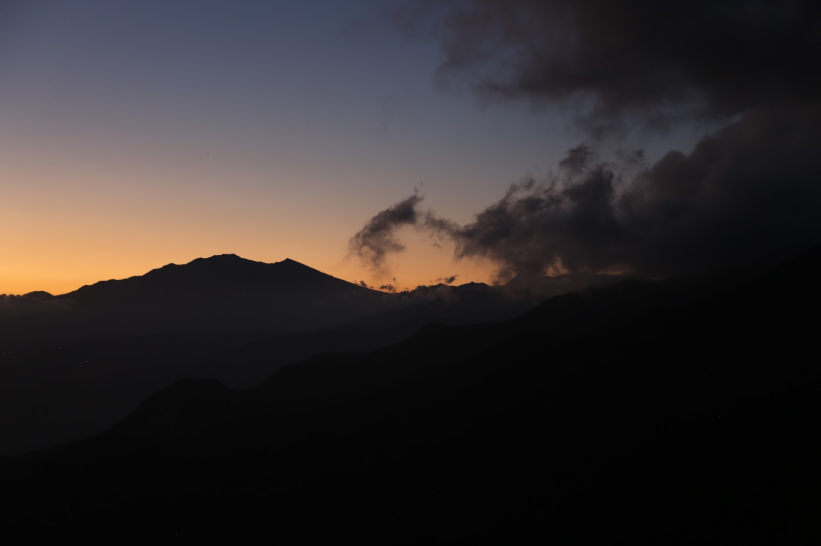
Chitré: The Vibrant Heart of the Azuero Peninsula and One of Panama’s Most Livable Cities

Nestled among the rolling hills, cattle ranches, and fertile farmlands of the Azuero Peninsula, Chitré occupies a unique place in Panama. It is not the country's largest city. It does not possess towering skyscrapers or world-famous beaches. Yet for many Panamanians, Chitré represents something equally valuable: a city that perfectly balances modern convenience, rich culture, strong community ties, economic opportunity, and an exceptional quality of life. Often referred to as the commercial and cultural capital of the interior, Chitré has become one of the most important urban centers outside Panama City and one of the most beloved cities in the nation.

For travelers exploring Panama, Chitré frequently serves as a gateway to the Azuero Peninsula. Yet those who spend time here quickly realize that the city is much more than a stopping point. Chitré possesses its own personality, history, traditions, and attractions. It is a place where modern shopping centers coexist with traditional markets, where folkloric festivals remain deeply important, and where visitors can experience authentic Panamanian life far from the country's most heavily touristed destinations.

One of the first things visitors notice about Chitré is its atmosphere. Unlike the frenetic pace of many large cities, Chitré feels welcoming and manageable. Streets are busy but rarely overwhelming. Residents greet one another warmly. Local businesses thrive alongside modern developments. The city maintains a sense of community that many larger urban areas have lost. It is large enough to provide excellent services and amenities while remaining small enough to feel personal and connected.

The history of Chitré stretches back centuries. Although the surrounding region had long been inhabited by Indigenous peoples, the modern city developed during the colonial era as agriculture and livestock production expanded throughout the Azuero Peninsula. Over time, Chitré's strategic location helped it emerge as an important commercial center linking rural communities with broader markets.

As agriculture flourished across Herrera Province, Chitré grew alongside it. Farmers, ranchers, merchants, and artisans contributed to the city's development. The surrounding countryside produced crops, livestock, and other goods that flowed through Chitré's markets and businesses. This relationship between city and countryside remains central to Chitré's identity today. Unlike many urban centers that have become disconnected from their rural surroundings, Chitré continues to maintain strong ties with the agricultural communities that surround it.

Agriculture remains one of the defining features of the wider region. Vast cattle ranches stretch across nearby landscapes. Fields of corn, rice, sugarcane, and other crops contribute to Panama's food production. The seasonal rhythms of farming still influence life throughout the province, helping preserve traditions that have shaped local culture for generations.

Yet Chitré is far from being merely an agricultural town. Over the years, it has evolved into one of the most important commercial hubs in the interior of Panama. Residents from across Herrera, Los Santos, Veraguas, and neighboring regions regularly travel to Chitré for shopping, education, healthcare, government services, and business opportunities. The city's economic importance continues to grow, making it one of the most dynamic urban centers outside the capital.

One reason for Chitré's popularity is its impressive infrastructure. Modern shopping centers, supermarkets, restaurants, banks, hotels, medical facilities, and educational institutions provide services often associated with much larger cities. This combination of convenience and affordability has made Chitré particularly attractive to retirees, families, and professionals seeking a comfortable lifestyle outside Panama City.

Culture lies at the heart of Chitré's identity. The city sits within the Azuero Peninsula, a region widely regarded as the cultural soul of Panama. Here, traditional music, folklore, artisan crafts, festivals, and community celebrations remain vibrant parts of everyday life. Visitors quickly discover that cultural traditions are not preserved merely for tourism; they remain deeply woven into local identity.

Throughout the year, Chitré hosts numerous festivals, fairs, and cultural events that celebrate the region's heritage. Traditional dances, folkloric performances, and musical gatherings bring communities together while preserving customs that have been passed down for generations. These events provide visitors with opportunities to experience authentic Panamanian culture in a setting where traditions remain genuinely meaningful.

Among the most significant annual events is the Feria Internacional de Azuero, one of the largest and most important fairs in the country. Each year, thousands of visitors arrive to enjoy agricultural exhibitions, livestock competitions, artisan displays, music, food, and cultural performances. The fair showcases the best of the Azuero region and highlights the economic and cultural importance of Chitré.

Music occupies a particularly important place in local life. Traditional Panamanian folk music remains popular throughout the region, and many cultural celebrations feature accordions, drums, guitars, and local musical styles that reflect the heritage of the peninsula. These sounds provide a soundtrack to community life and help maintain connections to the past.

The city's churches and public spaces also contribute to its character. Historic buildings, plazas, and parks provide gathering places where residents socialize, celebrate, and relax. The central areas of the city reflect a blend of traditional architecture and modern development, creating an environment that feels both contemporary and deeply rooted in local history.

Food is another reason many visitors fall in love with Chitré. The cuisine reflects the agricultural abundance of the surrounding countryside and the culinary traditions of the Azuero Peninsula. Fresh cheeses, corn-based dishes, meats, seafood, tropical fruits, and traditional recipes create a rich and varied culinary landscape. Local restaurants offer everything from authentic regional specialties to contemporary international cuisine.

The nearby countryside adds another dimension to the Chitré experience. Rolling hills, ranches, rivers, and small villages surround the city, creating opportunities for exploration beyond the urban center. Short drives reveal picturesque rural landscapes where traditional ways of life continue to thrive. Visitors interested in photography, cultural tourism, or simply enjoying scenic drives often find the surrounding region every bit as rewarding as the city itself.

Although Chitré is not located directly on the coast, several attractive beaches can be reached within a relatively short drive. This proximity allows residents and visitors to enjoy both inland and coastal experiences. The beaches of the Azuero Peninsula offer opportunities for swimming, fishing, surfing, and relaxation while remaining less crowded than some of Panama's better-known coastal destinations.

The climate contributes significantly to the city's appeal. Chitré experiences a warm tropical climate characterized by a distinct dry season and rainy season. During the dry months, sunny skies and warm temperatures create ideal conditions for outdoor activities. Even during the rainy season, showers often alternate with periods of sunshine, maintaining the lush beauty of the surrounding landscape.

One of the most remarkable aspects of Chitré is how frequently it appears on lists of desirable places to live in Panama. Many expatriates and retirees have discovered the city in recent years, attracted by its combination of affordability, infrastructure, healthcare, safety, and quality of life. Yet despite this growing popularity, Chitré has retained its authentic character and strong sense of community.

Walking through the city, visitors often encounter a friendliness that leaves a lasting impression. Shop owners greet customers by name. Neighbors stop to chat. Community events attract broad participation. The social fabric remains strong in ways that can be difficult to find in larger urban environments.

As evening arrives, Chitré takes on a particularly pleasant atmosphere. Families gather in parks and plazas. Restaurants fill with conversation. The pace of life slows slightly as residents enjoy cooler temperatures and time with friends and family. The city feels comfortable and welcoming, qualities that help explain why so many people develop a strong attachment to it.

What ultimately makes Chitré special is its balance. It successfully combines tradition and modernity, commerce and culture, convenience and community. It offers many of the amenities people expect from a modern city while preserving the warmth, authenticity, and cultural richness that define the Azuero Peninsula.

For travelers seeking a deeper understanding of Panama, Chitré provides an excellent opportunity to experience life beyond the capital. For those considering a longer stay, it offers one of the most attractive lifestyles in the country. For Panamanians, it remains a source of regional pride and an important center of economic and cultural activity.

In a nation often celebrated for its canal, rainforests, islands, and beaches, Chitré demonstrates that some of Panama's greatest treasures are found in its communities and traditions. It is a city where culture remains vibrant, where history continues to shape daily life, and where modern growth has not erased the values and connections that make a place feel like home.

Chitré is more than just the capital of Herrera Province. It is one of the true hearts of Panama, a city where the spirit of the Azuero Peninsula lives on and where visitors can discover a side of the country that is authentic, welcoming, and deeply memorable.

Fort San Lorenzo: The Mighty Caribbean Fortress That Guarded an Empire

Perched dramatically on a cliff high above the mouth of the Chagres River, surrounded by dense tropical rainforest and overlooking the endless blue waters of the Caribbean Sea, Fort San Lorenzo is one of the most spectacular and historically significant sites in Panama. Few places combine such breathtaking scenery with such a fascinating story. Here, towering stone walls, ancient cannons, pirate legends, imperial rivalries, tropical wilderness, and stunning coastal vistas come together in a setting that feels almost cinematic.

For centuries, Fort San Lorenzo stood as one of the most important military strongholds in the Spanish Empire. Its mission was simple but crucial: protect the mouth of the Chagres River, one of the most valuable transportation routes in the Americas. Through this river passed vast quantities of gold, silver, emeralds, and other treasures destined for Europe. Whoever controlled the Chagres controlled one of the great arteries of the Spanish colonial world. As a result, Fort San Lorenzo became both a symbol of imperial power and a constant target for pirates, privateers, and foreign enemies eager to seize the riches flowing through Panama.

Today, visitors arriving at Fort San Lorenzo often find themselves amazed before they even explore the ruins. The location alone is extraordinary. The fortress sits atop a rugged headland where steep cliffs plunge into the Caribbean Sea below. To one side stretches the vast ocean. To the other lies the mouth of the Chagres River as it winds inland through dense jungle toward the heart of the Isthmus. The surrounding rainforest remains lush and wild, creating a landscape that appears much as it would have centuries ago when Spanish soldiers stood watch from the battlements.

The story of Fort San Lorenzo begins in the sixteenth century, when Spain was building one of the largest empires the world had ever seen. Following the conquest of vast territories in South America, enormous quantities of precious metals began flowing toward Europe. Panama quickly became a critical link in this global network. Treasure extracted from Peru and other regions was transported northward to the Pacific coast, carried across the Isthmus, and then shipped from the Caribbean toward Spain.

The Chagres River played a vital role in this transportation system. Goods could be moved inland along the river before continuing overland to the Pacific side of Panama. Recognizing the strategic importance of this route, Spanish authorities established fortifications at its mouth to protect both the river and the valuable cargo passing through it.

The original defenses were relatively simple, but repeated attacks demonstrated the need for stronger fortifications. Over time, San Lorenzo evolved into a formidable military complex designed to withstand both naval assaults and land-based attacks. Thick stone walls, artillery batteries, lookout positions, and defensive structures transformed the site into one of the strongest fortresses on the Caribbean coast.

Yet despite its impressive defenses, Fort San Lorenzo found itself repeatedly tested by some of history's most infamous raiders. Among the most famous was Henry Morgan, whose name remains synonymous with Caribbean piracy. In 1671, Morgan launched a campaign that would become legendary. After capturing Fort San Lorenzo, his forces used the Chagres River route to advance toward Panama City. The subsequent destruction of the original colonial city of Panama remains one of the most dramatic episodes in the country's history.

Walking through the fortress today, visitors can still imagine the intensity of these conflicts. The thick walls bear witness to centuries of warfare, sieges, and reconstruction. Cannons once pointed toward the sea, ready to fire upon approaching ships. Soldiers stood watch from elevated positions scanning the horizon for enemy sails. Every section of the fort reflects the strategic importance of the location.

One of the most remarkable aspects of Fort San Lorenzo is the quality of its preservation. While time, weather, and tropical vegetation have inevitably left their mark, substantial portions of the fortress remain intact. Visitors can walk along defensive walls, explore former barracks, inspect artillery positions, and stand in areas where soldiers once prepared for battle. The ruins possess a raw authenticity that many heavily restored historical sites lack.

The views from the fortress are among the finest in Panama. Standing atop the walls, visitors enjoy sweeping panoramas of the Caribbean Sea stretching toward the horizon. The mouth of the Chagres River unfolds below, bordered by dense rainforest. Waves crash against rocky cliffs far beneath the fortifications. The dramatic scenery alone would justify a visit, even without the site's extraordinary historical significance.

The surrounding environment adds another layer to the experience. Fort San Lorenzo lies within the protected forests of San Lorenzo Protected Area, part of the broader ecosystem associated with the Panama Canal watershed. These forests support remarkable biodiversity and provide habitat for numerous species of wildlife.

Visitors traveling to the fort often encounter monkeys moving through the trees, colorful tropical birds soaring overhead, and butterflies fluttering along the roadside. The surrounding rainforest is home to sloths, toucans, parrots, and countless other species. It is not uncommon to hear the sounds of wildlife echoing through the forest while exploring the centuries-old ruins, creating a fascinating contrast between human history and the natural world.

The drive to Fort San Lorenzo is itself memorable. The route passes through lush tropical landscapes and portions of the former Canal Zone, eventually entering increasingly wild and forested terrain. As the road winds toward the coast, anticipation builds. The final approach reveals glimpses of the Caribbean before the fortress itself comes into view, perched dramatically above the sea.

One of the reasons Fort San Lorenzo feels so special is its relative isolation. Unlike some major tourist attractions that attract overwhelming crowds, the fortress often retains a peaceful atmosphere. Visitors can explore at their own pace, taking time to absorb the scenery, history, and atmosphere. This sense of solitude enhances the experience and makes it easier to imagine the site as it existed centuries ago.

The importance of Fort San Lorenzo extends far beyond Panama. The site forms part of the UNESCO World Heritage Site, a recognition that highlights its global historical significance. Together with nearby fortifications such as those found in Portobelo, San Lorenzo illustrates the immense effort Spain invested in protecting the wealth flowing through its colonial empire.

The fortress also provides insight into the broader geopolitical struggles that shaped the Caribbean. During the colonial era, Spain faced constant challenges from rival powers including England, France, and the Netherlands. Pirates and privateers frequently blurred the lines between warfare and criminal activity. Fort San Lorenzo stood at the center of these struggles, serving as both a defensive stronghold and a symbol of imperial authority.

Photography enthusiasts often consider San Lorenzo one of the most rewarding locations in Panama. The combination of ancient stonework, tropical vegetation, dramatic cliffs, and Caribbean seascapes creates endless opportunities for stunning images. Sunlight filtering through clouds, waves crashing below the walls, and rainforest-covered hills surrounding the river all contribute to a constantly changing visual experience.

Sunset can be particularly magical. As the afternoon light softens, the fortress takes on a golden glow. The Caribbean reflects shades of orange and blue. Shadows lengthen across the ruins. The atmosphere becomes almost timeless, allowing visitors to feel connected to the generations of sailors, soldiers, traders, and explorers who once passed through this strategic gateway.

What ultimately makes Fort San Lorenzo so extraordinary is the way it combines multiple dimensions of Panama's identity. It is a historical monument that tells the story of empire, trade, and conflict. It is an architectural achievement reflecting centuries of military engineering. It is a wildlife destination surrounded by tropical rainforest. It is a scenic viewpoint offering some of the most spectacular coastal landscapes in the country.

For history enthusiasts, the site offers a direct connection to some of the most dramatic events of the colonial era. For nature lovers, it provides access to rich ecosystems and beautiful scenery. For photographers, it delivers endless opportunities to capture the interplay of history and landscape. For casual travelers, it offers a memorable day trip unlike any other in Panama.

Standing atop the fortress walls, looking out across the Caribbean Sea while rainforest stretches behind you and the Chagres River flows below, it becomes easy to understand why this location was considered so valuable for so long. It controlled a gateway between oceans, a route through the wilderness, and a pathway for unimaginable wealth.

Today, the treasure fleets are gone, the cannons are silent, and the battles have long since ended. Yet Fort San Lorenzo remains. The walls still stand against the Caribbean winds. The rainforest still surrounds the cliffs. The river still flows toward the sea. And visitors who make the journey continue to discover one of Panama's most remarkable places, a fortress where history, nature, and breathtaking beauty come together on the edge of the Caribbean world.

Portobelo and the Surrounding Caribbean Coast: Panama’s Forgotten Treasure of Forts, Rainforests, Reefs, Culture, and History

On Panama’s Caribbean coast, hidden between emerald-green mountains and the turquoise waters of the Caribbean Sea, lies one of the most fascinating and historically important places in the Americas. To many travelers, Portobelo is a small and sleepy coastal town. But beneath its quiet appearance lies a story of unimaginable wealth, pirate attacks, colonial empires, African heritage, religious devotion, tropical wilderness, and some of the most beautiful coastal scenery in Panama. Few places in the country combine history, culture, and nature in such an extraordinary way.

For centuries, Portobelo was one of the most important ports in the Spanish Empire. Today, it is a destination where visitors can explore ancient fortresses overlooking the Caribbean, snorkel among coral reefs, hike through rainforest-covered mountains, discover Afro-Panamanian traditions, and experience a side of Panama that feels completely different from the modern skyline of Panama City. The surrounding region is equally remarkable, encompassing hidden beaches, protected marine environments, dense jungles, island archipelagos, and communities that preserve traditions dating back hundreds of years.

The natural setting of Portobelo is breathtaking. The town sits on one of the finest natural harbors in the Caribbean, surrounded by steep hills blanketed in tropical rainforest. The bay itself curves inward like a giant protected amphitheater, creating calm waters that have attracted ships for centuries. Even before understanding the town's history, visitors are struck by its beauty. The combination of jungle-covered mountains, historic stone ruins, colorful fishing boats, and sparkling Caribbean waters creates a landscape unlike anywhere else in Panama.

The history of Portobelo begins in 1597 when Spanish authorities established the settlement as a major Caribbean port. Its location was carefully chosen because the harbor offered excellent protection for ships. Over time, Portobelo became one of the most important commercial centers in the New World. Treasure from Peru and other Spanish colonies traveled across the Isthmus of Panama before being loaded onto ships in Portobelo for transport to Europe.

At the height of its importance, enormous treasure fleets gathered here. Gold, silver, emeralds, spices, and valuable goods worth fortunes passed through the town. Merchants, sailors, soldiers, clergy, and government officials crowded its streets. During the famous Portobelo Fairs, traders arrived from across the Spanish Empire to participate in one of the largest commercial events in the Americas.

Such wealth inevitably attracted unwanted attention. Pirates, privateers, and rival nations viewed Portobelo as a tempting target. As a result, the Spanish constructed an impressive network of fortifications around the harbor. Massive stone walls, cannons, bastions, and defensive structures transformed the bay into one of the most heavily fortified locations in the Caribbean.

Today, many of these fortifications survive as part of the UNESCO World Heritage Site. Visitors can explore impressive ruins that once guarded the treasure fleets of an empire. Walking among these weathered stones, overlooking the same waters where Spanish galleons once anchored, provides a powerful connection to the past.

Among the most notable fortifications is Fort San Felipe, which commands spectacular views over the harbor. The thick walls and strategic location reveal the immense importance that Spain placed on protecting its Caribbean gateway. Nearby ruins scattered throughout the town further illustrate the scale of Portobelo's former significance.

Yet Portobelo is far more than a collection of historic ruins. One of the town's most remarkable qualities is its vibrant Afro-Panamanian culture. The Caribbean coast of Panama has long been home to communities whose roots trace back to Africa through centuries of migration, trade, and cultural exchange. These influences remain deeply visible in local music, dance, cuisine, language, and traditions.

Throughout the region, visitors encounter cultural expressions that differ significantly from those found elsewhere in Panama. Rhythmic drumming traditions, colorful celebrations, and unique culinary styles contribute to an identity that feels distinctly Caribbean. The town serves as one of the most important centers of Afro-Panamanian heritage in the country.

Perhaps the most famous cultural and religious event associated with Portobelo revolves around the revered image known as the Black Christ of Portobelo. Each year, thousands of pilgrims travel from across Panama and beyond to honor this important religious figure. The annual pilgrimage transforms the town into one of the country's most significant spiritual destinations, demonstrating the deep religious devotion that continues to shape local life.

The surrounding natural environment is equally extraordinary. Portobelo lies within and adjacent to protected areas that preserve some of the most beautiful ecosystems on Panama's Caribbean coast. Rainforests descend almost directly to the sea, creating a landscape where tropical wilderness and marine environments merge seamlessly.

The nearby Portobelo National Park protects extensive areas of forest, coastline, mangroves, and marine habitats. Wildlife enthusiasts exploring the region may encounter monkeys, sloths, toucans, parrots, butterflies, and countless other tropical species. The forests surrounding Portobelo remain surprisingly wild, particularly considering their proximity to Panama City.

One of the most rewarding aspects of visiting the area is the opportunity to explore beaches that remain relatively undeveloped compared to more famous Caribbean destinations. Hidden coves, stretches of golden sand, and quiet bays can be found throughout the region. Some are accessible by road, while others require boats or hikes through the forest.

Among the most famous nearby destinations is Isla Grande, a picturesque Caribbean island located a short distance from Portobelo. Known for its relaxed atmosphere, palm-lined beaches, and crystal-clear waters, Isla Grande has become a favorite destination for both local and international travelers. Despite its popularity, it retains a laid-back charm that contrasts sharply with heavily developed resort areas elsewhere in the Caribbean.

The waters surrounding Portobelo offer some of the best snorkeling and diving opportunities on Panama's Caribbean coast. Coral reefs, seagrass beds, and rocky marine habitats support an impressive diversity of marine life. Colorful tropical fish, rays, sea stars, and coral formations attract divers and snorkelers seeking underwater adventures.

Unlike some of Panama's Pacific beaches, where waves and currents can dominate the experience, many areas around Portobelo feature calm, clear waters ideal for swimming and marine exploration. Boat tours frequently visit nearby reefs, islands, and hidden beaches that are difficult to access from land.

The drive to Portobelo itself is part of the experience. Leaving Panama City behind, travelers cross the isthmus toward the Caribbean, passing through landscapes that gradually become greener and more tropical. The route reveals another side of Panama, one characterized by dense forests, rivers, and coastal scenery. Upon reaching the Caribbean coast, the environment changes dramatically. The air feels different. The architecture changes. Cultural influences become more evident. Visitors quickly realize they have entered a distinct region of the country.

Food reflects this Caribbean identity as well. Seafood plays a central role in local cuisine. Fresh fish, coconut-based dishes, rice, plantains, and Caribbean seasonings create flavors that differ from those found in other regions of Panama. Meals often reflect a fusion of African, Indigenous, Spanish, and Caribbean influences that have shaped the region over centuries.

One of the most appealing aspects of Portobelo is that it still feels authentic. Despite its incredible historical significance and natural beauty, the town has avoided the large-scale tourism development found in many famous Caribbean destinations. Life continues at a relaxed pace. Fishermen work the bay. Families gather in public spaces. Local traditions remain central to community life.

Visitors often arrive expecting a brief stop to see historic ruins and leave having discovered a much richer destination. The combination of colonial history, Afro-Caribbean culture, tropical nature, marine environments, and religious traditions creates an experience that feels layered and complex.

As evening settles over the harbor, the beauty of Portobelo becomes especially apparent. The surrounding hills darken into silhouettes. Fishing boats drift quietly on calm waters. The ruins of centuries-old fortifications overlook the bay as they have for generations. Tropical birds return to their roosts. The atmosphere becomes peaceful and reflective.

Standing on the shore and gazing across the harbor, it is easy to imagine the countless ships that once gathered here carrying the wealth of an empire. It is equally easy to appreciate the vibrant communities that continue to call this place home today. Portobelo exists at the intersection of history and nature, where centuries-old stories unfold against one of the most beautiful coastal landscapes in Panama.

For travelers seeking beaches, wildlife, culture, history, and authentic Caribbean atmosphere, Portobelo and its surrounding region offer one of the most rewarding experiences in the country. It is a place where pirate legends, colonial fortresses, tropical forests, coral reefs, and living cultural traditions all come together in a setting of extraordinary beauty.

While many visitors to Panama focus on the canal, the capital, or the country's islands, those who venture to Portobelo discover something equally remarkable: a destination where the Caribbean spirit of Panama shines brightly and where every bay, fort, forest, and village tells part of one of the most fascinating stories in the Americas.

Cerro Ancón: The Historic Hill That Watches Over Panama City

Towering quietly above Panama City, covered in lush tropical vegetation and crowned by one of the largest national flags in the country, Cerro Ancón is far more than just a hill. Rising approximately 199 meters above sea level, Cerro Ancón is one of the most recognizable landmarks in Panama and one of the few places where visitors can truly appreciate the extraordinary geography, history, and development of the nation all at once. From its summit, modern skyscrapers, colonial churches, the Panama Canal, tropical forests, Panama Bay, distant mountains, and bustling neighborhoods all come into view, creating one of the most spectacular panoramas in Central America.

For many Panamanians, Cerro Ancón is much more than a scenic viewpoint. It is a symbol of national identity, sovereignty, and pride. The hill has witnessed some of the most important events in the country's history and continues to hold a special place in the national imagination. While countless visitors travel to Panama City to see the canal, explore Casco Viejo, or admire the skyline, those who make the journey up Cerro Ancón often leave with a deeper understanding of Panama itself.

One of the first things visitors notice about Cerro Ancón is its unusual location. Unlike many urban viewpoints that require a lengthy drive into the countryside, Cerro Ancón rises directly beside the city. The hill stands near the entrance to the Panama Canal, adjacent to the historic former Canal Zone, and only minutes from downtown Panama City. Yet despite its proximity to busy streets and urban development, the hill remains surprisingly peaceful. Dense tropical vegetation covers its slopes, creating a green oasis amid one of Latin America's fastest-growing capitals.

The road leading to the summit has become one of the city's most popular walking routes. Early each morning, residents begin making their way uphill. Some come for exercise, others for birdwatching, photography, or simply to enjoy the cooler air and beautiful scenery. Cars are restricted during certain hours, allowing walkers to enjoy the climb in relative tranquility. The gradual ascent provides increasingly impressive views with every turn.

As visitors climb higher, the city slowly unfolds beneath them. Skyscrapers emerge above the trees. The waters of Panama Bay shimmer in the distance. Cargo ships can often be seen waiting offshore. The contrast between tropical forest and urban development becomes increasingly dramatic. It is one of the few places where the unique relationship between Panama City and its natural environment can be fully appreciated.

The history of Cerro Ancón is deeply intertwined with the history of the Panama Canal. During the canal's construction, the hill occupied a strategic position overlooking the engineering project that would forever change global transportation. The surrounding area eventually became part of the former Canal Zone, a territory administered by the United States for much of the twentieth century. For decades, Cerro Ancón stood within a region that represented both cooperation and tension between Panama and the United States.

As a result, the hill acquired enormous symbolic significance. Following the gradual transfer of canal-related territories back to Panama, Cerro Ancón became one of the most visible symbols of national sovereignty. Today, the enormous Panamanian flag flying near the summit can be seen from many parts of the city. Measuring dozens of meters across, it serves as a constant reminder of the country's independence and control over its own territory.

The summit itself offers one of the most extraordinary urban viewpoints in the Americas. Looking east, visitors can admire the gleaming skyline of Panama City, where hundreds of modern towers rise above the waterfront. The concentration of skyscrapers is among the largest in Latin America, creating a scene that often surprises first-time visitors. The city appears almost futuristic from this vantage point, with glass towers reflecting sunlight against the backdrop of the Pacific Ocean.

Turning south reveals another of Panama's greatest treasures: the historic district of Casco Viejo. From above, the district's colonial churches, plazas, and historic streets become clearly visible. The contrast between Casco Viejo's centuries-old architecture and the modern skyline beyond creates one of the city's most striking visual juxtapositions. Few places illustrate the coexistence of history and modernity so effectively.

To the west lies the engineering marvel that helped shape the modern world: the Panama Canal. From Cerro Ancón, visitors can observe portions of the canal corridor as it cuts through the landscape. Ships moving toward the locks appear surprisingly small from this elevation, providing a sense of the immense scale of both the canal and the vessels that transit it.

The surrounding forests add another dimension to the experience. Despite being located in the middle of a major city, Cerro Ancón supports a surprising amount of wildlife. Monkeys are occasionally spotted moving through the trees. Sloths inhabit the forested slopes. Iguanas bask in sunny clearings. Birdwatchers regularly encounter toucans, hawks, parrots, and numerous other tropical species. The presence of such wildlife within a capital city reinforces Panama's reputation as one of the world's most biodiverse countries.

Many visitors are surprised by how natural Cerro Ancón feels. Although the city surrounds it, the hill remains heavily forested. Walking along the road often feels more like exploring a nature reserve than an urban attraction. Tropical trees provide shade. Birds sing from the canopy. Butterflies drift through patches of sunlight. The sounds of the city become muted beneath the forest cover.

One of the most rewarding times to visit is early morning. As the sun rises over Panama Bay, golden light illuminates the skyline and surrounding hills. Temperatures remain comfortable, wildlife is often more active, and visibility tends to be excellent. Watching the city awaken from the summit offers a perspective that few other locations can match.

Sunset is equally spectacular. The skyscrapers begin to glow as the lowering sun reflects from their glass facades. The Pacific Ocean turns shades of gold and orange. Long shadows stretch across the city. As darkness falls, thousands of lights illuminate the skyline, transforming Panama City into a glittering urban landscape beneath the hill.

Beyond its scenic appeal, Cerro Ancón also serves as a reminder of Panama's remarkable geographic position. From the summit, visitors gain an appreciation for the narrowness of the isthmus and the strategic importance that has shaped the country's history for centuries. Looking across the landscape, it becomes easy to understand why Panama has long served as a crossroads connecting continents, oceans, cultures, and economies.

The hill's role in public life extends beyond tourism. Residents frequently use it for exercise and recreation. School groups visit to learn about history and ecology. Photographers come to capture panoramic views. Nature enthusiasts explore the surrounding vegetation. It functions simultaneously as a historical monument, urban park, wildlife refuge, and scenic lookout.

What makes Cerro Ancón particularly special is its ability to tell multiple stories at once. It is a natural landmark covered in tropical forest. It is a historical symbol connected to the canal and national sovereignty. It is a wildlife habitat in the middle of a city. It is a viewpoint offering extraordinary perspectives on one of Latin America's most dynamic capitals. Few places manage to combine so many different identities so successfully.

Visitors often arrive expecting a pleasant walk and a nice view. They leave having gained a much broader appreciation for Panama's geography, history, and character. The summit reveals not only the physical layout of the city but also the forces that shaped it: the canal, the oceans, the forests, the colonial past, and the modern global economy.

In many ways, Cerro Ancón serves as Panama City's natural balcony. From this single vantage point, visitors can see nearly every chapter of the nation's story. The colonial era is visible in Casco Viejo. The canal era appears in the engineering corridor stretching across the landscape. Modern Panama rises through the skyscrapers of the financial district. The country's extraordinary biodiversity survives in the forests surrounding the hill itself.

For travelers seeking the best view in Panama City, Cerro Ancón is difficult to surpass. For history enthusiasts, it offers profound symbolic significance. For nature lovers, it provides an unexpected tropical refuge. For photographers, it delivers endless opportunities to capture one of the most dramatic urban landscapes in the Americas.

Standing beneath the giant Panamanian flag at the summit, looking out across oceans, forests, canals, and skyscrapers, it becomes clear why Cerro Ancón occupies such a special place in the nation's heart. It is not simply the highest point in the city. It is a place where Panama's past, present, and future can all be seen at once. A hill that has watched over the city for generations, Cerro Ancón remains one of the most meaningful and unforgettable destinations in the entire country.

Metropolitan Natural Park: The Extraordinary Tropical Rainforest Hidden Within Panama City

In a world where cities continue to expand and natural spaces become increasingly rare, there are few places as remarkable as Metropolitan Natural Park. Located in the heart of Panama City, surrounded by highways, neighborhoods, skyscrapers, and urban development, this protected tropical forest stands as one of the most unique urban parks anywhere on Earth. It is a place where monkeys swing through trees only minutes from financial districts, where toucans can be spotted against the backdrop of modern skyscrapers, and where visitors can experience a genuine tropical rainforest without ever leaving the capital city.

For many first-time visitors, the very existence of Metropolitan Natural Park comes as a surprise. Most major cities are defined by concrete, glass, and steel. While urban parks certainly exist around the world, very few contain authentic tropical rainforest ecosystems filled with native wildlife. Even fewer are located in the center of a capital city. Yet Metropolitan Natural Park offers exactly that. It provides an extraordinary opportunity to step out of the urban environment and immediately immerse yourself in one of the richest ecosystems in the Americas.

The park covers approximately 265 hectares of protected forest and forms part of a larger network of green spaces that help preserve the biodiversity of the Panama Canal watershed. Although relatively small compared to Panama's vast national parks, its importance is enormous. It serves as a refuge for wildlife, a center for environmental education, a recreational destination for residents, and one of the most accessible places in the country to experience tropical nature.

The contrast between the city and the forest is one of the park's most fascinating features. Visitors often arrive after navigating busy streets, traffic, and urban neighborhoods. Within minutes of entering the trails, the sounds of the city begin to fade. Towering trees create a canopy overhead. Tropical birds call from hidden branches. Insects buzz through the undergrowth. The air feels cooler and more humid. Suddenly, it becomes difficult to believe that one of Latin America's most modern skylines lies only a short distance away.

The park represents a rare example of what much of the region around Panama City looked like before urban development transformed the landscape. Long before skyscrapers and highways appeared, dense tropical forests covered the hills surrounding the isthmus. Metropolitan Natural Park preserves a fragment of that original environment, offering visitors a glimpse into the natural world that once dominated the area.

One of the park's greatest attractions is its wildlife. Despite being surrounded by urban development, the forest supports an astonishing variety of species. Many visitors arrive hoping to see monkeys, and they are often rewarded. White-faced capuchin monkeys move through the canopy in search of food, while Geoffrey's tamarins dart among branches. Watching these animals navigate the forest while knowing that office towers stand nearby creates one of the most unusual wildlife experiences in the world.

Sloths are another favorite among visitors. These famously slow-moving animals spend much of their lives high in the trees, often remaining perfectly still for hours at a time. Spotting a sloth requires patience and a careful eye, but discovering one resting among the branches is always exciting. For many travelers, seeing a wild sloth in the middle of a capital city feels almost unbelievable.

Birdwatchers consider Metropolitan Natural Park one of Panama City's greatest treasures. More than two hundred bird species have been recorded within the park, making it an exceptional destination for birding. Toucans, motmots, woodpeckers, flycatchers, hawks, tanagers, and parrots are among the many species that can be encountered along the trails. Early mornings are particularly rewarding as birds become active shortly after sunrise.

The vegetation itself is equally impressive. Massive trees rise above the forest floor, their trunks covered in vines, mosses, and epiphytes. Tropical plants flourish in every direction. Ferns line the trails. Orchids and bromeliads cling to branches. The diversity of plant life reflects Panama's status as one of the most biologically rich countries in the world.

Several well-maintained trails wind through the park, allowing visitors to explore different sections of the forest. Some routes are relatively short and easy, making them suitable for casual visitors and families. Others climb to higher elevations and require more effort. Regardless of which trail is chosen, each offers opportunities to encounter wildlife and experience the rainforest environment.

The most famous destination within the park is the lookout point known as Cerro Cedro. Reaching this viewpoint requires a moderate uphill hike through the forest, but the reward is extraordinary. From the summit, visitors enjoy panoramic views that perfectly illustrate what makes Metropolitan Natural Park so unique. Dense rainforest fills the foreground while the skyscrapers of Panama City rise dramatically in the distance. Beyond them lies the Pacific Ocean, with ships moving through Panama Bay and toward the Panama Canal. It is one of the few places on Earth where tropical wilderness and modern urban development can be viewed together so clearly.

Photographers are particularly drawn to this viewpoint because of the remarkable contrast it provides. The image of rainforest canopy stretching toward a skyline of glass towers has become one of the defining visual symbols of Panama City. It captures the city's unusual identity as a place where nature and urban life coexist more closely than almost anywhere else.

The park also plays a crucial role in environmental education. Schools, universities, researchers, and conservation organizations use the area as a living classroom where people can learn about ecology, biodiversity, and conservation. Educational programs help residents and visitors understand the importance of protecting natural habitats, particularly in rapidly developing urban environments.

One reason the park remains so biologically rich is its connection to larger protected areas surrounding the Panama Canal watershed. These forests form part of a broader ecological network that allows wildlife to move between habitats and helps maintain healthy populations of numerous species. Without these protected corridors, many of the animals found in the park would struggle to survive.

The experience changes throughout the year. During the rainy season, the forest becomes especially lush and vibrant. Streams flow more actively, vegetation flourishes, and the rainforest feels intensely alive. During the dry season, visibility often improves, making wildlife observation easier in some areas. Both seasons offer unique opportunities for exploration and photography.

Another fascinating aspect of the park is how quickly it can change a visitor's perception of Panama City. Many travelers arrive expecting a city defined primarily by the Panama Canal, modern architecture, and business districts. Metropolitan Natural Park reveals another side of the capital, one deeply connected to nature and biodiversity. It demonstrates that Panama City is not simply a metropolis built beside a rainforest; it is a city that still contains rainforest within its boundaries.

The sounds of the forest contribute significantly to the experience. Bird calls echo through the canopy. Insects create a constant background chorus. Leaves rustle as monkeys move overhead. Occasionally, distant city sounds drift into the forest, creating a subtle reminder of the urban environment beyond the trees. This blend of natural and human sounds is unique to urban rainforests and adds another layer to the park's character.

For residents, the park serves as a valuable escape from daily life. It provides opportunities for exercise, relaxation, wildlife observation, and connection with nature without requiring a long journey outside the city. Many locals visit regularly, using the trails for hiking and appreciating the peace that the forest provides.

For international visitors, Metropolitan Natural Park often becomes one of the most memorable surprises of a trip to Panama. Few expect to encounter monkeys, sloths, and tropical birds while remaining within a capital city. The experience challenges assumptions about what urban environments can be and highlights Panama's remarkable commitment to preserving natural spaces.

What ultimately makes Metropolitan Natural Park so extraordinary is its uniqueness. There are larger rainforests in Panama. There are more remote wilderness areas. There are national parks with greater biodiversity. Yet there are very few places in the world where visitors can leave a modern skyline behind and enter an authentic tropical rainforest within minutes. The park offers an experience that feels almost impossible until you witness it yourself.

In many ways, Metropolitan Natural Park symbolizes the broader story of Panama. It reflects the country's position as a bridge between worlds: between North and South America, between oceans, between development and conservation, and between urban life and wild nature. It demonstrates that progress and preservation do not always have to exist in opposition. Here, they stand side by side.

For hikers, birdwatchers, photographers, nature lovers, and curious travelers, Metropolitan Natural Park offers one of the most rewarding experiences in Panama City. It is a place where monkeys roam beneath the shadow of skyscrapers, where tropical forests survive in the center of a capital, and where visitors can discover that one of the city's greatest attractions is not made of concrete or steel but of trees, wildlife, and living rainforest.

In a rapidly urbanizing world, Metropolitan Natural Park remains a powerful reminder that nature can still thrive in unexpected places. Hidden within the heart of Panama City, this extraordinary forest continues to offer adventure, discovery, education, and inspiration to everyone who steps beneath its canopy.

Isla Taboga: Panama’s Enchanting Island of Flowers, Beaches, History, and Timeless Tropical Charm

Just a short boat ride from the skyscrapers of Panama City lies a destination that feels worlds away from the noise and pace of the modern capital. Surrounded by the sparkling waters of the Pacific Ocean and framed by lush green hills, Taboga Island is one of Panama's most beloved and historic island destinations. Known as the "Island of Flowers," Taboga combines tropical beauty, fascinating history, charming village life, sandy beaches, and spectacular ocean views into a uniquely appealing destination that has captivated visitors for centuries. While many travelers rush toward Panama's more distant islands, those who make the short journey to Taboga often discover one of the country's most charming and rewarding escapes.

One of the first things that makes Taboga special is its accessibility. Located only about twenty kilometers from Panama City, the island can be reached by ferry in less than an hour. Yet despite its proximity to one of Latin America's most modern cities, arriving on Taboga feels like stepping into a completely different world. The towering skyline disappears behind the horizon, replaced by colorful homes, tropical vegetation, narrow streets, and a slower rhythm of life that has characterized the island for generations.

As the ferry approaches the island, visitors are greeted by one of the most picturesque scenes in Panama. Green hills rise directly from the ocean. White boats bob gently in sheltered waters. Colorful buildings cluster around the waterfront. Palm trees sway in the sea breeze. The combination of natural beauty and historic charm immediately explains why Taboga has remained a favorite getaway for both locals and international visitors for centuries.

The history of Taboga is every bit as fascinating as its scenery. Long before modern ferries transported visitors across Panama Bay, the island played an important role in regional history. Indigenous peoples inhabited the area long before the arrival of Europeans, taking advantage of the island's strategic location and abundant marine resources. When Spanish explorers arrived in the sixteenth century, they quickly recognized Taboga's importance as a safe anchorage and supply point for ships traveling along the Pacific coast.

Over the centuries, Taboga became connected to many of the major events that shaped Panama and the wider Pacific region. Explorers, merchants, missionaries, soldiers, pirates, and travelers all passed through its shores. The island provided fresh water, food supplies, and shelter to vessels crossing the Pacific. During the California Gold Rush, thousands of fortune seekers traveling between the Atlantic and Pacific Oceans stopped in Panama, and many passed through Taboga during their journeys northward.

One of the island's most significant historical landmarks is the beautiful Church of San Pedro. Dating back to the sixteenth century, it is often considered one of the oldest churches continuously in use in the Western Hemisphere. Standing quietly in the center of the village, the church serves as a reminder of the island's remarkable longevity and historical importance. Its simple elegance reflects centuries of faith, community, and resilience.

Walking through the village is one of the greatest pleasures of visiting Taboga. Unlike many modern resort destinations, the island retains a genuine sense of place. Narrow streets wind between colorful homes decorated with flowers and tropical plants. Bougainvillea cascades from balconies. Small cafes and family-run businesses line the pathways. The atmosphere feels relaxed, friendly, and authentic. Every corner seems to offer another charming view or glimpse into island life.

The nickname "Island of Flowers" is well deserved. Throughout much of the year, vibrant tropical flowers bloom across the island, adding bursts of color to gardens, streets, and hillsides. Bougainvillea, hibiscus, and numerous other flowering plants contribute to an environment that feels lush and inviting. The abundance of flowers creates a visual character that distinguishes Taboga from many other islands in the region.

Of course, no discussion of Taboga would be complete without mentioning its beaches. For generations, Panamanians have traveled to the island specifically to enjoy its sandy shores and calm Pacific waters. The main beach, located adjacent to the village, offers a convenient place to swim, sunbathe, relax, and enjoy the tropical atmosphere. The beach's gentle waters make it particularly appealing for families and casual visitors seeking an easy escape from the city.

Yet some of the island's most rewarding beaches require a bit of exploration. Trails and coastal paths lead to quieter stretches of shoreline where visitors can often find greater solitude and even more spectacular scenery. Hidden coves, rocky headlands, and secluded beaches reward those willing to venture beyond the main waterfront area. These quieter locations provide opportunities to experience the island's natural beauty at a slower pace.

The hills rising above the village offer another dimension to the Taboga experience. Hiking trails lead toward elevated viewpoints that provide sweeping panoramas of Panama Bay, neighboring islands, and the distant skyline of Panama City. The contrast between the tranquil island environment and the modern metropolis visible across the water is striking. Few places allow visitors to enjoy such a dramatic juxtaposition of urban and natural landscapes.

Nature enthusiasts often find surprises on Taboga as well. Although relatively small, the island supports a variety of wildlife and bird species. Tropical birds move through flowering trees. Frigatebirds and pelicans soar above the surrounding waters. Iguanas can sometimes be spotted basking in sunny locations. The surrounding marine environment supports fish, rays, and other coastal species that contribute to the island's ecological richness.

The waters surrounding Taboga are particularly beautiful during the dry season when visibility is often excellent and ocean conditions remain calm. Boat tours, kayaking excursions, and swimming opportunities allow visitors to experience the island from different perspectives. Looking back toward the village from the water reveals the full beauty of the island's setting, with colorful buildings nestled between green hills and the blue Pacific.

One of the most appealing aspects of Taboga is its atmosphere. Unlike destinations dominated by large resorts and intensive development, the island maintains a sense of intimacy and authenticity. Visitors often find themselves slowing down naturally. Meals linger longer. Walks become leisurely explorations. Conversations unfold without hurry. The island encourages a pace of life that contrasts sharply with the bustle of Panama City.

Food forms an important part of the experience as well. Fresh seafood features prominently in local cuisine, reflecting the island's long connection to the ocean. Restaurants and small eateries offer fish, ceviche, shrimp, and other regional specialties often enjoyed with views of the water. Dining becomes as much about the setting as the food itself.

Sunsets on Taboga are among the finest in Panama Bay. As the day draws to a close, the sky frequently fills with brilliant colors reflected across the ocean. Boats return to shore. The village begins to quiet. The surrounding hills take on golden hues. Watching the sun descend into the Pacific while sitting on the beach or overlooking the bay is one of the simple pleasures that keeps visitors returning year after year.

Taboga's cultural significance extends beyond tourism. The island has inspired artists, writers, and musicians for generations. Its beauty, tranquility, and history have left lasting impressions on countless visitors. Throughout Panama, the name Taboga evokes images of tropical escape, historic charm, and relaxed island living.

The island also serves as a reminder that extraordinary destinations do not always require long journeys. In less than an hour, travelers can move from the financial district of Panama City to a place where flowers line quiet streets, centuries-old churches overlook the sea, and daily life follows rhythms shaped by tides and traditions rather than traffic and schedules.

What ultimately makes Isla Taboga so special is its balance. It offers history without feeling like a museum. It provides beaches without becoming a resort town. It remains accessible while preserving its character. It combines natural beauty, cultural heritage, and island tranquility in a way that feels genuine rather than manufactured.

For history enthusiasts, the island offers centuries of fascinating stories. For beach lovers, it provides an easy tropical escape. For photographers, it presents endless opportunities to capture colorful streets, ocean views, and spectacular sunsets. For anyone seeking a break from the pace of city life, it delivers relaxation just beyond the horizon.

Isla Taboga is far more than a day-trip destination. It is one of Panama's oldest communities, one of its most charming islands, and one of its most enduring treasures. Here, flowers bloom beside historic churches, fishing boats drift across calm waters, and the Pacific Ocean provides a constant backdrop to a way of life that has endured for centuries. In a country filled with remarkable destinations, Taboga remains one of the most timeless, a small island with a big story, where history, beauty, and tropical charm come together in unforgettable fashion.

Hiking Volcán Barú: The Ultimate Adventure to the Roof of Panama

There are many great hikes in Panama, but only one leads to the highest point in the entire country. Rising 3,475 meters (11,401 feet) above sea level, Volcán Barú dominates the landscape of western Panama and offers an experience unlike any other in Central America. For hikers, adventurers, photographers, and nature enthusiasts, reaching the summit of Volcán Barú is more than simply completing a trail. It is a journey through multiple ecosystems, changing climates, breathtaking scenery, and one of the most unique viewpoints in the world. Standing at the summit as the sun rises above the horizon, with the possibility of seeing both the Pacific Ocean and the Caribbean Sea on a clear morning, is an experience that remains etched into memory long after the descent is complete.

Volcán Barú is an extinct stratovolcano that towers above the highlands of Chiriquí. Visible from much of western Panama, it serves as both a geographic landmark and a symbol of adventure. The volcano forms the centerpiece of Volcán Barú National Park, a protected area encompassing cloud forests, high-altitude ecosystems, wildlife habitats, and some of the country's most spectacular mountain scenery. While many visitors admire the volcano from towns such as Boquete and Volcán, thousands each year are drawn to the challenge of reaching its summit on foot.

What makes the hike so fascinating is the incredible variety of environments encountered along the way. Most hikers begin in the cool mountain climate of Boquete, where coffee farms, gardens, and forests characterize the landscape. As the trail climbs higher, dense cloud forests gradually replace agricultural areas. Moss-covered trees line the route. Ferns flourish beneath the forest canopy. Mist drifts through the branches. The atmosphere often feels almost prehistoric, as though hikers have entered a forgotten world suspended above the lowlands.

The trail itself is demanding. The most commonly used route from Boquete covers approximately 13.5 kilometers each way and gains well over 1,500 meters of elevation. While technically straightforward and requiring no climbing equipment, the hike is physically challenging due to its length, steep sections, rocky terrain, and altitude. Many hikers underestimate the effort required, only to discover that Volcán Barú demands both endurance and determination. Yet this challenge is also part of the mountain's appeal. Reaching the summit feels genuinely earned.

For many adventurers, the journey begins shortly before midnight. Hiking in darkness may seem unusual, but it has become the classic Volcán Barú experience. Equipped with headlamps, warm clothing, water, and plenty of determination, hikers begin ascending under a canopy of stars. The forest is quiet except for the sounds of insects, distant birds, and the crunch of boots on volcanic gravel. The darkness creates a unique atmosphere. Without visible scenery to distract from the climb, attention focuses on the rhythm of movement and the anticipation of what awaits at the summit.

As the hours pass, temperatures drop significantly. One of the surprises for many visitors is how cold Volcán Barú can become. While Panama is often associated with tropical heat and beaches, summit temperatures frequently approach freezing, especially before sunrise. Strong winds can make conditions feel even colder. It is not uncommon to see hikers bundled in jackets, hats, and gloves at the top of the mountain while much of the rest of the country enjoys warm tropical weather.

The final stages of the climb often test both physical and mental endurance. The air becomes thinner. Fatigue accumulates. The trail grows steeper in places. Yet excitement increases with every step because the summit is drawing closer. Eventually, hikers emerge from the darkness onto the upper slopes, where communication towers mark the highest point in Panama.

Then comes the moment that makes the entire journey worthwhile.

As dawn approaches, the horizon begins to glow. Layers of mountains emerge from the darkness. Clouds drift through valleys thousands of feet below. The first rays of sunlight gradually illuminate western Panama. The transformation is breathtaking. What moments earlier seemed like a dark and silent mountaintop becomes one of the most spectacular viewpoints in Central America.

On exceptionally clear mornings, Volcán Barú offers one of the rarest geographical views in the world. Because of its height and position on the narrow Isthmus of Panama, it is sometimes possible to see both the Pacific Ocean and the Caribbean Sea from the summit simultaneously. Few locations on Earth provide such a perspective. Looking west, Costa Rica's mountains rise in the distance. Looking east, the ridges of Chiriquí stretch toward the horizon. The scale of the landscape is immense, and the feeling of standing above an entire nation is difficult to describe.

Photographers often consider sunrise on Volcán Barú one of the greatest photographic opportunities in Panama. The interplay of clouds, mountains, sunlight, and distant oceans creates constantly changing scenes. Some mornings feature crystal-clear visibility stretching for extraordinary distances. Others produce dramatic cloud inversions in which mountain peaks rise like islands above a sea of mist. No two sunrises are exactly alike.

Beyond the scenery, Volcán Barú possesses significant ecological importance. The volcano's slopes support a remarkable range of habitats due to the dramatic changes in elevation. Wildlife enthusiasts may encounter species rarely seen elsewhere in Panama. Birds are particularly abundant. The highlands around Barú are among the best birdwatching destinations in the country, attracting enthusiasts hoping to observe species adapted to cooler mountain environments.

One of the most sought-after sightings is the magnificent Resplendent Quetzal, widely regarded as one of the most beautiful birds in the world. Although sightings are never guaranteed, the cloud forests surrounding the volcano provide important habitat for this iconic species. Other birds, mammals, and countless plant species contribute to the extraordinary biodiversity of the region.

The descent offers a completely different experience from the ascent. Trails traversed in darkness are suddenly revealed in daylight. Hikers discover panoramic viewpoints, forests, valleys, and landscapes that were invisible during the climb. The changing scenery provides a constant reminder of how much elevation has been gained. As temperatures rise and forests become greener, the mountain gradually transitions back toward the lower elevations surrounding Boquete.

Although hiking is the traditional way to reach the summit, some visitors choose to ascend via four-wheel-drive vehicles. Rugged tours transport passengers to the top using the same rough road that hikers follow. This option allows people who may not be able to complete the strenuous climb to experience the summit and sunrise. Nevertheless, many outdoor enthusiasts believe that hiking remains the most rewarding way to experience the mountain because it creates a deeper connection to the landscape and a greater sense of accomplishment.

The cultural significance of Volcán Barú should not be overlooked. For generations, the volcano has shaped life in western Panama. Its fertile volcanic soils support agriculture throughout the region. Coffee farms thrive on its slopes. Communities such as Boquete and Volcán owe much of their character and economy to the mountain's presence. It serves as both a natural landmark and a defining feature of regional identity.

The mountain also demonstrates Panama's extraordinary geographic diversity. Many international visitors arrive expecting tropical beaches and rainforests. Few anticipate standing in near-freezing temperatures at over 3,400 meters above sea level while watching the sunrise above a sea of clouds. Volcán Barú reveals a side of Panama that surprises even experienced travelers.

What ultimately makes hiking Volcán Barú so memorable is not simply reaching the highest point in the country. It is the combination of challenge, anticipation, beauty, and perspective. The climb demands effort. The summit rewards perseverance. The sunrise provides awe. The view offers a new understanding of Panama's geography and natural beauty.

For some hikers, the experience becomes a personal achievement. For others, it is a chance to witness one of Central America's finest mountain landscapes. For photographers, birdwatchers, and nature enthusiasts, it offers endless opportunities for discovery. Regardless of motivation, most who reach the summit agree on one thing: standing atop Volcán Barú as dawn breaks across two oceans is one of the most extraordinary experiences Panama has to offer.

In a country celebrated for its biodiversity, beaches, islands, and canal, Volcán Barú stands above them all, literally and figuratively. It is a place where clouds drift beneath your feet, where the horizon seems endless, and where the rewards of adventure are measured not only in kilometers climbed but in memories that last a lifetime. For anyone seeking the ultimate hiking experience in Panama, the journey to the summit of Volcán Barú remains an unforgettable pilgrimage to the roof of the nation.

The Cinta Costera and the Amador Causeway: Panama City’s Spectacular Waterfront Playground Where Ocean, Skyline, History, and Recreation Meet

Few urban waterfronts in the Americas are as impressive, accessible, and beloved as Panama City's Cinta Costera and Amador Causeway. Together, these two iconic landmarks form the city's grand connection to the Pacific Ocean, creating miles of scenic promenades, parks, bike paths, recreational spaces, viewpoints, and gathering places that have transformed how residents and visitors experience Panama's capital. More than simply roads or public works projects, the Cinta Costera and the Amador Causeway have become symbols of modern Panama City itself, places where people come to exercise, relax, socialize, celebrate, and admire some of the most breathtaking urban scenery in Latin America.

For many visitors arriving in Panama City, the first glimpse of the Cinta Costera immediately changes their perception of the capital. Stretching gracefully along the shores of Panama Bay, the waterfront combines dramatic ocean views with one of the most impressive skylines in the Western Hemisphere. Towering skyscrapers rise behind landscaped parks and walking paths while the Pacific Ocean extends endlessly toward the horizon. The result is a setting that feels simultaneously tropical, modern, and uniquely Panamanian.

Before the construction of the Cinta Costera, much of Panama City's waterfront lacked the public spaces that residents enjoy today. Traffic congestion affected major routes through the city, and access to the shoreline was limited in many areas. The creation of the Cinta Costera fundamentally transformed the relationship between the city and the sea. What emerged was not simply a roadway but an enormous public space where recreation, transportation, and urban beauty coexist.

Today, the Cinta Costera stretches for several kilometers along the bay, creating one of the largest and most attractive waterfront parks in Central America. Wide pedestrian promenades invite visitors to stroll beside the ocean. Dedicated cycling lanes allow cyclists to travel safely while enjoying uninterrupted views of the city and bay. Large grassy areas provide space for picnics, sports, and relaxation. Playgrounds attract families, while fitness stations encourage exercise against the backdrop of one of the world's most unusual skylines.

What makes the Cinta Costera particularly remarkable is its role as a democratic public space. On any given day, people from all walks of life gather here. Business professionals take lunchtime walks. Families bring children to playgrounds. Elderly residents enjoy the sea breeze. Athletes train along the waterfront. Tourists stop to photograph the skyline. Students meet friends after classes. The Cinta Costera belongs to everyone, and this diversity contributes significantly to its vibrant atmosphere.

Early mornings possess a special energy. Before the tropical heat intensifies, joggers and cyclists fill the paths. The skyline reflects the soft light of sunrise while fishing boats head toward the open waters of the Pacific. The city slowly awakens behind the waterfront. For many residents, beginning the day along the Cinta Costera has become part of their daily routine.

As the day progresses, the waterfront continues to evolve. Food vendors appear. Families gather in shaded areas. Visitors stop to admire the views. Throughout the afternoon, the Pacific breeze provides relief from the city's warmth. Yet it is during the evening that the Cinta Costera truly comes alive.

Sunset transforms the entire landscape. The sky often explodes into brilliant shades of orange, pink, red, and gold as the sun descends toward the Pacific horizon. The glass towers of the financial district reflect the changing colors while the waters of Panama Bay shimmer beneath them. As darkness falls, thousands of lights illuminate the skyline, creating one of the most spectacular urban panoramas in Latin America. The waterfront becomes filled with people enjoying the cooler temperatures and extraordinary scenery.

One of the most fascinating aspects of the Cinta Costera is the perspective it provides on the city's history. Looking west, visitors can admire the gleaming towers of modern Panama City. Looking east, they see the historic district of Casco Viejo, whose colonial churches and centuries-old buildings stand in striking contrast to the modern skyline. Few places illustrate Panama's journey from colonial outpost to global metropolis as clearly as this waterfront.

At the southern end of the waterfront experience lies another of Panama City's most beloved landmarks: the Amador Causeway. Known locally as the Calzada de Amador, the causeway represents one of the most unique engineering and recreational spaces in the country. Built using rock excavated during the construction of the Panama Canal, the causeway stretches several kilometers into the Pacific Ocean, connecting the mainland to a series of small islands.

The history of the Amador Causeway is closely tied to the construction of the canal itself. During the massive excavation project that reshaped global shipping forever, millions of tons of rock and earth were removed from the continental divide. Some of this material was used to create the causeway, which would eventually become both a protective barrier for the canal entrance and a transportation link connecting nearby islands.

Today, the causeway serves a very different purpose. It has become one of the most popular recreational destinations in Panama City and one of the finest urban waterfront experiences anywhere in the region. Visitors walking, cycling, or driving along the causeway enjoy panoramic views in every direction. To one side lies the vast Pacific Ocean. To another rises the dramatic skyline of Panama City. In the distance, ships wait their turn to enter the canal. The visual experience is constantly changing and endlessly fascinating.

The islands connected by the causeway each contribute something unique to the overall experience. Restaurants, cafes, marinas, parks, and cultural attractions create an environment that feels simultaneously relaxed and vibrant. Unlike the intensity of the downtown business district, the causeway encourages visitors to slow down and enjoy the surroundings.

Perhaps the most famous attraction along the causeway is the striking Biomuseo. Designed by renowned architect Frank Gehry, the museum's colorful and unconventional design immediately captures attention. Beyond its architecture, the museum tells the remarkable story of how the formation of the Isthmus of Panama changed global biodiversity and influenced the evolution of life across entire continents. It serves as both an architectural landmark and a celebration of Panama's unique natural history.

The causeway also provides one of the best locations in the city for observing maritime activity. Panama's role as a global shipping hub becomes immediately apparent when watching vessels move toward the canal. Massive container ships, tankers, cruise ships, and specialized vessels pass through nearby waters, reminding visitors of the country's importance to international commerce.

Cycling has become particularly popular along the Amador Causeway. The relatively flat route, combined with ocean breezes and spectacular views, creates ideal conditions for recreational riding. Bike rentals are widely available, allowing visitors to explore the entire length of the causeway while stopping at viewpoints and attractions along the way.

Wildlife enthusiasts often find surprises here as well. Pelicans dive dramatically into the water in pursuit of fish. Frigatebirds soar overhead. Dolphins occasionally appear offshore. During certain times of year, lucky observers may even spot whales passing through nearby waters. Despite being located adjacent to a major city, the causeway maintains a strong connection to the surrounding marine environment.

One of the most extraordinary experiences occurs at night. As darkness settles over Panama Bay, the skyline begins to glow. Thousands of lights illuminate the towers of the financial district while reflections shimmer across the water. From the causeway, the view resembles something from a futuristic postcard. Many visitors consider this one of the finest nighttime urban vistas in the Americas.

The combination of the Cinta Costera and the Amador Causeway creates something rare in modern cities: a continuous waterfront experience that balances recreation, transportation, nature, history, and public life. Together they provide residents and visitors with opportunities to exercise, relax, photograph, socialize, learn, and simply appreciate the beauty of their surroundings.

What ultimately makes these two landmarks so special is their ability to showcase everything that defines Panama City. They reveal the city's relationship with the ocean. They highlight its remarkable skyline. They connect visitors to the history of the canal. They provide access to nature and marine environments. They create spaces where people from every background can gather and enjoy the city together.

In many cities, waterfronts become exclusive spaces accessible only to a few. In Panama City, the Cinta Costera and Amador Causeway have become shared public treasures. They belong to joggers and cyclists, families and tourists, photographers and fishermen, locals and newcomers alike. They are places where everyday life unfolds against an extraordinary backdrop of ocean, ships, history, and skyscrapers.

For visitors seeking to understand the spirit of modern Panama City, there may be no better place to begin than along these waterfronts. Here, the city's past, present, and future all come into view at once. The Pacific Ocean stretches toward the horizon. The skyline rises behind it. Ships move toward the canal. People gather to enjoy the evening breeze. It is a scene that captures everything that makes Panama City unique: a global crossroads, a tropical capital, and one of the most fascinating urban landscapes in the Americas.

Casco Viejo: The Timeless Heart of Panama City Where Empires, Pirates, Revolutionaries, Artists, and Dreamers Left Their Mark

Few places in Latin America combine history, beauty, culture, architecture, and atmosphere quite like Casco Viejo. Rising above the waters of the Pacific Ocean on a small peninsula jutting into Panama Bay, this historic district is far more than a collection of old buildings. It is the living heart of Panama's story, a place where centuries of triumphs, tragedies, transformations, and reinventions can still be felt in every cobblestone street and every weathered stone wall. While modern Panama City dazzles visitors with its soaring skyscrapers and futuristic skyline, Casco Viejo offers something equally compelling: a journey into the soul of the nation itself.

Today, Casco Viejo is one of the most visited destinations in Panama and one of the most beautiful historic districts in the Americas. Yet its appeal goes far beyond tourism. It is a place where history remains alive. Residents still live behind centuries-old facades. Church bells continue to ring across plazas first laid out hundreds of years ago. Artists, musicians, chefs, entrepreneurs, and historians have helped transform the district into a thriving neighborhood where the past and present exist side by side. Walking through Casco Viejo is not simply sightseeing. It feels like stepping through layers of time while remaining firmly connected to the vibrant energy of modern Panama.

The story of Casco Viejo begins with destruction. Panama's original colonial capital, now known as Panama Viejo, was founded in 1519 and became one of the most important cities in the Spanish Empire. For more than 150 years it served as a critical link in the transportation of gold, silver, and treasures from South America to Europe. Wealth flowed through the city on a scale difficult to imagine today. Merchants, soldiers, explorers, clergy, and adventurers passed through its streets as Panama became one of the most strategically important locations in the New World.

That prosperity attracted enemies. In 1671, the notorious privateer Henry Morgan launched an attack that devastated the city. Much of Panama Viejo was destroyed, forcing colonial authorities to reconsider its location. Rather than rebuild on the same site, they selected a small, defensible peninsula several kilometers away. Surrounded by water on three sides and protected by walls and fortifications, this new settlement would become what we know today as Casco Viejo.

Construction began in 1673, and over the following centuries the district evolved into one of the most important colonial cities on the Pacific coast of the Americas. Spanish officials, merchants, military leaders, and wealthy families built churches, mansions, plazas, convents, and government buildings that reflected the architectural styles of their era. The narrow streets were carefully designed to provide shade from the tropical sun while creating a compact urban environment that could be defended against future attacks.

What makes Casco Viejo particularly fascinating is the extraordinary variety of architectural influences visible throughout the district. Unlike many colonial cities that reflect a single period of development, Casco evolved continuously over centuries. Spanish colonial buildings stand beside French-inspired mansions. Caribbean influences appear in colorful balconies and wooden details. Republican-era architecture reflects Panama's emergence as an independent nation. Art Deco structures from the early twentieth century add yet another layer to the visual landscape. Every street reveals a different chapter in the district's architectural evolution.

One of the first things visitors notice is the remarkable atmosphere. Unlike many restored historic districts that feel frozen in time, Casco Viejo remains a living neighborhood. Residents walk to work. Children play in plazas. Musicians perform in courtyards. Artists display their work in galleries. Restaurants fill historic buildings with conversation and laughter. The district feels authentic because it continues to serve as an active part of the city rather than merely a preserved monument.

The plazas of Casco Viejo are among its greatest treasures. These open spaces have served as gathering places for centuries and remain central to community life today. Plaza de la Independencia holds particular historical significance because it was here that Panama's separation from Colombia was proclaimed in 1903. Standing in the plaza today, surrounded by historic buildings and shaded by trees, it is possible to imagine the excitement and uncertainty that accompanied the birth of a new nation.

Nearby, Plaza Bolívar honors the legacy of Simón Bolívar, whose vision of a united Latin America once inspired leaders across the continent. The plaza remains one of the most beautiful and peaceful corners of the district, framed by historic architecture and often visited by locals and travelers alike.

Churches play a prominent role in shaping Casco Viejo's skyline and identity. The district contains some of the most significant religious buildings in Panama. Among the most iconic is Metropolitan Cathedral Basilica of Santa María la Antigua, whose twin towers dominate the surrounding streetscape. Constructed over more than a century, the cathedral represents one of the finest examples of colonial religious architecture in the country. Its interior reflects centuries of faith, craftsmanship, and history.

Equally impressive is Church of San José, home to the famous Golden Altar. According to local legend, priests hid the altar from Henry Morgan's forces during the destruction of Panama Viejo, ensuring its survival for future generations. Whether entirely factual or partially embellished through centuries of storytelling, the tale adds another layer of intrigue to Casco Viejo's rich historical tapestry.

Throughout much of the twentieth century, Casco Viejo experienced periods of decline. As Panama City expanded, wealthier residents moved into newer neighborhoods. Many historic buildings deteriorated. Some structures were abandoned altogether. By the late twentieth century, parts of the district faced serious challenges. Yet what followed became one of the most remarkable urban revitalization stories in Latin America.

Recognizing the district's immense historical and cultural value, restoration efforts began transforming Casco Viejo. Historic buildings were carefully renovated. Infrastructure improved. Cultural institutions moved into restored structures. New businesses opened. Artists and entrepreneurs recognized the district's potential. The process accelerated after Casco Viejo received recognition as a UNESCO World Heritage Site, drawing international attention to its significance.

Today, Casco Viejo represents one of the most successful examples of historic preservation in the region. Walking through the district reveals beautifully restored facades, elegant courtyards, boutique hotels, museums, galleries, cafes, and restaurants occupying buildings that might otherwise have been lost to time. Yet despite this transformation, much of the district's original character remains intact.

The culinary scene has become one of Casco Viejo's defining features. Some of Panama's finest restaurants occupy historic buildings throughout the district. Visitors can enjoy traditional Panamanian cuisine, fresh seafood, international fine dining, fusion concepts, and innovative culinary experiences while surrounded by centuries-old architecture. Rooftop restaurants and bars have become particularly popular, offering stunning views of both the historic district and the modern skyline rising across the bay.

That skyline creates one of Casco Viejo's most extraordinary visual contrasts. Standing on the seawall and looking toward the financial district, visitors witness a scene unlike almost anywhere else in the world. In the foreground stand colonial churches, historic plazas, and centuries-old buildings. Beyond them rises a forest of gleaming glass skyscrapers reflecting the tropical sun. The juxtaposition of old and new perfectly captures Panama City's identity as a place where history and modernity coexist.

The district's cultural life continues to evolve. Art galleries showcase local and international talent. Museums explore subjects ranging from colonial history to the construction of the Panama Canal. Live music drifts from bars and plazas. Festivals, exhibitions, and community events bring residents and visitors together throughout the year. Casco Viejo has become a center of creativity as well as preservation.

As evening approaches, the district takes on a particularly magical atmosphere. Warm light reflects from historic facades. Church towers glow against the darkening sky. Musicians perform in plazas. Couples stroll along waterfront promenades. Rooftop terraces fill with people watching the sunset over the Pacific. The district feels simultaneously historic and contemporary, elegant and approachable, lively and reflective.

What ultimately makes Casco Viejo so special is its ability to tell Panama's story through physical space. Every building, plaza, church, and street corner contributes to a narrative spanning more than three centuries. It is a place where colonial ambitions, pirate attacks, independence movements, economic transformations, cultural reinventions, and modern revitalization efforts have all left visible marks.

For history enthusiasts, Casco Viejo offers one of the richest urban environments in the Americas. For photographers, it provides endless opportunities to capture architectural beauty and dramatic contrasts. For food lovers, it delivers some of the finest dining experiences in Panama. For casual visitors, it offers the simple pleasure of wandering beautiful streets filled with stories waiting to be discovered.

Casco Viejo is not merely a historic district. It is the living heart of Panama's past, present, and future. It is where the nation's story can be seen, heard, tasted, and experienced. It is a place where empires rose and fell, where nations were born, where cultures blended, and where generations of Panamanians have left their mark. Standing among its plazas and balconies, watching the modern skyline shimmer across the bay, one realizes that Casco Viejo is more than one of Panama's greatest treasures, it is one of the most fascinating urban neighborhoods anywhere in the Americas.

Los Santos: The Soul of Traditional Panama and a Land of Beaches, Festivals, Folklore, Ranches, and Living History

Among all of Panama's provinces, few places embody the country's identity as deeply and authentically as Los Santos. Located on the southern portion of the Azuero Peninsula and bordered by the Pacific Ocean, Los Santos is often described as the cultural heart of Panama. It is a province where traditions remain alive not as performances for tourists but as genuine parts of everyday life. It is a land of cattle ranches, rolling hills, historic towns, folkloric festivals, artisan crafts, beautiful beaches, agricultural communities, and proud cultural traditions that have been passed down through generations. While international visitors often focus on Panama's famous canal, tropical islands, or mountain destinations, many Panamanians will tell you that if you truly want to understand the country's soul, you must spend time in Los Santos.

The province possesses a character that feels distinctly different from many other regions of Panama. Unlike the dense rainforests of the Caribbean coast or the towering cloud forests of Chiriquí, Los Santos is defined by open landscapes, pastoral scenery, and a strong connection to rural life. Vast cattle ranches stretch across rolling countryside. Small villages dot the landscape. Farmers work fertile fields beneath wide skies. Historic churches stand at the center of communities that have preserved their traditions for centuries. Everywhere there is a sense of continuity between the past and present, a feeling that the rhythms of life remain deeply connected to the land and to the cultural heritage of the region.

The history of Los Santos is deeply intertwined with the history of Panama itself. Long before the arrival of Europeans, Indigenous peoples inhabited the region, taking advantage of its fertile lands and coastal resources. Later, Spanish settlers established towns and ranches that would become important centers of agriculture and livestock production. Over the centuries, the province developed a strong identity shaped by farming, ranching, religion, music, craftsmanship, and community traditions. Many of these influences remain visible today, making Los Santos one of the most culturally rich destinations in the country.

Perhaps nowhere is this cultural heritage more evident than in the city of Las Tablas, often considered the cultural capital of Panama. This vibrant city is famous throughout the country for its festivals, traditions, and celebrations. Throughout the year, Las Tablas hosts events that showcase music, dance, costumes, folklore, and community pride. The city's streets, plazas, and historic buildings provide a backdrop for some of the most colorful cultural expressions in the nation.

The most famous of these celebrations is undoubtedly Carnival. While many countries celebrate Carnival, the festivities in Las Tablas have achieved legendary status within Panama. For days, the city transforms into a massive celebration filled with elaborate floats, dazzling costumes, live music, fireworks, and friendly rivalry between competing groups. The event attracts visitors from across the country and beyond, creating an atmosphere unlike anything else in Panama. Yet even outside Carnival season, Los Santos remains a province where traditional culture is celebrated and preserved with remarkable enthusiasm.

Folklore is woven into daily life throughout the province. Traditional music echoes through festivals and community gatherings. Folk dances continue to be taught and performed. Artisans create handcrafted goods using techniques passed down through generations. Traditional clothing remains an important symbol of cultural identity. The magnificent Pollera, widely regarded as one of the most beautiful traditional dresses in the world, has particularly strong connections to the Azuero region. Intricately embroidered and often adorned with elaborate jewelry, the pollera represents both artistry and cultural pride.

Music plays an equally important role in shaping the identity of Los Santos. Traditional Panamanian folk music remains vibrant throughout the province. Accordions, guitars, drums, and traditional instruments provide the soundtrack for festivals, family gatherings, and community events. Many of Panama's most beloved musical traditions trace their roots to the Azuero Peninsula, where cultural preservation remains a source of immense pride.

Beyond its cultural significance, Los Santos is blessed with extraordinary natural beauty. The province occupies a large portion of the Azuero Peninsula, creating hundreds of kilometers of Pacific coastline characterized by beaches, cliffs, estuaries, and fishing communities. Unlike some of Panama's more heavily developed coastal destinations, many beaches in Los Santos retain a peaceful and natural atmosphere.

Among the province's most famous coastal destinations is Playa Venao, which has emerged as one of Panama's premier surfing locations. Once a relatively isolated beach known mainly to locals and adventurous travelers, Playa Venao has developed into an internationally recognized surf destination. Consistent waves, stunning scenery, and a laid-back atmosphere attract surfers from around the world. Yet despite its growing popularity, the beach retains much of its natural charm.

Nearby beaches offer entirely different experiences. Some provide calm waters suitable for swimming and relaxation, while others feature dramatic coastlines and opportunities for wildlife observation. Fishing villages continue to dot the shoreline, maintaining traditions that have sustained coastal communities for generations. Watching fishing boats return with the day's catch remains a common sight along many parts of the coast.

Nature enthusiasts often overlook Los Santos in favor of Panama's rainforests and mountain regions, yet the province possesses fascinating ecosystems of its own. Dry tropical forests cover portions of the landscape, creating habitats that differ significantly from the country's wetter regions. These forests support a variety of wildlife adapted to seasonal conditions. Birdwatchers frequently encounter hawks, parrots, herons, and numerous other species throughout the province.

One of the most remarkable natural attractions is Isla Iguana Wildlife Refuge, a protected island located off the Pacific coast. Surrounded by coral reefs and crystal-clear waters, Isla Iguana offers excellent opportunities for snorkeling, swimming, and wildlife observation. The island serves as an important refuge for seabirds and marine life, making it one of the most significant conservation areas in the region.

Agriculture remains central to life in Los Santos. The province's fertile lands support the production of crops ranging from corn and rice to fruits and vegetables. Cattle ranching occupies a particularly important place in the regional economy and culture. Vast ranches stretch across the countryside, contributing to the province's distinctive landscape. Cowboys, known locally as sabaneros, remain important cultural figures whose traditions continue to influence local identity.

The towns and villages of Los Santos each possess their own unique character. Communities such as Las Tablas, Guararé, Pedasí, and Macaracas contribute to the province's rich cultural tapestry. Historic churches, town squares, traditional homes, and local markets create environments where visitors can experience authentic Panamanian life.

Guararé holds particular significance as the home of the renowned Festival Nacional de la Mejorana, one of the country's most important celebrations of folklore and traditional music. Each year, performers, artisans, musicians, and visitors gather to celebrate the cultural traditions that have shaped the region for centuries.

Meanwhile, Pedasí has emerged as one of Panama's most attractive coastal towns. Known for its relaxed atmosphere, beautiful beaches, and growing international community, it offers a fascinating blend of traditional Panamanian culture and modern coastal living. Nearby wildlife refuges, surfing opportunities, and fishing excursions further enhance its appeal.

The climate of Los Santos also contributes to its distinctive character. The province experiences a pronounced dry season that transforms much of the landscape into shades of gold and brown before the arrival of rains restores vibrant greenery. This seasonal cycle has influenced agriculture, architecture, and daily life for generations. The dry season's sunny skies and warm temperatures make it particularly attractive for visitors seeking outdoor activities and coastal exploration.

Food in Los Santos reflects both the agricultural abundance and cultural traditions of the region. Corn occupies a central place in local cuisine, appearing in countless traditional dishes. Fresh seafood from the Pacific complements meats, vegetables, and locally produced ingredients. Family recipes passed down through generations continue to shape the culinary landscape, offering visitors a taste of authentic Panamanian heritage.

Perhaps what makes Los Santos truly special is its authenticity. Many destinations around the world preserve traditions primarily for tourism. In Los Santos, cultural practices remain deeply embedded in community life. Festivals are celebrated because they matter to local people. Music continues because it remains part of everyday culture. Traditional clothing is worn with genuine pride. Folklore survives not as a performance but as a living heritage passed from one generation to the next.

As the sun sets over the Pacific coast or across the rolling hills of the interior, it becomes clear why Los Santos occupies such a special place in the hearts of many Panamanians. The province represents continuity in a rapidly changing world. It preserves traditions while embracing the future. It combines natural beauty with cultural richness. It offers visitors not only attractive landscapes and beaches but also an opportunity to understand the values, history, and identity that have shaped Panama for centuries.

Los Santos is far more than a province on the Azuero Peninsula. It is the cultural heartbeat of Panama, a land where folklore, music, craftsmanship, ranching, agriculture, festivals, and community traditions remain vibrantly alive. For travelers seeking a deeper understanding of the country beyond its famous attractions, Los Santos provides one of the most rewarding experiences available. It is a place where Panama's past continues to thrive in the present and where every town, festival, and landscape tells part of the story of a nation.

Los Santos: The Soul of Traditional Panama and a Land of Beaches, Festivals, Folklore, Ranches, and Living History

Among all of Panama's provinces, few places embody the country's identity as deeply and authentically as Los Santos. Located on the southern portion of the Azuero Peninsula and bordered by the Pacific Ocean, Los Santos is often described as the cultural heart of Panama. It is a province where traditions remain alive not as performances for tourists but as genuine parts of everyday life. It is a land of cattle ranches, rolling hills, historic towns, folkloric festivals, artisan crafts, beautiful beaches, agricultural communities, and proud cultural traditions that have been passed down through generations. While international visitors often focus on Panama's famous canal, tropical islands, or mountain destinations, many Panamanians will tell you that if you truly want to understand the country's soul, you must spend time in Los Santos.

The province possesses a character that feels distinctly different from many other regions of Panama. Unlike the dense rainforests of the Caribbean coast or the towering cloud forests of Chiriquí, Los Santos is defined by open landscapes, pastoral scenery, and a strong connection to rural life. Vast cattle ranches stretch across rolling countryside. Small villages dot the landscape. Farmers work fertile fields beneath wide skies. Historic churches stand at the center of communities that have preserved their traditions for centuries. Everywhere there is a sense of continuity between the past and present, a feeling that the rhythms of life remain deeply connected to the land and to the cultural heritage of the region.

The history of Los Santos is deeply intertwined with the history of Panama itself. Long before the arrival of Europeans, Indigenous peoples inhabited the region, taking advantage of its fertile lands and coastal resources. Later, Spanish settlers established towns and ranches that would become important centers of agriculture and livestock production. Over the centuries, the province developed a strong identity shaped by farming, ranching, religion, music, craftsmanship, and community traditions. Many of these influences remain visible today, making Los Santos one of the most culturally rich destinations in the country.

Perhaps nowhere is this cultural heritage more evident than in the city of Las Tablas, often considered the cultural capital of Panama. This vibrant city is famous throughout the country for its festivals, traditions, and celebrations. Throughout the year, Las Tablas hosts events that showcase music, dance, costumes, folklore, and community pride. The city's streets, plazas, and historic buildings provide a backdrop for some of the most colorful cultural expressions in the nation.

The most famous of these celebrations is undoubtedly Carnival. While many countries celebrate Carnival, the festivities in Las Tablas have achieved legendary status within Panama. For days, the city transforms into a massive celebration filled with elaborate floats, dazzling costumes, live music, fireworks, and friendly rivalry between competing groups. The event attracts visitors from across the country and beyond, creating an atmosphere unlike anything else in Panama. Yet even outside Carnival season, Los Santos remains a province where traditional culture is celebrated and preserved with remarkable enthusiasm.

Folklore is woven into daily life throughout the province. Traditional music echoes through festivals and community gatherings. Folk dances continue to be taught and performed. Artisans create handcrafted goods using techniques passed down through generations. Traditional clothing remains an important symbol of cultural identity. The magnificent Pollera, widely regarded as one of the most beautiful traditional dresses in the world, has particularly strong connections to the Azuero region. Intricately embroidered and often adorned with elaborate jewelry, the pollera represents both artistry and cultural pride.

Music plays an equally important role in shaping the identity of Los Santos. Traditional Panamanian folk music remains vibrant throughout the province. Accordions, guitars, drums, and traditional instruments provide the soundtrack for festivals, family gatherings, and community events. Many of Panama's most beloved musical traditions trace their roots to the Azuero Peninsula, where cultural preservation remains a source of immense pride.

Beyond its cultural significance, Los Santos is blessed with extraordinary natural beauty. The province occupies a large portion of the Azuero Peninsula, creating hundreds of kilometers of Pacific coastline characterized by beaches, cliffs, estuaries, and fishing communities. Unlike some of Panama's more heavily developed coastal destinations, many beaches in Los Santos retain a peaceful and natural atmosphere.

Among the province's most famous coastal destinations is Playa Venao, which has emerged as one of Panama's premier surfing locations. Once a relatively isolated beach known mainly to locals and adventurous travelers, Playa Venao has developed into an internationally recognized surf destination. Consistent waves, stunning scenery, and a laid-back atmosphere attract surfers from around the world. Yet despite its growing popularity, the beach retains much of its natural charm.

Nearby beaches offer entirely different experiences. Some provide calm waters suitable for swimming and relaxation, while others feature dramatic coastlines and opportunities for wildlife observation. Fishing villages continue to dot the shoreline, maintaining traditions that have sustained coastal communities for generations. Watching fishing boats return with the day's catch remains a common sight along many parts of the coast.

Nature enthusiasts often overlook Los Santos in favor of Panama's rainforests and mountain regions, yet the province possesses fascinating ecosystems of its own. Dry tropical forests cover portions of the landscape, creating habitats that differ significantly from the country's wetter regions. These forests support a variety of wildlife adapted to seasonal conditions. Birdwatchers frequently encounter hawks, parrots, herons, and numerous other species throughout the province.

One of the most remarkable natural attractions is Isla Iguana Wildlife Refuge, a protected island located off the Pacific coast. Surrounded by coral reefs and crystal-clear waters, Isla Iguana offers excellent opportunities for snorkeling, swimming, and wildlife observation. The island serves as an important refuge for seabirds and marine life, making it one of the most significant conservation areas in the region.

Agriculture remains central to life in Los Santos. The province's fertile lands support the production of crops ranging from corn and rice to fruits and vegetables. Cattle ranching occupies a particularly important place in the regional economy and culture. Vast ranches stretch across the countryside, contributing to the province's distinctive landscape. Cowboys, known locally as sabaneros, remain important cultural figures whose traditions continue to influence local identity.

The towns and villages of Los Santos each possess their own unique character. Communities such as Las Tablas, Guararé, Pedasí, and Macaracas contribute to the province's rich cultural tapestry. Historic churches, town squares, traditional homes, and local markets create environments where visitors can experience authentic Panamanian life.

Guararé holds particular significance as the home of the renowned Festival Nacional de la Mejorana, one of the country's most important celebrations of folklore and traditional music. Each year, performers, artisans, musicians, and visitors gather to celebrate the cultural traditions that have shaped the region for centuries.

Meanwhile, Pedasí has emerged as one of Panama's most attractive coastal towns. Known for its relaxed atmosphere, beautiful beaches, and growing international community, it offers a fascinating blend of traditional Panamanian culture and modern coastal living. Nearby wildlife refuges, surfing opportunities, and fishing excursions further enhance its appeal.

The climate of Los Santos also contributes to its distinctive character. The province experiences a pronounced dry season that transforms much of the landscape into shades of gold and brown before the arrival of rains restores vibrant greenery. This seasonal cycle has influenced agriculture, architecture, and daily life for generations. The dry season's sunny skies and warm temperatures make it particularly attractive for visitors seeking outdoor activities and coastal exploration.

Food in Los Santos reflects both the agricultural abundance and cultural traditions of the region. Corn occupies a central place in local cuisine, appearing in countless traditional dishes. Fresh seafood from the Pacific complements meats, vegetables, and locally produced ingredients. Family recipes passed down through generations continue to shape the culinary landscape, offering visitors a taste of authentic Panamanian heritage.

Perhaps what makes Los Santos truly special is its authenticity. Many destinations around the world preserve traditions primarily for tourism. In Los Santos, cultural practices remain deeply embedded in community life. Festivals are celebrated because they matter to local people. Music continues because it remains part of everyday culture. Traditional clothing is worn with genuine pride. Folklore survives not as a performance but as a living heritage passed from one generation to the next.

As the sun sets over the Pacific coast or across the rolling hills of the interior, it becomes clear why Los Santos occupies such a special place in the hearts of many Panamanians. The province represents continuity in a rapidly changing world. It preserves traditions while embracing the future. It combines natural beauty with cultural richness. It offers visitors not only attractive landscapes and beaches but also an opportunity to understand the values, history, and identity that have shaped Panama for centuries.

Los Santos is far more than a province on the Azuero Peninsula. It is the cultural heartbeat of Panama, a land where folklore, music, craftsmanship, ranching, agriculture, festivals, and community traditions remain vibrantly alive. For travelers seeking a deeper understanding of the country beyond its famous attractions, Los Santos provides one of the most rewarding experiences available. It is a place where Panama's past continues to thrive in the present and where every town, festival, and landscape tells part of the story of a nation.

Panama City: The Astonishing Metropolis Where Skyscrapers, Rainforests, History, Oceans, and Global Cultures Converge

Few cities on Earth possess a story as extraordinary as Panama City. Rising along the shores of the Pacific Ocean at the narrowest point of the American continent, this dynamic capital stands at the crossroads of the world in both a literal and symbolic sense. It is a city where giant container ships pass through one of humanity's greatest engineering achievements, where tropical rainforests begin only minutes from glittering skyscrapers, where centuries-old ruins stand in the shadow of modern towers, and where people from every corner of the globe have helped create one of the most fascinating urban environments in the Americas. Panama City is not simply the capital of Panama. It is one of the most unique cities on Earth, a place where history, commerce, nature, culture, and geography collide in spectacular fashion.

For many first-time visitors, Panama City is full of surprises. Travelers often arrive expecting a modest Central American capital and instead discover a skyline that rivals major global cities. Glass towers stretch along the Pacific waterfront. Luxury hotels rise above bustling avenues. Modern shopping centers, international restaurants, rooftop bars, and world-class infrastructure create an urban landscape that feels far more cosmopolitan than many imagine. Yet what makes Panama City truly remarkable is not merely its modernity. It is the incredible contrast between all the worlds that coexist within its boundaries.

The city's story stretches back more than five centuries. Founded in 1519 as Panama Viejo, it became the first permanent European settlement on the Pacific coast of the Americas. At the time, the Spanish Empire was rapidly expanding across the New World, and Panama's geographic location quickly transformed it into one of the most important cities in the hemisphere. Gold and silver extracted from South America crossed the isthmus through Panama on their way to Spain. Merchants, explorers, soldiers, priests, and adventurers all passed through this narrow strip of land connecting two oceans and two continents.

The original city flourished for more than a century before suffering one of the most dramatic events in colonial history. In 1671, the infamous Welsh privateer Henry Morgan attacked and destroyed much of the settlement. The ruins that remain today at Panama Viejo provide visitors with a fascinating glimpse into this early chapter of the city's history. Walking among the ancient stone structures, one can almost imagine the bustling colonial port that once stood here, serving as one of the Spanish Empire's most valuable possessions.

Following the destruction of Panama Viejo, a new city was established a short distance away. This district, now known as Casco Viejo, remains one of the most beautiful and historically significant urban neighborhoods in Latin America. Narrow cobblestone streets wind between colonial buildings adorned with balconies overflowing with flowers. Churches, plazas, museums, cafes, and historic mansions create an atmosphere that feels completely different from the modern city surrounding it. Over the past two decades, extensive restoration efforts have transformed Casco Viejo into one of the most vibrant districts in the country. Today it serves as a cultural, culinary, and architectural centerpiece of Panama City.

Yet history alone cannot explain Panama City's importance. The city's destiny has always been tied to geography. Few places on Earth occupy such a strategically significant location. The narrow Isthmus of Panama connects North and South America while simultaneously separating the Atlantic and Pacific Oceans. For centuries, visionaries dreamed of creating a passage between these oceans. Those dreams eventually became reality with the construction of the Panama Canal, one of humanity's greatest engineering achievements.

The canal transformed not only Panama but global trade itself. Every day, ships carrying goods from around the world pass through this remarkable waterway. Watching enormous vessels rise and descend through the locks remains one of the most fascinating experiences available anywhere. Visitors standing beside the locks often find themselves astonished by the scale of the operation. Massive cargo ships, cruise vessels, and specialized maritime traffic move through a system that continues to shape international commerce more than a century after its completion.

The canal's influence extends far beyond shipping. It helped transform Panama City into a global hub of finance, logistics, trade, and international business. Today, multinational corporations maintain regional headquarters here. Banks from around the world operate within the city's financial district. The economy thrives on its role as a bridge between continents and oceans. This international character is visible everywhere, from the diversity of languages heard on the streets to the global influences present in the city's restaurants, architecture, and culture.

One of the most extraordinary aspects of Panama City is the way nature exists alongside urban development. Few major capitals can claim to contain a tropical rainforest within their city limits. Yet Panama City does exactly that. Metropolitan Natural Park offers visitors the opportunity to hike through rainforest trails while skyscrapers rise in the distance. Monkeys swing through trees. Sloths cling to branches. Toucans and other tropical birds fly overhead. From certain viewpoints, visitors can simultaneously observe dense rainforest, towering buildings, and ships crossing the canal. There are very few places in the world where such a scene is possible.

The city's relationship with nature extends far beyond this urban park. Nearby protected areas such as Soberanía National Park and Camino de Cruces National Park safeguard enormous tracts of tropical forest only minutes from the city center. These forests support extraordinary biodiversity. More bird species have been recorded in the Panama Canal watershed than in many entire countries. Wildlife enthusiasts frequently encounter monkeys, sloths, crocodiles, iguanas, toucans, and countless other species during excursions from the city.

The waterfront is another defining feature of Panama City. The magnificent Cinta Costera stretches along the Pacific shoreline, providing miles of recreational space for residents and visitors alike. Joggers, cyclists, families, and tourists gather here daily to enjoy ocean views and spectacular perspectives of the skyline. At sunset, the city transforms into a sea of lights reflected across the bay, creating one of the most impressive urban vistas in Latin America.

Connected to the Cinta Costera is the iconic Amador Causeway, a roadway built using material excavated during the construction of the Panama Canal. Extending into the Pacific Ocean, the causeway connects several small islands while offering panoramic views of the city skyline, shipping channels, and surrounding waters. Walking or cycling along the causeway has become a favorite activity for both residents and visitors.

Food lovers quickly discover that Panama City has emerged as one of the most exciting culinary destinations in the region. Influences from Indigenous cultures, Spain, Africa, the Caribbean, China, the Middle East, and countless other communities have shaped the city's cuisine. Traditional Panamanian dishes coexist with international fine dining, street food markets, seafood restaurants, fusion concepts, and innovative culinary experiments. Fresh seafood occupies a particularly important place in local gastronomy, reflecting the country's connection to two oceans.

The city's multicultural identity represents one of its greatest strengths. Throughout its history, Panama attracted immigrants from around the world. Chinese laborers arrived during railroad construction. Caribbean workers helped build the canal. Europeans, Middle Eastern communities, South Americans, North Americans, and countless others contributed to the city's development. The result is a remarkably diverse population whose influences remain visible throughout everyday life.

Shopping, entertainment, and nightlife further contribute to Panama City's appeal. Modern malls rank among the largest in Latin America. Rooftop bars offer stunning skyline views. Live music venues, theaters, galleries, and cultural festivals ensure that there is always something happening. The city manages to feel simultaneously international and distinctly Panamanian.

What often surprises visitors most is how quickly the city changes from neighborhood to neighborhood. The sleek financial district resembles a global business capital. Casco Viejo transports visitors back centuries. Waterfront promenades create a relaxed coastal atmosphere. Local neighborhoods reveal everyday Panamanian life. Rainforest parks offer immersion in nature. Each district contributes another layer to the city's identity.

The climate also shapes life in Panama City. Warm temperatures prevail year-round, supporting lush vegetation and outdoor lifestyles. Tropical rainstorms can transform the sky dramatically before giving way to sunshine once again. Palm trees, flowering plants, and tropical greenery flourish throughout the urban environment, reinforcing the sense that nature remains an integral part of the city.

Perhaps what truly distinguishes Panama City from other capitals is its role as a crossroads. For centuries, people, goods, ideas, cultures, and wildlife have converged here. Indigenous trade routes existed long before Europeans arrived. Colonial treasure fleets crossed the isthmus. Railroad passengers traveled between oceans. Canal ships reshaped global commerce. Modern airlines connect continents through the city's international airport. The flow continues today, making Panama City one of the most globally connected places in the Americas.

For history enthusiasts, the city offers centuries of fascinating stories. For business travelers, it serves as a major international hub. For food lovers, it provides an increasingly sophisticated culinary scene. For nature enthusiasts, it offers access to rainforests and wildlife found nowhere else in an urban setting. For photographers, it presents endless opportunities to capture dramatic contrasts between history, modernity, and nature.

Panama City is not merely the capital of Panama. It is one of the world's great crossroads, a metropolis where colonial ruins, rainforest trails, towering skyscrapers, engineering marvels, global commerce, and tropical biodiversity coexist in ways that seem almost impossible. Few cities can offer visitors the opportunity to watch giant ships cross between oceans in the morning, explore a rainforest filled with monkeys in the afternoon, wander centuries-old streets at sunset, and dine beneath a glittering skyline at night.

It is a city of extraordinary contrasts and endless surprises, a place where the past and future meet on a narrow strip of land that has shaped the course of world history for centuries. For anyone seeking to understand Panama, there is no better place to begin. And for many travelers, Panama City becomes far more than a gateway to the rest of the country. It becomes one of the most fascinating destinations in the Americas in its own right.

The Gulf of Chiriquí and Boca Chica: Panama’s Untouched Pacific Paradise of Islands, Whales, Sportfishing, and Tropical Wilderness

Along the Pacific coast of western Panama lies one of the most spectacular yet surprisingly overlooked regions in all of Central America. Stretching across a vast expanse of ocean dotted with jungle-covered islands, hidden beaches, volcanic rock formations, coral-rich waters, and some of the richest marine ecosystems in the Eastern Pacific, the Gulf of Chiriquí is a destination that feels like a world unto itself. Serving as the gateway to this incredible marine wilderness is the small coastal community of Boca Chica, a place that has quietly transformed from a sleepy fishing village into one of Panama's premier launch points for island adventures, whale watching, sportfishing, diving, wildlife encounters, and unforgettable tropical exploration.

While destinations such as Bocas del Toro, Boquete, and Santa Catalina often dominate travel conversations about Panama, those who venture to Boca Chica and the Gulf of Chiriquí frequently leave wondering why this remarkable region is not discussed in the same breath. The answer may lie in its relative remoteness and its fortunate escape from large-scale tourism development. Unlike many tropical destinations where resorts and crowds dominate the landscape, the Gulf of Chiriquí still feels wild. Its islands remain largely untouched. Its beaches are often empty. Its waters teem with marine life. The overall experience is one of discovery rather than consumption, making it one of the most rewarding destinations in Panama for travelers who appreciate nature, adventure, and authenticity.

The story begins in Boca Chica itself, a quiet coastal community located about an hour from the city of David. At first glance, Boca Chica appears modest. Small boats line the waterfront. Fishing remains an important part of daily life. The atmosphere is relaxed and unpretentious. Yet this unassuming village serves as the doorway to one of the largest and most biologically important marine regions in Panama. Every morning, boats depart from Boca Chica carrying travelers into a maze of islands, channels, bays, reefs, and protected waters that stretch toward the horizon.

The first thing many visitors notice after leaving the mainland is the sheer scale of the Gulf of Chiriquí. Dozens upon dozens of islands emerge from the Pacific, their green hills rising sharply from brilliant blue waters. Some islands are large enough to contain extensive forests, rivers, and wildlife populations. Others are little more than rocky outcrops surrounded by coral reefs and marine life. Together they create an archipelago-like landscape that rivals many of the world's most celebrated tropical destinations.

One of the crown jewels of the region is Gulf of Chiriquí National Marine Park. This protected area encompasses a vast network of islands and marine habitats that support extraordinary biodiversity. The park safeguards coral reefs, mangrove forests, seagrass beds, tropical islands, and critical habitats for countless species of fish, birds, reptiles, and marine mammals. For nature enthusiasts, it represents one of Panama's greatest conservation success stories and one of the country's most remarkable natural treasures.

The islands themselves are breathtakingly beautiful. Dense tropical forests descend directly to sandy beaches. Palm trees sway above secluded coves. Rocky cliffs frame turquoise bays. Many islands remain completely uninhabited, creating the sensation of exploring a tropical paradise untouched by modern development. Visitors frequently spend entire afternoons on beaches where the only company consists of seabirds, hermit crabs, and the occasional monkey moving through the forest behind the shore.

Among the most famous islands in the region is Isla Parida, renowned for its pristine beaches, crystal-clear waters, and exceptional wildlife viewing opportunities. Nearby islands offer similarly spectacular environments, each possessing its own unique combination of landscapes, forests, beaches, and marine ecosystems. Exploring the gulf often feels less like visiting a destination and more like embarking on an expedition through an undiscovered tropical archipelago.

Marine life is undoubtedly one of the region's greatest attractions. The Gulf of Chiriquí lies within one of the most productive marine ecosystems in the Eastern Pacific. Nutrient-rich waters support enormous populations of fish, which in turn attract larger predators and marine mammals. Dolphins are common throughout the area and frequently accompany boats as they travel between islands. Sea turtles forage in shallow bays and near reefs. Rays glide gracefully through clear water. Beneath the surface, coral communities provide habitat for colorful tropical fish and countless other marine species.

Perhaps the most awe-inspiring wildlife experience occurs during whale season. Each year, humpback whales migrate through the waters of the Gulf of Chiriquí, transforming the region into one of Panama's premier whale-watching destinations. These magnificent animals travel thousands of kilometers to breed and raise calves in the warm Pacific waters surrounding the islands. Visitors may witness whales breaching completely out of the water, slapping their tails against the surface, or gently surfacing beside boats. Seeing a humpback whale emerge against the backdrop of a jungle-covered island is one of those travel experiences that remains vivid long after the journey has ended.

The region is also famous among anglers. In fact, Boca Chica has developed an international reputation as one of the finest sportfishing destinations in the Pacific. The combination of deep offshore waters, productive currents, and abundant marine life creates extraordinary fishing opportunities. Anglers travel from around the world hoping to catch species such as marlin, sailfish, tuna, dorado, roosterfish, and wahoo. Many regard the Gulf of Chiriquí as one of the premier fishing grounds in the Americas.

Yet the region's appeal extends far beyond fishing. Snorkeling and diving reveal a vibrant underwater world filled with coral formations, reef fish, sea stars, rays, and countless other marine creatures. Kayaking through mangrove channels allows visitors to explore quieter corners of the ecosystem while observing birds and marine life at close range. Paddleboarding, island hopping, swimming, and beachcombing offer additional ways to experience the extraordinary natural beauty of the gulf.

Birdwatchers quickly discover that the islands and surrounding coastline support an impressive variety of species. Frigatebirds soar overhead. Brown pelicans plunge dramatically into the water while hunting fish. Ospreys patrol the coastlines. Herons stalk through mangrove shallows. Tropical forests shelter parrots, toucans, and numerous other species. The combination of marine and terrestrial habitats creates exceptional opportunities for wildlife observation.

One of the most remarkable aspects of the Gulf of Chiriquí is the feeling of tranquility. Unlike many tropical destinations where crowds dominate popular attractions, visitors here often experience entire islands, beaches, and bays almost entirely to themselves. The absence of large-scale development allows the natural environment to remain the focal point. Instead of jet skis and crowded beach clubs, visitors encounter birdsong, crashing waves, and the gentle sounds of nature.

The sunsets are legendary. As the sun begins to descend toward the Pacific horizon, the islands transform into dark silhouettes against a sky painted with brilliant colors. Shades of gold, orange, pink, and crimson spread across the water while boats slowly return toward Boca Chica. The reflections seem endless. The atmosphere becomes almost meditative. Many travelers describe these sunsets as among the finest they have ever witnessed.

Beyond its natural attractions, Boca Chica itself retains a refreshing authenticity. It remains a community deeply connected to the ocean. Fishing boats continue to leave before sunrise. Residents maintain close relationships with the surrounding marine environment. Unlike destinations that exist primarily for tourism, Boca Chica remains rooted in local culture and daily life. This authenticity contributes significantly to its charm.

What ultimately distinguishes the Gulf of Chiriquí is its extraordinary balance between accessibility and wilderness. It is close enough to major transportation routes to be reached without difficulty, yet once visitors enter the gulf they feel as though they have traveled far beyond the modern world. The islands, wildlife, and marine ecosystems create an atmosphere of exploration and discovery that has become increasingly rare in contemporary travel.

For nature lovers, the region offers some of Panama's richest biodiversity. For photographers, it provides endless opportunities to capture tropical landscapes and wildlife. For anglers, it delivers world-class fishing. For kayakers, snorkelers, divers, and adventurers, it offers a marine playground unlike any other in the country. For travelers simply seeking beauty and tranquility, it presents an escape into a world of islands, ocean, and wilderness.

The Gulf of Chiriquí and Boca Chica are more than destinations. They represent a vision of tropical Panama that many visitors never realize exists. Here, nature remains dominant. Wildlife thrives. Islands remain wild. The ocean dictates the rhythm of life. It is a place where dolphins may accompany your boat in the morning, whales may appear offshore in the afternoon, and the day may end with a sunset that seems almost impossibly beautiful.

For those willing to venture beyond Panama's most famous attractions, the Gulf of Chiriquí offers one of the greatest rewards in the country: the opportunity to experience a Pacific paradise that still feels largely undiscovered. In a world where truly wild tropical destinations are becoming increasingly rare, this extraordinary corner of Chiriquí remains a reminder of what coastal Panama looked like before mass tourism arrived and why it continues to captivate everyone fortunate enough to explore it.

Punta Burica: Panama’s Forgotten Frontier at the Edge of Two Nations and Two Oceans of Nature

At the extreme western edge of Panama, far beyond the popular destinations of Boquete, Volcán, and David, lies one of the country's most remote, mysterious, and spectacular regions. Punta Burica is not a place that most travelers accidentally stumble upon. It is a destination for explorers, adventurers, nature lovers, and those who are drawn to the edges of maps. Located on the remote Burica Peninsula, where Panama meets Costa Rica and where rugged coastlines collide with some of the wildest landscapes in Central America, Punta Burica represents one of the last true frontiers of Panamanian travel. It is a place of isolated beaches, dramatic cliffs, hidden coves, untouched forests, powerful Pacific waves, and immense natural beauty that remains almost entirely unknown to international tourism.

Unlike Panama's famous destinations, there are no bustling tourist districts here. No rows of beach resorts. No crowded waterfronts filled with visitors. Instead, Punta Burica offers something increasingly rare in the modern world: genuine remoteness. The journey itself becomes part of the adventure. Roads gradually become rougher and more isolated as travelers move deeper into the peninsula. Small farming communities become increasingly sparse. Vast stretches of coastline remain undeveloped. The sense of civilization slowly fades behind you as the wilderness takes over.

For many travelers, simply reaching Punta Burica feels like an expedition. The region sits at the very tip of the Burica Peninsula, a rugged landmass shared between Panama and Costa Rica. This geographic position gives the area a unique character. It feels separated from much of the rest of Panama, almost like its own world. The isolation that once limited development has become one of the region's greatest assets. While other coastal destinations have transformed into major tourism centers, Punta Burica remains remarkably untouched.

The first thing visitors notice is the raw power of the landscape. The Pacific Ocean dominates everything. Waves crash against rocky shorelines with tremendous force. Sea cliffs rise dramatically above the water. Remote beaches stretch for kilometers without a single building in sight. The coastline feels ancient and untamed, shaped by millions of years of geological activity and relentless ocean energy. Standing along the shore, it is easy to feel insignificant compared to the scale of the natural forces that continue to shape the region.

The Burica Peninsula itself is one of Panama's most fascinating geographical features. Stretching into the Pacific Ocean like a giant finger pointing toward the horizon, it creates a landscape of rolling hills, forests, coastal plains, and isolated beaches. The peninsula's relative isolation has allowed much of its natural environment to remain intact. Forests still cover large portions of the landscape, wildlife continues to thrive, and many stretches of coastline appear much as they did centuries ago.

Nature enthusiasts quickly discover that Punta Burica offers some of the richest biodiversity in western Panama. The combination of tropical forests, coastal ecosystems, mangroves, grasslands, and marine habitats creates ideal conditions for wildlife. Birdwatchers often find themselves overwhelmed by the variety of species present. Hawks soar above open landscapes. Herons stalk along coastal wetlands. Parrots flash through the trees. Frigatebirds glide effortlessly over the ocean while pelicans patrol the shoreline in search of fish.

One of the most remarkable aspects of Punta Burica is the feeling of solitude. In a world where even many remote destinations have become crowded through social media exposure and tourism development, Punta Burica remains astonishingly quiet. Entire beaches can belong to a single visitor. Hours may pass without encountering another traveler. The silence is broken only by waves, wind, birds, and the sounds of the natural world. For people seeking escape from modern life, this solitude becomes one of the region's greatest attractions.

The Pacific coastline surrounding Punta Burica is spectacularly diverse. Some sections feature broad sandy beaches ideal for long walks and wildlife observation. Others consist of rocky headlands and cliffs that plunge dramatically into the sea. Hidden coves appear between forest-covered hills. Tide pools reveal miniature marine ecosystems filled with colorful creatures. Every section of coastline feels slightly different, encouraging exploration and discovery.

Marine life plays an important role in the region's identity. The waters off Punta Burica are part of the highly productive Pacific ecosystem that supports an extraordinary abundance of life. Dolphins are occasionally observed offshore. Sea turtles use certain beaches for nesting. Seasonal whale migrations bring humpback whales through nearby waters. During the right time of year, lucky visitors may witness whales breaching against the backdrop of one of Panama's most remote coastlines.

Fishing has long been central to life on the peninsula. Small communities scattered throughout the region maintain deep connections to the ocean. Generations of fishermen have relied upon the Pacific's rich waters for their livelihoods. This relationship between people and the sea continues to shape the culture and identity of the area. Visitors often encounter a way of life that feels deeply rooted in tradition and connected to the natural environment.

Beyond the coast, the interior of the Burica Peninsula reveals a landscape that surprises many travelers. Rolling green hills dominate much of the terrain, creating scenery that resembles a blend of tropical savanna and mountain countryside. Cattle ranches occupy some areas, while forests persist in others. The combination of open grasslands, wooded hills, and ocean views creates a striking visual contrast that differs significantly from Panama's better-known rainforest environments.

One of the most appealing aspects of Punta Burica is the sense that exploration remains possible. There are still roads that lead toward unknown viewpoints, trails that disappear into forests, and beaches that receive few visitors. The region rewards curiosity. Travelers willing to venture beyond the obvious often discover spectacular scenery entirely to themselves. This element of discovery has become increasingly rare in modern travel and represents one of Punta Burica's greatest strengths.

The sunsets along the Burica Peninsula are among the finest in Panama. Facing west toward the vast Pacific, the coastline provides unobstructed views of the sun sinking into the ocean. Evening skies frequently explode with shades of gold, orange, crimson, and purple. The absence of major development enhances the experience. There are no skyscrapers interrupting the horizon, no large resorts dominating the view, only ocean, sky, and wilderness. Watching the sunset from a remote beach at Punta Burica often feels less like a tourist activity and more like witnessing a timeless natural event.

For photographers, Punta Burica offers endless opportunities. The dramatic coastline, powerful surf, wildlife, rural landscapes, and changing light create a constantly evolving visual environment. Sunrise and sunset transform the scenery. Storm clouds gathering over the Pacific produce dramatic atmospheric effects. Wildlife appears unexpectedly along beaches and forest edges. Every day presents new possibilities for capturing images of one of Panama's least explored regions.

The weather contributes significantly to the area's character. The Pacific climate shapes the landscape through alternating wet and dry periods. During the rainy season, hills turn intensely green and rivers swell with fresh water. During the dry season, golden grasslands contrast beautifully against blue skies and ocean horizons. Both seasons reveal different aspects of the peninsula's beauty.

Perhaps what makes Punta Burica most fascinating is its position on the edge of multiple worlds. It sits at the border between Panama and Costa Rica. It lies between mountains and ocean. It occupies a transition zone between developed regions and true wilderness. It is simultaneously isolated and deeply connected to larger ecological systems that extend across Central America and the Pacific Ocean. This sense of existing at a crossroads contributes to its unique identity.

Unlike destinations designed around tourism, Punta Burica asks visitors to adapt to the landscape rather than the other way around. Comfort comes from simplicity. Entertainment comes from exploration. The rewards are not luxury resorts or crowded attractions but experiences rooted in nature, solitude, and discovery. Travelers who arrive expecting polished tourism infrastructure may be surprised. Those who arrive seeking adventure often leave convinced they have found one of Panama's last great hidden treasures.

For nature lovers, Punta Burica offers biodiversity and wilderness. For photographers, it provides extraordinary landscapes. For adventurers, it delivers the thrill of reaching one of the country's most remote corners. For travelers searching for authenticity, it offers a glimpse of a Panama that remains largely untouched by modern tourism. It is a place where the Pacific Ocean still feels wild, where beaches remain empty, where forests continue to shelter wildlife, and where the spirit of exploration survives.

Punta Burica is not merely a destination. It is an experience of Panama's frontier. It represents the country at its most raw, remote, and natural. While many travelers flock to famous beaches and mountain towns, those who venture to the end of the Burica Peninsula discover something increasingly rare in today's world: a landscape that still feels truly wild. At the edge of Panama, where land finally gives way to the vast Pacific Ocean, Punta Burica remains one of the last places where adventure begins the moment the road runs out.

Volcán: Panama’s Highland Frontier of Cool Climates, Fertile Valleys, Volcano Views, and Untamed Adventure

In the far western reaches of Panama, where fertile agricultural valleys meet towering mountains and where cool highland air drifts down from the country's highest peaks, lies one of the nation's most fascinating yet often overlooked destinations. While travelers from around the world flock to nearby Boquete, many pass by Volcán without realizing that they are driving through one of Panama's most remarkable regions. Nestled in the highlands of Chiriquí Province near the border with Costa Rica, Volcán is a destination defined by dramatic landscapes, rich agricultural traditions, extraordinary biodiversity, and a deep connection to the mighty volcano that dominates the surrounding horizon. It is a place where ranches, forests, farms, rivers, and mountain wilderness come together to create a region unlike anywhere else in the country.

For visitors seeking a more authentic and less crowded highland experience, Volcán offers something increasingly rare in modern travel. It remains a working community first and a tourist destination second. Life here revolves around agriculture, nature, family traditions, and the rhythms of the mountain environment. The result is a destination that feels genuine, welcoming, and deeply connected to the land. Travelers who venture beyond Panama's better-known attractions often discover that Volcán provides some of the country's most rewarding experiences, combining spectacular scenery with a sense of tranquility that has become difficult to find elsewhere.

The town takes its name from the immense Volcán Barú, the dormant volcano that rises dramatically above the surrounding landscape. As the highest point in Panama, Volcán Barú shapes nearly every aspect of life in the region. Its volcanic origins created the fertile soils that support agriculture. Its elevation influences the climate. Its forests provide habitat for countless species of wildlife. Its slopes attract hikers, birdwatchers, and adventurers from around the world. Wherever one travels in the area, the presence of the volcano remains impossible to ignore.

One of the first things visitors notice about Volcán is the climate. Much of Panama is associated with tropical heat and humidity, but Volcán offers an entirely different experience. Situated at a higher elevation, the region enjoys cool mornings, comfortable afternoons, and refreshing evenings. Temperatures often feel more reminiscent of mountain regions in North America or Europe than tropical Central America. The cooler climate has made the area a favorite destination for Panamanians seeking relief from the heat of the lowlands and for international visitors looking for a different side of the country.

The scenery surrounding Volcán is among the most beautiful in Panama. Rolling hills stretch toward distant mountains. Vast agricultural valleys unfold beneath dramatic skies. Forests cover mountain slopes while rivers wind through fertile landscapes. During clear mornings, views of Volcán Barú can be absolutely spectacular. The volcano rises like a giant guardian above the countryside, often framed by drifting clouds and illuminated by changing mountain light. These landscapes create a sense of openness and scale that distinguishes Volcán from many other destinations in Panama.

Agriculture lies at the heart of the region's identity. The volcanic soils surrounding the town rank among the most fertile in the country, supporting an astonishing variety of crops. Driving through the countryside reveals endless fields of vegetables, fruits, flowers, and pastureland. The area is often referred to as one of Panama's agricultural breadbaskets, producing food that supplies markets throughout the nation. Potatoes, onions, carrots, lettuce, cabbage, strawberries, and countless other crops thrive in the cool mountain climate.

This agricultural richness creates a landscape unlike most travelers expect to find in Panama. Instead of dense rainforest extending endlessly across the horizon, visitors encounter a patchwork of farms, ranches, forests, and mountain valleys. Cattle graze on green pastures. Farmers work fertile fields beneath volcanic peaks. Flower farms add bursts of color to the countryside. The interaction between human cultivation and natural beauty gives the region a distinctive character that feels both productive and picturesque.

Nature lovers quickly discover that Volcán serves as a gateway to some of Panama's most spectacular wilderness. The surrounding mountains contain vast forests that support extraordinary biodiversity. The region forms part of the larger highland ecosystem that stretches across western Panama and into Costa Rica, creating one of the most biologically important areas in Central America. Cloud forests, rivers, waterfalls, and mountain habitats provide refuge for countless species of plants and animals.

Birdwatching is particularly rewarding in the Volcán region. The forests surrounding the town support an impressive variety of species, including many that are difficult to find elsewhere in Panama. Early mornings often begin with birdsong echoing across valleys and hillsides. Hummingbirds dart among flowers. Hawks circle above open fields. Colorful tanagers move through forest edges. Dedicated birdwatchers frequently travel to the region hoping to encounter some of the rare and beautiful species that inhabit the highlands.

Among the most sought-after birds is the magnificent Resplendent Quetzal, one of the most celebrated birds in the Americas. The cool cloud forests near Volcán provide habitat for this legendary species, whose shimmering green plumage and elegant tail feathers have inspired admiration for centuries. Spotting a quetzal in the wild ranks among the most memorable wildlife experiences available in Panama.

The forests also support mammals ranging from monkeys and coatis to elusive wild cats. While many of these animals remain difficult to observe, their presence contributes to the sense that the surrounding wilderness remains healthy and vibrant. Butterflies, amphibians, reptiles, and countless insects further enrich the region's biodiversity.

One of Volcán's greatest strengths is its proximity to outdoor adventure. Hiking opportunities abound throughout the surrounding mountains. Trails traverse forests, cross streams, and ascend ridges offering spectacular views of valleys and volcanoes. Some routes lead toward remote waterfalls hidden deep within the landscape. Others provide access to cloud forests where mist drifts among ancient trees draped in moss and orchids.

The region is particularly appealing to travelers who enjoy exploring by vehicle. Scenic roads wind through mountains, farms, and forests, revealing constantly changing views. Every bend seems to uncover another panoramic vista, another agricultural valley, or another glimpse of Volcán Barú rising above the landscape. These drives often become attractions in themselves, encouraging visitors to stop frequently and appreciate the scenery.

Among the most remarkable nearby attractions is La Amistad International Park, one of the largest protected areas in Central America. This vast wilderness spans the border between Panama and Costa Rica and safeguards an immense expanse of forests, mountains, rivers, and wildlife habitats. The park is recognized internationally for its ecological significance and remains one of the most important conservation areas in the region. For adventurous travelers, it represents an opportunity to experience wilderness on a truly grand scale.

The cultural character of Volcán adds another layer to its appeal. Unlike destinations dominated by tourism, the town retains a strong local identity. Markets, restaurants, agricultural businesses, and community events reflect the everyday life of a region deeply connected to farming and the land. Visitors often encounter a level of authenticity that feels increasingly uncommon in heavily visited destinations. Conversations with local residents reveal generations of knowledge about agriculture, weather patterns, wildlife, and life in the highlands.

Food naturally plays an important role in the local experience. The abundance of fresh produce means that meals often feature ingredients harvested nearby. Fruits and vegetables arrive directly from surrounding farms. Dairy products reflect the region's ranching traditions. Restaurants serve hearty dishes well suited to the cooler mountain climate. The connection between farm and table feels particularly tangible in Volcán, where agriculture remains visible in every direction.

One aspect of the region that surprises many visitors is the changing nature of the landscape throughout the day. Mornings often begin with clear skies and dramatic views of mountains and valleys. As the day progresses, clouds may gather around higher elevations, creating constantly shifting scenery. Afternoon sunlight illuminates fields and forests with remarkable intensity, while evenings bring cool temperatures and beautiful sunsets across the highlands. The dynamic interplay between weather, light, and topography ensures that no two days look exactly alike.

Photographers quickly fall in love with Volcán. The combination of volcanic landscapes, agricultural scenery, wildlife, forests, and changing mountain light creates endless opportunities for compelling images. Sunrise over mist-filled valleys, clouds wrapping around volcanic peaks, and golden evening light illuminating farmlands are common sights that inspire photographers to linger long after they intended.

Perhaps the greatest appeal of Volcán lies in its balance. It offers spectacular natural beauty without overwhelming crowds. It provides access to adventure while maintaining a peaceful atmosphere. It supports agriculture and local traditions while serving as a gateway to wilderness. It feels developed enough to be comfortable yet wild enough to inspire exploration. This balance allows visitors to experience a side of Panama that remains refreshingly grounded and authentic.

As evening settles across the highlands, the region takes on a quiet charm. Temperatures cool. Mountain silhouettes darken against the sky. Lights appear in distant farmhouses scattered across valleys. The sounds of daily activity fade, replaced by the gentle rhythms of the countryside. It becomes easy to understand why so many people who visit the area return repeatedly and why some eventually choose to make the highlands their home.

Volcán is not merely a town in western Panama. It is a gateway to volcanic landscapes, fertile valleys, cloud forests, wildlife habitats, and some of the country's most beautiful scenery. It represents a different vision of Panama, one defined not by beaches or canals but by mountains, agriculture, wilderness, and a profound connection to nature. For travelers seeking authenticity, tranquility, and adventure, Volcán offers an experience that often exceeds expectations. While others rush toward more famous destinations, those who take the time to explore Volcán discover one of Panama's true hidden gems, a place where the beauty of the highlands unfolds in every direction and where the spirit of the mountains remains deeply woven into everyday life.

Santa Fe: Panama’s Hidden Mountain Kingdom of Waterfalls, Rivers, Cloud Forests, and Untouched Adventure

Deep within the heart of Panama, far from the crowded beaches, bustling cities, and well-trodden tourist routes, lies one of the country's most extraordinary hidden treasures. Nestled among the rugged mountains of Veraguas Province, surrounded by cloud forests, waterfalls, crystal-clear rivers, and some of the most pristine wilderness remaining in Central America, Santa Fe is a destination that embodies the spirit of discovery. Unlike Panama's more famous travel destinations, Santa Fe remains refreshingly authentic. It is a place where nature still dominates the landscape, where trails disappear into misty forests, where rivers flow untouched through deep valleys, and where visitors can experience the feeling of exploring a part of the world that has not yet been fully discovered by mass tourism.

For travelers who seek genuine adventure rather than crowded attractions, Santa Fe often becomes one of the most memorable destinations in all of Panama. It is a place that rewards curiosity. The journey itself hints at what lies ahead. Roads wind through increasingly dramatic mountains, passing small farms, dense forests, and sweeping valleys before arriving in a charming highland town that feels worlds away from modern urban life. The air becomes cooler. The scenery becomes greener. The pace slows down. Almost immediately, visitors sense that they have arrived somewhere special.

One of the first things people notice about Santa Fe is the landscape itself. Mountains rise in every direction, creating a natural amphitheater of ridges, valleys, forests, and rivers. Unlike the heavily developed mountain destinations found in many countries, Santa Fe remains largely untouched. Forests still cover vast expanses of the surrounding terrain. Clouds drift through mountain passes. Rivers cut through deep canyons. Waterfalls emerge unexpectedly from dense vegetation. The scenery possesses a wildness that has become increasingly rare in the modern world.

Santa Fe sits within one of Panama's most ecologically important regions. The town serves as a gateway to the immense Santa Fe National Park, a protected area that safeguards thousands of hectares of cloud forest, mountain ecosystems, rivers, and wildlife habitats. For nature enthusiasts, this national park represents one of the country's greatest treasures. It protects ecosystems that remain remarkably intact and supports an incredible diversity of plants and animals that thrive in the cool mountain environment.

Cloud forests are among the most magical ecosystems on Earth, and Santa Fe offers some of the finest examples in Panama. Unlike lowland rainforests, cloud forests exist at elevations where moisture from passing clouds condenses directly onto vegetation. The result is a landscape that seems almost enchanted. Moss drapes every surface. Ferns grow in extraordinary abundance. Orchids cling to branches. Giant trees emerge from swirling mist. Every leaf glistens with moisture. Walking through these forests often feels like stepping into another world entirely.

The biodiversity found within these forests is astonishing. Panama is already recognized as one of the most biologically diverse countries on Earth, and Santa Fe contributes significantly to that reputation. The region supports countless species of birds, mammals, amphibians, reptiles, and insects. Every hike presents opportunities for wildlife encounters. Brightly colored butterflies drift through forest clearings. Tiny frogs hide among moss-covered vegetation. Tropical birds fill the canopy with song. Monkeys move through distant treetops. The deeper one ventures into the surrounding forests, the stronger the sense becomes that nature remains firmly in control here.

Birdwatchers consider Santa Fe one of Panama's most underrated destinations. While many international visitors focus on famous birding locations such as Boquete, Santa Fe offers exceptional opportunities to observe mountain species in a far less crowded setting. The forests support an impressive variety of hummingbirds, tanagers, toucans, flycatchers, hawks, and other tropical species. Early mornings often begin with a symphony of bird calls echoing through the valleys. Mist rises from the forest while sunlight gradually illuminates the mountainsides, creating perfect conditions for wildlife observation.

Yet perhaps the defining feature of Santa Fe is water. Few regions in Panama possess such an abundance of rivers, streams, waterfalls, and natural swimming areas. Rainfall collected by the surrounding mountains feeds countless waterways that descend through forests and valleys. The result is a landscape shaped and animated by moving water. Crystal-clear rivers flow over smooth rocks, creating pools ideal for swimming and relaxation. Waterfalls appear around seemingly every corner. Some cascade dramatically from towering cliffs, while others tumble gently through lush vegetation hidden deep within the forest.

Exploring these waterfalls has become one of Santa Fe's most popular activities. Unlike heavily visited waterfalls in other destinations, many of Santa Fe's remain relatively unknown outside Panama. Reaching them often involves hiking through forests, crossing streams, and following trails that reveal increasingly spectacular scenery. The reward is frequently a pristine waterfall surrounded by untouched wilderness and visited by only a handful of people. Standing beneath a cool mountain cascade while surrounded by cloud forest is an experience that captures the essence of Santa Fe perfectly.

The rivers themselves are attractions in their own right. Their remarkable clarity reflects the health of the surrounding ecosystems. During sunny days, the water can appear almost impossibly transparent, revealing stones, fish, and aquatic plants beneath the surface. Locals and visitors alike gather at natural swimming holes formed by centuries of flowing water. These spots provide refreshing escapes from the midday sun and opportunities to connect directly with the landscape.

Adventure travelers quickly discover that Santa Fe is one of Panama's greatest outdoor playgrounds. Hiking opportunities are virtually endless. Trails range from short walks leading to scenic viewpoints and waterfalls to challenging expeditions into remote mountain wilderness. Every route offers something different. Some traverse ridgelines with panoramic views stretching across Veraguas Province. Others descend into valleys where rivers wind through dense forests. Many lead into cloud forests where visibility can shift dramatically as mist drifts among the trees.

The mountains surrounding Santa Fe create a sense of scale that surprises many visitors. Panama is often thought of as a country of beaches and rainforests, yet the terrain here feels genuinely mountainous. Peaks rise dramatically above valleys. Roads climb steep slopes and reveal breathtaking vistas. On clear days, viewpoints offer sweeping panoramas across vast expanses of forested wilderness. These landscapes remind visitors that Panama contains far more geographical diversity than many people realize.

One of the most appealing aspects of Santa Fe is the sense of tranquility that permeates daily life. Unlike destinations dominated by tourism infrastructure, Santa Fe remains first and foremost a genuine Panamanian community. Local farmers continue cultivating crops on surrounding hillsides. Families gather in the town center. Markets showcase produce from nearby agricultural areas. Daily life unfolds according to rhythms established long before tourism arrived. Visitors become guests in a living community rather than consumers in a tourist destination.

Agriculture plays an important role in the region's identity. Fertile mountain soils support a variety of crops, and the surrounding countryside reveals a patchwork of farms nestled among forests and hills. Coffee, vegetables, fruits, and other agricultural products contribute to the local economy while enhancing the scenic beauty of the landscape. The interaction between cultivated land and protected wilderness creates a visually striking environment where human activity and nature coexist in remarkable balance.

For travelers seeking authentic cultural experiences, Santa Fe offers a refreshing alternative to more commercial destinations. Conversations with local residents often reveal fascinating stories about the region's history, traditions, and natural environment. Hospitality tends to be genuine and unforced. Visitors frequently encounter a level of warmth and friendliness that leaves a lasting impression.

The weather contributes significantly to Santa Fe's appeal. Elevated above the tropical lowlands, the town enjoys cooler temperatures that make outdoor exploration particularly pleasant. Mornings are often fresh and invigorating. Clouds drift through valleys during the afternoon. Rain showers nourish forests and rivers before giving way to renewed sunshine. These constantly changing conditions add drama to the scenery and help maintain the lush green landscapes that define the region.

Photographers find endless inspiration in Santa Fe. Every hour brings different lighting conditions and atmospheric effects. Sunrise may illuminate mountain ridges emerging from morning mist. Midday sunlight reveals the brilliant greens of forests and valleys. Afternoon clouds create dramatic contrasts across the landscape. Waterfalls, rivers, wildlife, flowers, and mountain vistas provide an endless supply of subjects. Even casual visitors often leave with some of the most memorable photographs from their travels in Panama.

As evening approaches, Santa Fe becomes wonderfully peaceful. The sounds of rushing rivers and distant wildlife replace the noise of cities. Temperatures cool comfortably. Stars emerge above the mountains, often appearing far brighter than those visible in urban environments. The absence of significant light pollution allows visitors to appreciate the night sky in a way that has become increasingly uncommon. Sitting outside beneath a canopy of stars while listening to the sounds of the surrounding wilderness becomes one of the simple pleasures that many visitors remember most vividly.

What ultimately distinguishes Santa Fe from countless other mountain destinations is the feeling that true exploration remains possible. In many parts of the world, every attraction has been mapped, photographed, and transformed into a predictable experience. Santa Fe still retains an element of mystery. Trails disappear into forests. Rivers lead toward hidden waterfalls. Mountains conceal remote valleys. Wildlife appears unexpectedly. Each day holds the possibility of discovering something new.

For backpackers, Santa Fe offers an authentic alternative to Panama's more established destinations. For hikers, it provides access to some of the country's most beautiful trails. For birdwatchers and wildlife enthusiasts, it delivers exceptional biodiversity. For photographers, it offers endless visual inspiration. For anyone seeking tranquility, adventure, and immersion in nature, it represents one of Panama's greatest hidden gems.

Santa Fe is more than a mountain town. It is a gateway to cloud forests, a sanctuary of rivers and waterfalls, a stronghold of biodiversity, and one of the last places in Panama where visitors can still experience the thrill of genuine discovery. It embodies the wild beauty that has made Panama one of the most remarkable countries in the Americas. Those who make the journey often arrive with modest expectations and leave wondering why Santa Fe is not spoken about in the same breath as the country's most famous destinations. For many travelers, it becomes not only a highlight of Panama but one of the most unforgettable mountain experiences anywhere in Central America.

Bocas del Toro: Panama’s Caribbean Wonderland of Islands, Culture, Wildlife, Adventure, and Endless Tropical Beauty

Scattered like emerald jewels across the turquoise waters of Panama's Caribbean coast, the islands of Bocas del Toro form one of the most extraordinary destinations in the entire Americas. For many travelers, Bocas del Toro is the realization of every tropical fantasy they have ever imagined. Crystal-clear water laps against palm-fringed shores. Colorful wooden buildings stand above the sea. Boats replace cars as the primary form of transportation. Dolphins swim through sheltered bays. Sloths cling to branches above jungle trails. Coral reefs flourish beneath the surface, while lush rainforests descend almost directly into the Caribbean. Yet what makes Bocas del Toro truly remarkable is that it is far more than simply a collection of beautiful beaches. It is a living cultural crossroads, a biodiversity hotspot, an adventure playground, and one of the most unique destinations in all of Central America.

Located in northwestern Panama near the border with Costa Rica, the province of Bocas del Toro Province consists of a vast mainland region and an archipelago of stunning islands that have become internationally famous among backpackers, surfers, divers, digital nomads, and nature lovers. While many visitors think of Bocas del Toro only as the islands, the province itself extends far beyond the popular tourist centers. The mainland contains dense rainforests, Indigenous communities, banana plantations, remote rivers, wildlife reserves, and mountains that remain among the least explored landscapes in the country. Together, the islands and mainland form one of Panama's most fascinating and diverse regions.

For backpackers traveling through Central America, Bocas del Toro has achieved legendary status. It is often spoken about with the kind of enthusiasm usually reserved for places that exceed expectations. Travelers arrive planning to spend a few days and find themselves extending their stay week after week. The atmosphere is unlike almost anywhere else in Panama. Caribbean rhythms drift from waterfront restaurants. Boats zip between islands carrying surfers, locals, travelers, and supplies. The pace of life slows dramatically, and many visitors quickly discover that the greatest challenge of visiting Bocas is eventually finding the motivation to leave.

The center of activity is Isla Colón, home to the colorful town commonly known as Bocas Town. Built along the waterfront, the town combines Caribbean charm with an international backpacker atmosphere. Wooden buildings painted in bright colors line the streets. Restaurants serve fresh seafood caught from surrounding waters. Cafés overlook marinas filled with boats heading toward distant islands. Music fills the air, and the entire town feels infused with the energy of people who have come seeking adventure, relaxation, and connection with nature.

What immediately distinguishes Bocas del Toro from many tropical destinations is the overwhelming presence of water. Life here revolves around the sea. Need to visit another island? Take a boat. Want to reach a secluded beach? Take a boat. Interested in snorkeling, surfing, diving, wildlife viewing, fishing, or exploring hidden coves? The ocean is your highway. This maritime lifestyle gives Bocas a distinctive character that feels more similar to island nations of the Caribbean than to much of mainland Panama.

One of the greatest attractions of the archipelago is its extraordinary diversity of islands. Each possesses its own personality and atmosphere. Isla Bastimentos offers a wilder, more rugged experience, with dense jungle, Indigenous communities, and some of the most beautiful beaches in the country. Isla Solarte provides quiet bays and lush vegetation. Smaller islands scattered throughout the archipelago reveal hidden beaches, coral gardens, mangrove forests, and secluded retreats that seem completely removed from the modern world.

Perhaps the most famous beach in the region is Red Frog Beach. Named after the tiny red poison dart frogs that inhabit the surrounding forest, the beach perfectly captures the magic of Bocas del Toro. Dense tropical jungle extends almost to the sand. Palm trees sway above turquoise water. Waves roll onto golden shores. Wildlife is never far away. Visitors often encounter monkeys, sloths, colorful birds, and countless other creatures while simply walking to the beach.

Nature lovers quickly realize that Bocas del Toro is one of Panama's greatest wildlife destinations. The combination of rainforest, mangroves, seagrass beds, coral reefs, and marine ecosystems creates extraordinary biodiversity. Sloths are among the region's most beloved residents. Few places offer better opportunities to observe these famously slow-moving animals in their natural environment. Visitors frequently spot them hanging from roadside trees, moving through forest canopies, or sleeping among dense vegetation. Their presence has become so synonymous with Bocas that they are practically unofficial ambassadors of the islands.

The birdlife is equally impressive. Toucans, parrots, herons, kingfishers, hawks, and countless other species inhabit the region. Brightly colored tropical birds provide endless opportunities for photography and wildlife observation. Even casual visitors often encounter species that birdwatchers travel thousands of miles to see.

Marine life forms another major attraction. Dolphins are frequently observed in the calm waters around the archipelago, particularly in areas such as Dolphin Bay. Boat excursions often encounter pods of playful dolphins swimming alongside vessels or surfacing repeatedly in sheltered bays. Sea turtles, rays, colorful reef fish, and countless marine invertebrates contribute to an underwater world that is every bit as impressive as the scenery above the surface.

For divers and snorkelers, Bocas del Toro is a paradise. Coral reefs flourish in many parts of the archipelago, supporting vibrant ecosystems filled with life. Schools of tropical fish move through coral formations while sponges, sea fans, and other reef organisms create a kaleidoscope of colors beneath the water. Beginners and experienced divers alike find opportunities to explore marine environments that showcase the Caribbean at its finest.

Surfing has become another defining element of Bocas del Toro's identity. The Caribbean may not be the first place many people associate with surfing, but the islands host some of the best waves in Panama. During the surf season, swells arriving from the Caribbean create conditions that attract surfers from around the world. Reef breaks, beach breaks, and point breaks provide options for varying skill levels. The warm water, tropical scenery, and relatively uncrowded conditions make surfing in Bocas a uniquely appealing experience.

What truly sets Bocas apart from many beach destinations is its cultural richness. The region reflects influences from Indigenous communities, Afro-Caribbean traditions, Panamanian culture, and international travelers who have made the islands their home. This cultural blending is visible everywhere. Music, cuisine, architecture, language, and daily life all reflect the remarkable diversity that has shaped the region for generations.

The Indigenous peoples of the region, particularly the Ngäbe-Buglé, continue to play an important role in the cultural fabric of Bocas del Toro. Their traditions, crafts, agricultural practices, and communities contribute to the unique identity of the province. Visitors interested in learning about Panama's Indigenous cultures often find meaningful opportunities throughout the region.

Food in Bocas del Toro reflects its Caribbean setting. Fresh fish, lobster, octopus, shrimp, coconut rice, tropical fruits, and Caribbean-inspired dishes dominate many menus. Dining often takes place directly above the water, with views of boats, islands, and spectacular sunsets. The fusion of Caribbean flavors, Panamanian traditions, and international influences creates a culinary scene that surprises many visitors.

Beyond the islands themselves lies the often-overlooked mainland portion of Bocas del Toro Province. This vast region contains some of Panama's most remote and fascinating landscapes. Dense rainforests stretch across mountains and valleys. Rivers wind through untouched wilderness. Indigenous communities maintain traditional ways of life. Banana plantations, which played a major role in the region's history, continue to shape parts of the landscape. Travelers willing to venture beyond the islands discover an entirely different side of Bocas, one defined by rivers, forests, wildlife, and cultural heritage.

The weather contributes significantly to the region's appeal. While much of Panama experiences pronounced dry and rainy seasons, Bocas often enjoys a different climatic pattern influenced by the Caribbean. Lush green vegetation remains vibrant throughout much of the year. Rain showers frequently pass through quickly, refreshing the landscape and enhancing the tropical atmosphere rather than disrupting travel plans.

As evening approaches, Bocas del Toro reveals another side of its personality. Sunsets paint the Caribbean sky with spectacular colors while boats return from day trips and beaches gradually empty. Waterfront restaurants fill with travelers sharing stories of snorkeling adventures, wildlife encounters, surfing sessions, and island explorations. Music drifts across the water. The atmosphere remains lively yet relaxed, perfectly reflecting the spirit of the islands themselves.

Perhaps the most remarkable aspect of Bocas del Toro is the feeling it creates. Life here seems governed by tides, weather, wildlife, and the rhythm of the sea rather than by schedules and deadlines. Days unfold naturally. One morning may involve snorkeling among coral reefs, the afternoon exploring jungle trails, and the evening watching dolphins from a waterfront restaurant. The combination of natural beauty and laid-back Caribbean culture encourages visitors to slow down and appreciate their surroundings.

For backpackers, Bocas del Toro offers community, adventure, and unforgettable memories. For surfers, it delivers warm water and world-class waves. For nature enthusiasts, it provides extraordinary biodiversity both above and below the surface. For photographers, it presents endless opportunities to capture tropical landscapes, wildlife, and colorful island life. For anyone seeking an escape from routine, it offers a place where the boundaries between adventure and relaxation seem to disappear.

Bocas del Toro is not merely a beach destination or an island getaway. It is a living Caribbean ecosystem, a cultural crossroads, a wildlife sanctuary, and one of the most enchanting regions in the entire country. It embodies the tropical dream that draws people to Panama while offering a depth and authenticity that many destinations struggle to maintain. For countless travelers, Bocas becomes more than a favorite destination. It becomes the place they remember when they think of freedom, warm ocean breezes, turquoise water, jungle-covered islands, and the endless possibilities of life in the Caribbean. Once experienced, it is rarely forgotten, and for many, it becomes the destination they most long to return to.

Boquete: Panama’s Mountain Paradise and the Ultimate Destination for Nature Lovers, Adventure Seekers, Backpackers, and Dreamers

Tucked into the cool highlands of western Panama, surrounded by emerald mountains, rushing rivers, coffee plantations, cloud forests, and some of the most breathtaking scenery in Central America, lies a town that has become one of the country's most beloved destinations. Boquete is not simply a mountain town. It is a lifestyle, a climate, an atmosphere, and an experience that draws people from around the world and often convinces them to stay far longer than they originally planned. Travelers arrive expecting beautiful scenery and pleasant weather, but what they discover is a place where adventure, nature, culture, agriculture, wildlife, and community combine to create one of the most remarkable destinations in Latin America.

Located in the province of Chiriquí Province on the eastern slopes of the mighty Volcán Barú, Boquete sits at an elevation that provides a climate unlike much of tropical Panama. While the country's beaches and lowlands can be hot and humid throughout the year, Boquete enjoys spring-like temperatures that have earned it an international reputation as a mountain sanctuary. Mornings are often cool and fresh, afternoons are pleasant, and evenings can be crisp enough for a light sweater. The result is an environment that feels dramatically different from the tropical coastlines that many visitors associate with Panama.

The first thing many visitors notice when approaching Boquete is the landscape. The road winds through rolling hills, fertile valleys, rivers, and mountains that seem to rise higher with every kilometer. The scenery becomes increasingly dramatic as the town comes into view. Towering peaks dominate the horizon. Dense forests cloak the slopes. Clouds drift through mountain valleys. Crystal-clear rivers rush over rocks and through canyons. Every direction seems to reveal another spectacular vista. It is a landscape that feels alive, constantly changing with the movement of mist, sunlight, and weather.

For backpackers traveling through Panama, Boquete has become almost a rite of passage. It consistently ranks among the country's most popular destinations, yet it never feels like a typical tourist town. Instead, it maintains an atmosphere that blends local Panamanian culture with international influences brought by travelers, adventurers, coffee enthusiasts, and expatriates from around the world. Hostels buzz with conversations about hiking plans, wildlife sightings, coffee tours, and mountain adventures. Travelers exchange stories of volcano climbs, jungle explorations, and encounters with rare birds. Many arrive intending to stay for three or four days and find themselves extending their visit repeatedly.

One reason Boquete exerts such a powerful hold on visitors is the incredible diversity of activities available. Unlike destinations built around a single attraction, Boquete offers something new every day. A traveler could spend one morning hiking through cloud forests, the next rafting down whitewater rivers, the following day touring coffee farms, and the day after searching for exotic birds in mountain reserves. Weeks can pass without exhausting the possibilities.

At the heart of Boquete's identity stands Volcán Barú, the tallest mountain in Panama. Rising more than 3,400 meters above sea level, the volcano dominates the region both physically and culturally. For many visitors, climbing Barú becomes the defining experience of their trip. The ascent is challenging but unforgettable. Hikers begin in darkness, often departing around midnight, climbing through forests and volcanic terrain as they steadily gain elevation. The reward arrives at sunrise. On exceptionally clear mornings, observers standing atop Panama's highest peak can simultaneously see both the Pacific Ocean and the Caribbean Sea. Few places in the world offer such a phenomenon. Watching the first rays of sunlight illuminate two coastlines from a single summit creates a memory that remains vivid for years.

Yet Volcán Barú is only one part of the region's extraordinary natural environment. The surrounding forests form part of a larger network of protected areas that rank among the most biodiverse ecosystems in Central America. Cloud forests draped in moss, orchids, bromeliads, and ferns cover the mountainsides. Ancient trees emerge from swirling mist. Hidden waterfalls tumble through ravines. Every trail seems to lead deeper into a world of astonishing natural richness.

The cloud forests surrounding Boquete possess an almost magical quality. Unlike lowland rainforests, these ecosystems are frequently immersed in clouds. Moisture condenses directly onto vegetation, creating lush green environments where every surface appears covered in life. Moss carpets tree trunks. Epiphytes cling to branches. Orchids bloom in seemingly impossible places. Walking through these forests often feels like stepping into a fantasy landscape where nature has been given complete freedom to flourish.

Birdwatchers consider Boquete one of the premier destinations in the Americas. Panama itself is a birding paradise, but the mountains around Boquete elevate the experience to another level. More than 500 bird species have been recorded in the region, making it a dream destination for ornithologists and wildlife photographers. The most famous resident is undoubtedly the magnificent Resplendent Quetzal. With its iridescent green plumage, crimson chest, and impossibly long tail feathers, the quetzal has achieved near-mythical status among bird enthusiasts. Travelers from across the globe journey to Boquete hoping to catch a glimpse of this legendary bird. Seeing one perched silently among the cloud forest trees is often described as a once-in-a-lifetime wildlife experience.

The region's biodiversity extends far beyond birds. Monkeys swing through forest canopies. Coatis forage along trails. Sloths move slowly through the trees. Armadillos, ocelots, and even pumas inhabit more remote areas. Colorful frogs hide among vegetation. Butterflies drift through gardens and forest clearings. The sheer variety of life reflects Panama's unique position as a biological bridge between North and South America.

One of Boquete's greatest treasures is its coffee. Few places on Earth have achieved such international recognition for coffee production. The combination of volcanic soil, high elevations, cool temperatures, abundant rainfall, and skilled cultivation creates ideal growing conditions. Coffee plantations cover the surrounding hillsides, producing beans that consistently rank among the finest in the world.

The crown jewel of Boquete's coffee industry is undoubtedly Geisha Coffee. Originally brought from Ethiopia and later cultivated in Panama's highlands, Geisha coffee achieved worldwide fame after repeatedly breaking auction price records. Coffee enthusiasts travel from around the globe specifically to taste this celebrated variety in the region where it achieved legendary status. Visiting a coffee farm allows travelers to learn about cultivation, harvesting, processing, roasting, and brewing while surrounded by spectacular mountain scenery.

Adventure seekers quickly discover that Boquete is one of Panama's premier outdoor playgrounds. Whitewater rafting on the region's rivers ranks among the best in Central America. Fed by mountain rainfall, these rivers cut through deep valleys and forests, creating exciting rapids and stunning scenery. Ziplining opportunities allow visitors to soar through forest canopies while enjoying views of mountains and rivers far below. Rock climbing, canyoning, horseback riding, mountain biking, and waterfall exploration provide endless opportunities for active travelers.

The rivers themselves are central to Boquete's character. The Caldera River winds through the valley, bringing life to farms, forests, and communities. Its clear waters flow over volcanic rocks and create countless scenic spots throughout the region. Bridges crossing mountain streams reveal postcard-worthy views at nearly every turn.

Beyond adventure and wildlife, Boquete possesses a deeply agricultural identity. Fertile volcanic soils support farms producing vegetables, flowers, fruits, herbs, and coffee. The surrounding countryside displays a patchwork of agricultural landscapes framed by mountains and forests. Local markets showcase the remarkable productivity of the region. Fresh strawberries, oranges, avocados, vegetables, and flowers arrive daily from nearby farms. The connection between the community and the land remains strong and visible.

What often surprises visitors is the town's remarkable international character. Over the decades, Boquete has attracted residents from dozens of countries. Retirees, entrepreneurs, artists, environmentalists, and remote workers have established communities alongside local Panamanians. The result is a cultural atmosphere unlike anywhere else in Panama. International restaurants sit alongside traditional Panamanian eateries. Art galleries, music events, farmers markets, and cultural festivals contribute to a vibrant social scene that feels cosmopolitan despite the town's modest size.

Despite this international influence, Boquete has never lost its connection to local traditions. Community festivals, agricultural fairs, and cultural celebrations continue to play important roles in local life. Visitors can experience both modern international influences and authentic highland Panamanian culture within the same day.

One of the most remarkable aspects of Boquete is how dramatically the landscape changes with elevation. A short drive can transport visitors from coffee plantations to cloud forests and eventually into high-altitude volcanic environments. Each zone possesses distinct ecosystems, wildlife, and scenery. This ecological diversity allows travelers to experience multiple worlds within a relatively compact geographic area.

The weather itself becomes part of the experience. Mornings may begin with crystal-clear skies and distant mountain views. Clouds then drift across the landscape, creating constantly changing patterns of light and shadow. Brief rain showers nourish forests and gardens before giving way to sunshine once again. These dynamic conditions contribute to the extraordinary lushness that defines the region.

For photographers, Boquete offers endless opportunities. Sunrise over volcanic peaks, mist drifting through forests, waterfalls hidden among tropical vegetation, colorful birds, vibrant flowers, and dramatic mountain vistas provide a constantly changing canvas. Every season reveals different aspects of the landscape, ensuring that no two visits feel exactly alike.

As evening arrives, the town adopts a peaceful rhythm. Temperatures cool, mountain air becomes refreshingly crisp, and restaurants fill with travelers sharing stories from the day's adventures. Conversations revolve around volcano climbs, wildlife encounters, coffee discoveries, and plans for tomorrow's explorations. The atmosphere remains relaxed and welcoming, reflecting the spirit that has drawn people to Boquete for generations.

What ultimately makes Boquete so special is not any single attraction. It is the extraordinary combination of everything. It is the cool mountain climate after the tropical lowlands. It is the sight of mist flowing through cloud forests. It is the possibility of seeing a quetzal in the wild. It is drinking world-famous coffee while overlooking the farms where it was grown. It is climbing the highest mountain in Panama before sunrise. It is rafting down wild rivers, exploring waterfalls, wandering through gardens, and meeting travelers from around the world who all seem to share the same sense of wonder.

Boquete is not merely one of Panama's top tourist destinations. It is one of the country's greatest treasures. It represents the very best of what Panama has to offer: astonishing biodiversity, dramatic landscapes, outdoor adventure, agricultural excellence, cultural richness, and genuine hospitality. Whether you are a backpacker searching for unforgettable experiences, a birder chasing rare species, a coffee enthusiast pursuing the perfect cup, a hiker seeking mountain summits, or simply someone who appreciates beautiful places, Boquete has a way of exceeding expectations.

Many travelers arrive expecting a charming mountain town. What they discover instead is one of the most captivating destinations in the Americas, a place where volcanoes, cloud forests, rivers, wildlife, coffee plantations, and human community come together to create something truly extraordinary. For countless visitors, Boquete becomes more than a destination on a map. It becomes the place they compare every future mountain town to, the place they tell stories about for years afterward, and often the place they dream of returning to long after their journey through Panama has ended.

El Valle de Antón: Panama’s Enchanted Mountain Sanctuary for Nature Lovers, Backpackers, and Adventure Seekers

Nestled high in the cool mountains of central Panama, surrounded by lush green peaks and hidden waterfalls, lies one of the most extraordinary destinations in all of Central America. El Valle de Antón is not simply another mountain town or weekend getaway. It is a place unlike anywhere else in the world, a community built inside the crater of an ancient volcano. While Panama is often associated with tropical beaches, bustling cities, and rainforest adventures, El Valle reveals a completely different side of the country. Here, the air is cooler, the pace is slower, and nature seems to surround visitors from every direction. For decades, travelers have arrived seeking fresh mountain air, spectacular hiking trails, unique wildlife, and a peaceful escape from the heat of the lowlands. What many discover is a destination that combines natural beauty, fascinating geology, biodiversity, adventure, and small-town charm into one unforgettable experience.

The story of El Valle begins millions of years ago when a massive volcanic eruption reshaped the landscape. Over time, the volcano became dormant, and a fertile valley formed within its enormous crater. Today, El Valle de Antón is recognized as one of the few inhabited volcanic craters in the world. This geological history has created an environment unlike almost anywhere else in Panama. The valley floor sits at an elevation of approximately 600 meters above sea level, producing temperatures that are often significantly cooler than those found in Panama City or along the coasts. On many mornings, a refreshing mountain breeze drifts through the valley while mist clings to the surrounding hills. The climate alone has made El Valle a favorite destination for both Panamanians and international visitors looking to escape tropical heat.

For backpackers exploring Panama, El Valle often becomes an unexpected highlight. Many travelers arrive expecting a pleasant mountain town and leave amazed by the sheer diversity of experiences available. The town has managed to retain an authentic atmosphere despite growing tourism. Small family-owned restaurants, local markets, roadside fruit stands, and friendly residents create a welcoming environment that feels genuine rather than manufactured. Unlike some destinations where attractions are spread across vast distances, many of El Valle's highlights can be reached on foot, by bicycle, or through short excursions, making it especially appealing to independent travelers.

Nature is undoubtedly the main attraction. The surrounding mountains are covered with forests that support an astonishing variety of plants and animals. Panama is one of the most biodiverse countries on Earth, and El Valle serves as a perfect introduction to that richness. Every trail, stream, and forest edge seems alive with activity. Colorful butterflies drift through gardens, hummingbirds dart among flowers, and countless species of birds fill the air with song. The valley's unique climate supports vegetation that differs noticeably from the lowland rainforests found elsewhere in the country, creating a landscape that feels fresh and distinct.

One of the most famous natural attractions in the region is La India Dormida. This mountain ridge resembles the silhouette of a sleeping woman when viewed from certain angles, giving rise to local legends and folklore. The trail leading across the ridge is one of the most popular hikes in Panama and offers spectacular views of the valley below. As hikers ascend through forests and open viewpoints, they gain an appreciation for the immense scale of the volcanic crater. The scenery becomes increasingly dramatic with every step, and on clear days the panoramic vistas stretch for miles across mountains, forests, and distant countryside.

Waterfalls are another defining feature of El Valle's landscape. Numerous streams descend from the surrounding mountains, creating beautiful cascades hidden among tropical vegetation. One of the most visited is Chorro El Macho, where water plunges dramatically into the forest below. The walk to the waterfall is enjoyable in itself, passing through lush greenery and offering opportunities to spot birds and butterflies along the way. During the rainy season, the waterfall becomes particularly impressive as increased water flow transforms it into a roaring display of natural power.

Adventure seekers quickly discover that El Valle is one of Panama's premier outdoor playgrounds. Hiking opportunities range from easy nature walks to challenging mountain ascents. Trails wind through forests, across ridgelines, and toward scenic overlooks that reveal the valley from different perspectives. Mountain biking has become increasingly popular, with routes traversing both rugged terrain and peaceful rural roads. Rock climbing, ziplining, horseback riding, and birdwatching add further options for visitors eager to immerse themselves in the natural environment.

Among wildlife enthusiasts, El Valle enjoys a special reputation. The region is particularly famous for birdwatching. Early mornings often bring sightings of toucans, motmots, tanagers, woodpeckers, hawks, and dozens of other species. The combination of mountain habitats and tropical ecosystems creates exceptional opportunities for observing birds that are difficult to find elsewhere. Photographers frequently spend days exploring the forests in search of rare species, while casual visitors often encounter remarkable wildlife simply by walking through town or along nearby trails.

The valley is also associated with one of Panama's most famous amphibians, the Panamanian Golden Frog. This brilliantly colored frog has become a national symbol and an icon of conservation efforts throughout the country. Although the species has faced severe challenges in the wild due to disease and habitat pressures, its connection to El Valle remains an important part of the area's identity. Conservation centers and educational programs help visitors learn about the frog's significance and the broader challenges facing amphibians around the world.

What often surprises visitors most is how much beauty exists within the town itself. Unlike destinations where all attractions lie outside urban areas, El Valle seamlessly blends human settlement with nature. Gardens overflow with tropical flowers, towering trees shade quiet streets, and mountain views appear around nearly every corner. Walking through town feels less like navigating a populated area and more like exploring a botanical paradise. The surrounding peaks create a dramatic backdrop that constantly reminds visitors of the valley's volcanic origins.

The local market is one of the cultural highlights of any visit. On weekends, vendors gather to sell fruits, vegetables, flowers, handicrafts, and traditional products from across the region. The market reflects the agricultural richness of the surrounding countryside. Fresh produce arrives from nearby farms, while artisans showcase wood carvings, woven crafts, ceramics, and souvenirs. The atmosphere is lively yet relaxed, offering visitors a chance to interact with local culture while sampling regional flavors.

One of El Valle's greatest strengths is its accessibility. Located only a few hours from Panama City, it serves as an ideal escape for travelers who want to experience mountains and forests without undertaking a lengthy expedition. Yet despite this convenience, the valley retains a sense of separation from the modern world. The cooler climate, slower pace, and surrounding nature create an atmosphere that encourages relaxation and reflection. Many visitors find themselves spending mornings hiking through forests and afternoons enjoying coffee while overlooking green mountains.

The changing weather contributes significantly to the area's charm. Sunny mornings often give way to drifting clouds that wrap the surrounding peaks in mist. Afternoon rain showers may briefly pass through before revealing brilliant blue skies once again. These constantly shifting conditions create ever-changing scenery. A viewpoint visited in the morning may look entirely different by evening. Photographers particularly appreciate this dynamic environment, where light and weather combine to produce dramatic landscapes throughout the day.

As evening approaches, El Valle takes on a peaceful atmosphere that contrasts sharply with Panama's coastal destinations. Temperatures cool noticeably, making outdoor dining and evening strolls especially pleasant. Restaurants serve both traditional Panamanian cuisine and international dishes, catering to the diverse mix of visitors who arrive throughout the year. Conversations often revolve around wildlife sightings, hiking adventures, and plans for the following day's explorations.

For nature enthusiasts, El Valle represents one of the finest mountain destinations in Panama. For backpackers, it offers an ideal combination of affordability, accessibility, and adventure. For birdwatchers and wildlife lovers, it provides opportunities to encounter some of the country's most fascinating species. For families, it delivers a safe and welcoming environment filled with outdoor activities. And for anyone seeking a break from tropical heat and urban noise, it offers something increasingly difficult to find: tranquility.

El Valle de Antón is more than a mountain town. It is a living volcanic crater, a biodiversity hotspot, an adventure destination, and a sanctuary of cool air and green landscapes in the heart of Panama. Visitors arrive for the waterfalls, trails, wildlife, and scenery, but they often leave with something less tangible and perhaps even more valuable: a deep appreciation for a place where geology, nature, culture, and community come together in perfect harmony. Among all of Panama's remarkable destinations, El Valle remains one of the country's most enchanting treasures, a place that feels both timeless and endlessly rewarding to explore.

Playa Venao: Panama’s Bohemian Paradise for Surfers, Backpackers, Digital Nomads, and Nature Lovers

Along the sun-drenched Pacific coast of Panama’s Azuero Peninsula lies a sweeping crescent of golden sand that has transformed from a quiet cattle-ranching coastline into one of the most vibrant beach destinations in Central America. Playa Venao is more than just a surf beach. It is a place where backpackers extend their stay indefinitely, surfers chase endless waves, entrepreneurs work remotely with an ocean view, and nature enthusiasts discover a side of Panama that feels simultaneously wild and welcoming. Over the past two decades, Playa Venao has evolved into one of the country's most dynamic coastal communities while somehow maintaining the relaxed, free-spirited atmosphere that made travelers fall in love with it in the first place. The result is a destination unlike anywhere else in Panama, a place where jungle-covered hills meet the Pacific Ocean and where every sunset seems to bring together people from every corner of the world.

The first thing that surprises many visitors is the sheer beauty of the bay itself. Playa Venao stretches gracefully along a broad curve of coastline framed by rolling green hills and tropical vegetation. Unlike some beaches that reveal their appeal gradually, Playa Venao makes an immediate impression. The wide sandy beach seems to go on forever, and the surrounding landscape feels expansive and open. Palm trees sway along the shore, waves roll in continuously from the Pacific, and the entire scene appears designed for long barefoot walks and endless afternoons by the sea. Even during the busiest travel periods, the beach rarely feels crowded because of its size. Visitors can always find space to relax, surf, explore, or simply sit and watch the ocean.

For backpackers traveling through Panama, Playa Venao has become one of the country's essential destinations. Many travelers arrive expecting to stay for a few days and discover themselves still there weeks later. The atmosphere is highly social without feeling overwhelming. It is easy to meet fellow travelers at beach bars, hostels, surf camps, yoga classes, restaurants, and community events. Conversations often begin with questions about where someone has traveled and quickly evolve into plans for surfing, hiking, exploring waterfalls, or watching the sunset together. There is a unique energy in Playa Venao that encourages connection. Unlike larger tourist centers where people constantly come and go, Venao's somewhat remote location creates a sense of community among those who make the journey.

Part of what makes Playa Venao special is that it appeals to an unusually diverse group of travelers. Hardcore surfers share the beach with yoga enthusiasts, wildlife photographers, remote workers, families, entrepreneurs, and backpackers. The town has become one of Panama's most prominent hubs for digital nomads, attracting people who want to combine work with a tropical lifestyle. It is not uncommon to see someone finish a morning video conference before heading directly into the ocean for a surf session. This blend of adventure, relaxation, and modern connectivity has helped Playa Venao develop a personality that feels contemporary while still remaining deeply connected to nature.

Surfing remains at the heart of Playa Venao's identity. The beach is widely regarded as one of the best surf destinations in Panama and one of the most accessible surf breaks in Central America. Unlike certain famous surf locations that cater primarily to experts, Playa Venao offers conditions suitable for a broad range of skill levels. Beginners can take lessons in forgiving sections of the bay, while experienced surfers can enjoy powerful waves generated by Pacific swells. The consistency of the surf is one of the area's greatest strengths. Throughout much of the year, surfers can count on finding rideable waves, which helps explain why so many choose to spend entire seasons here.

The surfing culture has shaped much of the community's character. Surf shops, board rentals, coaching programs, and surf camps are woven into everyday life. Early mornings often begin with surfers paddling into the lineup as the sun rises over the surrounding hills. Throughout the day, waves continue to attract both locals and visitors. Even people who have never touched a surfboard often find themselves inspired to take lessons after watching the graceful movements of surfers carving across the face of incoming waves. The ocean becomes not just a recreational space but a central gathering point around which the community revolves.

Yet reducing Playa Venao to merely a surf destination would miss much of what makes it remarkable. Nature lovers quickly discover that the surrounding region contains a wealth of ecological treasures. The Azuero Peninsula possesses a distinctive landscape unlike much of the rest of Panama. Dry tropical forests, rolling hills, mangroves, rivers, and secluded beaches create a fascinating mosaic of habitats. During the rainy season, the landscape turns brilliantly green, transforming the hills into vibrant carpets of vegetation. During the dry season, golden grasses and dramatic coastal scenery create a completely different but equally beautiful environment.

Wildlife remains an important part of the Playa Venao experience. Monkeys can sometimes be observed in nearby forests, while iguanas frequently bask in the tropical sun. Birdwatchers encounter a variety of species including parrots, hawks, herons, pelicans, and frigatebirds. The coastal environment supports abundant marine life as well. Sea turtles visit certain beaches in the region, and seasonal whale migrations bring humpback whales through nearby waters. During the right time of year, whale watching excursions can provide unforgettable encounters with some of the ocean's most majestic creatures.

The surrounding coastline offers countless opportunities for exploration. Visitors who venture beyond Playa Venao itself discover hidden beaches, rocky headlands, natural viewpoints, and quiet fishing villages. The roads winding through the Azuero Peninsula reveal a side of Panama that many international visitors never see. Traditional ranches, small agricultural communities, and local festivals provide glimpses into the region's cultural heritage. The contrast between Playa Venao's international atmosphere and the deeply rooted traditions of the surrounding countryside creates a fascinating dynamic that adds depth to any visit.

One of the defining characteristics of Playa Venao is its wellness culture. Over the years, the town has developed into one of Panama's leading destinations for yoga, fitness, and holistic living. Open-air yoga studios overlook the ocean, wellness retreats attract visitors seeking relaxation and renewal, and healthy cafes serve fresh tropical ingredients sourced from the surrounding region. Morning yoga sessions accompanied by the sound of breaking waves have become a daily ritual for many visitors. This emphasis on well-being complements the active lifestyle encouraged by surfing, hiking, swimming, and outdoor exploration.

As the day progresses, Playa Venao gradually shifts into another of its most celebrated roles: a sunset destination. The sunsets here have become legendary among travelers. Every evening, people gather along the beach to watch the Pacific sky transform into a masterpiece of color. Shades of gold, orange, crimson, and purple spread across the horizon while the ocean reflects the changing light. Surfers often remain in the water until the final moments of daylight, creating silhouettes against the glowing sky. The communal nature of these sunsets is part of their charm. Visitors who spent the day pursuing entirely different activities often find themselves standing side by side, united by one of nature's most spectacular daily performances.

Nightlife in Playa Venao is energetic without becoming excessive. Beachfront bars, live music events, bonfires, and social gatherings create opportunities for travelers to connect and celebrate. Yet the atmosphere generally remains relaxed and welcoming rather than chaotic. The community values balance. Many people who enjoy the nightlife are equally likely to wake up early for a surf session, a yoga class, or a nature excursion the following morning. This blend of fun and mindfulness contributes significantly to Playa Venao's enduring appeal.

Food has also become an important part of the destination's identity. The international community has inspired a diverse culinary scene that would seem surprising in such a remote location. Fresh seafood, local Panamanian dishes, international cuisine, vegan options, and health-focused menus coexist within a relatively small area. Travelers can enjoy everything from traditional fish dishes to artisan coffee, gourmet pizzas, tropical smoothie bowls, and creative fusion cuisine. The variety reflects the cosmopolitan nature of the community that has formed around the beach.

What truly distinguishes Playa Venao from countless other tropical destinations is the feeling that life operates according to a different rhythm. The ocean determines much of the schedule. People check surf forecasts instead of traffic reports. Conversations revolve around tides, sunsets, wildlife sightings, travel plans, and personal projects. The environment encourages visitors to spend more time outdoors and less time focused on the distractions that dominate daily life elsewhere. Many travelers describe feeling healthier, happier, and more connected during their time in Playa Venao.

As Panama's tourism industry continues to evolve, Playa Venao has emerged as one of the country's most influential and recognizable destinations. Yet despite its growing popularity, it retains much of the adventurous spirit that originally attracted surfers and backpackers decades ago. The beach remains beautiful, the waves continue to roll in from the Pacific, and the surrounding landscape still offers countless opportunities for exploration and discovery.

For surfers, Playa Venao is a world-class wave destination. For backpackers, it is a social hub filled with unforgettable experiences. For digital nomads, it represents a rare combination of productivity and paradise. For nature lovers, it provides access to one of Panama's most beautiful coastal environments. For everyone who visits, it offers something increasingly rare in the modern world: a place where life slows down just enough to appreciate the ocean, the landscape, and the simple joy of being exactly where you are. Playa Venao is not simply one of Panama's best beaches. It is a lifestyle, a community, and for many travelers, the place they remember most long after their journey through Panama has ended.