
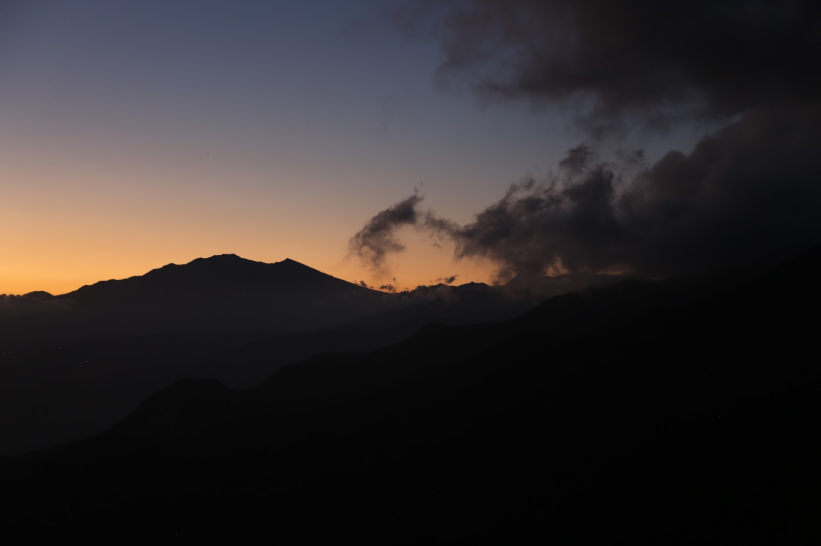
Where Travel Influencers Love to Go in Panama: The Most Photogenic, Adventurous, and Authentic Destinations

Panama has quietly become one of the most exciting destinations in the Americas for travel influencers, content creators, photographers, vloggers, and digital nomads. While neighboring countries often receive more attention, Panama offers something that many influencers are constantly searching for: incredible diversity packed into a relatively small country. Within a single week, travelers can photograph tropical islands, cloud forests, Indigenous cultures, volcanic highlands, wildlife-rich jungles, modern city skylines, and remote beaches that still feel undiscovered. This variety allows content creators to produce an enormous range of photos, videos, and stories without spending days traveling between destinations.

One reason Panama has become increasingly popular among travel influencers is that it offers authentic experiences that have not yet been overexposed on social media. While destinations such as Bali, Santorini, and Tulum can sometimes feel saturated with content creators, Panama still provides opportunities to capture scenes that many followers have never seen before. From misty mountain valleys in Chiriquí to hidden Caribbean islands in Bocas del Toro, influencers can create content that feels fresh and unique while still enjoying reliable infrastructure, good internet access in many areas, and a welcoming tourism industry.

Panama City: Urban Energy Meets Tropical Beauty

For many influencers, the journey begins in Panama City. Few cities in the world offer such dramatic contrasts. Modern skyscrapers rise above the Pacific Ocean while centuries-old colonial architecture sits just minutes away. Drone photographers are especially drawn to the city's skyline, which often surprises visitors who expect Panama to be primarily a nature destination.

The historic district of Casco Viejo remains one of the most photographed locations in the country. Colorful buildings, rooftop restaurants, narrow cobblestone streets, and stunning sunset views create endless opportunities for social media content. Influencers often spend hours wandering through the district capturing architectural details, local life, and views stretching toward the modern skyline. The contrast between old and new Panama creates a visual story that resonates strongly with audiences interested in culture, history, and urban exploration.

Nearby, the Panama Canal provides another iconic backdrop. Watching enormous ships pass through the locks remains one of the country's most impressive experiences and continues to attract content creators fascinated by engineering, history, and global trade.

San Blas: The Caribbean Dream

When influencers imagine tropical paradise in Panama, many immediately think of San Blas Islands. The archipelago consists of hundreds of small islands scattered across crystal-clear Caribbean waters. Many islands are little more than strips of white sand lined with coconut palms, creating the kind of scenery that seems almost designed for Instagram.

What makes San Blas especially appealing is that many islands remain undeveloped. Instead of large resorts, visitors find simple accommodations and opportunities to experience the culture of the Indigenous Guna people. Influencers frequently showcase the vibrant turquoise waters, traditional sailing boats, and peaceful island atmosphere that feels increasingly rare in the Caribbean.

Drone footage from San Blas often becomes some of the most viewed content creators produce during their time in Panama. The contrast between brilliant blue water and tiny palm-covered islands creates breathtaking imagery that captures attention immediately.

Bocas del Toro: Panama's Social Media Superstar

The archipelago of Bocas del Toro has become one of the country's most recognizable influencer destinations. Here, colorful Caribbean culture combines with beautiful beaches, marine wildlife, surfing, and vibrant nightlife.

Many creators spend time on Isla Colón, where colorful buildings and waterfront scenes provide excellent content opportunities. Others venture to locations such as Red Frog Beach and Starfish Beach to capture some of the region's most famous coastal scenery.

The region's wildlife also attracts nature-focused influencers. Sloths, dolphins, tropical birds, and coral reefs frequently appear in travel videos and photography collections. Combined with Caribbean food, island culture, and relaxed vibes, Bocas del Toro remains one of the most shareable destinations in the country.

Boquete: Mountains, Coffee, and Cloud Forests

Not every influencer comes to Panama seeking beaches. Many head directly to the mountain town of Boquete, one of the country's most beloved highland destinations.

Surrounded by lush mountains and coffee farms, Boquete offers a completely different atmosphere from the coast. Sunrise views, waterfalls, mist-covered forests, and world-famous coffee plantations create opportunities for stunning photography. Adventure influencers often showcase hiking trails, ziplining experiences, and excursions to Volcán Barú, the highest peak in the country.

The region's cooler climate and beautiful scenery make it particularly attractive for creators producing wellness, nature, and slow-travel content. Photographs of coffee farms disappearing into the clouds have become a signature image associated with Boquete.

Lost and Found Hostel: The Hidden Gem Influencers Talk About

Among backpackers, adventure travelers, and content creators looking for something beyond the typical tourist route, few places generate as much enthusiasm as Lost and Found Hostel.

Hidden within the cloud forests of the Fortuna region, the hostel offers a setting that feels worlds away from modern city life. Influencers are drawn not only by the dramatic mountain scenery but also by the sense of adventure involved in reaching the property. The surrounding forests are rich with wildlife, creating opportunities to photograph hummingbirds, tropical birds, insects, and occasionally mammals that are rarely seen elsewhere.

One of the biggest draws for content creators is the hostel's unique atmosphere. Instead of focusing solely on accommodation, the experience revolves around community, nature, and exploration. Jungle trails, viewpoints, treasure hunts, waterfalls, and social activities create endless opportunities for storytelling. The hostel's location within the cloud forest means conditions constantly change throughout the day, producing dramatic fog, shifting light, and atmospheric scenes that photographers love.

Night walks are especially popular among nature enthusiasts and wildlife photographers. Visitors sometimes encounter fascinating nocturnal creatures, including porcupines, frogs, insects, and other forest inhabitants. These experiences often become highlights of travel videos because they showcase a side of Panama that many tourists never see.

For influencers seeking authenticity, Lost and Found Hostel provides exactly the kind of experience audiences increasingly appreciate. Rather than polished luxury, it offers genuine adventure, memorable encounters, and a strong connection with nature.

Coiba National Park: Untamed Wilderness

Nature and wildlife influencers frequently rank Coiba National Park among the most spectacular destinations in the country. Often compared to the Galápagos due to its biodiversity, Coiba offers incredible opportunities for underwater photography and marine content.

Whale sharks, humpback whales, sea turtles, dolphins, and large schools of fish attract photographers from around the world. The park's relative isolation helps preserve its wild character, making every expedition feel like a true adventure.

Marine-focused creators often consider footage from Coiba among the most valuable content they produce in Panama because of the extraordinary wildlife encounters possible in the protected waters.

The Azuero Peninsula: Culture and Authentic Panama

Influencers increasingly seek destinations that showcase local culture rather than just beautiful scenery. The Azuero Peninsula offers exactly that.

Traditional festivals, artisan workshops, cattle ranching culture, historic towns, and quiet Pacific beaches allow creators to tell stories about everyday life in Panama. Destinations such as Las Tablas are particularly popular during cultural celebrations when vibrant costumes and music fill the streets.

This region appeals to creators interested in documenting traditions, food, local communities, and cultural heritage rather than focusing exclusively on landscapes.

Why Panama Continues to Grow Among Influencers

What ultimately makes Panama special for travel influencers is the sheer variety packed into a single destination. A creator can spend the morning photographing skyscrapers in Panama City, a few days later be swimming in Caribbean waters, and shortly afterward be hiking through misty cloud forests surrounded by wildlife.

The country offers experiences for nearly every style of content creator. Adventure influencers find volcanoes, hiking trails, and remote jungles. Wildlife photographers discover extraordinary biodiversity. Food creators explore regional dishes and fresh seafood. Cultural storytellers encounter Indigenous traditions and historic towns. Beach lovers find both Caribbean and Pacific coastlines, each with a distinct character.

As more travelers search for destinations that feel authentic rather than overly commercialized, Panama's appeal continues to grow. Whether it is the turquoise islands of San Blas, the colorful streets of Bocas del Toro, the coffee-covered mountains of Boquete, or the unforgettable cloud forest experience at Lost and Found Hostel, Panama provides the kind of memorable moments that travel influencers love to share and audiences love to follow.

Whale Sharks in Panama: The Ultimate Guide to Finding the Ocean’s Largest Fish

Panama is famous for its tropical islands, coral reefs, world class diving, and incredible marine biodiversity, but one of the most extraordinary experiences available in the country is the chance to encounter a whale shark. These gentle giants are the largest fish on Earth, reaching lengths of more than 12 meters and weights exceeding 20 tons. Despite their enormous size, whale sharks are completely harmless to humans and spend much of their time slowly cruising through warm tropical waters while feeding on some of the smallest creatures in the ocean. For many divers, snorkelers, marine photographers, and wildlife enthusiasts, seeing a whale shark is considered a once in a lifetime experience. Panama is one of the few countries where such encounters are possible, and every year people travel from around the world hoping to glimpse these magnificent animals moving through the blue waters of the Pacific.

What makes whale shark sightings in Panama particularly fascinating is that these encounters often happen in areas already renowned for marine life. The country sits at a biological crossroads between North and South America, and its Pacific coast is influenced by nutrient rich currents that create ideal feeding grounds for a vast range of ocean species. Humpback whales, dolphins, sea turtles, manta rays, schools of tuna, sharks, and countless reef fish all thrive in Panamanian waters. Somewhere among this abundance, the largest fish in the world occasionally appears, turning an ordinary dive trip into an unforgettable adventure. Unlike destinations where whale sharks gather predictably in huge numbers, Panama offers a more wild and exploratory experience. Spotting one often feels like discovering a hidden treasure of the sea.

The most famous region for whale shark sightings in Panama is the marine wilderness surrounding Coiba National Park. Located off the Pacific coast, Coiba is frequently described as the Galápagos of Central America due to its remarkable biodiversity and relatively untouched ecosystems. The waters around the park contain extensive coral reefs, underwater mountains, deep drop offs, and nutrient rich currents that attract large marine animals. Divers visiting Coiba often hope to encounter whale sharks during certain times of the year, particularly when seasonal changes bring concentrations of plankton and other food sources into the area. Although sightings can never be guaranteed, Coiba has earned an international reputation as one of the best places in Panama to search for these elusive giants.

One of the reasons whale sharks are drawn to areas like Coiba is the incredible productivity of the ocean there. Whale sharks primarily feed on plankton, tiny organisms that drift through the water column. They also consume fish eggs, small crustaceans, and other microscopic marine life. When ocean conditions create plankton blooms, whale sharks may travel hundreds or even thousands of kilometers to take advantage of the abundant food supply. Scientists continue to study these migrations, and many aspects of whale shark movement remain mysterious. Satellite tracking has revealed that some individuals undertake astonishing journeys across entire ocean basins, crossing international boundaries and spending time in waters thousands of kilometers apart. A whale shark seen near Panama might later travel toward Ecuador, Costa Rica, Colombia, or beyond.

The Pacific waters of Panama are especially dynamic because of seasonal upwellings. These oceanographic events bring colder, nutrient rich water from the depths toward the surface. As nutrients rise, plankton populations increase dramatically. This productivity supports enormous marine food webs and attracts everything from small fish to giant predators. Whale sharks often appear in areas where food is concentrated, and researchers believe these ocean conditions play an important role in determining when and where sightings occur. Divers who spend enough time exploring Panama's offshore islands understand that every trip carries the possibility of a remarkable encounter.

Another hotspot associated with whale shark sightings is the region around Hannibal Bank. This underwater seamount lies offshore from Coiba and is famous among experienced divers for attracting large pelagic species. Strong currents sweep nutrients through the area, creating conditions that support massive schools of fish and larger marine animals. Divers visiting Hannibal Bank often report encounters with hammerhead sharks, tuna, manta rays, dolphins, and occasionally whale sharks. The site has developed an almost legendary reputation among underwater explorers because every dive offers the possibility of something extraordinary emerging from the deep blue water.

The whale shark itself is one of nature's most remarkable creations. Despite being the largest fish species ever discovered, it survives on some of the tiniest organisms in the ocean. Whale sharks feed by filtering water through specialized structures in their mouths. A single animal can process thousands of liters of seawater every hour while extracting plankton and other small food items. Their enormous mouths can stretch more than a meter wide, yet they pose no threat to humans. Many people are surprised to learn that whale sharks belong to the shark family. Unlike the fearsome image often associated with sharks, whale sharks are gentle filter feeders more comparable in behavior to baleen whales than to predatory sharks.

One of the most distinctive features of whale sharks is their beautiful pattern of white spots and stripes covering a dark gray or bluish body. These markings are unique to each individual, functioning much like human fingerprints. Researchers use photographs of these patterns to identify specific animals and track their movements over time. Thanks to advances in citizen science, divers and snorkelers who photograph whale sharks can contribute valuable information to global research databases. A single photograph taken in Panama could help scientists recognize an animal that has been documented in another country years earlier.

Whale sharks are also among the longest lived fish on Earth. Some researchers estimate that they may live for more than a century. Because they grow slowly and mature relatively late in life, whale shark populations are vulnerable to human impacts. Collisions with boats, accidental capture in fishing gear, pollution, and habitat degradation all present challenges for the species. Around the world, conservation efforts are increasingly focused on protecting whale shark habitats and migration routes. Encounters in places like Panama help raise awareness of the importance of preserving healthy oceans for future generations.

The best strategy for finding whale sharks in Panama is patience combined with time on the water. Unlike some destinations where large seasonal aggregations occur, Panama's whale shark encounters are often opportunistic. Dive operators, fishing captains, marine researchers, and experienced guides frequently share information about recent sightings. Spending multiple days exploring offshore waters significantly improves the chances of success. Many divers visit Coiba specifically during seasons when whale shark sightings have historically been more common, understanding that the unpredictability is part of the adventure.

Even when whale sharks do not appear, searching for them often leads to encounters with an astonishing variety of marine life. A single boat trip may reveal humpback whales breaching in the distance, pods of dolphins surfing alongside the vessel, sea turtles surfacing for air, schools of tuna chasing baitfish, and manta rays gliding beneath the waves. This richness of life is one reason Panama continues to grow as an international ecotourism destination. The search itself becomes part of the experience, offering opportunities to witness one of the most biologically diverse marine environments in the Eastern Tropical Pacific.

Few wildlife encounters can compare with the moment a whale shark suddenly materializes from the blue. Divers often describe the experience as surreal. At first there may be only a faint silhouette in the distance. Gradually the shape becomes clearer, revealing a massive body covered in brilliant white spots. Despite its size, the animal moves with surprising grace, slowly sweeping its tail from side to side as it glides through the water. The sense of scale can be difficult to comprehend. Standing next to a whale shark underwater is a reminder of just how extraordinary life on Earth can be.

Scientists still know surprisingly little about whale sharks. Researchers continue investigating where they give birth, where the youngest individuals spend their earliest years, and how populations are connected across oceans. Many questions remain unanswered. Some whale sharks dive to depths exceeding 1,800 meters, far deeper than most recreational divers will ever go. Others undertake migrations spanning entire ocean basins. Their lives unfold across vast and often inaccessible regions of the world's oceans, making them one of the most mysterious large animals alive today.

For visitors exploring Panama's Pacific coast, the possibility of encountering a whale shark adds another layer of excitement to an already remarkable destination. Whether diving around Coiba, venturing toward offshore seamounts, or joining wildlife expeditions in search of marine megafauna, travelers know that one unforgettable moment could be waiting just beyond the horizon. The appearance of a whale shark transforms an ordinary day at sea into a story that will be told for decades.

Panama may not guarantee whale shark sightings, but that unpredictability is part of what makes the experience so special. These are not captive animals, not scheduled attractions, and not creatures that appear on demand. They are wild ocean wanderers following ancient migratory pathways across some of the largest ecosystems on Earth. Encountering one means crossing paths with an animal that may have traveled thousands of kilometers through tropical seas, feeding on microscopic life while navigating a world scientists are still striving to understand.

In a country celebrated for rainforests, mountains, tropical islands, and extraordinary biodiversity, whale sharks represent one of the most awe inspiring natural wonders of all. They embody the mystery, scale, and beauty of the ocean itself. For those fortunate enough to witness one in Panamanian waters, the memory often becomes the highlight of an entire lifetime of travel. Long after the dive is over and the boat returns to shore, the image remains vivid: a giant spotted silhouette disappearing into the blue depths of the Pacific, reminding us that some of the greatest marvels on Earth still swim freely beneath the waves.

Starlink in Panama: The Ultimate Guide to the Internet Revolution Transforming the Nation

For decades, there was a simple reality about living in Panama. If you wanted fast, reliable internet, you generally needed to live near a major city. Residents of Panama City enjoyed the best options. People in David, Santiago, Chitré, and other larger urban centers often had access to decent connections as well. But the farther you moved away from population centers, the more uncertain internet service became. Entire regions of one of the most beautiful countries in the Americas found themselves left behind by the digital age. A person could purchase a breathtaking property overlooking the Pacific Ocean, build a dream cabin in the mountains of Chiriquí, operate an eco-lodge deep in the rainforest, or live on a tropical island surrounded by turquoise water, only to discover that internet service was painfully slow, unreliable, or completely unavailable. It became one of the great ironies of modern Panama. The country's most spectacular locations often suffered from the worst connectivity.

Then Starlink arrived.

For many people in Panama, Starlink was not simply another internet provider entering the market. It was a completely different way of thinking about internet access. Instead of asking whether a fiber optic cable ran down your road or whether a cell tower was nearby, Starlink asked a different question: Can your property see the sky? If the answer was yes, high-speed internet suddenly became possible in places where reliable internet had never existed before. From remote farms in the highlands to island homes in Bocas del Toro, from jungle lodges hidden in the forest to beach houses miles from the nearest town, Starlink began delivering internet speeds that many rural residents had only dreamed about.

The impact has been so profound that some people describe Starlink not merely as a technology but as an infrastructure revolution. In many parts of Panama, it has done something that governments, telecommunications companies, and traditional internet providers struggled to accomplish for decades. It has connected remote areas to the modern digital world.

What Exactly Is Starlink?

To understand why Starlink has been such a game changer, it helps to understand how internet traditionally works.

Most internet connections depend on physical infrastructure. Fiber optic cables run underground or along utility poles. Cellular towers transmit wireless signals. Entire networks of expensive equipment connect homes and businesses to the wider internet. Building this infrastructure requires enormous investments. In densely populated urban areas, the economics make sense because thousands of customers can share the costs.

The problem appears when populations become sparse.

Imagine trying to run fiber optic cable to a mountain cabin with only a handful of nearby homes. The installation costs can become enormous. The same challenge exists on islands, along remote coastlines, deep in forests, and throughout rural regions. Traditional internet companies often conclude that the investment simply isn't profitable.

Starlink approaches the problem from an entirely different direction.

Instead of delivering internet through cables running across the ground, Starlink delivers internet from space.

Thousands of satellites orbit the Earth at relatively low altitudes compared to traditional communications satellites. These satellites constantly move overhead, communicating with users on the ground and with each other. Your Starlink dish communicates directly with the satellites passing above. Those satellites then connect to ground stations and the wider internet infrastructure.

The result is remarkable. Rather than requiring internet infrastructure to reach your property, Starlink allows your property to reach the infrastructure in space.

This simple change fundamentally alters what is possible in a country like Panama.

How Does Starlink Actually Work?

Many people imagine Starlink as some kind of magic internet beamed down from the heavens, but the technology behind it is fascinating.

The dish, often nicknamed "Dishy" by users, contains sophisticated electronics that automatically track satellites moving across the sky. Unlike older satellite dishes that remain fixed toward a single point, Starlink dishes constantly communicate with different satellites as they pass overhead.

Think of it like a relay race taking place thousands of times every day.

As one satellite moves beyond range, another satellite takes over. The transition happens so quickly that users generally do not notice anything.

The satellites themselves orbit roughly 550 kilometers above Earth. This is much lower than traditional communications satellites, which often orbit more than 35,000 kilometers above the planet.

That difference is extremely important.

Traditional satellite internet suffered from high latency. A signal had to travel tens of thousands of kilometers into space and back again. Activities such as video conferencing, gaming, and real-time communication often felt sluggish.

Starlink's lower orbit dramatically reduces this problem.

Because the satellites are much closer, information travels shorter distances. This means lower latency, faster response times, and a much smoother internet experience.

For most users in Panama, the result feels surprisingly similar to conventional broadband.

Video calls work smoothly. Netflix streams without difficulty. Cloud backups function normally. Remote workers can join meetings. Students can attend online classes. Businesses can process transactions. Families can communicate with relatives overseas.

The fact that all of this is happening through a constantly moving network of satellites remains one of the most impressive technological achievements of the modern era.

Why Starlink Is Perfect for Panama

Few countries are better suited for Starlink than Panama.

At first glance, Panama appears small. The country stretches only about 770 kilometers from east to west. Yet within that relatively short distance lies an extraordinary diversity of landscapes.

There are tropical islands scattered across two oceans.

There are mountain ranges rising thousands of feet above sea level.

There are dense rainforests where roads remain limited.

There are isolated coastal communities accessible only by boat.

There are remote agricultural regions where populations are sparse.

There are conservation areas where infrastructure development is intentionally restricted.

Traditional internet providers face enormous challenges reaching all these locations.

Starlink largely bypasses those challenges.

A beach house on an isolated stretch of coastline can potentially access the same satellite network as a home in Panama City.

A jungle lodge hidden beneath the mountains can potentially enjoy internet service comparable to that available in much more developed areas.

This is why Starlink has been embraced so enthusiastically across rural Panama.

The Places That Benefit Most

The list of people who benefit from Starlink in Panama is remarkably diverse.

Farmers now manage operations using online tools and real-time market information.

Eco-lodges can accept online reservations and communicate with guests more efficiently.

Digital nomads can work from locations that previously lacked adequate connectivity.

Remote schools gain access to educational resources.

Healthcare providers can improve communication and access telemedicine services.

Researchers working in conservation areas can transmit data more effectively.

Retirees living in rural locations can stay connected with family members abroad.

Tourism operators can market their businesses globally.

Property owners can install remote security systems and monitoring equipment.

The common theme is simple.

Starlink allows people to live where they want rather than where internet infrastructure happens to exist.

That may be its greatest achievement.

The Setup Process Is Surprisingly Easy

One reason Starlink has become so popular is that installation is far simpler than many people expect.

Traditional internet installations often require technicians, cable runs, permits, and scheduling appointments.

Starlink is different.

The equipment arrives as a kit.

Inside the box are the dish, router, cables, power supply, and mounting components.

Most users can complete the setup themselves.

The basic process involves placing the dish somewhere with a clear view of the sky, connecting the cables, powering on the system, and following instructions through the Starlink app.

The dish automatically orients itself.

It automatically searches for satellites.

It automatically downloads updates.

It automatically optimizes its connection.

Many users are online within an hour of opening the box.

For people accustomed to complicated technology installations, the simplicity can be surprising.

Of course, some locations require additional planning. Dense tropical forests can create obstructions. Large trees may block portions of the sky. In these cases, users often install the dish on rooftops, poles, towers, or elevated mounts.

Fortunately, the Starlink app can help identify potential obstructions before installation.

This ease of setup has been particularly important in Panama because many users live far from major service centers. The ability to install the system independently eliminates one of the biggest barriers to adoption.

What Do the Plans Cost?

One of the most frequently asked questions involves pricing.

The answer changes regularly because Starlink continuously adjusts its plans.

Unlike traditional providers that may maintain stable pricing structures for years, Starlink frequently updates hardware costs, subscription tiers, data allowances, and service categories.

The company adjusts pricing based on factors such as demand, network capacity, market competition, and regional business considerations.

Residential plans generally provide the best value for fixed locations.

Roaming plans serve travelers, RV users, boat owners, and people who move frequently between properties.

Business-oriented options are available for organizations requiring higher performance and priority service.

Marine plans support vessels operating offshore.

Specialized mobility options support users who need internet while traveling.

One thing every prospective customer should understand is that today's pricing may not be tomorrow's pricing.

Starlink has a history of regularly revising plans as the network evolves.

This frustrates some customers but also reflects the reality of operating one of the most ambitious telecommunications projects in history.

Are People Happy With Starlink?

The overwhelming answer appears to be yes.

No internet service receives universal praise.

Every provider has dissatisfied customers.

However, Starlink enjoys unusually strong support among rural users because many compare it not to fiber internet but to the alternatives they had before.

For someone moving from a slow cellular hotspot or unreliable radio connection, Starlink can feel revolutionary.

Across Panama, stories are common.

Families who previously struggled to stream a video can now enjoy multiple simultaneous streams.

Business owners who once waited hours to upload files can complete tasks in minutes.

Students can access educational content without frustration.

Remote workers can participate in video meetings from mountain cabins and island homes.

Tourism businesses can serve guests who increasingly expect reliable connectivity.

These improvements often translate directly into quality of life.

Why Does the Service Keep Improving?

One of Starlink's most interesting characteristics is that the network rarely stands still.

Traditional internet providers build infrastructure and then maintain it.

Starlink continually expands.

New satellites launch regularly.

Software improves.

Network management evolves.

Hardware becomes more sophisticated.

Coverage increases.

Capacity grows.

Many early adopters report that their service today is noticeably better than it was when they first subscribed.

Speeds have improved.

Reliability has increased.

Latency has decreased.

This ongoing evolution means the system you purchase today may perform even better a year from now.

Is Starlink Worth It?

For residents of urban Panama with access to reliable fiber internet, the answer depends on individual circumstances.

But for people living in remote areas, the answer is often much simpler.

For many of them, Starlink is not merely the best option.

It is the first truly modern internet option they have ever had.

That distinction matters.

Throughout Panama, people are building homes in mountains, operating businesses on islands, creating eco-tourism projects in forests, retiring in rural communities, and pursuing lifestyles that would have been far more difficult just a few years ago.

Starlink has made those choices easier.

It has connected places that were disconnected.

It has reduced the gap between urban and rural life.

It has allowed people to enjoy some of Panama's most beautiful and remote locations without sacrificing participation in the modern world.

In a country famous for connecting oceans through the Panama Canal, Starlink is creating another kind of connection entirely. Not between seas, but between people, communities, businesses, and opportunities scattered across one of the most geographically diverse nations in the Americas. For thousands of Panamanians, that little dish pointed toward the sky is doing something extraordinary. It is proving that in the twenty-first century, even the most remote corner of paradise no longer has to be disconnected from the world.

The Hidden Cost of Chance: Why Gambling Has Become a Social Challenge in Panama

When most people think about gambling in Panama, they picture casinos filled with tourists, brightly lit slot machines inside luxury hotels, poker tables surrounded by well-dressed players, and an industry that contributes to entertainment and tourism. From the outside, gambling often appears glamorous. Advertisements focus on jackpots, excitement, and the possibility of instant wealth. Yet beneath this polished image lies a much more complicated reality. For many families, gambling is not simply a form of entertainment. It can become a source of financial hardship, emotional stress, family conflict, and long-term instability. Like many countries around the world, Panama faces challenges associated with problem gambling, and these challenges often remain hidden because they unfold quietly behind closed doors rather than in public view.

One of the reasons gambling can become such a serious issue is that it affects people from every level of society. There is a common misconception that gambling problems are limited to individuals struggling financially, but reality is often far more complex. Wealthy business owners, professionals, retirees, government employees, construction workers, and service industry employees can all become trapped in the same cycle. The high roller sitting at a casino table betting thousands of dollars may appear successful and in control, but appearances can be deceiving. Some individuals with substantial incomes develop gambling habits that gradually consume enormous amounts of money. What begins as recreation can evolve into obsession. Wins create confidence. Losses create a desire to recover what has been lost. Over time, even financially successful individuals can find themselves making increasingly risky decisions. The tragedy is that wealth does not provide immunity from addiction. In some cases, access to larger amounts of money simply allows the problem to grow unnoticed for longer periods.

At the opposite end of the spectrum are people whose financial situations leave little room for losses in the first place. For individuals struggling to pay bills, support children, or cover daily expenses, gambling can appear deceptively attractive. The dream of transforming a small amount of money into a life-changing sum is powerful. When someone feels trapped by economic circumstances, the possibility of a jackpot can seem like a solution. Unfortunately, the mathematics of gambling rarely support that dream. Small losses accumulate. Savings disappear. Essential household funds may be diverted toward gambling activities. Instead of creating financial freedom, gambling often deepens existing financial difficulties. The people who can least afford to lose money are sometimes the ones most vulnerable to believing that a lucky break is just around the corner.

Single parents often face a unique set of pressures that can make gambling particularly dangerous. Imagine a mother working long hours, raising children, managing household expenses, and carrying much of life's responsibilities alone. The stress can be overwhelming. For some, gambling offers a temporary escape from daily worries. The flashing lights, excitement, and anticipation provide a brief emotional break from financial pressure and personal struggles. Yet if gambling becomes a regular coping mechanism, the consequences can be severe. Money intended for groceries, school supplies, rent, or utility bills may gradually disappear. The emotional burden becomes heavier rather than lighter. Feelings of guilt, anxiety, and secrecy can emerge, creating additional stress within the family. While many single parents never develop gambling problems, those who do often face challenges that extend far beyond financial losses.

Loneliness is another factor that rarely receives enough attention. Casinos, betting shops, and gaming establishments are often social environments. For individuals who feel isolated, these places can provide a sense of community, routine, and belonging. Elderly individuals living alone, recently divorced adults, retirees, or people experiencing social isolation may find comfort in familiar gambling environments. The problem is that what begins as a social activity can gradually become something more consuming. Gambling may start filling emotional needs that would be better addressed through friendships, family connections, hobbies, or community involvement. In these situations, the gambling itself becomes intertwined with deeper emotional issues, making it more difficult to recognize and address.

One of the most troubling aspects of gambling addiction is how invisible it can be. Unlike some other problems, gambling often leaves no immediate physical signs. A person can appear perfectly normal while experiencing severe financial and emotional distress. Family members may not realize anything is wrong until debts become overwhelming or savings have disappeared. By the time the problem becomes visible, significant damage may already have occurred. This hidden nature makes gambling addiction particularly difficult to identify and address. Many individuals struggle in silence for years before seeking help.

Technology has introduced additional challenges. Gambling is no longer confined to physical casinos. Online betting platforms, mobile applications, sports wagering, and digital gaming opportunities have made gambling more accessible than ever before. A person no longer needs to walk into a casino to place a bet. Gambling opportunities can now be available at any hour and from almost any location. This increased accessibility has created convenience for casual players but also increased risks for vulnerable individuals. The barriers that once limited gambling participation have largely disappeared.

Families often bear the consequences of problem gambling even when they are not directly involved. Financial losses can create tension within households. Trust may be damaged when debts or losses are hidden. Relationships can suffer as individuals become preoccupied with gambling activities. Children may experience the effects indirectly through financial instability or increased family conflict. In severe cases, entire households can be affected by the decisions of a single person. The ripple effects extend far beyond the individual placing the bets.

There is also a broader societal dimension. Money lost through excessive gambling is money that cannot be spent on education, housing improvements, healthcare, business investments, or other productive activities. While the gambling industry creates jobs and generates economic activity, communities must also grapple with the social costs associated with addiction and financial distress. Policymakers around the world continue debating how to balance the economic benefits of legal gambling with the need to protect vulnerable populations.

Perhaps the most important reality to understand is that gambling addiction is not simply a matter of weak willpower. Researchers increasingly view it as a complex behavioral disorder involving psychology, brain chemistry, environment, and personal circumstances. People do not typically wake up one morning intending to develop a gambling problem. The process is usually gradual. Small bets become larger ones. Occasional visits become frequent habits. Entertainment becomes dependency. Understanding this progression is essential for addressing the issue with compassion rather than judgment.

Panama's gambling industry is likely to remain an important part of the country's entertainment and tourism sectors for years to come. Most people who gamble do so responsibly and never experience serious problems. Yet behind the visible excitement lies a quieter story involving individuals and families struggling with consequences that are rarely advertised. From wealthy high rollers chasing losses they can technically afford but emotionally cannot control, to single parents hoping for financial relief, to lonely individuals searching for connection, the people affected by gambling problems come from every corner of society.

The true story of gambling in Panama is therefore not just about casinos, slot machines, or jackpots. It is about human beings. It is about hope, risk, temptation, loneliness, stress, and the universal desire for a better future. For some, gambling remains harmless entertainment. For others, it becomes a source of hardship that touches every aspect of life. Understanding this hidden side is essential if communities hope to address the issue honestly and support those who find themselves trapped in a cycle that can be far more costly than money alone.

Behind the Bright Lights: The Darker Side of Casinos in Panama

For many visitors, casinos represent excitement, entertainment, and the possibility of turning a lucky night into an unforgettable story. Walk into one of the casinos in Panama City and the atmosphere can be intoxicating. Flashing lights, spinning roulette wheels, rows of slot machines, complimentary drinks, and the constant anticipation of a big win create an environment specifically designed to feel glamorous and exciting. Panama has developed one of the largest casino industries in Central America, attracting tourists, business travelers, expatriates, and locals alike. On the surface, casinos are marketed as entertainment venues where people can enjoy a few hours of fun while testing their luck. Yet behind the bright lights and polished floors lies a more complicated reality. Like casino industries around the world, Panama's gaming sector has a darker side that is rarely featured in advertisements. This darker side is not necessarily unique to Panama, but it is a reality that exists wherever gambling becomes a major industry. Understanding this hidden world provides a fascinating look at the psychology, economics, and social consequences of gambling.

The first uncomfortable truth is that casinos are not designed to make most people wealthy. While this may sound obvious, the implications are often overlooked. Every casino game is structured around a mathematical advantage known as the house edge. This advantage may seem small on an individual bet, but over thousands and millions of wagers, it becomes enormously profitable. The grand buildings, luxury interiors, expensive security systems, staff salaries, marketing campaigns, and lavish promotions are not funded by lucky winners. They are funded primarily by the steady accumulation of losses from countless players over time. The occasional jackpot winner becomes part of the casino's marketing story, but the larger economic reality is that casinos remain profitable because the vast majority of money eventually flows in one direction. Many visitors understand this intellectually, yet still find themselves believing they can somehow beat the system through skill, intuition, or luck.

One of the most fascinating aspects of casino design is how carefully every detail is engineered to encourage longer play. The lighting, sounds, floor layouts, and even the absence of clocks are often intended to reduce awareness of time and increase engagement. Hours can pass surprisingly quickly. A person who intended to spend thirty minutes gambling may suddenly realize that an entire evening has disappeared. This phenomenon is not unique to Panama. It is a feature of casino design around the world. Yet when viewed critically, it reveals a side of the industry that is less about entertainment and more about influencing behavior. The goal is not necessarily to deceive people but to create an environment where gambling feels immersive and continuous.

Perhaps the most serious issue associated with casinos is problem gambling. For most people, gambling remains an occasional recreational activity. They set limits, accept losses, and move on. For a minority of individuals, however, gambling can become deeply destructive. The thrill of winning activates powerful reward systems in the brain. Near misses can feel almost as exciting as victories. Losses sometimes encourage people to continue playing in an attempt to recover what has been lost. This cycle can gradually become difficult to control. Financial problems, damaged relationships, stress, anxiety, and emotional hardship can follow. Casinos often showcase stories of winners, but the stories of people who quietly lose savings, accumulate debt, or struggle with gambling addiction receive far less attention. These personal struggles represent one of the industry's most significant social costs.

Another aspect of the casino world that attracts scrutiny involves financial crime and money laundering concerns. Around the world, casinos have historically been viewed as potential targets for individuals seeking to move or disguise illicit funds. Because casinos involve large volumes of cash and financial transactions, regulators pay close attention to compliance procedures, reporting requirements, and anti-money-laundering controls. Panama's financial sector has faced international attention and scrutiny over the years in various contexts, and the country's gaming industry operates within this broader environment. Modern casinos are generally subject to regulations intended to identify suspicious activities and prevent abuse. Nevertheless, the association between gambling establishments and financial crime remains part of the industry's global reputation. It is one reason casinos are often subject to intensive oversight by authorities.

The social environment surrounding casinos can also reveal a less glamorous reality. Tourists often see well-dressed guests enjoying an evening out, but regular visitors may encounter a different atmosphere. Some individuals spend long hours in casinos not because they are having fun but because they are chasing losses or escaping personal difficulties. Others view gambling as a potential solution to financial problems despite overwhelming evidence that it rarely works that way. Casinos can sometimes become gathering places for people driven more by desperation than entertainment. This human dimension is often invisible to casual visitors but becomes apparent to those who spend enough time observing the environment.

The relationship between casinos and alcohol is another factor worth examining. Many gambling establishments encourage alcohol consumption because drinking can lower inhibitions and affect decision-making. A player who might normally stop after reaching a predetermined limit may continue gambling after consuming several drinks. Again, this is not unique to Panama. It is a common feature of casino culture globally. The combination of gambling and alcohol can create situations where people spend more money than intended or make choices they later regret.

There is also the issue of illusion. Casinos often create an atmosphere where wealth appears abundant and success seems attainable. Luxury cars pull up outside. High rollers occupy private gaming rooms. Winners occasionally celebrate significant payouts. Yet this visible image can distort perceptions of reality. Most gamblers do not leave with life-changing winnings. Many leave with less money than they arrived with. The glamorous image presented by casinos often obscures the ordinary mathematical reality experienced by most players. This contrast between perception and reality is one of the most fascinating aspects of the gambling industry.

For some critics, another concern involves the economic impact of casinos on local communities. Supporters argue that casinos create jobs, attract tourists, and generate tax revenue. Critics counter that some of the money spent in casinos might otherwise have supported local businesses, restaurants, shops, or other forms of entertainment. The debate is complex because casinos clearly provide economic benefits while also creating certain social costs. The challenge for policymakers is balancing these competing realities.

Technology has added another layer to the discussion. Modern slot machines and electronic gaming systems are highly sophisticated. They are designed not only to operate efficiently but also to maximize engagement. Features such as flashing lights, celebratory sounds, bonus rounds, and frequent small payouts create a sense of excitement even when players are losing money overall. Behavioral researchers have studied these systems extensively, noting how they can encourage prolonged play. Understanding this psychological dimension reveals how gambling involves far more than simple luck and chance.

Despite these concerns, it is important to recognize that not every casino experience is negative. Many people visit casinos occasionally, spend modest amounts, enjoy the entertainment, and leave without problems. The darker side emerges when gambling shifts from recreation to compulsion, when financial realities are ignored, or when individuals become trapped in cycles of loss and hope. The issue is not necessarily the existence of casinos themselves but the risks that accompany them.

What makes the casino industry so fascinating is that it sits at the intersection of entertainment, psychology, mathematics, economics, and human behavior. Casinos promise excitement, and they often deliver it. They provide social experiences, moments of suspense, and the possibility of winning. Yet beneath the excitement lies a business model built upon probabilities that overwhelmingly favor the house. The lights, sounds, and atmosphere may create the impression that anything can happen, but the underlying mathematics remain remarkably consistent.

The dark truth about casinos in Panama, as in most parts of the world, is not that they are secret criminal enterprises or inherently sinister places. The darker reality is often more subtle and more human. It is the story of people chasing losses, believing they can overcome unfavorable odds, spending more than intended, or searching for solutions in games designed primarily to generate profits for operators. It is a story about temptation, risk, hope, and the powerful psychology of gambling. Behind the bright lights and glamorous image lies a world where fortunes are occasionally won but where losses are far more common, where entertainment and risk exist side by side, and where the greatest danger is often not the casino itself but the belief that luck can somehow overcome mathematics in the long run.

Air Panama: The Little Airline That Refused to Disappear

In an era when airlines seem to appear and disappear with remarkable frequency, there is something genuinely fascinating about an aviation company that quietly survives decade after decade while competitors come and go around it. Throughout Latin America, the airline industry has been filled with dramatic stories of ambitious startups, bankruptcies, mergers, economic crises, and changing market conditions. Large airlines with substantial resources have disappeared. Regional carriers have risen and fallen. International aviation has become increasingly competitive and complex. Yet amid all this turbulence, one small Panamanian airline has managed to endure. Air Panama may not possess the global recognition of major international carriers, and it certainly does not operate giant fleets of wide-body aircraft crossing oceans, but its longevity alone makes it one of the most interesting success stories in Panamanian aviation. For generations of Panamanians, Air Panama has served as an essential link connecting remote communities, islands, beaches, and provincial cities with the nation's capital. While international visitors often focus on the massive operations of airlines passing through Panama's major hub airport, Air Panama has spent decades performing a different mission: connecting the diverse corners of one of Central America's most geographically fascinating countries.

The history of Air Panama reflects the unique challenges of transportation in Panama itself. Although the country appears relatively small on a map, its geography creates numerous obstacles for efficient travel. Dense rainforests, rugged mountain ranges, island archipelagos, long coastlines, and remote communities can make overland journeys surprisingly time-consuming. While modern highways have improved connectivity in many regions, there remain numerous destinations where flying dramatically reduces travel times. Recognizing these realities, Air Panama gradually established itself as a crucial domestic carrier capable of serving routes that larger airlines often overlooked. Rather than attempting to compete directly with major international operators, it focused on a niche that was both practical and essential. This strategic approach would ultimately help explain why the airline survived while many others struggled.

One of the most impressive aspects of Air Panama's story is its resilience. The airline industry is notoriously unforgiving. Fuel prices fluctuate dramatically. Economic downturns reduce passenger demand. Natural disasters disrupt operations. Political changes affect travel patterns. Maintenance costs remain high. Competition is relentless. Across Latin America, many carriers have collapsed under the weight of these challenges. Yet Air Panama repeatedly adapted to changing circumstances. Instead of pursuing rapid expansion or risky growth strategies, the airline generally maintained a more measured approach. This conservative philosophy may not have generated international headlines, but it helped create stability. In many ways, Air Panama's greatest achievement is not that it became the largest airline in the region but that it remained operational when so many others disappeared.

For travelers exploring Panama, Air Panama often serves destinations that would otherwise require long and sometimes complicated journeys. One of its most famous routes connects Panama City with the stunning archipelago of Bocas del Toro. While it is certainly possible to reach Bocas del Toro by combining buses and boats, the process can consume much of a day. An Air Panama flight transforms that journey into a relatively quick trip, allowing travelers to spend more time enjoying the islands and less time in transit. For many visitors heading to Bocas del Toro's beaches, coral reefs, and vibrant Caribbean culture, Air Panama has become an important gateway to one of the country's most beloved destinations.

Another key destination is David, the largest city in western Panama. David serves as a gateway to the cool mountain town of Boquete, the agricultural highlands surrounding Volcán Barú, and the broader province of Chiriquí. Although road connections between Panama City and David are relatively good, the journey can still require many hours. Flying offers a convenient alternative, particularly for business travelers and visitors with limited time. The route highlights one of Air Panama's greatest strengths: providing practical transportation solutions within a country where geographic diversity often translates into lengthy travel times.

The airline has also served destinations such as Pedasí and regions of the Azuero Peninsula. This part of Panama possesses a distinct cultural identity and is known for traditional festivals, ranching heritage, surfing beaches, and charming small towns. Reaching some of these areas by road can involve several hours of travel from the capital. By maintaining air connections, Air Panama helped make these destinations more accessible to both domestic and international travelers. Such routes may not attract the passenger volumes seen on major international corridors, but they play an important role in regional connectivity.

Perhaps nowhere is Air Panama's value more apparent than in its service to remote and isolated communities. Panama's geography includes numerous regions where transportation infrastructure remains limited. Certain coastal settlements, island communities, and rural areas can be challenging to access. In these situations, small aircraft become more than just a convenience. They become essential links connecting residents with healthcare, commerce, education, government services, and family networks. For people living far from major urban centers, the arrival of an Air Panama flight can represent far more than transportation. It can symbolize connection to the rest of the country.

The fleet itself reflects the airline's practical mission. Unlike major international carriers operating massive jets designed for thousands of kilometers of travel, Air Panama has historically relied on smaller aircraft well suited to domestic routes and regional airports. These aircraft can operate efficiently on shorter runways and serve destinations where passenger demand does not justify larger planes. The airline's equipment choices demonstrate an understanding of local realities rather than an attempt to emulate global aviation giants. This practicality has likely contributed to its longevity.

Safety is naturally one of the most important considerations when evaluating any airline. Air Panama's continued operation over many decades speaks to a sustained commitment to aviation standards and regulatory compliance. Commercial aviation is among the most heavily regulated industries in the world, and airlines must adhere to rigorous maintenance, training, and operational requirements. While no airline can ever guarantee perfection, Air Panama has built a reputation as a legitimate and trusted carrier within Panama's transportation system. Thousands upon thousands of passengers have relied on its services over the years, including tourists, business travelers, government officials, and local residents. The airline's longevity would simply not be possible without maintaining the confidence of both regulators and the traveling public.

Reliability is another area where Air Panama has earned respect. Operating flights in a tropical country presents unique challenges. Weather conditions can change rapidly. Heavy rainfall, thunderstorms, and reduced visibility occasionally affect aviation operations. Despite these realities, the airline has established itself as a dependable option for domestic travel. Travelers understand that weather-related delays can occur anywhere in the world, but Air Panama's ability to maintain regular service across its network has been a key factor in its survival. Reliability may not generate flashy marketing campaigns, but it builds something more valuable: trust.

What makes Air Panama especially interesting is the contrast between its modest profile and its outsized importance. International visitors arriving at Panama's massive hub airports often focus on global carriers connecting continents. These airlines transport millions of passengers and operate extensive international networks. Yet once travelers begin exploring the country itself, they often discover that a much smaller airline plays a crucial role in making those adventures possible. Air Panama helps visitors reach Caribbean islands, Pacific beaches, mountain towns, and remote communities that would otherwise require considerable effort to access. In doing so, it quietly supports tourism, commerce, and regional development throughout the country.

The airline's story is also deeply intertwined with the broader development of Panama. Over the decades, the country has transformed dramatically. New highways have been constructed. Tourism has expanded. Urban areas have grown. International investment has increased. Yet throughout these changes, the need for domestic air connectivity has remained. Air Panama adapted alongside the nation itself, continuing to serve routes that reflect evolving travel patterns and economic priorities. Its survival offers a fascinating case study in how a regional airline can remain relevant by focusing on practical needs rather than chasing unrealistic ambitions.

For many Panamanians, Air Panama evokes a sense of familiarity and continuity. Generations have flown its routes. Families have used its services to visit relatives. Travelers have relied upon it to reach distant destinations. In a rapidly changing world, there is something reassuring about an institution that quietly continues fulfilling its mission year after year. While larger airlines often dominate headlines with fleet orders, mergers, and international expansion plans, Air Panama's success has been built on something simpler: consistently connecting people and places within Panama.

Today, as visitors fly above rainforests, coastlines, islands, and mountains aboard Air Panama aircraft, they are participating in a story that stretches back decades. They are experiencing a transportation network shaped by geography, necessity, and resilience. The airline may not be the largest, the richest, or the most famous carrier in the Americas, but it has accomplished something many larger competitors could not. It survived. It adapted. It continued serving its country when others disappeared. In the often turbulent world of aviation, that achievement is remarkable.

Ultimately, Air Panama represents more than an airline. It is a symbol of persistence. It demonstrates how understanding local needs can sometimes matter more than pursuing global dominance. It reflects the geography, diversity, and character of Panama itself. From the islands of Bocas del Toro to the highlands of Chiriquí, from remote communities to bustling cities, Air Panama has spent decades shrinking distances and connecting lives. Its story is one of quiet endurance, practical innovation, and unwavering service. In an industry where survival is never guaranteed, Air Panama's greatest accomplishment may simply be that it is still flying, still connecting Panama, and still proving that sometimes the most fascinating success stories are the ones that endure.

Panama's Hidden Cigar Culture

When people think about cigars in Latin America, a few famous countries immediately come to mind. Cuba is often considered the legendary giant of the cigar world, while Nicaragua, the Dominican Republic, and Honduras have built impressive reputations over the past several decades. Panama, by comparison, rarely appears in conversations about premium cigars. Most travelers arrive in the country expecting to hear about coffee, bananas, the Panama Canal, tropical beaches, and biodiversity rather than hand-rolled tobacco products. Yet this perception hides a fascinating reality. Cigars are surprisingly easy to find throughout Panama, and the country possesses its own small but intriguing cigar industry that reflects centuries of agricultural history, international trade, and cultural influences. While Panama may never rival Cuba or Nicaragua in terms of production volume or global recognition, the nation has quietly developed a cigar culture that many visitors discover only after arriving.

For travelers wondering whether cigars are easy to find, the answer is generally yes. Throughout Panama City and many tourist destinations, cigars are widely available. Visitors will encounter cigar shops, tobacco lounges, duty-free stores, hotel retailers, specialty liquor shops, and upscale establishments that stock a variety of international brands. Because Panama serves as an international crossroads connecting North America, South America, Europe, and Asia, products from many of the world's leading cigar-producing countries can be found within the country. A cigar enthusiast walking through Panama City will often discover selections from Cuba, Nicaragua, the Dominican Republic, Honduras, and other tobacco-producing regions. The country's role as a major transportation and logistics hub has helped make premium cigars relatively accessible compared to many other destinations.

One reason cigars are so visible in Panama is the country's long-standing relationship with international commerce. For centuries, goods from around the world have passed through the isthmus. Long before the construction of the Panama Canal, merchants moved products across Panama's narrow land bridge connecting the Atlantic and Pacific Oceans. Tobacco products were among the countless commodities that flowed through these trade routes. Over time, Panama developed a cosmopolitan character that remains evident today. This international influence is reflected in the country's cigar market, where enthusiasts can often find products representing multiple cigar traditions and styles.

Many visitors are surprised to learn that Panama also produces its own tobacco. While the country is not famous for tobacco farming on the scale of Cuba's Vuelta Abajo region or Nicaragua's Estelí Valley, certain areas possess suitable conditions for cultivation. Tobacco has been grown in Panama for generations, particularly in agricultural regions where farmers have experimented with various crops. The tropical climate, fertile soils, and diverse microclimates create opportunities for tobacco production, although growing high-quality cigar tobacco remains a challenging and specialized endeavor requiring considerable expertise.

The history of tobacco in Panama stretches back long before European arrival. Indigenous peoples throughout the Americas cultivated and used tobacco for ceremonial, medicinal, and cultural purposes. When Europeans reached the New World, tobacco quickly became one of the most valuable commodities exported to global markets. Panama's position along important trade routes ensured that tobacco became part of the country's broader economic and cultural landscape. Over centuries, tobacco cultivation, processing, and consumption evolved alongside changing agricultural practices and international market demands.

Today, Panama's cigar industry remains relatively small compared to the major cigar-producing nations of the Caribbean and Central America. Yet this smaller scale can actually be part of its appeal. Rather than focusing on massive production volumes, some Panamanian cigar makers emphasize craftsmanship, careful tobacco selection, and niche markets. Certain producers blend locally grown tobacco with leaves sourced from other countries, creating products that reflect both Panamanian agriculture and broader regional traditions. The result is a cigar culture that feels intimate and somewhat under the radar, appealing to enthusiasts interested in discovering something beyond the most famous names in the industry.

One of the most fascinating aspects of Panama's cigar scene is its connection to the country's diverse geography. Much like coffee cultivation, tobacco production depends heavily on local environmental conditions. Soil composition, rainfall patterns, humidity levels, temperature variations, and elevation all influence the characteristics of tobacco leaves. Panama's varied landscapes create opportunities for experimentation and specialization. While some regions are far better suited to tobacco cultivation than others, the country's environmental diversity allows growers to explore different approaches and styles.

Visitors interested in cigars often discover that Panama City serves as the center of the country's cigar culture. The capital's international character supports a variety of cigar lounges and specialty retailers catering to both locals and foreign visitors. Walking into one of these establishments can be an educational experience. Knowledgeable staff frequently discuss the origins of different tobaccos, the characteristics of various blends, and the traditions associated with cigar making. Enthusiasts can compare products from different countries while also learning about Panama's own contributions to the craft. For travelers accustomed to seeing Panama primarily through the lens of canals and skyscrapers, this side of the country's culture can be an unexpected surprise.

Another reason cigars are relatively easy to find is the presence of international travelers. Panama welcomes tourists, business professionals, retirees, expatriates, and shipping industry personnel from around the world. This international audience creates demand for premium tobacco products. Retailers respond by maintaining diverse inventories that appeal to a wide range of preferences and budgets. Whether someone is searching for an affordable everyday smoke or a rare premium cigar, there is a good chance they can find suitable options somewhere in Panama.

The duty-free environment associated with international travel also contributes to the visibility of cigars. Airports, certain shopping districts, and travel-oriented retail locations frequently stock tobacco products for visitors passing through the country. Because Panama functions as a major aviation hub for Latin America, countless travelers encounter cigar offerings while connecting between destinations. This constant flow of international passengers helps sustain a vibrant retail market for tobacco products.

Despite being overshadowed by neighboring cigar powerhouses, Panama occasionally receives recognition within the premium cigar community. Certain Panamanian-produced cigars have earned praise for their construction, flavor profiles, and unique character. Some blends emphasize smoothness and balance, while others incorporate bolder flavors. As with wine, coffee, or chocolate, cigar appreciation often involves subjective preferences. Enthusiasts who enjoy exploring lesser-known producers sometimes find Panamanian cigars particularly interesting because they offer something different from the dominant styles associated with larger producing nations.

For travelers, purchasing cigars in Panama can also be part of a broader cultural experience. A cigar often represents more than simply tobacco wrapped in a leaf. It embodies agricultural traditions, craftsmanship, regional identity, and social rituals that have developed over generations. Sitting in a cigar lounge overlooking the skyline of Panama City or relaxing on a terrace in a mountain town while enjoying a cigar can provide a unique perspective on the country. These moments encourage conversation, reflection, and appreciation for the slower rhythms often hidden beneath modern urban life.

The future of Panama's cigar industry remains an interesting question. Global demand for premium cigars continues to evolve, and consumers increasingly seek distinctive products with authentic stories behind them. Panama's reputation for quality agriculture, demonstrated through products such as specialty coffee and cacao, could potentially support further growth within the premium cigar sector. Small-scale producers may find opportunities by focusing on craftsmanship, sustainability, and unique flavor characteristics that distinguish their products from larger competitors.

What makes Panama's cigar story so fascinating is that it mirrors many aspects of the country itself. Like Panama, the cigar industry exists at the intersection of local tradition and international influence. It combines agriculture, trade, history, and cultural exchange. It reflects a nation that has always served as a bridge connecting different regions, peoples, and ideas. Visitors expecting only beaches, rainforests, and engineering marvels often discover a far richer and more complex country than they imagined.

So are cigars easy to find in Panama? Absolutely. From specialty shops in Panama City to duty-free retailers and select establishments throughout the country, cigar enthusiasts will encounter numerous opportunities to explore both international and locally produced options. Does Panama make its own cigars? Yes, and while production remains modest compared to the world's most famous cigar nations, the country has developed its own intriguing tradition of tobacco cultivation and cigar craftsmanship. For travelers willing to look beyond the obvious attractions, Panama's cigar culture offers yet another fascinating window into a country full of unexpected surprises. Hidden behind the headlines about canals, coffee, and tropical biodiversity lies a quieter story of tobacco leaves, skilled rollers, and a cigar tradition that continues to thrive in one of the most internationally connected nations in the Americas.

Apples in the Tropics: The Challenge of Growing Apples in Panama

When most people think of apples, they imagine cool autumn mornings, rolling orchards in temperate climates, baskets of fruit harvested beneath colorful leaves, and landscapes more commonly associated with places such as Washington State, New York, southern Chile, France, Germany, or New Zealand. Apples are so strongly connected with cooler climates that the very idea of growing them in a tropical country often sounds impossible. Panama, after all, is known for rainforests, palm trees, tropical beaches, bananas, cacao, coconuts, and coffee. It is a country where temperatures remain warm throughout most of the year and where snow has never fallen on the vast majority of its territory. Yet hidden within Panama's mountains lies one of the country's most intriguing agricultural stories. While Panama will never become a major apple-producing nation, the fact that apples can be grown there at all is a fascinating reminder of just how diverse and surprising the country's geography truly is.

To understand why growing apples in Panama seems so unusual, it helps to understand the biology of apple trees. Traditional apple varieties evolved in regions that experience cold winters. For centuries, apples adapted to climates where trees enter dormancy during winter months before awakening again in spring. Most apple varieties require what horticulturists call "chill hours," a period of exposure to cooler temperatures that allows the tree to properly complete its annual cycle. In many famous apple-growing regions, winter provides hundreds or even thousands of hours of cool conditions. Without sufficient chilling, many apple trees struggle to flower, fruit, or produce high-quality harvests. This requirement immediately creates a challenge in tropical countries where temperatures remain relatively stable year-round.

At first glance, Panama appears completely unsuitable for apples. Much of the country experiences tropical heat, high humidity, and warm nights throughout the year. Visitors exploring the beaches of Bocas del Toro, the lowland forests of Darién Province, or the bustling streets of Panama City would likely conclude that apple cultivation is impossible. Yet Panama possesses one remarkable geographic advantage: elevation. Rising above the tropical lowlands are mountain ranges that create dramatically different climates. As altitude increases, temperatures decline. Mist drifts across slopes. Nights become cooler. Conditions begin to resemble environments found far from the tropics. It is within these mountain landscapes that the possibility of growing apples emerges.

The most promising regions for apple cultivation are found in the highlands of Chiriquí Province, particularly around communities such as Volcán, Cerro Punta, and areas surrounding Volcán Barú. These regions sit at elevations high enough to create climates that often surprise visitors. Instead of sweltering tropical heat, travelers encounter cool mornings, refreshing evenings, and temperatures that can feel almost spring-like year-round. The volcanic soils are exceptionally fertile, supporting a wide range of crops not commonly associated with tropical countries. Farmers successfully grow lettuce, broccoli, cauliflower, carrots, strawberries, potatoes, and numerous other crops that many people would never expect to find in Panama. Given this remarkable agricultural diversity, it is perhaps less surprising that apples have also attracted attention.

The history of apple cultivation in Panama is not one of vast commercial success but rather one of experimentation, curiosity, and adaptation. Over the years, farmers, agricultural researchers, and horticultural enthusiasts have explored the possibility of growing apple trees in suitable mountain environments. The challenge has always been selecting varieties capable of performing under conditions that differ significantly from traditional apple-growing regions. Some modern apple varieties have lower chilling requirements than others, making them more suitable for subtropical and tropical highland environments. By carefully choosing these varieties and managing orchards appropriately, growers have demonstrated that apple production is indeed possible.

Walking through an apple orchard in Panama can feel almost surreal. Imagine standing in a cool mountain valley surrounded by rolling hills and fertile farmland while knowing that tropical rainforests and palm-lined beaches exist only a few hours away. The contrast highlights one of the most fascinating aspects of Panama's geography. Within a relatively small country, travelers can move between climatic zones that support entirely different forms of agriculture. One day you might be drinking fresh coconut water on a Caribbean island. The next, you could be examining apple trees in a highland orchard beneath the slopes of a volcano.

One of the major obstacles facing apple growers in Panama is humidity. While cooler temperatures can be found at higher elevations, tropical moisture remains a constant factor. Apple trees are susceptible to various fungal diseases that thrive in humid environments. Managing these risks requires careful orchard design, pruning practices, disease monitoring, and sometimes additional agricultural interventions. Growers must balance the advantages provided by elevation with the challenges created by the surrounding tropical climate. Successful apple production therefore demands a level of expertise and dedication that exceeds what many people might expect.

The flowering cycle of apple trees in Panama is another fascinating subject. Because seasonal temperature changes are less dramatic than in temperate climates, growers often need to adapt management practices to encourage flowering and fruit production. The rhythm of the orchard differs from what one might observe in famous apple-growing regions farther from the equator. Understanding these differences has been an important part of developing successful cultivation techniques. Each orchard effectively becomes an experiment in adapting a traditionally temperate crop to a tropical mountain environment.

Visitors are often surprised to learn that apples are not the only temperate fruit that can be found in Panama's highlands. Alongside apples, farmers have experimented with peaches, plums, pears, and other fruits more commonly associated with cooler climates. Strawberries have become particularly successful in certain regions, demonstrating just how versatile Panama's mountain environments can be. These agricultural experiments challenge conventional assumptions about what can and cannot be grown in tropical countries.

Although Panama's apple production remains small compared to global giants, its significance extends beyond economics. The existence of apple orchards symbolizes the remarkable adaptability of agriculture and the extraordinary environmental diversity found within the country. For local communities, apple cultivation can provide opportunities for diversification and niche markets. Visitors often find great appeal in purchasing fruit grown under such unusual conditions. The story itself becomes part of the attraction.

The highland regions where apples can be grown are also among the most beautiful parts of Panama. Around Boquete, Volcán, and Cerro Punta, landscapes are characterized by rolling farmland, cloud forests, volcanic peaks, and cool mountain air. These areas attract tourists seeking relief from tropical heat as well as opportunities to experience a side of Panama that feels entirely different from the country's coastal regions. The agricultural diversity adds another layer of interest, allowing visitors to discover crops they never expected to encounter.

Climate change may also influence the future of apple cultivation in Panama. Shifting temperature patterns, changing rainfall regimes, and evolving agricultural technologies could create both challenges and opportunities. Researchers around the world are developing new fruit varieties with lower chilling requirements and greater adaptability to diverse environments. Such innovations may expand the possibilities for apple production in tropical highland regions. While Panama is unlikely ever to rival major apple-exporting nations, future developments could make cultivation increasingly practical for specialized producers.

What makes the story of apples in Panama so compelling is that it perfectly captures the country's ability to surprise. Visitors arrive expecting tropical fruits and discover potatoes. They expect coconuts and find strawberries. They anticipate bananas and encounter broccoli fields. Then, perhaps most unexpectedly of all, they learn that apples can grow beneath the shadow of a tropical volcano. The existence of apples in Panama challenges simplistic ideas about climate, agriculture, and geography. It demonstrates that nature is often more flexible and complex than we assume.

In many ways, apples have become a symbol of Panama's hidden diversity. They remind us that this narrow bridge between continents contains far more environmental variation than most maps suggest. Within a single day, it is possible to travel from warm coastal waters to cool mountain valleys where crops associated with distant climates can flourish. Few countries offer such dramatic contrasts over such short distances.

Ultimately, the story of growing apples in Panama is not about massive harvests or international export markets. It is about possibility. It is about human ingenuity, agricultural experimentation, and the remarkable environments found in the country's highlands. It is a story that reveals a lesser-known side of Panama, one where volcanic soils, mountain climates, and determined growers come together to achieve something that many people would consider impossible. The next time someone thinks of Panama solely as a land of tropical beaches and rainforests, it is worth remembering that somewhere high in the mountains, beneath cool skies and surrounded by fertile valleys, apple trees are quietly proving that expectations are meant to be challenged.

The Secret World of Panama's Nuts: An Amazing Journey Through Tropical Forests, Farms, and Forgotten Flavors

When most people think about Panama's agriculture, they immediately picture bananas, coffee, cacao, pineapples, coconuts, or perhaps sugarcane. Nuts rarely enter the conversation. In fact, many visitors spend years traveling through Panama without ever realizing that the country is home to an astonishing variety of nut-producing trees and edible seeds. Some grow wild in remote rainforests where monkeys, parrots, and agoutis have been feeding on them for thousands of years. Others are cultivated on farms ranging from small family plots to commercial plantations. Some are familiar to international consumers, while others remain little known outside indigenous communities and rural villages. Together, they tell a fascinating story about Panama's incredible biodiversity and its unique position as the narrow land bridge connecting North and South America. This small country contains tropical lowlands, cloud forests, mangrove ecosystems, mountain valleys, and coastal regions, creating ideal conditions for an extraordinary range of plants. Hidden among these landscapes is a surprisingly rich world of nuts that few travelers ever take the time to discover.

The most famous nut grown in Panama is undoubtedly the cashew. Many people are surprised to learn that cashews thrive in parts of the country, particularly in drier regions where the trees can flourish under warm tropical conditions. The cashew tree itself is one of the most unusual plants in the agricultural world. Instead of producing nuts in a conventional shell hanging among leaves, the cashew nut grows attached to the bottom of a swollen fruit known as the cashew apple. The first time most visitors see a cashew tree, they are often confused because the colorful fruit looks more important than the nut itself. Yet the familiar cashew that appears in trail mixes and supermarket shelves around the world is the small kidney-shaped seed attached beneath the fruit. Processing cashews is a surprisingly labor-intensive task because the shell contains irritating compounds that must be handled carefully. Although Panama is not among the world's largest producers, cashew trees can be found in several regions, and their presence serves as a reminder that the country's agricultural diversity extends far beyond the crops most tourists recognize.

One of the most culturally significant nuts found in Panama is the coconut, though botanically it is often classified differently from true nuts. Along the Caribbean coastline and throughout island regions such as Bocas del Toro and Guna Yala, coconut palms are an iconic part of the landscape. Few images are more closely associated with tropical paradise than a coconut palm leaning over a white-sand beach. Yet beyond their beauty, coconuts have immense practical value. For centuries they have provided food, drink, cooking ingredients, construction materials, oils, and countless other resources. In indigenous and coastal communities, coconuts remain an important part of daily life. Fresh coconut water is consumed directly from young fruits, the flesh is incorporated into traditional dishes, and coconut milk forms the foundation of many Caribbean-inspired recipes. While visitors often view coconuts primarily as symbols of tropical vacations, they are actually one of the most important and versatile tree crops found throughout Panama.

Perhaps the most fascinating nut-producing tree in Panama is the tropical almond, often known locally as almendro. Unlike the almonds familiar to consumers in Europe and North America, tropical almonds come from a completely different species. These large trees are common in many coastal and urban areas of Panama and produce fruits containing edible seeds hidden within tough shells. For generations, children and rural residents have cracked open these fruits to access the almond-like kernels inside. The trees are especially important ecologically because they provide food for a variety of wildlife species. In some regions, scarlet macaws and other parrots rely heavily on tropical almond trees. Walking through a Panamanian town or beachside community, visitors may unknowingly pass beneath these trees without realizing that edible nuts are developing high above their heads.

Another remarkable nut associated with Panama is the Brazil nut, although it is far less common than in parts of South America such as Brazil, Bolivia, and Peru. The forests of eastern Panama share ecological connections with the great rainforests of the continent, and related species can occasionally be found within these environments. The Brazil nut is one of the most extraordinary seeds in the natural world. It develops inside large woody capsules that resemble coconuts and can weigh several kilograms. Each capsule contains numerous seeds arranged like the segments of an orange. The tree itself can reach enormous sizes and live for centuries. While Brazil nuts are not a major commercial crop in Panama, their presence highlights the country's role as a biological crossroads between continents.

One cannot discuss nuts in Panama without mentioning the remarkable relationship between wildlife and forest trees. Many of the edible seeds and nuts found in tropical forests evolved alongside animals that help disperse them. Agoutis, which resemble oversized guinea pigs with long legs, play an especially important role. These forest rodents bury nuts and seeds for future consumption, inadvertently planting new trees in the process. Monkeys, parrots, toucans, squirrels, and numerous other species also participate in these ecological interactions. In many parts of Panama, the forests themselves function as vast living nut orchards where wildlife and plants have been shaping one another's evolution for millions of years.

One of the lesser-known edible seeds found in Panama comes from the breadnut tree, a fascinating species native to tropical America. Breadnuts have sustained indigenous communities for centuries and can be roasted, boiled, or ground into flour. The tree produces large fruits containing nutritious seeds that serve as an important food source in some rural regions. Despite their nutritional value and historical significance, breadnuts remain largely unknown to international consumers. Yet they represent another example of the remarkable diversity of edible tree products found throughout Panama's forests.

In the highlands of western Panama, visitors may be surprised to encounter walnut and pecan trees growing in certain cooler areas. Although these species are not widespread, the country's varied elevations create microclimates capable of supporting plants that would seem completely out of place in the tropics. Driving through parts of Boquete or nearby mountain communities can reveal landscapes that challenge conventional assumptions about tropical agriculture. The same country known for coconuts and cacao can also support crops associated with temperate climates. This environmental diversity is one of the reasons Panama's agricultural story is so fascinating.

Macadamia nuts represent another surprising chapter in Panama's agricultural landscape. Originally native to Australia, macadamia trees have been introduced to suitable highland regions where they thrive under favorable conditions. The nuts are highly valued internationally and command premium prices due to their rich flavor and nutritional qualities. Although production remains relatively small compared to major producing countries, the successful cultivation of macadamias demonstrates how Panama's mountain environments can support crops from distant parts of the world.

Perhaps the greatest surprise for many visitors is not any individual nut but the sheer abundance of edible seeds, kernels, and tree products found throughout Panama's ecosystems. Indigenous communities have long understood the value of these resources. Many plants that appear insignificant to outsiders possess edible nuts or seeds that have sustained people for generations. Traditional ecological knowledge includes detailed understanding of when different species fruit, how they should be processed, and how they fit into broader patterns of seasonal food availability. This knowledge represents an important cultural heritage that continues to connect people with the forests around them.

Nuts and seeds also play an important role in Panama's wildlife conservation story. Some of the country's most iconic animals depend heavily on them. Scarlet macaws, great green macaws, parrots, monkeys, squirrels, and numerous other species rely upon nut-producing trees for survival. Protecting these trees often means protecting entire ecosystems. In some cases, conservation programs specifically focus on preserving tree species that provide critical food resources for endangered wildlife. The relationship between nuts and biodiversity is far more significant than many people realize.

For travelers exploring Panama, paying attention to nut-producing trees offers a fascinating new way to experience the country. A walk through a rainforest becomes more interesting when you realize that many of the towering trees around you are producing seeds consumed by animals and humans alike. A beach lined with coconut palms becomes more than just a scenic landscape. A tropical almond tree in a town square becomes part of a larger ecological story. Suddenly, what seemed like ordinary vegetation reveals itself as part of a complex network of food, culture, history, and biodiversity.

The story of nuts in Panama is ultimately a story about diversity. It reflects the country's remarkable ability to support species from different climates, continents, and ecosystems. From coconuts swaying above Caribbean beaches to cashews growing in drier regions, from tropical almonds feeding parrots to breadnuts sustaining rural communities, the variety is astonishing. Many travelers arrive expecting a country defined by bananas and coffee. They leave having discovered a landscape far richer and more complex than they imagined. Hidden among the forests, farms, villages, and coastlines of Panama is an entire world of nuts and edible seeds that tells a deeper story about the country's natural wealth. It is a story that connects ancient traditions with modern agriculture, wildlife with human communities, and tropical ecosystems with global food cultures. Like so many aspects of Panama, it remains one of the country's most fascinating and underappreciated treasures.

Panama's Hidden Treasure: The Fascinating World of Cacao and Chocolate

When people think about Panama's most famous products, their minds usually jump to the Panama Canal, world-renowned Geisha coffee, tropical beaches, bananas, or perhaps the country's impressive skyline. Yet hidden beneath the rainforest canopy, growing along riverbanks, tucked between towering jungle trees, and cultivated on small family farms across some of the most beautiful regions of the country is a crop with a history stretching back thousands of years. Cacao, the tree that gives the world chocolate, is one of Panama's most fascinating agricultural treasures. It is a crop deeply connected to indigenous cultures, tropical ecosystems, international trade, rural livelihoods, and some of the most exciting developments in the global specialty food industry. While Panama may not produce cacao on the same scale as countries such as Ivory Coast, Ghana, or Ecuador, it has quietly established a reputation for producing some of the most distinctive and high-quality cacao in the world. For travelers willing to venture beyond the obvious attractions, the story of Panamanian cacao reveals a rich blend of history, culture, science, conservation, and flavor that is every bit as fascinating as the country's more famous landmarks.

The story begins long before Europeans ever arrived in the Americas. Cacao has ancient roots throughout tropical Central America, and evidence suggests that cacao was being used by indigenous peoples in the region thousands of years ago. Long before chocolate bars existed, cacao beans held tremendous cultural and economic importance. They were consumed as beverages, incorporated into ceremonies, and valued as symbols of status and exchange. In what is now Panama, indigenous communities developed deep relationships with the tropical forests that supported cacao trees and countless other useful plants. These forests were not simply wilderness areas. They were living landscapes filled with resources, knowledge, and traditions passed from generation to generation. The arrival of Europeans transformed many aspects of life in the region, but cacao remained an important crop, continuing to connect local communities with broader economic networks that eventually extended across oceans and continents.

Today, some of the most important cacao-growing regions in Panama are found in the lush Caribbean landscapes of Bocas del Toro Province. This province is often celebrated for its turquoise waters, coral reefs, tropical islands, and laid-back atmosphere, but beneath the tourism economy lies a rich agricultural tradition centered on cacao. The humid climate, abundant rainfall, fertile soils, and warm temperatures create ideal conditions for cacao cultivation. Driving through parts of the mainland or exploring rural communities reveals farms where cacao trees grow beneath the shade of taller forest species. Unlike many industrial agricultural systems that depend upon vast open fields, cacao often thrives in environments that more closely resemble natural forests. The trees prefer partial shade, and many farmers integrate them into agroforestry systems where cacao grows alongside bananas, fruit trees, hardwood species, and native vegetation. The result is a landscape that supports biodiversity while also producing a valuable crop.

One of the most fascinating aspects of cacao cultivation is the fact that chocolate begins as something almost unrecognizable. Visitors expecting to find giant chocolate bars growing on trees quickly discover a far more complex reality. Cacao trees produce colorful pods that emerge directly from the trunk and larger branches. These pods can be yellow, orange, red, green, or combinations of several colors depending on the variety and stage of ripeness. Hanging from the tree, they look more like exotic tropical fruits than the source of one of the world's most beloved foods. When harvested and opened, each pod reveals rows of cacao beans surrounded by a sweet, white, pulp-like substance. The first surprise for many visitors is that fresh cacao tastes nothing like chocolate. The pulp is fruity and refreshing, often with flavors that remind people of lychee, citrus, melon, or tropical fruit. The familiar taste of chocolate only emerges after a remarkable series of fermentation, drying, roasting, and processing steps.

Fermentation is where much of the magic happens. After harvest, cacao beans are typically placed in boxes, baskets, or other containers where natural fermentation begins transforming their chemistry. Microorganisms interact with sugars and other compounds, generating heat and initiating complex biochemical changes that help create the flavors eventually associated with fine chocolate. Farmers carefully monitor this process because small variations can significantly affect quality. The beans are then dried, often under the tropical sun, reducing moisture levels and preparing them for further processing. What appears simple on the surface is actually a sophisticated craft requiring skill, experience, and attention to detail. The quality of the final chocolate often depends as much on post-harvest handling as it does on the genetics of the cacao itself.

In recent decades, Panama has attracted increasing attention from chocolate makers and specialty food enthusiasts because of its exceptional cacao genetics. Certain regions contain rare and highly prized varieties known for producing distinctive flavor profiles. Just as wine enthusiasts discuss grape varieties and coffee lovers analyze differences between beans, chocolate experts examine cacao genetics with extraordinary detail. Panamanian cacao has earned praise for complex flavor characteristics that can include notes of fruit, nuts, honey, flowers, spices, caramel, and even subtle hints of tropical citrus. These flavors are not added ingredients. They emerge naturally from the interaction of genetics, environment, cultivation practices, and processing methods. The result is chocolate that reflects the unique landscapes where the cacao was grown.

One reason Panama has become increasingly respected in specialty chocolate circles is the country's remarkable biodiversity. The tropical forests where cacao grows are among the most biologically rich environments on Earth. Monkeys move through the canopy overhead. Toucans call from distant trees. Poison dart frogs inhabit the forest floor. Butterflies drift through shafts of sunlight filtering between leaves. Sloths cling to branches while hummingbirds dart among flowers. In many parts of Panama, cacao cultivation exists within a broader ecological context that supports an extraordinary range of wildlife. This connection between agriculture and conservation has become increasingly important as consumers seek products produced in environmentally responsible ways. Well-managed cacao farms can provide habitat for birds, insects, mammals, and other species while generating income for rural communities.

The relationship between cacao and conservation is particularly significant in Panama because the country serves as a biological bridge between North and South America. Thousands of species pass through or inhabit its ecosystems. Traditional agroforestry systems that incorporate cacao often preserve tree cover and ecological complexity that would be lost under more intensive forms of agriculture. As a result, many cacao farms function not only as agricultural landscapes but also as important components of larger conservation efforts. Visitors touring cacao-producing regions often find themselves learning as much about rainforest ecology as they do about chocolate production.

The rise of craft chocolate has further elevated Panama's reputation within the cacao world. Across Europe, North America, and Asia, consumers have become increasingly interested in high-quality chocolate made from carefully sourced cacao. Much like the specialty coffee movement transformed how people think about coffee, the craft chocolate movement has encouraged greater appreciation for cacao origins, flavor diversity, and production methods. Panama has benefited from this trend because its cacao possesses characteristics highly valued by premium chocolate makers. Small batches of Panamanian cacao now appear in award-winning chocolates sold in some of the world's most sophisticated markets. For many consumers, tasting chocolate made from Panamanian cacao represents a journey into a unique flavor landscape shaped by tropical forests, local expertise, and generations of agricultural knowledge.

One cannot discuss Panamanian cacao without recognizing the role of indigenous communities. In various regions of the country, indigenous peoples continue cultivating cacao using techniques adapted to local environments. Their knowledge of tropical ecosystems, plant cultivation, and sustainable resource management reflects centuries of experience. For many communities, cacao represents not only an economic resource but also a cultural connection to ancestral traditions and landscapes. Efforts to support indigenous cacao production often combine goals related to economic development, cultural preservation, and environmental stewardship.

For travelers, visiting a cacao farm can be one of the most rewarding experiences available in Panama. Unlike many tourist attractions, cacao tours engage all the senses. Visitors see colorful pods growing on trees, smell fermenting beans, touch freshly harvested fruit, taste cacao pulp, observe drying processes, and sample finished chocolate. Along the way, they gain insights into tropical agriculture, local culture, global trade, and rainforest ecology. What begins as a simple curiosity about chocolate often evolves into a deeper appreciation for the complexity and effort required to produce it.

Perhaps the most fascinating aspect of cacao in Panama is how perfectly it reflects the country itself. Like Panama, cacao sits at the intersection of history, geography, culture, and global connection. It links ancient traditions with modern markets. It connects rainforest conservation with economic opportunity. It bridges indigenous knowledge and international commerce. It transforms a humble tropical fruit into a luxury product enjoyed around the world. Every cacao bean carries within it a story of tropical forests, skilled farmers, careful craftsmanship, and centuries of human experience.

In a country often overshadowed by the fame of its canal, cacao remains one of Panama's most intriguing hidden treasures. It grows quietly beneath rainforest canopies, supported by fertile soils and tropical rains, yet its influence reaches far beyond the country's borders. From remote farms in Bocas del Toro to artisan chocolate shops in distant cities, Panamanian cacao continues to build a reputation based on quality, sustainability, and extraordinary flavor. For anyone interested in food, agriculture, culture, history, or nature, the story of cacao offers one of the richest and most fascinating windows into the heart of Panama itself. It is a story of transformation, from rainforest pod to fine chocolate, and it remains one of the sweetest and most remarkable stories the country has to tell.

Beyond Bananas and Coffee: The Surprisingly Diverse Crops Grown in Panama

When most people think about agriculture in Panama, they usually picture a handful of familiar products. Bananas growing in the humid lowlands of the Caribbean coast. Coffee plantations clinging to the cool slopes of the highlands around Boquete. Perhaps pineapples, sugarcane, or tropical fruits. While these crops certainly play an important role in the country's agricultural identity, they represent only a small part of a much larger and more fascinating story. One of the most surprising things about Panama is the extraordinary variety of crops that can be grown within its borders. Thanks to a unique combination of tropical lowlands, temperate mountain climates, rich volcanic soils, abundant rainfall, and year-round growing conditions, Panama possesses an agricultural diversity that many much larger countries would envy. Visitors are often astonished to learn that products typically associated with Europe, North America, South America, Asia, or the Caribbean can all be found growing somewhere in Panama. The country functions almost like a miniature agricultural world, where crops from vastly different climates and continents coexist within a relatively small geographic area.

One of the biggest surprises for many visitors is the range of vegetables grown in the highlands of western Panama. Travelers arriving in the mountains of Boquete, Volcán, and the surrounding regions often expect tropical agriculture and are surprised to discover landscapes that resemble farming districts in North America or Europe. The cool elevations and volcanic soils create conditions suitable for crops such as lettuce, broccoli, cauliflower, cabbage, celery, carrots, beets, onions, and even potatoes. Walking through parts of the Chiriquí Highlands can feel strangely disorienting because the scenery seems more reminiscent of agricultural valleys in California, Spain, or southern France than what many people imagine when they think of tropical Panama. Vast fields of leafy vegetables stretch across rolling hills beneath the shadow of the Volcán Barú, proving that Panama's agricultural capabilities extend far beyond the tropical fruits most outsiders associate with the country.

Potatoes are perhaps among the most surprising crops grown in Panama. Many people assume potatoes require cold climates and are shocked to learn that Panamanian farmers successfully cultivate them in high-altitude regions. The volcanic soils of western Panama provide ideal conditions for producing quality potatoes, and these farms contribute significantly to the domestic food supply. For visitors accustomed to associating Panama with palm trees and beaches, the sight of potato fields beneath misty mountain skies can be genuinely unexpected. The same country that produces coconuts along its coastlines also harvests potatoes from cool mountain valleys, illustrating the remarkable environmental diversity packed into a relatively small area.

Strawberries are another crop that catches many travelers by surprise. Few people arrive in Panama expecting to encounter strawberry farms, yet the cooler mountain climates of Chiriquí support successful strawberry cultivation. Small farms produce berries that supply local markets, restaurants, and roadside vendors. During harvest season, visitors can find fresh strawberries sold throughout the highlands, often accompanied by homemade jams, desserts, and other products. The idea of eating locally grown strawberries while surrounded by tropical forests and volcanoes feels almost contradictory, yet it perfectly illustrates the agricultural versatility that makes Panama so fascinating.

Perhaps even more surprising is the cultivation of flowers traditionally associated with temperate climates. In the highlands, farmers grow a variety of ornamental flowers destined for domestic markets and international buyers. Roses, lilies, chrysanthemums, and numerous decorative species thrive in carefully managed environments. Flower production may not receive the same attention as coffee or bananas, but it represents another example of Panama's ability to support agricultural activities that many outsiders would never expect. The combination of altitude, climate, and fertile soil creates growing conditions capable of producing crops that seem entirely out of place in a tropical country.

One of the most fascinating agricultural stories in Panama involves avocados. While avocados are common throughout Latin America, many visitors are surprised by the scale and diversity of avocado production found in parts of Panama. The country's varied elevations allow farmers to cultivate different varieties suited to specific growing conditions. Some trees produce enormous fruits that can dwarf the avocados commonly found in North American supermarkets. Local markets frequently display avocados of unusual shapes, sizes, and flavors, reflecting generations of cultivation and adaptation to Panama's diverse landscapes.

Another crop that surprises many people is apples. While Panama does not produce apples on the scale of major temperate countries, experimental cultivation and limited production have occurred in cooler mountain regions. The very fact that apples can be grown at all within a country so closely associated with tropical climates highlights the remarkable environmental diversity present within Panama. Few travelers would ever guess that conditions suitable for apple trees could exist only a few hours from Caribbean beaches lined with coconut palms.

The variety of herbs cultivated in Panama is equally impressive. Basil, rosemary, oregano, parsley, thyme, mint, and numerous other culinary herbs thrive in different parts of the country. Restaurants increasingly seek locally sourced ingredients, creating demand for specialty crops that might once have been imported. As Panama's culinary scene continues evolving, farmers have responded by diversifying production and experimenting with crops that support modern gastronomy. This trend has transformed some agricultural regions into sources of ingredients that would surprise those who imagine Panama's agriculture as consisting only of traditional tropical products.

One crop that many people never associate with Panama is cacao, the raw ingredient used to make chocolate. Yet cacao has deep historical roots in the country and is experiencing renewed interest among farmers and entrepreneurs. Regions such as Bocas del Toro Province are producing increasingly respected cacao, much of it grown under forest canopies in environmentally sustainable systems. Visitors touring cacao farms often discover a level of complexity and craftsmanship that rivals what is found in famous chocolate-producing countries. The growth of artisan chocolate production has helped shine a spotlight on a crop that many people are surprised to learn has such a strong connection to Panama.

The country also supports cultivation of numerous exotic fruits that remain relatively unknown outside tropical regions. Rambutan, mangosteen, starfruit, dragon fruit, soursop, jackfruit, breadfruit, sapodilla, and dozens of other species can be found growing throughout the country. Some of these fruits originated in Asia and were introduced generations ago. Others are native to the Americas. Together they create a level of agricultural diversity that astonishes many visitors. A stroll through a Panamanian farmers market can feel like a journey through multiple continents, with fruits and vegetables representing agricultural traditions from around the world.

One particularly surprising success story involves dragon fruit. Once considered relatively uncommon, dragon fruit cultivation has expanded significantly in certain parts of Panama. The striking appearance of the fruit, with its vibrant colors and unusual shape, attracts attention immediately. Farmers have discovered that certain regions provide excellent conditions for production, allowing Panama to participate in growing international demand for this increasingly popular fruit.

The country's ability to produce rice also surprises many people. Rice is one of Panama's most important staple foods, and substantial areas are devoted to its cultivation. Vast rice fields stretch across portions of the countryside, particularly in regions where flat terrain and water availability support large-scale production. For travelers focused primarily on beaches and rainforests, the existence of extensive rice-growing landscapes often comes as an unexpected discovery.

Even more surprising is the fact that Panama's agricultural diversity continues expanding. Farmers, researchers, and agricultural entrepreneurs constantly experiment with new crops, improved varieties, and innovative production methods. Global markets create demand for specialty products, while changing consumer preferences encourage diversification. Climate variation within the country allows experimentation with species that might struggle elsewhere in the tropics. As a result, Panama's agricultural landscape remains dynamic and constantly evolving.

The real secret behind this remarkable diversity is geography. Panama may appear small on a map, but it contains an astonishing range of environmental conditions. Tropical lowlands receive heavy rainfall and support crops that thrive in hot, humid conditions. Mountain valleys offer cooler temperatures suitable for temperate vegetables and fruits. Volcanic soils provide exceptional fertility. Different regions experience varying rainfall patterns, elevations, and microclimates. In many ways, Panama compresses the agricultural possibilities of a much larger country into a narrow strip of land connecting two continents.

This diversity is one reason why agriculture remains such an important and fascinating part of Panama's identity. While the country is internationally known for the Panama Canal, modern banking, and logistics, its agricultural story is equally remarkable. It is a story of farmers cultivating strawberries beneath tropical skies, harvesting potatoes near volcanoes, producing world-class coffee in cloud forests, growing cacao in rainforest environments, and experimenting with crops from every corner of the globe. The result is an agricultural landscape far richer and more varied than most visitors ever imagine.

For travelers willing to look beyond the obvious, Panama reveals itself as one of the most agriculturally diverse countries in the Americas. It is a place where coconuts and strawberries, bananas and broccoli, cacao and cabbage, coffee and carrots all grow within the same national borders. This extraordinary variety reflects the country's unique geography and highlights a reality that often surprises newcomers: Panama is not merely a tropical paradise of beaches and rainforests. It is also a remarkably productive agricultural nation capable of growing an astonishing array of crops that continue to surprise even the most experienced travelers.

A Day in Paradise: The Unforgettable Experience of a Day Trip to San Blas

There are certain destinations that seem almost too beautiful to be real. Places that appear more like screensavers, postcards, or scenes from a dream than actual locations on Earth. For many travelers visiting Panama, the moment they first see the islands of Guna Yala, commonly known internationally as San Blas, is exactly that kind of experience. The Caribbean waters glow in impossible shades of turquoise. Tiny islands topped with coconut palms appear to float above crystal-clear seas. White sand beaches shimmer beneath the tropical sun. Traditional dugout canoes drift across lagoons so transparent that fish and coral can be seen from the surface. The entire scene often feels surreal, as if someone has taken every tropical paradise cliché and somehow made it real. A day trip to San Blas is not simply an excursion. It is often one of the most memorable experiences visitors have in all of Panama, a journey into a region that feels remarkably untouched by the modern world and where nature remains the undisputed star of the show.

For many travelers, the adventure begins long before reaching the islands themselves. Most day trips depart from Panama City very early in the morning, often between four and five o'clock. The city is still asleep as vehicles begin collecting passengers from hotels and hostels. Within minutes, the skyscrapers and urban lights disappear behind you, replaced by highways leading eastward toward the Caribbean side of the country. The drive itself is fascinating because it reveals a side of Panama that many visitors never see. As dawn begins to illuminate the landscape, dense forests, rolling hills, and rural communities appear outside the windows. The journey eventually reaches the entrance to the autonomous indigenous territory of Guna Yala, home of the Guna People. From there, the road climbs into lush tropical hills before descending dramatically toward the Caribbean coast. Along the way, travelers often catch their first glimpses of the sea, sparkling in the distance beyond a seemingly endless expanse of green jungle.

The drive itself becomes part of the adventure because the final stretch is surprisingly dramatic. Sharp curves wind through forested hills as the road rises and falls through terrain that feels completely removed from the modern city left behind earlier that morning. Eventually, vehicles arrive at a small port where dozens of speedboats wait along the shoreline. Here, travelers receive their first true introduction to the Caribbean atmosphere that defines the region. Palm trees sway overhead, the sea glistens beneath the tropical sun, and excitement begins building among passengers preparing for the next stage of the journey. The boats are not luxury yachts. They are practical vessels designed to move people efficiently between islands. Once everyone is aboard, engines roar to life and the adventure truly begins.

The boat ride across the Caribbean is often one of the most exhilarating parts of the entire excursion. As the coastline fades behind you, island after island begins appearing on the horizon. Some are no larger than a house. Others contain clusters of palm trees, small beaches, and traditional structures. The water frequently reaches levels of clarity that surprise even experienced travelers. Looking over the side of the boat, it is often possible to see the sandy bottom several meters below. Different shades of blue blend together in spectacular fashion, creating a palette of colors that photographers often struggle to capture accurately. The sea can range from transparent turquoise to deep sapphire depending on depth, sunlight, and weather conditions. Every direction seems to reveal another postcard-worthy scene.

One of the most remarkable aspects of San Blas is the sheer number of islands. The archipelago contains hundreds of islands scattered across the Caribbean Sea, many of them uninhabited. Some are so small that a person can walk from one side to the other in less than a minute. Others support indigenous communities that have lived in the region for generations. The abundance of islands creates an endless sense of discovery. Even experienced visitors often feel as though they have only scratched the surface of what the archipelago has to offer. Every island seems to possess its own personality, its own combination of beaches, palm trees, coral reefs, and views.

A typical day trip usually includes visits to several different islands, each offering a slightly different experience. One island may be known for its pristine beach and shallow swimming areas. Another may feature excellent snorkeling opportunities. Yet another might offer interactions with local Guna communities or opportunities to purchase traditional handicrafts. The movement between islands creates a sense of exploration that keeps the day exciting. Rather than remaining in a single location, travelers continuously discover new landscapes, new views, and new experiences. Every boat ride reveals another spectacular stretch of water and another tropical island waiting to be explored.

The beaches themselves are often what leave the strongest impression. In an age when many tropical destinations have become heavily developed, the simplicity of San Blas feels increasingly rare. There are no towering hotels dominating the horizon. There are no massive cruise ship terminals. There are no sprawling resort complexes stretching along the coastline. Instead, there are palm trees, sand, sea, and sky. Visitors can walk barefoot across soft white beaches, swim in warm Caribbean waters, and relax beneath coconut palms while listening to little more than the sound of waves and wind. The simplicity is not a limitation. It is precisely what makes the experience so special.

Snorkeling is frequently included in day trips and provides another glimpse into the natural beauty of the region. Beneath the surface lies a world of coral formations, tropical fish, sea stars, and marine life. Visibility is often excellent, allowing even novice snorkelers to appreciate the underwater environment. Schools of brightly colored fish move through clear water while coral formations create habitats for countless marine species. For many visitors, snorkeling in San Blas represents their first opportunity to experience Caribbean reefs in such accessible conditions.

One of the most photographed attractions during many excursions is the famous natural swimming pools scattered throughout the archipelago. These shallow sandbanks emerge in the middle of the sea, creating surreal environments where visitors can stand waist-deep in crystal-clear water far from any visible shoreline. Sea stars are often found resting on the sandy bottom, while the surrounding water glows with incredible shades of blue. Standing in the middle of the Caribbean with nothing but water and distant islands in every direction creates a feeling that is difficult to describe. It is one of those travel moments that tends to remain vivid in memory long after the trip has ended.

Beyond the scenery, one of the most fascinating elements of visiting San Blas is the opportunity to encounter the culture of the Guna people. Unlike many indigenous cultures that have been heavily assimilated into mainstream society, the Guna have maintained a strong sense of identity and autonomy. Their traditions, language, governance systems, and cultural practices remain important aspects of daily life. Visitors often see traditional clothing, handcrafted molas, wooden canoes, and communities that continue to preserve customs passed down through generations. While day trips only provide a brief introduction to this culture, they offer a valuable reminder that San Blas is not simply a collection of beautiful islands. It is also a homeland with a rich cultural history.

Lunch is often another highlight of the experience. Fresh fish, lobster when available, coconut rice, plantains, and other Caribbean-inspired dishes are commonly served on the islands. There is something uniquely satisfying about enjoying a freshly prepared meal while overlooking turquoise water and white sand beaches. The setting transforms even a simple lunch into a memorable experience. Many travelers find that meals in San Blas become among their favorite dining memories in Panama, not necessarily because of culinary complexity but because of the extraordinary surroundings.

As the afternoon progresses, many visitors begin to notice something unexpected. Time seems to move differently in San Blas. The pressures, schedules, notifications, and distractions of modern life gradually fade into the background. People spend more time looking at the horizon than at their phones. Conversations become longer. Swimming sessions last longer than planned. Walks along the beach become unhurried explorations. There is a simplicity to the experience that many travelers find deeply refreshing. For a few hours, life becomes focused on basic pleasures: sunshine, warm water, beautiful scenery, and human connection.

Eventually, however, the day begins drawing to a close. Boats gather passengers for the return journey to the mainland. The islands slowly recede into the distance as the Caribbean sun begins descending toward the horizon. Many travelers spend the ride back quietly reflecting on what they have seen. The journey to Panama City often feels shorter than the morning trip, perhaps because people are tired from swimming, snorkeling, and exploring, or perhaps because they are already replaying memories of turquoise lagoons and palm-fringed islands in their minds.

What makes a day trip to San Blas so extraordinary is not merely the beauty of the islands, although that beauty is undeniably spectacular. It is the combination of everything working together. The early morning adventure, the dramatic drive through jungle-covered hills, the exhilarating boat ride across crystal-clear seas, the discovery of tiny tropical islands, the snorkeling, the beaches, the cultural encounters, the fresh seafood, the sense of remoteness, and the realization that places like this still exist in the modern world all combine to create something truly special. Many travelers visit Panama expecting the Panama Canal to be the highlight of their trip. Yet countless visitors leave saying that San Blas was the experience they will remember most.

In a world where many tropical destinations have become crowded, commercialized, and heavily developed, San Blas remains refreshingly different. It offers a glimpse of the Caribbean that feels authentic, natural, and timeless. For anyone visiting Panama, a day trip to San Blas is more than just a sightseeing excursion. It is a journey into one of the most beautiful corners of the Americas, a place where turquoise water, white sand, indigenous culture, and tropical simplicity come together to create an experience that feels almost impossibly perfect. Long after the photographs have been shared and the tan has faded, the memory of those islands often remains, calling travelers back to the Caribbean paradise they discovered for just one unforgettable day.

One Thousand Dollars in Panama: How Long Can a Backpacker Really Last?

For many travelers, one thousand dollars sounds like a modest amount of money. In countries such as the United States, Canada, Australia, or much of Western Europe, that amount can disappear surprisingly quickly. A few hotel nights, restaurant meals, and transportation expenses can consume an entire budget in a matter of days. Panama, however, is a different story. While it is not the cheapest country in Latin America, it remains one of the best values in the region, especially for backpackers willing to travel simply and embrace a more adventurous lifestyle. The question is not whether you can survive in Panama on one thousand dollars. The real question is what kind of experience you want and how disciplined you are with your spending. For a backpacker focused on stretching every dollar, one thousand dollars can potentially last an entire month and, in some cases, considerably longer. Your life will not be luxurious, but it can be remarkably enjoyable.

Imagine arriving in Panama City with a backpack, a sense of adventure, and exactly one thousand dollars. Instead of booking a luxury hotel overlooking the skyline, you check into a hostel in neighborhoods such as El Cangrejo or near Casco Viejo. Your dorm bed costs perhaps fifteen to twenty-five dollars per night depending on the season. You spend your mornings walking along the Cinta Costera, watching the sun rise over one of Latin America's most impressive skylines. Rather than taking taxis everywhere, you ride the inexpensive Panama Metro and local buses. Instead of dining in trendy rooftop restaurants, you eat at neighborhood fondas where locals gather for rice, beans, chicken, fish, soup, and fresh juice. A filling meal might cost only a few dollars. Suddenly, your thousand dollars begins to feel much larger than it initially seemed.

If your goal is to make the money last as long as possible, accommodation becomes your biggest expense. A backpacker staying in hostel dormitories throughout the country might average between fifteen and twenty dollars per night. Some places will be slightly more expensive, particularly on islands or in popular tourist destinations. Others will be cheaper. At twenty dollars per night, accommodation for thirty days would cost roughly six hundred dollars, leaving four hundred dollars for everything else. This would be a tight budget, but still manageable if you travel slowly and avoid expensive activities. Many backpackers lower this cost even further by staying in places that offer volunteer opportunities, work exchanges, or extended stay discounts.

Food is where Panama really begins to work in your favor. A traveler who insists on eating at tourist-oriented restaurants every day will burn through money quickly. A backpacker who eats where locals eat can live surprisingly cheaply. Breakfast might consist of empanadas and coffee. Lunch could be a plate of rice, beans, salad, and chicken from a local fonda. Dinner might be another simple local meal. Tropical fruits sold at markets can provide inexpensive snacks throughout the day. It is entirely possible to spend ten dollars or less per day on food if you are careful. At that rate, an entire month of meals might cost around three hundred dollars. The food may not always be glamorous, but it will often be fresh, filling, and authentically Panamanian.

Transportation is another area where Panama offers exceptional value. One of the biggest mistakes budget travelers make is moving around too quickly. Every time you relocate, you spend money. The backpacker who tries to see every corner of Panama in two weeks will spend significantly more than the traveler who slows down and stays longer in each destination. Long distance buses in Panama are generally inexpensive and comfortable. A bus ride from Panama City to Boquete costs a fraction of what similar journeys would cost in many countries. Local buses within towns often cost less than a dollar. By resisting the urge to constantly move and by avoiding domestic flights, you can dramatically extend your budget.

Your daily life would likely revolve around free and low-cost experiences. Instead of expensive organized tours every day, you would spend time exploring public beaches, hiking trails, city parks, local markets, and neighborhoods. In Panama City, you could spend days wandering Casco Viejo, walking the Cinta Costera, visiting public plazas, and simply observing local life. In Boquete, you might hike mountain trails, explore coffee country, and enjoy cooler temperatures without spending much money. In Bocas del Toro, you could swim, relax, meet fellow travelers, and enjoy island life while limiting expensive excursions. Many of Panama's greatest pleasures cost very little or nothing at all.

A thousand-dollar backpacking experience in Panama is not just about saving money. It is about slowing down. You are unlikely to be taking expensive private tours every day or eating seafood dinners every evening. Instead, your days become simpler. You wake up in hostel dorms surrounded by travelers from around the world. You share stories, trade travel tips, and form friendships. You spend afternoons reading in hammocks, watching tropical rainstorms roll across mountains, swimming at beaches, or wandering through small towns. You learn which local bakery sells the best pastries. You discover which fonda serves the largest portions. You begin noticing details that fast-moving tourists often miss.

The destinations you choose also matter enormously. Panama City can be affordable, but spending too much time in upscale districts can increase costs. Boquete remains one of the best values in the country for long-term backpackers because of its pleasant climate and abundance of inexpensive activities. Bocas del Toro can be slightly more expensive because island logistics increase prices, but budget travelers still manage quite well. Smaller destinations such as Pedasí, Santa Catalina, El Valle de Antón, and parts of the Azuero Peninsula often provide excellent value and allow travelers to stretch their money further.

If you are disciplined, a thousand dollars could potentially last around five to seven weeks. This would require careful spending, hostel dormitories, local food, public transportation, and a relatively slow pace of travel. Many experienced backpackers have managed similar budgets. If you want occasional tours, private rooms, nightlife, and more comfort, a month is probably a more realistic estimate. If you want frequent boat tours, diving excursions, restaurant meals, and lots of nightlife, the money may disappear in two to three weeks.

One of the fascinating aspects of budget travel in Panama is that the quality of life can still feel surprisingly high. Even on a limited budget, you are surrounded by tropical landscapes, wildlife, beaches, mountains, islands, and friendly people. You can drink world-class coffee in Boquete. You can watch sunsets over the Pacific. You can snorkel in crystal-clear Caribbean waters. You can walk through a UNESCO-listed historic district. You can explore rainforests filled with monkeys and tropical birds. Many of the experiences that make Panama special are not dependent on spending large amounts of money.

The psychological transformation is often as important as the financial one. During the first few days, you may find yourself calculating every expense. After a while, you begin adapting to the rhythm of backpacking life. You become comfortable taking buses instead of taxis. You discover local restaurants instead of tourist establishments. You spend more time appreciating places and less time consuming attractions. The budget stops feeling restrictive and starts feeling liberating. Instead of rushing from one expensive activity to another, you become immersed in the country itself.

Ultimately, one thousand dollars in Panama can buy far more than transportation, accommodation, and food. It can buy time. It can buy the freedom to spend weeks exploring mountains, beaches, islands, and cities at your own pace. It can buy conversations with travelers from every corner of the world. It can buy mornings spent watching mist rise over cloud forests and evenings spent listening to waves crash against tropical shorelines. If managed carefully, a thousand dollars will not make you rich in Panama. But it can provide something many travelers value even more: the opportunity to stay longer, travel deeper, and experience the country in a way that fast-moving tourists rarely do. For the patient backpacker, Panama remains one of the best places in the Americas to make a limited budget go surprisingly far.

Panama vs Costa Rica: Why Panama Is Often the Better Value Destination for Travelers

For many travelers planning a trip to Central America, the choice eventually comes down to two countries that seem remarkably similar on paper: Panama and Costa Rica. Both are tropical nations blessed with incredible biodiversity, lush rainforests, volcanic mountains, cloud forests, wildlife, pristine beaches, surfing destinations, and warm climates that attract visitors throughout the year. Both have reputations for political stability compared to many of their neighbors. Both offer opportunities to see monkeys, sloths, toucans, sea turtles, dolphins, and countless species of tropical birds. Both have developed tourism industries and welcome millions of visitors. Looking at photographs alone, many travelers would struggle to tell which country they are seeing. A cloud forest lodge in Costa Rica may look very similar to a cloud forest lodge in Panama. A Caribbean beach in one country may appear nearly identical to a Caribbean beach in the other. Yet despite these similarities, one major difference becomes immediately obvious once travelers begin planning their budgets. In general, Panama is significantly cheaper than Costa Rica, and the difference is often far greater than many people expect. Depending on travel style, destination, and season, a traveler can often spend twenty, thirty, forty, or even fifty percent less in Panama while enjoying many of the same experiences. Over the course of a week, the savings may be noticeable. Over the course of a month, they can become substantial. For retirees, digital nomads, backpackers, families, and long term travelers, the difference can amount to thousands of dollars annually.

The reason Costa Rica is generally more expensive is not because it offers dramatically superior scenery or significantly better experiences. Rather, Costa Rica has spent decades establishing itself as one of the most recognizable ecotourism destinations on Earth. It has become a global brand. Travelers from North America, Europe, Australia, and increasingly Asia often think of Costa Rica as the default destination for tropical nature tourism in Latin America. This popularity has brought tremendous economic success to the country, but it has also driven prices upward across nearly every aspect of the tourism sector. Hotels charge more because demand remains high. Restaurants charge more because visitors are willing to pay. Tour operators charge more because the market supports it. Rental car companies charge more because visitors often have few alternatives. In many of Costa Rica's most famous destinations, prices now resemble those found in parts of the United States or Western Europe rather than what travelers traditionally expect from Central America. Panama, meanwhile, remains somewhat overlooked despite offering many of the same natural attractions and advantages. The result is a country where travelers often find far better value for their money.

Accommodation is perhaps the easiest place to notice the difference. In Costa Rica's most popular destinations such as La Fortuna, Manuel Antonio, Tamarindo, Santa Teresa, and Monteverde, hotel prices can be surprisingly high. During peak travel periods, even modest accommodations may cost significantly more than visitors expect. Travelers frequently discover that a room they assumed would cost eighty dollars actually costs one hundred and fifty. A beachfront property that appears affordable at first glance may exceed three hundred dollars per night once taxes and fees are included. In Panama, however, visitors often find larger rooms, better locations, and more amenities for the same amount of money. Whether staying in a mountain lodge in Boquete, a beachside hotel in Pedasí, a Caribbean guesthouse in Bocas del Toro, or a luxury high-rise apartment in Panama City, travelers often feel that their money simply goes further. This difference becomes especially dramatic for long stays. Someone spending a month in Panama may pay thousands of dollars less than they would for equivalent accommodations in Costa Rica.

Food provides another striking comparison. Costa Rica certainly offers excellent cuisine, fresh ingredients, and many wonderful restaurants, but prices have steadily increased in tourist regions. Visitors are often surprised by the cost of dining out in some of the country's most famous destinations. A simple breakfast, lunch, and dinner can quickly add up, particularly near major tourist attractions. Panama generally offers a wider range of affordable dining options. Traditional local restaurants known as fondas serve hearty meals at prices that remain remarkably reasonable. Fresh seafood, tropical fruits, rice dishes, soups, grilled meats, and local specialties can often be enjoyed for a fraction of what similar meals cost in Costa Rica's tourist centers. Even upscale dining tends to be more affordable. In Panama City, visitors can enjoy sophisticated restaurants, rooftop bars, and international cuisine at prices that would often be considerably higher in comparable Costa Rican destinations. Over the course of a two week trip, the savings from food alone can be substantial.

Transportation may be one of the biggest hidden expenses in Costa Rica and one of Panama's greatest advantages. Costa Rica's geography and transportation network often encourage visitors to rent cars. While rental cars provide flexibility, they also introduce significant costs. Daily rental fees, mandatory insurance, fuel expenses, parking charges, and occasional road conditions can dramatically increase a travel budget. Many visitors underestimate how expensive transportation can become. Panama, by contrast, offers several advantages. Long distance bus networks are modern, affordable, and reliable. Domestic flights connect distant regions. Panama City has one of the most advanced public transportation systems in Central America, including the Panama Metro. Travelers can often move throughout the country comfortably without needing to rent a vehicle. The money saved on transportation alone can easily fund additional activities, accommodations, or meals.

One area where the price difference becomes particularly apparent is organized tours and attractions. Costa Rica's ecotourism industry is world famous, and for good reason. The country offers extraordinary wildlife viewing, zipline adventures, volcano excursions, hanging bridges, rafting trips, and guided nature experiences. However, these activities often come with equally impressive price tags. Entrance fees to national parks, guided excursions, transportation packages, and adventure activities can quickly consume a travel budget. Panama offers many similar experiences at lower costs. Visitors can hike cloud forest trails, explore tropical islands, snorkel coral reefs, watch whales, observe wildlife, visit waterfalls, and explore national parks without spending nearly as much. The country has not commercialized every natural attraction to the same extent, allowing travelers greater opportunities for independent exploration.

The differences become even more obvious when comparing beaches. Costa Rica's Pacific coast is filled with internationally famous destinations. Places such as Tamarindo and Santa Teresa attract surfers, digital nomads, retirees, and vacationers from around the world. Their popularity has fueled rapid development and rising prices. Accommodations, restaurants, and activities often reflect strong international demand. Panama's beach destinations generally remain more affordable. Visitors can find beautiful stretches of coastline on both the Caribbean and Pacific sides without paying premium prices. Regions such as the Azuero Peninsula, Bocas del Toro, parts of Chiriquí, and numerous lesser known coastal communities provide exceptional scenery while maintaining a more relaxed and affordable atmosphere. Travelers frequently discover that they can enjoy similar beach experiences while spending significantly less.

Luxury travelers often assume that price differences only benefit backpackers, but this is far from true. In many ways, Panama offers some of the best luxury value in the Americas. Panama City in particular stands out. The city contains gleaming skyscrapers, luxury hotels, upscale restaurants, high end shopping centers, rooftop pools, waterfront promenades, and sophisticated nightlife. Yet luxury accommodations often cost substantially less than comparable properties in Costa Rica. Travelers who enjoy comfort frequently discover they can upgrade their entire experience in Panama without increasing their overall budget. A room that might be considered mid range in Costa Rica could secure a significantly more luxurious experience in Panama.

Another factor that contributes to Panama's affordability is the use of the United States dollar as legal tender. While this does not automatically make the country cheaper, it simplifies budgeting and eliminates many currency exchange concerns. Travelers know exactly what they are spending without constantly converting prices. For American visitors in particular, this creates a level of convenience that many appreciate. Combined with Panama's modern banking infrastructure and widespread card acceptance, managing finances during a trip tends to be straightforward.

One of the most fascinating aspects of this comparison is that Panama often feels less crowded despite offering many similar attractions. Costa Rica's popularity is both a blessing and a curse. The country's success has attracted enormous numbers of visitors. Some destinations can feel busy during peak seasons, with crowded beaches, fully booked hotels, and popular attractions filled with tourists. Panama generally receives fewer visitors outside its most famous areas. This means travelers often enjoy more space, fewer crowds, and a greater sense of discovery. In some cases, visitors pay less while also enjoying a more authentic and less commercialized experience.

For long term travelers, retirees, and digital nomads, the difference becomes even more dramatic. Someone spending a month in Costa Rica may find accommodation, transportation, food, and entertainment costs adding up rapidly. The same person living in Panama often discovers they can maintain a comparable lifestyle while spending considerably less. This reality has contributed to Panama's growing popularity among expatriates and remote workers. The country combines modern infrastructure, international connectivity, natural beauty, and relatively low costs in a way that few destinations can match.

None of this is meant to suggest that Costa Rica is not worth visiting. Costa Rica remains one of the most successful tourism destinations in the world for good reason. Its national parks, wildlife, conservation efforts, and tourism infrastructure are exceptional. Many travelers happily pay the higher prices because they believe the experience justifies the cost. However, what surprises many people is that Panama often provides access to remarkably similar experiences at a significantly lower price point. Cloud forests, tropical beaches, rainforests, wildlife, mountain towns, surfing, diving, snorkeling, indigenous cultures, and world class birdwatching can all be found in Panama, often for far less money.

Ultimately, Panama's greatest advantage is value. It offers a rare combination of affordability, diversity, convenience, modern infrastructure, and natural beauty. Travelers can wake up in a mountain town surrounded by cloud forests, spend the afternoon exploring a tropical island, enjoy world class coffee, experience vibrant local culture, and finish the trip in one of Latin America's most modern capital cities without exhausting their budget. For visitors who want spectacular nature, fascinating culture, excellent food, modern comforts, and memorable adventures while keeping costs under control, Panama frequently emerges as one of the best travel bargains in the entire Western Hemisphere. While Costa Rica may receive more international attention, many experienced travelers eventually discover a simple truth: Panama often delivers much of the same magic for considerably less money.

Beyond the Canal: The Fascinating Story of Panama’s Most Important Exports

When most people think of Panama and international trade, their minds immediately jump to the famous Panama Canal, the engineering marvel that connects the Atlantic and Pacific Oceans and serves as one of the most important shipping routes in the world. While the canal is undoubtedly central to Panama's economy and global significance, many people are surprised to learn that the country also exports a remarkable variety of products that travel to markets across North America, Europe, Asia, and the rest of Latin America. These exports tell a fascinating story about Panama's geography, climate, history, culture, and economic development. From bananas grown in the humid Caribbean lowlands to premium coffee cultivated high in the cloud forests of Chiriquí, Panama's export economy is a reflection of the country's incredible diversity. Every container loaded onto a ship, every aircraft carrying agricultural products abroad, and every truck transporting goods toward international markets represents a connection between Panama and consumers thousands of kilometers away. Understanding Panama's exports provides a unique window into how this relatively small nation has built economic relationships with the entire world.

The single most important agricultural export in Panama for much of modern history has been the banana. Few products have shaped the country more profoundly than this seemingly simple tropical fruit. Vast plantations spread across regions of Bocas del Toro Province and parts of western Panama produce enormous quantities of bananas destined for international markets. The banana industry transformed entire regions, creating towns, railways, ports, and employment opportunities for generations of workers. Walking through the banana-growing regions today reveals landscapes that appear almost endless, with millions of banana plants arranged in carefully managed rows extending toward distant mountains. Bananas harvested in Panama can eventually appear on supermarket shelves in Europe, North America, and beyond. Behind every banana exported lies a sophisticated system involving cultivation, disease management, transportation networks, quality control processes, refrigeration systems, shipping logistics, and international distribution channels. The industry's influence extends far beyond agriculture itself, shaping communities, cultures, and regional economies throughout western Panama.

Closely connected to the story of Panama's exports is the extraordinary rise of coffee, particularly the world-famous coffee grown in the highlands of Boquete and neighboring mountain communities. Panama has earned an almost legendary reputation among coffee enthusiasts because of a rare variety known as Geisha coffee. Once relatively obscure, this coffee stunned the global specialty coffee industry when international competitions and auctions revealed its extraordinary flavor profile. Notes of jasmine, tropical fruits, citrus, honey, and floral aromas helped elevate Panamanian Geisha to near-mythical status among coffee connoisseurs. Some lots have sold for prices that shattered world records, making them among the most expensive coffees ever produced. While Geisha represents only a small portion of Panama's total coffee exports, its success dramatically increased international awareness of the country's coffee industry. Today, coffee farms nestled within misty mountain landscapes attract visitors from around the world, while Panamanian coffee continues to command respect in specialty markets across Asia, Europe, and North America.

Seafood represents another crucial component of Panama's export economy. Surrounded by both the Caribbean Sea and the Pacific Ocean, Panama enjoys access to some of the most productive marine environments in the Americas. The Pacific coastline, in particular, supports major fishing industries that harvest species destined for international markets. Shrimp, tuna, mahi-mahi, snapper, and other seafood products are exported to countries around the world. Panama's location provides access to diverse marine ecosystems, from mangrove-lined estuaries and coastal waters to deeper offshore environments rich in marine life. Fishing communities along both coasts contribute to an industry that supports livelihoods while connecting Panama to global food markets. Seafood exports reflect the country's maritime heritage and its long-standing relationship with the oceans that surround it.

One of the less visible but increasingly important exports from Panama is palm oil. Large plantations, particularly in western regions of the country, produce palm oil used in an astonishing variety of products consumed worldwide. Many people are unaware that palm oil appears in foods, cosmetics, cleaning products, soaps, and numerous industrial applications. The oil palm thrives in Panama's tropical climate, and plantations covering thousands of hectares contribute significantly to agricultural exports. The industry provides employment in rural areas and links Panama to global manufacturing supply chains. At the same time, palm oil production has become part of broader conversations about sustainability, land use, and environmental conservation, making it one of the most discussed agricultural sectors in the country.

Sugar also remains an important export commodity. Although Panama is not among the world's largest sugar producers, sugar cultivation continues to play a meaningful role in the agricultural economy. Fields of sugarcane can be found in several regions where warm temperatures and seasonal rainfall support cultivation. The harvested cane is processed into sugar products that are sold domestically and internationally. Beyond sugar itself, related industries contribute to the production of ethanol and other byproducts. The cultivation of sugarcane reflects a long agricultural tradition that has influenced rural communities for generations.

Watermelon, melon, pineapple, and other tropical fruits represent another fascinating category of Panamanian exports. The country's climate allows farmers to grow a wide variety of fruits that are highly valued in international markets, particularly during seasons when production is limited elsewhere. Panamanian melons, in particular, have achieved notable success in export markets. Vast agricultural operations produce fruit destined for consumers in Europe and North America. The sight of fields producing export-quality melons illustrates the remarkable diversity of Panama's agricultural sector. While coffee and bananas often receive more attention, these fruits contribute significantly to export revenues and demonstrate the country's ability to compete in global agricultural markets.

Cattle ranching has long been a defining feature of many rural landscapes in Panama, particularly in regions such as Los Santos Province, Herrera Province, and parts of Chiriquí Province. Beef exports have become an increasingly important component of the country's agricultural economy. Improvements in livestock management, veterinary care, and processing standards have enabled Panamanian beef producers to access international markets that demand high quality products. Rolling pastures dotted with cattle are common sights throughout much of rural Panama, and the beef industry remains deeply connected to the country's cultural identity and agricultural heritage.

While agricultural exports are highly visible, some of Panama's most economically significant exports are less tangible. Financial services, logistics, maritime services, and related sectors generate enormous economic value. Panama's strategic geographic location has allowed it to develop into a major center for international commerce. Ports on both oceans, sophisticated logistics infrastructure, warehousing facilities, shipping services, and financial institutions support trade flows that extend far beyond the country's borders. In many respects, Panama exports expertise, services, and connectivity just as much as physical products. This service-oriented dimension of the economy helps explain why Panama occupies such an important position within global trade networks despite its relatively small population.

The re-export business centered around Colón Free Trade Zone represents another uniquely Panamanian aspect of international commerce. Goods imported from around the world enter the free trade zone, where they are stored, processed, repackaged, and redistributed to markets throughout Latin America and the Caribbean. This activity generates billions of dollars in trade and reinforces Panama's role as a commercial crossroads between continents. The scale of operations in Colón often surprises visitors, who discover one of the largest free trade zones on Earth operating alongside the Atlantic entrance of the Panama Canal.

Perhaps the most fascinating aspect of Panama's export economy is how deeply it reflects the country's geography. The humid Caribbean lowlands support bananas. The cool volcanic highlands produce world-class coffee. The Pacific Ocean provides seafood. Tropical agricultural regions generate fruits and palm oil. Grasslands support cattle ranching. Strategic coastlines enable shipping and logistics services. Every major export tells a story about the natural conditions that make it possible. Together, these exports create a portrait of a nation that has learned to capitalize on its extraordinary geographic advantages.

The future of Panama's exports will likely be shaped by changing consumer preferences, technological innovation, sustainability concerns, and evolving global trade patterns. Specialty coffee producers continue pushing quality standards to new heights. Agricultural exporters increasingly adopt advanced technologies to improve efficiency and reduce environmental impacts. Logistics companies expand services to meet growing international demand. New markets emerge while existing trade relationships deepen. Throughout these changes, Panama's unique combination of strategic location, favorable climate, agricultural diversity, and global connectivity will continue to provide opportunities for economic growth.

For many people outside the country, Panama will always be synonymous with the canal. Yet the true story of Panama's export economy is far broader and more fascinating. It is the story of bananas traveling from Caribbean plantations to European supermarkets, coffee beans cultivated in cloud forests and served in luxury cafés in Tokyo and Seoul, seafood harvested from tropical waters and shipped across oceans, fruits grown under the tropical sun and enjoyed in distant cities, and services that help facilitate global trade itself. Together, these exports reveal a country whose influence extends far beyond its borders. They demonstrate how a small nation positioned between two oceans has become an important supplier of products, services, and connections that help power the modern global economy. In many ways, Panama's exports are a reflection of the country itself: diverse, dynamic, internationally connected, and far more important than its size alone would suggest.

Panama City Smart Traveler's Guide: How to Stay Safe, Avoid Scams, and Enjoy the Capital with Confidence

For most visitors, Panama City is a pleasant surprise. Many arrive expecting a typical Central American capital and instead discover a modern metropolis filled with gleaming skyscrapers, luxury hotels, world-class restaurants, massive shopping malls, historic neighborhoods, oceanfront parks, and one of the most impressive skylines in the Americas. It is a city where international bankers, diplomats, entrepreneurs, tourists, retirees, backpackers, and local families all coexist. Compared to many large cities in Latin America, Panama City is generally considered relatively safe, especially in the areas most commonly visited by travelers. Millions of people visit every year and never experience anything more serious than getting caught in a tropical rainstorm or overpaying for a taxi. However, safety in Panama City is not simply about avoiding dangerous neighborhoods. The most successful visitors are those who understand how the city works, recognize common scams, know where to be extra cautious, and avoid making the kinds of mistakes that instantly identify them as inexperienced tourists. Panama City rewards awareness and common sense. It is not a city that most visitors should fear, but it is definitely a city that should be respected.

One of the most important things to understand is that Panama City is a city of contrasts. A traveler can stand among luxury towers worth millions of dollars and then be only a few minutes away from neighborhoods facing significant economic challenges. Unlike some cities where changes between districts happen gradually, Panama City can change character very quickly. The modern business districts of Obarrio, Punta Pacifica, Costa del Este, San Francisco, and El Cangrejo are generally among the safest and most comfortable parts of the city for visitors. These areas are filled with hotels, restaurants, offices, apartment towers, shopping centers, and constant activity. During both day and evening, they attract large numbers of residents and visitors. Most tourists spend the majority of their time in these districts and encounter few problems beyond occasional traffic congestion and tropical heat.

The historic district of Casco Viejo deserves special mention because it is simultaneously one of the most beautiful and one of the most misunderstood areas of the city. Casco Viejo has undergone extensive restoration over the past two decades and is now one of Panama's premier tourism destinations. Elegant colonial buildings house restaurants, rooftop bars, boutique hotels, museums, galleries, and cafés. During the day and evening, the historic center is usually bustling with visitors and locals. However, travelers should remember that immediately outside some sections of Casco Viejo are neighborhoods that have very different characteristics. Wandering aimlessly beyond the restored areas late at night can lead visitors into places where they may feel uncomfortable or attract unwanted attention. The rule is simple: enjoy Casco Viejo extensively, but stay aware of your surroundings and avoid wandering into unfamiliar side streets after midnight.

Among the neighborhoods visitors should generally avoid exploring casually are El Chorrillo and certain sections of Curundú. These communities contain many hardworking residents and are not places where visitors are automatically in danger. However, they are not tourist destinations, and they experience higher crime rates than the areas most travelers visit. There is usually no practical reason for tourists to enter these neighborhoods without a local guide or specific purpose. Similarly, while parts of Santa Ana are undergoing rapid revitalization and becoming increasingly popular, some nearby streets still require greater caution, particularly at night. The safest strategy is simple: if local residents repeatedly tell you not to walk somewhere, believe them.

The most common crime affecting visitors is theft of opportunity. Contrary to what many travelers imagine, dramatic crimes against tourists are relatively uncommon. Instead, most incidents involve unattended belongings, unlocked vehicles, visible electronics, or distracted individuals. A phone left on a café table, a purse hanging on the back of a chair, a backpack sitting beside a person who is not paying attention, or a wallet sticking halfway out of a pocket can create opportunities for thieves. Most criminals are looking for easy targets, not confrontations. Visitors who keep their belongings secure eliminate a large percentage of potential problems immediately.

One of the most common scams in Panama City involves taxis. While many taxi drivers are honest professionals, visitors occasionally encounter drivers who quote inflated prices to tourists. Because many taxis do not use meters, some travelers unknowingly agree to fares several times higher than what locals would pay. This is particularly common near airports, cruise terminals, major hotels, and popular tourist attractions. The simplest solution is to use rideshare applications whenever possible. They provide transparent pricing and route tracking, reducing the likelihood of misunderstandings or overcharging. If using a traditional taxi, ask about the fare before entering the vehicle rather than after arriving at your destination.

Another common scam targets newly arrived visitors at transportation hubs. Someone may approach offering to help with luggage, arrange transportation, exchange money, or provide unofficial tour services. The assistance may initially appear friendly and harmless, but the individual often expects an inflated payment afterward. Sometimes the amount demanded can be surprisingly aggressive. If you did not specifically request assistance, politely decline and continue on your way.

Currency exchange scams occasionally occur as well. While Panama uses the U.S. dollar alongside Panamanian coinage, some visitors still seek exchange services. Never exchange money with individuals on the street. Use banks, official exchange services, or ATMs. Street exchanges create opportunities for counterfeit bills, short-changing, or distraction thefts.

Distraction scams exist in Panama City just as they do in major cities around the world. A stranger may spill something near you, point out an apparent problem, ask for assistance with an unusual request, or attempt to engage you in a confusing conversation. While your attention is diverted, an accomplice may target your belongings. These scams are not extremely common, but they do occur. Maintaining awareness of your possessions whenever a stranger unexpectedly approaches is a good habit.

Visitors should also be cautious of overly friendly strangers offering exclusive nightlife experiences, private tours, or unusually cheap excursions. Most legitimate tourism businesses in Panama operate through websites, offices, hotels, or established booking systems. If an offer sounds dramatically better than every other option available, there is usually a reason. This does not mean everyone who approaches you has bad intentions, but it does mean that skepticism is often your friend.

Nightlife creates its own set of considerations. Panama City has an active bar and club scene, particularly in Casco Viejo and parts of San Francisco. Most evenings pass without incident for visitors, but alcohol frequently plays a role in poor decisions. Leaving drinks unattended, accepting drinks from strangers without seeing them prepared, becoming heavily intoxicated in unfamiliar environments, or attempting to walk long distances alone late at night all increase risk. The city is generally affordable enough that using a rideshare to return home safely is almost always worth the expense.

One scam occasionally reported by travelers involves inflated bar tabs. This is uncommon in reputable establishments but can happen in venues that specifically target tourists. Always review your bill before paying and keep track of what you order. Choosing popular establishments with strong reputations significantly reduces the likelihood of problems.

ATM safety is another topic worth discussing. Most ATM transactions occur without incident, but visitors should use machines located inside shopping malls, banks, supermarkets, or busy commercial centers. Avoid isolated ATMs late at night. If anyone stands unusually close while you are conducting a transaction, cancel the transaction and move elsewhere. As in any city, awareness is your best defense.

Many visitors worry about robbery but underestimate traffic. In reality, traffic may pose a greater practical risk than crime for many travelers. Drivers do not always yield as quickly as visitors from North America or Europe might expect. Crosswalks should be used whenever possible, but even when you have the legal right of way, never assume vehicles will stop. The combination of heavy traffic, motorcycles, buses, and distracted drivers means pedestrians should remain alert.

Weather creates another frequently overlooked hazard. Panama's tropical climate can change rapidly. Intense rainfall can appear with little warning, flooding streets and reducing visibility. Sidewalks become slippery, potholes fill with water, and traffic conditions deteriorate. Carrying a lightweight rain jacket or umbrella is often one of the smartest decisions visitors can make.

Another mistake tourists sometimes make is displaying wealth too openly. Expensive watches, large cameras hanging around the neck, designer handbags, stacks of cash, and flashy jewelry can attract attention. Panama has many wealthy residents, and luxury items are common in certain neighborhoods, but locals tend to understand where and when it is appropriate to display them. Visitors who blend in rather than stand out generally attract less unwanted attention.

Photography enthusiasts should be aware that while most tourist attractions are perfectly safe to photograph, wandering into unfamiliar neighborhoods with expensive camera equipment can increase risk. The skyline, the Panama Canal, Casco Viejo, Amador, and the Cinta Costera all offer outstanding photography opportunities without requiring visitors to venture into questionable areas.

The waterfront areas deserve a special mention. The Cinta Costera, the Amador Causeway, and surrounding coastal parks are among the most enjoyable places in the city. Families walk, jog, cycle, fish, and socialize there daily. During daylight hours and early evenings these areas are generally very pleasant. However, extremely late at night, particularly in isolated sections with few people around, caution becomes more important. Empty public spaces in any large city tend to carry greater risks than busy, well-populated areas.

Perhaps the most valuable piece of advice is to observe what locals do. Panamanians are generally friendly, practical people who understand their city well. Notice where they walk, where they take taxis, how they secure their belongings, and which areas they avoid at certain times. Local behavior often provides a more accurate guide than sensational stories found online.

The reality is that Panama City is far safer than many first-time visitors expect. Most travelers spend their days exploring Casco Viejo, visiting the Panama Canal, dining in excellent restaurants, shopping in modern malls, walking along the waterfront, and enjoying the city's vibrant atmosphere without experiencing any problems at all. Success in Panama City is not about being paranoid. It is about being aware. Keep your valuables secure, avoid unnecessary risks, use reliable transportation, be cautious with strangers offering unsolicited services, stay in well-known neighborhoods, and trust your instincts. Do those things, and you will likely discover what millions of visitors have already learned: Panama City is one of the most fascinating, dynamic, and rewarding urban destinations in the Americas.

Empire of the Banana: How the Banana Industry Built, Transformed, and Redefined an Entire Region of Panama

Few industries have left a larger mark on the history of Panama than the banana industry. Long before tourists arrived in large numbers to visit tropical islands, cloud forests, surf beaches, and wildlife reserves, bananas were helping connect Panama to the global economy. Entire towns were built because of bananas. Railroads were constructed because of bananas. Ports expanded because of bananas. Thousands of families found work because of bananas. Migrants crossed oceans because of bananas. Vast areas of remote rainforest were transformed because of bananas. To understand the history of western Panama, particularly the province of Bocas del Toro, one must understand the extraordinary rise of the banana industry and the powerful companies that dominated it for more than a century. The story of Chiquita and its predecessors is not simply a chapter in agricultural history. It is one of the most fascinating stories in all of Panama, involving engineering, exploration, disease, migration, labor struggles, technological innovation, environmental change, and the creation of an economic empire that connected remote tropical landscapes to supermarkets thousands of kilometers away. Even today, when travelers drive through the fertile lowlands surrounding Changuinola and see endless fields of banana plants stretching toward the horizon, they are witnessing the legacy of a history that reshaped an entire region and influenced the lives of generations of Panamanians.

During the nineteenth century, the region that would eventually become one of the world's most productive banana growing areas looked very different from what visitors see today. Much of Bocas del Toro was covered by dense tropical rainforest. Rivers wound through vast wetlands and lowland forests that were home to jaguars, tapirs, monkeys, crocodiles, and countless species of birds and insects. Human settlements existed throughout the region, but transportation was difficult and many communities remained isolated. The thick jungle, heavy rainfall, swamps, and rugged terrain created enormous challenges for development. To outsiders, much of the region seemed remote and inaccessible. Yet hidden within these landscapes were ideal conditions for growing bananas. The warm temperatures, fertile soils, and abundant rainfall created one of the most productive agricultural environments imaginable. Entrepreneurs and investors quickly recognized this potential. As demand for bananas grew in North America and Europe during the late nineteenth century, companies began searching for tropical regions capable of producing fruit on a massive scale. Bocas del Toro emerged as one of the most attractive possibilities.

The rise of the banana industry in Panama coincided with a period of extraordinary change throughout Central America and the Caribbean. Advances in transportation, refrigeration, and international trade made it possible for tropical fruit to reach distant markets before spoiling. What had once been an exotic luxury enjoyed by relatively few people suddenly became accessible to millions. Bananas were inexpensive, nutritious, easy to transport, and appealing to consumers. Demand exploded. Investors saw enormous profits waiting to be made, and companies raced to secure land, transportation routes, and agricultural production zones. It was during this period that powerful banana companies established themselves throughout the region, creating networks of plantations, railroads, ports, and shipping lines that would eventually span multiple countries. Panama became one of the key pieces of this growing banana empire.

The transformation of Bocas del Toro was nothing short of astonishing. Areas that had previously been dominated by rainforest were gradually converted into agricultural landscapes designed specifically for banana production. Thousands upon thousands of banana plants were cultivated in carefully organized rows. Drainage systems were constructed to manage water in low lying areas. Roads were built where none had previously existed. Railroads cut through forests and swamps, connecting plantations to ports. Massive logistical systems emerged to support the cultivation, harvesting, packing, transportation, and export of fruit. The scale of these operations was extraordinary, especially considering the technological limitations of the era. Building infrastructure in one of the wettest and most challenging environments in Central America required immense effort and resources. Workers battled mud, flooding, insects, tropical diseases, and difficult terrain. Yet despite these obstacles, the banana industry continued to expand, gradually transforming western Panama into one of the world's major banana producing regions.

Entire communities owe their existence to the banana industry. Changuinola, now one of the most important cities in Bocas del Toro Province, grew largely because of plantation activity. Company operations required workers, managers, engineers, mechanics, doctors, teachers, administrators, and countless others. Housing developments were constructed to accommodate employees. Schools were established for workers' children. Hospitals and clinics provided medical care. Stores supplied food and household goods. Transportation systems connected communities that had once been isolated from one another. In many ways, the banana companies functioned as governments within their operating regions. They built infrastructure, maintained services, and shaped the daily lives of thousands of people. Entire generations grew up in communities whose economic and social existence revolved around bananas.

One of the most fascinating aspects of the banana industry's history in Panama is the incredible diversity of people it attracted. Workers arrived from across the Caribbean, particularly from islands such as Jamaica and Barbados. Others came from different parts of Panama and neighboring countries. These migrants brought with them their languages, traditions, music, religions, foods, and cultural practices. Over time, these influences blended with local traditions to create the unique cultural landscape that characterizes Bocas del Toro today. The region became one of the most multicultural parts of Panama. English based Caribbean dialects could be heard alongside Spanish. Musical traditions evolved through cultural exchange. New foods became part of local cuisine. Communities developed identities shaped by both local and international influences. The history of bananas is therefore not merely an agricultural story but also a story about migration, cultural exchange, and the creation of new communities.

The daily operation of a banana plantation was a marvel of organization and coordination. Bananas are highly perishable. Once harvested, they must move rapidly through a carefully managed supply chain to reach consumers in good condition. Workers harvested fruit bunches that could weigh dozens of kilograms. These bunches were transported from the fields using specialized systems that evolved over time, including rail networks and cable systems suspended above plantations. At packing facilities, bananas were washed, sorted, inspected, and prepared for shipment. The fruit then traveled to ports where it was loaded onto ships bound for international markets. Timing was critical. Delays could result in spoilage and financial losses. Every stage of the process required careful coordination. By the standards of the time, these operations represented some of the most sophisticated agricultural logistics systems in the world.

Nature, however, proved to be a constant adversary. Tropical agriculture on such a massive scale inevitably encountered challenges from pests, diseases, floods, and storms. Perhaps no threat was more infamous than Panama disease, a devastating fungal infection that attacked banana plants. The disease earned its name because it was first scientifically identified in Panama. Entire plantations could be destroyed. Fields that had once produced abundant harvests suddenly became unusable. Companies were forced to relocate operations, develop new cultivation techniques, and invest heavily in agricultural research. The battle against disease became one of the defining struggles of the banana industry. Scientists, agronomists, and plantation managers worked tirelessly to find solutions. Their efforts helped shape modern agricultural science and demonstrated the vulnerability of large scale monoculture farming systems.

The banana industry also became the site of important labor movements and social struggles. Plantation work was physically demanding and often took place under difficult conditions. Workers faced long hours, tropical heat, heavy rainfall, and challenging physical labor. As the industry expanded, workers increasingly organized to demand better wages, safer working conditions, and greater rights. Labor disputes became significant events in the history of the region. These struggles reflected broader social and economic tensions that existed throughout Latin America during the twentieth century. The outcome of many labor movements influenced not only plantation workers but also broader discussions about workers' rights and social justice throughout Panama.

For decades, bananas ranked among Panama's most important exports. The economic impact was enormous. Revenue generated by banana exports supported businesses, transportation systems, public services, and local economies throughout western Panama. Families depended on plantation employment. Local merchants relied on workers as customers. Entire towns prospered because of the industry's success. The influence of bananas extended far beyond the plantations themselves. Every truck driver, mechanic, teacher, store owner, healthcare worker, and construction laborer in plantation regions was connected in some way to the broader economic ecosystem created by banana production. The fruit became one of the pillars of regional development.

The environmental impact of the industry was equally significant. The conversion of vast areas of rainforest into agricultural land altered ecosystems and transformed landscapes. Rivers were redirected. Wetlands were drained. Forests were cleared. Wildlife habitats changed dramatically. While these changes facilitated economic growth, they also highlighted the complex relationship between development and conservation. In recent decades, growing awareness of environmental issues has encouraged discussions about sustainability, habitat protection, and responsible agricultural practices. The banana industry has increasingly faced pressure to balance productivity with environmental stewardship, reflecting broader global concerns about sustainable development.

Modern banana production in Panama is far more technologically advanced than it was during the industry's early years. Sophisticated irrigation systems, disease monitoring programs, improved transportation networks, and scientific research have transformed plantation operations. Yet despite these innovations, the fundamental importance of bananas remains unchanged. The fruit continues to provide employment, generate export revenue, and support communities throughout western Panama. Travelers driving through Changuinola today can still observe endless green fields stretching toward distant mountains, a visual reminder of an industry that has shaped the region for more than a century.

What makes the history of Chiquita and the banana industry in Panama so compelling is its sheer scale and complexity. This is not simply a story about growing fruit. It is a story about the transformation of wilderness into agricultural landscapes. It is a story about immigrants crossing oceans in search of opportunity. It is a story about engineers building railroads through rainforests and swamps. It is a story about workers fighting for their rights. It is a story about scientists battling devastating plant diseases. It is a story about global trade networks connecting tropical farms to distant cities. It is a story about communities that rose, prospered, struggled, and evolved alongside a single crop.

Today, when someone purchases a banana in a supermarket, they rarely think about the remarkable journey behind it. They do not see the tropical rains falling over Bocas del Toro. They do not see workers moving through endless fields of banana plants. They do not see the railways, ports, packing facilities, and ships that make global trade possible. They do not see the generations of families whose lives have been shaped by the industry. Yet all of that history is contained within that simple piece of fruit. In Panama, the legacy of the banana industry remains visible everywhere across the Caribbean lowlands. It lives in the towns that were built around plantations, in the multicultural communities created by migration, in the transportation networks that opened remote regions to development, and in the landscapes themselves. The history of bananas in Panama is ultimately the story of how a single crop helped transform an entire corner of the country and left a legacy that continues to shape life in Bocas del Toro to this very day.

The Sea of Green: Understanding Panama’s Vast Palm Oil Plantations and Their Surprising Role in the Modern Economy

Few landscapes in Panama inspire as much curiosity, debate, and fascination as the country's vast palm oil plantations. Travelers driving through certain regions of the nation are often surprised when dense tropical forests suddenly give way to seemingly endless rows of carefully planted oil palms stretching toward the horizon. These immense agricultural landscapes look entirely different from the rainforests, mountains, beaches, and cloud forests that typically define Panama in the minds of visitors. Yet palm oil plantations have become a significant part of the country's agricultural economy and have transformed large areas of the landscape, particularly in regions where climate, rainfall, and soil conditions favor the cultivation of oil palm. Whether viewed as an economic success story, a source of employment, a controversial environmental issue, or simply a remarkable agricultural achievement, palm oil plantations have become an important and often overlooked component of modern Panama. Understanding their story reveals much about the country's economy, geography, rural communities, and relationship with the global marketplace.

Palm oil production in Panama is concentrated primarily in the western and northwestern parts of the country, particularly in areas of Chiriquí Province and Bocas del Toro Province. The tropical climate of these regions provides ideal growing conditions for oil palms, which thrive in warm temperatures, abundant rainfall, and fertile soils. Driving through certain parts of these provinces, especially near communities such as Changuinola, visitors can encounter enormous plantations that cover thousands of hectares. From elevated viewpoints, the plantations resemble an endless green carpet composed of perfectly spaced palms arranged in neat geometric patterns. The scale can be astonishing. What appears at first to be natural forest often turns out to be a carefully managed agricultural system designed to maximize production and efficiency. The visual impact of these plantations is considerable, creating landscapes unlike almost any other agricultural environment in the country.

The oil palm itself is a remarkable plant. Originally native to West Africa, the species has become one of the world's most economically important crops because of its extraordinary productivity. Compared with many other vegetable oil crops, oil palms produce far more oil per hectare, making them highly attractive from an agricultural perspective. The fruit grows in large clusters that can weigh many kilograms and contains oil-rich pulp that is processed into palm oil. This oil eventually finds its way into an astonishing variety of products used every day by billions of people around the world. Many consumers are surprised to learn that palm oil is found in foods, cosmetics, soaps, shampoos, detergents, processed snacks, baked goods, cleaning products, and even certain biofuels. A product purchased in a supermarket in Europe, North America, or Asia may contain palm oil originating from plantations in tropical regions such as Panama. This connection highlights how deeply globalized modern agriculture has become and how a plantation in western Panama can be linked to supply chains that span entire continents.

The economic significance of palm oil in Panama is substantial. The industry provides employment for thousands of workers involved in planting, harvesting, transportation, processing, maintenance, logistics, and administration. In many rural communities, palm oil production serves as a major economic driver, generating jobs in regions where opportunities may otherwise be limited. Entire local economies can become closely tied to the success of the industry. Trucks transporting harvested fruit are a common sight along roads in palm-growing regions, while processing facilities operate as important industrial centers. The revenue generated by palm oil contributes not only to private companies but also indirectly supports local businesses, transportation networks, and service providers. For many families, the industry represents a source of stable income and economic security. This economic role helps explain why palm oil remains an important agricultural sector despite ongoing debates about its environmental impacts.

To truly appreciate the scale of palm oil cultivation, one must understand the logistics involved in maintaining a plantation. Unlike some agricultural crops that are harvested only once a year, oil palms produce fruit continuously throughout the year. This requires a constant cycle of monitoring, maintenance, harvesting, transportation, and processing. Workers move through the plantations cutting heavy fruit bunches from tall palms, often under challenging tropical conditions. These fruit bunches must then be transported rapidly to processing facilities because delays can reduce oil quality. The operation resembles a highly coordinated industrial system spread across vast landscapes. Roads, drainage systems, machinery, storage areas, and processing plants all function together to support production. What may appear to be a simple agricultural landscape is actually a complex network of infrastructure and human activity operating on a large scale.

The environmental dimension of palm oil is perhaps the most widely discussed aspect of the industry worldwide. In some tropical countries, the expansion of palm oil plantations has been associated with deforestation, habitat loss, and threats to biodiversity. Because tropical forests contain extraordinary numbers of plant and animal species, converting natural ecosystems into monoculture plantations can have significant ecological consequences. In Panama, the relationship between palm oil and the environment is complex and varies from one region to another. Some plantations have been established on lands that were previously used for agriculture or cattle ranching, while others occupy areas that once supported more diverse ecosystems. Conservationists, scientists, government agencies, and industry representatives continue to debate how best to balance economic development with environmental protection. These discussions reflect broader questions faced by many tropical countries: how to generate income and employment while preserving natural resources and biodiversity.

The contrast between a palm oil plantation and a natural tropical rainforest is striking. A rainforest is a highly complex ecosystem containing hundreds of tree species, countless insects, birds, mammals, amphibians, reptiles, fungi, and plants. Every layer of the forest supports different forms of life. A palm plantation, by comparison, is designed primarily for agricultural production. The uniform rows of palms create a much simpler environment. While some wildlife can still be found within plantations, biodiversity is generally lower than in intact forests. This distinction is important because Panama is recognized as one of the most biologically rich countries in the world. Home to jaguars, tapirs, harpy eagles, poison dart frogs, monkeys, and thousands of plant species, the nation occupies a unique position as a bridge between North and South America. The challenge of balancing agricultural production with biodiversity conservation is therefore especially significant.

Despite these concerns, efforts have emerged both globally and within Panama to promote more sustainable approaches to palm oil production. Certification programs, environmental monitoring initiatives, and conservation partnerships seek to reduce negative impacts while maintaining economic benefits. Some producers have implemented practices designed to protect waterways, preserve forest corridors, reduce chemical use, and support wildlife movement across agricultural landscapes. While debates continue regarding the effectiveness of such measures, they reflect a growing recognition that the future of the industry may depend on its ability to demonstrate environmental responsibility. Consumers around the world are increasingly interested in understanding where products originate and how they are produced, placing additional pressure on agricultural sectors to adopt sustainable practices.

For travelers exploring western Panama, palm oil plantations offer an unexpected perspective on the country. Panama is often marketed through images of tropical beaches, rainforests, indigenous cultures, engineering marvels such as the Panama Canal, and wildlife-rich national parks. Yet the agricultural landscapes of Chiriquí and Bocas del Toro reveal another side of the nation, one deeply connected to global commerce and modern food production. These plantations illustrate how rural Panama participates in international economic systems that extend far beyond its borders. A visitor observing workers harvesting oil palm fruit in Bocas del Toro is witnessing the beginning of a supply chain that may ultimately reach supermarkets, factories, and households thousands of kilometers away.

What makes palm oil plantations so fascinating is that they exist at the intersection of agriculture, economics, ecology, and globalization. They are simultaneously sources of employment, engines of economic development, subjects of environmental debate, and symbols of how interconnected the modern world has become. Their story cannot be reduced to simple narratives of success or failure because it encompasses both opportunities and challenges. The plantations have transformed landscapes, influenced communities, generated income, and sparked important conversations about sustainability and conservation. They remind us that the products we use every day often originate in distant places whose histories, environments, and economies are far more complex than we might imagine.

Standing at the edge of a vast palm oil plantation in Panama, one sees more than rows of trees. One sees a landscape shaped by human decisions, global demand, agricultural innovation, and economic necessity. One sees communities whose livelihoods are connected to the crop, environmental questions that remain the subject of ongoing debate, and a nation navigating the balance between development and conservation. These endless seas of green may not possess the wild beauty of a rainforest or the dramatic scenery of a mountain range, but they tell an equally important story about contemporary Panama and its place within a rapidly changing world.

Las Tablas: The Vibrant Cultural Soul of Panama

Many travelers arrive in Panama dreaming of tropical islands, rainforests, and beaches, yet some of the country's most memorable experiences are found far from the surf and sand. In the heart of the Azuero Peninsula lies Las Tablas, a city that is often described as the cultural capital of Panama. While it may not possess the towering skyline of Panama City or the international reputation of destinations like Bocas del Toro or Boquete, Las Tablas offers something arguably more valuable: an authentic window into the traditions, history, identity, and spirit of the Panamanian people. This is a place where folklore is not confined to museums, where traditional music still echoes through public squares, where handcrafted polleras remain sources of pride, and where celebrations that have evolved over centuries continue to unite entire communities. To visit Las Tablas is to encounter a side of Panama that many international visitors never fully discover, a side rooted in heritage, community, and a deep appreciation for the customs that have shaped the nation.

The first thing many visitors notice about Las Tablas is that it feels distinctly Panamanian. Unlike destinations whose identities have been heavily shaped by international tourism, Las Tablas remains firmly connected to its local roots. The city has a welcoming atmosphere where daily life unfolds at a comfortable pace. Streets lined with colorful buildings, traditional homes, local businesses, churches, and plazas create an environment that encourages exploration on foot. The historic center serves as the social heart of the city, where residents gather, conversations unfold naturally, and visitors can observe everyday life rather than carefully staged tourist experiences. This authenticity is one of Las Tablas' greatest strengths. Travelers are not merely spectators here; they are immersed in a living cultural landscape that continues to evolve while remaining deeply connected to its past.

No discussion of Las Tablas would be complete without mentioning Carnival, the event that has made the city famous throughout Panama and increasingly throughout Latin America. The annual celebration is considered by many to be the country's most spectacular festival and transforms the city into an explosion of music, color, creativity, and community pride. What makes Carnival in Las Tablas so fascinating is its unique rivalry between the districts of Calle Arriba and Calle Abajo. This friendly but intensely passionate competition fuels elaborate parades, dazzling costumes, artistic floats, music performances, and displays of civic pride that can take months to prepare. Entire communities become involved in creating the spectacle, and the result is one of the most impressive cultural celebrations in the region. During Carnival, Las Tablas attracts visitors from across Panama and around the world, filling its streets with energy that continues day and night. Yet what makes the celebration truly special is that it remains rooted in local traditions rather than existing solely for tourists. The event reflects generations of history and community identity, making it far more meaningful than a typical festival.

Beyond Carnival, Las Tablas serves as one of the most important guardians of Panamanian folklore and traditional culture. The city is closely associated with the pollera, often regarded as one of the most beautiful traditional dresses in the world. These elaborate garments, adorned with intricate embroidery, lace, jewelry, and handcrafted details, represent hundreds of years of artistic tradition. Creating a high quality pollera can require enormous skill, patience, and craftsmanship. In Las Tablas, the pollera is not simply a costume worn during special occasions. It is a symbol of cultural identity and pride. Throughout the year, visitors may encounter festivals, parades, and cultural events where women proudly wear these remarkable garments. The city has become one of the best places in Panama to learn about the artistry, history, and cultural significance of traditional dress, offering insight into customs that remain deeply valued by local communities.

The surrounding landscapes of Los Santos Province add another dimension to a visit. Although Las Tablas itself is not directly on the coast, it serves as an excellent base for exploring some of the most beautiful beaches and rural environments in the Azuero region. A short drive can lead visitors to quiet Pacific beaches, fishing villages, rolling agricultural landscapes, and scenic coastal viewpoints. Unlike heavily developed beach destinations, many of these areas retain a relaxed and authentic character. The contrast between the cultural richness of Las Tablas and the natural beauty of the surrounding countryside creates opportunities for travelers to experience multiple sides of Panama within a relatively small area. One day might be spent exploring historical and cultural attractions, while the next could involve watching a sunset over the Pacific Ocean or visiting a traditional rural community.

Agriculture has played a defining role in shaping the identity of Las Tablas and the broader Azuero Peninsula. The surrounding region is known for cattle ranching, crop cultivation, and agricultural traditions that stretch back generations. These activities have influenced local cuisine, festivals, music, and daily life. Driving through the countryside around Las Tablas reveals landscapes of open fields, grazing livestock, and farming communities that provide a glimpse into a way of life that remains important despite modernization. The connection between the city and its rural surroundings helps preserve cultural practices that have disappeared from many other regions. Visitors often discover that some of their most memorable experiences come not from major attractions but from conversations with local residents, visits to small communities, or simply observing the rhythms of everyday life.

Food is another compelling reason to visit Las Tablas. The city offers an opportunity to experience traditional Panamanian cuisine in a region where many classic dishes remain closely connected to local ingredients and culinary heritage. Meals often reflect the agricultural and ranching traditions of the Azuero Peninsula, featuring fresh produce, corn based dishes, meats, seafood, and recipes passed down through generations. Dining in Las Tablas is frequently less about trendy restaurants and more about authentic flavors. Family owned establishments, local eateries, and traditional fondas provide visitors with opportunities to enjoy food that reflects the character of the region itself. Every meal becomes a small lesson in local culture, revealing how geography, history, and community have shaped the culinary identity of the area.

The people of Las Tablas are perhaps the city's greatest asset. Residents are known throughout Panama for their pride in local traditions and their strong sense of community. Visitors often remark on the friendliness and hospitality they encounter during their stay. Conversations tend to unfold naturally, and many travelers leave with a deeper appreciation for the warmth and openness that characterize life in smaller Panamanian cities. This human connection transforms a visit from simple sightseeing into a more meaningful cultural exchange. In Las Tablas, it is easy to feel like a guest rather than a customer, a distinction that significantly enhances the travel experience.

The city's architectural heritage also contributes to its appeal. Churches, plazas, traditional homes, and public buildings reflect centuries of development and provide visual reminders of the region's historical importance. The atmosphere of the town center encourages slow exploration, rewarding visitors who take time to wander its streets and appreciate details that might otherwise be overlooked. Unlike destinations designed around major attractions, Las Tablas reveals itself gradually. Its charm emerges through accumulated experiences: a conversation in a plaza, music drifting from a nearby celebration, the sight of a beautifully crafted pollera, or the simple pleasure of watching local life unfold beneath the tropical sun.

What ultimately makes Las Tablas worth visiting is that it offers something increasingly rare in modern travel: authenticity without compromise. The city has not abandoned its traditions in pursuit of tourism, nor has it transformed itself into a generic destination designed to meet international expectations. Instead, it remains proudly and unapologetically itself. Visitors are invited into a community that values its history, celebrates its culture, and maintains a strong connection to the customs that define it. The result is a travel experience that feels genuine, enriching, and memorable.

For those seeking the true heart of Panama, Las Tablas stands as one of the country's most rewarding destinations. It is a place where history remains alive, where festivals unite entire communities, where traditions continue to shape daily life, and where visitors can experience a side of the nation that extends far beyond beaches and canals. Long after the journey ends, many travelers find themselves remembering not a single landmark or attraction, but the atmosphere itself: the music, the hospitality, the traditions, and the unmistakable feeling of having encountered the cultural soul of Panama.

Pedasí: Panama’s Quiet Masterpiece on the Edge of the Pacific

There are places that attract visitors with towering skyscrapers, famous landmarks, or crowded entertainment districts, and then there are places like Pedasí, destinations whose greatest strength is that they have managed to remain authentic in a world that often feels increasingly hurried and commercialized. Located at the southeastern tip of the Azuero Peninsula in Los Santos Province, Pedasí is one of those rare towns that seems to exist at its own pace. At first glance, visitors may wonder why so many travelers, retirees, surfers, anglers, nature enthusiasts, and photographers speak so passionately about this small coastal community. There are no massive resorts dominating the skyline, no endless rows of high-rise condominiums, and no sprawling tourist complexes. Instead, there is something increasingly difficult to find in modern travel: a genuine sense of place. Pedasí offers visitors the opportunity to experience Panama beyond the capital city and beyond the well-known tourist circuits. It is a destination where life revolves around the ocean, where traditions remain visible in everyday life, and where natural beauty is still the main attraction. The town serves as a gateway to some of the most beautiful beaches, marine environments, and cultural experiences in the country, making it one of Panama’s most rewarding destinations for travelers who appreciate authenticity and depth rather than crowds and spectacle.

One of the first things visitors notice about Pedasí is the atmosphere. The town possesses a calmness that immediately distinguishes it from many beach destinations around the world. Streets are lined with colorful homes, small businesses, local restaurants, and friendly faces rather than souvenir megastores or aggressive tourism marketing. People greet one another, conversations unfold at an unhurried pace, and daily life still revolves around community. Walking through the town center feels less like visiting a tourist destination and more like becoming a temporary participant in local life. This atmosphere is one of Pedasí’s greatest treasures. Travelers often arrive planning to stay for a few days and find themselves extending their visit because the town encourages a different rhythm of living. Time seems to stretch. Sunrises become events worth waking up for. Afternoon walks along quiet roads become memorable experiences. Meals last longer. Conversations become richer. In an era when many destinations compete to offer more activities, more attractions, and more stimulation, Pedasí succeeds by offering something entirely different: space to slow down and appreciate the simple pleasures of coastal living.

The beaches surrounding Pedasí are among the strongest reasons to visit the region. Unlike some of Panama’s more developed beach areas, many of the beaches near Pedasí remain remarkably natural and uncrowded. Long stretches of sand often appear almost untouched, creating a sense of discovery that has disappeared from many coastal destinations around the world. Playa Arenal offers broad sandy expanses and dramatic Pacific views, while Playa El Toro attracts surfers and adventure seekers looking for stronger waves and rugged scenery. Perhaps the most famous beach in the area is Playa Venao, which has evolved into one of Panama’s premier surfing destinations. Yet even Playa Venao retains a more relaxed and authentic atmosphere than many internationally famous surf towns. Visitors can spend the morning watching surfers carve through Pacific swells, the afternoon exploring nearby landscapes, and the evening enjoying spectacular sunsets that transform the sky into a canvas of orange, pink, purple, and gold. The variety of beaches means there is something for everyone, whether the goal is swimming, surfing, photography, wildlife observation, beachcombing, or simply sitting quietly and listening to the sound of the ocean.

The marine environment surrounding Pedasí is another reason why the region consistently earns praise from travelers. Offshore lies Isla Iguana Wildlife Refuge, one of Panama’s most beautiful and ecologically important protected areas. The island is famous for its white sand beaches, crystal clear waters, coral reefs, and abundant wildlife. A short boat ride from Pedasí transports visitors into a completely different world, one where frigatebirds circle overhead, tropical fish dart through clear water, and marine ecosystems thrive beneath the surface. Snorkeling around Isla Iguana often reveals schools of colorful fish, sea stars, rays, and other marine life. During certain times of year, humpback whales migrate through nearby waters, providing unforgettable opportunities to witness some of the largest animals on Earth. Sea turtles also frequent the region, and dolphin sightings are not uncommon. The combination of terrestrial and marine biodiversity creates opportunities for nature experiences that rival those found in much more famous destinations across the tropics.

One of the most overlooked aspects of Pedasí is its connection to Panamanian culture and tradition. The Azuero Peninsula is often described as the cultural heartland of Panama, a region where many of the country’s traditions remain especially vibrant. Visitors to Pedasí are not simply visiting a beach town; they are entering a landscape shaped by centuries of history, agriculture, fishing, folklore, music, and craftsmanship. Throughout the year, local festivals celebrate traditions that have been passed down through generations. Traditional music, folk dances, handcrafted items, and regional cuisine remain important parts of community life. Unlike destinations where local culture has been overshadowed by tourism, Pedasí retains a strong sense of identity. Visitors have opportunities to interact with local residents, learn about regional customs, and experience a side of Panama that many international travelers never encounter. This cultural richness adds depth to a visit, transforming it from a simple beach vacation into a broader exploration of Panamanian heritage.

Food is another reason why Pedasí leaves such a lasting impression on visitors. The region’s proximity to the Pacific Ocean ensures access to exceptionally fresh seafood, and local restaurants often showcase ingredients sourced directly from nearby waters. Fresh fish, octopus, shrimp, and other seafood frequently appear on menus, often prepared using recipes that reflect both local traditions and international influences. At the same time, visitors can enjoy classic Panamanian dishes that highlight the agricultural traditions of the Azuero Peninsula. Meals in Pedasí tend to feel personal rather than commercial. Many establishments are locally owned, creating dining experiences that reflect genuine hospitality rather than standardized tourism formulas. Whether enjoying a casual lunch near the beach or a sunset dinner overlooking the Pacific, food becomes an important part of understanding the region and its people.

For wildlife enthusiasts, Pedasí offers rewards that extend far beyond the ocean. The surrounding landscapes support a surprising diversity of birds, reptiles, mammals, and marine species. Birdwatchers regularly encounter herons, pelicans, frigatebirds, hawks, parrots, and dozens of other species. Seasonal migrations bring additional wildlife spectacles, while the varied habitats of beaches, forests, wetlands, and agricultural lands create opportunities to observe nature in many different forms. Early mornings often reveal landscapes alive with bird calls, while evenings bring spectacular sunsets accompanied by the sounds of the Pacific. The region demonstrates that extraordinary wildlife experiences are not limited to remote rainforests; they can also be found in coastal environments where natural habitats remain relatively intact.

Perhaps the greatest reason to visit Pedasí is that it offers a version of Panama that feels increasingly rare. It is a place where development has occurred without completely overwhelming the natural environment. It is a destination where local culture remains visible and meaningful. It is a community where the ocean continues to shape daily life and where nature remains one of the principal attractions. Travelers searching for luxury can certainly find comfortable accommodations, excellent restaurants, and modern amenities, but these features exist alongside authenticity rather than replacing it. Pedasí does not try to impress visitors with excess. Instead, it wins people over gradually through its beauty, its tranquility, its people, and its sense of place.

In the end, what makes Pedasí worth visiting is not any single beach, attraction, or activity. It is the combination of everything working together. The dramatic Pacific coastline, the wildlife-rich waters, the cultural traditions of the Azuero Peninsula, the welcoming atmosphere, the exceptional sunsets, and the slower pace of life create an experience that feels both refreshing and increasingly uncommon. Many destinations are enjoyable while you are there and quickly fade into memory afterward. Pedasí tends to have the opposite effect. The longer people stay, the more they appreciate it, and long after they leave, they often find themselves thinking about quiet beaches, colorful sunsets, conversations with locals, and the peaceful rhythm of a town that has discovered something many modern destinations have lost. For travelers seeking a deeper and more meaningful connection with Panama, Pedasí is not simply worth visiting. It is one of the country's true hidden masterpieces.