Fresh Coconut Water in Panama: One of the Most Refreshing Experiences for Backpackers

Few experiences capture the feeling of traveling through tropical Panama better than drinking fresh coconut water straight from a coconut that has just fallen from a palm tree. Whether you are relaxing on a Caribbean beach, hiking through a rainforest, wandering a local market or stopping at a roadside stand, fresh coconuts are one of the country's simplest and most satisfying treats. They are inexpensive, naturally refreshing and available across much of Panama, making them a favorite among both locals and visitors.

Unlike packaged coconut water found in supermarkets around the world, fresh coconut water has a delicate sweetness that varies from tree to tree. Some coconuts are slightly sweeter, while others have a more subtle, nutty flavor. Because the water has never been processed, pasteurized or bottled, it tastes incredibly fresh and is often pleasantly cool if the coconut has been kept in the shade.

One of the joys of traveling through Panama is how easy it is to find fresh coconuts. Along both the Pacific and Caribbean coasts, roadside vendors often stack piles of green coconuts beside the highway. Beach vendors carry them in wheelbarrows or coolers, while small family run stalls display them beneath simple shelters made from wood and palm leaves. In many villages, you may even see someone climbing a coconut palm to harvest fresh coconuts that will be sold later that day.

The process is fascinating to watch. Using a large machete with remarkable speed and precision, the vendor carefully slices away the thick outer husk until a small opening appears at the top. Within seconds, they hand you a coconut with a straw, ready to drink. It is one of those travel moments that feels wonderfully authentic and reminds you that some of the best experiences are also the simplest.

Fresh coconut water is especially welcome after a long day of exploring Panama. After hiking through the cloud forests around Lost and Found Hostel, climbing Volcán Barú before sunrise, surfing the waves of Santa Catalina, snorkeling in Bocas del Toro or wandering the historic streets of Casco Viejo, few things feel as refreshing as sitting in the shade with an ice cold coconut in your hands.

Coconut water is naturally rich in electrolytes, particularly potassium, making it an excellent way to rehydrate after spending hours in Panama's tropical heat. While it should not replace drinking plenty of water throughout the day, many travelers enjoy it as a refreshing natural drink after hiking, swimming or exploring.

Some of the best places to enjoy fresh coconut water include the islands of Bocas del Toro, where beach vendors often sell coconuts beside the sea, the San Blas Islands, where coconut palms cover many of the tiny islands, Santa Catalina after a morning of surfing, the beaches of the Azuero Peninsula, Portobelo on the Caribbean coast, Isla Coiba on certain boat tours, and countless roadside fruit stands throughout the country. Even in Panama City you can occasionally find vendors selling fresh coconuts in parks, markets and along popular waterfront areas.

One of the best parts comes after you finish drinking the water. Many first time visitors make the mistake of throwing the coconut away once it is empty, not realizing they are missing one of the tastiest parts.

Before you leave, simply smile and ask the seller to open the coconut completely. With a few quick swings of the machete, they can split it into two halves so you can scoop out the soft white coconut meat inside. Depending on how mature the coconut is, the flesh may be silky smooth like a custard or firmer with a pleasant chewiness. Both are delicious, and many travelers end up enjoying the coconut meat just as much as the water itself.

In Spanish, you can simply ask:

"¿Me lo puede abrir para comer el coco, por favor?"

This means, "Could you open it so I can eat the coconut, please?"

Or even more simply:

"¿Me lo abre, por favor?"

Most vendors know exactly what you mean and will happily prepare it for you.

Fresh coconut meat is packed with flavor and provides a satisfying snack after you've finished the drink. Instead of letting part of the coconut go to waste, you get to enjoy nearly the entire fruit, just as locals often do.

Another wonderful thing about buying fresh coconuts is that you are usually supporting small local businesses and families. Many vendors harvest coconuts from nearby trees or small farms, and your purchase helps support local communities while giving you an authentic taste of Panama.

For backpackers, fresh coconuts are also an excellent value. Prices are usually very reasonable, especially outside major tourist areas, and one coconut provides both a refreshing drink and a tasty snack. It is one of the healthiest treats you can buy while traveling, requiring no packaging, no processing and almost no environmental impact beyond the natural shell, which is biodegradable.

There is also something deeply satisfying about slowing down for fifteen or twenty minutes with nothing more than a fresh coconut and a beautiful view. Sit beneath a palm tree on a quiet beach in Bocas del Toro, watch surfers paddle out in Santa Catalina, admire the turquoise waters of San Blas, or relax after a hike in Panama's mountains. These simple moments often become some of the strongest memories of a journey.

Panama is filled with spectacular adventures, from volcanoes and waterfalls to coral reefs and tropical islands. Yet sometimes the experiences people remember most are surprisingly simple. Drinking fresh coconut water beneath a swaying palm, listening to the sound of the ocean, then asking the vendor to split the coconut open so you can scoop out every last piece of the sweet white coconut meat is one of those perfect tropical moments that captures the spirit of Panama. It is inexpensive, delicious, refreshing and wonderfully authentic, making it an experience every backpacker should enjoy again and again during their travels through this beautiful country.

The Ultimate Guide to the Most Spectacular Hostels in Panama

Backpacking through Panama is about far more than simply finding a cheap bed for the night. The country's best hostels have become destinations in their own right. They are places where strangers become lifelong friends, adventures begin over breakfast, and every day brings the chance to discover something new. Some sit above crystal clear Caribbean waters, others hide deep inside misty cloud forests, while a few overlook volcanic mountains or place you in the heart of one of Latin America's most exciting cities.

Choosing the right hostel can completely shape your trip. It can introduce you to hiking partners, scuba diving buddies, lifelong friends or inspire you to stay in a destination much longer than you originally planned. Panama has quietly developed one of the finest hostel scenes in Central America, offering an incredible variety of experiences that rival anywhere in the region.

Whether you dream of waking up beside the sea, hiking through untouched rainforest, staying in a medieval castle, relaxing on a tropical beach or exploring a vibrant capital city, Panama has a hostel that will become one of the highlights of your journey.

These are the hostels that every backpacker should know about.

Bambuda Lodge, Bocas del Toro

Few hostels in Central America are as iconic as Bambuda Lodge. Perched above the turquoise waters of Isla Solarte, just a short water taxi ride from Bocas Town, this incredible waterfront hostel feels more like a tropical resort than a traditional backpacker hostel. Surrounded by lush jungle and overlooking the calm Caribbean Sea, Bambuda Lodge has become one of the most photographed and talked about hostels in Panama.

The hostel is famous for its giant waterslide that launches guests directly from the bar into the warm Caribbean water below, creating one of the most unique hostel experiences anywhere in the world. Beyond the waterslide, guests can cool off in the swimming pool, snorkel directly from the dock, paddle kayaks through calm bays, practice yoga overlooking the sea or simply relax with a drink while watching boats drift across the bay.

The atmosphere is one of Bambuda Lodge's greatest strengths. Organized dinners, social events and communal spaces make it incredibly easy for solo travelers to meet people from around the world. Many backpackers spend their days snorkeling, island hopping, diving or exploring nearby beaches before gathering together each evening to enjoy spectacular sunsets over the Caribbean.

For travelers looking for the perfect combination of adventure, relaxation and an unforgettable social atmosphere, Bambuda Lodge consistently ranks among the very best hostels in Panama.

Lost and Found Hostel

Hidden high within the cloud forests of the Fortuna Forest Reserve between Boquete and Bocas del Toro, Lost and Found Hostel offers an experience unlike anywhere else in Panama. Unlike hostels located in towns or beside beaches, this hostel is surrounded by protected rainforest and can only be reached by walking a short trail through the jungle. From the moment you leave the highway behind, the outside world begins to disappear.

Miles of private hiking trails lead through spectacular cloud forest filled with towering moss covered trees, giant ferns, orchids and ancient strangler figs. Hidden waterfalls, crystal clear swimming holes, panoramic viewpoints overlooking the Pacific Ocean and quiet rivers provide endless opportunities for exploration. Wildlife is abundant. White faced capuchin monkeys, hummingbirds, agoutis, coatis and colorful butterflies are regularly seen during the day, while guided night safaris reveal glass frogs, red eyed tree frogs, tarantulas, giant stick insects, katydids and countless fascinating nocturnal creatures.

Guests spend their days hiking through untouched rainforest, swimming beneath waterfalls, joining guided hikes, participating in jungle treasure hunts, practicing yoga surrounded by nature, relaxing in hammocks and sharing stories during happy hour. What truly makes Lost and Found special is its atmosphere. Because everyone eats together, explores together and relaxes together, solo travelers quickly become part of the community. Many guests arrive planning to stay one night while traveling between Boquete and Bocas del Toro, only to extend their stay after discovering just how much there is to experience.

For nature lovers, wildlife enthusiasts and backpackers looking to disconnect from the modern world while connecting with other travelers, Lost and Found Hostel is one of the most memorable places to stay in Panama.

Bambuda Castle, Boquete

Imagine arriving in the mountains of Panama and discovering that your hostel is an actual castle. Complete with stone towers, stained glass windows, fireplaces and breathtaking views toward Volcán Barú, Bambuda Castle is one of the most unique hostels anywhere in Central America.

The castle sits above Boquete, surrounded by green mountains, coffee farms and cool mountain air. Inside, the atmosphere is warm and welcoming, with spacious communal areas where travelers gather after days filled with adventure. One of the hostel's most unique additions is its charming hobbit style accommodations, giving guests yet another unforgettable place to stay.

Boquete itself is Panama's outdoor adventure capital. Guests spend their days visiting coffee plantations, hiking waterfalls, rafting mountain rivers, canyoning, ziplining through cloud forests, horseback riding or preparing for the challenging climb to the summit of Volcán Barú. After returning to the castle, travelers enjoy incredible mountain views while exchanging stories from the day's adventures.

Staying inside a castle may sound like something from a fairy tale, but Bambuda Castle somehow manages to combine that magical setting with the relaxed, welcoming atmosphere that backpackers love.

Palmar Beach Lodge, Bocas del Toro

Located on beautiful Bastimentos Island beside the famous Red Frog Beach, Palmar Beach Lodge offers one of the finest luxury backpacking experiences in Panama. It perfectly blends the friendly social atmosphere of a hostel with the comfort, beautiful design and stunning surroundings normally associated with boutique eco lodges.

Palm trees line the beach just steps from the hostel while dense tropical rainforest stretches behind it. The setting is spectacular. Guests wake to the sound of Caribbean waves, spend lazy mornings in hammocks overlooking the sea and enjoy direct access to one of the most beautiful beaches in the country.

Adventure is always close by. Travelers can surf nearby waves, snorkel colorful coral reefs, kayak through calm Caribbean waters, hike jungle trails, search for sloths and monkeys, or simply spend the afternoon swimming in warm crystal clear water. The surrounding rainforest is alive with wildlife, making every walk an opportunity to spot something new.

Palmar is ideal for travelers who want something a little more comfortable without sacrificing the backpacking experience. Beautiful communal spaces, excellent food, stylish accommodation and a relaxed beachfront atmosphere create the perfect balance between adventure and luxury. Evenings are spent enjoying delicious dinners, listening to the waves and watching the stars appear over the Caribbean Sea. It is easy to understand why so many backpackers describe Palmar as one of the most beautiful hostels in all of Central America.

Viajero Panama City

Many travelers see Panama City as little more than a transportation hub, but Viajero proves that the capital deserves far more attention. Located close to the colorful colonial neighborhood of Casco Viejo, this stylish hostel provides the perfect base for discovering one of Latin America's most fascinating cities.

Modern facilities, comfortable dormitories, excellent communal spaces and organized social activities make it especially popular with solo travelers. The hostel creates an environment where meeting people is effortless, whether you are joining a walking tour, relaxing by the pool, enjoying a drink or preparing for the next stage of your journey.

From Viajero it is easy to explore the Panama Canal, wander through Casco Viejo's beautiful streets, visit museums, sample delicious local food, walk along the Cinta Costera waterfront or enjoy the city's famous rooftop bars overlooking one of the most impressive skylines in the Americas.

For backpackers beginning or ending their adventure in Panama, Viajero offers the perfect introduction to the country.

Which Hostel Is Right for You?

Every one of these hostels offers a completely different experience, making Panama one of the most exciting countries in Central America for hostel lovers.

If your dream is relaxing above crystal clear Caribbean water while making friends from around the world, Bambuda Lodge is difficult to beat.

If you love hiking, wildlife, waterfalls and untouched cloud forest, Lost and Found Hostel is an unforgettable experience unlike anywhere else in Panama.

If staying inside a mountain castle sounds like your kind of adventure, Bambuda Castle will probably become one of the most memorable hostels you have ever visited.

If you are looking for a luxury backpacking experience beside one of Panama's most beautiful beaches, Palmar Beach Lodge is the perfect choice.

If you want to experience the energy, history and nightlife of Panama City while staying somewhere stylish and social, Viajero is the obvious choice.

Why Panama's Hostels Are Among the Best in Central America

What makes Panama's hostel scene so remarkable is its incredible diversity. Few countries allow travelers to spend one night sliding into the Caribbean Sea from a hostel bar, the next hiking through untouched cloud forest surrounded by monkeys and waterfalls, another sleeping inside a castle overlooking volcanic mountains, and then relaxing on a luxury beachfront property before finishing the trip in a modern capital city filled with history and culture.

These hostels are much more than places to sleep. They become part of the adventure itself. They are where hiking groups are formed, scuba diving trips are organized, lifelong friendships begin and unforgettable travel stories are created.

Many travelers arrive in Panama expecting only a short stop between Costa Rica and Colombia. After experiencing places like Bambuda Lodge, Lost and Found Hostel, Bambuda Castle, Palmar Beach Lodge and Viajero Panama City, they often leave with a completely different opinion. Panama is not simply a country to pass through. It is a destination filled with spectacular hostels that are every bit as memorable as the incredible landscapes that surround them.

The Ultimate Backpacker's Guide to the Must See Places in Panama

Panama is one of the world's most underrated backpacking destinations. Many travelers arrive expecting little more than the Panama Canal before continuing to Costa Rica or Colombia. Instead, they discover a country filled with tropical islands, untouched rainforests, misty cloud forests, active adventure towns, Indigenous cultures, incredible wildlife and some of the friendliest backpackers anywhere in the Americas.

One of Panama's greatest strengths is how much diversity fits into such a small country. You can wake up watching monkeys in the cloud forest, spend the next day diving with reef sharks, hike the country's highest volcano a few days later and finish your trip relaxing beneath coconut palms on tiny Caribbean islands. Travel distances are relatively short, buses are inexpensive, and the country is easy to explore independently, making it perfect for backpackers of every experience level.

If you are wondering which places absolutely deserve a spot on your itinerary, these are the destinations that consistently become the highlights of a trip through Panama.

Bocas del Toro

No backpacking journey through Panama is complete without visiting Bocas del Toro. This beautiful Caribbean archipelago has become one of the country's most famous destinations, and for good reason. The islands offer a perfect mixture of tropical beaches, coral reefs, surfing, nightlife, wildlife and laid back island living that makes it incredibly difficult to leave.

Most travelers stay on Isla Colón, where colorful Caribbean buildings line the waterfront and water taxis replace buses. Every day offers another opportunity to discover somewhere new. One morning you might snorkel above coral reefs alive with tropical fish, while the afternoon could be spent relaxing at Starfish Beach or exploring the rainforest around Red Frog Beach. Boat tours visit Dolphin Bay, Coral Cay, Bird Island, the Zapatilla Islands and quiet mangrove forests where sloths often sleep above the water.

Bocas is also one of the best places in Panama to meet fellow backpackers. Beach bars, live music, happy hours, boat parties and social hostels create an atmosphere where new friendships are formed almost every day. Whether you come for surfing, snorkeling, diving, wildlife or simply relaxing in a hammock beside the sea, Bocas del Toro almost always exceeds expectations.

Lost and Found Hostel

Hidden high within the misty cloud forests of the Fortuna Forest Reserve, halfway between Boquete and Bocas del Toro, Lost and Found Hostel is one of Panama's most unforgettable backpacking destinations. Unlike almost every other hostel in the country, it sits deep inside protected rainforest and can only be reached by walking a short jungle trail from the highway. That brief hike immediately sets the tone for what lies ahead. As the sounds of traffic disappear and are replaced by birdsong, it feels like you are stepping into another world.

The hostel is surrounded by miles of private hiking trails that wind through beautiful cloud forest filled with towering moss covered trees, orchids, giant ferns and dense tropical vegetation. Every trail leads to something different. Some end at hidden waterfalls cascading into crystal clear pools, while others lead to peaceful rivers perfect for a refreshing swim, enormous strangler fig trees that have stood for centuries, panoramic viewpoints overlooking the Pacific Ocean and quiet corners of the forest where the only sounds are wildlife and the wind moving gently through the canopy.

Wildlife is one of the biggest reasons travelers fall in love with Lost and Found. White faced capuchin monkeys regularly leap through the trees while hummingbirds dart between colorful flowers throughout the property. Agoutis quietly search the forest floor for food, coatis occasionally wander along the trails and brilliant butterflies float through shafts of sunlight. After dark the forest comes alive in an entirely different way. Guided night safaris reveal glass frogs, red eyed tree frogs, tarantulas, giant stick insects, katydids and countless fascinating nocturnal creatures that most visitors have never seen before.

Guests spend their days exploring jungle trails, swimming beneath hidden waterfalls, relaxing in crystal clear river pools, joining free guided hikes, participating in organized jungle treasure hunts, taking part in yoga sessions surrounded by nature, enjoying evenings beneath the stars, joining lively happy hour gatherings or simply unwinding in a hammock while clouds drift silently through the rainforest canopy. Many visitors also use the hostel as a base for nearby canyoning, river adventures and exploring more of the spectacular Fortuna Forest Reserve.

Perhaps the greatest strength of Lost and Found is its atmosphere. Because everyone eats together, hikes together and relaxes together, solo travelers quickly make friends from around the world. Many guests arrive planning to stay one night before continuing to Boquete or Bocas del Toro, only to extend their stay after realizing just how much there is to experience.

Boquete

Surrounded by mountains, rivers and coffee plantations, Boquete is Panama's outdoor adventure capital. The cool mountain climate provides welcome relief from the tropical heat found elsewhere in the country and creates ideal conditions for hiking, coffee growing and exploring nature.

Coffee lovers can visit world famous Geisha coffee farms, while adventure seekers can spend days ziplining through cloud forests, rafting mountain rivers, horseback riding, mountain biking, canyoning or hiking countless forest trails. Birdwatchers travel from around the world hoping to spot the magnificent resplendent quetzal, one of Central America's most spectacular birds.

Boquete also has a relaxed atmosphere with excellent cafés, bakeries and restaurants, making it a wonderful place to slow down for a few days before continuing your journey.

Volcán Barú

Towering above Boquete is Volcán Barú, the highest mountain in Panama at 3,475 meters. For many backpackers, climbing this volcano becomes the greatest adventure of their trip.

Most hikers begin around midnight to reach the summit before sunrise. The climb is physically demanding but does not require technical climbing experience. Those who reach the top on a clear morning are rewarded with one of the rarest views in the world, where both the Pacific Ocean and Caribbean Sea can sometimes be seen at the same time.

Standing above the clouds as the first sunlight reaches the mountains is an unforgettable experience and one of Panama's greatest natural attractions.

Santa Catalina

Santa Catalina is one of Panama's original surf towns and remains one of the country's most relaxed destinations. Once a tiny fishing village, it has become a favorite among surfers, divers and travelers looking to escape busy tourist areas.

Even if you have never surfed before, the local schools make learning easy. Those who prefer staying dry can spend their days watching the waves, enjoying beachfront cafés, practicing yoga or simply relaxing beneath palm trees while spectacular sunsets paint the Pacific sky.

The peaceful atmosphere makes Santa Catalina the perfect place to recharge before your next adventure.

Coiba National Park

Just offshore from Santa Catalina lies Coiba National Park, one of the greatest wildlife destinations in the eastern Pacific Ocean.

Often compared to the Galápagos Islands because of its incredible biodiversity, Coiba offers some of the finest scuba diving and snorkeling in Central America. Healthy coral reefs are home to reef sharks, sea turtles, eagle rays, octopus, giant schools of fish and countless colorful reef species. During the right season visitors may also encounter humpback whales, dolphins and even whale sharks.

The island itself remains largely untouched, with pristine beaches backed by dense tropical rainforest, giving visitors the feeling of stepping into one of the last truly wild places in Panama.

El Valle de Antón

Built inside the crater of an extinct volcano, El Valle de Antón offers a completely different side of Panama. The cooler mountain climate, surrounding forests and peaceful atmosphere make it one of the country's best destinations for hiking and nature.

Visitors can hike the famous Sleeping Indian trail, climb Cerro Gaital, visit waterfalls, relax in natural hot springs, browse the weekend artisan market or explore beautiful butterfly gardens and orchid collections. The surrounding forests are alive with birds, making El Valle one of Panama's premier birdwatching destinations.

San Blas Islands

The San Blas Islands are exactly what many people imagine when they dream about the Caribbean. Hundreds of tiny islands covered in coconut palms are surrounded by unbelievably clear turquoise water and white sand beaches.

Unlike many tropical destinations, San Blas remains largely undeveloped because it is managed by the Indigenous Guna people. Life moves at a slower pace, with visitors spending their days snorkeling, kayaking, island hopping, swimming and enjoying freshly prepared seafood while learning about one of Panama's most fascinating Indigenous cultures.

Panama City

Many travelers underestimate Panama City before arriving. Instead of simply being a transportation hub, it is one of Latin America's most modern capitals while still preserving centuries of history.

Casco Viejo offers beautiful colonial streets filled with cafés, churches, museums and rooftop bars, while the modern skyline across the bay rivals many much larger cities. Watching enormous cargo ships pass through the Panama Canal is an experience every visitor should have at least once.

Nature lovers should also visit Metropolitan Natural Park, where monkeys, sloths, iguanas and tropical birds live only minutes from downtown skyscrapers.

Gulf of Chiriquí

Far less visited than Bocas del Toro, the Gulf of Chiriquí is one of Panama's hidden gems. Dozens of undeveloped islands offer quiet beaches, excellent snorkeling and crystal clear water.

Between July and October humpback whales migrate through these waters, while dolphins are commonly seen year round. It is one of the country's best destinations for travelers looking to escape the crowds.

Playa Venao

Located on the Azuero Peninsula, Playa Venao has become one of Panama's fastest growing surf destinations. Backpackers come for consistent waves, beautiful sunsets, beachfront hostels and a relaxed atmosphere that perfectly balances adventure with relaxation.

Portobelo

History lovers should not miss Portobelo on the Caribbean coast. Massive Spanish forts still guard the harbor where treasure fleets once gathered before sailing to Europe. Walking through these centuries old ruins while surrounded by tropical rainforest creates a fascinating combination of history and nature.

Pearl Islands

Only a short journey from Panama City, the Pearl Islands offer beautiful beaches, snorkeling, whale watching during migration season and peaceful island life without needing to travel far from the capital.

Cerro Punta

Higher than Boquete, Cerro Punta is Panama's agricultural heartland. Rolling hills, vegetable farms, strawberry fields and cool mountain air create scenery that feels completely different from the country's tropical coastlines. Nearby cloud forests provide excellent hiking and wildlife watching.

Darién National Park

For experienced adventurers, Darién National Park represents one of the last true wilderness areas in the Americas. Vast rainforests shelter jaguars, tapirs, harpy eagles and countless other species. Visiting requires planning and local guides, but it remains one of the country's greatest wilderness experiences.

Experiences Every Backpacker Should Have

Backpacking through Panama is about much more than simply visiting famous destinations. Some of the country's greatest memories come from unforgettable experiences.

Watch humpback whales breach offshore.

Learn to surf on the Pacific coast.

Snorkel above vibrant coral reefs.

Dive with reef sharks around Coiba.

Climb Volcán Barú for sunrise.

Explore a cloud forest during a guided night safari.

Swim beneath hidden jungle waterfalls.

Drink world class coffee at its source.

Travel by local buses through mountain villages.

Watch monkeys swinging through the rainforest.

Spot sloths sleeping above mangrove forests.

Spend the night on a tiny Caribbean island.

Meet travelers from around the world in Panama's backpacker hostels.

Take a boat through untouched tropical islands.

Watch the sunset from a quiet Pacific beach.

Why Panama Should Be on Every Backpacker's Bucket List

Panama combines everything that makes backpacking exciting. It offers adventure, wildlife, mountains, beaches, islands, volcanoes, rainforests, history, Indigenous cultures and welcoming backpacker communities, all connected by affordable transportation and relatively short travel distances.

Whether you are hiking through the cloud forests surrounding Lost and Found Hostel, surfing the waves of Santa Catalina, diving in the crystal clear waters of Coiba, relaxing on the beaches of Bocas del Toro, climbing Volcán Barú before sunrise or island hopping through the paradise of San Blas, Panama continually proves that it is one of the most rewarding backpacking destinations in the Americas. It is a country where every week feels completely different from the last, and where countless travelers arrive expecting a short visit only to leave already planning their return.

Parrots of Panama: A Journey Into the Colorful World of the Country's Most Charismatic Birds

Few sounds capture the spirit of tropical Panama better than the loud, unmistakable calls of parrots echoing through the rainforest at sunrise. Before the forest is fully illuminated by the morning sun, flocks of green birds begin flying above the canopy, calling loudly to one another as they travel between feeding trees. Their voices can be heard from astonishing distances, announcing the beginning of another day in one of the most biodiverse countries on Earth. For many travelers, their first encounter with wild parrots is unforgettable. Unlike the tame birds found in homes and zoos, Panama's parrots are energetic, intelligent, social, and constantly on the move, filling forests with life and color.

Panama is one of the finest countries in the Americas for observing parrots in the wild. Sitting on the narrow land bridge that connects North and South America, the country acts as a meeting point for wildlife from two continents. Tropical rainforests, cloud forests, mangrove swamps, dry Pacific forests, Caribbean lowlands, islands, and mountain valleys all provide habitats for different parrot species. More than a dozen species of parrots, parakeets, and macaws occur in Panama, each occupying its own ecological niche. Some are common and frequently seen around towns and farms, while others are rare forest specialists that require patience, luck, and a good pair of binoculars to find. Together they represent one of the country's most spectacular groups of birds.

Parrots belong to one of the most intelligent groups of birds on the planet. Their brains are remarkably well developed, allowing them to solve problems, recognize individuals, remember feeding locations, and communicate using an impressive range of vocalizations. Wild parrots spend much of their day making decisions. They must locate fruiting trees that change with the seasons, avoid predators such as hawks and falcons, coordinate with their flock, defend nesting sites, and remember safe places to spend the night. Their intelligence is one reason they have successfully adapted to so many different habitats across Panama.

Perhaps the most iconic of Panama's parrots is the magnificent Scarlet Macaw. Towering above most other parrots in both size and beauty, this spectacular bird is impossible to forget once seen. Brilliant scarlet feathers cover most of its body, while wings shimmer with vivid yellow and deep blue. Its enormous curved beak is powerful enough to crack hard nuts and seeds that many other animals cannot open. Scarlet Macaws often fly in pairs or family groups, their loud calls carrying across valleys and forests long before the birds themselves come into view. Watching two Scarlet Macaws glide above the rainforest canopy with their long tails streaming behind them is one of the great wildlife experiences Panama has to offer. They symbolize the health of mature tropical forests because they require large trees for nesting and extensive habitats rich in fruit.

The Great Green Macaw, one of the rarest parrots found in Central America, also occurs in parts of Panama. Larger even than the Scarlet Macaw and dressed in beautiful shades of emerald green with touches of blue and red, this magnificent bird has faced serious population declines throughout much of its historical range due to habitat loss and the illegal pet trade. Panama's remaining forests provide important refuge for this endangered species. Every sighting represents not only a memorable birdwatching experience but also a reminder of the importance of conserving tropical rainforests.

Among the most widespread parrots in Panama are the Amazons. Species such as the Mealy Amazon and Red-lored Amazon are chunky, strong-bodied birds with broad wings and remarkably expressive faces. Although mostly green, careful observation reveals subtle shades of blue, yellow, red, and turquoise that become especially beautiful in good sunlight. Amazons are highly social birds that often gather in noisy flocks while feeding in fruiting trees. They communicate almost constantly with whistles, screeches, growls, and squawks that help maintain contact even when dense foliage hides individual birds from view.

Many travelers are surprised by how difficult parrots can be to spot despite their loud calls. Their plumage blends remarkably well with tropical vegetation. A tree filled with feeding parrots may appear completely ordinary until one bird suddenly spreads its wings or launches into flight. Then, seemingly from nowhere, dozens of green birds explode into the air at once. Their camouflage is one of their greatest defenses against predators. Remaining hidden among green leaves allows them to avoid attracting unnecessary attention while feeding.

The Brown-hooded Parrot is another delightful species commonly encountered in Panama's forests. Smaller than the Amazons, it combines rich green plumage with a distinctive dark brown head that gives the species its name. These parrots often travel in small groups and can be observed feeding quietly high in the canopy before suddenly erupting into noisy flight. Although less colorful than macaws, they possess their own understated beauty and are favorites among experienced birdwatchers.

One of the most familiar parrots for visitors exploring Panama's towns and agricultural regions is the Orange-chinned Parakeet. These lively little birds are energetic, curious, and surprisingly adaptable. They often feed in gardens, orchards, and open woodlands, making them among the easiest parrots to observe. Their rapid flight, constant chatter, and playful interactions with one another bring life to many urban parks and rural communities. Watching an entire flock descend onto a fruiting tree often creates a wonderful display of activity and noise.

The Blue-headed Parrot adds another splash of tropical beauty to Panama's forests. Its bright green body contrasts beautifully with a vivid blue head, creating one of the country's most striking color combinations. Like many parrots, it prefers mature forests where fruit-bearing trees provide reliable food throughout the year. Because many tropical trees produce fruit at different times, parrots often travel considerable distances each day following seasonal food sources. Their movements help disperse seeds across the landscape, making them important contributors to forest regeneration.

Parrots are among the rainforest's most important gardeners. As they consume fruits, nuts, and seeds, they transport seeds away from parent trees before dropping or passing them elsewhere. Some seeds survive digestion and germinate far from where they originated, helping forests spread naturally. Others are accidentally dropped while birds feed high in the canopy. This constant movement of seeds contributes to the incredible diversity that makes Panama's forests so biologically rich. Without parrots and many other fruit-eating animals, rainforest ecosystems would look very different.

The daily routine of a wild parrot is surprisingly demanding. At dawn, flocks leave communal roosting sites and begin searching for food. They may travel many miles between feeding areas depending on seasonal fruit availability. Throughout the day they remain alert for predators including hawks, falcons, snakes, and climbing mammals that threaten nests. During the hottest hours they often rest quietly before becoming active again in the late afternoon. As evening approaches, parrots return to familiar roosting sites where dozens or even hundreds of individuals may spend the night together, filling the forest with constant chatter before darkness finally settles.

One of the most remarkable characteristics of parrots is their social behavior. Unlike many birds that spend much of their lives alone, parrots form deep social bonds. Many species mate for years and sometimes for life. Pairs groom one another, share food, defend nesting cavities together, and cooperate while raising young. Even outside the breeding season, parrots maintain complex flock structures where communication and cooperation are essential. Their loud vocalizations are not random noise but sophisticated methods of staying connected across dense rainforest canopies.

Cloud forests add another fascinating dimension to Panama's parrot diversity. Higher elevations around Boquete, Volcán Barú, Cerro Punta, and other mountain regions provide cooler temperatures and unique plant communities. Certain parrot species regularly move between elevations following seasonal food supplies, while others remain closely associated with mountain forests. Watching parrots emerge from mist-covered trees in the early morning as clouds drift through the canopy is one of the most magical experiences available to birdwatchers in Panama.

Parrots also demonstrate remarkable physical adaptations. Their curved beaks function almost like powerful multi-purpose tools capable of cracking nuts, peeling fruit, climbing branches, and even assisting in movement through the canopy. Their feet are equally specialized. Two toes point forward and two backward, creating an exceptionally strong grip that allows them to climb with remarkable agility. Many parrots can hold food in one foot while eating, almost as though using a hand.

For photographers, parrots present both excitement and challenge. Their brilliant colors stand out beautifully against lush green forests, yet their tendency to remain high in the canopy often makes photography difficult. Early morning offers the best opportunities because birds are most active then, moving between feeding sites while the soft golden light enhances their colorful plumage. Patience is essential. Sometimes a photographer may wait an hour before a flock suddenly appears overhead, rewarding persistence with unforgettable images.

Panama's parrots face several conservation challenges. Habitat destruction remains the greatest long-term threat. As mature forests are cleared, many species lose essential nesting cavities found only in old, large trees. The illegal pet trade has historically affected several species, especially larger parrots and macaws that are highly valued because of their intelligence and beauty. Climate change may also influence fruiting cycles and food availability over time. Fortunately, Panama has protected significant portions of its forests through national parks, biological corridors, indigenous territories, and private reserves. These protected landscapes play a vital role in ensuring that future generations will continue to hear the wild calls of parrots echoing through the rainforest.

One of the best places to appreciate Panama's parrots is while staying near large areas of intact forest. Locations surrounded by rainforest or cloud forest provide opportunities to observe parrots as part of everyday life rather than during organized birdwatching trips alone. At sunrise, flocks often fly overhead while travelers enjoy their morning coffee. During hikes, distant calls frequently reveal feeding groups hidden high in fruiting trees. Even relaxing in a hammock can become a memorable wildlife experience when a pair of macaws suddenly glides silently across the valley.

For many visitors, parrots become one of the defining symbols of tropical Panama. They embody intelligence, color, freedom, and the extraordinary biodiversity that makes the country so remarkable. Whether it is the breathtaking sight of Scarlet Macaws crossing a rainforest valley, the lively chatter of Orange-chinned Parakeets around village gardens, or the deep booming calls of Amazons echoing across the canopy, these birds leave lasting impressions on everyone fortunate enough to encounter them.

In a nation celebrated for its rainforests, wildlife, and extraordinary natural beauty, parrots stand among Panama's greatest ambassadors. They are living reminders that healthy forests are filled not only with trees, but with voices, movement, relationships, and countless interconnected forms of life. Every flock flying across the morning sky tells a story of survival, adaptation, and the enduring richness of one of the world's greatest tropical ecosystems.

Kites of Panama: The Elegant Birds of Prey That Rule the Tropical Skies

Panama is famous for its astonishing diversity of wildlife. Visitors come from around the world hoping to see sloths hanging from rainforest trees, troops of howler monkeys echoing through the jungle, brightly colored toucans perched high in the canopy, or the dazzling hummingbirds that seem to hover effortlessly among tropical flowers. Yet among all of these remarkable creatures, one fascinating group of birds is often overlooked. High above the forests, rivers, wetlands, mangroves, and coastlines, graceful birds known as kites silently patrol the skies with an elegance that few other birds of prey can match.

Unlike the powerful eagles that dominate mountain ridges or the broad-winged hawks that often perch along highways, kites appear almost weightless as they fly. They rarely flap their wings unnecessarily. Instead, they glide, bank, twist, and drift on invisible currents of warm tropical air, sometimes remaining airborne for astonishing lengths of time. Watching a kite hunt is like watching an expert pilot who understands every movement of the wind. Their flight is so smooth and effortless that they almost seem detached from gravity itself.

Panama is one of the finest places in the Americas to observe kites because the country lies at the crossroads of North and South America. It contains an extraordinary variety of habitats packed into a relatively small area, including tropical rainforests, cloud forests, mangrove swamps, rivers, wetlands, grasslands, coastlines, islands, and agricultural landscapes. This diversity supports numerous species of kites, each with its own preferred habitat, hunting style, and unique adaptations. Whether you are birdwatching in the wetlands around the Panama Canal, exploring the forests of Darién, hiking through the cloud forests of Chiriquí, or scanning the skies above the Caribbean coast, there is always the possibility that one of these graceful raptors will appear overhead.

One of the first things that separates kites from many other birds of prey is their incredible flying ability. Most species have long, narrow wings that allow them to soar with remarkable efficiency. They take advantage of rising columns of warm air known as thermals, circling higher and higher without expending much energy. Once they reach altitude, they can glide enormous distances while barely moving their wings. Their deeply forked or slightly notched tails act almost like rudders, allowing them to make subtle adjustments while hunting. Even slight movements of the tail can change direction with incredible precision. This aerial mastery allows kites to search huge areas for food while using very little energy, an important advantage in tropical environments where prey may be scattered across large landscapes.

One of Panama's most beautiful species is the Swallow-tailed Kite. Few birds inspire as much admiration among birdwatchers. With its striking black-and-white plumage, long pointed wings, and deeply forked tail, it is widely considered one of the most elegant birds in the Americas. Rather than appearing heavy or aggressive like some birds of prey, the Swallow-tailed Kite almost resembles an enormous swallow gracefully dancing across the sky. It catches insects, lizards, frogs, and even small snakes while performing breathtaking aerial maneuvers. Sometimes these birds barely seem to touch the treetops before effortlessly climbing back into the sky. During migration, Panama becomes an important stopover, and lucky observers may witness dozens or even hundreds of these magnificent birds moving through the country.

Another fascinating resident is the Snail Kite, a species that demonstrates one of nature's most specialized hunting strategies. Unlike most raptors, which pursue a wide variety of prey, the Snail Kite feeds primarily on freshwater apple snails. Its slender, strongly curved beak has evolved specifically to remove snails from their shells with astonishing efficiency. Wetlands, marshes, and slow-moving rivers become its hunting grounds, where it flies low over the water searching carefully for its preferred prey. Panama's freshwater wetlands provide ideal habitat for these remarkable birds, making the country an excellent destination for observing one of evolution's most specialized hunters.

The Plumbeous Kite is another species that can often be found in Panama's forests. Smaller and more understated in appearance, it possesses smooth gray plumage and remarkable agility. Rather than hunting large prey, it frequently feeds on insects, small reptiles, and frogs. It often perches quietly near the forest canopy before launching into swift aerial pursuits. During certain times of year, especially when flying insects become abundant, these kites can be surprisingly active, making repeated flights from favored perches.

Panama is also home to the impressive Double-toothed Kite, a forest specialist that has developed one of the most unusual hunting strategies among raptors. Rather than searching independently for prey, it often follows groups of monkeys moving through the rainforest canopy. As monkeys climb, leap, and forage, they disturb insects, small reptiles, tree frogs, and other animals hiding among the branches. The kite watches carefully, swooping down to capture frightened creatures that attempt to escape. This remarkable relationship allows the bird to take advantage of opportunities created by another species, demonstrating the complex ecological interactions that exist within tropical forests.

Perhaps one of the greatest joys of observing kites in Panama is simply watching them fly. Unlike many birds that flap continuously, kites appear almost perfectly adapted to the tropical atmosphere. They tilt slightly as they catch rising air, drift effortlessly over valleys, and perform smooth banking turns that seem almost choreographed. Their movements reflect millions of years of evolutionary refinement. Every feather contributes to efficiency. Every adjustment of the tail provides control. Even after hours of observation, many birdwatchers remain fascinated by how little effort these birds seem to expend while covering enormous distances.

Migration adds another layer of excitement. Panama occupies one of the most important migration corridors on Earth. Every year, millions of birds travel between North and South America, and many species of kites are among them. During peak migration seasons, the skies above places such as the Canal watershed, Soberanía National Park, and other migration hotspots may fill with soaring raptors riding thermals southward or northward depending on the season. While hawks, vultures, falcons, and eagles often dominate the spectacle, graceful kites are among the highlights for experienced birdwatchers.

For photographers, kites present both a challenge and a reward. Their graceful flight demands patience and quick reflexes. Because they spend so much time soaring, they may suddenly appear overhead before gliding silently away. Early mornings often provide excellent opportunities when the first thermals begin to develop and birds become active. Open wetlands, forest clearings, river edges, and elevated viewpoints increase the chances of successful observations. A pair of binoculars is invaluable, allowing observers to appreciate subtle plumage details and distinctive flight patterns that may otherwise be missed.

One remarkable aspect of kites is their ecological importance. As predators, they help regulate populations of insects, reptiles, amphibians, rodents, and other small animals. Species like the Snail Kite even help control freshwater snail populations. By maintaining balance within ecosystems, kites contribute to the overall health of Panama's forests and wetlands. Their presence often indicates healthy habitats capable of supporting diverse wildlife. Where kites continue to thrive, the surrounding environment is often functioning well.

Conservation remains important for these magnificent birds. While many kite species remain relatively widespread, they depend on healthy ecosystems. Wetland drainage threatens Snail Kites by reducing their feeding areas. Deforestation affects forest specialists such as the Double-toothed Kite. Pollution, habitat fragmentation, and climate change may also influence prey availability and migration patterns. Fortunately, Panama has protected large areas of rainforest, national parks, wetlands, and biological corridors that continue to provide refuge for these remarkable birds. Conservation efforts not only protect kites but also countless other species that share the same habitats.

For travelers exploring Panama, searching for kites adds another rewarding dimension to any adventure. While hiking through tropical forests, cruising along rivers, exploring mangrove estuaries, or simply relaxing near a mountain viewpoint, it is worth occasionally looking upward. A graceful silhouette circling high above may reveal one of the country's most beautiful birds of prey. Unlike louder or more colorful wildlife, kites rarely announce their presence. They reward those who remain observant, patient, and curious.

Panama is celebrated around the world for its extraordinary biodiversity, and its kites are among the finest examples of the elegance found within tropical ecosystems. They are masters of the air, perfectly adapted to riding invisible currents above forests and wetlands that have changed little over thousands of years. Whether it is the breathtaking beauty of a Swallow-tailed Kite carving across a brilliant blue sky, the remarkable specialization of a Snail Kite hunting freshwater marshes, or the clever forest tactics of a Double-toothed Kite following monkey troops through the canopy, each species tells a different story about evolution, adaptation, and survival.

For birdwatchers, photographers, and nature lovers alike, watching a kite soaring effortlessly above the landscapes of Panama is often one of those unforgettable moments that captures the true spirit of the country. It is a reminder that some of nature's greatest spectacles are not always found on the ground. Sometimes, all you have to do is look up.

The Ultimate Guide to Backpacking Panama: Essential Tips for an Incredible Adventure

Backpacking through Panama is one of the most rewarding travel experiences in Central America. Although the country is often overshadowed by neighbors like Costa Rica, Panama offers an extraordinary combination of tropical islands, cloud forests, towering volcanoes, rainforests filled with wildlife, vibrant cities, indigenous cultures, world-famous coffee, excellent surfing, and some of the friendliest people you are likely to meet. It is also a country where modern infrastructure meets untouched wilderness. One day you might be walking among skyscrapers in Panama City, and the next you could be hiking through misty cloud forests where hummingbirds dart between flowers and monkeys swing through the trees. This incredible variety is one of Panama's greatest strengths, and it makes the country an ideal destination for backpackers looking for adventure without having to travel enormous distances.

One of the first things every backpacker should understand is that Panama rewards people who travel slowly. The country looks relatively small on a map, and many first-time visitors assume they can see everything in a week or two. While it is certainly possible to visit many highlights in a short time, Panama reveals its true character to travelers who spend several weeks exploring. Every province has its own personality, climate, cuisine, traditions, and landscapes. Instead of rushing from one destination to another, allow yourself time to stay in places that truly capture your imagination. You may discover that your favorite memories come not from famous landmarks but from chatting with locals in a small mountain village, watching a spectacular sunset over the Pacific Ocean, or spending an evening listening to frogs and insects in a rainforest hostel.

Perhaps the most important tip for backpacking Panama is to pack lighter than you think you need. Panama is hot and humid across much of the country, and carrying unnecessary weight quickly becomes exhausting. A lightweight backpack is far easier to carry onto buses, boats, water taxis, and hiking trails than a heavy suitcase. Many experienced travelers eventually realize they only use a fraction of the clothing they packed. Lightweight shirts, quick-drying shorts, a few pairs of socks, sandals, sturdy hiking shoes, swimwear, and a light rain jacket will usually cover most situations. Quick-drying clothing is especially valuable because humidity can make cotton take much longer to dry after washing.

Weather is another factor that surprises many visitors. Panama does not experience four distinct seasons like many temperate countries. Instead, it has a dry season and a rainy season, although the exact weather varies considerably depending on where you are. Caribbean regions often receive rain throughout the year, while Pacific areas generally experience a more pronounced dry season. Even during the rainy season, rain often arrives in the afternoon or evening rather than lasting all day. Backpackers should not automatically avoid visiting during the rainy months. The forests become greener, waterfalls flow more powerfully, wildlife can be very active, and there are often fewer tourists. A simple lightweight rain jacket or backpack cover is usually enough to handle most showers.

Transportation in Panama is one of the country's biggest advantages for independent travelers. Public buses connect most major towns and cities at very reasonable prices, making it possible to travel across much of the country without renting a vehicle. The famous colorful "Diablo Rojo" buses have mostly disappeared from long-distance routes, replaced by modern coaches that are generally comfortable and affordable. Smaller local buses connect villages and rural areas, while boats and water taxis provide access to many islands and coastal communities. Patience is important, especially when traveling to remote destinations, because schedules may not always be as strict as in some countries. Building flexibility into your itinerary makes the journey far more enjoyable.

One of the smartest decisions a backpacker can make is to carry cash in addition to bank cards. Panama uses the U.S. dollar as its currency, making budgeting simple for many international travelers. Credit and debit cards are widely accepted in cities and larger towns, but small villages, local buses, markets, and family-run restaurants often prefer cash. ATMs are common in urban areas but become less frequent in remote regions, so withdrawing enough money before heading into rural areas is a wise habit. Keeping emergency cash in a separate location inside your backpack can also be helpful if your wallet is ever lost.

Accommodation in Panama offers something for every budget. Backpackers can find dormitories, guesthouses, eco-lodges, beach hostels, mountain cabins, and budget hotels throughout the country. Dorm rooms remain one of the best ways to meet other travelers, exchange tips, and find people to share activities or transportation with. If you are traveling as a couple or with a friend, however, private rooms often become surprisingly affordable because the cost can be shared. In many destinations, splitting the price of a private room means each person pays only slightly more than a dorm bed while enjoying much greater privacy and comfort. The same idea applies to Airbnb properties, where sharing costs between two or more travelers can make unique accommodations surprisingly economical.

One of the greatest joys of backpacking Panama is the incredible diversity of landscapes packed into a relatively compact country. Panama City offers modern skyscrapers, fascinating museums, vibrant nightlife, and the famous Panama Canal. The mountain town of Boquete provides coffee farms, waterfalls, cloud forests, and cooler temperatures. The nearby highlands of Chiriquí feature Volcán Barú, the country's highest peak, where on exceptionally clear mornings it is possible to see both the Pacific Ocean and the Caribbean Sea. Bocas del Toro offers Caribbean beaches, snorkeling, diving, surfing, and colorful island life. Santa Catalina attracts surfers and divers heading to Coiba National Park, while the Azuero Peninsula introduces travelers to traditional Panamanian culture and folklore. Each destination feels completely different, making it difficult to believe they all belong to the same country.

Backpackers should also embrace Panama's extraordinary biodiversity. This is one of the most biologically rich countries on Earth, containing thousands of plant and animal species. Even short hikes can reveal hummingbirds, toucans, monkeys, sloths, butterflies, poison dart frogs, coatis, agoutis, and countless tropical insects. Night walks are particularly fascinating because many rainforest creatures become active only after sunset. Bringing a small flashlight or headlamp is one of the best investments for anyone planning to stay near forests or nature reserves. Walking quietly after dark with an experienced guide can reveal an entirely different side of Panama that most visitors never experience.

Food is another highlight of backpacking through Panama. While many travelers arrive expecting only rice and beans, they quickly discover a much more varied cuisine. Fresh seafood is abundant along both coasts, tropical fruits are available year-round, soups and stews remain an important part of traditional cooking, and local bakeries produce excellent bread and pastries. Markets are wonderful places to buy inexpensive fruit such as pineapple, mangoes, papayas, bananas, and watermelon. Backpackers who prepare some of their own meals can significantly reduce costs while enjoying incredibly fresh ingredients. Street food also offers opportunities to sample authentic Panamanian flavors without spending much money.

Safety is often one of the first concerns for people planning their trip. Fortunately, Panama is generally considered one of the safer countries in Central America for travelers. As with any destination, common sense goes a long way. Avoid displaying expensive electronics unnecessarily, remain aware of your surroundings in crowded areas, use reputable transportation at night, and keep copies of important documents. Most backpackers complete their journeys without experiencing any significant problems. Panamanians are generally welcoming and helpful toward visitors, and many travelers comment on how comfortable they feel while exploring the country.

Learning even a small amount of Spanish can dramatically improve your experience. Although English is spoken in many tourist areas, especially around Panama City and Bocas del Toro, much of the country operates primarily in Spanish. Knowing basic greetings, numbers, food vocabulary, and simple travel phrases can make transportation, shopping, and conversations much easier. More importantly, making the effort often creates warmer interactions with local people, who usually appreciate visitors trying to communicate in their language.

One mistake many backpackers make is planning every hour of their itinerary before arriving. Panama is full of unexpected discoveries. You may hear about a hidden waterfall from another traveler, decide to spend an extra week on a Caribbean island, or fall in love with a mountain town where you originally planned to stay only two nights. Leaving room for spontaneity often leads to the most memorable experiences. Some of the best adventures happen because plans changed.

Backpackers should also remember that Panama is much more than beaches. While the Caribbean islands and Pacific coastline are spectacular, the country's mountains and forests are equally rewarding. Cloud forests provide cool temperatures, breathtaking hiking trails, and opportunities to observe incredible wildlife. Spending several nights in a rainforest or cloud forest lodge allows you to experience dawn choruses of birds, mist rolling through the trees, and the remarkable sounds of the jungle after dark. These experiences often become the highlights of an entire trip.

Another valuable tip is to respect Panama's natural environment. Stay on marked trails, avoid disturbing wildlife, never feed wild animals, dispose of trash properly, and support businesses that value conservation. Panama's incredible biodiversity is one of its greatest treasures, and responsible tourism helps ensure these ecosystems remain healthy for future generations of travelers and local communities alike.

Finally, remember that backpacking Panama is not simply about checking destinations off a list. It is about embracing the country's rhythm, appreciating its remarkable diversity, meeting people from around the world, and allowing yourself to be surprised. Whether you are watching the sunrise over misty mountains, snorkeling above coral reefs, wandering through colorful markets, hiking beneath towering rainforest trees, or sharing stories with fellow travelers in a hostel common room, Panama has a way of rewarding curiosity and adventure.

For many backpackers, Panama begins as just another stop in Central America. By the time they leave, it has become one of the places they remember most. Its combination of modern convenience, wild landscapes, welcoming people, fascinating history, affordable travel, and endless opportunities for adventure makes it a destination that is difficult to forget. Those who arrive with an open mind, a comfortable backpack, and a willingness to explore beyond the obvious often discover that Panama is not simply a country to visit. It is a country to experience, to learn from, and quite often, to return to again and again.

Riding a Motorcycle in Panama: A Complete Guide for Foreigners, Safety, Precautions, and the Reality of Life on Two Wheels

Riding a motorcycle in Panama can be one of the most rewarding ways to experience the country. Unlike traveling inside a car, a motorcycle places you directly into the environment around you. You feel the tropical air, smell the forests after rainfall, hear the sounds of villages and wildlife, and experience the landscape in a much more personal way. Panama is a country that feels designed for exploration by motorcycle because of its incredible variety of scenery. In a single trip, a rider can travel from the warm Pacific coastline through agricultural valleys, into cool mountain cloud forests, past coffee farms, along jungle roads, and eventually toward remote beaches where few tourists ever arrive. For adventurous travelers, especially those who enjoy freedom and discovering places beyond the typical tourist routes, a motorcycle can provide an unforgettable way to see Panama.

However, riding a motorcycle in Panama is also very different from riding in many countries in North America or Europe. The experience requires awareness of local driving habits, road conditions, tropical weather, and the realities of sharing roads with buses, trucks, taxis, and cars. Panama is not considered an impossible place to ride, and thousands of locals and foreigners use motorcycles successfully every day, but a rider who comes prepared will have a much safer and more enjoyable experience. The key is understanding that motorcycle safety is not only about avoiding accidents. It is about learning the environment, anticipating problems before they happen, and respecting the conditions that make Panama unique.

Understanding Motorcycle Culture in Panama

Motorcycles are common throughout Panama, especially outside of the largest urban areas. They are used by workers, delivery drivers, rural residents, commuters, and travelers who want an affordable and flexible form of transportation. In smaller towns and rural communities, motorcycles can be extremely practical because they allow people to travel on smaller roads, reach farms, visit remote areas, and move around places where public transportation may be limited.

For foreigners, owning or renting a motorcycle in Panama can completely change the travel experience. Instead of depending on bus schedules or expensive taxis, riders can explore at their own pace. A person staying in the mountains of Chiriquí, for example, can easily visit nearby waterfalls, viewpoints, coffee farms, and villages. Someone staying near the coast can explore beaches and small communities that are difficult to reach without private transportation. A motorcycle creates a sense of independence that appeals strongly to backpackers, long-term travelers, and foreign residents.

At the same time, motorcycles in Panama share the road with many larger vehicles. Unlike some countries where motorcycles dominate transportation, Panama is primarily a car and truck country. This means riders must always think about visibility. A motorcycle is smaller, quieter, and easier for drivers to overlook. The most important mindset for riding in Panama is assuming that other vehicles may not always see you. Even if you have the right of way, even if you are driving correctly, and even if you are following every rule, you must ride defensively because other people's mistakes can affect you.

The Biggest Risk: Other Drivers

For motorcycle riders in Panama, the greatest danger is usually not the motorcycle itself. The biggest challenge is interacting with other drivers. Driving styles can feel different compared with countries where road behavior is more predictable. Some drivers may change lanes quickly, pass suddenly, stop without much warning, or fail to use turn signals consistently. This does not mean Panamanian drivers are careless or dangerous as a whole. Many drivers are respectful and experienced. However, foreign riders should understand that traffic patterns may not always match what they are used to.

A motorcycle rider has much less physical protection than someone inside a vehicle, which means small mistakes can have larger consequences. A car driver who misses a motorcycle in a blind spot may create a serious situation. A truck passing too closely can affect stability. A vehicle pulling onto a road without looking carefully can become a hazard. Because of this, experienced motorcycle riders in Panama constantly scan their surroundings and think ahead.

A defensive rider does not simply watch the vehicle directly in front of them. They look at intersections ahead, parked cars, pedestrians near roads, animals near shoulders, and vehicles that may suddenly move. They ask questions while riding: Could that car turn suddenly? Could someone step into the road? Is that truck going to pass me? Is this corner slippery after rain? This style of riding dramatically reduces risk.

Road Conditions in Panama: Beautiful but Unpredictable

One of the greatest attractions of motorcycle travel in Panama is the variety of roads. Some highways are modern and well maintained, while others are small rural routes that feel like adventures through the countryside. This variety is part of the country's charm, but it also means riders must be prepared for changing conditions.

Major highways connecting cities such as Panama City, David, Santiago, and other population centers are generally easier to navigate. However, smaller roads can present more challenges. Rural roads may have potholes, uneven pavement, gravel sections, mud after rain, or areas where the road surface changes suddenly.

Motorcycles are especially sensitive to these conditions. A car can often pass over a small pothole or loose gravel without much trouble, while a motorcycle rider must react carefully. A hidden pothole filled with rainwater can be difficult to judge. Loose stones can affect traction. Wet leaves or mud can make corners more dangerous.

Foreign riders should avoid assuming that every road shown on a map will be easy. A road that looks short in distance may take much longer because of mountains, curves, weather, or road quality. In Panama, the journey is often more important than the speed of reaching the destination.

Rain and Humidity: The Tropical Challenge

Panama's tropical climate creates some unique challenges for motorcycle riders. The country receives abundant rainfall, especially during the rainy season, and weather conditions can change quickly. A rider may begin a trip under bright sunshine and find themselves surrounded by heavy rain less than an hour later.

Rain affects motorcycles in several ways. Visibility decreases, making it harder to see vehicles and obstacles. Roads become slippery, especially when combined with oil, dirt, leaves, or painted road markings. Water can hide potholes or damaged pavement. Heavy rain can also make riding physically uncomfortable and exhausting.

A prepared motorcycle traveler in Panama always considers weather. Carrying rain protection is extremely important. A waterproof jacket, waterproof pants, protection for electronics, and a way to keep important documents dry can make a huge difference. Many experienced riders in Panama learn quickly that rain is not unusual. It is simply part of traveling through a tropical country.

The humidity also affects equipment. Motorcycle chains, metal parts, and gear require attention because tropical conditions can accelerate wear. Regular maintenance becomes even more important.

Mountain Motorcycle Riding in Panama

Some of Panama's most spectacular motorcycle routes are found in the mountains. Areas around Boquete, Volcán, Santa Fe, and the highlands of Chiriquí offer incredible scenery. Riders can experience winding roads surrounded by forests, farms, coffee plantations, waterfalls, and dramatic views.

Mountain riding in Panama is beautiful but requires patience. Roads may include sharp curves, steep climbs, fog, and sudden changes in weather. The cloud forests can create completely different conditions from the lower elevations. A rider may start the morning in hot tropical weather and later find themselves surrounded by cool mist and wet pavement.

The most important rule for mountain riding is not to rush. Many motorcycle accidents happen because riders enter corners too quickly or underestimate changing conditions. A slower ride allows you to appreciate the scenery while also giving you more time to react.

The mountains of Panama are not meant to be conquered quickly. They are meant to be experienced.

Riding in Panama City

Panama City offers a completely different motorcycle experience. The city is modern, busy, and filled with traffic. Motorcycles can be useful because they are easier to park and can move through congested areas more efficiently, but urban riding requires a higher level of attention.

Traffic in Panama City can involve buses, taxis, delivery vehicles, trucks, pedestrians, and thousands of cars moving through crowded areas. Intersections can become complicated, especially during busy hours. Drivers may change lanes quickly or stop unexpectedly.

Foreign riders should be especially careful about becoming too confident because motorcycles are small and agile. The ability to move through traffic does not mean every opening is safe. Taking unnecessary risks, speeding between vehicles, or making aggressive maneuvers can quickly create dangerous situations.

A calm, predictable riding style is usually the safest approach.

Why Rural Panama Is Often the Best Motorcycle Experience

Many motorcycle travelers find that the most rewarding riding in Panama happens outside the major cities. Rural areas offer a completely different atmosphere. Roads pass through forests, farms, rivers, villages, and coastal landscapes where the pace of life is slower.

Regions like Chiriquí, Veraguas, Coclé, and parts of Bocas del Toro offer incredible opportunities for exploration. A rider can stop at small roadside restaurants, discover hidden viewpoints, visit local communities, and experience parts of Panama that many tourists never see.

However, rural riding requires preparation. Fuel stations may be farther apart. Cell phone coverage may disappear. Roads may become rougher. Weather can change quickly.

Before heading into remote areas, riders should carry basic supplies such as water, a charged phone, a power bank, identification, and basic emergency equipment.

Motorcycle Theft and Security

Like anywhere in the world, motorcycle theft is something riders should consider. Panama is not unique in this regard. A motorcycle is easier to move and steal than a car, so basic security habits are important.

Foreign riders should avoid leaving motorcycles unattended in questionable areas, especially overnight. Using quality locks, parking in secure locations, and avoiding leaving expensive items visible can reduce risk.

Many experienced riders prefer practical motorcycles rather than attention-grabbing machines. A reliable motorcycle that is easy to maintain and repair is often more valuable in Panama than an expensive model.

Choosing the Right Motorcycle for Panama

The best motorcycle for Panama depends on your travel plans.

For cities, smaller motorcycles and scooters can be extremely practical because they are economical and easy to maneuver.

For exploring rural areas, dual-sport and adventure motorcycles are often excellent choices. These motorcycles handle pavement, gravel, and uneven roads better and allow riders to reach more remote destinations.

In Panama, reliability matters. A motorcycle that starts every morning, has affordable parts, and can be repaired locally is often more useful than a powerful but complicated machine.

Protective Equipment: Heat Is Not an Excuse

One challenge many riders face in Panama is the heat. Tropical temperatures can make protective clothing uncomfortable, especially during slow city riding.

However, protective equipment remains extremely important.

A quality helmet, gloves, long pants, and proper footwear provide important protection. A motorcycle accident can happen anywhere, even during a short trip.

Many experienced riders find ways to balance comfort and safety by choosing breathable equipment designed for warm climates.

The tropical heat may be uncomfortable, but injuries are far more uncomfortable.

Night Riding in Panama

Many experienced riders prefer avoiding nighttime travel whenever possible.

At night, visibility decreases dramatically. Rural roads may have limited lighting, animals may appear suddenly, and potholes become much harder to see. Other drivers may also have difficulty noticing motorcycles.

A road that feels easy during the day can become much more challenging after sunset.

Planning trips so you arrive before dark is one of the simplest ways to improve safety.

Common Mistakes Foreign Riders Make

Foreign motorcycle riders sometimes make mistakes because they assume Panama will operate exactly like their home country. One common mistake is riding too quickly because roads appear empty. Another is underestimating tropical weather. Some riders also fail to prepare for rural conditions or attempt long distances without understanding how much time mountain roads can require.

Another common mistake is focusing only on the motorcycle and not the environment. Safe riding in Panama is about reading everything around you: traffic, weather, animals, road surfaces, and other people's behavior.

The Rewards of Motorcycle Travel in Panama

Despite the challenges, riding a motorcycle in Panama can create some of the best travel memories possible.

There is something special about riding through a mountain road surrounded by clouds, stopping at a small village restaurant, hearing tropical birds while traveling through forests, or discovering a quiet beach far from crowds.

A motorcycle gives travelers access to experiences that are difficult to have through normal transportation. It encourages exploration and creates a stronger connection with the country.

Panama is a place where the journey itself becomes part of the adventure.

Is Motorcycle Riding in Panama Safe?

Motorcycle riding in Panama can absolutely be safe for foreigners who approach it with preparation and respect. The country offers incredible opportunities for exploration, from mountain roads and coffee regions to beaches, forests, and rural communities.

The biggest factors that determine safety are not the country itself but the choices of the rider. Defensive driving, proper equipment, understanding local conditions, avoiding unnecessary risks, and respecting the tropical environment are the foundations of a good experience.

For those willing to ride carefully, Panama offers something truly special: the freedom to discover a beautiful country one road at a time. A motorcycle allows you to slow down, experience the landscape, meet local people, and reach places that many travelers never see. With the right preparation, riding in Panama can become one of the most unforgettable adventures the country has to offer.

Panama's Sweet Relationship With Sugar: A Deep Look at a National Love, Changing Diets, and Growing Health Concerns

Sugar has a fascinating place in Panamanian culture. It is found in traditional drinks, desserts, celebrations, family gatherings, street food, bakeries, and everyday routines. For generations, sweet flavors have been deeply connected with hospitality, comfort, and enjoyment. A cold glass of a sweet drink on a hot afternoon, a traditional dessert after a family meal, or a pastry shared with coffee in the morning are all familiar experiences throughout Panama.

But in recent decades, Panama, like many countries around the world, has experienced a major shift in how much sugar people consume. Traditional sources of sweetness that were once occasional treats have increasingly been joined by large amounts of added sugar from processed foods, bottled drinks, packaged snacks, fast food, and convenience products. This change has created growing concern among health professionals because high sugar consumption is linked with increasing rates of obesity, diabetes, heart disease, and other chronic health problems.

The story of sugar in Panama is not simply about a "bad food" or a culture that enjoys sweets too much. Sugar is connected to history, agriculture, economics, climate, tradition, and modern lifestyles. Understanding Panama's relationship with sugar means understanding both why people love it and why many experts are encouraging a more balanced approach.

Why Sugar Became Such an Important Part of Panamanian Culture

Panama's love for sweet flavors has deep historical roots. Sugarcane arrived in the Americas during the colonial period and became one of the most important agricultural crops throughout tropical regions. The warm climate, abundant rainfall, and fertile soils of many areas of Panama made the country well suited for growing sugarcane.

Over centuries, sugar became integrated into daily life. It was not just an ingredient; it became part of social traditions.

Panamanian cuisine developed many sweet foods and drinks that reflected the country's diverse cultural influences. Indigenous traditions, Spanish colonial cooking, African Caribbean heritage, and later influences from other immigrant communities all contributed to the country's food identity.

Sweet flavors became associated with celebration and generosity. Offering someone something sweet was a sign of hospitality. A guest visiting a home might be offered coffee with sugar, a dessert, or a refreshing sweet beverage.

In a hot tropical country like Panama, sweet drinks also became especially popular because they provided quick energy and refreshment during physically demanding work in the heat.

Traditional Panamanian Sweet Foods and Drinks

Panama has many traditional foods where sugar plays an important role.

One famous example is chicha, a category of traditional beverages found throughout Latin America. In Panama, different versions may include fruits, grains, or other ingredients and are often sweetened.

Fresh fruit drinks are also extremely popular. Because Panama produces abundant tropical fruits, beverages made from pineapple, watermelon, passion fruit, mango, papaya, and other local products are common. Many are prepared with added sugar to enhance sweetness.

Traditional desserts also reflect Panama's agricultural history.

Examples include:

• Cocadas, sweet coconut-based treats

• Dulce de leche, a milk and sugar dessert

• Sweet breads and pastries

• Rice-based desserts

• Fruit preserves

• Cakes and baked goods

These foods are not simply sources of sugar. They are connected to memories, family traditions, holidays, and cultural identity.

The concern today is not that traditional desserts exist. Most nutrition experts recognize that occasional sweets can be part of a healthy lifestyle. The bigger issue is the dramatic increase in daily sugar exposure from many sources at once.

The Rise of Sugary Drinks in Panama

One of the biggest areas of concern is the consumption of sugar-sweetened beverages.

Cold drinks are extremely appealing in Panama because of the country's hot and humid climate. A person working outside, traveling, hiking, or spending time at the beach naturally looks for something refreshing.

However, many popular beverages contain large amounts of added sugar.

These can include:

• Soft drinks

• Sweetened juices

• Energy drinks

• Sweetened iced teas

• Flavored milk drinks

• Some coffee beverages

The challenge is that liquid sugar is often consumed quickly and does not create the same feeling of fullness as solid food. Someone can drink a large amount of sugar without realizing how much they have consumed.

For example, a person might drink a bottle of soda with lunch, have sweet coffee in the morning, enjoy a packaged snack in the afternoon, and consume dessert after dinner. Each individual choice may seem small, but together they can create a very high daily sugar intake.

Panama's Growing Concern About Diabetes

One of the biggest health concerns associated with high sugar consumption is diabetes, particularly type 2 diabetes.

Type 2 diabetes develops when the body becomes less effective at regulating blood sugar levels. It is influenced by many factors, including genetics, physical activity, overall diet, body composition, and lifestyle patterns.

Panama, like many countries in Latin America, has seen increasing concern about diabetes and related metabolic conditions.

Health experts have focused attention on several lifestyle changes:

• More processed foods in diets

• Higher consumption of sugary drinks

• Less physical activity in urban areas

• Increased availability of fast food

• Changing work patterns

Historically, many Panamanians had lifestyles involving more physical activity, including agricultural work, walking, and outdoor labor. As cities have expanded and lifestyles have changed, daily activity levels have decreased for many people.

The Impact of Sugar on Panama's Youth

Children and teenagers are another major focus of concern.

Young people today are exposed to more sugary products than previous generations. Advertising, convenience stores, fast food restaurants, and packaged snacks all contribute to this environment.

A child may encounter sugar throughout the day:

A sweet breakfast drink.

A packaged snack at school.

A soda with lunch.

Candy or pastries afterward.

A sweet dessert at home.

The concern is that taste preferences develop early. Children who regularly consume very sweet foods may become accustomed to intense sweetness and may find naturally sweet foods, such as fresh fruit, less satisfying.

Many health professionals emphasize education rather than strict prohibition. The goal is helping young people understand balance and develop habits that support long-term health.

The Sugar Industry and Panama's Economy

Sugar is not only a dietary issue. It is also an agricultural and economic topic.

Sugarcane farming provides employment and contributes to rural economies. Farmers, workers, transportation companies, and processing facilities all depend on the industry.

This creates an important balance.

Reducing excessive sugar consumption does not mean eliminating sugar production or attacking farmers. It means finding a healthier relationship with the product.

Many countries face the same challenge: how to protect traditional industries while responding to changing health realities.

The Difference Between Traditional Sugar and Modern Sugar Consumption

One important distinction is the difference between traditional sugar use and modern patterns.

Historically, people often consumed sweet foods occasionally.

A dessert might appear during celebrations.

A sweet drink might be enjoyed on special occasions.

A pastry might accompany a weekend coffee.

Today, added sugar can appear in dozens of products consumed every day.

Many people do not realize how much sugar they are consuming because it is hidden in foods such as:

• Breakfast cereals

• Sauces

• Bread products

• Packaged snacks

• Flavored yogurts

• Instant beverages

• Processed foods

This constant exposure is one reason health experts have become more concerned.

Panama's Tropical Climate and the Challenge of Sweet Drinks

Panama's environment creates a unique challenge.

The country is hot, humid, and physically demanding for many people. A cold sweet drink feels like a natural solution.

A worker under the tropical sun, a traveler hiking a trail, or someone walking through a city neighborhood may immediately crave something cold.

The challenge is finding alternatives that still provide refreshment.

Many people are increasingly choosing:

• Water with fresh fruit

• Unsweetened natural juices

• Herbal drinks

• Coffee with less added sugar

• Fresh tropical fruit

Panama's incredible fruit diversity gives the country an advantage because naturally sweet options are everywhere.

The Role of Coffee Culture

Coffee is another interesting part of Panama's relationship with sugar.

Panama is famous worldwide for high-quality coffee, especially from the highlands of Chiriquí.

Traditionally, many people enjoy coffee with sugar.

For some, a sweet cup of coffee is connected with morning routines, family conversations, and social moments.

However, specialty coffee culture has introduced another perspective. Many coffee lovers now appreciate the natural flavors of high-quality beans without needing large amounts of sugar.

This does not mean abandoning tradition. It represents a gradual change in how people experience sweetness.

Can Panama Keep Its Sweet Traditions While Becoming Healthier?

Many people believe the answer is yes.

Food traditions do not have to disappear.

A country can continue enjoying desserts, celebrations, and sweet flavors while reducing excessive everyday consumption.

Possible changes include:

Using less sugar in homemade recipes.

Choosing smaller portions.

Drinking water more often.

Eating more fresh fruit.

Reducing sugary beverages.

Preparing more meals at home.

Being aware of hidden sugars.

The goal is not removing pleasure from food. It is creating balance.

The Traveler's Perspective: Experiencing Panama's Sweet Side

For visitors, exploring Panama's sweet foods can be one of the most enjoyable parts of the journey.

Trying a traditional dessert, tasting tropical fruits, enjoying local bakeries, or drinking a Panamanian coffee are cultural experiences.

Travelers should not feel that they must avoid everything sweet.

The important thing is understanding the difference between experiencing local culture and consuming large amounts of added sugar every day.

A visitor hiking through Panama's mountains, exploring islands, or walking through cities is already benefiting from physical activity. Enjoying local food as part of a balanced trip is part of the experience.

The Future of Sugar in Panama

Panama's relationship with sugar is changing.

The country is moving between two worlds:

One where sugar represents tradition, agriculture, celebration, and comfort.

Another where modern diets have created concerns about health and chronic disease.

The future will likely involve finding a middle ground. Traditional sweets and cultural foods will remain important, but awareness about nutrition will continue to grow.

Many Panamanians are already embracing healthier habits while still celebrating their culinary heritage.

A Sweet Tradition Facing a Modern Challenge

Sugar has always been part of Panama's story. It reflects the country's tropical environment, agricultural history, cultural diversity, and love for sharing food with others. Sweet drinks, desserts, and traditional recipes are woven into memories and celebrations across generations.

The concern today is not that Panama enjoys sweetness. Food is meant to bring joy, connection, and culture. The challenge is that modern lifestyles have made sugar far more common and concentrated than it was historically.

Panama's future relationship with sugar will likely be about balance: preserving the flavors and traditions that make the country's cuisine special while encouraging habits that protect long-term health.

In a country famous for biodiversity, fresh tropical fruits, world-class coffee, and incredible culinary traditions, Panama has all the ingredients needed to create a healthier and more sustainable approach to sweetness without losing the cultural joy that sugar has brought for centuries.

Spider Hunting Wasps of Panama: The Incredible Jungle Predators That Hunt Spiders in One of the World's Most Biodiverse Countries

Deep within the rainforests of Panama, beneath towering trees covered in orchids, mosses, and vines, a fascinating world of survival exists that most visitors never notice. While travelers often come to Panama searching for sloths resting in the canopy, monkeys moving through the trees, colorful frogs hiding among leaves, or tropical birds flying above the forest, some of the most impressive wildlife encounters happen much closer to the ground. Among the leaf litter, fallen branches, tree roots, and forest trails live some of the most specialized predators on Earth: spider hunting wasps. These incredible insects have evolved a unique lifestyle centered around one of nature's most feared creatures: spiders. Instead of avoiding spiders, spider hunting wasps actively search for them, battle them, and use their remarkable adaptations to overcome animals that are often larger, stronger, and equipped with their own powerful defenses.

Panama is one of the best places in the world to appreciate these remarkable insects because the country contains an extraordinary variety of habitats, from the humid Caribbean forests of Bocas del Toro to the cloud forests of Chiriquí, the ancient rainforests of Darién, the protected wilderness around the Panama Canal, and the tropical lowlands stretching across the country. All of these environments support enormous numbers of spiders, which creates the perfect conditions for spider hunting wasps to thrive. These wasps are not simply random insects flying through the jungle. They are highly specialized predators that have spent millions of years evolving behaviors, hunting techniques, and venom specifically designed for capturing spiders. Their story is one of the most fascinating examples of evolution in Panama's natural world.

Spider hunting wasps belong mainly to the family Pompilidae, a group commonly known as spider wasps or pompilid wasps. Unlike the familiar social wasps that build large colonies and defend their nests together, most spider hunting wasps are solitary hunters. A single female does everything herself. She searches the forest, locates a spider, captures it, prepares a nesting location, and provides food for her future offspring without help from workers or other members of a colony. This solitary lifestyle makes them very different from paper wasps and yellowjackets that many people recognize. A spider wasp is not interested in defending a large nest or protecting hundreds of relatives. Instead, its entire existence revolves around finding the right spider at the right time and successfully completing one of the most specialized hunting missions in the insect world.

The relationship between spider wasps and spiders is one of the most fascinating predator-prey relationships in nature because the wasp does not simply kill the spider and eat it immediately. The process is far more complicated. The adult female wasp usually feeds on nectar from flowers and plants, gaining the energy needed to fly and hunt. The spider she captures is intended for her offspring. After finding a suitable spider, she uses her specialized venom to immobilize it. The spider remains alive but unable to escape, allowing the wasp larva to have a fresh food source when it develops. This strategy may seem unusual, but it is an incredibly effective survival system that has been refined through millions of years of evolution.

The forests of Panama provide the perfect environment for this behavior because spiders are everywhere. The incredible plant diversity of tropical ecosystems creates countless hiding places and hunting grounds for spiders. Some live inside curled leaves, others hide beneath bark, some build webs between plants, and others roam actively across the forest floor. Panama contains an enormous variety of spider species, from tiny jumping spiders that hunt visually during the day to large tarantulas that live in burrows or under fallen logs. Every one of these spiders represents a potential food source for specialized predators like spider hunting wasps.

When a spider hunting wasp begins its search, it becomes a remarkably focused hunter. It may walk across the forest floor, inspect vegetation, explore cracks in wood, or investigate areas where spiders are likely to hide. Many species have excellent vision and use their long legs to move quickly across difficult terrain. Their movements are often very different from other wasps that fly constantly around flowers or food sources. A spider wasp often appears to be exploring, almost like it is searching every possible hiding place. In reality, it is following an ancient hunting strategy passed down through countless generations.

The encounter between a spider wasp and its prey is one of the most dramatic events in the insect world. Spiders are not helpless victims. They are highly effective predators themselves, equipped with venom, sharp fangs, speed, camouflage, and specialized hunting abilities. Some spiders can move incredibly quickly, while others rely on surprise attacks or powerful defensive behaviors. The spider wasp must approach carefully and use precision rather than brute force. The wasp's greatest advantage is its ability to use specialized venom that affects the spider's nervous system. Instead of simply overpowering the spider, the wasp uses chemistry and timing to neutralize its opponent.

The venom of spider hunting wasps is one of their greatest evolutionary achievements. Many people assume venom exists only to kill prey, but in the case of spider wasps, the goal is often very different. The venom is designed to temporarily immobilize the spider while keeping it alive. This allows the wasp to transport prey that may weigh as much or more than itself. Carrying a large spider across the forest floor is an incredible physical challenge, and the wasp's ability to accomplish this demonstrates just how specialized these insects have become. The spider is essentially transformed from a dangerous predator into a carefully preserved food package for the next generation.

Among all spider hunting wasps, tarantula hawks are perhaps the most famous. These large members of the spider wasp group have gained legendary status because of their ability to hunt some of the largest spiders in the world. Panama's tropical forests provide habitat for several species and relatives of these impressive insects. A tarantula hawk can look intimidating because of its size, long legs, powerful wings, and dramatic coloration. Some have dark metallic bodies with bright orange wings, creating a striking appearance that immediately catches attention. However, despite their frightening reputation, tarantula hawks are generally not aggressive toward humans. Their incredible abilities evolved for hunting spiders, not for interacting with people.

The famous battle between a tarantula and a tarantula hawk represents one of nature's most impressive examples of predator versus predator. A female tarantula hawk searches the forest floor looking for a suitable tarantula. When she finds one, she must carefully approach an animal that is itself a highly capable hunter. The spider has powerful defenses, but the wasp has evolved specifically to overcome those defenses. After successfully immobilizing the spider, the wasp transports it to a location where it can complete the next stage of its life cycle. This interaction is not a sign of a cruel or unusual ecosystem. It is simply one of the many complex relationships that keep tropical forests functioning.

For travelers exploring Panama, spider hunting wasps can potentially be encountered in many different environments. The cloud forests around Boquete and the mountains of Chiriquí provide excellent habitat because of the high insect diversity and constant humidity. Rainforests around the Panama Canal offer opportunities to observe many species while hiking through protected areas. Bocas del Toro's lush tropical forests support countless insects and spiders. Rural trails, farms, gardens, and forest edges can also contain spider wasps because these adaptable predators follow their prey rather than depending on one specific habitat.

One of the most interesting things about observing spider wasps in Panama is realizing how different they are from the insects many people fear. A social wasp defending a nest may react aggressively because it is protecting a colony. A solitary spider hunting wasp usually has a completely different priority. It is focused on finding spiders, not interacting with humans. A person walking through the forest is generally not considered prey, competition, or a threat. Most encounters happen because humans happen to enter the same space where these insects are naturally living.

For hikers, backpackers, and nature lovers, seeing a spider wasp can actually be a highlight of exploring Panama's wilderness. These insects represent the hidden complexity of the rainforest. A simple walk along a jungle trail may reveal dozens of interactions that most people never notice. A leaf may contain a tiny spider. A fallen branch may hide a hunting insect. A patch of sunlight may attract a predator searching for prey. The rainforest is not just a collection of large animals that visitors come to photograph. It is a living network of millions of smaller interactions happening constantly.

Spider hunting wasps also demonstrate why protecting Panama's forests is so important. These insects depend on healthy ecosystems with abundant prey, diverse plants, and stable environmental conditions. When forests disappear, countless relationships between species are disrupted. Protecting rainforests does not only preserve famous animals like jaguars, monkeys, and birds. It also protects the smaller creatures that maintain the balance of the ecosystem. Spider wasps are one small but important part of the enormous biological system that makes Panama one of the most biodiverse countries on Earth.

The reputation of spider wasps often focuses on their painful stings, especially in the case of large species such as tarantula hawks. Their stings are famous among insect enthusiasts because they can be extremely painful, but these insects are not normally aggressive. The safest and simplest approach is the same as with all wildlife in Panama: observe from a respectful distance. The vast majority of encounters are peaceful because the insect has no reason to waste energy defending itself against a much larger animal that is not interfering with its mission.

What makes spider hunting wasps so fascinating is that they challenge the way people think about nature. Many people see wasps only as dangerous insects, but in reality they are incredibly sophisticated predators that play important roles in ecosystems. They regulate spider populations, participate in complex food webs, and demonstrate the extraordinary creativity of evolution. They are examples of how even the smallest creatures can have incredible abilities and important ecological roles.

For visitors traveling through Panama, discovering spider hunting wasps is another reminder that the country's natural wonders extend far beyond the animals that appear on postcards. The same forests that shelter sloths, toucans, frogs, and monkeys also contain these remarkable hunters quietly moving through the shadows. They are not monsters of the rainforest. They are highly specialized predators that have perfected one of nature's most unusual hunting strategies.

Panama's spider hunting wasps are a perfect symbol of the country's wild character. They represent mystery, adaptation, and the endless discoveries waiting inside tropical ecosystems. A visitor may come to Panama hoping to see colorful birds or large mammals, but sometimes the most memorable encounters happen when they stop and look closely at the small creatures moving beneath their feet. In the rainforest, every insect has a story, and the spider hunting wasps of Panama have one of the most fascinating stories of all.

The Highest Rated Restaurants in Panama: A Complete Guide to the Country's Most Incredible Dining Experiences

Panama is a country that surprises many travelers with its food scene. While most people know Panama for the Panama Canal, tropical islands, rainforests, mountains, and incredible wildlife, fewer people realize that the country has developed one of the most exciting culinary landscapes in Latin America. Over the last decade, Panama City in particular has transformed into a destination where chefs are celebrating local ingredients, traditional recipes, and the country's incredible cultural diversity while combining them with modern international techniques.

What makes Panamanian cuisine so fascinating is that it is not based on only one influence. Panama has always been a crossroads of the world. Indigenous cultures, Spanish colonization, African Caribbean traditions, Chinese migration, Middle Eastern communities, and influences from North and South America have all shaped the food found throughout the country. The result is a cuisine that feels uniquely Panamanian: tropical, diverse, creative, and deeply connected to the land and sea.

The highest rated restaurants in Panama are not simply places to eat expensive meals. They are experiences that tell stories about the country itself. A plate of seafood may represent Panama's two oceans. A dish featuring cacao, coffee, plantains, or tropical fruits may highlight the country's agricultural richness. A Caribbean inspired recipe may celebrate Afro Panamanian heritage. A modern tasting menu may demonstrate how traditional ingredients can be transformed into something completely new.

For travelers who enjoy food, visiting Panama's top restaurants can become one of the highlights of the entire trip.

Maito: Panama's Culinary Ambassador to the World

When discussing the best restaurants in Panama, one name appears again and again: Maito.

Maito is widely considered the country's most internationally recognized restaurant and has become a symbol of modern Panamanian cuisine. Led by chef Mario Castrellón, the restaurant focuses on celebrating Panama's ingredients, traditions, and multicultural history while presenting them through a contemporary lens.

The philosophy behind Maito is simple but powerful: Panama already has incredible ingredients. The goal is not to hide them behind complicated techniques but to highlight their natural qualities.

The menu changes regularly depending on what is available from local producers, fishermen, and farmers. Guests may encounter seafood from the Caribbean and Pacific coasts, tropical fruits, native ingredients, locally grown vegetables, cacao, coffee, herbs, and other products that represent Panama's ecosystems.

What makes Maito special is how it connects different parts of the country through food. A single meal can represent coastal communities, rainforest agriculture, Indigenous traditions, and urban creativity.

The restaurant is especially famous for tasting menus that allow visitors to experience multiple flavors and textures throughout an evening. Instead of simply ordering one dish, guests embark on a culinary journey through Panama.

For visitors who want to experience the highest level of Panamanian gastronomy, Maito is usually considered the place to start.

Cantina del Tigre: Authentic Panama With a Modern Twist

Another restaurant that has earned tremendous recognition is Cantina del Tigre.

While some fine dining restaurants focus on elegance and formality, Cantina del Tigre has a more relaxed personality. It celebrates the flavors of everyday Panama but presents them with creativity and modern techniques.

The restaurant is known for taking familiar Panamanian dishes and giving them new life. Instead of simply recreating traditional recipes, the chefs explore the history behind those dishes and reinterpret them.

This makes Cantina del Tigre particularly interesting for travelers who want to understand Panamanian culture through food.

Many visitors discover that some of the most meaningful culinary experiences are not always the most expensive or formal. Sometimes the most memorable meals are those that connect directly with local traditions.

Cantina del Tigre represents the idea that Panamanian food does not need to imitate European or North American cuisine to be considered world class. It can stand proudly on its own.

Fonda Lo Que Hay: Celebrating the Heart of Panamanian Food

Fonda Lo Que Hay has become one of Panama City's most talked about restaurants because it takes inspiration from the traditional fonda.

A fonda is a casual neighborhood restaurant where locals enjoy affordable, homemade meals. These establishments are an important part of Panamanian daily life, offering dishes that represent family cooking and national identity.

Fonda Lo Que Hay takes that idea and transforms it into a creative dining experience.

The restaurant focuses on familiar flavors but presents them in ways that surprise guests. Traditional ingredients are elevated while maintaining the soul of the original dishes.

This is one of the reasons it has become popular among both locals and international visitors. It provides an opportunity to experience authentic Panamanian flavors without requiring travelers to search far beyond the city.

For tourists who want something between a casual local meal and a high-end restaurant experience, Fonda Lo Que Hay is an excellent choice.

La Tapa del Coco: Discovering Afro Panamanian Cuisine

One of the most important culinary experiences in Panama is exploring Afro Caribbean food traditions.

La Tapa del Coco is one of the country's most recognized restaurants for showcasing these flavors.

Afro Panamanian cuisine has played a major role in shaping the country's identity, especially along the Caribbean coast and in areas such as Colón, Bocas del Toro, and parts of Panama City.

The cuisine often features ingredients like coconut milk, seafood, plantains, spices, rice, tropical fruits, and fresh herbs.

La Tapa del Coco brings these traditions into the spotlight, demonstrating the complexity and richness of Caribbean influenced cooking.

Many travelers leave with a completely new appreciation for Panama's cultural diversity after experiencing this style of food.

The restaurant represents an important message: Panama's culinary identity is not just one tradition. It is a combination of many communities that have contributed to the country's history.

Íntimo: Creativity, Local Ingredients, and Fine Dining

Íntimo is known for its intimate atmosphere and creative approach to food.

The restaurant focuses heavily on seasonal ingredients and thoughtful preparation. Rather than overwhelming guests with unnecessary complexity, Íntimo emphasizes balance, quality, and connection to the source of each ingredient.

Many modern restaurants around the world have embraced farm to table concepts, but Panama offers a particularly exciting environment for this approach because of its agricultural diversity.

The country produces incredible tropical fruits, coffee, cacao, seafood, vegetables, and herbs. A chef working with these ingredients has access to flavors that are impossible to replicate elsewhere.

Íntimo represents the modern evolution of Panamanian cuisine: respectful of tradition but willing to experiment.

Caleta: Luxury Dining With Caribbean Views

Located in the historic Casco Viejo area, Caleta offers a more refined dining experience.

Casco Viejo itself is one of Panama City's most beautiful neighborhoods, with colonial architecture, historic churches, plazas, boutique hotels, and views over the Pacific Ocean.

A meal at Caleta combines food with atmosphere. Visitors are not only experiencing cuisine but also one of Panama City's most charming historic areas.

The restaurant represents the growing luxury dining scene in Panama, where visitors can enjoy world class hospitality while surrounded by centuries of history.

Umi: Japanese Inspiration Meets Panama

Panama's connection with the ocean naturally creates opportunities for seafood focused cuisine.

Umi The Bar explores Japanese techniques while incorporating Panamanian ingredients.

This combination works particularly well because Japanese cuisine places enormous importance on fresh seafood, precision, simplicity, and respect for ingredients.

Panama provides incredible seafood resources from both the Caribbean and Pacific.

Restaurants like Umi demonstrate how Panama's food scene is becoming increasingly international while still maintaining local identity.

Traditional Restaurants Worth Visiting

Although the restaurants above represent some of Panama's highest rated dining experiences, travelers should not ignore the country's traditional restaurants and markets.

Sometimes the most authentic experiences are found in smaller, simpler places.

El Trapiche is famous for traditional Panamanian dishes and is a popular introduction for visitors who want to try classic national foods.

Here travelers can discover dishes such as:

• Sancocho, Panama's famous chicken soup

• Ropa vieja, shredded beef with traditional seasoning

• Carimañolas, fried yuca filled with meat

• Patacones, fried green plantains

• Seafood dishes

• Traditional rice preparations

• Tropical fruit drinks

Another essential experience is visiting the Mercado de Mariscos de Panamá, where visitors can enjoy extremely fresh seafood while watching local fishermen bring in their daily catches.

For many travelers, a simple ceviche eaten near the water becomes one of their favorite memories from Panama.

Why Panama's Restaurant Scene Is Becoming Famous

The rise of Panama's culinary reputation is connected to several factors.

First, the country has incredible natural resources. Two oceans provide seafood. Tropical forests provide fruits and plants. Highlands produce coffee and vegetables. Farmers cultivate unique ingredients throughout different regions.

Second, Panama has always been multicultural. The combination of Indigenous, African, European, Asian, and Caribbean influences creates endless possibilities for chefs.

Third, Panama City has become increasingly international. As a major aviation and business hub, it attracts travelers, entrepreneurs, chefs, and investors from around the world.

Finally, a new generation of Panamanian chefs has embraced the idea that local cuisine deserves global recognition.

Instead of copying other countries' culinary traditions, they are asking a more interesting question:

"What makes Panama unique?"

Eating Your Way Through Panama as a Traveler

A food focused trip through Panama can become an adventure of its own.

You can drink specialty coffee in the mountains of Chiriquí.

Eat Caribbean seafood on the islands of Bocas del Toro.

Explore traditional markets in Panama City.

Taste Afro Caribbean dishes in Colón.

Try fresh ceviche along the coast.

Experience Indigenous ingredients from different regions.

Enjoy world class restaurants in Casco Viejo.

Few countries offer such variety in such a small geographic area.

Panama's Best Restaurants Are About More Than Food

The highest rated restaurants in Panama are not simply places where you pay for an excellent meal. They are places where the country tells its story.

They reveal Panama's connection to the ocean, rainforest, mountains, history, and diverse cultures. They show that a small country positioned between two continents can create a cuisine with enormous personality and creativity.

Whether you are enjoying an unforgettable tasting menu at Maito, discovering Afro Caribbean flavors at La Tapa del Coco, experiencing modern interpretations of traditional dishes at Cantina del Tigre, or simply eating fresh ceviche beside the sea, Panama offers something increasingly rare in travel: food experiences that feel connected to the place itself.

For travelers who love discovering a country through its flavors, Panama is becoming one of Latin America's most exciting culinary destinations.

Biomuseo: Discovering the Museum That Tells the Story of How Panama Changed the World

Few museums anywhere in the world tell a story as extraordinary as the Biomuseo in Panama City. At first glance, the building itself immediately captures your attention. Huge colorful roofs appear to explode outward in brilliant shades of red, blue, yellow, orange, and green, creating one of the most recognizable skylines in Central America. The architecture is unlike almost any other museum on Earth, but the true wonder begins once you step inside. The Biomuseo is not simply a place filled with fossils, maps, or exhibits behind glass. Instead, it tells one of the greatest natural stories ever known: how the tiny Isthmus of Panama rose from the ocean millions of years ago and forever changed the climate, wildlife, oceans, and history of the entire planet.

Many travelers visit Panama because they want to see the famous Panama Canal, relax on tropical islands, hike through cloud forests, or experience the country's incredible biodiversity. The Biomuseo ties all of these experiences together by explaining why Panama became such an extraordinary place in the first place. After visiting, travelers often discover that every rainforest hike, every monkey, every hummingbird, every sloth, every beach, and even the Panama Canal itself becomes more meaningful because they now understand the geological story that made Panama possible.

Designed by world famous architect Frank Gehry, the Biomuseo is one of the very few buildings in Latin America created by him. Gehry is celebrated for designing bold, imaginative buildings that challenge traditional architecture, and the Biomuseo may be one of his most colorful creations. From almost every angle the museum appears different. Sharp geometric roofs overlap one another in a playful arrangement that reflects the incredible diversity of tropical nature. Some visitors compare the building to tropical flowers blooming in every direction, while others see colorful birds spreading their wings above the entrance. Against the backdrop of Panama Bay and the modern skyline of Panama City, the museum has become an architectural icon that is photographed by visitors from around the world.

The location of the Biomuseo could hardly be more appropriate. It sits beside the Pacific entrance to the Panama Canal on the Amador Causeway, one of the city's most popular waterfront promenades. Before or after exploring the museum, visitors can enjoy spectacular views across the bay toward the skyscrapers of downtown Panama City, watch enormous cargo ships waiting to enter the canal, rent bicycles along the causeway, or enjoy restaurants overlooking the water. The combination of the museum, ocean views, tropical breezes, and nearby attractions makes the entire area one of the most enjoyable places to spend a day in Panama City.

The central story told inside the museum begins millions of years ago when North America and South America were completely separated by ocean. For countless ages, marine life moved freely between what are now the Atlantic and Pacific Oceans. Then something extraordinary happened. Volcanic activity and shifting tectonic plates gradually pushed underwater mountains higher and higher until a narrow strip of land finally emerged above the sea. That strip of land eventually became modern day Panama. Although small in size, its appearance changed the course of Earth's history forever. Ocean currents were altered, climates shifted, animal migrations began, and ecosystems evolved in entirely new ways. Few pieces of land anywhere on Earth have had such a profound influence on the entire planet.

One of the museum's most fascinating themes is the Great American Biotic Interchange. Before Panama connected the continents, North and South America had evolved independently for millions of years. Each continent developed completely different animals. South America was home to giant ground sloths, terror birds, glyptodonts, marsupials, and many unusual mammals found nowhere else. North America supported wolves, bears, horses, deer, mountain lions, mammoths, and many familiar modern animals. Once Panama formed a land bridge between them, these species began crossing in both directions. Jaguars expanded northward while bears moved south. Opossums reached North America while deer spread into South America. Armadillos, porcupines, and many other species crossed the new land connection. The museum brings this incredible migration to life through immersive exhibits that help visitors visualize one of the greatest animal movements in Earth's history.

As you continue through the galleries, the museum explains how Panama's location created one of the richest concentrations of biodiversity on the planet. Although Panama occupies only a tiny fraction of Earth's land surface, it contains astonishing numbers of plant and animal species. More than a thousand bird species have been recorded, making Panama one of the world's premier birdwatching destinations. Hundreds of mammal species inhabit its forests, including monkeys, sloths, anteaters, jaguars, tapirs, kinkajous, ocelots, agoutis, and bats. Thousands of plant species flourish across the country, from towering rainforest trees and orchids to delicate ferns and colorful bromeliads. Amphibians, reptiles, butterflies, insects, fungi, and marine life further contribute to this remarkable diversity. The Biomuseo helps visitors understand that this incredible richness did not happen by chance. It is the result of Panama's unique geography, tropical climate, and position connecting two continents while separating two oceans.

Rather than relying only on traditional display cases, the Biomuseo uses immersive galleries filled with enormous murals, artistic installations, dramatic lighting, sound effects, interactive displays, videos, and multimedia presentations. Many exhibits surround visitors completely, making them feel as though they have stepped into the rainforest, the ocean, or deep geological time itself. Children remain engaged because there is always something moving, glowing, or interactive, while adults appreciate the scientific explanations presented in an accessible and entertaining way. The museum succeeds in making complicated concepts understandable without oversimplifying the science behind them.

One particularly memorable gallery celebrates Panama's extraordinary wildlife. Towering representations of tropical animals surround visitors while colorful displays introduce many of the country's most iconic species. Travelers preparing to visit national parks often find this section especially exciting because it introduces animals they may later encounter in the wild. Seeing a sloth high in a rainforest tree, hearing the deep roar of a howler monkey echoing across the jungle, watching hummingbirds hover beside brilliant flowers, or spotting a brilliantly colored poison dart frog becomes even more meaningful after learning about their evolutionary history inside the museum.

The museum also explores the oceans that surround Panama. Few countries in the world have coastlines on two completely different oceans separated by only a few dozen kilometers. The Caribbean Sea and the Pacific Ocean support distinct ecosystems, tides, coral reefs, mangroves, fish, marine mammals, turtles, and seabirds. Visitors learn how the rise of the Isthmus of Panama separated these oceans, allowing marine species on each side to evolve independently over millions of years. Even today, snorkeling or diving on Panama's Caribbean coast often reveals marine life noticeably different from what divers encounter along the Pacific.

Another important theme running throughout the Biomuseo is conservation. Panama's forests are not simply beautiful landscapes for tourists to enjoy. They protect watersheds, stabilize soils, store enormous amounts of carbon, regulate local climates, provide habitat for thousands of species, and even help ensure the continued operation of the Panama Canal by safeguarding the freshwater that fills its locks. Visitors leave with a deeper appreciation for why protecting Panama's national parks and forests is essential not only for wildlife but also for the country's economy and future.

Outside the museum, beautifully landscaped gardens continue the experience. Native tropical plants attract butterflies, hummingbirds, bees, and other pollinators while demonstrating the incredible botanical richness discussed inside the galleries. Walking through these gardens allows visitors to transition naturally from indoor exhibits to living examples of Panama's biodiversity. Depending on the season, colorful flowers bloom throughout the grounds, making the gardens an enjoyable destination in their own right.

For photographers, the Biomuseo offers countless opportunities. The building's colorful architecture changes dramatically throughout the day as sunlight strikes different roof panels. Bright tropical skies create spectacular contrasts with the bold colors of the exterior, while the nearby Amador Causeway provides panoramic views of Panama City, the Bridge of the Americas, ships waiting to transit the canal, and the sparkling waters of Panama Bay. Sunset is especially magical, as golden light reflects from both the museum and the surrounding ocean.

Families often find the Biomuseo to be one of the most rewarding attractions in Panama City because it appeals to visitors of all ages. Young children enjoy the colorful architecture and interactive exhibits, teenagers discover fascinating scientific stories presented in engaging ways, and adults appreciate the museum's ability to explain complex geological and biological processes without requiring specialized knowledge. Even travelers who normally avoid museums are frequently surprised by how entertaining and visually impressive the experience becomes.

The Biomuseo also serves as an excellent introduction to a broader journey through Panama. After learning how the country became one of Earth's great biodiversity hotspots, many visitors feel inspired to continue exploring destinations such as Soberanía National Park, Metropolitan Natural Park, Boquete's cloud forests, Coiba National Park, Bocas del Toro, Darién National Park, Santa Fe National Park, Volcán Barú National Park, or the countless wildlife reserves scattered across the country. The museum provides the scientific foundation that helps travelers understand what they later experience firsthand in Panama's forests, rivers, mountains, islands, and coastlines.

One of the museum's greatest achievements is its ability to change how people see Panama itself. Before visiting, many travelers think primarily of the Panama Canal or perhaps tropical beaches. After leaving, they realize that Panama is far more than a narrow strip of land connecting two continents. It is one of the most influential places in the natural history of our planet. This tiny country altered global ocean currents, transformed climates, connected ecosystems that had been separated for millions of years, and created one of the richest concentrations of life anywhere on Earth. Very few destinations can claim to have shaped the history of the world in such profound ways.

For anyone spending time in Panama City, the Biomuseo is far more than just another museum to check off a sightseeing list. It is an inspiring, educational, and visually stunning experience that provides a deeper understanding of the country from every possible perspective. By the time you leave, Panama's rainforests seem richer, its wildlife becomes more fascinating, its beaches feel more significant, and even the Panama Canal takes on new meaning. The Biomuseo reminds every visitor that although Panama is a relatively small nation, its impact on the natural world has been absolutely enormous. It is a place where geology, biology, architecture, history, and conservation come together to tell one of the most remarkable stories our planet has ever known.

Fort San Lorenzo: One of Panama's Greatest Historical Treasures and an Unforgettable Day Trip

Hidden on Panama's wild Caribbean coast, where dense rainforest tumbles down to towering cliffs above the mouth of the Chagres River, Fort San Lorenzo is one of the country's most extraordinary destinations. It is a place where nature, history, engineering, and breathtaking scenery combine to create an experience unlike anywhere else in Panama. While many visitors travel to Panama for beaches, tropical islands, cloud forests, or the famous Panama Canal, relatively few realize that one of the most important fortresses in the entire Spanish Empire still stands overlooking the Caribbean Sea. Visiting Fort San Lorenzo is much more than exploring ancient stone ruins. It is an opportunity to stand in the footsteps of Spanish soldiers, pirates, merchants, explorers, and sailors whose lives helped shape the history of the Americas. The moment you arrive, the atmosphere is unforgettable. Massive stone walls rise from the cliff edge, warm Caribbean winds blow across the battlements, seabirds circle overhead, and the sound of waves crashing against the rocks hundreds of feet below echoes constantly through the ruins. Beyond the fortress stretches an endless expanse of rainforest filled with monkeys, toucans, sloths, butterflies, and countless other tropical species. Few historical sites in the Americas offer such a spectacular combination of natural beauty and historical significance.

The drive to Fort San Lorenzo is part of the adventure itself. Leaving the urban areas behind, the road gradually enters protected rainforest where traffic becomes light and the surroundings grow increasingly wild. Towering tropical trees form a green tunnel above sections of the road, vines drape from enormous branches, and the forest feels wonderfully untouched. It is not unusual to see white faced capuchin monkeys crossing the road, coatimundis searching for food, colorful butterflies fluttering across the pavement, or tropical birds flying overhead. Birdwatchers often keep binoculars within easy reach because toucans, parrots, trogons, motmots, hawks, kingfishers, and hummingbirds all inhabit the surrounding forests. Even before reaching the fortress, many visitors find themselves stopping frequently to admire the scenery or photograph wildlife. Unlike many famous tourist attractions where the journey simply connects one destination to another, the road to Fort San Lorenzo becomes part of the overall experience, allowing visitors to appreciate the remarkable biodiversity that makes Panama one of the richest countries on Earth for wildlife.

The reason this fortress exists goes back more than four hundred years, when Panama served as one of the most strategically important locations in the Spanish Empire. During the sixteenth and seventeenth centuries, unimaginable quantities of gold, silver, emeralds, pearls, and other treasures from South America passed through Panama on their journey to Spain. Rather than sailing all the way around Cape Horn at the southern tip of South America, Spanish ships unloaded their valuable cargo on Panama's Pacific coast. From there, treasure crossed the narrow isthmus using mule trains and river transportation before reaching the Caribbean coast, where heavily armed treasure fleets waited to carry these riches across the Atlantic. The Chagres River became one of the empire's most valuable transportation routes because it provided a relatively efficient path inland. Whoever controlled the river controlled access to one of the richest trade corridors in the world. Spain therefore invested enormous resources in constructing Fort San Lorenzo at the mouth of the river, creating a powerful defensive fortress capable of protecting both the river entrance and the valuable cargo constantly passing through the region.

The location selected by Spanish military engineers could hardly have been more impressive. Rather than building directly beside the water, they chose a high rocky cliff overlooking the Caribbean Sea. This elevated position allowed soldiers to spot approaching ships from many kilometers away while giving their cannons a commanding advantage over enemy vessels attempting to enter the river. Standing on these same walls today, visitors immediately understand why the site was considered nearly impossible to attack. Steep cliffs plunge dramatically into the sea below, waves crash endlessly against the rocks, and the panoramic views extend across the Caribbean toward the distant horizon. Looking inland, the winding Chagres River disappears into one of Central America's most beautiful rainforests. The combination of ocean, river, cliffs, and jungle created a naturally defensive position long before the first stone was ever laid. The Spanish simply strengthened what nature had already provided, transforming the location into one of the strongest fortifications in the New World.

Walking through the fortress today reveals just how advanced Spanish military engineering had become during the colonial period. Massive stone walls several meters thick still stand after surviving centuries of tropical rain, earthquakes, humidity, hurricanes, warfare, and neglect. Wide defensive platforms allowed cannons to cover multiple approaches while carefully designed bastions eliminated blind spots where attackers might otherwise hide. Underground chambers protected gunpowder from moisture, storage rooms held food supplies capable of sustaining lengthy sieges, barracks housed soldiers stationed permanently at the fort, and sophisticated drainage systems helped channel heavy tropical rainfall away from important structures. Even visitors with little interest in military history are often amazed by the scale of construction. Every stone had to be quarried, transported, shaped, and assembled in an environment where heat, insects, disease, and dense rainforest made construction extraordinarily difficult. The fact that so much of the fortress survives today speaks to the remarkable skill of the engineers and laborers who built it.

One of the most fascinating aspects of Fort San Lorenzo is its connection to the golden age of pirates. During the seventeenth century, the Caribbean became one of the most dangerous regions on Earth. Pirates, privateers, and rival European powers constantly searched for opportunities to intercept Spanish treasure. Among the most famous figures associated with the fortress was Henry Morgan, whose name still appears in countless books, films, and legends about Caribbean piracy. In 1671 Morgan launched one of the most famous campaigns in pirate history by attacking Fort San Lorenzo before advancing toward Panama City. The Spanish defenders fought courageously despite being heavily outnumbered. Cannons thundered across the cliffs, musket fire echoed through the rainforest, smoke filled the air, and fierce fighting continued until Morgan's forces finally captured the fortress. With control of the river secured, Morgan continued inland before sacking Panama City itself. Standing within the ruined walls today, it requires very little imagination to picture those dramatic events unfolding around you. Every corner of the fortress seems to whisper stories of soldiers preparing for battle, lookout guards scanning the sea, officers shouting commands, and pirate ships appearing on the horizon beneath billowing sails.

For tourists, one of the greatest pleasures of visiting Fort San Lorenzo is simply taking time to wander. Unlike many historical sites where visitors are rushed along crowded pathways, the fortress often feels peaceful and uncrowded. You can walk slowly through the old gateways, climb onto defensive walls, peer into underground chambers, stand beside ancient cannon positions, and enjoy uninterrupted views across the Caribbean. The atmosphere encourages exploration. Every angle reveals another fascinating detail, whether it is centuries old stonework covered with moss, flowering plants growing from cracks in the walls, graceful arches framing the blue sea, or seabirds gliding effortlessly above the cliffs. The combination of history and nature creates an experience that feels authentic rather than commercialized. There are no towering hotels surrounding the site, no noisy amusement attractions, and very little to distract from the incredible setting.

Wildlife is another major reason why Fort San Lorenzo deserves a place on every Panama itinerary. Because the fortress lies within a protected natural area, the surrounding rainforest supports an astonishing variety of animals. White faced capuchin monkeys are among the most commonly spotted mammals, often entertaining visitors with their playful behavior. The booming calls of howler monkeys frequently echo through the forest, especially during the early morning. Sloths hide high in the canopy, iguanas bask in sunny clearings, and countless species of butterflies drift between tropical flowers. Birdwatchers consider this area particularly rewarding because the mixture of coastal habitats and rainforest supports exceptional biodiversity. Toucans, parrots, trogons, hummingbirds, tanagers, woodpeckers, hawks, kingfishers, and dozens of other species may all be seen during a single visit. Even if wildlife photography is not your primary interest, simply hearing the sounds of the rainforest while standing inside a centuries old fortress creates an unforgettable atmosphere.

Photographers will find Fort San Lorenzo almost impossible to resist. Every hour of the day offers different lighting conditions and dramatically different moods. Early morning often brings soft golden sunlight illuminating the stone walls while mist rises gently from the surrounding rainforest. Midday produces brilliant blue Caribbean waters contrasting beautifully with the gray stone architecture. Late afternoon creates warm golden light that emphasizes every texture within the ancient masonry. During the rainy season, towering tropical clouds gather above the sea, producing spectacular skies that seem perfectly suited to a fortress once defended against pirate fleets. Even brief rain showers add character as wet stone walls deepen in color and lush vegetation glows with renewed vibrancy. Whether using a professional camera or simply taking photographs with a smartphone, visitors quickly discover that nearly every viewpoint offers another memorable image.

Many travelers combine Fort San Lorenzo with other nearby attractions to create a full day of exploration. The historic town of Portobelo, famous for its colonial forts and rich Afro Caribbean culture, lies within the same general region and pairs perfectly with a visit to San Lorenzo. Nature lovers may also explore nearby sections of Chagres National Park, while those interested in engineering can combine the trip with a visit to the Agua Clara Locks to watch enormous ships transit the Panama Canal from the Caribbean side. Together, these destinations showcase several completely different aspects of Panama, including colonial history, modern engineering, tropical wildlife, Caribbean culture, and spectacular coastal scenery, all within a relatively short distance of one another.

Fort San Lorenzo is not simply another stop on a sightseeing itinerary. It is one of those rare places where nearly every type of traveler leaves impressed. History enthusiasts discover one of the finest surviving Spanish fortifications in the Americas. Nature lovers experience rainforest filled with remarkable wildlife. Birdwatchers enjoy exceptional opportunities to observe tropical species. Photographers find endless compositions combining dramatic landscapes with ancient architecture. Families introduce children to centuries of fascinating history in a setting far more exciting than any classroom. Couples enjoy peaceful walks through the ruins while overlooking the endless Caribbean Sea. Backpackers searching for destinations beyond the usual tourist trail often find Fort San Lorenzo to be one of the highlights of their journey through Panama.

Long after leaving, many visitors remember not only the fortress itself but the extraordinary feeling of standing on those ancient walls with the Caribbean stretching endlessly before them, the rainforest alive behind them, and the realization that they are standing in one of the very places where the history of the Americas changed forever. Fort San Lorenzo is a destination where every stone tells a story, every viewpoint inspires awe, and every visit reveals why this magnificent fortress remains one of Panama's greatest historical and natural treasures.

Is Colón Province Worth Visiting? A Complete Guide to One of Panama's Most Underrated Destinations

When most people plan a trip to Panama, they usually focus on destinations like Bocas del Toro, Boquete, Santa Catalina, the San Blas Islands, or Panama City. As a result, Colón Province often receives far less attention than it deserves. Some travelers even skip it entirely because they have heard mixed opinions about Colón City itself. While it is true that the provincial capital has faced economic and social challenges over the years, judging the entire province by one city would be a huge mistake.

Colón Province is one of the most historically significant, naturally beautiful, and geographically diverse regions in Panama. It is where dense rainforests meet the Caribbean Sea, where centuries-old Spanish forts still stand, where crystal clear coral reefs lie just offshore, and where one of the greatest engineering achievements in history, the Panama Canal, cuts through the landscape.

For travelers who enjoy history, wildlife, beaches, snorkeling, hiking, diving, and authentic Caribbean culture, Colón can easily become one of the highlights of a trip through Panama.

A Province Built by History

Colón has played a major role in world history for hundreds of years. During the Spanish colonial period, enormous quantities of gold and silver from South America crossed Panama before being shipped to Europe. This made the Caribbean coast a target for pirates, privateers, and rival European powers.

Today, visitors can still explore impressive fortifications that once defended Spain's treasure fleets. Walking through these ruins is like stepping back into the seventeenth century. Massive stone walls overlook the Caribbean, old cannons still point toward the sea, and weathered towers remind visitors of the countless battles fought here.

History lovers could easily spend days exploring these remarkable sites while imagining the ships, soldiers, merchants, and pirates that once shaped this coastline.

Fort San Lorenzo

Perhaps the most famous historical attraction in Colón Province is the magnificent Fort San Lorenzo.

Perched dramatically above the mouth of the Chagres River, the fortress commands breathtaking views across the Caribbean Sea. Thick stone walls, underground chambers, defensive bastions, and centuries-old architecture create one of Panama's finest historical landmarks.

The surrounding rainforest only adds to the atmosphere. Tropical birds fly overhead while monkeys sometimes appear in nearby trees. It is easy to imagine Spanish soldiers standing watch from these same walls hundreds of years ago.

Because relatively few tourists visit compared to Panama City's attractions, the fort often feels peaceful and uncrowded.

Caribbean Beaches

Many visitors are surprised to discover that Colón Province contains some of Panama's most beautiful Caribbean beaches.

Unlike the Pacific Coast, where waves can be larger and tides more dramatic, many Caribbean beaches feature calm turquoise water, white sand, coconut palms, and excellent snorkeling conditions.

Playa La Angosta, Playa Maria Chiquita, Playa Blanca, and many smaller beaches offer wonderful opportunities to swim, relax, or simply enjoy the tropical scenery.

Some beaches are located near small communities while others feel wonderfully isolated.

Portobelo

No trip to Colón Province would be complete without visiting Portobelo.

This charming Caribbean town possesses an atmosphere unlike anywhere else in Panama. Brightly painted buildings line the waterfront while fishing boats gently rock in the harbor. Behind the town stand more Spanish fortifications that helped protect one of the most important ports in the Americas during the colonial era.

Portobelo is also famous for the Black Christ festival, one of Panama's most important religious events, attracting thousands of pilgrims each year.

Beyond its history, Portobelo offers diving, snorkeling, kayaking, fishing, boat tours, fresh seafood restaurants, and easy access to nearby islands.

It serves as an excellent base for exploring the surrounding coastline.

Excellent Diving and Snorkeling

The Caribbean waters surrounding Colón Province contain healthy coral reefs, colorful tropical fish, sea fans, sponges, and numerous marine species.

Divers can explore coral formations, underwater cliffs, shipwrecks, and reef systems that attract everything from angelfish and parrotfish to moray eels and sea turtles.

Even snorkelers with little experience can enjoy many shallow reef areas where visibility is often excellent during favorable weather.

Compared with some of the Caribbean's busier destinations, many dive sites around Colón remain pleasantly uncrowded.

Isla Grande

One of Colón's true gems is Isla Grande.

This beautiful Caribbean island lies only a short boat ride from the mainland yet feels completely removed from modern city life.

Cars are almost nonexistent. Instead, visitors explore narrow paths lined with tropical vegetation, colorful homes, small guesthouses, beach restaurants, and quiet coves.

The island's relaxed atmosphere makes it ideal for couples, backpackers, photographers, and anyone seeking a slower pace of travel.

Days are spent swimming, snorkeling, paddleboarding, kayaking, or simply relaxing beneath palm trees while listening to gentle Caribbean waves.

The Panama Canal

Although many people associate the Panama Canal with Panama City, an important portion of the canal system lies within Colón Province.

Gatun Lake, Gatun Locks, and the Caribbean entrance to the canal all form part of this remarkable engineering masterpiece.

Watching enormous container ships, cruise ships, and cargo vessels transit the locks provides an appreciation for the incredible scale of global shipping.

For many travelers, seeing the canal from both the Pacific and Caribbean sides adds an entirely new perspective.

Rainforests Full of Wildlife

Away from the coast, Colón Province contains vast tropical rainforests filled with wildlife.

Howler monkeys, white faced capuchins, sloths, agoutis, coatimundis, colorful frogs, snakes, butterflies, and hundreds of bird species inhabit these forests.

Birdwatchers are especially rewarded, with opportunities to observe toucans, parrots, trogons, motmots, hummingbirds, hawks, and countless tropical songbirds.

Because much of the province remains forested, wildlife encounters can be surprisingly common.

Chagres National Park

Part of Chagres National Park extends into Colón Province.

This protected area safeguards one of Panama's most important watersheds, supplying water for both the Panama Canal and surrounding communities.

Visitors can hike through pristine rainforest, observe waterfalls, paddle rivers, and experience one of Central America's richest ecosystems.

The park demonstrates how essential healthy forests are for protecting Panama's water resources.

Indigenous Culture

Colón Province is also home to Indigenous communities that continue preserving traditional customs, crafts, music, and ways of life.

Some tours allow visitors to learn about local traditions, explore villages respectfully, purchase handmade crafts, and better understand the cultural diversity that has shaped Panama for centuries.

Responsible tourism helps support these communities while encouraging preservation of traditional knowledge.

Caribbean Food

Food lovers will find plenty to enjoy in Colón Province.

The Caribbean influence creates flavors that differ noticeably from those found elsewhere in Panama.

Fresh fish, coconut rice, fried plantains, seafood stews, shrimp dishes, lobster during season, tropical fruits, cassava, yuca, and spicy sauces all appear on local menus.

Many waterfront restaurants serve meals overlooking fishing boats and calm Caribbean waters, creating wonderfully relaxed dining experiences.

Birdwatching

Few visitors realize how exceptional birdwatching can be in Colón.

The combination of rainforest, wetlands, rivers, mangroves, beaches, and coastal forests supports extraordinary biodiversity.

Early mornings often fill with birdsong while colorful species emerge from the forest canopy.

Even casual birdwatchers frequently leave with memorable sightings.

Photography

Photographers will discover endless inspiration throughout the province.

Colonial ruins covered in vines.

Massive stone fortresses overlooking the sea.

Crystal clear Caribbean water.

Traditional fishing villages.

Rainforest waterfalls.

Colorful tropical birds.

Historic churches.

Mangrove forests.

Golden sunsets over quiet beaches.

Every corner of Colón offers unique photographic opportunities.

Should You Visit Colón City?

Many travelers ask specifically about Colón City.

The city itself has historically struggled with crime, aging infrastructure, and economic decline despite recent redevelopment efforts. While it remains an important commercial center because of the nearby Free Trade Zone and canal operations, most tourists spend relatively little time exploring the city itself.

Instead, many travelers arrive, organize transportation, and continue toward attractions like Portobelo, Isla Grande, Fort San Lorenzo, or nearby beaches.

As with many cities around the world, exercising normal precautions, avoiding isolated areas after dark, and staying aware of your surroundings is advisable.

Who Will Enjoy Colón the Most?

Colón Province is particularly rewarding for travelers who enjoy combining history with nature.

It appeals to scuba divers seeking quieter Caribbean reefs.

Backpackers looking to escape crowded tourist centers.

Couples searching for romantic island getaways.

Photographers interested in colonial architecture and tropical landscapes.

Birdwatchers hoping to observe remarkable biodiversity.

History enthusiasts fascinated by pirates, Spanish fortresses, and the Panama Canal.

It may be less appealing to travelers looking for luxury nightlife or highly developed beach resorts, as much of the province retains a more authentic and laid back character.

Why Colón Is Worth Visiting

Colón Province rewards travelers willing to look beyond its reputation. While many visitors simply pass through on their way elsewhere, those who spend several days exploring often discover one of Panama's most fascinating regions. Here, centuries of history blend seamlessly with lush rainforests, coral reefs, quiet Caribbean beaches, colonial forts, vibrant Afro-Caribbean culture, and one of the world's greatest engineering achievements. It is a place where you can walk through a UNESCO-recognized fortress in the morning, snorkel over colorful coral reefs in the afternoon, and end the day watching the sun set over a peaceful Caribbean bay.

Colón may never attract as many visitors as Bocas del Toro or Boquete, but that is part of its charm. Its quieter atmosphere allows travelers to experience a side of Panama that feels more authentic, less commercialized, and deeply connected to the country's history and natural beauty. If your ideal trip includes adventure, history, wildlife, tropical scenery, and discovering places that many tourists overlook, then Colón Province is absolutely worth adding to your Panama itinerary.

Viveros in Panama: Exploring the Country's Fascinating World of Plant Nurseries

One of the most overlooked yet fascinating places to visit in Panama is the local vivero, the Spanish word for a plant nursery. While many travelers focus on the country's beaches, islands, rainforests, and mountains, viveros offer a completely different way to experience Panama. They provide a window into the nation's extraordinary biodiversity, its gardening traditions, its agricultural heritage, and the incredible variety of tropical plants that flourish in one of the greenest countries on Earth.

Because Panama lies between North and South America and enjoys a warm tropical climate throughout the year, it is one of the richest countries in the world for plant life. Thousands of native species thrive here, alongside countless ornamental plants brought from around the globe. Viveros play an important role in growing, preserving, and distributing these plants, supplying homeowners, farmers, hotels, municipalities, landscapers, conservation projects, and botanical gardens.

Walking into a Panamanian vivero can feel like entering a miniature rainforest. Every direction reveals something different. Rows of flowering shrubs burst with brilliant colors, towering palms sway gently in the breeze, orchids hang delicately from shaded structures, vines climb wooden trellises, and countless shades of green surround visitors. The air often smells of damp soil, fresh leaves, and tropical flowers, while butterflies, hummingbirds, bees, and small birds move constantly among the plants.

Unlike garden centers found in colder countries, where much of the inventory changes dramatically with the seasons, many Panamanian viveros remain lush and colorful throughout the year. Thanks to the country's consistently warm climate, new plants are continually growing, blooming, and being propagated.

One of the first things visitors notice is the incredible diversity of tropical ornamental plants. Crotons display spectacular leaves in shades of red, yellow, orange, green, and purple. Heliconias produce striking flowers that resemble brightly colored lobster claws or exotic bird beaks. Hibiscus bloom almost continuously, while bougainvillea spill vibrant cascades of pink, magenta, white, orange, and purple flowers over fences and walls. Many viveros also offer bird of paradise flowers, ginger lilies, cannas, bromeliads, caladiums, cordylines, dracaenas, and countless other species that thrive in Panama's climate.

Palm trees are among the most popular plants sold in Panamanian nurseries. Small decorative palms suitable for patios stand beside towering royal palms, coconut palms, areca palms, fishtail palms, fan palms, and many native species. Whether someone is landscaping a small garden or a large resort, viveros usually have palms available in many different sizes.

Orchids occupy a special place in Panama's horticultural world. The country is home to more than a thousand orchid species, including the famous Holy Spirit Orchid, Panama's national flower. Many specialized viveros cultivate orchids under carefully controlled shade conditions where humidity, airflow, and light are managed to encourage healthy growth. Visitors fascinated by orchids often spend hours admiring the astonishing diversity of flower shapes, colors, fragrances, and sizes.

Fruit trees are another major attraction. Mangoes, avocados, citrus trees, guavas, papayas, coconuts, soursop, jackfruit, starfruit, rambutan, mangosteen, lychee, cacao, bananas, plantains, breadfruit, tamarind, and dozens of other tropical fruits are commonly available depending on the region and season. Many Panamanians dream of planting small backyard orchards that provide fresh fruit for generations.

Coffee plants are especially popular in the highlands of Chiriquí. Homeowners, hobbyists, and coffee enthusiasts often purchase young coffee plants to grow in suitable mountain climates. While commercial coffee farms operate on a much larger scale, many people enjoy producing small amounts of coffee for personal use.

Vegetable seedlings are another important part of many viveros. Tomatoes, peppers, lettuce, herbs, cucumbers, squash, eggplant, onions, cabbage, and many leafy greens are sold as young plants ready for home gardens. Growing vegetables has become increasingly popular as people seek fresh, locally grown food and enjoy gardening as a hobby.

Herbs occupy their own section in many nurseries. Basil, mint, oregano, rosemary, thyme, cilantro, parsley, lemongrass, chives, and many medicinal plants can be found growing in neat rows. Traditional herbal remedies remain an important part of Panamanian culture, and many families maintain small herb gardens around their homes.

One fascinating aspect of Panamanian viveros is the wide variety of native trees available for reforestation and conservation. Species such as cedar, mahogany, espavé, guayacán, almendro, and many others are grown for restoration projects, watershed protection, wildlife habitat, and sustainable forestry. These nurseries contribute not only to landscaping but also to the long term protection of Panama's natural environment.

Many hotels, eco lodges, restaurants, and tourism businesses rely heavily on local viveros when creating beautiful tropical landscapes. Carefully selected flowering plants, shade trees, decorative palms, and colorful foliage transform ordinary properties into lush tropical retreats that attract visitors from around the world.

Municipal governments also purchase plants from viveros for parks, public gardens, road medians, schools, hospitals, and community beautification projects. These green spaces improve urban environments, provide shade, reduce heat, support wildlife, and make neighborhoods more pleasant places to live.

The rainy season is generally an excellent time for planting throughout much of Panama. Frequent rainfall helps young plants establish strong root systems without requiring as much irrigation. As a result, many homeowners begin major landscaping projects during these wetter months.

For homeowners building houses in Panama, visiting a vivero can be one of the most enjoyable stages of the entire construction process. Choosing flowering trees for the entrance, fruit trees for the backyard, flowering shrubs around patios, palms along driveways, and colorful tropical plants near outdoor living spaces allows people to create gardens that remain attractive throughout the year.

Many viveros also sell gardening supplies in addition to plants. Customers often find quality potting soil, compost, organic fertilizers, decorative pots, irrigation equipment, mulch, gardening tools, shade cloth, seeds, plant supports, insect control products, and watering equipment. This allows gardeners to purchase everything needed for a successful project in one location.

Professional landscapers frequently spend entire mornings visiting several viveros before beginning new projects. Every nursery has its own specialties. One may focus on orchids, another on palms, another on fruit trees, while another may specialize in rare native plants or flowering ornamentals. Experienced landscapers know exactly where to find the best specimens for each design.

Some of Panama's most impressive private gardens began with small purchases from local viveros. Over many years these gardens gradually evolved into collections containing hundreds or even thousands of tropical plants, creating miniature botanical gardens around private homes.

Bird lovers also appreciate the role viveros play in supporting wildlife. Flowering plants attract hummingbirds, butterflies, bees, and countless pollinating insects. Fruit bearing trees provide food for toucans, parrots, tanagers, and many other tropical birds. By selecting native species, homeowners can transform ordinary gardens into valuable wildlife habitats.

For travelers staying in rural areas such as Boquete, Volcán, El Valle de Antón, Santa Fe, or the Chiriquí Highlands, visiting a vivero offers a relaxing break from traditional sightseeing. Instead of rushing between major attractions, spending an hour slowly wandering among thousands of tropical plants provides a peaceful and authentic glimpse into everyday life in Panama.

Photography enthusiasts often find viveros surprisingly rewarding. Dew covered orchids, brilliant heliconias, intricate bromeliads, unusual succulents, butterflies feeding on flowers, hummingbirds hovering among blossoms, and dramatic tropical foliage create endless opportunities for beautiful photographs.

Many nursery owners possess remarkable knowledge acquired through decades of experience. They understand which species tolerate intense tropical sun, which prefer deep shade, how different soils affect growth, which plants attract wildlife, how to combat common diseases, and which trees perform best in different regions of Panama. Conversations with these experts can be just as fascinating as the plants themselves.

As environmental awareness continues to grow, viveros are becoming increasingly important in conservation efforts. Reforestation programs, watershed restoration, mangrove rehabilitation, urban tree planting, and habitat restoration all depend upon healthy supplies of young plants. Every tree growing in a nursery today may someday provide shade, prevent erosion, capture carbon, produce oxygen, support wildlife, or beautify a community.

For anyone considering moving to Panama, one of the country's greatest pleasures is the opportunity to garden year round. Unlike colder climates where winter limits outdoor gardening for months at a time, Panama allows people to continually plant, prune, propagate, harvest, and enjoy tropical vegetation. Viveros become regular destinations where gardeners constantly discover new species to add to their landscapes.

Ultimately, Panamanian viveros represent far more than businesses selling plants. They are living collections of biodiversity, centers of horticultural knowledge, suppliers for conservation and agriculture, and places where the country's extraordinary natural beauty begins long before plants reach homes, parks, farms, hotels, and forests. Whether you are a passionate gardener, a professional landscaper, a homeowner, a conservationist, or simply a curious traveler, stepping into a vivero reveals another remarkable side of Panama. Among the vibrant flowers, towering palms, exotic orchids, fragrant herbs, fruit trees, and native forest species, it becomes easy to understand why Panama is considered one of the most botanically rich and naturally beautiful countries in the world.

Why Panama Might Be One of the Best Countries in the World for Couples

There are destinations that are famous for luxury. There are destinations known for adventure. Others are celebrated for beaches, nightlife, mountains, or wildlife. Panama is unusual because it combines all of these experiences into one relatively small country. For couples, this means you never have to choose between relaxation and excitement. One day you can be hiking through a misty cloud forest surrounded by hummingbirds and waterfalls. The next day you can be snorkeling in warm Caribbean waters. A few days later you can be watching the sunset over the Pacific Ocean before enjoying dinner in one of Latin America's most modern cities. Panama offers an incredible variety of experiences that allow couples to create memories together without spending months traveling.

One of the greatest strengths of Panama is that every type of couple can find something they love. Whether you are adventurous backpackers traveling on a tight budget, digital nomads working remotely, newlyweds searching for romance, retirees enjoying a slower pace of life, or long term partners simply wanting a memorable vacation, Panama offers countless opportunities to experience the country together.

Sharing Costs Makes Panama Even Better

One of the biggest financial advantages of traveling as a couple is that many of the largest travel expenses can be shared. While solo travelers often pay nearly the same price for an entire private room, Airbnb, rental car, or taxi, couples divide these expenses between two people.

Imagine finding a beautiful Airbnb overlooking the Caribbean Sea that costs $80 per night. For a solo traveler that is an $80 expense every evening. For a couple it becomes only $40 per person. The same principle applies to boutique hotels, jungle cabins, mountain lodges, beachfront casitas, and many hostel private rooms.

Even hostels become more attractive for couples. Many hostels offer affordable private rooms that provide privacy while still giving guests access to social areas, kitchens, hiking groups, bars, and organized activities. Often the total price of a private room shared between two people is surprisingly competitive with staying separately in dorm beds.

The savings continue throughout the trip. Taxi fares are split. Rental cars become much more affordable. Fuel costs are shared. Groceries purchased for cooking together become cheaper per person. Tours offering flat rates become less expensive when divided between two travelers. Even simple purchases like sunscreen, insect repellent, bottled water, or snacks often don't need to be bought twice.

Over the course of several weeks or months, these shared expenses can save hundreds or even thousands of dollars.

Adventure Brings Couples Closer

Travel has a unique way of strengthening relationships because it places couples into situations that are completely different from everyday life.

Instead of discussing work schedules or household chores, you find yourselves standing at the edge of a rainforest listening to howler monkeys. Instead of watching television after dinner, you might be kayaking through mangrove forests or searching for sloths together.

Adventure naturally creates teamwork. You encourage one another during a hike. You celebrate reaching a mountain summit together. You help each other across rocky rivers. You laugh after getting caught in a tropical rainstorm. These shared experiences often become the stories couples remember for decades.

Panama offers endless opportunities for these kinds of adventures.

Incredible Hiking

Few countries offer such varied hiking opportunities within relatively short travel distances.

Couples can climb Volcán Barú before sunrise to watch the first light illuminate both the Pacific Ocean and Caribbean Sea from Central America's highest point in Panama. Reaching the summit together after hours of climbing creates an unforgettable sense of accomplishment.

The cloud forests around Boquete offer beautiful trails filled with orchids, hummingbirds, waterfalls, and cool mountain air. Walking hand in hand beneath towering trees while clouds drift silently through the forest feels completely different from hiking in drier climates.

The forests surrounding Lost and Found Hostel provide another unforgettable experience. Hidden deep within the cloud forest, couples can spend days exploring jungle trails, swimming beneath waterfalls, discovering giant strangler fig trees, spotting colorful birds, and enjoying peaceful viewpoints overlooking distant mountains. At night, guided wildlife walks reveal frogs, insects, tarantulas, glowing fungi, and countless sounds that transform the rainforest into an entirely different world.

Beautiful Beaches

Panama has coastlines on two oceans, giving couples an incredible variety of beaches.

The Caribbean offers calm turquoise waters, white sand, coral reefs, and lush tropical islands. Places like Bocas del Toro invite couples to spend lazy afternoons swimming together, renting bicycles, snorkeling among colorful fish, paddleboarding, kayaking through mangroves, or watching dolphins from small boats.

The Pacific coastline offers something entirely different. Long stretches of golden sand, dramatic sunsets, world class surfing beaches, quiet fishing villages, and wildlife rich national parks provide endless opportunities for romantic walks and unforgettable evenings.

Many beaches remain remarkably uncrowded compared with similar destinations elsewhere in the Caribbean or Central America.

Island Hopping Together

One of the joys of Panama is that couples can spend entire days exploring islands.

Water taxis weave between tropical islands where each destination feels unique. One island may have coral reefs perfect for snorkeling while another offers quiet beaches lined with palm trees. Another might have beach bars where travelers gather to watch the sunset.

The simple act of hopping from island to island creates a sense of exploration that makes every day feel like a new adventure.

Romantic Sunsets

Few experiences are more universally romantic than watching the sun disappear below the horizon.

Panama offers spectacular sunset locations throughout the country. Pacific beaches glow with brilliant orange and pink skies while gentle waves roll ashore. Mountain viewpoints reveal endless layers of hills fading into the distance. Rooftop restaurants in Panama City combine colorful sunsets with one of Latin America's most impressive skylines.

Many couples discover that some of their favorite evenings require almost no money at all. Simply sitting together on a beach with fresh fruit, listening to waves as the sky changes color, becomes one of the highlights of the trip.

Wildlife Encounters

Sharing wildlife experiences creates memories that photographs can barely capture.

Imagine spotting your first sloth together high in the rainforest canopy. Watching a troop of white faced capuchin monkeys leap through the trees. Seeing colorful toucans feeding at sunrise. Discovering tiny poison dart frogs hidden among jungle leaves. Swimming beside sea turtles while snorkeling. Watching dolphins surf beside a boat. Hearing the powerful roar of howler monkeys echo across the forest before dawn.

Panama's incredible biodiversity ensures that every hike, boat trip, or rainforest walk has the potential to reveal something unexpected.

Coffee and Mountain Towns

For couples who prefer slower travel, Panama's mountain regions provide a completely different atmosphere.

Boquete offers cool temperatures, beautiful gardens, excellent coffee farms, riverside cafés, boutique restaurants, and scenic mountain drives. Couples can spend entire days tasting world famous Panamanian coffee, wandering flower gardens, browsing local markets, or simply relaxing on a balcony overlooking green valleys.

Life slows down in the mountains, making it easy to enjoy each other's company without feeling rushed.

Food Experiences

Travel often revolves around food, and Panama offers plenty of opportunities to discover new flavors together.

Fresh seafood along both coasts, tropical fruit found nowhere else, locally grown coffee, traditional Panamanian dishes, Caribbean cuisine, international restaurants, and growing vegan options allow couples to explore different tastes every day.

Trying unfamiliar dishes together often becomes part of the adventure. Sometimes you discover a new favorite meal. Occasionally you order something completely unexpected and laugh about it together.

Affordable Luxury

One of Panama's hidden strengths is that luxury can often be surprisingly attainable.

Because accommodation prices are generally lower than in many parts of North America or Western Europe, couples may find themselves staying in places that would normally exceed their budget at home.

A beautiful jungle cabin, boutique hotel, beachfront apartment, or mountain Airbnb may suddenly become affordable simply because two people are sharing the cost.

Instead of spending every dollar on accommodation, couples can allocate more of their budget toward memorable experiences such as boat tours, wildlife excursions, coffee tastings, snorkeling trips, or special dinners.

Rain Creates Romance

Many travelers worry about tropical rain until they experience it.

Rain showers often arrive dramatically before disappearing just as quickly. Couples may find themselves sitting beneath a covered terrace watching mist drift through the forest while enjoying coffee together. The sound of rain on a metal roof, the cool air after a tropical storm, and the rich smell of wet rainforest create an atmosphere that many people find incredibly peaceful.

Sometimes the weather itself becomes part of the romance.

Digital Nomad Friendly

For couples working remotely, Panama offers a balance between productivity and adventure.

Reliable internet is available in many towns, allowing work during the morning before spending afternoons exploring waterfalls, beaches, or hiking trails. Weekends can become miniature vacations without needing international flights.

Living and working together while experiencing a new country often creates a lifestyle many couples only dream about.

Easy Variety

One reason couples rarely become bored in Panama is the country's incredible diversity.

In only a few weeks you might experience modern skyscrapers, indigenous communities, Caribbean islands, Pacific beaches, volcanic mountains, cloud forests, tropical rainforests, coffee plantations, coral reefs, historic colonial streets, wildlife reserves, rivers, waterfalls, mangroves, and world famous engineering marvels like the Panama Canal.

Very few countries allow such dramatic changes in scenery without requiring enormous amounts of travel.

Memories That Last Far Longer Than Souvenirs

Years after returning home, most couples remember experiences rather than purchases.

They remember climbing a mountain before dawn, laughing together after getting soaked in a tropical downpour, watching dolphins appear unexpectedly beside a boat, sharing fresh pineapple from a roadside fruit stand, discovering a hidden waterfall after a long hike, watching hummingbirds hover outside a cabin, or enjoying dinner while the sun disappeared over the Pacific Ocean.

These moments become part of the shared story of a relationship.

A Country Built for Shared Experiences

Perhaps this is the greatest reason Panama is such a wonderful destination for couples. Almost everything invites people to experience it together. Beaches are better when you have someone to walk beside. Hiking trails become more rewarding when you celebrate reaching the summit together. Wildlife sightings become more exciting when someone is standing beside you whispering, "Did you see that?" Even simple moments like drinking coffee on a balcony overlooking mist covered mountains or relaxing in a hammock after a day of exploring become richer when shared with someone you love.

At the same time, traveling as a couple can make Panama remarkably affordable. By splitting the cost of private hostel rooms, boutique hotels, Airbnbs, rental cars, taxis, groceries, and many tours, couples often enjoy a higher level of comfort than they could individually while keeping daily expenses surprisingly reasonable.

Panama is not simply a destination where couples can take a vacation. It is a place where adventure, nature, relaxation, affordability, and romance naturally come together. Whether you spend a long weekend or several months exploring the country, Panama offers countless opportunities to strengthen your relationship, discover new experiences together, and create memories that will still bring smiles many years after your journey has ended.

The Complete Guide to Transportation Apps in Panama: Every App That Makes Traveling Easier

One of the biggest surprises for first time visitors to Panama is how connected the country's transportation system has become. While public buses, taxis, ferries, domestic flights, and shuttle vans remain the backbone of travel, smartphones have transformed how both locals and travelers move around the country. Whether you are navigating the busy streets of Panama City, calling a taxi in David, booking a shuttle to Bocas del Toro, or planning a backpacking adventure between Boquete and Santa Catalina, there is almost always an app that can make the process easier.

Although Panama still has many traditional transportation methods where you simply walk to a bus stop or flag down a taxi, apps are becoming increasingly important. They provide convenience, allow electronic payments, reduce language barriers, help estimate travel times, and often improve safety because passengers know who is picking them up and can follow their journey on a map.

For backpackers especially, transportation apps can save both time and money. Instead of standing on a street corner wondering when the next taxi will arrive or searching multiple shuttle company websites, a few taps on a smartphone can organize nearly every stage of a journey.

Uber

For many visitors, Uber is the first transportation app they download before arriving in Panama. It has become one of the country's most recognizable ride hailing services, particularly within Panama City.

Uber allows users to request rides directly from their phones, view estimated fares before confirming a trip, track their driver in real time, and pay electronically without needing cash. Many travelers appreciate that they can avoid language misunderstandings because the destination is already entered into the app.

Uber is especially useful for airport transfers, trips between hotels, visits to shopping malls, restaurants, museums, and business meetings throughout Panama City. During busy periods prices may increase due to higher demand, but fares are often competitive compared to traditional taxis.

Outside Panama City, Uber availability becomes much more limited. In smaller cities such as David there may occasionally be drivers available, but travelers should not rely on Uber as their primary transportation outside the capital.

InDrive

InDrive has become one of Panama's fastest growing transportation apps because it works differently from Uber. Instead of automatically assigning a fare, passengers suggest how much they are willing to pay.

Drivers can then accept the offer, reject it, or propose a different price. This negotiation system gives both parties more flexibility and sometimes results in lower fares, especially during periods of moderate demand.

Many Panamanians enjoy InDrive because it allows them to compare offers before confirming a ride. Backpackers traveling on a strict budget also appreciate the opportunity to negotiate prices instead of accepting surge pricing.

Like Uber, InDrive is strongest in larger urban areas.

Cabify

Cabify also operates in Panama City and offers another professional ride hailing alternative. The app focuses on reliable service, transparent pricing, and corporate transportation. Many business travelers prefer Cabify because of its professional presentation, digital receipts, and scheduled ride options.

Although Cabify may not always have as many drivers as Uber, it remains a useful backup option when demand is high.

Google Maps

Although not technically a transportation company, Google Maps is probably the single most valuable transportation app any traveler can have in Panama.

Google Maps provides driving directions, walking routes, estimated travel times, traffic information, business locations, hotel addresses, and restaurant reviews. In Panama City it also displays Metro stations and many bus routes.

One of its most useful features for backpackers is the ability to download offline maps before entering remote areas. If you lose your mobile signal while exploring mountain roads or national parks, downloaded maps can continue working without internet.

Google Maps is also invaluable for finding bus terminals, ferry docks, airports, hostels, supermarkets, gas stations, pharmacies, and hiking trailheads throughout Panama.

Waze

Panama has one of the highest rates of Waze usage in Latin America. Many local drivers use it every day.

Unlike traditional navigation systems, Waze relies heavily on information submitted by other users. Drivers report accidents, road construction, police checkpoints, disabled vehicles, flooded roads, traffic jams, and other hazards.

Because Panama City traffic can become extremely congested during rush hour, Waze frequently finds faster alternative routes.

Visitors renting a car often discover that Waze is even more popular among Panamanians than Google Maps for everyday driving.

Metro de Panamá App

If you plan to spend time in Panama City, the Metro system is one of the fastest ways to travel.

The official Metro app provides station information, maps, operating hours, and service updates. It helps passengers plan transfers between Metro lines while avoiding heavy surface traffic.

The Metro itself is modern, clean, inexpensive, air conditioned, and remarkably efficient compared with road transportation during peak hours.

MiBus

MiBus operates the modern city buses serving Panama City.

The MiBus app helps users locate routes, estimate arrival times, identify nearby bus stops, and better understand the city's enormous bus network.

Although some visitors initially find Panama City's bus system confusing, using the app makes navigation considerably easier.

Copa Airlines App

For travelers exploring multiple regions of Panama, domestic flights can save many hours.

The Copa Airlines app is useful for managing flights between Panama City and destinations served by the airline, checking schedules, receiving boarding passes, and monitoring delays.

Although most domestic flights within Panama are operated by Air Panama, many international visitors already use the Copa app for their international arrival and departure.

Air Panama

Air Panama is the country's principal domestic airline.

Its booking system allows travelers to reserve flights connecting Panama City with destinations including Bocas del Toro, David, and other regional airports.

For travelers with limited vacation time, domestic flights can reduce travel times dramatically compared with long bus journeys.

WhatsApp

Surprisingly, WhatsApp may be the most important transportation app in Panama outside the major cities.

Many shuttle companies, private drivers, water taxi operators, tour companies, hotels, and hostels use WhatsApp as their primary booking platform.

Instead of maintaining sophisticated reservation websites, many transportation providers simply ask customers to send a WhatsApp message confirming pickup locations, departure times, passenger numbers, and payment details.

If you are backpacking across Panama, having WhatsApp installed is almost essential.

Hostelworld

Although Hostelworld is a hostel booking platform rather than a transportation app, it indirectly plays an important role in travel logistics.

Many hostels organize shuttle buses, shared taxis, hiking transfers, boat transportation, airport pickups, and group excursions. After making a reservation, travelers often communicate with hostel staff who help arrange transportation for the next stage of their journey.

For backpackers traveling between destinations such as Boquete, Bocas del Toro, Santa Catalina, El Valle de Antón, and the cloud forests of Chiriquí, hostel staff frequently become the best source of transportation advice.

Ferry and Water Taxi Communication

The San Blas Islands, Bocas del Toro Archipelago, Pearl Islands, and many coastal communities depend heavily on boats rather than roads.

Unlike large ferry systems in some countries, many boat operators in Panama still organize reservations through WhatsApp, Facebook, hotel reception desks, or direct telephone calls instead of dedicated booking apps.

This means travelers often combine Google Maps, WhatsApp, and local recommendations rather than relying on a single transportation platform.

Shuttle Company Reservations

Panama has an excellent network of backpacker shuttle companies connecting popular tourist destinations.

Companies offering transportation between Boquete, Bocas del Toro, Santa Catalina, El Valle, Panama City, Lost and Found Hostel, and other destinations often accept reservations through their websites, WhatsApp, email, or online booking systems.

These shared shuttles provide a convenient alternative to public buses while eliminating transfers that would otherwise require multiple local buses.

Navigation for Hiking

Transportation does not always end when the road does.

Many travelers use offline mapping apps before hiking in destinations such as Volcán Barú, Sendero Los Quetzales, Santa Fe National Park, or the cloud forests surrounding Lost and Found Hostel.

Offline navigation becomes extremely valuable because mobile coverage may disappear entirely in remote mountain environments.

Airport Transportation

Most visitors arriving at Tocumen International Airport use one of several transportation options.

Uber is often the preferred choice for many international travelers because pricing is displayed in advance.

Others use InDrive, airport taxis, hotel shuttles, or private transportation arranged before arrival.

Google Maps also helps estimate travel times between the airport and hotels, which can vary significantly depending on Panama City's traffic.

Why Transportation Apps Have Changed Travel in Panama

Twenty years ago, traveling independently through Panama required considerably more planning. Visitors often relied on printed guidebooks, paper maps, handwritten bus schedules, and recommendations from hotel receptionists.

Today, transportation apps have dramatically simplified independent travel. A smartphone can help someone compare routes, order a ride, reserve a shuttle, navigate unfamiliar streets, monitor traffic, communicate with drivers, purchase airline tickets, receive boarding passes, and locate the nearest bus terminal or ferry dock.

For backpackers traveling across Panama, the combination of Google Maps, Waze, Uber, InDrive, WhatsApp, and local shuttle booking services creates an incredibly powerful toolkit. These apps allow travelers to move confidently between bustling cities, mountain villages, Caribbean islands, Pacific beaches, cloud forests, and remote national parks with far less uncertainty than ever before.

Despite these technological advances, Panama still retains much of its traditional transportation culture. Colorful long distance buses continue to connect towns across the country, water taxis still weave through tropical islands, and friendly local drivers remain happy to point visitors in the right direction. Transportation apps have not replaced these experiences. Instead, they have made discovering them easier, faster, and more accessible, allowing travelers to spend less time worrying about logistics and more time enjoying one of Central America's most diverse and beautiful countries.

Water Treatment in Panama: The Lifeline Behind Every Glass of Clean Water

Water is one of Panama's greatest natural treasures. The country receives some of the highest annual rainfall in the world, with many regions collecting well over 2,500 millimeters of rain every year. Towering mountain ranges, cloud forests, tropical rainforests, rivers, lakes, wetlands, and vast watersheds create the impression that fresh water is unlimited. Yet despite this abundance, providing safe drinking water to millions of people is a complex challenge that requires enormous engineering, constant maintenance, sophisticated treatment processes, and careful environmental management.

Most visitors to Panama never think about what happens before they turn on a faucet. They simply see clean water flowing from the tap. Behind that simple act lies an intricate system of reservoirs, intake structures, pumping stations, filtration plants, laboratories, thousands of kilometers of pipelines, storage tanks, and trained operators working around the clock. Water treatment is one of the country's most important public services because it protects public health, supports tourism, enables agriculture and industry, and allows Panama's cities and communities to function every day.

Panama's drinking water begins its journey in nature. Rain falls onto mountains covered in dense forests where the vegetation acts like a giant sponge. The forest floor absorbs rainfall, gradually releasing it into streams instead of allowing it to rush downhill all at once. Rivers fed by these mountain waters become the primary sources of drinking water throughout the country. Some systems also rely on lakes and reservoirs that store enormous quantities of fresh water during the rainy season for use throughout the year. Protecting these watersheds is therefore just as important as operating the treatment plants themselves because clean source water is always easier and less expensive to purify than polluted water.

Once raw water reaches a treatment plant, the first stage usually involves screening. Large metal screens remove branches, leaves, sticks, plastic bottles, trash, and other debris carried downstream by rivers. During Panama's rainy season these screens may capture huge amounts of floating material after storms, preventing damage to pumps and other equipment.

After screening, chemicals known as coagulants are added. These chemicals cause tiny particles of clay, soil, organic matter, and microscopic debris to stick together into larger masses called flocs. This process is especially important because many particles suspended in water are far too small to settle naturally. Panama's tropical rivers often become extremely muddy after heavy rainfall, making coagulation one of the most critical parts of the treatment process.

The water then enters sedimentation basins where the heavy flocs slowly sink to the bottom. These basins are enormous concrete tanks designed to allow gravity to remove much of the suspended material. Workers periodically remove the accumulated sludge for proper disposal or treatment.

Following sedimentation, water flows through filtration systems. Most treatment plants use layers of sand, gravel, and other filtration materials that trap remaining particles. As water slowly passes through these filters, even finer impurities are removed. Some facilities also use activated carbon to improve taste, reduce odors, and remove certain dissolved organic compounds.

Disinfection is the final major treatment step before the water enters the distribution system. Chlorine is the disinfectant most commonly used in Panama because it effectively destroys bacteria, viruses, and many harmful microorganisms while leaving a small residual concentration that continues protecting the water as it travels through pipelines. Operators carefully monitor chlorine levels because too little may not provide adequate protection while too much can affect taste and odor.

Throughout every stage of treatment, laboratory technicians continuously test water samples. They measure turbidity, pH, chlorine levels, microbial contamination, and many other parameters to ensure the finished water meets drinking water standards. Modern water treatment plants rely heavily on automation, electronic sensors, computer monitoring systems, and trained operators who respond quickly whenever conditions change.

The organization responsible for supplying drinking water to much of Panama is the National Institute of Aqueducts and Sewers, commonly known as IDAAN. It operates many of the country's largest treatment plants and extensive distribution networks. Maintaining these systems is a massive responsibility involving everything from repairing broken pipelines to upgrading aging infrastructure and expanding service into growing communities. Recent national efforts have focused on repairing leaks and improving the reliability of the distribution network while evaluating and modernizing major treatment facilities.

The largest and most important treatment facility in the country is the Federico Guardia Conte Water Treatment Plant in Chilibre. This enormous plant supplies drinking water to most of Panama City and surrounding areas, serving close to ninety percent of the metropolitan population. Because so many people depend upon it, maintaining reliable operation is essential for the country's economic and social well being.

Water treatment in Panama becomes especially challenging during the rainy season. Tropical downpours can transform normally clear rivers into fast moving torrents carrying enormous quantities of sediment. Turbidity can increase dramatically within hours, requiring treatment plants to adjust chemical dosages and filtration processes almost continuously. Operators must constantly monitor changing river conditions while ensuring the finished drinking water remains safe.

The dry season presents a different set of challenges. River flows decline, reservoirs may drop, and water demand often increases as temperatures rise. Climate variability and prolonged droughts have highlighted the importance of careful water resource planning, especially because Panama's freshwater resources also support the Panama Canal and millions of residents.

Although Panama has abundant rainfall overall, not every community enjoys the same level of water service. Rural villages often depend on smaller local aqueducts that require their own treatment systems and maintenance. Some remote communities rely on spring water, wells, or gravity fed systems with varying degrees of treatment depending on local resources and technical capacity.

Tourists often wonder whether tap water is safe to drink. In Panama City and many urban areas, tap water is generally considered safe because it undergoes modern treatment and regular monitoring. However, conditions may differ in some rural regions or during temporary water quality incidents. Many travelers still choose bottled or filtered water simply because their digestive systems are unfamiliar with local microorganisms or mineral compositions.

One of the greatest hidden challenges facing Panama is water loss after treatment. Even perfectly treated water has little value if it leaks from aging pipelines before reaching homes and businesses. Officials have estimated that nearly half of the treated water produced by some systems may be lost through leaks, broken pipes, and deteriorated infrastructure, highlighting why repairs and modernization are such high priorities.

Protecting forests is perhaps the most overlooked aspect of water treatment. Healthy forests stabilize soils, reduce erosion, improve water quality, regulate stream flows, and protect reservoirs from excessive sedimentation. Every tree growing within a watershed contributes to cleaner water by reducing the amount of soil washed into rivers during tropical storms. In many ways, Panama's rainforests serve as natural components of the country's water treatment system long before water ever reaches a filtration plant.

For travelers exploring Panama, especially backpackers visiting mountain regions like Boquete, Santa Fe, El Valle, or the cloud forests of Chiriquí, the quality of local water depends on both the source and the local treatment system. Some small communities produce exceptionally clean water directly from protected mountain watersheds, while others may experience temporary interruptions or maintenance work. Using a reusable water bottle and checking local recommendations remains a sensible approach.

Looking toward the future, Panama faces several important priorities. Population growth, urban expansion, aging infrastructure, climate change, increasing tourism, and the need to protect watersheds will all influence how drinking water is produced and distributed. Continued investment in treatment plants, modern pipelines, leak reduction, laboratory monitoring, and watershed conservation will determine how successfully the country meets future demand.

Water treatment is easy to overlook because success is almost invisible. When everything functions correctly, people simply turn on a faucet and clean water appears instantly. Yet behind every glass of drinking water stands a remarkable combination of tropical forests, mountain rivers, reservoirs, engineers, chemists, laboratory technicians, treatment operators, maintenance crews, environmental scientists, and public utilities working together every hour of every day.

In Panama, water treatment is far more than an engineering process. It is the foundation of public health, tourism, agriculture, business, and daily life. Every rainfall that nourishes the country's forests begins a journey that may eventually end in someone's kitchen sink hundreds of kilometers away. From the cloud forests of the highlands to the bustling skyline of Panama City, the nation's water treatment systems quietly transform one of nature's greatest gifts into one of society's most essential resources, making modern life possible while reminding everyone that even in one of the wettest countries on Earth, clean drinking water is something that must be carefully protected, expertly treated, and never taken for granted.

Backpack or Suitcase? Why a Backpack Is the Smartest Choice for Traveling Around Panama

When planning a trip to Panama, most people spend countless hours deciding which beaches to visit, which islands to explore, whether to climb Volcán Barú, where to go snorkeling, and how many days to spend in places like Boquete, Bocas del Toro, Santa Catalina, El Valle de Antón, or Panama City. Surprisingly, one of the most important travel decisions is often overlooked entirely. Choosing between a backpack and a suitcase can have a significant impact on how enjoyable, comfortable, and flexible your trip becomes. While a suitcase may seem like the obvious choice because it keeps clothes neatly organized and rolls easily across airport floors, Panama is not a destination where travelers stay in one luxury hotel for two weeks. It is a country built for adventure. Travelers often find themselves moving every few days between mountain towns, tropical islands, rainforest lodges, beach hostels, bustling cities, and tiny rural communities. These journeys involve buses, water taxis, boats, short jungle walks, ferry terminals, uneven sidewalks, gravel roads, sandy beaches, and sometimes steep hills. In almost every one of these situations, a travel backpack proves to be far more practical than a rolling suitcase. The difference may seem small before your trip begins, but after several days of exploring Panama, many visitors who brought suitcases find themselves wishing they had chosen a backpack instead.

One of the greatest advantages of traveling with a backpack is the incredible freedom it provides. Panama is a country that encourages spontaneity. You may arrive in Boquete intending to stay for two nights, only to discover incredible hiking trails, world famous coffee farms, friendly fellow travelers, and beautiful mountain scenery that convince you to stay another three days. You may hear about a hidden beach from someone at your hostel, decide to visit Lost and Found Hostel after another traveler cannot stop talking about the cloud forest, or change your route entirely after learning about an island you had never even heard of before arriving in the country. Traveling with a backpack makes these decisions incredibly simple. You pack your belongings in a few minutes, shoulder your bag, and continue your adventure. A heavy suitcase often makes travelers think twice before changing plans because packing, lifting, dragging, and transporting it repeatedly quickly becomes exhausting. One of the greatest joys of traveling through Panama is allowing your itinerary to evolve naturally, and carrying a backpack makes that freedom much easier to embrace.

Public transportation is another reason backpacks are overwhelmingly popular among travelers exploring Panama. The country's long distance bus network is affordable, reliable, and connects nearly every major destination. However, bus travel usually involves far more walking than people expect. You may need to cross large bus terminals, climb several sets of stairs, walk across parking lots, transfer between buses, or carry your luggage through crowded stations. Rolling suitcases perform wonderfully on smooth airport floors but quickly become frustrating when the pavement becomes uneven or disappears altogether. Backpack straps distribute the weight across your shoulders and hips, leaving both hands completely free. You can comfortably carry your passport, buy snacks, hold your phone, or help another traveler without constantly stopping to manage your luggage. Every time you board another bus, change terminals, or walk to your accommodation, the convenience of carrying your belongings rather than dragging them behind you becomes increasingly obvious.

Panama's sidewalks also provide a lesson that many visitors learn during their first few days. While the modern districts of Panama City feature beautiful wide sidewalks, much of the rest of the country is very different. Small towns often have cracked pavement, cobblestones, gravel roads, steep inclines, drainage ditches, patches of dirt, exposed tree roots, and puddles created by tropical rainstorms. Tiny suitcase wheels struggle over these surfaces, bouncing loudly over uneven ground or becoming completely stuck. Travelers frequently find themselves lifting their suitcase every few metres simply to continue moving forward. By contrast, someone carrying a backpack walks comfortably without paying much attention to the surface beneath their feet. Whether you are exploring the colourful streets of Boquete, walking through Santa Catalina, crossing a dock in Bocas del Toro, or heading toward a mountain hostel, the backpack quietly eliminates countless small frustrations that can otherwise add up throughout a trip.

Boat travel is another area where backpacks clearly outperform suitcases. Some of Panama's most spectacular destinations are reached only by water. The islands of Bocas del Toro, the breathtaking San Blas archipelago, Isla Taboga, Isla Contadora, Coiba National Park, and many smaller islands all require boarding boats or water taxis. These vessels often load passengers from floating docks that rise and fall with the waves. Sometimes luggage is passed directly from crew members to passengers, while in other cases travelers must carefully step between boats carrying all of their belongings. A backpack allows you to keep both hands free for balance while boarding safely. Large rolling suitcases become awkward to carry across moving docks, sandy beaches, or narrow wooden piers, especially if conditions are wet. Even when the journey is short, a backpack simply feels far more secure and manageable.

Hostels are another reason backpacks have become almost synonymous with travel in Panama. Much of the country's tourism revolves around friendly backpacker hostels where travelers from around the world gather to share stories, plan adventures, and explore together. Dormitories, bunk beds, shared kitchens, hammocks, gardens, and common areas are designed with backpack travelers in mind. A backpack fits neatly under a bunk bed, inside a locker, or beside your bed without occupying much space. Large suitcases can quickly clutter shared rooms, making them inconvenient not only for you but also for everyone around you. Since many travelers move frequently between hostels while exploring Panama, backpacks naturally become the more efficient option.

Perhaps nowhere is the difference more noticeable than when visiting places surrounded by nature. Panama is one of the most biodiverse countries on Earth, and many of its greatest attractions require at least a short walk to reach. Waterfalls, cloud forests, national parks, beaches, wildlife reserves, coffee farms, volcanoes, and jungle lodges often lie beyond paved roads. One excellent example is Lost and Found Hostel, located within the beautiful Fortuna Forest Reserve between Boquete and Bocas del Toro. Reaching the hostel involves a scenic walk through lush cloud forest from the highway. The path is well maintained and enjoyable, but carrying a backpack makes the journey effortless compared to pulling a rolling suitcase. Instead of worrying about wheels catching on rocks or uneven ground, you can simply enjoy the sounds of birds, the cool mountain air, and the anticipation of arriving at one of Panama's most unique hostels. This experience perfectly illustrates why so many travelers choose backpacks when exploring the country's natural attractions.

One hidden advantage of carrying a backpack is that it naturally encourages lighter packing. When people bring large suitcases, there is a strong temptation to fill every available space. Extra shoes, multiple jackets, unnecessary clothing, and countless "just in case" items slowly accumulate until the suitcase becomes surprisingly heavy. Ironically, many travelers discover that they wear the same handful of comfortable outfits throughout their trip while the rest of their luggage remains untouched. A backpack encourages thoughtful packing. You begin asking yourself whether you truly need a fourth pair of shoes or several heavy sweaters in a country where daytime temperatures are warm for most of the year. The result is lighter luggage, easier travel, and less time spent organizing belongings every time you change accommodation.

Panama's tropical climate also favours lighter packing. Lightweight clothing dries quickly after washing, laundry services are inexpensive and widely available, and most travelers find that they can comfortably travel for weeks with far fewer clothes than they originally expected. Quick drying shirts, lightweight shorts, swimwear, sandals, hiking shoes, and a light rain jacket cover nearly every situation. Rather than carrying a wardrobe for every possible occasion, experienced travelers pack versatile clothing that can be mixed and matched throughout their journey. A backpack complements this style of travel perfectly.

Weather is another factor worth considering. Panama experiences frequent tropical rain showers, particularly during the rainy season. Afternoon downpours often arrive suddenly before disappearing just as quickly. Many travel backpacks include waterproof covers or are made from water resistant materials that protect clothing while allowing you to continue walking comfortably. Suitcases generally protect their contents well, but dragging them through puddles, muddy roads, or wet sidewalks becomes considerably less pleasant. Because backpacks remain above the ground, they avoid much of the water, mud, and debris that rolling luggage inevitably encounters.

This does not mean that suitcases are always the wrong choice. Travelers spending their entire vacation in one luxury resort, attending business meetings in Panama City, or staying exclusively in hotels with elevators and private transportation may find a suitcase perfectly suitable. If you rarely expect to carry your luggage more than a few metres, the convenience of neatly organized compartments may outweigh the disadvantages. However, these situations represent only a small portion of the travel experiences that Panama offers. The country's greatest adventures often begin where smooth sidewalks end.

Ultimately, choosing a backpack is about much more than convenience. It reflects a style of travel built around flexibility, curiosity, and adventure. Panama is one of those rare countries where every few days can bring an entirely different landscape. One morning you may be walking through the skyscrapers of Panama City. The next day you could be sipping world famous coffee in Boquete, hiking through cloud forests, watching hummingbirds at Lost and Found Hostel, surfing in Santa Catalina, snorkeling among coral reefs in Bocas del Toro, or relaxing beneath palm trees on a quiet Caribbean island. Traveling with a backpack allows you to move effortlessly between these vastly different environments without constantly worrying about your luggage.

In the end, the greatest benefit of carrying a backpack is not simply that it is easier to transport. It is that it allows you to focus your attention where it belongs. Instead of thinking about stairs, rough sidewalks, crowded bus terminals, boat docks, or heavy bags, you are free to enjoy the remarkable experiences unfolding around you. Panama rewards travelers who remain flexible, adventurous, and open to unexpected opportunities, and a well packed backpack perfectly complements that spirit. As countless backpackers have discovered after exploring this beautiful country, traveling light often leads to traveling farther, seeing more, and creating memories that last a lifetime.

From Green Pastures to Tropical Tables: The Complete and Fascinating Guide to Milk in Panama

When most people think about Panama, milk is probably one of the last things that comes to mind. Images of the Panama Canal, tropical islands, lush rainforests, colourful birds, sloths, beaches, and mountain cloud forests usually dominate people's imagination. Yet hidden among these famous attractions is an agricultural industry that quietly supports millions of people every single day. Milk is woven deeply into everyday Panamanian life, appearing at breakfast tables, in coffee shops, school lunches, family kitchens, bakeries, cheese factories, restaurants, and grocery stores across the country. Behind every glass of milk is an enormous story of hardworking farming families, fertile mountain landscapes, healthy cattle, careful processing, and a nationwide network that delivers fresh dairy products from some of Panama's most beautiful regions.

For travelers, discovering Panama's dairy culture reveals an entirely different side of the country. Instead of beaches and jungles, you find peaceful valleys filled with grazing cattle, winding mountain roads passing through green pastures, cool volcanic highlands, and family farms that have been producing milk for generations. It is a reminder that Panama is much more than a tropical vacation destination. It is also a country where agriculture continues to play an important role in everyday life, helping feed the nation while preserving beautiful rural landscapes that many visitors never take the time to explore.

Panama Is Far More Diverse Than Most People Imagine

One reason many visitors are surprised to learn that Panama has an important dairy industry is because they picture the country as being hot and humid everywhere. While the Caribbean coast and Pacific lowlands certainly experience tropical heat, Panama is one of the most geographically diverse countries in Central America.

The western highlands around Boquete, Volcán, Cerro Punta, and other mountain communities rise well over one thousand metres above sea level. Temperatures are dramatically cooler than along the coasts, especially during the evenings and early mornings. Rain falls regularly throughout much of the year, keeping hillsides green and providing excellent grazing conditions for cattle.

These volcanic mountains are covered in incredibly fertile soils that support lush grasses and healthy pastures. The cooler climate reduces heat stress on dairy cattle, allowing them to remain productive throughout the year. As you drive through these highland regions, you may find yourself surrounded by rolling green hills that resemble parts of Europe or New Zealand far more than the tropical beaches that many people associate with Panama.

These highland landscapes are among the most beautiful agricultural regions in the country, combining dairy farms, coffee plantations, flower gardens, forests, and spectacular mountain views into one breathtaking landscape.

The Importance of Dairy Farming

Dairy farming provides livelihoods for thousands of Panamanian families.

Every day before sunrise, farmers begin work caring for animals that require attention every single day of the year. Unlike many other agricultural products that are harvested seasonally, dairy farming never stops. Cows continue producing milk every day, meaning farmers must maintain strict routines regardless of holidays, weekends, birthdays, or weather.

This constant commitment creates a unique lifestyle built around responsibility and routine. Families often work together, with knowledge passing from parents to children over multiple generations. Many farms have remained within the same family for decades, with each generation introducing modern improvements while maintaining traditions established by their grandparents.

The dairy industry also supports veterinarians, animal nutrition specialists, equipment suppliers, transport companies, refrigeration technicians, laboratory workers, factory employees, truck drivers, supermarket staff, and countless others whose jobs depend directly or indirectly on milk production.

Life Begins Before Sunrise

A typical day on a Panamanian dairy farm begins while most people are still asleep.

Long before daylight reaches the surrounding mountains, farmers are already preparing the first milking of the day. The cattle are calmly brought into clean milking areas where each animal is inspected to ensure it remains healthy and comfortable.

Modern farms often use specialized milking equipment that collects milk quickly and hygienically, while some smaller farms still combine machinery with traditional techniques.

Immediately after milking, the fresh milk is cooled inside refrigerated tanks. Cooling the milk rapidly is one of the most important steps in preserving quality and preventing bacterial growth.

Later in the morning, refrigerated collection trucks arrive to transport the milk to processing plants. There the milk undergoes careful testing to ensure it meets strict quality standards before being pasteurized, packaged, and distributed throughout Panama.

Meanwhile, work continues back on the farm. Animals are fed, calves receive care, fences are repaired, pastures are managed, machinery is maintained, veterinary treatments are performed when necessary, and preparations begin for the evening milking.

For dairy farmers, every day follows this demanding schedule throughout the entire year.

The Amazing Cows Behind Every Glass

Not every cow produces milk equally.

Different breeds possess different strengths, and Panamanian farmers carefully select animals that perform well under local conditions.

Holstein cows are perhaps the most recognizable dairy breed in the world. Their distinctive black and white markings have become almost symbolic of dairy farming. These cows are capable of producing impressive quantities of milk and are commonly found in Panama's cooler mountain regions.

Jersey cows are much smaller but produce exceptionally rich milk containing higher butterfat levels. This creamy milk is especially valuable for producing butter, cheese, ice cream, and premium dairy products.

Brown Swiss cattle combine strong milk production with calm temperaments and excellent adaptability to mountain environments.

In warmer regions of Panama, dairy farmers often rely on crossbred cattle that combine European dairy genetics with tropical breeds capable of tolerating higher temperatures. These animals maintain good milk production while coping with the country's hotter lowland climates.

From Farm to Supermarket

Most consumers never consider the remarkable journey milk makes before arriving in their refrigerator.

Once collected from dairy farms, milk travels in refrigerated tanker trucks to processing facilities where every batch is carefully tested.

Laboratories examine the milk for quality, freshness, fat content, protein levels, cleanliness, and safety.

Only after passing these inspections does the milk continue to pasteurization.

Pasteurization gently heats milk to temperatures that destroy harmful bacteria while preserving its nutritional value and fresh taste.

Following pasteurization, automated equipment fills cartons, bottles, or other containers before sealing them for transport.

From there, refrigerated trucks deliver milk to supermarkets, neighbourhood stores, restaurants, hotels, schools, cafés, and hospitals across Panama.

This entire process occurs remarkably quickly, allowing fresh milk to reach consumers while maintaining excellent quality.

Long Life Milk Has Become Part of Everyday Life

Visitors are often surprised by the popularity of shelf stable milk in Panama.

Known as Ultra High Temperature or UHT milk, this product undergoes a different heating process than regular pasteurized milk.

By heating the milk to extremely high temperatures for only a few seconds before sealing it inside sterile cartons, manufacturers create milk that remains safe without refrigeration until opened.

For many Panamanian households this provides tremendous convenience.

Families living far from supermarkets can purchase several cartons at once without worrying about immediate refrigeration.

During power outages, travel, camping trips, or long journeys through rural Panama, UHT milk offers a practical solution that has become deeply integrated into everyday life.

Milk at Breakfast

Breakfast remains one of the most important meals of the day throughout Panama, and milk frequently plays a central role.

Many children begin the morning with a cold glass of milk before heading to school.

Adults often enjoy café con leche, combining rich Panamanian coffee with fresh milk to create a smooth and comforting morning drink.

Cereal, oatmeal, pancakes, fresh bread, and pastries are commonly served alongside milk.

Fruit smoothies blended with milk are also enormously popular, combining bananas, strawberries, papayas, pineapples, mangoes, melons, or passion fruit into refreshing drinks that provide both nutrition and energy for the day ahead.

The Wonderful World of Panamanian Cheese

Milk becomes one of Panama's most beloved foods through cheese making.

Fresh white cheese appears on breakfast tables throughout the country.

Its mild flavour pairs beautifully with tortillas, fresh bread, eggs, and coffee.

Other cheeses are used for cooking, grating, melting, or simply enjoying as snacks.

Some rural communities continue producing cheese using traditional techniques passed down through generations, creating products with unique local character.

Travelers exploring rural markets often discover freshly made cheeses unavailable in large supermarkets, providing an authentic taste of Panama's agricultural traditions.

Milk Creates Some of Panama's Favourite Desserts

Many of Panama's most comforting desserts would not exist without milk.

Flan remains one of the country's most popular sweets. This silky caramel custard combines milk, eggs, sugar, and vanilla into an elegant dessert served everywhere from family kitchens to fine restaurants.

Arroz con leche transforms simple rice into a creamy dessert using milk, cinnamon, sugar, and sometimes raisins.

Tres leches cake soaks light sponge cake in three different forms of milk, creating one of the richest and most beloved cakes throughout Latin America.

Ice cream, puddings, creamy pastries, caramel sauces, custards, and sweet baked goods all rely upon dairy products.

Coffee and Milk

Perhaps nowhere does milk find a more perfect partner than in Panama's world famous coffee.

Boquete has become internationally famous for producing extraordinary specialty coffee, including the legendary Geisha variety.

While professional tastings usually serve coffee black to showcase every subtle flavour, many everyday coffee drinks include milk.

Lattes, cappuccinos, flat whites, café con leche, iced coffees, and creamy espresso drinks are served in cafés throughout Panama.

The smooth richness of local milk complements the bright flavours of mountain grown coffee beautifully.

For many visitors, sitting in a Boquete café overlooking volcanic mountains while enjoying fresh coffee with local milk becomes one of the defining memories of their journey.

Tropical Fruit and Milk

Panama's incredible variety of tropical fruit combines wonderfully with milk.

Fresh fruit shakes known as batidos are sold throughout the country.

Bananas create thick creamy drinks.

Papaya produces silky smooth tropical flavours.

Pineapple adds refreshing sweetness.

Mango creates rich golden smoothies.

Strawberries remain one of the most popular combinations, especially in the cooler mountain regions.

Many restaurants allow customers to choose whichever fruit is freshest that day, ensuring every smoothie reflects the current harvest.

A Scenic Journey Through Dairy Country

Travelers driving through western Panama often unknowingly pass some of the country's finest dairy landscapes.

The roads winding between David, Volcán, Cerro Punta, and Boquete reveal rolling green hills where cattle peacefully graze against dramatic volcanic backdrops.

Morning fog slowly lifts from the valleys while farmers begin another day's work.

The scenery constantly changes between forests, flower farms, vegetable fields, coffee plantations, rivers, and dairy pastures.

Many visitors find these quiet rural roads every bit as beautiful as Panama's famous beaches.

Continuing beyond Boquete toward Lost and Found Hostel in the Fortuna Forest Reserve creates an unforgettable journey through some of western Panama's most spectacular scenery. Along the way the landscape gradually transforms from dairy farms and coffee plantations into cool cloud forest filled with hummingbirds, waterfalls, orchids, towering trees, and lush jungle. Together these regions showcase the incredible diversity that makes Chiriquí one of Panama's most rewarding provinces to explore.

More Than Milk

At first glance, milk may appear to be one of the simplest products in any supermarket. Yet in Panama every carton represents an extraordinary journey involving fertile volcanic mountains, healthy grazing cattle, hardworking farming families, advanced food safety systems, careful transportation, and generations of agricultural experience. It supports rural communities, nourishes families, enriches world famous coffee, creates delicious cheeses and desserts, and quietly connects the country's beautiful highland landscapes with dinner tables across the nation. For travelers willing to look beyond Panama's famous attractions, the story of milk offers another fascinating window into the country's culture, economy, and natural beauty. It is a reminder that even the most ordinary foods often have extraordinary stories waiting to be discovered.

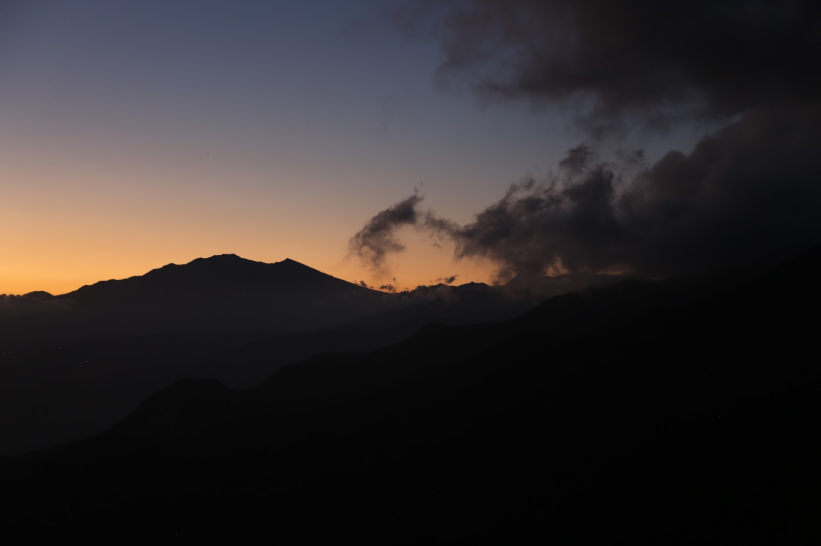
More Than Just a Cup: The Fascinating World of Coffee Tasting in Panama

For many travelers, coffee is simply something to wake them up in the morning. It is poured into a mug, sweetened with sugar or milk, and enjoyed without much thought. Arriving in Panama, however, can completely change that perspective. Coffee tasting here is not simply about drinking coffee. It is an experience that introduces visitors to one of the world's most celebrated agricultural products, revealing an astonishing range of aromas, flavours, and craftsmanship that most people never knew existed. In the cool volcanic highlands of Chiriquí, especially around Boquete and Volcán, coffee is treated with the same respect that wine receives in France or Italy. Every cup tells the story of volcanic soil, mountain mist, tropical sunshine, careful harvesting, and generations of expertise.

Panama has earned a remarkable reputation in the coffee world. Although the country produces far less coffee than giants like Brazil or Colombia, it consistently produces some of the highest-quality beans on Earth. The country's legendary Geisha coffee has shattered international auction records, with small lots selling for hundreds and sometimes even thousands of dollars per pound. Coffee enthusiasts travel from every continent simply to taste these extraordinary beans where they are grown, making Panama one of the world's premier destinations for specialty coffee tourism.

What Is a Coffee Tasting?

Many visitors are surprised to learn that professional coffee tasting is a structured experience known as cupping. Rather than casually sipping a cup of coffee, participants evaluate every aspect of the drink using techniques developed by coffee experts around the world.

Freshly roasted beans are ground immediately before tasting so that none of their delicate aromas escape. As hot water is poured over the grounds, an intensely fragrant crust forms on the surface. Tasters lean over the cup and inhale deeply, identifying floral, fruity, spicy, chocolate, caramel, citrus, honey, herbal, or even tea-like aromas before the coffee is ever tasted.

After several minutes, the crust is gently broken with a spoon, releasing another wave of incredible fragrance. Many people say this is one of the most memorable moments of the entire experience. The aroma fills the room, often revealing entirely new scents that were hidden only moments before.

Finally comes the tasting itself. Professional tasters use spoons to slurp the coffee loudly, spraying tiny droplets across the tongue and throughout the mouth. Although this may seem unusual at first, the technique allows every taste bud to detect the coffee's full range of flavours.

Flavours You Never Expected

One of the greatest surprises during a coffee tasting is discovering that coffee rarely tastes only like coffee.

Depending on the variety, altitude, climate, and processing method, different coffees may display flavours resembling jasmine, orange blossom, bergamot, peach, mango, pineapple, strawberry, raspberry, blueberry, passion fruit, honey, brown sugar, caramel, milk chocolate, dark chocolate, almonds, hazelnuts, cinnamon, black tea, or even tropical flowers.

These flavours are not added. They develop naturally during the growth of the coffee plant and through careful processing after harvest.

Panama's famous Geisha variety is especially renowned for its elegant floral aromas and delicate notes of jasmine, bergamot, tropical fruit, and citrus that astonish first-time visitors.

Why Panama Produces Such Exceptional Coffee

Several natural factors combine to create ideal growing conditions.

Boquete sits on the slopes of Volcán Barú, Panama's highest mountain. Rich volcanic soil provides abundant minerals while elevations often exceeding 1,500 metres allow coffee cherries to ripen slowly. This slower growth gives the beans more time to develop complex sugars and flavours.

Cool nights, warm sunny days, regular mountain mist, and consistent rainfall create an environment that specialty coffee producers dream about. The surrounding forests also help regulate temperatures and maintain healthy ecosystems that benefit coffee production.

The result is coffee with remarkable complexity, sweetness, and balance.

The Journey From Cherry to Cup

Coffee tastings often begin with a walk through the plantation itself.

Visitors learn that coffee does not begin as a brown bean but as a bright red or yellow fruit called a coffee cherry. During harvest season, workers carefully pick only the ripest cherries by hand. This selective harvesting is one reason why Panama's finest coffees achieve such extraordinary quality.

After harvesting, the cherries are processed using different methods.

The washed process removes the fruit before drying, often producing clean, bright flavours with crisp acidity.

Natural processing dries the entire cherry before removing the fruit, creating sweeter coffees with rich fruit flavours.

Honey processing leaves some fruit attached during drying, producing coffees that combine sweetness with remarkable complexity.

Many tasting tours allow visitors to compare coffees produced using these different techniques, demonstrating how processing dramatically changes the final flavour.

Coffee Is Judged Like Fine Wine

Professional coffee judges evaluate numerous characteristics during a tasting.

Aroma reveals the coffee's fragrance before tasting.

Acidity refers not to sourness but to brightness and liveliness.

Body describes the weight or texture of the coffee in the mouth, ranging from light and delicate to rich and creamy.

Sweetness reflects naturally occurring sugars developed during growth.

Balance considers how harmoniously every characteristic works together.

The finish describes the pleasant flavours that remain after swallowing.

Understanding these qualities transforms an ordinary cup of coffee into a fascinating sensory experience.

Meeting the Farmers

One of the most rewarding aspects of coffee tasting in Panama is meeting the people who grow the coffee.

Many farms remain family owned, with knowledge passed from one generation to the next. Visitors hear stories about planting trees, protecting forests, adapting to changing weather, experimenting with new processing techniques, and striving every year to produce even better coffee.

Learning about the dedication behind every harvest gives visitors a far deeper appreciation for what eventually arrives in their cup.

Coffee and Wildlife

Many coffee farms in Panama are beautifully integrated into the natural environment.

Shade-grown coffee plantations support remarkable biodiversity, providing habitat for birds, butterflies, orchids, frogs, and countless insects. Hummingbirds dart between flowering plants while colourful tanagers and woodpeckers feed among the trees.

Walking through these farms often feels less like touring an agricultural property and more like exploring a tropical botanical garden.

Coffee Tasting Is for Everyone

You do not need to be a coffee expert to enjoy a tasting.

In fact, many people who claim they dislike coffee discover that they simply have never tasted freshly roasted specialty coffee prepared correctly.

Experienced guides explain every step in simple language, encouraging visitors to trust their own senses rather than searching for "correct" answers. Every person's palate is unique, making each tasting slightly different.

Even children or visitors who choose not to drink coffee often enjoy touring the farms because of the beautiful scenery, flowering plants, fascinating production process, and spectacular mountain views.

A Perfect Day in the Highlands

Many travelers combine a morning coffee tasting with other adventures around Boquete. After learning about Panama's world-famous coffee, they might spend the afternoon hiking to waterfalls, exploring cloud forests, ziplining through the canopy, or searching for the resplendent quetzal.

Others continue their journey to Lost and Found Hostel, located between Boquete and Bocas del Toro in the lush Fortuna Forest Reserve. There, surrounded by cloud forest, guests can continue experiencing the landscapes that help make Chiriquí so special. The cooler mountain climate, rich biodiversity, hummingbirds visiting the feeders, and miles of jungle trails perfectly complement a coffee tour, creating an unforgettable introduction to Panama's natural beauty.

An Experience That Changes the Way You Drink Coffee

Long after returning home, many travelers discover that they never look at coffee the same way again. They remember the aroma of freshly roasted beans drifting through a mountain valley, the sight of ripe coffee cherries glowing red beneath the shade trees, and the surprising flavours of jasmine, honey, citrus, or tropical fruit that seemed impossible to find in a single cup. Coffee tasting in Panama is far more than a tourist activity. It is an opportunity to understand one of the country's greatest treasures through all five senses while exploring one of the most beautiful mountain regions in Central America. Whether you are a lifelong coffee enthusiast or someone who simply enjoys the occasional morning cup, experiencing a coffee tasting in Panama is likely to become one of the most memorable highlights of your journey.