Chiriquí and the Fierce Pride of the Chiricanos

Panama’s Highland Kingdom of Mountains, Cattle, Coffee, and Character

There are parts of Panama that feel unmistakably tropical. Places where the air hangs heavy with humidity and palm trees lean toward warm Pacific beaches. Places where jungle presses close against roads and the nights vibrate with insects and frogs.

Then there is Chiriquí Province.

Chiriquí feels different almost immediately.

The air becomes cooler in the mountains. The roads begin climbing into green highlands covered in coffee farms, pine trees, vegetable fields, rivers, and mist. Cattle graze across rolling hills that look more like something from another continent than the stereotypical image of tropical Panama. Pickup trucks rumble through mountain towns carrying sacks of produce and muddy boots. Roosters crow at dawn beneath fog drifting across valleys. The silhouette of the enormous Volcán Barú towers above the province like a giant watching over western Panama.

And perhaps more than anywhere else in the country, the people carry a deep and unmistakable regional pride.

To understand Chiriquí, you have to understand the Chiricanos.

Because in Panama, Chiricanos are famous for being Chiricanos.

People from other provinces joke about it constantly. The stereotype is that Chiricanos believe Chiriquí is the best place on Earth and are fully prepared to tell you exactly why at any moment. A person from Chiriquí can be living in another part of Panama for twenty years and still speak about home with the energy of someone campaigning for a small independent nation.

And honestly, after spending time there, many visitors begin to understand the obsession.

Chiriquí is one of the most geographically dramatic and economically important provinces in Panama. It sits in the far west of the country bordering Costa Rica and contains an incredible range of environments packed into one region. Pacific coastlines, volcanic mountains, cloud forests, cattle country, rivers, agricultural valleys, islands, and cool mountain towns all exist within the same province.

The province often feels more spacious and rural than much of the rest of Panama. There is a sense of land in Chiriquí. Big skies. Long valleys. Open farmland. Mountain horizons.

Agriculture forms part of the soul of the province.

Much of Panama’s vegetables come from Chiriquí. The fertile volcanic soils and cooler highland climate create conditions perfect for farming. Around towns like Volcán and Cerro Punta, fields spread across mountain valleys producing lettuce, carrots, onions, potatoes, strawberries, cabbage, and countless other crops.

Driving through these areas surprises many travelers because they do not resemble the tropical stereotype they imagined before arriving in Panama. In the cool mornings, workers bundled in jackets harvest vegetables beneath mountain mist while trucks haul produce toward markets across the country.

Chiriquí feeds Panama in many ways.

The province is also deeply tied to cattle ranching culture. Large ranches and grazing lands stretch across parts of the province, especially lower elevation regions. Cowboys on horseback remain a real part of life here rather than merely tourist imagery. Rodeos, livestock fairs, cattle auctions, and ranch traditions hold strong cultural importance.

This ranching identity contributes heavily to Chiricano pride. There is a strong sense of hard work, independence, and toughness associated with the region. Many Chiricanos see themselves as practical people connected to the land and less dependent on the politics and fast pace of Panama City.

People in Panama sometimes jokingly describe Chiriquí almost like a separate country. The province has such a strong identity that it can feel culturally distinct from the rest of the nation. Chiricanos are known for defending their province passionately in conversations about food, climate, music, work ethic, and quality of life.

Ask a Chiricano where the best weather in Panama exists and there is a good chance they will say Chiriquí. Ask where the hardest working people live and they may say Chiriquí. Ask where the best coffee comes from and they will definitely say Chiriquí.

And regarding coffee, they may actually be correct.

The highlands around Boquete produce some of the most famous coffee on Earth.

The volcanic soil, elevation, cool temperatures, and mountain moisture create ideal conditions for coffee cultivation. Chiriquí became internationally famous through Geisha coffee, a variety that exploded into global luxury markets because of its extraordinary flavor profile. Some Panamanian coffees now sell for astonishing prices internationally.

Yet coffee culture in Chiriquí goes far beyond elite exports. Coffee is part of everyday life. Small farms cling to mountain slopes. Families dry beans beside homes. Morning coffee in Chiriquí is practically sacred.

The highlands themselves are among the most beautiful landscapes in Central America.

Around Boquete, forests climb steep valleys beneath the looming presence of Volcán Barú, the tallest mountain in Panama. Rivers cut through green canyons. Waterfalls tumble through jungle. Cool air mixes with flower gardens and coffee plantations. Travelers from hotter lowland regions often feel immediate relief arriving in the highlands.

Boquete especially became internationally known for its beauty, cooler climate, and outdoor activities.

Hiking, rafting, birdwatching, coffee tours, and mountain climbing attract visitors from around the world. At dawn, adventurous hikers climb Volcán Barú hoping to witness one of the rarest views on Earth where both the Pacific Ocean and Caribbean Sea may sometimes be visible from the summit under perfect atmospheric conditions.

But while Boquete became famous internationally, many Chiricanos feel the province’s real character exists beyond the tourist brochures.

Small mountain towns, cattle communities, roadside fondas, local festivals, and agricultural valleys hold the deeper rhythm of Chiriquí life.

There is also a strong frontier feeling in parts of the province. Chiriquí historically developed somewhat separately from central Panama because of geography and distance. Mountain barriers and rural landscapes fostered self reliance. Even today many Chiricanos possess a strong independent streak.

The province’s economy reflects this productivity and self confidence. Agriculture, cattle ranching, coffee, fishing, tourism, and commerce all contribute heavily to Panama’s economy. David, the provincial capital, is one of the most important cities outside Panama City and serves as a major commercial center for western Panama.

David itself feels very different from the capital. It is busy but more spread out, practical, and regional in character. Many people from rural areas travel there for shopping, medical care, education, and business. The city acts as the beating heart of western Panama.

Chiriquí’s natural diversity is extraordinary. Within the same province you can travel from cool cloud forest to hot Pacific beaches in only a few hours.

The Pacific coast contains fishing towns, mangroves, and access to incredible marine environments including the stunning Gulf of Chiriquí National Marine Park.

The gulf contains islands, coral reefs, dolphins, whales during migration seasons, sport fishing opportunities, and remote beaches that still feel relatively undeveloped compared to more famous tourist destinations elsewhere.

Then there are the forests.

Cloud forests in the highlands contain astonishing biodiversity including quetzals, orchids, monkeys, amphibians, and countless bird species. Lower elevation rainforests become hotter, denser, and more tropical. Chiriquí acts as a meeting point between different ecosystems, creating remarkable biological richness.

This connection to nature forms another layer of Chiricano identity. Many residents grow up close to rivers, mountains, farms, forests, and animals. Outdoor life remains deeply woven into the culture.

Festivals and celebrations also reveal the province’s strong regional pride. Traditional music, rodeos, folkloric dress, cattle fairs, and agricultural exhibitions remain major events. During festivals, people celebrate not just Panama but specifically Chiriquí itself.

Food plays a huge role too.

Chiricano cuisine reflects the province’s agricultural abundance. Fresh dairy products, beef, vegetables, coffee, and hearty rural cooking dominate many local dishes. Meals often feel filling and grounded in farming culture.

There is also a widespread belief among many Panamanians that Chiricanos are especially hardworking. Whether fair or exaggerated, the stereotype persists strongly. The image of the disciplined rancher, coffee farmer, or agricultural worker became tied to the regional identity over generations.

Of course like all stereotypes, reality is more complicated and diverse than simple labels. Chiriquí contains wealthy landowners, struggling farmers, urban professionals, Indigenous communities, tourism workers, students, and people from many backgrounds. But the broader image of resilience and industriousness remains deeply associated with the province.

The province also has a strong relationship with migration and international influence. Over time, foreign settlers including Europeans contributed to agricultural development in the highlands, especially around Boquete and Volcán. Retirees from abroad later arrived seeking cooler climates and quieter lifestyles.

Yet despite outside influences, Chiricano identity remains extremely strong.

People from Chiriquí often carry themselves with a distinct confidence about where they come from. Sometimes it appears humorous or exaggerated. Other times it feels almost patriotic on a regional level.

But beneath the jokes lies something real.

Chiriquí offers a quality of life many people genuinely admire. Cooler weather. Rich farmland. Dramatic scenery. Strong local culture. Productive industries. Outdoor beauty. Relative safety in many areas. A slower rhythm than the capital.

The province has challenges too, of course. Economic inequality exists. Infrastructure can vary. Tourism growth creates pressure in some areas. Agricultural communities face environmental and market struggles. Young people sometimes leave for opportunities elsewhere.

Still, the emotional attachment many Chiricanos feel toward their province remains powerful.

Perhaps it comes from the mountains themselves.

There is something about waking up beneath misty highland skies while Volcán Barú rises in the distance that creates loyalty. Something about drinking coffee grown on nearby slopes while cool air drifts through pine trees in tropical Panama. Something about cattle ranches, rivers, waterfalls, vegetable valleys, and open landscapes that gives Chiriquí a feeling unlike anywhere else in the country.

For travelers, Chiriquí often becomes the region they remember most vividly after visiting Panama.

Not because it is the loudest place. Not because it is the flashiest place. But because it feels deeply alive with regional identity.

And if you spend enough time there, do not be surprised if you eventually catch yourself doing the exact same thing as the locals:

Talking about Chiriquí like it is the greatest place in Panama.

Traditional Indigenous Musical Instruments of Panama

The Ancient Sounds of the Isthmus

Long before radios, reggaeton, speakers strapped to buses, or music blasting from phones on city streets, the forests and coastlines of Panama echoed with very different sounds.

Drums rolled through villages beside jungle rivers. Flutes called across mountain valleys. Rattles shook during ceremonies deep in rainforest clearings. Shells sounded across coastlines. Songs rose into the humid tropical air beneath stars untouched by electric light.

For Panama’s Indigenous peoples, music has never been just entertainment. Traditionally, music was communication, spirituality, celebration, memory, storytelling, and connection to the natural world. Instruments were often handmade from materials gathered directly from the surrounding environment including bamboo, gourds, turtle shells, animal hides, seeds, bones, wood, reeds, and conch shells.

Even today, although modern life has changed many traditions, Indigenous music remains an important cultural force among groups such as the Guna people, Ngäbe people, Emberá people, Wounaan people, and Naso people.

The traditional instruments of these communities are deeply tied to Panama’s landscapes. You can often understand the environment simply by looking at what the instruments are made from. Forest peoples create instruments from jungle plants and animal materials. Coastal peoples incorporate shells and rhythms inspired by waves and water. Mountain communities develop sounds suited for open valleys and cooler highland air.

One of the most important traditional instruments across many Indigenous cultures in Panama is the drum.

Drums

Drums are ancient in Panama. Long before colonization, they were used for ceremonies, dances, festivals, spiritual gatherings, and communication between communities.

Different Indigenous groups developed different drum styles, but many traditional drums were carved from hollowed tree trunks with animal hide stretched tightly across the top. The tropical forests of Panama provided ideal hardwoods for drum making. Skilled craftsmen carefully selected trees based on resonance, durability, and size.

The sound of these drums can carry surprisingly far through humid jungle air.

Among the Emberá people and Wounaan people, percussion remains especially important in dances and cultural performances. Rhythms often imitate nature itself including flowing rivers, rainstorms, animal movements, or the pulse of group dances around communal spaces.

Unlike modern factory instruments, traditional drums often vary dramatically from village to village. Some produce deep booming bass tones while others create sharper cracking rhythms.

In many Indigenous traditions, drumming was not simply musical. It could also carry spiritual significance. Rhythms accompanied rituals, healing ceremonies, seasonal celebrations, and important communal gatherings.

Flutes

Flutes are another ancient Indigenous instrument family in Panama.

Many traditional flutes were made from bamboo, cane, reeds, or carved wood. Panama’s tropical environment produces abundant plant materials perfect for wind instruments. Bamboo especially became important because of its natural hollow structure and pleasant acoustic qualities.

The sound of a traditional rainforest flute can feel hauntingly beautiful. In dense jungle environments where visibility is limited, sound travels with emotional power. Flute music drifting through misty forest can sound almost ghostlike.

Some flutes were used during ceremonies while others accompanied dances or storytelling traditions. Certain melodies may imitate birds, flowing water, or forest sounds. Indigenous musicians often developed deep awareness of natural acoustics, understanding how sound moved through valleys, rivers, and trees.

The Guna people historically used various wind instruments in ceremonial contexts, though many traditions evolved over time due to outside influence and modernization.

In some communities, flutes were also associated with courtship or personal expression. A lone flute played at night carried emotion in ways words sometimes could not.

Rattles and Shakers

Rattles are among the oldest musical instruments on Earth, and Indigenous Panamanian cultures developed many versions.

These instruments were commonly made from:

dried gourds filled with seeds or stones

seed pods

shells

woven containers

turtle shells

natural forest materials

The sounds created by rattles connect strongly to the rhythms of tropical nature. They resemble rain falling on leaves, insects moving through brush, or the endless layered sounds of rainforest life.

In ceremonial settings, rattles often accompanied chanting, dancing, and drumming. Their repetitive sound could create hypnotic rhythmic patterns lasting long periods during festivals or spiritual events.

Among some Indigenous groups, rattles also held symbolic significance connected to spirits, ancestors, or natural forces.

Because Panama’s forests contain incredible biodiversity, artisans had access to many unique seeds and natural materials capable of producing different tones and textures.

Conch Shell Horns

Along coastal regions and island communities, large conch shells were sometimes transformed into wind instruments.

A hole would be cut into the shell allowing musicians to blow through it like a horn or trumpet.

The sound is powerful, low, and ancient sounding. A conch shell horn can carry across water remarkably well.

Historically these shell instruments may have been used for:

signaling

ceremonies

gatherings

communication between communities

announcing important events

On islands and coastlines, the sound of a shell horn drifting over the ocean would have carried enormous emotional and practical significance.

Even today the sound immediately evokes something ancient and maritime.

Whistles and Animal Call Instruments

Some Indigenous groups created small whistles capable of imitating birds or animal sounds.

These could serve multiple purposes including:

hunting

communication

music

ceremonies

storytelling

Panama’s forests are filled with loud distinctive bird calls, monkey sounds, frog choruses, and insect noises. Indigenous peoples developed close listening relationships with these soundscapes over thousands of years.

Certain instruments intentionally echoed natural sounds, blurring the line between music and environmental imitation.

To outsiders, some traditional performances may sound almost like conversations with the forest itself.

The Influence of Nature on Indigenous Music

One fascinating aspect of Indigenous Panamanian instruments is how strongly they reflect the surrounding environment.

Tropical rainforest shapes music differently than deserts or open plains.

In Panama:

humidity softens sound

dense vegetation changes acoustics

rivers create constant background noise

insects produce nonstop rhythms

birds dominate daytime soundscapes

frogs dominate nighttime soundscapes

Traditional instruments evolved within these conditions.

Drums cut through jungle noise. Flutes carried across valleys. Rattles blended with rainforest rhythms. Shell horns traveled over water.

The environment itself became part of the music.

Dance and Music Together

In many Indigenous Panamanian traditions, music was inseparable from dance.

Ceremonial dances often involved:

synchronized drumming

chanting

repetitive rhythms

elaborate clothing

body paint

communal participation

Music created movement and movement created music.

Among the Guna people, ceremonial traditions historically combined vocal music with rhythmic accompaniment tied closely to spiritual and communal life.

The Emberá people remain especially well known for vibrant dance traditions involving percussion and group performance.

These performances are not merely entertainment in the Western sense. They preserve identity, memory, and cultural continuity.

Spanish and African Influence

After colonization, Indigenous music in Panama did not remain isolated.

Over centuries, Indigenous traditions mixed with:

Spanish instruments

African rhythms

Caribbean influences

Latin American musical forms

This blending helped create Panama’s broader musical culture.

Today some traditional Indigenous music incorporates newer instruments while still preserving older rhythms and ceremonial elements.

In some communities, handmade drums now exist beside guitars or accordions. Traditional chants may merge with newer melodies.

Culture in Panama has always evolved through contact and exchange.

Threats to Traditional Music

Like many cultural traditions worldwide, Indigenous musical knowledge faces challenges.

Modernization, migration, technology, economic pressures, and cultural assimilation can reduce the transmission of traditional instrument making and performance skills.

Some younger generations grow up hearing more global pop music than traditional ceremonial music.

At the same time, there has also been growing cultural preservation work across Panama. Festivals, schools, cultural centers, and Indigenous leaders continue protecting musical traditions and teaching younger generations about ancestral instruments and performance styles.

Tourism has created both benefits and complications. Cultural performances can provide income and visibility, but there is also always the risk of traditions becoming simplified into performances designed mainly for outsiders.

Still, many communities continue maintaining genuine cultural practices beyond tourism settings.

Music as Memory

Traditional Indigenous instruments in Panama are more than objects.

A drum carries the memory of forests where the tree once stood. A flute carries the sound of mountain wind. A shell horn carries the voice of the sea. A rattle carries the rhythm of seeds and rain.

These instruments connect modern Panama to an incredibly deep past stretching back long before modern borders existed.

Long before skyscrapers rose in Panama City, before container ships crossed the canal, before highways cut through the jungle, music already echoed across the isthmus from Indigenous villages hidden beside rivers and forests.

Tonight in parts of Panama, traditional rhythms still continue.

Drums still roll through humid tropical air. Flutes still echo through mountain valleys. Rattles still shake beside ceremonial dances.

And the ancient soundscape of the isthmus still survives beneath the noise of the modern world.

Bistec Picado

The Loud Sizzling King of Panama’s Fondas

There are certain foods in Panama that instantly make people feel at home. The smell alone is enough to stop someone in their tracks. You can hear the dish before you even see it. Metal spatulas clanging against giant flat top grills. Oil crackling. Onions hissing in hot pans. Cooks shouting orders over the noise of lunch crowds packed shoulder to shoulder inside tiny roadside eateries.

And somewhere in the middle of all that beautiful chaos is one of the true kings of Panamanian comfort food: bistec picado.

For many travelers, bistec picado becomes the meal they accidentally fall in love with. They may arrive in Panama expecting seafood, tropical fruit, ceviche, or Caribbean dishes. Then one afternoon they wander into a crowded local fonda, sit beneath a spinning fan while salsa music blasts from an old speaker, and order a plate of chopped beef with onions almost as an afterthought.

Then the plate arrives.

Steam rises into the air carrying the smell of garlic, peppers, beef juices, and caramelized onions. The meat glistens with sauce. Freshly fried patacones sit on the side still crackling from the oil. Or maybe fluffy hojaldres arrive instead, warm and golden and perfect for soaking up every drop of flavor left on the plate.

One bite later and suddenly the traveler understands why Panamanians love this dish so much.

Bistec picado is not fancy food. It is not delicate cuisine designed for tiny artistic portions. It is loud food. Working food. Hungry food. The kind of meal that fuels taxi drivers, mechanics, office workers, fishermen, construction crews, university students, late night wanderers, and entire families gathering around plastic tables at roadside restaurants.

At its core, bistec picado is simple. Thin pieces of beef are chopped and cooked quickly over high heat with onions, peppers, garlic, and seasonings until everything mixes together into a rich savory explosion of flavor. The beef develops browned edges while the onions soften and sweeten. Juices combine with spices and oil to create a sauce that seeps into rice, drips across fried plantains, and absolutely demands to be eaten with something starchy nearby.

That is where hojaldres and patacones enter the story.

Few combinations in Panama feel more satisfying than a plate of bistec picado beside fresh patacones.

Patacones are thick slices of green plantain smashed flat and fried until golden and crisp on the outside while remaining soft inside. They bring saltiness, crunch, and texture that balance perfectly against the juicy beef mixture. Many people use them almost like edible spoons, scooping up meat, onions, and sauce bite after bite. The contrast between crispy fried plantain and savory beef feels deeply satisfying in a way that is hard to explain unless you have eaten it yourself.

Then there are hojaldres, one of Panama’s great comfort foods.

A hojaldre is a fried dough bread that puffs beautifully when cooked. Crispy on the outside and soft inside, it becomes the perfect companion to bistec picado because it absorbs juices so well. Many Panamanians tear pieces off by hand and drag them through the oily onion rich sauce left beneath the meat. It is messy in the best possible way.

Breakfast versions of bistec picado with hojaldres are especially beloved. Across Panama people wake early and head to local fondas where giant pots of coffee brew while cooks prepare trays of fried foods for the morning rush. Workers before sunrise may order bistec picado with eggs, hojaldres, and coffee before heading off to long shifts. The meal is heavy, filling, salty, rich, and deeply energizing.

Fondas are where bistec picado truly lives.

A fonda in Panama is more than just a restaurant. It is part cafeteria, part community center, part lunch counter, and part survival system for hungry people who need affordable delicious food fast. Some fondas are tiny roadside operations with only a few tables. Others are larger bustling establishments serving hundreds of meals daily.

Inside a Panamanian fonda there is usually little concern for trendy presentation or fine dining aesthetics. Plates arrive overflowing with food. Rice may spill over the edges. Onion sauce runs across the plate. The television in the corner might be blasting baseball, reggaeton videos, or news reports while customers shout conversations over the noise.

And almost always, somewhere on the menu, there is bistec picado.

Locals love it because it is dependable. Travelers love it because it feels authentic immediately. Unlike foods adapted heavily for tourism, bistec picado remains rooted in ordinary daily Panamanian life. It is what people actually eat.

One reason the dish succeeds so well is because Panama itself sits at a cultural crossroads. Panamanian cuisine pulls influence from Spanish cooking traditions, Afro Caribbean flavors, Indigenous ingredients, and Latin American comfort food culture. Bistec picado reflects this blending beautifully. The dish feels straightforward and humble but carries layers of flavor built from generations of evolving cooking styles.

The onions are especially important. In a good bistec picado, onions are not merely decoration. They become almost equal partners to the beef itself. As they cook down, they absorb juices and seasoning while adding sweetness and depth. Peppers often contribute freshness and slight bitterness. Garlic provides intensity. Worcestershire sauce or soy sauce may appear in some recipes, adding salt and umami richness.

Every fonda makes it a little differently.

Some versions are saucier. Some are drier and more heavily browned. Some include tomatoes while others focus entirely on onions and peppers. Certain cooks add spicy elements while others keep the flavor profile simple and savory. The best versions develop a deep caramelized richness where meat juices, oil, and vegetables combine into something greater than the individual ingredients alone.

In Panama City, especially in neighborhoods filled with workers and students, fondas serving bistec picado become packed during lunch hours. People line up quickly because everyone knows the good spots sell out. Plates usually come with rice and beans alongside patacones, fries, salad, or hojaldres depending on the time of day and the style of the restaurant.

For backpackers and travelers, discovering fondas often becomes one of the highlights of visiting Panama. Fancy restaurants can be excellent, but fondas reveal everyday food culture more honestly. Sitting among locals while eating bistec picado with an ice cold soda or fresh juice gives travelers a glimpse into ordinary Panamanian life that luxury dining rarely captures.

The atmosphere matters almost as much as the food itself.

Fans spinning lazily overhead. Plastic chairs scraping tile floors. Servers carrying massive plates with impossible balance. The smell of frying plantains drifting through the room. Conversations happening at full volume. The cook yelling from behind the grill. The sound of oil crackling nonstop.

Bistec picado belongs perfectly in that environment because it is energetic food.

Many Panamanians also associate the dish with comfort and nostalgia. People grow up eating it after school, during work lunches, after nights out, on road trips, or at family gatherings. For some it tastes like childhood. For others it tastes like home after time away abroad.

Its versatility helps explain its popularity too. Bistec picado works at breakfast, lunch, dinner, or late at night. It can be eaten quickly during a work break or stretched into a long relaxed meal with friends. It satisfies both locals seeking familiarity and tourists wanting something hearty and unmistakably Panamanian.

The dish also pairs beautifully with Panama’s tropical climate in a strange way. Although hot and heavy, the salty richness somehow feels perfect after hours spent in humidity, rain, or physical activity. A plate of bistec picado after surfing, hiking, working outdoors, or traveling long distances feels almost medicinal.

Across the country different regions put their own subtle spin on the dish. Coastal areas may serve it beside seafood options while mountain towns sometimes emphasize heartier portions suited for cooler climates. Rural fondas often produce especially memorable versions because the cooking feels deeply personal and unpretentious.

One thing remains consistent everywhere though: the dish disappears fast.

People clean their plates thoroughly. Patacones scrape up the last bits of sauce. Hojaldres soak up every remaining drop of oil and onion juice. Rice vanishes beneath chopped beef and peppers. By the end only streaks of flavor remain across the plate.

In many ways, bistec picado represents Panama itself. It is not flashy. It does not rely on elaborate presentation. Yet it is warm, flavorful, energetic, welcoming, and deeply satisfying once experienced properly.

Tourists may arrive searching for beaches, jungles, islands, and canals, but many leave remembering a noisy fonda where they ate sizzling chopped steak with crispy patacones while surrounded by the everyday rhythm of Panamanian life.

And somewhere back in the kitchen, another pan of onions is already hitting the grill for the next plate.

The Owls of Panama

The Hidden Night Hunters of the Isthmus

When darkness falls across Panama, the country transforms into a completely different world. The parrots go quiet. The toucans disappear into the canopy. Daytime butterflies vanish. The heat softens. Mist begins to drift through mountain forests. Frogs explode into deafening choruses beside rivers and jungle pools. Insects start screaming from every direction at once. The rainforest that seemed sleepy during the blazing afternoon suddenly becomes alive with movement.

And somewhere in that darkness, silent wings begin to move through the trees.

Panama is one of the greatest owl countries in the Americas, although surprisingly few people realize it. Travelers arrive dreaming about monkeys, sloths, tropical birds, whale sharks, or jungle cats, yet many never discover that Panama’s forests hide an extraordinary collection of owls ranging from tiny insect hunters smaller than a human hand to powerful nocturnal predators capable of snatching mammals from the forest floor.

Some of these owls live deep in untouched rainforest where few humans ever go. Others quietly inhabit cloud forests, mangroves, cattle ranches, suburban edges, islands, dry Pacific hills, and even neighborhoods near cities. Some are seen often by birdwatchers while others are so mysterious that even experienced researchers rarely encounter them. A few species seem almost ghostlike, heard far more often than seen. Their calls drift through the jungle at night like ancient spirits moving through the trees.

Owls fit Panama perfectly because Panama itself is a country built from layers of habitats stacked tightly together. In only a few hours you can travel from Pacific dry forest to misty mountains to Caribbean rainforest. Each environment creates opportunities for different species of owls, and over thousands of years these nocturnal hunters spread into nearly every corner of the country.

For many visitors, hearing an owl in Panama becomes one of the defining sounds of the tropics. The call might come from high in a cloud forest dripping with moss. It may echo across cattle fields beneath a full moon. It may rise from mangroves near the Caribbean coast where salt air mixes with jungle humidity. Sometimes the sounds are haunting deep hoots. Sometimes they are whistles, screams, barking noises, rattles, shrieks, or strange monkeylike calls that barely sound like birds at all.

Panama’s owls are not just decorations of the night. They are essential predators in tropical ecosystems. Without them, rodent populations would surge, insects would spread unchecked, and ecological balance would shift dramatically. Every owl species occupies its own niche within the forest. Some specialize in hunting insects. Others focus on rodents, bats, reptiles, frogs, birds, or even fish. Together they form an invisible nighttime army of hunters silently regulating the jungle after sunset.

One reason owls fascinate people so deeply is because they seem designed for secrecy. Nearly every part of an owl’s body is built around stealth. Their feathers are incredibly soft and specialized so air passes across them almost silently during flight. A large owl can fly directly overhead in complete silence while carrying enough power to kill prey instantly with its talons. Their eyes are enormous relative to their skull size, allowing them to gather tiny amounts of light. Many species can detect movement in conditions that appear pitch black to humans.

Their hearing may be even more impressive. Some owls can locate prey entirely by sound. Tiny asymmetries in their skull structure allow them to determine exactly where a noise originated. A rustle beneath leaves. A frog shifting beside a creek. A rat moving through grass. The owl hears it all.

Panama’s forests become terrifyingly dangerous places for small animals after dark.

Among the most famous owl species in Panama is the spectacled owl. This large tropical owl is one of the great nighttime predators of Central American forests and possesses one of the most memorable appearances of any owl in the world.

The spectacled owl gets its name from the pale markings around its eyes which resemble glasses or spectacles. Young birds are especially striking because they look almost reversed compared to adults. Juveniles have fluffy white plumage with dark facial markings, giving them a bizarre ghostly appearance that surprises many birdwatchers.

Adult spectacled owls are powerful hunters capable of taking surprisingly large prey. They hunt rodents, birds, frogs, reptiles, and other forest creatures. In deep rainforest they often sit silently for long periods before launching sudden attacks from hidden perches. Their calls are deep booming sounds that echo through humid jungle valleys with an almost prehistoric feeling.

Hearing a spectacled owl in the rainforest at night is unforgettable. The sound feels ancient, as though it belongs to a time long before humans existed in the Americas.

Another remarkable species found in Panama is the crested owl.

The crested owl is a master of camouflage and one of the strangest looking owls in the country. Its long ear tufts and bark patterned plumage allow it to disappear completely against tree trunks during the daytime. A person can stare directly at one without realizing it is there. When disturbed, the owl stretches its body upward and narrows its eyes to tiny slits, transforming itself into what looks like a broken branch.

The crested owl specializes heavily in hunting insects and other small prey. Large moths, beetles, katydids, and forest invertebrates become meals beneath the tropical canopy. Unlike some larger owls, the crested owl often relies on subtle stealth and surprise rather than overwhelming force.

Then there is the black and white owl, one of Panama’s most visually dramatic nocturnal birds.

This species almost looks unreal. Its bold black and white patterning gives it an appearance more similar to an exotic costume than a natural animal. The owl often hunts along forest edges, rivers, and openings where it searches for insects and small vertebrates. Birdwatchers become extremely excited when spotting one because its striking plumage photographs beautifully under careful lighting conditions.

Panama also contains several tiny owls that many people never notice at all. Ferruginous pygmy owls are among the smallest and most aggressive.

Despite their tiny size, pygmy owls possess astonishing confidence. They attack prey fearlessly and are known for hunting small birds, lizards, and insects. During the daytime other birds sometimes mob them aggressively because small birds recognize them as dangerous predators. A tiny owl may suddenly become surrounded by furious tanagers, flycatchers, and hummingbirds all screaming alarm calls while trying to drive it away.

Pygmy owls prove that size means very little in the world of predators.

In the high cloud forests of western Panama, especially near regions surrounding Boquete and the mountains near La Amistad International Park, several mountain owl species inhabit forests wrapped constantly in mist and moss.

These cloud forests create some of the most magical owl habitat in Central America. Trees become covered in orchids, bromeliads, lichens, and dripping moss. Cold fog rolls through valleys after sunset. Insects swarm around forest openings. Tiny mammals move through wet leaf litter beneath towering oaks.

The owls here often sound very different from their lowland relatives. Their calls drift through the fog in eerie ways that make distances impossible to judge. A bird may sound close enough to touch but actually sit hundreds of meters away across a ravine.

The mottled owl is another impressive species found across parts of Panama. Its deep resonant hoots often dominate tropical nights. Many people hearing the sound for the first time imagine something far larger than an owl because the calls possess such incredible depth.

Mottled owls frequently hunt rodents around forest edges and agricultural land, making them valuable natural pest controllers. Farmers may unknowingly benefit from their presence every single night.

Barn owls also occur in Panama, especially near open country, grasslands, towns, and farmland.

Unlike many forest owls, barn owls often thrive around human settlements. Their pale ghostly appearance and silent low flight have fueled myths and superstitions across the world for centuries. In Panama, as in many cultures, owls sometimes carry associations with spirits, omens, or mystery. Rural stories about owls remain common in isolated areas.

Many Indigenous groups throughout the Americas viewed owls with both respect and fear. Some traditions saw them as messengers between worlds. Others associated them with wisdom, death, protection, or supernatural power. Because owls emerge from darkness silently and possess eerie glowing eyes under torchlight, they naturally inspired legends long before modern science explained them.

In Panama’s forests, owls are often heard far more than seen. This creates part of their mystery. A traveler may spend an entire night listening to haunting calls echoing around camp without ever spotting the bird itself. Dense tropical vegetation makes visual detection extremely difficult even when the owl sits nearby.

Experienced guides learn to identify species entirely by sound. Each owl possesses its own vocal fingerprint. Some hoot rhythmically. Others whistle, bark, trill, hiss, or shriek. A trained ear can walk through darkness and mentally map invisible birds scattered throughout the forest canopy.

One of the most fascinating aspects of tropical owl ecology is how many species coexist together. In temperate countries, forests may contain only a handful of owl species. Panama’s ecosystems support far more because the tropics provide incredible biodiversity and food availability year round.

Different owls reduce competition by specializing in different prey, hunting heights, and habitats. Some hunt mainly on the forest floor. Others patrol the canopy. Some prefer riversides while others focus on mountain forests or dry lowlands. Certain species emerge early at dusk while others become active deeper into the night.

The tropical night is carefully divided among predators.

Owls themselves also face dangers. Snakes raid nests. Monkeys occasionally attack smaller owls. Hawks and larger owls prey upon smaller species. Habitat destruction threatens many populations as forests disappear. Logging, agriculture, urban expansion, and roads continue fragmenting Panama’s ecosystems.

Cloud forest owls may become especially vulnerable because high elevation habitats are limited and sensitive to climate change. As temperatures shift, some species could lose suitable territory.

Yet despite these threats, Panama remains one of the best countries in the Americas for owl diversity. Protected areas like Soberanía National Park, Darién National Park, and Palo Seco Forest Reserve still provide enormous stretches of habitat where nocturnal birds continue thriving.

For birdwatchers, searching for owls in Panama becomes almost addictive. Night hikes through rainforest trails create an entirely different relationship with nature. Every sound matters. Every shadow becomes suspicious. Eyeshine appears suddenly in flashlight beams. Frogs leap away from footsteps. Strange insects collide with leaves. Then somewhere overhead comes a low haunting call rolling through the darkness.

The guide freezes instantly.

Everyone stops breathing.

And there, hidden against the branch of a giant tropical tree, sits one of the jungle’s silent nighttime rulers staring down with enormous unblinking eyes.

Many travelers later remember these owl encounters more vividly than daytime wildlife sightings because the experience feels so immersive. Darkness changes human emotions. Senses sharpen. The forest feels larger and older. Seeing an owl under those conditions feels less like observing a bird and more like briefly entering another hidden world operating beside our own every single night.

Owls represent something ancient within Panama’s wilderness. Long before cities rose along the Pacific coast, before the Panama Canal connected oceans, before humans crossed the isthmus in massive numbers, owls were already flying silently above rainforest rivers hunting beneath the moonlight.

They survived volcanic eruptions, climate shifts, predators, floods, and thousands of years of environmental change. Tonight they still move through the forests exactly as they did centuries ago.

Most tourists sleeping inside Panama’s lodges and hotels never realize how much life awakens outside their windows after dark. While humans rest, owls patrol rivers, mountain valleys, jungle clearings, mangroves, and cloud forests with silent precision.

The night belongs to them.

The Jaguarundi of Panama

The Jungle Cat Almost Nobody Notices

Somewhere in the forests of Panama, a strange little predator is slipping through the undergrowth almost completely unnoticed. It moves like smoke. It darts through vines and low vegetation with the speed of a weasel and the silence of a cat. Farmers occasionally glimpse it crossing a dirt road at dawn and spend years wondering what they saw. Travelers hike through national parks filled with tropical wildlife and never realize that one of the most unusual mammals in the Americas may have watched them from only a few meters away.

This animal is the jaguarundi, one of the least famous but most fascinating wild cats in the New World.

The jaguarundi is not glamorous in the way a jaguar is glamorous. It does not have the dramatic rosettes of an ocelot or the enormous golden eyes of a margay. It is not majestic in the giant cinematic way people imagine big cats. Instead the jaguarundi is strange. It is sleek. It is oddly shaped. It looks almost unfinished, as though nature mixed together a cougar, an otter, a mongoose, and a housecat into one creature and quietly released it into the jungles of Central America.

Many Panamanians have never heard of it. Others know it only from quick sightings or stories told by older rural residents. Yet the animal has likely lived in Panama for thousands upon thousands of years, moving through rainforests, mangroves, river valleys, mountain foothills, cattle country, dry forests, and thick brush long before roads, cities, or the Panama Canal existed.

The jaguarundi has one of the most unusual body shapes of any wild feline on Earth. Most cats are compact creatures with rounded heads, large eyes, soft thick fur, and broad faces designed for stalking prey from hiding places. The jaguarundi ignored almost every rule that typical cats follow. Its body is long and narrow. Its legs are relatively short. Its head is small and flattened. Its ears are tiny and rounded like little buttons pressed against the sides of its skull. Its tail is long and whip like. Its fur lies flat and smooth against the body, giving it a streamlined appearance more similar to an otter than a jungle cat.

People who see one unexpectedly often struggle to identify it because their brain cannot easily categorize what it is looking at. A glimpse lasting two seconds may leave someone completely confused. They know they saw an animal but cannot decide whether it was a cat, a monkey, a giant ferret, a tayra, or some unknown jungle creature. By the time the mind catches up, the jaguarundi has already vanished into thick vegetation.

One of the most surprising things about jaguarundis is that they usually do not have spots. This alone separates them from many tropical cats of the Americas. Adult jaguarundis tend to have solid colored coats that come in two major forms. Some are dark gray or charcoal colored while others are reddish brown or rusty orange. Scientists once believed these different colors might represent separate species, but they later discovered both color forms can appear in the same litter. In Panama, darker individuals seem especially common, though reddish animals are occasionally reported from rural areas and forest edges.

The coat itself is short and sleek. There is very little fluffiness to the animal. The fur almost shines when sunlight hits it, especially after rain. Combined with the elongated body, this smooth fur makes the animal look remarkably fluid when moving. Watching a jaguarundi run is very different from watching a housecat sprint. A jaguarundi flows across the ground with a motion that looks almost liquid.

The jaguarundi is closely related to the puma despite looking nothing like it. Evolution can create very strange relatives. Genetically, the jaguarundi shares ancestry with the cougar family line, even though one became a large mountain predator and the other evolved into a smaller brush dwelling hunter. Some scientists believe the jaguarundi represents a very ancient feline design adapted for moving quickly through dense vegetation rather than relying on brute strength or dramatic ambush attacks.

Unlike many cats that are mostly nocturnal, jaguarundis are often active during the daytime. This makes them unusual among tropical felines. Many of Panama’s other wild cats become most active after dark when forests turn quiet and shadows cover the jungle floor. Jaguarundis frequently hunt during the early morning, late afternoon, and even the middle of cloudy days. This daytime activity changes the animal’s entire lifestyle. Rather than spending long hours hidden in darkness waiting for prey, the jaguarundi patrols constantly. It moves through undergrowth searching for opportunities and investigating sounds and movement with restless energy.

Observers who have studied jaguarundis often describe them as energetic, curious, and almost hyperactive compared to other cats. They do not move with the slow dramatic stalking style people associate with lions or jaguars. Instead they weave through vegetation continuously, slipping beneath branches and darting around obstacles with incredible agility.

The animal’s size places it somewhere between a large housecat and a medium wildcat. Most jaguarundis weigh only a few kilograms, though larger males can become fairly robust. They are powerful for their size, however, and possess strong jaws and quick reflexes. Their long tails help them maintain balance while moving rapidly through uneven terrain.

In Panama, jaguarundis occupy an astonishing variety of habitats. This adaptability is one reason they have managed to survive despite increasing human development. While many wild animals require pristine untouched rainforest, jaguarundis are much more flexible. They can live in tropical jungle, cloud forest, swamp edges, mangroves, abandoned farmland, dry Pacific hills, cattle country, overgrown riverbanks, and dense secondary growth forest.

Some of the best potential habitat exists in places like Darién National Park where vast wilderness still stretches across enormous areas of jungle. The dense forests of Darién are among the wildest regions in Central America and almost certainly hide healthy populations of jaguarundis. Yet the animal is not limited to remote wilderness. It may also appear in surprisingly human altered landscapes where brush and cover remain available.

In the hills near Boquete, along remote valleys near Santa Fe, inside the forests of Soberanía National Park, and throughout the humid wilderness of Palo Seco Forest Reserve, jaguarundis continue their quiet existence mostly unnoticed by tourists.

Their ability to tolerate disturbed environments creates interesting encounters with humans. Farmers sometimes report seeing them crossing roads at dawn. Drivers occasionally mistake them for monkeys or strange dogs while traveling through rural areas. Hunters encounter them unexpectedly deep in brush. In some places, local people know them very well and have traditional names for them that differ from region to region.

Across Latin America the jaguarundi has collected dozens of local names. Some people call it gato moro. Others call it gato nutria because of its otter like appearance. In some regions it is simply called a wildcat or mountain cat. Indigenous communities across the Americas recognized the species long before European scientists officially described it.

The jaguarundi’s hunting strategy differs greatly from that of larger cats. Jaguars overpower large prey with crushing strength. Ocelots rely heavily on stealth ambushes in darker forests. Jaguarundis instead specialize in speed, persistence, and versatility. They hunt rodents, birds, lizards, frogs, snakes, insects, rabbits, and many other small animals. Their slender bodies allow them to penetrate thick tangled vegetation where prey animals try to hide safely.

Rodents form an important part of the diet in many regions. This means jaguarundis actually provide ecological benefits to agricultural areas by helping control pest populations. They also prey upon reptiles and ground nesting birds. Occasionally they raid chickens or domestic poultry, which can create conflict with rural families. Even then, jaguarundis are far less destructive than larger predators.

One remarkable feature of the species is its vocal behavior. Jaguarundis produce a surprisingly wide range of sounds including whistles, chirps, growls, purrs, chatters, and strange birdlike calls. Some researchers believe they possess a broader vocal repertoire than many other small cats. Hearing one in the jungle would probably surprise most people because the sounds do not always resemble typical feline noises.

Although jaguarundis can climb trees very well, they are not as tree dependent as species like the margay. The margay is one of the great acrobats of the tropical forest and can practically live among branches. Jaguarundis spend more time on the ground or moving through low vegetation. They climb when necessary for safety, hunting, or resting, but their body shape is especially suited for horizontal movement through dense cover.

Reproduction among jaguarundis remains somewhat mysterious because observing them in the wild is difficult. Females typically give birth to small litters hidden inside hollow logs, thick vegetation, burrows, or other sheltered locations. Kittens are born blind and vulnerable like other cats. The mother raises them alone and teaches them hunting skills as they mature. Young jaguarundis grow quickly because the tropical world is full of dangers. Large snakes, birds of prey, bigger cats, coyotes, and humans all pose risks.

In the wild, jaguarundis may live over a decade if conditions are favorable. Life is dangerous for small predators, however, and many likely die younger due to habitat loss, vehicle collisions, disease, or predation.

One reason the jaguarundi fascinates wildlife biologists is because it occupies such a unique ecological niche. It is neither a large apex predator nor a tiny scavenger. It exists in the middle layer of the ecosystem. Animals like the jaguarundi help regulate populations of smaller creatures while also serving as prey for larger predators. Tropical ecosystems depend heavily on these layered relationships. Remove enough mid sized predators and ecological balance begins to shift.

Despite its adaptability, the jaguarundi faces serious threats in modern Panama. Deforestation remains one of the greatest dangers. Expanding agriculture, cattle ranching, roads, and urban development continue fragmenting forests into isolated patches. Small hidden predators often suffer badly from habitat fragmentation because they depend on connected corridors of vegetation for safe movement.

Road mortality is another growing issue. Jaguarundis frequently travel through brush near rural roads and highways. Fast moving vehicles kill many wild animals every year in Central America, especially species active during dawn and dusk.

Another problem is simple invisibility. Jaguars receive enormous conservation attention because they are iconic. Sloths receive protection because tourists love them. Scarlet macaws become symbols of tropical beauty. The jaguarundi quietly slips through conservation conversations almost unnoticed. Many people do not realize the species exists, which means fewer resources are dedicated specifically to protecting it.

Ironically, this invisibility may also help the species survive. Animals that avoid attention often avoid hunting pressure as well. Jaguarundis generally stay away from humans and rarely cause major problems. In many regions they survive precisely because they remain secretive and adaptable.

Seeing one in the wild is considered a special moment among wildlife enthusiasts. Experienced naturalists can spend years in Central America without a confirmed sighting. When it finally happens, the encounter is usually brief. A dark sleek shape emerges from brush beside a trail. Tiny rounded ears appear above the grass. The animal pauses for one second with alert eyes fixed on the observer. Then it vanishes completely as if swallowed by the forest itself.

Many people later describe the experience almost dreamily because the jaguarundi feels unreal when seen in person. It moves unlike ordinary cats. It seems to melt through the landscape.

The jaguarundi also reminds people how much of Panama’s biodiversity remains overlooked. Panama is famous for giant canal ships, tropical birds, beaches, rainforests, and monkeys. Yet hidden among all these famous attractions are animals so secretive that even lifelong residents rarely encounter them. The country acts as a biological bridge between North and South America, allowing species from both continents to mix together in extraordinary ways. The jaguarundi is one of the living products of that ancient natural crossroads.

Long before modern cities rose along the Pacific coast, before highways crossed the mountains, before tourists arrived with cameras and binoculars, jaguarundis were already slipping through Panama’s forests hunting rodents beside jungle streams. They survived volcanic eruptions, floods, climate shifts, predators, and thousands of years of environmental change.

Today they continue surviving quietly in the shadows of one of the most biodiverse countries on Earth.

Most people walking through the forests of Panama will never know the jaguarundi was there. But somewhere beyond the vines and tangled undergrowth, the little jungle cat with the otter shaped body is still moving silently through the green darkness exactly as it has for centuries.

The Food of Central America: An Honest Country by Country Journey From Mexico to Panama

Food changes dramatically as you travel south from Mexico toward Panama. On a map the countries may appear small and close together, but culturally and historically they are incredibly distinct. Every border changes the flavor of daily life. The tortillas become different. The beans change texture. The spices shift. The soups evolve. The breakfasts transform. The street food changes completely. Even the smell of the markets changes from country to country.

Travelers often arrive in Central America expecting “Mexican food everywhere,” but that idea disappears almost immediately once they actually begin traveling through the region.

The food of Central America is deeply tied to indigenous cultures, Spanish colonial influence, African Caribbean traditions, geography, agriculture, climate, migration, and poverty. It is practical food. Agricultural food. Volcano country food. Rainforest food. Fishing village food. Mountain food. Food built around corn, beans, plantains, rice, fresh cheese, seafood, tropical fruit, coffee, cacao, and whatever can grow in difficult terrain.

And the honest truth is that some countries have cuisines that immediately overwhelm travelers with flavor and complexity, while others are subtler and far less internationally celebrated. Some places have unforgettable street food cultures. Others are more rustic and repetitive. Some countries feel obsessed with sauces and spices while others focus more on freshness and comfort.

But every country has something fascinating.

And once you travel slowly through the region, you realize the food is far more emotionally connected to daily life than many outsiders understand.

Mexico: The Giant of Flavor

The Undisputed Culinary Powerhouse

Mexico completely dominates the region culturally when it comes to food reputation, and honestly, much of that reputation is deserved.

Mexican cuisine is one of the greatest food cultures on Earth.

The sheer complexity is astonishing.

Most outsiders only know tacos, burritos, nachos, and maybe guacamole. That is barely scratching the surface. Real Mexican cuisine is regional, ancient, deeply indigenous, and unbelievably diverse.

Traveling across Mexico feels like traveling across multiple food civilizations.

Northern Mexico specializes in grilled meats, flour tortillas, and ranching culture. Oaxaca is famous for mole sauces and indigenous cooking traditions. The Yucatán feels almost Caribbean with citrus, achiote, and slow roasted pork. Coastal regions explode with seafood. Mexico City alone may have one of the greatest street food scenes in the world.

And perhaps the most important thing about Mexican food is this:

Even simple food often tastes incredibly layered and intentional.

A taco may contain ingredients prepared through techniques developed over centuries.

Sauces alone can involve enormous complexity.

Mole sauces can contain dozens of ingredients.

Corn itself is treated almost spiritually in many regions. Tortillas are not merely side items. They are foundational to cultural identity.

Mexico also has perhaps the strongest street food culture in the Americas. Entire neighborhoods revolve around food stalls operating late into the night. Smoke rises from grills everywhere. Oil crackles constantly. Fresh tortillas are slapped onto hot surfaces while people crowd around plastic tables.

The country takes food seriously.

Very seriously.

And travelers quickly realize that Mexican food outside Mexico is often only a faint shadow of the real thing.

Guatemala: Indigenous Depth and Comfort Food

The Country Where Corn Still Feels Sacred

Crossing into Guatemala, the food immediately changes.

The cuisine feels more indigenous, more rustic, and more tied to Mayan traditions.

Guatemalan food does not usually overwhelm travelers with spice or extreme flavor intensity the way Mexican cuisine can. Instead, it feels earthy, comforting, and deeply connected to mountain life and agriculture.

Corn remains central to everything.

Fresh tortillas appear constantly.

Black beans become daily companions.

Markets smell of grilled meat, fried plantains, tamales wrapped in banana leaves, coffee, and wood smoke.

One of the most important differences is that Guatemalan cuisine often feels homemade rather than restaurant driven.

Meals feel designed around family and practicality.

Stews and soups dominate.

Pepián, one of Guatemala’s most famous dishes, reflects this perfectly. Thick, rich, roasted, slightly smoky, and rooted in indigenous techniques blended with colonial influence, it feels ancient somehow.

Tamales in Guatemala also become their own universe entirely. They are softer, wetter, and more varied than many outsiders expect.

The honest truth about Guatemalan food is that some travelers initially find it repetitive.

Rice.

Beans.

Tortillas.

Chicken.

Eggs.

Plantains.

Again and again.

But over time many people become deeply attached to the comfort and warmth of it.

Especially in the highlands, food often feels tied directly to survival, weather, farming, and family tradition.

It is mountain food.

Not flashy food.

Belize: Caribbean Flavor Explosion

The Most Underrated Food Country in Central America

Belize surprises many travelers because its food feels completely different from the rest of Central America.

This is where Caribbean influence becomes powerful.

Creole cooking, Garifuna culture, seafood traditions, coconut, spice, and Afro Caribbean flavors dominate much of the coast.

Rice and beans cooked in coconut milk become central to daily meals.

Stewed chicken appears everywhere.

Fresh seafood is outstanding.

Lobster becomes almost a national obsession during season.

Belizean hot sauces are excellent.

The food often feels more flavorful and more aggressively seasoned than neighboring countries.

The Caribbean influence changes everything.

Suddenly coconut becomes important.

Seafood becomes dominant.

Frying techniques shift.

Spice levels rise.

Even breakfast changes.

Fry jacks, deep fried dough often served with beans, eggs, cheese, or jam, become one of the most beloved breakfast foods in the country.

Belize also has one enormous advantage: access to incredible seafood.

Conch ceviche, grilled snapper, lobster tails, shrimp stews, and coconut curries all thrive along the coast and islands.

The honest truth is that Belizean food does not receive nearly enough international attention.

Partly because the country is small.

Partly because tourism marketing focuses more on reefs and islands than cuisine.

But travelers who spend time eating locally often leave extremely impressed.

El Salvador: The Pupusa Kingdom

Small Country, Huge Identity

El Salvador has one dish that towers above everything else culturally: the pupusa.

And honestly, pupusas deserve the obsession.

These thick handmade stuffed corn tortillas become a central part of life in El Salvador.

Cheese.

Beans.

Pork.

Loroco flowers.

Different fillings create endless combinations.

Served with curtido, a lightly fermented cabbage slaw, and salsa, pupusas somehow feel simultaneously simple and perfect.

Entire restaurants specialize almost exclusively in them.

Families argue over which pupusería is best.

People eat them constantly.

And because they are cheap, filling, and deeply cultural, they function almost like edible national identity.

But Salvadoran cuisine extends beyond pupusas.

The country has strong seafood traditions along the coast, excellent soups, grilled meats, and heavy use of corn based dishes.

The honest truth is that Salvadoran cuisine may not have the enormous complexity of Mexico, but what it does, it often does extremely well.

And because the country is small, food traditions remain surprisingly cohesive nationally.

Honduras: Heavy, Rustic, and Often Overlooked

A Country Travelers Rarely Discuss Properly

Honduras is often overlooked entirely in food conversations, which is unfortunate because it has some genuinely excellent dishes.

The most famous may be the baleada.

A thick flour tortilla folded around beans, cheese, crema, eggs, meat, or avocado.

Simple.

Cheap.

Filling.

Perfect backpacker food.

Baleadas become addictive quickly because they are comforting without trying too hard.

Honduran cuisine overall feels hearty and practical.

Beans, rice, tortillas, fried foods, grilled meats, and soups dominate.

The Caribbean coast again changes everything with seafood and coconut influence.

Garifuna cooking especially adds richness and uniqueness to the national food landscape.

Machuca, coconut seafood soups, fried fish, and cassava based dishes bring enormous character to coastal regions.

The honest truth is that Honduras often lacks the polished culinary identity of Mexico or even neighboring Guatemala.

But some of its food feels deeply satisfying in a humble way.

It is everyday working people food.

Fishing village food.

Roadside grill food.

And many travelers end up loving it more than expected.

Nicaragua: Simplicity and Agricultural Food

The Country of Gallo Pinto

Nicaragua may have the most agriculturally grounded cuisine in Central America.

Food here feels tied directly to the land.

Corn.

Beans.

Rice.

Plantains.

Cheese.

Eggs.

Pork.

Beef.

Daily life revolves around simple staples.

Gallo pinto dominates breakfast culture. Rice and beans fried together become almost unavoidable nationwide.

And honestly, backpackers tend to split strongly on Nicaraguan food.

Some find it repetitive.

Others become completely attached to its comforting simplicity.

Nicaraguan cuisine is generally not heavily spiced.

Sauces tend to remain mild.

Meals are often straightforward rather than layered or complex.

But there is honesty in the food.

It feels unpretentious.

Roadside grills serving carne asada with fried cheese and plantains become memorable precisely because of their simplicity.

Fresh fruit juices are outstanding.

The country’s tropical produce is excellent.

And the seafood along both coasts can be fantastic.

The Caribbean coast especially introduces coconut and Afro Caribbean influences again.

But inland Nicaragua feels deeply rural agriculturally.

Food reflects farming life very directly.

Costa Rica: Freshness Over Intensity

The Country of Clean Eating

Costa Rica often surprises travelers because the food is usually far milder and simpler than expected.

The country emphasizes freshness more than aggressive flavor.

Rice and beans dominate heavily.

Gallo pinto again appears constantly.

Fresh fruit becomes central to daily life.

Casados, plates containing rice, beans, salad, plantains, and meat, become the national default meal.

The honest truth is that many backpackers initially feel underwhelmed by Costa Rican food.

Especially after Mexico.

The cuisine often lacks strong spice, deep sauces, or dramatic seasoning.

But over time many travelers begin appreciating the freshness and balance.

Costa Rica is extremely health conscious compared to much of the region.

Fresh ingredients matter enormously.

Fruit quality is exceptional.

Coffee culture is strong.

Seafood along the coasts can be fantastic.

And because tourism is highly developed, international influences appear everywhere.

One strange thing about Costa Rica is that travelers often remember the ingredients more than specific dishes.

The pineapples.

The mangoes.

The coffee.

The seafood.

The smoothies.

The avocados.

The freshness itself becomes the identity.

Panama: The Crossroads Cuisine

Where Central America Starts Becoming South America and the Caribbean

Panama has one of the most interesting food identities in the region because it feels like a cultural crossroads.

Caribbean influence.

Colombian influence.

Indigenous influence.

Spanish influence.

American influence.

Afro Antillean influence.

Everything mixes together.

The result is a cuisine that often feels more diverse than outsiders expect.

Rice dominates daily life heavily.

Seafood is extremely important.

Plantains appear everywhere in multiple forms.

Ceviche becomes central, especially around Panama City.

Sancocho, the national chicken soup, reflects the comforting agricultural traditions shared across the region.

But Panama also has stronger urban food diversity than much of Central America because of its history as a transit crossroads.

Chinese influence is especially visible.

Caribbean food thrives on the Atlantic side.

Fresh fish markets feel deeply important culturally.

And because the country has both Pacific and Caribbean coastlines, seafood variety is excellent.

The honest truth about Panamanian food is that it may not have the instantly recognizable global identity of Mexican cuisine, but it is often more varied than travelers expect.

And some dishes become incredibly memorable:

Fried fish with patacones beside the ocean

Fresh ceviche eaten standing in seafood markets

Coconut rice on the Caribbean coast

Hojaldres at breakfast

Slow cooked soups during rainy weather

Panama also has excellent fruit.

Mangoes, papayas, pineapples, guanábana, maracuyá, and countless tropical fruits appear constantly.

Like much of Central America, daily food culture remains strongly tied to climate and geography.

The Honest Overall Comparison

Mexico Easily Has the Most Internationally Powerful Cuisine

No country in the region competes with Mexico in terms of global culinary influence, complexity, regional diversity, or sheer depth.

Mexico is simply one of the great food civilizations of Earth.

The variety is almost endless.

The techniques are ancient.

The street food culture is legendary.

The sauces alone could occupy entire lifetimes of exploration.

Guatemala Has Some of the Deepest Indigenous Roots

Guatemalan food feels ancient, agricultural, and tied to Mayan culture.

It may not be flashy, but it has emotional depth and strong traditional identity.

Belize Has the Most Caribbean Flavor

Belize stands apart completely because of its Afro Caribbean and seafood influence.

Its cuisine feels vibrant, coastal, tropical, and underrated.

El Salvador Wins for National Dish Identity

Few foods dominate a national identity the way pupusas dominate El Salvador.

And they genuinely deserve the love.

Honduras and Nicaragua Feel the Most Rustic

Their cuisines often feel practical, agricultural, filling, and humble.

Not highly polished.

But deeply comforting.

Costa Rica Prioritizes Freshness

Costa Rican food is clean, simple, healthy, and ingredient focused.

Some travelers adore this.

Others crave stronger flavors.

Panama Feels the Most Mixed

Panamanian cuisine reflects centuries of cultural blending and geographic crossroads.

It feels transitional between Central America, the Caribbean, and northern South America.

The Final Truth About Food in Central America

One thing surprises many travelers after months moving through the region:

The food is not primarily designed to impress tourists.

It is designed to feed families, workers, farmers, fishermen, and entire communities affordably and consistently.

This is everyday food.

Working food.

Agricultural food.

Food deeply tied to corn, rice, beans, tropical weather, difficult terrain, fishing traditions, and family routines.

And because of that, many travelers slowly stop judging meals the same way they did at home.

Instead of searching constantly for novelty or luxury, they begin appreciating rhythm and familiarity.

Fresh tortillas every morning.

Coffee grown on nearby mountains.

Fruit sold roadside.

Soup during rainstorms.

Grilled fish beside the ocean.

Beans cooked slowly for hours.

Rice appearing beside almost everything.

Food stops feeling like entertainment and starts feeling connected to place.

And somewhere between Mexico’s overwhelming culinary complexity and Panama’s tropical seafood markets, travelers realize something important:

Central American food is not one cuisine.

It is an entire chain of histories, climates, indigenous traditions, migrations, coastlines, mountains, and daily survival stories expressed through meals.

Backpacking Southeast Asia vs Central America: The Ultimate Long Form Comparison of Cost, Culture, Adventure, Comfort, Transportation, and the Reality of Life on the Road

For generations of backpackers, two regions have stood above almost all others when travelers begin dreaming about long term adventure: Southeast Asia and Central America.

These are the places where people quit jobs, defer university semesters, buy one way tickets, and suddenly discover that the world is much larger, stranger, cheaper, and more beautiful than they imagined. They are the places where travelers learn how little they actually need. A backpack. Sandals. A phone charger. A few shirts. Maybe a mosquito net. Maybe a rain jacket. Suddenly life becomes buses, ferries, hostel conversations, mountains, beaches, border crossings, and the constant question of where to go next.

Yet despite being grouped together constantly in backpacking conversations, Southeast Asia and Central America are profoundly different experiences.

They are both tropical. Both relatively affordable. Both full of jungles, volcanoes, beaches, wildlife, and unforgettable people. Both have legendary backpacker routes. Both can completely consume years of your life if you let them.

But the atmosphere feels entirely different.

Southeast Asia often feels vast, energetic, colorful, chaotic, deeply social, and surprisingly easy to navigate. It is a place where the traveler infrastructure is so developed that even nervous first time backpackers often settle into the lifestyle within days. You can land in Bangkok with no plan whatsoever and somehow end up in Cambodia two weeks later riding scooters around ancient temples with people you met in a hostel bar.

Central America feels smaller geographically but often more intense emotionally. It can feel rougher, less polished, less predictable, and more physically adventurous. Distances that appear tiny on maps can take entire days to cross. Border crossings can feel chaotic. Mountain roads twist endlessly through fog and jungle. Tiny villages suddenly appear in valleys surrounded by volcanoes. Entire coastlines can feel forgotten by the outside world.

Southeast Asia often feels like the world’s greatest backpacker network.

Central America often feels like genuine exploration.

Both are incredible.

Both have strengths the other cannot replicate.

And the longer people travel, the more they realize these two regions reveal completely different sides of the backpacking experience.

The First Impression

Arriving in Southeast Asia

For many travelers, the first stop is often Bangkok.

The moment you step outside the airport, the sensory overload begins immediately. Neon lights. Motorbikes everywhere. Humidity that feels alive. Street vendors grilling meat beside luxury malls. Monks walking beside backpackers wearing elephant pants. Entire streets filled with food carts steaming late into the night.

Everything feels active all the time.

And then comes the first major shock for many Western travelers: how affordable daily life can be.

You realize you can eat incredible meals for the price of a coffee back home. You realize transportation exists everywhere. Hostels are full of travelers. Tours are easy to arrange. Night markets stretch endlessly. It suddenly becomes possible to imagine traveling for months instead of weeks.

Many travelers describe Southeast Asia as the place where they truly learned how to travel.

The region is forgiving to beginners.

Even when things go wrong, there are usually backup options nearby.

Miss a bus? Another leaves soon.

Need a hostel? Hundreds exist.

Hungry at 2 AM? Entire streets are still cooking food.

That accessibility changes everything psychologically. Travelers relax quickly.

And then the addiction begins.

You start extending your stay.

Then you extend it again.

You tell yourself you will spend one month in Thailand and suddenly you are looking at visa rules wondering if you can somehow stay another three months. Backpackers constantly underestimate how absorbing Southeast Asia becomes. The lifestyle is simply too easy and too stimulating at the same time.

Every day feels packed with sensory experiences. You may wake up in a noisy city apartment, drink iced coffee on a sidewalk surrounded by scooters, spend the afternoon visiting temples or waterfalls, and end the evening eating seafood beside a beach while talking to travelers from ten different countries.

The sheer variety of experiences compressed into small geographic areas creates a feeling that life is moving rapidly.

Even routine activities become memorable.

Buying fruit from roadside vendors.

Crossing chaotic intersections.

Taking ferries between islands.

Listening to tropical rain slam against hostel roofs at night.

Travelers often say Southeast Asia feels cinematic because almost every day contains something visually unforgettable.

Arriving in Central America

Central America often feels different immediately.

Maybe you land in Guatemala City, San José, or Panama City.

The atmosphere feels more familiar to North Americans in some ways because of the Spanish language, Western Hemisphere geography, and shared cultural influences. Yet the travel experience itself can feel far less predictable.

Roads wind through mountains for hours. Public transportation may involve old buses, improvised systems, and constant local interaction. Weather can suddenly shut down routes. Borders sometimes feel disorganized and exhausting.

And unlike Southeast Asia, tourism infrastructure in many parts of Central America is less uniform.

Some places feel highly developed and polished. Others feel almost untouched.

You often feel closer to local daily life.

The region can feel more raw and immediate.

Travelers who fall in love with Central America often describe it as feeling alive in a way they cannot fully explain.

There is also a sense of intensity that hangs over much of the region.

Volcanoes dominate skylines.

Rainstorms appear suddenly and violently.

Roads snake through jungles and mountains.

Music spills out of houses and buses.

Markets feel loud and crowded and deeply local.

Life often happens outdoors.

Children play soccer in streets while old men sit in plastic chairs drinking coffee. Dogs wander everywhere. Pickup trucks loaded with produce thunder through tiny villages. Churches ring bells across mountain valleys.

There is often less separation between travelers and local daily life than in some heavily touristed parts of Southeast Asia.

That closeness creates some of Central America’s strongest memories.

Cost Comparison: How Far Does Your Money Actually Go?

Southeast Asia: The Kingdom of Cheap Living

Southeast Asia has built an almost mythical reputation among backpackers because of how affordable it can be.

In countries like Vietnam, Cambodia, and Laos, travelers are often stunned by how little they spend compared to home.

A traveler can wake up in a hostel dorm costing only a few dollars, eat noodle soup on a plastic stool for almost nothing, take a long distance overnight bus, and still spend less in a day than they would on lunch in some Western cities.

Budget examples for backpackers:

Dorm beds: $3–12 USD

Street food meals: $1–4

Scooter rental: $5–10 per day

Overnight buses: often under $20

Domestic flights: surprisingly cheap if booked early

In some places, travelers accidentally stay far longer than planned because daily life becomes so affordable and enjoyable.

This creates a fascinating phenomenon unique to Southeast Asia: people stop traveling fast.

Instead of rushing, they settle temporarily into cities like Chiang Mai, Da Nang, or Canggu for weeks or months.

The region supports long term wandering exceptionally well.

It is not uncommon to meet travelers who arrived for a three week vacation and somehow stayed for a year.

Some start working remotely.

Others teach English.

Some simply drift between islands and cities until money forces them home.

Southeast Asia has a strange ability to dissolve schedules.

People stop caring what day it is.

The rhythm of life changes completely.

You begin measuring time by visa runs, ferry schedules, rainy seasons, and hostel checkouts instead of calendars.

Why Southeast Asia Feels So Easy Financially

Several things combine to create this affordability.

Massive Street Food Culture

Street food is not a tourist novelty. It is daily life.

Entire urban neighborhoods revolve around cheap outdoor cooking. This dramatically lowers food costs while increasing food quality.

You can eat full meals cooked fresh in front of you almost anywhere.

The convenience becomes addictive.

And because eating outdoors is such a central part of social life, cities remain active late into the night.

Backpacker Competition

The backpacker economy is enormous. Thousands of hostels, buses, guesthouses, ferries, and tour companies compete for travelers.

That competition drives prices down.

Entire streets in tourist districts are filled with travel agencies advertising nearly identical routes and tours.

Dense Transportation Networks

The region has built huge transportation systems connecting tourist routes efficiently.

You can often book buses, ferries, and accommodation from almost anywhere with very little planning.

Slow Travel Lifestyle

People often spend longer in places because accommodation becomes cheaper with time.

Weekly and monthly discounts are common.

Laundry services are cheap.

Scooter rentals are affordable.

Daily life becomes sustainable long term.

Central America: Affordable, But With Surprises

Central America can absolutely be done cheaply, especially in countries like Guatemala and Nicaragua.

But the overall cost structure feels very different.

The first surprise many backpackers encounter is that some countries, especially Costa Rica and Panama, can feel surprisingly expensive.

Hostels may cost far more than expected. Tourist shuttles can become expensive quickly. National parks often charge entrance fees. Activities such as rafting, surfing, scuba diving, and canopy tours are usually marketed heavily toward international tourists.

Budget examples:

Dorm beds: $10–30 USD

Meals: $4–12

Tourist shuttles: $20–60

Surf lessons: often $30+

National park fees: sometimes substantial

And yet, backpackers still love the region because what you receive in return feels enormous.

You are not simply paying for convenience.

You are paying for experiences.

Hiking volcanoes at sunrise.

Crossing lakes by boat surrounded by jungle.

Surfing empty Pacific beaches.

Diving coral reefs beside tropical islands.

Sleeping in mountain towns above the clouds.

Central America often feels less optimized for budget efficiency but more emotionally rewarding for adventurous travelers.

Another factor is that tourism infrastructure is less standardized.

In Southeast Asia, prices often feel predictable.

In Central America, one tiny beach town may be surprisingly cheap while another nearby surf destination suddenly feels almost California expensive.

This unpredictability becomes part of the travel experience itself.

Backpackers constantly adapt.

One week you are eating $2 meals in rural Guatemala.

The next week you are spending far more than expected in a trendy Costa Rican surf town full of yoga retreats and digital nomads.

Transportation: The Reality of Moving Around

Southeast Asia Transportation: A Backpacker Machine

Southeast Asia is one of the most logistically efficient backpacking regions on Earth.

It almost feels designed for movement.

Cheap airlines connect major cities constantly. Overnight buses crisscross borders. Ferries connect islands. Trains run through stunning scenery. Travel agencies exist on nearly every tourist street.

You can decide at breakfast to leave a city and often be somewhere completely different by evening.

This flexibility becomes addictive.

The famous routes are deeply established:

Thailand to Laos

Vietnam north to south

Cambodia temple routes

Malaysian peninsula travel

Indonesian island hopping

The sheer density of infrastructure makes independent travel remarkably easy.

Apps help enormously too. Ride sharing, hostel booking, ferry tickets, translation tools, and maps reduce friction everywhere.

For beginner backpackers, Southeast Asia feels empowering.

You rarely feel trapped.

Even remote destinations usually have clear tourist routes leading to them.

And because millions of backpackers have already traveled these routes before, information is everywhere.

Hostel workers explain connections.

Travelers share tips constantly.

Entire online communities discuss routes in obsessive detail.

This creates a sense that almost any journey is manageable.

The Romance of the Overnight Bus

One strange thing backpackers become nostalgic about in Southeast Asia is overnight transportation.

The overnight sleeper bus becomes almost symbolic of the region itself.

You leave one chaotic city at night and wake up in another landscape entirely.

Maybe mountains.

Maybe jungle.

Maybe beaches.

Maybe a border town filled with tuk tuks waiting at dawn.

These overnight journeys become core memories for many travelers.

There is something strangely emotional about staring out a bus window at tropical rainstorms while everyone else sleeps.

You begin to associate movement itself with freedom.

Bus stations become strangely familiar places.

So do ferry docks and train platforms.

Eventually you stop feeling like a tourist and begin feeling like part of a constantly moving world.

Costumes, Anime, and Creativity: How Young Panamanians Fell in Love With Cosplay

On any ordinary day in Panama City, you might see students rushing to university classes, office workers stuck in traffic, street vendors selling raspados under the tropical heat, and crowds flowing through malls blasting air conditioning strong enough to freeze human ambition.

Then suddenly, somewhere inside a convention center or shopping mall, you encounter a teenager dressed as a giant anime warrior carrying a glowing sword the size of a canoe.

Nearby stands somebody dressed as a video game assassin.

Another person has spent six hours attaching foam armor to themselves.

Someone else has enormous wings that barely fit through the doorway.

A group of friends is dramatically recreating scenes from anime while exhausted parents stare nearby wondering how this became reality.

Welcome to cosplay culture in Panama.

Over the past two decades, cosplay has exploded among young Panamanians, becoming one of the country’s most colorful and creative youth subcultures. What was once considered unusual or niche has grown into a thriving community involving anime fans, gamers, artists, photographers, costume makers, makeup enthusiasts, and performers.

Today, cosplay events in Panama can draw massive crowds filled with music, competitions, photography sessions, gaming tournaments, K pop dance performances, and fans dressed as characters from every imaginable universe.

And honestly, the amount of effort some young Panamanians put into cosplay is borderline heroic.

First of All: What Is Cosplay?

The word cosplay comes from combining the words “costume” and “play.”

But cosplay is much more than simply wearing costumes.

True cosplayers try to transform themselves into characters from anime, manga, movies, comic books, television shows, and video games. Some spend weeks or months crafting armor, sewing outfits, styling wigs, creating props, and learning poses or mannerisms associated with the characters.

In Panama, anime remains one of the biggest influences on cosplay culture. Characters from series such as Naruto, Dragon Ball Z, Attack on Titan, Demon Slayer, and One Piece regularly appear at conventions.

Video game characters are equally popular. You might see costumes inspired by League of Legends, Genshin Impact, The Legend of Zelda, or Final Fantasy VII.

And then there are always a few people dressed as extremely obscure characters that only twelve people in the building recognize.

Those people are usually the most committed fans of all.

Panama and Anime: A Surprisingly Strong Connection

Many outsiders underestimate how popular anime became in Latin America.

In Panama, generations of young people grew up watching dubbed anime on television after school. Shows from Japan spread throughout the region during the 1990s and early 2000s and became deeply tied to youth culture.

For many Panamanians now in their teens and twenties, anime was not some strange foreign hobby.

It was childhood.

Kids raced home to watch battles, magical powers, giant robots, martial arts tournaments, pirates, ninjas, and dramatic speeches about friendship that somehow lasted fourteen episodes.

Eventually, fans wanted more than just watching.

They wanted to become part of those worlds.

Cosplay gave them that chance.

The Conventions: Organized Chaos and Pure Excitement

Modern cosplay culture in Panama revolves heavily around conventions and pop culture events.

These gatherings combine anime fandom, gaming culture, comics, internet culture, music, and performance into giant social events full of noise, color, excitement, and occasionally very sweaty people wearing heavy armor in tropical weather.

Which is actually one of the funniest parts of cosplay in Panama.

Cosplay was not designed for thirty three degree tropical humidity.

Yet young Panamanians persist anyway.

Somebody will spend three months constructing an elaborate foam costume with glowing lights only to discover they are now essentially trapped inside a wearable oven.

Still, nobody quits.

Convention halls become packed with photographers, food stands, merchandise booths, gaming stations, dance performances, and endless costume photos.

You constantly hear things like:

“Wait, let me fix my wig.”

“Can someone hold my sword?”

“I can’t sit down in this armor.”

“Who has glue?”

“Do not step on the cape.”

There is always at least one exhausted cosplayer trying to eat noodles while wearing giant demon claws.

Cosplay Is Surprisingly Difficult

Many people assume cosplay is just buying costumes online.

For some, that is true.

But serious cosplayers often become part tailor, part sculptor, part makeup artist, part engineer, part hairstylist, and part emotional support technician for melting foam armor.

Young Panamanians involved in cosplay frequently teach themselves sewing, painting, prop building, wig styling, makeup techniques, and photography editing.

Some spend countless hours crafting weapons from foam, plastic, cardboard, resin, or 3D printed materials.

Others become experts in makeup transformation.

There are people who can transform themselves from ordinary university students into terrifying fantasy villains within two hours and several layers of eyeliner.

Parents sometimes witness this process with visible confusion.

“You spent HOW much on fake swords?”

Social Media Changed Everything

Social media massively accelerated cosplay culture in Panama.

Platforms such as Instagram, TikTok, and Facebook allowed cosplayers to share costumes, tutorials, event photos, and videos with wider audiences.

Suddenly, young Panamanians could connect directly with global fandom communities.

People began organizing photoshoots in parks, old buildings, city streets, beaches, and convention centers. Photography itself became an important part of cosplay culture.

Some cosplayers now build significant online followings through costume work, humor videos, makeup artistry, or convention appearances.

The Tropical Reality of Cosplay in Panama

Cosplay in Panama includes one challenge many international fans underestimate.

Heat.

In colder countries, giant costumes can be manageable.

In Panama, wearing layered fabric, wigs, boots, armor, makeup, and synthetic materials while surrounded by tropical humidity can become an athletic event.

There are moments at conventions where entire groups of armored characters gather directly beneath air conditioning vents like exhausted wildlife at a watering hole.

Wigs become dangerous.

Makeup fights for survival.

Foam armor absorbs heat with terrifying efficiency.

Yet somehow this suffering becomes part of the experience.

Young Panamanians joke constantly about surviving conventions without melting.

Cosplay Communities and Friendship

One reason cosplay became so important for many young Panamanians is because it creates community.

For teenagers and young adults interested in anime, gaming, art, or fantasy culture, conventions provide spaces where people with similar interests can meet freely without feeling strange or isolated.

Friend groups form around shared fandoms.

People collaborate on costumes together.

Experienced cosplayers help beginners learn techniques.

Entire teams coordinate themed group costumes from the same series.

There is something genuinely wholesome about seeing nervous first time cosplayers encouraged by older members of the community.

Many young people discover confidence through cosplay.

Someone shy in everyday life may suddenly feel bold and expressive while portraying a favorite character.

The Creativity Is Wild

One of the most impressive aspects of Panama’s cosplay scene is the creativity involved.

Not everyone has access to expensive materials or giant budgets.

So people improvise.

Foam mats become armor.

Cardboard becomes weapons.

LED lights become magical effects.

Plastic tubing becomes futuristic machinery.

At some point, every cosplayer develops the ability to walk through hardware stores while thinking:

“That pipe could become a laser cannon.”

Parents witnessing this transformation often become mildly concerned.

K Pop and Cosplay Culture

In Panama, cosplay culture also overlaps heavily with K pop fandom.

Many conventions now include dance competitions where groups perform highly choreographed routines inspired by Korean pop music.

This creates an atmosphere where anime fans, gamers, dancers, artists, and internet culture all merge together into one enormous energetic scene.

The result is conventions that feel part concert, part costume festival, part gaming tournament, and part organized chaos.

Older Generations Were Confused at First

When cosplay first became popular in Panama, many older adults had absolutely no idea what was happening.

Parents saw teenagers wearing giant wigs, colored contact lenses, fox ears, swords, capes, and dramatic makeup and naturally had questions.

Some still do.

To many older Panamanians, cosplay initially seemed bizarre or overly foreign.

But over time, conventions became more mainstream and widely accepted. Large events attracted families, sponsors, shopping malls, and media attention.

Now it is common to see parents attending conventions alongside their children, even if they still cannot identify any characters correctly.

“This is Pikachu?”

“No mamá. That’s a medieval vampire prince from an apocalyptic fantasy game.”

“Ah.”

Cosplay as Art

For many young Panamanians, cosplay eventually becomes more than fandom.

It becomes art.

The amount of craftsmanship involved in advanced costumes can be astonishing. Some cosplayers spend hundreds of hours building detailed outfits with lighting systems, moving parts, embroidery, or elaborate props.

Competitions reward creativity, construction skill, stage performance, and accuracy.

Winning a major cosplay competition can require months of preparation.

Some Panamanian cosplayers have even gained international recognition online for their work.

Why Cosplay Matters

At first glance, cosplay may seem like simple entertainment.

But it represents something deeper too.

It gives young people a creative outlet.

It encourages artistic skills.

It builds confidence.

It creates friendships and communities.

It allows people to celebrate imagination in a world that often pressures young adults to become serious as quickly as possible.

And honestly, there is something admirable about people willing to spend weeks constructing fantasy armor simply because they love a fictional character enough to bring them to life.

That kind of enthusiasm is strangely beautiful.

The Future of Cosplay in Panama

Cosplay culture in Panama continues growing every year.

New conventions appear regularly. Younger fans constantly discover anime, gaming, and internet fandoms through streaming services and social media. Technology such as 3D printing is changing how costumes are made.

The community becomes more creative, more connected, and more ambitious over time.

And somewhere inside a crowded convention hall in Panama City right now, there is probably a teenager sweating heroically inside twenty pounds of foam armor while holding a glowing sword and posing dramatically for photos.

Honestly, that level of commitment deserves respect.

The Mighty Yuca of Panama: The Root That Quietly Runs the Country

If Panama ever had a national survival food, it might not be rice, plantains, or even corn.

It would probably be yuca.

Known in English as cassava, manioc, or sometimes tapioca root, yuca is one of the most important foods in Panama and across tropical Latin America. It is the root that feeds villages, fills bellies, rescues poor farmers during hard years, appears at breakfast, lunch, dinner, roadside fondas, jungle camps, fishing boats, Indigenous communities, city markets, and holiday tables.

It is a food so dependable that Panamanians can casually stab a stick into the ground, ignore it for almost a year, and later return to discover what looks like buried dinosaur bones made of carbohydrates.

Yuca is not glamorous. Nobody writes love songs about it. Tourists rarely arrive dreaming of cassava. Nobody tattoos a yuca on their shoulder while whispering “this root changed my life.”

And yet somehow, quietly, stubbornly, and without demanding attention, yuca became one of the greatest foods ever grown in Panama.

First of All: What Exactly Is Yuca?

Yuca is a tropical root crop originally domesticated in South America thousands of years ago. Long before Europeans arrived in the Americas, Indigenous peoples were already growing it extensively.

The plant itself looks fairly innocent above ground. It has long branches and star shaped leaves that sway lazily in the tropical heat. Nothing about it suggests the chaos hidden underneath.

Because beneath the soil lies a cluster of thick, heavy, starchy roots that can grow shockingly large. Pulling up a mature yuca plant feels less like harvesting vegetables and more like excavating buried treasure.

In Panama, harvesting yuca often becomes a dramatic event involving mud, sweat, shouting, and at least one person yelling:

“IT’S HUGE!”

Sometimes entire families gather around while someone yanks at the trunk with increasing desperation as if wrestling a crocodile underground.

Then suddenly the earth explodes open and out comes a tangled cluster of giant white roots covered in dirt the size of medieval clubs.

Everybody becomes instantly emotional.

“Good yuca this year.”

“This one’s beautiful.”

“Look at the size of this thing.”

There are very few vegetables that inspire this level of pride.

Yuca Is Basically the Apocalypse Proof Food

One reason yuca became so important in Panama is because the plant is absurdly resilient.

It tolerates terrible soils.

It survives tropical heat.

It handles drought surprisingly well.

Insects bother it less than many crops.

And most importantly, it sits underground waiting patiently until people are ready to eat it.

That last part is crucial.

Unlike many crops that spoil quickly after ripening, yuca can remain alive underground for months. Farmers essentially use the earth itself as a giant natural refrigerator.

Need food later?

Leave the yuca underground.

Unexpected hardship?

The yuca is still there.

Economic problems?

Dig up the yuca.

Storm destroyed other crops?

Yuca shrugs calmly from beneath the soil like a root based insurance policy.

Throughout history, this reliability made yuca essential for survival across tropical regions.

The Growing Process: Planting Sticks and Hoping for the Best

Growing yuca feels suspiciously easy compared to many crops.

You do not usually plant seeds.

Instead, farmers cut a chunk of stem from a mature yuca plant and shove it into the ground like they are casually disposing of yard waste.

That’s basically it.

No delicate greenhouse operation.

No emotional support for seedlings.

No complicated irrigation systems.

Just tropical rain, heat, patience, and eventually a buried carbohydrate monster develops underground.

The plant typically takes around eight months to a year to mature depending on conditions and variety.

As harvest time approaches, people begin developing intense curiosity.

How big are the roots?

Did this plant produce well?

Will the yuca be thick and smooth or weirdly twisted like alien limbs?

Harvesting becomes a combination of agriculture and gambling.

Some plants produce modest roots.

Others emerge from the soil looking capable of feeding an entire baseball team.

Panama Eats Yuca in Approximately Nine Million Ways

The truly astonishing thing about yuca is not merely that it grows well.

It is that Panamanians somehow discovered endless ways to cook it.

Boiled.

Fried.

Mashed.

Roasted.

Steamed.

Turned into dough.

Made into chips.

Ground into flour.

Fermented.

Stuffed.

Soups.

Stews.

Breakfasts.

Street food.

Festival food.

Jungle survival food.

Hangover food.

Yuca refuses to stay in one culinary category.

Boiled Yuca: The National Comfort Food

Perhaps the purest form is simply boiled yuca.

Fresh yuca is peeled, chopped into chunks, and boiled until soft.

The inside becomes dense, fluffy, slightly stretchy, and deeply filling. Good boiled yuca develops a texture somewhere between potato, bread, and magic.

Then comes the garlic.

Panama loves attacking foods with garlic, and boiled yuca is no exception.

Garlic sauce poured over steaming yuca creates one of the great comfort foods of the tropics.

People eat it beside eggs for breakfast, with meat for lunch, or with stew for dinner.

It is heavy.

It is comforting.

After enough boiled yuca, productivity may decline dramatically because everyone suddenly needs a nap.

Yuca Frita: One of Humanity’s Greatest Achievements

Take yuca.

Cut it into strips.

Fry it.

Congratulations. Civilization has peaked.

Yuca fries are superior to french fries in the eyes of many Panamanians.

They are crisp outside, fluffy inside, and somehow feel more substantial than potatoes. They possess the kind of density that makes you believe you could survive a hurricane after eating them.

Roadside fondas across Panama serve piles of fried yuca alongside chicken, fish, sausage, or beef.

Some pieces emerge perfectly golden and crunchy while others become giant irregular wedges resembling fried building materials.

Either way, they disappear instantly.

Carimañolas: Proof That Panama Understands Joy

At some point, somebody in Panama looked at yuca and thought:

“What if we filled it with meat and deep fried it?”

This decision changed history.

Carimañolas are torpedo shaped fritters made from mashed yuca stuffed with seasoned meat and fried until crispy.

They are glorious.

People eat them at breakfast with coffee.

They are sold in bakeries, roadside stands, bus terminals, and markets.

Fresh carimañolas are dangerously addictive because the outside becomes crisp while the inside remains soft and steaming hot.

Biting into one too quickly can result in immediate regret and mouth burns, but nobody learns from this experience.

Sancocho Without Yuca Would Cause National Panic

Panama’s beloved chicken soup, sancocho, depends heavily on yuca.

Without yuca, the soup loses emotional authority.

The root absorbs broth beautifully while contributing body and richness to the soup. A proper bowl of Panamanian sancocho usually contains chunks of yuca soft enough to cut with a spoon.

People swear sancocho cures everything.

Colds.

Rainy day sadness.

Hangovers.

Bad moods.

Exhaustion.

Possibly geopolitical instability.

And yuca sits quietly in the broth doing critical support work.

Indigenous Peoples and Yuca: A Relationship Thousands of Years Old

Long before modern Panama existed, Indigenous peoples across the region depended heavily on yuca.

For many rainforest and tropical communities, yuca was not merely food. It was survival.

Some varieties contain natural toxins that must be processed properly before eating. Indigenous peoples developed sophisticated methods for grating, squeezing, drying, and cooking cassava safely thousands of years ago.

One traditional product is cassava bread, sometimes called casabe.

This thin, crisp flatbread can last a remarkably long time without spoiling, making it ideal for travel and storage. Indigenous communities throughout tropical America relied on it for centuries.

Casabe is still eaten in parts of Panama today.

The historical importance of yuca to Indigenous cultures cannot be overstated. Entire systems of agriculture, food preparation, and trade evolved around this root.

Yuca Is Secretly a Global Superstar

Many people do not realize cassava is one of the most important crops on Earth.

Hundreds of millions of people worldwide rely on it as a staple food, especially in tropical regions of Latin America, Africa, and Asia.

Tapioca comes from cassava starch.

Those little tapioca pearls in bubble tea?

That’s yuca.

Cassava flour is increasingly popular in gluten free cooking.

Industrial starches use cassava.

Animal feed uses cassava.

Alcohol production sometimes uses cassava.

This humble root somehow became globally important while still looking like something dug up accidentally during construction.

The Texture Debate

Yuca inspires intense opinions about texture.

Good yuca is smooth, fluffy, rich, and satisfying.

Bad yuca becomes fibrous and stringy like edible rope.

Panamanians take this issue very seriously.

Biting into poor quality yuca can trigger immediate disappointment.

“This one is woody.”

“Too old.”

“No sirve.”

People discuss yuca texture with the seriousness of wine experts discussing French vintages.

Yuca Versus Potato: The Eternal Battle

In Panama, potatoes exist.

But potatoes are not tropical royalty.

Yuca often wins emotionally.

Potatoes may dominate colder countries, but yuca feels more powerful somehow. More ancient. More tied to the land.

Potatoes are polite.

Yuca is rugged.

Potatoes say: “Perhaps I could accompany your dinner.”

Yuca says: “I will sustain your bloodline through floods and economic collapse.”

The Economics of Yuca

Yuca remains important economically because it is affordable, productive, and relatively accessible for small farmers.

Markets throughout Panama sell piles of muddy roots stacked high beside plantains, ñame, otoe, and other staples.

For many rural families, growing yuca provides both food security and income.

Even urban Panamanians maintain deep affection for it because it connects directly to rural traditions and home cooking.

Yuca and Tropical Reality

One of the reasons yuca feels so deeply Panamanian is because it matches the realities of tropical life.

It is practical.

Reliable.

Heavy.

Filling.

Adaptable.

It works in heat and rain.

It survives uncertainty.

It feeds large families cheaply.

It stores underground until needed.

It turns into breakfast, lunch, dinner, snacks, bread, flour, soup, and fried food.

Very few crops are this versatile.

The Emotional Moment of Harvest

And perhaps nothing captures the spirit of yuca better than the harvest itself.

There is genuine excitement when people pull a mature yuca plant from the ground.

The suspense matters.

Nobody knows exactly what is hiding beneath the soil until the roots emerge.

Then comes the reveal.

Massive white roots coated in dark mud.

People laughing.

Children gathering around.

Farmers holding up giant cassava roots triumphantly like fish caught from a river.

For a few moments, everybody becomes weirdly emotional about root vegetables.

And honestly, they should.

Because yuca is not just food in Panama.

It is history.

It is survival.

It is comfort.

It is agriculture, family tradition, Indigenous knowledge, tropical resilience, and fried perfection all tangled together underground waiting patiently for someone to yank it out of the earth.

The First Nations of Panama: A Deep Journey Into the Indigenous Cultures of the Isthmus

Long before cargo ships crossed the Panama Canal, before Panama City rose into a forest of glass towers beside the Pacific Ocean, and long before European explorers carved routes through the jungle in search of gold and empire, the land that is now Panama was already home to sophisticated Indigenous civilizations whose histories stretched back thousands of years.

These peoples built trade routes through mountains and rainforests. They navigated coral island chains in dugout canoes. They developed spiritual traditions tied to rivers, forests, storms, and the sea. They created art forms unlike anything else in the Americas. They learned how to survive in environments ranging from misty cloud forests to dense tropical jungle and isolated Caribbean islands.

Modern Panama officially recognizes seven major Indigenous peoples: the Guna, Ngäbe, Buglé, Emberá, Wounaan, Naso Tjër Di, and Bri Bri. Together, they form one of the most culturally diverse Indigenous landscapes anywhere in Latin America.

To outsiders unfamiliar with Panama, it can be tempting to imagine these peoples as variations of a single Indigenous culture. In reality, they are profoundly different from one another. Some speak languages that are completely unrelated. Some live primarily beside rivers while others inhabit remote mountains or tropical islands. Their clothing, architecture, agriculture, music, mythology, and systems of leadership can differ dramatically.

One culture became famous for brilliantly colored textile art. Another preserved a hereditary monarchy. Some communities organized around fishing and sea trade while others became rainforest hunters, mountain farmers, or masters of forest medicine.

Even today, Panama’s Indigenous peoples continue to shape the nation politically, culturally, environmentally, and spiritually. Their territories protect some of the country’s largest remaining forests. Their art appears in markets and museums across the world. Their activism has influenced national debates over mining, hydroelectric dams, and environmental destruction. Their languages still echo through villages, rivers, and mountains despite centuries of outside pressure.

Understanding the Indigenous cultures of Panama means understanding the deepest roots of the country itself.

Panama: The Bridge Between Continents

Panama’s geography shaped the development of its Indigenous civilizations in extraordinary ways.

The country is narrow, mountainous, humid, and biologically rich. It forms the thin land bridge connecting North and South America, meaning it became a crossroads for animals, trade routes, migration, and cultural exchange long before recorded history.

To the north lies the Caribbean Sea. To the south lies the Pacific Ocean. In between are mountain chains, cloud forests, volcanic highlands, enormous rivers, swamps, mangrove coastlines, and one of the most difficult jungle regions in the Americas: the Darién.

This geography isolated communities from one another while also creating opportunities for trade and cultural exchange. Some Indigenous peoples became oriented toward the sea. Others adapted to dense forests. Others evolved in rugged mountain environments where villages were separated by steep ridges and river valleys.

Archaeologists believe Indigenous peoples have lived in Panama for at least 11,000 years. Ancient trade networks crossed the isthmus carrying gold, pottery, jade, shells, cacao, and knowledge between regions. Panama served as a cultural bridge between civilizations to the north and south.

Long before Europeans arrived, Indigenous peoples in Panama were skilled goldsmiths, farmers, navigators, traders, and artisans. Some communities cultivated maize and root crops while others specialized in fishing and maritime trade. Distinct spiritual systems emerged based on local landscapes and ecosystems.

When the Spanish entered Panama in the early 1500s, they encountered many separate Indigenous societies rather than one unified civilization. Some groups resisted violently. Others retreated into isolated forests and mountains where colonial influence remained weaker for centuries.

Disease, forced labor, slavery, warfare, and colonization devastated Indigenous populations across the isthmus. Entire cultures disappeared. Yet many peoples survived by preserving their traditions in remote regions that remained difficult for outsiders to control.

Today, Panama contains several autonomous Indigenous regions known as comarcas where traditional governance systems continue to function alongside the Panamanian state. These territories preserve languages, customs, and land rights in ways that are increasingly rare across the Americas.

The Guna: Islanders of the Caribbean

The Guna are perhaps the most internationally recognized Indigenous people in Panama. Living primarily throughout the Caribbean islands and coastal regions of Guna Yala, formerly known as San Blas, they have become famous for their colorful textiles, autonomous governance, and deep connection to the sea.

To understand the Guna, one must first understand the Caribbean environment that shaped them.

The islands of Guna Yala stretch across warm turquoise waters dotted with coral reefs, coconut palms, and tiny white sand islands. Some islands are so small that entire villages seem to float above the sea. Wooden homes stand tightly packed together while dugout canoes glide between islands carrying fish, coconuts, and families.

For centuries, the sea was not a barrier for the Guna. It was a highway.

Fishing, sailing, and inter island trade became central parts of daily life. Coconut harvesting developed into a major economic activity. The Guna also historically traded with neighboring regions along the Caribbean coast.

Unlike many Indigenous societies in the Americas, Guna culture traditionally places significant power in the hands of women. Inheritance patterns are often matrilineal, and when men marry they commonly move into the household of the wife’s family.

The visual symbol most associated with the Guna is the mola.

Molas are intricate textile panels created by layering different colored fabrics and cutting designs into the layers to reveal complex patterns beneath. These textiles often depict fish, birds, turtles, octopuses, geometric shapes, or abstract spiritual imagery.

Originally inspired in part by traditional body painting, molas evolved into one of the most famous Indigenous art forms in Latin America. Today they are sold worldwide and remain an important source of income for many Guna women.

The Guna are also politically remarkable.

In the early twentieth century, tensions with the Panamanian government increased as authorities attempted to suppress aspects of Guna culture. Restrictions on traditional dress and customs led to anger within Indigenous communities.

In 1925, the Guna launched what became known as the Guna Revolution. Though relatively small in scale, the rebellion was historically significant because it helped secure substantial Indigenous autonomy within Panama.

Today, Guna Yala operates with a high degree of self governance. Traditional congresses and local leaders play central roles in political decision making. This autonomy helped preserve the Guna language and many traditional customs far more successfully than in numerous Indigenous regions elsewhere in the Americas.

Spiritually, traditional Guna beliefs blend ancient cosmology with Christianity. Oral storytelling remains extremely important. Chants and ceremonial gatherings continue to preserve history and cultural identity.

The modern world, however, creates new challenges.

Tourism has transformed parts of Guna Yala into internationally known destinations. Thousands of travelers visit the islands every year seeking coral reefs, beaches, and Indigenous culture. Tourism brings economic opportunities but also outside influence and environmental pressure.

Climate change now poses perhaps the greatest long term threat. Rising sea levels increasingly threaten low lying islands where many Guna communities live. Some villages have already discussed or begun relocation to the mainland.

For a culture shaped so deeply by the sea, the changing ocean represents not only an environmental challenge but a cultural one as well.

The Ngäbe: Guardians of the Mountains

The Ngäbe are the largest Indigenous group in Panama and one of the country’s most politically influential Indigenous peoples.

Their world could hardly be more different from that of the Guna.

Instead of coral islands and Caribbean waters, the Ngäbe homeland consists largely of rugged mountains, steep valleys, cloud forests, and isolated agricultural communities in western Panama. Most live within the Ngäbe Buglé Comarca, a vast autonomous region covering parts of Chiriquí, Veraguas, and Bocas del Toro provinces.

Historically, outsiders often referred to the Ngäbe as Guaymí, though many prefer their own traditional name.

Life in the Ngäbe region has long been shaped by geography. Roads remain limited in some areas, and many villages are separated by difficult mountain terrain. In certain places, horseback travel or long hikes remain common.

Agriculture became the foundation of Ngäbe survival and culture. Families traditionally cultivate corn, beans, bananas, yuca, coffee, cacao, and other crops on mountain slopes. Knowledge of weather patterns, soils, planting cycles, and river systems became essential for survival.

Compared to the maritime Guna culture, the Ngäbe developed a society rooted in farming and highland living.

Traditional Ngäbe clothing remains among the most recognizable in Panama. Women often wear brightly colored dresses decorated with geometric designs and embroidery. Handmade woven bags called chácaras are culturally important and are widely used throughout the country.

Music and dance also play major roles in Ngäbe celebrations and ceremonies. Traditional instruments, singing, and communal gatherings continue to preserve cultural identity in many rural areas.

The Ngäbe language, Ngäbere, remains widely spoken, especially within Indigenous territories. This linguistic strength has helped maintain cultural continuity despite centuries of outside influence.

At the same time, the Ngäbe face major social and economic challenges.

Many communities experience high levels of poverty, limited infrastructure, and restricted access to healthcare and education. Seasonal labor migration has become common. Thousands of Ngäbe travel each year to work in coffee plantations and agricultural industries in western Panama and neighboring Costa Rica.

Yet the Ngäbe are also known throughout Panama for their activism and resistance movements.

During recent decades, Indigenous protests against mining projects and hydroelectric dams brought national attention to struggles over land rights and environmental protection. Ngäbe activists argued that many development projects threatened rivers, forests, and communities that Indigenous peoples depended upon.

These protests often became major national political events involving road blockades, demonstrations, and negotiations with the government.

For many Ngäbe communities, protecting the land is inseparable from protecting culture itself.

The Buglé: A Distinct People Often Hidden in the Shadows

The Buglé share the Ngäbe Buglé Comarca with the Ngäbe, and because of this many outsiders mistakenly assume they are simply part of the same people.

In reality, the Buglé are a distinct Indigenous culture with their own language, history, and traditions.

Their population is smaller than that of the Ngäbe, which has often caused Buglé identity to receive less public attention. Yet historically the Buglé developed separately in mountainous regions of western Panama where isolation preserved local customs and dialects.

Like the Ngäbe, Buglé communities traditionally relied heavily on agriculture and forest resources. Villages were often located in difficult terrain where communities remained relatively self sufficient for long periods.

The Buglé language belongs to the same broad Chibchan linguistic family as Ngäbere but remains distinct.

Because of economic hardship and migration, some Buglé traditions face increasing pressure today. Younger generations are sometimes drawn toward Spanish speaking urban culture, making language preservation an ongoing concern.

Still, many communities continue to maintain traditional practices, oral histories, and cultural identity.

The Buglé story reflects a broader reality across Indigenous Panama: smaller groups often struggle harder to preserve visibility and recognition within modern national life.

The Emberá: Masters of the Rainforest Rivers

The Emberá are among the most iconic rainforest cultures in Panama.

Where the Ngäbe are mountain people and the Guna are island people, the Emberá are river people.

Their traditional territories lie mainly within the forests and river systems of Darién and eastern Panama. In these dense tropical jungles, rivers became the primary transportation routes connecting communities.

For generations, Emberá families traveled through rainforest waterways in dugout canoes carved from enormous trees. Canoes were not simply tools of transportation. They were central to trade, fishing, communication, and survival itself.

Traditional Emberá villages are often built beside rivers, with homes elevated on stilts to protect against flooding, mud, and insects.

The rainforest shaped nearly every aspect of Emberá life.

Hunting, fishing, medicinal plant knowledge, and understanding the behavior of animals became highly developed skills passed from elders to younger generations. Knowledge of the jungle was essential for survival.

The Emberá developed extensive understanding of forest medicines. Plants found deep within the rainforest were traditionally used to treat illness, infections, wounds, fever, and other conditions.

One of the most recognizable Emberá traditions is body painting using jagua dye.

These temporary black designs often represent natural patterns, spiritual symbols, or animals from the rainforest. The designs carry cultural meaning and remain an important expression of identity.

Music and dance are also central to Emberá life. Drums, flutes, rhythmic movement, and communal ceremonies help preserve oral traditions and social bonds.

Emberá artisans are internationally respected for basket weaving. Their baskets, woven from natural palm fibers dyed with pigments from rainforest plants, can display astonishing geometric precision.

Historically, many Emberá communities remained relatively mobile, relocating according to environmental conditions, hunting opportunities, or river access.

Modern tourism has brought major changes. Some Emberá villages near Panama City and the Panama Canal watershed now receive large numbers of visitors interested in Indigenous culture and rainforest experiences.

Tourism can provide income, but it also creates tension between economic opportunity and cultural preservation. Communities must constantly navigate how much of their traditions to share with outsiders while maintaining authenticity and dignity.

The Wounaan: Artists of the Forest

Closely connected to the Emberá are the Wounaan, another Indigenous rainforest people primarily concentrated in Darién.

Outsiders frequently combine the two groups under the label Emberá Wounaan, but this masks important cultural and linguistic distinctions.

The Wounaan language belongs to the Chocó family and differs from many other Indigenous languages in Panama.

Like the Emberá, the Wounaan historically depended heavily on rivers, forests, fishing, and canoe travel. Dense rainforest environments shaped their way of life for centuries.

The Wounaan are especially famous for their craftsmanship.

Their baskets are often considered among the finest woven baskets anywhere in the Americas. Some are woven so tightly and precisely that they appear almost impossible to create by hand.

Natural dyes extracted from rainforest plants create rich dark tones and intricate geometric patterns.

Wounaan artisans are also known for carvings made from tropical hardwoods such as cocobolo. Animal carvings reflecting rainforest wildlife are especially common.

Compared to larger Indigenous populations like the Ngäbe, the Wounaan population is relatively small. This creates ongoing concerns regarding language preservation and cultural continuity.

Yet many Wounaan communities continue to maintain strong traditions and deep knowledge of rainforest ecosystems.

The Naso Tjër Di: The Indigenous Kingdom of Panama

Among Panama’s Indigenous peoples, the Naso Tjër Di stand apart for one extraordinary reason.

Historically, they maintained a hereditary monarchy.

Also known as the Teribe, the Naso traditionally inhabited rainforest regions near the Teribe River in western Panama close to the Costa Rican border.

Dense forests and geographic isolation helped preserve Naso traditions for centuries.

The Naso king served as both political and symbolic leader. This monarchy survived well into the modern era, making the Naso one of the few Indigenous groups in the Americas to preserve such a political structure.

Their culture is deeply tied to rivers and forests. Oral traditions, storytelling, and spiritual relationships with nature remain central to Naso identity.

For many years, the Naso struggled for official recognition of their ancestral lands. Logging, outside settlement, and development pressures threatened their territory.

Eventually, Panama formally recognized the Naso Comarca, granting greater protection for Indigenous governance and land rights.

Compared to larger Indigenous groups, the Naso remain relatively unknown internationally, but their cultural survival represents one of the most remarkable stories in Panama.

The Bri Bri: Keepers of Ancient Forest Knowledge

The Bri Bri live mainly in forested regions near the border with Costa Rica in Bocas del Toro Province.

They are culturally connected to larger Bri Bri populations across Costa Rica and share many traditions and spiritual beliefs.

Cacao occupies an especially important place in Bri Bri culture. It is not simply a crop but also carries spiritual significance tied to ceremony and mythology.

Traditional Bri Bri spirituality emphasizes harmony with nature and interconnected relationships between humans, rivers, forests, mountains, and animals.

Traditional healers possess extensive knowledge of medicinal plants gathered from rainforest ecosystems. Oral storytelling remains essential for preserving cultural identity and spiritual understanding.

Compared to more tourism centered Indigenous groups like the Guna, the Bri Bri remain less internationally visible. Many communities continue to live in relatively remote forest regions.

Yet their ecological knowledge is extraordinarily rich and reflects generations of close interaction with tropical rainforest environments.

Languages: Entirely Different Cultural Worlds

One of the biggest misconceptions outsiders have about Indigenous Panama is the idea that these groups are simply regional variations of the same civilization.

In reality, many are separated by language families that are entirely distinct from one another.

Ngäbere, Buglé, Naso, and Bri Bri languages generally belong to branches of the Chibchan language family, which extends across parts of Central America and northern South America.

Meanwhile, Emberá and Wounaan languages belong to the Chocó family.

The Guna language stands apart as well.

Historically, many Indigenous peoples in Panama could not understand one another linguistically at all.

These linguistic divisions reflect centuries and perhaps thousands of years of separate historical development.

Language preservation remains one of the most important cultural struggles today. Spanish dominates education, media, and economic life throughout Panama. Urban migration and modernization place pressure on younger generations to abandon ancestral languages.

Yet many Indigenous communities continue to fight actively for bilingual education and cultural preservation.

Spiritual Beliefs and Relationships With Nature

Though each Indigenous culture in Panama is unique, many share deep spiritual relationships with the natural world.

Rivers are often viewed not merely as resources but as living forces connected to identity and survival. Forests contain medicinal plants, spiritual beings, and ancestral memory. Animals frequently appear in mythology and symbolism.

Traditional healing systems remain important in many communities. Knowledge of medicinal plants, herbal treatments, and spiritual healing practices has been passed down through generations.

Christianity also influenced Indigenous cultures after colonization, leading to complex mixtures of traditional belief systems and Christian practices.

Rather than fully replacing older beliefs, Christianity often blended with Indigenous cosmologies in unique ways.

Indigenous Panama in the Modern Era

Modern Indigenous life in Panama is constantly evolving.

Many Indigenous people now move between traditional territories and urban environments. Young people may use smartphones, attend universities, and work in cities while still participating in ceremonies and speaking ancestral languages at home.

Tourism, climate change, mining, deforestation, hydroelectric projects, migration, and globalization all create enormous pressures on Indigenous communities.

Sea level rise threatens Caribbean islands in Guna territory. Logging pressures forests in western Panama and Darién. Economic hardship pushes migration into cities where cultural traditions can weaken.

Yet Indigenous cultures in Panama remain remarkably resilient.

Traditional congresses still govern communities. Children still learn ancestral languages in many villages. Canoes still travel rainforest rivers. Molas are still sewn by hand. Basket weavers still create extraordinary art from palm fibers gathered in the jungle. Elders still tell stories beneath tin roofs during tropical rainstorms in mountain villages and forest settlements.

Indigenous peoples are not simply relics of Panama’s past.

They are active participants in the country’s present and future.

They protect some of Panama’s most biodiverse forests. They preserve artistic and linguistic traditions found nowhere else on Earth. They continue fighting for land rights, environmental protection, and cultural survival.

Most importantly, they remind Panama that the nation’s history did not begin with the canal, colonialism, or modern development.

It began thousands of years earlier in forests, rivers, islands, mountains, and coastlines shaped by civilizations whose descendants still live there today.

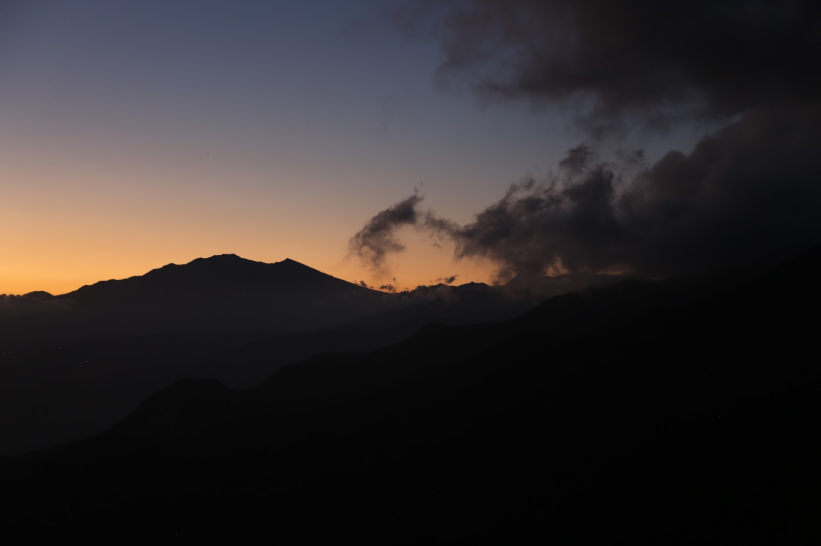
Palo Seco: The Vast Forgotten Wilderness Between the Mountains and the Caribbean

Along the Caribbean side of western Panama lies one of the largest and least understood protected regions in Central America. Stretching across remote mountains, river valleys, Indigenous territories, cloud forests, swamps, and jungle covered coastline, Palo Seco Protected Forest remains overshadowed by more famous destinations nearby. Most travelers heading toward Bocas del Toro pass through the region without realizing that beside them exists a massive wilderness connected to some of the richest ecosystems in the hemisphere.

Palo Seco is enormous. Covering hundreds of thousands of hectares, it forms a critical buffer zone surrounding La Amistad International Park, the giant transboundary protected area shared between Panama and Costa Rica. Together, these forests create one of the largest uninterrupted tropical ecosystems in Central America.

Yet unlike heavily visited national parks with clearly marked entrances and tourist infrastructure, Palo Seco feels mysterious and difficult to define. In many places there are no obvious borders announcing that you have entered protected land. The wilderness simply begins swallowing the roads, rivers, and mountains around you.

The geography of Palo Seco is astonishingly varied. The protected forest stretches from humid Caribbean lowlands upward into steep mountains wrapped in cloud forest. Rivers crash through deep jungle valleys before flowing northward toward the Caribbean Sea. Some areas are hot and swampy while others become cool, misty, and almost alpine at higher elevations.

This enormous range of environments creates incredible biodiversity. Scientists consider the region one of the most biologically important landscapes in all of Central America. Thousands of plant species grow there, many found nowhere else on Earth. The forests shelter jaguars, pumas, tapirs, monkeys, sloths, poison dart frogs, toucans, harpy eagles, and countless insects still poorly studied by science.

Part of what makes Palo Seco so fascinating is how alive it feels. The rainforest there is not quiet. It hums constantly with insects, bird calls, dripping water, and distant animal sounds echoing through the jungle.

At dawn, howler monkeys roar from the canopy with calls so deep they resemble distant engines. Hummingbirds flash between tropical flowers while butterflies drift through shafts of sunlight cutting into the forest. At night the jungle transforms entirely. Frogs begin calling from hidden pools, insects create endless layers of sound, and darkness settles heavily beneath the trees.

The rainfall in Palo Seco is immense. Moisture blowing inland from the Caribbean collides with the mountains, creating some of the wettest conditions in Panama. Storms can last for hours or even days. Rivers rise rapidly. Mist clings to the slopes. Moss and ferns grow over nearly every surface.

This relentless humidity helps create the region’s famous cloud forests. At higher elevations, the forest becomes surreal. Trees disappear beneath thick layers of moss, orchids, bromeliads, and vines. Clouds drift directly through the canopy, sometimes reducing visibility to only a few meters. The atmosphere feels ancient and almost primeval.

The human history of Palo Seco is equally fascinating. Long before modern conservation boundaries existed, Indigenous peoples lived throughout these forests and river systems. Much of the protected area overlaps with territories traditionally used by the Ngäbe and Naso peoples, whose cultures remain deeply connected to the rivers, mountains, and forests of western Panama.

The Naso people in particular are strongly associated with remote forested regions near the Caribbean side of Bocas del Toro. Their communities historically relied on rivers for transportation through landscapes where roads were almost nonexistent. Even today, some settlements remain accessible mainly by boat or rough jungle routes.

For generations, these forests were never truly isolated from human presence. Indigenous hunting trails, river travel routes, and small agricultural clearings existed deep within areas outsiders often considered untouched wilderness. The relationship between people and forest here has always been complex and ancient.

Modern conservation efforts brought new tensions. Protecting biodiversity became increasingly important as logging, hydroelectric projects, ranching, and development pressures expanded into western Panama. Yet local communities also depended on the land for survival. Balancing conservation with Indigenous rights and economic realities remains an ongoing challenge throughout the region.

The rivers flowing through Palo Seco are among its defining features. Some begin high in misty mountain valleys before descending through steep jungle canyons toward the Caribbean coast. During dry periods they can run clear and beautiful, reflecting dense green forest along their banks. During the rainy season they become immense torrents of brown water carrying logs, sediment, and debris downstream with astonishing force.

One of the most famous waterways connected to the region is the Teribe River, which cuts through remote jungle landscapes associated with Naso territory. Traveling by boat through these river systems can feel like entering another century. Dense forest walls rise on both sides while tropical rain hammers the canopy overhead.

Wildlife researchers consider Palo Seco critically important because it forms part of a biological corridor connecting ecosystems across Central America. Large mammals such as jaguars require vast territories to survive, and these connected forests allow animals to move between regions without becoming trapped in isolated habitat fragments.

Bird diversity is especially spectacular. Western Panama contains some of the richest birdlife in the hemisphere, and Palo Seco protects habitats ranging from Caribbean lowland rainforest to high elevation cloud forest. Resplendent quetzals inhabit cooler mountain forests nearby, while toucans, trogons, parrots, and hawks move through lower elevations.

Amphibians are another major feature of the region. The wet forests provide ideal habitat for frogs and salamanders, including species found nowhere else. Scientists continue discovering new or poorly understood amphibians in western Panama’s mountains.

Yet the region also carries an atmosphere of vulnerability. Climate change, deforestation pressures, mining interests, and infrastructure expansion threaten ecosystems throughout Central America. Heavy rainfall patterns are shifting. Rivers face increasing pressure from development. Roads push deeper into previously isolated areas.

Because Palo Seco remains less famous internationally than many protected areas, it often receives less public attention despite its enormous ecological importance.

For adventurous travelers and researchers, part of the region’s appeal lies in its difficulty. Palo Seco is not a polished tourist destination. Many areas lack infrastructure entirely. Trails can disappear into mud and jungle. Rivers may become impassable after storms. Some regions remain genuinely remote even today.

This difficulty preserves a sense of mystery increasingly rare in the modern world. There are valleys in Palo Seco where very few outsiders have ever walked. Entire mountain slopes remain biologically underexplored. The forest still feels larger and more powerful than the human presence within it.

In some parts of the protected forest, the jungle canopy stretches uninterrupted to the horizon. Clouds drift above endless green ridges while rivers carve through landscapes almost unchanged for centuries.

That is what makes Palo Seco so remarkable. It is not merely a protected area on a map. It is one of the last immense tropical wildernesses in Panama, a place where rainforest, rivers, mountains, wildlife, and Indigenous history still remain deeply intertwined.

For most travelers heading toward the beaches and islands of Bocas del Toro, the forests rise silently in the background, enormous and largely unseen.

But beyond those mountains lies one of the wildest regions in Central America, where the rainforest still feels ancient, endless, and alive.

The Lost Worlds Beneath Panama: Fossils, Ancient Seas, and Prehistoric Giants

Modern Panama is a land of tropical rainforests, volcanoes, coral islands, mangroves, and dense jungle rivers. Sloths crawl through forest canopies. Humpback whales migrate along the coasts. Crocodiles drift silently through swamps while toucans flash through humid mountain forests. To most people, Panama feels intensely alive and modern.

Yet buried beneath the country lies another Panama entirely.

Hidden inside cliffs, riverbanks, road cuts, islands, and layers of ancient sediment are fossils that reveal astonishing lost worlds. Millions of years before the Panama Canal existed, before humans crossed the isthmus, and even before North and South America were fully connected, Panama was a shifting chain of volcanic islands surrounded by tropical seas filled with strange marine life.

The fossils discovered across Panama tell one of the most important geological stories on Earth because the country itself changed the planet. The formation of the Isthmus of Panama altered ocean currents, transformed climates, and allowed animals to migrate between two continents in one of the greatest biological events in history.

Every fossil discovered in Panama is part of that enormous story.

One of the most famous fossil discoveries in Panama involved gigantic prehistoric sharks. Millions of years ago, the waters surrounding ancient Panama were patrolled by enormous predators including the legendary megalodon. Fossilized megalodon teeth have been discovered in parts of Panama, reminding scientists that the tropical seas surrounding the young isthmus once contained sharks possibly reaching lengths of over 15 meters.

Holding a megalodon tooth found in Panama is like holding a fragment of a nightmare from Earth’s distant past. The teeth are massive, triangular, and serrated like giant stone blades. They reveal that the warm seas surrounding ancient Panama were once among the most dangerous marine environments on the planet.

Megalodon was not alone. Fossils of ancient whales, dolphins, rays, and marine fish have also been found in Panama’s sedimentary rock layers. Many discoveries come from areas that were once underwater but are now dry land because of tectonic uplift and geological change.

Perhaps the most scientifically important fossils in Panama come from the time when the isthmus itself was forming. Around three million years ago, the land bridge between North and South America finally closed completely. Before this happened, the Atlantic and Pacific Oceans mixed freely through tropical seaways where Panama now stands.

When the isthmus rose from the sea, it changed global ocean circulation forever. It also triggered the Great American Biotic Interchange, one of the largest animal migrations in Earth’s history.

Animals from North America moved southward. Animals from South America moved northward. Panama became the bridge connecting entire ecosystems.

Fossils discovered in Panama help scientists understand this incredible transition period. Ancient horses, camels, mastodons, giant ground sloths, terror birds, and saber toothed predators eventually moved across the land connection that Panama created.

One remarkable discovery involved fossils of gomphotheres, elephant like relatives of modern elephants that once roamed Panama. These animals looked somewhat similar to elephants but often possessed unusual jaw and tusk structures. Their fossils reveal that enormous mammals wandered through prehistoric Panama after the continents connected.

Ancient sea turtles also left traces in Panama’s fossil record. Some prehistoric turtles reached enormous sizes, gliding through warm tropical waters filled with reefs and volcanic islands. Fossilized shells and bone fragments discovered in Panama provide clues about marine ecosystems that existed long before humans arrived.

The country is especially important for marine paleontology because so much of prehistoric Panama existed underwater. Large portions of the rocks exposed today formed beneath ancient oceans filled with coral reefs, shellfish, sharks, and marine mammals.

Fossilized coral reefs found in Panama reveal that tropical marine ecosystems existed there for millions of years. Scientists studying these fossils can reconstruct ancient climates, sea temperatures, and environmental changes across vast periods of time.

Some fossil beds in Panama are packed with ancient shells. Entire layers of rock contain remains of mollusks, clams, snails, and other marine organisms that once lived in shallow tropical seas. In some places, fossils appear so densely packed that the rocks themselves seem built from ancient life.

One particularly fascinating region for fossils lies around the Panama Canal itself. During the construction and expansion of the canal, enormous amounts of rock and sediment were excavated, exposing fossils hidden for millions of years. Paleontologists working in canal zones discovered ancient crocodiles, horses, marine mammals, and countless smaller organisms.

The canal unintentionally became one of the most important windows into Panama’s prehistoric past.

Among the most extraordinary discoveries were fossils of ancient crocodilians. Some prehistoric relatives of crocodiles in Panama were enormous apex predators inhabiting rivers and coastal wetlands. These reptiles existed in ecosystems vastly different from modern Panama, where volcanic islands and shallow marine channels dominated the landscape.

Fossils of prehistoric plants have also been uncovered. Ancient leaves, pollen, and wood fragments reveal that tropical forests existed in Panama long before humans appeared. By studying fossilized plant material, scientists can trace how rainforest ecosystems evolved over millions of years as climates shifted and mountains rose.

One of the most mysterious aspects of Panama’s fossil record is how incomplete it still remains. Dense rainforest, difficult terrain, and limited exploration mean many fossils likely remain undiscovered beneath jungle soil and remote rock formations.

Heavy rainfall and thick vegetation often hide fossil bearing outcrops. Rivers occasionally reveal ancient bones or shells after floods erode sediment banks. Construction projects sometimes uncover fossils unexpectedly. Entire prehistoric ecosystems may still be buried beneath forests or mountains that scientists have barely studied.

The volcanic origins of much of Panama also add complexity to the fossil record. Ancient eruptions, tectonic uplift, earthquakes, and shifting coastlines constantly reshaped the landscape over millions of years. Some fossil sites were destroyed by geological activity while others became preserved beneath layers of sediment and volcanic ash.

Panama’s role in Earth’s history cannot be overstated. Before the isthmus formed, ocean currents circulated differently across the planet. Marine species evolved separately in the Atlantic and Pacific. Once the land bridge rose fully above sea level, global patterns changed dramatically.

Some scientists even believe the formation of the Isthmus of Panama contributed indirectly to climatic shifts that helped trigger Ice Age cycles in the Northern Hemisphere. In other words, the geological rise of Panama may have influenced weather patterns across the entire world.

The fossils found there are therefore more than isolated bones or shells. They are pieces of a planetary transformation.

For ordinary travelers exploring Panama today, it can be difficult to imagine these ancient worlds. Dense jungle covers much of the country. Tropical birds call from the trees. Beaches shimmer beneath humid skies. Yet beneath those forests and coastlines lie traces of vanished oceans, giant sharks, elephant relatives, ancient whales, and creatures that moved between continents for the first time in history.

Even the shape of the Americas was changed by what happened in Panama millions of years ago.

That is what makes the country’s fossils so fascinating. They do not merely reveal strange extinct animals. They reveal the moment when Panama itself altered Earth forever.

The modern isthmus may appear small on a map, but buried beneath its forests and rock layers is evidence of one of the most important geological events in the history of the planet.

Mariato: Panama’s Wild Peninsula of Empty Beaches, Cattle Trails, and Pacific Storms

At the far southwestern edge of the Azuero Peninsula in Panama lies a region that many travelers never reach. Roads narrow, mountains rise from the sea, and the modern world seems to thin away into cattle country, surf beaches, jungle rivers, and isolated Pacific coastline. This is the district of Mariato, one of the most remote and atmospheric corners of Panama’s Pacific side.

For people who only know Panama through the skyline of Panama City or the resorts of better known beach towns, Mariato can feel almost shocking. The region is rugged, sparsely populated, and deeply tied to the rhythms of ocean tides, ranching life, fishing, and seasonal storms. It feels less like a tourist destination and more like the edge of something untamed.

Getting there is part of the experience. The roads leading toward Mariato cut through rolling ranchlands, steep green hills, and small villages where horses still outnumber cars in some places. The farther west you travel along the peninsula, the quieter everything becomes. Gas stations grow rare. Cell service weakens. The Pacific appears and disappears beside the road like a moving wall of blue and silver.

Eventually the landscape begins to feel almost frontier like. Cattle graze beneath enormous skies. Vultures circle over distant hills. Dust rises from dry roads during summer, while in the rainy season the same roads can transform into muddy channels crossing swollen rivers and landslide prone hillsides.

What makes Mariato so fascinating is the collision of landscapes packed into one relatively isolated region. The Pacific coastline here is dramatic and constantly changing. Some beaches stretch for kilometers with barely a footprint in sight. Others vanish entirely during high tide beneath crashing surf and black volcanic rock.

One of the most famous nearby beaches is Playa Reina, a long wild shoreline known among surfers, fishermen, and adventurous travelers. Unlike heavily developed beach destinations elsewhere in Central America, Playa Reina still feels raw. Palm trees lean toward the surf. Rivers snake through the sand. At sunset the beach glows copper and orange beneath enormous Pacific clouds.

The ocean itself dominates life in Mariato. During calm mornings it can appear peaceful and endless, but the Pacific here has a dangerous and unpredictable side. Strong currents, sudden storms, and powerful waves shape the coastline constantly. In the rainy season, thunderheads rise offshore like mountains and lightning flashes across the horizon for hours after dark.

Fishermen leave before dawn in small boats, chasing tuna, snapper, and other Pacific species through waters that can turn violent quickly. Stories of storms, rogue waves, and engines failing far offshore are common throughout the region. The sea provides livelihoods, but it demands respect.

The isolation of Mariato has also helped preserve an atmosphere increasingly rare in coastal Central America. There are no giant hotel towers dominating the shoreline. No cruise ship terminals unload thousands of visitors each day. Much of the coast still belongs to cattle ranches, fishing communities, forests, and nearly empty beaches.

This remoteness gives the region a strange emotional quality. Travelers often describe feeling as though they have reached the end of Panama. The paved world begins fading into dirt roads, jungle trails, and ocean horizons.

Beyond the beaches, the interior surrounding Mariato is equally captivating. The hills and mountains behind the coast contain patches of tropical forest, rivers, waterfalls, and steep cattle country where cowboys still move herds on horseback through muddy trails.

The ranching culture of the Azuero Peninsula remains deeply visible here. Horses stand tied outside homes. Leather saddles hang beneath tin roofs. Rodeos and rural festivals remain important parts of local identity. In some villages, life still revolves around cattle, weather, and the condition of the roads more than anything happening in the outside world.

During the dry season the landscape transforms dramatically. Grass turns golden brown beneath relentless Pacific sun. Dust coats trees and fences. Water levels in rivers drop, exposing smooth stones and dry banks. Then eventually the rainy season arrives with astonishing force.

Rain in Mariato can feel almost biblical. Rivers overflow rapidly. Hills disappear into fog and storm clouds. Roads become rivers of mud. Entire sections of coastline vanish beneath towering surf and pounding rain. Yet this same rain keeps the region intensely green and alive.

Wildlife still thrives in parts of the area. Howler monkeys roar from forested hillsides at dawn. Iguanas bask on rocks near beaches. Pelicans glide low over the surf in long silent formations. Sea turtles nest on some remote beaches during certain seasons, crawling ashore beneath darkness to bury eggs in the sand.

The surrounding waters also connect Mariato to a larger Pacific wilderness. Offshore islands and marine areas attract divers and sport fishermen from around the world. During whale migration season, humpback whales move through Panamanian Pacific waters, sometimes visible from the coast itself.

There is something cinematic about the region’s geography. Mountains rise suddenly behind empty beaches. Storm clouds gather over jungle ridges while shafts of sunlight break across the sea. Sunset colors become almost exaggerated, reflecting off wet sand and incoming waves.

The communities scattered throughout the Mariato district are small and resilient. Many families have lived there for generations, adapting to isolation and seasonal hardship. Supplies historically arrived slowly. Medical access could be difficult. During especially severe rainy periods, communities sometimes became partially cut off from the rest of the province.

This isolation helped preserve local traditions and a slower pace of life. In many places people still know each other across generations. Fishing, farming, and ranching continue shaping daily routines. Nights remain dark and quiet compared to urban Panama.

For adventurous travelers, Mariato offers something increasingly difficult to find in modern tourism. It still contains uncertainty. Roads may become impassable. Rivers may rise suddenly. Remote beaches may have no services whatsoever. The region demands flexibility and patience rather than polished itineraries.

Yet those same qualities create unforgettable experiences. Driving through storms while the Pacific explodes beside the road. Discovering a beach completely empty except for drifting pelicans and crab tracks. Watching lightning flicker across the ocean from a tiny coastal village at night. Hearing howler monkeys echo through jungle valleys before sunrise.

The farther one explores around Mariato, the more the region begins to feel like a forgotten edge of Panama where the country’s natural forces remain dominant. The sea, the storms, the mountains, and the isolation still shape life more strongly than tourism or development.

There are occasional signs of change. Small eco lodges, surf retreats, and adventurous tourism projects have slowly appeared in parts of the region. Some travelers searching for uncrowded Pacific coastline have begun discovering Mariato precisely because it feels so different from more commercial destinations.

But compared to much of Central America’s Pacific coast, Mariato still feels remarkably untouched.

Perhaps that is what makes it so compelling. Mariato is not a place of polished perfection. Roads are rough. Infrastructure is limited. The weather can be extreme. Yet these same qualities give the region authenticity and atmosphere.

It is a place where Panama still feels enormous and wild. A place where beaches vanish into storms, where cowboys ride beneath tropical mountains, and where the Pacific crashes endlessly against one of the country’s last truly remote coastlines.

The Secret Road from Santa Fe to Panama’s Caribbean Coast

High in the mountains of central Panama, surrounded by cloud forest, rivers, waterfalls, and mist covered ridges, the town of Santa Fe feels isolated from the rest of the country. Travelers who arrive there often believe they have reached the end of the road. In many ways, they have. Santa Fe sits deep in the interior mountains of Veraguas, far from the skyscrapers of Panama City and far from the famous beaches that dominate most tourist brochures.

Yet hidden beyond Santa Fe is one of the most mysterious and little known roads in Panama. It is a rough route pushing northward through some of the wildest landscapes in the country toward the Caribbean coast. Many Panamanians themselves know little about it. Some have only heard rumors of forgotten villages, rivers without bridges, abandoned stretches of jungle road, or isolated Indigenous communities living near the sea at the very end.

For decades, this route has occupied an almost legendary place among overlanders, motorcyclists, adventurers, and people fascinated by Panama’s remote interior. Unlike the smooth highways connecting Panama’s major cities, this road feels uncertain and unfinished, as though civilization slowly dissolves into rainforest the farther north you travel.

The journey begins in the cool green mountains surrounding Santa Fe itself. The town sits at relatively high elevation compared to much of Panama, giving it a milder climate and lush vegetation. Rivers rush down from the hills in clear cold currents. Coffee farms cling to slopes. Orchids and moss cover trees in the cloud forest. The area already feels remote compared to most populated regions of the country.

North of town, however, the landscape becomes dramatically wilder. The paved roads gradually give way to rougher surfaces. Dense jungle closes in around the route. During the rainy season, mud can become a major obstacle, and landslides sometimes damage sections of the road. In some stretches, travelers may go long periods without seeing another vehicle.

This northern region of Veraguas forms part of the mountainous spine of Panama, where forests remain thick and human settlement sparse. The terrain is rugged, wet, and difficult to develop. Rivers cut deep valleys through the mountains, and clouds drift constantly through the forest canopy.

Part of what makes this road so fascinating is that it feels unfinished in both a literal and symbolic sense. Panama is a relatively modern and connected country in many areas, yet this route reveals how quickly infrastructure fades once you enter the deeper interior. It feels less like a highway and more like a corridor pushing into wilderness.

Travelers who venture northward eventually begin descending from the highlands toward lower elevations closer to the Caribbean watershed. The forests change subtly. Humidity increases. Tropical heat grows heavier. Bird calls echo from dense jungle, and the vegetation becomes almost overwhelmingly green.

Along the route are scattered rural communities, farms carved from forest clearings, and small settlements where life moves at a very different pace. Some residents raise cattle. Others grow crops or fish in nearby rivers. Electricity and services can become inconsistent farther from Santa Fe, and heavy rains sometimes isolate parts of the region entirely.

The deeper significance of this route lies in where it ultimately leads. At the northern end of the road lies the Caribbean coast of Veraguas, one of the least visited and least developed coastlines in all of Panama.

Unlike the better known Caribbean destinations of Bocas del Toro or the San Blas Islands, the Caribbean coast north of Santa Fe remains astonishingly isolated. There are no major resorts, cruise ship docks, or international tourism hubs waiting at the end. Instead, travelers encounter remote coastal villages, dense rainforest, black sand beaches, river mouths, and a sea that often feels raw and untamed.

One of the most important settlements near the end of the route is the area around Calovébora, a remote coastal community facing the Caribbean Sea. Reaching it has long been considered difficult, especially during bad weather. The road conditions have historically changed constantly due to rainfall, erosion, and limited maintenance.

Calovébora itself feels almost detached from the rest of Panama. Jungle presses directly against the coast. Rivers empty into the Caribbean in brown swirling currents after storms. The sea can appear calm and turquoise one day, then violent and gray the next.

The coastline there is dramatically different from the postcard Caribbean imagery many travelers expect. Rather than rows of resorts and beach bars, much of the region consists of untouched rainforest meeting the ocean. Giant trees stand close to the shore. Waves crash against rocky points and dark beaches. During storms, the Caribbean feels immense and powerful.

Historically, the isolation of this coast shaped the lives of the people who settled there. Fishing became central to survival. Rivers often served as transportation routes. Communities developed somewhat independently from Panama’s more connected Pacific side. Even today, some areas remain difficult to access except by rough road or boat.

The forests surrounding the route are also ecologically important. This region forms part of one of the largest remaining stretches of intact tropical forest in Panama. Wildlife includes monkeys, toucans, sloths, snakes, frogs, and countless insects. Jaguars and other elusive mammals are believed to still move through some of the more remote forests, though sightings are extremely rare.

The rivers flowing northward toward the Caribbean are another defining feature of the landscape. In the rainy season they become immense forces of erosion and movement. Flooding can wash out roads and isolate communities. Yet these rivers are also beautiful, often running clear and cold in the mountains before widening into muddy tropical waterways near the coast.

Part of the road’s mystique comes from how few tourists actually travel it. Most visitors to Panama remain near the canal, Pacific beaches, Bocas del Toro, or the highlands around Boquete. The Santa Fe to Caribbean route exists largely outside mainstream tourism. Information about conditions can be inconsistent, and many travelers hear conflicting stories about whether the road is passable at all.

Motorcyclists and overlanders often become especially fascinated with it because the route feels adventurous without leaving Panama. In a relatively small country known for modern banking districts and international shipping, this road reveals an entirely different reality. It exposes how rugged and undeveloped parts of Panama still remain.

There are also longstanding dreams and controversies surrounding the road. Some people see improving it as a way to bring economic development, tourism, and opportunity to isolated communities. Others fear that major development could damage fragile ecosystems and permanently alter one of the country’s last truly remote regions.

Environmental concerns are significant because the forests north of Santa Fe contain extraordinary biodiversity. Increased access could bring deforestation, land speculation, and habitat destruction. At the same time, many local residents understandably want better transportation, healthcare access, and economic possibilities.

This tension between isolation and development exists throughout much of rural Panama, but along this route it feels especially visible.

For travelers who finally reach the Caribbean coast after the long drive northward, the experience is often emotional rather than simply scenic. There is a feeling of having crossed hidden Panama from mountain cloud forest to tropical Caribbean jungle. The journey itself becomes more memorable than any single destination.

At the end of the road there is no giant tourist attraction waiting. No polished resort district appears from the forest. Instead there is wilderness, ocean, rain, rivers, and scattered communities living beside one of the least explored coastlines in the country.

That may be exactly why the road fascinates so many people.

In an era when most places are mapped, photographed, reviewed, and heavily visited, the route north from Santa Fe still carries an element of uncertainty. Mudslides may block it. Rivers may rise suddenly. Entire sections may feel abandoned. The jungle still seems stronger than the infrastructure pushing through it.

And at the very end lies the Caribbean, wild and remote, where the mountains of Panama finally collapse into the sea.

Isla Parida and the Forgotten Islands of the Gulf of Chiriquí

Far off the Pacific coast of Panama, beyond the highways, cattle ranches, and mountain towns of western Panama, lies a marine world that many travelers never see. The waters of the Gulf of Chiriquí spread outward in a maze of jungle islands, volcanic rock formations, coral reefs, mangrove channels, and isolated beaches that feel astonishingly remote. Among these islands, few capture the imagination quite like Isla Parida.

To reach Isla Parida usually requires traveling through the province of Chiriquí Province to small coastal ports such as Boca Chica, where boats wait at sheltered docks facing the Pacific. From there, the mainland slowly disappears behind curtains of tropical haze. The ocean begins to open into a scattered island wilderness that feels dramatically different from the busy Panama many visitors imagine.

The Gulf of Chiriquí contains dozens of islands, some inhabited, many completely empty, and others so isolated that only fishermen, researchers, or occasional adventurous travelers ever visit them. Unlike more heavily developed island destinations elsewhere in Central America, much of this region still feels wild and lightly touched by mass tourism.

Isla Parida itself is covered in dense tropical forest that spills almost directly onto pale beaches and rocky shorelines. The island sits inside the larger marine ecosystem of the Gulf of Chiriquí National Marine Park, an enormous protected region that shelters coral reefs, sea turtles, dolphins, migratory whales, and countless tropical fish species.

The first thing many visitors notice about Isla Parida is the silence. Outside of bird calls, crashing surf, and insect noise, there is remarkably little human sound. No highways echo in the distance. No urban skyline interrupts the horizon. At night, the darkness can feel almost complete except for stars reflected in the Pacific and occasional lightning flashing far beyond the sea.

The forests of Isla Parida are alive with wildlife. Howler monkeys roar through the canopy at dawn with calls so deep they can sound almost prehistoric. Iguanas cling motionless to branches over the shoreline. Scarlet macaws and parrots streak overhead in flashes of color. Coatis wander through leaf litter searching for food, while hermit crabs scatter across beaches during low tide.

The Gulf of Chiriquí itself is geologically fascinating because many of its islands are volcanic in origin. Over millions of years, tectonic activity, shifting sea levels, and erosion helped shape the scattered archipelago visible today. Some islands rise steeply from the sea with rugged jungle covered hills, while others remain low and lined with mangroves.

The waters surrounding Isla Parida can appear dramatically different depending on weather and tides. During calm mornings the Pacific may look almost glasslike, reflecting islands in perfect detail. During storms or seasonal winds, however, the gulf becomes darker and rougher, with strong swells rolling through the channels between islands.

One of the most remarkable aspects of the region is how empty it often feels. Even though Panama’s Pacific coast is not far away geographically, psychologically these islands feel detached from modern life. Travelers sometimes spend entire days boating between islands without seeing more than a handful of other people.

Nearby islands each possess their own distinct atmosphere. Isla Gamez is known for beautiful beaches and calm water suitable for snorkeling and kayaking. Parts of the island feel almost dreamlike during low tide, when wet sand reflects the sky like glass.

Further offshore lies Isla Bolaños, a rocky island that serves as an important refuge for seabirds. Brown boobies, pelicans, frigatebirds, and other marine birds circle constantly above the cliffs and shoreline. The island’s harsh rocky appearance contrasts sharply with the softer jungle landscapes elsewhere in the gulf.

Another fascinating island is Isla Secas, part of a private archipelago that has become known for luxury eco tourism while still maintaining extraordinary biodiversity. The waters around Isla Secas are famous for whale sightings during migration season, especially humpback whales traveling through the Pacific.

Farther away, the legendary silhouette of Coiba Island rises from the horizon on clear days. Although not immediately beside Isla Parida, Coiba dominates the broader marine identity of western Panama. Once used as a penal colony, the island remained isolated for decades, accidentally preserving one of the richest ecosystems in the eastern Pacific.

The isolation of these islands has shaped both their ecology and human history. Indigenous peoples navigated these waters long before European arrival, fishing and trading throughout the Pacific coast. Later, Spanish colonial routes passed nearby, and stories of pirates and hidden anchorages became attached to parts of the gulf.

Even today, fishermen sometimes speak about remote coves where boats shelter during storms or hidden beaches rarely visited by outsiders. The geography of the Gulf of Chiriquí creates endless small channels, rocky points, and concealed inlets that can feel mysterious even on modern maps.

The marine life surrounding Isla Parida is one of the region’s greatest treasures. Snorkeling reveals coral formations, schools of tropical fish, rays, and occasionally reef sharks gliding through deeper water. Dolphins frequently appear beside boats, surfing the wake playfully before disappearing beneath the surface.

During whale migration season, the gulf transforms completely. Humpback whales arrive in Panamanian waters to breed and give birth, and encounters can be unforgettable. Massive tails rise from the sea. Columns of mist erupt from blowholes. Sometimes the whales breach entirely from the water in explosions of spray and foam.

The climate of the region also shapes daily life dramatically. The Pacific coast of western Panama experiences strong wet and dry seasons. During the rainy season, thunderstorms build over the sea with astonishing speed. Clouds tower above the islands, and rain crashes onto jungle canopies with immense force. Rivers on the mainland swell and pour sediment into coastal waters.

During the dry season, however, the islands can appear almost impossibly idyllic. Golden sunsets spread across calm water while frigatebirds glide overhead. The forests shimmer green against deep blue ocean horizons.

Because of their isolation, many islands in the Gulf of Chiriquí have escaped the heavy development seen in other tropical destinations. There are no giant hotel towers dominating Isla Parida. No cruise ship terminals overwhelm the beaches. Much of the region remains accessible mainly by boat, which naturally limits mass tourism.

This isolation creates both advantages and challenges. Ecosystems remain healthier than in many overdeveloped coastal areas, but local communities also face economic limitations and logistical difficulties. Transportation, medical access, and infrastructure can all become complicated in remote island environments.

For travelers seeking nightlife, shopping, or crowded beach scenes, the Gulf of Chiriquí may feel too quiet. But for people searching for wilderness, marine life, and a sense of discovery, the islands can feel extraordinary.

Perhaps the greatest appeal of Isla Parida and its neighboring islands is the sensation that the modern world has thinned out there. The Pacific feels larger. Time feels slower. The forests seem ancient and self contained. Even the nights feel different, filled with stars, insect calls, and distant surf instead of engines and city lights.

In many ways, the Gulf of Chiriquí represents a version of tropical Panama that still remains largely hidden from international tourism. While famous destinations receive most of the attention, these scattered Pacific islands continue drifting quietly beyond the mainland, wrapped in jungle, tides, storms, whales, and silence.

Panama Cheese: The Deep Rural Tradition Behind One of the Country’s Most Important Everyday Foods

When outsiders think about the food of Panama, cheese is rarely the first thing that comes to mind. Travelers usually picture tropical fruit stands overflowing with pineapples and papayas, Caribbean seafood cooked in coconut milk, or famous national dishes like sancocho and arroz con pollo. Coffee from the highlands often receives international attention, especially from regions around Boquete. Yet quietly, almost unnoticed by many visitors, cheese sits at the center of everyday life throughout the country.

In Panama, cheese is not treated as a luxury item reserved for wine tastings or elegant restaurant platters. It is not associated with centuries old aging caves or elite culinary traditions like those found in parts of Europe. Instead, Panamanian cheese culture developed through practicality, ranching, climate, survival, and routine. Cheese became important because cattle ranching became important, and because fresh dairy products could be transformed into foods that lasted longer in tropical heat.

For generations, cheese has been part of ordinary mornings across Panama. Long before sunrise, in both crowded cities and isolated rural communities, kitchens begin to fill with the smell of frying dough, boiling coffee, and warming corn tortillas. Beside these foods is often a simple white cheese. Sometimes it is sliced thickly and eaten cold. Sometimes it is fried until golden. Sometimes it is crumbled into tortillas or placed beside eggs and plantains. It may not appear glamorous, but for countless Panamanians it is deeply comforting and familiar.

The most common traditional cheese in the country is queso blanco, a fresh white cheese that exists in many forms and textures depending on the region. In some places it is soft and moist. In others it is firmer and saltier. Unlike many cheeses popular in North America, Panamanian white cheese is usually not extremely creamy or heavily processed. It tends to have a rustic texture and a clean salty flavor. Some versions squeak slightly when bitten because of their dense curd structure.

This cheese fits naturally into Panama’s climate and cuisine. Because it is fresh rather than aged for years, it can be produced relatively quickly from local milk. It also pairs well with the starchy foods that dominate traditional Panamanian meals, including corn tortillas, yucca, fried dough, and plantains.

One of the most beloved forms of Panamanian cheese is queso frito, or fried cheese. Thick slices are placed into hot oil until the outside becomes crispy and browned while the inside remains soft and chewy. Unlike cheeses that melt instantly into liquid, many Panamanian white cheeses hold their shape when heated. This characteristic makes them ideal for frying.

The experience of eating fried cheese in Panama is simple but unforgettable. The salty richness contrasts perfectly with sweet coffee or warm hojaldres. In roadside fondas and rural homes, fried cheese appears constantly at breakfast tables. For many Panamanians living abroad, the taste of queso frito immediately brings back memories of home.

The relationship between cheese and ranching is central to understanding Panama itself. Much of the country’s interior has long been cattle country. Provinces like Los Santos Province, Herrera Province, and especially Chiriquí Province became important agricultural regions where cattle ranches spread across rolling hills and grasslands.

In these rural areas, dairy farming became a practical necessity. Milk spoiled quickly in tropical conditions, especially before refrigeration became common. Turning milk into cheese helped preserve it while also creating a protein rich food that could be stored and transported more easily.

The cooler highlands of Chiriquí played an especially important role in dairy production. Around towns such as Boquete and Volcán, higher elevations and milder temperatures created better conditions for dairy cattle. These regions eventually became known for some of the country’s most important milk and cheese production.

European immigration also shaped Panama’s dairy traditions. During the twentieth century, immigrants from countries including Switzerland, Germany, and other parts of Europe settled in the highlands and introduced new farming techniques and dairy practices. Some communities began producing cheeses inspired by European styles, including mozzarella and gouda type cheeses.

Even so, traditional fresh white cheeses remained the backbone of Panamanian dairy culture. Imported European methods influenced the industry, but ordinary Panamanians continued eating the same practical cheeses tied to local cooking traditions.

Another important variety is queso prensado, or pressed cheese. This cheese is usually firmer and saltier than softer queso blanco varieties. Because of its dense texture, it can be sliced easily and stored somewhat longer in warm conditions. Different communities developed their own local styles depending on available milk, climate, and family traditions.

In rural markets across Panama, cheese is often sold in large blocks cut fresh for customers. Vendors may wrap it in simple plastic or paper. Some cheeses are produced industrially now, but many people still prefer buying from small local farms or family producers because they believe the flavor is richer and more authentic.

Cheese in Panama is also deeply tied to traditional breakfast culture. Breakfast is often considered one of the most important meals of the day, especially in rural areas where people historically performed physically demanding agricultural work. Meals needed to be filling, inexpensive, and energy rich.

This led to combinations that remain iconic today. Hojaldres served with salty cheese and coffee are common throughout the country. Tortillas made from corn are frequently topped with cheese. Fried plantains pair naturally with queso blanco. Eggs mixed with cheese appear constantly in Panamanian homes.

Street food also reflects the importance of cheese. Carimañolas stuffed with cheese are a favorite snack in many regions. These fried yucca rolls become crispy outside while melted cheese fills the center. Empanadas often contain cheese as well, especially at breakfast stands and bakeries.

The popularity of cheese in Panama also reflects something broader about Latin American food traditions. Across much of the region, fresh white cheeses became practical because they adapted well to hot climates and local agricultural systems. Panama developed its own distinct versions shaped by geography and culture.

Regional differences inside Panama create noticeable variations in cheese traditions. Along the Caribbean coast, seafood and coconut flavors dominate more strongly, though cheese still appears in everyday meals. In the central interior provinces, saltier ranch style cheeses became especially common. In the cooler western highlands, more diverse dairy products emerged due to European influence and better dairy conditions.

In modern Panama City, supermarkets now stock imported cheeses from around the world. Cheddar, parmesan, brie, and mozzarella are easy to find in wealthier neighborhoods. Pizza chains and international restaurants have changed eating habits, especially among younger urban residents.

Yet traditional Panamanian cheese remains remarkably resilient. Many people still prefer the taste of local queso blanco over imported products. It connects them to childhood memories, family breakfasts, and rural traditions that remain emotionally important even as the country modernizes rapidly.

There is also an economic side to cheese production that matters greatly in Panama. Dairy farming supports thousands of families, especially in agricultural provinces. Small farms often depend on milk and cheese sales for survival. In many rural communities, local cheese production remains an important part of the economy and cultural identity.

At the same time, dairy farmers face growing challenges. Imported products create competition. Climate change affects rainfall and pasture conditions. Rising costs of feed and transportation place pressure on small producers. Younger generations sometimes leave rural areas for city jobs, reducing the number of people continuing traditional farming practices.

Despite these pressures, cheese remains one of the country’s most enduring foods because it exists not as a trend but as a daily habit. It is embedded into ordinary life. A Panamanian breakfast without white cheese can feel incomplete to many people.

Travelers who explore beyond resorts and tourist districts quickly notice how central cheese is to local eating habits. In roadside restaurants, mountain villages, and market stalls, cheese appears again and again in different forms. It may seem simple at first, but this simplicity hides generations of adaptation and tradition.

Panamanian cheese tells a story about the country itself. It reflects cattle ranching traditions that shaped the interior provinces. It reflects tropical climates that influenced food preservation methods. It reflects migration, agriculture, family routines, and rural identity.

Unlike internationally famous cheeses associated with luxury and prestige, Panamanian cheese developed to feed ordinary people in a hot and humid land. It is humble food, but deeply meaningful. The flavor of salty white cheese beside hot coffee at sunrise carries emotional weight for many Panamanians because it represents familiarity, family, and home.

For outsiders, understanding Panama’s cheese culture offers a deeper understanding of the country beyond beaches and canals. It reveals the agricultural heart of Panama, the rhythms of rural mornings, and the ways simple foods can become woven into national identity over generations.

In the end, Panamanian cheese is not famous because it was never designed to impress the world. It was designed to nourish people, survive the climate, and accompany everyday life. That quiet practicality may be exactly what makes it so enduring.

Isla Grande: Panama’s Caribbean Island of Driftwood, Drums, and Coral Water

Along the Caribbean coast of Panama, beyond the highway traffic and container ports that dominate much of the Atlantic shoreline, there is an island that feels strangely detached from time. Isla Grande is not especially large, nor is it packed with luxury resorts or massive tourist developments. Yet for many travelers, backpackers, divers, Panamanians from the capital, and Afro-Caribbean families with roots in the region, it leaves an impression far larger than its size.

The island sits off the Costa Arriba coast of Colón Province, roughly two to three hours from Panama City depending on traffic. The journey there is part of the experience. Leaving behind the skyline of the capital, the road crosses humid lowlands and enters a greener, more tropical Caribbean landscape. Coconut palms begin appearing more frequently. The air grows heavier and saltier. Small roadside stands sell fried fish, coconuts, and patacones. The Spanish spoken in the region blends with Caribbean accents and rhythms that reflect centuries of African and Antillean influence.

Eventually travelers arrive at the tiny port village of La Guaira, where colorful boats wait at the docks. The crossing to Isla Grande takes only a few minutes, but psychologically it feels much farther. The mainland noise fades almost instantly. The water flashes turquoise and emerald beneath the boats, and the island rises ahead in dense tropical greenery. Unlike some Caribbean islands dominated by resorts, Isla Grande still feels lived-in and deeply local.

One of the first things visitors notice is the atmosphere. Isla Grande does not try too hard to impress anyone. It has a relaxed confidence. Reggae drifts from porches. Children run barefoot through sandy lanes. Roosters wander between brightly painted houses. On weekends the island can become lively and musical, especially when visitors arrive from Panama City, but during weekdays there are moments when the island seems almost suspended in stillness.

The cultural identity of Isla Grande is one of its most fascinating features. Much of the Caribbean coast of Panama has strong Afro-Panamanian roots, shaped by the descendants of enslaved Africans, migrants from the Caribbean islands, and generations of coastal fishing communities. On Isla Grande this heritage is deeply visible in the music, food, language patterns, and social life. Coconut rice, fried snapper, spicy sauces, and seafood stews dominate local cooking. Drumming traditions and reggae influences remain woven into everyday life.

Historically, the region around Isla Grande was tied to maritime trade routes and colonial-era Caribbean movement. Pirates and smugglers once navigated nearby waters. The Spanish Empire struggled to fully control the rugged Caribbean coast, and isolated communities developed identities somewhat distinct from the Pacific side of Panama. Even today, the Caribbean side of the country feels culturally different from places like David or the interior provinces.

The natural beauty surrounding Isla Grande is another reason travelers become attached to it. Coral reefs fringe parts of the island, and the sea can appear almost unreal in good weather. Snorkeling reveals tropical fish, sea fans, coral formations, and occasionally rays gliding beneath the surface. The island has long been popular among divers, especially because nearby reefs and shipwrecks create interesting underwater terrain.

One of the island’s most famous landmarks is the black Christ statue known as the Cristo Negro. Perched near the shoreline, the statue has become both a religious symbol and a curiosity for visitors. Local stories and legends surround it. Some residents speak of miracles and answered prayers associated with the figure, while others simply view it as part of the island’s identity. During storms, waves crash dramatically against the rocks below the statue, creating one of the island’s most photographed scenes.

Though small, Isla Grande contains surprising geographic variety. There are calm beaches with shallow water suitable for swimming, rocky coastlines where waves explode against volcanic-looking stone, jungle-covered trails, and viewpoints where the Caribbean stretches endlessly toward the horizon. The island’s interior feels lush and humid, alive with insects, birds, and tropical vegetation. At night the sounds of frogs and crashing surf dominate everything.

Many travelers compare Isla Grande to a version of the Caribbean that existed before large-scale development transformed so many tropical islands elsewhere. There are hotels and guesthouses, but many are modest, family-run places rather than giant resort complexes. Electricity and internet exist, but outages and slow connections are not uncommon. Some visitors find this frustrating. Others consider it part of the charm.

Surfing also plays a role in the island’s identity. Nearby breaks can produce surprisingly strong Caribbean waves during certain seasons. While not as internationally famous as Bocas del Toro, the region attracts surfers looking for less crowded conditions and a more local atmosphere.

The weather on Isla Grande follows the rhythms of the Caribbean rather than the Pacific side of Panama. Rain showers can arrive suddenly even on otherwise sunny days. The humidity is intense year-round, and the surrounding jungle thrives because of it. Yet after storms pass, the light over the Caribbean can become astonishingly clear, illuminating the sea in brilliant shades of blue-green.

Visitors often underestimate how emotionally memorable the island becomes. Part of this comes from the contrast between beauty and roughness. Isla Grande is not polished. Some buildings are weathered. Infrastructure can feel improvised. There may be litter washed ashore after storms. But this imperfection makes the island feel authentic rather than staged for tourism.

The island also reflects broader realities about the Caribbean coast of Panama. Despite incredible natural beauty, Colón Province has long faced economic inequality and underinvestment compared with wealthier parts of the country. Tourism brings income to Isla Grande, but it also creates tensions around development, outside ownership, and preserving local culture. Residents often want economic opportunities without losing the identity that makes the island unique in the first place.

For travelers, the best experiences on Isla Grande are often simple ones. Watching fishermen return at dusk. Swimming in warm Caribbean water as pelicans dive nearby. Listening to music echo through the village at night. Drinking cold coconut water in the shade while tropical rain hammers rooftops for twenty minutes before sunlight suddenly returns.

Unlike destinations where visitors rush through checklists of attractions, Isla Grande rewards slowing down. The island’s appeal is atmospheric rather than spectacular in a dramatic sense. It is a place of texture, rhythm, humidity, salt air, music, and memory.

Many people arrive expecting only a beach weekend. They leave remembering the feeling of the island itself — the scent of the sea after rain, the sound of distant reggae floating over the water at night, and the strange sense that somewhere on that small Caribbean island, Panama reveals a very different side of its soul.

How Easy Is It to Get a Work Permit in Panama? The Honest Reality for Foreigners

Panama has developed a reputation as one of the easiest countries in Latin America for foreigners to relocate to. Videos online often show tropical apartments, modern skyscrapers, beach towns, retirement communities, and stories about people moving to Panama for a better lifestyle. Because of this, many foreigners assume getting permission to work in Panama must also be simple.

The truth is much more complicated.

Compared to some countries, Panama does offer several immigration pathways for foreigners. However, legally working in Panama is often harder than many people expect. The country has strict labor laws designed specifically to protect Panamanian workers, and these laws shape nearly every part of the work permit system. Foreigners absolutely can work legally in Panama, but the process can involve residency requirements, lawyers, paperwork, government approvals, employer sponsorship, and restrictions on certain professions. For some people the process is manageable. For others it becomes frustrating, expensive, and sometimes nearly impossible.

The first thing many newcomers misunderstand is that residency and work permission are not the same thing. In Panama, having legal residency does not automatically mean you can legally work. These are usually separate processes handled by different government agencies. Residency is managed by Panama’s immigration authorities, while work permits are issued through MITRADEL, the Ministry of Labor.

This distinction surprises many foreigners. Someone may legally live in Panama for years yet still not have authorization to work for a Panamanian employer.

One of the biggest realities foreigners encounter is that Panama prioritizes local employment very heavily. The labor code places limits on how many foreigners companies can hire. In most normal businesses, foreigners cannot exceed ten percent of ordinary employees. Specialized technical workers can sometimes reach fifteen percent.

What this means in practice is that many employers simply prefer hiring Panamanians unless they specifically need foreign skills, language abilities, international experience, or technical expertise. For ordinary jobs, foreigners often face major disadvantages.

This becomes even harder because salaries in Panama are frequently lower than many foreigners expect. Someone arriving from Canada, the United States, or Europe may discover that local wages in hospitality, tourism, retail, administration, or service industries are often far below what they would earn at home. Many expats eventually realize that remote work for foreign companies is financially easier than competing directly in the local labor market.

Another major obstacle is that many professions in Panama are legally protected for Panamanian citizens only. Even if a foreigner has experience or degrees, they may still be prohibited from practicing certain careers. Protected professions reportedly include fields such as law, medicine, nursing, engineering, architecture, psychology, journalism, veterinary medicine, and several others.

This is one of the most important things foreigners often overlook before moving. A person might assume they can simply continue their profession after relocating, only to discover their career is legally restricted.

For example, an engineer or lawyer from another country may not automatically be allowed to practice professionally in Panama regardless of their qualifications. Some people eventually pivot into consulting, remote work, entrepreneurship, teaching languages, tourism, or online business instead.

The easiest work permits generally go to foreigners who already qualify under special residency categories. Panama has multiple immigration programs connected to investment, multinational companies, marriage, professional employment, or special treaties. Certain residency pathways make work authorization easier than others.

One commonly discussed pathway historically involved the Friendly Nations Visa. This program became popular because it allowed citizens from certain countries to apply for residency under relatively favorable conditions. However, the rules have changed over time, and recent years brought stricter requirements and more scrutiny.

The reality is that immigration lawyers are extremely common in Panama for a reason. Most foreigners do not navigate the work permit process alone. The paperwork can involve notarized documents, apostilled diplomas, passport copies, migration records, social security paperwork, employment contracts, photographs, background documents, and government filings.

For many people the system feels bureaucratic and slow. Processing times vary significantly depending on permit category, government workload, and the quality of the legal assistance being used. Some permits may take months. Renewals also create ongoing responsibilities because many permits are temporary and require extensions.

Costs can vary enormously too. Government fees alone are not always extreme, but lawyer fees can quickly increase total expenses. Online discussions among expats frequently mention paying anywhere from hundreds to several thousand dollars depending on the residency and work permit category involved.

Another important reality is that Panama has become stricter in enforcement during recent years. Authorities have increased attention toward documentation, compliance, and verification systems. In 2024 Panama even introduced modified work permit cards with QR verification systems designed to improve enforcement and reduce fraud.

Foreigners working informally without proper authorization do exist in Panama, especially in tourism, nightlife, hospitality, and remote freelance arrangements. However, working illegally carries real risks. Immigration issues can affect future residency renewals, legal status, fines, or even deportation in some situations.

For younger foreigners hoping to simply arrive and casually find local work, Panama can actually be quite difficult. Unlike countries with large working holiday visa systems, Panama does not generally function as an easy backpacker work destination. Fluency in Spanish becomes extremely important for most local employment opportunities, and competition for jobs can be intense.

On the other hand, some foreigners do very well in Panama professionally. The people who tend to succeed usually fall into several categories.

The first are employees transferred through multinational corporations, especially companies connected to banking, shipping, logistics, aviation, technology, or multinational headquarters. Panama actively encourages certain international business sectors, and these workers often face fewer obstacles.

The second are entrepreneurs and investors who create businesses rather than seeking traditional employment.

The third are remote workers and digital nomads earning foreign income online. In many ways this has become the most attractive route for foreigners living in Panama today. Remote workers can legally reside in Panama through various programs while continuing to work for foreign companies rather than competing in the local labor market. Panama’s infrastructure, dollar based economy, internet connectivity, and airline access make it appealing for this lifestyle.

The fourth are foreigners with specialized skills that are difficult to find locally, particularly in technical industries, executive positions, or international business operations.

One thing many foreigners discover after moving to Panama is that the country functions very differently depending on social class and connections. Networking matters enormously. Personal relationships often open doors more effectively than online applications alone. Someone arriving without Spanish skills, local contacts, or specialized expertise may struggle much more than expected.

There is also a major difference between Panama City and the rest of the country. Most professional opportunities for foreigners are concentrated in the capital, especially in multinational corporations, finance, logistics, maritime industries, tourism management, and international business. Outside Panama City the job market becomes smaller and more locally focused.

Ironically, many foreigners who move to Panama eventually decide not to pursue local employment at all. Instead they live from pensions, investments, remote work, online businesses, or savings. This is partly because Panama’s lifestyle can still feel relatively affordable compared to North America or Europe, especially outside luxury areas.

The honest answer to whether getting a work permit in Panama is easy therefore depends heavily on who you are.

For a multinational executive transferred by a corporation, the process may be relatively straightforward.

For a retiree with investment income, formal work permission may barely matter.

For a digital nomad working online for foreign clients, Panama can feel extremely accessible.

For a foreigner hoping to move to Panama and compete for ordinary local jobs, the reality can be much harder than social media videos suggest.

Panama is welcoming in many ways, but it is also protective of its labor market. The country wants foreign investment and international business, yet it simultaneously wants to preserve employment opportunities for Panamanians themselves. The work permit system reflects that balance.

In the end, Panama is not impossible for foreign workers, but it is not a casual free for all either. Success usually depends on preparation, legal guidance, Spanish ability, financial planning, realistic expectations, and understanding that moving to Panama legally is often easier than building a long term local career there.

Why Panama Has So Many Pine Trees in a Tropical Country

When most people imagine Panama, they picture dense rainforests dripping with vines, giant tropical leaves, monkeys swinging through jungle canopies, and palm trees beside white sand beaches. Pine trees are usually associated with Canada, the Rocky Mountains, Scandinavia, or cold northern forests. Because of this, many travelers are surprised when they discover that parts of Panama contain large stands of pine trees stretching across mountains, hills, and highland valleys.

At first glance it feels almost wrong. How can a hot tropical country near the equator contain forests that resemble something from North America?

Yet pine trees are actually an important and fascinating part of Panama’s landscape. In some regions they grow naturally, while in others humans planted them for forestry and environmental purposes. Their presence tells a story involving climate, elevation, geology, fire, ecology, and even the history of human development in Panama.

The biggest reason Panama can support pine trees is elevation. Although many outsiders imagine Panama as entirely lowland jungle, much of the country contains mountains and cooler highland regions. In western Panama especially, the land rises dramatically into volcanic mountain systems near the border with Costa Rica. Areas around Boquete, Volcán, Cerro Punta, Santa Fe, and La Yeguada can become surprisingly cool compared to the tropical coasts.

Temperature changes rapidly with altitude. For every thousand meters climbed into the mountains, temperatures drop significantly. At higher elevations Panama develops climates that feel far more temperate than tropical. Mist, cool nights, heavy rainfall, and seasonal winds create conditions where certain pine species can survive very well.

One of the most famous pine regions in Panama is La Yeguada Forest Reserve in Veraguas Province. Visitors arriving there often feel stunned because the landscape barely resembles the stereotypical image of tropical Panama. Large pine forests surround hills, lakes, and volcanic terrain, creating scenery that many people compare to parts of the United States or southern Chile rather than Central America.

Much of the pine forest at La Yeguada was planted during the twentieth century, especially using Caribbean pine species such as Pinus caribaea. These trees adapted well to the cooler volcanic soils and became part of reforestation and forestry projects. Over time the planted forests transformed the appearance of the region so dramatically that many visitors assume the trees are entirely natural.

However, pine trees are not completely foreign to Panama. Certain pine species have existed naturally in parts of Central America for thousands of years. Pine ecosystems occur in neighboring countries such as Honduras, Nicaragua, Guatemala, Belize, and parts of Mexico as well. Some scientists believe ancient pine distributions expanded and contracted over long climatic cycles tied to ice ages and changing rainfall patterns.

Panama sits at an ecological crossroads between North and South America, and this unique geography allows species from very different environments to overlap. In the highlands especially, cooler temperatures permit plants more commonly associated with temperate climates to survive surprisingly close to the equator.

Another major factor helping pine trees thrive is soil type. Many pine forests in Panama occur on volcanic soils that drain water efficiently. Pine species often tolerate poorer or more acidic soils better than dense tropical hardwood forests do. In places where volcanic activity shaped the terrain long ago, pine trees sometimes gain ecological advantages over broadleaf tropical vegetation.

Fire also plays an important role. Many pine species evolved in environments where periodic fires occur naturally or through human activity. Their thick bark and growth patterns can help them survive fires that would damage other trees. In some parts of Panama, repeated burning by humans historically encouraged pine dominance by preventing denser rainforest vegetation from reclaiming certain areas.

This creates one of the most unusual ecological contrasts in Panama. In some highland regions, pine forests can exist only short distances away from cloud forests packed with orchids, mosses, bromeliads, and tropical wildlife. Travelers driving through Chiriquí or Veraguas may pass rapidly between ecosystems that feel entirely different from one another.

The atmosphere inside a Panamanian pine forest also feels different from the surrounding rainforest. Pine needles cover the ground instead of thick jungle undergrowth. The air smells dry and resinous rather than humid and earthy. Sunlight filters differently through tall straight trunks. Wind creates soft whispering sounds in the needles unlike the dense insect and bird noise of lowland jungle.

For many Panamanians, pine forests carry a special emotional atmosphere because they feel unusual and almost foreign within the tropics. Camping in places like La Yeguada often surprises local travelers as much as international visitors. Cool nights, fog drifting through pine trees, and mountain scenery create an experience many people do not expect to find in Panama.

Pine plantations have also played economic roles in the country. Fast growing pine species were planted for timber production, erosion control, and reforestation projects. Compared to slower growing tropical hardwoods, pines can often be cultivated more efficiently for commercial forestry purposes. Some plantations were designed to reduce pressure on native forests by creating alternative timber sources.

Environmental opinions about pine plantations remain mixed. Some ecologists argue that introducing large pine plantations can reduce biodiversity compared to native forests. Tropical rainforests support enormous numbers of species, while pine plantations often contain fewer plants and animals. Critics sometimes describe certain pine forests as biologically simpler landscapes replacing more diverse ecosystems.

On the other hand, supporters argue that reforestation with pine species helped stabilize soils, reduce erosion, and recover degraded lands that otherwise might have remained barren or heavily damaged by agriculture and cattle grazing. In some regions pine forests also created recreational and tourism opportunities that did not previously exist.

Wildlife adapts differently to these forests as well. Some bird species thrive in pine habitats, while others depend on dense native rainforest. Certain mammals move between both ecosystems. In Panama’s mountains it is not unusual to hear tropical birds calling from forests that visually resemble northern woodlands.

The existence of pine forests in Panama reminds people how ecologically complex the country really is. Panama is not just one type of tropical environment. Within a relatively small area the country contains mangroves, coral reefs, cloud forests, dry forests, rainforests, volcanic mountains, savannas, swamps, and pine covered highlands.

Climate change may also affect Panama’s pine forests in the future. Rising temperatures could place pressure on cooler mountain ecosystems that already exist near the edge of suitable climate conditions. Changes in rainfall patterns, drought frequency, and wildfire behavior may alter the balance between pine forests and surrounding tropical vegetation over time.

For travelers exploring Panama, discovering pine forests often becomes one of the country’s most unexpected experiences. Few people arrive expecting to find landscapes that resemble temperate mountain regions. Yet that surprise reveals something important about Panama itself. Despite its small size, the country contains an astonishing variety of climates and ecosystems compressed into a narrow strip of land between two oceans.

The pine trees of Panama are therefore more than just unusual scenery. They are evidence of the country’s remarkable ecological diversity, volcanic history, mountain climates, and complex environmental story. In a nation famous for tropical jungles and beaches, the whispering pine forests of the highlands remain one of Panama’s most fascinating and least expected landscapes.

When Dinosaurs Walked Across Panama: Imagining the Lost Prehistoric World of Ancient Panama

Modern Panama is a land of tropical rainforests, misty mountains, mangrove swamps, coral reefs, and narrow coastlines linking two continents. Sloths move through jungle canopies, toucans fly across river valleys, and humpback whales migrate along the Pacific coast. Yet if someone could travel back tens of millions of years into the age of dinosaurs, they would not recognize Panama at all.

In fact, during much of the dinosaur era, Panama as we know it did not even exist.

The narrow isthmus connecting North and South America formed relatively recently in geological history. During the time of the dinosaurs, much of the region that would eventually become Panama lay underwater beneath ancient tropical seas. Instead of a continuous strip of land between oceans, there were volcanic islands, shallow marine environments, and constantly shifting tectonic landscapes. The story of prehistoric Panama is therefore not only a story about dinosaurs, but also about the violent geological forces that slowly built one of the most important land bridges on Earth.

To imagine Panama during the dinosaur age requires traveling back more than 66 million years to the Mesozoic Era, the immense span of time that included the Triassic, Jurassic, and Cretaceous periods. Dinosaurs dominated the planet during these ages, but Central America looked vastly different from today. The continents themselves were arranged differently, sea levels were often much higher, and enormous marine environments covered large portions of the tropics.

The land that would eventually become Panama existed mainly as underwater volcanic arcs formed by collisions between tectonic plates. Massive submarine volcanoes erupted beneath ancient oceans, slowly building chains of islands that rose above the water like primitive tropical archipelagos. Earthquakes, lava flows, and violent eruptions would have been common. Instead of modern Panama’s continuous forests and highways, the region resembled a chaotic volcanic island world scattered across warm tropical seas.

Because so much of prehistoric Panama remained underwater during the dinosaur era, marine reptiles may actually have been more common in the region than large land dinosaurs. Ancient oceans swimming above future Panamanian territory likely contained terrifying creatures such as mosasaurs, giant marine reptiles that ruled the seas during the Late Cretaceous period. These predators could reach lengths greater than fifteen meters and hunted fish, ammonites, and other marine animals in warm tropical waters.

The seas would also have contained enormous turtles, shark species unlike those of today, squid like ammonites with spiral shells, and countless prehistoric fish. Coral reefs may have flourished in shallow areas much as they do in parts of modern Panama today. Flying reptiles called pterosaurs probably soared above the coastlines and volcanic islands searching for fish in the ancient tropical seas.

If someone stood on one of the volcanic islands that occasionally emerged above the ocean surface, the environment would have looked alien yet strangely familiar. Thick tropical vegetation may have covered parts of the islands, though flowering plants were only beginning to evolve during portions of the dinosaur era. Forests would have been dominated by ferns, cycads, horsetails, and primitive conifer like trees rather than many of the flowering plants common in Panama today.

The climate during much of the dinosaur age was generally warmer than modern times. Tropical regions near the equator, including prehistoric Central America, were likely hot, humid, and lush for millions of years. There were no ice caps at the poles during some periods of the Mesozoic, and sea levels remained dramatically higher than they are now. The atmosphere itself contained different levels of oxygen and carbon dioxide than today’s world.

Although Panama has very few dinosaur fossils compared to places like the United States, Argentina, or Mongolia, paleontologists believe dinosaurs probably did inhabit some of the volcanic islands and temporary land areas that existed in the region. Smaller dinosaurs may have crossed island chains or evolved in isolated environments. However, because geological activity in Panama has been so intense for millions of years, many ancient rock layers that might have preserved dinosaur fossils were destroyed, buried, or pushed deep underground.

This makes prehistoric Panama somewhat mysterious compared to other dinosaur regions. Scientists know dinosaurs likely passed through or inhabited parts of ancient Central America, but the fossil evidence remains limited. Much of Panama’s ancient geological record has literally been erased by volcanic activity, tectonic collisions, tropical erosion, and the later formation of the isthmus itself.

One of the most fascinating parts of Panama’s prehistoric story actually happened after the extinction of the dinosaurs. About 66 million years ago a massive asteroid impact contributed to the extinction event that wiped out non avian dinosaurs around the world. After this catastrophe mammals slowly diversified and evolved into countless forms.

Millions of years later Panama would become one of the most important pieces of land on Earth. Around three million years ago the Isthmus of Panama finally rose completely above sea level, connecting North and South America for the first time in millions of years. This event triggered what scientists call the Great American Biotic Interchange.

Animals from North America suddenly moved south while South American species traveled north. Jaguars, bears, deer, foxes, and other northern animals crossed into South America. Meanwhile creatures such as giant ground sloths, armadillos, and opossums expanded northward. Panama became the bridge connecting entire ecosystems and reshaping animal evolution across two continents.

Without the geological forces that built Panama, the modern ecosystems of the Americas would look completely different today.

Imagining dinosaur age Panama also means imagining a world without humans entirely. No Panama Canal cut through the land. No skyscrapers rose beside the Pacific Ocean. No roads crossed mountain passes or connected beach towns. Instead there were steaming volcanic islands surrounded by warm prehistoric seas filled with giant reptiles and strange marine life.

At night volcanic eruptions may have glowed across the horizon while tropical storms rolled over ancient oceans. Dense prehistoric forests echoed with insect sounds and the calls of flying reptiles. Along rocky coastlines enormous waves crashed beneath skies filled with stars entirely untouched by artificial light.

The Panama of the dinosaur era was not yet a nation or even a continuous landscape. It was a violent geological frontier slowly assembling itself piece by piece beneath tropical seas. Yet those ancient volcanic islands eventually became the foundation for one of the biologically richest countries on Earth.

Even today Panama still carries traces of that ancient geological history. Volcanic mountains rise through Chiriquí Province. Fossils occasionally emerge from rock layers. Earthquakes remind residents that tectonic forces remain active beneath the region. The very shape of the country exists because of millions of years of collisions between massive plates of the Earth’s crust.

The dinosaurs themselves vanished long ago, but the world that eventually produced modern Panama began during their reign. Beneath the jungles, beaches, and cities of modern Panama lies the memory of ancient oceans, volcanoes, and lost tropical islands where prehistoric life once flourished in a world almost impossible to imagine today.