
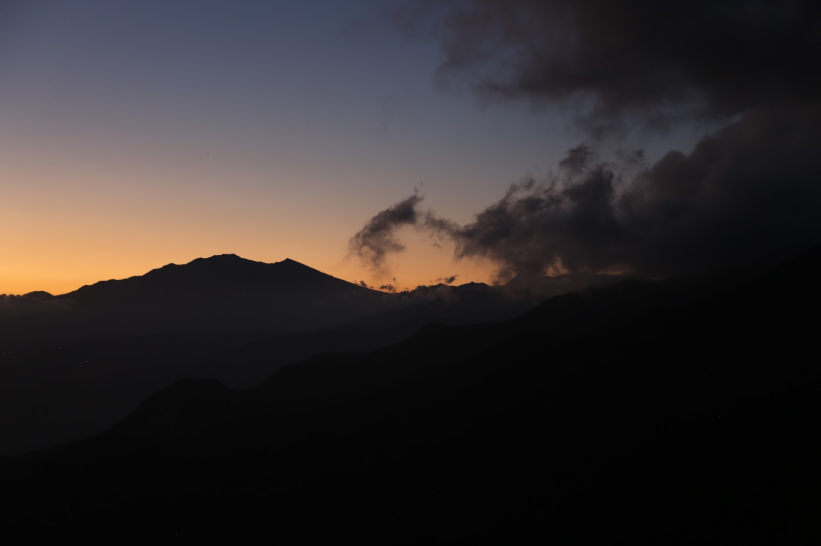
Panama’s Accidental Desert: The Strange, Harsh, and Fascinating World of Sarigua

When most people imagine Panama, they picture dripping rainforests, tropical islands, waterfalls, and dense green jungle. Panama is famous for humidity, biodiversity, and some of the wettest ecosystems in the Americas. It is a land of cloud forests, mangroves, coral reefs, and rivers overflowing during the rainy season.

Which is exactly why the landscape of Sarigua National Park feels so shocking.

The first time travellers arrive at Sarigua, many think they took a wrong turn somewhere. The lush tropical scenery suddenly disappears and is replaced by cracked earth, dusty winds, skeletal trees, and a pale almost lunar landscape stretching toward the Pacific coast. The ground looks sunburned. White salt crusts shimmer under brutal heat. Cactus and thorny brush cling to survival while dry wind blows across terrain that barely resembles the Panama most people know.

It feels more like northern Mexico, parts of Peru, or even a miniature version of the Sahara than tropical Central America.

And yet Sarigua exists right there on the Azuero Peninsula of Panama, hidden within one of the country’s driest regions.

What makes Sarigua truly fascinating is that this “desert” is not fully natural.

In many ways, it is one of the clearest environmental warning stories in all of Panama.

The Desert That Should Not Exist

Sarigua National Park sits in Azuero Peninsula near the town of Parita in Herrera Province. Covering thousands of hectares, it protects a landscape unlike almost anywhere else in the country. The region contains barren clay flats, eroded soils, salt affected ground, mangroves, dry tropical forest remnants, and coastal ecosystems along the Gulf of Parita.

Locals and visitors often casually call it “the desert of Panama,” although technically it is not a true desert in the climatic sense. Panama still receives rainfall there seasonally. The harsh barren appearance developed largely because of severe environmental degradation over centuries.

Long ago, the Sarigua region looked very different.

Before colonization and large scale cattle ranching, much of the Azuero Peninsula supported tropical dry forests. These forests were adapted to Panama’s pronounced dry season but still contained abundant plant and animal life. Trees stabilized soils. Vegetation retained moisture. Rivers and coastal ecosystems functioned more naturally.

Then came deforestation.

Over generations, settlers cleared enormous portions of forest for cattle grazing, agriculture, charcoal production, and human settlement. Trees disappeared faster than ecosystems could recover. Once vegetation vanished, tropical sun and seasonal rains began destroying the exposed soil.

This process accelerated dramatically in Sarigua because of the local geography and climate. The Azuero Peninsula already experiences one of the strongest dry seasons in Panama. Without forests protecting the land, erosion intensified. Wind stripped topsoil away. Rain compacted exposed clay. Salt intrusion from nearby coastal zones worsened soil damage.

Eventually, parts of the landscape became almost sterile.

The result was Sarigua: a haunting example of desertification created largely by human activity.

A Landscape of Cracked Earth and Salt

Walking through Sarigua during the dry season feels surreal.

The ground often forms giant cracked patterns like broken pottery stretching toward the horizon. Under intense sunlight, the clay hardens into pale geometric plates. In some areas, salt deposits create white surfaces that shimmer beneath the heat.

The heat can feel brutal because there is little shade. Unlike Panama’s humid jungles filled with towering canopy trees, Sarigua is exposed and open. Wind sweeps across the plains carrying dust and dry air. The silence feels unusual for Panama too. Tropical forests normally roar with insects and birds, but Sarigua often feels eerily still during the hottest parts of the day.

Yet despite its harsh appearance, life still survives there.

Dry adapted plants such as cactus, thorny shrubs, grasses, and scrub vegetation cling to the landscape. Birds cross the open skies searching for food near coastal wetlands and mangroves. Reptiles thrive in the heat. During rainy months, parts of the area briefly transform as dormant vegetation suddenly reappears in flashes of green.

This seasonal transformation surprises many visitors. Sarigua is not permanently dead. It is a wounded ecosystem struggling against harsh environmental conditions.

And that struggle itself makes the park deeply fascinating.

Panama’s Forgotten Dry Forest World

One reason Sarigua feels so strange is because many people do not realize Panama contains tropical dry forest ecosystems at all.

The international image of Panama focuses heavily on rainforest and jungle. But the country actually contains several climate zones depending on geography and rainfall patterns. The Pacific side of the Azuero Peninsula receives far less rainfall than regions closer to the Caribbean coast.

Historically, dry tropical forests covered large portions of the Pacific lowlands in Central America. These forests looked very different from humid rainforest. Trees often dropped leaves during dry season. Grasses and thorny plants became more common. Wildlife adapted to seasonal drought conditions.

Much of this ecosystem has disappeared across the region due to agriculture and ranching. Sarigua therefore represents both ecological damage and a surviving fragment of a once widespread environment.

The contrast between Sarigua and the rest of Panama feels dramatic. Within the same country, travellers can move from cloud forests dripping with moss and orchids to landscapes cracked by drought and salt.

That environmental diversity is one of the most underrated aspects of Panama.

Ancient People of Sarigua

Sarigua is not only ecologically important. It is historically important too.

Archaeological evidence suggests humans lived in the area thousands of years ago. Some of Panama’s oldest known pre Columbian settlements were discovered in the Sarigua region. Archaeologists found pottery, tools, and evidence of ancient agricultural communities dating back several millennia.

This means Sarigua was supporting human civilization long before modern Panama existed.

The area’s coastal location likely made it attractive for fishing, farming, and trade among Indigenous groups. Rivers, mangroves, and marine ecosystems would have provided abundant food resources despite the seasonal dryness.

These discoveries challenge the assumption that Panama’s history revolves only around jungles and the canal. Human societies adapted to many different Panamanian environments long before Europeans arrived.

The Harsh Climate of the Azuero Peninsula

The Azuero Peninsula itself has a unique identity within Panama.

Known for cattle ranching, folkloric traditions, festivals, and strong regional culture, Azuero experiences a much stronger dry season than wetter parts of the country. During summer months, grasses turn golden brown and dust rises from roads while rivers shrink dramatically.

Locals adapt life around this climate rhythm. Water management becomes important. Shade matters enormously. Agricultural cycles follow the arrival of rains carefully.

Sarigua represents the extreme end of these dry conditions.

Temperatures can become punishing under direct sunlight. During midday, the ground radiates heat upward while reflected sunlight from pale soil intensifies the feeling. Travellers unprepared for the exposure often underestimate how dehydrating the environment can become.

Ironically, because Panama is famous for humidity and rain, many visitors arrive completely unprepared for desert like heat.

Mangroves, Mudflats, and Coastal Life

Sarigua is not only barren plains.

The park also protects coastal ecosystems including mangroves and tidal mudflats along the Gulf of Parita. These areas are biologically important for fish, birds, shellfish, and marine life.

Mangroves serve as nurseries for countless species and protect coastlines from erosion. Birds use the wetlands during migrations. Crabs scuttle through mud while fish move with changing tides.

This mixture of dry barren land beside productive coastal wetlands creates an unusual ecological contrast.

In some places, cracked earth abruptly transitions into mangrove forest alive with birds and insects. Few places in Panama display environmental extremes so dramatically side by side.

The Psychological Feeling of Sarigua

One of the most interesting aspects of Sarigua is emotional rather than scientific.

Many visitors describe the place as eerie.

Perhaps it is because the landscape feels so unexpected within tropical Panama. Or perhaps it is because the cracked earth and dead trees create a visual reminder of environmental collapse. There is a loneliness to Sarigua that feels different from the dense overwhelming isolation of jungle.

The jungle feels alive and crowded.

Sarigua feels exposed.

The wind becomes part of the experience. Dust moves across open ground. Dead branches cast sharp shadows under intense sunlight. Heat shimmers distort the horizon. During dry season, the landscape can appear almost post apocalyptic.

And yet people are fascinated by it precisely because of that harshness.

Photographers love Sarigua because the textures and light feel dramatic and unusual. The cracked earth creates abstract patterns resembling giant mosaics. Sunset colours spread beautifully across the dry plains. Storm clouds during rainy season produce incredible contrasts against the pale terrain.

Wildlife of the Dry Lands

Although Sarigua looks empty at first glance, wildlife survives there in surprising ways.

Birds are especially important. Hawks circle overhead riding thermal currents while shorebirds forage near wetlands. Herons, ibises, egrets, and migratory species use nearby coastal habitats extensively.

Reptiles handle the harsh conditions well. Lizards dart between rocks and scrub vegetation while snakes inhabit drier areas.

Mammals are less visible but still present in surrounding habitats, especially near remaining forest patches and mangroves.

The survival strategies of these animals differ dramatically from species in Panama’s rainforests. Instead of adapting to endless moisture and dense vegetation, Sarigua’s wildlife must handle exposure, drought, and seasonal scarcity.

Sarigua as an Environmental Warning

More than anything else, Sarigua has become symbolic in Panama because it demonstrates what uncontrolled deforestation can do.

Environmental scientists and educators frequently reference Sarigua when discussing soil degradation, erosion, and unsustainable land use. It stands as a visible example of how quickly ecosystems can collapse when forests disappear.

This lesson matters enormously in tropical countries.

Forests are not simply collections of trees. They regulate water cycles, stabilize soil, reduce erosion, maintain biodiversity, and influence climate. Remove them carelessly and landscapes can degrade much faster than many people expect.

Sarigua shows that even tropical regions famous for rain and fertility can become barren under enough environmental pressure.

And once severe degradation occurs, recovery can take extremely long periods of time.

A Place Unlike Anywhere Else in Panama

For travellers exploring Panama, Sarigua often becomes one of the most surprising destinations in the country.

People arrive expecting endless green jungle and instead find cracked earth, dry wind, salt flats, and cactus beneath blazing sunlight. The landscape challenges assumptions about what Panama is supposed to look like.

It also reveals how environmentally diverse the country truly is.

Within a relatively small territory, Panama contains cloud forests, volcanoes, coral reefs, mangroves, rainforests, islands, rivers, wetlands, dry forests, and landscapes bordering on desertification.

Sarigua may not possess the lush beauty of Bocas del Toro or the dramatic mountains of Chiriquí, but it offers something different: perspective.

It tells a story about ecology, history, climate, and human impact written directly into the ground itself.

And standing there under the brutal sun, surrounded by cracked earth in the middle of tropical Panama, travellers suddenly realize how strange and complex this little country really is.

The Wild Heart of the Isthmus: The Extraordinary National Parks of Panama

For a country that many people can barely point to on a map, Panama protects an astonishing amount of wilderness.

This surprises many first time visitors. Panama is often imagined mainly as a canal country, a place of cargo ships, skyscrapers, banking, and tropical beaches. But beyond the highways, ports, and city towers lies one of the richest natural landscapes in the Americas. Mountains disappear into cloud forests. Jaguars roam remote jungles. Scarlet macaws cross rainforest canopies. Sea turtles crawl ashore beneath moonlight. Coral reefs shimmer beside tiny islands while waterfalls crash through untouched valleys.

And remarkably, huge portions of this biodiversity survive because Panama created an extensive network of national parks and protected areas that shield much of the country from total development.

For travellers, Panama’s national parks are not just scenic side trips. They are the country’s real backbone. They protect the forests that feed rivers, support wildlife, stabilize the climate, and even help supply the water needed for the Panama Canal itself. Without healthy forests, the canal would struggle because the lock system depends heavily on freshwater rainfall captured by jungle watersheds.

In Panama, wilderness is not separated from national survival. The forests are part of the infrastructure.

What makes Panama’s parks especially fascinating is the country’s geography. Panama is narrow, mountainous, tropical, and biologically positioned between North and South America. This created one of the greatest biodiversity crossroads on Earth. Species from both continents overlap there. Caribbean ecosystems collide with Pacific ecosystems. Cloud forests rise above mangrove swamps. Coral reefs sit beside jungle rivers.

As a result, Panama contains astonishing biodiversity for such a small nation. Scientists estimate the country contains over 10,000 plant species, more than 1,000 bird species, and countless insects, amphibians, reptiles, and mammals. Entire valleys still contain species barely studied by science.

And many of those species survive because of Panama’s parks.

Soberanía National Park: The Jungle Beside the Canal

One of the most famous and accessible protected areas in Panama is Soberanía National Park, located surprisingly close to Panama City itself. Few capital cities on Earth sit so close to dense tropical rainforest.

Soberanía protects part of the canal watershed and serves as one of the world’s greatest birdwatching destinations. The park contains thick lowland rainforest, streams, wetlands, and rolling jungle hills alive with wildlife.

Its most famous route is Pipeline Road, legendary among birders worldwide. More bird species have been recorded along this road than almost anywhere else on the planet. Harpy eagles, toucans, trogons, motmots, antbirds, and hummingbirds all inhabit the forest there.

But even travellers who know nothing about birds usually become captivated by Soberanía. The forest feels intensely alive. Howler monkeys roar through the canopy. Leaf cutter ants form endless highways across trails. Blue morpho butterflies drift through shafts of sunlight. Sloths cling motionless to branches above muddy paths.

And all of this exists less than an hour from modern skyscrapers and container ports.

The contrast feels surreal.

Darién National Park: Panama’s Last Great Wilderness

If Soberanía represents accessible rainforest, then Darién National Park represents something far more extreme.

Darién is enormous, remote, humid, dangerous, biologically rich, and legendary. Covering a massive area near the Colombian border, it protects one of the largest remaining wilderness regions in Central America. UNESCO recognizes it as a World Heritage Site because of its ecological importance.

This is not casual jungle.

Darién contains swamps, mountains, rivers, dense rainforest, and isolated indigenous communities. Jaguars, tapirs, harpy eagles, crocodiles, monkeys, and poison dart frogs inhabit its forests. Scientists still discover species there. Entire areas remain extremely difficult to access.

The Darién Gap, the infamous break in the Pan American Highway between Panama and Colombia, lies within this broader wilderness region. No road crosses it completely. Swamps, mountains, rivers, thick jungle, and political realities prevented full highway construction.

The result is one of the last major roadless barriers in the Americas.

Darién carries an almost mythological reputation among adventurers because it feels genuinely untamed. Heat, insects, mud, rain, and isolation define the landscape. Even experienced travellers speak about the region with a kind of respect bordering on fear.

Yet ecologically, Darién is priceless. It protects migration corridors, massive rainforest systems, and cultures that have existed there for centuries.

Volcán Barú National Park: Panama Above the Clouds

Most travellers associate Panama with beaches and tropical heat, but Volcán Barú National Park reveals an entirely different side of the country.

Centered around Volcán Barú, Panama’s tallest mountain, this park contains cool cloud forests, volcanic landscapes, highland farms, and dramatic elevation changes.

At over 3,400 metres above sea level, Volcán Barú feels worlds away from the humid lowlands. Temperatures can become surprisingly cold, especially before sunrise. Moss hangs from trees. Mist drifts constantly through forests. Hummingbirds zip between flowers while mountain winds sweep across ridges.

Many hikers climb Volcán Barú overnight to watch sunrise from the summit. On exceptionally clear mornings, people claim they can see both the Pacific Ocean and Caribbean Sea from the top.

The surrounding Chiriquí Highlands are also famous for coffee production, especially Geisha coffee, one of the world’s most expensive and celebrated coffee varieties.

The forests around Volcán Barú shelter species adapted to cooler mountain conditions. Quetzals, one of Central America’s most iconic birds, inhabit cloud forests there alongside orchids, tree ferns, and countless epiphytes.

Coiba National Park: Panama’s Jurassic Island

Far offshore in the Pacific lies Coiba National Park, one of Panama’s greatest natural treasures.

Coiba Island was isolated from mainland Panama thousands of years ago, allowing species there to evolve separately. Scientists often compare it to a mini Galápagos because of its biodiversity and relative isolation.

For decades Coiba remained protected unintentionally because it served as a penal colony. The prison’s existence discouraged large scale development and tourism. Ironically, the island’s harsh history helped preserve its ecosystems.

Today Coiba National Park protects rainforests, coral reefs, mangroves, and marine habitats filled with extraordinary wildlife.

Marine life around Coiba is spectacular. Whale sharks, humpback whales, dolphins, sea turtles, reef sharks, rays, and enormous schools of fish move through nearby waters. Divers consider Coiba among the best dive destinations in the eastern Pacific.

On land, the island contains endemic species found nowhere else. Coiba howler monkeys, agoutis, birds, and reptiles evolved separately after rising sea levels isolated the island from mainland Panama.

Walking through Coiba feels almost prehistoric. Dense jungle presses close to black sand beaches while scarlet macaws cross overhead.

Marino Ballena and the Caribbean Marine Parks

Panama’s national park system is not only jungle and mountains. Marine parks protect huge sections of coastline, coral reefs, mangroves, and islands on both oceans.

The Caribbean side especially contains breathtaking marine environments around places like Bocas del Toro and the protected areas surrounding the archipelago.

Coral reefs there shelter tropical fish, nurse sharks, rays, octopus, sea horses, and sea turtles. Mangrove forests create nursery habitats for marine species while also protecting coastlines from erosion.

On the Pacific side, humpback whales migrate through Panamanian waters seasonally. During whale season, boats often encounter mothers and calves breaching offshore.

Panama’s oceans are biologically rich partly because the country sits between two major marine systems. Caribbean reefs and Pacific upwelling zones support completely different ecosystems within relatively short distances.

La Amistad International Park: The Forgotten Giant

Perhaps one of the least appreciated but most important protected areas in the region is La Amistad International Park, shared between Panama and Costa Rica.

This massive protected wilderness contains mountains, cloud forests, rivers, and some of the most untouched habitat in Central America.

Much of the park remains extremely remote and difficult to access. Dense forests, steep terrain, and constant rainfall dominate the landscape. Scientists consider it one of the most biologically important regions in the Americas because of its enormous species diversity and high number of endemic organisms.

The park protects habitats ranging from tropical rainforest to alpine like highland ecosystems. Jaguars, pumas, tapirs, monkeys, and rare amphibians inhabit its forests.

Even today, parts of La Amistad remain scientifically underexplored because the terrain is so challenging.

Metropolitan Natural Park: Jungle Inside the City

One of the strangest protected areas in Panama might be Metropolitan Natural Park.

This park exists directly inside Panama City itself.

Very few capitals on Earth contain genuine tropical rainforest within city limits. Yet Metropolitan Park preserves a patch of jungle filled with monkeys, sloths, toucans, iguanas, and tropical vegetation surrounded by highways and skyscrapers.

Visitors can hike forest trails while hearing traffic in the distance and watching skyscrapers rise beyond the canopy. It perfectly symbolizes Panama itself: urban modernity colliding with raw tropical nature.

The Role of National Parks in Panama’s Future

Panama’s parks do more than protect scenery.

They regulate water systems. Prevent erosion. Support tourism. Store carbon. Protect fisheries. Maintain biodiversity. Preserve indigenous territories. Support scientific research. And critically, they help maintain the freshwater systems necessary for canal operations.

Without forests capturing rainfall, the canal would struggle to function efficiently because every ship transit depends on enormous quantities of freshwater.

This creates a fascinating reality where global trade partially depends on the survival of tropical rainforests.

Panama’s parks also help buffer the country against climate change. Mangroves protect coastlines. Forests stabilize rainfall patterns. Mountain cloud forests regulate river systems.

Yet these protected areas face constant pressure. Deforestation, mining, agriculture, illegal logging, climate change, poaching, and development threaten many ecosystems. Roads cut deeper into forests. Expanding populations increase land pressure.

At the same time, ecotourism has become increasingly important economically. Travellers now visit Panama specifically for birdwatching, hiking, diving, whale watching, jungle lodges, and wildlife photography.

And wildlife in Panama is genuinely spectacular.

Harpy eagles soar over rainforest valleys. Glass frogs cling beneath leaves beside streams. Poison dart frogs flash neon colours across wet forest floors. Sea turtles nest on remote beaches. Sloths hang lazily over jungle trails. Humpback whales breach offshore during migration season.

The sheer diversity feels overwhelming for such a small country.

Perhaps that is what makes Panama’s national parks so extraordinary. They are not isolated wilderness fragments disconnected from daily life. They are woven directly into the country’s identity, economy, geography, and survival.

The forests feed the rivers. The rivers feed the canal. The canal feeds the economy. And all of it depends on protecting the narrow tropical bridge between two oceans.

In Panama, the wild is never very far away. Even from skyscrapers, highways, ports, and cities, the jungle waits just beyond the edges, humid and alive, filled with creatures, rivers, storms, and forests that shaped the country long before modern borders existed.

And thanks to the national parks, much of that wild heart still survives.

The Floating Highway of the Planet: What Really Moves Through the Panama Canal

Every single day in Panama, gigantic ships silently crawl through the rainforest like moving cities. From the observation decks beside the Panama Canal, travellers watch enormous steel walls glide through narrow locks while locomotives guide them inch by inch between oceans. The ships look almost impossible. Towers of containers stacked higher than apartment buildings drift past jungle hills filled with monkeys, crocodiles, and tropical birds.

And inside those ships is the modern world itself.

Cars. Oil. Wheat. Furniture. Refrigerators. Bananas. Gasoline. Soybeans. Clothing. Electronics. Cement. Chemicals. Coffee. Toys. Air conditioners. Frozen meat. Smartphones. Steel coils. Liquefied gas. Even Christmas decorations and toilet paper.

The Panama Canal is not simply a shortcut for ships. It is one of the main arteries of the global economy. A huge portion of the goods people use every day passes through this narrow strip of tropical land connecting the Atlantic and Pacific Oceans. Without the canal, many shipping routes would become dramatically longer, more expensive, and slower.

To understand how important the canal really is, imagine the alternative. Before the canal existed, ships travelling between the east and west coasts of the Americas had to journey all the way around the southern tip of South America through the terrifying waters of Cape Horn. That route added thousands of kilometres and exposed ships to some of the roughest seas on Earth. The canal changed global trade forever by slicing directly through Panama instead.

Today, the canal handles hundreds of millions of tons of cargo every year. The sheer scale of what passes through is almost difficult to comprehend. Entire economies depend on the efficiency of this route. Delays in Panama can ripple outward and affect prices, supply chains, fuel costs, and shipping schedules around the globe.

One of the biggest categories moving through the canal is container cargo. These are the enormous multicoloured metal boxes stacked like giant Lego bricks aboard container ships. Nearly everything modern consumers buy may spend time inside one of these containers at some point. Electronics from Asia heading to the east coast of the United States. Clothing from factories overseas. Appliances, furniture, machinery, car parts, packaged foods, tools, and consumer products all travel through Panama inside containers.

Container ships are among the most visually striking vessels crossing the canal because of their sheer size. Some newer ships carry more than 15,000 containers at once. From nearby roads or viewing platforms they appear almost unreal, like floating industrial skyscrapers moving through the jungle.

Another major category is energy.

Liquefied natural gas, petroleum products, crude oil, gasoline, propane, and chemicals all move heavily through the canal. The expansion of the canal completed in 2016 allowed much larger energy vessels to pass through, especially massive LNG carriers transporting natural gas between the United States and Asian markets.

This changed global energy trade patterns dramatically. Suddenly American natural gas could move more efficiently toward Asia through Panama rather than taking much longer routes. The canal became even more strategically important to world energy markets.

Agricultural products also dominate canal traffic. Huge amounts of soybeans, corn, wheat, rice, and animal feed move through Panama every year. Grain grown in the American Midwest often travels down river systems to ports on the Gulf Coast before being loaded onto ships crossing the canal toward Asia.

In many ways, the canal acts like a giant conveyor belt connecting farms in the Americas to factories and consumers on the opposite side of the world.

Then there are automobiles.

Car carrier ships crossing Panama are astonishing to see up close. These vessels look different from container ships because they resemble gigantic floating garages. Inside are thousands upon thousands of cars, trucks, tractors, and heavy machinery vehicles stacked across multiple decks. Vehicles manufactured in Asia may pass through Panama on their way toward Latin America or the eastern United States.

Bulk cargo ships form another huge portion of canal traffic. These vessels transport raw materials such as coal, iron ore, cement, fertilizers, salt, metals, wood products, and industrial minerals. Unlike container ships, bulk carriers often appear simpler and more rugged, built primarily for hauling enormous quantities of heavy material across oceans.

Cruise ships also pass through the canal, though they represent a smaller share of traffic compared to commercial cargo. For tourists, canal crossings are often considered bucket list journeys. Travellers stand on decks watching tropical rainforest slide past while giant lock chambers slowly raise or lower the ship between oceans.

The canal operates through a lock system because the interior of Panama is not sea level. Ships are lifted up into Gatun Lake, an enormous artificial lake surrounded by rainforest, before descending again on the opposite side. Freshwater gravity systems move staggering quantities of water during every transit.

One of the most fascinating things about the canal is how international it truly is. Ships from all over the planet pass through daily. However, certain countries dominate canal traffic because of their enormous role in global trade.

The United States has historically been the single largest user of the Panama Canal. This makes sense geographically and economically. American trade between the east and west coasts, along with trade between the United States and Asia, depends heavily on the canal. Huge volumes of cargo moving between China and the eastern United States cross through Panama every year.

China also represents an enormous presence in canal traffic. Chinese manufactured goods fill countless containers moving toward North America, Latin America, and Europe. At the same time, raw materials and agricultural products often travel back toward Asia through the canal.

Japan, South Korea, Chile, Mexico, and several European nations also contribute heavily to canal traffic depending on shipping sectors and trade patterns.

But there is another interesting detail many travellers miss: the flag on the ship often does not represent where the ship truly comes from.

Many vessels crossing the canal sail under so called “flags of convenience.” Countries like Panama itself, Liberia, and the Marshall Islands register enormous numbers of ships even though the ships may be owned by companies based somewhere entirely different.

Panama in particular has one of the world’s largest ship registries. This means many vessels technically fly the Panamanian flag despite operating globally and having multinational ownership. As a result, travellers watching ships transit the canal often see Panama flags everywhere even when the cargo originates elsewhere.

The canal itself operates with astonishing precision. Transit schedules are tightly managed because delays can become extremely expensive. Large ships may pay hundreds of thousands of dollars for a single crossing depending on size and cargo. In some extreme cases, tolls can exceed one million dollars for enormous vessels.

Yet shipping companies still gladly pay because the canal saves so much time and fuel.

Freshwater shortages have become one of the canal’s greatest modern challenges. Every transit uses enormous amounts of freshwater from Gatun Lake. During drought years, low rainfall threatens canal capacity because there simply is not enough water available to support unlimited ship traffic.

This creates a strange reality where global trade partially depends on tropical rainstorms falling over Panama’s forests.

Climate patterns, El Niño events, and rainfall variability now influence shipping schedules in ways that affect supply chains worldwide. In dry periods, authorities may restrict ship draft depth or reduce daily crossings, causing bottlenecks that ripple across global commerce.

The canal has also transformed Panama itself. The country’s economy revolves heavily around logistics, ports, shipping services, banking, warehousing, insurance, and trade linked to canal activity. Entire industries exist because ships pass through Panama constantly.

Panama City’s skyline reflects this reality. International shipping companies, logistics firms, freight operators, banks, and maritime businesses all established major operations there. The canal turned a narrow tropical isthmus into one of the most strategically important commercial zones on Earth.

For travellers visiting the canal, one of the strangest feelings is realizing how ordinary objects suddenly connect to this place. Watching ships move through the locks, people begin understanding that somewhere inside those containers are products sitting in homes all over the planet. Furniture in Canadian apartments. Electronics in New York offices. Cars in Chilean dealerships. Food ingredients in Asian supermarkets.

The canal quietly connects everyday life across continents.

And unlike highways or airports hidden from public attention, the Panama Canal remains dramatically visible. Visitors can stand only metres away from some of the largest moving machines humanity has ever built as they pass directly through the jungle.

There is something almost surreal about it. Tropical rainforests filled with toucans and monkeys surrounding giant steel vessels carrying millions of consumer goods between oceans. Massive engines rumbling beside crocodile inhabited lakes. Cargo from every continent drifting slowly through narrow concrete locks under blazing tropical heat.

It feels industrial and wild at the same time.

In many ways, the Panama Canal represents globalization in physical form. It is the visible bloodstream of modern trade. A narrow watery corridor where the products of factories, farms, mines, oil fields, forests, and entire economies all flow together through one small tropical country before dispersing again across the planet.

Panama: The Meaning Behind the Name and Why It Fits the Country Perfectly

Names matter. Some countries are named after kings, explorers, tribes, or ancient kingdoms. Others carry meanings that have become blurry over time, their original definitions fading into mystery. Panama belongs somewhere in between. The word “Panama” has fascinated historians, linguists, travellers, and locals for centuries because nobody can say with complete certainty exactly where the name came from.

And somehow that uncertainty feels appropriate.

Panama itself is a place of crossings, mixtures, migrations, trade routes, and overlapping histories. It is a country where cultures, oceans, languages, ecosystems, and entire continents meet. The name carries that same layered feeling. Different theories exist, each revealing something important about the land and the people who have lived there.

One of the most widely repeated explanations is that “Panama” originally meant “an abundance of fish” or “many fish” in an Indigenous language spoken in the region before Spanish colonization. Considering the geography of Panama, this idea makes immediate sense. The country is surrounded by water and shaped completely by the ocean. Rivers, mangroves, coral reefs, tropical coastlines, and island chains define much of life there. Fishing has always been essential for coastal communities from the Caribbean side to the Pacific coast.

Long before modern cities or the canal existed, the waters around Panama would have seemed astonishingly rich with marine life. Fish migrations, shellfish, sea turtles, and coastal ecosystems supported Indigenous populations for thousands of years. To outsiders arriving by sea centuries ago, a place associated with abundant fish would have felt logical and memorable.

Another popular theory suggests that Panama meant “abundance of butterflies.” At first this sounds poetic or exaggerated until someone spends time in Panama’s forests. Butterflies are everywhere. Huge blue morphos flash through jungle trails like floating neon. Tiny orange and yellow butterflies gather beside puddles in impossible numbers. Entire clouds of insects drift through tropical clearings during certain seasons. Panama’s biodiversity is so intense that even its insects can feel overwhelming.

Some historians believe the word may also have referred originally to a specific tree, village, or geographic area before eventually becoming attached to the entire region. This happened frequently throughout colonial history. European explorers often adopted local place names without fully understanding their original context or pronunciation. Over time those names expanded to represent much larger territories.

The truth is that many Indigenous languages spoken in the isthmus region disappeared or changed dramatically after colonization, making it difficult to confirm exact meanings with certainty. Entire cultures were disrupted by disease, conquest, migration, slavery, and colonial systems. Words survived, but sometimes their precise origins faded.

Yet regardless of which explanation is technically correct, all the theories point toward something deeply important: abundance.

Fish. Butterflies. Nature. Life. Water. Richness.

Every interpretation reflects a land overflowing with movement and biodiversity.

And that idea fits Panama perfectly.

Panama has always been about connection and abundance because of geography. The country exists as a narrow bridge between North and South America and between the Atlantic and Pacific Oceans. Few places on Earth sit in such a strategically important position. Long before ships crossed the Panama Canal, people, animals, goods, and ideas were already moving through the isthmus constantly.

The land itself acts like a natural crossing point for the entire hemisphere.

Scientists often describe Panama as one of the great biological crossroads of the planet. Millions of years ago, when the Isthmus of Panama rose from the ocean and connected the continents, animals began migrating between North and South America for the first time in enormous numbers. Species that evolved separately for ages suddenly encountered one another. Jaguars moved north. Armadillos moved south. Birds, insects, plants, reptiles, and mammals all spread across the new land bridge.

This event dramatically reshaped ecosystems across the Americas and even altered global ocean currents and climate patterns. In a very real sense, Panama helped change the entire planet simply by existing.

Today the country still reflects that role as a connector. Cultures blend there constantly. Indigenous traditions coexist beside global banking towers. Caribbean influence mixes with Spanish colonial history, North American influence, Afro Caribbean culture, Chinese migration, and modern international commerce.

The name Panama somehow captures all of this movement and abundance without needing a single exact translation.

When Spanish explorers first arrived in the early 1500s, they quickly realized how valuable the isthmus was. Gold and silver from South America crossed Panama on their way toward Europe. Trade routes developed rapidly. Ports grew. Pirates attacked. Merchants travelled constantly across the narrow strip of land between oceans.

Even before the canal, Panama functioned as a kind of shortcut for the world.

During colonial times, mule trains carried treasure through dangerous jungle routes linking the Caribbean and Pacific coasts. The Spanish Crown depended heavily on these routes. Panama became wealthy, strategic, and heavily contested. Pirates and privateers targeted the region repeatedly because whoever controlled Panama controlled access to enormous wealth moving between oceans.

The name Panama gradually grew from a local geographic label into something globally recognized.

Then came the canal era, which transformed the significance of the name forever.

When the Panama Canal opened in 1914, the word “Panama” became permanently associated with one of the greatest engineering achievements in human history. Suddenly the country’s name represented global trade itself. Massive ships travelling between Asia, Europe, and the Americas all passed through Panama. Goods from around the world flowed through its narrow waterway.

For millions of people internationally, “Panama” no longer referred only to a tropical country. It became shorthand for connection, transit, commerce, and movement.

Even the famous Panama hat reflects this strange global identity.

Ironically, Panama hats are originally from Ecuador, not Panama. But during the canal construction era, workers and travellers passing through Panama wore the lightweight woven hats so frequently that international visitors began associating them with the country itself. The name stuck globally even though the hats came from elsewhere. It is a perfect example of Panama’s role as a crossroads where things pass through and become connected to the country along the way.

The word Panama also carries emotional significance for many locals because it represents national identity formed through geography and survival. Panama separated from Colombia in 1903 during a turbulent period tied closely to canal politics and international pressure. Since then, Panamanians have developed a strong sense of pride connected to their country’s unique position in the world.

Unlike larger countries built around huge populations or military power, Panama’s identity often revolves around strategic importance, resilience, and adaptability. Panamanians grow up understanding that their country matters internationally in ways disproportionate to its size.

And that reality is visible everywhere.

Container ships larger than skyscrapers move through rainforest lakes. International banks tower over tropical coastlines. Cargo from every continent passes through ports beside fishing villages and jungle rivers. Panama constantly balances local identity with global significance.

The name itself feels almost symbolic of this balance.

Short. Memorable. Easy to pronounce in many languages. Yet filled with mystery and layered meanings.

Travellers often notice that Panama does not feel entirely like one single cultural zone. Parts of the country feel Caribbean. Others feel deeply Central American. Some regions feel almost Colombian in atmosphere. Panama City can resemble Miami or Singapore in certain neighbourhoods. Indigenous territories maintain entirely different rhythms of life from financial districts or beach towns.

This mixture reflects centuries of migration and movement through the isthmus. Afro Caribbean communities arrived during railroad and canal construction. Chinese immigrants opened businesses throughout the country. Lebanese, Jewish, Indian, European, and North American communities all left lasting influence. Panama became not just a bridge for ships, but for people and cultures too.

Perhaps that is why the mystery behind the name remains so fitting.

A country built on crossings should probably have a name with multiple interpretations.

A place defined by abundance should carry stories rather than one rigid definition.

And abundance truly is the right word for Panama in many ways. The country overflows with biodiversity. Rainforests drip with life. Fish fill coastal waters. Butterflies flood jungle clearings. Cargo ships crowd the canal. Cultures overlap. Languages mix. Storms pour from the sky. Music spills into streets during festivals. Nature grows aggressively in every direction.

Everything in Panama feels alive and moving.

Even geographically, the country seems restless. Volcanoes shaped parts of its landscape. Rivers carve through mountains toward opposite oceans. Rain falls heavily for much of the year. Jungle constantly reclaims abandoned structures. Tropical heat accelerates growth, decay, and transformation simultaneously.

So whether Panama originally meant “many fish,” “many butterflies,” “abundance,” or something else entirely, the deeper symbolism remains remarkably accurate.

Panama is abundance.

Abundance of water. Abundance of movement. Abundance of cultures. Abundance of trade. Abundance of biodiversity. Abundance of history.

And perhaps most importantly, abundance of connection.

Because few countries on Earth connect so many worlds together in such a small stretch of land.

The Invisible Jewels of the Rainforest: The Extraordinary Glass Frogs of Panama

There are few places on Earth where nature feels as alive, strange, and mysterious as the rainforests of Panama. During the daytime the jungle already feels overwhelming enough. Birds scream from the canopy. Cicadas buzz so loudly they sound electrical. Heat rises from wet soil. Giant leaves drip constantly with moisture. Everything grows, crawls, climbs, or flowers with almost aggressive intensity.

But at night, Panama’s forests become something else entirely.

Darkness transforms the jungle into a hidden world most people never truly experience. The air cools slightly. Mist gathers over streams. Tiny reflections appear in flashlight beams. Every branch seems alive with movement. Frogs begin calling from invisible hiding places while insects create a wall of sound so dense it feels physical.

And somewhere among those dripping leaves and rainforest streams live some of the strangest creatures in the entire animal kingdom: glass frogs.

The first time most people see a glass frog, they usually think something is wrong with their eyes. The frog looks impossible. It is small and bright green like an ordinary tropical tree frog at first glance, but then the flashlight catches it at the right angle and suddenly its body appears partly transparent. You can see through it. Tiny bones, pale organs, and sometimes even a faintly beating heart become visible beneath translucent skin.

It feels less like seeing a normal frog and more like discovering some tiny rainforest ghost.

Glass frogs are among the most bizarre amphibians on Earth, yet they remain surprisingly unknown compared to more famous tropical animals like sloths, toucans, or poison dart frogs. They are not large. They are not loud. They do not attack or threaten anything. Instead, they live quiet hidden lives beside jungle streams, almost invisible unless someone knows exactly where to look.

And that invisibility is exactly the point.

Unlike poison dart frogs, which advertise themselves with brilliant warning colours, glass frogs survive through camouflage and subtlety. Their strange transparency helps blur the outline of their body against leaves, making them much harder for predators to detect. In the rainforest, survival often depends on remaining unnoticed, and glass frogs have evolved one of the most extraordinary camouflage systems nature has ever produced.

Scientists classify glass frogs within the family Centrolenidae, a group containing dozens of species spread across Central and South America. Panama contains several species thanks to its ideal tropical conditions. The country’s geography creates a paradise for amphibians. Heavy rainfall, dense vegetation, cool mountain streams, humid lowland jungles, and cloud forests all combine to form perfect frog habitat.

Panama is especially important biologically because it acts as a natural bridge between North and South America. Species from both continents overlap there, creating incredible biodiversity in a relatively small area. Mountains isolate populations. Rivers divide forests. Islands create separate evolutionary pathways. Over millions of years this produced astonishing diversity in plants and animals, including frogs.

For glass frogs, water is everything.

Most species depend on clean flowing streams deep inside forests. They are almost always associated with moving water because their entire reproductive cycle revolves around it. The frogs spend much of their lives perched on vegetation hanging above streams where moisture remains high and predators are slightly easier to avoid.

These forests are humid beyond what many visitors expect. Clothes never fully dry. Moss grows on rocks, trees, fences, and rooftops. Rain may fall suddenly even beneath blue skies. The air itself feels wet. For amphibians, this constant moisture is critical because their skin absorbs water directly from the environment.

A healthy rainforest stream at night is one of the great hidden spectacles of Panama. Under flashlight beams the forest suddenly reveals countless tiny lives invisible during the daytime. Spiders glimmer like jewels. Insects leap across leaves. Small frogs appear perched delicately over black water. The jungle no longer feels like scenery. It feels like an active breathing organism.

Among the most famous species in Panama is Fleischmann’s glass frog, a small lime green species with yellowish eyes and a nearly transparent underside. From above it looks almost cartoonishly cute. From below it becomes deeply strange. Light passes through parts of the body, revealing internal anatomy in ways that feel unsettling and beautiful at the same time.

Scientists studying these frogs made an even more astonishing discovery in recent years. Certain glass frogs appear capable of hiding most of their red blood cells inside the liver while resting during the day. This reduces visible blood circulation and allows the frog to become dramatically more transparent.

Think about how strange that really is.

Most animals cannot simply “hide” their blood. Yet these tiny rainforest frogs evolved a system that allows them to almost disappear visually while sleeping beneath leaves during daylight hours. Their transparency is not accidental or decorative. It is survival technology developed through millions of years of evolution.

In Panama’s forests, survival is a constant challenge. Birds hunt from above. Snakes search branches at night. Spiders wait in ambush. Insects parasitize eggs. Fish eat tadpoles. Even slight mistakes can mean death for such tiny animals. Every adaptation matters.

Glass frogs are usually nocturnal, which means they become active mainly after sunset. During the day they remain hidden beneath leaves where their pale green coloration blends almost perfectly with vegetation. At night the males emerge and begin calling beside streams.

Their calls are surprisingly delicate compared to the thunderous jungle around them. Tiny chirps, whistles, or metallic sounding peeps repeat steadily from hidden positions in the darkness. To human ears the rainforest can sound chaotic, but for frogs those calls are critical communication signals guiding reproduction and territory.

One of the most fascinating aspects of glass frog behaviour is parenting.

Many frog species lay eggs and disappear immediately afterward, leaving the young to survive alone. Glass frogs often do the opposite. Male glass frogs commonly guard their eggs for extended periods of time, protecting them from predators, parasites, fungus, dehydration, and insects.

The eggs are laid on leaves hanging directly above water. They look like tiny clusters of transparent jelly attached carefully to vegetation. The male remains nearby, sometimes for days or weeks, ensuring the eggs survive long enough to hatch.

Eventually the tadpoles hatch and drop directly into the stream below where they continue developing in the water.

This entire process unfolds in miniature above rainforest streams every single night across Panama, usually without any human ever noticing.

Travellers lucky enough to witness it often describe the experience as dreamlike. Imagine kneeling beside a jungle stream in total darkness while rain drips steadily around you. A guide points to the underside of a leaf and suddenly you notice a tiny translucent frog sitting beside eggs glowing in your flashlight beam. Water rushes beneath you. Insects circle constantly. The forest hums with life.

It feels ancient and untouched, like stepping briefly into a secret world humans were never really meant to see.

Glass frogs also reveal something important about tropical rainforests that many people misunderstand. Jungles are not just giant animals and dramatic scenery. Much of rainforest life exists on tiny scales. Entire ecosystems operate within a few square metres of leaves, moss, branches, and stream banks.

A single rainforest leaf might contain ants, fungi, insect eggs, spiders, mites, water droplets, frog eggs, and microorganisms all interacting together in ways invisible to casual observers. Glass frogs are part of this hidden microscopic drama constantly unfolding beneath the jungle canopy.

Their transparent bodies somehow make them feel even more connected to this delicate hidden world. They look unfinished, fragile, almost temporary, as if made from rainwater and leaves rather than flesh and bone.

But despite their delicate appearance, glass frogs are highly specialized survivors. They have endured countless environmental changes over millions of years. Their camouflage, reproductive behaviour, nocturnal habits, and dependence on rainforest streams all represent finely tuned adaptations.

Unfortunately, these same specializations also make them vulnerable.

Amphibians worldwide are facing enormous challenges. Habitat destruction remains one of the greatest threats in Panama and across Central America. Remove rainforest cover, pollute streams, or alter humidity patterns, and frog populations can collapse quickly. Amphibians absorb chemicals directly through their skin, making them especially sensitive to pollution and environmental disturbance.

One of the most devastating threats has been chytrid fungus, a deadly disease that has spread through amphibian populations globally. In parts of Central America entire frog communities disappeared within surprisingly short periods after the fungus arrived. Scientists described once noisy forests becoming eerily silent as amphibian populations crashed.

For countries like Panama, this became a major conservation crisis. Researchers and wildlife organizations launched rescue programs to save vulnerable species before extinction occurred. Some frogs were even brought into specialized breeding facilities because scientists feared they might vanish completely in the wild.

Glass frogs are not only beautiful creatures. They are ecological indicators. Healthy frog populations often signal healthy ecosystems. When frogs disappear, it usually means deeper environmental problems are developing as well.

Despite these dangers, Panama still remains one of the richest places in the world for amphibian diversity. Remote forests continue sheltering species that science barely understands. Researchers still discover new frogs, insects, reptiles, and plants throughout the region.

And travellers continue becoming fascinated by glass frogs precisely because they seem so impossible.

Online photographs of glass frogs constantly spread across social media because people refuse to believe they are real. Some viewers are amazed. Others feel uncomfortable seeing internal organs visible through skin. Many compare them to aliens or living glass sculptures. Yet once people see them in the wild, the reaction changes completely.

In their natural environment, glass frogs do not feel grotesque. They feel elegant.

Their transparency makes sense beneath rainforest leaves dripping with water. Their pale green bodies seem perfectly designed for moonlit jungle streams. They belong there completely.

Wildlife photographers often become obsessed with them. Photographing glass frogs is notoriously difficult. Conditions are wet, dark, muddy, and humid enough to fog lenses constantly. The frogs are tiny and move unpredictably. Mosquitoes attack nonstop. Yet photographers endure all of it because capturing a perfect image of a translucent frog glowing softly in the jungle darkness feels extraordinary.

Guides in Panama’s rainforests know this too. Many night tours revolve almost entirely around finding amphibians. Tourists equipped with headlamps and rubber boots carefully follow trails listening for frog calls beside streams. Every discovered frog becomes an event. People crouch silently around tiny leaves staring into the hidden miniature universe of the rainforest.

And that is perhaps the most fascinating thing about glass frogs.

They force people to slow down.

You cannot appreciate them from far away. You cannot rush past them. They are too small, too delicate, too hidden. To truly notice a glass frog requires patience and attention to tiny details most humans normally ignore.

In a world increasingly dominated by speed, screens, noise, and cities, glass frogs feel like reminders of another reality entirely. A quieter one. A slower one. A world where survival depends on blending into leaves above rainforest streams while tropical storms rumble through the darkness.

Somewhere tonight in Panama, beneath giant jungle trees soaked by warm rain, a tiny transparent frog is probably sitting motionless under a leaf while its heart beats visibly through its chest. Around it the rainforest roars with life. Rivers flow toward the oceans. Insects scream in the darkness. Mist drifts through branches.

And almost nobody knows that one of the strangest little animals on Earth is there at all.

Tiny Neon Assassins: The Poison Dart Frogs of Panama

Deep in the rainforests of Panama, hidden among wet leaves, tangled roots, mossy rocks, and dripping bromeliads, live some of the most astonishing little animals on Earth. Poison dart frogs are tiny, often no larger than a coin, yet they look like they were painted by a wild imagination. Electric blue legs. Strawberry red backs. Bright green spots. Orange bodies glowing against the dark jungle floor. They look almost unreal, like creatures designed for a fantasy movie rather than real rainforest life.

And in a strange way, that is exactly the point.

These frogs evolved to be impossible to ignore. Their colours are warnings. In nature, bright colours often mean danger, and poison dart frogs are one of the clearest examples of this strategy anywhere in the animal kingdom. Their vivid skin tells predators: “Do not eat me.”

Panama is one of the great homes of poison dart frogs, especially in humid tropical forests along the Caribbean side and in regions such as Bocas del Toro, Colón, and parts of western Panama. Some species are incredibly localized, existing only in small pockets of forest or on specific islands. In certain places, travellers can walk only a few hundred metres and suddenly encounter frogs with completely different colours from those in the previous area. This bizarre diversity has fascinated scientists for decades.

The most famous Panamanian poison dart frog is probably the strawberry poison frog, scientifically known as Oophaga pumilio. Despite the cute name, these frogs are serious chemical weapons wrapped in tiny bodies. They are usually bright red with blue legs, earning them nicknames like “blue jeans frogs,” but in Panama they can appear in astonishing variations including orange, green, yellow, spotted blue, purple, or nearly black. Some island populations in Bocas del Toro look so different from one another that they almost seem like entirely separate species.

Scientists believe these colour explosions are tied to evolution, predator behaviour, mating preferences, and geographic isolation. Because islands and forest patches can separate frog populations for long periods, unusual colour patterns sometimes become permanent within isolated groups. Over thousands of years, one valley may produce bright orange frogs while another nearby island develops blue ones. Researchers have studied these frogs extensively to understand how evolution and sexual selection shape species over time.

Another striking species found in Panama is the green and black poison dart frog, Dendrobates auratus. These frogs often look like living emerald mosaics. Their bodies are dark black or brown covered with glowing green, turquoise, or mint coloured markings. In dim rainforest light they appear almost metallic. Unlike the more hyperactive strawberry poison frogs, green and black dart frogs sometimes seem calmer and more secretive.

The word “poison” naturally makes people nervous, but the reality is more complicated than Hollywood stories suggest. Most poison dart frogs are dangerous mainly to predators trying to eat them. Indigenous groups in parts of South America historically used toxins from certain frog species on blow darts, which is where the name “dart frog” originated. However, the truly deadly species associated with those stories mostly come from Colombia rather than Panama. Panama’s poison frogs are still toxic, but casual contact generally is not catastrophic. Still, wildlife experts strongly recommend never handling wild frogs because their delicate skin absorbs oils, chemicals, and bacteria from human hands, and some species can still cause irritation or illness.

One of the strangest facts about poison dart frogs is that their toxicity partly comes from their diet. In the wild they consume tiny ants, mites, termites, and insects containing alkaloid compounds that the frogs then convert into skin toxins. Frogs raised in captivity often lose much of their toxicity because they are no longer eating the same rainforest prey. This means a brightly coloured captive dart frog may actually be far less toxic than its wild counterpart.

Rainforest conditions are essential for these frogs. Poison dart frogs thrive in humid tropical environments where moisture stays high year round. Their skin needs dampness to function properly, and many species rely on rainforest plants filled with water. Tiny pools trapped inside bromeliads become nurseries for tadpoles. Some frog parents carry tadpoles on their backs one by one up into trees and deposit them carefully into water filled plants. Certain species even return repeatedly to feed unfertilized eggs to their developing tadpoles. This level of parental care is surprisingly advanced for amphibians.

Male poison dart frogs are often fiercely territorial despite their tiny size. In the jungle they can be heard making sharp chirping or buzzing calls from hidden perches among leaves and roots. Rival males may physically wrestle over territory or access to mates. Scientists studying Panamanian species have observed surprisingly complex social behaviours including territorial disputes, courtship rituals, and selective mate choice.

Some species remain mysterious because they live in remote or disappearing habitats. In 2014 researchers described a newly identified species from Panama called Andinobates geminisae, a tiny bright orange poison dart frog discovered in Colón Province. Its discovery reminded scientists that Panama’s forests still contain species barely understood by science.

Not all stories about Panamanian poison frogs are happy ones. Habitat destruction, climate change, pollution, and deadly fungal diseases have devastated amphibian populations throughout Central America. One species from western Panama, the splendid poison frog (Oophaga speciosa), is now considered extinct. Once known for its bright red coloration, it disappeared as forests changed and amphibian diseases spread through the region.

This decline matters more than many people realize. Frogs are important indicators of ecosystem health because their sensitive skin reacts quickly to pollution and environmental change. When frog populations collapse, it often signals deeper problems within forests and waterways. Scientists sometimes describe amphibians as ecological alarm systems for the planet.

Travellers visiting Panama occasionally encounter poison dart frogs by accident while hiking through humid forests after rain. The frogs are especially active during wet conditions when the jungle floor comes alive with insects and moisture. Spotting one feels magical because they are so tiny yet so impossibly colourful against the dark rainforest background. Many hikers first notice movement before realizing the “little red leaf” hopping nearby is actually a living frog.

In places like Bocas del Toro, poison dart frogs have almost become symbols of the rainforest itself. Backpackers swap stories about finding strange colour morphs hidden beside jungle trails. Wildlife photographers kneel in mud for hours trying to capture the perfect image of a frog no bigger than a thumb. Researchers continue studying why different islands produce wildly different colours. And somewhere deep in the forest, tiny frogs continue carrying tadpoles up rainforest plants exactly as they have for thousands of years.

Perhaps the most fascinating thing about Panama’s poison dart frogs is the contradiction they represent. They are delicate yet dangerous. Tiny yet powerful. Beautiful yet toxic. They are reminders that in tropical rainforests, some of the most extraordinary creatures are also the smallest.

And if you ever find yourself hiking through a Panamanian jungle after rain, hearing insects buzz while mist hangs beneath giant trees, pay attention to the forest floor. One flash of impossible colour among the leaves might be one of the rainforest’s greatest little masterpieces staring back at you.

Panama Explained: The Giant Little Country Between Two Oceans

There are some countries that feel easy to summarize. Panama is not one of them. On paper it looks straightforward enough: a narrow tropical nation connecting Central and South America, famous for a canal and known for beaches, jungles, and banking. But the moment travellers begin moving through the country, it becomes obvious that Panama is much stranger, more complicated, and more fascinating than its size would suggest.

Panama is one of those places where worlds collide constantly. Indigenous villages exist beside container ports that help power the global economy. Cattle ranchers drink coffee grown on volcanic slopes while massive international banks tower above the Pacific Ocean. Tiny islands with no roads sit only hours away from some of the tallest skyscrapers in Latin America. Cargo ships from every continent glide through rainforest corridors while sloths sleep in trees nearby. The country somehow feels both intensely international and deeply local at the same time.

The Republic of Panama covers roughly 75,000 square kilometres and has a population of around 4.5 million people, making it relatively small in both size and population. Yet despite this, Panama has an influence on global trade that far exceeds what most people expect. This is almost entirely because of the Panama Canal, the narrow waterway that changed world shipping forever.

Before the canal existed, ships travelling between the Atlantic and Pacific Oceans had to make the brutal journey all the way around South America through the dangerous waters near Cape Horn. The canal transformed global trade by allowing vessels to cut directly across Panama instead. It shortened shipping routes dramatically and changed the economics of international commerce forever. Even today, enormous ships carrying cars, fuel, grains, electronics, furniture, machinery, and consumer goods move through Panama every single day. The canal is not just a tourist attraction. It is one of the great arteries of the modern world economy.

The history of Panama is deeply tied to geography. Long before Europeans arrived, indigenous peoples lived throughout the region, including groups such as the Guna, Ngäbe, Emberá, Wounaan, and others who still maintain strong cultural identities today. Panama’s position as the narrowest crossing point between oceans made it valuable even centuries ago. Indigenous trade routes crossed the isthmus long before modern highways or railroads existed.

When the Spanish arrived in the early 1500s, they quickly realized Panama’s strategic importance. Gold and silver taken from South America passed through the isthmus on the way to Europe. The old colonial district of Casco Viejo still reflects part of this history with stone churches, plazas, and narrow streets. Before Casco Viejo existed, the original settlement of Panamá Viejo stood farther east until the infamous pirate Henry Morgan attacked and destroyed much of it in 1671. The ruins of Panamá Viejo still remain today and give travellers a glimpse into how old Panama’s role in world trade truly is.

Pirates, privateers, smugglers, and treasure hunters all passed through Panama at different points in history. The Caribbean coast especially became associated with raids and hidden riches. Even today, stories about buried treasure and pirate routes remain part of local folklore in some coastal communities.

Panama remained under Spanish control for centuries before eventually becoming part of Gran Colombia after independence movements swept Latin America. For a period, Panama was politically tied to what is now Colombia. But Panama’s geographic importance attracted growing international interest, particularly from the United States, which wanted a canal across the isthmus.

The French attempted canal construction first during the late 1800s under Ferdinand de Lesseps, the same engineer associated with the Suez Canal. But the project collapsed disastrously. Thousands of workers died from disease, especially malaria and yellow fever, while engineering challenges overwhelmed the effort. The tropical environment of Panama proved unforgiving. Jungle swallowed machinery. Mudslides destroyed work sites. Mosquito borne diseases devastated workers.

Eventually the United States took over the canal project after Panama separated from Colombia in 1903. The creation of modern Panama and the construction of the canal are inseparable historical events. The United States heavily influenced Panama during this era and controlled the Canal Zone for decades afterward. This long American presence still explains many things travellers notice today, including the use of the U.S. dollar, American style electrical outlets, English language influence, baseball popularity, and certain architectural styles.

The canal officially opened in 1914 and rapidly became one of humanity’s greatest engineering achievements. Building it required enormous artificial lakes, giant locks, excavation projects, rail systems, and unprecedented disease control campaigns. Tens of thousands of labourers from the Caribbean and around the world participated in its construction. Workers from islands such as Barbados and Jamaica especially shaped Panama’s culture. Their descendants remain an important part of the country’s Afro Caribbean population today.

For travellers, Panama often feels surprisingly easy compared to what people expect from a tropical developing country. The currency situation is one of the biggest reasons. Panama uses the U.S. dollar as legal tender alongside Panamanian balboa coins. Paper balboas do not circulate in everyday life, so nearly all cash looks American. Prices are listed in dollars almost everywhere. This simplicity makes budgeting easier for many visitors.

Electricity in Panama is generally 110 volts with the same plugs used in the United States and Canada. North American travellers usually do not need adapters. Internet service is decent in urban centres, and Panama City has modern infrastructure that surprises many first time visitors. Yet this convenience exists alongside a tropical reality where power outages, heavy rains, and washed out roads are still normal parts of life in certain regions.

The country’s shape creates dramatic environmental variety. Panama is narrow enough that in some places you can theoretically see both oceans from high elevations. The Pacific coast and Caribbean coast often feel completely different despite being relatively close together. The Caribbean side tends to receive heavier rainfall and has lusher jungle conditions year round. The Pacific side experiences a clearer dry season and contains much of the country’s population.

The climate is tropical, but elevation changes everything. Coastal cities like David or Panama City can feel extremely hot and humid, while mountain towns such as Boquete may require sweaters at night. In the highest areas around Volcán Barú temperatures can become genuinely cold by tropical standards. Volcán Barú itself is the tallest mountain in Panama and on clear mornings hikers sometimes claim they can see both oceans from the summit.

Panama’s biodiversity is extraordinary for such a small country. Scientists consider it one of the most biologically diverse places on Earth relative to its size. The isthmus acts like a bridge connecting North and South American ecosystems, allowing species from both continents to mix together. Travellers encounter monkeys, toucans, sloths, macaws, crocodiles, poison dart frogs, coatis, anteaters, and endless insect life. Whale watching is common during migration seasons, especially on the Pacific side.

The jungle is not just scenery in Panama. It actively shapes daily life. Roads flood. Trees fall during storms. Humidity destroys electronics. Mold grows rapidly. Insects invade homes. Tropical heat changes how people move, work, and schedule their days. Travellers quickly learn that Panama’s environment is beautiful but powerful.

Rain itself becomes a character in life here. During rainy season the sky can shift from blue sunshine to violent downpour within minutes. Thunderstorms crash across mountains with astonishing intensity. In places like the cloud forests of Chiriquí or the Caribbean coast around Bocas del Toro, rain can continue for hours while jungle mist hangs between trees. Yet these same rains are what make Panama so intensely green and alive.

Religion in Panama is predominantly Christian, historically dominated by Roman Catholicism because of Spanish colonial influence. Over time evangelical Protestant churches have grown significantly as well. Religious festivals remain important social events in many communities. During holidays, towns may hold processions, dances, rodeos, fireworks, and celebrations that blend faith with local tradition. Smaller communities of Jews, Muslims, Buddhists, Hindus, and others also exist, especially in Panama City because of the country’s international nature.

Panama’s flag reflects both politics and symbolism. The white sections represent peace, while the red and blue colours historically referred to rival political factions. The blue star traditionally symbolizes purity and honesty, while the red star represents authority and law. Like many national flags, it carries a hopeful message about unity despite political differences.

Economically, Panama is one of the richest countries in Central America in terms of GDP per capita. However, wealth inequality is still very visible. Parts of Panama City feel ultra modern and wealthy, while some rural indigenous communities face significant poverty and lack of infrastructure. This contrast surprises many travellers. Luxury malls and remote villages exist within the same small country.

Panama’s economy revolves heavily around services. Banking, shipping, logistics, insurance, tourism, and international commerce dominate economic activity far more than manufacturing. The country became known internationally as a financial centre partly because of its banking laws and international business environment. The skyline of Panama City exists largely because global money flows through the country in enormous quantities.

The Colón Free Trade Zone on the Caribbean side is one of the world’s largest free trade zones. Goods from around the planet pass through warehouses there before being redistributed across Latin America and beyond. Panama imports huge amounts of consumer goods, electronics, machinery, fuel, and vehicles while exporting products like bananas, seafood, coffee, sugar, and copper.

Panamanian coffee deserves special mention because it has become globally famous in recent years. Coffee grown in the volcanic soils around Boquete and other highland areas is considered among the best in the world. Geisha coffee especially has achieved legendary status among coffee enthusiasts, sometimes selling for extraordinary prices internationally due to its floral aroma and limited production.

Food in Panama reflects centuries of migration and cultural mixing. Rice forms the backbone of countless meals, usually accompanied by beans, chicken, beef, seafood, or fried plantains. Caribbean regions lean heavily into coconut flavours and seafood stews. Chinese influence is everywhere, visible in fried rice dishes, noodle shops, and grocery stores. Many travellers are surprised by how deeply Chinese Panamanian culture is woven into everyday life.

Breakfasts often include tortillas, eggs, sausages, cheese, hojaldres, or fried foods strong enough to fuel a full workday. Fresh tropical fruit is abundant and changes with the seasons. Mangoes sometimes fall from trees onto roads. Avocados can grow to enormous sizes compared to those found in supermarkets abroad. During rainy months, roadside fruit stands explode with colour.

Safety in Panama is a constant topic among travellers. Compared to several neighbouring countries, Panama is generally considered relatively safe for tourism, especially in established tourist areas. Petty theft exists, particularly in crowded zones, bus terminals, nightlife areas, or beaches where belongings are left unattended. Certain neighbourhoods in Panama City are best avoided, particularly late at night, but this is true in almost every major city worldwide.

Ironically, many travellers discover that the tropical environment itself presents more daily challenges than crime. Heat exhaustion, dehydration, ocean currents, insects, potholes, landslides, reckless drivers, and jungle conditions are often more relevant concerns. Night driving especially can become stressful due to heavy rain, fog, wandering animals, poor road markings, and occasional potholes large enough to damage vehicles badly.

Transportation varies dramatically across the country. Panama City has a clean and modern metro system that many visitors find surprisingly efficient. Intercity buses are inexpensive and comfortable, with air conditioning often turned aggressively cold. Rural transport may involve crowded minibuses, pickup trucks, boats, or long walks. In island regions and remote coastal areas, water taxis become part of daily life.

Driving in Panama can feel chaotic at first. Urban traffic in Panama City is infamous, especially during rush hour. Aggressive lane changes, motorcycles weaving between vehicles, sudden stops, and heavy congestion are all normal. Meanwhile in mountain regions, roads may suddenly disappear into thick fog or torrential rain. Yet despite the chaos, there is a strange rhythm locals seem to understand instinctively.

Baseball is hugely popular in Panama due partly to American influence during the canal era. Several Panamanian players reached Major League Baseball fame, including Mariano Rivera, widely considered one of the greatest relief pitchers in baseball history. Boxing is also deeply loved, and Panama has produced world champions admired throughout Latin America.

Music fills everyday life in Panama. Salsa, reggae, reggaeton, típico, bachata, and Afro Caribbean rhythms pour from buses, corner stores, beaches, and family gatherings. Panama actually played an important role in the early development of Spanish language reggae and reggaeton before the genre exploded globally through Puerto Rico.

Travellers often notice how social life revolves around family and community. Large gatherings are common. People may stop to talk for long periods on sidewalks or in stores. Meals stretch late into the evening. Children play outside until surprisingly late hours in many towns. During festivals entire communities can transform into giant outdoor parties with cattle parades, carnival queens, fireworks, rodeos, dancing, and deafening music systems.

Carnival season in Panama is enormous, especially in towns like Las Tablas. Water trucks spray crowds under tropical heat while rival carnival groups compete with elaborate floats and music. The energy becomes intense, loud, sweaty, and unforgettable.

Panama also contains seven indigenous comarcas, semi autonomous territories governed largely by indigenous groups themselves. The most internationally famous are the Guna communities of the San Blas Islands. Travellers visiting these islands encounter a very different side of Panama where traditional culture remains strong and many modern conveniences are absent.

One of the most fascinating aspects of Panama is how quickly landscapes change. You can leave a luxury rooftop bar in Panama City in the morning, drive through cattle country by afternoon, and end the day inside cool mountain cloud forest surrounded by hummingbirds and mist. Few countries compress so many environments into such short travel distances.

Even the wildlife changes rapidly from region to region. The Caribbean side may feel like dense jungle dripping with rain, while parts of the Pacific coast become surprisingly dry during summer months. Highlands produce strawberries and vegetables uncommon in tropical lowlands. Certain beaches become nesting grounds for sea turtles during specific seasons.

Panama also sits in a relatively fortunate geographical position regarding hurricanes. Unlike many Caribbean nations, Panama lies south of the main hurricane belt, meaning direct hurricane hits are extremely rare. This is one reason why Panama has historically been considered a safer long term base in the region.

For many visitors, Panama becomes addictive because it never fully resolves into one identity. It is not entirely Central American, not entirely Caribbean, not entirely South American, and not entirely North American influenced either. It exists somewhere in between all of them. The country feels like a crossroads where climates, economies, cultures, histories, and ecosystems all collide together in a narrow strip of tropical land.

And perhaps that is what makes Panama unforgettable. It is not merely a place people pass through on the way somewhere else. It is a place where the entire world seems to pass through constantly, leaving behind traces of itself in food, language, music, architecture, shipping lanes, and stories. Beneath the heat, rain, traffic, jungle, and skyscrapers lies a country that has quietly shaped global history for centuries while remaining one of the most curious and layered places in the Americas.

Panama’s Tiny Floating Lanterns: The Magical World of Lightning Bugs and “Cocuyos”

On warm tropical nights in Panama, something magical begins to happen once the sky turns dark. The jungle softens into shadow, frogs begin calling from hidden puddles, and suddenly tiny green lights start floating silently through the darkness like drifting stars.

At first glance, many people think they are seeing sparks, reflections, or even tiny fairies moving through the forest.

But these glowing lights belong to one of Panama’s most enchanting insects: lightning bugs.

In English they are often called fireflies or lightning bugs, but throughout much of Panama and Latin America they are affectionately known by a much cuter and more musical Spanish name:

“Cocuyos.”

The word itself feels almost magical when spoken aloud. Cocuyo. It sounds soft, tropical, mysterious, and playful all at once. For many Panamanians, hearing the word instantly brings childhood memories of warm nights, countryside adventures, grandparents’ farms, jungle walks, and glowing insects floating through the darkness.

In Panama, cocuyos are deeply connected to the atmosphere of the rainy season and tropical evenings. They appear in forests, gardens, farms, mountain valleys, mangroves, riversides, and even occasionally inside towns where enough vegetation and moisture remain. Some years there seem to be fewer than before, while other nights entire fields blink with tiny synchronized lights.

For visitors from countries without fireflies, the experience can feel almost unreal.

The first thing many people notice is how strangely alive the darkness becomes. The blinking lights move independently through the trees and grass, flashing on and off in mysterious patterns. Some glow slowly while others blink rapidly. Some hover low over fields while others drift high among branches.

The effect can make a Panamanian forest at night feel almost enchanted.

What many people do not realize is that Panama hosts several different kinds of bioluminescent beetles collectively called cocuyos. Most belong to the firefly family Lampyridae, while others belong to related glowing click beetle groups. To the average person they are all simply glowing little night insects, but scientifically the diversity is surprisingly rich.

Different species produce different colors, flashing rhythms, flight behaviors, and habitats.

Some emit soft green light while others appear more yellowish or bluish. Certain species blink in patterns specifically evolved to help males and females recognize one another in the dark. Each species essentially has its own secret nighttime language made of flashes.

A male may fly through the darkness blinking in a precise rhythm while females hidden in vegetation respond with flashes of their own.

Entire romances unfold silently through light.

One of the most famous glowing beetles in Panama is the click beetle type often called “cucuyo” or “cocuyo” throughout Latin America. Unlike typical blinking fireflies, some of these beetles glow continuously from bright spots on their bodies. Certain species even possess glowing “headlights” near the thorax that make them look like tiny flying machines from another planet.

When they fly through the jungle, they can appear astonishingly bright.

Long before electricity reached rural areas, people across Latin America were fascinated by cocuyos. Historical accounts describe indigenous groups and rural families sometimes using glowing beetles as natural decorations or temporary light sources. Children would gently catch them in jars or place them briefly on clothing to admire their glow.

In Panama, older generations often remember running through fields trying to catch cocuyos during rainy season evenings. The insects became part of childhood itself.

The glowing ability of lightning bugs is one of nature’s greatest scientific wonders. Unlike ordinary light bulbs that waste enormous amounts of energy as heat, bioluminescent insects produce what scientists call “cold light.” Nearly all the energy becomes light instead of heat, making the process incredibly efficient.

Inside the insect’s body, specialized chemical reactions involving luciferin, oxygen, and enzymes create the glow. The result is one of the most energy efficient light producing systems known in nature.

And Panama’s warm humid climate creates perfect conditions for these insects.

Rainy season especially brings cocuyos to life. Moisture, warmth, vegetation, and abundant insect prey allow populations to flourish. After evening rainstorms, glowing beetles often become especially active.

Depending on the season, entire areas of forest can suddenly seem alive with blinking lights. Some nights there may only be a handful drifting through the darkness. Other nights the jungle appears covered in tiny floating lanterns.

Around the cloud forests near Lost and Found Hostel, there are times of year when the surrounding jungle lights up beautifully with cocuyos. Guests walking the trails after dark or sitting quietly outside suddenly notice glowing insects drifting through the trees, flashing among the vegetation, and hovering near the forest edges. During especially active periods, the lights seem to surround parts of the hostel itself, creating an atmosphere that feels almost unreal. The misty mountain darkness combined with hundreds of tiny blinking lights can make the forest feel straight out of a fantasy movie.

Many backpackers staying there experience cocuyos for the very first time in their lives. People from cities without fireflies often stand completely amazed watching the insects float silently through the cloud forest at night. Some spend hours outside just observing them while listening to frogs, distant rain, and jungle sounds echoing through the mountains.

One fascinating thing about cocuyos is that many people hear about them long before they actually see them. Backpackers arriving in jungle hostels or mountain lodges are often told:

“Wait until tonight. You might see cocuyos.”

Then darkness falls, and suddenly tiny floating lights appear among the trees exactly as promised.

In cloud forest areas around Boquete and other cool mountain regions, cocuyos often appear in misty clearings and along forest trails where humidity stays high. Seeing glowing insects floating silently between moss covered trees while fog drifts through the jungle creates one of the most magical nighttime experiences in Panama.

In hotter lowland forests and rural countryside, the displays can become even more dramatic. Some open fields blink with dozens or even hundreds of tiny lights during peak conditions.

The flashing behavior itself remains one of the most mesmerizing aspects of lightning bugs. Certain species synchronize naturally so that entire groups blink together rhythmically. Scientists still study exactly how these synchronization patterns evolve and coordinate.

To humans watching from below, it can resemble nature performing its own silent light show.

Not all cocuyos spend their lives flying through the air. Their larvae also glow and often live hidden among soil, leaf litter, rotting wood, or damp vegetation. Some are fierce little predators feeding on snails, worms, and smaller insects.

Many people imagine fireflies as delicate harmless creatures, but their hidden lives are surprisingly intense.

One reason cocuyos fascinate people emotionally is because they feel nostalgic almost everywhere they exist. Around the world, glowing insects tend to become connected with childhood, memory, summer nights, romance, and wonder. In Panama this emotional connection is especially strong in rural communities where people grew up surrounded by nature.

Grandparents tell stories about fields once filled with cocuyos.

Children still chase them through gardens.

Couples walk beneath blinking lights on warm evenings.

These tiny insects become part of the atmosphere of tropical life itself.

Unfortunately, like many insects worldwide, lightning bug populations face growing challenges. Urban expansion, pesticides, habitat destruction, artificial lighting, and pollution all affect cocuyo populations in parts of Panama.

Artificial light in particular creates serious problems because fireflies depend on darkness for communication. Excessive lighting from cities, highways, buildings, and developments can interfere with mating signals and confuse the insects.

In heavily urbanized areas, people often notice fewer cocuyos than older generations remember.

Yet in forests, mountain valleys, countryside farms, and less developed regions of Panama, they still survive beautifully.

And when conditions are right, they can transform an ordinary night into something unforgettable.

There is something deeply peaceful about sitting outside in tropical darkness while tiny green lights drift silently through the air. No engines. No screens. No noise beyond frogs, crickets, and distant rain.

Just cocuyos blinking softly among the trees.

In many ways, they represent one of the simplest and purest forms of natural magic still easily accessible in Panama.

No ticket required.

No tour guide necessary.

Only darkness, patience, the right season, and a warm tropical night.

The Great Weekend Escape: The Pacific Beaches Everyone Rushes to From Panama City

By Friday afternoon in Panama City, something begins to happen.

Office towers empty. Cars start loading with coolers, surfboards, beach chairs, groceries, fishing gear, and overnight bags. WhatsApp groups explode with messages asking who is bringing ice, who already left the city, and how bad traffic looks near the bridges. Families hurry to beat the rush while groups of friends squeeze into SUVs preparing for one simple mission:

Escape the city and reach the Pacific coast before sunset.

For people who have never lived in Panama, one of the country’s greatest luxuries is how quickly the capital connects to beaches. Within a relatively short drive, the dense skyline and traffic of Panama City give way to palm trees, fishing towns, surf beaches, oceanfront condos, jungle hills, roadside fruit stands, and long stretches of Pacific coastline.

These beach towns form an entire weekend migration culture. Every Friday thousands of residents leave the city heading toward the Pacific beaches for surfing, parties, fishing, family vacations, barbecues, or simply a break from urban life. By Sunday afternoon, the entire process reverses as traffic floods back toward the capital.

Each beach area has its own personality, atmosphere, crowd, and reputation. Some are famous for surfing. Others attract wealthy families with luxury homes. Some remain wild and relaxed while others feel busy and heavily developed. Together they create the social geography of Panama’s Pacific coast weekend culture.

The closest and most famous escape route begins along the Pan American Highway heading west toward the beaches of Panamá Oeste Province. This corridor has become the classic weekend route for city residents looking for fast access to the ocean without committing to a long journey.

One of the first major beach areas people encounter is Playa Veracruz. Technically still very close to the city, Veracruz has long been one of the quickest ocean escapes available. The beach itself is dark sand rather than postcard white, but people come more for atmosphere than perfection. Seafood restaurants line the water while locals gather for cold beers, fried fish, ceviche, and sunset views of ships entering the canal. On weekends the area fills with families, motorcycles, music, and people escaping the heat of the city for even a few hours.

Many longtime residents remember Veracruz as one of the original quick beach getaways before farther coastal development exploded. Today it remains popular because of convenience more than pristine beauty.

Farther west the coastline begins opening dramatically and the real beach migration begins.

Coronado is perhaps the most famous beach community connected to Panama City weekend culture. More than just a beach, Coronado became almost a symbol of middle and upper class coastal living in Panama. What started decades ago as a relatively quiet beach area evolved into an enormous weekend community filled with gated neighborhoods, golf courses, shopping centers, supermarkets, restaurants, clinics, condos, and beach houses.

For many Panamanians, owning a place in Coronado became a dream representing escape from the city without truly leaving modern comforts behind.

The beach itself is wide, dramatic, and covered with dark volcanic sand mixed with lighter sections depending on tides and location. The Pacific here is powerful rather than calm Caribbean turquoise. Waves crash heavily during certain seasons while sunsets can become spectacular explosions of orange and red stretching across the ocean.

Coronado attracts an enormous variety of people. Wealthy families spend weekends in luxury homes while retirees, surfers, tourists, and longtime residents mix throughout the area. Some people come for golf and cocktails. Others come for barbecue weekends with huge family gatherings. The atmosphere often feels busy, social, and highly developed compared to more remote beaches farther down the coast.

Nearby beaches each developed their own distinct personalities despite sitting relatively close together.

Playa Gorgona tends to feel slightly quieter and more relaxed than Coronado while still remaining accessible and popular. It has become especially attractive to people wanting beachfront homes or condos without quite as much commercial activity. The beach itself stretches beautifully during low tide when wet sand reflects the sky almost like a mirror.

Next comes San Carlos, another beloved weekend area where mountains begin rising closer to the ocean. This combination of green hills and Pacific coastline gives the region dramatic scenery. San Carlos attracts surfers, families, retirees, and people looking for a slightly more local atmosphere than heavily developed Coronado.

One reason these beaches became so important socially is because they offer something psychologically powerful to city residents. Panama City can feel intensely crowded, hot, noisy, and traffic filled. Reaching the Pacific coast creates a sudden emotional release. Windows roll down. Ocean air replaces exhaust fumes. Flip flops replace office shoes. Beer coolers open. Time slows.

By the time people reach beaches like Coronado or San Carlos, the city already feels far away mentally even if geographically it is only a few hours behind them.

Farther along the coast lies one of the most famous surf towns in Panama: Playa El Palmar. This beach developed a reputation as one of the easiest surfing escapes from the capital. The vibe here changes noticeably compared to family oriented beach communities.

El Palmar feels younger, saltier, more relaxed, and more connected to surf culture. Hostels, surf camps, beach bars, and small hotels line parts of the area while surfers spend weekends chasing waves and sunsets. Bonfires, music, and barefoot nightlife give El Palmar a more backpacker and surf oriented identity.

The beach itself can become rough and dramatic during strong swell seasons, attracting surfers from across Panama and beyond. Unlike calmer swimming beaches, El Palmar’s identity revolves around waves and surf culture.

Nearby lies Río Mar, an area increasingly associated with resorts, gated communities, and vacation properties. Development has expanded rapidly along much of this coastline over recent decades as wealthy city residents invested heavily in beach property.

Then there is Playa Blanca, perhaps one of the most famous resort beaches in the country. Playa Blanca became synonymous with large hotels, all inclusive resorts, vacation towers, and giant swimming pools. Many Panamanians visit for easy resort weekends where everything is concentrated in one place.

The beach here is generally lighter and softer than some nearby volcanic sand beaches, and the water often appears calmer depending on conditions. Families especially love the area because of the resort infrastructure and accessibility.

However, some people feel Playa Blanca lost part of the quieter natural atmosphere that once defined Panama’s Pacific coast. It feels more commercial, more crowded, and more tourism focused than older beach communities.

Just nearby lies Farallón, a beach town that still retains more traditional fishing village energy despite surrounding development. Small local restaurants, fishermen, and quieter stretches of coastline create a different feeling than the resort dominated atmosphere nearby.

Further west the beaches gradually become less day trip oriented and more destination focused, but several still attract weekend travelers from the city willing to drive farther for better surf, quieter surroundings, or more dramatic scenery.

Santa Clara remains especially loved for its broad lighter sand beaches and relatively swimmable conditions. Many families consider it one of the better beaches for relaxed swimming and traditional beach days.

During holiday weekends, these entire coastal regions transform. Traffic leaving Panama City can become legendary. Cars stretch endlessly along the highway as seemingly half the capital heads toward the Pacific at the same time. Gas stations overflow. Convenience stores fill with people buying ice and snacks. Roadside fruit vendors suddenly do booming business.

Experienced beach travelers know they must leave early Friday or suffer the consequences.

Sunday afternoons create the reverse migration.

Thousands of exhausted sunburned beachgoers return toward the city simultaneously while coolers empty and sandy bags pile inside vehicles. Traffic heading back to Panama City on Sunday evening has become practically a national tradition.

Yet despite the traffic, people continue making the journey week after week because the Pacific beaches represent something essential in Panamanian life.

Escape.

Freedom.

Ocean air.

Family time.

Cold beers after sunset.

Fishing at dawn.

Surfing before breakfast.

Sleeping to the sound of waves instead of traffic.

Each beach offers a slightly different version of this dream.

Coronado offers convenience and comfort.

El Palmar offers surf culture and nightlife.

Gorgona offers quieter relaxation.

Playa Blanca offers resort energy.

San Carlos offers scenery and balance.

Veracruz offers immediacy and local flavor.

Farallón offers traces of old coastal Panama.

Santa Clara offers classic beach simplicity.

Together they form the emotional coastline of Panama City itself. By Monday morning the beaches empty again while the city fills back up with commuters returning to offices and traffic jams.

But by Wednesday, conversations already begin again.

“Are you going to the beach this weekend?”

Cerro Punta: Panama’s Cold, Misty Kingdom Above the Clouds

High in the mountains of Chiriquí Province, far above the tropical heat that most people associate with Panama, lies a place that feels almost like another country entirely. The road climbs higher and higher through curves wrapped in fog until suddenly the landscape changes. Palm trees disappear. The air becomes crisp and cold. Endless green valleys open beneath towering mountains. Strawberry fields, onion farms, and vegetable patches spread across rolling hills while clouds drift slowly through the forests like smoke.

This is Cerro Punta, one of the most extraordinary and unique places in all of Panama.

For many first time visitors, Cerro Punta is deeply surprising. Panama is usually imagined as a land of beaches, jungles, humidity, and blazing tropical heat. Then travelers arrive in Cerro Punta wearing shorts and sandals only to find themselves shivering in mountain fog while drinking hot coffee surrounded by cloud forests.

At over 2,000 meters above sea level, Cerro Punta is the highest major town in Panama and one of the coldest inhabited areas in the country. Temperatures often range between cool and genuinely chilly, especially at night when mist settles over the valley and winds sweep down from the mountains. During certain dry season mornings, temperatures can become cold enough for frost in the surrounding highlands.

The drive into Cerro Punta is part of the magic. The winding mountain roads twist upward through the highlands of Chiriquí, passing rivers, forests, farms, and viewpoints that seem almost unreal. Around every curve the scenery changes. One moment there are rolling green hills. The next moment dense cloud forest closes in around the road while fog drifts through giant trees covered in moss and orchids.

Then suddenly the valley opens.

Cerro Punta sits inside a spectacular bowl shaped mountain valley surrounded by forested ridges and dramatic slopes. The scenery looks almost more like the Andes or rural Europe than the tropical image most people have of Panama. Small houses and farms dot the hillsides while mountain streams rush through the valley floor.

The atmosphere of Cerro Punta is unlike anywhere else in the country. The air smells fresh and earthy. Rain comes and goes quickly. Clouds roll through constantly. Locals call the misty weather “bajareque,” a type of drifting mountain fog that blankets the valley before disappearing again moments later. These rapid weather changes create endless rainbows, dramatic lighting, and constantly shifting landscapes.

One of the most fascinating things about Cerro Punta is its role as the agricultural heart of Panama. Despite being a relatively small mountain community, the region produces an enormous percentage of the country’s vegetables and fruits. The cool mountain climate allows crops to grow that struggle in Panama’s hotter lowlands.

Driving through the area feels like passing through a giant living garden. Hillsides are covered with neat rows of lettuce, onions, potatoes, carrots, cabbage, strawberries, herbs, and flowers. Trucks loaded with vegetables rumble down the roads every morning heading toward markets across the country.

The farms themselves create a strangely beautiful patchwork across the mountainsides. From high viewpoints, the valley looks like an enormous green quilt stitched together with fields, forests, streams, and fog.

Yet Cerro Punta is much more than agriculture.

It is also one of Panama’s greatest nature destinations.

The town lies beside some of the most important cloud forests in Central America. Nearby protected areas like La Amistad International Park and Volcán Barú National Park protect ancient mountain forests filled with extraordinary biodiversity.

These forests feel magical.

Trees disappear beneath thick layers of moss, bromeliads, orchids, and ferns. Everything drips with moisture. Strange bird calls echo through the fog while hummingbirds dart among flowers. The forests seem almost prehistoric, as though dinosaurs could emerge from the mist at any moment.

One of the greatest wildlife treasures of Cerro Punta is the resplendent quetzal. This legendary bird, famous for its brilliant green feathers and impossibly long tail, attracts birdwatchers from around the world. Spotting a quetzal in the cloud forest is considered one of the great wildlife experiences in Central America.

The forests around Cerro Punta are among the best places in Panama to see them.

Early mornings are especially magical. Mist hangs between giant oak trees while the forest slowly wakes up. Somewhere overhead comes the soft call of a quetzal hidden deep in the canopy.

Even people who are not serious birdwatchers become captivated by the atmosphere of these mountains.

One of the most famous hiking routes in Panama begins here: the legendary Los Quetzales Trail. This trail connects Cerro Punta with Boquete by passing through high elevation cloud forest beneath the slopes of Volcán Barú.

The hike is famous for its beauty but also for its difficulty. Mud, steep climbs, dense fog, and rapidly changing weather make it an unforgettable adventure. Along the route hikers pass giant trees, waterfalls, moss covered forests, and some of the richest birdlife in the country.

The contrast between Cerro Punta and the rest of Panama fascinates many visitors. Down in places like Panama City, temperatures can feel intensely tropical with heavy humidity and heat. In Cerro Punta people wear jackets, drink hot chocolate, and sleep beneath blankets while cold rain taps on rooftops.

The local culture also feels different. Life moves more slowly here. Agriculture shapes daily rhythms. Farmers wake before sunrise to work the fields while fog still covers the valley. Trucks loaded with produce head down mountain roads toward the rest of the country. Small roadside restaurants serve hot soups, fresh strawberries, coffee, and mountain comfort food perfect for the chilly weather.

Many travelers fall in love with the quiet atmosphere. Unlike more heavily touristed mountain towns, Cerro Punta remains relatively peaceful and authentic. There are fewer crowds, fewer bars, and more focus on nature, scenery, farming, and mountain life.

At night the valley becomes especially beautiful. Temperatures drop quickly while clouds drift silently over distant hills. Lights from scattered houses glow through the mist. The cold mountain air carries the smell of wet earth and wood smoke.

The region is also famous for flowers and orchids. Gardens explode with color thanks to the cool wet climate. Hummingbirds seem to exist everywhere, hovering around flowers in flashes of green and purple.

Rain is deeply connected to life in Cerro Punta. Afternoon showers are common for much of the year, and weather can shift dramatically within minutes. A bright sunny valley may suddenly vanish beneath thick fog before clearing again just as quickly.

This constantly changing weather gives Cerro Punta much of its mysterious atmosphere.

There is also something deeply peaceful about the area. The combination of mountain silence, drifting fog, distant bird calls, and cool air creates a feeling difficult to describe until experienced personally. Many visitors arrive expecting only scenic farmland and leave feeling emotionally attached to the place itself.

Cerro Punta also represents an important environmental crossroads in Panama. Agriculture has expanded enormously over the decades, transforming large parts of the valley into productive farmland. At the same time, nearby cloud forests remain critically important wildlife corridors connecting mountain ecosystems between Panama and Costa Rica.

This balance between farming and conservation shapes much of the region’s identity today.

What makes Cerro Punta unforgettable is not simply one attraction or viewpoint. It is the entire atmosphere. The cold wind sweeping across mountain valleys. The smell of rain and fresh vegetables. The endless layers of green hills disappearing into clouds. The feeling of standing high above tropical Panama inside a completely different world.

Many travelers visit expecting just another mountain town.

Instead they discover one of the most magical landscapes in all of Central America.

The Tayra: Panama’s Fearless Jungle Acrobat and One of the Rainforest’s Most Fascinating Predators

Hidden within the forests of Panama lives an animal that many travelers never realize even exists. It races through jungle branches with the agility of a monkey, hunts with the confidence of a much larger predator, climbs effortlessly through the canopy, and carries an energy level that seems almost impossible to contain. This remarkable creature is the tayra, one of the rainforest’s most fascinating and underrated mammals.

For people lucky enough to encounter one in the wild, the experience is unforgettable. A dark sleek body suddenly appears along a jungle trail or darts across a branch overhead before disappearing back into the forest almost instantly. Sometimes a tayra pauses briefly to stare at observers with bright intelligent eyes, almost as if trying to decide whether humans are interesting enough to investigate further. Then, within seconds, it is gone again.

Many first time observers have no idea what they just saw. The animal seems strangely familiar yet completely foreign at the same time. Some people think it resembles a giant weasel. Others compare it to a monkey, a wild cat, or some kind of jungle ferret. The confusion is understandable because the tayra combines traits from many different animals into one highly unusual rainforest predator.

Scientifically known as Eira barbara, the tayra belongs to the mustelid family, the same family that includes otters, badgers, martens, wolverines, and weasels. Yet unlike many of its relatives, the tayra evolved specifically for tropical forest life. Over millions of years it became one of the most adaptable, intelligent, and athletic predators in Central America.

In Panama, tayras inhabit rainforests, cloud forests, secondary forests, jungle edges, and remote wilderness areas across much of the country. Although many people rarely see them, they are more widespread than most travelers realize. The reason encounters are uncommon is not because tayras are especially rare but because they move incredibly fast and cover large areas while constantly exploring their environment.

Tayras seem almost permanently active. Unlike sloths hanging motionless in trees or anteaters slowly searching for insects, tayras behave like restless bundles of jungle energy. They run, climb, sniff, leap, investigate, hunt, and explore continuously. Watching one move through the forest feels almost like watching pure curiosity given physical form.

Physically, they are beautiful animals. Their bodies are long, muscular, and streamlined for movement. Most tayras in Panama are covered in dark brown or black fur, often with lighter patches on the chest or throat that create striking contrast. Their faces sometimes appear slightly paler than the rest of the body, giving them a unique expressive appearance. They possess strong legs, sharp claws, flexible bodies, and long tails that help maintain balance while climbing through trees.

When fully grown, a tayra is larger than many people expect. Up close they appear powerful and athletic rather than cute or delicate. Everything about their body is built for speed, agility, and versatility.

One of the reasons tayras fascinate scientists so much is because they are extraordinary opportunists. They will eat almost anything they can find, catch, steal, or scavenge. Their diet includes rodents, birds, eggs, reptiles, insects, frogs, fruit, carrion, and countless other food sources depending on what is available. They are highly intelligent hunters constantly searching for opportunities in the rainforest.

Tayras are also famous for raiding beehives. Their thick fur offers some protection against stings while they tear into nests searching for honey and larvae. This behavior has earned them a reputation for fearlessness because few animals willingly attack swarms of angry tropical bees. Yet tayras often do so enthusiastically.

Their intelligence is one of their most impressive qualities. Researchers studying tayras have observed problem solving abilities and behaviors that suggest a surprisingly advanced level of adaptability. In some areas they have even been documented collecting unripe fruit and hiding it until it ripens later, showing an ability to plan ahead that seems remarkable for a wild rainforest predator.

Unlike ambush predators that rely mainly on stealth and patience, tayras often hunt actively by constantly searching their surroundings. They use excellent eyesight, a strong sense of smell, and endless curiosity to locate prey. They inspect holes in trees, rotten logs, branches, rock crevices, and forest floor debris looking for anything edible.

Their climbing ability is astonishing. Tayras move through trees with incredible confidence, leaping between branches and racing through the canopy with an agility that surprises anyone seeing them for the first time. Despite their muscular bodies they seem perfectly comfortable high above the forest floor.

In Panama, some of the best places to potentially encounter tayras include the forests of Soberanía National Park, remote jungle areas within Darién National Park, and cloud forests near Boquete. Wildlife enthusiasts walking quiet jungle trails occasionally spot them crossing roads, moving through branches, or searching for food near forest edges.

Sometimes they are even seen in the park near Lost and Found Hostel, surprising backpackers and hikers exploring the surrounding cloud forest trails. Encounters there are never guaranteed, but the surrounding wilderness provides excellent habitat for wildlife, and tayras occasionally appear moving quickly through the trees or along forest edges before disappearing again into the dense vegetation. Seeing one unexpectedly near the hostel often becomes one of the most exciting wildlife moments of a traveler’s trip.

Part of what makes tayras so exciting to observe is their unpredictability. Sloths stay visible for hours. Monkeys often travel noisily in groups. Tayras are different. They appear suddenly and vanish just as quickly. Many sightings last only seconds.

This fleeting nature gives them an almost mythical quality in the rainforest.

Another fascinating characteristic of tayras is their confidence. Despite not being extremely large, they behave boldly and fearlessly. They are capable of defending themselves aggressively and will investigate situations many other animals avoid. Some farmers in rural areas even consider them troublemakers because once a tayra discovers chickens, fruit trees, or another reliable food source, it may return repeatedly.

Yet in healthy forests, tayras play an important ecological role. They help control rodent populations and contribute to the complex predator network that keeps rainforest ecosystems balanced.

Tayras are generally solitary animals, although pairs and mothers with young are sometimes seen together. They communicate using scent marking, vocalizations, body posture, and various sounds including growls, chirps, and snorts. Young tayras are especially playful, spending enormous amounts of time wrestling, climbing, and practicing hunting behaviors.

In Panama’s forests, tayras share habitat with jaguars, ocelots, boas, harpy eagles, monkeys, anteaters, and countless other rainforest species. Surviving in such a competitive environment requires intelligence, speed, adaptability, and constant awareness. Tayras possess all of these qualities in abundance.

Their dark coloration helps them blend beautifully into rainforest shadows while moving through dense vegetation. Even when one is nearby, it can disappear almost instantly once it enters thick forest cover.

Because they are often active during daylight hours, tayras offer lucky visitors the possibility of daytime sightings, unlike many elusive rainforest mammals that remain hidden at night. Wildlife photographers and birdwatchers walking quiet forest trails occasionally experience the sudden thrill of seeing a tayra race across the canopy overhead.

Photographing them is notoriously difficult because they rarely remain still for long. Most encounters involve a blur of motion followed by excitement and disbelief.

Tayras also hold a place in local folklore and indigenous knowledge throughout Central and South America. For generations people living near forests recognized them as intelligent, curious, resourceful animals with bold personalities.

Despite their adaptability, tayras still face threats from habitat loss, expanding roads, and forest fragmentation. Large connected forests remain essential for their survival because they travel widely while hunting and exploring. Fortunately, Panama still protects substantial rainforest habitat where tayras continue thriving better than in many other parts of their range.

What makes the tayra so captivating is the strange combination of qualities it possesses. It has the body of a weasel, the climbing ability of a monkey, the curiosity of a raccoon, the confidence of a much larger predator, and the endless energy of a creature that never truly stops moving.

Seeing one in the wild feels like discovering one of the rainforest’s hidden secrets.

In many ways, the tayra perfectly represents the spirit of Panama itself. Wild, fast moving, intelligent, unpredictable, and full of hidden wonders waiting quietly inside the forest for those lucky enough to notice them.

Panama’s Most Adorable Little Anteater: The Secret Life of the Tamandua

Deep in the forests of Panama, high above jungle trails and hidden among tangled branches, lives one of the country’s strangest and most lovable animals. Many travelers walk through the rainforest for years without ever seeing one, yet they are there quietly climbing trees, sniffing for insects, and moving through the canopy with surprising agility.

The tamandua is one of Panama’s most fascinating mammals. Part anteater, part tree climber, part shaggy teddy bear, and part alien creature, it looks like something designed by nature after a particularly creative afternoon.

Most people visiting Panama dream of seeing monkeys, sloths, toucans, or perhaps a jaguar. Few arrive hoping to spot a tamandua simply because many have never even heard of one before. But for wildlife lovers lucky enough to encounter one in the jungle, the experience often becomes unforgettable.

The tamandua is sometimes called the lesser anteater or collared anteater. In Panama, the species found is the northern tamandua, a medium sized anteater covered in pale fur with a striking dark “vest” pattern across its back and sides. Its appearance alone is enough to make people stop and stare. It has a long tubular snout, tiny eyes, enormous claws, a thick tail, and a strange waddling walk that somehow makes it look both clumsy and graceful at the same time.

At first glance, many people cannot even identify what they are looking at.

Is it a monkey?

A giant squirrel?

A miniature bear?

A sloth with claws?

The confusion only adds to the charm.

Tamanduas belong to the same broader family as giant anteaters, but unlike their enormous grassland relatives, tamanduas are excellent climbers. In Panama they spend much of their lives in trees moving slowly through the canopy searching for food.

Their tails are partially prehensile, meaning they can grip branches almost like an extra hand. Watching a tamandua climb is fascinating because it often uses all four limbs and its tail together, wrapping itself around branches with surprising confidence. Despite their awkward appearance on the ground, they become highly skilled acrobats in the trees.

Tamanduas are found throughout much of Panama in rainforests, secondary forests, mangroves, and even rural farmland areas where trees remain. They are surprisingly adaptable animals and sometimes wander close to villages, eco lodges, or forest hostels without people realizing it.

Because they are mostly solitary and often active at night or during cooler hours, they are not easy animals to spot. Many sightings happen accidentally. Someone hiking a jungle trail glances upward and notices an odd furry shape curled around a branch. A flashlight at night suddenly reflects two small eyes climbing through the canopy. A hostel guest wakes up early and discovers one crossing trees near the cabins.

These rare encounters feel magical partly because tamanduas move with such calm deliberate energy. They do not leap around noisily like monkeys or flee dramatically like deer. Instead they move slowly and thoughtfully, pausing frequently to sniff bark, branches, and termite nests.

And this brings us to one of the tamandua’s greatest obsessions.

Ants and termites.

Tamanduas are specialized insect hunters perfectly evolved for raiding colonies hidden inside trees, logs, and underground nests. Their enormous claws rip open termite mounds and rotten wood with impressive force. Then their long sticky tongue flicks rapidly in and out gathering insects by the hundreds.

A tamandua’s tongue can extend astonishingly far from its snout and move extremely quickly. Unlike humans and many mammals, tamanduas have no teeth. They simply swallow insects whole.

This diet may not sound glamorous, but ants and termites are everywhere in tropical forests, making them reliable food sources. A single tamandua can consume thousands of insects in one day.

One particularly funny thing about tamanduas is the way they smell. Many people describe them as having a powerful musky odor. This smell comes from scent glands used for marking territory and defense. If threatened, a tamandua can release an odor strong enough to discourage predators.

And surprisingly, tamanduas are tougher than they look.

Although they appear cute and harmless, they possess extremely sharp claws capable of serious damage. When threatened, a tamandua may rear up onto its hind legs, brace itself with its tail against a tree, and swipe defensively with its front claws.

This defensive posture looks strangely dramatic and almost cartoonish, like a tiny boxer preparing for a fight.

Predators such as large cats and dogs learn to respect those claws.

One reason tamanduas fascinate scientists is because they occupy such a unique evolutionary niche. Anteaters belong to an ancient group of mammals native to the Americas that evolved separately from many other mammal groups. Their strange anatomy reflects millions of years of adaptation to insect eating lifestyles.

Everything about them seems specialized.

Their long snouts.

Their sticky tongues.

Their giant claws.

Their powerful sense of smell.

Their reduced eyesight.

Even their slow deliberate behavior fits perfectly with their feeding strategy.

Tamanduas rely heavily on smell rather than vision. Their eyesight is relatively poor, but their noses are incredibly sensitive. They navigate the world largely through scent, sniffing constantly as they move through forests.

In Panama’s rainforests, tamanduas play an important ecological role by controlling insect populations. Termites and ants are essential parts of tropical ecosystems, but without predators like tamanduas, populations could grow unchecked in certain areas.

The relationship between tamanduas and termite colonies becomes almost like an endless evolutionary arms race. Colonies build defenses while tamanduas develop stronger claws and more efficient feeding methods.

Baby tamanduas are especially adorable. Mothers often carry babies on their backs while climbing through trees. The young cling tightly to the mother’s fur, riding through the canopy like tiny passengers. Seeing this in the wild is one of the most heartwarming sights imaginable in the rainforest.

Young tamanduas eventually learn climbing and feeding skills by following their mothers through the forest.

Because tamanduas move relatively slowly and spend time both in trees and on the ground, they face many dangers in modern Panama. Habitat loss from deforestation threatens populations in some areas. Road traffic is another major hazard. Tamanduas sometimes attempt crossing highways or rural roads and are vulnerable to vehicle collisions.

Domestic dogs also pose risks, especially near farms or expanding communities bordering forests.

Despite these challenges, tamanduas still survive across much of Panama thanks to the country’s remaining forests and protected areas. National parks and jungle reserves provide important habitat corridors where they can continue moving safely through the canopy.

Some of the best places to potentially encounter tamanduas in Panama include rainforest regions around Soberanía National Park, Boquete forest areas, parts of Bocas del Toro, the Darién region, and remote jungle lodges throughout the country.

However, sightings are never guaranteed because tamanduas remain elusive and well camouflaged.

What makes people fall in love with tamanduas is their strange combination of awkwardness and elegance. They look almost prehistoric and cartoonish at the same time. Watching one carefully navigate branches using tail, claws, and slow deliberate movements feels like observing a creature from another era.

Unlike flashy tropical animals that demand attention through bright colors or loud calls, tamanduas quietly exist in the background of the forest. Many people pass beneath them without ever noticing.

Yet for those lucky enough to spot one climbing silently through the jungle canopy, the encounter often becomes a highlight of their entire time in Panama.

Because the tamandua perfectly represents one of the rainforest’s greatest truths.

The jungle’s most extraordinary creatures are not always the loudest or biggest.

Sometimes they are the quiet furry little anteater curled around a branch above your head while the entire forest rushes on below unnoticed.

Why Waze Becomes Your Best Friend the Moment You Start Driving in Panama

The moment most people begin driving in Panama, they quickly discover something that almost every local already knows.

Driving here is not simply about knowing how to operate a vehicle. It is about adapting to a constantly shifting environment filled with traffic, weather, construction, confusion, improvisation, unpredictable road conditions, and sudden surprises that can completely change a trip within minutes.

And somewhere in the middle of all of this sits one app that has become almost sacred to drivers across the country.

Waze.

In Panama, Waze is not just another navigation app sitting forgotten on someone’s phone beside dozens of unused applications. It is deeply woven into everyday life. People trust it, rely on it, argue with it, praise it, and sometimes practically worship it. Many Panamanians refuse to start driving anywhere without opening Waze first, even if they have driven the same route for ten years.

For visitors arriving in Panama City, this obsession may initially seem exaggerated. A tourist might wonder why a taxi driver needs GPS guidance to travel to a destination he has probably visited hundreds of times before. Yet after only a few days of driving through Panama themselves, most newcomers begin to understand completely.

Because Panama has a remarkable ability to transform an ordinary drive into a complicated adventure with almost no warning at all.

One moment traffic flows smoothly beneath glittering skyscrapers and palm trees. Ten minutes later everything stops completely for reasons nobody fully understands. Somewhere ahead there may be an accident, flooded street, construction detour, broken traffic light, stalled truck, political protest, parade, police checkpoint, pothole large enough to frighten a small animal, or simply one badly timed lane merge creating chaos across half the city.

This is why Waze became king in Panama.

Unlike traditional GPS systems that simply provide directions, Waze behaves more like a living transportation organism powered by the collective experiences of thousands of drivers simultaneously feeding information into the system. Every user contributes to a constantly updating map of real time conditions. Drivers report accidents, hazards, floods, traffic jams, road closures, police presence, debris, stalled vehicles, dangerous potholes, speed traps, and all kinds of strange obstacles.

In a country where conditions can change rapidly and unpredictably, this constant stream of live information becomes incredibly valuable.

Nowhere is this more obvious than during rush hour in Panama City. Traffic in the capital has developed a reputation that borders on legendary among locals. The city has grown at astonishing speed over recent decades. Towering glass skyscrapers rise beside older neighborhoods while highways twist through dense urban corridors packed with commuters trying to move through limited road space.

Morning traffic begins early and can already feel intense before sunrise. Afternoon traffic often stretches endlessly into evening. Fridays become especially feared because entire sections of the city may clog with people escaping toward beaches, countryside homes, or other provinces for the weekend.

Rain somehow makes everything dramatically worse.

A route that normally requires fifteen minutes may suddenly consume ninety. Small accidents create enormous backups. A single stalled bus can disrupt entire districts. Construction projects appear constantly and lanes sometimes seem to vanish overnight.

Panamanians learn very quickly that confidence in traffic conditions is dangerous.

You may think you know the city.

Waze probably knows better.

This is why even lifelong locals who know every major road by memory still drive with Waze open on the dashboard every single day. They are not using it because they forgot how to reach home. They are using it because the route that worked yesterday may become a disaster today.

One of the most fascinating things about Waze culture in Panama is how social it feels. Drivers actively participate almost like members of a giant cooperative traffic survival network. Someone reports flooding near a shopping center. Another warns about an accident blocking lanes downtown. Somebody else reports traffic suddenly clearing after a jam. Drivers help each other constantly without ever meeting face to face.

This collaborative system fits Panama surprisingly well because Panamanian society already depends heavily on shared information networks. News travels fast here. People exchange updates through family chats, neighborhood conversations, WhatsApp groups, taxi drivers, coworkers, and social media. Waze simply became another extension of this communication culture.

And Panamanians love talking about traffic.

Entire conversations revolve around traffic predictions. Friends ask each other what Waze says before deciding when to leave home. Families delay dinner plans because Waze predicts horrible congestion. Workers stare at maps filled with angry red traffic lines trying to determine whether it is smarter to leave now or wait another hour.

Sometimes Waze almost feels less like an app and more like a weather forecast for the roads.

The relationship between Panama and Waze becomes especially intense during rainy season. Tropical rainstorms in Panama can arrive with shocking speed and intensity. Sunny skies suddenly darken. Rain begins hammering roads so hard visibility nearly disappears. Water collects rapidly in low areas. Traffic slows immediately. Accidents increase. Streets flood. Motorcycles scramble for shelter beneath bridges.

When this happens, Waze transforms from useful convenience into something many drivers feel emotionally dependent upon.

The app begins rerouting traffic away from flooded areas, warning about stalled vehicles, recalculating arrival times, and helping drivers escape traffic disasters before becoming trapped inside them.

Without Waze, navigating Panama during heavy rain can feel almost hopeless for inexperienced drivers.

Visitors renting cars in Panama often discover this quickly. Tourists unfamiliar with local roads may already feel nervous driving through aggressive city traffic, complicated intersections, sudden one way streets, and unfamiliar driving habits. Waze provides a sense of structure and reassurance in an environment that otherwise feels chaotic.

Even simple navigation in Panama can become unexpectedly confusing. Roads curve beneath overpasses, merge abruptly, split strangely, or funnel drivers into long detours if they miss a turn. Some streets only allow turns during certain hours. Others suddenly become one way. GPS precision becomes extremely important because mistakes may require enormous loops through congested traffic to correct.

A destination that appears physically close may actually require twenty minutes of complicated navigation because of road design and traffic flow patterns.

Waze guides drivers through this constantly shifting maze step by step.

Outside the capital, Waze remains equally important although for different reasons. Panama’s highways stretch across mountains, forests, farms, beaches, rivers, and remote countryside where conditions can change rapidly. Drivers traveling between places like David, Santiago, Penonomé, or smaller beach towns often rely heavily on Waze during long drives.

Roadwork appears unexpectedly. Landslides happen during rainy season. Livestock wander onto highways. Construction zones shift. Fog blankets mountain roads. Potholes emerge suddenly after storms.

Waze helps drivers anticipate problems before encountering them directly.

The pothole issue alone has made Waze beloved across Panama. Some potholes on Panamanian roads are large enough to genuinely damage vehicles. During rainy season these potholes often fill completely with muddy water, making them almost invisible until the last second.

Drivers constantly report potholes through the app, warning others ahead of time.

This creates moments that feel oddly communal. One driver avoids damaging a tire because another stranger reported danger minutes earlier.

Police checkpoints are another major reason drivers rely on Waze. Throughout Panama, especially on highways between provinces, checkpoints are common. Police may inspect licenses, registration documents, or simply conduct routine checks.

Drivers frequently report checkpoint locations through Waze. This does not necessarily mean people are trying to avoid police. Often they simply appreciate knowing what lies ahead so they can prepare documents, slow down, or understand possible delays.

Taxi drivers and Uber drivers in Panama are especially devoted to Waze. Many spend entire days navigating impossible traffic conditions while juggling pickups, drop offs, road closures, and constantly changing routes. Watching a skilled Panamanian driver follow Waze through chaotic traffic can feel like observing a tactical operation.

Passengers often sit quietly in the back seat while the familiar Waze voice calmly announces upcoming turns as buses roar past, motorcycles squeeze through impossible gaps, and drivers perform aggressive lane changes that somehow avoid collisions by inches.

Sometimes drivers ignore Waze instructions confidently because they believe they know better.

Sometimes they obey the app without question.

Sometimes they argue out loud with it before eventually following its advice anyway.

And remarkably often, Waze turns out to be correct.

The app has also influenced social behavior in funny ways throughout Panama. People now leave home according to Waze estimates rather than clocks. Couples argue over whether to trust Waze shortcuts. Entire friendships revolve around complaints about terrible traffic routes.

Some drivers become emotionally attached to the app itself. They celebrate when it saves them twenty minutes. They become suspicious when it suggests bizarre looking shortcuts through tiny residential streets. They curse dramatically when estimated arrival times suddenly increase because of traffic ahead.

Waze creates emotional highs and lows like a strange road based video game played across the entire country.

For expats and foreigners living in Panama long term, Waze often becomes one of the most important tools for daily life. It reduces stress enormously. New residents quickly realize that confidently driving around Panama without navigation assistance can become exhausting.

Even after months or years living in the country, many continue using Waze for nearly every trip because conditions remain so unpredictable.

Perhaps the most fascinating thing about Waze in Panama is what it reveals about the country itself.

Panama moves fast. It changes constantly. Roads evolve. Neighborhoods expand. Construction projects appear overnight. Weather transforms instantly. Traffic behaves unpredictably. Flexibility becomes essential.

Waze succeeds here because it adapts in real time to a country that itself feels constantly in motion.

In many countries, navigation apps are simply helpful conveniences.

In Panama, Waze becomes something far more personal.

It becomes a trusted companion riding beside you through tropical downpours, impossible traffic jams, mountain fog, confusing intersections, pothole fields, police checkpoints, crowded highways, beach road trips, and chaotic city commutes.

After enough time driving in Panama, most people eventually reach the same conclusion shared by locals all across the country.

You may own the car.

But Waze is doing the real driving.

“Taxi, Taxi!” — The Wild and Fascinating World of Riding Taxis and Uber in Panama

For many travelers arriving in Panama City, one of the very first true cultural experiences begins not in a museum, not at the canal, and not even in the rainforest, but standing on the side of a busy street while yellow taxis stream past in every direction. Within seconds, a driver slows down, honks lightly, rolls down the window, and asks the famous question heard all across the country:

“¿Dónde vas?”

Where are you going?

That single moment introduces visitors to one of the most unique and strangely entertaining transportation cultures in Latin America. Panama’s taxis are more than just vehicles. They are moving pieces of urban life filled with conversation, negotiation, improvisation, loud music, local gossip, near miraculous driving skills, and complete unpredictability. Riding in taxis around Panama can feel chaotic, hilarious, stressful, charming, and fascinating all at once.

Then on the other side of the transportation world is Uber, the cleaner, quieter, app based system that entered Panama and completely changed how many residents and tourists move around the country. Today both systems exist side by side in a kind of transportation rivalry that perfectly reflects the clash between old Panama and modern Panama.

Traditional taxis still dominate many streets, while Uber has become wildly popular among younger people, tourists, and professionals who want convenience and predictable pricing. The result is a transportation ecosystem unlike almost anywhere else.

One of the first things newcomers notice about Panama is that taxis seem to actively hunt for passengers. In many countries, people wave down taxis only when needed. In Panama, taxis often notice you before you even decide whether you need one. A person standing near the road with a backpack, grocery bag, or even just looking mildly uncertain may trigger a series of honks as taxi drivers slow beside them offering rides.

It can become almost comedic in busy parts of Panama City. One taxi slows down. Then another. Then another. Sometimes a person can receive five taxi offers within a single minute simply while waiting for a friend outside a store. Drivers are constantly scanning sidewalks for potential passengers. A tiny hand movement, eye contact, or even standing too close to the curb can signal opportunity.

For visitors, this creates the strange feeling that taxis are everywhere all the time. At first it can seem overwhelming, especially compared to countries where hailing a taxi requires effort. In Panama, the taxis often come to you.

The taxis themselves are usually easy to identify. Most are yellow, although styles and conditions vary dramatically. Some are modern sedans with ice cold air conditioning and spotless interiors. Others appear to have survived several natural disasters, two economic collapses, and at least one jungle expedition. It is not unusual to climb into a taxi where the upholstery is worn, the radio barely works, and mysterious dashboard lights glow continuously while the driver speeds confidently through traffic as though operating a Formula One vehicle.

One of the most fascinating aspects of Panama’s taxi culture is the negotiation process. Officially, many taxis are supposed to use meters, but in practice fares are often discussed verbally before the ride begins. This immediately creates a different dynamic than countries where the meter controls everything.

A local person usually knows approximately what a route should cost. Tourists often do not. This creates opportunities for both fair deals and wildly inflated prices depending on the driver and situation. The interaction itself becomes a kind of social performance.

The passenger names a destination.

The driver pauses thoughtfully.

Then comes the price.

Sometimes it is completely reasonable. Sometimes it sounds like the driver is attempting to finance a house payment from a ten minute ride.

Experienced travelers quickly learn that negotiation is normal. Counteroffers are common and often surprisingly successful. A driver who initially says ten dollars may suddenly agree to six after a short discussion. The process is usually not aggressive. It is simply part of the rhythm of transportation.

For some tourists, these negotiations feel stressful. For others, they become part of the entertainment.

One particularly surprising feature of Panama’s taxi system is the shared ride culture that still exists in many areas. Visitors from countries where taxis are private rides are often shocked when the driver suddenly stops mid trip and another passenger climbs into the vehicle. In some parts of Panama, especially outside heavily tourist centered zones, it is perfectly normal for taxis to operate semi collectively by picking up multiple passengers headed in similar directions.

A ride can slowly transform into a constantly changing puzzle of pickups and drop offs. One passenger exits, another enters, conversations overlap, and routes evolve in real time depending on who needs to go where. To locals this can feel efficient and economical. To newcomers it sometimes feels like entering a completely improvised transportation experiment.

Despite the apparent chaos, drivers often manage these constantly shifting logistics with astonishing ease.

Traffic in Panama deserves its own chapter entirely. Driving conditions, especially in the capital, can feel intense even for people from large cities. Rush hour in Panama City is legendary. Endless lines of cars crawl through narrow corridors between skyscrapers while buses, motorcycles, delivery trucks, and taxis all compete aggressively for space.

Taxi drivers operate within this environment daily and develop remarkable instincts. Watching an experienced Panamanian taxi driver navigate dense traffic can feel like observing a high speed tactical exercise. Lane changes happen rapidly. Tiny openings between vehicles are treated as opportunities rather than warnings. Braking may occur later than passengers would personally prefer.

Yet somehow the drivers often remain relaxed throughout the chaos.

Many simultaneously conduct phone conversations, discuss politics with passengers, monitor potential fares outside the window, and listen to loud reggaetón while weaving through traffic with complete confidence.

Conversations inside Panamanian taxis are often unforgettable. Silence is relatively rare. Drivers frequently speak with passengers about nearly everything imaginable. A short ride may include commentary about football, weather, crime, fuel prices, government corruption, traffic problems, local restaurants, dangerous neighborhoods, rising rent costs, tourism, family life, and the driver’s personal philosophy on how Panama has changed over the years.

Some drivers become accidental tour guides, offering restaurant recommendations, explaining local customs, and warning tourists about scams or unsafe areas. Others tell stories so entertaining that passengers almost regret reaching their destination.

Taxi rides often provide a far more authentic glimpse into Panamanian daily life than many formal tourist experiences.

Then came Uber.

When Uber entered Panama, it dramatically transformed urban transportation. Suddenly many residents discovered an alternative that removed much of the uncertainty and negotiation traditionally associated with taxis. Prices appeared before the ride even began. Routes were tracked digitally. Payments happened automatically through the app. Drivers and passengers rated one another.

For many people, especially tourists unfamiliar with local taxi pricing, this felt revolutionary.

Uber quickly became extremely popular in urban areas because it solved several frustrations at once. Visitors no longer needed to negotiate fares in Spanish. They no longer worried as much about overpaying. The app created a sense of structure and predictability that contrasted sharply with the improvisational nature of traditional taxis.

Many travelers arriving in Panama now rely heavily on Uber almost immediately after landing. It feels familiar, especially for visitors from North America or Europe who already use ride sharing apps at home.

Uber also changed the atmosphere of rides themselves. Traditional taxi rides in Panama are often social, noisy, and energetic. Uber rides tend to feel quieter and more private. The driver usually follows GPS instructions precisely. Payment discussions disappear entirely. Music is often lower. Some passengers appreciate the calm professionalism while others miss the personality and unpredictability of traditional taxis.

The rivalry between taxis and Uber has not always been friendly. In many countries around the world, ride sharing apps created tensions with traditional taxi industries, and Panama was no exception. Taxi drivers often viewed Uber as unfair competition that disrupted long established transportation systems.

At various points there were public disputes, complaints, and frustrations surrounding the growing popularity of ride apps. Yet despite the competition, both systems continue operating successfully because each offers advantages the other cannot fully replace.

Traditional taxis still dominate many smaller towns and rural areas where Uber availability may be limited or nonexistent. In places outside major urban zones, taxis remain essential infrastructure. Drivers know local roads intimately, including areas where GPS systems may fail or become unreliable.

There is also a practical immediacy to taxis. You can simply step outside, raise a hand, and potentially have transportation within seconds. No internet required. No battery charge needed. No app loading.

Rain dramatically changes transportation dynamics in Panama. Tropical downpours arrive suddenly and intensely, transforming ordinary streets into frantic scenes of umbrellas, traffic jams, and desperate attempts to secure rides before getting soaked. During heavy rain, taxis become scarce almost instantly while Uber demand surges rapidly.

Locals know this pattern well and often try anticipating storms before they begin. Experienced residents understand that waiting until rain actually starts may leave them stranded or facing much higher ride prices.

Another unforgettable transportation experience in Panama occurs at Tocumen International Airport. Arriving travelers exit the terminal into a swirl of transportation options, taxi offers, shuttle services, and confused tourists trying to understand where to go and what prices are reasonable.

Airport taxi fares are usually significantly higher than regular city rides, which surprises many visitors. Some travelers immediately begin comparing prices between taxis and Uber while dragging luggage through tropical heat after long international flights.

For newcomers, the entire scene can feel overwhelming but also strangely exciting. It is often the first taste of Panama’s fast moving transportation culture.

One small but important detail visitors eventually learn is that taxi honking in Panama usually is not aggressive. In some countries a horn implies anger or impatience. In Panama, a short taxi honk often simply means:

“I’m available if you need a ride.”

This creates a very different feeling on the streets. Walking through busy neighborhoods often involves a constant soundtrack of light honks from passing taxis offering service. Tourists unfamiliar with this custom sometimes think drivers are annoyed at them when in reality the drivers are simply advertising availability.

Over time, many long term visitors to Panama end up using both taxis and Uber depending on the situation. Uber becomes useful for predictable pricing, airport trips, and late night transportation. Taxis remain valuable for spontaneous short rides, areas with poor app coverage, or moments when immediate transportation matters more than convenience.

The fascinating thing about transportation in Panama is that it reflects the country itself. It is energetic, imperfect, adaptable, social, modernizing rapidly while still deeply attached to older systems and traditions.

A taxi ride through Panama is rarely just transportation. It becomes a tiny unpredictable adventure filled with personalities, negotiations, traffic, humor, noise, and movement. Sometimes frustrating. Sometimes hilarious. Sometimes slightly terrifying. Often memorable.

And somewhere between the blaring reggaetón, the tropical rainstorms, the endless traffic, the shouted directions, the GPS reroutes, the friendly drivers, the aggressive lane changes, and the constant honking, visitors slowly realize they are experiencing something far more interesting than simply getting from one place to another.

They are experiencing Panama itself.

Panama’s Alien Hunters: The Incredible Praying Mantises of the Jungle

Walk through the forests of Panama at night with a flashlight and suddenly the jungle starts revealing creatures that seem almost unreal. Leaf shaped predators sway like plants in the breeze. Tiny green hunters cling to banana leaves with folded arms like miniature martial artists. Others resemble bark, orchids, sticks, or dead leaves so perfectly that you can stare directly at one without realizing it is alive.

Panama is one of the best places in the world to encounter praying mantises. Thanks to the country’s tropical climate, dense rainforests, cloud forests, mangroves, farms, and gardens, dozens of species thrive here. Some are large and intimidating, while others are so small and camouflaged that even experienced naturalists miss them. Together they form one of the strangest and most fascinating groups of insects in Central America.

Despite their fearsome reputation, praying mantises are not dangerous to humans. They are patient ambush predators that spend much of their lives perfectly still, waiting for prey to wander close enough for a lightning fast strike. Their folded front legs gave them the name “praying mantis,” because they look like they are praying. In reality, those arms are deadly trapping devices lined with sharp spines.

One of the most commonly seen mantises in Panama is the classic green mantis that people imagine when they hear the word mantis. These medium sized species are often found around gardens, farms, hostels, and forest edges. They blend beautifully into leaves and vegetation. Tourists sometimes discover them clinging to backpacks, curtains, motorcycles, or outdoor lights where insects gather at night. These mantises feed on flies, moths, mosquitoes, beetles, and almost anything else they can overpower.

But Panama’s forests hide much stranger species than the typical green mantis.

Among the most remarkable are the dead leaf mantises. These masters of camouflage truly look like dried jungle leaves. Their bodies are flattened and brown with jagged edges and fake “leaf veins.” Some even have markings that resemble mold spots or decay. When they remain motionless on the forest floor, they become almost invisible. If disturbed, they may sway gently like a falling leaf in the wind, making the illusion even more convincing. Predators such as birds often overlook them completely.

Another astonishing group found in Panama includes bark mantises. These species cling to tree trunks where their gray and brown coloring perfectly imitates bark and lichen. Some species are covered in tiny bumps and textures that break up their outline. They wait head down on trees, blending so completely into the trunk that spotting one feels like discovering a hidden secret of the rainforest.

Then there are the flower mantises and orchid-like mantises, some of the most beautiful insects in the tropics. While Panama is not home to the famous Southeast Asian orchid mantis, several local species use flower mimicry and bright coloration to attract prey. Pollinating insects approach what appears to be a harmless flower and suddenly become lunch. Scientists believe some mantises may actually lure prey through visual deception rather than simply hiding.

One of the most exciting things about mantises in Panama is how little most people notice them. You can spend years walking jungle trails without realizing how many are nearby. Mantises are experts in stillness. They can remain frozen for astonishing lengths of time. Unlike many insects that flee immediately when approached, mantises often trust their camouflage completely.

At night, however, the jungle changes. Flashlights reveal glowing eyes reflecting from leaves and branches. Many mantises become more active after dark, moving around to hunt or search for mates. Insects swarm around lights in tropical towns and villages, which attracts mantises looking for easy meals. Sometimes travelers staying in jungle lodges discover mantises waiting outside bathroom lights or restaurant patios like tiny silent assassins.

Panama’s mantises come in many sizes. Some are barely larger than a fingernail while others can grow surprisingly large with intimidating wings and long legs. Large females especially can appear almost prehistoric up close. Their triangular heads rotate far more than most insects, allowing them to track movement with eerie precision. Mantises possess excellent vision and are among the few insects able to judge distance in three dimensions similarly to humans.

Their hunting strikes are incredibly fast. A mantis can snatch prey in fractions of a second using specialized front legs that snap shut like spiked traps. Victims often have no chance to escape. Mantises are opportunistic predators and will eat not only insects but sometimes spiders, frogs, lizards, and even hummingbirds in rare cases among larger tropical species.

One reason mantises fascinate scientists is their intelligence compared to many insects. They visually track prey, learn movement patterns, and carefully calculate attacks. Watching one hunt can feel less like observing a bug and more like observing a tiny reptile or alien creature.

Mating behavior among mantises is famous for its brutality. Female mantises sometimes eat the males during or after mating. Although this does not happen every time, it occurs often enough to make mantises legendary in nature documentaries. Scientists believe the extra nutrition may help females produce eggs. For the male, it is an unfortunate ending to romance.

The egg cases of mantises are another common sight in Panama. These foamy structures, called oothecae, are attached to branches, walls, fences, and leaves. Inside are dozens or even hundreds of tiny mantises waiting to hatch. When the babies emerge, they already look like miniature adults and immediately begin hunting tiny prey.

Camouflage among Panamanian mantises reaches incredible levels. Some species imitate ants during their early life stages. Ant mimicry helps protect young mantises because many predators avoid ants due to their aggression and chemical defenses. Tiny black ant-like mantises running across leaves are often overlooked entirely.

Cloud forests in Panama host different mantis species than the hot lowland jungles. In cooler mountain forests near places like Boquete or El Valle, species adapted to misty conditions hide among mosses and orchids. Meanwhile, mangrove ecosystems near the coasts harbor species capable of surviving humid salty environments.

Scientists continue discovering and studying new mantis species throughout Central America. Tropical insect diversity is enormous, and many rainforest creatures remain poorly documented. Some Panamanian mantises may still be unknown to science, especially in remote forests rarely visited by researchers.

Praying mantises also play an important ecological role. They help control populations of flies, moths, cockroaches, beetles, and agricultural pests. Farmers often appreciate their presence because mantises naturally reduce insect numbers without chemicals. However, mantises are generalist predators and will eat beneficial insects too, including butterflies and bees.

One surprising fact is that mantises themselves are prey for many rainforest animals. Birds, monkeys, bats, frogs, spiders, and reptiles all hunt them. Their camouflage is not just useful for catching food but also essential for survival.

Tourists visiting Panama often remember their first close encounter with a mantis vividly. There is something strangely captivating about the way they stare directly back at you. Unlike many insects that seem purely instinctive, mantises appear curious and aware. Their rotating heads and focused eyes create an almost unsettling sense of intelligence.

In indigenous folklore and cultures around the world, mantises have inspired myths, superstitions, and spiritual symbolism. Some cultures viewed them as wise creatures while others associated them with patience, stillness, and stealth. Standing quietly in a Panamanian rainforest while a perfectly camouflaged mantis watches from a leaf, it becomes easy to understand why.

Panama’s praying mantises are reminders that the jungle is full of hidden drama invisible at first glance. Every leaf may conceal a hunter. Every branch may hold an insect evolved into a masterpiece of disguise over millions of years.

Most travelers come to Panama expecting monkeys, toucans, sloths, and beaches. Few realize that some of the country’s most extraordinary wildlife is only a few inches long and waiting silently in the shadows with folded arms and alien eyes.

How Long Can You Drive in Panama With Your Home Country Driver’s License?

One of the first questions travelers and new expats ask after arriving in Panama is simple: Can I legally drive here with my foreign driver’s license?

The good news is yes, at least for a while.

Panama is relatively friendly toward foreign visitors who want to rent a car, explore the country, or road trip between beaches, mountains, and jungle towns. But there are important rules, deadlines, and technicalities that many people misunderstand. If you stay too long or become a resident, the rules change quickly.

The 90 Day Rule

Tourists visiting Panama can legally drive using a valid driver’s license from their home country for up to 90 days after entering the country.

This applies to many visitors from countries such as:

The United States

Canada

Most European countries

Australia

Much of Latin America

As long as your license is current and valid, you generally do not need to immediately obtain a Panamanian license during short stays.

The 90 day period starts from your most recent entry into Panama, not from when your license was issued.

Many rental car companies in places like Panama City, David, and Bocas del Toro are very accustomed to tourists using foreign licenses.

What Documents Should You Carry?

If you are driving in Panama as a tourist, it is smart to always carry:

Your original valid driver’s license

Your passport

Your entry stamp or proof of legal entry

Rental paperwork if driving a rental vehicle

Police checkpoints are common in Panama, especially on highways. Officers may ask to see documentation during routine traffic stops.

Tourists usually do not have major problems if their paperwork is in order.

What About an International Driver’s Permit?

Many travelers think they need an International Driving Permit before coming to Panama. In reality, Panama usually accepts your normal foreign license if it is valid and readable.

An International Driving Permit can still be useful because it translates your license into multiple languages, but it is generally not a replacement for the original license itself.

If your license is not written in Roman letters or is difficult to read, having an International Driving Permit may help avoid confusion.

The Biggest Mistake Foreigners Make

A very common misunderstanding happens when people move to Panama or obtain residency.

Many assume they can keep driving forever using their foreign license as long as they renew tourist visas or leave the country occasionally. Officially, that is not how the law works.

Once you become a legal resident of Panama, you are expected to obtain a Panamanian driver’s license.

That means:

Temporary residents

Permanent residents

Pensionado visa holders

Many long term visa holders

are generally required to convert or obtain a Panamanian license.

Can You Just Leave the Country Every 90 Days?

This is where things become blurry in real life.

Some foreigners do “border runs” by briefly leaving Panama and re-entering to restart the 90 day period. Others continue driving with foreign licenses for years.

However, legally speaking, residency status changes the situation. If police or insurance companies determine you should already have a Panamanian license, it could potentially create complications after an accident or serious traffic incident.

In practice, enforcement may vary, but relying on loopholes is risky.

What Happens If You Drive After 90 Days?

If you continue driving only with your foreign license after the allowed period, you may face:

Traffic fines

Problems with insurance claims

Issues during police checkpoints

Liability complications after accidents

Panama’s traffic authority can treat the license as invalid once the legal tourist period expires.

This becomes especially important if an accident involves injuries or major damages.

Getting a Panamanian Driver’s License

The process is easier than many people expect if you already hold a valid foreign license.

Foreign residents can usually convert their existing license through a process handled by Sertracen

Typically you will need:

Passport

Residency card

Valid foreign license

Certification or apostille of your license

Vision and hearing tests

Blood type documentation in some cases

The process is often called “homologation” or license conversion.

Driving in Panama Is an Adventure

Even once your paperwork is legal, driving in Panama itself can be an experience.

You may encounter:

Sudden tropical rainstorms

Potholes

Aggressive city traffic

Dogs crossing highways

Fog in mountain regions

Motorcycles weaving between cars

Massive buses moving at surprising speeds

In rural areas, road conditions can change quickly. In cities, traffic can become intense during rush hour.

Still, driving is one of the best ways to experience Panama beyond the tourist zones. Some of the country’s most beautiful places are reached much more easily by car.

Final Thoughts

For most tourists, the rule is straightforward:

You can usually drive in Panama with your home country driver’s license for up to 90 days after entering the country. After that, especially if you become a resident, you are expected to obtain a Panamanian license.

For short vacations, road trips, and backpacking adventures, your foreign license is generally enough. But for long term living, it is smart to regularize your status and get the local license before problems arise.

Because in Panama, the roads themselves are already unpredictable enough.

The Unofficial Welcome Committee of Panama

Why Seeing a Cockroach in Panama Does Not Mean the World Is Ending

For many travelers arriving in Panama for the first time, there is a moment that happens sooner or later. Maybe it is in a hostel bathroom in the rainforest. Maybe it is in a beach cabana near the Caribbean coast. Maybe it darts across a sidewalk in Panama City at night with shocking speed and confidence. The reaction is usually the same.

“What on earth was THAT?”

Welcome to the tropics.

One of the biggest culture shocks for travelers visiting Panama is discovering that cockroaches exist almost everywhere. Not just in old buildings or forgotten corners, but in cities, forests, beach towns, mountain villages, kitchens, sidewalks, drains, docks, gardens, and jungle lodges. For travelers coming from colder countries where cockroaches are rare or associated only with severe filth, this can feel alarming at first. Some visitors immediately assume the hotel is dirty. Others panic and start imagining infestations. Some become convinced every moving shadow is a giant bug waiting to attack them.

But here is the truth that long term travelers, locals, biologists, and tropical residents all eventually learn:

In Panama, cockroaches are often simply part of nature.

That does not mean people enjoy them. It does not mean anyone wants them crawling around their room. But it does mean that seeing one during your travels is not automatically a sign that a place is disgusting, dangerous, or neglected. In tropical climates, insects operate under a completely different set of rules than in cooler parts of the world.

And Panama is very, very tropical.

A Country Built on Heat, Humidity, and Life

Panama is essentially a giant greenhouse of biodiversity. The country sits between two oceans, receives intense rainfall in many regions, and maintains warm temperatures year round. The humidity alone can feel like walking through warm soup for first time visitors. While travelers are admiring toucans, monkeys, sloths, orchids, butterflies, and glowing green jungle valleys, they sometimes forget something important:

All that life supports other life too.

The same conditions that allow rainforests to explode with greenery also create paradise conditions for insects. Cockroaches thrive in warm humid environments. Panama provides endless moisture, abundant food sources, thick vegetation, and countless hiding places. Even the cleanest homes and businesses are constantly battling nature itself.

In tropical countries, bugs are not trying to “invade civilization.” Civilization was built inside their habitat.

That is a very important mental shift for travelers to understand.

Jungle Cockroaches Are Not the Same as “Dirty House Roaches”

One thing many travelers do not realize is that Panama has numerous species of cockroaches, and many of them are outdoor creatures that naturally live in forests and vegetation.

Some are enormous. Some can fly. Some are surprisingly beautiful with reddish or golden colors. Others look prehistoric enough to make someone reconsider camping forever.

But many of these insects are not even interested in living indoors permanently. They simply wander in accidentally from surrounding nature.

A jungle hostel surrounded by dense rainforest may encounter insects no matter how carefully it cleans. A beach bungalow near mangroves will probably see bugs occasionally because mangroves are living ecosystems packed with insect life. Even upscale hotels sometimes deal with tropical insects entering through open doors, drains, windows, balconies, or luggage areas.

This surprises people because in colder countries cockroaches are usually associated almost exclusively with urban infestations. In Panama, there is an important difference between:

A neglected infestation problem

and

A random tropical bug encounter

Travelers who spend enough time in Central America eventually become surprisingly calm about this distinction.

The First Encounter Is Always the Worst

There is something deeply dramatic about seeing your first giant tropical cockroach.

Especially at night.

Especially when you are half asleep.

Especially when it moves faster than seems physically possible.

People have stories. Endless stories.

The backpacker who screamed so loudly in Bocas del Toro that three dorm rooms woke up. The traveler who abandoned an entire bathroom because something flew unexpectedly. The person who thought a leaf was moving by itself until they realized it was not a leaf at all. The hostel guest who became convinced a roach was “watching” them from the ceiling fan.

At first it feels horrifying. Then eventually it becomes part of tropical travel folklore.

Experienced backpackers laugh about these moments because almost everyone has one.

And strangely enough, after enough time in tropical countries, many travelers become far less bothered by it. Human beings adapt quickly. The thing that once caused panic slowly becomes more like an annoying but normal inconvenience.

You stop reacting with terror and start reacting with, “Ah. Tropical life again.”

Cleanliness Still Matters, But Nature Does Too

Now of course cleanliness matters. Poor sanitation absolutely can worsen insect problems anywhere in the world. Leaving food everywhere, failing to clean kitchens, allowing garbage to pile up, or ignoring maintenance issues will attract pests faster.

But travelers should understand something important about Panama:

Even clean places can occasionally have insects.

A spotless jungle ecolodge can still have geckos on the walls and bugs near lights. A carefully maintained hostel can still encounter insects after heavy rain. Tropical storms can flush creatures out of drains and vegetation. Open air architecture, common in Panama because of the heat, naturally allows more interaction with nature than tightly sealed buildings in colder countries.

Sometimes the nicest places are actually the most exposed to wildlife because they are surrounded by beautiful natural environments.

If you stay deep in the rainforest and never see a single insect, that would honestly be stranger.

Panama Is Full of Open Air Living

Travelers from North America or Europe are often used to buildings being tightly insulated and sealed from the outside world. Panama operates differently in many areas.

Homes and businesses often use open windows, terrace spaces, breezeways, outdoor kitchens, garden showers, and natural airflow instead of complete climate isolation. This helps with heat and electricity costs but also creates more overlap between humans and the surrounding ecosystem.

You may eat dinner beside tropical plants while geckos hunt insects near the lights. You may shower in a semi open bathroom where frogs occasionally appear. You may sleep in a jungle cabin where the sounds of insects become your nighttime soundtrack.

This is part of the charm of Panama.

Nature is not hidden away behind glass. It is everywhere.

Sometimes that includes creatures people find uncomfortable.

The Funny Thing About Travelers

One of the most amusing contradictions among travelers is this:

People dream of “authentic jungle experiences” until the jungle behaves like a jungle.

Everyone wants toucans, waterfalls, monkeys, and untouched rainforest. Fewer people want mosquitoes, humidity, mud, giant moths, or cockroaches. But these things all belong to the same ecosystem.

You cannot separate tropical beauty from tropical reality.

Panama remains incredibly biodiverse precisely because life flourishes here so intensely. The forests are alive in every direction. Insects are part of that living system whether travelers like it or not.

Oddly enough, many visitors later remember these moments fondly. The bizarre insect encounters become funny stories told years later to friends back home. They become part of the adventure.

Locals Often React Differently

Another thing travelers notice is that many Panamanians react far more calmly to insects than visitors do.

Partly this is because they grew up around tropical environments. Partly it is because they understand that seeing the occasional bug is normal. A giant flying insect may cause a tourist to evacuate a room dramatically while a local casually removes it with a sandal and continues eating dinner two seconds later.

That difference in perspective can actually help travelers relax.

When locals are not panicking, it becomes easier to realize that the situation probably is not catastrophic.

The Tropical Survival Mindset

Long term travelers eventually develop certain habits in tropical countries:

They shake out shoes.

They zip bags closed.

They avoid leaving snacks exposed.

They learn not to overreact to every insect.

They accept geckos as unofficial roommates.

They become weirdly proud of how calm they stay during bug encounters.

This adaptation process is almost a rite of passage for tropical travel.

The first week, you may feel horrified.

By the third month, you are calmly escorting insects outside while explaining to new travelers that everything is probably fine.

Cockroaches Are Survivors of the Ancient World

There is also something strangely fascinating about cockroaches themselves. They are among the oldest surviving insect groups on Earth, having existed for hundreds of millions of years. They survived mass extinctions, climate changes, and countless environmental shifts.

In tropical ecosystems they play roles in decomposition and nutrient recycling. In forests they help break down organic material and return nutrients to the soil. While nobody wants them sharing a toothbrush holder, they are part of nature’s cleanup system outdoors.

In other words, they are not evil creatures plotting against tourists. They are simply incredibly successful survivors.

Annoying survivors, perhaps. But survivors.

Fear Usually Fades Faster Than Expected

One encouraging thing for nervous travelers is that the fear often fades naturally. Exposure changes perception. The first sighting feels shocking because it is unfamiliar. Once your brain realizes that these encounters are usually harmless, the emotional reaction becomes less intense.

You begin paying more attention to sunsets, waterfalls, islands, jungle hikes, mountain coffee farms, and street food than to the occasional insect sighting.

Panama has a way of doing that.

The country overwhelms the senses with beauty, movement, sound, weather, music, wildlife, and adventure. Eventually the bugs become just one small piece of the larger experience.

The Real Goal of Travel

Travel is not always about comfort. Sometimes it is about adaptation.

It is about realizing the world does not operate according to the same standards everywhere. Tropical countries come with tropical realities. Learning to coexist with those realities is part of understanding a place more deeply.

Panama is wild in the best possible way. It is green, humid, chaotic, beautiful, loud, alive, and deeply connected to nature. Sometimes that nature includes a giant cockroach sprinting across a path at midnight like it has somewhere important to be.

You do not have to love it.

But you probably do not need to fear it either.

And one day, long after the trip ends, you may find yourself laughing while telling someone:

“You have not really traveled through Panama until a giant tropical cockroach scared the life out of you at least once.”

Don Lee: The Chinese Fast Food Empire That Quietly Became Part of Everyday Life in Panama

There are certain restaurants that become so deeply embedded into everyday life that people stop thinking about how unusual they actually are. They become background scenery to childhoods, bus rides, shopping trips, airport runs, office lunches, and family errands. They exist almost like infrastructure. You pass them constantly. You smell them in malls. You eat there without planning to. You suddenly crave them after not thinking about them for months.

In Panama, one of those places is Don Lee.

To many foreigners arriving in Panama for the first time, Don Lee can feel slightly confusing at first glance. Is it Chinese food? Fast food? Panamanian food? Americanized Chinese food? Something Caribbean influenced? The answer somehow becomes all of the above at once.

And that strange mixture is exactly what makes Don Lee fascinating.

Because Don Lee is not simply a restaurant chain. It is the story of how Chinese immigration became permanently woven into the identity of Panama itself.

Many travelers are surprised by how important Chinese culture is in Panama. Yet the connection stretches back more than a century. Chinese workers first arrived in significant numbers during the nineteenth century, especially connected to railroad construction and later the Panama Canal era. Over generations, Chinese Panamanians became deeply integrated into business, commerce, restaurants, grocery stores, and daily life across the country.

Today, Chinese influence in Panama feels everywhere once you start noticing it. Tiny corner stores. Family restaurants. Supermarkets. Bakeries. Fried rice beside plantains. Soy sauce beside hot sauce. Chinese Panamanian food quietly became part of normal life rather than remaining something exotic or separate.

Don Lee emerged directly from that cultural blending.

And somehow, over time, it became one of the most recognizable restaurant chains in the country.

Walking into a Don Lee reveals an atmosphere that feels instantly familiar to many Panamanians. Bright menu boards glow overhead. Trays of fried rice, noodles, chicken, spring rolls, and sweet sauces sit behind glass counters. Families order giant combo plates while office workers grab quick lunches. Teenagers crowd tables inside shopping malls. Delivery drivers rush in and out carrying plastic bags filled with steaming containers.

The smell becomes one of the strongest memories.

Soy sauce, fried garlic, sesame oil, sugar, ginger, frying chicken, steamed rice, and sweet sauces blend into something instantly recognizable. Even people who are not especially hungry often suddenly want fried rice after walking past a Don Lee location in a mall or food court.

And unlike traditional Chinese restaurants that may focus on long meals and table service, Don Lee became built around speed, accessibility, and consistency. It fits perfectly into the rhythm of modern urban Panama.

Yet despite the fast food structure, Don Lee never feels entirely disconnected from local culture the way some international chains do. Instead, it feels specifically Panamanian.

That may sound strange considering the restaurant is Chinese inspired, but Panama’s Chinese community has existed long enough that the boundaries between “Chinese food” and “Panamanian food” often blur naturally. Chinese Panamanian cooking evolved into its own thing over decades. Sauces became sweeter. Portions adapted to local preferences. Rice remained central. Fried foods became more important. The result feels less like imported Chinese cuisine and more like a uniquely Panamanian urban comfort food tradition.

For many Panamanians, Don Lee is connected deeply to malls and shopping culture.

Entire generations grew up eating Don Lee during weekend shopping trips. Parents carrying bags through crowded malls would eventually stop for combo meals and sodas. Children stared through the glass at trays of glowing orange chicken and mountains of fried rice. Teenagers met there after movies. Students stretched small budgets across filling plates of noodles and chicken.

That emotional nostalgia matters enormously.

Like Pío Pío, Don Lee became attached to ordinary life moments rather than luxury experiences. Nobody usually describes Don Lee as gourmet food. That is not the point. The point is comfort, familiarity, speed, flavor, and emotional memory.

And strangely enough, many travelers eventually become obsessed with it too.

Backpackers arriving in Panama often first encounter Don Lee in bus terminals, malls, or food courts. At first they may overlook it completely because it seems like just another generic chain restaurant. Then one exhausted afternoon they order fried rice and chicken almost by accident. Suddenly they realize something unexpected.

It is extremely satisfying.

The portions are large. The rice is salty and comforting. The sweet sauces pair perfectly with Panama’s tropical heat. The fried chicken somehow fits beautifully beside soy sauce and plantains. The food feels heavy, oily, sugary, and deeply comforting all at once.

And after enough long bus rides, rainy days, surf trips, jungle hikes, and hostel kitchens, that comfort becomes powerful.

One of the most interesting things about Don Lee is how thoroughly it reflects Panama’s multicultural identity. Panama has always been shaped by movement. Canal workers, merchants, migrants, sailors, engineers, and travelers passed through constantly. Chinese immigration became one thread woven deeply into that larger story.

Don Lee represents what happens when immigrant food stops being foreign and becomes local instead.

The menu itself reveals this evolution beautifully.

Fried rice sits at the center of everything because rice sits at the center of Panamanian eating culture overall. Sweet and sour chicken appears beside fried plantains. Soy sauce and ketchup coexist naturally. Combo plates feel designed specifically for Panamanian appetites rather than strictly traditional Chinese dining customs.

The sauces deserve special attention too.

Don Lee sauces tend to lean sweeter, richer, and more fast food oriented than traditional Chinese cuisine. Thick glossy orange sauces coat fried chicken. Garlic flavors mix with sugar and soy sauce. The result feels highly adapted to local tastes. Some food purists criticize this style, but many Panamanians absolutely love it because it became attached to childhood and comfort.

And honestly, that is part of what makes the chain fascinating.

It does not pretend to be authentic in the strict culinary sense. Instead, it became authentically Panamanian through adaptation.

The restaurant also became closely connected to modern urban development in Panama City. As malls expanded, highways grew, and suburban commercial zones spread outward, Don Lee expanded alongside them. Certain branches became landmarks inside shopping centers or transportation hubs.

People arranged meetings there. Students waited there after school. Families stopped there automatically during errands.

Over time, Don Lee became emotionally tied to the geography of urban Panama itself.

There is also something very specific about eating Don Lee during Panama’s tropical rainstorms.

Anyone who has spent time in Panama knows the atmosphere of heavy rain hammering against mall roofs while people sit inside eating comfort food. Outside, streets flood and thunder shakes windows. Inside Don Lee, trays of hot fried rice steam beneath fluorescent lights while exhausted shoppers wait for the storm to calm down.

That image exists deeply inside many Panamanian memories.

The chain also reflects Panama’s relationship with convenience and modernity. During the late twentieth century, fast food expanded aggressively throughout Latin America. American chains arrived everywhere. Yet local and regional chains like Don Lee succeeded because they adapted better to local habits and flavors.

Panamanians wanted fast food, but they also wanted rice. They wanted fried chicken, but also soy sauce. They wanted convenience, but still something emotionally familiar.

Don Lee solved that perfectly.

Another reason the chain became beloved is because it works across social classes. Office workers eat there on lunch breaks. Families feed children there during shopping trips. Students eat cheap combo meals there. Travelers use it as reliable comfort food. Wealthier Panamanians who enjoy expensive restaurants still often maintain nostalgic affection for Don Lee because it reminds them of childhood.

And perhaps that emotional connection explains why the chain became so culturally important.

Because Don Lee is not really about authenticity debates or culinary prestige. It is about familiarity.

It is about being tired after errands and wanting fried rice that tastes exactly the way you remember. It is about mall food courts filled with families escaping rainstorms. It is about late lunches during long workdays. It is about growing up in Panama.

Long after travelers leave the country, they often remember Don Lee unexpectedly vividly. The smell of soy sauce drifting through a shopping center. The giant trays of glowing fried rice. The strange perfection of sweet chicken and salty rice after exhausting travel days.

And eventually many realize that Don Lee was never just a restaurant chain at all.

It was another small window into how Panama absorbed influences from around the world and transformed them into something uniquely its own.

The Golden Smell of Panama: Why Pío Pío Became One of the Most Loved Fast Food Chains in the Country

Every country has certain restaurant chains that become much bigger than food. They stop being simply places to eat and slowly become woven into daily life itself. People grow up with them. Families argue over what to order there. Teenagers meet there after school. Travelers accidentally discover them during long bus rides. Taxi drivers stop there late at night. Office workers grab quick lunches there during stressful afternoons. Hangovers are cured there. Road trips include them automatically. Childhood memories somehow end up attached to their smells.

In Panama, one of those places is Pío Pío.

To outsiders, Pío Pío might initially look like just another fried chicken chain. Many travelers passing through Panama see the bright yellow signs, the trays of fried chicken, the rice and fries, and assume it is simply Panama’s version of a typical fast food restaurant. But after spending time in the country, people quickly realize something important.

Pío Pío is not just a fast food chain.

It is part of the rhythm of Panama itself.

For many Panamanians, the smell of Pío Pío instantly triggers memories. The scent of frying chicken drifting through the parking lot on a humid afternoon. The sight of giant family meal boxes being carried out for birthday parties or Sunday gatherings. The late night fluorescent glow of a branch after a night out. The crispy fries. The gravy soaked rice. The sound of trays sliding across counters while employees yell order numbers over the noise of conversations and kitchen fryers.

Pío Pío somehow became both ordinary and iconic at the same time.

And perhaps that is exactly why it fascinates people so much.

The story of Pío Pío reflects a larger story about modern Panama. The country changed enormously over the last several decades. Panama City exploded upward with glass towers and financial growth while highways stretched further across the country. International fast food chains arrived aggressively. American influence mixed with local traditions. Consumer culture expanded quickly.

Yet somehow, through all of this, Pío Pío managed to remain deeply Panamanian.

Unlike many global chains that feel interchangeable no matter what country you visit, Pío Pío feels rooted specifically in Panama. The menu, atmosphere, habits, and even emotional attachment surrounding it feel local rather than imported. People do not just eat there because it is convenient. They eat there because it belongs to their lives.

The name itself already carries a certain charm. “Pío Pío” mimics the sound of baby chicks chirping, immediately creating something playful, familiar, and memorable. Almost everyone in Panama recognizes the name instantly. It is one of those brands that became part of everyday language.

Walking into a Pío Pío location reveals an atmosphere that many Panamanians know intimately. The lighting is bright. Families sit around trays loaded with chicken, fries, rice, and soda. Office workers eat quick lunches before rushing back to work. Teenagers laugh over giant portions of fries. Delivery drivers move constantly in and out. Children stare excitedly at fried chicken through glass counters while parents debate what combo to order.

The smell hits first.

That smell is one of the most powerful parts of the entire experience. Hot oil, seasoned breading, roasted chicken, fries, gravy, rice, and warm bread combine into something instantly recognizable. Even people who claim they are not hungry often suddenly become hungry after walking near a Pío Pío branch.

And in Panama’s tropical heat, the contrast becomes strangely comforting. Outside may be humid, chaotic, rainy, and exhausting. Inside Pío Pío sits cold air conditioning, familiar food, fluorescent lights, and predictable comfort.

That predictability matters more than many people realize.

Because Pío Pío became deeply connected to everyday reliability in Panama. During long workdays, family errands, road trips, shopping runs, or stressful city traffic, people knew what they would get there. The food arrived quickly. Portions were generous. Prices remained relatively accessible. The flavors stayed familiar.

In many ways, Pío Pío became part of Panama’s middle class daily life.

The actual food itself deserves attention because it reflects a fascinating mixture of American fast food influence and local Panamanian preferences. Fried chicken obviously sits at the center of the menu, but the surrounding foods reveal the local identity more clearly.

Rice matters enormously.

Unlike some North American fried chicken chains where fries dominate completely, rice remains central at Pío Pío because rice is central to Panamanian eating habits overall. Meals often include rice alongside fries rather than replacing them. Gravy becomes important too, soaking into rice in a way many Panamanians love.

The fries themselves became legendary.

There are people in Panama who speak emotionally about Pío Pío fries. Thick, salty, hot, and designed perfectly for dipping into gravy or ketchup, they somehow achieved cult status over time. Many customers insist that even when other chains appeared, Pío Pío fries remained uniquely satisfying.

And then there is the chicken itself.

The chicken sits somewhere between fast food and comfort food. Crispy outside, juicy inside, heavily seasoned but approachable, it became the kind of food attached to ordinary life moments. Birthday parties. School celebrations. Family gatherings. Quick dinners after long days. Airport pickups. Hangovers. Soccer games. Late night cravings.

One reason Pío Pío became so successful is that it works across social classes. Office workers eat there. Construction workers eat there. Students eat there. Families eat there. Travelers eat there. Taxi drivers eat there. Wealthier Panamanians who might dine in expensive restaurants still often maintain nostalgic affection for Pío Pío.

That broad appeal is difficult for restaurant chains to achieve authentically.

Another fascinating aspect of Pío Pío is how deeply tied it became to Panama City’s urban geography. Certain branches almost function as landmarks. People arrange meetings around them. Taxi directions reference them. Longtime residents remember old branches emotionally.

Some locations became especially legendary because of late night culture. After clubs, bars, concerts, or parties, groups of people often ended up at Pío Pío eating greasy comforting food under bright fluorescent lights while discussing the night. The restaurant became woven into Panama’s nightlife indirectly through these rituals.

Rainstorms also play an oddly important role in the emotional atmosphere surrounding Pío Pío.

Anyone who has spent time in Panama knows how dramatic tropical rain can feel. Streets flood suddenly. Thunder shakes windows. Humidity intensifies. Traffic becomes chaos. During these storms, sitting inside a Pío Pío eating hot chicken and fries somehow feels especially comforting. Many people have memories of escaping rainstorms inside branches while the city outside dissolved into gray tropical downpours.

Part of what makes Pío Pío fascinating is that it reflects a very specific era of Panamanian modernization. During the late twentieth century, Panama urbanized rapidly while consumer culture expanded. Fast food chains symbolized modernity, convenience, and changing lifestyles. Yet Pío Pío managed to localize that experience rather than simply copying foreign models.

The chain feels distinctly Panamanian in ways difficult to explain fully to outsiders.

Even the social energy inside branches often feels different from international fast food chains. Families linger longer. Conversations feel louder. Meals become social events rather than purely functional eating experiences. Groups gather around large trays sharing food communally.

The restaurant also became deeply tied to childhood memories for many Panamanians. Birthday meals, post soccer practice dinners, after school treats, weekend shopping trips, and family outings frequently involved Pío Pío. That emotional nostalgia helps explain why people remain attached to it even as newer chains and trendier restaurants appear.

Travelers backpacking through Panama often discover Pío Pío accidentally. Maybe they step inside because they recognize the smell after a long bus ride. Maybe locals recommend it casually. Maybe they need cheap filling food late at night. Whatever the reason, many visitors end up remembering it vividly because it feels like such an authentic piece of everyday Panama.

Not glamorous. Not curated for tourists. Just real.

And that authenticity matters.

In a world where many cities increasingly look similar with identical international chains and polished commercial districts, Pío Pío still feels emotionally connected to Panama itself. The flavors, habits, memories, atmosphere, and cultural attachment surrounding it belong specifically to the country.

Perhaps that is why Panamanians talk about it with a strange mixture of humor, nostalgia, and genuine affection.

Because Pío Pío is not really just about fried chicken.

It is about ordinary life.

It is about sitting in traffic all afternoon and finally stopping for food. It is about exhausted workers grabbing dinner after long days. It is about children staring excitedly at fries. It is about students sharing meals on tiny budgets. It is about rainy evenings, fluorescent lights, greasy comfort food, and conversations stretching longer than expected.

It is about a restaurant chain accidentally becoming part of the emotional infrastructure of an entire country.

Long after travelers leave Panama, they may forget certain museums, hotels, or tourist attractions. But many still remember walking into a brightly lit Pío Pío branch while rain hammered outside, smelling fried chicken and hot fries in the tropical air, and realizing for a moment that they were experiencing something deeply ordinary and deeply Panamanian at exactly the same time.

The Coca Cola Café of Panama City: The Chaotic, Historic, Beautiful Urban Heartbeat That Refuses to Disappear

There are certain places in the world that stop being ordinary locations and slowly become legends. Not because governments planned them carefully. Not because tourism boards promoted them. Not because they were beautiful in a polished or obvious way. Instead, they became legendary because life itself accumulated there for so long that the streets absorbed stories like old walls absorb humidity.

The Coca Cola Café and the surrounding Coca Cola district in Panama City are one of those places.

To truly understand Panama City, many longtime residents would argue that you must understand Coca Cola. Not just the physical place, but what it represents emotionally, historically, socially, and culturally. The area captures something raw and complicated about Panama City that cleaner tourist districts often hide. It is noisy, layered, intense, historic, confusing, fascinating, sometimes rough, deeply alive, and impossible to forget once you have experienced it properly.

For many travelers arriving for the first time, the name itself already creates curiosity. “Coca Cola” sounds almost surreal as the name of an entire neighborhood. Some imagine a themed café. Others think it must be a modern commercial district sponsored by the soda company. But the reality is stranger, older, and far more interesting.

The original Coca Cola Café earned its name because it was reportedly among the first establishments in Panama to sell Coca Cola during the early twentieth century. Over time, the café became so famous and so central to city life that eventually the entire surrounding area inherited the name. That transformation says a great deal about old urban Panama. A single café became a geographic identity. People stopped saying they were near the café and instead simply said they were in Coca Cola.

That alone already hints at how important the area became.

Today, Coca Cola is far more than one café. It is an urban ecosystem near the edge of Casco Viejo and Avenida Central where transportation, commerce, history, migration, survival, street life, and daily movement all collide together at enormous intensity.

And perhaps what makes it so fascinating is that it feels almost impossible to reduce into a simple tourist description.

Some people describe Coca Cola as chaotic. Others describe it as authentic. Some call it rough. Others call it alive. Some avoid it completely while others become emotionally attached to it. Some see poverty and disorder while others see one of the last surviving pieces of old Panama City still operating on its own terms.

All of them are seeing part of the truth.

Walking through Coca Cola for the first time can feel overwhelming in the best and worst ways simultaneously. The heat hits first. Panama City humidity wraps around everything, especially near midday when the sidewalks radiate warmth back upward. Then comes the sound. Engines growl constantly. Horns erupt from impossible traffic situations. Vendors shout over one another. Music spills from buses, shops, restaurants, and passing cars all at once. Construction echoes somewhere in the background while conversations in Spanish, English, Caribbean accents, and Indigenous languages blend together into one giant urban soundtrack.

The sidewalks pulse with movement.

Street vendors push carts loaded with fruit, sunglasses, cigarettes, drinks, phone chargers, fried snacks, lottery tickets, and anything else someone might buy quickly. Tiny stores overflow with merchandise spilling onto the pavement. Delivery workers squeeze between pedestrians carrying impossible loads. Taxi drivers lean from windows calling for passengers. Elderly residents sit outside watching the chaos like they have seen it all a thousand times before.

And in many ways, they have.

What makes Coca Cola remarkable is how many different versions of Panama City coexist there at once. You can stand on one corner and see traces of nearly every era of the city layered together physically.

The architecture alone tells entire chapters of Panamanian history.

Some buildings still carry faded art deco details from the early twentieth century. Others show Caribbean influence through balconies, shutters, and tropical adaptations designed for heat and rain. Some structures are partially crumbling yet still alive with commerce on the ground floor. Concrete peels under decades of humidity. Rust stains walls. Old painted advertisements barely survive beneath newer paint jobs. Air conditioners drip constantly from windows above tangled electrical wires.

Certain buildings look almost cinematic in their decay. Not abandoned exactly, but aged honestly by tropical weather and heavy use. Laundry hangs above storefronts. Tiny apartments sit above crowded businesses. Old elevators rattle inside aging buildings while motorcycles weave through impossible traffic below.

Photographers become obsessed with Coca Cola because it feels visually truthful. Many modern districts in global cities begin looking interchangeable after enough travel. Glass towers, luxury malls, chain cafés, and carefully curated development often erase local texture. Coca Cola still has texture everywhere. The area has not been fully polished into something generic.

You can feel the city sweating there.

The history behind that atmosphere stretches back through the transformation of Panama itself. During the Canal era, Panama City became one of the great crossroads of the world. Workers, sailors, merchants, laborers, migrants, soldiers, engineers, gamblers, travelers, and opportunists flooded through constantly. The city expanded rapidly and chaotically around international trade and canal traffic.

Coca Cola became one of the gathering points inside that transformation.

Because it was centrally located and heavily connected to transportation routes, the area evolved into a meeting point for every social class imaginable. Wealthy businessmen might pass through the same streets as laborers arriving from the countryside. Canal workers shared sidewalks with students, migrants, travelers, and street vendors. The area became deeply democratic in the messy urban sense of the word. Everyone crossed paths there eventually.

Transportation shaped Coca Cola more than almost anything else.

For decades, the area functioned as one of the beating hearts of Panama City transit. Long before modern metro systems and reorganized terminals changed transportation patterns, Coca Cola operated almost like an urban artery where buses, taxis, pedestrians, and commercial movement converged constantly.

And nowhere was this more visible than with the legendary diablos rojos.

The diablos rojos became one of the most iconic symbols of Panama City for generations. Originally imported North American school buses, they were transformed into moving explosions of color and personality. Chrome covered the fronts. Murals of musicians, athletes, religious figures, cartoon characters, celebrities, and patriotic imagery covered the sides. Lights flashed. Massive speakers blasted music. Drivers customized them endlessly until each bus became almost a moving piece of folk art.

The Coca Cola area pulsed with these buses.

Engines roared. Conductors shouted destinations through open doors. Music thundered through traffic. Exhaust mixed with tropical rain and frying food. The buses became more than transportation. They became part of Panama’s urban identity itself.

Older residents still speak nostalgically about the era when Coca Cola felt dominated by the organized chaos of the diablos rojos. Backpackers arriving decades ago often experienced sensory overload immediately upon entering the district. For many travelers, Coca Cola became their first true encounter with the intensity of urban Panama.

Some were intimidated. Others fell in love with it instantly.

Very few forgot it.

The food culture surrounding Coca Cola also deserves enormous attention because it reveals another side of Panama City often invisible to tourists staying only in polished districts.

This was never mainly a gourmet dining destination designed for elegant culinary experiences. Instead, Coca Cola specialized historically in feeding ordinary people quickly, affordably, and constantly.

Tiny fondas lined the streets. Cafeterias served rice, beans, fried chicken, stewed beef, and plantains from steam trays. Chinese restaurants operated beside bakeries and soup kitchens. Street vendors fried empanadas while giant pots of sancocho simmered nearby. Fresh juice counters squeezed fruit continuously to combat the heat.

Workers grabbed cheap lunches before returning to jobs. Bus drivers ate between routes. Students stretched tiny budgets across filling meals. Travelers discovered authentic local cooking because it was simply the food available there.

Many longtime residents argue that some of the best everyday Panamanian food historically existed in areas like Coca Cola precisely because the cooking focused on real life rather than presentation. Meals were designed to satisfy hunger, provide comfort, and keep people moving through long days in the tropical heat.

And then there is the emotional atmosphere of the district itself, which becomes harder to explain logically.

Coca Cola feels deeply human.

Not sanitized. Not curated. Not carefully staged for visitors.

The area contains struggle and energy simultaneously. You see people hustling constantly. Survival economies operate beside formal businesses. Tiny shops compete for attention. Informal street commerce spills into every available space. Elderly residents coexist beside rushing commuters and modern development pressures.

At different times of day, the area transforms dramatically. Early morning brings breakfast vendors, workers, commuters, and rising heat. Midday feels chaotic and commercial. Afternoon thunderstorms suddenly drench the streets while people crowd beneath awnings waiting for rain to pass. Evening changes the rhythm again as businesses close and nightlife appears in different corners.

Rain especially changes Coca Cola in fascinating ways.

During heavy tropical rainstorms, the entire district seems to transform into a cinematic scene. Water pours from roofs and balconies. Streetlights reflect on wet pavement. Steam rises from food stalls. Traffic slows into chaos while people huddle beneath storefronts. The old buildings somehow look even more beautiful in the rain, their faded paint darkened and glowing under gray skies.

There is something strangely romantic about Coca Cola during storms, though perhaps romantic is not quite the correct word. Atmospheric might fit better. Alive certainly fits.

The district also carries complicated reputations. Some Panamanians warn visitors to be cautious there, especially late at night or in isolated areas. Like many intense urban transit zones anywhere in the world, Coca Cola has historically dealt with crime, poverty, and social challenges alongside its energy and cultural importance.

Yet reducing the area only to danger misses the deeper story entirely.

Coca Cola matters because it reveals the contradictions of Panama City openly instead of hiding them. Wealth and struggle exist side by side. Historic beauty exists beside decay. Modern skyscrapers loom in the distance while old buses rattle through crowded streets below. Tourists sip cocktails in nearby rooftop bars while workers eat inexpensive soup in crowded cafeterias a few blocks away.

Few places expose the layered reality of Panama City more honestly.

Over the years, modernization changed parts of Coca Cola. The Metro system altered transportation patterns. Many diablos rojos disappeared or became regulated. Development pressures spread outward from Casco Viejo. Certain historic buildings vanished. Others were restored. Some longtime businesses closed while new ones appeared.

Yet despite all these changes, the Coca Cola name survived.

And that survival matters.

Because the name became bigger than geography. Bigger than the original café. Bigger than any single building.

It became part of Panama City mythology.

Ask older residents about Coca Cola and you often receive stories instead of directions. People remember buses, meals, protests, rainstorms, first jobs, dangerous moments, funny moments, impossible traffic, legendary characters, and long vanished businesses. The district exists deeply inside collective memory.

For travelers willing to look beyond polished tourist experiences, Coca Cola offers something increasingly rare in modern cities: unpredictability.

It does not feel carefully manufactured for consumption. It still feels real.

And maybe that is why people continue talking about it with such fascination.

Because Coca Cola is not simply a café or a neighborhood. It is an urban experience. A historical crossroads. A transportation artery. A social pressure cooker. A memory machine. A surviving fragment of old Panama City still refusing to disappear beneath glass towers and luxury development.

Long after travelers leave Panama, they often remember Coca Cola more vividly than many famous attractions. They remember the heat radiating from concrete, the buses roaring through impossible traffic, the smell of frying food mixing with rain, the old buildings glowing at sunset, the noise, the movement, the exhaustion, the beauty hidden inside the chaos.

They remember feeling, for a brief moment, like they had touched the raw nervous system of Panama City itself.