
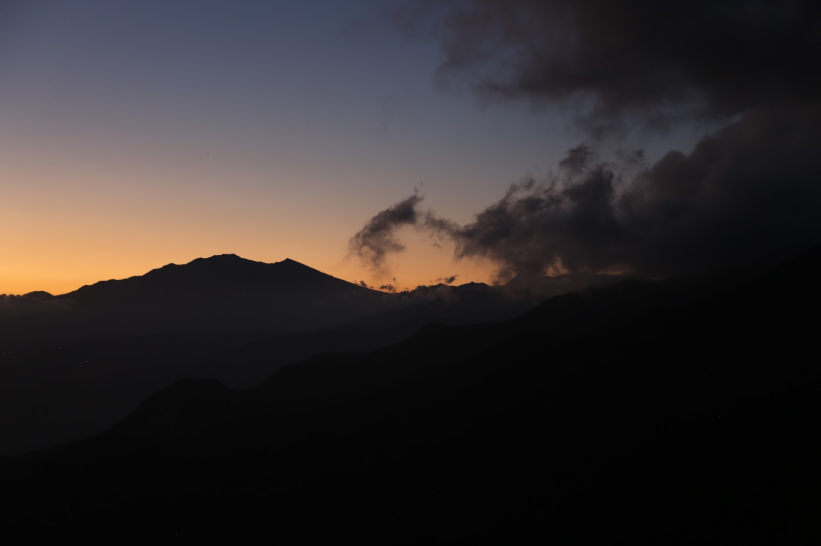
Santiago: The Quiet Capital of Veraguas and the True Crossroads of Panama

Right in the center of the country, where highways stretch outward toward every coast and where Panama’s geography begins to feel truly connected, lies a city that often gets overlooked but plays a far more important role than most travelers realize. Santiago is the capital of Veraguas Province and one of the most strategically positioned cities in all of Panama. It is a place where roads meet, cultures blend, agriculture thrives, and the rhythm of interior life defines everything from daily routines to national connectivity.

Unlike Panama City, with its skyline and global finance, or coastal towns that rely on tourism, Santiago has a quieter identity. It is a working city, a regional hub, and a gateway to nearly every corner of western and central Panama. Because of this, many travelers pass through it without realizing that they are standing in one of the most important crossroads in the entire country.

Geographically, Santiago sits almost perfectly in the middle of Panama. This central position has shaped its role for centuries. Long before modern highways existed, Indigenous groups moved through these lands connecting different regions of the isthmus. Later, Spanish colonial routes and rural trade paths followed similar patterns. Today, the modern Pan-American Highway and regional road systems converge here, making Santiago a natural stopping point for travel between Panama City, Chiriquí, the Azuero Peninsula, and the Caribbean provinces.

This connectivity has turned Santiago into a vital logistical and administrative center. Government offices, universities, hospitals, and commercial institutions all serve not only the city itself but the wider region of Veraguas. It is the kind of city that keeps Panama functioning behind the scenes, quietly supporting surrounding towns, villages, and rural areas.

At the heart of Santiago is a calm but active urban environment. The city is not defined by towering skyscrapers but by practical architecture, tree lined streets, public parks, and a layout that reflects steady growth over time. Life here moves at a measured pace. People know each other. Businesses are local. There is a strong sense of regional identity that ties residents not only to the city but to the province of Veraguas as a whole.

The central square and surrounding civic buildings serve as gathering points for community life. Churches, schools, and public institutions play an important role in daily routines. Unlike tourist driven destinations, Santiago’s energy comes from its residents rather than visitors, which gives it a grounded and authentic atmosphere.

One of Santiago’s greatest strengths is its role as a gateway to some of the most diverse landscapes in Panama. From the city, travelers can reach Pacific beaches, mountain forests, rivers, waterfalls, agricultural valleys, and Indigenous territories within a relatively short drive. This variety makes Santiago an ideal base for exploring a large portion of the country.

To the west lies the province of Chiriquí, known for its cool highlands and coffee growing regions. To the east, the Azuero Peninsula opens up with its dry landscapes and strong folkloric traditions. To the north, mountain ranges and forested areas lead toward the Caribbean watershed. To the south, the Pacific coast offers fishing communities, mangroves, and quiet beaches. Santiago sits at the center of all these directions, like a hub connecting Panama’s different natural worlds.

The surrounding province of Veraguas is one of the most ecologically diverse regions in the country, and Santiago serves as its main access point. Within Veraguas, visitors can find everything from cloud forests and volcanic landscapes to coral reefs and remote islands. One of the most famous nearby natural areas is Coiba National Park, a UNESCO World Heritage Site often compared to the Galápagos for its marine biodiversity.

Although Coiba lies offshore and requires a boat journey, Santiago is one of the main inland gateways for organizing trips to this extraordinary protected area. This connection between inland city and marine reserve highlights how Santiago bridges different ecosystems and travel experiences.

Agriculture is another defining feature of Santiago and its surroundings. The fertile lands of Veraguas support cattle ranching, rice production, sugarcane, corn, and a variety of fruits and vegetables. As a result, Santiago functions as a commercial hub where rural producers bring goods for trade, distribution, and sale.

Driving outside the city quickly reveals this agricultural foundation. Open fields stretch across valleys. Cattle graze under wide tropical skies. Small farms line rural roads. The landscape feels productive and lived in, reflecting generations of farming traditions that remain central to the local economy.

Markets in Santiago are an important part of this system. Farmers and vendors gather to sell fresh produce and goods, creating spaces that are both economic and social. These markets reflect the everyday life of the region far more than any tourist attraction could.

The culture of Santiago reflects its position in the interior of Panama. It is not heavily influenced by international tourism but instead shaped by provincial traditions, family networks, education, and agriculture. Festivals, religious celebrations, and civic events play an important role in maintaining community identity throughout the year.

Music and folklore are especially important in Veraguas. Traditional Panamanian styles can be heard during celebrations, often accompanied by dance and cultural exhibitions. While the region may not be as internationally famous for folklore as places like Las Tablas, it maintains its own strong regional expressions of Panamanian culture.

Education and healthcare also make Santiago a regional center. The presence of universities and medical facilities means that residents from surrounding towns and rural communities regularly travel to the city. This reinforces Santiago’s role as a support system for a wide geographic area.

The climate of Santiago is typically warm and tropical, with a clear distinction between dry and rainy seasons. During the dry months, the landscape can appear golden and sunlit, while the rainy season transforms the region into a lush green environment. Afternoon rains are common, often followed by dramatic skies and cooler evening temperatures.

Wildlife is present throughout the region, especially in rural and river areas. Birds are abundant, and the surrounding ecosystems support a variety of species typical of Panama’s interior. While Santiago itself is urban, it is never far from natural environments.

One of the most appealing aspects of Santiago is its authenticity. It is not a city designed for tourism, and that is exactly what makes it interesting. Life here reflects the real structure of Panama’s interior: agriculture, commerce, education, transportation, and community all working together in a balanced system.

As evening approaches, Santiago becomes quieter and more relaxed. Traffic slows, families gather in public spaces, and the warm light of sunset spreads across the city and surrounding hills. There is a calmness to the atmosphere that reflects the steady pace of life in Panama’s interior provinces.

At night, the city is modestly lit but active. Restaurants, parks, and local businesses continue to serve the community, while the surrounding countryside falls into darkness under wide, star filled skies. The contrast between urban center and rural surroundings becomes especially noticeable after sunset.

What ultimately makes Santiago important is not a single landmark or attraction, but its role as a connector. It links provinces, ecosystems, economies, and cultures. It is a place that supports travel, agriculture, education, and daily life across a large portion of Panama.

For travelers, Santiago is often a stopover. But for those who look closer, it becomes clear that the city represents something deeper. It is the functional heart of central Panama, a place where the country’s interior comes together in one cohesive hub.

In a nation known for canals, coastlines, islands, and mountains, Santiago represents the grounded reality that holds everything together. It is not flashy or famous, but it is essential. And like many of Panama’s interior cities, its true value is revealed not in postcards, but in the daily life of the people who call it home.

The Bridge of the Americas: The Monument That Connected Two Continents and Changed Panama Forever

There are few structures in Panama that symbolize the nation's importance to the world as powerfully as the Bridge of the Americas. Spanning the Pacific entrance of the Panama Canal, this massive steel arch bridge is far more than a transportation route. It is a symbol of connection, engineering achievement, national identity, and the unique geography that has made Panama one of the most strategically important countries on Earth.

For decades, the Bridge of the Americas stood as the only permanent roadway connecting North and South America across the Panama Canal. Millions of vehicles have crossed it. Countless travelers have photographed it. Ships from every corner of the globe have sailed beneath it. It remains one of Panama's most recognizable landmarks and one of the most significant engineering achievements in the nation's modern history.

Standing atop the bridge or viewing it from one of the many scenic overlooks nearby, it is difficult not to be impressed by the scale of what lies below. On one side stretches the vast Pacific Ocean. On the other lies the world famous Panama Canal. Massive cargo ships move slowly through the waterway while vehicles stream across the bridge overhead. The scene perfectly captures Panama's role as a nation that connects worlds.

Before the bridge existed, crossing the canal was a much more complicated process. Ferries transported vehicles and passengers between the eastern and western sides of the canal zone. While effective for its time, the system could not keep pace with the growing transportation demands of a rapidly developing country. As Panama expanded and road networks improved, the need for a permanent crossing became increasingly obvious.

Construction of the bridge represented a monumental challenge. Engineers had to design a structure capable of spanning one of the world's most important shipping channels while allowing enormous vessels to continue passing underneath. The solution was an elegant steel arch bridge that would become one of the engineering icons of Latin America.

When the bridge opened in 1962, it instantly transformed transportation in Panama. For the first time, vehicles could travel continuously across the canal without relying on ferries. The completion of the bridge strengthened the connection between Panama City and the western provinces while also completing a critical section of the legendary Pan-American Highway.

The significance of this achievement extended far beyond Panama. The bridge became one of the final links in a highway system stretching from Alaska to the southern reaches of South America. Travelers could now drive across an enormous portion of the Western Hemisphere while crossing one of the world's most famous waterways on a single structure.

The location of the bridge is particularly dramatic. It rises above the Pacific entrance of the Panama Canal, one of the busiest maritime corridors on Earth. Every day, ships carrying cars, electronics, grain, fuel, machinery, and countless other products navigate the channel below.

Watching a vessel pass beneath the bridge is an unforgettable experience. From above, the ships appear almost impossibly large. Container vessels stacked high with cargo move slowly through the canal waters. Cruise ships carrying thousands of passengers glide toward the Pacific. Tankers and bulk carriers continue the endless flow of global commerce that has defined Panama's role in world trade for more than a century.

The bridge provides one of the best vantage points for appreciating the scale of the canal itself. Looking down, visitors gain a perspective that few other locations can offer. The relationship between ships, water, infrastructure, and landscape becomes immediately clear. One begins to understand why Panama occupies such an important position in the global economy.

Beyond its engineering significance, the Bridge of the Americas has become a cultural symbol. For generations of Panamanians, it represents national progress and connectivity. It is frequently featured in photographs, films, documentaries, tourism campaigns, and educational materials. Its silhouette against the Pacific sky has become one of the defining images of the country.

The bridge is particularly spectacular at sunrise and sunset. During the early morning hours, golden light illuminates the steel structure while ships begin their daily journeys through the canal. The skyline of Panama City emerges in the distance, creating a scene that combines engineering, nature, and urban development in a single panorama.

Sunsets can be even more dramatic. The Pacific sky often erupts into shades of orange, red, pink, and gold. Reflections dance across the canal waters. The bridge becomes silhouetted against the fading light while vessels continue their transit beneath it. Photographers often consider these moments among the most beautiful in Panama.

Nearby viewpoints offer excellent opportunities to appreciate the bridge from different angles. One of the most popular locations is the area around Amador Causeway, where visitors can enjoy sweeping views of the bridge, the canal entrance, the Pacific Ocean, and the modern skyline of Panama City. The combination of these elements creates one of the most iconic landscapes in the country.

The engineering itself remains impressive even by modern standards. The bridge rises high above the water to accommodate the massive vessels that transit the canal. Its steel arch design combines strength, functionality, and elegance. Decades after its completion, it continues to perform its vital role while standing as a testament to the vision of the engineers and workers who built it.

The structure also occupies an important place in Panama's historical narrative. It was completed during a period when the nation was increasingly asserting its importance as a transportation hub and modernizing its infrastructure. The bridge became a physical representation of progress and national ambition.

For travelers arriving from western Panama, crossing the Bridge of the Americas often serves as a dramatic introduction to Panama City. As vehicles ascend the structure, the skyline gradually comes into view. The towers of the capital rise above the Pacific coast while ships navigate the canal below. It is one of the most memorable approaches to any city in Latin America.

For those leaving the capital, the bridge symbolizes the beginning of adventure. Beyond it lie the beaches of the Pacific coast, the mountains of Chiriquí, the agricultural heartlands of central Panama, and eventually the frontier regions near Costa Rica. Crossing the bridge often feels like a transition between different worlds.

Night brings yet another perspective. Illuminated against the darkness, the bridge becomes a glowing landmark visible from many parts of the city. Lights reflect off the canal waters below. Ships continue moving through the channel. The structure remains active around the clock, a reminder that Panama's role in global transportation never truly pauses.

The bridge has also witnessed countless historic moments. Heads of state, international delegations, tourists, truck drivers, commuters, cyclists, and adventurers have all crossed its span. For more than six decades, it has served as both an everyday transportation route and an enduring national symbol.

What ultimately makes the Bridge of the Americas so fascinating is that it represents multiple forms of connection at once. It physically connects the two sides of the Panama Canal. It forms part of the transportation link between North and South America. It connects Panama's past with its future. It joins engineering achievement with natural beauty.

In many ways, the bridge reflects the essence of Panama itself. This is a nation built upon connection. Oceans meet here. Continents meet here. Cultures meet here. Global trade flows through here. The Bridge of the Americas embodies all of these relationships in steel and concrete.

While larger bridges have since been built across the canal, including the impressive Centennial Bridge, the Bridge of the Americas retains a special place in the hearts of Panamanians. It was the pioneer, the first great crossing, and the structure that transformed transportation across the isthmus.

Today, millions of people continue to cross it every year, often without fully realizing the significance of the structure beneath their wheels. Yet for those who stop to appreciate its history, engineering, and setting, the Bridge of the Americas reveals itself as much more than a roadway.

It is a monument to human ingenuity, a gateway between continents, a symbol of national progress, and one of the most iconic landmarks in Panama. Rising above the Pacific entrance of the Panama Canal, it stands as a reminder that few places on Earth have connected the world as profoundly as Panama, and few structures symbolize that connection more perfectly than the Bridge of the Americas.

Tocumen International Airport: The Gateway to the Americas and the Front Door to Panama

For millions of travelers every year, their first impression of Panama is not a tropical beach, a rainforest trail, the Panama Canal, or the skyline of Panama City. Instead, it begins at Tocumen International Airport, the largest and busiest airport in Central America and one of the most important aviation hubs in the Western Hemisphere. More than simply an airport, Tocumen is the gateway through which travelers, businesses, cultures, and economies connect. It serves as Panama's front door to the world and has played a crucial role in transforming the country into one of Latin America's most important transportation centers.

Located on the eastern side of Panama City, approximately 24 kilometers from the downtown skyline, Tocumen occupies a position that perfectly reflects Panama's role in global transportation. Just as the Panama Canal connects oceans, Tocumen connects continents. Every day, aircraft arrive and depart carrying passengers from North America, South America, Europe, the Caribbean, and increasingly from destinations around the world. The airport has become a modern version of the country's historic role as a crossroads of global movement.

For many travelers arriving in Panama for the first time, the experience begins with a descent over the tropical landscape of the isthmus. Through airplane windows, passengers may catch glimpses of forests, rivers, neighborhoods, the Pacific Ocean, and eventually the sprawling urban landscape of Panama City. As the aircraft approaches Tocumen, it becomes immediately apparent that this is not a small regional airport. The extensive runways, terminals, cargo facilities, maintenance areas, and aircraft parking stands reveal the scale of an aviation hub operating on an international level.

The story of Tocumen is closely linked to Panama's remarkable economic growth and strategic location. While the country has long benefited from its position connecting two oceans, the rise of modern air travel created new opportunities. As aviation expanded throughout the twentieth century, Panama's geographic location made it an ideal place for connecting flights between North and South America. Few countries sit more conveniently between the major population centers of the hemisphere.

Over time, Tocumen evolved from a national airport into one of the most significant connecting hubs in the Americas. Today, travelers can board flights in cities as diverse as New York, Toronto, Buenos Aires, São Paulo, Bogotá, Madrid, Mexico City, Lima, San José, Santiago, Miami, and dozens of others, all connected through Panama. The airport's importance has grown so dramatically that it is often referred to as the "Hub of the Americas," a nickname that reflects its role in linking countries and cultures across the hemisphere.

The airport's strategic significance becomes particularly apparent when examining a map. Panama occupies a narrow strip of land between two continents and two oceans. This unique geography allows airlines to efficiently connect passengers traveling between North and South America. Instead of requiring multiple connections through distant cities, travelers can often transfer through Tocumen with remarkable convenience. This efficiency has helped establish Panama as one of the leading aviation centers in Latin America.

Walking through Tocumen reveals the truly international nature of the facility. Languages from around the world can be heard in the terminals. Business travelers rush to meetings. Backpackers begin adventures across Central and South America. Families reunite after long journeys. Tourists arrive eager to explore Panama's beaches, mountains, islands, and rainforests. Every day, thousands of personal stories intersect within the airport's halls.

The airport's architecture and infrastructure reflect its growing importance. Modern terminals accommodate millions of passengers annually. Expansions over the years have added gates, services, commercial areas, and technological improvements designed to handle increasing demand. The development of new facilities has transformed Tocumen into one of the most advanced airports in the region.

One of the most remarkable aspects of the airport is the sheer variety of destinations it serves. From tropical Caribbean islands to major global capitals, the route network extends across vast distances. This connectivity has played a crucial role in Panama's economic success, facilitating tourism, trade, investment, and international cooperation.

The cargo operations at Tocumen are equally significant. While passengers often receive the most attention, enormous quantities of goods pass through the airport every year. Electronics, pharmaceuticals, flowers, seafood, machinery, and countless other products move through Panama on their way to markets around the world. These operations complement the country's maritime transportation networks and reinforce Panama's role as a global logistics center.

Closely tied to the success of Tocumen is Copa Airlines, the national carrier that has helped transform Panama into one of the most connected countries in Latin America. Through its extensive route network, the airline has turned Tocumen into one of the hemisphere's most efficient connecting hubs. Travelers frequently transit through Panama without even leaving the airport, illustrating the strategic importance of the facility.

For aviation enthusiasts, Tocumen offers endless fascination. Aircraft from around the world arrive throughout the day. Modern airliners line the gates. Ground crews coordinate complex operations. Air traffic controllers manage a constant flow of arrivals and departures. The airport functions as a carefully orchestrated system where thousands of moving parts work together to keep global transportation flowing smoothly.

Beyond its transportation role, Tocumen serves as an introduction to Panama itself. Many visitors begin forming impressions of the country while passing through immigration, customs, restaurants, and terminal facilities. The airport often acts as a preview of what awaits beyond its walls.

For travelers heading into Panama City, the journey from the airport reveals one of the most dramatic urban skylines in Latin America. Modern skyscrapers rise above the Pacific coast. Residential neighborhoods spread across rolling terrain. Green spaces and waterways weave through the urban landscape. The contrast between tropical nature and modern development becomes immediately apparent.

For others, Tocumen is merely the beginning of a larger adventure. Some continue toward the beaches of the Pacific coast. Others head for the cloud forests of Boquete, the islands of Bocas del Toro, the Indigenous territories of the Caribbean, or the wildlife rich jungles of Darién. Regardless of destination, Tocumen serves as the common starting point.

The airport also plays a critical role during emergencies and humanitarian operations. Because of its strategic location and infrastructure, it often serves as a staging point for relief efforts responding to natural disasters throughout the region. Its ability to move people and supplies quickly has made it an important asset beyond commercial aviation.

Economic impact extends far beyond the airport grounds. Thousands of people work directly at Tocumen in aviation, security, customs, maintenance, retail, logistics, and administration. Many thousands more depend indirectly on the economic activity generated by tourism, cargo transportation, and international business connected to the airport.

As night falls, Tocumen takes on another dimension. Runway lights illuminate the tropical darkness. Aircraft continue arriving from distant cities. Departure boards display destinations across multiple continents. The flow of passengers never truly stops. While much of the country sleeps, the airport remains active, linking Panama to the rest of the world around the clock.

What makes Tocumen particularly fascinating is how perfectly it reflects Panama's broader identity. Throughout history, Panama has thrived because of its location. The Spanish treasure routes crossed the isthmus. The railroad connected oceans. The Panama Canal revolutionized global shipping. Today, Tocumen continues that tradition in the age of aviation.

Like the canal, the airport serves as a bridge between regions, economies, and cultures. It demonstrates how geography can shape a nation's destiny and how strategic vision can transform that geographic advantage into economic opportunity.

For many visitors, Tocumen is simply a place to catch a flight. For others, it is the beginning of an unforgettable journey through Panama. Yet on a larger scale, it represents something much greater. It is one of the key transportation hubs of the Americas, a vital engine of economic growth, and a symbol of Panama's role as a nation that connects the world.

Whether welcoming tourists, facilitating international commerce, reuniting families, or linking continents through modern air travel, Tocumen International Airport remains one of the most important pieces of infrastructure in Panama. It is far more than an airport. It is the modern gateway to a country whose history has always been defined by connection, movement, and the meeting of worlds.

Tolé: The Overlooked Mountain Gateway of Western Panama and One of Chiriquí’s Hidden Treasures

For most travelers crossing western Panama, the town of Tolé appears briefly through the windshield before disappearing behind them as they continue toward David, Boquete, Volcán, or Costa Rica. Yet those who slow down and explore quickly discover that Tolé is much more than a stop along the Pan American Highway. It is one of the most fascinating and underrated regions in western Panama, a place where mountains, rivers, Indigenous culture, agriculture, cloud forests, and remarkable biodiversity combine to create a destination that remains largely unknown to international tourism.

Located in the eastern portion of Chiriquí Province, Tolé occupies a strategic position between the Pacific lowlands and the mountainous interior of western Panama. This geography gives the region an incredible diversity of landscapes. Within a relatively short distance, visitors can travel from warm tropical valleys to cool mountain ridges, from cattle pastures to dense forests, and from agricultural communities to remote Indigenous settlements. Few areas of Panama offer such variety while remaining so untouched by mass tourism.

The landscape surrounding Tolé is immediately striking. Rolling hills extend toward the horizon in every direction. Rivers carve through valleys lined with tropical vegetation. Forested mountains rise in the distance. During the rainy season, the countryside becomes intensely green, creating scenery that feels almost impossibly lush. Even during the dry season, the region retains a rugged beauty characterized by open views, dramatic skies, and a sense of vastness that is increasingly rare in a rapidly developing world.

One of the most appealing aspects of Tolé is that it still feels authentically rural. Unlike some destinations that have been transformed by tourism, Tolé remains deeply connected to agriculture and local traditions. The region's economy is built upon farming, cattle ranching, and small scale commerce. Generations of families have worked the land here, creating communities whose identities remain closely tied to the natural environment.

Driving through the countryside reveals endless examples of this connection. Cattle graze on hillsides overlooking distant valleys. Small farms produce crops that supply local markets. Horses remain a common sight. Rural roads wind through landscapes that appear much as they would have decades ago. The result is a region that offers visitors a glimpse into a side of Panama that many travelers never experience.

Agriculture plays a particularly important role in the area's identity. The fertile soils and varied elevations support a wide range of crops. Corn, beans, vegetables, fruits, and livestock all contribute to the local economy. The agricultural traditions of Tolé are not merely economic activities. They are part of a cultural heritage passed from one generation to the next.

Yet the true magic of Tolé lies in the natural landscapes that surround it. The district serves as a gateway to some of western Panama's most beautiful and least explored mountain environments. Forested ridges rise above the valleys. Hidden rivers flow through remote canyons. Waterfalls emerge from dense vegetation. Every road seems to lead toward another scenic viewpoint or undiscovered corner of the countryside.

The mountains surrounding Tolé form part of a broader highland system that extends across western Panama and into neighboring Costa Rica. These elevations create a variety of microclimates that support extraordinary biodiversity. As travelers move higher into the hills, temperatures become cooler and vegetation changes dramatically. Tropical forests gradually transition into cloud forest environments filled with mosses, orchids, ferns, and countless other plant species.

These forests provide habitat for an astonishing range of wildlife. Birdwatchers are particularly drawn to the region because of its incredible avian diversity. Hummingbirds dart between flowering plants. Toucans move through the canopy. Hawks circle overhead. Colorful tanagers brighten forest edges. In some of the higher and more remote forests, fortunate observers may even encounter the legendary Resplendent Quetzal, one of the most sought after birds in the Americas.

The rivers of Tolé are another defining feature of the landscape. Fed by abundant rainfall in the surrounding mountains, these waterways support agriculture, wildlife, and local communities. Some flow gently through valleys lined with farmland, while others rush through rocky gorges hidden within dense forests. During the rainy season, the rivers become particularly dramatic, carrying enormous volumes of water from the mountains toward the Pacific.

For outdoor enthusiasts, these rivers offer opportunities for exploration, photography, and relaxation. Natural swimming areas can often be found in quieter sections of the waterways, providing refreshing escapes from the tropical heat. The sound of rushing water is a constant companion throughout much of the region.

One of the most fascinating aspects of Tolé is its connection to Panama's Indigenous cultures. The district lies near territories associated with the Ngäbe people, the largest Indigenous group in Panama. Indigenous communities throughout the broader region maintain traditions, languages, agricultural practices, and cultural identities that have survived for centuries.

These cultural influences enrich the character of the area and provide insight into a history that predates the arrival of Europeans by thousands of years. The presence of Indigenous communities serves as a reminder that western Panama is not only a region of natural beauty but also a place of deep cultural significance.

The climate of Tolé contributes greatly to its appeal. Lower elevations tend to be warm and tropical, while higher areas enjoy cooler temperatures and refreshing mountain air. This variation allows visitors to experience multiple environments within a relatively small geographic area. A morning may begin in a warm valley and end on a cool ridge overlooking distant mountain ranges.

During the rainy season, clouds often drift dramatically across the hillsides. Mist rises from forests. Sunlight breaks through openings in the clouds to illuminate patches of countryside. These constantly changing weather conditions create landscapes that photographers find irresistible.

The region's relative lack of tourism is both a challenge and a blessing. On one hand, Tolé lacks some of the infrastructure found in more established destinations. On the other hand, it retains an authenticity that has become increasingly difficult to find. Visitors often feel as though they have discovered a secret corner of Panama that remains largely untouched by the outside world.

This sense of discovery is one of Tolé's greatest strengths. There are no crowds competing for viewpoints. Trails often remain quiet. Rural roads pass through landscapes where local life continues largely unchanged by tourism. The experience feels genuine rather than curated.

Food in the region reflects its agricultural roots. Traditional Panamanian dishes remain popular, often prepared using ingredients produced locally. Fresh vegetables, meats, rice, beans, and tropical fruits form the foundation of many meals. Dining here offers a taste of the rural traditions that continue to shape daily life throughout western Panama.

The sunsets in Tolé can be spectacular. As the sun descends behind distant mountains, golden light spreads across valleys and hillsides. Long shadows stretch across pastures. Rivers reflect the changing colors of the sky. The vast landscapes allow for panoramic views that emphasize the region's natural beauty.

Night brings another transformation. In many parts of the district, limited light pollution allows stars to shine brilliantly overhead. The sounds of insects, frogs, and flowing water create a soundtrack that connects visitors to the natural world. Clear nights often reveal an astonishing number of stars, reminding observers how rare true darkness has become.

For travelers seeking adventure, Tolé serves as a gateway to countless opportunities. Hiking, birdwatching, photography, river exploration, cultural encounters, and scenic drives all await those willing to venture beyond the main highway. Every valley, ridge, and forest seems to hold another discovery.

For those interested in understanding Panama beyond its most famous destinations, Tolé provides invaluable insight into the country's rural character. Here, agriculture remains central to life. Communities maintain strong ties to the land. Natural landscapes continue to dominate the horizon. The pace of life remains refreshingly unhurried.

What ultimately makes Tolé special is not a single attraction but the overall experience of the region. It is a place where mountains, forests, rivers, farms, and communities exist together in a landscape of remarkable beauty. It represents a side of Panama that remains authentic, peaceful, and deeply connected to nature.

In a country known for the Panama Canal, tropical islands, and famous mountain towns, Tolé occupies a quieter place. Yet that quietness is precisely what makes it so rewarding. It offers travelers the opportunity to experience western Panama as it has been for generations, rich in natural beauty, cultural heritage, and rural traditions.

Those who merely pass through Tolé see another town along the highway. Those who stop and explore discover one of Chiriquí's hidden treasures, a region where the landscapes are vast, the forests are alive with wildlife, the rivers run clear from the mountains, and the spirit of rural Panama continues to thrive.

Penonomé: The Historic Heart of Coclé and the Gateway to Central Panama

Nestled between the mountains, rivers, agricultural plains, and Pacific coast landscapes of central Panama lies a city that quietly plays one of the most important roles in the country. While travelers often pass through on their way to the beaches of the Pacific, the mountain valleys of El Valle de Antón, or the western provinces beyond, those who take the time to stop and explore soon discover a city filled with history, culture, tradition, and a strategic importance that has shaped Panama for centuries. Penonomé is more than just the capital of Coclé Province. It is one of the oldest and most influential cities in central Panama, a place where the country's colonial past, agricultural present, and modern future all converge.

Located almost exactly in the center of the Panamanian isthmus, Penonomé occupies a position that has made it important since the earliest days of settlement. Long before modern highways connected the nation, the fertile lands surrounding the city attracted Indigenous communities who recognized the value of the region's rivers, forests, and productive soils. Later, Spanish colonists established settlements that would eventually grow into one of the most significant towns in central Panama.

Today, Penonomé remains a crossroads. Roads from the Pacific beaches, mountain communities, agricultural regions, and western provinces all pass through the city. Travelers moving across the country inevitably encounter Penonomé, yet surprisingly few fully appreciate the rich history and vibrant culture hidden behind its busy streets and commercial activity.

One of the first things visitors notice about Penonomé is its atmosphere. Unlike Panama City, which is defined by skyscrapers and constant urban expansion, Penonomé feels deeply connected to its regional identity. It is large enough to be economically important yet small enough to retain a strong sense of community. The city functions as the beating heart of Coclé Province, serving as a center for government, commerce, education, transportation, and culture.

The city's origins stretch back hundreds of years. Like many historic towns in Panama, Penonomé developed during the colonial era and gradually grew into an important regional center. Stories surrounding its founding have become part of local folklore, adding an element of mystery and cultural pride to the city's identity. Generations of residents have contributed to the growth of Penonomé, creating a community that balances tradition with modernization.

At the center of the city stands the impressive Catedral de San Juan Bautista. Dominating the main square, the cathedral serves as both a religious landmark and a symbol of the city's historical significance. For generations, baptisms, weddings, festivals, and community gatherings have revolved around this iconic structure. Its presence anchors the historic center and provides visitors with a glimpse into the spiritual and cultural life of the region.

The plaza surrounding the cathedral remains one of the most important public spaces in Penonomé. Families gather in the evenings. Friends meet to socialize. Local events bring residents together. The square reflects a style of community life that remains strong throughout much of Panama's interior.

What truly distinguishes Penonomé is its role as a gateway. From the city, travelers can reach an extraordinary variety of landscapes within a relatively short distance. To the south lie Pacific beaches and coastal communities. To the north rise forested mountains and rivers. To the west stretch agricultural plains and rural villages. To the east, the road leads toward Panama City and the more densely populated regions of the country.

This geographical diversity has shaped the local economy for centuries. Agriculture remains one of the pillars of life in the region. The fertile lands surrounding Penonomé support the production of rice, corn, sugarcane, vegetables, fruits, and livestock. The city serves as a commercial hub where agricultural products are bought, sold, processed, and distributed.

Driving through the countryside around Penonomé reveals the remarkable productivity of the region. Fields stretch across the landscape in every direction. Farmers work land that has sustained generations of families. Cattle graze in open pastures beneath wide tropical skies. These agricultural scenes are not merely picturesque. They represent one of the foundations of Panama's food production and rural economy.

The surrounding rivers have also played an important role in the region's development. Waterways flowing from the mountains have long supported agriculture, settlement, and transportation. During the rainy season, these rivers become powerful reminders of the natural forces that continue to shape the landscape.

One of the greatest advantages of Penonomé is its proximity to some of Panama's most famous natural attractions. Just a short drive away lies El Valle de Antón, the famous mountain town located inside the crater of an extinct volcano. Visitors often use Penonomé as a base for exploring El Valle's waterfalls, hiking trails, markets, and cloud forests.

Nearby rivers and natural swimming areas provide additional opportunities for recreation. Local residents often escape the heat by visiting freshwater pools and streams located in the surrounding countryside. These natural areas offer a refreshing contrast to the urban environment while showcasing the beauty of central Panama.

The region is also rich in wildlife. Birds are particularly abundant. Herons, hawks, parrots, kingfishers, and many other species inhabit the rivers, forests, wetlands, and agricultural landscapes surrounding the city. Nature enthusiasts frequently discover that Coclé contains far more biodiversity than many visitors expect.

Culture remains a vital part of life in Penonomé. Throughout the year, festivals, religious celebrations, fairs, and community events bring residents together. These gatherings provide opportunities to celebrate local traditions, music, food, and identity.

One of the most important events associated with the city is the famous National Orange Fair, known as the Feria Nacional de la Naranja. This event highlights the agricultural importance of the region while attracting visitors from across the country. Agricultural exhibitions, cultural performances, food vendors, music, and community activities transform the city into a vibrant celebration of local life.

Food in Penonomé reflects the agricultural abundance of the surrounding countryside. Traditional Panamanian dishes feature fresh local ingredients and recipes that have been passed down through generations. Rice, corn, meats, tropical fruits, and locally grown vegetables play central roles in regional cuisine.

Visitors often discover that dining in Penonomé provides insight into the culinary traditions of Panama's interior provinces. Meals tend to emphasize authenticity and local flavors rather than international trends. This connection to tradition is one of the city's greatest strengths.

The markets of Penonomé offer another glimpse into everyday life. Farmers bring produce from surrounding communities. Vendors sell everything from fresh fruit and vegetables to handcrafted goods and household necessities. These markets serve as economic and social centers where people from across the region come together.

Despite its historical roots, Penonomé continues to evolve. Educational institutions, modern businesses, infrastructure projects, and commercial development have expanded the city's role within the national economy. Yet even as it grows, it retains a distinctly provincial character that many residents cherish.

One of the most appealing aspects of Penonomé is its authenticity. Unlike destinations that cater primarily to tourists, the city functions first and foremost as a real community. Visitors experience daily life as it is actually lived rather than a version created for tourism. This authenticity creates opportunities for meaningful cultural experiences and genuine interactions.

The surrounding landscapes become especially beautiful during the late afternoon. As the tropical sun begins to descend, golden light spreads across fields, rivers, and hills. The city itself takes on a warm glow. The pace slows slightly as residents gather in parks, plazas, and public spaces.

Evenings in Penonomé are often peaceful and inviting. Families stroll through public areas. Friends meet to talk and share meals. The cathedral remains illuminated above the city center. The atmosphere reflects the strong community bonds that continue to define life in much of Panama's interior.

For travelers, Penonomé offers something increasingly rare. It provides an opportunity to experience the everyday reality of Panama beyond its most famous tourist destinations. Here, visitors encounter a city shaped by agriculture, history, commerce, education, and community rather than tourism alone.

For history enthusiasts, Penonomé reveals centuries of regional development and colonial influence. For nature lovers, it serves as a gateway to rivers, mountains, forests, and wildlife. For food enthusiasts, it offers authentic regional cuisine rooted in local traditions. For those interested in understanding Panama more deeply, it provides invaluable insight into the culture and identity of the country's interior.

What ultimately makes Penonomé special is its role as a bridge between different parts of Panama. It connects mountains and coastlines, rural communities and urban centers, historical traditions and modern development. It stands at the center of a province rich in natural beauty and cultural heritage.

In a nation often defined by the Panama Canal, tropical islands, and bustling capital city, Penonomé represents another equally important side of the country. It is a place where community remains strong, where agriculture continues to shape daily life, and where the traditions of central Panama remain very much alive.

Penonomé may not always appear on lists of Panama's most famous destinations, but it deserves far more attention than it receives. As the historic heart of Coclé and one of the most important crossroads in the nation, it offers visitors a deeper understanding of the landscapes, people, and traditions that have helped shape Panama for generations. Those who take the time to explore it often discover one of the country's most authentic and rewarding cities.

Isla Grande: Panama’s Caribbean Paradise of Coral Reefs, Palm Trees, and Afro Caribbean Culture

Along the lush Caribbean coastline of Colón Province lies a small island that seems to embody everything travelers imagine when they dream about the Caribbean. Crystal clear water laps against palm lined shores. Colorful fishing boats drift gently in protected bays. Coral reefs teem with tropical marine life beneath the surface. Coconut palms sway in the ocean breeze. The rhythm of life moves slowly, guided more by tides and sunsets than by schedules and deadlines. This is Isla Grande, one of the most beautiful islands on Panama's Caribbean coast and one of the country's most charming tropical escapes.

Despite its name, which translates to "Big Island," Isla Grande is actually quite small. Yet what it lacks in size it more than makes up for in character, beauty, history, and atmosphere. For decades, Panamanians have escaped here seeking relaxation, sunshine, and a taste of authentic Caribbean culture. Increasingly, international travelers are discovering what locals have known for generations: Isla Grande is one of Panama's hidden gems.

The journey to Isla Grande is part of the experience. Leaving Panama City behind, travelers head north toward the Caribbean coast through landscapes that gradually become greener and more tropical. The mountains of central Panama give way to dense forests, rivers, and coastal communities influenced by centuries of Caribbean history. Eventually, visitors reach the small dock where boats shuttle passengers across the narrow channel separating the island from the mainland.

The crossing takes only a few minutes, but it feels like entering another world. The stresses of everyday life seem to fade with every meter traveled across the water. As the island comes into view, visitors are greeted by a landscape of tropical vegetation, colorful buildings, sandy shores, and the brilliant blue waters that define the Caribbean.

Unlike many islands that have been transformed by large scale tourism development, Isla Grande retains a remarkably authentic atmosphere. There are no towering resort complexes dominating the coastline. There are no massive cruise ship terminals or sprawling hotel districts. Instead, the island remains closely connected to its roots as a small Caribbean community where local culture continues to shape daily life.

One of the first things visitors notice is the pace. Life moves slowly on Isla Grande. People walk rather than rush. Conversations linger. Meals are enjoyed without hurry. The island encourages visitors to slow down and embrace a different rhythm. In a world that often feels increasingly fast paced, this sense of calm has become one of Isla Grande's greatest attractions.

The natural beauty of the island is immediately apparent. Palm trees lean toward the sea. Tropical vegetation covers much of the landscape. Rocky outcroppings and small beaches create picturesque coastal scenery. Everywhere one looks, the colors seem more vibrant. The water shifts between shades of turquoise, emerald, and deep blue depending on sunlight and depth.

The waters surrounding Isla Grande are among its greatest treasures. Coral reefs flourish beneath the surface, creating vibrant underwater ecosystems that attract snorkelers and divers from across Panama. Colorful fish dart among coral formations. Sea fans sway gently with the currents. Sponges, sea stars, and countless other marine organisms contribute to an underwater world that is both beautiful and ecologically important.

For many visitors, snorkeling becomes one of the highlights of their stay. The warm Caribbean waters offer excellent visibility during favorable conditions, allowing even beginners to appreciate the diversity of life beneath the surface. Every swim feels like entering a living aquarium.

The island has also earned a reputation among surfers. While Panama is often associated with Pacific surf destinations such as Santa Catalina and Playa Venao, Isla Grande offers its own unique wave riding opportunities. During certain seasons, swells arriving from the Caribbean create surf conditions that attract enthusiasts seeking a different experience from Panama's more famous Pacific breaks.

Yet even for those with no interest in surfing or snorkeling, simply spending time beside the water can be immensely rewarding. Visitors often find themselves swimming, floating, kayaking, or simply relaxing along the shore while enjoying views of the Caribbean Sea stretching toward the horizon.

One of the most iconic landmarks on the island is the famous black statue known as the Black Christ of Isla Grande. Standing near the shoreline, this unique religious monument has become one of the symbols of the island. Its presence reflects the deep spiritual traditions and cultural history that remain important parts of local life.

The cultural identity of Isla Grande is one of its most fascinating qualities. The island's population is heavily influenced by Afro Caribbean heritage, creating a cultural atmosphere that feels distinct from many other parts of Panama. Generations of history have shaped local traditions, language, music, food, and community life.

Walking through the village, visitors quickly notice these influences. Music drifts through the air. Conversations often incorporate Caribbean expressions and rhythms. The architecture reflects both local adaptation and Caribbean styles. The overall atmosphere feels connected not only to Panama but also to the broader Caribbean world.

Food plays an especially important role in expressing this cultural heritage. Caribbean flavors dominate many local dishes. Coconut milk is widely used in cooking. Fresh fish and seafood arrive daily from surrounding waters. Plantains, rice, tropical fruits, and spices contribute to meals that reflect generations of culinary tradition.

Dining on Isla Grande often feels like an extension of the island experience itself. Meals are relaxed and social. Ocean views frequently accompany dinner. Fresh ingredients connect visitors directly to the surrounding environment. Whether enjoying seafood beside the water or sampling traditional Caribbean recipes, food becomes another way of understanding the island's identity.

The surrounding region adds further appeal to Isla Grande. The Caribbean coast of Colón Province is one of Panama's most historically and ecologically rich areas. Nearby destinations such as Portobelo contain some of the most important colonial history in the Americas. Massive Spanish fortifications, historic churches, and centuries old ruins reveal stories of pirates, treasure fleets, and global trade.

Combining a visit to Isla Grande with exploration of nearby historical sites allows travelers to experience both the natural and cultural richness of Panama's Caribbean coast.

Wildlife enthusiasts also find plenty to appreciate. The coastal forests, mangroves, and marine environments surrounding the island support a surprising variety of species. Pelicans dive dramatically into the sea in search of fish. Frigatebirds soar overhead. Herons patrol shallow waters. Tropical fish thrive beneath the surface.

During calm mornings, the water can appear almost impossibly clear. Sunlight penetrates deep into the sea, illuminating reefs and creating dazzling reflections. These moments capture the essence of Isla Grande and explain why so many visitors find it difficult to leave.

The sunsets on Isla Grande possess a special magic. As afternoon transitions into evening, the Caribbean sky begins to change colors. Shades of orange, pink, gold, and purple spread across the horizon. Reflections dance on the water. Boats return to shore. The atmosphere becomes peaceful and contemplative.

Night brings another transformation. The sounds of waves become more prominent. Tropical breezes cool the air. Conversations continue beneath the stars. Unlike large urban areas, the island remains relatively free from excessive noise and light, allowing visitors to appreciate the simple pleasures of a Caribbean evening.

What makes Isla Grande particularly special is its balance between accessibility and authenticity. Reaching the island is relatively easy from Panama City, yet it still feels wonderfully removed from the pressures of modern life. Visitors can enjoy beautiful beaches, clear water, rich culture, and outdoor adventure without encountering the intense commercialization that characterizes many tropical destinations around the world.

For photographers, the island offers endless inspiration. Colorful boats, palm lined shores, vibrant reefs, historic landmarks, dramatic sunsets, and everyday village life create countless opportunities for memorable images. Every corner of the island seems designed for photography.

For couples, Isla Grande provides romance and tranquility. For families, it offers safe swimming, outdoor activities, and cultural experiences. For backpackers, it delivers authenticity and adventure. For anyone seeking relaxation, it offers an opportunity to disconnect and recharge.

Perhaps the greatest compliment one can pay Isla Grande is that it still feels genuine. The island has welcomed visitors for decades, yet it remains deeply rooted in its own identity. It has not sacrificed its character in pursuit of tourism. Instead, it invites travelers to experience a real Caribbean community surrounded by extraordinary natural beauty.

In a country famous for the Panama Canal, tropical rainforests, mountain villages, and Pacific beaches, Isla Grande showcases another side of Panama. It reveals the Caribbean soul of the nation, where Afro Caribbean culture, coral reefs, coconut palms, and crystal clear waters come together to create something truly unforgettable.

Those who visit often arrive expecting a beautiful island. They leave having discovered much more. They find a place where culture and nature exist in harmony, where time slows down, and where the Caribbean remains as enchanting as ever. Isla Grande may be small in size, but it offers one of the richest and most rewarding island experiences in all of Panama.

Colón: Panama’s Caribbean Giant, Gateway to the Atlantic, and One of the Most Fascinating Cities in the Nation

Few places in Panama are as misunderstood, historically important, culturally rich, and strategically significant as Colón. Located at the Atlantic entrance of the Panama Canal, Colón has shaped world trade, witnessed some of the most important events in Panamanian history, welcomed people from across the globe, and developed a unique Caribbean identity unlike anywhere else in the country. While many visitors know Colón only as a port city or as a place they pass through on their way to other attractions, the reality is that Colón is one of the most fascinating urban centers in Central America and a city whose influence extends far beyond Panama's borders.

To understand modern Panama, one must understand Colón. This city sits at one of the most strategically important locations on Earth. Every day, ships from around the world pass through the nearby Panama Canal, connecting the Atlantic and Pacific Oceans. Massive container vessels, cruise ships, tankers, and cargo carriers move through waters that have transformed global commerce for more than a century. At the center of this activity stands Colón, a city whose destiny has always been connected to transportation, trade, and the movement of people and goods across continents.

The story of Colón begins with geography. Long before the canal existed, the narrow strip of land connecting North and South America made this region important. Spanish explorers quickly realized the strategic value of the isthmus. Treasure from Peru crossed Panama on its way to Europe. Merchants, soldiers, adventurers, and settlers moved through the region. Nearby ports became critical links in the global trade networks of the Spanish Empire.

Today, the city occupies one of the most important locations in the Western Hemisphere. Standing near the waterfront, it is impossible not to feel the significance of the place. The Atlantic Ocean stretches outward toward the Caribbean and beyond. Ships arrive from every corner of the globe. Cranes move cargo containers with incredible efficiency. Railways, highways, ports, and shipping facilities connect Panama to international markets. Colón is not simply a city. It is one of the world's great crossroads.

The modern city emerged during the nineteenth century as global interest in crossing the isthmus intensified. The construction of the transcontinental railroad transformed the area. The famous Panama Railroad Construction connected the Atlantic and Pacific coasts years before the Panama Canal existed, making it one of the most important transportation projects of its era. Thousands of workers from around the world arrived to participate in the monumental undertaking.

This international influx would permanently shape Colón. People arrived from the Caribbean, Europe, Asia, North America, South America, and beyond. Cultures mixed. Languages blended. Traditions merged. The city developed a cosmopolitan character that remains evident today.

When construction of the Panama Canal began, Colón's importance increased dramatically. Tens of thousands of workers arrived from Jamaica, Barbados, Trinidad, Martinique, and numerous other Caribbean islands. Their descendants continue to form an essential part of the city's identity. As a result, Colón possesses a distinctly Caribbean flavor unlike any other city in Panama.

Walking through Colón reveals this cultural heritage everywhere. Music fills the streets. Caribbean culinary influences shape local cuisine. English based creole traditions remain visible. Architecture, language, and community life all reflect generations of cultural exchange. In many ways, Colón feels just as connected to the wider Caribbean world as it does to mainland Central America.

Perhaps no place better illustrates Colón's global significance than the enormous port complex surrounding the city. The Atlantic side of the Panama Canal serves as one of the busiest maritime regions on Earth. Massive ships move through the canal carrying everything from electronics and automobiles to food and raw materials.

Watching these vessels navigate the canal system is an unforgettable experience. Some are longer than several football fields. Towering stacks of containers rise above their decks. Tugboats guide them through narrow channels while pilots coordinate complex maneuvers. The scale of the operation is astonishing and serves as a reminder of Panama's central role in global commerce.

Nearby lies the famous Colón Free Trade Zone, one of the largest free trade zones in the world. Covering hundreds of hectares and handling billions of dollars in merchandise annually, the zone attracts businesses and traders from throughout Latin America and beyond. Its warehouses, offices, and distribution centers form a vital part of the international supply chain.

Yet Colón's story is not only about trade and shipping. It is also about resilience, culture, and community. Despite economic fluctuations and challenges over the decades, the city has maintained a powerful identity rooted in its people and history.

The architecture of Colón tells part of this story. Historic buildings from the canal era and earlier periods still stand throughout parts of the city. Some display beautiful Caribbean influences, featuring balconies, decorative facades, and colorful details. Others reflect the economic prosperity that accompanied the canal's construction and operation. Walking through certain neighborhoods can feel like stepping into a living history book.

Among the city's most important landmarks is Cristóbal, the historic district closely associated with canal operations. Developed during the canal era, Cristóbal played a central role in supporting one of the greatest engineering projects in human history.

Nearby, visitors can explore the fascinating history of the canal itself. Museums, historic sites, and observation points provide insight into the extraordinary effort required to connect two oceans. The story involves engineering innovation, medical breakthroughs, international politics, and the labor of tens of thousands of workers from around the world.

One of the greatest treasures near Colón is the remarkable Fort San Lorenzo. Located where the Chagres River meets the Caribbean Sea, this magnificent Spanish fortress stands as one of the most important colonial sites in the Americas. For centuries, it protected Spanish treasure routes from pirates and rival powers.

Standing atop the fortress walls today offers breathtaking views of the Caribbean coastline. Waves crash against rocky cliffs below. Dense tropical forest stretches inland. It is easy to imagine the dramatic battles, pirate attacks, and historic events that unfolded here centuries ago.

Not far away lies one of Panama's greatest natural treasures, Portobelo National Park. The region surrounding Colón contains an extraordinary combination of history and nature. Rainforests, coral reefs, rivers, mangroves, and beaches provide habitat for remarkable biodiversity.

The province is particularly important for birdlife. Tropical forests support toucans, parrots, trogons, hawks, and countless other species. Monkeys move through the canopy. Sloths inhabit the trees. Reptiles, amphibians, and insects thrive within the humid Caribbean environment.

Rainfall plays a major role in shaping the landscape. Colón is one of the wettest regions in Panama, and the resulting greenery is spectacular. Forests remain lush throughout the year. Rivers flow through dense vegetation. The surrounding environment feels vibrant and alive.

The beaches near Colón are another often overlooked attraction. While Bocas del Toro and San Blas attract most international attention, the Caribbean coast of Colón Province contains beautiful stretches of shoreline with crystal clear waters, palm trees, and dramatic scenery.

The nearby town of Portobelo is particularly famous for its combination of colonial history and Caribbean beauty. Once one of the wealthiest ports in the Spanish Empire, it now attracts visitors seeking history, culture, diving, and stunning coastal landscapes.

Food in Colón reflects the city's rich cultural heritage. Caribbean influences are especially prominent. Coconut milk, seafood, spices, plantains, and tropical ingredients feature heavily in local cuisine. Meals often showcase flavors that differ noticeably from those found elsewhere in Panama.

Music is equally important. Reggae, calypso, soca, gospel, and various Caribbean styles have all influenced local culture. Throughout the city, music serves as an expression of identity, community, and heritage.

Perhaps what makes Colón most fascinating is its complexity. It is simultaneously a historic city, a global trade center, a Caribbean cultural hub, a transportation gateway, and a starting point for exploring some of Panama's most beautiful natural landscapes. Few places contain so many different stories within a single location.

For history lovers, Colón offers connections to pirates, colonial empires, railroads, and the Panama Canal. For nature enthusiasts, it provides access to rainforests, beaches, and wildlife. For cultural travelers, it reveals one of the richest Caribbean influences in Central America. For those interested in global commerce, it showcases one of the world's most important transportation corridors.

As evening falls over Colón, the city takes on a distinctive atmosphere. Ships illuminate the harbor. The lights of ports and terminals reflect across the water. Caribbean breezes move through the streets. Music drifts from homes and businesses. The Atlantic stretches into darkness beyond the breakwaters while the canal continues operating around the clock, connecting oceans and nations.

In many ways, Colón represents the essence of Panama itself. It is a place where cultures meet, where geography shapes history, where local life intersects with global commerce, and where the past and present exist side by side. It may not always receive the attention given to Panama City or the country's famous beach destinations, but its significance cannot be overstated.

Colón is not merely a city on the Caribbean coast. It is one of the great gateways of the Americas, a living crossroads of cultures, a center of world trade, and one of the most historically important places in Panama. Those who take the time to look beyond its surface often discover one of the most compelling and rewarding destinations in the entire country.

Aguadulce: Panama’s Historic Crossroads of Agriculture, Salt, Commerce, and Tradition

In the broad sun drenched plains of central Panama, where endless fields stretch toward the horizon and where commerce, agriculture, and tradition have intersected for generations, lies one of the country's most important yet often overlooked cities. Aguadulce is a place that many travelers pass through on their way to beaches, mountains, or western Panama, but those who take the time to explore soon discover a city with a fascinating history, a powerful agricultural legacy, unique natural landscapes, and a cultural identity that has helped shape central Panama for centuries.

At first glance, Aguadulce may appear to be a practical working city rather than a tourist destination. Trucks move along busy roads. Agricultural products flow through markets and warehouses. Businesses serve the surrounding countryside. Life moves with purpose. Yet beneath this industrious exterior lies a remarkable story that stretches back hundreds of years and reveals why Aguadulce has become one of the most influential communities in the nation.

The location of Aguadulce has always been one of its greatest strengths. Situated in the heart of central Panama along the Pacific side of the country, it occupies a strategic position connecting eastern and western Panama. Long before modern highways existed, the region served as an important corridor for trade, agriculture, and settlement. Today, that role continues. Nearly everyone traveling between Panama City and the western provinces passes through or near Aguadulce, making it one of the country's great crossroads.

The surrounding landscape immediately sets Aguadulce apart from many other regions of Panama. Travelers expecting dense tropical rainforest are often surprised by the open plains, expansive agricultural fields, and dry tropical scenery that dominate the area. During the dry season, golden grasses cover much of the countryside, creating landscapes that resemble tropical savannas more than jungles. The vast skies, distant mountains, and wide open spaces give the region a character all its own.

This environment has made Aguadulce one of Panama's agricultural powerhouses. For generations, the fertile plains surrounding the city have produced enormous quantities of food that help feed the nation. Rice fields stretch across the countryside in every direction. During certain times of year, these fields shimmer under the tropical sun like vast green oceans. At harvest time, the landscape transforms once again as machinery and workers bring in crops that represent months of labor and planning.

Rice is perhaps the crop most closely associated with Aguadulce. The region has long been one of Panama's leading rice producing areas, and agriculture remains deeply woven into local identity. Families have farmed these lands for generations. Agricultural knowledge is passed down through communities. The rhythms of planting, irrigation, and harvesting continue to shape life throughout the region.

Yet rice is only part of the story. Sugarcane has also played a crucial role in the development of Aguadulce. Vast plantations cover portions of the surrounding countryside, and sugar production has helped drive economic growth for decades. During harvest season, the sight of sugarcane fields stretching toward the horizon serves as a reminder of how deeply agriculture remains connected to the local economy.

Perhaps the most unique aspect of Aguadulce's history is hidden within its very name. The city has long been associated with salt production, an industry that helped shape its development for centuries. The coastal areas near Aguadulce contain natural salt flats where seawater evaporates under the intense tropical sun, leaving behind valuable salt deposits. Long before refrigeration and modern food preservation methods, salt was one of the most important commodities in the world.

For generations, the salt industry provided livelihoods for local residents and contributed significantly to the regional economy. Even today, the salt flats remain one of the most distinctive features of the area. These landscapes, shimmering beneath the sun and reflecting the sky, create scenery unlike almost anywhere else in Panama.

The salt flats also support fascinating ecosystems. Shallow pools attract a variety of bird species, creating opportunities for wildlife observation. During certain times of year, the area becomes particularly active with migratory birds moving through the region. Flamingos occasionally appear in nearby wetlands, adding a touch of unexpected beauty to these working landscapes.

The history of Aguadulce extends far beyond agriculture and salt. The city has long served as a commercial center for the surrounding region. Farmers, ranchers, merchants, and travelers have gathered here for generations to buy, sell, and exchange goods. This commercial heritage continues today, making Aguadulce one of the most economically important cities in central Panama.

Walking through the city reveals a community that remains deeply connected to its role as a regional hub. Markets bustle with activity. Local businesses serve residents from across the surrounding countryside. Transportation routes converge here. There is a sense of movement and purpose that reflects the city's longstanding importance.

Yet Aguadulce is not merely a center of commerce. It is also a place where community and tradition remain strong. Public parks and gathering spaces continue to play important roles in daily life. Families gather in the evenings. Friends meet in local restaurants and cafés. Community events bring residents together throughout the year.

The city's architecture reflects its history as well. While not dominated by colonial landmarks in the way that some Panamanian towns are, Aguadulce contains buildings and neighborhoods that reveal its development over generations. Historic structures stand alongside modern businesses, creating a cityscape that reflects both tradition and progress.

The surrounding countryside offers some of the most authentic rural scenery in Panama. Driving beyond the city reveals a landscape of farms, ranches, rivers, wetlands, and small villages. Cattle graze beneath scattered trees. Farmers work fields that have supported generations of families. Wind moves across open plains beneath enormous skies.

This rural character is central to the identity of Aguadulce. While Panama City represents the nation's modern face and places like Bocas del Toro showcase its tropical beauty, Aguadulce represents the hardworking agricultural heart that has sustained the country for centuries.

Food in the region reflects this agricultural abundance. Fresh rice, locally raised beef, tropical fruits, vegetables, and traditional Panamanian dishes feature prominently in local cuisine. Meals often emphasize simple ingredients prepared with care and rooted in regional traditions.

Visitors who spend time in Aguadulce frequently discover that some of their most memorable experiences come from everyday interactions. Conversations with local residents reveal stories of farming, family history, community traditions, and life in central Panama. These personal connections provide insight into a side of the country that many travelers never encounter.

The region's climate has also shaped local culture. The pronounced dry season influences everything from agricultural practices to festivals and daily routines. During the driest months, the landscape takes on a golden appearance that can be strikingly beautiful. Dusty roads wind through fields and ranches beneath brilliant blue skies. The scenery possesses a rugged beauty distinct from Panama's wetter regions.

When the rains arrive, the transformation is dramatic. Fields become lush and green. Rivers swell. Wildlife becomes more active. The countryside seems to burst with life. These seasonal changes have been part of the rhythm of life here for centuries.

Birdwatchers often find the wetlands and agricultural areas around Aguadulce surprisingly rewarding. Herons, egrets, hawks, ibises, and numerous other species inhabit the region. Seasonal migrations bring additional birds through the area, creating opportunities for wildlife observation that many visitors do not expect.

The city's strategic location also makes it an excellent base for exploring other parts of central Panama. Nearby beaches, mountains, rivers, and cultural attractions are all within reach. This accessibility has helped maintain Aguadulce's importance as a regional center.

As evening approaches, Aguadulce takes on a different character. The heat of the day begins to fade. Businesses gradually slow. Families gather in public spaces. The golden light of sunset illuminates the surrounding plains. The atmosphere becomes more relaxed as the city transitions into night.

Sunsets in the region can be particularly spectacular. The open landscapes provide unobstructed views of the sky, allowing brilliant colors to spread across the horizon. Shades of orange, pink, and gold reflect off fields and wetlands, creating scenes that capture the beauty of Panama's interior.

What ultimately makes Aguadulce fascinating is that it tells a story often overlooked by visitors. It is not defined by luxury resorts, famous beaches, or international tourism. Instead, it represents the industries, traditions, and communities that have quietly helped build Panama over generations.

It is a city of farmers, ranchers, merchants, workers, and families. It is a place where salt has been harvested from the earth, where rice fields stretch toward the horizon, where commerce connects regions, and where traditions remain strong despite the rapid changes occurring elsewhere in the country.

For travelers seeking a deeper understanding of Panama, Aguadulce offers something invaluable. It reveals the everyday realities, economic foundations, and cultural traditions that support the nation beyond its most famous attractions. It is authentic, hardworking, and deeply connected to the land.

In many ways, Aguadulce represents the true heart of central Panama. Its fields feed the country. Its roads connect the nation. Its traditions preserve regional identity. Its people embody the resilience and determination that have characterized life in the region for generations.

While it may not always appear on lists of Panama's most famous destinations, Aguadulce remains one of its most important. It is a city where agriculture, history, commerce, and community come together to create a place that is uniquely Panamanian. Those who take the time to look beyond the highway soon discover a destination rich in stories, character, and significance, a place that has helped shape Panama's past and continues to play a vital role in its future.

Coronado: The Beach Town That Changed Panama and Became the Country’s Most Famous Coastal Escape

Few places have had a greater influence on modern beach living in Panama than Coronado. Stretching along the Pacific coast less than two hours from Panama City, Coronado has evolved from a quiet coastal area into one of the most recognizable and influential beach communities in the country. It is a place where oceanfront living, retirement communities, tourism, modern conveniences, tropical scenery, and easy access to the capital all come together to create a destination unlike anywhere else in Panama.

For many Panamanians, Coronado represents the classic weekend getaway. For thousands of expatriates from North America, Europe, and beyond, it represents an ideal place to retire or establish a second home. For travelers exploring the Pacific coast, it often serves as the gateway to the beaches, mountains, and small towns that stretch westward along the Pan American Highway. Over the years, Coronado has become much more than a beach town. It has become a symbol of an entire lifestyle.

The story of Coronado is closely connected to Panama's development as an international destination. Decades ago, long before many of the country's coastal regions gained attention from foreign investors or international visitors, Coronado began attracting people seeking a tropical escape from city life. Its location proved to be ideal. Close enough to Panama City for a convenient weekend trip yet far enough away to feel like a genuine retreat, the area gradually grew into one of the country's premier beach communities.

Today, driving into Coronado feels very different from arriving in most beach towns in Panama. Rather than a sleepy fishing village or isolated coastal settlement, visitors encounter a community that has developed extensive infrastructure while still retaining its connection to the ocean. Restaurants, shopping centers, supermarkets, medical facilities, golf courses, residential developments, and hotels have transformed Coronado into one of the most complete coastal communities in the nation.

Yet despite this growth, the ocean remains the town's defining feature. The Pacific stretches endlessly toward the horizon, shaping daily life in ways both obvious and subtle. Morning walks along the beach, afternoon swims, sunset gatherings, and weekend family outings all revolve around the coastline that made Coronado famous in the first place.

The beach itself is distinctive and memorable. Unlike the white sand beaches often associated with Caribbean destinations, Coronado's shoreline features dark volcanic sand created by geological forces that have shaped Panama for millions of years. The contrast between the dark sand, blue ocean, and green tropical vegetation creates a striking visual landscape that immediately distinguishes Coronado from many other beach destinations.

At low tide, the beach becomes particularly impressive. Vast stretches of sand emerge, creating enormous open spaces perfect for walking, jogging, horseback riding, and simply enjoying the ocean views. Families gather to play in the sand. Children search for shells. Dog walkers stroll along the shore. The expansive coastline gives the area a sense of openness that many visitors find appealing.

One of the reasons Coronado became so successful is its climate. The region enjoys a pronounced dry season that attracts both domestic and international visitors. During these months, sunshine dominates the landscape. Blue skies stretch overhead. The Pacific sparkles in the sunlight. Warm temperatures make outdoor activities enjoyable throughout the day.

Even during the rainy season, the area remains attractive. Tropical showers nourish the surrounding vegetation, turning the countryside a vibrant green. Rain often arrives in dramatic but relatively short bursts, leaving behind fresh air and spectacular cloud formations.

The surrounding landscape contributes significantly to Coronado's appeal. While the beach receives most of the attention, the region also offers access to rolling hills, rivers, forests, and nearby mountain destinations. This geographic diversity allows residents and visitors to enjoy a wide variety of experiences without traveling long distances.

One of Coronado's greatest strengths is its role as a base for exploring the wider Pacific coast. To the west lie some of Panama's most beloved beach destinations. Places such as Playa Blanca, Farallón, El Valle de Antón, and numerous other communities are all within easy reach. This central location makes Coronado an excellent starting point for discovering the many attractions of central Panama.

The town's reputation among expatriates deserves special mention. Over the years, Coronado has become one of the most well known retirement destinations in Latin America. Thousands of foreign residents have chosen the area because it combines tropical living with practical conveniences. Unlike remote beach towns that require sacrificing access to services, Coronado offers modern amenities while maintaining a relaxed coastal atmosphere.

This international population has contributed to the town's unique character. Visitors often encounter a blend of Panamanian culture and global influences. Restaurants serve both local and international cuisine. Community events attract residents from diverse backgrounds. The result is a cosmopolitan atmosphere that remains surprisingly welcoming and accessible.

Golf enthusiasts have long been drawn to Coronado as well. The region contains some of the most established golf facilities in Panama, attracting players from across the country and abroad. Palm lined fairways, tropical scenery, and year round playing conditions have helped make golf an important part of the local lifestyle.

For those who enjoy outdoor recreation, the opportunities extend far beyond the beach. Cycling has become increasingly popular along the region's roads and countryside routes. Nearby rivers provide opportunities for exploration and relaxation. The surrounding hills offer scenic drives and viewpoints overlooking the Pacific coast.

Fishing is another important activity. The Pacific waters off Coronado support a rich marine environment that attracts both recreational and professional fishermen. Offshore fishing excursions can target species such as tuna, mahi mahi, and other prized game fish, while shoreline fishing remains popular among locals.

The culinary scene has grown significantly alongside the town itself. Visitors can find everything from traditional Panamanian dishes to international cuisine representing various parts of the world. Fresh seafood naturally plays an important role, reflecting the community's close relationship with the Pacific Ocean.

Local markets and businesses contribute to the area's sense of self sufficiency. Residents do not need to travel to Panama City for everyday necessities. This convenience has been one of the key factors driving Coronado's popularity over the years.

Despite its development, Coronado still offers moments of remarkable natural beauty. Early mornings can be especially memorable. The beach is often quiet. Pelicans glide low over the water. The rising sun illuminates the coastline. Gentle waves create a soothing soundtrack as the town slowly awakens.

Sunsets are equally impressive. Facing west over the Pacific, Coronado enjoys some spectacular evening skies. Shades of orange, pink, red, and gold often spread across the horizon as the sun descends toward the ocean. Residents and visitors frequently gather along the beach to watch the daily spectacle unfold.

The surrounding region also supports a surprising amount of wildlife. Birds are particularly abundant. Pelicans, frigatebirds, herons, egrets, and numerous other species can often be seen along the coast and in nearby wetlands. Seasonal migrations bring additional species to the area throughout the year.

One of the most remarkable aspects of Coronado is how effectively it balances development and leisure. Many beach destinations either remain charming but isolated or become heavily developed and lose their original character. Coronado has managed to create a middle ground that appeals to a wide variety of people. Visitors can enjoy modern conveniences without losing access to the natural beauty that first attracted people to the area.

The town also serves as a reminder of how dramatically Panama has evolved over recent decades. Coronado was among the first places to demonstrate that coastal living in Panama could attract significant international interest. Its success helped inspire development throughout other parts of the country's Pacific coastline.

Today, its influence can be seen in numerous beach communities that have followed a similar path. Yet Coronado retains a special status because it was among the pioneers. It helped establish the idea of Panama as not only a travel destination but also a place where people from around the world could build a life beside the ocean.

For families, Coronado offers beaches, recreational activities, and modern services. For retirees, it provides comfort, convenience, and community. For travelers, it offers easy access to some of the country's most beautiful coastal regions. For investors, it remains one of the most recognized names in Panamanian real estate.

What ultimately makes Coronado special is not simply its beach or its amenities but the lifestyle it represents. It captures the dream that has drawn countless people to Panama's Pacific coast: warm weather, ocean views, modern comforts, and a slower pace of life surrounded by natural beauty.

In a country famous for rainforests, islands, mountains, and engineering marvels, Coronado occupies a unique place. It is the beach town that introduced generations of people to the possibilities of coastal living in Panama. It remains one of the country's most influential communities and one of its most beloved destinations.

For many visitors, a trip to Coronado begins as a simple weekend escape. For others, it becomes the place where they decide to stay. Either way, the combination of ocean, sunshine, convenience, and community has made Coronado one of the enduring success stories of modern Panama and one of the most important beach towns in the nation's history.

Las Tablas: The Cultural Capital of Panama and the Beating Heart of Azuero Tradition

In the dry tropical plains of the Azuero Peninsula, surrounded by rolling hills, cattle ranches, farmland, and some of the richest traditions in the country, lies a city that many Panamanians consider the cultural soul of the nation. Las Tablas is far more than a provincial capital. It is a place where folklore remains alive, where generations proudly preserve customs passed down through centuries, where music and festivals are woven into daily life, and where some of Panama's most important celebrations reach levels of passion and spectacle unmatched anywhere else in the country.

For many visitors, Las Tablas is synonymous with Carnival. Every year, hundreds of thousands of people descend upon the city to witness one of the largest and most famous celebrations in Latin America. Yet reducing Las Tablas to Carnival alone would be like describing Paris only by the Eiffel Tower. While the festivities are legendary, they represent just one chapter in the story of a city whose history, traditions, architecture, cuisine, and identity have helped shape what many people think of as authentic Panama.

The first thing many travelers notice when arriving in Las Tablas is how different the landscape feels from other parts of Panama. The dense rainforests that characterize much of the country give way to open countryside, rolling pastureland, and agricultural fields. The climate is noticeably drier, particularly during the summer months. Golden grasslands stretch across the hills. Cattle graze beneath scattered trees. Small farms and villages dot the landscape. This environment has shaped the culture of Azuero for centuries and remains central to the identity of the region.

Las Tablas sits at the heart of this landscape. It serves as the commercial, cultural, and social center of much of Los Santos Province. The city possesses a distinctly provincial charm. Its streets are lively but manageable. Historic buildings stand alongside modern businesses. Public squares remain gathering places for residents. Unlike larger cities that can feel rushed and impersonal, Las Tablas maintains a strong sense of community and local identity.

The history of Las Tablas stretches back centuries. Founded during the colonial era, the city gradually developed into an important regional center. Over generations, influences from Indigenous cultures, Spanish settlers, and local traditions blended together to create a unique cultural identity. That identity remains visible today in everything from music and food to architecture and festivals.

At the center of the city stands the beautiful Iglesia Santa Librada, one of the most important religious landmarks in the region. Its elegant architecture dominates the town center and serves as both a spiritual and cultural symbol for local residents. The church has witnessed generations of baptisms, weddings, celebrations, and community gatherings. During major festivals, the area surrounding the church becomes one of the focal points of city life.

To truly understand Las Tablas, however, one must understand its role as the cultural capital of Panama. Across the country, when people think of traditional Panamanian folklore, many of the images that come to mind originate in Azuero. Traditional dresses, folk dances, music, artisan crafts, and regional customs have all flourished here for generations.

Perhaps no symbol is more closely associated with Panamanian culture than the magnificent Pollera. Considered by many to be one of the most beautiful traditional dresses in the world, the pollera reaches its highest expression in the towns and communities surrounding Las Tablas. These elaborate garments often require months or even years of work to create. Intricate embroidery, delicate lace, handcrafted details, and exquisite jewelry transform each pollera into a work of art.

Throughout the year, cultural events celebrate these traditions. Women proudly wear polleras during festivals and parades. Folk dance groups perform routines passed down through generations. Musicians play traditional melodies that have echoed across Azuero for centuries. Visitors quickly realize that folklore here is not something preserved behind glass in museums. It remains a living part of daily life.

Music occupies a particularly important place in local culture. Traditional Panamanian rhythms continue to thrive in Las Tablas. Accordions, drums, and guitars provide the soundtrack for celebrations large and small. Community events frequently feature live performances, creating an atmosphere where music remains deeply connected to social life.

The city's reputation reaches its peak during Carnival, one of the largest and most spectacular celebrations in the entire country. For several days each year, Las Tablas transforms into the epicenter of Panamanian festivities. The scale of the event is difficult to comprehend until experienced firsthand.

At the heart of the celebration is the famous rivalry between Calle Arriba and Calle Abajo, two groups whose friendly competition has become legendary throughout Panama. Each side presents elaborate queens, floats, costumes, music, and performances designed to outshine the other. Months of preparation culminate in an explosion of creativity, color, and excitement.

Gigantic floats roll through the streets adorned with lights, sculptures, and intricate artistic designs. Queens dressed in breathtaking costumes wave to enormous crowds. Fireworks illuminate the night sky. Music fills every corner of the city. Water trucks cool revelers beneath the tropical sun. The atmosphere becomes electric.

What makes the Carnival of Las Tablas unique is not simply its size but the passion behind it. For local residents, this is not merely a party. It is an expression of identity, pride, tradition, and community. Entire families participate in preparations. Neighborhoods unite behind their respective groups. The celebration reflects generations of history and cultural continuity.

Yet even outside Carnival season, Las Tablas remains vibrant. The city's markets, restaurants, shops, and public spaces provide countless opportunities to experience local culture. Traditional foods play a major role in daily life and offer visitors an excellent introduction to the flavors of Azuero.

The surrounding region is one of Panama's most important agricultural areas. Cattle ranching has shaped the local economy for centuries. Rice, corn, sugarcane, and various fruits are cultivated throughout the countryside. These agricultural traditions influence local cuisine, creating dishes that are hearty, flavorful, and deeply rooted in regional history.

Visitors often discover that food serves as another expression of local identity. Recipes passed down through generations remain popular. Community celebrations frequently revolve around shared meals. Traditional cooking techniques continue to be practiced in homes and restaurants throughout the region.

The countryside surrounding Las Tablas is equally fascinating. Rolling hills stretch toward the horizon. Ranches occupy vast tracts of land. Small villages preserve traditional ways of life. Scenic roads wind through landscapes that reveal a side of Panama many international visitors never encounter.

Nearby beaches add another dimension to the area's appeal. The Pacific coastline lies only a short distance away, providing access to quiet beaches, fishing communities, and coastal scenery. Residents often enjoy weekend trips to nearby shores where the relaxed pace of life continues uninterrupted.

Nature lovers may be surprised by the diversity of wildlife found throughout the region. Although Azuero is known for its dry climate, the area supports numerous bird species, reptiles, mammals, and coastal ecosystems. Wetlands, rivers, and forest remnants provide important habitats for local wildlife.

One of the most charming aspects of Las Tablas is the warmth of its people. Visitors frequently comment on the friendliness and hospitality they encounter. Community remains a central value in Azuero, and that sense of connection is evident throughout the city.

Walking through Las Tablas in the evening reveals another side of its character. Families gather in parks and plazas. Friends meet to talk and socialize. The church stands illuminated against the night sky. Restaurants fill with conversation and laughter. The atmosphere feels relaxed, welcoming, and deeply authentic.

Throughout the year, numerous festivals reinforce the city's reputation as Panama's cultural center. Religious celebrations, folkloric events, music festivals, agricultural fairs, and community gatherings ensure that traditions remain visible and relevant. These events provide opportunities for younger generations to connect with their heritage while sharing it with visitors.

Photography enthusiasts find endless inspiration in Las Tablas. Historic architecture, traditional clothing, colorful festivals, rural landscapes, and vibrant community life create countless opportunities for memorable images. Few places in Panama offer such a rich concentration of cultural subjects.

What ultimately makes Las Tablas extraordinary is that it represents something larger than itself. It serves as a guardian of traditions that have helped define Panama's national identity. The city preserves customs, music, clothing, dances, and values that continue to influence the entire country.

For history lovers, Las Tablas offers a glimpse into centuries of cultural development. For food enthusiasts, it provides authentic regional cuisine. For photographers, it delivers endless visual richness. For travelers seeking genuine cultural experiences, it offers one of the most rewarding destinations in Panama.

In a nation celebrated for the Panama Canal, tropical islands, cloud forests, and modern skyscrapers, Las Tablas reveals another side of the country. It is a place where folklore still thrives, where traditions remain strong, and where the cultural heartbeat of Panama can still be felt in every festival, every dance, every song, and every community gathering.

Las Tablas is not simply a city. It is the living soul of Azuero and one of the most important cultural treasures in Panama. Visitors who arrive expecting a charming provincial town often leave with a much deeper understanding of the traditions, history, and identity that continue to shape the nation itself.

Bambito: The Emerald Highlands of Chiriquí and One of Panama’s Most Peaceful Mountain Escapes

Hidden among the rolling green highlands of western Panama, where cool mountain air drifts across pastures and forests and where mist often hangs over valleys in the early morning hours, lies one of the most beautiful and underrated destinations in the country. While many travelers immediately think of Boquete when discussing Panama's mountain regions, those who venture farther into the highlands often discover a place that feels even more tranquil, more rural, and more deeply connected to the landscapes that define Chiriquí. Nestled between forests, farms, rivers, and mountains, Bambito is a destination that captures the peaceful spirit of the Panamanian highlands better than almost anywhere else.

Bambito sits within one of the most fertile and scenic regions in Panama. Located in the district of Tierras Altas near the communities of Volcán and Cerro Punta, it occupies a landscape shaped by ancient volcanic activity, abundant rainfall, and cool mountain temperatures. The result is a region of extraordinary beauty where green dominates every view. Rolling hills stretch toward distant mountains. Forests cover ridges and valleys. Crystal clear streams descend from higher elevations. Fields of vegetables and flowers create colorful patterns across the countryside. Everywhere one looks, the landscape appears vibrant and alive.

Unlike some destinations that revolve around a single attraction, Bambito's greatest appeal is the overall atmosphere. It is a place where visitors come to slow down, breathe deeply, and reconnect with nature. The pace of life here feels dramatically different from that of Panama City or even many of the country's more popular tourist destinations. Mornings begin with cool air and birdsong. Clouds drift lazily across mountain ridges. The sounds of rushing rivers and distant farm activity replace traffic and urban noise.

One of the first things visitors notice is the climate. Bambito enjoys some of the most pleasant weather in Panama. Because of its elevation, temperatures remain comfortable throughout the year. Days are generally mild, while evenings can become refreshingly cool. In a tropical country known for heat and humidity, the climate of Bambito feels almost magical. It is one of the few places in Panama where many visitors find themselves reaching for a light jacket at night.

The changing weather contributes greatly to the region's charm. Mornings often begin with mist drifting across fields and forests. As the sun rises, the clouds gradually lift, revealing spectacular mountain scenery. Afternoon showers occasionally sweep through the landscape, nourishing the forests and farms that thrive here. By evening, golden sunlight often illuminates the hillsides before giving way to cool, star filled nights.

The natural beauty surrounding Bambito is extraordinary. The region sits near some of the most important protected forests in Panama, including areas connected to the vast wilderness of La Amistad International Park. This immense protected area is one of the largest and most biologically diverse conservation regions in Central America. Its influence can be felt throughout Bambito, where forests remain lush, wildlife remains abundant, and ecological diversity is astonishing.

For nature lovers, Bambito offers endless opportunities for exploration. Forest trails wind through cloud forests and mountain landscapes. Rivers carve through valleys lined with ferns, mosses, and tropical vegetation. Hidden waterfalls emerge from forested slopes. Every hike reveals new perspectives on the remarkable beauty of the Chiriquí highlands.

Birdwatchers consider the region surrounding Bambito one of Panama's greatest treasures. The combination of forests, rivers, gardens, and mountain habitats supports an extraordinary diversity of bird species. Hummingbirds are particularly abundant, darting between flowers throughout the day. Colorful tanagers move through the trees. Trogons and woodpeckers inhabit forested areas. Raptors soar above the valleys.

Among the most sought after birds is the legendary Resplendent Quetzal. Famous for its iridescent green plumage and long flowing tail feathers, the quetzal is considered one of the most beautiful birds in the world. The cool cloud forests of the Chiriquí highlands provide ideal habitat for this remarkable species, making Bambito an excellent base for birdwatchers hoping to encounter one.

The forests themselves deserve special recognition. Cloud forests are among the most fascinating ecosystems on Earth. Unlike lowland rainforests, these environments are frequently enveloped in mist and cloud. Trees become draped with mosses, orchids, bromeliads, and other epiphytes. The result is a landscape that often feels almost enchanted. Walking through a cloud forest near Bambito can feel like stepping into another world.

Agriculture is another defining characteristic of Bambito. The fertile volcanic soils and cool temperatures create ideal conditions for farming, and the surrounding region has become one of the most productive agricultural areas in Panama. Vast fields of vegetables cover the hillsides. Lettuce, carrots, onions, potatoes, strawberries, and numerous other crops thrive in the rich soils.

Driving through the area reveals a patchwork of cultivated fields stretching across valleys and slopes. During different seasons, these fields change color and appearance, creating constantly evolving landscapes. The agricultural scenery contributes significantly to the beauty of the region and reflects generations of farming traditions.

Flower cultivation is also important in the area. The cool climate supports a remarkable variety of ornamental plants and flowers. Gardens burst with color throughout much of the year, while many local businesses and homes maintain beautifully landscaped grounds filled with blooms.

One of the most iconic attractions associated with Bambito is the picturesque Hotel Bambito and its surrounding grounds. The property has long been one of the symbols of the region and reflects the classic mountain lodge atmosphere that many visitors associate with the Chiriquí highlands. Set against a backdrop of forests and mountains, it captures the tranquil character that defines Bambito.

Nearby rivers add another dimension to the landscape. Clear mountain streams descend through forests and agricultural areas, creating beautiful scenery and supporting local ecosystems. The sound of flowing water accompanies many walks and hikes throughout the region.

Fishing enthusiasts are often drawn to the area's trout streams and ponds. Introduced decades ago, trout have become part of the local identity and contribute to the region's reputation as a destination for outdoor recreation. The cool waters and mountain scenery create an environment unlike anywhere else in Panama.

The roadways around Bambito are among the most scenic in the country. Winding routes pass through forests, valleys, farms, and mountain landscapes. Every curve reveals another breathtaking view. Photographers often find themselves stopping repeatedly to capture the scenery.

The region is particularly beautiful during the early morning hours. As sunlight gradually illuminates the valleys, mist rises from forests and fields. Dew sparkles on vegetation. Birds become active. The mountains emerge from the clouds. These moments capture the essence of Bambito and help explain why so many visitors fall in love with the area.

Sunsets can be equally spectacular. The highland sky often fills with brilliant shades of orange, pink, and gold. Long shadows stretch across the valleys while distant mountains become silhouettes against the fading light. The peaceful atmosphere encourages visitors to simply sit and absorb the beauty of the landscape.

Nighttime reveals another side of Bambito. The cool air becomes even more refreshing. The absence of major urban development allows for excellent stargazing on clear nights. Constellations shine brightly above the mountains while the sounds of insects and flowing water create a soothing soundtrack.

One of the most appealing aspects of Bambito is that it remains relatively uncrowded. While destinations like Boquete have become internationally famous, Bambito retains a quieter and more relaxed character. Visitors often feel as though they have discovered a secret corner of Panama that has somehow remained hidden from the masses.

This sense of tranquility is increasingly rare and valuable. Whether walking through cloud forests, enjoying mountain views, watching birds, or simply relaxing in the cool air, visitors often find themselves slowing down and appreciating the simple pleasures that define life in the highlands.

For photographers, Bambito is a dream destination. Misty forests, rolling hills, colorful farms, mountain vistas, rivers, flowers, wildlife, and dramatic weather conditions provide endless opportunities for memorable images. Every season brings new colors and moods to the landscape.

What ultimately makes Bambito special is the way it embodies the best qualities of Panama's highlands. It is beautiful without being crowded, peaceful without being isolated, and authentic without feeling staged. The region offers a perfect balance between accessibility and wilderness, comfort and adventure, relaxation and exploration.

For hikers, it provides access to extraordinary trails and forests. For birdwatchers, it offers some of the richest biodiversity in the country. For photographers, it delivers endless inspiration. For families, couples, and nature lovers, it offers a chance to experience a side of Panama that many visitors never see.

In a nation known primarily for tropical beaches and rainforests, Bambito reveals another dimension of Panama's natural beauty. Here, cool mountain air replaces tropical heat. Cloud forests replace lowland jungle. Rolling green valleys replace urban skylines. The result is one of the most serene and enchanting destinations in the country.

Those who visit Bambito often leave with a deep appreciation for its quiet beauty. It may not be Panama's most famous destination, but it is undoubtedly one of its most rewarding. Surrounded by mountains, forests, farms, and wildlife, Bambito stands as one of the true jewels of the Chiriquí highlands, a place where nature, tranquility, and beauty come together in perfect harmony.

Pixvae: Panama's Remote Pacific Secret Where Mountains, Rivers, and Ocean Meet

Far from the busy highways of Panama and far beyond the destinations that appear in most travel guides lies one of the country's most remarkable hidden treasures. Tucked away along the wild Pacific coast of southern Veraguas, surrounded by jungle covered mountains, pristine rivers, remote beaches, and some of the least explored landscapes in Central America, Pixvae is a place that feels wonderfully disconnected from the modern world. For travelers seeking authentic adventure, untouched nature, and a glimpse into a slower and more traditional way of life, few destinations in Panama can rival the experience of reaching this extraordinary coastal village.

The journey to Pixvae is part of what makes it so special. Unlike destinations connected by major highways and tourism infrastructure, getting to Pixvae requires effort and determination. Travelers pass through increasingly remote countryside, winding roads, small villages, forested hills, and rugged landscapes before finally arriving at a coastline that seems almost forgotten by time. Every kilometer traveled creates a growing sense of anticipation, and by the time visitors arrive, it becomes clear that they have reached one of Panama's true hidden frontiers.

What immediately distinguishes Pixvae from many other coastal destinations is the dramatic landscape surrounding it. This is not a region of sprawling resorts or crowded beaches. Instead, steep green mountains descend directly toward the Pacific Ocean. Dense tropical forests cover the hillsides. Rivers tumble from the highlands toward the sea. Small coves and beaches appear between rocky headlands. The scenery feels wild, powerful, and largely untouched.

One of the most fascinating aspects of Pixvae is its location near some of Panama's most important protected natural areas. The village serves as one of the gateways to the magnificent Cerro Hoya National Park, one of the least visited and most pristine national parks in the country. This immense protected wilderness contains mountain forests, rivers, waterfalls, rare wildlife, and ecosystems that have remained remarkably intact due to their isolation.

For nature enthusiasts, this proximity to Cerro Hoya transforms Pixvae into much more than a coastal village. It becomes a launching point for exploration into one of Central America's last great wilderness areas. The forests surrounding the region support extraordinary biodiversity, including monkeys, tropical birds, reptiles, amphibians, and countless plant species. Every trail and river valley seems to offer opportunities for discovery.

The ocean is equally important to the identity of Pixvae. For generations, local residents have depended upon the Pacific for food, transportation, and livelihood. Fishing remains deeply woven into daily life, and visitors quickly notice the close relationship between the community and the sea. Small boats rest along the shoreline. Fishermen depart before sunrise and return with the day's catch. The rhythms of the tides and weather continue to influence life much as they have for centuries.

The waters around Pixvae are remarkably rich in marine life. Dolphins are occasionally seen offshore. Sea turtles move through the region's coastal waters. During migration seasons, humpback whales pass through the Pacific coast of Panama, providing unforgettable encounters for fortunate observers. The surrounding marine ecosystems remain relatively healthy due to the region's low population density and limited development.

The beaches near Pixvae possess a rugged beauty that differs from the postcard image of Caribbean islands. Here, visitors find dramatic Pacific landscapes shaped by waves, tides, rivers, and rocky coastlines. Some beaches stretch for long distances without another person in sight. Others appear as hidden coves framed by jungle covered hills. Walking these shores often creates the feeling of exploring a place that few outsiders have ever discovered.

One of the greatest pleasures of visiting Pixvae is simply experiencing the sense of solitude. In an increasingly connected world, genuinely remote destinations have become rare. Pixvae remains one of those places where visitors can still disconnect from noise, crowds, and constant activity. The sounds that dominate the landscape are waves, birds, insects, flowing rivers, and wind moving through the trees.

The rivers flowing from the mountains deserve special attention. Fed by seasonal rains and forest watersheds, they carve through valleys before reaching the Pacific. Many contain crystal clear pools, rapids, waterfalls, and shaded sections perfect for exploration. These rivers are not only beautiful but also essential to the surrounding ecosystems and communities.

Birdwatchers often find the region around Pixvae exceptionally rewarding. The combination of coastal habitats, forests, rivers, and mountains creates ideal conditions for an impressive variety of bird species. Colorful parrots fly overhead. Toucans move through forest canopies. Herons and egrets patrol riverbanks and estuaries. Raptors soar above mountain ridges searching for prey.

The changing elevations surrounding the village contribute significantly to this biodiversity. Within a relatively short distance, visitors can move from coastal environments to forested foothills and eventually toward the higher elevations associated with Cerro Hoya. Each habitat supports its own unique collection of species, making the region a paradise for wildlife observation.

The community itself remains one of the most authentic aspects of the experience. Unlike destinations built primarily around tourism, Pixvae continues to function as a traditional Panamanian fishing and farming village. Visitors encounter real daily life rather than attractions designed specifically for outsiders. This authenticity creates opportunities for meaningful cultural experiences and genuine interactions with local residents.

Life moves at a slower pace in Pixvae. Days are shaped by fishing schedules, weather patterns, tides, and community routines rather than strict timetables. Many travelers find this slower rhythm refreshing and restorative. Time seems to expand, allowing visitors to appreciate details that are often overlooked in busier destinations.

Food in Pixvae reflects the bounty of both land and sea. Fresh fish and seafood frequently appear on local tables, often prepared using traditional methods passed down through generations. Tropical fruits thrive in the surrounding region, while agricultural products from nearby farms contribute to simple but flavorful meals. Dining here feels closely connected to the local environment and culture.

Sunsets along the coast of Pixvae are often spectacular. Facing the Pacific Ocean, the village enjoys sweeping views of the horizon as the sun sinks into the sea. The sky transforms into shades of orange, red, gold, and purple while reflections shimmer across the water. The mountains become dark silhouettes against the fading light. Every evening feels like a private performance staged by nature.

As darkness falls, the region reveals another layer of beauty. Far from major cities and significant light pollution, the night skies can be extraordinary. Stars appear in remarkable abundance. The Milky Way stretches across the heavens on clear nights. Meanwhile, the sounds of nocturnal wildlife emerge from the surrounding forests, creating an atmosphere that feels deeply connected to the natural world.

Adventure travelers increasingly recognize Pixvae as one of Panama's most exciting emerging destinations. Hiking, fishing, wildlife observation, photography, kayaking, beach exploration, and visits to nearby protected areas all offer opportunities for memorable experiences. Yet unlike many adventure destinations that become crowded after gaining popularity, Pixvae still retains the feeling of a true discovery.

Photographers are especially drawn to the region because of its incredible variety of landscapes. Forested mountains, rivers, coastal scenery, wildlife, fishing boats, sunsets, and traditional village life provide endless inspiration. The constantly changing weather and light conditions create dramatic scenes throughout the day.

What ultimately makes Pixvae so special is the combination of wilderness and authenticity. It is not simply beautiful. Many places are beautiful. What sets Pixvae apart is that it remains genuinely wild and deeply connected to its natural surroundings. Visitors are not observing nature from a distance. They are immersed within it.

For hikers, it offers access to remote forests and mountain landscapes. For wildlife enthusiasts, it provides opportunities to encounter some of Panama's richest biodiversity. For photographers, it delivers endless visual rewards. For travelers seeking solitude, it offers peace and remoteness that have become increasingly difficult to find.

In a country famous for tropical islands, famous beaches, and bustling cities, Pixvae remains one of Panama's best kept secrets. It is a place where rivers still run clear from mountain forests, where fishermen continue centuries old traditions, where sunsets illuminate an untouched coastline, and where nature remains the dominant force shaping the landscape.

Those who make the effort to reach Pixvae often leave with the feeling that they have experienced a side of Panama that few people ever see. It is a destination that rewards curiosity, patience, and a spirit of adventure. Hidden between the mountains of Veraguas and the vast Pacific Ocean, Pixvae stands as one of the last places in Panama where true exploration still feels possible, and where the beauty of the natural world remains wonderfully untamed.

Isla Bastimentos: The Wild Caribbean Soul of Bocas del Toro

Among the emerald islands, turquoise lagoons, coral reefs, mangrove forests, and palm lined beaches of Panama's Caribbean coast, there is one island that stands apart from all the others. It is larger, wilder, more mysterious, and far less developed than many of its neighbors. It is a place where dense rainforest spills down mountainsides toward the sea, where red poison dart frogs hide among jungle leaves, where sea turtles emerge from the ocean under the cover of darkness, and where small Indigenous and Afro Caribbean communities continue traditions that have shaped the island for generations. This is Isla Bastimentos, one of the most extraordinary islands in Panama and arguably one of the most fascinating destinations anywhere in the Caribbean.

For many visitors arriving in the archipelago of Bocas del Toro, the brightly colored waterfront buildings and lively atmosphere of Bocas Town often serve as their introduction to the region. Yet only a short boat ride away lies a completely different world. As water taxis cross the bay toward Bastimentos, the scenery begins to change. The sounds of town gradually disappear. The jungle grows thicker. The coastline becomes more rugged. Mountains rise from the sea. Vast stretches of untouched rainforest dominate the horizon. Almost immediately, visitors realize they are entering a place where nature remains the primary force shaping the landscape.

Isla Bastimentos is the largest island in the Bocas del Toro archipelago and one of the most ecologically important regions in Panama. Covering a vast area of rainforest, wetlands, beaches, coral reefs, mangroves, and coastal ecosystems, the island supports an astonishing diversity of wildlife and habitats. Unlike many tropical islands that have been heavily developed, large portions of Bastimentos remain remarkably wild. This wilderness is not merely scenic. It is alive with biodiversity and ecological significance.

The island's dramatic geography is one of the first things that captivates visitors. Unlike the flatter islands found elsewhere in the Caribbean, Bastimentos is mountainous and rugged. Dense forests cloak steep hillsides. Rivers and streams descend through valleys. Hidden beaches appear between rocky headlands. The terrain creates a sense of adventure and exploration that permeates every visit.

Viewed from the water, Bastimentos looks almost prehistoric. Towering trees form an unbroken green canopy stretching from mountain ridges to the sea. Clouds drift across forested slopes. The island appears less like a tourist destination and more like a forgotten corner of the natural world.

One of the defining features of the island is the remarkable Bastimentos Island National Marine Park. Established to protect both terrestrial and marine ecosystems, the park encompasses rainforests, mangrove systems, coral reefs, beaches, and offshore waters. It was Panama's first marine national park in the Caribbean and remains one of the country's most important conservation areas.

The diversity protected within the park is staggering. Few places in Panama contain such a rich mixture of ecosystems concentrated within a relatively small geographic area. Visitors can explore rainforest in the morning, snorkel coral reefs in the afternoon, and watch sea turtles nest on remote beaches at night. Every environment supports its own unique community of plants and animals.

The rainforest itself is among the island's greatest treasures. Walking through Bastimentos' jungle is an unforgettable experience. Massive trees tower overhead. Vines twist through the canopy. Tropical flowers emerge from dense vegetation. The air is humid, rich with the scent of earth and vegetation. Bird calls echo through the forest while insects create a constant background soundtrack.

The jungle feels ancient. In many areas, it remains remarkably intact, providing habitat for species that have disappeared from more developed landscapes. Visitors quickly realize that Bastimentos is not simply beautiful. It is ecologically significant on a national and international scale.

Among the island's most famous inhabitants is the tiny but spectacular Strawberry Poison Dart Frog. Often called the red poison dart frog, this tiny amphibian has become one of the symbols of Bastimentos. Brilliant red, orange, blue, yellow, and green variations can be found throughout the island, depending on location and genetic populations.

Scientists from around the world have studied these frogs because of their extraordinary color diversity. In some parts of Bastimentos, frogs may be bright red with blue legs. In others they may appear orange, green, or even nearly entirely blue. Few places on Earth offer such remarkable variation within a single species.

For wildlife enthusiasts, spotting one of these tiny creatures among the jungle leaves is often a highlight of visiting Bastimentos. Despite their small size, their vibrant colors seem almost unreal against the deep green backdrop of the rainforest.

The beaches of Bastimentos are equally remarkable. Perhaps the most famous is Red Frog Beach, named after the colorful poison dart frogs found in the surrounding forest. The beach has become internationally known for its stunning scenery. Golden sand stretches between lush rainforest and turquoise Caribbean waters. Palm trees sway overhead while waves roll gently ashore.

Yet Red Frog Beach is only the beginning. Hidden around the island are numerous beaches that remain far less visited. Some can only be reached by boat or forest trails. Others emerge unexpectedly between rocky coastlines and jungle covered hills. Many feel completely untouched, offering visitors the rare experience of standing on a tropical Caribbean beach with virtually nobody else around.

One of the most extraordinary locations on the island is Playa Larga. This remote beach plays a crucial role in sea turtle conservation. During nesting season, endangered turtles emerge from the ocean to lay eggs in the sand. Witnessing this event is among the most powerful wildlife experiences available anywhere in Panama.

Several species of sea turtles utilize the beaches of Bastimentos, including the critically endangered Hawksbill Sea Turtle and the impressive Leatherback Sea Turtle. Conservation programs work tirelessly to monitor nests, protect hatchlings, and ensure that future generations of turtles continue returning to these shores.

The marine environment surrounding Bastimentos is every bit as impressive as the rainforest. Coral reefs flourish beneath the surface, creating underwater ecosystems filled with life. Snorkelers often encounter colorful fish, sea stars, rays, sponges, and intricate coral formations.

The water itself can be breathtakingly clear. Sunlight penetrates deep into the sea, illuminating coral gardens that seem to glow beneath the surface. Every snorkeling trip reveals new marine species and reinforces the extraordinary biodiversity that defines the region.

Yet Bastimentos is not only a story of nature. It is also a place of rich cultural heritage. Small communities scattered around the island preserve traditions shaped by Indigenous and Afro Caribbean influences. The island's human history is as fascinating as its natural history.

The community of Old Bank serves as the island's main settlement and offers a glimpse into a unique cultural world. Colorful wooden homes line the waterfront. Boats remain an essential form of transportation. Residents speak a distinctive Caribbean English creole alongside Spanish. Music, food, language, and traditions reflect generations of cultural exchange throughout the Caribbean.

Walking through Old Bank feels very different from walking through mainland Panama. The rhythms of daily life, architectural styles, and cultural influences create an atmosphere more closely connected to the broader Caribbean world. This cultural diversity is one of the reasons Bocas del Toro remains one of Panama's most fascinating regions.

Food on Bastimentos reflects this heritage. Coconut milk plays an important role in many dishes. Seafood is abundant and fresh. Traditional Caribbean recipes combine local ingredients with influences from Africa, Indigenous cultures, and neighboring islands. Meals often become memorable cultural experiences in their own right.

The mangrove forests surrounding Bastimentos deserve special recognition as well. These ecosystems may not possess the obvious beauty of beaches or coral reefs, yet they are among the most important habitats on the island. Mangroves serve as nurseries for fish, protect coastlines from erosion, filter water, and support an extraordinary range of wildlife.

Exploring mangrove channels by kayak is one of the most peaceful experiences available on the island. Narrow waterways wind through tangled roots and overhanging branches. Birds move through the canopy. Small fish dart through the water below. The stillness creates an almost magical atmosphere.

For adventure travelers, Bastimentos offers endless opportunities. Jungle trails connect beaches and viewpoints. Boat excursions explore hidden coves and neighboring islands. Snorkeling reveals underwater ecosystems teeming with life. Surf breaks attract wave riders during favorable conditions. Every day presents opportunities for exploration.

The island also possesses a quality that many travelers find increasingly valuable: a sense of remoteness. Despite its growing popularity, large portions of Bastimentos still feel wild and undeveloped. There are places where the sounds of civilization disappear entirely, replaced by waves, birds, insects, and wind moving through the forest.

Sunsets over Bastimentos are often spectacular. The Caribbean sky transforms into shades of orange, pink, purple, and gold. Reflections shimmer across calm water. Boats return to shore. The jungle gradually settles into nighttime rhythms. As darkness falls, the sounds of frogs and insects emerge once again from the forest.

Night on Bastimentos is a world unto itself. Under clear skies, stars shine brilliantly above the island. The absence of extensive urban development allows visitors to experience a darkness that has become rare in many parts of the world. The rainforest comes alive with nocturnal activity. Every sound hints at hidden wildlife moving through the forest.

What ultimately makes Isla Bastimentos so extraordinary is its ability to offer multiple experiences simultaneously. It is a wildlife sanctuary, a cultural destination, a marine paradise, a rainforest wilderness, and an adventure travel hotspot all at once. Few places in the Caribbean possess such diversity within a single island.

For nature lovers, it provides some of the richest biodiversity in Panama. For photographers, it offers endless visual inspiration. For backpackers, it delivers adventure and authenticity. For beach enthusiasts, it provides some of the most beautiful coastlines in the country. For conservationists, it stands as one of Panama's most important protected landscapes.

In a nation famous for extraordinary natural beauty, Isla Bastimentos occupies a special place. It is the wild heart of Bocas del Toro, a place where rainforest meets coral reef, where sea turtles still return to ancient nesting beaches, where poison dart frogs hide among jungle leaves, and where Caribbean culture continues to thrive alongside one of the most important ecosystems in Central America.

Those who visit often arrive expecting a tropical island and leave having experienced something much greater. Bastimentos is not simply an island. It is an entire world of rainforests, reefs, wildlife, culture, adventure, and natural wonder. It represents the Caribbean at its most authentic, most beautiful, and most unforgettable.

Natá: Panama's Ancient Colonial Treasure and the Living Heart of Central Panama

Nestled within the fertile plains of central Panama lies one of the most historically significant communities in the entire Western Hemisphere. Natá is not merely an old town. It is a living monument to nearly five centuries of Panamanian history, a place where the story of the country can be traced through ancient streets, colonial architecture, agricultural traditions, religious heritage, and generations of families who have called this region home. While many visitors rush between Panama City, the beaches of the Pacific coast, and the mountain towns of western Panama, Natá quietly preserves a side of the nation that few tourists ever fully experience. It is a place where the past is not hidden away in museums but remains woven into everyday life, creating one of the most fascinating cultural destinations in all of Panama.

To understand Natá is to understand just how old human history runs through the isthmus. Long before the arrival of Europeans, the fertile lands surrounding the area supported Indigenous communities that thrived thanks to the region's rich soils, rivers, wildlife, and favorable climate. The plains of Coclé have long been among the most productive agricultural regions in Panama, and people have lived here for centuries because the land itself provides everything needed for settlement and survival. When Spanish explorers eventually arrived in the early sixteenth century, they encountered a landscape already rich with culture, trade networks, and established populations.

Founded in 1522, Natá quickly became one of the most important colonial settlements in the region. The date alone is remarkable. The town was already established while much of the Americas remained unknown to Europeans. It predates the founding of countless cities throughout the New World and has existed continuously for more than five hundred years. Walking through Natá today means standing in a place that has witnessed virtually every chapter of Panamanian history. Colonial governors, merchants, farmers, priests, soldiers, revolutionaries, and modern citizens have all walked the same streets over the centuries.

One of the most impressive symbols of this extraordinary history is the magnificent Basílica Menor de Santiago Apóstol. Rising proudly over the town center, this church is among the oldest and most important religious structures in Panama. Its presence dominates the landscape and serves as a visual reminder of the town's deep historical roots. For generations, the basilica has stood at the center of community life. Weddings, baptisms, religious festivals, funerals, celebrations, and countless daily prayers have taken place within its walls. The building is not simply a historic monument but a living institution that continues to shape the cultural identity of the town.

The church's architecture reflects centuries of adaptation and preservation. Visitors standing before its façade often find themselves imagining the countless people who have gathered here throughout history. During the colonial era, the church would have served as the spiritual heart of one of the most important settlements in central Panama. Today it remains one of the country's most treasured historical landmarks and continues to attract pilgrims, historians, photographers, and travelers who appreciate its significance.

The town itself possesses an atmosphere that feels increasingly rare in the modern world. While Panama continues to develop rapidly, Natá remains deeply connected to its roots. Life unfolds at a more relaxed pace. The central plaza serves as a gathering place where neighbors meet, children play, and community life continues much as it has for generations. The historic layout of the town remains visible, allowing visitors to experience a setting that still reflects its colonial origins.

As one wanders through the streets, it becomes clear that Natá is not a destination designed for tourism. Instead, it is an authentic Panamanian community where people live, work, worship, and celebrate according to traditions that have evolved over centuries. This authenticity is one of the town's greatest strengths. Visitors are not observing a recreation of history but experiencing a living community that has successfully preserved its cultural identity.

Beyond its architecture and history, Natá owes much of its importance to the extraordinary fertility of the surrounding landscape. The plains of Coclé stretch outward in every direction, creating one of the most productive agricultural regions in the country. Vast fields of rice shimmer beneath the tropical sun. Sugarcane plantations cover enormous areas of countryside. Cattle graze peacefully in open pastures. Seasonal crops transform the landscape throughout the year, creating a constantly changing mosaic of colors and textures.

Agriculture is more than an economic activity here. It is the foundation upon which local culture has been built. Generations of families have worked the land, passing down knowledge, traditions, and values from one generation to the next. The connection between the people and the surrounding countryside remains strong. Early mornings often begin with agricultural work, while local markets reflect the abundance produced by the fertile soils of the region.

The climate contributes significantly to this agricultural success. Unlike the rain soaked jungles often associated with Panama, the region around Natá experiences a pronounced dry season. During certain months the landscape takes on golden tones, creating scenes reminiscent of tropical savannas. As the rainy season arrives, the countryside transforms once again into a vibrant green landscape full of life and growth. These seasonal changes have shaped agricultural practices for centuries and continue to influence daily life.

The surrounding countryside is beautiful in its own understated way. Rolling fields stretch toward distant hills. Rivers wind through agricultural lands. Herds of cattle move across open pastures. The scenery may not possess the dramatic mountains of Chiriquí or the tropical islands of Bocas del Toro, but it offers a glimpse into a side of Panama that remains deeply connected to the land.

Cultural traditions remain exceptionally strong in Natá. Religious celebrations are among the most important events of the year, bringing together residents from across the region. Festivals fill the streets with music, food, processions, and community gatherings. These events serve as reminders that Natá's history is not merely something remembered but something actively lived.

Food plays a central role in this cultural continuity. Traditional Panamanian cuisine thrives in the region, drawing upon ingredients produced locally. Rice, corn, beef, pork, chicken, tropical fruits, and vegetables all feature prominently in local dishes. Many recipes have been handed down through generations, preserving flavors that connect present day residents to their ancestors.

Visitors who spend time in Natá often discover that the greatest attraction is not a specific landmark but the atmosphere itself. There is a sense of continuity here that is difficult to describe. The town feels grounded. Its identity has been shaped gradually over centuries rather than rapidly transformed by modern development. This creates a feeling of authenticity that many travelers find deeply appealing.

As evening approaches, the town becomes particularly charming. The heat of the day begins to soften. Families gather in public spaces. Conversations drift through the streets. The basilica glows against the fading light. The surrounding countryside settles into the peaceful rhythms of rural life. It becomes easy to imagine how little certain aspects of life here have changed over generations.

What makes Natá truly extraordinary is its role as a bridge between different eras of Panamanian history. Indigenous heritage, colonial traditions, agricultural culture, religious devotion, and modern community life all intersect here. Few places in Panama offer such a complete picture of the country's historical development.

For history enthusiasts, Natá provides one of the most direct connections to the earliest colonial period in Panama. For cultural travelers, it offers a chance to experience traditions that remain vibrant and meaningful. For photographers, it presents beautiful architecture, historic streets, and expansive rural landscapes. For anyone seeking a deeper understanding of Panama beyond its most famous attractions, Natá delivers an experience that is both educational and deeply rewarding.

In a nation celebrated for engineering marvels, tropical beaches, rainforests, and islands, Natá stands as a reminder that Panama's greatest treasures are not always its most famous ones. Hidden within the fertile heart of Coclé lies a community that has endured for more than five centuries, preserving a story that continues to unfold every day. Natá is not simply one of Panama's oldest towns. It is one of its most important, most authentic, and most fascinating places, a living testament to the remarkable history of the isthmus and the people who have shaped it across the centuries.

Cerro Hoya National Park: Panama’s Forgotten Wilderness and One of Central America’s Last Great Frontiers

There are national parks that are popular, national parks that are beautiful, and then there are national parks that feel like genuine expeditions. Hidden at the remote southern tip of the Azuero Peninsula lies one of the least visited, least explored, and most fascinating protected areas in all of Panama. Vast, rugged, and wild beyond imagination, Cerro Hoya National Park is a place where dense forests cloak mountains, rivers tumble toward the Pacific Ocean, rare wildlife survives in isolation, and travelers can still experience the feeling of entering a landscape that remains largely untouched by the modern world.

For many Panamanians, Cerro Hoya remains a mystery. It receives only a fraction of the visitors that flock to destinations such as Volcán Barú National Park, Soberanía National Park, or Coiba National Park. Yet among conservationists, biologists, adventurous hikers, and nature enthusiasts, Cerro Hoya is regarded as one of Panama’s greatest natural treasures. It is a place where wilderness still dominates the landscape and where nature remains largely in control.

The park occupies the isolated southern end of the Azuero Peninsula, a region that extends into the Pacific Ocean like a giant arm reaching toward the horizon. This isolation is one of the reasons Cerro Hoya is so special. For thousands of years, the mountains and forests of the region remained separated from many of Panama’s other ecosystems. As a result, unique plants and animals evolved here, creating one of the most distinctive environments in Central America.

The first impression visitors often have of Cerro Hoya is its sheer remoteness. Unlike national parks located near major highways or urban centers, reaching Cerro Hoya requires determination. Roads become rougher. Villages become smaller. Cell phone reception becomes unreliable. The farther one travels, the more the landscape seems to belong entirely to nature.

Eventually the mountains appear, rising dramatically above the Pacific coast. Their forested slopes create a green fortress that seems almost impenetrable. Clouds gather around the highest ridges. Rivers descend through deep valleys. From a distance, the park looks much as it likely appeared centuries ago.

What makes Cerro Hoya truly remarkable is its biodiversity. The park protects one of the largest remaining blocks of natural forest on the Azuero Peninsula, an area that serves as a refuge for countless species. Because much of the surrounding region has been altered by agriculture and ranching over the centuries, the forests of Cerro Hoya have become critically important for conservation.

Walking into these forests feels like entering another world. Towering trees rise overhead. Massive roots spread across the forest floor. Vines hang from the canopy. The air is humid and filled with the sounds of insects, birds, and distant streams. Sunlight filters through layers of vegetation, creating constantly shifting patterns of light and shadow.

The wildlife of Cerro Hoya is among the most impressive in Panama. The park provides habitat for numerous mammals, including monkeys, wild cats, deer, and other forest species. Although many animals remain elusive, their presence can often be detected through tracks, calls, or fleeting glimpses in the forest.

Several species found within the park are considered rare or threatened elsewhere in Central America. The remoteness of the region has allowed wildlife populations to survive in areas where human pressure remains relatively limited. For conservationists, Cerro Hoya represents a vital stronghold for biodiversity.

Birdwatchers often describe the park as one of Panama’s hidden gems. The varied elevations and habitats support an extraordinary diversity of birdlife. Colorful tanagers move through the trees. Toucans call from the canopy. Raptors soar above ridges. Hummingbirds visit flowering plants throughout the forest.

The isolation of Cerro Hoya has even led to the evolution of species found nowhere else on Earth. Scientists continue to study the region because of its unique ecological characteristics. Every expedition into the park has the potential to reveal new information about one of Panama’s least understood ecosystems.

The mountains themselves are among the park’s defining features. At the heart of the protected area rises Cerro Hoya, the highest peak on the Azuero Peninsula. Reaching elevations of over 1,500 meters, the mountain creates a range of climates and habitats rarely found elsewhere in the region.

As elevation increases, the environment changes dramatically. Tropical lowland forests gradually transition into cooler mountain ecosystems. Mist becomes more common. Vegetation grows denser. The air feels fresher. These changes support species that would not survive in the hotter lowlands below.

The mountain ridges provide spectacular views across the peninsula. On clear days, visitors can see rolling hills stretching toward both coasts. The Pacific Ocean shimmers in the distance. Forests and valleys extend toward the horizon. The scenery highlights the remarkable geographic diversity contained within the park.

Water is another defining element of Cerro Hoya. Numerous rivers originate within the protected area, flowing through forests and carving deep valleys before eventually reaching the Pacific Ocean. These waterways support both wildlife and nearby communities, demonstrating the critical ecological role the park plays in the region.

Waterfalls can be found throughout the mountains, particularly during the rainy season when streams swell with rainfall. Some cascades tumble down steep cliffs while others emerge unexpectedly within dense forest. Many remain largely undocumented and are known only to local residents and experienced guides.

The coastline associated with Cerro Hoya adds yet another layer of diversity. Few national parks in Central America protect both significant mountain ecosystems and remote Pacific beaches within the same landscape. Here, rivers emerge from forests and flow directly into coastal environments where mangroves, estuaries, and marine habitats flourish.

Adventure is woven into every aspect of visiting Cerro Hoya. This is not a park where visitors simply drive to a viewpoint and return home. Exploring the region often involves hiking, river crossings, navigating rugged terrain, and embracing the uncertainties that accompany true wilderness travel.

For many outdoor enthusiasts, that challenge is precisely what makes Cerro Hoya so appealing. In an era when many natural destinations have become highly accessible and heavily visited, Cerro Hoya offers something increasingly rare: the opportunity to feel genuinely immersed in wilderness.

The climate further contributes to the park’s character. The rainy season transforms the landscape into an explosion of life. Forests become intensely green. Rivers surge with energy. Waterfalls roar through valleys. Clouds drift dramatically across mountain peaks. The dry season, meanwhile, offers clearer skies and easier access to certain areas while still preserving the beauty of the region.

One of the most remarkable aspects of Cerro Hoya is how little known it remains. While many of Panama’s most famous destinations attract international attention, Cerro Hoya continues to exist largely outside the spotlight. This relative obscurity has helped preserve its wild character and prevented the kinds of development that often accompany tourism growth.

Photographers who venture into the park often find themselves overwhelmed by opportunities. Mountain panoramas, untouched forests, wildlife, rivers, waterfalls, and dramatic coastal scenery provide endless subjects. The constantly changing weather creates shifting moods that can transform the landscape within minutes.

For scientists, Cerro Hoya remains a valuable natural laboratory. The region’s isolation and biodiversity continue to generate research interest. New discoveries about species distribution, ecosystem dynamics, and conservation challenges emerge regularly from studies conducted within the park.

What ultimately makes Cerro Hoya extraordinary is the feeling that it belongs to another era. It is one of the few places in Panama where visitors can still experience landscapes that have changed very little over centuries. The forests remain vast. The mountains remain wild. Wildlife still moves through habitats largely free from intensive human disturbance.

For hikers, it offers challenging and rewarding adventures. For birdwatchers, it provides access to rare species and unique ecosystems. For conservationists, it represents one of Panama’s most important biodiversity strongholds. For photographers and nature lovers, it offers endless inspiration.

Yet perhaps its greatest gift is perspective. Standing on a mountain ridge overlooking untouched forest, listening to rivers flow through valleys and watching clouds drift across distant peaks, visitors are reminded of how extraordinary true wilderness can be.

In a country famous for its canal, beaches, islands, and rainforests, Cerro Hoya stands apart as one of Panama’s last great frontiers. It is a place where adventure still feels real, where nature remains dominant, and where every trail leads deeper into one of the most remarkable landscapes in Central America.

For those willing to venture beyond the well-traveled routes, Cerro Hoya National Park reveals a side of Panama that few people ever see, a vast and magnificent wilderness where mountains, forests, wildlife, and solitude combine to create one of the country's greatest natural treasures.

Cambutal: Panama’s Remote Pacific Paradise for Surfers, Nature Lovers, and Travelers Seeking the End of the Road

There are places in Panama that feel like destinations, and then there are places that feel like discoveries. Hidden at the far southern edge of the Azuero Peninsula, where rugged mountains descend into the Pacific Ocean and jungle-covered hills meet empty beaches, lies one of the country's most captivating coastal communities. Cambutal is not a place travelers stumble upon accidentally. Reaching it requires commitment. The road winds through cattle country, rolling hills, rivers, and remote villages before finally arriving at a coastline that feels worlds away from modern urban life. Yet for those who make the journey, Cambutal often becomes one of the most memorable places they experience in Panama.

Unlike better-known beach destinations that have grown into bustling tourism centers, Cambutal remains wonderfully remote. There are no towering hotel complexes dominating the shoreline. There are no crowded boardwalks or rows of high-rise condominiums. Instead, visitors find a laid-back village surrounded by wild nature, powerful Pacific waves, empty beaches, and some of the most dramatic scenery on the Azuero Peninsula.

The first thing many visitors notice is the feeling of arrival. The journey itself builds anticipation. The farther south one travels, the more developed Panama seems to disappear. Traffic fades away. Towns become smaller. The landscape becomes increasingly rural. Finally, the road reaches the coast, revealing a spectacular meeting point between jungle-clad mountains and the vast Pacific Ocean. The sense of isolation is immediate and deeply appealing.

Cambutal sits at the very end of the road, and that geographical reality has shaped its character. There is nowhere farther to drive. Beyond the village lies only coastline, ocean, and wilderness. This end-of-the-road atmosphere creates a sense of freedom and adventure that attracts surfers, backpackers, photographers, fishermen, and nature enthusiasts from around the world.

One of the greatest attractions of Cambutal is its spectacular coastline. Unlike the broad sandy beaches found elsewhere in Panama, the beaches around Cambutal are varied and dramatic. Rocky points jut into the ocean. Black volcanic rocks line sections of the coast. Long stretches of sand alternate with hidden coves and tidal formations. The result is a landscape that feels raw, untamed, and endlessly photogenic.

The Pacific Ocean dominates life in Cambutal. Waves roll in from distant horizons, crashing against rocks and sweeping across beaches. The sound of the surf becomes a constant companion, day and night. Unlike calmer beach destinations, Cambutal possesses an energy that comes from its direct exposure to the open Pacific.

This exposure has made the village increasingly famous among surfers. Cambutal is now considered one of Panama's most exciting emerging surf destinations. Waves break along various points and beaches, providing options for different skill levels depending on conditions. During the right swells, powerful surf attracts experienced surfers seeking uncrowded waves and authentic coastal experiences.

What sets Cambutal apart from more famous surf towns is the lack of crowds. Surfers often find themselves sharing waves with only a handful of others. The atmosphere remains relaxed and welcoming rather than competitive. The village retains the feeling of a place where surfing exists as part of everyday life rather than as a commercial industry.

Even visitors who never step on a surfboard can appreciate the spectacle. Watching waves explode against rocky shorelines while pelicans glide overhead and fishermen work nearby is an experience that perfectly captures the spirit of Cambutal.

Nature is another reason travelers fall in love with Cambutal. The village occupies a remarkable location where several ecosystems converge. Tropical dry forests, coastal habitats, rivers, beaches, and nearby mountain environments create extraordinary biodiversity. Wildlife remains an integral part of the experience.

Birdwatchers often find the region surprisingly rewarding. Pelicans patrol the shoreline. Frigatebirds soar effortlessly above the ocean. Herons hunt along estuaries and river mouths. Inland forests support numerous tropical species, making every walk an opportunity for discovery.

One of the most fascinating aspects of the region is its proximity to the wild landscapes of southern Azuero. The surrounding hills and forests remain relatively undeveloped, creating opportunities for hiking, exploration, and wildlife observation. Rivers descend from the mountains toward the sea, forming waterfalls, swimming holes, and scenic valleys hidden within the countryside.

The nearby Cerro Hoya National Park adds another layer of significance to the region. This remote protected area contains some of the most pristine forests in Panama and shelters wildlife that has become increasingly rare elsewhere. The park's rugged terrain and relative isolation have helped preserve ecosystems that remain largely untouched.

For adventurous travelers, Cambutal serves as one of the gateways to exploring this extraordinary wilderness. Although reaching the most remote sections requires effort, the possibility of venturing into one of Panama's least explored national parks adds an undeniable sense of adventure to any visit.

Fishing has long been part of life in Cambutal. Local fishermen continue traditions that stretch back generations, relying on the rich Pacific waters that surround the peninsula. The ocean supports a variety of fish species and contributes significantly to the area's cultural identity.

Fresh seafood naturally plays a major role in the local cuisine. Meals often feature fish caught only hours earlier, prepared simply and served with ingredients grown or sourced nearby. Dining in Cambutal frequently feels connected to the surrounding environment in a way that larger tourist destinations often lose.

The sunsets in Cambutal deserve special recognition. Facing directly west over the Pacific, the village enjoys some of the most spectacular sunsets in Panama. As evening approaches, the sky frequently transforms into a masterpiece of orange, crimson, pink, and gold. Clouds catch the fading light while waves reflect changing colors across the ocean surface.

Because the landscape remains relatively undeveloped, sunsets here feel particularly dramatic. There are few artificial distractions. The ocean stretches uninterrupted toward the horizon. The mountains become silhouettes. Every evening seems to offer a unique performance created by light, sea, and sky.

Nightfall brings another kind of beauty. The limited development and relatively low levels of light pollution allow impressive views of the stars. On clear nights, the sky can appear brilliantly illuminated by constellations and the Milky Way. The sound of waves breaking along the coast creates a soothing soundtrack that continues long after sunset.

One of Cambutal's greatest strengths is its authenticity. The village has certainly welcomed tourism, but it has not lost its identity in the process. Visitors still encounter a functioning coastal community rather than a destination built solely for outsiders. This authenticity creates a richer and more meaningful travel experience.

The pace of life is refreshingly slow. Days are shaped by tides, weather, surf conditions, and sunsets rather than schedules. Travelers often arrive planning to stay briefly and find themselves extending their visits. The combination of natural beauty and relaxed atmosphere has a way of making people reluctant to leave.

Photographers are particularly drawn to Cambutal because of the diversity of landscapes concentrated in a relatively small area. Beaches, cliffs, forests, rivers, wildlife, sunsets, and dramatic ocean conditions provide endless creative possibilities. Every turn of the coastline reveals another compelling scene.

What ultimately makes Cambutal special is the feeling that it represents a version of coastal Panama that has largely disappeared elsewhere. It remains wild without being inaccessible, beautiful without being overdeveloped, and welcoming without feeling commercialized.

For surfers, it offers powerful waves and uncrowded breaks. For hikers and nature lovers, it provides access to forests, rivers, and protected wilderness. For photographers, it delivers endless opportunities. For backpackers, it offers authenticity and adventure. For anyone seeking a deeper connection with nature, it presents one of the most rewarding destinations in the country.

In a nation celebrated for tropical islands, mountain towns, and bustling cities, Cambutal stands apart because it feels genuinely remote. It is a place where mountains meet the Pacific in spectacular fashion, where sunsets stop conversations, and where travelers can still experience the thrill of reaching the end of the road.

Those who make the journey often discover that Cambutal is more than just a beach destination. It is one of Panama's last great coastal frontiers, a place where wild landscapes, powerful oceans, and simple living come together to create an experience that lingers in memory long after the journey home.

Isla Cañas: Panama’s Sea Turtle Kingdom and One of the Pacific Coast’s Greatest Natural Wonders

Along the sun-drenched Pacific coast of the Azuero Peninsula, where mangrove forests meet tropical beaches and fishing boats drift across calm coastal waters, lies one of Panama’s most extraordinary wildlife destinations. To many travelers, the beaches of Los Santos are known for surfing, fishing, and peaceful coastal villages, but hidden among the wetlands and estuaries is a place that hosts one of nature’s most remarkable spectacles. Isla Cañas is a sanctuary of beaches, mangroves, wildlife, and conservation, famous throughout Panama as one of the most important sea turtle nesting sites in the entire Pacific region.

At first glance, Isla Cañas may appear to be just another tropical island. Long stretches of golden sand border the Pacific Ocean. Mangrove forests line quiet waterways. Palm trees sway in the coastal breeze. Birds soar overhead while fishermen navigate channels between the island and the mainland. Yet beneath this tranquil beauty lies an ecosystem of global importance, a place where thousands of sea turtles return every year to continue a cycle that has existed for millions of years.

Located off the coast of the district of Tonosí in Los Santos Province, Isla Cañas is separated from the mainland by a network of tidal channels and mangrove-lined waterways. The island stretches for many kilometers along the coast and contains a remarkable variety of habitats, including beaches, estuaries, wetlands, mangroves, and tropical vegetation. Together, these ecosystems support an extraordinary abundance of life.

For nature lovers, Isla Cañas represents one of the most rewarding destinations in Panama. While many visitors travel to famous islands for luxury resorts or nightlife, those who come to Isla Cañas are drawn by something far more powerful: the opportunity to witness one of the greatest wildlife events in the country.

The island’s international reputation is largely built around its sea turtles. Every year, thousands of turtles emerge from the Pacific Ocean under the cover of darkness and make their way onto the island’s beaches to lay eggs. The sight is among the most unforgettable wildlife experiences in all of Central America.

The species most commonly associated with Isla Cañas is the Olive Ridley Sea Turtle. Although smaller than leatherback turtles, Olive Ridleys are among the most fascinating sea turtles in the world. They undertake long migrations across the Pacific before returning to nesting beaches such as those found on Isla Cañas.

During nesting season, female turtles crawl slowly ashore, digging nests in the sand with remarkable precision. Once their eggs have been laid and carefully covered, they return to the ocean, leaving the next generation to develop beneath the sand. Weeks later, tiny hatchlings emerge and begin their perilous journey toward the sea, guided by moonlight and instinct.

Watching this process unfold is often described as magical. On certain nights, visitors may witness dozens of turtles arriving along the shoreline. The beach becomes a scene that has remained largely unchanged since long before the appearance of human civilization. Dinosaurs disappeared millions of years ago, but sea turtles continue their ancient migrations, returning to these shores generation after generation.

The importance of Isla Cañas for turtle conservation cannot be overstated. The island has become one of Panama’s most significant nesting sites and plays a crucial role in protecting turtle populations that face numerous threats worldwide. Conservation programs, researchers, and local communities work together to monitor nesting activity, protect eggs, and educate visitors about the importance of preserving these incredible animals.

Yet Isla Cañas is far more than a turtle destination. The island’s mangrove forests are among the most valuable ecosystems on Panama’s Pacific coast. These remarkable habitats serve as nurseries for fish, crustaceans, and countless marine species. Mangroves protect coastlines from erosion, filter water, and provide shelter for wildlife ranging from birds to reptiles.

Exploring the mangrove channels by boat reveals an entirely different side of the island. Narrow waterways wind through dense forests of twisted roots and overhanging branches. The water reflects the greenery above, creating a calm and almost mysterious atmosphere. Every turn seems to reveal another hidden corner of this coastal wilderness.

Birdwatchers often find Isla Cañas particularly rewarding. The combination of wetlands, beaches, mangroves, and estuaries supports an impressive diversity of bird species. Herons stalk fish in shallow water. Egrets stand motionless along muddy shorelines. Pelicans plunge dramatically into the sea. Ospreys patrol overhead searching for prey.

During migration seasons, even more species arrive from North and South America, transforming the island into a crucial stopover for birds undertaking incredible journeys between continents. The variety of habitats ensures that bird activity remains high throughout the year.

The beaches themselves are magnificent. Long stretches of sand extend toward the horizon, often with very few people in sight. Unlike heavily developed coastal destinations, much of Isla Cañas retains a natural and undeveloped character. Visitors can walk for kilometers along the shoreline while listening to the sound of waves and observing wildlife in its natural environment.

Sunsets on Isla Cañas are among the finest on Panama’s Pacific coast. As the sun descends toward the ocean, the sky often fills with brilliant shades of orange, pink, purple, and gold. The vast beach reflects the changing colors while seabirds cross the horizon. The combination of open space, natural beauty, and dramatic light creates an unforgettable spectacle every evening.

The surrounding waters are equally rich in marine life. Fish thrive within the estuaries and mangrove systems. Dolphins are occasionally spotted offshore. Seasonal visitors such as humpback whales migrate through nearby waters during certain times of the year, adding another dimension to the region’s biodiversity.

One of the most appealing aspects of Isla Cañas is its authenticity. The island remains closely connected to the fishing communities and rural culture of the Azuero Peninsula. Traditional lifestyles continue to shape daily life in the region, creating a sense of place that many travelers find increasingly rare.

Unlike destinations built around mass tourism, Isla Cañas remains primarily a conservation and nature destination. Visitors come not for entertainment complexes or luxury shopping but for wildlife, scenery, and genuine encounters with the natural world. This focus has helped preserve the island’s character and ecological value.

The journey to the island is part of the experience. Depending on tides and conditions, visitors may travel by boat through mangrove channels or across coastal waters before arriving on the island. The approach provides an opportunity to appreciate the scale and diversity of the surrounding ecosystem.

For photographers, Isla Cañas offers endless possibilities. Sea turtles, hatchlings, mangroves, birds, sunsets, beaches, and coastal landscapes provide a wealth of subjects. The changing light throughout the day continually transforms the scenery, ensuring that no two visits are exactly alike.

The island also serves as a powerful reminder of the importance of conservation. Sea turtles have survived for more than 100 million years, yet many species now face serious challenges from habitat loss, pollution, and fishing pressures. Places like Isla Cañas play a vital role in ensuring that these ancient creatures continue to thrive.

What ultimately makes Isla Cañas special is the combination of beauty and purpose. It is a place where visitors can experience stunning beaches and remarkable wildlife while also gaining an appreciation for the delicate ecological processes that sustain life along Panama’s Pacific coast.

For wildlife enthusiasts, the turtle nesting season is unforgettable. For birdwatchers, the wetlands and mangroves offer endless discoveries. For photographers, the scenery is spectacular. For travelers seeking authentic nature experiences, the island provides a glimpse of a world that remains wonderfully wild.

In a country famous for rainforests, mountains, islands, and biodiversity, Isla Cañas stands out as one of Panama’s greatest conservation success stories and one of its most inspiring natural destinations. It is a place where ancient sea turtles still return to the shore, where mangrove forests continue to shelter marine life, and where visitors can witness some of the most extraordinary wildlife spectacles in Central America.

Far from the crowds and commercialism of many beach destinations, Isla Cañas remains what it has always been: a sanctuary of sand, sea, and life. It is a place where nature continues to write its ancient story on the shores of the Pacific, one turtle nest at a time.

Isla Escudo de Veraguas: Panama’s Lost Caribbean World at the Edge of the Map

Far off the Caribbean coast of Panama, beyond the mainland forests of Bocas del Toro and well away from the routes traveled by most visitors, rises an island so remote, so biologically unique, and so stunningly beautiful that it feels almost mythical. Surrounded by turquoise waters, coral reefs, white-sand beaches, and dense tropical forest, Isla Escudo de Veraguas is one of the most extraordinary places in Panama and arguably one of the most fascinating islands in all of Central America.

To reach Escudo de Veraguas is to journey into one of the country's last true wilderness frontiers. Located roughly 20 kilometers offshore in the Caribbean Sea, the island rises dramatically from the ocean like a forgotten world. For many travelers, the experience of arriving here feels less like visiting a destination and more like discovering a place that has somehow remained hidden from modern civilization.

Unlike many tropical islands that have been shaped by tourism and development, Escudo de Veraguas remains largely untouched. There are no major hotels, no busy beach towns, and no crowds. Instead, visitors encounter a landscape dominated by rainforest, coral reefs, mangroves, and beaches so pristine that they often appear untouched by human activity.

The first sight of the island is unforgettable. As boats approach through the brilliant blue waters of the Caribbean, the forested cliffs and beaches gradually emerge from the horizon. The sea shifts through shades of turquoise, emerald, and sapphire. Palm trees sway above white sand. Coral formations can often be seen beneath the crystal-clear surface. It is a scene that looks more like a remote Pacific atoll than a Caribbean island only a few hours from the Panamanian mainland.

One of the most fascinating aspects of Escudo de Veraguas is its geological history. Thousands of years ago, rising sea levels separated the island from the mainland. This isolation allowed plants and animals to evolve independently, creating a remarkable concentration of species found nowhere else on Earth.

Perhaps the most famous resident of the island is the legendary Pygmy Three-Toed Sloth. This tiny sloth is one of the rarest mammals in the world and exists only on Escudo de Veraguas. Smaller than its mainland relatives, the pygmy sloth has become a symbol of the island's extraordinary biodiversity and conservation importance.

The fact that an entire mammal species is found nowhere else on the planet instantly elevates Escudo de Veraguas into the ranks of globally significant wildlife destinations. For biologists and conservationists, the island is a living laboratory that provides valuable insights into evolution, isolation, and biodiversity.

Yet the pygmy sloth is only one part of a much larger ecological story. The island's forests support numerous reptiles, amphibians, birds, insects, and plant species that have adapted to this isolated environment. Every hectare of forest contributes to an ecosystem unlike any other in Panama.

Walking through the island's interior feels like entering a primeval world. Massive trees tower overhead. Vines drape across the forest. Tropical birds call from hidden perches. The dense vegetation creates a sense of mystery and exploration that few places can match.

Because so few people visit Escudo de Veraguas compared to Panama's more accessible destinations, wildlife often behaves naturally and with relatively little disturbance. The result is an environment where patient visitors can observe ecological interactions that have remained largely unchanged for centuries.

The waters surrounding the island are equally extraordinary. Escudo de Veraguas sits within one of the richest marine environments in the Caribbean region of Panama. Coral reefs encircle much of the island, creating vibrant underwater ecosystems that support a tremendous variety of marine life.

Snorkelers often describe the waters around Escudo as some of the most beautiful in Panama. Coral formations host colorful reef fish, sea stars, sponges, crustaceans, and countless other organisms. Visibility can be excellent, allowing visitors to appreciate the complexity and beauty of the underwater world.

Sea turtles frequently inhabit the surrounding waters. Rays glide across sandy bottoms. Schools of fish move through coral gardens. Every snorkeling excursion offers the possibility of new discoveries.

The beaches themselves are spectacular. White sand stretches beneath coconut palms. Clear water laps gently against the shore. In many locations there are no buildings visible, no crowds, and no signs of development. Visitors can stand on a beach and feel as though they have arrived on a deserted island in the middle of the Caribbean.

The color of the water is one of Escudo's defining characteristics. Shallow areas glow with brilliant turquoise hues. Deeper channels shift toward rich blues. Sunlight illuminates the seabed, creating patterns that seem almost unreal. Photographs often struggle to capture the true intensity of the colors visible in person.

The island also has cultural significance for the local Ngäbe People, who have long maintained connections to the surrounding marine environment. For generations, communities along the nearby mainland coast have relied upon these waters for fishing and transportation. Their knowledge of the region forms an important part of the area's human history.

Because of its remoteness, reaching Escudo de Veraguas remains an adventure. Most journeys begin from small communities on the mainland coast of Bocas del Toro Province. Boats cross open Caribbean waters, often passing through stunning coastal scenery before the island finally appears on the horizon.

That journey contributes to the sense of discovery. Unlike destinations accessible by major highways or airports, Escudo requires effort. Visitors must actively seek it out. As a result, arriving on the island often feels genuinely rewarding.

For photographers, the island is a dream. The contrast between white sand, emerald forest, and turquoise sea creates endless opportunities for stunning images. Sunrise and sunset can be particularly dramatic as changing light transforms the colors of the landscape.

Marine photographers find equally compelling subjects beneath the surface. Coral reefs, tropical fish, and crystal-clear water create ideal conditions for underwater photography. Every snorkeling session has the potential to reveal something remarkable.

What makes Escudo de Veraguas especially fascinating is the feeling that it exists outside ordinary geography. While much of the world has become increasingly connected and developed, this island retains an atmosphere of genuine isolation. Visitors quickly become aware of how rare such places have become.

Conservation challenges also highlight the importance of protecting the island. The pygmy sloth, coral reefs, mangroves, and other sensitive ecosystems depend on careful stewardship. Scientists and environmental organizations continue working to better understand and preserve this unique environment for future generations.

For nature lovers, Escudo represents one of Panama's ultimate destinations. For wildlife enthusiasts, it offers opportunities to encounter species found nowhere else. For snorkelers, it provides access to beautiful Caribbean reefs. For adventurers, it delivers the thrill of reaching one of the country's most remote locations.

Yet perhaps the island's greatest gift is perspective. Standing on a beach where rainforest meets turquoise sea, watching waves break against coral reefs while knowing that rare species live in the forest behind you, it becomes clear how extraordinary this place truly is.

In a country celebrated for biodiversity, few places embody Panama's natural richness more completely than Escudo de Veraguas. It is an island of rare wildlife, pristine reefs, untouched beaches, and remarkable scientific importance. It is a place where evolution continues to tell its story, where forests remain wild, and where the Caribbean still looks much as it did centuries ago.

For those fortunate enough to visit, Escudo de Veraguas is not merely another island destination. It is a journey to one of the most unique places in the Americas, a lost world floating in the Caribbean Sea, where nature remains the true ruler and every horizon promises discovery.

Isla Boca Brava: The Wild Island Paradise of the Gulf of Chiriquí

Scattered across the warm Pacific waters of western Panama lies one of the country's most spectacular marine regions, a maze of forest-covered islands, hidden beaches, coral-rich waters, and abundant wildlife known as the Gulf of Chiriquí. While destinations such as Coiba often receive much of the attention, one island has quietly earned a reputation among adventurous travelers, nature lovers, sport fishermen, and those seeking a true escape from modern life. That island is Isla Boca Brava, a rugged, jungle-covered paradise located just offshore from the fishing village of Boca Chica.

Unlike many tropical islands that have been transformed by large-scale development, Boca Brava remains remarkably wild. Dense tropical forest blankets much of the island. Jungle trails wind through the interior. Monkeys move through the canopy. Empty beaches appear around remote corners. The sounds of waves, birds, and wildlife often replace the sounds of vehicles and crowds. For visitors seeking a glimpse of what much of Panama's coastline may have looked like generations ago, Boca Brava offers a rare and increasingly valuable experience.

One of the first things visitors notice about Isla Boca Brava is its dramatic setting. The island rises from the Pacific in a series of forested hills surrounded by mangroves, coves, rocky points, and sandy beaches. Viewed from the water, it appears as an emerald-green mass floating above deep blue seas. The surrounding Gulf of Chiriquí contains dozens of islands and islets, creating a spectacular marine landscape that stretches toward the horizon.

The journey to Boca Brava is part of the adventure. Most visitors begin in Boca Chica, a small fishing village that has become the gateway to the Gulf of Chiriquí. From there, a short boat ride carries travelers across calm waters to the island. As the mainland fades into the distance and jungle-covered shorelines approach, it becomes immediately clear that this is a place where nature remains firmly in control.

The island's greatest attraction may simply be its atmosphere. Unlike destinations crowded with day-trippers and large resorts, Boca Brava feels wonderfully remote. Visitors often find themselves walking jungle trails without encountering another person for hours. Beaches can feel completely private. The pace of life slows dramatically. The island encourages exploration, relaxation, and immersion in the natural world.

Hiking is one of the most rewarding activities on Boca Brava. Trails traverse the island's rugged terrain, climbing hills and descending through tropical forest. Along the way, hikers encounter enormous trees, tangled vines, colorful insects, and occasional glimpses of wildlife. The dense vegetation creates a sense of adventure, as though every trail might reveal a hidden beach or scenic overlook around the next bend.

One of the most popular hikes leads to elevated viewpoints that provide sweeping panoramas of the Gulf of Chiriquí. From these vantage points, visitors can see countless islands scattered across the Pacific. Forest-covered hills rise from the ocean in every direction. During clear weather, the scenery extends for many kilometers, showcasing one of the most beautiful coastal landscapes in Panama.

Wildlife is a major reason many travelers visit Boca Brava. The island supports healthy populations of animals that thrive in its relatively undisturbed forests. Among the most commonly observed are monkeys. Both howler monkeys and capuchin monkeys can often be seen moving through the canopy. Their calls echo through the forest, particularly during the early morning hours when the jungle begins to awaken.

The sound of a howler monkey troop can be astonishing for first-time visitors. Their deep vocalizations carry long distances and often seem much larger than the animals themselves. Hearing these calls while standing in a tropical forest overlooking the Pacific Ocean is one of the quintessential Boca Brava experiences.

Birdlife is equally impressive. Pelicans soar above the shoreline. Frigatebirds circle overhead using rising air currents. Herons patrol mangrove edges. Ospreys hunt fish in surrounding waters. Tropical songbirds inhabit the forest interior. For birdwatchers, the island offers a rich and constantly changing array of species to observe.

The beaches of Boca Brava are another highlight. Rather than a single large beach, the island features numerous coves and stretches of shoreline, each with its own character. Some are bordered by dense forest. Others feature rocky outcrops and tidal pools. Many remain completely undeveloped, allowing visitors to enjoy a sense of solitude that has become increasingly rare in popular beach destinations.

At low tide, the coastline reveals fascinating details. Shells, crabs, marine life, and intricate tidal patterns become visible. Mangrove roots emerge from shallow waters. Seabirds take advantage of feeding opportunities exposed by the receding ocean. The constantly changing tides add a dynamic element to the landscape.

The waters surrounding Boca Brava are part of one of Panama's richest marine ecosystems. The Gulf of Chiriquí supports extraordinary biodiversity, including fish, rays, dolphins, sea turtles, and seasonal visitors such as humpback whales. Marine life flourishes thanks to the relatively healthy condition of the surrounding environment.

Whale watching has become one of the region's most celebrated attractions. Between roughly July and October, migrating Humpback Whale populations arrive in Panamanian waters to breed and give birth. During this period, boat excursions departing from Boca Brava and Boca Chica often encounter whales displaying spectacular behaviors such as breaching, tail-slapping, and playful interactions between mothers and calves.

Sport fishing enthusiasts also regard the waters around Boca Brava as exceptional. The Gulf of Chiriquí is internationally recognized for offshore fishing opportunities. Species such as tuna, roosterfish, dorado, wahoo, and marlin attract anglers from around the world. The area's productive waters have helped establish western Panama as one of the premier fishing destinations in the eastern Pacific.

Kayaking and paddleboarding provide another excellent way to experience the island. The calm waters found in many protected areas of the gulf allow visitors to explore mangroves, beaches, and coastal formations at a leisurely pace. Moving quietly through these environments often leads to wildlife encounters that might otherwise be missed.

Sunsets on Boca Brava are unforgettable. As the sun descends toward the Pacific horizon, the sky frequently erupts in brilliant shades of orange, pink, red, and gold. Islands become dark silhouettes against the glowing backdrop. Reflections shimmer across the water. The peaceful atmosphere encourages visitors to pause and appreciate the beauty of the moment.

One of the most remarkable aspects of Boca Brava is how disconnected it feels from modern life despite being relatively accessible. Mobile signals may be inconsistent in some areas. There are few roads. Much of the island remains covered by forest. Visitors quickly adapt to a simpler rhythm centered around nature, tides, weather, and daylight.

This sense of escape is precisely what many travelers seek. In an increasingly connected world, places where people can genuinely disconnect have become increasingly valuable. Boca Brava offers an opportunity to replace screens with sunsets, traffic with bird calls, and schedules with exploration.

The island also serves as an excellent base for exploring the broader Gulf of Chiriquí. Numerous nearby islands offer additional opportunities for hiking, snorkeling, wildlife observation, and beach excursions. Day trips reveal the astonishing diversity of landscapes scattered throughout the archipelago.

Photographers often find themselves overwhelmed by the abundance of subjects. Jungle trails, monkeys, sunsets, marine wildlife, mangroves, islands, fishing boats, and dramatic coastal scenery provide endless opportunities for memorable images. Every hour brings different lighting conditions and new perspectives on the landscape.

What ultimately makes Isla Boca Brava so special is its authenticity. It has not been transformed into a highly commercialized resort destination. Nature remains the primary attraction. The forests are real forests. The wildlife is genuinely wild. The beaches retain their natural character. Visitors come not for entertainment complexes or nightlife but for adventure, tranquility, and a connection to the natural world.

For hikers, the island offers rewarding trails and stunning viewpoints. For wildlife enthusiasts, it provides opportunities to encounter monkeys, birds, dolphins, and whales. For anglers, it grants access to world-class fishing grounds. For photographers, it delivers some of the most beautiful coastal scenery in Panama. For travelers simply seeking peace and relaxation, it offers a rare chance to slow down and reconnect with nature.

In a country filled with remarkable islands, Boca Brava stands apart because of its wildness. It is a place where jungle meets ocean, where monkeys still rule the canopy, where whales pass offshore, and where every trail seems to lead toward another hidden beach or spectacular view.

For those willing to venture beyond Panama's most famous destinations, Isla Boca Brava reveals one of the country's most extraordinary secrets. It is not merely an island, it is a living example of the natural beauty that makes the Gulf of Chiriquí one of the most remarkable regions in all of Central America.

La Yeguada: Panama’s Hidden Mountain Paradise of Forests, Waterfalls, Pines, and Volcanic Landscapes

Deep in the highlands of central Panama, far from the crowded beaches and bustling cities that dominate many travel itineraries, lies one of the country's most beautiful and underrated natural destinations. Surrounded by mountains, forests, volcanic terrain, waterfalls, and one of the most unusual landscapes in Panama, La Yeguada Forest Reserve is a place that feels almost like a secret. It is a destination where mist drifts across pine-covered hills, where hikers can explore remote mountain trails, where birdwatchers discover rare species, and where visitors can enjoy some of the most peaceful scenery in the nation.

For many Panamanians, La Yeguada is synonymous with camping, freshwater lakes, cool mountain air, and outdoor adventure. Yet despite its beauty, it remains relatively unknown to international travelers. Those who make the journey into the mountains of Veraguas are rewarded with a side of Panama that is completely different from the tropical beaches and rainforests that often define the country in the minds of visitors.

One of the most remarkable aspects of La Yeguada is its setting. Located in the mountainous interior of Veraguas Province, the reserve occupies a landscape shaped by ancient volcanic activity. The terrain is dramatic and diverse, consisting of rolling highlands, steep slopes, forested ridges, volcanic formations, rivers, and lakes. The elevation creates a noticeably cooler climate than much of the rest of Panama, making the area particularly attractive during warmer months.

Arriving at La Yeguada often surprises first-time visitors. Many expect dense tropical rainforest, but instead discover a landscape where towering pine trees dominate entire hillsides. These pine forests create a scene that feels almost out of place in tropical Panama. The scent of pine needles fills the air. Sunlight filters through tall trunks. The cool breeze rustles branches overhead. It is an environment that can feel more reminiscent of mountain regions elsewhere in the world than the tropical lowlands most people associate with the country.

The presence of these pine forests is one of the defining characteristics of La Yeguada. Over the years, extensive reforestation efforts introduced pine species that now cover large portions of the reserve. While the area also contains native forests rich in biodiversity, the pine-covered hills have become one of the region's most recognizable features. The contrast between tropical vegetation and mountain pines creates a unique landscape rarely seen elsewhere in Panama.

At the heart of the reserve lies the beautiful La Yeguada Reservoir. This large artificial lake is surrounded by forested hills and mountains, creating one of the most scenic freshwater environments in the country. The reservoir reflects the surrounding landscape like a giant mirror, particularly during calm mornings when mist often hovers above the water's surface.

The lake serves as both a recreational destination and an important water resource. Visitors frequently come to fish, kayak, picnic, camp, or simply relax along its shores. The peaceful atmosphere encourages people to slow down and appreciate the natural beauty that surrounds them.

Camping is particularly popular at La Yeguada. Families, outdoor enthusiasts, and groups of friends regularly set up tents near the reservoir, enjoying cool evenings beneath star-filled skies. Unlike many lowland regions of Panama, temperatures here can become refreshingly cool at night, creating ideal conditions for campfires and outdoor gatherings.

One of the most fascinating geological features of the reserve is its volcanic history. Millions of years ago, volcanic activity helped shape the landscape that visitors see today. Evidence of this past remains visible throughout the region, particularly in areas where unusual rock formations emerge from the surrounding forests.

Among the most famous attractions is the striking volcanic formation known as Cerro Castillo. Rising dramatically above the landscape, this rocky peak resembles the ruins of an ancient fortress, which explains its name. Hikers who reach viewpoints near Cerro Castillo are rewarded with sweeping panoramas of forests, lakes, valleys, and mountains stretching across central Panama.

The hiking opportunities in La Yeguada are among the best in central Panama. Numerous trails wind through forests, across ridges, and toward scenic viewpoints. Some routes are relatively easy and suitable for casual visitors, while others require greater effort and reward hikers with spectacular vistas.

As visitors move through the reserve, they encounter an ever-changing landscape. Dense forest sections alternate with open areas that reveal distant mountains. Streams cross trails. Wildflowers appear along clearings. Every turn offers another perspective on the region's natural beauty.

Birdwatchers consider La Yeguada one of Panama's hidden gems. The combination of elevation, varied habitats, and relatively low levels of disturbance supports a rich diversity of bird species. Hummingbirds dart among flowering plants. Hawks soar above ridges. Woodpeckers, flycatchers, tanagers, and numerous other species inhabit the forests. Early mornings are particularly rewarding, as bird activity peaks shortly after sunrise.

Wildlife extends beyond birds. Mammals such as armadillos, agoutis, and various small forest species inhabit the reserve. Although larger animals are often elusive, the area's healthy ecosystems support a surprising variety of life. The forests also provide habitat for countless insects, amphibians, and reptiles that contribute to the ecological richness of the region.

Waterfalls add another layer of appeal to La Yeguada. Streams descending through the mountains create numerous cascades and scenic water features. During the rainy season, these waterfalls become especially impressive as increased water flow transforms them into powerful displays of natural beauty.

The climate plays a major role in shaping the experience. Because of its elevation, La Yeguada enjoys cooler temperatures than much of Panama. Mornings often begin with mist drifting through the trees. Afternoon temperatures remain comfortable even during warmer months. The fresh mountain air contributes significantly to the area's popularity among those seeking relief from the heat of the lowlands.

The rainy season transforms the landscape into an explosion of green. Forests become lush and vibrant. Streams and waterfalls flow vigorously. Clouds move dramatically across the mountains. Photographers often find this period particularly rewarding because of the rich colors and atmospheric conditions.

One of the most appealing aspects of La Yeguada is the sense of remoteness. Although accessible by road, the reserve remains relatively undeveloped compared to many better-known tourist destinations. Visitors often find themselves surrounded by nature with few signs of modern life. This feeling of escape contributes greatly to the area's charm.

The reserve also serves an important conservation role. Its forests help protect watersheds, support biodiversity, and preserve natural habitats within central Panama. As development continues in other regions, protected areas such as La Yeguada become increasingly valuable for both wildlife and people.

For photographers, the reserve offers endless opportunities. Sunrise over the reservoir, mist-covered pine forests, volcanic rock formations, waterfalls, and panoramic mountain views provide a constantly changing canvas. Every season reveals different aspects of the landscape's beauty.

What makes La Yeguada particularly special is the diversity of experiences it offers. Visitors can spend the morning hiking through mountain forests, enjoy lunch beside a tranquil lake, explore volcanic formations in the afternoon, and finish the day watching sunset colors reflect across the reservoir. Few destinations in Panama combine so many distinct environments within a single protected area.

Unlike destinations built around a single attraction, La Yeguada rewards exploration. The deeper visitors venture into the reserve, the more they discover. Hidden viewpoints, quiet forest trails, unexpected wildlife encounters, and dramatic landscapes continually reveal themselves to those willing to take their time.

For campers, hikers, birdwatchers, photographers, families, and anyone seeking a connection with nature, La Yeguada represents one of Panama's finest outdoor destinations. It is a place where cool mountain air replaces tropical heat, where forests stretch across volcanic landscapes, and where tranquility remains one of the greatest attractions.

In a country famous for beaches, canals, and rainforests, La Yeguada reveals another side of Panama, one defined by mountains, lakes, pines, and wilderness. It is a destination that surprises visitors, challenges expectations, and demonstrates the extraordinary diversity that makes Panama such a remarkable place.

Those who journey into the highlands of Veraguas often leave wondering why La Yeguada remains one of the country's best-kept secrets. With its scenic reservoir, towering pine forests, volcanic peaks, abundant wildlife, and peaceful atmosphere, it stands among the most beautiful natural landscapes in Panama. It is not simply a forest reserve; it is a mountain sanctuary where nature, adventure, and serenity come together in unforgettable fashion.