
Panama's Hidden Tea Story: The Surprising World of Tea in the Tropics

When people think of agricultural treasures from Panama, coffee usually steals the spotlight. The country's highlands have become famous around the world for producing some of the most expensive and celebrated coffees on Earth. Yet hidden among the misty mountains, cloud forests, and fertile volcanic soils is a lesser known story that surprises many visitors: Panama does, in fact, produce tea.

The idea seems almost contradictory at first. Tea is often associated with China, India, Sri Lanka, Japan, or Kenya. Panama is better known for tropical fruits, cacao, coffee, and bananas. Yet the country's unique geography creates pockets of conditions remarkably similar to some of the world's great tea regions. Cool mountain temperatures, abundant rainfall, rich volcanic soils, and frequent cloud cover provide an environment where tea plants can thrive. While Panama will never rival the giants of global tea production, it has quietly developed a fascinating niche that few people know exists.

A Country of Mountains Hidden Behind a Tropical Image

One reason Panama's tea story remains largely unknown is that many people imagine the country as a hot tropical lowland. While much of Panama certainly fits that description, the nation's interior highlands are an entirely different world.

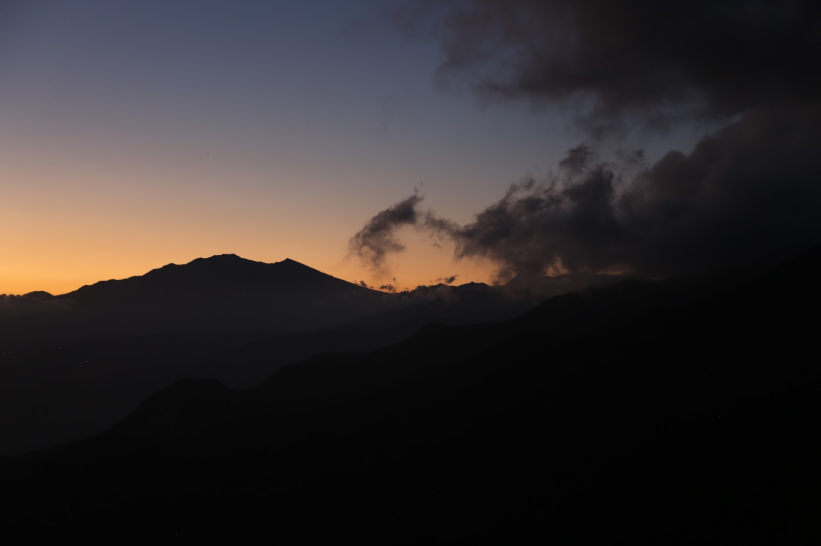
Travel into the mountains of Chiriquí Province and temperatures can fall dramatically. Areas around the highland town of Boquete often enjoy springlike weather year round. Climb higher toward the slopes surrounding Volcán Barú and you enter cloud forests where mist drifts through ancient trees and moss covers nearly every surface.

These are precisely the kinds of environments that tea plants love. The constant moisture slows growth, allowing leaves to develop complex flavors. Cool temperatures prevent excessive stress on the plants. Volcanic soils provide minerals that contribute to distinctive character. In many respects, Panama possesses some of the same environmental advantages that have made famous tea growing regions successful elsewhere in the world.

The Tea Plant Finds a Home

The tea plant, scientifically known as Camellia sinensis, can grow in many tropical and subtropical environments, but it reaches its finest quality in elevated regions. Panama's western highlands provide exactly these conditions.

Tea cultivation in Panama remains small scale and highly specialized. Unlike vast tea estates stretching across the hills of India or Sri Lanka, Panamanian tea production tends to occur on boutique farms and experimental plantations. Production volumes are tiny by international standards, but quality rather than quantity is the goal.

Many growers are inspired by the same philosophy that transformed Panama into a coffee powerhouse. Instead of competing in the mass market, they focus on exceptional quality, unique flavors, and limited production. This approach allows a small country to stand out despite producing only a fraction of the tea grown by larger nations.

The Influence of Panama's Cloud Forests

Perhaps the most fascinating aspect of Panamanian tea is the influence of cloud forests.

Cloud forests are among the rarest ecosystems on Earth. They occur where mountains are high enough to intercept moisture carried by winds. The result is a landscape almost perpetually wrapped in mist. Trees drip with water even when it is not raining. Orchids, bromeliads, and mosses cover branches in thick layers. Temperatures remain relatively cool throughout the year.

These conditions affect tea in subtle but important ways. Slower growth often produces leaves with greater complexity. The constant humidity reduces stress on plants. The mineral rich volcanic soils contribute unique characteristics that distinguish Panamanian tea from products grown elsewhere.

Some tea enthusiasts describe these mountain grown teas as having floral, fruity, and sometimes honeylike qualities that reflect the extraordinary biodiversity surrounding the plantations.

A Cousin to Panama's Coffee Revolution

The rise of specialty tea in Panama follows a path remarkably similar to the country's coffee success story.

For decades Panama was simply one of many coffee producing nations. Then farmers began focusing on quality rather than volume. Experimentation, careful cultivation, and attention to processing eventually led to international recognition, particularly through the famous variety known as Geisha coffee.

Today, Panamanian coffees regularly command astonishing prices at international auctions.

Tea producers have noticed this success and asked an intriguing question: if Panama's unique environment can produce world class coffee, could it also produce exceptional tea?

The answer increasingly appears to be yes. While the industry remains tiny, some growers are applying the same meticulous attention to tea cultivation that transformed the coffee sector. Small batches, hand harvesting, careful processing, and direct marketing are becoming common approaches.

Beyond Traditional Tea

One of the most interesting aspects of tea culture in Panama is that many Panamanians use the word "tea" in a broader sense than strict tea enthusiasts might.

Throughout the country, herbal infusions play an important role in daily life. Long before commercial tea cultivation emerged, Panamanians prepared beverages from local plants, leaves, flowers, roots, and fruits.

Lemongrass, mint, ginger, hibiscus, chamomile, and numerous native herbs have traditionally been brewed into soothing drinks. Many families maintain knowledge of herbal preparations passed down through generations.

As a result, Panama's tea culture combines two traditions. One comes from the cultivation of true tea derived from Camellia sinensis. The other comes from centuries of herbal infusions made from the incredible diversity of tropical plants found throughout the country.

A Land Rich in Flavor

One reason tea cultivation has exciting potential in Panama is the country's astonishing biodiversity.

Panama serves as a biological bridge connecting North and South America. Thousands of plant species coexist within a relatively small territory. Rainforests, cloud forests, dry forests, mangroves, and alpine environments all occur within a few hours of one another.

This diversity creates opportunities for experimentation. Tea producers can explore unique processing methods inspired by local fruits, flowers, and environmental conditions. Some specialty producers are already investigating ways to create products that reflect Panama's unique terroir, much like winemakers express the characteristics of specific vineyards.

The result is tea that tells a story not only of cultivation but also of place.

Why Most Visitors Never Hear About It

Despite its fascinating potential, tea remains overshadowed by coffee in Panama.

Coffee enjoys a massive head start. International buyers, competitions, tourism infrastructure, and media attention have all focused heavily on the coffee industry. Visitors arriving in the highlands often tour coffee farms, attend tastings, and learn about processing methods. Tea farms, by contrast, remain relatively few and far less publicized.

This creates a curious situation where even many Panamanians are unaware that tea is grown commercially within their own country.

For adventurous travelers, this lack of fame is part of the appeal. Discovering a small tea plantation tucked into the misty mountains can feel like uncovering one of Panama's best kept agricultural secrets.

The Future of Panamanian Tea

The future of tea in Panama may never involve vast plantations covering entire mountain ranges. The country's geography, labor costs, and agricultural realities make large scale production unlikely.

Instead, Panama appears poised to follow a different path. Boutique production, specialty markets, and premium quality are likely to define its tea industry. Just as Panama transformed itself from an ordinary coffee producer into one of the world's most respected specialty coffee origins, tea growers may carve out their own niche among connoisseurs seeking something unusual and distinctive.

Climate, soil, altitude, and biodiversity have already given Panama an extraordinary agricultural foundation. Whether producing coffee, cacao, tropical fruits, or tea, the country's greatest strength lies not in quantity but in uniqueness.

The Hidden Cup of Panama

The next time someone mentions Panama, tea is probably not the first thing that comes to mind. Yet high above the beaches, rainforests, and canal lies a different Panama, a world of cool mountain air, drifting clouds, volcanic soils, and carefully tended plants.

It is a place where tea quietly grows in the shadow of famous coffee farms. A place where ancient cloud forests help shape delicate flavors. A place where a small but passionate group of growers are proving that even in a country celebrated for countless other wonders, there is still room for one more remarkable agricultural story.

Panama may never become one of the world's great tea empires. But that is precisely what makes its tea so intriguing. It is unexpected, rare, and deeply connected to the landscapes that make Panama one of the most biologically and geographically fascinating countries on Earth.

Rice in Panama: The Grain That Built a Nation

Few crops have shaped Panama as profoundly as rice. While visitors often associate the country with the Panama Canal, tropical rainforests, and beautiful beaches, many Panamanians would argue that rice deserves a place among the nation's defining symbols. From humble rural farms stretching across the interior provinces to steaming plates served in homes from the Darién to Bocas del Toro, rice is more than just food in Panama. It is culture, tradition, economic livelihood, and food security all wrapped into a single grain.

Rice occupies a unique place in Panamanian life because it is consumed at a level that few other countries can match. Studies of the Panamanian rice sector have found that approximately 93 percent of Panamanians eat rice regularly, making it the most important staple in the national diet. For many families, a meal without rice feels incomplete, whether it is served alongside beans, chicken, fish, beef, vegetables, or countless traditional dishes.

A History Rooted in the Countryside

Rice cultivation in Panama has deep historical roots. Over generations, farming communities across the country's interior regions developed agricultural systems that revolved around seasonal rainfall and fertile soils. The provinces of Chiriquí, Veraguas, Coclé, Herrera, Los Santos, and parts of Darién gradually became the heartland of rice production.

For much of the twentieth century, Panama produced enough rice to satisfy most domestic demand. During some periods, the nation even generated surpluses. Rice farming became a cornerstone of rural economies, providing employment not only for farmers but also for truck drivers, mill workers, machinery operators, agricultural suppliers, and merchants. Entire communities grew around the annual rhythm of planting and harvest.

The importance of rice became so great that it evolved beyond agriculture and entered politics. Because virtually every household depends on rice as a staple food, governments of all political persuasions have treated rice production as a strategic national issue. Farmers, consumers, and policymakers alike understand that fluctuations in rice production can directly affect food prices and national food security.

The Geography of Rice Production

The landscape of Panama offers both opportunities and challenges for rice cultivation. Unlike countries dominated by vast plains, Panama's terrain varies dramatically, ranging from mountains and cloud forests to lowland savannas and river valleys.

Most commercial rice production occurs in the Pacific provinces where extensive flatlands and seasonal rainfall provide favorable growing conditions. Large mechanized farms are particularly common in the interior provinces. Vast fields stretch across the countryside during the rainy season, transforming the landscape into a patchwork of vibrant green.

Many rice-growing regions rely heavily on rainfall rather than irrigation. This production system, known as rainfed cultivation, has traditionally accounted for the majority of Panama's rice output. Because of this dependence on weather, rice farmers often face significant risks. A delayed rainy season, prolonged drought, or unusually intense storms can dramatically affect yields. Research on Panama's rice sector notes that roughly 75 to 85 percent of national production has historically come from mechanized rainfed systems.

The Agricultural Calendar

Rice production in Panama follows a schedule closely linked to the country's climate. The agricultural year generally begins with the arrival of seasonal rains in April and May. Farmers prepare their fields and begin planting as soil moisture increases.

Throughout the following months, young rice plants grow rapidly under tropical conditions. By late summer and early autumn, fields begin turning golden as grain heads mature. Harvest season usually peaks between August and October, when combines move across the countryside gathering one of the nation's most important food crops.

The arrival of harvest season is a major event in many rural communities. Grain trucks line roads, rice mills operate at full capacity, and local economies experience a surge of activity. For many farming families, the harvest determines the financial success or failure of the entire year.

The Challenge of Self Sufficiency

One of the most significant issues facing Panama's rice industry has been maintaining self sufficiency. During earlier decades, domestic production largely satisfied national demand. However, rising consumption, changing market conditions, and production challenges gradually altered this balance.

Research indicates that Panama lost rice self sufficiency around 2004, becoming increasingly dependent on imports to fill gaps between domestic production and national consumption. Since then, policymakers, agricultural organizations, and producers have debated how best to strengthen local production while keeping rice affordable for consumers.

This challenge reflects a broader global trend. Many countries struggle to balance the interests of consumers seeking low prices with the needs of farmers facing rising production costs. In Panama, this debate is particularly important because rice remains such a central component of daily nutrition.

Climate Change and the Future of Rice

Perhaps no factor poses a greater long term challenge to Panama's rice industry than climate change. Rice production depends heavily on reliable rainfall patterns, and those patterns are becoming increasingly unpredictable.

Researchers studying rice cultivation in Panama have documented how changing precipitation patterns can create water stress for crops. When rainfall arrives too late, ends too early, or becomes excessively irregular, rice plants struggle to absorb nutrients efficiently. Lower yields can follow, reducing profitability and discouraging farmers from continuing production.

Droughts have become a particular concern in some agricultural regions. Extended dry periods can dramatically reduce harvests, especially in areas lacking irrigation infrastructure. At the same time, intense rainfall events can flood fields, damage crops, and increase erosion.

These environmental pressures are encouraging farmers and agricultural scientists to seek innovative solutions. Improved irrigation systems, drought tolerant rice varieties, better soil management, and advanced cultivation techniques are increasingly viewed as essential for the future of the sector.

Innovation in the Rice Fields

Despite the challenges, Panama's rice industry has shown remarkable resilience and adaptability. Agricultural researchers continue working to improve productivity through science and technology.

Organizations such as the Instituto de Innovación Agropecuaria de Panamá have collaborated with international partners to develop more efficient production systems. Modern cultivation methods focus on optimizing water use, improving nutrient management, reducing waste, and increasing yields without expanding cultivated land.

Mechanization has also transformed rice farming. Modern tractors, seeders, combines, and drying facilities have increased efficiency dramatically compared with traditional methods. While small family farms remain important, many producers now rely on sophisticated equipment that allows them to cultivate larger areas and harvest more efficiently.

Satellite technology, weather forecasting, soil analysis, and precision agriculture techniques are gradually becoming part of the industry's future. These innovations may help farmers adapt to increasingly uncertain environmental conditions.

The Human Side of Rice Production

Behind every sack of rice stands a network of people whose livelihoods depend on the crop. More than simply an agricultural commodity, rice supports thousands of families across rural Panama. Farmers invest months of labor and significant financial resources into each growing season, hoping favorable weather and market conditions will reward their efforts.

Many rice producers are multigenerational farmers whose families have cultivated the same lands for decades. Their knowledge of soils, rainfall patterns, pests, and planting schedules represents a valuable cultural heritage passed from one generation to the next.

The rice sector also supports mill operators, transport companies, agricultural suppliers, mechanics, grain buyers, warehouse workers, and retailers. Its economic influence extends far beyond the farm gate.

Rice at the Panamanian Table

Ultimately, the story of rice production in Panama is inseparable from the story of Panamanian cuisine. Rice appears in countless traditional meals, from simple family lunches to festive celebrations.

Whether served as plain white rice, combined with beans, incorporated into soups, or paired with seafood from Panama's coasts, the grain serves as the foundation of everyday eating. Its versatility, affordability, and familiarity explain why it has maintained such a dominant position in the national diet.

For many Panamanians, rice is not merely a side dish. It is comfort food, cultural identity, and a daily reminder of the agricultural landscapes that feed the nation.

The Grain That Keeps Panama Moving

Rice may not attract the international attention of Panama's canal, rainforests, or tropical beaches, but its importance to the country's survival and prosperity cannot be overstated. It feeds millions of people, sustains rural communities, supports thousands of jobs, and remains one of the pillars of national food security.

The future of rice production in Panama will depend on how successfully farmers, researchers, and policymakers respond to challenges such as climate change, rising costs, and growing demand. Yet if history is any guide, the resilience of Panama's agricultural communities will continue to play a crucial role in keeping this essential grain on the nation's tables.

In many ways, Panama's story can be told through a single bowl of rice. It is a story of hard work, adaptation, family traditions, and the enduring connection between the land and the people who depend upon it.

Panama's Fruit Calendar: A Month by Month Guide to the Seasons of Tropical Abundance

One of the most surprising things about Panama is that there is never really a bad time to be a fruit lover. Unlike colder countries where fresh local fruit may only be available for a few months of the year, Panama's tropical climate allows something to be ripening almost every week of the year. However, this does not mean every fruit is available at all times. In fact, Panama has distinct fruit seasons that many locals eagerly anticipate. Certain months bring mountains of mangoes, others are famous for rambutan, while some periods of the year see markets overflowing with citrus, pineapples, or exotic rainforest fruits.

Because Panama stretches from the dry Pacific lowlands to misty cloud forests and humid Caribbean jungles, harvest seasons can vary somewhat by region and weather conditions. A mango tree in one province may fruit slightly earlier than a mango tree elsewhere. Rainfall patterns can also shift harvest dates by a few weeks. Nevertheless, there is a general rhythm to the fruit year that repeats itself across much of the country.

For travelers, understanding this fruit calendar can add an entirely new dimension to a visit. A person arriving in April will encounter a very different fruit landscape than someone arriving in September or December.

January: Citrus Season and the Beginning of the Dry Season

January marks the heart of the dry season across much of Pacific Panama. The skies are often blue, humidity is lower, and many fruit trees are preparing for the months ahead. Citrus fruits are among the stars of this time of year. Oranges, mandarins, lemons, and limes are widely available and often exceptionally flavorful.

Pineapples can also be found in abundance during this period, and papayas remain available year round. Watermelon production is often strong during the dry season, making January a refreshing month for fruit lovers. Banana harvests continue as they do throughout the year, since bananas are not strongly tied to a single season.

January Highlights

Oranges

Mandarins

Lemons

Limes

Pineapples

Watermelons

Papayas

Bananas

February: Sweetness Before the Mango Explosion

February is often viewed as a transitional month. The dry season intensifies, and fruit lovers begin anticipating the coming mango harvest. Citrus remains strong, while pineapples and papayas continue to thrive.

In some areas, the earliest mango varieties begin appearing toward the end of the month. These first arrivals create excitement because everyone knows what is coming next: one of Panama's most beloved fruit seasons.

February Highlights

Citrus fruits

Pineapples

Papayas

Bananas

Early mangoes

Watermelons

March: Mango Season Begins

March is when many parts of Panama start turning into mango paradise. Trees begin dropping ripe fruit, roadside vendors appear with buckets of mangoes, and neighborhoods become filled with their sweet fragrance.

Not every mango variety ripens simultaneously. Some begin in March, while others peak later. This staggered ripening helps extend the season for several months.

March Highlights

Early mangoes

Pineapples

Papayas

Watermelons

Citrus fruits

Bananas

April: Peak Mango Madness

For many Panamanians, April is the month of mangoes. Across the country, giant trees can become so loaded with fruit that branches bend under the weight. It is common to see people sharing mangoes with neighbors because there are simply too many to consume.

The flavor during this period is extraordinary because many fruits are ripening naturally on the tree under intense tropical sunshine.

April Highlights

Peak mango season

Pineapples

Papayas

Bananas

Melons

Early guavas

May: The Last Great Mango Month

May often represents the final major month of mango abundance. Some late varieties continue producing while the first rains begin arriving in many areas.

The rainy season gradually awakens a different collection of fruits. Guavas become more common, and certain tropical rainforest species begin responding to increasing moisture.

May Highlights

Mangoes

Guavas

Pineapples

Papayas

Bananas

Nance

June: The Rainy Season Fruit Shift

As the rainy season establishes itself, the fruit landscape begins changing noticeably. Rambutan starts appearing in many areas, particularly in wetter regions. This strange red fruit with its hairy appearance becomes one of the most anticipated harvests of the year.

Guavas continue producing, while pineapples remain abundant.

June Highlights

Rambutan

Guavas

Pineapples

Papayas

Bananas

Nance

July: Rambutan Season Arrives

July is often one of the best months to enjoy rambutan. Markets can become filled with bright red clusters of these remarkable fruits. Their sweet translucent flesh is at its finest when freshly harvested.

Many tropical fruits flourish during this wetter period, and the diversity available in markets often increases significantly.

July Highlights

Rambutan

Guavas

Pineapples

Papayas

Bananas

Passion fruit (maracuyá)

August: Tropical Diversity at Its Peak

August may be one of the most underrated fruit months in Panama. While tourists often focus on mango season, August brings a remarkable variety of fruits that are less internationally famous but equally exciting.

Rambutan remains abundant, while maracuyá, guava, and other tropical specialties become easier to find.

August Highlights

Rambutan

Maracuyá

Guavas

Papayas

Pineapples

Bananas

Guanábana

September: Rainforest Fruit Time

September is often a wonderful month for people seeking some of Panama's more exotic fruits. Guanábana becomes increasingly available, while maracuyá continues thriving.

The country's tropical forests and agricultural regions are producing heavily thanks to months of rainfall.

September Highlights

Guanábana

Maracuyá

Rambutan

Guavas

Pineapples

Bananas

Papayas

October: The Month of Guanábana

October is frequently one of the better months for finding guanábana. This giant fruit with creamy white flesh is among the most unique flavors in the tropics.

Many people specifically look forward to guanábana smoothies during this time because the fruit is often abundant and especially flavorful.

October Highlights

Guanábana

Maracuyá

Papayas

Pineapples

Bananas

Guavas

Citrus begins returning

November: The Transition Back Toward Dry Season

November marks the gradual end of the rainy season in many parts of Panama. Citrus fruits begin becoming more common again, creating another shift in the fruit calendar.

The fruit markets remain diverse, combining late rainy season harvests with the first arrivals of dry season specialties.

November Highlights

Guanábana

Citrus fruits

Maracuyá

Papayas

Pineapples

Bananas

December: Holiday Fruit Season

December is a wonderful month for fruit lovers. Citrus fruits become increasingly abundant, while pineapples, bananas, and papayas remain reliable staples. Markets often appear especially colorful during the holiday season.

The dry season begins returning to much of the Pacific side of Panama, setting the stage for another year of mango flowering and fruit production.

December Highlights

Oranges

Mandarins

Lemons

Limes

Pineapples

Papayas

Bananas

Watermelons

Quick Reference Calendar

Month Fruits Often at Their Best

January Citrus, pineapple, watermelon, papaya

February Citrus, pineapple, watermelon, early mangoes

March Mangoes begin, pineapple, papaya

April Peak mango season

May Mangoes, guavas, nance

June Rambutan begins, guavas

July Rambutan peak, maracuyá

August Rambutan, maracuyá, guanábana

September Guanábana, maracuyá, rambutan

October Guanábana peak, maracuyá

November Guanábana, citrus returns

December Citrus, pineapple, papaya, watermelon

The Never Ending Harvest

Perhaps the most remarkable thing about Panama's fruit calendar is that there is never a month when the shelves become empty. While residents of northern climates may wait all year for a brief fruit season, Panama enjoys a continuous cycle of harvests. One season flows into another. Mangoes give way to rambutans. Rambutans give way to guanábana. Citrus follows behind. Pineapples, papayas, coconuts, and bananas quietly fill the gaps throughout the entire year.

The result is that every month offers its own rewards. April may belong to mango lovers, July to rambutan enthusiasts, and October to fans of guanábana, but every month in Panama brings its own delicious reason to visit the market, pull over at a roadside fruit stand, or simply reach up and pick something ripe from a nearby tree.

The Fruits of Panama: A Delicious Journey Through the Country’s Most Remarkable Flavors

Panama is often celebrated for its rainforests, tropical islands, mountain cloud forests, and its famous canal connecting two oceans, but one of the country's greatest treasures is something that many visitors overlook entirely: its incredible diversity of fruit. Thanks to Panama's location at the narrow bridge between North and South America, combined with a wide variety of climates and elevations, the country produces an astonishing collection of fruits that range from globally famous favorites to strange tropical delicacies that many visitors have never even heard of. What makes Panama especially exciting for fruit lovers is that many fruits can be eaten within hours of harvest. This is important because tropical fruits are often at their absolute best when they are allowed to ripen naturally on the tree. Once harvested and shipped across continents, many lose a significant portion of their flavor, aroma, sweetness, and texture. As a result, eating fruit in Panama can feel like discovering entirely new foods, even if you have eaten them your whole life.

Mango: The Fruit That Defines the Dry Season

When the dry season arrives across much of Panama, the mango trees begin their annual transformation. Branches become heavy with fruit, roadsides become littered with fallen mangoes, and entire neighborhoods seem to smell faintly of sweetness. During peak season, the abundance can be almost unbelievable. Giant trees produce hundreds or even thousands of fruits, and many Panamanians have fond memories of childhood afternoons spent climbing branches or collecting ripe mangoes from the ground after a windy day. The variety is remarkable. Some mangoes are small and intensely sweet, others are large and juicy, while certain local varieties have flavors that contain hints of citrus, honey, peach, or even flowers.

The difference between a mango eaten in Panama and one purchased in a distant supermarket can be extraordinary. Many exported mangoes are picked before reaching peak ripeness so they can survive shipping. In Panama, a mango can remain on the tree until nature decides it is ready. The flesh becomes softer, juicier, and more fragrant. The aroma alone can fill a room. Many travelers who think mangoes are merely pleasant discover that a truly ripe Panamanian mango is one of the most delicious fruits on Earth.

Pineapple: Nature's Candy

A perfectly ripe Panamanian pineapple often shocks visitors. Many people are accustomed to pineapples that have traveled thousands of kilometers before reaching store shelves. While still enjoyable, these fruits rarely match the flavor of one harvested at its peak under the tropical sun. In Panama, pineapples can be incredibly sweet while retaining enough acidity to remain refreshing. The balance between sugar and tartness creates a flavor that seems almost concentrated.

Fresh pineapple juice sold from roadside stands can be one of the simplest yet most memorable treats in the country. On a hot tropical afternoon, the cold sweetness of freshly squeezed pineapple juice is almost impossible to beat. Many travelers find themselves ordering it repeatedly during their visit because the taste is so much richer than what they have experienced elsewhere.

Papaya: The Misunderstood Giant

Papaya may be one of the world's most unfairly judged fruits. Many people encounter poorly ripened imported papayas and decide they dislike them forever. Then they visit Panama and discover what the fruit is supposed to taste like. A tree-ripened papaya develops a rich sweetness and silky texture that is almost buttery. The flesh can be intensely orange and incredibly juicy, with subtle flavors that combine melon, tropical flowers, and honey.

Breakfast tables throughout Panama frequently feature fresh papaya slices, and it is easy to understand why. The fruit feels refreshing yet satisfying and pairs beautifully with other tropical fruits. For countless travelers, Panama serves as the place where they finally understand why papaya has been cherished throughout the tropics for centuries.

Guanábana: The Giant of the Tropics

Few fruits create as much curiosity as guanábana. The fruit is large, green, and covered in soft spines that make it look almost prehistoric. Yet inside lies one of the most fascinating flavors in the tropical world. The creamy white flesh combines notes that remind people of pineapple, strawberry, banana, coconut, and citrus all at once. Every person seems to describe it differently.

Guanábana is especially important because it is one of the fruits that truly suffers during transportation. Its delicate flesh bruises easily, making large scale export difficult. This means that one of the best places on Earth to enjoy fresh guanábana is right where it grows. A freshly made guanábana smoothie in Panama is an experience that many visitors remember for years afterward.

Maracuyá: A Tropical Flavor Explosion

Maracuyá, known internationally as passion fruit, possesses one of the strongest and most distinctive flavors in the fruit kingdom. The aroma alone can fill an entire kitchen. Inside the fruit is a golden pulp filled with edible seeds that combines sweetness and acidity in perfect balance.

A glass of fresh maracuyá juice captures the essence of tropical refreshment. The flavor is bright, intense, and deeply satisfying. It is no surprise that maracuyá has become one of Panama's favorite juices and dessert ingredients. Fresh fruit harvested locally offers an aromatic complexity that imported products rarely achieve.

Coconut: The Taste of Panama's Coasts

Throughout Panama's Caribbean islands and Pacific beaches, coconut palms are a defining feature of the landscape. Drinking coconut water directly from a freshly opened coconut while sitting beside the ocean is one of the classic tropical experiences. The liquid is cool, lightly sweet, and naturally refreshing.

The flesh inside the coconut changes as it matures. Young coconuts contain soft, jelly-like flesh, while older coconuts develop thicker meat used in countless dishes and desserts. Fresh coconut harvested from a beachside palm has a flavor and freshness that processed coconut products simply cannot replicate.

Rambutan: The Hairy Jewel

At first glance, rambutan resembles a sea creature more than a fruit. Its bright red shell is covered with soft hair-like projections that immediately attract attention in markets. Once opened, however, the strange exterior reveals translucent white flesh that is sweet, juicy, and wonderfully refreshing.

The flavor is often compared to lychee, although many people find rambutan richer and more satisfying. Because the fruit loses freshness quickly after harvest, it is far superior when eaten in tropical countries like Panama where it can be enjoyed at peak ripeness.

Caimito: The Star Apple

Among Panama's hidden treasures is caimito. When sliced open, the fruit reveals a beautiful star pattern that gives rise to its English name, star apple. The flesh has a creamy consistency and delicate sweetness that many people compare to vanilla custard.

Unlike many fruits, caimito does not overwhelm with intense flavors. Instead, it offers subtle sweetness and remarkable texture. It is one of those fruits that often surprises visitors because they have never encountered anything quite like it before.

Guava: Small but Mighty

Guava proves that size means nothing when it comes to flavor. Despite being relatively small, guavas possess an aroma so powerful that a few fruits can perfume an entire room. Their flavor combines sweetness, floral notes, and tropical richness in a way that is uniquely their own.

Fresh guava juice, guava jams, and guava sweets are beloved throughout Panama. Yet eating a perfectly ripe guava fresh from the tree remains one of the best ways to appreciate its remarkable character.

Dragon Fruit: The Tropical Work of Art

Pitahaya, or dragon fruit, may be one of the most visually striking fruits found in Panama. The vibrant skin conceals flesh speckled with tiny edible seeds. Depending on the variety, the interior may be white, bright pink, or deep magenta.

The flavor is gentle and refreshing, making it especially welcome on hot days. Fresh dragon fruit harvested locally often contains more sweetness and complexity than fruits that have endured long journeys to distant markets.

Zapote: The Dessert Fruit

Zapote remains relatively unknown outside Latin America, which is unfortunate because it possesses one of the most interesting flavors of any tropical fruit. Its orange flesh is rich, creamy, and naturally sweet. Many people compare the taste to caramel, sweet potato, pumpkin pie, or brown sugar.

Because it does not transport well, zapote is one of those fruits that travelers should actively seek out while in Panama. It provides a glimpse into flavors that rarely appear in international supermarkets.

Nance: Tiny Fruit, Huge Tradition

Nance is a small yellow fruit that has been enjoyed in Panama for generations. Its flavor can be difficult to describe because it combines sweetness, tartness, and a unique earthy richness that many first-time tasters find surprising. While some people instantly love it and others need time to appreciate it, nance is deeply connected to local food traditions and is often used in drinks, desserts, and preserves.

Mamey

Mamey is one of the great hidden gems of tropical America. The fruit has rough brown skin but contains beautiful salmon-colored flesh that is exceptionally rich and creamy. Many people detect flavors resembling sweet potato, pumpkin, almond, honey, and vanilla. A ripe mamey feels almost like eating a naturally occurring dessert.

Tamarind

Tamarind grows inside brown pods and delivers one of the most distinctive flavor combinations in the fruit world. The pulp is sweet, sour, and intensely flavorful all at once. Throughout Panama, tamarind is commonly transformed into refreshing drinks that are particularly popular during hot weather.

Golden Apple

Known in some areas as jobo, golden apple is a fruit that often appears in local markets during its season. The flesh is juicy and aromatic with a balance of sweetness and acidity that makes it highly refreshing. Children and adults alike often enjoy eating them fresh with a little salt.

Breadfruit

Although often cooked rather than eaten raw, breadfruit deserves mention because it has played an important role throughout tropical regions. The large fruits can be roasted, fried, or boiled, producing textures that range from potato-like to bread-like. In parts of Panama, breadfruit remains an important traditional food.

Water Apple

Water apple is among the most refreshing fruits found in tropical regions. Shaped somewhat like a bell, it contains crisp flesh filled with moisture. The flavor is light, floral, and subtly sweet. On a hot day, biting into a chilled water apple can feel almost as refreshing as drinking a glass of cold water.

Soursweet Hog Plum

Another lesser-known tropical fruit, the hog plum combines sweetness and tartness in a way that makes it highly addictive. The fruit is especially popular among those who enjoy flavors that are more complex than simple sweetness.

Cashew Apple

Most people know the cashew nut, but few realize it grows attached to a colorful fruit called the cashew apple. The fruit is juicy, aromatic, and surprisingly flavorful. Because it bruises easily and spoils rapidly, most people outside the tropics never get a chance to taste it. Panama is one of the places where curious travelers can experience this overlooked fruit in its freshest form.

Why Tropical Fruits Taste Better Where They Are Born

The simple truth is that many tropical fruits were never designed to spend weeks inside shipping containers. Fruits like guanábana, caimito, rambutan, mamey, zapote, cashew apple, and papaya are at their finest when eaten close to the tree that produced them. Even globally traded fruits such as mangoes, pineapples, bananas, and coconuts reveal entirely new dimensions of flavor when enjoyed fresh in the tropics. The sugars are more developed, the aromas are stronger, the textures are softer, and the overall experience is far richer.

For many travelers, one of the lasting memories of Panama is not a famous landmark or a tourist attraction. It is the simple pleasure of biting into a fruit that was harvested that very morning. In a country blessed with fertile soils, abundant rainfall, tropical sunshine, and extraordinary biodiversity, fruit is far more than food. It is one of the purest expressions of Panama itself.

Hidden Secrets of Casco Viejo: The Mysteries Most Tourists Walk Right Past

Every day thousands of visitors wander through the cobblestone streets of Casco Viejo believing they have seen the neighborhood's greatest treasures. They photograph the churches, admire the colorful balconies, enjoy rooftop bars, and watch the sunset over the Pacific. Yet most leave without realizing that some of Casco Viejo's most fascinating secrets are hidden in plain sight. Behind weathered doors, inside forgotten courtyards, down narrow alleyways, and on walls many people pass without a second glance lies an entirely different Casco. It is a place of hidden murals, mysterious passageways, abandoned spaces, artistic surprises, and stories that even many Panamanians never discover. Casco Viejo rewards curiosity. The people who simply follow guidebooks see one version of the neighborhood. The people who slow down, look through open gates, and explore side streets often find another.

One of the biggest surprises for first time explorers is the amount of street art hidden throughout the district. Many visitors assume that a UNESCO World Heritage neighborhood would be dominated entirely by colonial architecture and historical monuments. In reality, Casco Viejo has developed a fascinating relationship with urban art. Some murals are easy to spot, but many are tucked away in places that tourists rarely enter. A narrow side street may suddenly reveal a massive painted face covering an entire wall. A forgotten garage door might display intricate artwork inspired by Panamanian culture. Hidden courtyards occasionally contain colorful paintings visible only if a gate happens to be open when you pass by. Some travelers have described discovering entire collections of artwork concealed behind walls that appear completely ordinary from the street.

Perhaps the most intriguing aspect of Casco Viejo's mural culture is that some of the best pieces are not meant to be obvious. Unlike public monuments designed to attract crowds, many murals seem almost secretive. Artists have transformed neglected walls, hidden corners, and forgotten spaces into unexpected galleries. Around areas near Plaza Herrera and side streets branching from the major plazas, visitors willing to wander aimlessly often discover artwork that never appears in tourist brochures. Sometimes the murals seem to emerge from nowhere, creating the feeling that the city itself is hiding treasures for those patient enough to search for them.

Then there are the mysterious doors. Casco Viejo contains hundreds of old wooden doors, many dating back decades or even centuries. Most people walk past them without a second thought. Yet some lead into spaces that feel almost magical. Through a partially open doorway you might glimpse a courtyard filled with tropical plants, colorful murals, art installations, or restored colonial architecture hidden entirely from public view. In some cases the most beautiful parts of a building cannot be seen from the street at all. They exist behind heavy wooden doors that reveal little of what lies beyond. This creates one of Casco Viejo's greatest pleasures: the sense that every doorway could conceal a surprise.

The neighborhood also contains traces of a forgotten defensive city. Many visitors know Casco Viejo was built after the destruction of Panamá Viejo by the pirate Henry Morgan in 1671, but fewer realize that portions of the old defensive system still influence the layout of the district today. Hidden sections of walls, overlooked gates, and unusual street alignments hint at a time when the city functioned as a fortified stronghold. Casco Viejo was once enclosed by defensive walls with carefully controlled entrances. Although much has changed over the centuries, attentive walkers can still find subtle clues revealing how the city once protected itself against invasion.

Another secret is that some of the neighborhood's most interesting spaces are not visible from the main streets at all. Throughout Casco Viejo there are interior courtyards hidden inside seemingly ordinary buildings. From outside, a structure may appear modest or even abandoned. Inside, however, there might be gardens, artwork, cafes, galleries, or beautifully restored architecture. One reason longtime residents often enjoy Casco Viejo more than first time visitors is that they know which doorways are worth peeking through. The district rewards people who remain curious.

Casco Viejo also has a habit of revealing unexpected artistic spaces where visitors least expect them. Some buildings contain creative courtyards filled with installations, sculptures, and rotating exhibits hidden behind understated entrances. Others host temporary art projects that appear for a few months and then disappear. One fascinating example involved the Casco Door Project, where artists transformed salvaged historic doors and windows into works of art. The project preserved pieces of old buildings while giving them entirely new lives, creating a unique blend of history and creativity.

Not all secrets are artistic. Some are geographical. Few visitors realize that hidden pockets of nature still survive around the edges of the historic district. There are obscure corners where mangroves have reclaimed abandoned industrial spaces, creating strange landscapes where history and nature collide. Local discussions occasionally mention forgotten waterfront areas and old structures slowly being swallowed by vegetation. These places rarely appear in tourism marketing yet offer fascinating glimpses into how the city evolves over time.

Even Casco Viejo's abandoned buildings have stories. While visitors admire beautifully restored facades, there are still structures waiting for their next chapter. Behind boarded windows and weathered exteriors lie remnants of earlier eras. Some buildings have sat untouched for years while legal disputes, restoration challenges, or preservation requirements delayed redevelopment. Their faded walls and sealed entrances create an atmosphere of mystery that contrasts sharply with the polished cafes and luxury hotels nearby.

Perhaps the greatest secret of Casco Viejo is that the neighborhood changes constantly. A mural that exists today may vanish tomorrow. A forgotten courtyard may become a gallery. A sealed doorway may suddenly open to reveal a new creative space. Residents often discover things they never noticed despite walking the same streets for years. This sense of continual reinvention is part of what makes Casco Viejo so captivating. It is not a museum frozen in time. It is a living neighborhood where history, art, architecture, and imagination continuously overlap.

The next time you visit Casco Viejo, ignore the urge to rush between famous landmarks. Look upward at balconies. Peer through open gates. Follow side streets that seem to lead nowhere. Examine painted doors. Notice hidden murals tucked between historic buildings. Pause when you see an interesting alleyway. The greatest treasures of Casco Viejo are often not the ones marked on maps. They are the quiet surprises hidden just beyond the places everyone else is looking. In a neighborhood with more than three centuries of history, there is always another secret waiting around the next corner.

Raspao: The Ice Cold Heart of Panama's Street Food Culture

When people think about Panama, they often picture the mighty Panama Canal, tropical rainforests filled with monkeys and toucans, idyllic Caribbean islands, and the glittering skyline of Panama City rising beside the Pacific Ocean. Food lovers may think of ceviche, fresh seafood, tropical fruits, or hearty bowls of sancocho. Yet there is another culinary icon that has been quietly woven into the daily life of the nation for generations. It is not a gourmet dish served in an expensive restaurant. It is not reserved for holidays or special occasions. It is not associated with wealth, prestige, or fine dining. Instead, it is a humble cup of shaved ice covered with brightly colored syrups and often finished with a generous drizzle of sweet condensed milk. Known as raspao, this simple creation has become one of the most beloved and recognizable treats in Panama, a symbol of childhood, community, tradition, and survival in a tropical climate where the heat can feel relentless. More than just a snack or a drink, the raspao represents a small but important piece of Panamanian identity, connecting generations through shared memories and familiar flavors.

To truly understand why the raspao occupies such a special place in Panamanian culture, one must first understand the environment in which it exists. Panama is a tropical nation located just north of the equator. Temperatures remain warm throughout the year, and in many parts of the country the combination of heat and humidity can feel intense even for people accustomed to tropical weather. During the dry season, especially in regions such as the Pacific coast and Panama City, the sun can seem almost relentless. Sidewalks radiate heat. Cars become ovens when parked in direct sunlight. Even a short walk outdoors can leave a person drenched in sweat. For generations, Panamanians have sought ways to cool themselves in this climate. Long before air conditioning became common and before cold beverages were available in every convenience store, the raspao offered a simple and affordable solution. A cup of finely shaved ice drenched in sweet syrup provided instant relief from the tropical heat. It was refreshing, satisfying, and accessible to nearly everyone regardless of income. In many ways, the raspao became perfectly adapted to the realities of life in Panama.

The word raspao comes from the Spanish verb raspar, meaning "to scrape." The name refers to the process of scraping or shaving ice into delicate flakes that form the foundation of the dessert. Watching a skilled raspadero at work can be surprisingly impressive. With practiced movements developed over years or even decades, the vendor transforms a large block of ice into a mountain of fluffy shavings. The ice is packed into a cup and then covered with colorful syrups that soak into every layer. Some customers prefer a single flavor while others request combinations that create entirely new taste experiences. Finally comes the ingredient that many people consider essential: condensed milk. As it flows over the ice and mixes with the syrup, it creates a rich sweetness that balances the refreshing coldness of the shaved ice. The result is neither fully a dessert nor fully a beverage. Instead, it occupies a unique category all its own, beginning as a frozen treat and gradually transforming into a delicious sweet drink as the ice melts beneath the tropical sun.

One of the most fascinating aspects of the raspao is its remarkable ability to unite people from all backgrounds. In many countries certain foods become associated with particular social classes, regions, or lifestyles. The raspao largely escapes these divisions. Wealthy business executives enjoy them. Construction workers enjoy them. Schoolchildren enjoy them. Tourists enjoy them. Retirees enjoy them. Politicians, students, taxi drivers, office workers, and street vendors all share an appreciation for this simple treat. It is one of those rare foods that seems to belong to everyone. A person can walk through a public park in Panama and see people from vastly different walks of life enjoying raspao side by side. This universality has helped make the raspao more than just a popular snack. It has become a cultural institution that transcends social boundaries and reflects a shared national experience.

For countless Panamanians, memories of raspao are deeply tied to childhood. Many adults vividly remember hearing the approach of a raspadero's cart while playing outside on hot afternoons. Some remember receiving a few coins from their parents and eagerly running to purchase their favorite flavor. Others recall enjoying raspao after school, during family outings, or at local festivals. The experience was often about more than the treat itself. It was about anticipation, excitement, and the simple pleasure of cooling down on a hot day. These memories have been passed from one generation to the next. Parents who once enjoyed raspao as children now introduce their own children to the tradition. Grandparents share stories about the raspaderos they knew decades ago. Through these experiences, the raspao has become part of the collective memory of the nation.

The raspadero occupies an important place in this story. Throughout Panama, these vendors have become familiar figures in neighborhoods, parks, beaches, and city streets. Some work from traditional carts while others operate from small stands. Many become local celebrities in their communities because of their long presence and distinctive personalities. Customers often develop loyalty to particular raspaderos, insisting that their favorite vendor makes the best raspao in town. Recipes for syrups are sometimes guarded secrets developed over years of experimentation. Certain vendors become known for especially generous portions, unique flavor combinations, or particularly smooth shaved ice. The relationship between raspadero and customer often extends beyond a simple business transaction. Regular customers exchange greetings, share local news, and maintain relationships that can last for decades.

The flavors themselves tell a fascinating story about Panama's diverse culinary influences. Traditional options often include strawberry, grape, cherry, orange, pineapple, lemon, and tamarind. Tropical fruits play an especially important role because they reflect the agricultural abundance of the country. Pineapple, passion fruit, mango, and other fruits contribute flavors that feel distinctly suited to a tropical environment. Over time, creative vendors have introduced additional options and combinations, allowing customers to customize their raspao according to personal preference. Some people prefer bright fruity flavors while others enjoy richer combinations enhanced by condensed milk. The endless possibilities have helped keep the raspao fresh and exciting despite its long history.

The history of the raspao is closely connected to the broader history of shaved ice desserts throughout the world. Similar treats exist across Latin America, Asia, Europe, and North America, but Panama developed its own distinctive version shaped by local tastes and traditions. During the twentieth century, as refrigeration became more accessible, raspao vendors became increasingly common throughout the country. The treat's affordability contributed greatly to its popularity. Even during difficult economic periods, many families could still afford a raspao. This accessibility helped ensure that the tradition remained deeply embedded within everyday life rather than becoming an occasional luxury.

What makes the raspao particularly remarkable is its resilience in an era of rapid change. Modern Panama has transformed dramatically over the past several decades. International restaurant chains have arrived. Shopping malls have expanded. Luxury developments have reshaped urban landscapes. Global food trends reach Panama faster than ever before. Yet despite all these changes, the raspao remains as popular as ever. Young people raised in the age of smartphones and social media continue to enjoy a treat that their grandparents would instantly recognize. New desserts may become fashionable for a few years, but the raspao endures because it fulfills a timeless need while also carrying deep emotional significance.

The raspao also reflects an important aspect of Panamanian culture: the appreciation of simple pleasures. Not every meaningful experience requires luxury or extravagance. Sometimes happiness can be found in something as simple as standing beneath the shade of a tree, holding a cup of shaved ice while a warm tropical breeze drifts through the air. The raspao encourages people to slow down for a few moments and enjoy the present. In a fast moving world increasingly dominated by technology and constant distraction, there is something refreshing about a tradition that remains fundamentally unchanged.

Visitors to Panama are often surprised by how much affection locals have for the raspao. Tourists may initially view it as merely another street food, but after speaking with Panamanians they quickly realize its deeper significance. The raspao is not simply consumed. It is remembered. It is celebrated. It is woven into personal stories and family traditions. It represents childhood summers, neighborhood gatherings, school vacations, and countless ordinary moments that together form the fabric of everyday life. For many Panamanians, the flavor of a raspao instantly evokes memories stretching back decades.

Today, whether found in the bustling streets of Panama City, along the coastal promenades, in small provincial towns, or near tropical beaches, the raspao remains one of the most beloved symbols of the nation. It is affordable yet priceless in cultural value. It is simple yet deeply meaningful. It is refreshing in both a physical and emotional sense. Above all, it represents continuity in a rapidly changing world. Generations have come and gone, cities have expanded, technologies have evolved, and lifestyles have transformed, yet the raspao remains. On a hot Panamanian afternoon, the sight of a raspadero shaving ice and pouring colorful syrup over a fresh cup continues to bring smiles to faces young and old. In that moment, the raspao becomes more than a dessert. It becomes a small celebration of Panama itself, a sweet and icy reminder of tradition, community, and the enduring joy found in life's simplest pleasures.

Panama's Ambitious Challenge at the 2026 World Cup

Panama has never entered a FIFA World Cup with greater expectations than it does in 2026. For a nation of just over four million people, qualifying for the world's biggest sporting event is an achievement in itself, but this time the challenge feels different. Panama is no longer the wide eyed newcomer that stunned the country by reaching its first World Cup in 2018. The national team has spent years gaining experience, developing talent, and proving that it belongs among the stronger nations of CONCACAF. Now, as the 2026 World Cup unfolds across the United States, Canada, and Mexico, Panama faces perhaps the most demanding test in its football history. Drawn into a difficult group featuring England, Croatia, and Ghana, Los Canaleros find themselves facing world renowned opponents, enormous expectations, and an opportunity to redefine what Panamanian football can achieve on the global stage.

Panama's World Cup Journey

For decades Panama lived in the shadow of regional powers such as Mexico, the United States, and Costa Rica. The national team often came close to major breakthroughs but repeatedly fell short. Heartbreaking qualifying campaigns became a familiar story. Generations of Panamanian players dreamed of reaching a World Cup but never quite got there. Then came the historic night of October 10, 2017, when Panama secured qualification for the 2018 FIFA World Cup. Celebrations erupted across the country. Streets filled with fans waving flags, sounding car horns, and celebrating what many considered the greatest moment in the history of Panamanian sports.

Russia 2018 was Panama's first ever appearance at the World Cup. Drawn against powerful opponents Belgium, England, and Tunisia, Panama faced a steep learning curve. The team lost all three matches and exited in the group stage, but the tournament produced one of the most memorable moments in Panamanian sporting history when veteran defender Felipe Baloy scored against England. That goal was Panama's first ever World Cup goal and sparked celebrations that rivaled those of teams winning championships. Although the final record was three losses, the experience gave Panama invaluable exposure at the highest level.

According to FIFA, Panama's World Cup appearances now stand at two tournaments, 2018 and 2026, with the 2026 edition marking the country's return after missing the 2022 competition. Panama's best World Cup result remains reaching the group stage in 2018.

Group L: A Mountain to Climb

Panama's challenge in 2026 is clear. The team has landed in Group L alongside football giants England, perennial tournament overachiever Croatia, and a talented Ghanaian side. Many analysts immediately labeled the group one of the toughest in the tournament, with some describing it as a potential Group of Death.

Panama's schedule is daunting. The team opens against Ghana, a match many observers view as the most critical game of the group stage. A victory would dramatically improve Panama's chances of advancing. A defeat would leave little margin for error against Croatia and England. After Ghana comes Croatia, the nation that reached the 2018 World Cup Final and finished third in 2022. Finally comes England, one of the world's most talented squads and a team that famously defeated Panama 6 to 1 in the 2018 World Cup.

Why This Panama Team Is Different

What makes this Panama side intriguing is that it arrives with significantly more confidence and international experience than the squad that traveled to Russia eight years ago. The national team has become a regular competitor in regional tournaments and has consistently challenged the traditional powers of North and Central America. Panama reached the final of the 2023 CONCACAF Gold Cup and has built a reputation for organization, discipline, and resilience.

The team is led by Spanish coach Thomas Christiansen, whose tactical approach has helped transform Panama into a difficult opponent. Rather than relying on individual superstars, Panama emphasizes teamwork, defensive structure, pressing, and collective effort. This identity has allowed the nation to compete successfully against countries with larger populations and deeper player pools.

One of Panama's greatest strengths is its unity. Unlike some nations that depend heavily on one or two elite players, Panama tends to operate as a cohesive unit. The squad includes experienced veterans and younger players who have gained exposure in leagues throughout North America, South America, and Europe. The team may lack global superstars, but it compensates through organization and determination.

The Key Players

Several players will carry enormous responsibility during the tournament. Adalberto Carrasquilla is widely considered the creative heartbeat of the team. His ability to control possession, distribute passes, and drive the attack will be critical if Panama hopes to create scoring opportunities against stronger opponents.

Another important figure is José Luis Rodríguez, whose pace and attacking instincts can trouble defenders. Panama will also depend heavily on experienced defenders and goalkeepers capable of absorbing pressure from elite attacking teams.

Meanwhile, veteran leadership remains one of Panama's defining characteristics. Many players understand the significance of representing a country that continues to establish itself on the global football stage. The emotional motivation to achieve something unprecedented could become a powerful asset.

The Path to the Knockout Stage

The expanded 48 team format provides Panama with a realistic opportunity. Under the tournament's structure, the top two teams in each group advance automatically, while some third place teams also progress to the knockout round. This means Panama does not necessarily need to finish ahead of both England and Croatia to survive. A strong performance against Ghana combined with a draw or upset elsewhere could potentially be enough.

The opening match against Ghana therefore becomes enormously important. Interestingly, Ghana enters the tournament dealing with challenges of its own, including uncertainty surrounding key midfielder Thomas Partey's availability for the Panama match.

Many observers believe that if Panama can earn points against Ghana and remain competitive against Croatia, the final match against England could become a dramatic showdown with knockout qualification on the line.

The Legacy at Stake

Regardless of the final outcome, the 2026 World Cup represents another milestone in the evolution of Panamanian football. Not long ago, merely qualifying for a World Cup seemed like an impossible dream. Today, Panama enters the tournament discussing strategies for reaching the knockout rounds. That shift reflects years of development, investment, and growing belief within the football community.

The significance extends beyond sports. Every World Cup appearance places Panama before a global audience of billions. Young players across the country watch and dream of following the same path. Success inspires participation, strengthens youth development, and helps elevate the profile of football nationwide.

For Panama, the 2026 World Cup is about more than points and standings. It is about proving that a small nation can compete with football's traditional powers. It is about showing that the achievement of 2018 was not a one time miracle but the beginning of a new era. And it is about embracing one of the greatest challenges in the country's sporting history with courage, ambition, and the belief that anything is possible once the whistle blows.

Whether Panama advances or not, the nation enters this World Cup with more experience, more confidence, and more credibility than ever before. The mountain ahead is steep. England, Croatia, and Ghana represent formidable obstacles. Yet the story of Panamanian football has always been about defying expectations. In 2026, Los Canaleros have another chance to surprise the world. 🌎⚽

Pirates of Panama: Gold, Empire, and the Most Dangerous Waters in the New World

Few places in the history of the Americas have witnessed as much drama, wealth, violence, ambition, and adventure as Panama during the age of piracy. Long before the construction of the Panama Canal transformed global trade and long before modern Panama City rose into a skyline of glass towers overlooking the Pacific Ocean, this narrow strip of land stood at the center of one of the greatest struggles for wealth the world had ever seen. Panama was not merely another colony of the Spanish Empire. It was one of its most valuable possessions and one of the most strategically important locations on Earth. Every year enormous quantities of gold, silver, pearls, emeralds, and luxury goods passed through the isthmus on their journey from South America to Europe. Treasure from Peru and beyond was shipped north along the Pacific coast before being unloaded in Panama and transported across jungle trails and rivers to the Caribbean, where fleets waited for the long voyage across the Atlantic. The sheer value of the wealth moving through Panama was almost beyond imagination. Entire fortunes crossed the isthmus every week. Kings depended upon it. Merchants grew rich because of it. Armies were financed by it. Empires were built upon it. Yet all of this treasure created an irresistible temptation. Across the Caribbean and throughout Europe, stories spread of the riches flowing through Panama. Sailors heard tales of warehouses overflowing with silver. Adventurers listened to rumors of mule trains carrying enough gold to enrich hundreds of men. Ambitious captains dreamed of striking a single successful blow that would make them wealthy for life. Before long, Panama became one of the most coveted targets in the world and one of the most dangerous places any traveler could visit. Its name became synonymous with opportunity, fortune, and danger, attracting everyone from honest merchants to ruthless pirates willing to risk everything for a chance at unimaginable wealth.

The Caribbean Sea of the sixteenth and seventeenth centuries was a vast battlefield disguised as a tropical paradise. While modern visitors admire its turquoise waters, palm fringed islands, and stunning coastlines, the Caribbean of the pirate era was a place of constant fear and uncertainty. Spanish treasure ships crossed these waters carrying cargo worth fortunes that would stagger modern investors. Rival powers such as England, France, and the Netherlands watched with envy as Spain accumulated enormous wealth from its colonies. Rather than confront Spain directly in every instance, these nations often encouraged privateers to attack Spanish shipping and settlements. Privateers operated with official authorization from their governments, but to the people who suffered from their attacks there was little practical difference between a privateer and a pirate. Villages were burned regardless of what flag flew above the attacking ship. Families lost their homes regardless of whether the raiders possessed a royal commission. Merchants lost fortunes regardless of whether their attackers claimed legal authority. Panama found itself directly in the path of this conflict because it controlled one of the most valuable treasure routes on Earth. Every Spanish enemy knew that disrupting Panama meant striking at the very heart of Spanish power. Every successful raid weakened the empire and enriched those willing to challenge it. As a result, Panama became a place where danger lurked around every headland and where the appearance of unfamiliar sails on the horizon could trigger panic throughout an entire community.

Life in colonial Panama was shaped by the constant fear of attack. Coastal settlements maintained lookouts whose sole responsibility was scanning the sea for suspicious ships. Church bells could become alarm signals in an instant. Merchants worried constantly about the safety of their cargo. Governors devoted enormous resources to strengthening defenses and organizing militias. Ordinary residents understood that a peaceful day could suddenly transform into a nightmare without warning. A pirate fleet might appear at dawn. By afternoon the town could be under attack. By evening homes might be burning and survivors fleeing into surrounding forests. These fears were not exaggerated. Pirate raids occurred repeatedly throughout the region and became one of the defining realities of life during the colonial era. The mere rumor of an approaching pirate force could send entire populations into a frenzy of preparation. Valuable goods would be hidden. Families would gather supplies. Soldiers would rush to defensive positions. In many cases the threat passed without incident, but everyone understood that one day the rumors might prove true. The atmosphere of uncertainty shaped generations of Panamanians who grew up knowing that immense wealth attracted immense danger. The riches flowing through the isthmus created prosperity, but they also ensured that enemies would always be watching.

No figure looms larger in Panama's pirate history than Henry Morgan. His name has become legendary, and for good reason. Morgan was far more than a common pirate captain commanding a single ship and a handful of desperate sailors. He became one of the most successful and feared raiders in the Caribbean, leading large scale operations that resembled military campaigns more than traditional acts of piracy. His ambition matched the scale of the treasure he sought. By the time he turned his attention toward Panama, he had already earned a reputation as a brilliant and ruthless leader capable of achieving objectives that many considered impossible. When Morgan began planning an assault on Panama, he was not targeting a remote village or isolated outpost. He was targeting one of the richest and most important cities in the entire Spanish Empire. The challenge was enormous. Panama lay beyond dense jungles, rivers, and difficult terrain. Defenders understood the value of the city and would fight fiercely to protect it. Yet Morgan believed the reward justified every risk. He gathered a force of hardened buccaneers drawn by dreams of wealth and glory, and together they launched one of the most famous expeditions in the history of piracy. The march across the isthmus was brutal. Hunger plagued the men. Heat exhausted them. Tropical diseases threatened them at every step. Rivers and swamps slowed their progress. Yet they pressed forward because the prize awaiting them was unlike anything they had ever encountered.

The attack on what is now known as Panamá Viejo became one of the defining moments in the history of the New World. The battle itself was fierce and chaotic as Spanish defenders attempted to halt Morgan's advance. The outcome would shape the future of Panama for centuries. Despite determined resistance, Morgan's forces ultimately prevailed. What followed became the subject of countless accounts, legends, and debates among historians. Fires swept through the city, consuming buildings and reducing large sections of the settlement to ruins. Whether every blaze was intentional remains uncertain, but the destruction was undeniable. One of the most prosperous cities in the Americas was transformed into a landscape of smoke, rubble, and despair. Wealth accumulated over decades vanished amid the chaos. Families fled for their lives. Merchants lost fortunes. The attack sent shockwaves throughout the Spanish Empire because it demonstrated that even one of its most important cities could be vulnerable. The ruins that survive today provide a haunting reminder of that catastrophe. Visitors walking among the ancient stone remains can still imagine the terror of those days when cannon fire echoed across the landscape and flames illuminated the night sky. Few pirate attacks anywhere in the world achieved such lasting historical significance, and few had consequences that extended so far beyond the immediate destruction.

The aftermath of the attack transformed Panama forever. Spanish authorities recognized that rebuilding the city in the same location would leave it vulnerable to future assaults. They therefore selected a more defensible site and constructed a new settlement that eventually became the historic district now known as Casco Viejo. This was not merely a reconstruction project. It was a complete rethinking of how a city should defend itself in an age when pirate fleets and hostile privateers could appear with little warning. Stronger fortifications were built. Defensive walls protected key approaches. Military planning became a central consideration in the city's design. The result was a settlement better prepared to withstand future threats. Even today, visitors exploring the narrow streets and historic buildings of Casco Viejo are witnessing the legacy of decisions made in response to one of the greatest pirate attacks in history. The district exists in its present form largely because of the lessons learned from catastrophe. The very stones of the city tell a story of resilience, adaptation, and determination in the face of destruction.

Beyond the famous attacks and legendary figures lies an even larger story involving the geography of Panama itself. The country seemed almost designed for pirate adventures. Along the Caribbean coast countless islands, hidden bays, sheltered coves, and remote beaches provided ideal locations for ships seeking concealment. The waters of Guna Yala contain hundreds of islands scattered across a beautiful tropical seascape. To modern travelers they are breathtaking destinations. To pirates they represented opportunity. A vessel could disappear among the islands, hidden from pursuing enemies. Crews could repair ships, gather fresh water, divide treasure, and plan future raids far from the eyes of authorities. Dense forests extended almost to the shoreline, providing additional cover and creating an environment where outsiders could vanish with remarkable ease. Even today it is easy to understand why these locations became associated with legends of hidden treasure and secret pirate camps. The landscape possesses a timeless quality that makes it feel entirely plausible that a chest of gold might still lie buried beneath the roots of some ancient tree overlooking the sea.

Perhaps this is why stories of lost treasure have endured for centuries. Panama combines all the ingredients necessary for great treasure legends. Extraordinary wealth once flowed through the region. Pirates unquestionably operated here. Vast areas of wilderness remain difficult to explore even today. Thousands of islands dot the coastline. Generations of storytellers have added their own embellishments to old tales. The result is a rich collection of legends involving buried gold, hidden silver, lost jewels, and forgotten caches waiting to be discovered. Whether any of these treasures still exist remains unknown, but the stories continue to inspire dreamers and adventurers. They are reminders that Panama was once a place where fortunes changed hands with astonishing speed and where the line between myth and reality often became blurred.

The pirate age eventually faded as stronger navies, improved defenses, and changing political conditions made large scale piracy increasingly difficult. Yet the impact of those turbulent centuries never disappeared. The ruins, fortifications, historic districts, and legends scattered across Panama continue to preserve the memory of an era when the isthmus stood at the center of a global struggle for wealth and power. More than almost anywhere else in the Americas, Panama captures the imagination because its pirate history feels so vast in scale. This was not a remote frontier occasionally visited by raiders. It was one of the principal stages upon which the great drama of piracy unfolded. Here treasure caravans crossed jungles. Here pirate captains sought glory and riches. Here empires competed for dominance. Here cities rose, burned, and rose again. The story of Panama's pirates is ultimately the story of human ambition pushed to its limits, played out amid tropical forests, dangerous seas, and unimaginable wealth. It remains one of the most fascinating chapters in the history of the Americas and one of the greatest adventure stories ever told.

A Giant Snake In Panama's Rainforests: The Fascinating World of the Bushmaster Snake

Few animals in Panama inspire as much awe, curiosity, and mystery as the bushmaster. Even in a country famous for its wildlife, where jaguars stalk remote valleys, harpy eagles soar above rainforest canopies, and poison frogs flash brilliant colors from the forest floor, the bushmaster occupies a special place in the imagination. It is one of those creatures that seems almost mythical, a snake so elusive that many lifelong residents of Panama never see one despite spending years in the countryside. Hikers walk countless kilometers through suitable habitat without a single encounter. Biologists conducting fieldwork in remote forests may search for years before finding one. Yet this elusive predator quietly inhabits some of the most pristine forests in the country, hidden among leaves and shadows where few people ever notice it.

The bushmaster found in Panama is the Central American bushmaster, scientifically known as Lachesis stenophrys. It belongs to a remarkable group of pit vipers that includes fer-de-lances, rattlesnakes, and lanceheads. However, the bushmaster stands apart from its relatives in both size and mystique. It is the largest venomous snake in the Americas and among the longest vipers on Earth. Large individuals can exceed two meters in length, and stories of exceptionally large specimens have circulated among hunters, farmers, and naturalists for generations. While some tales undoubtedly grow with retelling, there is no question that encountering a mature bushmaster in the wild can be an unforgettable experience.

Unlike many snakes that thrive in disturbed habitats or adapt readily to human activity, bushmasters are creatures of deep forest. They are most often associated with mature tropical rainforest, where thick leaf litter covers the ground and humidity remains high throughout the year. Panama's remaining wilderness areas provide ideal habitat for these snakes. Regions such as Darién National Park, Soberanía National Park, and the vast forests connected to La Amistad International Park contain suitable environments where bushmasters continue to survive largely unnoticed.

One reason bushmasters are so rarely seen is their extraordinary camouflage. The forest floor of a tropical rainforest is a chaotic mosaic of dead leaves, fallen branches, roots, shadows, and patches of sunlight. The bushmaster's coloration appears almost perfectly designed for this environment. Its body displays intricate patterns of browns, tans, creams, and darker markings that break up its outline. When coiled among fallen leaves, it can become nearly invisible. Even experienced herpetologists occasionally walk past bushmasters without noticing them. This camouflage serves both defensive and predatory purposes, helping the snake avoid detection while allowing it to ambush prey.

The lifestyle of the bushmaster differs significantly from that of many other tropical snakes. Rather than actively searching for food over long distances, bushmasters often rely on patience. They may remain motionless for extended periods, waiting for an unsuspecting rodent or other prey animal to pass within striking range. Their sensory abilities are exceptionally refined. Like other pit vipers, bushmasters possess specialized heat-sensing pits located between the eyes and nostrils. These organs allow them to detect the body heat of warm-blooded animals, effectively giving them a form of thermal vision. In the darkness of the rainforest, where visibility is limited, this adaptation provides a tremendous advantage.

The prey of bushmasters consists primarily of small mammals. Forest rats, mice, and other rodents form the bulk of their diet. This may seem unremarkable, but it highlights the ecological importance of these snakes. By controlling rodent populations, bushmasters contribute to the balance of rainforest ecosystems. Rodents consume seeds, fruits, and seedlings, and unchecked populations could alter forest dynamics. Predators like bushmasters help maintain equilibrium within these complex ecological networks.

One of the most fascinating aspects of bushmaster biology is their reproductive behavior. Most vipers give birth to live young, but bushmasters are different. They lay eggs, making them unusual among New World pit vipers. Females may guard their eggs, remaining near the nest until hatching occurs. This level of parental investment is relatively uncommon among snakes and adds another layer of intrigue to an already remarkable species. The hatchlings emerge fully equipped with venom and hunting instincts, miniature versions of the adults that must immediately begin navigating the dangers of rainforest life.

Few snakes have accumulated as many legends as the bushmaster. Throughout rural Central America, stories about these animals have circulated for generations. Some portray them as aggressive monsters that chase people through the forest. Others describe enormous individuals capable of reaching impossible sizes. In reality, many of these stories are exaggerations born from fear and respect. Bushmasters are generally shy animals that prefer avoiding confrontation. Their survival depends upon remaining hidden rather than engaging with large mammals such as humans.

This does not mean they should be underestimated. Bushmasters possess powerful venom and should always be treated with extreme caution. Their venom evolved to subdue prey efficiently and can cause serious medical emergencies if a bite occurs. Fortunately, encounters are exceedingly rare. The combination of the snake's secretive nature, excellent camouflage, and preference for remote forests means that most people will never come close to one.

Interestingly, many people who spend time in Panama's forests worry far more about snakes than statistics justify. While bushmasters command attention because of their size and reputation, they are among the least likely venomous snakes to be encountered simply because they inhabit such remote and undisturbed habitats. Most snake encounters in Panama involve far more common species. The bushmaster remains a creature of wilderness, a symbol of forests that have remained largely intact.

The ecological significance of bushmasters extends beyond their role as predators. They are also indicators of healthy ecosystems. Because they depend upon extensive forest cover, stable prey populations, and relatively undisturbed conditions, their presence often suggests that an ecosystem remains in good condition. When bushmasters disappear from an area, it may indicate broader environmental changes affecting the forest. Conservationists therefore view them as valuable components of rainforest biodiversity.

Panama occupies a unique position as a biological bridge between North and South America. Over millions of years, species from both continents moved across the emerging land connection, creating one of the most diverse regions on Earth. Bushmasters represent part of this extraordinary evolutionary story. Their relatives occur farther south in tropical South America, where additional bushmaster species inhabit vast stretches of rainforest. The Central American bushmaster stands as the northern representative of this ancient lineage, linking Panama's wildlife to the broader natural history of the Neotropics.

Nighttime offers the greatest chance of observing a bushmaster, though even then encounters are uncommon. As darkness falls over the rainforest, countless creatures emerge. Frogs begin calling from hidden pools. Insects fill the air with sound. Mammals move through the understory searching for food. Somewhere among the leaves, a bushmaster may be waiting motionlessly. A passing rodent might never realize danger is present until it is too late. This silent drama unfolds nightly throughout Panama's forests, largely unseen by human observers.

The forests surrounding the Lost and Found area in western Panama demonstrate the incredible diversity of habitats that exist within the country. While bushmasters are generally associated with lower-elevation tropical forests, Panama's broader network of protected areas creates connectivity between ecosystems ranging from humid lowlands to cloud forests. This diversity supports one of the richest reptile faunas in the Americas and contributes to the country's reputation as a global biodiversity hotspot.

From an evolutionary perspective, bushmasters are masterpieces of specialization. Every aspect of their anatomy reflects millions of years of adaptation. Their heat-sensing organs, cryptic coloration, efficient venom delivery system, and ambush hunting strategy work together with remarkable precision. They occupy a niche that has remained successful for countless generations, allowing them to persist through changing climates, shifting forests, and the arrival of humans in the Americas.

Despite their fearsome reputation, bushmasters are ultimately more vulnerable to humans than humans are to them. Habitat destruction poses a far greater threat to bushmasters than bushmasters pose to people. As forests are fragmented or cleared, suitable habitat shrinks. Large predators often require extensive territories and stable ecological conditions. Protecting Panama's remaining forests therefore helps ensure the continued survival of these remarkable snakes.

Perhaps what makes bushmasters so captivating is the fact that they remain mysterious. In an age when satellites map nearly every corner of the planet and information seems instantly accessible, the bushmaster still feels like a creature from another era. It inhabits places where the rainforest remains dominant, where natural processes continue largely uninterrupted, and where humans remain visitors rather than masters. Even professional herpetologists speak of bushmaster encounters with excitement because each sighting feels special.

To encounter a bushmaster in the wild is to glimpse one of Panama's most elusive predators, an animal perfectly adapted to life among shadows and fallen leaves. It is a reminder that the country's rainforests still harbor secrets, that not every creature reveals itself easily, and that true wilderness continues to exist. Hidden beneath the towering trees of Panama, among roots, ferns, and endless layers of leaf litter, the bushmaster continues its ancient existence. Silent, patient, and rarely seen, it remains one of the most fascinating and mysterious inhabitants of the tropical forest, a living symbol of the wild heart of Panama itself.

Two Masters of Slow: A Deep Dive into Panama's Two Sloth Species

When people imagine the wildlife of Panama, they often think of brightly colored toucans, mischievous monkeys, crocodiles lurking in mangrove channels, or perhaps the mighty jaguar prowling through remote rainforest valleys. Yet few animals have captured the imagination of the world quite like the sloth. There is something almost magical about these animals. In a world obsessed with speed, efficiency, and constant activity, sloths seem to operate according to an entirely different set of rules. They move slowly, sleep extensively, and spend most of their lives hanging upside down high above the forest floor. For many visitors to Panama, spotting a sloth becomes the highlight of an entire trip.

What many travelers do not realize is that Panama is home to two very different species of sloths. These are the Brown-throated three-toed sloth and Linnaeus's two-toed sloth. Although they share the same forests and at first glance appear remarkably similar, they are actually very different animals with distinct lifestyles, behaviors, diets, evolutionary histories, and survival strategies. To understand the forests of Panama, it helps to understand these two extraordinary mammals, because they represent some of the most specialized and fascinating creatures ever produced by evolution.

The first thing that surprises many people is that the two sloths are not simply variations of the same animal. They belong to separate evolutionary branches that diverged millions of years ago. Their similarities exist largely because both species adapted to life in the forest canopy. This is one of the most remarkable examples of convergent evolution in the natural world. Nature essentially solved the same problem twice. Both species developed long limbs for hanging, curved claws for gripping branches, slow metabolisms for conserving energy, and lifestyles centered almost entirely in the trees. Yet beneath those similarities lie profound differences that become more obvious the longer one studies them.

The three-toed sloth is the species most people imagine when they hear the word sloth. It has a rounded face, small nose, dark eye markings, and an expression that appears permanently cheerful. Photographs of three-toed sloths often go viral because they seem to be smiling. This species is relatively lightweight and delicate in appearance. Its movements are extraordinarily slow, even by sloth standards. Watching a three-toed sloth cross a branch can feel like watching time itself slow down.

The two-toed sloth presents a very different image. It is larger, stronger, and considerably more muscular. Its face is longer, its nose more prominent, and its overall appearance somewhat shaggier. Rather than looking cute and cartoon-like, it appears rugged and prehistoric. In fact, if one could travel back thousands of years and observe the giant ground sloths that once roamed the Americas, the two-toed sloth arguably resembles those ancient giants more closely than its three-toed cousin.

One of the most important differences between the two species involves diet. The three-toed sloth is an extreme specialist. It survives primarily on leaves. Leaves may seem abundant, but they are actually one of the least nutritious foods available to mammals. They contain relatively little energy and are difficult to digest. To cope with this challenge, the three-toed sloth has evolved one of the slowest metabolisms on Earth. Food can remain inside its digestive system for weeks. Every aspect of its lifestyle revolves around conserving energy. It moves slowly because moving quickly would burn precious calories. It sleeps frequently because inactivity conserves resources. Even its body temperature fluctuates more than that of most mammals because maintaining a constant temperature requires energy.

The two-toed sloth follows a more flexible approach. Although it eats leaves, it also consumes fruits, flowers, buds, and a wider variety of plant material. This broader menu provides additional nutrients and energy. As a result, the two-toed sloth is generally more active. It climbs more frequently, explores larger areas, and displays behaviors that the three-toed sloth rarely exhibits. Scientists often describe the two-toed sloth as the more adaptable species.

These dietary differences influence nearly every aspect of their lives. The three-toed sloth has become a master of efficiency. Every movement appears carefully calculated. Every calorie matters. The two-toed sloth, while still slow compared to most mammals, possesses a little more freedom in how it spends energy. This difference becomes especially apparent at night when many two-toed sloths become surprisingly active.

Panama provides ideal habitat for both species because of its incredible diversity of forests. In the lowland rainforests surrounding Soberanía National Park, sloths inhabit towering trees that form some of the richest ecosystems in Central America. Along the Caribbean coast, in the forests of Bastimentos Island National Marine Park, sloths thrive amid dense tropical vegetation. Even in forest fragments near urban areas, sloths continue to survive where sufficient canopy cover remains.

Perhaps the most astonishing feature of sloths is their relationship with time. Everything about their lives occurs at a slower pace. Their heart rates are slower. Their digestion is slower. Their movements are slower. Even their reproduction proceeds slowly. Females typically produce only one offspring at a time, and young sloths remain dependent on their mothers for extended periods. This strategy works because sloths have evolved to minimize risk rather than maximize productivity. Instead of producing many offspring quickly, they invest heavily in raising a small number successfully.

One of the most fascinating discoveries about sloths involves the miniature ecosystem living directly on their bodies. A sloth is not simply a mammal. It is practically a moving habitat. The fur of both species contains specialized grooves that trap moisture. These grooves provide ideal conditions for algae growth. During the rainy season, many sloths develop a greenish tint as algae flourish within their fur. This coloration helps camouflage them among leaves and mosses.

The algae are only the beginning. Sloth fur can host moths, beetles, fungi, mites, and numerous microscopic organisms. Scientists have found entire communities of life associated with sloths. Some researchers describe them as living ecosystems because so many species depend upon them. Few mammals on Earth support such a diverse collection of organisms.

Their camouflage is among the best in the animal kingdom. Many visitors spend hours searching for sloths while unknowingly walking beneath several of them. A motionless sloth covered in algae can blend perfectly with surrounding vegetation. This camouflage is crucial because sloths rely more on avoiding detection than escaping predators.

Predators remain a serious threat despite this remarkable concealment. The most famous sloth hunter in Panama is the magnificent Harpy Eagle. With talons larger than the claws of a grizzly bear, a harpy eagle possesses the strength to remove a sloth directly from the canopy. Jaguars occasionally prey upon sloths as well, particularly when opportunities arise near the forest floor. Large boas may also target sloths under certain circumstances.

What makes these predator-prey relationships fascinating is that sloths do not respond with speed. Most animals survive through rapid escape. Sloths survive by remaining unnoticed. Their greatest defense is often doing absolutely nothing. A motionless sloth is surprisingly difficult to detect even for experienced predators.

Perhaps the strangest behavior shared by both species is their habit of descending to the forest floor to defecate. Considering the dangers awaiting below, this journey appears incredibly risky. A sloth spends nearly its entire life in the safety of the canopy, yet periodically climbs down to the ground for this purpose. Scientists continue debating exactly why this behavior evolved. Some believe it helps maintain the ecosystem living within the sloth's fur. Others suggest it plays a role in communication or nutrient cycling. Whatever the reason, it remains one of the most unusual behaviors among mammals.

The cloud forests of western Panama reveal another side of sloth ecology. In areas surrounding Volcán Barú National Park and the forests near the Lost and Found region, sloths inhabit environments that are cooler, wetter, and often mist-covered. These forests differ dramatically from the hot lowland rainforests many people associate with sloths. Here, moss blankets tree trunks, orchids cling to branches, and clouds drift through the canopy. Seeing a sloth emerge from the mist in these highland forests feels almost dreamlike.

The role sloths play within Panama's ecosystems extends far beyond their appeal to tourists. As herbivores, they influence vegetation patterns. Their feeding habits affect leaf production and forest dynamics. They also provide food for apex predators and support entire communities of organisms living within their fur. In this sense, sloths are not merely inhabitants of the forest. They are active participants in a complex ecological network.

Tourism has elevated sloths to celebrity status in Panama. Visitors often arrive hoping to see monkeys, toucans, and colorful frogs, only to discover that the animal they cannot stop talking about afterward is a sloth. There is something profoundly captivating about an animal that seems completely unconcerned with the frantic pace of modern life. Watching a sloth spend twenty minutes moving a few feet along a branch forces people to slow down and appreciate the forest differently.

In many ways, the two sloth species embody two distinct approaches to survival. The three-toed sloth represents specialization taken to an extraordinary extreme. It has refined the art of energy conservation to a level unmatched by almost any other mammal. The two-toed sloth represents flexibility and adaptability while still embracing the slow lifestyle that defines all sloths. Together they demonstrate the incredible creativity of evolution.

The forests of Panama would feel incomplete without them. They hang silently above rainforest rivers, drift through the canopy of jungle valleys, inhabit mangrove edges, and occupy misty mountain forests. Most of the time they remain unnoticed, blending into the greenery that surrounds them. Yet these seemingly sleepy animals tell one of the most remarkable stories in nature. They are survivors of an ancient lineage that once included giant ground sloths the size of elephants. They are living ecosystems supporting countless other organisms. They are masters of camouflage, efficiency, and adaptation.

Most importantly, they remind us that nature does not measure success by speed. In the forests of Panama, where everything from hummingbirds to monkeys seems constantly in motion, two species of sloths have thrived by doing the exact opposite. For millions of years they have perfected the art of slowing down, and in doing so they have become some of the most fascinating mammals on Earth. Their world unfolds one careful movement at a time, high above the rainforest floor, where they continue their ancient and unhurried existence among the trees.

The Unsung Gardeners of the Forest: Why Agoutis Are Essential to Panama's Ecosystems

Few animals in Panama are as important to the health of the country's forests as the agouti. These rabbit-sized rodents are common throughout much of Panama, from lowland rainforests and secondary growth forests to protected wilderness areas and even some rural landscapes. Yet despite being frequently seen by hikers, birdwatchers, and nature lovers, agoutis rarely receive the recognition they deserve. Jaguars inspire awe, harpy eagles become symbols of conservation, and colorful poison dart frogs capture photographers' attention, but the humble agouti quietly performs ecological work that helps entire forests survive and regenerate. Without agoutis, many of Panama's forests would look dramatically different than they do today.

The agouti found in Panama is typically the Central American agouti, a sleek, long-legged rodent with coarse fur that ranges from brown to reddish and golden shades depending on the lighting and the individual animal. At first glance it may resemble an oversized guinea pig standing on unusually long legs. However, beneath this modest appearance lies one of the most influential seed dispersers in the Neotropics. In fact, many scientists consider agoutis among the most important mammals for maintaining the diversity and structure of tropical forests throughout Central America.

Central American agouti can be found throughout much of Panama, including the forests surrounding Soberanía National Park, Metropolitan Natural Park, Volcán Barú National Park, and the vast wilderness of La Amistad International Park. In many of these places, a visitor walking quietly along a trail will hear rustling leaves before spotting an agouti trotting through the undergrowth with surprising speed and agility.

The true importance of agoutis begins with their feeding behavior. Tropical forests produce enormous quantities of fruits, nuts, and seeds. Some of these seeds are small enough to be swallowed by birds or bats, but others are exceptionally large and heavy. Trees such as almendro, wild avocado relatives, and many canopy species produce seeds that cannot simply be carried away by wind. These trees depend upon animals to transport their offspring away from the parent tree. This is where the agouti enters the story.

Agoutis are famous for collecting seeds and burying them in hundreds of small caches scattered throughout the forest. This behavior serves as a food storage strategy. During times of abundance, an agouti may bury seeds in dozens or even hundreds of locations, planning to return later when food becomes scarce. However, the agouti's memory is not perfect. Some buried seeds are forgotten. Others remain hidden because the animal dies or because food becomes plentiful elsewhere. The forgotten seeds eventually germinate, producing new trees. In this way, agoutis effectively plant forests one seed at a time.

Imagine a mature rainforest tree producing thousands of seeds. If all of those seeds simply fell beneath the parent tree, many would be eaten by insects, attacked by fungi, or outcompeted by neighboring seedlings. By carrying seeds away and burying them in different locations, agoutis increase the chances that some seedlings will survive. This process helps maintain forest diversity and ensures that future generations of trees become distributed across the landscape rather than concentrated beneath their parents.

Scientists have often described agoutis as the gardeners of the tropical forest. The comparison is remarkably accurate. Human gardeners plant seeds intentionally. Agoutis do so accidentally. Yet the results can be just as significant. Every day, throughout Panama's forests, countless agoutis move seeds from one location to another, reshaping the future composition of the ecosystem. Forests that appear untouched by human hands are often partially the result of centuries of agouti activity.

The relationship between agoutis and trees becomes even more fascinating when examining species with exceptionally large seeds. Some tropical trees produce seeds that are too large for most birds and monkeys to transport effectively. Agoutis may be among the few remaining animals capable of moving these seeds significant distances. In some cases, certain tree species depend heavily on agoutis for successful reproduction. The survival of the tree and the survival of the rodent become intertwined in a remarkable ecological partnership that has evolved over thousands of generations.

Agoutis also play an important role as prey animals. While they spend much of their lives searching for fruits, seeds, and vegetation, they themselves provide food for some of Panama's most iconic predators. Jaguars, ocelots, pumas, boa constrictors, and large birds of prey may all prey upon agoutis under the right circumstances. In many tropical forests, agoutis represent a substantial source of protein for medium-sized and large predators.

This means agoutis occupy a critical middle position in the food web. They consume plant material and convert it into animal biomass, which then becomes available to predators. Without healthy agouti populations, predator populations could face reduced food availability. Thus, the importance of agoutis extends far beyond seed dispersal. They help connect plants and predators within a complex ecological network.

The forests surrounding the famous Lost and Found area in the Chiriquí Highlands provide a particularly interesting example of agouti ecology. Although visitors often focus on birds, orchids, and cloud forest scenery, agoutis quietly move through the understory carrying seeds and fruits between patches of forest. In these montane ecosystems, where conditions differ from the lowland rainforests, agoutis continue to perform their ecological role as seed dispersers, helping maintain the diversity of native trees that characterize Panama's mountain forests.

One of the most remarkable features of agoutis is their ability to crack open extremely hard seeds. Their powerful teeth allow them to access food resources unavailable to many other animals. Some seeds are eaten entirely, but many are transported and stored. This balance between seed predation and seed dispersal creates a dynamic relationship that shapes forest regeneration. While some seeds are consumed, others are effectively given a chance to grow in a safer location.

Agoutis also contribute to the recovery of disturbed forests. When agricultural land is abandoned or when forests regenerate after natural disturbances, seed-dispersing animals become essential. Birds may bring some seeds, bats contribute others, but agoutis help transport larger seeds that are necessary for rebuilding a mature forest structure. Their activities assist the gradual transformation of open areas into increasingly complex forest ecosystems.

In Panama, where reforestation and habitat restoration are important conservation goals, the role of native wildlife in ecosystem recovery cannot be overstated. Agoutis are among the species performing this work naturally and continuously, without any human intervention. Every seed they bury represents a potential future tree. Every forgotten cache represents an opportunity for forest regeneration.

The cultural significance of agoutis should not be overlooked either. Throughout rural Panama, agoutis have long been familiar animals. Many Panamanians know them from encounters in forests, farms, and protected areas. Historically, they have also been hunted for food in some regions. Sustainable management is therefore important because excessive hunting can reduce local populations and indirectly affect forest health.

When agouti populations decline, ecological consequences can ripple throughout the ecosystem. Fewer agoutis may mean fewer large seeds dispersed across the landscape. Over decades, this can alter tree composition, reduce regeneration of certain species, and potentially affect animals that depend on those trees. The effects may be subtle at first but become increasingly significant over time.

Researchers studying tropical forests have repeatedly found evidence that large seed-dispersing mammals play a vital role in maintaining biodiversity. Agoutis are among the most effective of these animals. Their influence extends from the forest floor to the canopy. A massive tree towering more than forty meters above the ground may owe its existence to a forgotten agouti seed cache decades earlier.

Perhaps the greatest testament to the importance of agoutis is that many people never notice their work. Visitors admire giant rainforest trees without realizing that an agouti may have planted them. They enjoy shaded forest trails without understanding that generations of seed-caching rodents helped create the surrounding vegetation. They marvel at Panama's extraordinary biodiversity without recognizing one of the small mammals helping to sustain it.

In a country celebrated for its rainforests, cloud forests, mangroves, and incredible wildlife, agoutis deserve a place among the most important animals in the ecosystem. They are engineers of forest regeneration, transporters of genetic diversity, prey for predators, and key players in countless ecological interactions. While they lack the fame of jaguars or the dramatic appearance of toucans and macaws, their contribution to Panama's natural world is immense.

The next time you walk through a Panamanian forest and spot an agouti darting between the trees, remember that you are not simply looking at a rodent. You are looking at one of the architects of the rainforest itself, a tireless worker that has been planting forests, feeding predators, and shaping ecosystems for thousands of years. In many ways, the future of Panama's forests depends upon these unassuming creatures continuing their ancient work, one buried seed at a time.

Cloud Forest Lizards of Panama: Hidden Dragons in the Mist

When most people think about wildlife in Panama's cloud forests, their minds immediately jump to resplendent quetzals, colorful frogs, orchids dripping from moss-covered branches, or perhaps the elusive jaguar prowling through the mountains. Yet one of the most fascinating groups of animals inhabiting these misty forests often goes unnoticed. The cloud forest lizards of Panama are among the most remarkable reptiles in Central America, having evolved to survive in cool, wet environments that seem almost unsuitable for creatures typically associated with sunshine and tropical heat.

The cloud forests of western Panama, particularly around Volcán Barú and La Amistad International Park, are unlike the lowland rainforests that many visitors imagine. At elevations ranging from roughly 1,200 to over 3,000 meters, temperatures can drop dramatically, clouds frequently envelop the forest canopy, and annual rainfall can exceed several meters. These conditions create a mysterious world of moss-covered trees, giant ferns, bromeliads, and countless hidden creatures. Scientists have documented hundreds of amphibian and reptile species within the La Amistad region, making it one of the most biologically important mountain systems in Central America.

One of the most frequently encountered cloud forest lizards is the Cloud Forest Anole, known scientifically as Anolis tropidolepis. This small reptile is perfectly adapted to life among wet branches and dense vegetation. Unlike many lowland lizards that spend their days basking in intense tropical sunshine, cloud forest anoles often remain active under cool, overcast conditions. Their coloration typically consists of subtle browns, greens, and grays that blend seamlessly with moss-covered bark and lichen-encrusted branches. To an untrained eye, they can appear almost invisible until they suddenly dart away. Researchers and naturalists working in the highlands of Chiriquí frequently encounter these lizards perched on shrubs and tree trunks along forest trails.

Perhaps the most fascinating aspect of cloud forest lizards is their ability to cope with cold temperatures. Reptiles are ectotherms, meaning they depend on environmental conditions to regulate body temperature. In the cloud forests surrounding Volcán Barú, nighttime temperatures can become surprisingly chilly, especially at higher elevations. Instead of basking on exposed rocks as desert lizards do, many cloud forest species take advantage of brief periods of sunlight filtering through the fog. They often position themselves strategically on branches where they can absorb warmth while remaining hidden from predators. This delicate balancing act allows them to maintain activity despite living near the upper temperature limits for tropical reptiles.

Among the more unusual species found in Panama's mountain forests are several endemic anoles that occur nowhere else on Earth. The mountains of western Panama form part of the great Talamanca Range, a biological island of cool habitats separated from similar environments by vast stretches of warmer lowlands. Over millions of years, this isolation has encouraged evolution to produce unique species adapted specifically to cloud forest conditions. Some possess enlarged toe pads for gripping slippery vegetation, while others exhibit body shapes and colors that allow them to disappear among epiphytes and mosses.

Nighttime in the cloud forest reveals an entirely different side of lizard life. During daylight hours, many species remain hidden among vegetation. Once darkness falls, however, observant hikers equipped with flashlights may discover sleeping anoles perched on leaves. These lizards often choose exposed sleeping sites because approaching predators can be detected through vibrations in the leaf. A sleeping anole illuminated by a flashlight appears almost jewel-like, its scales reflecting tiny droplets of moisture from the ever-present mist.

The forests around Boquete and Cerro Punta are particularly famous among herpetologists because they support an extraordinary concentration of reptile diversity. Species such as Anolis vociferans and Anolis fungosus have been recorded in the cloud forests of Volcán Barú. These lizards occupy different ecological niches, reducing competition and allowing multiple species to coexist within the same forest. One may prefer thick understory vegetation, another may spend most of its life on tree trunks, while yet another specializes in the forest canopy.

A casual visitor walking through a cloud forest may wonder why lizards seem less abundant than in Panama's lowlands. The answer lies partly in the nature of the environment itself. The cool temperatures slow reptilian metabolism, resulting in lower activity levels. Additionally, dense vegetation and abundant camouflage make cloud forest lizards exceptionally difficult to spot. A trail that appears devoid of reptiles may actually contain dozens of individuals hidden within a few meters of the observer.

Predators exert constant pressure on these reptiles. Birds, snakes, mammals, and even larger lizards prey upon them. Consequently, cloud forest species have evolved remarkable defensive strategies. Some flatten themselves against tree trunks to eliminate shadows that might reveal their presence. Others rely on rapid bursts of speed through dense vegetation. Many species possess cryptic coloration so effective that even experienced wildlife guides occasionally overlook them.

The ecological role of cloud forest lizards is far greater than their size would suggest. They consume enormous numbers of insects, spiders, and other small invertebrates. In doing so, they help regulate populations of countless arthropods throughout the forest. At the same time, they serve as prey for larger animals, linking lower and higher levels of the food web. Remove the lizards, and the entire ecosystem would feel the effects.

The cloud forests of Panama continue to surprise scientists. New reptiles, amphibians, and other vertebrates are still being discovered in the mountains of western Panama and the Talamanca region. The rugged terrain, difficult access, and incredible habitat complexity mean that many areas remain poorly studied even today. Discoveries of previously unknown species in nearby highland ecosystems remind us that these forests still contain biological secrets waiting to be revealed.

For visitors staying in the Chiriquí Highlands, especially near the forests connecting Boquete, Cerro Punta, and La Amistad, patience is the key to finding these remarkable reptiles. Move slowly, scan moss-covered trunks, inspect low branches, and look carefully along the edges of trails. The reward may be the sight of a tiny cloud forest dragon perfectly adapted to life among the mist and moss.

In many ways, Panama's cloud forest lizards symbolize the magic of the highlands themselves. They are subtle rather than spectacular, hidden rather than obvious, and easily overlooked by those rushing through the forest. Yet for those who take the time to observe closely, these small reptiles reveal an extraordinary story of evolution, adaptation, and survival in one of the most beautiful ecosystems in the Americas. High above the tropical lowlands, where clouds drift through ancient trees and every branch is draped in emerald moss, these miniature dragons continue their quiet existence, largely unseen but absolutely essential to the living fabric of Panama's mountain forests.

The Ultimate Master Guide to Eating Vegan in Panama: How to Thrive, Travel Anywhere, and Never Go Hungry

For many travelers, expats, backpackers, and even Panamanians themselves, the idea of eating vegan in Panama can seem intimidating at first. This is, after all, a country where roadside fondas proudly serve fried chicken, stewed beef, pork, fish, and seafood. Traditional meals often revolve around animal protein, and many classic dishes include ingredients such as cheese, eggs, butter, or meat stock. A newcomer might spend their first few days looking at restaurant menus and conclude that Panama is one of the most difficult countries in the Americas for vegans. Yet that conclusion would be completely wrong. The reality is that Panama can be an exceptionally rewarding place to follow a vegan lifestyle once you understand how the country works. Beneath the surface lies a nation blessed with fertile volcanic soils, year round growing seasons, tropical abundance, mountain agriculture, and some of the most diverse produce markets in the Western Hemisphere. While Panama may never market itself as a vegan destination in the way that certain cities in North America or Europe do, it possesses something arguably more valuable: an incredible natural abundance of plant based foods that have been growing here long before veganism became a global trend.

One of the most important things to understand is that being vegan in Panama is not about hunting endlessly for specialty products. It is not about finding imitation meats, vegan cheeses, or imported health food brands. Those products certainly exist, particularly in larger cities, but the real secret to thriving as a vegan in Panama is embracing the foods that naturally flourish here. This is a tropical country where fruit grows in astonishing abundance. In some regions, mango trees literally drop more fruit than local residents can consume. Avocados can grow to enormous sizes. Pineapples are sweeter than many visitors have ever tasted. Bananas, plantains, papayas, coconuts, watermelon, passion fruit, dragon fruit, guava, starfruit, and dozens of lesser known tropical fruits are available throughout the year. A walk through a local produce market can feel like stepping into a botanical encyclopedia. Many visitors quickly discover that they are eating more fresh fruits and vegetables in Panama than they ever did back home.

Breakfast is often the easiest meal of the day for vegans in Panama. Tropical fruit is everywhere, and a simple breakfast of papaya, pineapple, bananas, watermelon, and mango can be incredibly satisfying. Many hostels, guesthouses, and hotels serve fresh fruit as part of their breakfast offerings. Smoothies are also widely available throughout the country, although it is important to confirm that they are made without milk if strict veganism is a priority. In tourist areas, smoothie bars have become increasingly common, offering combinations of tropical fruits that would be difficult or expensive to find elsewhere. A large fruit smoothie made with fresh local ingredients can provide enough energy to fuel a morning of hiking, wildlife watching, surfing, or exploring.

The backbone of vegan survival in Panama is the humble but powerful combination of rice and beans. Throughout the country, rice and beans are consumed daily by millions of people. While preparation methods vary, they remain one of the most accessible and affordable sources of nutrition available. Combined with vegetables, plantains, avocado, and fresh produce, they form the foundation of countless meals. In many situations, especially in rural areas, a vegan traveler may find it easier to build a meal from side dishes rather than ordering a specific menu item. A plate containing rice, beans, fried plantains, avocado, salad, and vegetables can be filling, nutritious, and surprisingly delicious. It may not have a trendy name or appear on social media, but it works.

Plantains deserve their own chapter in any serious guide to vegan travel in Panama. These versatile relatives of bananas are among the country's most important staple foods and are available nearly everywhere. Green plantains are often transformed into patacones, the famous twice fried discs that accompany countless meals. Ripe plantains become sweet and caramelized when cooked, providing a completely different flavor profile. Boiled plantains appear in soups and traditional dishes. Baked plantains offer yet another variation. For vegans traveling through remote regions, plantains often become a reliable source of calories when other options are limited. Many experienced travelers joke that if all else fails, there will always be plantains somewhere nearby.

The produce markets of Panama are among the greatest treasures for vegan travelers. Whether visiting the sprawling markets of Panama City, the agricultural communities of Chiriquí, or small rural towns scattered throughout the country, visitors are often amazed by the freshness and affordability of local produce. Farmers arrive with vegetables harvested only hours earlier. Depending on the season, stalls may overflow with tomatoes, cucumbers, peppers, squash, yuca, ñame, otoe, lettuce, cabbage, carrots, onions, herbs, leafy greens, and tropical fruits of every imaginable shape and color. Shopping in these markets is not merely a way to save money. It is also one of the best ways to experience authentic Panamanian culture.

The highlands of Chiriquí may be the closest thing Panama has to a vegan paradise. Regions surrounding Boquete and Cerro Punta produce much of the country's vegetables and cooler climate crops. Here, the landscape changes dramatically from the tropical lowlands. Rolling hills, mountain valleys, and volcanic soils support agriculture on an impressive scale. Strawberries, lettuce, broccoli, carrots, kale, cabbage, onions, herbs, and numerous other vegetables thrive in the cool mountain air. Visitors often find that produce quality in the highlands rivals or exceeds what they are accustomed to in North America or Europe. The abundance of fresh ingredients makes self catering particularly rewarding.

One especially noteworthy destination for vegan travelers is the area surrounding the famous Lost and Found Hostel. Located in the cloud forests between David and Bocas del Toro, Lost and Found has become legendary among backpackers, hikers, birdwatchers, and nature lovers. What many visitors do not realize before arriving is that the hostel has developed a strong reputation for serving excellent, affordable food, including vegan options. This can be a tremendous relief for travelers who have spent days navigating limited choices elsewhere. Surrounded by pristine cloud forest and incredible biodiversity, guests can enjoy hearty vegan meals without paying the premium prices often associated with specialty plant based dining. For backpackers traveling on a budget, finding a place where delicious vegan food is readily available can feel like discovering an oasis in the wilderness. The combination of mountain scenery, hiking trails, wildlife, and reliable vegan meals has made Lost and Found a favorite stop for many plant based travelers crossing Panama.

Another pleasant surprise for many vegans is the availability of food from Panama's large Chinese and Lebanese communities. Chinese restaurants are found throughout the country, from major cities to surprisingly small towns, and they often provide some of the easiest vegan meals available. Vegetable fried rice, stir fried vegetables, tofu dishes, mushroom based dishes, vegetable noodles, steamed vegetables, and mixed vegetable plates can frequently be ordered with little or no modification. Because Chinese cuisine traditionally incorporates a wide variety of vegetables and soy products, it often becomes a dependable option when local restaurants offer few obvious vegan choices.

Lebanese restaurants are another hidden gem for vegan travelers. Panama has a significant Lebanese influence, particularly in urban areas, and many Lebanese dishes are naturally vegan or easily adapted. Hummus, baba ghanoush, tabbouleh, falafel, lentil dishes, stuffed grape leaves, salads, roasted vegetables, and pita bread can provide a refreshing break from rice and beans. In fact, many experienced vegan travelers in Panama quickly learn that Lebanese restaurants can feel like a safe haven when searching for flavorful, filling, and protein rich plant based meals. The combination of chickpeas, lentils, vegetables, herbs, and olive oil creates meals that are both satisfying and highly nutritious.

Panama City has undergone a remarkable transformation over the past decade when it comes to vegan food. What was once a challenging city for vegans has evolved into a place where plant based dining is increasingly mainstream. Vegan burgers, grain bowls, smoothie bowls, tofu dishes, vegan desserts, specialty coffee drinks with plant based milk, and internationally inspired vegan cuisine can now be found throughout the capital. Large supermarkets stock almond milk, oat milk, soy milk, tofu, nutritional yeast, vegan yogurts, and imported specialty products. While prices for imported items can sometimes be high, their availability reflects the growing demand for plant based lifestyles throughout Panama.

Travelers heading toward destinations such as Santa Catalina, Santa Fe, Pedasí, Bocas del Toro, El Valle de Antón, or the Caribbean coast should consider carrying a small emergency food supply. This does not mean filling a backpack with weeks worth of provisions. Instead, practical items such as nuts, dried fruit, peanut butter, oats, granola, crackers, energy bars, and shelf stable plant milk can make an enormous difference. These foods provide nutritional insurance during long travel days, unexpected delays, or visits to remote communities where restaurant options may be limited.

The Caribbean side of Panama presents unique opportunities for vegans. Coconut plays a major role in many Afro Caribbean culinary traditions. Coconut rice, coconut based sauces, tropical fruits, root vegetables, and beans are common ingredients throughout the region. While not every dish is vegan, the underlying ingredients often lend themselves naturally to plant based eating. The tropical climate also supports year round fruit production, ensuring a constant supply of fresh produce.

One of the greatest strengths of vegan travel in Panama is affordability. While imported vegan specialty products can be expensive, basic plant foods are often remarkably affordable. Rice, beans, bananas, plantains, seasonal fruits, vegetables, and locally grown produce can cost far less than equivalent foods in many developed countries. Travelers willing to shop at local markets and cook occasionally can maintain a healthy vegan diet without spending large amounts of money.

Learning a few key Spanish phrases can dramatically improve the experience. Asking whether a dish contains meat, chicken, fish, eggs, milk, cheese, butter, or animal broth becomes easier with practice. Most Panamanians are friendly and accommodating when dietary preferences are explained politely. In many smaller restaurants, staff may even suggest custom combinations of side dishes that are not listed on the menu.

What surprises many visitors most is how naturally veganism can fit into life in Panama once the initial learning curve is overcome. The country possesses an extraordinary agricultural richness. Fruits grow year round. Vegetables flourish in fertile soils. Markets overflow with fresh produce. Avocados are plentiful. Plantains are everywhere. Beans and rice remain affordable staples. Even remote destinations increasingly recognize the growing demand for plant based meals.

Ultimately, Panama rewards vegans who approach the country with flexibility, curiosity, and a willingness to embrace local ingredients. It may not be the easiest destination in the world if your goal is to replicate the exact vegan products available in major North American cities. But if your goal is to eat fresh, nutritious, flavorful food while exploring one of the most beautiful and biodiverse countries in the Americas, Panama may exceed your expectations. From the produce markets of Chiriquí to the tropical fruit stands of the lowlands, from the growing vegan scene in Panama City to the affordable vegan meals available at Lost and Found Hostel high in the cloud forest, opportunities exist everywhere for those who know where to look.

The truth is that many vegans arrive in Panama expecting survival mode and leave having discovered something far better. They discover a country where food grows abundantly, where fresh fruit becomes a daily luxury rather than an occasional treat, where vegetables arrive directly from nearby farms, and where even remote mountain hostels can serve satisfying vegan meals after a day spent hiking through misty cloud forests. They discover that Chinese restaurants and Lebanese restaurants often provide dependable plant based options almost everywhere they travel. Most importantly, they discover that Panama's greatest vegan asset is not a trendy restaurant scene or expensive imported products. It is the extraordinary natural abundance of the country itself. In a nation blessed with fertile soils, tropical sunshine, mountain farms, and year round harvests, vegan eating becomes less about limitation and more about taking advantage of one of the richest food landscapes in the Americas.

Panama's Hidden Treasures: The Most Underrated Places to Visit in the Republic of Panama

When people think of Panama, their minds usually jump immediately to the famous canal, the skyscrapers of Panama City, the surf town of Bocas del Toro, or perhaps the cool mountain air of Boquete. While these destinations deserve their popularity, they represent only a small fraction of what this remarkably diverse country has to offer. Panama is filled with places that rarely appear in international guidebooks, destinations where visitors can still experience authentic local culture, breathtaking scenery, abundant wildlife, and a sense of discovery that has become increasingly rare in modern travel. For those willing to venture beyond the well worn tourist trail, Panama reveals itself as one of the most rewarding countries in the Americas.

Perhaps one of the most underrated destinations in the country is Santa Fe. Hidden deep within the mountains of Veraguas Province, Santa Fe feels like a forgotten paradise. The journey itself is part of the adventure, winding through green hills, forests, rivers, and cattle country before arriving in a valley surrounded by towering mountains. Unlike some of Panama's better known mountain destinations, Santa Fe remains remarkably uncrowded. Visitors can spend entire days hiking through cloud forests, swimming beneath waterfalls, exploring natural pools, and observing birds without encountering another tourist. The surrounding forests contain an extraordinary diversity of wildlife, including toucans, motmots, hummingbirds, monkeys, and countless butterfly species. The town itself retains a peaceful rural atmosphere where life moves at a slower pace and visitors quickly find themselves settling into the rhythm of the mountains.

Another hidden gem is the spectacular region surrounding Lost and Found Hostel in the highlands of Chiriquí. While many travelers race between Boquete and Bocas del Toro, few realize what they are passing through. This area lies within one of the most biologically rich regions in Central America. Dense cloud forests drape the mountainsides, creating an environment where orchids cling to moss covered trees, hummingbirds dart through the mist, and rare amphibians hide among the foliage. Scientists continue to discover species in these mountains, highlighting how much remains unknown about the region's biodiversity. Hiking trails lead through pristine forests where every bend reveals new plants, insects, birds, and breathtaking views. At night, the forest transforms into a completely different world filled with frogs, insects, nocturnal mammals, and mysterious sounds echoing through the darkness.

The peninsula surrounding Pedasí is another destination that deserves far more attention than it receives. While some travelers know Pedasí as a surfing and fishing destination, relatively few appreciate the incredible variety of experiences available throughout the region. The surrounding countryside consists of rolling hills, ranches, forests, and quiet beaches that stretch for miles. Offshore lies Isla Iguana, a wildlife refuge with white sand beaches, coral reefs, nesting seabirds, and crystal clear water. During whale season, humpback whales can often be spotted offshore. The atmosphere throughout the region remains relaxed and authentically Panamanian, making it easy to understand why so many visitors arrive for a few days and end up staying much longer.

Few destinations showcase Panama's natural beauty better than El Valle de Antón. Although it has become increasingly popular among domestic tourists, it remains surprisingly overlooked internationally. What makes El Valle unique is that it sits inside the crater of an ancient volcano. The surrounding mountains create a stunning landscape filled with waterfalls, forests, hot springs, rivers, and hiking trails. The cooler climate offers a refreshing escape from Panama's tropical heat, while the local market provides a glimpse into traditional Panamanian life. Visitors can climb peaks for panoramic views, explore cloud forest reserves, observe hundreds of bird species, or simply enjoy the pleasant atmosphere of the valley itself.

On the Caribbean side of the country, the islands of Isla Grande remain one of Panama's best kept secrets. Despite being only a few hours from Panama City, Isla Grande feels worlds away from urban life. Palm trees sway above quiet beaches while colorful Caribbean houses line narrow streets. The island combines Afro Caribbean culture, tropical scenery, excellent snorkeling, and a laid back atmosphere that recalls the Caribbean of decades past. Unlike many Caribbean destinations that have been transformed by large scale tourism, Isla Grande still feels genuine and refreshingly unspoiled.

For wildlife enthusiasts, few places can compete with Coiba National Park. Often referred to as the Galápagos of Central America, Coiba remains overshadowed by more famous marine destinations despite possessing extraordinary biodiversity. The island was once a penal colony, which unintentionally protected much of its natural environment from development. Today, visitors can encounter whale sharks, dolphins, sea turtles, sharks, rays, humpback whales, and vast schools of tropical fish. On land, forests shelter numerous endemic species found nowhere else on Earth. The sense of isolation and wilderness remains one of Coiba's greatest attractions.

Equally overlooked is the remote district of Mariato. Located on the Azuero Peninsula's western edge, Mariato feels like a place that tourism forgot. Long beaches stretch toward the horizon with barely another person in sight. Traditional ranching culture remains strong throughout the region, and spectacular sunsets illuminate the Pacific Ocean each evening. For travelers seeking solitude, authenticity, and natural beauty, Mariato offers an increasingly rare experience.

In eastern Panama, the vast wilderness of Darién Province remains one of the least explored regions in the Western Hemisphere. This is not a destination for casual tourists, but for adventurous travelers interested in wildlife, indigenous cultures, and untouched rainforest, few places are more fascinating. Dense jungle stretches for hundreds of kilometers, supporting jaguars, harpy eagles, tapirs, monkeys, crocodiles, and thousands of plant species. The sheer scale of the wilderness is difficult to comprehend until experienced firsthand.

Another often forgotten destination is Cerro Punta. Nestled high in the mountains near the border with Costa Rica, Cerro Punta is Panama's agricultural heartland. The cooler climate supports the cultivation of strawberries, vegetables, flowers, and fruits that would struggle elsewhere in the country. Beyond farming, the region contains spectacular landscapes, hiking opportunities, cloud forests, and access to some of the country's highest elevations. Morning fog drifts across fields while mountains rise dramatically in every direction, creating scenery unlike anywhere else in Panama.

The islands of Golfo de Chiriquí may represent one of the country's greatest hidden treasures. Scattered across warm Pacific waters are dozens of tropical islands featuring white sand beaches, coral reefs, mangroves, and abundant marine life. Many visitors never realize these islands exist despite their beauty rivaling far more famous destinations throughout the Caribbean and Pacific. Snorkeling, kayaking, fishing, whale watching, and island hopping opportunities abound, often with remarkably few crowds.

Even the province of Herrera Province is frequently overlooked by travelers rushing between destinations. Yet towns such as Chitré offer a glimpse into everyday Panamanian life rarely experienced by foreign visitors. Traditional festivals, local cuisine, colonial influences, and agricultural landscapes combine to create an authentic cultural experience that many travelers seek but seldom find.

What makes these underrated destinations so special is not simply their beauty. It is the opportunity to experience Panama beyond the postcards and tourist brochures. In these places, travelers discover cloud forests dripping with orchids, remote beaches untouched by development, mountain valleys filled with birdsong, islands surrounded by coral reefs, and communities where traditions remain deeply rooted. They encounter a version of Panama that feels genuine, surprising, and wonderfully diverse.

The greatest irony is that many of Panama's most unforgettable experiences occur far from its most famous attractions. While tourists crowd the canal observation decks and popular beach towns, some of the country's most extraordinary landscapes remain quietly waiting for those curious enough to seek them out. From Santa Fe's mountains to Coiba's marine wilderness, from the hidden beaches of Mariato to the misty forests around Lost and Found, Panama continues to reward travelers who venture beyond the obvious. In a world where many destinations have become crowded and overexposed, these hidden corners of Panama remain places where genuine discovery is still possible.

The Hidden Kingdom Above the Forest: A Massive Exploration of Panama's Arboreal Mammals

When people imagine the wildlife of Panama, they often picture what they can easily see from a trail. They imagine a monkey crossing overhead, a sloth hanging from a branch, or perhaps a toucan perched on a distant tree. What many fail to realize is that these brief glimpses represent only a tiny fraction of the activity taking place above their heads. In reality, much of Panama's mammal diversity exists in a world that most visitors rarely enter or even think about. High above the forest floor lies the canopy, an immense three-dimensional ecosystem that stretches across millions of acres of rainforest, cloud forest, mangrove forest, and tropical woodland. Scientists sometimes describe the canopy as the "last biological frontier" because so much of it remains difficult to study. Entire communities of mammals spend their lives moving through this aerial wilderness, feeding, sleeping, raising young, escaping predators, and carrying out ecological roles that are essential to the health of the forest. Panama, sitting at the crossroads of North and South America, possesses one of the richest collections of arboreal mammals anywhere in the Neotropics. The country's forests are home to monkeys, sloths, squirrels, kinkajous, opossums, porcupines, tree rats, climbing mice, and numerous other species that have evolved extraordinary adaptations for life among the branches. To truly understand Panama's wildlife, you must stop looking at the ground and start looking up.

The canopy itself is an astonishing environment. In some parts of Panama's rainforests, trees rise more than 40 meters into the air, creating a multilayered world that is completely different from the dark forest floor below. Sunlight pours onto the upper leaves while lower levels remain shaded and humid. Vines connect one tree to another like natural bridges. Bromeliads collect rainwater in leafy reservoirs, creating miniature ponds that support insects, frogs, and countless other organisms. Orchids cling to branches, moss carpets entire trunks, and epiphytes transform giant trees into vertical ecosystems. For arboreal mammals, this environment provides food, shelter, transportation routes, and protection. Many species spend so much time in the canopy that they rarely touch the ground. Descending can actually be dangerous because predators, unfamiliar terrain, and human disturbances are often encountered below. As a result, countless mammals have become specialists in navigating this elevated landscape, evolving features that seem almost unbelievable when examined closely.

No discussion of Panama's arboreal mammals can begin anywhere other than with the sloths, perhaps the most famous tree-dwelling mammals in the country. Panama hosts both the brown-throated three-toed sloth and Hoffmann's two-toed sloth, and these animals have become symbols of tropical wildlife throughout the world. Yet their popularity often obscures how extraordinary they really are. Every aspect of a sloth's anatomy is designed for hanging. Their long claws function like climbing hooks. Their muscles are arranged differently from those of most mammals, allowing them to remain suspended for long periods without exhausting themselves. Their metabolism is incredibly slow, among the slowest of any mammal on Earth, enabling them to survive on a diet consisting largely of leaves. Their fur even grows in a unique direction, helping rainwater drain away while they hang upside down. Tiny algae often colonize the fur, creating a greenish coloration that blends perfectly with the surrounding vegetation. Moths, beetles, and other small creatures may also live within a sloth's fur, creating a miniature ecosystem carried by the animal itself. A sloth may appear lazy, but in reality it represents millions of years of specialized evolution perfectly tailored to life in the trees. Visitors throughout Panama frequently see sloths near roads, in national parks, and even in urban green spaces, yet few appreciate just how remarkable these animals truly are.

The monkeys of Panama are equally fascinating and showcase an incredible variety of arboreal lifestyles. The mantled howler monkey is perhaps the most famous. Many travelers hear howler monkeys long before they ever see them. Their calls can travel several kilometers through dense rainforest and are among the loudest sounds produced by any land mammal. Early in the morning, entire valleys can echo with their deep roars. These vocalizations help groups maintain territories without constantly engaging in physical confrontations. High in the canopy, howlers move deliberately from tree to tree, feeding primarily on leaves, fruits, and flowers. Their prehensile tails provide extra stability while navigating branches, effectively functioning as a fifth limb.

The white-faced capuchin represents a completely different lifestyle. Intelligent, curious, and endlessly energetic, capuchins are among the most adaptable mammals in Panama. They investigate everything. Fruits, insects, bird eggs, crabs, small vertebrates, and countless other food items may become part of their diet. Watching a troop of capuchins move through the forest is like observing a group of highly skilled explorers. They examine bark, inspect leaves, pry open fruits, and constantly communicate with one another. Their intelligence has allowed them to thrive in habitats ranging from remote rainforests to areas surprisingly close to human settlements.

Then there is the Geoffroy's spider monkey, one of the most spectacular arboreal mammals in Central America. Spider monkeys possess incredibly long limbs and highly developed prehensile tails capable of supporting their entire body weight. They can swing beneath branches, leap across enormous gaps, and travel through the canopy with breathtaking agility. In healthy forests, spider monkeys may spend nearly their entire lives above the ground. Their role as seed dispersers is critically important because they consume large quantities of fruit and transport seeds across wide areas. Many rainforest trees owe part of their distribution to generations of spider monkeys carrying seeds throughout the forest.

Panama is also home to the Panamanian night monkey, the only truly nocturnal monkey in Central America. While most primates become inactive after sunset, night monkeys emerge under the cover of darkness. Their large eyes help them navigate moonlit branches as they search for fruits, leaves, flowers, and insects. Because they are active when most people are asleep, relatively few visitors ever see them despite their presence in several regions of the country.

Among the most underrated arboreal mammals in Panama is the kinkajou. If sloths are the symbols of slow living and monkeys are the acrobats of the canopy, kinkajous are the mysterious ghosts of the nighttime forest. Closely related to raccoons but looking somewhat like a cross between a monkey and a small bear, kinkajous spend much of their lives high in the trees. Their large eyes gather every available bit of light. Their long prehensile tails provide balance and support. Their agile limbs allow them to move through branches with remarkable dexterity. Kinkajous have a particular fondness for fruit and nectar, often visiting flowering trees during the night. In doing so, they inadvertently transfer pollen between flowers, making them important pollinators. Many visitors spend weeks exploring Panama's forests without ever seeing one, yet these animals are often quietly moving above them after dark.

Another fascinating resident of Panama's canopy is the northern tamandua, a species of anteater that spends much of its life in trees. Although people often associate anteaters with the ground, tamanduas are exceptional climbers. Their powerful claws allow them to scale trunks and branches while searching for ants and termites. They can be surprisingly agile despite their unusual appearance. A tamandua may spend hours investigating tree cavities, breaking into insect nests, and extracting prey with its long sticky tongue. Their presence highlights how many different evolutionary paths have led mammals into the canopy.

Tree squirrels are another important group that often goes unnoticed. Several squirrel species inhabit Panama's forests, racing through branches with incredible speed. Their agility is astonishing. They leap across gaps, balance on thin branches, and move through vegetation that would seem impossible for larger animals to navigate. These squirrels play crucial ecological roles by dispersing seeds and influencing forest regeneration. Every forgotten seed cache has the potential to become a future tree.

Perhaps even more surprising are the arboreal porcupines. Many people are unaware that Panama contains tree-dwelling porcupines, yet these remarkable rodents spend much of their lives in the canopy. Unlike the large terrestrial porcupines familiar to many North Americans, these species are adapted for climbing. They possess strong grasping feet and often move slowly through branches while feeding on leaves, fruits, and bark. Their quills provide protection against predators, allowing them to occupy a niche that relatively few mammals can exploit successfully.

After sunset, Panama's canopy transforms completely. Opossums emerge from hidden nests and begin searching for food. Several species inhabit the country, ranging from relatively common forms to rarer and more specialized varieties. Many possess prehensile tails that assist with climbing and balance. Their diets are remarkably varied, including fruits, insects, eggs, small vertebrates, and carrion. Opossums serve as both predators and seed dispersers, contributing to multiple aspects of forest ecology.

Even smaller creatures inhabit this aerial realm. Tree rats, climbing mice, and other arboreal rodents spend their lives navigating branches that seem impossibly narrow. Because they are often nocturnal and difficult to observe, many remain poorly studied. Yet they represent an enormous portion of canopy biodiversity. Every night these animals forage, reproduce, avoid predators, and interact with countless other species in ways scientists are only beginning to understand.

Some of the best places in Panama to encounter arboreal mammals include the forests surrounding Soberanía National Park, where visitors can observe monkeys, sloths, squirrels, and kinkajous in relatively accessible habitats. The legendary Pipeline Road is famous among birdwatchers, but its mammal diversity is equally impressive. The cloud forests around Lost and Found Hostel offer opportunities to encounter numerous canopy species amid spectacular mountain scenery. The forests surrounding La Amistad International Park contain some of the most pristine arboreal mammal habitat in Central America. In the eastern reaches of the country, the vast wilderness of Darién National Park shelters species that remain difficult to study and in some cases poorly understood.

One of the most remarkable facts about arboreal mammals is that they help build and maintain the forests they depend upon. Monkeys disperse seeds across enormous distances. Kinkajous pollinate flowers. Squirrels bury seeds that later germinate. Fruit-eating mammals transport plant species into new areas. Without these animals, many forests would look dramatically different. The relationship between trees and arboreal mammals is not one-sided. Trees provide food and shelter, while mammals help forests reproduce and expand. It is a partnership that has evolved over millions of years.

The future of Panama's arboreal mammals depends heavily on forest conservation. A monkey may be able to travel for kilometers through uninterrupted canopy, but even a relatively small clearing can become a significant barrier. Roads, agriculture, and development fragment forests, isolating populations that once moved freely. For species such as spider monkeys, continuous canopy connections are often essential. Conservation efforts increasingly focus not only on protecting forests but also on preserving the corridors that allow canopy animals to travel between them.

Ultimately, the arboreal mammals of Panama represent one of the country's greatest natural treasures. They inhabit a hidden kingdom suspended above the forest floor, a world of leaves, flowers, vines, sunlight, mist, and endless shades of green. From the slow-moving sloth to the lightning-fast squirrel, from the powerful howl of a monkey at dawn to the silent movements of a kinkajou at midnight, these animals reveal the extraordinary complexity of tropical ecosystems. Most visitors to Panama never fully appreciate the richness of this aerial world. Yet for those who take the time to look upward, the canopy reveals itself as one of the most fascinating mammal habitats on Earth, a living city in the treetops where evolution has produced some of nature's most remarkable creations.

Bajareque in Panama: The Ancient Building Tradition That Shaped a Nation

Long before concrete towers rose above the skyline of Panama City, before highways crossed mountain ranges, and before air conditioners hummed in every corner of the country, Panamanians and the indigenous peoples who lived here relied on a construction technique that was astonishingly simple, remarkably effective, and perfectly adapted to the tropical environment. That technique was bajareque. To many modern Panamanians, the word may evoke images of humble rural houses tucked away in the countryside, but bajareque is far more than a building material. It is a living connection to thousands of years of history, a reflection of how people adapted to nature, and a reminder that some of the oldest technologies are often among the most sustainable ever created. Bajareque, also known in many parts of Latin America as bahareque, consists of an interwoven framework of sticks, reeds, bamboo, or branches that is covered with mud or clay to create walls. Similar techniques existed around the world, but in the Americas this style became deeply rooted among indigenous communities and later spread throughout colonial society. It was one of the most common forms of housing construction across rural Panama and much of tropical America for centuries.

The brilliance of bajareque becomes clear when you consider the environment of Panama. This is a country of intense tropical rains, powerful sunshine, high humidity, and in many regions, difficult terrain where transporting industrial materials was historically impossible. Indigenous communities did not have access to concrete, steel, or manufactured bricks, yet they needed homes that could withstand heavy rain while remaining cool and comfortable. The answer was to build using the resources found immediately around them. Flexible branches were woven together to form a sturdy framework. Mud mixed with organic fibers was pressed into the gaps. Palm leaves or thatched roofs completed the structure. The result was a house that could breathe naturally, stay surprisingly cool during the hottest afternoons, and be repaired using materials gathered from the surrounding forest. It represented a deep understanding of the tropical landscape and an intimate relationship between people and nature.

Throughout Panama's history, bajareque was not merely a construction technique for the poor. In many regions it was simply the normal way to build. Villages throughout the countryside contained houses made of earth, wood, cane, and palm. Travelers crossing the isthmus centuries ago would have encountered countless settlements where bajareque homes lined dirt roads and riverbanks. The technique was especially valuable because it required community participation rather than specialized equipment. Families often built homes together, with neighbors helping to gather materials, weave walls, prepare mud mixtures, and raise roofs. Construction became a social activity that reinforced community bonds. In many ways, the creation of a bajareque house was not just an engineering project but a cultural event that brought people together.

One of the most fascinating aspects of bajareque is how sophisticated it actually is despite appearing simple. Modern observers often assume that a house made from mud and sticks must be primitive or fragile. The reality is much more nuanced. The woven framework inside the walls provides flexibility that can help absorb movement and stress. The earthen walls create natural insulation, keeping interiors cooler during the day and reducing temperature fluctuations. The materials are biodegradable, renewable, and environmentally friendly. Modern researchers studying traditional earth construction techniques have increasingly recognized that systems such as bajareque possess important advantages in sustainable architecture. In an era when architects search for greener building methods, some are rediscovering principles that rural communities have understood for generations.

In Panama, bajareque became particularly associated with rural life. Across provinces such as Chiriquí, Veraguas, Coclé, Los Santos, Herrera, and parts of Darién, traditional homes often incorporated elements of this construction style. Although the exact design varied from region to region, the basic principle remained the same. Local materials dictated local variations. In areas rich with bamboo-like plants, builders used those materials extensively. In forested regions, wooden poles formed the structural skeleton. Along coastal areas, different plant fibers and roofing materials were incorporated. Every house reflected its local environment, making bajareque architecture incredibly diverse despite its common foundation.

The connection between bajareque and indigenous culture is especially important. Before European arrival, indigenous peoples across the isthmus had already developed sophisticated knowledge of natural building techniques. Their homes were designed to respond to local climates and available resources. Many features of traditional indigenous architecture influenced later rural construction throughout Panama. The famous bohío, a traditional indigenous dwelling found across parts of the Caribbean and Central America, often incorporated construction principles closely related to bajareque. These structures demonstrated generations of accumulated knowledge about ventilation, rainfall management, and material durability.

Perhaps the greatest strength of bajareque is its relationship with climate. Modern tropical buildings frequently depend on mechanical cooling systems. Air conditioning consumes enormous amounts of energy, yet many traditional bajareque houses remained comfortable long before electricity arrived. Thick earthen walls absorbed heat slowly. Natural ventilation allowed breezes to pass through living spaces. High roofs encouraged hot air to rise and escape. Deep roof overhangs protected walls from direct sunlight and heavy rain. The entire structure worked with nature rather than fighting against it. This climate-responsive design is one reason why some modern architects continue to study traditional construction methods when searching for sustainable solutions suitable for tropical regions.

Despite its many advantages, bajareque gradually lost prestige during the twentieth century. As roads improved and industrial materials became more accessible, concrete block construction came to symbolize progress and modernity. Families who could afford concrete houses often viewed them as a sign of economic success. Bajareque structures increasingly became associated with poverty and underdevelopment, even though many possessed remarkable environmental qualities. Throughout Latin America, countless traditional buildings were demolished and replaced with concrete alternatives. The cultural knowledge required to build high-quality bajareque structures began to fade as younger generations learned different construction techniques.

Yet history has a way of coming full circle. In recent decades, architects, historians, and sustainability experts have developed renewed interest in earth-based construction systems. Researchers have documented the durability, flexibility, and environmental benefits of bajareque. Many now argue that traditional building knowledge should not be discarded simply because it is old. Instead, they see opportunities to combine ancient techniques with modern engineering. Improved foundations, better moisture protection, and enhanced structural design can allow traditional earth construction to meet contemporary standards while preserving its environmental advantages. Studies of bajareque have highlighted its potential role in sustainable architecture and heritage preservation.

There is also a deeply emotional dimension to bajareque in Panama. For many families, these houses are tied to memories of grandparents, childhoods spent in the countryside, and a slower rhythm of life. Older Panamanians often remember homes where the smell of earth mixed with the scent of wood smoke from nearby kitchens. Rain drumming against zinc roofs while cool breezes moved through open windows remains a vivid memory for many people raised in rural communities. Bajareque is not merely a building system; it is part of the cultural landscape of Panama. It represents a way of living that emphasized adaptation, practicality, and closeness to nature.

Interestingly, the word "bajareque" has another uniquely Panamanian meaning. In Panama, the term can also refer to a light drizzle or misty rain, especially in cooler highland areas such as Boquete and Cerro Punta. Visitors to the cloud forests of western Panama may hear locals describe a fine, persistent mist as a bajareque. Linguists note that this weather-related usage appears to be particularly associated with Panama, adding another fascinating layer to the word's cultural significance.

Today, authentic bajareque houses are becoming less common in many parts of Panama, yet they remain an important part of the nation's architectural heritage. Some survive in rural communities, standing as reminders of generations who built homes using little more than knowledge, labor, and materials gathered from the surrounding landscape. Others have disappeared, leaving only photographs and memories. Yet the principles behind bajareque continue to inspire conversations about sustainability, climate adaptation, and cultural preservation. At a time when the world faces environmental challenges and rising construction costs, the wisdom embedded in these traditional structures feels more relevant than ever.

Ultimately, bajareque tells the story of human ingenuity. It is the story of people who understood their environment so thoroughly that they could transform mud, wood, reeds, and sunlight into durable homes. It is the story of indigenous knowledge passed through generations, adapted by rural communities, and woven into the cultural fabric of Panama. It is a reminder that technological sophistication is not always measured by steel and concrete. Sometimes it is measured by how elegantly a simple house responds to the rain, the wind, the heat, and the landscape around it. In the quiet walls of a traditional bajareque home lies a remarkable lesson from Panama's past: that true sustainability often begins with understanding the land beneath our feet.

A World Above the Clouds: The Extraordinary Flora and Fauna of Panama's Misty Mountain Forests

There are few places in the natural world that feel as magical, mysterious, and alive as a cloud forest. Unlike the steamy lowland rainforests that many people associate with the tropics, cloud forests exist in a realm between earth and sky. Here, mountains rise high enough to intercept moisture-laden air, creating a landscape where clouds drift through the trees, mist hangs over ridges for days at a time, and every branch seems coated in moss, orchids, ferns, and strange forms of life. In Panama, these enchanted forests rank among the most biologically rich ecosystems in the Americas. They are places where hummingbirds flash through the fog like living jewels, where rare salamanders hide beneath moss-covered logs, where orchids bloom in impossible shapes and colors, and where elusive mammals move silently through forests that often resemble scenes from a fantasy novel more than real life.

The first thing most visitors notice when entering a Panamanian cloud forest is how different it feels from the tropical lowlands. The air becomes cooler and fresher. Moisture seems to float everywhere. Giant trees disappear into curtains of mist. Moss drapes over branches like green velvet. Every surface appears alive. Rocks are covered in plants. Fallen logs support entire miniature forests. Tree trunks host orchids, bromeliads, lichens, and ferns growing directly from their bark. The cloud forest is not merely a collection of trees. It is a three-dimensional ecosystem in which life occupies every available space from the soil to the canopy.

Panama's cloud forests are found primarily in mountainous regions such as the Volcán Barú area, the forests surrounding Boquete, the mountains around Santa Fe, the uplands near El Valle de Antón, and the biologically rich highlands surrounding Lost and Found Hostel. Together these regions form islands of cool, moisture-rich habitat that support species found nowhere else on Earth.

The Forest That Drinks the Clouds

One of the most fascinating aspects of cloud forests is that they receive water not only from rain but directly from the clouds themselves. As moisture-laden air moves up mountain slopes, it cools and condenses into fog and low clouds. Trees intercept this moisture, capturing water droplets on leaves, mosses, and branches. Some of this water drips to the forest floor, effectively creating rainfall from the clouds.

This constant moisture creates one of the most productive environments on Earth. Plants rarely dry out. Streams remain supplied with water. Humidity stays consistently high. The result is an ecosystem where life flourishes in astonishing abundance. Scientists sometimes describe cloud forests as giant natural sponges because of their ability to collect, store, and gradually release water. Entire river systems depend on these forests for their flow.

Walking through a cloud forest after sunrise can feel surreal. Sunbeams pierce the mist. Water droplets sparkle on leaves. Every breath carries the scent of damp earth, moss, and vegetation. The atmosphere feels ancient, almost unchanged from a prehistoric world.

The Kingdom of Moss

Perhaps no plant group better symbolizes cloud forests than mosses. To many visitors, moss may seem insignificant at first glance. Yet in Panama's mountain forests, moss becomes one of the dominant forces shaping the ecosystem.

Entire trees can be covered in thick carpets of green. Branches become padded with soft layers several inches deep. Rocks, logs, roots, and even signs disappear beneath velvety growth. Some forests look as though every surface has been wrapped in living fabric.

These mosses perform crucial ecological functions. They capture water from clouds, help regulate humidity, provide habitat for insects and amphibians, and create miniature ecosystems within their tangled structures. Tiny creatures spend their entire lives among the moss, hidden from larger animals.

In some cloud forests, the sheer volume of moss is astonishing. Trees can carry hundreds of pounds of epiphytic growth, transforming them into living islands supporting entire communities of organisms.

Orchids: The Jewels of the Mountains

Panama is world-famous for its orchids, and cloud forests are among the best places to encounter them. Thousands of orchid species occur throughout the country, many thriving in cool mountain environments where abundant moisture allows them to flourish.

What makes orchids so captivating is their diversity. Some produce flowers no larger than a fingernail. Others create spectacular blooms large enough to attract attention from a distance. Colors range from pure white to brilliant purple, yellow, orange, pink, and red. Shapes can be equally extraordinary. Certain orchids resemble insects. Others mimic birds, spiders, or strange alien creatures.

Many orchids grow as epiphytes, meaning they live on trees without harming them. Branches become crowded with orchids competing for light and moisture. During flowering seasons, entire sections of forest can burst into color.

Among Panama's most famous orchids is the Holy Ghost Orchid, the national flower. Although rare in the wild, it represents the incredible botanical richness that makes Panama famous among plant enthusiasts.

Bromeliads: Rainwater Reservoirs in the Trees

Sharing the canopy with orchids are bromeliads, some of the most fascinating plants in tropical forests. Their leaves often form natural cups that collect rainwater and cloud moisture. These miniature pools become ecosystems in their own right.

A single bromeliad may contain insects, spiders, mosquito larvae, frogs, salamanders, and microscopic organisms. For many animals, these water-filled structures provide essential habitat high above the ground.

In some cloud forests, bromeliads are so abundant that nearly every tree supports dozens of them. Their bright flowers attract hummingbirds and insects, contributing further to the ecological complexity of the forest.

Ferns From Another Age

Few plants create a stronger prehistoric atmosphere than ferns. Cloud forests support an astonishing variety of them, from tiny species growing on rocks to giant tree ferns that can reach impressive heights.

Walking through areas dominated by tree ferns can feel like stepping back into the age of dinosaurs. Their massive fronds arch overhead, filtering sunlight and creating an almost primeval landscape. Fossil evidence suggests that ancient relatives of modern ferns were already thriving long before flowering plants became dominant.

In Panama's cloud forests, ferns occupy nearly every imaginable habitat. They grow along streams, on cliffs, beside trails, and even directly on tree trunks.

The Hummingbird Capital of the Tropics

If orchids are the jewels of the plant world, hummingbirds are the jewels of the animal kingdom. Panama's cloud forests support an extraordinary variety of these tiny aerial acrobats.

Some species flash brilliant greens, blues, and purples when sunlight strikes their feathers. Others display long tails, curved bills, or iridescent throat patches that seem almost unreal. Their wings beat so rapidly that they produce an audible hum, giving the birds their name.

Hummingbirds play a critical role in pollination. As they move between flowers collecting nectar, they transfer pollen and help countless plant species reproduce. Many cloud forest plants have evolved specifically to attract particular hummingbird species.

Watching hummingbirds in a mountain cloud forest can be mesmerizing. Several species may gather around flowering shrubs simultaneously, darting through the mist like living gemstones.

The Magnificent Resplendent Quetzal

Few birds inspire as much excitement among birdwatchers as the Resplendent Quetzal. Often considered one of the most beautiful birds in the world, the quetzal inhabits cloud forests from southern Mexico to Panama.

Males possess shimmering green plumage and long flowing tail feathers that seem almost too spectacular to be real. Their colors shift dramatically depending on the angle of light, creating an iridescent effect that has fascinated humans for centuries.

The quetzal holds immense cultural significance throughout Central America and was revered by ancient civilizations. Encountering one in the wild remains a dream for many bird enthusiasts.

Frogs Hidden in the Mist

Cloud forests are amphibian paradise. Constant moisture allows frogs and salamanders to thrive in habitats that would be impossible in drier environments.

Some species are brilliantly colored. Others rely on camouflage so effective that they become nearly invisible against moss and leaves. Tiny glass frogs possess translucent skin that allows internal organs to be partially visible. Tree frogs cling to vegetation above streams, while terrestrial species hide beneath logs and leaf litter.

The diversity is astonishing. A single mountain valley may support dozens of amphibian species, many found nowhere else.

Snakes, Lizards, and Secret Reptiles

The cool, moist conditions of cloud forests also support a fascinating array of reptiles. Arboreal snakes move through vegetation searching for frogs and small mammals. Lizards bask briefly when sunlight penetrates the mist. Secretive species spend much of their lives hidden beneath logs, stones, and dense vegetation.

Scientists continue discovering new reptile species in Panama's mountains. The complexity and isolation of cloud forest habitats create opportunities for unique forms of life to evolve.

Mammals of the Mountain Forest

Although often difficult to observe, cloud forests support an impressive collection of mammals. Monkeys move through the canopy. Coatis forage on the forest floor. Agoutis search for fallen fruit. Sloths cling to branches. Bats emerge after dark.

Larger mammals include pumas and, in some regions, even jaguars. Most remain elusive, but their presence contributes to the sense of wildness that defines these ecosystems.

At night, cloud forests come alive with activity. Nocturnal animals emerge from hiding places while the forest fills with unfamiliar sounds.

A Living Museum of Evolution

What makes Panama's cloud forests truly extraordinary is their role as evolutionary laboratories. Isolation, altitude, climate, and geography have produced unique species adapted specifically to these environments. Many occur nowhere else on Earth.

Scientists continue to discover new insects, amphibians, reptiles, and plants in Panama's mountain regions. Even today, entirely new species occasionally emerge from forests that have not been thoroughly studied.

This ongoing discovery highlights how much remains unknown about these ecosystems. Despite decades of research, cloud forests continue to reveal surprises.

Why Cloud Forests Feel Magical

Perhaps the most remarkable thing about cloud forests is the emotional response they inspire. There is something about walking through drifting mist, hearing distant bird calls, and seeing ancient trees covered in orchids and moss that feels profoundly different from ordinary landscapes.

The air is cooler. The sounds are softer. Visibility changes from moment to moment as clouds move through the forest. Every turn in the trail reveals something unexpected. A rare flower. A hummingbird. A tree covered in epiphytes. A stream emerging from the fog.

These forests feel alive in a way that is difficult to describe. They are not simply collections of species. They are entire worlds suspended between mountain and sky.

In Panama, cloud forests represent some of the country's greatest natural treasures. They capture water from the clouds, shelter extraordinary biodiversity, and provide refuge for species found nowhere else. They are places where evolution continues to unfold, where discoveries still await, and where visitors can experience one of the most enchanting ecosystems on Earth. Standing beneath their moss-covered branches while clouds drift silently through the trees, it becomes easy to understand why so many people consider Panama's cloud forests among the most magical places in the Americas.

Panama's Dry Side: Discovering the Sunniest, Least Humid, and Most Unexpectedly Arid Regions of the Isthmus

When most people think of Panama, they picture steaming rainforests, tropical downpours, misty cloud forests, and jungle landscapes dripping with moisture. It is an understandable image. After all, Panama is one of the wettest countries in Central America and contains some of the most biodiverse rainforests on Earth. Many visitors arrive expecting humidity everywhere and endless green vegetation from coast to coast. Yet there is another side of Panama that often surprises travelers. Hidden among the country's famous jungles are regions where rainfall is far lower, skies are often sunny for months at a time, and the humidity can feel dramatically more comfortable than what most people associate with the tropics.

This drier side of Panama exists because of geography, mountains, wind patterns, and the unique shape of the country itself. While some regions receive well over 5,000 millimeters of rain annually, others may receive only a fraction of that amount. The difference can be astonishing. In some places, rivers overflow during much of the year and vegetation grows with explosive intensity. In others, hillsides turn golden during the dry season, trees shed their leaves, and landscapes begin to resemble parts of Mexico or even the Mediterranean more than the stereotypical tropical rainforest. For travelers seeking sunshine, lower humidity, and a break from the constant moisture of the Caribbean side, these regions offer a fascinating glimpse into a very different Panama.

The Azuero Peninsula: Panama's Dry Heartland

If there is one region that consistently earns a reputation as Panama's driest major area, it is the Azuero Peninsula. Stretching into the Pacific Ocean and encompassing much of the provinces of Herrera and Los Santos, Azuero feels noticeably different from the rain-soaked forests that dominate many other parts of the country. This region sits within what climatologists often describe as Panama's "dry arc," an area that receives significantly less rainfall than the Caribbean coast and much of western Panama.

During the dry season, which generally runs from December through April, the transformation can be remarkable. Hillsides that were green during the rainy months gradually become golden and brown. Many trees shed their leaves to conserve water. Dust rises from rural roads. The intense tropical sun dominates the landscape for weeks at a time. Travelers arriving from wetter regions often notice the difference immediately. The air feels lighter. Clothing dries faster. Mornings often begin with clear blue skies that remain largely uninterrupted throughout the day.

The towns of Pedasí, Las Tablas, and Chitré have become popular among both Panamanians and expatriates partly because of this climate. While temperatures can certainly be hot, many people find the lower humidity and reduced rainfall more comfortable than conditions elsewhere in the country. It is one of the reasons retirees and long-term residents are increasingly drawn to the area.

Why the Pacific Side Is Often Drier

One of the most fascinating aspects of Panama's climate is the dramatic difference between the Caribbean and Pacific sides of the country. The reason lies largely in the mountains. Moist trade winds blow in from the Caribbean Sea carrying enormous amounts of water vapor. As these air masses rise over Panama's mountains, the air cools and releases much of its moisture as rain. This process creates lush forests on the Caribbean slopes and in many mountainous regions.

By the time the air descends toward portions of the Pacific side, much of that moisture has already fallen as rain. The result is a kind of rain shadow effect that leaves some Pacific regions considerably drier. Although Panama is too narrow and complex for a textbook rain shadow in every location, the overall pattern is unmistakable. Many Pacific areas receive less rainfall and experience more pronounced dry seasons than their Caribbean counterparts.

This helps explain why visitors can travel only a few hours from a rainforest receiving frequent showers to a region where sunny weather dominates for much of the year.

Pedasí: The Sunshine Capital

Among weather-conscious travelers, Pedasí often receives special attention. Located near the southeastern tip of the Azuero Peninsula, this coastal town enjoys a reputation for sunshine, ocean breezes, and relatively comfortable humidity compared with many tropical destinations.

One of the reasons Pedasí feels different is the constant movement of air. The surrounding Pacific waters and open geography allow breezes to flow through the region, helping moderate the tropical heat. While humidity still exists, this airflow often prevents the heavy, stagnant feeling common in many rainforest environments.

The surrounding countryside also reflects the drier climate. Instead of endless jungle, visitors encounter rolling hills, cattle ranches, farmland, and coastal landscapes that can appear surprisingly arid during the peak dry season. The combination of beaches, sunshine, and lower rainfall has helped make Pedasí one of Panama's most attractive destinations for people seeking a warmer and drier lifestyle.

Chitré: One of Panama's Most Comfortable Cities

The city of Chitré is frequently mentioned when discussing comfortable climates in Panama. While temperatures remain tropical, the city benefits from relatively lower rainfall compared with many other regions.

Residents often point out that daily life becomes easier when there is less moisture in the air. Laundry dries quickly. Mold is less aggressive. Outdoor activities can be planned with greater confidence. Roads remain more accessible during the wet season. These practical advantages may sound mundane, but they significantly influence quality of life.

Unlike some tourist hotspots, Chitré offers a glimpse into everyday Panamanian life while also showcasing the climatic characteristics that make the Azuero region unique.

The Pacific Dry Forests

One of the most overlooked natural wonders in Panama is the tropical dry forest ecosystem found in parts of the Pacific region. Many travelers assume all tropical forests are dense, wet jungles. In reality, tropical dry forests are among the rarest and most endangered ecosystems in the world.

These forests have evolved to survive months with little rainfall. Trees often drop their leaves during the dry season, creating landscapes that look dramatically different from rainforests. Sunlight reaches the forest floor. Visibility increases. Animals adapt to seasonal changes in water availability.

The contrast between Panama's rainforests and dry forests is remarkable. In wetter regions, vegetation remains lush year-round. In dry forests, the environment visibly changes with the seasons. For nature enthusiasts, this offers a fascinating perspective on the country's ecological diversity.

Panama City During the Dry Season

Many visitors are surprised to discover how pleasant Panama City can feel during the height of the dry season. While humidity remains present because of the city's coastal location, the months between December and April often bring long stretches of sunshine and significantly reduced rainfall.

The skyline appears especially dramatic against clear blue skies. Outdoor dining becomes more enjoyable. Parks and waterfront areas attract larger crowds. The dry season is also when many Panamanians consider the weather at its best.

Although Panama City is certainly not the driest location in the country, it provides a good example of how dramatically conditions can change depending on the time of year.

The Surprising Dryness of Certain Pacific Beaches

Many of Panama's Pacific beach communities benefit from the country's dry arc. Areas near Playa Venao, Santa Catalina, and portions of the Azuero coast often experience long periods of sunny weather during the dry season.

This predictability has made them popular among surfers, beach lovers, and travelers looking to maximize their chances of good weather. During the wet season, rain certainly occurs, but these areas generally remain drier than many destinations on the Caribbean side.

The beaches themselves often reflect these climatic differences. Vegetation may appear less dense, and the surrounding landscapes can take on a golden hue during the driest months.

The Wettest Parts of Panama for Comparison

To truly appreciate Panama's dry regions, it helps to compare them with the country's wettest areas. Regions such as Bocas del Toro and much of the Caribbean slope receive extraordinary amounts of rainfall. In some locations, rain can occur during any month of the year. Humidity remains consistently high. Forests stay intensely green and lush.

Travelers moving from Bocas del Toro to the Azuero Peninsula often feel as though they have entered a completely different country. The vegetation changes. The architecture adapts. Agricultural practices differ. Even the pace of daily life can seem influenced by the weather.

This dramatic contrast is one of the reasons Panama is so fascinating from a climatic perspective.

The Truth About Humidity in Panama

Even in Panama's driest regions, it is important to remember that this is still a tropical country. No location will feel as dry as Arizona, Nevada, or parts of northern Mexico. Humidity exists everywhere to some degree because of the country's proximity to warm oceans and its tropical latitude.

However, there is a significant difference between relative dryness and rainforest-level moisture. In places such as Pedasí, Chitré, and other parts of the Azuero Peninsula, many people notice that the air feels noticeably more comfortable than in wetter regions. This difference can be especially important for those planning long stays or considering relocation.

A Different Side of Panama

The image of Panama as a land of endless rainforest is only part of the story. Beyond the cloud forests, jungle rivers, and Caribbean islands lies a sun-soaked region where golden hills roll toward the Pacific Ocean, dry forests change with the seasons, and clear skies dominate for months at a time. The Azuero Peninsula and other portions of the Pacific side reveal a version of Panama that many visitors never expect to find.

It is a reminder that Panama's greatest strength may be its diversity. Within a single country, travelers can experience misty mountains, tropical rainforests, coral reefs, mangrove swamps, remote islands, and surprisingly dry landscapes. Few places in the world offer such variety within such a compact area. For those who love sunshine, lower humidity, and wide-open Pacific vistas, Panama's dry side may be one of the country's best-kept secrets.

Pedasí: The Quiet Magic of Panama's Most Charming Coastal Town

There are destinations that impress immediately with towering skylines, famous landmarks, or dramatic natural wonders. Then there are places that work more slowly. Places that reveal themselves over time, gradually winning people over until they suddenly realize they have fallen completely in love with them. Pedasí belongs firmly in the second category. At first glance, it may seem like a simple small town on the southeastern edge of Panama's Azuero Peninsula. There are no giant resorts dominating the coastline, no massive cruise ship terminals, and no sprawling urban developments. Yet for thousands of visitors, retirees, surfers, anglers, nature enthusiasts, and Panamanians themselves, Pedasí has become one of the most beloved places in the country. It is a town that combines natural beauty, traditional culture, relaxed living, and authentic Panamanian character in a way that is becoming increasingly rare in the modern world.

Part of Pedasí's appeal comes from what it is not. It is not crowded. It is not overly commercialized. It is not trying to compete with larger tourist destinations by building enormous attractions. Instead, Pedasí succeeds by remaining itself. The town still feels like a real community rather than a tourism machine. Local residents go about their daily lives. Fishermen head out before sunrise. Families gather in the evenings. Neighbors greet each other on the streets. Visitors are not separated from local life but become part of the rhythm of the town. In an era when many destinations have become heavily developed and increasingly disconnected from their original character, Pedasí remains refreshingly authentic.

A Town at the Edge of the Pacific

One of the first things visitors notice about Pedasí is its location. Situated near the tip of the Azuero Peninsula, the town enjoys access to some of the most beautiful stretches of coastline in Panama. The surrounding landscape feels open and expansive. Rolling countryside gradually gives way to beaches, rocky points, and views of the Pacific Ocean. Unlike the dense rainforests that dominate other parts of the country, the scenery here reflects the unique climate of Panama's dry arc. During the dry season, hills can take on golden tones while brilliant blue skies stretch from horizon to horizon. The result is a landscape that feels completely different from places like Bocas del Toro or the cloud forests of Chiriquí.

The ocean is never far away in Pedasí. It influences everything from the local economy to the pace of daily life. Cool breezes often drift inland, providing relief from the tropical heat. Sunsets become nightly events. The changing moods of the Pacific create a constantly shifting backdrop that locals and visitors alike never seem to tire of. There is something deeply calming about living near the sea, and Pedasí captures that feeling perfectly.

The Beaches That Never Feel Overcrowded

One of the greatest luxuries in today's world is space. In many famous beach destinations, finding a stretch of sand to yourself can feel nearly impossible. Pedasí offers something increasingly valuable: room to breathe. The beaches surrounding the town often feel wonderfully uncrowded, even during busy travel periods.

Playa Arenal sits just outside town and provides a peaceful setting where visitors can walk along the shore, watch fishing boats return with their catch, or simply enjoy the sound of waves breaking against the coast. Further afield, beaches vary from broad sandy stretches to more rugged sections where rocky outcrops meet the sea. Each has its own character, and part of the fun is exploring them.

Nearby Playa Venao has become internationally known for surfing, attracting wave riders from around the world. Yet even with its growing popularity, the area retains much of the laid-back atmosphere that defines the region. The contrast between energetic surf culture and the quiet charm of Pedasí itself creates an appealing balance.

What many visitors appreciate most is the feeling that the coastline remains largely natural. Instead of endless rows of high-rise buildings, there are stretches where nature still dominates the view. Palm trees sway in the breeze. Pelicans glide over the water. The horizon remains open and uninterrupted.

The Gateway to Isla Iguana

Perhaps no natural attraction is more closely associated with Pedasí than Isla Iguana Wildlife Refuge. Located a short boat ride offshore, this protected island is one of the region's greatest treasures. For many visitors, a trip to Isla Iguana becomes the highlight of their stay.

The island is famous for its white-sand beaches, clear water, coral reefs, and abundant wildlife. Snorkelers often encounter colorful fish moving through reef systems. Sea turtles are occasionally spotted in surrounding waters. During migration season, humpback whales pass through the area, creating unforgettable encounters. Frigatebirds and pelicans circle overhead while hermit crabs scurry across the sand.

The island's name comes from the large number of iguanas that inhabit it, but its appeal extends far beyond reptiles. Isla Iguana represents a rare example of a relatively pristine coastal ecosystem where visitors can experience the natural beauty of the Pacific without the heavy development found in many beach destinations around the world.

A Climate That Draws People In

Weather may not sound exciting, but it plays a major role in Pedasí's appeal. The town sits within one of Panama's driest regions, and many people find the climate particularly attractive. The dry season often brings long stretches of sunshine, low rainfall, and comfortable ocean breezes.

Unlike the Caribbean side of Panama, where rain can arrive at almost any time of year, Pedasí experiences a more defined dry season. The result is a lifestyle built around outdoor living. People spend time on patios, walk through town, enjoy beach outings, and gather outdoors during the evenings.

The lower humidity compared with many rainforest regions also contributes to the town's reputation as a comfortable place to live. Visitors often arrive expecting tropical conditions and leave surprised by how pleasant the climate feels.

A Place Where Time Moves Differently

One of Pedasí's greatest strengths is something that cannot easily be measured or photographed. It is the pace of life. The town moves differently from major cities. Days feel longer. Conversations seem less rushed. There is an atmosphere of patience and simplicity that many people find deeply refreshing.

This does not mean there is nothing to do. Quite the opposite. Fishing, surfing, diving, snorkeling, wildlife watching, beachcombing, cycling, and exploring nearby communities provide endless opportunities for activity. Yet there is less pressure to constantly be doing something. In Pedasí, sitting beneath a tree and watching the afternoon unfold can feel just as rewarding as any organized excursion.

Many visitors discover that after a few days they begin adjusting to this rhythm. They stop checking the clock as often. They spend more time outdoors. They become more aware of sunsets, weather patterns, and the sounds of nature. It is a subtle transformation, but one that helps explain why so many people return again and again.

The Fishing Heritage

Long before tourism arrived, the ocean sustained local communities. Fishing remains an important part of life in Pedasí, and this heritage contributes significantly to the town's character. Early mornings often bring scenes of fishermen preparing boats or returning from the water with fresh catches.

The surrounding waters are famous among sport fishermen. Offshore areas attract anglers seeking species such as tuna, roosterfish, dorado, wahoo, and marlin. The combination of productive waters and beautiful scenery has made the region a respected destination within the fishing community.

Even for those who never step aboard a boat, the maritime culture adds authenticity to the town. The sea is not merely scenery here. It remains an active part of daily life.

Traditional Panama Still Lives Here

One reason Pedasí feels different from some tourism destinations is its strong connection to local culture. The Azuero Peninsula is often considered the heartland of traditional Panamanian culture. Folklore, music, festivals, crafts, and customs remain important parts of community identity.

Throughout the year, celebrations bring residents together and showcase traditions that have been passed down through generations. Traditional dress, music, dancing, and local cuisine remain visible aspects of daily life rather than performances created solely for tourists.

Visitors seeking a deeper understanding of Panama often find the region particularly rewarding because it offers a chance to experience the country's cultural roots in a genuine setting.

The Sunsets Alone Are Worth the Trip

As beautiful as the beaches, wildlife, and culture may be, many visitors develop a special affection for something much simpler: the sunsets. Thanks to its Pacific location, Pedasí regularly experiences spectacular evening skies. Clouds ignite in shades of orange, gold, pink, and crimson. The ocean reflects changing colors as daylight gradually fades.

Over time, watching the sunset becomes a ritual. Locals and visitors gather along beaches, viewpoints, and waterfront areas to witness the daily show. No two sunsets are exactly alike. Some are subtle and peaceful. Others seem to set the entire sky on fire.

The fact that such beauty becomes part of everyday life is one of the reasons people become attached to Pedasí.

Why People Fall in Love With Pedasí

The secret of Pedasí is that no single attraction explains its appeal. It is not just the beaches. It is not just Isla Iguana. It is not just the weather, fishing, culture, or sunsets. The charm emerges from the way all of these elements come together.

Pedasí offers something that many travelers spend years searching for: authenticity. It feels real. It feels welcoming. It feels connected to both nature and tradition. It provides access to stunning coastal scenery while maintaining the warmth of a small-town community. It offers adventure when you want it and tranquility when you need it.

In a world where many destinations are becoming increasingly crowded, commercialized, and fast-paced, Pedasí remains a place where life unfolds at a gentler rhythm. It is the kind of town that quietly captures people's hearts. Visitors often arrive expecting a pleasant beach destination. Many leave wondering if they have just discovered one of the most special places in all of Panama. That is the magic of Pedasí. It never needs to shout to impress you. It simply lets its charm do the work.

Panthers of Panama: The Deadliest Cats of the Rainforest and the Secret Predators That Rule the Jungle

There is something deeply exciting about walking through a rainforest and knowing that somewhere nearby lives a predator you will probably never see. The forest seems different when you realize that hidden among the vines, towering trees, tangled roots, waterfalls, rivers, and mountain ridges are animals that have spent millions of years perfecting the art of hunting. Every sound suddenly feels more mysterious. Every shadow seems to hide a secret. Every muddy footprint becomes a clue. Panama's rainforests are among the most biodiverse places on Earth, but beneath all the attention given to monkeys, sloths, toucans, macaws, frogs, and butterflies lies another story. It is the story of the predators. It is the story of the wild cats.

Panama is one of the very few countries in the Americas where an entire community of feline hunters still survives. Deep in the forests roam jaguars, pumas, ocelots, margays, jaguarundis, and oncillas. Some are powerful enough to kill a caiman. Others are so small that they can disappear through vegetation without disturbing a single leaf. Together they form one of the most remarkable predator networks on the planet. Most travelers who visit Panama will never see one of these cats in the wild. In fact, many people who spend their lives in rural areas never encounter them directly. Yet that does not mean they are absent. Quite the opposite. They are there. Watching. Moving. Hunting. Living hidden lives in forests that still retain much of their ancient character. The realization that these cats continue to thrive in Panama is one of the most thrilling facts about the country.

For thousands of years these predators have ruled the rainforest. They were stalking prey long before the first roads crossed the mountains. They hunted along rivers before the first ships passed through the canal. They moved through the Darién before any borders existed. They are among the oldest symbols of wilderness in the Americas, and even today they remain among the most difficult animals on Earth to observe.

A Country Built for Predators

To understand why Panama supports so many cats, it helps to understand the landscape itself. Panama may appear small on a map, but it contains an extraordinary range of habitats packed into a narrow strip of land. Within only a few hours of travel, the environment can change dramatically. Dense Caribbean rainforests give way to cool cloud forests. Mangrove swamps transition into mountain valleys. Coastal wetlands blend into jungle-covered hills. This diversity creates opportunities for wildlife on a scale that surprises many visitors.

The country's position between North and South America is equally important. Millions of years ago, when the Isthmus of Panama rose from the sea, it connected two continents that had previously been separated. Animals from both directions began moving across this natural bridge. Some species from the north pushed southward. Others from the south expanded northward. The result was one of the most important biological exchanges in Earth's history. Predators arrived. Prey arrived. Competition intensified. Evolution accelerated. Entire ecosystems were reshaped.

The descendants of those ancient travelers still live in Panama today. Jaguars patrol remote forests. Pumas roam mountain ridges. Ocelots hunt beneath the canopy. Margays move through treetops. Jaguarundis slip through dense vegetation. Oncillas stalk tiny prey in hidden corners of the forest. Together they represent millions of years of survival and adaptation.

What makes this especially fascinating is that these cats often occupy the same general regions while avoiding direct competition. Each species has developed its own hunting style, preferred prey, favored habitat, and daily schedule. Nature has divided the rainforest into countless niches, allowing multiple predators to coexist.

The Jaguar: The Ultimate Jungle Predator

No wild cat inspires more respect in Panama than the Jaguar. Everything about this animal commands attention. It is the largest cat in the Americas, the most powerful predator in Panama, and one of the strongest hunters anywhere in the world relative to its size.

A full-grown male jaguar can weigh more than many people expect. Its body is thick with muscle. Its paws are enormous. Its shoulders are broad and powerful. Looking at a jaguar, one immediately gets the impression that this is an animal built not for speed but for strength. Every aspect of its anatomy reflects power. It does not need to chase prey across great distances because it excels at ambush. It waits. It stalks. It studies. Then, when the moment arrives, it strikes with explosive force.

Scientists have long been fascinated by the jaguar's bite. Among cats, few can match its crushing power. Jaguars have been documented biting through turtle shells, puncturing skulls, and overpowering prey that would challenge many larger predators. Their jaws are so formidable that they have become legendary throughout the Americas.

Unlike many cats, jaguars are also remarkably comfortable around water. In fact, some seem to enjoy it. They swim rivers with ease. They patrol riverbanks. They hunt aquatic prey. They move through flooded forests that would slow other predators. There are documented cases of jaguars capturing fish, turtles, and caimans. Few large cats on Earth are as versatile.

The rainforest provides ideal cover for these predators. Their famous coat pattern is more than beautiful. It is a masterpiece of camouflage. The rosettes break up the outline of the body and blend perfectly with patches of sunlight filtering through the canopy. A jaguar standing motionless in the shadows can be almost impossible to detect.

This is one reason sightings are so rare. People often imagine that an animal as large as a jaguar should be easy to find. In reality, it is the opposite. Jaguars are among the most elusive large predators on Earth.

The Ghosts of Darién

The greatest stronghold for jaguars in Panama remains the immense wilderness of Darién National Park. This region represents one of the last truly wild frontiers in the Americas. Vast forests stretch for incredible distances. Rivers cut through dense jungle. Mountains rise above endless green canopies.

Standing in Darién, it is possible to look across miles of forest and realize that somewhere within that sea of green live jaguars, pumas, harpy eagles, tapirs, monkeys, and countless other species.

Researchers who work in the region often describe a feeling of humility. The forest feels endless. The wildlife remains largely hidden. Even after months in the field, scientists may encounter only indirect evidence of jaguars such as tracks, scat, scratches on trees, or photographs captured by camera traps.

Yet those clues reveal an extraordinary reality. Jaguars continue to survive in landscapes that still function much as they did centuries ago. They remain the undisputed rulers of Panama's greatest wilderness.

The Puma: The Silent Athlete

Living alongside the jaguar is another remarkable predator: the Puma.

At first glance, pumas appear less dramatic than jaguars. They lack spots. Their coloration is relatively simple. Their build is more slender. Yet this simplicity hides one of the most successful predators in the Western Hemisphere.

The puma possesses one of the largest ranges of any land mammal in the Americas. It survives in snowy mountains, deserts, tropical forests, grasslands, and cloud forests. Few predators have demonstrated such flexibility.

In Panama, pumas often occupy mountainous regions and rugged terrain where their agility becomes a major advantage. Their bodies are perfectly designed for climbing, jumping, and navigating difficult landscapes. A puma can leap astonishing distances, scramble up steep slopes, and move through rough terrain with ease.

Unlike jaguars, which often rely on overwhelming power, pumas emphasize stealth and speed. They are patient hunters capable of approaching prey with extraordinary precision. Their tan coats blend beautifully with dry vegetation, rocky landscapes, and forest shadows.

One reason pumas are so successful is that they adapt quickly. While some predators depend on specific prey species, pumas are capable of adjusting to changing conditions. This flexibility has allowed them to survive in environments where many other large predators have disappeared.

The Cloud Forest Hunters

The highlands of western Panama create a completely different world from the lowland jungles. Around Boquete and the slopes of Volcán Barú, cool temperatures, frequent mist, and dense vegetation create ideal conditions for wildlife.

The forests surrounding Lost and Found Hostel sit within a biologically rich landscape where mountain and lowland ecosystems overlap. These forests support extraordinary biodiversity. Birds fill the canopy. Frogs call from streams. Mammals move through the undergrowth. Hidden among them are predators that most visitors never realize are present.

At night, these forests become especially mysterious. Fog drifts through the trees. Strange sounds echo from unseen creatures. Every rustle suggests movement. Somewhere beyond the range of human vision, predators begin their nightly patrols.

This sense of mystery is one of the reasons Panama's forests feel so wild. You may not see the cats, but knowing they are there changes the entire experience.

The Ocelot: The Rainforest's Masterpiece

The Ocelot is often considered the most beautiful cat in the Americas.

Its coat resembles living artwork. Complex arrangements of spots, stripes, and rosettes cover its body in patterns so intricate that no two individuals appear exactly alike.

Yet beauty is only part of the story.

Ocelots are highly efficient predators. They hunt rodents, reptiles, birds, amphibians, and small mammals. Their large eyes provide excellent night vision. Their hearing is exceptionally sensitive. Their movements are quiet and precise.

Camera trap studies throughout Panama frequently reveal ocelots moving through forests, often far more commonly than people expect. In some regions they are among the most abundant feline predators. Their apparent rarity comes not from low numbers but from their extraordinary ability to remain unseen.

And that is perhaps the most fascinating truth about Panama's wild cats.

The rainforest is not empty.

It is alive with predators.

Every riverbank, every mountain valley, every patch of cloud forest, every remote jungle trail may be part of a hidden territory patrolled by one of these magnificent animals. They remain the guardians of the wilderness, the invisible rulers of the rainforest, and living reminders that in Panama, true wildness still survives.