
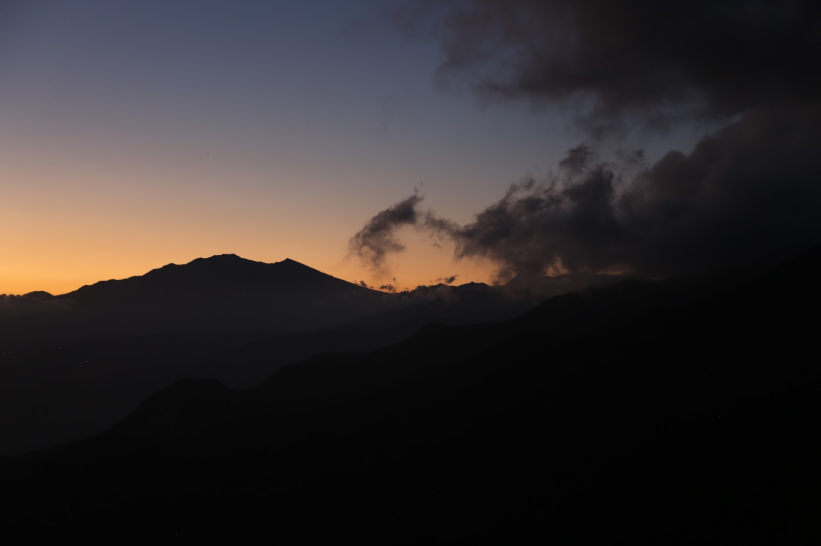
Inside the Coaster Buses of Panama A Wild Ride Through Hills Curves and Everyday Chaos

Riding a coaster bus in Panama is not just transportation. It is a full sensory experience that sits somewhere between local necessity, adrenaline ride, and cultural immersion. These small to mid sized buses, often called “coasters” or “busitos,” are one of the most common ways people move between neighborhoods, suburbs, and even between towns and rural areas. Unlike the modern Metrobus system in Panama City, which is structured and predictable, coaster buses feel alive. They move with personality, with rhythm, and sometimes with a level of unpredictability that makes every journey feel slightly different from the last. And nowhere is this more noticeable than when the road begins to climb into hills or twist into long winding curves.

At first glance, a coaster bus looks simple. A white or lightly colored van style bus, sometimes slightly modified, with rows of seats packed closely together and a driver who seems to know every inch of the route by memory rather than signage. People board quickly. Conversations are short. Cash is passed forward through hands without much ceremony. The door closes and immediately the bus becomes part of the traffic flow, merging into Panama’s roads where cars, motorcycles, taxis, and larger buses all compete for space. But the real character of the ride begins once the city streets give way to elevation changes, sharper turns, and roads that seem to have been carved directly into the landscape rather than laid over it.

As the coaster bus starts climbing into hilly areas, everything inside shifts. The engine sound deepens, working harder against gravity. Passengers subtly adjust their posture without even thinking about it. The driver leans slightly forward, reading the road in a way that feels instinctive rather than calculated. In Panama, many routes pass through terrain that rises and falls quickly, especially on the edges of Panama City, toward places like Cerro Azul, Panama Pacifico outskirts, or roads heading into the interior provinces where mountains and forest dominate the view. These are not gentle inclines. They are real tropical hills with sudden drops, tight corners, and visibility that can change within seconds due to weather or vegetation.

When the bus hits its first real curve, you immediately understand the difference between flat urban transport and hillside travel. The coaster leans into the turn, and everything inside shifts with it. Passengers instinctively grip seats, windows, or overhead rails. There is no panic, just a shared awareness that this is how the road is here. Outside the window, the landscape swings into view and then away again, revealing dense green slopes, distant rooftops, patches of sky, and sometimes sheer drops that make you realize how elevated the road really is. The sensation is not fear exactly. It is more like heightened awareness, a reminder that geography is an active part of daily life in Panama, not something hidden behind infrastructure.

The curves themselves define the rhythm of the ride. Some are wide and smooth, allowing the bus to glide through them with a steady momentum. Others are tight and sharp, forcing a noticeable slowdown and careful steering. On steeper routes, you can feel the bus shift weight from side to side as it navigates switchbacks. Passengers on the uphill side may lean slightly while those on the downhill side feel the slope more intensely. It becomes a shared physical experience, something everyone inside feels together whether they are regular commuters or first time riders.

What makes coaster bus travel in Panama especially unique is the combination of road conditions and driving style. Drivers on these routes are often extremely experienced with their specific roads. They know exactly where to accelerate, where to brake, and where the tightest curves require patience. It is a kind of local knowledge that cannot be easily replaced by GPS or automated systems. On mountain roads especially, this experience matters. You can sense when a driver is anticipating a curve before it appears, adjusting speed just enough to make the turn smooth without unnecessary stopping. It is not reckless. It is practiced familiarity with terrain that demands respect.

Inside the bus, life continues during all of this. People talk, listen to music through headphones, check phones, or simply look out the window. The contrast between everyday routine and dramatic landscape is part of what makes the experience so memorable. One moment you might be sitting shoulder to shoulder with commuters discussing work or school, and the next you are suspended above a valley as the bus rounds a curve revealing distant mountains or dense jungle stretching into the horizon. It is a reminder that in Panama, natural beauty is never far away from daily life. It is woven into it.

As the bus descends or continues through winding sections, gravity becomes more noticeable. You feel slight forward pressure when the bus slows at curves and then a gentle release as it straightens out again. The suspension of the vehicle absorbs much of the movement, but not all of it. There is a rawness to the experience that modern transport systems often remove. It feels direct, unfiltered, and connected to the road itself. Even small details like the sound of tires gripping asphalt or gravel, or the occasional horn used to signal another vehicle on a blind curve, add to the atmosphere.

Weather also plays a role in shaping the experience. In Panama’s tropical climate, sudden rain can transform hill routes dramatically. Roads become slick, mist can roll in through the trees, and visibility can drop quickly. Inside the bus, this creates a cocoon like feeling where the outside world is partially hidden but still very present through movement and sound. The driver’s focus becomes even more apparent, and passengers often fall into quieter observation, watching raindrops race down windows as the bus carefully navigates the curves.

For people who use coaster buses daily, this experience becomes part of normal life. It is not treated as an adventure. It is simply how you get from one place to another. But for visitors or newcomers, it often leaves a strong impression. There is something unforgettable about climbing through green hills in a moving vehicle that feels closely connected to the road and the environment around it. It is transport, but it is also exposure to the geography of the country in a very direct way.

Over time, coaster buses reveal something deeper about Panama itself. The country is not flat or uniform. It is shaped by elevation, coastline, rainforest, and urban development all layered together. These buses move through those layers constantly, connecting people across environments that can change within minutes of travel. One moment you are in dense urban traffic, and shortly after you are winding through hills where the city feels far away. This contrast is part of what makes the system so fascinating.

In the end, riding a coaster bus in Panama is about more than reaching a destination. It is about experiencing movement through a landscape that refuses to be simple or predictable. It is about sharing space with strangers while navigating roads that demand attention and respect. It is about feeling the curves of the land through the curves of the road itself. And once you have taken that ride, especially through the hills, it becomes one of those travel memories that stays with you not because of a single moment, but because of the continuous feeling of being carried through a living, changing environment.

The Staple Foods of Panama A Deep Journey Into the Country’s Everyday Diet and Culinary Soul

The food culture of Panama is shaped by geography, migration, and a deep relationship with both the land and the sea. Sitting between two oceans and acting as a crossroads between North and South America, Panama has developed a diet that is both simple and incredibly rich in variety. The staple foods are not defined by complexity or heavy seasoning but by freshness, accessibility, and the balance between tropical agriculture, coastal fishing, and indigenous traditions. To understand what people in Panama eat every day, you have to imagine a plate built around rice, beans, plantains, root vegetables, and seafood, with small but meaningful influences from Afro Caribbean, Spanish, and indigenous culinary histories woven through nearly every meal.

At the very center of the Panamanian diet is rice, which appears in more meals than almost any other ingredient. Rice is not just a side dish in Panama. It is a foundation. It is served at breakfast, lunch, and dinner in different forms and combinations. One of the most iconic versions is arroz blanco, simple white rice that accompanies stewed meats, beans, and vegetables. Then there is arroz con pollo, a colorful and flavorful dish where rice is cooked with chicken, vegetables, and spices, often turning yellow or orange from seasoning. Another popular variation is arroz con guandú, rice cooked with pigeon peas, a dish strongly associated with festive occasions and coastal regions. Rice in Panama is more than food. It is structure. It is what turns a meal into a complete plate and what connects different ingredients into something satisfying and familiar.

Alongside rice, beans play an equally important role, especially black beans and red beans depending on the region and cultural influence. Beans are usually cooked slowly with garlic, onions, peppers, and sometimes coconut milk in coastal Afro Panamanian cuisine. In many households, beans are prepared in large batches and eaten over several days, often served next to rice or mixed directly into it. This combination of rice and beans forms the backbone of daily nutrition for many Panamanians, providing a balance of carbohydrates and protein that is both affordable and filling. In rural areas and traditional kitchens, beans are often cooked from dried form, soaked overnight, and simmered until they develop a deep, rich flavor that carries through the entire meal.

Plantains are another essential staple that define the Panamanian table in multiple forms. Unlike bananas, plantains are starchy and are usually cooked rather than eaten raw. They appear in breakfast, lunch, and dinner dishes in ways that highlight their versatility. One of the most common preparations is patacones, where green plantains are sliced, fried, smashed, and fried again until crispy. They are often served with salt, garlic sauce, or alongside meat and seafood dishes. When plantains ripen and turn yellow or black, they become sweeter and are often fried as maduros, creating a caramelized, soft texture that contrasts beautifully with savory meals. Plantains in Panama are not a side ingredient. They are a core carbohydrate source, standing alongside rice as a daily essential in most households.

Root vegetables also play a significant role in the traditional Panamanian diet, especially in rural and indigenous communities. Yuca, also known as cassava, is one of the most important. It is boiled, fried, or mashed, and often served with meat or fish. Its texture is dense and slightly fibrous, making it extremely filling. Ñame, or yam, is another staple root vegetable, commonly used in soups and stews where it absorbs flavor while adding body to the dish. Otoe, a type of taro root, is also widely consumed and appears in traditional cooking across the country. These roots are especially important in areas where agriculture is tied closely to the land and where diets remain deeply connected to seasonal harvests and local farming traditions.

Seafood is another defining pillar of the Panamanian diet due to the country’s unique geography between the Pacific Ocean and the Caribbean Sea. Fish such as corvina, red snapper, and sea bass are commonly eaten grilled, fried, or cooked in soups. Ceviche is one of the most popular seafood dishes, typically made with fresh fish or shrimp marinated in lime juice, onions, cilantro, and peppers. It is widely available in coastal areas and urban markets, especially in Panama City where seafood freshness is a point of pride. Coconut based seafood dishes are particularly common in Caribbean influenced regions like Colón and Bocas del Toro, where fish is cooked in rich coconut milk sauces that reflect Afro Caribbean culinary heritage. Seafood in Panama is not a luxury food. It is part of everyday life, especially for communities near the coast.

Meat also plays an important role in the Panamanian diet, with chicken, beef, and pork being widely consumed across the country. Chicken is especially common and appears in many forms, from stews to grilled dishes to rice based meals. One of the most iconic preparations is sancocho, a traditional chicken soup that is often considered the national dish of Panama. It is made with chicken, yuca, cilantro, garlic, onions, and a blend of herbs that create a comforting and deeply flavorful broth. Sancocho is more than just food. It is cultural comfort, often served during family gatherings, celebrations, or even when someone is feeling unwell. Beef and pork are also widely used, often grilled, stewed, or served with rice and plantains in hearty combinations that reflect both Spanish influence and local adaptation.

Fruits also form an important part of the daily diet, thanks to Panama’s tropical climate. Mangoes, papayas, pineapples, pineapples, guavas, and citrus fruits are widely available and often eaten fresh or turned into juices. Fresh fruit juices, known locally as batidos or jugos naturales, are extremely popular and are often made with water or milk blended with fresh fruit and ice. These drinks are a daily habit for many people and are commonly found in homes, street stalls, and restaurants. In addition to common fruits, Panama also has more traditional or lesser known foods like pixbae, guanábana, maracuyá, and tamarind, each contributing unique flavors to the culinary landscape.

Corn is another important staple, especially in indigenous and rural diets. It appears in tortillas, tamales, and various traditional dishes that reflect pre Columbian culinary heritage. Corn is often ground, boiled, or used in dough based preparations that accompany meat or vegetable dishes. In indigenous regions such as Guna Yala and Ngäbe Buglé territories, corn remains a foundational crop that connects food directly to cultural identity and traditional agricultural practices.

What makes the Panamanian diet especially fascinating is not just the ingredients themselves, but how they are combined into everyday meals. A typical plate might include rice, beans, fried plantains, and chicken, creating a balance of textures and flavors that is both simple and deeply satisfying. Meals are rarely overly complicated. Instead, they are built around freshness, repetition, and comfort. Food is not just about variety but about rhythm, with familiar staples appearing again and again in different forms across the week.

In the end, the staple foods of Panama reflect a country that is deeply connected to its environment. The diet is shaped by tropical agriculture, coastal abundance, and centuries of cultural blending. It is a cuisine that does not rely on complexity to feel complete. Instead, it relies on ingredients that are honest, accessible, and deeply rooted in place. To eat in Panama is to experience a balance between land and sea, tradition and adaptation, simplicity and richness. And once you understand the staples, you begin to understand the country itself in a much deeper way.

The Traveller’s Survival Guide to Phone Repairs in Panama: Fast Fixes, Cheap Screens, and Street Side Tech Wizards

Travelling with a phone today is a bit like travelling with a passport, wallet, and map all fused into one device. So when it breaks, everything suddenly feels ten times more complicated than it should. The interesting thing about Panama is that unlike many countries where phone repair is slow, expensive, and tied to official service centers, here you will find a surprisingly fast, informal, and highly practical repair ecosystem. From shopping malls to tiny sidewalk kiosks, phone repair in Panama is often done in hours, sometimes minutes, and usually at a fraction of what travellers expect.

What makes this system especially unique is how layered it is. At the top you have official service centers for brands like Apple and Samsung. In the middle you have mall based repair shops that combine professionalism with speed. And at the street level you have small kiosks and independent technicians who can replace screens, batteries, charging ports, and even perform logic board level repairs using imported parts that are surprisingly easy to source in Panama’s import driven economy.

For travellers, this means one thing. If your phone breaks here, you are rarely stuck for long.

The fastest option: mall repair shops in Panama City

In Panama City, especially inside major malls like Multiplaza, Albrook Mall, and MetroMall, you will find dedicated phone repair kiosks and small stores that specialize in fast turnaround repairs. These are often the quickest and most reliable option for travellers who need their phone fixed immediately.

The most common repair here is cracked screens. If you break your phone glass, many of these shops can replace it within 30 minutes to 2 hours, depending on the model. They usually keep a wide range of imported screens in stock, especially for iPhones, Samsung devices, and popular Android models.

Prices are often much lower than official manufacturer repairs. For example, a screen replacement that might cost several hundred dollars through official channels can sometimes be done for a fraction of that price in a mall repair shop. The difference comes down to the use of third party or refurbished parts rather than official brand components, but for most travellers, the tradeoff is worth it.

Another advantage is convenience. You can sit in the mall, grab food, do errands, and come back to a working phone. It is very common to see people handing over a cracked phone and returning later the same day with a fully functional device.

Street kiosks: the hidden repair network

Outside of malls, one of the most fascinating parts of Panama’s tech ecosystem is the network of small street kiosks and independent repair stalls. These are often located in busy pedestrian areas, near metro stations, markets, and commercial streets.

At first glance, they may look informal, but many of these technicians are highly experienced. They work quickly, often in open air conditions, and specialize in common repairs like:

Screen replacements

Battery swaps

Charging port cleaning or replacement

Button and speaker repairs

The biggest advantage here is speed and price. Because overhead costs are low, repairs are often cheaper than mall shops. Some basic fixes can be done in under an hour, sometimes even while you wait.

These kiosks also tend to keep a rotating stock of imported spare parts. Panama’s position as a logistics hub means parts can enter the country relatively easily, and technicians often source components through distributors or bulk importers in Panama City. That is why even small kiosks can sometimes fix relatively modern phones without needing to send them away.

The experience is very direct. You hand over your phone, describe the issue, and the technician usually diagnoses it on the spot. There is very little bureaucracy. It is a very “fix it now” culture.

Official service centers: slower but safest option

For travellers who want brand certified repairs, official service centers exist for major brands, especially Apple and Samsung. These are usually located in upscale malls or dedicated electronics districts.

The benefit here is quality assurance. Parts are official, repair procedures follow manufacturer standards, and warranties are respected. The downside is time. Repairs can take several days, and sometimes even longer if parts need to be ordered.

For tourists on a short trip, this is often not the most practical option unless the damage is serious or covered under warranty.

Why repairs are often cheaper than expected

One of the biggest surprises for visitors is how affordable phone repairs can be in Panama compared to North America or Europe. There are a few reasons for this.

First, there is a strong import and resale ecosystem for replacement parts. Screens, batteries, and components are brought in through Panama’s logistics networks, which helps keep availability high.

Second, competition is intense. In busy areas, multiple repair kiosks operate within the same block or mall, which keeps pricing competitive.

Third, labor costs are lower, and technicians often operate independently rather than under large corporate service chains.

All of this combines into a system where fixing a phone is often seen as routine rather than a major expense.

Common repairs travellers actually get done

Travellers tend to experience a very predictable set of issues, and Panama repair shops are used to handling them daily.

The most common include:

Cracked screens from drops on tiles, sidewalks, or boats

Battery degradation from heat and heavy GPS use

Charging port issues due to dust, sand, or humidity

Water exposure from beaches or rain

Camera lens cracks or fogging

Most of these can be fixed quickly, often the same day. In many cases, shops will even offer diagnostic checks for free or a small fee before quoting a repair price.

How to actually get your phone fixed (step by step)

The process in Panama is usually very straightforward:

First, find a repair shop in a mall or busy commercial area. If you are in Panama City, just walking into any major mall will give you multiple options within minutes.

Second, show your phone and explain the issue. Even basic Spanish or pointing works because these shops are used to tourists.

Third, they will check the device immediately and give you a price and estimated time. If parts are available, repair often begins right away.

Fourth, you either wait nearby or leave and return later the same day.

Payment is usually simple, cash or card depending on the shop.

What makes Panama’s phone repair ecosystem so interesting is that it fits perfectly into the reality of travel and movement. Phones break while travelling. Screens crack on buses, batteries fail during long navigation days, and charging ports get damaged in humidity and sand.

Instead of making this a major disruption, Panama has built a system that absorbs the problem quickly. Malls offer speed and structure. Street kiosks offer flexibility and price. Official centers offer security. And together they create a network where being without a phone is usually a temporary inconvenience rather than a travel disaster.

For travellers moving through the country, this means something very practical. You are rarely more than a short walk from someone who can fix your phone, and in many cases, it can be done faster than you would expect anywhere else.

So if your screen cracks while exploring Panama, it is not the end of your day. It is often just a quick stop, a short wait, and a repaired phone handed back before you have even finished your coffee.

From Airport Kiosks to Corner Shops: The Complete Guide to Getting a SIM Card and Data in Panama

Arriving in Panama and getting connected is surprisingly easy, but the experience can feel a little chaotic if you do not know how the system works. The good news is that buying a SIM card and getting data is one of the simplest things you will do in the country. Within an hour of landing, you can usually have a local number, mobile data, and access to maps, taxis, and messaging apps without relying on roaming. The entire process is built around flexibility, meaning you can buy SIM cards in the airport, in official stores, or even in small corner shops scattered across the country.

At the center of it all are the main mobile networks, especially Tigo Panama and Más Móvil, which operate most prepaid services for travelers and locals. These companies compete heavily on prepaid data bundles, coverage, and convenience, which is why SIM cards are available almost everywhere you go, from international arrivals halls to tiny neighborhood kiosks that barely look like phone shops at all.

Getting a SIM card at the airport (Tocumen International Airport)

The most immediate option is buying a SIM card at Tocumen International Airport, right after you land in Panama City. In the arrivals area, you will often find kiosks or authorized sellers offering prepaid SIM packages. The biggest advantage here is speed. You can step off the plane, pick up your luggage, and walk out already connected to mobile data within minutes.

These airport SIM packages are usually designed for tourists, meaning they often come preloaded with data and sometimes short validity periods like a few days or a week. The process is simple: you choose a package, show your passport for registration, and the seller activates it for you on the spot. Your phone is usually working before you even leave the airport building.

The tradeoff is price. Airport SIM cards are almost always more expensive than buying the same thing in the city. You are paying for convenience and immediate access. For many travelers, especially those arriving late at night or needing to order transport or contact their accommodation immediately, this is still worth it.

Official stores in the city (best value and full setup)

Once you are in Panama City or any major town, the best place to buy a SIM card is directly from official carrier stores. Shops for Tigo and Más Móvil are found in shopping malls, commercial streets, and major urban areas.

In these stores, the process is more structured. You bring your passport, choose a prepaid SIM, and the staff will usually register and activate everything for you. This is where you get the best pricing and the widest selection of data bundles. You can choose daily, weekly, or monthly packages depending on how long you are staying.

The advantage of going this route is clarity. Staff can explain the differences between plans, help you top up credit, and sometimes even install the data package immediately so you leave fully connected. If you plan to stay in Panama for more than a few days, this is usually the most cost efficient option.

The real local method: mini markets and corner shops

One of the most interesting things about Panama is how informal and widespread SIM card access is outside official stores. In almost every neighborhood, you will find small convenience stores known as mini supers or “chinos” that sell SIM cards and prepaid credit.

This is where the system becomes very flexible. You can walk into a tiny shop, ask for a SIM card, and often leave within minutes with a working number. Many of these shops also handle activation and data setup directly. You simply say you want prepaid internet, and they will either set it up on your phone or guide you through it.

Even if the shop is small, the process is official. Your passport may still be required for registration, and your SIM will be tied to your identity as part of national regulations. The big advantage here is availability. These shops are everywhere, often open late, and sometimes easier to access than malls or official stores.

How data plans and recargas work

Once you have a SIM card, getting data is simple and flexible. You do not usually sign contracts. Instead, you use prepaid credit or buy data bundles directly.

There are two main ways to do it:

1. Buy a data package directly

You choose a bundle that includes internet for a set number of days. These can range from daily plans to monthly packages depending on your needs.

2. Recargas (top ups)

This is one of the most important concepts in Panama mobile service. A recarga is simply adding credit to your SIM. You can do this at almost any mini market, supermarket, pharmacy, or mobile shop.

You just tell the cashier “recarga para Tigo” or “recarga para Más Móvil” and the phone number. They load credit onto your SIM instantly. After that, you can either use the credit directly or convert it into a data plan by dialing a code or selecting a bundle.

If you are unsure what to do, you can simply ask the shop to activate a data plan for you. Most places will do it immediately, which is often the easiest option.

What travelers usually do in practice

Most visitors use a combination of strategies depending on their arrival time and plans. A very common approach looks like this:

First, get a SIM at the airport just to have immediate internet for taxis, maps, and messaging. Then later, switch to a cheaper or larger data plan from a city store or mini market once you are settled.

Others skip the airport entirely and go straight to a local store or shop in the city, especially if they already have WiFi at their accommodation or use temporary roaming.

Both approaches work because the system is designed to be flexible rather than strict.

Final experience: easy, fast, and everywhere

What makes getting a SIM card in Panama so interesting is not just the convenience, but how deeply integrated mobile connectivity is into everyday life. From airport kiosks to roadside shops, from mall stores to tiny corner counters, data access is never far away.

Once your SIM is active, the country opens up quickly. Maps load instantly, transport apps work, and communication becomes seamless whether you are in Panama City, the highlands, or coastal towns.

In the end, getting connected in Panama is less about navigating complexity and more about choosing convenience. Airport for speed, official stores for structure, or corner shops for local simplicity. And once it is done, you are fully plugged into a country where even the smallest shop can keep your phone online within minutes.

The Fists of the Isthmus: A Monstrous History of Boxing in Panama

Boxing in Panama is not just a sport. It is a national language written in bruises, sweat, stadium noise, and moments of sudden silence right before a knockout lands. In a country shaped by canals, crossroads, and global traffic passing through its narrow geography, boxing became something deeply local yet internationally powerful. It is one of the few sports where Panama has not just participated in the world stage, but permanently carved its name into it. And the story of how that happened is long, loud, sometimes brutal, and absolutely fascinating.

At the center of everything stands one name that changed the global perception of the country forever: Roberto Durán, also known as “Manos de Piedra” or Hands of Stone. But the story does not begin with him. It begins decades earlier, in working class neighborhoods, port towns, and Canal Zone communities where boxing was less of a profession and more of an escape route.

Early roots: boxing before the glory

Boxing first gained real structure in Panama during the early 20th century, heavily influenced by foreign workers and American presence around the construction and operation of the Panama Canal. In the Canal Zone era, boxing gyms were often tied to military bases and labor communities, where fights were organized as entertainment but quickly turned into serious competition.

For many young Panamanians, especially in lower income neighborhoods of Panama City and Colón, boxing became one of the few visible ways to move upward socially. You did not need expensive equipment. You did not need connections. You needed discipline, pain tolerance, and a coach willing to invest time in you. Gyms were often small, hot, and basic, but they produced fighters with unusually high toughness because training conditions were never comfortable.

Even in these early stages, something was already forming in the national identity. Boxing was becoming a proving ground. Not for style, but for survival.

The rise of a fighting nation

By the 1960s and 1970s, Panama began producing fighters who were no longer just competing regionally, but stepping onto international stages. This was the era when boxing started becoming part of national pride rather than just local opportunity.

And then came the explosion.

Roberto Durán emerged from the streets of Panama City’s El Chorrillo neighborhood and changed everything. His style was aggressive, forward moving, and psychologically overwhelming. He did not fight cautiously or defensively. He pressured opponents until they broke, both physically and mentally. His famous victory over Sugar Ray Leonard in 1980, and the legendary “No Más” rematch, became one of the most discussed rivalries in boxing history.

Durán was not just a champion. He became a symbol. For Panama, he represented the idea that someone from a small country, from a difficult background, could dominate the biggest stages in the world without changing who they were.

His impact was so strong that he effectively defined what Panamanian boxing meant for generations.

The golden era of champions

After Durán opened the global door, Panama entered a golden era of boxing success. The country produced multiple world champions across different weight classes, especially in the lighter divisions where speed, technical skill, and volume punching often dominate.

Some of the most important names from this era include:

Eusebio Pedroza, a dominant featherweight champion known for long title reigns and technical control

Hilario Zapata, a skilled and elusive fighter who became a multiple division world champion

Ismael Laguna, a lightweight champion known for elegance, timing, and ring intelligence

These fighters helped establish Panama as a legitimate boxing powerhouse rather than a one man story. International promoters began paying attention. World title fights involving Panamanian boxers became more common. The country was no longer just producing participants. It was producing champions.

Boxing culture inside Panama itself

While international success was growing, something equally important was happening at home. Boxing became deeply embedded in everyday culture.

In neighborhoods across Panama City, Colón, and the interior provinces, small gyms began operating as community hubs. They were often simple spaces with worn equipment, limited ventilation, and basic rings, but they became places where discipline was taught alongside technique. Coaches were often former fighters who understood the sport not just technically, but emotionally.

Training culture in Panama has always been intense. Fighters run in heat and humidity that makes conditioning feel like punishment and preparation at the same time. Sparring sessions are not casual. They are serious tests of endurance and mentality. Even young fighters are often treated with expectations similar to professionals.

And yet, boxing is also deeply social. Local fights bring entire communities together. Small venues fill with noise, music, shouting, and emotional investment that feels closer to a festival than a sporting event.

Modern boxing in Panama

Today, boxing in Panama exists in a different landscape but still carries the weight of its history.

While the country is no longer producing world champions at the same frequency as the golden era, the sport remains extremely important culturally. Gyms are still active. Young fighters are still training daily. And the dream of becoming the next great Panamanian champion is still very much alive.

Modern Panamanian boxing also competes with other combat sports now, especially MMA, which has begun to attract younger athletes. However, boxing still holds a unique status. It is the traditional path, the proven path, the one that connects directly to national legends.

Training facilities in Panama City have improved significantly compared to earlier decades. More structured programs exist. Better coaching systems are available. And fighters now have access to international exposure through tournaments and promotional networks that did not exist in earlier eras.

But the core identity remains unchanged. It is still about toughness, repetition, discipline, and the ability to absorb pressure.

Why boxing became so powerful in Panama

Boxing fits Panama in a way few other sports do. The country’s geography has always made it a crossroads of movement, trade, and cultural mixing. Boxing mirrors that intensity in human form. It is direct. It is confrontational. It requires adaptation in real time.

For many fighters, it also represents something practical. A way out. A way forward. A way to turn physical talent into opportunity. This is why boxing has remained resilient even as other sports and entertainment industries have grown.

There is also a psychological aspect. Panamanian fighters have historically been known for aggression, durability, and pressure fighting styles. This is not accidental. It comes from training environments that emphasize grit over comfort, repetition over theory, and experience over style.

The living legacy

Boxing in Panama is not a closed chapter of history. It is still unfolding.

The legends of the past created a foundation that continues to shape expectations today. Every young fighter stepping into a gym is aware of Durán, Pedroza, Zapata, and Laguna. Their names are not distant history. They are reference points.

And while the global boxing landscape continues to evolve, Panama still carries something rare: a boxing culture where the sport is not just entertainment or career ambition, but part of national identity itself.

When a Panamanian fighter steps into the ring, they are not only representing themselves. They are stepping into a long line of fighters who turned a small country into a permanent presence in boxing history.

And that story is still being written, one round at a time.

Típico Music in Panama: The Accordion-Driven Heartbeat of a Country

Típico music in Panama is not just a genre. It is a social force, a countryside memory, a party starter, and in many ways one of the clearest expressions of national identity outside the capital’s modern skyline. Known locally as música típica panameña, it is the sound that fills town squares, village festivals, roadside celebrations, and late night gatherings where speakers are pushed far beyond reasonable volume and nobody is asking for silence.

At its core, típico is driven by the unmistakable voice of the diatonic accordion, backed by percussion instruments like the guiro and drum, and often layered with bass and keyboards in modern versions. The result is music that feels direct, energetic, and built for movement. It is not designed for background listening. It is designed for dancing, singing along, and pulling entire crowds into shared motion. Even people who claim not to like it usually end up recognizing the songs within seconds once they hear the accordion begin.

The roots of típico are deeply tied to rural life in the interior regions of Panama, especially the Azuero Peninsula, often described as one of the cultural hearts of the country. Over time, local folk rhythms such as cumbia santeña and punto merged with accordion based ensembles, forming a style that gradually spread from small town dances into national popularity. What began as local celebration music became something much larger, eventually dominating festivals and radio stations across the country.

Unlike many genres that remain static or confined to tradition, típico evolved by absorbing outside influences while keeping its emotional core intact. Electric instruments were added. Stage performances became more elaborate. Sound systems grew larger. But the structure remained recognizable: accordion melodies leading the way, rhythmic percussion driving the energy, and vocals that often mix humor, romance, and everyday storytelling.

One of the most distinctive features of típico music is the saloma, a high pitched vocal shout or call that cuts through the instrumentation. It is not just decoration. It is a signature element that gives típico its unmistakable identity. The saloma often appears in moments of excitement within a song or live performance, acting almost like a burst of emotion that connects performers and audience in real time.

The experience of típico in real life

To understand típico properly, it is not enough to listen to recordings. It is something you experience in crowded halls, open air festivals, and roadside parties where the music becomes louder than conversation. In these settings, people dance in groups, couples, or alone without hesitation. There is no need for formal instruction. The rhythm is simple enough to follow instinctively, and the accordion carries the energy forward without pause.

In rural celebrations, típico often becomes the center of entire events. Weddings, town festivals, and religious celebrations frequently extend into all night gatherings where bands perform continuously. The atmosphere is informal but intense, with music acting as the glue that holds the social space together. In these moments, típico is not entertainment. It is the environment itself.

Legendary and older típico artists

The history of típico is shaped by musicians who helped transform it from local folk expression into national identity.

One of the most important figures is Dorindo Cárdenas, often remembered as one of the foundational masters of modern típico. His accordion style helped define the genre’s structure and emotional tone, and his influence is still felt in how bands arrange their music today.

Another towering figure is Victorio Vergara, whose legacy remains deeply embedded in the genre. He is often associated with the golden era of típico, when the music expanded from rural roots into national prominence with a more polished and widely recognized sound.

Also essential in the historical development of típico is Osvaldo Ayala, known for his technical mastery and for helping modernize the accordion style while preserving its traditional core. His work helped bridge older rural styles with newer commercial and stage oriented típico.

These artists form the backbone of the genre’s identity, representing a time when típico was solidifying into something distinctly Panamanian rather than just regional folk music.

Current and modern típico stars

Today, típico continues to evolve and remains extremely popular across Panama, especially outside the capital where it still dominates local entertainment culture.

One of the most recognizable modern acts is Ulpiano Vergara, often called one of the kings of contemporary típico. His long career has helped keep the genre alive across generations, and his songs are widely played at festivals, parties, and on radio stations throughout the country.

Another hugely influential act is Samy y Sandra Sandoval, a brother and sister duo who helped bring típico to younger audiences and more urban listeners. Their performances are known for high energy shows, modern stage production, and songs that blend traditional accordion sound with more accessible pop influenced arrangements.

These modern artists are important because they keep típico from becoming purely nostalgic. Instead, they push it forward, adding contemporary elements while maintaining the recognizable accordion driven foundation that defines the genre.

Why típico still dominates everyday life

What makes típico unique compared to many other Latin American genres is how deeply embedded it is in daily life outside major cities. In Panama’s interior provinces, it is not treated as niche music or heritage preservation. It is simply what people listen to when they gather.

It plays at celebrations, in taxis, at outdoor markets, and during long festival nights where music becomes continuous rather than segmented. Even younger generations who also listen to reggaeton, salsa, or international pop still grow up recognizing típico melodies instantly. The accordion sound is so recognizable that it acts almost like a cultural signal.

There is also an emotional layer to it. Típico songs often deal with love, heartbreak, humor, rural life, and everyday struggles, but always in a way that feels grounded and relatable. It is not abstract music. It is storytelling set to rhythm, meant for communities rather than individual listening experiences.

Típico music survives and thrives because it sits at a rare intersection between tradition and constant reinvention. It carries the history of rural Panama, the energy of live festival culture, and the adaptability of a genre that refuses to stay frozen in time. From the legendary accordion masters of the past to the modern stage performers filling arenas today, típico continues to evolve without losing its identity.

And perhaps that is its most important quality. It does not ask to be studied from a distance. It asks to be felt in a crowded room, under bright lights, with the sound of accordion cutting through laughter, conversation, and movement all at once.

In Panama, that sound is not just music. It is part of the atmosphere of life itself.

Shadows in the Blue Cathedral: Sharks Around Isla Coiba

Out in the far Pacific, where Panama’s coastline begins to thin into long stretches of open water and the human world becomes increasingly distant, lies one of the most important marine sanctuaries in the eastern Pacific. Isla Coiba is not just a protected island. It is the center of a vast underwater ecosystem that still behaves in many ways like an intact ocean system should, with predators at the top of the food chain still playing their natural role without disruption. For snorkelers and divers, this creates something rare in today’s world: a place where sharks are not exceptional sightings but regular, functioning parts of the environment.

What makes Coiba especially fascinating is how quickly the underwater world changes once you descend. The shallow reef zones are bright, detailed, and full of motion, while just a short swim away the reef drops into deep blue walls where visibility expands and sound disappears almost completely. It is along these edges, where structure meets open water, that sharks are most often encountered. And depending on the site, depth, and season, the experience can range from frequent shallow reef sightings to rare offshore encounters that feel almost surreal.

But before describing the experience in layers, it helps to understand the actual shark species you might encounter here, ranked from most commonly seen to least commonly seen but still possible.

Shark species around Isla Coiba (most likely to least likely)

1. White Tip Reef Shark

This is the most frequently encountered shark in Coiba’s shallow reef systems.

White tip reef sharks are often seen resting motionless on sandy bottoms or gliding slowly along coral edges during the day. They prefer reef structures where they can navigate tight spaces and remain close to cover. For snorkelers, they are the most reliable shark sighting and often appear within minutes of entering the water in suitable areas.

They are not aggressive toward divers and tend to ignore human presence entirely unless approached too closely. Their calm, deliberate movement is one of the defining underwater sights of Coiba’s shallow reefs.

2. Black Tip Reef Shark

Black tip reef sharks are slightly less commonly seen than white tips but still relatively frequent in shallow coastal zones and reef flats.

They are more active swimmers and are often observed moving through shallower water closer to surface light. In Coiba, they may appear near reef edges, lagoons, and sandy channels between coral structures. Snorkelers sometimes see them cruising just beneath the surface in open water near reef drop offs.

Their behavior is more energetic than white tips, and they are often associated with hunting activity during early morning or late afternoon.

3. Nurse Shark

Nurse sharks are present in the Coiba region but are more elusive due to their bottom dwelling habits and tendency to rest in sheltered areas.

They are typically found lying on sandy or rocky bottoms under ledges, coral overhangs, or in protected reef cavities. Divers are more likely to encounter them than snorkelers, especially during slow reef exploration dives.

They are generally docile and slow moving, often allowing close observation without reacting strongly to presence.

4. Hammerhead Shark (Scalloped Hammerhead and related sightings)

Hammerhead sharks are among the most iconic but least predictable species in Coiba’s waters.

They are not regular reef visitors and are usually associated with deeper offshore zones, drop offs, and open water currents. Sightings are more likely during specific seasonal conditions when nutrient flows attract pelagic species closer to the archipelago.

When they do appear, they are often seen in small groups or distant formations, sometimes silhouetted against deep blue water beyond reef walls. Encounters are rare enough that they are considered special events even for experienced divers.

5. Galapagos Shark

Galapagos sharks are larger, more powerful predators that inhabit deeper reef edges and offshore waters around Coiba.

They are not commonly seen on shallow snorkel routes but may appear during deeper dives along outer reef slopes or in areas where currents bring pelagic species closer to structure.

Their presence often signals transition zones between reef ecosystems and open ocean environments. They move with steady, confident motion and tend to occupy deeper visual space rather than shallow reef areas.

6. Silky Shark (Occasional offshore encounter)

Silky sharks are rare but possible in deeper waters surrounding Coiba, especially in offshore currents and pelagic dive conditions.

They are fast moving oceanic sharks that generally stay away from reef structures. Divers may encounter them in blue water dives or during longer crossings between dive sites.

Their presence is highly dependent on ocean conditions and is not considered a regular reef observation.

7. Bull Shark (Very rare in Coiba region)

Bull sharks are extremely uncommon in Coiba’s marine park but are occasionally recorded in broader Panamanian waters where freshwater and coastal systems overlap.

Because Coiba is more oceanic and less estuarine, encounters here are rare to almost nonexistent for typical diving activity. However, they remain part of the regional species list for the broader Pacific coastline.

8. Tiger Shark (Rare offshore visitor)

Tiger sharks are one of the least likely but most notable potential species in the wider Pacific region around Panama.

They are highly migratory and prefer deep offshore waters. Sightings near Coiba are extremely rare and usually occur far from standard dive routes. They are considered an open ocean species rather than a reef associated one.

What makes shark encounters in Coiba so unique

What sets Coiba apart is not just species diversity, but ecological integrity. Because the island was historically isolated and later designated as a protected marine park, its reef systems have maintained stronger predator prey balance than many coastal regions in the eastern Pacific.

In practical terms, this means sharks are not “special appearances.” They are part of the structure of the reef. White tips resting under coral ledges. Black tips patrolling shallow flats. Larger species moving along deep reef walls where currents shape feeding behavior.

The experience of snorkeling or diving here is defined by this normality. You are not chasing encounters. You are entering an ecosystem where encounters are already happening whether you observe them or not.

The underwater landscape that supports them

Sharks in Coiba are supported by a layered environment that changes dramatically with depth.

In shallow zones, coral gardens and reef flats create hunting and resting grounds for smaller reef sharks. Visibility is high, sunlight penetrates clearly, and movement is constant but organized.

Further down, reef walls drop into steep vertical structures where currents carry nutrients and attract larger predators. These transition zones are where Galapagos sharks and occasional pelagic species may appear.

Beyond that lies open Pacific water, deep blue and largely featureless to the eye, but ecologically rich in movement that extends beyond typical snorkel range.

What it feels like to actually see them

Most shark encounters in Coiba do not feel cinematic. They feel quiet.

A white tip resting beneath a coral ledge while you float overhead. A black tip passing in the distance just beyond reef structure. A sudden silhouette in deep blue that appears and disappears before your mind fully labels it.

There is no music, no drama, no framing. Just presence.

And then, when you surface and return to the boat, the reef feels both more familiar and more distant at the same time. Because you have seen enough to understand that what is visible is only a small slice of a much larger system continuing beneath you.

In Coiba, sharks are not events.

They are infrastructure of the sea itself.

Coffee in Panama: Small Cups, Big Personality, and a Nation That Runs on Caffeine

Coffee in Panama is not treated like a delicate hobby or a complicated science experiment. It is more like a daily spark that quietly kicks everything into motion. It appears in tiny cups, strong enough to make you blink twice, and it is served everywhere from mountain farms wrapped in mist to busy city corners where taxis never fully stop honking. It is simple, direct, and surprisingly playful in how it shows up across the country.

In the highlands around Boquete, coffee begins its life in cool air and volcanic soil that seems almost designed for it. Farmers pick cherries in landscapes where clouds drift low enough to feel involved in the process. When coffee is served here, it often comes without ceremony. A small cup, strong and hot, handed over with the confidence of people who know exactly how good the beans are without needing to announce it. Even when the coffee is world class, like the famous Geisha varieties, it is still often treated as something you simply drink rather than something you admire from a distance.

In everyday life across Panama, coffee tends to arrive in small, powerful servings. Forget oversized mugs that take half an hour to finish. Here, it is usually a quick pour of dark, concentrated coffee that gets straight to the point. It is the kind of drink that makes conversation start faster, makes mornings feel slightly more awake than you expected, and occasionally surprises visitors who think they ordered something mild and friendly.

Sugar is often part of the experience, not as an optional extra but as a natural companion. In many homes and small local eateries, coffee is brewed strong and then sweetened directly in the cup, creating a balance between bitter and smooth that feels almost automatic. Milk appears too, especially in café con leche, but it is not the star. The coffee is always the main character, even when it is sharing the stage.

In Panama City, especially in places like Casco Viejo, coffee takes on a more creative personality. Cafés here are full of contrast. One table might hold a carefully poured single origin brew with floral notes explained by a barista in detail, while another table has someone downing a tiny espresso before rushing off into traffic. You can find latte art that looks like it belongs in a gallery right next to a quick plastic cup served to someone still half asleep. It is this mix that gives the city its charm. Nothing feels overly serious, even when it is high quality.

Street coffee is where things get especially interesting. Small stands, roadside thermoses, and tiny kiosks serve coffee to workers, drivers, and early commuters who do not have time to sit down. These cups are fast, hot, and strong enough to feel like they have opinions. You grab one, take a sip, and immediately understand that productivity is no longer optional for the next hour or two.

Then there is the specialty coffee scene, which has quietly put Panama on the global map in a big way. The Geisha coffee variety in particular has become almost legendary, fetching high prices at auctions and attracting attention from around the world. But what is fun about Panama is that even this level of prestige does not fully change how coffee is treated locally. You can still find it served in small cafés without any dramatic presentation, sitting next to a simple pastry like it is just another morning option rather than a luxury item.

What makes coffee in Panama especially enjoyable is the contrast between all these settings. In one moment, you are drinking something ultra refined that tastes like tropical flowers and citrus notes carefully explained by a barista. In the next, you are standing by a street corner holding a tiny cup that costs almost nothing but wakes you up faster than anything else on the planet. It moves easily between worlds without changing its core identity.

At its heart, coffee in Panama is not about complexity or performance. It is about impact. Small cup, strong flavor, immediate effect. It fits into conversations, workdays, bus stops, mountain mornings, and city chaos without needing to adjust itself too much. It is flexible, slightly mischievous in its strength, and always ready to show up exactly where it is needed.

And once you spend enough time in the country, you start to notice something subtle. Coffee is not just something people drink here. It is something that quietly keeps everything moving forward, one strong sip at a time.

The Fight Pulse of the Isthmus: The MMA Scene in Panama

Mixed martial arts in Panama is not yet a massive global powerhouse scene like Brazil, Mexico, or the United States, but it has something arguably more interesting: it is still building itself in real time. The energy is raw, the gyms are evolving quickly, and the fighters who emerge from it often carry a very “no shortcuts” kind of toughness shaped by boxing culture, tropical training conditions, and a growing hunger to compete internationally.

At its core, the MMA landscape in Panama is a blend of disciplines that already run deep in the country. Boxing has long been the national combat identity, producing world champions and shaping how Panamanians understand fighting. MMA, by contrast, is younger, more hybrid, and still defining its own style. It pulls from boxing, Brazilian jiu jitsu, Muay Thai, wrestling, and kickboxing, but the way these elements come together in Panama has a distinct flavor: aggressive stand up striking mixed with rapidly improving ground game systems.

In Panama City, the scene is concentrated in a handful of serious gyms that function as both training spaces and unofficial talent pipelines. Places like Kame House Performance Center have become known for structured MMA and grappling development, producing athletes who split their training between striking and ground control. Other gyms like Strong Cage Academy and Apes MMA in the western and central regions of the country also contribute to a growing network of fighters who regularly cross train and compete in local events.

Alongside them, larger multi discipline academies such as MAFA Panama and similar combat fitness centers are helping expand the base. These gyms are important because they introduce beginners to MMA in a structured way, combining boxing, Muay Thai, and Brazilian jiu jitsu into one program rather than treating them as separate sports. This is crucial in a country where traditional boxing gyms are still very influential, and MMA often has to compete for attention.

What makes Panama’s MMA ecosystem especially interesting is the way fighters often come from striking first backgrounds. Many athletes begin in boxing or kickboxing before transitioning into MMA, which creates a noticeable emphasis on stand up exchanges during fights. Over time, however, the grappling level has been steadily rising as more athletes dedicate themselves to Brazilian jiu jitsu and wrestling based systems.

On the professional side, Panama already has representation on the global stage. One of the most recognized names is Joselyne Edwards, who competes in the UFC bantamweight division. Her presence is significant because it shows that Panamanian fighters are not only active locally but are also capable of reaching the highest level of international MMA competition. She represents a newer generation of athletes who train in multiple disciplines and build careers outside the traditional boxing path.

At the local level, MMA events in Panama are growing in production quality and consistency. Promotions like Combat Fusion League and other regional organizations are trying to professionalize the sport, giving fighters structured opportunities to compete and progress. These events are smaller than UFC or Bellator scale shows, but they are important because they create the competitive ladder that fighters need in order to evolve. Crowds are often energetic and close to the action, giving events a raw intensity that feels more intimate than large international arenas.

Training culture in Panama is another defining feature of the scene. Gyms are often tightly knit communities where fighters know each other across disciplines. It is common for athletes to cross train between different locations, mixing boxing gyms with jiu jitsu academies and MMA-focused spaces. This creates a flexible but demanding environment where progress depends heavily on personal discipline rather than rigid systems.

Geography also plays a subtle role. In Panama City, fighters deal with heat and humidity that turn conditioning into a constant challenge. Training sessions feel physically heavy, which ironically builds endurance and mental toughness over time. Outside the capital, in regions like Chiriquí and David, smaller gyms are developing strong regional talent pools that feed into national competition circuits.

Despite its growth, Panama’s MMA scene still faces limitations. Funding is inconsistent, sponsorship opportunities are developing slowly, and many fighters still balance training with other jobs. But this also contributes to the character of the sport here. Many athletes are not just training for entertainment value or lifestyle fitness. They are training because they genuinely want to compete, and that creates a certain seriousness in the gyms that is easy to feel once you spend time around them.

What is most exciting about MMA in Panama right now is that it is still in its expansion phase. There is no fully dominant system, no single style that defines the country, and no rigid hierarchy that limits new talent. Instead, there is movement. Fighters are experimenting. Coaches are evolving their programs. Promotions are building structure. And the country is slowly finding its identity in a sport that itself is still relatively young on the global stage.

In many ways, Panamanian MMA feels like a work in progress that is already producing results. It is not polished, but it is real. And for anyone watching closely, that is exactly what makes it compelling.

Between Light and Darkness: The Island Routes of Bocas del Toro

When the sun begins to fall over the Caribbean edge of Panama, the archipelago of Bocas del Toro begins to shift in a way that is almost imperceptible at first. The colors do not suddenly change, but slowly deepen, as if the sea is inhaling the light. The turquoise water that defined the day begins to darken into layered blues and greens, reflecting the sky with a softer, more reflective mood. The wooden docks that felt casual and lively just an hour earlier start to creak with a different kind of presence. Even the wind changes tone, becoming less playful and more deliberate. The islands do not stop moving. They simply begin to move in a different rhythm.

This is a place where travel is defined entirely by water. There are no bridges connecting the islands in any meaningful way, no highways stretching across the sea, no structured ferry system operating on fixed timetables. Instead, everything depends on small boats known locally as lanchas, driven by captains who understand the channels, tides, and shifting moods of the Caribbean through experience rather than instruments. The sea is not just something to cross here. It is the entire framework that determines how people move, connect, and arrive.

During the daytime, the system feels almost effortless. You walk to a dock in Isla Colón or Bastimentos and boats appear constantly, moving in and out like breath. You call out your destination and if the boat is going that way, you step in without ceremony. There is no ticket booth in the traditional sense, no rigid schedule, no sense that you are booking transport. Instead, it feels like joining a current that is already in motion.

Prices during the day are usually predictable within a local range rather than fixed numbers. Short crossings such as Isla Colón to Carenero typically cost around two to three dollars per person. Trips between Isla Colón and Bastimentos generally fall between three and five dollars. Longer routes or less frequent connections may rise to five to ten dollars depending on distance, fuel costs, and how many passengers are sharing the ride. These prices are not enforced by a central authority but shaped by local agreement, demand, and habit. They exist in a kind of living balance that adjusts subtly depending on conditions.

As the sun disappears and night settles across the archipelago, everything changes in structure rather than purpose. Boats still run, but fewer of them. The sea becomes harder to read visually, and the islands begin to lose their clear outlines. What was once a network of visible routes becomes a system guided more by memory, sound, and trust. Captains rely on experience, reading currents and familiar landmarks that are no longer fully visible, navigating instead by instinct and repetition.

Night travel in Bocas del Toro also changes in cost, though not through formal pricing systems. Instead, fares shift naturally based on availability and difficulty. Short crossings like Isla Colón to Carenero often rise slightly to around three to five dollars per person. Longer routes to Bastimentos or other islands may cost five to eight dollars per person. Private night pickups, especially for off route travel or late hours, typically range from fifteen to twenty five dollars per boat depending on distance and timing. These variations are not arbitrary. They reflect the reality of fewer boats operating, lower passenger volume, and the added effort of navigating in darkness.

The most important shift after sunset, however, is not financial or logistical. It is perceptual.

🚤 How pickup actually works in practice

Island travel in Bocas del Toro does not operate through formal terminals or digital systems. It runs through coordination and familiarity. There are three main ways travelers are picked up, and each one reflects a different layer of how the system functions.

The first and most common method is through accommodation. Hotels, hostels, and guesthouses act as informal transport coordinators. You tell them where you need to go and when, and they contact a trusted water taxi captain directly. The boat arrives at your dock within a flexible window, usually ten to thirty minutes depending on distance and conditions. At night, this becomes the most reliable method because captains respond more consistently to known contacts than to random dock requests.

The second method is direct pickup from main docks in Isla Colón. During evening hours, there is still movement, though less frequent than during the day. Travelers gather at docks and wait for passing boats heading in the right direction. You ask a captain if they are going to your destination and if so, you join. If not, you wait for the next one. Timing is less predictable, but movement is still continuous.

The third method is private water taxi arrangement. This becomes more common at night or during off route travel. Boats are hired directly, often through local contacts or accommodations. Short island crossings typically cost ten to fifteen dollars total for the boat. Medium distances may reach fifteen to twenty five dollars. Remote or late night trips can cost more depending on weather, urgency, and distance. These private rides offer flexibility when scheduled movement slows or when conditions make shared travel less practical.

🌙 What changes after dark is the entire experience of the sea

Once night takes over, Bocas del Toro stops being a place you observe and becomes a place you interpret. The sea loses its transparency and becomes reflective, absorbing the last traces of light from the sky. Islands turn into silhouettes, sometimes barely distinguishable from clouds or darkness. Navigation becomes less about seeing and more about feeling movement through sound and rhythm.

The engine of the boat becomes the dominant reference point. Its steady vibration replaces visual certainty. Waves are no longer patterns you watch but sensations you absorb. Between islands, darkness is rarely complete. There are faint points of light from distant docks, occasional reflections from water, and sometimes the soft glow of houses tucked into shorelines. These fragments of light feel scattered and temporary, as if the archipelago is slowly dissolving into night and reassembling itself with each passing boat.

Arrival after dark is always different from arrival in daylight. Docks are quieter, often lit by a single bulb or sometimes only by ambient light from nearby buildings. The sound of footsteps on wooden planks becomes more noticeable. The jungle feels closer, not visually but acoustically, as insects and night creatures take over the soundscape. Every landing feels slightly more personal, as if you are arriving into a space that is already asleep but still aware of your presence.

⚓ The hidden structure beneath the movement

What makes transportation in Bocas del Toro so unique is that it does not rely on formal systems but on continuous human understanding. The network is built from repetition, trust, and familiarity rather than schedules or infrastructure.

It depends on: local knowledge of routes captain experience with tides and channels informal coordination through hotels and docks weather conditions that shape daily decisions and a shared understanding of timing that is never written down but always felt

During the day, this feels like freedom. Movement is flexible, immediate, and open. At night, it feels like trust. You rely on people who know the water not because they are following instructions, but because they have lived inside this system long enough to read it instinctively.

In both cases, the sea is not background. It is the structure itself. Everything moves through it, responds to it, and depends on it.

And when you finally step onto land after a crossing, whether under bright sunlight or scattered starlight, there is always a brief moment where the world feels still. The boat fades back into the darkness, continuing on to another island, carrying its quiet rhythm across the water. The archipelago does not pause. It simply keeps moving in its own way, just beyond the edge of what can be fully seen.

The Art of Taste in the Tropics: Fine Dining in Panama

Fine dining in Panama is not simply about eating well. It is about watching a young, energetic culinary scene quietly step onto the global stage while still rooted in the tropics, the ocean, and the cultural crossroads that define the country. In Panama, luxury dining does not feel overproduced or distant from its environment. Instead, it feels like it has grown directly out of the humidity, the coastline, and the layered history of a place where continents, oceans, and cultures meet.

In the heart of the capital, where glass towers reflect the Pacific light and the skyline rises behind colonial stone streets, Panama City has become the center of this evolution. Areas like Casco Viejo are especially important, because here the contrast between old and new creates a natural stage for culinary creativity. You can walk past centuries old churches, turn a corner into a narrow stone street, and suddenly find yourself in a softly lit dining room where chefs are reinterpreting Panamanian ingredients with techniques borrowed from Tokyo, Lima, Barcelona, and Paris.

What makes fine dining in Panama distinct is not just technique, but ingredient identity. The country’s geography does most of the storytelling before a chef even begins. Pacific tuna, Caribbean lobster, tropical fruits that shift from sweet to floral to acidic within a single bite, cacao that carries deep earthy bitterness, and coffee grown in volcanic highlands all enter the kitchen with a clarity that feels almost unfiltered. There is no need to force personality into the food because the land and sea already provide it in abundance.

A tasting menu in Panama often feels like a journey through ecosystems rather than courses. One moment you are tasting something bright and citrus driven that feels like the Caribbean coast. The next, you are moving into richer, deeper flavors that echo the highlands, the rainforest, or the volcanic soil of Chiriquí. This movement is not accidental. It mirrors the geography of the country itself, compressed into a small but ecologically diverse space where environments shift within hours of travel.

In modern restaurants across Panama City, especially in contemporary fine dining spaces, there is a strong emphasis on presentation that feels architectural rather than decorative. Plates are arranged with restraint, allowing negative space to become part of the experience. A dish might arrive looking almost minimal at first glance, but as you engage with it, layers reveal themselves through temperature, texture, and aroma. This is cuisine designed not only to be tasted, but to be discovered slowly.

The service style in high end Panamanian restaurants also reflects this balance between formality and warmth. There is polish, but not stiffness. Staff often move with a relaxed precision that mirrors the rhythm of the city itself, a place that is global in outlook but still deeply rooted in Latin American hospitality. Conversations between courses are as much a part of the experience as the food, and the pacing rarely feels rushed. Meals are allowed to stretch into the evening, especially in rooftop venues where the Pacific horizon slowly turns gold and then deep blue as night settles over the skyline.

One of the most interesting aspects of Panama’s fine dining scene is how international it is without losing coherence. Chefs from Europe, Asia, and Latin America have all made Panama City part of their culinary story, bringing techniques that are then reinterpreted through local ingredients. The result is not fusion in the superficial sense, but adaptation. A Japanese influenced dish might be built around Panamanian seafood rather than imported fish. A European style reduction might be paired with tropical fruit acidity rather than wine alone. The identity of the cuisine is not borrowed. It is translated.

At the same time, there is a growing movement of chefs focused specifically on Panamanian heritage, looking into indigenous ingredients and traditional cooking methods and placing them within modern frameworks. This creates a dialogue between past and present, between ancestral food knowledge and contemporary culinary design. It is not unusual to find a dish that references rainforest plants or coastal fishing traditions, presented in a way that feels refined but still grounded in origin.

The experience of fine dining in Panama is also deeply tied to setting. Rooftop restaurants overlooking the bay offer a sense of elevation not just physically but emotionally, as the city stretches outward beneath you in layers of light and movement. Coastal restaurants outside the city offer a different kind of elegance, where the sound of waves becomes part of the rhythm of the meal. Even within urban spaces, many dining rooms are designed to incorporate natural elements, whether through open air layouts, tropical vegetation, or visual connections to the surrounding environment.

What ultimately defines Panama’s fine dining scene is its sense of emergence. It is still growing, still defining itself, still experimenting with how it wants to be seen by the world. That gives it a certain freshness that older culinary capitals sometimes lose. There is ambition here, but it is not yet hardened into tradition. Chefs are still willing to take risks, still willing to reinterpret identity, still willing to ask what Panamanian cuisine can become rather than only what it has been.

For a traveler or backpacker who has moved through Panama’s jungles, islands, and mountain regions, stepping into this dining world can feel like a shift in pace rather than a departure from the country. The same ingredients that appear in rustic coastal meals or roadside cooking are now refined, concentrated, and reimagined. The connection to land and sea remains intact, only the language changes.

In the end, fine dining in Panama is not about detachment from nature or culture. It is about refinement without separation. It is the same country, the same climate, the same ocean and soil, simply expressed through a more deliberate and artistic lens. And like the country itself, it continues to evolve in real time, shaped by every chef, every ingredient, and every plate that leaves the kitchen into the warm night air.

Where Jungle Meets Ocean: A Backpacker’s Journey Through Panama’s Wild Heart

There are few places in the world where wilderness still feels unapologetically alive, where it has not been trimmed, packaged, or softened for convenience. Panama is one of those rare places. It is not just a country you travel through, it is a country you move inside of, like stepping into a living system that constantly shifts between jungle, ocean, mountain, and cloud. For backpackers and nature enthusiasts, it is not a single experience but a chain of them, each one dissolving into the next without ever feeling repetitive.

In the western highlands, where the air begins to cool and the land folds upward into green ridges, places like the region around Boquete feel like a gentle introduction to Panama’s wild side. Coffee farms sit on volcanic soil, and mist drifts through the valleys like a slow-moving river in the sky. Trails climb into cloud forests where everything feels softened by moisture and time. Moss covers tree trunks in thick layers, and orchids appear suddenly in places you were not looking. Hiking here is not about conquering elevation, it is about being absorbed into humidity and silence, where even your footsteps feel temporarily borrowed from the earth.

As you move eastward, the world changes without warning. Roads become fewer, rivers become more dominant, and the jungle begins to reclaim attention. In regions approaching the vast and almost mythic wilderness of Darién National Park, the sense of human scale starts to dissolve completely. This is not a landscape that presents itself for comfort. It is dense, layered, and uninterested in visibility. Trees do not stand apart from each other but interlock in a continuous canopy that filters light into fragments. Rivers are not scenic additions but primary pathways, carving through the forest with a logic older than roads.

Backpacking here is not casual. It becomes an exercise in awareness. Every sound carries potential meaning. Every pause in the jungle feels like a decision the environment is making rather than you. The humidity clings to everything, not as discomfort but as constant contact. And yet, within this intensity, there is a strange clarity. When the world is this full, your mind stops searching for distractions. It simply responds.

Then there is the coast, where Panama transforms again into something almost unreal. On the Caribbean side, the archipelago of San Blas Islands feels like a different dimension entirely. Small islands of white sand and palm trees drift across water so clear it looks edited by imagination. The ocean here is not distant or threatening. It is intimate, shallow in some places, endlessly deep in others, always changing color depending on the angle of light.

Life on these islands moves at a rhythm that seems detached from urgency. Canoes glide between islands. Waves arrive softly, as if they are trying not to disturb anything. Nights bring skies so clear and dense with stars that it becomes difficult to separate water from space. For backpackers, this is where the idea of “journey” begins to blur into “staying still for too long without realizing it.”

What makes Panama remarkable is not just the variety of its ecosystems but the speed at which they transition. In a single journey, you can go from cloud forest to tropical jungle to coral reef without ever feeling like you have left the same living system. It is as if the country has compressed multiple worlds into a narrow strip of land and allowed them to overlap without conflict.

Even the Pacific coastline carries its own character. In places like the Azuero Peninsula, dry forest meets ocean in a landscape that feels more open, more exposed, more honest. The sun is stronger here, the wind more constant. Trees twist rather than rise, shaped by seasons of dryness and rain. It is a reminder that wilderness does not always mean lush green density. Sometimes it means space, light, and the sound of heat moving through the air.

For those traveling on foot or with a simple backpack, Panama reveals itself not as a checklist of destinations but as a continuous negotiation with environment. You learn when to walk and when to stop not by planning, but by listening. A sudden rainstorm becomes an instruction. A clearing in the forest becomes an invitation. A quiet shoreline becomes a place where hours dissolve without resistance.

And always, beneath all of it, there is the sense that nature here is not performing. It is not trying to be impressive. It is simply uninterrupted. That is what gives it its power. You are not witnessing wilderness as something separate from yourself. You are briefly participating in something that existed long before you arrived and will continue long after you leave.

When the journey ends, and the backpack is finally set down in a place with concrete and noise and structured time, what lingers is not a series of images but a change in tempo. The world feels slightly more constructed than it did before. And somewhere in the background of thought, there remains the memory of places where everything was still moving, but nothing was rushing.

The Island That Breathes in Silence: A Long Journey into Isla Iguana

Isla Iguana exists like a secret the ocean has decided to keep only lightly hidden. Not buried, not guarded, just gently placed far enough from the noise of the mainland that only those willing to drift outward across the water ever arrive. When you first approach it, there is a sense that the sea itself is slowing you down, as if it wants you to understand that you are not entering a destination but crossing into a different rhythm of existence. The island does not rise dramatically from the ocean. It appears instead as something calm and certain, a low green presence surrounded by water so clear and bright it feels almost like light made liquid. Even from a distance, there is a quiet dignity in the way it sits there, untouched by urgency, untouched by anything that demands attention.

As the boat moves closer and the sound of the engine fades into the wider space around you, the air begins to change in a way that is difficult to name but impossible to miss. The wind carries salt and sun and something older, something that feels like it has never been translated into language. The shoreline slowly becomes defined, not by structures or signs or human markings, but by the pure meeting of sand and sea. The sand itself is pale and clean and uninterrupted, stretching in a way that feels generous rather than designed. It does not feel like it was prepared for visitors. It feels like it simply exists in its own right, with or without anyone to witness it.

Stepping onto the island feels like crossing a threshold that is not marked by anything visible. There is no gate, no announcement, no moment of arrival that tells you to pay attention. Instead, there is only the subtle sensation that the world behind you has become slightly less important. The ground is warm but not harsh, and it gives gently beneath your steps without ever feeling unstable. The air is open in every direction, carrying light through it as if the atmosphere itself has been washed clean. Everything feels immediate and unprocessed. There is no interpretation required here, only presence.

The deeper you move into Isla Iguana, the more the idea of time begins to loosen. It does not disappear, but it stops behaving like something strict or measurable. The island invites you into a slower recognition of things. A shifting shadow across sand becomes interesting enough to hold your attention. The movement of birds overhead becomes a kind of language you do not need to translate. Even the wind through the low vegetation feels intentional, as if it is passing through the island rather than over it. The experience is not dramatic in any conventional sense. It is instead quietly absorbing, as if the island is gently pulling all unnecessary noise out of your awareness without asking permission.

The wildlife does not perform. It simply continues its existence in full view, indifferent to observation. Frigate birds move across the sky with a kind of effortless authority, their wings stretched wide as though they are not flying so much as participating in the shape of the air. Pelicans stand along the shorelines in still clusters, watching the water with a patience that feels almost ancient. Small movements in the brush reveal iguanas and birds and insects all sharing the same space without urgency or competition. There is no spectacle here, only continuity. Life is not arranged for human appreciation. It is simply unfolding as it always has.

And then there is the water, which feels like it belongs to another version of clarity altogether. Near the shore it is bright and transparent, shifting between pale turquoise and soft green, as if the ocean is constantly deciding how much of itself it wants to reveal. Farther out it deepens into richer blues that feel almost infinite, not because they are dark, but because they seem to extend beyond definition. When you enter it, there is no dramatic shock, no abrupt transition. Instead, it feels like being accepted into something that was already moving around you long before you arrived. Beneath the surface, coral structures spread quietly like underwater gardens that have never been arranged. Fish move through them in scattered patterns of color and light, not performing for attention but simply existing in their own fluid logic.

What is most striking about Isla Iguana is not any single visual detail but the way everything feels uncompressed. Space is not crowded. Sound is not layered. Attention is not constantly pulled in competing directions. Even your own thoughts begin to settle into a different formation, less urgent, less fragmented. You start to notice that silence here is not the absence of sound but the absence of interference. It is a silence that has weight and texture, something that wraps around experience rather than erasing it.

As the day moves forward, the island shifts gently with the sun without ever changing its essential character. Light intensifies the brightness of the sand until it feels almost luminous, and then softens again as shadows begin to stretch across the ground. The sea responds in kind, reflecting different versions of the sky without ever losing its calm rhythm. There is a moment in the middle of the day when everything feels suspended in balance, as if the island has reached a perfect agreement with itself and has no need to move beyond it.

In the later hours, when the sun begins its descent, Isla Iguana takes on a quieter kind of beauty. The edges of the island soften, the air grows warmer in tone, and the movement of birds becomes more noticeable again as they trace their final paths across the sky. The water deepens in color and seems to gather the light rather than release it. Sitting near the shoreline at this time feels like sitting inside a slow unfolding. Nothing demands your attention, yet everything is available to it. The world feels both distant and intimate at the same time, as if you have been allowed to stand inside a memory that is still forming.

Leaving the island carries a subtle resistance, not because anything dramatic is ending, but because nothing here feels unfinished. Isla Iguana does not leave gaps behind it. It does not ask to be remembered in urgency or longing. Instead, it simply remains complete in itself, unchanged by your presence and unchanged by your departure. As the boat moves away and the island begins to shrink into the horizon, what fades is not its beauty but its proximity. It returns to its quiet state of simply existing, as it always has, suspended between sea and sky, holding its silence without effort, waiting without expectation, and breathing in a rhythm that does not depend on anyone to hear it.

Cerro Tute: The Full Adventure From Trailhead to Summit and Back Again

Cerro Tute is one of those hikes in Panama that feels unassuming right up until the moment it starts shaping your entire experience. It does not rely on hype or dramatic signage or a highly curated visitor entrance. Instead, it begins in a quiet, grounded way in the landscape outside of Santa Fé in the province of Veraguas, where rural roads, scattered homes, and open green slopes slowly give way to rising terrain that looks innocent enough at first glance. The transition from “just being in the area” to “being on the mountain” is almost seamless, which is part of the trick. There is no theatrical starting line. You are simply there, and then you are already ascending.

From the very beginning of the trail, Cerro Tute feels like it is testing how closely you are paying attention. The early sections are not difficult in a dramatic sense, but they are honest. The ground begins to tilt upward in a way that is steady rather than steep, and the environment around you still feels familiar enough that your brain does not fully register the shift into effort. You might still hear distant rural life behind you, and the vegetation feels open and accessible, which creates a sense of comfort that slowly fades without announcement. This is where Cerro Tute begins its real work. It does not surprise you with intensity. It introduces persistence.

As you continue climbing from the lower slopes near Santa Fé, the trail gradually separates you from the everyday landscape. Houses become less frequent, roads disappear from awareness, and the natural terrain begins to take over completely. The incline becomes more consistent, not necessarily steeper in sudden bursts, but more continuous in a way that quietly changes how your body engages with it. This is where the hike stops feeling like a casual walk and becomes a sustained conversation between effort and rhythm. Each step starts to matter slightly more, not because the terrain is extreme, but because it refuses to flatten out for long. You begin to understand that Cerro Tute is built around accumulation rather than shock.

Further up the mountain, the environment starts to open and simplify at the same time. The vegetation shifts, becoming less dense in places, and the landscape begins to feel broader in scale. Depending on weather and timing, you may get early glimpses of surrounding valleys and distant ridgelines, but they often appear in fragments rather than full panoramic reveals. This is one of the most engaging parts of the climb because it constantly teases a larger view without fully delivering it. You are aware that something expansive is forming around you, but the mountain seems to delay the full reward just enough to keep you moving forward.

As the ascent continues, the emotional rhythm of the hike begins to change. The idea of “distance to the top” becomes less useful than the idea of “staying in motion.” Cerro Tute does not reward speed. It rewards consistency. There are stretches where you feel steady and in control, followed by sections where the incline becomes more demanding and forces a deeper focus on breath and pacing. None of it is extreme in a technical sense, but the repetition of effort creates a mental shift. You stop thinking about the mountain as something you are approaching and start experiencing it as something you are moving through.

Eventually, you reach the upper sections of Cerro Tute, where the landscape begins to behave differently. This is still part of the same climb from Santa Fé, but the atmosphere changes in subtle ways. The terrain feels more open, the wind becomes more noticeable, and the sense of enclosure that defined the lower sections begins to dissolve. You are no longer surrounded by a contained environment. Instead, you start to feel like you are entering a space where the land itself becomes more visible and expressive. The mountain begins to give you space to see outward, not just upward.

Then comes the summit, which does not arrive as a single dramatic moment but as a gradual expansion of perspective. One step you are still climbing through final terrain, and a few steps later the world simply opens. From the top of Cerro Tute, the surrounding region of Veraguas unfolds in wide, layered distances. Valleys connect visually in ways that were not obvious on the way up. Roads appear as thin lines threading through terrain that now looks structured and intentional. The climb you just completed stops feeling like effort and starts feeling like shape, something you can now understand from above rather than inside.

What makes the reward at Cerro Tute so effective is not just the view itself, but the contrast between how narrow your perspective felt during the climb and how wide it becomes at the top. The summit does not overwhelm you with spectacle. Instead, it recalibrates your sense of scale. You realize how many small sections of terrain you passed through without fully noticing how they fit together. From above, everything suddenly makes sense as a continuous movement rather than a series of isolated steps.

At the summit, time naturally slows down. There is no pressure to move or decide or navigate. The environment encourages stillness without forcing it. Sound feels more distant. The wind becomes more present. Even your thoughts tend to settle into a slower rhythm because there is nothing immediate demanding attention. This is where the reward of Cerro Tute becomes more than visual. It becomes mental space, a pause that feels earned rather than given.

The descent begins with a different kind of awareness. You are now retracing a path that you understand in a new way. Sections that felt ordinary on the way up now carry meaning because you know what they contribute to the overall climb. Slopes that seemed like small transitions now feel like important steps in a larger sequence. The mountain does not change, but your interpretation of it does. That is one of the most lasting effects of the experience. It reshapes how familiar terrain feels underfoot.

As you move back down toward Santa Fé, the environment gradually returns to its earlier familiarity. The air feels heavier again, the vegetation becomes more enclosed, and signs of rural life slowly reappear. But something subtle has shifted. The landscape no longer feels flat in the same way it did at the beginning. You have seen it from above, which adds a second layer to everything below.

By the time you reach the starting point again, Cerro Tute has already completed its quiet transformation of your attention. It did not rely on extreme difficulty or dramatic scenery. Instead, it built a continuous experience out of steady effort, gradual exposure, and expanding perspective. What began as a simple hike outside Santa Fé becomes, in hindsight, a complete journey from grounded rural foothills to wide elevated views and back again.

And that is what makes Cerro Tute memorable. Not because it demands the most from you, but because it slowly changes how you understand what you are seeing while you are still inside it.

Architects and Skyscrapers in Panama: The Vertical Reinvention of a Coastal Capital

Panama’s skyline is one of the most unexpected architectural transformations in Latin America. In just a few decades, a relatively small country developed a dense cluster of modern high-rises that now define the visual identity of its capital. What makes this even more striking is not just the height of the buildings, but the diversity of architects—local firms, regional studios, and international collaborators—who have shaped a vertical city on a narrow strip of land between two oceans.

This is not a skyline that evolved slowly over centuries. It is a rapid architectural leap driven by finance, geography, global trade, and the unique constraints of building in a coastal, seismic, and logistically strategic environment.

The Skyline as a Financial and Architectural Experiment

In Panama City, skyscrapers are not just aesthetic statements. They are deeply tied to the city’s role as a financial hub and international service center. The result is a skyline filled with glass, concrete, and mixed-use towers that prioritize efficiency, density, and investment value as much as design expression.

Many of the most prominent towers are clustered along the coastal corridor and financial districts, where land value and visibility intersect. This has encouraged vertical construction at a scale that rivals much larger global cities.

One example is the Arts Tower, a 78-storey mixed-use skyscraper completed in 2013, designed by Bettis Tarazi Arquitectos. Rising over Avenida Balboa, it represents the shift toward dense, modern residential-commercial integration in the capital’s coastal edge .

The Architects Behind the Vertical Boom

Panama’s skyscraper identity is not the work of a single architectural movement. Instead, it is a layered mix of firms that have contributed different design languages.

Bettis Tarazi Arquitectos: Coastal Modernism and Mixed-Use Density

One of the most influential local firms, Bettis Tarazi Arquitectos, has been central in shaping residential towers like Yoo Panama and Arts Tower. Their work often emphasizes glass façades, ocean-facing views, and integration with luxury residential programming.

Projects such as Yoo Panama, developed in collaboration with Philippe Starck, highlight how Panamanian architecture often blends local execution with international design branding, creating buildings that are as much lifestyle products as structures.

Pinzón Lozano & Asociados: The Language of Iconic Towers

Another key contributor to the skyline is Pinzón Lozano & Asociados Arquitectos, responsible for several notable high-rise buildings including the F&F Tower and Mystic Point complex.

The F&F Tower—often recognized for its twisting form—is one of the most visually distinctive office skyscrapers in the city. Its sculptural design demonstrates how Panama’s financial architecture also embraces experimentation, not just repetition of glass-box forms.

Mystic Point, with its twin residential towers, reflects a different approach: dense vertical living combined with ocean proximity and infrastructural connectivity.

Mallol & Mallol Arquitectos: Ambition at the Edge of Scale

Mallol & Mallol Arquitectos have contributed to Panama’s more ambitious structural proposals and high-rise developments, including large-scale conceptual and residential towers such as the proposed Torre Planetarium. Even when unbuilt, these projects reflect the scale of architectural ambition that Panama attracts, with designs reaching beyond 300 meters in conceptual form.

These proposals highlight a recurring theme in Panama’s architecture: rapid economic growth encouraging equally rapid design escalation.

The Skyscraper Typology of Panama City

The vertical landscape of Panama is not uniform. Instead, it can be broadly understood in three overlapping typologies:

1. Financial Office Towers

These are concentrated in central business districts, often featuring glass curtain walls, concrete structural cores, and high-density office layouts. Buildings like the Credicorp Bank Tower, completed in the late 1990s, represent the early phase of Panama’s modern financial skyline, incorporating advanced materials and early “smart building” concepts for their time.

2. Residential Coastal Towers

Along Avenida Balboa and Punta Pacifica, residential skyscrapers dominate. These buildings prioritize ocean views, amenities, and luxury living. Many of them are designed as vertical communities, with pools, gyms, and mixed-use floors integrated into the tower structure.

3. Hybrid Mixed-Use Towers

A growing category includes buildings that combine hotels, offices, and residences in a single vertical structure. Evolution Tower is a strong example, with stacked programming that separates hotel, office, and residential functions within one tower envelope .

This hybrid model reflects Panama’s role as both a business hub and a lifestyle destination.

Materials, Climate, and Structural Reality

Panama’s architecture is also shaped by its environment. High humidity, coastal exposure, and intense rainfall influence material choices. As a result, reinforced concrete and treated glass dominate construction, with façades designed to withstand both heat and moisture over long periods.

Unlike colder-climate skyscraper cities that emphasize steel expression, Panama’s towers often prioritize thermal performance and durability, which leads to a more uniform visual language of reflective glass and concrete cores.

The Cultural Logic Behind the Skyline

What makes Panama’s skyscraper boom unique is not just the architecture itself, but the cultural conditions behind it. The city sits at a crossroads of global finance, logistics, and migration. That produces a real estate environment where international developers, architectural firms, and local engineers collaborate in fast cycles.

This speed of development has created a skyline that feels less like a planned monument and more like an ongoing construction of global ambition.

Panama’s skyscrapers are not just buildings. They are expressions of a country that builds vertically because it is geographically constrained horizontally, and builds quickly because it is economically connected globally.

The architects shaping this skyline are working in a rare environment: a place where design is influenced equally by ocean proximity, financial systems, and international demand.

The result is a city that does not simply grow upward.

It stacks entire versions of itself into the sky.

Why Panama Is Becoming One of the World’s Most Important “Future Bottleneck” Countries

There are places in the world that become important because they are large, powerful, or resource rich. And then there are places that become important for a very different reason: everything has to pass through them. Panama belongs firmly in the second category, and what makes it especially interesting right now is that global systems are becoming more dependent on “bottlenecks” than ever before. Trade, shipping, climate logistics, migration flows, and digital coordination are all concentrating through narrower and more strategic points. Panama sits at one of the most important of these points on Earth.

What looks like a small country on a map is actually a pressure point in global movement. And pressure points tend to become more important, not less, as systems grow more complex.

The Canal Is Not Just a Shortcut, It Is a Global Dependency

In Panama City, the presence of the Panama Canal is often treated like a historical feature, but in reality it functions more like a permanent organ inside the global economy. It is not just a route between oceans. It is a stabilizer for international trade timing.

Shipping routes around the world are built around the assumption that this passage exists and remains functional. When it slows down, the effects ripple outward across continents. That is what makes Panama different from many other strategic locations. It is not only useful. It is structurally embedded into global expectations.

This creates a rare situation where a single narrow corridor has influence far beyond its physical size.

The Bottleneck Effect: Why Narrow Places Become Powerful

In systems theory, bottlenecks are not weaknesses. They are control points. When movement must pass through a narrow space, that space becomes disproportionately influential over the entire system.

Panama is a physical bottleneck between two oceans, but also a functional bottleneck between global supply chains. Even as shipping technology improves and trade routes diversify, the efficiency of Panama’s canal keeps it relevant.

The result is not just traffic. It is dependency.

The Port Network That Extends the Bottleneck Outward

The canal is only one part of a much larger system. Ports on both the Pacific and Caribbean sides extend Panama’s influence outward into global maritime networks. Container terminals, logistics hubs, and redistribution zones create a layered system where goods are not only passing through but being reorganized.

One of the most important nodes in this system is the Colón Free Zone, which functions as a massive trade redistribution hub for Latin America and beyond.

This means Panama is not just a passage. It is a filtering and sorting mechanism for global goods.

Panama City as a Coordination Hub for Global Flow

In Panama City, the bottleneck effect becomes more complex. The city is not just coastal infrastructure. It is also a financial and administrative coordination center where trade, logistics, banking, and corporate services intersect.

Global companies use Panama not only to move goods, but to structure movement itself. Contracts, shipping schedules, financing systems, and logistics planning often converge here.

This adds a second layer to the bottleneck effect: not just physical movement, but organizational movement.

Climate Pressure Is Increasing the Value of Stable Routes

As global climate patterns become more unpredictable, stable infrastructure corridors become more valuable. Shipping routes that are reliable, predictable, and well managed gain importance in a system where disruptions are increasingly common.

Panama’s canal system depends on controlled water resources, which makes it both sensitive and highly managed. But it also remains one of the most consistent maritime passage systems available.

In this sense, Panama is not just geographically strategic. It is operationally valuable in a world that is becoming less predictable.

The Inland Layer That Supports the System

While most attention focuses on the canal and ports, the inland regions are what sustain the system. Watershed areas, rainfall zones, and forest ecosystems provide the water that keeps the canal functioning.

In regions near Soberanía National Park, ecological stability directly supports global logistics. Forests are not separate from infrastructure. They are part of it.

This creates a rare situation where environmental systems are directly tied to global trade performance.

The Human Bottleneck: Migration and Transit Flow

Panama is also becoming more visible in human movement patterns. Migration, tourism, retirement relocation, and business travel all pass through the country in increasing numbers.

Because of its connectivity between North and South America, Panama functions as a transit hub for people as well as goods. Airports, residency systems, and international services all contribute to this role.

This adds another layer to its bottleneck identity: it is not just goods and ships that pass through Panama, but people and decisions.

Why Bottlenecks Become More Valuable Over Time

In a simple system, bottlenecks are problems. In a complex system, they are control points. As global trade, climate systems, and migration flows become more interconnected, places like Panama gain influence not because they expand outward, but because everything else must pass through them.

This is why Panama’s importance is not likely to fade. It is likely to intensify.

Final Thought

Panama is often described as a canal country or a bridge between oceans.

But those descriptions miss the deeper structure.

It is a bottleneck country.

A place where global systems narrow, concentrate, and pass through a single corridor of geography, infrastructure, and coordination.

And in a world that is becoming more complex and more interconnected, bottlenecks are not edges of the system.

They are the system itself.

Why Panama Is Quietly Becoming One of the Most Interesting “Lifestyle Shift” Countries in the World

There is a specific kind of search trend that has been growing steadily over the last few years. It is not about tourism alone, and it is not purely about retirement either. It is about something broader: people looking for a different way to structure their daily life. A place where work, climate, cost, safety, connectivity, and mobility all intersect in a way that feels more flexible than where they currently live.

Panama shows up again and again in this category of search, often without people realizing it at first. They start with one question, then slowly discover that Panama is not just a destination, but a system of lifestyle possibilities compressed into a single country.

The Geography That Makes Lifestyle Choice Feel Unlimited

In Panama City, the first impression is often modernity. A skyline of glass towers, coastal highways, international businesses, and a growing population of remote workers, entrepreneurs, and long term residents from around the world.

But what makes Panama unusual is that this urban environment is only one option among many that are extremely close together. Within a relatively short distance, the environment changes completely. Coastal living, rainforest access, mountain towns, and quieter rural zones are all reachable without crossing vast distances.

This creates a rare situation where lifestyle is not tied to leaving the country, but simply moving within it.

The “Multiple Lives in One Country” Effect

One of the most searched ideas related to Panama is whether it is possible to live different lifestyles there without constantly relocating internationally. The answer is what keeps the country trending: yes, and often more easily than expected.

You can live in a dense urban environment with global infrastructure. You can move to a coastal town where life is slower and more ocean oriented. You can shift into highland regions like Boquete where the climate is cooler, the pace is slower, and daily life is shaped by nature and agriculture.

Each of these environments feels like a different lifestyle rather than just a different location.

The Remote Work Magnet Effect

A major reason Panama continues to appear in search trends is the global rise of remote work. People are no longer just searching for vacation spots. They are searching for places where they can realistically live, work, and stay connected long term.

Panama fits into this conversation because it combines infrastructure stability with geographic diversity. Internet access, urban services, transportation systems, and financial connectivity allow remote work to function, while the surrounding environment offers alternatives that feel dramatically different from typical urban life elsewhere.

This combination is what keeps Panama repeatedly appearing in “where should I move” searches rather than just “where should I visit.”

The Climate Search That Never Ends

Unlike countries with clearly defined seasonal extremes, Panama’s climate is more variable and localized. This leads to constant search activity around weather, seasons, and regional differences.

In some areas, conditions are hot and coastal. In others, elevation creates cooler temperatures and misty environments. In places near Soberanía National Park, rainforest conditions dominate with frequent rainfall and dense vegetation cycles.

This variation means that “what is the weather like in Panama” never has a single answer. It depends entirely on where you choose to be.

The Cost of Living Conversation That Keeps Expanding

Another major search driver is cost of living. But what makes Panama interesting in this category is that costs are not uniform. They vary significantly depending on lifestyle choices.

Urban living in Panama City can resemble other global cities in pricing, especially in certain districts. Meanwhile, smaller towns, rural regions, and mountain communities can offer entirely different cost structures.

This creates a situation where Panama does not answer the question “is it expensive” in a simple way. It forces a more detailed question: “expensive compared to what lifestyle?”

The Mobility Advantage: Easy Shifts Without Leaving the System

One of Panama’s most underrated lifestyle features is internal mobility. Because the country is relatively compact, it is possible to change environments without changing national systems.

You can move from city to mountain, or from coast to inland, while staying within the same legal, financial, and logistical framework. That means residency, banking, infrastructure access, and connectivity remain stable even as lifestyle changes dramatically.

This is one of the reasons Panama appears so frequently in relocation research. It allows experimentation without full disruption.

The Infrastructure Layer That Makes Lifestyle Fluidity Possible

Behind all of this is a highly connected infrastructure system that supports movement and stability. Roads, airports, ports, digital systems, and financial networks all interact to make transitions within the country relatively smooth.

This infrastructure does not just support business or trade. It indirectly supports lifestyle flexibility. It allows people to shift environments without losing access to services or connectivity.

The Psychological Appeal: Control Over Environment Choice

What ultimately drives search interest in Panama is not just economics or geography. It is the feeling of control over environment.

In many places, where you live determines your climate, your pace of life, and your daily experience. In Panama, those variables can be adjusted more easily within a single country.

That creates a powerful psychological appeal. Instead of choosing one fixed lifestyle, you are choosing between several that are all accessible.

Final Thought

Panama is increasingly showing up in global search behavior not because it is trying to attract attention, but because it fits into multiple modern needs at once.

Remote work flexibility

Climate variety

Internal mobility

Infrastructure stability

Lifestyle experimentation

And when people realize all of those exist in one place, the search does not end.

It expands.

Because Panama is not just a destination people look up once.

It is a place people keep returning to in their searches as they rethink what kind of life they actually want to live.

Why Panama Is Quietly Becoming One of the Most “Searchable” Countries in the World

There are countries people search for once, and then forget. And there are countries people keep searching again and again because every answer opens up a new question. Panama increasingly belongs to the second category. It sits at a strange intersection of geography, money, travel, climate, migration, and global infrastructure that makes it endlessly “searchable.” Not because it is confusing, but because it is layered enough that no single explanation ever feels complete.

If you look at modern search behavior, Panama shows up in surprisingly different contexts. People search it for travel. Then for safety. Then for cost of living. Then for canals and logistics. Then for retirement. Then for rainforests, beaches, and hidden places. Each search reveals a different version of the country, and none of them fully overlap.

That is the real reason Panama stands out online. It is not one topic. It is many.

The Geography That Forces People to Keep Relearning It

In Panama City, the first surprise for most visitors is that Panama does not behave like a small country. It behaves like a compressed continent. Within a short distance, you can move from modern skyscrapers to dense rainforest, from coastal highways to inland rivers, from tropical heat to cooler elevated zones.

This constant variation means that every description of Panama is incomplete unless it includes context. A single sentence about “tropical beaches” or “modern city life” quickly falls apart once you realize both can exist within an hour of each other.

That is why people keep searching. They are not wrong. They are just only seeing one layer at a time.

The Canal Effect: Why Panama Never Leaves Global Search Trends

The Panama Canal is one of the few infrastructure systems on Earth that is constantly relevant to global trade conversations. It is not a historical landmark that faded into the background. It is a living system that still shapes shipping routes, supply chains, and international logistics decisions every single day.

This keeps Panama permanently attached to global curiosity. People search it during trade disruptions, climate events, shipping delays, and economic shifts. It becomes relevant not occasionally, but cyclically.

In a world dependent on faster logistics, Panama is not just a place. It is a bottleneck and a shortcut at the same time.

The “Is It Safe?” Search That Never Stops Evolving

One of the most common reasons people search Panama is uncertainty about safety. But what makes this topic persistent is that the answer is not uniform. Safety varies significantly depending on location, behavior, and context.

In some areas, especially well developed urban districts in Panama City, daily life feels structured and modern. In more remote or unfamiliar areas, conditions change as they do in many countries with mixed geography and development patterns.

Because of this variation, people keep searching. They are trying to understand not just the country, but how it changes from place to place.

The Retirement and Relocation Search Wave

Another major reason Panama dominates search engines is long term relocation. Retirees and remote workers frequently search it because it appears in discussions about cost of living, residency programs, and international lifestyle flexibility.

But what makes Panama unique in this category is not just affordability or incentives. It is accessibility. You can live in a highly developed urban environment, a coastal town, or a mountain region like Boquete and still remain connected to international infrastructure.

This variety of lifestyle options within a single country keeps relocation research active and ongoing.

The Travel Curiosity Loop: Every Answer Creates Five New Destinations

Travel content about Panama behaves differently from many other countries. Instead of narrowing choices, it expands them. Someone searching for “best places in Panama” often ends up discovering entirely different categories of experience: rainforest parks, islands, mountain towns, historic districts, and urban waterfronts.

Even nature experiences vary dramatically depending on direction and elevation. A short shift in geography leads to a completely different environment, especially near ecosystems like Soberanía National Park where dense rainforest exists close to major infrastructure.

This creates a loop where each travel search generates new travel searches.

The Hidden Economy Behind Search Interest

Panama is also frequently searched because of its financial and logistical role. Banking systems, corporate structures, and trade networks give it a presence in international business conversations far beyond its population size.

It appears in discussions about offshore operations, trade routes, currency stability, and regional headquarters. Even people who have never visited the country encounter it through economic contexts.

This gives Panama a second identity online: not just a travel destination, but a system node in global finance and logistics.

The Climate Factor That Keeps Rewriting Expectations

Another reason Panama remains heavily searched is climate variability. It is tropical, but not uniform. Rain patterns, elevation changes, and coastal differences create multiple microclimates within a small area.

This leads to constant curiosity about “best time to visit,” “rainy season,” and “weather by region.” Unlike countries with predictable seasonal patterns, Panama requires more specific understanding, which leads to more repeated searches.

The Real Reason Panama Keeps Trending

When you combine all of this, a pattern becomes clear. Panama is not a single-topic country in the way many others are. It does not belong to one category of search intent.

It belongs to all of them at once:

Travel searches

Finance searches

Migration searches

Climate searches

Logistics searches

Safety searches

And each category reveals only part of the picture.

Most countries are easy to summarize in a single search. One answer usually covers most of what people need to know.

Panama does not behave that way.

It keeps generating new questions because it keeps revealing new layers depending on how you approach it.

And that is why it quietly dominates search behavior over time.

Not because it is the most famous country.

But because it is one of the hardest to fully finish searching.

Panama 2030: Why This Small Country Is Quietly Becoming One of the Most Important Places on Earth to Watch

If you search for Panama today, you will mostly find familiar themes: the canal, tropical travel, retirement advice, banking information, and a few “must visit” destinations. But if you zoom out and look at where Panama is heading rather than where it already is, a very different story starts to emerge. It is a story about convergence. Trade, climate, migration, logistics, technology, and geography are all pulling this small country into a position that is increasingly difficult to ignore on a global scale.

Panama is not becoming important because it is changing into something new. It is becoming important because systems around it are becoming more dependent on what it already is.

The Strategic Geography That Cannot Be Replaced

At the center of everything is still the same fact that has defined Panama for over a century: it sits between two oceans in a way that cannot be replicated. The Panama Canal is not just a shortcut for ships, it is a permanent structural advantage in global trade that no amount of technology can fully replace. Even as shipping routes evolve and alternative logistics strategies emerge, the physical reality remains unchanged. Moving goods between the Atlantic and Pacific through Panama is still faster, more efficient, and more predictable than almost any alternative route.

In Panama City, this strategic geography is not abstract. It is visible in ports, highways, logistics hubs, and financial districts that exist specifically because global movement passes through this narrow strip of land. The city functions less like a traditional capital and more like a coordination point for international flow.

This is why Panama’s importance is not tied to size or population. It is tied to position.

The Next Phase of Global Trade Is Increasing Panama’s Role, Not Reducing It

There is a common assumption that technological advancement reduces the importance of physical geography. In reality, the opposite is happening in logistics. As global supply chains become more complex and more sensitive to disruption, the value of reliable transit points increases.

Panama benefits directly from this shift. The canal is not just a historical infrastructure project. It is part of an ongoing global system that continues to evolve in response to trade volume, climate variability, and geopolitical uncertainty.

Ports, storage facilities, and logistics corridors around the canal are expanding in complexity. The Colón Free Zone remains one of the most significant redistribution hubs in the Western Hemisphere, and its role is increasingly tied to regional supply chain flexibility rather than just transit.

In a world where delays are expensive and uncertainty is costly, Panama’s predictability becomes a form of power.

Climate Pressure Is Turning Geography Into Strategy

Another reason Panama is becoming more important is climate. As global temperatures shift and weather patterns become less predictable, countries with stable water access, adaptable infrastructure, and resilient ecosystems gain strategic value.

Panama is uniquely positioned in this regard because its entire identity is tied to water systems, rainfall cycles, and ecological balance. The canal itself depends on controlled watershed management, meaning that environmental stability is not separate from economic stability. It is part of the same system.

In regions like Boquete, climate diversity is already visible in the form of microclimates that support agriculture, especially coffee production and highland farming systems. This diversity is becoming increasingly relevant as global agricultural zones shift.

Countries that can maintain environmental variability within a small geographic area will become more important in future food and water systems.

Panama as a Magnet for Global Movement and Relocation

Beyond trade and infrastructure, Panama is also becoming more relevant in human migration patterns. People are not just passing through Panama. They are increasingly choosing to live there, invest there, or use it as a base for regional mobility.

This is driven by a combination of infrastructure stability, international connectivity, financial systems, and lifestyle factors. The ability to move easily between North and South America, combined with established services for international residents, makes Panama function as a kind of mobility hub for individuals as well as goods.

In Panama City, this is visible in the growth of international residential areas, coworking ecosystems, and globally connected business districts. The city is not just hosting migration. It is structuring it.

Infrastructure Expansion Is Quietly Rewriting the Country

One of the less discussed trends is how infrastructure is evolving beneath the surface. Roads, ports, airports, energy systems, and digital networks are all expanding in ways that reinforce Panama’s role as a connector.

Unlike countries that build infrastructure primarily for internal integration, Panama builds infrastructure that serves external connection first. Highways link coasts. Ports link oceans. Airports link continents. Digital systems link financial and logistical networks.

This creates a country that is not centered inward, but outward-facing by design.

The Risk Layer: Why Panama Is Also Becoming More Sensitive

With increasing importance comes increased sensitivity. Panama’s reliance on water systems for the canal means that climate variability is not just an environmental concern but a structural one. Global trade dependence also means that disruptions elsewhere in the world can have direct effects on Panama’s logistics systems.

This creates a paradox. The same systems that make Panama powerful also make it sensitive to external changes. It is deeply connected, but that connection brings exposure.

The Hidden Strength: Compact Complexity

What makes Panama different from many other strategically important regions is its scale. Everything is compressed. Trade systems, ecosystems, cities, mountains, coastlines, and financial networks exist within a relatively small area.

This compression creates efficiency, but also creates intensity. Changes happen quickly. Systems overlap. Feedback loops are short. Adjustments are fast.

In global terms, Panama behaves less like a large country and more like a high-density system node.

Final Thought: Why Panama’s Future Is Not About Becoming Bigger, But Becoming More Central

Panama does not need to become larger to become more important. Its value comes from its position in global systems that are becoming more interconnected, more time-sensitive, and more dependent on reliable nodes of movement.

Trade will continue to pass through it.

Migration will continue to flow toward it.

Climate systems will continue to influence it.

Infrastructure will continue to build around it.

And its role will continue to expand not because it is changing identity, but because the world around it is increasingly structured in ways that depend on exactly what Panama already is.

A narrow land bridge.

Between oceans.

Between systems.

Between futures.

The Panama You Only Notice When You Stop Moving: A Country Built Around Pause, Waiting, and In Between Moments

Most descriptions of Panama focus on motion. Ships moving through the canal, people moving through airports, traffic moving through the city, rain moving across landscapes, trade moving between oceans. Everything seems to emphasize flow and connection. But there is another side of Panama that only becomes visible when movement stops, even briefly. It is a country built not just on motion, but on pauses, interruptions, waiting, and the small in between moments that hold everything together.

If you spend time in Panama, you eventually realize that a large part of life here is not defined by arrival or departure, but by what happens in between.

The City That Runs on Waiting and Timing

In Panama City, movement is constant, but it is not always smooth or continuous. Instead, it is broken into cycles of waiting and release. Traffic lights, congestion points, weather interruptions, service timing, and urban density all create natural pauses in the flow of the city.

These pauses are not random. They are part of the system. People wait in traffic, wait for rain to pass, wait for services, wait for connections, wait for transitions between different parts of the city. And in those moments, the city reveals a different identity.

It is not just a place of speed and development. It is a place where time is constantly being negotiated.

The Roadside Pause: When the Journey Becomes the Experience

Between destinations, especially on routes leaving urban centers or moving between regions, travel in Panama often includes unexpected pauses. These can be brief stops at small towns, roadside stands, fuel stations, or natural delays caused by weather or terrain.

These moments are often overlooked, but they are where a large part of the country is actually experienced. The journey stops being about distance and becomes about interruption. A short delay in one place can reveal a completely different environment that would otherwise be missed.

The in between spaces are not empty. They are active pauses where the rhythm of the country becomes visible.

The Rain Pause: When the Country Slows Without Stopping

Rain plays a major role in shaping these moments of pause. In many parts of Panama, rainfall is intense but temporary. When it arrives, movement slows. Streets empty. Visibility changes. Sound softens under the rhythm of water.

But life does not stop completely. It adjusts. People wait under cover. Traffic slows but continues. Nature becomes more dominant in the soundscape.

In this way, rain does not just affect weather. It creates structured interruptions in daily life that shape how time is experienced.

The Coastal Pause: Where the Ocean Interrupts Everything Else

Along both the Pacific and Caribbean sides, the ocean introduces another form of pause. Tide cycles, wind shifts, and changing light conditions create moments where activity naturally slows.

In some coastal areas, especially outside major urban zones, daily life is structured around these environmental rhythms. Fishing, transport, and local activity often depend on timing that is not purely human but shaped by natural cycles.

This creates a different relationship with time, where waiting is not inefficient but necessary.

The Mountain Pause: Distance, Silence, and Reflection

In highland regions such as Boquete, pause takes on a different character. It is less about interruption and more about stillness.

Here, distance between places is felt more clearly. Movement slows naturally due to terrain, elevation, and road structure. But this slowing is not frustrating in the same way as urban delay. Instead, it creates space for reflection.

The environment itself encourages slower pacing. Mist, cloud cover, and cooler temperatures all contribute to a sense that time is unfolding more gently.

The Natural Pause: Wildlife and Environmental Stillness

Even in natural environments, pause is a defining feature. In places like Soberanía National Park, moments of stillness are part of the ecosystem itself.

Wildlife does not move continuously. It appears, disappears, and reappears in cycles. Sound rises and falls depending on time of day and environmental conditions. Light shifts slowly through the forest canopy, creating natural rhythms of activity and rest.

These environmental pauses are not interruptions. They are part of how the ecosystem functions.

The Social Pause: Everyday Life Between Activity

Human interaction in Panama also includes a strong sense of pause. Conversations take time. Services may not always operate with strict precision. Social interactions often include informal waiting, flexible timing, and adjustment based on context.

This creates a culture where time is not always treated as rigid. Instead, it is often flexible, adaptive, and shaped by circumstance.

For newcomers, this can feel like delay. But over time, it becomes recognizable as a different relationship with time itself.

The Infrastructure Pause: Systems That Breathe

Even large systems in Panama operate with built in pauses. Maritime scheduling, logistics coordination, urban infrastructure, and transportation networks all include timing gaps, holding periods, and controlled flows.

The canal system itself is an example of this. Ships do not pass instantly. They wait, are sequenced, and move through controlled intervals. The system depends on pause as much as movement.

In this sense, pause is not inefficiency. It is structure.

The Hidden Pattern: Panama Is a Country of Rhythmic Stops

When all of these layers are considered together, a pattern emerges. Panama is not defined only by movement. It is defined by rhythm. And rhythm requires both motion and pause.

Cities move and then wait.

Rain arrives and then stops.

Rivers flow and then slow.

Ships pass and then queue.

People act and then pause.

The country functions through cycles rather than continuous motion.

Final Thought

Panama is often described as a place of connection, speed, and global movement.

But that is only half of the picture.

It is also a place built around interruption, waiting, and transition.

And once you start noticing those pauses, you realize that they are not gaps in the system.

They are part of the system itself.

Because in Panama, nothing really moves without also stopping somewhere along the way.