
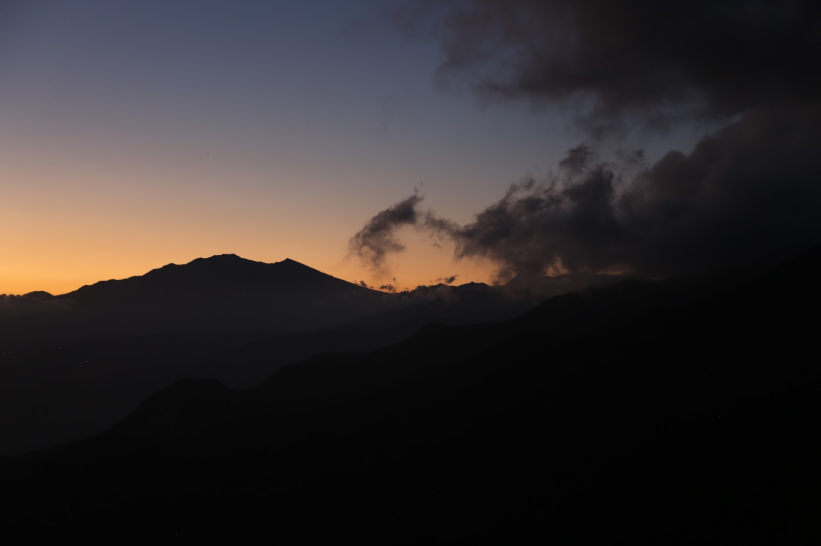
The Many Rainforests of Panama: A Journey Through One of the Most Diverse Tropical Landscapes on Earth

When most people hear the phrase "Panamanian rainforest," they imagine a single endless jungle stretching across the country. The reality is far more fascinating. Panama is home to an astonishing variety of rainforest ecosystems, each shaped by different elevations, rainfall patterns, temperatures, soils, and geographical influences. Within a country smaller than South Carolina, a traveler can move from steamy lowland jungle filled with crocodiles and monkeys to mist-shrouded cloud forests dripping with moss and orchids, then continue onward to isolated mountain forests where species exist that are found nowhere else on Earth. This diversity is one of the reasons Panama is considered one of the world's greatest biodiversity hotspots. The country serves as a biological bridge between North and South America, and its rainforests contain a remarkable blend of species from both continents.

What makes Panama particularly special is the speed at which these ecosystems change. In larger countries, traveling between major rainforest types may require days of driving. In Panama, entirely different rainforest environments can often be reached within a few hours. Elevation changes rapidly, mountain ranges intercept moisture from both the Caribbean and Pacific, and weather systems create dramatically different environments over surprisingly short distances. The result is a country where rainforest enthusiasts can experience multiple worlds of tropical nature in a single trip.

The Caribbean Lowland Rainforest: Panama's Classic Jungle

The rainforest most people imagine when they think of Panama is the Caribbean lowland rainforest. These forests occupy large portions of the Caribbean side of the country and receive enormous amounts of rainfall throughout the year. Unlike many tropical regions that experience pronounced dry seasons, some Caribbean rainforests remain lush and green almost continuously. Rain can fall on hundreds of days annually, creating conditions that support extraordinary plant growth.

These forests are characterized by towering trees that can exceed fifty meters in height, dense understories, giant buttress roots, countless vines, and an incredible diversity of wildlife. The air is often warm, humid, and filled with the sounds of insects, frogs, birds, and monkeys. Sunlight struggles to penetrate the canopy, creating a dim green world beneath the trees. Species such as sloths, capuchin monkeys, howler monkeys, toucans, poison dart frogs, and jaguars inhabit these ecosystems.

Excellent examples can be found in and around Soberanía National Park, the forests surrounding the Panama Canal, and the remote Caribbean regions of Bocas del Toro. Some of the wettest forests occur near the Caribbean coastline where moisture-laden trade winds arrive directly from the sea.

The Pacific Lowland Rainforest: The Seasonal Jungle

The Pacific side of Panama hosts a different type of rainforest. Although still lush and biologically rich, these forests generally experience a more pronounced dry season. During the wet months they appear overwhelmingly green, but as the dry season arrives some tree species shed leaves and the forest takes on a slightly different character.

The Pacific lowland rainforest often feels more open than its Caribbean counterpart. Wildlife remains abundant, but the seasonal nature of rainfall influences everything from flowering cycles to animal behavior. These forests support many of the same iconic species found elsewhere in Panama, including monkeys, parrots, toucans, and big cats.

Important examples survive in areas such as Coiba National Park and protected forests throughout the Darién region. In some places these forests transition into drier tropical environments, creating fascinating ecological gradients where species from multiple habitats overlap.

The Cloud Forest: The Enchanted Rainforest Above the Clouds

Among Panama's most magical ecosystems is the cloud forest. Unlike lowland rainforests, cloud forests occur at higher elevations where persistent moisture condenses directly from passing clouds. These forests are often wrapped in mist, creating landscapes that seem pulled from fantasy novels.

The appearance of a cloud forest differs dramatically from a lowland jungle. Trees are often shorter but heavily covered in mosses, bromeliads, ferns, lichens, and orchids. Every branch seems alive with plant growth. Moisture drips continuously from leaves even when it is not raining. The air is cooler, the light softer, and visibility can change rapidly as clouds drift through the forest.

Cloud forests contain some of Panama's most spectacular biodiversity. They are particularly famous for birds such as the magnificent Resplendent Quetzal, along with hundreds of hummingbird species and rare amphibians adapted to cool mountain environments.

Some of the finest examples occur within Fortuna Forest Reserve, Volcán Barú National Park, and the highlands surrounding Boquete. These forests are among the most biologically important habitats in all of Central America.

The Premontane Rainforest: The Transition Zone

Between the lowland rainforests and the cloud forests lies an often-overlooked ecosystem known as premontane rainforest. These forests occur at middle elevations and combine characteristics of both worlds. Temperatures are cooler than the lowlands but warmer than the cloud forests. Rainfall remains abundant, and biodiversity is often exceptionally high because species from multiple elevation zones overlap.

Premontane forests are sometimes considered the sweet spot of tropical biodiversity. Visitors may encounter lowland species near one trail and cloud forest species on another. Many birdwatchers consider these middle elevations among the most rewarding habitats in Panama because of the sheer variety of species present.

Large areas of premontane rainforest occur throughout western Panama, particularly along the slopes of the Talamanca Mountains and within the broader highland regions of Chiriquí.

The Montane Rainforest: Panama's High Mountain Wilderness

At even higher elevations, above many cloud forests, lie montane rainforests. These forests experience cooler temperatures, stronger winds, and harsher environmental conditions. Trees become smaller and more twisted, shaped by constant moisture and mountain weather.

These ecosystems often feel surprisingly different from tropical forests at lower elevations. The cool air can resemble springtime in temperate countries. Moss blankets nearly every surface. Epiphytes thrive in astonishing abundance. Some mountain ridges receive moisture not only from rain but directly from passing clouds and fog.

The upper slopes of Volcán Barú contain some of the country's finest montane rainforest. Here, species adapted to cooler climates survive in isolated mountain refuges separated from similar habitats by vast expanses of warmer lowlands.

The Flooded Rainforest: Forests Shaped by Water

Not all rainforests are defined solely by rainfall. Some are defined by flooding. Along rivers, wetlands, and seasonally inundated areas, Panama supports flooded rainforests that spend part of the year underwater.

These forests are among the most productive ecosystems in the country. Fish move into flooded areas to feed and breed. Birds gather in enormous numbers. Reptiles such as crocodiles and caimans thrive. The interaction between water and forest creates habitats unlike those found anywhere else.

Examples occur in portions of the Darién region, around major river systems, and within wetland complexes such as San San Pond Sak Wetland. These environments play a critical role in maintaining fisheries, protecting water quality, and supporting wildlife populations.

The Mangrove Rainforest: Where Jungle Meets the Sea

One of Panama's most distinctive rainforest ecosystems grows not on dry land but in saltwater. Mangrove forests occupy coastal areas throughout both the Pacific and Caribbean coasts. These remarkable trees have adapted to survive in salty, oxygen-poor mud where few other plants can live.

Mangrove forests serve as nurseries for countless fish species, feeding grounds for birds, and natural barriers against coastal erosion. Their tangled roots create entire underwater ecosystems while also trapping sediments and improving water quality.

Major mangrove forests can be found throughout the Gulf of Panama, the Darién coastline, and numerous coastal estuaries. Some of the largest mangrove systems in Central America occur along Panama's Pacific coast.

The Darién Rainforest: Panama's Ultimate Wilderness

No discussion of Panamanian rainforests would be complete without mentioning the legendary Darién National Park. The Darién is not a single rainforest type but rather a vast mosaic containing lowland rainforest, mountain rainforest, flooded forests, rivers, wetlands, and coastal ecosystems.

The region represents one of the largest remaining wilderness areas in Central America. Its forests harbor jaguars, harpy eagles, tapirs, giant anteaters, and thousands of other species. Vast areas remain difficult to access, preserving an atmosphere of exploration that has disappeared from much of the world.

The Darién is significant not only because of its biodiversity but because it serves as a living bridge between two continents. Species from North and South America continue to interact within these forests much as they have for millions of years.

A Country of Many Jungles

The greatest misconception about Panama's rainforests is that they are all the same. In reality, the country contains an extraordinary collection of tropical ecosystems, each with its own climate, wildlife, plant communities, and ecological character. A traveler standing in a misty cloud forest near Fortuna may feel as though they are on a different planet from someone exploring a flooded jungle in Darién or kayaking through coastal mangroves along the Pacific shore.

This diversity is what makes Panama one of the most remarkable countries on Earth for nature lovers. Within a few hours, one can move from sea-level rainforest buzzing with insects and monkeys to cool mountain forests where quetzals glide through the mist. Few places offer such a concentration of rainforest diversity within such a compact area. Panama is not home to one rainforest, it is home to many, and together they form one of the richest and most fascinating natural landscapes in the Americas.

Punta Burica: Panama's Forgotten Frontier

There are still places in the world where the map feels larger than the roads that cross it. Places where travelers can spend days without seeing another tourist, where wildlife still dominates the landscape, and where the journey feels every bit as important as the destination. In Panama, one of those places is Punta Burica, a remote peninsula that stretches into the Pacific Ocean along the border between Panama and Costa Rica. While much of the country has become increasingly connected through tourism, development, and modern infrastructure, Punta Burica remains one of the last true frontiers. It is a place that feels wonderfully detached from the rest of the world, a forgotten corner of Panama where nature, isolation, and traditional coastal life continue to shape the rhythm of everyday existence.

The peninsula occupies the extreme southwestern edge of Panama. Looking at a map, it appears as a narrow finger of land reaching far into the Pacific, creating one of the country's most distinctive geographical features. To the north lies Costa Rica. To the south and west stretches the vast Pacific Ocean. To the east are the agricultural landscapes and small communities of western Chiriquí. Its location alone contributes to its sense of remoteness. Unlike Panama's famous destinations such as Bocas del Toro, Boquete, or the beaches of Los Santos Province, Punta Burica sits far from major tourist routes. Most travelers heading through western Panama never come close to it, and many have never even heard of it.

Part of the peninsula's appeal is the journey required to reach it. Travelers leave behind the busy highways and commercial centers of Chiriquí and gradually enter a quieter world. Roads become narrower. Traffic disappears. Villages grow smaller. The pace of life slows dramatically. The landscape begins to open into rolling cattle country, patches of forest, remote beaches, and scattered settlements. By the time visitors approach the tip of the peninsula, it feels as though they have traveled much farther than the actual distance suggests. The sense of isolation becomes tangible. Cell signals may weaken. Services become limited. The modern world begins to fade into the background.

What makes Punta Burica truly remarkable is the feeling of emptiness. In an age when even remote destinations often have crowds, tour buses, and social media influencers documenting every corner, Punta Burica remains largely untouched by mass tourism. Many of its beaches are empty for long stretches of the day. A visitor can walk along kilometers of coastline and encounter only fishermen, local residents, seabirds, and the occasional surfer searching for uncrowded waves. The silence can be startling. Instead of traffic noise, the soundtrack is composed of crashing surf, rustling palms, distant bird calls, and the constant wind that sweeps across the peninsula.

The beaches themselves are among the most underrated in Panama. This is not the Caribbean-style paradise of calm turquoise water and coral reefs. Punta Burica's coastline is wild, rugged, and dramatic. Long stretches of dark sand meet powerful Pacific waves. Rocky headlands extend into the ocean. Sea cliffs and isolated coves create landscapes that feel almost prehistoric. During certain times of year, massive swells generated thousands of kilometers away arrive on these shores, attracting adventurous surfers willing to make the long journey. Unlike famous surf destinations where dozens of people compete for waves, Punta Burica often offers the rare experience of surfing in near solitude.

The ocean plays a central role in life here. Fishing remains an important part of the local economy and culture. Small boats launch from beaches and coastal communities, heading into waters rich with marine life. Tuna, snapper, roosterfish, and many other species inhabit the surrounding seas. Dolphins are regularly seen offshore, and during migration seasons, whales may pass through nearby waters. For those who love marine environments, Punta Burica offers a glimpse of what much of the Pacific coast once looked like before large-scale development transformed other regions.

Wildlife is another reason the peninsula fascinates visitors. The forests and coastal habitats support an impressive variety of species. Howler monkeys can often be heard long before they are seen, their deep calls echoing across the landscape during the early morning hours. Iguanas bask in the tropical sun. Colorful birds move through the forest canopy. Raptors soar overhead on rising thermals. At night, the sounds of insects, frogs, and nocturnal animals create a natural symphony that replaces the artificial noises of modern life. Because tourism remains limited, wildlife often behaves naturally and can be observed without the disturbances common in more heavily visited destinations.

One of the most remarkable aspects of Punta Burica is how little it has changed compared to other parts of Central America. Throughout the region, coastal areas have frequently experienced waves of development, with resorts, condominiums, marinas, and tourism infrastructure transforming once-isolated shorelines. Punta Burica has largely escaped these pressures. Visitors still encounter traditional ranching communities, small-scale agriculture, and fishing villages where daily life remains closely tied to the land and sea. This authenticity is increasingly rare and represents one of the peninsula's greatest treasures.

The climate adds another layer to the experience. Punta Burica is one of the wetter parts of Pacific Panama, particularly during the rainy season. The abundant rainfall supports lush vegetation and contributes to the peninsula's vibrant green appearance. During the wet months, dramatic thunderstorms sweep across the ocean, producing spectacular displays of lightning and towering clouds. In the dry season, sunny days reveal sweeping views across the Pacific and toward distant mountains. Every season offers a slightly different version of the landscape, but all share the same feeling of untamed natural beauty.

For adventurous travelers, Punta Burica offers something increasingly difficult to find: genuine discovery. Many destinations advertised as "hidden gems" have long since been discovered. Their restaurants are ranked online, their viewpoints geotagged, and their secrets widely shared. Punta Burica still retains much of the mystery that once characterized travel throughout Central America. Visitors often arrive without fixed itineraries, spending their days exploring beaches, talking with locals, fishing, surfing, hiking, or simply watching the ocean. The absence of major tourist infrastructure encourages a slower and more spontaneous style of travel.

Sunsets on the peninsula deserve special mention. As the day draws to a close, the Pacific horizon transforms into a canvas of orange, red, purple, and gold. With few buildings, little artificial light, and expansive ocean views, the evening sky becomes one of the area's greatest attractions. Many travelers remember these sunsets long after returning home. There is something profoundly satisfying about watching the sun disappear into the Pacific from one of the most remote corners of Panama, knowing that there is little between you and the vastness of the ocean.

Perhaps the greatest appeal of Punta Burica is the feeling it evokes. It reminds visitors that wild places still exist. It demonstrates that not every beautiful coastline has been developed and that not every destination requires luxury hotels, crowded attractions, or carefully curated experiences. Punta Burica offers something simpler and arguably more valuable: space, silence, authenticity, and connection with nature. It is a place where travelers can step away from schedules and distractions and rediscover the pleasure of exploration for its own sake.

In a country known for famous destinations such as the Panama Canal, Bocas del Toro, and Boquete, Punta Burica remains one of Panama's least-known treasures. It may never attract the crowds of those destinations, and that is precisely what makes it special. For those willing to venture beyond the familiar tourist trail, Punta Burica offers a rare opportunity to experience a side of Panama that feels raw, untouched, and wonderfully removed from the modern world. It is not simply a place on the map. It is one of the last corners of the country where the spirit of frontier travel still survives.

The Favorite Hobbies of Panamanians: How the People of Panama Spend Their Free Time

To understand Panama, it helps to look beyond its famous canal, tropical beaches, and rainforest-covered mountains and instead focus on a simple question: what do Panamanians enjoy doing when they are not working? The answer reveals a society that is remarkably social, outdoors-oriented, family-centered, and deeply connected to both nature and community. Unlike countries where hobbies often revolve around individual pursuits, many Panamanian pastimes are shared experiences. Free time is frequently spent with relatives, neighbors, friends, and entire communities. Whether gathering for a barbecue on a Pacific beach, watching a baseball game in a small town, fishing in coastal waters, dancing at a festival, or simply talking for hours on a front porch, Panamanians have developed a culture where leisure is often as much about human connection as it is about the activity itself.

Perhaps the most universal hobby in Panama is simply spending time with family and friends. This may not sound like a hobby in the traditional sense, but it occupies an enormous portion of people's free time. Across the country, weekends are often centered around family gatherings that can last an entire day. Relatives visit each other's homes, share meals, watch sports, listen to music, and tell stories. Grandparents, cousins, aunts, uncles, and family friends frequently participate in these gatherings, creating social networks that remain remarkably strong. Visitors are often surprised by how much time Panamanians devote to maintaining personal relationships. In a world increasingly dominated by screens and social media, much of Panama still values face-to-face interaction. Entire afternoons may be spent simply sitting together and talking, a pastime that outsiders sometimes underestimate but that forms an essential part of Panamanian culture.

Sports are among the most beloved hobbies throughout the country, and baseball holds a particularly special place in Panamanian life. While soccer receives increasing attention, baseball remains deeply woven into the culture, especially outside Panama City. Small towns often revolve around local baseball fields where children begin playing at a young age. Many Panamanians grow up dreaming of following in the footsteps of legendary players such as Mariano Rivera, whose success in Major League Baseball made him a national icon. On weekends, local games draw enthusiastic crowds, and entire communities may gather to watch amateur and professional competitions. Baseball is not merely a sport in Panama; it is a source of regional pride, community identity, and countless childhood memories.

Soccer has experienced enormous growth in popularity over recent decades. The success of the Panama national football team, particularly its qualification for the 2018 FIFA World Cup, helped fuel nationwide enthusiasm. Today, soccer fields can be found throughout the country, from urban neighborhoods to remote villages. Children play informal matches on dusty lots, beaches, and schoolyards. Adults gather to watch international leagues from Europe, South America, and neighboring countries. During important national team matches, businesses, restaurants, and homes often become miniature viewing parties filled with excitement and patriotic pride.

Fishing is another favorite pastime, and Panama's geography makes it easy to understand why. The country is surrounded by both the Pacific Ocean and the Caribbean Sea and contains countless rivers, lakes, estuaries, and coastal environments. For many Panamanians, fishing is both recreation and tradition. Families often spend weekends on boats searching for snapper, tuna, mahi-mahi, roosterfish, or other species. In coastal communities, fishing trips frequently begin before sunrise and become social events involving multiple generations. Even people who are not serious anglers often enjoy occasional fishing excursions simply as an excuse to spend time on the water.

Beachgoing ranks among the most popular hobbies nationwide. Few countries offer such easy access to diverse coastlines. Within a relatively short drive, many Panamanians can reach Pacific beaches known for surfing, fishing, swimming, or relaxation. Others head toward Caribbean destinations where turquoise waters and white sand create entirely different experiences. Weekends often involve coolers packed with food, portable grills, folding chairs, and large groups of friends and family heading toward the ocean. Beaches become temporary social centers where people swim, play sports, listen to music, cook meals, and spend entire days enjoying the tropical environment.

Music occupies a central role in Panamanian leisure culture. Many people enjoy listening to music, but countless others actively participate by dancing, singing, or playing instruments. Genres range from salsa, típico, and cumbia to reggaetón, reggae en español, bachata, and international pop music. Music is present at birthdays, holidays, festivals, family gatherings, and neighborhood celebrations. Dancing remains one of the country's most cherished social activities. It is common to find people of all ages participating, from young children learning traditional dances to elderly couples who have spent decades perfecting their moves. Music in Panama is not merely entertainment; it serves as a social glue connecting communities across generations.

Outdoor exploration has become increasingly popular as Panamanians rediscover the extraordinary natural treasures within their own country. Hiking, birdwatching, camping, and nature photography attract growing numbers of enthusiasts. Protected areas such as Volcán Barú National Park, Soberanía National Park, and Fortuna Forest Reserve draw visitors seeking cooler temperatures, wildlife encounters, and beautiful scenery. Panama's incredible biodiversity means even casual outdoor enthusiasts can encounter monkeys, sloths, toucans, hummingbirds, and hundreds of other fascinating species.

Birdwatching deserves special recognition because Panama has become one of the world's premier destinations for observing birds. Although many international visitors travel specifically for birding, countless Panamanians also enjoy watching and identifying local species. The country's strategic position between North and South America creates extraordinary avian diversity. For some people, birdwatching becomes a serious hobby involving photography, field guides, and long expeditions. For others, it simply means enjoying the colorful wildlife that visits gardens, farms, and forests.

Boating and water sports occupy an important place in coastal communities and urban areas alike. Sailing, kayaking, paddleboarding, snorkeling, scuba diving, and surfing continue growing in popularity. Panama's two coastlines provide access to vastly different marine environments. Some people spend weekends exploring islands, while others focus on surfing famous breaks near destinations such as Playa Venao or enjoying calm Caribbean waters around the archipelago of Bocas del Toro.

Another surprisingly common hobby is simply driving around the country and exploring. Panama's relatively compact size allows residents to experience mountains, beaches, rainforests, islands, and agricultural regions within a single weekend. Road trips have become increasingly popular, particularly among younger generations. A family living in Panama City can enjoy the cool mountain air of Chiriquí, the beaches of Los Santos, or the forests of central Panama without undertaking the kind of massive journey required in larger countries.

Shopping and visiting local markets also function as recreational activities for many people. Markets provide opportunities not only to purchase food and goods but also to socialize and experience local culture. Weekend visits to markets, shopping centers, and commercial districts are common forms of entertainment. Panama's role as a regional commercial hub means many residents genuinely enjoy browsing stores, searching for bargains, and spending time in bustling shopping environments.

Food itself is often a hobby. Panamanians love eating, cooking, and sharing meals. Weekend barbecues, seafood feasts, traditional dishes, and family cooking sessions are cherished activities. Many people take pride in preparing specialties such as sancocho, arroz con pollo, tamales, fresh seafood, and regional recipes passed down through generations. Conversations about food can easily become lengthy and enthusiastic because cuisine serves as an important expression of family identity and cultural heritage.

Perhaps the most distinctive aspect of Panamanian hobbies is that they rarely exist in isolation. A fishing trip becomes a family gathering. A baseball game becomes a community event. A beach visit turns into a massive social occasion. A hike ends with a shared meal. Even activities that appear individual from the outside frequently involve friends, relatives, and neighbors. This reflects a broader cultural tendency toward community and connection.

In the end, the favorite hobbies of Panamanians reveal much about the country itself. They reflect a nation blessed with extraordinary natural beauty, rich cultural traditions, strong family ties, and a deep appreciation for life's simple pleasures. Whether watching baseball in a small town, fishing along a tropical coastline, dancing at a local festival, exploring a rainforest trail, or spending hours talking with loved ones under the shade of a porch roof, Panamanians often find happiness not in elaborate or expensive pursuits but in experiences that bring people together. It is a way of life that values relationships as much as recreation and reminds visitors that some of the most rewarding hobbies are the ones shared with others.

Pollution in Panama City: The Hidden Challenge Behind the Skyline

Few cities in the Americas create a first impression as dramatic as Panama City. Approaching the capital from the air, visitors are greeted by a forest of glass towers rising above the Pacific Ocean. Luxury apartments reflect the tropical sun, modern highways curve along the waterfront, and enormous ships wait offshore for their turn to transit the legendary Panama Canal. At first glance, Panama City appears to be a shining success story of economic growth and urban development. Yet behind the gleaming skyline lies a more complicated reality. Like many rapidly expanding tropical capitals, Panama City faces a growing battle against pollution, one that affects its air, waterways, coastlines, and overall quality of life.

The city's pollution challenges are closely tied to its extraordinary growth. Just a few generations ago, Panama City was far smaller and less densely developed. Today it serves as the political, financial, and logistical heart of the nation. Hundreds of thousands of vehicles move through its streets every day. New neighborhoods continue expanding outward. Construction cranes dominate many districts. The constant growth that has brought prosperity and opportunity has also created environmental pressures that become increasingly difficult to manage. In many ways, Panama City is experiencing the same environmental growing pains that have affected booming cities around the world.

Air pollution is perhaps the most visible environmental concern for many residents. During rush hour, major roads can become clogged with traffic stretching for kilometers. Thousands of cars, buses, delivery trucks, and motorcycles release exhaust into the tropical air. While Panama City generally enjoys better air quality than many megacities in Latin America, residents are familiar with the haze that can sometimes hang over the skyline. The city's geography can contribute to the problem. Hot temperatures, high humidity, and limited wind circulation in certain areas can allow pollutants to accumulate, especially during periods of heavy traffic. On some mornings, drivers crossing the city may notice a faint gray layer hovering above the urban landscape, a reminder that economic activity always leaves an environmental footprint.

Traffic congestion itself is a form of pollution that extends beyond vehicle emissions. Anyone who has spent time commuting through Panama City understands that traffic affects nearly every aspect of daily life. Engines idle for long periods. Fuel is burned inefficiently. Drivers endure stress and frustration. Horns create constant noise pollution. The result is an environment where both the atmosphere and the human experience are affected. Ironically, many of the city's residents spend hours every week sitting in traffic while surrounded by one of the most beautiful urban skylines in the Western Hemisphere.

Noise pollution deserves special attention because it is one of the most pervasive yet least discussed environmental issues in Panama City. Construction projects operate throughout the day. Motorcycles roar through neighborhoods. Buses rumble down major avenues. Emergency sirens, horns, and street activity create a near-constant urban soundtrack. In commercial districts, the noise can seem relentless. Yet many long-term residents barely notice it anymore. The city's energy and vitality are inseparable from its soundscape, but that same soundscape can affect stress levels, sleep quality, and overall well-being. Visitors often remark that Panama City never seems completely quiet, even late at night.

Water pollution presents another significant challenge. Panama City sits directly on the Pacific coast, and countless streams, rivers, drainage channels, and stormwater systems flow toward the ocean. During heavy rains, runoff washes debris, oils, plastics, sediments, and other pollutants into waterways. Urban growth has increased pressure on these systems, particularly in areas where development has outpaced infrastructure improvements. While substantial investments have been made in wastewater treatment over the past two decades, managing pollution remains an ongoing task in a city that continues expanding rapidly.

The coastline itself reveals some of the city's environmental contrasts. Along the famous Cinta Costera, residents jog, cycle, and enjoy spectacular views of the bay and skyline. Yet in some areas, particularly after storms, floating debris and plastic waste can accumulate along the shoreline. Bottles, packaging materials, fishing gear, and other litter occasionally wash ashore. These scenes provide a reminder that pollution often travels long distances. Some of the waste originates within the city, while some arrives from rivers and watersheds far beyond the capital itself.

Plastic pollution has become one of the defining environmental issues of modern Panama City. Like cities around the world, the capital consumes enormous quantities of disposable packaging. Plastic bags, food containers, beverage bottles, and single-use products are part of daily life. While recycling efforts have expanded and public awareness has increased, significant quantities of plastic still find their way into drainage systems, vacant lots, rivers, and eventually the ocean. During the rainy season, clogged storm drains filled with trash can contribute to localized flooding, demonstrating how pollution and infrastructure problems often become interconnected.

One of the most surprising aspects of pollution in Panama City is how quickly nature begins reclaiming space once human activity slows. Tropical climates are remarkably resilient. Vegetation grows rapidly. Birds return. Mangroves regenerate when protected. Fish populations can recover if water quality improves. This resilience offers hope because Panama City is surrounded by ecosystems that remain extraordinarily rich. Just beyond the urban core lie rainforests, wetlands, mangrove forests, and protected areas filled with wildlife. It is entirely possible to leave downtown skyscrapers and encounter monkeys, sloths, toucans, crocodiles, and tropical forests within a relatively short drive. Few world capitals have such close proximity to intact wilderness.

The city's mangrove ecosystems are particularly important. These coastal forests act as natural water filters, wildlife nurseries, and buffers against erosion and storm surges. Unfortunately, urban expansion has historically placed pressure on mangrove habitats. Pollution can damage these ecosystems by introducing chemicals, sediments, and waste into sensitive coastal environments. Protecting mangroves is increasingly recognized as one of the most effective ways to improve both environmental health and climate resilience.

Construction activity represents another environmental balancing act. Tower cranes dominate parts of the skyline, symbolizing economic confidence and investment. Yet every major construction project generates dust, noise, waste materials, and increased traffic. As the city continues growing upward and outward, urban planners face the challenge of balancing development with environmental protection. The question is not whether Panama City should grow, but how it can grow more sustainably.

Despite these challenges, Panama City has made notable progress. Modern wastewater treatment projects have dramatically improved sanitation compared to previous decades. Public transportation investments, including the Panama Metro, have provided alternatives to private vehicles. Environmental awareness among younger generations continues increasing. Recycling programs, beach cleanups, educational campaigns, and conservation initiatives are becoming more common. While significant problems remain, there is also evidence that the city recognizes the importance of addressing them.

Perhaps the most fascinating aspect of pollution in Panama City is the contrast itself. Few places showcase the collision between urban development and tropical nature so dramatically. A person can stand among towering skyscrapers in the financial district, then drive a short distance and find themselves surrounded by rainforest filled with monkeys and tropical birds. Massive container ships cross one of humanity's greatest engineering achievements while frigatebirds soar overhead. Luxury high-rises overlook bays where mangroves struggle to survive against the pressures of urbanization. The city exists at the intersection of commerce, nature, globalization, and conservation.

Ultimately, pollution in Panama City is not simply an environmental issue. It is a story about growth, modernization, and the choices that accompany prosperity. The capital's future will depend on how successfully it balances economic development with environmental stewardship. The challenge is considerable, but so is the opportunity. If Panama City can continue improving its air quality, waterways, waste management systems, and urban planning while preserving the extraordinary natural world that surrounds it, it has the potential to become not only one of Latin America's most impressive skylines, but also one of its most sustainable tropical capitals. The battle against pollution is ongoing, but it is also one of the most important chapters in the city's continuing evolution.

Panama's Secret Superpower: Sleeping Through Anything

If there were an Olympic event for sleeping through noise, Panama would be a serious contender for a gold medal. Visitors arriving from quieter parts of North America or Europe are often amazed, confused, and sometimes slightly horrified by what seems to be a completely different relationship with sound. The first few nights can feel like an endurance test. A rooster begins announcing the sunrise at 4:30 in the morning. A neighbor's Bluetooth speaker starts playing salsa, típico, reggaetón, or romantic ballads. A motorcycle passes with an exhaust pipe that sounds capable of launching satellites into orbit. Dogs bark at mysterious nighttime events. Car horns chirp in traffic. Yet somehow, all around this apparent chaos, Panamanians continue sleeping peacefully.

The secret is not that Panama is unusually noisy compared to every country on Earth. Rather, it is that many Panamanians grow up immersed in a vibrant and highly social soundscape that becomes part of everyday life. Sound is woven into the culture. Neighborhoods are alive. Families gather outside. Children play in the streets. Music accompanies celebrations, holidays, birthdays, and weekends. Conversations often happen on porches, in front yards, and in open-air spaces. In many communities, especially outside the largest urban centers, life is lived more publicly than in countries where people spend much of their time indoors behind closed windows and insulated walls. What visitors perceive as noise, locals often perceive simply as life happening around them.

Perhaps nothing symbolizes this phenomenon better than the rooster. Foreigners staying in rural Panama frequently describe their first encounter with the local rooster population as a rude awakening. They imagine roosters crowing at sunrise. What they discover instead is that roosters operate on their own mysterious schedules. Some begin before dawn. Others seem to crow whenever they feel inspired. They may announce a passing shadow, another rooster several valleys away, or perhaps an existential thought that only roosters understand. Yet while travelers lie awake wondering if the bird has a personal vendetta against them, the family living next door sleeps soundly through every crow. After years of hearing them, the sounds simply fade into the background.

Then there are the Bluetooth speakers. Panama's relationship with portable music deserves its own chapter in cultural anthropology. Whether at beaches, rivers, parks, buses, neighborhood gatherings, or front porches, music is rarely far away. A visitor may wonder how anyone can sleep while a distant speaker pumps out dance music somewhere down the street. The answer is surprisingly simple: familiarity. Locals have heard similar sounds their entire lives. What seems intrusive to a newcomer may barely register to someone who grew up surrounded by music drifting through the tropical night air. The brain learns what is important and what can safely be ignored. Eventually the music becomes no more distracting than the hum of an air conditioner.

Traffic noise provides another fascinating example. In Panama City, the constant movement of vehicles creates a nearly continuous soundtrack. Buses rumble past. Motorcycles weave through traffic. Delivery trucks make their rounds. Drivers occasionally communicate through horns with an enthusiasm that might surprise visitors from quieter countries. Yet residents living along busy roads often sleep remarkably well. Human beings possess an extraordinary ability to adapt, and after years of exposure, many urban Panamanians simply stop noticing sounds that would keep a newcomer awake for hours.

Even in smaller towns and villages, silence is often a relative concept. Dogs bark at passing animals. Tropical rain crashes onto metal roofs with a force that can sound like a waterfall directly overhead. Insects create nightly symphonies. Frogs contribute their own chorus during the rainy season. Wind rattles palm fronds. During festivals, fireworks can explode long after visitors assumed everyone had gone to bed. Yet locals navigate this acoustic landscape with remarkable ease. For many Panamanians, complete silence can actually feel strange because they are accustomed to a living environment filled with natural and human sounds.

Part of this higher tolerance comes from the architecture itself. Traditional homes in many parts of Panama were designed for airflow rather than soundproofing. Open windows, ventilation blocks, covered terraces, and lightweight construction materials help combat tropical heat but also allow sounds to travel freely. Neighbors hear each other. Families hear the street. The street hears the neighborhood. Over generations, people become accustomed to living in an environment where sound moves easily between indoor and outdoor spaces. Rather than fighting every noise, many simply adapt to it.

There is also a social component. In many Panamanian communities, loud sounds are often associated with positive experiences. Music means a celebration is happening. Laughter means family and friends are gathering. Fireworks mean a holiday, festival, sporting event, or special occasion. Children making noise means they are outside playing rather than sitting indoors. While excessive noise can certainly annoy locals too, there is often a greater acceptance that life is communal and communities generate sound.

Visitors who stay in Panama long enough often experience an unexpected transformation. The rooster that once seemed unbearable becomes a familiar morning companion. The distant music fades into the background. The barking dogs become part of the nighttime atmosphere. The tropical rain that once sounded deafening becomes relaxing. Many travelers eventually realize they are sleeping through sounds that would have kept them awake when they first arrived. Their brains begin adapting just as locals' brains did years earlier.

This ability to sleep through noise is not merely a Panamanian trait but a demonstration of human adaptability. However, Panama provides one of the most entertaining examples of the phenomenon. The country offers an endlessly fascinating soundtrack: crowing roosters, singing frogs, distant music, rumbling buses, barking dogs, crashing waves, pounding rainstorms, and lively conversations carried through warm tropical air. To newcomers it can seem impossible that anyone rests amid such a symphony. Yet millions of Panamanians prove every night that the human mind is remarkably good at deciding which sounds deserve attention and which can simply become part of the background.

In the end, Panama's greatest lesson about noise may be that silence is not the only path to peace. For many locals, peace is not found in the absence of sound but in learning to coexist with it. Somewhere in a Panamanian town tonight, a rooster will crow at an absurd hour, a motorcycle will roar past, a dog will bark at something invisible, and music will drift through the darkness from a distant porch. Visitors may stare at the ceiling wondering how anyone can sleep through it. Meanwhile, the locals will be fast asleep, completely unbothered, dreaming peacefully through the soundtrack of everyday Panama.

Panama's Secret Superpower: Sleeping Through Anything

If there were an Olympic event for sleeping through noise, Panama would be a serious contender for a gold medal. Visitors arriving from quieter parts of North America or Europe are often amazed, confused, and sometimes slightly horrified by what seems to be a completely different relationship with sound. The first few nights can feel like an endurance test. A rooster begins announcing the sunrise at 4:30 in the morning. A neighbor's Bluetooth speaker starts playing salsa, típico, reggaetón, or romantic ballads. A motorcycle passes with an exhaust pipe that sounds capable of launching satellites into orbit. Dogs bark at mysterious nighttime events. Car horns chirp in traffic. Yet somehow, all around this apparent chaos, Panamanians continue sleeping peacefully.

The secret is not that Panama is unusually noisy compared to every country on Earth. Rather, it is that many Panamanians grow up immersed in a vibrant and highly social soundscape that becomes part of everyday life. Sound is woven into the culture. Neighborhoods are alive. Families gather outside. Children play in the streets. Music accompanies celebrations, holidays, birthdays, and weekends. Conversations often happen on porches, in front yards, and in open-air spaces. In many communities, especially outside the largest urban centers, life is lived more publicly than in countries where people spend much of their time indoors behind closed windows and insulated walls. What visitors perceive as noise, locals often perceive simply as life happening around them.

Perhaps nothing symbolizes this phenomenon better than the rooster. Foreigners staying in rural Panama frequently describe their first encounter with the local rooster population as a rude awakening. They imagine roosters crowing at sunrise. What they discover instead is that roosters operate on their own mysterious schedules. Some begin before dawn. Others seem to crow whenever they feel inspired. They may announce a passing shadow, another rooster several valleys away, or perhaps an existential thought that only roosters understand. Yet while travelers lie awake wondering if the bird has a personal vendetta against them, the family living next door sleeps soundly through every crow. After years of hearing them, the sounds simply fade into the background.

Then there are the Bluetooth speakers. Panama's relationship with portable music deserves its own chapter in cultural anthropology. Whether at beaches, rivers, parks, buses, neighborhood gatherings, or front porches, music is rarely far away. A visitor may wonder how anyone can sleep while a distant speaker pumps out dance music somewhere down the street. The answer is surprisingly simple: familiarity. Locals have heard similar sounds their entire lives. What seems intrusive to a newcomer may barely register to someone who grew up surrounded by music drifting through the tropical night air. The brain learns what is important and what can safely be ignored. Eventually the music becomes no more distracting than the hum of an air conditioner.

Traffic noise provides another fascinating example. In Panama City, the constant movement of vehicles creates a nearly continuous soundtrack. Buses rumble past. Motorcycles weave through traffic. Delivery trucks make their rounds. Drivers occasionally communicate through horns with an enthusiasm that might surprise visitors from quieter countries. Yet residents living along busy roads often sleep remarkably well. Human beings possess an extraordinary ability to adapt, and after years of exposure, many urban Panamanians simply stop noticing sounds that would keep a newcomer awake for hours.

Even in smaller towns and villages, silence is often a relative concept. Dogs bark at passing animals. Tropical rain crashes onto metal roofs with a force that can sound like a waterfall directly overhead. Insects create nightly symphonies. Frogs contribute their own chorus during the rainy season. Wind rattles palm fronds. During festivals, fireworks can explode long after visitors assumed everyone had gone to bed. Yet locals navigate this acoustic landscape with remarkable ease. For many Panamanians, complete silence can actually feel strange because they are accustomed to a living environment filled with natural and human sounds.

Part of this higher tolerance comes from the architecture itself. Traditional homes in many parts of Panama were designed for airflow rather than soundproofing. Open windows, ventilation blocks, covered terraces, and lightweight construction materials help combat tropical heat but also allow sounds to travel freely. Neighbors hear each other. Families hear the street. The street hears the neighborhood. Over generations, people become accustomed to living in an environment where sound moves easily between indoor and outdoor spaces. Rather than fighting every noise, many simply adapt to it.

There is also a social component. In many Panamanian communities, loud sounds are often associated with positive experiences. Music means a celebration is happening. Laughter means family and friends are gathering. Fireworks mean a holiday, festival, sporting event, or special occasion. Children making noise means they are outside playing rather than sitting indoors. While excessive noise can certainly annoy locals too, there is often a greater acceptance that life is communal and communities generate sound.

Visitors who stay in Panama long enough often experience an unexpected transformation. The rooster that once seemed unbearable becomes a familiar morning companion. The distant music fades into the background. The barking dogs become part of the nighttime atmosphere. The tropical rain that once sounded deafening becomes relaxing. Many travelers eventually realize they are sleeping through sounds that would have kept them awake when they first arrived. Their brains begin adapting just as locals' brains did years earlier.

This ability to sleep through noise is not merely a Panamanian trait but a demonstration of human adaptability. However, Panama provides one of the most entertaining examples of the phenomenon. The country offers an endlessly fascinating soundtrack: crowing roosters, singing frogs, distant music, rumbling buses, barking dogs, crashing waves, pounding rainstorms, and lively conversations carried through warm tropical air. To newcomers it can seem impossible that anyone rests amid such a symphony. Yet millions of Panamanians prove every night that the human mind is remarkably good at deciding which sounds deserve attention and which can simply become part of the background.

In the end, Panama's greatest lesson about noise may be that silence is not the only path to peace. For many locals, peace is not found in the absence of sound but in learning to coexist with it. Somewhere in a Panamanian town tonight, a rooster will crow at an absurd hour, a motorcycle will roar past, a dog will bark at something invisible, and music will drift through the darkness from a distant porch. Visitors may stare at the ceiling wondering how anyone can sleep through it. Meanwhile, the locals will be fast asleep, completely unbothered, dreaming peacefully through the soundtrack of everyday Panama.

Playa Venao: Panama's Legendary Pacific Paradise Where the Road Ends and Adventure Begins

There are destinations that travelers visit and enjoy, and then there are destinations that somehow become part of their memories forever. Playa Venao belongs firmly in the second category. Hidden along the Pacific coastline of Panama's Azuero Peninsula, this magnificent crescent-shaped bay has evolved from a little-known fishing area into one of the most famous beach and surf destinations in Central America. Yet despite its growing reputation, Playa Venao still manages to feel wonderfully remote and connected to nature. The journey to reach it creates part of the magic. As travelers leave behind the traffic and skyscrapers of Panama City and make their way south through the rural heart of the country, the scenery gradually transforms into rolling cattle pastures, traditional ranching communities, forested hills, and stretches of countryside that seem untouched by time. Eventually the road begins descending toward the Pacific coast, and suddenly the landscape opens to reveal a vast sweeping bay framed by green hills and endless ocean. For many visitors, that first glimpse of Playa Venao is unforgettable. It feels as though you have discovered a secret corner of Panama where the pace of life is slower, where nature still dominates the landscape, and where the sound of crashing waves replaces the noise of cities.

The beach itself is one of the most spectacular stretches of coastline in Panama. Unlike the powder-white beaches of the Caribbean, Playa Venao possesses dark volcanic sand that gives the shoreline a unique appearance and a striking contrast against the bright blue waters of the Pacific Ocean. The beach curves gracefully for several kilometers around the bay, creating a broad horseshoe shape that is beautiful from every angle. At low tide the shoreline becomes enormous, exposing vast expanses of wet sand that mirror the sky and create reflections so perfect they often appear almost surreal. Walking along the beach during these moments feels like strolling across an endless natural mirror. Visitors can wander for hours without reaching the end, watching pelicans skim across the surface of the water, observing tiny crabs darting between holes in the sand, and listening to the constant roar of the Pacific surf. The surrounding hills remain lush and green throughout much of the year, rising behind the beach and creating a dramatic backdrop that enhances the feeling of being surrounded by nature. Unlike heavily developed resort beaches where buildings dominate the scenery, Playa Venao still feels open and wild. The ocean remains the star attraction, and the landscape around it continues to remind visitors that they are standing in one of Panama's most naturally beautiful regions.

The Pacific Ocean defines everything about Playa Venao. The sea here possesses a power and personality that can be felt immediately upon arrival. Waves roll in continuously from the open Pacific, crashing onto the shore with an energy that fills the air day and night. Many visitors describe the sound of the surf as one of the most memorable parts of their stay. It becomes a constant companion, creating a soothing background soundtrack that follows you whether you are enjoying breakfast overlooking the water, relaxing beneath a palm tree in the afternoon, or falling asleep at night. There is something deeply calming about hearing the ocean twenty-four hours a day. The beach changes dramatically depending on the tide, weather, and season, ensuring that no two visits are exactly alike. Some days the water appears calm and inviting beneath bright sunshine, while other days powerful swells arrive from distant storms far out in the Pacific, transforming the bay into a playground for surfers and a spectacle for anyone standing on shore watching the waves explode against the beach.

Surfing is what transformed Playa Venao from a hidden coastal community into an internationally recognized destination. Today surfers travel from every corner of the world to experience the famous waves that break across the bay. The beach has earned a reputation as one of the most consistent surf spots in Panama, and many consider it among the best beach breaks in Central America. What makes the surf here particularly appealing is its versatility. Beginners can take their first lessons in gentler sections of the bay, while experienced surfers can challenge themselves when larger swells arrive. Unlike many famous surf destinations that cater only to experts, Playa Venao welcomes everyone. Throughout the day it is common to see complete beginners standing on surfboards for the first time while seasoned surfers carve across larger waves farther offshore. The sandy ocean floor provides an added measure of safety and makes learning considerably less intimidating than at rocky reef breaks. Surf schools line portions of the beach, offering lessons, rentals, and guidance for newcomers. Before long, many visitors who originally planned only to relax on the beach find themselves paddling into the Pacific and attempting to catch their first wave. The enthusiasm is contagious. Even people who never surf often spend hours watching the activity unfold from the shoreline, fascinated by the skill, determination, and excitement displayed by those riding the waves.

The atmosphere in Playa Venao is unlike anywhere else in Panama. There is a relaxed energy that permeates every aspect of daily life. Early in the morning surfers head toward the ocean carrying boards beneath golden sunrise skies while cafés begin serving fresh coffee and breakfast to travelers seated with views of the water. As the day progresses, visitors spread out across the beach, some swimming in the warm Pacific, others reading beneath shaded terraces, and many simply gazing out toward the horizon. There is no pressure to rush from attraction to attraction. Playa Venao encourages people to slow down and appreciate simple pleasures. Hours seem to pass differently here. A morning coffee overlooking the ocean can easily turn into an entire morning spent watching the waves. A short walk along the beach often becomes a lengthy exploration of the shoreline. Visitors frequently discover that their schedules matter less and less with each passing day. The destination has a remarkable ability to make people forget about deadlines, obligations, and distractions.

One of the most fascinating aspects of Playa Venao is the international community that has developed around it. Over the years the area has attracted surfers, entrepreneurs, artists, photographers, digital nomads, travelers, and adventurers from dozens of countries. Walking through the village, it is common to hear multiple languages being spoken. Small restaurants serve everything from fresh local seafood to international cuisine. Yoga classes take place overlooking the ocean. Travelers exchange stories of journeys through Latin America while local Panamanians continue preserving the traditions and culture that have defined the Azuero Peninsula for generations. The result is a unique blend of cultures that feels welcoming, friendly, and vibrant without losing its connection to Panama. Visitors often arrive expecting a surf town and leave having experienced a fascinating international community set against one of the country's most beautiful natural backdrops.

Wildlife remains an important part of the Playa Venao experience and constantly reminds visitors how close they are to nature. Pelicans glide effortlessly just above the waves searching for fish. Frigatebirds soar high overhead riding invisible air currents. Herons stalk the shoreline during low tide while shorebirds probe the wet sand for food. The surrounding hills support monkeys, iguanas, and a variety of tropical bird species that can often be seen or heard from accommodations near the forest edge. During whale migration season, humpback whales occasionally appear offshore, creating unforgettable moments for lucky observers. Dolphins are also known to visit the bay and sometimes swim surprisingly close to shore. For travelers who enjoy wildlife, Playa Venao offers much more than simply a beach destination. It provides an opportunity to experience Panama's incredible biodiversity in a setting where the natural environment remains largely intact.

The sunsets at Playa Venao are among the finest in the country and are often remembered long after the trip has ended. As evening approaches, people begin gathering along the shoreline to witness the daily spectacle. The Pacific horizon becomes a canvas painted with extraordinary colors. Brilliant oranges, deep reds, glowing pinks, and soft purples spread across the sky while their reflections shimmer across the ocean. Surfers remain in the water hoping to catch one final wave beneath the fading sunlight. Photographers move into position searching for the perfect composition. Beachfront restaurants fill with guests facing west toward the horizon. Every sunset feels unique because changing clouds, weather conditions, and ocean reflections create a completely different display each evening. Some sunsets are soft and peaceful while others are dramatic explosions of color that leave entire groups of spectators standing silently in awe.

Getting to Playa Venao from Panama City is relatively straightforward, although it requires some patience because of the distance. Travelers driving their own vehicle generally follow the Pan-American Highway toward the Azuero Peninsula before continuing through towns such as Chitré and Las Tablas. The drive usually takes between five and six hours depending on traffic and road conditions. Having a car provides flexibility for exploring nearby beaches and attractions throughout the peninsula.

For travelers relying on public transportation, reaching Playa Venao is surprisingly easy and affordable. From the main transport terminal in Panama City, visitors can take a direct bus to Las Tablas. These buses operate frequently throughout the day and are comfortable for the roughly four-and-a-half to five-hour journey. Upon arriving in Las Tablas, travelers can transfer to a bus heading toward Pedasí, a charming coastal town that serves as the primary gateway to Playa Venao. From Pedasí, local buses, taxis, and shuttle services regularly transport visitors the remaining distance to the beach, which is approximately thirty-five to forty minutes away. While the trip by public transportation takes longer than driving, many travelers enjoy the experience because it offers a glimpse into everyday life in rural Panama. The buses pass through farming communities, cattle ranches, small villages, and landscapes that most tourists never see. For backpackers and budget travelers, it remains one of the most economical ways to reach one of the country's most spectacular beaches.

What ultimately makes Playa Venao so unforgettable is not simply the surfing, the scenery, or even the sunsets. It is the feeling the destination creates. It is waking up to the sound of waves rolling across the bay. It is walking barefoot across a seemingly endless beach while pelicans fly overhead. It is watching the sky turn brilliant shades of orange as the sun sinks into the Pacific. It is meeting travelers from around the world while remaining surrounded by authentic Panamanian culture. It is the sense of freedom that comes from being far away from crowded cities and hectic schedules. Playa Venao has a way of reminding visitors why people travel in the first place. It offers beauty, adventure, relaxation, community, and nature in a setting that still feels wonderfully wild. Long after the journey ends, many travelers find themselves thinking about the beach, the waves, the sunsets, and the endless Pacific horizon, already planning the day when they can return once again to one of Panama's most captivating coastal treasures.

Why Pod Style Beds Are Taking Over the World and Why Privacy Often Costs More in Panama

Travel has changed dramatically over the past two decades. Not long ago, backpackers staying in hostels had a simple choice. They could either book a cheap dormitory bed and sacrifice privacy, or pay significantly more for a private room. Today, however, a fascinating middle ground has emerged that is transforming the hostel industry around the world: the pod bed. These semi-private sleeping spaces have become one of the biggest trends in modern travel, offering guests a unique combination of affordability, comfort, privacy, and social interaction. In Panama, where hostels have become increasingly sophisticated and competitive, pod beds have developed an especially interesting role. In many cases, the more private your sleeping space is, the more valuable it becomes, and the higher the price travelers are often willing to pay.

The rise of pod beds reflects a simple reality about human nature. While travelers love meeting new people and sharing adventures, they also crave personal space. Traditional dormitories often place six, eight, twelve, or even more strangers in the same room. For some travelers this is part of the adventure, but for many others it can be challenging. Snoring, late arrivals, early departures, bright lights, and the general lack of personal space can make getting a good night's sleep difficult. Pod beds solve many of these problems without forcing guests to pay for an entire private room. By surrounding each bed with walls, curtains, partitions, or custom-built wooden structures, hostels create a small personal sanctuary within a shared environment.

There is something surprisingly comforting about having a space that feels like your own, even if it is only a few square meters. A pod bed creates a psychological sense of security and ownership. Once the curtain closes or the wooden enclosure surrounds you, the busy world of the dormitory fades away. The sounds become softer, the lights less intrusive, and the experience feels far more personal. Many travelers compare it to having a miniature bedroom. It may not be large, but it belongs entirely to them for the night. This feeling of privacy is often worth paying extra for, especially after long days of hiking, exploring cities, surfing, birdwatching, or navigating unfamiliar countries.

Across Panama, the popularity of pod beds has grown alongside the country's booming tourism industry. Travelers arriving from North America, Europe, South America, and beyond increasingly seek accommodations that balance social interaction with comfort. Panama attracts a diverse range of visitors. Some are adventure travelers heading into remote mountain forests. Others are digital nomads working remotely while exploring the country. Some are budget backpackers, while others are older travelers who enjoy the social atmosphere of hostels but no longer wish to sleep in completely open dormitories. Pod beds appeal to nearly all of these groups because they offer many of the advantages of private accommodation at a fraction of the cost.

What makes the economics of pod beds particularly interesting is that privacy itself has become a valuable commodity. In Panama, especially in unique destinations where travelers are surrounded by spectacular scenery and limited accommodation options, the hierarchy is often simple. The least expensive option is usually an open dormitory bed. A slightly more expensive option may be a dormitory bed with curtains. Above that might be a custom-built pod with solid walls, personal lighting, charging outlets, storage space, and enhanced sound isolation. Beyond that come private rooms and private cabins. The progression is remarkably consistent. As privacy increases, so does the price.

This trend is especially noticeable in nature-focused destinations. Imagine arriving at a rainforest lodge after spending the day hiking through cloud forests, crossing rivers, spotting wildlife, or climbing mountain trails. Travelers often discover that their priorities have changed. During the day they seek adventure, excitement, and social interaction. At night they want comfort, peace, and uninterrupted sleep. A pod bed becomes far more attractive under these circumstances. The extra privacy can mean the difference between feeling exhausted the next morning and waking up refreshed and ready for another day of exploration.

Modern pod beds have also become technological showcases. Many include reading lights, USB charging ports, shelves, lockers, fans, blackout curtains, and carefully designed ventilation systems. Some resemble futuristic sleeping capsules that would not look out of place in a science fiction film. Others embrace natural materials and blend seamlessly into eco-lodges and jungle hostels. Regardless of style, they all aim to achieve the same goal: creating a private retreat without eliminating the communal atmosphere that makes hostels unique.

The popularity of pod beds is also linked to changing traveler expectations. Twenty years ago many backpackers accepted discomfort as part of the experience. Today's travelers, even budget-conscious ones, often expect better sleep, more privacy, reliable charging options, and thoughtful design. Social media has accelerated this trend. Travelers frequently share photos of beautifully designed pod beds online, and accommodations that invest in creative sleeping spaces often attract significant attention. A well-designed pod can become a destination feature in its own right, helping distinguish one hostel from dozens of competitors.

Perhaps the most fascinating aspect of the pod bed trend is that it reflects a broader shift in how people value experiences. Travelers are increasingly willing to pay not just for a place to sleep but for how that place makes them feel. Privacy, comfort, security, and personal space have become experiences themselves. In Panama, where visitors can spend the day exploring rainforests, swimming in rivers, surfing Pacific waves, wandering Caribbean beaches, or searching for exotic wildlife, returning to a private pod at night often feels like a luxury despite being far more affordable than a traditional hotel room.

The result is a new category of accommodation that sits perfectly between budget travel and traditional lodging. Pod beds offer many of the social benefits that make hostels famous while addressing many of the concerns that once discouraged travelers from choosing dormitory accommodation. As tourism continues to evolve, the popularity of pod beds is likely to grow even further. And in Panama, where innovative hostels and eco-lodges continue to raise the bar, one rule increasingly holds true: the more private your sleeping space is, the more valuable it becomes. Whether it is a simple curtain around a bunk or a beautifully crafted wooden sleeping pod nestled in the mountains, privacy has become one of the most sought-after luxuries in modern travel, and travelers are proving every day that they are willing to pay for it.

Lizards of Panama: The Ancient Dragons of the Tropics

Panama is often celebrated for its colorful birds, dazzling butterflies, and rich rainforests, yet one of the country's most fascinating groups of animals is frequently overlooked. Hidden among jungle leaves, basking on sunlit rocks, darting across forest trails, and even climbing the walls of homes and hotels are hundreds of thousands of lizards representing an astonishing variety of shapes, colors, behaviors, and lifestyles. For reptile enthusiasts, wildlife photographers, naturalists, and curious travelers, Panama is a paradise where prehistoric-looking creatures still thrive in remarkable abundance. From tiny geckos no larger than a finger to large iguanas that resemble miniature dinosaurs, Panama's lizards provide a glimpse into a world that has existed for millions of years.

The reason Panama hosts such an incredible diversity of lizards lies in its unique geography. Sitting on the narrow land bridge connecting North and South America, Panama became one of the most important biological crossroads on Earth. When the Isthmus of Panama rose from the sea approximately three million years ago, animals from both continents began moving in opposite directions. This event, known as the Great American Biotic Interchange, dramatically reshaped ecosystems throughout the Americas. Lizards from the north met species from the south, creating a rich mixture of reptilian diversity. Today, Panama's tropical rainforests, cloud forests, mangroves, dry forests, mountains, islands, and wetlands provide habitats for dozens upon dozens of lizard species, each adapted to a particular ecological niche.

Perhaps the most recognizable lizard in Panama is the green iguana, known scientifically as Green Iguana. These magnificent reptiles can grow well over six feet in length, making them among the largest lizards in the Americas. Green iguanas are commonly found near rivers, lakes, and forest edges where they spend much of their time high in trees. Visitors are often surprised to learn that despite their fearsome appearance, complete with spines running down their backs and long whip-like tails, they are primarily herbivores. Their diet consists mainly of leaves, flowers, and fruits. During the hottest parts of the day, they can often be spotted basking in the sun along riverbanks before retreating to the safety of the canopy. When threatened, an iguana can leap from astonishing heights into water and swim away with powerful strokes of its tail.

Another remarkable species frequently encountered throughout Panama is the black spiny-tailed iguana, a faster and more aggressive cousin of the green iguana. These reptiles are particularly common in drier regions and around human settlements. Their lightning-fast movements often surprise observers. A spiny-tailed iguana can sprint across open ground at speeds that seem impossible for a cold-blooded animal. Their rugged appearance, armored scales, and sharp tails make them look like creatures from another era, and in many ways they are. The ancestors of modern iguanas were already thriving long before humans ever appeared on Earth.

Among the most enchanting lizards in Panama are the various species of anoles. These small, slender reptiles are everywhere once you begin looking carefully. Many tourists walk through forests surrounded by anoles without ever noticing them. Males often possess colorful throat fans known as dewlaps that they extend during territorial displays. Depending on the species, these dewlaps may be bright orange, red, yellow, pink, or even combinations of several colors. Watching an anole defend its territory is like observing a tiny dragon performing a ritual dance. Head bobbing, pushups, dewlap displays, and rapid movements all serve as communication signals in a surprisingly complex social system.

One of the most extraordinary abilities found among certain Panamanian lizards is color change. Several species of anoles can alter their coloration based on temperature, stress levels, and environmental conditions. While they do not change colors as dramatically as chameleons, the effect can still be impressive. An individual may appear bright green while resting on a leaf and transform into shades of brown when moving onto bark or branches. This ability provides camouflage that helps protect them from predators while simultaneously improving their hunting success.

Geckos represent another major component of Panama's reptile fauna. Throughout the country, visitors frequently encounter house geckos clinging to walls and ceilings after dark. These small nocturnal hunters emerge at night to feed on insects attracted to lights. In hotels, restaurants, homes, and lodges across Panama, geckos provide a natural form of pest control. Many people initially find them unusual, but quickly learn to appreciate their presence as they consume mosquitoes, moths, flies, and countless other insects. Their remarkable adhesive toe pads allow them to climb smooth glass surfaces and even hang upside down with ease, a feat that has inspired scientists developing advanced adhesives and climbing technologies.

Deep within Panama's forests live some of the country's most secretive reptilian residents. Leaf litter lizards spend their lives among fallen leaves on the forest floor, where their coloration makes them nearly invisible. These tiny reptiles rely on camouflage rather than speed to avoid predators. A person could stand mere inches away from one and never realize it is there. Such species remind us how much hidden biodiversity exists within even the smallest patch of tropical forest.

The cloud forests of western Panama contain an entirely different reptilian world. In places such as the highlands surrounding Volcán Barú and the forests near Fortuna Forest Reserve, cooler temperatures and frequent mist create unique habitats for specialized lizard species. These high-elevation reptiles often display adaptations not seen in their lowland relatives. Some possess darker coloration to absorb heat more efficiently, while others have evolved to thrive in conditions that would be unsuitable for tropical species living near sea level. The result is a fascinating patchwork of reptile diversity spread across Panama's varied landscapes.

The basilisks of Panama are among the country's most famous lizards. Often called "Jesus Christ lizards," these reptiles possess the extraordinary ability to run across the surface of water. Using powerful hind legs and specialized foot structures, they can sprint over ponds and streams for short distances before sinking. Witnessing this behavior in the wild is unforgettable. One moment a basilisk is perched motionless beside a stream, and the next it explodes into action, seemingly defying the laws of physics as it races across the water. Such abilities evolved as escape mechanisms to evade predators, demonstrating the incredible evolutionary creativity found in tropical ecosystems.

Predators play a significant role in shaping the lives of Panama's lizards. Birds, snakes, mammals, and even larger lizards constantly hunt them. As a result, many species have evolved remarkable defensive strategies. Some rely on camouflage, blending perfectly with bark, leaves, or rocks. Others flee at astonishing speeds. Certain species can detach their tails when captured. The wriggling tail distracts the predator while the lizard escapes. Over time, a new tail grows, although it is often shorter and structurally different from the original. This remarkable adaptation has saved countless lizards from becoming someone's lunch.

Lizards also serve vital ecological functions. They are both predators and prey, occupying crucial positions within food webs. By consuming insects, spiders, and other small invertebrates, they help regulate populations that might otherwise reach damaging levels. At the same time, they provide food for birds, snakes, mammals, and larger reptiles. Remove lizards from an ecosystem, and the effects would ripple throughout the entire environment. Their presence contributes significantly to the balance and stability of Panama's natural habitats.

One of the joys of exploring Panama is how easy it is to encounter lizards. Unlike many mammals that remain hidden, lizards are often visible during daylight hours. Walk through a rainforest trail, stroll along a beach, relax in a mountain lodge, or simply sit outside a restaurant, and chances are good a lizard will appear. Their abundance transforms ordinary moments into wildlife encounters. A small movement on a tree trunk may reveal an anole. A splash beside a river might indicate a basilisk. A rustling branch overhead could conceal a large iguana basking in the sun.

Panama's islands host unique reptile communities as well. Isolation has allowed some populations to evolve independently over thousands of years. Island ecosystems often produce surprising adaptations as animals respond to different predators, food sources, and environmental conditions. Biologists continue studying these populations, and new discoveries still emerge from remote locations throughout the country. Even today, there remain corners of Panama where scientists are uncovering species and behaviors previously unknown to science.

Conservation remains an important challenge for many reptile species. Habitat destruction, urban expansion, pollution, and climate change all place pressure on wildlife populations. Fortunately, Panama has protected large areas of forest through an extensive network of parks and reserves. Places such as La Amistad International Park, Coiba National Park, and Soberanía National Park safeguard vast tracts of habitat where reptiles continue to thrive. These protected landscapes serve as living museums preserving evolutionary history that stretches back millions of years.

Perhaps the most fascinating aspect of Panama's lizards is how they connect us to Earth's distant past. Long before skyscrapers, airplanes, and cities existed, reptilian ancestors ruled the planet. Today's lizards are not dinosaurs, but they share deep evolutionary roots with those ancient giants. Watching an iguana basking in the sun or a basilisk racing through the forest provides a glimpse into a world that has changed surprisingly little over immense spans of time. Their scales, behaviors, hunting strategies, and survival instincts are products of evolutionary journeys measured not in centuries but in millions of years.

For travelers exploring Panama, paying attention to lizards adds an entirely new dimension to the experience. They are everywhere, yet often overlooked. The next time you visit a rainforest, mountain trail, riverbank, beach, or even a simple garden, pause for a moment and look carefully. Hidden among the leaves may be a brilliantly colored anole displaying its dewlap. Resting high above might be a giant iguana surveying its territory. Near a stream, a basilisk could be preparing for its next miraculous dash across the water. These remarkable reptiles are among Panama's oldest residents, silent witnesses to countless generations of change, and living reminders that the country's natural wonders extend far beyond the creatures that usually capture the spotlight.

Giants on the Horizon: The Fascinating Story of Panama's Wind Turbines and the Rise of Renewable Energy

For most visitors, Panama is a country of tropical rainforests, misty mountains, turquoise coastlines, and the engineering marvel of the Panama Canal. Yet scattered across certain regions of the country stands a very different kind of landmark: enormous white wind turbines slowly turning against the backdrop of green hills and blue skies. These towering structures represent one of the most important transformations occurring in Panama today. While the nation has long relied heavily on hydroelectric power generated by its rivers, wind energy has emerged as a significant part of the country's renewable energy future. The sight of dozens of giant turbines spinning gracefully above the landscape serves as a reminder that Panama is not only protecting its natural resources but also finding new ways to harness them.

Many travelers are surprised to learn that Panama is actually a regional leader in renewable energy. The country's geography provides a remarkable variety of energy sources. Powerful rivers descend from mountain ranges to fuel hydroelectric dams. Intense tropical sunlight offers enormous solar potential. Meanwhile, certain regions experience strong and consistent winds that make wind power economically viable. Together, these resources have allowed Panama to produce a substantial portion of its electricity from renewable sources, reducing dependence on imported fossil fuels and helping the country maintain one of the cleaner energy profiles in the Americas.

The heart of Panama's wind energy industry is found in the province of Coclé, particularly around the communities near Penonomé. Travelers driving through this region often find themselves suddenly sharing the landscape with towering turbines that rise hundreds of feet into the air. Their size can be difficult to appreciate until standing nearby. The towers stretch skyward like modern monuments, while blades longer than many commercial airplanes slowly sweep through the air. Even from miles away they dominate the horizon, appearing almost otherworldly against Panama's rolling hills.

The most famous wind energy project in Panama is the Penonomé Wind Park. When completed, it became the largest wind farm in Central America and one of the largest in all of Latin America. The project transformed vast stretches of countryside into a renewable energy hub capable of supplying electricity to hundreds of thousands of people. Consisting of dozens of turbines spread across ridges and open terrain, the facility represented a major milestone in Panama's energy transition.

What makes the location particularly suitable for wind energy is the region's unique geography. Panama is a narrow isthmus connecting North and South America, with mountain ranges running through much of the country's interior. Air masses moving between the Caribbean Sea and the Pacific Ocean create wind corridors that can be surprisingly powerful. Certain elevated regions experience steady winds for much of the year, making them ideal locations for large-scale wind generation. Engineers spend years studying wind patterns before selecting a site because even small differences in terrain can dramatically affect energy production.

The science behind modern wind turbines is remarkably sophisticated. At first glance, the turbines appear simple: tall towers with rotating blades. In reality, each turbine contains advanced electronics, sensors, communication systems, and control mechanisms. The blades are carefully engineered to capture maximum energy from the wind while minimizing stress on the structure. Computers constantly adjust turbine operation based on wind speed and direction. When conditions are optimal, a single turbine can generate enough electricity to power hundreds of homes.

One of the most fascinating aspects of wind energy is how invisible the fuel source truly is. Unlike coal, oil, or natural gas, there are no fuel deliveries, smokestacks, pipelines, or combustion processes. The energy source simply moves through the landscape naturally every day. The wind that rustles leaves, bends grasses, and cools travelers on a hot afternoon is the same force capable of generating electricity on a massive scale. Wind farms effectively transform one of nature's most ordinary phenomena into a vital source of modern power.

For Panama, diversification of energy sources has become increasingly important. Historically, hydroelectric power has supplied a large share of the country's electricity. While hydropower remains essential, it can be vulnerable to prolonged droughts associated with climate patterns such as El Niño. During dry periods, water levels in reservoirs may fall, reducing generating capacity. Wind energy helps provide an additional source of electricity that can complement hydroelectric generation. In many cases, seasonal wind patterns can help offset periods when water resources become less abundant.

The environmental advantages of wind energy are substantial. Wind turbines produce electricity without emitting greenhouse gases during operation. They consume no fuel, generate no air pollution, and require relatively small amounts of water compared to many conventional power plants. This aligns well with Panama's broader environmental goals. The country has gained international attention for its forests, biodiversity, and conservation efforts. Expanding renewable energy helps support these commitments while meeting growing electricity demand.

The relationship between wind turbines and wildlife is an area of ongoing study around the world, including in Panama. Scientists carefully evaluate potential impacts on birds and bats when planning new projects. Panama's location along major migratory bird routes makes such research especially important. Environmental assessments are typically conducted before projects move forward, and operators often implement measures designed to reduce risks to wildlife. Balancing renewable energy development with biodiversity conservation remains a key challenge and an important area of research.

Beyond their practical purpose, wind turbines have become unexpected landmarks. Many travelers passing through central Panama stop to photograph the giant structures. Their appearance creates a striking contrast with the surrounding tropical scenery. Rolling green hills dotted with cattle, forests, and small communities suddenly give way to rows of futuristic turbines spinning silently overhead. Some visitors find the sight inspiring, seeing it as a symbol of technological progress and environmental responsibility. Others are simply fascinated by the scale of the machines themselves.

The construction of a wind farm is an engineering achievement in its own right. Transporting turbine components through Panama presents significant logistical challenges. Blades can exceed 60 meters in length and must be carefully moved along highways and rural roads. Specialized cranes assemble the towers piece by piece, lifting massive components hundreds of feet into the air. Entire teams of engineers, technicians, and construction workers collaborate to bring each turbine into operation. Watching a wind farm rise from an empty hillside to a functioning power-generating facility is a remarkable process.

As Panama continues growing economically, electricity demand is expected to increase. New residential developments, businesses, industries, and infrastructure projects all require reliable energy. Renewable sources such as wind and solar are likely to play an increasingly important role in meeting that demand. Advances in battery storage technology may further enhance the value of renewable energy by helping store electricity for use when winds are calm or sunlight is unavailable.

Looking toward the future, the giant turbines of Coclé may represent only the beginning of Panama's renewable energy story. The country possesses additional areas with wind potential, along with enormous opportunities in solar generation. As technology continues improving and costs continue falling, renewable energy may become an even larger component of Panama's electrical system.

For travelers exploring Panama, the wind turbines offer a different perspective on the country. They reveal a nation that is not only rich in natural beauty but also actively shaping its energy future. Just as the Panama Canal once demonstrated the country's ability to harness geography for global commerce, the wind farms demonstrate how Panama is harnessing its natural resources in a new era. Rising above the tropical hillsides, these elegant machines stand as symbols of innovation, sustainability, and the remarkable ways in which modern technology can work with the forces of nature rather than against them.

The next time you drive through the interior of Panama and see those giant white blades turning slowly against the sky, it is worth pausing for a moment. What appears at first to be simply a collection of turbines is actually part of a much larger story—one involving engineering, meteorology, conservation, economics, and the future of energy itself. In a country celebrated for its rainforests, wildlife, and oceans, the wind has quietly become one of Panama's most important natural resources, and the turbines of Coclé are the visible proof of that transformation.

ROP Land vs Titled Land in Panama: The Complete Guide to Understanding Property Ownership

Few topics create more confusion among travelers, expatriates, investors, and even Panamanians themselves than the difference between Rights of Possession land, commonly known as ROP land, and titled land. It is one of the most important concepts to understand before purchasing property anywhere in Panama, particularly in rural areas, beach communities, islands, mountain regions, and developing tourism destinations. The difference between the two can dramatically affect a property's value, financing options, legal security, resale potential, and long-term investment prospects.

At first glance, two neighboring properties may look identical. Both may have stunning ocean views, lush rainforest surroundings, fertile farmland, or pristine river frontage. Yet one property could be worth significantly more than the other simply because it has a government-issued title while the neighboring parcel is held under Rights of Possession. Understanding why this difference matters requires diving into Panama's unique land ownership history.

The Historical Origins of ROP Land

To understand ROP land, it helps to understand Panama's history. For much of the country's past, vast areas of rural land remained unsettled, undocumented, and largely unmanaged by government authorities. Farmers, ranchers, indigenous communities, and families often occupied and used land for generations without obtaining formal legal titles. In many cases, the government simply never completed official surveys or registration processes in remote regions.

As a result, countless individuals established legitimate occupancy and usage rights even though they never received formal title deeds. These occupancy rights eventually became recognized under Panamanian law as Rights of Possession.

A person holding Rights of Possession does not necessarily own a government-issued title. Instead, they possess legally recognized rights based upon continuous occupation, development, maintenance, and use of the land. In many parts of Panama, especially remote regions, this system has existed for decades and remains common today.

What Exactly Is ROP Land?

Rights of Possession land is land that has not been formally titled by the government but is occupied and controlled by an individual or family who possesses recognized usage rights.

Think of it as a form of ownership that exists outside the formal title registry system.

A person with Rights of Possession may have:

Tax receipts

Municipal records

Utility bills

Witness statements

Historical occupancy records

Purchase agreements from previous possessors

Boundary agreements with neighbors

These documents help establish the chain of possession and demonstrate that the land has been continuously occupied and maintained.

In many rural parts of Panama, ROP transactions occur regularly and are widely accepted within local communities. Entire villages and agricultural regions may operate primarily under Rights of Possession systems.

However, the absence of a registered title creates certain risks and limitations that buyers must understand.

What Is Titled Land?

Titled land represents the highest form of property ownership in Panama.

A titled property has been:

Officially surveyed

Registered with the government

Assigned legal boundaries

Recorded in the Public Registry

Recognized through a formal title deed

When you purchase titled land, ownership transfers through an officially registered process that provides strong legal protection.

The title becomes part of Panama's public property records, creating a clear and documented chain of ownership.

For most foreign investors, titled land represents the gold standard of property ownership.

Banks strongly prefer titled properties. Developers prefer titled properties. Large investors prefer titled properties. Most real estate professionals recommend titled land whenever possible.

Why Titled Land Is Usually Worth More

One of the first things buyers notice is that titled properties often command significantly higher prices.

This premium exists because title reduces uncertainty.

When purchasing titled land, buyers know:

Boundaries have been legally defined.

Ownership records are publicly available.

Legal disputes are less likely.

Financing may be available.

Future resale is generally easier.

Development permits are often simpler to obtain.

A buyer purchasing a titled beachfront lot in Panama may feel comfortable investing substantial sums into construction because ownership rights are clearly documented.

That certainty has value.

The Appeal of ROP Land

Despite its limitations, ROP land remains highly attractive to many buyers.

The biggest reason is price.

ROP properties can often be purchased for substantially less than comparable titled properties. In emerging tourism regions, undeveloped coastlines, mountain valleys, and remote rainforest areas, Rights of Possession land sometimes offers opportunities that would otherwise be financially out of reach.

Many investors purchase ROP properties with the intention of eventually obtaining title.

Others are drawn by large tracts of agricultural land that would be prohibitively expensive if fully titled.

Some of Panama's most beautiful landscapes contain significant amounts of ROP land, particularly in remote coastal and mountain regions.

For adventurous investors willing to perform extensive due diligence, ROP opportunities can sometimes provide exceptional value.

The Risks of ROP Land

The lower purchase price exists for a reason.

ROP ownership introduces potential complications that simply do not exist with titled land.

The most significant concern is ownership verification.

Because the land is not fully registered within the title system, buyers must carefully verify:

The chain of possession

Neighbor agreements

Historical occupancy records

Municipal recognition

Potential competing claims

Boundary disputes

In some cases, multiple parties may claim rights to the same property.

Disputes can arise over boundaries that were never professionally surveyed.

Old family claims sometimes surface years after a purchase.

Without proper legal investigation, buyers can encounter unexpected complications.

This does not mean ROP land is inherently unsafe. Many transactions proceed smoothly. It simply means due diligence becomes far more important.

Can ROP Land Be Titled?

One of the most common questions asked by investors is whether Rights of Possession land can eventually become titled.

The answer is often yes.

Panama has periodically implemented programs allowing qualified possessors to convert certain ROP properties into titled land.

The process generally involves:

Surveying the property

Verifying occupancy history

Confirming no conflicting claims exist

Completing government review procedures

Registering the property

However, not all ROP properties qualify.

Environmental restrictions, protected areas, coastal regulations, indigenous territories, and other factors may prevent titling.

The process can also take considerable time.

Some properties obtain title relatively smoothly while others become entangled in lengthy administrative procedures.

Buyers should never assume that a particular parcel can automatically be titled in the future.

Coastal Land and Special Considerations

Some of the most desirable land in Panama lies near beaches and coastlines.

These areas often require additional scrutiny.

Certain coastal zones are subject to special regulations involving maritime concessions, setback requirements, environmental protections, and public access rights.

A beachfront ROP parcel may appear highly attractive, but its legal status can be considerably more complex than an inland property.

Before purchasing any coastal property, buyers should seek qualified legal advice and thoroughly investigate applicable regulations.

The stunning Caribbean islands of Bocas del Toro and parts of the Pacific coast contain examples of both successful ROP investments and cautionary tales.

Why Foreign Buyers Must Be Careful

Foreigners can legally own property in Panama, including many forms of ROP land.

However, foreign buyers often face greater challenges because they may be unfamiliar with local customs, historical land use patterns, and documentation practices.

A property that appears straightforward to local residents may involve nuances that are not immediately obvious to an outsider.

Professional legal review becomes particularly important.

A qualified Panamanian attorney experienced in property law can identify issues that might otherwise remain hidden until years later.

Attempting to save money by skipping legal due diligence is often one of the most expensive mistakes buyers make.

The Reality of Property Ownership in Panama

One reason Panama's real estate market remains so fascinating is that it reflects the country's unique development history.

In modern districts of Panama City, nearly every property exists within the formal title system.

In remote mountain valleys, jungle regions, island communities, and agricultural areas, Rights of Possession may still play a major role.

Neither system exists entirely in isolation.

Both continue to shape land ownership across the country.

Understanding the distinction is essential because what appears to be a simple real estate transaction may involve very different legal frameworks depending on whether the property is titled or held through possession rights.

Which Is Better?

For most buyers, titled land is generally the safer and more straightforward option. It provides stronger legal certainty, easier resale, better financing opportunities, and greater confidence for long-term investment.

However, that does not automatically mean ROP land should be dismissed.

Some investors have successfully acquired beautiful properties at attractive prices through Rights of Possession transactions. Others have eventually converted ROP holdings into titled properties and seen substantial increases in value.

The key difference is risk.

Titled land offers greater certainty but often comes at a higher cost.

ROP land may offer lower entry prices and unique opportunities but requires significantly more investigation and legal review.

In the end, the choice comes down to a buyer's goals, risk tolerance, and willingness to perform extensive due diligence. Panama's property market contains opportunities in both categories, but understanding the distinction between Rights of Possession and titled ownership is one of the most important lessons anyone can learn before purchasing land in this remarkable and diverse country.

Panama for Two: The Most Romantic and Unforgettable Destinations for Young Couples

There are some countries that seem almost designed for couples, and Panama is one of them. While many travelers know Panama for its famous canal and modern skyline, those who spend time exploring beyond the surface quickly discover a country overflowing with romantic adventures, hidden beaches, misty mountains, tropical islands, wildlife encounters, and sunsets that seem almost unreal. What makes Panama especially appealing for young couples is the incredible diversity packed into a relatively small area. Within a single week, couples can find themselves walking hand in hand through cloud forests, kayaking around Caribbean islands, watching whales breach offshore, exploring colonial streets lit by lanterns, and sharing dinner overlooking one of the most dramatic skylines in Latin America.

Unlike some destinations where romance revolves around luxury resorts alone, Panama offers something more exciting. It is a country where couples can create genuine adventures together. The experiences often feel personal and undiscovered, as if you have stumbled upon places that the rest of the world somehow forgot.

Boquete: Romance in the Mountains

Nestled high in the mountains of Chiriquí, Boquete has long been considered one of Panama's most romantic destinations. Cool mountain air replaces the tropical heat of the coast, creating a comfortable climate perfect for couples who love the outdoors. Mornings often begin with mist drifting through the valleys while coffee plantations cover the hillsides. Small cafés serve locally grown coffee that ranks among the best in the world, and the entire town feels relaxed and welcoming.

For adventurous couples, Boquete offers endless opportunities. You can hike through cloud forests, cross hanging bridges above jungle canopies, chase waterfalls hidden deep in the mountains, or spend a day exploring coffee farms together. Even simple activities become memorable when surrounded by towering peaks and emerald-green valleys. At sunset, the mountains often glow gold and pink, creating a setting that feels almost cinematic.

The Lost and Found Area and Fortuna: Adventure Together

For couples who bond through adventure, few places are more rewarding than the forests surrounding Fortuna Forest Reserve. The region sits between the Caribbean and Pacific watersheds and contains some of the most spectacular biodiversity in Central America.

The experience here is not about luxury. It is about discovery. Couples wake to the sounds of tropical birds, spend their days exploring trails through untouched forests, and search for wildlife ranging from monkeys to quetzals. The scenery feels wonderfully remote. Massive trees disappear into the clouds while rivers carve through ancient forests that seem unchanged for centuries.

What makes this region particularly special is that adventure naturally creates shared memories. Years later, couples often remember the unexpected moments most vividly: spotting a rare bird together, standing beneath a hidden waterfall, or watching clouds drift through the mountains from a jungle viewpoint.

Bocas del Toro: Caribbean Paradise

Few destinations in Panama rival the romantic appeal of Bocas del Toro. Located on the Caribbean coast, this island archipelago combines turquoise water, white sand beaches, lush jungle, and a laid-back atmosphere that immediately slows life down.

Young couples often find themselves spending entire days hopping between islands. One beach may be completely deserted while another hosts colorful beach bars and restaurants. You can snorkel together among coral reefs, paddle through mangrove tunnels, watch dolphins leap beside your boat, or simply relax in a hammock overlooking the sea.

The sunsets in Bocas are often spectacular, painting the sky with shades of orange, purple, and pink while sailboats drift across the horizon. There is something undeniably romantic about ending the day with your feet in the sand while waves gently roll onto the shore.

San Blas: A Castaway Fantasy

If there is one place in Panama that feels like stepping into a dream, it is San Blas Islands.

The islands appear exactly as people imagine a tropical paradise. Tiny palm-covered islands float in crystal-clear water. The sea glows in shades of turquoise that seem impossible to photograph accurately. Many islands are so small that you can walk around them in a matter of minutes.

For couples seeking isolation, San Blas offers something increasingly rare in the modern world: simplicity. There are few distractions. No skyscrapers. No traffic. No crowded attractions. Days revolve around swimming, snorkeling, relaxing, and appreciating the beauty surrounding you. At night, the stars seem brighter than almost anywhere else in Panama.

The feeling of being marooned together on a tiny tropical island creates an experience that many couples describe as unforgettable.

Casco Viejo: History and Romance

Not all romance in Panama is found in nature. The historic district of Casco Viejo offers a completely different atmosphere.

Cobblestone streets wind between beautifully restored colonial buildings. Balconies overflow with flowers. Churches, plazas, rooftop bars, and hidden courtyards create endless opportunities for exploration. As evening approaches, golden light reflects off centuries-old architecture while the modern skyline rises dramatically across the bay.

Many couples spend hours wandering without any particular destination. Every street seems to reveal another charming café, rooftop terrace, or hidden viewpoint. The neighborhood feels especially magical after dark when warm lights illuminate the historic buildings and live music drifts from restaurants.

Pearl Islands: Tropical Luxury Without the Crowds

Located in the Pacific Ocean, the Pearl Islands offer some of the most beautiful beaches in the country. Despite being relatively close to Panama City, many islands remain remarkably quiet.

Young couples often appreciate the balance between comfort and isolation. The beaches are stunning, the water is clear, and there is a feeling of exclusivity that can be difficult to find elsewhere. During whale season, couples may even witness humpback whales breaching offshore, creating moments that feel almost surreal.

Unlike more famous island destinations elsewhere in the world, the Pearl Islands still retain a sense of discovery.

El Valle de Antón: Romance Inside a Volcano

One of the most unique destinations in Panama is El Valle de Antón, a town located inside the crater of an ancient volcano.

Surrounded by mountains, waterfalls, forests, and gardens, El Valle has a peaceful atmosphere that encourages couples to slow down. Morning walks reveal colorful birds and blooming flowers while nearby trails lead to waterfalls and panoramic viewpoints.

The cooler temperatures make outdoor exploration pleasant throughout the day. Couples can visit butterfly gardens, relax in natural surroundings, and enjoy some of the most beautiful mountain scenery in central Panama.

Santa Catalina: For Couples Who Love the Ocean

On Panama's Pacific coast, Santa Catalina attracts adventurous couples who dream of surfing, diving, and marine wildlife encounters.

The village itself remains small and laid-back, but the surrounding waters are extraordinary. Nearby Coiba National Park contains some of the richest marine ecosystems in the Eastern Pacific. Couples can snorkel with sea turtles, observe reef sharks, watch dolphins, and explore waters filled with tropical fish.

The sunsets here are among the most beautiful in Panama. As the sun sinks into the Pacific Ocean, the entire coastline glows with color, creating the perfect ending to an adventurous day.

Why Panama Is Perfect for Young Couples

What truly makes Panama special is the sheer variety of experiences available. Many destinations excel at beaches. Others excel at mountains. Some are known for history or wildlife. Panama offers all of them in one compact country.

A young couple could spend the morning hiking through a cloud forest, the afternoon swimming beneath a waterfall, and the evening enjoying cocktails overlooking a world-class skyline. They could watch monkeys in the jungle one day and snorkel among coral reefs the next. They could explore remote islands, hidden mountain villages, tropical rainforests, and historic colonial streets all within the same trip.

Perhaps that is why so many couples fall in love with Panama. It is not just a place to relax. It is a place to experience things together. The country rewards curiosity, adventure, and spontaneity. The memories created here often become the stories couples tell for years afterward: the unexpected wildlife encounter, the deserted beach discovered by chance, the mountain sunrise above the clouds, or the sunset shared on a tiny island surrounded by nothing but sea.

In a world where many romantic destinations have become crowded and predictable, Panama still feels like a place where couples can discover something truly their own.

Smoking in Panama: One of the Strictest Tobacco Laws in the Americas

Visitors are often surprised to discover that Panama has some of the toughest anti-smoking laws in the Western Hemisphere. While smoking remains common in many countries, Panama took an aggressive approach to tobacco control beginning in 2008, creating a legal framework that dramatically changed where people can smoke, how tobacco products are sold, and how tobacco companies can advertise. Today, many travelers arriving in Panama are struck by how rarely they see people smoking compared to other countries in Latin America, Europe, or North America. The reason is simple: Panama's tobacco laws are extensive, highly visible, and widely accepted by the public.

The foundation of Panama's anti-smoking policy is Law No. 13 of 2008, which was designed to reduce tobacco consumption and protect the public from secondhand smoke. The law was later expanded through regulations and executive orders that clarified where smoking is prohibited and how the rules are enforced. The legislation covers everything from smoking restrictions and advertising bans to sales regulations and health warnings on packaging. Panama was among the first countries in the region to implement such comprehensive tobacco control measures.

For most visitors, the most noticeable rule is that smoking is prohibited in virtually all enclosed public spaces. Restaurants, bars, shopping centers, hotels, government buildings, offices, hospitals, airports, public transportation, and workplaces are smoke-free. Unlike some countries that permit designated indoor smoking rooms, Panama generally follows a much stricter approach. If a space is enclosed and open to the public, smoking is usually prohibited. This means visitors who are accustomed to smoking in bars, restaurants, or indoor entertainment venues may quickly discover that such practices are largely a thing of the past in Panama.

The restrictions extend beyond indoor spaces. Smoking is also prohibited in outdoor sports facilities and various government-owned public areas. Executive regulations expanded the list of smoke-free locations and gave authorities the power to impose penalties when violations occur. As a result, many stadiums, athletic facilities, and recreational sports venues maintain strict no-smoking policies.

One aspect of Panama's tobacco laws that often surprises tourists is how little tobacco advertising exists. In many countries cigarette brands are displayed prominently in stores, on billboards, and in promotional campaigns. In Panama, tobacco advertising, promotion, and sponsorship are broadly prohibited. Cigarette displays are heavily restricted, and many stores keep tobacco products out of direct view. Visitors may need to specifically ask for cigarettes because they are often not openly displayed behind the counter.

The laws also contain strict sales regulations designed to discourage youth smoking. Tobacco products cannot legally be sold to individuals under the age of 18. Retailers are required to verify age before completing a sale. The law also prohibits cigarette vending machines, bans the sale of single cigarettes, and requires cigarette packs to contain a minimum number of cigarettes. These measures were designed to make tobacco less accessible to minors and reduce impulse purchases.

Health warnings are another major feature of Panama's tobacco control strategy. Cigarette packaging carries large graphic warning labels intended to communicate the health risks associated with smoking. Misleading marketing terms such as "light" or "low tar" are also restricted. These rules were implemented to ensure consumers receive clear information about the risks of tobacco use.

Electronic cigarettes and vaping products have had a complicated history in Panama. Over the years, regulations have limited their sale, promotion, and use, and authorities have frequently updated the rules surrounding nicotine delivery systems. In general, vaping products face significant restrictions, and where smoking is prohibited, vaping is often prohibited as well. Travelers who use vaping devices should check the most recent regulations before arrival because rules have evolved over time.

Interestingly, despite the strict legal framework, local interpretation of the law can sometimes vary. Discussions among Panama residents frequently reveal confusion regarding exactly which outdoor areas are covered by smoking restrictions. Many people agree that enclosed public places are clearly smoke-free, while some debate persists regarding specific outdoor locations and public sidewalks. Regardless of these nuances, the overall trend is clear: Panama strongly discourages public smoking and maintains a culture that is increasingly smoke-free.

For travelers, the practical takeaway is straightforward. If you smoke, assume that most indoor public spaces are off limits. Do not expect to smoke in restaurants, bars, shopping centers, public transportation facilities, government buildings, hospitals, or sports venues. When in doubt, look for posted signs or ask staff members where smoking is permitted. Most businesses are accustomed to answering these questions and will direct you appropriately.

The result of these policies has been a noticeable transformation of public spaces throughout the country. Walk along the waterfront of Panama City, dine in a restaurant in Casco Viejo, visit a shopping mall, or explore a government building, and you will encounter an environment where secondhand smoke is far less common than in many other parts of the world. Whether one agrees with the restrictions or not, Panama has established itself as one of the region's leaders in tobacco control, creating cleaner public spaces and a smoking culture that is increasingly confined to designated and private areas.

Walking Panama After Dark: Understanding Safety in Panama City's Neighborhoods at Night

One of the first questions many visitors ask when planning a trip to Panama is whether it is safe to walk around at night. The answer, like in most major cities around the world, is that it depends greatly on where you are, how aware you are of your surroundings, and what time of night you are out. Panama is generally considered one of the safer countries in Latin America for tourists, and thousands of visitors comfortably enjoy evening strolls, dinners, rooftop bars, and nightlife every night. However, Panama City is a large urban area with neighborhoods that vary dramatically in terms of atmosphere, security, and nighttime activity. Understanding these differences can help visitors feel more comfortable and enjoy the city with confidence.

One thing that surprises many first-time visitors is how active Panama City remains after sunset. Unlike some cities where streets become deserted, many parts of Panama City continue buzzing well into the evening. Restaurants stay busy, shopping centers remain active, and waterfront areas attract joggers, cyclists, families, and tourists long after the sun goes down. In the most popular districts, it is common to see people walking, dining outdoors, and enjoying the warm tropical evenings until late at night.

Among the safest and most comfortable places to walk after dark is the neighborhood of Punta Pacifica. This modern district is filled with luxury high-rise buildings, hospitals, hotels, shopping areas, and private security. The streets are generally well-lit, and there is a noticeable security presence around residential towers and commercial developments. While the neighborhood is not particularly pedestrian-friendly in every area due to its modern design, it is considered one of the most secure parts of the city.

Another area widely regarded as safe is Costa del Este. Often compared to a modern North American suburb, Costa del Este features broad sidewalks, parks, office towers, residential developments, and excellent lighting. Evening walks along its tree-lined streets are common among residents. Many expatriates choose to live there partly because of the neighborhood's reputation for safety and cleanliness. The atmosphere feels orderly and relaxed, especially compared with the more chaotic central districts of the city.

The waterfront promenade known as Cinta Costera is perhaps the most popular nighttime walking destination in the country. Stretching along Panama Bay, this beautifully maintained public space attracts thousands of people every evening. Joggers, cyclists, families, couples, and tourists fill the paths until late at night. Police patrols are frequent, lighting is excellent, and the constant flow of people creates an environment that feels comfortable for most visitors. Walking along the Cinta Costera while viewing the illuminated skyline is often one of the highlights of a trip to Panama City.

Nearby, Bella Vista offers many safe areas after dark, particularly around the main avenues, restaurants, hotels, and commercial districts. As with any urban neighborhood, some quieter side streets become less active late at night, but much of Bella Vista remains lively and well-populated into the evening. Visitors staying in hotels throughout this district generally find it easy to move around on foot for dinner or nightlife.

One of Panama's most famous nighttime destinations is Casco Viejo. The historic quarter is filled with restaurants, rooftop bars, hotels, cafés, and cultural attractions. In the central tourist areas, security is generally very good, and the neighborhood attracts both locals and international visitors. Walking through the beautifully restored streets after dark can be a memorable experience. However, visitors should remain aware of their surroundings and avoid wandering too far beyond the heavily restored and populated sections, where conditions can change quickly from one block to the next.

The business district around Obarrio and San Francisco also remains fairly active after dark. These neighborhoods contain numerous hotels, restaurants, bars, and office buildings. While many people walk comfortably between destinations in these areas, common urban precautions still apply. Visitors should avoid displaying expensive electronics unnecessarily and should stay on well-lit streets where other people are present.

At the same time, there are neighborhoods where visitors should exercise greater caution, particularly late at night. Areas such as El Chorrillo, parts of Curundú, and some sections of Santa Ana have historically experienced higher levels of crime and social challenges. While these neighborhoods are home to many hardworking residents and are often visited safely during the day, they are generally not places where tourists should wander aimlessly after dark. Most visitors have little reason to enter these areas at night in the first place.

One factor that contributes to Panama City's overall sense of security is the visible police presence in tourist and commercial zones. Popular areas frequently have patrols on foot, bicycles, motorcycles, and vehicles. Hotels, shopping centers, and residential towers often employ private security as well. This combination of public and private security contributes to a feeling of order in many parts of the city.

Outside Panama City, safety after dark varies depending on location. In mountain towns such as Boquete, evening walks are often common and comfortable due to the town's relaxed atmosphere and strong tourism industry. Similarly, areas around El Valle de Antón tend to be quiet and peaceful at night. Beach destinations such as Pedasí and parts of Bocas del Toro generally have active nightlife zones where visitors gather comfortably after sunset, though isolated beaches and dark roads should always be approached cautiously.

Perhaps the most important thing to understand about Panama is that safety is often more about judgment than fear. Most visitors who encounter problems do so because they become careless rather than because the city is inherently dangerous. Simple precautions go a long way. Staying in populated areas, using rideshare services when traveling long distances at night, avoiding excessive intoxication, keeping valuables secure, and remaining aware of your surroundings will significantly reduce risk.

Many travelers arrive expecting a city that feels intimidating after dark and are pleasantly surprised by what they find. They discover joggers on the Cinta Costera, families enjoying ice cream along the waterfront, rooftop bars filled with people admiring the skyline, and restaurants buzzing with activity late into the evening. Panama City is not a city that shuts down when the sun sets. In its safest neighborhoods, the night is often when the city is at its most vibrant.

The reality is that Panama offers a relatively comfortable nighttime experience compared with many large cities in the region. Areas such as Costa del Este, Punta Pacifica, Bella Vista, much of San Francisco, Obarrio, and the main sections of Casco Viejo are places where visitors commonly enjoy evenings without issue. As long as travelers apply the same common sense they would use in any major city around the world, Panama's nights are often filled not with danger, but with warm tropical air, sparkling skylines, lively streets, and some of the most enjoyable urban experiences in Central America.

TikTok vs Instagram in Panama: Which Social Media Giant Rules the Isthmus?

Panama may be a small country in terms of population, but when it comes to social media usage, it is one of the most connected nations in Latin America. Walk through the streets of Panama City, ride a bus through Chiriquí, relax on a beach in Bocas del Toro, or sit in a café in David, and you will quickly notice something: nearly everyone has a smartphone in hand. Social media has become deeply woven into daily life, influencing how people discover news, communicate with friends, choose restaurants, plan vacations, follow trends, and even run businesses. Among the many platforms competing for attention, two giants dominate the conversation: TikTok and Instagram. While Instagram spent years as the undisputed king of visual social media, TikTok has rapidly emerged as a powerhouse that now appears to have overtaken Instagram in Panama by user numbers.

The rise of TikTok in Panama has been nothing short of extraordinary. What began as a platform known primarily for short dance videos and viral challenges has evolved into one of the most influential digital ecosystems in the country. Panamanians use TikTok to discover travel destinations, learn recipes, follow local news, watch comedy sketches, keep up with celebrities, and stay connected with cultural trends. The platform's algorithm is particularly effective at serving users content that matches their interests, making it highly addictive and incredibly engaging. Unlike older social networks that often rely heavily on a user's existing friends and followers, TikTok can make a completely unknown creator famous overnight. This has helped fuel its explosive growth throughout Panama.

Recent audience estimates suggest that TikTok now reaches approximately 3.18 million adults in Panama, compared to roughly 2.7 million users on Instagram. While both numbers are impressive for a country with a population of around 4.6 million people, TikTok's lead demonstrates how strongly Panamanians have embraced short-form video content. The difference of nearly half a million users may not sound enormous at first, but in a country the size of Panama it represents a substantial shift in the social media landscape. It signals that TikTok has moved beyond being a trendy newcomer and has become one of the nation's dominant digital platforms.

One reason TikTok has become so popular in Panama is its ability to showcase local culture in an entertaining and highly shareable format. A short video of a hidden waterfall in the highlands of Chiriquí, a traditional festival in the Azuero Peninsula, a food vendor preparing fresh ceviche on the coast, or a monkey spotted in the rainforest can reach thousands or even millions of viewers. The platform has become a powerful tool for promoting tourism, local businesses, and cultural experiences. Travelers often discover destinations through TikTok long before they search for them on traditional travel websites. For many younger users, TikTok has become a search engine in its own right.

Instagram, however, remains an incredibly powerful force and should not be underestimated. While TikTok may have more users, Instagram continues to play a central role in Panama's digital culture. Businesses, hotels, restaurants, tour operators, photographers, artists, and influencers frequently rely on Instagram as their primary online showcase. The platform's emphasis on high-quality photography and carefully curated visual content makes it especially valuable for industries where presentation matters. A luxury rooftop bar overlooking Panama City's skyline, a boutique hotel nestled in the cloud forests near Boquete, or a wildlife photographer capturing a resplendent quetzal often finds a natural audience on Instagram.

The difference between the two platforms can often be seen in how users interact with them. TikTok is largely driven by discovery. Users open the app and are immediately presented with an endless stream of content from creators they may have never heard of before. Instagram, on the other hand, tends to focus more heavily on relationships, personal branding, and established audiences. People often use Instagram to follow specific individuals, businesses, or interests that they already know and trust. In this way, TikTok excels at helping users find new content, while Instagram excels at maintaining ongoing connections.

For businesses in Panama, the rise of TikTok has created both opportunities and challenges. Companies that once focused almost exclusively on Instagram are increasingly investing time and resources into TikTok content. Restaurants now create behind-the-scenes videos of food preparation. Hotels showcase room tours and nearby attractions. Adventure tour operators share footage of ziplining, rafting, hiking, and wildlife encounters. Real estate agents provide virtual property tours. Even government agencies and educational institutions have begun using TikTok to communicate with younger audiences. The platform's reach is simply too large to ignore.

The tourism industry offers one of the clearest examples of TikTok's growing influence. A viral video highlighting a hidden waterfall, a pristine beach, a jungle trail, or a spectacular wildlife encounter can generate enormous interest almost overnight. Travelers increasingly arrive in Panama with destinations already saved on their phones after discovering them through TikTok videos. Yet once these travelers decide they want more information, many still turn to Instagram accounts, websites, and blogs for deeper research. In this sense, TikTok often sparks curiosity while Instagram helps reinforce trust and credibility.

Another fascinating aspect of Panama's social media landscape is that many users actively participate on both platforms. Rather than choosing one over the other, people often use TikTok and Instagram for different purposes. A user might spend an hour scrolling through TikTok for entertainment and discovery, then switch to Instagram to check messages, follow favorite brands, or view professional photography. This overlap means the competition between the two platforms is not necessarily a winner-takes-all battle. Instead, each serves a distinct role in the digital lives of millions of Panamanians.

The popularity of both platforms also reflects broader trends in internet usage across Panama. Mobile internet is widely available, smartphones are commonplace, and social media has become a central part of everyday communication. Whether in bustling urban neighborhoods or remote rural communities, people increasingly rely on social platforms for information, entertainment, and connection. This widespread adoption has created an environment where digital content can spread rapidly and influence everything from consumer behavior to travel decisions.

Looking ahead, TikTok appears well positioned to maintain its lead in overall user numbers. Its recommendation engine remains one of the most effective in the industry, and younger demographics continue to embrace short-form video content. However, Instagram's strong presence among businesses, professionals, photographers, and established creators means it is unlikely to fade from relevance anytime soon. Instead, Panama's digital future will probably continue to feature both platforms playing complementary roles.

For content creators, tourism operators, and businesses trying to reach Panamanian audiences, the lesson is clear. TikTok currently offers the greatest reach and discovery potential, making it an invaluable tool for attracting attention. Instagram remains one of the best platforms for building a recognizable brand, showcasing visual content, and maintaining long-term engagement with followers. Success increasingly comes not from choosing one platform over the other, but from understanding how each platform serves a different purpose in the lives of Panama's highly connected population.

In the end, the answer to the question of which platform has more users in Panama is straightforward: TikTok appears to have taken the lead. Yet the larger story is not about one platform defeating the other. It is about how social media continues to evolve in Panama, shaping the way people communicate, discover the country, share experiences, and connect with the world. In a nation famous for serving as a bridge between continents, it is perhaps fitting that digital platforms have become bridges of their own, linking millions of Panamanians through an ever-changing online landscape.

The Secretive Cuckoos of Panama: Masters of Mystery in the Tropical Forest

Few birds in Panama are as fascinating, elusive, and misunderstood as the cuckoos. While colorful toucans, dazzling hummingbirds, and noisy parrots often steal the spotlight, cuckoos live a quieter existence in the shadows of forests, mangroves, wetlands, and jungle edges. Yet these remarkable birds possess some of the most unusual behaviors in the avian world. They are agile hunters, expert climbers, and in some parts of the world, notorious tricksters. In Panama, cuckoos represent an entire group of birds that many visitors hear before they see, and often glimpse only briefly as they slip through dense foliage like feathered ghosts.

Panama's position as a biological bridge between North and South America has made it home to an impressive variety of cuckoo species. Birdwatchers exploring the country's forests may encounter the Squirrel Cuckoo, Smooth-billed Ani, Groove-billed Ani, Mangrove Cuckoo, Striped Cuckoo, Pheasant Cuckoo, Lesser Ground-Cuckoo, and several others. Each species has evolved its own lifestyle and ecological niche, creating one of the richest cuckoo assemblages anywhere in the Americas. From the Caribbean lowlands of Bocas del Toro to the cloud forests of Chiriquí and the remote wilderness of Darién, cuckoos are quietly carrying out their lives largely unnoticed by most people.

The most iconic of Panama's cuckoos is undoubtedly the Squirrel Cuckoo. This striking bird looks almost prehistoric, with its long tail, rich chestnut back, pale belly, and vivid red eye-ring. At first glance it appears more like a small dinosaur than a modern bird. Unlike many birds that hop from branch to branch, the Squirrel Cuckoo moves with surprising agility through the canopy, often bounding between limbs and racing through vegetation in pursuit of prey. Its name comes not from any relationship to squirrels but because its movements resemble those of a squirrel scrambling through the trees. When sunlight filters through the rainforest canopy and illuminates its reddish plumage, it becomes one of the most spectacular birds in Panama's forests.

What makes cuckoos particularly unique is their diet. While many tropical birds focus on fruits, nectar, or seeds, cuckoos are voracious predators. They consume caterpillars, grasshoppers, beetles, spiders, lizards, frogs, snakes, and even small birds when opportunities arise. Remarkably, many cuckoos can eat hairy or toxic caterpillars that other birds avoid. Their digestive systems are specially adapted to handle prey that would be difficult or dangerous for many other species. In Panama's forests, this makes cuckoos important natural pest controllers that help maintain ecological balance.

Perhaps no cuckoo in Panama has a more unusual lifestyle than the anis. The Smooth-billed Ani and Groove-billed Ani are among the most social members of the cuckoo family. Unlike their secretive relatives, anis often gather in noisy groups that can number more than a dozen birds. They are commonly seen in open fields, agricultural areas, roadsides, and forest edges throughout much of Panama. Their glossy black feathers and awkward appearance may not immediately attract attention, but their behavior is extraordinary. Multiple pairs often share a single nest, cooperatively raising their young together. This communal nesting strategy is rare among birds and demonstrates a level of social cooperation that scientists continue to study. Watching a group of anis move through a pasture, searching for insects while calling to one another, reveals a completely different side of cuckoo life.

One of the most mysterious cuckoos found in Panama is the Mangrove Cuckoo. As its name suggests, this species is closely tied to mangrove ecosystems along both the Caribbean and Pacific coasts. Mangroves are among the least explored habitats by casual visitors, and the birds that inhabit them often remain hidden from view. The Mangrove Cuckoo slips silently through tangled roots and dense vegetation, hunting insects, crabs, and other small creatures. Birdwatchers may spend hours searching suitable habitat before finally spotting one. Because mangrove forests are disappearing in many parts of the world, the presence of healthy populations of Mangrove Cuckoos serves as an indicator of ecosystem health.

Then there is the astonishing Pheasant Cuckoo, a bird that seems almost mythical. This species is rarely encountered, even by experienced birders. Found in dense forests, it possesses a long, barred tail and elegant appearance unlike most other cuckoos. What makes it truly extraordinary is its ability to mimic the appearance of certain forest hawks. Scientists believe this mimicry may help deter predators or confuse potential threats. Imagine a harmless bird evolving to resemble a bird of prey simply as a survival strategy. Nature's creativity is on full display in species such as the Pheasant Cuckoo.

Perhaps the most famous characteristic associated with cuckoos worldwide is brood parasitism, the behavior of laying eggs in another bird's nest and allowing the host species to raise the chicks. While this strategy is legendary among European and Asian cuckoos, some Panamanian species also exhibit variations of this remarkable reproductive behavior. The Striped Cuckoo, for example, is known for placing its eggs in the nests of other birds. The unsuspecting foster parents incubate the eggs and care for the chick, often investing enormous energy into raising a young bird that is not their own. This reproductive strategy is one of the most extraordinary examples of evolutionary adaptation in the animal kingdom.

The sounds of Panama's cuckoos are often more noticeable than the birds themselves. Deep within the rainforest, strange calls echo from unseen branches. Some species produce haunting whistles, while others generate rhythmic series of notes that seem to come from nowhere. The Squirrel Cuckoo's bubbling calls can travel considerable distances through the forest, creating an atmosphere that feels ancient and untamed. In mangroves, the Mangrove Cuckoo emits distinctive vocalizations that help birdwatchers identify its presence long before the bird reveals itself. For many visitors, hearing these mysterious sounds becomes one of the most memorable parts of exploring Panama's wild places.

Panama's remote protected areas provide excellent habitat for cuckoos. Places such as Palo Seco Forest Reserve, La Amistad International Park, Soberanía National Park, and Darién National Park offer some of the best opportunities to encounter these fascinating birds. In the forests surrounding the renowned Lost and Found Hostel area near the Fortuna region, birders frequently encounter Squirrel Cuckoos and occasionally other members of the family while exploring trails and roadside forest edges. The combination of mature forest, secondary growth, and abundant insect life creates ideal conditions for these secretive hunters.

What makes cuckoos especially appealing to bird enthusiasts is that they never seem entirely predictable. A toucan often sits visibly in a fruiting tree. A hummingbird repeatedly visits flowers. But cuckoos appear suddenly, move rapidly, and disappear just as quickly. Every sighting feels earned. They are birds that reward patience and observation. Their elusive nature creates an almost treasure-hunt-like experience that keeps birdwatchers scanning every branch and listening carefully to every unfamiliar call.

In many ways, cuckoos embody the spirit of Panama's wild landscapes. They are adaptable yet secretive, widespread yet rarely seen, common in some areas but perpetually mysterious. They thrive in rainforests, cloud forests, mangroves, wetlands, and even agricultural landscapes. They are predators, mimics, cooperative nesters, and in some cases, reproductive strategists unlike almost any other birds. Each species tells a different evolutionary story, yet together they form one of the most intriguing bird families in the country.

For travelers exploring Panama's forests, spotting a cuckoo often becomes an unexpected highlight. It may be a Squirrel Cuckoo racing through the canopy near a jungle trail, a flock of anis gathering beside a rural road, or the fleeting silhouette of a Mangrove Cuckoo vanishing into coastal vegetation. These encounters tend to linger in memory because cuckoos feel different from other birds. They seem to belong to another age, carrying ancient behaviors and remarkable adaptations that have evolved over millions of years. In a country already famous for its extraordinary biodiversity, the cuckoos stand as some of the most fascinating reminders that nature's greatest wonders are often the ones hiding quietly in plain sight.

The Pollera: Panama's Most Beautiful Treasure

There are many countries with traditional costumes, but few garments anywhere on Earth inspire the admiration, respect, and national pride that the Pollera inspires in Panama. More than a dress, the Pollera is a masterpiece of art, history, craftsmanship, family tradition, and cultural identity. It is often described as one of the most beautiful traditional dresses in the world, and anyone fortunate enough to see one in person quickly understands why. The Pollera is not merely clothing worn for festivals and celebrations. It is a symbol of Panama itself, representing centuries of history woven into fabric, embroidery, lace, jewelry, and tradition. To many Panamanians, the Pollera embodies elegance, heritage, and national pride in a way few cultural objects ever could. It is one of those rare traditions that remains as meaningful today as it was generations ago, connecting modern Panama to its rich past while continuing to inspire future generations.

The origins of the Pollera stretch back to the Spanish colonial era. Historians believe the dress evolved from simple Spanish peasant and colonial garments brought to the Americas centuries ago. Over time, these European influences blended with local creativity and craftsmanship, creating something entirely unique to Panama. Generation after generation of women refined the designs, added regional styles, introduced new embroidery techniques, and incorporated local artistic traditions. What began as practical clothing eventually transformed into one of the most elaborate and sophisticated folk costumes in the world. Today, the Pollera is so distinctive that it is instantly recognizable as a symbol of Panama. No photograph of Panamanian culture feels complete without the flowing white fabric and intricate decorations of this extraordinary dress.

At first glance, the Pollera appears stunningly beautiful. Upon closer inspection, however, it becomes almost overwhelming in its complexity. Every section of the dress contains details that reveal the extraordinary amount of work required to create it. The finest Polleras are handmade and feature intricate embroidery, delicate lacework, carefully gathered fabric, and decorative elements that require incredible skill to produce. Floral patterns are particularly common, although birds, leaves, butterflies, and geometric motifs may also appear. Each section is meticulously planned and executed. Unlike mass-produced clothing, every Pollera possesses its own personality. No two are exactly alike. Some are subtle and elegant, while others are astonishing displays of artistic virtuosity.

One of the most remarkable aspects of the Pollera is the amount of time required to create one. A simple Pollera may require months of work, while the finest examples can take years to complete. Skilled artisans dedicate countless hours to embroidery, stitching, lace production, and finishing details. Entire families sometimes contribute to the process. Grandmothers teach techniques to daughters and granddaughters, preserving traditions that have survived for centuries. In some cases, the creation of a Pollera becomes a family project spanning multiple generations. This is one reason why authentic Polleras are treasured possessions rather than ordinary articles of clothing.

The value of these dresses can be astonishing. While less elaborate versions are available at more affordable prices, some of the most spectacular Polleras in Panama are worth tens of thousands of dollars. Exceptional examples containing extensive hand embroidery, rare lacework, and heirloom jewelry can rival the cost of luxury automobiles. Yet owners rarely view them as investments in the financial sense. Instead, they are family treasures carrying emotional significance far beyond monetary value. Many Polleras are passed from mother to daughter and carefully preserved for decades. Some have histories stretching back over a century, carrying stories of weddings, festivals, and family celebrations.

What truly elevates the Pollera into something extraordinary is the jewelry worn alongside it. Traditional Pollera attire often includes a dazzling array of gold ornaments that transform the wearer into a walking work of art. Gold chains drape across the chest in intricate patterns. Earrings sparkle in the sunlight. Decorative pins and ornaments add elegance and sophistication. Many pieces are handcrafted and passed down through generations, becoming heirlooms in their own right. During major festivals, women may wear astonishing quantities of gold jewelry, creating displays that reflect both artistic tradition and family heritage.

Perhaps the most iconic feature of Pollera adornment is the use of tembleques. These remarkable hair ornaments are among the most distinctive elements of Panamanian folklore. Handmade from beads, pearls, wire, fish scales, and other materials, tembleques are arranged around elaborate hairstyles in intricate patterns. Their name comes from the Spanish word meaning "to tremble" because they gently shake and shimmer with movement. As dancers move during performances, hundreds of tembleques may catch the light simultaneously, creating an almost magical visual effect. Watching a skilled folkloric dancer wearing a full set of tembleques is one of the most beautiful sights in Panamanian culture.

The Pollera itself exists in many different forms. The most famous is the Pollera de Gala, considered the highest expression of traditional elegance. This is the version worn during major festivals, cultural competitions, and special celebrations. It represents the pinnacle of Panamanian textile craftsmanship and is often accompanied by the finest jewelry and accessories. Other versions include the Pollera Montuna, which is somewhat simpler and reflects rural traditions. Different provinces and communities have also developed unique regional variations over the centuries. Experts can often identify where a Pollera originates simply by examining details of the embroidery, lace, colors, and accessories.

Among the most important places to experience the Pollera is the city of Las Tablas, often considered the cultural heart of Panamanian folklore. Every year the city hosts the famous Festival Nacional de la Pollera, one of the country's most celebrated cultural events. During this extraordinary festival, thousands of women proudly display some of the finest Polleras in existence. Streets fill with color, music, and tradition as participants showcase dresses representing countless hours of work and generations of cultural heritage. For many visitors, attending this festival provides their first realization that the Pollera is not merely traditional clothing but a living cultural institution.

Another major celebration where Polleras play a central role is the renowned Festival de la Mejorana held in Guararé. Widely regarded as one of Panama's most important folkloric festivals, it brings together dancers, musicians, artisans, and cultural enthusiasts from across the country. Polleras become the stars of the celebration, moving gracefully through parades, competitions, and dance performances. Visitors often spend hours admiring the incredible details of the dresses and learning about the traditions behind them.

The relationship between the Pollera and dance is particularly fascinating. The dress was designed not only to be admired but also to move beautifully. During traditional dances such as the Tamborito and Punto, dancers use the flowing skirts as part of their performance. The fabric swirls, rises, and falls with every movement, creating visual patterns that enhance the music and choreography. When dozens of dancers perform together, their Polleras transform the dance floor into a sea of white lace and embroidered artistry. The effect is mesmerizing and helps explain why these traditions have remained popular for generations.

What makes the Pollera especially remarkable in the modern world is its continued relevance. Many traditional costumes around the globe survive mainly as museum pieces or tourist attractions. The Pollera remains very much alive. Young women continue learning about its history. Artisans continue producing new dresses using traditional methods. Families continue preserving heirloom Polleras. Competitions continue rewarding craftsmanship and authenticity. Across Panama, the Pollera remains a source of pride rather than simply a relic of the past.

The craftsmanship involved in creating Polleras also supports entire communities of artisans. Embroiderers, lace makers, jewelers, seamstresses, tembleque creators, and textile specialists all contribute to preserving this cultural tradition. Their knowledge represents an invaluable cultural resource. Every Pollera completed helps ensure that centuries-old techniques continue into the future. In this way, the dress serves not only as a symbol of heritage but also as a living economic and artistic tradition.

Visitors often arrive in Panama expecting to be impressed by rainforests, tropical islands, and engineering marvels like the canal. Many leave equally fascinated by the Pollera. Standing before an authentic Pollera is an experience that photographs struggle to capture. The intricate lacework, shimmering jewelry, delicate embroidery, and astonishing attention to detail reveal themselves only upon close inspection. It is easy to understand why many cultural experts consider it among the most beautiful traditional garments ever created.

Ultimately, the Pollera represents much more than fashion. It tells the story of Panama itself. It reflects centuries of history, generations of craftsmanship, family pride, artistic excellence, and cultural resilience. Every stitch carries tradition. Every piece of jewelry carries memory. Every embroidered flower reflects countless hours of dedication. When a woman steps into a Pollera, she is not merely putting on a dress. She is becoming part of a living story that has been unfolding for hundreds of years. In a nation blessed with extraordinary wildlife, spectacular landscapes, and rich cultural traditions, the Pollera remains one of Panama's most treasured and enduring symbols, a masterpiece of beauty that continues to captivate everyone fortunate enough to see it.

The Living Colors of Panama: Traditional Dress, Hats, Dances, and Festivals

When most people think of Panama, they picture the canal, tropical rainforests, exotic wildlife, and Caribbean beaches. Yet one of the country's greatest treasures is not found in its jungles or coastlines. It is found in its culture. Across Panama, traditions that stretch back hundreds of years continue to thrive through music, dance, clothing, and festivals that transform entire towns into living museums of history. The traditional dress of Panama is considered among the most beautiful and elaborate folk clothing anywhere in the world. Combined with vibrant dances, handmade hats, and colorful celebrations, these traditions create a cultural landscape every bit as fascinating as the country's famous natural wonders.

Perhaps nowhere is this more evident than in the iconic Pollera, widely regarded as the national dress of Panama and often described as one of the most beautiful traditional costumes on Earth. The Pollera is not simply a dress. It is a masterpiece of craftsmanship, patience, and artistry. A single authentic Pollera can require months or even years of work to complete and may cost thousands of dollars. Every stitch is carefully embroidered by hand. Fine cotton fabric is transformed into flowing skirts decorated with intricate floral patterns, birds, leaves, and geometric designs. The dress is typically bright white, creating a stunning contrast with the colorful embroidery. When a woman wearing a Pollera begins to dance, the wide skirts move gracefully, creating waves of fabric that seem almost alive. Many Panamanians consider the Pollera not just clothing but a symbol of national pride and identity.

What makes the Pollera even more extraordinary is the jewelry that accompanies it. Traditional Pollera outfits are often adorned with spectacular gold ornaments passed down through generations. Delicate gold chains drape across the chest while earrings, necklaces, and decorative pins add brilliance to the ensemble. Perhaps the most distinctive features are the tembleques, elaborate handmade hair ornaments traditionally crafted from beads, pearls, and wire. These ornaments are placed in intricate arrangements around the hairstyle and gently tremble with movement, giving them their name. When sunlight catches the gold jewelry and sparkling tembleques during a dance performance, the effect is breathtaking.

Not all Polleras are identical. Different regions of Panama have developed their own variations over the centuries. The famous Pollera de Gala is the most elaborate and formal version, worn during important celebrations and competitions. Simpler versions exist for everyday folkloric events and dances. Some designs reflect Spanish colonial influences, while others incorporate local traditions unique to specific provinces. The result is an extraordinary variety that allows experts to identify a dancer's regional origin simply by examining details of the clothing.

Men's traditional clothing is equally fascinating, though often less internationally recognized. The classic male outfit is known as the Montuno. This traditional attire combines practicality with elegance and reflects Panama's rural heritage. A typical Montuno includes a white shirt, dark trousers, a woven belt, and often a colorful shoulder bag known as a chacara. The outfit was originally designed for comfort in Panama's warm climate and agricultural regions. Yet despite its practical origins, it remains a proud symbol of Panamanian culture and is worn extensively during festivals and folkloric events.

No discussion of Panamanian traditional clothing would be complete without mentioning the country's famous hats. Many visitors mistakenly refer to them as Panama hats, though the story behind this name is surprisingly complicated. The world-famous Panama Hat actually originated primarily in neighboring Ecuador, becoming associated with Panama because large quantities were shipped through the country during the construction of the canal. However, Panama possesses its own rich tradition of hat making. One of the most respected examples is the beautifully crafted Pintao Hat, particularly associated with the province of Coclé.

The Pintao Hat is far more than a simple accessory. It is a work of art woven from natural fibers harvested from local plants. Skilled artisans spend countless hours creating intricate black and white patterns unique to their communities and traditions. Each hat tells a story through its design. The finest examples are so carefully woven that they can be folded, rolled, and transported without losing their shape. In 2017, the traditional knowledge and craftsmanship involved in producing the Pintao Hat received international recognition when it was added to UNESCO's list of Intangible Cultural Heritage. Today it remains one of the most important symbols of Panamanian folklore.

Traditional clothing truly comes alive during Panama's folkloric dances. Among the most famous is the Tamborito, often considered the national dance of Panama. The Tamborito combines Spanish, Indigenous, and African influences into a uniquely Panamanian expression. During performances, women dressed in Polleras move gracefully while men circle and interact through carefully choreographed movements. The dance is accompanied by drums, singing, and rhythmic clapping. The music creates an atmosphere that is joyful, energetic, and deeply rooted in centuries of cultural history. Watching a well-executed Tamborito performance provides insight into the diverse influences that shaped modern Panama.

Another popular traditional dance is the Cumbia Panameña. While cumbia exists throughout Latin America, Panama developed its own distinctive style. Dancers move in elegant patterns while musicians perform on traditional instruments. Different provinces have created local variations that reflect regional traditions and historical influences. Some versions are lively and energetic while others emphasize grace and precision. The diversity of Panamanian cumbia demonstrates how culture evolves while preserving connections to the past.

The Punto is often regarded as one of Panama's most sophisticated folkloric dances. Characterized by elegant movements and complex choreography, it showcases the beauty of traditional costumes particularly well. During Punto performances, dancers move with remarkable precision while maintaining a sense of effortless grace. The swirling Pollera skirts become part of the visual spectacle, transforming the dance into a living display of artistry and tradition.

For travelers hoping to experience these traditions firsthand, Panama offers numerous opportunities throughout the year. One of the most famous cultural events is the Festival Nacional de la Pollera. Held annually in the city of Las Tablas, this extraordinary celebration attracts participants from across the country. Thousands gather to admire some of the most beautiful Polleras ever created. Women display heirloom dresses, exquisite jewelry, and elaborate tembleques while judges evaluate craftsmanship and authenticity. The festival serves as a powerful reminder that traditional culture remains vibrant and relevant in modern Panama.

Another legendary celebration is the Festival de la Mejorana. Widely considered one of the country's most important folkloric festivals, it transforms the town of Guararé into a showcase of Panamanian heritage. Traditional music fills the streets. Dancers perform throughout the day and night. Artisans display handmade crafts. Horse parades, traditional foods, and cultural competitions create an atmosphere unlike anything else in the country. For many Panamanians, the Festival de la Mejorana represents the very heart of national folklore.

Visitors interested in seeing traditional culture should also explore regional fairs and festivals throughout the provinces of Los Santos, Herrera, Veraguas, and Coclé. These regions are particularly known for preserving folkloric traditions. During local patron saint festivals, agricultural fairs, and cultural celebrations, traditional clothing and dances remain central attractions. Unlike performances staged solely for tourists, many of these events are authentic community celebrations where traditions continue to be practiced as part of everyday life.

Perhaps the most remarkable thing about Panama's traditional clothing and dances is that they are not relics of a distant past. They remain living traditions actively embraced by new generations. Young dancers learn folkloric routines from childhood. Families carefully preserve heirloom Polleras and jewelry. Artisans continue weaving hats using techniques handed down through centuries. Musicians teach traditional rhythms to younger performers. Across the country, culture is not simply remembered. It is lived.

For travelers exploring Panama, witnessing a folkloric festival can be just as memorable as seeing a rare bird in the rainforest or watching ships transit the canal. The dazzling Polleras, elegant hats, rhythmic drums, and joyful dances reveal another side of the country, one built not only on biodiversity and geography but on creativity, heritage, and pride. These traditions connect modern Panama to its Spanish, Indigenous, and African roots, creating a cultural tapestry as rich and colorful as the tropical landscapes that surround it.

In the end, Panama's traditional dress and dances are more than beautiful spectacles. They are living expressions of identity. Every embroidered flower on a Pollera, every woven pattern on a Pintao Hat, every beat of the drum during a Tamborito performance tells part of the story of a nation. To truly understand Panama, one must experience not only its forests and coastlines but also the vibrant festivals where history dances through the streets dressed in white lace, gold jewelry, and centuries of tradition.

The Kingdom of Palms: Exploring the Extraordinary Palm Trees of Panama

Few plants define the image of the tropics more completely than palm trees. Mention Panama to someone who has never visited, and chances are they will imagine swaying palms lining white sand beaches, their fronds moving gently in the warm Caribbean breeze. Yet the reality of Panama's palms is far more fascinating than this familiar postcard image. Panama is not simply a country that has palm trees. It is a nation where palms dominate landscapes, shape ecosystems, support wildlife, feed communities, and create some of the most beautiful forests in the Americas. From sea level beaches to misty mountain slopes, from mangrove-lined coasts to remote jungle valleys, palms are everywhere. Some are towering giants visible from miles away. Others are miniature understory species that spend their entire lives hidden beneath the rainforest canopy. Together they form one of the most diverse and important plant groups in the country.

What surprises many visitors is the sheer diversity of palms found in Panama. Scientists have documented well over one hundred native palm species across the country, making Panama one of the richest palm regions in Central America. Walk through a tropical rainforest and you may encounter half a dozen species within a few hundred meters. Some grow as solitary trunks rising fifty feet into the air. Others grow in dense clumps with dozens of stems emerging from the forest floor. Some have smooth gray trunks, while others are armored with formidable black spines that can easily pierce clothing and skin. Their leaves vary just as dramatically. Certain species have elegant feather-like fronds, while others possess enormous fan-shaped leaves that resemble giant green umbrellas. The result is an astonishing variety that many people never notice because they simply refer to them all as "palm trees."

One of the most recognizable palms in Panama is the majestic Royal Palm. These towering trees can dominate entire landscapes with their straight trunks and graceful crowns. Rising high above surrounding vegetation, they create some of the most iconic tropical scenery in the country. Royal palms are particularly impressive at sunrise and sunset when their silhouettes stand against brilliant tropical skies. For generations they have symbolized tropical beauty and continue to be planted throughout towns, villages, and parks. Yet their value extends far beyond aesthetics. Birds frequently nest among their fronds, bats use them as roosting sites, and numerous insects depend on them throughout their life cycles.

Among the most important native palms is the Corozo Palm. This species plays a critical role in Panama's ecosystems because of its fruit production. During fruiting season, corozo palms become wildlife magnets. Scarlet macaws, parrots, toucans, monkeys, coatis, agoutis, and countless other animals feed on their abundant fruits. In some areas, entire food webs revolve around the seasonal availability of corozo. Birdwatchers often learn to look for fruiting palms because they attract extraordinary concentrations of wildlife. A single productive tree can become one of the busiest locations in the forest, with animals arriving throughout the day to take advantage of the rich food source.

The remarkable Tagua Palm may be one of Panama's most fascinating species. Often called the vegetable ivory palm, it produces seeds that harden into a substance almost indistinguishable from animal ivory. For centuries artisans have carved tagua into buttons, jewelry, figurines, and decorative objects. Before the rise of plastic, tagua buttons were exported around the world. Today the species remains important as a sustainable alternative to ivory, helping reduce pressure on endangered animals while providing income for rural communities. Holding a polished tagua seed is a remarkable experience because it feels surprisingly similar to ivory despite originating from a tropical palm.

Some of Panama's palms seem almost prehistoric. Walking through remote rainforests, particularly in regions such as Darién National Park, visitors frequently encounter massive spiny palms that appear as though they belong in another era. Their trunks are covered with long black spines capable of deterring almost any animal. These defenses evolved over millions of years to protect the palms from herbivores. Encountering one unexpectedly on a rainforest trail quickly teaches hikers why paying attention is important. These palms are beautiful but command respect.

Perhaps nowhere are palms more impressive than within Panama's lowland rainforests. In these environments, palms occupy nearly every ecological niche imaginable. Some species specialize in swampy areas where their roots remain submerged for months. Others prefer well-drained ridges. Certain palms thrive in deep shade beneath towering canopy trees, while others demand direct sunlight. This incredible adaptability explains why palms have become so successful throughout the tropics. In many rainforest locations, palms are among the most abundant plants present. They form a crucial structural component of the forest itself, influencing everything from light availability to wildlife movement.

One of the most remarkable relationships in Panama's forests exists between palms and birds. Many of the country's most famous bird species depend heavily upon palms for food, shelter, or nesting sites. Toucans feast on palm fruits. Macaws travel considerable distances to exploit fruiting palms. Various parrots spend hours feeding among palm crowns. Even elusive mammals such as kinkajous and several monkey species frequently utilize palms. In some forests, fruiting palms effectively function as wildlife gathering points, bringing together species that may otherwise remain widely dispersed. For birdwatchers, locating a productive palm tree can feel like discovering a hidden treasure chest.

Palms have also played an essential role in human history throughout Panama. Indigenous peoples have utilized palms for thousands of years. Palm leaves have traditionally been used to construct roofs capable of lasting for years in tropical conditions. Certain species provide edible fruits, oils, fibers, and construction materials. Others yield materials used in baskets, mats, fishing equipment, and ceremonial objects. Long before modern building supplies arrived, palms formed the foundation of daily life in many tropical communities. Even today, traditional palm thatch remains common in parts of rural Panama because of its durability and effectiveness.

Along Panama's coastlines, coconut palms create some of the country's most iconic scenery. While coconuts are not native to Panama, they have become deeply associated with tropical life. On islands throughout the Caribbean side of the country, including many within the stunning Bocas del Toro Archipelago, coconut palms lean over turquoise water, creating the classic tropical landscapes that appear on postcards around the world. Beyond their beauty, coconuts provide food, drink, building materials, fuel, and economic opportunities. Few plants offer such a complete package of usefulness.

The cloud forests of western Panama reveal another side of palm diversity. Many visitors assume palms are restricted to hot lowlands, but several species thrive at surprisingly high elevations. In the misty mountains surrounding La Amistad International Park, palms emerge through swirling clouds alongside tree ferns, moss-covered oaks, and orchids. Here they contribute to some of the most enchanting landscapes in Central America. Seeing palms rising from a cloud forest often surprises visitors who associate them exclusively with beaches and tropical heat.

One particularly interesting characteristic of Panama's palms is their role as environmental indicators. Certain species only occur in undisturbed primary forests. Their presence often signals healthy ecosystems with intact ecological processes. Conservationists frequently monitor palm communities because changes in their abundance can reveal broader environmental shifts. When palms disappear, it often indicates deeper ecological problems. Conversely, diverse palm populations usually suggest thriving forests capable of supporting a wide variety of wildlife.

For travelers exploring Panama, palms become a constant companion. They line roads, shade beaches, dominate islands, fill rainforests, and frame mountain vistas. Yet the more time one spends observing them, the more they transform from a generic tropical symbol into individual species with unique stories. What initially appears to be a simple palm tree may actually be a critical food source for endangered wildlife, a plant used by indigenous communities for centuries, a species found nowhere else on Earth, or a living relic whose ancestors witnessed the rise and fall of entire ecosystems.

Ultimately, the story of Panama's palms is the story of Panama itself. They are resilient, diverse, adaptable, beautiful, and deeply woven into the fabric of the country. They feed animals, support people, shape forests, and define landscapes. Whether standing alone on a remote Caribbean beach, towering above a rainforest canopy, or growing quietly beneath the shadows of giant jungle trees, palms are among the most important and fascinating plants in Panama. To truly understand the country's natural heritage, one must look beyond the birds, monkeys, and colorful flowers and appreciate the silent green giants that have been shaping Panama's landscapes for countless generations. Once you begin paying attention to them, you realize that palms are not merely part of the scenery. In many ways, they are the scenery.

Trogons of Panama: The Hidden Jewels of the Rainforest

If there is one group of birds that perfectly captures the mystery, beauty, and magic of Panama's forests, it is the trogons. These remarkable birds seem almost unreal when first encountered. They sit motionless on shaded branches beneath the rainforest canopy, glowing with colors that appear too vivid to belong to nature. Emerald greens, ruby reds, golden yellows, deep blues, and intricate patterns combine to create birds that look more like living ornaments than wild creatures. Yet despite their spectacular appearance, trogons remain surprisingly secretive. They rarely make dramatic flights, seldom join noisy mixed flocks, and often remain hidden in plain sight. A trogon can sit quietly on a branch only twenty feet away while an observer walks past completely unaware. Then suddenly the bird turns its head, catches a shaft of sunlight, and transforms from an invisible silhouette into one of the most beautiful sights in the tropical forest.

Panama is one of the finest places in the world to observe trogons. The country's unique position as the bridge between North and South America has created an incredible diversity of habitats ranging from mangrove swamps and lowland rainforests to cloud forests and mountain ridges. Several species of trogons occur throughout the country, each occupying slightly different habitats and elevations. For birdwatchers, finding a trogon often becomes one of the highlights of any trip. Unlike parrots, which announce themselves loudly, or toucans, which attract attention with their oversized bills, trogons reward patience. They are birds that encourage people to slow down and truly observe the forest around them.

One reason trogons fascinate bird enthusiasts is their ancient lineage. The trogon family is remarkably old, with ancestors that have existed for millions of years. Fossil evidence suggests that trogon-like birds inhabited Earth long before many modern bird groups evolved. Today, trogons are found throughout tropical regions of the world, including the Americas, Africa, and Asia. However, the New World trogons of Central and South America are often considered the most spectacular. Panama sits near the center of their diversity, making it one of the best destinations on Earth to experience these birds in their natural environment.

Perhaps the most famous trogon in Panama is the magnificent Slaty-tailed Trogon. This species is often regarded as the king of Panama's lowland rainforests. It is a large and striking bird with a brilliant emerald green head and upper body, a bright scarlet belly, and a distinctive slate colored tail. Males appear almost impossibly colorful when illuminated by sunlight filtering through the canopy. Yet what truly makes the Slaty-tailed Trogon unforgettable is its demeanor. It sits with calm confidence, often remaining perfectly still while scanning the forest for insects, fruits, and small prey. When it finally takes flight, it glides gracefully through the understory before disappearing once again into the shadows. For many visitors to Panama, their first Slaty-tailed Trogon becomes a defining memory of the rainforest.

Another species frequently encountered throughout Panama is the Black-throated Trogon. Slightly smaller than the Slaty-tailed Trogon, it possesses a remarkable elegance. The male displays a rich green back and head combined with a vivid yellow belly and a contrasting black throat. Females replace many of these bright colors with softer shades of gray and brown, providing excellent camouflage while nesting. The Black-throated Trogon is often heard before it is seen. Its repetitive calls echo through the forest, providing attentive birdwatchers with clues to its location. Following those calls through the rainforest often leads to thrilling encounters with one of Panama's most attractive birds.

The Gartered Trogon is another species that bird enthusiasts eagerly seek. This bird possesses an especially colorful appearance with green upperparts and a vibrant yellow underside. The species thrives in a variety of habitats including forest edges, secondary growth, and mature rainforest. Unlike some forest specialists, the Gartered Trogon adapts relatively well to modified habitats, making it one of the more commonly observed trogons in parts of Panama. Even so, every sighting feels special. Watching a Gartered Trogon quietly perch among tropical foliage never loses its appeal no matter how many times one encounters the species.

One of the most fascinating things about trogons is their hunting strategy. Unlike birds that actively pursue prey through constant movement, trogons are masters of patience. They often sit motionless for extended periods, carefully observing their surroundings. When they spot an insect, caterpillar, lizard, or fruit, they launch from their perch in a short, precise flight. Within seconds they return to another branch and resume their quiet vigil. This sit-and-wait approach allows them to conserve energy while remaining highly effective hunters. Their large eyes provide excellent vision in the dim conditions beneath the rainforest canopy, enabling them to detect movement that might escape other birds.

Trogons also play an important ecological role in Panama's forests. Many species consume significant amounts of fruit and help disperse seeds throughout the ecosystem. By carrying fruits away from parent trees and depositing seeds elsewhere, trogons contribute to forest regeneration and plant diversity. They are therefore not merely beautiful birds; they are active participants in maintaining the health of tropical ecosystems. Every trogon flying through the forest is helping shape the future composition of the rainforest itself.

Their nesting habits are equally fascinating. Unlike woodpeckers, which possess powerful beaks for drilling into hardwood trees, trogons typically excavate softer materials. Many species nest in decaying trees, rotten stumps, termite nests, or naturally softened wood. Both males and females often participate in nest excavation and chick rearing. Hidden inside these cavity nests, young trogons spend their early lives protected from many predators. The nesting process highlights another remarkable adaptation of these birds: despite their brilliant colors, they can be surprisingly inconspicuous when necessary.

One of the most magical aspects of searching for trogons in Panama is the variety of landscapes where they can be found. In lowland rainforests such as those surrounding the famous Soberanía National Park, birdwatchers may encounter Slaty-tailed and Black-throated Trogons. Along the famous Pipeline Road, early morning walks frequently produce multiple trogon species. In cloud forests around Volcán Barú National Park and the highlands of western Panama, entirely different species become possible. Each elevation zone presents new opportunities and surprises.

For travelers staying near the forests of western Panama, including the region around Lost and Found Hostel, trogons are among the most sought after birds. The surrounding mountains contain a rich mixture of habitats that support impressive bird diversity. Early morning hikes through misty forests can reveal trogons perched quietly above trails, their brilliant colors contrasting against moss covered branches and dripping vegetation. Because these birds often remain still for long periods, patient observers are frequently rewarded with prolonged views that allow every detail to be appreciated.

Trogons are also deeply connected to human history and culture. The most famous member of the trogon family, the Resplendent Quetzal, is revered throughout Central America and has been a symbol of freedom, beauty, and spirituality for centuries. Ancient civilizations considered quetzal feathers among their most valuable treasures. Although Panama lies near the southern edge of the quetzal's range, the broader trogon family shares this legacy of admiration and wonder. Encountering any trogon evokes a sense of connection to the tropical forests that have inspired countless generations.

Photographing trogons has become a passion for many wildlife enthusiasts. Their tendency to perch quietly provides excellent opportunities for observation and photography. However, capturing a truly memorable image requires patience. The dim rainforest environment challenges photographers, and the birds often choose perches surrounded by tangled vegetation. Yet when conditions align and sunlight illuminates a trogon's plumage, the result can be breathtaking. The iridescent greens shimmer like polished gemstones, while the reds and yellows seem almost luminous against the dark forest backdrop.

Perhaps what makes trogons so beloved is the feeling they create. They are not birds of frantic motion or overwhelming noise. They represent the quieter side of the rainforest. Encountering one encourages a person to stop walking, stop talking, and simply observe. In a world that often moves too quickly, trogons embody patience and stillness. They remind us that some of nature's greatest treasures reveal themselves only when we slow down enough to notice them.

For birdwatchers visiting Panama, trogons are far more than a checklist item. They are among the defining experiences of the country's forests. Whether it is the regal Slaty-tailed Trogon glowing beneath the rainforest canopy, the elegant Black-throated Trogon calling from deep within the jungle, or the colorful Gartered Trogon perched quietly at the edge of a clearing, each encounter leaves a lasting impression. They are living jewels hidden within Panama's forests, ancient birds carrying millions of years of evolutionary history, and among the most beautiful reminders of why Panama remains one of the world's greatest destinations for wildlife and birdwatching.