
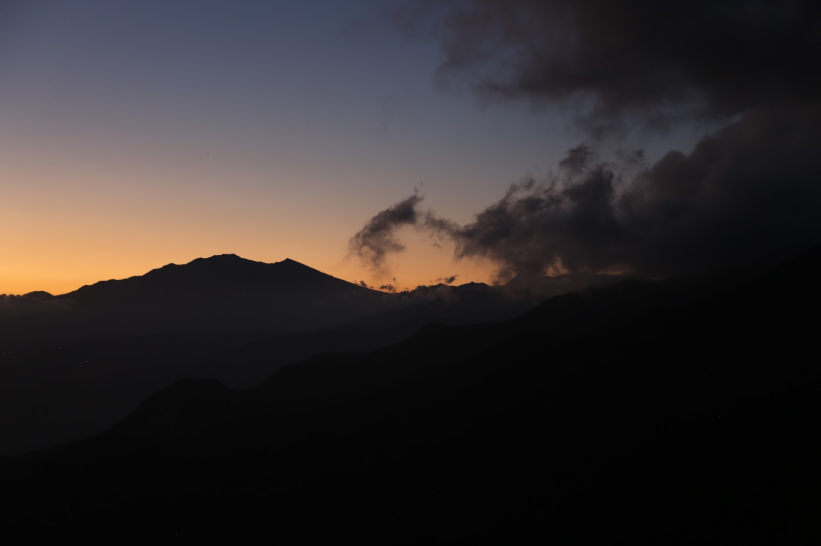
Traveling Around Panama With a Surfboard: What You Should Expect

Panama is an excellent country for a surf trip, but traveling around it with a surfboard is a little different from traveling with nothing more than a backpack. The distances aren't enormous, the surf culture is well established, and locals are accustomed to seeing boards on buses and in cars. But Panama's public transportation system wasn't designed specifically around surf travelers, so a little patience and flexibility go a long way.

The reward is enormous. Panama has two completely different coastlines, with Pacific and Caribbean waves, and you can build an incredible surf trip without ever needing to leave the country. Playa Venao, Santa Catalina, the Gulf of Chiriquí and Bocas del Toro all offer very different experiences.

🏄 Your surfboard will become your travel companion

The first thing you quickly discover is that a surfboard in Panama attracts attention.

At bus terminals, people may ask where you're going. Taxi drivers will want to know whether the board fits. A bus driver may inspect your board bag before deciding where it should go. None of this necessarily means there is a problem. Surfboards are simply oversized luggage, and every driver handles them slightly differently.

On larger intercity buses, boards can often go underneath in the luggage compartment. On smaller buses and minibuses, they may have to go on the roof. In some cases, there may be a roof rack; in others, you'll have to get creative with available space. Travelers have successfully crossed Panama by public transportation with multiple boards, but experiences vary depending on the vehicle, driver and how crowded the bus is.

And don't be surprised if someone asks you for a few extra dollars. There isn't a universal nationwide surfboard fee on buses, so oversized baggage charges can be inconsistent. Sometimes the board travels free, sometimes you pay a small amount, and occasionally the driver may want more if the board takes up valuable space.

🚌 Buses are possible but don't expect a surf-specific system

For backpackers, buses are still one of the cheapest ways to move around Panama.

The main challenge is that your surfboard turns a simple bus journey into a small logistical operation. A trip that would be effortless with a backpack can become considerably more complicated when you have a 6'6" board bag attached to you.

The Pan-American Highway makes traveling across much of the country relatively straightforward, but reaching the surf towns often involves smaller buses and connections. A historic surf-travel route from Panama City to Playa Venao, for example, involved a large coach to Las Tablas followed by smaller local transportation. The travelers reported that their boards went underneath the big bus but eventually had to travel on the roof of the smaller bus.

This is why don't plan your surf trip around perfectly timed connections.

If Google Maps tells you that you have 17 minutes to change buses, assume you don't. You have a surfboard.

Give yourself time.

🌊 Playa Venao: Probably the easiest place to start

If you're arriving in Panama with your own board and want to make life easy, Playa Venao is an excellent first destination.

It's one of Panama's best-known surf towns and has a broad beach break that attracts beginners, intermediates and more experienced surfers. The surf community is well established, meaning boards are not an unusual sight.

Getting there from Panama City can take roughly five to six hours by road, depending on the transportation you use. There are also shared shuttles specifically catering to travelers, with some services explicitly accommodating surfboards on roof racks.

Venao is also useful because you can leave your board at your accommodation and walk to the beach. You're not constantly loading and unloading it every time you want to surf.

For a backpacker, that's a huge advantage.

🏄‍♂️ Santa Catalina: Bring the right board and patience

Santa Catalina is another story.

This tiny Pacific surf town is famous for La Punta, a powerful reef break that attracts experienced surfers from around the world. Panama's tourism authority describes Punta Santa Catalina as a destination for intermediate to expert surfers.

The journey is part of the adventure. Santa Catalina is considerably more remote than Venao, and the final part of the journey involves smaller roads and transportation.

That makes your board more difficult to handle, particularly if you're carrying a large longboard.

But once you arrive, you can largely forget about transportation. Santa Catalina is a surf village. You walk around with your board, find a wave and settle into the rhythm of the place.

If you're bringing a shortboard, it's relatively manageable. If you're bringing a 7–9 foot longboard, expect transportation to become considerably more complicated.

🏝️ Bocas del Toro: Surfing becomes island logistics

Bocas del Toro is one of the most exciting surf destinations in Panama, but traveling there with a board introduces a completely different problem:

boats.

Many of Bocas' surf breaks are spread across Isla Colón, Isla Carenero and Isla Bastimentos. Panama's tourism authority specifically highlights the variety of breaks across these islands, including reef breaks, point breaks and barrels.

You may therefore find yourself carrying your board from a bus to a boat, from the boat to a hotel, and then from the hotel onto another boat.

It's completely doable. But your board bag suddenly becomes much more noticeable.

The good news is that the islands are close together and water taxis are the normal way of getting around. Once you're in the Bocas surf environment, you'll quickly discover that you're not the only person transporting a board.

✈️ Flying with your surfboard

Flying can make long-distance travel much easier, particularly if you're trying to connect the Pacific and Caribbean coasts.

But check the airline's surfboard policy before buying your ticket.

Air Panama, for example, currently states that it accepts up to two surfboards packed in the same protective cover, with fins removed. Transportation is subject to available space, and passengers are instructed to notify the airline when booking that they are bringing a surfboard.

That's important because a surfboard isn't something you want to discover is "not accepted today" when you're standing at the airport.

For domestic flights, contact the airline before traveling, particularly if you're carrying a large board bag or multiple boards.

🚗 Renting a car: The easiest option for a surf road trip

If you're traveling with a board for several weeks, renting a car can completely change the experience.

Instead of worrying about whether the next bus has room, you simply throw the board in the vehicle and drive.

This becomes particularly attractive if you're planning something like:

Panama City to Playa Venao to Santa Catalina to Chiriquí to Bocas del Toro

You can stop at beaches along the way, explore less-developed surf areas and change your itinerary according to the forecast.

The disadvantage is cost. A rental car is obviously more expensive than buses, particularly if you're traveling alone. But split between two or three surfers, it can make a lot of sense.

And there is something wonderfully liberating about having a board strapped to the roof and being able to follow the swell instead of following the bus timetable.

☀️ Don't bother bringing a wetsuit

One of the great advantages of surfing Panama is the warm water.

Panama's tropical water generally means boardshorts and a rash guard rather than a thick wetsuit. Surfing guides put water temperatures roughly in the 26–29°C range depending on location and season.

The thing you need much more than a wetsuit is sun protection.

A rash guard, waterproof sunscreen, hat and plenty of water can be more important than another piece of surf equipment.

If you're surfing reef breaks, reef booties can also be useful, particularly around rocky or shallow breaks.

💵 Carry some cash

This is particularly important once you leave Panama City.

Major tourist areas generally have ATMs and card payments, but smaller surf communities can be much more limited. Playa Venao, for example, has been noted by current surf guides as a place where reliable ATM access can be an issue.

And when you're traveling with a surfboard, you don't want to discover that the bus driver, taxi driver or small restaurant only accepts cash.

Keep some small bills with you.

🌴 Panama's biggest advantage: you can chase the seasons

The really cool thing about surfing Panama is that you have two oceans to choose from.

The Pacific generally becomes the major surf destination during the wetter months, while Bocas del Toro and the Caribbean can offer stronger opportunities during the northern winter. This creates the possibility of planning your trip around whichever coastline is producing the better waves.

So instead of sitting in one surf town praying for swell, you can actually move.

If the Pacific isn't cooperating, look toward Bocas.

If the Caribbean is quiet, head back toward the Pacific.

That's one of the biggest reasons Panama works so well for a longer surf adventure.

🏄 The golden rule: travel slowly

The biggest piece of advice for anyone traveling Panama with a surfboard is simple:

Don't try to travel like you're carrying a backpack.

With a backpack, missing a bus isn't a disaster. With a surfboard, missing a bus can mean waiting several hours with an awkward board bag.

Choose accommodation where you can store your board. Give yourself extra time between connections. Protect your board properly. Bring some cash. Ask the driver where the board should go before loading it. And don't panic if the transportation arrangement looks slightly improvised.

Because that's part of traveling through Panama with a surfboard.

Eventually, you'll find yourself standing beside a Panamanian bus with your board strapped to the roof, backpack underneath, sun beating down and a road disappearing toward some tropical beach you've never seen before.

And that's when you realize that the inconvenience is actually part of the adventure.

Panama isn't a country where everything has been designed around surf tourism. That's precisely what makes it interesting. You can still travel independently, find uncrowded waves, meet local surfers and explore beaches that aren't surrounded by massive resorts.

Bring your board, bring some patience, and follow the swell. 🌊

The Sailfish of Panama: The Pacific's Silver-and-Blue Speed Demon

Few fish capture the imagination quite like the sailfish. With its enormous dorsal fin, long pointed bill and metallic blue body, the Pacific sailfish looks almost too spectacular to be real. And Panama happens to be one of the places on Earth where you have a genuinely good chance of seeing one.

Panama's Pacific coastline is famous for big-game fishing, and sailfish are one of its signature species. From the Pearl Islands and the waters around Panama City to the Gulf of Chiriquí and the legendary offshore banks farther west, these fish are part of an extraordinary tropical marine ecosystem. Panama's tourism authority describes the country's Pacific sport fishing as world class and notes that sailfish can be targeted throughout the year.

A fish built for speed

The Pacific sailfish, Istiophorus platypterus, is a member of the billfish family. Its most recognizable feature is the enormous dorsal fin running along much of its back. When this spectacular fin rises out of the water, it looks like a sail, giving the fish its name.

But the sail isn't just decoration. Sailfish are highly adapted open-ocean predators, with streamlined bodies and a powerful tail designed for rapid acceleration. Their long bill helps them interact with schools of smaller fish, while their large dorsal fin can be raised dramatically during feeding.

They are also famous for their acrobatics. A hooked sailfish can explode from the water, twist through the air and repeatedly leap across the surface. For anglers, that combination of speed, size and aerial behavior makes them one of the most exciting fish in the ocean.

Panama is a sailfish paradise

The reason Panama is so productive is largely geography. The country's Pacific coastline is broken up by islands, underwater banks, reefs, drop-offs and deep offshore waters. These environments create ideal conditions for baitfish, which in turn attract predators such as sailfish, tuna, dorado and marlin.

The Gulf of Chiriquí is particularly famous. Offshore destinations such as Hannibal Bank and Montuosa Island are renowned for their concentration of large pelagic game fish.

The Pearl Islands, meanwhile, have a long history of big-game fishing. Panama's Pacific waters have attracted anglers searching for sailfish and marlin for generations, and historical fishing literature describes sailfish as especially large and plentiful along the Pacific coast of Panama.

They can get seriously big

When people imagine a sailfish, they sometimes picture a relatively small fish because of its incredibly slender shape. In Panama, however, these can be substantial animals.

Pacific sailfish exceeding 100 pounds are encountered in Panama's offshore waters, with sport-fishing operators reporting them as regular big-game targets.

The fish's size makes its athleticism even more impressive. Imagine a fish weighing well over 100 pounds suddenly accelerating away from a boat and launching itself completely out of the Pacific Ocean. That is the kind of encounter that turns an ordinary fishing trip into a story people tell for decades.

When is the best time?

One of the fascinating things about Panama's sailfish is that there isn't just one short season.

Sailfish can be targeted year-round, but their abundance changes during the year and between locations. Research examining almost a decade of recreational fishing data from Panama found seasonal peaks in sailfish sightings around January and August.

Fishing operators also report strong periods during the dry-season transition and later in the year, depending on location, weather and ocean conditions. In other words, there isn't a single magic month when every sailfish suddenly appears. The best timing depends on exactly where you are fishing and what the ocean is doing.

That's actually good news for travelers. Panama offers opportunities to encounter these fish during different parts of the year rather than having to plan an entire trip around one narrow window.

From Panama City to the Gulf of Chiriquí

You don't necessarily need to travel to some remote jungle lodge to go looking for sailfish.

Panama City itself is an important starting point for Pacific sport fishing. Marinas around areas such as Punta Pacifica and the Amador Causeway provide access to fishing grounds in the Gulf of Panama, with operators offering trips ranging from relatively short excursions to longer offshore adventures.

For serious anglers, however, heading west toward the Gulf of Chiriquí opens up an even more impressive fishery. The combination of offshore banks, islands and productive waters around Coiba and the surrounding archipelago creates opportunities for sailfish alongside yellowfin tuna, dorado, wahoo and enormous black and blue marlin.

This diversity is one of Panama's greatest attractions. You can leave the dock hoping for a sailfish and end up encountering several completely different species in the same day.

The ultimate light-tackle experience

Sailfish aren't simply impressive because they're big. They're incredibly exciting because of how they fight.

They are famous for taking bait and lures near the surface, often producing explosive strikes followed by spectacular jumps. Experienced crews watch for signs of feeding activity, including baitfish and birds, because these can reveal where predators are concentrated.

Fly fishing for sailfish is an especially demanding experience. Anglers can use bait-and-switch techniques, presenting a fly to a fish that has been brought close to the boat by teaser bait. When the sailfish commits, the result can be one of the most adrenaline-filled moments in saltwater fly fishing.

A fish that should go back into the ocean

Perhaps the most important thing about sailfish in Panama is that they aren't a fish you should be taking home for dinner.

Panama's sport-fishing regulations reserve sailfish and several other billfish species for catch-and-release. Panama's tourism authority specifically lists sailfish among the species that must be released during sport fishing.

This makes sense. A mature sailfish is far more valuable alive in Panama's ecosystem and sport-fishing economy than it is as a single meal. Responsible anglers can experience the incredible moment of catching one, photograph it quickly and return it to the Pacific.

More than just a trophy fish

Sailfish are apex predators within Panama's offshore ecosystem. They form part of a complicated food web involving baitfish, tuna, dorado, marlin and countless other species.

Scientists studying billfish in the Eastern Tropical Pacific have used recreational fishing data and tagging technology to better understand where sailfish travel and how their behavior changes with environmental conditions. Research has even revealed connections between sailfish activity and factors such as sunlight and moonlight.

That makes every encounter with one more interesting. You're not simply seeing a spectacular fish. You're seeing one of the ocean's highly specialized open-water predators behaving in an environment that has evolved around it.

Panama's great oceanic symbol

Panama is often associated with the Canal, tropical rainforests, islands and enormous ships. But offshore, another Panama exists — one dominated by blue water, baitfish and some of the most spectacular predators in the Pacific.

And somewhere beneath that surface could be a sailfish.

You might see the dorsal fin first, slicing through the water like a tiny blue sail. Then the fish disappears. Seconds later, it can erupt completely from the Pacific, its metallic body flashing in the tropical sunlight.

For a country surrounded by incredibly productive oceans, the sailfish is a perfect symbol of Panama's wild Pacific side: fast, powerful, beautiful and almost impossible to forget.

Where Should You Stay in Panama City? A Neighborhood Guide for Every Type of Traveler

Panama City is one of those places where choosing the right neighborhood can completely change your experience. The city isn't enormous on a map, but its neighborhoods feel remarkably different. You can wake up surrounded by 17th century colonial buildings in Casco Viejo, have breakfast beneath skyscrapers in El Cangrejo, walk along the Pacific waterfront in San Francisco, or watch ships passing through the Canal from Amador.

For a traveler spending only a few nights in Panama City, the question isn't simply “Which hotel is cheapest?” It is “Which part of the city do I actually want to experience?” Panama's tourism authority itself highlights Casco Antiguo, El Cangrejo, Avenida Balboa and San Francisco as distinct accommodation bases, each offering something different.

Here is the backpacker's guide to choosing your Panama City neighborhood.

🏛️ Casco Viejo: Stay here if you want the Panama City experience

If this is your first time in Panama City and you only have two or three nights, Casco Viejo is probably the most memorable place to stay.

This is Panama City's historic heart, with colorful colonial buildings, cobblestone streets, old churches, plazas, rooftop bars, restaurants and spectacular views toward the modern skyline. It is also a UNESCO World Heritage Site.

The great advantage is that you can actually walk somewhere interesting when you leave your hotel. You don't necessarily need an Uber every time you want dinner, a drink, a coffee or a sunset. You can wander through the streets, stop at a rooftop bar, walk along the waterfront and explore the plazas almost entirely on foot.

That makes Casco particularly good for backpackers, couples, photographers and travelers who want nightlife and atmosphere rather than a generic international hotel.

There is a downside: Casco is popular, so accommodation can be more expensive than in central neighborhoods such as El Cangrejo. It can also be noisy around the nightlife areas, particularly on weekends.

If you only have a couple of nights in Panama City, however, I'd happily pay a little extra to stay here.

For example, Tántalo Hotel & Roofbar puts you right in the middle of Casco's nightlife, while La Concordia Boutique Hotel Casco Viejo offers a more polished boutique experience.

Best for: first-time visitors, backpackers, nightlife, history, architecture, restaurants and people who want to walk everywhere.

🌆 El Cangrejo: The best all-around base

If Casco Viejo is the most atmospheric choice, El Cangrejo is probably the smartest practical choice.

This central neighborhood has restaurants, cafés, bars, supermarkets and plenty of affordable accommodation. It also has access to the Metro, making it easier to move around the city without constantly paying for taxis or Uber.

The famous Vía Argentina area gives El Cangrejo a relaxed urban atmosphere. It feels less touristy than Casco Viejo, while still being extremely convenient for visitors.

Another advantage is that you're positioned between different parts of the city. You can head toward Casco Viejo, the Canal, Albrook, the modern financial district or the waterfront without feeling like you're stuck on one side of Panama City.

A good example is Novotel Panama City.

Best for: first-time visitors who prioritize value, backpackers, longer stays, restaurants, public transportation and convenience.

💼 Obarrio: Modern Panama City without the tourist atmosphere

Obarrio is a different experience. This is modern, business-oriented Panama City, with high-rise buildings, restaurants, shopping and plenty of hotels.

It's particularly useful if you're in Panama City for business, have appointments in the financial district, or simply prefer modern hotels to colonial buildings.

You won't get the magical streets of Casco Viejo outside your door, but you get something else: convenience.

Obarrio also makes a good compromise for travelers who want to experience both sides of the city. You're close enough to Casco for an evening out but based in a modern central neighborhood.

Best for: business travelers, people wanting modern hotels, shopping, restaurants and travelers who don't care about being in the historic district.

🌊 Marbella and Avenida Balboa: Skyscrapers and the Pacific

If your idea of Panama City involves glass towers, swimming pools, ocean views and walking along the waterfront, look toward Marbella and Avenida Balboa.

Avenida Balboa runs beside the Pacific and the Cinta Costera, giving you one of the city's most impressive urban landscapes. You can go for a morning walk or run with the skyscrapers on one side and the Pacific on the other.

This area is particularly good if you want a nicer hotel without necessarily paying Casco Viejo boutique-hotel prices.

The trade-off is that it isn't as charming for wandering around at night. You will probably use Uber more often to reach Casco Viejo or some of the city's attractions.

For a comfortable modern stay, hotels such as Hilton Panama are right along the waterfront, while Hotel Riu Plaza Panama gives you a central high-rise option.

Best for: couples, modern hotels, waterfront walks, swimming pools, city views and travelers who like skyscrapers.

🍽️ San Francisco: Eat like a local

San Francisco is one of my favorite choices for travelers who have already seen the main tourist attractions or who want a more residential experience.

It has a huge selection of restaurants and a more local, everyday Panama City atmosphere. You aren't surrounded by colonial tourism, but you also aren't isolated from the city.

It's especially appealing to food lovers because there is such a broad range of restaurants and cafés in the area. Panama's tourism authority also highlights San Francisco as a strategic area for food and modern urban life.

The downside is simple: you won't have the same sightseeing experience right outside your door that you get in Casco Viejo.

For three nights, I'd probably choose Casco or El Cangrejo first. For a week or more, San Francisco becomes much more attractive.

Best for: foodies, longer stays, repeat visitors, digital nomads and travelers who want a more residential atmosphere.

🌴 Amador: Beautiful, but don't confuse scenery with convenience

The Amador Causeway is one of Panama City's most beautiful places to stay.

You get ocean breezes, spectacular sunsets, views of ships entering the Canal, cycling paths, waterfront restaurants and access toward the islands at the end of the causeway. It's a fantastic place to spend an afternoon.

But there is a catch.

It's not the best base for exploring Panama City.

You're separated from the main concentration of restaurants, nightlife and attractions, meaning you'll generally need transportation. Current neighborhood guides also tend to recommend Amador more for scenery and relaxation than as an all-purpose city base.

So I'd choose Amador if the hotel itself is part of the experience.

I'd choose Casco Viejo if Panama City is the experience.

For something different, MARINN Tropical Vibes Hotel is located right on the Amador Causeway.

Best for: sunsets, cycling, waterfront views, families, couples and travelers wanting peace and scenery.

🏙️ Punta Pacifica: Luxury and skyscraper living

Punta Pacifica is where you go when you want modern Panama at its most polished.

Think enormous towers, luxury apartments, swimming pools, shopping malls, restaurants and spectacular views. It feels more like Miami than colonial Central America.

It's a great choice if you found a surprisingly good deal on a luxury hotel or simply want to enjoy a few days of comfort.

But if you're a backpacker arriving in Panama for the first time, I wouldn't automatically choose it. You'll generally spend more time and money getting to the historic center and other attractions.

Best for: luxury travelers, families, resorts, shopping and people who value hotel facilities over neighborhood atmosphere.

✈️ What about staying near Tocumen Airport?

If you're arriving late at night and flying out early the next morning, an airport hotel can make perfect sense.

Otherwise, don't stay near the airport just because it looks convenient on the map.

Tocumen is outside the interesting part of Panama City. If you have several days, you'll spend those days traveling back and forth rather than experiencing the city.

For a one-night layover, absolutely.

For three nights in Panama City, I'd rather spend those nights in Casco Viejo, El Cangrejo or somewhere along the central waterfront.

🗺️ So where should you actually book?

For the typical backpacker spending 2–3 nights in Panama City, my choices would be:

🥇 Casco Viejo — if you want atmosphere, nightlife, history and the most memorable experience.

🥈 El Cangrejo — if you want the best combination of price, restaurants, transportation and convenience.

🥉 Marbella / Avenida Balboa — if you want modern hotels, skyscrapers and the waterfront.

San Francisco — if you're staying longer and want to live more like a local.

Amador — if scenery and sunsets are more important than convenience.

Punta Pacifica — if you find a great luxury deal.

Near Tocumen — only for an airport stopover.

The most important lesson is that Panama City doesn't have one single “center” for travelers. Different neighborhoods offer completely different versions of the city.

For a first visit, I'd personally make the decision simple: book two or three nights in Casco Viejo if your budget allows it. You'll step outside your hotel and immediately feel like you've arrived somewhere. If you're more interested in saving money, eating well and having an extremely practical base, El Cangrejo is arguably the better value.

And if you're backpacking through Panama, remember something important: your hotel doesn't have to be your destination. Panama City is often a stopover before heading to Bocas del Toro, Boquete, San Blas or the Pacific coast. Spend your limited city time in a neighborhood that makes exploring easy rather than wasting half your stay commuting.

Copa vs Wingo vs Avianca: Which Airline Is Best for Flying Between Panama and Colombia?

For backpackers traveling between Panama and Colombia, flying is often the easiest way to cross the border. The good news is that you have three very different options: Copa Airlines, Wingo and Avianca. They can all get you from Panama to Colombia, but the experience, price structure, baggage rules and route networks are quite different.

The biggest mistake is looking only at the advertised ticket price. A $70 Wingo ticket can become much less attractive once you add a cabin bag and checked luggage, while a more expensive Copa or Avianca ticket may include more of what you actually need. For backpackers carrying everything they own, the cheapest airline isn't necessarily the cheapest flight.

🇵🇦 Copa Airlines: The easiest option from Panama

Copa Airlines is the obvious choice for convenience. Panama City is Copa's main hub, and the airline currently offers scheduled service between Panama and 11 Colombian cities, giving it an enormous advantage if you're traveling beyond Bogotá or Medellín.

Copa is particularly useful if you want to fly directly from Tocumen International Airport to places such as Bogotá, Medellín, Cartagena, Cali, Pereira or Barranquilla. Current Copa fare listings, for example, show round trips from Panama to Medellín from around US$212, Bogotá from around US$276 and Cartagena from around US$334, although prices change constantly.

The major advantage is simplicity. You arrive at Tocumen, get on your plane and Colombia is next. There is no need to travel to another Panamanian airport or build a complicated itinerary around connections.

Copa is also particularly attractive for travelers who are continuing onward through the Americas. Its Panama hub is designed around connecting flights, so Panama City functions as a giant crossroads between North, Central and South America.

The downside? Copa often isn't the cheapest option. Its lowest fares can also have additional charges for baggage and optional services, so you need to compare the final price rather than just the headline fare.

Best for: convenience, direct flights from Panama, lots of Colombian destinations, connections and travelers who don't want to complicate their journey.

💰 Wingo: The backpacker's bargain hunter

Wingo is where things get interesting for budget travelers. Wingo was created specifically as a low-cost airline and operates flights within Colombia and to several international destinations, including Panama.

Wingo's biggest attraction is the headline price. If you travel light and find a promotion, it can be extremely competitive. Wingo specifically markets cheap flights between Panama and Colombian destinations such as Bogotá, Medellín, Cali, Cartagena and Barranquilla.

But this is where backpackers need to pay attention.

Wingo's Go Basic fare includes only a small personal item measuring up to 40 × 35 × 25 cm. A larger cabin bag isn't included. Go Standard adds a 12 kg cabin bag, while Go Plus includes a 23 kg checked bag.

That means Wingo can be fantastic if you're the kind of traveler who can fit your life into a small backpack. If you're carrying a large backpack, however, you should add the baggage before comparing the price with Copa or Avianca. Buying luggage at the airport can be considerably more expensive.

For a young backpacker spending several weeks traveling around Colombia, though, Wingo can be hard to beat. If you can travel with minimal luggage, this is the airline I'd check first when price is your number-one priority.

Best for: budget backpackers, short trips, travelers with little luggage and anyone willing to accept a more basic airline experience to save money.

✈️ Avianca: The middle ground

Avianca sits somewhere between Copa and Wingo. It is a major Colombian airline with a huge domestic network, which makes it particularly interesting if Panama is simply the beginning of a longer Colombian adventure.

For example, you might fly Panama to Bogotá and then continue to another Colombian city. Avianca's network can make this practical without having to piece together several unrelated tickets.

Avianca also uses a fare structure where baggage depends heavily on the ticket you purchase. Its current baggage information shows that international flights between Central America, South America and the Caribbean can have checked-bag charges starting around US$80, depending on fare and circumstances.

So, just like Wingo, you shouldn't judge Avianca solely by the initial fare displayed in a search engine. Check what is actually included.

Avianca can be particularly attractive when its fare is close to Copa's but the schedule or onward Colombian connection is better. If you're heading deep into Colombia rather than simply visiting Bogotá, Medellín or Cartagena, its extensive Colombian network can become a major advantage.

Best for: travelers continuing around Colombia, people who want a large Colombian network and travelers who find a good fare with baggage included.

🚌 What about traveling overland?

For backpackers, there's another important point: Panama and Colombia don't have a road connection through the Darién Gap. You cannot simply take a bus from Panama City to Bogotá.

That makes flying the easiest conventional option. There are alternative adventures involving boats and combinations of buses and boats through the Caribbean, but they take considerably longer and can cost more than an ultra-cheap flight.

For most backpackers, a cheap flight is therefore not just about saving time. It can actually be the most practical way of crossing between Central and South America.

🏆 So which one should you choose?

Copa wins for convenience. If you're in Panama City and want the easiest possible trip, Copa is hard to beat. Its Panama hub and large Colombian network make it particularly convenient. Copa currently lists direct Panama flights to numerous Colombian cities.

Wingo wins for the hardcore budget traveler. If you can travel with only a small personal item, Wingo's low-cost model can produce some seriously cheap tickets. Just don't forget that the cheapest fare includes very little luggage.

Avianca wins for exploring Colombia. If Panama is simply your gateway into Colombia and you plan to continue to several cities, Avianca's Colombian network can make it a very useful option.

The backpacker rule

Don't compare:

Wingo $80 vs Copa $160

Compare:

Wingo $80 + cabin bag + checked bag vs Copa's final price with the baggage you actually need.

That is where the real difference becomes apparent.

For someone traveling around Central and South America with a small backpack, I'd check Wingo first, then Copa, then Avianca. For someone with a large backpack and a lot of luggage, I'd compare the final prices carefully because Copa or Avianca can sometimes become much more competitive.

And if you find a Wingo fare that is dramatically cheaper than the others and you're traveling light, grab it. That's exactly the kind of flight that can make a backpacking trip through Panama and Colombia considerably cheaper.

Casco Viejo : le meilleur coin pour un backpacker à Panama City

Si vous devez passer quelques jours à Panama City pendant votre voyage au Panama, Casco Viejo est probablement l’un des meilleurs endroits où poser votre sac à dos. La capitale est immense, moderne et parfois fatigante, mais Casco Viejo offre une ambiance complètement différente : vieilles rues colorées, bâtiments coloniaux, petites places, street art, cafés, restaurants, bars et une incroyable vue sur les gratte-ciel de la ville.

L’un des grands avantages pour les backpackers est que presque tout se fait à pied. Depuis votre auberge, vous pouvez facilement rejoindre les restaurants, les places historiques, le bord de mer et les bars sans passer votre temps dans les taxis ou les embouteillages. Cela permet aussi d’économiser quelques dollars, ce qui n’est jamais une mauvaise chose quand on voyage avec un budget limité.

Le quartier devient particulièrement animé en fin de journée. Promenez-vous jusqu’au bord de l’eau au coucher du soleil et vous aurez devant vous l’un des plus beaux contrastes de Panama City : les bâtiments historiques de Casco Viejo derrière vous et les immenses gratte-ciel modernes de la capitale illuminés de l’autre côté de la baie.

Le soir, Casco Viejo devient un véritable point de rencontre pour les voyageurs. Les auberges attirent des backpackers venant de partout en Amérique centrale, certains arrivant de Bocas del Toro ou du Costa Rica, d’autres se préparant à partir vers la Colombie. Une simple bière peut facilement se transformer en soirée improvisée avec des gens rencontrés quelques heures auparavant.

Casco peut être chic et cher, mais il est tout à fait possible d’y voyager avec un petit budget. Vous pouvez manger simplement, vous promener dans les rues, profiter des places et du coucher de soleil, puis prendre un verre avec d’autres voyageurs. Beaucoup des meilleures expériences du quartier sont gratuites.

C’est aussi un endroit idéal pour une courte escale. Si vous n’avez qu’une ou deux nuits avant votre prochain bus ou votre vol, vous n’avez pas besoin de traverser toute la ville pour profiter de Panama City. Vous sortez de votre auberge et l’aventure commence immédiatement.

Casco Viejo n’est donc peut-être pas toujours l’endroit le moins cher pour dormir, mais pour un backpacker, il offre quelque chose de beaucoup plus important : une ambiance, des rencontres, de l’histoire, de la vie nocturne et une ville que vous pouvez réellement découvrir à pied. Vous pensiez peut-être rester une seule nuit… et vous pourriez bien finir par réserver la suivante.

Casco Viejo: Warum du als Backpacker unbedingt hier schlafen solltest

Wenn du als Backpacker durch Panama reist, wirst du früher oder später in Panama-Stadt landen. Vielleicht kommst du gerade aus Bocas del Toro, willst weiter nach Kolumbien, hast einen Flug ab Tocumen oder möchtest einfach ein paar Tage Großstadtluft schnuppern. Panama-Stadt ist riesig, modern und ziemlich weitläufig. Deshalb ist die Frage, wo du übernachtest, wichtiger, als man zunächst denkt.

Und wenn du schon in Panama-Stadt bleiben musst, gibt es für Backpacker eigentlich einen ziemlich offensichtlichen Gewinner: Casco Viejo.

Das historische Viertel ist nicht einfach nur eine Sehenswürdigkeit, die man für zwei Stunden besucht, ein paar Fotos macht und dann wieder verlässt. Casco Viejo ist ein Ort, an dem man wohnen, essen, feiern, Leute kennenlernen und einfach herumstreunen kann. Und genau das macht es für Backpacker so interessant.

Eine Stadt innerhalb der Stadt

Casco Viejo fühlt sich kaum wie das moderne Panama-Stadt an. Sobald du durch die alten Straßen läufst, verschwinden die riesigen Wolkenkratzer für einen Moment aus deinem Kopf.

Stattdessen findest du bunte Kolonialhäuser, alte Kirchen, kleine Plätze, Balkone voller Pflanzen, Kopfsteinpflaster, Street Art, Cafés, Bars und jede Menge Menschen, die irgendwo unterwegs sind.

Und das Verrückte daran ist, dass du nur wenige Minuten entfernt von einer der modernsten Skylines Mittelamerikas bist.

Auf der einen Seite stehen jahrhundertealte Gebäude, auf der anderen Seite ragen gläserne Wolkenkratzer in den Himmel. Dazwischen liegt die Bucht von Panama.

Alt und neu stehen hier praktisch direkt nebeneinander.

Casco Viejo wurde 1673 gegründet, nachdem die ursprüngliche Stadt Panamá Viejo zerstört worden war. Heute gehört das historische Viertel zum UNESCO-Weltkulturerbe. Aber keine Sorge: Es fühlt sich trotzdem nicht wie ein langweiliges Freilichtmuseum an. Hier leben Menschen, Backpacker, Einheimische, Künstler, Restaurantbesitzer und Nachtschwärmer mitten zwischen den historischen Gebäuden.

Der große Backpacker-Vorteil: Du brauchst kaum ein Taxi

Das ist wahrscheinlich einer der größten Vorteile von Casco Viejo.

Panama-Stadt ist groß. Wirklich groß.

Wenn du irgendwo in einem günstigen Hotel außerhalb des Zentrums wohnst, kann aus einem einfachen Restaurantbesuch schnell eine kleine Transportmission werden. Erst Taxi oder Uber, dann wieder zurück, später noch einmal los zum Nachtleben.

In Casco Viejo kannst du dagegen einfach aus deiner Unterkunft laufen.

Frühstück?

Zu Fuß.

Café?

Zu Fuß.

Historische Gebäude?

Zu Fuß.

Sonnenuntergang am Wasser?

Zu Fuß.

Bar?

Zu Fuß.

Backpacker kennenlernen?

Sehr wahrscheinlich ebenfalls zu Fuß.

Das spart nicht nur Geld, sondern macht die ganze Stadt entspannter.

Tagsüber entdecken, nachts feiern

Casco Viejo hat eine ziemlich geniale Eigenschaft: Es funktioniert sowohl am Tag als auch in der Nacht.

Am Vormittag kannst du durch die engen Gassen schlendern und dir die alten Gebäude anschauen. Danach suchst du dir irgendwo einen Kaffee oder etwas günstiges zu essen.

Am Nachmittag kannst du Richtung Wasser laufen und den Blick auf die Skyline genießen.

Und dann kommt der beste Teil.

Der Sonnenuntergang.

Wenn die Temperaturen langsam angenehmer werden, füllen sich die Plätze und Dachterrassen. Die Stadt bekommt dieses warme tropische Licht, während auf der anderen Seite der Bucht die Wolkenkratzer von Panama-Stadt anfangen zu leuchten.

Und plötzlich denkst du dir: Okay, vielleicht war es doch eine gute Idee, hier zu bleiben.

Und dann beginnt das Nachtleben

Casco Viejo ist eines der beliebtesten Ausgehviertel von Panama-Stadt.

Es gibt Bars, Rooftops, Clubs, kleine Kneipen und Restaurants. Manche sind schick und definitiv nicht backpackerfreundlich beim Preis. Andere sind wesentlich entspannter.

Das Schöne ist, dass du nicht unbedingt einen großen Plan brauchst.

Du kannst einfach mit anderen Leuten aus deinem Hostel losziehen.

„Was macht ihr heute Abend?“

„Keine Ahnung.“

„Gehen wir ein Bier trinken?“

Und zwei Stunden später bist du irgendwo auf einer Dachterrasse, hast fünf neue Leute kennengelernt und diskutierst darüber, ob du morgen wirklich um 6 Uhr aufstehen wirst, um einen Bus zu erwischen.

Das ist Backpacking.

Perfekt, um andere Reisende kennenzulernen

Wenn du alleine unterwegs bist, ist die Wahl der Unterkunft besonders wichtig.

Ein Hostel in Casco Viejo kann dafür ideal sein.

Panama-Stadt ist ein Knotenpunkt für Reisende aus ganz Mittelamerika. Leute kommen aus Costa Rica, Nicaragua, Guatemala und Mexiko, reisen nach Bocas del Toro, Boquete oder weiter nach Kolumbien.

Dadurch trifft man in den Hostels eine ziemlich interessante Mischung.

Der eine kommt gerade aus Costa Rica.

Der nächste war eine Woche auf den San-Blas-Inseln.

Jemand anderes will morgen nach Bocas.

Und plötzlich sitzt du mit einer Gruppe Fremder beim Abendessen und hast einen gemeinsamen Plan für den nächsten Tag.

Das ist einer der großen Unterschiede zwischen einem normalen Hotel und einem guten Backpacker-Hostel.

Das Bett ist nicht das Wichtigste. Die Leute sind es.

Du kannst Casco auch mit kleinem Budget genießen

Casco Viejo hat allerdings einen kleinen Haken.

Es gibt hier durchaus teure Restaurants und schicke Rooftop-Bars. Wenn du möchtest, kannst du problemlos sehr viel Geld an einem Abend ausgeben.

Aber du musst es nicht.

Als Backpacker kannst du das Viertel einfach anders genießen.

Laufe durch die Straßen.

Setz dich auf einen Platz.

Kauf dir ein günstiges Essen.

Hol dir ein Bier.

Schau dir die Street Art an.

Geh zur Uferpromenade.

Beobachte den Sonnenuntergang.

Und verbringe den Abend mit Leuten aus deinem Hostel.

Viele der besten Erlebnisse kosten überhaupt nichts.

Und wenn du einmal richtig schön essen gehen möchtest, kannst du das natürlich auch machen. Gerade weil du ansonsten vieles zu Fuß erledigen kannst, bleibt vielleicht sogar etwas mehr Budget für einen besonderen Abend.

Die Skyline ist einfach verrückt

Einer der besten Momente in Casco Viejo kommt, wenn du Richtung Meer gehst.

Hinter dir liegen die alten Kolonialgebäude.

Vor dir liegt die Bucht.

Und auf der anderen Seite wächst die moderne Skyline von Panama-Stadt aus dem Boden.

Besonders bei Sonnenuntergang ist der Blick fantastisch.

Später, wenn die Wolkenkratzer beleuchtet sind, sieht die Stadt fast futuristisch aus.

Und dann drehst du dich um und stehst wieder zwischen jahrhundertealten Gebäuden.

Wo sonst kann man morgens durch eine koloniale Altstadt laufen und abends auf eine Skyline schauen, die aussieht wie Miami?

Casco Viejo ist außerdem ein perfekter Zwischenstopp

Für Backpacker ist Panama-Stadt oft gar nicht das eigentliche Reiseziel.

Es ist der Ort dazwischen.

Du bist auf dem Weg nach Bocas.

Oder nach Boquete.

Oder zurück nach Costa Rica.

Oder weiter nach Kolumbien.

Oder du hast einen Flug.

Genau deshalb ist Casco Viejo so praktisch.

Wenn du nur zwei Nächte hast, kannst du trotzdem das Gefühl bekommen, etwas von Panama-Stadt gesehen zu haben.

Du musst nicht jeden Tag eine Stunde im Verkehr verbringen.

Du kannst morgens aufstehen, die Altstadt erkunden, am Nachmittag eine weitere Sehenswürdigkeit besuchen, zum Sonnenuntergang zurückkommen und abends ausgehen.

Und wenn du müde bist?

Zurück zum Hostel laufen.

Aber denk daran: Du bist immer noch in einer Großstadt

Casco Viejo ist touristisch und lebendig, aber Panama-Stadt bleibt eine große lateinamerikanische Metropole.

Also ein bisschen gesunder Menschenverstand schadet nicht.

Keine großen Mengen Bargeld offen herumtragen, Handy nicht demonstrativ auf der Straße präsentieren und nachts nicht völlig betrunken irgendwo in unbekannte Gegenden losziehen.

Bleib in den belebten Bereichen, pass auf deine Sachen auf und nutze nachts bei längeren Strecken lieber Uber oder ein Taxi.

Das bedeutet aber nicht, dass du Angst haben solltest. Es bedeutet einfach: Backpacker sein heißt nicht, den gesunden Menschenverstand am Flughafen abzugeben.

Warum also Casco Viejo?

Weil Panama-Stadt ansonsten schnell anstrengend werden kann.

Verkehr.

Entfernungen.

Große Straßen.

Wolkenkratzer.

Hitze.

Und dann kommst du nach Casco Viejo und plötzlich kannst du einfach wieder laufen.

Du gehst aus dem Hostel, kaufst dir einen Kaffee, schlenderst durch historische Gassen, entdeckst einen kleinen Platz, hörst irgendwo Musik, triffst andere Reisende und landest später vielleicht auf einer Rooftop-Bar mit Blick über die gesamte Stadt.

Für Backpacker geht es schließlich nicht nur darum, wo man am billigsten schläft.

Es geht darum, wo man für sein Geld das beste Reiseerlebnis bekommt.

Und genau deshalb ist Casco Viejo wahrscheinlich der beste Ort, um Panama-Stadt nicht nur zu besuchen, sondern tatsächlich ein Teil davon zu werden.

Du kommst vielleicht nur für eine Nacht wegen deines Fluges. Bleibst aber am Ende drei Tage, weil du plötzlich gar keine Lust mehr hast, weiterzureisen.

Casco Viejo: Why Panama City’s Historic Heart Is One of the Best Places for a Backpacker to Stay

If you are a backpacker traveling through Panama, there is a good chance that at some point you will need to spend a night or two in Panama City. Maybe you are catching an early flight, arriving from Bocas del Toro, heading toward Colombia, visiting the Panama Canal, or simply taking a break from traveling through the jungle. Panama City is huge, modern and spread out, and choosing where to stay can make a surprisingly big difference to your experience.

For a backpacker, however, there is one neighborhood that stands out above the rest: Casco Viejo, also known as Casco Antiguo or San Felipe.

This is not simply the historic district that you visit for a few hours and photograph before returning to your hotel. Casco Viejo is one of those rare parts of a major Latin American city where staying there is part of the experience itself.

The historic quarter was founded in 1673 after the destruction of Panamá Viejo, and it has been a UNESCO World Heritage Site since 1997. Today, its compact streets combine centuries old churches and colonial buildings with hostels, cafés, restaurants, rooftop bars, street art, plazas and a huge concentration of nightlife.

And for backpackers, that combination is almost perfect.

The biggest advantage: you can walk almost everywhere

One of the frustrating things about staying in a large modern city is that everything can feel far away. You find a cheap hostel, only to discover that the restaurant you want to visit is a 20 minute Uber ride away. Then the bar is somewhere else. Then the attraction is somewhere else again.

Casco Viejo is completely different.

The historic center occupies a relatively small peninsula, with its plazas, churches, restaurants, bars, cafés, viewpoints and streets packed into a very walkable area. You can spend an entire day exploring without constantly reaching for your phone to order transportation.

For a backpacker carrying a small budget, this matters enormously.

You can wake up, walk out of your hostel, grab breakfast, explore the old streets, sit in a plaza, walk down to the waterfront, watch the skyline across the bay, return to your hostel, meet other travelers and then go out for the evening without spending half your daily budget on taxis.

That is exactly what you want from a city stop while backpacking.

And then there is the atmosphere

Casco Viejo doesn't feel like the rest of Panama City.

The modern skyline of Panama City is filled with enormous glass towers, highways and shopping centers. Casco is the opposite. Its streets are narrow, its buildings are old, its architecture is colorful and imperfect, and its plazas create little pockets of public life.

You can walk around a corner and find a beautifully restored colonial building beside one that looks as though it has been slowly surrendering to the tropical climate for decades.

There are balconies covered with plants, enormous wooden doors, old churches, colorful walls, cats sleeping in windows and street art appearing between centuries old buildings.

It is precisely this mixture of decay and restoration that makes the neighborhood so photogenic.

Casco Viejo has been extensively revitalized, but it hasn't become completely sterile. You can still see ordinary life happening among the tourism, restaurants and boutique hotels. That contrast is one of the things that makes the neighborhood feel alive rather than like an open air museum.

It gets even better when the sun goes down

If you think Casco is beautiful during the day, wait until sunset.

The tropical heat begins to ease, people come out into the plazas, music starts drifting through the streets and the rooftops begin filling with people.

This is when Casco really becomes a backpacker's neighborhood.

Instead of having to choose between a sightseeing district and a nightlife district, you get both in the same place.

You can start with a cheap drink, walk around the old streets, meet other travelers at your hostel and then head toward one of the rooftop bars overlooking the lights of modern Panama City.

The contrast is spectacular.

Across the bay, enormous skyscrapers rise into the night sky. Behind you are centuries old colonial buildings. Between the two is the dark Pacific Ocean.

There are few places in Panama where the country's past and present are displayed so dramatically in a single view.

A surprisingly good place to meet other travelers

This is another major reason backpackers should consider staying in Casco rather than simply visiting it.

A hostel is more than a cheap bed. For many backpackers, it is the social center of the trip.

Casco has several established hostels, including Viajero Casco Viejo Hostel and Selina Casco Viejo Panama City & Cowork, giving independent travelers the opportunity to stay right inside the historic district rather than commuting into it from another neighborhood.

And because Casco attracts travelers heading in so many different directions, you encounter an interesting mixture of people.

Someone may have just arrived from Costa Rica.

Another traveler might be heading to Bocas del Toro.

Someone else could be planning the San Blas Islands.

Another backpacker might be preparing for the journey into Colombia.

Panama City is one of the major crossroads of Central American backpacking, and Casco Viejo is one of the places where all those routes seem to intersect.

You can meet someone at breakfast and, by evening, suddenly find yourself with a group of people exploring Panama City together.

That spontaneous social element is one of the things that makes hostel travel so memorable.

You don't need a huge budget to enjoy Casco

Casco Viejo has a reputation for being expensive, and there is some truth to that.

The neighborhood contains luxury hotels, high-end restaurants and stylish rooftop cocktail bars. It is certainly possible to spend a ridiculous amount of money there.

But you don't have to.

The backpacker trick is to enjoy the neighborhood rather than trying to consume the expensive version of it.

Walk the streets.

Explore the plazas.

Watch the sunset.

Sit along the waterfront.

Look for inexpensive local food.

Have a beer rather than an expensive cocktail.

Meet people at your hostel.

And spend an evening wandering around rather than trying to turn every night into a luxury experience.

You can also find places that are much more casual. La Rana Dorada Casco, for example, is a popular local brewpub where travelers can have a more relaxed evening, while Pedro Mandinga Rum Bar offers a very Panamanian rum focused experience.

And if you want the classic rooftop experience, there are plenty of choices scattered throughout the old town. Vista Corona Panamá Casco Antiguo is one of the rooftop options right in the historic district.

The food scene is another reason to stay

Casco has developed into one of Panama City's major dining districts.

The historic buildings have been transformed into restaurants, cafés and bars, creating an unusual culinary landscape where you can eat inside buildings that are hundreds of years old.

There is also an interesting mixture of traditional Panamanian influences and international food.

For a backpacker, that means you can make your food choices according to your budget.

Eat cheaply when you want to save money, then occasionally splurge on something special.

That's a much better strategy than staying somewhere where every decent restaurant requires a taxi.

The waterfront is right there

One of the most underrated advantages of staying in Casco is how close you are to the water.

Walk toward the edge of the peninsula and suddenly the narrow colonial streets open up into enormous views.

You can see the modern skyline stretching along the bay, ships moving through the Pacific and the Cinta Costera curving around the city.

Sunset is particularly spectacular.

And this is another place where Casco works brilliantly for backpackers because you don't have to pay anything to enjoy one of the best views in the city.

You can simply walk.

You are close to the rest of Panama City too

Staying in Casco doesn't mean being trapped in the historic district.

Uber and taxis make it relatively easy to reach other parts of Panama City, while the central location means that major attractions are accessible without too much difficulty. Recent city guides describe Casco as roughly a short ride from downtown, with the neighborhood itself being highly walkable.

That makes it particularly convenient if your Panama City visit includes places such as the Panama Canal, Amador Causeway, modern downtown or other parts of the capital.

The trick is that you can spend most of your time walking around Casco and only use transportation when you actually need it.

It is particularly good for a short Panama City stop

Casco Viejo may be even better for backpackers staying one to three nights than for people planning to live in Panama City for months.

If you only have 24 or 48 hours, you don't want to waste your limited time commuting between neighborhoods.

You want to step outside your hostel and immediately be somewhere interesting.

That's exactly what Casco provides.

You can spend the morning exploring historic Panama, the afternoon visiting another attraction, return to the old town for sunset, have dinner, meet travelers at your hostel and experience the nightlife without spending the evening in traffic.

For someone who has been moving around Central America by bus for weeks, that convenience is priceless.

There is a little bit of danger, too

Part of Casco's charm comes from the fact that Panama City hasn't completely erased its rough edges.

The neighborhood has undergone enormous revitalization and is generally considered one of the more comfortable parts of Panama City for visitors, particularly around the busy tourist areas. But it is still a major Latin American city, and normal urban precautions are appropriate.

Don't wander randomly into unfamiliar neighborhoods late at night just because you see an interesting street.

Keep your phone and wallet secure.

Don't leave valuables unattended.

And if you've been drinking, use common sense rather than attempting to navigate unfamiliar areas on foot.

The best part of Casco can be enjoyed while staying within the lively, well-trafficked historic district.

The real reason backpackers should stay here

Ultimately, Casco Viejo isn't necessarily the cheapest place to stay in Panama City.

That's not the argument.

The argument is that you get far more experience for the money you spend.

If you stay in a cheap hotel in an anonymous part of the city, you may save a few dollars on your bed but spend those savings on transportation, food and taxis simply getting to the places you actually want to experience.

In Casco, your accommodation becomes part of the adventure.

You walk out the door and you're already surrounded by history.

You can wander through centuries old streets in the morning, sit beside the Pacific in the afternoon, watch the skyline turn orange at sunset and meet travelers from around the world at night.

And then, instead of getting into a taxi to go back to your hotel, you simply walk home.

That's why Casco Viejo makes so much sense for backpackers.

Panama City can sometimes feel like a place you have to pass through.

Casco Viejo makes it a place you actually want to stop and experience.

The Raccoons of the Cinta Costera: Panama City’s Masked Nighttime Residents

One of the most unexpected wildlife encounters in Panama City happens right in the middle of the capital. Walk along the Cinta Costera around sunset or after dark, particularly near the seawall and the rocky shoreline, and you may suddenly notice a pair of glowing eyes watching you from beneath the vegetation, beside the rocks, or near a garbage bin. A few seconds later, a masked face emerges, followed by a ringed tail. Panama City has its own population of urban raccoons, and the Cinta Costera has become one of the easiest places to encounter them.

These animals are not escaped pets and they are not visitors from North America. The raccoons living around Panama City are native wildlife. Records from the Cinta Costera identify them as Procyon lotor, the species commonly known as the northern or common raccoon. A documented Cinta Costera observation from 2024 specifically recorded Procyon lotor at the waterfront.

A tropical raccoon in the middle of a modern city

It is easy to associate raccoons with Canada and the United States, where they are famously common in cities and suburbs. But their natural range extends much farther south, including Panama. In Panama, there is even a locally occurring form historically referred to as the Isthmian or Little Panama Raccoon. Early Smithsonian research documented raccoons around the Canal Zone and noted their association with waterways, swamps and mangroves.

This makes the Cinta Costera an interesting place to see them because the landscape may look almost completely urban, but underneath the skyscrapers and roads is a coastal ecosystem. The raccoons are taking advantage of a landscape that combines seawater, rocks, drainage channels, planted areas, trees, mangroves and abundant human activity.

And they are remarkably good at adapting.

Why do raccoons live on the Cinta Costera?

The Cinta Costera provides something every wild animal needs: food. Raccoons are extremely opportunistic omnivores. In their natural environment they can eat crabs, insects, frogs, fruits, eggs and other small animals. Along Panama City's waterfront they can also investigate food scraps and garbage left behind by humans.

That creates a strange new ecosystem. A raccoon that might naturally spend its night searching through mangroves for crabs can instead walk along a seawall and investigate a discarded food container. Reports from the Cinta Costera have specifically described raccoons searching through garbage, while Panama's environmental authorities have identified increasing interactions between humans and wildlife in urban areas including the Cinta Costera, Casco Antiguo, Amador and Ancón.

This is one reason they can appear surprisingly comfortable around people.

The best time to see them

Raccoons are primarily nocturnal, so the best time to look for them is generally around sunset and into the evening. As the heat of the day disappears and the crowds begin to thin, the animals become much more active.

People walking the Cinta Costera have reported seeing them along the shoreline, sometimes surprisingly close to pedestrians. Recent visitor reports from 2026 specifically mention raccoons appearing along the shore during evening walks.

You might see one walking along the rocks, climbing over the concrete structures protecting the shoreline, searching around vegetation or cautiously approaching a garbage container. Sometimes you may only see its eyes reflecting in the darkness before realizing that a raccoon is sitting a few metres away.

That moment can be particularly memorable for visitors. Behind the animal is one of the most dramatic urban skylines in Central America, with the skyscrapers of Panama City illuminated above the Pacific. It is a strange but beautiful combination of tropical wildlife and modern civilization.

They are not really looking for people

Despite their reputation as mischievous little bandits, a wild raccoon generally wants to avoid confrontation. The animals around the Cinta Costera have become accustomed to human activity, but that does not mean they are domesticated.

A raccoon approaching a person is often looking for food rather than friendship.

This distinction is important because people sometimes make the mistake of feeding them. Once an animal learns that humans provide easy food, it can begin approaching people more frequently and become increasingly dependent on human food. Panama's environmental authorities have been working specifically on conflicts involving urban wildlife, including raccoons.

Don't feed the masked bandits

The temptation is understandable. A raccoon standing beside the seawall with its little black mask and ringed tail can look almost irresistibly cute.

But feeding them is one of the worst things people can do.

Human food is not an appropriate diet for wild raccoons, and repeated feeding can make them lose their natural fear of people. Eventually an animal that once kept its distance may start approaching pedestrians, searching bags or becoming aggressive when food is unavailable.

There is also a health issue. Wild mammals can carry parasites and diseases, and a bite or scratch can create a serious medical situation. The safest approach is simple: admire them, photograph them from a distance and let them remain wild.

Panama's environmental authorities have also emphasized that capturing or keeping wild animals such as raccoons is prohibited and subject to penalties under Panama's wildlife legislation.

The Cinta Costera is more wild than it looks

Perhaps the most fascinating thing about the Cinta Costera raccoons is what they reveal about Panama City itself.

The capital can look intensely urban. There are skyscrapers, highways, apartment towers, restaurants, sports fields and thousands of people moving through the city every day. Yet wildlife continues to occupy the spaces between all of it.

The raccoons are part of a much larger urban wildlife community. Around Panama City, people can encounter sloths, opossums, iguanas, bats, birds, squirrels, monkeys, coatis and many other species. The nearby Amador area, Ancón and protected forest areas provide additional habitat and ecological connections.

The raccoon is particularly successful because it is extraordinarily adaptable. It can climb, swim, explore narrow spaces, find food in many different environments and change its behaviour according to what is available. These characteristics make it one of the mammals best suited to surviving alongside humans.

An unexpected wildlife experience for travelers

For visitors to Panama City, seeing a raccoon on the Cinta Costera can be one of those little experiences that never makes it onto a traditional sightseeing itinerary.

People come to the waterfront to photograph the skyline, walk beside the Pacific, exercise, watch the sunset or admire Casco Viejo across the water. Then, as darkness arrives, Panama's nighttime wildlife begins appearing.

A rustle in the bushes.

A movement between the rocks.

Two reflective eyes.

And suddenly there is a raccoon standing a few metres away.

It is a reminder that Panama's biodiversity isn't confined to remote national parks and deep rainforest. Sometimes you don't even need to leave the capital to encounter wild animals.

The Cinta Costera raccoons are also a fascinating example of how wildlife responds to a rapidly changing environment. They are survivors of an increasingly urban landscape, making use of whatever habitat remains and whatever food the city accidentally provides.

So if you're walking the Cinta Costera after sunset, keep your eyes open. You may have come to see Panama City's famous skyline, but you might end up seeing something much more unexpected: a wild Panamanian raccoon wandering through the city beneath the skyscrapers.

Beekeeping in Panama: Honey, Rainforest and a Growing Agricultural Tradition

Panama may be famous for its canals, tropical forests and incredible biodiversity, but there is another small creature quietly supporting the country's agriculture: the bee. Beekeeping, or apicultura in Spanish, has been growing in Panama and is becoming an increasingly interesting activity for rural communities, farmers and entrepreneurs. It is an industry that produces far more than honey. Bees pollinate crops, support biodiversity and provide an additional source of income for agricultural families.

Panama's tropical environment offers bees an extraordinary variety of flowering plants throughout much of the year. From farmland and coffee plantations to tropical forests, gardens and mangroves, there is an enormous diversity of potential food sources for colonies. This makes Panama particularly interesting for producing different types of honey, while also creating opportunities for beekeepers to place hives near agricultural areas where pollination can improve crop production.

The country's beekeeping industry has grown considerably. According to Panama's Ministry of Agricultural Development, 652 beekeepers were counted in 2025, managing 15,529 hives and producing approximately 67,621 gallons of honey. The number of registered beekeepers increased by 3.2 percent compared with the previous year, while average production per hive also increased.

Chiriquí is Panama's honey powerhouse

One of the most important regions for beekeeping is Chiriquí, in western Panama. The province has extensive agricultural areas, a variety of climates and an abundance of flowering plants, making it particularly suitable for apiculture.

In 2024, Chiriquí accounted for 8,915 hives and more than 37,000 gallons of honey, making it by far the country's largest honey producing province at that time. Veraguas was another major producer, followed by Herrera and several other provinces.

This is particularly interesting because Chiriquí is also one of Panama's most important agricultural regions. The relationship between bees and agriculture therefore goes far beyond producing jars of honey. Bees move between flowers and crops, transferring pollen and helping plants produce fruit and seeds.

For farmers, the bees can therefore be just as valuable for what they do as for what they produce.

The bees of Panama

When people imagine beekeeping, they generally picture the familiar European honeybee, Apis mellifera. In Panama, however, the story is more complicated.

Commercial honey production largely relies on Africanized honeybees, descendants of bees introduced into the Americas that subsequently spread throughout tropical regions. They are known for their productivity but can also be more defensive than some European honeybee strains, meaning beekeepers need proper equipment, training and careful hive management.

But Panama is also home to an extraordinary diversity of native bees.

Among the most fascinating are the stingless bees, known in Spanish as abejas sin aguijón. These include native groups such as meliponines and trigonas. They produce much smaller quantities of honey than commercial honeybees, but their honey can be highly valued and their traditional management is an important part of tropical beekeeping.

For someone interested in Panama's natural world, this is one of the most fascinating aspects of the country's bee culture. You don't have to think only about large commercial hives. Panama has an entire world of native bees that live in forests, gardens and agricultural landscapes.

More than just honey

It is easy to think that the purpose of keeping bees is simply to produce honey. In reality, pollination may be even more important.

When bees travel from flower to flower collecting nectar and pollen, they transfer pollen between plants. This can dramatically improve the production of many crops. Recent discussion among Panamanian researchers and beekeepers has emphasized that the economic value generated through pollination can be many times greater than the value of the honey itself.

This is especially important for agricultural products such as fruits and vegetables. Crops including melons, watermelons, cucumbers, tomatoes and coffee can benefit from pollination.

So a beekeeper isn't simply producing a sweet food product.

They are also maintaining a workforce of thousands of tiny agricultural workers.

Honey is only one of the products

A healthy hive can provide much more than honey. Panamanian beekeepers can also work with beeswax, pollen, propolis and royal jelly, each of which has different uses and potential markets. Panama's agricultural authorities specifically identify these products as part of the wider economic potential of beekeeping.

This gives small farmers an opportunity to diversify their income. Instead of depending entirely on one crop, a rural family can potentially combine farming with honey production and other hive products.

For someone starting on a relatively small scale, beekeeping can also be attractive because the land requirements can be modest compared with many other agricultural activities. The challenge is learning how to manage the colonies properly.

A surprisingly demanding profession

Beekeeping may look peaceful from the outside, but managing thousands of insects requires considerable knowledge.

Beekeepers need to understand the behavior of the colony, recognize whether the queen is healthy, monitor food reserves, control pests and diseases, manage swarming and know when the honey is ready to harvest.

Panama's climate creates its own challenges. Heavy tropical rainfall can affect flowering cycles and therefore the availability of nectar and pollen. Unusual rainfall outside normal seasonal patterns can disrupt the relationship between flowering plants and bee colonies. The MIDA has specifically identified irregular rainfall as one of the challenges facing Panamanian honey production.

Agricultural chemicals can also be a serious problem. Reports from Panamanian beekeepers have described colonies being damaged or lost when pesticides and fungicides are used in surrounding agricultural areas. Some producers have reported losing extremely large proportions of their colonies because of agrochemical exposure.

This demonstrates how closely beekeeping is connected to the health of the surrounding environment.

Panama is investing in better beekeeping

The government and agricultural research institutions are increasingly supporting the industry.

The Instituto de Innovación Agropecuaria de Panamá, or IDIAP, has been working on improved hive management, queen breeding, colony health, monitoring technology and the development of flowering plant resources. Research projects have also established areas containing plants that provide food for bees during periods when natural floral resources are limited.

There are also training programs for producers. MIDA's beekeeping improvement program provides technical assistance and training to Panamanian producers interested in receiving support.

This is important because successful beekeeping isn't something that can simply be learned by putting a box in the garden and waiting for honey. Understanding bee biology, disease prevention and colony management is essential.

Beekeeping and mangroves

One of the most interesting recent developments is the use of beekeeping as a conservation tool.

In coastal Panama, researchers and community groups have been developing projects that combine beekeeping with mangrove conservation. A 2026 project supported by IDIAP and several academic and international partners established apiaries as part of a program promoting sustainable livelihoods in mangrove ecosystems.

This creates an intriguing relationship between bees and conservation.

Instead of cutting down a natural area to create another agricultural activity, communities can potentially generate income by maintaining the ecosystem and taking advantage of the flowering plants that already exist there.

In this sense, a hive can become more than a source of honey.

It can become an incentive to keep the surrounding landscape alive.

A small industry with considerable potential

Compared with some major honey producing countries, Panama's beekeeping industry remains relatively small. But that may actually be part of its potential.

The country has enormous biodiversity, a tropical climate, extensive agricultural production and an international tourism industry interested in natural and locally produced products.

Panamanian honey can therefore be marketed not simply as generic honey but as a product connected to the country's forests, farms, mountains and tropical landscapes.

There is also growing interest in native stingless bees, sustainable agriculture and products that support biodiversity. For environmentally conscious consumers, the story behind the honey can be almost as important as the honey itself.

The future of Panama's bees

The future of beekeeping in Panama will depend on several things. Farmers and beekeepers need better access to training and financing. The use of agricultural chemicals needs to be managed carefully. Natural habitats need to be protected, and producers need reliable markets for their honey and other hive products.

But the direction is encouraging.

In just a few years, Panama has seen significant growth in the number of registered beekeepers and hives. Government institutions are providing technical assistance, researchers are experimenting with better management and queen breeding, and new projects are connecting beekeeping with conservation and sustainable rural development.

And perhaps the most important lesson is that honey is only the visible part of the story.

Every jar of Panamanian honey represents an entire ecosystem of flowers, forests, farms and insects working together. The beekeeper simply provides the carefully managed home where the colony can thrive.

In a country as biologically rich as Panama, that makes beekeeping much more than an agricultural business. It is a fascinating intersection between food production, rural livelihoods, biodiversity and conservation.

And somewhere among Panama's coffee farms, tropical forests and flowering gardens, thousands of tiny bees are quietly doing one of the country's most important jobs.

Why Are There So Many Street Dogs in Panama, and Why Is the Situation Slowly Changing?

Anyone who spends time traveling around Panama will eventually notice something that can be difficult to miss: there are a lot of dogs wandering the streets. You can see them in cities, small towns, rural communities and along quiet country roads. Some genuinely have no home, while others actually belong to families but are allowed to roam freely during the day.

The reasons behind Panama's large population of street dogs are complicated. It isn't simply a case of people not caring about animals. A combination of uncontrolled breeding, limited access to affordable veterinary care, poverty, abandonment and a traditional culture of allowing dogs to roam freely has contributed to the situation over many years.

Panama's tropical climate also makes the problem particularly difficult to control. Unlike colder regions where breeding can be more seasonal, dogs can reproduce throughout the year. When animals aren't spayed or neutered, populations can grow extremely quickly. One unsterilized female can produce multiple litters, and those puppies can eventually produce puppies of their own.

Another important factor is the cost of veterinary care. For families living on limited incomes, vaccinations, medications, examinations and especially sterilization can represent a significant expense. A family might genuinely love its dog but still be unable to afford a private veterinarian. This is one reason why free and subsidized veterinary programs are so important.

There is also a cultural difference worth understanding. In many parts of Panama, dogs traditionally have more freedom than they would in North America or Europe. It is not unusual for a family dog to spend much of the day outside, wandering around the neighborhood before returning home. Consequently, a dog walking along a street isn't necessarily homeless.

The problem becomes much more serious when puppies are born and there is nobody able to take them. Some are given away, some are abandoned and others simply grow up on the streets. Over many years, this creates communities with large populations of free roaming and homeless dogs.

But Panama is increasingly trying to address the problem in a more organized way.

Free sterilization is becoming more common

One of the most important changes is the growing availability of free or heavily subsidized spay and neuter programs.

The basic idea is simple: if fewer unwanted puppies are born, fewer animals will eventually end up abandoned or living on the streets.

Organizations such as Spay Panamá have been working for years to make sterilization accessible to people who cannot easily afford private veterinary services. The organization focuses heavily on low cost sterilization of dogs and cats and works with pet owners, rescuers and people caring for street animals.

Government programs are increasingly joining these efforts. One of the most visible is Misión Patitas, an initiative of Panama's Office of the First Lady that organizes large sterilization campaigns in different parts of the country.

In 2026, sterilization campaigns were held in communities including Panamá Viejo, Chilibre, Los Santos, Vacamonte, Colón, Veraguas, Pedregal, La Chorrera and 24 de Diciembre. By January 2026, the program had already sterilized more than 30,000 animals.

Importantly, these campaigns aren't only for privately owned pets. Street dogs and cats can also be brought in, often with the help of rescuers and volunteers. One 2026 campaign in Panamá Viejo treated around 1,000 dogs and cats, including animals living on the streets.

Government subsidized veterinary care

Another important development is that Panama is beginning to recognize that controlling the street animal population requires more than occasional sterilization campaigns.

The Municipality of Panama has also worked with animal welfare organizations on free sterilization campaigns. In some events, hundreds of animals have been treated over a single weekend, including street animals brought in by rescuers.

Perhaps the biggest development is the move toward permanent public veterinary services.

The Panamanian government began construction of a public Pet Hospital in Costa Sur, Juan Díaz, with an expected opening in 2027. The facility is planned to provide examinations, vaccinations, sterilizations, surgery and emergency care at affordable prices. Government estimates suggest it could eventually provide around 95,000 treatments for dogs and cats every year.

For Panama, this represents a significant change in thinking. Veterinary medicine is increasingly being treated as something that should be accessible to ordinary families rather than something available only to people who can afford private veterinary clinics.

Adoption is becoming part of the solution

Sterilization is only half of the equation. Panama already has thousands of dogs and cats that need homes, so adoption programs are becoming increasingly important.

In July 2026, the Office of the First Lady organized its first AdoptaTón, an adoption event at Parque Omar. One hundred rescued dogs and cats were brought to the event, and 47 found new homes. Animal welfare organizations, volunteers and government representatives worked together to connect rescued animals with potential adopters.

Events like this are important because they change the way people think about rescued animals. Instead of seeing a street dog as simply another stray animal, people can begin to see it as a potential family pet.

And Panama has some wonderful dogs waiting for homes.

Many street dogs are mixed breeds, and they can be remarkably adaptable, affectionate and intelligent. Some have spent their entire lives surviving outdoors, yet quickly become loving companions once they are given food, security and attention.

Why sterilization matters so much

The mathematics behind sterilization are powerful.

A female dog can have multiple litters during her lifetime. If those puppies reproduce, the population can grow exponentially. Preventing just one unwanted litter can therefore eventually prevent many generations of dogs from being born into uncertain circumstances.

That is why organizations working in animal welfare increasingly emphasize sterilization rather than simply rescuing individual animals.

Rescuing one dog saves one dog.

Sterilizing one dog can potentially prevent dozens of unwanted animals from being born in the future.

The most effective long term strategy therefore combines sterilization with adoption, responsible pet ownership, vaccination, education and affordable veterinary care.

Panama still has a long way to go

The problem certainly hasn't disappeared. In many parts of Panama, especially outside the major urban areas, you can still see large numbers of free roaming and abandoned dogs.

Government programs also need to remain consistent. One sterilization campaign cannot solve a problem that has developed over decades. Programs need to reach smaller communities, rural areas and people who have difficulty traveling to veterinary clinics.

Education is equally important. Owners need to understand why sterilization matters, why animals should be vaccinated and why abandoning unwanted puppies only moves the problem from one place to another.

But there is reason for optimism.

Panama is increasingly moving away from simply reacting to the problem and toward preventing it. Government agencies, municipalities, veterinarians, rescue organizations and volunteers are increasingly working together.

Free sterilization campaigns reduce future populations. Adoption events give existing animals a chance at a home. Subsidized veterinary services allow families with limited incomes to care for their pets. And new public veterinary infrastructure could make professional animal care much more accessible.

A country slowly changing its relationship with street dogs

The large number of street dogs in Panama is the result of many years of interconnected problems. Poverty, limited veterinary access, uncontrolled breeding, abandonment and free roaming animals have all played a role.

But the story is no longer simply about the dogs wandering the streets.

It is increasingly about people trying to change the situation.

Every free sterilization prevents future unwanted litters. Every adopted dog removes one animal from the streets. Every affordable veterinary consultation can help a family keep its pet healthy rather than eventually abandoning it because treatment is too expensive.

The transformation won't happen overnight. Panama's street dog population wasn't created in a year, and it won't disappear in a year either.

But with organizations such as Spay Panamá, government initiatives such as Misión Patitas, municipal programs, adoption campaigns and the development of subsidized public veterinary care, Panama is gradually moving toward a future where fewer dogs have to survive on the streets in the first place.

For anyone who loves animals, that's an encouraging change to see.

Albrook, une ville dans la ville de Panama

À première vue, Albrook peut sembler être simplement un immense centre commercial de Panama City. En réalité, c’est bien plus que cela. Albrook est devenu au fil des années un véritable quartier d’activité où se rencontrent shopping, restaurants, cinéma, transports publics, autocars longue distance, taxis, Uber et même l’aviation. Pour un voyageur, c’est presque une petite ville à l’intérieur de la capitale.

Le cœur du quartier est Albrook Mall, l’un des plus grands centres commerciaux de la région. Avec ses centaines de boutiques, restaurants, services et espaces de divertissement, il est tellement vaste qu’il peut être difficile de s’y orienter au premier abord. Mais Albrook possède un système d’orientation assez original : les différentes entrées et zones du centre commercial portent des noms d’animaux.

On retrouve notamment des noms comme Tigre, Éléphant, Rhinocéros, Zèbre, Dauphin, Panda, Koala et Kangourou. Ces animaux sont devenus de véritables points de rendez vous pour les habitants. Au lieu de dire simplement « je suis à Albrook », on peut dire « je t’attends au Tigre » ou « retrouve moi au Panda ». C’est particulièrement pratique pour les familles, les amis et surtout pour les chauffeurs Uber, car une entrée précise est beaucoup plus facile à retrouver qu’un endroit vague devant un centre commercial gigantesque.

Juste à côté se trouve le Gran Terminal Nacional de Transporte de Panamá, la principale gare routière longue distance de Panama City. C’est ici que partent de nombreux bus vers les différentes régions du pays. Pour les voyageurs et les backpackers, Albrook est particulièrement important pour les départs vers David, puis vers Boquete, Volcán, Cerro Punta et d’autres destinations de l’ouest du Panama. On peut ainsi arriver à Albrook avec son sac à dos, acheter son billet de bus, traverser vers le centre commercial, manger, faire quelques achats et revenir prendre son bus.

La station de métro Albrook se trouve également dans le complexe. Elle constitue le terminus ouest de la ligne 1 et permet de rejoindre facilement différents quartiers de Panama City sans devoir affronter les embouteillages. Cela crée une combinaison assez exceptionnelle : on peut arriver en métro, prendre un bus longue distance, faire des achats dans le centre commercial ou continuer vers l’aéroport.

Car oui, il y a également l’aéroport Marcos A. Gelabert, plus simplement appelé Albrook Airport. Contrairement à Tocumen, il est principalement utilisé pour les vols intérieurs et certaines liaisons régionales. Sa proximité avec le centre commercial et la gare routière fait d’Albrook un véritable carrefour du transport panaméen.

Mais tout le monde ne vient évidemment pas à Albrook pour voyager. Pour les habitants de Panama City, c’est aussi un lieu où l’on vient simplement faire du shopping, manger, aller au cinéma, rencontrer des amis ou passer quelques heures. Un jeune groupe peut se retrouver pour aller voir un film pendant qu’à quelques dizaines de mètres, un backpacker attend son bus pour David et qu’une famille vient de faire ses courses.

C’est cette incroyable diversité qui donne à Albrook son atmosphère particulière. Le centre commercial est à la fois un lieu de destination et un lieu de passage. On y vient pour acheter quelque chose, mais on peut aussi simplement y attendre son prochain moyen de transport.

Pour les voyageurs, Albrook fonctionne presque comme une immense salle d’attente climatisée entre deux étapes. On peut y manger, acheter de l’eau et des provisions pour le bus, charger son téléphone, faire quelques courses, aller aux toilettes ou même regarder un film lorsqu’on dispose de plusieurs heures avant son départ.

Le plus important est simplement de comprendre la disposition générale. Pensez à Albrook comme à un grand ensemble où le centre commercial constitue le cœur commercial, la gare routière le cœur des voyages terrestres, le métro la connexion avec Panama City et l’aéroport la connexion aérienne. Tout autour, les voitures, taxis, Uber et bus complètent le réseau.

Après quelques visites, ce qui semblait être un immense labyrinthe devient étonnamment facile à comprendre. Et surtout, on apprend rapidement une règle essentielle : si vous devez retrouver quelqu’un à Albrook, ne dites pas seulement « devant le centre commercial ». Donnez lui le nom de l’animal.

À Albrook, les animaux sont en quelque sorte les noms de rues d’une petite ville qui n’existe sur aucune carte.

Albrook: een stad binnen de stad

Wie voor het eerst naar Panama City komt, zou Albrook in eerste instantie gewoon kunnen aanzien voor een enorm winkelcentrum. Maar Albrook is veel meer dan dat. Rondom het gigantische Albrook Mall is in de loop der jaren een soort eigen stadsdeel ontstaan waar winkelen, entertainment, openbaar vervoer, langeafstandsbussen, binnenlandse vluchten en het dagelijks leven van Panama City allemaal samenkomen. Je kunt er 's ochtends met de metro aankomen, ontbijten in een van de grootste winkelcentra van de regio, daarna een bus naar David nemen, vrienden ontmoeten, een film kijken, ergens eten en later weer met de metro teruggaan. Er zijn maar weinig plaatsen in Panama waar zoveel verschillende functies op zo'n klein gebied bij elkaar komen.

De Albrook Mall zelf is enorm. Het winkelcentrum heeft honderden winkels, restaurants, cafés, diensten en mogelijkheden voor entertainment. Wie er voor het eerst binnenkomt, kan gemakkelijk het gevoel krijgen dat hij door een kleine stad loopt. Lange gangen leiden naar verschillende delen van het winkelcentrum en er zijn zoveel ingangen en uitgangen dat het voor bezoekers in het begin behoorlijk verwarrend kan zijn. Juist daarom heeft Albrook een bijzonder oriëntatiesysteem dat inmiddels een vast onderdeel van het dagelijks leven is geworden: de ingangen en delen van het winkelcentrum zijn vernoemd naar dieren.

Je spreekt daarom niet zomaar af "bij Albrook", maar bijvoorbeeld bij de Tigre, Elefante, Rinoceronte, Cebra, Delfín, Panda, Koala of Canguro. De dierennamen functioneren eigenlijk als straatnamen in een kleine stad. Vrienden kunnen tegen elkaar zeggen: "Nos vemos en el Tigre", oftewel: "We zien elkaar bij de Tijger." Voor families is het handig wanneer mensen elkaar kwijtraken in het enorme winkelcentrum. En ook voor bezoekers die een Uber bestellen zijn de dieren bijzonder nuttig. In plaats van aan een chauffeur uit te leggen bij welk deel van een gigantisch winkelcentrum je staat, kun je een specifieke diereningang als ontmoetingspunt gebruiken.

Daardoor zijn de opvallende dieren veel meer geworden dan decoratie. Ze zijn echte oriëntatiepunten geworden. De verschillende gangen en delen van het winkelcentrum worden met de dieren aangeduid, waardoor mensen gemakkelijker kunnen uitleggen waar ze zijn. Voor een bezoeker kan het in het begin vreemd klinken wanneer iemand zegt dat hij "bij de Panda" staat, maar na een paar bezoeken begrijp je hoe handig het systeem eigenlijk is.

Albrook is veel meer dan winkelen

Het geheim om Albrook te begrijpen is dat je niet alleen naar het winkelcentrum zelf moet kijken. Direct naast de mall ligt de Gran Terminal Nacional de Transporte de Panamá, het belangrijkste langeafstandsbusterminal van Panama City. Vanaf hier vertrekken bussen naar een groot deel van het land.

Voor reizigers is vooral de verbinding met David belangrijk. Wie vanuit Panama City naar David wil reizen, komt hier terecht. Vanuit David kun je vervolgens verder naar Boquete, Volcán, Cerro Punta, Bocas del Toro en andere bestemmingen in het westen van Panama. Hierdoor is Albrook voor backpackers een van de belangrijkste vertrekpunten wanneer ze Panama City verlaten en richting het binnenland reizen.

Het bijzondere is dat de bus terminal en het winkelcentrum praktisch naast elkaar liggen. Je kunt dus je buskaartje kopen, vervolgens naar de mall lopen, iets eten, boodschappen doen, snacks voor onderweg kopen of gewoon een paar uur rondlopen voordat je bus vertrekt.

Voor iemand die vanuit David of Chiriquí naar Panama City reist, werkt het precies andersom. Je stapt uit de bus en bevindt je vrijwel onmiddellijk naast een gigantisch winkelcentrum met restaurants, winkels, banken, entertainment en allerlei andere voorzieningen. Na een lange busrit kan dat bijna voelen alsof je plotseling in een compleet andere wereld terechtkomt.

De metro maakt Albrook nog belangrijker

Daar komt de metro van Panama City nog bij. Het station Albrook vormt het westelijke eindpunt van metrolijn 1 en verbindt het gebied rechtstreeks met verschillende delen van de hoofdstad.

Dat maakt Albrook bijzonder praktisch. Je kunt vanuit het centrum van Panama City met de metro naar Albrook reizen zonder uren in het verkeer te zitten. Vanaf het metrostation kun je vervolgens richting de busterminal en de mall lopen.

Voor reizigers ontstaat hierdoor een bijzonder handige combinatie. Je kunt bijvoorbeeld met de metro vanuit Panama City naar Albrook reizen, een bus naar David nemen en vervolgens vanuit David verder reizen naar de bergen van Chiriquí. Andersom kun je vanuit David terugkomen, uitstappen bij Albrook en vervolgens met de metro verder reizen door de hoofdstad.

Albrook is daarmee een soort schakel tussen het stedelijke openbaar vervoer van Panama City en het langeafstandstransport naar de rest van het land.

En dan is er ook nog een luchthaven

Alsof de combinatie van winkelcentrum, busstation en metro nog niet genoeg is, ligt vlakbij ook nog Albrook Airport, officieel Marcos A. Gelabert International Airport.

Dit is een veel kleinere luchthaven dan Tocumen International Airport en wordt vooral gebruikt voor binnenlandse en regionale vluchten. De ligging maakt het gebied opnieuw bijzonder interessant voor reizigers.

Je kunt dus in Albrook aankomen met de metro, naar de luchthaven gaan en een vlucht nemen. Je kunt met de bus vanuit David aankomen, naar de mall lopen en vervolgens naar de luchthaven gaan. Of je kunt na een binnenlandse vlucht terugkeren naar Albrook en binnen korte tijd ergens eten of winkelen.

Het is moeilijk om veel andere plaatsen te vinden waar winkelcentrum, busstation, metro en luchthaven zo dicht bij elkaar liggen.

Een gigantische wachtkamer voor reizigers

Voor backpackers is Albrook misschien wel het handigst wanneer je tussen twee reizen in zit. Stel dat je 's ochtends uit je hostel moet vertrekken, maar je bus naar David pas in de middag vertrekt. In plaats van uren met je rugzak door Panama City te lopen, kun je naar Albrook gaan.

Je kunt er ontbijten, koffie drinken, je telefoon opladen, boodschappen doen, snacks kopen voor de lange busreis, kleding kopen, lunchen of gewoon rondlopen. Er is zelfs een bioscoop, waardoor je gemakkelijk een paar uur kunt doorbrengen zonder daadwerkelijk iets te hoeven kopen.

Dat maakt Albrook bijzonder handig voor reizigers die een paar uur moeten overbruggen.

Het is niet alleen een plaats waar je naartoe gaat.

Het is een plaats waar je wacht voordat je weer verdergaat.

De bioscoop en het entertainment

Natuurlijk komt niet iedereen naar Albrook om te reizen. Voor veel inwoners van Panama City is het gewoon een plek om hun vrije tijd door te brengen.

Er zijn restaurants, cafés, winkels en een bioscoop. Families komen er winkelen, jongeren spreken er af met vrienden, stellen gaan er eten of naar de film en mensen komen er gewoon om tijd door te brengen.

Dat zorgt voor een bijzondere mix van mensen.

Je kunt een groep jongeren met popcorn richting de bioscoop zien lopen terwijl een backpacker met een enorme rugzak op zoek is naar de bus naar David. Een gezin komt terug van het winkelen terwijl een zakenman haastig richting de luchthaven gaat. Iemand staat bij de ingang te wachten op een Uber terwijl een andere reiziger net uit een bus uit Bocas del Toro is aangekomen.

Albrook brengt al deze mensen samen.

De dieren zijn de straatnamen van Albrook

Een van de leukste dingen aan Albrook blijft het systeem van dieren.

In een normaal stadsdeel zeg je misschien dat je iemand bij een bepaalde straat, winkel of kruispunt ontmoet. In Albrook kun je in plaats daarvan een dier gebruiken.

"Nos vemos en el Tigre."

"Estoy en el Elefante."

"El Uber está en el Panda."

Voor iemand die het systeem kent, is dat meteen duidelijk.

De dieren zijn vooral handig omdat Albrook zo groot is. Zeggen dat je "voor de mall" staat, is vaak niet voldoende. Er zijn verschillende ingangen en parkeerplaatsen en het kan behoorlijk druk zijn met auto's en voetgangers.

Een specifieke diereningang geeft een chauffeur of vriend een veel duidelijker doel.

Als je voor het eerst naar Albrook gaat, is het daarom verstandig om even te kijken bij welk dier je binnenkomt. Maak eventueel een foto van het bord of de ingang. Dat kan later een hoop verwarring voorkomen.

Albrook en de reis naar David

Voor backpackers die door Panama reizen, is de verbinding tussen Albrook en David bijzonder belangrijk. David is de belangrijkste stad van de provincie Chiriquí en vormt een belangrijk vertrekpunt voor bestemmingen zoals Boquete, Volcán, Cerro Punta en de westelijke grensregio.

Daardoor kan een reisdag er bijvoorbeeld zo uitzien:

Je vertrekt vanuit een hostel in Panama City, neemt de metro naar Albrook, haalt je buskaartje op, koopt wat eten en drinken in de mall en stapt vervolgens op de bus naar David.

Na een lange rit kom je in David aan en kun je verder reizen naar de bergen of richting Bocas del Toro.

Op de terugweg kan Albrook opnieuw je eindpunt zijn.

Dat maakt de plek voor reizigers bijna een soort centraal station van Panama.

Een plek waar Panama samenkomt

Misschien is dat uiteindelijk het interessantste aan Albrook. Het is een plaats waar verschillende delen van Panama letterlijk bij elkaar komen.

De bus brengt mensen vanuit het binnenland naar de hoofdstad.

De metro brengt mensen vanuit verschillende wijken naar Albrook.

Het vliegtuig brengt reizigers naar andere delen van Panama.

De mall trekt inwoners aan die willen winkelen of ontspannen.

Taxi's en Ubers brengen mensen van en naar alle kanten van de stad.

En ondertussen lopen duizenden mensen door de gangen van het winkelcentrum.

Daarom voelt Albrook uiteindelijk minder als een winkelcentrum en meer als een kleine stad binnen Panama City.

Het heeft zijn eigen oriëntatiepunten, zijn eigen ontmoetingsplaatsen, zijn eigen verkeersstromen en zelfs zijn eigen taal om uit te leggen waar je bent.

En misschien is dat wel het leukste detail van allemaal.

In een enorm winkelcentrum waar een bezoeker gemakkelijk volledig verdwaald kan raken, hoef je uiteindelijk maar één ding te onthouden:

Welk dier ben je bij?

Want in Albrook zijn de dieren eigenlijk de straatnaamborden.

Albrook: Eine Stadt in der Stadt

Wer zum ersten Mal nach Panama-Stadt kommt, könnte Albrook zunächst einfach für ein riesiges Einkaufszentrum halten. Doch Albrook ist viel mehr als das. Rund um die gewaltige Albrook Mall hat sich im Laufe der Jahre ein eigenes kleines Universum entwickelt, in dem Einkaufen, Unterhaltung, öffentlicher Verkehr, Fernbusse, Inlandsflüge und das tägliche Leben der Stadt auf ungewöhnliche Weise zusammenkommen. Hier kann man morgens mit der Metro ankommen, in einem der größten Einkaufszentren der Region frühstücken, anschließend einen Bus nach David nehmen, Freunde treffen, einen Film anschauen, etwas essen und später wieder mit der Metro zurückfahren. Kaum ein anderer Ort in Panama verbindet so viele unterschiedliche Funktionen auf so engem Raum.

Die Albrook Mall selbst ist gewaltig. Sie beherbergt eine riesige Anzahl von Geschäften, Restaurants, Cafés, Dienstleistungen und Unterhaltungsmöglichkeiten. Wer zum ersten Mal hineingeht, kann schnell das Gefühl bekommen, sich in einer eigenen kleinen Stadt zu befinden. Lange Gänge führen durch verschiedene Bereiche des Einkaufszentrums, und es gibt so viele Eingänge und Ausgänge, dass die Orientierung für Besucher zunächst etwas überwältigend sein kann. Genau deshalb besitzt Albrook ein ungewöhnliches Orientierungssystem, das gleichzeitig zu einem festen Bestandteil des Alltags geworden ist: die Eingänge und Bereiche sind nach Tieren benannt.

Man trifft sich deshalb nicht einfach irgendwo „bei Albrook“, sondern beispielsweise beim Tigre, Elefante, Rinoceronte, Cebra, Delfín, Panda, Koala oder Canguro. Die verschiedenen Tiernamen dienen praktisch wie Straßennamen in einem kleinen Stadtviertel. Wer sich mit Freunden verabredet, kann sagen: „Nos vemos en el Tigre“, also „Wir treffen uns beim Tiger“. Auch für Familien ist das praktisch, besonders wenn jemand verloren geht oder die Gruppe sich aufteilen muss. Und für Besucher, die ein Uber bestellen, sind die Tier Eingänge besonders nützlich. Anstatt einem Fahrer zu erklären, an welchem Teil eines riesigen Einkaufszentrums man steht, kann man einen bestimmten Eingang als Treffpunkt angeben. Dadurch werden die auffälligen Tiere zu echten Orientierungspunkten des täglichen Lebens.

Das Besondere an Albrook ist jedoch nicht nur die Größe des Einkaufszentrums, sondern seine Lage direkt neben einem der wichtigsten Verkehrsknotenpunkte Panamas. Unmittelbar bei der Mall befindet sich der Gran Terminal Nacional de Transporte de Panamá, der große Fernbusbahnhof der Hauptstadt. Von hier aus fahren Busse in zahlreiche Regionen des Landes. Wer von Panama-Stadt nach David reisen möchte, kommt hierher. Auch viele andere wichtige Ziele im Landesinneren sind von hier aus erreichbar. Für Backpacker ist der Terminal deshalb besonders wichtig, denn Albrook ist für viele Reisende der Ausgangspunkt für die Fahrt in Richtung Westen und damit weiter nach Chiriquí, Boquete, Volcán, Cerro Punta oder in Richtung der Grenze zu Costa Rica.

Dadurch entsteht eine interessante Verbindung zwischen der Hauptstadt und dem restlichen Panama. Ein Reisender kann morgens in Panama-Stadt aufwachen, zur Albrook Mall fahren, dort frühstücken, noch schnell Lebensmittel und Reiseproviant kaufen und anschließend wenige Schritte weitergehen, um einen Fernbus nach David zu nehmen. Umgekehrt kann jemand aus David oder Chiriquí nach einer langen Busfahrt in Albrook ankommen und plötzlich mitten in einem riesigen Einkaufszentrum stehen. Nach Stunden im Bus findet man dort Restaurants, Geschäfte, Klimaanlagen, Toiletten, Banken, Unterhaltung und praktisch alles, was man nach einer langen Reise brauchen könnte.

Noch interessanter wird Albrook durch die Metro. Die Station Albrook ist der westliche Endpunkt der Metro Linie 1 und verbindet den Komplex direkt mit zahlreichen Stadtteilen von Panama-Stadt. Dadurch kann man Albrook erreichen, ohne sich durch den oft extrem dichten Verkehr der Hauptstadt kämpfen zu müssen. Wer beispielsweise in einem zentraleren Stadtteil wohnt, kann mit der Metro bis Albrook fahren und von dort zum Busbahnhof oder zur Mall weitergehen. Für Reisende ist diese Verbindung besonders praktisch, weil Metro, Fernbusse und andere Verkehrsmittel an einem einzigen Ort zusammentreffen.

Und dann gibt es auch noch den Albrook Airport, offiziell Marcos A. Gelabert International Airport. Dieser Flughafen ist wesentlich kleiner als der internationale Flughafen Tocumen und wird vor allem für Inlandsflüge und bestimmte regionale Verbindungen genutzt. Seine Nähe zur Mall und zum Busbahnhof macht die gesamte Gegend zu einem außergewöhnlichen Verkehrsknotenpunkt. Man kann praktisch am selben Ort zwischen Flugzeug, Fernbus, Metro, Taxi, Uber und anderen Verkehrsmitteln wechseln.

Genau diese Kombination macht Albrook so interessant. Es gibt nur wenige Orte, an denen man innerhalb weniger Minuten von einem riesigen Einkaufszentrum zu einem Fernbus nach David, einer Metrostation und einem Flughafen gelangen kann. Für Panama-Stadt ist Albrook deshalb nicht einfach ein Einkaufszentrum mit einem Busbahnhof daneben. Es ist ein Ort, an dem sich die Bewegungen der gesamten Stadt und des Landes kreuzen.

Auch die Freizeitmöglichkeiten tragen dazu bei, dass Albrook wie ein eigenes Viertel wirkt. Viele Menschen kommen überhaupt nicht wegen einer Reise hierher. Sie kommen zum Einkaufen, Essen, Freunde treffen oder ins Kino. Die Mall verfügt über zahlreiche Restaurants und Unterhaltungsmöglichkeiten, darunter auch ein großes Kino. Jugendliche treffen sich hier mit Freunden, Familien verbringen mehrere Stunden beim Einkaufen und Paare gehen essen oder ins Kino. Gleichzeitig sitzt vielleicht nur wenige Meter entfernt ein Backpacker mit seinem Rucksack und wartet auf seinen Bus nach David.

Diese Mischung aus Einheimischen und Reisenden gibt Albrook seine besondere Atmosphäre. Man sieht Menschen mit Einkaufstaschen neben Menschen mit riesigen Rucksäcken. Geschäftsleute laufen zum Verkehrsknotenpunkt, während Familien durch die Mall schlendern. Ein Tourist sucht seinen Bus nach Chiriquí, während eine Gruppe Jugendlicher gerade ins Kino geht. Jemand wartet auf ein Uber, während eine andere Person gerade aus dem Bus aus Bocas del Toro steigt.

Für Reisende ist Albrook deshalb auch ein idealer Wartebereich zwischen zwei Reisen. Wer beispielsweise morgens aus einem Hostel auschecken muss, aber erst am Nachmittag einen Bus nach David hat, kann einen Teil des Tages in der Mall verbringen. Man kann essen, einkaufen, sich in der Klimaanlage aufhalten, das Handy laden, Reiseproviant kaufen oder einfach durch die langen Gänge laufen. Bei schlechtem Wetter ist die Mall ebenfalls praktisch, denn in Panama kann ein tropischer Regenguss plötzlich den gesamten Tagesplan verändern.

Die enorme Größe kann allerdings auch eine Herausforderung sein. Wer zum ersten Mal hier ist, sollte nicht unterschätzen, wie weit die verschiedenen Bereiche voneinander entfernt sein können. Ein häufiger Fehler ist, sich lediglich zu merken, dass man „bei Albrook“ ist. Das reicht oft nicht aus. Wenn man sich mit jemandem trifft, sollte man möglichst genau wissen, bei welchem Tier oder welchem Eingang man sich befindet. Sonst kann aus einem einfachen Treffen schnell eine längere Wanderung durch das Einkaufszentrum werden.

Gerade deshalb sind die Tiere so genial. Sie machen einen riesigen und zunächst unübersichtlichen Komplex verständlicher. Anstatt sich eine komplizierte Beschreibung zu merken, genügt ein einziges Wort. Tigre. Elefante. Panda. Cebra. Rinoceronte. Koala. Diese Namen werden zu Orientierungspunkten, die sich auch Besucher relativ leicht merken können.

Für Uber Fahrer und andere Fahrdienste ist dieses System ebenfalls praktisch. Wenn jemand einfach sagt, dass er „vor Albrook“ wartet, kann das viel zu ungenau sein. Wenn der Treffpunkt dagegen ein bestimmter Tier Eingang ist, lässt sich der Fahrer wesentlich leichter orientieren. Deshalb sollte man bei einer Abholung immer darauf achten, an welchem Eingang man tatsächlich steht.

Auch für Backpacker, die Panama bereisen, ist es sinnvoll, Albrook zu verstehen. Wer von Panama-Stadt nach David fährt, wird den Busbahnhof kennenlernen. Wer anschließend nach Boquete oder Volcán weiterreist, wird die Bedeutung von David als Verkehrsknotenpunkt erleben. Wer aus dem Westen wieder nach Panama-Stadt zurückkehrt, kann erneut in Albrook landen. Und wer anschließend weiter in andere Teile der Hauptstadt möchte, kann einfach die Metro nehmen.

Albrook ist damit ein außergewöhnlicher Übergang zwischen verschiedenen Welten. Die Mall verbindet Konsum und Unterhaltung, der Busbahnhof verbindet die Hauptstadt mit dem Landesinneren, die Metro verbindet Albrook mit Panama-Stadt und der Flughafen verbindet den Ort mit anderen Teilen Panamas. Dazwischen befinden sich Restaurants, Geschäfte, Kinos, Parkplätze, Taxis und unzählige Menschen, die jeden Tag durch diesen riesigen Komplex strömen.

Vielleicht ist das die beste Art, Albrook zu beschreiben: Es ist kein klassisches Stadtviertel, aber es funktioniert wie eines. Es besitzt seine eigenen Orientierungspunkte, seine eigenen Treffpunkte und seine eigene Dynamik. Menschen verabreden sich hier, warten aufeinander, fahren gemeinsam weiter, essen, shoppen und verbringen ihre Freizeit. Die Tiernamen sind dabei fast wie die Straßennamen dieses ungewöhnlichen Viertels.

Für einen Reisenden kann Albrook anfangs überwältigend wirken. Nach ein paar Besuchen beginnt man jedoch zu verstehen, wie alles miteinander verbunden ist. Man weiß, wo der Busbahnhof liegt, wie man zur Metro kommt, wo sich die Mall Eingänge befinden und welches Tier man seinem Uber Fahrer nennen muss. Plötzlich wird aus dem riesigen Labyrinth ein erstaunlich praktischer Verkehrsknotenpunkt.

Und genau darin liegt der besondere Charakter von Albrook. Es ist ein Ort, an dem Panama-Stadt und der Rest des Landes aufeinandertreffen. Hier kann eine Shoppingtour neben einer langen Busreise stattfinden, ein Kinobesuch neben einem Inlandsflug und ein Treffen mit Freunden neben einer Reise quer durch Panama. Wer Panama wirklich erleben möchte, sollte Albrook nicht nur als Einkaufszentrum betrachten.

Man sollte es als das sehen, was es im Alltag vieler Menschen längst geworden ist:

Eine kleine Stadt innerhalb der Stadt, mit einem Busbahnhof, einer Metro, einem Flughafen, einem Einkaufszentrum, einem Kino und einer ganzen Herde von Tieren, die den Menschen den Weg weisen.

Albrook: The Part of Panama City That Feels Like a City Within a City

Albrook Mall is easy to describe as a shopping mall, but that description misses what makes Albrook so fascinating. Sitting on the western side of Panama City, the enormous complex surrounding the mall has evolved into something much more useful and much more chaotic than a place to simply go shopping. It is a meeting point, transportation hub, shopping district, entertainment center and gateway to the rest of Panama, all packed into one enormous area.

For a traveler, Albrook can almost feel like its own neighborhood. You can arrive by Metro, walk into one of the largest shopping centers in the region, catch a long distance bus to David, take a domestic flight from the nearby airport, watch a movie, eat lunch, withdraw money, buy clothes, pick up supplies, meet someone arriving from another part of the country and then jump into an Uber without ever really leaving the Albrook area.

It is one of those places where Panama's infrastructure and everyday life collide.

The first thing you notice is the scale

Albrook Mall is enormous. It is spread across a huge footprint and contains hundreds of shops, restaurants and services. The interior is so extensive that first time visitors can easily lose their sense of direction.

And that is precisely why Albrook has one of its most useful features: the entrances are identified by animals.

Instead of telling someone to meet you at some vague location such as "the front of the mall," people can say things like "Tigre," "Rinoceronte," "Dinosaurio" or another animal associated with a particular entrance or section.

This has become part of the everyday language of meeting at Albrook.

It is particularly useful when arranging an Uber or meeting a friend. Rather than wandering around trying to find one another in front of a building that seems to stretch forever, you can agree on an animal entrance.

"Nos vemos en el Tigre."

See you at the Tiger.

For locals, this makes an enormous difference. For visitors, it can initially be completely confusing.

The animal system effectively turns the giant mall into a collection of recognizable landmarks. Different corridors and entrances have their own themes and animal references, and visitors frequently use them as navigational landmarks. Travelers have even described using the animal entrance names when ordering an Uber because the pickup locations correspond to these recognizable meeting points.

It is almost as if the mall has developed its own miniature street system.

Why Albrook feels like more than a mall

The secret to understanding Albrook is to look at everything surrounding it.

The mall sits directly beside the Terminal Nacional de Transporte de Panamá, the country's principal long distance bus terminal. The Albrook Metro station is also immediately connected to the transportation complex, while Albrook Airport, officially Marcos A. Gelabert International Airport, is nearby.

That means three very different kinds of transportation converge in the same general area.

You have the Metro for moving around Panama City, the national bus terminal for traveling across Panama, and the domestic airport for regional flights.

Then you have the mall itself, providing practically everything a traveler might need before, after or between journeys.

This is what makes Albrook so unusual.

You can arrive carrying a backpack from Bocas del Toro, eat breakfast, buy a pair of shoes, watch a movie, take the Metro into the center of Panama City and return later to catch a bus to David.

All without really needing another part of the city.

The transportation terminal

The bus terminal is one of the most important pieces of the Albrook puzzle.

This is where travelers catch buses to destinations throughout Panama. David, Santiago, Chitré, Las Tablas, Penonomé, Colón and many other destinations are connected through the terminal, along with routes serving different parts of the country.

For backpackers, the David connection is particularly important.

If you are traveling west toward David, Boquete, Volcán, Cerro Punta or the Costa Rican border, Albrook is often the beginning or end of the journey.

The David buses are a particularly important part of Panama's overland travel network. You arrive at the terminal, find the ticket counter for your destination, purchase your ticket and then move into the boarding area.

The terminal itself can initially seem confusing because it is busy and relatively large. But there is a logical structure. The ticket counters are arranged along the main terminal area, while passengers then move toward the appropriate waiting and boarding areas.

And immediately across from all of this is the mall.

That is one of the great conveniences of Albrook.

If your bus doesn't leave for another hour, you don't have to sit around staring at the clock.

You can go shopping.

You can eat.

You can get coffee.

You can use the bathroom.

You can go to the cinema.

You can walk around in air conditioning.

Or you can simply wander through the enormous building while waiting for your departure.

The Metro connection

The Albrook Metro station is the western terminus of Line 1, making it particularly convenient for travelers staying in central Panama City.

The Metro connection turns Albrook into something much more than a destination for people arriving by car.

You can be staying around areas such as Bella Vista, El Cangrejo or near Via España, get onto Line 1 and ride toward Albrook. When you reach the end of the line, you are suddenly at the transportation hub.

From there, pedestrian connections lead toward the bus terminal and mall.

This is one reason Albrook is such an important meeting point. Someone can arrive by Metro, someone else can arrive on an intercity bus, another person can drive, and another can arrive by Uber. Everyone can converge on essentially the same place.

The Metro station has direct connections toward the terminal complex, making the transition between urban rail and long distance transportation unusually convenient.

And if you're coming from Tocumen International Airport, the Metro system can also be used to reach Albrook by transferring between Lines 2 and 1.

So Albrook is connected not only to the city but indirectly to the international airport as well.

Then there is Albrook Airport

Just when you think Albrook couldn't possibly have another transportation system, there is an airport.

Albrook Airport, or Marcos A. Gelabert International Airport, handles domestic and regional aviation rather than the huge international traffic that goes through Tocumen.

This makes it particularly important for travelers moving around Panama's islands and more remote destinations.

For someone staying in Panama City, this creates an interesting contrast.

You could fly internationally into Tocumen, travel across the city to Albrook, and then catch a domestic flight onward.

Or you could arrive at Albrook by Metro, catch a flight, return to the area and have dinner at the mall afterward.

The airport is therefore another part of the strange transportation ecosystem that has developed around Albrook.

The mall itself becomes a waiting room for Panama

Perhaps the best way to understand Albrook is to imagine being a backpacker.

You have checked out of your hostel in the morning, but your bus to David doesn't leave until the afternoon.

Where do you go?

Albrook makes an incredibly convenient answer.

You can arrive by Metro or Uber, walk into the mall and spend several hours there.

You can have breakfast.

You can charge your phone.

You can buy something you forgot to pack.

You can get lunch.

You can pick up toiletries.

You can buy snacks for the bus.

You can use the bathrooms.

You can escape a tropical downpour.

You can sit somewhere with air conditioning.

And if you have several hours to kill, there is even a cinema.

The mall's food courts and restaurants make it possible to spend an entire afternoon there without actually needing to shop.

That is one reason Albrook has become particularly useful to travelers. It isn't simply a destination. It is a place where you can pause between destinations.

The cinema and entertainment side

Albrook also functions as an entertainment center for people living in Panama City.

The mall contains cinemas, restaurants, food courts and numerous stores, so it attracts people who have absolutely no intention of catching a bus or flight.

Families come to shop.

Young people meet friends.

Couples go to restaurants and movies.

People come to buy electronics, clothes and household items.

Someone might arrive specifically to go to the cinema and end up eating dinner afterward.

Meanwhile, twenty meters away, another person is dragging a backpack toward a bus to David.

That mixture of ordinary city life and travel activity is what gives Albrook its unique character.

A giant meeting point

For Panamanians, Albrook is often less about the mall itself and more about where inside Albrook you're meeting.

This is where the animal entrances become so useful.

Imagine telling a friend:

"I'm at Albrook."

That isn't particularly helpful.

They could be several hundred meters away from you.

Instead:

"Estoy en el Tigre."

Now they know where to go.

The same principle applies to taxis, Uber and other ride services.

The animal entrances effectively create a series of recognizable pickup points around the huge complex. Because there can be enormous amounts of traffic around the mall, choosing a specific entrance is much easier than simply saying "pick me up at Albrook Mall."

For first time visitors, take a photo of the animal and entrance name when you enter.

It can save you a surprisingly long walk later.

The layout can be confusing

One of the biggest mistakes first time visitors make is underestimating the size of the place.

Albrook isn't a compact European style shopping center where you can walk from one end to the other in five minutes.

It is huge.

There are long corridors, multiple levels, numerous entrances and large sections that can look remarkably similar.

The animal landmarks therefore become almost like a navigation system.

Think of them as the equivalent of street names.

Instead of remembering:

"I went through the second entrance on the left, walked past a clothing store, turned right and then went downstairs..."

you can simply remember:

"I came in through the Rhino."

This is particularly important if you are traveling with luggage.

You don't want to walk around the entire mall carrying a 20 kilogram backpack because you accidentally exited on the wrong side.

The relationship between the mall and bus terminal

The mall and terminal are so closely integrated that it can sometimes feel like one enormous complex.

Arriving passengers can move from the terminal toward the shopping center, while shoppers can move toward the terminal.

There are pedestrian connections between the areas, and the Metro station provides another layer of connectivity.

One useful mental map is:

Metro → Transportation terminal → Mall

with the airport nearby.

The exact entrances and pedestrian routes can vary depending on where you arrive, but once you understand that these facilities are clustered together, Albrook becomes much easier to navigate.

The terminal is the transportation heart.

The mall is the commercial heart.

The Metro is the urban connection.

The airport is the aviation connection.

And the roads around everything provide the connection for cars, taxis, Uber and buses.

Why backpackers should know Albrook

For backpackers traveling through Panama, Albrook is one of those places you will probably encounter sooner or later.

If you are traveling from Panama City toward David, you will likely encounter the bus terminal.

If you're heading toward Boquete or Bocas del Toro, you may pass through David after starting your journey here.

If you're catching a domestic flight, you may use Albrook Airport.

If you're traveling around Panama City using public transportation, you may end up at the Albrook Metro station.

And if you have several hours between journeys, you'll probably end up inside the mall.

In other words, Albrook connects an enormous part of the Panamanian travel experience.

Albrook is almost a neighborhood of its own

This is ultimately what makes the area fascinating.

Most shopping malls are destinations.

You go there because you want to shop.

Albrook is different.

People go there because they want to travel, shop, work, eat, meet, wait, watch movies, catch buses, catch flights, use the Metro or simply pass through.

It has developed an identity beyond the traditional definition of a shopping mall.

At almost any moment you can see an extraordinary mixture of people.

A family carrying shopping bags.

A tourist dragging a backpack toward the bus terminal.

A group of teenagers heading toward the cinema.

A businessman rushing toward the airport.

Someone meeting a friend at the Tiger entrance.

A person getting picked up by Uber at the Rhino.

A passenger buying a ticket to David.

Someone returning from Bocas del Toro.

And hundreds of other people simply going about their daily lives.

That is why Albrook feels like a neighborhood inside Panama City.

It has its own landmarks.

It has its own transportation network.

It has its own meeting points.

It has its own rhythms.

And, perhaps most importantly, it has its own language of navigation.

Ask someone where they are meeting you and they may not give you a street address at all.

They might simply say:

"Nos vemos en el Tigre."

And somehow, in the enormous maze that is Albrook, everyone knows exactly what they mean.

Panama’s Love Affair with Parades

If there is one thing that quickly becomes obvious when traveling through Panama, it is that Panamanians love a good parade. From the smallest village celebration to enormous national events attracting hundreds of thousands of people, the desfile is deeply woven into the country's culture. A Panamanian parade is rarely just a procession down a street. It is usually a combination of music, dancing, traditional clothing, horses, folklore, food, flags, marching bands and a huge amount of community pride.

The Spanish word to know is “desfile”, meaning parade. You will also hear “desfiles” for parades and “desfile folklórico” for a folkloric parade. Depending on the occasion, there are also desfiles patrióticos (patriotic parades), desfiles de carnaval (Carnival parades), desfiles folklóricos and desfiles cívicos.

The biggest parade season: November

Perhaps the most important period for parades is November, when Panama celebrates its Fiestas Patrias, or national holidays. Streets throughout the country fill with marching bands, school groups, folkloric dancers, government institutions, community organizations and people carrying enormous Panamanian flags.

The major national dates include November 3, November 4, November 5 and November 10, although the exact celebrations and parades vary from province to province and town to town.

November 3 is Separación de Panamá de Colombia, commemorating Panama's separation from Colombia in 1903. November 4 is Día de los Símbolos de la Nación, celebrating the country's national symbols. November 5 is particularly important in Colón, commemorating the city's role in the events surrounding independence in 1903. November 10 is Primer Grito de Independencia de la Villa de Los Santos, commemorating the first cry for independence from Spain in Los Santos.

During these celebrations, you will often see school marching bands, known locally as bandas estudiantiles, performing elaborate routines. Students practice for months, and the performances can become surprisingly competitive. Drums, trumpets, cymbals and synchronized marching transform the main streets of towns and cities into enormous outdoor performances.

The famous Desfile de las Mil Polleras

One of Panama's most spectacular cultural parades takes place in Las Tablas, in Los Santos province, usually in January. It is called the Desfile de las Mil Polleras, or the Parade of a Thousand Polleras.

Despite the name, it is much more than simply a parade of women wearing traditional dresses. The pollera is one of Panama's most important symbols of traditional culture, and the event brings together elaborate costumes, music, dancing, tunas, traditional food and artisans.

The event has become extraordinarily popular. In 2025, organizers reported more than 276,000 visitors and an estimated economic impact of more than US$41 million. The 2026 edition included 105 delegations and once again turned Las Tablas into the center of Panamanian folklore.

For someone interested in seeing Panama's traditional culture, January's Desfile de las Mil Polleras is one of the most impressive events in the country.

Carnival: Desfiles de Carnaval

Then comes one of Panama's biggest parties of the year: Carnaval.

Carnival normally takes place in February or March, depending on the date of Easter. The most famous celebrations are in Las Tablas, Penonomé, Chitré, Chitré, Panama City and other towns throughout the country.

In Las Tablas especially, Carnival is famous for its spectacular desfiles, competing tunas, elaborate floats, queens and enormous crowds. The celebrations can continue late into the night, with music, dancing, costumes and water battles adding to the chaos.

The word desfile takes on a completely different meaning during Carnival. Instead of schoolchildren marching in formation or people displaying traditional clothing, you can find enormous decorated floats, dancers, costumed performers and Carnival queens moving through the streets while thousands of spectators line the roads.

Desfiles folklóricos

Outside the major national holidays, Panama has countless folkloric parades, or desfiles folklóricos. These are particularly common during town festivals, regional celebrations and cultural events.

They often feature people wearing the pollera, men in traditional montuno clothing, folkloric dancing, horseback riders, musicians and groups performing traditional music. The tamborito, one of Panama's best-known traditional musical forms, is frequently part of these celebrations.

The Azuero Peninsula is particularly famous for this type of cultural celebration. The region around Las Tablas, Chitré, La Villa de Los Santos and Pesé is one of the best places in the country to experience traditional Panamanian festivities.

Horses and cabalgatas

Another important type of procession is the cabalgata, or horseback parade.

These are particularly popular during patron-saint festivals and rural celebrations. Hundreds of riders can sometimes take over the streets, often dressed in traditional clothing and riding beautifully decorated horses.

A cabalgata can feel completely different from a city parade. Instead of marching bands and floats, you get horses, cowboy culture, traditional music and an enormous community gathering. In many parts of Panama, particularly in the countryside, these events are an important part of local identity.

Every town seems to have a reason to parade

One of the most interesting things about Panama is that you don't necessarily have to attend one of the country's famous national events to experience a parade. Almost every town has its own celebrations.

Patron-saint festivals, anniversaries of towns, cultural festivals, independence celebrations, Carnival, Christmas events and regional folklore celebrations can all involve a desfile. Sometimes the parade is organized by the municipality; other times it is organized by schools, community groups, churches or local cultural organizations.

This means that if you are traveling through Panama, it is worth asking locals:

“¿Cuándo es el próximo desfile?”

When is the next parade?

You may discover that something is happening that isn't mentioned in the usual tourist guides.

Parades are more than entertainment

What makes Panamanian parades fascinating is that they aren't simply entertainment for spectators. They are a way for communities to show who they are.

A school displays its marching band. A town displays its history. A region displays its traditional clothing. A family might spend enormous amounts of time preparing a traditional costume. Musicians demonstrate their skills, dancers perform traditional routines and communities come together in the streets.

This is particularly evident in events such as the Desfile de las Mil Polleras, which Panama's Ministry of Culture describes as a living expression of national identity and cultural heritage.

For visitors, the best part is that these celebrations are generally very accessible. You don't necessarily need to enter a festival ground or buy an expensive ticket. Often, the streets themselves become the stage.

So if you're traveling around Panama and suddenly see streets being closed, people setting up chairs along the road, enormous speakers appearing and groups of children practicing with drums, there's a good chance something is about to happen.

And if you hear someone say “Hay un desfile”, pay attention.

There may be a parade coming, and in Panama, a parade can mean that an entire town is about to come alive.

Quincena en Panamá: cuando las ciudades cobran vida

Hay un curioso rhythm to life in Panama that becomes especially noticeable around quincena, the traditional payday that comes twice a month. For many workers, money arrives around the middle and end of the month, and when it does, the atmosphere in Panama's cities can change almost overnight.

During the days leading up to quincena, people can be noticeably more careful with their spending. By the time the 15th or the end of the month arrives, however, there is often a feeling that the country has suddenly received a little economic boost. People go shopping, fill their refrigerators, eat out, meet friends, buy clothes, pay bills and take care of purchases they may have been postponing. The effect is particularly visible in commercial areas, supermarkets, shopping centers and restaurants.

In Panama City, the quincena effect can be especially dramatic. The capital already has enormous amounts of traffic, but payday can add another layer of movement as thousands of people leave work and head toward shopping areas, supermarkets, restaurants and entertainment. The connection between payday and traffic has been recognized for years; Panama's business community has even proposed staggering salary payments because of the heavy congestion traditionally associated with the 15th and 30th.

The transformation isn't limited to the capital. In David, Santiago, Chitré, Colón, Penonomé, La Chorrera and other cities, quincena creates its own smaller version of the same phenomenon. The commercial centers become busier, supermarkets see more customers and restaurants and bars can become livelier. David, for example, has a particularly strong commercial role in western Panama, with shopping, banking and services concentrated around the city and surrounding communities.

In smaller towns, the change can sometimes be even more noticeable because everyday life is normally quieter. A supermarket or commercial street that might feel relatively relaxed during an ordinary week can suddenly become crowded. People are out running errands, buying groceries, meeting friends and enjoying the fact that they have money in their accounts again.

There is also a practical side to quincena. Getting paid doesn't necessarily mean having money to spend freely. Rent, electricity, loans, credit cards, groceries and other obligations quickly take their share. For many households, payday is therefore a combination of relief and responsibility: money arrives, bills are paid, the refrigerator is stocked and whatever remains can be used for something enjoyable.

The pattern is particularly interesting around weekends. When payday falls immediately before a Friday or Saturday, the economic effect can spill into the entire weekend. Restaurants, bars, shopping centers and entertainment venues can become much more active. For travelers, this can be one of the best times to experience the more social side of Panamanian city life.

The end-of-month quincena can feel slightly different from the middle-of-month payday because people often have more major expenses due around that time. Nevertheless, there is still a noticeable burst of commercial activity. In fact, the importance of payday to commerce is so significant that businesses regularly prepare promotions around major payments. Even the much larger December décimo payment can produce substantial increases in shopping-center traffic.

Interestingly, not everyone in Panama is paid on precisely the 15th and 30th. Employers can use different schedules, while government employees may receive payments on staggered dates. For example, the official 2026 schedule for Panama's public employees has payments distributed among different groups over several days rather than everyone receiving the money simultaneously.

This creates a fascinating rhythm that you can actually feel when traveling through Panama. There are quieter periods when people are stretching their money toward the next payday, followed by a sudden burst of activity when the next quincena arrives. Streets become busier, shops fill up, restaurants become more animated and people seem to have a little more energy.

For a visitor, quincena is therefore more than simply a payday. It is one of the small economic rhythms that shapes everyday life in Panama. If you happen to arrive in David, Panama City, Santiago or Chitré around the 15th or the end of the month and wonder why everything suddenly seems busier, there's a good chance you've arrived just in time for quincena.

Les Lost Waterfalls de Boquete : trois cascades au cœur de la forêt tropicale de montagne

Dans les montagnes verdoyantes qui entourent Boquete se trouve l’une des randonnées les plus populaires et les plus agréables de la province de Chiriquí : les Lost Waterfalls, également connues sous le nom de Las Tres Cascadas. Comme leur nom l’indique, le sentier permet de découvrir trois cascades différentes, mais l’intérêt de cette randonnée va bien au-delà des chutes d’eau. Le chemin traverse une magnifique forêt de nuages, fraîche, humide et incroyablement verdoyante, où les arbres sont couverts de mousses, de fougères, de broméliacées et d’orchidées. Pour les amateurs de nature, les randonneurs et surtout les backpackers, c’est une excellente façon de découvrir une autre facette du Panama.

Les Lost Waterfalls se trouvent dans le secteur de Bajo Mono, à environ 6 à 7 kilomètres du centre de Boquete. En voiture ou en taxi, il faut généralement une vingtaine de minutes pour rejoindre le départ du sentier. Dès que l’on quitte Boquete et que l’on monte vers les montagnes, le paysage change rapidement. Les maisons deviennent moins nombreuses, la végétation devient plus dense et l’air devient progressivement plus frais.

Puis commence véritablement l’aventure.

Trois cascades au milieu de la jungle

Le nom Las Tres Cascadas n’est pas simplement un nom touristique. Le sentier mène réellement à trois cascades distinctes.

La première cascade constitue une magnifique introduction à la randonnée. L’eau descend à travers une végétation luxuriante et le bruit de la chute contraste avec le silence de la forêt. C’est déjà un excellent endroit pour prendre quelques photos et profiter de l’atmosphère particulière du lieu.

La deuxième cascade est souvent considérée comme l’une des plus belles. L’eau tombe entre les rochers couverts de végétation et forme un bassin naturel. Lorsque les conditions sont favorables et que la baignade est sûre, il est possible de se rafraîchir dans cette eau de montagne particulièrement fraîche.

Après la deuxième cascade, le sentier devient plus aventureux. Le chemin vers la troisième cascade est plus raide et certains passages peuvent être glissants. Il faut parfois franchir des racines, des rochers et des portions boueuses. Des cordes sont présentes sur certains passages pour aider les randonneurs.

C’est précisément cette partie plus sauvage qui donne à la randonnée son côté aventureux.

Arriver à la troisième cascade après avoir grimpé à travers la forêt procure une véritable sensation de récompense.

La forêt de nuages est une attraction à elle seule

Même si les cascades sont l’objectif principal, il serait dommage de traverser la forêt sans prendre le temps de l'observer.

La forêt de nuages est probablement l’un des éléments les plus fascinants de toute l’expérience.

Les montagnes autour de Boquete possèdent un climat beaucoup plus frais et humide que les régions côtières du Panama. Les nuages et la brume traversent régulièrement les forêts, créant des conditions idéales pour une végétation spectaculaire.

Les troncs sont recouverts de mousse et de lichens. Des fougères poussent partout, tandis que les broméliacées et les orchidées utilisent les arbres comme support. Des plantes épiphytes poussent parfois très haut dans la canopée, créant un paysage incroyablement dense.

Par endroits, on pourrait presque avoir l’impression d’être dans une forêt enchantée.

La lumière traverse difficilement le feuillage épais, de petites gouttes d’eau tombent constamment des feuilles et le bruit des cascades et des ruisseaux accompagne les randonneurs tout au long du parcours.

Pour un voyageur qui imagine le Panama uniquement comme un pays de plages tropicales et de chaleur, les montagnes de Boquete peuvent être une véritable surprise.

Un endroit fantastique pour observer les oiseaux

Il faut également garder les yeux et les oreilles ouverts.

Les montagnes de Boquete sont réputées pour leur incroyable diversité d’oiseaux. De nombreuses espèces de colibris, toucans et oiseaux de montagne vivent dans les forêts de la région.

Et avec beaucoup de chance, vous pourriez même apercevoir un quetzal resplendissant, l’un des oiseaux les plus extraordinaires d’Amérique centrale.

Il n’est évidemment jamais garanti d’en voir un. Mais cette possibilité ajoute une dimension supplémentaire à la randonnée.

Les insectes, papillons, grenouilles et petits reptiles sont également nombreux dans cet environnement humide. Si vous avancez lentement et prenez le temps de regarder autour de vous, vous découvrirez probablement beaucoup plus de choses que si vous vous contentez de marcher rapidement vers les cascades.

Combien coûte l’entrée ?

Les Lost Waterfalls restent une activité relativement abordable.

Le prix d’entrée est d’environ 10 dollars américains par personne. Comme les tarifs peuvent changer, il est toujours préférable de vérifier le prix actuel avant de partir.

Il faut également prévoir le transport depuis Boquete. Un taxi ou les transports locaux peuvent permettre de rejoindre le secteur de Bajo Mono.

Pour les backpackers, c’est donc une excursion intéressante qui ne demande pas un gros budget. Vous n’avez pas nécessairement besoin de réserver une excursion organisée coûteuse pour profiter de cette magnifique partie des montagnes de Chiriquí.

La randonnée est-elle difficile ?

Les Lost Waterfalls sont généralement considérées comme une randonnée de niveau modéré.

Il n’est pas nécessaire d’être un randonneur expérimenté, mais une condition physique correcte est recommandée. Le sentier comporte des montées, des portions raides et plusieurs passages irréguliers.

Après la pluie, la situation peut devenir beaucoup plus glissante.

De bonnes chaussures de randonnée avec une bonne adhérence sont donc fortement recommandées.

Les tongs sont vraiment à éviter.

Pendant la saison des pluies, il faut également accepter l’idée que vous allez probablement rencontrer de la boue. Mais pour beaucoup de backpackers, arriver au bout avec les chaussures couvertes de boue fait tout simplement partie de l’aventure.

Peut-on se baigner ?

Certains bassins naturels permettent aux visiteurs de se rafraîchir dans l’eau de montagne.

Après une montée dans la forêt humide, entrer dans une eau fraîche peut être incroyablement agréable.

Mais il faut toujours être prudent. Après de fortes pluies, le débit des cascades peut augmenter rapidement et les courants peuvent devenir dangereux.

Il est donc essentiel d’observer les conditions avant de se baigner et de ne jamais sous-estimer la puissance de l’eau.

Même sans baignade, s’asseoir près d’une cascade, écouter l’eau et profiter de l’air frais de la montagne est déjà une expérience formidable.

Faut-il prendre un guide ?

Pas nécessairement.

De nombreux voyageurs font la randonnée indépendamment. Le sentier est connu et les randonneurs expérimentés peuvent généralement le parcourir sans guide.

Cependant, un guide local peut rendre l’expérience beaucoup plus intéressante pour les amoureux de la nature.

Dans une forêt tropicale, il est facile de passer à quelques mètres d’un animal sans jamais le remarquer. Un guide qui connaît parfaitement le secteur pourra vous montrer des oiseaux, des grenouilles, des insectes, des orchidées et d’autres espèces que vous auriez probablement manquées.

Pour les photographes et les passionnés d’observation des oiseaux, cela peut être particulièrement intéressant.

Combien de temps faut-il prévoir ?

Prévoyez environ 2 à 3 heures pour la randonnée, selon votre rythme et le temps passé aux cascades.

Si vous aimez prendre des photos, vous baigner ou simplement profiter tranquillement de la forêt, vous pouvez facilement y passer davantage de temps.

Avec le trajet depuis Boquete et le retour, les Lost Waterfalls constituent donc une excellente excursion d’une demi-journée.

C’est aussi l’une des raisons pour lesquelles elles sont si populaires auprès des backpackers.

Vous pouvez partir le matin, explorer les trois cascades et être de retour à Boquete dans l’après-midi. Il vous restera alors suffisamment de temps pour prendre un café, manger quelque chose, rencontrer d’autres voyageurs ou découvrir davantage la ville.

Que faut-il emporter ?

Pas besoin d’un énorme sac à dos.

Un petit sac à dos de randonnée suffit largement. Prenez de l’eau, une veste imperméable, de bonnes chaussures, de l’anti-moustique, de la crème solaire et un maillot de bain si vous souhaitez vous baigner.

Une petite serviette est également pratique.

Comme vous vous trouvez dans une forêt extrêmement humide, une pochette étanche pour votre téléphone, votre appareil photo et vos autres objets électroniques est une excellente idée.

Et surtout, prenez votre appareil photo.

Les cascades sont évidemment magnifiques, mais le sentier lui-même offre d’innombrables possibilités de photographie : arbres couverts de mousse, plantes tropicales, petits ruisseaux, fleurs, papillons, oiseaux et brume qui traverse la forêt.

Une aventure parfaite pour les backpackers

Les Lost Waterfalls ne sont peut-être plus aussi « perdues » que leur nom le laisse entendre, mais elles restent l’une des excursions les plus agréables autour de Boquete.

La combinaison est difficile à battre : trois cascades, une forêt de nuages luxuriante, des bassins naturels, de l’air frais et la possibilité d’observer une incroyable biodiversité.

Et avec un droit d’entrée d’environ 10 dollars, l’expérience reste accessible aux voyageurs qui parcourent le Panama avec un budget limité.

Ce qui rend surtout cette randonnée fascinante, c’est le contraste avec le reste du pays.

Au niveau de la mer, le Panama peut être chaud, humide et tropical. Quelques kilomètres plus loin, dans les montagnes de Boquete, vous pouvez soudainement vous retrouver dans une forêt fraîche enveloppée de brume, avec de l’eau qui ruisselle partout autour de vous.

Les Lost Waterfalls offrent donc une véritable immersion dans une autre facette du Panama.

Prenez vos chaussures de randonnée, votre maillot de bain et votre sac à dos, puis partez explorer les montagnes.

Les cascades ne sont peut-être plus vraiment « perdues », mais lorsque vous vous retrouvez entouré de mousse, de brume, d’arbres gigantesques et du bruit de l’eau qui descend de la montagne, vous aurez certainement l’impression d’avoir découvert un petit monde secret au cœur des montagnes de Chiriquí.

Die Lost Waterfalls von Boquete: Drei Wasserfälle im magischen Nebelwald Panamas

Hoch oben in den grünen Bergen rund um Boquete befindet sich eine der schönsten und beliebtesten Wanderungen in der Provinz Chiriquí: die Lost Waterfalls, auch bekannt als Las Tres Cascadas. Der Weg führt tief in den feuchten Bergwald hinein und verbindet drei beeindruckende Wasserfälle miteinander. Dabei ist die Wanderung selbst fast genauso faszinierend wie die Wasserfälle. Überall wachsen Farne, Moose, Bromelien, Orchideen und andere tropische Pflanzen, während kleine Bäche über Felsen hinunter ins Tal fließen. Für Backpacker, Naturliebhaber und alle, die ein kleines Abenteuer suchen, gehört diese Wanderung zu den Erlebnissen, die man rund um Boquete nicht verpassen sollte.

Die Lost Waterfalls liegen im Gebiet Bajo Mono, etwa 6 bis 7 Kilometer außerhalb des Zentrums von Boquete. Mit dem Auto oder Taxi dauert die Fahrt ungefähr 20 Minuten. Schon die Anfahrt ist interessant, denn je weiter man sich von Boquete entfernt, desto stärker verändert sich die Landschaft. Die Straßen werden kleiner, die Vegetation dichter und die Berge immer grüner. Schließlich beginnt der Wanderweg und man lässt die Zivilisation weitgehend hinter sich.

Drei Wasserfälle auf einem einzigen Wanderweg

Der Name Las Tres Cascadas sagt bereits, was dich erwartet. Auf dem Weg durch den Wald erreichst du drei verschiedene Wasserfälle, die jeweils ihren eigenen Charakter haben.

Der erste Wasserfall ist ein beeindruckender Einstieg in die Wanderung. Das Wasser stürzt durch das dichte Grün der Berglandschaft und sorgt sofort für dieses typische Gefühl, mitten im tropischen Bergwald zu sein. Die Kombination aus Wasser, Felsen und üppiger Vegetation macht ihn zu einem tollen Fotostopp.

Danach geht es weiter durch den Wald zum zweiten Wasserfall, der für viele Besucher zu den schönsten Abschnitten der gesamten Wanderung gehört. Das Wasser fällt zwischen dichtem Grün in ein natürliches Becken. Wenn die Bedingungen sicher sind, kannst du hier sogar ins kalte Bergwasser springen oder einfach deine Füße ins Wasser halten.

Nach der zweiten Cascada wird die Wanderung etwas anspruchsvoller. Der Weg zur dritten Wasserfall führt über steilere Abschnitte und kann durch Regen sehr rutschig werden. Wurzeln, Felsen, Schlamm und unebenes Gelände gehören hier dazu. An einigen Stellen helfen Seile beim Aufstieg. Gerade dieser letzte Abschnitt verleiht der Tour aber ihren kleinen Abenteuercharakter.

Wenn du schließlich den dritten Wasserfall erreichst, hast du das Gefühl, wirklich tief in den Bergen angekommen zu sein.

Der Nebelwald ist mindestens genauso beeindruckend

Viele Besucher kommen wegen der Wasserfälle, aber eigentlich ist der Nebelwald selbst eine der größten Attraktionen.

Die Berge rund um Boquete besitzen ein deutlich kühleres und feuchteres Klima als die tropischen Tieflandregionen Panamas. Wolken und Nebel ziehen regelmäßig durch die Bergwälder und sorgen für eine ständig feuchte Umgebung.

Das Ergebnis ist eine unglaubliche Vielfalt an Pflanzen.

Moose bedecken Baumstämme und Felsen, Farne wachsen entlang des Weges und Bromelien sitzen auf den Ästen großer Bäume. Orchideen und andere Aufsitzerpflanzen wachsen hoch über dem Boden und nutzen die Bäume als Lebensraum, ohne ihnen direkt Nährstoffe zu entziehen.

An manchen Stellen wirkt der Wald fast wie aus einem Fantasyfilm.

Das Licht dringt nur stellenweise durch das dichte Blätterdach, überall tropft Wasser und aus der Ferne hört man das Rauschen eines Baches oder Wasserfalls.

Für jemanden, der Panama bisher hauptsächlich mit tropischen Stränden, Palmen und heißem Wetter verbunden hat, ist der Nebelwald von Boquete eine faszinierende Überraschung.

Ein Paradies für Vogelbeobachter

Du solltest während der Wanderung nicht nur auf den Boden schauen.

Die Wälder rund um Boquete gehören zu den interessantesten Vogelgebieten Panamas. Kolibris, Tukane und zahlreiche andere Bergvögel leben in der Region.

Und mit sehr viel Glück kannst du sogar einen Quetzal entdecken.

Der prächtige Vogel gehört zu den großen Stars der Bergwälder Mittelamerikas. Ihn zu sehen ist keineswegs garantiert, aber allein die Möglichkeit macht die Wanderung für viele Vogelbeobachter noch spannender.

Auch Schmetterlinge, Frösche, Eidechsen und zahlreiche Insekten leben entlang des Weges. Wer langsam läuft und aufmerksam ist, entdeckt oft wesentlich mehr als jemand, der einfach möglichst schnell die Wasserfälle erreichen möchte.

Was kostet der Eintritt?

Die Lost Waterfalls sind auch für Backpacker relativ günstig.

Der Eintritt kostet ungefähr 10 US-Dollar pro Person. Da sich Preise ändern können, sollte man den aktuellen Preis vor der Wanderung noch einmal überprüfen.

Dazu kommen die Kosten für die Anreise von Boquete. Je nachdem, wie du zum Ausgangspunkt kommst, kannst du ein Taxi oder lokale Verkehrsmittel nutzen.

Im Vergleich zu vielen organisierten Ausflügen ist das eine ziemlich günstige Möglichkeit, einen halben Tag in einem spektakulären Teil der Bergwelt von Chiriquí zu verbringen.

Wie schwierig ist die Wanderung?

Die Lost Waterfalls gelten allgemein als mittelschwere Wanderung.

Du musst kein erfahrener Bergsteiger sein, aber eine gewisse Grundfitness ist hilfreich. Der Weg führt bergauf und einige Abschnitte sind steil. Nach Regen können die Bedingungen deutlich schwieriger werden.

Besonders die Strecke zur dritten Cascada kann rutschig und anstrengend sein.

Gute Wanderschuhe mit ordentlich Profil sind deshalb sehr zu empfehlen.

Flipflops sind hier wirklich keine gute Idee.

Und wenn du während der Regenzeit unterwegs bist, solltest du damit rechnen, dass deine Schuhe und Beine anschließend ziemlich schlammig aussehen.

Das gehört zum Erlebnis dazu.

Kann man dort schwimmen?

An einigen Stellen gibt es natürliche Becken, in denen Besucher sich abkühlen können. Gerade nach dem Aufstieg ist das kalte Bergwasser unglaublich erfrischend.

Allerdings solltest du immer die aktuellen Bedingungen beachten.

Nach starkem Regen können Wasserstand und Strömung sehr schnell zunehmen. Ein ruhiges Becken kann nach heftigen Regenfällen plötzlich gefährlich werden.

Wenn die Bedingungen nicht sicher sind, solltest du lieber am Ufer bleiben und die Landschaft genießen.

Braucht man einen Guide?

Nein, nicht unbedingt.

Viele Reisende erkunden die Lost Waterfalls selbstständig. Der Weg ist bekannt und für erfahrene Wanderer gut machbar.

Für Naturliebhaber kann ein lokaler Guide aber eine interessante Ergänzung sein.

Ein guter Guide weiß, wo man nach bestimmten Vögeln, Fröschen, Insekten und Pflanzen suchen muss. Im Nebelwald sind viele Tiere hervorragend getarnt. Ein Besucher kann direkt an einem Tier vorbeilaufen, ohne überhaupt zu bemerken, dass es dort sitzt.

Wenn du dich für Fotografie, Vogelbeobachtung oder die Pflanzenwelt Panamas interessierst, kann ein Guide deshalb durchaus lohnenswert sein.

Wie viel Zeit sollte man einplanen?

Für die Wanderung selbst solltest du ungefähr 2 bis 3 Stunden einplanen.

Wenn du gerne fotografierst, schwimmst oder einfach gemütlich durch den Wald laufen möchtest, kann es natürlich länger dauern.

Zusammen mit der Anfahrt von Boquete eignet sich die Tour hervorragend als Halbtagestour.

Das ist einer der Gründe, warum die Lost Waterfalls bei Backpackern so beliebt sind.

Du kannst morgens losgehen, die drei Wasserfälle besuchen und am frühen Nachmittag wieder in Boquete sein.

Danach bleibt noch jede Menge Zeit für einen Kaffee, ein Mittagessen, weitere Aktivitäten oder einfach einen entspannten Nachmittag im Ort.

Was solltest du mitnehmen?

Für die Lost Waterfalls brauchst du keinen großen Rucksack. Ein kleiner Tagesrucksack reicht völlig aus.

Pack am besten ausreichend Wasser, eine Regenjacke, gute Wanderschuhe, Insektenschutzmittel, Sonnencreme und Badesachen ein. Ein kleines Handtuch ist ebenfalls praktisch.

Da du dich in einem sehr feuchten Bergwald befindest, ist eine wasserdichte Tasche für Handy und Kamera ebenfalls eine gute Idee.

Und natürlich solltest du deine Kamera nicht vergessen.

Die Wasserfälle sind offensichtlich tolle Fotomotive, aber auch der Weg dorthin bietet unzählige Möglichkeiten. Riesige moosbewachsene Bäume, exotische Pflanzen, kleine Bäche, Schmetterlinge, Vögel und mystischer Nebel sorgen dafür, dass du wahrscheinlich viel öfter stehen bleiben wirst als ursprünglich geplant.

Ein perfektes Abenteuer für Backpacker

Die Lost Waterfalls sind vielleicht nicht mehr das große Geheimnis, das der Name vermuten lässt. Trotzdem haben sie nichts von ihrem Reiz verloren.

Die Kombination ist einfach schwer zu schlagen: drei Wasserfälle, ein dichter Nebelwald, natürliche Wasserbecken, kühle Bergluft und die Möglichkeit, einige der faszinierendsten Pflanzen und Tiere Panamas zu entdecken.

Dazu kommt, dass du weder besonders viel Geld noch einen ganzen Urlaubstag dafür brauchst. Mit einem Eintrittspreis von ungefähr 10 US-Dollar ist die Wanderung auch für Backpacker mit kleinem Budget interessant.

Und gerade der Kontrast macht die Tour so besonders.

Unten in Panama kann es heiß und tropisch sein. Nur wenige Kilometer weiter oben kannst du plötzlich durch einen kühlen, feuchten Bergwald laufen, während Nebel zwischen den Bäumen hängt und Wasser von den Hängen hinunterrauscht.

Die Lost Waterfalls zeigen eine völlig andere Seite Panamas.

Also zieh deine Wanderschuhe an, schnapp dir deinen Rucksack, pack die Badesachen ein und mach dich auf den Weg in die Berge.

Die Wasserfälle sind vielleicht nicht mehr wirklich „verloren“. Aber wenn du zwischen moosbedeckten Bäumen, tropischen Pflanzen, Nebel und rauschendem Bergwasser stehst, fühlt es sich trotzdem ein bisschen so an, als hättest du eine verborgene Welt hoch oben in den Bergen von Chiriquí entdeckt.

De Lost Waterfalls van Boquete: drie watervallen diep in het nevelwoud van Panama

Verscholen in de groene bergen boven Boquete ligt een van de leukste wandelingen van Chiriquí: de Lost Waterfalls, ook wel Las Tres Cascadas genoemd. Deze wandeling voert je diep het koele nevelwoud in, waar de bomen bedekt zijn met mos, varens en bromelia’s en waar overal water uit de bergen naar beneden stroomt. Het hoogtepunt van de wandeling zijn natuurlijk de drie watervallen, maar eigenlijk is de jungle eromheen minstens zo indrukwekkend. Voor backpackers en natuurliefhebbers is dit een fantastische manier om een paar uur door te brengen in een van de mooiste berggebieden van Panama.

De wandeling ligt in het gebied Bajo Mono, op ongeveer 6 tot 7 kilometer van het centrum van Boquete. Met de auto of taxi ben je er meestal in ongeveer twintig minuten. Eenmaal bij het begin van het pad begint het landschap snel te veranderen. De huizen en wegen verdwijnen naar de achtergrond en je loopt een vochtige, groene wereld binnen waar het geluid van stromend water, vogels en insecten de plaats inneemt van het verkeer.

Drie watervallen in één wandeling

Zoals de naam Las Tres Cascadas al verklapt, kom je tijdens de wandeling bij drie verschillende watervallen. Ze hebben allemaal hun eigen karakter en maken de tocht daardoor bijzonder afwisselend.

De eerste waterval is een mooie introductie tot wat je te wachten staat. Het water stort naar beneden door het dichte groen en de omgeving voelt meteen typisch voor het nevelwoud rond Boquete. De combinatie van steile berghellingen, enorme bomen en voortdurend stromend water maakt het een geweldige plek om foto's te maken.

De tweede waterval is voor veel wandelaars een van de mooiste delen van de route. Het water stroomt naar beneden in een natuurlijk bassin dat omgeven is door felgroene vegetatie. Op geschikte dagen en wanneer de omstandigheden veilig zijn, kun je hier het koude bergwater in gaan. Na het klimmen door de vochtige jungle kan een duik in het heldere water behoorlijk verfrissend zijn.

Daarna wordt de wandeling wat avontuurlijker. De route naar de derde waterval is steiler en op sommige plaatsen behoorlijk glad. Je krijgt te maken met boomwortels, rotsen, modder en ongelijke stukken terrein. Op bepaalde delen zijn touwen aanwezig om wandelaars te helpen. Het laatste stuk vraagt daardoor wat meer inspanning, maar juist dat geeft de wandeling zijn avontuurlijke karakter.

Wanneer je uiteindelijk bij de derde waterval aankomt, word je beloond met een prachtige jungleomgeving en het constante geluid van vallend water.

Het nevelwoud is misschien wel de echte ster

Het zou eigenlijk zonde zijn om de Lost Waterfalls alleen maar te zien als een wandeling naar drie watervallen.

Het nevelwoud zelf is een enorme attractie.

De bergen rond Boquete hebben een veel koeler en vochtiger klimaat dan de laaggelegen delen van Panama. Mist en wolken trekken regelmatig door de bossen en zorgen ervoor dat vrijwel alles voortdurend vochtig blijft. Daardoor kunnen mos, varens, bromelia's, orchideeën en andere planten hier uitstekend groeien.

De bomen zijn vaak bedekt met lagen mos en korstmossen en overal groeien planten op planten. Sommige bomen zijn compleet bedekt met epifyten die hun voedingsstoffen uit de lucht en het regenwater halen.

Voor bezoekers die gewend zijn aan het warme, tropische Panama van de kust kan het nevelwoud rond Boquete bijna als een andere wereld voelen.

En vergeet vooral niet omhoog te kijken.

Het bos is een fantastische plek om vogels te observeren. In de omgeving van Boquete komen talloze soorten voor, waaronder kolibries, toekans en vele andere bergvogels. Met een beetje geluk kun je zelfs een quetzal tegenkomen, een van de meest spectaculaire vogels van Midden-Amerika.

Je hoort vaak eerst een vogel voordat je hem ziet. Dat maakt wandelen door dit bos extra spannend.

Wat kost de Lost Waterfalls?

Een van de aantrekkelijke kanten van deze wandeling is dat je geen groot budget nodig hebt.

De toegangsprijs ligt rond de 10 Amerikaanse dollar per persoon. Prijzen kunnen veranderen, dus het is verstandig om vlak voor je bezoek de actuele toegangsprijs te controleren.

Daar komen natuurlijk nog je vervoerskosten vanuit Boquete bij. Je kunt bijvoorbeeld een taxi nemen of gebruikmaken van lokaal vervoer.

Voor backpackers is het daardoor een relatief goedkope excursie. Je hoeft geen dure georganiseerde dagtour te boeken om een indrukwekkend stukje nevelwoud en drie watervallen te ontdekken.

Hoe zwaar is de wandeling?

De Lost Waterfalls worden over het algemeen beschouwd als een matige wandeling. Je hoeft absoluut geen ervaren bergbeklimmer te zijn, maar een redelijke conditie is wel handig.

De afstand is niet enorm, maar het terrein maakt de wandeling interessanter dan de kilometers doen vermoeden. Er zijn steile stukken en wanneer het heeft geregend kunnen de rotsen en boomwortels behoorlijk glad worden.

Vooral het gedeelte richting de derde waterval kan wat inspanning vragen.

Goede wandelschoenen zijn daarom absoluut aan te raden.

Dit is geen wandeling waarvoor je je mooiste witte sneakers wilt aantrekken. Modder, regen en gladde stenen horen bij de ervaring.

En eerlijk gezegd maakt een beetje modder het avontuur alleen maar leuker.

Kun je in de watervallen zwemmen?

Ja, op sommige plekken zijn natuurlijke poelen waarin bezoekers kunnen afkoelen, maar je moet altijd rekening houden met de omstandigheden.

Na zware regenval kan de hoeveelheid water enorm toenemen en kunnen stromingen veel sterker worden. Een plek die op een zonnige ochtend rustig lijkt, kan na een flinke tropische regenbui behoorlijk gevaarlijk worden.

Controleer daarom altijd eerst de omstandigheden en ga alleen het water in als het veilig is.

Voor veel backpackers is juist het koude bergwater een van de leukste onderdelen van de wandeling. Na een klim door het vochtige bos voelt een duik in een natuurlijke bergpoel geweldig.

Heb je een gids nodig?

Niet per se.

De Lost Waterfalls zijn een bekende wandelroute en veel bezoekers lopen het pad zelfstandig. Voor ervaren wandelaars kan dat juist leuk zijn omdat je volledig je eigen tempo kunt bepalen.

Maar een lokale gids kan de ervaring wel aanzienlijk interessanter maken, vooral als je geïnteresseerd bent in de natuur.

Een goede gids weet waar hij moet kijken voor vogels, kikkers, insecten, orchideeën en andere dieren. In een nevelwoud zijn veel dieren uitstekend gecamoufleerd. Een klein groen blaadje kan bijvoorbeeld een insect blijken te zijn en tussen de bladeren kunnen vogels zitten die je zonder hulp waarschijnlijk nooit zou ontdekken.

Voor fotografen en vogelliefhebbers kan een gids daarom zeker de moeite waard zijn.

Hoe lang duurt de wandeling?

Reken voor de wandeling zelf op ongeveer 2 tot 3 uur, afhankelijk van je conditie en hoeveel tijd je bij de watervallen doorbrengt.

Als je veel foto's maakt, gaat zwemmen of uitgebreid van het bos wilt genieten, kun je er gemakkelijk langer over doen.

Tel daar de reistijd vanuit Boquete bij op en je hebt een perfecte halve dagtrip.

Dat is ook precies waarom deze wandeling zo populair is bij backpackers. Je hoeft geen volledige dag uit je reisprogramma te halen.

Je kunt 's ochtends naar de Lost Waterfalls gaan, rond het middaguur terug zijn in Boquete en daarna nog een koffie drinken, de stad verkennen, andere reizigers ontmoeten of ergens lekker gaan eten.

Wat moet je meenemen?

Je hebt voor deze wandeling geen grote backpack nodig. Een kleine dagrugzak is voldoende.

Neem vooral voldoende water, goede wandelschoenen, een regenjas, insectenwerend middel, zonnebrandcrème en een zwemkleding mee als je van plan bent het water in te gaan. Een kleine handdoek is ook handig.

Een waterdichte hoes voor je telefoon of camera is een goed idee. Je bevindt je tenslotte in een van de natste en groenste omgevingen van Panama.

En neem vooral je camera mee.

Tussen de watervallen, het nevelwoud, de planten en de kans op bijzondere vogels zijn er onderweg ontzettend veel momenten waarop je even wilt stoppen voor een foto.

Een perfecte backpackeractiviteit in Boquete

De Lost Waterfalls zijn populair geworden, maar dat betekent niet dat ze hun charme hebben verloren.

De combinatie is gewoon moeilijk te verslaan: een koele bergwandeling, drie watervallen, natuurlijke poelen, tropisch nevelwoud en volop mogelijkheden om dieren en bijzondere planten te ontdekken.

Bovendien hoef je er geen enorme hoeveelheid geld of tijd voor uit te geven. Met een toegangsprijs van ongeveer 10 dollar en relatief goedkope lokale vervoersmogelijkheden is het een uitstekende activiteit voor reizigers die Panama met een beperkt budget ontdekken.

En misschien is het mooiste nog wel het contrast met de rest van Panama.

Beneden in het land kun je te maken hebben met tropische hitte en felle zon. Een paar uur later loop je boven in de bergen door een koel, mistig bos waar water van de hellingen stroomt en bomen volledig bedekt zijn met mos.

De Lost Waterfalls zijn misschien niet meer zo "lost" als hun naam doet vermoeden, maar zodra je diep genoeg het bos in loopt, tussen de mist, gigantische bomen, stromend water en felgroene planten, voelt het nog steeds alsof je een verborgen wereld in de bergen van Chiriquí hebt gevonden.

The Lost Waterfalls of Boquete: A Journey Into Panama’s Cloud Forest

Hidden in the cool, misty mountains above Boquete is one of Chiriquí’s most rewarding short hikes: The Lost Waterfalls, also known as Las Tres Cascadas. The trail takes you into the lush cloud forest of the Bajo Mono area, where enormous trees, hanging vines, moss covered rocks, bromeliads and countless other plants create an environment that feels completely different from the hot tropical lowlands of Panama. The real attraction, however, is waiting deeper in the forest: three beautiful waterfalls connected by a steep and sometimes slippery jungle trail.

For backpackers and independent travelers, it is one of those experiences that can easily fit into a half day. You don't need to sacrifice an entire day to enjoy it, and you don't need to be an expert hiker. But it is still enough of an adventure to leave you feeling like you've escaped into the wilderness.

Three Waterfalls Hidden in the Mountains

The name Las Tres Cascadas tells you exactly what you're coming to see. The trail leads to three separate waterfalls, each with its own character.

The first waterfall arrives relatively early on the trail and immediately gives you a taste of what lies ahead. Water drops through the dense vegetation while the surrounding forest seems to swallow up almost every sound except the rushing stream.

The second waterfall is particularly beautiful, with water cascading through the greenery into a natural pool. Depending on weather and water conditions, this can be a great place to cool off. There is something incredibly refreshing about swimming in cold mountain water after hiking uphill through humid forest.

The third waterfall is where the adventure becomes more challenging. The trail becomes steeper and more technical, with roots, rocks and slippery sections. There are sections where ropes can help hikers negotiate the terrain. It takes a little more effort, but reaching the final waterfall gives the hike a satisfying sense of accomplishment.

The Cloud Forest Is Part of the Attraction

It would be a mistake to think of the Lost Waterfalls as simply a waterfall hike.

The forest itself is one of the main attractions.

The mountains around Boquete are famous for their cool, humid climate. Clouds frequently drift through the forest, keeping everything permanently damp and incredibly green. Trees are covered in mosses and lichens, while bromeliads, orchids, ferns and vines grow everywhere.

It is a completely different Panama from the tropical beaches and hot coastal cities.

You may hear birds calling from somewhere high in the canopy without ever seeing them. Hummingbirds can appear suddenly among the flowers, butterflies move through patches of sunlight and tiny creatures hide among the leaves and moss.

The wider Boquete region is also famous for its birdlife, including numerous hummingbird species, toucans and the spectacular resplendent quetzal. Seeing one is never guaranteed, but the possibility adds another layer of excitement to walking through the forest.

How Much Does It Cost?

One of the great things about the Lost Waterfalls is that it remains relatively inexpensive compared with many organized tourist attractions.

The entrance fee is approximately $10 per person, although fees can change, so it is always worth confirming the current price before going.

You'll also need to budget for transportation from Boquete. The trailhead is located roughly 6 to 7 kilometers from central Boquete, in the Bajo Mono area. Depending on your transportation, you can reach the trailhead by taxi or local transport.

For a backpacker, this makes it a pretty affordable adventure. You don't need to spend a fortune on an organized tour to experience one of the most beautiful pieces of cloud forest around Boquete.

How Difficult Is the Hike?

The Lost Waterfalls trail is generally considered moderate, but don't let the relatively short distance fool you.

The trail climbs through mountainous terrain, and some sections are steep. When the forest is wet, rocks, roots and mud can become extremely slippery. The final portion toward the third waterfall is particularly adventurous.

Good hiking shoes with decent grip are highly recommended.

This is definitely not the place for flip flops.

During the rainy season, the trail can become especially muddy, so expect to get dirty. Honestly, for many backpackers, that's part of the fun.

Bring plenty of water, insect repellent and a rain jacket. A waterproof bag for your phone and camera is also a smart idea because you are in a very wet cloud forest and tropical rain can arrive quickly.

Can You Swim?

One of the biggest attractions for many visitors is the opportunity to cool down in the mountain pools.

Some of the waterfalls have pools where visitors can get into the water, but conditions can change considerably depending on recent rainfall. Strong rain can dramatically increase water levels and currents.

Always check the conditions before swimming and use common sense. A beautiful waterfall can become dangerous very quickly after heavy rain.

Even if you don't swim, sitting beside the rushing water and enjoying the cool mountain air is a fantastic experience.

Getting to the Trail

The Lost Waterfalls are located in the Bajo Mono area, outside central Boquete.

The drive from town is relatively short, usually around 20 minutes depending on traffic and the exact starting point. Local transportation and taxis are available, although it's a good idea to think about how you will get back before starting the hike.

If you're traveling independently, don't assume that a taxi will simply be waiting for you at the trailhead when you finish.

For travelers who don't want to worry about transportation or navigation, local guides in Boquete can arrange transportation and lead the hike.

Go Independently or Hire a Guide?

You don't necessarily need a guide to enjoy the Lost Waterfalls.

The trail is well known and popular, and experienced hikers can generally navigate it independently. Going on your own gives you the freedom to take your time, stop for photographs and spend as long as you want at the waterfalls.

But hiring a guide can make the experience much more interesting for nature lovers.

A good local guide knows where to look for birds, frogs, insects, orchids and other wildlife. Things that might look like an ordinary leaf to you could turn out to be a fascinating plant or perfectly camouflaged animal.

For birdwatchers and photographers, a guide can therefore be well worth the additional cost.

How Long Should You Allow?

Most travelers should allow approximately 2 to 3 hours for the hike itself, although you can easily spend longer if you take lots of photographs, stop to admire the forest or swim in the pools.

Add transportation time from Boquete and back, and you have a very manageable half day.

That is one reason the trail works so well for backpackers.

You can hike the Lost Waterfalls in the morning and still have most of the afternoon and evening to enjoy Boquete.

What to Bring

You don't need a huge backpack for this hike.

A small daypack with the basics is perfect:

Water

Rain jacket

Hiking shoes

Swimsuit

Small towel

Insect repellent

Sunscreen

Phone or camera

Waterproof bag

And perhaps most importantly, bring a little patience. The best part of hiking through cloud forest isn't always reaching the destination. Sometimes it's stopping halfway up the trail because you suddenly notice a tiny hummingbird, an incredible mushroom, an unusual butterfly or an orchid growing from an ancient tree.

A Perfect Boquete Adventure

The Lost Waterfalls are popular for a reason. They're accessible enough for the average reasonably fit traveler, adventurous enough to be exciting and beautiful enough to leave a lasting impression.

You get three waterfalls, cool mountain pools, lush cloud forest and the chance to see some of the incredible biodiversity that makes the mountains of Chiriquí so special.

And at roughly $10 for the entrance fee, it's also one of those adventures that won't destroy a backpacker's budget.

So grab your hiking shoes, bring your swimsuit, prepare to get a little muddy and head into the mountains.

The Lost Waterfalls may no longer be particularly "lost," but once you're surrounded by mist, moss, rushing water and jungle, it can certainly feel like you've wandered into a hidden world above Boquete.