
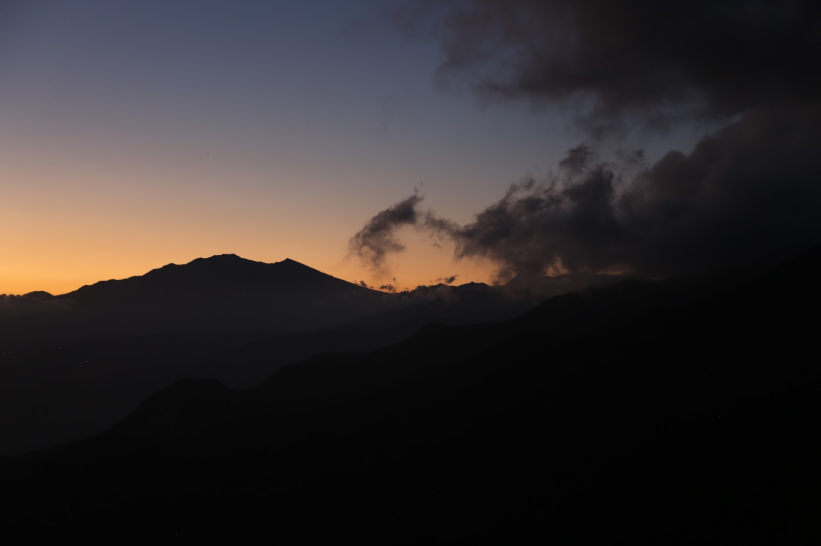
Panama from Sea Level to Cloud Forest 60 Coastal Destinations and 60 Mountain Communities That Define the Country

The Coastal Identity of Panama

Panama’s coastline stretches across two completely different oceans, and that split personality defines travel here more than anything else. Caribbean waters glow turquoise and calm, while the Pacific shifts dramatically with tides that reveal vast sand flats at low water. The coast isn’t one uniform experience — it’s a mosaic of fishing villages, surf hubs, island communities, resort corridors, and quiet local beaches that change character every few hours with the movement of the sea.

The Caribbean archipelago of Bocas del Toro remains one of the most recognizable coastal environments in Central America. Wooden homes painted in bright tropical colors stand above calm water, boats replace taxis, and jungle presses right to the shoreline. The beaches vary wildly within minutes — from calm swimming coves to open surf breaks. Travelers come for snorkeling, island hopping, and social energy that never feels rushed.

Further east, the San Blas Islands in the Guna Yala region form one of the most visually striking coastal landscapes in the hemisphere. Tiny sand islands rise just above sea level, ringed by coral reefs and shaded by palms. These islands represent dozens of distinct beach environments rather than a single destination. Some are inhabited by small indigenous communities, while others remain untouched. The experience is defined by simplicity — salt air, clear water, and the rhythm of the sea.

On the Pacific side, Playa Venao curves into a perfect crescent where steady waves attract surfers from around the world. The town has evolved from a remote surf stop into a full beach community with hostels, cafés, and open-air restaurants that face the ocean. Sunsets stretch wide across the horizon, and the shoreline becomes a social gathering point every evening.

The fishing village of Santa Catalina represents another type of Pacific coastline. It grew slowly around a small harbor and remains closely connected to the ocean that supports it. The beach itself is simple and natural, but the surrounding waters hold extraordinary marine life. It feels like a gateway to wilderness rather than a resort town.

Pedasí anchors the southern Azuero Peninsula with traditional coastal life and access to multiple nearby beaches including El Toro, Arenal, and El Cascajal. The shoreline alternates between rocky outcrops and wide sandy stretches shaped by strong Pacific tides. Culture remains visible here — fishing boats, festivals, and family-run restaurants create continuity between land and sea.

The Riviera Pacífica corridor west of Panama City introduces another coastal personality entirely. Coronado, Gorgona, San Carlos, and Playa Blanca form a chain of accessible beach communities where infrastructure meets ocean scenery. These beaches are known for long walks, weekend escapes, and the kind of accessibility that allows quick transitions from city life to open horizon.

Punta Chame stretches dramatically into the ocean, creating miles of wind-swept sand ideal for kitesurfing and long solitary walks. Veracruz offers a social coastal environment where locals gather for food and sunset views. Farallón provides resort-style relaxation while nearby beaches like Río Hato and Santa Clara maintain quieter rhythms.

The Pearl Islands scattered across the Pacific add another dimension to Panama’s coastal identity. Contadora, Saboga, Isla del Rey, and dozens of smaller islands create isolated beach environments reachable by boat or small plane. These islands vary from polished white sand beaches to rugged coastlines shaped by volcanic rock.

Along Colón’s Caribbean coast, Isla Grande and Portobelo reveal a blend of beach scenery and layered history. Fort Sherman offers a more secluded shoreline framed by forest. Costa Arriba’s scattered beaches remain largely untouched by development.

Across both oceans, Panama’s coast includes dozens more communities and beaches that rarely appear in travel headlines but shape the true coastal experience. Places like Playa Malibú, Río Mar, Playa Corona, Playa Teta, Playa Hermosa, Playa Barqueta, Punta Burica, Playa Bluff, Red Frog Beach, Starfish Beach, Playa Estero, and Playa Las Lajas each present distinct environmental and cultural identities.

Taken together, Panama’s coast isn’t defined by one famous beach but by variety — social beaches, wild beaches, village beaches, surf beaches, island beaches, and hidden local shores that reward curiosity.

---

The Vertical Shift — Entering the Highlands

Leaving the coast behind in Panama doesn’t simply mean going inland. It means entering an entirely different climate, landscape, and rhythm of life. Within a few hours of sea level, elevation rises dramatically and the environment transforms from humid shoreline to cool mountain forest.

The highland town of Boquete sits in a green valley shaped by volcanic soil and flowing rivers. Coffee farms climb surrounding slopes, mist drifts through the hills, and the air remains refreshingly cool. The region offers hiking, birdwatching, and agricultural culture in equal measure.

Inside a massive extinct volcanic crater lies El Valle de Antón, a highland community surrounded by steep green walls. Waterfalls cascade down crater sides, hot springs bubble from the earth, and markets reflect a long tradition of mountain living. The environment feels enclosed yet expansive at the same time.

Cerro Punta and Volcán sit near the country’s highest peak, where elevation supports cool weather agriculture and sweeping views across layered mountain ridges. These towns represent Panama’s agricultural highlands — a landscape of farms, forests, and cloud cover that moves slowly across the terrain.

Beyond these well-known highland centers lies an extensive network of mountain communities that collectively define Panama’s interior identity. Santa Fé in Veraguas offers waterfalls and forest trails. Cerro Azul provides a cool refuge near the capital. Altos del María presents a planned mountain community surrounded by protected forest.

The highlands include dozens more villages and rural settlements scattered across Chiriquí, Veraguas, Coclé, and Panamá provinces. Places such as Jaramillo, Bajo Mono, Río Sereno, San Andrés, Las Nubes, El Cope, Los Algarrobos, Quebrada Piedra, Las Llanas, Santa María, La Penita, and Escobal each contribute to a patchwork of mountain environments shaped by elevation and rainfall.

Higher still, deep in the cloud forest above Boquete, sits Lost and Found Hostel. Unlike towns that grow around roads or farms, this jungle mountain base exists inside the forest itself. Trails begin directly from the property, leading into dense vegetation, river canyons, and viewpoints that reveal the scale of Panama’s interior landscape.

Travelers reach the area easily from Boquete by shuttle or public transport, making it accessible while still feeling remote. The elevation brings cooler temperatures, and the surrounding forest hosts wildlife that rarely appears at lower elevations. Community dinners, guided hikes, waterfall adventures, and social evenings create a strong shared atmosphere among travelers.

---

The Geography That Connects Coast and Highlands

Panama’s compact geography allows travelers to move between environments quickly, but the transition feels dramatic. Within a single day, it’s possible to begin at a Caribbean beach, cross central mountains, and end at a Pacific shoreline. This vertical diversity creates one of the most concentrated landscape variations in the Americas.

Coastal heat gives way to mountain coolness. Ocean horizons transform into layered ridgelines. Palm trees fade into cloud forest vegetation. Fishing villages transition into agricultural communities. The change is not gradual — it is immediate and unmistakable.

This is why Panama supports such an extensive network of both coastal and mountain settlements. Beaches shape culture along the oceans, while elevation shapes culture inland. Together they form two complementary identities rather than competing ones.

---

Coastal Life Versus Highland Life

Life along the coast revolves around tides, fishing, and ocean access. Communities grow around harbors, surf breaks, or protected bays. Even developed beach areas remain connected to the sea’s rhythms. Days often begin early to avoid midday heat and end with sunset gatherings near the water.

Mountain communities follow different patterns. Cooler temperatures allow for slower pacing throughout the day. Agriculture replaces fishing as the primary livelihood. Forest and rainfall shape the environment more than tides. Visibility shifts constantly with cloud cover moving across ridges.

Travelers moving between these environments often describe the shift as a reset. The sensory experience changes — sound, temperature, vegetation, and even light quality feel different.

---

Why Travelers Combine Both Regions

Panama encourages a travel style built on contrast. Visitors who experience only beaches miss the depth of the interior. Those who stay only in the mountains miss the country’s ocean identity. The true experience emerges from combining both.

Backpackers often move from surf towns like Playa Venao or Santa Catalina into the highlands around Boquete. Others begin in Caribbean island environments and later seek cooler temperatures inland. The journey between elevations becomes part of the adventure itself.

Hostels and community-focused accommodations play an important role in connecting these experiences. Places that offer guided hikes, shared meals, and social spaces help travelers transition from coastal exploration into deeper engagement with the landscape.

That’s exactly where a jungle mountain hub like Lost and Found fits into the travel route — not as a replacement for beaches, but as a complementary environment that reveals Panama’s vertical diversity.

---

The Full Spectrum of Panama’s 120 Highlighted Destinations

Across Panama’s two coastlines and mountainous interior exist more than 120 notable travel locations when beaches, island communities, surf hubs, crater towns, agricultural highlands, and forest villages are counted together. Some are globally known. Many remain local secrets. All contribute to a country defined by geographic diversity rather than a single defining landmark.

From Caribbean island chains and Pacific surf bays to volcanic crater towns and cloud forest retreats, Panama offers one of the most condensed travel landscapes in the tropics.

---

Closing Reflection

Panama is often described through its canal, but its true identity lives in elevation change and coastal contrast. Beaches stretch in every direction, while mountains rise sharply from lowland heat. Travel here isn’t just about visiting destinations — it’s about moving vertically through environments that feel worlds apart yet exist within a few hours of each other.

For travelers passing through the country — especially those exploring Chiriquí’s highlands — time spent in the mountains reveals a quieter side of Panama that balances the energy of the coast. A place like Lost and Found, surrounded by forest above Boquete, represents that transition perfectly: accessible yet remote, social yet immersed in wilderness, elevated yet connected to the broader travel route that links beaches and highlands together.

Travelling With A Surfboard In Panama

Traveling with a surfboard in Panama is very possible, but it comes with a bit of improvisation. The country’s compact geography and strong surf culture mean boards are a familiar sight, yet public transport wasn’t really built for long gear. With patience and flexible timing, most surfers move around without major problems.

Buses and surfboards

On long-distance buses, policies can change from one trip to the next. Large coaches sometimes fit boards in the luggage compartment underneath, especially shorter boards. Longboards may end up on the roof rack or refused if space is tight. It often depends on the driver and how full the bus is.

Yes — some buses charge a fee for surfboards. The charge is usually treated like oversized baggage and is typically modest, but it isn’t standardized. You might pay a small extra amount, or nothing at all if there’s plenty of room. Showing up early increases the chance of securing space without complications.

Popular surf routes tend to be more board-friendly simply because staff see them often. Even so, there’s no official nationwide rule, so flexibility is essential. Having a protective board bag helps convince drivers your gear won’t cause damage or inconvenience.

Shared transport and shuttles

Shared shuttles and private transport are usually the easiest option. Many vans serving traveler routes have roof racks specifically for oversized gear. These services commonly accept surfboards and may charge a clear additional fee, but they offer more predictable handling than public buses.

Road conditions and multiple transfers can be the biggest risk to a board, especially on routes heading toward remote beaches. Direct transport reduces handling and makes travel smoother overall. Communication with drivers ahead of time is helpful whenever possible.

In general, traveling with a surfboard in Panama is manageable but not standardized. Some buses charge extra, space isn’t guaranteed, and flexibility matters. With a little planning and realistic expectations, surfers can move between the country’s warm Pacific and Caribbean breaks without too much stress.

Proof Of Onward Travel When Entering Panama By Land Or Air

Entering Panama as a visitor usually comes with one key expectation: proof that you plan to leave. Whether you arrive by plane or cross a land border, immigration officers may ask for evidence of onward travel. This rule exists to show you’re entering as a tourist, not intending to overstay.

For travelers arriving by air, airlines themselves are often the first checkpoint. Before boarding a flight to Panama, airline staff commonly request proof of a return or onward ticket. They do this because airlines can be fined if passengers are denied entry and must be flown back. In practice, this makes the rule feel stricter at the airport check-in desk than at immigration itself.

When you land, Panamanian immigration officers may ask to see your onward travel proof again. It doesn’t always happen, but it’s common enough that you should be prepared. Acceptable proof usually includes a return flight, a bus ticket leaving Panama, or sometimes a flight out of another nearby country if you’re traveling overland through Central America.

Entering by land border is a bit more flexible — but not a free pass. At crossings like Costa Rica–Panama, officers sometimes ask for proof you’ll exit the country. Enforcement varies depending on the border post, the officer, and how busy the day is. Some travelers pass without being asked; others are required to show a bus or flight booking before entry is stamped.

Backpackers often wonder if a “throwaway” onward ticket is required. Officially, Panama just requires proof of departure, not necessarily a return home. Many travelers use refundable flights or low-cost bus reservations to meet the requirement while keeping plans flexible. The key is simply showing a credible intention to leave.

How strict is enforcement overall? Compared with many countries, Panama is moderately strict on paper but inconsistent in practice. Air travelers feel the rule more strongly because airlines enforce it consistently. Land travelers experience more variability, but being asked is still common enough that showing up without proof can be risky.

Immigration officers also have discretion to ask for additional proof of tourism — such as accommodation details or evidence of funds — though this is less common. Visitors from visa-free countries typically receive a tourist stay of up to 90 days, but that permission assumes compliance with entry requirements, including onward travel.

For someone in your position running a nature-focused place near Boquete — like your Lost and Found setup where guests hike straight onto jungle trails — this rule matters because many backpackers arrive spontaneously. You’ve probably seen how often guests scramble to buy a bus ticket on their phone right before crossing a border. It’s a real, everyday travel ritual in Panama.

A practical tip for travelers heading to the Boquete highlands: keep a digital copy of your onward ticket and passport ready. Internet at border posts can be unreliable, and having documents offline avoids stress. Immigration interactions are usually polite and quick when paperwork is in order.

Overall, the safest approach is simple: always have proof you’re leaving Panama, regardless of how you enter. You might not be asked — but if you are, having that ticket turns a potentially stressful moment into a routine stamp and a welcome into the country’s mountains, forests, and backpacker routes.

Wearing Shorts In Panama Is Slowly Becoming More Appropriate But Only Recently

In Panama, men wearing long pants instead of shorts is largely a matter of culture and social norms rather than climate. Even though the country is hot and humid year-round, many Panamanian men associate long pants with respectability, maturity, and professionalism. In everyday life — especially in towns and cities — long trousers are simply seen as more appropriate attire for adults.

One key reason is the strong cultural link between appearance and personal presentation. In Panama, dressing neatly is often viewed as a sign of self-respect and seriousness. Long pants, even lightweight ones, are considered more “put together” than shorts. This expectation applies in places like banks, government offices, restaurants, and public transportation, where looking presentable carries social importance.

Work culture also plays a role. Many jobs, including casual service positions, expect men to wear long pants regardless of temperature. Because clothing norms are shaped by what people see daily, this standard extends into everyday fashion choices. When most adult men dress this way for work, the look becomes the default outside of work too.

Another influence is how shorts are socially categorized. In many parts of Panama, shorts are associated with children, tourists, beach settings, or athletic activity rather than normal urban life. Locals can easily identify visitors because shorts are common among travelers but less common among Panamanian men going about their daily routines.

Climate adaptation is also part of the explanation. Lightweight fabrics like linen or thin cotton allow men to stay comfortable in long pants despite the heat. Over time, people become accustomed to dressing for sun protection as much as for cooling, and long pants can help reduce sun exposure and insect bites in tropical environments.

That said, norms are gradually shifting, especially in tourist areas, beach towns, and among younger generations. Shorts are becoming more accepted in casual settings, but long pants still dominate in situations where appearance, tradition, and social expectations carry weight. Understanding this small cultural detail helps visitors better interpret everyday life and local style in Panama.

Hostel Prices In Panama

Hostel prices in Panama vary widely depending on location, amenities, and the kind of experience a traveler wants. In major hubs like Panama City or popular beach destinations, dorm beds can range from budget-friendly basics to surprisingly upscale stays. For backpackers used to simple bunks and shared kitchens, Panama can feel like a place where the definition of a “hostel” stretches in every direction.

One noticeable trend is that some properties labeled as hostels function more like boutique hotels that happen to include a dorm room or two. These places often feature stylish private rooms, curated decor, pools, and restaurant-style dining. While they may offer social spaces, the overall feel leans closer to a small hotel than a traditional backpacker hostel. Prices at these hybrid properties naturally reflect the upgraded comfort and design.

At the other end of the spectrum are simple, budget-focused hostels that prioritize affordability above all else. These typically offer basic dormitories, shared bathrooms, and minimal extras. For travelers who mainly want a place to sleep between adventures, these hostels provide solid value — but amenities like workspaces, common lounges, or organized activities may be limited.

A growing number of newer hostels in Panama have also moved away from providing guest kitchens. Rising food safety standards, staffing costs, and business models centered around on-site cafés or restaurants have contributed to this shift. While convenient for some travelers, the absence of a kitchen can increase daily travel costs for budget-conscious backpackers who prefer to cook their own meals.

Location plays a major role in pricing as well. Urban hostels in Panama City may charge more due to demand and operating costs, while beach and island hostels price according to tourism seasons. Remote jungle or mountain accommodations, especially those surrounded by protected nature, often charge significantly higher rates because of logistics, transport, and limited infrastructure.

That’s where Lost and Found Hostel sits in a unique position within the market.

Nestled in the highlands near Boquete with direct access to forest trails, it offers a nature-immersed experience without the premium price tag typically associated with remote eco-lodges. Many secluded lodges in Panama charge much higher nightly rates due to transportation challenges and exclusivity, but Lost and Found maintains a middle-ground pricing approach that remains accessible to backpackers.

In terms of facilities, the hostel also lands comfortably between bare-bones and luxury. Guests find social spaces, nature access, and a community atmosphere without the polished, hotel-like feel of upscale boutique hostels. For travelers seeking a balance between comfort and authenticity, that combination can be especially appealing.

Another factor influencing perceived value is the experience beyond the bed. Remote hostels often serve as gateways to hiking, wildlife viewing, and immersion in nature. When those experiences are included through location alone — such as trail networks starting at the property — the overall value increases compared to accommodations where activities require additional transport and fees.

For backpackers traveling through Panama, understanding these differences helps set realistic expectations. A higher price does not always mean a more social environment, and a lower price does not always mean fewer memorable experiences. The type of hostel matters as much as the price.

Ultimately, Panama’s hostel scene reflects the country itself — diverse, evolving, and shaped by both tourism demand and natural geography. From urban boutique hostels to jungle retreats, travelers can find a wide range of price points and styles. For those looking for strong value in a remote natural setting, places that balance cost, facilities, and access — like Lost and Found — stand out as a compelling choice.

Bioluminescence in Bocas del Toro

Bioluminescence in Bocas del Toro is one of those experiences that feels almost unreal — a glow that appears in the water with every movement. The light comes from microscopic marine organisms called dinoflagellates that emit a flash when disturbed. Dip your hand in the water, paddle a kayak, or watch fish swim by, and the sea responds with electric blue sparkles.

The best time to see bioluminescence is on dark, calm nights when there is little moonlight. New moon phases or nights when the moon rises late create the strongest contrast, allowing the glow to appear brighter. Clear skies, minimal wind, and still water also improve visibility. Guides in the area track conditions closely because timing can make a dramatic difference in how intense the display appears.

Several sheltered lagoons and mangrove areas around Isla Colón and nearby islands provide ideal conditions. These protected waters allow dinoflagellates to accumulate, increasing the chances of a vivid show. Because the phenomenon depends on natural factors, no two nights are exactly the same — which makes each outing feel special and unpredictable.

Taking a guided tour is the easiest and most reliable way to experience the glow. Local operators typically lead small nighttime boat or kayak trips to known bioluminescent spots. Guides handle navigation, safety, and timing, and they often explain the science behind what you’re seeing. Tours usually run in the evening after full darkness sets in and last one to two hours.

For travelers exploring Panama’s nature — whether hiking cloud forests near Boquete or relaxing on Caribbean beaches — bioluminescence offers a completely different perspective on the country’s wildlife. It’s quiet, immersive, and unforgettable: a reminder that even the smallest organisms can create one of the most magical sights in the tropics.

The Birds People Dream Of Seeing In Panama

Panama is a dream for birdwatchers because it compresses an extraordinary range of habitats into a small space — Caribbean lowlands, Pacific mangroves, cloud forests, and highland ridges. For visiting birders, the thrill isn’t just the number of species, but the chance to see iconic “target birds” that people travel across continents to find. Around Boquete — where your Lost and Found crowd heads into the jungle trails — many of these coveted species are within reach on early morning hikes.

Resplendent Quetzal

Few birds inspire more awe than the Resplendent Quetzal. With shimmering green plumage and flowing tail feathers, it looks almost unreal. Birders scan fruiting trees in high-elevation cloud forest, especially near Boquete and Volcán, hoping for that unforgettable flash of emerald in the mist.

The quetzal is not only beautiful but culturally significant across Central America. Seeing one often feels like a reward for patience, quiet movement, and a willingness to wake before sunrise when the forest is most alive.

Harpy Eagle

The powerful Harpy Eagle is Panama’s national bird and one of the world’s largest raptors. Spotting one in the wild is rare and deeply memorable. These eagles dominate the rainforest canopy, and sightings in eastern Panama or protected reserves instantly elevate any birding trip.

For birders, the Harpy represents wilderness itself — a top predator that signals a healthy forest ecosystem. Even hearing stories of a recent sighting gets binoculars up fast.

Three-wattled Bellbird

The strange and spectacular Three-wattled Bellbird is famous for its metallic, far-carrying call and dangling facial wattles. During migration periods, birders in Panama’s highlands listen carefully for its distinctive ringing note echoing through the forest.

Its appearance is so unusual that first-time observers often need a moment to process what they’re seeing. It’s one of those species that turns a quiet forest walk into a story you’ll retell for years.

Snowcap Hummingbird

Tiny but dazzling, the Snowcap Hummingbird is a prized sighting for hummingbird lovers. Males display a bright white crown that contrasts sharply with deep purple body feathers.

Because of its size and quick movements, spotting a Snowcap requires sharp eyes and patience around flowering plants. Many birders consider it one of the most charming birds in Panama’s forests.

Keel-billed Toucan

The unmistakable Keel-billed Toucan often becomes a favorite even for non-birders. Its rainbow-colored bill and playful movements make it a highlight of lowland forest birding.

Toucans are surprisingly social and vocal, so hearing their calls often leads to a rewarding sighting. In many parts of Panama, they symbolize the richness of tropical wildlife.

Golden-hooded Tanager

Color explodes in the form of the Golden-hooded Tanager. With a brilliant golden head and electric blue body, it looks like a living jewel.

Mixed flocks moving through forest edges often include tanagers, and spotting this species adds a burst of color to any checklist.

Rufous Motmot

The elegant Rufous Motmot moves quietly through shaded forest understory. Its long tail and calm posture give it a regal presence.

Motmots are beloved by birders for their behavior as much as their appearance. Watching one sit motionless before gliding deeper into the forest feels almost cinematic.

Panama’s appeal for birdwatchers comes from how many iconic species can be seen within short travel distances. A birder might search cloud forests in the morning and explore lowland rainforest later the same day.

Regions around Boquete are especially valued for highland specialties, while Caribbean and eastern forests offer a different set of targets. This geographic diversity keeps birders constantly scanning, listening, and learning.

Trails near your Lost and Found area give visitors direct access to forest habitats where many sought-after species live. Early morning hikes — when mist lifts and birds become active — often produce the most memorable encounters.

Birdwatching in Panama is not only about ticking species off a list. It’s about immersion — humidity in the air, layered forest sounds, and the anticipation that the next movement in the canopy could be something extraordinary.

Many birders describe Panama as a place where skill meets luck. Knowledge of calls and habitat helps, but some of the best sightings happen unexpectedly, rewarding patience and curiosity.

For visiting backpackers who come for hiking, waterfalls, and jungle views, birdwatching often becomes an unexpected highlight. Even casual observers find themselves captivated by movement in the canopy.

Guided walks can dramatically increase sightings because local guides recognize calls and subtle movements most visitors miss. A single experienced guide can transform an ordinary walk into a remarkable wildlife experience.

Panama continues to grow as a global birding destination because it offers both accessibility and biodiversity. Roads, trails, and protected areas make remote-feeling wildlife surprisingly reachable.

For serious birdwatchers, the country represents opportunity — rare species, dramatic landscapes, and new discoveries on every trail. For travelers, it offers a deeper way to connect with nature.

And for those waking before dawn in the Boquete highlands, coffee in hand and binoculars ready, the forest promises something special — maybe a flash of green, a ringing call, or a silhouette perched in morning light.

In Panama, birdwatching isn’t just an activity. It’s a treasure hunt guided by sound, color, and patience — and the next coveted sighting might be waiting just beyond the next bend in the trail.

Panama's Serial Killer

Panama’s Caribbean paradise is known for turquoise water, reggae rhythms, and backpacker beaches — but for a time, the islands were also linked to one of the country’s most disturbing criminal cases. The story of “Wild Bill of Bocas” became widely known because it unfolded in a place travelers associate with relaxation, not crime. While the events shocked residents and visitors alike, they also revealed how remote communities can sometimes hide dark secrets.

The man known as “Wild Bill” is William Dathan Holbert, a U.S. citizen who lived for several years in Panama’s Caribbean region. Before his arrest, he presented himself as a friendly expatriate involved in local business ventures. Many people who met him described him as charismatic and persuasive, traits that helped him gain trust within the community.

Bocas del Toro — The Setting

The crimes were connected to the island region of Bocas del Toro, one of Panama’s most popular travel destinations. Known for diving, surfing, and laid-back island life, the area has long attracted expatriates seeking affordable property and a tropical lifestyle. This mix of locals and foreigners created a close-knit but diverse community.

Holbert arrived in Panama in the mid-2000s and settled in the Bocas region. He promoted business ideas and formed relationships with other expatriates, often presenting himself as an entrepreneur. Over time, authorities began investigating disappearances linked to people who had interacted with him.

In 2010, Panamanian authorities arrested Holbert and his partner after uncovering evidence connecting them to multiple killings. The case quickly gained international attention because several victims were foreign nationals living in Panama. Investigators worked across jurisdictions to piece together what had happened.

The investigation was complex due to the remote geography of the islands and the international backgrounds of those involved. Law enforcement agencies in Panama led the case, and it became one of the most widely reported criminal investigations in the country’s modern history.

Holbert eventually confessed to several killings during legal proceedings. Courts in Panama convicted him, and he received a long prison sentence under Panamanian law. His case remains one of the most notorious criminal prosecutions involving a foreign resident in the country.

Today, Holbert remains incarcerated in Panama. He is serving his sentence within the national prison system under the authority of Panamanian courts. His imprisonment effectively ended one of the country’s most shocking criminal episodes involving an expatriate community.

The case had a lasting impact on the Bocas del Toro region. Local residents and long-term expatriates became more cautious about business partnerships and property dealings. Authorities also increased scrutiny of certain activities involving foreign residents.

Despite the notoriety of the case, Bocas del Toro continues to be a major tourism destination. Visitors still arrive for its beaches, reefs, and wildlife. The region’s reputation today is shaped far more by its natural beauty than by the events connected to Holbert.

For many observers, the story of “Wild Bill of Bocas” highlights how appearances can be misleading. A person who seemed ordinary in daily life was ultimately revealed to have committed serious crimes, a reminder of why communities depend on strong legal institutions and cooperation with authorities.

Panama’s justice system handled the case through investigation, prosecution, and sentencing under national law. The proceedings demonstrated how crimes involving foreign nationals are addressed within the country’s legal framework.

The story also became part of modern local history in Bocas del Toro, often discussed as a cautionary tale among residents and expatriates. It remains a reminder that even peaceful tropical destinations are not immune to crime.

Today, Holbert’s name is associated primarily with his conviction and imprisonment. He remains in custody in Panama, and there are no indications of release in the near future under his sentence.

Ultimately, the legacy of the case is not defined by fear but by resilience. Bocas del Toro remains a vibrant Caribbean destination, while the justice system’s response showed how Panama confronts serious crime within its borders.

Kite Surfing In Panama

Kite surfing blends surfing, sailing, and a bit of flight into one addictive water sport. Riders harness the power of the wind with a large controllable kite while gliding across the water on a board. It’s fast, technical, and incredibly freeing — one moment you’re carving across flat water, the next you’re lifting into the air. For travelers chasing wind and warm water, Panama has quietly become one of the most rewarding places in Central America to ride.

What makes Panama special for kite surfing is its geography. With coastlines on both the Pacific Ocean and the Caribbean Sea, wind conditions vary by season and location. Consistent trade winds, warm tropical temperatures, and wide open beaches create ideal learning and riding environments. Unlike some crowded global kite destinations, Panama still offers space, raw nature, and a laid-back vibe that fits perfectly with a backpacker mindset.

Punta Chame — Panama’s Kitesurfing Capital

The undisputed hotspot is Punta Chame, a long narrow peninsula about 90 minutes from Panama City. Here, steady Pacific winds blow across shallow, flat water — a dream setup for beginners and freestyle riders. The massive sandbar creates a natural training zone where riders can stand in the water while learning control. On windy days, the horizon fills with colorful kites dancing above the bay.

Punta Chame’s appeal isn’t just the wind — it’s the consistency. The best season typically runs from December through April, when dry season trade winds blow reliably. Schools and rental shops operate along the beach, making it easy for newcomers to take lessons. For experienced riders, the wide open space means fewer crowds and plenty of room to push speed or practice jumps.

Playa Barqueta — Wide Open Pacific Riding

On Panama’s western Pacific coast near David lies Playa Barqueta, a vast and often empty stretch of coastline. While less developed than Punta Chame, it offers strong seasonal winds and plenty of space for independent riders. The scenery feels raw and expansive — long beaches, open skies, and very few obstacles.

Because Playa Barqueta is quieter and less commercialized, it suits intermediate to advanced riders who are comfortable launching and riding without extensive infrastructure. For travelers already exploring the highlands around Boquete — where your Lost and Found crew sends hikers onto jungle trails — this coast is a reachable side adventure when the wind calls.

Bocas del Toro — Caribbean Style Riding

On the Caribbean side, Bocas del Toro offers a completely different vibe. Here, riders find turquoise water, island scenery, and trade winds that create exciting conditions. Areas around Isla Colón and open beaches like Bluff Beach can produce strong wind and wave riding opportunities when conditions align.

Kite surfing in Bocas feels more adventurous and less predictable than Punta Chame, but that’s part of the draw. Sessions can include reef breaks, rolling swell, and dramatic tropical backdrops. Between sessions, riders relax in island towns known for their backpacker culture, surf scene, and easygoing pace of life.

Wind patterns shape the kite calendar in Panama. The strongest and most reliable winds typically occur during the dry season months, especially on the Pacific side. Weather is warm year-round, so riders don’t need thick wetsuits — just sun protection, hydration, and respect for changing conditions. For travelers exploring nature, kite sessions pair easily with hiking, wildlife watching, and coastal road trips.

Kite surfing also connects travelers to Panama’s broader outdoor culture. Many backpackers who come for jungle hikes, birdwatching, or volcano views discover kite surfing as an unexpected highlight. It’s not unusual for someone staying in the Boquete region for cloud forest adventures to plan a wind-chasing side trip once they hear how accessible Punta Chame is.

Beyond the sport itself, the experience is about atmosphere. Panama’s kite spots aren’t overly commercialized mega-resorts. They’re places where locals, travelers, and instructors share wind reports, help launch kites, and trade stories after sunset. The blend of tropical scenery and welcoming community makes sessions feel less like tourism and more like participation.

Kite surfing in Panama captures what draws so many travelers to the country in the first place — nature, freedom, and variety. From the flat-water training grounds of Punta Chame to the wild Pacific beaches of Chiriquí and the Caribbean island winds of Bocas del Toro, riders find conditions for every skill level. For adventure seekers already exploring Panama’s mountains and forests, the wind offers one more unforgettable way to experience the country.

Drinking Rules In Panama

Panama’s liquor laws reflect a mix of public safety policy, cultural tradition, and municipal control. In Panama, alcohol is legal for adults but its sale and consumption are carefully regulated depending on location, time of day, and national events. Travelers and residents alike quickly notice that while nightlife can be lively, there are clear boundaries that businesses and individuals must respect.

The legal drinking age in Panama is 18 years old. Anyone under 18 is not allowed to purchase or publicly consume alcoholic beverages. Bars, supermarkets, and shops that sell alcohol are required to verify identification, and selling to minors can lead to fines or loss of a business license. This rule is enforced nationwide, whether in cities, beach towns, or mountain communities.

Alcohol sales in retail stores follow regulated hours that vary slightly by municipality. Supermarkets, convenience stores, and liquor shops generally sell alcohol from morning until evening, but local authorities may restrict late-night sales. These rules are designed to reduce disturbances and maintain order, particularly in busy urban areas.

Bars, discotheques, and nightlife venues operate under specific permits that determine how late they can serve alcohol. In major nightlife districts, venues commonly operate into the early morning hours, often until around 3:00 a.m., though some areas impose earlier closing times. Municipal governments have the authority to adjust operating hours based on public safety concerns or local policy decisions.

Public consumption of alcohol is also regulated. Drinking in streets, parks, and certain public places can be restricted or prohibited depending on the municipality and the occasion. During large festivals or crowded public gatherings, authorities may increase enforcement of open container rules to maintain safety and order.

One of the most distinctive features of Panama’s liquor regulations is the use of “dry laws,” which temporarily prohibit the sale of alcohol nationwide. These restrictions typically occur during national elections. The goal is to promote calm public participation and reduce the risk of disturbances during important civic events.

Religious observances also influence alcohol regulations. During Holy Week, especially on Good Friday, the sale of alcoholic beverages is often banned across the country. These temporary prohibitions reflect Panama’s strong cultural and religious traditions, where certain days are treated with special respect and restraint.

When alcohol sales are banned for a holiday or national event, the restriction applies broadly. Bars, restaurants, supermarkets, and small shops must all comply. Even if a business normally operates late into the night, it must suspend alcohol sales until the restriction period ends. Authorities conduct inspections to ensure compliance.

Penalties for violating liquor laws can be significant. Businesses that sell alcohol during prohibited hours or on restricted days may face fines, temporary closures, or license suspension. Individuals who violate public drinking regulations may also receive fines, depending on the circumstances and location.

Overall, Panama’s liquor laws create a structured system that balances social life with regulation. Adults may legally purchase and consume alcohol, but there are clear rules about when and where it is allowed. Understanding these regulations helps residents, visitors, and business owners navigate daily life smoothly while respecting national traditions and public order.

Panama's Most Dangerous Snake

The snake most widely considered the most dangerous in Panama is the fer-de-lance, scientifically known as Bothrops asper. It holds this reputation not because it seeks conflict, but because of its potent venom, excellent camouflage, and the fact that it lives in areas where people commonly hike and explore. In tropical regions of the country, it is responsible for the majority of serious snakebite incidents.

The fer-de-lance thrives in a wide range of habitats, from dense lowland rainforest to cooler foothill forest. Around the highland trails in the Boquete vicinity, the mix of moisture, vegetation, and elevation creates suitable conditions for many rainforest species, including this one. It prefers warm, humid environments with plenty of natural cover like leaf litter, roots, and fallen branches.

One of the snake’s most remarkable traits is its camouflage. Its patterned body blends almost perfectly with the forest floor, making it extremely difficult to see even when nearby. Many encounters happen simply because someone steps close without realizing the snake is present. Its defense strategy is stillness rather than escape, which is why people sometimes feel it appeared out of nowhere.

Fer-de-lance snakes are primarily nocturnal but may be active during cooler parts of the day, especially in shaded forest and cloud forest edges. They hunt small mammals, birds, and amphibians, playing an important ecological role by helping control rodent populations. Despite their intimidating reputation, they are not naturally aggressive and typically avoid confrontation.

The species is considered particularly dangerous because of the effectiveness of its venom combined with how often humans enter its habitat. In forested regions where hiking trails pass through dense vegetation, encounters are more likely than in open landscapes. Distance from medical facilities can also increase the seriousness of incidents in remote environments.

For hikers exploring forest trails around Boquete, awareness is the most important safety measure. Watching the ground carefully, using a flashlight when walking at night, and staying on clear paths significantly reduces risk. Most people who spend time in the region never encounter one, especially when moving attentively through the forest.

Local guides and longtime residents tend to treat the fer-de-lance with calm respect rather than fear. In Panama’s rainforest culture, snakes are viewed as part of the natural system rather than enemies. This attitude encourages caution without panic and helps maintain balance between people and wildlife.

The fer-de-lance is also widely known because its range extends across much of Central America. Many travellers hear about it long before they ever step onto a jungle trail. Its reputation often looms larger than actual encounters, especially for visitors new to tropical environments.

For nature-focused travellers and backpackers staying in mountain forest areas, the practical approach is simple: wear proper footwear, avoid reaching into hidden spaces, and observe wildlife from a distance. With these habits, hiking remains safe and deeply rewarding.

Ultimately, the fer-de-lance represents the raw authenticity of Panama’s ecosystems. It is a highly adapted predator, a master of concealment, and a reminder that tropical forests are vibrant, functioning environments. Understanding this species doesn’t make the jungle more dangerous — it makes the experience richer, more informed, and more respectful of the world you’re walking through.

Birdwatching In Western Panama

Birdwatching in western Panama reaches another level in the high-elevation forests around the Continental Divide. The mix of Caribbean and Pacific influences creates a migration corridor and year-round habitat for hundreds of species. For travellers already hiking the region, slowing down to watch birds turns every trail into a moving field guide.

At the heart of this experience is Fortuna Forest Reserve, a protected cloud forest known for cool temperatures, heavy mist, and layered canopy life. The reserve’s elevation creates ideal conditions for species that thrive in mossy, humid environments. Early morning is especially active, when calls echo through the valleys and movement ripples across the treetops.

Birders here often search for highland specialties like trogons, tanagers, and mixed-species feeding flocks that move like living waves through the forest. Even without expert knowledge, you’ll notice the sheer density of birdlife — flashes of color against deep green, sudden wingbeats overhead, and a constant soundtrack of calls.

Adjacent to Fortuna lies Palo Seco Forest Reserve, one of the largest protected areas in the country. Its vast landscape stretches from lowland rainforest up into cooler montane forest, creating exceptional biodiversity. Because of this elevation range, you can encounter very different bird communities within a single day of hiking.

Palo Seco is particularly appealing for patient observers. Trails wind through remote habitat with minimal disturbance, making it possible to witness natural behaviors — feeding, nesting, and territorial displays — rather than just quick sightings. The sense of scale and quiet is part of what makes birdwatching here feel immersive rather than observational.

One advantage of this region is accessibility. Lost and Found Hostel sits strategically between these ecosystems, offering direct proximity to both reserves. For backpackers already drawn by hiking and nature — just like the guests you host — it functions as a practical base for early starts and unhurried exploration.

Beyond proximity, the hostel maintains its own network of forest trails that connect with surrounding wilderness. These paths pass through secondary and mature forest, creating additional habitat corridors where birds forage at eye level. For many travellers, these trails provide their first real bird encounters before venturing deeper into the reserves.

Another advantage for birders is elevation. Cooler temperatures in this mountain zone mean more daytime activity compared to hotter lowland jungles. Misty mornings often produce the best sightings, while afternoon clearing can reveal soaring birds riding thermal currents above the canopy.

Ultimately, birdwatching around Fortuna and Palo Seco isn’t just about species lists — it’s about immersion in a living ecosystem. With protected forests on both sides and trail access right outside the door, the region offers a rare combination of biodiversity and accessibility. For travellers who came for the jungle and stayed for the atmosphere, the birds become part of the memory of the place itself.

Politics In Panama

Politics in Panama blends democratic institutions, strong presidential power, and a history shaped by its strategic location and the Canal. The country operates as a constitutional republic with elections every five years, and peaceful transfers of power have been the norm for decades. For visitors and residents alike, politics often feels stable day-to-day, even when debates get lively.

Panama’s president serves as both head of state and head of government, supported by a unicameral National Assembly. Major political groupings shift over time, but parties like the Democratic Revolutionary Party and the Panameñista Party have played central roles. Coalition-building is common, and campaigns tend to focus on economic growth, corruption control, and social programs.

A defining chapter in modern Panamanian politics is the rise and fall of Manuel Noriega. Noriega, originally a military intelligence chief, became the country’s de facto ruler in the 1980s. His government was accused internationally of corruption, drug trafficking ties, and suppressing political opposition, which strained relations with the United States.

Tensions culminated in the 1989 U.S. military intervention known as Operation Just Cause. The operation removed Noriega from power after a disputed election and escalating conflict. Noriega was taken to the United States, tried on criminal charges, and later imprisoned. This moment remains one of the most discussed turning points in Panama’s political history.

Following Noriega’s removal, Panama returned firmly to civilian democratic governance. The 1990s and 2000s focused on institutional reform, economic openness, and strengthening international ties. A major milestone came in 1999 when Panama assumed full control of the Panama Canal, reinforcing national sovereignty and economic confidence.

Today, Panamanian politics often centers on practical issues that directly affect daily life — infrastructure, cost of living, public services, and transparency. Protests do occur, especially over economic policy or large development projects, but they typically unfold within a democratic framework that allows public expression and negotiation.

For people working in tourism and hospitality — including jungle hostels that attract international travellers — political stability is a quiet advantage. Visitors usually experience Panama as orderly and welcoming, with institutions functioning predictably even when public debate is heated.

Corruption remains a recurring public concern, and anti-corruption reforms are a frequent campaign promise. Civil society groups and investigative journalism play visible roles in holding officials accountable, which helps sustain public engagement in governance.

In the big picture, Panama’s political story is one of transformation: from military influence and international intervention to a stable democratic system closely tied to global trade. Understanding the Noriega era provides essential context, but the country today is defined far more by elections, institutions, and a forward-looking economy than by that turbulent past.

Smoking In Panama

Panama takes smoking rules seriously, and if you’re spending time here — whether running a jungle hostel or backpacking through the highlands — it helps to know the basics. In Panama, smoking isn’t treated as a casual personal choice in shared spaces; it’s regulated to protect public health and comfort. The vibe is simple: smoke freely where allowed, but never assume you can light up anywhere people gather.

First, indoor public smoking is banned nationwide. That includes restaurants, bars, shopping centers, offices, public transport, and most enclosed spaces. Even partially open venues with roofs and defined seating areas are usually considered smoke-free. If you’re used to countries where patios are a gray zone, Panama is clearer — when in doubt, step fully outside and away from people.

Second, many outdoor areas are also restricted. Entrances to buildings, bus stops, hospital grounds, schools, and crowded public walkways are typically no-smoking zones. You’ll see posted signs, and they are actually respected here. Lighting up right beside a doorway or in a line of people will get you looks at best and a reminder at worst.

Third, hospitality settings follow strict etiquette. Hotels and hostels commonly designate specific smoking spots, often outdoors and clearly marked. For places tucked into nature — like jungle lodges and hiking hostels — this rule matters even more because of fire risk and shared air. If you run a rainforest property, you already know: guests who smoke discreetly in the right place fit right in; those who don’t… stand out fast.

Fourth, fines are real. Authorities can issue penalties for smoking in prohibited areas, and businesses can also be fined if they allow violations. Enforcement is most visible in cities and transport hubs, but the cultural expectation carries everywhere. It’s less about punishment and more about social compliance — people simply expect the rule to be followed.

Fifth, etiquette matters as much as law. Smokers in Panama tend to step away from groups, avoid smoking while walking through crowds, and never flick cigarette butts onto the ground. Offering a quick “¿Se puede fumar aquí?” (Can I smoke here?) is seen as polite and often appreciated, especially in smaller towns and nature areas.

Finally, the takeaway for visitors is balance: Panama isn’t hostile to smokers, but it is structured. Smoke where permitted, be mindful of wind and proximity to others, and treat shared environments — especially forests and coastal zones — with care. Follow that rhythm and you’ll find the experience here smooth, respectful, and drama-free… which, honestly, is exactly how most travellers prefer it.

Panama Random Info Blog

Panama is one of the few places on Earth where you can watch the sun rise over the Pacific Ocean and set over the Atlantic — all in the same country. For backpackers chasing unique geography, that alone makes it special.

The country sits on a narrow isthmus connecting North and South America, making Panama a natural crossroads for wildlife, trade, and culture.

Despite its small size, Panama contains rainforests, cloud forests, mangroves, coral reefs, islands, and high mountains. Backpackers experience huge ecological variety without long travel times.

The famous Panama Canal is considered one of the greatest engineering projects in history and still shapes global shipping routes today.

Panama uses the U.S. dollar alongside its own currency, the balboa, making budgeting simple for many travelers.

Average monthly salaries in Panama vary widely, but many workers earn roughly between $600 and $1,200 USD depending on region and profession.

Spanish is the official language, but English is widely spoken in tourism areas, especially around hostels and transport hubs.

Panama’s biodiversity is extraordinary. Scientists estimate the country hosts more bird species than the United States and Canada combined.

The country lies within a major migration corridor, so backpackers visiting during migration seasons may see large numbers of birds passing overhead.

Panama’s forests are home to colorful frogs, sloths, monkeys, and big cats — though most wildlife remains hidden unless you move quietly.

There are also venomous snakes in Panama, including the fer-de-lance. Encounters are rare, but staying on trails and wearing proper footwear is wise.

Cloud forests, like those around Lost and Found Hostel, exist because moisture from two oceans condenses at elevation, creating mist-filled ecosystems.

Panama has no real hurricane season impact compared to many Caribbean nations, making it a year-round travel destination.

The capital, Panama City, features one of Latin America’s most modern skylines alongside a UNESCO-listed colonial district.

Casco Viejo, the historic quarter, blends Spanish colonial architecture with cafes, hostels, and street life.

Panama gained independence from Colombia in 1903 with strong support from the United States, largely connected to canal construction.

The country later experienced military rule under Manuel Noriega, who governed during the 1980s.

In 1989, a U.S. military intervention removed Noriega from power, a major event that still shapes national memory.

Panama abolished its army in 1990 and today maintains only security forces — a rare decision globally.

Panama’s population is ethnically diverse, reflecting Indigenous, African, European, and Asian heritage.

Indigenous groups such as the Guna maintain strong cultural traditions and semi-autonomous territories.

Public buses are a backbone of backpacker travel and can reach most towns across the country.

Older buses known as “Diablos Rojos” are famous for colorful artwork and loud music, though they are gradually being replaced.

Panama’s compact size allows travelers to cross major regions in just a few hours.

Street food is simple but satisfying, often including rice, beans, plantains, and chicken.

Fresh tropical fruit is widely available and inexpensive in local markets.

Coffee from Panama is internationally famous, especially varieties grown in highland regions.

The country has one of the strongest economies in Central America due to logistics, banking, and shipping industries.

Despite economic growth, income inequality remains noticeable between urban and rural regions.

Backpackers often explore both Caribbean and Pacific coasts within one trip.

The Caribbean side is known for relaxed island culture and warm, calm waters.

The Pacific coast offers surf beaches, remote peninsulas, and marine reserves.

The Gulf of Chiriquí contains numerous islands and protected marine ecosystems.

Remote regions like Punta Burica remain largely untouched by tourism.

Panama experiences dramatic rainfall variation depending on location and elevation.

Mountain regions can feel cool enough for jackets, even in the tropics.

Panama is considered one of the safest countries in Central America for independent travel.

The national motto translates roughly to “For the benefit of the world,” reflecting its historic role in global trade.

Panama’s national bird is the harpy eagle, one of the largest and most powerful eagles on Earth.

Panamanians celebrate Carnival with large parades, music, and water festivities each year.

Soccer and baseball are the most popular sports nationwide.

Panama has one of the highest internet connectivity rates in the region, helpful for digital nomads.

The country operates on U.S.-style electrical outlets, convenient for North American travelers.

Backpackers often note how quickly landscapes change within short distances.

Panama’s identity is shaped by movement — of water, trade, wildlife, and people.

For curious travelers, these layers of geography, history, and culture make Panama far more complex than its size suggests.

Exploring slowly reveals a country that is not just a passage between continents, but a destination full of unexpected stories.

Protect Yourself

Traveling through Panama as a backpacker is all about freedom, connection, and new experiences. Along with packing light and staying flexible, being responsible about personal health is part of smart travel. Carrying condoms is a simple, practical step that helps travelers stay prepared and protected while on the road.

Backpacking often means meeting people from many cultures in shared spaces like hostels, buses, and group tours. Social environments can naturally lead to friendships and sometimes romantic connections. Having protection available allows travelers to make responsible choices without stress or last-minute decisions.

Access to familiar products can vary depending on where you travel. While cities like Panama City have pharmacies and supermarkets, remote areas, islands, and mountain regions may have limited options. Carrying what you need ahead of time ensures you are prepared no matter where your route leads.

Health protection is the most important reason condoms can be useful while traveling. They help reduce the risk of sexually transmitted infections and unplanned pregnancy. When exploring new environments, maintaining personal health helps ensure your trip continues safely and positively.

Backpacking culture often emphasizes independence and personal responsibility. Just like bringing a reusable water bottle, a first-aid kit, or travel insurance, carrying protection is part of taking care of yourself while navigating unfamiliar environments.

Travel can also involve spontaneous plans and changing schedules. Buses run on local time, destinations shift, and unexpected opportunities appear. Being prepared means you don’t have to rely on finding supplies at the last moment in a place where availability may be uncertain.

Respect is another key aspect of travel. Responsible preparation shows consideration for both yourself and others. Healthy choices contribute to positive interactions and reflect awareness of shared wellbeing.

Carrying condoms can also reduce anxiety. Knowing you are prepared allows you to focus on enjoying experiences — hiking cloud forests, exploring islands, or meeting fellow travelers — without unnecessary worry.

Preparedness supports the broader backpacking mindset of adaptability. Travelers often prepare for rain, sun, insects, and long journeys. Personal health preparation fits naturally within that same philosophy of readiness.

Ultimately, a backpacking adventure is about discovery and growth. Taking simple steps to protect your health allows you to fully enjoy the journey through Panama with confidence, awareness, and respect for yourself and those you meet along the way.

Exploring Panama With A Backpack

Backpacking in Panama offers one of the most diverse travel experiences in Central America, combining tropical islands, cloud forests, volcanoes, remote beaches, and vibrant cities within short travel distances. Because the country is compact and well connected by buses, backpackers can explore multiple ecosystems in a single trip without long travel days.

For travelers researching budget travel Panama, backpacking Panama itinerary, or nature travel Central America, the country stands out for accessibility and variety. You can wake up in a mountain cloud forest, ride a bus for a few hours, and be swimming in warm Pacific waters by afternoon.

Most backpacking routes begin in Panama City, a modern capital where colonial history meets urban energy. Backpackers explore Casco Viejo, walk the Cinta Costera, and use the city as a transport hub to reach both coasts. Affordable hostels, international food, and easy bus connections make it a natural starting point.

From the capital, many travelers head toward the Caribbean to explore Bocas del Toro, a top destination for island hopping Panama. Known for clear water, relaxed vibes, and social hostels, Bocas offers snorkeling, surfing, and beach life ideal for budget travelers seeking community and adventure.

The islands of Bocas attract backpackers looking for a lively atmosphere mixed with nature. Isla Colón serves as the main hub, while surrounding islands provide quieter escapes. This region consistently ranks among the best places for budget beach travel Panama.

Moving west into the highlands, travelers discover Boquete, famous for cool temperatures, coffee farms, and hiking trails. It is often listed in Panama backpacking routes thanks to its accessibility and scenic mountain environment.

However, many nature-focused travelers venture beyond town to experience one of Panama’s most unique cloud forest locations — Lost and Found Hostel, hidden within the protected Fortuna Forest Reserve.

This remote nature hostel is known for hiking trails, massive strangler fig trees, hidden jungle rivers, and its location on the continental divide between Caribbean and Pacific climates. For travelers searching best hiking hostel Panama or cloud forest backpacking Panama, it represents an immersive wilderness experience.

Continuing through the highlands, backpackers visit Volcán and Cerro Punta, quieter alternatives to Boquete offering volcanic landscapes, farmland scenery, and access to high-altitude hiking routes.

These mountain towns sit near Volcán Barú and provide a cooler climate ideal for travelers seeking peaceful nature experiences away from busy tourist centers.

Further off the typical route lies Santa Fe, a destination gaining popularity among backpackers searching for hidden gems Panama. Surrounded by waterfalls, rivers, and forested mountains, Santa Fe offers authenticity and tranquility.

Santa Fe is particularly appealing for slow travel and eco-tourism. Budget accommodations and outdoor activities make it a favorite for independent travelers seeking nature immersion.

Along Panama’s Pacific coast, Santa Catalina is widely known among backpackers for surfing and access to Coiba National Park, one of Central America’s best marine environments.

Santa Catalina attracts travelers researching budget diving Panama and surfing Panama backpacking. The village retains a laid-back feel while offering world-class ocean experiences.

For even more remote exploration, backpackers venture toward Punta Burica, a rugged peninsula known for isolation and untouched coastline.

Reaching Punta Burica requires effort, but it rewards travelers seeking off the beaten path Panama with raw nature and minimal tourism infrastructure.

Nearby, the Gulf of Chiriquí offers island landscapes, marine biodiversity, and quiet beaches perfect for eco-focused backpackers.

This region appeals to travelers researching Panama island travel budget and nature reserves Panama, combining ocean adventure with conservation.

Backpacking routes in Panama often follow a natural geographic progression — city to islands, islands to mountains, mountains to remote coastlines. This flow allows travelers to experience dramatic ecological diversity without long journeys.

Public transportation plays a major role in budget travel. Buses connect nearly every destination, making Panama ideal for independent exploration without renting a car.

Hostels throughout the country form the backbone of the backpacking network. From social beach hostels to remote eco-lodges, accommodations support both community and adventure.

Nature remains the defining theme of backpacking in Panama. Rainforests, cloud forests, reefs, rivers, and volcanoes create a landscape designed for exploration.

Another advantage for travelers researching safe backpacking Central America is Panama’s infrastructure. Roads are reliable, distances are short, and tourism services are well established.

Cultural experiences also enrich the journey. Local markets, traditional foods, and regional communities provide meaningful encounters beyond sightseeing.

The country’s compact geography encourages spontaneous travel decisions. Changing destinations rarely requires major planning adjustments.

For digital nomads and slow travelers, Panama offers stable connectivity alongside natural environments, allowing extended stays in diverse regions.

Backpackers also appreciate Panama’s year-round travel potential. Microclimates allow comfortable travel conditions in different regions at different times.

Sustainability is increasingly important across Panama’s travel landscape, with protected reserves preserving biodiversity and supporting eco-tourism.

Many travelers discover that Panama rewards curiosity more than rigid planning. Exploring lesser-known places often becomes the highlight of the trip.

From island beaches to volcanic highlands, Panama provides one of the most varied backpacking environments in the Americas.

For anyone searching best backpacking destinations Panama, the country offers a balance of accessibility, affordability, and natural beauty.

Ultimately, backpacking in Panama is defined by diversity — of landscapes, cultures, climates, and experiences.

Whether following a classic route or exploring hidden corners, travelers find that Panama invites discovery at every step.

For those willing to travel simply, stay curious, and explore beyond expectations, Panama remains one of Central America’s most rewarding backpacking destinations.

Dorm Etiquette

Sharing a dorm is part of the backpacking experience — equal parts community, convenience, and compromise. In places like Panama, where travelers gather from all over the world, dorm life can be one of the most memorable parts of the journey. But when many personalities share one room, a few universal pet peeves tend to appear again and again.

One of the most common frustrations is noise at the wrong time. Late-night packing, early-morning alarms that ring endlessly, and rustling plastic bags at 3 AM can test anyone’s patience. Dorms operate on shared awareness — a little consideration goes a long way toward keeping the peace.

Lighting habits are another classic issue. Turning on bright overhead lights when others are sleeping or scrolling on full brightness in the middle of the night can disrupt rest for everyone. Experienced backpackers quickly learn to rely on small personal lights or phone flashlights instead of illuminating the entire room.

Space etiquette also matters. Dorm rooms are shared environments, not personal storage units. Spreading belongings across multiple beds, leaving bags in walkways, or monopolizing charging outlets can create tension fast. Organized travelers make shared spaces feel more comfortable for everyone.

Cleanliness is another sensitive topic. Wet towels on bunk ladders, food wrappers left behind, or muddy shoes tracked across the floor can change the atmosphere of a room instantly. A simple rule applies: leave shared spaces as you would hope to find them.

Then there are the “midnight rearrangers” — travelers who decide to repack everything inside their backpack while others are asleep. Zippers, buckles, and crinkling materials may seem minor, but in a quiet dorm they sound amplified. Preparing bags earlier or stepping outside shows awareness of the shared environment.

Temperature preferences can also spark quiet conflict. Some travelers want every window open, others want them closed. In tropical highland environments like those around Lost and Found Hostel, where natural airflow replaces climate control, flexibility becomes part of the experience. Adapting together is usually easier than trying to control the environment.

Social boundaries can be another delicate balance. Dorms encourage connection, but not everyone wants to talk at all hours. Loud conversations when others are resting or treating the dorm as a private hangout space can make the room feel less restful than it should.

Strong scents — whether from food, perfume, or damp gear — also rank high on the dorm pet peeve list. In shared spaces, smells linger. Being mindful of what you bring into the room helps maintain a comfortable atmosphere for everyone.

Ultimately, most dorm frustrations come down to awareness rather than intention. Backpacking thrives on shared respect, adaptability, and patience. When travelers stay considerate of each other, dorm life becomes what it’s meant to be — a simple, social space where strangers from around the world can rest, connect, and continue exploring with positive energy.

Don't Be A Karen or Hang With Negative Nancy

Travel has a way of magnifying attitude. The same place can feel magical or miserable depending on the mindset you bring with you. When backpacking through places like Panama, staying positive isn’t just a personality trait — it’s a travel skill. The landscapes, people, and moments that define a journey reveal themselves most clearly when you’re open to them.

One of the quickest ways a trip loses its spark is by absorbing constant negativity from others. Every destination has travelers who focus on what’s missing instead of what’s present — the room isn’t perfect, the weather isn’t ideal, the schedule isn’t convenient. Spending time with that energy can quietly reshape your own experience. Positivity, on the other hand, tends to spread just as easily.

Backpacking invites you into unfamiliar environments, and that’s exactly where growth happens. Embracing new cultures means accepting differences in pace, comfort, and daily rhythm. Meals may take longer, transportation may be simpler, and conversations may be more spontaneous. Those differences aren’t inconveniences — they’re the experience itself.

Expecting every destination to feel like home can create unnecessary frustration. Not every place has climate-controlled spaces, perfectly smooth roads, or predictable schedules. In tropical mountain regions or coastal villages, nature sets the conditions. Learning to adapt — to humidity, rain, heat, or cool mist — transforms discomfort into discovery.

This mindset becomes especially meaningful in nature-centered destinations like Lost and Found Hostel, where the environment shapes daily life. The cloud forest doesn’t operate on convenience, and that’s part of its beauty. Travelers who arrive curious tend to leave inspired, while those expecting polished perfection often miss what makes the place unique.

Negative reviews often reflect mismatched expectations rather than actual problems. Some travelers judge destinations by how closely they mirror familiar comforts. When reality differs, frustration can turn into criticism. But travel isn’t about replication — it’s about encountering something new on its own terms.

Choosing positivity also means choosing engagement. Ride local buses, talk with residents, explore beyond curated spaces. These moments build connection and perspective. The more you participate, the less small inconveniences matter, because the experience becomes richer than the discomfort.

Travelers who focus on appreciation often discover more than those who focus on critique. A simple view, a shared meal, or a quiet trail can become memorable when approached with curiosity. Positivity doesn’t mean ignoring challenges — it means deciding that they won’t define the journey.

Encouraging others to travel with openness can help shift the atmosphere for everyone. Share stories of discovery rather than complaints. Celebrate places for what they are instead of what they lack. A supportive travel community makes destinations more welcoming for both visitors and locals.

Ultimately, travel rewards attitude as much as location. If you approach the journey ready to adapt, learn, and explore, even simple moments become meaningful. Stay positive, embrace the unfamiliar, and let the experience shape you. If the goal is perfect control, staying home might feel easier — but if the goal is growth, the world is waiting.

Don't let It Die Out

Backpacking once defined independent travel — light packs, shared dorms, slow routes, and curiosity leading the way. In recent years, however, a different style has become more visible: comfort-first travel shaped by boutique stays, curated experiences, and social-media aesthetics. While there’s nothing wrong with enjoying comfort, many longtime travelers feel something essential is fading — the raw, exploratory spirit that made backpacking transformative.

This shift is noticeable in destinations like Panama, where infrastructure and tourism marketing increasingly cater to higher-spending visitors. New developments, premium tours, and polished itineraries often overshadow simpler experiences that once defined travel through the country. Yet Panama’s greatest strengths — diversity, accessibility, and authenticity — are still perfectly suited to backpacking.

One reason backpacking is declining is predictability. Digital itineraries, online rankings, and packaged experiences guide travelers toward the same handful of locations. When many visitors follow identical routes, travel becomes efficient but less personal. The unexpected detours, local buses, and chance encounters that once shaped journeys become optional rather than essential.

Backpacking thrives on participation rather than consumption. Riding local buses, eating where residents eat, and choosing small hostels over polished resorts create a deeper connection to place. These choices also distribute tourism benefits more widely, supporting local communities instead of concentrating spending in a few commercial hubs.

Places like Lost and Found Hostel show why the backpacking spirit still matters. Remote, nature-centered hostels attract travelers who value experience over luxury — people willing to hike in misty forests, share stories in common spaces, and discover landscapes that don’t appear in glossy brochures. When travelers choose environments like this, they help preserve diversity in how tourism evolves.

Encouraging a revival of backpacking starts with how travelers share their experiences. Instead of posting only polished highlights, sharing honest stories about simple journeys — a memorable bus ride, a hidden trail, a conversation with locals — reminds others that meaningful travel doesn’t require luxury.

Another way to keep backpacking alive is to support places that prioritize community over convenience. Choosing independent hostels, small guesthouses, and locally guided experiences helps sustain the ecosystems that backpackers rely on. These spaces are often where cultural exchange happens most naturally.

Travelers can also encourage others simply through attitude. When you celebrate discovery over comfort, curiosity becomes contagious. Recommending lesser-known destinations, inviting others to join spontaneous plans, or explaining why slow travel matters can quietly reshape expectations within the travel community.

Importantly, backpacking doesn’t require rejecting comfort entirely. It means balancing accessibility with openness — allowing room for uncertainty, exploration, and learning. Even travelers with larger budgets can embrace backpacking principles by choosing local transport, exploring independently, and valuing experience over exclusivity.

The future of backpacking depends less on trends and more on mindset. As long as travelers continue seeking connection rather than convenience, the spirit will persist. In a country as compact and varied as Panama — where a simple bus ride can lead to cloud forests, remote coastlines, or mountain villages — the opportunity for genuine discovery remains wide open.

Backpacking may no longer dominate travel culture, but it doesn’t have to disappear. By choosing curiosity, supporting grassroots tourism, and sharing authentic experiences, travelers can keep the tradition alive — not as nostalgia, but as a living way to explore the world with intention.