
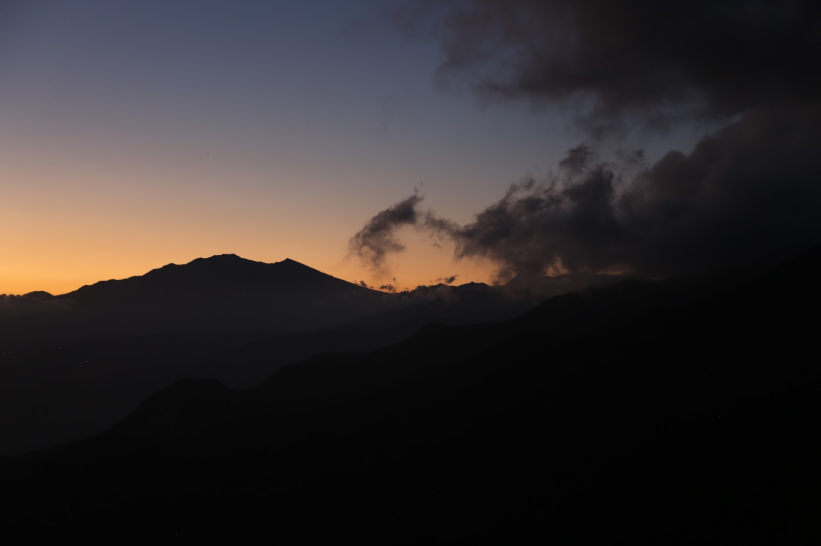
The Rare Ecosystems Found Only in Panama’s Cloud Forests

High in Panama’s mountains, a rare and fascinating ecosystem exists that feels almost like another world. Known as tropical cloud forests, these environments form where warm, moisture-filled air from the lowlands rises into cooler mountain elevations and condenses into mist and drifting clouds. The result is a constantly humid, fog-covered forest filled with moss, orchids, towering trees, and dense vegetation. These unique forests are among the most biodiverse and fragile ecosystems in Central America, and Panama contains some of the most remarkable examples anywhere in the tropics.

Unlike the hot, steamy lowland rainforests many travelers imagine when they think about the tropics, cloud forests are cooler, wetter, and often shrouded in mysterious fog. The landscape is covered in thick moss, delicate plants, and twisted tree trunks draped in vines. Water droplets cling to leaves, branches, and spider webs, while clouds slowly move through the canopy like a living river of mist. The atmosphere feels quiet and magical, with filtered sunlight and a constant cool breeze that makes the environment completely different from the jungles below.

These forests are extremely rare worldwide because they require very specific environmental conditions. Cloud forests usually form between 1,000 and 3,000 meters above sea level, where rising tropical air cools and creates constant condensation. Panama’s mountain ranges provide the perfect elevation and climate for these ecosystems to develop. Some of the best-known cloud forests in the country can be found around Boquete, along the slopes of Volcán Barú, and throughout the mountainous regions near the border with Costa Rica.

One of the most striking features of cloud forests is the enormous number of epiphytes, plants that grow on other plants instead of in soil. Mosses, orchids, bromeliads, ferns, and lichens cling to tree trunks and branches, creating entire miniature ecosystems suspended above the ground. These plants absorb moisture directly from the air and rainfall, allowing them to thrive in environments where clouds provide constant humidity. In some areas, tree branches become so thick with epiphytes that they resemble hanging gardens high above the forest floor.

Because of these conditions, Panama’s cloud forests support incredible biodiversity. Many species living in these ecosystems cannot survive anywhere else. Tiny amphibians, rare insects, specialized birds, and unusual reptiles depend on the cool, moist climate found only at these elevations. Brightly colored hummingbirds zip between flowers, butterflies drift through the mist, and frogs hide among moss-covered rocks near mountain streams.

Birdlife is particularly remarkable in these habitats. Cloud forests are home to many rare and beautiful species that attract birdwatchers and wildlife photographers from around the world. Quetzals, trogons, toucans, and dozens of species of hummingbirds inhabit these highland forests, feeding on nectar, fruits, and insects. Because the forest canopy is often lower and more open than in tropical rainforests, these birds are sometimes easier to spot along mountain trails.

Amphibians also thrive in these damp environments. The constant moisture allows frogs and salamanders to survive in habitats where they might dry out elsewhere. Many species lay eggs in small pools of water that collect on leaves or in tree cavities. These unusual breeding strategies are one reason why scientists consider cloud forests to be evolutionary hotspots for amphibians.

Some of the most important cloud forest ecosystems in Panama are protected within large conservation areas. One of the most famous is La Amistad International Park, a massive wilderness area spanning the border between Panama and Costa Rica. The park contains mountains, rivers, and vast tracts of cloud forest that shelter thousands of plant and animal species. Because of its extraordinary biodiversity, the park has been designated a UNESCO World Heritage Site and remains one of the most important conservation areas in the Americas.

Another key region for cloud forest ecosystems is the Fortuna Forest Reserve, a large protected area of mountains, rivers, and dense tropical forest. This reserve connects directly with the expansive wilderness of Palo Seco Forest Reserve, forming part of a massive biological corridor that links several protected areas across western Panama. Together, these forests create one of the largest uninterrupted ecosystems in Central America, allowing wildlife to move freely across vast mountainous landscapes.

Within this incredible natural setting sits Lost and Found Hostel, a small mountain lodge surrounded by cloud forest. Located deep inside the Fortuna Forest Reserve, the hostel provides access to remote hiking trails that pass through mist-covered ridges, waterfalls, dense jungle, and scenic viewpoints overlooking endless forest. The area’s biodiversity is so rich that scientists studying the surrounding mountains have even identified previously unknown species of reptiles nearby, including a new species of lizard and snake. Discoveries like these highlight how much of Panama’s cloud forest ecosystem remains unexplored.

Cloud forests also play a crucial role in water regulation and climate stability. Because these forests constantly capture moisture from clouds, they function like natural water towers for the surrounding regions. Moss, vegetation, and soil absorb rain and fog, slowly releasing water into streams and rivers below. This process helps supply fresh water to communities, farms, and ecosystems throughout the valleys and lowlands of western Panama.

In addition to supporting wildlife and water systems, cloud forests also help regulate temperatures and store large amounts of carbon in their vegetation and soils. This makes them extremely important ecosystems for combating climate change and maintaining environmental balance in tropical mountain regions.

Unfortunately, cloud forests are also among the most vulnerable ecosystems in the world. Because they depend on such specific climate conditions, even small shifts in temperature or rainfall can disrupt the delicate balance that supports their plants and animals. In many parts of the tropics, deforestation and climate change threaten cloud forest habitats. Rising temperatures may push the cloud layer higher up mountain slopes, reducing the area where these ecosystems can exist.

Despite these challenges, Panama remains one of the best places in the world to experience intact cloud forests. Large protected areas, national parks, and forest reserves help preserve these fragile habitats for future generations. Conservation programs, scientific research, and eco-tourism all play important roles in protecting these rare environments.

For hikers, backpackers, scientists, and nature lovers, walking through a Panamanian cloud forest is an unforgettable experience. The cool mountain air, drifting mist, and dense green vegetation create an atmosphere that feels ancient and mysterious. Every moss-covered tree branch, hidden waterfall, and distant bird call reminds visitors that these forests are among the most extraordinary ecosystems on Earth.

Although they occupy only a small portion of the planet, cloud forests contain a remarkable concentration of life and ecological complexity. Panama’s mountain forests represent one of the last places where these magical ecosystems still thrive on a large scale.

Hidden in the mist above the tropical lowlands, Panama’s cloud forests remain one of the country’s greatest natural treasures—rare, beautiful, and still full of discoveries waiting to be made. 🌿☁️🐸🐦

Why Scientists Travel to Panama to Study Wildlife

Panama has become one of the most important destinations in the world for scientists studying wildlife and ecosystems. Although the country is relatively small, it contains an astonishing concentration of biodiversity. Dense rainforests, cloud forests, mangroves, rivers, and two different ocean coastlines create a wide range of habitats packed into a compact area. Because so many species live close together in these environments, Panama offers researchers a rare opportunity to study tropical wildlife in ways that would be far more difficult in larger or less accessible regions.

One of the main reasons scientists are drawn to Panama is its incredible biodiversity. The country is home to thousands of plant species, hundreds of mammals and reptiles, and more than 900 species of birds. Many of these animals live in habitats that are still relatively intact compared to other parts of the world. In forests and national parks across the country, researchers can observe how different species interact within complex ecosystems that have developed over millions of years.

Another factor that makes Panama so valuable for research is its position between two continents. The country sits on the narrow land bridge known as the Isthmus of Panama, which allowed animals from North and South America to migrate and mix millions of years ago. Because of this history, Panama’s wildlife includes species with origins from both continents. Studying these ecosystems helps scientists understand how animals adapted when they moved into new environments and began competing with unfamiliar species.

Panama is also famous for one of the most important tropical research locations in the world: Barro Colorado Island. This forested island sits within the waters of Gatun Lake and has been protected for scientific study for more than a century. Managed by the Smithsonian Tropical Research Institute, the island functions as a living laboratory where scientists from around the globe conduct long-term studies of tropical ecosystems.

At Barro Colorado Island, researchers track everything from tree growth and insect populations to monkey behavior and bird migration. Because the forest there has remained largely untouched for decades, scientists can observe natural ecological processes that are difficult to study elsewhere. Long-term experiments and monitoring programs have produced some of the most influential research in tropical biology.

Another reason Panama attracts researchers is the variety of ecosystems found within a short distance. Within a single day, scientists can move from lowland rainforest to mountain cloud forests or coastal mangroves. The highland regions around Boquete and the mountains near La Amistad International Park contain cooler climates and unique plant and animal species that differ from those found in the lowland jungles.

Discoveries Even in Unexpected Places

One of the most fascinating things about studying wildlife in Panama is that new discoveries can happen almost anywhere—even in places where travelers stay. In the cloud forests of Chiriquí, researchers working near Lost and Found Hostel have identified previously unknown species of reptiles, including a new species of lizard and a new species of snake. The hostel sits inside the Fortuna Forest Reserve, which connects directly to the vast wilderness of Palo Seco Forest Reserve. Together, these protected areas form part of a massive forest corridor linked to La Amistad International Park, creating one of the most important biodiversity regions in Central America.

Because these forests are relatively remote and ecologically intact, they provide ideal conditions for wildlife research. The discovery of new reptile species in this area shows that even well-traveled locations can still hold scientific surprises. For visitors hiking the surrounding trails, it’s fascinating to realize that the forest around them may contain species that science has only recently begun to understand.

Panama’s marine ecosystems also attract scientists from around the world. Because the country borders both the Pacific Ocean and the Caribbean Sea, researchers can study two very different marine environments in one place. Coral reefs, mangroves, and coastal waters support an enormous variety of fish, marine mammals, and invertebrates. These ecosystems are especially valuable for studying how ocean conditions influence marine biodiversity.

Panama’s wildlife is also ideal for studying evolution and adaptation. The dense forests contain countless species of insects, amphibians, birds, and mammals that interact in complex ways. For example, scientists study brightly colored frogs to understand how warning colors evolve, while bird researchers examine how migration routes connect tropical forests with ecosystems thousands of miles away.

In recent decades, Panama has also become important for conservation research. As tropical forests around the world face pressure from development and climate change, scientists use Panama’s protected areas to better understand how ecosystems function and how they can be preserved. Large wilderness regions such as Darién National Park still contain vast tracts of intact rainforest where researchers can study wildlife in conditions similar to those that existed centuries ago.

Another advantage for scientists is the country’s strong network of research stations and universities. Facilities run by international institutions allow researchers to live and work in remote forests while collecting data over long periods of time. These stations provide equipment, laboratories, and housing that make it possible to conduct detailed field studies in tropical environments.

Beyond the scientific importance, Panama also inspires curiosity and discovery. New species of insects, plants, and amphibians are still being identified in its forests. Even in well-studied areas, researchers occasionally find animals that were previously unknown to science. This constant potential for discovery keeps scientists returning to Panama year after year.

In many ways, Panama functions as a natural laboratory for understanding how tropical ecosystems work. Its location between continents, its variety of habitats, and its extraordinary biodiversity make it one of the most valuable places on Earth for studying wildlife.

For scientists seeking to understand nature—from the behavior of monkeys in the canopy to the hidden lives of insects on the forest floor—Panama offers something rare: a place where the complexity of life can still be observed in its full richness. 🌿🐒🔬

How Panama Became a Bridge for Animals Between Two Continents

Panama may appear to be a small country on the map, but its geographic position has shaped the natural history of an entire hemisphere. Long before humans arrived in the Americas, the land that would become Panama played a crucial role in connecting two massive continents. When the narrow strip of land between North and South America formed, it allowed animals to migrate between ecosystems that had been isolated for tens of millions of years. This single geological event helped transform the wildlife of both continents and turned Panama into one of the most biologically important regions on Earth.

Scientists refer to this historic migration as the Great American Biotic Interchange. It represents one of the most significant moments in the evolution of mammals in the Western Hemisphere. Before the land bridge existed, North and South America developed completely separate ecosystems. Each continent evolved its own strange and unique animals, many of which had no close relatives anywhere else in the world.

For most of prehistoric time, South America functioned almost like a giant isolated island. Without land connections to other continents, its animals evolved in unusual directions. The continent was once home to enormous ground sloths that could stand taller than modern elephants, heavily armored herbivores resembling giant armadillos, and predators that were not mammals at all but large flightless birds. These ecosystems were unlike anything that existed in North America.

Meanwhile, North America was developing its own set of mammals, many of which looked more familiar to modern observers. Wolves, bears, horses, deer, and big cats evolved in northern ecosystems that had connections to Eurasia through ancient land bridges in the Arctic. These animals were adapted to competing with other advanced predators and surviving colder climates.

For tens of millions of years, a wide ocean separated these two very different worlds. Marine waters flowed freely between the Pacific and Atlantic oceans where Panama exists today. But deep beneath the surface, powerful geological forces were slowly reshaping the planet. The movement of tectonic plates pushed pieces of the ocean floor upward, creating chains of volcanic islands that gradually rose above the sea.

Over millions of years, these islands continued to grow and shift until they eventually formed a continuous strip of land. This landmass became the Isthmus of Panama, which scientists estimate fully formed around three million years ago. Once this bridge existed, animals from both continents suddenly had the ability to move into entirely new environments.

The result was one of the largest animal migrations in Earth’s history. Species began traveling north and south across the newly formed land corridor. Some migrations happened slowly over thousands of years as animals gradually expanded their ranges. Others occurred more quickly as certain species adapted rapidly to new habitats.

Animals from North America were particularly successful moving south. Predators such as jaguars, mountain lions, and ancestors of modern wolves entered South American ecosystems where many native animals had never faced similar hunters before. Large herbivores like deer and horses also spread southward, competing with native species for food and territory.

At the same time, animals from South America began traveling north. Creatures like armadillos, porcupines, opossums, and ground sloths migrated into Central and North America. Some of these species adapted successfully and spread across large areas. For example, opossums are now found throughout much of North America, even reaching regions far north of their original habitats.

However, the migration was not equally successful for all animals. Many native South American species struggled to compete with the new predators arriving from the north. Over time, some of these unique creatures disappeared entirely. Fossil records show that many of the strange mammals that once dominated South America gradually declined after northern predators arrived.

Despite these extinctions, the mixing of wildlife created incredibly rich ecosystems in the regions where the migrations occurred. Panama, located directly in the middle of this new land bridge, became one of the most biologically diverse places on the planet. Today, animals with origins on both continents share the same forests.

For example, monkeys, sloths, and many tropical rodents trace their ancestry to South America. Meanwhile, animals such as deer, certain cats, and some rodents have evolutionary roots in North America. Walking through a rainforest in Panama means encountering species whose distant ancestors once traveled across the land bridge millions of years ago.

Some of the best places to experience this incredible biodiversity today are Panama’s protected wilderness areas. Vast tropical forests such as Darién National Park remain largely untouched and contain ecosystems similar to those that existed during the time of these migrations. The park is so remote that many areas have never been fully explored by scientists, making it one of the most important wildlife refuges in Central America.

Another remarkable conservation area is La Amistad International Park, which spans the mountains between Panama and Costa Rica. This region contains cloud forests, highland ecosystems, and tropical valleys that support thousands of species of plants and animals. Scientists studying these areas often discover new species, showing that the region’s biodiversity is still not completely understood.

The formation of Panama’s land bridge did more than reshape wildlife. It also transformed the world’s oceans. Before the isthmus formed, water flowed freely between the Atlantic and Pacific oceans through the tropical seaway. Once the land bridge closed this passage, ocean currents were forced to change direction.

These changes altered global climate patterns. Some researchers believe the shift in ocean circulation strengthened the Gulf Stream, which carries warm water toward Europe. This may have contributed to the cooling of the Northern Hemisphere and the eventual development of ice ages during the last several million years.

In other words, the rise of Panama did not just affect local ecosystems—it influenced climate systems across the entire planet. Few geographic events in Earth’s history have had such wide-ranging effects.

Today, Panama remains a biological crossroads where species from two continents coexist. The country contains more bird species than the United States and Canada combined, along with hundreds of mammals, reptiles, amphibians, and insects. Dense rainforests, cloud forests, rivers, and coastal habitats create a mosaic of ecosystems that support extraordinary levels of biodiversity.

For travelers exploring Panama’s jungles, this history adds a deeper layer of meaning to every wildlife encounter. A monkey swinging through the trees or a sloth resting high in the canopy represents millions of years of evolutionary history and migration. Each species carries the story of how continents once separated by oceans eventually became connected through this narrow strip of land.

Panama is often described as a bridge between oceans, cultures, and global trade routes. But long before ships passed through the famous canal, the country served as something even more significant: a bridge for life itself.

It is one of the rare places on Earth where the ancient journeys of animals shaped entire continents—and where that extraordinary story is still alive in the forests today. 🌎🐒🦥

The Night Creatures That Only Come Out After Dark in Panama

When the sun sets in Panama’s forests, an entirely different world begins to wake up. The sounds change, the temperature cools slightly, and creatures that spent the day hidden in trees, caves, or under leaves suddenly emerge. For travelers walking through the jungle at night, the experience can feel almost surreal. The darkness hides most movement, but the forest is alive with calls, rustling branches, and glowing eyes reflecting flashlight beams. Panama’s tropical ecosystems are especially rich in nocturnal wildlife, meaning the jungle becomes just as active at night as it is during the day.

One of the most noticeable night creatures in Panama’s forests is the owl. Several species live throughout the country, silently gliding through the trees while hunting for insects, rodents, and small reptiles. Their ability to fly almost silently allows them to move through dense forest without alerting prey. In places like La Amistad International Park, hikers sometimes hear the haunting calls of owls echoing across valleys after dark. Spotting one perched quietly on a branch can feel like discovering a hidden guardian of the forest.

Bats are another major part of Panama’s nighttime ecosystem. As darkness falls, they pour out of caves and hollow trees, filling the sky as they search for food. Some species feed on insects, while others eat fruit or nectar, helping pollinate plants and disperse seeds throughout the forest. Areas around Bocas del Toro are especially active with bats at night because the warm climate and tropical vegetation provide abundant food. Watching them dart and twist through the air during twilight reveals just how important they are to maintaining the balance of the ecosystem.

Frogs also dominate the nighttime soundscape of Panama’s jungle. As evening arrives, their calls begin echoing from ponds, streams, and hidden pools of water. Many species remain nearly invisible during the day but become active after dark when temperatures drop slightly. One of the most recognizable is the red-eyed tree frog, whose bright colors stand out when illuminated by a flashlight beam. In the cloud forests around Boquete, night walks often reveal frogs perched on leaves above small streams, their eyes glowing brightly in the darkness.

A Night Walk Many Backpackers Remember

For travelers staying high in the mountains near Lost and Found Hostel, nighttime wildlife becomes part of the experience. The hostel regularly organizes guided night walks through the surrounding cloud forest trails. Armed with headlamps and flashlights, small groups step into the darkness while guides point out creatures that most people would walk right past during the day. Tiny frogs cling to wet leaves, spiders reflect light with glowing eyes, and strange insects appear on tree trunks and branches.

The atmosphere on these walks is part of what makes them memorable. The forest is quiet except for the constant hum of insects and the occasional distant call of an owl. Sometimes hikers hear movement in the trees or leaves nearby, reminding everyone that the jungle is active even when you can’t see everything around you. For many backpackers, this is the first time they truly experience the rainforest at night—and it often becomes one of the highlights of their trip.

Insects may be the most numerous night creatures of all. As soon as the sun disappears, the jungle fills with the buzzing, chirping, and clicking sounds of countless insects. Fireflies occasionally blink through the trees, creating brief flashes of light in the darkness. Large moths, beetles, and stick insects also emerge, many of them perfectly adapted to camouflage against bark and leaves. The diversity of insects in Panama is enormous, and scientists are still discovering new species hidden within the forests.

Mammals also become more active after sunset. Small nocturnal animals like opossums and kinkajous climb through the trees searching for fruit, insects, and small prey. Because they are well adapted to darkness, they are rarely seen during the day. In protected wilderness areas such as Darién National Park, larger nocturnal animals may also roam the forest after dark, moving quietly through dense vegetation while avoiding human activity.

For travelers, night hikes in Panama can be some of the most fascinating wildlife experiences available. Guided walks with local experts often reveal creatures that would otherwise remain hidden. With a flashlight and careful observation, visitors may notice glowing spider eyes, sleeping birds tucked into branches, or tiny frogs perched on leaves near water.

What makes these experiences especially powerful is the realization that the jungle never truly sleeps. While daytime animals rest and the forest appears calm, an entire community of nocturnal creatures is just beginning its day. Each call, rustle, or flash of movement is a reminder that Panama’s ecosystems are constantly alive, even when most people are asleep.

For anyone willing to explore the forest after sunset, Panama reveals a completely different side of nature. The darkness hides many secrets—but with patience and curiosity, the night jungle slowly reveals the incredible creatures that only come out after dark. 🌙🐸🦇

The Most Unpredictable Parts of Traveling Panama

Traveling through Panama can be an amazing experience, but it often comes with surprises. The country is small on the map, yet its landscapes, weather, transportation, and culture can change quickly from one region to another. Many visitors arrive expecting a straightforward tropical destination, only to discover that traveling here sometimes requires patience, flexibility, and a sense of humor. That unpredictability is part of what makes exploring Panama both challenging and memorable.

One of the biggest unpredictable factors is the weather. Panama has a tropical climate, which means sunshine can quickly turn into heavy rain with little warning. In many areas, especially in the mountains and rainforests, a bright morning can suddenly shift into a powerful afternoon downpour. Travelers hiking in places like Boquete often experience this firsthand. Clear skies in the morning may give way to thick clouds rolling over the mountains by midday. Carrying rain gear becomes essential because the weather can change dramatically within minutes.

Transportation is another area where unpredictability becomes part of the journey. While Panama has modern highways and buses connecting major cities, travel schedules are not always exact. Buses sometimes leave earlier or later than expected, and rural routes may depend on how many passengers are waiting. At large transportation hubs like Albrook Bus Terminal, dozens of buses depart throughout the day, and finding the correct platform can feel confusing for first-time visitors. Missing a bus or waiting longer than expected is something many travelers experience at least once.

Another surprising aspect of travel in Panama is how quickly the landscape can change. Within just a few hours, you might move from modern city streets to remote jungle villages. The capital, Panama City, features towering skyscrapers, international restaurants, and busy highways. But outside the city, the scenery can shift rapidly to farmland, rainforest, and small towns where life moves at a completely different pace. For travelers used to gradual changes between regions, these sudden transitions can feel unexpected.

Wildlife encounters can also add an element of unpredictability to the journey. Panama’s forests and coastal regions are home to an incredible variety of animals, from monkeys and sloths to colorful birds and reptiles. In national parks and rural areas, it’s not unusual to see wildlife appear suddenly along a trail or near a riverbank. While these moments can be exciting, they can also catch travelers off guard, especially if they are not used to being in tropical ecosystems.

Traveling between the Caribbean and Pacific sides of the country can create another surprising contrast. The Caribbean islands around Bocas del Toro have a relaxed atmosphere with colorful wooden buildings, clear water, and a slower rhythm of life. On the Pacific side, some coastal areas feel quieter and more rugged, with long stretches of beach and fewer tourists. The cultural influences, food, and even language accents can shift noticeably between these regions.

Even simple daily plans can become unpredictable depending on local conditions. Road construction, sudden rainstorms, or holiday celebrations might change travel plans without much warning. In small towns, businesses sometimes close earlier than expected or open later depending on the day. While this can be frustrating for travelers trying to follow strict schedules, it also encourages a more relaxed approach to exploring the country.

Despite these uncertainties, many visitors find that the unpredictability becomes one of the most memorable parts of traveling in Panama. Unexpected delays might lead to conversations with locals, discovering a hidden restaurant, or stumbling upon a beautiful view that wasn’t part of the original plan. Some of the best travel stories come from moments when things didn’t go exactly as expected.

In the end, traveling in Panama often works best when visitors embrace flexibility. Instead of trying to control every detail of the journey, it helps to allow extra time and remain open to changes. The country rewards curious travelers who are willing to adapt and explore beyond rigid itineraries.

That sense of unpredictability is part of what makes Panama feel alive. Every trip can unfold a little differently, and sometimes the most memorable experiences happen when you least expect them. 🌴✈️

Why Some Hidden Hostels Become Backpacker Legends

Not every famous travel destination appears on a list of top tourist attractions. Some places become legendary simply because travelers keep telling stories about them. Hidden hostels are a perfect example of this phenomenon. Tucked away in remote mountains, jungles, or small villages, these places slowly build reputations through word of mouth. One backpacker has an unforgettable stay, tells others about it, and soon the location develops a kind of myth among travelers.

One place in Panama that fits this description perfectly is Lost and Found Hostel. Located high in the cloud forests of Chiriquí, the hostel sits far from major towns and roads. Getting there requires effort—usually a bus ride, a stop in a small village, and a hike up a steep mountain trail. But that journey is exactly what makes the destination feel special. By the time travelers arrive, they already feel like they’ve discovered something secret.

Part of what makes hidden hostels legendary is their setting. Unlike typical city hostels surrounded by traffic and buildings, places like Lost and Found are immersed in nature. The hostel overlooks dense jungle and distant mountains, and the sounds of birds, insects, and wind in the trees replace the noise of urban streets. For many backpackers, this creates a completely different kind of travel experience—one that feels more adventurous and connected to the environment.

Another reason these hostels become famous is the social atmosphere. Because everyone staying there made the effort to reach the location, guests often share a similar mindset. Most are travelers looking for adventure, nature, and new friendships. Evenings quickly turn into group dinners, card games, storytelling, and spontaneous conversations with people from all over the world. A hostel like this can turn strangers into friends within a single night.

The limited size of many hidden hostels also plays a role. Unlike large accommodations with hundreds of guests, places like Lost and Found remain relatively small. This creates a more personal environment where staff and travelers interact naturally. Guests often share meals, hikes, and activities together. Over time, these shared experiences create the kind of memories that people talk about long after their trip ends.

Adventure is another reason certain hostels gain legendary status. Locations in the mountains or jungle often serve as bases for hiking trails, waterfalls, and wildlife spotting. Around the Lost and Found area, visitors can explore cloud forests, spot tropical birds, and walk trails that lead deep into the surrounding wilderness. These activities make the hostel feel less like a place to sleep and more like the center of an adventure.

There is also something powerful about the feeling of discovery. Many travelers arrive at hidden hostels without fully knowing what to expect. They may have only heard about the place from another backpacker, seen a few photos online, or read a brief recommendation in a travel forum. When the experience turns out to be better than expected, the story spreads. This is how small places slowly become legends in the backpacker world.

Over time, these hostels develop their own culture and traditions. Guests might remember sunset views from the deck, shared meals after long hikes, or late-night conversations with people they had just met hours earlier. Some travelers even return years later, hoping to relive the same atmosphere that made their first visit unforgettable.

That’s how a hidden hostel becomes more than just accommodation. It becomes a story that travelers pass along to each other—one recommendation at a time. In places like Panama’s mountains, a simple lodge surrounded by forest can grow into a destination known across the backpacking world.

And if you ask around long enough, someone will probably smile and say, “You have to go there.” 🌿🎒

Why You’ll Probably Miss a Bus in Panama at Least Once

If you spend enough time traveling around Panama, there’s a good chance you’ll eventually miss a bus. It’s not necessarily because you were late or careless. In many cases, it simply happens because transportation in the country works a little differently than visitors expect. Schedules can be flexible, stops aren’t always clearly marked, and sometimes buses appear and disappear before you even realize one was coming. For newcomers especially, navigating the system can feel like learning a local skill rather than just reading a timetable.

One of the biggest surprises for visitors is that many buses in Panama don’t follow strict schedules. In some countries, you can check an app, see that a bus arrives at 10:15 a.m., and trust that it will appear almost exactly on time. In Panama, things are often more fluid. Buses may leave when they are full, when the driver decides to depart, or when traffic conditions allow it. This means that arriving exactly at the expected time doesn’t always guarantee you’ll catch your ride. Sometimes the bus has already left, and sometimes it hasn’t even arrived yet.

A famous part of Panama’s transportation culture is the colorful Diablos Rojos, which literally means “Red Devils.” These buses are often old American school buses that have been painted with bright colors, artwork, and flashing lights. While many have been replaced by modern transit systems, they still exist in some areas and remain an iconic symbol of Panamanian street life. They’re lively, loud, and full of personality—but they rarely run on the kind of predictable schedule that travelers might be used to.

Even in modern systems, figuring out where to catch the right bus can sometimes be confusing. In large transportation hubs like Albrook Bus Terminal, buses leave constantly for destinations across the country. The terminal is massive and can feel overwhelming the first time you walk inside. Tickets, departure gates, and routes may change throughout the day, so visitors sometimes find themselves rushing between platforms trying to locate the correct bus before it leaves.

Traffic also plays a major role in the unpredictability of bus travel. Cities like Panama City can experience heavy congestion, especially during rush hour. When traffic slows down, bus schedules shift with it. A ride that usually takes twenty minutes might suddenly take an hour, which can cause delays across the entire route. For passengers waiting at later stops, this means buses might arrive much later than expected—or occasionally not at all if the driver changes plans.

In smaller towns and rural areas, transportation becomes even more relaxed. Bus stops might not look like official stations at all. Sometimes people simply wait along the side of the road and wave when the bus approaches. If the driver sees you and there’s space available, they’ll usually stop. But if you don’t signal clearly or the bus is already full, it may keep going without slowing down. Missing a bus in this situation is almost a rite of passage for travelers.

Another factor that surprises visitors is how quickly buses can fill up. During busy travel times—such as holidays, weekends, or market days—buses heading between towns may fill with passengers long before they reach later stops. By the time the bus arrives where you’re waiting, it may already be packed. The driver might slow down briefly, shake their head to signal there’s no room, and continue down the road.

Despite these challenges, missing a bus in Panama is rarely a disaster. In most areas, another one usually comes along sooner or later. The key is adopting the same relaxed mindset that many locals have about transportation. Instead of planning every minute of your journey, travelers often learn to allow extra time and stay flexible. Waiting at a roadside stand, chatting with locals, or grabbing a snack while the next bus arrives becomes part of the travel experience.

Over time, many visitors actually begin to appreciate this slower and more spontaneous system. It reflects a broader cultural rhythm where schedules are less rigid and daily life flows more naturally. While it can be frustrating at first, it also creates unexpected moments—conversations with strangers, discoveries in small towns, or stories about the day you barely saw your bus disappearing around the corner.

So if you’re exploring Panama and you miss a bus, don’t worry too much. It happens to almost everyone at least once. In fact, it might even become one of those small travel stories you remember later—proof that sometimes the journey itself is just as interesting as the destination. 🚌🌴

Why Panama Feels Like Several Countries in One

Travelers are often surprised by how much variety they encounter when exploring Panama. Although the country is relatively small—you can cross it in just a few hours by car—it contains an incredible range of landscapes, cultures, and lifestyles packed into a narrow strip of land. In a single trip, visitors might experience tropical islands, misty mountain forests, modern cities, and remote jungle communities that feel far removed from the modern world. This constant change in scenery and atmosphere gives Panama a sense of depth that many larger countries struggle to match. Instead of feeling like one uniform destination, Panama reveals itself in layers, each region offering something that feels distinct and unexpected.

One of the most striking contrasts appears between Panama’s urban areas and its rural regions. The capital, Panama City, stands out as one of the most modern cities in Latin America. Its skyline rises dramatically along the Pacific coast, filled with glass skyscrapers, luxury apartments, international hotels, and busy commercial districts. Walking through parts of the city can feel similar to visiting major financial centers around the world, with modern infrastructure, large shopping malls, and a thriving international business community. Yet the moment you leave the city limits, the environment changes quickly. Within a short drive, busy highways give way to quiet roads lined with small houses, farmland, and patches of tropical forest. This rapid transition from global metropolis to rural countryside makes the country feel surprisingly dynamic.

Another reason Panama feels so diverse is its geography. The country forms a narrow land bridge between North and South America, with the Pacific Ocean on one side and the Caribbean Sea on the other. This unique location has created a wide range of coastal environments, each with its own atmosphere. On the Caribbean side, the water tends to be calmer and the culture more relaxed, giving many places a distinctly island-like feeling. In areas such as Bocas del Toro, brightly colored wooden houses stand on stilts above the water, small boats replace cars as everyday transportation, and life revolves around the sea. On the Pacific side, the coastline often feels more rugged and expansive, with long beaches, rocky shorelines, and fishing communities that have existed for generations.

The mountainous interior of Panama introduces yet another environment that feels completely different from the coast. In the western highlands near Boquete, the climate becomes cooler and more refreshing compared to the tropical heat found in lowland regions. Coffee farms cover the hillsides, rivers carve their way through green valleys, and the surrounding cloud forests create a misty, almost magical atmosphere. Travelers who arrive here after visiting the beaches are often surprised by the dramatic change in temperature and scenery. Mornings can feel crisp and fresh, and evenings sometimes require a light jacket. The highlands offer hiking trails, waterfalls, and coffee plantations that make the region feel almost like a completely different country.

Moving eastward across Panama reveals yet another side of the country. The remote jungles of Darién Province are among the most untouched wilderness areas in Central America. Dense rainforest stretches across vast regions where roads are scarce and rivers serve as the main transportation routes. Wildlife thrives in these forests, and the region is known for its incredible biodiversity. Many Indigenous communities live here as well, maintaining traditions and lifestyles that have existed for centuries. Traveling through Darién can feel like stepping into a world where nature still dominates the landscape and modern development has had limited impact.

Cultural diversity is another reason Panama feels like several countries in one. The population reflects a complex mixture of Indigenous heritage, Spanish colonial history, Afro-Caribbean traditions, and international influences that arrived through trade and migration. Each region has developed its own identity shaped by these influences. In some areas Indigenous languages are spoken alongside Spanish, while in others the cultural influence of Caribbean communities is strong. Music, festivals, clothing, and daily customs can vary widely depending on where you travel in the country.

Food is another place where this diversity becomes especially noticeable. The cuisine in Panama changes from region to region, reflecting local ingredients and cultural influences. In Caribbean areas, dishes often feature coconut milk, seafood, and bold spices that reflect Afro-Caribbean cooking traditions. In the highlands, hearty meals and locally grown coffee dominate daily life, with farms producing some of the most famous coffee in the world. Along the Pacific coast, fishing communities rely on the ocean for fresh ingredients, creating simple yet flavorful meals centered around fish and shellfish. Traveling across Panama becomes a culinary journey where each destination introduces new flavors and cooking styles.

Even the pace of life shifts depending on where you are. In large cities, life moves quickly with busy traffic, crowded streets, and constant activity. In smaller towns and villages, the atmosphere becomes slower and more relaxed. People spend time socializing in parks or small cafés, and daily routines often revolve around family and community life. On the islands, life tends to follow the rhythm of the ocean, with fishing, boating, and beach life shaping the day. These different rhythms create the feeling that each region operates according to its own lifestyle.

For travelers, this variety is one of Panama’s greatest advantages. Few countries allow visitors to experience such dramatic changes in scenery and culture within such short distances. A traveler could spend the morning exploring a modern city, the afternoon relaxing on a tropical beach, and the next day hiking through cool mountain forests. Because travel distances are relatively short, it is possible to see multiple sides of the country without spending weeks on the road.

That is why many people say Panama feels like several countries combined into one. The landscapes, cultures, and lifestyles shift constantly as you move across the map, creating an experience that always feels fresh and surprising. For visitors willing to explore beyond the obvious destinations, Panama reveals itself as a country of contrasts—where modern cities, remote jungles, peaceful mountains, and vibrant coastal communities all exist within a remarkably small space.

Why Time Works Differently in Panama

One of the first things many travelers notice when they arrive in Panama is that time seems to move differently. Life does not feel rushed in the same way it often does in large cities in North America or Europe, where schedules and punctuality are treated almost like rules that must always be followed. In Panama, the rhythm of daily life often feels slower, calmer, and more flexible. Buses might not leave at the exact minute listed, meetings might start later than expected, and people rarely appear stressed about being a few minutes behind schedule. To someone who is used to strict timing and fast-moving routines, this can feel surprising at first. Yet after spending some time in the country, many visitors begin to realize that Panama is not disorganized—it simply follows a different cultural relationship with time.

Part of this slower sense of time comes from the culture itself and the way people prioritize relationships and social interaction. In Panama, daily life often revolves around human connection rather than rigid productivity. It is common for people to stop and greet friends in the street, have spontaneous conversations, or sit and talk for long periods at a café or roadside stand. Even in busy towns, people rarely rush past one another without acknowledging each other. Social interaction is viewed as an important part of life, not as something that should be squeezed into a limited time slot between other tasks. Because of this, arriving somewhere slightly late is often seen as normal rather than disrespectful. The focus is less on exact timing and more on maintaining positive relationships and enjoying the moment.

Another major influence on Panama’s relaxed pace of life is the tropical environment. The country’s climate is warm and humid throughout much of the year, especially in lowland areas and along the coasts. Living in this kind of environment naturally encourages people to move at a slower, more comfortable pace. During the hottest parts of the afternoon, rushing around simply becomes exhausting. Instead, many people adapt their routines by slowing down, resting, or taking breaks before continuing with their work later in the day. This rhythm can be seen across many tropical cultures around the world, where mornings and evenings are often the most active times while the middle of the day is reserved for lighter activity.

Travelers often experience this different relationship with time when using transportation or arranging services. Buses may not always depart exactly when a schedule suggests they will, and shared transportation sometimes waits until enough passengers have boarded before leaving. In small towns, shops may close unexpectedly for lunch or reopen later in the afternoon. While this might seem unpredictable to visitors who expect strict reliability, locals generally view these small variations as completely normal. People build flexibility into their plans and allow extra time for travel or errands. Instead of seeing delays as frustrating obstacles, many simply treat them as part of everyday life.

For visitors who are used to punctuality being extremely important, this adjustment can feel frustrating at first. Waiting longer than expected or dealing with flexible schedules can test the patience of travelers who are accustomed to precise organization. Yet something interesting often happens after a few days or weeks in Panama: many travelers begin to relax into the slower rhythm themselves. Without the constant pressure of rushing from one place to another, people often feel less stressed and more aware of their surroundings. It becomes easier to enjoy a conversation, watch daily life unfold around you, or simply sit and take in the atmosphere of a place.

This relaxed approach to time is sometimes described casually as “island time” or “Latin time,” although the concept goes deeper than a simple stereotype. It reflects a broader cultural perspective about balance and priorities. While work and responsibilities still exist, they are often integrated into a lifestyle that leaves space for family, social life, and relaxation. In Panama, efficiency does matter, but it rarely overrides the importance of maintaining a healthy and enjoyable daily routine. This balance between work and life helps create the laid-back atmosphere that many visitors notice almost immediately after arriving.

For travelers exploring the country, adjusting to this rhythm can become one of the most rewarding parts of the experience. Instead of trying to force Panama into a tightly controlled schedule, it often works better to embrace the flexibility of the local lifestyle. Leaving extra time between activities, staying patient when plans shift, and allowing for unexpected moments can transform what might initially feel inconvenient into something memorable. Some of the best travel experiences in Panama happen when plans change unexpectedly and new opportunities appear.

In many ways, this different relationship with time is part of what makes Panama so appealing to visitors. The country reminds people that life does not always have to be rushed or measured by strict schedules. Moments spent watching a sunset, talking with new friends, or wandering slowly through a town can become the highlights of a trip. In Panama, time still moves forward like anywhere else in the world—but it moves with a little more space to breathe, allowing people to experience life at a pace that feels more human. 🌴⏳

Sleeping in the Middle of the Jungle in Panama

For many travelers, the idea of sleeping in the jungle sounds both thrilling and slightly intimidating. The rainforest is alive with sounds, movement, and wildlife that most people rarely experience in their everyday lives. In Panama, however, spending a night deep in the jungle is not only possible but also one of the most unforgettable travel experiences the country has to offer. Surrounded by towering trees, thick vegetation, and the constant rhythm of nature, sleeping in the rainforest gives visitors a chance to experience the wild side of Panama in a way few other adventures can match.

Panama is one of the most biodiverse countries in Central America, and much of its land is still covered in dense tropical forest. Regions such as Bocas del Toro Province, Darién Province, and parts of Chiriquí Province contain vast areas of rainforest where wildlife thrives and nature feels largely untouched. In these regions, eco-lodges and remote hostels allow travelers to stay right in the middle of the jungle while still having a comfortable place to sleep.

The experience begins long before you go to bed. As the sun starts to set, the jungle slowly transforms. During the day the forest may seem calm and peaceful, but once darkness falls it becomes a completely different world. Frogs begin calling from hidden pools, insects create a constant buzzing chorus, and distant howler monkeys sometimes echo through the trees. These sounds can feel overwhelming at first, especially if you are used to quiet nights in cities or towns, but after a while they become a natural soundtrack of the rainforest.

One of the most magical parts of sleeping in the jungle is waking up early in the morning. As the first light appears, the forest bursts into life with birds calling from every direction. Panama is home to more than a thousand bird species, and the dawn chorus can be incredibly loud and vibrant. Colorful toucans, parrots, and other tropical birds often begin their daily routines just as the sun rises, creating a spectacular natural alarm clock that feels worlds away from the sound of a phone or alarm clock.

Many jungle lodges and remote hostels are designed to blend into the surrounding forest rather than dominate it. Wooden cabins, simple dormitories, and open-air platforms are common, often surrounded by thick vegetation that makes you feel completely immersed in nature. Some places even offer hammocks instead of traditional beds, allowing guests to fall asleep while gently swaying in the cool night air. The feeling of drifting off to sleep with the sounds of the rainforest all around you is something that few travelers ever forget.

Staying in the jungle also means being close to wildlife. Although many animals remain hidden, patient observers often spot sloths hanging in the trees, monkeys jumping through the canopy, or colorful frogs hiding among leaves. Night walks guided by experienced locals can reveal creatures that rarely appear during the day, including insects, reptiles, and glowing fungi that seem almost magical in the darkness.

Of course, sleeping in the jungle is not always as comfortable as staying in a city hotel. Humidity can be high, insects are part of the environment, and sudden rainstorms are common in tropical forests. Yet these small challenges are often part of what makes the experience feel authentic and exciting. Being surrounded by nature without the distractions of busy urban life can be refreshing and even peaceful.

For travelers looking for a deeper connection with nature, few experiences compare to spending the night in Panama’s rainforest. Instead of simply visiting the jungle during a short daytime tour, staying overnight allows you to witness the forest’s full rhythm—from the quiet moments before dawn to the lively symphony of nighttime wildlife.

Sleeping in the middle of the jungle may seem like a bold adventure at first, but for many travelers it becomes one of the highlights of their trip to Panama. In a world where many places feel increasingly crowded and developed, the rainforest still offers something rare: the chance to disconnect, listen to nature, and experience the wild in its purest form. 🌿🌙

Why Panama Uses the US Dollar but Isn’t the United States

Many travelers arriving in Panama experience a small moment of confusion when they first pay for something. The cashier hands them change that looks different from what they expected, yet the bills in their wallet look exactly like American money. Prices are listed with a dollar sign, and everyone refers to the currency simply as “dollars.” It can feel strange to be in another country where the money is identical to what you might use in the United States. This often leads visitors to ask a common question: why does Panama use the US dollar if it isn’t part of the United States?

The answer lies in Panama’s unique history and its close relationship with the United States during the early twentieth century. Panama did not always exist as an independent country. For many years it was actually a province of Colombia. In 1903, however, Panama declared independence from Colombia with support from the United States, which had a strong interest in building a canal across the narrow strip of land connecting the Atlantic and Pacific oceans. Shortly after Panama became independent, the two countries signed agreements that allowed the United States to build and control the famous Panama Canal.

Because of this close economic and political relationship, Panama decided to link its financial system with that of the United States. In 1904 the country officially adopted the Panamanian balboa as its national currency. The balboa was designed to have exactly the same value as the United States dollar, meaning one balboa would always equal one dollar. To simplify trade and commerce with the United States, Panama also allowed US dollar bills to circulate freely in the country. Over time, those US bills became the primary paper currency used by everyone.

Interestingly, Panama never stopped having its own currency entirely. Instead of printing its own paper money, the country produces balboa coins that are used alongside US dollar coins and bills. These coins have Panamanian designs, including national symbols and historical figures, but they are worth exactly the same as American coins. In everyday life, people in Panama treat balboas and dollars as if they are identical. When someone says something costs “ten dollars,” it could technically be ten balboas or ten US dollars, but in practice the difference rarely matters.

This system has several advantages. One of the biggest benefits is economic stability. Because Panama uses the US dollar, it does not have to worry about the kind of currency fluctuations or inflation problems that sometimes affect other countries. The value of money remains relatively stable, which helps businesses and encourages international investment. This stability has played an important role in Panama’s development as a major financial center and international trading hub.

The dollar-based system also makes life easier for travelers and businesses that operate internationally. Tourists from the United States do not need to exchange currency when they arrive, and international companies feel comfortable operating in a country that uses one of the world’s most widely accepted currencies. In many ways, this financial arrangement has helped Panama position itself as a global crossroads for trade and commerce.

Despite using the US dollar, Panama is fully independent and manages its own economy and government policies. The country simply chose a monetary system that ties its currency closely to the dollar. This arrangement is sometimes called “dollarization,” and Panama is one of the best-known examples in the world. Other countries have experimented with similar systems, but Panama has maintained it successfully for more than a century.

For travelers, the result is one of the most convenient financial experiences you can have abroad. There is no need to calculate exchange rates or worry about converting money. You can arrive with US dollars and immediately start using them everywhere—from restaurants and hotels to buses and local markets.

In the end, Panama’s currency system is a reflection of its history, its strategic location, and its long-standing economic ties with the United States. The country may use the US dollar every day, but it remains proudly independent, with its own culture, government, and identity. It is simply one more example of the unique and fascinating ways Panama connects different parts of the world.

Why Panama Is One of the Best Birdwatching Countries in the World

Panama may be a small country on the map, but when it comes to birdwatching it punches far above its weight. Bird enthusiasts from around the world travel here for the chance to see an astonishing variety of species packed into a relatively tiny area. Thanks to its location as the narrow land bridge connecting North and South America, Panama has become one of the most important crossroads for birdlife on the entire planet. The result is an extraordinary concentration of birds that makes the country one of the most exciting destinations for birdwatchers anywhere in the world.

One of the biggest reasons Panama is so special for birdwatching is its incredible biodiversity. Scientists estimate that the country is home to more than 1,000 bird species, which is more than the total number found in the United States and Canada combined. This remarkable diversity exists because Panama sits between two continents and contains a wide range of ecosystems. Tropical rainforests, cloud forests, mangroves, wetlands, mountains, and coastal habitats all exist within a relatively short distance of each other. Each of these environments supports its own unique community of birds, meaning that a traveler can observe dramatically different species simply by visiting different regions of the country.

Among the most famous birds found in Panama is the majestic Harpy eagle, one of the most powerful birds of prey in the world and also the national bird of Panama. With massive talons and a wingspan that can exceed two meters, the harpy eagle dominates the rainforest canopy as an apex predator. Spotting one in the wild is rare, but the possibility alone attracts birdwatchers eager to experience one of nature’s most impressive raptors. The forests of eastern Panama, particularly in the remote jungles of Darién Province, provide some of the best habitats for these incredible birds.

Another iconic species that draws birdwatchers to Panama is the stunning Resplendent quetzal, a bird famous for its shimmering green feathers and long flowing tail. This spectacular species lives primarily in cool mountain cloud forests, especially around the high elevations of Volcán Barú in western Panama. Seeing a quetzal in the misty forest is often considered a once-in-a-lifetime experience for bird enthusiasts, and many travelers hike into these forests before sunrise hoping for a glimpse.

Panama is also famous for its colorful tropical birds that seem to look almost unreal. The bright-billed Keel-billed toucan is one of the most recognizable species in Central America, easily identified by its enormous rainbow-colored beak. Meanwhile, the forests of the Pacific coast are home to magnificent flocks of Scarlet macaw, whose red, blue, and yellow feathers flash through the trees as they fly overhead. These birds add bursts of color and sound to the jungle landscape and are often among the most memorable sightings for visitors.

What makes birdwatching in Panama particularly appealing is how accessible it can be. In many countries, spotting rare birds requires traveling deep into remote wilderness areas. In Panama, however, exceptional birding locations can often be reached within a few hours of major cities or popular travel destinations. Protected areas, national parks, and forest reserves are scattered throughout the country, making it possible for visitors to experience world-class birdwatching without needing long expeditions.

Another factor that makes Panama special is its role as a major migration corridor. Every year millions of birds pass through the country during their seasonal migrations between North and South America. During certain times of the year, enormous flocks of hawks, vultures, and other raptors soar overhead as they move along this natural route between continents. Birdwatchers who happen to visit during migration season may witness thousands of birds moving through the sky in spectacular numbers.

The country’s commitment to conservation also plays an important role in protecting bird habitats. Large portions of Panama remain covered in rainforest, and many of these areas are preserved as national parks or protected reserves. These forests not only protect wildlife but also maintain the ecological balance that supports such a wide variety of bird species. For birdwatchers, this means many habitats remain relatively intact and continue to support thriving bird populations.

Perhaps the most exciting thing about birdwatching in Panama is the sense that discovery is always possible. Even experienced birdwatchers can spend days exploring forests and still encounter species they have never seen before. With so many birds living in such a small country, every walk through the jungle or hike along a mountain trail has the potential to reveal something new.

For travelers who enjoy nature, few places offer such an incredible combination of biodiversity, accessibility, and natural beauty. From colorful toucans in the rainforest canopy to rare quetzals in the misty cloud forests, Panama provides endless opportunities for unforgettable wildlife encounters. It is this remarkable diversity packed into such a compact landscape that truly makes Panama one of the best birdwatching countries in the world. 🦜

The Weird Rules of Panamanian Buses

Traveling by bus in Panama can be one of the most interesting and unpredictable parts of exploring the country. While buses are one of the cheapest and most common ways to get around, the experience often feels very different from what travelers are used to in other parts of the world. Instead of strict schedules, quiet rides, and orderly boarding lines, Panamanian buses operate with their own unwritten system of rules. These rules may not appear on signs or tickets, but locals know them well, and understanding them can make your journey much smoother.

One of the first things travelers notice is that bus schedules in Panama are more of a suggestion than a guarantee. While large terminals may have posted departure times, buses often leave when they are ready rather than at an exact minute. Drivers typically wait until enough passengers have boarded before starting the trip. This means a bus might leave a little earlier than expected or sometimes a bit later. For locals, this flexible system works just fine, but travelers quickly learn that patience is part of the process.

Another strange rule is that buses can be flagged down almost anywhere along the road. Unlike many countries where buses only stop at official stops, Panamanian buses often operate more like shared taxis. If you stand along the road and signal to the driver, there is a good chance the bus will slow down and pick you up. This makes transportation extremely convenient in rural areas where formal bus stops might not exist. At the same time, it can feel chaotic to visitors who are used to more structured transit systems.

Paying for the ride can also be surprisingly informal. On many regional buses you don’t pay when you board. Instead, at some point during the ride a helper known locally as a “pavo” or assistant walks through the bus collecting fares. The amount depends on the distance you are traveling, and locals usually know exactly how much they should pay. For travelers, it is often easiest to ask another passenger or simply hand over a few dollars and let the assistant give back change.

One of the most colorful aspects of Panamanian bus culture is the legendary Diablo Rojo, or “Red Devil” buses that used to dominate the streets of Panama City. These buses were famous for their bright paint, loud music, and unique personalities. Many were old American school buses that had been transformed into rolling works of art, covered in murals, flashing lights, and elaborate decorations. Although modern buses have replaced most of them in the capital, they can still occasionally be found in other parts of the country, especially on rural routes.

Another unwritten rule of Panamanian buses is that space is flexible. Even when a bus looks full, there is usually room for one more person. Passengers shift around, squeeze into seats, or stand in the aisle to make space for new riders. It might feel crowded at first, but this flexible approach allows buses to serve as many people as possible, especially during busy travel times.

Music is another common feature that surprises many visitors. Some buses play loud reggaeton, salsa, or other Latin music during the ride, turning what might otherwise be a quiet commute into a lively experience. While this might seem unusual compared to silent public transport systems elsewhere, for many passengers it simply adds energy to the trip.

Food and drink rules are also more relaxed than in many countries. It is not uncommon for passengers to bring snacks or drinks onto the bus, and in some cases vendors even hop on at stops to sell food. Someone might walk through the aisle offering empanadas, fruit, or cold drinks before hopping off again when the bus continues its journey.

Perhaps the most important rule of Panamanian buses is that things rarely go exactly as planned. A bus might stop unexpectedly to pick up passengers, wait longer than expected at a town, or take a slightly different route. Instead of seeing this as a problem, many locals simply treat it as part of daily life. The bus system may not always be perfectly organized, but it is affordable, accessible, and surprisingly effective at connecting towns and communities across the country.

For travelers, riding a bus in Panama becomes more than just transportation—it turns into a small adventure. Between the colorful buses, lively atmosphere, and flexible rules, each ride offers a glimpse into everyday life. Once you learn the unwritten rules, hopping on a Panamanian bus becomes not just easy, but one of the most authentic travel experiences in the country. 🚌

The Strange Things You’ll See at Local Markets in Panama

One of the best ways to experience the real culture of Panama is by visiting a local market. While beaches and islands often steal the spotlight, the markets scattered across the country offer a completely different kind of adventure. They are chaotic, colorful, noisy, and full of surprises. For travelers who are used to neat grocery stores and predictable food aisles, Panamanian markets can feel like stepping into another world. Everywhere you look there are new smells, unfamiliar fruits, unusual ingredients, and vendors enthusiastically selling their goods. Some of the things you will see might be completely new to you, and a few might even make you stop and stare for a moment.

One of the first strange sights for many visitors is the enormous variety of tropical fruits that rarely appear in supermarkets outside the region. Bright piles of spiky Rambutan, strange-looking Soursop, and massive green Jackfruit often dominate the fruit stands. Some fruits look like they came straight out of a science fiction movie, with rough skins, odd shapes, and intense colors. Vendors will happily slice them open to reveal sweet, fragrant flesh that tastes nothing like anything you may have tried before. For many travelers, wandering through these fruit stalls becomes an unexpected culinary adventure.

Another surprising sight in Panamanian markets is the abundance of freshly caught seafood. Because Panama is surrounded by both the Pacific Ocean and the Caribbean Sea, seafood is incredibly common and often sold in open-air markets early in the morning. You might see entire fish laid out on ice, huge shrimp piled in metal trays, or even large crabs tied together and waiting to be sold. In coastal towns the seafood is often so fresh that it was caught just hours earlier. For visitors used to packaged seafood in refrigerated displays, the raw and immediate presentation can feel both fascinating and slightly overwhelming.

Some of the most unusual items you might encounter are traditional ingredients used in local cooking. Bundles of unfamiliar herbs, roots, and leaves often appear on market tables, each with a specific purpose in Panamanian cuisine or home remedies. Vendors may sell freshly grated coconut, handmade corn dough, or local spices that are essential for traditional dishes. These ingredients tell a story about how people cook and eat in Panama, reflecting a mix of Indigenous, Spanish, and Afro-Caribbean culinary traditions.

Markets are also places where everyday life unfolds in ways that can seem unusual to visitors. It is not uncommon to see vendors sharpening machetes, repairing tools, or preparing food right in the middle of their stalls. Street food vendors may be frying snacks in large pans while customers gather around waiting for something hot and fresh. The atmosphere can feel lively and chaotic at the same time, with people negotiating prices, greeting friends, and calling out to attract customers.

Another strange but fascinating aspect of Panamanian markets is how personal the shopping experience can be. Vendors often know their regular customers and greet them like old friends. Conversations flow easily, and bargaining or casual chatting is part of the experience. Travelers who stop to ask questions are often welcomed with smiles, stories, and sometimes even free samples. Unlike anonymous supermarket shopping, markets feel like community gathering places where social interaction is just as important as buying food.

In some markets you might even see animals being sold or transported. Chickens, ducks, or other farm animals sometimes appear in cages or boxes, especially in more rural areas. For visitors from cities where food appears neatly packaged in stores, seeing animals so close to the source of food production can feel surprising. Yet for many local families, these markets are an essential part of daily life and an important way to buy fresh ingredients directly from farmers and fishermen.

Markets also reflect the incredible diversity of Panama’s cultures. Indigenous farmers, Afro-Caribbean vendors, and families from different regions often bring their own specialties to sell. Traditional textiles, handmade baskets, and locally grown produce all share space in the same bustling environment. Walking through a market can feel like traveling across different regions of the country in just a few minutes.

For travelers, visiting a local market is more than just shopping—it is a chance to see how everyday life really works. You will hear the sounds of bargaining, smell food cooking in the air, and witness traditions that have been passed down for generations. Some things might seem strange or unfamiliar at first, but that sense of discovery is exactly what makes the experience so memorable.

In the end, the strange things you see in Panama’s markets are part of what makes them so fascinating. They reveal a side of the country that most tourists never see: a vibrant world where culture, food, and community come together in the most colorful way possible.

Why Everyone in Panama Uses WhatsApp

If you spend even a short amount of time in Panama, you will quickly notice something unusual about how people communicate. Instead of asking for someone’s phone number or email address, the most common question you will hear is simple: “Do you have WhatsApp?” From taxi drivers and tour guides to hotel owners and new friends you meet along the way, almost everyone in the country relies on this messaging app as their primary way of staying in touch. In fact, it has become so common that many people rarely use traditional text messaging at all.

WhatsApp has become the backbone of communication in Panama because it offers something that traditional phone services never did: cheap and easy messaging through the internet. Panama has widespread mobile data and Wi-Fi access, but international calls and text messages through regular phone carriers can still be expensive. WhatsApp bypasses those costs entirely by sending messages through the internet instead of the phone network. As long as someone has Wi-Fi or a data connection, they can message, call, or send voice notes without worrying about high charges.

Another reason the app dominates communication in Panama is that it works seamlessly with international contacts. Panama is a country with strong global connections. Many people have family members living in the United States, Europe, or other parts of Latin America, and travelers from around the world constantly pass through the country. WhatsApp makes it incredibly easy to communicate across borders without worrying about international calling fees. A message sent from Panama to someone in another country is just as simple as sending one to a neighbor down the street.

Businesses in Panama have also fully embraced WhatsApp as a communication tool. Instead of calling a restaurant to ask about reservations or messaging a hotel through email, many businesses prefer customers to contact them directly through the app. Small tour companies, boat captains, hostels, and transportation services often list their WhatsApp number as their main point of contact. It allows them to respond quickly, send photos, share locations, and coordinate plans in real time. For travelers trying to organize activities, this can make planning much easier and more informal.

WhatsApp’s voice messaging feature is another reason it has become so popular. Instead of typing long messages, people can simply press a button and record a short voice note. This style of communication has become extremely common across Panama and much of Latin America. Voice messages feel more personal than text and are often faster than typing, especially when people are busy or on the move. It is not unusual to see someone walking down the street holding their phone and recording a quick voice message to a friend.

Group chats are also a huge part of how the app is used. Friends, coworkers, families, and even entire communities often organize themselves through WhatsApp groups. A hostel might have a group chat for guests planning activities, coworkers might coordinate schedules through a group, and families often use them to stay connected throughout the day. These chats become informal hubs where plans are made, news is shared, and conversations happen constantly.

For travelers visiting Panama, adapting to this communication style can make life significantly easier. Booking a tour, arranging transportation, or asking a local for directions often happens through a quick WhatsApp message rather than a phone call. It’s also common for people you meet while traveling to exchange WhatsApp contacts instead of social media profiles, making it simple to stay in touch or plan the next adventure together.

There is also a cultural element behind the popularity of the app. WhatsApp has become more than just a messaging platform—it is part of daily life. People send photos, jokes, voice messages, and updates throughout the day, making it a central social hub for communication. In many ways it has replaced multiple forms of interaction that used to happen through text messages, phone calls, or even email.

For anyone planning a trip to Panama, downloading WhatsApp before arriving is almost essential. It will likely become your main way of communicating with locals, organizing transportation, booking tours, and staying connected with people you meet along the way. In a country where communication is fast, informal, and constantly happening, WhatsApp has become the universal language that keeps everyone connected.

In Panama, it doesn’t matter whether you are arranging a boat trip, messaging a hostel, or making plans with new friends. Chances are the conversation will begin the same way: “Send me a message on WhatsApp.” 📱

The Sloths of Panama: Why They Only Poop Once a Week

If there is one animal that perfectly represents the relaxed pace of life in the tropics, it is the sloth. Found throughout the forests of Panama, these slow-moving mammals have become one of the most beloved animals in the country. Travelers hiking through jungle trails, visiting wildlife reserves, or even walking quiet paths in rural areas sometimes spot a sloth lazily hanging from a branch high above the ground. At first glance they appear almost motionless, as if time itself barely affects them. But behind that slow and sleepy appearance lies one of the strangest biological routines in the animal kingdom.

One of the most surprising facts about sloths is that they only go to the bathroom about once a week. That might sound unbelievable, especially when compared to most mammals that relieve themselves daily. For sloths, however, this unusual habit is a key part of their survival strategy. It is also one of the most mysterious behaviors scientists have studied for decades, because it forces an animal that lives safely in trees to climb all the way down to the forest floor.

Panama is home to two species of sloths: the Brown-throated sloth, also known as the three-toed sloth, and the Hoffmann's two-toed sloth. Both species live in the country’s tropical forests, from lowland jungles near the Caribbean coast to mountainous cloud forests. While they look similar to casual observers, their lifestyles and behaviors have subtle differences. Three-toed sloths tend to be more active during the day, while two-toed sloths are more nocturnal. Yet both share the same famously slow lifestyle and unusual digestive system.

Sloths move slowly because their entire body is designed for conserving energy. Their diet consists almost entirely of leaves, which are difficult to digest and provide very little nutritional value. To survive on such low-energy food, sloths evolved extremely slow metabolisms. Their stomachs work like fermentation chambers, slowly breaking down leaves with the help of specialized bacteria. This process can take days or even weeks, meaning food moves through their digestive system at a remarkably slow pace.

Because digestion takes so long, sloths simply do not need to relieve themselves very often. Their bodies are incredibly efficient at extracting every possible bit of nutrition from the leaves they eat. As a result, waste builds up slowly and is expelled only about once a week. For an animal that spends nearly its entire life hanging from branches high above the forest floor, this schedule might seem convenient. But strangely enough, sloths don’t relieve themselves in the trees where they spend their time.

Instead, when the time finally comes, a sloth carefully climbs down the trunk of its tree to the ground. Once there, it digs a small hole with its tail or hind legs, relieves itself, and then slowly climbs back up into the canopy. This journey is risky because the ground is where many predators roam. Jaguars, ocelots, and other animals can easily catch a sloth on land, where it is much slower and less capable of defending itself.

Scientists have long wondered why sloths would take such a dangerous trip just to use the bathroom. One theory involves the strange ecosystem that exists within the sloth’s fur. Sloths often host entire miniature communities of insects, algae, and microorganisms living on their bodies. In fact, the greenish tint many sloths have is caused by algae growing in their fur, which helps camouflage them among leaves.

Among these tiny passengers are sloth moths, insects that rely on sloths for their life cycle. When a sloth descends to the ground and relieves itself, these moths lay eggs in the droppings. The larvae then grow in the dung before eventually flying back up to find another sloth host. Some researchers believe this relationship may even benefit the sloth, since nutrients from the moths and microorganisms might contribute to the algae growing in their fur, providing extra camouflage and possibly small nutritional benefits.

In Panama’s rainforests, spotting a sloth can feel like discovering a hidden treasure. Because they move so slowly and blend perfectly into the canopy, they are often right above hikers without anyone noticing. Sometimes the only clue to their presence is a slow movement in the leaves or a rounded shape that doesn’t quite look like part of the tree. Guides and wildlife enthusiasts become skilled at scanning branches carefully to find these masters of disguise.

Despite their slow reputation, sloths are actually well adapted to their environment. They are strong swimmers, capable of crossing rivers and mangrove channels when necessary. Their long claws allow them to grip branches securely, even while sleeping. In fact, sloths often sleep hanging upside down, using their curved claws like natural hooks.

For travelers exploring Panama’s jungles, seeing a sloth in the wild is often a highlight of the trip. These gentle creatures perfectly embody the peaceful rhythm of tropical forests, where life moves at its own pace and nature follows its own strange rules. The next time you spot one hanging quietly in a tree, remember that behind that calm face is an animal with one of the most unusual routines in the natural world.

After all, in the forests of Panama, even going to the bathroom can be an adventure—especially when you only do it once a week. 🦥

The Comarcas of Panama: A Guide to the Country’s Indigenous Territories

Panama is known for its tropical beaches, lush rainforests, and the famous Panama Canal, but one of the most fascinating and important parts of the country is often overlooked by visitors: its comarcas. These are semi-autonomous Indigenous territories that exist alongside Panama’s provinces and play a critical role in preserving Indigenous cultures, traditions, and lands. Unlike regular provinces, comarcas have their own systems of governance, cultural protections, and local authorities that allow Indigenous communities to maintain a significant level of independence within the Panamanian state. They represent an important recognition of the country’s deep Indigenous heritage and the rights of the people who have lived on these lands for centuries.

A comarca is not simply a cultural region or a reservation in the way some countries define Indigenous lands. In Panama, a comarca is a legally recognized administrative division, similar in status to a province but created specifically for Indigenous groups. These territories allow Indigenous peoples to manage their own affairs, protect their natural resources, and maintain their languages, traditions, and social structures. While the national government still maintains certain authority, local leadership—often made up of traditional chiefs or councils—plays a major role in decision-making within these regions.

Today, Panama has six officially recognized comarcas, each associated with specific Indigenous groups and unique cultural traditions. These territories are spread across the country, from the Caribbean islands of the northeast to the dense jungles of Darién and the mountainous regions of western Panama. Together, they make up a surprisingly large portion of the country’s land area and represent some of the most culturally and environmentally significant regions in Central America.

Guna Yala

Perhaps the most internationally famous comarca is Guna Yala, located along Panama’s northeastern Caribbean coast. Formerly known as the San Blas region, this territory is home to the Guna people, one of the most politically organized and culturally resilient Indigenous groups in the Americas. The comarca consists of a narrow strip of mainland rainforest and an incredible archipelago of more than 300 small coral islands scattered across the Caribbean Sea. Many of these islands are inhabited by Guna communities that maintain a traditional lifestyle centered around fishing, coconut harvesting, and small-scale tourism.

The Guna people are widely recognized for their strong cultural identity and political autonomy. In fact, their self-governance dates back to the historic Guna Revolution, when the Guna rebelled against the Panamanian government in response to attempts to suppress their cultural practices. The revolt ultimately led to greater autonomy and the formal creation of their comarca. Visitors who travel to the islands today often experience traditional village life, colorful handmade textiles known as molas, and a culture that has remained remarkably intact despite growing tourism.

Ngäbe-Buglé

The largest comarca in Panama is Ngäbe-Buglé Comarca, which stretches across mountainous regions of western Panama, touching parts of Chiriquí, Veraguas, and Bocas del Toro. This vast territory is home to the Ngäbe and Buglé peoples and contains some of the most remote rural communities in the country. The region is dominated by rugged mountains, steep valleys, and dense forests, making transportation difficult and many communities accessible only by rough roads or footpaths.

Life in the Ngäbe-Buglé comarca is closely tied to agriculture. Families cultivate crops such as corn, beans, plantains, and coffee, often on small hillside farms passed down through generations. Seasonal migration is also common, with many Ngäbe-Buglé workers traveling to coffee farms or agricultural plantations throughout western Panama during harvest seasons. Despite economic challenges, the comarca remains an important cultural stronghold where Indigenous languages, traditional clothing, and ancestral customs continue to play a central role in everyday life.

Emberá-Wounaan

Deep within the forests of eastern Panama lies Emberá-Wounaan Comarca, a territory inhabited by the Emberá and Wounaan peoples. Located primarily within the broader Darién Province, this region is part of one of the most biologically diverse and remote areas of Central America. Thick jungle, winding rivers, and vast wildlife habitats dominate the landscape, making it both a natural treasure and a challenging environment for development.

Many Emberá and Wounaan communities are built along rivers, where transportation traditionally takes place by canoe. Homes are often constructed on wooden stilts, allowing them to stay above seasonal flooding while providing airflow in the humid rainforest climate. The Emberá and Wounaan are also known internationally for their exceptional craftsmanship, particularly their intricately woven baskets made from natural fibers and dyed with plant pigments. These baskets are considered some of the finest examples of Indigenous weaving in the Americas.

Guna de Madugandí

Another Guna territory, Guna de Madugandí, lies inland near the large artificial reservoir known as Bayano Lake. This comarca was created after the construction of the Bayano hydroelectric dam flooded many traditional Guna lands during the twentieth century, forcing communities to relocate. The new territory was established to provide a homeland where displaced families could rebuild their villages and maintain their cultural identity.

Today the Madugandí region is largely forested and sparsely populated. The lake itself has become a dominant feature of the landscape, surrounded by hills and tropical vegetation. Although the comarca receives far fewer visitors than Guna Yala, it remains an important cultural and political center for Guna communities living in inland Panama.

Guna de Wargandí

The small and remote Guna de Wargandí lies within the dense jungles bordering Darién Province. It is one of the least populated and least visited Indigenous territories in the country. Thick rainforest, rugged terrain, and limited road access have kept the region relatively isolated from mainstream tourism and development.

Despite its remote nature, Wargandí remains culturally significant for the Guna people who live there. Traditional leadership systems, local assemblies, and community decision-making continue to guide life in the comarca. Because of its isolation, the region has preserved many traditional practices that have disappeared elsewhere, making it a valuable example of Indigenous resilience and cultural continuity.

Naso Tjër Di

The newest comarca in Panama is Naso Tjër Di, officially recognized in 2020 after decades of advocacy by the Naso people. The territory lies within the forests of Bocas del Toro Province, along the banks of the Teribe River. The recognition of this comarca marked an important victory for Indigenous rights in Panama and ensured that the Naso people would have legal protection for their ancestral lands.

The Naso are unique among Indigenous groups in Panama because they traditionally maintain a hereditary monarchy, with a king serving as a symbolic and cultural leader for their communities. While the monarchy exists alongside modern governance systems, it remains an important part of Naso identity and tradition. The forests surrounding the comarca are incredibly biodiverse and form part of a vital ecological corridor connecting protected areas across the Panama–Costa Rica border.

A Unique System of Indigenous Autonomy

Panama’s comarcas represent one of the most significant Indigenous governance systems in the Americas. These territories provide Indigenous groups with the ability to maintain control over their lands, preserve their languages and customs, and protect fragile ecosystems that might otherwise face development pressures. At the same time, they highlight the remarkable cultural diversity that exists within a relatively small country.

For travelers exploring Panama, understanding the comarcas adds an entirely new dimension to the experience. These regions are not just geographic divisions on a map—they are living cultural landscapes where traditions, languages, and ways of life that stretch back centuries continue to shape everyday life. In many ways, the comarcas remind visitors that Panama’s story is not only about canals, cities, and beaches, but also about the Indigenous peoples who have shaped the land long before modern borders were drawn.

The Weirdest Animals in Panama: Creatures That Look Like They Came From Another Planet

Panama’s rainforests are some of the most biodiverse ecosystems on Earth. Sitting between North and South America, the country acts like a biological bridge where animals from two continents mix together. The result is a wildlife lineup that sometimes feels more like science fiction than real life.

While most visitors hope to see monkeys, sloths, or colorful birds, the jungles of Panama are also home to animals so strange that the first time you see them you might do a double take. Some can run on water. Others scream through the jungle like dinosaurs. And a few look like someone combined three different animals into one.

Here are some of the weirdest animals you might encounter in Panama.

The Basilisk Lizard – The “Jesus Christ” Lizard

Few animals in Panama impress people more than the basilisk lizard. Locals often call it the “Jesus Christ lizard” because it has the incredible ability to run across the surface of water.

When threatened, this reptile launches itself onto the river and sprints upright across the water using its long legs and specialized feet. It can run several meters before finally sinking and swimming away.

Seeing one perform this stunt in the wild feels almost magical. One moment it’s sitting quietly on a branch, and the next it’s sprinting across a river like a tiny reptilian miracle.

The Leafcutter Ant – The Jungle’s Tiny Farmer

Leafcutter ants might be small, but their behavior is one of the strangest in the natural world.

You’ll often see long lines of them marching through the jungle carrying pieces of bright green leaves above their heads like tiny sails. At first glance it looks like they’re bringing food back to their nest.

But the leaves aren’t food at all.

Instead, the ants use them to grow fungus in underground gardens. The fungus becomes their actual food source. In other words, these ants are farmers, cultivating crops deep beneath the rainforest floor.

Some colonies contain millions of ants, forming one of the most organized insect societies on Earth.

The Howler Monkey – The Jungle’s Loudest Creature

Howler monkeys look fairly normal—until they open their mouths.

These monkeys produce one of the loudest calls of any land animal. Their deep roar echoes through the jungle and can travel up to five kilometers.

The first time many travelers hear them, they think something massive is approaching through the forest. The sound is so powerful it can feel like a prehistoric creature is lurking nearby.

Then you finally spot them high in the trees… lounging around and slowly eating leaves like the world’s laziest jungle giants.

The Glass Frog – The See-Through Amphibian

Glass frogs are one of the strangest amphibians in the tropics. From above they look like small, bright green frogs resting on leaves.

But flip one over and you’ll see something unbelievable.

Their skin is so transparent that you can actually see their internal organs—including their heart beating inside their body. It’s one of the most bizarre evolutionary tricks in the animal kingdom.

They usually live near streams and rivers, where they lay eggs on leaves hanging over the water.

The Bullet Ant – The Ant That Feels Like a Gunshot

The bullet ant is famous for delivering one of the most painful insect stings in the world.

People who have experienced it say the pain feels like being shot—hence the name. On the Schmidt Pain Index, which measures insect sting pain, the bullet ant ranks at the very top.

Despite the scary reputation, they are actually calm insects that usually ignore people. But seeing one up close is unforgettable. These ants can grow more than an inch long and look like armored jungle warriors marching through the forest.

The Coati – The Jungle’s Mischievous Explorer

If you crossed a raccoon with a monkey and added a long flexible nose, you might get something like a coati.

These curious mammals roam forests in groups and are constantly poking their noses into logs, rocks, and leaf piles looking for food. Their tails often stick straight up in the air like little flags as they wander through the jungle.

They’re intelligent, energetic, and endlessly curious—traits that sometimes get them into trouble around campsites or picnic areas.

The Tarantula Hawk – The Spider Hunter

The tarantula hawk is one of the most intimidating insects you might see flying through the forest. With bright orange wings and a shiny black body, it looks almost too dramatic to be real.

Its name comes from its unusual hunting strategy. The female wasp hunts tarantulas, paralyzes them with a sting, and drags the spider into a burrow where she lays an egg on it.

When the larva hatches, it slowly consumes the spider.

Nature can be brutal—but it’s also endlessly fascinating.

A Jungle Full of Surprises

Panama’s rainforests are filled with animals that look, behave, and sound unlike anything many travelers have seen before. From lizards that run on water to ants that farm underground crops, the country is full of biological oddities.

And that’s part of what makes exploring Panama so exciting.

Every jungle trail, riverbank, or forest hike has the potential to reveal something strange, fascinating, and completely unexpected. Sometimes the weirdest animals are the ones hiding in plain sight—quietly living their bizarre lives while the rainforest buzzes all around them. 🌿🐜🦎

The Tarantula Hawk of Panama: The Wasp With One of the Wildest Life Cycles in Nature

Among the many strange and fascinating creatures that live in Panama’s rainforests, few are as dramatic as the tarantula hawk. With its shiny black body, fiery orange wings, and intimidating size, this giant wasp looks like something straight out of a science fiction movie. But what truly makes it remarkable isn’t just its appearance—it’s the bizarre and complex life cycle that revolves around one of the jungle’s most famous spiders: the tarantula.

Despite its fearsome reputation, the tarantula hawk is not a creature that normally seeks out trouble with humans. In fact, it’s usually more interested in flowers and nectar than anything else. But when it comes to tarantulas, this wasp transforms into one of the most specialized hunters in the insect world.

A Hunter Built for One Target

The tarantula hawk belongs to a group of large wasps in the genus Pepsis, and its entire reproductive strategy revolves around tarantulas. The female wasp spends much of her time searching the forest floor for the burrows of these large spiders. When she finds one, the encounter that follows can be intense.

The wasp provokes the spider into a defensive confrontation. While a tarantula is a formidable predator in its own right, the wasp is faster and equipped with an incredibly powerful stinger. At the right moment, the wasp delivers a precise sting that paralyzes the spider without killing it.

Once the tarantula is immobilized, the wasp drags the much heavier spider across the forest floor. This process can take a long time and is often one of the most incredible wildlife scenes you might witness in the rainforest—a giant spider being hauled away by an insect determined to complete its mission.

The Strange Nursery Underground

After dragging the tarantula to a burrow or prepared chamber, the female wasp lays a single egg on the spider’s body. Then she seals the chamber and leaves.

At this point, the real drama begins.

When the egg hatches, the larva feeds on the still-living tarantula. But nature has engineered the process in a surprisingly precise way. The larva consumes the spider slowly, avoiding vital organs at first so that the host remains alive and fresh for as long as possible. Only toward the end does it finish the meal before transforming into a pupa and eventually emerging as a fully grown tarantula hawk.

It’s a lifecycle that sounds brutal, but in the natural world it is a remarkably efficient strategy that has evolved over millions of years.

One of the Most Painful Stings on Earth

Tarantula hawks are also famous for having one of the most painful stings in the insect world. On the Schmidt Pain Index—a scale used by scientists to rate insect sting pain—it ranks near the very top.

Those who have experienced it describe the pain as intense but surprisingly short-lived, often lasting only a few minutes before fading. The good news is that these wasps almost never sting unless they are directly handled or threatened.

Amazing to Observe—From a Safe Distance

For travelers exploring Panama’s forests, seeing a tarantula hawk can be an incredible wildlife encounter. They are often spotted flying slowly near the ground, walking across trails, or feeding on nectar from flowers.

The key rule when observing them is simple: look, don’t touch. These wasps are not aggressive and will usually ignore people completely, but grabbing or disturbing one is definitely not recommended.

When watched from a respectful distance, the tarantula hawk becomes less of a terrifying insect and more of a fascinating example of how complex and strange nature can be.

In a rainforest already famous for its biodiversity, the tarantula hawk stands out as one of the most extraordinary characters in Panama’s jungle drama—a fearless hunter, a master strategist, and a reminder that some of nature’s most incredible stories happen on a very small scale. 🐝🌿🕷️

The Bullet Ant of Panama: The Sting That Feels Like Getting Shot

Deep in the rainforests of Panama lives one of the most feared insects in the Americas: the bullet ant. At first glance it might not look particularly terrifying. It’s simply a large, dark-colored ant slowly moving along the jungle floor or climbing a tree trunk. But this insect has earned its dramatic name for a reason. People who have been stung often say the pain feels like being hit by a bullet.

The bullet ant (Paraponera clavata) is famous for delivering what many scientists consider the most painful insect sting in the world. The pain is so intense that it tops the famous Schmidt Pain Index, a scale used by entomologists to measure the severity of insect stings. The scientist who created the scale described the sensation as “pure, intense, brilliant pain.” Not exactly a pleasant jungle souvenir.

Fortunately, bullet ants are not aggressive creatures. They usually prefer to go about their business unnoticed. Most stings happen when someone accidentally steps near a nest or brushes against a tree where the ants are traveling. When disturbed, the ants can become defensive, and their powerful stinger quickly reminds you that the rainforest is full of surprises.

One reason bullet ants are so memorable is their size. Compared to the tiny ants most people are used to, bullet ants are giants. Workers can grow over an inch long, making them among the largest ants in the world. Their long legs and strong jaws give them a prehistoric appearance, and when you see one up close, it’s clear this is not your average backyard insect.

Bullet ants typically live in colonies at the base of trees in tropical forests. Their nests are often hidden among roots or leaf litter, with small entrance holes leading into underground chambers. From these nests, the ants travel up and down nearby trees searching for nectar, small insects, and other food sources.

Despite their fearsome reputation, bullet ants are actually important members of the rainforest ecosystem. They help control insect populations and also play a role in the complex web of tropical forest life. Like many insects, they contribute to maintaining balance in the environment.

Interestingly, bullet ants also have cultural significance among certain indigenous groups in the Amazon basin. In some traditional initiation ceremonies, young warriors must wear gloves filled with bullet ants as a test of endurance and bravery. The experience is said to be extraordinarily painful, reinforcing just how powerful the sting really is.

For travelers hiking in Panama’s forests, encountering a bullet ant is rare but possible. The good news is that simply being aware of your surroundings dramatically reduces the chances of getting stung. Watching where you step, avoiding disturbing ant trails, and paying attention to tree trunks along trails are usually enough precautions.

If you do spot one, it’s actually a fascinating animal to observe—from a safe distance. Watching a bullet ant slowly patrol the forest floor reminds you that the rainforest is filled with creatures both beautiful and formidable.

In a country known for monkeys, sloths, and colorful birds, the bullet ant represents another side of Panama’s wildlife: small, powerful, and unforgettable. It may only be an ant, but in the jungle, it’s an insect that definitely packs a punch. 🐜🌿