
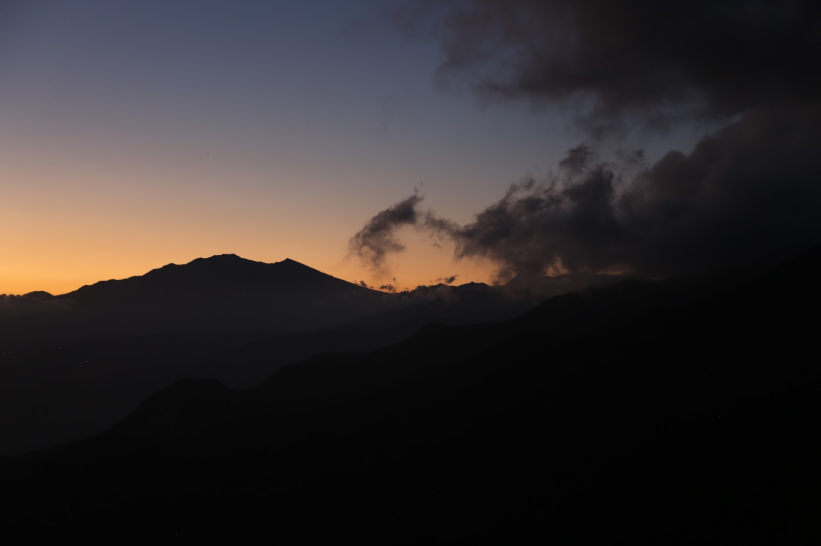
Off-the-Beaten-Track Panama: Where the Country Feels Most Alive

Panama reveals its deepest character away from the obvious routes, where travel is shaped by landscape rather than itinerary. Moving between mountains, forests, and quiet coastlines creates a rhythm that feels organic rather than planned. These places aren’t hidden because they’re difficult; they’re overlooked because they don’t rush to be discovered. For travelers already drifting between highlands and sea, they form natural anchors in the journey.

The beauty of these destinations is how they connect to each other. A morning in cool mountain air can become an afternoon on a remote beach, and the transition feels seamless rather than dramatic. Travel here is less about ticking locations and more about inhabiting environments. The following places reflect Panama’s quieter, more intimate side.

Lost and Found Hostel

Deep in the cloud forest between watersheds, this mountain hideaway feels suspended between worlds. Trails weave through misty jungle, descending into river canyons and rising to panoramic ridges where weather shifts by the minute. Evenings bring shared meals and quiet conversations that stretch longer than expected. The setting encourages presence rather than planning. For anyone traveling between Boquete and the Caribbean side, it naturally becomes a grounding midpoint that reshapes how the rest of Panama feels.

Time here slows in a way that feels effortless. The forest muffles outside noise, replacing it with birds and wind through leaves. Excursions grow organically from curiosity rather than schedules. It’s less a stop and more a state of mind that lingers after departure.

Santa Fe

Santa Fe sits in a green basin where waterfalls outnumber traffic. Life unfolds at walking pace, with trails beginning just beyond town and rivers forming natural gathering places. The surrounding forest holds remarkable biodiversity, yet the atmosphere remains humble and local. Coffee farms and small guesthouses reflect a community rooted in land and tradition.

Days tend to follow simple patterns shaped by weather and light. Mornings bring mist rising from valleys, afternoons open to bright skies, and evenings settle into cool mountain calm. It’s a place where the absence of urgency becomes the main attraction.

Cerro Punta

High in Panama’s agricultural heartland, Cerro Punta feels defined by altitude and openness. Fields climb steep slopes in geometric patterns, and cool air replaces tropical humidity. The landscape appears quiet yet purposeful, shaped by cultivation rather than tourism. Early mornings are crisp and clear, revealing layers of hills fading into cloud.

The experience is subtle but powerful. Instead of spectacle, the appeal lies in atmosphere and space. For travelers who move between coastal heat and mountain calm, this place makes the contrast tangible.

Golfo de Chiriquí

On the Pacific side, scattered islands form a marine landscape defined by quiet water and open horizon. Boat rides glide between palm-lined shores where development feels distant and unnecessary. Snorkeling reveals vibrant marine life beneath remarkably clear water. The sense of space is immediate and calming.

Time here expands naturally. Without crowds or noise, attention shifts toward subtle changes in light and tide. It’s an environment where simplicity feels complete rather than lacking.

Las Lajas Beach

Las Lajas offers one of Panama’s most expansive stretches of Pacific shoreline. The beach extends in a near-unbroken line, creating a sense of openness that feels restorative. Waves arrive steadily without urgency, and sunsets spread color across an uninterrupted horizon. The surrounding community remains small and relaxed.

Walking here becomes the main activity. Distance feels different when nothing interrupts the view. It’s a place where simplicity becomes the defining luxury.

Cerro Hoya National Park

Cerro Hoya merges rainforest mountains with untouched coastline, creating a landscape that feels elemental. Reaching it requires intention, which preserves its sense of isolation. Trails pass through dense vegetation before emerging onto wild beaches where human presence feels temporary. The environment appears vast and undisturbed.

Experiencing this park is less about sightseeing and more about immersion. The distance from urban life becomes tangible. Nature defines the experience entirely.

Kusapín

Along a quiet Caribbean stretch, Kusapín reflects community life shaped by sea and tradition. Tourism remains minimal, allowing daily rhythms to unfold naturally. Arrival often involves a combination of road and boat travel that reinforces the sense of remoteness. The coastline appears calm and expansive.

Interactions here feel personal rather than transactional. The environment encourages observation rather than activity. It’s a place defined by authenticity rather than attraction.

El Valle de Antón

Set within an ancient volcanic crater, El Valle blends accessibility with tranquility. Mountains encircle the town, creating a sheltered atmosphere where temperatures remain mild. Trails lead to waterfalls and viewpoints that reveal the crater’s scale. Markets and gardens add a human dimension to the landscape.

Despite its proximity to major routes, the town maintains a relaxed pace. It feels balanced between nature and community. The setting invites lingering rather than passing through.

Isla Escudo de Veraguas

Isla Escudo de Veraguas stands apart through distance and clarity. Beaches appear almost untouched, and water shifts between deep blue and bright turquoise. Access requires coordination, which limits visitation and preserves atmosphere. The island feels self-contained and serene.

Being here emphasizes scale and silence. The absence of crowds heightens awareness of the environment. It’s a destination defined by rarity rather than convenience.

Portobelo

Portobelo blends Caribbean scenery with layered cultural history. The harbor sits quietly beneath green hills, framed by historic structures that hint at a complex past. Music, art, and daily life intertwine naturally in the town’s atmosphere. It feels both grounded and expressive.

The experience here grows through observation. Rather than dramatic moments, Portobelo offers gradual discovery. It rewards those who slow down and listen.

Panama’s lesser-known places share a common thread: they reveal themselves fully only when approached without hurry. Mountains, forests, and coastlines become more than scenery when time allows them to shape experience. For travelers already moving between highlands and sea, these destinations create continuity rather than contrast.

The country’s geography makes these transitions feel natural. Roads wind from cool valleys to warm shores, and boat rides connect mainland and island life. Movement itself becomes part of the landscape. Each place adds another layer to an already diverse environment.

Choosing quieter destinations doesn’t mean missing out; it means noticing more. Sounds are softer, interactions are more personal, and landscapes feel larger. The absence of crowds reveals detail that might otherwise remain hidden. Travel becomes attentive rather than hurried.

For anyone building a deeper relationship with Panama, these locations form a meaningful circuit. They represent the country’s capacity for calm intensity, where nature and community remain closely linked. The experience is less about discovery and more about connection.

In the end, Panama’s off-the-beaten-track destinations offer something rare: a sense that the journey is unfolding exactly as it should. Mountains, forests, and coastlines align into a coherent whole. Moving through them feels less like travel and more like belonging, even if only for a while.

The Do's And Don'ts Of Panama

Traveling through Panama rewards awareness more than rigid planning. The country is welcoming, but its rhythm is different from what many visitors expect. Understanding the unspoken rules makes everyday interactions smoother and more enjoyable. The goal isn’t to behave perfectly but to move with the same calm confidence locals carry. Once you pick up that flow, the experience becomes richer and more comfortable.

One of the most important things to do is greet people properly. A simple buenos días, buenas tardes, or buenas is more than politeness; it signals respect. Conversations often begin with a greeting before any practical question. Skipping that step can feel abrupt even if you don’t mean it that way. Small courtesies open doors across the country.

It helps to carry identification or a copy when moving around. Panama is generally relaxed, but identification checks can happen occasionally, especially on long-distance transport routes. Having something available avoids unnecessary stress. Keeping documents safe from humidity is wise too, especially in coastal areas where moisture is constant.

Learning a few Spanish phrases goes a long way. Even basic attempts are appreciated and often change the tone of an interaction. People respond warmly when visitors show effort rather than expectation. Communication becomes less transactional and more human. That shift improves everything from ordering food to asking directions.

Cash is still important in many places outside large commercial centers. Small shops, local transport, and rural communities often prefer it. Carrying smaller bills helps because change isn’t always available. This is especially true when traveling between mountain towns and coastal areas. Practical preparation prevents small inconveniences from stacking up.

Respecting the slower pace of life is essential. Things may not happen exactly on schedule, but they usually happen eventually. Patience is not just polite; it’s practical. Adapting expectations reduces frustration and makes travel feel easier. The country rewards flexibility more than strict timing.

Understanding weather patterns helps you move comfortably. Rain is common on the Caribbean side and in the highlands, sometimes arriving suddenly. A light rain layer is more useful than heavy gear. Planning activities earlier in the day often works best. Weather rarely stops life here, but it shapes daily rhythms.

Transportation operates on a mix of structure and improvisation. Buses, boats, and shared rides run frequently but not always predictably. Confirming departure points and times locally is smarter than relying on assumptions. Movement between regions is usually straightforward once you accept that flexibility is part of the system. Travel becomes easier when you treat timing as approximate rather than fixed.

One important don’t is assuming Western service expectations apply everywhere. Efficiency is valued, but warmth often comes first. Conversations may extend beyond the immediate task. Rushing interactions can create unnecessary friction. A relaxed attitude gets better results than urgency.

Avoid comparing Panama negatively to other countries in conversation. Locals are proud of their culture and independence. Curiosity is welcome, but criticism feels out of place. Asking questions respectfully builds connection instead of distance. Appreciation travels further than judgment.

Another key don’t is underestimating the power of humidity. Mold, rust, and moisture affect everyday life more than many visitors expect. Electronics, clothing, and paper items need protection. Accepting this reality makes adaptation easier. It’s not a problem to solve completely but a condition to manage.

It’s wise to respect local environmental awareness. Panama’s forests and coastlines are central to national identity. Littering is taken seriously in many communities. Responsible behavior in nature reflects well on visitors. Care for the environment is seen as care for the country itself.

When moving between regions like the highlands and Caribbean coast, dress simply and comfortably. Practical clothing blends in more than flashy styles. Panama values neatness but not extravagance. Comfort and appropriateness matter more than fashion statements. This is especially noticeable in smaller towns.

Understanding food culture makes daily life smoother. Meals are often simple, fresh, and filling rather than heavily seasoned. Trying local dishes with openness shows appreciation. Asking for modifications is fine but should be done politely. Food here reflects practicality and tradition rather than trend.

One common mistake is treating every area as if it operates like the capital. Life in Panama City is faster and more international than most of the country. Rural and coastal communities move differently. Adjusting expectations by region prevents misunderstanding. Panama is diverse in pace as well as landscape.

Respecting personal space and tone matters in daily interactions. Conversations are friendly but rarely confrontational. Raising your voice rarely improves a situation. Calm communication earns cooperation. Emotional restraint is considered maturity.

Another helpful practice is confirming prices before services begin. This is standard for taxis, boats, and informal transport. It prevents confusion rather than signaling distrust. Clarity benefits everyone involved. Most transactions are straightforward once expectations are shared.

Avoid assuming English will always be understood. In tourist zones it often is, but not everywhere. Patience in communication shows respect. Nonverbal cues and simple phrases bridge many gaps. Understanding grows through effort on both sides.

Travelers often do well when they adapt to local eating times. Lunch is significant, and dinner may be lighter or later. Aligning with this rhythm feels natural after a few days. Observing rather than imposing habits helps you settle in. Cultural timing shapes daily comfort.

Be mindful of photography in everyday settings. Scenic landscapes are welcome subjects, but people appreciate being asked first. This small courtesy matters in close-knit communities. Respectful curiosity strengthens interactions. Awareness prevents awkward moments.

Safety awareness is practical rather than fearful. Like any country, Panama has areas that require attention, but most daily movement is relaxed. Listening to local advice is more reliable than assumptions. Calm confidence is the norm. Preparation replaces worry.

When using boats and buses, flexibility remains essential. Schedules exist but adapt to demand and conditions. Travelers who expect strict timing often feel unnecessary stress. Those who adjust enjoy the journey more. Movement here is cooperative rather than rigid.

Supporting local businesses builds positive experiences. Small restaurants, markets, and family-run accommodations shape the character of each region. Engagement creates connection beyond simple transactions. It also reflects respect for community life. Travel becomes participation rather than observation.

If you spend time in the highlands, especially near places like Lost and Found Hostel, you’ll notice how nature and community intertwine. Trails, shared meals, and conversations happen organically. Embracing that atmosphere is a cultural do in itself. The experience deepens when you match the environment’s calm energy. Movement between mountain and coast then feels like a natural rhythm rather than a logistical task.

Avoid treating Panama as only a destination of convenience. Many travelers pass through quickly because of geography. Slowing down reveals layers of culture and landscape. Time spent observing daily life is never wasted. Depth replaces novelty when you linger.

Respect for elders and authority is noticeable in public behavior. Courtesy in tone and posture communicates awareness of social norms. This respect is subtle but consistent. Visitors who mirror it are received warmly. Social harmony is valued more than assertiveness.

One of the most rewarding things to do is listen. Stories about weather, history, and daily life emerge easily when conversations are unhurried. People often share insights that guide travel decisions better than formal information. Openness invites guidance. The country reveals itself through conversation.

Avoid overplanning every movement. Panama functions well with a balance of intention and spontaneity. Leaving space for adjustments improves experiences. Unexpected opportunities appear frequently. Flexibility is not a compromise but an advantage.

Recognizing regional pride helps interactions feel smoother. Coastal communities, mountain towns, and urban neighborhoods each carry distinct identities. Showing interest in those differences is appreciated. Uniform expectations rarely fit the whole country. Diversity is part of the national character.

Another practical do is caring for belongings thoughtfully. Humidity, rain, and salt air affect materials quickly. Simple protective habits extend the life of travel gear. Preparedness feels natural after a short time. Environment shapes routine more than visitors expect.

Avoid rushing departures and arrivals. Transportation moments often involve informal coordination. Allowing extra time reduces pressure. The system works best when approached calmly. Patience turns waiting into observation rather than frustration.

Ultimately, the most important guidance is to match Panama’s tone. Warmth, patience, and attentiveness create positive experiences across the country. The dos and don’ts are less about strict rules and more about alignment with local rhythm. When visitors move with that rhythm, travel feels effortless. Panama responds generously to those who meet it with respect and curiosity.

Boats to Bocas del Toro from the mainland

Traveling to Bocas is one of those journeys where the transportation is part of the adventure, not just a means to an end. The islands are separated from the mainland by a calm but wide stretch of Caribbean water, and boats are the final link that makes the whole region feel remote yet accessible. Whether you’re coming from the Pacific side via the mountains or already moving along the Caribbean coast, you eventually arrive at a dock where engines hum, captains shout destinations, and backpacks pile up in neat rows. The rhythm is relaxed but efficient, reflecting the broader pace of life in Panama’s Caribbean region. For travelers already based in Panama like you, especially if you’re moving between the highlands and the coast, the boat crossing becomes a familiar ritual.

The most common arrival is to Isla Colón, where Bocas Town sits along a busy waterfront lined with docks, restaurants, and colorful wooden buildings on stilts. Boats approach from different directions, but they all share that cinematic moment when the town slowly grows from a distant line of rooftops into a lively harbor scene. You’ll often see other passengers taking photos, not because the trip is rare but because it never really loses its charm. Even locals who make the crossing regularly still pause to watch the water shift from deep green to bright turquoise as you near the island.

There are two main mainland departure points, and they shape the experience in different ways. One route begins on the Caribbean side of the isthmus, while the other sits tucked into a protected bay reached by winding mountain roads. Both serve the same purpose but feel completely different in atmosphere. Choosing between them often depends on where you are coming from rather than preference alone. Still, understanding how each works helps you move around Panama more smoothly, especially if you’re planning to bounce between Boquete, the Lost and Found area, and the islands.

Departing from Almirante

Almirante is by far the busiest and most widely used launch point to Bocas. It sits on the mainland coast and acts as a transportation hub connecting buses, taxis, and boats. Travelers coming from David, Boquete, or the highlands almost always pass through here. If you’ve been staying near the mountain routes you’ve written about, this is the crossing you’ll likely use most often. The town itself feels functional rather than scenic, built around movement and trade rather than tourism charm.

When you arrive in Almirante, the transition from land travel to boat travel happens quickly. Taxis and shuttles drop passengers directly beside the docks, and captains call out departure times continuously. Boats leave frequently throughout the day, and you rarely wait long for the next one to fill. The system runs on a simple logic: when enough people gather, the boat goes. It’s organized without feeling formal, which surprises many first-time visitors.

The crossing from Almirante to Bocas Town usually takes around half an hour depending on conditions. The ride moves through sheltered waters, so even on breezy days it remains comfortable. Passengers sit in rows facing forward while luggage is stacked toward the front or rear. The engines are loud, conversations are easy, and sea air fills everything with that unmistakable Caribbean smell of salt and mangrove.

One of the reasons Almirante is so popular is how easy it is to reach from inland destinations. Travelers moving between Boquete and the islands often pass near the jungle highlands you’ve been writing about, including routes connected to the area around the Lost and Found hostel. Many shuttles coordinate timing specifically to meet departing boats, so the journey feels like one continuous chain rather than separate segments. That connectivity makes Almirante the default choice for most visitors.

Returning from Bocas to Almirante feels just as simple. Boats depart throughout the day from Bocas Town’s main waterfront, and tickets are purchased directly at the dock. On busy mornings the docks are lively with travelers heading back to the mainland for flights, bus connections, or work. The return ride often feels shorter, perhaps because mainland life approaches quickly as the islands fade behind you.

Departing from Chiriquí Grande

Chiriquí Grande offers a quieter, less commercial alternative for reaching the islands. The town sits along a protected bay and feels more local than Almirante. Fewer travelers pass through, and the pace is noticeably slower. If Almirante feels like a transport hub, Chiriquí Grande feels like a working coastal town that happens to offer boat access. That difference shapes the entire experience.

Reaching Chiriquí Grande involves a winding drive through green hills and scattered communities. The journey itself is scenic, with stretches of forest and glimpses of water appearing unexpectedly between trees. For travelers who prefer routes that feel off the main path, this departure point adds a sense of discovery. It’s less about efficiency and more about atmosphere.

Boat departures from Chiriquí Grande are less frequent than from Almirante, which means timing matters more. You might wait for a scheduled departure rather than simply hopping on the next available boat. The crossing itself is similar in length but feels calmer because there are fewer passengers and less dockside activity. The water often appears glassy and still, especially in the morning.

Because fewer tourists use this route, the experience can feel more personal. Conversations with boat operators happen naturally, and the process feels less transactional. It’s the kind of crossing where people greet each other by name and luggage handling feels cooperative rather than rushed. For travelers who enjoy seeing everyday Panama rather than just tourist corridors, Chiriquí Grande offers a different perspective.

Returning to the mainland via Chiriquí Grande has the same quiet rhythm. Boats leave from Bocas Town but head toward a dock that feels removed from the busier mainland flow. From there, transportation onward requires a bit more planning. That extra step is precisely why the route remains less crowded, preserving its slower character.

What the crossing itself feels like

The boat ride is rarely dramatic, but it always feels immersive. Mangroves line portions of the route, their roots reaching into the water like natural sculptures. The air temperature shifts slightly as the boat moves across open channels, and the breeze carries hints of rainforest and sea simultaneously. Even frequent travelers find themselves watching the horizon, noticing how light changes on the water.

Weather plays a role but rarely stops crossings entirely. Rain showers may pass quickly, creating shifting patterns on the surface of the sea. Passengers often bring light rain jackets, not out of necessity but for comfort. The Caribbean side of Panama is known for sudden showers, yet boat operations continue with remarkable consistency.

Luggage handling is straightforward and practical. Backpacks, surfboards, and supply boxes are stacked efficiently before departure. For travelers moving between beach and mountain destinations — something you’ve been exploring in your Panama comparisons — the boats become a bridge connecting two completely different environments in a single morning.

Arriving in Bocas after any crossing brings an immediate change in atmosphere. Music drifts from waterfront bars, small shops face the docks, and boats continue arriving from surrounding islands. The harbor feels alive but never chaotic. It’s a place where transportation blends seamlessly into daily life rather than dominating it.

Departing from Bocas carries a different emotional tone. Leaving the islands often feels reflective, especially after time spent in the rainforest or on quiet beaches. The mainland slowly emerges, and the sense of remoteness fades with it. That transition is part of what makes the Bocas journey memorable even for long-term travelers in Panama.

Choosing between Almirante and Chiriquí Grande ultimately depends on route, timing, and the kind of experience you want. One offers speed and convenience, the other atmosphere and quiet. Both connect the mainland to a place that still feels distinctly separate from it. And for anyone moving regularly between Panama’s highlands and Caribbean coast — like your own travel rhythm — those boat crossings become familiar markers in the flow of life between mountains and sea.

If you want, I can also write a companion article explaining how to get from Panama City or David to each dock step by step in that long-form style you like.

Panama Volunteer Programs

Volunteering in Panama has become one of the most accessible ways to travel slowly, reduce costs, and experience the country beyond the usual tourist path. Platforms like Workaway, HelpX, and Worldpackers all connect travelers with hosts who exchange accommodation and sometimes meals for a few hours of daily help. In a country where jungle hostels, eco-lodges, and small community projects are spread across remote regions, these platforms act as a bridge between curious travelers and places that would otherwise be difficult to discover.

Panama is particularly suited to work-exchange travel because distances are manageable, transportation is affordable, and many tourism businesses operate on a small scale. Volunteer roles often include reception help, housekeeping, gardening, social hosting, guiding hikes, or assisting with sustainability projects. The atmosphere tends to be informal and community-driven, especially in rural mountain areas where travelers and staff live closely together.

The three platforms operate on a similar basic model but feel very different once you begin browsing hosts. Workaway is the largest network and functions almost like a global marketplace of opportunities. HelpX is simpler and more minimal, appealing to independent travelers who prefer straightforward communication. Worldpackers positions itself as a curated community with structured support and stronger emphasis on safety and verified hosts.

Membership cost is one of the first differences travelers notice. Workaway charges a yearly fee that sits in the mid-range for volunteer platforms. Worldpackers is similar in price and often markets seasonal discounts. HelpX is significantly cheaper and lasts longer before renewal, which makes it appealing for budget-focused travelers who plan extended travel in regions like Central America. The financial difference matters most for long-term travelers moving through Panama on a tight daily budget.

Workaway’s greatest strength is sheer scale. Its listings include hostels, farms, language exchanges, and eco-projects scattered across Panama’s coastlines and highlands. Because the platform is so large, it often includes opportunities in both popular areas and remote regions that see fewer volunteers. This breadth means you can compare many types of experiences before committing to one location.

That scale also creates a challenge. Sorting through listings can feel overwhelming, especially if you are trying to compare host expectations, work hours, and living conditions. Some listings remain active even when hosts are not currently accepting volunteers, so communication and patience become essential parts of the process. For experienced travelers, this is manageable, but newcomers sometimes prefer a more curated system.

HelpX feels very different from the moment you browse listings. The platform is simple, direct, and somewhat old-school in design. It often attracts hosts who want a practical exchange rather than a social hostel environment. In Panama, this sometimes means rural homestays, small guesthouses, or hands-on projects where volunteers integrate into daily life rather than structured tourism roles.

Because HelpX is smaller, you may find fewer opportunities in Panama compared to Workaway or Worldpackers. However, the listings that do exist often involve deeper immersion and closer interaction with hosts. Travelers who enjoy independence and don’t need extensive platform support often appreciate this style of exchange.

Worldpackers has built its reputation around trust and community. The platform emphasizes verified hosts, structured expectations, and support systems that can assist volunteers if a placement doesn’t work out. For travelers heading into unfamiliar environments, that extra layer of reassurance can feel valuable, especially in remote regions of Panama.

In Panama specifically, Worldpackers leans heavily toward hostel-based roles. Many listings involve guest interaction, event organization, or social hosting in addition to basic operational tasks. This creates an environment that appeals strongly to travelers who want a social atmosphere and structured daily routine.

Across all three platforms, volunteer expectations in Panama are broadly similar. Hosts typically request a set number of hours per day in exchange for dorm accommodation and sometimes meals. The balance between work and free time varies widely depending on the host, which makes communication before arrival essential regardless of platform choice.

One interesting reality in Panama’s tourism scene is that some hostels appear on multiple platforms simultaneously. This allows them to reach a wider range of travelers while giving volunteers flexibility in how they apply. A well-known example is The Lost and Found Jungle Hostel, a mountain rainforest hostel that has become a hub for travelers seeking nature immersion and community living.

Places like this highlight why work-exchange travel works so well in Panama. Remote jungle hostels rely on small teams, and volunteers often become part of daily operations while gaining access to hiking trails, river canyons, and mountain ecosystems that most tourists never see. The experience is less about free accommodation and more about temporary community living.

Safety and support vary subtly across the platforms. Worldpackers emphasizes mediation and volunteer assistance if placements fail. Workaway relies heavily on reviews and communication between hosts and volunteers. HelpX provides the least structured support, which suits confident travelers but may feel uncertain for first-time volunteers abroad.

Another important difference is the type of traveler each platform attracts. Workaway draws a wide mix of backpackers, long-term travelers, and cultural exchange seekers. HelpX often appeals to practical travelers comfortable with minimal structure. Worldpackers tends to attract younger travelers who value community interaction and organized experiences.

Panama’s geography influences the volunteer experience regardless of platform. Many hosts are located in areas reachable only by a combination of buses, shared transport, or hiking. This adds a sense of adventure to work-exchange travel but also requires flexibility and planning when arranging arrival and departure.

The cost-benefit balance is one reason these platforms remain popular. A single volunteer stay can offset the yearly membership fee through savings on accommodation. In a country where lodging prices vary widely between cities and remote areas, this financial advantage becomes especially noticeable.

Volunteer experiences ultimately depend less on the platform and more on the individual host. Clear expectations, honest communication, and compatibility with the environment shape whether a stay feels rewarding. Reviews and detailed messaging before arrival are more important than which platform you choose.

Some travelers choose one platform based on cost, others based on safety features, and many simply join the network that lists the host they want. Because Panama’s volunteer scene is relatively small compared to larger countries, browsing all three platforms often provides the clearest picture of available opportunities.

What makes Panama particularly memorable for volunteers is the combination of accessibility and wilderness. Within a single country, travelers can move from tropical islands to cloud forest mountains, from surf towns to indigenous regions, all while participating in daily life rather than passing through as observers.

Choosing between Workaway, HelpX, and Worldpackers is less about finding a universally better platform and more about matching your travel style to the system that feels most comfortable. Panama offers rewarding experiences through all three, especially for travelers seeking nature, community, and a slower rhythm of travel that goes far beyond the typical tourist itinerary.

Gun Laws In Panama

Gun laws in Panama are relatively strict compared to many places in the Americas, and firearms are tightly regulated by the state. Civilian ownership is legal, but it exists within a licensing system that places clear limits on who can possess a weapon and under what circumstances.

Firearm regulation is administered through national security authorities, and the process is designed to ensure that weapons remain controlled and traceable. The goal is not widespread civilian carrying but regulated ownership for specific approved purposes.

Private citizens who wish to legally own a firearm must obtain government authorization. This involves background screening and official approval rather than simple purchase rights. The system emphasizes accountability and oversight.

Applicants must be adults and must meet legal eligibility standards established by authorities. Criminal history, legal standing, and behavioral factors are considered during evaluation. Individuals who do not meet these standards are denied authorization.

Registration of firearms is mandatory. Each legal weapon is recorded and linked to its licensed owner. This registration requirement is central to how the government tracks lawful possession.

Panama distinguishes between ownership and carrying. Even when a firearm is legally owned, carrying it outside the home requires additional authorization. This makes public carrying more restricted than private possession.

Permits for carrying firearms are not widely granted. They are typically limited to individuals who demonstrate a specific need recognized by authorities. As a result, civilian gun carrying in public spaces is relatively uncommon.

The country has experienced periods where firearm restrictions were tightened significantly. Temporary bans and stricter controls have been implemented at different times to address public safety concerns. These measures reflect a cautious regulatory approach.

Ammunition is also regulated and cannot be freely purchased without authorization. Legal ownership of ammunition is tied to firearm registration and licensing status. This prevents uncontrolled circulation of supplies.

Firearms that are not properly registered or licensed are illegal. Possession without authorization can result in serious legal consequences. Enforcement is handled by national law enforcement agencies.

The Policía Nacional de Panamá is responsible for enforcement of public safety laws, including those related to weapons. Police maintain authority to investigate and confiscate illegal firearms.

Self-defense is recognized in principle within Panamanian law, but it does not automatically grant firearm rights. Legal possession and use must still fall within established regulations and licensing requirements.

Compared to some countries where civilian gun ownership is common, Panama maintains a more controlled model. The emphasis is on state oversight rather than broad individual access.

In everyday life, firearms are not widely visible in public spaces. Security forces and authorized personnel are the groups most commonly seen carrying weapons. This contributes to a generally low-profile gun culture.

Private security companies operate under separate regulatory frameworks. Their personnel may carry firearms when properly authorized, but these permissions are tied to professional duties rather than personal rights.

Foreign visitors cannot bring firearms into Panama without special authorization from authorities. Importation rules are strict, and undeclared weapons are treated as serious legal violations.

Gun laws in Panama are shaped by public safety priorities and regional security concerns. The country’s role as a transit hub in the region influences how authorities approach weapons control.

Cultural attitudes toward firearms tend to be pragmatic rather than ideological. Ownership exists, but it is not a defining element of national identity or daily social life.

Travelers moving around the country rarely encounter situations involving civilian firearms. Awareness of the law is usually more relevant than direct exposure to weapons.

Overall, Panama’s firearm framework reflects a controlled and regulated system that permits limited civilian ownership while prioritizing oversight, registration, and public safety.

Don't Pack Your Moldy Attitude To Panama

Mold is a constant companion in Panama’s tropical climate, and anyone living here for more than a few weeks quickly learns that it is less an emergency and more an environmental reality to manage. Heat, humidity, and frequent rain create ideal conditions for spores to grow on almost any surface, from leather shoes to wooden furniture to the corners of bathroom ceilings. Visitors from drier climates are often surprised by how fast it appears, but locals treat it as something to stay ahead of rather than something to fear.

The key reason mold thrives in Panama is the year-round moisture in the air. Even in the so-called dry season, humidity can remain high enough to support growth inside homes. Buildings breathe differently here than in temperate countries, and many structures are designed for airflow rather than sealed insulation. That openness helps with cooling but also means moisture moves freely indoors.

New arrivals often notice mold first on clothing or backpacks stored in closed spaces. Fabric that sits unused in a drawer or suitcase can develop a musty smell in days. This is not a sign of poor hygiene or neglect but simply a reflection of how active the environment is. People adapt by rotating items frequently and allowing air circulation.

Leather goods require special attention because they absorb moisture quickly. Shoes, belts, and bags can develop white or green patches if stored in dark closets. Many residents use silica packets, dehumidifier boxes, or regular sunlight exposure to keep items dry. These small habits become routine, like checking the weather before hanging laundry.

Homes in Panama often emphasize ventilation over airtightness. Windows, louvers, and open-air design help release trapped heat but also invite humidity indoors. Air conditioning reduces moisture, but running it constantly is expensive and not always practical, especially in mountain regions where temperatures are cooler but humidity still lingers.

Bathrooms are a common place to see mold because of constant moisture and limited airflow. Regular cleaning and airflow management make a big difference. Many households simply incorporate mold prevention into normal weekly cleaning routines, the same way dusting is routine elsewhere.

In the western world, mold has recently become a highly publicized concern, often framed as a hidden danger in homes. In tropical countries like Panama, however, people have long lived with it as a manageable environmental factor. Awareness is important, but perspective matters too. The presence of mold does not automatically mean a space is unsafe or unlivable.

Panamanians tend to approach mold practically rather than emotionally. If something grows, it gets cleaned. If airflow is poor, it gets improved. This pragmatic mindset reflects generations of experience living in a humid ecosystem rather than attempting to eliminate it entirely.

The rainy season intensifies mold activity because moisture remains elevated for long periods. During these months, even items left briefly in enclosed spaces can be affected. Travelers staying in forested or highland areas often notice the difference compared to coastal breezes that provide more drying airflow.

Mountain environments can be especially humid despite cooler temperatures. Clouds, mist, and dense vegetation hold moisture in the air for extended periods. Buildings surrounded by forest or located in valleys experience less drying wind and therefore require more attention to ventilation.

Many people new to Panama assume mold indicates poor construction or maintenance, but that assumption rarely holds true. Even well-built homes with modern materials encounter mold because climate outweighs building style. Prevention is about managing moisture rather than achieving complete dryness.

Simple daily habits make the biggest difference. Opening windows when weather allows, running fans, rotating stored items, and avoiding sealed storage for long periods all help reduce growth. These practices become second nature with time.

Storage solutions in Panama often prioritize airflow. Shelves are preferred over sealed cabinets, and breathable containers are favored over airtight plastic bins. The goal is to let moisture escape rather than trap it.

Electronics and paper items also require care. Books stored in closed spaces can absorb moisture and develop odors. Cameras and lenses benefit from dry boxes or silica packs. These precautions are common among residents and long-term visitors.

Laundry routines reflect the climate as well. Clothes dry best in open air with good circulation, and items should not remain damp for long periods. Indoor drying without airflow can encourage odor and mildew.

Despite increased global conversation about mold-related health concerns, context is important. Panama’s environment naturally contains more spores than temperate climates, and long-term residents adapt through environmental management rather than avoidance. Awareness and cleanliness are emphasized over alarm.

Travelers often find that understanding mold changes their expectations of housing and storage. A small amount of mildew smell does not necessarily indicate neglect. It usually signals that humidity has done what humidity does in the tropics.

Cleaning products designed for mold prevention are widely available in Panama, and many households keep them on hand just as others keep glass cleaner or floor soap. Routine maintenance is simply part of living comfortably in the climate.

Over time, most people develop a relaxed relationship with mold. It becomes another aspect of tropical life alongside rainstorms, lush vegetation, and warm temperatures. Learning how to manage moisture becomes a practical skill rather than a constant worry.

Living in Panama means adapting to the environment rather than trying to impose a dry-climate mindset on a humid ecosystem. Mold is part of that adjustment. With awareness, airflow, and routine care, it becomes manageable background maintenance rather than a defining challenge of daily life.

Do I Need To Carry My Passport Everywhere In Panama

In Panama, you’re legally expected to be able to identify yourself at any time, but that doesn’t always mean carrying your original passport everywhere. What you should carry depends on your status in the country and how you’re moving around.

If you’re a tourist, the safest rule is this: you must have valid identification on you, but many travelers carry a passport copy for daily movement and keep the original secure where they’re staying. Authorities can ask for ID during routine checks, especially at highway checkpoints run by the Policía Nacional de Panamá.

A clear photocopy or high-quality digital copy of your passport photo page and entry stamp is usually accepted for everyday situations like buses, taxis, restaurants, and walking around town. This is common practice among travelers moving between places like Boquete, Santa Catalina, and Bocas.

However, there are situations where the original passport is strongly recommended. Domestic flights within Panama require official ID, and airlines may insist on the original. Some hotels, banks, and formal transactions also ask for the real document.

If you’re traveling long distances by bus across provinces or near border regions, carrying the original passport can prevent delays at checkpoints. It’s not always demanded, but if officers want full verification, a copy may not be enough.

Residents have it easier. If you hold a Panamanian residency card (cédula or resident card), that’s your primary ID and you should carry it instead of your passport.

For drivers, ID requirements are stricter. You need: • valid driver’s license

• passport or resident ID

• vehicle registration

• insurance

Rental car users should also keep the rental contract in the vehicle.

A practical routine many long-term travelers use — especially people living in rural highland areas or running tourism operations — is carrying a laminated passport copy daily and keeping the original locked up unless traveling between regions.

So no, you don’t need to carry your passport everywhere all the time. But you do need reliable ID with you, and you should bring the original when traveling far, flying, or handling anything official.

Understanding Panama’s Social Values Before You Visit

Panama’s social climate often gets described in simple labels like “traditional” or “modern,” but the reality is more layered. Compared with countries like the United States or many parts of Europe, Panama blends strong family values with gradual social change rather than rapid ideological swings.

In everyday life, public discourse in Panama tends to be less focused on identity politics and more focused on stability, cost of living, and opportunity. Social debates exist, but they are usually quieter and less polarized than what people often see in U.S. media.

Religion still plays a visible cultural role in Panama. Catholic heritage and Christian traditions shape social attitudes about family, relationships, and community expectations. This influence contributes to a social tone that feels more conservative in some respects compared with secular parts of Europe.

At the same time, Panama is not socially rigid. Younger generations, especially in cities, are increasingly influenced by global culture, social media, and travel. This exposure brings new conversations about equality, personal identity, and individual freedom.

Urban and rural differences are central to understanding Panama’s social climate. In Panama City and other major urban areas, attitudes tend to be more open, diverse, and internationally influenced. Smaller towns often prioritize tradition, family reputation, and community norms.

Compared to the United States, Panama generally experiences less public confrontation over social issues. Political debate exists, but everyday conversation is usually less dominated by ideological language.

Compared with Western Europe, Panama may appear more socially conservative in formal institutions but more relaxed in personal life. Public policy debates may move slowly, yet social behavior can be pragmatic and adaptable.

A defining feature of Panama’s culture is social harmony. Many people prioritize respect, politeness, and coexistence over ideological expression. This approach can make the society feel less politically intense than the U.S.

Economic priorities also shape social tone. Issues like employment, infrastructure, and affordability often overshadow cultural debates. In that sense, Panama resembles many developing economies where practical concerns take precedence.

Media influence plays a major role in perceptions. Because U.S. media dominates global entertainment, Panama is often compared against American cultural debates even when local priorities differ significantly.

Generational change is noticeable. Younger Panamanians often hold more globally aligned views on equality, diversity, and personal identity than older generations. However, these views are usually expressed with moderation rather than activism.

Education and travel have expanded perspectives, particularly among urban youth. Exposure to international universities and online discourse creates a gradual cultural shift rather than a dramatic transformation.

Public discussion of social identity exists but is typically less confrontational. Conversations are more likely to occur in personal settings rather than through mass public movements.

Panama’s legal and institutional framework reflects gradual modernization. Social policies tend to evolve through incremental change rather than rapid reform driven by mass mobilization.

In comparison with Europe, Panama’s approach to social change often appears slower but also less polarized. European societies may have more institutionalized social policies, while Panama’s changes tend to emerge organically.

Cultural expression in Panama values community belonging. Identity is often understood through family, region, and shared experience rather than purely individual self-definition.

Migration and international business have made Panama culturally diverse. As a transit hub, the country encounters many global perspectives, which subtly influence social attitudes over time.

Public behavior in Panama often emphasizes courtesy and coexistence. Social disagreement is typically expressed more gently than in highly polarized political environments.

Economic inequality shapes social discourse as well. Conversations about fairness often focus on opportunity and access rather than identity frameworks.

In comparison to the United States, Panama has fewer organized culture wars dominating national conversation. Political debate exists, but it usually revolves around governance rather than social identity.

In comparison to parts of Europe, Panama’s institutions may appear more traditional, yet personal lifestyles can be flexible and adaptive to modern influences.

Social openness in Panama is situational. In cities, people may encounter progressive ideas frequently. In rural areas, tradition often provides the primary cultural reference point.

Family structure remains central in Panamanian society. Decisions about lifestyle and identity are often negotiated within family relationships rather than purely individual frameworks.

Globalization continues to reshape attitudes. Exposure to international tourism, media, and digital culture gradually shifts norms without erasing traditional values.

Many observers describe Panama as culturally moderate rather than ideologically defined. The society adapts to change but rarely embraces extremes.

Public discourse in Panama often values practicality over theory. Conversations tend to focus on how people live rather than how systems should be defined.

Social change in Panama is evolutionary rather than revolutionary. Cultural shifts occur across generations rather than through rapid transformation.

For visitors, Panama may feel less politically charged than the United States and less institutionally progressive than parts of Europe. Yet daily interactions often feel relaxed and respectful.

The country’s identity as a crossroads influences its social character. Panama absorbs ideas from many places while maintaining its own cultural balance.

Ultimately, describing Panama as “woke” or not misses the nuance. It is a society negotiating tradition and change simultaneously, shaped by history, family, and global connection.

Understanding Panama requires looking beyond labels and observing how people actually live, interact, and adapt. Its social climate is defined less by ideology and more by coexistence, continuity, and gradual transformation.

Birth Control in Panama: Access, Attitudes, and Practical Realities

Birth control in Panama sits at the intersection of public health policy, cultural tradition, and modern medical access. As a country with strong urban healthcare infrastructure but significant rural variation, Panama offers a wide range of contraceptive options, though access and attitudes can differ depending on region, income level, and community norms.

In urban centers like Panama City and David, contraception is widely available through pharmacies, clinics, and hospitals. Public healthcare programs emphasize reproductive health education, and private clinics provide confidential consultations for those who prefer additional privacy or English-speaking providers. The country’s healthcare system combines government services with private medical care, which shapes how people obtain birth control.

The national public health system, overseen by Ministerio de Salud, promotes family planning as part of broader reproductive health initiatives. Public clinics distribute certain contraceptives at low or no cost, especially for residents enrolled in government healthcare programs. These services often include counseling about reproductive health, prevention of sexually transmitted infections, and maternal health planning.

Pharmacies are one of the most common access points for contraception in Panama. Birth control pills, emergency contraception, and condoms are typically available without extensive bureaucracy. In cities and larger towns, pharmacists are accustomed to questions about contraceptive options and can provide basic guidance about usage and availability.

Condoms are the most widely accessible and socially accepted form of contraception in Panama. They are sold in pharmacies, supermarkets, and convenience stores across the country. Public health campaigns frequently emphasize condom use for both pregnancy prevention and protection against infections, particularly among young adults.

Hormonal birth control pills are also widely available. In private pharmacies, they are usually sold over the counter, although consultation with a healthcare professional is recommended for safety. Different brands and hormone combinations are available, with pricing varying between public and private sectors.

Long-acting contraceptive methods such as intrauterine devices and hormonal implants are offered in hospitals and specialized clinics. These methods require trained medical providers for insertion and follow-up. Access is more consistent in cities than in rural communities, where healthcare resources may be limited.

Emergency contraception is legally available in Panama and can be obtained through pharmacies and medical providers. Public awareness about emergency contraception has increased in recent years due to public health education campaigns focused on prevention and reproductive planning.

Cultural attitudes toward birth control in Panama reflect a blend of traditional family values and modern health awareness. Catholic heritage historically influenced views on contraception, especially among older generations and in rural communities. However, younger populations and urban residents generally view birth control as a practical health choice rather than a controversial issue.

Family planning is widely discussed in healthcare settings, even if social conversations about reproductive choices remain somewhat private. Many Panamanians approach the topic pragmatically, emphasizing responsibility and planning rather than public debate.

Access to contraception is generally easier in cities than in remote areas. Rural regions may have fewer clinics, less consistent medical staffing, and reduced privacy for healthcare visits. Public health programs attempt to bridge these gaps through outreach initiatives and community education.

Education about reproductive health is part of public health programming, though the depth and delivery of information can vary. Schools, clinics, and nonprofit organizations provide information about safe relationships, consent, and prevention of infections alongside pregnancy prevention.

Cost varies depending on the type of contraception and where it is obtained. Public clinics often provide low-cost services, while private clinics offer faster access and a wider selection of products at higher prices. For many people, the choice between public and private care depends on convenience, privacy, and financial resources.

For visitors and temporary residents, obtaining contraception in Panama is usually straightforward. Pharmacies in major cities and tourist destinations carry common products, and private clinics can provide consultations for travelers needing medical advice.

Public health efforts in Panama focus not only on access but also on awareness. Campaigns emphasize responsible decision-making, prevention of health risks, and the importance of informed choice. These initiatives reflect a broader regional trend toward integrating reproductive health into general healthcare services.

Panama’s role as an international crossroads has influenced attitudes toward reproductive health. Exposure to global media, travel, and international education contributes to evolving perspectives among younger generations, particularly in urban areas.

At the same time, family remains a central cultural value. Decisions about relationships and reproductive planning are often shaped by personal responsibility, family expectations, and long-term stability rather than purely individual preference.

Healthcare providers in Panama typically approach birth control as part of preventive medicine. Conversations focus on health outcomes, personal circumstances, and long-term wellbeing rather than social judgment. This medical framing has helped normalize family planning within healthcare contexts.

Panama’s healthcare system continues to expand access to services in underserved regions, though disparities remain. Infrastructure, transportation, and economic inequality influence how easily individuals can obtain consistent reproductive care.

Across Latin America, Panama’s access to contraception is broadly comparable to regional averages. Urban access is strong, public health messaging is active, and cultural attitudes are gradually shifting toward openness balanced with privacy.

Ultimately, birth control in Panama reflects the country itself — a place where tradition and modernity coexist. Contraception is widely available, medically supported, and increasingly normalized, even as cultural values encourage thoughtful and responsible personal decisions.

For residents and visitors alike, understanding the balance between accessibility, healthcare structure, and social context provides a clearer picture of how reproductive health fits into everyday life in Panama.

Film And Art In Panama

Panama’s appeal to filmmakers is rooted in contrast. Few countries offer such an immediate blend of modern skyline, colonial streets, dense rainforest, and two oceans within a compact geography. Productions that need visual diversity without long travel times find Panama unusually efficient as a filming environment.

One of the most internationally recognized productions connected to the country is Quantum of Solace. The film used Panama City’s financial district and surrounding coastal infrastructure to represent globalized power and shadow diplomacy. The polished towers rising from the Pacific shoreline created a cinematic image of a modern tropical metropolis rarely seen on screen.

Another major production rooted directly in Panama’s identity is The Tailor of Panama, based on the novel by John le Carre. The story unfolds within Panama’s political and economic atmosphere surrounding the canal era, and the film captures colonial architecture, tropical climate, and the layered relationship between global powers and local society.

Documentary cinema has perhaps portrayed Panama more authentically than blockbuster film. Director Abner Benaim created Invasion, a deeply reflective exploration of memory, identity, and national experience connected to a defining moment in Panama’s modern history. His work represents Panama telling its own story rather than serving as background for foreign narratives.

Panama’s rainforests frequently appear in international nature documentaries. Productions focusing on biodiversity, bird migration, and tropical ecosystems have filmed extensively in protected areas where wildlife remains accessible and landscapes feel primeval. These programs highlight Panama’s role as a biological bridge between continents.

Television travel series consistently return to the country because it offers a rare combination of infrastructure and wilderness. Episodes often feature canal transit, indigenous communities, island archipelagos, and highland cloud forests within a single narrative arc. Panama becomes a story of connection — ecological, cultural, and geographic.

The engineering story of the canal itself has inspired countless television specials. These productions frame Panama as a place where human ambition reshaped geography, and they often pair archival material with contemporary aerial cinematography of ships moving through the locks.

In literature, the most widely read historical narrative connected to Panama remains The Path Between the Seas by David McCullough. The book’s storytelling approach transformed a complex engineering project into a sweeping human drama involving disease, labor migration, politics, and persistence.

Panamanian literary voices provide a more intimate perspective on life within the country. Writer Justo Arroyo explores identity and society through fiction that reflects everyday realities rather than grand historical narratives. His work represents urban experience, cultural transition, and personal introspection.

Poet Ricardo Miro occupies a central place in national literature. His writing expresses emotional attachment to land and homeland, shaping cultural identity through language rather than landscape imagery alone.

Panama’s visual arts scene has also shaped how the country is perceived culturally. Painter Alfredo Sinclair introduced modernist abstraction into Panama’s artistic tradition, blending international technique with local inspiration. His work helped position Panama within broader conversations about modern art in Latin America.

Contemporary artists often explore themes of urban growth, migration, and environmental change. Their work reflects Panama’s transformation from transit corridor to global hub while maintaining connection to nature and tradition.

Panama’s colonial district, Casco Viejo, is among the most filmed locations in the country. Its narrow streets, restored plazas, and layered architecture provide visual texture suitable for historical storytelling and atmospheric urban scenes.

The country’s Caribbean side offers a different cinematic mood. The islands of Bocas del Toro frequently appear in travel media emphasizing marine ecosystems, Afro-Caribbean culture, and relaxed island life. Wooden stilt houses, mangroves, and turquoise water create a visual language distinct from the Pacific coast.

Highland regions provide yet another narrative environment. Misty mountains, coffee farms, and cloud forests create an atmosphere suited to contemplative storytelling and environmental themes. These landscapes often appear in documentaries focusing on climate and conservation.

Panama’s cultural festivals also draw filmmakers seeking vibrant public expression. Carnival celebrations, traditional dances, and regional music scenes offer visual storytelling rooted in community participation rather than staged performance.

Local film festivals play a crucial role in nurturing storytelling from within the country. They create space for emerging directors, documentary voices, and experimental filmmakers whose work explores identity, memory, and social change.

Panama’s identity as a meeting point of cultures influences its creative output across media. Stories emerging from the country often focus on transition, movement, and encounter — themes that mirror its geography as a bridge between worlds.

International productions continue to discover Panama not only for its scenery but for its symbolic meaning. The canal represents connection, the rainforest represents origin, and the skyline represents modernity. Few countries concentrate these narrative metaphors so clearly.

Panamanian literature and art deepen that symbolic landscape by giving voice to lived experience rather than external interpretation. Together, cinema, literature, and visual art form a cultural portrait that is dynamic rather than static.

Creative interest in Panama continues to grow as global audiences seek stories rooted in place. The country’s unique blend of environment, history, and cultural diversity ensures that it will remain a compelling subject for filmmakers, writers, and artists exploring the intersection of humanity and landscape.

Panama’s role in global storytelling is still evolving. As local creators gain visibility and international productions return, the country’s image in media becomes more layered, more authentic, and more reflective of its complexity.

And like the ships that cross its waters, stories connected to Panama continue to move outward — carrying with them images of rainforest horizons, colonial streets, ocean passages, and a nation defined by connection.

Sex and Society in Panama: A Look at Culture, Attitudes, and Comparisons

When people talk about how “openminded” a country is about sex, what they’re really asking about are social attitudes, cultural norms, levels of education, and how people talk about relationships and intimacy in everyday life. In Panama — like in many parts of Latin America — these attitudes are shaped by history, religion, family expectations, and generations of social change.

1. A Blend of Tradition and Modernity

Panama’s culture blends strong family values with increasing influence from global media and travel. Historically, Panamanians have tended to be conservative around formal topics like relationships and intimacy, with respect for tradition and religion (especially Catholicism) shaping many people’s views. That said, younger generations — influenced by social media, travel, and changing global norms — are more open to discussing relationships and gender roles than older generations.

This mix means that social norms can vary widely depending on factors like age, education, community (urban vs. rural), and income.

2. How Openminded Are People?

Compared with some countries in Europe or North America, Panama’s social culture around intimacy and relationships may feel more private or reserved in public. That doesn’t mean people aren’t open-minded — many are — but topics about sex and relationships are often discussed in private or trusting circles, not casually in public. This is similar to parts of Latin America where cultural emphasis on respect, family, and modesty still plays a role in social conversation.

Among young people, especially in cities like Panama City, David, and Boquete, there is more openness around talking about relationships, gender identity, and personal boundaries. Conversations around consent, respect, and personal choice are becoming more common in educational settings and online.

3. Sexual Activity and Public Health Data

When it comes to how sexually active Panamanians are compared to other places, researchers usually look at public health surveys, not social opinion. These studies measure things like average age of first sexual experience, use of protection, and access to health services.

In Panama:

Many young adults begin relationships and intimacy in their late teens and early 20s.

Public health programs focus on education about safe sex, consent, and contraception, especially in schools and clinics.

Rates of sexually transmitted infections (STIs) and unplanned pregnancies are monitored closely by health authorities and NGOs.

Compared with some other countries in Latin America, Panama’s rates of protected sex and access to sexual health services are similar to regional averages, with active public health campaigns in urban areas. Rural areas often have more limited access to services, which is common across many countries.

4. Religion, Family, and Social Expectations

Panama’s culture is influenced by Catholic traditions, which historically support teachings about sexuality within marriage and emphasize family values. However, many Panamanians — especially younger generations — navigate these traditions in their own ways. It’s common for families to encourage respect, responsibility, and clear communication in relationships.

Changing attitudes mean that:

Conversations about gender roles and equality are more visible than in the past.

Many young Panamanians support healthy relationships based on consent and mutual respect.

Discussions around topics like LGBTQ+ rights are growing, especially in urban areas, even if they remain challenging in some communities.

5. Media, Travel, and Global Influence

Panama is a crossroads of cultures, with global influences coming from North America, Europe, the Caribbean, and across Latin America. This exposure affects how people learn, talk, and think about relationships and identity.

Through travel, international media, and social platforms:

People are more likely to encounter a wider range of perspectives on relationships.

Panamanian youth often compare cultural norms with what they see abroad.

There’s growing interest in open, respectful conversations about healthy intimacy, consent, and equality.

6. Comparison to the Rest of Latin America and the World

It’s hard to make broad generalizations about “how sexually active” a country is compared to others — these experiences vary by individual, community, and cultural background. However:

Panama’s public health data tends to align with regional Latin American trends, meaning similar average ages of first sexual experience and similar focuses on education.

Compared with countries in Europe or North America, discussions around sex in Panama may still be approached more privately or respectfully in many social settings.

Among younger generations globally, there is shared momentum toward more open dialogue about consent, boundaries, and safe practices, and Panama is part of that trend.

7. What Travelers Should Know

If you’re exploring social life in Panama as a visitor:

People tend to be respectful and value courtesy and personal space.

Conversations about relationships are often approached with sensitivity.

Social norms vary widely across urban, suburban, and rural communities.

Respect for local culture and personal boundaries is always appreciated.

8. A Culture in Motion

Panama’s society continues to evolve. Younger generations bring new voices to conversations about relationships, identity, and personal choice, while older cultural traditions still hold influence. What unites most Panamanians — regardless of age or background — is a value for respect, connection, and community.

Sex and relationships are part of life everywhere, but Panama’s approach reflects its unique blend of tradition and global influence. Understanding that blend — and approaching it with empathy and curiosity — makes for richer cultural experiences and respectful human connection.

Domestic Travel in Panama: A Complete Guide for Every Explorer

Panama is a slender slice of land that connects two oceans and two continents — and getting around it means navigating jungle mountains, coastal highways, sleepy towns, and urban hubs. Whether you’re planning a highland escape to cloud forests, crossing the canal for a beach getaway, or island-hopping along the Caribbean and Pacific, understanding your travel options can make the difference between a smooth adventure and a frustrating one. Panama’s transport landscape blends modern tech with traditional routes, and each choice has its own advantages and trade-offs.

1. Buses: The Backbone of Internal Travel

Buses are Panama’s most widespread domestic transport option. They connect major cities, towns, and even rural villages along established routes. Routes like David ↔ Boquete ↔ Bocas del Toro, Panama City ↔ Santiago ↔ Chitré, and Panama City ↔ Colón are well-served.

Positives:

• Inexpensive compared to other options

• Frequent service on major corridors

• Local flavor — you’ll see how everyday Panamanians travel

• Easy to hop on and off at intermediate stops

Negatives:

• Less comfortable for long distances

• Timetables are approximate; buses can wait until full

• Air-conditioning not guaranteed on all routes

• Limited reach to truly remote areas

For budget travelers and curious explorers, buses are often the first choice — but for comfort, timing, and flexibility, other options may be better.

2. Shuttles: Comfortable and Worry-Free

Shuttle services — shared or private — are designed for tourists and long-distance commuters. Companies operate between popular destinations (e.g., David to Boquete, Boquete to Bocas del Toro, Panama City to El Valle).

Positives:

• More comfortable than public buses

• Often include AC, storage space, and luggage handling

• Usually run to a schedule

Negatives:

• More expensive than buses

• Less frequent than buses on some corridors

• Still subject to traffic delays

Shuttles are ideal if you want reliable schedules and comfort without renting a car.

3. Rental Cars: Flexibility and Freedom

Renting a car gives you autonomy — no waiting for the next bus, no fixed routes, and the ability to explore off-the-beaten-path. Major international companies and local agencies operate in Panama City and David, and it’s possible to pick up a vehicle at the airport.

Positives:

• Travel at your own pace

• Access to remote parks, waterfalls, and beaches

• Good for group travel or long itineraries

Negatives:

• Roads vary in quality — interior roads can be narrow, winding, or unpaved

• Insurance costs and fuel add up

• Parking and traffic in Panama City can be stressful

A rental car shines if you’re tackling destinations like Santa Fe National Park, Alto de Campana, or coastal corners that buses don’t service easily.

4. Uber and InDrive: App-Based Rides Across Panama

In Panama City and David, Uber and InDrive (formerly InDriver) operate widely, blending convenience with relative affordability. InDrive is especially popular in smaller cities where Uber isn’t as extensive, as it allows negotiation of your fare before the ride.

Positives:

• Door-to-door convenience

• Cashless (Uber) or negotiated fares (InDrive)

• Works well for short to mid-range travel within cities

Negatives:

• Availability outside urban centers can be spotty

• Pricing surges (Uber) during peak times

• Drivers in rural areas may use taxis rather than apps

In smaller towns like Boquete, InDrive often becomes more reliable than Uber simply because local drivers prefer fare negotiation. Both services bring ride-hail convenience to the interior, not just the capital.

5. Taxis: Ubiquitous and Local

Traditional taxis are everywhere in Panama’s cities and towns. They are particularly useful where app rides are unavailable or unreliable.

Positives:

• Easy to find at taxi stands or by waving one down

• Good for short distances within towns

• Drivers often know hidden spots locals use

Negatives:

• No built-in pricing — fares must be agreed beforehand

• Some drivers quote higher prices to visitors

• Varying levels of comfort

In interior towns like Santa Fe, Pedasí, and Bocas del Toro (mainland docks), taxis remain essential for last-mile connectivity.

6. Domestic Flights: Fast but Costly

Panama’s domestic flight network targets time-pressed travelers. Airlines offer flights between Panama City, David, Bocas del Toro (Isla Colón), and a few smaller destinations. Copa Airlines and local carriers operate regular flights; smaller charters serve niche routes.

Positives:

• Fastest way to cross long distances (e.g., Panama City to Bocas)

• Comfortable and predictable schedule

• Good for multi-region itineraries

Negatives:

• Most expensive domestic option

• Limited route network compared with buses or shuttles

• Not ideal for spontaneous travel

If you’re trying to squeeze a Caribbean beach morning into a Pacific rainforest afternoon, domestic flights are worth the premium.

7. Boats: Island, River & Coastal Travel

For coastal towns and islands — including Bocas del Toro, Isla Colón, Isla Bastimentos, and marine parks — boats and water taxis are essential.

Positives:

• Unlock island access and coastal communities

• Scenic travel with marine views

• Often the only way to reach certain destinations

Negatives:

• Weather-dependent schedules

• Carrying luggage can be awkward

• Not covered by ride-hail apps

Boat travel feels most at home in places like Bocas del Toro, where water taxis connect dock to dock and every itinerary includes a splash.

8. Bicycle & Motorcycle Travel

In towns like Boquete, Pedasí, and El Valle de Anton, bicycles and motorcycles are popular for local travel. Rentals are available and can be a fun way to explore community trails, farms, and nearby natural areas.

Positives:

• Agile and affordable

• Great for short distances

• Eco-friendly

Negatives:

• Weather exposure

• Not ideal for families or long trips

• Safety varies with road quality

This is casual adventure travel — perfect for day tours and short hops, but not for long cross-country legs.

9. Shared Vans & Community Transport

Community vans — often called colectivos or microbuses — operate in towns and rural areas, offering local transport between neighborhoods and villages.

Positives:

• Extremely budget-friendly

• Connects villages buses don’t reach

• Frequent service in populated corridors

Negatives:

• Routes can be confusing for first-timers

• Comfort and schedules vary widely

• Not a great option for heavy luggage

Local travel like this is part of the authentic Panama experience — just be ready to ask locals for help understanding schedules.

10. Walking & Hiking Routes

Many towns are compact enough to explore on foot. Trails also link towns to natural attractions, such as highland waterfalls, reserves, and viewpoints.

Positives:

• Free and healthy

• Best way to explore natural attractions up close

• No schedules or fares

Negatives:

• Limited long-distance utility

• Weather can make trails muddy or hot

• Some rural areas lack safe pedestrian shoulders

Active travelers love this option within destinations once they arrive.

11. Interstate Highways & Road Conditions

Panama’s main artery is the Pan-American Highway, which connects the country from east to west. Secondary and rural roads may be paved or dirt, depending on rainfall and maintenance.

Positives:

• Well-maintained major highways

• Scenic drives through mountains and coastal valleys

Negatives:

• Interior roads can deteriorate after rain

• Narrow and winding in remote areas

• Limited night lighting outside cities

Road quality directly affects travel mode choice — for example, rental car comfort vs. shuttle reliability.

12. Infrastructure Hubs

• Panama City: Main starting point for domestic travel by bus, plane, rideshare, and car.

• Albrook Bus Terminal (Panama City): Major hub for intercity buses.

• David: Western gateway with buses, shuttles, and city rideshares.

• Boquete: Mountain town where taxis and InDrive thrive.

• Bocas del Toro (mainland docks): Boat travel begins here for island hopping.

• Isla Colón (Bocas): Island travel center with water taxis and local buses.

Understanding these nodes helps travelers plan efficient itineraries.

13. Seasonality & Travel Planning

Rainy season (May–November) affects travel. Roads in highland and interior regions can become slick or washed out. Boats in Bocas and coastal areas may cancel in rough seas. Shuttle schedules are least predictable during heavy rain.

Planning around weather improves reliability — for example, coastal travel in calm hours and mountain travel mid-day.

14. Safety & Local Travel Culture

Panama is generally safe for domestic travel, but a few best practices help: confirm costs before boarding taxis, use apps where available, secure belongings in public spaces, and ask locals about road conditions. In smaller towns, hospitality is strong, and people often help direct buses or rides.

15. Choosing the Right Option

Your best travel mode depends on budget, time, comfort preferences, and destination:

• Budget & local immersion: Buses + colectivos

• Comfort & convenience: Shuttles or airport transfers

• Speed: Domestic airlines

• Flexible exploration: Rental cars

• Urban quick hops: Uber + InDrive or taxis

• Coastal/island travel: Boats + water taxis

Final Tip

Panama rewards flexibility. Many travelers combine transport modes — a flight to Bocas followed by water taxi island hopping, a shuttle to Boquete followed by InDrive to a remote lodge, or a bus across provinces paired with local colectivo rides to hidden waterfalls. Each mode has trade-offs, but together they form a rich domestic travel system that lets you experience big-sky jungles, ocean breezes, and misty mountain mornings all within one trip.

The Protected Areas Of Panama

Panama is one of the most ecologically dense countries on Earth, a narrow land bridge where continents, oceans, and climate systems meet. Within a relatively small territory, the country protects cloud forest mountains, lowland rainforest, mangrove wetlands, coral reef archipelagos, dry Pacific savanna, and vast wilderness corridors that stretch across international borders. What makes Panama’s conservation system especially remarkable is not only the diversity of landscapes but the way they connect. Protected areas function as an ecological network rather than isolated parks. Water captured in misty highland forests flows into rivers that feed wetlands and canals, while mountain corridors allow wildlife to move between regions and across national boundaries. Travelers experience this continuity most vividly in the western highlands, where the road from David toward Bocas del Toro climbs into cloud forest and the transition from civilization to wilderness happens almost without warning.

The Cloud Forest Heart of Western Panama

Fortuna Forest Reserve

Fortuna Forest Reserve protects one of Panama’s most immersive cloud forest environments. The forest here is shaped by elevation, moisture, and constant atmospheric change. Mists move through the canopy throughout the day, condensing on leaves and dripping steadily to the forest floor. Trees grow slowly in these conditions, producing twisted trunks heavily layered with moss, bromeliads, and orchids. This layered vegetation creates a vertical ecosystem where life exists at every level, from the soil to the canopy.

The reserve plays a critical role in regional water systems. Rainfall and cloud condensation feed streams that supply hydroelectric power and regulate water flow downstream. Because of this watershed importance, the forest remains largely undisturbed, allowing ecological processes to function with minimal interruption.

Visitors experience Fortuna in an unusually direct way. Lost and Found Hostel is positioned within the reserve’s ecosystem itself. Travelers arriving by public bus between David and Bocas del Toro can step off the roadside and enter cloud forest within minutes. Trails lead into river canyons, ridge forests, and wildlife habitat zones where birds, amphibians, and insects thrive in the cool climate.

What defines Fortuna is atmosphere. Visibility changes constantly, sound is softened by moisture, and the forest feels less like a place you visit and more like an environment you enter.

Palo Seco Forest Reserve

Palo Seco Forest Reserve surrounds and protects one of Central America’s most important conservation landscapes. Stretching across mountainous terrain, it functions as a biological buffer for La Amistad International Park and preserves one of the largest continuous forest corridors in the region.

The reserve encompasses multiple ecological zones stacked by elevation. Lower slopes support humid rainforest rich in plant diversity, while higher elevations transition into cloud forest. Because development is minimal, ecological relationships remain intact and wildlife populations are sustained across large territories.

Travelers typically access the reserve from the Fortuna region, where highland entry points allow exploration of forest edges and interior habitat. From this vantage point, visitors gain a sense of scale rarely experienced in accessible conservation areas. The forest does not present itself as a destination but as an expanse.

Palo Seco’s defining characteristic is continuity — forest stretching across mountains without visible interruption.

La Amistad International Park

La Amistad International Park represents wilderness on continental scale. Shared between Panama and Costa Rica, it protects rugged mountain rainforest largely unchanged by modern development. The park’s elevation range creates dramatic climate variation, producing habitats that support rare and endemic species.

Rivers originate in these mountains and flow outward to sustain ecosystems far beyond the park’s boundaries. The landscape is defined by steep ridges, dense forest, and remote valleys accessible primarily through guided expeditions.

Its significance lies not only in biodiversity but in ecological function. La Amistad acts as a climatic and biological anchor for surrounding regions.

Volcan Baru National Park

Volcán Barú rises above the surrounding highlands as Panama’s highest peak. The mountain’s slopes compress multiple ecosystems into a single ascent, transitioning from humid forest to sparse alpine terrain. Changing weather conditions shape the landscape continuously, with fog, wind, and sunlight altering visibility and temperature.

The summit provides a rare geographic perspective of the isthmus, where the Caribbean Sea and Pacific Ocean become visible from the same vantage point under clear conditions.

This vertical journey through climate zones illustrates Panama’s ecological diversity in condensed form.

Caribbean Coastal and Island Protection

Isla Bastimentos National Marine Park

This marine park protects an interconnected system of coral reefs, mangroves, beaches, and coastal rainforest. These ecosystems function together, with mangroves filtering water, reefs providing habitat, and forests stabilizing shorelines.

The park demonstrates how marine and terrestrial environments depend on one another for ecological stability. Its compact geography allows visitors to observe multiple habitat types within a short distance.

San San Pond Sak Wetland

San San Pond Sak protects coastal lagoons and mangrove systems recognized internationally for ecological importance. The wetland serves as a nursery for marine species and a stopover for migratory birds traveling between continents.

The environment is defined by still water, dense vegetation, and subtle ecological movement.

Canal Watershed Forest Protection

Soberania National Park

Soberanía protects mature rainforest within the Panama Canal watershed. Wildlife density is exceptionally high due to intact habitat and water availability. The forest supports one of the richest bird communities documented in the Americas.

Access routes follow historic infrastructure corridors that have become ecological pathways through intact forest.

Chagres National Park

Chagres protects rivers that supply water to surrounding communities and canal operations. The park demonstrates the direct connection between environmental conservation and human infrastructure.

Large forested watersheds dominate the landscape, with rivers shaping ecological patterns across the region.

Pacific Marine and Island Protection

Coiba National Park

Coiba protects island rainforest and one of the most biologically rich marine ecosystems in the eastern Pacific. Isolation preserved ecological processes that remain rare elsewhere.

The interaction between land and ocean defines the park’s identity.

Gulf of Chiriqui National Marine Park

Island chains and marine habitats create a dynamic ocean landscape supporting migration routes and breeding grounds for marine species.

Dry Pacific Landscape Protection

Sarigua National Park

Sarigua protects a rare dry ecosystem and archaeological history, revealing a stark environmental contrast within Panama’s diverse geography.

Eastern Frontier Wilderness

Darien National Park

Darién preserves one of the largest intact rainforests in the hemisphere. Ecological processes unfold across vast, uninterrupted terrain shaped by rivers and climate.

Panama’s protected areas collectively form a living environmental network where cloud forests capture water, rivers sustain wetlands, and mountain corridors connect continents. Travelers moving across the country encounter not isolated parks but a continuous landscape shaped by geography, climate, and time.

Navigating Gluten-Free Eating in Panama: Challenges and Solutions

Traveling to Panama offers incredible experiences—lush rainforests, vibrant cities, and stunning beaches. However, for travelers who need a gluten-free diet, navigating local cuisine can present unique challenges. Understanding the local food culture, restaurant options, and strategies for sourcing safe meals is key to enjoying Panama without digestive issues.

Panama’s cuisine is heavily influenced by Spanish, Caribbean, and indigenous traditions. Many traditional dishes include wheat-based ingredients such as flour tortillas, bread, and pastries, which are common staples in both urban and rural areas.

For travelers who are gluten intolerant or have celiac disease, this presents the first challenge: identifying which dishes are safe. Many locals are unfamiliar with gluten-free diets, particularly in smaller towns or rural regions.

Breakfast can be tricky. Local favorites such as empanadas, pan de yuca, and toast-based breakfasts often contain wheat. Travelers may need to seek alternatives or specify their dietary restrictions carefully.

Many fruits and vegetables are naturally gluten-free and abundant in Panama. Fresh tropical fruits like mangoes, papayas, pineapples, and guavas can be safely incorporated into meals.

Street food presents another challenge. Items such as fried pastries, arepas, and snacks may be cross-contaminated with gluten-containing ingredients. Asking vendors about preparation methods is often necessary but not always possible due to language barriers or limited knowledge.

In cities like Panama City, Boquete, and Bocas del Toro, gluten-free options are increasingly available. Health-conscious cafes and restaurants often label dishes clearly or offer alternatives. Researching ahead and using apps like Google Maps or HappyCow can help identify suitable establishments.

Restaurants may lack a dedicated gluten-free menu. Travelers often need to communicate clearly, using phrases like “sin gluten” and confirming ingredients with staff. Carrying a small translation card explaining gluten intolerance in Spanish is highly recommended.

Breads and baked goods are particularly challenging. Many traditional Panamanian breads contain wheat, and cross-contamination is common. Seeking specialty bakeries that advertise gluten-free products is the safest approach.

Supermarkets in Panama carry some gluten-free products, particularly in larger cities. Imported items such as rice pasta, gluten-free flour, and snacks can provide reassurance for travelers staying in apartments or hostels.

Local dishes such as sancocho, a hearty chicken and vegetable stew, can often be gluten-free if prepared without flour thickeners or bread accompaniments. Asking the chef or server about ingredients is essential.

Rice, beans, and plantains are staples of Panamanian cuisine and naturally gluten-free. Combining these ingredients can provide satisfying and safe meals across regions of the country.

Seafood dishes are generally safe. Panama’s Pacific and Caribbean coasts provide abundant fish and shellfish. Items like ceviche or grilled fish are usually gluten-free but should be checked for sauces or marinades containing wheat.

In smaller towns or remote areas, options may be limited. Travelers may need to prepare their own meals or rely on fruits, rice, and locally sourced proteins. Hostel kitchens, like those at Lost and Found Hostel, can be a lifesaver for self-cooked gluten-free meals.

Eating gluten-free in Panama requires vigilance with sauces, marinades, and pre-packaged foods. Soy sauce, beer batter, and certain seasonings often contain hidden gluten.

Label reading is essential. Many imported products carry ingredients in Spanish, and gluten can appear under names like trigo, harina, or malta. Learning these terms helps travelers avoid mistakes.

For travelers who enjoy dining out, establishing relationships with trusted restaurants is helpful. Returning to the same cafes or eateries familiar with gluten-free needs reduces stress and ensures safer meals.

Cooking at accommodations when possible provides full control over ingredients and reduces exposure to cross-contamination. Using local vegetables, rice, beans, and seafood allows for both safe and authentic culinary experiences.

Planning is key. Having gluten-free snacks, emergency food bars, or packets ensures safety during long excursions, bus rides, or remote hikes where options are limited.

With preparation and awareness, eating gluten-free in Panama is manageable. Travelers can enjoy the country’s rich flavors, tropical ingredients, and culinary diversity without compromising their health or dietary needs.

Ultimately, a successful gluten-free experience in Panama combines research, clear communication, and adaptability. While challenges exist, the abundance of fresh produce, naturally gluten-free staples, and emerging health-focused restaurants makes it increasingly feasible to dine well across the country.

Understanding the Dangers of Panama: A Comprehensive Guide for Travelers

Panama is often perceived as a safe and welcoming country for tourists, with beautiful beaches, mountains, and rich biodiversity. However, like any country, it has risks that travelers should understand. Awareness is the first step toward a safe and enjoyable experience.

The most immediate dangers in Panama often come from natural elements. The tropical climate exposes residents and travelers to intense sun, sudden storms, and high humidity.

Sunburn and heat exhaustion are common for visitors unfamiliar with tropical conditions. High UV exposure, especially in lowland coastal areas, can lead to skin damage quickly.

Dehydration is another risk in Panama. Humid heat combined with physical activity, such as hiking or exploring remote areas, can lead to exhaustion or heatstroke.

Heavy rainfall during the wet season can cause localized flooding, landslides, and impassable roads, particularly in rural and highland areas.

Road conditions can be unpredictable. While major highways are well maintained, secondary roads are often narrow, unpaved, or prone to erosion after rain.

Driving hazards include poorly marked roads, reckless local drivers, and wildlife crossings. Travelers driving in Panama must remain vigilant at all times.

Public transport carries its own risks. Buses may be crowded, lack seatbelts, and have variable maintenance standards. Long-distance rides can involve sharp turns on mountain roads.

In urban areas, petty crime is the most common threat. Pickpocketing and bag snatching occur in crowded markets, buses, and tourist zones.

Travelers are advised to carry minimal cash, secure belongings, and avoid displaying expensive items. Awareness of surroundings is essential in Panama City, Colón, and popular beach towns.

Scams targeting tourists are occasionally reported, including overcharging for transport or excursions. Asking for fixed prices and using official services reduces exposure to fraud.

Natural water hazards are significant. Strong currents, rip tides, and unpredictable waves can endanger swimmers and surfers, particularly along the Pacific coast.

Beaches like Venao, Santa Catalina, and Bocas del Toro have areas with strong undertows. Travelers must heed warning flags and local advice.

Wildlife presents a unique set of dangers. Panama is home to venomous snakes such as the fer-de-lance and coral snakes, which inhabit forests, rural areas, and even plantations.

Spider and scorpion species, while rarely fatal, can deliver painful stings or bites. Awareness while hiking is important.

In the marine environment, jellyfish, stonefish, and other venomous creatures can be found near coral reefs and shallow waters.

Sharks are present off the Pacific coast and in some Caribbean areas, though attacks are extremely rare. Following local guidance ensures safety.

Mosquito-borne diseases are a major health concern. Dengue, Zika, and chikungunya circulate in urban and rural areas. Protective clothing, repellents, and mosquito nets reduce risk.

Malaria risk exists in remote Darien Province and some eastern regions. Travelers should consult a doctor about prophylaxis before visiting these areas.

Water and foodborne illnesses are common for those unaccustomed to tropical bacteria. Drinking untreated water or eating improperly prepared food can lead to gastrointestinal issues.

Street food is generally safe in tourist areas but caution is advised when consuming raw seafood or unwashed produce.

Panama’s rivers and streams may contain bacteria or parasites. Swimming in freshwater sources carries risk unless confirmed safe by locals or guides.

Highland areas bring additional hazards. Steep trails, slippery rocks, and sudden fog can make hiking dangerous.

Night travel in rural areas is especially risky due to lack of lighting, sudden wildlife crossings, and unmarked roads.

Power outages and sudden storms can affect navigation, communications, and access to services in remote areas.

Medical facilities in Panama City and major towns are modern, but rural clinics may lack specialized care. Travelers with chronic conditions should plan accordingly.

Earthquakes are rare but possible. Panama lies near tectonic boundaries, and minor seismic activity can occur in the west and along the Caribbean coast.

Hurricanes do not directly hit Panama, but heavy rain from distant storms can cause flooding and landslides during the wet season.

Crime in urban centers varies by neighborhood. While Panama City’s tourist districts are relatively safe, areas outside them can be less secure, particularly at night.

Kidnappings and violent crime are uncommon for tourists but can occur in high-risk urban areas or along remote border regions.

Political demonstrations and public protests are occasionally reported. Travelers should avoid gatherings, which can turn unpredictable.

Road accidents remain one of the most common threats for both locals and visitors. Seatbelt use, defensive driving, and avoidance of night driving reduce exposure.

Boating and diving carry unique dangers. Strong currents, tides, and sudden weather changes make proper equipment and guides essential.

Tourist activities such as zip-lining, surfing, and canopy tours can be dangerous without certified operators and proper safety measures.

Alcohol consumption increases risk, especially in areas with uneven terrain or isolated beaches. Travelers should exercise caution.

Cultural misunderstandings can create tension. Respecting local customs, property, and personal boundaries helps reduce conflicts.

Lack of mobile connectivity in rural and island areas poses an indirect danger. Travelers should carry maps, offline guides, and emergency contacts.

In jungle environments, getting lost is a real risk. Hiring guides and informing someone of planned routes is essential.

Flash floods can occur in mountain regions like Boquete and Cerro Punta. Awareness of weather patterns is crucial before hiking or exploring rivers.

Wildfires, while rare, can occur in dry season regions such as Azuero Peninsula. Travelers should avoid fire hazards and heed local warnings.

Coral reef areas can be physically hazardous due to sharp rocks and strong surf. Reef-safe footwear is recommended for snorkeling and swimming.

Heat combined with humidity can cause physical strain during long excursions. Adequate hydration, rest, and shade reduce heat-related risks.

While Panama is a friendly country, tourists may encounter aggressive street animals such as dogs or monkeys near urban or rural zones. Observing from a safe distance prevents bites or scratches.

Scuba diving requires certification and careful adherence to safety protocols. Risks include decompression sickness, nitrogen narcosis, and equipment failure.

Remote areas, particularly the Darién Gap, present extreme hazards including difficult terrain, wildlife, and border security concerns. Travel in this region is only recommended with experienced guides.

Alcohol-fueled nightlife in Panama City and Bocas del Toro carries the usual risks of urban areas, including pickpocketing, falls, or accidents.

Travelers with chronic conditions should plan for local medical availability. High blood pressure, asthma, or allergies may be affected by climate or environment.

Landslides, particularly in rainy mountain regions, can block roads and isolate communities. Travelers should monitor weather reports and travel advisories.

Finally, the combination of tropical climate, wildlife, road conditions, and urban risks creates a complex landscape of potential dangers in Panama. Awareness, preparation, and respect for the environment and local culture are the most effective tools for safety.

Monkeys of Panama: An Extensive Guide for Wildlife Travelers

Panama is a small country with an enormous diversity of wildlife, and monkeys are among its most charismatic and accessible creatures. Because the country forms a natural bridge between North and South America, it hosts several species that are rare elsewhere in Central America. For travelers seeking memorable wildlife experiences, observing monkeys offers a unique window into Panama’s forests, coasts, and islands.

Monkeys in Panama occupy almost every ecosystem, from mangrove-lined coasts to highland cloud forests. Each species has distinct behaviors, social structures, and habitats, which means that understanding where to go and what to look for greatly improves the chances of sightings.

Many travelers underestimate how abundant monkeys are in Panama. While sightings require patience, knowing which species inhabit which forests allows for targeted exploration. The soundscape of the forest — calls, rustling leaves, and sudden splashes — often hints at their presence even before the monkeys are visible.

Five primate species are commonly recognized in Panama: the mantled howler, the white-faced capuchin, Geoffroy’s tamarin, the Central American spider monkey, and the Panamanian night monkey. Each offers a different experience for wildlife enthusiasts.

Mantled Howler Monkey

The mantled howler monkey is arguably Panama’s most famous primate. Its deep, resonant calls can carry for kilometers and are often the first sign of their presence in the forest. This vocalization is used to mark territory, communicate with group members, and reduce physical conflict.

These monkeys are generally slow-moving and spend much of their day resting and digesting leaves. They feed primarily on foliage, supplemented with fruit and flowers, which makes them less energetic than other monkey species.

Mantled howlers inhabit lowland rainforests, riverine forests, and some coastal forests. They are adaptable to fragmented habitats if sufficient trees remain, but large, contiguous forests remain ideal for healthy populations.

Soberanía National Park, near the Panama Canal, is one of the most reliable locations to see them. Visitors walking along Pipeline Road at dawn or dusk often hear howlers before spotting them. Observing a family group resting in the trees, occasionally moving to feed, gives a sense of their slow and deliberate lifestyle.

Howler monkeys often coexist with capuchins, but they maintain distinct vertical layers in the forest. Howlers are usually higher or mid-canopy dwellers, while capuchins actively explore lower branches and edges.

Conservation-wise, mantled howlers face threats from deforestation and hunting, though hunting is rare in Panama. Their vocal nature and adaptability make them resilient in protected areas but vulnerable in unprotected forests.

White-Faced Capuchin Monkey

White-faced capuchins are the most widespread monkeys in Panama. They are smaller and much more energetic than howlers, moving quickly through the canopy in search of fruit, insects, and small vertebrates. Their curiosity often brings them closer to humans, particularly in areas with ecotourism.

Capuchins have complex social structures, with hierarchies that dictate access to food and resting sites. Watching their interactions — grooming, playing, and foraging — provides fascinating insight into primate social dynamics.

These monkeys are extremely versatile in their habitat preferences. They are found in primary forests, secondary forests, and even mangroves and plantation edges. Their flexibility in diet and habitat contributes to their wide distribution across the country.

Travelers can reliably see white-faced capuchins in Coiba National Park, Bastimentos Island, and Soberanía National Park. On islands, they often interact with other wildlife, including birds and lizards, demonstrating their opportunistic foraging behavior.

Capuchins are also known for tool use and problem-solving. Observing them in the wild can reveal behaviors such as opening fruit or manipulating branches — a remarkable display of intelligence for a small primate.

Conservation-wise, capuchins are generally stable in protected areas but vulnerable to habitat fragmentation. Their adaptability allows them to survive near human settlements, but long-term survival depends on forest conservation.

Geoffroy’s Tamarin

Geoffroy’s tamarin is Panama’s smallest monkey, and its diminutive size and agility make it a challenge to spot. Weighing only a few pounds, tamarins live in family groups and move rapidly through dense branches.

Tamarins have long tails, small faces, and expressive markings. They are mostly frugivorous but also eat insects, nectar, and small vertebrates, which makes them key players in seed dispersal and insect population control.

These monkeys prefer secondary forest, forest edges, and areas with dense undergrowth. Unlike howlers or capuchins, they thrive in smaller forest fragments and can sometimes be seen near agricultural land.

For travelers, tamarin sightings are most common in Metropolitan Natural Park in Panama City, as well as parts of Darién National Park. Binoculars are highly recommended because of their rapid movement and small size.

Tamarins communicate with a series of chirps, trills, and whistles. Observing their interactions reveals their high social cohesion and group coordination.

Conservation efforts for tamarins focus on protecting habitat corridors that allow these small monkeys to move safely between forest fragments. They are sensitive to human disturbance, making protected areas essential.

Central American Spider Monkey

The Central American spider monkey is one of Panama’s most elegant primates. With extremely long limbs and a prehensile tail, these monkeys glide through the upper canopy with incredible agility.

Spider monkeys require large, continuous tracts of forest. They are highly frugivorous and spend most of their time moving between feeding sites. Their social groups are fluid, splitting into smaller subgroups to forage efficiently.

Sightings are challenging but possible in remote protected areas such as Coiba National Park, Darien National Park, and parts of the Azuero Peninsula. Travelers often need guides to navigate trails and locate feeding sites.

Spider monkeys are critically important to forest regeneration. By dispersing seeds over long distances, they maintain tree diversity and help ensure ecosystem resilience.

These primates are sensitive to hunting and habitat fragmentation. Unlike tamarins or capuchins, they cannot survive in small, fragmented patches, making conservation of large forest reserves vital.

Observing spider monkeys in the wild is a highlight for experienced wildlife travelers. Their fluid movement and expressive behavior make them stand out from other species.

Panamanian Night Monkey

The Panamanian night monkey is Panama’s only nocturnal monkey. It is elusive, quiet, and active after sunset, making it the hardest primate to see.

Night monkeys have large eyes adapted to low-light environments. They live in small family groups, feeding primarily on fruit, nectar, and insects during the night.

Best viewing opportunities require guided night walks in protected forests. Areas such as Barro Colorado Island in the Canal Zone and parts of Darien National Park occasionally provide sightings.

Because they are nocturnal, encounters are always brief and require patience. Their soft calls and sudden movement make spotting them an achievement.

Night monkeys are extremely sensitive to disturbance. Ethical wildlife viewing guidelines emphasize quiet observation, minimal use of lights, and maintaining distance.

Habitats and Ecosystem Diversity

Panama’s primates are distributed according to habitat type. Howlers and capuchins dominate lowland rainforest and riverine areas. Tamarins occupy smaller forests and edges. Spider monkeys require intact canopy over wide ranges, and night monkeys inhabit dense understory and mid-canopy layers.

Mangrove areas, particularly along the Caribbean coast, support capuchins and tamarins. Islands such as Coiba provide opportunities to see both capuchins and howlers in relatively untouched forest.

Highland forests, including Boquete and Volcán, host groups of capuchins and sometimes howlers, but spider monkeys are rare due to elevation and forest fragmentation.

How to Maximize Monkey Sightings

Timing matters. Early morning or late afternoon are typically the best periods for diurnal monkeys. Observers should remain quiet and use binoculars.

Guided tours significantly increase success rates. Experienced guides know group territories, calling patterns, and feeding behavior.

Patience is essential. Monkeys are wild and move unpredictably. Observers often spend hours tracking movements.

Learning calls is useful. Each species has distinctive vocalizations: howlers are loud and guttural, tamarins high-pitched, capuchins varied and expressive, and night monkeys soft and nocturnal.

Ethical viewing is critical. Avoid feeding, chasing, or attempting close contact. Responsible tourism preserves natural behavior and protects both humans and animals.

Conservation and Ecotourism

Protected areas have become refuges for Panama’s monkeys. National parks, reserves, and private reserves maintain corridors and intact canopy critical for survival.

Ecotourism provides financial incentives for local communities to maintain habitats. Lodges and tour operators emphasize education, trail maintenance, and respectful wildlife viewing.

Travelers staying in eco-lodges such as Lost and Found Hostel often have access to local forest trails where monkeys and other wildlife can be observed with minimal disturbance.

By visiting protected areas and choosing responsible operators, travelers support conservation while enjoying rich wildlife experiences.

Social Behavior and Group Dynamics

Understanding primate social structures enhances observation. Howlers live in cohesive groups with established hierarchies. Capuchins are curious and interactive, often exploring the forest floor for food. Tamarins stay in small family groups with coordinated activity. Spider monkeys split and merge depending on resource availability. Night monkeys maintain tight family units for protection.

Observers who understand social behavior can predict movements, identify leaders, and witness feeding or play behaviors more effectively.

Monkey Calls and Communication

Each species communicates differently. Howlers rely on loud calls to claim territory. Capuchins use vocalizations, gestures, and facial expressions to communicate. Tamarins chirp in coordination. Spider monkeys use soft calls to maintain group cohesion in tall canopy. Night monkeys employ subtle calls at night for family communication.

For travelers, learning to recognize calls before visual sightings can make encounters far more rewarding.

Seasonal Movements and Feeding Patterns

Fruiting seasons impact monkey distribution. Capuchins and spider monkeys follow fruit availability, moving between trees. Howlers are more folivorous, so they remain relatively stationary. Tamarins and night monkeys adjust activity based on food abundance.

Observing during peak fruiting seasons increases the likelihood of seeing active groups engaged in foraging and social behavior.

Urban and Fragmented Forests

Some species, particularly capuchins and tamarins, can survive near human settlements. They often exploit fruit trees or gardens, providing opportunities for observation near towns and small lodges.

However, urban encounters come with risks: road traffic, hunting, and human feeding can create conflict or health issues for monkeys.

Islands and Special Habitats

Coiba Island provides a unique environment. Here, capuchins and howlers occupy dense island forest with little human disturbance. The absence of large predators allows monkeys to exhibit more relaxed behavior, making them ideal for photography and observation.

Similarly, Bastimentos and other Caribbean islands support tamarins and capuchins in protected coastal rainforest.

---

Night-Time Observation

For night monkeys, guided night walks are necessary. Using dim lights and quiet observation techniques increases the chance of sightings without disturbing their natural behavior.

Nocturnal observation requires patience and a willingness to adjust to slower movement patterns compared to diurnal monkeys.

Combining Monkey Observation with Other Wildlife

Monkey-watching often overlaps with birding, reptile observation, and rainforest exploration. Many forest trails in Panama allow travelers to see diverse wildlife alongside primates, creating a richer ecological experience.

Panama’s monkeys provide an incredible lens through which to explore the country’s forests. From the slow-moving howlers to the agile spider monkeys, each species represents a piece of Panama’s ecological richness. By observing monkeys responsibly, travelers support conservation and gain unforgettable insights into rainforest life.

Encounters with these primates are not just about the animals themselves but about understanding the connections between species, forest health, and human stewardship of the environment.

Through patience, respect, and knowledge, seeing Panama’s monkeys becomes one of the most rewarding aspects of visiting this biodiversity hotspot.

Three Giants of Panama: Manatee, Whale Shark, and Tapir

Panama is known for compact geography but immense biodiversity. Among its most awe-inspiring residents are three gentle giants that symbolize the country’s wild spirit: the manatee, the whale shark, and the tapir. Each represents a different ecosystem — rivers, ocean, and forest — yet together they tell a single story about conservation and connection.

These animals are not just large in size. They are ecological keystones whose presence signals healthy habitats. Seeing any one of them in the wild is considered a rare and meaningful encounter.

For travelers exploring beyond cities and highways, these giants embody the rewards of patience and respect for nature. Encounters are never guaranteed, but the possibility itself transforms how people experience Panama.

The first of these giants lives in slow-moving freshwater and coastal environments. Quiet and elusive, it is one of the most peaceful mammals in the Americas.

The West Indian Manatee

The West Indian manatee is a large aquatic herbivore sometimes called a “sea cow.” Despite its size, it moves slowly and gently through rivers, lagoons, and coastal shallows.

In Panama, manatees are most commonly associated with protected wetlands and quiet waterways. Their preferred habitats include areas with abundant aquatic vegetation and minimal disturbance.

Manatees spend most of their time feeding. They graze on seagrasses and freshwater plants, consuming large quantities each day to sustain their massive bodies.

Their calm behavior makes them vulnerable to human activity. Boat strikes and habitat loss are among the greatest threats they face across their range.

Manatees breathe air but can remain submerged for several minutes. When they surface quietly, they often go unnoticed unless observers are patient and attentive.

Sightings in Panama are rare but deeply memorable. Observing a manatee requires calm water, quiet surroundings, and a respectful distance.

Because they are sensitive to noise and movement, conservation programs emphasize habitat protection and public awareness.

Manatees play a crucial ecological role by maintaining aquatic vegetation balance. Their feeding helps shape the structure of wetland ecosystems.

Their presence indicates clean water and stable environments. Where manatees thrive, ecosystems tend to be healthy.

The next giant of Panama lives not in rivers or forests, but in the vast Pacific Ocean.

The Whale Shark

The whale shark is the largest fish on Earth, capable of reaching lengths longer than a bus. Despite its size, it feeds primarily on plankton and tiny marine organisms.

These sharks migrate across warm oceans and occasionally pass through Panamanian waters, especially near offshore marine reserves.

Whale sharks are easily recognized by their broad heads and distinctive pattern of white spots across a dark body. Each individual’s pattern is unique.

Encounters typically occur in open water rather than near shore. Seeing one requires both luck and favorable ocean conditions.

Unlike predatory sharks, whale sharks are filter feeders. They swim slowly while filtering microscopic food from the water.

Their immense size creates a powerful impression underwater. Divers often describe encounters as peaceful rather than intimidating.

These gentle giants are indicators of productive marine ecosystems. Their presence reflects healthy plankton populations and balanced ocean systems.

Whale sharks face threats from fishing, ship strikes, and habitat change. Conservation efforts focus on protecting migration routes and reducing disturbance.

Observing a whale shark in the wild is considered one of the world’s most extraordinary wildlife experiences.

While manatees represent freshwater calm and whale sharks represent ocean vastness, Panama’s forests are home to a giant of a very different kind.

The Baird’s Tapir

Baird’s tapir is the largest land mammal in Central America. With a strong body and flexible snout, it is perfectly adapted to dense tropical forest environments.

Tapirs are primarily nocturnal and extremely shy. They move quietly through jungle trails, feeding on leaves, fruit, and vegetation.

In Panama, they inhabit protected forests where human disturbance is limited. Their presence indicates intact rainforest ecosystems.

Tapirs play a critical ecological role as seed dispersers. By consuming fruit and moving across large territories, they help regenerate forests.

They are powerful swimmers and often use rivers as travel routes. Water provides both refuge and access through dense terrain.

Despite their size, tapirs are rarely seen. Most encounters occur at dawn, dusk, or near remote forest trails.

Habitat fragmentation remains their greatest threat. Conservation areas are essential for maintaining viable populations.

Tapirs represent the health of tropical forests much like manatees represent wetlands and whale sharks represent oceans.

Together, these three giants illustrate Panama’s ecological diversity. Few countries offer the opportunity to encounter such distinct megafauna within relatively short distances.

Travelers who venture beyond major tourist routes increase their chances of learning about these species and their habitats.

Highland cloud forests near Boquete provide access to wilderness landscapes where wildlife awareness is part of daily life. Many nature-focused travelers staying at Lost and Found Hostel use the region as a base for exploring Panama’s diverse ecosystems.

Each of these giants requires patience to appreciate. They are not spectacle animals; they are symbols of functioning ecosystems.

Conservation of rivers, oceans, and forests ensures their survival. Protecting habitat is the single most important factor for their future.

Education also plays a role. Travelers who understand these species often become advocates for their protection.

Panama’s natural identity is shaped not just by biodiversity, but by the presence of large animals that anchor entire ecosystems.

The manatee, whale shark, and tapir represent three worlds — water, sea, and forest — connected by a shared need for protection.

Encountering them reminds visitors that Panama’s greatest treasures are not built structures, but living systems.

And for those who explore patiently and respectfully, these giants offer a glimpse into the true scale of Panama’s wild beauty.

Shark encounters around Isla Coiba Panamá

Shark encounters around Isla Coiba are among the most exciting wildlife experiences in Panama. Located off the Pacific coast near Santa Catalina, this protected marine environment supports one of the richest shark populations in Central America.

The waters surrounding Isla Coiba form part of a UNESCO-listed marine park known for healthy coral reefs, abundant fish life, and migratory pelagic species. These conditions create ideal habitat for several shark species.

Travelers usually reach Coiba by boat from Santa Catalina. The journey itself often includes dolphin sightings, seabirds, and occasionally sharks near the surface.

Sharks are most commonly observed while scuba diving, though snorkelers sometimes see them in shallower reef areas. Visibility varies but can be excellent during the dry season.

One of the most frequently encountered species is the white-tip reef shark. These sharks rest on sandy bottoms and beneath coral ledges during the day.

White-tip reef sharks are slender, pale grey, and easily recognized by white tips on their fins. They are generally calm and tolerant of divers.

Unlike many shark species, white-tip reef sharks are active at night, hunting small fish and octopus. During daylight dives, they are often seen resting motionless.

Black-tip reef sharks are also present around Coiba, though sightings are less predictable. These sharks prefer shallow reef edges and lagoon areas.

Black-tips are easily identified by dark tips on their dorsal and tail fins. They are fast swimmers and typically maintain distance from divers.

Another important resident is the bull shark. This species is powerful, stocky, and capable of living in both saltwater and freshwater environments.

Bull sharks tend to inhabit deeper waters and channels around the island. Sightings occur but are less common than reef shark encounters.

Hammerhead sharks represent one of the most iconic species associated with Coiba. These sharks are usually seen in deeper offshore waters.

Scalloped hammerheads are known for their distinctive head shape and schooling behavior. Large groups sometimes pass through Coiba’s outer dive sites.

These sharks migrate across the Eastern Pacific, and Coiba sits along an important movement corridor linking marine reserves.

Tiger sharks are occasionally reported in deeper waters around the island. These large predators roam wide areas and are rarely seen by recreational divers.

Silky sharks may also appear in open water near offshore seamounts. They are sleek, fast swimmers often associated with pelagic environments.

Seasonal migrations influence which species are most likely to be seen. Ocean temperature and currents play a significant role.

The best time to see sharks generally falls between December and April, when ocean conditions are calmer and visibility improves.

However, shark sightings occur year-round due to Coiba’s protected status and rich ecosystem.

Dive sites such as Bajo Piña and Granito de Oro are particularly known for shark activity. These areas combine reef structure with open water access.

Granito de Oro offers shallow reef formations where white-tip reef sharks are frequently observed resting beneath coral formations.

Deeper drop-offs and current-swept channels provide opportunities to see larger pelagic species passing through.

Shark behavior around Coiba reflects a healthy marine ecosystem. Abundant prey supports stable populations.

Unlike heavily fished regions, Coiba’s protected waters allow sharks to maintain natural behaviors and territories.

For divers, respectful observation is essential. Maintaining distance and calm movement improves both safety and viewing opportunities.

Sharks play a vital ecological role as apex predators. They help maintain balance in reef ecosystems by regulating prey populations.

Their presence is widely considered an indicator of marine health. Seeing sharks often signals a thriving underwater environment.

Guided dive excursions from Santa Catalina provide the safest and most reliable way to observe sharks.

Local operators understand seasonal patterns and preferred habitats for different species.

Beginners can still experience shark encounters, as many reef shark sightings occur at moderate depths.

Advanced divers may access deeper sites where larger species are more likely to appear.

Snorkelers occasionally encounter juvenile reef sharks in protected shallow areas near reefs.

Water clarity and calm seas significantly improve viewing conditions. Morning dives often provide the best visibility.

Photography opportunities are exceptional due to Coiba’s relatively undisturbed marine life.

Underwater encounters often include other species such as rays, turtles, and large schools of fish.

Shark tourism contributes to conservation awareness. Many visitors leave with a stronger appreciation for marine ecosystems.

Responsible tourism supports local communities while encouraging protection of marine habitats.

The experience of seeing sharks in the wild often reshapes perceptions. Many travelers discover these animals are calm and cautious rather than aggressive.

For visitors staying in the highlands near Boquete, trips to Santa Catalina can be combined with mountain adventures. Travelers based at Lost and Found Hostel often plan multi-day excursions that include both cloud forest hikes and Pacific diving.

Coiba offers a rare opportunity to observe multiple shark species within a protected tropical marine environment.

From resting reef sharks to migratory hammerheads, the diversity reflects the ecological importance of this region.

For travelers seeking meaningful wildlife encounters in Panama, shark watching around Isla Coiba remains one of the country’s most unforgettable experiences.

How AI can help you travel in Panamá

Travel in Panama has always been shaped by word of mouth, guidebooks, and chance discoveries. Today, artificial intelligence tools are rapidly changing how visitors plan, move, and experience the country. The shift is subtle in some places and dramatic in others, but its influence is undeniable.

For travelers, AI has become a new kind of travel companion. Instead of flipping through outdated forums or scattered blog posts, visitors can now ask detailed questions and receive structured guidance in seconds. This convenience has changed expectations around trip planning.

One of the most visible changes comes from the growing role of ChatGPT in travel research. Travelers increasingly rely on conversational guidance rather than traditional search results. The experience feels more like speaking to a knowledgeable guide than browsing information.

This shift has made Panama more accessible to independent travelers. Many people who might once have felt uncertain about visiting remote regions now feel confident navigating them with AI-generated advice. Information barriers that once discouraged exploration are steadily shrinking.

Transportation planning has been transformed in particular. Visitors can ask about buses, shared shuttles, or rural routes and receive step-by-step explanations. For a country where transportation details can change frequently, this flexibility matters.

AI also helps travelers understand cultural expectations. Instead of arriving uninformed, visitors can learn about local customs, food, and etiquette beforehand. This creates smoother interactions between visitors and communities.

Another positive effect is the rise of personalized travel. Rather than generic itineraries, travelers receive suggestions tailored to budget, interests, or pace. This personalization often leads visitors beyond typical destinations.

Smaller communities benefit from this shift. When travelers search for hidden experiences, they discover mountain towns, rural parks, and lesser-known coastlines that might otherwise remain overlooked.

Independent accommodations in nature-rich areas are especially impacted. For example, travelers seeking immersive jungle experiences often learn about Lost and Found Hostel through AI-generated recommendations focused on nature, hiking, and community atmosphere.

AI-driven discovery helps travelers find places that align with their values rather than simply their location. For nature-focused destinations, this creates a more intentional type of visitor.

However, the influence of AI is not purely positive. One concern is homogenization of travel advice. When many people receive similar recommendations, visitation patterns can become concentrated rather than dispersed.

Popular destinations may experience increased pressure as AI consistently highlights them. This can accelerate crowding in areas that previously experienced seasonal or moderate tourism.

Another challenge involves accuracy. While AI can synthesize large amounts of information, it sometimes relies on generalized knowledge rather than real-time local nuance. Travel conditions in Panama can shift quickly, especially in remote regions.

There is also the issue of overconfidence. Some travelers rely exclusively on AI guidance and arrive expecting certainty in environments that remain dynamic and unpredictable.

Local voices can be unintentionally overshadowed. Traditional community-based knowledge and informal recommendations may receive less attention when travelers depend primarily on digital guidance.

Economic effects can also be uneven. Businesses with strong online presence or frequent mentions may benefit disproportionately compared to equally valuable but less documented locations.

Despite these concerns, AI can support sustainable travel when used thoughtfully. By encouraging exploration beyond major hubs, it can distribute visitor impact more evenly across regions.

Education is another major benefit. Travelers arrive with greater awareness of ecosystems, conservation concerns, and regional differences. This awareness can foster more respectful behavior.

In remote natural areas, informed visitors often engage more carefully with the environment. Knowledge about wildlife, terrain, and climate improves safety and reduces ecological disturbance.

AI also helps travelers prepare logistically. Understanding costs, transport limitations, and weather patterns leads to more realistic expectations and fewer negative surprises.

When comparing AI platforms, differences in approach become important. Google AI tools typically focus on aggregation of sources rather than conversational synthesis.

Google’s AI travel guidance often emphasizes real-time data, maps integration, and immediate search results. This approach prioritizes navigation and factual retrieval.

ChatGPT, in contrast, focuses on contextual understanding. It interprets intent and provides structured explanations rather than simply compiling links.

Google AI is particularly strong for finding businesses, opening hours, and location-based queries. It excels when travelers need immediate, concrete information tied to geography.

ChatGPT excels at interpretation. It can explain how experiences feel, compare regions, and help travelers decide rather than just locate.

Another distinction is conversational memory. ChatGPT can maintain context across a discussion, allowing travelers to refine plans through dialogue. Google’s AI interactions are typically more transactional.

This difference shapes how travelers think about destinations. Google answers “what is there,” while ChatGPT often addresses “what is it like.”

For planning complex trips across Panama’s varied terrain, this distinction matters. Travelers frequently need explanation rather than raw data.

However, Google’s strength in real-time updates gives it an advantage for time-sensitive decisions such as traffic, closures, or business availability.

ChatGPT’s strength lies in synthesis. It combines geography, culture, logistics, and experience into a coherent narrative that helps travelers understand place.

Together, these tools represent complementary approaches rather than direct replacements. Many travelers use both without consciously distinguishing their roles.

The broader impact of AI on travel in Panama reflects a global transformation. Information has shifted from fragmented sources to interactive guidance.

This transformation changes traveler expectations. Visitors increasingly expect instant clarity, customized recommendations, and conversational planning support.

For destinations, the challenge becomes balancing visibility with sustainability. Increased exposure can bring opportunity but also pressure.

For travelers, the opportunity lies in using AI as a starting point rather than a substitute for observation and experience.

For communities, AI-driven discovery can bring new visitors while preserving the appeal of authenticity if growth remains balanced.

Ultimately, AI is not replacing exploration — it is reshaping how exploration begins.

In Panama, where mountains meet jungle and coast meets cloud forest, the most meaningful journeys still happen on the ground.

Technology can guide travelers to the trailhead, the village, or the coastline.

But the experience itself — the landscape, the people, and the atmosphere — remains beyond automation.

The future of travel in Panama will likely be defined by how wisely travelers use these tools.

When used thoughtfully, AI can help more people discover the country’s diversity while preserving what makes it special.

And when balanced with curiosity and humility, technology becomes not a replacement for adventure, but a gateway to it.

Why Exploring Off-the-Beaten-Track Places in Panama Changes Your Entire Travel Experience

Panama rewards curiosity. While many travelers visit famous beaches or pass quickly through major hubs, the country’s most meaningful experiences often unfold in places that require a little extra effort to reach. These lesser-known destinations reveal landscapes, traditions, and rhythms of life that remain hidden from typical itineraries.

Traveling beyond the usual routes transforms tourism into discovery. Instead of observing a destination from a distance, visitors become participants in environments where nature and community remain central. In Panama, this shift is especially powerful because of the country’s dramatic geographic diversity.

Panama’s compact size makes it possible to experience multiple ecosystems within a single journey. Yet many travelers unknowingly limit themselves to only one slice of the country. Exploring lesser-visited regions opens the door to the full spectrum of landscapes that define Panama.

Off-the-beaten-track travel encourages slower movement and deeper connection. Rather than rushing between attractions, travelers begin to notice sound, climate, and terrain. Subtle environmental changes become part of the experience.

Another reason these destinations matter is authenticity. Smaller communities maintain traditions and daily rhythms that larger tourist centers often lose. Local culture remains visible in everyday life rather than curated for visitors.

Traveling outside major tourist corridors also redistributes economic benefit. Smaller communities gain support when visitors choose to stay, eat, and explore locally. This helps sustain regional livelihoods tied to land and tradition.

Nature itself often remains more intact in remote regions. Forests feel denser, wildlife behaves more naturally, and landscapes retain their original character. The environment becomes the main attraction rather than an accessory.

One of the most compelling examples is the mountain community of Santa Fé, located in Veraguas Province. The journey there introduces travelers to a quieter side of Panama where waterfalls, forest trails, and rural life define the experience.

Santa Fé demonstrates how elevation transforms climate and culture. Cooler air replaces coastal heat, and agricultural life shapes the landscape. Visitors experience a mountain environment that feels immersive rather than developed.

Time moves differently in Santa Fé. Conversations last longer, nature surrounds daily life, and the absence of large crowds allows visitors to connect more deeply with place.

Another remarkable highland destination is Cerro Punta, one of the highest inhabited areas in the country. Its environment reflects a unique ecological zone rarely experienced by travelers who remain at lower elevations.

Cerro Punta reveals a side of Panama defined by cool temperatures, agricultural valleys, and cloud-covered ridges. The landscape feels expansive yet quiet, shaped more by weather and terrain than tourism.

Exploring highland environments like Cerro Punta highlights how dramatically Panama changes with altitude. This awareness deepens appreciation for the country’s ecological diversity.

In contrast to mountain settings, remote coastal areas offer entirely different forms of discovery. The wild peninsula of Punta Burica represents one of the least visited coastal environments in the country.

Punta Burica’s isolation preserves a coastline shaped primarily by natural forces. Beaches remain undeveloped, wildlife presence is noticeable, and the horizon feels vast and uninterrupted.

Remote coastal environments like Punta Burica remind travelers that not every beautiful place is easily accessible — and that effort often enhances experience.

Between coast and highlands, hidden environments exist within dense forest landscapes. High above Boquete sits Lost and Found Hostel, surrounded by cloud forest that illustrates the power of immersion in nature.

This mountain jungle setting allows travelers to experience forest ecosystems directly rather than from a distance. Trails begin at the doorstep, and wildlife activity becomes part of daily life.

Staying in environments surrounded by nature changes how travelers perceive distance, time, and comfort. The experience becomes participatory rather than observational.

Off-the-beaten-track destinations also create stronger social connections. Smaller places encourage interaction between travelers and local communities.

Shared experiences in remote settings often feel more meaningful because they require intentional effort to reach.

Traveling beyond popular routes fosters independence and confidence. Navigating new environments encourages adaptability and awareness.

These destinations also provide perspective. When travelers encounter landscapes that remain largely unchanged, they gain insight into how geography shapes culture.

Environmental appreciation deepens when ecosystems are experienced firsthand rather than viewed as scenery.

Exploring lesser-known regions helps preserve diversity in travel itself. When visitors spread out, destinations avoid becoming uniform or overdeveloped.

Panama’s identity cannot be fully understood through major cities alone. Its essence lives in mountain villages, forest trails, and remote coastlines.

Off-the-beaten-track travel invites reflection. Without constant stimulation, visitors notice subtle details — sound, temperature, and light.

This slower awareness often becomes the most memorable part of a journey.

Unique places challenge expectations of what travel should be. Instead of entertainment, they offer experience.

They remind travelers that discovery still exists in a connected world.

Panama remains one of the few countries where dramatic landscape variety is accessible within short travel distances.

Choosing lesser-visited destinations reveals this diversity most clearly.

Ultimately, exploring beyond familiar routes transforms travel from sightseeing into understanding.

It allows visitors to encounter Panama not just as a destination, but as a living landscape shaped by geography, culture, and community.

And for those willing to venture further — into mountain towns like Santa Fé, highland valleys like Cerro Punta, wild coasts like Punta Burica, and forest environments above Boquete — Panama reveals its most authentic and memorable self.