
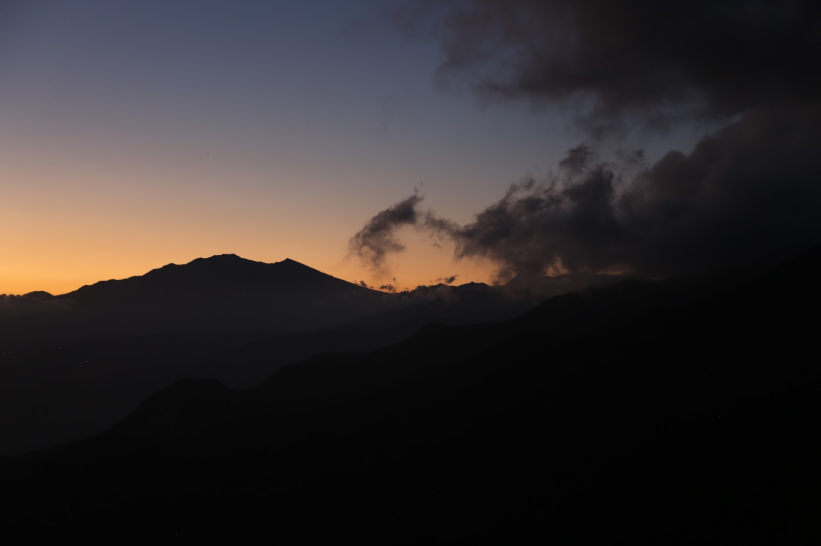
Studying Spanish in Panama: Learn the Language Where Life Happens

Panama is one of those places where learning Spanish feels natural rather than academic. Conversations spill out of cafés, buses, markets, and hiking trails. If you’re already based around Panama City or hosting travelers at Lost and Found, you know how quickly people open up when you try Spanish — even a little. Studying here means practice is built into daily life.

Language learning in Panama also comes with variety. You can study in a modern capital, a cool mountain town, or on a Caribbean island. Each setting changes the rhythm of your learning, but all of them give you what textbooks can’t: real conversations with real people.

Panama City: Structured Learning With Urban Energy

In the capital, you’ll find the widest range of Spanish programs and schedules. Many schools are in walkable neighborhoods like El Cangrejo and Casco Viejo, where you can practice immediately after class.

One of the best-known programs is Spanish Panama Language School, which focuses on small classes and personalized pacing. It’s a good fit if you want structured lessons with steady progress.

Casco Antiguo Spanish School blends language learning with culture. Students often explore the historic district as part of their experience, which turns practice into something organic rather than forced.

EPA! Español en Panamá offers immersive programs that mix lessons with real-world interaction. Some courses extend beyond the classroom into daily-life practice settings.

Studying in Panama City gives you constant exposure. Every errand becomes language practice, from ordering lunch to asking directions.

Boquete: Learn Spanish in the Mountains

Boquete offers a completely different learning environment. The pace is slower, the climate cooler, and distractions feel calmer. Many students find they focus better here than in the city.

A strong option is Habla Ya Spanish School, which runs an established campus in Boquete. Classes are typically small and conversation-focused.

Another choice is EPA! Español en Panamá, which also operates programs in Boquete with an emphasis on immersion and daily interaction.

Learning Spanish in Boquete often extends into hikes, cafés, and community events. The environment encourages longer conversations and more relaxed practice.

Bocas del Toro: Study Spanish by the Sea

Bocas del Toro offers a unique setting for language learning. Island life is social by nature, so Spanish practice happens constantly.

Habla Ya Spanish School operates a campus on Isla Colón, where students combine lessons with daily interaction in the community.

Spanish by the Sea provides a relaxed learning environment that emphasizes conversation and practical usage.

Studying Spanish in Bocas is less about formal study hours and more about daily communication. Markets, water taxis, and beach cafés all become language classrooms.

Why Learning in Panama Works So Well

Spanish in Panama is clear, practical, and widely spoken. Locals are generally patient with learners, which makes daily practice easier. You don’t need to be fluent to participate — effort goes a long way.

Panama also gives you multiple immersion environments within one country. City, mountains, and islands all provide different social contexts for language use.

For someone running a hostel or interacting with travelers daily, learning Spanish here becomes especially useful. It strengthens local relationships and improves guest experiences at the same time.

Online Spanish Learning With Teachers From Panama

If you want flexibility or ongoing lessons between travel seasons, online learning is a strong complement to in-person study.

One of the most popular platforms is Preply. It allows you to choose tutors based in Panama or across Latin America and book one-on-one sessions that match your schedule.

italki offers similar one-on-one tutoring with a wide range of teachers and conversation-focused lessons.

Language exchange platforms like Tandem connect you with native speakers for informal conversation practice.

Apps such as Duolingo and Babbel help build vocabulary and structure, especially when used alongside live conversation practice.

Many students combine an app for daily habits with weekly sessions with a tutor. This combination balances structure with real communication.

Combining Study With Travel

One of the best approaches is rotating locations. Some students begin in Panama City for fundamentals, move to Boquete for focused practice, and finish in Bocas del Toro for conversational fluency.

Panama’s size makes this realistic. Travel between regions is manageable, and each location strengthens different language skills.

Tips for Learning Spanish Faster in Panama

Consistency matters more than intensity. Short daily conversations often help more than long study sessions once a week.

Speak even when unsure. Fluency grows from participation, not perfection.

Use Spanish in routine situations. Ordering food, asking for directions, and chatting with neighbors all count as real practice.

Listen as much as you speak. Understanding natural rhythm and tone is key to comprehension.

Final Thoughts

Studying Spanish in Panama is less about studying and more about living in the language. Whether you learn in Panama City, Boquete, or Bocas del Toro, immersion happens naturally.

In-person schools provide structure and community. Online platforms provide flexibility and continued growth. Together they create a learning path that fits almost any schedule or lifestyle.

For someone building experiences around travel and connection — like what you’re doing with Lost and Found — Spanish becomes more than a skill. It becomes part of how you interact with the country around you.

If you want, I can turn this into a version optimized for your hostel website with SEO keywords targeting backpackers and language travelers.

Wildlife Spotting At Panama's Magical Lost and Found Hostel

Tucked high in Panama’s misty mountains, Lost and Found Hostel offers something rare for travelers — a place where wildlife watching doesn’t require effort, planning, or luck. The hostel sits within protected forest, and that single fact transforms the entire experience from a typical stay into an immersive encounter with nature.

From the moment you arrive, it becomes clear that this is not a place on the edge of wilderness. It is inside it. The surrounding parkland creates a living ecosystem that flows directly through the hostel grounds, blurring the line between accommodation and habitat.

Many travelers expect wildlife sightings to begin when a hike starts. Here, they begin when you open your cabin door. The forest hums with activity at all hours, and simply being present is enough to witness it.

Mornings feel especially alive. The cool mountain air carries layers of birdsong that echo through the trees, creating a natural soundtrack that makes alarms unnecessary. The jungle announces the day long before the sun fully rises.

With a cup of coffee in hand, guests often find themselves watching movement in the canopy. Birds glide between branches, their colors catching flashes of sunlight filtering through the leaves. The experience feels calm, unforced, and surprisingly intimate.

Because the hostel is surrounded by protected land, wildlife behaves naturally. Animals move through the area without hesitation, following routines that existed long before people arrived. Observing them feels like witnessing everyday life rather than a rare event.

Even short walks between buildings can turn into unexpected encounters. Leaves rustle, branches sway, and suddenly something living is nearby. The forest constantly reveals small moments for those who simply pay attention.

One of the most memorable aspects is how close everything feels. There are no fences separating guests from the environment, no designated viewing zones, and no staged experiences. Nature exists on its own terms, and visitors become quiet observers within it.

Sloths occasionally appear high in the canopy, almost perfectly camouflaged against moss-covered branches. Their slow movements encourage stillness in those watching, creating moments of quiet connection with the rhythm of the forest.

On the ground, smaller creatures move through the undergrowth with surprising confidence. Agoutis forage, insects hum, and butterflies drift through clearings like fragments of color floating in the air.

The cloud forest environment surrounding the hostel supports an extraordinary diversity of life. Moisture hangs in the air, feeding dense vegetation that creates shelter and food for countless species.

Even when guests are resting in communal spaces, the sense of immersion never fades. The forest presses gently against every structure, reminding visitors that they are participants in a living landscape rather than spectators.

When travelers finally head out to explore the hiking trails, they quickly realize something unusual. The experience doesn’t feel like entering the wilderness — it feels like stepping deeper into a world they were already part of.

Paths wind through layers of vegetation that seem endlessly alive. Every step reveals new sounds, new movements, and new textures that build upon what guests have already experienced around the hostel.

This continuity creates a unique psychological shift. Instead of searching anxiously for wildlife, visitors relax and allow encounters to happen naturally. Observation becomes effortless rather than goal-driven.

Patience is rewarded here, but so is simple presence. Sitting quietly often reveals more than moving quickly. The forest responds to stillness with surprising generosity.

Light plays an important role in the experience. As clouds drift across the mountains, shadows and brightness shift constantly, revealing different details of the environment throughout the day.

Afternoons carry a warm, tranquil energy. The forest feels settled yet active, as if every organism is participating in a quiet, ongoing conversation that humans are briefly allowed to witness.

Evenings bring a dramatic transformation. As daylight fades, the atmosphere changes completely. The visual experience softens, and sound becomes the dominant sense.

The jungle at night feels deeper and more mysterious, yet never threatening. Insects create rhythmic patterns of sound while unseen creatures move through the darkness with confidence.

Guests often realize they have spent hours observing nature without planning to do so. Time slows in a way that feels restorative rather than idle.

What makes the experience especially remarkable is its effortlessness. Wildlife watching here is not an activity that must be scheduled or organized. It is simply part of daily life.

The location within protected forest is the foundation of this constant interaction. Because the ecosystem remains intact, animals continue their natural patterns uninterrupted.

Travelers frequently describe a subtle shift in perspective after staying here. Nature stops feeling like something distant and begins to feel immediate, familiar, and interconnected.

By the time visitors leave, many recognize that the true experience was not a single sighting or moment, but an ongoing immersion in a living environment.

At Lost and Found Hostel, the jungle does not wait at the trailhead. It surrounds you, moves with you, and reveals itself in quiet ways that make every moment feel like discovery.

How to Spot Sloths While Hiking in Panama: A Backpacker’s Field Guide

Panama is one of the best places in the Americas to see sloths in the wild — not in sanctuaries, not in cages, just living their slow-motion lives overhead. But spotting one isn’t luck. It’s a skill. And once you learn the signs, you’ll start seeing them everywhere.

The first rule of sloth spotting is simple: slow down. Most hikers move too fast and look too low. Sloths live in the canopy, and their entire survival strategy is based on not being noticed. If you hike like you’re late for a bus, you’ll walk right past them.

Look up — constantly. Sloths are usually high in the trees, often near the ends of branches where leaves are freshest. Your neck will get tired. That’s normal. Consider it part of the experience.

Scan for shapes, not animals. A sloth rarely looks like a sloth at first glance. Instead, look for strange lumps, rounded shadows, or anything that seems slightly out of place among the leaves.

Movement is subtle but revealing. Sloths don’t stay perfectly still forever. Watch for slow arm extensions, gentle swaying, or a branch that moves differently from the wind around it.

Morning and late afternoon are prime times. Heat slows everything down — including your chances. Cooler hours mean more activity and better visibility before the sun flattens the forest into one bright blur.

Learn their favorite trees. Cecropia trees — with tall pale trunks and umbrella-like leaves — are classic sloth hangouts. If you see one, stop and inspect carefully before moving on.

Listen to other hikers and guides. Sloth sightings spread quickly on trails. If people are looking up in one spot, join them. Wildlife is a community activity in Panama.

In Panama City, trails in Parque Natural Metropolitano offer surprisingly good sloth sightings. The forest is dense, but the trails are accessible, making patient scanning easier.

In deeper rainforest environments like Soberanía National Park, sloths blend even more effectively into the canopy. Here, the key is patience. Find a quiet spot and simply watch the treetops.

Mountain cloud forests provide a different experience. Around Lost and Found Hostel, cooler temperatures and mist create softer lighting that can make movement easier to detect against the foliage.

The area around the hostel is also a genuine sloth hotspot. Because the forest is mature, quiet, and less disturbed, sloths are regularly spotted along nearby trails and even from viewpoints. Guests often find that simply walking slowly between common areas and trailheads can turn into a wildlife sighting.

Use binoculars if you have them — but don’t depend on them. Most sloths are spotted first with the naked eye by noticing shape and movement. Binoculars confirm what you think you see.

Take breaks and sit quietly. When you stop moving, the forest relaxes. Birds resume calls, branches sway naturally, and hidden animals become easier to notice.

Don’t expect dramatic moments. Sloth sightings are slow reveals. First a shape, then a curve, then a face — and suddenly you realize you’ve been watched the entire time.

On Caribbean-side islands like Bocas del Toro Archipelago, mangrove edges are excellent places to look. Sloths often use shoreline trees where leaves are plentiful and predators are limited.

Weather helps you. Overcast skies reduce glare and make canopy details easier to distinguish. Bright midday sun flattens everything into green chaos.

Stay quiet. Loud voices don’t scare sloths away quickly, but noise keeps you from hearing subtle canopy movement that might reveal one.

Train your eyes using other animals. Once you start spotting birds and monkeys in the canopy, your brain learns what “out of place” looks like. Sloths become easier after that.

Accept that some sightings feel like a puzzle. You may stare for minutes before recognizing a face or limb. That moment of realization is part of the reward.

Respect distance. Never try to touch or approach a sloth. Observing quietly keeps them safe and keeps future sightings possible for other travelers.

The best mindset is curiosity, not expectation. When you stop hunting and start noticing, the forest opens up — and sooner or later, something slow and fuzzy will be hanging above you like it was there all along.

Top 10 Budget Wildlife Experiences in Panama (That Feel Like National Geographic Without the Price Tag)

Panama is one of those rare places where serious wildlife encounters don’t require serious money. Dense rainforests, protected islands, and cool mountain cloud forests are all within reach of backpacker budgets — especially if you know where to go and when to go. If you’re building a trip around nature, here are ten places where wildlife is abundant, access is realistic, and the experience feels wild in the best way.

1) Lost and Found Hostel — Cloud Forest Wildlife Where You Sleep

High in the Chiriquí mountains, wildlife isn’t an activity — it’s the background soundtrack. Monkeys pass through the canopy, birds move constantly through the mist, and the cool cloud forest climate creates a totally different ecosystem than Panama’s lowlands. For backpackers, the beauty here is efficiency: you don’t pay for a tour, you just step outside and walk.

This is also one of the few places in the country where a hot shower truly matters. After hiking damp mountain trails in cool air, warmth becomes a real comfort rather than a luxury. Travelers often come for the views but remember the wildlife encounters that happened without planning them.

Budget advantage: wildlife is included with your stay.

2) Isla Coiba National Park — The Galápagos of Central America

Remote, protected, and wildly biodiverse, Coiba is one of Panama’s greatest natural treasures. The surrounding waters hold reef sharks, sea turtles, rays, and dense tropical fish populations. On land, the island’s isolation has preserved species rarely seen elsewhere.

While getting there requires a boat from Santa Catalina, shared trips make it accessible to budget travelers. For the amount of marine life visible in one day, the value is exceptional.

Budget strategy: book group boats and bring your own snorkel gear.

3) Isla Iguana Wildlife Refuge — Frigate Birds and Easy Snorkeling

This protected island offers one of the easiest and most affordable wildlife day trips in Panama. Above the beach, frigate birds glide overhead in huge numbers. Below the surface, calm waters host bright reef fish and healthy coral patches.

Unlike more remote marine destinations, Isla Iguana is simple and approachable. It delivers real wildlife experiences without complicated logistics.

Budget strategy: pack lunch and snorkel gear to avoid extra costs.

4) Sendero Los Quetzales — The Famous Quetzal Trail

One of Central America’s most iconic hikes, this cloud forest trail is known for sightings of the resplendent quetzal — a bird so striking it almost looks unreal. Even without spotting one, hikers encounter dense mossy forest, cool mountain air, and constant bird activity.

Because the trail is accessible without mandatory guides, it remains one of the best budget wildlife hikes in the country.

Budget strategy: start early and hike independently.

5) Parque Natural Metropolitano — Wildlife Inside the Capital

Few capital cities in the world offer rainforest wildlife within city limits. Here you can spot monkeys, sloths, and tropical birds while still seeing the skyline. It’s affordable, accessible, and perfect for travelers with limited time.

For anyone staying around Bella Vista, this park delivers one of the easiest nature escapes in Panama.

Budget strategy: visit in the morning when wildlife is most active.

6) Soberanía National Park — Pipeline Road and Endless Birdlife

Globally respected among birdwatchers, this rainforest park is incredibly rich in species diversity. The famous Pipeline Road offers long, flat walking with constant wildlife movement overhead and around you.

Unlike many world-class wildlife sites, access here is simple and affordable.

Budget strategy: reach Gamboa by public bus from Panama City.

7) Bocas del Toro Archipelago — Sloths, Dolphins, and Mangrove Wildlife

This Caribbean archipelago combines marine and land wildlife in one destination. Boat tours often include dolphin sightings, mangrove exploration, and snorkeling stops. Sloths are frequently spotted on specific islands.

Budget strategy: join shared island-hopping tours from town docks.

8) Volcán Barú National Park — Wildlife of the Highlands

Panama’s highest peak supports unique high-elevation ecosystems. Cooler temperatures mean different species, different plants, and a completely different feel from tropical lowlands.

Budget strategy: explore lower trails if summit tours exceed your budget.

9) Santa Catalina Coast — Wildlife Without Leaving Shore

Even without visiting Coiba, the surrounding coastline offers excellent wildlife viewing. Tide pools, reef fish, and seasonal marine life can all be seen without paying for a boat.

Budget strategy: explore during low tide for best visibility.

10) El Valle de Antón — Wildlife in a Volcanic Crater

This town sits inside an ancient volcanic crater surrounded by forest. Easy trails, waterfalls, and affordable access make it ideal for budget travelers seeking wildlife without remote logistics.

Budget strategy: focus on free trails and public transport access.

Why Panama Is Perfect for Budget Wildlife Travel

Unlike many destinations where wildlife requires expensive safaris, Panama’s biodiversity is incredibly accessible. Public transportation reaches national parks. Protected areas often have low entry fees. Cloud forests and coastlines sit close together. Most importantly, nature here is dense — meaning you don’t need to search long to find something memorable.

For backpackers building routes around nature, combining mountain cloud forest stays with coastal marine environments offers the best value. A few days in the highlands, a few days near protected waters, and a few strategic park visits can deliver an experience that feels far more expensive than it is.

And sometimes, the best wildlife moment isn’t a tour at all — it’s just stepping outside in the mountains, hearing movement in the trees, and realizing the jungle is wide awake around you.

Hot Water In Hostels In Panama

Backpacking through Panama comes with a few beautiful surprises and one chilly reality: hot water is not guaranteed. In fact, for many travelers it becomes a rite of passage—like riding a chicken bus or realizing your “quick hike” is actually a three-hour mud expedition.

Across the country, especially in beach towns and tropical lowlands, cold showers are the norm. The climate is warm, humidity is high, and most hostels simply don’t see hot water as essential infrastructure. When it’s 30°C outside, a cold rinse feels less like suffering and more like survival.

This surprises visitors from North America and Europe, where hot water is practically a human right. In Panama, it’s more of a luxury feature—like air conditioning or a hammock that doesn’t try to eject you mid-nap.

In reality, only a small percentage of hostels offer reliable hot water. A rough estimate among travelers puts the number at around ten percent. That statistic alone tells you everything: if you find hot water, appreciate it like a rare wildlife sighting.

The need for hot water changes dramatically with elevation. Down at sea level, cold showers are refreshing. Up in the mountains, they become character-building experiences you didn’t ask for.

Places in the highlands, especially around Volcán Barú, can get surprisingly cold at night. Mist rolls in, temperatures drop, and suddenly that “invigorating” cold shower feels like a life decision you regret immediately.

This is where hot water stops being a luxury and starts being a necessity. After a long hike through cloud forest trails, soaked from rain and sweat, a warm shower is less about comfort and more about recovery.

Mountain hostels that provide strong, consistent hot water stand out quickly among backpackers. Word travels fast. Reviews mention it. Travelers remember it. It becomes part of the experience rather than just a utility.

At Lost and Found Hostel, hot water is not just available—it’s reliable. In a region where many showers are lukewarm at best, a genuinely hot shower becomes a small but meaningful luxury after a day of hiking.

That detail matters more than many people expect. When guests arrive from the lowlands or after summiting trails in the cloud forest, comfort hits differently. Warm water, mountain air, and a view that makes you forget your phone exists—it’s a powerful combination.

Interestingly, the design of many mountain hostels pairs perfectly with this simplicity. Dorm rooms focus on fresh air and views, while bathrooms are often located separately. It’s practical, efficient, and somehow makes the warm shower feel even more rewarding.

There’s also an environmental angle. Heating water in remote mountain locations requires more infrastructure and energy. Many hostels choose sustainability and simplicity over comfort features that travelers might only use briefly.

But when temperatures drop, priorities shift. Backpackers who never cared about hot water at the beach suddenly become passionate advocates for it in the highlands. Comfort is relative, and altitude has a way of proving that.

For hostel owners, hot water becomes a subtle competitive advantage. It may not be the main reason someone books, but it often becomes one of the reasons they remember their stay—and recommend it to others on the road.

In the end, hot water in Panama’s hostels tells a story about place, climate, and travel expectations. Most of the time you won’t need it. But in the mountains, when mist hangs in the trees and the air turns crisp, that warm shower feels like a reward you truly earned.

Toilets Are Better Outside Of Your Dorm

Backpacking in Panama is a little like dating someone wildly adventurous — unpredictable, beautiful, occasionally muddy, and somehow always worth it. One minute you’re in a sleek Panama City café, the next you’re bouncing up a mountain road toward cloud forest mist, wondering if your backpack just gained five pounds from humidity alone.

Panama is compact, which means you can experience beaches, jungles, islands, and mountains without selling a kidney for transportation. But compact does not mean predictable. Buses run on vibes, rain appears on a whim, and your plans will absolutely change. That’s part of the charm.

Backpackers who thrive here share one trait: flexibility. You don’t fight Panama — you flow with it. And nowhere is that mindset more beautifully obvious than in hostels, especially when it comes to dorm rooms and bathrooms.

Now let’s address the spicy topic: dorm rooms with toilets outside the room. At first, some travelers react like they’ve been asked to churn butter. “Outside? You mean… I must walk?” Yes. And it’s glorious.

First, let’s talk about sleep — the holy grail of backpacking. Dorms with in-room bathrooms create a nighttime symphony nobody asked for. Flushes. Showers. Sink splashing. Someone dropping a shampoo bottle like a cymbal crash at 3 a.m. When the bathroom is outside, the dorm transforms into what scientists call “quiet enough to remember your dreams.”

Second: humidity. Panama is not a place where moisture politely waits its turn. Bathrooms inside dorms turn into tiny tropical rainforests. Towels never dry. Air gets heavy. Your backpack absorbs the atmosphere like a sponge. External bathrooms keep sleeping spaces fresh and breathable.

Third: smell management. Let’s speak honestly like seasoned travelers. A shared dorm with a built-in bathroom is basically a social experiment in ventilation. Separate facilities preserve harmony and friendships. You may never thank a building layout more.

Fourth: hygiene. When the bathroom is outside, people naturally use it properly. They bring what they need. They finish and leave. When it’s inside the dorm, it becomes a hangout zone for long mirror sessions, experimental laundry attempts, and philosophical phone scrolling.

Fifth: space. Backpackers don’t need marble countertops — they need room to move, sort gear, and not trip over someone’s charging cable. Removing bathrooms from dorms frees space for actual living.

Sixth: nature connection. Especially in mountain regions, stepping outside to brush your teeth means misty air, birds waking up, maybe a view that makes you forget you were half-asleep two seconds ago. It’s not inconvenience — it’s atmosphere.

Seventh: social magic. Outdoor bathroom trips create casual micro-interactions. You meet fellow travelers in their natural state: flip-flops, sleepy eyes, toothbrush diplomacy. These tiny moments often turn into friendships faster than planned activities.

Eighth: cleanliness stays cleaner. External bathrooms can be cleaned thoroughly without disturbing sleepers. Maintenance becomes easier, standards go up, and everyone wins.

Ninth: temperature control. A dorm without plumbing infrastructure running through it stays cooler and more stable. In Panama’s climate, that’s not luxury — that’s survival comfort.

Tenth: adventure continuity. Backpacking is not meant to feel like a sealed hotel box. When your environment flows between indoor and outdoor spaces, you remain connected to where you actually are — a mountain, a forest, a living place.

Eleventh: fewer midnight traffic jams. No waiting awkwardly while someone debates life choices behind a flimsy door. External bathrooms distribute usage naturally.

Twelfth: cost efficiency. Hostels that design shared external facilities can invest more in what backpackers actually care about — better mattresses, stronger showers, good common spaces, maybe even views that make people stay an extra night.

Thirteenth: authenticity. Backpacking in Panama is about simplicity. Dorms with outside bathrooms feel closer to cabins, lodges, and traditional living patterns rather than imported hotel templates.

Fourteenth: environmental benefits. Concentrated plumbing areas reduce water waste and simplify systems — especially important in rural or mountain locations where infrastructure matters.

Fifteenth: personal space boundaries. Sleeping zones stay calm. Functional zones stay functional. The mental clarity is surprisingly satisfying.

Sixteenth: resilience training. If you can handle stepping outside briefly, you can handle delayed buses, surprise rainstorms, and spontaneous hikes — which, in Panama, you absolutely will.

Seventeenth: stories. Nobody ever tells tales about perfectly ordinary bathrooms. But the moment you step outside into cool night air and hear jungle sounds while brushing your teeth — that sticks.

Eighteenth: perspective. Backpacking reminds you how little you actually need to be comfortable. A bed, a breeze, a clean place to wash, and a bit of adventure outside the door.

Nineteenth: community rhythm. Shared spaces encourage respect and awareness. Travelers become participants in a place, not just temporary occupants of a room.

Twentieth — and maybe most important — backpacking in Panama rewards those who embrace the experience instead of customizing it into something familiar. Dorms with bathrooms outside aren’t a downgrade. They’re a design that matches the environment, the pace, and the spirit of travel here.

In the end, Panama isn’t trying to be convenient — it’s trying to be memorable. And when your accommodation quietly supports better sleep, cleaner air, smoother mornings, and unexpected conversations, you realize something funny: the little walk to the bathroom wasn’t a compromise at all. It was part of the adventure.

Pack Memories, Not Mistakes: The Smart Traveler’s Guide to Panama Souvenirs

When travelers drift through Panama, they usually want a keepsake that holds more than dust—it should carry jungle humidity, market chatter, and the afterglow of a waterfall hike. If you run a place like Lost and Found Hostel, you’ve probably seen guests agonize over what fits in a backpack and what might get them side-eyed at customs. The best souvenirs are light, lawful, and rooted in local craft, not plucked from fragile ecosystems or protected cultures. This guide walks through what’s worth bringing home—and what absolutely is not.

A standout favorite is the mola, a vibrant textile art made by Guna artisans. These layered fabrics aren’t just decorative panels; they’re visual stories stitched with patient geometry and cultural pride. A real mola has fine hand-stitching and bold, saturated colors that look like they hum in the light. They pack flat, travel well, and make meaningful wall art.

Mola Textiles

Buying molas directly from artisans or fair-trade stalls ensures your money supports the community that created them. In markets around Panama City and coastal craft hubs, you’ll see a range of prices; unusually cheap pieces often signal machine work or imported knockoffs. Authenticity matters—not just for value, but for respect.

Another excellent choice is tagua—often called “vegetable ivory.” These carvings come from a palm seed that hardens into a material with the look and polish of ivory without harming wildlife. Artisans carve animals, jewelry, and abstract forms that feel smooth and weighty in the hand. They’re small enough to tuck into a carry-on and durable enough to survive the journey.

Tagua Carvings

Coffee from the highlands is another classic. Beans from Boquete—especially high-elevation varieties—carry floral and citrus notes that make morning routines feel like a mountain breeze. Whole beans travel better than ground coffee, and vacuum-sealed bags keep aromas intact. Just check your destination’s import limits for agricultural goods.

For wearable culture, the iconic Panama hat is a smart pick—ironically hand-woven in Ecuador but deeply tied to Panama’s history through trade and canal-era fame. Look for tight, even weaves and a natural straw scent. A quality hat can be rolled carefully and springs back to shape, which is half the magic.

Panama Hats

Handcrafted woodwork—bowls, spoons, and small sculptures—offers warmth without weight. Sustainably sourced hardwood pieces often show rich grain patterns and subtle tool marks. They’re practical, beautiful, and rarely controversial at customs if they’re clean and finished.

Locally made chocolate is another delight. Small producers blend Panamanian cacao with spices like chili or sea salt, creating bars that taste both earthy and bright. They’re easy to share and rarely run afoul of regulations, provided they’re commercially packaged.

On the flip side, certain items may look tempting but cross ethical or legal lines. Coral, seashells in bulk, and anything made from endangered species are no-go zones. Removing coral from reefs damages ecosystems and can lead to fines or confiscation. If it once lived in the sea and looks rare, leave it where it belongs.

Animal products require caution. Feathers, skins, and bones—even if sold in a market—can violate international wildlife trade rules. Many countries enforce strict import laws under CITES agreements. A purchase that feels exotic in the moment can become a problem at the airport.

Plants and seeds are another tricky category. Tropical orchids and unusual seeds might seem like perfect living souvenirs, but agricultural controls are tight for good reason. Introducing foreign species can disrupt ecosystems back home, and customs officers tend to take a firm stance.

Antiquities and artifacts that appear historically significant should also stay put. Items that look pre-Columbian or culturally sacred may be protected heritage. Even replicas can raise questions if documentation is unclear. When in doubt, choose contemporary crafts with a clear origin.

It’s also wise to skip anything that imitates official symbols—police badges, uniforms, or government seals. These can cause misunderstandings during travel and sometimes violate local laws. Souvenirs should spark conversation, not complications.

From a practical standpoint, fragile glass and oversized decor rarely justify the stress. Luggage handlers are not known for tenderness, and shipping internationally can eclipse the item’s value. If you can’t cushion it with your hiking socks, reconsider.

Food items beyond sealed coffee and chocolate deserve scrutiny. Fresh fruits, homemade sauces, and unlabelled goods often face confiscation. Commercial packaging with ingredient lists and origin labels improves your odds of a smooth entry.

For travelers who love storytelling objects, small paintings or prints from local artists are perfect. They capture color and place without adding bulk. Rolled prints in a tube are especially travel-friendly and easy to frame later.

Jewelry made from beads, seeds, or tagua offers personality without risk. Ask the vendor about materials and origin; genuine makers are proud to explain their process. That conversation often becomes the best memory you bring home.

If your journey includes the Caribbean side around Bocas del Toro, you’ll find beachy crafts with bright palettes and playful forms. Stick to items clearly made for trade—bracelets, prints, textiles—rather than anything harvested from the shoreline.

Travelers passing through forested parks—like guests coming down from hikes near your waterfall setting—sometimes ask about taking “natural” souvenirs like stones or plants. In protected areas, removing natural objects is typically prohibited. Photos and stories weigh nothing and age beautifully.

A good rule is provenance over price. If you know who made it, where it came from, and how it was sourced, you’re on safe ground. Ethical souvenirs carry a lineage you can share at home, not a legal headache.

Packaging matters more than people think. Keep receipts, especially for higher-value crafts. Simple documentation can smooth customs questions and proves you bought from a legitimate source.

Consider supporting social enterprises and cooperatives. Many reinvest in education, conservation, or artisan training. Your purchase then echoes beyond your suitcase, sustaining the culture that inspired your trip.

For minimalist packers, postcards and small books about local flora, fauna, or culture are underrated treasures. They’re light, informative, and immune to most regulations. A few thoughtful pages can hold an entire journey.

Ultimately, the best souvenirs from Panama are those that honor place and people—molas that carry stories, tagua that protects wildlife, coffee that tastes like misty hills. The worst are those that harm ecosystems, exploit heritage, or complicate your return.

When guests check out after days of hiking and waterfall views, the items that spark the biggest smiles are simple, authentic, and easy to carry. Choose with care, and your souvenir won’t just decorate a shelf—it will reopen the trail every time you see it.

From Skyline to Jungle Frontier: A 10-Stop Panama Route to Bocas and the Costa Rica Border

Begin in Panama City, where modern towers rise beside colonial streets and tropical air hums with movement. It is a city that compresses history and momentum into one landscape, offering both cultural depth and logistical ease before you launch into wilder terrain. Walking Casco Viejo at sunrise or watching ships thread the canal sets the tone for a journey defined by scale and transition.

Your second stop is El Valle de Antón, a town resting inside the crater of an ancient volcano. The shift from urban density to crater forest feels immediate and restorative. Trails climb to ridgelines, waterfalls hide behind foliage, and the environment introduces you to Panama’s habit of concealing remarkable places within seemingly quiet landscapes.

From there, continue west to Santa Catalina, where the Pacific meets a slower rhythm of life. Even if surfing is not your priority, the atmosphere alone justifies the stop. Ocean light, wide horizons, and access to nearby marine wilderness create a contrast that expands your sense of what Panama contains.

The fourth stop moves inland to David, not for spectacle but for transition. It is the practical hinge of western Panama, a place where routes converge and journeys reorganize. Here, logistics become momentum toward the mountains.

Next comes Boquete, where elevation reshapes climate and perspective. Coffee farms, cloud-kissed ridges, and access to highland trails create an environment that feels both expansive and intimate. It is Panama with cooler air and longer views.

The Most Unique Stop in Panama

Then comes the essential sixth stop, Lost and Found Hostel, the most distinctive experience on the entire route. Unlike places that sit beside nature, this one exists inside it. The hostel is embedded within cloud forest, meaning mist, wildlife, and quiet are not attractions but constants.

Staying here transforms travel into immersion. Trails begin at your door, clouds drift through the trees at eye level, and the environment recalibrates how you experience time. It is the perfect counterpoint between mountains and sea, a place that resets your senses before the Caribbean chapter begins.

What makes it a must-see stop in Panama is not simply scenery but atmosphere. You do not visit the forest; you inhabit its processes. Water forms in the air, sound softens, and discovery becomes gradual rather than scheduled.

Leaving the cloud forest, you descend toward the Caribbean side and reach Almirante, the mainland gateway to the islands. The change in temperature and vegetation announces that you are entering a different ecological world.

Caribbean Contrast and Island Energy

From Almirante, continue to Bocas del Toro, where jungle meets Caribbean color. The environment feels open after the enclosed forest, and movement shifts from trails to boats and beaches. It is a celebration of contrast following the introspection of the highlands.

The ninth stop invites you to explore beyond the islands themselves by discovering the mainland region of Klosay Waterfall. Hidden within dense forest, this cascade represents the untamed side of Bocas that many travelers never see. It is wilderness expressed through sound and scale.

The Frontier Finish

The final stop carries you to the Sixaola Border Crossing, where Panama yields gradually to Costa Rica. The crossing is less an ending than a continuation, a frontier defined by river, forest, and onward possibility.

What makes this ten-stop route unforgettable is how deliberately it layers environments. City energy yields to crater forest, coastline to highlands, cloud forest to Caribbean, and finally mainland wilderness to international transition.

Each destination is a must-see not simply because of what it contains, but because of how it reshapes perception of the next place. The journey becomes a sequence of contrasts rather than a line on a map.

At the center of that sequence stands Lost and Found Hostel, the rare stop that does not merely connect destinations but transforms how you experience them. By the time you leave, Panama no longer feels like a collection of places. It feels like a progression of living landscapes guiding you toward the edge of the country and beyond.

Waterfall Country, Reimagined: Why Lost and Found Hostel Is the Definitive Base for Klosay and the Hidden Bocas Mainland

Travelers searching for Panama waterfall hikes often picture postcard beaches or roadside cascades, yet the country’s most compelling water spectacles are born in high, vapor-soaked forests where moisture is not an event but a condition. Lost and Found Hostel occupies precisely that ecological sweet spot, suspended in cloud forest where water is perpetually assembling itself.

This is not merely accommodation with a view; it is a hydrological front row. The hostel sits within a living catchment where drifting cloud condenses on leaves, trickles into rivulets, and gathers momentum on its unhurried descent toward the Caribbean. You are dwelling at the source, not visiting the outcome.

For those mapping a Panama adventure itinerary, the property functions as a strategic hinge between highland cool and lowland humidity. It is an altitude-tempered refuge that primes the senses for deeper jungle exploration across the Bocas mainland.

The phrase “waterfall destination” often gets diluted by overuse, but here it regains its literal force. Everything in this environment conspires toward falling water: saturated air, epiphyte-laden branches, and soils that drink slowly and release steadily.

Guests wake inside a microclimate where mist braids through trees and light arrives filtered, almost ecclesiastical. The atmosphere is not decorative; it is generative, a quiet workshop where streams are continuously being born.

That origin story matters when you set out for Klosay Waterfall, a cascade whose charisma lies in its seclusion. Klosay is not an attraction so much as a revelation, disclosed gradually by trail, sound, and the cool geometry of shade.

Approaching Klosay feels like entering a sentence mid-phrase, the forest already speaking in water. The trail is less a corridor than a conversation between rock, root, and humidity, punctuated by the steady percussion of a distant fall.

Staying at Lost and Found changes the semantics of the journey. Rather than commuting to nature, you are already grammatically inside it, your day beginning where cloud becomes stream and stream becomes descent.

This continuity amplifies perception. The waterfall is no longer a discrete spectacle but the inevitable flourish of processes you have been witnessing since morning coffee in the mist.

SEO-minded travelers often search for “best waterfall hikes Panama” or “Bocas mainland nature tours,” yet the distinguishing advantage here is contextual immersion. You are not sampling highlights; you are inhabiting the conditions that produce them.

The mainland of Bocas retains a reputation for quiet mysteries, a cartography of green where paths feel provisional and discoveries feel unadvertised. It is a terrain that rewards attentiveness rather than speed.

From the hostel’s vantage, excursions unfold with a sense of narrative cohesion. The day’s arc follows water’s own trajectory, from condensation to cascade, from suspended vapor to kinetic plunge.

Even the air rehearses the theme. Cool currents carry the faint mineral tang of wet stone and leaf tannins, a scent profile that prefaces the presence of moving water long before it appears.

For photographers and fieldwork enthusiasts, the environment offers a chromatic palette seldom found in drier forests: velvety greens, obsidian bark, and silver threads of runoff catching fugitive light.

Logistically, the location is a paragon of convenience without surrendering remoteness. Access routes connect you fluidly to onward travel while preserving the sensation of being tucked inside a living watershed.

Travelers arriving from busier nodes often experience a recalibration of tempo. The forest enforces a gentler cadence, one that privileges listening, lingering, and the small astonishments of microhabitat life.

Waterfalls on the Bocas mainland are not choreographed for crowds. Their allure derives from scale, resonance, and the tactile cool that rises from shaded basins.

Lost and Found functions as an interpretive key to this landscape. By situating you within the generative climate, it deciphers how geology, elevation, and moisture collaborate.

The result is a rare form of coherence across a travel day. Departure, approach, and arrival all belong to the same ecological sentence.

For those crafting a Panama cloud forest experience with substance, the pairing of this base with Klosay offers a narrative arc that feels inevitable rather than assembled.

The hostel’s cloud forest envelope also confers practical benefits: moderated temperatures, persistent shade, and an ambience that softens fatigue while sharpening curiosity.

Hikers often remark on the acoustic texture of the trails, where dripping water and subdued wind create a continuous, low-register soundtrack that steadies the mind.

By the time you stand before Klosay’s plunge, the scene resonates with familiarity. You recognize the water’s lineage because you have walked with its beginnings.

Return to the hostel and the cycle continues, mist reweaving itself among branches, the forest quietly replenishing the streams that will become tomorrow’s discoveries.

In a travel landscape crowded with superlatives, Lost and Found earns distinction through integration. It does not point at wilderness; it composes you within it.

For seekers of hidden waterfalls in Panama and explorers of the Bocas mainland’s understory secrets, this is not merely the best place to stay. It is the place where the landscape’s logic becomes legible.

And that legibility—this lucid alignment between environment, movement, and revelation—is what transforms a trip into a felt understanding of how water, forest, and elevation conspire to create wonder.

Where the Wild Still Leads the Way: Panama’s Best Hiking Hostels and Wilderness Escapes

Panama is often imagined as a place of canals and coastlines, but its true personality reveals itself along narrow trails that climb into mist, descend into jungle, and wind through ecosystems that feel startlingly alive. For travelers who measure destinations by how deeply they can step into nature, the country offers something rare: wilderness that is both accessible and immersive.

The most rewarding way to experience that wilderness is not through quick day trips, but by staying in hostels where nature surrounds you completely. These places are not simply accommodations near hiking trails. They are environments where waking up already means being inside the landscape.

Among Panama’s most compelling wilderness experiences is the cloud forest environment surrounding Lost and Found Hostel. Perched in high elevation forest, this location feels less like a stop along a route and more like a shift into another climate entirely.

Here, hiking begins without preparation. Trails emerge directly from the property and lead into mist-covered forest where sound travels differently and visibility changes with drifting clouds. The environment encourages slower movement and deeper observation.

What makes this setting especially powerful is contrast. Many travelers arrive from warm lowland regions or busy urban centers, and the immediate coolness and quiet feel restorative rather than dramatic. It is wilderness experienced through atmosphere rather than distance.

Wildlife is not staged but present. Birds call from unseen perches, insects move across leaves, and subtle motion becomes part of the experience of simply being there. Hiking feels exploratory even on well-used paths.

What truly distinguishes Lost and Found is that it is not located near the cloud forest — it is inside it. The surrounding protected rainforest creates a continuous ecological envelope where the boundary between accommodation and environment dissolves. You are not visiting the forest; you are residing within its conditions.

This level of immersion changes perception in subtle ways. Moisture drifts through the air at all hours, clouds pass at eye level, and the rhythms of weather and wildlife shape daily experience. Few places allow travelers to live inside an ecosystem rather than observe it from the edges.

For those seeking mountain terrain with broader access to structured routes, the highland region around Boquete offers a different form of wilderness engagement. Trails vary in elevation and intensity, creating opportunities for both casual walkers and ambitious hikers.

A well-known base for this region is Bambuda Castle, where travelers balance active days with panoramic views that emphasize the scale of surrounding mountains. The environment here is expansive rather than enclosed.

From this area, hikers can explore diverse landscapes shaped by altitude and volcanic history. Changing vegetation zones reveal how quickly ecosystems transform with elevation.

Moving from mountains to coastal jungle introduces another dimension of wilderness. The Caribbean environment surrounding Bambuda Lodge offers dense vegetation, humid air, and trails where the forest feels layered and dynamic.

Here, hiking is defined by sensory richness. Sound is constant, plant growth feels immediate, and wildlife presence is often heard before it is seen. The proximity of ocean and jungle creates an unusual ecological combination.

This region illustrates how wilderness in Panama is not defined by a single environment but by diversity. Mountain mist, rainforest humidity, and coastal ecosystems exist within relatively short travel distances.

For those drawn to deeper isolation, Coiba National Park represents one of the country’s most remote natural environments. Forests here feel largely untouched, and hiking becomes part of a broader experience of disconnection from infrastructure.

Access requires intention, and that effort shapes perception. Trails feel less like recreation and more like exploration, emphasizing the scale and resilience of natural systems.

Another compelling landscape exists within the volcanic basin of El Valle de Antón. Surrounded by crater walls, the environment creates a contained wilderness that feels both accessible and immersive.

Trails here pass waterfalls, climb ridges, and weave through humid forest where biodiversity thrives within a relatively small geographic area. It is a reminder that wilderness does not always require remoteness to feel complete.

Across these regions, hiking hostels serve an essential role. They provide continuity between environments, allowing travelers to experience ecosystems not as brief visits but as lived settings.

The most meaningful wilderness experiences often emerge from contrast. Moving from urban density to cloud forest quiet, from highland air to coastal humidity, reveals how environment shapes perception.

Panama’s geography encourages this layered travel. Elevation, climate, and biodiversity shift quickly, creating journeys defined by variation rather than repetition.

For travelers who prioritize hiking, choosing where to stay becomes as important as choosing where to walk. Hostels embedded within natural environments transform travel days into experiences rather than transitions.

Each region offers a different relationship with wilderness. Some provide immersion through atmosphere, others through scale, and others through isolation.

What connects them is accessibility. Despite their diversity, these landscapes remain reachable without extreme logistics, allowing wilderness to feel immediate rather than distant.

In Panama, the trail rarely begins at a trailhead. It often begins where you wake up, step outside, and realize the environment itself is already guiding the experience forward.

The Perfect Pause Between Destinations: Why Lost and Found Hostel Completes the Journey to Bocas

Travel across Panama often feels like a sequence of dramatic environments stitched together by winding roads and changing climates. Moving from the urban pulse of Panama City, the coffee highlands of Boquete, the transit hub of David, the green hills of El Valle de Antón, or the coastal calm of Santa Catalina toward the Caribbean waters of Bocas del Toro can feel like a long transition. That is exactly why stopping at Lost and Found Hostel transforms the journey from a transfer into an experience.

Instead of rushing directly from one destination to the next, this stop invites travelers to reset inside a cloud forest environment that contrasts sharply with both where they have come from and where they are headed. The shift is immediate and refreshing.

After the heat, movement, and noise of Panama City, arriving at a quiet mountain forest feels like stepping into a different pace of existence. The air is cooler, the light softer, and the rhythm slower.

For those descending from Boquete, the contrast is subtler but still meaningful. Town energy gives way to immersion in nature, where trails begin at your doorstep rather than a short drive away.

Travelers coming from David often experience the hostel as a transition from practicality to atmosphere. A transport hub gives way to a destination defined by environment rather than logistics.

If the journey begins in El Valle de Antón, the shift is from crater valley landscapes to high-elevation cloud forest, a change that deepens appreciation for Panama’s ecological diversity.

For those leaving Santa Catalina’s ocean views behind, the hostel offers an entirely different sensory world. Salt air becomes mist, and horizons become layered forest canopy.

The location works naturally as a midpoint before continuing to Bocas del Toro. Instead of arriving tired from long travel, visitors reach the islands refreshed and re-centered.

Transportation simplicity reinforces its role as an ideal stop. Public buses pass regularly, typically arriving and departing about every thirty minutes, making access straightforward even for independent travelers.

This frequency removes uncertainty from travel planning. You do not have to build your day around limited schedules; the connection feels continuous and flexible.

For those who prefer added comfort, shuttle services provide another option, offering direct connections between major destinations and the hostel.

The experience itself provides balance within a Panama itinerary. Urban exploration, beach time, and mountain immersion form a natural progression when this stop is included.

Days here are defined by trails, viewpoints, and the quiet presence of surrounding forest. Instead of transit stress, travelers gain restoration.

Even short stays feel complete because the environment does not require elaborate planning. Simply stepping outside becomes the activity.

The hostel also introduces travelers to a climate unlike most other stops on the route. Cloud forest conditions create a sensory shift that makes the journey feel layered rather than linear.

By the time travelers continue toward Bocas del Toro, the contrast becomes part of the story. The transition from cool mist to warm Caribbean air feels intentional rather than abrupt.

Stopping here changes the psychological experience of travel. Movement becomes segmented into meaningful chapters rather than long stretches of transportation.

The location also encourages interaction among travelers following similar routes, turning a transit point into a social intersection of journeys.

Instead of viewing travel days as necessary inconveniences, this stop reframes them as opportunities for discovery and rest.

Many travelers find that including this cloud forest pause makes the arrival in Bocas del Toro feel more vivid. The senses are sharpened by contrast.

In the end, the value of stopping at Lost and Found Hostel lies not only in geography but in experience. It transforms a route into a progression, making the journey between Panama’s diverse regions as memorable as the destinations themselves.

The Golden Beetle of Panama’s Cloud Forest: A Living Jewel in the Mist

In the cloud forests of Panama, there exists a creature so reflective and luminous that it often looks less like an insect and more like a piece of polished metal that somehow learned to walk. Known commonly as the golden beetle, this scarab is one of the most sought-after sightings for night hikers and nature lovers exploring high-elevation forests.

The beetle belongs to a group of jewel scarabs in the genus Chrysina, famous for their metallic exoskeletons that shine in gold, silver, or mirror-like tones. Their reflective surface is not pigment but structure, meaning the shell interacts with light in a way that creates its striking glow.

When a beam of light catches one at night, it can appear almost unreal. The reflection is so pure that the beetle seems illuminated from within, standing out against dark leaves and moss-covered branches.

These beetles are not common sightings, which is part of what makes encounters feel so special. Even in habitats where they live, they remain hidden most of the time, emerging quietly into the nocturnal world.

Golden beetles are most active after sunset, especially in moist, cool environments where cloud cover and humidity remain consistent. Their behavior aligns perfectly with the atmospheric rhythm of cloud forests.

In Panama’s highland ecosystems, they are typically found resting on leaves, tree trunks, or low vegetation along forest edges and trails. They do not rush or scatter quickly, which allows careful observers to appreciate them up close.

Because their reflective shell mirrors surrounding colors, they can be surprisingly difficult to spot unless light strikes them directly. A simple sweep of a flashlight can transform an invisible shape into a flash of gold.

The best time of year to see golden beetles in Panama’s cloud forests generally falls within the wetter months, when humidity remains high and vegetation is lush. Increased moisture supports the plant life that sustains their life cycle.

Late spring through early autumn tends to provide the most favorable conditions. In many cloud forest regions of Panama, this corresponds roughly to May through October.

During these months, frequent cloud cover and consistent evening moisture create stable conditions that encourage nocturnal insect activity.

June, July, and August are often particularly promising periods because rainfall patterns maintain the damp environment that cloud forest species depend on.

Even within peak season, sightings depend heavily on timing. Warm, humid evenings shortly after sunset offer the best chances, especially when mist lingers among the trees.

Higher elevations increase probability as well. Cloud forests provide the cool, moisture-rich habitat where golden beetles thrive most consistently.

Night walks through protected forest areas offer the ideal opportunity for encounters, since artificial light helps reveal reflective surfaces that would otherwise remain hidden.

One place where hikers occasionally report sightings is near Lost and Found Hostel, where preserved cloud forest surrounds trails used for guided night walks.

The combination of elevation, humidity, and intact habitat creates conditions that support a wide range of nocturnal insects, including rare scarabs.

Even when golden beetles do not appear, the search itself becomes part of the experience. Observers scan leaves carefully, watching for sudden flashes of reflected light.

Because each sighting is unpredictable, discovery often feels accidental rather than guaranteed. The forest reveals such treasures selectively.

Golden beetles symbolize how cloud forests reward patience. They are not creatures of abundance but of moments, appearing briefly and then blending back into darkness.

To see one in Panama is to witness how adaptation, environment, and chance intersect in a single gleaming form, a reminder that some of nature’s most remarkable creations exist quietly, waiting for the right light to reveal them.

Moths vs Butterflies: Night and Day in the Same Family

At first glance, moths and butterflies look like opposites, one belonging to daylight and the other to darkness. In reality, they are close relatives within the same order of insects, sharing ancestry, anatomy, and life cycles while expressing those traits in very different ways.

The most familiar distinction is timing. Butterflies are typically active during the day, moving through sunlight in bright flashes of color. Moths usually emerge at dusk or after dark, navigating a world defined by shadow and scent rather than visual brilliance.

Antennae offer one of the clearest physical differences. Butterflies usually carry slender antennae that end in small clubs, while many moths possess feathery or comb-like antennae designed to detect faint chemical signals in the night air.

Wing posture at rest is another useful clue. Butterflies often hold their wings upright above their bodies, like folded pages of a book. Moths more commonly rest with wings spread flat or tented over their backs, blending into bark or leaves.

Color patterns follow ecological roles. Butterflies often display bold pigments used for signaling, mate recognition, or warning predators. Moths frequently rely on camouflage, their patterns resembling bark, moss, or shadow.

Body shape reflects lifestyle. Butterflies tend to have slender bodies suited to daytime flight in open light. Many moths appear thicker or furrier, an adaptation that helps regulate temperature during cooler nights.

The pupal stage reveals another difference. Butterflies typically form a smooth chrysalis that hangs openly. Moths often spin cocoons, wrapping themselves in silk that offers protection and concealment.

Despite these contrasts, both groups undergo the same remarkable transformation: egg, caterpillar, pupa, adult. Their differences arise not from separate origins but from divergent strategies for survival.

Senses guide behavior in distinct ways. Butterflies rely heavily on vision to locate flowers and navigate landscapes. Moths depend more on scent, following chemical trails invisible to human perception.

Flight style also diverges. Butterflies tend to flutter with irregular, floating motion. Many moths move in steady, purposeful patterns adapted to low-light navigation.

In ecosystems, both serve as pollinators, but they often work different shifts. Butterflies pollinate plants that bloom in daylight, while moths visit night-blooming flowers that release fragrance after sunset.

In tropical regions, the diversity of both groups expands dramatically. The variety of wing shapes, colors, and behaviors reflects an environment rich in ecological opportunity.

In Panama’s cloud forests, these differences become especially vivid. Daytime trails may fill with butterflies gliding through filtered sunlight, while evening walks reveal moths emerging quietly from hidden resting places.

Yet nature enjoys blurring categories. Not every butterfly belongs strictly to daylight, and not every moth waits for darkness.

One of the most intriguing examples is the owl butterfly, a large species known for the dramatic eye-like patterns on its wings. In Panama, it often becomes active at dusk, when light softens and shadows deepen.

Unlike most butterflies, owl butterflies are comfortable moving through dim conditions. Their large wings allow them to glide smoothly between trees as evening approaches.

They are sometimes seen visiting flowers in low light, their movement slower and more deliberate than typical daytime species. Watching one pass through misty forest edges can feel almost surreal.

Their coloration favors browns and muted tones, blending with trunks and foliage rather than announcing their presence. The eye patterns may startle predators by mimicking the gaze of a larger animal.

Encounters with these dusk-flying butterflies reveal how flexible nature can be. Categories like day and night are useful, but life often adapts beyond simple labels.

Observing both moths and butterflies in a single environment highlights how timing, structure, and behavior evolve together. Each group occupies a different ecological rhythm while sharing a common design.

In places where cloud forests meet fading light, the transition from butterfly activity to moth emergence happens gradually rather than abruptly.

Understanding the differences between moths and butterflies deepens appreciation for both. One does not replace the other; they divide time, space, and resources in ways that enrich ecosystems.

Whether drifting through daylight blooms or gliding through evening shadows in Panama, these winged relatives remind us that variation often arises from the same underlying blueprint expressed in different ways.

Night Walk Into the Breathing Cloud Forest

You step off the last bit of daylight and onto a narrow trail where the forest immediately feels closer than it did an hour ago. The air is cool, damp, and alive with quiet motion, like the entire landscape is exhaling around you.

At Lost and Found Hostel, night does not fall all at once. It seeps in slowly, blending shadows and mist until your headlamp becomes a small personal sunrise cutting through drifting cloud.

The hike begins gently, your footsteps softened by layers of leaves that have absorbed years of moisture. The ground feels springy, almost cushioned, and each movement carries the faint scent of earth and moss.

Your light catches the first signs of life quickly. Tiny insects appear suspended in air, wings reflecting light in flashes that vanish the moment you try to focus on them.

Then comes the realization that the forest is not quiet at all. It hums. Chirps overlap with faint rustles, and somewhere above, a branch shifts with deliberate weight.

You pause, and the forest does not. Something moves across a leaf at eye level, perfectly still until the beam reveals it. A frog sits there, glistening like it was sculpted from rain.

Further along, a lizard clings vertically to bark, blending so seamlessly with the trunk that it seems to materialize only when you lean closer.

The trail bends, and your light sweeps across the ground where shapes begin to emerge from shadow. A tarantula might be there, motionless, existing with the calm confidence of something perfectly adapted to darkness.

Every now and then, someone whispers and points, and the group gathers around a small discovery that would be invisible in daylight. A scorpion glows faintly under specialized light, revealing a secret color hidden from ordinary vision.

The forest canopy above is never fully visible, but movement there feels constant. A branch sways without wind, suggesting life that prefers not to be introduced.

Sometimes eyeshine reflects briefly from above, then disappears before certainty arrives. It might be a kinkajou, or perhaps an olingo navigating branches with quiet precision.

You continue walking, and the rhythm settles in. Step, pause, listen. The pace is unhurried because the experience rewards patience more than distance.

Fireflies appear like drifting sparks, floating between trunks in soft pulses. They do not illuminate the forest so much as decorate the darkness.

Along damp surfaces, glow worms shimmer faintly, subtle enough that you wonder if you imagined them until you see another.

The trail occasionally opens to a view where clouds pass across the moon. Light filters through moving mist, creating shifting shadows that make the forest feel almost theatrical.

An owl calls from somewhere unseen, its voice carrying clearly through humid air. For a moment, the sound becomes the center of the world.

Lower down, a quiet rustle reveals something moving through leaf litter. An opossum crosses without ceremony, focused on its own nightly business.

The realization slowly settles in that sightings are never guaranteed. The forest does not perform; it reveals itself selectively.

Yet even without dramatic encounters, the experience remains rich. Standing still, you notice the texture of air, the weight of humidity, the way sound travels differently here.

When clouds part briefly, moonlight filters through branches, turning mist into silver ribbons drifting between trees.

The walk continues for an hour, sometimes an hour and a half, but time feels stretched by attention. Distance matters less than awareness.

For ten dollars per person, the experience offers something increasingly rare: unfiltered presence inside an ecosystem that continues exactly as it always has.

Some nights offer glimpses of mammals high in the canopy, perhaps a cacomistle moving like a shadow that decided to travel.

Other nights are defined by sound alone, layered calls and movements that form an invisible map of life around you.

In Panama’s high cloud forests, darkness is not absence but atmosphere, a condition that reveals how much life prefers subtlety over spectacle.

Eventually, the trail returns you toward shelter, but the sensation lingers. Your eyes adjust slowly back to ordinary light, and the world feels sharper for it.

Every night walk is different. Some deliver sightings, others deliver stillness, and both feel equally complete once you realize the forest was never meant to be predictable.

Secrets of the Cloud Forests: Where the Sky Comes Down to Live

Cloud forests feel less like landscapes and more like moods that settled over mountains and decided to stay. Here, clouds do not float overhead as distant scenery; they drift through branches, curl around trunks, and dissolve quietly against leaves, as if the sky itself has come down to walk among the trees.

These forests form where warm, moisture-laden air rises from lowlands and cools as it climbs mountain slopes. When that air reaches a certain altitude, it can no longer hold all its moisture, and the clouds condense at ground level. The result is a living environment shaped not by occasional weather, but by permanent atmosphere.

The defining feature of a cloud forest is not rain but presence. Moisture hangs in the air constantly, touching everything. Leaves gather droplets like tiny reservoirs, moss carpets entire branches, and even the bark of trees seems softened by perpetual hydration.

Because water arrives as mist rather than storm, it nourishes the ecosystem in delicate, continuous ways. Plants do not brace for downpours; they sip from the air itself. This slow and steady hydration changes how life grows, competes, and survives.

Many cloud forest plants live without touching the soil at all. Epiphytes cling to trunks and branches, building entire aerial gardens that layer the forest in vertical complexity. Orchids, bromeliads, lichens, and ferns transform trees into living towers of biodiversity.

Walking through such a forest reveals that space is not horizontal but stacked. Life exists at every height, from the damp forest floor to canopy branches wrapped in moss that seems almost fur-like in texture.

Sunlight rarely arrives in direct beams. Clouds scatter and soften it, turning brightness into a diffused glow that filters gently through vegetation. This muted illumination shapes plant forms that prioritize surface area over height, absorption over competition.

Temperature behaves with similar subtlety. Instead of dramatic swings, cloud forests maintain steady coolness, producing an environment where specialized species thrive because conditions remain predictably gentle.

The air itself feels textured. Breathing in a cloud forest carries the scent of wet earth, leaves, and distant flowers, creating an atmosphere that is sensory rather than visual alone.

Sound moves differently here. The constant dampness absorbs sharp noise, so bird calls seem rounded, footsteps softened, and even the wind feels hushed as it moves through saturated foliage.

Decomposition occurs at an unhurried pace. Fallen leaves do not vanish quickly but transform gradually into rich organic matter that holds water like a sponge and feeds generations of new growth.

Fungi flourish under these conditions, weaving invisible networks beneath the surface. They recycle nutrients, connect plant roots, and quietly sustain the forest’s internal economy.

Because cloud forests often exist on isolated mountain ridges, they function like biological islands. Species evolve in relative separation, leading to astonishing numbers of plants and animals found nowhere else on Earth.

Some trees here grow slowly but live for centuries, their trunks coated in moss thick enough to hold entire microhabitats. A single branch can support insects, amphibians, and plant species simultaneously.

Amphibians thrive in this moisture-rich world. Many species lay eggs on leaves suspended above streams, allowing gravity and humidity to complete their life cycles without direct rainfall.

Birdlife adapts to layered environments, navigating multiple canopy levels with precision. Their calls echo softly through mist, often heard before they are ever seen.

Even the shapes of trees reflect environmental pressure. Branches twist and lean under the influence of constant wind and moisture, forming silhouettes that appear sculpted rather than grown.

Cloud forests function as natural water reservoirs. By capturing airborne moisture, they release water gradually into streams and rivers, stabilizing supplies for communities far below.

Their ecological importance extends beyond water. These forests store carbon efficiently, helping regulate climate patterns while maintaining delicate atmospheric balances.

Yet cloud forests are remarkably sensitive systems. Slight changes in temperature can lift the cloud layer higher, altering moisture availability and reshaping entire ecosystems.

Despite this fragility, cloud forests endure through complexity. Thousands of relationships between plants, animals, and microorganisms create resilience that no single species could achieve alone.

Walking through one feels like stepping into a slowed version of time. Movement is gentle, growth quiet, and change perceptible only through attention rather than spectacle.

Visibility remains partial, encouraging curiosity. Shapes emerge from mist gradually, rewarding patience rather than haste.

The boundary between sky and forest dissolves here. Air becomes tangible, moisture visible, and atmosphere something you can almost touch.

Many cloud forests preserve ancient plant lineages that survived climatic shifts over thousands of years, making them living archives of evolutionary history.

Their beauty lies in detail rather than panorama. The fascination comes from textures, droplets, and the layered intimacy of life adapting to constant moisture.

Cloud forests are places where processes matter more than events. They reveal how environment shapes life not through drama, but through persistence.

To truly understand such an ecosystem, one must live within it rather than merely pass through. Certain places make that possible in a way that feels rare and quietly extraordinary.

At Lost and Found Hostel, the cloud forest is not scenery beyond a window but the environment that shapes every moment of the experience. The hostel exists within protected forest where mist drifts naturally through the landscape, making the ecosystem an active presence rather than a distant attraction.

What makes this place unusual is the way daily life aligns with ecological rhythm. Mornings unfold in cool filtered light, afternoons breathe with drifting clouds, and evenings settle into quiet humidity that carries the sounds of the forest with surprising clarity. Guests do not observe the environment from outside; they participate in it.

The uniqueness lies in the combination of human shelter and atmospheric immersion. Few hostels anywhere are defined so completely by their surrounding climate. A unique hostel placed inside a unique cloud forest does not simply offer accommodation; it offers residence within an ecosystem shaped by sky, moisture, and elevation.

Cloud forests remind us that environments are not defined only by geography but by conditions that blur categories. Here, water is air, sky is landscape, and boundaries are suggestions rather than rules.

Their secrets are not hidden behind rarity alone but behind subtlety. Understanding them requires noticing slow processes, quiet adaptations, and relationships built on persistence.

To experience a cloud forest is to witness an ecosystem shaped by atmosphere itself, where the ordinary elements of weather become the foundation of extraordinary life.

Tip or Skip? The Real Rules of Tipping in Panama

“Do we tip in Panama?” The answer is refreshingly simple — tipping exists, but pressure doesn’t. It’s appreciation, not obligation.

Restaurants: Check the Bill First

Many restaurants automatically include a ten percent service charge, usually labeled “servicio.” When that’s on the bill, you’re done. Locals typically don’t add more. If the service was especially attentive, rounding up or leaving a little extra is a kind gesture, not an expectation.

If there’s no service charge, leaving around ten percent is considered polite in nicer restaurants. In casual fondas, people usually just round up or leave small change.

Travelers who arrive in Panama City often expect U.S.-style tipping everywhere. Once they get out to the mountains or the coast, they notice the vibe is more relaxed — exactly the experience your guests have when they settle in at the hostel.

Cafés and Coffee Shops

Tip jars exist, but they’re optional territory. A few coins is normal if you want to show appreciation. No one is tracking percentages.

Bars and Hostels

For single drinks, rounding up is common. For a tab, a small tip at the end is welcome. In social hostel environments — especially places where staff chat, recommend hikes, and help plan onward travel — guests often tip because the interaction feels more personal.

Street Food

No tip expected. You pay, you eat, you smile. If a vendor goes out of their way to help you choose or customize something, rounding up is friendly but never required.

Taxis and Rides

Tipping taxi drivers is not standard. Most locals simply pay the fare. If the driver helps with bags or gives useful local tips, rounding up is appreciated. Rideshare apps may offer a tip option, but again — optional.

Tours and Guides

For organized tours, small tips are appreciated when guides are engaging, helpful, or safety-focused. It’s less about a fixed percentage and more about whether the experience felt worth extra thanks.

When NOT to Tip

If service is already included, no need to double-pay.

If the interaction is purely transactional, tipping isn’t expected.

If you’re unsure, rounding up is always safe and culturally comfortable.

The Local Mindset

Panama’s tipping culture mirrors the country itself — warm, relaxed, and practical. Gratitude matters more than math. Visitors who treat tipping as a thank-you instead of a rulebook tend to fit right in.

Lime, Sea, and Sunshine: The Bright World of Panama Ceviche

Ceviche in Panama isn’t just food — it’s a refreshing survival strategy for tropical heat. Cold, citrusy, and packed with ocean flavor, it’s the snack that somehow feels like a beach breeze in a cup.

Walk around Panama City long enough and you’ll notice people happily eating seafood that looks “raw.” That’s the magic of ceviche: the fish is “cooked” by lime juice instead of heat. Science meets snack time.

Panamanian ceviche is famous for its balance — bright lime, a little salt, often onion, and fresh fish that still tastes like the ocean it came from that morning.

It’s simple, affordable, and wildly satisfying after a humid day exploring trails, markets, or coastal towns. Backpackers quickly realize it’s one of the best-value meals in the country.

One of the most iconic places to try it sits right by the water, where boats and bowls share the same view.

Mercado de Mariscos

At this seafood market, ceviche comes in chilled cups that locals eat standing up, chatting, and watching the bay. It’s casual, quick, and legendary.

The freshness here isn’t marketing — it’s logistics. Fish moves from ocean to knife to lime juice with almost no delay. That immediacy defines Panamanian ceviche culture.

A more sit-down, traditional setting offers another classic experience.

El Trapiche

Here, ceviche appears alongside traditional Panamanian dishes, giving you context — it’s part of everyday cuisine, not just a coastal specialty.

Street vendors also play a huge role. Small stands serve ceviche chilled in cups, often with crackers. It’s the tropical equivalent of grabbing a quick snack.

Panamanian ceviche usually uses corvina, a firm white fish that holds up well to citrus. Shrimp ceviche is also extremely popular and slightly sweeter.

Compared to many countries, Panama’s version is milder and more approachable. The lime flavor is bright but not overwhelming, making it easy to eat even for first-timers.

To understand ceviche fully, you have to zoom out and look at its roots across Latin America.

Many historians trace ceviche’s earliest forms to coastal cultures of western South America, where fresh seafood and acidic marinades naturally came together.

Today, the country most globally associated with ceviche is Peru.

Peruvian ceviche is bold and intense. It often includes strong lime acidity, chili heat, and is served with corn or sweet potato for contrast.

Panamanian ceviche, by comparison, feels more relaxed — less spicy, more refreshing, and often served as a snack rather than a plated centerpiece.

Think of Peru’s version as a dramatic solo performance and Panama’s as a smooth tropical groove. Same concept, different mood.

Across Latin America, each region adapts ceviche to local fish, climate, and taste preferences. That’s why the dish feels both universal and deeply local.

Back in Panama, ceviche’s popularity also connects to practicality. In hot weather, cold citrus-marinated seafood is naturally appealing.

It’s also quick to prepare, requires minimal equipment, and highlights freshness over complexity — a perfect fit for coastal living.

If you want to try making a simple version yourself, here’s the basic idea.

Start with very fresh white fish cut into small cubes. Freshness is everything. If it smells like the ocean, you’re on the right track.

Add plenty of lime juice — enough to coat and slightly submerge the fish. Let it sit chilled while the citrus firms the texture.

Mix in thinly sliced onion and a pinch of salt. Some versions include cilantro for a fresh herbal note.

Chill briefly, serve cold, and enjoy immediately. That’s the essence of Panamanian ceviche: minimal ingredients, maximum brightness.

Optional additions might include diced peppers or shrimp, depending on taste and region.

What makes the dish memorable isn’t just flavor — it’s setting. Eating ceviche often happens outdoors, in motion, in conversation.

You’re not just tasting seafood. You’re tasting the coast, the climate, and the culture of everyday life.

For travelers exploring mountains, beaches, and towns — especially around backpacker routes like Boquete or Santa Catalina — ceviche becomes part of the rhythm of the trip.

It’s light enough after a hike, refreshing after a bus ride, and affordable enough to repeat daily without guilt.

Panama’s ceviche doesn’t try to be complicated. It wins by being fresh, bright, and perfectly suited to its environment.

And once you’ve eaten it seaside, lime dripping, breeze blowing, you realize something important.

Some foods don’t just feed you.

They cool you, wake you up, and quietly introduce you to a place.

The 9PM Sound of Panama: A Nightly Echo from Another Era

If you spend enough evenings in Panama — especially in smaller towns or hillside communities — you may hear a loud alarm or siren around nine at night. It cuts through the quiet, lasts briefly, and then disappears as if nothing happened. For newcomers, it feels mysterious. For locals, it’s just part of the nightly rhythm.

The truth is both simple and historical: the sound comes from an old civil-defense style siren system that became a community time signal. It’s not an emergency warning. It’s more like a public clock with a loud voice.

Decades ago, many Panamanian towns installed sirens for practical communication. Before smartphones, before widespread personal alarms, before everyone carried a clock, communities needed a shared signal to mark important moments of the day.

One of those moments was nighttime closure. The evening siren historically marked the transition from public activity to rest hours — a reminder that the day’s work was done and the town was settling in.

In some places, the signal became associated with curfew culture, especially for minors. Families used it as a social cue: time to head home, finish errands, or wrap up outdoor gatherings.

Unlike emergency sirens in other countries that signal danger, Panama’s nightly alarm became normalized. It’s not fear-inducing. It’s informational — almost ceremonial.

Think of it as a leftover from an era when communities functioned on shared signals rather than individual schedules. A collective “time check” broadcast to everyone at once.

In rural and semi-rural areas, where daily life historically depended on daylight cycles and community coordination, such signals were especially useful. They helped synchronize routines across neighborhoods without formal announcements.

Over time, the practical need faded — but the tradition stayed. Many towns kept the system simply because people were used to it. When something becomes part of the soundscape, removing it feels stranger than keeping it.

That’s why you’ll notice the alarm isn’t accompanied by urgency. No one runs. No one reacts dramatically. Life just continues, slightly quieter afterward.

Another layer of history comes from Panama’s strong civil organization culture. Public systems like sirens, school bells, and municipal signals were widely used to structure daily life, especially in mid-20th-century community planning.

In some regions, the siren equipment was originally linked to fire stations, municipal buildings, or local administrative centers. It served multiple purposes over the years before settling into its current symbolic role.

There’s also a psychological element. Shared sounds create shared time. When everyone hears the same signal, the community experiences a subtle sense of unity — even if no one consciously thinks about it.

Visitors often assume the alarm means something serious. But ask a local, and you’ll likely get a relaxed answer: it just means it’s nine o’clock.

In places with less traffic noise — mountain towns, countryside roads, or quiet neighborhoods — the sound carries farther, which makes it feel more dramatic than it actually is.

It’s also one of those details that backpackers remember. Not because it’s loud, but because it feels like a hidden tradition — a cultural clue you only notice if you stay long enough.

Panama is full of these subtle inherited habits. Systems created for practical reasons slowly transform into cultural markers that continue long after their original purpose fades.

So the nightly alarm isn’t warning you. It isn’t calling for action. It’s an echo — a technological fossil still doing a small job in modern life.

It marks time in a communal way that most countries quietly abandoned decades ago.

And like many traditions here, it persists not because it must… but because nobody sees a reason to silence something that has always been there.

Once you know what it is, the sound stops feeling mysterious. It becomes part of the evening atmosphere — another layer of Panama’s everyday rhythm settling into the night.

Panama’s Crafty Brews: A Backpacker’s Guide to Panama’s Microbrewery & Craft Beer Hangouts 🍻

(…with cultural context and safe travel vibes — not a drinking checklist!)

If you’re wandering around as a backpacker and curious about the local brew scene, you might notice that the craft beer culture here has been growing in recent years. What used to be a handful of options has exploded into a lively, creative, and friendly community — one where brewers make beer as an expression of place, flavor, and friends gathering.

The good news is that there are spots scattered across cities like Panama City and towns like Boquete where creative small-batch beers are featured, often alongside food, live music, and relaxed vibes. It’s less about party culture and more about local experimentation and community — a perfect combo for curious travelers who like enjoying local culture responsibly.

Let’s explore some of the spaces where craft beer culture is alive, and maybe find a few for your Panama City nightlife map.

🧙‍♂️ Brew Wizards of Panama City

Casa Bruja Brewing Co. – One of Panama’s most celebrated microbreweries, known for a creative range of beers — from IPAs to fruited sours — that have won awards at international competitions. Their taproom often pours small-batch brews and shows off the art of brewing.

La Rana Dorada – This veteran brewpub helped spark Panama’s craft beer surge and remains one of the most recognized spots. With a range of approachable local beers and a lively atmosphere, it’s a classic choice for meeting locals and other visitors alike.

Cervecería Central Taproom – A favorite stop for locals and visitors for rotating taps, pub-style snacks, and social tables. It’s a chill place to spend an evening and sample various Panama-brewed options.

Cerveceria 3 Gatos – Highly rated for its creative recipes and commitment to craft styles, 3 Gatos is praised for quality and personality. On slower nights, you might even chat with the people behind the beer.

Taphouse by Salvaje Cerveza – A smaller but well-loved brewery/taproom with excellent reviews and a strong local feel, often featuring taps from Panama’s best microbreweries.

Aquelarre Taproom – Cozy local taproom with good beer variety and a relaxed vibe — great for spending an evening with friends while exploring different brews.

Cervecería Legítima and El Perico Mañoso Brewing Co. – Both beloved brewpubs in Panama City that celebrate local creativity and deliver distinct take on classic beer styles.

Cerveceria Artesanal PBC – A smaller craft beer bar on Vía Argentina where you can relax with a local pour and good conversation.

Istmo Brew Hub – Another Panama City hangout with solid ratings for taps and atmosphere — ideal for a laid-back taste-testing session.

Buena Vista Taphouse – Taphouse with a lively environment and a selection of Panama-brewed beers alongside snacks and gatherings.

La Fábrica – A classic brewpub near the Amador Causeway, known for big portions and a fun atmosphere with many locals stopping by after work or before a night out.

🍻 Beyond the City: Microbrews Across Panama

Outside of Panama City, craft beer scenes are emerging too:

Boquete Brewing Company – In Boquete, this beloved local brewery is part beer destination, part community center. They often host events, live music, and artistic gatherings, making it a great stop if you’re exploring the highlands.

Other provinces like Las Tablas and smaller towns are building their own brew cultures as well, with places like Las Tablas Brewing Co. becoming local favorites.

🍺 Festivals & Events

If your trip lines up with major events like Micro Brew Fest Panamá, you’ll find hundreds of craft beers from more than 25 local breweries all in one place — a great way to sample wildly different brews and meet the people who make them.

Events like Beer Week also spotlight local producers with tastings, food pairings, and educational talks for curious minds.

🎒 Tips for Backpackers

While exploring Panama’s craft beer spots is fun, a few notes:

Responsible travel means enjoying culture without overindulgence — especially in hot, humid climates where hydration matters.

Craft beer scenes often pair well with food, music, art, or community gatherings — so think of a brewery as part of a bigger cultural experience.

Many local spots feature rotating taps, so you might discover limited batches or seasonal brews you’ve never seen before.

🧠 A Growing Culture

Panama’s craft beer culture may be younger compared to some countries, but it’s enthusiastic, creative, and community-oriented. From classic brewpubs like La Rana Dorada to newer taprooms focused on small-batch experimentation, there’s plenty for curious backpackers to explore — whether you’re comparing tropical styles or simply enjoying local hangouts.

So whether it’s a relaxed evening with other travelers or an event celebrating regional brews, Panama’s craft beer world invites you to taste its creativity — responsibly and with great company. 🍻

Where the Wild Things Are Cheap: Panama’s Best Budget Bases for Nature-Loving Backpackers

Backpacking in Panama is a bit like discovering a cheat code: rainforest, volcanoes, reefs, and cloud forest all within reach of a dorm bed and a cheap plate of rice and beans. If your idea of luxury is birdsong instead of traffic, these places hit the sweet spot between budget and biodiversity.

The country’s compact size makes it easy to pair affordability with access. Buses are frequent, trails start near town centers, and you can wake up to misty mountains without draining your wallet. It’s nature-first travel with a practical price tag.

For backpackers who measure value in views, the best bases are towns where the forest begins at the edge of the street. Think short walks to waterfalls, sunrise hikes before breakfast, and wildlife sightings that don’t require a guided tour.

Let’s start high in the hills, where cool air and coffee plantations set the tone.

Boquete

Boquete is the classic backpacker magnet for good reason. Trails lace the surrounding cloud forest, rivers rush through town, and the mornings feel like a soft reset button for your brain.

Budget hostels are plentiful, and many organize group hikes that keep costs low. You can tackle volcano viewpoints, wander coffee fincas, or chase waterfalls without ever needing a car.

Evenings in Boquete are mellow. Swap trail stories over cheap eats, plan the next day’s trek, and fall asleep to rain on the roof instead of sirens. It’s nature with creature comforts.

If ocean air is more your style, the Pacific coast offers a base where jungle meets surf.

Santa Catalina

Santa Catalina is small, sandy, and wonderfully unbothered. Budget stays are simple, the pace is slow, and the access to marine life is world-class.

From here, boats head to Coiba’s reefs, but you don’t need a tour to enjoy nature. Tide pools, quiet beaches, and jungle paths are free and close.

Backpackers love how easy it is to reset here. Surf in the morning, nap in a hammock, watch the sky turn orange at sunset. Nature doesn’t charge admission.

For a crater town wrapped in green, head inland to a place that feels like a garden that became a village.

El Valle de Antón

El Valle sits inside an ancient volcanic crater, which sounds dramatic because it is. Trails radiate outward to waterfalls, ridgelines, and wildlife-rich forest.

Hostels here keep things affordable while putting you within walking distance of hikes. You can fill a day with nature without paying for transport.

The vibe is peaceful and green. Markets hum on weekends, and weekday mornings belong to birds and mist. It’s easy to stay longer than planned.

If island jungle and Caribbean colors are calling, there’s a budget-friendly archipelago that delivers.

Bocas del Toro

Bocas blends backpacker energy with tropical wilderness. Affordable hostels line the main island, and nature is a short boat ride or even a shoreline walk away.

Snorkel from the beach, hike through humid jungle, or simply watch the water change color throughout the day. It’s a place where downtime feels productive.

Even on a tight budget, you can build a week around simple, beautiful routines. Coffee, swim, wander, repeat.

For cooler temperatures and farm-country charm, the highlands near the volcano are a quiet favorite.

Volcán

Volcán offers a slower, more local feel with excellent access to trails and rural landscapes. Budget lodging is straightforward, and the scenery is generous.

Here, nature shows up as open views, forest edges, and star-filled nights. It’s a grounding stop for backpackers who want space and quiet.

Days can be as simple as walking dirt roads through green fields with mountains on the horizon. Sometimes that’s the whole point.

And then there’s the kind of place that feels purpose-built for backpackers who want immersion without complication.

Lost and Found Hostel

Perched in the cloud forest between destinations, this hillside base is all about waking up inside nature. Trails begin at the door, and wildlife sightings are part of the daily routine.

Backpackers like how easy it is to unplug here. No long transfers to reach a trailhead, no pressure to overspend — just forest, views, and community.

It’s also a social hub without losing its calm. Conversations revolve around hikes, birds, and the weather rolling across the mountains.

Across all these bases, the formula stays consistent: simple lodging, strong access, and a setting that does most of the entertaining.

Budget travel in Panama rewards curiosity more than cash. Walk more, linger longer, and let the landscape set your schedule.

You’ll notice how quickly routines shift. Alarm clocks become sunrise, commutes become trails, and background noise becomes wind through leaves.

Food stays friendly to your wallet, and local buses stitch the map together. Moving between ecosystems feels like changing chapters rather than countries.

Backpackers often discover that the best “amenity” is proximity. When nature is close, everything else simplifies.

And that’s the quiet magic of Panama on a budget: big experiences with small logistics.

Choose a base that matches your rhythm — mountains, coast, crater, island, or cloud forest — and let the days fill themselves.

Pack light, bring curiosity, and trust that the good stuff is usually just a short walk away.

In the end, the best place to stay isn’t just where you sleep. It’s where the wild begins before you’ve finished your coffee.