
The Great Door Knob Mystery: Why Travelers Struggle With Doors in Panama

Few travel guides mention it. You can read hundreds of articles about beaches, rainforests, volcanoes, hostels, buses, wildlife, and tropical fruit, yet nobody warns you about one of the most unexpectedly frustrating challenges awaiting many visitors to Panama: the humble door knob.

It sounds ridiculous until you have watched it happen. A traveler arrives fresh off a flight from Europe, checks into a hostel, hotel, guesthouse, or cabin, walks confidently toward a door, grabs the knob, twists it with determination, and immediately discovers that nothing happens. The door remains stubbornly closed. The traveler twists harder. Still nothing. Then comes the pulling, the yanking, the shaking, and occasionally the full-body assault that makes everyone nearby wonder whether the person is trying to enter a room or escape from one.

Meanwhile, a local Panamanian walks over, presses the handle down gently, pushes the door open effortlessly, and disappears inside.

The visitor is left staring at the door as though it has personally betrayed them.

Europe Loves Round Knobs. Panama Loves Lever Handles.

One of the biggest differences between doors in many parts of Europe and doors in Panama is the style of handle commonly used.

Across much of Europe, round door knobs remain extremely common, especially in older homes, apartments, guesthouses, and historic buildings. To open the door, you often twist the knob itself. The rotating motion retracts the latch, allowing the door to open.

After years of using this system, the action becomes automatic. People don't think about it. Their hand reaches for a knob and instinctively twists.

In Panama, however, lever-style handles are everywhere. Rather than twisting, the handle is pushed downward. The latch retracts with a simple downward movement.

It sounds like a tiny difference, but human habits are powerful things. Travelers arrive carrying decades of muscle memory. Their brain sees something attached to a door and immediately sends the command: "Twist it."

The door disagrees.

The Tropical Environment Changes Hardware Choices

Panama's climate also plays a role in the popularity of lever handles.

The country is hot, humid, rainy, and often exposed to salty air near the coast. Mechanical systems that are simple and robust tend to survive longer in these conditions.

A lever handle can often be operated with less force than a traditional round knob. When humidity causes wood to swell or metal components to become slightly less smooth, the leverage provided by a handle can make opening a door easier.

You see these handles everywhere—from mountain lodges in the cloud forests to beach hotels on the Caribbean and Pacific coasts.

Locals become accustomed to the system from childhood.

Visitors often do not.

Why Travelers Pull When They Should Push

Another layer of confusion comes from door orientation.

In many European countries, people become accustomed to certain patterns regarding which way doors open. In Panama, building styles can vary enormously.

A traveler may correctly operate the handle but then pull when the door needs to be pushed.

When the door doesn't move, they assume the latch hasn't disengaged.

So they press harder.

Then they pull harder.

Then they twist harder.

Soon they are applying enough force to launch a small boat.

The problem isn't the latch.

The problem is that the door opens the other way.

Hostels See This Every Day

Hostel staff across Panama witness this phenomenon constantly.

Someone checks in after a long day of travel. They are tired, carrying a backpack, perhaps slightly dehydrated from the tropical heat, and focused on finding their bed.

The door presents a challenge.

A moment later there is rattling.

Then louder rattling.

Then what sounds suspiciously like an attempted prison break.

Staff members often know exactly what is happening before they even look.

A traveler has encountered an unfamiliar door.

Again.

The funniest part is that these incidents often involve highly experienced travelers who have crossed dozens of countries. They can navigate complex border crossings, negotiate local transportation systems, and find hidden waterfalls deep in the jungle.

Yet somehow a simple Panamanian door defeats them.

Why Door Knobs Get Broken

Most door hardware is designed for normal use.

What it is not designed for is repeated force from confused international travelers.

When a handle is pushed down and the door does not immediately open, many people assume the mechanism requires additional strength.

Instead of checking whether the door should be pushed or pulled, they increase the force.

Some twist lever handles that are not meant to rotate.

Others hang their body weight on them.

Others shake them aggressively.

Over time, these actions loosen screws, damage internal components, bend mechanisms, and wear out hardware far faster than normal usage would.

The door wasn't defective.

The traveler simply entered a battle of wills with it.

The door won.

For a while.

The Psychological Side of Door Confusion

What makes this phenomenon so fascinating is that it demonstrates how deeply ingrained everyday behaviors become.

Most people think of themselves as adaptable travelers. And they are.

But adaptation often applies to big things: languages, currencies, foods, transportation systems, and cultural norms.

Tiny habits are harder to change because we don't consciously think about them.

Nobody wakes up in the morning and thinks, "Today I will remember how to operate a door."

The brain treats door-opening as an automatic process.

When the expected mechanism changes, confusion follows.

It's similar to driving in a country where traffic moves on the opposite side of the road. The challenge isn't understanding the rule. The challenge is overriding years of instinct.

The Cloud Forest Test

Places in Panama's mountains and forests are especially good at revealing this phenomenon.

A traveler may spend the day hiking through jungle trails, spotting exotic birds, crossing suspension bridges, and exploring nature.

Everything goes smoothly.

Then they return to their room.

The door handle presents itself.

Confidence evaporates.

The handle gets twisted.

The door remains shut.

The traveler tries again.

And somewhere nearby, a maintenance worker quietly adds another future repair to their mental list.

The Secret to Success

Fortunately, mastering Panamanian doors requires no special training.

Before applying force, simply pause for a second and examine the handle.

If it is a lever handle, push it downward rather than twisting it.

If the door does not open, check whether it should be pushed instead of pulled.

If it still refuses to cooperate, verify that it is actually unlocked before beginning negotiations with the hardware.

Most importantly, remember that the door is rarely the problem.

The door has successfully opened for hundreds or thousands of people before you arrived.

The Unsung Cultural Difference

Travelers often expect cultural differences in language, food, transportation, and customs. What surprises them are the tiny details of daily life that nobody writes about.

Door handles fall firmly into this category.

They are a small reminder that every country develops its own habits, building styles, and everyday assumptions. Something as simple as opening a door can reveal how deeply local design influences behavior.

So if you find yourself in Panama standing in front of a stubborn door, twisting, pulling, and wondering why nothing works, don't worry. You are participating in a tradition shared by countless travelers before you.

Just remember: the door probably isn't locked.

You're probably trying to open it like a European.

Beyond Rice and Beans: The Clever Vegan's Survival Guide to Eating Exceptionally Well in Panama

For many vegans, Panama is one of those destinations that inspires equal parts excitement and uncertainty. On one hand, it is a tropical paradise filled with rainforests, cloud forests, islands, volcanoes, indigenous cultures, and some of the most spectacular biodiversity in the Americas. On the other hand, many travelers know that traditional Panamanian cuisine often revolves around meat, seafood, eggs, and dairy. Before arriving, some vegans imagine weeks of eating plain salads while watching everyone else enjoy the local food scene. The reality, however, is far more interesting. Panama can be an outstanding destination for vegan travelers, not because it is packed with vegan restaurants on every corner, but because it rewards travelers who learn to think creatively, adapt intelligently, and take advantage of the country's incredible natural abundance.

The first thing to understand is that Panama is a country of contrasts. A visitor who spends all their time looking at traditional restaurant menus may conclude that vegan eating is difficult. A traveler who learns how Panamanians shop, how local markets operate, where backpackers gather, where expats settle, and where fresh produce originates will discover a completely different reality. This is a country where tropical fruits grow year-round, where vegetables flourish in mountain valleys, where beans and rice are everyday staples, and where increasing numbers of restaurants are adapting to international travelers and changing dietary preferences. The challenge is not finding vegan food. The challenge is learning how to unlock Panama's hidden vegan potential.

One of the greatest advantages for vegan travelers is that Panama's tourism industry has evolved dramatically over the past decade. Backpackers, digital nomads, surfers, hikers, retirees, wellness travelers, and eco-tourists have brought new culinary demands into regions that once catered almost exclusively to local tastes. Today, even relatively small tourist destinations frequently offer at least a couple of vegan or vegetarian options. A café that primarily serves meat dishes may still have a vegetable curry. A beachfront restaurant might offer rice, beans, vegetables, and avocado. A mountain café may feature smoothie bowls, salads, or fresh-baked bread with plant-based toppings. The point is not that every restaurant is vegan-friendly. The point is that far more options exist than most visitors expect.

Perhaps nowhere is this more apparent than at Lost and Found Hostel, hidden within the cloud forests between Boquete and Bocas del Toro. Many backpackers arrive expecting jungle adventures, wildlife encounters, social gatherings, and breathtaking mountain scenery. What surprises many visitors is that the hostel's food is primarily vegan. For travelers who have spent days or weeks negotiating restaurant menus elsewhere, this can feel like discovering an oasis. Instead of searching desperately for something suitable to eat, guests often find hearty meals already built around vegetables, legumes, grains, and fresh ingredients. The kitchen demonstrates something that many people do not fully appreciate until they experience it firsthand: vegan food does not have to be a compromise. It can be filling, satisfying, flavorful, and perfectly suited to active travelers returning from a day of hiking cloud forest trails or exploring the surrounding wilderness.

What makes Lost and Found particularly interesting is that it reflects a broader trend occurring throughout Panama. Vegan travelers are no longer limited to a handful of dedicated vegan restaurants. Increasingly, plant-based options are appearing in places where you would never expect to find them. Surf towns attract health-conscious visitors seeking nutritious meals. Mountain communities attract wellness-focused travelers. International tourism has encouraged restaurant owners to experiment with new dishes and accommodate dietary restrictions. As a result, vegan travelers who remain flexible often find themselves eating far better than they imagined before arriving.

Of course, experienced vegan travelers know that flexibility is the true secret to success. Panama rewards those who view food as an adventure rather than a rigid checklist. Instead of asking whether a restaurant has a vegan section on its menu, successful travelers learn to look at ingredients. Rice and beans immediately become opportunities. Avocados become opportunities. Fried plantains become opportunities. Fresh vegetables become opportunities. A simple plate that might seem unremarkable at first glance can become a satisfying meal when combined creatively. Some of the most memorable vegan meals in Panama are not elaborate restaurant creations at all. They are simple combinations of fresh local ingredients assembled with imagination and appreciation.

The country's produce deserves special attention because it is arguably one of Panama's greatest vegan assets. In many countries, fruit is treated as an afterthought. In Panama, fruit can become the centerpiece of an entire meal. Imagine starting the morning with sweet pineapple harvested nearby, fresh papaya dripping with juice, bananas bursting with flavor, and mangoes so ripe they barely need chewing. Add passionfruit, watermelon, dragon fruit, starfruit, oranges, tangerines, guanábana, and countless seasonal varieties, and suddenly breakfast becomes an event rather than a routine. Many travelers arrive planning to focus on restaurants and end up becoming obsessed with fruit markets instead.

Local markets are often the unsung heroes of vegan travel in Panama. Walking through a Panamanian market offers a glimpse into the country's agricultural abundance. Piles of vegetables, baskets of fruit, fragrant herbs, root vegetables, beans, grains, and locally grown produce fill the stalls. Prices are often surprisingly affordable, especially compared to what travelers might pay in North America or Europe. For long-term travelers and backpackers, markets provide an opportunity not only to save money but also to experience a side of Panama that many tourists overlook completely.

Another trick that veteran vegan backpackers swear by is carrying a small emergency food reserve. It may sound overly cautious, but experienced travelers know better. Panama is a country of remote mountain roads, delayed buses, isolated beaches, unexpected adventures, and occasional logistical surprises. There may come a day when you arrive somewhere after the kitchen has closed. There may be a long travel day when suitable food options are scarce. There may be a rainy afternoon in a remote village where every restaurant seems focused exclusively on meat dishes. This is where preparation becomes invaluable.

Many seasoned travelers keep a couple of cans of garbanzo beans, black beans, or other legumes tucked into their backpacks. Others prefer dried beans, lentils, or vacuum-sealed legumes stored in lightweight bags. These emergency supplies rarely become necessary, but when they do, they can completely change the situation. A simple bag of dried lentils may not seem exciting while packing at home, but after a long day of travel in a remote corner of Panama, it can feel like a treasure chest. The goal is not to survive on emergency food. The goal is to remove stress from the equation. Knowing you always have a backup allows you to travel with greater confidence and enjoy the journey rather than worry about the next meal.

Learning a few simple Spanish phrases also goes a surprisingly long way. Restaurant staff are generally helpful and accommodating when dietary needs are explained clearly. A polite request often opens doors that a traveler might otherwise assume are closed. Even restaurants without vegan menu items may be willing to modify dishes, remove ingredients, or create something simple using available vegetables and staples. A smile, patience, and basic communication skills can dramatically expand your options.

Perhaps the most important lesson for vegan travelers in Panama is that success comes from adopting a spirit of exploration. The country's greatest vegan treasures are often discovered accidentally. They appear in tiny cafés hidden down side streets. They appear in local markets overflowing with tropical fruit. They appear in conversations with restaurant owners. They appear in backpacker hostels where travelers exchange recommendations. They appear in mountain towns where fresh produce is grown nearby. They appear in island communities where international influences have transformed local food scenes.

Panama may never be mistaken for a city packed with vegan restaurants on every block, and that is precisely what makes eating here so rewarding. Instead of following a predictable vegan trail, travelers become explorers. They learn to identify ingredients, adapt meals, discover local produce, and uncover hidden culinary gems. The experience becomes more immersive, more adventurous, and often more memorable than eating exclusively at dedicated vegan establishments.

By the time many vegan travelers leave Panama, they realize something unexpected has happened. They arrived worried about what they would eat. They leave talking about giant tropical fruits, mountain-grown vegetables, market discoveries, cloud forest hostels serving vegan meals, beach cafés with creative plant-based dishes, and the satisfaction of learning how to navigate a country through food. They discover that Panama is not merely a place where vegans can survive. It is a place where curious, adaptable, and adventurous vegans can thrive.

And perhaps that is the greatest secret of all. The best vegan food experiences in Panama are not always found on a menu. They are found in the journey itself.

The Wild Side of Panama: The Incredible Wildlife Around Lost and Found Hostel

Hidden high in the misty mountains between Boquete and Bocas del Toro, surrounded by thousands of acres of protected cloud forest, Lost and Found Hostel sits in one of the most wildlife-rich regions in all of Central America. Many travelers arrive expecting incredible views, jungle trails, and a social atmosphere, only to discover that they have stumbled into a living wildlife documentary. Every walk to the bathroom, every hike to a viewpoint, every night safari, and every morning coffee can become an unforgettable encounter with creatures that many people spend years hoping to see in the wild.

Unlike destinations where wildlife exists somewhere far away in a national park that requires expensive tours and transportation, the animals around Lost and Found Hostel are part of everyday life. The forest begins immediately outside the hostel. Birds sing from the trees above the cabins. Mammals move through the jungle at dawn and dusk. Strange insects emerge after sunset. Tiny hummingbirds dart through gardens while mysterious nocturnal creatures roam the forest under cover of darkness. The combination of elevation, climate, protected habitat, and relatively low human disturbance has created a remarkable sanctuary for wildlife that continues to surprise visitors year after year.

White-Faced Monkeys: The Forest Acrobats

One of the most exciting wildlife encounters around Lost and Found Hostel is spotting a troop of white-faced capuchin monkeys moving through the canopy. These highly intelligent primates are among the most charismatic animals in Panama. They travel in social groups, communicating constantly through calls, chirps, and body language as they search for fruits, insects, eggs, and small animals.

Watching a troop move through the cloud forest is like witnessing a perfectly coordinated aerial circus. Individuals leap between branches with astonishing confidence while juveniles chase each other through the treetops. Their curiosity often brings them close enough for visitors to observe their expressive faces and remarkably human-like behaviors. Capuchins are known throughout the Americas for their intelligence, problem-solving skills, and ability to use simple tools. Around the hostel they are often heard before they are seen, with crashing branches and excited chatter echoing through the forest canopy.

Sloths: The Masters of Slow Living

Few animals capture the imagination quite like sloths. These gentle tree dwellers embody the relaxed pace of the tropical forest. While they can be difficult to spot because of their incredible camouflage, patient observers are often rewarded with sightings around the hostel grounds and surrounding trails.

A sloth may spend hours appearing almost motionless in a single tree, blending perfectly with moss-covered branches and cloud forest vegetation. Their slow movements help conserve energy and avoid detection by predators. Although many people assume sloths are lazy, they are actually highly specialized animals perfectly adapted to a life in the treetops. Spotting one often becomes a highlight of a visitor's stay because it feels like discovering a hidden secret of the forest.

Peccaries: The Jungle's Wild Pigs

The forests surrounding Lost and Found are home to peccaries, fascinating relatives of pigs that travel through the jungle in family groups. These sturdy animals spend much of their time searching for fruits, roots, seeds, and fallen vegetation among the forest floor.

A group of peccaries moving through dense vegetation can be surprisingly noisy. Rustling leaves, snapping twigs, and occasional grunts announce their presence. Although they may look similar to wild pigs, peccaries belong to a completely different family and have evolved unique adaptations for life in tropical forests. Seeing them in the wild offers a glimpse into one of the most important ecological roles in the jungle, as they help disperse seeds and shape forest growth through their feeding habits.

Deer: Silent Ghosts of the Cloud Forest

Many visitors are surprised to learn that deer inhabit these mountains. Several species occur in Panama, and the forests around the hostel provide ideal habitat for these elusive herbivores. Deer are most often encountered during the early morning or near sunset when they emerge to feed.

Unlike the dramatic wildlife spectacles of Africa, cloud forest deer encounters are often quiet and fleeting. A movement among the trees, a glimpse of ears above vegetation, or a brief moment of eye contact before the animal disappears back into the forest can create a powerful memory. Their ability to move silently through dense vegetation makes every sighting feel special.

Cacomistles: The Rare Forest Mysteries

Among the least-known mammals around Lost and Found Hostel are cacomistles. These fascinating nocturnal relatives of raccoons are exceptionally agile climbers and spend much of their lives high in the trees. Most visitors never even know they are nearby.

With their long tails, large eyes, and secretive habits, cacomistles seem perfectly designed for life in the nighttime cloud forest. They emerge after dark to hunt insects, small animals, fruits, and eggs. Spotting one during a night safari is considered a special wildlife experience because of how elusive they are.

Olingos: The Hidden Fruit Lovers

Olingos are another nocturnal treasure of the cloud forest. These small tree-dwelling mammals are rarely seen during the day but become active after sunset as they move through the canopy searching for fruit, nectar, and insects.

Their large eyes help them navigate the darkness while their agile bodies allow them to travel effortlessly among branches. Olingos are often mistaken for kinkajous, but they belong to a different branch of the raccoon family and possess their own unique behaviors. Nighttime visitors who scan the trees carefully with flashlights occasionally discover glowing eyes staring back from the canopy above.

Kinkajous: The Honey Bears of the Jungle

Kinkajous are among the most beloved nocturnal animals in Panama. Often called honey bears despite not being bears at all, these remarkable mammals are highly adapted to life in the treetops. Their prehensile tails function almost like a fifth limb, helping them balance while climbing.

At night they emerge to feed on fruit, nectar, and insects. Their long tongues allow them to reach deep into flowers, making them important pollinators. Seeing a kinkajou move through the canopy under moonlight is one of the most magical wildlife experiences available around Lost and Found Hostel. Their playful appearance and large eyes make them seem almost mythical.

Porcupines: Unexpected Tree Climbers

Many people are surprised to learn that tropical porcupines spend much of their lives in trees. Unlike their North American relatives, these cloud forest porcupines are skilled climbers that move through the canopy searching for leaves, bark, fruits, and shoots.

Their protective quills provide excellent defense against predators. During night walks, careful observers occasionally discover a porcupine perched high in a tree, quietly feeding while ignoring the excitement below. Such encounters often become favorite memories because few travelers expect to find porcupines in a tropical cloud forest.

Armadillos: Living Fossils

Armadillos look like creatures from another era, and in many ways they are. These armored mammals have survived for millions of years using a strategy that has changed very little. They spend much of their time digging for insects, larvae, and other small invertebrates hidden beneath the soil.

Around Lost and Found Hostel, armadillos are most active during cooler hours and after dark. Their armor-like shells, powerful claws, and determined digging behavior make them fascinating animals to observe. Watching one root through the forest floor feels like stepping back into prehistoric times.

Squirrels: The Constant Entertainers

Not all wildlife around the hostel is elusive. Squirrels are common and frequently observed racing through the trees. Tropical squirrels often display striking colors and energetic personalities that keep visitors entertained throughout the day.

They serve as important seed dispersers and contribute to the health of the forest ecosystem. While they may not attract as much attention as monkeys or sloths, their constant activity adds life and movement to the jungle environment.

Hummingbirds Everywhere

One of the most unforgettable aspects of Lost and Found Hostel is the sheer abundance of hummingbirds. These tiny jewels of the cloud forest seem to be everywhere. Visitors often find themselves surrounded by hummingbirds feeding from flowers, hovering beside trails, or darting through the gardens.

Some species flash brilliant greens, blues, purples, and reds when sunlight catches their feathers. Others produce distinctive wing sounds as they zoom past at incredible speeds. Despite their tiny size, hummingbirds are among the most extraordinary birds on Earth, capable of hovering, flying backward, and beating their wings dozens of times every second.

The Incredible Diversity of Cloud Forest Birds

Birdwatchers quickly discover that the forests around Lost and Found are a paradise. The cloud forest ecosystem supports a spectacular variety of species ranging from colorful tanagers and flycatchers to woodpeckers, toucans, wrens, hawks, and warblers.

Even travelers with no interest in birdwatching often become fascinated after a few days. Every morning begins with a natural symphony as dozens of species greet the sunrise. Brightly colored birds appear around fruiting trees while others forage among moss-covered branches. The cloud forest's combination of altitude and moisture creates ideal conditions for an astonishing range of avian life.

Agoutis: The Forest Gardeners

Agoutis are among the most commonly encountered mammals around the hostel. These medium-sized rodents resemble oversized guinea pigs with long legs and remarkable speed. Although they may appear ordinary at first glance, they play a critical role in maintaining healthy forests.

Agoutis bury seeds as food reserves and frequently forget where they placed them. Many tropical trees depend on this behavior for regeneration. Every agouti moving through the forest is unknowingly planting future generations of cloud forest trees.

Ocelots: The Rare Phantom Cats

Perhaps no animal captures the imagination more than the ocelot. These stunning wild cats inhabit the forests around Lost and Found, although sightings are exceptionally rare. Most visitors will never see one, but knowing they are there adds a sense of mystery to every hike.

An ocelot combines the beauty of a leopard with the stealth of a ghost. Their spotted coats blend perfectly into dappled forest light, allowing them to move unseen through dense vegetation. Camera traps and occasional sightings confirm their presence in the region, reminding visitors that this is still a truly wild landscape.

Snakes: Misunderstood Residents of the Forest

The cloud forests surrounding the hostel are home to a variety of snake species. While some people feel nervous about snakes, they are an essential part of the ecosystem and help control populations of rodents and other prey animals.

Most snakes prefer to avoid humans and disappear long before they are noticed. Many species are harmless, beautifully patterned, and fascinating to observe from a respectful distance. For wildlife enthusiasts, encountering a snake in its natural habitat is often a memorable part of exploring the cloud forest.

Tarantulas on Night Safaris

When darkness falls, an entirely different world emerges. One of the highlights of guided night walks is the opportunity to search for tarantulas. These large spiders often inspire fear, but observing them in the wild reveals how fascinating they truly are.

Tarantulas spend much of their lives hidden in burrows or sheltered locations. During night safaris, their eyes sometimes reflect flashlight beams, making them easier to spot. Watching a tarantula move through the forest floor demonstrates just how diverse and complex tropical ecosystems really are.

Leaf Cutter Ants: The Engineers of the Jungle

No discussion of wildlife around Lost and Found Hostel would be complete without mentioning leaf cutter ants. These remarkable insects create some of the most impressive spectacles in the forest.

Visitors frequently encounter long lines of ants carrying perfectly cut pieces of leaves overhead like tiny green sails. At first glance it appears they are eating the leaves, but the truth is even more remarkable. The ants use the leaves to cultivate underground fungus gardens that serve as their primary food source. In essence, leaf cutter ants developed agriculture millions of years before humans did.

Watching thousands of ants cooperate with extraordinary efficiency provides one of the best lessons in the complexity of nature. Entire colonies function like living superorganisms, with workers, soldiers, gardeners, and specialized roles all contributing to the success of the colony.

A Living Wildlife Sanctuary

What makes Lost and Found Hostel so special is not merely the presence of one or two impressive species. It is the extraordinary diversity of life that exists all around it. In a single day, visitors might wake to hummingbirds hovering outside their cabin, hear monkeys calling from the canopy, spot agoutis along a trail, discover colorful birds in the forest, and finish the evening by searching for tarantulas, kinkajous, and olingos under the stars.

Few places in Panama offer such immediate access to authentic cloud forest wildlife. The surrounding mountains remain wild, vibrant, and full of surprises. Every trail holds the possibility of discovery. Every night brings a new cast of creatures. Every morning begins with the sounds of a living forest. For travelers seeking more than just a place to sleep, Lost and Found Hostel offers something far rarer: the chance to become part of one of Panama's most extraordinary wildlife experiences.

Why Your Panama Adventure Should Begin at Lost and Found Hostel

There are certain places in the world that become much more than a place to sleep. They become part of the story itself. They become the setting for the memories people talk about years later when they remember a trip. In Panama, there is perhaps no place that captures this feeling better than Lost and Found Hostel. For travelers arriving in Panama with dreams of tropical islands, jungle adventures, mountain hikes, hidden waterfalls, wildlife encounters, and unforgettable backpacker experiences, there is a compelling argument that the journey should begin here before anywhere else. While many visitors rush straight to the beaches of Bocas del Toro, the cafes of Boquete, or the skyline of Panama City, those who start at Lost and Found often discover something unexpected. They find themselves immediately immersed in the atmosphere that makes Panama special. They are not looking at the country through the window of a bus or from the balcony of a hotel. They are living inside it. The moment the road disappears behind them and the cloud forest begins to surround them, they enter a world that feels entirely different from the busy modern lives they left behind. Towering trees stretch into the mist. Tropical birds call from unseen branches. Cool mountain air replaces the heat of the lowlands. Every direction reveals layers of jungle-covered mountains fading into the distance. It is the kind of place that instantly slows time and awakens the sense of curiosity that travel is supposed to inspire. Instead of spending the first days of a trip adjusting to a new country, visitors are immediately plunged into the adventure they traveled thousands of miles to experience.

One of the most remarkable aspects of Lost and Found is the contrast between how remote it feels and how easy it actually is to reach. The name suggests a hidden secret buried somewhere deep within the wilderness, a place requiring complicated logistics and a determined spirit to locate. The reality is wonderfully ironic. Situated directly between Boquete and Bocas del Toro along the main route traveled by backpackers and independent travelers, Lost and Found is one of the most convenient adventure hostels in western Panama. Buses traveling between these famous destinations pass nearby every day. Travelers simply step off the bus and begin the short journey into the forest. Yet within minutes, civilization seems to disappear completely. This transformation is part of the magic. Few places manage to create such a powerful feeling of isolation without requiring a difficult expedition to reach them. Guests often find themselves laughing at the contradiction. They arrived expecting a hostel that lived up to its mysterious name and discovered that while it is incredibly easy to find, it still feels wonderfully lost in the best possible sense of the word. It is lost from stress. Lost from schedules. Lost from traffic, crowds, shopping centers, office buildings, and all the distractions that dominate everyday life. The moment travelers arrive, they often experience a sensation that has become increasingly rare in the modern world: the feeling that they have escaped.

The cloud forest surrounding the hostel is not merely scenery. It is the beating heart of the entire experience. Unlike hostels located in towns where nature is something you visit on a day trip, Lost and Found places travelers directly inside one of Panama's most fascinating ecosystems. Every morning begins with a symphony of birdsong echoing through the trees. Mist drifts through the valleys as sunlight filters across the mountains. Hummingbirds flash like living jewels between flowers. Butterflies float through the air. The forest constantly changes throughout the day, creating an atmosphere that feels almost magical. During the early morning hours, the landscape can appear wrapped in clouds, with entire ridges emerging and disappearing in the shifting mist. By afternoon, sweeping views reveal seemingly endless expanses of green mountains stretching toward the horizon. At sunset, golden light paints the forest canopy while shadows slowly fill the valleys below. Guests quickly realize that the environment itself is an attraction equal to any famous destination in Panama. Simply sitting in a hammock with a view of the mountains becomes an experience. Drinking coffee while watching clouds roll across the landscape becomes an experience. Walking to breakfast becomes an experience. The hostel transforms ordinary moments into memorable ones because of the extraordinary setting that surrounds it.

For adventurous travelers, Lost and Found feels less like a hostel and more like a giant playground hidden in the mountains. Trails branch into the surrounding forest, inviting exploration at every opportunity. Every path seems to promise a new discovery. A hidden viewpoint. A jungle clearing. A waterfall. A ridge overlooking vast valleys. The excitement comes not only from the destinations but from the journey itself. Hiking through cloud forest is fundamentally different from walking through ordinary woodland. The air feels alive. Moss covers tree trunks. Ferns spill across the landscape. Strange and beautiful plants appear around every corner. Wildlife can emerge unexpectedly at any moment. Every step creates the feeling that something fascinating may be waiting just ahead. Travelers who have spent days moving through airports, buses, and cities suddenly find themselves reconnecting with a sense of exploration that many people have not experienced since childhood. There is a reason so many guests extend their stays. They arrive expecting a brief stopover and discover that one day is nowhere near enough to experience everything the surrounding wilderness has to offer.

Perhaps the greatest strength of Lost and Found is its ability to create genuine social connections. Around the world, countless hostels advertise themselves as social, but many rely heavily on organized events, loud music, or nightlife to bring people together. Lost and Found achieves something much more natural. The environment itself encourages interaction. Travelers spend time in shared spaces overlooking spectacular scenery. They hike together. They share meals together. They watch sunsets together. They exchange stories while relaxing in hammocks suspended above jungle-covered valleys. Conversations begin effortlessly because everyone is experiencing the same sense of wonder. Solo travelers often arrive nervous about meeting people and leave surrounded by new friends. The hostel becomes a gathering place for adventurers from every corner of the world. Australians swapping travel stories with Germans. Canadians planning future hikes with Dutch backpackers. British travelers sharing beers with visitors from Argentina, France, Brazil, and New Zealand. The diversity creates a vibrant atmosphere that constantly evolves as new guests arrive and others continue their journeys. Many lifelong friendships begin here, forged not through forced activities but through shared adventures and unforgettable experiences.

What makes Lost and Found particularly special is its position between two of Panama's most famous destinations. Boquete attracts visitors with its mountain scenery, coffee farms, and hiking opportunities. Bocas del Toro draws travelers with its Caribbean islands, beaches, and vibrant nightlife. Lost and Found occupies the perfect space between these worlds. It combines elements of both while creating something entirely unique. Guests can enjoy the natural beauty associated with the mountains while also embracing the laid-back, social energy often associated with beach destinations. It acts as a bridge between different sides of Panama and gives travelers a deeper appreciation for the country's incredible diversity. By beginning a journey at Lost and Found, visitors gain a richer understanding of Panama before continuing onward. They experience the forests, mountains, wildlife, and adventure culture that many travelers overlook when focusing only on the country's most famous attractions.

There is also something deeply satisfying about beginning a trip here because it immediately establishes the spirit of adventure. Too often, travelers ease into a destination slowly, spending several days in comfortable routines before seeking excitement. Lost and Found reverses this pattern. Adventure begins on day one. The forest surrounds you from the moment you arrive. The mountains dominate every view. The trails beckon from every direction. New friendships form almost instantly. Every day feels full of possibility. Starting a Panama journey here creates momentum that carries through the rest of the trip. When travelers later find themselves kayaking through the islands of Bocas del Toro, hiking volcanoes near Boquete, exploring indigenous communities, snorkeling coral reefs, or discovering hidden beaches along the Pacific coast, they often look back on Lost and Found as the place where the adventure truly began. It becomes the opening chapter that sets the tone for everything that follows.

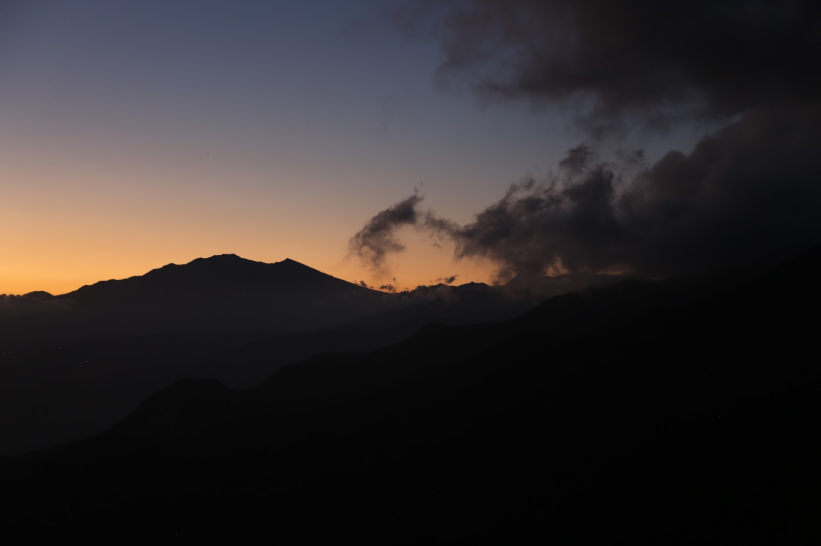
The atmosphere after sunset deserves special mention because it reveals another side of the hostel's appeal. As darkness settles across the cloud forest, the surrounding mountains become silhouettes against the night sky. The sounds of the jungle grow louder. Conversations continue beneath stars far brighter than those visible in most cities. The absence of urban light pollution creates a remarkable connection with the natural world. Travelers gather together after a day of exploration, sharing stories of hikes, wildlife sightings, future travel plans, and adventures from across Latin America. There is an energy in these evenings that is difficult to describe yet impossible to forget. It feels authentic. Unscripted. Real. The hostel becomes more than accommodation and more than a tourist destination. It becomes a temporary community united by curiosity, exploration, and a shared love of travel.

For many visitors, the most surprising aspect of Lost and Found is how strongly it stays with them after they leave. Months later, memories return unexpectedly. The view from a hammock overlooking endless green mountains. The cool cloud forest air after a tropical downpour. The laughter shared with strangers who quickly became friends. The sight of mist drifting through the trees at sunrise. The feeling of standing on a mountain trail surrounded by silence except for the sounds of the forest. These moments become woven into the fabric of the journey itself. They represent the experiences travelers search for when they dream about visiting places like Panama. Not simply checking attractions off a list, but feeling genuinely connected to a destination.

If Panama is a country of adventure, discovery, wildlife, mountains, islands, and unforgettable experiences, then Lost and Found Hostel captures all of those qualities in a single place. It is easy to reach yet feels wonderfully remote. It is social without being overwhelming. It is adventurous without requiring expertise. It is surrounded by nature yet connected to the main traveler route. Most importantly, it provides something increasingly rare in modern travel: a genuine sense of discovery. For anyone planning a journey through Panama, there is a strong case that the first stop should not be the beaches, the islands, or even the famous mountain towns. The first stop should be Lost and Found. Because before you explore Panama, you should experience the feeling that has inspired generations of backpackers to fall in love with the country. And few places capture that feeling better than Lost and Found Hostel, where every trail seems to lead toward adventure, every view inspires wonder, and every day feels like the beginning of an unforgettable story.

The Ultimate Guide to Where to Stay in Panama City: A Massive Neighborhood Comparison for Every Type of Traveler

One of the biggest mistakes visitors make when planning a trip to Panama is assuming that Panama City is a destination where the hotel matters more than the neighborhood. In reality, the neighborhood you choose can completely shape your trip. Panama City is not like many tourist destinations where most attractions are concentrated in a single district and visitors can simply book the best hotel they can afford. Panama City is a sprawling, fascinating, and surprisingly diverse metropolis that contains multiple versions of itself. Within a relatively short distance, travelers can move from a centuries old colonial quarter to a futuristic skyline filled with glass skyscrapers, from quiet residential streets to vibrant nightlife districts, from oceanfront promenades to bustling commercial centers. Choosing where to stay is therefore not simply about finding a comfortable bed. It is about deciding what kind of Panama you want to experience from the moment you wake up each morning until you return to your room each evening.

The city serves as the gateway to the famous Panama Canal, one of the most important engineering achievements in human history. It is the financial center of Central America, home to multinational corporations, international banks, luxury hotels, and one of the busiest transportation hubs in the region. Yet despite all of this modern development, Panama City also retains deep historical roots, vibrant local culture, fascinating architecture, world class restaurants, and neighborhoods that each possess their own unique identity. Some areas are ideal for first time tourists. Others are better suited to long term visitors, digital nomads, business travelers, luxury seekers, families, food enthusiasts, or travelers who simply want the best overall value. Understanding the advantages and disadvantages of each district before you arrive can save you money, reduce travel time, and ensure that your experience matches your expectations.

This guide explores the major neighborhoods of Panama City in extraordinary detail, explaining not only what makes each area attractive, but also the potential drawbacks that travelers should consider before booking accommodations.

Casco Viejo: The Most Beautiful Neighborhood in Panama City

If Panama City has a soul, it is found within the streets of Casco Viejo. For many visitors, this is the neighborhood they imagine when they picture Panama. Beautiful colonial architecture, colorful facades, elegant churches, rooftop restaurants, boutique hotels, public squares, museums, and narrow cobblestone streets combine to create one of the most visually stunning urban districts anywhere in the Americas. The neighborhood feels alive in a way that many modern cities struggle to achieve. Every street corner reveals another photo opportunity. Every plaza tells a story. Every building seems connected to centuries of history. It is difficult to walk more than a few minutes without encountering something fascinating.

The greatest advantage of staying in Casco Viejo is atmosphere. Unlike many neighborhoods where visitors spend most of their time leaving the area to visit attractions elsewhere, Casco Viejo itself is one of Panama City's biggest attractions. Travelers often find themselves wandering for hours with no destination in mind. Morning coffee becomes an experience. Evening walks become memorable adventures. Sunsets from rooftop terraces overlooking the Pacific Ocean and the modern skyline can become some of the most cherished memories of an entire trip. For first time visitors who want to feel immersed in history and culture from the moment they leave their hotel, there is no neighborhood that compares.

The dining scene is another major strength. Many of Panama City's most celebrated restaurants are concentrated here. Visitors can enjoy everything from traditional Panamanian dishes to sophisticated international cuisine. Nightlife is equally impressive. Rooftop bars, jazz venues, cocktail lounges, and cultural events attract both tourists and local residents.

However, all of these strengths come with tradeoffs. Casco Viejo is one of the most expensive areas in Panama City. Hotel rooms that might cost a moderate amount elsewhere can command significantly higher prices due to the district's popularity and historic setting. Noise can also be an issue. The same nightlife that attracts many visitors can make it difficult for light sleepers to enjoy a completely quiet evening. Traffic and parking can be challenging because the neighborhood was built centuries before automobiles existed. Some visitors also discover that while Casco Viejo is wonderful for atmosphere, they must frequently use taxis or rideshare services to reach shopping centers, business districts, and some of the city's other attractions.

For couples, photographers, history enthusiasts, food lovers, and first time visitors seeking the most memorable experience possible, Casco Viejo remains difficult to beat. For budget travelers or those who prioritize convenience above atmosphere, other neighborhoods may offer better value.

El Cangrejo: The Best Overall Neighborhood for Most Travelers

Among experienced visitors, expatriates, digital nomads, and repeat travelers, El Cangrejo often emerges as the favorite. Unlike Casco Viejo, El Cangrejo does not rely on dramatic architecture or famous landmarks to attract visitors. Instead, its appeal comes from something far more practical: it simply works extremely well as a place to stay.

El Cangrejo feels like a genuine neighborhood rather than a tourist district. Residents walk their dogs, students gather in cafes, professionals work remotely from coffee shops, and families shop at local businesses. Visitors staying here quickly feel connected to daily life in Panama City. This authenticity is one of the neighborhood's greatest strengths. Travelers who stay for a week or longer often report feeling less like tourists and more like temporary residents.

The restaurant scene is outstanding. Within a relatively compact area, visitors can find Panamanian cuisine, Italian food, Asian restaurants, Middle Eastern dishes, bakeries, coffee shops, vegetarian cafes, and international dining options. Grocery stores, pharmacies, banks, and essential services are all easily accessible. The Panama Metro serves the neighborhood, making transportation convenient and affordable.

The biggest advantage of El Cangrejo is balance. It offers strong value for money, good transportation, excellent dining, reasonable accommodation prices, and a pleasant atmosphere without excelling so dramatically in one category that it sacrifices another. Travelers often discover that they spend less time sitting in traffic and more time enjoying the city.

The main disadvantage is that El Cangrejo lacks a major iconic attraction. Visitors looking for breathtaking skyline views, colonial architecture, or waterfront scenery may initially find it less exciting. It does not possess the instant visual appeal of Casco Viejo or Punta Pacifica. Instead, its strengths reveal themselves gradually. Travelers who judge neighborhoods solely by photographs may overlook it, while those who prioritize comfort and practicality often fall in love with it.

For digital nomads, solo travelers, long term visitors, independent explorers, and tourists seeking the best overall value, El Cangrejo may be the strongest choice in Panama City.

Punta Pacifica: Luxury, Skyscrapers, and Ocean Views

If Casco Viejo represents old Panama, then Punta Pacifica represents the country's modern ambitions. This neighborhood is home to some of the tallest and most luxurious buildings in Central America. Glass towers rise above the Pacific Ocean. Luxury condominiums overlook the water. Upscale hotels provide panoramic views stretching across the bay. The district feels polished, sophisticated, and international.

For travelers seeking luxury, Punta Pacifica is often the obvious choice. Accommodations are typically modern, spacious, and equipped with amenities such as rooftop pools, fitness centers, concierge services, and stunning views. The area also provides easy access to shopping centers, medical facilities, and high end dining establishments.

One major advantage is comfort. Infrastructure is excellent. Buildings are modern. Streets are clean and well maintained. Visitors accustomed to contemporary urban environments often feel immediately at home.

The disadvantages stem largely from the same factors that create its appeal. Punta Pacifica can feel detached from traditional Panamanian culture. Visitors who spend their entire trip here may leave with a very different impression of Panama than someone staying in Casco Viejo or El Cangrejo. Walking opportunities are more limited. The area often feels designed around vehicles rather than pedestrians. Prices for hotels, dining, and services are generally among the highest in the city.

For luxury travelers, business executives, families seeking upscale accommodations, and visitors who prioritize comfort and modern amenities, Punta Pacifica excels. Travelers seeking cultural immersion may prefer other districts.

Marbella: The Underrated Contender

Marbella rarely receives the attention of Casco Viejo or Punta Pacifica, yet it quietly offers one of the most balanced experiences available. Located near the waterfront and close to major business districts, Marbella combines convenience, accessibility, modern infrastructure, and relatively good value.

One of Marbella's greatest strengths is location. Visitors can easily access many parts of the city while remaining close to restaurants, hotels, nightlife, and commercial services. The neighborhood feels modern without being excessively corporate and lively without being overwhelmingly crowded.

Hotel options span a wide range of budgets, allowing travelers to find accommodations that suit different financial situations. The area also provides excellent access to the scenic coastal beltway where residents gather for exercise and recreation.

The primary disadvantage is that Marbella lacks a defining attraction. It does not possess the historic charm of Casco Viejo, the residential authenticity of El Cangrejo, or the luxury reputation of Punta Pacifica. As a result, it sometimes gets overlooked despite offering a very strong overall package.

Travelers who value practicality often find Marbella to be one of the city's best kept secrets.

Obarrio: The Urban Powerhouse

Obarrio serves as one of the commercial hearts of Panama City. Office towers, restaurants, hotels, shopping centers, and financial institutions dominate the landscape. The neighborhood is energetic, busy, and highly connected.

The greatest advantage of Obarrio is convenience. Visitors can reach many parts of the city quickly. Public transportation options are strong. Dining choices are extensive. Essential services are abundant. Travelers who plan packed itineraries often appreciate having such a central base.

The downside is atmosphere. Obarrio is functional rather than romantic. It lacks the visual charm of Casco Viejo and the waterfront appeal of some neighboring districts. Visitors seeking picturesque surroundings may find it less memorable.

For business travelers and tourists focused on efficiency, however, Obarrio performs exceptionally well.

San Francisco: The Local Favorite

San Francisco often provides one of the most authentic urban experiences available to visitors. Unlike some neighborhoods that exist largely to serve tourists, San Francisco functions primarily as a residential and commercial area for local residents.

Its biggest strength is the food scene. Some of Panama City's most beloved restaurants can be found here. The neighborhood offers a blend of local flavor, modern conveniences, and everyday urban life. Visitors who enjoy exploring beyond traditional tourist zones frequently discover hidden gems throughout the area.

The disadvantages are relatively minor. The neighborhood lacks major tourist attractions and may require transportation to reach some of the city's iconic sites. Yet many travelers appreciate this because it allows them to experience a more genuine side of Panama City.

Costa del Este: Panama's Newest Face

Costa del Este represents the future of Panama City. Wide boulevards, modern parks, luxury towers, international businesses, and meticulously planned infrastructure define the district.

The advantages are immediately obvious. The neighborhood is clean, organized, modern, and visually impressive. It appeals strongly to visitors who appreciate contemporary urban design. Many multinational companies maintain offices here, creating an international atmosphere.

The biggest disadvantage is distance. Costa del Este sits farther from the traditional tourist attractions that draw most visitors to Panama City. Travelers staying here often spend more time using transportation to reach places like Casco Viejo and the canal attractions.

Amador: The Scenic Choice

The area surrounding the Amador Causeway offers something no other neighborhood can match: scenery. Here visitors enjoy expansive ocean views, fresh sea breezes, spectacular sunsets, and constant views of ships moving toward the Panama Canal.

The advantages are obvious. The setting is beautiful. Outdoor recreation opportunities abound. Cycling, walking, photography, and waterfront dining become part of everyday life. Families and couples often find the atmosphere relaxing and enjoyable.

The disadvantage is convenience. While the area feels peaceful, many attractions, restaurants, and commercial services require transportation. Travelers seeking nightlife and urban energy may find it too quiet.

The Final Verdict: Which Neighborhood Wins?

If you want the most beautiful and memorable neighborhood, choose Casco Viejo.

If you want the best overall balance of value, convenience, authenticity, transportation, and livability, choose El Cangrejo.

If you want luxury, skyscrapers, ocean views, and modern comfort, choose Punta Pacifica.

If you want a highly practical and underrated location, choose Marbella.

If convenience is your highest priority, choose Obarrio.

If you want to experience how many affluent locals actually live, dine, and socialize, choose San Francisco.

If you love modern planned communities, choose Costa del Este.

If scenery and waterfront views matter more than anything else, choose Amador.

The reality is that there is no single best neighborhood in Panama City. There is only the neighborhood that best matches the type of traveler you are. Understanding that distinction before booking your hotel can be the difference between a good trip and an unforgettable one. Panama City is a remarkably diverse destination, and the neighborhood you choose will shape every day of your adventure. For that reason alone, choosing where to stay deserves as much attention as choosing what to see.

How Long Do You Really Need to Backpack from Mexico to Panama? A Realistic Guide to the Ultimate Central American Journey

For many travelers, the dream of backpacking from Mexico to Panama begins with a map. They look at the long chain of countries stretching south from Mexico through Guatemala, Belize, El Salvador, Honduras, Nicaragua, Costa Rica, and finally Panama. At first glance, the journey does not seem especially large. Compared to crossing entire continents, Central America appears compact. Distances on a map can be deceiving, however. What looks like a straightforward trip can easily consume months if you truly want to experience the region. The reality is that the answer to "How long do I need?" depends entirely on the kind of traveler you are. Are you racing from one famous attraction to the next? Are you slowly settling into beach towns for weeks at a time? Do you love hiking volcanoes, diving reefs, exploring colonial cities, wandering markets, surfing, wildlife watching, and meeting locals? Or do you simply want a broad overview before moving on?

The biggest mistake many backpackers make is underestimating how much there is to see. They imagine Guatemala as a few ruins, Costa Rica as a few beaches, and Panama as little more than the canal. Then they arrive and discover volcanoes, cloud forests, wildlife refuges, indigenous communities, surf towns, mountain villages, islands, rainforests, coffee farms, colonial architecture, and enough natural beauty to occupy a lifetime. The route from Mexico to Panama is not just transportation between destinations. It is one continuous adventure. Every country offers reasons to stay longer than planned. Entire travel itineraries have been derailed by a beach that was supposed to be a two-day stop and became two weeks.

For most travelers, there are three realistic ways to approach the journey. The first is the highlights route. The second is the comfortable backpacker route. The third is the slow traveler route. Each offers a completely different experience.

The Fast Backpacker Route: Approximately 6 to 8 Weeks

This is the route chosen by travelers with limited vacation time or those who simply want to see the highlights before deciding where to return later. Six to eight weeks is enough to experience every country, but it requires discipline. You will occasionally leave places wishing you had more time. You will move frequently. Long bus rides become a regular part of life. Yet it is absolutely possible and still incredibly rewarding.

For Mexico, approximately two weeks is the minimum comfortable amount of time. Mexico is by far the largest country on the route and could easily consume months by itself. Most fast backpackers focus on southern Mexico, exploring places such as San Cristóbal de las Casas, the ruins of Palenque, and perhaps parts of the Yucatán Peninsula before heading toward Central America. Two weeks feels rushed, but it provides a taste of Mexico's culture, food, and history.

Guatemala deserves at least ten days. Even on a fast itinerary, it would be painful to skip the colonial beauty of Antigua Guatemala, the magnificent ruins of Tikal, and the breathtaking scenery surrounding Lake Atitlán. Guatemala is often one of the biggest surprises for travelers, and many people end up extending their stay.

Belize can be explored in about five days if your focus is mainly on the coast and islands. The country's small size helps. Backpackers often concentrate on snorkeling, diving, island life, and enjoying the Caribbean atmosphere.

El Salvador can comfortably fit into four or five days on a fast itinerary. This may sound short, but the country is geographically compact. Travelers often focus on surfing beaches, volcanoes, and colonial towns.

Honduras typically receives about five days under this schedule. Most visitors either focus on the Bay Islands for diving and snorkeling or visit the famous ruins of Copán.

Nicaragua deserves at least one week. Between the colonial cities of Granada and León, the volcanoes, and the islands of Ometepe, Nicaragua offers far more than many travelers initially expect.

Costa Rica requires roughly one week on a highlights itinerary. This means choosing a few regions rather than trying to see everything. A volcano, a cloud forest, and a beach destination usually make up the core experience.

Panama also deserves about one week. This allows time for Panama City, the Panama Canal, and one or two additional destinations such as Boquete or Bocas del Toro.

This schedule works. Thousands of travelers do it every year. But by the end, most feel they have only scratched the surface.

The Comfortable Backpacker Route: Approximately 3 to 4 Months

For many experienced backpackers, this is the sweet spot.

Three to four months allows you to experience each country properly without constantly feeling rushed. You still move regularly, but there is room for spontaneity. You can stay longer in places you love. You can recover from travel fatigue. You can occasionally spend several days doing absolutely nothing except enjoying a beautiful destination.

For Mexico, three to four weeks feels far more reasonable. This allows time to experience multiple regions rather than rushing through. You can explore colonial towns, archaeological sites, mountain communities, and perhaps some coastal areas. Mexico stops feeling like a transit country and starts feeling like a destination in its own right.

Guatemala deserves at least two to three weeks. The country combines some of the most spectacular scenery in Central America with rich indigenous culture and world-class historical sites. Many backpackers end up spending longer here than planned because the atmosphere is so enjoyable.

Belize works well with seven to ten days. This provides enough time to experience both inland attractions and the Caribbean coast without feeling rushed.

El Salvador becomes far more rewarding with one week. You have time to appreciate its volcanoes, beaches, food culture, and surprisingly friendly atmosphere.

Honduras deserves seven to ten days. This allows time for both mainland attractions and the islands. Divers especially may wish to stay longer.

Nicaragua benefits enormously from two to three weeks. This country often becomes a favorite among long-term travelers because it offers a blend of affordability, adventure, culture, and beautiful scenery. Spending time in colonial cities, surf towns, volcanic landscapes, and island environments reveals just how diverse Nicaragua really is.

Costa Rica deserves two to three weeks as well. Despite its small size, Costa Rica contains a staggering variety of ecosystems. Rainforests, cloud forests, volcanoes, beaches, wildlife refuges, and adventure activities can easily fill several weeks.

Panama deserves at least two weeks. Panama is often underestimated by travelers rushing south. In reality, the country offers extraordinary diversity. The mountain highlands around Boquete, the Caribbean atmosphere of Bocas del Toro, the indigenous culture of the San Blas Islands, the wilderness of the Darién, and the cosmopolitan energy of Panama City could easily justify a month by themselves.

This three-to-four-month itinerary is often considered the ideal balance between depth and practicality.

The Slow Traveler Route: Approximately 6 to 12 Months

This is where the magic happens.

Once you have six months or more, the trip transforms completely. You stop feeling like a tourist moving through destinations and begin feeling like a temporary resident of Central America. You develop routines. You discover favorite cafés. You recognize familiar faces. You start understanding local culture at a much deeper level.

Mexico alone could easily consume two months. Many travelers spend entire seasons exploring different regions. Southern Mexico, Oaxaca, Chiapas, colonial cities, beaches, archaeological sites, and food culture can keep a curious traveler busy indefinitely.

Guatemala deserves a full month. Many backpackers find themselves lingering around Lake Atitlán for weeks. Others spend extended periods studying Spanish, volunteering, hiking volcanoes, or exploring remote regions.

Belize works beautifully with two weeks. The relaxed Caribbean pace encourages travelers to slow down. Days disappear quickly when spent diving, snorkeling, and island hopping.

El Salvador can comfortably occupy two weeks or more. The country's compact size allows travelers to explore thoroughly without constant transportation.

Honduras deserves two weeks, particularly if diving is a priority. Some travelers spend entire weeks underwater around the Bay Islands.

Nicaragua rewards slow travel perhaps more than any other country on the route. A full month is not excessive. Many travelers become deeply attached to Nicaragua's atmosphere and affordability.

Costa Rica deserves at least three to four weeks. The country is expensive compared to many neighbors, but it offers extraordinary biodiversity. Slow travel allows visitors to experience wildlife, beaches, mountains, and national parks without constantly checking bus schedules.

Panama deserves three to four weeks as well. The country reveals its richness slowly. Many travelers who initially expected to stay one week end up spending a month exploring islands, cloud forests, beaches, coffee regions, and indigenous territories.

With six months or more, something interesting happens. The countries stop feeling like separate destinations and begin feeling like parts of a connected region. Patterns emerge. You notice how food changes from country to country. You hear accents evolve. Landscapes shift from volcanic highlands to tropical islands. The journey itself becomes as meaningful as the destinations.

So What Is the Realistic Answer?

If your goal is simply to see the highlights, six to eight weeks can work.

If you want a comfortable, rewarding backpacking experience that balances exploration with relaxation, three to four months is arguably ideal.

If you want to truly understand Central America rather than merely visit it, six months to a year is where the experience becomes transformative.

Most experienced backpackers who have completed the route eventually arrive at the same conclusion: almost everyone underestimates how much time they will want. The beaches are more beautiful than expected. The volcanoes are more impressive. The food is better. The people are friendlier. The wildlife is more abundant. The mountain towns are more charming. The islands are harder to leave.

The route from Mexico to Panama may look relatively short on a map, but maps cannot show sunsets over Caribbean islands, conversations in hostel courtyards, mornings in cloud forests, volcano hikes at dawn, nights spent listening to jungle sounds, or unexpected friendships made on long bus rides.

Those are the moments that stretch a six-week trip into three months, and a three-month trip into six. And for many backpackers, that is exactly why the journey becomes one of the greatest adventures of their lives.

The Ultimate Central America Crossword Challenge

Central America is a region packed with volcanoes, rainforests, ancient civilizations, tropical wildlife, engineering marvels, colonial cities, indigenous cultures, world-famous beaches, and enough fascinating history to fill countless books. Stretching from southern Mexico's doorstep to the narrow isthmus of Panama, the region connects two continents while serving as a bridge for cultures, ecosystems, and trade routes. This crossword clue collection celebrates the wonders of Belize, Guatemala, El Salvador, Honduras, Nicaragua, Costa Rica, and Panama. Some clues are straightforward, some rely on wordplay, and some require a bit of geographical or historical knowledge. Together they create a journey across one of the most diverse regions on Earth.

1

Clue: The canal country where ships take a shortcut between oceans.

Answer: PANAMA

2

Clue: Central America's largest country by population.

Answer: GUATEMALA

3

Clue: The only Central American nation where English is the official language.

Answer: BELIZE

4

Clue: The "rich coast" nation famous for pura vida.

Answer: COSTARICA

5

Clue: Home of Lake Nicaragua.

Answer: NICARAGUA

6

Clue: Smallest country in mainland Central America.

Answer: ELSALVADOR

7

Clue: Country containing the Bay Islands.

Answer: HONDURAS

8

Clue: Ancient civilization that built Tikal.

Answer: MAYA

9

Clue: Famous archaeological site deep in Guatemala's jungle.

Answer: TIKAL

10

Clue: Ocean west of every Central American country.

Answer: PACIFIC

11

Clue: Sea bordering much of Central America's eastern coast.

Answer: CARIBBEAN

12

Clue: Capital city of Panama.

Answer: PANAMACITY

13

Clue: Capital of Costa Rica.

Answer: SANJOSE

14

Clue: Capital of Nicaragua.

Answer: MANAGUA

15

Clue: Capital of Honduras.

Answer: TEGUCIGALPA

16

Clue: Capital of Belize.

Answer: BELMOPAN

17

Clue: Capital of Guatemala.

Answer: GUATEMALACITY

18

Clue: Capital of El Salvador.

Answer: SANSALVADOR

19

Clue: Panama's famous engineering wonder.

Answer: CANAL

20

Clue: Giant birds often seen soaring over tropical forests.

Answer: VULTURES

21

Clue: Howler monkeys are known for making this.

Answer: NOISE

22

Clue: Colorful birds that resemble oversized toucans.

Answer: TOUCANS

23

Clue: National bird of Belize.

Answer: TOUCAN

24

Clue: Large spotted cat of Central American jungles.

Answer: JAGUAR

25

Clue: Slow-moving tree dweller loved by tourists.

Answer: SLOTH

26

Clue: Giant sea reptiles nesting on beaches.

Answer: TURTLES

27

Clue: The world's second-largest barrier reef lies off this country.

Answer: BELIZE

28

Clue: Famous Costa Rican phrase meaning much more than its literal translation.

Answer: PURAVIDA

29

Clue: Panama's famous island wildlife reserve.

Answer: IGUANA

30

Clue: Ancient Maya writing system.

Answer: GLYPHS

31

Clue: The tropical ecosystem where roots stand in seawater.

Answer: MANGROVE

32

Clue: Large tropical storms that sometimes affect the region.

Answer: HURRICANES

33

Clue: Central American mountain giants that occasionally erupt.

Answer: VOLCANOES

34

Clue: Highest mountain in Panama.

Answer: BARU

35

Clue: Panama's famous coffee-growing town.

Answer: BOQUETE

36

Clue: Capital city known for its colonial Casco Viejo district.

Answer: PANAMACITY

37

Clue: Ancient stone monuments often found at Maya sites.

Answer: STELAE

38

Clue: Central America connects North and South ______.

Answer: AMERICA

39

Clue: Panama's Atlantic gateway city.

Answer: COLON

40

Clue: Tropical fruit commonly blended into smoothies.

Answer: MANGO

41

Clue: Sweet tropical fruit with a prickly exterior.

Answer: PINEAPPLE

42

Clue: Common Central American breakfast accompaniment.

Answer: PLANTAIN

43

Clue: The famous ruins of Honduras.

Answer: COPAN

44

Clue: A monkey whose call sounds larger than the animal itself.

Answer: HOWLER

45

Clue: Tropical forest with year-round rainfall.

Answer: RAINFOREST

46

Clue: National symbol often seen on Guatemalan currency.

Answer: QUETZAL

47

Clue: Beautiful bird that gives its name to Guatemala's currency.

Answer: QUETZAL

48

Clue: Costa Rica's active volcano near La Fortuna.

Answer: ARENAL

49

Clue: Tiny amphibians famous for bright warning colors.

Answer: FROGS

50

Clue: Panama's famous old quarter.

Answer: CASCOVIEJO

51

Clue: Giant ships use these to rise and fall in the canal.

Answer: LOCKS

52

Clue: Ancient Maya ball game.

Answer: POKTAPOK

53

Clue: Country known for Corn Islands.

Answer: NICARAGUA

54

Clue: Costa Rica's nickname for locals.

Answer: TICOS

55

Clue: Panama's nickname for locals.

Answer: PANAMENOS

56

Clue: The sea on one side, the Pacific on the other.

Answer: CARIBBEAN

57

Clue: Tropical ecosystem richer than almost any other on Earth.

Answer: JUNGLE

58

Clue: Panama's indigenous people famous for molas.

Answer: GUNA

59

Clue: Traditional textile art made by the Guna people.

Answer: MOLA

60

Clue: Large crocodilian often found in rivers.

Answer: CAIMAN

61

Clue: Belize's famous offshore sinkhole.

Answer: BLUEHOLE

62

Clue: Coffee-growing highlands shared by Costa Rica and Panama.

Answer: TALAMANCA

63

Clue: National park in Panama known for sea turtles.

Answer: COIBA

64

Clue: Panama's Pacific surfing hotspot.

Answer: VENAO

65

Clue: Tropical crop that shaped Central American history.

Answer: BANANA

66

Clue: Another tropical export beloved worldwide.

Answer: COFFEE

67

Clue: Colorful parrots with powerful beaks.

Answer: MACAWS

68

Clue: Fast-moving tropical predator of rivers.

Answer: TARPON

69

Clue: Large marine mammal visiting Central American waters.

Answer: WHALE

70

Clue: Tiny nectar-loving bird.

Answer: HUMMINGBIRD

71

Clue: The narrow strip of land connecting continents.

Answer: ISTHMUS

72

Clue: Panama's famous visitor from the sea that can exceed 40 feet.

Answer: WHALESHARK

73

Clue: Tropical tree famous for colorful flowers.

Answer: ORCHIDTREE

74

Clue: Ancient civilization's descendants still live throughout the region.

Answer: MAYANS

75

Clue: Costa Rica abolished this in 1948.

Answer: ARMY

76

Clue: Panama's famous transcontinental waterway.

Answer: PANAMACANAL

77

Clue: Colonial city near Guatemala City.

Answer: ANTIGUA

78

Clue: Nicaragua's famous colonial city on a lake.

Answer: GRANADA

79

Clue: Belize's famous reef system.

Answer: BARRIERREEF

80

Clue: Rainforest canopy acrobat.

Answer: SPIDERMONKEY

81

Clue: Panama and Costa Rica share this mountain range.

Answer: TALAMANCA

82

Clue: Popular Central American staple made from corn.

Answer: TORTILLA

83

Clue: Thick tropical forest.

Answer: JUNGLE

84

Clue: Panama's famous Caribbean island chain.

Answer: SANBLAS

85

Clue: Volcano-filled chain running through much of Central America.

Answer: CORDILLERA

86

Clue: Belizean reef fish with striking colors.

Answer: ANGELFISH

87

Clue: Tropical bird whose call echoes through forests.

Answer: OROPENDOLA

88

Clue: Ancient Maya observatory city in Belize.

Answer: CARACOL

89

Clue: Panama's national flower.

Answer: HOLYGHOSTORCHID

90

Clue: Famous Pacific island wildlife sanctuary off Panama.

Answer: COIBA

91

Clue: Giant ceiba trees tower above these forests.

Answer: CANOPY

92

Clue: Traditional dugout vessel used by indigenous peoples.

Answer: CANOE

93

Clue: Tropical predator that prowls rivers and coastlines.

Answer: CROCODILE

94

Clue: National park protecting much of Panama's Darién wilderness.

Answer: DARIEN

95

Clue: Region connecting Panama and Colombia with no road crossing.

Answer: DARIENGAP

96

Clue: Tropical seabird often diving dramatically for fish.

Answer: PELICAN

97

Clue: One of the most biodiverse regions on Earth.

Answer: CENTRALAMERICA

98

Clue: Panama's famous rainforest pipeline for migrating wildlife between continents.

Answer: LANDBRIDGE

99

Clue: The body of water connecting Central America to global trade.

Answer: OCEAN

100

Clue: Seven nations, countless cultures, one extraordinary region.

Answer: CENTRALAMERICA

Central America may occupy a relatively small portion of the map, but few places on Earth pack so much history, biodiversity, adventure, and cultural richness into such a compact area. From the Maya cities hidden beneath jungle canopies to the engineering marvel of the Panama Canal, from whale sharks and jaguars to volcanoes and coral reefs, the region offers endless inspiration for puzzle makers and travelers alike. Whether you solved every clue or discovered a few new facts along the way, these 100 answers represent only a small glimpse into one of the most fascinating corners of the world. The next time you look at a map of Central America, you may see more than just countries and coastlines, you may see a giant crossword puzzle waiting to be explored.

One Language, Many Worlds: The Fascinating Evolution of Spanish from Mexico to Panama

One of the most remarkable experiences a traveler can have in Latin America is realizing that a language can remain completely recognizable while constantly transforming around them. At first, this seems impossible. Spanish is Spanish, after all. A visitor arriving in Mexico may assume that once they have learned the basics, they can simply travel south through Central America without noticing much change. The signs will still be in Spanish. The menus will still be in Spanish. The conversations happening around them will still be in Spanish. Yet as the miles pass and borders are crossed, something fascinating begins to happen. The language slowly changes its clothing. It adopts different rhythms, different personalities, different favorite words, different accents, and different ways of expressing everyday life. The changes are so gradual that they are often difficult to notice from one country to the next. A traveler crossing from Guatemala into El Salvador might not immediately detect a dramatic difference. The same is true when moving from Honduras into Nicaragua or from Costa Rica into Panama. But compare the Spanish spoken in Mexico with the Spanish spoken in Panama and suddenly the cumulative effect becomes astonishing. It is like watching a child grow. If you see them every day, the changes seem invisible. If you compare photographs taken years apart, the transformation becomes undeniable. Spanish from Mexico to Panama is one of the world's great linguistic journeys, a living example of how a language can spread across thousands of kilometers, absorb countless influences, adapt to local cultures, and yet somehow remain unified enough that everyone can still understand one another.

What makes this journey even more fascinating is that the language itself acts as a map of history. Every accent contains clues about the people who settled a region. Every slang word tells a story about local culture. Every unusual pronunciation reflects centuries of interaction between different groups of people. Indigenous civilizations, Spanish colonists, African communities, Caribbean traders, immigrants from Europe, merchants, sailors, laborers, and modern globalization have all left fingerprints on the language. To travel from Mexico to Panama while paying attention to Spanish is to hear history speaking through everyday conversation. The language becomes far more than a tool for communication. It becomes a record of migration, conquest, trade, adaptation, and identity stretching back hundreds of years. A traveler listening carefully is not simply hearing words. They are hearing the story of entire nations.

The journey begins in Mexico, which is not only the largest Spanish-speaking country in North America but also one of the most influential linguistic powers in the world. For millions of people who have never visited Latin America, Mexican Spanish is what they imagine when they think of the Spanish language. Through films, television programs, music, social media, and migration, Mexican Spanish has traveled far beyond Mexico's borders. It has become one of the most recognizable forms of Spanish on Earth. Yet one of the great surprises awaiting visitors is that Mexico itself contains enormous linguistic diversity. The Spanish spoken in the bustling neighborhoods of Mexico City differs noticeably from the Spanish heard in northern states near the United States border. The Yucatán Peninsula has its own influences. Coastal regions sound different from mountain regions. Indigenous communities often shape local speech in ways that outsiders may not immediately recognize. Despite this diversity, many learners find central Mexican Spanish relatively clear and accessible. Words are often pronounced distinctly. Sentences flow at a moderate pace. Consonants remain audible. This clarity has made Mexican Spanish one of the most popular forms for language instruction. Yet beneath this apparent simplicity lies a vast collection of local expressions, slang, humor, and cultural references that can bewilder even fluent Spanish speakers from other countries. Mexico serves as a reminder that linguistic diversity exists even before the journey south truly begins.

As travelers move into Guatemala, the language begins revealing another layer of complexity. Guatemala possesses one of the richest indigenous heritages in the Americas, and this heritage has profoundly shaped the way Spanish is spoken throughout the country. Long before Spanish arrived, sophisticated civilizations flourished here. Their descendants continue to live throughout Guatemala today, and dozens of indigenous languages remain in active use. In some communities, Spanish is not even the primary language spoken at home. The interaction between Spanish and indigenous languages over centuries has produced fascinating results. Vocabulary, pronunciation patterns, and even certain conversational rhythms sometimes reflect influences that stretch back long before European contact. Visitors often struggle to explain exactly why Guatemalan Spanish sounds different from Mexican Spanish, but they can sense the difference. There is a distinct character to the language, shaped by centuries of coexistence between Spanish and indigenous traditions. In places such as Antigua Guatemala, language students often praise the clarity of local speech, yet beneath that clarity lies extraordinary historical depth. Every conversation carries traces of multiple worlds interacting across generations.

Continuing south into El Salvador, one of the first major linguistic shifts begins to appear. Visitors suddenly encounter the widespread use of vos. For many Spanish learners, this can be a surprising moment. Textbooks often emphasize tú as the standard informal word for "you." In El Salvador, however, vos dominates everyday conversation. This seemingly small difference has significant consequences because it changes the way verbs are conjugated and alters the rhythm of speech. A traveler may understand every word being spoken while still feeling that something sounds unfamiliar. The language has not become difficult. It has simply adopted a different personality. Salvadoran Spanish possesses an energy and distinctiveness that many visitors quickly learn to recognize. Local slang flourishes. Expressions emerge that are deeply tied to national identity. Conversations often move with confidence and speed. Yet despite these differences, communication remains easy. The language continues to feel connected to its neighbors even as it develops its own unique character.

Honduras continues this process of gradual transformation. To an outsider, the differences between Salvadoran and Honduran Spanish may initially seem subtle. Both countries make extensive use of vos. Both share certain regional characteristics. Yet time spent listening reveals distinctions. Honduras occupies a fascinating position geographically and culturally. Mountain regions, Caribbean coastlines, agricultural communities, and urban centers have all contributed different influences to local speech. A traveler spending several weeks in Honduras often begins noticing variations that would have been invisible during a brief visit. The Spanish spoken along the Caribbean coast may carry influences distinct from those heard inland. Local vocabulary reflects regional history. Pronunciation patterns shift from one area to another. Honduras demonstrates an important lesson about language in Central America: national borders tell only part of the story. Geography, trade routes, migration patterns, and cultural connections often shape language just as strongly as political boundaries.

Nicaragua introduces one of the strongest and most recognizable linguistic identities in the region. Nicaraguans embrace their version of Spanish with pride, and visitors quickly discover why. The country's speech possesses a warmth, rhythm, and confidence that make it instantly memorable. Like neighboring countries, Nicaragua makes extensive use of vos, but the overall sound of the language feels distinctly Nicaraguan. Local expressions abound. Conversations carry a particular cadence. There is often a directness and expressiveness that visitors come to appreciate. What makes Nicaragua especially fascinating is the way it serves as a bridge between northern and southern Central America. Its language contains elements that feel familiar to speakers throughout the region while simultaneously maintaining a strong national identity. Spend enough time listening and the accent becomes unmistakable. A traveler may not always be able to explain precisely what makes Nicaraguan Spanish sound different, but they soon learn to recognize it immediately.

Then comes Costa Rica, where the language undergoes a shift that is perhaps more cultural than phonetic. Visitors often describe Costa Rican Spanish as exceptionally friendly, polite, and approachable. Of course, every country in Central America contains warm and welcoming people, but Costa Rica has developed a reputation for a particular style of communication that reflects broader cultural values. The famous phrase pura vida serves as the perfect example. Translating pura vida literally misses the point entirely. The phrase has evolved into something far larger than its individual words. It can function as a greeting, a farewell, an expression of gratitude, a statement that everything is going well, or a general philosophy about enjoying life. Travelers hear it constantly. It appears on signs, in conversations, on souvenirs, and throughout daily life. Over time, visitors realize that pura vida is not merely a phrase. It is an attitude. Costa Rica also gives the region one of its most famous slang words: mae. The term appears so frequently in casual conversation that newcomers often find it amusing. Friends call one another mae. Young people use it constantly. Entire conversations seem to orbit around it. Together, pura vida and mae create a linguistic atmosphere that feels distinctly Costa Rican.

Finally, the journey reaches Panama, and here the language begins taking on a noticeably different flavor. Panama occupies a unique position in the Spanish-speaking world. Geographically, it serves as the bridge connecting Central and South America. Historically, it became one of the great crossroads of global trade. The construction of the Panama Canal transformed the country into an international meeting point unlike any other in the region. Workers arrived from the Caribbean. Merchants arrived from around the world. Sailors, engineers, laborers, traders, and immigrants all contributed to Panama's cultural landscape. Their influence extended into the language itself. As a result, Panamanian Spanish often feels more Caribbean than the Spanish spoken farther north. The rhythm becomes faster. Certain sounds soften. Words flow together more smoothly. Visitors arriving from Costa Rica frequently notice the change almost immediately. Conversations seem more musical, more fluid, and sometimes more challenging for beginners to follow. Yet this speed and fluidity are part of what gives Panamanian Spanish its distinctive charm. The language reflects centuries of interaction with the Caribbean world, creating a style of speech that feels vibrant and energetic.

One of the most fascinating aspects of traveling from Mexico to Panama is realizing that the changes never occur suddenly. There is no border where one version of Spanish ends and another begins. Instead, the language evolves continuously. Each country contributes something new. A phrase here. A pronunciation there. A local expression. A cultural reference. A unique rhythm. The differences accumulate gradually until the Spanish spoken at one end of the journey feels noticeably different from the Spanish spoken at the other. Yet despite all these variations, communication remains remarkably easy. A Mexican can travel throughout Central America without needing a translator. A Panamanian can do the same in Mexico. They may laugh at each other's slang. They may occasionally ask for clarification. Certain expressions may sound strange. But the language remains fundamentally shared.

That may be the most remarkable achievement of Spanish in the Americas. It has managed to remain united while embracing extraordinary diversity. It is one language and many languages at the same time. It reflects mountains and coastlines, indigenous civilizations and modern cities, Caribbean influences and agricultural traditions, centuries-old customs and contemporary culture. Every country along the journey has shaped Spanish into something that reflects its own identity. The result is a linguistic landscape as varied and beautiful as the physical landscape itself. To travel from Mexico to Panama while listening carefully is to hear a single language telling dozens of different stories. It is to discover that words can carry geography, history, and culture within them. And it is to realize that one of the most fascinating things about Latin America is not that everyone speaks Spanish, but that everyone speaks it in their own unique way.

Separated by a Border, Divided by Slang: The Fascinating Differences Between Costa Rican Spanish and Panamanian Spanish

At first glance, Costa Rica and Panama seem like linguistic twins. They are neighboring countries connected by a relatively short border. They share many cultural similarities. They are both tropical nations blessed with rainforests, beaches, mountains, and a relaxed pace of life that often surprises visitors from larger countries. A traveler crossing from one country to the other may expect the Spanish language to remain virtually identical.

Then the conversations begin.

Suddenly, the similarities start giving way to fascinating differences.

The words sound a little different. The rhythm changes. Common expressions disappear and new ones appear. Certain phrases that everyone uses in Costa Rica may be rarely heard in Panama. Panamanians have slang that can leave Costa Ricans confused, while Costa Ricans possess expressions so uniquely their own that they have become part of the country's national identity.

Unlike comparing Spain and Panama, where an entire ocean separates the speakers, comparing Costa Rica and Panama is especially interesting because the countries sit right next to each other. You might expect neighboring countries to sound almost identical. In reality, their versions of Spanish reflect very different histories, cultural influences, immigration patterns, and ways of seeing the world.

The result is a linguistic relationship that is both familiar and delightfully different.

The First Thing You Notice: The Rhythm

Many visitors struggle to identify exactly why Panamanian Spanish sounds different from Costa Rican Spanish until they spend time listening carefully.

The answer is often rhythm.

Costa Rican Spanish tends to sound slightly slower, clearer, and more measured. Words are often pronounced distinctly and conversations can feel relatively easy for Spanish learners to follow.

Panamanian Spanish, especially in Panama City and along the Caribbean side of the country, often moves faster. Sentences flow together. Certain sounds become softer. Words sometimes blend into one another.

To many Costa Ricans, Panamanian Spanish can sound more Caribbean.

To many Panamanians, Costa Rican Spanish can sound more deliberate.

Neither impression is entirely accurate, but both contain a grain of truth.

Imagine two rivers. One flows calmly and clearly. The other moves a bit faster and twists around more rocks. Both are beautiful rivers, but they create different experiences for those navigating them.

The Caribbean Effect on Panama

One of the biggest reasons Panamanian Spanish sounds different is geography.

Panama has strong historical and cultural connections to the Caribbean.

The country received influences from Afro-Caribbean communities, workers who arrived during the construction of the Panama Canal, trade routes connecting Caribbean ports, and generations of interaction with nearby islands and coastal regions.

These influences helped shape the language.

As a result, Panamanian Spanish shares certain characteristics with the Spanish spoken in places such as the Caribbean coast of Colombia, Cuba, Puerto Rico, and the Dominican Republic.

Certain consonants may be softened.

The rhythm may become quicker.

Some sounds may occasionally disappear in casual speech.

This gives Panamanian Spanish a distinctive musical quality.

Costa Rica, by contrast, developed somewhat differently. While the Caribbean coast certainly has its own unique influences, much of the country's linguistic identity evolved in the Central Valley around cities such as San José, where speech developed with fewer Caribbean influences.

The result is a Spanish that many learners find easier to understand initially.

The Famous Costa Rican "Pura Vida"

No discussion of Costa Rican Spanish can begin anywhere except with the phrase pura vida.

Visitors quickly discover that pura vida is far more than a simple expression.

It is practically a national philosophy.

It can mean hello.

It can mean goodbye.

It can mean thank you.

It can mean everything is great.

It can mean life is good.

It can mean no problem.

It can mean relax.

It can mean enjoy yourself.

It can mean almost anything depending on the situation.

Costa Ricans use it constantly.

A traveler spending two weeks in Costa Rica may hear pura vida hundreds of times.

Then they cross into Panama.

Suddenly it almost disappears.

Panamanians know what it means. They have heard it before. But it is not woven into everyday conversation in the same way.

The absence becomes surprisingly noticeable.

It is almost like walking into a forest and realizing a certain bird species has vanished from the soundscape.

The Costa Rican "Mae"

If pura vida is Costa Rica's national slogan, mae is its national word.

Costa Ricans use mae everywhere.

Friends call each other mae.

Young people call each other mae.

Entire conversations can seem to revolve around mae.

A rough English equivalent might be "dude," "bro," "man," or "buddy."

A conversation between young Costa Ricans might contain the word multiple times in a single sentence.

Visitors often find this amusing.

Eventually many start using it themselves.

Cross into Panama, however, and things change.

Panamanians generally do not use mae.

If they hear it, they immediately know the speaker is probably Costa Rican.

It serves almost like a linguistic passport stamp.

Panamanian Slang: Welcome to Another World

While Costa Rica has mae, Panama possesses an entire collection of uniquely Panamanian expressions.

The country's slang reflects influences from the Caribbean, the Canal Zone era, Afro-Antillean communities, indigenous cultures, American contact, and local creativity.

Panamanian slang often feels energetic and colorful.

Many expressions developed in urban environments and spread throughout the country.

A Costa Rican hearing a group of Panamanian friends speaking casually may understand the basic conversation while still encountering words they have never heard before.

The reverse is equally true.

Language is wonderfully local.

Even neighboring countries develop their own verbal ecosystems.

Pronunciation Differences

Another fascinating difference involves pronunciation.

Costa Rican Spanish generally preserves certain sounds more clearly.

Words are often pronounced fully.

Consonants remain relatively distinct.

Panamanian Spanish sometimes follows patterns common in Caribbean speech, where sounds may become softer or disappear in casual conversation.

For example, the letter "s" at the end of words may occasionally become less pronounced.

This does not happen all the time, and it varies by region and social context, but it contributes to the overall sound of the language.

To a Costa Rican ear, Panamanian Spanish can occasionally sound more relaxed.

To a Panamanian ear, Costa Rican Spanish can sometimes sound more careful.

These are broad generalizations, of course, but they help explain why the two accents feel different despite their geographic proximity.

The Influence of Immigration

One reason Panama developed a distinctive version of Spanish is its extraordinary history as an international crossroads.

The construction of the Panama Canal brought workers from around the world.

Shipping routes connected Panama to global trade networks.

Immigrants arrived from the Caribbean, Europe, Asia, and elsewhere.

The language absorbed influences from all of these encounters.

Costa Rica's history unfolded differently.

The country experienced immigration as well, but not on quite the same scale or intensity as Panama's canal-driven transformation.

As a result, Costa Rican Spanish evolved along a somewhat different path.

Both are rich linguistic traditions.

They simply tell different historical stories.

Politeness and Communication Style

Visitors often notice subtle differences in communication style.

Costa Ricans are frequently perceived as exceptionally polite and indirect.

Conversations may include extra layers of courtesy.

Requests are often softened.

Disagreements may be expressed gently.

This reflects broader cultural tendencies toward harmony and social ease.

Panamanians are also friendly and welcoming, but communication can sometimes feel slightly more direct.

Not rude.

Simply more straightforward.

The difference is subtle but noticeable.

A traveler spending time in both countries often senses a shift in conversational energy even before they can identify exactly why.

Regional Diversity Within Each Country

One important point is that neither Costa Rica nor Panama speaks with a single voice.

Costa Rica contains regional variations.

Panama contains regional variations.

Someone from the Caribbean coast may sound different from someone in the mountains.

A resident of a major city may speak differently from someone in a rural agricultural community.

The differences discussed here represent broad national tendencies rather than rigid rules.

Language is far too alive and dynamic to fit neatly into categories.

Can Costa Ricans and Panamanians Understand Each Other Easily?

Absolutely.

For all the differences, communication remains effortless.

A Costa Rican can travel throughout Panama without any language barrier.

A Panamanian can do the same in Costa Rica.

There may be occasional moments of confusion over slang.

Certain expressions may require explanation.

A joke may need clarification.

But these situations are generally amusing rather than problematic.

The shared language remains overwhelmingly stronger than the differences.

The Beauty of Neighboring Accents

Perhaps the most fascinating aspect of comparing Costa Rican and Panamanian Spanish is how much diversity can develop across such a short distance.

Drive from one country to the other and the landscape changes gradually.

The language does the same.

The differences are not dramatic enough to create barriers.

Instead, they create flavor.

They create personality.

They create identity.

Costa Rican Spanish reflects a culture famous for its calm outlook, politeness, and beloved pura vida philosophy.

Panamanian Spanish reflects a country shaped by oceans, trade routes, migration, Caribbean influences, and centuries as a crossroads of the Americas.

Both accents are warm.

Both are expressive.

Both are uniquely suited to the people who speak them.

And for travelers fortunate enough to experience both, listening carefully becomes one of the most rewarding parts of the journey.

Because somewhere between a Costa Rican saying pura vida and a Panamanian responding with local slang lies a reminder that language is more than vocabulary and grammar. It is history. It is culture. It is identity. It is a living record of how people have interacted with the world around them for generations.

And few places demonstrate that truth more beautifully than the border between Costa Rica and Panama, where one language quietly transforms while remaining wonderfully, unmistakably Spanish.

Separated by an Ocean, United by a Language: Just How Different Is Spanish in Spain Compared to Spanish in Panama?

One of the great surprises awaiting many travelers, expats, language learners, and even native Spanish speakers is discovering that Spanish is not really a single way of speaking at all. It is more like a giant family of accents, expressions, slang terms, cultural references, and speaking styles spread across multiple continents. Officially, a person from Madrid and a person from Panama City are speaking the same language. They can read the same newspapers, understand the same grammar rules, and generally communicate without major difficulty. Yet spend enough time listening to conversations in both places and you quickly realize that the differences can be striking. Sometimes the differences are amusing. Sometimes they are confusing. Occasionally they can be downright hilarious.

Imagine an English speaker from rural Scotland meeting someone from Texas, Australia, or Newfoundland. Everyone is technically speaking English, but accents, slang, pronunciation, and cultural references can make conversations unexpectedly entertaining. The same thing happens in the Spanish-speaking world. Spain and Panama share a language, but centuries of separation, geography, immigration, indigenous influences, African influences, Caribbean culture, and local traditions have shaped the language in different directions. The result is that a visitor from Spain landing in Panama may occasionally find themselves asking people to repeat words they have never heard before, while a Panamanian arriving in Spain may encounter expressions that sound as if they belong in an entirely different language.

The fascinating part is that neither side considers their way of speaking unusual. Spaniards speak Spanish the way Spaniards have always spoken Spanish. Panamanians speak Spanish the way Panamanians have always spoken Spanish. Each sounds perfectly normal at home. It is only when the two worlds meet that the differences become obvious. What follows is one of the most entertaining linguistic journeys in the Spanish-speaking world.

The First Shock: Speed

One of the first things many Spaniards notice when they arrive in Panama is the rhythm of speech. Panamanian Spanish often feels faster, smoother, and more fluid than the Spanish spoken in much of Spain. Words seem to flow into one another. Certain consonants become softer. Some sounds disappear entirely. To a newcomer, a casual conversation between two Panamanians can sometimes feel like trying to catch fish with bare hands. Just when you think you have grasped a sentence, it slips away and the next one arrives.

This tendency is common throughout much of the Caribbean region. Panama shares linguistic traits with countries such as Cuba, the Dominican Republic, Puerto Rico, and parts of the Caribbean coast of Colombia. Speech often prioritizes speed and rhythm. Conversations can become wonderfully energetic, especially among friends and family members. A visitor from Spain may initially find themselves concentrating harder than expected, despite technically speaking the same language.

Meanwhile, Panamanians visiting Spain often experience the opposite reaction. Many Spaniards, especially in central regions, pronounce words very clearly and distinctly. To Panamanian ears, Spanish speech can sound more deliberate, more segmented, and sometimes surprisingly formal. It is not that one version is better than the other. They simply evolved under different influences.

The Famous "Th" Sound

Perhaps the most famous difference between Spain and Panama appears in pronunciation.

In much of Spain, particularly central and northern regions, the letters "z" and "c" before "e" or "i" are pronounced somewhat like the English "th" in the word "think."

For example, a Spaniard may pronounce gracias as "grathias."

The city of Barcelona becomes "Barthelona."

The word cerveza becomes something closer to "therveza."

To Panamanians, this sound immediately identifies someone as being from Spain.

Panama, like most of Latin America, does not use this pronunciation. The letters are pronounced with an "s" sound instead.

A Panamanian says gracias with a clear "s."

Neither pronunciation is more correct. Both are accepted forms of Spanish. Yet hearing the difference for the first time can be surprisingly striking.

Many language learners arrive expecting Spanish to sound one way and quickly discover that Spanish actually comes with multiple factory settings.

The Mystery of the Disappearing S

Now let us talk about something that often confuses visitors from Spain.

In Panama, especially in casual conversation, the letter "s" sometimes seems to vanish.

Not completely.

Just enough to keep things interesting.

The phrase ¿Cómo estás? may sound closer to ¿Cómo etá?

Los amigos may sound more like loh amigoh.

Buenas tardes can occasionally become something resembling buena tarde.

This is a common feature of Caribbean Spanish and has existed for generations.

To Panamanians, these pronunciations sound perfectly natural.

To Spaniards, they can initially feel as though someone has quietly removed several letters from every sentence.

Fortunately, the brain adapts quickly.

After a few weeks, most visitors barely notice.

Vocabulary: Where the Real Fun Begins

Pronunciation differences are only the beginning.

The true adventure starts with vocabulary.

Spanish in Spain and Spanish in Panama contain thousands of shared words, but there are also countless terms that differ dramatically.

A Spaniard may use one word every day that a Panamanian rarely hears.

A Panamanian may use expressions that leave Spaniards completely puzzled.

This is where conversations become entertaining.

The first time a Panamanian hears certain Spanish slang terms, they may wonder whether they accidentally switched languages.

The first time a Spaniard hears Panamanian street slang, they may feel exactly the same way.

Cars, Buses, and Everyday Objects

Even simple objects often have different names.

In Spain, a car is commonly called a coche.

In Panama, most people say carro.

A Spaniard asking about a coche will still be understood, but the word instantly sounds foreign.

The same thing happens with countless everyday items.

Computers, cell phones, clothing, transportation, and household objects frequently have regional names.

The language remains mutually understandable, but local preferences become obvious very quickly.

The Word "Vale"

Every language variety develops favorite expressions.

Spain has vale.

Panamanians immediately recognize it as Spanish from Spain.

A Spaniard may say vale dozens of times a day.

It means something like "okay," "fine," "agreed," or "sounds good."

A conversation in Spain might include:

"Nos vemos a las seis."

"Vale."

"Trae las llaves."

"Vale."

"Nos vamos."

"Vale."

The word appears everywhere.

Panamanians understand it perfectly, but they rarely use it themselves.

Its constant appearance immediately signals a Spanish accent.

The Panamanian "Pues"

Panama has its own verbal habits.

One of the most common is the use of pues.

Sometimes it appears where learners least expect it.

Sometimes it seems to appear simply because speakers enjoy having it around.

It can emphasize a statement, soften a response, buy thinking time, or simply add local flavor.

Visitors eventually begin noticing it everywhere.

Then they start using it themselves.

Language has a way of doing that.

Slang: The Deep End of the Pool

If standard Spanish is a swimming pool, slang is the deep end.

And Panama has plenty of it.

Panamanian slang reflects influences from the Caribbean, indigenous cultures, Afro-Antillean communities, the Canal era, American contact, and local creativity.

A conversation between young Panamanians may contain expressions that leave even highly educated Spaniards scratching their heads.

This is not because the language is incomprehensible.

It is because slang evolves locally.

The same thing happens in Spain.

A teenager from Madrid may use expressions that sound completely unfamiliar to someone from Panama.

Neither side is wrong.

They are simply speaking their local version of modern Spanish culture.

Formality and Directness

Another fascinating difference lies in communication style.

Many visitors perceive Spaniards as slightly more direct.

Not rude.

Just direct.

In Spain, conversations often move quickly toward the point.

Opinions may be expressed openly.

Debates can become animated without necessarily being considered hostile.

Panamanian communication often places greater emphasis on friendliness, relationship building, and social warmth.

This does not mean Panamanians avoid honesty.

Rather, conversations may include more social cushioning.

Many visitors describe Panamanian interactions as relaxed and welcoming.

The language reflects this cultural tendency.

Caribbean Influence Versus European Influence

Perhaps the biggest difference of all comes from the environments in which the language evolved.

Spain remained connected to European linguistic trends.

Panama absorbed influences from the Caribbean, Latin America, indigenous communities, Afro-Caribbean populations, American commerce, international shipping, and the global crossroads created by the Panama Canal.

As a result, Panamanian Spanish often feels more tropical, more Caribbean, and more influenced by the wider Americas.

Spanish from Spain often feels more connected to its European roots.

Neither is more authentic.

Both are authentic.

They simply tell different historical stories.

Can Spaniards and Panamanians Understand Each Other?

Absolutely.

Despite all these differences, communication is rarely a serious problem.

A Spaniard can travel throughout Panama without needing a translator.

A Panamanian can travel throughout Spain without needing a translator.

They may occasionally ask for clarification.

They may laugh at unfamiliar expressions.

They may encounter slang they have never heard before.

But the language remains fundamentally the same.

Think of it as two musicians playing the same song with different styles.

The melody remains recognizable.

The rhythm changes.

The accents change.

Certain notes are emphasized differently.

Yet everyone still recognizes the tune.

The Beauty of the Difference

One of the greatest strengths of Spanish is its diversity.

The language stretches across continents, climates, cultures, and histories.

The Spanish spoken in Panama carries echoes of Caribbean ports, tropical coastlines, indigenous communities, Afro-Antillean heritage, and centuries of cultural mixing.

The Spanish spoken in Spain carries echoes of medieval kingdoms, European history, regional traditions, and centuries of linguistic evolution on the Iberian Peninsula.

Both are rich.

Both are expressive.

Both are beautiful.

And both remind us that languages are living things.

They travel.

They adapt.

They borrow.

They evolve.

So if a Spaniard and a Panamanian sit down together over coffee, they may occasionally pause to ask what a particular word means. They may laugh at an unfamiliar expression. They may tease each other about pronunciation. One may wonder why the other seems to have misplaced several "s" sounds. The other may wonder why perfectly good "s" sounds have suddenly become "th" sounds.

Then they will continue talking.

Because beneath all the differences, they are still sharing one of the world's great languages, a language that crossed an ocean centuries ago and evolved into countless fascinating forms while somehow remaining united enough that two people separated by thousands of miles can still sit together, tell stories, share jokes, and understand one another remarkably well.

The Clock of Hunger: A Fascinating Journey Through Panama's Meal Times, Food Traditions, and Daily Eating Rhythms

Few things reveal the true character of a country more clearly than the times at which its people eat. Travelers often arrive in Panama expecting to learn about tropical beaches, rainforests, wildlife, coffee farms, and the famous canal. What many do not expect is that something as seemingly simple as meal times can provide one of the deepest insights into Panamanian culture. The daily schedule of eating in Panama is not random. It is the product of geography, climate, history, family traditions, work habits, agriculture, and centuries of cultural evolution. Understanding when Panamanians eat, how they eat, and why they eat at certain times can transform a visitor's experience from that of an outsider observing the country to someone who begins to understand the rhythm by which the nation actually lives.

For many visitors from North America or Europe, one of the first surprises is how naturally food seems woven into everyday life. In some countries meals feel squeezed into busy schedules. In Panama, schedules often seem arranged around meals. The day unfolds through food. Morning begins with the smell of coffee and frying dough. Midday revolves around substantial lunches that bring workers, families, students, and travelers together. Evenings slow down as dinner approaches and communities settle into a different pace. Understanding these rhythms is important not only for enjoying the best food but also for understanding how Panamanians structure their days.

The story begins before sunrise.

Throughout most of Panama, daylight arrives remarkably consistently throughout the year. Unlike countries farther north or south, Panama does not experience dramatic seasonal swings in daylight hours. Sunrise generally occurs close to six o'clock in the morning and sunset close to six o'clock in the evening. This may sound like a small detail, but it profoundly influences daily life. Because the sun rises early every day, many Panamanians rise early as well. Farmers may already be working before dawn. Fishermen may be returning from the water as the first light appears on the horizon. Bakers may have been preparing bread for hours before most people wake up. Bus drivers begin routes while much of the country is still in darkness. Construction workers often start their day before the tropical heat becomes intense.

As a result, Panama's daily food schedule begins earlier than many visitors expect.

Walk through a town at five-thirty in the morning and life is already underway. The smell of fresh bread drifts from bakeries. Coffee brews in homes and restaurants. Roadside eateries prepare for the morning rush. Roosters announce the arrival of another day. Trucks carrying produce head toward markets. By the time many tourists are just beginning to wake up, millions of Panamanians have already been active for hours.

This early start creates a breakfast culture that is far more significant than many visitors anticipate.

Breakfast in Panama is not simply a quick snack grabbed on the way to work. It is often a substantial meal intended to fuel an entire morning of activity. Known as desayuno, breakfast commonly takes place between six and nine o'clock in the morning, though many people eat even earlier. The atmosphere surrounding breakfast varies dramatically depending on where you are. In Panama City, office workers gather in cafés before beginning their commute. In mountain towns such as Boquete, locals may enjoy breakfast while discussing weather conditions, coffee harvests, and community news. Along major highways, roadside restaurants fill with truck drivers, travelers, farmers, and workers preparing for long days.

The foods associated with breakfast tell an important story about Panama itself. Unlike countries where breakfast may consist of little more than cereal or toast, traditional Panamanian breakfasts often feel celebratory. Plates arrive loaded with eggs, sausages, local cheeses, tortillas, empanadas, and other hearty foods. Perhaps most beloved of all is the famous hojaldre, a golden, puffy fried bread that has achieved almost legendary status among visitors. Freshly prepared hojaldres emerge hot from the kitchen, their exterior crisp and lightly crunchy while the interior remains soft and airy. Tear one open and steam escapes. Pair it with salty white cheese and strong coffee and it becomes immediately obvious why so many Panamanians consider breakfast one of the most enjoyable meals of the day.

The sensory experience of a Panamanian breakfast can be unforgettable. The aroma of fresh coffee mingles with frying dough. Conversations flow between tables. Plates clatter. Waiters move quickly between customers. Sunlight begins illuminating streets outside while people prepare for the day ahead. For travelers willing to wake up early, breakfast offers a glimpse into authentic local life that many tourists never experience.

Coffee occupies a particularly important place in this morning ritual. Panama's coffee culture is famous worldwide, especially because of the extraordinary beans produced in regions such as Boquete and the surrounding highlands. For countless Panamanians, coffee is not merely a beverage. It is part of the transition from sleep to activity, from home to work, from quiet morning moments to the demands of the day. Friends meet over coffee. Families gather around coffee. Business discussions often begin with coffee. Morning conversations can continue for long periods while cups are repeatedly refilled.

As the morning progresses, an interesting phenomenon begins to emerge. Because so many people start their day early, the gap between breakfast and lunch can become quite long. By nine or ten o'clock, many workers have already been active for four or five hours. It is therefore common for people to enjoy small snacks during the late morning. Bakeries remain busy. Coffee shops continue serving customers. Street vendors sell pastries, empanadas, fruit, and other quick foods. These snacks are not necessarily formal meals, but they play an important role in sustaining energy levels until lunchtime arrives.

Then comes what many Panamanians consider the true centerpiece of the day.

Lunch.

If breakfast starts the engine, lunch is the main event.

Known as almuerzo, lunch occupies a position in Panamanian culture that can be difficult for outsiders to fully appreciate. In many countries dinner has become the largest meal of the day. In Panama, lunch often retains that honor. Between roughly eleven-thirty in the morning and two o'clock in the afternoon, a remarkable transformation occurs throughout the country. Restaurants fill rapidly. Office workers leave their desks. Construction crews take breaks. Students gather in cafeterias. Families meet whenever schedules permit. Across cities, towns, and villages, people pause their activities and focus on eating.

The significance of lunch cannot be overstated. Entire business districts seem to shift gears during lunchtime. Parking lots fill. Local eateries become crowded. Popular restaurants may have lines stretching outside. Small family-run establishments known as fondas suddenly burst into life. Steam rises from enormous pots of rice. Grills sizzle continuously. Fresh juices are poured in rapid succession. Servers move quickly between tables carrying large plates loaded with food.

For visitors accustomed to light midday meals, the size of a traditional Panamanian lunch can be surprising. A typical plate may contain generous portions of rice, beans, chicken, beef, pork, or fish, accompanied by salad, plantains, vegetables, and sometimes soup. Portions are designed to satisfy. They reflect a culture in which many people historically performed physically demanding work and needed substantial meals to sustain them through long afternoons.

The fonda deserves special attention because it represents one of the most authentic dining experiences available in Panama. These humble restaurants often serve some of the country's best traditional food. They are not designed to impress with décor. Their purpose is simple: provide large, satisfying meals at affordable prices. At lunchtime, fondas become social crossroads where workers, retirees, students, professionals, and travelers eat side by side. The atmosphere is energetic and genuine. Conversations fill the air. Regular customers greet staff by name. Daily specials disappear quickly. Many travelers discover that their most memorable meals occur not in luxury restaurants but in modest fondas crowded with locals.

After lunch, Panama enters a different phase of the day. The tropical heat often reaches its peak during the afternoon hours. Energy levels naturally slow. Some people return immediately to work while others enjoy a brief period of rest. Coffee frequently reappears. Fresh fruit becomes popular. Light snacks help bridge the gap between lunch and dinner. Markets remain active. Street vendors continue serving customers. Yet there is often a subtle sense that the intensity of the day has begun to ease.

As the sun moves lower in the sky, Panama gradually transitions toward evening.

Dinner, known as cena, generally occurs between six and eight-thirty in the evening. Compared with countries such as Spain, where dinner may not begin until nine or ten at night, Panama's dinner schedule is relatively early. This reflects the country's tropical daylight cycle. Darkness arrives quickly near six o'clock year-round, and many people naturally align their routines with the setting sun.

One of the most fascinating aspects of Panamanian meal culture is that dinner is often lighter than lunch. This surprises many visitors. After all, dinner occupies such a prominent place in the cultures of many countries. In Panama, however, a substantial lunch frequently reduces the need for an equally large evening meal. Soups are popular. Rice dishes may appear. Sandwiches are common. Families often gather together even when the meal itself is relatively simple.

Yet dinner remains socially important. It marks the end of the workday. Families reconnect. Friends meet. Conversations unfold without the pressures of work schedules. In many ways, dinner serves a different purpose than lunch. Lunch fuels the body. Dinner nourishes relationships.

Weekends introduce an entirely different dynamic. Breakfast becomes leisurely. Families gather for longer meals. Road trips to beaches and mountain towns often begin with stops at favorite roadside restaurants. Lunches stretch into afternoon social events. Seafood restaurants become packed. Barbecues appear. Large family gatherings may revolve around food for hours at a time. On weekends, eating transforms from a practical necessity into a major recreational activity.

Holiday periods elevate this tendency even further. During celebrations, meal schedules become flexible and expansive. Relatives arrive throughout the day. Multiple rounds of eating occur. Traditional dishes take center stage. Meals can last for hours. Stories are told. Laughter fills homes. Food becomes the framework around which family life revolves.

For travelers, understanding these meal times can dramatically improve the experience of visiting Panama. Arrive at a fonda during the height of lunch service and you will witness one of the country's most authentic daily rituals. Wake up early enough for a traditional breakfast and you will encounter a side of Panama many tourists miss entirely. Adjust to the local rhythm and restaurants, markets, cafés, and roadside eateries begin to reveal themselves in new ways.

Ultimately, meal times in Panama are about much more than eating. They are about the rhythm of life itself. The country wakes early with coffee and breakfast. It pauses midday for a substantial lunch that anchors the day. It slows into evening with family dinners and conversation. Between those meals flow work, friendship, travel, commerce, and community.

To understand when Panamanians eat is to understand how Panama lives. And once a visitor begins moving to that rhythm, the country feels less like a destination and more like a place where life unfolds according to a timeless tropical clock whose hands are guided not by hours, but by hunger, tradition, and the simple pleasure of sharing food.

Panama vs Costa Rica: The Ultimate Food Showdown of Central America

Few topics generate more debate among travelers in Central America than the question of food. Ask backpackers who have spent months crossing the region which country has the best beaches and you will hear arguments for both Panama and Costa Rica. Ask about wildlife and the conversation becomes even more heated. But ask about food and something fascinating happens. People become emotional. Travelers who were perfectly calm moments before suddenly become passionate defenders of one country's cuisine over the other. Stories begin pouring out about unforgettable seafood lunches overlooking tropical islands, tiny roadside restaurants serving meals that exceeded expectations, and dishes so delicious that they became lasting memories long after the trip ended.

Panama and Costa Rica are neighboring countries. They share a border. They share a tropical climate. They share many of the same ingredients. They grow similar fruits and vegetables. Both possess Caribbean and Pacific coastlines. Both have rich agricultural traditions. Both were shaped by indigenous cultures and Spanish colonization. On paper, one might expect the food to be nearly identical.

Yet that could not be further from the truth.

The cuisines of Panama and Costa Rica have evolved into two very different culinary worlds. One tends to celebrate simplicity, freshness, and restraint. The other embraces diversity, boldness, cultural fusion, and layers of flavor. Neither approach is wrong. Neither is objectively superior. But they create dramatically different experiences for travelers.

The most honest assessment is that Costa Rican food often reflects the country's personality. It is clean, healthy, approachable, and dependable. Panamanian food often reflects Panama's unique position as one of the great crossroads of the Americas. It is influenced by indigenous traditions, Caribbean flavors, African heritage, Spanish cooking, Chinese immigration, Middle Eastern communities, and the constant flow of people and ideas that have passed through the country for centuries.

This difference becomes apparent almost immediately after arrival.

A traveler landing in Costa Rica may find themselves enjoying a plate of rice, beans, salad, vegetables, grilled chicken, and fresh fruit. Everything tastes fresh. Everything tastes wholesome. The ingredients are often excellent. The meal feels healthy and satisfying. A traveler landing in Panama may find themselves staring at a table filled with fried hojaldres, fresh cheese, spicy sauces, coconut-infused dishes, seafood, plantains, and recipes that seem to tell stories about the many cultures that helped create modern Panama. The experience feels more chaotic, more colorful, and often more adventurous.

That difference continues throughout the entire journey.

The Story of Two Food Cultures

One of the most important things to understand is that Costa Rican cuisine developed in relative isolation compared with Panama. Costa Rica historically lacked the intense international crossroads environment that transformed Panama after the construction of the Panama Canal. While Costa Rica developed a strong national identity centered around agriculture, rural traditions, and self-sufficiency, Panama became one of the world's great meeting points. Sailors, merchants, laborers, engineers, immigrants, and travelers from every continent passed through Panama. Many stayed. They brought recipes, ingredients, cooking techniques, and culinary traditions with them.

As a result, food in Panama often feels surprisingly international even when it remains deeply local.

This can be difficult to explain until you actually experience it. A meal in Panama may contain influences from the Caribbean, Colombia, Jamaica, Spain, indigenous cultures, China, and the Middle East simultaneously. The combinations often feel natural because these influences have existed together for generations.

Costa Rica's cuisine, meanwhile, often feels more unified. There is a strong national consistency. Travelers moving from one region to another frequently encounter familiar dishes and familiar preparations. There is comfort in that consistency. There is also less surprise.

Many travelers find themselves describing Costa Rican food as reliable. Many describe Panamanian food as exciting.

Neither description should be viewed as criticism. Reliability can be wonderful. Excitement can be wonderful. The question depends entirely on what kind of culinary experience a traveler seeks.

Breakfast: The First Great Difference

Perhaps nowhere is the difference between the two countries more obvious than breakfast.

Breakfast in Costa Rica revolves around one of the nation's most beloved culinary treasures, the famous Gallo Pinto. This mixture of rice and beans appears on breakfast tables across the country every single morning. Costa Ricans adore it. Entire families grow up eating it daily. It is deeply connected to national identity.

When prepared well, gallo pinto is genuinely delicious. The rice absorbs flavor from the beans. The dish is hearty without being heavy. Combined with eggs, fresh tortillas, cheese, and coffee, it creates a breakfast that can fuel an entire day of exploration.

Yet for some travelers, a curious phenomenon begins to occur after a week or two. The breakfasts start to feel similar. The comfort remains, but the sense of discovery diminishes.

Panama approaches breakfast differently. There is often far greater variety. Walk into a local Panamanian restaurant early in the morning and the aromas alone can be intoxicating. Fresh hojaldres emerge from hot oil, puffed and golden. Empanadas sit waiting beside trays of fried cheese. Sausages sizzle on grills. Corn-based dishes share space with Caribbean-inspired recipes. Strong coffee fills the air.

The famous Panamanian hojaldre deserves special attention because it is one of those foods that travelers frequently remember long after their trip ends. Freshly made, it arrives warm, crisp, and impossibly light despite being fried. Tear one open and steam escapes. Pair it with salty white cheese and rich Panamanian coffee, and breakfast suddenly becomes more than a meal. It becomes an experience.

Many visitors find themselves planning entire mornings around obtaining fresh hojaldres.

Costa Rica offers consistency. Panama often offers temptation.

Seafood: A Category Where Panama Often Dominates

Both countries have access to exceptional seafood. Both have coastlines on two oceans. Both have fishing traditions stretching back centuries.

Yet when travelers begin comparing seafood experiences, Panama frequently pulls ahead.

The reason is not simply the quality of the seafood. Costa Rica possesses excellent fish and shellfish. The difference often lies in how the ingredients are used.

Panama's seafood culture feels broader, more diverse, and more deeply integrated into everyday life. Seafood is not merely a restaurant specialty. It is a central part of the culinary landscape.

Walk through Panama City and you may encounter roadside ceviche vendors serving cups of freshly marinated fish. Visit coastal communities and fishermen may be unloading the morning's catch directly onto docks. Travel to Caribbean regions and seafood becomes transformed by coconut milk, spices, and Afro-Caribbean cooking traditions.

A perfectly prepared Panamanian ceviche can be a revelation. Fresh fish is cut into delicate pieces and combined with citrus, onions, and seasonings. The acidity brightens the sweetness of the seafood while preserving its freshness. On a hot tropical afternoon, few foods feel more refreshing.

The first bite often produces the same reaction among travelers. Silence.

The second bite produces a smile.

The third bite usually leads to wondering why ceviche back home never tastes quite like this.

Costa Rica certainly offers excellent seafood as well, particularly in coastal regions. Fresh fish is widely available and often prepared beautifully. However, the flavor profiles frequently remain simpler. Grilled fish, fresh vegetables, and rice dominate many menus.

Panama's seafood culture often feels more adventurous. Coconut sauces, Caribbean spices, Afro-Antillean influences, and international techniques create a wider range of experiences.

The Caribbean Difference

If one were forced to identify the single biggest factor that gives Panama its culinary advantage in the eyes of many travelers, it would be the Caribbean influence.

The Caribbean coast of Panama has shaped the country's food in profound ways.

Dishes rich with coconut milk appear throughout many regions. Seafood stews develop extraordinary depth. Rice dishes take on entirely new dimensions. Spices become more expressive. Flavors become more layered.

The legendary Rondón represents this heritage beautifully.

Rondón is not merely food. It is history served in a bowl.

Traditionally prepared with seafood, coconut milk, root vegetables, and local seasonings, it captures centuries of cultural exchange. The aroma alone is enough to stop people in their tracks. Rich coconut mingles with seafood and spices, creating a fragrance that seems to embody the Caribbean itself.

The first spoonful is often unforgettable. The broth is silky. The seafood is fresh. The flavors feel deep, warm, and comforting without becoming heavy.

Costa Rica has Caribbean culinary traditions as well, particularly around the Caribbean coast. Yet Panama's Caribbean influence feels more widespread and more integrated into the national identity.

This difference becomes increasingly noticeable as travelers spend more time eating their way through both countries.

Street Food: Where Everyday Eating Becomes Adventure

Street food reveals a great deal about a country's culinary soul.

In Panama, street food often feels vibrant and diverse. Food stalls offer an endless variety of snacks and meals. Empanadas filled with meat or cheese sit beside carimañolas stuffed with savory fillings. Fried fish competes for attention with fresh ceviche. Vendors sell tropical juices bursting with flavor.

The experience is sensory overload in the best possible way.

The smell of frying dough mixes with the scent of grilled seafood. Fresh fruit perfumes the air. Conversations fill crowded markets. Every corner seems to offer something new.

Costa Rica certainly has street food culture, but it generally feels more restrained. The selection is often smaller. The flavors are frequently simpler. The emphasis remains on straightforward preparation rather than culinary complexity.

Travelers who enjoy wandering cities while eating their way through local neighborhoods often find Panama more rewarding.

The opportunities for culinary discovery simply feel greater.

Fruit: A Tropical Paradise in Both Countries

One category where neither country truly gains a decisive advantage is fruit.

Both Panama and Costa Rica are blessed with extraordinary growing conditions.

Mangoes drip with sweetness. Pineapples taste almost impossibly intense. Papayas seem richer and more fragrant than anything found in northern supermarkets. Passion fruit explodes with tropical flavor. Watermelons taste like concentrated sunshine.

Travelers frequently experience a strange realization after spending time in either country.

They return home and discover that fruit no longer tastes the same.

The difference can be startling.

A pineapple purchased from a roadside stand in rural Panama or Costa Rica often possesses more flavor than several supermarket pineapples combined.

In this category, everyone wins.

Fine Dining and Culinary Innovation

One of the most surprising discoveries for many visitors is the sophistication of Panama City's restaurant scene.

Panama City has quietly become one of the most exciting food destinations in Latin America.

The city's position as an international crossroads has attracted talented chefs and encouraged culinary experimentation. Traditional ingredients meet modern techniques. Local seafood appears in innovative preparations. Global influences blend with Panamanian heritage.

The result is a dining scene capable of surprising even experienced food travelers.

Costa Rica certainly offers excellent restaurants, particularly in tourism centers. Yet Panama City often feels more dynamic, more cosmopolitan, and more adventurous.

A traveler could spend weeks exploring the city's restaurants and still discover something new.

The Honest Verdict

The truth is that Costa Rica and Panama are both capable of providing wonderful meals.

Costa Rica's cuisine reflects a nation that values freshness, simplicity, quality ingredients, and healthy living. The food is approachable. Consistent. Comforting. It rarely tries too hard, and there is genuine beauty in that restraint.

Panama's cuisine reflects a nation shaped by centuries of movement, trade, migration, and cultural exchange. The food is often more diverse, more surprising, and more ambitious. It tells stories through flavor. Every meal carries hints of the many peoples who helped shape the country.

Many travelers describe Costa Rican food as satisfying.

Many describe Panamanian food as memorable.

Costa Rica serves meals that nourish.

Panama often serves meals that become stories.

Years after a trip ends, travelers may struggle to remember the details of a particular hotel room or bus ride. Yet they remember the seafood stew eaten beside the Caribbean. They remember the fresh ceviche on a humid afternoon in Panama City. They remember the smell of hot hojaldres at breakfast. They remember the coconut-infused rice, the tropical fruit, the roadside snacks, and the flavors that seemed to capture the spirit of an entire country.

That is perhaps the highest compliment any cuisine can receive.

Both countries feed travelers well.

But for many people who have experienced both, Panama does something more.

It leaves them hungry to come back.

Panama vs Costa Rica vs Nicaragua: The Ultimate Backpacker's Cost Comparison Guide

Three Countries, Three Very Different Backpacking Experiences

Few regions on Earth offer as much adventure for backpackers as Central America. Within a relatively small geographic area, travelers can hike active volcanoes, surf world-class waves, explore cloud forests dripping with orchids, snorkel over coral reefs, wander colonial cities, spot monkeys in the wild, relax on tropical islands, and meet people from every corner of the world.

For many backpackers planning a trip through the region, however, one question rises above all others:

How much will it actually cost?

The answer can dramatically affect how long you travel, where you stay, what activities you can afford, and ultimately how much of Central America you can experience.

Among travelers, a common belief exists that Nicaragua is cheap, Costa Rica is expensive, and Panama falls somewhere in between. While that general statement is true, it barely scratches the surface of reality. The actual differences are often larger than travelers expect, and in certain situations Panama can feel almost as affordable as Nicaragua, while in others it can approach Costa Rican prices.

What makes the comparison fascinating is that these three neighboring countries are geographically close but economically very different. A backpacker crossing a border may find that hostel prices double overnight, restaurant costs jump dramatically, or transportation suddenly becomes far more affordable.

Understanding these differences can save hundreds or even thousands of dollars over the course of a long trip.

This guide examines every aspect of backpacking costs in extraordinary detail, from accommodation and transportation to nightlife, food, adventure activities, hidden fees, island travel, long-term stays, and overall value for money.

Why These Countries Cost Different Amounts

Before comparing specific prices, it helps to understand why these countries differ so much.

Nicaragua: The Budget Champion

Nicaragua remains one of the least expensive destinations in the Americas.

Average wages are lower than in neighboring countries. Property costs remain relatively affordable. Local transportation is inexpensive. Food prices are generally low.

For backpackers, this means daily expenses can be remarkably manageable.

Many travelers arrive expecting prices similar to Mexico and quickly discover they can often spend significantly less.

A budget that might last three weeks in Costa Rica can sometimes stretch to five or six weeks in Nicaragua.

Panama: The Middle Ground

Panama occupies a unique position.

The country's economy is heavily influenced by international trade, banking, shipping, and the famous Panama Canal.

Unlike most of Latin America, Panama uses the U.S. dollar.

This creates a different economic environment than neighboring countries.

While some costs are higher than Nicaragua, Panama often surprises travelers because local transportation, local restaurants, and many everyday services remain quite affordable.

The result is a country where backpackers can travel comfortably without necessarily spending huge amounts of money.

Costa Rica: The Premium Destination

Costa Rica has spent decades building one of the world's strongest ecotourism industries.

The country protects enormous amounts of land through national parks and reserves.

Tourism infrastructure is excellent.

Roads are generally good.

Services are professional.

Adventure activities are plentiful.

The downside is cost.

Success has driven prices upward.

Costa Rica often feels more expensive than travelers anticipate, especially those arriving directly from Nicaragua.

Accommodation: Where Most Backpackers Spend Their Money

Accommodation is usually the largest expense after transportation.

The differences between these countries become immediately obvious when booking a bed.

Hostel Dormitories

Twenty years ago, dorm beds throughout Central America were astonishingly cheap.

Those days are largely gone.

Today's backpackers encounter significantly different pricing structures depending on the country.

Nicaragua Dorm Costs

Popular destinations such as Granada, León, and San Juan del Sur still offer some excellent budget options.

Basic dorms often range between $7 and $10.

Good quality hostels usually charge $10 to $15.

Even highly rated backpacker hostels often remain under $20.

Many include breakfast.

Some include swimming pools.

Others provide free walking tours or social activities.

Panama Dorm Costs

Panama presents a wider range.

In cities like Panama City, dorm beds typically range from $12 to $30.

In backpacker hotspots such as Bocas del Toro and Playa Venao, prices often rise.

Meanwhile, smaller towns may offer surprisingly affordable options.

A typical backpacker budget should assume $15 to $25 per night.

Costa Rica Dorm Costs

Costa Rica has experienced some of the most dramatic hostel price increases in Latin America.

Popular destinations like La Fortuna, Santa Teresa, and Tamarindo frequently charge $25 to $40 for dorm beds.

Some highly sought-after hostels exceed $50 during peak season.

This can shock travelers arriving from Nicaragua.

In some cases, a Costa Rican dorm bed costs more than a private room in Nicaragua.

Private Rooms and Long-Term Travel

Many backpackers begin in dormitories but eventually want privacy.

The cost differences become even more dramatic.

Nicaragua

Budget private room: $15–25

Comfortable room: $25–40

Nice hotel room: $40–80

Luxury remains affordable compared with neighboring countries.

Many travelers upgrade simply because they can.

Panama

Budget room: $25–45

Comfortable room: $45–80

Nice hotel: $80–150

Luxury options increase rapidly in price, particularly in Panama City and beach destinations.

Costa Rica

Budget room: $40–70

Comfortable room: $70–150

Nice hotel: $150–300

Luxury accommodation can easily exceed $500 per night.

Food Costs: A Huge Factor Over Time

Food may seem like a small expense initially.

Over months of travel, it becomes enormous.

A difference of only five dollars per day adds up to over $1,800 annually.

Street Food

Nicaragua generally wins.

Simple local meals can still cost only a few dollars.

Street snacks are abundant and affordable.

Fresh fruit is widely available.

Traditional meals often cost less than a fast-food combo meal in North America.

Panama's Local Fondas

One of Panama's best-kept secrets is the traditional fonda.

A traveler willing to eat where locals eat can enjoy large meals for remarkably reasonable prices.

Rice.

Beans.

Chicken.

Fish.

Plantains.

Salad.

Soup.

Many meals cost less than what travelers expect.

This helps explain why Panama can feel much cheaper than its reputation suggests.

Costa Rica's Sodas

Costa Rica's local restaurants, known as sodas, offer some relief from the country's higher costs.

A traditional casado meal can still represent good value.

However, prices are usually noticeably higher than equivalent meals in Panama or Nicaragua.

Grocery Store Reality

This category surprises many travelers.

Nicaragua

Generally the cheapest.

Local products are affordable.

Fresh produce is inexpensive.

Basic staples stretch budgets effectively.

Panama

Mixed pricing.

Local foods can be affordable.

Imported products often cost significantly more.

Because Panama imports many products, grocery bills can vary dramatically depending on shopping habits.

Costa Rica

Often the most expensive.

Imported foods can become shockingly costly.

Backpackers who rely heavily on foreign brands frequently spend far more than expected.

Transportation: Where Panama Shines

Transportation reveals one of Panama's greatest advantages.

Nicaragua

Extremely cheap.

Chicken buses connect much of the country.

They are affordable but can be slow and crowded.

For backpackers with time, they are fantastic.

For travelers seeking comfort, less so.

Panama

Panama offers one of the best transportation values in Central America.

Modern buses.

Air conditioning.

Reasonable fares.

Good highways.

Reliable schedules.

The journey between Panama City and David covers a huge distance yet remains surprisingly affordable.

The Panama Metro is another major advantage.

Few cities in the region offer such inexpensive and efficient urban transportation.

Costa Rica

Transportation often frustrates budget travelers.

Mountainous terrain increases travel times.

Tourist shuttles are expensive.

Private transfers are costly.

Rental cars can become major budget items.

Many travelers underestimate transportation costs before arriving.

Adventure Activities

This category dramatically affects total trip budgets.

Costa Rica's Strength

Costa Rica offers some of the best organized adventure tourism in the world.

Zip lines.

Whitewater rafting.

Wildlife tours.

Canopy walks.

Volcano excursions.

Night walks.

Hanging bridges.

Guided nature experiences.

The quality is often excellent.

The prices can be substantial.

Many activities range between $50 and $200 per person.

Panama's Balance

Panama offers many comparable experiences.

Birdwatching.

Island hopping.

Whale watching.

Surfing.

Scuba diving.

Cloud forest hiking.

Snorkeling.

National parks.

The difference is that prices are often somewhat lower.

Not always, but frequently.

Nicaragua's Value

Nicaragua often delivers outstanding adventure value.

Volcano boarding.

Surfing.

Hiking.

Kayaking.

Cultural tours.

Many activities cost a fraction of similar experiences elsewhere.

Island Travel

One of the biggest surprises for backpackers is how much islands affect budgets.

Panama's Island Paradise

Bocas del Toro is one of Central America's great backpacker destinations.

Beautiful beaches.

Crystal-clear water.

Island hopping.

Nightlife.

Diving.

Snorkeling.

The downside is logistics.

Every boat ride adds costs.

Many supplies must be transported from the mainland.

Prices rise accordingly.

The same is true for destinations such as San Blas Islands.

Paradise rarely comes cheaply.

Costa Rica's Beach Towns

Beach communities often represent some of Costa Rica's highest prices.

Accommodation, food, transportation, and activities all increase.

A traveler can easily spend twice as much at the beach as in inland areas.

Nicaragua's Coast

While not always as developed, Nicaragua's beach destinations often provide excellent value.

Many surfers choose Nicaragua specifically because costs remain manageable.

Nightlife and Beer Economics

Backpackers inevitably compare beer prices.

It becomes a sort of unofficial economic indicator.

Nicaragua generally offers the cheapest nightlife.

Panama follows closely behind.

Costa Rica tends to be noticeably more expensive.

Over a month of travel, socializing can create surprisingly large budget differences.

Someone going out several nights per week may spend hundreds more in Costa Rica than in Nicaragua.

Monthly Budget Reality

For long-term travelers, monthly numbers matter most.

Nicaragua

Extreme budget backpacker: $500–700

Typical backpacker: $800–1,200

Comfortable traveler: $1,200–1,800

Panama

Extreme budget backpacker: $700–1,000

Typical backpacker: $1,200–1,800

Comfortable traveler: $1,800–3,000

Costa Rica

Extreme budget backpacker: $1,000–1,500

Typical backpacker: $2,000–3,000

Comfortable traveler: $3,000–5,000+

Which Country Gives the Best Value?

This is where the debate becomes interesting.

If the goal is simply spending the least money possible, Nicaragua wins.

Few places in the Americas offer so much adventure at such affordable prices.

If the goal is maximum comfort and world-class ecotourism regardless of budget, Costa Rica remains exceptional.

Its national parks, wildlife experiences, and tourism infrastructure are among the best anywhere.

Yet many experienced backpackers eventually conclude that Panama may offer the most balanced equation.

Panama combines modern infrastructure, reliable transportation, good internet, extensive services, diverse landscapes, spectacular islands, mountain towns, indigenous cultures, rainforests, beaches, and generally manageable costs.

It is not as cheap as Nicaragua.

It is not as polished as Costa Rica's tourism machine.

Instead, it occupies a fascinating middle ground where travelers often feel they receive a great deal for their money.

And that may be why so many backpackers who originally planned to spend only a week or two in Panama end up staying for a month, while others who intended to rush through Nicaragua discover they cannot bring themselves to leave.

In the end, the best backpacking strategy may not be choosing between the three countries at all. It may be traveling through all of them. Nicaragua stretches your budget, Costa Rica delivers unforgettable nature, and Panama provides a remarkable blend of affordability, convenience, and adventure. Together they create one of the greatest backpacking routes in the world, a journey where volcanoes, tropical islands, cloud forests, surf towns, colonial cities, coral reefs, wildlife, and endless stories await around every bend in the road.

Panama's Mangrove Kingdom: The Vast Hidden World of Wildlife Living Among the Roots

When most people imagine the wildlife of Panama, they picture rainforest monkeys swinging through jungle canopies, brilliantly colored toucans perched on branches, sloths hanging lazily from towering trees, or perhaps humpback whales breaching offshore. Yet one of the richest and most important wildlife habitats in the entire country exists in a place that many travelers pass without a second glance. Along the coasts of Panama, where muddy shorelines meet the sea, sprawling mangrove forests create an ecosystem so productive and so biologically diverse that scientists often compare it to a giant living nursery supporting entire marine food chains.

Mangroves are among the most remarkable environments on Earth. Twice each day they are transformed by the tides. Areas that appear dry and muddy during low tide become flooded aquatic worlds at high tide. The roots of mangrove trees create an intricate three-dimensional labyrinth that shelters thousands of species. Birds nest overhead while fish swim below. Crabs patrol the mud while monkeys move through the branches. Crocodiles cruise silently through tidal channels while tiny shrimp and juvenile fish hide among underwater roots. Every level of the forest is occupied.

Panama contains extensive mangrove forests on both its Pacific and Caribbean coasts, though the Pacific side supports some of the largest and most impressive mangrove systems in Central America. Vast mangrove expanses can be found throughout the Gulf of Panama, the Gulf of Chiriquí, the Gulf of Montijo, the Darién coastline, the shores surrounding the Azuero Peninsula, and numerous estuaries and protected coastal wetlands throughout the country. Together these forests form one of the most important wildlife habitats in Panama and one of the most valuable ecosystems in the tropical Americas.

To truly understand the wildlife of Panama's mangroves, one must think of these forests not as a collection of trees but as a living city. Every root, branch, mudflat, creek, and tidal channel supports life. Some animals spend their entire existence within mangroves. Others use them only during certain life stages. Many species that people associate with coral reefs, beaches, rivers, or offshore waters actually depend upon mangroves at some point in their lives.

The result is a world of astonishing complexity and extraordinary biodiversity.

The Mangrove Trees Themselves Are Living Habitat

The story begins with the trees.

Mangroves are not a single species but rather a group of specially adapted trees capable of surviving in salty coastal environments that would kill most other plants. In Panama, the most common species include the Red Mangrove, the Black Mangrove, the White Mangrove, and the Buttonwood.

The famous stilt roots of red mangroves create elevated archways that resemble natural cathedrals. Beneath these roots, marine life flourishes. Black mangroves produce specialized breathing roots called pneumatophores that protrude from the mud like thousands of pencils sticking out of the ground. White mangroves often occupy slightly higher elevations where flooding is less frequent.

These trees create the architecture that supports everything else. Without mangroves there would be no nursery grounds for fish, no feeding habitat for countless birds, and no shelter for many of the animals that define Panama's coastal ecosystems.

A Nursery for the Sea

Perhaps the most important wildlife function of Panama's mangroves is something invisible to most visitors.

They serve as giant underwater nurseries.

Millions upon millions of fish begin their lives among mangrove roots. The underwater maze provides protection from larger predators while offering abundant food. Tiny juvenile fish can weave through spaces too small for larger hunters to enter.

Many of the fish eventually caught by commercial fishermen, recreational anglers, or consumed in restaurants spent their earliest months hiding among mangrove roots.

Snappers, groupers, grunts, jacks, barracudas, tarpon, snook, and dozens of other species depend on mangrove habitats during critical stages of their development.

Scientists often refer to mangroves as fish factories because of the incredible productivity they generate. A healthy mangrove forest can support enormous populations of marine life. When mangroves are destroyed, fish populations frequently decline because the young fish lose their protective nursery habitat.

The connection between mangroves and fisheries is so strong that many fishing communities throughout Panama indirectly depend upon forests they may rarely enter.

The Hidden Armies of Juvenile Fish

Walk along a mangrove creek at high tide and look carefully into the water.

What initially appears to be empty water often contains thousands of fish.

Schools of translucent juvenile fish gather among submerged roots. Tiny silver baitfish flash like living mirrors. Young snappers hover motionless in shaded areas. Needlefish patrol near the surface while juvenile tarpon lurk in deeper pools.

Many species undergo dramatic transformations as they mature. Fish that eventually become powerful reef predators often begin life as tiny, vulnerable creatures barely larger than a fingernail.

Mangrove roots provide a level of protection that is difficult to replicate elsewhere. Every submerged root becomes both shelter and feeding ground.

The density of young fish within healthy mangrove forests can be astonishing.

Crabs Rule the Mangroves

Although fish are enormously important, many biologists would argue that the true rulers of the mangrove ecosystem are crabs.

The mud beneath Panama's mangrove forests is alive with crustaceans.

At low tide entire landscapes seem to move.

Thousands of crabs emerge from burrows. Some wave oversized claws. Others scurry sideways across exposed mudflats. Many climb roots and tree trunks. Some disappear into holes at the slightest sign of danger.

The famous fiddler crabs are among the most recognizable. Males possess one enormous claw that can be larger than the rest of their body. They wave these claws constantly in displays designed to attract females and intimidate competitors.

In some areas thousands of fiddler crabs perform these displays simultaneously, creating one of the most extraordinary wildlife spectacles in tropical coastal environments.

Mangrove tree crabs climb branches in search of leaves and algae. Mud crabs excavate extensive tunnel systems. Blue land crabs wander between forests and shorelines. Numerous additional species occupy specialized niches throughout the ecosystem.

These animals are far more important than they appear.

By consuming fallen leaves, crabs help recycle nutrients. By digging burrows, they aerate the soil. Their activities improve drainage, influence sediment chemistry, and help maintain healthy conditions for mangrove trees.

Entire forests depend upon the work of these tireless crustacean engineers.

Shrimp, Prawns, and Tiny Crustaceans

Beneath the larger crabs exists another world that is even more abundant.

Shrimp and prawns inhabit nearly every section of Panama's mangrove ecosystems.

Many species spend their juvenile stages among mangrove roots before migrating into deeper waters. Others remain in estuarine environments throughout their lives.

Tiny crustaceans swarm around submerged roots. Amphipods, copepods, and countless microscopic relatives form the foundation of food chains that ultimately support fish, birds, reptiles, and mammals.

Though often overlooked, these creatures collectively represent an enormous amount of biomass and energy within the ecosystem.

Without them, much of the larger wildlife could not survive.

Crocodiles: The Ancient Kings of the Channels

Few animals capture the imagination quite like crocodiles.

The American Crocodile is one of the most impressive predators inhabiting Panama's mangrove forests.

These remarkable reptiles have existed in forms similar to their modern appearance for millions of years. They are perfectly adapted for life in tidal estuaries and coastal wetlands.

Juvenile crocodiles often remain hidden among dense roots where they can avoid larger predators. Adults patrol tidal channels, river mouths, lagoons, and estuaries.

Watching a crocodile move through mangrove water is a lesson in stealth. Often only the eyes and nostrils are visible above the surface. The animal appears motionless until it suddenly glides away with almost no disturbance.

Large crocodiles feed on fish, birds, crabs, mammals, and other prey. Their presence at the top of the food chain helps regulate populations throughout the ecosystem.

The mangroves of Panama provide some of the country's most important habitat for these magnificent reptiles.

Caimans of the Brackish Frontier

In areas where freshwater rivers meet coastal wetlands, the Spectacled Caiman frequently joins the crocodile community.

Caimans occupy slightly different ecological niches but often use similar habitats. They thrive in marshes, canals, lagoons, and mangrove-lined waterways.

Young caimans feed heavily on insects and small aquatic animals while larger individuals consume fish, birds, and mammals.

At night their reflective eyes often reveal their presence long before their bodies become visible.

Snakes of the Tidal Forest

Mangrove forests provide habitat for a surprising variety of snakes.

Some species spend much of their time in trees. Others hunt in shallow water. Many remain hidden beneath roots, fallen branches, or dense vegetation.

The beautiful Mangrove Boa is among the most famous residents. This powerful snake spends much of its life in trees where it ambushes birds and small mammals.

Numerous other species use mangroves as hunting grounds or travel corridors.

Because mangrove environments are difficult for humans to access, many snake encounters go unnoticed despite the animals being present.

Monkeys Above the Tides

One of the greatest surprises for visitors is discovering monkeys living in mangrove forests.

The powerful calls of the Mantled Howler Monkey often echo across coastal wetlands before sunrise.

Their deep vocalizations can travel several kilometers and are among the loudest sounds produced by any land mammal relative to body size.

Meanwhile the highly intelligent White-headed Capuchin frequently forages along mangrove edges searching for crabs, insects, fruits, eggs, and other food sources.

Mangrove forests provide both food and refuge for these primates, particularly where coastal forests remain connected to larger areas of natural habitat.

The sight of monkeys moving through branches above rising tides is one of Panama's most memorable wildlife experiences.

Sloths in Unexpected Places

Many people associate sloths exclusively with rainforest interiors, yet mangrove forests can also provide suitable habitat.

The Brown-throated Sloth and the Linnaeus's Two-toed Sloth occasionally inhabit coastal forests where food resources are available.

Their camouflage allows them to remain virtually invisible among foliage.

Visitors often walk directly beneath sloths without noticing them.

In mangrove environments, patience is often rewarded with extraordinary wildlife sightings.

Continued Life Between Land and Sea

What makes Panama's mangroves truly extraordinary is that they are neither fully terrestrial nor fully marine. They are a frontier where two worlds overlap. Every tide brings fish from the ocean. Every branch shelters birds from the sky. Every root supports invertebrates from the mud. Every channel provides passage for predators ranging from crocodiles to dolphins.

In the next section of this vast ecosystem, birds dominate the skies, bats emerge after sunset, dolphins hunt at the mangrove edge, sea turtles cruise nearby waters, and countless insects create one of the most complex food webs in the tropical world. Panama's mangrove forests are not merely collections of trees. They are among the greatest wildlife habitats in the Americas, supporting thousands of species in a living system that never truly sleeps.

The Ultimate Coastal Odyssey: Every Beach of the Azuero Peninsula From World Famous Shores to Forgotten Pacific Frontiers

The Azuero Peninsula is often described as the cultural soul of Panama, but that description only tells part of the story. Beyond its folkloric traditions, colorful festivals, cattle ranches, colonial towns, and deep historical roots lies one of the most extraordinary coastlines in Central America. The peninsula projects boldly into the Pacific Ocean like a giant spear, creating hundreds of kilometers of beaches, rocky headlands, hidden coves, offshore islands, turtle nesting grounds, surf breaks, fishing villages, and wild coastal landscapes that remain surprisingly unexplored by international tourism.

Unlike many beach destinations where every stretch of sand eventually looks similar, the beaches of Azuero possess remarkable variety. Some feature powdery sand and calm turquoise water. Others are rugged, windswept landscapes where powerful Pacific waves crash against black volcanic rocks. There are beaches where surfers from around the world gather every morning, and there are beaches where days may pass without seeing another visitor. Some are surrounded by boutique hotels and restaurants, while others remain exactly as they appeared centuries ago when Spanish explorers first sailed these waters.

The Pacific Ocean is constantly shaping the peninsula. Powerful tides transform the coastline every few hours. During low tide, vast stretches of wet sand emerge and reveal hidden tide pools, shells, and marine life. During high tide, waves surge against cliffs and rocky formations with astonishing force. Seasonal whale migrations pass offshore. Sea turtles crawl onto remote beaches under the cover of darkness. Frigatebirds circle overhead while pelicans plunge into schools of fish just beyond the breakers.

To truly understand Azuero, one must understand its beaches. They are not merely recreational destinations. They are the lifeblood of fishing communities, the playgrounds of surfers, the nesting grounds of endangered wildlife, and some of the most beautiful natural environments in all of Panama.

Isla Iguana: The Tropical Paradise That Seems Too Beautiful to Be Real

If someone were to design a perfect tropical island from imagination, it might look remarkably similar to Isla Iguana.

Located approximately five kilometers off the coast of Pedasí, this protected island sanctuary is widely considered one of the most beautiful beach destinations in Panama. Visitors often arrive with high expectations after hearing glowing descriptions from guidebooks and fellow travelers. Yet somehow the island still manages to exceed them.

The first thing that captures attention is the color of the water. Unlike much of Panama's Pacific coast, where the ocean often appears darker due to sediment and strong currents, the waters surrounding Isla Iguana can display astonishing shades of turquoise, emerald, and sapphire blue. On calm sunny days, visibility can be excellent, allowing visitors to observe marine life even before entering the water.

The main beach appears almost unreal. Brilliant white sand stretches beneath coconut palms and native vegetation while gentle waves lap quietly along the shore. The scene feels more Caribbean than Pacific. It is difficult to believe that such a place exists just a short boat ride from the mainland.

Beneath the surface lies one of the island's greatest treasures. The coral reef system surrounding Isla Iguana is among the most significant on Panama's Pacific coast. Although Pacific coral reefs generally receive less attention than those of the Caribbean, they support an impressive diversity of life. Snorkelers frequently encounter colorful reef fish, sea stars, rays, octopuses, sea urchins, and occasionally sea turtles gliding gracefully through the water.

The island is equally fascinating above the shoreline. Designated as a wildlife refuge, it supports large nesting colonies of seabirds. Magnificent frigatebirds soar overhead with wingspans exceeding two meters. Brown pelicans glide low above the waves before plunging into the ocean. Various species of terns, boobies, and shorebirds use the island as an important sanctuary.

Walking inland reveals a landscape of dry tropical forest, cactus-covered slopes, rocky ridges, and panoramic viewpoints overlooking the Pacific. During whale migration season, humpback whales can sometimes be observed breaching offshore.

One reason Isla Iguana remains so special is the lack of development. Visitors will not find large resorts, high-rise buildings, or crowded commercial districts. Instead, the island remains largely as nature intended.

Access Difficulty

Access is surprisingly straightforward despite the island's remote appearance. Visitors first travel to Pedasí and then join licensed boat excursions departing primarily from Playa Arenal. The crossing usually takes twenty to thirty minutes. Weather conditions can occasionally affect departures, but for most travelers Isla Iguana is among the easiest pristine island destinations to visit in Panama.

Playa Venao: The Surf Capital of Panama and One of the Pacific's Great Beach Towns

Few places illustrate the transformation of Panama's tourism industry as dramatically as Playa Venao.

Only a few decades ago, Venao was little more than a quiet fishing community tucked away along a remote section of coastline. Reaching the beach involved navigating rough roads and venturing far from the country's traditional tourist routes. Today, Playa Venao is internationally recognized as one of Central America's premier surf destinations and has become one of Panama's most desirable beach communities.

Yet despite this growth, Venao retains an undeniable sense of natural beauty.

The beach itself forms a magnificent crescent-shaped bay stretching for several kilometers. Golden sand arcs gracefully between green hills covered in tropical vegetation. During sunrise, the first light of day illuminates the bay in shades of gold and silver. By afternoon, the ocean becomes alive with surfers taking advantage of the area's famously consistent waves.

What makes Venao special is not simply the quality of the surf, although that alone attracts visitors from around the world. It is the atmosphere created by the combination of nature, adventure, and community. Surfers, digital nomads, backpackers, families, and retirees all coexist in a setting where life revolves around the ocean.

The waves are remarkably reliable throughout much of the year. Beginners can take lessons in gentler sections of the bay while experienced surfers challenge themselves on larger swells. During peak surf conditions, dozens of surfers may be visible along the lineup, creating an exciting energy that contrasts sharply with the solitude found elsewhere on the peninsula.

Wildlife remains abundant despite increased development. Pelicans patrol the shoreline. Frigatebirds soar overhead. Sea turtles occasionally appear offshore. During migration season, whales can sometimes be spotted from the beach itself.

Sunsets at Playa Venao have become legendary. As the sun descends toward the Pacific horizon, the entire bay often erupts in brilliant shades of orange, crimson, pink, and purple. The wet sand acts as a giant mirror, reflecting the colors of the sky and creating one of the most spectacular evening scenes in Panama.

Access Difficulty

Very easy. Modern paved roads now connect Playa Venao to Pedasí and the wider highway network. Most visitors can comfortably reach the beach in any standard vehicle.

Playa Los Destiladeros: A Place Where the Ocean Creates Art

Among all the beaches near Pedasí, none may be more visually dramatic than Playa Los Destiladeros.

This is not a beach that impresses through tropical tranquility alone. Instead, it captivates through power, scale, and geological beauty. The Pacific Ocean has spent countless centuries sculpting this coastline into a masterpiece of cliffs, rocky platforms, hidden inlets, and dramatic formations.

Walking along Los Destiladeros feels like exploring an outdoor museum shaped entirely by natural forces. Massive rock formations rise from the shoreline. Waves crash against them with explosive force. During low tide, visitors can wander among intricate tide pools that reveal miniature worlds filled with marine life.

The beach is especially beloved by photographers. Every hour of the day reveals different colors and textures. Morning sunlight illuminates the cliffs in soft golden hues. Afternoon light accentuates the dramatic contours of the rocks. Sunset transforms the coastline into an unforgettable display of fiery colors.

Unlike some beaches that focus primarily on swimming, Los Destiladeros excels as a destination for exploration. Visitors can spend hours discovering new viewpoints, watching waves interact with rock formations, and observing the ever-changing relationship between land and sea.

One of the beach's most fascinating characteristics is its mood. Depending on weather and tides, Los Destiladeros can feel peaceful and serene or wild and untamed. The ocean constantly reshapes the experience.

Access Difficulty

Excellent. Paved roads lead almost directly to the beach, making it one of the most accessible scenic destinations on the peninsula.

Playa Cambutal: The End of the Road and the Beginning of Wilderness

Travelers often describe Cambutal as the place where Panama's civilized coastline gradually gives way to something far wilder.

The journey south toward Cambutal is an adventure in itself. The landscape becomes increasingly remote as towns grow smaller and traffic becomes scarce. Forested hills dominate the horizon. Rivers wind toward the ocean. The sense of isolation deepens with every kilometer.

Then the Pacific appears.

What awaits is one of the most dramatic coastal environments in the country. Towering green hills descend toward a shoreline shaped by powerful waves and relentless ocean forces. The beach stretches beneath immense skies while the Pacific crashes against the coast with a force that commands respect.

Cambutal's reputation among surfers continues to grow thanks to its powerful waves and relatively uncrowded breaks. However, limiting Cambutal to surfing would be a mistake. The region offers outstanding fishing, wildlife observation, hiking opportunities, and whale watching.

The scenery changes constantly. During calm weather the coastline appears inviting and serene. During storms the ocean becomes a display of raw natural power. Watching enormous waves strike the shoreline can be mesmerizing.

Nighttime in Cambutal possesses a magic all its own. With limited light pollution, the stars appear brilliant and countless. The Milky Way often stretches clearly across the sky while the sound of crashing surf echoes through the darkness.

Many visitors arrive intending to stay a night or two and find themselves extending their visit repeatedly.

Access Difficulty

Moderate. Although paved roads reach the area, Cambutal remains remote compared to most tourist destinations. Services are more limited, adding to its adventurous appeal.

Playa Guanico, Playa Bucaro, Isla Cañas, Playa Panamaes, Playa El Toro, Punta Mala, Playa Uverito, and the Forgotten Beaches of Azuero

These beaches deserve entire articles of their own. Together they form a network of hidden coastal treasures scattered across the peninsula.

Playa Guanico offers one of the longest and emptiest shorelines in Panama. Walking here can feel like stepping into another era. The beach stretches seemingly forever, with powerful waves rolling in from the open Pacific and almost no development visible on the horizon.

Playa Bucaro remains deeply connected to traditional fishing culture. Visitors experience authentic coastal life rather than tourism infrastructure. Boats, fishermen, seabirds, and sunsets define the rhythm of daily existence.

Isla Cañas serves as one of Panama's most important sea turtle nesting sites. During nesting season, thousands of turtles emerge from the ocean to lay eggs along the island's beaches, creating one of the country's most remarkable wildlife spectacles.

Playa Panamaes and Playa El Toro remain among Azuero's least-known treasures. These beaches attract adventurous travelers willing to explore rougher roads and lesser-known corners of the peninsula.

Punta Mala is famous not for swimming but for its dramatic coastal scenery and importance as a bird migration corridor. Thousands of birds pass through the region each year, making it one of the most significant birdwatching locations in Panama.

Playa Uverito offers a different experience entirely. As Herrera Province's best-known beach, it serves as a gathering place for local families and provides a glimpse into everyday Panamanian beach culture.

Beyond these named destinations lie countless unnamed beaches, coves, and stretches of shoreline. Some appear only on local maps. Others are known only to fishermen and nearby residents. Together they form one of the Pacific coast's last great frontiers of beach exploration.

Why the Azuero Peninsula Is One of the Greatest Beach Regions in Central America

The true wonder of the Azuero Peninsula is not that it possesses a few beautiful beaches. Many places have beautiful beaches. The wonder is that it possesses such an astonishing variety of beaches within a single region.

Here a traveler can snorkel coral reefs in the morning, surf world-class waves in the afternoon, explore dramatic cliffs at sunset, watch nesting sea turtles at night, and discover hidden stretches of sand the following day that receive fewer visitors in a month than some famous beaches receive in an hour.

Azuero remains one of the last places in Central America where genuine coastal exploration is still possible. The peninsula rewards curiosity. Every side road, every fishing village, and every headland has the potential to reveal another extraordinary beach waiting beyond the horizon.

For beach lovers, adventurers, photographers, surfers, wildlife enthusiasts, and travelers seeking something more authentic than a typical resort destination, the Azuero Peninsula is not merely a collection of beaches.

It is an entire world of coastline waiting to be discovered.

Why Panama Is Underrated for Tourism: A Massive Deep Dive Into One of the Best Budget Backpacking Countries in the Americas

Panama is one of the most underrated travel destinations in the entire Western Hemisphere, especially for backpackers, long term travelers, and people who want high quality nature, beaches, culture, and infrastructure without the extreme prices often associated with similar destinations in Costa Rica, Colombia, or the Caribbean islands. What makes Panama so unusual in the global tourism landscape is not just that it is beautiful or diverse, but that it is quietly built in a way that allows almost any travel style to work here. With the right choices, Panama can be luxury or ultra budget, remote or urban, social or isolated, structured or completely independent, all within relatively short distances and easy travel routes.

One of the biggest reasons Panama is underrated is that it suffers from what could be called “transit country perception.” Many people know it only as the place with the canal or as a stopover between North and South America. Because of this, they underestimate how much diversity exists beyond Panama City. In reality, Panama contains Caribbean islands, Pacific surf towns, high altitude cloud forests, dry tropical peninsulas, jungle rivers, indigenous territories, coral reefs, and some of the most biodiverse national parks in the region. The sheer variety of environments packed into a small geographic space means that backpackers can experience multiple ecosystems in a single trip without long or expensive internal flights.

Another major factor is cost flexibility. Panama is not uniformly cheap, but it is extremely adaptable depending on how you travel. If you stay in high end resorts and take private transport, it can be expensive. But if you use buses, shared boats, hostels, local food, and rural guesthouses, the country becomes very affordable compared to most tourist heavy destinations in the Americas. Long distance bus travel is one of the most important tools for budget travelers in Panama, connecting nearly all major regions at low cost. This makes it possible to move from Panama City to mountain towns, beach villages, and inland regions without needing rental cars or flights.

Accommodation is another area where Panama works well for backpackers. In most regions outside the capital and high end resort zones, there are hostels, guesthouses, and small family run lodgings that remain relatively inexpensive compared to global standards. Even in popular areas like surf towns or island gateways, budget beds and shared dorms are widely available if you avoid peak holiday periods. Rural areas and inland towns often offer even cheaper options, especially in places where tourism is secondary to agriculture or fishing.

Food is also a major advantage for budget travel in Panama. Local eateries known as fondas serve filling meals at very low prices compared to restaurants aimed at international tourists. These meals typically include rice, beans, meat or fish, plantains, and fresh juices, offering both nutrition and affordability. Even in cities, it is easy to eat cheaply if you follow local patterns rather than imported or tourist oriented food choices.

One of the strongest arguments for Panama’s backpacking value is the accessibility of nature. Unlike countries where major natural attractions require expensive tours or long logistics chains, Panama’s national parks and landscapes are often reachable by public transport or short boat rides. For example, rainforest experiences near the canal region, mountain hikes in western provinces, and beach access along both coasts can all be done independently or with minimal guided infrastructure. This allows travelers to choose how much they want to spend based on comfort level rather than necessity.

The diversity of destinations also plays a huge role in Panama’s underrated status. In a single country, backpackers can explore completely different worlds within short distances. The Caribbean side offers island cultures, turquoise water, and indigenous communities. The Pacific side offers surf beaches, fishing villages, and long open coastlines. Inland regions offer cloud forests, rivers, and agricultural towns. High elevation areas provide cooler climates and hiking opportunities. This density of experiences reduces the need for expensive international travel between multiple countries, making Panama highly efficient for long term travelers.

Transportation between these regions is also relatively straightforward. Panama’s bus system is one of the most reliable in Central America, with long distance routes connecting major cities and towns at low cost. While travel times can be long due to geography and road conditions, the system is generally safe, predictable, and budget friendly. In coastal regions, boats become part of the transport network, especially for island destinations, adding another layer of adventure that often costs far less than similar island travel in other parts of the world.

Another reason Panama remains underrated is that it is not overly saturated with mass tourism outside a few hotspots. While places like Bocas del Toro or Panama City see consistent visitor traffic, large parts of the country remain relatively quiet. This means backpackers can still find uncrowded beaches, less developed mountain towns, and remote nature areas without competing with overwhelming tourist crowds. This balance between accessibility and low saturation is increasingly rare globally.

Safety perception also plays a role in Panama’s under appreciation. Many travelers are unsure about safety before arriving, often due to general assumptions about the region. However, when approached with normal travel awareness, Panama is widely considered one of the more stable and accessible countries in Central America for independent travelers. Like anywhere, urban awareness is important, but the overall travel experience is manageable for backpackers who take standard precautions.

Perhaps the most overlooked aspect of Panama is how easy it is to adjust the country to different budgets. A traveler can spend very little by using local buses, staying in dorm rooms, eating local food, and focusing on nature rather than high cost activities. At the same time, the same traveler can choose to upgrade selectively by staying in boutique eco lodges, taking boat tours, or visiting remote islands. This flexibility means Panama is not locked into one price level or travel style. Instead, it scales with the traveler’s choices.

Even in more remote destinations, costs can remain reasonable compared to similar environments elsewhere. Island regions, jungle areas, and surf towns often provide budget accommodation options that are integrated into small communities rather than large corporate tourism structures. This helps keep prices relatively balanced while maintaining authenticity.

Ultimately, Panama’s biggest advantage for backpackers is its combination of diversity, accessibility, and financial flexibility. It is a country where you can cross oceans, climb into cloud forests, surf Pacific waves, and explore dense rainforest without needing extreme budgets or complicated logistics. It rewards curiosity more than spending power, which is exactly what makes it such a strong backpacking destination.

Despite this, Panama remains underrated because it is often overshadowed by its more famous neighbors and misunderstood as a short stopover destination rather than a full travel experience. In reality, it is one of the most complete and efficient countries for independent travel in the Americas, offering world class nature, cultural depth, and logistical ease in a compact and highly navigable format.

For backpackers who plan carefully, stay flexible, and use local systems, Panama can fit almost any budget while delivering experiences that feel far more expansive than its size suggests.

Isla Coiba Panama: A Massive Deep Dive into the Galápagos of Central America, Its Wild History, Ocean Life, Jungles, and Unmatched Marine Biodiversity

Coiba National Park is one of the most extraordinary natural regions in all of Central America, and at its heart lies the massive and remote Coiba Island, a place so ecologically rich, geographically isolated, and biologically significant that it is often referred to as the “Galápagos of the Americas.” Located off the Pacific coast of Panama in the province of Veraguas, Coiba is not just a destination but an entire ecosystem preserved almost in isolation for decades, shaped by ocean currents, volcanic geological origins, dense tropical forest, and a long human history that left the island untouched enough to become one of the most important conservation success stories in the Eastern Pacific.

What makes Coiba so remarkable begins with its isolation. For much of the twentieth century, the island was used as a penal colony, which dramatically limited development and large scale human settlement. While this history is complex and often harsh, it had an unintended ecological consequence it preserved vast stretches of forest and marine environment from deforestation, urbanization, and industrial fishing pressure that affected many other coastal regions in the Pacific. As a result, Coiba today remains one of the largest and most intact tropical forest and marine ecosystems in Central America, where wildlife populations have had decades to recover and thrive with minimal human interference.

The terrestrial environment of Coiba is dominated by dense tropical rainforest that covers much of the island’s interior. This forest is not uniform but layered, with tall canopy trees forming a continuous green roof, thick understory vegetation, winding vines, and open clearings created by natural processes rather than human development. The ecosystem supports a wide variety of terrestrial wildlife including monkeys, coatis, reptiles, and numerous bird species that have adapted to life in an isolated island environment. One of the most fascinating aspects of Coiba’s land based biodiversity is the presence of endemic and sub endemic species, meaning animals that exist only on the island or in very limited surrounding regions, a direct result of its long isolation from the mainland.

Birdlife on Coiba is especially rich and varied, with species moving between forest interiors, coastal zones, and open clearings. Raptors can often be seen circling above the canopy, while smaller tropical birds move through the dense vegetation in search of fruit and insects. Because human presence is limited, many animals display less fear of observers compared to mainland populations, allowing for unusually intimate wildlife encounters in certain areas of the island.

However, the true global significance of Coiba lies not on land but in its surrounding waters. The marine ecosystem that forms part of Coiba National Park is one of the most biologically important ocean regions in the Eastern Pacific. These waters are influenced by nutrient rich currents that support massive populations of marine life, from microscopic plankton to large pelagic predators. Coral reefs, rocky formations, deep channels, and open ocean zones all exist within the protected area, creating a complex underwater landscape that supports extraordinary biodiversity.

Divers and marine biologists who visit Coiba frequently encounter species that are rare or seasonal in other parts of the world. Whale sharks pass through these waters during migration periods, feeding in plankton rich zones near the surface. Humpback whales travel through the region during breeding seasons, often seen breaching offshore or communicating across long distances. Dolphins are commonly observed in pods, moving through the waves with remarkable speed and coordination. Sharks, including reef sharks and larger pelagic species, are part of the natural marine balance, reflecting the health of the ecosystem rather than danger to visitors.

The coral reefs around Coiba are among the most important in Panama, providing habitat for hundreds of fish species and supporting the overall productivity of the marine park. Visibility underwater can be exceptional depending on seasonal conditions, allowing divers to explore reefs filled with color, movement, and complex ecological interactions. Sea turtles are frequently seen gliding through currents or resting near reef structures, and large schools of fish move through open water in synchronized patterns that reflect the stability of the ecosystem.

The geography of Coiba itself adds to its ecological importance. As the largest island in Central America’s Pacific region, it contains multiple habitat zones ranging from coastal mangroves and beaches to dense inland forest and elevated ridges. This variation creates microclimates and ecological niches that support different species assemblages within relatively short distances. Coastal areas are often shaped by tides, wave energy, and marine nutrient exchange, while inland regions remain humid, shaded, and relatively undisturbed.

One of the most striking experiences on Coiba is the sense of remoteness. There are no cities, no large settlements, and no modern urban infrastructure dominating the landscape. Instead, the island exists in a state where nature is the primary architect of its appearance and function. Human presence is limited to conservation staff, researchers, and controlled tourism operations, which helps maintain the ecological integrity of the region while still allowing visitors to experience its environments in a responsible way.

Access to Coiba typically begins from the coastal town of Santa Catalina, which serves as the main gateway for diving and boat excursions into the national park. The journey by sea takes travelers across open Pacific waters where conditions can range from calm and glassy to dynamic and wave filled depending on season and weather. This transition from mainland coast to isolated island reinforces the feeling of entering a separate ecological world, where the density of human life quickly fades and the vastness of the ocean takes over.

Historically, Coiba’s isolation has also shaped its cultural narrative. The island’s former penal colony operated under difficult and often severe conditions, and while this period is part of its historical identity, it also contributed to the preservation of its ecosystems by restricting development. After the closure of the penal colony, conservation efforts gradually transformed Coiba into a protected national park, culminating in its recognition as a UNESCO World Heritage Site. This shift from isolation for punishment to isolation for preservation represents one of the most important conservation transformations in the region.

Today, Coiba stands as a symbol of ecological recovery and protection. It demonstrates how limited human intervention, even if originally unintended, can result in the survival of entire ecosystems that might otherwise have been heavily degraded. It also serves as a critical research site for marine biology, climate science, and conservation studies, offering insights into how tropical marine and forest ecosystems function in relatively undisturbed conditions.

Ultimately, Isla Coiba is not just a travel destination but a living natural archive. It is a place where forest and ocean meet in one of the most biologically intense environments in the Americas, where marine megafauna move freely through protected waters, and where terrestrial ecosystems continue to function with minimal disruption. For travelers, scientists, and conservationists alike, Coiba represents something increasingly rare in the modern world a vast, largely untouched natural system that still operates on its own ecological terms.

In a global context where pristine environments are becoming harder to find, Coiba stands out not only for its beauty but for its scale, its integrity, and its importance. It is a reminder that some of the most powerful natural experiences on Earth are not built or designed, but preserved through time, isolation, and protection.

Veraguas Panama: The Most Diverse Province in the Country From Two Oceans to Remote Islands, Cloud Forests, Surf Towns, Rivers, and Rural Heartlands

Veraguas Province is one of the most geographically diverse and quietly powerful regions in Panama, and it holds a distinction that no other province in the country can match it is the only province that stretches from the Pacific Ocean to the Caribbean Sea. This rare geographic reach means Veraguas contains an almost unbelievable range of ecosystems, landscapes, and travel experiences within a single region, from remote offshore islands and world class marine reserves to dense inland forests, agricultural valleys, river systems, surf beaches, and traditional rural towns that feel far removed from Panama’s more urbanized or heavily touristed zones. While many travelers focus on Panama City, Bocas del Toro, or the Canal Zone, Veraguas remains one of the least understood yet most complete representations of the country’s natural and cultural identity, offering a level of diversity that rewards slow exploration and curiosity far beyond the main tourist circuits.

One of the most important highlights of Veraguas is its Pacific coastline, which is home to some of the most iconic marine and island destinations in all of Panama, particularly the internationally recognized Coiba National Park. This vast protected marine reserve is one of the largest in the Eastern Pacific and is widely regarded as one of the most important biodiversity hotspots in the region. Coiba itself is a massive island surrounded by smaller islands and deep ocean waters that support an extraordinary range of marine life including whale sharks, humpback whales during migration seasons, dolphins, sea turtles, reef sharks, and hundreds of fish species that thrive in its protected waters. The island was historically isolated as a penal colony for much of the twentieth century, which unintentionally preserved its ecosystems by limiting human development and large scale exploitation. Today it is a UNESCO World Heritage Site and one of the most significant diving and snorkeling destinations in Central America, where underwater visibility, coral formations, and encounters with large pelagic species create an experience that feels both remote and scientifically significant.

Access to Coiba typically begins from the coastal region near Santa Catalina, a small surf and dive town that has become the main gateway to the marine park while still maintaining a relatively low density and relaxed atmosphere compared to more commercial beach destinations. Santa Catalina itself is known for its powerful and consistent surf breaks, attracting surfers from around the world who come for the combination of reliable Pacific swell and uncrowded conditions. The town is small and focused almost entirely on ocean based activities, with dive shops, surf camps, small guesthouses, and local restaurants forming the core of its infrastructure. Despite its growing popularity, it still feels more like a remote coastal outpost than a developed tourist hub, with dirt roads, simple accommodations, and a strong connection to the surrounding ocean environment. From here, boat trips depart daily to Coiba and nearby islands, creating one of the most important adventure tourism circuits in the country.

Beyond the coastline, Veraguas transitions into a vast interior landscape of agricultural valleys, rivers, and rural communities that define the province’s inland identity. The region around Santiago acts as the central hub for this interior zone, functioning as a key administrative, commercial, and transportation center that connects coastal and inland areas. Santiago is not a tourist destination in the traditional sense, but it is essential to understanding how Veraguas operates as a province. It serves as a service center for surrounding farming communities, supporting education, healthcare, trade, and logistics across a wide rural area. The city itself is built around everyday Panamanian life rather than tourism infrastructure, with markets, small businesses, residential neighborhoods, and government institutions forming its core structure. Its strategic location along major road networks makes it a natural stopping point for travelers moving between different parts of the country.

The inland geography of Veraguas is characterized by rolling hills, open farmland, cattle ranches, and river systems that cut through the landscape and provide essential water resources for agriculture and rural communities. This agricultural identity is one of the defining features of the province, shaping both its economy and its cultural traditions. Large areas of land are dedicated to livestock and farming, with wide open fields, scattered trees, and rural roads connecting small settlements. During the dry season, the landscape often appears golden and open, while the rainy season transforms it into a greener and more vibrant environment as vegetation rapidly regenerates and rivers expand. This seasonal rhythm plays a major role in daily life across the province, influencing farming cycles, travel conditions, and the overall appearance of the land.

One of the most remarkable aspects of Veraguas is how its river systems connect inland regions to both the Pacific and Caribbean sides of the country. These rivers originate in forested interior zones and flow outward through valleys and lowlands, creating a network of freshwater ecosystems that support agriculture, wildlife, and human settlements. Many of these river areas remain relatively undeveloped and offer opportunities for swimming, exploration, and nature based experiences away from crowded tourist destinations. They also play an important ecological role, supporting biodiversity in both dry and humid environments depending on location and elevation.

While Veraguas is often associated with its Pacific coast and inland agriculture, its Caribbean extension is one of its most unusual geographic features, even though it is less developed and more remote than the Pacific side. This dual ocean identity gives the province a unique strategic and ecological significance within Panama, as it connects two very different marine environments within a single administrative region. However, most tourism activity remains concentrated on the Pacific side due to accessibility and infrastructure.

Culturally, Veraguas is deeply rooted in rural Panamanian traditions, with strong ties to agriculture, livestock farming, fishing, and community based life. Towns and villages across the province maintain a slower and more traditional rhythm compared to urban centers, with festivals, religious celebrations, and local gatherings playing an important role in social structure. Music, dance, and food traditions are widely preserved, and many communities continue to practice customs that have been passed down through generations. This cultural continuity gives the province a strong sense of identity that is closely connected to land, seasons, and local relationships rather than external tourism influences.

Wildlife across Veraguas varies significantly depending on region. Coastal and marine zones support large populations of ocean life, especially around Coiba, while inland areas support species adapted to agricultural and forest edge environments. Birds of prey are commonly seen across open landscapes, while forested areas near rivers and less disturbed zones provide habitat for monkeys, reptiles, amphibians, and a wide range of bird species. The diversity of ecosystems within the province means that wildlife experiences can change dramatically depending on whether you are near the coast, in rural farmland, or in more forested interior zones.

What makes Veraguas especially compelling as a tourism destination is not any single attraction but the sheer range of environments contained within its borders. In a single journey, travelers can experience remote island marine reserves, surf focused coastal towns, agricultural valleys, river systems, and inland rural communities that feel deeply authentic and largely untouched by mass tourism. This combination of accessibility and diversity makes Veraguas one of the most complete yet underappreciated regions in Panama.

Ultimately, Veraguas is a province defined by contrast and connection. It links two oceans, multiple ecosystems, and a wide range of human and natural landscapes into one continuous region that reflects the complexity of Panama itself. It is not a destination built around one iconic landmark or single attraction but rather a living geographic system where land, sea, culture, and economy interact across vast and varied terrain. For travelers willing to explore beyond the most well known routes, Veraguas offers an expansive, layered, and deeply authentic experience that captures the true scale and diversity of Panama in a way few other regions can match.

Soná Panama: The Quiet Heart of Veraguas Between Jungle, Ranchlands, Rivers, and Rural Life

Soná is one of those places in Panama that most travelers pass by without realizing how important and character rich it actually is. Sitting in the southern part of Veraguas Province, not far from the Pacific side and within reach of both inland valleys and coastal ecosystems, Soná is a traditional rural town that reflects a slower and more grounded version of Panamanian life. It is not a tourist hotspot, not a beach destination, and not a resort town. Instead, it is a working agricultural center surrounded by ranchlands, forests, rivers, and small farming communities that give it a strong regional identity rooted in land, livestock, and everyday rural culture.

At first glance, Soná appears simple. It has a central town layout with local shops, small businesses, schools, churches, and municipal buildings that serve the surrounding rural districts. But this simplicity hides its deeper importance. Soná functions as a local hub for the surrounding countryside, meaning that people from nearby farms and villages regularly travel into town for supplies, services, markets, education, and social connection. This constant flow of rural activity gives the town a steady rhythm that is shaped less by tourism or industry and more by the agricultural cycles of the surrounding land.

The landscape around Soná is a mix of rolling hills, pastureland, patches of secondary forest, and river systems that cut through the terrain. This environment is typical of the central Pacific region of Panama, where dry tropical conditions dominate much of the year, followed by a rainy season that quickly transforms the land into a greener and more vibrant version of itself. During the dry season, the hills can appear golden and open, with cattle grazing across wide fields and long views stretching across the countryside. During the rainy season, everything becomes denser and more alive, with vegetation thickening and rivers swelling as water flows through the landscape.

Agriculture and cattle ranching are central to Soná’s identity. Much of the surrounding land is used for livestock, and it is common to see open ranches, fences stretching across hillsides, and farm roads connecting isolated properties. This agricultural presence is not industrial in scale but rather traditional and community based, reflecting generations of rural land use that continue to shape the region today. Farmers and ranchers form the backbone of the local economy, and their work defines the daily rhythm of life in and around the town.

Rivers and water systems also play an important role in the Soná region. Small rivers and streams run through the surrounding countryside, providing water for agriculture and supporting local ecosystems. These waterways become especially important during the rainy season, when they expand and bring life to the surrounding land. For many rural communities, rivers are not just natural features but essential resources for farming, livestock, and daily living.

Although Soná is not widely known as a tourism destination, it sits within reach of some of Veraguas Province’s broader natural landscapes. The province itself is one of the most geographically diverse in Panama, containing everything from Pacific coastlines to inland forests and mountain regions. Soná’s location makes it a natural link between these environments, even if it does not directly sit inside major protected areas or tourist circuits. Travelers passing through the region often experience it as part of overland journeys between central Panama and coastal destinations.

The cultural life of Soná is deeply rooted in traditional Panamanian rural customs. Community events, local festivals, religious celebrations, and family gatherings are central to the social structure of the town. Music, dance, and traditional food play an important role in these events, reinforcing cultural identity and bringing people together across generations. Unlike urban centers where life is often fast paced and fragmented, Soná maintains a stronger sense of continuity and community connection.

The town also reflects the broader historical development of rural Panama, where small settlements grew around agriculture, livestock, and regional trade routes. Over time, these towns became essential service centers for surrounding rural populations, providing education, healthcare, and commercial access in areas that are otherwise widely dispersed. Soná fits this pattern perfectly, acting as a stable anchor point in a region defined by open land and scattered settlements.

Wildlife in the Soná region is typical of Panama’s dry and transitional ecosystems. While it does not have the dense biodiversity of rainforest regions, it still supports a variety of bird species, reptiles, and small mammals adapted to open and semi forested environments. Birds of prey are often seen circling above fields, while smaller species move through trees and shrubs near water sources. In more forested patches, especially near rivers, biodiversity increases and becomes more varied.

One of the defining characteristics of Soná is its sense of space and openness. The town and its surroundings are not densely built or heavily urbanized. Instead, the landscape feels spread out, with long distances between homes, farms, and natural features. This creates a feeling of calm and openness that is very different from Panama’s cities or coastal tourist zones. Life here is shaped by distance, land, and nature rather than vertical development or concentrated infrastructure.

Infrastructure in Soná is functional rather than modernized for tourism. Roads connect the town to surrounding rural areas and larger highways, but travel is often slower and more direct. This reinforces the town’s role as a regional hub rather than a destination designed for visitors. Most buildings and services are oriented toward local needs, which gives the town an authentic and unfiltered character.

Ultimately, Soná represents a side of Panama that is often overlooked but deeply important. It is not defined by dramatic landmarks or tourist attractions, but by its role in supporting rural life across a wide region of Veraguas. It is a place where agriculture, community, and landscape come together in a simple but meaningful way.

For those who pass through, Soná offers a glimpse into the everyday reality of rural Panama. It is a town shaped by land, seasons, and tradition, quietly maintaining its place in the center of a province that connects mountains, coasts, forests, and farmlands into one continuous and living landscape.

Santiago Panama: The Hidden Hub of the Isthmus Where Culture, Transport, and Everyday Life Meet

Santiago is one of the most important yet often underestimated cities in Panama, functioning as a central crossroads between the Pacific coast, the Azuero Peninsula, the western highlands, and the country’s interior regions. While many travelers pass through it quickly on the Inter American Highway, Santiago is far more than a transit point. It is a fully developed regional capital with its own rhythm, culture, economy, and identity that reflects a different side of Panama compared to the beach towns, islands, and rainforest destinations that dominate most travel narratives.

At its core, Santiago is a working city. It is the capital of Veraguas Province and serves as a major administrative, commercial, and transportation hub for central Panama. Because of its location almost exactly in the middle of the country, it has historically been a natural stopping point for trade routes and movement between east and west. This central position continues today, with buses, trucks, and travelers constantly passing through, connecting Panama City with David, Chiriquí, and other key regions. This gives Santiago a dynamic, slightly chaotic but deeply functional character where life is shaped by movement, logistics, and daily commerce.

Unlike coastal tourist destinations, Santiago is not defined by beaches or resorts. Instead, it is defined by urban life in a tropical inland setting. The city combines modern infrastructure with traditional Panamanian culture, creating a blend of shopping centers, local markets, schools, government buildings, and residential neighborhoods that reflect both development and local identity. Walking through Santiago, you experience a city that feels lived in rather than curated for tourism, where everyday Panamanian life unfolds without the filters of resort aesthetics or travel branding.

One of the most notable aspects of Santiago is its role as a service center for surrounding rural communities. People from nearby towns and villages travel into the city for healthcare, education, commerce, and administrative needs. This creates a constant flow of movement into and out of the city, reinforcing its importance as a regional anchor. Markets in Santiago often reflect this diversity, with agricultural products from surrounding farms arriving daily, including fruits, vegetables, dairy, and livestock goods that support both local consumption and regional trade.

The climate of Santiago is typically hot and humid, with a tropical environment that reflects its inland location. Unlike the cooler highlands of Chiriquí or the breezier coastal regions, Santiago experiences steady warmth throughout the year. Rainfall patterns follow Panama’s seasonal rhythm, with a dry season that brings clearer skies and a rainy season that transforms the surrounding landscape into lush green vegetation. This seasonal cycle influences daily life, agriculture, and even travel patterns in the region.

Culturally, Santiago is deeply connected to the traditions of central Panama. Veraguas Province is known for its blend of rural and urban identities, and Santiago reflects this mix through its festivals, music, food, and community life. Traditional celebrations often include folk music, parades, and religious events that bring together people from across the province. These cultural expressions are not staged for tourism but are part of living community traditions that have been passed down through generations.

Economically, Santiago plays a key role in the national structure of Panama. It supports agriculture, retail, education, healthcare, and transportation industries, making it one of the most important regional economies outside Panama City and David. Small businesses are a major part of the city’s identity, with shops, restaurants, and service providers forming the backbone of daily commerce. This creates a strong sense of local economic independence, where much of what people need is available within the region itself.

Although Santiago is not widely known as a tourist destination, it serves as a strategic base for exploring nearby natural and cultural attractions in Veraguas Province. The surrounding region includes mountains, rivers, rural landscapes, and coastal access points on both the Pacific side and areas leading toward the Caribbean. This makes Santiago a useful stop for travelers moving between different ecosystems in Panama, especially those exploring off the main tourist routes.

Education and healthcare are also central to Santiago’s importance. The city hosts universities, technical institutes, and major hospitals that serve the entire province. This concentration of services reinforces its role as a regional capital and ensures that it remains a focal point for development in central Panama.

Urban development in Santiago continues to grow, with new infrastructure, residential expansion, and commercial projects gradually shaping the city’s landscape. However, it still retains a relatively low key atmosphere compared to Panama City, offering a more relaxed urban experience while still providing essential modern services. Traffic is lighter, pace is slower, and the overall environment feels more manageable, especially for those who prefer mid sized cities over large metropolitan centers.

Surrounding Santiago, the landscapes of Veraguas begin to reveal the geographical diversity of Panama. To the east, the terrain gradually transitions toward the dry hills of the Azuero Peninsula. To the west, it moves toward greener valleys and eventually into the highlands and rainforest zones that lead toward Chiriquí. This positioning gives Santiago a unique geographic identity as a connector between multiple ecosystems and cultural regions.

Ultimately, Santiago is not a city built for tourism spectacle. It does not rely on beaches, luxury resorts, or dramatic landmarks. Instead, its importance lies in function, location, and everyday life. It is a place where Panama’s internal systems come together, where people move, work, study, and connect across regions, and where the country’s central identity becomes visible in its most practical form.

For travelers who take the time to slow down and observe it, Santiago offers a different kind of experience. It is not about dramatic scenery or curated attractions. It is about understanding how a real Panamanian city operates at the heart of the country, quietly supporting everything that surrounds it while remaining one of the most essential and overlooked hubs in the national landscape.