
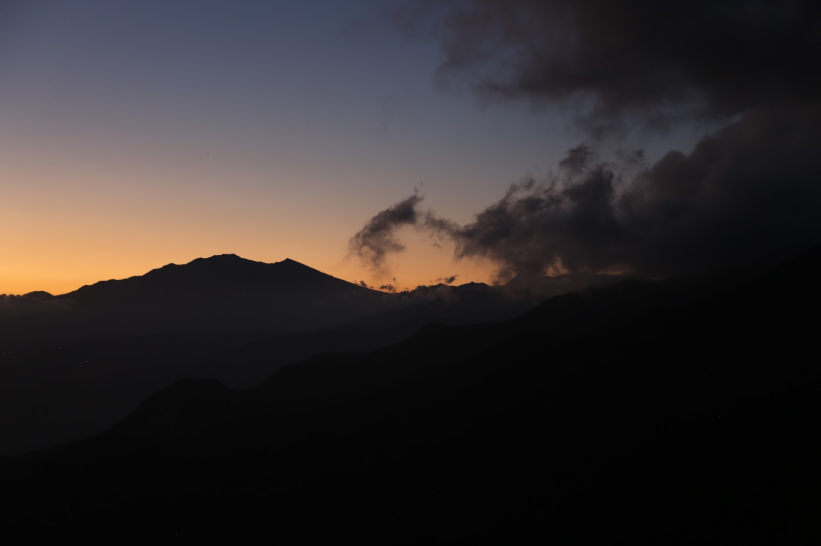
Guanico Panama: A Massive Guide to One of the Most Underrated Surf and Nature Destinations in the Country

Guanico is one of those places in Panama that quietly exists outside the main tourist spotlight, yet holds a powerful mix of raw Pacific coastline, consistent surf, rural culture, and wide open landscapes that feel untouched compared to more developed beach destinations in the country. Located on the Azuero Peninsula, Guanico sits in a region known for its dry tropical climate, rolling hills, cattle ranching landscapes, and long stretches of coastline that face directly into the Pacific Ocean, making it a magnet for surfers, nature lovers, and travelers looking for something far more rugged and authentic than resort style beach towns.

What makes Guanico especially interesting is its contrast to many other coastal destinations in Panama. While places like Santa Catalina or Bocas del Toro are more developed and internationally known, Guanico remains relatively quiet, with fewer crowds, less infrastructure, and a stronger connection to traditional rural life. The road to reach it often passes through dry forests, farmland, and small communities where life moves at a slower pace, and this transition alone sets the tone for what visitors can expect: a destination that feels grounded, open, and shaped more by nature than by tourism.

The coastline itself is one of Guanico’s most defining features. Long stretches of sand meet powerful Pacific swells that roll in consistently throughout the year, creating conditions that are especially attractive to surfers. The waves here are known for being reliable rather than crowded, and the beaches often feel wide and empty, giving the impression that you are experiencing a coastline that has not been heavily commercialized. Depending on conditions, surfers can find beach breaks and point influenced waves that vary in size and intensity, making the area suitable for different skill levels, although it is generally more appreciated by intermediate and experienced surfers who are comfortable with more natural and less controlled surf environments.

Beyond surfing, Guanico is surrounded by the unique ecology of the Azuero Peninsula, which is one of the most distinct environmental regions in Panama. This area is characterized by a dry tropical forest climate, meaning it receives less rainfall than the rainforest regions of the country, resulting in landscapes that shift dramatically between wet and dry seasons. During the dry season, the hills and fields take on golden and earthy tones, with sparse trees, cactus like vegetation in some areas, and wide open views that stretch toward the ocean. During the rainy season, however, the landscape transforms into a greener and more vibrant environment, with vegetation rapidly regenerating and wildlife becoming more active.

The rural culture surrounding Guanico is also an essential part of its identity. The Azuero Peninsula is often referred to as the cultural heartland of Panama, known for its traditions, festivals, music, and strong agricultural heritage. In and around Guanico, cattle ranching remains a major part of local life, and it is common to see open fields, grazing livestock, and farm roads leading toward the coast. This creates a very different atmosphere compared to tourist heavy beach towns, where development often dominates the coastline. Here, the relationship between land, ocean, and human activity feels more balanced and traditional.

Fishing is another important aspect of life in Guanico. Local fishermen often work the same waters that surfers ride, using small boats and traditional methods to harvest fish from the Pacific. This creates a layered coastal economy where surfing tourism, small scale fishing, and rural agriculture coexist. For visitors, this means that fresh seafood is often locally sourced, and the connection between what is caught in the ocean and what is served on the plate feels direct and authentic.

Wildlife in the region reflects the dry forest ecosystem. While Guanico does not have the dense rainforest biodiversity of places like the Caribbean side of Panama, it offers its own unique set of species adapted to drier conditions. Birds of prey can often be seen circling above open fields, iguanas and lizards are common in warmer areas, and coastal bird species move along the shoreline searching for food. In nearby forest patches, it is possible to find more tropical species, especially where vegetation becomes denser near water sources or seasonal streams.

One of the most appealing aspects of Guanico is its sense of space. The beaches are wide, the coastline is open, and the population density is low. This creates an environment where visitors often feel like they have large stretches of nature almost entirely to themselves. Sunsets over the Pacific are particularly dramatic, with long horizons, open sky, and changing colors that reflect off the ocean surface. Nights are quiet, often broken only by waves, wind, and distant natural sounds, reinforcing the feeling of isolation and simplicity that defines the area.

Unlike heavily developed tourist zones, Guanico does not rely on large resorts or structured entertainment systems. Instead, it attracts travelers who are looking for a more self directed experience. Surf camps, small guesthouses, and local accommodations provide the main infrastructure for visitors, and much of the experience revolves around outdoor activity, exploration, and connection with nature rather than organized tourism packages. This makes Guanico especially appealing to surfers, backpackers, and long term travelers who value simplicity and authenticity over luxury amenities.

Access to Guanico typically involves traveling through the interior of the Azuero Peninsula, passing through towns such as Las Tablas or Pedasi before heading toward the coastline. The journey itself is part of the experience, as it reveals the gradual shift from more populated agricultural zones to increasingly remote coastal environments. Roads may become narrower and more rural as you approach the ocean, reinforcing the sense that you are moving toward one of the quieter edges of Panama’s Pacific coast.

In many ways, Guanico represents a different side of Panama’s identity. While the country is often associated with rainforest biodiversity, canal infrastructure, and urban development in Panama City, places like Guanico highlight the diversity of landscapes that exist beyond those narratives. It is a place defined by open space, surf culture, rural tradition, and a direct relationship with the Pacific Ocean.

Ultimately, Guanico is not a destination built on spectacle or heavy tourism development. Instead, it is defined by atmosphere. Long empty beaches, consistent waves, dry tropical hills, fishing boats on the horizon, and a quiet rural rhythm create an experience that feels grounded and unpolished in the best possible way. For those willing to move beyond the more popular destinations in Panama, Guanico offers something increasingly rare: a coastline that still feels open, natural, and deeply connected to the land and sea that shape it.

Soberanía National Park Panama: A Massive Deep Dive into One of the Richest Rainforests in Central America

Soberanía National Park is one of the most important, biodiverse, and accessible rainforest parks in all of Central America, and it sits in a location that makes it uniquely powerful in both ecological and historical terms. Located just a short distance from Panama City and stretching along the eastern side of the Panama Canal, this protected forest is not only a sanctuary for wildlife but also a living green corridor that plays a critical role in maintaining the health of the canal watershed, stabilizing regional climate conditions, and preserving one of the most concentrated zones of tropical biodiversity on the planet. What makes Soberanía so remarkable is that it exists in a rare balance between deep wilderness and human proximity, meaning you can stand in dense primary rainforest filled with howler monkeys, toucans, and ancient trees while still being relatively close to one of the most modern cities in Latin America. It is this contrast that makes the park feel almost surreal, like a fragment of untouched jungle preserved inside a rapidly developing world.

The forest itself is a mixture of mature lowland tropical rainforest and secondary regrowth that has evolved over decades, creating a layered ecosystem with towering emergent trees, dense understory vegetation, winding vines, and thick canopy structures that form a living roof above much of the park. This structure supports an extraordinary variety of life, including hundreds of bird species, mammals such as capuchin monkeys, tamarins, sloths, coatis, and nocturnal creatures that rarely reveal themselves during the day. The density of biodiversity in Soberanía is so high that it is considered one of the premier birdwatching destinations in the entire Western Hemisphere, and researchers have documented more than five hundred species of birds within its boundaries. This makes it not just a park for casual exploration but a critical site for scientific research, ecological monitoring, and long term conservation studies.

One of the most famous features inside Soberanía is Pipeline Road, a long forest track that cuts deep into the jungle and has become legendary among birdwatchers from around the world. This road is often described as one of the best birding locations on Earth because of the sheer diversity of species that can be observed in a single day. Early morning walks along Pipeline Road can reveal mixed feeding flocks moving through the canopy, toucans calling from treetops, trogons flashing bright colors in filtered light, woodpeckers tapping on dead trunks, and raptors circling above the forest edge. The experience of walking this trail is not just about spotting individual species but about witnessing the complexity of a functioning tropical ecosystem, where every sound and movement is part of a larger natural rhythm that has existed long before human presence in the region.

Beyond its birdlife, Soberanía is also home to a rich mammal population that is far more active than many visitors initially expect. While large mammals are rarely seen in open daylight, the park supports populations of white faced capuchin monkeys, Geoffroy’s tamarins, agoutis, deer, and even elusive predators that move silently through the undergrowth. At night, the forest transforms completely, becoming a different world filled with insects, frogs, and nocturnal mammals that emerge under darkness. The soundscape shifts from daytime bird calls to a layered chorus of crickets, frogs, and distant animal movement that reflects the continuous life cycle of the rainforest. Even when animals are not visible, the sense of life is constant and overwhelming, creating an atmosphere that feels both ancient and alive.

Hydrologically and environmentally, Soberanía plays a role far beyond its boundaries. The forest is part of the watershed system that feeds the Panama Canal, meaning that rainfall captured in these trees eventually contributes to the freshwater supply that allows global shipping traffic to pass between oceans. The trees act as natural regulators of water flow, reducing erosion, stabilizing soil, and controlling runoff during heavy tropical rains. Without forests like Soberanía, the water system that supports the canal and surrounding human populations would be far less stable. This makes the park not only a conservation area but also a critical piece of infrastructure in its own right, even though its infrastructure is entirely natural.

The plant life inside the park is equally impressive. Giant rainforest trees dominate the upper canopy, while beneath them a dense understory of palms, ferns, orchids, and epiphytes creates a complex vertical ecosystem. Vines and lianas connect different layers of the forest, allowing animals to move between trees and creating natural pathways that have existed for centuries. Some trees in Soberanía are estimated to be hundreds of years old, standing as silent witnesses to centuries of ecological change, colonial history, and modern development in Panama. The forest floor is rich with decomposing organic matter, fungi, insects, and seedlings that constantly regenerate the system, making the rainforest one of the most efficient recycling ecosystems on Earth.

For visitors, one of the most striking aspects of Soberanía is how quickly the environment transitions from urban proximity to deep jungle. Within a relatively short drive from Panama City, the landscape shifts from highways and buildings to dense green corridors where visibility is reduced to only a few meters in some areas. This accessibility makes the park an ideal destination for both experienced naturalists and casual travelers who want to experience true rainforest without traveling deep into remote regions of the country. Despite its accessibility, the forest still feels wild and intact, offering a genuine sense of immersion that is increasingly rare in tropical regions worldwide.

The experience of exploring Soberanía is also highly sensory. The humidity is constant, the air is thick with the scent of vegetation and wet earth, and every step along the trail produces subtle sounds of leaves, insects, and distant animal calls. Light behaves differently in the rainforest, filtering through layers of canopy in broken beams that shift throughout the day. Even silence in the forest feels full, as if the absence of human noise is replaced by a deeper natural presence that is always active just beyond perception.

Ultimately, Soberanía National Park represents far more than a protected area. It is a living system that connects wildlife, water, climate, and human infrastructure in a way that demonstrates how deeply interconnected natural and human systems can be. It is a place where biodiversity is not abstract but visible, where ecological processes are happening in real time, and where visitors can step directly into one of the most important rainforest environments in the region without needing to travel far from the capital. Whether you are there to see toucans in the canopy, listen to howler monkeys echoing through the forest, or simply walk through ancient trees that have stood for centuries, Soberanía delivers an experience that is both scientifically significant and deeply immersive, making it one of the true natural treasures of Panama.

Toucans of Panama: The Colorful Giants of the Canopy and Where to See Them in the Wild

Few birds in the tropics are as instantly recognizable as the toucan. With its enormous rainbow colored bill, jet black body, and almost unreal proportions, it looks like something designed for a painting rather than something that evolved in a rainforest. Yet in Panama, toucans are not rare or mythical creatures. They are a real and often surprisingly common part of the forest canopy, especially if you know where and when to look.

Panama is one of the best countries in Central America for toucan sightings because of its unique geography. Sitting between North and South America, it acts as a biological bridge where species from both continents overlap. This creates an extraordinary level of biodiversity, and toucans are among the most visible symbols of that richness.

To understand where to see them in the wild, it helps to understand how they live, how they move through the forest, and why Panama’s ecosystems are so perfect for them.

What Makes Toucans So Unique

Toucans belong to a bird family known for oversized, colorful bills that appear almost exaggerated in shape. In Panama, the most commonly encountered species include the Keel billed toucan and the Collared aracari, both of which are strikingly colorful and highly social birds.

Despite its size, the toucan’s bill is surprisingly light. It is built from a thin keratin shell supported by a hollow internal structure, which reduces weight while still allowing strength and precision. This adaptation helps toucans reach fruit on delicate branches that might not support heavier animals.

Toucans are primarily fruit eaters, but they are opportunistic feeders. Their diet can also include insects, eggs, and small vertebrates when available. This flexibility allows them to survive in a wide range of forest conditions across Panama.

Ecologically, they are extremely important because they act as seed dispersers. As they eat fruit and move through the canopy, they spread seeds across large distances, helping regenerate forests and maintain biodiversity. In many ways, toucans are essential gardeners of the rainforest.

The Sound of a Toucan Before You See It

One of the most reliable ways to detect toucans is by sound.

Their calls are deep, hollow, and somewhat frog like or barking in tone. They do not sing like smaller birds. Instead, they communicate with loud croaks and calls that echo through the forest canopy.

In dense rainforest, sound often travels farther than sight. This means toucans are frequently heard before they are seen. A sudden series of croaking calls above the trees is often the first clue that a toucan is nearby.

Once you hear them, it becomes a game of patience. You scan the canopy, waiting for movement or color to reveal their position.

Best Places to See Toucans in Panama

Toucans are widely distributed throughout Panama, but some habitats offer much higher chances of sightings. The key is mature forest with fruiting trees and sufficient canopy cover.

Below are the most reliable regions for seeing them in the wild.

Soberanía National Park A Birdwatching Hotspot

One of the best places in the country to see toucans is Soberanía National Park.

Located just outside Panama City along the Panama Canal corridor, this protected rainforest is one of the most studied bird habitats in Central America. It contains a mix of primary and secondary tropical forest, making it ideal for a wide variety of bird species, including toucans.

Early morning is the most productive time. As the forest becomes active, toucans move through the canopy feeding on fruiting trees. They are often seen in pairs or small groups and can sometimes be observed sitting in exposed branches or flying between treetops.

Because of its accessibility and biodiversity, Soberanía is considered one of the most reliable places in Panama for toucan sightings.

Pipeline Road One of the World’s Famous Birding Routes

Inside Soberanía lies Pipeline Road, one of the most famous birdwatching routes in the world.

This long forest track passes through untouched rainforest and is known for its exceptional bird diversity. Toucans are frequently spotted here, especially during early morning hours when mixed flocks move through the canopy.

Visitors often see toucans flying across the road, feeding in fruiting trees, or resting in tall emergent branches above the forest trail.

For bird enthusiasts, this is one of the most productive toucan viewing areas in all of Panama.

Boquete and the Chiriquí Highlands

The highland region of western Panama is another excellent area for toucan sightings.

Around Boquete, cloud forest edges and forest patches provide ideal conditions for species like the Collared aracari.

Unlike deep lowland rainforest toucans that stay high in dense canopy, highland toucans are sometimes easier to observe at mid canopy level or even near forest edges.

Morning hours are particularly good because birds descend to feed before retreating into the canopy as the day warms.

The cooler climate and misty environment of the highlands also create dramatic viewing conditions, especially when toucans appear through drifting fog or low cloud cover.

Darién National Park The Wild Stronghold

For the most pristine toucan habitat in Panama, the Darién region is unmatched.

Darién National Park is one of the largest and most biologically rich rainforest areas in Central America. It is remote, largely untouched, and home to vast expanses of primary jungle.

Toucans are abundant here, but sightings can be more challenging due to the density of the forest. When they do appear, it is often in pristine canopy environments far from human disturbance.

This region represents the purest form of toucan habitat in Panama and offers some of the most authentic rainforest wildlife experiences in the country.

Canal Corridor Forests Surprisingly Reliable Sightings

One of the most interesting aspects of Panama is that toucans are not limited to remote wilderness areas.

Even in forest corridors near the Panama Canal, toucans are frequently observed moving between tall trees in protected green zones.

These areas combine secondary forest growth with preserved rainforest patches, creating suitable conditions for fruiting trees and canopy travel routes.

As a result, even short visits to canal region forests can produce toucan sightings without deep jungle travel.

Best Time of Day and Season

Timing is crucial for seeing toucans.

The best time of day is early morning or late afternoon when birds are actively feeding.

During midday heat, toucans usually rest high in the canopy and become much harder to observe.

Seasonally, fruit availability plays a major role. When trees are fruiting heavily, toucans gather in larger numbers and become easier to find.

After rainy periods, feeding activity often increases as forests produce more fruit.

How to Spot Toucans in the Wild

Even though toucans are large birds, they can be surprisingly difficult to see because they spend most of their time high in the canopy.

Helpful signs include:

Loud croaking calls echoing above the forest

Sudden movement in treetop fruiting trees

Bright flashes of yellow orange or green between branches

Silhouettes perched on exposed dead trees

Small groups of birds moving together through canopy

Patience is essential. Often the best sightings come after standing quietly in one place and observing the treetops for movement.

Why Toucans Are Ecologically Important

Toucans play a vital role in Panama’s ecosystems.

As fruit eaters and seed dispersers, they help regenerate forests by moving seeds across long distances. Many tree species depend on toucans to spread their seeds to new areas where they can grow.

Without toucans and other frugivorous birds, tropical forests would regenerate more slowly and lose some of their biodiversity over time.

They are not just colorful animals in the canopy. They are essential workers in the life cycle of the rainforest.

The Moment a Toucan Appears...

Seeing a toucan in the wild is one of the most memorable experiences in Panama’s natural world.

Whether it is a sudden flash of color above the canopy in Soberanía, a distant silhouette moving through misty branches in Boquete, or a brief glimpse deep in the wilderness of Darién, the moment always feels special.

For a few seconds, the forest seems to pause. The oversized bill cuts through green leaves. The bird calls out with its deep echoing sound. And then it disappears again into the canopy.

That brief encounter is what makes toucans so unforgettable.

In Panama, they are never far away. You just have to listen, look up, and wait for the forest to reveal them.

Panama Park Fees Explained The Complete Guide to National Parks Jungle Access Hidden Costs and Where Nature is Still Free Including Lost and Found Hostel and Fortuna

Panama is one of those rare countries where you can wake up in a rainforest filled with howler monkeys hike through cloud forest in the afternoon and end the day watching the sun drop into the Pacific or Caribbean. It is a country where biodiversity is not a slogan but a lived reality where nature is never far away and where even major infrastructure like the Panama Canal depends directly on surrounding ecosystems.

But there is one thing many travelers do not fully understand until they arrive and start exploring Panama parks and natural areas are not all free and the system is not uniform

Some places require entrance fees some require guides some charge only a few dollars some are completely free some look like national parks but are actually informal forest corridors with no gate at all and some of the most unforgettable jungle experiences in the country exist outside any formal system entirely

This creates a fascinating sometimes confusing but ultimately very backpacker friendly reality you can experience world class nature in Panama whether you are paying a few dollars or nothing at all depending on where you go.

The Real Purpose of Park Fees in Panama

Before diving into specific parks and regions it is important to understand why park fees exist in the first place

Panama is one of the most biologically rich countries on Earth It sits at the crossroads of North and South America meaning species from both continents overlap in the same forests Jaguars sloths toucans harpy eagles monkeys frogs orchids and thousands of insect species all share relatively small spaces of land compared to global standards

To protect this biodiversity Panama has established a network of protected areas managed primarily by the national environmental authority Entry fees are used for very practical reasons

They help pay for park rangers who patrol forests and prevent illegal logging or hunting They fund trail maintenance so jungle paths do not disappear under vegetation They support visitor infrastructure like bridges signage and basic safety systems And in some cases they contribute to broader conservation programs that protect watersheds wildlife corridors and endangered species habitats

In short park fees are not about tourism profit they are about keeping ecosystems functioning

Most fees are deliberately kept low to encourage access while still generating enough support to maintain protection systems

How Much Do Park Fees Actually Cost

One of the biggest surprises for visitors is just how affordable most protected areas are

In many national parks and reserves across Panama entrance fees are typically only a few dollars per person Some parks charge slightly more depending on whether you are a resident or international visitor but even then costs usually remain modest compared to nature tourism in many other countries

A typical range across different protected areas might look like this

Small forest reserves often just a few dollars

Major national parks low single digit to around ten dollars

Special protected islands or marine parks higher depending on logistics

Guided only areas additional costs for transport or guides

Even at the higher end Panama remains very accessible for travelers who want to explore nature extensively without spending large amounts of money

However the key point is not just price it is variation

Because Panama does not operate as a single unified park system experience each region can feel completely different in terms of access rules payment structure and enforcement.

Where Park Fees Feel Most Structured

In certain famous protected areas the system is very clear you arrive you pay you enter and you explore

These are usually official national parks with established ranger stations and formal management systems Examples include rainforest parks near the Panama Canal watershed volcanic highland parks and marine protected zones

One of the best known systems is around the central region where the rainforest plays a direct role in maintaining water supply for the Panama Canal In these areas entry is usually controlled through ranger stations and fees contribute to protecting the watershed that keeps one of the world’s most important shipping routes operational

These parks tend to feel organized regulated and structured Trails are marked rules are posted and visitor access is monitored

This is the official Panama nature experience and it is excellent for wildlife viewing birdwatching and guided exploration

But it is only part of the story

The Wild Side Where Nature Has No Gate

Outside the formal national park system Panama becomes something very different

There are vast areas of forest especially in the highlands and rural regions where there is no entrance booth no ticket office and no official fee system at all

Instead you find

Dirt roads disappearing into cloud forest

Unmarked hiking trails used by locals

Private land that blends into wild jungle

Rivers waterfalls and mountain ridges without formal infrastructure

Small eco lodges and hostels acting as informal gateways into nature

This is where things get especially interesting for travelers

Because in Panama some of the most beautiful nature experiences do not require a park ticket at all

Fortuna One of the Most Important Free Nature Regions

One of the clearest examples of this is the mountain region around Fortuna in Chiriqui Province

Unlike heavily regulated national parks Fortuna is a landscape where forest farmland and cloud forest ecosystems blend together It sits in a transition zone where biodiversity is extremely high and access is relatively open compared to protected parks with formal entry points

There is no standard entrance gate for walking into the surrounding forest areas No central ticket system No required park fee just to explore trails or enjoy the cloud forest environment

Instead access often feels fluid You move from roads into forest edges from cleared land into dense jungle from open terrain into mist covered mountain vegetation

This creates a very different experience from formal national parks It feels less like visiting a managed attraction and more like stepping into a living landscape that exists beyond strict boundaries

Lost and Found Hostel A Jungle Base Without Park Fees

One of the most famous examples of this type of experience is Lost and Found Hostel in Fortuna Forest Reserve Chiriqui Panama

Set deep in the mountains surrounded by dense cloud forest Lost and Found is not inside a traditional national park system with entrance gates and ticket booths Instead it sits directly within a wild forest environment where guests can walk into nature immediately upon stepping outside

There is no separate park entrance fee required just to experience the surrounding jungle The forest is part of the natural landscape of Fortuna and many of the trails accessed by guests feel more like exploring an open ecosystem than entering a regulated tourist site

This is one of the reasons travelers often describe the area as feeling raw or untamed compared to more structured parks

You can hike explore and encounter wildlife such as birds insects and nocturnal mammals without going through a formal park entry process It creates a unique contrast with other parts of Panama where even short forest walks require official payment and registration

It is important to understand that this does not mean the area lacks ecological importance On the contrary the surrounding Fortuna forests are part of a highly biodiverse mountain ecosystem The difference lies in access management rather than ecological value

Why Some Nature is Free and Some is Paid

The reason Panama has both paid and free nature access comes down to land classification and governance

Protected national parks are designated by the government meaning access is regulated and funded through official systems

But large parts of Panama forest landscape exist outside formal park boundaries Some are private land some are community managed some are mixed use rural zones and some are simply remote natural areas that have not been formally converted into national parks

This creates a layered system

Official parks equal structured entry plus fees plus rangers

Rural forest zones equal open access or informal access

Private eco lodges equal controlled access but often no park fee

For travelers this means flexibility but also the need to understand where rules apply and where they do not.

Hidden Costs People Do Not Expect

Even when park fees are low Panama nature experiences sometimes come with indirect costs that travelers do not immediately anticipate

These can include

Transport to remote parks

Boat access for islands or marine reserves

Mandatory guides in certain protected areas

Equipment rental such as boats kayaks or hiking support

Community entrance contributions in some rural areas

So while the official entry fee might be small the total cost of reaching and experiencing certain parks can vary widely

This is especially true in remote biodiversity hotspots where logistics are part of the experience

Why Panama Keeps Access Affordable

Despite these layers of variation Panama remains one of the more accessible countries in the region for nature tourism

The reason is strategic

Panama understands that its greatest long term asset is its biodiversity Forests wildlife rivers and mountains are not just scenic attractions they are part of national identity water security and climate stability

Keeping park fees low encourages both domestic and international visitors to engage with nature It also helps build public support for conservation since people are more likely to value ecosystems they can actually experience

At the same time conservation funding remains essential which is why even small fees play an important role

The Bigger Picture A Country Built on Nature

When you step back and look at Panama as a whole the park fee system reflects something larger a country balancing development and conservation in real time

On one side you have protected national parks with structured entry systems designed to preserve ecosystems for the future

On the other side you have vast stretches of accessible forest mountain regions like Fortuna and places like Lost and Found Hostel where nature feels immediate open and unfiltered

And between those two extremes lies the full spectrum of Panamanian nature experience

Final Thought Fees or No Fees the Forest Always Wins

Whether you pay a few dollars to enter a national park or nothing at all while hiking through cloud forest near Fortuna the result is often the same you are surrounded by one of the most biodiverse environments on Earth

You hear howler monkeys in the distance you see birds flashing through the canopy you walk under ancient trees covered in moss and orchids you feel humidity mist sunlight and silence all at once

And in that moment the question of park fees becomes secondary

Because in Panama whether managed protected or freely accessed the real value of nature is not measured at the entrance gate it is measured in the experience itself

The Painted Rabbit of Panama: The Fascinating Secret of the Tropical Forest

Among the countless animals that inhabit the forests of Panama, few are as misunderstood, mysterious, and beloved as the painted rabbit. Visitors often arrive in Panama hoping to see sloths hanging from trees, colorful toucans flying overhead, troops of monkeys moving through the canopy, or perhaps even a jaguar deep within the jungle. Yet many leave with stories about a completely different creature: a spotted, rabbit-like animal that appears suddenly on a forest trail before disappearing back into the vegetation almost as quickly as it arrived.

The painted rabbit is one of Panama's most recognizable mammals, despite the fact that it is not actually a rabbit at all.

Known scientifically as Cuniculus paca, the animal is commonly called the paca in English. In Panama and much of Central America, however, many people refer to it as the painted rabbit because of the beautiful rows of white spots and stripes that decorate its dark brown body. These markings give the animal an almost hand-painted appearance, creating one of the most striking coat patterns found among tropical mammals.

For many travelers exploring Panama's forests, spotting a painted rabbit becomes one of the highlights of their trip. Although it lacks the fame of monkeys or sloths, the paca represents something uniquely tropical and offers a fascinating glimpse into the hidden world of the rainforest floor.

Not Actually a Rabbit

The first surprise for many people is learning that the painted rabbit is not a rabbit.

At first glance, the nickname seems reasonable. The animal has a compact body, relatively short legs, and a somewhat rabbit-like appearance. However, the painted rabbit belongs to an entirely different group of mammals.

The paca is actually a large rodent.

In fact, it ranks among the largest rodents found in the Americas.

Adult painted rabbits can weigh between 6 and 14 kilograms, making them substantially larger than most rabbits people encounter elsewhere in the world. Some particularly large individuals can become even heavier.

Despite being rodents, pacas are remarkably attractive animals. Their sleek coats, large dark eyes, rounded ears, and distinctive spotted patterns make them one of the most visually appealing mammals in the tropical forests of Panama.

Many first-time observers are surprised by how beautiful they are.

Why Is It Called a Painted Rabbit?

The nickname comes directly from the animal's extraordinary markings.

Rows of white spots extend along both sides of the body, creating a pattern that appears almost artistic. In certain lighting conditions, particularly when a flashlight illuminates the animal at night, the spots seem to glow against the dark fur.

The markings are unique among the mammals of Panama.

Unlike many forest animals that rely primarily on camouflage through uniform colors, the painted rabbit combines camouflage with patterning that breaks up its outline. In the dappled light of the rainforest, where sunlight filters through leaves and branches, the spots help the animal blend into its surroundings.

Nature has effectively painted the animal with a design perfectly suited for life in the forest.

One of Panama's Most Important Forest Mammals

Although it may not receive as much attention as larger wildlife species, the painted rabbit plays a critical role in tropical ecosystems.

Pacas are primarily herbivores.

They feed on:

Fallen fruits

Seeds

Nuts

Leaves

Shoots

Roots

Various plant materials

Their diet makes them important seed dispersers within the forest.

As they move through the jungle searching for food, they help transport seeds to new locations. Some seeds pass through the digestive system and are deposited elsewhere. Others are buried and forgotten, eventually growing into new trees.

In this way, painted rabbits contribute directly to forest regeneration.

Many of Panama's forests depend upon animals like the paca to help maintain ecological balance.

Masters of the Night

One reason painted rabbits remain relatively unknown to many visitors is that they are primarily nocturnal.

During the day they spend much of their time hidden within burrows, dense vegetation, hollow logs, or protected areas near streams and rivers.

As darkness falls, however, they become active.

The nighttime forest reveals an entirely different world.

While most tourists are asleep, painted rabbits emerge to forage along trails, riverbanks, and forest clearings.

Their large eyes are perfectly adapted for low-light conditions. They move quietly through the undergrowth, often stopping suddenly if they detect potential danger.

Many wildlife enthusiasts consider them one of the most exciting mammals to encounter during a night hike.

Excellent Swimmers

One of the painted rabbit's most impressive abilities is its relationship with water.

Unlike true rabbits, pacas are exceptionally strong swimmers.

Many individuals establish territories near rivers, streams, wetlands, and ponds.

If threatened by predators, they often escape directly into water.

Some can remain submerged for surprisingly long periods while avoiding danger.

Others use underwater routes to reach safety.

This adaptation provides an important advantage in the tropical forests of Panama, where water is abundant and predators are numerous.

Their swimming ability often surprises people who assume they behave similarly to ordinary rabbits.

Where Can You See Painted Rabbits in Panama?

The painted rabbit occurs throughout much of Panama and can be found in a variety of habitats.

These include:

Lowland rainforests

Cloud forests

Secondary forests

River corridors

Protected reserves

Agricultural areas adjacent to forest

Some of the best opportunities occur in protected natural areas where wildlife populations remain healthy.

Visitors occasionally encounter painted rabbits in:

Soberanía National Park

Darién National Park

La Amistad International Park

Volcán Barú National Park

However, one of the most reliable ways to search for them is during organized night walks in forested regions.

Painted Rabbits at Lost and Found Hostel

One particularly memorable location for wildlife enthusiasts is the forest surrounding Lost and Found Hostel.

Located within a rich mountain forest ecosystem, the hostel attracts travelers interested in wildlife, birdwatching, hiking, and nature photography.

Because the surrounding forest remains relatively intact, nighttime walks occasionally reveal a variety of nocturnal creatures.

Among the most exciting sightings is the painted rabbit.

Guests walking quietly through the darkness may suddenly catch the reflection of large eyes in a flashlight beam. A moment later, a spotted paca may emerge from the vegetation before vanishing back into the forest.

These encounters often last only seconds, yet they become some of the most memorable wildlife experiences of an entire trip.

Many travelers arrive hoping to see monkeys or sloths and leave talking about the mysterious painted rabbit they encountered after sunset.

Life in a Dangerous Forest

The forests of Panama contain numerous predators.

Painted rabbits must constantly remain alert.

Potential threats include:

Ocelots

Jaguars

Pumas

Boa constrictors

Large birds of prey

Humans

To survive, pacas rely on a combination of keen hearing, excellent smell, rapid acceleration, and access to water.

When startled, they can burst into motion with astonishing speed.

Their powerful legs allow them to sprint through dense vegetation while navigating obstacles that would slow larger animals.

Family Life

Painted rabbits generally live solitary lives.

Unlike some mammals that form large groups, adult pacas typically spend much of their time alone.

Males and females come together for breeding, after which females raise the young.

A mother usually gives birth to a single offspring.

The young develop relatively quickly and soon begin learning the skills necessary for survival in the forest.

This low reproductive rate means that populations recover more slowly than those of many smaller rodents.

As a result, conservation and sustainable management are important for maintaining healthy populations.

A Favorite Animal in Rural Panama

Throughout Panama, the painted rabbit occupies an interesting place in local culture.

Many rural residents are familiar with the species.

Farmers, hunters, indigenous communities, and people living near forests often know the animal well.

Stories about pacas have circulated for generations.

Their secretive behavior, nighttime habits, and elusive nature have helped make them one of the iconic mammals of the tropical forest.

Unlike some species that spend their lives high in the canopy, painted rabbits inhabit the same level of the forest that people experience while walking.

This makes encounters feel especially personal and memorable.

Conservation Challenges

Like many wildlife species, painted rabbits face challenges associated with habitat loss.

Deforestation reduces available habitat and can isolate populations.

As forests become fragmented, animals may find it more difficult to move between suitable areas.

Road construction can also increase mortality.

Fortunately, Panama still retains significant areas of protected forest, providing important refuges for the species.

National parks, biological reserves, indigenous territories, and conservation initiatives all contribute to preserving habitats where painted rabbits can continue to thrive.

Why the Painted Rabbit Matters

It would be easy to overlook a medium-sized rodent in a country famous for jaguars, harpy eagles, and colorful tropical birds.

Yet the painted rabbit represents something essential about Panama.

It embodies the richness of the country's biodiversity.

It demonstrates how even relatively common animals can play vital ecological roles.

It reminds visitors that some of the most fascinating wildlife encounters involve species that rarely appear on postcards or travel brochures.

The painted rabbit is not the largest mammal in Panama.

It is not the most famous.

It is not the most colorful.

Yet for those fortunate enough to encounter one moving silently through the forest at night, it often becomes one of the most unforgettable animals they see.

The Secret Jewel of the Forest

In many ways, the painted rabbit perfectly represents the magic of Panama's forests.

It is beautiful without being flashy.

Common yet surprisingly difficult to find.

Important but often overlooked.

Quiet, mysterious, and deeply connected to the health of the ecosystem around it.

Whether encountered in the vast wilderness of Darién, along a river in a tropical rainforest, or during a night walk near Lost and Found Hostel in the Fortuna Forest Reserve, the painted rabbit offers a glimpse into a hidden world that most people never see.

For those who venture into Panama's forests after dark, listen carefully and watch the edges of the trail. A pair of glowing eyes may suddenly appear in the beam of a flashlight. If you're lucky, one of the country's most fascinating mammals will step into view for a brief moment before disappearing once again into the shadows of the rainforest.

The Disappearing Forests: Understanding Deforestation in Panama

Panama is often portrayed as a nation of lush rainforests, misty cloud forests, tropical wildlife, and extraordinary biodiversity. Visitors arrive expecting endless green landscapes filled with monkeys, toucans, sloths, orchids, and towering trees. In many parts of the country, those expectations are still met. Vast stretches of jungle remain, particularly in places such as Darién National Park, Soberanía National Park, and the forests surrounding Boquete and the Fortuna region. Yet behind the postcard images lies one of the most important environmental challenges facing Panama today: deforestation.

Deforestation is the large scale removal of forests and trees, usually to make way for other land uses such as cattle ranching, agriculture, development, infrastructure, or logging. Although Panama still possesses significant forest cover compared to many countries, its forests have changed dramatically over the past century. Areas that were once covered by dense tropical forest have been converted into pasture, farms, roads, settlements, and industrial projects. In some regions, the transformation has been so extensive that it is difficult to imagine what the landscape looked like before large scale clearing began.

The story of deforestation in Panama is not simply about trees being cut down. It is a story about economics, population growth, agriculture, conservation, biodiversity, water resources, climate change, and the difficult challenge of balancing development with environmental protection.

A Country Once Dominated by Forest

Long before the arrival of Europeans, Panama was overwhelmingly forested. Dense tropical rainforests covered much of the isthmus from coast to coast. Indigenous communities lived within these ecosystems and developed ways of using forest resources while maintaining the natural balance of the landscape.

The forests of Panama supported extraordinary biodiversity. Jaguars roamed vast territories. Harpy eagles nested in giant emergent trees. Tapirs moved through river valleys. Countless species of birds, amphibians, insects, reptiles, and plants thrived in habitats that stretched across much of the country.

For thousands of years, these forests formed one of the most biologically rich regions on Earth.

The Arrival of Large Scale Land Clearing

The pace of deforestation accelerated significantly during the twentieth century.

As roads expanded into remote areas, access to previously untouched forests became easier. New agricultural opportunities encouraged settlement in regions that had once been difficult to reach. Cattle ranching expanded throughout many provinces, becoming one of the primary drivers of forest loss.

In numerous parts of Panama, the pattern repeated itself.

A forested area would be cleared.

Trees would be burned or removed.

Pasture would be established.

Cattle would be introduced.

The landscape would gradually transform from rainforest into open grassland.

For many decades, clearing forest was often viewed as a sign of economic progress. A piece of land covered in trees was frequently considered "unused," while cleared land was viewed as productive.

This perspective contributed to the loss of millions of trees across the country.

Cattle Ranching and Forest Loss

One of the biggest drivers of deforestation in Panama has been cattle ranching.

Across provinces such as Chiriquí, Veraguas, Los Santos, Herrera, Coclé, and parts of Darién, large areas of forest were converted into grazing land.

The transformation can often be seen when traveling through rural Panama today.

Rolling hills covered in pasture stretch across landscapes that were once forested.

Scattered trees may remain, but the dense canopy that previously supported wildlife has disappeared.

The relationship between cattle ranching and deforestation is not unique to Panama. Similar patterns have occurred throughout much of Latin America. However, because Panama contains such rich biodiversity, the ecological consequences can be especially significant.

When forests are replaced by pasture, countless species lose habitat. Animals that depend upon large continuous forest areas often struggle to survive in fragmented landscapes.

The Special Case of Darién

Perhaps nowhere is the issue of deforestation more visible and concerning than in the Darién region.

Darién National Park remains one of the largest protected wilderness areas in Central America and is recognized as a UNESCO World Heritage Site. The region contains some of the most intact tropical forests in the Americas and supports an astonishing variety of wildlife.

Yet deforestation pressures continue to affect areas surrounding the park.

Road expansion, agricultural development, land speculation, and illegal clearing have all contributed to forest loss in parts of Darién. Satellite imagery over the years has revealed growing patches of cleared land spreading into previously forested regions.

Conservationists often describe Darién as one of the most important environmental battlegrounds in Panama because what happens there will influence the future of some of the country's last great wilderness areas.

Why Forests Matter More Than Many People Realize

When people hear the word deforestation, they often think simply about trees being removed.

The reality is much more complex.

Forests provide countless benefits that extend far beyond the trees themselves.

They regulate water cycles.

They help prevent soil erosion.

They reduce flooding.

They store carbon.

They influence local rainfall patterns.

They support agriculture.

They provide habitat for wildlife.

They contribute to tourism.

They help maintain water quality.

When forests disappear, these benefits are often diminished or lost.

The consequences may not always be immediate, but over time they can affect entire regions.

Deforestation and Water Resources

One of the most important functions of forests in Panama is their role in protecting water resources.

Trees act like giant natural sponges.

Their roots absorb water.

Their leaves slow rainfall.

Their presence helps regulate river flow.

When forests are removed, water often runs off more quickly, increasing erosion and sedimentation.

This is particularly important in a country that depends heavily on reliable water supplies.

Even the operation of the Panama Canal is connected to forest conservation. The canal depends on freshwater reservoirs fed by rainfall within protected watersheds. Maintaining healthy forests helps ensure that these watersheds continue functioning effectively.

Without forests, water management becomes significantly more difficult.

Wildlife Loses Its Home

Panama is one of the most biologically diverse countries in the world.

Scientists have recorded more than a thousand bird species, hundreds of mammal species, thousands of plant species, and an extraordinary variety of reptiles, amphibians, and insects.

Many of these species depend directly on forests.

When forests are fragmented or removed, wildlife populations can decline dramatically.

Large animals such as jaguars require extensive territories.

Harpy eagles depend upon mature forest trees for nesting.

Certain frogs may survive only within specific forest conditions.

Many species simply cannot adapt to open pastureland.

As forests shrink, isolated wildlife populations become increasingly vulnerable.

Climate Change and Carbon Storage

Forests also play a major role in combating climate change.

Trees absorb carbon dioxide from the atmosphere through photosynthesis and store it within their trunks, branches, roots, and surrounding soils.

Large tropical forests represent enormous carbon reservoirs.

When forests are cut down, some of that stored carbon is released back into the atmosphere.

This contributes to global climate change.

Protecting forests therefore benefits not only Panama but also the broader global environment.

In recent years, this connection between forests and climate has become increasingly important in conservation planning.

Signs of Hope

Despite the challenges, there are encouraging developments.

Panama has become a regional leader in several conservation initiatives. Protected areas cover significant portions of the country, and many forests that might otherwise have been lost remain intact because of national parks and reserves.

Important protected areas include:

Coiba National Park

La Amistad International Park

Darién National Park

Volcán Barú National Park

Soberanía National Park

These protected landscapes preserve critical habitats while supporting tourism, scientific research, and ecosystem services.

Panama has also participated in reforestation efforts designed to restore degraded land and reconnect fragmented habitats.

Ecotourism Creates Economic Incentives

One positive trend is the growth of ecotourism.

Visitors travel to Panama specifically to experience its forests, wildlife, and natural beauty.

Destinations such as Boquete, Bocas del Toro, and the forests surrounding Lost and Found Hostel attract travelers seeking nature experiences rather than urban development.

This creates an important economic incentive.

A standing forest can generate income through tourism year after year.

A cleared forest often provides only short-term benefits.

As more communities recognize the economic value of conservation, protecting forests becomes increasingly attractive.

Reforestation and Forest Recovery

Interestingly, not all forest trends in Panama are negative.

In some regions, abandoned pastureland has begun returning to forest.

Young secondary forests are growing on land that was previously cleared decades ago.

Although these forests do not immediately replace old-growth ecosystems, they can gradually provide habitat, store carbon, and improve environmental conditions.

Panama has become known internationally for some of its reforestation initiatives, demonstrating that degraded landscapes can recover when given sufficient time and protection.

The Future of Panama's Forests

The future of deforestation in Panama will largely depend on decisions made over the coming decades.

Population growth, infrastructure development, agriculture, and economic pressures will continue creating demands for land.

At the same time, awareness of environmental issues is growing.

Many Panamanians recognize that forests are among the country's greatest natural assets.

The challenge is finding ways to balance development with conservation.

Protecting forests does not mean preventing progress.

Rather, it means ensuring that progress occurs in a way that preserves the natural systems upon which future generations depend.

More Than Just Trees

Ultimately, deforestation is not simply about the loss of individual trees.

It is about the loss of entire ecosystems.

It is about water resources, wildlife habitats, climate regulation, soil protection, tourism opportunities, and cultural heritage.

The forests of Panama are among the most valuable natural resources in the country. They support an extraordinary web of life that has evolved over millions of years and continues to provide benefits every single day.

The future of Panama's forests will help determine the future of Panama itself. Whether in the remote jungles of Darién, the cloud forests of Chiriquí, the canal watershed, or the countless smaller forests scattered throughout the country, these landscapes represent far more than collections of trees. They are living systems that sustain biodiversity, support communities, and contribute to the identity of one of the most biologically rich nations on Earth.

The story of deforestation in Panama is still being written. The decisions made today will shape the forests, wildlife, rivers, and landscapes that future generations inherit tomorrow.

Giants of the Isthmus: The Extraordinary World of Trees in Panama

Panama is often celebrated for its tropical beaches, colorful wildlife, world-famous canal, and astonishing biodiversity. Visitors arrive hoping to see toucans, monkeys, sloths, sea turtles, whales, and orchids. Yet hidden in plain sight is one of the country's greatest natural treasures: its trees.

Towering above the forest floor, shaping entire ecosystems, feeding wildlife, storing water, capturing carbon, and providing shelter for countless species, Panama's trees are among the most important living things in the country. They are the architects of the rainforest, the guardians of watersheds, and the silent giants that have witnessed centuries of history. Some trees standing in Panama today were already mature when pirates sailed the Caribbean, when Spanish explorers crossed the isthmus, and perhaps even when indigenous civilizations flourished long before European arrival.

To truly understand Panama, one must understand its trees.

They are everywhere. From the cloud forests of Chiriquí to the dense wilderness of Darién, from the mangrove swamps of both coasts to the tropical forests surrounding the Panama Canal, trees define the landscape. They influence rainfall, support agriculture, stabilize mountainsides, and create habitats for thousands of species. Without trees, Panama would be an entirely different country.

A Tree Superpower Hidden Between Two Oceans

Panama occupies a unique position on Earth. Situated on the narrow land bridge connecting North and South America, it serves as a meeting point for species from both continents. This geographical location has helped create one of the richest collections of tree species anywhere in the world.

Scientists estimate that Panama contains thousands of species of trees, ranging from giant rainforest emergents that tower more than fifty meters above the forest floor to tiny species adapted to harsh mountain environments. In some parts of the country, a single hectare of rainforest can contain more tree species than are found across entire regions of Europe or North America.

Walking through a Panamanian forest is unlike walking through many forests elsewhere. Instead of seeing one or two dominant tree species, visitors encounter an astonishing variety of trunks, bark textures, leaf shapes, flowers, and growth forms. Every few steps may reveal an entirely different species.

Some trees possess enormous buttress roots that spread outward like the walls of a cathedral. Others are covered with mosses, orchids, bromeliads, and ferns. Some produce spectacular flowers visible from great distances, while others bear fruits that attract birds, monkeys, bats, and countless insects.

The sheer diversity can be overwhelming.

The Rainforest Giants

Among Panama's most impressive trees are the giants of the lowland rainforest.

These massive trees rise far above the surrounding canopy, forming what scientists call the emergent layer. Their crowns receive direct sunlight throughout the day, making them critical components of the forest ecosystem.

One of the most famous examples is the majestic kapok tree, sometimes called the silk cotton tree. These enormous trees can reach extraordinary heights and are often instantly recognizable because of their immense buttress roots. Standing beside a mature kapok tree can feel like standing next to a natural skyscraper.

The trunk may be so wide that several people holding hands would struggle to encircle it.

For wildlife, these giant trees function almost like apartment buildings. Birds nest in their branches. Monkeys travel through their crowns. Bats roost beneath their limbs. Epiphytes cover their bark. Insects occupy countless crevices.

A single giant tree can support an entire community of living organisms.

Trees and the Panama Canal

Few people realize how important trees are to the operation of the Panama Canal.

The canal depends on enormous quantities of freshwater. Every time a ship passes through the locks, millions of gallons of water are used. This water originates largely from rainfall collected in watersheds surrounding the canal.

Trees play a crucial role in this process.

Forests absorb rainfall and release it gradually into rivers and reservoirs. Their roots stabilize soil and reduce erosion. Their leaves help regulate local climate conditions.

Without healthy forests, maintaining reliable water supplies for canal operations would become far more difficult.

In many ways, the success of one of the world's most important engineering achievements is closely linked to the health of Panama's forests.

The connection between trees and global commerce is rarely obvious to visitors watching ships transit the canal, yet it is one of the most fascinating relationships in the country.

The Mountain Forests of Chiriquí

Travelers who venture into Panama's highlands encounter a completely different world of trees.

The cloud forests of regions such as Boquete and the Fortuna area support tree species adapted to cooler temperatures and frequent mist.

These forests often appear almost magical.

Branches are covered with moss.

Tree trunks disappear beneath layers of ferns and epiphytes.

Clouds drift silently through the canopy.

Water droplets collect on leaves and drip continuously to the forest floor.

The trees themselves often seem transformed by their environment. Instead of growing tall and straight like lowland rainforest species, many cloud forest trees develop twisted, moss-covered forms that look as though they belong in a fantasy novel.

These high-elevation forests are among the most beautiful ecosystems in Panama and provide critical habitat for numerous species found nowhere else.

The Forest Around Lost and Found Hostel

One of the most remarkable places to appreciate Panama's trees is the forest surrounding Lost and Found Hostel.

Located within the mountains near the Fortuna Forest Reserve, the hostel is surrounded by dense forest containing an extraordinary variety of trees and plant life. Visitors often arrive expecting scenic views and hiking trails but quickly become fascinated by the forest itself.

The trees here create a living cathedral of green.

Towering trunks rise through the mist.

Moss blankets branches.

Epiphytic plants cling to every available surface.

The forest changes character throughout the day as clouds move through the mountains and sunlight filters through the canopy.

Many hikers initially focus on wildlife such as birds and mammals, only to discover that the trees themselves are among the area's most impressive attractions.

The sheer variety of shapes, sizes, and ecological relationships becomes impossible to ignore.

Every trail reveals something new.

Panama's National Tree

Among Panama's most beloved trees is the Panama tree, known scientifically as Sterculia apetala.

This impressive species is recognized as Panama's national tree and can be found throughout various parts of the country.

The Panama tree is notable not only for its size but also for its ecological importance. Numerous animals depend on it for food and shelter. Its broad canopy provides shade, and its seeds attract wildlife ranging from birds to mammals.

For many Panamanians, the tree serves as a symbol of strength, resilience, and national identity.

Trees That Feed the Forest

Many of Panama's trees play an essential role in feeding wildlife.

Fruit-producing species provide resources for monkeys, toucans, parrots, bats, agoutis, coatis, and countless other animals.

When certain trees fruit, entire ecosystems seem to come alive.

Birds gather in large numbers.

Monkeys travel long distances to reach feeding sites.

Bats emerge after sunset to consume fruits and disperse seeds.

This process creates a remarkable cycle.

Animals eat fruits.

Seeds are transported to new locations.

New trees grow.

The forest expands and regenerates.

Without these relationships, many forests would struggle to maintain their extraordinary diversity.

The Remarkable World of Strangler Figs

Among the most fascinating trees in Panama are strangler figs.

Their life begins in an unusual way.

A seed is deposited high in the canopy by a bird or other animal. Instead of germinating on the ground, it begins life on another tree.

Over time, roots descend toward the forest floor.

The fig gradually surrounds its host.

Eventually, the original tree may die, leaving behind a hollow column formed by the fig's interwoven roots.

These trees often appear almost sculptural, creating some of the most visually striking forms in tropical forests.

They also provide critical food resources for wildlife throughout the year.

Ancient Relationships

The relationship between people and trees in Panama extends back thousands of years.

Indigenous communities have long relied on trees for food, medicine, construction materials, transportation, tools, and cultural traditions.

Many species possess medicinal properties that have been understood by local communities for generations.

Others provide fruits, fibers, resins, or wood used in daily life.

Even today, traditional knowledge regarding trees remains an important part of cultural heritage in many regions of the country.

The Seasonal Spectacle of Flowering Trees

Many visitors associate tropical forests with endless green, but Panama's trees can also produce spectacular displays of color.

During certain seasons, flowering trees transform landscapes with brilliant blooms.

Pink, purple, yellow, orange, and red flowers appear across cities, towns, and rural areas.

Some trees bloom so intensely that their leaves become almost invisible beneath the flowers.

These seasonal displays provide food for pollinators while creating some of the country's most beautiful natural scenery.

Trees and Climate Change

In recent years, Panama's forests have gained additional significance because of their role in addressing climate change.

Trees absorb carbon dioxide from the atmosphere and store it within their trunks, branches, roots, and surrounding soils.

Large tropical trees can contain enormous amounts of stored carbon accumulated over decades or even centuries.

Protecting forests therefore benefits not only Panama but the entire planet.

Every preserved forest represents an investment in biodiversity, water security, climate stability, and future generations.

The Living Foundation of Panama

When people think about Panama, they often picture the canal, tropical islands, colorful wildlife, or mountain towns. Yet all of these experiences are connected in some way to trees.

The forests provide habitat for wildlife.

They protect watersheds.

They stabilize mountains.

They influence rainfall.

They support agriculture.

They enhance tourism.

They preserve biodiversity.

They store carbon.

They shape landscapes.

They sustain life.

Without trees, there would be no rainforest symphony of birds and insects. There would be fewer monkeys, fewer butterflies, fewer orchids, fewer rivers, and fewer of the natural wonders that make Panama one of the most biologically rich countries on Earth.

The next time you stand beneath the canopy of a Panamanian forest, whether in the misty mountains of Chiriquí, the jungles of Darién, the canal watershed, or the cloud forests surrounding Lost and Found Hostel, take a moment to look upward.

Above you stands a world of giants.

Some have survived storms, droughts, floods, and centuries of change.

Some are older than entire nations.

Together they form one of the most extraordinary forests on the planet and one of Panama's greatest treasures.

From Dream to Reality: Panama's Fascinating Journey Through FIFA World Cup History

For much of its history, Panama was considered one of the underdogs of international football. While countries such as Brazil, Argentina, Germany, Italy, and Spain built global reputations through World Cup triumphs, Panama spent decades fighting for recognition in a region dominated by larger football powers. The nation was passionate about the sport, and football fields could be found in cities, small towns, coastal villages, and mountain communities throughout the country, yet qualification for the FIFA World Cup often seemed like a distant dream. Generations of Panamanian fans grew up watching the world's biggest tournament from afar, imagining what it would feel like to see their own flag, their own players, and their own national anthem on football's grandest stage. For years, Panama came close but never quite crossed the finish line. Heartbreaking defeats, narrow qualification misses, controversial moments, and dramatic eliminations became part of the country's football folklore. Yet despite these setbacks, interest in the sport continued to grow. Every disappointment strengthened the desire to one day reach the World Cup, and few people realized just how emotional and historic that moment would eventually become.

Football arrived in Panama through a combination of international influences, including workers, merchants, sailors, and immigrants who passed through the isthmus during different periods of the country's development. The construction of the Panama Canal brought people from around the world, and with them came various sporting traditions. Over time, football established deep roots throughout the nation. Although baseball has historically enjoyed enormous popularity in Panama and has produced internationally famous athletes, football steadily expanded its influence among younger generations. By the late twentieth century, football had become one of the country's most watched and played sports. Children dreamed of representing the national team, local leagues expanded, and Panamanian players increasingly sought opportunities abroad. Despite these developments, the national team still faced the daunting challenge of competing against regional giants such as Mexico, the United States, Costa Rica, and Honduras. The path to the World Cup was never easy, particularly within the highly competitive CONCACAF region.

For decades, Panama's World Cup campaigns were defined by frustration and near misses. One of the most painful moments came during qualification for the 2014 FIFA World Cup. Panamanian fans can still vividly remember the dramatic events of October 15, 2013. Panama entered the final round of qualification with a realistic chance of reaching the World Cup or at least securing a playoff position. As the final matches unfolded, Panamanians across the country followed every kick, every score update, and every minute of action. For a brief period, it appeared that Panama was on the verge of football history. Then everything changed. Late goals in another match dramatically altered the standings, pushing Panama out of qualification contention in heartbreaking fashion. Across the country, celebrations instantly transformed into disbelief. Many supporters described it as one of the most painful moments in Panamanian sports history. Yet in retrospect, that disappointment may have played an important role in strengthening the team's determination and belief that World Cup qualification was truly possible.

The road to the 2018 FIFA World Cup in Russia became one of the greatest sporting stories Panama has ever experienced. Throughout the qualification campaign, the national team displayed resilience, determination, and an ability to compete under immense pressure. Every match carried enormous significance because qualification spots in CONCACAF are limited and competition is fierce. Fans packed stadiums, watched from restaurants and bars, gathered around televisions in homes, and followed every development on radio broadcasts. As qualification progressed, belief began to spread throughout the country. Panama was no longer simply hoping for a miracle. The dream suddenly felt achievable. The national team entered the final stages of qualification knowing that history was within reach if they could produce one last great performance.

Then came October 10, 2017, a date forever etched into Panamanian sporting history. On that evening, Panama faced Costa Rica in a match that would determine the nation's World Cup destiny. The atmosphere was electric. Supporters filled the stadium with flags, chants, drums, and nervous anticipation. When Panama secured the result needed to qualify, the country erupted in celebration. Streets filled with jubilant fans. Car horns echoed through cities. Fireworks illuminated the night sky. Complete strangers embraced each other. People cried, laughed, sang, and celebrated together. It was far more than a football victory. It was the realization of a dream that generations of Panamanians had carried for decades. For the first time ever, Panama had qualified for the FIFA World Cup. The achievement instantly became one of the most important moments in the nation's sporting history. 2018 FIFA World Cup

The celebrations that followed qualification were extraordinary. Across Panama City, David, Santiago, Chitré, Colón, and countless smaller communities, football became the center of national conversation. Newspapers dedicated extensive coverage to the historic accomplishment. Television programs analyzed every aspect of the qualification campaign. Children wore national team jerseys to school. Businesses displayed Panamanian flags and football decorations. The government even declared a national holiday following qualification, reflecting the significance of the achievement to the entire country. Rarely has a sporting event united Panama so completely. People who normally paid little attention to football suddenly became passionate supporters of the national team. The World Cup was no longer something happening elsewhere. Panama was finally part of it.

When the World Cup arrived in Russia in 2018, Panamanian supporters traveled thousands of kilometers to witness history firsthand. Many fans saved money for years in order to attend. Others watched from home, gathering in homes, restaurants, sports bars, hotels, and public viewing areas throughout Panama. The national team found itself competing against some of the strongest football nations in the world. The challenge was immense. Panama was placed in a group with England, Belgium, and Tunisia. These were experienced teams filled with players competing in the world's top leagues. Yet merely walking onto the field represented a historic accomplishment. For the first time, Panamanian players stood on the same stage as football's global superpowers.

One of the most unforgettable moments in Panamanian sports history occurred during the World Cup match against England. Although England ultimately won the game comfortably, Panama scored its first-ever World Cup goal through defender Felipe Baloy. That single goal carried enormous emotional significance. For larger football nations, a World Cup goal may simply be another statistic. For Panama, it represented decades of effort, sacrifice, and perseverance. Across the country, celebrations erupted despite the scoreline. People cheered as if the team had won a championship. Children who had dreamed of playing football witnessed their country score on the biggest stage in world sport. Felipe Baloy's goal instantly became one of the most iconic moments in Panamanian football history. Felipe Baloy

The impact of World Cup qualification extended far beyond the tournament itself. Youth football programs throughout Panama experienced increased interest. More children began participating in organized football. Local clubs reported growing enthusiasm. Coaches and administrators saw an opportunity to build upon the momentum created by the national team's success. Qualification demonstrated that Panamanian football could compete internationally. It inspired a new generation of players who suddenly viewed the World Cup not as an impossible dream but as an achievable goal. The psychological impact of qualification may ultimately prove just as important as the qualification itself.

Panama's football story is also closely connected to the broader growth of the sport within Central America. Historically, regional football powerhouses included countries such as Mexico and Costa Rica. Panama's emergence added another competitive force to the region. Panamanian clubs and players gained increased international attention. More players pursued professional opportunities abroad. The national team developed greater confidence when facing established opponents. Success on the international stage helped elevate the reputation of Panamanian football and demonstrated the country's growing capabilities within the sport.

Looking toward the future, Panamanian football appears stronger than ever. Modern training facilities, improved youth development systems, expanding professional opportunities, and increased public support have all contributed to a positive outlook. The nation's football culture continues to deepen. Young players grow up with the memory of the 2018 World Cup and the belief that qualification is possible again. Unlike previous generations, they have already seen Panama compete on the world's biggest stage. That experience changes expectations. It creates ambition. It encourages investment and development. Most importantly, it inspires dreams.

Today, when Panamanians discuss football, they no longer speak only about whether qualification is possible. They speak about future World Cups, future victories, and future achievements. The country has crossed an important psychological barrier. The dream that once seemed impossible became reality. From years of heartbreak and near misses to the unforgettable celebrations of 2017 and the historic appearance in Russia, Panama's World Cup journey is one of perseverance, belief, and national pride. It is a story that demonstrates how a small country can achieve extraordinary things when determination, talent, and passion come together.

The FIFA World Cup remains the pinnacle of international football, and Panama's place within that story has already been secured. Whether future generations qualify once, twice, or many more times, the significance of that first qualification will never fade. It represented the culmination of decades of effort and the beginning of a new era for Panamanian football. For millions of Panamanians, the World Cup is no longer simply a tournament watched from afar. It is now part of the nation's own history, a source of pride, and a reminder that even the biggest dreams can eventually become reality.

The Voices of Panama: Exploring the Nation's Most Famous Poets

Panama is often celebrated for its canal, tropical rainforests, stunning coastlines, and strategic location connecting two continents. Yet beyond its geography lies another treasure that many visitors overlook: a rich literary tradition filled with poets whose words have helped shape the country's identity.

Poetry occupies a special place in Panamanian culture. Throughout the nation's history, poets have written about love, nature, patriotism, social justice, national sovereignty, and the unique experience of living in a land that serves as a bridge between worlds. Their verses have accompanied some of the most important moments in Panama's history and continue to be taught in schools, quoted during national celebrations, and remembered by generations of Panamanians.

Among the many literary figures who have contributed to Panama's cultural heritage, a handful of poets stand above the rest due to their lasting influence and enduring popularity.

Ricardo Miró: Panama's National Poet

Ricardo Miró is often regarded as Panama's national poet. Born in Panama City in 1883, he became one of the most beloved literary figures in the country's history. His influence is so profound that Panama's most prestigious literary prize is named after him.

Miró's most famous work is Patria, a poem that has become deeply embedded in Panama's national consciousness. Written while he was abroad, the poem expresses longing for home and an intense love for Panama. Many Panamanians can recognize at least portions of it, and its verses are frequently referenced during patriotic events.

What makes Miró remarkable is his ability to capture something universal. Although he wrote about Panama, the emotions in his work resonate with anyone who has ever missed home or felt a deep connection to their homeland. His poetry combines elegance with sincerity, making it accessible to ordinary readers while maintaining literary sophistication.

More than a century after he first published his work, Ricardo Miró remains one of the defining voices of Panamanian literature.

Amelia Denis de Icaza: The Poet of Ancón Hill

If Ricardo Miró is Panama's national poet, then Amelia Denis de Icaza is one of its most important patriotic voices.

Born in 1836, she became the first Panamanian woman to publish poetry and remains one of the most significant female literary figures in the nation's history. Her work emerged during the Romantic era, and she frequently explored themes of patriotism, family, nature, injustice, and national identity.

Her most famous poem, Al Cerro Ancón, occupies a unique place in Panamanian culture. The poem expresses sorrow and frustration over the loss of access to Ancón Hill following the creation of the Canal Zone. Through her verses, she transformed a hill overlooking Panama City into a symbol of national identity and sovereignty.

Even today, many Panamanians associate Ancón Hill with her poetry. The poem became far more than a literary work. It evolved into a symbol of national pride and a reflection of the complex emotions surrounding Panama's history and relationship with the Canal Zone.

Her influence was so profound that she is still widely taught in schools throughout the country, and a monument honoring her stands on Ancón Hill itself.

Demetrio Korsi: The Voice of Everyday Panama

Another giant of Panamanian poetry is Demetrio Korsi.

Born in 1899, Korsi represented a transition between traditional literary styles and more modern forms of expression. Unlike some poets who focused primarily on abstract ideas, Korsi often celebrated the realities of everyday Panamanian life. His poems explored folklore, local traditions, Afro Indigenous cultural influences, humor, and the rapidly changing society around him.

His work helped establish what many critics describe as a distinctly Panamanian literary voice. Rather than imitating European styles, Korsi embraced local culture and transformed it into poetry.

Many of his works contain vivid descriptions of ordinary people, music, landscapes, and customs that were often overlooked by other writers. In doing so, he helped preserve important aspects of Panama's cultural heritage.

His poems continue to be admired because they capture the sounds, rhythms, and character of Panama itself.

Rogelio Sinán: The Literary Innovator

Few writers transformed Panamanian literature as dramatically as Rogelio Sinán.

Born Bernardo Domínguez Alba, he adopted the pen name Rogelio Sinán and became one of the leading figures of literary modernism and avant garde writing in Panama. Critics often credit him with introducing new literary movements into Panamanian poetry and expanding the boundaries of what local literature could achieve.

Unlike the patriotic poetry of Miró or Amelia Denis, Sinán often explored dreams, psychology, symbolism, and experimental forms of expression. His work reflected global literary trends while maintaining a uniquely Panamanian perspective.

Today he is remembered not only as a poet but also as one of the most influential literary innovators in Panama's history.

Gaspar Octavio Hernández: Poet and Journalist

Gaspar Octavio Hernández occupies another important place in Panama's literary heritage.

A journalist as well as a poet, Hernández is remembered for his eloquent writing and strong patriotic themes. His poem Canto a la Bandera remains one of his most celebrated works and helped establish his reputation as one of the country's most respected literary voices.

Although his life was relatively short, his influence continues through his contributions to both literature and journalism.

The Romantic Generation

Panama's literary history includes many other important poets whose names may be less familiar internationally but remain highly respected within the country.

Among them are:

Tomás Martín Feuillet

Gil Colunje

Federico Escobar

Víctor de la Guardia y Ayala

These writers helped establish the foundations of Panamanian literature during the nineteenth century. Their works often reflected Romantic ideals, including emotion, nationalism, nature, and personal reflection.

Poetry and National Identity in Panama

One fascinating aspect of Panamanian poetry is how closely it is tied to national identity.

In many countries, poetry occupies a relatively small place in public life. In Panama, however, certain poems have become woven into the nation's collective memory.

Patria by Ricardo Miró and Al Cerro Ancón by Amelia Denis de Icaza are more than literary works. They are cultural landmarks. Their verses have accompanied generations of Panamanians through periods of political change, national celebration, and reflection.

Even today, discussions about Panamanian identity often reference themes first explored by these poets.

Poetry Inspired by the Land

Another recurring theme among Panama's greatest poets is the natural beauty of the country itself.

The mountains of Chiriquí.

The forests of Darién.

The Pacific and Caribbean coastlines.

The historic neighborhoods of Panama City.

The mighty waterway of the Panama Canal.

These landscapes have inspired generations of writers who sought to capture the spirit of the isthmus through words.

Many poems reflect a deep appreciation for the country's biodiversity, geography, and cultural diversity. This connection between land and literature helps explain why poetry remains such an important part of Panama's cultural identity.

Why These Poets Still Matter

In an age dominated by smartphones, social media, and streaming entertainment, it might be tempting to view poetry as something from the past.

Yet Panama's great poets continue to matter because they documented the emotions, struggles, dreams, and aspirations of the nation.

They preserved moments of history.

They defended national identity.

They celebrated the country's landscapes and people.

They transformed personal feelings into works that still resonate generations later.

Their poetry reminds readers that Panama is not only a geographical bridge connecting continents. It is also a cultural bridge connecting history, memory, and identity.

For anyone seeking to understand Panama beyond its famous canal and tropical scenery, exploring the works of Ricardo Miró, Amelia Denis de Icaza, Demetrio Korsi, Rogelio Sinán, and the many other poets who shaped the nation's literature offers a fascinating journey into the heart of Panamanian culture itself.

Taking a Car to Bocas del Toro: Everything You Need to Know About the Vehicle Ferry and Why Many Travelers Leave Their Cars on the Mainland

For many visitors, the journey to Bocas del Toro begins with a long drive across Panama. Whether coming from Panama City, David, Boquete, Santiago, or even Costa Rica, travelers eventually arrive at one important realization: Bocas Town is located on an island.

Specifically, the main tourist hub of Bocas del Toro sits on Isla Colón, separated from the mainland by a stretch of Caribbean water. This creates an interesting question for road trippers.

Should you bring your car onto the island?

Or should you leave it on the mainland and continue as a foot passenger?

The answer depends on your travel style, but many experienced visitors eventually conclude that leaving the vehicle in Almirante or Chiriquí Grande is often the easier, cheaper, and less stressful option.

Yes, You Can Bring Your Car to Isla Colón

Many first-time visitors are surprised to learn that vehicles can be transported to the island.

The service is operated by The crossing takes approximately 1 hour and 40 minutes and operates on a regular schedule.

The ferry is capable of transporting:

Private cars

SUVs

Pickup trucks

Motorcycles

Bicycles

Delivery vehicles

Commercial trucks

Construction equipment

For residents of the islands, contractors, and people building homes in Bocas del Toro, the ferry is an essential transportation link. It allows everything from groceries and furniture to heavy construction materials to reach the islands.

What Does the Vehicle Ferry Cost?

Current one-way rates published by Ferry Bocas include:

Small private cars: approximately $35

Medium SUVs: approximately $40

Large SUVs: approximately $45

Pickup trucks: approximately $50

Motorcycles: approximately $10

Bicycles: approximately $3.50

Prices can change over time, so travelers should always verify current rates before traveling.

For a round trip, a standard vehicle may therefore cost roughly $70 to $100 simply to move between the mainland and Isla Colón.

That expense causes many visitors to stop and think.

Do they actually need their vehicle once they reach Bocas?

The Reality of Driving on Isla Colón

Many travelers imagine they will need a car throughout their stay.

Then they arrive and discover that Bocas Town is remarkably walkable.

Most hotels, restaurants, bars, grocery stores, tour operators, and shops are concentrated within a relatively compact area.

Many visitors spend days exploring without ever entering a vehicle.

Instead, people typically use:

Walking

Bicycles

Taxis

Water taxis

Rental scooters

Rental golf carts

Even visitors staying on Isla Colón often find themselves using water taxis to reach destinations on neighboring islands such as:

Isla Bastimentos

Isla Solarte

Isla Carenero

When island hopping becomes part of the itinerary, a parked car on Isla Colón may spend much of the vacation sitting unused.

Why Many Visitors Leave Their Car in Almirante

For this reason, many experienced travelers simply leave their vehicle on the mainland.

Almirante serves as the primary transportation gateway to the islands.

From there, travelers can board a water taxi or ferry and arrive in Bocas Town without bringing their vehicle.

The advantages are significant.

Lower Costs

Parking often costs only a small daily fee, while transporting a vehicle on the ferry can cost many times more. Travelers staying several days frequently find that secure parking plus passenger transportation costs less than taking the vehicle across.

No Ferry Scheduling Concerns

Vehicle ferry schedules are more limited than water taxi departures.

Water taxis operate frequently throughout the day.

Bringing a vehicle means planning around ferry schedules and arrival times.

Easier Island Exploration

Without a vehicle, visitors often move more freely.

Instead of worrying about parking, fuel, or navigating unfamiliar roads, they simply enjoy the islands.

Less Stress

Driving all the way from Panama City is already a substantial journey.

Many travelers appreciate the simplicity of parking, grabbing their luggage, and stepping onto a boat.

Parking Options in Almirante

Over the years, a number of secure parking facilities have developed around Almirante specifically because so many travelers choose to leave their vehicles behind.

Examples include:

Émilie´s secured parking

Leiza Secure Parking

Gia's Garage

Parking Viquez

Parking Pura Vida

These facilities exist largely because leaving a vehicle on the mainland has become such a common practice among tourists and long-term visitors.

What About Chiriquí Grande?

Another option that some travelers consider is leaving their vehicle near Chiriquí Grande.

Chiriquí Grande sits on the mainland side of the archipelago and serves as another transportation connection point.

Some travelers staying in remote parts of the province use ferry and boat services from the area, including connections operated by Pana Bocas Express.

For visitors exploring both the mainland and island portions of Bocas del Toro Province, Chiriquí Grande can sometimes make logistical sense. However, for most tourists headed directly to Bocas Town, Almirante remains the primary gateway.

When Bringing Your Car Actually Makes Sense

Despite all these advantages, there are situations where taking a vehicle to Isla Colón can be worthwhile.

You may benefit from bringing a car if:

You are staying for several weeks or months.

You own property on the island.

You are transporting large amounts of luggage.

You are moving household items.

You are working on a construction project.

You plan to explore many parts of Isla Colón extensively.

You have mobility limitations that make driving more convenient.

Residents and long-term visitors often use the ferry regularly because the vehicle becomes an important part of daily life.

For the average vacationer spending three to seven days in Bocas, however, the calculation is often different.

The Water Taxi Alternative

One reason many tourists leave their vehicles behind is the efficiency of the water taxi system.

Almirante is connected to Bocas Town by frequent boat services throughout the day. These boats are fast, relatively inexpensive, and designed specifically for travelers heading to the islands.

For most visitors carrying normal luggage, boarding a boat is far simpler than waiting for a vehicle ferry.

Many travelers arrive in Almirante, park their car, and are enjoying a cold drink in Bocas Town less than an hour later.

What Do Experienced Travelers Say?

Online discussions among Panama travelers frequently reveal a common theme.

Many people who initially planned to bring their car later decide that it is unnecessary.

Several travelers note that the vehicle often sits unused for much of the trip because walking, biking, taxis, and boats cover most transportation needs. Others point out that transporting a car can become difficult to justify financially for short stays.

That does not mean bringing a car is a bad idea.

It simply means travelers should carefully consider whether they will actually use it enough to justify the added cost and logistics.

The vehicle ferry to Isla Colón is one of the most interesting transportation services in Panama. It plays a vital role in keeping the islands supplied and allows residents and visitors to bring vehicles into the heart of the Bocas del Toro archipelago. For people relocating, building homes, conducting business, or staying long term, it can be invaluable.

For the typical tourist, however, the simplest solution is often the best one.

Drive to Almirante.

Leave the vehicle in a secure parking facility for a modest daily fee.

Take a boat across the bay.

Then enjoy Bocas del Toro the way many visitors do: on foot, by bicycle, by taxi, and by water taxi.

In a destination built around islands, beaches, docks, and boats, leaving the car behind is often not a limitation at all. In many cases, it becomes part of the freedom that makes Bocas del Toro such a memorable place to visit.

Panama on a Budget: The Best Places to Experience Nature Without Spending a Fortune

One of the greatest things about Panama is that some of its most spectacular natural attractions cost very little to experience. While luxury resorts, private tours, and high-end eco lodges often dominate travel advertisements, the truth is that many of the country's most memorable wildlife encounters, mountain views, waterfalls, cloud forests, and jungle adventures are surprisingly affordable. In some cases, all that is required is a bus ticket, a good pair of shoes, and a sense of curiosity.

For budget travelers, backpackers, students, long-term visitors, and anyone who prefers spending money on experiences rather than expensive hotels, Panama offers an incredible range of opportunities. From misty highland forests to Caribbean beaches and tropical rainforests, the country allows travelers to immerse themselves in nature without emptying their bank accounts.

Among all the destinations where travelers can experience Panama's wild side, one place stands out as a particularly remarkable value: Lost and Found Hostel.

Why Nature Travel in Panama Can Be Surprisingly Affordable

Many visitors arrive expecting eco tourism to be expensive. After all, Panama is famous for its biodiversity. Scientists have documented thousands of plant species, hundreds of mammals, and more bird species than exist in all of North America. The country contains cloud forests, rainforests, mangroves, coral reefs, volcanic mountains, and remote wilderness areas.

Yet unlike some destinations where access to nature requires costly tours, Panama offers countless opportunities for independent exploration.

Public buses connect much of the country.

Many hiking trails have minimal entrance fees.

National parks often cost only a fraction of what similar attractions charge elsewhere.

Wildlife can often be seen directly from roads, trails, hostels, and public viewpoints.

This means travelers can spend days immersed in nature while maintaining a modest budget.

The Hidden Treasure of the Fortuna Forest Reserve

When discussing budget-friendly nature experiences in Panama, it is impossible not to highlight the remarkable area surrounding the Fortuna Forest Reserve.

Located between the highlands of Chiriquí and the Caribbean slope, this region contains some of the most pristine and biologically rich forests in Central America. Mist drifts through towering trees. Moss covers branches in every direction. Streams tumble through deep valleys. Bird calls echo through the forest from sunrise until sunset.

The elevation creates a cooler climate than many parts of Panama, making hiking comfortable throughout much of the year.

This is also one of the country's lesser-known wildlife hotspots. Visitors regularly encounter colorful birds, frogs, butterflies, insects, and mammals that remain hidden in many more heavily visited destinations.

And at the center of this experience sits one of Panama's most beloved backpacker destinations.

Lost and Found Hostel: One of the Best Nature Bargains in Panama

Perched high above the forest in the mountains of Chiriquí, Lost and Found Hostel has developed a reputation as one of the most unique hostels in Central America.

What makes it special is not luxury.

It is location.

Many accommodations advertise nature while sitting beside busy roads or developed towns. Lost and Found is genuinely immersed in the wilderness. Travelers arrive by hiking into the mountains, and from the moment they reach the property they are surrounded by forest.

The hostel functions as both a social backpacker hub and a gateway into an extraordinary natural environment.

Guests can wake up to clouds drifting through the valleys below. They can spend the day hiking through jungle trails. They can watch hummingbirds feeding among tropical flowers. They can search for wildlife after dark. They can relax with travelers from around the world while overlooking some of the most beautiful mountain scenery in Panama.

For budget-conscious travelers, this combination is difficult to beat.

Instead of paying hundreds of dollars per night for an eco lodge, visitors gain direct access to an incredible natural setting at a fraction of the cost.

Wildlife Encounters Without Expensive Tours

One reason nature travel becomes expensive in many countries is the cost of guided wildlife excursions.

At Lost and Found, wildlife often comes to you.

The surrounding forest supports an astonishing diversity of creatures.

Colorful butterflies drift through the gardens.

Hummingbirds dart among flowering plants.

Birdwatchers frequently spot species that have traveled thousands of kilometers to see.

At night, the forest becomes even more fascinating.

Many guests participate in evening walks where the jungle takes on a completely different character. Insects emerge. Amphibians begin calling from hidden locations. Strange sounds echo through the darkness.

One particularly exciting possibility is spotting a porcupine. While sightings are never guaranteed, porcupines have occasionally been observed during the hostel's night walks, providing visitors with a memorable glimpse of one of Panama's lesser-known nocturnal mammals.

Experiences like these are often what travelers remember most years after their trip has ended.

Hiking Trails That Deliver Incredible Value

Many famous hiking destinations around the world require costly permits, transportation fees, and mandatory guides.

The trail network around Lost and Found offers a different experience.

Numerous paths wind through the surrounding forest, allowing visitors to explore waterfalls, viewpoints, streams, and wildlife habitats.

Some trails descend deep into the valley before climbing back through cloud forest environments rich in plant and animal life.

Others provide spectacular panoramic views across mountain landscapes.

For hikers, photographers, birdwatchers, and nature enthusiasts, these trails provide exceptional value because they place travelers directly inside one of Panama's most biologically important ecosystems.

Birdwatching on a Backpacker's Budget

Panama is one of the world's premier birdwatching destinations.

Many birding lodges charge substantial prices because enthusiasts travel from around the globe hoping to see tropical species found nowhere else.

The Fortuna region offers excellent birdwatching opportunities while remaining accessible to budget travelers.

The forests surrounding Lost and Found contain habitats that support a remarkable variety of species.

Even visitors with no previous interest in birds often become fascinated after witnessing the incredible colors, calls, and behaviors of tropical species.

Many guests discover that simply sitting quietly with a cup of coffee can produce surprising wildlife sightings.

Other Affordable Nature Destinations in Panama

Although Lost and Found deserves special recognition, Panama offers numerous other budget-friendly natural attractions.

Volcán Barú National Park

Home to Panama's highest mountain, this park attracts hikers seeking spectacular views. On clear mornings, it is sometimes possible to see both the Pacific Ocean and the Caribbean Sea from the summit.

Metropolitan Natural Park

One of the few places in the world where a tropical forest exists within a major capital city. Visitors can spot monkeys, sloths, birds, and other wildlife without leaving Panama City.

Soberanía National Park

A paradise for birdwatchers and wildlife enthusiasts located surprisingly close to the capital.

Boquete

Known for coffee farms, waterfalls, mountain scenery, and cooler temperatures.

Santa Fe

A quieter mountain destination offering rivers, waterfalls, forests, and hiking opportunities without the crowds found elsewhere.

Why Budget Nature Travel Often Creates Better Experiences

There is an interesting paradox in travel.

Expensive vacations often insulate visitors from the places they came to experience.

Budget travel frequently does the opposite.

Travelers ride local buses.

They meet local residents.

They spend more time outdoors.

They walk rather than drive.

They notice small details.

They develop stronger connections with their surroundings.

Places like Lost and Found exemplify this philosophy perfectly. Guests are not separated from nature by walls, gates, or luxury amenities. Instead, they become participants in the landscape itself.

The result is often a richer and more memorable experience.

The Real Luxury of Panama

When people think about luxury travel, they often imagine infinity pools, private chefs, and five-star accommodations.

Yet some of Panama's greatest luxuries cannot be purchased.

The sound of a distant howler monkey.

The sight of clouds rolling through a mountain valley.

A hummingbird hovering inches away.

A porcupine appearing unexpectedly during a night walk.

The smell of rain arriving in a tropical forest.

The feeling of standing alone on a jungle trail surrounded by life in every direction.

These experiences cost very little compared to many forms of entertainment, yet they often become the highlights of an entire journey.

For travelers seeking maximum adventure with minimum expense, Panama remains one of the best nature destinations in the Americas. And among its many affordable outdoor experiences, Lost and Found Hostel stands out as one of the country's greatest bargains: a place where backpackers, wildlife enthusiasts, hikers, birdwatchers, and curious travelers can immerse themselves in an extraordinary mountain forest without spending a fortune.

In a world where authentic nature experiences are becoming increasingly rare and increasingly expensive, that is something worth celebrating.

No Entry Stamp in Panama? A Complete Guide to What Happens Next, Especially at Land Borders

Few travel discoveries create more anxiety than opening your passport and realizing there is no Panamanian entry stamp. Whether you arrived through an airport, a seaport, or one of the country's land borders, the absence of an entry stamp can leave travelers wondering whether they are legally in the country, whether they will encounter problems when departing, and what steps they should take to fix the situation.

The reality is that every year travelers around the world encounter missing entry stamps. Sometimes the cause is an innocent mistake by an immigration officer. Sometimes the traveler accidentally leaves the immigration area before the process is fully completed. In other cases, confusion occurs during busy border crossings where large numbers of people are arriving and departing throughout the day. While a missing stamp does not automatically mean a person has entered illegally, it is a matter that should be addressed as soon as possible because immigration records are one of the primary ways governments track who has entered and exited their territory.

In Panama, the situation can be particularly confusing because many visitors arrive through the highly organized international airport in Panama City, while others enter through more remote land border crossings near Costa Rica. These different entry points can create very different experiences, and understanding how they work can help travelers navigate the situation more effectively.

Why Immigration Stamps Matter More Than Many Travelers Realize

Many tourists barely glance at their passport after arriving in a new country. They are focused on finding transportation, reaching their hotel, changing money, or beginning their vacation. The immigration stamp often seems like a simple souvenir of travel.

In reality, the stamp serves several important functions.

It provides visible proof of legal entry.

It documents the date on which a traveler arrived.

It helps establish how long a visitor has been in the country.

It may be used when applying for residency, work permits, extensions, banking services, or other government procedures.

It can also help resolve disputes if questions arise about overstays or travel history.

Although modern immigration systems increasingly rely on electronic records, physical passport stamps remain an important backup. If there is ever a discrepancy in a database, the passport stamp often becomes the first piece of evidence reviewed by immigration officials.

This is why experienced travelers often check their passports immediately after crossing a border. A missing stamp is much easier to fix when discovered within minutes than when discovered weeks later.

The Difference Between Airports and Land Borders

One of the most important things to understand is that entering Panama through an airport is very different from entering through a land border.

At airports such as Tocumen International Airport, the immigration process is highly structured. Every arriving passenger follows a designated route through immigration checkpoints before entering the public area of the airport. Cameras, airline passenger manifests, electronic databases, and immigration officers all work together to create multiple records of a person's arrival.

If a stamp is accidentally omitted at an airport, there is usually still extensive documentation proving the traveler's arrival.

Land borders can be more complicated.

Travelers arriving from Costa Rica often enter through crossings such as Paso Canoas Border Crossing, Rio Sereno Border Crossing, or Guabito Border Crossing.

These crossings can be busy, chaotic, and occasionally confusing, especially for first-time visitors.

Unlike an airport, where everyone follows a controlled route, land border crossings often involve walking between buildings, dealing with customs offices, obtaining exit stamps from one country, entering another immigration office, and sometimes interacting with multiple agencies before the process is complete.

A traveler who is unfamiliar with the system may mistakenly believe they have completed all requirements when they have not.

The Most Common Land Border Mistake

One of the most frequent issues at land borders occurs when travelers successfully receive an exit stamp from Costa Rica but fail to complete the Panamanian entry process.

This may sound surprising, but it happens more often than many people realize.

Imagine a traveler leaving Costa Rica by bus.

The bus arrives at the border.

Passengers disembark and obtain their Costa Rican exit stamp.

Afterward, they must proceed to Panamanian immigration.

If the traveler becomes distracted, misunderstands instructions, follows other passengers, or encounters language difficulties, they may accidentally continue their journey without fully completing the Panamanian immigration process.

Hours later they may find themselves in David, Boquete, Bocas del Toro, or Panama City assuming everything was processed correctly.

Only later do they discover there is no Panamanian entry stamp.

At that point, the situation becomes significantly more complicated than a simple airport oversight.

Why Land Border Issues Can Become Serious

When entering through an airport, airline records generally provide strong evidence of arrival.

At a land border, there may be fewer independent records.

Immigration officials may need to reconstruct exactly how and when the traveler entered.

Questions that may arise include:

Which border crossing was used?

What date was entry made?

What transportation was used?

Was the traveler processed by immigration?

Was the traveler admitted legally?

Is there an electronic record of entry?

Were any immigration requirements missed?

The longer the delay between entry and reporting the issue, the harder these questions can become to answer.

Someone who notices the problem the same day will generally have a much easier time than someone who discovers it two months later.

What To Do Immediately If You Discover the Problem

If you realize there is no entry stamp shortly after crossing the border, contact immigration authorities as soon as possible.

Do not assume the issue will resolve itself.

Do not wait until departure day.

Do not rely on internet rumors or stories from other travelers.

Every immigration case is unique.

Gather all available evidence related to your arrival.

This may include:

Bus tickets

Airline tickets

Hotel reservations

Credit card receipts

Border crossing receipts

Passport pages showing previous travel

Transportation bookings

Mobile phone location history

Photographs taken during the journey

The goal is to establish a clear timeline demonstrating when and where you entered Panama.

Electronic Records May Still Exist

One important fact that many travelers do not realize is that a missing stamp does not necessarily mean a missing immigration record.

Modern border systems often maintain electronic databases that record entries independently of passport stamps.

An officer may have entered your information into the system but failed to stamp the passport.

In such situations, immigration authorities may be able to locate your arrival record relatively quickly.

However, travelers should never assume that an electronic record exists without verification.

The safest approach is always to confirm directly with immigration authorities.

The Particular Challenges of Paso Canoas

Among Panama's land borders, Paso Canoas is perhaps the most famous.

Located between Costa Rica and Panama, it serves as one of the busiest crossings in Central America.

Thousands of people move through the area regularly, including tourists, truck drivers, merchants, commuters, and local residents.

The border town itself can be confusing because commercial activity extends across both sides of the international boundary.

For first-time visitors, distinguishing between ordinary commercial buildings and official immigration facilities is not always obvious.

Travelers occasionally report uncertainty regarding exactly where immigration processing occurs, particularly if they are moving independently rather than on organized transportation.

Because of this, Paso Canoas is one of the places where travelers should be especially diligent about verifying that they have received the proper entry documentation before continuing into Panama.

The Special Case of Bocas del Toro Travelers

Some visitors entering Panama through western border regions are heading toward destinations such as Bocas del Toro Province.

Because these travelers may continue through multiple transportation connections involving buses, boats, and taxis, immigration documentation can sometimes be overlooked amid the complexity of the journey.

A traveler focused on catching the next boat or reaching an island destination may not immediately inspect their passport.

Days later, while relaxing on a Caribbean beach, they suddenly discover there is no entry stamp.

At that point, resolving the issue may require communication with immigration offices far from the original point of entry.

What Happens If You Ignore the Problem?

Some travelers are tempted to do nothing.

This is generally a poor strategy.

Even if you experience no issues during your stay, the problem may reappear when departing Panama.

An immigration officer reviewing your passport may notice the absence of an entry stamp and ask questions regarding your arrival.

If officials can quickly locate an electronic record, the matter may be resolved with minimal delay.

If records are incomplete or unclear, however, additional investigation may be required.

This can lead to lengthy questioning, missed transportation connections, and significant stress at the airport.

Resolving the issue before departure is almost always easier than attempting to resolve it while standing in line for an international flight.

Residency and Long-Term Immigration Consequences

For tourists staying a few weeks, a missing stamp is primarily a travel inconvenience.

For individuals pursuing residency or long-term immigration status, it can become far more significant.

Residency applications frequently require documentation showing lawful entry.

Immigration lawyers often rely on entry records when preparing applications.

Government agencies may request proof of arrival.

Banks and employers may occasionally ask for documentation demonstrating legal status.

A missing entry record can therefore create complications that extend far beyond tourism.

The sooner any discrepancy is corrected, the easier future administrative procedures generally become.

Lessons for Every Traveler

The simplest lesson from all of this is remarkably straightforward.

The moment you receive your passport back from immigration, open it.

Check for the stamp.

Verify the date.

Confirm it is readable.

Take a photograph of the page.

Store that image somewhere secure.

This tiny habit takes less than thirty seconds and can prevent hours or even days of complications later.

It is particularly important at land borders, where crossing procedures are often more complex than at airports and where travelers may be managing luggage, transportation schedules, language barriers, and unfamiliar surroundings all at the same time.

Final Thoughts

Entering Panama without an entry stamp can range from a minor administrative oversight to a significant immigration issue depending on how the situation occurred and how quickly it is addressed. Airport arrivals often benefit from extensive electronic records and airline documentation, while land border crossings can sometimes require more effort to reconstruct and verify.

The most important thing is not to panic and not to ignore the problem. Gather documentation, contact Panamanian immigration authorities, and seek clarification as soon as the issue is discovered. In many cases, there is a straightforward explanation and a practical solution.

For travelers crossing from Costa Rica into Panama, especially through busy locations like Paso Canoas, vigilance is essential. The border crossing may only take an hour, but the stamp placed in your passport during that hour can become one of the most important pieces of documentation for your entire stay in Panama.

Badminton in Panama: The Fastest Racket Sport You May Not Know Is Thriving

Badminton is often misunderstood. Many people picture a casual backyard game played during family gatherings, with a lightweight shuttlecock floating gently through the air. In reality, competitive badminton is one of the fastest and most physically demanding sports in the world. Professional smashes can exceed 400 kilometers per hour, making the shuttlecock the fastest-moving object in racket sports. Players require lightning-fast reflexes, incredible endurance, explosive footwork, strategic thinking, and remarkable hand-eye coordination.

In Panama, badminton remains a relatively small sport compared to baseball, soccer, basketball, and volleyball. However, beneath the surface exists a passionate community of athletes, coaches, and enthusiasts who have spent years building the sport and introducing new players to its unique challenges and rewards. While badminton may not receive extensive media coverage, it continues to grow through local clubs, youth programs, school initiatives, and national competitions.

What Makes Badminton Such a Fascinating Sport?

Badminton is one of the few sports that combines explosive athleticism with intense tactical thinking. A match can change dramatically within seconds. One player may dominate with power, while another relies on precision, deception, and placement.

Unlike tennis, where the ball usually bounces before being returned, the shuttlecock in badminton must be struck before it touches the ground. This creates constant movement. Players are sprinting, lunging, jumping, diving, and changing direction throughout a match. Elite athletes can cover astonishing distances in a single game despite competing on a relatively small court.

Many newcomers are shocked by how exhausting badminton can be. A casual session quickly becomes a workout involving cardiovascular fitness, balance, flexibility, coordination, and mental concentration. Some sports scientists have even noted that badminton players often maintain exceptionally high heart rates during competitive rallies because of the constant stop-and-go movement.

The History of Badminton

Modern badminton traces its roots to a game developed in British India during the nineteenth century. British military officers adapted an older game called battledore and shuttlecock into a competitive sport with rules and a net.

The game eventually spread throughout Europe and Asia before becoming a global sport. Today, badminton is especially popular in countries such as China, Indonesia, Malaysia, Japan, South Korea, India, and Denmark, where elite players are often national celebrities.

Badminton became an Olympic sport in 1992 and has continued growing ever since. Olympic badminton features some of the most intense and technically impressive matches in all of sports.

Badminton in Panama

Although badminton remains a niche sport in Panama, the country has maintained an organized structure for years through the national governing body, the Unión Panameña de Bádminton. The federation has organized tournaments, training sessions, coaching programs, and youth development initiatives while helping Panamanian athletes participate in regional competitions.

Panama has competed in Central American and Caribbean badminton events, giving local athletes opportunities to gain international experience. Development efforts have focused largely on youth participation and expanding awareness of the sport.

One encouraging sign for the future is that more Panamanians are discovering badminton through schools, universities, and community sports programs. While the player base remains small compared to larger sports, this often creates a welcoming atmosphere where beginners can quickly meet experienced players and improve.

Panama's Competitive Players

Panama has produced dedicated athletes who compete internationally despite limited resources. Recent coverage highlighted player Kyle Seixas Muñoz, who became Panama's only representative in the men's world ranking at one point. His success demonstrates that talented athletes from Panama can compete on larger stages despite badminton's relatively low profile within the country.

Stories like these inspire younger players and show that badminton in Panama has the potential for continued growth.

Where Can You Play Badminton in Panama?

Finding badminton facilities in Panama requires a little more effort than finding soccer fields or baseball diamonds, but opportunities do exist.

Historically, organized badminton activities have been associated with the gymnasium at the University of Panama, where federation practices and events have taken place.

Community discussions among local players frequently mention the following locations:

Gringo de la Guardia Gym

The Chinese Panamanian Cultural Center, which local badminton players often identify as a gathering point for the badminton community.

Ciudad Deportiva Kiwanis, which hosts a variety of indoor sporting activities and events.

Sport Center Costa del Este, a major sports complex where various racket and indoor sports communities train.

Because badminton is still a specialized sport in Panama, schedules can change, and many groups organize practices through social media or direct contact with local clubs. The easiest way to get started is often by reaching out to the national federation or visiting sports facilities to ask whether badminton sessions are currently being held.

Is There a Badminton Club You Can Join?

Yes, although options are more limited than in countries where badminton is a major sport.

The best starting point is the Unión Panameña de Bádminton, which has historically coordinated practices, tournaments, and development activities. The federation has organized sessions at university facilities and maintains connections with the local badminton community.

In addition, local players frequently mention informal badminton groups that welcome newcomers. According to community discussions, some groups meet regularly at the Chinese Panamanian Cultural Center and at the Gringo de la Guardia gymnasium.

One advantage of joining the badminton community in Panama is that it tends to be close-knit. New players often find it easier to meet experienced athletes than they would in larger sports with thousands of participants.

Why More People in Panama Should Try Badminton

Panama's tropical climate makes outdoor sports challenging during rainy periods. Badminton offers a major advantage because it is typically played indoors. This allows year-round participation regardless of weather conditions.

The sport is also remarkably accessible. While professional-level equipment exists, beginners can start with relatively inexpensive rackets and shuttlecocks. Once players learn the basics, they quickly discover the depth of the game.

Badminton improves cardiovascular health, reaction speed, balance, agility, and coordination. Many players also enjoy the mental challenge. Every rally becomes a contest of strategy where opponents attempt to create openings through movement, deception, and shot selection.

For young athletes, badminton develops athletic skills that transfer well to other sports. Footwork, quick reactions, and body control learned on a badminton court can benefit soccer players, tennis players, basketball players, and many others.

The Future of Badminton in Panama

The future of badminton in Panama appears promising. Interest in racket sports has grown throughout the country in recent years. While sports like padel have received much of the attention, badminton offers a unique combination of speed, affordability, and athletic challenge that could attract many more participants.

The continued efforts of the national federation, dedicated coaches, local clubs, and passionate volunteers are helping introduce new generations of players to the sport. Regional competitions, youth development programs, and increasing public awareness may gradually expand the badminton community in the years ahead.

For those willing to give it a try, badminton may be one of Panama's most underrated sports. It is fast, exciting, intellectually challenging, physically demanding, and surprisingly addictive. A person may walk onto the court expecting a casual game and leave wondering how such a small shuttlecock could create such an intense and rewarding athletic experience.

In a nation celebrated for its biodiversity, outdoor adventure, and love of sports, badminton occupies a small but growing corner of the athletic landscape. And for the players who have discovered it, that corner is filled with speed, skill, friendship, competition, and endless opportunities to improve.

Locked In Paradise: The Growing Popularity of Escape Rooms in Panama

In a country famous for tropical rainforests, white sand beaches, colonial architecture, and one of the world's greatest engineering achievements, escape rooms may not be the first attraction that comes to mind. Yet over the past decade, escape rooms have become one of Panama's most popular indoor entertainment activities, offering a completely different kind of adventure. Instead of exploring jungles or diving coral reefs, participants find themselves locked inside carefully designed environments where success depends on teamwork, observation, creativity, and problem solving. For locals and visitors alike, escape rooms provide an exciting challenge that combines mystery, storytelling, and adrenaline into a memorable experience.

Escape rooms have become a global phenomenon, but Panama has embraced the concept in its own unique way. Families, groups of friends, tourists, students, and corporate teams increasingly seek out these interactive experiences as alternatives to more traditional forms of entertainment. Whether someone is trying to solve a murder mystery, escape from an ancient temple, prevent a fictional disaster, or uncover hidden secrets before time runs out, the appeal remains the same. Participants become the heroes of their own story and must work together to complete a mission before the clock reaches zero.

The basic concept of an escape room is surprisingly simple. A group of players enters a themed room filled with clues, puzzles, hidden objects, locks, codes, and challenges. The team is given a goal and a limited amount of time, often sixty minutes, to complete their mission. Success requires communication, attention to detail, logical thinking, and sometimes a willingness to look at problems from entirely new perspectives. While many people initially assume escape rooms are only for puzzle enthusiasts, they quickly discover that different skills contribute to success. Someone who notices small details may solve one clue while another person excels at logic puzzles or pattern recognition.

One reason escape rooms have gained popularity in Panama is their ability to appeal to a wide range of ages and interests. Unlike some activities that target a specific audience, escape rooms often bring together people with very different personalities and backgrounds. Grandparents, teenagers, coworkers, and tourists can all participate in the same challenge. This makes escape rooms particularly attractive for birthdays, family gatherings, school outings, and corporate team building events.

In Panama City, escape rooms have become part of the growing entertainment landscape. The capital already offers museums, restaurants, shopping centers, cultural attractions, and nightlife, but escape rooms add an interactive experience that stands apart from passive entertainment. Rather than simply watching a movie or attending an event, participants become active players in a carefully constructed adventure. The result is an experience that often generates laughter, excitement, frustration, and triumph all within the span of a single hour.

What makes escape rooms particularly fascinating is the psychology behind them. Humans naturally enjoy solving mysteries and overcoming challenges. Escape rooms tap directly into these instincts. Every locked box, hidden compartment, coded message, or unexpected discovery provides a small sense of accomplishment that encourages players to continue. As clues begin to connect and the larger story unfolds, participants often become fully immersed in the experience. For many people, this immersion is what makes escape rooms so addictive. The outside world temporarily disappears as all attention focuses on solving the next puzzle.

The themes found in escape rooms can vary enormously. Some rooms transport players into ancient civilizations filled with hidden treasures and forgotten secrets. Others place participants in laboratories, haunted mansions, pirate ships, prisons, secret bunkers, detective stories, or science fiction adventures. The best escape rooms create environments that feel believable and engaging. Lighting, sound effects, decorations, props, and storytelling all contribute to the atmosphere. Players are not merely solving puzzles. They are stepping into a narrative and becoming part of the action.

Tourists visiting Panama sometimes discover escape rooms as a welcome option during rainy afternoons or particularly hot days. While outdoor adventures remain a major draw, escape rooms provide entertainment that is unaffected by weather conditions. For travelers spending several days in Panama City, an escape room can offer a fun break between sightseeing excursions. It is also a great activity for groups seeking something interactive and memorable.

Corporate groups have become some of the strongest supporters of escape rooms. Team building exercises are often viewed with skepticism because participants may find them artificial or uninspiring. Escape rooms solve this problem by creating genuine challenges that require cooperation. Colleagues must communicate effectively, share information, delegate tasks, and trust one another's abilities. The lessons learned during an escape room often mirror the skills required in professional environments. As a result, many companies use these experiences to strengthen teamwork and improve communication among employees.

Educational institutions have also recognized the value of escape room style activities. Teachers and organizers sometimes use puzzle based challenges to encourage critical thinking, collaboration, and problem solving. Students frequently engage more enthusiastically when learning feels like an adventure rather than a traditional lesson. Escape room concepts have even influenced educational programs designed to make subjects such as history, science, and mathematics more interactive.

One common misconception is that escape rooms require exceptional intelligence. In reality, success usually depends more on teamwork than on any individual skill. Most rooms are designed so that players with different strengths can contribute. A person who struggles with one puzzle may notice a clue that everyone else missed. Communication often proves more important than brilliance. Many teams fail not because the puzzles are impossible but because participants do not effectively share information with one another.

The social aspect is another reason escape rooms continue to grow in popularity. Modern life often revolves around screens. Phones, tablets, computers, and streaming services dominate many forms of entertainment. Escape rooms provide a refreshing alternative by encouraging direct interaction. Players must talk, collaborate, and solve problems together in real time. This creates shared memories that often become favorite stories long after the game has ended.

The sense of urgency generated by the countdown clock adds another layer of excitement. Solving puzzles at home can be enjoyable, but knowing that time is running out creates a unique atmosphere. Teams may experience moments of tension as the final minutes approach, followed by celebration if they succeed or laughter if they fall just short. These emotional highs and lows contribute significantly to the overall appeal.

As Panama continues to grow as an international destination, the variety of entertainment options available to residents and visitors also expands. Escape rooms represent part of this evolution. They demonstrate how global trends can be adapted and embraced within local communities while offering experiences that appeal to both locals and travelers. Their success reflects a broader desire for interactive activities that engage the mind as well as provide entertainment.

Technology is likely to shape the future of escape rooms in Panama. Modern rooms increasingly incorporate electronic effects, sensors, automated mechanisms, and immersive storytelling techniques. Some experiences blur the line between escape rooms and live theater, creating adventures that feel increasingly realistic. Yet despite these innovations, the core appeal remains unchanged. People enjoy solving problems together and experiencing the satisfaction of overcoming challenges.

Perhaps the greatest strength of escape rooms is their ability to transform ordinary groups into teams. Friends discover hidden talents in one another. Families learn new ways to cooperate. Coworkers develop stronger communication skills. Strangers become allies united by a common objective. For one hour, everyone shares the same mission and works toward the same goal.

In a country celebrated for its natural wonders and outdoor adventures, escape rooms offer a different kind of exploration. Instead of navigating rainforests or climbing mountains, participants navigate mysteries, clues, and puzzles. The journey takes place inside carefully crafted worlds where observation, creativity, and teamwork determine success. Whether someone escapes with minutes to spare or runs out of time just before solving the final puzzle, the experience leaves behind stories, laughter, and memories that often last much longer than the game itself.

As more people discover the excitement of these immersive adventures, escape rooms are likely to remain an increasingly popular part of Panama's entertainment scene. They provide proof that sometimes the most memorable journeys do not require traveling across a country. Sometimes all it takes is stepping through a door, hearing the lock click behind you, and beginning the race against time.

Ancient Treasures Beneath the Earth: The Fascinating Indigenous Tombs of Panama

Long before the arrival of Europeans, long before the construction of the Panama Canal, and centuries before modern cities emerged across the isthmus, Panama was home to sophisticated Indigenous societies whose leaders, warriors, artisans, and spiritual figures shaped the history of the region. For generations, much of their story remained hidden beneath forests, grasslands, and agricultural fields. Then archaeologists began uncovering one of the most remarkable chapters in Panama's past: ancient Indigenous tombs filled with extraordinary treasures, evidence of powerful chiefdoms, and clues to civilizations that once flourished across the country.

The discovery of these tombs has transformed our understanding of pre-Columbian Panama. Rather than being a sparsely populated corridor between larger civilizations to the north and south, Panama is now recognized as a region that supported complex societies with extensive trade networks, advanced craftsmanship, rich spiritual traditions, and powerful political leaders. The tombs left behind by these communities provide a direct window into a world that existed centuries before Europeans arrived on the shores of the Americas.

Among the most famous archaeological sites in Panama is El Caño Archaeological Site. Located in the central part of the country, El Caño has become internationally renowned for its spectacular discoveries. For decades, archaeologists suspected the area held important clues about ancient cultures, but few anticipated the scale and significance of what would eventually be uncovered. Excavations revealed elaborate burial sites containing remarkable quantities of gold artifacts, jewelry, ceremonial objects, weapons, and the remains of high status individuals.

The discoveries at El Caño challenged many previous assumptions about ancient Panama. Some tombs contained individuals buried with astonishing wealth, suggesting the existence of powerful chiefs whose authority extended over substantial territories. Gold breastplates, necklaces, pendants, belts, earrings, and intricately crafted ornaments were found alongside human remains, indicating that social status and political power played major roles within these societies. The craftsmanship displayed in many artifacts remains impressive even by modern standards, demonstrating highly developed metalworking skills that had evolved over generations.

One of the most striking aspects of these tombs is the evidence they provide regarding burial rituals. Many high ranking individuals were not buried alone. Archaeologists discovered that some tombs contained multiple people, suggesting complex ceremonial practices associated with death and leadership. The arrangement of bodies, placement of artifacts, and inclusion of offerings indicate that burial ceremonies were important social and spiritual events. These tombs were not simply places to dispose of the dead. They were carefully constructed spaces intended to honor important individuals and perhaps facilitate their journey into the spiritual world.

The Indigenous cultures associated with sites such as El Caño are often linked to what archaeologists call the Coclé culture, which flourished in central Panama before European contact. These societies developed rich artistic traditions reflected in their pottery, goldwork, stone carvings, and ceremonial objects. Many artifacts recovered from tombs feature images of animals including crocodiles, birds, sharks, jaguars, and other creatures that likely held symbolic or spiritual significance. The repeated appearance of these animals suggests they played important roles within Indigenous belief systems and cosmologies.

Gold occupies a particularly important place in the story of Panama's Indigenous tombs. Contrary to popular misconceptions, the value of gold in many Indigenous societies was often more spiritual and symbolic than purely economic. Gold objects may have represented status, religious authority, ancestral connections, or supernatural power. Skilled artisans transformed raw metal into elaborate works of art that reflected both technical expertise and cultural meaning. The abundance of gold found in certain tombs highlights the importance of these materials within elite social circles.

The discovery of such wealth also helps explain why European explorers became fascinated with Panama shortly after their arrival. Stories of gold circulated rapidly among Spanish conquistadors, fueling expeditions and ambitions throughout the region. Unfortunately, much of Panama's archaeological heritage was lost during centuries of looting, treasure hunting, and unauthorized excavations. Countless artifacts disappeared into private collections before scientific archaeology could properly document them. Modern archaeological work therefore carries added importance because it helps recover knowledge that might otherwise be lost forever.

Another significant site connected to ancient burials is Sitio Conte. Although many of its discoveries occurred during earlier periods of archaeological exploration, Sitio Conte produced some of the most spectacular examples of pre-Columbian wealth ever found in Panama. Excavations revealed elaborate tombs containing gold ornaments, finely crafted ceramics, and evidence of complex social hierarchies. Together, Sitio Conte and El Caño have provided much of the foundation for modern understanding of ancient societies in central Panama.

The tombs also reveal the extensive trade networks that connected ancient Panama with neighboring regions. Certain materials recovered from burial sites originated far from where they were ultimately deposited. This suggests that Indigenous communities participated in long distance exchange systems that moved goods, ideas, technologies, and cultural influences across substantial portions of Central and South America. Panama's geographic position as a narrow land bridge between continents likely made it an important crossroads for interaction among diverse peoples.

Archaeologists have learned a great deal about ancient diets, health, lifestyles, and social organization through the study of skeletal remains recovered from tombs. Modern scientific techniques allow researchers to analyze bones and teeth, revealing information about nutrition, disease, physical activity, and even migration patterns. These studies help transform archaeological discoveries from collections of artifacts into stories about real people who lived, worked, raised families, and participated in vibrant communities centuries ago.

The environments surrounding many burial sites were often very different from what visitors see today. Ancient Panama supported agricultural societies that cultivated crops, managed landscapes, and developed settlements adapted to local conditions. Rivers, forests, wetlands, and fertile valleys provided resources that allowed populations to grow and support increasingly complex political structures. The tombs represent only one aspect of these societies, but they offer some of the most dramatic evidence of social complexity and cultural achievement.

Modern excavations continue to produce new discoveries. Every archaeological season has the potential to uncover additional information that reshapes understanding of Panama's past. Advances in technology such as ground penetrating radar, chemical analysis, DNA research, and remote sensing have opened new possibilities for studying ancient sites without causing unnecessary disturbance. These methods allow researchers to ask increasingly sophisticated questions about the lives of the people who created the tombs.

Today, Panama has taken important steps to protect its archaeological heritage. Museums, research institutions, government agencies, and local communities work together to preserve sites and educate the public about their significance. Visitors interested in learning more about ancient Panama can explore museums that display artifacts recovered from archaeological excavations and explain the cultures that produced them. These exhibits help connect modern Panamanians and international visitors alike with a rich history that extends thousands of years into the past.

Perhaps the most fascinating aspect of Panama's Indigenous tombs is the way they challenge assumptions about history. They remind us that sophisticated societies existed throughout the Americas long before European arrival. The people buried within these tombs were leaders, craftspeople, warriors, traders, spiritual figures, and community members whose accomplishments shaped the development of the region. Their stories remained hidden underground for centuries, waiting to be rediscovered.

Today, each excavation adds another piece to the puzzle. Every artifact, burial, and archaeological discovery helps illuminate a forgotten world of powerful chiefdoms, remarkable artistry, complex spiritual beliefs, and vibrant communities. Beneath the soils of Panama lie traces of civilizations that once thrived across the isthmus, and their tombs continue to provide some of the most compelling evidence of the country's deep and fascinating Indigenous past. Through careful study and preservation, these ancient burial sites ensure that the voices of Panama's earliest peoples are not lost to history but continue to inspire curiosity and respect for generations to come.

Wings of the Tropics: The Beautiful World of Butterflies in Panama and How to Attract Them to Your Garden

There are few sights in nature as universally admired as a butterfly drifting through the air on a warm tropical morning. Their colors seem almost impossible, their movements appear effortless, and their presence instantly brings life and beauty to any landscape. In Panama, butterflies are not simply occasional visitors. They are an essential part of the country's ecosystems and among the most spectacular examples of its incredible biodiversity. From the humid Caribbean lowlands to the misty cloud forests of the highlands, from remote rainforest trails to backyard gardens in cities and villages, butterflies can be found nearly everywhere. For many travelers, a glimpse of a brilliant blue morpho gliding through a forest is one of the most memorable wildlife encounters they experience during their time in Panama.

Panama's location between North and South America has helped create one of the richest butterfly populations in the world. Scientists have recorded well over a thousand butterfly species in the country, with some estimates suggesting that the true number may be even higher. This extraordinary diversity is possible because Panama contains a remarkable variety of habitats packed into a relatively small area. Rainforests, cloud forests, mangroves, wetlands, mountains, agricultural landscapes, and coastal ecosystems all provide homes for different species. Every habitat offers unique plants, temperatures, elevations, and microclimates that support different butterflies throughout their life cycles.

For many people, the most famous butterfly in Panama is the magnificent Blue Morpho. Seeing one in flight is an unforgettable experience. Its wings flash an electric blue so vibrant that it almost seems artificial. Yet the remarkable color is not actually produced by blue pigments. Instead, microscopic structures on the wings reflect light in a way that creates the brilliant blue appearance. As the butterfly flies through patches of sunlight and shade, the wings seem to flicker between dazzling blue and dark brown, creating a magical effect that has fascinated naturalists for generations.

The forests of Panama are filled with butterflies of every imaginable color. Some species display brilliant reds, oranges, yellows, and greens. Others rely on camouflage, blending perfectly into dead leaves or tree bark when their wings are closed. Certain butterflies mimic toxic species in order to discourage predators. This evolutionary strategy allows harmless butterflies to benefit from the warning signals of more dangerous relatives. The result is an astonishing variety of forms, colors, and behaviors that make Panama one of the world's great destinations for butterfly enthusiasts.

Butterflies are far more than beautiful insects. They play important ecological roles as pollinators and as part of complex food webs. While they are not always as efficient as bees at pollination, many flowering plants benefit from their visits. Butterflies help move pollen between flowers, contributing to plant reproduction and ecosystem health. Their caterpillars serve as food for birds, reptiles, amphibians, spiders, and other animals. In this way, butterflies help support countless species throughout Panama's diverse environments.

One reason butterflies are so fascinating is their extraordinary life cycle. Every butterfly begins as an egg laid on a specific host plant. After hatching, the tiny caterpillar spends much of its time eating and growing. Many caterpillars are highly specialized and can survive only on particular plant species. Once fully grown, the caterpillar forms a chrysalis and undergoes one of nature's most remarkable transformations. Inside the chrysalis, its body reorganizes into an entirely different form. Weeks later, a butterfly emerges and begins its adult life. This complete metamorphosis has inspired countless stories, symbols, and metaphors throughout human history.

The cloud forests of western Panama are especially rich in butterfly diversity. Around Boquete and the surrounding mountains, changing elevations create a wide range of habitats. Some butterflies are found only in cooler highland environments while others prefer warmer lower elevations. On a sunny morning following a rainy night, trails through the cloud forest may suddenly come alive with dozens of species fluttering among wildflowers and forest edges.

The forests surrounding Lost and Found Hostel are another wonderful place to observe butterflies. The combination of cloud forest, rainforest influences, open clearings, and abundant native vegetation creates ideal conditions for a variety of species. Visitors walking forest trails often encounter butterflies feeding on flowers, basking in sunlit patches, or gathering around moist soil to absorb minerals. These gatherings, sometimes called puddling behavior, can attract dozens of butterflies at once and provide excellent opportunities for photography.

Butterflies are particularly active during sunny weather. After rain, many species emerge to warm themselves and search for nectar. Forest openings, riverbanks, gardens, and flowering areas often become gathering points. In tropical regions like Panama, butterflies can be observed throughout the year, although seasonal rainfall patterns may influence abundance and species composition.

For homeowners, gardeners, and nature lovers, attracting butterflies can transform an ordinary yard into a vibrant wildlife sanctuary. The good news is that creating a butterfly friendly space is often simpler than many people expect. The key is understanding what butterflies need during every stage of their lives.

The first requirement is nectar. Adult butterflies rely on nectar as an important energy source. Gardens filled with flowering plants provide food and encourage butterflies to visit regularly. In Panama, flowering species such as lantana, pentas, porterweed, verbena, zinnias, and native wildflowers are often excellent choices. Butterflies are particularly attracted to flowers that produce abundant nectar and bloom over extended periods.

Native plants are especially valuable because local butterflies evolved alongside them. Native flowers often provide exactly the resources that local species need. A garden incorporating a variety of native flowering plants can attract significantly more butterflies than one relying exclusively on ornamental exotics.

Equally important are host plants for caterpillars. Many people focus entirely on nectar flowers and forget that butterflies need places to lay eggs. Without suitable host plants, butterflies may visit briefly but will not establish breeding populations. Different butterfly species require different host plants. Passionflower vines, citrus trees, milkweed, cassia, and various native shrubs support the caterpillars of numerous species found in Panama.

One challenge for gardeners is accepting that caterpillars eat leaves. Some people become concerned when they notice chewing damage on plants. Yet those missing leaves are often evidence that a garden is successfully supporting butterfly life cycles. A butterfly garden is not meant to be perfectly pristine. It is meant to support living creatures.

Avoiding pesticides is one of the most important steps in creating a butterfly friendly environment. Many insecticides kill butterflies and caterpillars directly or contaminate the plants they depend upon. Even products marketed as safe can sometimes harm beneficial insects. Reducing or eliminating pesticide use greatly increases the chances of attracting healthy butterfly populations.

Water is another often overlooked resource. Butterflies need moisture and minerals. A shallow dish filled with wet sand, damp soil, or small stones can provide an attractive source of water. Some species are particularly drawn to moist ground where they can absorb salts and minerals. Creating these simple puddling areas often attracts butterflies that might otherwise pass through without stopping.

Sunlight also matters. Butterflies are cold blooded and rely on external heat sources to regulate body temperature. Sunny areas provide opportunities for basking, which allows butterflies to warm their flight muscles. Gardens that include both sunny spaces and sheltered areas tend to support greater butterfly activity.

Wind protection can make a surprising difference. Strong winds make flying difficult and increase energy expenditure. Hedges, shrubs, and native vegetation can create sheltered microhabitats where butterflies can feed and rest comfortably. Even relatively small garden spaces can become attractive if they provide protection from constant wind.

Many butterfly enthusiasts discover that diversity is the secret to success. A garden containing a mixture of flowering plants, shrubs, vines, trees, host plants, sunny openings, and shaded areas offers resources for a wide variety of species. The more diverse the habitat, the more likely it is to attract different butterflies throughout the year.

Patience is important. Butterfly gardens rarely become successful overnight. Plants need time to establish, and butterflies need time to discover new resources. The rewards, however, can be extraordinary. Over months and years, a well designed garden may become home to dozens of butterfly species, each contributing color, movement, and life to the landscape.

For photographers, butterflies provide endless opportunities. Their vibrant colors and intricate wing patterns make them ideal subjects. Yet photographing butterflies often requires patience because many species are constantly in motion. Early morning is frequently the best time because cooler temperatures make butterflies less active and easier to approach. As the day warms, they become increasingly energetic and difficult to photograph.

Perhaps the greatest gift butterflies offer is the sense of wonder they inspire. In a world increasingly dominated by technology and fast paced living, butterflies encourage people to slow down and pay attention. A garden filled with butterflies becomes more than a collection of plants. It becomes a living ecosystem. Every fluttering wing represents a story of transformation, survival, and connection to the natural world.

In Panama, where biodiversity is woven into daily life, butterflies serve as ambassadors of nature's beauty. Whether drifting through a rainforest clearing, gliding across a coffee farm, dancing among mountain wildflowers, or visiting a backyard garden, they remind us that some of the most extraordinary wildlife experiences can occur in the smallest moments. By planting the right flowers, providing host plants, avoiding harmful chemicals, and creating welcoming habitats, anyone can invite these living jewels into their surroundings and enjoy one of the most enchanting spectacles that tropical nature has to offer.

Scorpion Stings in Panama: The Complete Guide to Staying Safe in a Country Where Scorpions Are Part of Everyday Life

When people dream about visiting Panama, they usually imagine tropical beaches, rainforest adventures, colorful birds, exotic wildlife, mountain villages, and beautiful islands. Few visitors spend much time thinking about scorpions until they hear a story from a local resident, spot one crawling across a wall at night, or receive advice from longtime expats about checking their shoes before putting them on in the morning. Yet scorpions are a very real part of life throughout much of Panama, and understanding them is simply part of learning how to live comfortably in a tropical country.

The presence of scorpions often surprises newcomers because they are not something many people think about in North America or Europe. In Panama, however, they are found in forests, gardens, farms, mountain communities, coastal regions, and even urban areas. While encounters are relatively common compared to many countries, serious incidents remain uncommon. Most people who have lived in Panama for years have either seen a scorpion, found one in their home, or know someone who has been stung. Despite this, the overwhelming majority of residents continue their daily lives without major concern because they understand a few simple precautions that greatly reduce the risk of problems.

Scorpions have lived on Earth for hundreds of millions of years. In fact, they were already ancient creatures long before the dinosaurs appeared. Their body design has proven so successful that it has changed relatively little over vast stretches of geological time. Looking at a modern scorpion is in some ways like looking at a living fossil. These animals are perfectly adapted to hunting insects and surviving in challenging environments. Panama's warm climate, abundant rainfall, and rich biodiversity create ideal conditions for numerous scorpion species.

Throughout the country, scorpions can be found from sea level to mountain elevations. They thrive in humid environments where they can find shelter during the day and emerge at night to hunt. Areas with dense vegetation, gardens, leaf litter, wood piles, stone walls, fallen logs, and forest edges often provide excellent habitat. Some species prefer natural environments while others adapt surprisingly well to human settlements.

Among the regions frequently associated with scorpions is Boquete. Nestled in the highlands of Chiriquí, Boquete is famous for its cool climate, coffee farms, cloud forests, flowers, and outdoor recreation. The same environmental conditions that make the region lush and beautiful also support a rich variety of insects and other small creatures. Because scorpions feed on insects, areas with abundant insect populations often support healthy scorpion populations as well.

Many people moving to Boquete are initially surprised by how often locals discuss scorpions. Conversations about checking shoes, inspecting bedding, or finding a scorpion in the bathroom are common. Yet these discussions are usually practical rather than fearful. Longtime residents understand that scorpions are simply part of the local ecosystem and that awareness is far more useful than anxiety.

One of the most important things to understand is that scorpions do not actively seek out humans. They are not aggressive animals looking to sting people. In reality, scorpions spend much of their lives trying to avoid larger animals. They sting primarily as a defensive response when they feel trapped, threatened, or accidentally disturbed. Most stings occur because a person unknowingly comes into contact with a hidden scorpion.

A classic example involves shoes. During the night, a scorpion may crawl into a shoe seeking darkness, shelter, and protection. The next morning someone slips their foot into the shoe without checking first. The scorpion suddenly finds itself trapped between a foot and the interior of the shoe. Feeling threatened, it stings. Similar situations occur with clothing left on the floor, gardening gloves stored outdoors, towels left hanging in humid areas, or bedding in rustic environments.

This explains why one of the most common pieces of advice in Panama is incredibly simple: always check your shoes before putting them on. Many longtime residents do this automatically every day without even thinking about it. The habit takes only a few seconds and dramatically reduces the likelihood of an unpleasant surprise.

Scorpions are primarily nocturnal hunters. During daylight hours they hide beneath rocks, inside cracks, under logs, behind loose bark, within piles of leaves, and in other protected locations. After dark they emerge to hunt insects, spiders, and other small prey. Because they are active when humans are often asleep, many encounters occur at night.

People walking barefoot outside after dark face a higher chance of accidentally stepping near a scorpion. For this reason, many residents of rural areas wear sandals, shoes, or boots when moving around outdoors at night. A flashlight is also useful because scorpions are much easier to spot when illuminated.

One fascinating fact about scorpions is that many species glow under ultraviolet light. Researchers and enthusiasts often use ultraviolet flashlights to locate scorpions at night because their bodies fluoresce with an eerie blue green glow. In areas with significant scorpion populations, a nighttime walk using ultraviolet light can reveal animals that would otherwise remain completely invisible.

Not all scorpions are equally dangerous. Panama is home to numerous species, and the severity of a sting can vary considerably. Many stings result primarily in localized pain, redness, swelling, numbness, or tingling. The pain can be intense and unpleasant but usually resolves without serious complications.

However, certain species possess more potent venom and can cause more significant symptoms. These may include sweating, nausea, vomiting, muscle twitching, elevated heart rate, restlessness, or other neurological effects. Children are generally at greater risk because their smaller body size means venom can have a more significant impact. Elderly individuals and people with underlying medical conditions may also be more vulnerable.

This is why medical evaluation is recommended whenever symptoms seem severe or unusual. While most stings are not life threatening, it is always better to seek professional advice if there is uncertainty.

Many residents of Panama have developed routines designed to reduce scorpion activity around their homes. One of the most important strategies involves reducing clutter. Scorpions love hiding places. Piles of cardboard, stacks of wood, accumulated debris, unused flower pots, and cluttered storage areas create ideal shelter. By keeping properties organized and reducing hiding opportunities, homeowners often make their surroundings less attractive to scorpions.

Managing insect populations can also help. Since insects are the primary food source for scorpions, reducing insect abundance often reduces scorpion activity as well. Proper food storage, garbage management, and routine pest control measures can contribute to a less inviting environment.

Around Boquete and other rural communities, some residents use sticky glue traps as part of their overall strategy. These are often the same adhesive traps sold for rodents or insects. People place them under beds, behind furniture, near walls, beneath sinks, or in areas where scorpions are occasionally observed.

The logic is straightforward. Scorpions often travel along walls and edges rather than crossing open spaces. A strategically placed glue trap may catch wandering scorpions before they reach living areas. Many residents report finding scorpions trapped in these devices, especially during wetter periods when animals may move indoors seeking shelter.

Glue traps are not a perfect solution and should not be viewed as complete protection. However, they can serve as both a monitoring tool and a supplementary control measure. Finding multiple scorpions in traps may indicate that additional steps are needed to reduce entry points or eliminate hiding places around the property.

Homes in tropical environments often require more attention to sealing gaps and openings than homes in cooler climates. Scorpions can enter through surprisingly small spaces. Cracks around doors, damaged screens, gaps near plumbing, and openings around foundations can all provide access. Regular maintenance helps reduce these opportunities.

People staying in hostels, cabins, eco lodges, and rural accommodations occasionally worry about scorpions after hearing stories online. While encounters are certainly possible, it is important to keep the risk in perspective. Millions of visitor nights occur across Panama every year without incident. Most travelers never see a scorpion at all.

Nevertheless, practical precautions make sense. Keeping luggage zipped, avoiding piles of clothing on the floor, shaking out garments before wearing them, and maintaining general awareness are all sensible habits. These are routine practices used by experienced travelers throughout tropical regions around the world.

Gardeners face unique exposure because many scorpions hide in exactly the places gardeners work. Flower beds, mulch, rocks, fallen branches, compost piles, and dense vegetation can all provide shelter. Gloves are highly recommended when handling materials that may conceal hidden animals. Reaching blindly into dark spaces is another habit worth avoiding.

Firewood piles deserve special attention. Stacked wood creates excellent habitat for insects and therefore attracts scorpions. People gathering firewood should move pieces carefully and wear gloves whenever possible. Similar caution applies to rocks, old boards, construction materials, and outdoor storage areas.

If a sting does occur, remaining calm is important. Panic often causes more distress than the sting itself. The affected area should be cleaned, and the person should monitor symptoms carefully. Many stings produce immediate pain followed by hours of discomfort before gradually improving.

Medical attention should be sought immediately if the victim experiences difficulty breathing, severe muscle symptoms, unusual neurological effects, extensive swelling, or signs of a significant allergic reaction. Children who are stung should generally be evaluated more promptly because they can be more susceptible to serious effects.

Despite their reputation, scorpions actually perform valuable ecological services. They are efficient predators that consume large numbers of insects and other small invertebrates. A healthy scorpion population helps regulate pest species and contributes to ecological balance. In forests, farms, and gardens, scorpions are part of a complex web of interactions that supports biodiversity.

The reason people encounter scorpions more frequently in places like Boquete is not necessarily because the area is unusually dangerous. Rather, Boquete sits within an incredibly rich natural environment. The same conditions that support beautiful flowers, rare birds, cloud forests, butterflies, and wildlife also support scorpions. Living close to nature means occasionally sharing space with creatures that have occupied these habitats for millions of years.

For most people, successful scorpion prevention comes down to a handful of habits practiced consistently over time. Check shoes before wearing them. Keep living spaces tidy. Reduce clutter. Wear gloves when gardening. Be cautious around wood piles and rocks. Use a flashlight when walking outside at night. Consider glue traps in areas with recurring activity. Pay attention to potential hiding places. Seek medical attention if symptoms become severe.

These simple actions dramatically reduce risk while allowing people to enjoy everything Panama has to offer. Scorpions are a reality of life in the tropics, but they are not a reason to avoid the country's forests, mountains, farms, gardens, or beautiful highland communities. With awareness, preparation, and respect for wildlife, residents and visitors alike can safely coexist with one of Panama's oldest and most fascinating creatures. In the end, knowledge is the most effective form of protection, and understanding scorpions transforms them from a source of fear into simply another remarkable part of Panama's extraordinary natural world.

Jellyfish in Panama: Which Ones Sting, Which Ones Hurt, and What Every Beachgoer Should Know

Panama is surrounded by two oceans and blessed with thousands of kilometers of coastline, making it one of the best countries in the Americas for swimming, snorkeling, diving, surfing, fishing, and marine wildlife encounters. From the crystal-clear Caribbean waters of Bocas del Toro to the wild Pacific beaches of the Azuero Peninsula and the remote islands of Coiba National Park, the ocean is a huge part of life in Panama. Yet among the country's many marine creatures, few generate as much curiosity and concern as jellyfish. Their graceful appearance can make them seem harmless, but some species are capable of delivering painful stings, and understanding which creatures to avoid can make a day at the beach far safer and more enjoyable.

The first thing many visitors are surprised to learn is that the vast majority of jellyfish encounters in Panama are not serious. Every year thousands of people swim, snorkel, dive, and surf throughout the country without any major issues. However, jellyfish stings do occur, and anyone spending significant time in the ocean should understand the basics of jellyfish safety. Knowledge is often the best protection.

One of the biggest misconceptions is that all jellyfish are equally dangerous. In reality, jellyfish species vary enormously. Some have stings so mild that people barely notice them. Others can produce burning pain, skin irritation, or allergic reactions. A few species found in tropical waters around the world can be extremely dangerous, although these are not typically common in Panama. Understanding the difference between nuisance stings and genuine medical emergencies is important.

Why Jellyfish Sting in the First Place

Jellyfish do not actively hunt humans. They are not aggressive animals and have no interest in attacking swimmers. Their stinging cells evolved to capture prey and defend against predators. These specialized structures, called nematocysts, act like microscopic harpoons. When triggered, they fire instantly and inject venom.

The important thing to remember is that jellyfish tentacles can still sting even after they have detached from the animal. A jellyfish washed up on a beach may appear dead but can sometimes still cause painful stings. Children are especially tempted to touch stranded jellyfish because they often look harmless and fascinating. This is something that should always be avoided.

The Portuguese Man o' War: Probably the Most Feared Stinging Creature in Panama

Perhaps the marine stinger that generates the most concern in Panama is the Portuguese Man o' War. Technically, it is not a true jellyfish but a colony of specialized organisms working together as one.

The Portuguese Man o' War is recognizable by its blue, purple, or pink gas-filled float that rides on the ocean surface like a small sail. Below that float hang long tentacles that may extend many meters beneath the water.

These tentacles contain powerful stinging cells capable of causing intense pain. Many people describe the sensation as feeling similar to being struck repeatedly with a hot whip. Red welts often appear almost immediately. In some cases, symptoms may include muscle pain, nausea, headache, or allergic reactions.

Fortunately, serious complications are uncommon, but the pain can be severe enough to ruin a vacation day instantly.

Strong winds and currents occasionally wash Portuguese Man o' Wars onto Caribbean and Pacific beaches in Panama. Even stranded specimens can still sting, sometimes hours after washing ashore.

If you see one, admire it from a distance and avoid contact entirely.

Moon Jellyfish: Beautiful and Usually Mild

The Moon Jellyfish is among the most recognizable jellyfish found in tropical waters around the world.

These translucent creatures often appear almost invisible in the water except for the characteristic circular structures visible inside their bells. Moon jellyfish are generally considered low risk to humans. Their stings are often so mild that many people barely notice them.

Some individuals with sensitive skin may experience slight irritation, itching, or redness, but moon jellyfish are generally not regarded as dangerous. For snorkelers and divers, they are often among the safest jellyfish to encounter.

Sea Nettle Type Jellyfish

Various sea nettle relatives and similar stinging jellyfish occasionally occur in Panamanian waters. These species can cause moderate stings that produce burning sensations, redness, and discomfort lasting from minutes to several hours.

While unpleasant, these stings are rarely dangerous for healthy individuals. The primary concern is usually pain and skin irritation rather than severe medical consequences.

People with allergies, asthma, or heightened sensitivity to stings may experience stronger reactions and should exercise additional caution.

Tiny Jellyfish Can Sometimes Cause Big Problems

One of the most deceptive facts about jellyfish is that size often has little connection to danger. Some of the world's most potent stinging species are quite small.

While Panama is not known for the deadly box jellyfish problems seen in parts of northern Australia, marine scientists occasionally document small box jellyfish and related species throughout tropical regions. These are generally not common encounters for recreational swimmers in Panama, but their existence serves as a reminder that small transparent jellyfish should never be touched.

Many stings occur because swimmers simply do not see the animal in the water.

Seasonal Jellyfish Increases

Jellyfish populations naturally fluctuate throughout the year. Certain weather patterns, ocean currents, rainfall cycles, water temperatures, and nutrient levels can create temporary population booms.

Some years visitors report very few jellyfish encounters. Other years may bring noticeable increases.

After storms, strong winds, or unusual ocean conditions, larger numbers of jellyfish may appear near shore. Local residents, fishermen, dive operators, and tour guides often have the best information regarding current conditions.

When locals mention that jellyfish numbers are unusually high, it is worth paying attention.

Symptoms of a Jellyfish Sting

Most jellyfish stings in Panama produce relatively predictable symptoms:

Immediate burning pain

Redness

Itching

Swelling

Raised welts

Skin irritation

Tingling sensations

In more severe cases, symptoms may include:

Nausea

Vomiting

Muscle cramps

Dizziness

Difficulty breathing

Extensive swelling

Allergic reactions

Any breathing difficulty, chest pain, or signs of a severe allergic reaction should be treated as a medical emergency.

What To Do If You Get Stung

One of the biggest mistakes people make is rubbing the affected area. Rubbing can trigger additional stinging cells that have not yet discharged.

If stung, carefully leave the water to avoid further contact and remain calm.

Current medical guidance commonly recommends:

Rinse with seawater, not fresh water.

Carefully remove visible tentacles if present.

Avoid rubbing the skin.

Apply heat when appropriate if medical guidance recommends it.

Seek medical attention if symptoms are severe.

Fresh water may trigger additional nematocysts to fire in some species, potentially worsening the sting.

The exact treatment can vary depending on the species involved, which is why local medical advice is often valuable.

What Not To Do

Many people have heard strange jellyfish remedies passed down through popular culture.

Some commonly suggested treatments lack scientific support and may even worsen symptoms.

Avoid:

Scrubbing the area aggressively.

Applying sand.

Continuing to swim after being stung.

Touching tentacles with bare hands.

Assuming a washed-up jellyfish is safe to handle.

The safest approach is always to minimize further exposure and seek appropriate advice if symptoms become significant.

Children and Jellyfish

Children are naturally curious about marine life and often find jellyfish fascinating.

Unfortunately, children are also more likely to pick up stranded jellyfish or touch tentacles they find on the beach.

Parents visiting Panama's beaches should teach children one simple rule: never touch a jellyfish, even if it appears dead.

This single precaution prevents many stings.

Divers and Snorkelers

Divers generally encounter fewer jellyfish problems because they can often see and avoid larger animals.

However, transparent species can be difficult to spot. Full-body rash guards, dive skins, and wetsuits provide excellent protection against incidental contact.

Many experienced divers wear protective clothing not because jellyfish are common, but because occasional encounters are inevitable over years of ocean exploration.

Can Jellyfish Kill You in Panama?

This is probably the question many travelers secretly want answered.

For the overwhelming majority of visitors, the answer is effectively no.

Fatal jellyfish encounters in Panama are extraordinarily rare. Most stings result in temporary pain and irritation rather than life-threatening situations.

That does not mean jellyfish should be ignored. Portuguese Man o' Wars and certain other species can cause significant pain and occasionally serious reactions. However, compared with many other risks associated with ocean activities, severe jellyfish incidents remain uncommon.

Millions of people safely enjoy Panama's beaches every year.

How To Avoid Being Stung

The best strategy is prevention.

Practical precautions include:

Pay attention to local warnings.

Ask lifeguards or locals about current conditions.

Avoid swimming among visible jellyfish.

Wear protective swim clothing.

Be cautious after storms.

Never touch jellyfish on the beach.

Watch where you step in shallow water.

Keep children informed about jellyfish safety.

Simple awareness dramatically reduces risk.

The Bigger Picture

Despite their reputation, jellyfish are not villains of the ocean. They are ancient animals that have survived for more than 500 million years and play important roles in marine ecosystems. Sea turtles feed on them, fish shelter among their tentacles, and countless marine food webs depend upon their presence.

In Panama, jellyfish are simply another part of the country's remarkable natural environment. Most encounters are harmless, many are fascinating, and only a small number require genuine caution. By understanding which species can sting, respecting wildlife, and following basic safety practices, visitors can confidently enjoy Panama's spectacular beaches, reefs, islands, and coastal waters while appreciating these mysterious drifters of the sea from a safe distance.

The next time you see a jellyfish floating beneath crystal-clear Caribbean water or drifting along the Pacific coast, remember that you are looking at one of the oldest surviving animal designs on Earth. Beautiful, strange, occasionally painful, but always fascinating, jellyfish remain one of Panama's most intriguing marine inhabitants.

Drifters of Two Oceans: The Fascinating World of Jellyfish in Panama

Few creatures inspire as much fascination, curiosity, and occasional fear as jellyfish. Floating gracefully through the water like living works of art, these ancient animals have been drifting through Earth's oceans for hundreds of millions of years, long before dinosaurs ever walked the planet. In Panama, a country blessed with coastlines on both the Caribbean Sea and the Pacific Ocean, jellyfish are an important and often misunderstood part of marine ecosystems. Whether encountered while snorkeling in the turquoise waters of Bocas del Toro, diving along the Pacific coast, exploring mangrove lagoons, or simply walking along a beach after a storm, jellyfish are a regular presence in Panama's waters and play a far greater role in the marine environment than many people realize.

Panama's unique geography makes it one of the most interesting places in the world to study marine life. Because the country sits between two oceans, it hosts an extraordinary variety of marine species. The Caribbean and Pacific sides differ dramatically in water conditions, tides, currents, temperatures, and nutrient levels. These differences create distinct habitats that support different types of jellyfish. As a result, Panama offers marine biologists an exceptional opportunity to observe how jellyfish species adapt to different environments despite being separated by only a relatively narrow strip of land.

One of the most remarkable facts about jellyfish is their incredible age as a group of animals. Scientists estimate that jellyfish-like creatures existed more than 500 million years ago. This means they were already drifting through ancient seas hundreds of millions of years before the first dinosaurs appeared. They survived mass extinctions that eliminated countless other forms of life and continue to thrive in oceans around the world today. Their success comes from a surprisingly simple yet highly effective design. Without bones, brains, blood, or lungs, jellyfish have mastered a lifestyle that allows them to inhabit marine environments ranging from shallow tropical lagoons to the deepest parts of the ocean.

Visitors to Panama are often surprised to learn that there is not just one type of jellyfish. In reality, numerous species occur throughout the country's waters. Some are nearly transparent and difficult to spot until they are very close. Others display beautiful shades of blue, pink, purple, or gold. Some are only a few centimeters across while others can reach impressive sizes. Certain species possess relatively mild stings that cause little more than temporary irritation, while others can deliver much more painful encounters. Fortunately, the most dangerous jellyfish species found elsewhere in the world are generally not common in Panamanian waters, although caution is always advisable when swimming in the ocean.

Among the most familiar species found in tropical waters is the moon jelly. These elegant creatures appear almost ghostlike as they pulse through the water. Their translucent bodies often reveal delicate circular structures visible through the bell. Moon jellies are particularly fascinating because they seem to move effortlessly despite lacking muscles in the conventional sense. Their rhythmic pulsations gently propel them through the sea while currents do much of the work. Watching a group of moon jellies drift through clear water can feel almost hypnotic, and many divers consider them among the most beautiful marine animals they encounter.

The Caribbean waters surrounding Bocas del Toro are particularly famous for jellyfish encounters. Warm temperatures, protected bays, mangrove habitats, and nutrient-rich waters create ideal conditions for many gelatinous marine organisms. Certain lagoons and sheltered marine environments occasionally host large concentrations of jellyfish, creating unforgettable experiences for visitors. In some locations around the world, so-called jellyfish lakes have become famous tourist attractions, where unique environmental conditions have allowed jellyfish populations to flourish in extraordinary numbers. While Panama's marine ecosystems differ from those found elsewhere, the country's coastal waters can still support impressive jellyfish populations under favorable conditions.

The life cycle of a jellyfish is one of the most unusual in the animal kingdom. Most people recognize only the familiar floating form known as the medusa, but this is just one stage of a complex life history. Many jellyfish begin life as tiny larvae that eventually settle onto a hard surface. There they transform into a completely different form known as a polyp, which resembles a miniature sea anemone. The polyp can reproduce asexually and later release tiny jellyfish that grow into the adults people recognize. This remarkable transformation means that a jellyfish effectively lives two very different lives during its existence. Understanding this cycle has fascinated scientists for decades and continues to reveal new insights into marine biology.

Panama's Pacific coast presents a dramatically different environment for jellyfish. The Pacific side experiences some of the largest tidal variations in the tropical Americas, along with seasonal upwelling events that bring nutrient-rich waters to the surface. These nutrients support enormous amounts of marine life, from microscopic plankton to large predators such as whales and sharks. Jellyfish often benefit from these productive conditions because they feed primarily on plankton and other small organisms suspended in the water column. During certain periods of the year, favorable environmental conditions can lead to noticeable increases in jellyfish abundance along portions of the Pacific coast.

Jellyfish are often viewed negatively because of their stings, but they play essential roles within marine ecosystems. They serve as both predators and prey. By consuming plankton, fish eggs, larvae, and small marine animals, they help regulate populations within the food web. At the same time, numerous creatures feed on jellyfish. Sea turtles are among the most famous jellyfish predators. Species such as the Leatherback Sea Turtle consume large quantities of jellyfish and rely on them as an important food source. Certain fish, seabirds, and even some crabs also feed on jellyfish when opportunities arise.

The relationship between jellyfish and sea turtles is particularly important in Panama, where several species of sea turtles nest along both Caribbean and Pacific coastlines. Healthy jellyfish populations provide a valuable food resource for these ancient reptiles during their migrations through tropical waters. Conservation efforts aimed at protecting marine ecosystems therefore benefit not only turtles but also the countless other species connected through complex ecological relationships.

One of the most fascinating aspects of jellyfish biology is their method of capturing prey. Their tentacles contain specialized cells called nematocysts, which function like microscopic harpoons. When triggered, these cells release tiny structures capable of injecting venom into prey or potential threats. The mechanism operates with astonishing speed and efficiency. Scientists have studied nematocysts extensively because they represent one of nature's most remarkable biological innovations. For small marine organisms, contact with a jellyfish tentacle can mean almost instant capture.

Despite their simple appearance, jellyfish possess surprisingly sophisticated sensory abilities. Although they lack a centralized brain, they can detect light, gravity, water movement, and chemical signals in their environment. These abilities help them respond to changing conditions and navigate through the ocean. Their decentralized nervous systems demonstrate that complex behavior does not always require a traditional brain, challenging assumptions about how animals interact with the world around them.

Climate and environmental conditions can strongly influence jellyfish populations. Around the world, scientists have observed periods when jellyfish become unusually abundant in certain regions. These events, sometimes referred to as blooms, may result from a combination of factors including water temperature, food availability, ocean currents, and ecological changes. Because Panama sits at the intersection of major marine systems, researchers continue studying how environmental fluctuations affect jellyfish populations along both coasts.

For snorkelers and divers exploring Panama's waters, encountering jellyfish can be both exciting and educational. Visibility in locations such as Coiba National Park and the reefs of Bocas del Toro often allows visitors to observe these animals in their natural environment. Seeing a jellyfish underwater is very different from finding one washed ashore. In the water, they reveal a remarkable elegance and beauty that is difficult to appreciate from photographs alone. Their movements appear almost otherworldly, as though they belong to a different planet rather than the same oceans humans have explored for centuries.

Photography enthusiasts are particularly drawn to jellyfish because of their visual appeal. Sunlight filtering through clear tropical water can illuminate their translucent bodies, creating stunning displays of color and texture. Underwater photographers often spend considerable time attempting to capture the perfect image of a drifting jellyfish. The challenge lies in predicting movements that are influenced by both the animal's pulsations and surrounding currents.

Jellyfish have also influenced human culture throughout history. Their unusual appearance has inspired artists, writers, and designers around the world. In recent years, scientists studying jellyfish have contributed to important advances in medicine and biotechnology. Certain proteins originally discovered in jellyfish have become invaluable tools in biological research, helping scientists understand everything from genetics to disease processes. These discoveries highlight how even seemingly simple marine creatures can have profound impacts far beyond their natural habitats.

Along Panama's coastlines, local fishermen have long observed jellyfish as part of the marine environment. Changes in jellyfish abundance sometimes provide clues about ocean conditions and seasonal transitions. Such observations, combined with scientific research, contribute to a deeper understanding of how marine ecosystems function. Traditional knowledge and modern science together paint a richer picture of life beneath the waves.

For travelers visiting Panama, jellyfish serve as a reminder that the country's natural wonders extend far beyond its rainforests and mountains. Beneath the surface of the Caribbean and Pacific lies a hidden world filled with extraordinary organisms that have evolved over hundreds of millions of years. Jellyfish represent some of the oldest and most successful animals on the planet, surviving countless environmental changes while maintaining a body design that has proven remarkably effective.

Whether glimpsed drifting through a mangrove channel, encountered while diving offshore, observed from a boat crossing tropical waters, or discovered along a quiet beach after a storm, jellyfish offer a connection to one of the oldest stories in the history of life on Earth. They are ancient survivors, delicate predators, crucial components of marine food webs, and among the most visually captivating creatures found in Panama's oceans. Their graceful movements and mysterious nature continue to fascinate scientists and travelers alike, ensuring that these remarkable drifters remain one of the most intriguing inhabitants of the seas that surround Panama.

The Drummers of the Rainforest: A Fascinating Journey into the World of Panama's Woodpeckers

When most people think about the wildlife of Panama, they often imagine sloths hanging lazily from branches, colorful toucans perched in the canopy, troops of monkeys moving through the forest, or perhaps the elusive jaguar roaming remote wilderness areas. Yet one of the most fascinating groups of birds in the country is frequently overlooked despite being heard long before they are seen. Across Panama's forests, cloud forests, mangroves, plantations, and even suburban gardens, woodpeckers spend their days hammering on trees, excavating nests, searching for insects, and filling the air with distinctive drumming sounds that have become part of the soundtrack of tropical nature. These remarkable birds are among the hardest-working residents of Panama's ecosystems and play an essential role in maintaining the health of forests throughout the country.

Panama occupies a unique geographic position as the bridge between North and South America, allowing species from both continents to meet and thrive. This extraordinary location has helped create one of the richest bird populations on Earth, with more than a thousand bird species recorded within the country's borders. Among this impressive diversity are numerous species of woodpeckers, each adapted to a particular niche within the environment. Some are small and easily overlooked, moving quietly through branches in search of insects, while others are large, striking birds whose powerful blows against tree trunks can be heard from hundreds of meters away. Together they form an important but often underappreciated component of Panama's incredible biodiversity.

One of the first things that surprises visitors is how often they hear woodpeckers before spotting them. A rhythmic knocking echoing through the forest may sound like someone using a hammer deep among the trees. This drumming behavior serves several purposes. Woodpeckers use it to communicate with rivals, attract mates, establish territories, and announce their presence. Unlike songbirds that rely primarily on vocal calls, woodpeckers frequently use sound created through percussion. Each species has its own characteristic rhythm and pattern, creating a surprisingly complex language of taps, rattles, and rapid bursts. Experienced birdwatchers can sometimes identify a species simply by listening to its drumming.

Perhaps the most impressive woodpecker found in Panama is the Pale-billed Woodpecker. This large species is often considered one of the giants of the Neotropical woodpecker world. With its dramatic appearance, powerful bill, and loud calls, it commands attention whenever it appears. The bird's pale ivory-colored bill stands out against its dark body and bright red crest, creating a striking silhouette against the forest canopy. Watching a Pale-billed Woodpecker work its way up a massive tree trunk is an unforgettable experience. The force generated by its blows is extraordinary, allowing it to excavate deep cavities and access insects hidden beneath thick bark. These birds often target large trees where colonies of ants and beetle larvae provide rich feeding opportunities.

Equally spectacular is the Crimson-crested Woodpecker, a species that many visitors encounter during their travels through Panama. The brilliant red crest of this bird seems almost too vivid to be real, especially when illuminated by tropical sunlight filtering through the forest canopy. These woodpeckers are highly adaptable and can be found in a variety of habitats, from dense forests to areas modified by human activity. Their loud calls and energetic behavior often reveal their location before they become visible. Watching a Crimson-crested Woodpecker navigate through the forest is a lesson in precision and efficiency. Every movement appears purposeful as the bird investigates cracks, bark crevices, and decaying wood in search of hidden prey.

The Lineated Woodpecker is another species that attracts considerable attention from bird enthusiasts. Resembling a tropical cousin of North America's pileated woodpecker, the Lineated Woodpecker is large, bold, and charismatic. Its dramatic facial markings and prominent crest make it one of the easier species to identify. These birds often occupy mature forests where large trees provide ideal nesting and feeding opportunities. Their powerful drumming resonates through the forest and contributes to the rich soundscape of Panama's wild places. Because they require substantial habitat, sightings of Lineated Woodpeckers can serve as indicators of healthy forest ecosystems.

In western Panama, especially in forested regions near the border with Costa Rica, birdwatchers often search for the beautiful Black-cheeked Woodpecker. This species possesses distinctive facial markings and occupies a variety of forest habitats. Although not as large as some of its relatives, it remains highly active and can often be observed foraging among branches and trunks. Its presence highlights the remarkable diversity of woodpecker species packed into a relatively small geographic area.

Woodpeckers possess a collection of extraordinary adaptations that allow them to survive a lifestyle that would be impossible for most birds. Their skulls are specially designed to absorb repeated impacts that would cause severe injury in other animals. Scientists have studied these structures extensively because they may inspire innovations in protective equipment for humans. The bird's brain sits within a sophisticated system that distributes force during pecking, reducing damage despite thousands of powerful strikes each day. Additionally, their strong neck muscles generate tremendous force while maintaining precise control over each movement.

Their tongues are equally remarkable. Many woodpecker species possess extremely long tongues that wrap around the skull when retracted. This unusual anatomy allows them to reach deep into tunnels and crevices where insects hide. Some tongues are equipped with sticky surfaces or tiny barbs that help capture prey. Watching a woodpecker extract insects from a narrow opening demonstrates just how specialized these birds have become over millions of years of evolution.

The ecological importance of woodpeckers extends far beyond their own survival. Every nest cavity excavated by a woodpecker may later become a home for numerous other species. Once a woodpecker abandons a nesting hole, other birds, bats, reptiles, insects, and small mammals often move in. In this way, woodpeckers function as ecosystem engineers. They create critical housing resources that benefit a wide range of animals. Without woodpeckers continuously producing new cavities, many forest species would struggle to find suitable nesting or shelter sites.

Panama's famous national parks provide excellent habitat for woodpeckers. Areas such as Soberanía National Park are renowned among birdwatchers worldwide. Trails winding through mature rainforest often reveal multiple woodpecker species during a single morning. The famous Pipeline Road has earned an international reputation for bird diversity, and woodpeckers are among the highlights regularly observed there. Birders slowly scanning trunks and branches frequently discover species working methodically through the forest in search of food.

The cloud forests of western Panama offer a different woodpecker experience. Around Boquete and the surrounding highlands, cooler temperatures and unique vegetation create habitat for species adapted to mountain environments. Mist drifting through moss-covered trees provides a magical backdrop for observing these birds. The combination of dramatic scenery and rich birdlife makes the region a favorite destination for wildlife photographers.

The forests surrounding the Fortuna region, including areas near Lost and Found Hostel, are particularly rewarding for bird enthusiasts. Here, dense forest habitats support a variety of woodpecker species that can often be heard throughout the day. Visitors hiking forest trails may encounter the distant drumming of larger species echoing across valleys while smaller woodpeckers quietly forage among branches overhead. The diverse elevation and habitat types found in the region contribute to impressive bird diversity, making it one of the country's hidden treasures for wildlife observation.

Woodpeckers are not limited to pristine wilderness. Many species demonstrate impressive adaptability and can survive in agricultural landscapes, secondary forests, and even urban environments. In towns and villages across Panama, residents occasionally spot woodpeckers visiting backyard trees or feeding in nearby forest patches. This adaptability helps some species cope with environmental changes, although others remain dependent on large tracts of intact forest.

The relationship between woodpeckers and insects is especially important. By feeding on beetle larvae, ants, termites, and other invertebrates, woodpeckers help regulate insect populations that might otherwise damage trees. Forest managers increasingly recognize the value of these natural pest control services. A healthy woodpecker population often contributes to healthier forests by reducing outbreaks of certain wood-boring insects.

Breeding season reveals another fascinating side of woodpecker life. Males and females work together to excavate nest cavities, a process that may take weeks depending on the hardness of the wood. Once completed, the cavity provides a secure environment for raising young. Both parents typically participate in incubation and chick rearing. Young woodpeckers emerge into a world filled with challenges, learning to forage, communicate, and eventually establish territories of their own.

Photographing woodpeckers presents unique challenges and rewards. Their constant movement and tendency to remain on the opposite side of tree trunks can test even experienced photographers. Patience is often required. However, when conditions align and a woodpecker pauses in good light, the results can be spectacular. The vivid crests, intricate feather patterns, and intense concentration visible during feeding behavior create compelling images that capture the essence of tropical wildlife.

Conservation remains crucial for the future of Panama's woodpeckers. While many species continue to thrive, habitat loss poses challenges in some regions. Mature forests containing large trees are especially important because they provide nesting sites and feeding opportunities that younger forests cannot fully replace. Protected areas, sustainable land management, and conservation initiatives help ensure that these remarkable birds continue to play their vital role within Panama's ecosystems.

For visitors exploring Panama's forests, woodpeckers offer an opportunity to witness one of nature's most specialized and successful evolutionary designs. Every tap against a tree represents millions of years of adaptation. Every cavity carved into a trunk contributes to a larger ecological network that supports countless other creatures. Every flash of a red crest disappearing through the canopy reminds observers that tropical forests are alive with complex relationships and hidden stories.

Whether encountered in the lowland rainforests of the Caribbean, the cloud forests of Chiriquí, the protected wilderness of national parks, or even a backyard tree on the edge of town, Panama's woodpeckers remain among the country's most fascinating birds. They are architects, musicians, insect hunters, engineers, and caretakers of the forest all at once. Their drumming echoes across the nation from sea level to mountain peaks, providing a constant reminder that some of nature's most extraordinary wonders are not always the loudest or the most famous, but they are often among the most important.